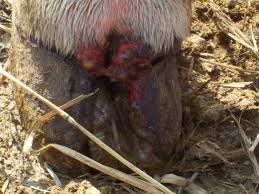


Archive for Foot-and-Mouth Disease

Australia’s mRNA Vaccine for FMD Just Changed the Global Dairy Game. Are You Ready?

An FMD outbreak could cost Australia $80 billion—this new vaccine might be the game-changer we’ve been waiting for!

EXECUTIVE SUMMARY: Here’s the lowdown—Australia just launched the first mRNA vaccine for Foot-and-Mouth Disease with 100% trial protection, marking a seismic shift in biosecurity that’s got everyone talking. ABARES modeling shows that an outbreak could cost us $80 billion over ten years, cutting deeply into our $13 billion dairy sector and threatening $30 billion in export markets. Here’s what’s wild… while old-school vaccines take months to produce and need constant refrigeration, this mRNA breakthrough rolls off production lines in weeks and stays stable at room temperature for over a month. Plus, it’s got DIVA technology built right in—that means you can prove your cattle are vaccinated, not infected, keeping those export doors wide open. With major buyers like Japan and South Korea tightening biosecurity demands across the board, having this kind of edge isn’t just smart business anymore—it’s survival. Look, I’ve been covering dairy innovation for decades, and this is one of those rare breakthroughs that could genuinely protect your bottom line when everything else goes sideways.

KEY TAKEAWAYS

  • 100% protection rate means real risk reduction—ABARES data shows outbreak losses can devastate operations, so start chatting with your vet now about how mRNA vaccines could fit your herd health program and cut those potential losses.
  • Room temp stability for 30+ days eliminates cold chain headaches—especially crucial if you’re running operations in remote areas or dealing with Queensland heat. Time to rethink your vaccine storage strategy for 2025.
  • DIVA technology keeps export certifications bulletproof—this matters huge when you’re selling to picky buyers like Japan and South Korea who don’t mess around with disease concerns. Get with your DPI contacts to understand compliance pathways.
  • Weeks-long production cycles give Australia a massive competitive advantage—while other countries scramble for months during outbreaks, we could maintain market access and protect those milk premiums. Keep tabs on MLA rollout updates.
  • Your biosecurity game still matters most—this vaccine’s a powerful tool, but it won’t replace good farm management. Now’s the time to audit your protocols and maximize ROI on whatever new tech comes down the pipeline.

It was August 3rd when Australia dropped a bombshell that’s still reverberating through dairy circles worldwide. The New South Wales government and Tiba Biotech announced something no one else has pulled off—a fully protective mRNA vaccine for Foot-and-Mouth Disease, developed right here at home. If you’re running a dairy operation anywhere in the world, this breakthrough might just be the game-changer you didn’t know you needed.

Look, we all know what FMD means. Export doors slam shut faster than you can say “outbreak,” and decades of customer relationships can evaporate overnight. ABARES modeling indicates that a widespread outbreak could cost Australia $80 billion over the next decade, taking into account lost markets, reduced production, and control costs. With our dairy industry contributing around $13 billion annually, this isn’t some distant threat—it’s the stuff that keeps farm managers awake at night.

What Makes This Vaccine Different?

FeatureTraditional FMD VaccinemRNA FMD Vaccine
Production TimeMonths to yearsWeeks
Storage RequirementsStrict cold chain requiredStable at room temperature for 30+ days
Safety ProfileUses live virus with associated risksNo live virus, safer
Efficacy70-85% typical efficacy100% in trials
Regulatory Approval StatusWell establishedUnder review by APVMA
Impact on TradeWidely accepted with limitationPotentially stronger trade confidence with DIVA

Here’s the thing about traditional FMD vaccines—they’re a pain to produce and even harder to deploy. We’re talking months or years to manufacture, strict cold chain requirements, and the added headache of working with a live virus. On top of that, their protection typically runs between 70-85%, which isn’t exactly reassuring when your entire export business is on the line.

Australia’s mRNA vaccine flips all that on its head. Production time? Weeks, not months. Storage? Stable at room temperature for over a month—perfect for our harsh, remote conditions. Protection rate? A perfect 100% in trials. That’s not just impressive; that’s revolutionary.

The real kicker is the DIVA technology built into this vaccine. That stands for “Differentiating Infected from Vaccinated Animals,” and it’s crucial for maintaining clean export certifications. Trading partners can tell the difference between animals that have been vaccinated and those that might have been exposed to the actual disease.

Why This Matters for Global Trade

Countries like Japan and South Korea—Australia’s biggest dairy export customers—don’t mess around when it comes to biosecurity. They demand ironclad assurance that imports are disease-free, and even a whiff of FMD can shut down access for years.

Europe’s recent FMD troubles have only made regulators more vigilant about livestock imports. The heightened scrutiny means producers need every advantage they can get.

This vaccine’s rapid deployment capability and built-in certification features could give Australian dairy a significant competitive edge when maintaining—or even expanding—market access during regional disease outbreaks.

From Lab Bench to Farm Gate: The Real Challenge

The science is proven, but getting this vaccine from breakthrough to barn isn’t simple. APVMA approval is still pending, with no firm timeline announced yet, though industry groups are pushing hard to fast-track emergency use pathways.

Australia’s dairy landscape is incredibly diverse, and deployment plans need to account for regional differences. Victoria’s seasonal management around dry-off periods presents different challenges than those faced by Queensland due to concerns over heat and humidity. Each region will need tailored approaches.

MLA is still working through cost modeling, with early signals suggesting significant variation based on operation size, location, and deployment logistics. The message from industry insiders? Stay tuned and plan for variability.

What Smart Producers Should Do Right Now

Start by having a serious conversation with your veterinarian about how mRNA FMD vaccination might fit into your herd health strategy. Most progressive vets are already getting briefed on the technology through professional development programs.

Keep a close eye on updates from MLA, your state DPI, and APVMA. That’s where the practical guidance will come from as rollout plans solidify and approval pathways become clearer.

But here’s the most important part—don’t let this breakthrough make you complacent about biosecurity. This vaccine is a powerful addition to your disease prevention toolkit, but it’s not a substitute for vigilant farm management and strict biosecurity protocols.

The Bigger Picture

This breakthrough represents more than just a win for Australian dairy. It’s a glimpse into the future of livestock disease prevention—faster, safer, more effective protection that could reshape how the global dairy industry approaches biosecurity challenges.

For producers outside Australia, the question isn’t whether this technology will spread to other countries, but how quickly your government and industry will invest in similar capabilities. In a world where disease outbreaks can eliminate market access overnight, being second-best isn’t good enough.

Bottom line? This isn’t just another tech story. It’s about protecting what you’ve built and staying ahead of the curve while your competitors are still figuring out what hit them.

The technology is here. The question for dairy producers worldwide is no longer ‘if’ this kind of protection will become standard, but ‘when.’ How is your operation preparing for this new era of biosecurity? The conversation starts now.

Complete references and supporting documentation are available upon request by contacting the editorial team at editor@thebullvine.com.

Learn More:

  • Biosecurity on Dairy Farms: More Than a Gate Sign – While the mRNA vaccine is a future defense, this article details the practical biosecurity protocols you can implement today. It provides actionable strategies for controlling farm traffic and managing herd health to reduce your immediate disease risk.
  • The Biggest Threat to a Farmer’s Success is Not the Milk Price – This piece provides the strategic business context for why FMD prevention is critical. It explores the non-market forces, including public perception and social license, that impact long-term profitability and demonstrates why proactive management is key to sustainability.
  • Genomics: The Crystal Ball of the Dairy Industry – The FMD vaccine is one breakthrough; this article explores another. It dives into how genomic testing is transforming herd management, revealing methods for breeding healthier, more productive, and more resilient animals, securing your farm’s future genetic potential.

Join the Revolution!

Join over 30,000 successful dairy professionals who rely on Bullvine Weekly for their competitive edge. Delivered directly to your inbox each week, our exclusive industry insights help you make smarter decisions while saving precious hours every week. Never miss critical updates on milk production trends, breakthrough technologies, and profit-boosting strategies that top producers are already implementing. Subscribe now to transform your dairy operation’s efficiency and profitability—your future success is just one click away.
NewsSubscribe
First
Last
Consent

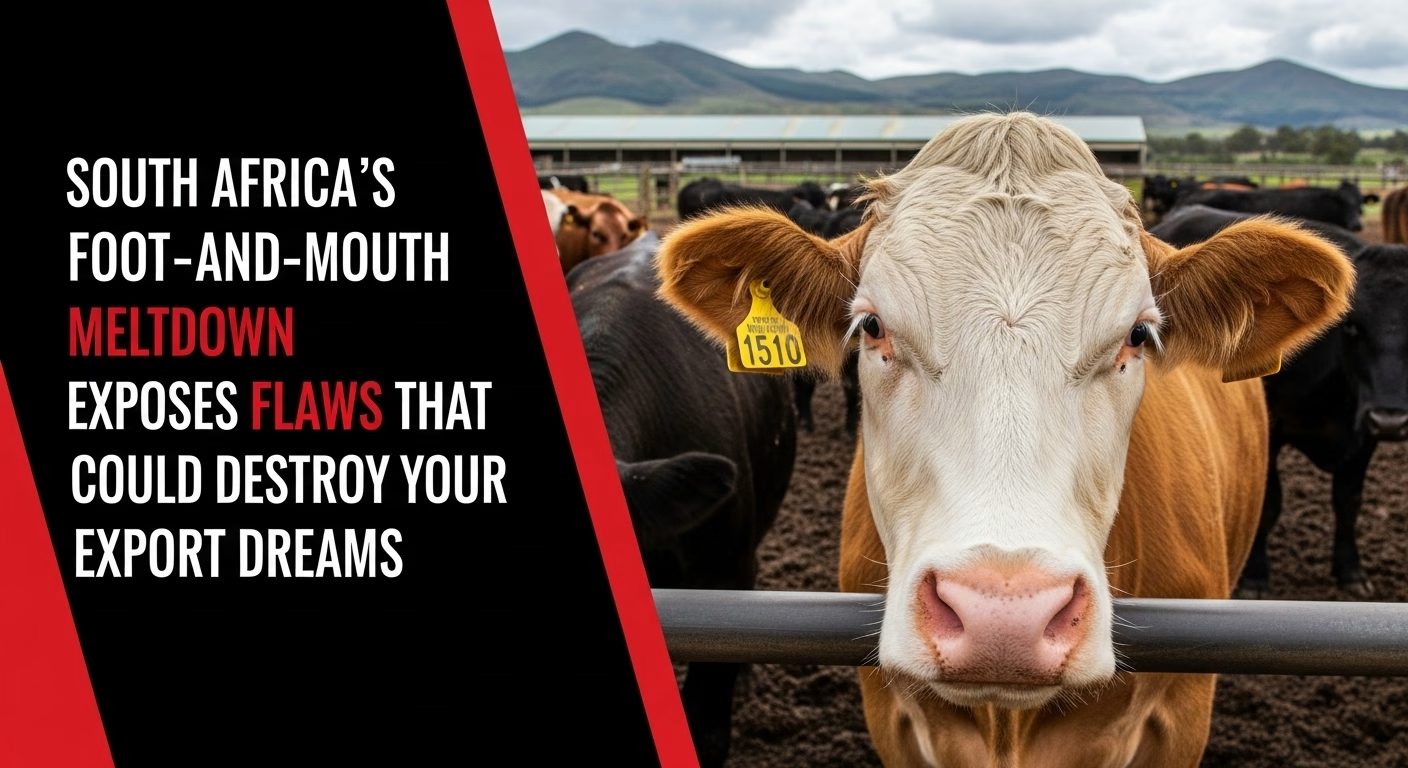
South Africa’s Foot-and-Mouth Meltdown Exposes Fatal Flaws That Could Destroy Your Export Dreams

Stop believing your biosecurity is bulletproof. South Africa’s $2.9B market collapse proves 80% milk yield losses happen faster than you think.

EXECUTIVE SUMMARY: South Africa’s foot-and-mouth disaster just destroyed the world’s largest feedlot and $2.9 billion in Chinese trade overnight, exposing fatal biosecurity flaws that should terrify every dairy producer banking on export markets. When 167 active outbreaks can shut down a country that maintained disease-free status for 24 years, it’s time to ask whether your operation is really prepared for the next pandemic. The quarantine of Karan Beef’s 2,000-cattle-per-day facility and immediate trade bans from China, Namibia, and Zimbabwe reveal how quickly market access evaporates when disease control fails. With foot-and-mouth causing up to 80% reduction in milk yields and forcing complete herd culling, South Africa’s crisis offers brutal lessons about the speed at which biosecurity failures cascade into economic devastation. The government’s emergency order for 900,000 vaccine doses at R100 each highlights the true cost of reactive rather than proactive disease management. Progressive dairy operations worldwide must evaluate whether their biosecurity protocols can withstand the kind of systematic breakdown that turned a regional outbreak into a national catastrophe. This isn’t just about South Africa – it’s a preview of how animal health emergencies destroy international trade relationships in our interconnected global market.

KEY TAKEAWAYS

  • Market Access Fragility: China’s immediate suspension of $2.9 billion in annual trade demonstrates how 24 years of disease-free status can evaporate overnight, forcing dairy operations to diversify export relationships and build redundancy into market strategies rather than depending on single trading partners.
  • Production Impact Reality: Foot-and-mouth disease causes up to 80% reduction in milk yields, weight loss, lameness, and abortions across infected herds, with the virus surviving 26-200 days in soil and up to 14 weeks on footwear – making every farm visitor and equipment transfer a potential biosecurity threat requiring strict disinfection protocols.
  • Silent Spreader Risk: Infected animals shed foot-and-mouth virus for up to 14 days before showing clinical signs, rendering visual inspections useless and necessitating mandatory 28-day quarantine periods for all new animals regardless of health certificates – a practice many operations currently ignore.
  • Economic Devastation Scale: Individual livestock movement assessments cost over $21,000 in South Africa, while small-scale farmers face complete financial ruin from movement restrictions, highlighting the need for sufficient operating capital to survive extended market isolation periods.
  • Technology Investment Imperative: South Africa’s lack of robust animal tracking systems enabled illegal movements that spread disease across provinces, proving that modern digital traceability isn’t just operational efficiency – it’s insurance against market access disruption when trading partners demand complete supply chain transparency.
dairy biosecurity, foot-and-mouth disease, dairy export markets, global dairy trade, animal disease outbreak

South Africa’s escalating foot-and-mouth disease crisis has quarantined the world’s largest feedlot, triggered trade bans from China worth $2.9 billion annually, and revealed catastrophic biosecurity failures that should terrify every dairy producer banking on international markets. When a disease that cuts milk yields by 80% can shut down global trade overnight, it’s time to ask: Is your operation prepared for the next pandemic?

The numbers tell a brutal story. KwaZulu-Natal alone is battling 167 foot-and-mouth disease outbreaks, with 149 still raging as of April 2025. That’s not containment – that’s a complete system collapse. And here’s what should keep you awake at night: this isn’t happening in some remote region with poor infrastructure. This is South Africa, a country that maintained World Organisation for Animal Health (WOAH) FMD-free status for 24 years until 2019.

When the World’s Biggest Feedlot Goes Dark

Let’s talk about what happens when disease control fails spectacularly. Karan Beef’s Heidelberg facility – processing 2,000 cattle daily and recognized as one of the world’s largest feedlots – went under quarantine this week. That’s not just another outbreak statistic. That’s a $2 billion operation grinding to a halt because someone, somewhere, failed to follow basic biosecurity protocols.

The ripple effects? Immediate. China slammed the door on South African beef imports, cutting off access to a market worth $2.9 billion in 2024. When you add Namibia and Zimbabwe to the growing list of countries banning South African livestock products, you’re looking at market access carnage that makes previous trade disputes look like minor inconveniences.

But here’s the kicker that dairy farmers need to understand: foot-and-mouth disease doesn’t discriminate between beef and dairy cattle. The virus causes up to 80% reduction in milk yields, weight loss, lameness, and abortions across all infected herds. This represents a triple threat for dairy operations – immediate production losses, potential culling requirements, and complete market isolation.

The Auction House Vector Nobody Wants to Discuss

Want to know how a regional problem becomes a national crisis? Look no further than South Africa’s livestock auction system. The outbreaks in Mpumalanga and Gauteng have been directly traced back to auctions in KwaZulu-Natal. That’s right – infected animals were sold, transported across provincial boundaries, and integrated into new herds before anyone realized they were walking biological weapons.

This isn’t just poor oversight – it’s a fundamental breakdown in the systems that supposedly protect livestock industries worldwide. What is the legally required 28-day isolation period for newly introduced animals? Apparently ignored. Health certifications? Meaningless when enforcement doesn’t exist.

Ask yourself this: How confident are you that the animals entering your operation have been properly screened and isolated?

The Silent Spreader Problem

Here’s what makes foot-and-mouth disease particularly terrifying for dairy operators: infected animals can shed the virus for up to 14 days before showing any clinical signs. That means those healthy-looking heifers you just purchased could be silently spreading disease throughout your entire herd while you’re congratulating yourself on finding a good deal.

The virus isn’t just transmitted through direct animal contact. It survives for 26-200 days in soil, approximately 15 weeks on wood or straw, and up to 14 weeks on footwear and clothing. Every visitor to your farm, every piece of equipment, every vehicle becomes a potential vector.

Economic Devastation: When Markets Slam Shut

The 2019 foot-and-mouth outbreak in South Africa resulted in a $90 million loss in live cattle and red meat exports. The current crisis? We’re looking at losses that dwarf that figure. China alone accounted for 14% of South Africa’s frozen beef exports in 2024, importing 45,782 tons worth $2.9 billion. When those markets disappear overnight, the financial carnage extends far beyond individual farms.

Small-scale farmers are being crushed. A single livestock movement assessment costs over $21,000 – a devastating expense for operations already struggling with reduced production and restricted market access.

The reality check: How long could your dairy operation survive complete export market isolation?

Government Response: Playing Catch-Up with a Virus

South Africa’s government response reveals the classic reactive rather than proactive disease management pattern. Agriculture Minister John Steenhuisen has announced massive vaccination campaigns, with over 900,000 vaccine doses ordered at a cost of R1.2 billion for the 2025/2026 financial year. Each dose costs R100, and the government is scrambling to build “permanent infrastructure to manage future risks.”

But here’s the problem: they’re consistently playing catch-up with viral spread. The Disease Management Area in KwaZulu-Natal was actually enlarged on March 17, 2025, reflecting continued viral activity rather than containment success. You’re not winning the war when your control measures are expanding rather than contracting.

The government has allocated significant resources, but enforcement remains the Achilles’ heel. Despite legal requirements for animal isolation and movement permits, illegal livestock movements continue unabated, particularly from communal herds. South Africa lacks a robust national animal track-and-trace system, making it nearly impossible to monitor livestock movement effectively.

The Buffalo in the Room

The inconvenient truth complicates every control strategy: foot-and-mouth disease is endemic in African buffalo populations within Kruger National Park and surrounding game reserves. These wild herds serve as permanent viral reservoirs, making complete eradication virtually impossible.

When veterinary cordon fences fail – often due to floods or human negligence – you get spillover events that can spark new outbreaks hundreds of kilometers away. This creates a unique challenge that most other livestock-producing regions don’t face: a natural reservoir that continuously threatens domestic animal health.

What This Means for Your Operation

South Africa’s foot-and-mouth crisis offers critical lessons for dairy operations worldwide. The speed at which a seemingly manageable regional outbreak escalated into a national crisis demonstrates how quickly animal diseases can overwhelm even established control systems.

The most sobering lesson? Market access fragility. Countries that spent decades building trading relationships saw them severed overnight based on disease status. This highlights the strategic importance of diversifying markets and building redundancy into export strategies rather than depending on a handful of key relationships.

For individual dairy operations, the crisis underscores several actionable steps:

Enhance Biosecurity Protocols: Implement strict 28-day quarantine periods for all new animals, regardless of health certificates. Establish vehicle and visitor disinfection stations. Create clear protocols for equipment movement between farms.

Invest in Traceability Technology: Modern digital tracking systems aren’t just operational tools but insurance against market access disruption. When disease outbreaks occur, operations with robust tracking can demonstrate clean status while others face blanket restrictions.

Diversify Market Relationships: Don’t put all your export eggs in one basket. South Africa’s over-reliance on specific markets amplified the impact of the crisis. Build relationships with multiple trading partners to reduce vulnerability.

Build Financial Resilience: Ensure sufficient operating capital to survive extended market isolation. The speed of trade disruption leaves no time for emergency fundraising.

The Bottom Line

South Africa’s foot-and-mouth disaster isn’t just a regional problem – it’s a preview of how quickly animal health emergencies can cascade into trade disasters in our interconnected global market. The quarantine of the world’s largest feedlot and the rapid closure of major export markets should serve as a wake-up call for dairy farmers everywhere.

Here’s what you need to do right now: Evaluate your biosecurity protocols with fresh eyes. Can you honestly say every animal entering your operation has been properly isolated and tested? Do you have traceability systems that can demonstrate clean status during emergencies? Have you diversified your market relationships to reduce dependence on any single trading partner?

The South African situation also highlights the critical importance of government-industry collaboration in animal health management. When enforcement systems fail, and traceability gaps persist, even the most well-intentioned individual farm biosecurity measures can be undermined by systemic weaknesses.

The hard truth: In a world where trading partners can cut access overnight based on disease status, the operations that survive and thrive will be those that invest in prevention rather than reaction. South Africa’s crisis won’t be the last animal health emergency to disrupt global markets. The question isn’t whether your operation will face the next challenge – it’s whether you’ll be ready for it.

Learn More:

Join the Revolution!

Join over 30,000 successful dairy professionals who rely on Bullvine Weekly for their competitive edge. Delivered directly to your inbox each week, our exclusive industry insights help you make smarter decisions while saving precious hours every week. Never miss critical updates on milk production trends, breakthrough technologies, and profit-boosting strategies that top producers are already implementing. Subscribe now to transform your dairy operation’s efficiency and profitability—your future success is just one click away.

NewsSubscribe
First
Last
Consent

BREAKING: FMD CRISIS HITS EUROPE – Hungary Reports First Outbreak in 50 Years, Dairy Industry on High Alert

Hungary’s first foot-and-mouth disease outbreak in 50 years sparks alarm across Europe. Learn how this crisis could impact global dairy and livestock industries.

Executive Summary

Hungary has reported its first foot-and-mouth disease (FMD) outbreak since 1973, detected at a 1,400-head cattle farm near the Slovak border. This follows Germany’s January FMD outbreak, marking the second European case in two months and raising serious concerns about biosecurity vulnerabilities. FMD, a highly contagious viral disease affecting cloven-hoofed animals, has led to strict containment measures, including farm closures, culling, and movement bans in Hungary. The outbreak threatens milk production, trade restrictions, and regional livestock industries. With FMD spreading rapidly, dairy producers worldwide must reassess biosecurity protocols to prevent devastating economic losses and ensure herd health.

Key Takeaways

  • Hungary’s Outbreak: First FMD case in over 50 years reported at a large cattle farm near Slovakia; strict containment measures implemented.
  • European Trend: Hungary’s outbreak follows Germany’s January case, highlighting emerging biosecurity challenges across Europe.
  • Economic Impact: Infected farms face milk production losses of up to 17.4 kg per cow daily and trade restrictions that could cost millions.
  • Global Lessons: Dairy producers must strengthen biosecurity protocols, including visitor controls, feed sourcing scrutiny, and emergency response drills.
  • Cross-Border Complexity: Restriction zones extend into Slovakia, creating international coordination challenges for disease containment.
foot-and-mouth disease, Hungary FMD outbreak, dairy cattle biosecurity, European livestock crisis, dairy industry economic impact

Hungary has confirmed its first case of foot-and-mouth disease since 1973, sending an urgent wake-up call to dairy producers worldwide. The outbreak, detected at a substantial 1,400-head dairy operation in Kisbajcs, was officially reported to the World Organisation for Animal Health (WOAH) on March 7, 2025.

This bombshell development marks the second European FMD emergency in just two months, creating a dangerous pattern that demands immediate attention from dairy producers everywhere.

What makes this situation particularly alarming isn’t just the outbreak itself but its strategic location—it is just 2 kilometers from the Slovak border, creating an immediate cross-border crisis that threatens to undermine decades of disease-free status across Europe’s dairy heartland.

EUROPE’S BIOSECURITY SHIELD SHATTERS: Two Major FMD Outbreaks in Just 60 Days

Let’s not sugarcoat this: something deeply concerning is happening in Europe. On January 10, 2025, after nearly four decades without FMD, Germany confirmed an outbreak of water buffalo in Brandenburg.

Less than 60 days later, Hungary reports its first case in half a century. This isn’t a coincidence – it’s a warning sign that Europe’s biosecurity systems face challenges from somewhere.

The last previous European outbreak occurred in Bulgaria in 2011. Now, suddenly, we have two major dairy-producing nations losing their disease-free status within weeks of each other.

ParameterHungary OutbreakGermany Outbreak
Date ReportedMarch 7, 2025January 10, 2025
LocationKisbajcs, northern HungaryBrandenburg
Animal TypeDairy cattleWater buffalo
Herd Size1,400 animals14 animals
First FMD Case Since1973 (52 years)1988 (37 years)
Proximity to BordersWithin 2km of Slovak borderNot specified
FMD SerotypeUnder investigationType O (linked to Turkey)
Detection MethodClinical symptoms followed by laboratory confirmationNot specified

The pattern becomes even more troubling when we examine the German case closely. Friedrich Loeffler Institute identified the German virus as serotype O, a strain commonly found throughout the Middle East and Asia.

While investigations into the Hungarian outbreak’s viral strain remain ongoing, the proximity of these events raises serious questions about new transmission pathways potentially threatening dairy operations worldwide.

Hungary’s Chief Veterinary Officer, Dr. Szabolcs Pásztor, didn’t wait for lengthy bureaucratic processes – he immediately ordered farm closure and launched aggressive epidemiological investigations to trace the outbreak’s origin. The swift response demonstrates how seriously agricultural authorities take this disease, even after decades without seeing it in their herds.

TIMELINE OF DISASTER: How Hungary’s FMD Crisis Unfolded in Just 72 Hours

The timeline of this outbreak reveals the lightning-fast progression from suspicion to confirmed crisis. Characteristic FMD symptoms first appeared in the Kisbajcs herd on March 3, 2025.

Within three days, by March 6, laboratory confirmatory testing verified officials’ worst fears. The rapid progression from initial symptoms to confirmed diagnosis demonstrates how quickly an FMD situation can escalate from a routine health concern to a full-blown agricultural emergency.

The Hungarian National Food Chain Safety Office (Nébih) immediately implemented textbook emergency response protocols, establishing a 3km protection zone and 10km surveillance zone around the affected operation.

But here’s where things get complicated: these restriction zones don’t stop at the Hungarian border – they extend into neighboring Slovakia, creating extraordinary coordination challenges between national veterinary services.

This transboundary dimension adds complexity to containment efforts, as two national authorities must synchronize response activities while operating under different administrative systems.

THE FINANCIAL BLOODBATH: What FMD Costs Your Dairy Operation

Let’s talk dollars and cents – because that ultimately matters to your bottom line. Research examining FMD outbreaks shows dairy operations take a devastating economic hit, with average losses of USD 56 per animal, but potentially reaching a staggering 7 per head in severe cases.

For a 1,400-cow operation like the one affected in Hungary, that translates to potential losses between $78,400 and $527,800 – and that’s just direct costs.

The most significant financial bloodletting comes from milk production crashes. Infected cows typically lose between 0.7 and 17.4 kg of milk production per day, a range that reflects how dramatically different the impact can be depending on herd management and disease severity.

For perspective, if half the Hungarian farm’s 1,400 cows were lactating and experienced even moderate production losses of 8 kg per day for just two weeks, that represents 78,400 kg of milk never making it to market.

These aren’t just abstract numbers—they represent farm families watching their livelihoods evaporate. Average milk losses per farm during FMD outbreaks have been calculated at $1,063 USD, but they can skyrocket to $14,688 in severe cases.

And these figures don’t even account for the crippling impact of export bans and market access restrictions that inevitably follow FMD confirmation.

BORDER BATTLE: When Veterinary Authorities Clash While Disease Spreads

Here’s where this outbreak gets particularly messy: the restriction zones around the Hungarian farm cross into Slovak territory, creating a diplomatic and regulatory tangle.

Disease control suddenly becomes an international negotiation, with two different veterinary authorities needing to coordinate testing protocols, movement controls, and information sharing – all while racing against a pathogen that couldn’t care less about national borders.

This cross-border dimension highlights a critical vulnerability in our disease control systems. While the virus moves freely across landscapes, regulatory responses fragment along political boundaries.

Hungarian authorities can’t directly implement control measures on Slovak soil, and information sharing between national systems inevitably introduces delays and potential gaps in containment strategy.

FIVE DEADLY ASSUMPTIONS: Why Your Farm Is More Vulnerable Than You Think

Let’s challenge some dangerous assumptions. Many dairy producers believe their geographic distance from Hungary provides sufficient protection, but this overlooks how rapidly FMD can travel through modern agricultural supply chains.

Hungary maintained FMD-free status for over 50 years before this introduction shattered that security. The same could happen anywhere – including your operation.

The most concerning blind spots in on-farm biosecurity include:

First, international feed ingredient sourcing. Even if you’ve never imported an animal from Hungary or Germany, have you scrutinized where every feed component originated? Many ingredients travel globally before reaching your farm, potentially carrying viral particles.

Second, equipment and vehicle contamination. The FMD virus survives well on surfaces, meaning everything from shared equipment to feed delivery trucks represents potential transmission vectors if they’ve contacted infected premises.

Third, visitor protocols with dangerous exceptions. Many farms maintain theoretical visitor restrictions but make casual exceptions for milk haulers, feed deliverers, veterinarians, and other service providers who might visit multiple farms daily. Each exception creates potential pathways for viral introduction.

Fourth, there is inadequate staff training on symptom recognition. Early detection means earlier containment. Your employees should be able to immediately recognize the classical signs of FMD: fever, excessive drooling, characteristic blisters on the mouth, tongue, feet, and teats, alongside dramatic production drops.

Fifth, overconfidence in geographic isolation. The virus’s rapid spread from Germany to Hungary within two months demonstrates how quickly disease status can change. No farm is an island in today’s interconnected agricultural systems.

PROTECTION PLAYBOOK: 6 Critical Actions Smart Dairy Producers Are Taking TODAY

Don’t wait for FMD to appear in your region before taking action. Forward-thinking dairy producers are already implementing these immediate protective measures:

Control MeasureDetailsImplementation
Vehicle DisinfectionAll vehicles entering premises disinfected with approved virucidal agentsDedicated wash station at farm entrance
Visitor Restrictions48-hour “cooling off” period for anyone visiting other livestock operationsVisitor log and screening questionnaire
Sourcing ProtocolsEnhanced scrutiny of animals/genetics from or transiting through affected regionsExtended quarantine (21+ days) for new animals
Staff TrainingRegular drills on symptom identification and emergency responseMonthly review sessions with updated photos
Feed SecurityVerification of ingredient origins, particularly those from FMD-endemic regionsSupplier certification requirements
Personal Protective EquipmentDedicated boots/coveralls for on-farm use onlyBoot disinfection stations between farm areas

Institute strict cleaning protocols for all vehicles entering your property, with particular attention to milk trucks, feed deliveries, and livestock transporters that visit multiple farms. A properly mixed disinfectant footbath and tire wash station costs a fraction of what a disease introduction would.

Implement a 48-hour “cooling off” period for anyone who’s visited other livestock operations before entering your facility. This simple timing adjustment eliminates a significant transmission pathway.

Review your cattle sourcing practices immediately. With Europe experiencing multiple outbreaks, animals or genetics originating from or transiting through affected regions deserve heightened scrutiny and extended quarantine procedures.

Conduct emergency response drills with your team to ensure everyone knows exactly what to do if suspicious symptoms appear. Speed matters – the Hungarian authorities moved from symptom identification to laboratory confirmation in three days.

Engage with industry associations to pressure regulatory authorities to enhance border inspections of agricultural imports, mainly animal feed ingredients and biologics from regions where FMD remains endemic.

CONTAINMENT BLUEPRINT: What Happens When FMD Hits Your Region

Understanding Hungary’s emergency response provides valuable insights into what producers might face if FMD reaches their region:

Control MeasureDetailsDuration
Protection Zone3km radius around affected farmUntil further notice
Surveillance Zone10km radius (extends into Slovakia)Until further notice
National Standstill72-hour halt on all susceptible animal movementsMarch 7-10, 2025
Regional RestrictionsOnly direct-to-slaughter movement permitted in affected regionUntil at least March 17, 2025
Border ControlsEnhanced inspection of animal transports at all entry pointsIndefinite
Culling ProtocolAll susceptible animals on affected premisesImmediate
Public AccessZoos and attractions with susceptible animals closedUntil further notice

YOUR FARM COULD BE NEXT: Why This European Crisis Matters to Every Dairy Producer

The re-emergence of foot-and-mouth disease in Hungary after more than five decades should set off alarm bells for dairy producers worldwide. The pattern of two European outbreaks within two months suggests changing dynamics in disease transmission that demand immediate attention from every dairy operation, regardless of location.

The economic devastation FMD wreaks – from production losses averaging per animal to potential farm-level milk losses exceeding ,000 – makes preventive investment a financial no-brainer.

The cross-border nature of the Hungarian outbreak, with restriction zones extending into Slovakia, highlights how modern disease management transcends national boundaries. This complexity demands a coordinated international approach but also places responsibility on individual producers to strengthen their biosecurity shields.

Don’t dismiss this as a distant European problem. Hungary maintained disease-free status for half a century before this introduction shattered that security.

No dairy operation is immune to these risks, but those who respond with urgency and commitment to enhanced biosecurity will position themselves to weather this emerging threat. The time for action isn’t next week or month – it’s today before the next outbreak appears even closer to home.

Learn More

Join the Revolution!

Join over 30,000 successful dairy professionals who rely on Bullvine Daily for their competitive edge. Delivered directly to your inbox each week, our exclusive industry insights help you make smarter decisions while saving precious hours every week. Never miss critical updates on milk production trends, breakthrough technologies, and profit-boosting strategies that top producers are already implementing. Subscribe now to transform your dairy operation’s efficiency and profitability—your future success is just one click away.

NewsSubscribe
First
Last
Consent

Foot-and-Mouth Disease Resurfaces in Germany: A Wake-Up Call for European Livestock Industry

Discover how the foot-and-mouth disease outbreak in Germany is affecting German, Dutch, and Flemish dairy farmers. What steps are being taken to safeguard the industry?

Summary:

The foot-and-mouth disease outbreak in Germany has led to action and challenges throughout the dairy industry, hitting Germany, the Netherlands, and Flanders hard. This report looks at the control steps taken in Germany after the outbreak in Brandenburg and how it affects livestock in Germany, the Netherlands, and Belgium. The outbreak has caused trade disruptions, showing the need for quick international teamwork and strong efforts like emergency vaccinations and transport bans to stop the disease’s spread and keep markets steady. Previous outbreaks, like those in the UK in 2001, remind us of the importance of monitoring and better vaccines, which guide today’s efforts to protect the livestock industry.

Key Takeaways:

  • The foot-and-mouth disease (FMD) outbreak in Germany has sparked significant control measures and economic effects across the Netherlands and Flanders.
  • Germany’s first FMD case since 1988 was confirmed in a herd of water buffalo on January 10, 2025, prompting immediate response actions, including culling and establishing protection zones.
  • The Netherlands took swift action to protect its cattle sector, implementing transport bans and ordering emergency vaccines while investigating potentially affected farms.
  • Economic repercussions are notable, with export bans from other countries and financial impacts on farmers, exemplified by efforts such as DOC Kaas reducing milk prices.
  • Flanders undertook precautionary measures, initially blocking several livestock farms but releasing them after negative test results.
  • As of January 17, no additional FMD cases had been confirmed, allowing for some relaxation of emergency measures, yet continued scrutiny remains essential.
  • The overarching response to the outbreak underscores the critical nature of rapid intervention and global coordination in managing livestock diseases.
foot-and-mouth disease, FMD outbreak, livestock health, dairy industry impact, disease management

On January 10, 2025, a foot-and-mouth disease (FMD) case was found in Brandenburg, Germany. This was the first case since 1988. FMD spreads quickly among animals with hooves, like cows and pigs, and it is a significant threat to livestock health and the dairy industry. The outbreak led to the implementation of stringent regulations that specifically impacted farmers, especially those linked to German farms. Dr. Johannes Meier from the German Ministry of Agriculture said the outbreak sent shockwaves through the European livestock sector. FMD can cause animals to lose weight and produce less milk, resulting in substantial economic losses, trade disruptions, and market limitations. These issues show why quick and strong control measures are needed. This situation impacts Germany directly and underscores the importance of upholding biosecurity in nearby regions such as the Netherlands and Flanders.

Understanding Foot-and-Mouth Disease: A Persistent Threat to Livestock and the Dairy Industry

Foot-and-mouth disease (FMD) is a virus that spreads among animals with split hooves, like cattle, pigs, sheep, and goats. It is known for causing fast and significant outbreaks. The virus spreads through contact with sick animals, contaminated food and tools, and even through the air over short distances, making it a substantial threat to the livestock industry

FMD creates major economic issues by reducing productivity and blocking trade. It is also costly to stop the spread of the disease. Its effects go beyond farms, affecting rural economies that depend on farming. 

Past FMD outbreaks in Europe have badly affected the dairy industry. In 2001, the UK had to kill over six million animals, costing about £8 billion. These outbreaks can also upset markets and worry consumers, causing long-term changes in local and international markets

Europe has strict rules and quick responses to FMD to reduce its impact. Despite these measures, new outbreaks show that monitoring and improving vaccines are still needed. The dairy industry depends on healthy animals so that any disruption can cause a crisis with immediate and lasting effects.

Germany’s First FMD Case in Decades Sparks Comprehensive Control Actions

On January 10, 2025, Foot-and-Mouth Disease (FMD) was found in a herd of water buffalo in Hönow, Brandenburg. This was a significant event, marking Germany’s first case of FMD in years. The German authorities swiftly implemented stringent measures to contain the disease, including culling the infected herd and nearby animals and establishing a 3 km protection zone and a 10 km surveillance zone around the outbreak site. These proactive measures were crucial in preventing the spread of the disease. 

They started by culling or killing the infected herd and nearby animals to eliminate the disease source quickly. They also created a 3 km protection zone and a 10 km surveillance zone around the outbreak site. These zones helped control the movement of livestock and monitored their health to keep the disease contained. 

Additionally, a 72-hour ban on transporting cloven-hoofed animals was implemented across Brandenburg and Berlin. This temporary stop was crucial to prevent the virus from spreading to other areas, highlighting the importance of fast action in dealing with livestock diseases.

The Netherlands’ Proactive Response: Safeguarding Herd Health and Market Stability

The outbreak of foot-and-mouth disease in Germany prompted Dutch authorities to swiftly implement protective measures to safeguard their livestock from the disease’s potential spread. First, they identified over 3,600 calves from Brandenburg, Germany. This was very important because these animals could spread the disease, and they wanted to ensure the safety of all other Dutch cattle. 

The Dutch government imposed strict transportation regulations to stop the disease from spreading. They banned moving veal calves unless they were going straight to the slaughterhouses. This rule prevented infected animals from spreading the disease and kept farms safe. 

Another crucial step was the collaboration with Stichting Kwaliteitszorg Vleeskalverij (SKV), an organization that ensures quality in the veal sector. SKV played a significant role by banning the movement of veal calves in the Netherlands during the crisis. This collective effort ensured that the rules were followed to stop the spread of the disease, demonstrating the industry’s unity and shared responsibility in times of crisis.

Economic Repercussions: Navigating the Financial Strain on the Dairy Sector

The foot-and-mouth disease outbreak in Germany immediately affected the European dairy market. Many countries outside the EU swiftly halted the import of German livestock and meat to prevent the spread of FMD. While this was a necessary step, it also had a ripple effect on regional markets, such as those in the Netherlands and Flanders. This underscores the interconnectedness of the European dairy market, which emphasizes the need for coordinated responses to disease outbreaks to ensure market stability. 

Financially, the Dutch dairy sector struggles to maintain herd health while meeting market demands. Halting calf visits, transportation, and vaccination efforts have raised costs for farmers. However, the Dutch government and industry groups are working together to minimize these losses, which could be substantial if the outbreak persists. Their collaborative efforts and proactive measures demonstrate a strong commitment to reducing the outbreak’s impact on the dairy sector. 

Companies like DOC Kaas are taking steps to stay financially stable. In January, DOC Kaas lowered its milk price by 1.08 euros per 100 kg to manage risks from transport and milk production issues. This move is a strategic response to protect against financial disruptions. 

The dairy industry in Flanders has also been adjusting due to the FMD outbreak. While it is not as directly affected as the Netherlands, it has shown resilience in the face of the crisis. The increased oversight and adjustments required due to the blocking and testing of livestock imports from Germany have been managed effectively, demonstrating the industry’s ability to adapt and maintain consumer trust during uncertain times. 

Despite the apparent economic effects of the FMD outbreak, the proactive measures taken by authorities and businesses underscore a strong commitment to safeguarding the dairy industry. As things change, the dairy industry in these regions must find a balance between controlling the disease and maintaining economic health.

Vigilant Measures in Flanders: From Initial Bloc to Safe Release

After the FMD outbreak in Germany, Belgium acted quickly to prevent the disease from entering Flanders. To protect the cattle and farming community in the region, they initially blocked 16 farms that had received animals from the Brandenburg area.

Later, tests showed that only nine farms, with 228 animals, were at risk. The farms were tested carefully to determine whether the virus was present, following Belgium’s strict safety rules.

By January 17, all nine farms were found safe, with negative test results, and allowed to operate normally again. This shows that early actions and thorough testing helped prevent the disease.

Belgium is still closely monitoring the situation to protect its livestock. Authorities are in touch with other countries to ensure any new signs of the disease are caught quickly. They continue testing, following safety measures, and working with other nations to prevent the disease from re-entering Belgium.

Strategic Responses and Reinforced Safeguards: Controlling the Spread of FMD Across Borders

The fight against the foot-and-mouth disease outbreak involves extending transport bans to stop the virus from spreading further. Authorities in Brandenburg are carefully watching the situation and have enforced these bans to control animal movement in and out of affected areas. In the Netherlands, teaching farmers about the disease and imposing strict rules on animal movement are key strategies. 

Dutch authorities have ordered 100,000 emergency vaccines to respond quickly to the outbreak. This shows their commitment to stopping the disease before it spreads. The vaccines are ready, but officials are figuring out the best way to use them as they continue to monitor the situation. 

The Netherlands Food and Consumer Product Safety Authority (NVWA) is leading the check-up on farms that might have been affected. So far, tests on these farms have returned negative results, which is good news. Although everyone is still careful and watchful, this offers relief. 

Even though the emergency order has been lifted in Germany, the protection and surveillance zones around the outbreak site remain. These zones are essential to prevent the virus from spreading to uninfected areas. Strict animal health checks continue, testing farm and wild animals in these zones. This careful approach shows how seriously the authorities are working to fix the current problem and prevent new ones.

Economic Impact of FMD Outbreak: Regional Losses and Price Shifts

The foot-and-mouth disease outbreak is causing significant financial problems where it has spread. Farmers in Germany expect to lose much money, possibly hundreds of millions, because they can’t sell livestock and have to kill 275 infected animals.

The Netherlands is dealing with similar money issues. They had to lock down farms and stop transporting about 3,600 calves. These steps are making it hard to keep farming and trading as usual. The situation is challenging in Belgium, but careful actions helped smooth things. 

Meat and dairy prices are changing. Due to reduced supplies and increased security measures, consumer prices may rise. DOC Kaas, a prominent dairy company, has lowered its milk price by 1.08 euros per 100 kg for January to handle the cost changes from the outbreak. This shows how companies try to manage during these challenging times. 

In the coming months, businesses and leaders’ responses to Europe’s economic challenges will impact market stability and consumer prices. Therefore, monitoring the situation closely and making flexible plans is essential.

Learning from History: Examining FMD Outbreaks and Their Lessons

The recent foot-and-mouth disease (FMD) outbreak in Germany reminds me of previous European challenges, notably the significant outbreak in the United Kingdom in 2001. Back then, over six million animals were killed, and it cost about £8 billion. They had strict rules like stopping animal movement and setting up control areas, much like Germany does now. These actions show how important it is to handle these outbreaks properly. 

Today, people can respond faster because they have better tools to watch for issues and can use vaccines quickly. The 2001 crisis showed that diseases can spread rapidly and affect international markets. The UK faced rigid trade rules back then, just like Germany now deals with countries outside the EU. Since 2001, improvements have been made in stopping diseases and working with other countries. Germany’s quick actions prove they’ve learned from the past, highlighting how important it is to act quickly. 

This outbreak is a potent reminder that FMD is always a threat and needs careful monitoring, as shown by cooperation between Germany, the Netherlands, and Flanders. While today’s outbreak is not as bad as before, emergency readiness and teamwork are still vital. Lessons from past outbreaks, especially about economic impacts and disease management, continue to guide today’s methods for keeping the livestock industry safe from future problems.

The Bottom Line

The foot-and-mouth disease outbreak in Germany shows how easily livestock can get sick. It was the first case in Germany in many years and caused strict rules to stop its spread. Neighboring countries like the Netherlands quickly put transport bans, emergency vaccinations, and import limits in place to protect their herds and markets. The economic impact is significant, with expected losses for farmers due to animal culling and movement bans. This shows the need for financial safety plans in the dairy business. In Flanders, restrictions were lifted after negative tests, proving the importance of watching the situation closely. These efforts show that care, preparation, and teamwork are key to handling livestock diseases. In the future, dairy farmers and industry leaders should learn about best practices to prepare for future outbreaks. This event should lead to the implementation of stronger safety measures and enhanced international cooperation to protect the livestock industry.

Learn more:

Join the Revolution!

Bullvine Daily is your essential e-zine for staying ahead in the dairy industry. With over 30,000 subscribers, we bring you the week’s top news, helping you manage tasks efficiently. Stay informed about milk production, tech adoption, and more, so you can concentrate on your dairy operations. 

NewsSubscribe
First
Last
Consent

Germany Declares No More Cases of Foot-and-Mouth Disease

Find out how Germany controlled foot-and-mouth disease. What does this mean for dairy farmers and the future of the industry? Learn more now. 

Summary:

Germany has successfully controlled a foot-and-mouth disease outbreak first found in a water buffalo herd near Berlin, and no new cases have been reported. Agriculture Minister Cem Oezdemir stated they are working hard to discover how the disease began. Keeping cases low is crucial for exporting products to the European Union. A 10-kilometer quarantine zone was established around the farm to prevent the disease from spreading, which means product bans only apply to this specific area, not the entire country. This outbreak has caused a slight drop in pig prices. The German government responded strongly by creating this quarantine zone and halting the transport of animals in the Brandenburg state area to stop the spread of the disease.

Key Takeaways:

  • Germany’s Agriculture Minister, Cem Oezdemir, confirmed no new cases of foot-and-mouth disease since the initial outbreak.
  • Measures are in place to control the disease and prevent further outbreaks, including quarantine zones of 10 kilometers around affected areas.
  • The European Commission permits regionalization, limiting trade restrictions to the affected region rather than the entire country.
  • German meat and dairy exports are contingent upon the disease being contained and no new cases emerging.
  • The source of the infection is under investigation, emphasizing the need for heightened biosecurity measures.
  • There was a minor decline in German slaughterhouse pig prices following the outbreak.
  • The outbreak marks the first incidence of foot-and-mouth disease in Germany in nearly 40 years, highlighting historical challenges with animal disease management.
  • Internationally, certain countries have imposed bans on German meat and dairy imports, reflecting the global nature of agricultural trade dynamics.
  • The development underscores the significance of rapid-response strategies and continuous vigilance in managing animal diseases in agriculture.
foot-and-mouth disease, Germany agriculture, disease containment measures, EU trade regulations, biosecurity strategies

Germany has reported no new cases of foot-and-mouth disease since the first outbreak, which is a positive sign. The country had been free of this highly contagious disease in livestock for over 40 years. Agriculture Minister Cem Oezdemir shared the good news, which reflects the success in slowing the spread of the disease. Cattle and pigs are most susceptible to infection. The outbreak was discovered in water buffalo near Berlin on January 10th, serving as a sobering reminder of previous epidemics. It is critical to control this disease quickly if Germany is to reassure domestic and international markets about its food safety standards and avoid severe economic problems. “Our main job now is to get this under control,” the minister stated, emphasizing the importance of managing the response. As of January 15th, no new cases had been discovered, marking an important step in halting the spread. Minister Oezdemir focused on managing the situation carefully to maintain trade, particularly with the European Union, and protect the country’s agricultural economy.

Foot-and-Mouth Disease Reawakens

The recent outbreak of foot-and-mouth disease (FMD) in Germany has surprised the country’s livestock industries, as it’s the first since 1988. This started when a farmer in Brandenburg found his prized water buffaloes dead last week, with three out of the herd of fourteen deceased. As a safety measure, the authorities put down the remaining eleven buffaloes and all other cloven-hoofed animals within a one-kilometer distance. Officials also imposed a ban on animal movement within a ten-kilometer area around the infected herd and are testing all farm animals within a three-kilometer radius. The Friedrich Loeffler Institute found that the virus is serotype O, usually seen in the Middle East and Asia. Although they identified the specific type, German authorities are still working hard to discover how this highly contagious virus came to the country, as it hasn’t been in Europe since 2011. FMD does not pose a risk to human health, but it spreads quickly. It can be carried on clothes, vehicle tires, farming tools, or feed from one farm to another. Cloven-hoofed animals can also catch it through the air or from wild animals. Past outbreaks required many animals to be killed to stop the spread.

Germany’s Solid Action Plan in Containing Foot-and-Mouth Disease

The foot-and-mouth disease outbreak in Germany was unexpected, given the country’s nearly 40-year history of being free from the disease. The discovery of the disease in a herd of water buffalo near Berlin, in the Brandenburg region, was a stark reminder of the need for constant vigilance and preparedness in the agricultural sector.

To contain the outbreak, German authorities quickly implemented various safety measures. A 10-kilometer quarantine zone was created around the affected farm. This was part of a larger European Union plan that adheres to the “regionalization” rule, which restricts trade only within the infected area rather than the entire country. Meanwhile, Brandenburg took emergency action, extending the quarantine and temporarily halting animal transport. These steps were critical in preventing the disease from spreading via animal movements.

The strict border control aimed to keep potentially infected animals from leaving the affected area. These actions demonstrate how seriously Germany is attempting to contain the outbreak. They also assure farmers and trade partners that Germany is making significant efforts to manage and eliminate the disease. These efforts adhere to European guidelines to ensure the disease is contained and does not become an essential agricultural issue.

The successful containment of the foot-and-mouth disease outbreak in Germany has brought significant relief to dairy farmers and the industry. The authorities’ swift actions in establishing quarantine zones and emergency measures have effectively protected the dairy industry. This proactive approach has averted potentially serious consequences for livestock and the economy. Farmers who rely on cattle and goats for milk and other dairy products can now sigh relief. The threat of culling and reduced milk production has been averted, ensuring a steady supply of dairy products to meet domestic demand.

Economic Shockwaves: Foot-and-Mouth Outbreak’s Immediate Impact on Livestock Markets 

The economic consequences could have been severe, too. Germany’s meat and dairy industries are critical to its agricultural output and exports. A more serious outbreak could have forced international markets to ban imports, causing economic damage. If these bans lasted long enough, Germany might have lost its competitive advantage, and countries like France and the Netherlands might have taken over its market share, making it difficult to regain.

Germany’s recent foot-and-mouth disease outbreak quickly impacted the agricultural market, harming the livestock trade. Pig prices in German slaughterhouses have dropped by 10 cents per kilogram, with farmers now earning only 1.72 euros ($1.78) per kilogram. This price drop demonstrates how quickly the market reacts to potential export restrictions and concerns about economic consequences if the disease spreads further.

Even minor price changes can significantly impact pig farmers’ incomes, as pork is in high demand in Germany and other countries. However, prices are falling due to health concerns and trade restrictions. Farmers could suffer significant losses if this trend continues, endangering Germany’s meat industry.

Historically, foot-and-mouth disease has caused significant financial damage around the globe. For example, in the United Kingdom and South Korea, many animals were killed to combat the disease, costing the economies billions of dollars. This is a stark reminder of the potential economic devastation that could befall Germany if the disease is not effectively contained.

According to European Union regulations, Germany is taking prompt action to prevent further market disruption. The country employs rapid response strategies, such as local quarantines, to keep its export markets open and trade steady.

Germany’s Export Challenges: Navigating Through Temporary Trade Barriers Amidst a Foot-and-Mouth Setback

Germany is now struggling because it has lost its standing as free from foot-and-mouth disease. It can no longer provide veterinary certificates to guarantee the safety of its meat and dairy, which are meant for export. These certificates aren’t needed for shipments within the 27 countries of the EU, but many European importers might still refuse German products until the virus is controlled. Countries like the UK, South Korea, and Mexico have banned importing certain livestock products from Germany, especially pork. If Germany can stop the spread of the virus, it will likely face a short but possibly severe drop in meat and dairy exports outside the EU. Additionally, the Netherlands has ordered a stop to moving calves across the country. More than 100 Dutch farms recently received dairy calves from Brandenburg. Many European dairy farmers raise young animals separately and then move them to milking facilities when they’re mature. Temporary halts in cattle transport may not drastically reduce European milk production. Still, they make milk production more challenging on land already dealing with health issues, strict rules, and lack of investment.

The Persistent Threat: Navigating Germany’s Historical Battles with Foot-and-Mouth Disease

Germany has battled foot-and-mouth disease, and recent outbreaks remind us of the disease’s potential to harm livestock. This disease affects animals with split hooves, including cattle, pigs, sheep, and goats. It causes fever and painful sores, limiting their ability to move and reducing milk production. Even minor outbreaks can have a significant financial impact on the meat and dairy sectors.

Germany experienced severe outbreaks following World War II, particularly in the 1960s and 80s. The government had to take decisive action to control the disease, such as slaughtering at-risk herds, imposing strict quarantines, and administering vaccines to help animals develop natural immunity without becoming ill.

Foot-and-mouth disease was under control by the end of the twentieth century, but it has the potential to return quickly. That is why authorities closely monitor and isolate infected farms, prohibit the movement of potentially exposed animals, and impose stringent biosecurity protocols. These steps are consistent with the European Union’s plans to contain the disease in smaller areas rather than affecting the entire country, thereby reducing trade and farming disruptions.

Navigating Unknown Territories: Germany’s Roadmap in Tracing and Containing Foot-and-Mouth Disease

Understanding the path of the foot-and-mouth disease outbreak in Germany is crucial for the future. By comprehending its spread, we can identify the strengths and weaknesses of our biosecurity measures and make necessary improvements. This investigation will significantly enhance Germany’s preparedness for future livestock and economic threats.

In today’s globalized world, trade restrictions must be limited to specific regions. By banning only exports from affected areas, Germany hopes consumers will continue to trust its meat and dairy products. This thoughtful approach protects German farmers’ jobs and incomes, demonstrating that disease management is best achieved through careful regional control rather than isolating the entire country.

These policies will be tested again if another outbreak occurs. As diseases spread rapidly around the world, it will be critical to maintain and improve regional trade rules with partners. As borders become more challenging to control, countries must collaborate to monitor, report, and respond quickly to threats. Germany should adopt new ideas and strategies from other countries to improve its defenses, assist others in protecting their agriculture, and strengthen global biosecurity.

The Bottom Line

After detecting foot-and-mouth disease in Brandenburg, Germany quickly reduced the risk. Quick emergency measures and strategic talks with the European Union allowed for continued trade from unaffected areas of the country. This kept important export routes open, causing little disruption in the German dairy industry. German officials and farmers’ tireless efforts demonstrated the importance of remaining vigilant against livestock diseases. The message to dairy farmers and industry workers was clear: preparing and acting quickly can help protect the livestock sector. Investing in preventive measures will protect farms and the industry from future problems. This event emphasized the importance of disease prevention and collaboration in agriculture.

Learn more:

Join the Revolution!

Bullvine Daily is your essential e-zine for staying ahead in the dairy industry. With over 30,000 subscribers, we bring you the week’s top news, helping you manage tasks efficiently. Stay informed about milk production, tech adoption, and more, so you can concentrate on your dairy operations. 

NewsSubscribe
First
Last
Consent

Germany Faces First Foot-and-Mouth Disease Outbreak in 40 Years: Urgent Measures Underway

See how Germany handles its first foot-and-mouth disease case in 40 years. What steps are they taking to safeguard agriculture? Learn more.

Summary:

Germany’s facing its first foot-and-mouth disease case in almost 40 years, hitting a herd of water buffalo near Berlin. This shakes the country’s usually disease-free reputation, pushing for quick actions to manage the outbreak. Affected animals have been put down, and zones are set up to keep the virus from spreading. The outbreak shows how vulnerable biosecurity in farming can be, and strong local and international efforts are needed. While humans aren’t directly at risk, the financial and emotional impact on Germany’s farming community is real. Farmers are now on high alert to protect their livestock against this virus, with a 3-kilometer exclusion zone and a 10-kilometer monitoring zone in place. The outbreak is a reminder of how important biosecurity is, with regular check-ups and international teamwork essential to stop the virus. German dairy farmers, in particular, worry that this could spread to cattle, affecting milk production, urging them to ramp up safety and watch their animals closely.

Key Takeaways:

  • Germany has confirmed its first case of foot-and-mouth disease in nearly 40 years within a herd of water buffalo near Berlin.
  • The highly contagious virus affects cloven-hoofed animals but poses no direct health threat to humans, although they can act as carriers.
  • Authorities have euthanized affected animals and established exclusion and monitoring zones to contain the outbreak.
  • Local investigations are underway to determine the source of the infection, with no federal or international action planned.
  • Germany and the EU are officially recognized as disease-free zones, with the last German case documented in 1988.
  • Foot-and-mouth disease remains prevalent in parts of the Middle East, Africa, Asia, and South America, with illegal animal product imports posing ongoing risks.
  • The outbreak underscores the need for continued vigilance and robust biosecurity in agriculture.
Foot-and-Mouth Disease, Germany livestock outbreak, Brandenburg agriculture, biosecurity measures, dairy farmers concerns

Walking around the beautiful Brandenburg area near Berlin, you might see peaceful herds of water buffalo with their calm nature and shiny black coats. Lately, however, Germany’s first case of foot-and-mouth disease has shaken this calm scene in almost 40 years. The case was found in a herd of water buffalo and is essential for Germany’s farming because the country hasn’t had this contagious disease for a long time. It shows the need to monitor livestock health closely, even in places that have been safe for years.

Understanding the Silent Threat: The Broad Impact of Foot-and-Mouth Disease on Cloven-Hoofed Animals 

Foot-and-mouth disease (FMD) is a contagious virus that affects animals with split hooves, such as cows, pigs, sheep, and goats. Animals with FMD show signs like fever and blisters on their mouths and feet. These blisters can burst, causing pain and problems like limping and losing appetite, affecting their health and productivity

While foot-and-mouth disease doesn’t directly harm people, humans can still unknowingly spread the virus. You can pass it on by being around infected animals or touching things that have the virus on them. That’s why it’s essential to follow strict safety rules to control outbreaks and keep the virus from spreading to other animals.

Swift Action Amidst Uncertainty: Containment Strategies to Combat Foot-and-Mouth Disease 

With the unsettling news of foot-and-mouth disease near Berlin, German authorities acted fast to stop the virus from spreading. The first step, though brutal, involved putting down the infected water buffalo. This was crucial to keep the disease contained at the original site. They set up a 3-kilometer exclusion zone around the outbreak to boost protection. Here, strict rules stop the transport of animals and products. It makes you wonder: if an outbreak was close, what steps would you take? 

A 10-kilometer monitoring zone is monitored outside this zone to catch disease signs early. Movement is closely checked, limiting what can pass through. These actions aim to protect not just the immediate area but the wider region as well. 

With these measures, Germany is committed to maintaining strong animal health standards. While challenging, decisions like these protect the country’s farming future. Isn’t peace of mind worth a few sacrifices?

Navigating the Uncharted: Investigative Efforts to Unravel the Source of the Outbreak

Local authorities are actively tracing the origins of the outbreak by conducting thorough investigations, including analyzing the movements of the infected water buffalo herd and assessing potential lapses in biosecurity measures. Investigators are examining the movements and interactions of the sick water buffalo herd. Investigators are checking for any lapses in biosecurity measures and any recent arrivals of animals or animal products that might have brought the virus to the farm. Even though there’s no clear evidence of a specific source, the investigation continues. It shows how hard it can be to trace these kinds of infections. Despite the seriousness of the outbreak, no significant federal or international actions have been taken. This might surprise some people, but experts believe the local containment efforts have been practical. The exclusion and monitoring zones are likely doing enough to stop the spread, but larger groups are ready to help if needed. 

Germany’s Resilience: A Stronghold Against Foot-and-Mouth Disease 

Germany has a strong history of fighting foot-and-mouth disease. Since the last outbreak in 1988, the country and its European Union partners have managed to stay free of the disease for almost 40 years. This success comes from good biosecurity, strict rules, and teamwork focused on animal health. Germany’s work shows its commitment to protecting its livestock industry and essential role in European farming. By keeping the disease away for so long, Germany and the EU have set high standards for prevention and quick action.

Global Footprints and Local Challenges: The Unyielding March of Foot-and-Mouth Disease

Foot-and-mouth disease (FMD) isn’t just a problem in Germany; it affects the entire world. In the Middle East, FMD spreads quickly because livestock often moves across borders with herding groups. The disease grows frequently in Africa due to its various environments and differing levels of veterinary help. Efforts in Sub-Saharan Africa focus on developing better tests and vaccines that fit local needs. 

Asia has a complicated situation. Countries like India and China vaccinate many animals, but they find it challenging with their vast livestock populations. Due to trade and livestock movement, FMD is hard to control in Southeast Asia. Constant vigilance and adaptation are needed. 

FMD threatens South America, especially the north. Countries have large vaccination programs to safeguard their local economies and keep trade going. Brazil, for instance, manages its large beef industry while strictly controlling FMD. 

These narratives from various regions underscore the global impact of foot-and-mouth disease. They stress the need for continuous research and collaboration to halt its spread and to boost and support farming systems everywhere.

The Silent Gateways: The Looming Threat of Unauthorized Imports in European Agriculture

The risk of foot-and-mouth disease is a primary concern for European farming due to its potential to devastate livestock populations, disrupt agricultural economies, and jeopardize food security across the continent. Unauthorized imports from affected regions, such as the Middle East, Africa, parts of Asia, and South America, might bring this harmful virus into Europe. These imports threaten the disease-free status that Germany and the EU work hard to maintain. Although there are strict rules to protect livestock, any breach can lead to outbreaks that require culling animals. Such diseases can hurt economies, so Enhancing security measures is crucial to prevent the spread of foot-and-mouth disease. 

Biosecurity measures are crucial in guarding against these threats and require constant vigilance. Defenses, from farms to border controls, must be robust and comprehensive. Consistent inspections, testing, and international collaboration are crucial to halting the virus. This outbreak is a wake-up call for European agriculture to boost its defenses and ensure that safety measures are applied and improved. 

Ripple Effects of Foot-and-Mouth Disease: Navigating Uncertain Waters for Germany’s Dairy Farmers 

The recent outbreak of foot-and-mouth disease in Germany, after nearly 40 years, is a big deal for the country’s farmers, especially dairy farmers. They’re worried it might spread to cattle, which are crucial for making milk. Even though it’s just in water buffalo, any threat to cows could seriously cut milk production and cause money problems. 

With the control measures, moving livestock and dairy products might be limited. This could disrupt the supply chain, which farmers aim to prevent. Due to necessary culling and halted production and sales, farmers may face reduced livestock numbers and income losses. Issues in the dairy world impact farms, feed suppliers, transporters, and local markets that rely on dairy products. Potential adverse outcomes could arise from changes in import laws and trust in German dairy exports, leading to further financial challenges. 

Right now, farmers need to be extra cautious. Boosting biosecurity measures isn’t just a suggestion—it’s necessary. This means closely watching animals, following cleaning rules, and controlling who enters the farm to lower virus risks. Being informed and prepared to act swiftly reduces risks. Dairy farmers are encouraged to join community discussions, sharing tips and plans to strengthen defenses against future outbreaks. 

Although challenging, this outbreak highlights the importance of dairy farmers—not just for making milk but as key players in the country’s agricultural strength. Remaining vigilant and prepared enables them to manage risks effectively, maintain farm stability, and secure a safer future for their communities.

The Bottom Line

Unity and collaboration are crucial in combating the foot-and-mouth disease outbreak, emphasizing the collective effort needed to overcome this challenge. Staying informed helps us prepare and stay strong. It also shows how much we need to share knowledge and support each other. Let’s commit to collaborating, staying informed, and safeguarding our agriculture. 

Learn more:

Join the Revolution!

Bullvine Daily is your essential e-zine for staying ahead in the dairy industry. With over 30,000 subscribers, we bring you the week’s top news, helping you manage tasks efficiently. Stay informed about milk production, tech adoption, and more, so you can concentrate on your dairy operations. 

NewsSubscribe
First
Last
Consent

The Ultimate Guide to Contingency Planning for Dairy Farms: Why Paranoia is Your Best Friend

Is your dairy farm ready for the unexpected? Discover essential contingency planning tips to ensure your operation thrives through any crisis. Learn more now.

Imagine waking up to discover a disease spreading across your herd or a vital piece of equipment on your dairy farm that has failed. Though they don’t have to, these situations can flip your life around. This is the reason a robust contingency plan is essential. ” Everyone has a plan until they get punched in the mouth,” Mike Tyson stated. For dairy producers, such blows may represent severe storms, abrupt changes in the market, or health emergencies.

Your farm’s safety net is contingent on planning. Planning for the “what-ifs” ensures survival and potentially empowers you to thrive in the face of unforeseen challenges. The statement, “It pays to be paranoid,” is a testament to this proactive attitude. Anticipating crises ahead gives you a sense of control, helping you manage them to reduce financial loss and disturbance. Embracing this proactive approach can help you protect your livelihood and the prosperity of your dairy farm.

Navigating an Era of Uncertainty: The Imperative of Robust Contingency Plans in Dairy Farming

The dairy sector’s many difficulties emphasize the importance of solid backup plans. The COVID-19 epidemic threw off labor availability, supply chains, manufacturing, and market demand; farms had to keep running while ensuring staff health.

Changes in government policies add yet more intricacy. Changing trade agreements, agricultural policy, and environmental laws force dairy producers to react fast, influencing financial stability. These new rules might throw off corporate models, so brilliant reactions are needed to stay viable.

The H5N1 avian influenza outbreaks and Foot-and-Mouth Disease (FMD) danger highlight supply chain weaknesses. These illnesses underline the importance of preparation with movement limits, further testing, and the interconnectedness of cattle health management.

Considering these overall difficulties, thorough backup preparations are essential. They enable dairy farms to negotiate unanticipated circumstances with resilience, protecting operations against uncertainty.

Grasping the Full Spectrum of Resources: Lessons from the Field to the Farm 

During a crisis, one must know and use the resources at hand. High-stress military situations depend on fast access to information and resources, including air support and medevac facilities. This quick information flow emphasizes the need to understand all available tools.

As head of a dairy farm, maintain current with your supplies. Know where your processes and plans are, how capable your local emergency response teams are, and be aware of surrounding utility services. Like putting emergency medical supplies in key essential regions, prepositioning assets can improve your reaction time. This proactive strategy guarantees your readiness for effective crisis management.

Financial Resilience: The Pillars of Working Capital and Equity

Financial readiness, with enough accessible cash reserves and working capital, is your first line of protection in any crisis. It provides a sense of security that operations can continue even with unexpected disturbances. Keeping enough reserves to cover four to six months of running costs ensures that the money is readily available if anything happens to the primary account holder, offering a reassuring safety net.

Just as crucial is maintaining a solid financial sheet. On a market-based balance sheet, aim for a net worth of more than 50% to guarantee further funding in case of long-term difficulties. The harmony between solid equity and good operating capital will enable your business to withstand small and significant challenges.

Critical elements of a robust risk management plan include many insurance products and market price protection measures. Crop insurance, income insurance, and other coverages protect your working capital and equity. This multi-layered strategy helps stabilize your financial situation, strengthening your contingency plan.

Workforce Continuity: Jolene Brown’s Imperative for Implementing a ‘Plan B’ 

Jolene Brown emphasizes the need for having a “Plan B,” especially for employment readiness. Seamlessly transferring responsibilities may make all the difference in a crisis between continuous operations and debilitating downtime, instilling confidence. Employees must be cross-trained absolutely. If someone fails to fulfill their obligations, another may easily replace them, improving your staff’s redundancy and your confidence in your team’s preparedness.

Cross-training, however, needs to be improved. Create backup plans to manage unanticipated gaps. For instance, having bespoke operators ready for harvest or custom heifer raisers to do chores would immediately help amid labor shortages. These outside alliances guarantee constant output even with internal disturbances.

Establishing a culture wherein leaders are dedicated to teaching their successors is also vital. Good succession planning includes continuous mentoring, enabling essential staff members to acquire leadership positions. This guarantees a seamless change in case of unexpected absences and improves the competency of your staff. A good succession plan addresses leadership change and asset transfer, enabling your business to flourish even under challenging circumstances.

Addressing Leadership Voids: Comprehensive Succession Planning for Dairy Farm Resilience

The unexpected death of a principal owner is one of the most challenging obstacles a dairy farm faces. Clear management transition plans and beyond asset transfer should be part of succession planning. This guarantees constant output and morale. Clearly defining responsibilities for successors, implementing management handover procedures, and creating business continuity plans are vital. Planning for asset distribution and leadership succession helps farms maintain stability and handle challenges properly.

Conducting Scenario-Based Training: The Pillar of Crisis Preparedness 

Scenario-based training or “war gaming” greatly aids preparation for possible crises. From natural calamities like floods or tornadoes to crises like disease outbreaks or equipment breakdowns, this entails building thorough, realistic scenarios that can affect your dairy farm.

Create your leadership team to evaluate the most relevant circumstances based on probability and possible influence. For example, whereas power outages are frequent, the effects of a parlor fire—though less likely—could be significantly more catastrophic.

Once situations are recognized, create a basic, step-by-step reaction strategy. These should encompass quick actions, communication plans, financial distribution of resources, and rehabilitation techniques. Specify roles and obligations to prevent uncertainty during a natural occurrence.

Including your whole farm team, these drills will help them. This guarantees everyone understands their part and offers insightful analysis from several angles. As genuinely as possible, replicate the situation by upsetting regular operations and deploying emergency gear.

During a crisis, assign tasks linked to many purposes; rotate these responsibilities in repeated exercises to improve cross-training and guarantee redundancy—record observations on the team’s answers, timeliness, and crisis management prowess.

Following protocols:

  1. Debrief once more.
  2. Discuss what went well and point out areas needing work.
  3. Change the plans, then inform the staff about these new ideas.

Using scenario-based training and consistent use of these rules improves the resilience and preparedness of your operations. This readiness guarantees that should a true crisis arise, your farm is ready to manage it quickly and successfully, helping team members develop confidence.

Strategic Communication: Safeguarding Information Flow in Times of Crisis 

A crisis calls for good communication. A company policy guarantees constant information flow and helps to solve problems. Create backup lines of communication—like satellite phones or radios—to let everyone know should the central systems fail. Assign certain people to represent the farm to prevent contradicting claims. These contingency plans improve the farm’s resilience and guarantee a coordinated reaction during crises.

The Bottom Line

The resilience and success of your dairy farm depend on proactive contingency planning. You set your farm to withstand any storm by inventorying your resources, keeping finances solid, guaranteeing personnel continuity, creating succession plans, doing scenario-based training, and developing communication protocols. The fluid character of our sector calls for not only the development of these strategies but also their ongoing improvement and application.

Every exercise, revised plan, and team training session advances you toward mastery of unpredictability. In dairy farming, excellent preparation will help one differentiate between prospering and surviving. Thus, act right now. Examine your present contingency plans, find flaws, call on your staff, and pledge frequent drills and upgrades. The future of your farm relies on it. Investing in thorough and proactive preparation now guarantees that, should anything arise, you and your farm are ready to meet it squarely.

Key Takeaways:

  • Comprehensive Resource Inventory: Always know what equipment, protocols, and local emergency response resources are available to you.
  • Financial Preparedness: Maintain four to six months of operating expenses in accessible funds, and ensure proper account management for continuity.
  • Workforce Redundancy: Cross-train employees and have fallback options to ensure continuous operation in case of unexpected disruptions.
  • Succession Planning: Clearly outline management and operational succession plans to carry your farm through any significant leadership changes.
  • Scenario-Based Training: Engage in regular training exercises to simulate various crises, ensuring protocols are practiced and improved over time.
  • Effective Communication: Establish redundant communication channels and be clear about who is authorized to speak on behalf of the operation.

Summary:

Dairy producers need a robust contingency plan to survive and thrive in the face of unforeseen challenges, such as the COVID-19 pandemic, changes in government policies, H5N1 avian influenza outbreaks, and Foot-and-Mouth Disease (FMD) danger. During a crisis, it is crucial to understand the full spectrum of resources, including knowledge of processes, local emergency response teams, and surrounding utility services. Prepositioning assets can improve reaction time and guarantee readiness for effective crisis management. Financial readiness, with enough cash reserves and working capital, is the first line of protection in any crisis. A robust risk management plan includes insurance products and market price protection measures, such as crop insurance and income insurance. Adopting a proactive approach allows dairy farms to navigate unanticipated circumstances with resilience, protecting operations against uncertainty. A “Plan B” for employment readiness involves seamless transferring responsibilities, creating backup plans, and establishing a culture where leaders are dedicated to teaching their successors. Good succession planning includes continuous mentoring, enabling essential staff members to acquire leadership positions, and improving staff competency. A leadership team evaluates relevant circumstances, creates a basic reaction strategy, and involves the entire farm team in drills. Strategic communication is essential in a crisis, and backup lines of communication are created to keep everyone informed.

Learn more:

Send this to a friend