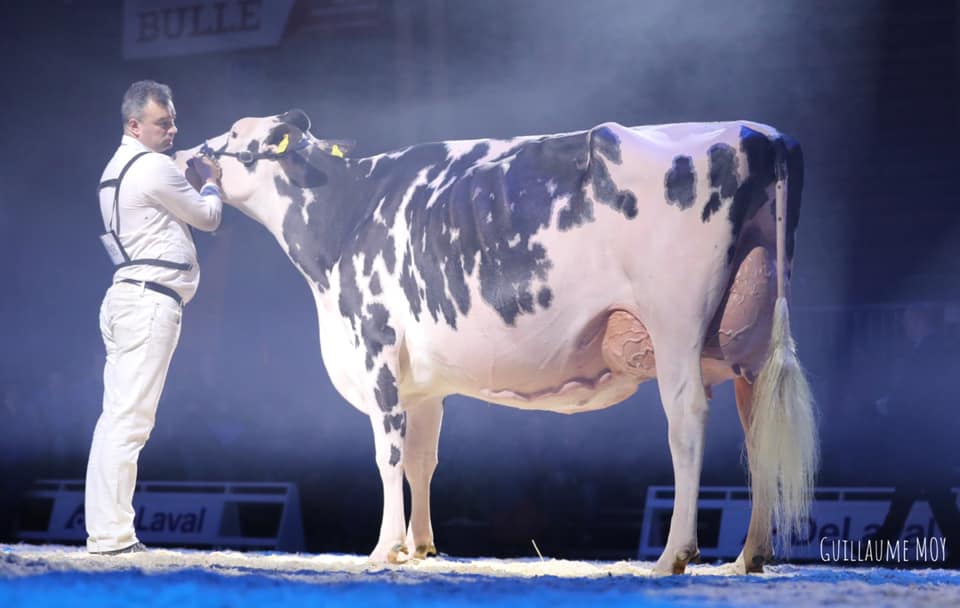



When Hardy Shore Jr. died, the Holstein industry lost more than a breeder—it lost the final chapter of its greatest dynasty.
Have you ever gotten one of those calls that just… stops you cold? Mine came the day after Christmas, 2013. Hardy Shore Jr. was gone.
I’d been half-expecting it, honestly. We all had. Hardy had been wrestling with his demons for years—the kind of personal battles that shadow brilliant minds in our industry more often than we’d like to admit. This time, though… this time he’d lost the fight.
What struck me afterward wasn’t just losing another talented breeder. It was how quiet everything felt across Ontario’s dairy community. Like walking into your barn when the ventilation fans suddenly quit—you don’t realize how much background noise there was until it’s gone.
That’s when it hit me. We hadn’t just lost Hardy Jr. We’d watched the end of something much bigger unfold. The conclusion of a dynasty that had shaped our industry for over a century.
That silence got me thinking, not just about the Shores, but about the nature of greatness in our industry.
The Thing About Certain Farm Families…
On operations across Ontario and the upper Midwest, I’m seeing something special in certain bloodlines—not just in our cattle, but in our people, too.
Some families just have it in their DNA, you know? The way they read a cow’s conformation through a barn aisle during morning chores, the timing of their breeding decisions when feed costs are squeezing margins tighter than bark on a tree. They can spot genetic potential in a gangly heifer where the rest of us see just another mouth to feed.
The Shores of Glanworth, Ontario, had that gift in spades.
What really strikes me about their story is how it mirrors the challenges we face today. Think about it—four generations, each adapting to massive technological disruptions that could’ve buried them. From William H. Shore’s leap into purebreds in 1910 (when most guys thought he’d lost his mind) to Hardy Jr.’s embryo exports in the genomic era… it’s like watching a century of dairy evolution through one family’s eyes.
Consider William’s decision in 1910 to buy those first purebred Holsteins from Herman Bollert. Mixed farming was safe, predictable, profitable—especially in those rich Talbot Settlement soils south of London where corn grows like weeds and hay makes itself. But William saw where the industry was heading and bet everything on black and whites.
Sound familiar? How many of us are making similar pivots right now with robotic milking systems, precision nutrition protocols, or these carbon-neutral initiatives that seem to change every time the USDA or AAFC puts out new guidance? The parallels are everywhere if you look for them.
Here’s what I’m seeing on farms from Wisconsin to New York—producers with that same Shore mentality. Willing to look beyond this quarter’s milk check when interest rates are killing them, investing in genetics that might not show returns for three, four years. That long-term thinking… it’s what separates the survivors from the legends.
The Talbot Settlement: Where Greatness Took Root
The Shore story begins in the 1850s in a small hamlet called Glanworth, located just south of London, Ontario. This was Colonel Thomas Talbot’s domain—part of that massive land settlement scheme that carved some of the best dairy country in Canada out of raw wilderness.
What’s fascinating is how Talbot hand-picked his settlers. Kept out the speculators and get-rich-quick types, made sure the land went to families who’d actually work it. Sound like any farm succession planning discussions you’ve sat through lately? Same philosophy, different century.
That approach—long-term thinking, community commitment, building something that lasts through market cycles, adverse weather conditions, and government interference—it’s the same foundation driving successful dairy operations today. The Shores didn’t just inherit good land; they inherited a culture that valued persistence over quick profits.
William H. Shore, born in 1870, ran a diversified operation that would be recognized today. Shorthorns bunked next to grade Holsteins, with some horse trading on the side—kind of like how some Ontario producers today run cash crops alongside their dairy herds to spread risk when milk prices tank.
But William was restless… always on the road, always chasing the next opportunity. His real talent wasn’t farming—it was reading markets. And in 1910, he made the read of his lifetime.
The Pivot Point: 1910
Here’s where it gets interesting. William bought his first purebred Holsteins—two females and a bull—from Herman Bollert’s herd.
Now, if you know your Canadian Holstein history, that name should ring bells. Bollert’s cattle traced directly back to Michael Cook’s 1881 imports—the foundation animals that established our breed in Canada. William wasn’t just buying cattle; he was buying into genetic royalty. Think of it like getting first pick in a genomic draft before anyone knew what genomics was.
The bulls he chose tell you everything about his vision. Faforit Champion Echo was a maternal brother to the legendary May Echo Sylvia. Keldy Grange King Segis came from proven Western Ontario bloodlines. These weren’t just breeding decisions—they were market positioning moves.
What really strikes me is how William understood brand building before the term was even coined. He wasn’t just improving his herd; he was positioning himself at the center of an emerging industry. It’s the same strategic thinking I see in today’s top producers who were early adopters of A2 genetics or genomic selection.
The thing is, though, this was 1910. No genomic testing, no AI catalogs filled with EPDs, no production records to compare. William was making these calls based on pedigree, conformation, and gut instinct. That takes… well, that takes exactly the kind of courage we need today when we’re deciding whether to invest in automated feeding systems or transition to organic production, with all the headaches that come with it.
Hardy Sr.: Building the Brand Through the Show Ring

When Hardy Shore Sr. joined his father in 1933, he did something that seems simple now but was revolutionary then—he started using the “Shore” prefix on their cattle.
Picture Hardy Sr. standing in that barn, watching his father work with those foundation animals, and making the decision that would define the next century. That black and white prefix board hanging outside their barn? It became a quality guarantee that buyers from New York to Alberta learned to trust.
Consider that in today’s context: how many of us are building brand recognition for our sustainability practices, animal welfare protocols, or genetic programs? The Shores figured out something we’re still learning—reputation travels faster than advertising.
The thing is, though, building a brand in the show ring takes more than good cattle. It takes consistency, patience, and the guts to bounce back from setbacks that would crush most operations. The Shores proved this in 1942 when financial pressures forced a herd dispersal. Most producers would have liquidated everything and started over—or gotten out entirely.
However, Hardy Sr. made a decision that highlights the difference between good operators and great ones. He kept six animals. Three daughters and three granddaughters of Montvic Rag Apple Paul.
Six cows. That’s it.
But those six became the foundation for everything that followed. By the late 1940s, their herd was simply “the herd to beat” at Western Fair. Nine Premier Exhibitor banners. Ten All-Canadian awards. The peak came in 1952 when they had five animals nominated for All-Canadian consideration in a single year.

I was talking to an old-timer at a Holstein meeting last spring who remembered those Western Fair shows in the ’50s. Said you could feel the tension in the barn when the Shore cattle were led out. Everyone knew they were the standard to beat. That’s the kind of presence you build over decades, not months.
The Cow That Made the Name

There was one cow that really put the Shore name on the map—Fran-Lee Lass. I never saw her myself, but you should see how the old-timers’ eyes light up when they talk about her.
Picture this: it’s 1951, and Fran-Lee Lass is moving through the show ring at the Royal Winter Fair. The crowd goes quiet as she approaches the judge—perfect udder, flawless type, that presence that separates the good from the great. She’s named an All-Canadian three-year-old and wins best udder at the Royal.
The following year, she’s Grand Champion at Western Fair before earning Reserve All-Canadian honors for 4-year-olds. When she eventually sold to Fred Baer’s herd in New York and established a world-class family there, it completed the perfect circle.
Show ring success creates market demand. Market demand validates the genetics. And suddenly, everyone wants Shore bloodlines.
That’s a lesson that’s as relevant today as it was seventy years ago. Whether you’re showing at Madison or posting videos on social media, excellence creates its own marketing momentum. The platforms change, but the principle remains the same.
The Twin Bulls That Changed Everything
Here’s where the genetics get really interesting—and where Hardy Sr. showed his breeding genius. His greatest early contribution came through twin bulls: Rockwood Rag Apple Romulus and Remus.

Their dam, Amulree Baroness Pietje, had a lactation record that came within five pounds of making her the Canadian butterfat champion. Five pounds! Can you imagine being that close to history? Her record was 32,080 pounds of milk with 1,259 pounds of fat. In today’s terms, that’s like missing a genomic ranking by a decimal point.
But Romulus… this bull accomplished something that’s never been done before or since. In 1950, he sired both the All-Canadian senior yearling heifer and the All-Canadian junior yearling heifer—both carrying the Shore prefix, both bred by the same operation.
Genetically, creating two All-Canadian yearlings from the same sire, in the same year, from the same herd… the odds are astronomical.
When Romulus was sold for export to South America, Hardy Sr. showed the kind of strategic persistence that characterizes successful breeding programs. He leased the twin brother, Remus, from a breeder in Oklahoma. That’s the kind of move you make when you understand that genetic value compounds over generations—like putting money in the bank and letting compound interest work its magic.
What’s truly fascinating is how that genetic pathway evolved over the course of the decades. Follow the line from Remus to Shore Royal Duke, whose daughter produced Fairlea Royal Mark—described as “possibly the best bull to come out of Western Ontario”.
Keep tracing that line forward, and you’ll find it leads directly to Braedale Goldwyn. We’re discussing breeding decisions made in the 1940s that shaped the breed through to the 2000s. That’s the kind of long-term thinking that’s becoming essential in today’s genomic era, where the genetic decisions we make today will have a lasting impact on future breeding—assuming we have the patience to let them play out.
The Auction Empire: Where Dreams Met Reality
While Hardy Sr. was building a genetic empire, he also recognized something fundamental about our business—there’s more money in merchandising than in routine dairy farming.
Sound familiar? It’s the same realization driving today’s focus on branded genetics, premium programs, and value-added marketing. Think about how many top operations today make as much from genetics sales as they do from their milk check. The Shores saw that coming sixty years early.
During the Depression, while other farm families struggled to keep the lights on, the Shores found opportunity. They started exporting dairy cattle to the United States, acting as sales agents who’d drive American buyers farm to farm. Their reputation opened doors that stayed closed to everyone else.

The masterstroke came in 1949 when Hardy Sr. and his brother Don bought a seventy-acre farm on Glanworth Road and built an auction barn. Picture that first sale—Don chanting while Hardy stood beside him, making announcements, their combined reputations the only guarantee buyers had.
But it was Bob Shore who really turned the auction barn into legend.
Bob Shore: The Voice of an Industry
Bob joined the operation in 1951, fresh from the Ontario Agricultural College and auctioneering school. The irony? He was shy, uncomfortable in crowds. But something magical happened when he stepped into that ring.
I’ve seen this transformation before—quiet farm kids who become different people when they’re working with cattle. Bob found his voice at the sales barn, and once he found it, there was no stopping him.
His training ground was the Talbotville sales barn, selling beef animals “by the pound” every Saturday. Thirty-second intervals, prices measured in fractions of cents—it created that distinctive Shore style: crisp, fast, commanding.
When you’re working at that pace, every word matters. No wasted syllables, no hesitation. Just pure, focused communication. It’s like watching a skilled AI technician work during breeding season—every motion deliberate and efficient.

The Shore Canadian Classic, launched in 1964, became the premier North American marketplace for elite Holstein genetics. World-record prices were set at these events. The \$115,000 syndication of Weavers Reflection Apex in 1967, the \$125,000 sale of the famed show cow, Johns-Lucky-Barb, known affectionately as ‘Blacky,’ in 1974… but the one that truly made headlines was when Bob brought the gavel down on what industry sources reported as the first million-dollar cow sale.
The success wasn’t just about Bob’s auctioneering skills, though he was arguably the best in North America. It was perfect timing, meeting perfect preparation. The bulk cooler revolution in the mid-1950s forced thousands of smaller dairy producers out of the industry. Their dispersals needed a marketplace, and the Shore arena was ready.
Here’s what’s really interesting—that bulk cooler disruption parallels what we’re seeing today with environmental regulations, labor shortages, and the adoption of precision agriculture. The producers who adapt find opportunity; those who resist get left behind. The Shores understood this dynamic better than anyone.
The Genomic Visionary: Hardy Jr.
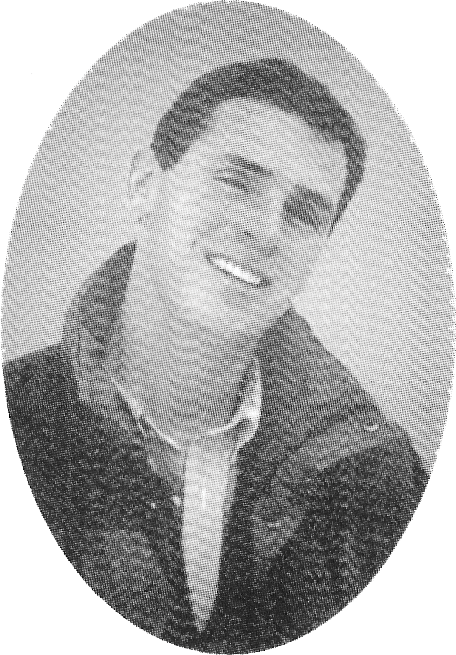
The fourth generation brought a different kind of genius to the operation. Hardy Jr. left high school at sixteen to attend Reisch Auction School in Iowa. By his early twenties, he had what industry veterans call “cow talent”—that ability to see genetic potential before it’s proven.
But Hardy Jr. was… complicated. Brilliant, visionary, but drawn to what was delicately described as “high-risk behavior”. When his parents agreed to bring him into the business, it came with conditions. The result was Shoremar Inc., a company that immediately signaled a new direction.
While his father and grandfather had mastered selling live cattle, Hardy Jr.’s focus was on the cutting edge—marketing frozen embryos worldwide. His breeding philosophy was perfectly calibrated for the modern era: “strong type, solid cow families and modern genetics,” seeking what he called “a balance of type, fat, protein and modern sires”.
The interesting thing about Hardy Jr.’s approach is how it anticipated today’s genomic selection strategies. He was breeding for balanced improvement decades before we had the tools to measure it precisely. Sometimes the best breeders are the ones who see what’s coming before the rest of us catch up.
The Acquisition That Defined a Generation

Hardy Jr.’s greatest stroke of genius came in acquiring Aitkenbrae Starbuck Ada. As a former hoof trimmer, he understood foundation quality when he saw it—and Ada had perfect feet and legs.
Picture Hardy Jr. walking through that barn, his trained eye taking in everything from hock angle to heel depth. Most people see a pretty cow; he saw the genetic architecture that would support decades of production. That’s cow sense you can’t teach.
But it was what he did next that showed his vision. The decision to flush Ada to Donnandale Skychief produced what may be the most influential pair of full sisters in modern Holstein history.

Shoremar S Alicia became a breed legend—classifying EX-97 and winning the World Championship in 2000. With 32 excellent daughters in the US and Canada, she ranks among the elite transmitters of North America.
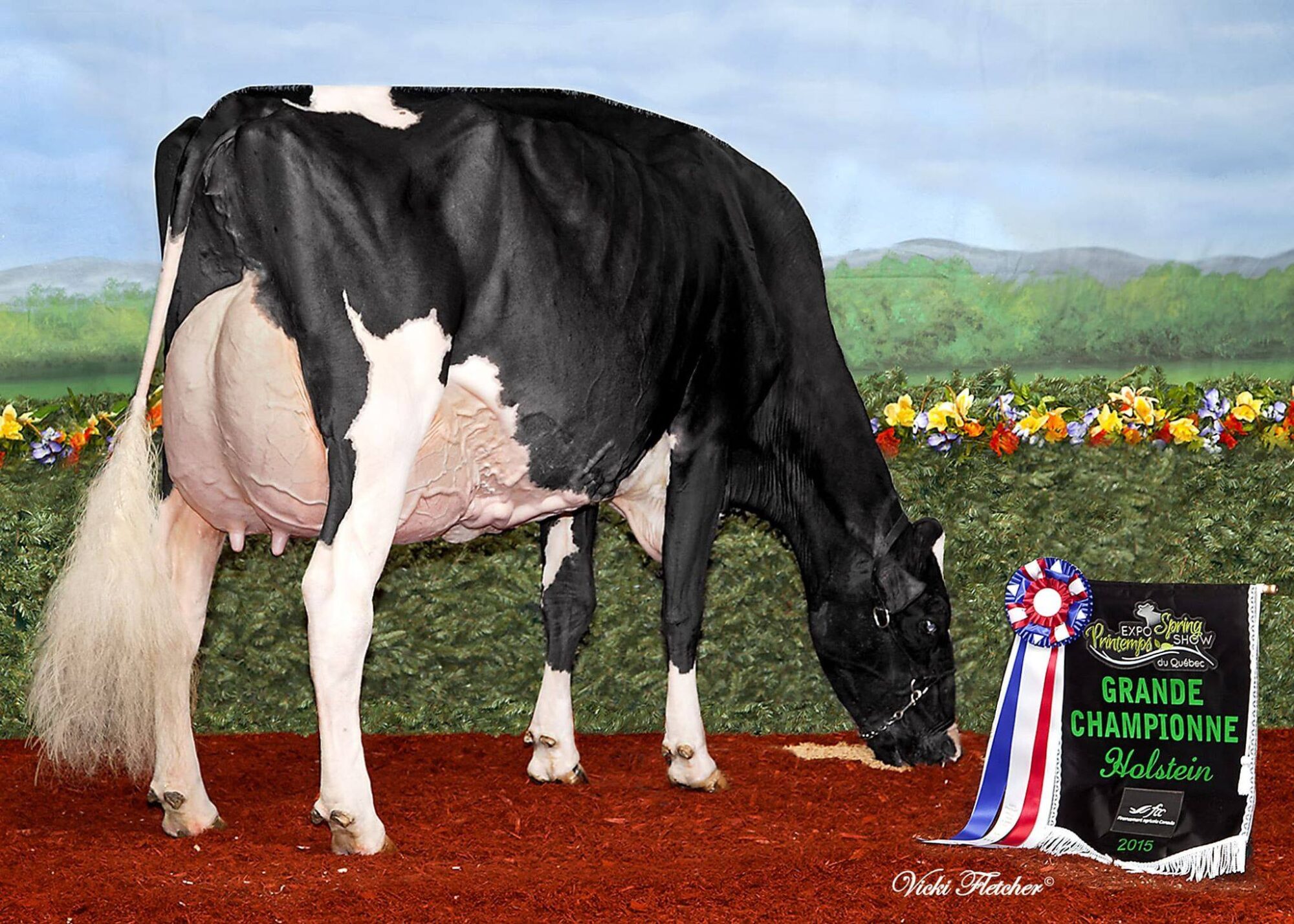
Her sister, MS Kingstead Chief Adeen, proved equally influential as a brood cow, producing 51 daughters classified Excellent worldwide—ranking her second all-time for most EX daughters.

When I look at those numbers… 51 EX daughters from one cow? That’s not luck. That’s the result of understanding genetic architecture at a level most of us can only dream about. And this was before genomic testing made genetic prediction routine.
The Genetic Crescendo
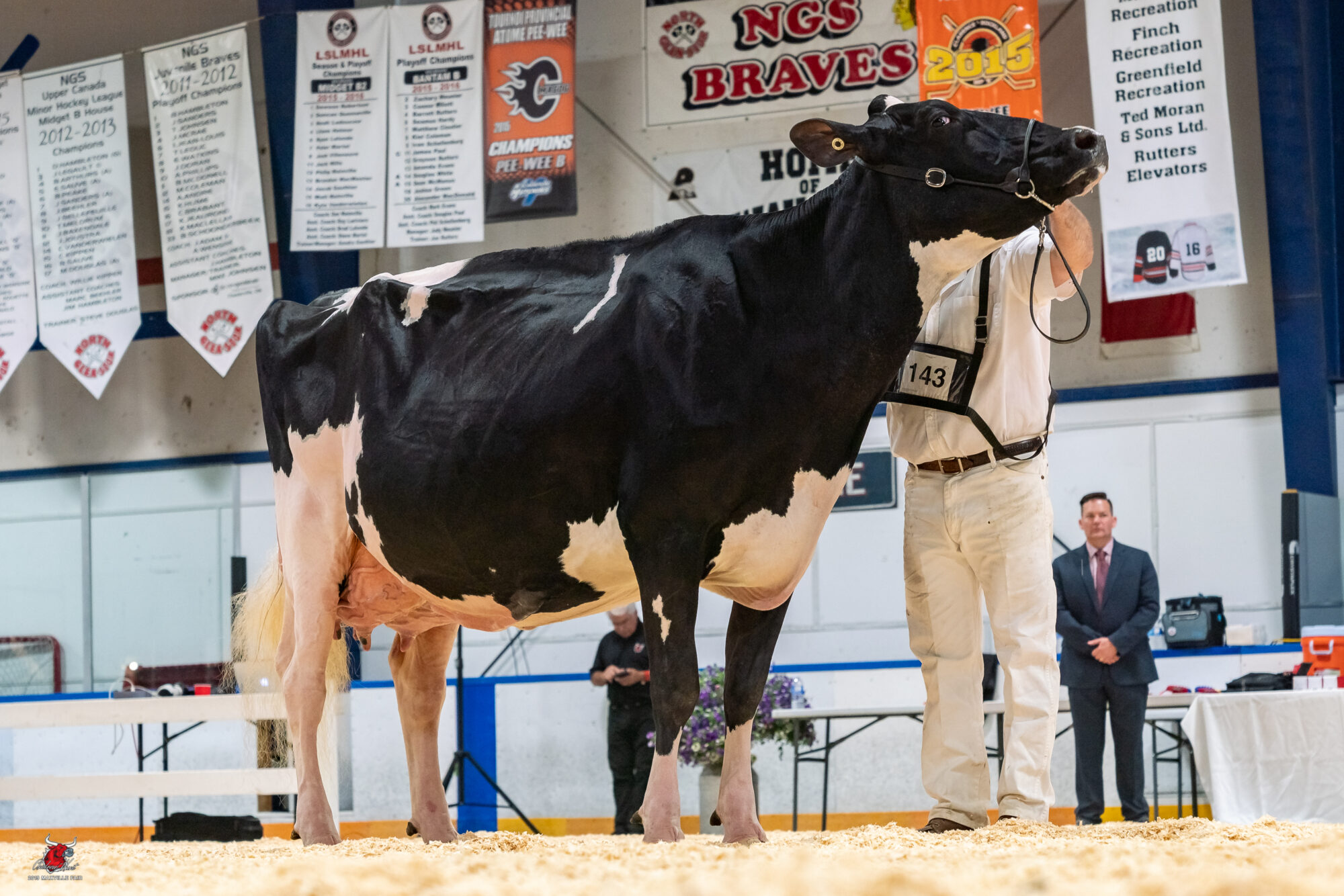
The ultimate validation of Hardy Jr.’s vision came through the bulls he bred. His most famous achievement was Shoremar James, born from his foundation cow Stelbro Jenine Aerostar.
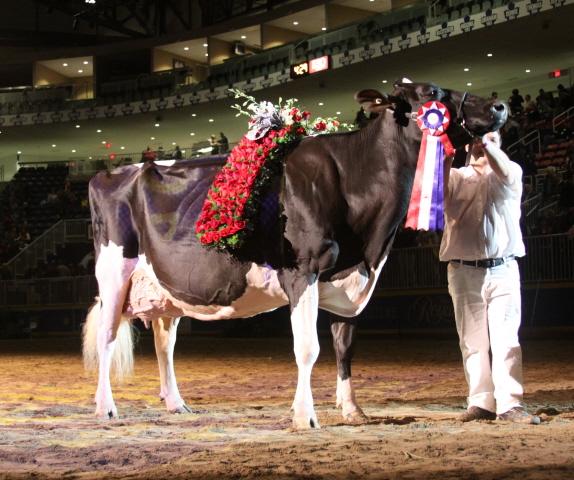
James became a phenomenal sire of show cows—his daughters were voted World Champion Holstein Cow three times in four years. But James’s greatest legacy wasn’t his show daughters. It was his most famous son: Braedale Goldwyn.

Here’s what blows my mind about Goldwyn’s creation—it wasn’t an accident or luck. You can trace the genetic pathways directly from Hardy Sr.’s breeding decisions in the 1940s. Those twin bulls, Romulus and Remus, led to Fairlea Royal Mark, whose lineage eventually produced Maughlin Storm, who sired Braedale Baler Twine—Goldwyn’s dam. Hardy Jr. bred the sire, Shoremar James.

When those two lines converged, they created a genetic perfect storm. Industry records show that Goldwyn’s influence extended to herds on every continent. It’s like watching a master chess player execute a strategy that unfolds over the course of decades.
The Complexity of Genius
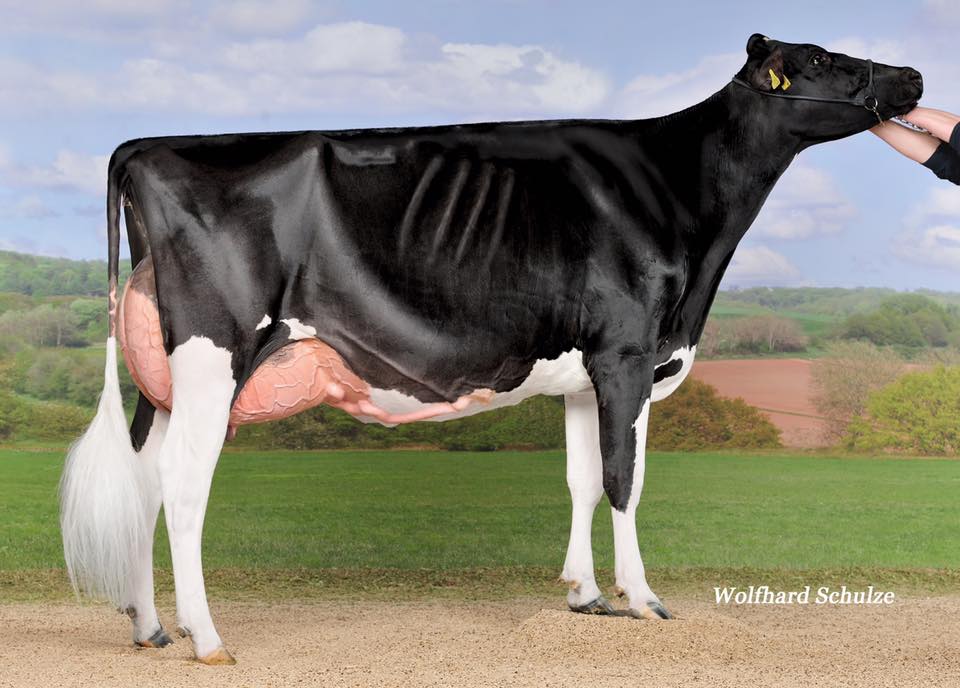
For all his brilliance, Hardy Jr.’s life was marked by profound personal struggle. The same intensity that drove him to acquire cows like Ada and breed bulls like James also led him to what observers called “the edge of the abyss”.
Those of us who knew Hardy Jr. understood this complexity. Eighteen bulls from his program received major awards in Canada, and three became number one sires in different countries. But privately, we watched with concern as he navigated battles that were as intense as his triumphs.
The Holstein community’s response to his struggles revealed something beautiful about our industry. We recognized genius when we saw it, even when it came with complications.
The flip side of creative genius is sometimes a very dark place.
People remembered him as “gifted, talented, remarkable beyond one’s imagination”. The same creative fire that produced breakthrough genetics also fueled personal demons that few understood.
It’s a reminder that innovation often comes with a price—that the very traits that drive visionary thinking can also create profound personal challenges. We’ve seen this pattern in other brilliant minds in our industry, haven’t we? The relentless drive that creates breakthrough genetics sometimes carries a hidden cost.
When the Gavel Fell Silent
December 26, 2013. Hardy Shore Jr. died at his home at age 57.
The industry’s response spoke to the profound connections he’d forged throughout his career. Despite his struggles, colleagues remembered his kindness, optimism, and unwavering passion for the Holstein breed.
The final detail—the family’s request that memorial donations be made to the Men’s Mission Services of London—provided quiet testimony to the nature of his struggles. A man who dealt in world-record prices and global genetics, fighting private battles that few understood.
Sometimes the most brilliant minds carry the heaviest burdens. The Holstein community’s ability to honor his contributions while acknowledging his struggles showed the best of what our industry can be.
What This Means for Us Today
So, what does the Shore story teach those of us who are still making breeding decisions, still building something for the next generation?
First, it’s about vision beyond the immediate cash flow pressures that keep us awake at night. William H. Shore could have stayed with mixed livestock forever—safe, predictable, profitable. Instead, he bet on purebreds when most thought he was crazy. Hardy Sr. kept six females when forced to disperse, understanding that genetic value compounds over time like interest in a savings account.
Today’s genomic tools give us unprecedented ability to make these long-term decisions—if we have the courage to use them.
Second, it’s about recognizing industry shifts before they hit your bottom line. The bulk cooler revolution could have been devastating—instead, the Shores turned it into their greatest opportunity. Today’s shifts toward sustainability, animal welfare, and precision agriculture require the same strategic thinking.
The producers who adapt first create the biggest advantages. Consider the early adopters of robotic milking or those who entered organic production before the premiums were eroded by oversupply.
Third, it’s about understanding that reputation matters as much as genetics. The Shore name opened doors because it stood for integrity, quality, and innovation. In our age of social media and instant communication, building that kind of trust is both easier and harder than ever.
But perhaps most importantly, it’s about persistence through complexity. Hardy Jr.’s story reminds us that innovation often comes with personal costs; the very traits that drive breakthrough thinking can also create challenges that are not always apparent from the outside.
The industry’s response—celebrating his contributions while supporting him through difficulties—shows the best of what our community can be.
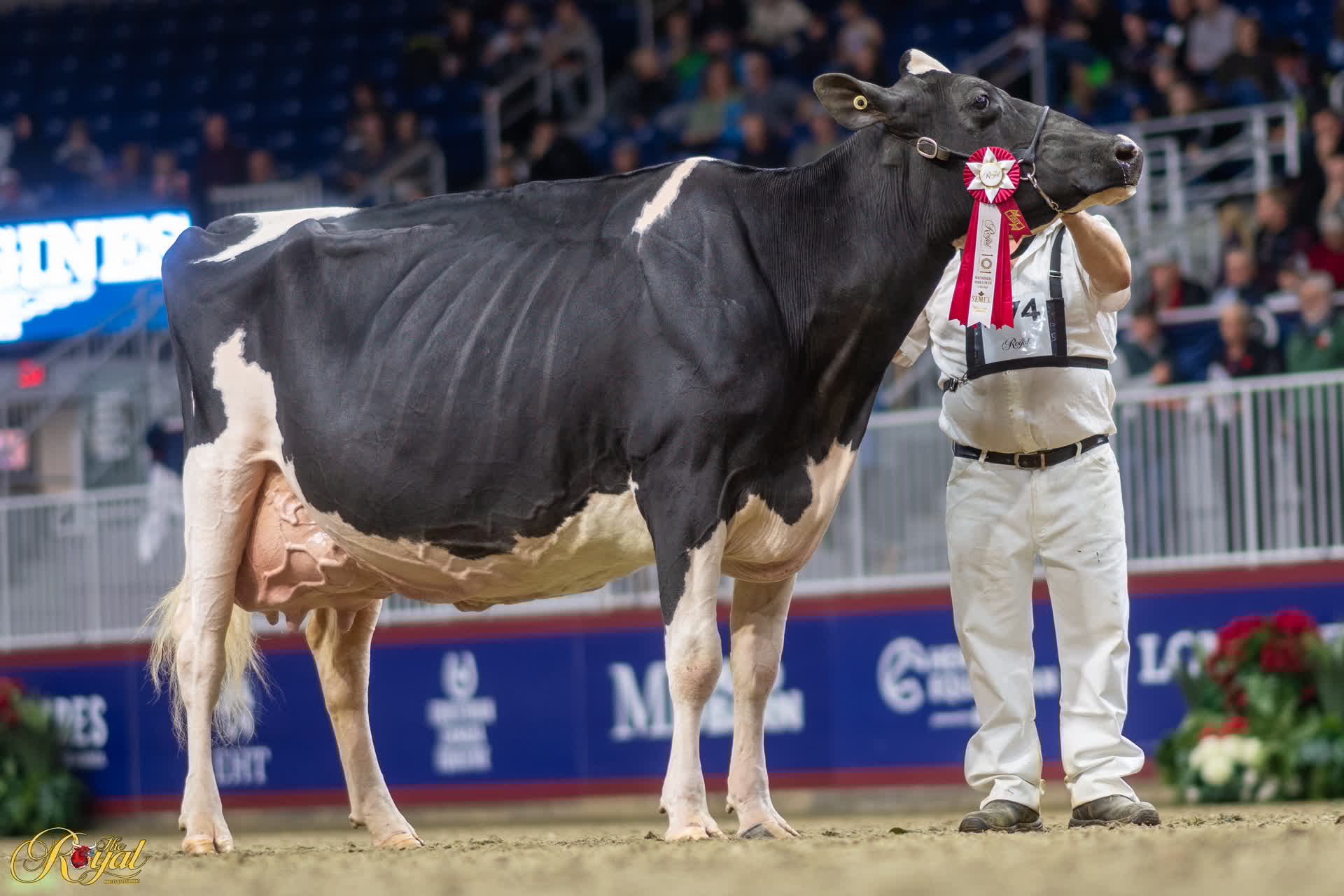
The Legacy Lives On
Walk through any modern dairy barn today, and you’ll find cattle whose pedigrees trace back to Glanworth. The “Shore” prefix may no longer appear on registration papers, but their genetic influence flows through the global Holstein population like underground streams feeding a river.
The auction barn on Glanworth Road stands quiet now. But the echoes of that distinctive auctioneer’s chant still resonate through every major sale, every breeding decision based on balanced genetics, every young producer who dares to dream of creating the next genetic revolution.
For the better part of a century, the Shores were the business. And in many ways, they still are. Every superior cow carrying their bloodlines, every successful breeding program following their example of long-term thinking, every auction where quality genetics find their true value… that’s the Shore legacy.
The dynasty may have ended, but its influence remains. That’s immortal.
And in our industry, where the right genetic decision can echo for generations, immortality is the only currency that really matters.
KEY TAKEAWAYS
- The Shore family profoundly shaped the Canadian and North American Holstein industry across four generations, building an enduring legacy through strategic breeding, merchandising, and auctioneering.
- Their long-term vision—starting with William H. Shore’s early 20th-century bet on purebreds, through Hardy Sr.’s brand-building via the show ring, to Hardy Jr.’s genomic advances—offers valuable lessons for modern dairy producers navigating today’s technological and market shifts.
- The Shore dynasty exemplifies how combining superior genetics with innovative business acumen, such as capitalizing on technological disruptions like the bulk milk cooler, can create a lasting competitive advantage.
- The story highlights the human complexity behind industry success, particularly Hardy Shore Jr.’s personal struggles amid professional brilliance, underscoring the industry’s need for compassion alongside admiration.
- The Shore genetic influence endures globally, notably through iconic cattle like Shoremar Alicia and Braedale Goldwyn, demonstrating the multi-generational impact of deliberate, balanced breeding strategies.
EXECUTIVE SUMMARY
The Shore family legacy is a cornerstone of the Canadian and North American Holstein dairy industry, spanning four generations from the early 1900s to 2013. Their journey began with William H. Shore’s pivotal decision to invest in purebred Holsteins in 1910, a bold move that laid the genetic foundation for future success. Hardy Shore Sr. and his successors built a revered brand through show ring dominance and an innovative auction business that capitalized on industry shifts, such as the bulk tank revolution. The third and fourth generations, led by Bob Shore and Hardy Shore Jr., advanced the family’s influence through legendary auctioneering and cutting-edge genetic marketing, including the global success of Shoremar S Alicia and Braedale Goldwyn. While personal struggles marked Hardy Shore Jr.’s life, his professional contributions reflect visionary breeding that shaped Holstein genetics worldwide. The Shore dynasty exemplifies long-term strategic thinking, adaptability, and the intricate interplay between human complexity and industrial advancement. Today, their genetic imprint continues to impact cattle across continents, underscoring a legacy that is both historic and enduring.
Learn More:
- Breeding for Profit: A Cow-Side Revolution – This article provides a modern framework for the Shore’s profit-focused mindset. It details tactical breeding strategies for today’s market, focusing on health and efficiency traits that directly impact your bottom line and long-term herd profitability.
- Dairy Genetics: Is Bigger Really Better? – While the Shores built an independent dynasty, this piece analyzes the modern strategic landscape of dairy genetics. It explores the pros and cons of industry consolidation, offering critical insights for breeders navigating today’s market to maintain genetic diversity and profitability.
- The Future of Dairy Breeding: Is Gene Editing the Answer? – Just as the Shores embraced new technologies, this article looks to the future. It demystifies gene editing, exploring its potential to accelerate genetic progress for health and production traits, and what it could mean for the next generation of elite cattle.
 Join the Revolution!
 Join the Revolution!
Join over 30,000 successful dairy professionals who rely on Bullvine Weekly for their competitive edge. Delivered directly to your inbox each week, our exclusive industry insights help you make smarter decisions while saving precious hours every week. Never miss critical updates on milk production trends, breakthrough technologies, and profit-boosting strategies that top producers are already implementing. Subscribe now to transform your dairy operation’s efficiency and profitability—your future success is just one click away.