Archive for transition cow nutrition

Proving The Payoff: Why High-Calcium Acidogenic Diets Are Revolutionizing Transition Cow Management

University of Illinois smashes calcium myths: High-calcium acidogenic diets slash metritis, boost fertility, and protect profits.

Executive Summary: A groundbreaking University of Illinois study reveals that high-calcium acidogenic prepartum diets (-24 DCAD, 2% calcium) dramatically improve transition cow outcomes. Cows fed this diet showed 40% fewer metritis cases, faster ovulation, and higher first-service pregnancy rates while maintaining dry matter intake. The secret? Strategic acidification (urine pH 5.5–6.0) primes calcium metabolism, strengthens uterine tissue, and reduces inflammation. This approach challenges outdated low-calcium recommendations, offering dairy farmers a proven path to cut disease costs, improve reproductive efficiency, and boost ROI. Success hinges on rigorous urine pH monitoring and precise diet formulation.

Key Takeaways:

  • Profit through prevention: High-calcium acidogenic diets reduce metritis risk by 40% and slash transition disorder costs.
  • Breed back faster: Cows ovulate sooner with 46% higher first-service conception rates (vs. 32% traditional).
  • No DMI tradeoff: Maintain feed intake with proper calcium levels in acidogenic diets.
  • pH is non-negotiable: Daily urine monitoring (5.5–6.0) ensures $18B/year subclinical ketosis risks stay in check.
  • Calcium ≠ just milk fever: Strengthens uterine walls, prevents “leaky uterus,” and supports immune function.

While nutritionists debate prepartum calcium levels, your cows are paying the price. New University of Illinois research demolishes the outdated belief that we should limit calcium in close-up diets. The evidence is clear: high-calcium acidogenic diets deliver dramatically better uterine health, faster breeding, and reduced inflammation. Are you still following profit-draining conventional wisdom?

Dairy nutritionists have approached calcium levels in prepartum diets with excessive caution for decades. The prevailing wisdom claimed too much calcium would suppress the cow’s natural mobilization mechanisms, potentially leaving her unprepared for the massive calcium demands at calving. This thinking led many to recommend modest calcium levels (0.4-0.6% of dry matter) in prepartum diets, even when using negative DCAD approaches.

But what if playing it safe with calcium is actually playing it dangerous with your profitability?

“I was skeptical at first,” says Dave Johnson, a progressive Wisconsin dairy producer who manages 850 cows. “My nutritionist kept talking about limiting calcium, but after switching to a high-calcium, fully acidogenic diet, our metritis cases dropped by nearly 40%, and our conception rates at first service jumped from 32% to 46%. The difference was night and day.”

The Study That Changes Everything

A groundbreaking University of Illinois study has turned this conventional thinking on its head, demonstrating that when properly implemented, high-calcium acidogenic diets deliver benefits far beyond hypocalcemia prevention-directly impacting your bottom line through multiple pathways.

The research enrolled 76 multiparous Holstein cows starting 50 days before expected calving and followed them through 73 days in milk. The study compared three dietary treatments:

  1. Control (CON): A positive DCAD diet (+6 mEq/100g DM) with low dietary calcium (0.40% DM)-the traditional approach without acidification
  2. Negative DCAD (ND): A fully acidogenic diet (-24 mEq/100g DM) with low dietary calcium (0.40% DM)-the standard negative DCAD approach
  3. Negative DCAD with high calcium (NDCA): A fully acidogenic diet (-24 mEq/100g DM) with high dietary calcium (2% DM)-the game-changer

Are you still feeding your close-up cows the same way you did ten years ago?

The researchers used a commercial anionic supplement (Animate®) to achieve the target negative DCAD and carefully monitored urine pH to ensure cows on the acidogenic diets maintained pH between 5.5 and 6.0-the sweet spot for metabolic acidosis that primes calcium metabolism without compromising health.

The Shocking Results You Can’t Afford to Ignore

The findings weren’t just statistically significant-they were economically transformative. While both acidogenic diets improved postpartum calcium status compared to the control group, the high-calcium approach delivered stunning advantages:

Reduced Inflammation: Cows fed the high-calcium acidogenic diet showed significantly lower plasma haptoglobin concentrations- a key marker of inflammation- both before and after calving. Less inflammation means fewer metabolic diseases eating away at your profits.

Healthier Uterine Environment: Perhaps most striking were the improvements in uterine health. Cows on the NDCA diet exhibited greater glandular epithelial height (thickness of the uterine lining) and more epithelial cells per gland at 30 days in milk.

The researchers explain the mechanism in plain terms: “Calcium is essential for maintaining the integrity of uterine epithelial cells. When calcium is insufficient, you get what we might call a ‘leaky uterus’-bacteria can slip between compromised cells, leading to inflammation, metritis, and potentially systemic illness”.

Superior Reproductive Performance: These aren’t just microscopic changes-they translate directly to your bottom line. Cows fed the NDCA diet had fewer days to first ovulation and a greater likelihood of becoming pregnant at first artificial insemination.

What would getting cows pregnant one cycle earlier mean for your operation’s profitability?

Debunking the DMI Depression Myth

One of the most persistent concerns about fully acidogenic diets is their potential to depress dry matter intake (DMI). This fear keeps many producers from implementing the aggressive acidification needed to fully activate calcium metabolism.

The industry has been wrong about this for years. The Illinois study addressed this head-on, with surprising results. While cows fed the negative DCAD, low-calcium diet (ND) showed a small decrease in DMI compared to the control group, and adding high calcium to the acidogenic diet (NDCA) eliminated approximately half of this depression.

This discovery challenges conventional thinking-high calcium doesn’t just prevent milk fever-it appears to help maintain appetite under acidotic conditions, making this approach dramatically more viable for real-world implementation. Dr. Jim Drackley noted that these findings prompted “a shift in his own thinking to be more supportive of well-implemented fully acidogenic programs.”

The Economic Payoff: What This Means for Your Bottom Line

Let’s talk about what matters most-your profitability. The physiological benefits translate directly into economic advantages:

Reduced Disease Incidence and Treatment Costs: Fewer cases of metritis and other transition diseases mean lower veterinary bills, less discarded milk, and reduced labor costs. With metritis alone estimated to cost the global dairy industry $5 billion annually, prevention delivers substantial savings.

“You’ll be chasing down fewer sick cows,” one researcher said. “And you’ll notice fewer instances of metritis. Fewer cases of other diseases may also be noted because the cow is no longer handling extra bacteria because the cells in the uterus are very well attached to each other-preventing a ‘leaky uterus'”.

Improved Reproductive Efficiency: Earlier conception reduces days open, increases milk production over the cow’s lifetime, and lowers breeding costs. Research indicates that reducing the calving interval by 60 days can increase daily milk production by 1.11 to 1.51 kg per cow and total lactation yield by 366 to 498 kg per cow.

Lower Culling Rates: When cows stay healthier and breed back sooner, you make culling decisions based on production merit rather than necessity. This improves your herd’s genetic trajectory and stabilizes milk production-like, building your roster with strategic draft picks instead of desperate trades to fill holes.

Labor Efficiency: With fewer sick cows to manage, your team can focus on proactive management rather than reactive treatment.

If you still rely on outdated transition nutrition strategies, how much money is walking out your door monthly?

The Bullvine Bottom Line

  • High-calcium (2% DM) acidogenic prepartum diets significantly reduce inflammation, improve uterine health, and enhance fertility
  • Urine pH monitoring (target 5.5-6.0) is CRITICAL for success-don’t skip this step
  • Economic benefits come from multiple sources: fewer sick cows, better breeding, reduced culling, and maintained DMI
  • High calcium helps prevent DMI depression commonly associated with anionic diets
  • The calcium benefits extend far beyond milk fever prevention to impact immune function and reproductive success

Cost-Benefit Snapshot: NDCA vs. Traditional Approaches

Cost FactorTraditional Low-Ca ApproachHigh-Ca Acidogenic (NDCA) Approach
Feed CostLower initial costSlightly higher ingredient cost
Metritis TreatmentMore cases requiring treatmentFewer cases-potentially 40% reduction
Days OpenLonger calving intervalsEarlier first ovulation, higher first-service conception
LaborMore time treating sick cowsLess time treating, more time managing
Milk ProductionLost production due to health issuesBetter maintained production curve
Culling RateHigher involuntary cullingMore voluntary culling decisions
ROILower long-term profitHigher overall returns despite the initial cost

The Critical Management Factor Most Farms Are Missing

If there’s one takeaway from the Illinois research, it’s this: measuring urine pH isn’t just helpful-it’s essential. Without regular monitoring, you’re flying blind, unable to confirm whether your diet is actually achieving the desired metabolic acidosis.

Too many farms implement partial DCAD programs without this critical verification step. Then, they wonder why the results are disappointing.

The target pH range for fully acidogenic diets is 5.5 to 6.0. This indicates the cow is experiencing the right level of compensated metabolic acidosis, which stimulates calcium mobilization from bone and enhances calcium absorption from the diet.

Mark Peterson, who milks 220 cows in New York, learned this lesson the hard way: “We were adding anionic salts, but never checking urine pH. Once we started measuring and adjusting to keep pH between 5.5 and 6.0, our clinical milk fever cases dropped to zero, and subclinical hypocalcemia went from over 50% to under 15%. Those pH strips cost pennies compared to what we were losing.”

Many factors can influence urine pH beyond just the calculated DCAD (Dietary Cation-Anion Difference) value:

  • Variations in forage mineral content (especially potassium)
  • Fluctuations in dry matter intake
  • Inconsistencies in feed mixing and delivery

Regular monitoring allows you to make timely adjustments if pH values drift outside the target range. Think of urine pH as your transition cow “thermometer,” a critical tool for continuous oversight and fine-tuning.

Addressing the Skeptics: Valid Concerns and Solutions

Some producers and nutritionists remain hesitant about high-calcium acidogenic diets. Let’s tackle these concerns head-on:

“Won’t high calcium suppress the cow’s own mobilization mechanisms?”

This was the traditional concern, but the Illinois research demonstrates that when proper acidification is achieved (pH 5.5-6.0), this suppression doesn’t occur. Instead, the acidification primes calcium metabolism so effectively that the additional dietary calcium enhances overall calcium status rather than compromising it. The NDCA treatment actually resulted in greater calcium flux than the ND treatment.

“Isn’t that much calcium expensive?”

Let’s be honest about costs. Yes, increasing dietary calcium to 2% DM does raise ration costs. However, the economic analysis should consider the substantial downstream benefits-reduced disease treatment, earlier pregnancy, fewer culls, and maintained milk production. Even preventing just one case of metritis (average cost: $250-350) or getting a cow pregnant one cycle earlier (value: approximately $150-200) will typically offset the additional feed costs for multiple cows.

“Is urine pH testing really necessary? It seems time-consuming.”

This is non-negotiable. Without pH verification, you’re guessing whether your acidogenic diet works. Modern pH meters and test strips make this process relatively quick and straightforward. Sampling 5-10 cows twice weekly takes minimal time but provides crucial information to guide adjustments and ensure program success.

“My nutritionist says our current program is working fine. Why change?”

A fair question, but consider: Subclinical hypocalcemia affects up to 73% of cows in third or greater lactation, according to research by Reinhardt et al.. Most operations don’t measure subclinical hypocalcemia, so “working fine” may simply mean “problems not visible enough to notice.” The NDCA approach has demonstrated benefits even compared to standard negative DCAD programs- it’s not just about preventing obvious milk fever but optimizing transition success.

The Knowledge Gap That’s Costing You Money

While many dairy producers understand calcium’s link to hypocalcemia prevention, the University of Illinois research highlights that calcium’s role extends far beyond this single function. This broader understanding is crucial for justifying the high-calcium approach:

“Most farmers understand calcium’s link to helping reduce the incidence of subclinical hypocalcemia but may not fully realize calcium is needed for many other things that impact cow health and performance.”

Calcium plays essential roles in:

  • Immune cell activation and neutrophil function
  • Uterine epithelial integrity
  • Muscle contraction (including smooth muscle in the digestive tract)
  • Cell signaling and communication
  • Enzyme activation

This is why the NDCA diet’s benefits extend beyond simply preventing milk fever. It represents a comprehensive approach to transition cow physiology that addresses multiple interrelated systems simultaneously.

The Bottom Line: Are You Ready to Revolutionize Your Transition Program?

The University of Illinois research provides compelling evidence that feeding a high-calcium (2% DM), fully acidogenic (-24 mEq/100g DM) diet during the prepartum period, with careful monitoring to maintain urine pH between 5.5 and 6.0, delivers significant benefits for transition cow health and farm profitability.

It’s time to ask yourself some hard questions:

  1. Is your current transition program still based on outdated concepts about limiting calcium?
  2. Are you regularly monitoring urine pH to verify your DCAD program is actually working?
  3. Have you calculated the true cost of transition cow disorders on your operation?
  4. What would getting cows pregnant even 10 days earlier be worth to your bottom line?

The dairy industry is facing unprecedented economic challenges. Can you really afford to leave this much money on the table?

Take a hard look at your current transition cow program. Challenge the status quo. Implement high-calcium acidogenic diets with proper pH monitoring. Your cows-and your bank account-will, thank you.

The question isn’t whether you can afford to implement this strategy- it’s whether you can afford not to.

Learn more:

Join the Revolution!

Join over 30,000 successful dairy professionals who rely on Bullvine Weekly for their competitive edge. Delivered directly to your inbox each week, our exclusive industry insights help you make smarter decisions while saving precious hours every week. Never miss critical updates on milk production trends, breakthrough technologies, and profit-boosting strategies that top producers are already implementing. Subscribe now to transform your dairy operation’s efficiency and profitability—your future success is just one click away.
NewsSubscribe
First
Last
Consent

Retained Placentas Costing You $389 Per Case? Your Nutrition Program Is Bleeding Money

Each retained placenta costs you $389. Stop blaming bad luck and start fixing your transition cow nutrition program. Your bottom line is bleeding.

Let’s cut the bull: If your herd’s retained placenta rate exceeds 5%, you’re not just dealing with a health issue – you’re burning nearly $400 per case in plain sight. While veterinarians politely suggest you “consider your nutrition program,” we’ll give it to you straight: Your transition cow nutrition is fundamentally broken. The hard truth? Most retained placentas aren’t bad luck or genetics – they’re nutritional malpractice that progressive dairies eliminated years ago through targeted selenium, vitamin E, and protein strategies that old-school advisors are still catching up to. Ready for the wake-up call your nutritionist should have delivered already? Read on.

THE FINANCIAL DRAIN YOU CAN’T AFFORD TO IGNORE

Every retained placenta is silently draining your operation’s profitability. According to a 2018 study published in the Journal of Dairy Science, the cost of a single case reaches a staggering $389. Still think it’s just a minor inconvenience? Break it down: $287 in lost milk production, $73 in delayed breeding, and $25 in additional disease risk.

“The cost of a single retained placenta case can be $389, with the largest portion coming from reduction in milk yield ($287), increased time until pregnancy ($73), and increased disease risk ($25).” – Journal of Dairy Science, 2018

If you’re running a 500-cow dairy with a 10% retained placenta rate (twice what it should be), that’s nearly $20,000 annually disappearing from your bottom line.

What’s worse – your mature cows are costing you more than twice as much as your first-lactation animals. The same JDS study revealed retained placentas cost $313 for multiparous cows compared to just $150 for heifers. This isn’t just a health issue – it’s financial negligence.

And here’s the kicker: retained placentas open the floodgates to metritis, a uterine infection costing you another $171-$386 per case according to research from the University of Florida. We’re talking about a potential $775 hit to your bottom line from a condition that’s largely preventable through proper nutrition. Still comfortable with your current transition program?

CALCULATE YOUR OPERATION’S FINANCIAL HEMORRHAGE

Your Herd SizeYour RP Rate (%)Cost Per CaseYour Annual Loss
_______ cows_______ %$389$____________

Example: 200 cows × 8% retained placenta rate × $389 = $6,224 annual loss Now add potential metritis cases: ______ cases × $275 (avg) = $______ additional loss

SEASONAL SPIKES: THE WARNING SIGN YOU’RE MISSING

Think retained placentas hit your herd randomly? Think again. Research published in the International Journal of Veterinary Sciences and Animal Husbandry (2019) shows retained placentas spike during winter months due to dietary carotene deficiency. Progressive dairies are already adjusting their winter nutrition programs while others blame bad luck or genetics.

Here’s the hard truth: when your retained placenta rates climb during winter, it’s not Mother Nature – it’s nutritional negligence that’s costing you nearly $400 per case.

Winter-Specific Nutritional Strategies

According to Dr. Rafael Bisinotto at the University of Florida, these targeted adjustments can slash winter retained placenta rates:

  1. Boost Vitamin A supplementation to 100,000 IU/day during winter months when fresh forage is limited
  2. Increase Vitamin E to 2,000 IU/day when cows have no access to pasture
  3. Monitor stored feed quality – silage vitamin content decreases significantly during storage
  4. Consider beta-carotene supplementation at 300-500 mg/day during winter (approximately $0.85/cow/day)

Do the math: Even the most aggressive supplementation costs pale in comparison to the $389 per case you’re losing to retained placentas.

WHY ONE PROBLEM QUICKLY BECOMES MANY

When you ignore retained placenta prevention, you’re setting up a cascade of costly problems. Retained placenta (failure to expel fetal membranes within 24 hours after calving) is widely considered to be a predisposing factor for metritis. The prevalence of retained placentas among dairy cows ranges from 5 to 15 percent, but leading operations keep their rates consistently below 5%, according to the Merck Veterinary Manual.

“Milk fever cows are FOUR TIMES more likely to develop retained placentas.” – Journal of Dairy Science, 2012

Think about it: If your herd has a 15% retained placenta rate instead of 5%, that’s an extra 10% of your herd at risk for metritis – which could cost your operation hundreds of thousands in lost production, treatments, and culling.

Metritis alone costs the dairy industry between 5 to 0 million annually according to USDA estimates. How much of that money is coming directly out of your pocket because you’ve accepted retained placentas as “just part of dairying”?

4 KEY NUTRIENTS YOUR TRANSITION COWS ARE DESPERATE FOR

1. SELENIUM: THE GAME-CHANGER YOU’RE PROBABLY SHORTCHANGING

If you’re still debating whether selenium matters, stop living in the 1990s. A landmark study by Dr. Larry Smith at Ohio State University (Journal of Veterinary Research, 1997) demonstrated that increasing selenium intake from a measly 0.23 mg to just 0.92 mg daily reduced retained placenta incidence from 38% to ZERO. You read that right – ZERO. Yet countless farms continue to run selenium-deficient rations because “that’s how we’ve always done it.”

The science is clear: ensure selenium is present at 0.3 mg/kg dry feed (approximately 6 mg/day). Anything less is setting your cows up for failure and your operation for financial loss.

2. VITAMIN E: THE SILENT PARTNER MOST NUTRITIONISTS UNDERVALUE

Here’s an industry secret many feed companies won’t tell you: commercial mineral mixes typically contain adequate selenium but woefully insufficient vitamin E. According to the Merck Veterinary Manual, your dry cows need 1,168-1,200 IU daily during the transition period, yet many are getting less than half that amount.

Those vitamin E/selenium injections you’re relying on? They’re a band-aid, not a solution. Their effectiveness lasts just 2-3 weeks, leaving your cows vulnerable right when they need protection most. Progressive producers have already shifted to feeding sufficient vitamin E premix daily to deliver the full amount needed for optimal protection.

3. CALCIUM: THE DOUBLE-EDGED SWORD THAT’S PROBABLY CUTTING YOU

Think feeding more calcium during the dry period helps? Think again. High calcium intakes before calving actually increase milk fever risk, which then makes your cows FOUR TIMES more likely to develop retained placentas. This misguided approach to nutrition is costing you thousands.

“The risk for both milk fever and retained placentas appears to be maximum with old cows fed diets rich in green fodder (fresh or ensiled) and in calcium, and poor in cereals in the prepartum period.” – Journal of Dairy Science, 2008

The sweet spot for calcium levels in dry cow diets is 0.44% for far-off dry cows and 0.48% for close-up cows, according to the Merck Veterinary Manual. Measure your ration’s calcium content today – if you’re exceeding these levels, you’re actively contributing to your retained placenta problem.

4. PROTEIN: THE SURPRISING CULPRIT BEHIND HEAVIER PLACENTAS

Low protein diets create a fascinating but problematic compensatory mechanism in your cows. When protein is insufficient, the placenta literally grows larger in a desperate attempt to absorb more nutrients. These oversized placentas are significantly more likely to be retained after calving.

“Low protein intake causes the placenta to increase in size to try and absorb sufficient quantities of protein. Heavier placentas are associated with retained placentas.” – Journal of Animal Science, 2009

Your far-off dry cow diets should contain 9.9% protein while close-up dry cows need approximately 12.4% protein. Research published in the Journal of Dairy Science (2010) showed that simply adding soybean meal to increase protein reduced retained placenta incidence from 50% to 20%. Are you still cutting corners on protein to save a few dollars per ton? That’s penny-wise and thousands-of-dollars foolish.

THE SCIENCE OF WHY PLACENTAS GET STUCK

Forget old wives’ tales about why placentas retain. The science is clear: retained placentas occur due to impaired immune function at the placental interface. Dr. Gunnink’s groundbreaking research in the Journal of Veterinary Immunology (2006) found that neutrophil function at the placental interface is critical for proper separation and expulsion.

In plain English: your cows’ immune systems aren’t properly separating the placental connections. This is precisely why selenium and vitamin E – both powerful immune system supporters – play such crucial roles in prevention.

Normal expulsion should occur within 3-8 hours after calving. If you’re seeing placentas hanging around past 24 hours, you have a problem that demands immediate nutritional intervention.

YOUR TRANSITION COW NUTRITION CHEAT SHEET

Transition Cow Nutritional Requirements to Prevent Retained Placentas

NutrientFar-Off Dry CowClose-Up Dry CowWhy It Matters
Crude protein (%)9.912.4Low protein causes heavier placentas more likely to be retained
Calcium (%)0.440.48Must be properly managed to prevent milk fever which increases RP risk
Phosphorus (%)0.220.26Supports proper calcium metabolism
Magnesium (%)0.110.40Critical for calcium utilization
NDF (%)4035Maintains proper rumen function during transition
Vitamin A (IU/day)80,30083,270Maintains reproductive tract lining integrity
Vitamin E (IU/day)1,1681,200Critical for immune function and muscle contraction

Source: Merck Veterinary Manual, 2023 Edition

REAL-WORLD SUCCESS: HOW ONE DAIRY SLASHED THEIR RETAINED PLACENTA RATE

When Tom Wilson of Wilsonview Dairy in Oregon faced a 12% retained placenta rate in his 450-cow herd, he didn’t accept it as inevitable. Working with nutritionist Dr. Sarah Collins, they implemented a targeted transition nutrition program focused on the nutrients outlined above.

“We made three specific changes,” Wilson explains. “First, we boosted our vitamin E supplementation from about 500 IU to 1,200 IU daily. Second, we adjusted our DCAD program to manage calcium metabolism better. Finally, we increased protein levels in our close-up ration from 11% to 12.5%.”

The results? Within three months, Wilsonview’s retained placenta rate dropped to 4.8%, and within six months, they were consistently below 3.5%.

“The economic impact was immediate,” Wilson notes. “Our fresh cow treatments dropped by 60%, production increased by 4.3 pounds per cow in early lactation, and we saw significantly fewer metabolic issues across the board.”

While implementation wasn’t without challenges – particularly balancing the mineral package cost-effectively – Wilson estimates the program paid for itself within the first month through reduced treatment costs alone.

IMPLEMENTATION REALITIES: ADDRESSING COMMON CHALLENGES

Managing Costs Effectively

It’s easy to look at the price tag of premium mineral packages and balk at the expense. Let’s be clear: proper transition nutrition isn’t cheap, but retained placentas are exponentially more expensive.

The typical cost difference between a standard mineral program and a comprehensive transition program that prevents retained placentas is approximately $0.25-$0.45 per cow per day during the 21-day close-up period. That’s $5.25-$9.45 per transition cow.

Compare that to the $389 cost of a single retained placenta case. You’d need to prevent just one case for every 41-74 transition cows to break even.

Small Herd Implementation

Smaller dairies often face challenges implementing complex transition programs. Dr. Mike Hutjens of the University of Illinois recommends these practical approaches for herds under 100 cows:

  1. Use commercially available “top-dress” products designed specifically for transition cows
  2. Consider injectable trace mineral and vitamin products when managing small groups is challenging
  3. Focus on maintaining dry matter intake during transition through excellent forage quality and bunk management

Monitoring Success

Implement these tracking metrics to ensure your program is working:

  • Weekly monitoring of retained placenta rates (goal: <5%)
  • Track treatment costs before and after implementation
  • Monitor early lactation performance (first 30 DIM milk production)
  • Evaluate body condition scores at calving and 30 days post-calving

5-STEP ACTION PLAN FOR PROGRESSIVE PRODUCERS

Here’s what forward-thinking dairy operations are doing to slash retained placenta rates below industry averages:

  1. Implement Targeted Nutrition: Focus specifically on selenium and vitamin E intake during the transition period, following the guidelines in the table above
  2. Address Calcium Metabolism: Work with a nutritionist who understands how to prevent hypocalcemia, which is commonly associated with retained placentas
  3. Monitor Transition Programs Religiously: If retained placenta rates exceed 5%, demand immediate nutritional intervention – don’t accept excuses
  4. Calculate The Real Cost: Multiply your herd size × your retained placenta rate × $389 = your annual financial hemorrhage, then add potential metritis cases at $171-$386 each – that’s the money you’re leaving on the table
  5. Maintain Calving Area Cleanliness: While nutrition is critical, don’t overlook environmental factors that can contribute to uterine infections

THE BOTTOM LINE: STOP ACCEPTING PREVENTABLE LOSSES

“When producers view retained placentas as a nutritional problem rather than a reproductive one, prevention rates improve dramatically.” – Dr. José Santos, University of Florida

The days of accepting retained placentas as unavoidable are over. With prevalence ranging from 5-15% industrywide, the bar has been set by the top performers who consistently maintain rates at the lower end of this range.

Progressive dairy farms have already moved beyond simple prevention to optimization – extracting maximum performance from their transition cows while virtually eliminating retained placentas through precise nutritional management.

The question isn’t whether you can afford to improve your transition cow nutrition. With $389 lost per retained placenta case, the real question is: How much longer can you afford not to?

Key Takeaways

  • The true cost of retained placentas reaches $389 per case, with mature cows ($313) costing more than twice as much as first-lactation animals ($150), and complications like metritis adding another $171-$386 per case.
  • Specific nutritional requirements are proven to prevent retained placentas: selenium (0.3 mg/kg DM), vitamin E (1,168-1,200 IU/day), carefully managed calcium levels (0.44-0.48%), and adequate protein (9.9-12.4% depending on stage).
  • Winter months significantly increase retained placenta risk due to carotene deficiency, requiring seasonal adjustments including increased vitamin A (100,000 IU/day) and vitamin E (2,000 IU/day) supplementation.
  • Implementation costs ($0.25-$0.45/cow/day during the 21-day close-up period) pay for themselves by preventing just one case for every 41-74 transition cows.
  • Success requires continuous monitoring of retained placenta rates (target: <5%), treatment costs, early lactation performance, and body condition scores to verify program effectiveness.

Executive Summary

Retained placentas cost dairy producers approximately $389 per case, yet most operations accept rates far above the achievable benchmark of under 5%. Research definitively shows that proper transition nutrition—specifically optimized levels of selenium (6 mg/day), vitamin E (1,200 IU/day), calcium (0.44-0.48%), and protein (9.9-12.4%)—can virtually eliminate this costly condition that escalates into even more expensive complications like metritis. While implementation requires investment ($0.25-$0.45/cow/day during transition), the ROI is immediate, as demonstrated by operations like Wilsonview Dairy that slashed retained placenta rates from 12% to under 3.5% through targeted nutritional management. Progressive producers are transforming this $389-per-case financial drain into a competitive advantage through precise nutritional protocols that address seasonal challenges and underlying immune function issues.

Learn more

Join the Revolution!

Join over 30,000 successful dairy professionals who rely on Bullvine Weekly for their competitive edge. Delivered directly to your inbox each week, our exclusive industry insights help you make smarter decisions while saving precious hours every week. Never miss critical updates on milk production trends, breakthrough technologies, and profit-boosting strategies that top producers are already implementing. Subscribe now to transform your dairy operation’s efficiency and profitability—your future success is just one click away.
NewsSubscribe
First
Last
Consent

Breaking the Rules: How Strategic Fatty Acid Feeding is Revolutionizing Fresh Cow Performance

Old rule: avoid fat for fresh cows. New science: Strategic fatty acids boost milk & health. Time to rethink transition nutrition!

Executive Summary:

Traditional warnings against feeding fats to fresh cows are being overturned by research showing targeted fatty acid blends can revolutionize transition success. Dr. Adam Lock’s work reveals palmitic acid drives milk fat, while oleic acid improves digestion and metabolic health. Timing is critical: delay high-palmitic supplements until post-21 DIM to avoid body condition loss, and balance starch levels to maximize benefits. By prioritizing fatty acid profiles over generic “fat,” dairy farmers can increase milk yield, reduce metabolic disorders, and improve profitability. This paradigm shift turns transition cows from energy deficits into optimized production engines.

Key Takeaways:

  • Ditch the dogma: Strategic fatty acids (not generic “fat”) help fresh cows-when timed and balanced correctly.
  • Palmitic vs. Oleic: Use palmitic acid post-21 DIM to boost milk fat; oleic acid early to protect body condition.
  • Starch matters: High-starch diets negate fatty acid benefits-keep starch <25% in fresh cow rations.
  • Economic win: Proper blends cut ketosis risks by 30%+ and add $0.50-$1.00/cow/day in returns.
  • Future-proofing: Omega-3s and MCFAs show promise for immune health-stay ahead of the curve.
transition cow nutrition, fatty acid supplementation, palmitic acid, oleic acid, metabolic health

For decades, nutritionists have religiously followed the dogma of “no fat for fresh cows.” But what if we’ve been getting it completely wrong? What if strategic fatty acid supplementation is the key to unlocking transition cow performance that conventional approaches have failed to deliver?

The relationship between dairy nutritionists and fat supplementation during the transition period has historically been complicated, like that friend who keeps breaking up and getting back together with their ex. One minute, it’s “never again,” and the next, they’re planning a future together.

The industry mantra was clear for years: avoid supplementing fat to fresh cows. The reasoning seemed sound to add dietary fat when cows are already mobilizing body fat reserves at alarming rates. Won’t this just exacerbate negative energy balance and metabolic disorders? Besides, unprotected fats could disrupt rumen function and potentially reduce dry matter intake (DMI) at a time when every mouthful counts.

But here’s the uncomfortable truth: while we’ve been avoiding fat supplementation, our transition cows continue to suffer metabolic disorders at unacceptable rates. Dr. Adam Lock and his team at Michigan State University have challenged this paradigm, demonstrating that specific fatty acids, when used strategically, help transition cows to navigate their metabolic tightrope walk with greater success.

The Transition Period: Why It’s Make or Break for Your Entire Lactation

The transition period, critical three weeks before and after calving, represents the ultimate physiological challenge for modern dairy cows. It’s when the metabolic engine shifts from idle to full throttle practically overnight.

Consider this: a cow’s energy requirements can nearly triple within days after calving. Her mammary tissue suddenly demands massive amounts of glucose, fatty acids, and amino acids to synthesize milk. Meanwhile, her appetite typically lags, creating that dreaded negative energy balance that drives fat mobilization from body reserves.

This metabolic perfect storm explains why approximately 75% of diseases in dairy cows occur during the first month after calving, with the highest incidence during the first two weeks. Let’s be brutally honest: if 75% of your equipment failures happened during one specific maintenance period, you’d fire your service tech and find a new approach.

Managing transition cows is a lot like planting season on a crop farm-what happens during those few critical weeks dictates your success for the entire year. Just as skimping on seed quality or proper soil preparation can limit yield potential for the entire growing season, mismanaging your transition program can cap production, compromise reproduction, and erode profitability for the entire lactation.

Are your transition protocols still stuck in the last decade while your genetics and production goals have moved into the future? The industry has tried numerous approaches to navigate this challenge: controlled-energy dry cow diets, amino acid balancing, ionophores, direct-fed microbials, and specialized additives. Yet the transition period remains the most vulnerable time in a cow’s lactation cycle.

Not All Fats Are Created Equal: The Molecular Revolution

Here’s where the story gets interesting. As research has evolved, we’ve understood that viewing fat as a generic energy source is like claiming all protein sources are the same. The hard truth is that many nutritionists are still treating fat like another energy source, completely missing the biological revolution happening right under their noses.

“The paradigm has completely shifted,” explains Dr. Lock. “We now know individual fatty acids function as bioactive molecules with distinct effects on digestibility, metabolism, and production responses. It’s not just about energy density anymore.”

This conceptual breakthrough explains why older “fat supplementation” research often showed inconsistent or negative results. Those studies typically used traditional fat sources like tallow, vegetable oils, or oilseeds without accounting for their specific fatty acid profiles or providing adequate rumen protection.

Modern research focuses on three primary fatty acids that dominate commercial supplements and milk fat itself:

Palmitic Acid (C16:0): The Milk Fat Driver This 16-carbon saturated fatty acid consistently increases milk fat concentration and yield. It’s like putting high-octane fuel directly into your milk production system. But this benefit comes with a notable downside in fresh cows because it drives energy toward milk fat synthesis, high levels can worsen body condition loss and elevate blood NEFAs (non-esterified fatty acids), potentially increasing metabolic disorder risk.

Oleic Acid (C18:1): The Digestibility Enhancer & Metabolic Modulator This monounsaturated fatty acid is the unsung hero of the transition period. When provided in a rumen-protected form, it improves the intestinal digestibility of all fatty acids, including other saturated FAs. Research shows it can help reduce body fat mobilization by promoting lipogenesis (fat storage) in adipose tissue and improving insulin sensitivity.

Stearic Acid (C18:0): The Enigmatic Player The most abundant fatty acid in the rumen due to biohydrogenation of unsaturated fats, stearic acid has shown inconsistent results when supplemented. Its lower digestibility compared to palmitic or oleic acid may limit its benefits. Some studies suggest it might direct energy more toward body condition than milk production, which is useful in certain scenarios but generally less impactful than its counterparts.

Strategic Blends: Finding the Perfect Balance for Fresh Cows

The most exciting development in this field is the emergence of strategic fatty acid blends designed explicitly for transition cows. While old-school nutritionists are still debating whether to feed fat, progressive producers are already fine-tuning which specific fatty acids work best in their herds. Dr. Lock’s research demonstrates that particular palmitic and oleic acid combinations can help fill a cow’s unique needs during this critical time.

In a landmark study, Lock’s team found that a blend of approximately 60% palmitic acid and 30% oleic acid, fed at 1.5% of diet dry matter, showed significant promise for fresh cows. This blend combines the milk-fat-driving effect of palmitic acid with the digestibility-enhancing and metabolic-modulating properties of oleic acid.

Choosing the right fatty acid supplement is like selecting the ideal sire for your heifers. Just as you wouldn’t pick a bull based solely on a single trait like milk production without considering components, daughter fertility, or herd life, you shouldn’t select a fat supplement based solely on its energy content without considering its specific fatty acid profile and how those fatty acids will influence your cows’ metabolism.

What’s particularly fascinating is how cows’ responses to fatty acid supplementation change with their lactation stage and milk production level. High-producing cows had greater DMI and energy-corrected milk (ECM) when fed the 60:30 palmitic: oleic blend. However, low-producing cows performed better when fed a mix with more palmitic acid (80:10 blend).

“There’s also a surprising carryover effect,” notes Dr. Lock. “When we fed fatty acids in early lactation, we saw continued performance differences during the next 25 to 63 days in milk, even though all cows were fed the same lactation diet.”

Real-World Success: The Wilkenson Dairy Case Study

Jim Wilkenson of Wilkenson Dairy in Wisconsin was skeptical about fatty acid supplementation after years of following conventional wisdom. “My nutritionist kept telling me to avoid fat in fresh cows, but our transition problems weren’t improving,” he explains.

In January 2024, after reading about Dr. Lock’s research, Jim implemented a strategic approach with his 800-cow Holstein herd. He delayed introducing palmitic-rich supplements until 21 days in milk, using a 60:30 palmitic: oleic blend for the first three weeks post-calving at 1.5% of diet dry matter.

The results? Clinical ketosis cases dropped by 32% in the first three months. Fresh cow milk production increased by 4.7 lbs per cow during the first 60 days, with component percentages holding steady. His veterinary costs for fresh cow treatments decreased by $14,200 for the quarter.

“I was spending all this money trying to treat metabolic problems after they happened,” says Jim. “Now I’m preventing them with a smarter nutrition strategy. It’s not just about feeding or not feeding fat- it’s about feeding the right fats at the right time.”

Why This Matters For Your Operation

Let’s cut to the chase: you’re leaving money on the table if you’re not strategically supplementing fatty acids. If you wonder whether this science translates to real-world results, the answer is a resounding yes. Progressive dairies implementing these strategies are reporting:

  • Improved peaks and higher lactation persistency
  • Reduced incidence of ketosis and other transition disorders
  • Better early lactation reproduction
  • More consistent body condition scoring throughout lactation
  • Enhanced component production, particularly valuable in today’s milk markets

The economic impact is substantial. A 1.0 kg increase in peak milk can translate to approximately 200-250 kg more milk over the entire lactation. Reducing just one case of clinical ketosis saves roughly $375 while avoiding a single displaced abomasum can save over $700. Are you willing to forfeit this performance and profit by clinging to outdated nutritional dogmas? When multiplied across your herd, strategic fatty acid supplementation offers a compelling return on investment that could significantly improve your income over feed cost (IOFC).

Making the Science Actionable: Practical Implementation

So, how do you translate this complex science into practical feeding strategies? Here are key considerations for implementing fatty acid supplementation in your transition program:

Supplement Selection

The primary driver should be the fatty acid profile, not just crude fat content. Stop asking, “How much fat?” and start asking, “Which fatty acids?” Identify your specific goals- maximizing milk fat percentage, improving energy balance in fresh cows, and enhancing fatty acid digestibility. Select a supplement enriched in the fatty acid(s) most likely to achieve that outcome.

Rumen protection is essential, particularly when supplementing unsaturated fatty acids like oleic acid, to ensure they bypass the rumen intact and reach the small intestine for absorption. This is where calcium salts, prilled fats, and other technologies become valuable tools in your nutritional toolbox.

Feeding Rates and Timing

Here’s where conventional wisdom gets completely flipped on its head:

Prepartum (Close-up Dry Period): Supplementing fat during this phase is generally not recommended. There’s little evidence of benefit, and it adds unnecessary cost.

Fresh Period (0-21 DIM): This is the most challenging period. While high-palmitic acid supplements can boost early milk fat, they carry a significant risk of exacerbating body condition loss. Therefore, using blends with a higher proportion of oleic acid during this phase may be a more prudent strategy. Alternatively, delaying the introduction of high-palmitic acid supplements until after the first 3-4 weeks postpartum is well-supported.

Peak/Mid-Lactation: Once cows have passed the negative energy balance and DMI increases, high-palmitic acid supplements become a primary tool for maximizing milk fat yield and energy-corrected milk.

Typical inclusion rates for commercial fatty acid supplements range from 1.5% to 2.0% of diet dry matter. There appears to be an optimal response to palmitic acid, which often plateau or decline (due to reduced digestibility) beyond 1.5-2.0% DM.

Critical Diet Interactions

The composition of the rest of the diet heavily influences the effectiveness of any fatty acid supplementation strategy:

Starch Content: This interaction is critical. One of the nutritionists’ biggest mistakes is combining high-fatty acid supplements with high-starch diets in early lactation. Research demonstrates that combining high levels of fatty acid supplements (especially palmitic acid-rich) with high-starch diets (> ~25-27% starch) in early lactation can negate the benefits of the fat supplement.

It’s like trying to run a parallel parlor system with an outdated vacuum pump. No matter how well-designed your parlor is, you’ll never achieve optimal performance if the supporting infrastructure isn’t matched correctly. Similarly, your fatty acid supplement won’t deliver maximum benefits if your carbohydrate fraction isn’t properly balanced to support it.

Total Dietary Fat Load: Account for the fat contributed by all dietary ingredients when adding supplemental fat. The negative effects of excessive fat relate to the total fatty acid load reaching the rumen and intestine, not just the supplemental portion.

Cost-Benefit Analysis: Is Strategic FA Supplementation Worth It?

Fatty Acid StrategyApprox. Cost/Cow/DayExpected Milk ResponsePotential ReturnBest Application
High Palmitic Acid (80%+)$0.35-0.45+3-5 lbs milk fat-corrected milk$0.60-1.00/cow/dayPeak/mid-lactation cows
Palmitic/Oleic Blend (60/30)$0.40-0.50+2-4 lbs milk, improved BCS retention$0.50-0.90/cow/dayFresh cows (0-21 DIM)
No Supplemental Fat$0Baseline (potential for increased metabolic disorders)Baseline minus potential health costsNot recommended for high producers
Medium-Chain FAs$0.30-0.40Potential improved immune function, variable milk responseDependent on herd health statusHerds with significant transition health challenges

Note: Actual results will vary based on basal diet composition, management, and individual herd characteristics. Return calculations based on average milk prices of $20/cwt.

Would you rather invest $0.45/cow/day in strategic fats or risk spending $2-4/cow/day in treatment costs, reduced milk, and impaired reproduction?

The Fatty Acid Playbook: A Strategy By Lactation Stage

StagePrimary GoalsRecommended FA ApproachTarget RateKey Diet ConsiderationsWhat to Monitor
Close-up Dry (3 wks prepartum)Maintain DMI, control BCS gain, prepare for lactationGenerally, avoid supplemental fatControlled energy intake, negative DCAD, adequate MPDMI, BCS, urine pH (for DCAD)
Fresh Period (0-21/28 DIM)Support energy balance, minimize BCS loss, optimize FA digestibilityHigher oleic acid/palmitic acid blend (e.g., 30% OA) OR delay high PA supplement1.5-2.0% DMModerate starch (21/28 DIM)Maximize milk fat yield and energy-corrected milk

What’s Next? Emerging Research and Future Directions

The nutritional management of transition dairy cows has evolved tremendously, but exciting frontiers remain to be explored:

Medium-Chain Fatty Acid Supplementation: Research from the Journal of Dairy Science suggests MCFAs (C8:0-C12:0) may improve animal metabolic and immune status during transition. A 2023 study found that supplementation significantly decreased inflammatory markers like serum amyloid A and myeloperoxidase concentrations during early lactation.

Omega-3 Fatty Acids: These may benefit immune function and reproduction, although sometimes at the expense of milk fat yield.

Individual Cow Variation: Understanding why some cows respond more dramatically to fatty acid supplementation than others could lead to more precisely targeted nutrition programs, similar to how genomic testing has revolutionized breeding decisions by allowing for cow-specific mating strategies.

Are you prepared to be at the cutting edge, or will you play catch-up when these approaches become standard practice? As research continues, we can expect even more precise recommendations tailored to specific farm situations, cow genetics, and production goals. The strategic use of specific fatty acid supplements represents a powerful tool forward-thinking producers should leverage.

“Feeding fat to fresh cows isn’t heresy-it’s homework. The science is clear: it’s not whether you feed fat, but which fatty acids you provide and when.”

The Bottom Line

The traditional dogma advising against fat supplementation in fresh cows is not just outdated- it’s actively holding back your herd’s performance. The science supports a more sophisticated approach of targeted supplementation with specific fatty acids. By moving beyond generic “fat” and leveraging the distinct biological activities of individual fatty, particularly the strategic combination of palmitic and oleic acids, you can more effectively support your cows through the metabolic challenges of the transition period.

This approach is revolutionary because it works with, rather than against, the cow’s natural metabolic adaptations. Instead of simply trying to minimize body reserve mobilization (which is nearly impossible given the genetic drive for milk production in modern Holsteins), strategic fatty acid supplementation helps manage this process more effectively while simultaneously supporting the cow’s production potential.

It’s time to ask yourself a hard question: Is your transition program based on outdated dogma, or is it built on cutting-edge nutritional science? Start by examining your current fresh cow performance metrics, including rates of metabolic disorders, peak milk, and early lactation body condition loss. Then, consult your nutritionist about fatty acid supplementation strategies specifically designed for your herd’s needs and feeding system.

The fresh cow fat revolution is underway in progressive dairies nationwide. Those who embrace this approach will reap the benefits of healthier cows, higher production, and improved profitability. Those who cling to outdated practices will continue to struggle with the same transition challenges they’ve always faced.

Which side of the revolution will you be on?

Learn more:

Join the Revolution!

Join over 30,000 successful dairy professionals who rely on Bullvine Weekly for their competitive edge. Delivered directly to your inbox each week, our exclusive industry insights help you make smarter decisions while saving precious hours every week. Never miss critical updates on milk production trends, breakthrough technologies, and profit-boosting strategies that top producers are already implementing. Subscribe now to transform your dairy operation’s efficiency and profitability—your future success is just one click away.

NewsSubscribe
First
Last
Consent

Negative DCAD Diets: The Proven Strategy for Healthier Transition Cows & Higher Profits

Stop milk fever before it starts! Discover how negative DCAD diets boost calcium, slash transition disorders, and add $640+/cow in milk profits.

EXECUTIVE SUMMARY: Negative DCAD diets (-8 to -12 meq/100g DM) remain dairy’s gold standard for transition cows, preventing hypocalcemia by priming calcium mobilization, boosting milk yield, and reducing metabolic disorders. Backed by decades of research, this strategy improves multiparous cow health and profitability but harms first-calf heifers’ reproduction. Key implementation steps include urine pH monitoring (6.0-6.8 for Holsteins), selective use of commercial anion supplements, and avoiding over-acidification. Modern refinements like neutral DCAD diets show promise but require further validation. With proper execution, farms report 0+/cow savings from avoided milk fever and 1,800-3,200 lbs increased lactation yields.

KEY TAKEAWAYS:

  • Target -8 to -12 meq DCAD for 21 days pre-calving to prevent milk fever and boost calcium availability
  • Urine pH 6.0-6.8 (Holsteins) confirms effectiveness – extreme acidification reduces intake
  • Exclude first-lactation heifers – negative DCAD impairs their reproduction
  • $640+/cow profit potential from higher milk yields and disease prevention
  • Neutral DCAD (0 ±30 meq) emerging as a palatable alternative with 87% milk fever reduction

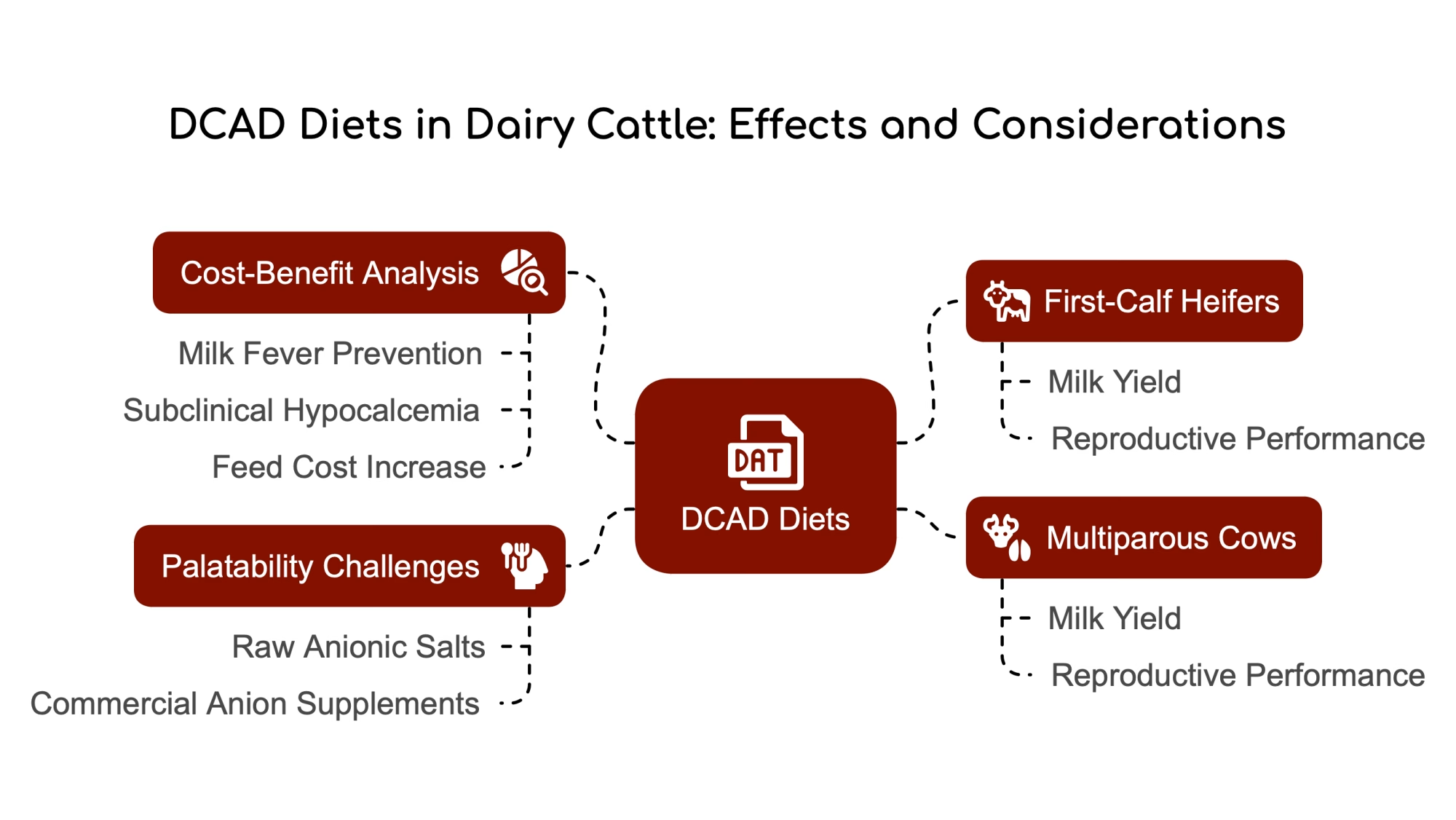
Feeding negative Dietary Cation-Anion Difference (DCAD) diets to transition dairy cows has stood the test of time, with hundreds of research studies confirming its effectiveness in preventing metabolic disorders and improving performance. This scientifically validated nutritional strategy significantly reduces the risk of hypocalcemia (milk fever) and enhances overall migration to cow health. This report examines the mechanisms, benefits, implementation strategies, and latest research on negative DCAD diets for dairy producers seeking to optimize transition cow management.

Why DCAD Works: The Science Behind Calcium Mobilization

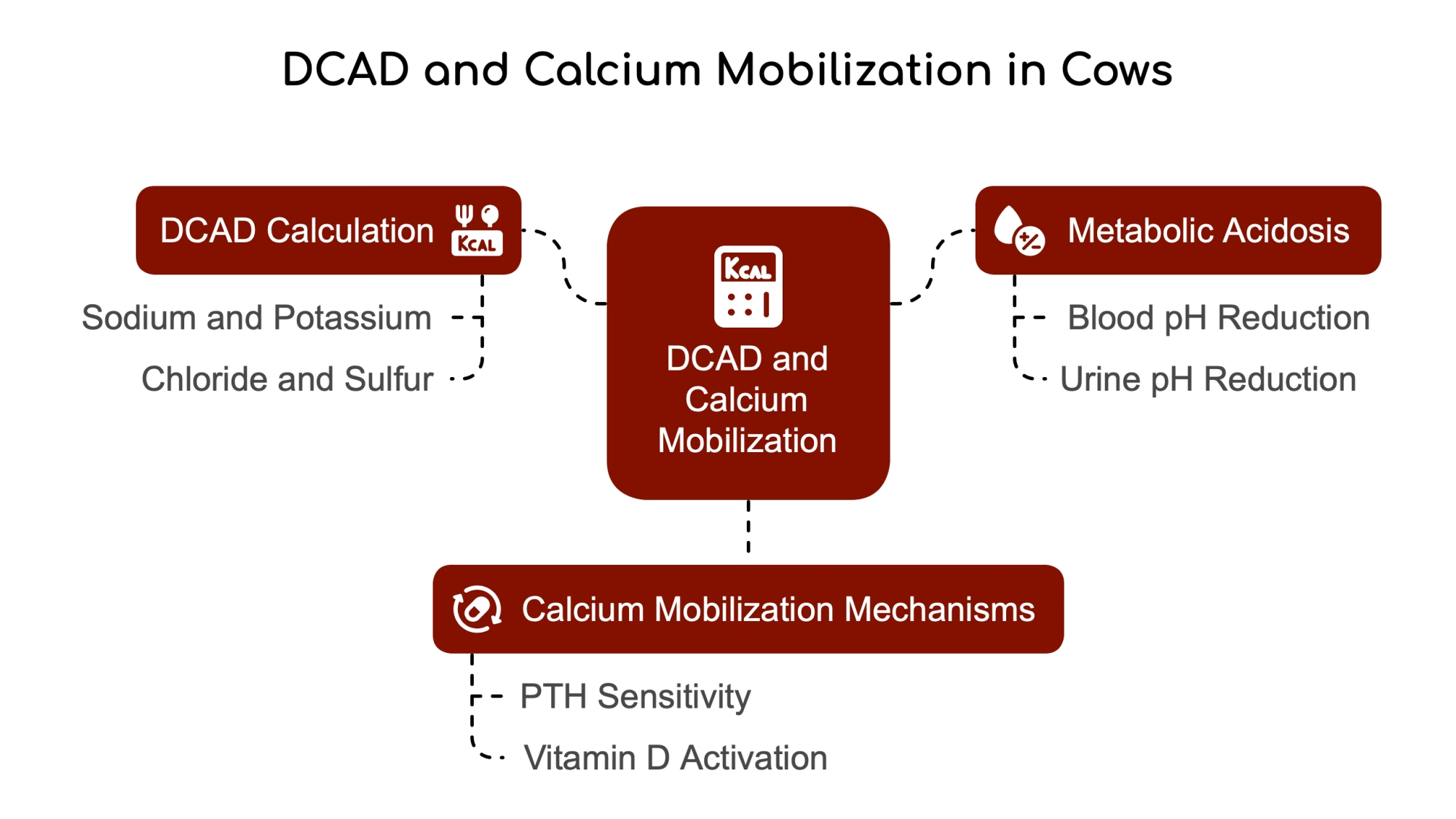
DCAD represents the diet’s balance between positively charged cations (primarily sodium and potassium) and negatively charged anions (chloride and sulfur). The most used formula to calculate DCAD is DCAD (meq) = (Na + K) – (Cl + S). A negative DCAD diet contains proportionately more chloride and sulfur in relation to potassium and sodium, thus lowering the dietary cation-anion difference value.

When cows consume a negative DCAD diet, they enter a state of compensated metabolic acidosis, which results in a slight reduction in blood pH and a significant reduction in urine pH. This subtle change in blood pH plays a crucial role in calcium metabolism. The slight acidification increases the sensitivity of tissues to parathyroid hormone (PTH), which helps mobilize calcium from bone reserves and enhances calcium absorption in the intestine.

This metabolic adaptation is significant during the transition period when calcium demands skyrocket. When a cow begins lactation, her calcium requirement suddenly increases dramatically as calcium moves from the bloodstream into colostrum and milk. Proper metabolic preparation can lead to a dangerous drop in blood calcium levels. Negative DCAD diets essentially “prime” the cow’s calcium metabolism system to respond more efficiently to this challenge.

The Calcium Mobilization Pathway: How DCAD Unlocks Bone Reserves

The biological pathways involved in calcium mobilization are complex but well-understood. When blood pH is slightly reduced through negative DCAD feeding, PTH receptors become more responsive. This enhanced sensitivity triggers two key calcium-regulating mechanisms: first, PTH has a direct effect on bone, stimulating the breakdown of bone tissue and releasing stored calcium into the bloodstream; second, PTH stimulates the kidneys to produce more active vitamin D, which in turn increases calcium absorption from the digestive tract.

3 Major Benefits of Negative DCAD Diets That Boost Your Bottom Line

The benefits of feeding negative DCAD diets during the transition period extend far beyond just preventing clinical milk fever. Research has consistently demonstrated multiple advantages for dairy cows and farm productivity.

1. Slash Hypocalcemia Rates: Stop Milk Fever Before It Starts

Hypocalcemia occurs in both clinical (milk fever) and subclinical forms. While clinical cases are obvious when cows go down and cannot stand, subclinical hypocalcemia affects a much more significant percentage of the herd, often 50% of mature dairy cows and 25% of first-calf heifers. These cows appear normal but have reduced blood calcium levels that impair muscle function throughout the body, including the digestive tract and uterus.

A meta-analysis of controlled experiments showed that feeding a negative versus positive DCAD diet reduced the relative risk of developing milk fever to between 0.19 and 0.35. This represents an impressive 65-81% reduction in milk fever risk simply through dietary management. Research has consistently shown that negative DCAD diets can eliminate clinical hypocalcemia and drastically reduce the incidence of subclinical hypocalcemia.

2. Boost Milk Production: More Milk in the Tank

Beyond disease prevention, negative DCAD diets have been shown to enhance lactation performance. A comprehensive meta-analysis found that lowering DCAD increased ionized calcium in blood before and at calving. This improved calcium status supports higher milk production in early lactation.

Research consistently shows that properly implemented negative DCAD programs lead to higher milk production, particularly in second lactation and older cows.

3. Reduce Transition Disorders: Healthier Cows, Fewer Vet Bills

The benefits extend to other transition disorders as well. Studies show a decreased incidence of retained placentas, metritis, displaced abomasums, and improved reproductive performance in cows fed negative DCAD diets. This is partly because calcium is necessary for proper muscle contraction throughout the body, including the uterus and digestive tract. When calcium levels are maintained, these systems function more effectively.

How to Implement a Successful DCAD Program on Your Dairy

Implementing a negative DCAD program requires careful attention to diet formulation and monitoring. Research has identified optimal ranges and practical approaches to achieve the desired effects.

The Perfect DCAD Range: Don’t Go Too Low

The scientific consensus points to an optimal negative DCAD range of -8 to -12 meq per 100 grams of dry matter for transition cows. This level can produce the desired metabolic effects without excessive acidification or decreased feed intake.

Interestingly, research shows that pushing DCAD levels beyond -12 does not provide additional benefits and may be counterproductive. Studies found that reducing the level of negative DCAD too far reduced prepartum dry matter intake and induced a more exacerbated metabolic acidosis. This demonstrates that more is not necessarily better regarding DCAD manipulation.

Table 1: DCAD Implementation Guidelines

ParameterRecommended RangeKey Considerations
Prepartum DCAD-8 to -12 meq/100g DMAvoid < -15 meq for intake
Postpartum DCAD+35 to +45 meq/100g DMSupports lactation
Urine pH (Holstein)6.0-6.8Test 3+ days after initiation
Urine pH (Jersey)5.5-6.0Breed-specific metabolism
Feeding Duration21-42 days prepartumLonger periods are still effective

4 Steps to Implement DCAD Successfully on Your Farm

Successful implementation of a negative DCAD program requires several key steps:

  • Analyze feed ingredients thoroughly: Conduct chemical analysis to know the exact DCAD levels of your feed ingredients and forages. This is crucial because natural variation in mineral content, especially in forages, can significantly impact the final DCAD value.
  • Minimize dietary potassium and sodium: Decrease these cations as much as possible in the transition diet. This often means avoiding or limiting high-potassium forages like certain alfalfa hays.
  • Add appropriate anionic supplements: Adjust DCAD to the target negative range by adding a palatable anion source to the ration. While raw anionic salts were used in early research, many commercial products now offer improved palatability and consistency.
  • Ensure adequate mineral balance: Formulate magnesium above 0.40% of total dry matter and provide sufficient calcium and phosphorus. Research has demonstrated that when more than 180 grams of dietary calcium are fed with a fully acidogenic diet, cows become more resistant to decreases in serum calcium concentrations.

Monitoring Success: The Urine pH Test You Need to Master

Urine pH testing is the simplest and most effective way to monitor whether a negative DCAD diet works appropriately. This non-invasive, low-cost method provides immediate feedback on the cow’s metabolic acid-base status.

Target pH Ranges: Not Too High, Not Too Low

For Holstein cows, the target urine pH range is typically 6.0-6.5, while Jersey cows generally require a slightly lower range of 5.5-6.0 due to breed differences in acid-base metabolism. Some sources recommend a broader range of 6.0-6.8 for all cows. If urine pH falls outside the recommended range, adjustments to the diet or feeding management are needed.

Recent research indicates that urine pH readings below 6.0 may not be reliable indicators of metabolic acid-base status. Once urine pH drops below 6.3, the kidneys change how they remove hydrogen ions from the blood, making urine pH a less reliable indicator of how close the cow is to uncompensated metabolic acidosis.

Simple Testing Protocol: No Need to Check Every Cow

After introducing a negative DCAD diet, wait at least three days before testing urine pH to allow the metabolic effects to develop. Rather than testing every cow daily, select a representative sample (approximately 10%) of cows on the diet for several days. Testing should be done consistently relative to feeding, as there can be diurnal variations in urine pH.

It’s important to remember that the goal is not to achieve the lowest possible urine pH. Instead, urine pH indicates that the negative DCAD diet is achieving the desired metabolic effect. There’s no benefit to extremely low urine pH values, which may indicate excessive acidification.

Timing Matters: When to Start and Stop DCAD Feeding

The timing and duration of negative DCAD feeding are essential factors in maximizing its benefits while managing costs and logistics.

Optimal Feeding Window: The 3-Week Sweet Spot

The standard recommendation is to feed negative DCAD diets during the last three weeks before expected calving. This timeframe allows sufficient opportunity for the diet to influence calcium metabolism before the calcium challenge of lactation begins.

Some research indicates that feeding a negative DCAD diet for more extended periods, up to 42 days before calving, can also be practical and doesn’t appear to cause problems. This flexibility can benefit farms with limited ability to move cows between groups frequently.

Group Housing Strategies: Making DCAD Work in Your Barn

If pen moves or grouping strategies don’t allow a separate transition group to be formed 21 days prepartum, farms can still benefit from negative DCAD feeding. Research suggests that starting negative DCAD diets earlier in the dry period can yield health and production benefits like the standard three-week protocol.

However, it’s important to note that DCAD manipulation is not recommended for lactating cows, where a positive DCAD diet is beneficial for milk production. Research suggests a negative DCAD in the prepartum stage and a positive DCAD in the postpartum stage for optimal milk production efficiency and minimal metabolic disorders.

Critical Considerations: The Latest Research Findings You Need to Know

While negative DCAD diets have proven highly effective, there are some important considerations and potential limitations to keep in mind.

First-Calf Heifers: Why DCAD May Hurt, Not Help

Recent research has revealed that nulliparous cows (first-calf heifers) respond differently to negative DCAD diets than multiparous cows. Studies have found that reducing DCAD improved milk, fat-corrected milk, fat, and protein yields in multiparous cows; however, in nulliparous cows, reducing DCAD either did not affect milk and protein yields or reduced fat-corrected milk and fat yields.

Research has found that the reproductive performance of first-lactation heifers was impaired when fed negative DCAD diets, in contrast to their older herd counterparts. This research suggests that different DCAD recommendations may be needed for first-calf heifers, and negative DCAD diets are not recommended for this group.

Table 2: Parity-Specific Responses to Negative DCAD

OutcomeMultiparous CowsNulliparous Cows
Milk Yield Change+1.7-3.2 kg/dNo improvement/Reduction
Reproductive PerformanceImprovedImpaired
Recommended DCAD-8 to -12 meq/100g DMNeutral/Positive DCAD
Metabolic BenefitStrong calcium mobilizationMinimal benefit

Palatability Challenges: Keeping Feed Intake Strong

One of the main drawbacks of traditional negative DCAD programs is palatability issues with raw anionic salts, which can reduce feed intake. Decreased prepartum feed intake is an expected response when feeding negative DCAD diets due to induced metabolic acidosis. However, modern commercial anion supplements often have improved palatability compared to raw anionic salts.

Research has clarified that the depression in feed intake is not necessarily related to the inclusion of acidogenic products but is caused by the metabolic acidosis induced by the acidogenic diet.

The DCAD Cost-Benefit Analysis: Is It Worth It? (Spoiler: Yes!)

Decreasing the ration DCAD to achieve very low urine pH values adds unnecessary cost without additional benefits. When formulating from a base diet of +18 to a negative DCAD of -8, there is a cost associated with adding anionic supplements. Pushing beyond necessary levels (e.g., from -10 to -14) adds cost with no added benefit.

Given that first-lactation heifers may not benefit from negative DCAD diets and could experience reproductive impairment, selective use of negative DCAD diets only for multiparous cows could provide significant cost savings.

Table 3: Economic Impact of DCAD Implementation

FactorTypical ImpactEconomic Value
Milk Fever Prevention65-81% reduction$300/case avoided
Subclinical Hypocalcemia50% reduction$125/cow in lost production
Feed Cost Increase$0.65/cow/day
Milk Yield Increase1,800-3,200 lbs/lactation$360-640/cow (@$0.20/lb)
Reproductive Efficiency15% improvement$150/cow in reduced losses

Cutting-Edge DCAD Research: What’s New in Transition Cow Nutrition

Research on DCAD continues to evolve, with scientists exploring refinements and alternatives to traditional approaches.

Moderate vs. Extreme Acidification: Finding the Sweet Spot

Recent research has focused on moderate acidification (pH 6.0-7.0) and extreme acidification (pH below 6.0). The evidence suggests that moderate acidification provides the benefits of improved calcium metabolism without the risks of uncompensated metabolic acidosis that can occur with extreme acidification.

Studies have shown that regardless of the blood calcium threshold used to establish hypocalcemia, the incidence of hypocalcemia and related health problems was not decreased by making cows extremely acidotic.

Neutral DCAD: A Promising Alternative?

While negative DCAD diets remain the gold standard, some researchers are investigating whether a neutral DCAD (0 ± 30 mEq/kg) might offer benefits while reducing palatability issues. A cross-sectional study of eight dairy herds found that adjusting DCAD to neutral values reduced clinical parturient paresis (milk fever) occurrence by an average of 87% compared to baseline. This approach might improve ration palatability by requiring lower levels of acidogenic salts.

However, more research is needed to fully validate this approach, particularly its effects on subclinical hypocalcemia and feed intake.

Immune Function Boost: An Unexpected Benefit

Research has examined whether negative DCAD diets affect immune function. Studies assessing effects on blood neutrophil function found that negative DCAD diets can improve neutrophil function in parous cows, particularly the proportion of neutrophils with killing activity. This suggests that the metabolic benefits of negative DCAD feeding may extend to improved immune function.

Long-term Performance Effects: The Gift That Keeps Giving

Controlled trials on commercial dairy farms have confirmed that feeding negative DCAD diets improved milk production in multiparous cows, particularly in early lactation. This adds to the growing body of evidence supporting the long-term performance benefits of this approach beyond just transition health.

Bottom Line: DCAD Still Delivers Results When Done Right

Negative DCAD diets remain among the most well-researched and effective nutritional strategies for managing transition cows. The evidence strongly supports their use to prevent hypocalcemia, reduce other transition disorders, and improve subsequent lactation performance, particularly in multiparous cows.

The optimal implementation involves feeding a diet with DCAD in the range of -8 to -12 meq per 100 grams of dry matter during the last three weeks before calving, monitoring effectiveness through urine pH (targeting 6.0-6.8), and ensuring adequate levels of calcium, magnesium, and phosphorus.

Essential updates to traditional recommendations include:

  1. Negative DCAD diets should NOT be fed to first-lactation heifers, as they may impair reproductive performance in this group.
  2. Moderate acidification (urine pH 6.0-6.8) is preferable to extreme acidification (urine pH below 6.0).
  3. After calving, cows should transition to a positive DCAD diet (+35 to +45 meq/100g DM) to support milk production.
  4. While negative DCAD remains the gold standard, neutral DCAD (0 ± 30 mEq/kg) shows promise as an alternative that may improve palatability while still reducing milk fever incidence.

For dairy producers seeking to optimize transition cow health and performance, implementing a well-designed negative DCAD program for multiparous cows represents a science-backed investment in cow health and farm profitability.

Key Questions for Your Nutritionist:

  • What is the current DCAD level in our transition cow diet?
  • Are we monitoring urine pH regularly to confirm our DCAD strategy is working?
  • Should we consider separating first-calf heifers from our negative DCAD program?
  • What is the cost-benefit analysis of our current DCAD implementation?

Learn more:

Join the Revolution!

Join over 30,000 successful dairy professionals who rely on Bullvine Daily for their competitive edge. Delivered directly to your inbox each week, our exclusive industry insights help you make smarter decisions while saving precious hours every week. Never miss critical updates on milk production trends, breakthrough technologies, and profit-boosting strategies that top producers are already implementing. Subscribe now to transform your dairy operation’s efficiency and profitability—your future success is just one click away.

NewsSubscribe
First
Last
Consent
Send this to a friend