The thing about lameness is it’s often the quiet money-drainer on your farm—the kind that creeps in unnoticed until the bill gets too big to ignore.
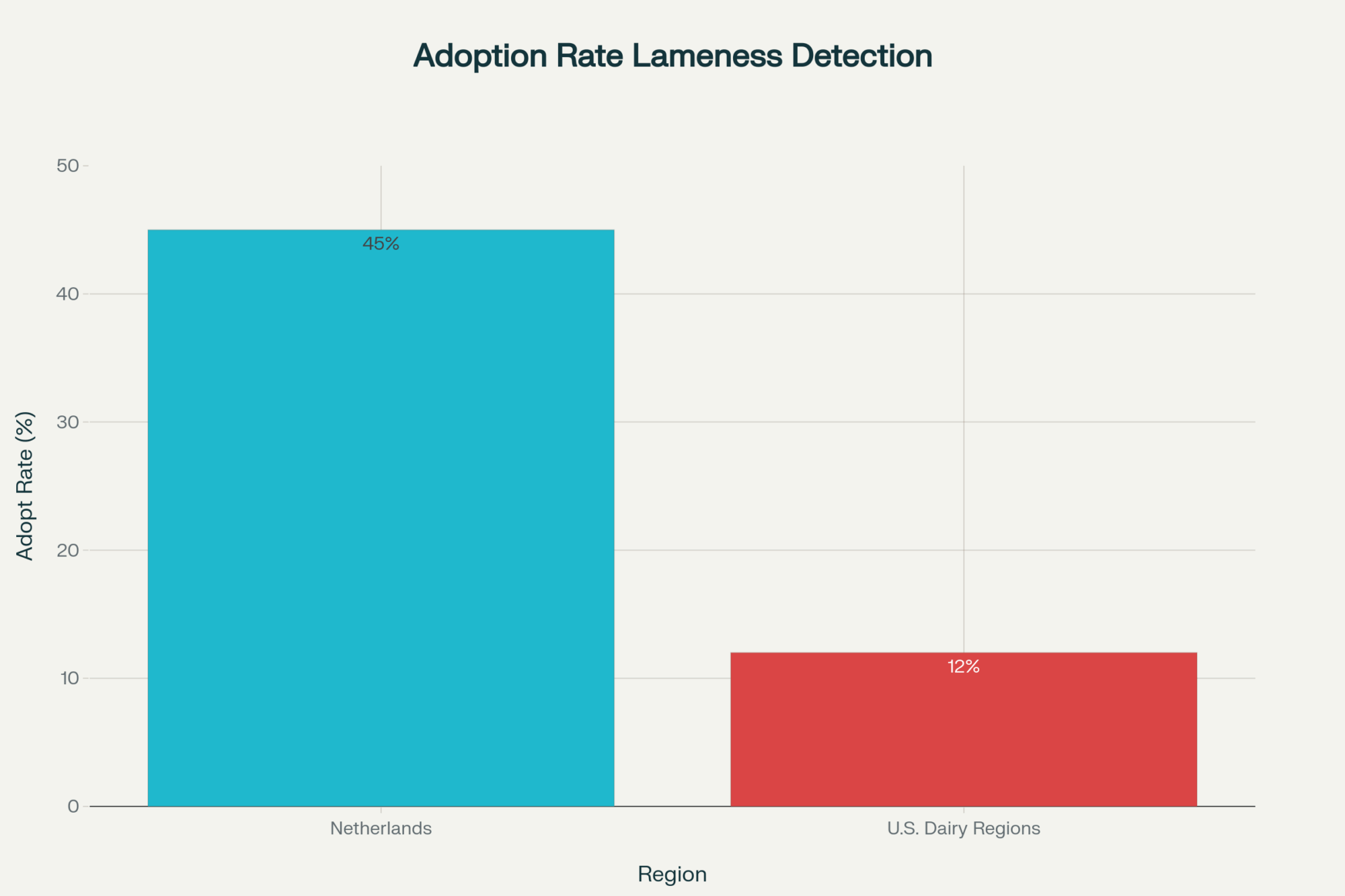
EXECUTIVE SUMMARY: Here’s the deal: up to 70% of lame cows slip past farmers unnoticed—and that’s costing around $337 per case, according to University of Wisconsin research. With milk prices hovering near $21.60/cwt and feed costs hitting $280/ton in 2025, those hidden losses could drain $40,000+ annually from a 500-cow operation.The University of Minnesota team, working with CattleEye (now owned by GEA), has cracked the code on spotting lameness up to four weeks earlier using AI camera systems. Europe’s already way ahead—45% adoption versus our measly 12%—and it shows in their bottom lines.Look, this isn’t just another tech toy. It’s proven, it’s here, and if you’re serious about protecting your margins, you need to pay attention.
KEY TAKEAWAYS:
Slash feed waste by up to 20% when you catch lameness early—lame cows burn more feed for less milk. Action step: Start tracking mobility scores with AI monitoring to spot inefficient cows before they tank your feed conversion.
Tighten up reproduction and cut calving intervals by 32-47 days—that’s huge money in 2025’s tight market. Action step: Use AI alerts to time breeding decisions better and stop missing heat cycles on compromised cows.
Drop treatment costs 15-25% through proactive management instead of crisis response. Action step: Integrate lameness data with your vet protocols—catch problems before they become expensive emergencies.
Boost cow longevity and milk components by combining mobility data with your genomic testing program.
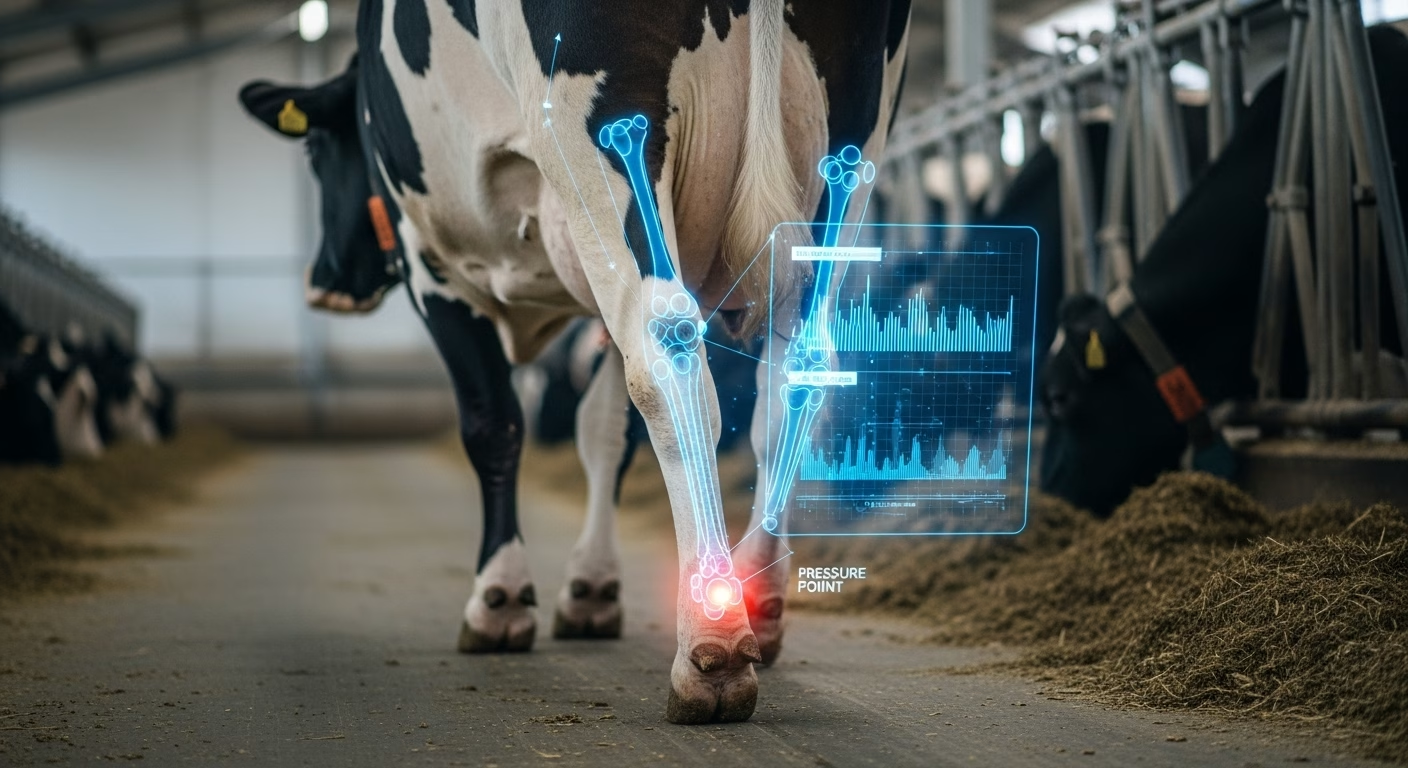
Researchers at the University of Minnesota, funded by the Foundation for Food & Agriculture Research (FFAR), are fine-tuning autonomous camera systems that identify lameness weeks before visual signs appear. This technology builds on solutions from CattleEye, a company acquired by Germany’s GEA in 2024, already keeping an eye on over 150,000 cows globally.
According to a 2022 study from the University of Wisconsin, the average cost per lameness case is about $337, primarily due to lost milk and reduced fertility. Most farms miss over 70% of lame cows relying on visual detection alone, allowing these hidden losses to quietly eat away at profits.
Lameness: The $40,000-a-Year Problem You Might Not See
Lame cows don’t just limp; they’re burning more feed for less milk. Research published in the Journal of Dairy Science shows lame cows can require up to 20% more feed per pound of milk produced. That means a typical 500-cow dairy paying approximately $280 per ton for feed could be losing over $40,000 a year, before considering reproductive setbacks or culling costs.
In 2025, tight margins and USDA projections of milk prices near $21.60 per hundredweight make these hidden losses a direct challenge to profitability.
Extension data confirms lameness can delay calving intervals by 32 to 47 days and reduce lifetime productivity by 8-12%. Many producers remain unaware of the true prevalence because of detection gaps.
How AI Detects Lameness Up to a Month Early
Autonomous camera systems mount 2D vision units about four meters above high-traffic walkways like parlor exits. The AI analyzes gait patterns—stride, back arch, head position—with 81-86% accuracy compared to veterinary assessments.
CattleEye’s platform detects lameness up to four weeks before human observation, using cloud-computed analytics to send alerts at approximately $1.45 per cow per month. This early signal enables timely intervention, reducing losses.
But implementation requires more than just camera placement. Successful adoption depends on:
Reliable high-speed internet connection
Staff trained to understand and act on alerts
Integration with existing herd management software
Farms typically require six to eight weeks for full adjustment. Having dedicated technology specialists or consultants can improve outcomes.
Navigating Adoption and ROI
There remains a notable technology adoption gap between Europe and the U.S. Approximately 45% of Dutch dairies employ automated monitoring tools compared to about 12% in major U.S. dairy regions.
Automated detection also supports welfare documentation critical for sustainability certifications and premium market opportunities.
The Council on Dairy Cattle Breeding continues to lead the way by incorporating lameness detection data into genetic evaluations focused on hoof health, a key step to improve long-term herd resilience and profitability.
Investment in this technology requires careful planning. Farms need broadband infrastructure, skilled personnel, and strong partnerships with knowledgeable providers or consultants to achieve success.
With 9.4 million dairy cows in the U.S., automated lameness detection is expected to be a critical tool for improving welfare and economic performance.
Industry data estimates that lameness costs the global dairy sector billions every year—a compelling reason for producers to prioritize effective detection and management.
Ready to Adopt? Here’s How to Start
Talk with your veterinarian, nutritionist, or extension agent about integrating early lameness detection into your herd health program.
Attend webinars or demos from technology providers like CattleEye to understand capabilities and costs.
Connect with other producers who have adopted these tools to learn about their experiences.
Precision livestock management, powered by AI monitoring, is quickly becoming essential for sustainable and profitable dairy farming. Early detection reduces treatment costs, supports longer cow longevity, and improves butterfat yields.
This technology doesn’t just improve detection—it offers a real competitive advantage by exposing hidden losses and helping maintain herd productivity in today’s challenging dairy market.
Complete references and supporting documentation are available upon request by contacting the editorial team at editor@thebullvine.com.
Learn More:
The Lameness Detection Wake-Up Call: What Three-Quarters of Your Herd is Costing You – This article provides a crucial tactical perspective by diving into the specific economic triggers of lameness. It offers actionable insights on how to establish a baseline for your herd’s mobility and demonstrates how automated systems can cut losses by 65% by pinpointing problems far earlier than visual observation.
Why the Global Dairy Market is Making Waves in 2025 (and What That Means for You) – This piece offers a strategic, market-focused view. It analyzes the broader economic shifts in 2025—from European production declines to changing component pricing—that make margin protection non-negotiable. It helps readers understand why investing in technologies like AI lameness detection is a vital defensive strategy against global volatility.
Temple Grandin’s Message for Dairy Farmers: Why ‘Optimal’ Beats ‘Maximum’ – This article brings an innovative, welfare-oriented perspective. It features insights from Dr. Grandin on the concept of “bad becoming normal” and how focusing on cow comfort and subtle health cues leads to a more “optimal” and profitable herd. It underscores the connection between objective data, welfare, and long-term success.
Join the Revolution!
Join over 30,000 successful dairy professionals who rely on Bullvine Weekly for their competitive edge. Delivered directly to your inbox each week, our exclusive industry insights help you make smarter decisions while saving precious hours every week. Never miss critical updates on milk production trends, breakthrough technologies, and profit-boosting strategies that top producers are already implementing. Subscribe now to transform your dairy operation’s efficiency and profitability—your future success is just one click away.
Your eyes miss 75% of lame cows—costing $143 per case in lost milk yield. Time to upgrade your detection game.
EXECUTIVE SUMMARY: You know that feeling when you walk the pens thinking you’ve got lameness under control? Well, here’s a wake-up call that’ll make your coffee taste bitter. Traditional visual assessment is missing three out of four lame cows in your herd right now – and each missed case is costing you $143 in direct milk losses alone. With Class III bouncing around $18.50 per hundredweight and feed costs still brutal, that’s money you can’t afford to lose. The kicker? Automated detection systems are hitting 85% accuracy while we’re stumbling along at 24% with our eyes. Dairies across the Midwest are already seeing 35% reductions in chronic lameness cases within the first year of installation. This isn’t some fancy gadget – it’s becoming the baseline for competitive operations in 2025.
KEY TAKEAWAYS
Cut lameness losses by 65% – Automated systems catch problems at 85% accuracy vs 24% visual detection, potentially saving $21,500+ annually on a 300-cow operation. Start with baseline locomotion scoring this week to establish your current detection rate.
Payback in 12 months or less – Systems range $8,000-25,000 for smaller herds, $30,000-80,000 for larger operations, but early adopters report conception rate improvements of 12 percentage points from catching cases before they impact breeding performance.
Feed efficiency gains matter more than ever – Lame cows systematically underperform the 1.5-1.8 milk-to-feed ratios that top herds achieve, and with current feed costs averaging $5.50+ per cow daily, every efficiency gain directly impacts your bottom line.
Technology integration beats replacement – Smart producers are using accelerometers and camera systems to complement (not replace) skilled observation, creating detection protocols that work with existing milking facility workflows instead of adding extra handling stress.
You know what keeps me awake at night? Walking through operations across the Midwest and seeing the same pattern over and over… producers who think they’re on top of their lameness issues, but the numbers tell a completely different story.
Here’s what’s really happening out there – and this might sting a little. We’re missing three out of four lame cows in our herds every single day. And with Class III futures bouncing around $17.37 to $18.82 per hundredweight this month and feed costs still eating into everything, every missed case is literally money walking away from your operation.
The thing about visual assessment… it’s failing us in ways we’re just starting to understand.
What’s Really Going Wrong in the Parlor
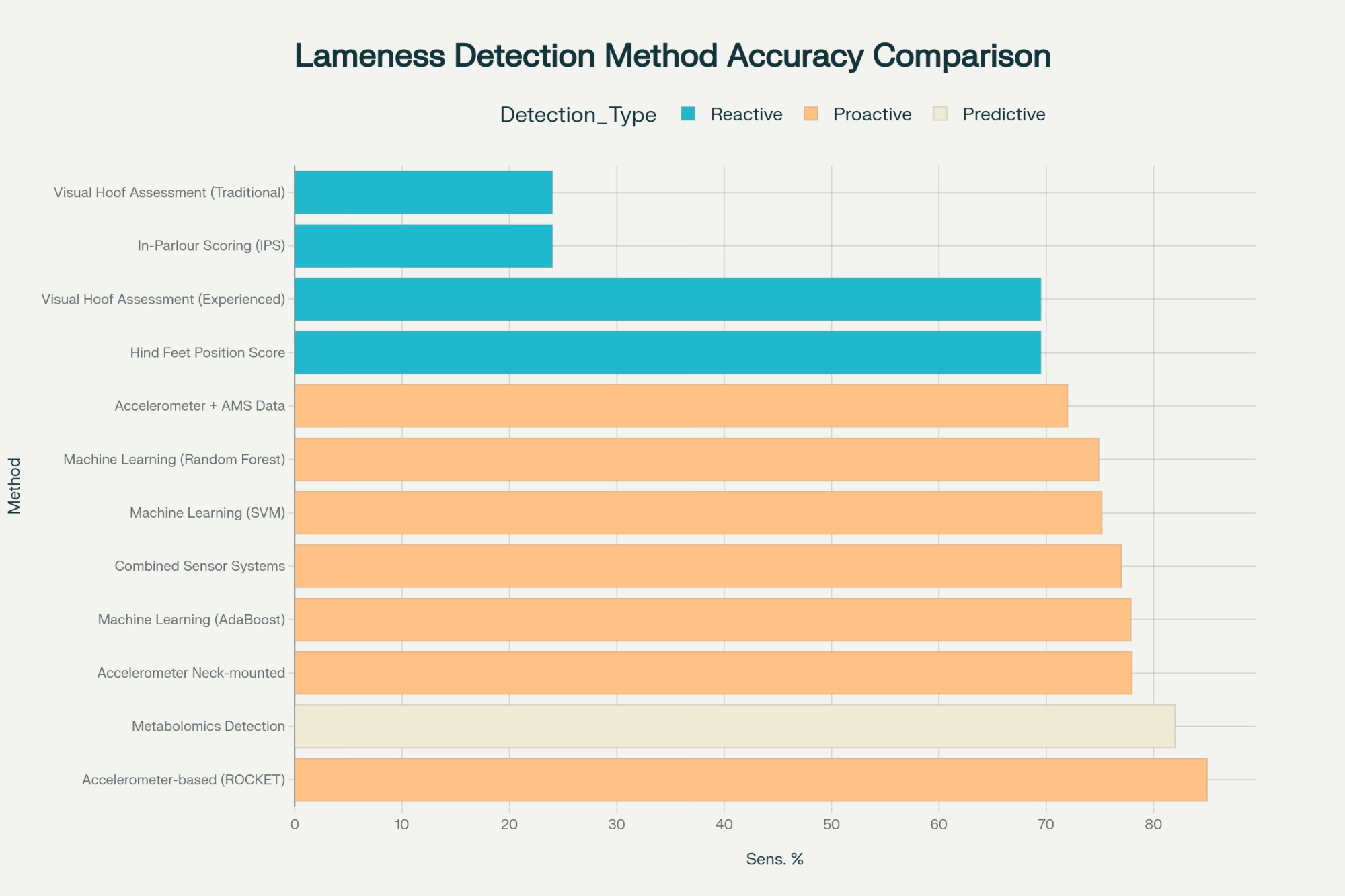
Comparison of sensitivity rates across different lameness detection methods in dairy cattle
I’ve been digging into some eye-opening research coming out of Austria, and honestly? The numbers are sobering. Traditional visual lameness detection achieves only 24% sensitivity. Think about that for a second – we’re catching one out of four lame cows. The other three? They’re out there producing less milk, cycling poorly, and bleeding margins we don’t even realize we’re losing.
Here’s what’s particularly frustrating… even experienced observers using in-parlor scoring systems struggle with these detection rates. The specificity might be decent – 96% in some studies – but that 24% sensitivity figure keeps showing up. We’re catching the severely lame animals, sure, but missing all those subtle cases where intervention would be most effective.
The fresh cow group? Don’t get me started. Those first-lactation heifers we’ve invested so much in show only 12-26% detection sensitivity with traditional methods. We’re missing problems right when early treatment would make the biggest difference.
The Real Money We’re Talking About Today
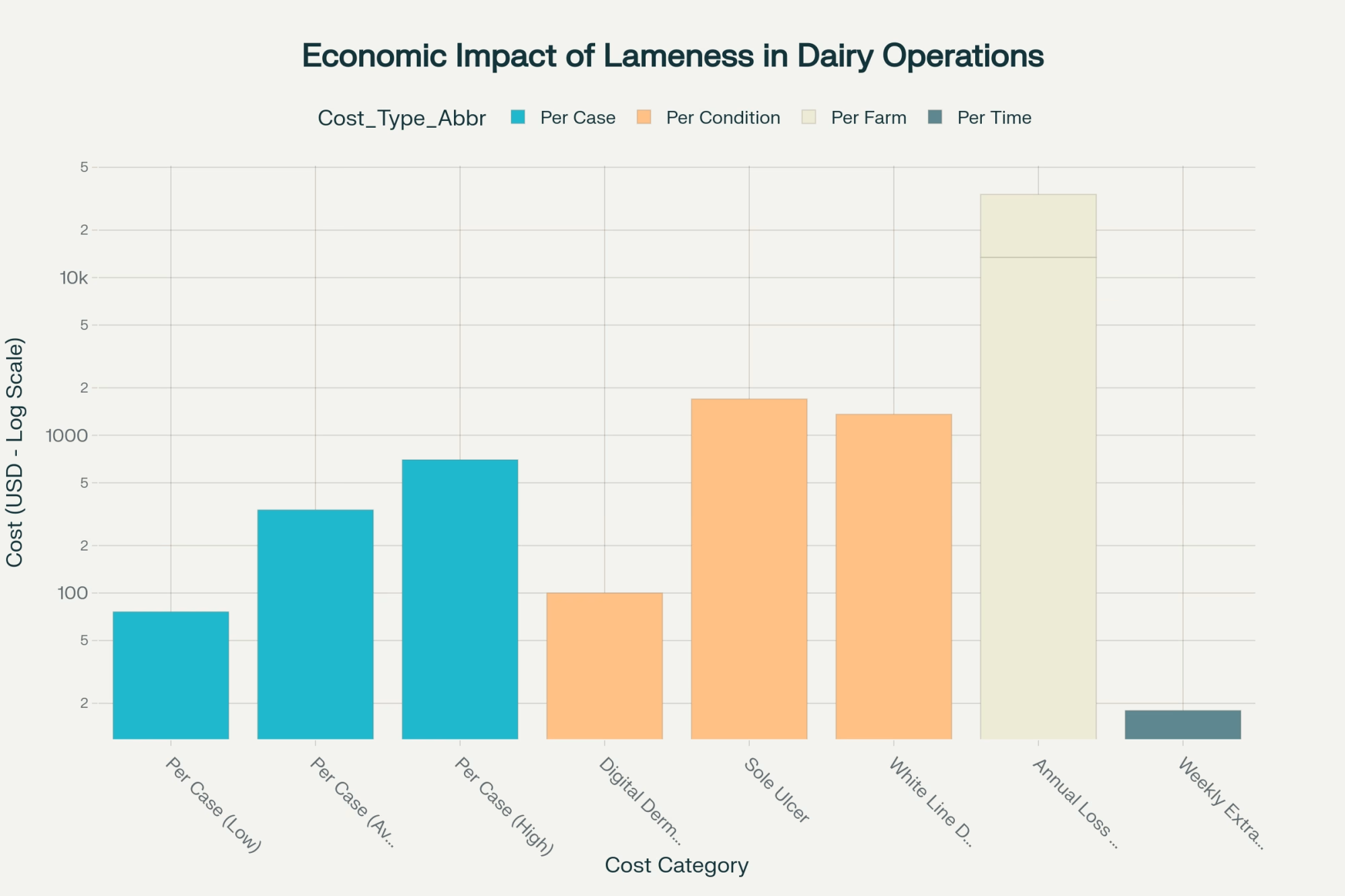
Economic costs associated with lameness in dairy cattle operations showing per-case, per-condition, and farm-level financial impacts
I was working with a 300-cow operation in Pennsylvania recently – typical freestall setup, decent management. We calculated their annual losses from undetected lameness at over $21,500. That’s before treatment costs, extra labor, or extended voluntary waiting periods. And this isn’t some poorly managed operation… this is a progressive dairy doing a lot of things right.
The Technology That’s Actually Changing Everything
Here’s where things get exciting… and I mean genuinely exciting. The automated detection systems coming online aren’t just incrementally better – they’re revolutionizing how we think about lameness management.
The camera-based systems are even more impressive. We’re achieving 98.9% identification accuracy with tracking systems that monitor gait patterns, which are invisible to the naked eye. These systems track spine curvature, hook bone positioning, and step length variations —subtle indicators that would take perfect conditions and an expert eye to catch.
What I find fascinating is the consistency factor. While human observers struggle with fatigue, weather conditions, and varying cow behavior, these systems maintain the same level of accuracy whether it’s 6 AM or 6 PM, whether it’s January in Minnesota or July in Texas.
What This Means for Your Operation Today
The economics make sense when you really dive into the numbers. Sure, there’s an upfront investment – and I’m being honest about the costs here. From industry observations, smaller operations might look at $8,000-25,000 for basic monitoring systems, while larger facilities could invest $30,000-80,000 for comprehensive sensor networks. But here’s what I’m seeing from producers who’ve made the jump…
A 500-cow operation in Ohio reduced their chronic lameness cases by 35% in the first year after installing accelerometer systems. A 1,200-cow dairy in California saw their treatment costs drop by 28% while their detection rates more than doubled. These aren’t isolated success stories – this is becoming the norm for operations that implement these technologies properly.
The payback calculation gets compelling when you factor in current market realities. With feed costs staying elevated and milk prices volatile, we can’t afford the production inefficiencies that come with undetected lameness. The continuous monitoring these systems provide means early intervention – catching problems before they become chronic, expensive cases.
Implementation Reality… And Why Some Fail
Here’s the thing, though… buying the technology isn’t the same as implementing it successfully. I’ve seen operations spend $35,000 on monitoring systems and then ignore 60% of the alerts because they weren’t prepared for the workflow changes.
What’s interesting is that successful implementation requires commitment to acting on the data. That means training your team on interpreting alerts, establishing clear treatment protocols for different severity levels, and – this is crucial – maintaining calibration standards. Most systems need 2-3 months to establish baseline patterns for your specific herd.
The producers who struggle? They’re usually the ones who expect the technology to work independently of their management systems. These tools complement skilled observation – they don’t replace it entirely. For complex cases requiring veterinary assessment, human expertise remains essential.
Regional Differences I’m Seeing
The adoption patterns vary significantly across dairy regions, and it’s fascinating to watch. Upper Midwest operations – Minnesota, Wisconsin, Michigan – are leading early adoption, probably because they’re dealing with concrete surfaces and confinement systems where lameness detection is more challenging.
Western dairies are taking a different approach. The larger herd sizes mean they’re investing in more comprehensive systems, but the dry lot environments actually make some traditional detection methods more effective. A 2,500-cow operation in Colorado told me they’re using hybrid approaches – automated monitoring for the milking herd, visual assessment for dry cows and heifers.
Southeastern operations face unique challenges, including higher somatic cell counts and heat stress, which complicate lameness patterns. The technology appears particularly valuable in this region because environmental stressors make consistent human observation more difficult.
The other challenge? Data overload. These systems generate enormous amounts of information, and smaller operations might struggle with the management time required to process and act on alerts effectively. I’ve seen farms where the technology was excellent, but the implementation failed because they didn’t have protocols in place to handle the increased detection capability.
Environmental factors also play a role. Extreme weather, unusual cow behavior, or facility changes can impact system accuracy. The technology performs best when integrated into a comprehensive management approach, rather than being a standalone solution.
Looking at the Economics of Doing Nothing
Let me put this in perspective with a real example. I worked with a 400-cow dairy in New York that was hesitant about the technology investment. We calculated their current losses from undetected lameness at $18,500 annually. The monitoring system they were considering cost $20,000 installed.
The math was pretty straightforward – payback in just over 12 months, even with conservative assumptions about improvement rates. But what really convinced them was the breeding efficiency impact. Their conception rates improved by 12 percentage points in the first year after installation, largely because they were catching and treating lameness cases before they impacted reproductive performance.
Current trends suggest this window for competitive advantage won’t stay open forever. As more operations adopt these technologies, the bar for what constitutes acceptable lameness management continues to rise.
Where We’re Heading – And Why It Matters
The technology evolution is accelerating faster than most producers realize. What we’re seeing now is just the beginning. Machine learning algorithms are getting better at pattern recognition, sensor technology is becoming more affordable, and integration with existing management systems is improving rapidly.
What’s particularly exciting is the development of predictive capabilities. Instead of just detecting lameness when it occurs, we’re moving toward systems that can predict which cows are at risk based on subtle behavioral changes, environmental factors, and individual cow characteristics.
The operations that are positioning themselves for this future are the ones investing in these technologies now. They’re building the data foundation and developing the management expertise that will give them significant competitive advantages as the technology continues to evolve.
Bottom Line Insights for Your Operation
This isn’t just about animal welfare, though that’s critically important. This is about operational efficiency in an industry where margins are thin and getting thinner. Missing three-quarters of your lame cows isn’t just a welfare issue; it’s an economic crisis happening on your farm right now.
The technology to solve this problem exists today. The financial justification is solid when you calculate the real costs of undetected lameness. The implementation pathway is proven by early adopters who are seeing measurable results.
Here’s what I’d recommend if you’re serious about addressing this:
Start with baseline locomotion scoring using standardized protocols – you need to know where you are before you can measure improvement. Then, evaluate neck-mounted accelerometers or integrated sensor systems based on your herd size and facility configuration. Budget realistically – factor in training time, system calibration, and workflow adjustments.
The question isn’t whether you can afford to implement automated lameness detection – it’s whether you can afford not to. I’ve seen too many operations struggling with reproductive performance, somatic cell issues, and high culling rates that could trace back to undetected lameness.
The farms that recognize this opportunity and act on it are going to have substantial competitive advantages in the years ahead. The lameness detection revolution isn’t coming – it’s here. The only question is whether you’ll lead the charge or be left behind trying to catch up with operations that moved early on this technology.
The math is clear. The technology works. The question is: what are you going to do about it?
Complete references and supporting documentation are available upon request by contacting the editorial team at editor@thebullvine.com.
Join over 30,000 successful dairy professionals who rely on Bullvine Weekly for their competitive edge. Delivered directly to your inbox each week, our exclusive industry insights help you make smarter decisions while saving precious hours every week. Never miss critical updates on milk production trends, breakthrough technologies, and profit-boosting strategies that top producers are already implementing. Subscribe now to transform your dairy operation’s efficiency and profitability—your future success is just one click away.
Discover ways to boost dairy cattle welfare. How can tech and better housing address locomotion issues in dairy farming?
Summary:
In dairy farming, the evolution of cattle welfare has gained the attention of producers and consumers, with researchers Dr. Dan Weary and Dr. Marina von Keyserlingk from the University of British Columbia leading pivotal studies focused on locomotion and housing improvements for dairy cattle. Their work addresses the persistent challenge of lameness, which affects animal welfare and productivity. This involves innovative detection methods and improved housing environments that align with evolving welfare standards. Dr. Weary notes that combining technology with traditional practices promises precise lameness detection and better living conditions for cattle. Key insights indicate that automated technologies offer consistent detection, enhanced flooring, and outdoor access to mitigate lameness, and aligning housing with cattle preferences balances productivity and welfare. The demand for better animal treatment drives changes in dairy farming, as traditional methods face human error and observation variability challenges. Automation and data analysis offers insights into cow health and new housing methods, such as softer flooring and enhanced comfort. Research at the University emphasizes addressing locomotion and enhancing housing, with automation detecting lameness through motion analysis and sensors. Modern designs focus on natural conditions, reducing stress and injury.
Key Takeaways:
Technological advancements are pivotal for enhancing lameness detection and cattle mobility data.
Softer surfaces and outdoor access are crucial for improving dairy cattle comfort and welfare.
Outdoor access aligns with consumer expectations without compromising dairy productivity.
Ongoing research in cattle welfare is essential for sustainable dairy farming practices.
Collaboration between producers and consumers is key to bridging the gap in animal welfare expectations.
The future of dairy farming focuses on efficiency, improving housing systems, and prioritizing cow comfort.
As people demand better treatment for cows, dairy farmers are pressured to improve their care for these animals, especially regarding their movement and living conditions. These areas are key to making cows healthier and happier, meeting the expectations of modern consumers, and pushing the dairy industry to find better ways to care for animals.
This article examines the difficulties of spotting lameness in cows, how technology is changing cattle welfare, and the importance of good housing design. It also discusses why cows should have access to the outdoors, how to match public views with farm challenges and a plan that puts animal welfare first, promising a better future for dairy farming. Join us as we explore these key areas that affect dairy cattle welfare today.
Navigating Dairy Cattle Welfare: Tradition and Innovation Fusion
In the past, understanding how cows were doing, mainly when they walked and where they lived, depended primarily on people watching them and intervening when necessary.
Challenges of Traditional Dairy Farming Methods
In the past, farmers and vets regularly checked the cows’ health and living conditions. They watched how the cows acted, looked, and walked to identify problems. Regarding housing, the aim was to optimize space and resources to provide cows with sufficient food, water, and comfortable resting areas.
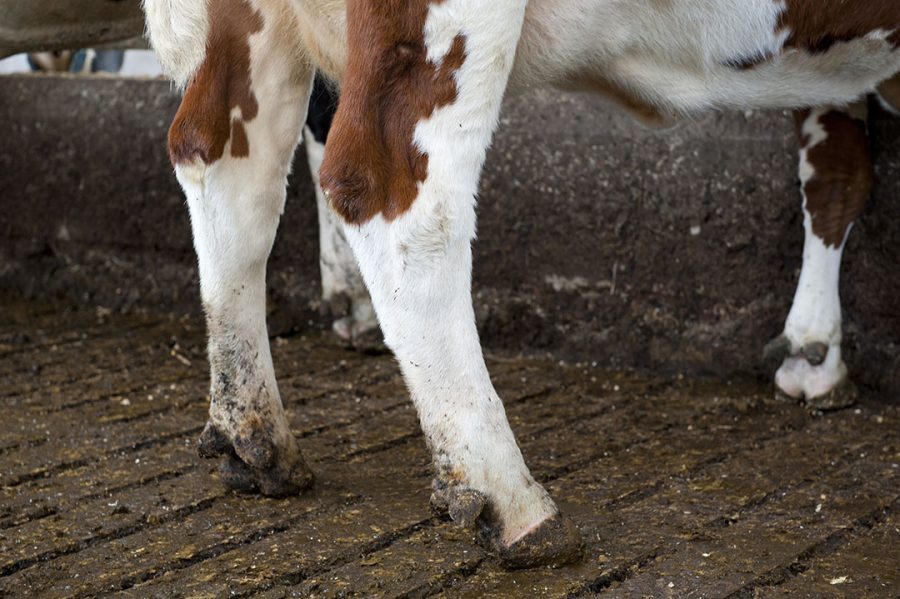
However, these traditional methods presented challenges. People can make mistakes when observing, and their experience and skills differ, leading to varied results. Inspecting cows manually can also be tiring and prone to errors. Also, floors in cowhouses are often made of concrete. While strong, concrete can make it hard for cows, leading to leg problems and discomfort. This affects a cow’s health and milk production.
The Need for Innovation
Technological advancements such as automation and data analysis have the potential to revolutionize cow care. Tools like sensors can provide continuous, accurate monitoring of cows, offering valuable insights into their health. Moreover, new methods in cow housing, like using softer flooring or providing access to open pastures, can enhance cow comfort and meet consumer preferences. This technological revolution offers a promising future for dairy farming, where cattle welfare is significantly improved.
Contributions of Key Researchers
Dr. Dan Weary and Dr. Marina (Nina) von Keyserlingk have been pivotal in advancing dairy cattle care through their research at the University of British Columbia. Their scholarly contributions have highlighted the necessity of addressing locomotion issues and enhancing dairy cow housing environments. They have been instrumental in integrating technological advancements to transform traditional cow welfare practices, leading to innovative solutions like automation in lameness detection. Their extensive body of work continually reshapes prevailing perspectives on dairy farming, setting new standards in the industry for both animal welfare and productivity.
Revolutionizing Lameness Detection in Dairy Cattle with Technology
Detecting lameness in dairy cattle has long been a critical challenge for farmers and professionals who depend on early identification to maintain animal welfare and farm productivity. Traditionally, this process relies heavily on human observation, which demands significant time and expertise and suffers from inherent variability and subjectivity. Observers may differ in their assessments of a cow’s gait, leading to inconsistent detection rates and a potential delay in addressing lameness, affecting the animals’ health and performance. As a result, inaccurate detection can have profound repercussions, leading to increased medical costs, decreased milk yield, and animal suffering.
In this light, the importance of reliable lameness detection cannot be overstated. It’s about more than just pinpointing discomfort; it’s a crucial step toward optimizing the herd’s health management strategies and overall productivity. Automation and technological advancements offer a promising solution, providing Consistent and unbiased data indicating a notable decrease in lameness incidents and improved overall health and productivity of the herd. This change enables producers to make well-informed decisions. It ensures that intervention strategies can be tailored to individual cows, significantly enhancing welfare outcomes and operational efficiency. As the industry moves towards integrating these innovations, the potential to elevate standards of care while simultaneously boosting productivity marks a pivotal transformation in dairy farming practice.
Finding lameness, or limping, in dairy cows has been challenging for farmers. They must spot it early to keep cows healthy and farms running smoothly. Usually, this depends on people watching the cows walk, which takes time and skill. But people see things differently. They might disagree on whether a cow is limping, which can cause delays in helping the cow. This can make the cow’s health worse, cost more in vet bills, reduce milk production, and cause the cow to suffer.
So, finding reliable ways to see if a cow is limping is essential. It’s not just about knowing the cow is in pain; it’s about keeping the whole herd healthy and productive. Technology helps by providing consistent and accurate data. This data shows changes in how cows move over time. This helps farmers make better choices and take action for each cow’s needs. This makes cows healthier and happier and makes farms work better. As farms use these new tools, they’re changing how they care for cows and improving how much milk they produce.
Harnessing Digital Eyes: Pioneering the Future of Dairy Herd Health
One of the most significant changes in finding lameness in dairy cattle is automated technology. This shift has transformed the industry. In the past, people relied on what they could see, but now, we use high-tech solutions that are more objective and reliable.
Automatic lameness detection uses tools like motion analysis systems. These systems have sensors and cameras to capture real-time data. They study how each cow walks to spot changes that could signal lameness. With machine learning, these devices are getting better at telling normal from abnormal walking, giving a consistent way to assess lameness.
A significant advancement involves continuously collecting data. Farmers can get steady movement data from wearable devices like smart collars or hoof tags thanks to continuous data collection. This helps them find lameness early and track changes over time, allowing quick fixes.
These technological breakthroughs significantly enhance decision-making in dairy farming. With accurate information, dairy farmers can develop targeted plans to address lameness issues, boosting herd health and productivity. Moreover, such technology facilitates data sharing among farms, leading to a better understanding of lameness and developing effective management strategies across the industry. This empowerment through technology is a promising step toward improving dairy cattle welfare.
The impact is enormous: Farmers can now use data-driven insights to manage their cattle proactively and efficiently instead of relying on subjective judgments. As the dairy industry embraces these technological advancements, dairy cattle welfare will improve significantly, aligning business goals with ethical responsibilities.
Transforming Spaces: How Thoughtful Design Elevates Dairy Cattle Welfare
When cows have trouble walking, they can become unhealthy. Lameness is a big problem that can make cows unhappy and less productive. Many dairy farms use concrete floors because they are common, but these floors are tough and can lead to lameness. Cows aren’t made to walk on hard concrete, which can cause stress and pain.
However, softer surfaces like rubber mats can make cows much more comfortable. Rubber mats feel softer like the ground cows might walk on outside. They help reduce stress on cows’ feet and lower the chance of injury. Research shows cows walking on softer flooring have fewer lameness issues and can walk better.
Because of this, how we design dairy cow housing is essential for cow comfort and well-being. Modern housing designs focus on helping cows feel at home by using features that are more like the natural environments they are used to. This helps reduce their stress and keeps them healthier. Planning the layout of these spaces so cows can move quickly and reach everything they need helps improve the herd’s overall health. This approach supports a bigger idea in dairy farming that cares about treating animals well and follows the growing demand for good farming for the environment and animals.
Beyond Barn Walls: The Case for Outdoor Access in Modern Dairy Farming
Outdoor access for dairy cattle has gained significant attention recently due to its numerous advantages. Research shows cows can go outside and behave more naturally, like grazing, which means they are healthier. Outside also lets cows interact and move around, which is hard on indoor concrete floors. These activities help reduce lameness and improve health since moving on softer ground keeps their hooves healthier. [ResearchGate].
Being outdoors also helps cows feel better. The different smells and sights in pastures reduce stress, which is good because stress can hurt their health and milk production. Research shows that letting cows outside doesn’t harm milk production, as some fear. Cows still eat their regular food, and the grass they graze on is a helpful supplement. [Journal of Dairy Science].
Despite these benefits, many dairy producers worry about letting cows outside, mainly due to logistics and productivity. They worry about having enough land, dealing with the weather, and rotating grazing areas. Producers also worry that lousy weather could lower milk production or cause health problems. However, these issues can be managed with good farm planning. Outdoor shelters can protect cows from harsh weather, giving them fresh air and movement without risk. [Frontiers in Veterinary Science].
The evidence supports using pasture-based systems in modern dairy farming. By tackling challenges with innovative solutions, the dairy industry can enhance animal welfare while maintaining productivity and creating sustainable and ethical systems.
Bridging Gaps: Aligning Public Perception with Practical Realities in Dairy Farming
People often have different ideas about how dairy cows should be treated than what farmers can do. Many people want to know that cows are treated well, spend enough time outside, and are kept in places that reduce health problems like lameness because of what they see in the news and hear from animal advocates.
However, farmers must balance these concerns with keeping costs down, maintaining productivity, and dealing with difficulties in changing cow housing or letting them outside. The money challenges and resources needed often don’t match what people expect.
To solve this, we need to try many things:
Education: Educational programs can benefit both farmers and the public. Farmers should learn about the latest studies and access affordable technology to help them focus on cow welfare. People need accurate information about the challenges of dairy farming to understand what is realistic.
Transparent Communication: Open communication can build trust between consumers and farmers. Strategies such as farm visits, clear labeling, and interactive online content can help show people what dairy farming is like and how farmers work to improve cow welfare.
Innovative Practices: New ideas that are cost-effective and good for animals can help. Testing new housing designs or automated lameness detection systems with welfare experts can produce data that improves cow welfare and farm productivity.
Ultimately, balancing consumer hopes and farming realities requires ongoing discussions and genuine efforts from everyone involved. This means making changes that don’t burden the dairy industry while addressing the public’s concerns about animal welfare.
Charting the Future: Embracing a Welfare-First Paradigm in Dairy Farming
Dairy farming is set to change, focusing more on cow welfare. This change happens because consumers want better animal treatment, and research supports improving animal welfare. New technology is leading these changes, offering solutions that could significantly impact the industry.
Technology helps by automating systems that monitor cow health. These systems use sensors and innovative programs to provide real-time information about the cows’ health. This allows farmers to detect early signs of stress or illness, helping to fix problems before they get worse and prevent long-term health issues like lameness. By acting early, farmers can keep their cows healthier and more productive.
Better housing systems are also crucial for the future. These systems try to create natural conditions for cows, giving them more space to move and access to sunlight and fresh air. Cows’ welfare improves when dairy facilities are designed with their natural behaviors in mind. These well-thought-out environments treat animals more humanely and meet public expectations for how animals should be treated.
Research keeps making significant changes in dairy farming. Scientists are looking into different areas, such as using biomarkers to check how healthy dairy cows are in different systems. This way, they learn about the health of the cows in different places. Another critical area is studying housing systems to see how cows behave in pastures instead of being kept inside. This helps find the best living conditions for cows. Also, new health monitoringtools are being developed. These tools use new technologies to give farmers real-time cow movements and health data. All these research efforts aim to make sure that dairy farming is more sustainable and ethically sound in the future.
Ultimately, the evolution of dairy production will entail managing efficiency, productivity, and animal welfare. Farms implementing robotic milking systems that increase efficiency while ensuring high animal welfare standards demonstrate this. By using new technology and understanding better housing systems, we can create dairy farming practices that meet today’s needs and set high standards for the future.
The Bottom Line
The study of dairy cattle welfare involves balancing old methods and new technologies. Research shows that using technology to detect lameness in cows is more precise than traditional methods, which can be inconsistent and subjective. At the same time, changes in dairy cow environments, such as adding softer surfaces and outside access, are essential steps to improve cow comfort and reduce lameness. Nevertheless, challenges persist, such as reconciling consumer preferences with the feasibility of farms.
Therefore, as the dairy industry is about to change, focusing on dairy cattle welfare is the right thing to do and a way to achieve sustainable farming. Using new technologies and rethinking cow housing can significantly improve welfare standards while keeping up productivity.
In the endeavor to enhance cattle welfare within modern dairy farming, stakeholders can look to several innovative strategies that are increasingly becoming critical amidst the ever-evolving agricultural landscape:
Adoption of Precision Livestock Farming Technology: Utilizing advanced sensor technologies and artificial intelligence can revolutionize farmers’ cattle health and behavior monitoring. Implementing wearable devices for cows can help track their movement and detect signs of distress or illness early, leading to timely interventions and preventing lameness issues. These tools enable farmers to make data-driven decisions that optimize cow comfort and health.
Implementing Flexible Housing Designs: Barns are designed with flexibility in mind to allow for seasonal adaptations. These can include adjustable curtains for ventilation, rubber flooring to reduce lameness, and ample space for cows to move freely. Such designs cater to changing weather conditions and the cows’ natural preferences for space and comfort, ultimately enhancing their well-being.
Emphasizing Biophilic Design Elements: Incorporating elements that mimic natural environments, such as natural light, fresh air, and greenery, can significantly improve cattle welfare. Enhancing the living space by allowing more sunlight and fresh air circulation promotes psychological well-being and physical health in dairy cattle.
Expanding Access to Pasture: Regular outdoor access has been shown to fulfill cows’ natural inclinations to graze and move. Creating rotational grazing schedules ensures sustainable pasture use while offering cows a chance for exercise and natural social interactions, thus reducing stress and improving overall health.
Collaborative Research and Continuous Education: Engaging with academic institutions and industry experts to keep abreast of the latest research findings can lead to continuous improvement in dairy practices. Hosting workshops and seminars for farmers to exchange ideas and learn about innovative welfare-friendly practices can foster a culture of welfare-first dairy farming.
The dairy industry is at a critical juncture, as it faces mounting pressures to innovate in response to both escalating consumer demands for improved animal welfare and the global need to increase production efficiency. This convergence of factors presents an unprecedented opportunity and challenge for dairy farmers to reevaluate and upgrade their practices by adopting technology-driven solutions and refining housing designs. As consumer awareness grows regarding the ethical treatment of animals, the industry must rapidly adapt, balancing productivity with welfare to maintain its social license to operate and to meet the nutritional needs of a burgeoning global population projected to reach 9.5 billion by 2050. By continuously integrating these innovative practices, the dairy industry can meet consumer expectations and set a new standard for animal welfare globally, ensuring a sustainable future for producers and their herds.
Bullvine Daily is your essential e-zine for staying ahead in the dairy industry. With over 30,000 subscribers, we bring you the week’s top news, helping you manage tasks efficiently. Stay informed about milk production, tech adoption, and more, so you can concentrate on your dairy operations.
Examine the prevalence, risk factors, treatment strategies, and obstacles to adopting best practices for addressing lameness in dairy cattle. What measures can enhance welfare and productivity in dairy operations?
Imagine a bustling dairy farm where cows freely roam, producing milk that nourishes millions. Yet, hidden within this pastoral scene is a silent epidemic—lameness. Defined as any abnormality causing an impaired gait or stance, lameness is not just an inconvenience; it signifies deeper issues within the herd, affecting productivity and wellbeing. Addressing and preventing lameness is essential for promoting the health and efficiency of dairy operations.
“Lameness is arguably the most significant welfare concern in dairy farming today, affecting up to one in five cows globally.”
This review examines the prevalence of lameness and leg injuries in dairy cattle, delving into the diverse risk factors contributing to their occurrence. We will also explore prevention, control, and treatment strategies and identify barriers to best practice adoption on dairy farms. By the end of this article, you’ll have a comprehensive understanding of the complexities surrounding lameness and injuries in dairy cattle, equipping you to advocate for better welfare practices in the industry.
Understanding the Prevalence of Lameness in Dairy Cattle
Various environmental and intrinsic factors influence the onset and severity of lameness in dairy cattle. Housing quality is crucial. Inadequate access to pasture, poor bedding, and suboptimal stall design increase lameness, while deep-bedded stalls and rubber flooring reduce it.
Herd management practices are also pivotal. Clean stalls, routine hoof trimming, and minimizing standing times can lower lameness risk. Herds with infrequent hoof care or high stocking densities often face higher lameness rates, emphasizing the importance of proper herd management.
Type of Housing
Type of Bedding
Lameness Incidence Rate (%)
Freestall
Sawdust
25.4%
Freestall
Sand
17.8%
Freestall
Mattresses
29.6%
Tiestall
Sawdust
23.0%
Tiestall
Sand
19.2%
Tiestall
Mattresses
27.5%
Pasture-Based
Grass
13.1%
Cow characteristics contribute as well. High-yielding cows, especially in early lactation or with multiple parities, are more prone to lameness. This highlights the interplay between metabolic demands and physical stressors.
Stage of Lactation
Incidence Rate of Lameness (%)
Early Lactation
35%
Mid Lactation
20%
Late Lactation
15%
Cow characteristics also contribute. High-yielding cows are more prone to lameness, especially in early lactation or with multiple parties. This highlights the interplay between metabolic demands and physical stressors.
Country
Incidence Rate
Study
Global Average
22.8%
Systematic Review (Recent)
England and Wales
Approximately 27%
Front Vet Sci. 2018
Minnesota, USA
26%
J Dairy Sci. 2006
Canada
25%
Freestall Barn Study
Czech Republic
17%
Czech J Anim Sci. 2006
Lameness significantly hampers dairy cattle welfare, productivity, and fertility. The pain and discomfort it causes are not just numbers on a chart, but real suffering for these animals. Understanding its prevalence and risk factors is not just a matter of statistics, but a crucial step towards effective prevention and treatment, leading to improved animal welfare and farm profitability.
Risk Factors Contributing to Dairy Cattle Lameness
Environmental housing conditions play a significant role in dairy cattle lameness. Flooring material, stall design, and bedding depth can influence lameness rates. Hard, abrasive floors, inadequate bedding, and poorly designed stalls are significant contributors. Additionally, the lack of access to pasture, where cows can graze and benefit from softer ground, exacerbates the issue.
Management practices are not just a routine, but a critical part of lameness prevention. Your actions, such as frequent hoof trimming and clean stalls, can help reduce risks. Conversely, neglecting these practices can lead to increased stress and physical strain, resulting in higher lameness rates. By understanding and implementing strategies that minimize these stressors, you can significantly improve hoof health and contribute to better dairy cattle welfare.
Individual cow factors such as body condition, age, and parity influence lameness susceptibility. Cows with low body condition scores, older cows, and those with multiple lactations face higher risks. Genetic predisposition also plays a role, with some breeds being more prone to lameness.
Nutritional deficiencies and metabolic disorders further contribute to lameness. Diets lacking essential minerals like zinc and biotin lead to higher lameness rates. Proper dietary management during critical periods, such as around calving, is crucial in mitigating risks.
Behavioral factors and external stressors must not be overlooked. Social stress from poor herd dynamics, group changes, and seasonal variations also impact lameness. Wet conditions soften hooves, making them more susceptible to injuries, while dry conditions lead to hoof cracks.
Identifying Lameness in Dairy Cattle
Effective detection of lameness hinges on rigorous gait scoring. This method involves:
Systematically obsercows’cows’ movement.
Looking for irregularities such as uneven steps.
Arched backs.
Reluctance to bear weight on specific limbs.
Consistent gait scoring is not just a task but a crucial tool for facilitating early issue detection. Your vigilance and timely intervention can make a significant difference in the health and well-being of your dairy cattle.
Moreover, technology has advanced lameness detection. Automated systems with sensors and cameras continuously monitor cow movement and posture, identifying subtle changes often missed by human observers. These systems provide real-time data, enabling swift intervention and enhancing herd management efficiency.
Regular health checks are crucial for cattle welfare and productivity. Systematic evaluations help farmers detect emerging issues, including lameness, ensuring timely intervention. Health checks should include physical assessments and reviews of management practices and living conditions, promoting a holistic approach to lameness prevention. Regular veterinary visits and collaboration with animal health experts are essential to maintaining herd health.
Comprehensive Strategies for Lameness Prevention
Routine hoof trimming, ideally performed twice a year by professionals, is critical to maintaining hoof health and preventing lameness. Regular footbaths with copper sulfate or formalin are crucial in combating infectious diseases like digital dermatitis.
Access to well-maintained pastures offers softer surfaces, which can both prevent and treat lameness. Where pasisn’tisn’t available, installing rubber flooring in high-traffic areas like parlors can reduce hoof trauma and improve cow comfort.
Effective environmental management is vital. Optimal stocking densities prevent overcrowding and reduce injuries and pathogen prevalence. Well-designed stalls with appropriate dimensions and deep-bedded materials support natural cow behaviors and minimize injury risks.
Bedding choices, particularly deep sand bedding, are essential for minimizing lameness and hock injuries. Maintaining bedding cleanliness and depth is vital to prevent bacterial build-up and keep the environment dry.
Nutritional strategies should focus on a balanced diet rich in vitamins and minerals to support good health and overall well-being. Supplements like biotin, zinc, and copper can enhance hoof strength. Collaboration between veterinary and nutritional experts ensures dietary plans are effectively tailored and adjusted as needed.
Innovative Treatments for Lameness in Dairy Cattle
Innovative treatments for dairy cattle lameness have significantly advanced, aiming to reduce its incidence and severity. One such advancement is precision livestock farming (PLF) technologies. These technologies enable early detection and intervention, using computer vision and gait analysis to identify lameness promptly. This can revolutionize lameness management by providing real-time data and enabling swift intervention.
Genetic selection is proving effective in reducing lameness. This process involves breeding cattle with traits resistant to lameness, thereby enhancing herd resilience. For example, selecting for cows with strong hooves and good locomotion can significantly reduce the incidence of lameness in a herd.
Therapeutic advancements, including novel anti-inflammatory drugs and pain management protocols, have significantly improved cattle welfare. Hoof blocks and wraps also aid in alleviating pressure and promoting healing.
Probiotics and nutritional supplements like biotin and zinc are recognized for supporting good health. These supplements work by strengthening hoof integrity, thereby preventing and improving lameness. For instance, biotin is essential for hoof growth and strength, while zinc plays a crucial role in maintaining hoof health. Incorporating these supplements into the cow’s diet can significantly contribute to lameness prevention.
Holistic approaches, such as regular hoof trimming and proper care regimens, in combination with rubber flooring or well-maintained pastures, provide better traction and reduce injury risk. These strategies are crucial in mitigating lameness in dairy cattle.
The Bottom Line
Effective management prevents lameness and injuries in dairy cattle, allowing for early identification and timely intervention. Implementing routine hoof trimmings, proper housing, bedding, and maintaining a supportive environment can significantly reduce these painful conditions.
Dairy farmers must prioritize hoof health within their herds. This enhances animal welfare and boosts productivity and profitability. Healthy cattle will likely exhibit better milking performance, reproductive efficiency, and longevity, leading to sustainable farming operations.
This review underscores the prevalence of lameness and injuries, various risk factors, and prevention and treatment strategies. Proactive measures, early interventions, and overcoming barriers such as farmer mindset and resource limitations are essential. Farmers, veterinarians, hoof trimmers, and other stakeholders must implement best practices to ensure the health and welfare of dairy cattle.
Key Takeaways:
The average within-herd prevalence of lameness in dairy cattle globally is approximately 22.8%.
Hock injuries affect a wide range of cows within a herd, with prevalence estimates varying between 12% and 81%.
Risk factors for lameness and injuries include housing conditions, management practices, and individual cow factors.
Prevention strategies for lameness encompass routine hoof trimming, improved stall design, and adequate bedding depth and type.
Farmer attitudes and perceptions play a significant role in the adoption of best practices for managing lameness and injuries.
Summary: Lameness is a major issue in dairy farming, affecting up to one in five cows globally. It affects productivity and wellbeing, and addressing and preventing it is crucial for dairy operations’ health and efficiency. Environmental and intrinsic factors influence the severity of lameness, with housing quality, bedding, and stall design affecting the onset and severity. Deep-bedded stalls and rubber flooring reduce lameness risk, while herd management practices like clean stalls, routine hoof trimming, and minimizing standing times lower the risk. High-yielding cows are more prone to lameness. The global average is 22.8%. Understanding prevalence and risk factors is essential for effective prevention and treatment, leading to improved animal welfare and farm profitability. Risk factors include environmental housing conditions, individual cow factors, genetic predisposition, nutritional deficiencies, metabolic disorders, behavioral factors, and external stressors. Regular health checks and technology-advanced lameness detection are essential for effective prevention. Comprehensive strategies for lameness prevention include routine hoof trimming, footbaths with copper sulfate or formalin, access to well-maintained pastures, effective environmental management, bedding choices, and nutritional strategies. Genetic selection, therapeutic advancements, hoof blocks, and wraps can also help reduce lameness.
To provide the best experiences, we use technologies like cookies to store and/or access device information. Consenting to these technologies will allow us to process data such as browsing behavior or unique IDs on this site. Not consenting or withdrawing consent, may adversely affect certain features and functions.
Functional
Always active
The technical storage or access is strictly necessary for the legitimate purpose of enabling the use of a specific service explicitly requested by the subscriber or user, or for the sole purpose of carrying out the transmission of a communication over an electronic communications network.
Preferences
The technical storage or access is necessary for the legitimate purpose of storing preferences that are not requested by the subscriber or user.
Statistics
The technical storage or access that is used exclusively for statistical purposes.The technical storage or access that is used exclusively for anonymous statistical purposes. Without a subpoena, voluntary compliance on the part of your Internet Service Provider, or additional records from a third party, information stored or retrieved for this purpose alone cannot usually be used to identify you.
Marketing
The technical storage or access is required to create user profiles to send advertising, or to track the user on a website or across several websites for similar marketing purposes.
To provide the best experiences, we and our partners use technologies like cookies to store and/or access device information. Consenting to these technologies will allow us and our partners to process personal data such as browsing behavior or unique IDs on this site and show (non-) personalized ads. Not consenting or withdrawing consent, may adversely affect certain features and functions.
Click below to consent to the above or make granular choices. Your choices will be applied to this site only. You can change your settings at any time, including withdrawing your consent, by using the toggles on the Cookie Policy, or by clicking on the manage consent button at the bottom of the screen.
Functional
Always active
The technical storage or access is strictly necessary for the legitimate purpose of enabling the use of a specific service explicitly requested by the subscriber or user, or for the sole purpose of carrying out the transmission of a communication over an electronic communications network.
Preferences
The technical storage or access is necessary for the legitimate purpose of storing preferences that are not requested by the subscriber or user.
Statistics
The technical storage or access that is used exclusively for statistical purposes.The technical storage or access that is used exclusively for anonymous statistical purposes. Without a subpoena, voluntary compliance on the part of your Internet Service Provider, or additional records from a third party, information stored or retrieved for this purpose alone cannot usually be used to identify you.
Marketing
The technical storage or access is required to create user profiles to send advertising, or to track the user on a website or across several websites for similar marketing purposes.









 Join the Revolution!
 Join the Revolution!