



Archive for farm management tools

The 2025 Gift Guide Built on Four Hard Questions

At 4:47 AM, with a calf in one hand and dirty twine in the other, you find out which gifts actually work.

Walk into any dairy shop in January, and you can usually spot the Christmas gifts that didn’t make the cut. The shiny 150-piece “homeowner” tool kit with half the sockets missing. The clever farm sign is still leaning against the wall. The boots that were worn twice and then quietly retired.

I recently heard from a herd manager who described grabbing one of those 150-piece kits to tighten a sagging sort gate in a transition pen. The lower hinge bolt had worked loose after months of fresh cows rubbing on it. If the gate dropped, close-up dry cows and fresh cows would mix—a fresh cow management headache no one wants on a cold December afternoon.

He reached for the new kit because it was closer than his regular socket set. The ratchet looked the part, but it wasn’t built for “agricultural torque” on a rusted bolt that had endured years of urine, slurry, and freeze-thaw cycles. Under a hard pull, the internal gear stripped, his hand smashed into the gate upright, and the plastic case went face-down into the straw, scattering bits and sockets into the bedding. The bolt was still loose; his knuckles were bleeding; the impressive gift had just proven it didn’t belong on a working dairy.

That story keeps repeating because dairy farmers don’t need more stuff. They need gear that withstands the realities of a working barn—ammonia exposure, acidic silage leachate, and sand bedding that grinds through anything with moving parts. With the holiday season here, it seemed like a good time to put together something more useful than the typical gift roundup.

The Four-Question Filter

Before spending anything, run potential gifts through these questions. They separate the gear that gets used from the gear that collects dust:

Can they operate it with one hand? Farmers are constantly holding halters, steadying calves, and carrying buckets. If something requires two hands or setup time, it probably won’t get used when it’s most needed.

Does it solve an existing problem? A cordless grease gun makes an existing chore less painful. A fitness tracker creates a new routine—charging, remembering, checking. Most producers aren’t looking to add complexity.

Will it hold up in barn conditions? Consumer-grade tools use thin chrome plating over soft metal. Professional agricultural tools use vanadium- or molybdenum-alloy steels that flex under stress rather than shatter.

Are you adding something missing, or replacing something that works? That worn Carhartt jacket with the torn pocket has been field-tested for years. Sometimes the best approach is to fill gaps rather than replace favorites.

Recommendations by Price Tier

Price RangeRecommendationWhat Makes It WorkCurrent Pricing
Under $25Milwaukee Fastback Utility KnifeOne-handed opening, disposable blades$15-20
$25-50Darn Tough Merino SocksLifetime replacement, no receipt needed$25-32/pair
$35-50Knipex Cobra PliersOne-hand adjustment, 61 HRC hardened teeth$35-50
$50-150ISOtunes PRO 3.0 Earbuds27 dB hearing protection with Bluetooth$99-120
$120-160Carhartt Insulated Bib Overalls12-oz duck shell, quilted lining$120-160
$150-300Milwaukee M18 Grease Gun10,000 PSI, battery-powered$149-279
$180-250Women’s Work Boots (Ariat Krista/Muck Arctic Ice)True women’s last, proper biomechanics$180-250
$300+FLIR One Edge ProThermal imaging for preventive maintenance$499-549

Pricing verified December 2025 from Northern Tool, Tractor Supply, and manufacturer sites. U.S. pricing shown; Canadian readers should expect some variation. Regional differences apply.

Practical Picks Under $50

Milwaukee Fastback Utility Knife ($15-20)
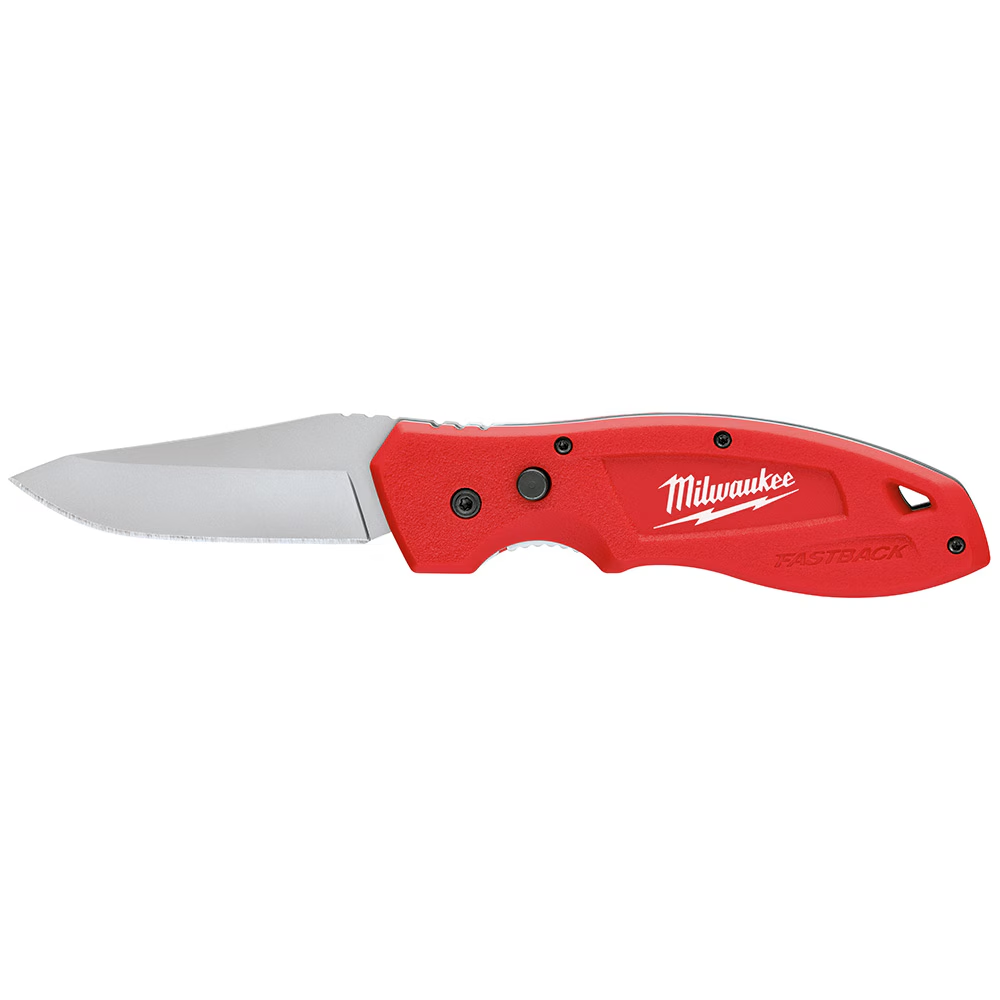
It doesn’t look like much—essentially a warehouse box cutter. But consider how much baling twine and silage plastic gets cut on a dairy operation. That twine picks up grit and dried mud that will destroy the edge on a nice pocket knife surprisingly fast.

One freestall manager in central Wisconsin put it this way when we talked: “My ‘good’ knife is for clean work. The utility knife is for everything else. I don’t feel bad abusing it, and that means I actually carry it.”

The Fastback uses disposable blades you can flip or swap in seconds. The one-handed opening mechanism means a farmer can hold a calf’s head, flick the knife open, cut through a twisted ear tag, and close it—all without letting go.

Darn Tough Socks ($25-32/pair)

Feet are cold and wet on a dairy. That’s just the reality, whether you’re in Vermont or California’s Central Valley. Darn Tough manufactures these merino wool socks with reinforced heels and toes at their Vermont facility. When they eventually wear out, you mail them back and receive a replacement pair. No receipt required.

This solves friction in an existing routine. Everyone puts on socks every morning. You’re just making that existing habit more comfortable.

Knipex Cobra Pliers ($35-50)

These German-made pliers are showing up in more pockets around barns. The push-button adjustment lets you change jaw width with one hand—useful when your other hand is occupied holding something in place. According to Knipex specifications, the gripping teeth are induction-hardened to approximately 61 HRC, providing a firm grip on rusted nuts without slipping.

I watched a producer use these to get a grip on a corroded water line fitting that had defeated two other pliers. The jaw teeth bit in, the fitting turned, and he was back to chores in under a minute. That’s the kind of moment where good tools earn their place in a pocket.

The $50-200 Range

ISOtunes Bluetooth Hearing Protection ($99-120)

Dairy barns are louder than most people realize. OSHA standards require hearing protection when workers are exposed to 85 decibels or higher averaged over eight hours—and between milking equipment, ventilation fans, skid steers, and tractors, many operations regularly exceed that threshold.

The ISOtunes PRO 3.0 provides 27 dB of noise reduction (ANSI-rated) while allowing phone calls and audio. The IP67 rating protects against dust and moisture, and the 20-hour battery life lasts multiple shifts. From a practical standpoint, this means a farmer can take a call from the vet while standing in a running parlor without removing ear protection or shouting over the equipment.

Carhartt Insulated Bib Overalls ($120-160)

The 12-ounce cotton duck shell handles encounters with barbed wire and gate latches. The quilted lining extends to the waist for easier on-and-off, while the insulation maintains core temperature during early-morning chores when it’s well below zero.

What makes the bib design valuable: it eliminates that cold gap at the lower back when you’re bending to check a calf or working on a water line. The pocket placement works with gloves on, and the construction—triple-stitched seams, rivets at stress points—holds up to daily use.

A note for warmer regions: if you’re buying for someone in Texas, the Southeast, or other warmer climates, the unlined duck version makes more sense. Insulation that’s essential for a Wisconsin or Minnesota winter becomes a liability when you’re dealing with heat and humidity.

The Body-Saving Investments: $150-300

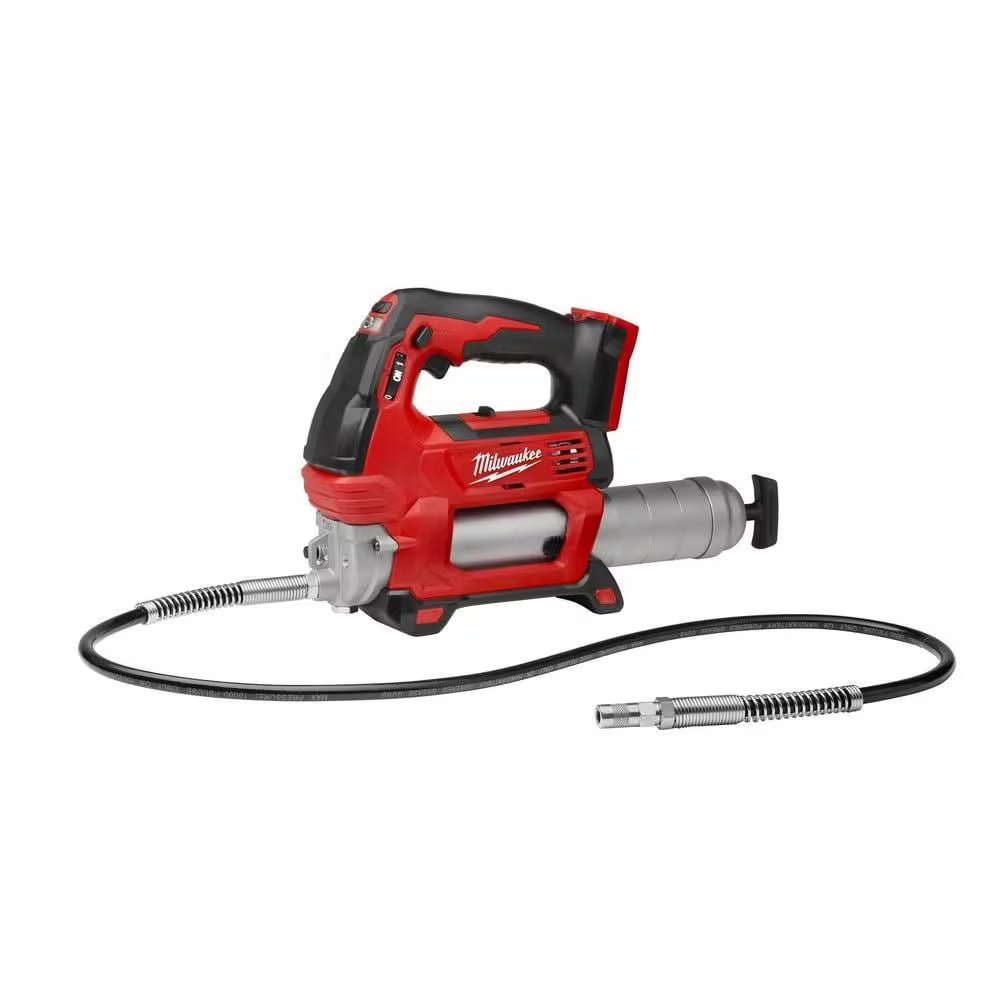
Milwaukee M18 Cordless Grease Gun ($149-279)
A 2012 study in the Journal of Agromedicine found that 47% of dairy farmers reported work-related shoulder pain. More recent research in Healthcare (2024) puts that number at 61%, with lower back complaints affecting 65% of workers.

When you think about the mechanics of manual greasing—lying on your back in mud, reaching up into a dark chassis to hold a coupler on a Zerk fitting at an awkward angle, pumping a stiff lever against high pressure—those numbers make sense.

One producer running a 900-cow freestall in upstate New York was blunt about it: “I’ll be honest—before the cordless gun, the hardest Zerks got ‘missed’ too often. Now we run the grease list properly, and my shoulders don’t hate me for it.”

The Milwaukee M18 delivers 10,000 PSI through an electric motor. Trigger replaces pumping. When greasing becomes less physically demanding, the maintenance actually gets done consistently. For smaller operations, the manual Milwaukee with the same coupler design runs $40-50.

Women’s Work Boots: A Design Problem Worth Understanding

The USDA’s 2022 Census of Agriculture shows that 36% of all U.S. producers are women. Yet most “women’s work boots” are essentially men’s boots scaled down and offered in different colors. Women’s feet aren’t simply smaller versions of men’s feet—the skeletal structure differs significantly.

A herd manager at a 600-cow Holstein freestall in central Wisconsin described her experience: “Once I switched from ‘women’s’ fashion boots to a pair actually built on a women’s work last, my heels stopped bleeding, and my back quit screaming halfway through the shift.”

Boots explicitly designed for women’s biomechanics—like the Ariat Krista Steel Toe ($180-220) or Muck Boot Arctic Ice ($200-250)—position the safety toe correctly and distribute impact appropriately. Look for companies that explain how they design for women’s feet, not just smaller sizes.

The Strategic Investment: Thermal Imaging

FLIR One Edge Pro ($499-549)

At first glance, spending $500 on a camera seems difficult to justify. But the economics of disaster prevention change that calculation.

Consider: an electrical breaker overheating due to internal corrosion, running at 150°F inside a panel where it’s invisible to normal inspection. Without thermal imaging, that heat builds until insulation melts and sparks fly. With thermal imaging, a routine evening walkthrough catches the hot spot—and an electrician replaces the breaker for under $100.

Beyond electrical panels, it’s useful for:

  • Catching overheating bearings before they seize
  • Identifying early hoof inflammation through heat signatures (tissue runs warmer before visible lameness develops)
  • Spotting insulation gaps in calf housing during cold weather

This tool makes more sense at scale. A 60-cow tie-stall probably won’t encounter enough scenarios to justify the investment. A 500-cow freestall with multiple buildings might use it weekly—and one prevented fire or caught bearing failure pays for itself many times over.    

Experience Gifts That Actually Work

Most experience gifts for dairy farmers hit the same wall: cows still need milking twice daily. Tickets to Hawaii create an impossible choice.

Experience gifts that succeed are those that handle the logistics of absence.

World Dairy Expo with Coverage Arranged
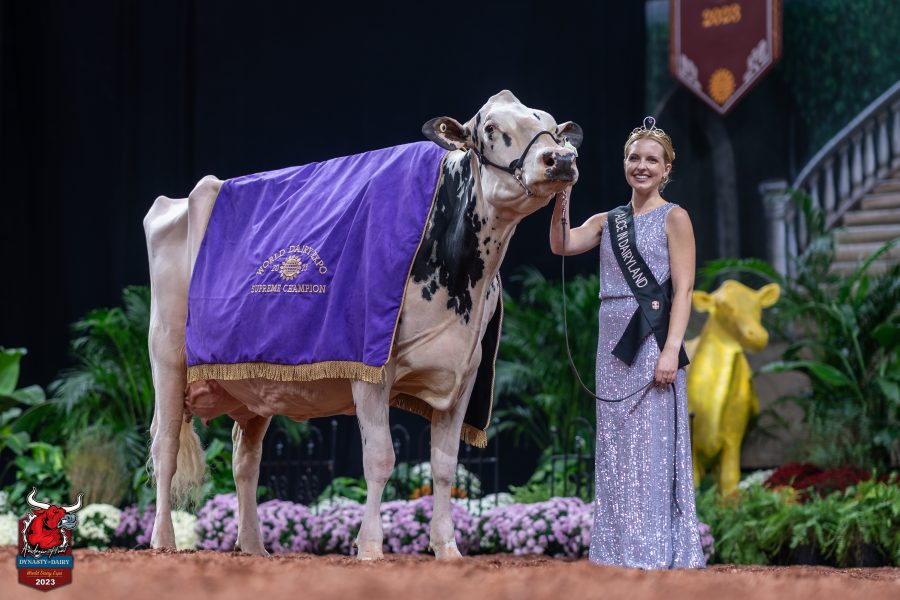
World Dairy Expo 2025 runs September 30 through October 3 at the Alliant Energy Center in Madison, Wisconsin. Daily admission is $15-20, season passes $40-50.

But the meaningful gift isn’t the ticket itself. It’s arranging and confirming relief milking coverage, providing the crew with detailed protocols, and covering those costs. When logistics are genuinely handled, the farmer can focus on the genetic information, the new equipment, and conversations with producers from other regions—without checking their phone every half hour.

What Tends Not to Work

Novelty items. The “World’s Best Farmer” mug signals the giver doesn’t quite understand daily life.

Consumer-grade tool sets. One quality tool that solves one specific problem beats 150 pieces that disappoint when needed most.

Gadgets requiring new routines. Fitness trackers need charging, remembering, and checking. That’s adding complexity.

Time-off gifts without coverage. A spa certificate sounds relaxing, but the gift needs to include arranging the coverage that makes the break possible.

The Bottom Line

When someone gives you a tool that shows they understand what 4:47 AM looks like in January—that they get that you’re cutting dirty twine in the cold while trying to get through morning chores—that’s more than useful. It’s recognition that your work is seen and understood.

Every time a farmer flicks open a one-handed knife to cut filthy bale wrap, greases a hard-to-reach fitting without their shoulder lighting up, or steps into boots that don’t chew their heels raw, they’re quietly reminded that someone understood what their actual day looks like and respected it enough to invest in the right solution.

For someone working 365 days a year, that acknowledgment carries real weight. Sometimes that message, delivered through something as simple as a tool that works when you need it, matters more than the price tag suggests.

Key Takeaways:

  • Four questions separate gear that earns a pocket from gear that earns a shelf: One-handed operation. Solves existing friction. Survives ammonia and slurry. Adds what’s missing instead of replacing what works.
  • Consumer chrome can’t handle agricultural torque: Hardware-store tools strip and shatter. Professional alloys flex.
  • Shoulder pain hits 61% of dairy workers: A cordless grease gun turns the chore everyone skips into one that actually gets done.
  • Women’s work boots aren’t shrunken men’s boots: True women’s lasts stop heel slip, prevent gait compensation, and end the back pain that comes halfway through the shift.
  • Experience gifts without coverage arranged are just guilt trips: The real gift isn’t the Expo ticket. It’s confirming relief milking so they can actually enjoy it.

Editor’s Note: Product pricing verified December 2025 from major U.S. retailers. Prices vary by region; Canadian readers should expect some variation in pricing and warranty terms. Musculoskeletal data from peer-reviewed studies in the Journal of Agromedicine (2012) and Healthcare (2024). Producer statistics from USDA 2022 Census of Agriculture. World Dairy Expo dates confirmed via Alliant Energy Center. We welcome producer feedback and additional gear recommendations at editors@thebullvine.com.

Learn More:

Join the Revolution!

Join over 30,000 successful dairy professionals who rely on Bullvine Weekly for their competitive edge. Delivered directly to your inbox each week, our exclusive industry insights help you make smarter decisions while saving precious hours every week. Never miss critical updates on milk production trends, breakthrough technologies, and profit-boosting strategies that top producers are already implementing. Subscribe now to transform your dairy operation’s efficiency and profitability—your future success is just one click away.

NewsSubscribe
First
Last
Consent

The Inspiring Journey of Mr. Wijnand Pon: From Dairy Farmer to Global Industry Powerhouse

Discover how Mr. Wijnand Pon transformed from a local dairy farmer to a global industry leader. Learn about his impact on the dairy industry. Read on!

Meet Mr. Wijnand Pon, a visionary who started his career on a small dairy farm and became a global leader in dairy genetics. His narrative showcases the force of ambition combined with invention, resulting in ground-breaking achievements that have revolutionized dairy production. From aspiring to own a farm to enhancing Holstein genetics and establishing central industry relationships, Mr. Pon’s story epitomizes the power of innovative ideas and perseverance. He said, “I always had new ideas and an open mind, keeping the future generations in mind with everything I did.” Join us as we explore his incredible contributions to the dairy business.

Early Life and Farming Roots 

Imagine growing up in a family in the trades industry since the 1800s. That was the setting for Mr. Wijnand Pon’s early years. His family had always been self-sufficient and resourceful, but no farmers were among them. Initially, young Wijnand had his sights set on a very other path: forestry. He was always fascinated by nature and aspired to be a forestry professional.

However, life had other ideas. His regular contacts with farm youngsters piqued his attention. The allure of dairy farms captured Wijnand to the point that he decided to pursue a career in farming by the age of eighteen. This was a stark contrast to his initial aspirations. This newfound enthusiasm inspired him to enroll in an agricultural college and immerse himself in agriculture.

Would you believe he bought his first farm at the young twenty-three? Yes, his father encouraged his dreams, enabling him to buy a farm to grow his dairy business. Wijnand set off on his expedition with his wife and 20 cows. After a few years of hard work and dedication, he was already scaling up, acquiring nearby farms to enlarge his herd.

Expansion and Innovation in Dairy Farming

Since its inception, Mr. Wijnand Pon’s dairy farm has grown and innovated significantly from those 20 cows. While some may have dabbled in arable farming, Mr. Pon’s passion was evident. Dairy farming was his vocation. This undivided focus enabled him to devote all his efforts and resources to increasing his herd and improving farm operations.

One of the most critical milestones in this journey was the completion of one of the first large-scale free-stall barns in the Netherlands. It was capable of housing 300 cows. This jump did more than increase the number of cows. It also revolutionized dairy production in the area. The free-stall barn transitioned toward contemporary, efficient, and welfare-oriented agricultural techniques.

At a young age, Mr. Pon was fascinated by the possibility of cattle breeding and genetics. This was more than simply a pastime. It formed the foundation of his agricultural philosophy. He understood the need for better genetics to generate more productive, healthier, and hardy cows. By focusing on breeding, he dramatically increased his herd’s production and lifespan.

Mr. Pon’s insight in embracing and promoting Holstein genetics was fundamental in improving his farm and affecting Europe’s more significant dairy sector. His open-mindedness and willingness to accept modern tactics established a standard, pushing many other farmers to reassess old ways and adopt more contemporary strategies.

Mr. Pon’s farm’s success is a testament to his hard work and vision. His journey from a small-scale farmer to a dairy industry pioneer is one of perseverance, creativity, and unrelenting dedication to quality. His innovations, from introducing Holstein genetics to establishing large-scale free-stall barns, have left an indelible mark on the dairy production industry.

His story teaches essential lessons and inspires dairy producers throughout the globe, demonstrating that significant growth is attainable with the proper focus and drive.

Have You Ever Wondered How a Single Journey Can Shape the Course of an Entire Industry? 

Wijnand Pon believes the solution lies in his trip to the World Dairy Expo 1971. Previously, Mr. Pon was a dairy farmer influenced by local Dutch customs despite his interest in genetics. On his journey to that Expo, he was invited as the youngest member of a delegation of Dutch breeding professionals who wanted to watch and learn. This visit was not your typical excursion. It was very eye-opening.

 During the Expo visit, Mr. Pon saw firsthand the improved possibilities of Holstein genetics. American Holsteins excelled in milk output, udder quality, and lifespan, surpassing Dutch cattle in these areas. While the Dutch breeding society was primarily concerned with conserving local genetics, Mr. Pon’s introduction to these better features inspired a compelling idea.

Returning home, he was 70% sure that Holstein genetics held the future despite opposition from the Dutch breeding society. These Dutch leaders hesitated to accept American genetics, believing they would eclipse indigenous breeds. However, Mr. Pon saw things differently. He claimed that incorporating Holstein genetics would considerably improve the European dairy industry’s efficiency and productivity.

This landmark experience at the World Dairy Expo inspired Mr. Pon to campaign to import Holstein semen and live animals into Europe, ultimately altering dairy farming techniques throughout the continent. Despite early opposition, his forward-thinking attitude and willingness to accept change supported the growing wave for Europe’s dairy sector to become more productive and sustainable.

Isn’t it amazing how a single incident can have such a ripple effect? For Mr. Pon and many dairy producers today, the 1971 visit marked the foundation of contemporary European dairy breeding.

Revolutionizing Dutch Dairy: Wijnand Pon’s Bold Genetic Gamble

Imagine introducing a new concept to a nation deeply rooted in tradition, especially when faced with strong opposition. This was the challenge Mr. Wijnand Pon encountered when he brought Holstein genetics to the Netherlands. Initially, strict veterinary laws prohibited the direct import of semen. Undeterred, Mr. Pon had to be resourceful, starting with the purchase of animals of Holstein blood from Germany, even when local herd books refused to register calves sired by American bulls.

In 1974, the tides turned. Regulations were relaxed, permitting the import of sperm, and Mr. Pon wasted no time. He promptly signed a deal with Semex, Canada’s recently founded genetic cooperative, and became the organization’s first foreign representative. This collaborative enterprise between Canadian breeders and European partners aimed to provide better North American genetics to European herds.

So, how did Mr. Pon persuade the skeptical Dutch farmers? His argument was evident and difficult to counter: more milk, healthier udders, and longer-lived cows. He relentlessly toured farms to promote the advantages and possibilities of Holstein genetics. It took almost five years of consistent labor. Still, his perseverance paid off, and farmers who had used North American genetics started to see the improvements in their herds.

By merging his dairy farming expertise with cutting-edge genetic research, Mr. Pon demonstrated a captivating story for his colleagues. His accomplishment was more than just a financial endeavor; it was a crucial step toward revolutionizing dairy farming techniques in Europe and beyond.

Breaking the Mold: Wijnand Pon’s Purchase of Alta Genetics

Wijnand Pon’s idea for Alta Pon arose from a unique collaboration with Western Breeders and Pon Holdings. This joint venture sought to break the pattern, establishing a private corporation capable of competing in an industry dominated by farmer co-ops. Pon and his Canadian buddy Doug Blair thought that a privatized approach would allow for more creativity and adaptability, which were typically inhibited in the co-op industry.

Why go private? Pon’s discontent with the constraints of the old cooperative paradigm is the key to his solution. He wanted more than industry participation. He sought ownership and the ability to develop. This push resulted in the foundation of Alta Pon when Alta Genetics departed Semex with the acquisition of Landmark Genetics, the aim of which was to establish their own worldwide distribution and sire development and his ultimate sole ownership of Alta Genetics.

Under Pon’s leadership, Alta Genetics continued producing superior genetics, focusing on the commercial marketplace. The purchase of Valley Ag Software was a strategic coup, expanding its portfolio to include cutting-edge farm management tools. With Valley Ag Software’s superior data management capabilities, Alta Genetics was able to provide complete solutions that focused not just on genetics but also on farm efficiency. It is like giving farmers the seeds and the most enriched soil to sow them in.

This business hugely influenced dairy farming, demonstrating that private firms could prosper and develop in an industry dominated by cooperatives. Alta Genetics enhanced dairy genetics by emphasizing higher milk output, better udder health, and longer-lived cows. Meanwhile, Valley Ag Software helped farmers manage their herds more efficiently, making data-driven choices that increased agricultural output. At about the same time, another significant acquisition was the Saskatoon Colostrum Company.

Finally, the development and success of Alta Pon and its subsequent growth into Alta Genetics demonstrated the value of strategic thinking and innovation. For many dairy farmers, these initiatives’ advantages have been transformative, proving that occasionally deviating from the mainstream may result in the most advanced and practical solutions.

A New Era Begins: The Formation of URUS

In 2020, a massive merger engineered by Wijnand Pon altered the global dairy business with the formation of URUS. This collaboration brought together significant organizations’ expertise and resources, including Alta Genetics, Cooperative Resources International (CRI), and Genex. By combining these organizations, URUS became a global leader in genetic development and assistance for dairy producers.

Supporting Dairy Farmers Worldwide: URUS advocates for dairy farmers by providing cutting-edge genetic solutions, data management, and consulting services. These efforts aim to increase milk output, herd health, and farm profitability. URUS also seeks to provide farmers with the tools and information they need to operate successfully and sustainably.

The Importance of Scale and Cooperation: The Wijnand Pon Way

Achieving these aims requires functioning on a large scale and encouraging collaboration. By collaborating, URUS can pool its resources and expertise, resulting in substantial advances in dairy genetics and farm management methods. This size enables cost-efficient improvements and the capacity to reach farmers worldwide, ensuring that the advantages are broadly distributed and effective.

Since its inception, URUS has established itself as a beacon of growth and sustainability in the dairy business, fulfilling its promise of increased profitability and a better future for farmers globally.

From Holstein Genetics to Global Conglomerate: The Evolution of Pon Holdings

Wijnand Pon’s business path resulted in the formation of Pon Holdings, which has evolved into a significant conglomerate over time. Pon Holdings achieved considerable progress under Wijnand’s direction, first focusing on Holstein genetics and dairy production. He was intensely aware of the agricultural and commercial sectors, capitalizing on possibilities as they presented themselves.

Pon Holdings is now a powerhouse operating in various fields besides dairy farming. The company’s scope includes logistics, automotive, industrial services, and environmental solutions. Pon Holdings is a significant worldwide business, with billions of dollars in sales and a presence in many countries.

Pon Holdings owns well-known enterprises such as Pon Equipment, Royal Dutch Gazelle (a long-established prominent bicycle manufacturer), Volkswagen Pon Financial Services, and Pon Power. These businesses demonstrate the conglomerate’s varied portfolio and extensive competence.

The Pon Holdings company’s impact extends beyond its commercial successes. Pon Holdings uses its broad network and resources to encourage dairy farming advances, promote sustainable practices, and advocate charitable activities worldwide. Pon Holdings’ excellent development and diversification reflect Wijnand Pon’s visionary attitude and relentless pursuit of excellence.

Transition and Future Directions for Pon Holdings 

The tale of Pon Holdings does not end with Wijnand Pon. As dad moves aside from day-to-day operations, his daughter is prepared to take over, bringing a new generation’s vision and passion to the family firm. This leadership shift heralds a new era for Pon Holdings, filled with potential and innovations.

Pon Holdings has strategically aligned with this change by selling a controlling share in the €600 million URUS Group to CVC Capital Partners. This essential decision enables Pon Holdings to concentrate on other high-potential sectors while ensuring URUS succeeds under new ownership.

This transition will give Pon Holdings more freedom to pursue new projects and investments that benefit the dairy industry in areas that coincide with developing global dairy production and genetics trends. CVC Capital Partners’ investment in URUS provides many resources and expertise to drive future development and innovation.

The future seems bright, with the next generation of Pons’ at the helm, driving the family heritage to new heights. What adjustments and fresh tactics will we see? Only time will tell, but it is evident that Pon Holdings and URUS are on the road toward growth and change.

Philanthropic Efforts and Environmental Conservation: The Come On Foundation 

Did you know that, besides his pioneering achievements in dairy farming, Mr. Wijnand Pon is highly devoted to environmental conservation? His commitment to sustainable techniques goes well beyond the farm gates, leading to the formation of the Come On Foundation. This non-profit organization exemplifies Pon’s lifetime commitment to returning more to the Earth than we take from it.

The Come On Foundation seeks to address some of the world’s most critical environmental concerns via conservation and restoration initiatives. The organization is dedicated to restoring the Earth’s natural equilibrium and believes sustainable land management and agricultural techniques are vital.

One of their significant efforts is collaborating with Commonland, a corporation focusing on large-scale landscape restoration. Projects spanning from Spain to Africa entail bringing damaged areas back to life via cooperation with local populations. The Come On Foundation guarantees that these environments recover and prosper in the long run using the four returns concepts—inspiration, social capital, natural capital, and financial capital.

Furthermore, the charity sponsors Peace Parks in Southern Africa, which is committed to developing sizeable cross-border conservation areas. These parks span millions of acres and provide a unique combination of animal protection and community development. The Come On Foundation actively invests in community agricultural initiatives around these parks, providing residents with long-term economic options while diminishing the motivation for poaching.

At its heart, the Come On Foundation aims to restore and maintain our planet’s natural resources while encouraging sustainable agriculture methods. The foundation exemplifies what can be accomplished when environmental care meets creative farming by concentrating on soil health, reforestation, and sustainable animal husbandry. 

Mr. Pon’s charity initiatives demonstrate his view that sustainable farming goes hand in hand with environmental stewardship. The Come On Foundation is a light of hope, pointing the way to a more sustainable and peaceful future for farmers and the environment.

Legacy and Advice for Future Generations

Mr. Wijnand Pon has made an unmistakable imprint on the dairy sector. His achievements, from his pioneering work in dairy genetics to his unwavering quest for innovation, have revolutionized dairy farming in the Netherlands and worldwide. His efforts, notably those with Alta Genetics and the founding of URUS, have provided the stage for future breakthroughs in dairy production. But, despite his professional accomplishments, his fundamental philosophy is compelling: constantly have fresh ideas, an open mind, and consider the planet and future generations.

Mr. Pon’s advice for future dairy farmers is simple yet powerful: “Be positive and never be average.” These simultaneously superficial but deep words inspire young farmers to approach their jobs enthusiastically and strive for excellence. It serves as a reminder that success in dairy farming, like in life, requires hard effort, a good attitude, and an unwavering desire to be the best.

Mr. Pon’s selection as the World Dairy Expo’s 2020 International Person of the Year reflects his significant accomplishments and reputation in the sector. This distinction recognizes his previous accomplishments while fueling his future aspirations, providing him with further energy and inspiration to continue supporting the dairy business. For Mr. Pon, this medal represents his lifetime dedication to dairy farming and his lasting influence on the industry.

The Bottom Line

From modest beginnings to pioneering advances in dairy genetics, Mr. Wijnand Pon’s story exemplifies the power of vision and dedication. His early journey into dairy farming paved the way for ambitious breakthroughs, such as bringing better Holstein genetics to the Netherlands and strategic development via acquisitions like Alta Genetics and the founding of URUS. Beyond his economic accomplishments, his devotion to environmental sustainability via the Come On Foundation demonstrates his awareness of our duty to the Earth.

As you reflect on Mr. Pon’s remarkable career, consider what brave measures you may take now to innovate your farming techniques and contribute to the dairy industry’s long-term sustainability. The options are as limitless as you desire.

Key Takeaways:

  • Mr. Wijnand Pon transitioned from a trading family background to dairy farming, driven by his passion for nature and agriculture.
  • Pon introduced superior Holstein genetics to the Netherlands, enhancing dairy cattle quality and production.
  • He played a significant role in the formation and operation of Alta Genetics and URUS, focusing on innovative and customer-centric solutions.
  • Through his Come On Foundation, Pon promotes sustainable farming and restoration practices worldwide.
  • Recognized for his contributions, Pon was honored as the 2020 International Person of the Year by the World Dairy Expo.
  • His legacy is marked by forward-thinking, perseverance, and a commitment to sustainable farming for future generations.

Summary:

Mr. Wijnand Pon shares his journey from a non-farming background to becoming a significant figure in the dairy farming industry. Starting with a family in the trading business, Pon developed an interest in nature and farming, eventually acquiring a farm and quickly progressing in dairy farming. He became pivotal in introducing superior Holstein genetics to the Netherlands, ultimately representing and collaborating with major breeding organizations. His work led to the purchase of Alta Genetics and later the formation of URUS, always aiming for innovative, customer-focused solutions. Beyond business, Pon emphasizes sustainable practices through his Come On Foundation, focusing on conservation and restoration globally. He hopes to be remembered for his forward-thinking and contribution to sustainable farming practices. Recognized as the 2020 International Person of the Year by World Dairy Expo, Mr. Pon’s story is one of passion, perseverance, and a vision for a better future in farming.

Learn more:

Join the Revolution!

Bullvine Daily is your essential e-zine for staying ahead in the dairy industry. With over 30,000 subscribers, we bring you the week’s top news, helping you manage tasks efficiently. Stay informed about milk production, tech adoption, and more, so you can concentrate on your dairy operations. 

NewsSubscribe
First
Last
Consent
Send this to a friend





