Archive for Management – Page 59

US dairy farmers moving away from hormones

Most dairy processors in the upper midwest of the US will no longer accept milk from cows treated with the rBST hormone, writes John Boylan.

Bovine somatotopin is a peptide hormone produced by cows’ pituitary glands. It is produced in small quantities and is used in regulating the metabolic process. During the 1970s, pharmaceutical companies discovered and patented expertise to synthesise the hormone using recombinant DNA technology to create recombinant bovine somatotropin (rBST).

Joan Behr, director of communications for Foremost Farms USA, has said it will be rBST-free by 1 June as “the market is requesting it”.

Land O’Lakes will be rBST-free by year end, because a number of customers who purchase ingredients from it plan to become rBST-free before 1 January 2018.

Customer requests

Requests from cheese customers was the reason given by Associated Milk Producers and First District Association in Minnesota for cutting out rBST by year end.

Dairy Farmers of America (DFA), the largest co-op in the US, has not yet cut out rBST. It said: “We are working with our customers to supply their evolving needs.”

Elanco Animal Health, which market rBST, has a different view. It said: “The consequences of these actions have a direct impact on the sustainability of dairy farms. Research shows that rBST helps cows produce more milk – about a gallon (3.7 litres) more per cow per day – which means farmers can produce the same amount of milk with six cows instead of seven. The use of rBST also reduces the carbon footprint of a gallon of milk by 9%. The collective of this increased productivity each year in the US alone saves 95.6m gallons of water, reduces land needed for dairy farms by 1,023 square miles, and eliminates 2.9m tonnes of greenhouse gases.

The use of rBST has been banned in the EU since 1999.


SourceIrish Farmers Journal

The Quest to Eradicate Mastitis!

If there is one long lived, rarely defeated dragon in dairying, it is Mastitis.  Despite heroic efforts, many a knight in shining armor (aka vets, farmers, researchers) has tried to save fair damsels (aka cows) and lost. Furthermore, the dragon Mastitis has grown ever more powerful and costs the dairy industry $2 billion dollars annually because of treatment costs, discarded milk, lost milk production, vet services, lost premiums and reduced cull values. And the list keeps growing!

When a quest takes place in a movie or fairy tale, there are tests and challenging obstacles to overcome.  In the dairy quest for Freedom from Mastitis, there have been countless very real challenges to overcome.  Here are five outcomes of some of these battles and forecasts of more to come:

  1. In 1986, compliance with the federal bulk tank somatic cell count (SCC) standard of 750,000cells per milliliter (cell/mL) was instituted.
  2. The limit could be lowered again to 400,000 cell/mL in the near future.
  3. There is the ongoing challenge of being profitable in a market of ever-volatile input and milk prices.
  4. The mounting concern about antibiotic resistance in human medicine is causing antibiotic mastitis therapy to be looked at more critically.
  5. Because the goal is to seek to prevent mastitis infections from happening at all, the quest is changing from defense to complete elimination

From Defense to Elimination

Eliminating mastitis is indeed a quest of very large proportions as explained by Lorraine Sordillo, a mastitis researcher at Michigan State University’s College of Veterinary Medicine, “When I began researching mastitis 30 years ago, we concentrated heavily on epidemiology and microbiology. Now we are placing much greater emphasis on immunology and enhancing the cow’s natural defenses to minimize mastitis infections.”

Sordillo expresses that progress in managing mastitis owes a lot to adherence to the “5-Point Plan for Mastitis Management,” issued decades ago by the National Mastitis Council.

The hallmarks of the 5-Point Plan are (1) teat disinfection; (2) dry-cow antibiotic therapy; (3) use of functionally adequate milking machines; (4) antibiotic therapy for clinical mastitis infections, and (5) culling of chronic cows.  Steve Nickerson, University of Georgia Professor of Animal and Dairy Science suggests nine more ways of reducing mastitis prevalence and SCC levels:

  1. herd surveillance and
  2. recordkeeping,
  3. environmental sanitation,
  4. strategic culling,
  5. vaccination,
  6. teat sealants,
  7. herd biosecurity,
  8. dietary supplementation and
  9. mastitis control in bred heifers.

Now the Quest is for Immunity

A quest always has to be larger than life. When you take into account that 137 organisms cause mastitis (Watts 1988), trying to develop vaccines for all of them certainly qualifies as a huge undertaking. Even though that quest is unlikely to be entirely won, Sordillo, nevertheless, has positive expectations about the prospects for mastitis vaccine technology. “The mammary gland is unique in that you can vaccinate it separately, targeting individual cell populations to trigger an immune response,” she said and goes on to explain, “Sub-unit vaccines, which target specific peptides that contribute to disease progression, are the focus of current research.” Sordillo calls for “fresh thinking in development of the adjuvants that serve as the carrier for vaccine delivery.”

In the fight against invasive pathogens, the ultimate goal is to enhance cows’ immune system so that they can ward them off.  There are commercially available mastitis vaccines called bacterins.  This means that because they help the cow’s immune system recognize the core structure of the target bacteria, they are more effective at helping cows fight new infections rather than preventing them.

Immunity Through Nutrition and Supplementation

Another option is to enhance immunity through nutrition.  Today this is Sordillo’s primary area of research. The concept is that immunity is affected by all health events.  If there is a challenge in one area – such as uterine infection, metritis or another condition — the immune system is busy healing in the challenged area and, as Sordillo notes, “It lets down its guard in other areas.” The goal is optimal immunity being derived from optimal nutrition. Both Sordillo and Nickerson feel that nutritional supplements have the potential for supporting immunity. “Dietary supplements with trace minerals and vitamins can have immune-modulatory effects on the mammary system.” Nickerson foresees that supplement uses will expand. “We believe supplemental yeast acts as a probiotic, supporting rumen microflora and digestion, particularly in early lactation,” he said.

Using Genomics to Breed for Disease Resistance

Genomics is another area that holds promise, but it is clear that progress in this area could be a long way off. “It is important to recognize that in trying to zero in on mastitis immunity with genomic selection, there is the risk of an adverse impact on other immune channels.  This is an evolving area of genetic selection and more data, research and trials are needed to keep the forward momentum.  Optimizing host defenses especially during times such as dry-off would have a tremendously positive impact.

The Role of Antibiotics Has Dramatically Changed

Researchers agree antibiotic therapy always will be part of the mastitis offense; many feel that its role will change. “Through regulation and our own proactive efforts, I think we will be seeing increased veterinary involvement, and more emphasis on susceptibility testing in the future,” Sordillo said. “Prophylactic antibiotic use, such as whole-herd dry-cow therapy, probably will not continue as we know it today.”

Immune-stimulating additives explored

The bigger the challenge, the more opportunities there are for exploring new frontiers.  Feed additives that can support the immune system are attempting to do that. The goal is to develop the ability of the animal’s body to discern between its own naturally occurring molecules and substances that are foreign. Supplements that can achieve this without risk of toxicity of tissue damage are being developed.

Micronutrient Supplementation

Researchers such as Sordillo and Streicher (2002) target development of micronutrient supplements while keeping main priorities: 

  1. increasing effective and sustained immunity
  2. without adding risks of toxicity of tissue damage.

Georgia Trial with 40 Prefresh Heifers

It is informative to review the results of a commercially available additive that was evaluated by researchers at the University of Georgia.

Overview of the Trial:  A dietary supplement containing B-complex vitamins and yeast extract was fed daily to 40 prefresh heifers from five months of age until calving. Using a control group of 40 untreated heifers, researchers compared the health and milk production of the two groups.

Summary of the Research Findings:

  • From 5 to 20 months of age, supplemented heifers had higher systemic levels of the molecule L-selectin, which is a measure of the ability of white blood cells to be mobilized from the blood stream and attack invasive organisms.
  • After 30 days of feeding the supplement: White blood cells collected from heifers in the treatment group were more active in engulfing two important mastitis-causing bacteria, E. coli, and Staph. Aureus.
  • At Day 3 of lactation:          
    Mastitis incidence for the supplemented group was 11%,
    Mastitis incidence for the untreated controls was 20%
  • Three days Post-Freshening:
    Somatic cell count (SCC) was 221,000 cells/mL for treated group
    Somatic cell count (SCC) was 535,000 cells/mL for control group
  • Milk production at freshening:
    Not significantly different between the two groups,
    Production advantage for supplemented heifers as lactation progressed.
  • By five weeks in milk: Treated group produced 7.0 pounds per day more than untreated controls.

(For further information check these sources: Journal of Animal Science Vol. 90, Suppl. Three/ and Journal of Dairy Science. Vol. 95, Suppl. 2, Abstract 220)

Research Conclusions:

Researchers concluded that `dietary supplementation with immune-supporting additives shows promise in preventing mastitis infections and promoting udder health and milk production. With more research and product development, immune-supporting additives may become a standard recommendation in dairy nutrition.

Nickerson says, “If we can reduce new mastitis infections, and successfully equip the cow to use her own defenses to manage those that do occur, it’s a victory for animal welfare, drug residue risk, milk quality, production and profitability and consumer confidence.” 

The Bullvine Bottom Line

We may be without the fairy tale ending, but we are moving the quest to eradicate mastitis a little closer to reality. 


Get original “Bullvine” content sent straight to your email inbox for free.


[related-posts-thumbnails]


How Foot Rot Affects Your Herd

I’m sure you’ve run into lameness challenges in the past – or perhaps you’re currently facing some challenges? Or maybe they’re looming around the corner, but you’re not aware of them yet. Let’s take a closer look at the different approaches and checks we need to have in place for optimal lameness control.

Lameness control strategies

We can split our approaches to lameness control into two categories: Preventative care and Curative care. In this overview, I take a look at these two approaches and make some comments about both. Let’s start with the one that seems to be the easiest and gives us the best return.

Preventative hoof care

Preventative hoof care is defined as “Methods to avoid the occurrence of disease (lameness).” What this means is that there are no problems present. This scenario occurs in a perfect world, but it’s not what you usually find in your dairy herd. Even in this perfect world, there can still be factors that could, over time, develop into a lameness challenge.

Let’s compare this to milking and mastitis prevention: you provide dry bedding and pre- and post-dipping to the animals to prevent mastitis from occurring. Still, the factors that lead to mastitis are often present: possible genetic predisposition, bacteria in the barn and on the udder, etc. With these factors present, you use all the means available to minimize the chances of problems developing.

In today’s dairy industry we’ve come to a practical definition of the word “prevention”. This definition is as follows: “Methods to treat an existent problem in its early stages before it causes significant morbidity.” Morbidity refers to the lameness ‘state’ of the cow or the incidence of lameness in the herd setting. This practical definition tends to become a standard, although on a slippery slope. If we want to get the best results and return on our investment, it’s important that we have a proper definition. Let’s draw the comparison again between mastitis treatment and lameness: “once a cow gets mastitis, she receives treatment to cure the problem and get the milk back in the tank ASAP.” Lameness is really no different, is it?

As herd manager, it’s important that you know your herd’s challenges and weak links and manage your operation accordingly. Examples of areas of Preventative care are:

  • Proper hoof trimming
  • Prevention foot bathing
  • Timely cleaning of the barn floors
  • Proper ration and forage management
  • Cow comfort: stalls, bedding packs, ventilation, etc.

Learn Lameness Control Strategies for Cattle: Prevent vs. Treatment CLICK TO TWEET

Curative hoof care

Curative hoof care, the second category to our approach to lameness, is defined as:seeking a cure for an existent disease or “condition.” Here, our cow shows signs of a hoof defect: she is either slightly uncomfortable in her gait or moderately lame, or even has a severe limp: all these animals fall into our curative care category. Is it not fair to say – when we notice ‘other-than-normal’ walking behavior – that our preventive care plan has failed or is lacking? At this stage, it’s important to understand and confirm the cause and nature of the improper gait. First, the affected animal should be examined and treated ASAP (just like we do for mastitis), to get the best rate of successful healing. Depending on the hoof problem, of course, a few examples of curative care are:

  • A simple hoof trim to balance the claws and apply some trimming techniques to shift weight from the sore claw to the healthy claw.
  • Placing a wrap for an infectious problem using the Intra Hoof-fit Gel.
  • Gluing a block.
Free reference sheet on “5 Steps to trim a cow”

Bridging prevention: footbaths?

As a second step, the prevention methods should be examined and improved or fine-tuned to avoid or limit new lameness cases from occurring. The question is always: “Is this individual animal just prone to lameness or is the problem a potential herd issue?”

Intra Bath as Lameness Control

Figure 1. Intra Bath in Use.

I often hear the statement that footbaths are especially needed to prevent lameness, and they’re definitely a great tool to be used. But still, I would suggest that the footbath method is only to be used as a part of the preventative care category. And I would also encourage looking at the prevention category across a wider spectrum. A footbath on its own is never going to correct a poor stall or an improper trim, etc. A great weapon in the hoof care prevention arsenal is the parlor spraying method. The milkers set a regular time for spraying the hind hooves of all cows during milking or in the stanchion lockups. This once-weekly ‘focus session’ maintains preventative care, concentrating at the same time on identifying potential problem animals.

Bridging prevention: research

Over the past years, researchers at the University of Calgary have been working to develop a practical way to routinely identify and treat painful DD lesions in the milking parlour. The next challenge was to determine whether treating lesions in the parlour could be practical and effective. Their research produced very encouraging results and showed the spraying method is successful in optimizing hoof health.

Cow Hoof

Figure 2. Spraying Intra Hoof-Sol Liquid on a cow hoof.

One question may be: “Why bother to spray during milking and what are the real benefits?” Excellent question! Here are a few benefits:

  1. A clean and consistent solution for all hooves in contrast with the footbath method, where the last cow gets the dirtiest solution (and she is usually your lame cow).
  2. A weekly focus allows finding and detecting new lameness cases promptly, whereas a footbath protocol often lacks this focused approach.
  3. Lower volume of product usage delivers a better ROI.

Some herds use a 5-liter Matabi applicator or utilize the teat-dip system for hoof care spraying. We recently met producers who are testing a new Do-It-Yourself tool to bridge the gap between preventative and curative care. They put the tool together by using a regular diaphragm pump and air compressor. During the spraying sessions, they compile a list of animals to work on in the hoof trimming chute.

Why should we spray only the rear hooves? Concentrating on them will often suffice because hoof problems are more common in the hind legs.

So, what does a protocol look like? Here’s one example:

  • Monday and Tuesday – Foot-bathing method.
  • Wednesday – Spraying session; make a list of cows to work on.
  • Thursday and Friday – Treatment and trimming days (trimming, blocking, gel wrapping, rechecks, etc.)
  • Monday morning – Removal of all wraps.
  • Start over again.

Final Note

As a final note, thank you to the dairy friend who suggested this topic of lameness control strategies. I would like to say that it’s rather difficult to find the right words and overall coverage for this topic. I apologize if I missed anything – perhaps your operation has different challenges. If you want to forward any ideas or suggestions, please send me a message through the Contact page. You can also download more information about Lameness Control Strategies: Prevention vs Treatment (in PDF format).

Found this article interesting? Please help us by sharing this information by using the share links on the side.

Learn more about the How-To for hoof trimming by clicking the link below:

Get the “5 Steps to trim a cow” Infographic

Fonterra farmers to be able to predict the weather?

Fonterra farmers to trial innovative technology that will allow them to take insights from the weather and bring greater precision to New Zealand dairy farms.

Fonterra is playing its part in fuelling the revolution of on-farm weather forecasting by working with MetService and BloomSky – a smart weather camera station that delivers hyperlocal weather information in real-time to any laptop, tablet or smartphone.

More than 70 BloomSky weather stations will be installed by farmers across the country in the coming months. MetService will use observations from the devices to provide forecasting and greater seasonal insights through data analytics to all users of Agrigate – the online dashboard developed by Fonterra Farm Source and LIC to give farmers the data they need to make faster and smarter decisions.

Fonterra farmer Kevin Argyle is trialling the solar-powered ‘SKY2’ device as well as the wireless add-on called ‘Storm’, and has seen first-hand how the BloomSky system measures temperature, humidity, rainfall, wind speed, wind direction, UV and barometric pressure to give him a detailed view of his farm’s climate.

“It really personalises it and enables us to make optimal on-farm decisions,” says Argyle.

“People often underestimate the variability within relatively small geographical areas. The other day we had 29 millimetres of rain and a few kilometres down the road they had five. That’s a big difference when you’re thinking about the best time to cultivate a paddock or move stock.

“Weather is one of the more significant risks that impacts a farming operation so to have a real-time app that provides insights in terms of what has happened, what the current weather is and what it’s forecast to be for your property has huge potential value.”

BloomSky, which is an Internet of Things (IoT) start-up that became the most-funded weather project on global crowdsourcing platform Kickstarter in 2014, aims to make microclimate data more accessible to everyone.

Looking ahead, the integration of new weather technologies with other gadgets offers up exciting possibilities. Already, BloomSky’s tech can work in with smart devices such as thermostats or irrigation systems to control them based on the weather outside.

“By working with MetService and BloomSky we’re able to offer our farmers the latest technology while also looking for ways to innovate further in the future,” says Tim Cutfield, Fonterra Head of Agrigate.

“We know that the weather stations will be popular because of the positive feedback we’ve already had from those trialling the system, and also because our farmers are amongst the best in the world when it comes to the adoption of technologies that enhance animal health and wellbeing, environmental sustainability, and efficient farm management.”

A BloomSky weather station is on display at the LIC Innovation Farm in South Waikato this week as part of the Farming2020 event.


Source: New Food

Farm safety advert focuses on dangers of calved cows

A new advert from the Farm Safety Partnership in Northern Ireland has focused on the dangers of freshly calved cows.

The advert is part of the ongoing “Stop and think SAFE” campaign from the industry stakeholder group. The 40 second clip features an incident where a farmer gets injured checking a new born calf and is unable to work after the accident.

The Farm Safety Partnership is reminding farmers to be vigiliant when working with livestock and to plan an escape route when entering a pen with cattle.

“All too often accidents happen on our farms which are preventable, so we want to continue to raise awareness for everyone working on or visiting a working farm,” Health and Safety Executive for Northern Ireland (HSENI) chief executive Keith Morrison said.

The HSENI continue to promote the acronym SAFE when raising awareness of farm safety. Farmers are reminded to consider four main risk areas when working:

Source: Famers Journal

How much do top dairy farmers make when they pay themselves?

Teagasc recently published its analysis of dairy profit monitor results for 2016. For the first time Teagasc has included an own labour charge (for the farmer’s own and unpaid family labour).

This is a welcome development as it recognises that farmer’s labour input (and that of other unpaid family members) is required and rewarded for the milk produced, according to Tom O’Dwyer, Head of Dairy Knowledge Transfer with Teagsac.

On spring milk dairy farms the estimated own labour efficiency is greater for the top 25pc (4.1 hours less worked per cow) than for the average farm.

After adjusting for own labour the most efficient farms generated €811 more per ha than the average farm.

Source: TeagascSource: Teagasc

Among the other highlights on spring milk farms from this years results is that the top farms generated a gross output of €4,402/ha compared to €3,471/ha on the average farms, a difference of 27pc.

The higher output on the top farms reflected a combination of both higher stocking rate (14pc higher) and higher output per cow (9pc higher milk solids output per cow).

Output per ha on the top 25pc of farms was 226 kg milk solids per ha or 23pc higher than on the average farm (9546 kg per ha). This is as a result of a higher stocking rate (+0.33 LU per ha) and higher milk solids yield per cow (+ 37 kg per cow).

Average spring milk dairy farms had lower variable costs than the top farms at €1,367/ha versus €1,496/ha.

However, as a percentage of gross output they accounted for 39pc on the average farms compared to 34pc of the output on the top farms.

The gross margin was €2,904/ha on the top spring milk farms which was 38pc or €800/ha higher than those on the average farm.

Source: Teagasc
Source: Teagasc

The biggest variable cost on spring milk dairy farms in 2016 was purchased concentrates and forage accounting for 34pc or €448/ha of total variable costs on the average farm.

The average spring milk dairy farm in 2016 generated a net profit of €1,043/ha compared to €1,827/ha on the top 25pc of farms.

Profit monitor results also show that dairy farms where more than 80% of the diet is composed of grazed grass or grass silage generated a 15pc greater net profit of €1,125/ha compared to €957/ ha on the grass poor farms.

Meanwhile, on a regional basis compared to the overall average, spring milk dairy farms in Cork had this highest gross output of €3,928/ha compared to an average of €3,471 per ha.

Source: Teagasc
Source: Teagasc

The higher output in the Cork region reflects the higher output per cow (443 kg MS) and per hectare (1,067 kg MS).

The North West region had the lowest total variable cost per hectare of €1,260 reflecting lower stocking intensity; Cork had the highest variable costs at €1,531 per hectare.


Source: Farm Ireland

The Perks of Pasture

Utilizing pasture on dairy operations can benefit the animals and the cash flow in several ways. Maintaining forage quality and quantity has a significant effect on cash surplus. Grazing adult cattle and young stock can help extend stored forages. Maintaining carry over of ensiled forages benefits the bottom line and animal performance. Incorporating grazing for the dairy herd also gets them off concrete for a period of time. As with any management practice there are perks and drawbacks.

Production Perspective

Weather conditions during the spring, summer and fall usually dictate how much pasture can be incorporated into any animal group’s ration. A feeding strategy should be developed for any grazing system similar to the approach for planting, harvesting and feeding stored forages. If lactating cows are the main animal group to graze there are several factors to consider.

To maintain production, body condition and reproduction plan for: stocking density, maintaining 6 to 8 inches of grass, implementing intensive or rotational grazing, the fencing and water requirements needed, and the way animals will be supplemented.  Animal performance and components can be maintained if a strategy is thought out prior to just turning cows out to pasture. From a nutritionist’s standpoint, grazing programs are challenging because pasture intake is an estimate. However, monitoring pasture quality, quantity and supplement intake can provide an economical feeding strategy whether producers use a TMR or component feeding approach.

Heifers and early dry cows can perform very well with pasture incorporated in their diet. In the spring the major supplementation required is usually minerals and vitamins. As the season progresses even heifers will require additional supplementation for energy and fiber. Monitoring heifers for growth, parasites, flies, and foot rot is recommended.

The focus area for dairy producers working with Penn State Extension on their cash flow plans is their ration and crop plan. This includes recording diets fed during the grazing season. The Penn State Cash Flow Excel spreadsheet allows the user to enter in partial rations for the year that include the number of animals and days fed. The partial rations are annualized giving the producer an accurate accounting of stored inventory as well as the feed costs across all animal groups. Using either DHIA or the monthly milk slips, animal performance can be evaluated during and after the grazing season.

Pasture is often treated as “free” feed. Based on Penn State’s yearly crop summary report the cost for pasture can range from $3 to $50 per ton. On average a realistic cost is $10 to $15/ton considering some pastures are seeded and many are fertilized. Forage yield greatly influences the cost for home raised feeds and the amount harvested (by the animal) per acre is going to affect the unit cost for pasture as well. Evaluating total feed costs, costs for each animal group, feed inventory for the year and the farm’s breakeven cost of production can create some good discussion points. Depending on the bottlenecks limiting cash flow, strategies can be reviewed, ideally with the nutritionist’s input, on management practices to improve milk income or reduce feed costs. It is ultimately this big picture approach that will define a successful pasture program.

Action plan for implementing a grazing system for the dairy operation.

Goals

Utilize available pasture for the appropriate animal group(s) that will benefit the operation the most by conserving forage inventory and maintaining an adequate income over feed cost.

Steps

  • Step 1: Working with a nutritionist, evaluate ration scenarios utilizing pasture for the selected animal group(s). Estimate pasture intake and examine supplementation strategies.
  • Step 2: Evaluate stocking density, water requirements, and fencing needs for the animal group(s) being considered for grazing.
  • Step 3: Implement a wellness plan on pastured animals such as parasite and fly control, feet and leg evaluation, and observations for injuries.
  • Step 4: Complete a cash flow plan including feed inventory usage and feed costs to evaluate the best pasture strategy to implement.
  • Step 5: Monitor animal performance (milk production, components, and growth), body condition score, and reproduction on animals during and post grazing season. Use information to make decisions about utilizing pasture for the following year.

Economic perspective

Monitoring must include an economic component to determine if a management strategy is working or not. For the lactating cows income over feed costs is a good way to check that feed costs are in line for the level of milk production. Starting with July’s milk price, income over feed costs was calculated using average intake and production for the last six years from the Penn State dairy herd. The ration contained 63% forage consisting of corn silage, haylage and hay. The concentrate portion included corn grain, candy meal, sugar, canola meal, roasted soybeans, Optigen (Alltech product) and a mineral vitamin mix. All market prices were used.

Also included are the feed costs for dry cows, springing heifers, pregnant heifers and growing heifers. The rations reflect what has been fed to these animal groups at the Penn State dairy herd. All market prices were used.

Income over feed cost using standardized rations and production data from the Penn State dairy herd.


Note: April’s Penn State milk price: $17.23/cwt; feed cost/cow: $5.68; average milk production: 84 lbs.

Feed cost/non-lactating animal/day.


Source: PennState

Research continues as number of dairy calf twins increases

There are more Holstein dairy twins today than in the past – from just over 3 percent in 1975 per herd to 10 percent or more today.

High milk production seems to figure into more twins, and the vast majority of Holstein twins are fraternal. These twin calves come from separate eggs that are released at the same time from an ovary, but are fertilized by separate sperm.

The result is a challenging situation for many dairy farms. The cow’s nutritional requirements are large. The cow may have difficulty giving birth to twins and passing the afterbirth. It’s possible the dairy will lose both the valuable cow and the twin calves.

“It appears that cows that have some predisposition for double ovulating have a great chance of double ovulation under a low progesterone environment,” said Richard Pursley, Michigan State University professor of reproductive management. “If we grow these follicles under low progesterone, we get a really high rate of double ovulations – that is not a good thing.”

This process is explained by Paul M. Fricke, University of Wisconsin professor of dairy science as “increased hepatic metabolism of progesterone as a result of the increased feed intake associated with high milk production provides a physiological mechanism for decreased progesterone levels in high-producing dairy cows resulting in an increase in dizygotic twinning.”

Fricke’s research indicates that double ovulation can be decreased in high-producing Holstein cows by “manipulating ovarian function to increase progesterone during growth of the preovulatory follicle before timed AI,” he wrote in a 2015 paper called, “Double Vision: management of twinning in dairy cows.”

Pursley’s recent research showed similar results, and he shared his results in an April Dairy Cattle Reproductive Council webinar entitled “Ovulation Synchronization Programs: An Update.”

In an interesting aside, Pursley mentioned that studies on Holstein dairy cows 20 years ago showed a 5.5 percent loss of calves from 98-282 days of gestation. In his recent studies, he found that dairy cow stillborn losses have only slightly improved today for the latter portion of gestation.

The vast majority of noted embryo losses occur in the first two to four weeks after a pregnancy is confirmed.

In his recent studies, Pursley found that cows were also much more likely to lose their pregnancies when they had double ovulations verses single ovulations.

In an attempt to reduce double ovulations, Pursley manipulated progesterone to test the role of progesterone during the first four days of follicle development and the last three days of follicle development.

“We were able to create a situation where we had high progesterone verses low progesterone in essence and testing whether or not that impacts fertility or not in these cows,” he said. “Our hypothesis was that cows under high progesterone would have higher fertility. The outcomes. It didn’t turn out exactly like we would expect it.”

The scientists knew that low progesterone leads to more double ovulations.

They also learned that when they manipulated cows into four groups of progesterone levels (high for the first four days/high for the last three days; and similarly, with high/low, low/high and low/low progesterone levels) the greatest percent of pregnancies 23 days following AI occurred with the low/low progesterone level (66 percent).

The next greatest pregnancy rate was the low/high progesterone group at 61 percent, followed by high/low progesterone at 60 percent, and high/high progesterone at 49 percent.

“We saw about a doubling of double ovulations in cows under low progesterone,” he said.

Twinning is a significant concern in many dairies today, and dairies and researchers will continue to look into methods to reduce double ovulating resulting in twins in the first place.

Source: Minnesota Farm Guide

How to cope with farming burnout

“I have to admit that for the first time in my life, I felt burnt out last May. I was emotionally and physically drained,” said Sixsmith, who farms with her husband, Brian James, in Crettyard, Co. Carlow.

Keeping the farm running while converting from being sole traders to a company between February and May, took its toll.

“With the exception of our accountant, most of the so-called ‘professionals’ knew very little. This led to a lot of extra work and stress,” she said.

“Farming can seem like drudgery when stress combines with long hours. This year has been fine and we’ve enjoyed the calving season – although a short break before breeding season would be nice.

“For most farmers now, the calving and lambing season is fairly compact. The longest hours are over a six-week period, so the end isn’t too far from sight,” she said.

“Farmers are showing more awareness of their own capabilities and limits now during busy calving and lambing seasons, with many getting students in for the couple of months.

“We made a move two years ago to reduce the workload somewhat. For a few years, we were calving down 150-160 – of which about 60 were heifers – and then selling some freshly calved cows and heifers.

“We now sell about 30 heifers as maidens each year to reduce the workload. It’s 30 less to calve, train to the parlour and sell privately or in the mart. We calved 128 this year and would see 140 as our maximum number.”

Sixsmith and James put preparation in before the calving season starts. “The calf sheds will be clean and ready for disinfecting and bedding most of the time.

“The cows are housed in three different sheds and divided according to calving dates. The milking parlour will have been serviced.

“We have all necessary supplies in place – including chocolate. Paperwork will be up to date, and we go on holiday in January.”

Ploughing your own furrow helps.

We don’t pay any heed to what other farmers are doing. We ask ourselves; ‘will doing this make us money and is it necessary?’. That helps to determine the essentials at a busy time.
“We let the frills go and have a very long finger for the non-essentials. Power naps of 15-20 minutes are useful too.”

Family farming means just that – everyone helps out, she said. “The children are a great help at weekends and during their holidays.

“Our daughter does some of the cooking and baking. It’s lovely to come in from feeding the calves to a toasty warm kitchen and the table set for breakfast.“

Trying to finish tasks by a certain time can only add to anxiety levels, Sixsmith said. “I believe that jobs like calf-feeding take as long as they take.

“We don’t clock watch – except for when children have to be collected – during calving. If the cows are milked half an hour later than planned because we need a cuppa and cake then so be it,” she said.

“Our social life is almost nil for two months but that’s far less stressful. Social media is great as I dip in and out of it for chats. To be honest, I don’t miss not seeing much of other people at all,” said Sixsmith.

The commute of just a few minutes to the workplace and the ability to resume hobbies in quieter times are compensations, she said.

For Sixsmith, author of ‘An Ideal Husband’, ‘Would You Marry a Farmer’, and ‘How To Be A Perfect Farm Wife’ on Amazon and in bookshops, writing is a novel way to supplement farming.

She and James, along with Will, 14, and Kate, 12, left the UK to run the Sixsmith family farm in Garrendenny.

“My husband and I were both reared on farms but he, as the second son, and I, as a daughter, went to college.”

James was a scientist and Sixsmith a teacher near Salisbury. They dreamed of buying a smallholding in Devon or France.

An offer from Sixsmith’s father, who wanted to retire, found the family back in Crettyard in 2002.

“As someone with allergies to dairy products; straw; grass; pollens; and much more, not to mention never having considered full-time farming as a career, I surprised myself,” Sixsmith said.

Having also worked as an interior designer and social media trainer, Sixsmith found she wasn’t that different to many other farmers.

“More farmers are following other careers now. The decision may be made for financial reasons as the farm may not be able to provide incomes for two generations or because parent and child recognise they would struggle to work together.”

There has been a move, particularly in dairy farming, towards couples working together, she said. “They were traditionally called farmers’ wives rather than farmers, even though the recognition was there that the wife was often the reason for the success of the farm.”
According to Sixsmith, there’s now more equality, with both parties having a say in how the farm is run, as well as how money is spent.

Other women have told her that they often have to prove themselves before being accepted by male farmers. “Once they’ve been accepted, it’s all fine,” she said.

As a female farmer, Sixsmith finds it beneficial to chat to other women about farming. Topics range from calf rearing to how to cope with being in a field all day where there’s no toilet.

“I think this is one of the reasons for the popularity of the new women in farming groups. I’m interested in talking about books, farming history or current farming practices.

“I’m finding the women in farming groups are providing companionship and interesting conversation as well as being educational and positive,” she said.

Sixsmith divides her year into three. “February to early May is my busiest season on the farm as I do the calf rearing.

“May to September is my busiest time for writing. As I’ve brought books out in time for the Ploughing Championships in September every year, it’s meant a very busy July and August.

“October to January is spent marketing, reading and catching up on some decorating.”

Working the land is inspirational, she said. “My best ideas come when I’m feeding calves or bringing in the cows. This is brought on by the relaxation of getting into their zone of walking languidly and hearing nothing but birdsong and the trundle of a distant tractor.

“Yet as someone who seems to change her career every five years, I can’t see myself just farming for 30-plus years.

“The writing dovetails very neatly with farming. If I’m away from the farm for a few days, I really miss it. When I’ve had a break from writing for a few weeks, my fingers start itching to get back to it. It’s a case of having the best of both worlds.”

Source: AgriLand

Reasons injection worm dairy cows

The use of injectable versus pour-on worm treatments is a subject for much debate on Irish dairy farms.

And with many farmers now looking at dosing options, as cattle are out to grass, it’s a good time to look at the benefits of injectable treatments.

1. Every animal has got the correct dose
At first, dosing with a pour-on might seem convenient, but you can never be as certain as with an injection that each animal has received the correct dose.

Other animals can lick or rub off a pour-on and rain may also wash off pour-on products. Plus, if the animal has a dirty or thick hide, the treatment is less likely to have been fully absorbed.

This means that you can be sure that you’re dosing effectively. Effective dosing ensures that you maximise the treatment for killing the worm burden (internal and external parasites).

2. Maximum treatment from the dose
It can take farmers up to 48 hours a year to dose cattle.

Why do this non-inspiring, slow job using a pour-on treatment, as you can never be sure that animals are getting the maximum treatment from the dose.

Eprecis Injection has increased bioavability, with 89% of the product entering the animal’s circulatory system as opposed to just 17% for pour-on products.

3. No need to worry about the weather
Another advantage of using injections is that cattle can be dosed even when it’s raining, so there’s no need to worry about the weather.

There’s no problem with rain washing off Eprecis Injection and it is the ideal solution for dosing dairy cows in a country where, Met Eireann says, it rains up to 225 days a year.

4. Accuracy
Working out exact dosing rates for different weights can be annoying.

Eprecis Injection is a far more precise and accurate dose, which is simply 1ml/100kg of bodyweight.

5. Quick results
Why wait for results? Treatments with Eprecis injection work faster than a pour-on, as it takes just two days to work as opposed to four days for pour-on products.

6. Be more efficient
Using Eprecis can also allow farmers to become efficient, freeing them up to get on with other important jobs on the farm.

Eprecis won an innovation award at the National Millstreet Dairy Show last year. This award recognises a new product which has revolutionised an aspect of dairy farming.

Below Tommy Screene from the Windfield Holstein Herd talks about the success he’s had using Eprecis on his farm in the west of Ireland.

With injectable treatments, such as Eprecis Injection, there is no need to have the cow’s back clean and free from dirt at the time of treatment.

About Eprecis Injection
Eprecis Injection is the only injectable endectocide for the treatment of internal and external parasites in dairy and beef animals. It also has a zero withhold period.

Eprinomectin is the active ingredient for the control or treatment of parasites such as lungworms, stomach worms, mites and lice.

Eprecis is now available in a 100 (600kg) Cow Wormer Pack, which contains two 250ml bottles, one 100ml bottle and a quality injector gun.

Source: Agriland

Marginal milk – when is enough too much?

Off-farm supplements cannot replace pasture in a profitable dairy farming system, says DairyNZ principal scientist John Roche.

Roche and DairyNZ economist Matthew Newman spoke to farmers about whether they were making money from milk or milk from money at the DairyNZ Farmers’ Forum in Wallacetown on May 4.

Roche said farm profitability from increasing milk solids production was determined by the cost of the additional milk solids, not the average cost of all milk solids produced.

Marginal milk is the milk produced from bringing another feed source onto the platform or taking cows off the platform and feeding them with supplemental feed or off-farm grazing.

“The important thing is that as long as that marginal cost is below our milk price we’re making money … profit is maximised at the point our last kilo of milk solids costs us the same as our milk price. That’s where profit is maximised in any production system.”

Farmers did not have to be an economist to know if that if producing milk was costing more than the price of milk it was costing them money.

“In that case you’re paying for the privilege of producing milk”, he said. “On average the marginal cost of milk produced from purchased supplement is approximately 150 per cent of the cost of the business.”

In essence, supplements should only be used when there was a genuine feed deficit, he said.

“The vast majority of farmers have been told for the past 15 years that the way to make money from supplements is that you push up your stocking rate, you bring in supplements.”

However, the marginal cost wa far higher because there was also the cost of the extra stock, he said.

Instead of listening to nutritionists when introducing feed into the farming system, farmers should be listening to their farm systems analysts because they needed to be using all of their pasture as well as the extra feed, he said.

Roche said it was important to account for all costs which changed when supplements were used to increase milk production, either through an increase in stocking rate or increased milk yield per cow.

Intensification is the increase of production from existing farm land. Newman said intensification meant more inputs, meaning more costs.

Cow numbers had increased 6.4 per cent the past 10 years, while stocking rates for the region had remained mostly steady, he said. Total milk solids had grown by seven per cent each year.

“We haven’t actually increased significantly the amount of feed going into cows, or if we have, worst case scenario is that we haven’t been very efficient with it.”

Pasture and their cost of production were the two areas farmers needed to concentrate on to be profitable, he said.


Source: NZ Farmer

Pasture is an excellent feed, unless you mismanage it

Pasture is a very high quality, balanced feed, unless you mismanage it by leaving high post-grazing residuals.

In reviewing old research for a history paper I am writing, I came across two quotes that I thought made for as interesting a discussion today as they did 70-80 years ago when they were first uttered.

The first, from the United States in 1936, states that “if a cow will eat enough immature grass to provide the required digestible nutrients and if this grass has a normal content of minerals, her ration is not likely to be deficient in any of the essential food constituents” – Woodward, 1936 .

In other words, ‘immature’ or vegetative pasture was known to be a well-balanced feed 80 years ago and the factor most limiting milk production on pasture was dry matter intake.

Dr John Roche is principal scientist for animal science at DairyNZ.Dr John Roche is principal scientist for animal science at DairyNZ.

Despite this revelation, many did not believe that pasture, growing ‘wild in the field’, could be as good for a dairy cow as the intensively selected cereal grains that fattened pigs and chickens.

This leads me to what Dr Campbell McMeekan, as superintendent of Ruakura at the time, said, when questioning the rationale of feeding anything other than pasture: “From the qualitative angle, it is often assumed and frequently stated that pasture is not capable of supplying the needs of a high producing dairy cow and ideally needs to be supplemented with suitable concentrates” – McMeekan, 1947 .

It’s 70 years since McMeekan’s presentation at the New Zealand Society of Animal Production, but his commentary is as relevant today as it was then.

Many people still believe that pasture is not a wholly balanced feed ingredient for cows, highlighting its lack of sugars (or starch) relative to cereal grains, the excess of protein, relative to a cow’s requirement, and the high milk yields of cows in dairy systems feeding grains relative to those achieved by cows ‘forced’ to live on pasture alone.

Is pasture a good feed for dairy cows?

In a word, YES!

In fact, our perennial ryegrass and white clover-based pasture in New Zealand is, arguably, the most balanced feed a dairy cow could eat.

· It contains the same energy density as wheat or maize, although the energy comes from the fermentation of fibre instead of grain.

· The composition of the protein is ideal to maximize milk production; there are no amino acids deficient, unless the cow is supplemented with a large amount of a low protein grain, palm kernel, or maize silage.

· The vitamin and mineral composition is also pretty well-balanced, although supplementation with calcium straight after calving, and magnesium and some trace elements is advised through calving and early lactation.

Decades of research in New Zealand confirm that cows consuming the same amount of metabolisable energy from pasture, or pasture plus a supplement (eg sugars, grains or silages) produce the same amount of milksolids (Carruthers et al., 1997; Roche et al., 2010) .

In fact, at a system level, the amount of milksolids produced from 100MJ pasture, 100MJ of maize grain, or 100MJ of maize silage is the same (Roche et al., 2010; Macdonald et al., 2017) . This is because in a grazing system, intake of metabolisable energy is the factor that limits milk production. So, it stands to reason that 100MJ from any feed would result in the same production response.

Considering the historical introduction to this article, it is important to point out that this is, also, not new.

Gustav Kuhn and his co-workers in Germany proved this in the 1880s – 130 years ago.

Yet, even in 2017, some people still refuse to accept that the microorganisms fermenting feed in the cow’s rumen do not care if they eat Brussels sprouts or chocolate; they merely care about the metabolisable energy the feed contains.

It is this fact and nearly 13 decades of research work that leads us to point out that milk production, body condition score and reproduction responses to supplements are very small when cows are reasonably well fed on pasture.

As a result, supplementary feeds should only be used when cows do not have enough pasture (ie grazing residuals are less than 3.5cm – 7 clicks on the plate meter).

But, what about the excess of protein – doesn’t this cost energy and reduce fertility?

As with most of the mythology I hear regarding feeding dairy cows, there is a degree of truth in this, and a whole pile of nonsense.

When cows consume protein in excess of their requirements, it is converted to urea in the liver and either returned to the rumen or excreted in urine. As the process of creating urea requires energy, it was once believed (and obviously still is by many) that there is a significant energy and protein cost to excreting excess protein.

However, more recent research has highlighted that this depends on the type of protein and is largely untrue for the type of protein in pasture. There isn’t a large cost to excreting surplus protein that is degraded in the rumen and this is the main type of protein in pasture.

Therefore, in most day to day situations, dealing with excess protein is an insignificant detail to the grazing dairy cow.

When milk companies began presenting milk urea results on the milk docket, many farmers began asking what this meant. There was plenty of advice from ‘nutritionists’ that the levels in grazing cows were very high. Pasture was labelled as ‘poison’ and needed to be supplemented with a low protein feed, like cereal grains or maize silage. If you didn’t do this, your cows wouldn’t get pregnant.

This is utter nonsense. Although there was limited evidence in the US that high protein diets reduce the chances that a cow will get pregnant (Canfield et al., 1990; Butler, 1998) , the only information available for grazing dairy cows suggests that fertility improves with increasing blood and milk urea nitrogen (Roche et al., 2011) . This evidence comes both from experiments and from testing bulk milk from real farms.

If pasture is such a good feed, why do New Zealand cows produce less milk than cows in the US?

The difference in milk yield between cows grazing pasture or fed a ration in a barn is primarily due to a difference in dry matter intake (Kolver and Muller, 1998) . Simply put, grazing cows have to work for their feed, while cows fed indoors can consume their daily feed requirement with little or no effort.

However, not many cows are fed rations in barns in New Zealand. Instead, when they are offered supplementary feeds, they still have to graze pasture and ‘work for their supper’.

In this situation, when cows are fed a supplement they refuse to work hard. They reduce both their time spent grazing and their bite rate, so their intake of pasture declines. This is referred to as substitution – cows refuse pasture when offered a supplementary feed.

Substitution is as much a biological fact as the apple falling from the tree was a physical fact in Isaac Newton’s story about gravity.

As humans, we’re the same; if someone fed you cake before dinner, you are less likely to eat all your vegetables. This isn’t because your stomach is full. It is because your stomach and intestines produce hormones that tell your brain that you have eaten a calorie-loaded meal. We have measured these hormones in dairy cows and have found that cows are less hungry after eating supplementary feeds (Roche et al., 2007, 2008) . It doesn’t matter if they’re fed in the shed, the feed-pad or in the paddock, or if they’re fed grains, silage or complex rations.

It’s quite simple, if cows are fed a supplement they refuse pasture.

The main factor that influences how much pasture a cow refuses when she eats a supplement is her pasture intake before she was offered the supplement (Stockdale, 2000) ; the more pasture a cow is eating, the more pasture she will waste when she is fed a supplementary feed. Because of this, we recommend that cows should not be supplemented unless the post-grazing residual is less than 3.5 cm (7 clicks on the rising plate meter).

By following this simple rule, the cow will be well-fed, substitution rate will be low (i.e., very little pasture is wasted), and the milk production response to the supplementary feed will be greater.

But can’t we just get that pasture next time?

No you can’t. As a farmer mentor of mine says, “use it or lose it”. In fact, the effect is much worse than just wasting pasture. If supplements are offered when cows are not hungry, substitution will be high and post-grazing residuals will rise. This will result in poor quality pasture in the following grazing and a drop in milk production because of this.

People sometimes associate this drop in production with removing supplements when, in fact, it is because supplements were offered earlier and when they weren’t needed.

Conclusions and implications

Pasture is a very high quality, balanced feed, unless you mismanage it by leaving high post-grazing residuals. It is energy dense and has very high protein quality; but, because cows have to work to eat their fill, they are limited by dry matter intake. This limitation is overcome by making sure that the stocking rate for the farm is correct and that the dry matter intake/ha optimises pasture utilisation.

If someone tells you that pasture is not a good feed and needs another feed to complement it or ‘balance it’ for some deficiency, my suggestion is that you should probably stop listening at that point; the next piece of information is likely to cost you money.

Take the myths out of feeding cows. The marginal cost and benefit from offering supplements in a feed deficit situation and under different milk prices can be predicted using DairyNZ’s Supplement Price Calculator: https://www.dairynz.co.nz/feed/supplements/supplement-price-calculator/).

Source: Stuff

Critically Important Antibiotics should be phased out in herds by 2020

Dairy farmers and vets should aim to stop using critically important antibiotics (CIAs) in herds by 2020 in order to prevent the increase in antimicrobial resistance, according to a leading vet.

David Barrett, Professor of bovine medicine, production and reproduction at the University of Bristol, says it is possible to stop the use of CIAs in herds, without having an impact on production.

A study at Bristol University’s farm animal vet practice found that by implementing a health plan and using it to continually refine and improve cow health and medicine use, they were able to rapidly phase out the use of CIAs on dairy farms.

CIAs include fluoroquinolones and third and fourth generation cephalosporins.

See also: Doctors call for ban on farm antibiotics 

Cephalosporins are often used in dairy herds for treatment of mastitis and other diseases, due to zero milk withdrawal. However, they are categorised as CIAs by the World Health Organisation as they are most important to human health.

At Bristol University, they were able to reduce lameness and clinical mastitis and increase milk yield and improve fertility, while at the same time removing the need for CIAs, explained Prof Barrett at the British Society of Animal Science Conference last week.

Health planning

“At the university veterinary practice, colleagues worked towards phasing out CIAs by really engaging with health planning and monitoring the herds closely,” said Prof Barrett.

“We were able to phase them out across the practice in 3-4 years and animal health and productivity has improved.

“This does not mean we are calling for a ban on the use of these medicines, they should be available to use in exceptional circumstances if laboratory tests show that no other suitable medicine is available, however, there are very few examples where this would be the case,” he said.

Prof Barrett warned that if this wasn’t achieved then we could see legislation implemented to restrict their use. “We currently have a carrot approach, but if we don’t react we will see legislation. Politicians have this in their sight,” he warned.

Prof Barrett stressed the need for dairy farms to remain profitable and there were three things that farmers should focus on:

  1. Employ optimised husbandry systems
  2. Don’t rely on prophylactic use of antimicrobials i.e. in footbaths
  3. Do not use CIAs

“Just understanding basic things such as the weight of an animal to make sure you are treating animals with the right dose is important,” Prof Barrett said.

He highlighted trials where in many cases farmers and vets underestimated the weight of larger animals and overestimated the weight of smaller animals, such as calves. “This means you could be under or over dosing,” he said.

He also drew attention to inappropriate practices often seen on farms such as the feeding of waste milk to calves.

“Every effort should be made to reduce overall antibiotic use and phase out altogether the use of CIAs. Farmers must work closely with their vets to achieve this, not only is it the right thing to do, but herd health and productivity can be improved,” he said.

Source: Farmers Weekly

Where Were Your 2016 Breakeven Costs?

Will your 2016 production cost impact your 2017 crop rotation or are you still in the dark of what your breakeven may be?

By now, farms are have processed and submitted 2016 financial information to a tax professional and submitted a tax return. But sadly, only a very few farms took the time to use this financial information to calculate their farms actual breakeven values for the commodities that they produced in 2016. It’s not that doing these calculations will change anything you did in 2016. However, knowing your 2016 costs may be useful information to aid in making decisions for this year’s corn or soybean planting intention.

Many farms take the time to build models and often estimate what their projected breakeven or net returns for this year’s crop may be. In fact, many lenders have asked farms to submit a cash-flow projection for 2017 to encourage producers to take a harder look at how their current crop mix works.

In 2016 it would appear that some farms in the Thumb area had the good fortune to have production breakeven costs fall into the profitable range. Other farms may have shown shortfalls for some crops where the price and yield did not generate the desired income to cover all of the costs.

Building you own farms crop enterprise budgets from 2016 give you a foundation to generate some 2017 estimated budgets to help identify needed prices and yields to cover breakeven costs.

You can find some crop budget templates and cash flow templates that have been developed for use with Excel that can be downloaded from the Michigan State University Extension Farm Information Resource Management page or the Farm Management web page.

If a farm follows up calculation of their 2016 breakeven with a farm business financial analysis, that is a strong foundation. From this foundation you should be able to move into 2017 crop production season with a positive outlook and a basic plan that can be monitored during the year to meet your farm’s goals. 


Source: MSU Extension

US dairy industry trying several ways to secure foreign workers

Enrique Correal knows the anxiety that foreign workers go through when they hear about deportation and new immigration policies coming out of Washington, D.C.
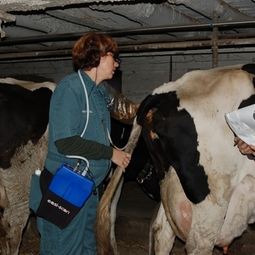
Correal is from Colombia, but he has been working in the U.S. for eight years. He currently is based in Sioux Falls with Alta Genetics, working as a reproduction specialist who consults with dairies across the Midwest. He travels to dairies in four states and hears the same concerns about labor shortages and deportation at every stop.

“The panic in these people is unbelievable,” he said.

Immigration policies from President Donald Trump’s administration have foreign workers in agriculture on edge, but Midwestern groups are working on ways to help the dairy industry secure the labor it needs.

Correal said foreign workers are critical to the dairy industry. “We’re doing the jobs that no one else wants to do,” he said. “They’re hard-working people.”

Though Trump’s early policy hasn’t been friendly to the foreign worker, the American Dairy Coalition is optimistic about creating an avenue for farmers to get the labor they need. Coalition founder and CEO Laura Fischer is aiming for a guest worker program, and she thinks it will go over well in Washington. She said they want workers who are documented. They want to know who they are, their correct name and where their working.

Her Wisconsin-based organization is working on federal legislation that would provide workers with legal status without giving them U.S. citizenship. One bill would allow temporary workers to work in the country for three years as long as they work within the state that sponsored them. The federal government would oversee the program, but each state would run it. The bill also calls for about 600,000 visas for all types of industries looking for both highly skilled and entry-level workers.

A similar bill would allow temporary workers to come to the U.S. for 18 months. A portion of their pay would be withheld during that time, and they could access it when they return to their home country.

The American Dairy Coalition is working in Washington to drum up support. Fischer said some legislators need an education on the dairy industry and the labor situation.

“They believe if farmers paid more money, they would be able to find the workforce here,” she said.

Dorothy Elliott, owner of Drumgoon Dairy in Lake Norden, S.D., knows that’s not the case. She spoke on a panel with coalition experts and others at the Central Plains Dairy Expo in Sioux Falls last month.

Drumgoon is a 24-hour-a-day, seven-days-a-week operation, but domestic laborers don’t want to work nights, weekends or holidays, Elliott said, and other employees are always covering for them. “You end up having to let them go,” she said.

Drumgoon has hired some Puerto Rican workers, sidestepping the need for a visa. Puerto Ricans are U.S. citizens, and a new program through South Dakota State University Extension is looking to the island territory as an answer for dairy’s labor shortage. Unemployment in Puerto Rico is high, and so is the cost of living.

“Rural Puerto Ricans want to follow the American dream. They want a job,” said Maristela Rovai, dairy specialist with SDSU Extension who is helping coordinate the program.

Puerto Rico is an associated state, but it has its own constitution and its own government, so there is a special process for recruiting workers. The SDSU program is set up to help dairy farmers though that process. SDSU Extension associates are working to promote the program to dairies in South Dakota.

The state’s labor laws add another challenging component to recruiting Puerto Ricans. South Dakota doesn’t require farm employers to carry workers’ compensation on their employees. The Puerto Rican government, however, requires some sort of insurance to cover work-related injuries.

Rovai encourages producers to consider providing workers’ compensation coverage. For a dairy with 27 employees, it would cost roughly $50,000 per year, or 54 cents per hour per employee, she estimated.

Before U.S. employers can recruit workers living in Puerto Rico, they need to sign up with Puerto Rico’s Department of Labor. The process starts with a recruitment letter to the Puerto Rican secretary of labor. From there, they’ll develop a contract with details about the job and employment package and create a job order form, stating the minimum qualifications for employees. Dairies here need to have a certificate of good standing from their state’s department of labor.

Program aims to ease immigrant workers’ transition
Angel Feliciano came from Puerto Rico to milk cows at Drumgoon Dairy in Lake Norden, S.D.

The initial paperwork takes a week to 10 days for approval. Then recruiters in Puerto Rico advertise for the job and screen potential workers. Producers using the SDSU program can require that potential hires go through an orientation program in Puerto Rico. This is meant to teach applicants what sort of work dairying involves and what they might expect after a move to the Midwest. The idea is that if the workers know what to expect, they’ll be less likely to leave the job.

Rovai hosted one of these orientations last winter when she traveled to Puerto Rico to talk with government officials and prospective employees. Visiting a rural area, she explained to the prospective workers what the job involves, what the community is like and what kind of weather to expect. She said they were surprised to learn the reasonable price for food and car insurance.

“More than just a paycheck, they are looking to find security,” Rovai said.

Three people left the room when she showed them a video of a milking parlor, where they would be working. “That’s OK; that’s the idea of an orientation,” she said, “so they don’t leave when they travel all the way to the U.S.”

The SDSU program also conducts personal interviews of the applicants and sets up a visit to a commercial dairy in Puerto Rico. Rovai said the goal is to find the most suitable candidates.

Producers can take on the application process with the Puerto Rican government on their own. Getting guidance through the SDSU program costs producers $500 per hired employee.

SDSU and other groups in Brookings have created programs to ease the transition for foreign workers once they move here. Feeling welcome in a community is a big part of keeping workers here, too, Rovai said.


Source: Tri-State Neighbor

Dairy ultrasound purchase hinges on pregnancy rate

Anyone can learn to use ultrasound on their dairy farm, but producers need to know their reproduction numbers to financially justify the purchase.

Dr. Tom Wheal of FarmTech Solutions, a provider of ultrasound technology for farms, told farmers at the Canadian Dairy Xpo that the first step to determining the value of ultrasound on their farm is to know their pregnancy rate.

Wheal says that increasing the frequency of pregnancy checks can significantly help improve the number of pregnancies on a farm. Reproductive efficiency will then determine payback on an ultrasound machine.

Portable and easy to operate ultrasound machines are commonly used on many livestock farms, including hog, beef and dairy.

However, most dairy farmers have their cows checked for pregnancy by ultrasound by veterinarians every two weeks or a month.

Wheal says veterinarians are increasingly willing to pass manual tasks that can be learned by most people, like ultrasound, onto others, so they can concentrate their time on areas where they can have greater value.

However, he says, they should first talk to their veterinarian before buying an ultrasound machine to discuss how it will fit into the farm operation.

“Before you can talk about the economics of ultrasound use, you have to know what your preg rate is and have to understand what it is,” Wheal says.

Pregnancy rate is defined as the percentage of cows on a farm that are eligible to become pregnant that do become pregnant within a given time.

Wheal says to calculate pregnancy rate, take a farm’s conception rate multiplied by heat detection rate.

“It’s the current number we have to judge how efficient you are.”

The industry average is 14 percent, a number at which a farm is likely having a difficult time producing enough heifers to replace its cows.

Better is closer to 22 to 25 percent, he says.

Wheal says changing from twice monthly to weekly pregnancy checks can improve pregnancy rate by about five percentage points.

On a 100-cow farm, with a 15 percent pregnancy rate, moving it to 20 percent can mean saving about $25,000 per year.

Ultrasound testing has its greatest impact in helping increase the frequency of pregnancy checking.

If a farmer owns an ultrasound machine, he can check pregnancies with less cost than paying for another visit from a veterinarian.

Wheal says he has seen too many ultrasound machines gather dust on farms, and there are three main barriers to their use.

The first is a lack of commitment. Don’t get discouraged, says Wheal, and make sure there is enough training.

“It’s very daunting the first time you see an ultrasound image,” he says, but he has seen people with many levels of ability trained.

Stick to a schedule, he says. Producers should pick one day a week to do the testing and remain committed to doing it.

A third barrier is labour. Wheal says many farms have no extra labour to hire or labour flexibility with current staff.

Fear of using the technology shouldn’t be a barrier, says Wheal, especially if a farm already has employees who breed their cows.

Those staff members are already familiar with a cow’s reproductive physiology and can transfer that knowledge to using an ultrasound machine.

The more important factor is whether or not an ultrasound machine can help improve the pregnancy rate.

If the pregnancy rate is already near 25 percent, then an ultrasound machine will have little effect on that rate. But if the pregnancy rate is 14 or 15 percent, then Wheal says it’s a technology worth considering.

Source: The Western Producer

Do Your Calves Fulfill All Their Promise in the First 100 days?

The President of the United States benchmarked 100 days on Saturday, April 29th. Throughout the weekend, there was a flurry of analysis, assessment, and judgemental summations.  The hope is to clarify what the future holds and if it will be productive.

Although we can easily get wrapped up in the drama of a new presidency, it is important that our dairy livelihood takes a serious opportunity with each calf to set the stage for a lifetime of production. While a President may recover from setbacks or early missteps taken in his administration, the future health and productivity of your dairy cows depends on what happens to your calves during those first three months. There are no referendums, replays or recalls in calf rearing.

It’s Okay to be Unique.  But Protocols Must Be in Place.

Every successful dairy sets up protocols.  To have every opportunity for success, you must have a standard to compare to. The ideal is that calf protocols are not only posted but that there are regular training and review sessions for all those involved in this role. We have all heard those directions many times. The difference between success and slipping into failure is that successful dairies have a “NO Tolerance” for less than perfect compliance.

Don’t Let a Difficult Calving Dictate the Whole 100 Days and the Future!

Every dairy operation has had to deal with an unusually difficult calving. Sometimes unforeseen environmental challenges before, during and after calving have an impact. The calving itself may result in malformations. Any or all of these can all negatively affect the vigor and progress during the first few days of the calf’s life. Proper observation and care protocols must be in place in order to survive the uphill battle of getting the calf off to the best start.  This is no place for a survival of the fittest attitude.  Use every intervention available to overcome these initial hurdles. For just two examples, every calf handler should be aware that calves are often prone to diarrhea and navel infection during this period.  The calf should receive every possible attention to treat these challenges during first days of life.

Don’t Accept Less than Perfect

If you’re willing to accept less tan the best, in the beginning, be prepared to end with less profit too!  For example, where calf protocol says, “move to a clean and comfortably bedded hutch” …. a hutch that has not been completely cleaned … with bleach … after the last occupant is NOT the place where a newborn calf should be placed.  In the first twelve hours of life, a new calf needs two bottles of high-quality colostrum (the sooner, the better), proper vaccinations and placement in a clean, comfortably bedded hutch with access to fresh feed and water.  Providing one or two of these, will not get your calves off to a start that will positively impact the future of your dairy herd.

No Tolerance for “the Easier way.”

In the first days of calf rearing, familiarity can gradually backslide into slipshod attention to detail.  Providing fresh water, calf starter and one bottle of milk twice daily is an absolute that cannot be done to the highest level of timing and cleanliness.  It is crucial that careful inspections of the eyes, nose, ears and manure are done every morning.  Skipping any of these steps is not optional. It is dangerous to think that a routine overview will catch problems.  Without the certainty that the procedures and inspections can be 100% relied upon, there is no way to make an informed decision, if a problem does arise.  The easier way may seem to help staff but, eventually, there will be longer hours dealing with more difficult problems.

Time, Space and Repetition

I am not going to print a list of calf rearing protocols.  I am not raising calves. I am (maybe) raising awareness.  My excuses of time, different goals, and space are the ones that are holding me back. What holds you back from having a fully operational calf rearing protocol that is posted in your barn and adhered to every day? Excuses don’t fill milk buckets.  Poor calf rearing protocols can actually empty them!  

You Must Put it in Writing

As each step of the plan is noted, posted and carried out the beginning of each stage is the most crucial.  With every change in routine, the observation of calf responses is key to ensuring that the transition is smooth and healthy.  Once again steps ensuring cleanliness of hutches must be scrupulously adhered to.

What Impact do Proper Calf Protocols Produce in the First 100 days and Beyond?

  • Increased growth in calves. Growth rates during the first 60 days of life determine the future production potential of a dairy cow. A slow growth during these first 60 days of life cannot be compensated by speeding up the growth later in life.
  • Healthy calves equal Healthy cows: Well-grown dairy cows produce high quantities of high-quality milk. It’s too late to question calf rearing protocols when the cows are in the dairy line, and you see less than expected
  • Early Treatment and Prevention are the goals: Worse than poor production is having to face health issues. A serious episode of, for example, scours may kill the calf, but even if it survives, the chances it will meet expectations with regard to future milk production are slim.

Where Would You Start, If You Were Going to Do It Wrong?

The 24/7 nature of dairying sometimes puts you in a position where repetition makes it hard to see what it is that is preventing success. We can all analyze political gaffes and missteps because our spectator viewpoint gives us a different perspective.  Try distancing yourself from your own calf-rearing operation.  What would a reporter, interviewer or competitive peer point out as being “wrong” if they inspected your calf operation?

Are any of these “Don’t Do’s” present in your calf operation?

Temperature Stress: Too cold or too Hot.

Wet:    Wet calves. Wet bedding

Poor hygiene: Fecal or other contamination of milk, feed or water

Non-existent or poor air flow: Are calves exposed to draftiness or poor ventilation.

Lack of attention to detail: No posted protocols.  No recorded observations.  

Exposure to germs and bacteria: irregular or haphazard cleaning. Exposure to other sick animals or by feeding or handling of young calves after older animals

Mishandling of unhealthy calves: Not isolating calves that show any sign of disease.

Are You Making Your Young Calves Sick?

Even with the best intentions, you could be setting yourself up for failure by the way you carry out your calf care.

Here are five things you don’t want to make part of your calf raising routine.

  1. Feeding older calves before feeding and handling the youngest calves. This could spread infections from the one group to the other.
  2. Feeding unpasteurized milk and waste milk containing antibiotics
  3. Allowing calves to drink milk in an incorrect position. Calves drink best by sucking from a bottle where the milk is placed higher than the teat so the calf sucks more naturally.
  4. Rapid changes of milk type and concentration of milk replacer
  5. Using milk replacer not adapted for young calves

These two steps could make a tremendous difference in your calf-rearing success.

  1. Check calf health at least twice daily and re- cord, inform and act immediately on issues
  2. House sick or weak calves separately until they have recovered and are vigorous

A Calf’s First Weeks Shape the Cow’s Future

The first 100 days is where even the most seasoned dairy managers -and Presidents – make a lot of critical missteps. It’s too easy to manage by getting the job done rather than by managing the results. When you catch the signals as early as possible, there is a chance to make corrections so that the future isn’t compromised.

The Bullvine Bottom Line

Make sure that your first 100 dairy days don’t close opportunities. Whether you’re presidential or not, it is much more than simply fulfilling promises. It is all about fulfilling potential.


Get original “Bullvine” content sent straight to your email inbox for free.


[related-posts-thumbnails]

How to get a head-start on fly control

Summer’s heat seems far away. But it will be here soon and so will pesky flies. Don’t wait for flies to emerge to start your fly control program. For maximum effectiveness, now is the time to evaluate and start your fly control strategy.

“Starting a program before flies appear goes a long way in prevention for calves, heifers and cows,” says Gary Geisler, calf and heifer specialist with Purina Animal Nutrition. “A well-planned, holistic fly control program can keep calves healthier, maintain intakes and growth for heifers, and keep cows milking.”

So, how can you beat the buzz and protect performance?

Consider a feed-through larvicide

A simple and effective way to control fly populations is to use a feed-through larvicide. This form of fly control:

  • Does not require additional labor as compared to other fly control options with multiple steps (i.e. pour-ons, ear tags, walk-throughs, etc.).
  • Is easily combined with an Integrated Pest Management Program (IPM) – a multi-faceted approach to pest management to make the most of your fly control program.
  • Has an Insect Growth Regulator in the manure where flies lay their eggs. This stops the fly life cycle by preventing fly larvae from molting into pupae and, eventually, adult flies.

To be most effective, feed-through larvicides should be fed from 30 days before flies appear through to 30 days after the first killing frost.

“Implementing a feed-through larvicide before flies hatch will help keep fly populations in check. This type of control can help by reducing the first swarm of adult flies’ ability to reproduce,” says Geisler. “The earlier you break the life cycle, the fewer flies you’ll have buzzing around later.”

Look at the big picture

While a feed-through larvicide can help curb fly populations, it’s only one piece of the bigger IPM puzzle.

In addition to using a feed-through larvicide, these management practices can help keep fly populations to a minimum:

  1. Identify the type of flies present and locate where maggots might be. Identifying these will help eliminate additional fly breeding locations and determine how to make these areas less of an attractant for flies.
  2. Determine if there are any other forms of fly control that could help reduce populations in the areas identified.
  3. Clean all pens on a regular basis to help eliminate fly breeding sites and store manure and soiled bedding away from calf and heifer housing.
  4. Keep feed fresh and dry as molasses can be an attractant for flies.
  5. Avoid accumulation of feed, manure and water, which will attract flies.
  6. Use scatter baits for adult flies as needed.

“Taking a look at the whole fly control picture and getting an early start on your program can help calves stay healthy, heifers growing, and cows producing during fly season,” concludes Geisler.

Contact your local Purina representative to learn more, or visit purinamills.com/dairy-feed to learn more about Purina® HEIFERSMART® Booster Tub + ClariFly.

For additional information on dairy nutrition and management, sign-up to receive the monthly Purina®HERDSMART® E-Newsletter; a free online tool to improve operational efficiency by visiting purinaherdsmart.com.

Purina Animal Nutrition (www.purinamills.com) is a national organization serving producers, animal owners and their families through more than 4,700 local cooperatives, independent dealers and other large retailers throughout the United States. Driven to unlock the greatest potential in every animal, the company is an industry-leading innovator offering a valued portfolio of complete feeds, supplements, premixes, ingredients and specialty technologies for the livestock and lifestyle animal markets. Purina Animal Nutrition is headquartered in Shoreview, Minn., and a wholly owned subsidiary of Land O’Lakes, Inc.

Transition Cows Key to More Milk, Better Repro

If producers don’t see clinical milk fever and clinical ketosis, they often think all is well with the transition cows. But that is far from the truth.

“We miss the big picture when we only focus on clinical disease,” explains Thomas R. Overton, professor of dairy management at Cornell University. “When metabolism is off during the transition period the problem may or may not show up as clinical disease. But it does show up as lower milk production and reduced reproductive performance.”

Recent research has connected the dots between subclinical disease during the transition period and reduced milk production and lower reproductive performance. Thanks to several large datasets of commercial dairy herds we now know that subclinical ketosis and subclinical hypocalcemia lead to lower milk and reproductive performance.

“We need to shift our mindset from the transition cow as a disease opportunity to the transition cow as a production and reproduction opportunity,” says Overton.

Producers who have made this shift in mindset routinely see more milk production—about 2 to 4 lbs/cow/day—and one to two units increase in 21 day pregnancy rate and less incidence of clinical disease. These production improvements are economically meaningful and they are achievable.

WHAT THE RESEARCH SAYS

In the last 10 to 15 years the industry has learned and implemented a lot of changes for transition cows, such as dietary cation anion diets (DCAD), controlled energy diets, and changes in groupings to name a few. But the large datasets collected and analyzed from commercial dairy herds have revealed even more opportunity exists to improve transition cow health and performance.

For example, a study by Chapinal et al, 2012, focused on calcium status, ketone levels and non-esterified fatty acids (NEFA). Herds with greater numbers of cows with low blood calcium at one week after calving had twice the rate of displaced abomasums, produced 6 to 8 lbs/cow/day of less milk on first test day and had a 30% decrease in first AI conception rates.

Another study by Ospina et al, 2010, looked at elevated NEFA and beta hydroxy butyric acid (BHBA) levels in transition cows. The researchers found that when more than 15% of cows in a herd had prepartum NEFA levels of ≥ 0.3 mEq/L that clinical disease incidence increased by 3.6%, pregnancy rate declined by 1.2%, and milk yield dropped by 529 lbs on a 305ME basis for both cows and heifers.

In herds where more than 15% of cows had postpartum NEFA levels of ≥ 0.6-0.7 mEq/L clinical disease incidence increased by 1.7%, pregnancy rate decreased by 0.9% and 305ME milk production declined by 640 lbs for heifers and 1,272 lbs for cows.

When looking at postpartum BHBA in those same herds, the researchers found that when more than 15% of cows in a herd had a BHBA ≥ 10-12 mg/dL clinical disease incidence increased by 1.8%, pregnancy rate declined by 0.8% and 305ME milk production dropped by 1,179 lbs for heifers and 732 lbs for cows.

In the Ospina research, a herd incidence rate of 15% was the alarm level. (This was the cut point most predictive of herd level opportunities.) In the study 75% of herds were above the alarm level for prepartum NEFAs and 40% of herds were above the alarm level for BHBA.

Another study by Lawton et al., 2015 JAM looked at the prevalence of hyperketonemia between three and 14 days in milk on 71 commercial dairies. They found that 50% of herds had more than 15% of cows with a BHBA above 1.2mmol/L.

As researchers have been doing more epidemiological studies of the data from commercial dairy herds the link between subclinical hypocalcemia and subclinical ketosis with reduced milk production and reproductive performance has become clear. Subclinical hypocalcemia and ketosis carry long-term economic consequences.

MAKE A DIFFERENCE

“We tend to focus on the challenges in our face when they occur,” says Overton. But clinical cases are just the tip of the iceberg. The good news is that subclinical hypocalcemia and subclinical ketosis, as well as many of the common transition cow problems, are preventable.

Overton says when DCAD diets were first introduced he was skeptical of the value because low potassium forages are readily available in the Northeast and many herds already have a very low incidence of clinical milk fever without feeding anions. But since this new research has shown the economic losses from subclinical disease he has become a believer.

“I’ve become much more aggressive in using DCAD diets to combat subclinical problems and the results have been good.”

Producers tend to look for that one big nutritional tweak that will make a difference. But from what we have seen it can be a lot of little things that make the difference. Implementing DCAD diets, small changes in feeding management such as getting particle size right, grouping and stocking density, and heat stress all affect the transition cow’s ability to thrive.

It doesn’t take a lot to throw things out of balance. It may be a slug of cows freshening at once that changes the pen dynamics and increases competition at the bunk. It could be a change in forage quality that no one noticed. Sometimes the solution is found in ration formulation, but more often than not it is the other little things that make the difference.

“Whenever I ask producers if it is worth it to go after the extra milk and better reproductive performance the answer is yes,” says Overton. It takes an intensity of management, but many who have sought to minimize subclinical disease in transition cows have been successful. In fact, a review of Cornell data from 72 New York and Vermont herds shows that many herds do succeed:

Health event < 31 DIM

Achievable Rate

Herds That Achieve That Rate

Subclinical ketosis BHBA ≥ 1.2mmol/L < 15% 51.4 %
Displaced Abomasums < 3% 76.8%
Retained Fetal Membranes < 8 % 63.4%

Clinical milk fever is a thing of the past on many farms. Today the opportunity lies in minimizing subclinical disease, stresses Overton. Producers who have changed their mindset in order to pursue the additional milk and reproductive performance that comes with minimizing subclinical disease are glad they did.

Take for example, a 1,000-cow dairy from northern New York. They were seeing 30+% of cows with subclinical ketosis as determined by weekly blood BHBA monitoring in the fresh pen. Those rates dropped to less than 15% and milk production increased by 3 to 4 lbs/cow/day over time. It wasn’t a big overhaul of the nutritional program; rather we identified that the particle size of the straw and hay in the dry cow rations was too long. Maintenance on the mixer and knives and getting feeding management right every day made a big difference in overall fresh cow health and performance.

Changing your mindset about transition cows can make an economic impact on your dairy, too.


To learn more about what is achievable on farm, check out the New York State Cattle Health Assurance Program Transition Cow Guidelines at: https://ahdc.vet.cornell.edu/programs/NYSCHAP/docs/TransitionCowBenchmarks.pdf

Source: Landus Cooperative

Ten tips for tough times in farming

For many farms, across all of agriculture, the returns are poor relative to the cost of production. The result is great stress among many farm families. During times like this, it is easy to lose perspective, have difficulty making decisions and to be discouraged. Here are 10 things that may be of help to any family in that situation.

  • Take responsibility: It can be easy in times like this to blame big producers, the co-op or others for low prices. While that may make you feel better for the moment, it keeps you from doing what is more important – taking responsibility for your operation. So get over the fault of others, accept the pricing structure and focus on your operation.
  • Focus: Discipline yourself to examine specific areas of your business to determine how they can be made better. Set aside time for this and reduce the chance of interruptions.
  • Involve employees: Employees are often left in the dark about financial concerns and the need for economizing. That not only opens them up to believe rumors that may have no basis in truth, but it passes up on their ability to help you identify potential opportunities. Talk to them, invite their ideas, answer their questions, and enlist their help.
  • Communicate with venders and lenders: Don’t just run up unpaid balances and not talk with them about it. They may be able to help you, and you need to come up with a plan to pay what you owe. These may be difficult conversations, but don’t avoid them.
  • Pencil-out the consequences of changes: Saving money doesn’t get you any farther ahead if it reduces your income (short-term or long-term). Consider what the consequences will be of cutting back on this or that and monitor the results. Run your ideas past someone you trust to give you honest feedback.
  • Invest where your returns will be highest: Even in the toughest times, investing in some things can be the best option. For example, liming a field to be planted to alfalfa, purchasing a pasteurizer for calf milk, or putting fans in the dry cow pen. These investments, and others, have a high likelihood of reducing problems or improving returns. That is where you need to invest.
  • Take a hard look at where you are losing money: Losing value is losing money. Does haylage harvest take two weeks? Is the average age of first calving more than 24 months? Is the death loss of calves more than 5 percent? In each of these cases, and many more, ask yourself how much money are you losing and look for alternatives. It is time to critically examine the weaknesses of the operation and search for alternatives that preserve value for your farm.
  • Use your records: Sometimes we keep records but don’t put them to full use. Yet, through them you may be able to control your operation more efficiently, find problem areas and identify what could work better. Start with financial records and calculate your cost of production, compare to benchmarks and look for where you can make changes.
  • Seek advice: Consider starting management team meetings. Invite in people who can apply their knowledge in looking at your operation with you: feed consultant, veterinarian, lender, key employees and your Extension Educator. Open your records to them and have them help you to identify opportunities and changes. Others, who aren’t invested in the operation, can provide objective feedback.
  • Keep things in perspective: This is about your business only, not about your life or what should be most important to you. Your business may lose money or you may even lose your business, but that is not your life or your identity. Be thankful for family and friends. Consider others who may have less, and do what you can to help them. Take your eyes off of yourself and your own problems and see what you can do to help others with needs around you.

These tips may not turn the operation around tomorrow, but they may help turn you around, and that will benefit your operation.

For more resources, visit Michigan State University Extension’s Managing Farm Stress page.

UK and Austrian farmers register interest in pioneering robotic livestock feed-growing machine

Farmers in the UK and Austria could be among first to experiment with an automated robotic animal feed-growing machine, which its makers claim can revolutionise the way animal feed is made.

California agricultural tech company FodderWorks, part of the US agricultural company Simply Country, is pioneering the machine, which grows animal fodder, such as barley, for cows and other food production animals indoors without the use of fertiliser, soil, sunlight and human labor. 

Kyle Chittock, general manager at FodderWorks, told FeedNavigator that educating famers to the benefits of the feed-growing machine and a new approach to feeding livestock was a significant challenge. 

Robotic equipment to producer fodder indoors Photo Credit: Fodderworks

He said: “The real challenge is that it’s not just a robot that is being created. This is a new and different type of feed. 

“We are changing how people feed livestock. They are not sure what to do with it.”

The machine, housed inside a building, works by a conveyer belt moving the robot so it arms spread the seeds on trays, which are stacked on shelves and exposed to water and light from overhead sprayers and lamps. 

After six days, the robot transfers the trays to a washing station after which they are ready to be eaten by dairy cows.

Advantages of machine

The machine offers multiple advantages to feed crop cultivation, said Chittock, chiefly that it saves on labor, land and water costs as well as being more productive. 

A typical California dairy farm has around 1,000 cows and Chittock says farmers “don’t want to have to hire lots of people to spend time growing feed because that’s not what they do”.

“They need to be much more focused on producing the milk which makes them the money.”

The machine can produce two tons of feed a day, compared to half a ton harvested by a human, says Chittock, who says any type of cereal grain can be grown in the machine, but from a “nutrition standpoint” barley works well. 

Asked whether the lack of human involvement in the machine could prove problematic, such as in light of a malfunction, Chittock said: 

“The robot should be very reliable, so it’s not really a major concern. The robot is very simple.”

Automation is the future

While the introduction of such machines could be a concern for the farm labour market, it is indicative of the direction of travel, says Chittock.

He said: “This is the direction things are going. Automated milkers are becoming very, very common in the dairy industry. Instead of having a big crew of people to handle the milking process they have a few robots to handle that. They have proven to be more reliable than people. And get better results.” 

The cost of the equipment, which was showcased for the first time at the World Ag Expo in California this year, starts at $233,000 for a machine producing one ton of feed a day. 

The more a machine produces, however, the cheaper the machine will be, because of the greater efficiency. For a 12-ton-a-day system, the robot would cost under $83,000 per ton, said the developer. 

While FodderWorks has yet to sell any of the machines, Chittock is expecting this to change soon, with interest coming not only from the US but Europe too, in the UK and Austria. 

He sees no reason why the machines can’t be a success in Europe. 

“Such a new thing, it’s really hard to estimate what is going to happen. Once we get one installed, show success, things will take off,” said Chittock.

Source: Feed Navigator

Dairy strives to improve cow health while reducing antibiotic use

Four years ago, the Rosy-Lane Holsteins dairy near Watertown, Wisconsin, stopped using antibiotics to treat its 870 milking females.

Last year, it had no cases of either ketosis or milk fever, and the farm’s veterinary bills have dropped by two-thirds.

Lloyd Holterman, who owns the dairy with his wife, Daphne, and partners Tim Strobel and Jordan Matthews, said the achievement was made possible by a focus on animal health and a desire to reduce antibiotic use in light of attention on antimicrobial resistant bacteria in animal and human health.

“Healthier cows make more money, and reducing vet costs and foot trimming costs and overall herd health costs leads to better feed efficiency, leads to environmental and food safety improvements for the consumer,” Holterman told those at the recent Western Canadian Dairy Seminar in Red Deer.

Healthy cows are crucial to the dairy’s milk production goal relative to feed intake.

“The over-arching goal and the reason that we’re so bent on getting these cows really healthy, (is) if we can produce 1.7 pounds (of milk) … for every one lb. of dry matter intake, we’re going to be extremely practical.”

Rosy-Lane has achieved this goal only once, in 2015, when high quality feed was readily available, said Holterman. Usually the dairy is slightly short of that goal.

However, it also aims for $800 in profit per cow per year, on a three-year average, and last year it achieved $921.

Technology and capable staff allow the dairy to move 870 cows through the double-12 milking parlour three times a day. Milk makes up 92 percent of the farm’s income with five percent coming from cull cows and bulls and the rest from sales of genetics and from government programs, said Holterman.

He described the quest for cow health and high production as a “puzzle in progress” that would have different pieces depending on the operation.

For Rosy-Lane, those pieces include technology, genetics, people, housing, nutrition, herd health, milk harvest and calves.

Antibiotics are no longer used on cows, but the same is not true for calves, although the goal is for minimal use.

“On the baby calves, that’s a little trickier deal,” he said.

Calf boxes have blankets rather than straw, and each navel is dipped at least three times to prevent infection. Calves are given colostrum within 30 minutes of birth.

The calving area is steam cleaned once a week in winter and twice in summer and treated with a strong disinfectant.

Holterman said all cows are housed together after calving, kept in clean alleys with a place to lie down and given access to fresh feed around the clock.

“Let the cow be a cow,” advised Holterman, and once they’ve calved, provide energy-rich feed to improve milk production and don’t overcrowd.

Rosy-Lane doesn’t use hormones to stimulate ovulation. Holterman said he is hoping to improve reproduction rates through genetics and breeding, although he acknowledged that is a longer-term process.

As for rations, Holterman said Rosy-Lane gives what some might consider “a suicide diet” of 51 percent grain and 49 percent forage. However, in his area of the U.S. Midwest, corn and soybeans are plentiful and cheap while forages are expensive.

Sand in the free-stall barns is freshened twice a week. The farm does its own foot trimming and reduces lameness by scraping alleys daily, keeping them dry and having cows go through a copper sulfate footbath once a week and a soap and chlorine footbath twice a week.

Holterman said protocols specifically designed for cow health have paid off for his dairy. The other key, he said, is to have good partners so that he is able to concentrate on the journey toward ever-healthier cows.


Source: The Western Producer

Benefits of Recording and Monitoring Cow Events

On any sized dairy operation there are a multitude of events occurring from the time a calf is born until she leaves the herd. Software programs are available to help manage this task of recording events. The bottom line is no matter how good someone’s memory is it is no substitute for having historic information on animals of all ages that can be easily accessed. However, the information is only as good as the person entering the data and is useful only if someone is monitoring the events.

Production Perspective

As soon as a calf is born her record begins with her ID and genetics. Information on the amounts, quality, and times colostrum is fed should be recorded as well as any vaccinations or treatments performed. Vaccination protocols require booster shots so keeping track of animals and dates is extremely important. Calves are susceptible to scours and respiratory problems and listing health and treatment events is useful in sorting through potential inadequacies in operating procedures. The more thorough the records are kept the easier it is to spot problems before they become disasters.

After weaning the majority of events involves movement from pen to pen or in some cases another facility. Prior to breeding age many of the events recorded are booster shots and the occasional health problems. Some producers will weigh and measure height of animals to ensure they are growing within the recommended parameters. This can be helpful in deciding when animals are ready to be bred instead of relying solely on age. The next major list of events is related to heat detection and number of times bred.

Once an animal is confirmed pregnant there may be some follow-up vaccinations and possible hoof trimming events. The expected calving date is typically recorded and preparations are made as she is close to entering the lactating herd.

From freshening day forward the volume of events recorded increases substantially. As the lactating animal enters the herd, there will be events related to health (both preventatives and treatments), production, milk quality, reproduction, hoof trimmings, body condition scores, and others depending on the operation. With all the challenges facing the dairy industry why are some operations not keeping good records or implementing basic management protocols?

The two answers are time and money. Those operations keeping good records usually respond by saying they don’t know how they would function without having all the information at their fingertips to evaluate how the herd is doing. For them finding time is a priority and the positive results far outweigh the investment in time. Keeping track of herd events does not equate to having fewer problems compared to the herd keeping minimal records; the advantage of good records is finding the problems faster and making corrections sooner while minimizing production loss or high cull rates.

The Penn State extension dairy business management team has itemized the costs associated with reproduction, vet and medicine. This area on the farm rarely is the cause of poor profitability. The cost per cow per year averages $76 for reproduction and $111 for vet and medicine. These expenses are relatively insignificant compared to the big ticket items of feed and labor costs. The advantages far outweigh any negatives associated with implementing standard operating protocols and using records to monitor animal events.

Action plan for monitoring health events of the dairy operation.

Goals

With the appropriate software program, develop a system for entering information on a daily basis on all animal groups in the herd.

Steps

  • Step 1: Develop standard operating procedures for events such as freshenings, vaccinations, breedings, and treatments.
  • Step 2: Depending on the herd size, on a daily/weekly basis generate the appropriate reports to check that all animals have received their vaccinations, treatments or other age related events.
  • Step 3: On a monthly basis review the number of incidences of health events by age, pen, and/or stage of lactation with the farm’s advisory team.
  • Step 4: Based on the findings, implement the necessary adjustments in protocols to correct the problem(s).

Economic perspective

Monitoring must include an economic component to determine if a management strategy is working or not. For the lactating cows income over feed costs is a good way to check that feed costs are in line for the level of milk production. Starting with July’s milk price, income over feed costs was calculated using average intake and production for the last six years from the Penn State dairy herd. The ration contained 63% forage consisting of corn silage, haylage and hay. The concentrate portion included corn grain, candy meal, sugar, canola meal, roasted soybeans, Optigen (Alltech product) and a mineral vitamin mix. All market prices were used.

Also included are the feed costs for dry cows, springing heifers, pregnant heifers and growing heifers. The rations reflect what has been fed to these animal groups at the Penn State dairy herd. All market prices were used.

Income over feed cost using standardized rations and production data from the Penn State dairy herd.

Note: March’s Penn State milk price: $18.49/cwt; feed cost/cow: $5.69; average milk production: 84 lbs.

Feed cost/non-lactating animal/day.

Source: PennState Extension

High demand for skilled staff in New Zealand dairy sector

The dairy sector is calling for more people, particularly school-leavers, to consider a career in dairy given a shortage of skilled staff.

DairyNZ education facilitator Susan Stokes says the number of young people undertaking formal training is nowhere near demand.

“We have a real shortage of young people for both on-farm positions and rural professional roles. Just about every graduate has multiple job offers as demand far exceeds supply,” says Ms Stokes.

To help attract more young talent into the dairy sector, which has an aging demographic, DairyNZ has created a careers booklet outlining the variety of roles available, and answering questions they may have.

“We want to open people’s eyes to the opportunities available to them in the dairy sector. Milking cows is, of course, the foundation, and there are many other roles too, from working on-farm through to agri-business or agri-science positions,” she says.

DairyNZ’s Sally Peel grew up in Auckland and has found her niche in dairy. She works alongside farmers, scientists, rural consultants, agricultural retailers and DairyNZ colleagues developing resources, such as feed budget templates, for use by farmers.

“I have the best of both worlds. Some days I get out onto farms, other days I’m in the office not far from Hamilton city shops and cafes,” Miss Peel says.

Her advice to young people considering a role in the dairy sector? “Give it a go, and try something new. Studying agriculture-related subjects can open a lot of doors, both on and off-farm, and in the other primary industries.”


Source: Business Scoop


‘Dry cows need a total comfort solution’

Dry cows must be provided with total comfort at all times, so as to ensure a successful calving, according to Co. Antrim vet Brian O’Donnell.

“This includes the provision of adequately-sized cubicles, plus ample feed troughs and water space.

“Great care must be taken when introducing new animals to a dry cow group, so as to minimise stress levels for all the animals involved.

“At calving, cows should be placed in well-bedded pens that are directly adjacent to the dry cow accommodation, again so as to minimise stress,” he said.

O’Donnell is a member of the professional team with the Caddy veterinary practice in Randalstown. He said that eight weeks is the optimal dry cow dry period for a dairy cow.

“Cows should be scanned during mid-pregnancy to ascertain their exact calving date. Simply going by an insemination date is not accurate enough. Increasing numbers of farms are now using heat detection technology to facilitate their breeding programmes.

“This is additional information that can be used to ascertain calving dates, should cows be running with a bull,” the vet added.

Breeding Season Management Priorities

In preparation for the upcoming breeding season, O’Donnell cited a number of management priorities.

“Cows should be achieving high dry matter intakes. Good udder and hoof health are also important. If a cow is off her feet, she won’t feed and she won’t breed,” he explained.

O’Donnell pointed out that cows that had experienced milk fever after calving will, inevitably, prove difficult to get back in calf.

“Bull selection is also an important factor in determining cow fertility,” he said.

Sires with any form of calving difficulty associated with them should be avoided at all costs. Problems of this nature will only set the cows back and delay them significantly when it comes to conceiving again.

O’Donnell said that dry cow management has an impact on all of the factors that come into play, where fertility is concerned.

“Body Condition Score (BCS) is the key driver in this regard. Cows should have a score of 3.0 at calving. In fact, dairy farmers should make it a priority to have their cows at this level of condition the year round,” he said.

Source: AgriLand

Canola Meal in feed can help boost Milk Production

A Canadian analysis of 49 such studies indicated canola meal in feed, at up to 20 percent of dietary dry matter, can increase milk production.

“Cows fed CM (canola meal) as a protein source produce, on average, 1.4 kilograms per day more milk compared with cows fed other protein sources, and .7 kg per day more milk compared with cows fed soybean meal,” he said in his analysis.

The Canola Council of Canada set up a research cluster to examine the feed value of canola meal relative to other vegetable proteins, said Mutsvangwa.

Independent scientists conducted six studies over four or five years, and all showed higher milk yield in cows given canola meal in their diets compared to corn dried distillers grain, wheat DDGs and soybean meal.

“That significant response in terms of milk yield with canola meal indicated that for those … high-producing dairy cows, probably they have a higher requirement for metabolizable protein, and canola meal might be supplying that metabolizable protein.”

Mutsvangwa said cows have greater feed intake when canola meal is included and eat an average one to 1.2 kilograms more per day compared to feeds with soymeal or wheat DDGs.

Canola meal is a good source of essential amino acids, he added, and has a higher energy value than previously thought.

About 90 percent of the canola meal produced in Canada is ex-ported to the United States.

The meal is the second most widely used protein feed ingredient, behind soybean meal.

The canola council funded some of Mutsvangwa’s research, but he told seminar participants that his findings are not a sales pitch for canola meal.

Source: Western Producer

Associated Mastitis in the Dry Cow Stage

During lactation the udder is under pressure to continue producing milk after which there is a dry period during which the udder has an opportunity to recover.
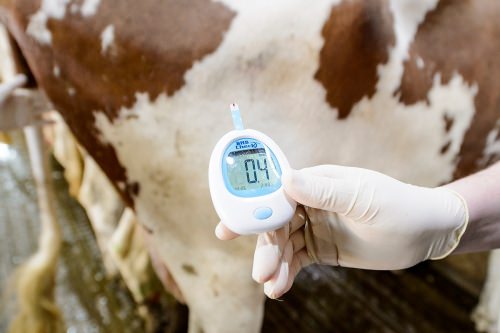
 
Structural changes start to occur in the udder within 48 hours in response to an increase in intramammary pressure which arises when milking is abruptly stopped. The udder is particularly susceptible to infections at this time. The udder then becomes quiescent when it acquires some resistance to new intramammary infections1.
 
During the dry period, the secretions in the udder create an environment which traditionally was thought to prevent persistence of gram-negative organisms e.g. E. coli, but did not have much effect on any gram-positive organisms present e.g. Staph. aureus. However, in the last few years it has been shown that gram-negative organisms such as E. coli can also persist through the dry period and may be responsible for clinical mastitis in the subsequent lactation2.
 
In the days leading up to calving and the next lactation, the mammary gland starts producing colostrum for the calf which is due to be born. At this time the gland has increased susceptibility to infection.

Impact

Staphylococcus (Staph.) aureus usually causes chronic sub-clinical infections resulting in very high somatic cell counts in apparently normal milk. This is a contagious mastitis pathogen, so it is not usually transmitted during the dry period. However, a long duration of treatment is often needed and sometimes treatment at drying off may offer the best results3.
 
Escherichia (E.) coli can cause clinical cases of mastitis where the cow can get very ill due to the release of endotoxin from the bacteria. Recent studies have shown E.coli infections picked up during the dry period can persist and cause mastitis well into the next lactation, up to 100 days2.
 
Streptococcus (Strep.) uberis is also a bacterium that can be picked up during the dry period as well as lingering from a previous lactation. In this respect it has some contagious and environmental characteristics, so control is aimed at cure of existing infections and preventing new infections being picked up during the dry period. 
 
Summer mastitis is a type of mastitis that is seen in dry cows usually, as the name suggests during the summer months. It is when the dry udder is infected by one or more gram-positive bacteria such as Trueperella (Arcanobacterium) pyogenes, causing a low grade mastitis with the cow often being clinically well but with a very enlarged and painful quarter. Flies are implicated in transmission of the infectious agents and infection often results in the quarter being unproductive in following lactations.
 
Please see our News section for relevant articles.

Control of mastitis in the dry cow

Although the dry period is a crucial time for self-curing of existing infections, use of antibiotics and/or sealants may also be required to eliminate existing infections and reduce new mastitis infection rates during the dry period. 
 
Dry cow therapy normally involves the infusion of long acting antibiotics and/or internal sealant into all four quarters of the udder at “drying off”. Increasingly and particularly in some other EU countries, it is normal practice to use antibiotic infusions only in the high cell count cows and indeed only in the high cell count quarters of these cows, using teat sealers for whole herd application.   
 
When using an antibiotic dry cow therapy, it is important to check that the therapy you are using provides suitable cover against both gram-positive bacteria such as Strep. uberis and gram-negative cover such as E. coli. Some chronic mastitis cases caused by gram-positive bacteria are more easily cured during the dry period3. The ideal dry cow tube would have good activity against the persistent gram-positive bacteria, but also act against the gram-negative and environmental bacteria that pose a risk as new infections.
 
For summer mastitis, additional use of a fly repellent is crucial in reducing the risk of this very costly mastitis. Long acting pour-ons or impregnated ear tags should be considered and pastures with sandy soils, tree cover and water should be avoided. At times it may be necessary to house animals.  Any animals with visible teat lesions should be treated and covered with fly protection and it may be prudent to isolate these animals from the rest of the herd.  To reduce the risk of skin lesions, areas of rough grazing (thistles and long grasses) should be avoided. 

Responsible use of antibiotics

For information regarding the responsible use of antibiotics click here.

Source: Boehringer

Feeding Lower Energy Diets to Transition Dairy Cows

Hear from Dr. Heather Dann on the importance of transition cow management, and how feeding lower-energy transition diets could benefit a herd. From monitoring intake to coordinating various diets, Dr. Dann offers insights into setting cows up for success in their next lactation.

Simpler detection for ketosis helps support state dairies

Mitch Bruenig has been around dairy cows long enough — all his life, to be exact – to suspect something was amiss with two of his Holsteins.

He’s been around UW–Madison dairy science department long enough – he graduated in 1998 and his 450-cow farm in Roxbury is practically a field research station for the department – to suspect ketosis.

This “silent killer” is caused by excessive toxic particles released by the liver, usually when a cow starts to produce milk after giving birth.

And so it was fortuitous that Heather White, an assistant professor of dairy science at UW–Madison and one of the world’s experts on detecting ketosis, was visiting Bruenig’s Mystic Valley Dairy, within sight of the St. Norbert’s church steeple in Northwest Dane County, on that day in March.

The start of lactation is the moment of maximum metabolic stress for a dairy cow, when her over-worked liver can crank out molecules called ketones that provide energy to other tissues in the body but, if excessive, can reduce milk output, set the stage for disease, and even cause the cow to be culled from the herd.

Milk output from the cows in question had dropped, which could have many causes. Ketosis, however, appears in 40 percent to 60 percent of lactating American dairy cows.

Even though ketosis costs an average of $290 per cow, it’s often undiagnosed, as the blood tests are laborious and expensive. Far better would be a test for tell-tale molecules in the milk, which is exactly what White has been working on, in collaboration with department chair Kent Weigel, and Gary Oetzel, a professor of veterinary medicine.

The result of their labor, called KetoMonitor, is now incorporated in the AgSource system used by dairy farmers across the state to track their herds and milk output in an average of 100,307 cows over the last 12 months, predominantly in Wisconsin. AgSource relies on a sophisticated spectrometer to look for two milk-borne compounds that signal ketosis, and then uses sophisticated computer analysis to refine the prediction.

When Ryan Pralle and Rafael Caputo Oliveira, both graduate students with White, sampled blood from the two cows, Bruenig’s hunch proved correct. The cows had a silent, or “sub-clinical,” ketosis. Armed with that knowledge, Bruenig began corrective measures that usually tame ketosis, such dietary supplements.

Blood tests are the old-fashioned way – but still the gold standard –for detecting ketosis. But ketomonitor’s milk tests and computation have become the first line of defense.

By testing milk from “fresh” cows every week or so, Ketomonitor first estimates the prevalence of ketosis in the fresh cows. Then, by analyzing the data on milk production, reproductive history and other matters, on each fresh cow, it identifies cows that might need a blood test for ketosis.

Ketomonitor already catches 85 percent of cows with the condition, which is almost enough to avoid blood tests entirely. Once they reach 90 percent accuracy, blood tests for every fresh cow would no longer make economic sense, White says.

To reach that magic number, Pralle is using computational tactic called “machine learning” (think digital self-help class). When the software makes a mistake, it combs through the data, looking to do better next time around. The accuracy is improving, he says. “When we compare it to some other non-blood tests, I think our tools are very competitive.”

When White and her collaborators began tackling the problem about 10 years ago, “We recognized there is a lot of money lost in sub-clinical ketosis,” she says. “A cow is having negative outcomes — she’s making less milk and is not going to re-breed as easily, but she can’t walk up and tell you she’s sick.”

Due to the efforts of White and others at UW–Madison and beyond, that has changed. “Ketosis has become something that producers really want to manage because they recognize the cost of the disorder,” says Pralle.

None of this is lost on Bruenig, who sees a future with more constraints as a prime reason to focus on efficiency. “We will be in a position where we will need to grow more food on less land with fewer cows.”

Ketomonitor can help in unexpected ways, Bruenig says. “When we adapted to the market by eliminating BST [the hormone bovine somatotropin], we had to change nutrition and management, and we used Ketomonitor to assess the impact of those changes.”

“Advances like KetoMonitor help us keep the herd healthy, and allow us to stay competitive,” he says. “That’s the kind of help we really need.”


Source: News


Breakthrough genetics looking at cutting nitrogen leaching

CRV Ambreed has made a genetic discovery that it anticipates will result in a more sustainable dairy industry and potentially reduce nitrogen leaching on New Zealand farms by 20% within 20 years.

In what’s thought to be an international first, the dairy herd improvement company has announced it will market bulls that are desirable for traditional traits as well as being genetically superior for a new trait that is related to urea nitrogen in milk.

CRV Ambreed is now selling semen from bulls whose daughters will have reduced concentration of Milk Urea Nitrogen (MUN) under a LowN Sires™ brand. MUN is a measure of the amount of nitrogen contained as milk urea, and CRV Ambreed R&D Manager Phil Beatson says there’s overwhelming international evidence of a direct connection between MUN and the amount of nitrogen excreted in urine when fed different diets.

“If this connection carries over, cows bred for lower levels of MUN are expected to excrete less nitrogen in their urine which will, in turn, reduce the amount of nitrogen leached from grazed pasture,” Mr Beatson says. “Daughters of CRV Ambreed’s 2017 LowN Sires™ could potentially save New Zealand 10 million kilograms in nitrogen leaching a year, based on a national herd number of 6.5 million dairy cattle.” He says CRV Ambreed’s projections indicate that it’s possible to breed cattle that will reduce nitrogen leaching by 20% within 20 years.

CRV Ambreed Managing Director Angus Haslett says the firm has been researching the connection between MUN and nitrogen in urine for five years. “The link between MUN and lower nitrogen output has been acknowledged before in international research, but this is the first time in the world that genetics for low MUN is being marketed with the aim being to reduce nitrogen leaching.”

Hundreds of thousands of straws of semen from a team of more than 20 existing top-performing bulls with desirable genetic makeup for low levels of MUN, known as LowN Sires™, are already available for use in 2017.

Mr Haslett says this is a continuation of CRV Ambreed’s ongoing work to breed for particular traits that improve New Zealand’s dairy herds for health and environmental reasons. “The future is about using genetics for better breeding and CRV Ambreed has been operating in the future for some time. Farmers are already using genetics to breed cows that are more tolerant to Facial Eczema and for breeding polled calves that will not need costly and time-consuming de-budding.”

He says while there is a vast amount of research being conducted and proposed in New Zealand to mitigate nitrogen leaching, it makes sense to look at breeding cows that produce less nitrogen from economic and environmental viewpoints. CRV Ambreed will be the first organisation in New Zealand and possibly the world to provide a long-term genetic solution to nitrogen leaching by identifying and selecting bulls for low MUN genes.

“Genetics can produce great gains for farmers,” he says. “Farmers already choose CRV Ambreed bulls to breed certain traits in their cows, so this is another step on that journey of finding solutions in genetics.”

Mr Haslett says there is still research to be done to further test and confirm the genetic development and CRV is working with DairyNZ, AgResearch and Lincoln University on this. CRV Ambreed is very positive about the potential benefits the discovery will deliver for farmers and the nation.

The genetic announcement has been welcomed by major industry players such as DairyNZ. DairyNZ Strategy and Investment Leader for Productivity, Dr Bruce Thorrold, says the potential for farmers to reduce nitrogen leaching by breeding cows with lower urinary nitrogen output is exciting.

“If the planned science proves the link between breeding for MUN and urinary nitrogen output, this would give farmers in nitrogen-limited regions such as Canterbury more options to reduce nitrogen leaching without going away from a pasture-based system. Animal breeding would potentially add to gains from DairyNZ investment in research on managing nitrogen inputs, using stand-off and finding plants with lower nitrogen content.”

CRV Ambreed has already briefed some of New Zealand’s regional councils about the discovery as many regional councils are working with farmers to minimise nitrogen leaching.


Source: Business Scoop

Soil biology impacts on cow health

The microbiological revolution is improving forage quality and cow health. Chloe Palmer attends an event hosted by EnviroSystems to hear how soil biology is the essential ingredient.

Ensuring the soil can support a strong biological component is key to high quality forage and a healthy cow, farmers heard at an event in Staffordshire.

“You are what you eat and it is the same for a cow,” says David Lievesley, who along with James and Jonathan Pickford, runs Picston Holsteins at Spot Acre Farm, near Stone, Staffordshire.

Mr Lievesley was joined by David Law, managing director of the New Zealand-based Forward Farming Biological Consultancy, and both explained how they believe many of the disease problems seen in the modern dairy cow are linked to deficiencies in the soil, passing through to forage.

“All cows are built on calcium and we send a tank of calcium off the farm each day. What are we doing to put it back?” Mr Lievesley asked.

Mr Leivesley pointed to cows giving more than 10,000 litres each year and whenever they are stressed, they will take calcium from their metabolism.


Calcified

“If the forage passing through the rumen is not calcified, the cow cannot buffer herself. If the forage comes from a soil with a lower pH and a lack of calcium, its composition will reflect this because you will never make an alkaline forage from an acidic soil.

“We are seeing replacement rates in dairy herds now in excess of 30 per cent and this is not acceptable. Some of the causes of this can be traced back to the soil,” Mr Lievesley said.

Pointing to a clamp of 2016 silage, Mr Lievesley described the characteristics of a good crop of silage.

“When compressing silage in the hand it should spring back because this is what it will do in the cow’s rumen. It should be reasonably dry and should contain plenty of fibre to provide the springiness.

“When cows are chewing cud from slushy silage, they will froth at the mouth and this is because they are trying to buffer themselves because the silage is acidic.”

Mr Lievesley highlighted the 14kg dry matter from silage which cows should be consuming each day and this should give them 70 per cent of the nutrients and minerals they need.

At Spot Acre Farm, the grass silage is supplemented with home-grown wholecrop oats, lucerne and red clover, but the soil they are produced from strongly influences the feed content of these feedstuffs, Mr Lievesley said.

“The calcium to magnesium ratio is critical and if this is wrong, this is where the problems start, especially in wet years. If the ratio is correct, the silage will retain its protein content and it will not be lost in the fermentation process.”


Lactic acid

“Lactic acid will make silage but it will not run a cow. If the silage contains too much lactic acid, it will reach the muscular system and adversely affect locomotion,” Mr Lievesley said.

Mr Lievesley describes the ‘open coated cows’ he observes suffering weight loss at turnout and said this reflects a diet in ‘an unstable state’.

“Calcium is the principle cation in the soil and if in the right ratio with magnesium it will ensure the minerals needed by the cow are made available to the plant it eats. It is the ‘trucker’ in the soil and boron is the steering wheel.”

“Cows need iodine for fertility and they require selenium to form white muscle tissue around the heart and the pelvic girdle to help to prevent retained cleansings. The selenium, along with zinc also supports their immune system,” Mr Lievesley said.

Mr Lievesley urged farmers in the audience to have a comprehensive soil analysis to include the 16 trace elements necessary for the healthy functioning of the cow. He said: “I look at a soil sample and I interpret it in terms of what it means for the cow. Many of the immune suppressive diseases cows are now suffering from are caused by a deficient diet. We should be sourcing natural probiotics from the soil rather than fighting these diseases with antibiotics.”

The content of the slurry produced by the cows is linked to the diet and the soil according to David Laws and he examines slurry lagoons, or ‘ponds’ as they are called in NZ to appraise the overall health of the system.

He said: “I look at the end of the system to find out the answers to the rest of it. Where you have a thick crust on the pond, it is the undigested feed, the fibre. If the slurry has a low pH, I know the soil growing the forage has a low pH.“If a thick crust forms on the slurry, the bugs are not working because they are not breaking it down. I recommend farmers add lime to these ponds just as they would their soil to help the bugs and this will go all the way through the system.”

“If a thick crust forms on the slurry, the bugs are not working because they are not breaking it down. I recommend farmers add lime to these ponds just as they would their soil to help the bugs and this will go all the way through the system.”

Source: FGinsight

Farm Expansion Plans Take Time

A farm expansion planner says it takes time to properly go from concept to completion. Emily Schmidt of Miller Engineers & Scientists in Sheboygan, Wisconsin helps farmers with the expansion process and says there are two time-consuming steps. “If you take the 90-days in just for the permitting process plus the time to design, I mean we usually look into a month to six months in advance before we want to break ground.”

Schmidt says planners like to meet with farmers to look beyond their present expansion plans. “Do kind of like a 1,000-foot view of your farm and like a really big picture on how big you are really going to expand so that you don’t get backed into a corner geographically later.”

Schmidt says sometimes engineers have to deal with problems during the design process, because when one part of the farm operation changes, it impacts everything else from feed storage to manure management.

She says farmers who are considering expansion should discuss their ideas with experts at the Natural Resources Conservation Service (NRCS), the local land and water conservation department, or an engineering firm for guidance.

Source: Brownfield

Controlling hairy heel warts in dairy cattle

Since the new year, I have travelled to many dairy farms across Western Canada and conducted a personal survey about lameness in dairy cattle. At each visit, I asked producers “What was their biggest cause of hoof problems?” Almost unanimously, their answer was “hairy heel warts!” This is no surprise, since multiple surveys conducted over the last few decades, mapped its spread across North American dairy farms. Fortunately, early detection, constant vigilance and prevention is the key to controlling this major hoof disease.

Hairy heel wart, also known as strawberry foot disease, is a digital dermatitis which affects the heel tissues above and proximal to the meeting of the hoof claws (interdigital space). It’s a rather insidious virus, specifically a bacterium in the spirochete family called treponema. It is highly contagious and can spread rapidly to susceptible animals such as dairy cattle around calving, first-calf replacement heifers and malnourished cattle. Interestingly, some infected cattle do not show clinical lesions, yet are contagious carriers often to break with disease later on when they become stressed. Wet conditions and poor manure sanitation play a significant role in its spread throughout the dairy barn.

Symptoms

Close inspection of the photo of this cow’s hoof illustrates the early stages of hairy heel wart, which is literarily a raw hole, prone to bleeding when broken open (strawberry warts). As these growths mature, they become larger (2 cm) lesions with hair-like projections giving hairy heel wart its name.

Needless to say, hairy heel warts are an extremely painful condition for dairy cattle, which affects hind hooves in 85 per cent in confirmed cases. Dairy producers may first observe that afflicted cattle tend to walk on their toes, because the developing warts may also cause abnormal heel overgrowth.

Such dairy cows also do not perform well. For example, a lame dairy cow with hairy heel warts in early lactation often has a reduction in milk production by 20 to 50 per cent. It’s likely a matter that a lame lactating cow doesn’t want to go up to the feed bunk. As a result, it reduces the dry matter intake (DMI) that provides dietary energy and other essential nutrients. In some hairy wart cases, such a reduction in DMI may cause a severe negative energy balance; a rapid and abnormal breakdown of bodyfat to ultimately end in detrimental metabolic ketosis.

Fortunately, over the years I have seen that many hairy wart problems can be successfully treated. Medicated soluble powder recommended by the herd’s veterinarian is often applied directly to the lesion and then the hoof is wrapped with an elastic bandage. In a few days, these once limping animals seem to be walking and up to the feed bunk as if nothing ever happened.

Prevention

As a dairy nutritionist, I believe in preventative medicine against hairy heel warts, which in this case means making the dairy cows’ skin around the hooves healthier and the hoof horn harder by nutritional means. A few years ago, I instructed a dairy producer to add four grams per head per day of zinc methionine to his lactation dairy premix, which in turn was added to his daily milking TMR. After seven months of zinc addition, a successful reduction in general lameness including hairy heel warts was observed. Even the hoof trimmer made the comment — the condition of the skin around the hooves and general hardness of the hooves in the cow herd had improved.

Aside from this nutritional testimony, I am also an advocate of having cows biweekly walk through a clean acidified copper or acidified copper-zinc sulphate foot bath. This routine can be tailor-made to one’s situation, which should help disinfect cow herd hooves, which in turn should prevent the spread of hairy warts.

Proper foot care should be parallel with good sanitary barn conditions. I know of one producer who runs alley manure scrapers in his free-stall barn more frequent than most people normally practice. Another producer, whom operates a robot-barn, washes the concrete pad and metal grate under each milking station. In both cases, the lactating cows’ feet are notably cleaner and hairy heel warts are not much of a problem compared to my other barn visits.

Whether it comes to turning on the scrapers or washing down the barn each day or even treating each case as it pops up, dairy cows need our help when it comes to controlling hairy heel warts. Healthy cows should easily stand on their feet and go up to the bunk at their leisure. When they are able to eat their fill and without the pain of hairy heel warts, they are able to contribute to optimum milk performance.

Source: Grainews

Save money in heifer reproduction

If you think your heifer reproduction program is on track, you may want to look again. Conception rate and percentage of heifers pregnant within three services are metrics commonly used to track performance of heifer reproduction.

Unfortunately, time is the missing component from both of these heifer reproductive measurements. And time wasted is money wasted. There is a sizable financial advantage for a heifer that calves for the first time at 23 months of age versus one that freshens at 25 or 26 months.

Measuring how quickly open heifers are converted to pregnant heifers or the pregnancy rate is a much better indicator. Getting heifers inseminated soon after the end of the voluntary waiting period will have an enormous impact on pregnancy rate because heifers have higher fertility than lactating cows. And it will get them to the milking string sooner.

Follow these five steps to improve management of your heifer reproduction program and save money: 

Step 1: Move heifers to the breeding pen.

Timely pen movement is often overlooked. First, heifers should be moved into the artificial insemination (AI) pen based on age. Then, evaluate if they are ready for breeding by ensuring height and weight targets have been met. On most dairies, heifers should be moved at least every two weeks, but weekly is better.

Step 2: Use prostaglandin on the date of the move.

Depending on your veterinarian’s advice and what works best for your operation, administer LUTALYSE® Injection (dinoprost tromethamine injection) or LUTALYSE® HighCon Injection (dinoprost tromethamine injection) on the day of movement and again 10 to 12 days later for heifers not yet inseminated. Research has found that administering a prostaglandin in this protocol can improve breeding success.1

Step 3: Make sure all heifers are inseminated.

EAZI-BREED CIDR® Cattle Insert should be used for timed breeding on heifers not inseminated during their first 28 days in the breeding pen. This will ensure all heifers are inseminated within 36 days of arrival into the AI pen.

Step 4: Do routine pregnancy checks.

Conduct pregnancy diagnosis routinely as heifers are moved to the breeding pen to identify pregnant females and move them out, making room for new heifers. All pregnancies should be reconfirmed at 70 to 90 days carried calf.

Step 5: Re-enroll open heifers.

At each pregnancy check, any heifers that aren’t bred should be immediately submitted to a breeding program with LUTALYSE or LUTALYSE HighCon and/or EAZI-BREED CIDR.

Simple steps can help accelerate performance and profitability. Your veterinarian is your best resource to help evaluate and manage your breeding program.

Source: Zoetis

The role of nutrition in reproduction

Over the past few years, there have been dramatic improvements in dairy reproductive performance.

Research is revealing and the industry is embracing aspects of management, genetics and physiology that are propelling repro rates, Dr. Milo Wiltbank, University of Wisconsin Madison dairy scientist, said during the March DAIReXNET webinar.

Cow comfort, compliance and AI skills are essential for productive management, he noted. Genomics now allow selection of cows that are higher for DPR (daughter pregnancy rate) and cow conception rate, and reproductive management programs are available that drive service rate and improve fertility.

But when it comes to high-efficiency dairy cattle and reproduction, Wiltbank said, nutrition is a particularly big player.

The role of nutrition

Recent research has illuminated the important time periods to focus on and the effect of Vitamin E on reproductive performance, as well as the importance of dry period nutrition and postpartum body condition score.

Wiltbank splits a cow’s timeline into several critical segments: the dry period of the last three weeks before she calves, the early post-partum of three weeks following calving, and the pre-AI period of one week before breeding.

Vitamin E

Vitamin E plays a critical role in cow health. It decreases as calving approaches due to accumulation in colostrum, which poses problems since cows with lower levels are more likely to retain fetal membranes.

Wiltbank reported that research geared toward improving retained placenta rates was conducted on three dairy farms in Brazil. There were nearly 900 cows in the study that injected 1,000 IU of vitamin E at three weeks, two weeks and one week before expected calving.

While the amount of vitamin E injected was not enough to change concentrations, it was enough to have an impact on outcomes. Retained placenta rates dropped significantly, from 20 percent in the control group to 13.5 percent in the Vitamin E group.

Interestingly, stillbirths were dramatically reduced by supplementing Vitamin E, dropping from nearly 15 percent to under 9 percent. “This suggests that stillbirth is also related, probably to the placenta, and probably to the Vitamin E and immune status of the animal,” Wiltbank said. “This was an intriguing result.”

There was no effect on milk production, but reproductive performance also improved. Pregnancy losses for first postpartum AI dropped significantly with Vitamin E , while the percentage of cows pregnant from all AIs was significantly higher with the vitamin.

“That was a key result”, Wiltbank observed. “Somehow, by supplementing Vitamin E before calving, we can reduce retained placentas, stillbirths and pregnancy losses, and also somewhat improved fertility.”

Nutrition

Another study focused on how prepartum nutritional strategy affects reproductive performance by evaluating seven previous studies. The effort involved over 400 cows fed controlled energy or high energy diets during the far-off or close-up dry period.

Nutrition had no effect on the far-off dry period, but it did close-up. With the controlled energy diet, the period from calving to pregnancy were reduced by 10 days and body condition score (BCS) losses were reduced.

“There was better reproductive performance when we had a more controlled energy, a higher fiber, diet during the dry period,” Wiltbank pointed out.

The studies make the argument that reproductive performance can be improved by optimizing nutrition during the dry period. “Dry period nutrition can alter calving and early postpartum physiology and subsequent fertility,” he summarized.

BCS impacts

In recent years, researchers have tested whether nutrition in early postpartum has an effect on embryo quality. Wiltbank referenced a study on the relationships between fertility and postpartum changes in body condition and body weight in lactating dairy cows, showing a cow’s body condition score at the time of AI does, indeed, impact her fertility.

In one experiment involving double-Ovsynch for first service and over 1,880 cows in Wisconsin, researchers evaluated BCS at calving and 21 days later. About 42 percent of the cows lost BCS, 36 percent maintained BCS and over 22 percent actually gained BCS.

“The effect on fertility was just incredible,” Wiltbank said. “The animals that gained weight had amazing fertility, and it dropped down from there.”

At 40 days, cows that lost BCS had 25 percent fertility, while cows that maintained BCS had 38 percent and cows that gained BCS hit 84 percent fertility. Subsequent studies echo the results, Wiltbank noted.

Research on embryo quality was also conducted by weighing the animals weekly after calving, superovulating them and then evaluating the embryos to determine the effects of body weight changes.

The study of 460 embryos found big differences. Almost 50 percent of the low BCS animals had degenerate embryos, compared to 20 percent in other weight groups. “There was quite a dramatic difference, and it was mostly for the animals that lost a lot of body weight (about 8 percent) in the early post-partum period,” Wiltbank said.

He noted that lower BCS near the time of AI reduces fertility, but this effect might be addressed by Double-Ovsynch protocol.

Considering the last week before AI is a very sensitive period, researchers tried to evaluate how dietary components are associated with fertility traits. Complete diets were obtained on 50 dairy farms with Dairy Comp 305 backups for fertility and other traits.

The resulting data showed the higher the non-detergent fiber in the diet, the better the pregnancy rate at first AI, but the higher the non-fiber carbohydrate, the lower the pregnancy rate per AI at first service. “The high carbohydrate seems to be very much a negative. The same is true for starch,” Wiltbank observed.

Too high of carbohydrates in diets reduces pregnancies per AI, possibly due to elevated insulin in the blood, he summarized, while fat, particularly polyunsaturated fatty acids, can improve pregnancies per AI.

Methionine in the diet has been shown to improve reproductive efficiency by stopping abnormal gene expression. “It seems to have a effect on pregnancy loss with multiparous cows,” Wiltbank said, noting pertinent research is ongoing.

Wrapping it up

Considering the critical periods for nutritional effects on reproduction, Wiltbank offered four keys. Improve nutrition in the dry period, particularly in terms of sufficient Vitamin E and energy.

In early post-partum, reduce BCS loss to positively impact the embryo.

One week before AI, Improve nutrition by lowering the NFC and increasing PUFA to impact fertility and, during pregnancy, optimize amino acids to reduce pregnancy losses.

Source: Wisconsin State Farmer

Seven Things You Should Know About Large Dairies

Oregon has 228 family dairy farms, ranging from fewer than 100 cows being milked each day to more than 30,000. Regardless of the size of the farm, there are certain values, standards and management practices that every Oregon dairy farmer has in common.

Farm size does not determine farm quality. It’s a misperception that larger farms are somehow not as good for the animals, environment, employees or community. Here are seven things you should know about large dairy farms:

environment1 They are good stewards of the air, land and water. No matter how many cows they milk, farmers care for their land and their natural resources. It’s important to them to do the right thing and be good neighbors and members of the community and they take the initiative to do so by voluntarily implementing best management practices on their own.
farmers work with nutritionists and veterinarians2 Their cows are well cared for. Dairy farmers’ commitment to providing high quality milk begins with taking good care of their cows. On farms of all sizes, farmers work with nutritionists and veterinarians to provide a nutritious diet, great medical care and healthy living conditions. Cow comfort is key to a farmer’s livelihood.
State and federal standards3 They follow the rules. Large farms must meet state and federal standards, and they face the same kinds of regulations and oversight as smaller farms. They have regular inspections of their operations to check for and ensure compliance. Dairy is one of the most highly regulated industries in the U.S.
Sustainability and efficiency4 Sustainability is not just a buzzword. Farmers are innovating and working toward a sustainable future. They are increasingly working smarter with robotics, automated feeders, methane digesters, precision agriculture, solar panels and beneficial use of waste to increase efficiency and reduce impacts. Large scale farms allow optimal use of scarce resources such as water, energy and land.
Milk testing5 Food safety starts at the farm. Milk is one of the most tested and regulated food products, and all farmers employ rigorous standards, practices and procedures to ensure that it is kept pure, cold and safe. Farmers are held personally responsible for the quality of the milk that comes from their farms.
Josi family6 Oregon dairies are family owned. Even the largest Oregon dairies are family owned. Dairy farmers take great pride in their work, and they want to continue working on the same land so they can continue providing the nutritious food that we enjoy and depend on. It is their legacy.
Milk cheese yogurt7They coexist alongside smaller farms. Large farms support smaller farmers and vice versa. Not all farms produce milk for the same processors or the same dairy products or the same consumer markets. There is room for farms of all sizes and types – organic and conventional – to thrive.

Source: Oregon Dairy and Nutrition Council

Spring-cleaning items for your Dairy Wellness to-do list

Spring is in the air, and while spring-cleaning typically means deep cleaning your house, your dairy could benefit from some sprucing up, too. Whether it’s milking protocols, curtain maintenance or fine-turning vaccination programs, it’s important that no areas are missed so you can reach your Dairy Wellness goals and improve profitability. 

Healthy Calves

  • If you pasteurize whole milk for feeding calves, ensure your pasteurizer is functioning properly. Temperature changes can affect your pasteurizer’s temperature setting, so you may need to adjust it. Use a thermometer to check the accuracy of the pasteurizer’s recording thermometer and monitor milk temperature prior to every feeding. Continue to clean and sanitize your pasteurizer after each daily use.
  • Replace calf buckets with scratches and cracks and replace worn calf nipples and bottles. Worn feeding equipment is difficult to properly clean and can harbor harmful bacteria.
  • Remove calf blankets and jackets once the temperature is above 50° F. Machine wash them with standard detergent and dry blankets and jackets before storing them in plastic bags or containers.
  • Prepare for summer temperatures dehydration in calves by having electrolyte feeding protocols in place and electrolyte supplies on hand.

Robust Heifers

  • Chip away any manure buildup in front of bunk space to prevent prefresh hoof problems.
  • Pitch out feed bunks to eliminate old feed and mold buildup.

Productive Cows

  • Scrub all water buckets, tanks and drinking cups by diluting ½ cup bleach in 5 gallons of water to help minimize bacteria to ensure your cows are consuming high-quality water. Milk consists of 87% water.1 Poor-quality water can be a limiting factor for how much milk cows produce.
  • June, July and August are common dairy calving months across the United States. Check cow freshening inventory. What is the number of animals that will be freshening? Are your close-up and fresh pens ready to provide a comfortable environment and avoid overcrowding?
  • Evaluate milking equipment function and follow procedures to provide a comfortable milking environment.
  • Prepare for summer by ensuring sprinklers, fans, soakers, etc. are working properly and ready to be used when hot temperatures hit your dairy.

General

  • Work with your veterinarian to re-evaluate vaccination and treatment programs for calves, heifers, lactating cows and dry cows.
  • Ensure all farm standards meet your state’s farm inspection manual. Do you need to repair any floors, windows or drains in your milk house or barn/freestall/parlor? Are all of your equipment and utensils stored properly? Are all your lightbulbs working?
  • Roll curtains for adequate ventilation. Before rolling your curtains, we recommend cleaning them and repairing holes so when colder temperatures arrive and you need to unroll them, they are in good condition and help keep out drafts.
  • Go through your dairy medicine inventory. Check expiration dates and properly discard outdated products. Make an inventory list of the existing products as well as what you may need to restock. Also make sure you are storing products for lactating and nonlactating cattle separately and that their locations in storage are labeled appropriately.
  • Carry out a fridge audit. Clean and wipe down the fridge. Ensure fridge temperature settings are correct and products are placed in their proper locations.
  • Get ready for flies. Flies spread pathogens and can cause multiple factors that decrease overall production. An approved fly control method from your veterinarian needs to start before flies become abundant and begin to multiply. Properly manage manure and vaccinate for pinkeye.

Work with your veterinarian to go through your spring-cleaning checklist and help provide possible additional areas that your dairy will benefit from by cleaning up, organizing and reevaluating.

Source: Zoetis

Indiana’s Fair Oaks Farms chooses DeLaval VMS™ robots for new visitor experience

Fair Oaks Farms in Indiana, one of the biggest dairy operations in America, announced its intention to expand from conventional milking systems by signing an agreement for 12 DeLaval voluntary milking system VMS™. The robots are for Prairie’s Edge Dairy Farms llc, one of the nine partnerships that comprise Fair Oaks AG tourism experience, which attracts more than 500,000 visitors annually.

This move further supports a recent shift in the business plans of large-scale milk producers exploring robotics as a viable solution for addressing issues like animal welfare, milk quality, production and labor.

The Fair Oaks Farms dairy attraction is represented by nine families milking 36,000 cows. Mike and Sue McCloskey, well-known visionaries of progressive and sustainable dairy farming, are one of these nine families. “These DeLaval robotic solutions are unbelievably productive and efficient,” said Mike McCloskey. “On top of that, the level of cow comfort that robotic milking brings is very attractive.”

“All of these things are coming together at the right time. It’s pretty exciting,” he continued. “The DeLaval team has gone above and beyond by assisting with the design process and implementation, helping our people – and eventually our cows – approach this new way of farming. The depth of knowledge DeLaval shows from a milk quality point-of-view and their understanding of milk’s physiology is fascinating.”


McCloskey and DeLaval, including President & CEO Joakim Rosengren, at the contract signing.

The decision to add on to Fair Oaks Farms’ rotary-based milking systems with an automated one is rooted in the Grass to Glass® ethos of fairlife™ milk, a nutrient-dense, lactose-free beverage the McCloskeys co-created with their Select Milk Producer partners. Fair Oaks Farms operates as a closed-loop system where they grow their own feed, never mix milk from other dairies, and process and bottle the milk at their dairy cooperative’s facilities. Twelve VMS™ will help harvest enough milk to fill one tanker truck a day, helping to control milk quality and traceability.

“We are very pleased to be a part of Fair Oaks Farms’ journey in going robotic. At DeLaval we are committed to helping our customers remain progressive and future-oriented, and we feel that robotic milking matched with outstanding cow comfort and excellent milk quality are the prerequisites for this,” said Fernando Cuccoli, DeLaval Vice President, Market Area North America.

Start-up of Fair Oaks Farms’ new robotic milking facility is planned for December 2017 and will serve 780 cows.

DeLaval VMS™
DeLaval VMS™ (voluntary milking system) allows cows to be milked automatically, whenever they like, in a calm, quiet and stress-free environment.

It identifies the cow as it enters the system and feed is dispensed before the teats are cleaned and prepared, and milking begins. Dual lasers on the robotic arm enable quick, precise teat detection.

When milking is complete, both the animal’s teats and the system itself are cleaned, ensuring the highest standards of hygiene are maintained at all times.

The world’s largest automated milking operation with 64 DeLaval VMS™ came on-line at the end of last year in Chile, and another large robotic facility in Michigan with 24 DeLaval VMS™ will start milking later this year.


Genetic traits for a Grazing herd

What is the best way to go about choosing genetics for your grazing herd?
“No single ideal pasture-based cow exists,” says Ted Probert, regional dairy specialist with the University of Missouri Extension.

Probert says a discussion on what genetics to use for a grazing herd really needs to start with a look at what type of system the farm uses. For example, a seasonal dairy’s top priority should be fertility.

Probert says another very important thing to take into consideration is how your milk is marketed. Are you getting a premium for components, or is your primary goal high production of fluid milk?

Body size is another important trait to consider for many pasture-based dairies. “Many pasture-based producers prefer smaller cows that tend to do less damage to grass paddocks, especially during wetter weather,” Probert says. He says many graziers also believe smaller animals have an easier time dealing with heat stress and are typically more mobile than their larger counterparts.

Many traits, such as good udder health, longevity and feet and legs are, of course, important – no matter if the cows are housed in a conventional dairy barn or out on pasture.

Bradley Heins, associate professor of organic dairy production with the University of Minnesota, says when choosing genetics for a grazing herd, producers should focus on profitability more than production. “It’s best to think about it in terms of the amount of milk per acre rather than just production numbers,” he says.

Although there is no type of cow that works best in all pasture-based systems, the cow genetically designed to most efficiently convert forages into milk will usually bring the highest profits.

According to Heins, the top traits to breed for in grazing cows are fertility and longevity, followed by feet and legs. He notes that although fertility is a top priority on seasonal dairies, some grazing operations add a second calving season to reduce the number of cows culled for not being bred on the first try. Heins says this choice simply depends on what works best on an individual farm.

Although many graziers choose crossbreds for their increased fertility, disease resistance and calving ease, some still prefer purebred Holsteins for their milk volume. Heins notes that producers who want to stick with Holsteins on grass-based diets may want to explore New Zealand Friesians, which have been bred over generations for being a smaller animal, efficient on grass and low-input operations, having good body condition and high fertility.

Probert adds that before exploring New Zealand genetics of any breed, producers should be aware that much of the milk in that country is produced into powdered milk, which has led to genetic selection for milk solids content and selection against fluid volume. Farmers who get a premium for components may do well with New Zealand genetics.

Many dairy producers who switch a Holstein herd to a grass-based system have great results crossing to Jerseys, resulting in cows with increased hybrid vigor.

“Traits with low heritability tend to be the traits that can be most easily and quickly improved by heterosis through crossbreeding. Fertility is one of these traits,” says Probert. Moderation of size and increased milk solids content are also usually benefits of this cross.

Heins notes Holstein-Jersey crossbreds tend to have hardier calves, fewer calving problems and increased disease resistance in addition to the increased fertility.

Some graziers use a two-breed system with good results; some incorporate another breed for a three-breed system, often using another breed to improve specific traits in the herd.

“All breeds and their different traits can have their place,” Heins says. Montbeliarde cows tend to have high fat and protein, and good feet and legs. Viking Reds are known for fertility, overall health, low somatic cell count and longevity. Normandy cows carry traits for high fat and protein, compact size, good body conditioning and high fertility.

Operations that do not feed any grain at all may want to consider genetics from New Zealand or France, as dairy cows’ diets tend to be all grass in those countries, Heins says.

Probert says that no matter which crossbreeding system is used, record-keeping is essential. He says, “Good animal identification is important to maintain the proper breed rotation.” He adds, “I do think it is a mistake if producers go wild and mix too many breeds.”

Both Heins and Probert note that there are graziers who successfully use purebred cows as well. “Sometimes it just comes down to personal preference,” Probert says.

Both Probert and Heins recommend the use of A.I. over use of a bull. Heins advises to select bulls of merit that have traits for good fertility, then start narrowing down the selection to what traits are best for your herd.

Probert notes crossbreeding programs are much easier with A.I. because, at any time, the herd will have animals that should be bred to different breeds.

Some dairy producers believe it is more cost-effective to have a bull rather than using A.I. But Probert says, “When the value realized from the use of A.I. (increased genetic gain, improved profitability, increased replacement value, etc.) is properly assessed, cost concerns are seen differently.”

Source: UMN.EDU

Getting More from Your Rumination and Activity Monitoring Devices

Have you ever bought a new piece of equipment only to get less than 50% of what the sales person ‘promised’ it would provide? It is both sad and negative for agriculture when farmers get oversold on new technology. But, let’s be positive! Have you ever invested in new technology and got more than your money’s worth?  The Bullvine recently read about such a situation. It came to our attention via a series of scientific reports in the Journal of Dairy Science (JDS Vol. 99 No. 9, 2016) where a study was done at Cornell University, Ithaca, New York about the use of automated health-monitoring system (AHMS).

Study Hypothesis

By knowing the details from an automated health-monitoring system (AHMS), the researchers wanted to determine if, beyond heats (activity) and rumen health (rumination), predictions could be made on the presence of metabolic and digestive disorders including displaced abomasum, ketosis, indigestion, mastitis, and metritis.

Cornell Study

Researchers decided that one more research farm study was not what dairy farmers needed or wanted to hear about. So, they found a 1100 cow free stall commercial dairy where management and experienced workers were willing to take the time and effort to record digestive and health disorders. Farm workers were present 24 hours per day and went about their work without knowing what data the AHMS was capturing. This provided for the researches to have unbiased, independent data from two sources to use in their analysis. Cows were fitted with a neck-mounted electronic rumination and activity monitoring tag and rumination time and physical activity information was recorded from 21 days before expected calving until at least 80 days after calving. The study covered a year-long period with recording of performance in the parlor of this 3x herd. The herd’s 305-day performance was 13,036 kgs. (28,725 lbs), and it’s TMR diets were standards for New York State. Pre-calving heifers and cows were housed separately. For a month after calving all cows were housed together and from then on cows were grouped by lactation number.

Study Synopsis

The rumination and activity details were continually captured and uploaded to the central processor every two hours. The digestive and health disorder data, both observed and suspected, came from the workers’ recordings. The information from both sources was used to develop a dynamic ‘health index score’ (HIS).  Researchers created alert levels for the HIS when metabolic and/or digestive problems might be suspected. The researchers then tested these HIS alert levels against the herd’s people making a clinical diagnosis of one of the five disorders. Exact protocols were followed, and disorder descriptions were clearly defined. Blood was drawn, and testing was done on groups of animals in order to augment and verify the clinical diagnosis, as determined by the herd’s people.

End Objective

The end objective, from using the HIS, was to be able to predict, using activity and rumination data, a problem before it would have been clinically diagnosed. Knowing one day ahead is a start but knowing the possibility of a problem up to 3-5 days ahead has the potential to be a game-changer for managing to avoid metabolic and digestive disorders.

Health Disorder Incidence

A review of the scientific literature shows the following incidences of and facts about metabolic and digestive disorders:

  • Disease frequency (% of all disorders): Mastitis 35-45%; Metritis 12-15%; Retained Placenta 7-10%; Displaced Abomasum 4-6% and Ketosis 3-5%.
  • The majority of health and digestive diseases occur in the first month of lactation
  • The frequency of mastitis and high SCC increases with cow age
  • Milk Fever (4-5%), not included in this study, rarely occurs in first lactation and incidence is variable between herds.

Definitely, the disorders in this Cornell study are prevalent enough (70% of all disorders) that any avoidance of them could significantly impact the bottom line of farms.

Study Results

The key findings from the study are the rate of detection of a disorder and the days in advance that the HIS would have detected a possible disorder as compared to the farm staff making a clinical diagnosis. An interesting fact for this herd was that 58% of the cows had at least one of the five disorders and 42% had none. 70% of cows with a disorder had one, and 30% had more than one disorder.

Table 1 Study Disorders – Incidence, Occurance, Prediction Accuracy and Prediction before Diagnosis

Mastitis and metritis events occurred in 44% of the cows. However, the accuracy of prediction for these two was the lowest of the disorders. The half day ahead of clinical diagnosis for mastitis, lower that for three of the other disorders, is not surprising considering this was a well-managed herd, milked 3x daily.  Interesting to note was that for E Coli mastitis the accuracy of prediction was 81%, much higher than for overall mastitis at 58%. All disorders, except for mastitis, occurred very early in lactation. The results are very encouraging for the detection of the metabolic disorders, considering that they are much harder for herds people to detect than mastitis or sub-clinical metritis.

Is It Worth Knowing?

The short answer on whether or not to use the AHMS to monitor for metabolic and digestive disorders is yes. 

Greater ROI

Without doing a full simulation on extending the use made of an AHMS to included monitoring for health disorders has yet to be documented on a financial basis. Some facts that every herd manager knows to be true include:

  • Having a single health disorder can cost from $250 – $500 per incidence in treatment costs and lost income, all the way to early culling and even the death on-farm of the animal
  • Saleable milk is lost during the disorder, and the total lactation yield is decreased
  • Drugs are costly, and the drug bill can mount up depending on the disorder, and
  • It takes extra labor to care for sick animals.

However, those are only the start of the ways in which having your AHMS predict a disorder can pay back dividends. Here are points to include when considering the ROI of an AHMS:

  • The AHMS works 24 hours every day, takes no holidays and requires no weekly wage.
  • The AHMS can, at least partially, eliminate the need for staff to be continually monitoring dry, fresh and breeding pens. It could likely decrease the size of the workforce, or it could permit staff to put more effort into another area of the farming enterprise.
  • Experienced herds persons know that early detection of any abnormal condition can be a major advantage when it comes to minimizing severity or in increased speed of recovery.
  • As well as providing herd manager with information to catch heats and improve pregnancy rates, catching even 50% of the metabolic and digestive disorders before they get serious can add $200+ per cow per year to net yearly profit for the entire herd. That’s significant!
  • For information purposes, it should be noted that an AHMS cost is from $ $150-$175 USD per animal (collars + data system).

The Bullvine Bottom Line

This study shows that the information from an AHMS can reliably be used to predict metabolic and digestive disorders before they occur.  More information to enhance a herd’s management level and the bottom line is something progressive managers are always on the lookout for. Herd managers can thereby use all the tools, intuition, observation and data, to take their herd to higher profit.


Free Webinar – USE OF RUMINATION AND ACTIVITY MONITORING FOR THE IDENTIFICATION OF DAIRY COWS WITH HEALTH DISORDERS

Leading producers are always looking for ways to better monitor their animals.  The focus on developing solid SOPs for identifying sick cows has also resulted in increased lock up times.   What would be the value of knowing a cow was sick 1-2 days before you can see it? Dairies now can have precision animal monitoring that can integrate their SOP’s and provide imitate results for both health and reproduction.

Join Dr. Julio Giordano, Cornell University DVM, M.S., Ph.D., Assistant Professor of Animal Science on Tuesday, April 18th, 2017 at 12 noon EST as we will be discussing their research using the ai24™/SCR HRLD technology and the exciting findings that will impact your business.
Click here to sign up for this free webinar.


Send this to a friend