Archive for Management – Page 58

Spicing up diet of transition dairy cows may be good for their health

It would be difficult to overstate the importance of the U.S. dairy industry. At $27 billion annually, its impact on the American economy and diet is immense, and at its core, the sector is completely dependent on the health and productivity of cows.

Americans drink more than 6 billion gallons of milk per year, and another 10 billion gallons are used to produce cheese, not to mention the milk that goes into products such as ice cream and yogurt. Yet, it’s safe to say, most consumers take the well-being of dairy cows for granted. But the country’s 65,000 dairy farmers don’t — they can’t afford to.

One of dairy farmers’ biggest concerns is the vulnerable and important period for the dairy cow that extends three weeks before and three weeks after calving. Her metabolic needs increase dramatically, and how she copes with this high-energy transition period influences how well she performs during the rest of the lactation.

During this “transition cow” period, diseases can result in milk yield decreases of 5 to 10 pounds per day at peak lactation, a considerable economic loss for the producer. And research has shown that there is a domino effect: when a cow suffers from one transition disease, she is more likely to develop another, such as mastitis, ketosis or postpartum metritis.

Field surveys done by Penn State Extension show that more than 50 percent of cows will experience one or more metabolic or infectious disease following calving.

So, dairy-nutrition researchers such as Penn State’s Alex Hristov have been experimenting with various dietary supplements to bolster the immune systems of transition cows. A professor of dairy nutrition in the College of Agricultural Sciences, he has concentrated on the effects of spicing up the diets of transition cows — feeding them phytonutrients and essential oils that are known to boost and support the immune systems of other species, including humans — and gauging the cows’ health response.

Phytonutrients and essential oils — bioactive compounds that act as antimicrobials and antiseptics — are not required by dairy animals, but ingesting the compounds could make cows healthier, according to Hristov. Some examples are allicin from garlic, thymol from thyme and oregano, capsaicin from hot peppers, eugenol from cloves, pinene from juniper berries, limonene from dill, cinnamonaldehyde from cinnamon, and curcumin from turmeric.

At first, Hristov and other animal scientists considered phytonutrients and essential oils as a way to improve or alter rumen fermentation with naturally occurring compounds rather than commercial additives or antibiotics. The objective in altering rumen fermentation is to reduce methane gas production and increase propionate and butyrate production, resulting in more efficient fermentation and reducing greenhouse gas emissions.

But in recent research, Hristov has been looking beyond the rumen. In a series of papers, including an invited review published this spring in the Journal of Dairy Science, he and postdoctoral scholar Joonpyo Oh focus on the intestinal effects of phytonutrients in dairy cows, especially capsicum oleoresin from chili peppers. Oh, who conducted the research as part of his doctoral thesis, concluded that phytonutrients appear to have positive physiological effects on the immune response in ruminants, and in lactating dairy cows in particular.

“The novel thing about this research is that we have shown that these phytonutrients can have downstream effects after the rumen,” Hristov said. “For the first time, we have shown that these compounds can bypass the rumen, which means they can avoid microbial degradation in the rumen. So they can be absorbed, through specific receptors, in the small intestine, which allows the cow to benefit from their physiological effects, including improvements in immunity, oxidative stress and insulin regulation.”

He explained that the regulatory effects of phytonutrients on “cytokines, acute phase proteins, blood immune cells, and oxidative stress status, including lipid peroxidation and endogenous antioxidants,” seem to be beneficial for immune suppression of inflammation disease in dairy cows.

Although more research is needed to confirm results of Penn State studies, Hristov believes phytonutrient supplements such as capsicum oleoresin in the feed of transition dairy cows could have an impact on the dairy industry. “The transition period is the most critical period in the life of a cow, so anything that can decrease metabolic diseases during that time could prove to be significant,” he said.

“Anything that improves animal health and immune response in these cows is important. And in previous studies we even saw an increase in milk production. That kind of direct impact, if proven, would be very important.”

Follow-on studies are unfolding in Hristov’s lab in collaboration with a Swiss company to develop a rumen-protected capsicum product to reliably deliver the benefits of phytonutrients to cows’ immune systems. Researchers are using capsicum oleoresin, Hristov noted, because after investigating other phytonutrient compounds, the peppers had “the most pronounced affect on cows’ health.”

But do cows like having their diet spiced up? “From the several experiments we conducted, they don’t seem to mind it,” Hristov said. “Cows consumed the ‘spicy’ diet the same as the control diet. Perhaps, like some of us, they like it.”


Source: PennState
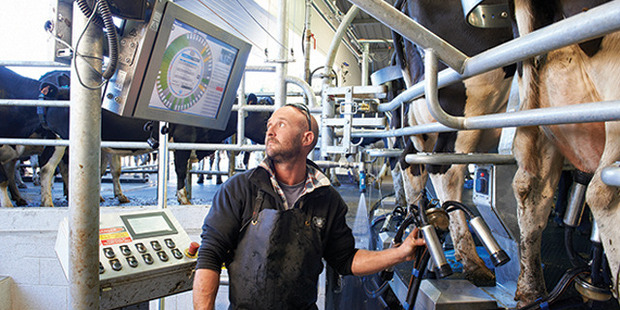
Robots lend a helping hand on the farm

Robots can take up the early morning and afternoon milking duties and free up the farmer to complete other important jobs on the farm, writes Jamie Gray.
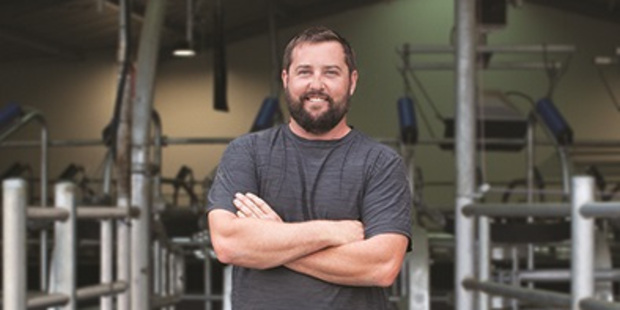
Proponents of the latest thing in dairy – robotics – emphasise the animal welfare benefits the machines can bring.

The labour cost savings are not big, but in some circumstances, improved production can come from going high tech.

Another attraction is that it can free the farmer up to do other things that can be beneficial, such as pasture management.

Then there are the lifestyle advantages. It means not having to get up at an ungodly hour to milk the cows and in the afternoon, attendance at school sports days can become a reality.

But Grant Vickers, DeLaval NZ’s robotics expert, says the biggest selling point is that cows like it. Or, as one of his clients put it: “It allows the cows to take over the farm.”

Robots have been in cowsheds since the 1990s. Vickers estimates they have been installed in two or three dozen sheds around the country.

The proportion of robotic use is quite high in the established dairy producing countries of Europe, and Vickers expects perhaps 10 to 20 per cent of farms will be using them in New Zealand over the next 10 to 15 years.

Vickers, a former farmer, says there is a huge lifestyle advantage for the farmers but the biggest selling point is the improved animal welfare.

“This type of farming is much kinder on cows. We take the stress right off them and we are seeing indications of improved longevity of the cattle,” he says.

“The robots will do what they say they do on the packet. They will perform well and will milk cows to a higher standard than humans do.”

Under a voluntary system, the cows are not left standing on concrete for hours at a time waiting to be milked.

“They are not bullied and pushed around by other animals, and they are not driven up and down by farm hands on motorcycles.

“They travel at their own pace and choose when they want to be milked,” Vickers says.

Production can improve with robotics, but he says that’s not the main selling point.

“The people we talk to are generally the top-end farmers – who are doing a good job already with the way they feed their cows and milk them, so we can’t really promise them any production increases,” he says.

“However, where we can get production increases is among those farmers who might not be at the top end.

“What tends to happen is that farmers who adopt robotics learn how to manage grass and feeding better. Those guys are going to get an increase in production,” says Vickers.

There are systems in place already that will weigh the animal, check out its milk quality, assess its feed requirement and its overall health, but Vickers says robotics can take that kind of data collection to a new level.

The latest technology from DeLaval includes a somatic cell counter. In dairying, the somatic cell count is an indicator of the quality of milk, and whether it contains harmful bacteria. It also provides information on the levels of mastitis in a herd.

Vickers says robots, complete with cameras that monitor a cow’s overall condition, can also provide the farmer with a deeper level of knowledge.

Farms that use robots tend to be set up in such a way that the cows can be milked up to three times a day – or once every eight hours – with each milking timed as they move past the cow shed to a new paddock.

 David Johnstone says by going robotic there were savings in terms of improved animal health.
Vickers tends to describe it as “voluntary milking” as opposed to milking by robots, because it is the cows themselves who decide when they will be milked. It’s not necessary to have a human in the shed while the process is going on.

He says bullying in a cow herd is a very real problem, and robots can help alleviate that.

“Bullying is a huge cost to the industry because a stressed animal can be difficult to calve again.

“If we take away the bullying and let the heifer operate around the farm at her own pace, the chances of getting her in calf early in the first mating are a lot better,” Vickers says.

The more leisurely approach means cows are not pushed through races en masse, and that can reduce the level of lameness.

Vickers says robots can be used on any scale – he knows of one farmer who milks just 60 cows with one robot. But he says the optimum size tends to be the 200 to 400-cow farm typical in Taranaki and the Waikato because they are the types of properties that tend to be the easiest to convert to a voluntary grazing system.

Vickers says labour cost savings arising from robots are a bit of a myth.

“But there is a huge lifestyle advantage, in that you are not committed to going to the shed at 4.30am for three hours, and again at 3pm for another three hours.

“You have work to do at the shed, but you can do it at times that suit yourself,” he says.

“The input that is needed in a voluntary grazing farm is in management, rather than the hands-on labour that you get in with a conventional dairy shed.”

Vickers says robotics can help farming families with their succession plans, as sons and daughters are more likely to return to the farm when it represents less of a manual undertaking.

In addition, the younger farmers are more likely to assimilate the extra data that a high-tech farm generates.

Vickers says the days of big expansion in dairy, with high numbers of sheep farms converting to dairy, are numbered.

These days dairy farming is more likely to be focused on the improvements that can be made within the farm gate.

“We want do better with what we have got,” he says.

Southland farmer David Johnstone, who farms near Winton, insists the few hours of extra sleep is not the main reason he went robotic.

Though the robots help to promote a better work-life balance, the main benefit is that it frees up time to further improve the farm’s performance.

Johnstone’s four robots take care of the whole milking process, from teat cleaning to attaching cups to the animal.

While the cow is being milked, its health is being evaluated and the appropriate amount of supplementary feed is dispensed before she leaves the shed.

It’s all voluntary. Cows mosey on in when they feel like it, and leave when they want to.
Johnstone says the herd seems to be happier than a typical herd on a conventional farm.

He says the process generates vast amounts of data. The technology details how much milk they have, the time they came into the shed to milk, the amount of feed they were given, their weight, data around milk composition, their preferred robot, and whether they are in heat. The property has 320 cows, available for milking, 24 hours a day, seven days a week.

Johnstone, an early adopter of the technology, bought the farm three years ago and installed the latest gear soon after. His 100ha farm was converted from sheep to dairy nine years ago, and was one of the first in NZ to use robotics.

He says there is no “huge” economic benefit from going robotic but but there are savings in terms of improved animal health.

“It’s not really a big labour-saver. You end up doing other things that can fine-tune your performance.”

The farm has its own support blocks and is quite self-contained. Silage is made on the property, so there is a higher workload in that respect.

Johnstone says there are slightly higher maintenance costs, plus the higher capital costs.

But the technology is becoming more popular with older farmers who want to cut back on the job’s physical demands.

“We all want better quality time and a better work-life balance,” he says. “It’s not for everyone, but for us it fits in with what we want to do.”


Source: NZ Herald

Fungus outbreak lethal for NZ dairy cows

Over 100 dairy cows in New Zealand had to be put down as they had digested a fungus from their feed supply.

The cows were suffering from ergot toxicity in the Southland and Otago regions following a dry summer and wet autumn, ideal conditions for the fungus to spread.

Toxic compounds affects cow health

Ergot is a naturally occurring fungus which is most commonly found in grains and grasses. In the most severe cases it can lead to gangrene and death after entering the blood of humans or animals. The ergot fungus grows on the seed head of cereal grains and grasses, with rye being the most commonly affected but wheat, barley and oats are also targets for it.

All animals are susceptible to ergot but cattle are often the most affected. The fungus produces toxic compounds called ergot alkaloids which are vaso-active causing severe vasoconstriction of small arteries.

Some cattle suffering from the fungus have been seen to lose the tips of their ears and their tails, but feet and legs can also be affected. In the most severe cases the animals can lose their hooves but mostly the fungus causes lameness and swelling of the fetlocks and hock joints. Cattle will commonly develop a rough hair coat, lose weight and have extended periods of time standing in water or shade if available.

Dry summer and wet autumn

Four cases of ergot toxicity were initially reported in Southland and South Otago which had affected a large number of cows, according to VetSouth Winton veterinarian Hayden Dore.

The vet said the dry summer and wet autumn conditions contributed to the appearance of the fungus in the region, with many of the cases he had seen affecting the hind limbs of cows. “Over time it effectively causes one or more of the limbs to become gangrenous,” Mr Dore said. “Signs of ergot toxicity generally started with a disinterest in feed, before moving to lameness in the limbs, which presented similarly to foot rot, but without the separation of the toes. “Once the limbs go cold from lack of blood supply, it would take about a week before the limbs began to fall off,” he added. One herd with 900 milking cows had around 130 cows infected by the poisonous fungus with subsequently 61 of them being put down.

Another herd with 400 cows saw 41 of them being euthanised after 56 were found infected.

Although the fungus has been around for thousands of years, it is most active when the environmental conditions are right, which in New Zealand has meant it is spreading fast.

Some animals can recover from infection but once the limbs go cold then recovery is not possible.

Prevention of spore spreading

Ergot spores are spread by the wind and there is no reliable test for the spores in feed. Ryegrass infected with ergot can be identified by the presence of ergot bodies which are long purple to black structures in place where seeds should be. Farmers who find these spores in their feed supply are being advised to bury it over four centimetres deep in the ground which suppresses the spores and prevents them from spreading.


Source: All About Feed

Taking full advantage of Reproductive Management in your herd

One of the aspects of milk production with most potential for increasing margins is reproductive management. But the lack of strong heat expression in today’s high yielding dairy cow combined with the scarcity of skilled labour on farms means that a lot of farmers cannot avail of this financial opportunity.

If someone offered to take full charge of the reproductive management of your herd and achieve these improvements for you, you would be sceptical. Yet over 90 herds which milk 27,500 cows in Northern Ireland use this service which, they claim, not only helps with fertility management but also provides data analysis which enables them to plan the best way forward for their enterprise.

Genus ABS is offering this service to Northern Ireland farmers whereby they will walk your herd every day of the year and will mark cows and inseminate them at the optimum time. But will the cost of this service be justified?

David and Barbara Jackson, farming near Bangor Co Down, milk 270 cows in partnership with their son Stephen and farm staff Julian and Dean. Stephen started RMS in February 2016. He explains: “We were doing all we could, making the best silage, using a nutritionist and regular vet visits but we weren’t achieving the results. We decided to start RMS, we knew it meant an extra investment but we hoped that the benefits would come in time. All the work with Jubilee Veterinary Centre and Farm Gate Nutrition clicked when the fertility work by RMS started. We immediately saw benefits to the system, our projected Calving Interval dropped and we had detailed day to day cow management information.”

James Woods, RMS Manager with Genus ABS, points out that the Reproductive Management System (RMS) is much more than a heat detection and insemination service. He states that getting cows in calf involves a vast range of management factors including nutrition, housing, health and veterinary input.

By working closely with the on-farm team, including the nutritionist and veterinary surgeon, RMS staff have been able to help farmers make significant improvements, not only in reproductive management but also in herd performance and profitability.

James points out that the average pregnancy rate in the UK has fallen to 13% and once pregnancy falls below 13% herds can no longer produce sufficient replacements to replenish the herd, whereas they could be in a position to have enough replacements and have extra cash flow from beef calves sold.

Stephen adds: “We are now 16 months on RMS and our results are better than expected. We started with a pregnancy rate of 8% and now are at 23%. This in turn has meant that our average DIM has gone from 230 down to 180 DIM. Over the last six months our daily milk yield per cow has averaged 32 litres compared to 25 litres for the same period last year. The calving interval has gone from 465 days to 405 days and the percentage of the herd in calf by 100DIM has more than doubled up to 56%.

“We have gone from struggling to have enough heifers to maintain the herd to now being in the position of having plenty of heifers as well as a cash crop of beef calves to sell. The extra revenue from milk sales as well as calf sales more than covers the cost of the system. From a health and safety point of view, it is a great peace of mind knowing that there are no more bulls running with the herd.”Stephen added: “We are now identifying problem cows and the best performers.

Replacements are bred from the top 60% of the herd and beef sires are used on the remainder. The RMS technician walks and chalks the herd at the same time every day monitoring heats and then inseminating the relevant animals. The staff on the farm could never devote the time and attention to detail that the technician does. Results are recorded and analysed and used for future planning. It is an excellent service where the benefits far outweigh the costs.”

James Woods adds that it is beneficial to involve the farmer’s veterinary surgeon and nutrition adviser when making plans for this service to maximise the benefits. Andy Mayne from Jubilee Veterinary Centre, Newtownards complements the RMS work being carried out by Genus on Stephen and David Jackson’s farm. He said:

“Reproductive management needs all the links in the chain to be secure. It is easy to blame the cow but she is not always the weak link. Genus will carry out heat detection and inseminations and will keep detailed records of these. They can then inform me of cows that should be PD and cows that have been running too long without coming in heat. That way we can spot cows that may have a silent heat, a cyst, an ovary problem or just simply need a better plane of nutrition. All of this information again goes into the Genus system so that we build up a complete picture of the entire herd.

“If a cow has too short a dry period then she will not have enough time to recover for the next lactation and if she does not get in calf in time then valuable milk production is lost. You have only 90 days to get the cow in calf in order to have a calf every year and optimise performance and profits. It needs everyone in the chain communicating and keeping a detailed record of their work and observations.”

Farmers who wish to have an initial discussion about the RMS service without obligation can contact James Woods on 077 7222 7886.

Source: Farming Life

Heat stressing California livestock

California officials say extreme heat during June and early July is blamed for thousands of dairy cattle deaths.

California Department of Food and Agriculture spokesman Jay Van Rein tells Brownfield they had several days last month with temperatures greater than 100 degrees, but it’s the long-term heat waves that caused most problems. “The scenario you watch out for isn’t the individual heat wave, but the repeated heat waves back-to-back or very long not only to you get heat during the day or during successive days, but you don’t get significant cooling overnight.”

Van Rein says California’s central valley is expecting temperatures higher than 100 degrees this weekend and into next week, but they’ve seen worse. So far, Van Rein says the impact on livestock has been less than some other years. “Our dairymen are accustomed to this as well as our other farmers and for the most part, we’ve been able to ride this out, but it’s early yet.” He says they’ve definitely seen worse conditions before. “We have had, just anecdotally reports of additional losses in livestock, particularly in dairies, but not in the extreme… not to the extent that we’ve seen in previous hot summers during the drought where we had back-to-back heat waves or prolonged heat waves where we didn’t get cooling overnight and that sort of thing. That’s kind of the nightmare scenario.”

Van Rein says county offices keep track of livestock losses, and so far, there’s no disaster declaration in the works. Fresno County alone reported close to 6-thousand dairy cattle died in June because of the heat. He says several poultry producers are also losing birds because of heat stress.

Source: Brownfield Ag News

Barn ventilation challenges studied

A University of Wisconsin expert says adequate barn ventilation is important to cow comfort and production.

Dr. Nigel Cook tells Brownfield natural ventilation does not work in every situation. “We’ve really tried to understand the limitations in natural ventilation, and that’s really emerged as a problem with larger farms where barns are built close together creating wind shadows, and so we’ve really looked at the different alternatives for mechanical ventilation in those instances.”

Cook says wind shadows or the obstacles that prevent the free flow of air to and through a barn can be caused by trees, other buildings, or geography.

He suggests a three-pronged attack on managing air movement in the barn. “Getting fast-moving air in the resting space is number one, and yes, a lot of the times I think at times our fans have been too far apart and not angled enough to get that air at the cow level, but equally important is to get the hot air out of the barn particularly in the summer when our cows are heat stressed.”

He says producers should focus on air changes per hour and getting hot exhaust out of the barn. He also says the different barn fans perform differently, and might need to be installed at different angles and more frequent spacing.

Source: Brownfield

Cows bred to produce less nitrogen in urine have higher milk protein yields

Cows bred to produce less nitrogen in their urine are diverting this nutrient into the production of milk protein.

The discovery by CRV Ambreed scientists is thought to be a world first and has shown that breeding this trait in cows not only makes the animal more environmentally friendly, but boosts its milk production efficiency.

The dairy herd improvement company recently begun marketing semen from ore than 20 bulls bred for their ability to reduce the concentration of milk urea nitrogen (MUN) in their daughters under its LowN Sires brand.

An analysis of the LowN sire bulls suggested that about 25 per cent of the nitrogen being diverted away from urine in their daughters would go into milk protein, CRV Ambreed research and development scientist Phil Beatson said.

More milk protein is good news for milk processing companies wanting less water in the drying process when creating milk powders.

The low-MUN and high percentage protein genetic link could also help scientists understand how animals partition the nitrogen they are fed, he said.

“Animal nutritionists will be extremely interested in our finding as there have been decades of research into nitrogen-use efficiency.”

This latest discovery strongly indicated that low-MUN cows could excrete less nitrogen as urine because the animals divert some nitrogen away from milk urea and into milk protein, he said.

This meant the genetics can be used for environmental gains as well as increasing the efficiency of cows.

This discovery could be the tip of the research iceberg, he said.

“A huge effort has been invested over the past 70 years trying to understand nitrogen partitioning and that’s produced some interesting trends but nothing conclusive.

“Now New Zealand scientists may target groups of animals that are known to be diverse for MUN to investigate differences in how they partition dietary nitrogen.”

Breeding and feeding cows are different avenues to reduce nitrogen excreted as urine and together are expected to yield more gains for farming and the environment..

“In other words, genetic gains will add to gains from better feeding.”

The research may also have positive implications for the beef industry because it was likely that beef cows could also be bred for reduced MUN.

That could provide a huge marketing tool for New Zealand beef. However, that area of research still needed a lot more work, said Beatson.

Cows bred for lower levels of MUN are expected to excrete less nitrogen in their urine when they are grazed on pasture.

“It could potentially save New Zealand 10 million kilograms in nitrogen leaching a year within 10 years, based on the national herd number of 6.5 million dairy cattle.”

Farmers who started a breeding programme for low-MUN added another tool to their farming systems to manage nitrate leaching and could potentially reduce their nitrogen leaching by 10-12 per cent by 2025.

That was a saving with a minimal or no disruption to normal farm management.

The next stage of the research would see scientists study groups of animals genetically different for MUN to understand more precisely the relationship between reducing MUN and reducing nitrogen in urine.


Source: NZFarmer.co.nz

Switzerland milk producers need to adjust to climate change

Managing Swiss grasslands to support dairy cows – even in the face of grass shortages caused by changing climate conditions – could help farmers make crucial savings on imported fodder. (Keystone)

As temperatures climb and growing seasons change, milk producers across Switzerland must cooperate with one another to improve their grassland management practices if they want to break even, says an official agriculture report.

Dairy cow breeders in Switzerland are already struggling to cover production costs due to market liberalisation and lower prices. But according to a report from the national agricultural research centre, Agroscopeexternal link, farmers must also manage the effects of climate change to ensure that they can continue to produce enough fodder to feed their herds. The report is based on research conducted in the Jura mountains of northwestern Switzerland between 2014 and 2016.

In Switzerland, temperatures have risen by about 1.7 degrees Celsius over the past 150 years. Over time, the increased risk of drought is particularly threatening for dairy cow breeders, Agroscope noted in its press release last week. The Jura region is especially sensitive to lack of water due to its permeable soil, and in 2015 the area experienced especially severe grassland yield losses of 20-40% due to drought.

Farmers can and must develop new land management practices to counter these challenges, the report argues. Cattle breeders can start by taking advantage of the longer grass growing season caused by climate change, and grazing their cattle more in the spring and fall – a practice which could create significant savings on imported cattle fodder.

But these practices must be planned and managed carefully: many grasslands in the Jura hills are already over-grazed, and the Agroscope report suggests several strategies for ensuring a healthy balance between cost savings, efficient fodder production, and sustainable land management.

These include modifying the breeds and numbers of cattle grazed in certain areas, collaborating with crop farmers to create a balanced equilibrium between fodder supply and demand, and developing temporary grasslands and pastures with more drought-resistant grass species. The report also recommends cooperation and networking efforts between lowland and mountain farmers, as operations in each area are affected differently by periods of drought and rainfall.


Source: Swiss Info

Udder happiness: How to turn your dairy cow into a cash cow

Dairy farmers, take note: The key to turning your dairy cow into a cash cow is udder happiness.

Give her a bigger stall, increase air circulation and provide some shelter to prevent overheating.

That’s according to a University of Wisconsin initiative that focuses on making dairy cows happier so they provide more milk.

“I think it’s really important that we give them the spa treatment,” said Nigel Cook, who has directed the Dairyland Initiative at the University of Wisconsin-Madison’s School of Veterinary Medicine since 2010.

Dr Cook and his team visit farms to give advice about myriad issues, including behaviour and easing cow stress. They also provide workshops and have created a website to share advice with farmers worldwide.

Dr Cook said major concerns included leg pain or lameness, especially among cows that stand for long periods without a comfortable resting place.

“It impacts the way she rests, the way she milks, the way she eats, her ability to reproduce and ultimately her ability to stay on the farm,” he said.

One solution? Take her to the beach — or at least the farm equivalent.

“The deep soft bedding of sand creates an environment where cows can rest half the day,” Dr Cook said.

Other recommendations include adding sprinklers and feeding cows at the same time — since herd animals prefer to do things together.

And while you’re at it, regroup cows less around birthing time to decrease stressors associated with establishing a hierarchy.

It’s advice Mitch Breunig has been closely following with his 400 cows at Mystic Valley Dairy in Sauk City in the US.

He has spent more than $100,000 in improvements aimed at making his cows happier, and said it had been worth it.

He has even added an automatic brush in his barn, which he said was constantly cleaning dust off his cows.

“If you take away their stress, they actually produce more milk, and the other thing that is actually interesting is they do it by eating less feed,” Mr Breunig said.

Mr Breunig has seen milk production increase from about 49 litres of milk a day per cow to 56 litres. He said his cows also had fewer injuries and lived about a year longer.


Source: The West Australian

6 common foot problems found in dairy cows

Economic losses in dairy herd production can often be attributed to foot problems. Losses are often subtle, but can affect body weight loss and decreased milk production, dry matter intake, herd longevity, and reproductive efficiency.

The Penn State Extension Dairy Team shares six common foot problems found in dairy cows.

  1. Hard and soft feet
    Foot infections, abscesses or sole ulcers may develop from cracks that result when feet are too soft or hard. Soft feet are more likely to occur in freestall systems from standing in manure and urine. This may result in heel and sole cracks allowing ulcers, abscesses or infections to occur.
    Hard feet usually occur in stall barns, especially when kiln-dried shavings or sawdust are used for bedding. This could result in cracks at the top of the foot, which may extend down from the hairline and allow infections relatively high in the foot.
  2. Foot rot
    A smelly infection of the foot, which generally occurs high between the claws or toes, is referred to as foot rot. Cattle will show lameness, usually in one leg only.
    The foot swells above the coronet and toes spread. Cracks and fissures develop in the space. If left untreated, it can progress into the joint space or tendon sheath creating permanent damage.
  3. Heel erosions
    Heel erosions begin at the bulb of the heel. They start out as pits on the surface that can develop into parallel grooves that get filled in with black material and bacteria. The horn can separate at the grooves forming a flap and a new sole develops underneath with material becoming packed in between the layers.
    This condition is usually seen in confined cattle in wet, dirty lots. Overgrown hooves shift the weight toward the heels, exposing the heels to erosion, mostly in the hind claws.
  4. Laminitis
    Founder or laminitis can result in long, overgrown and deformed feet or toes. Cows may appear lame and still and have difficulty getting up and down.
    Hemorrhages can be found in the soles and walls of the feet. Infections, abscesses, or ulcers may occur when foreign material enters places where the wall and sole have separated. The highest incidence of laminitis often occurs during the first 100 days postpartum.
  5. Sole ulcers
    Sole ulcers are raw sores occurring on the inner side of the outside claw. It is a bulge of granular-like tissue sticking through the sole. They are usually associated with clinical manifestations of laminitis — if 10 percent of the herd has documented sole ulcers, the herd should be suspected for laminitis.
    Other factors can result in ulcers such as moisture and manure, excessive wear, and poor hoof trimming. Ulcers usually occur in both hind legs.
  6. Digital dermatitis
    Animals affect with digital dermatitis have pronounced lameness and spend excessive time lying down. First-calf heifers are often affected, and to a greater degree in the hind feet. There is little to no digital swelling with this disease.
    Other common names for this disease include heel warts, hairy foot warts, strawberry foot disease, raspberry heel, digital papillomatosis, and Mortellaro disease.

Sources: Prevention and Control of Foot Problems in Dairy Cows, Virginia A. Ishler, Penn State Extension Dairy Team.

Source: Farm and Dairy

Researchers say happiness turns dairy cows into cash cows

Dairy farmers, take note: The key to turning your dairy cow into a cash cow is udder happiness.

Give her a bigger stall, increase air circulation and provide some shelter to prevent overheating.

That’s according to a University of Wisconsin initiative that focuses on making dairy cows happier so they provide more milk.

“I think it’s really important that we give them the spa treatment,” said Nigel Cook, who has directed the Dairyland Initiative at the University of Wisconsin-Madison’s School of Veterinary Medicine since 2010.

Cook and his team visit farms to give advice about myriad issues, including behavior and easing cow stress. They also provide workshops and have created a website to share advice with farmers worldwide.

Cook said major concerns include leg pain or lameness, especially among cows that stand for long periods without a comfortable resting place.


“It impacts the way she rests, the way she milks, the way she eats, her ability to reproduce and ultimately her ability to stay on the farm,” he said.

One solution? Take her to the beach — or at least the farm equivalent.

“The deep soft bedding of sand creates an environment where cows can rest half the day,” Cook said.

Other recommendations include adding sprinklers and feeding cows at the same time — since herd animals prefer to do things together. And while you’re at it, regroup cows less around birthing time to decrease stressors associated with establishing a hierarchy.

It’s advice Mitch Breunig has been closely following with his 400 cows at Mystic Valley Dairy in Sauk City, about 25 miles (40 kilometers) northwest of Madison. He has spent over $100,000 in improvements aimed at making his cows happier and says it’s been worth it. He has even added an automatic brush in his barn that constantly cleans dust off his cows.

“If you take away their stress, they actually produce more milk, and the other thing that is actually interesting is they do it by eating less feed,” Breunig said.

Breunig has seen milk production increase from about 13 gallons (49 liters) of milk a day per cow to 15 gallons (57 liters). He said his cows also have fewer injuries and live about a year longer.

Source: Fox News

Analysis reveals breakeven price for Australian Dairy farmers

Thirty-three Tasmania private datasets were analysed using Dairy Australia Dairy Base business analysis tool from some of my clients for the 2015-16 season.

Farm systems were diverse:

  • Dryland to 100 per cent irrigation.
  • Split or seasonal calving (autumn and spring).
  • Pasture harvested in the milking platform ranged from 7.6 to 17.4 tonnes DM per hectare.
  • Feed input ranged from 0.5 to 3.2 tonnes of concentrates per cow.
  • Feed per cow ranged from 4.5 to 6.8 tonnes of dry matter (DM).
  • Production per cow ranged from 334 to 666 kilograms of milk solids (MS).
  • Farm working expenses ranged from $3.71 to $6.20/kg MS.
  • Production ranged from 107,386 to 515,185 kg MS (average 267,000 kg MS).
  • Herd size ranged from 214 to 870 cows (average 550 cows).

The season brought diversity. It was a good spring with peak production on most of my clients’ farm more than 10 per cent higher than the previous year. However, the summer was one of the driest in Tasmania history.

Milk income was just above the 10-year average but impacted by the well-known issues regarding milk payment from milk processors towards the end of the season.

Based on the datasets analysed for 2015-16, the minimum breakeven milk price for Tasmanian farmers is $5.37/kg MS.

Breakeven milk price includes farm working expenses, interest, lease, principal, non-negotiable capital expenses, drawings and discounted other non-milk income.

It is important to note that livestock income was higher than average ($0.75/kg MS) because farmers sold more cows than usual due to the drought and the low milk price forecast for the 2016-17 season. If livestock income is adjusted to the average 10 years for Tasmania based on kilogram of milk solids, the milk price that Tasmanian farmers need to break even is $5.73/kg MS.

What should farmers be doing to control ‘their destiny’?

  • Focus on home-grown feed to control cost. It is well proven that home-grown feed underpins profitability for Tasmanian pasture-based farm systems. Regardless of the level of concentrate brought in to the farm, farmers should be focusing on growing and harvest as much feed as possible. For this dataset, feed cost was 62 per cent of the total farm working expenses. Average cow home-grown feed intake was 65 per cent. The more feed grown on the farm, the less exposure to feed market volatility, and therefore the overall feed cost is lower.
  • Set the farm system/business to manage climate and market volatility. Managing summers and winter is getting more challenging. It seems that within a year the seasonal conditions can go from drought to flooding conditions. Therefore, setting the farm system to manage climate volatility will help to minimise risks in the business. For summer, having summer turnips and chicory, which are water efficient crops, can provide good feed. Investing in irrigation can also minimise the risk and control milk output and home-grown feed. For winter and early spring, consider drainage, calving and standoff pads to minimise pasture damage and maximise pasture grown. In terms of market volatility, talk with the milk processor regarding fixing some of the milk price. This could help with budgeting and reducing volatility.
  • Understand the business through continual analysis and monitoring. Dairyfarming business can be complex because there are many uncontrollable variables due to the nature of a biological and environmental system as well as market and climate volatility.

Understanding the business through analysis and monitoring of the farm system is crucial for profitable and sustainable agribusinesses.

Source: Australian Dairy Farmer

Study shows cows milked in robotic system are calmer

A new study from the University of Sydney Dairy Research Foundation has found that robot-milked cows are calmer than conventionally milked animals.

In early 2015 Ashleigh Wildridge began testing anecdotal evidence that automatic milking machines (AMS) resulted in quieter dairy cows.

The PhD candidate visited five dairy farms transitioning from conventional to robotic systems in New South Wales, Victoria and Tasmania.

Ms Wildridge said the cows milked by robots appeared to be less fearful of humans compared to when they were milked conventionally.

“What was particularly interesting was that because the cows were quieter the farmers had to utilise a bit more effort in order to get the cows to move in a desired way because the cows were that much more relaxed around the humans which was really good to see,” she said.

She spent three days on each farm watching the farmers and recording their daily routine, while keeping her distance from the cows.

“After that I performed a ‘flight distance’ test with a specific selection of about 70 cows where I would just approach the cows in the paddock, or I had one indoor system in a barn, and recorded the distance which the cows started to move away from me,” she said.

“Then I also performed a handling test where the same selection of cows were drafted after milking, and I got the farm manager to quietly ask the cows to move through the gate one at a time so I could assess how the cows responded to close human contact in what might be a potentially stressful situation for them.

Cows associate farmers with positive things
After collecting her observations she found that the farm routine had significantly changed.

“The flight distance of the cows was significantly reduced when they were in the automatic milking systems, and the same with the handling test, the cows were much less likely to run the past the farmer when they asked them to move,” she said.

Ms Wildridge said the calmness in the cows was probably a result of various factors.

“But what I saw was that the farmers spent significantly less time interacting with the cows each day particularly around milk harvesting,” she said.

“Cows might not particularly enjoy being milked so with farmers removed from that situation, farmers are generally now only associated with mainly positive things particularly being with feed so when the cows are given a fresh break of pasture or access to the feed pad, that’s all associated with the farmers, so that’s a lot more positive for the cows.”

Farmers’ time freed up
Another key finding from the study was AMS farmers were able to spend less time managing the lactating cows enabling them to carry out other valuable on-farm duties.

The number of robotic dairy farms in Australia is slowly growing with around 40 now operating across the country.

Ms Wildridge hoped that her research would help dairy farmers who were considering adopting an AMS on an existing or even a new farm.

“It might just help give them a bit of extra information or even more peace of mind that it seems to be either benefiting, or no worse off, in these systems than existing conventional systems,” she said.

While the research did not extend to whether this calmness in cows led to higher milk production, prior studies in the area suggested it did.

“Research over many years has shown that cows that are more stressed are likely to produce less milk, so I can’t say it will have an effect on milk yield but over a longer time study it would be definitely something to look into,” she said.


Source: ABC RURAL

Cows milked by machine turn out to be calmer, study finds

A new study from the University of Sydney Dairy Research Foundation has found that robot-milked cows are calmer than conventionally milked animals.

In early 2015 Ashleigh Wildridge began testing anecdotal evidence that automatic milking machines (AMS) resulted in quieter dairy cows.

The PhD candidate visited five dairy farms transitioning from conventional to robotic systems in New South Wales, Victoria and Tasmania.

Ms Wildridge said the cows milked by robots appeared to be less fearful of humans compared to when they were milked conventionally.

“What was particularly interesting was that because the cows were quieter the farmers had to utilise a bit more effort in order to get the cows to move in a desired way because the cows were that much more relaxed around the humans which was really good to see,” she said.

She spent three days on each farm watching the farmers and recording their daily routine, while keeping her distance from the cows.

“After that I performed a ‘flight distance’ test with a specific selection of about 70 cows where I would just approach the cows in the paddock, or I had one indoor system in a barn, and recorded the distance which the cows started to move away from me,” she said.

“Then I also performed a handling test where the same selection of cows were drafted after milking, and I got the farm manager to quietly ask the cows to move through the gate one at a time so I could assess how the cows responded to close human contact in what might be a potentially stressful situation for them.

Cows associate farmers with positive things

After collecting her observations she found that the farm routine had significantly changed.

“The flight distance of the cows was significantly reduced when they were in the automatic milking systems, and the same with the handling test, the cows were much less likely to run the past the farmer when they asked them to move,” she said.

Ms Wildridge said the calmness in the cows was probably a result of various factors.

“But what I saw was that the farmers spent significantly less time interacting with the cows each day particularly around milk harvesting,” she said.

“Cows might not particularly enjoy being milked so with farmers removed from that situation, farmers are generally now only associated with mainly positive things particularly being with feed so when the cows are given a fresh break of pasture or access to the feed pad, that’s all associated with the farmers, so that’s a lot more positive for the cows.”

Farmers’ time freed up

Another key finding from the study was AMS farmers were able to spend less time managing the lactating cows enabling them to carry out other valuable on-farm duties.

The number of robotic dairy farms in Australia is slowly growing with around 40 now operating across the country.

Ms Wildridge hoped that her research would help dairy farmers who were considering adopting an AMS on an existing or even a new farm.

“It might just help give them a bit of extra information or even more peace of mind that it seems to be either benefiting, or no worse off, in these systems than existing conventional systems,” she said.

While the research did not extend to whether this calmness in cows led to higher milk production, prior studies in the area suggested it did.

“Research over many years has shown that cows that are more stressed are likely to produce less milk, so I can’t say it will have an effect on milk yield but over a longer time study it would be definitely something to look into,” she said.


Source: ABC

Studies finds top 25% of dairies have common practices

A University of Minnesota researcher found the top producing dairy herds had some things in common. Dr. Marcia Endres tells Brownfield their study measured the results of common practices on 82 dairies, and the top 25% stood out from the rest. “Things related to, for example, cow comfort, (and) looking at how they manage their pre-fresh cows and their fresh cows, providing comfortable stalls with deep beds, having long stalls for the dry cows so they can rest.”

She also says the cows in higher producing herds were not away from their resting areas as long, and top producers also handled first-lactation heifers separately from the rest of the herd. “Maybe that has to do with the social hierarchy. Heifers tend to be more submissive, more shy, and if they are in their own group, they probably are more likely to have access to the feed bunk, stalls to rest, etc., so that’s a factor in terms of grouping that we found was significantly different.”

The Minnesota study also found two-row barns had more success than three-row barns, and herds using anionic salts had fewer hypocalcemia problems. Endres has a theory that might explain that. “Anionic salts, what they do is improve calcium status, so basically what they might be doing is reducing subclinical hypocalcemia on the cows, and therefore they’re more productive because they can have a better transition period after they calf and peak higher to have more milk at the peak.”

She says the study found larger herds showed more productivity but says that could be because of staff size, training, or other factors.

Endres says the data collected from the study was extensive, and she expects they will dig deeper into the management, reproduction information, and disease incidents to learn more.

Source: Brownfield

How A Vermont Family Dairy Farm Makes Ends Meet

The number of dairy farms in Vermont continues to decline, with around 805 in business this spring.

While large farms, with more than 700 cows, are a growing sector of the dairy economy, small operations with fewer than 200 animals still make up 80 percent of the state’s dairy farms.

It’s challenging for small farms to stay in business as costs increase and the price of fluid, non-organic milk fluctuates, but some have found a way, including Silloway Farms in Randolph Center.

“Boss! Boss! Boss! You’re going the wrong way!” John Silloway calls to the straggling Holsteins that plod through a thick soup of spring mud, returning to the barn for the afternoon milking.

According to the Agency of Agriculture, the average Vermont dairy farm milks about 160 cows. Silloway Farms, with 65 milkers, is small by comparison. But the farm’s numbers are impressive.

Their cows produce about 1.5 million pounds of milk every year. The milk, sold to Booth Brothers, brings in $300,000 – 400,000 annually, depending on where milk prices are.

David Silloway took over the farm from his parents, who purchased it in 1940.

“Three farmers had gone out of business here before my parents moved in,” Silloway explained over coffee one recent morning.

Now in his early 70s, he’s handed the responsibility to another generation; his son John and nephew Paul Lambert.

John and his family live on the farm.

“We all work together to make major decisions on the farm, but I’m the one that lives here and the check book is here at this house and all the bills come to this house. So I hardly ever leave this place,” John says.

In its 77-year history, Silloway Farms has never really faced a financial crisis.

That’s due partly to circumstance.

“Our farm is not a normal farm in that respect because for years we’ve gone without any mortgage, without any debt load at all,” says David.

The Silloways have also been careful about the decisions they’ve made.

“My dad’s theory was if we didn’t have the money don’t buy it.”

As other farms grew in size and took on more debt, the Silloways decided it was better to maintain the same size herd they’ve had since the 1970s.

They figured expanding would mean expenses. They’d have to build a bigger barn and milk house, which would add up to long-term debt.

Instead, they found other ways to grow the business. Just up the road from the farm, logs are loaded onto a machine that cuts and splits them. The chunks of firewood rattle up a conveyor and into a waiting truck.

In the most recent year the family’s firewood business added another $140,000 to the bottom line and it’s still growing.

“At some point we decided we did not want to expand the size of the herd. We would expand sugaring or firewood,” says David.

A sugaring business is separate from the farm, but the two help each other by loaning money back and forth when each needs it.

John Silloway says the biggest challenge to running the farm is juggling finances to compensate for the two big variables in dairy farming: the weather and roller-coaster non-organic milk prices.

Silloway says the toughest year in recent memory was 2009, when prices bottomed out and the farm had to take out a short-term operating loan. It was paid off within a month.

When the milk price is low, news stories often point out that it’s below the cost of production. John Silloway says he’s not sure exactly what his cost of production is, but he knows when he’s above or below it.

“We’re always able to pay our bills, but if we have a real good year, we’re able to either pre-buy grain or buy equipment. Whereas in a bad year we would just tighten our belts and just get by,” he says.

The family farm covers 300 hilly acres. For years the Silloways leased another 300 acres nearby to get enough hay in to feed their herd. When that land went up for sale in 2015 they had to make a hard choice and, for the first time, take on long-term debt.

“We either had to downsize or buy it. That was a half-a-million-dollar decision,” says David.

The Silloways made another important decision recently when they decided to transition to organic milk production.

Organic milk prices are stable and about twice what the Silloways currently get. They’re in the middle of the year-long transition process.

The farm’s biggest expense is grain. Typically, they spent about $100,000 annually, but the organic grain they’re feeding now is twice that. John Silloway says the organic grain also effects milk production.

“Their production may go down 5-10 percent overall. For a real good milk price, it’ll be worth it, I guess,” he says.

Since this is a small operation, Silloway says labor accounts for only about 10-15 percent of costs. If extra hands are needed, the Silloways have many relatives living within a mile or two of the farm.

David and John Silloway and Paul Lambert have spouses who work off the farm, on jobs that provide them with health insurance; an expense the farm isn’t saddled with.

John Silloway is confident the farm could survive without transitioning to organic, but the more stable organic milk prices mean budgeting and planning should be much easier.

“We can even plan for retirement. A lot of farmers don’t even consider that,” he says.

Every farm is different in the way its managed and the economic realities it faces. Silloway Farms has found an approach that has worked for them for three generations.


Source: Vermont Public Radio

New Zealand dairy farmers moving to ‘good returns’ from beef calves

Demand for beef calves is driving down the number of bobby calves being processed and providing a lucrative side business for dairy farmers.


On dairy farms, where 70 percent of all calves are born, those not needed as dairy replacements have traditionally been sent for slaughter.

But that’s now changing, according to Doug Lineham, from Beef and Lamb’s Dairy Beef Integration Project.

He said feeder beef cross calves were making on average about $150 compared to somewhere between $20 and $40 for a bobby calf.

A dairy farmer with a herd of 300 cows, who mated half the herd for replacements and half for beef, could put $10,000 to $15,000 on his balance sheet “very, very quickly with not much work”.

Mr Lineham said it was a no-brainer.

“I think it is something that has sat there for a long time.”

He said he thought the market would easily sustain an influx of beef calves.

“There is a very good return on a four- or five-day-old calf and there is room for everybody to have a look at it.”

While he saw no downside, there was one challenge.

“There needs to be more work done crossing beef with Jersey and Jersey cross cattle because there are genetic crosses there that will produce very good table beef.

“We need to exploit that further.”

Source: RNZ

HEAT STRESS – The Hot Topic That Turns Dairies into Meltdown Mode

I am really excited because you are actually starting to read this article on Heat Stress. At The Bullvine, we know that the frequency of Heat Stress articles might work against your decision to read one more.  The normal reaction would be to say, “Oh yeah.  I know Heat Stress like the back of my hand.”  The problem is we have all heard about it. We agree with the idea of dealing with it.  But, have we eliminated the effects of heat stress from our dairy herds? No.

The facts tell different, but likewise oft repeated, stories of failure.   Reduced feed intake. Less milk production. Lower butterfat percent. And, topping the list, poor or even stopped reproductive performance!

Knowing heat stress is not so much about learning to know it like the back of your hand. It’s more like fighting to keep it from slipping to the back of your mind.

We all know what it’s like to try to work in extreme conditions. Or do we?  Recently a friend was called for Jury Duty.  No problem.  Well, no problem until the AC in the courthouse failed, and everyone there spent the morning with no relief from the rising heat or the increasing stress.  Long story short. Later that night, there was an emergency trip to ER and much concern about heart, lungs and respiration. The verdict.  Don’t ignore the signs of heat stress.

If You’ve GOT HEAT, you’ve GOT STRESS!

Coming from Ontario, Canada or areas of the Midwestern USA, we might have only six or seven days of excessively high heat occurring one or two times during the summer season.  But, even if it isn’t extended as it is in many southern states, it is important to remember that cows start to be stressed at sixty-eight degrees Fahrenheit or 18 degrees centigrade. When the outdoor temperature is above 80 degrees (27 degrees Centigrade) for extended periods, problems turn into high-risk situations.  This is where the good managers are separated from everyone else.  They don’t settle for losses.  They don’t aim for mediocre.

Do You Know the EARLY Signs of Heat Stress?

Of course, if cows are panting rapidly or going down, you can be sure they are at risk.  But long before the obvious signs of crisis, cattle are beginning to suffer from heat stress.  Continuous hot days and nights don’t provide any break in the cycle of high temperatures and cows quickly stop eating in an effort to reduce the heat coming from rumen fermentation. One thing leads to another.  Less feed in the rumen means less fermentation.  Along with less volatile fatty acid production, there is a reduction in rumen microbes and metabolizable protein.  This reduction in feed intake reduces milk production by more than 10% or down as much as a gallon or more per cow per day. Heat stress also reduces the butterfat level (0.2-0.3%). These conditions now open the door to other health issues, including reduced reproductive performance. 

Reproduction Declines as Heat Stress Rises

There is a direct correlation between heat stress and fertility. A three-year US trial reported on the winter to summer drop in confirmed pregnancies.  In winter 30% were confirmed, results dropped to 10 to 15% in summer.

Be Alert to the Ongoing Heat Stress Effects

As mentioned, reduction of feed intake is an automatic response by cows suffering from heat stress. Several points should be noted about the effects that this produces:

  • Digestion of forages causes more heat accumulation than the digestion of grains.
  • Animals on a higher forage ration are more inclined to heat stress than animals on higher grain
  • Cows will sort vigorously to eat more grain than forage.
  • Early lactation and higher yielding cows are the first to be affected.

It is good management to be alert to these signs when they occur in the cattle we care for. Careful observation of the condition of the feed in the feed bunk is an absolute must do.

Once into a cycle of hot days and nights, cows experiencing severe heat stress, produce less milk.  In extreme cases, death from heat stress can occur.

What Can Be Done?  What Must Be Done?

There are three main areas to consider when trying to relieve bovine heat stress.  First look at the exterior sources of heat.  Then consider what can be done to affect heat producing digestion. Finally, look for opportunities to provide direct and indirect cooling of the cows.

  • Under the Sun: It seems almost too obvious to say that we must be aware of direct solar radiation from the sun.  Whether your cows are on pasture or in the barn, it is important to do what you can to moderate exposure to extremely high temperatures. Many dairy cattle are dark colored and this too raises their susceptibility to heat stress. Out of doors make sure that cattle have access to shade and fresh feed and water.  Watch out for wet conditions that can add high humidity to the risks coming from high temperatures.  If the outdoors isn’t an effective solution, keep cows in the barn.
  • Inside the Barn: Getting proper air flow around the cattle in the barn will make a huge difference in cow comfort during excruciating weather conditions. Set up the maximum natural ventilation, preferably cross ventilation, and use fans to effectively increase air flow.
    With the air moving then turn your attention to ways to use water to cool the air and the cows. A fine mist will work to cool the air and thus make it easier for cattle to breathe.  In addition, it might be necessary to provide direct wetting of the cows.  This will enhance evaporative cooling on the skin surface of the cows.  Once again, too much wetting is not necessarily better. You don’t want to have so much water that it washes off the teat dip, wets the bedding or raises the humidity to unacceptable levels. It is especially important to avoid overcrowding!  A reduction in cows could have a positive effect on the production of the remaining cows.  This solution could offset the losses in milk production caused by overcrowded, heat-stressed
  • At the Feed Trough: Work with your feeding team and nutrition consultants to provide a ration that include high quality, highly digestible forage. Feed your highest producing cows the best quality feed. Consider formulations that involve using fat to maintain energy intake during declining feed intake.
  • In the Milk Line: Little adjustments in all areas of the dairy cow day have the potential to reduce heat stress. If it is an option, increasing milking frequency might be one way to moderate heat stress. 3x milking means less heat stress, particularly on heavily producing cows.

The Bullvine Bottom Line

Managing heat stress in cows is up to you. Don’t procrastinate. Reduce exposure to the environment.  Take direct steps to keep cattle feeling cool.  Use ration formulations that reduce as much as possible heat from metabolization. Don’t accept meltdown. Keep good records.  Keep your cool.


Get original “Bullvine” content sent straight to your email inbox for free.


[related-posts-thumbnails]


Japanese Company develops wearable technology to keep dairy cows cool in summer

The prospect of climate change has dairy farmers concerned that higher summer temperatures may mean reduced milk production, but a Japanese company thinks it has a solution to allow cows to beat the heat.

Major apparel firm Gunze Ltd. has developed a high-tech garment to keep the cows from overheating, automatically cooling down the animals with water so they remain comfortable in the often oven-like dairies where they are milked.

The wearable device, named Ushi-ble, is made of a stretch “feel-cool” fabric often used in sportswear. It covers the cow’s neck and shoulders, making it look like the animal is wearing a stretched out T-shirt or cowl.

The Ushi-ble has a sensor that monitors how wet the material is, and when it becomes too dry, water is pumped through a tube to douse the animal. The water then vaporizes to bring down the cow’s hide temperature by around 5 degrees, the company said.

The device has been tested by Gunze and its partner, the Kyoto Prefectural Agriculture, Forestry and Fisheries Technology Center, and has proven effective in minimizing the drop in milk production, which typically declines about 10 percent during the summer.

Currently, many dairies have sprinkler systems that aim to keep cattle cool in summer, but the method tends to leave standing water and can cause hygienic problems.

Gunze said its Ushi-blemay also have positive effects on bovine fertility rates in the summertime, which also fall as temperatures rise.


Source: The Japan Times

More dairy farmers take up once-a-day milking

More dairy farmers are thinking about once-a-day milking (OAD) despite a small cut in milk production, because it gives them more time to work on the farm or spend with family.

About 70 farmers went to an OAD discussion group and seminar in Palmerston  North on Monday to learn about feeding, cow types and milk yields, mastitis and calf growth.

DairyNZ regional manager James Muwunganirwa​ said the good turnout showed the interest in OAD. Among the visitors were two people from Argentina, who were seeking more information about OAD milking in New Zealand, as well as farmers attending from Taumaranui.

“The day is all about catching up and talking to others about how they are coping. At the same time, they can see how Massey University Number One dairy farm, which is milking OAD is going.”

He said OAD milkers mixed together and they were no longer being seen as “alternative'” by the majority of farmers milking twice each day.

“It is not just about OAD, but making those systems profitable as well. And most of the discussion was around that.”

Muwunganairwa said people needed to chose cows that coped with OAD and produced milk, rather than going for just one breed.

In the past most people thought jerseys were more able to cope, but friesian jersey cross bred cows could also be milked OAD too, he said.

He said the individual cow was more important than the breed.

“With OAD, mostly it around the added capacity. She needs strong [udder] ligaments.” 

Nicholas Lopez-Villalobos from Massey University’s Institute of Vet, Animal and Biomedical Sciences, checked cow breeds as they went from twice-a-day milking to OAD at the Number One dairy farm.

He said the crossbred of friesian and jersey bloodlines were in milk longer, produced more milk solids than either the jersey or friesian breed, but the somatic cell count, while lower than the friesian, was slightly higher than the straight jersey.

Farmers at the OAD seminor met with muddy conditions underfoot when visiting the Massey farm to check out its cow and feed condition.

Muwunganirwa said the season had so far has been wet with cold weather, which farmers had not wanted or expected after the wet summer.

“We have had some fine days and that has helped, but pasture growth is slower than expected this winter. And because of the wet and mud, cows are not able to utilise all feed and they are treading it in to pasture.”

He said cow condition was a concern.

“Because there isn’t the feed, many people have lighter cows than they would like.  Cows haven’t been getting enough feed to meet their energy requirements.”

Cows are in-calf and due to start calving on July 20 so farmers needed to look after them well, he said.

Muwunganirwa said the general mood among dairy farmers seemed to be positive.

“After suffering several hard years, they are feeling better.  It is on the back of the forecast milk payout price and customers are paying more..They are in as good space.”

He said this is the time dairy farmers and staff were not milking and needed to re-group.

“They re-charge the batteries and if they can get some time off the farm we encourage it.  Some people are off on holiday, which is pleasing to hear.”


Source: NZ Farmer

Get the rumen working properly: revolutionising the way dairy farmers feed high yielding dairy cows

FiveF believes alkaline feeding solutions are revolutionising the way dairy farmers feed high yielding dairy cows, enabling milk producers to maximise their use of home-grown feed crops.

Put simply, it is about saving money through harnessing ammonia release technology to boost ration protein while allowing the rumen to work at its optimum pH.

Alkalising homegrown cereals this harvest offers UK dairy farmers a proven route to lower winter ration costs, as well as the DIY means to produce a quality high yielding cow diet with excellent intake characteristics. And you can minimise the risk of acidosis and cut your bought-in feed protein bill.

Rob Smith, UK general manager with ration alkalisation specialist FiveF Alka, says: “You don’t have to feed your cows an acidic diet. “Having the ability to include alkalised feeds in the form of forages, compound nuts and blends, and in the TMR, can often be the final piece of the nutritional jigsaw for many ruminant diets.

The key is to utilise ammonia release technology to lift the pH of the ration before it gets into the cow, rather than afterwards by having to try and treat acidotic cows when it’s too late,” he says. Mr Smith says pH is a measure of acidity or alkalinity. “The pH scale gives scientists a way of measuring the strength of an acid or alkali. It ranges from 1.0 (most acidic; for example, battery acid) to 14.0 (most alkaline; for example, bleach).

The cow’s rumen microbial population works best when the rumen pH is between 5.8 and 6.6 – any instability and periods outside this range leads to sub-optimal rumen function, which essentially means poor diet utilisation and compromised animal performance. ” The problem for UK dairy farmers is that most grass and maize silages tend to analyse at a pH between 3.5 and 4.5.

What’s more, pH variations are much bigger than you think. For example, pH 4.0 is 100 times more acidic than pH 6.0, which means most silages will have a signifcant depressing effect on optimal rumen function unless they can be balanced correctly before consumption.

This is where ration alkalisation comes in,” Mr Smith explains. He points out that properly alkalised diets can help increase ruminant feed intake by 5-10% when fed at effective levels. ” The increase allows the diet to either be more powerful – to create higher performance – or contain a higher proportion of forage to reduce bought-in feed costs.

Even in a low milk price environment, this increase in dry matter intake can deliver about 2-2.5 extra litres from home grown feed, worth £150-£180 per cow per year.” As a result, many mixed dairy farms are now planning to crimp a dry, mature cereal crop later this summer to produce Alkagrain, which is a stable, high energy/high protein feed which can replace bought-in concentrates.

Alkagrain can be made from all types of cereal grains at harvest and produces a feed with better intake characteristics that is drier and much less acidic than grass and maize silages.

Mr Smith says many producers of Alkagrain have found that as well as the obvious benefits of alkalinity and stability in storage, the addition of FiveF’s high protein pellets used in its production boosts the conserved feed’s protein level – and, together with the alkaline effect, allows a greater proportion of cereal to be used in the ration.

“Essentially, this is a dual cash benefit and some farmers we work with are even able to double or triple the standard cereal inclusion rate and still deliver the final feed protein level they require – and all without causing any problems for the cow.

Indeed, we are finding that many of our customers are now able to push the home-grown cereal content of their winter dairy cow rations up to 65-80% of the diet. this compares to 40-50% on conventional systems.”

Addition of the FiveF pellets to the harvested crop aggressively releases ammonia into the material, giving long-term stability and raising the pH to the alkaline range (pH 8.0 to 9.0). What is more, the protein level rises, fibre digestibility is improved and there is a further benefit in that vermin attention is also discouraged.

“In essence, we are effectively utilising the protein which would have had to be bought in the winter to conserve and enhance the grain during storage. And you can do all this without the need for bespoke equipment, specialist storage or drying, all-in-all giving you up to a 25% saving compared with alternative cereal processing methods,” Mr Smith says.


Source: FG Insights

New Zealand dairy farmers not about to let land be milked dry

There’s been a change in dairy farmer mindsets as they move away from production at any cost, to leading the way in caring for the environment, Fonterra’s Anna Reddish says.

“There’s a move away from using every inch of land to make milk,” Anna, Fonterra’s sustainable dairying adviser, told the Dannevirke News.

“Farmers want to be stewards of the land.”

About 35 farmers attended a Fonterra riparian-planting field day at Lisa and Paul Charmley’s Te Rehunga dairy farm last week, keen to learn how they, too, could work with their environment.

“We even have a couple of sheep and beef farmers here keen to see what’s happening in the dairy industry,” Anna said.

“This definitely shows dairy farmers are leading the way.”

Riparian planting is now an essential for those in the dairy industry.

“It’s important for water quality and public perception,” Anna said.

“Riparian planting is a tangible thing the public can see.”

The Charmleys entered their second Horizons Ballance Farm Environment awards this year, winning the LIC Dairy Farm Award and Massey University Innovation Award.

But it was entering the 2014 Horizons Ballance Farm Environment awards, a year after taking ownership of their farm, that set them on their sustainable environmental journey.

“After making infrastructure improvements and running a lean management system, the next big thing was the environment.

“We wanted to be proactive, not reactive,” Lisa said.

After entering the awards and walking the farm with the judges, they talked about riparian planting and retiring land.

Milking 300 kiwicross (jersey/friesian cross) cows, the Charmleys produced 122,000 kilograms of milk solids last season on their system 2 farm plan.

Lisa now has her own nursery, producing 1500 seedlings this year, with the emphasis on bringing the birds and bees back to the land.

“Fruit and flowers are an important component of what we plant, with perching places for birds and food for the bees,” she said.

A month ago the couple logged pines and macrocarpa from the banks of a creek because they were old and dangerous and one had fallen into the creek.

The macrocarpa logs went to Pahiatua and the pine was exported out of the Port of Napier.

But they’ve left the stumps to help with flood protection as well as planting other species.

“This is a great place to plant up as these riparian areas will act as a filter for nitrogen and sediment,” Anna said.

While the field day was a learning tool for farmers, the Charmleys were also surprised to learn Horizons Regional Council subsidises riparian planting.

“This year we’re providing a 50 per cent subsidy, with farmers spraying planting areas and planting up,” Anna Monk from Horizons said.

“We go for easy-to-establish species endemic to the area because we know they do well.

“In this area a lot of native fish get their insect food dropping from overhanging plantings.”

Horizons source plants locally at Coppermine Nursery in Woodville, but with such big demand for them, farmers were told to have their orders in by December for the next planting season.


Source: NZ Herald

Rising Labor Costs: Strategies and Approaches

As dairy farms have increased in herd size over time, hired labor has become a key management component of the farm, and a larger expense. Hired labor is the second largest expense item on many farms. With this increased reliance on hired labor, the impact that changing labor costs can have on the profit of the dairy business is substantial. Currently a number of factors are likely to put upward pressure on labor costs and lead to significant changes in dairy farms’ labor expenses. Some of these are:

  • Raising of the minimum wage
  • OSHA Regulations
  • Increased competition
  • Immigration reform
  • Health Insurance
  • Compliance with labor regulations


These factors have already impacted the cost structure of dairy farms. Table 1 highlights selected factors associated with labor for the 136 dairy farms that participate in the Dairy Farm Business Summary and Analysis Project through Cornell University from 2010-15.

Table 1

*Dairy Farm Business Summary and Analysis Project, New York

Hired labor costs per worker equivalent increased from $35,386 to $40,849, an increase of 15% over 5 years. On a per cwt basis, the costs increased by 16%. This equates to an annual increase of 3%, compared to a 1.7% increase in inflation as measured by the Consumer Price Index (CPI) for the same period. Considering the number of factors placing pressure on labor costs, the annual increases over the next five years may be higher than this, putting pressure on the profitability of dairy farms. In an analysis of the impact on minimum wage increase on dairy farms in New York, the percent change in labor costs through 2021 was projected at 34%, a doubling of the increase that has occurred. This leads to a projected decrease in net farm income of 33%, a decrease two-thirds higher than what would be projected without the minimum labor increase. This increase in labor costs is projected to decrease the economic value added, or the profit generated after all costs are accounted to near zero for larger farms and to negative for smaller farms that use hired labor. The impacts of these changes are before any management responses by businesses to the increased costs. Minimum wage increases are predicted to lead an increased focus of management on labor costs and efficiencies, and may also accelerate long-term trends towards large and more productive farms and/or capital-intensive or labor-saving production methods.


Strategies and Approaches

With labor costs increasing at a faster rate, and the impact that this will have on farm earnings, the labor question is becoming an increasing important focus of management. Many questions have been asked at meetings over the last few years about where the labor hours are used, how to decrease the number of hours required, and how the business can afford to pay more. From these questions, five areas are identified that can change the impact that rising labor costs will have on the dairy farm:

  • capital investment,
  • lean manufacturing,
  • labor effectiveness,
  • custom services, and
  • joint ventures/collaboration.

As farm managers think about what management changes to make, a key question is where labor hours are used on the farm. During the summer of 2016, 36 farms participated in a PRO-DAIRY study (Howlett & Karszes) on allocating labor hours to different activities across the farm. Table 2 and Chart 1 summarize some of the preliminary data from this study. While not representing labor use for all dairy farms, the data does provide descriptive measures for what time was spent performing different activities across these farms. The mature dairy herd, or taking care of the milking and dry cows every day, used 63% of all labor on the farm. The milking process was the largest individual use of labor, representing 50% of the labor used within the mature dairy herd, and 32% of all labor on the dairy farm. By identifying where labor is used on the farm, appropriate management strategies can change the impact associated with raising labor costs.

Table 2


Chart 1


Capital Investment

Investing capital to replace labor is a historic strategy used in agriculture, starting when domestic animals pulled farm implements and carried products and supplies. Investing capital in machinery, equipment, facilities, and technology impacts labor costs in different ways.  The total number of hours of labor needed may be reduced, or the amount of work or output that is performed by the labor hour increases, leading to increased output for the same number of labor hours.  Some investments may accomplish both. Examples of capital investments that farms have made to change labor requirements include:

 Automatic Milking Systems  Oversized Milking Parlors
Automatic Calf Feeders Free-choice Mob Feeders
Larger Feeding Equipment Automatic Scrapers
Larger Harvesting Equipment Manure Irrigation Systems
Larger Planters/Spring Tillage Equipment New Barn Designs for Animal Handling
Activity Monitoring Systems Grain Bins

Capital investment impact the cost structure on the farm by increasing certain cost categories, such as depreciation, interest, maintenance, and insurance. As labor costs increase, the potential to decrease the total cost of labor by decreasing the number of hours, or decreasing the labor cost per cwt. by increasing efficiency, can offset or justify higher levels of investment. Management time spent planning and budgeting the capital investment and changes in operations is critical to control labor costs.


Lean Manufacturing   

A major focus of manufacturing firms is the continuous improvement of the manufacturing process. One management approach to improve the process is Lean Manufacturing. Lean Manufacturing is defined as: “A strategy, which strives to embed a culture of continuous improvement, whereby everyone seeks to identify and eliminate waste, enabling the business to deliver customer expectations at a minimal cost and lead time.” Many tools and processes are associated with Lean Manufacturing, but a key component is the active assessment of activities and the formal design of workflow, protocols, and standard operating procedures to remove waste and improve output. While certain areas of the farm have structured routines that were developed over time to achieve certain goals, such as milking routines, many other activities performed may never have been actually designed. There may be an opportunity to study different activities on the farm and by making changes to workflow, protocols, and standard operating procedures, the same task may be accomplished with the same, if not better performance, with fewer hours of labor and potentially less waste of other supplies and products. With a focus on improving the process, this may lead to additional capital investment also. With a management focus on lean manufacturing, some of the key questions about specific activities are:

  • How long does the current activity take?
  • What are the protocols and standard operating procedures for the activity?
  • Are the protocols and operating procedures being followed?
  • Could the amount of time be decreased while achieving the same or better results? For example:
    • Placement of tools and supplies
    • Order of tasks and procedures
    • Training of staff
    • More or fewer tasks and procedures
    • Different tools or supplies

While the focus of lean manufacturing is to improve the current systems, additional costs may be associated with management. The time spent by management observing, timing, developing, testing, and training of new protocols and standard operating procedures can be a significant expense.  Additional investment and different tools and supplies may also increase the cost structure.

Labor Effectiveness


A relatively new concept that has appeared in the manufacturing world, labor effectiveness, centers on the impact that the labor force has on productivity and costs, and the corresponding impacts on profitability. Labor effectiveness isn’t the same as labor efficiency. For a dairy business, this is not measuring cows per worker or milk sold per worker, but it does focus on unnecessary expenses or disruptions to activities, which impacts costs and output. Applying this concept to a dairy farm and milk production, how well are the proper things done in the proper order every day? Any disruption can increase costs and decrease performance. Some questions to assess labor effectiveness on a dairy include:

  • How often are cow groups mixed up due to improper gate opening and closing during movement of groups?
  • How often is equipment or facility repair due to operator error?
  • How often does daily routine change due to someone being late or not able to work that day?
  • How often is equipment left idling for no reason?
  • How many tools are lost and need replacement?

To improve labor effectiveness, management focus is on decreasing disruptions, decreasing the waste of inputs and supplies, and improving performance. What can be done with employee hiring, training, process, protocols, tools and equipment to minimize disruptions, lower costs, and increase performance? This leads to increased focus on human resource management for the business and how well leadership, communication, and training can build a culture within the workforce. If higher labor effectiveness can lower costs and improve productivity, the business may be able to support higher wages.

Custom Services

A fourth area that can impact the labor cost on the farm is the use of custom service providers, which may decrease the amount of hours hired by the farm. With custom services, other aspects will impact farm performance, including the quality of job done, other cost savings, and the opportunity to reduce capital investments. If some aspect of the business is inefficient, custom services might be a wise decision as the cost savings in labor may offset much of the custom service bill. Many businesses currently use custom services for different activities on the farm, including preparing taxes, repairing equipment, spreading manure, cropping activities and trimming feet. With labor costs increasing, custom services may be used even more.

Joint Venture/Collaboration

Joint ventures and collaboration can provide opportunities to reduce labor costs on the farm. By collaborating with another business, or forming a joint venture, the business may be able to access technology or equipment, or size to perform tasks more efficiently. As with custom services, other aspects besides the impact on labor efficiency need to be evaluated to determine the total impact of on the business. Examples of joint ventures and collaboration are:

  • Owning large specialized equipment between farms (drill, roller, bale grinder)
  • Heifer raising operation
  • Joint hiring of professional staff (veterinarian, reproduction specialist, chief financial officer, human resource management specialist)
  • Forming a crop operations company to conduct crop operations across participating farms

Source: Cornell University

Image analysis and artificial intelligence (AI) will change dairy farming

A group of researchers led by Osaka University developed an early detection method for cow lameness (hoof disease), a major disease of dairy cattle, from images of cow gait with an accuracy of 99% or higher by applying human gait analysis. This technique allows early detection of lameness from cow gait, which was previously difficult. It is hoped that a revolution in dairy farming can be achieved through detailed observation by AI-powered image analysis.

Dairy farmers are busy with routines such as cleaning cowsheds, milking, and feeding, so it’s very difficult to determine the condition of cows. If this continues, they will remain too busy to ensure the quantity and quality of milk and dairy products. A group of researchers led by Professor YAGI Yasushi at the Institute of Scientific and Industrial Research, Osaka University, together with Professor NAKADA Ken at Rakuno Gakuen University, developed a technique for monitoring health of dairy cattle with high frequency and accuracy in the farmers’ stead by using a camera and AI with the aim of realizing a smart cowhouse (Figure 1).

Figure 1. Smart cowhouse

Hoof health is an important aspect of proper dairy cattle care. Injuries and illnesses of hooves, called ‘lameness’, if left untreated, will lead not only to declining quantity and quality of dairy products, but also to life-threatening disease. Thus, its early detection is very important. Indicators for lameness are manifested in back arch and gait patterns of cows. Methods for finding lameness by detecting back arch had been studied; however, that method was effective in detecting moderate to severe lameness.

This group established a method for the early detection of lameness from cow gait images with an accuracy of 99% or higher by using their own human gait analysis technique. Specifically, this group waterproofed and dustproofed Microsoft Kinect, a camera-based sensor capable of measuring distance to an object (Figure 2), and set it in a cowshed at Rakuno Gakuen University. Based on the large number of cow gait images taken by this sensor, this group characterized cow gaits (Figure 3), detecting cows with lameness through machine learning.

Figure 2. Depth sensor installed in a cowhouse

“Our achievements will mark the start of techniques for monitoring cows using AI-powered image analysis,” says Professor Yagi. “This will contribute largely to realizing a smart cowhouse interlocked with an automatic milking machine and feeding robot, both of which have already been introduced to some dairy farms, as well as wearable sensors attached to cows under study.” He continues, saying, “By finely adjusting the amount of expressed milk and the amount of feed as well as by showing farmers cow conditions in detail through automatic analysis of cow conditions, we can realize a new era of dairy farming in which farmers can focus entirely on health management of their cows and delivering high-quality dairy products.”

Figure 3. Gait feature


Source: RESOU

Swiss dairy farmers must adapt to climate change

As temperatures climb and growing seasons change, milk producers across Switzerland must cooperate with one another to improve their grassland management practices if they want to break even, says an official agriculture report.

Dairy cow breeders in Switzerland are already struggling to cover production costs due to market liberalisation and lower prices. But according to a report from the national agricultural research centre, Agroscope, farmers must also manage the effects of climate change to ensure that they can continue to produce enough fodder to feed their herds. The report is based on research conducted in the Jura mountains of northwestern Switzerland between 2014 and 2016.

In Switzerland, temperatures have risen by about 1.7 degrees Celsius over the past 150 years. Over time, the increased risk of drought is particularly threatening for dairy cow breeders, Agroscope noted in its press release last week. The Jura region is especially sensitive to lack of water due to its permeable soil, and in 2015 the area experienced especially severe grassland yield losses of 20-40% due to drought.

Farmers can and must develop new land management practices to counter these challenges, the report argues. Cattle breeders can start by taking advantage of the longer grass growing season caused by climate change, and grazing their cattle more in the spring and fall – a practice which could create significant savings on imported cattle fodder.

But these practices must be planned and managed carefully: many grasslands in the Jura hills are already over-grazed, and the Agroscope report suggests several strategies for ensuring a healthy balance between cost savings, efficient fodder production, and sustainable land management.

These include modifying the breeds and numbers of cattle grazed in certain areas, collaborating with crop farmers to create a balanced equilibrium between fodder supply and demand, and developing temporary grasslands and pastures with more drought-resistant grass species. The report also recommends cooperation and networking efforts between lowland and mountain farmers, as operations in each area are affected differently by periods of drought and rainfall.


Source: Swiss Info

UF scientist: Calves conceived in winter perform better

Cows and humans have something in common: If you take better care of the mother during pregnancy, her children are likely to be healthier – and this impact should last a lifetime, a University of Florida scientist says.
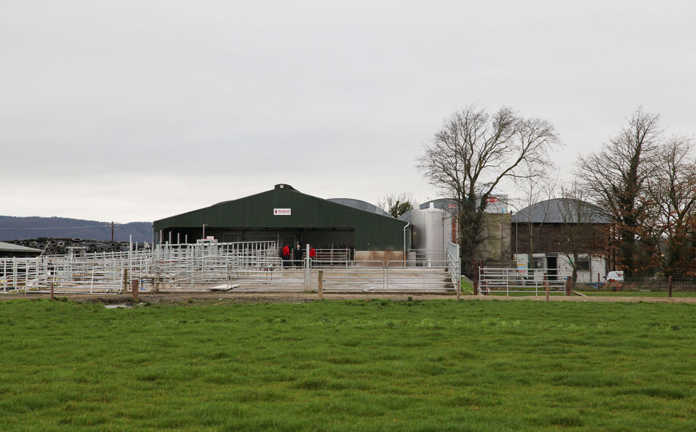
In the case of cows, cool conditions are key. A new UF/IFAS study shows calves conceived during winter went on to produce more calves and milk.

That’s a critical finding for dairy farmers and for people looking for a nutritious glass of milk because each Florida cow produces an average of 2,408 gallons of milk per year.

“This is important to figure out because maybe we can improve the conditions from conception on in order to get an animal to do as well as possible throughout its existence,” said Albert De Vries, a UF/IFAS associate professor of animal sciences. “The current thinking is that the environment plays an important role from at least conception on.”

Florida has about 124,000 dairy cows, the study said.

For the study, researchers examined 667,000 cow lactation records for the years 2000 through 2012 from the Dairy Herd Information Association database. They obtained weather data from the National Oceanic and Atmospheric Administration. Scientists considered a heat and humidity index higher than 68 to cause heat stress in the cows.

Through these records, De Vries and lead author Pablo Pinedo of Colorado State University documented effects of heat stress during conception on the calf’s performance when it becomes a cow. A calf grows into a cow about two years after birth.

They found that calves conceived in the cool season fared better from day 1 of their pregnancies. Now researchers want to know whether the biological mechanism that causes that effect on day 1 or later.

“Perhaps we can do something during early gestation, even if the mom is still under heat stress,” De Vries said.

The study is published in the Journal of Dairy Science.


Source: IFAS

Low-input dairy production in Ireland

In Ireland, low-input dairy production on pasture with limited labour resources can be viable. On a recent visit to Ireland, Gerhard Uys spoke to farmer Pat Hennessy about how thorough infrastructure planning, good pastures and the correct breed can ensure success.

Dairy production on pasture with low input levels and limited labour can be profitable. But there are two preconditions: the farmer must carefully plan his infrastructure for future expansion, and milk low-maintenance cows.

This is according to Pat Hennessy, a dairy farmer from Kilkenny in Ireland.

Pat started his dairy in 2015. Before the first cow stepped onto his rotary milking parlour, he spent nearly two years planning operations in consultation with Pearson Milking Technology.

Pat produces dairy on 60ha of leased land in partnership with his cousins, Fergo and Mark Rodgeford, who produce milk on another farm.

Different grain varieties had originally been produced on 100ha on the farm, but two years before the advent of the dairy, 40ha were sold off and the remainder converted to perennial ryegrass.

Jersey crossbreeds
“We produce milk strictly on rainfed [dryland] grass. I chose Jersey crossbred cows because they’re low-maintenance, fertile, and have low incidence of foot problems.

They also calve easily. My cows average 440kg live weight and I aim to produce their body weight in milk solids in a 280-day to 300- day lactation period,” he says.

Because Pat farms on leased land, he receives no direct government assistance, unlike Irish farmers who own their land.

He therefore knew that economies of scale would be a factor in determining the dairy’s success.

For this reason, he wanted to increase the number of cows in the dairy to 420 over four years, and from the outset invested in infrastructure that would ultimately accommodate this goal.

When he started in 2015, he milked 220 cows. He increased this to 320 in 2016, and this year will milk 420 cows.

To ensure that his expansion plans were adequately catered for, Pat made sure that the collection yard was large enough, the rotary parlour could handle this number of cows, and the pastures would provide adequate feed.

Feeding regime
The average rainfall in the area is 700mm/year and the perennial ryegrass pastures meet the protein needs of the cows. As it can rain for up to 200 days per annum in Ireland, the precipitation is spread throughout the year.

Apart from a 320kg/year dry ration of grain – comprising mostly wheat or barley – Pat’s cows consume only grass and grass silage. Each eats about 5t dry matter a year, made up of 4,7t grass (silage in winter) and 0,3t grain supplement. Pat aims to produce about 15t/ha/year grass silage from his pastures.

His Jersey crosses are smaller-framed, low-input cows, and according to Pat, the dairy would not have been able to achieve similar results with larger, higher-input cows consuming up to 1,2t grain/year.

Grass growth starts in February and March, and peaks in June. Growth reduces from July to August, and in winter – from November to January – no growth takes place. At this stage, the cows are moved indoors and fed grass silage; if kept on the pasture, they would graze the grass down to below the 3,5cm residual growth that Pat aims to maintain.

He inspects the camps twice a week to monitor the stocking rate, which currently stands at 3,2 cows/ha.

“In spring, we follow a specific rotation planner. From 1 February to 17 March, we graze 60% of the farm. From 18 March to 1 April, the remaining 40% is grazed. By April, there’s sufficient growth to meet the demand of the herd, and they’re then put completely on pasture. If there’s surplus, we make silage for drier times,” he explains.

The pastures are heavily fertilised at 250kg nitrogen/ha/year.

The herd
Pat breeds his own bulls, mainly using artificial insemination (AI). The breeding season is 12 weeks, with AI used for six to nine weeks, and a mop-up bull for the remainder of the period.

Bulls are chosen from his own herd and kept if they show promise; the rest are sold for slaughter.

Pat says that his ideal is the ‘invisible cow’: the animal that he is unaware of because her yield stays constant and she remains healthy. A cow that skips a single calving is culled, as the farm cannot carry any ‘passengers’. His herd has a 94% calving rate.

Milk price
The current milk price in Ireland is about €0,25/ℓ (about R3,40/ℓ).

“We’re fortunate,” says Pat. “Our milk price is calculated according to the formula A + B – C, with A and B being fat and protein content respectively and C being water. We’re rewarded for higher fat and protein constituents.”

As Ireland exports large quantities of milk, producers are penalised for high water content. Most milk is dried and exported in powder form, or as cheese and butter. Lactose content is also measured, and although farmers are not paid for it, milk processors can sell lactose to pharmaceutical companies.

These use it to sugar-coat tablets, for which there is an increasing demand.

“Years ago, cheese and protein products, such as whey, were a by-product. Now they’re the money-makers. Farmers are not paid more for them, but benefit from higher fat and protein content.

If the milk price is, say, €0,25c/ℓ, and you’re paid a base rate of 3,3% for protein content and 3,6% for fat solid content, you receive €0,06c/ℓ [about 80c/ℓ] more if the protein content is 3,4%. Our aim is to push the fat and protein content up as high as we can,” Pat explains.

The average butterfat content of the milk on the farm is 3,89% protein and 4,2% solids.

Health challenges
Pat follows a standard vaccination programme, and vaccinates against salmonella, infectious bovine rhinotracheitis (IBR) and leptospirosis.

However, tuberculosis (TB), for which he cannot vaccinate, is a serious concern to him. Herds are tested for TB annually and any sign of the disease precludes a farmer from supplying milk to processors.

As a preventative measure, drinking cribs are placed high off the ground so that animals such as badgers cannot gain access to them.

A tanker collects milk from the dairy every second day and delivers it to a processor where it is tested for butterfat and protein content, the presence of antibiotics, somatic cell count, urea levels, lactose and any water residue.

The presence of antibiotics is arguably the greatest concern for Irish dairy farmers. Farmers receive test results two or three days after delivery. Legislation in Ireland requires the somatic cell count to be below 300 000.

The milk from Pat’s dairy averages 140 000.

He closely monitors udder health and remains vigilant for any sign of mastitis. Teat seals are also used during a cow’s drying-off period to prevent any bacteria that can cause mastitis.

A disinfectant teat spray is administered to each cow by the milking unit after milking.

A mechanised scraper is used to clean the yard after each milking.

Stress levels
Keeping cows free of stress is a priority; stressed cows have elevated cortisone levels, which make them more susceptible to illness and lead to increased somatic cell counts.

According to Pat, the rotary parlour with its low noise level and ease-of-use assists in keeping cows stress-free during milking.

Milking machines are also checked regularly for stray voltage to prevent cows from receiving electric shocks that can induce stress. Digital meters are used for this purpose. ‘Dancing’ or kicking are signs of electric shock, while excessive dung could indicate stress.

A shortage of land
Access to land is a major difficulty in Ireland, according to Pat, and this has limited the expansion of his farming enterprise. He believes that a dairy farm can be viable with fewer cows if run efficiently, as the extra cost of a single additional worker could increase overall costs by €35 000 a year (about R480 000).

To cover this cost, he would have to milk more cows, but he is restricted in this regard due to the unavailability of land.

 
Source: Farmer’s Weekly Magazine

Three major safety risks on-farm – how to keep yourself safe

Managing safety on a farm is incredibly important – there are wide-ranging implications if you have an accident.

Here’s what you can do to stay as safe as possible…

1. Being hit by a vehicle

1. Being hit by a vehicle

Unfortunately people get hit by vehicles quite frequently – and sometimes they run themselves over.

Try to think about ‘safe stop’. When you get off a vehicle – switch it off, engage the handbrake and make sure all the controls are in neutral before you leave the vehicle.

Farmers can get complacent. They’re not used to people working near them. In a perfect situation, you would have marked walkways – but this isn’t always possible on-farm because of the nature of the ground.

However, you can have clear, safe ways of working in the shape of known walkways and no-go areas.

Hi-vis clothing, especially during winter, is incredibly important.

2. Falling from heights

2. Falling from heights

Falling from heights happens quite frequently because some people don’t take the time to stop and think about the task.

If you stop and ensure you’ve got the right equipment, the right ladder – that’s it’s complete and not broken – and you plan the work, accidents could be reduced.

Ideally, you should be stopping to get the correct ‘at-height’ equipment. It might mean having to hire in a mobile work platform, or even a cherry picker.

When you do go to height it’s important to plan what you’re going to do and how you’re going to do it.

3. Power lines

3. Power lines

Power lines should be mapped on your farm.

You should share that information with anyone who comes upon your farm – so they’re also aware of the locations.

During summer, a power line can drop by half a metre. So, equipment which fits underneath it during winter, quite often won’t during summer months.

If, in the unfortunate event that you do hit a power line, the actions that you take could save your life.

If you cannot drive away – stay where you are – unless it catches fire.

At that point, you must jump clear. NEVER come into contact with the ground whilst upon your machinery.

Jump clear and then bunny-hop away.

Source: FGinsight

Jonathan Wong creates a new app to help dairy farmers keep their herds healthy

A new app could help dairy farmers decide what to do when a cow is unwell.

The Betty app uses machine learning algorithms to help dairy farmers diagnose sick cows in their herd.
 
Farmers using the app are presented with series of questions, with the response combined with regional farm and weather data to produce a list of the most likely causes of disease in their animals.

If a cow was seriously sick a vet could be called, said app developer Dr Jonathan Wong.

He said the app would not replace a veterinarian, but would indicate whether they needed to be called in earlier rather than later.

“We are seeing people straight from school working on dairy farms.  They don’t know how to treat  a sick animal or anything about its health. This app will help them.”

He said the idea was born out of frustration, while he was working as a dairy veterinarian in Canterbury. Wong graduated Massey University with his veterinary science degree in 2013.

“There are a lot of farmers out there who are reluctant to call a vet early, especially if a problem is perceived to be minor. A vet is often called as a last resort and it can sometimes be too late.”

This might be the case for a cow with a retained calf.

“The farmer tried to get it out.  He called the vet after a week.  After that time, the calf was rotten and the result  wasn’t good for the cow either,” he said.

“With Betty we can help farmers decide whether or not their sick cow is an emergency and to take immediate action, or connect them with a local vet if need be.”
 
The app has been on trial with a core group of 31 farmers, who are providing on-farm feedback to improve the app’s artificial intelligence engine.

“It’s all about experience. While a typical dairy vet sees up to 10 cases a day, the Betty AI engine has the ability to assess hundreds of sick cows every hour – and is continuously refining her algorithm with each one,” said Samuel Woods, a dairy farmer who runs a 600-cow herd in Canterbury and helped trial the app.

Wong said Betty would query a farmer whether a problem had struck one cow, or multiple animals, whether it was still breathing or if it was a downer cow.

“We ask these questions to try to work out what the health problem might be. All these questions have yes, no or maybe as an answer.”

“The reality is there are many inexperienced workers entering the dairy industry,” said Wood. “With millions of dollars worth of livestock to manage, you need to give them all the tools to find sick cows early.”
 
The Betty app is free on the New Zealand Apple App Store.

Wong said the app was free because he planned to use farmer feedback to improve its  AI engine, before releasing it overseas.

“And then, maybe, we’ll release an app for cat owners too,” he laughed.


Source: NZ Farmer

All you need to know about the iodine nutrition of lactating dairy cows

Iodine (I) is an essential trace mineral for all animals and in Teagasc’s latest update to dairy farmers it outlined its importance for lactating cows.

It says grazed grass is the most profitable feed available for dairy cows in Ireland, but most of the grass grown provides inadequate iodine to meet lactating cow requirements.

As a result iodine supplementation is necessary.

Teagasc currently recommends that cows receive 12mg supplemental I per day, unless a deficiency is diagnosed on the farm. Care should be taken with supplementing iodine as surplus iodine is excreted in milk and urine.

Milk with excessive iodine is unsuitable for inclusion in infant milk formula.

Recent Teagasc research on commercial dairy farms found that, on average, a pasture-only diet provided 0.25mg I per kg DM (range: 0.04 to 0.98mg I per kg DM).

So for a cow eating 17kg DM, this means an intake of 4.25mg I per day on grass only.

Additional I should be offered so that the cow receives the recommended 12mg of supplemental I per day.

This means if 2kg concentrate is offered to cows, it should be formulated to the 12mg/day I feeding rate, and the inclusion rate should be 6mg/kg.

Offering additional iodine to cows will result in higher milk iodine.

If higher feeding rates or alternative sources of I are used on farm, the inclusion rate in the concentrates fed should be reduced accordingly so that 12mg per cow per day supplemental I is not exceeded.

Check your concentrate docket to see how much iodine you are feeding.


Source: Farm Ireland

Nutritionist says 100-pound average milk can be maintained

A nutritionist told dairy business experts from Minnesota, Iowa, Wisconsin, and Illinois a dairy herd can average 100 pounds of milk per day. Dr. Stephen Emanuele told nutritionists, veterinarians, and dairy farmers he worked with farms that can reach the 100-pound goal but can’t maintain it… so he found the reasons why. Emanuele says, “One is dry matter intake. You have to optimize dry matter intake in the pre-fresh cow, the fresh cow, and the high cow so we looked at strategies to do that. We also looked at reproduction. You have to get cows bred.” He adds, “You have to have 65% of your cows bred by 120 days in milk.”

Read more: Brownfield Ag News

It’s Time to Look at Dairy Bills from Both Sides Now!

We all want to pay our bills. After all, most people don’t get a great feeling watching debts accumulate. But things happen unexpectedly and, suddenly, you can’t make payments for everything on time.  Although you need to correct things quickly, making an ill-considered decision may mean wasted speed and wasted money!

When milk prices decline, the quickest response is to immediately cut an expense! 

Most often, somebody else’s bill becomes the first target: vet; nutritionist; feed supplier. What may be overlooked in this quick decision, are the positive ways these providers and consultants can contribute with solutions for the tight cash flow problem. It is short sighted to think that changing nutrition or health from monitored and managed to least cost or elimination will be the best decision. It is in everyone’s interest to work together to make the dairy profitable.

“My Business is the First Priority.”

Take note the important word is “business” not “bottom line.” Although the two may seem inseparable, a well-run, well-planned dairy business always comes ahead of dollar based decisions only.  Focusing on how you run the dairy will absolutely pay off to the bottom line.  Focusing on the bottom line could mean a savings today that is irreparably costly tomorrow. If you choose to cut something out of the chain, you may also be cutting profits due to losses from sick or dying animals and the resulting lost production and expensive solutions.

Everyone in the barn lane …. better be prepared!

This is not to say, that everyone in the dairy lane should be kept on your team. You want your cows to produce.  Your consultants and suppliers should contribute to that goal too. Let’s look at bills from both sides now:

The Nutrition Bill:

Engage a nutrition company that is willing to work with you not simply there to sell you product.  Make sure the nutrition company has a proven track record with dairies your size. The biggest is not always the one interested in solving your problems.  Find a nutrition company who has a person willing to check every cow – in the pen – from input to output, including manure.  You want to be presented with choices that have actual measurable outcomes, beyond the quick, “our price is lower!” answer.

The Vet Bill:

On the one hand, if the bill hasn’t changed much it may seem to be the easiest to complain about and then the easiest not to pay!

On the other hand, if the vet bill is actually higher than it’s been before, finding the reason is crucial, or you could be throwing the baby out with the bathwater.  It’s one thing if a business is solving its own cash flow crisis by charging higher rates, but if there are rising health issues or ongoing medication or medical emergencies, these need to be identified with both action and financial planning. Sometimes it’s a talk about brand versus generic medicines. Perhaps it’s as simple as reducing the age at first calving.  An example recently cited a dairy farm where age at first calving was 28 months.  The suggestion given by the vet was that lowering that number to 23 months would pay the vet bill for an entire year. What can you do better?

Are you Saving Money to Lose Money?

Perhaps you haven’t cut out the expertise on your team, maybe you have inserted your own.  When saving money, sometimes it seems that I did it myself is a good solution.  Some dairies mix own detergents, teat tip, pipeline cleaner.  Great!  If it works!  However, if the SCC raises the dominoes mentioned earlier start falling: SCC rises and you don’t get premiums

Don’t Get Caught up in the least Cost Solutions

Don’t get caught up in finding least cost solutions: whether they are yours or someone else’s. You decide to make little changes … cut back a couple of steps in corn growing schedule … less yield.  Lower quality corn silage …. Once again the dominoes start falling as a monetary cut back in the spring could cause significant financial losses during the winter.

What Effect is Loyalty Having on Your Bottom Line?

Every dairy farm has loyalties.  Those include a best friend, twenty years or more of service, a hunting buddy or a next door neighbor.  These can all be rewarding but let’s look through the lens of business. It all comes down to cash flow and the bottom line.  Goods and services are on the expense side of the ledger, and every manager must determine if loyalty is maximizing or draining this return over cost.

A sound financial plan will identify both sides of this relationship: “whom do you need the most?” and “Who needs you the most?” Write each supplier line down and assign a priority: labor, vet, nutritionist, feed supplier, equipment supplier.  Which ones are first and last on the list of improvements you a targeting to improve your bottom line.  Do you have every latest product line or piece of equipment from the supplier you’re loyal to?  What does it cost you?  Is there a way to balance what you are buying with the effect it has on making you more efficient or productive?  When was the last time that a consultant suggested modifying or cutting back to get through a downturn? Again… these must be measurable results, not just heartfelt feelings.

Whom are you Going to Cull? Do you keep Unproductive Cows Too?

It is perhaps easier to cull people sending bills to your inbox than it is to cull cows in the milking line. However, both are an important part of your cash flow (story).  Herd turnover and the milk quality produced not only affects the price received for the milk you send out, it financially impacts every step from calf to the milking line. How much money are you spending on raising calves that will never produce?  Consider all your options from breeding programs and sexed semen to setting up defined culling strategies.  Put your money where the milk is long before the animal is in the milking line.

All cows are not created equally profitable! All numbers are not created equal.

Don’t live or die, meaning kill your business, by blinding maintaining some magic number of total cows on your farm. Are you keeping everything to maintain a number that you consider ideal?  A pen of sick or low producing animals is costly.  Not only because of the effect on the net return over feed per day but also because of the potential for sharing their diseases.  Furthermore, the time and attention and FEED took away from better-producing animals is money and time wasted.

Planning for the Future means Planning to Survive.

In every business success hinges on finances.  You may be willing to have a less flashy lifestyle, but you must always pay the bills.  How can you generate more income?  How can you hold costs under control?  Revenue maximization is a planned response to both rising or falling milk prices.  It is a major challenge. The up and down cycle of change occurs every two or three years.  Producing a product that garners a premium is one of the few ways a producer can affect the milk price received.  Having a plan in place for both events is the only way to manage this volatile business.  Following a plan, will make surviving any crisis more likely.

The Bullvine Bottom Line:

Suppliers, vets, and consultants have bills to pay as well. Nothing in the dairy industry happens in a vacuum. If everyone reduces feed supplies, stops vet visits and decides to put the cows on a “recession diet,” the domino effect will go into play.  Soon there are expensive health, feed, and sourcing problems, that are even more costly than the initial lower milk price or cash flow crisis that prompted the short-sighted response. Everyone in the dairy chain benefits from looking at diary bills from both sides now!


Get original “Bullvine” content sent straight to your email inbox for free.


[related-posts-thumbnails]


Fonterra farmers have a year to adapt to palm kernel changes before penalty

Fonterra will penalise farmers from June 2018 for excessive use of palm kernel, which changes the fatty acid composition of milk.
In April this year the co-operative rolled out a fat evaluation index (FEI) nationwide after tests on 200 farms in conjunction with DairyNZ and AgResearch had confirmed the test was accurate.

Farmers, who have been receiving FEI results over the last few months, will have a year’s grace to adjust their farming systems.

Imported palm kernel (PKE) changes milk fat composition, causing problems in manufacturing and in meeting customers’ specifications. In 2015 Fonterra announced a voluntary guideline of a maximum of 3 kilograms per cow per day.

“In general, we know that in international markets we get a premium for our milk because of our pasture-based system. We see reduced PKE use as a positive step toward protecting that grass-fed reputation and our product integrity,” Miles Hurrell, group director co-operative affairs, said.

Federated Farmers dairy group chairman Andrew Hoggard said farmers should have time to adjust.

“They will be able to see when they push the system what will happen at different times of the year.”

The most obvious scenario that could cause a problem was summer drought.

“If that happens it might start to red line, so we might need more grass silage on hand. Some farmers might have to drop a few cows to make more silage.”

Hoggard said he used a blend of grain and PKE, and he had managed to keep within the FEI measure. The 3kg guideline was a reasonable rough estimate, but it depended on the breed of cow.

“For small dumpy cows it might be too much, but it will vary.”

A Fonterra spokesman said it preferred not to talk about specific amounts of PKE, but wanted farmers to focus on their results and adjust accordingly. Some farmers were able to feed their herds up to 5kg a day and remain within the limits, but others had problems feeding less than 3kg.

Since January the dairy giant had been carrying out tests at its manufacturing plants and assessing the FEI data.

“That information confirms that, at the levels recorded last season, there is a risk to our manufacturing capability and ability to meet customer specifications at certain stages of the season that needs to be addressed,” it said in a letter to farmers.

The grading system would be finalised by the end of December.

New Zealand’s largest farmer, Landcorp, has pledged to stop using PKE from the end of this month. Its present use is 10,700 tonnes, down from a high of 15,200 tonnes at the peak of the dairy boom in 2013-14.

New Zealand is the largest user of PKE, importing about a quarter of the world’s supply. Statistics NZ figures show imports peaked in the year to June 2015 at 1.94 million tonnes before falling to 1.86m/t in the year to June 2016.

Besides claims that PKE helps fuel rainforest destruction in Indonesia and Malaysia, questions have also been raised about labour abuses and the use of child workers in palm oil plantations.


Source: NZ Farmer

Irish dairy farm debt levels averaging €850 per cow

Dairy farmers who have taken out loans to invest in equipment and fund expansion in recent years are now running debt levels averaging €850 a cow.

The latest snapshot of farm incomes from Teagasc showed overall income had slumped 9pc to an average of €24,060 last year on the back of poor milk and grain prices.

Despite a fall-off of 17pc in dairy income to €51,809, it still remained far ahead of earnings from suckler farms at €12,908 on average, with sheep farms at €16,011.

A “strong rebound” to an average of €75,000 has been forecast for dairy incomes in 2017 on the back of rising milk prices and production flows. Yet it was tillage that was singled out by Teagasc director Professor Gerry Boyle as the “biggest challenge” on the back of a 10pc fall in income to €30,816. The experts warned poor grain prices are forecast for the year ahead and there are large stocks hanging over the market.

Farmers curbed the spending last year with investments back 13pc at €690m, with over €245m spent on dairy farms.

Two thirds of farms are carrying no debt with investments often funded out of cashflow but on the remaining third the average debt is €63,764.

Yet the National Farm Survey showed for the 59pc of dairy farms with debt, the average amounts to just over €99,000 or €850 per cow.

“The highest debt is on the farms that have expanded the most and that is in the region of €1,100 per cow,” said Teagasc economist Brian Moran. “I don’t want to be scaremongering – if we look across the EU the debt levels on Irish farms are very low.”

In an international context, the average debt level across the EU-27 stands at €3,000 per cow. In the UK it is €2,000 per cow, while the hi-tech Netherlands carries €10,000 per cow and it is higher again in Denmark.

“The debt levels are not high in the European context,” he stressed.

However, in the lower income sectors the average debt for cattle finishing enterprises with borrowings was €39,000, while it stood at €54,500 on sheep farms.

CAP payments

The dependence on direct payments from Brussels was emphasised as GLAS payments and suckler herd payments under BDGP saw payments increase on cattle farms by 5 to 11pc.

It offset lower cattle prices and delivered a slim rise of between 2 and 4pc in earnings.

The predominance of sheep and suckling in the west was reflected in lower incomes, with the southeast the most profitable and the border region deemed most disadvantaged.

The ICSA’s Patrick Kent pointed out dairying is set for a recovery in 2017 yet the cattle, sheep and tillage sectors have no prospect of significant improvement.

He said one of the worst years for dairying still far surpassed the other sectors.

“On a per hectare basis, the income of €924 for dairying was twice the income for tillage and beef farmers, two and half times better than suckling and three times the sheep income per hectare,” he said.

“The focus of CAP supports for both pillars will have to be re-focused to a much greater extent on low income sectors.”

One third of farmers held an off-farm job, with it remaining most prevalent in the west.

Source: Farm Ireland

After a wet spring, NY farmers work day and night to catch up

With June being National Dairy Month, dairy farmers should be celebrating their profession. Instead, they are trying to catch up on production.

More than 14 inches of rain this spring has prevented farmers from using heavy machinery. This means they are behind on planting crops and behind on harvesting hay.

For Dan Palladino of Palladino & Carley Farms, LLC, the rain has prevented them from planting 500 acres of soybeans. Normally, all of this would have been finished by now, he said.

Palladino was two weeks behind in production for most of spring due to the wet conditions. And with even more rain towards the end of May, they lost another week of no production.

“I was not able to plant soybeans because it was too wet. This was the first time ever,” Palladino said.

As a result, employees were unable to work when it was raining. That means when weather was nice, they would have to work longer hours. For the past few dry days, Palladino’s employees have been working around 12 hours a day.

While having the acres located on rolling hills helped the water drain, there is a significant wet spot that covers around three acres. This is a much larger size than usual, Palladino said.

The wet soil makes it challenging for Palladino to cut hay. The next step involves tedding, which allows the air and sun to dry the hay. After tedding, the hay is raked up and baled. This process requires a lot of dry weather in order for hay to be managed correctly. It also requires the ground to be dry enough so the tractor does not get stuck.

Cutting hay is how Palladino feeds the livestock. However, there was no way to access the hay, let alone cut it. This meant they had to be in hay from somewhere else for the livestock.

When hay gets too high, it loses some nutrient value, said Mark James, Membership and Leadership Development Specialist at New York Farm Bureau.

“You want to cut the grass and alfalfa in order for it to have the highest nutrient value for cows and livestock. Because of the rain, the farmers haven’t been able to do that. It is crucial to get it in time,” James said.

James has heard from farmers in Cortland and Onondaga counties about how behind they are with their crops. Being unable to use the tractors while the field is wet, farmers have been limited this spring.

“This past weekend there was a window of dry weather. We literally had farmers planting crops, harvesting hay around the clock. Twenty-four hours a day over a couple days,” said James.

Palladino and his employees were one of those farms doing this. “We were mowing hay morning, noon and night,” Palladino said. This becomes difficult as it has a high demand on employees basing their work schedule on the weather.

Another farmer, Paul Fouts, was able to get the first cut done despite the heavy rain. However, planting was between 10 to 14 day later than usual.

“Our farm was lucky in that we got our planting and first cutting done at a respectable time,” Fouts said.

Fouts, whose farm is in Cortland County, is a regional director with the state Farm Bureau. He said other farmers are in the same boat — having to work extra hours to plant and harvest.

“There were many farmers working literally around the clock getting as much done as possible before the rain started again on Sunday. Everyone was exhausted and many neighbors were upset by the activity,” Fouts said.

If the weather improves over the upcoming days and weeks, Palladino will be working hard to catch up on production. And hopefully for him and farmers around Central New York, the rain will stay away for summer.


Source: Syracuse.com

Dairy farmers who ‘sat still’ saw biggest drop in income

With a 17% decline in the average dairy farm income last year, dairy farmers had to increase milk production by at least 50% to maintain a positive income.

The negative impact on income in 2016 was primarily felt by farmers who had “sat still” – either reduced milk output or expanded by relatively less.

Those who expanded by 10-20% saw a 23% decline in farm income; while those who expanded by 30-50%, saw a 9% reduction in farm income.

decline in dairy farm income

Despite the tough market conditions farmers experienced in 2016, with a 9% reduction in milk price, Teagasc reported milk production continued to rise and was up 5% last year.

Since 2014, with the abolition of EU milk quotas in 2015, milk output has increased on 82% of dairy farms in Ireland. However, production increases on individual farms were more modest in 2016 than in 2014.

Some 24% of farms increased milk output by less than 10% in 2016. A further 20% increased production by 10-20%; in comparison to 31% of farms in 2014.

However, according to the Teagasc National Farm Survey, there was a significant increase at the higher end. Some 22% of farms increased milk production by 30% or more, displaying the diversity in the extent of expansion levels on farms over the last two years.

Key Parameters

Through a combination of increasing herd size; achieving greater yield per cow; increasing land area; and selling other livestock on the farm, dairy farmers have expanded their enterprises.

Some 19% of dairy farmers had a herd size of more than 100 cows in 2016. Just 10 years ago this proportion was only 3%.

Dairy farms that increased milk production by at least 50% from 2014 to 2016 had an average herd size of 112 cows.

Teagasc’s National Farm Survey looked at the percentage change in key parameters on dairy farms from 2014 to 2016. The degree to which key parameters changed varied according to the degree to which milk production increased.

Farmers who increased milk production by at least 50% from 2014 to 2016 increased herd size by 51%; productivity per cow by 15%; and land area by 8%.

decline in dairy farm income


Source: AgriLand

Understanding Metritis in Dairy Cows

Metabolic and infectious diseases in transition dairy cows directly impact future milk production and reproductive performance. Metritis is an infectious disease that is typically observed 10 to 14 days after calving. Fresh cows with this infection have a foul smelling discharge and may or may not have a fever. Approximately 12% of freshening dairy cows experience some degree of metritis, with the incidence rate being greater in those that experience a difficult birth, have twins, or have a retained placenta. In a DAIReXNET video entitled “Diagnosis and Treatment of Metritis in Dairy Cows”, Dr. Stephen LeBlanc from the University of Guelph discussed the factors that contribute to the occurrence of metritis, the impact of the disease, and treatment for it. A summary of his discussion is included in this article.
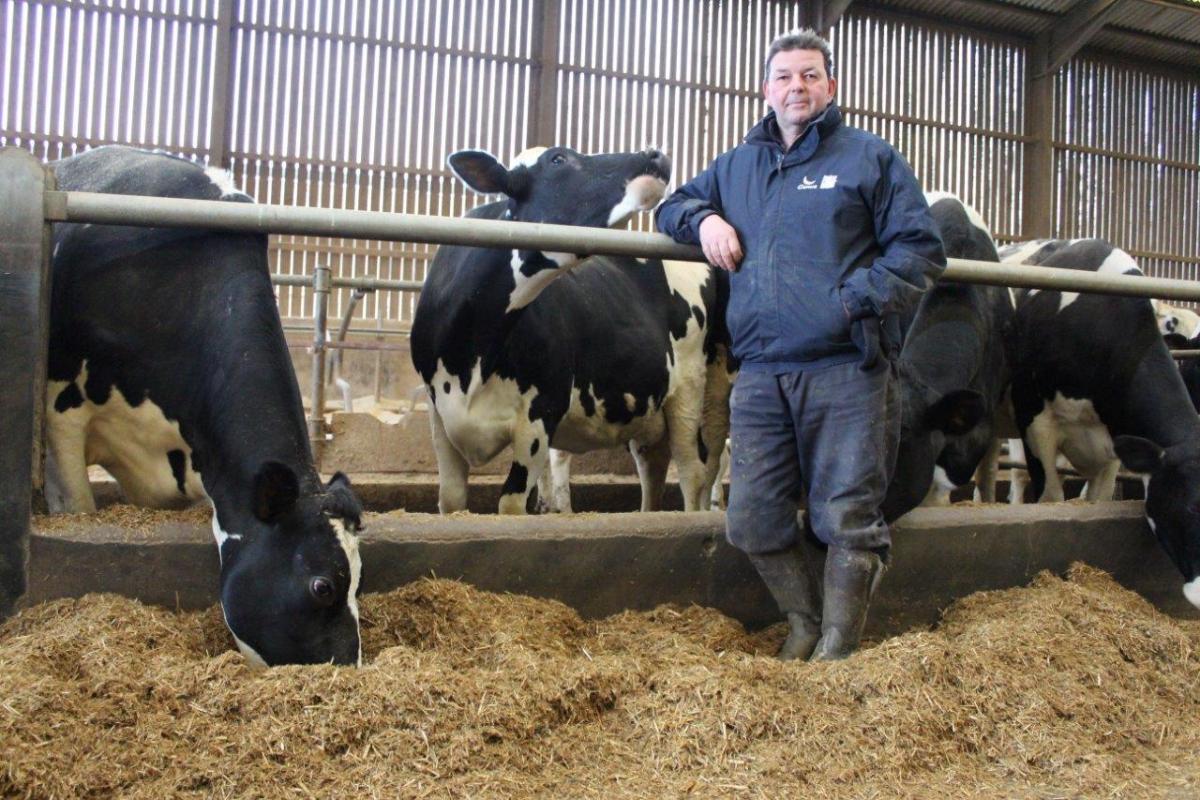
Please check this link first if you are interested in organic or specialty dairy production.

  • Dr. LeBlanc described metritis as a foul smelling, reddish brown discharge from the vulva. He explained that only 10 to 45% of the cows with metritis have a fever.
  • After calving, all dairy cows experience some degree of bacterial contamination within the uterus and a cow’s immune system must “kick in” to clear the infection. Healthy cows have a robust and well-regulated immune response that can respond to this contamination. Cows that later develop metritis may have a lower or delayed immune response around the time of calving compared to cows that remain “healthy”. Thus, the difference between healthy cows and those which develop metritis is related to how effectively the cow responds to the infection and recovers. 
  • E. coli is the initial bacterial contaminant associated with metritis. Certain strains of E. coli are adapted to cause an infection in the uterus, and these are different from those causing mastitis or scours in calves.
  • Dr. LeBlanc discussed research that showed cows with metritis have lower milk production and reproductive performance. Mature cows with a mild or severe case of metritis produce about 600 lbs. less milk within a lactation compared to healthy fresh cows. First-calf heifers did not show any difference in milk production whether they had metritis or not. Cows with severe metritis had lower pregnancy rates at first service and by 120 days in milk, but these differences disappeared by 300 days in milk. Culling rates were not different between cows with or without metritis.
  • Dr. LeBlanc discussed risk factors for metritis other than dystocia, twins, or retained placenta. Research has indicated a relationship between feed intake before calving and risk for metritis. Cows that later develop metritis had lower dry matter intakes pre-calving than cows that did not develop metritis. Management practices, such as adequate bunk space (36 inches/cow), adequate resting space (80% of capacity), and heat abatement, are important to optimize feed intake before calving. In addition, subclinical hypocalemia (milk fever) can be a risk factor for developing metritis. Calcium is important for uterine muscle contractions and for the best immune response to fight off bacterial challenges.
  • Dr. LeBlanc also discussed the results of research studies where antibiotics were given as a treatment for metritis. In one study, only three-quarters of the cows treated with an antibiotic were cured 7 to 9 days after treatment. For those cows not treated (saline only), 55 to 62% of the cows were cured. In another study, cure rates by 12 days were approximately 67% of cows treated. These data suggest that more studies are needed to refine and develop better treatment protocols and to determine when cows will likely respond to antibiotic treatment.
  • In summarizing treatments for metritis, Dr. LeBlanc suggested that reasonable evidence exists for using systemic and approved antibiotics as directed on the product label when at least 2 diagnostic criteria were present. These criteria include a fever greater than 103°F, fetid discharge, or other symptoms of a systemic infection, such as dullness or being off-feed. As always, treatment options should be discussed with your herd veterinarian and a treatment protocol developed for a particular dairy herd.

Source: Extension

Dairy farmer drives milk yields by feeding fats to herd

A dairy farmer in Herefordshire is driving milk yields by feeding fats to his herd.

David Manning is feeding a combination of palmitic acid (C16), and protected fat to his 440 cow herd at New Cross Farm, Bromyard.

Feeding fats like palmitic acid, which is found naturally in palm oil and palm kernel oil, as well as in butter, cheese, milk and meat and is one of the most common saturated fatty acids found in animals and plants, helps boost milk fat and improve fibre digestion.

Different fatty acids have different effects on milk production and body weight.

It’s a science that will form a focus at this year’s TotalDairy Seminar in June and something David and herd manager Doug Hume have embraced to make sure the herd reaches its potential.

By combining fat supplementation with regimental attention to feed management and transition cow care, the herd is yielding 39 litres per cow per day at 3.7 per cent butterfat, with a calving interval of 390 days.

With cows working to the best of their genetic potential, David and Doug are keen that every element of the system works at its optimum.

Ration balance and presentation is part of that mix, with the use of supplementary fats viewed as an important means of meeting cow requirements by maximising the ration’s “power per mouthful.”

“If you’ve got high yielding cows, feeding fats is really the only way you can get a high inclusion of energy into the diet. We have a trench of cows doing 60 litres plus. They require a hell of a lot of energy to maintain themselves and get back in calf. You have to make what they eat is as energy dense as possible as a cow can only eat so much. Fats allow you to do that,” explained Doug.

The fact the diet delivers enough energy to meet the cow’s requirements means performance does not come at the detriment of body condition or fertility.

Transition cow management is viewed as one of the most important factors in achieving good performance.

Fresh cows are managed in a dedicated straw yard for the first week to allow close monitoring. Feed refusals are also tracked on a printed spreadsheet so the team is able to track intakes and double check transition cows are eating what they are rationed for.

Doug added: “You want her to maintain body condition and get back in calf, preferably within 100 days, and you need a high density ration to do that. And you need a good transition ration. If you don’t get that right, it will all fall to pieces.”

It will be preventing unwelcome dips in milk fats and understanding the effects of feeding different milk fat supplements on yield and constituents that will be up for discussion at the TotalDairy Seminar, which take place at Keele University in Staffordshire.

North Devon-born farmer’s son, Professor Adam Lock from Michigan State University will be drawing on the latest global research surrounding milk fat management as part of a series of workshops and lectures at the event on June 14 and 15.

As usual, delegates will be able to choose which seminars or workshops they would like to attend, depending on their area of interest, with dedicated sessions for farmers and advisors.

A number of expert speakers from around the world will be speaking at the seminar, which will focus on three key themes; nutrition, fertility and youngstock.

Prof Lock will be joined by some other leading ruminant nutrition experts including Michael Ballou of Texas Tech University and independent consultant, Ric Grummer, from the US, who will cover various nutritional topics, including transition cow management.

With more and more milk contracts rewarding for milk fat, Prof Lock’s presentations will provide practical tips for farmers to maximise returns through rationing and herd management. New research surrounding the impact of feeding different types of fatty acids to achieve varying results will also be discussed.

Prof Lock explained: “We’re starting to understand that different fatty acids have a different biological effect on the cow. So we need to think about the different fatty acids that fat supplements are providing and the different effects these may have on milk production and body weight.”

For example, feeding palmitic acid helps drive milk fat and improves fibre digestion. Some other protected fat products also include oleic acid which helps milk yield and body condition.


Source: Hereford Times

Dairy Calf Management Practices Impact Future Production

Gone are the days when growth and health of dairy calves are the only important outcomes expected with successful calf management programs! We now understand that these programs also impact a calf’s future performance. Known as perinatal programming, management and nutritional practices during early life have three to seven times more influence on future milk production than sire selection. Our understanding in this area has increased in recent years and this will continue to be an actively studied area. Consequently, the role of certain management practices which control or impact future performance will become better understood along with a continual refinement of recommended nutritional and management practices in heifers prior to puberty.  When implementing practices on farm, understanding the reasons behind these practices, why they have changed over time, and how they can impact future performance are important parts of managing heifer programs.


Please check this link first if you are interested in organic or specialty dairy production.

Colostrum intake

Feeding four quarts of high quality colostrum within six hours of life is important for healthy calves. Antibodies are not absorbed across the placenta because of the multiple tissue layers between the blood supply to the placenta and uterus. Thus, calves must absorb antibodies found in colostrum for early life immunity against diseases. Failure to absorb an adequate amount of IgG antibodies is known as failure of passive transfer. Calves which do not absorb adequate IgG antibodies have lower weight gain, increased risk for disease and death, and decreased milk production during their first lactation. (Additional information on feeding colostrum is available in the article Getting Dairy Calves Off to a Good Start — The SIP Principle with Colostrum”.)

Colostrum important for more than healthy calves

Researchers estimate that feeding four versus two quarts of colostrum to large breed calves may increase milk production by 2,500 lbs. or more during the first lactation. This production response is related to nutrients and other components found in colostrum, in addition to the antibodies. Colostrum contains growth factors, hormones and other biologically active factors which positively impact the development of the digestive tract. These components of colostrum, in turn, enhance the uptake and utilization of nutrients, especially those associated with providing energy. This positive effect continues throughout this calf’s life.

Calves are born with an immature immune system

Newborns have an immature immune system which takes 6 months or more to fully mature. Essentially, their immune system has “no memory” and, as a result, does not respond well when faced with a disease challenge. Maternal antibodies from colostrum are essential to protect the newborn for at least the first 2 to 4 months of life. However, these maternal antibodies can interfere with a calf’s ability to respond immunologically to traditionally administered vaccines. To avoid the influence of maternal antibodies, intranasal vaccines can be used to vaccinate young calves to reduce the risk of respiratory diseases. Intranasal vaccines elicit a local immune response within the mucosa of the calf’s nose and provide for a quick immune response, thus providing disease protection for the calf.  These vaccines unfortunately only provide short term protection, usually less than 30 days.

Pre-weaning growth rate impacts future milk yield

A majority of studies have shown that higher pre-weaning average daily gain positively impacts first-lactation milk yield. Scientists from Cornell University estimated that for each pound of daily gain, milk production increased by 1,540 lbs. in the first lactation or 6,000 lbs. over three lactations. They suggested that calves should double their birth weight by 56 days of life in order to achieve milk production responses from early life nutrition. In an analysis where many studies were evaluated, Gelsinger and others at Penn State University concluded that pre-weaned calves with average daily gains greater than 1.1 lbs./day have greater first-lactation milk yields. Obviously, appropriate growth post-weaning also is needed to capitalize on this improvement in milk production during the first lactation, and other management practices can impact performance later in life. 

Calves born to heat-stressed dams absorb fewer antibodies

Heat stress to the dam does not alter the concentration of IgG or antibodies in colostrum. However, calves born to heat-stressed dams absorb fewer antibodies, resulting in higher rates of failed passive transfer. Thus, reducing heat stress in dry cows impacts not only the body size of newborn calves, but also their potential health.

Calves treated with antibiotics give less milk

A study showed no difference in first-lactation milk production between calves with or without diarrhea; however, scouring calves treated with antibiotics gave 1,086 lbs. less milk during their first-lactation than those not treated (Soberon and others 2012). These data do not indicate that antibiotics should not be used when needed, but that prolonged damage to the intestinal tract or other complications may occur. Besides scours, respiratory disease is a common problem in calves. Dr. McGuirk (University of Wisconsin) estimates that three to four times more calves are affected with respiratory problems than are treated or identified by producers. Studies have shown decreased growth, decreased survival to first calving, and increased age at calving in calves with respiratory disease within the first 60 days following movement to group housing (Stanton and others, 2012).  Vaccines, minimizing stress, and providing proper ventilation in the microenvironment around the calf without causing drafts are important components in preventing respiratory illness.

Source: Extension

Don’t forget your dry cows this summer

Dairy producers are aware of the negative implications heat stress can have on the lactating cow. However, the often-forgotten dry cow can also experience heat stress. This leads to several serious and long-term impacts on the cow’s overall health and productivity, and ultimately, dairy farms profits. Over the past decade, several university researchers have invested a great deal of time to further identify potential losses due to heat-stressed cows.
 
  • Reduced milk production in the subsequent lactation:  Research has shown that there is a carryover effect of heat stress and decreased dry matter intake on dry cows in their subsequent lactation.  Herds producing 55 to 90 lbs. of milk will consistently produce more milk if cows are cooled during the dry period when compared to heat-stressed non-cooled dry cows with reduced intakes.  Several studies have found that cooling cows during the entire dry period will allow for greater production following calving when compared to heat-stressed dry cows (Figure 1). Across the 8 studies shown here, cooled dry cows produced approximately 10 lbs. more milk per day than their heat-stressed counterparts in the subsequent lactation.  
 
Figure 1.  Open bars indicate heat-stressed cows and solid bars indicate cooled cows.  
 
 
  • Reduced dry matter intake:  Dry matter intake is also significantly reduced throughout the dry period (2 pounds per day) in heat-stressed dry cows as seen in Figure 2.  Intakes generally bounce back if the cows are cooled after calving, however, there is a trend for greater feed intakes for the cooled dry cow group. Several researchers have hypothesized that the reduced intake throughout the dry period is likely one of the leading causes of the other negative implications observed in the subsequent lactation.  
 
Figure 2.  Solid squares represent cooled cows and open circles represent heat- stressed cows.  
 
  • Reduced health, immune function, and reproductive performance:  Health, immune function, and reproductive performance are negatively impacted as a result of a heat-stressed dry period. Several studies have linked heat-stress during the dry period to a greater incidence of mastitis, respiratory disease, and retained placenta for cows in the first 60 days in milk.  In addition, cows who experienced heat-stress during their dry period were bred more often, had longer days to first breeding, and longer days to pregnancy check in the next lactation.  This suggests that the effects of dry period heat stress on fertility carry over into the next lactation.  


  • Reduced udder development, placental development, and calf birthweight:  The carryover effect of dry period heat stress that reduced milk yield has led researchers to examine its influence on mammary growth.  They found that mammary cell loss was not a result of heat stress directly, but of the reduced feed intake during the dry period of heat-stressed cows.  Because of the reduced feed intake, body weight gain was minimized and ultimately udder development was limited, reducing production potential in the subsequent lactation.  Mammary epithelial cell proliferation is greatly influenced during the dry period, with heat stress severely stunting milk production potential post-calving.  Placental development is also negatively influenced due to decreased blood flow during the heat-stressed dry period.  Studies have shown that heat-stressed dry cows typically have shorter gestation periods which, in addition to decreased placental blood flow, has led to decreased calf birthweights.  Reduced feed intake during the dry period likely contributes to the lower birthweight as well. 


Countering Heat Stress
Proper evaporative cooling systems are by far the most effective management means to controlling heat-stress in dairy cattle.  Housing dry cows in barns equipped with sprinklers, fans, and shade results in increased milk production, and improved immune response during the subsequent lactation.  
 
Other management options to reduce the impact of heat stress on cattle:
  • Extra emphasis on clean and abundant water and stalls in the summer months
  • Feed during cooler periods of the day to minimize heating of TMR
  • Make sure animals have access to shade 


Dietary adjustments to reduce the impact of heat stress on dry cows:
  • Adjust rations to optimize electrolytes, yeast, direct fed microbials, organic trace minerals, and other ingredients to aid in heat stress tolerance.
  • Build a ration to maximize rumen health, allowing cows to quickly recover dry matter intake when heat stress subsides.  
  • Supplement monensin to increase glucose availability and stabilize rumen pH
 
Talk to your Hubbard representative about these and other heat abatement strategies.
 
Safety Message: There are on average 618 heat-related deaths each year in the U.S. Make sure to keep yourself and employees cool and hydrated during the summer months!
 
 
SourceHubbard Feeds
Send this to a friend