For twenty years, World Dairy Expo has been bringing some of the best dairy operations in North America to Madison through Virtual Farm Tours. The eight dairies selected this year once again span the country and feature the latest in technology, genetics, environmental efforts, on-site processing, deep community ties, and for the first time, dairy goats. During Expo’s Virtual Farm Tours, dairy owners and managers share a visual presentation followed by a question-and-answer segment with audience members. Tours are presented daily in Mendota Room 1 of the Exhibition Hall.
Sponsors of the 2021 Virtual Farm Tours include: Advanced Comfort Technology, Inc. & BioFiltro, CowManager, GENEX, Kansas Department of Agriculture, Milk Specialties Global Animal Nutrition, Purina Animal Nutrition, LLC, Quality Liquid Feeds, Inc., and Waikato Milking Systems USA, LLC.
Below is the 2021 World Dairy Expo Virtual Farm Tour schedule that can be enjoyed in person at WDE or online through ExpoTV on Expo’s website.
Tuesday, September 28 at 12 p.m.
Hosted by: Newalta Dairy LLC, Pipestone, Minn.
Sponsored by: Milk Specialties Global Animal Nutrition
Wednesday, September 29 at 10 a.m.
Hosted by: Royal Dairy, Royal City, Wash.
Sponsored by: Advanced Comfort Technology, Inc. & BioFiltro
Wednesday, September 29 at 12 p.m.
Hosted by: Laughing Goat LLC, Cuba City, Wis.
Sponsored by: Waikato Milking Systems USA, LLC.
Thursday, September 30 at 10 a.m.
Hosted by: Steinhurst Dairy LLC, Creston, Ohio
Sponsored by: Purina Animal Nutrition, LLC
Thursday, September 30 at 12 p.m.
Hosted by: Donley Farms, Shoshone, Idaho
Sponsored by: GENEX
Friday, October 1 at 10 a.m.
Hosted by: Hildebrand Farms Dairy, Junction City, Kan.
Sponsored by: Kansas Department of Agriculture
Friday, October 1 at 12 p.m.
Hosted by: Hendrickson Dairy, Menahga, Minn.
Sponsored by: Quality Liquid Feeds, Inc.
Saturday, October 2 at 10 a.m.
Hosted by: Prairieland Dairy, Belleville, Wis.
Sponsored by: CowManager
Serving as the meeting place of the global dairy industry, World Dairy Expo brings together the latest in dairy innovation and the best cattle in North America. Crowds of 60,000 people, from nearly 100 countries, will return to Madison, Wis. for the 54th event, September 28 – October 2, 2021, when the world’s largest dairy-focused trade show, dairy and forage seminars, a world-class dairy cattle show and more will be on display. Download the World Dairy Expo mobile event app, visit worlddairyexpo.com or follow WDE on Facebook, Twitter, LinkedIn, Spotify, Instagram or YouTube for more information.
Jobs are abundantly available, but workers are scarce as the labor market is healing more slowly than most economists expected. According to a new Quarterly report from CoBank’s Knowledge Exchange, labor challenges felt during the pandemic and continuing today will incentivize businesses throughout the food supply chain to rapidly increase automation within their operations.
“The most significant and lasting impact from COVID will be an acceleration in automation,” said Dan Kowalski, vice president of CoBank’s Knowledge Exchange division. “And it will affect the entire supply chain from field to grocery and restaurants. It won’t be an overnight transformation, but much larger investments in technology now will lead to a much more automated supply chain over the next few years.”
Commodity price inflation has been a boon to many ag producers over the past year. But increases in raw material and transportation costs, combined with higher wages, are causing retailers to push those higher costs on to consumers. U.S. consumers have benefited from very low food inflation for much of the past decade, but higher prices are a near certainty for the next year.
Grocers and restaurants are anxious to learn what and how consumers will want to eat in the new equilibrium. The coming adjustments will look quite different for each segment of the food supply chain. But the acceleration in change will be meaningful, and strategic steps to build more resilient businesses are coming sooner than previously believed.
Grains, Farm Supply & Biofuels
Grain prices entered a new phase of extreme price volatility in the second quarter of 2021. Corn, soybean and wheat prices climbed to a 9-year peak before shifts in non-commercial, speculative buying activity pulled prices down as fears of runaway inflation subsided. Elevated price volatility will continue in the months ahead as mixed weather forecasts and moisture deficits threaten yields during critical stages of the current growing season. Export demand for U.S. grains remains strong.
Farm supply cooperatives enjoyed a strong spring agronomy season, as rising grain prices gave U.S. crop farmers confidence to increase input spending. Fertilizer supplies remain plentiful in North America and retailers that bought extra inventory early in 2020 should be able to re-sell at attractive margins. Fertilizer prices were up 17% in Q2 and are within 10% of 2012 peak prices. Retail inventories of crop protection products are currently full, although sourcing agrochemicals from Asia could become a near-term challenge that would impact the entire U.S. grain complex.
The U.S. fuel ethanol sector outperformed expectations during the past quarter and appears well positioned for the second half of 2021. Overall economic growth and seasonal driving demand pushed up fuel ethanol production and operating margins in Q2. The regulatory and policy environment remains dynamic, however, and it’s unclear where biofuels, fossil fuels and electric-powered vehicles will fit in under a final infrastructure package.
Animal Protein & Dairy
Meat and poultry prices hit record highs in mid-May as food service and retail grocery pipelines were primed for post-COVID consumer activity and summer celebrations. Food service sales reached pre-COVID levels in April, hitting an all-time monthly high of $75.3 billion. More illuminating, however, is that overall retail grocery sales growth is up 7.3% from a year ago and 15.3% from 2019, providing evidence of longer-term changes in consumer behavior.
Chicken industry margins have markedly improved from the worst of 2020 and profitability should remain strong through the end of 2021. However, the well-publicized issues with chicken breeding stock changes in the past couple of years have limited short-term expansion potential.
Pork has been one of the highest rising commodities in 2021, with lean hog futures topping out at $122 in mid-June. Strong consumer demand for meat, tight supplies of competing meats and declining pork production in the second half of the year are all tailwinds for pork prices for the remainder of 2021. However, Chinese pork prices have dropped 65% since the beginning of the year, signaling a significant reduction of U.S. pork exports to China in the second half of the year.
Despite beef prices being at or near record highs, cattle ranchers and feeders are currently facing limited national slaughter capacity, high feed costs and the liquidation pressures of exceptional drought hitting the western U.S. With packer margins reportedly hitting $1,000/head earlier in the year, it is not surprising that producer organizations have pressured Congress to intervene. The national beef herd is already in contraction due to weak cow-calf profitability going back as far as 2015.
Milk production in the U.S. continues to chart record highs despite the surge in feed costs and hot temperatures. In May, milk production topped 19.85 million pounds for the first time, with daily output up 4.6% year-over-year. Exports of U.S dairy products—currently at record highs—continue to be the key release valve amid the supply surge. However, the risk of a stronger U.S. dollar could threaten the export pace in the months ahead.
Cotton, Rice & Specialty Crops
U.S. cotton prices remained strong in Q2, as Chinese demand continued unabated following steady purchases earlier in the marketing year. Total U.S. cotton shipments are running 9% ahead of last year, drawing down U.S. inventories. Global shipping delays and logistical disruptions have delayed some cotton purchases around the world.
The loss of Iraq as an export market for U.S. rice has been a major blow for the U.S., which now faces limited alternative exporting options amid abundant global supply. Rice’s slower export pace continues to be a depressing factor in prices. Concern over significant rice crop losses across the U.S. Delta and Southeast due to historic flooding drove a sharp recovery in rough rice futures late last quarter.
The U.S. sugarbeet crop is expected to deliver strong yields this fall following nearly ideal planting conditions that allowed for strong crop establishment. Domestic sugar deliveries are improving, but sugar demand for use in food and beverages remains uncertain as the economy recovers in the months ahead.
The historic drought conditions in the Western U.S. intensified last quarter with water allocations to some agricultural irrigators cut to zero in California. Growers are adjusting by fallowing crop acreage and allocating scarce water to permanent plantings rather than field crops. Prices for fruits and vegetables are rising for consumers, but not necessarily for growers. Rising transportation and warehousing costs have been noted as the key drivers for rising produce prices.
Power, Water & Communications
Over the past quarter, the Biden administration has outlined ambitious plans to aid rural Americans returning to the post-COVID workforce. The administration envisions the American Jobs Plan bringing new employment opportunities to rural communities via infrastructure investments. Those investments include $20 billion for rebuilding rural water infrastructure and supporting rural electric cooperatives as they invest in clean-energy transition.
The Biden administration has also established bipartisan support for $65 billion in broadband funding. Coupled with existing programs, that would bring total federal broadband funding to approximately $100 billion.
Merger and acquisition activity in the communications industry remains robust, with rural cable operators gaining tremendous interest from strategic buyers and investors. Deployments of Citizens Broadband Radio Service (CBRS) networks are starting to ramp up across the nation, including among the 75 organizations that received licenses to serve rural areas.
The pandemic situation of the past year and a half has given Holstein Canada the opportunity to demonstrate its ability to adapt and modernize in this fast-paced world. This year, Holstein Canada hosted a virtual Annual General Meeting (AGM), which was an inclusive formula in many ways. The virtual nature of the event allowed members of all provinces, ages and languages to participate in the AGM and take part in discussions.
This year marked Gerald Schipper’s last AGM. Mr. Schipper served as President of the Holstein Canada Board of Directors from April 2019 to July 2021 and as Director for Ontario since 2013. Holstein Canada would like to thank Mr. Schipper for his dedication and his involvement with the Association and the breed. During his two terms as President, his leadership has ensured that Holstein Canada will continue to play an important role in the future of dairy farming in Canada.
Twenty resolutions (2019-2020) were presented at the AGM; the results of the votes are available on our website. Other resolutions were also dealt with i outside of the AGM. The provincial branches have done an outstanding and trustworthy job. Let’s not forget that, with the new process for submitting resolutions, some have been sent directly to Lactanet. This process strengthens our partnership and we trust their willingness to make things happen. One of the highlights of the AGM was the shared commitment between the breeds and Lactanet to release more production data to the public in 2022.
Financial Statement Presentation
Depsite the various challenges of the pandemic in 2020 and 2021, the Association remains in an excellent financial position for which the two key factors were the reduction in travels and the Covid-19 subsidies. Financial statements are available in the Annual Report.
Changes at the Board Level
The day after the virtual AGM, the Board of Directors elected Élyse Gendron (VAL BISSON) of Saint-Polycarpe, QC as President for 2021-2022. The President will be teamed with an Executive consisting of 1st Vice President Ben Cuthbert (SILVERMAPPLE) of Ladysmith, BC and 2nd Vice President Doug Peart (PEARTOME) of Hagersville, ON.
The Board also welcomes Brian Slaughter, Director for Ontario. Brian will bring a wealth of knowledge to the Board through his involvement at the provincial level and in various areas of the industry.
About Holstein Canada
With 9,200 members, Holstein Canada is responsible for maintaining the Holstein Herdbook under the Federal Animal Pedigree Act of Agriculture and Agri-Food Canada (AAFC). The Association provides many services to its members to help them evaluate, select and improve their herds through genetic improvement programs. For more information, visit our website or follow us on Facebook, Instagram and Twitter.
La situation pandémique de la dernière année et demie a permis à Holstein Canada de démontrer sa capacité d’adaptation et sa modernité. Cette année, Holstein Canada a en effet présenté son assemblée générale annuelle (AGA) de manière virtuelle, une formule inclusive sous différents aspects. La virtualité de l’événement a offert l’opportunité aux membres de toutes provinces, tous âges et toutes langues d’y participer et de prendre part à la discussion.
Il s’agissait de la dernière assemblée de Gerald Schipper, qui a siégé au conseil d’administration de Holstein Canada comme président d’avril 2019 à juillet 2021 et comme administrateur pour l’Ontario depuis 2013. Holstein Canada tient à remercier M. Schipper pour son dévouement et son implication au sein de l’Association et de la race. Lors de ses deux mandats au poste de président, son leadership a permis d’assurer une pérennité dans le rôle important que joue Holstein Canada pour l’avenir de l’élevage laitier au Canada.
Les 20 résolutions (2019-2020) présentées lors de l’assemblée ainsi que les résultats des votes sont disponibles sur le site Web de l’Association.D’autres résolutions ont été également traitées en marge de l’assemblée. Les branches provinciales ont fait un travail extraordinaire et digne de confiance. Rappelons aussi que le nouveau processus de dépôt de résolutions a permis d’en rediriger certaines directement à Lactanet. Cette procédure vient solidifier notre partenariat et nous sommes confiants quant à leur désir de faire évoluer celles-ci. Un des faits saillants de l’assemblée est l’engagement que les races et Lactanet ont pris ensemble de rendre davantage de données de production publiques en 2022.
Présentation des états financiers
La pandémie a représenté différents défis en 2020 et 2021, mais les résultats démontrent tout de même une excellente position financière. Les deux facteurs ayant joué un rôle majeur sont la réduction des déplacements et les subventions en lien avec la Covid-19. Les états financiers sont accessibles dans le rapport annuel.
Nouveautés au sein du conseil d’administration
Au lendemain de la diffusion virtuelle de l’assemblée, le conseil d’administration a élu Élyse Gendron (VAL BISSON) de Saint-Polycarpe (Qc) au poste de présidente pour l’année 2021-2022. La présidente fera équipe avec un exécutif composé du 1er vice-président Ben Cuthbert (SILVERMAPPLE) de Ladysmith (C.-B.) et du 2e vice-président Doug Peart (PEARTOME) de Hagersville (Ont.).
Bienvenue à Brian Slaughter, administrateur pour l’Ontario. Bryan apportera un grand éventail de connaissances au conseil grâce à son implication au niveau provincial et dans différentes sphères de l’industrie.
À propos de Holstein Canada
Holstein Canada regroupe 9 200 membres et est responsable de la tenue du livre généalogique Holstein en vertu de la Loi fédérale sur la généalogie des animaux d’Agriculture et Agroalimentaire Canada (AAC). L’Association offre de nombreux services à ses membres pour les aider à évaluer, à sélectionner et à améliorer leurs troupeaux par le biais de programmes d’amélioration génétique. Pour plus de renseignements, visitez notre site Web ou suivez-nous sur Facebook, Instagram et Twitter.
Dairy farmers are such a natural fit for volunteer firefighting that four currently serve with the Rosedale fire hall.
As a 22-year-old young man on his parent’s dairy farm back in 1978, Carey Prinse heard Rosedale’s volunteer fire department needed members. He was looking for a way to get involved in the community, so he joined up.
Today, he is the third consecutive dairy farmer to act as Brigade Chief for the local hall, which is now part of the larger Chilliwack Fire Department. It’s members are paid on-call rather than strictly volunteer; Prinse has been the hall’s chief for 12 years.
“I felt I should be giving back something, and I heard they needed firefighters,” he says of his initial decision to volunteer. “Everyone should give something back to their community. If everyone does their part it will be a better community.”
Dairy farmers tend to be available locally during the day while other volunteers are working in the city and may not be able to attend a call, and their experience with vehicles and equipment on the farm translates to driving fire trucks, using pumps and saws, and other equipment. Often working alone on the farm, they also enjoy the community that comes with being part of the department.
“I’ve enjoyed the camaraderie. The firehall is like a second family to us,” Prinse says. “We’re all in there for each other, working as a team.”
Today, as part of the six-hall Chilliwack Fire Department, the Rosedale Hall firefighters fight fewer structure fires than they used to, more often getting called out to vehicle accidents and medical emergencies. They also handle traffic control and other duties in emergencies such as windstorms that knock down power lines.
As Battalion Chief, Prinse oversees the hall’s response to all calls as well as the training of new members by training officers, stepping in to train directly when one of those officers is unavailable to attend their regular Monday evening practices. He also coordinates activities with the larger Chilliwack department, making sure the hall has the equipment and support it needs.
Back at the 80-acre farm, Prinse and his family have about 75 milking cows. He’s a second-generation farmer, having grown up on a nearby dairy farm his parents operated. He’s also an elder at his church and was a 4H leader for 20 years, volunteering to help young people learn about speaking in public, raising animals, and getting them ready for showing at local fairs – the club’s motto ‘learn to do by doing’ appeals to him. He’s donated blood more than 180 times.
“None of this would be possible without the support of my wife Joan and our family,” he added. “A strong community needs support from everybody.”
Brattleboro, Vt., July 12, 2021 — Trent Dado, Fitchburg, Wisconsin, is the recipient of the 2021 Robert H. Rumler MBA Scholarship. Dado is a self-employed member of GPS Dairy Consulting and works as an independent nutrition and management consultant for dairy farms in the upper Midwest. He is currently pursuing his MBA from the University of Wisconsin – Parkside.
“I hope through my MBA program to develop a better understanding of business outside of agriculture and find ways for dairy to navigate the challenges ahead,” Dado says.
Dado has a bachelor?s degree in Animal Science and a master’s degree in Ruminant Nutrition from the University of Minnesota. While in college he was involved in the Animal Science Graduate Student Club, FarmHouse Fraternity, Gopher Dairy Club, National Agri-Marketing Association, Gopher Crops and Soils Club, and Dairy Judging team.
Dado serves on the Dairy Strong Sustainability Alliance Committee for the Dairy Business Association and is a member of the Whole Cottonseed Advisory Council. He also enjoys staying involved on his family’s farm, Four Hands Holsteins.
“Another key work and life experience that has greatly impacted my career and character was growing up on my family’s dairy,” Dado said. “As for most with a similar upbringing, it provided the skills of hard work, teamwork, perseverance, and getting my hands dirty.”
About the Award
The $3,000 scholarship was established in 1984 by Holstein Association USA, Inc. to encourage deserving and qualified individuals with a bachelor?s degree in dairy production to obtain a master’s degree in business administration.
The scholarship program honors former Executive Secretary Rober H. Rumler. He led the Association for 25 years and believed U.S. agribusiness needs and deserves the best trained, most highly qualified leaders the nation’s educational system and practical experiences can provide. For more information about the Robert H. Rumler MBA Scholarship, visit www.holsteinusa.com and click on Awards.
United States citizens and companies are buying up New Zealand land for farming, forestry and wine-making, an RNZ analysis reveals.
Almost 180,000 hectares of farming land was purchased or leased by foreign interests between 2010 and 2021.
During the 11-year period almost 460,000ha – a little under the size of the Auckland region – shifted out of New Zealand control through purchases, leases or rights to take forestry. For simplicity’s sake, this is referred to as bought land throughout this article.
More than 70,000ha of land was bought for dairying operations and more than 100,000 for farming other types of animals, such as beef, sheep or deer.
Control of another 178,000ha of land was sold to international buyers for forestry operations and around 8000ha was sold for wine making.
An additional 53,000ha, not included in the farming or forestry totals, was sold or leased to people intending to reside in New Zealand. These ranged from areas smaller than a hectare to 40,000ha in Canterbury, which included the lease of 39,000ha of crown pastoral land.
The figures come from an RNZ analysis of Overseas Investment Office (OIO) data carried out as part of the series Who’s Eating New Zealand.
Foreigners, organisations and investment funds that are more than 25 percent foreign-owned must get consent from the OIO before purchasing sensitive land, significant business assets or fishing quota.
Buyers must show the OIO their purchase offers a benefit to New Zealand. Benefits include the creation of jobs, increased exports or processing of primary products, and the introduction of new technology or business skills. A temporary “national interest” test was introduced in 2020. This means purchases of infrastructure such as ports, airports and electricity can be declined.
Of the 1393 applications, 31 – 2 percent – were declined. The largest was for an $88 million purchase of a 13,843ha sheep and beef farm in Taupō.
Selling off our primary industries
Of the foreign sales, the biggest proportion of land – 39 percent – was purchased for forestry. Dairy operations accounted for 16 percent and other types of farming for 22 percent. Wine was fourth on the list, at 2 percent.
Dairying, meat production and forestry represent three of New Zealand’s biggest primary industry export earners. Dairy exports earned nearly $16 billion in 2020, beef and sheep meat exports earned $7.7bn, forestry $5.9bn and wine $2bn.
Sale of land to foreign interests over the past 10 years netted around $1.4bn for dairy, $320m for other farming, $530m for forestry and $465m for wine. The value of some transactions are confidential.
Foreign interests from the United States bought the most land for forestry, dairy, farming and wine making.
People from the US also bought the most land (45 percent) for dairy operations. China was in second place, with 18 percent of purchases and Germany third, with 10 percent.
Most of the land sold in Canterbury went to US purchasers, while Southland land went to German buyers.
United States buyers also purchased several beef, sheep or deer farms, with the UK and the Netherlands ranking second and third as the biggest buyers of this type of land.
Most of these purchases were in Otago.
How does NZ compare to other countries?
Some countries ban foreign ownership of agricultural land. In the US, 15 states bar foreigners from buying agricultural land. China bans the sale of farm land, as does Ukraine and Israel.
Spain, Chile and the United Kingdom are open to foreign purchase of agricultural land.
Switzerland, Japan, Mexico, Russia, France and Australia allow foreign ownership, but like New Zealand have varying rules and restrictions in place.
It’s hard to compare New Zealand’s level of foreign ownership of agricultural land to other countries as there’s no collated, current data.
Analysing the purchases made between 2010 and 2020 shows 3 percent of land used for forestry, dairy beef, sheep and other livestock farming and wine growing shifted from New Zealand ownership to foreign ownership.
In Australia, the figure for agricultural land in foreign ownership is 13.8 percent. China owns the most land, followed by the UK, Netherlands and the US.
New Zealand’s government is keen for more foreign investment. Rules around forestry have been loosened to help reach the one billion trees target but there’s also a push for investment in the food and beverage sector:
“New Zealand – surrounded by the Pacific Ocean – has the light of Spain with the climate of Bordeaux,” says the 2020 Investor’s Guide to the Food and Beverage Industry, published by the Ministry of Business, Innovation and Employment.
“The country has no agricultural subsidies and regulation is generally rational and light handed … Global leaders have already endorsed New Zealand by investing in manufacturing in the country and about 25 percent of the F&B [food and beverage] manufacturing sector is foreign owned. New Zealand welcomes new investment and investors will participate in its success.”
How the data was analysed:
The purchases analysed by RNZ represent a snapshot in time of purchases and do not give an indication of overall foreign land ownership. This is because the OIO does not track if foreign purchasers later sold the land to a New Zealander, or if the purchaser became a New Zealand citizen after the purchase was approved.
Where land was purchased for multiple purposes, such as farming and tourism, RNZ classified it as what appeared to be the main use of the land.
Land areas reported are net land area recorded in OIO data, not gross land area.
A Clovis dairy farmer who has been fighting the federal government for more than two years on groundwater contamination addressed the matter Friday.
The News was invited to a virtual press conference with Highland Dairy owner Art Schaap and Rep. Teresa Leger Fernández, D-N.M.
Cannon Air Force Base in 2018 disclosed the presence of PFAS and PFOA in a plume surrounding the base, with the root cause firefighting foams used by its fire department.
The Environmental Protection Agency has no federal standard for drinking water, but Leger Fernández said the chemicals are in concentrations more than 257 times the EPA advisory of 70 parts per trillion.
Highland has not been allowed to sell its cows or the milk it produces since the disclosure of the chemicals. To keep the dairy afloat, the U.S. Department of Agriculture provided monthly payments to Highland under the Dairy Indemnity Payment Program. Those payments, however, stopped in December.
The congresswoman said she discussed the matter with Agriculture Secretary Tom Vilsack and “he recognizes the need to buy the cows.” The government is working through a regulatory process to get this done.
She has also talked with the Secretary of the U.S. Air Force about the matter.
Schaap said the Air Force needs to take on the task of cleaning the water, and noted the total damage to the dairy and his family are still unknown.
“We have only known about this for three years, but we have been exposed for over 20 years,” Schaap said.” Milk production has declined and my family and employees have been exposed and we don’t know the outcome.”
He said he has owned the farm near the base for more than 30 years.
A member of the press asked what will happen to the dairy’s nearly 4,000 cows. Schaap said “nothing is happening now.” He said the cows are euthanized as humanely as possible when they need to be “put out,” and their bodies are disposed to prevent the chemicals in them from being put back into the groundwater.
“We believe it is important to bring attention to this matter,” the congresswoman said in conclusion.
The Public Affairs Office at Cannon Air Force Base provided The News with the following comment on Friday: “Cannon Air Force Base strives to remain transparent by keeping our community informed of on-going efforts that address PFOS and PFOA. Health and safety is our top concern as PFOS and PFOA is an issue that affects us all. CAFB shares the same desire of our community to protect our drinking water resources. As more data becomes available, we will continue working with our partners to address specific issues and implement our PFOS and PFOA programs. We will continue hosting quarterly public meetings to share ongoing findings and mitigation efforts.”
South-east Queensland Logan City Council has reclaimed a Chambers Flat dairy farm which produced milk across four generations and was a significant part of the area’s history.
The council, which resumed the land this week, will use it to build a wastewater treatment plant at Pleasant View Road.
Family of the farm’s owners, Ivan and Dellas Wendt, say it is a sad occasion but are focusing on their future, as well as their part in Logan’s past.
The Wendts were supposed to be out of the property on June 30, but had a few days’ grace when the region went into a three-day COVID-19 lockdown.
The family, Ivan’s daughter Maree said, left on the original day, and were saddened by the occasion.
«It has been really, really hard for mum and dad, and the whole family really, to see the farm go,» Mrs Wendt said.
«But the council needs the farm for other purposes, and you can’t do much about that. It’s sad for the family, that’s for sure.»
Ivan Wendt’s ancestor, Adolf, established the farm after emigrating from Germany in 1863.
He came to Australia on the La Rochelle, with wife Emilie and daughter Marie, 5. The journey from Hamburg to Moreton Bay took 81 days.
«They arrived on August 7, 1863,» Mrs Wendt said.
Farm ownership went down through the generations, from Adolf to son Adolf, known as Otto, to Stanley and then Ivan.
Ivan, who has farmed the land his entire life, oversaw a herd of about 400 cows.
«Some years it got up to about 400, and others it got down to about 200,» Mrs Wendt said.
«It has always been a progressive dairy farm, and quite a productive dairy farm as well.»
The Wendts produced milk for Pauls, Parmalat and Lactalis.
In the 1930s, Ivan’s father Stanley would rise at 2am to milk the cows and deliver the product to Birt’s Cold Stores on Stanley Street in Brisbane.
Cream from the farm would not go as far.
«The cream would go to the Kingston Butter Factory,» Mrs Wendt said.
Council said the plant would service more than 170,000 people.
In 2019, residents started a petition to oppose it, calling on council to instead build it at Yarrabilba.
Cr Scott Bannan said he felt for the Wendts and the history which was lost.
«The sad part for me, is that is another dairy farm we have lost,» he said.
«It’s not just the fact that we have lost the Wendts’ farm. This was a decision made long before I turned up in the building.»
He said he would fight for residents to get the best outcome from development in the area, including a redesign of Chambers Flat Road.
«My job now is to get the best result for the community,» he said.
The U.S. Department of Agriculture’s (USDA) National Institute of Food and Agriculture (NIFA) announced today an investment of $14 million in research to protect agricultural animals from disease. The grants are part of NIFA’s Agriculture and Food Research Initiative’s
Diseases of Agricultural Animals program area priority.
“Animal health is critically important to farmers and ranchers,” said NIFA director Dr. Carrie Castille. “This research will help better understand, diagnose, control and prevent diseases in agricultural animals and aquaculture.”
Funded projects will focus on developing new and improved vaccines, diagnostics and antimicrobial alternatives; breeding disease resistant animals; and understanding better ways to manage animals to minimize disease outbreaks.
Iowa State University’s project will introduce a new approach to Vitamin A and Zinc supplements to help protect cattle against stress and respiratory disease ($500,000).
University of Maine, Orono’s project will develop a new, safe aquaculture vaccine to help improve disease immunity in Atlantic salmon in an environmentally friendly and cost-effective way (495,000).
University of Florida’s project will examine ways to improve immunity in pigs that can protect them from lung disease and influenza virus infections ($500,000).
NIFA invests in and advances agricultural research, education, and Extension across the nation to make transformative discoveries that solve societal challenges. NIFA supports initiatives that ensure the long-term viability of agriculture and applies an integrated approach to ensure that groundbreaking discoveries in agriculture-related sciences and technologies reach the people who can put them into practice. In FY2020, NIFA’s total investment was $1.95 billion.
Visit our website: www.nifa.usda.gov; Twitter: @USDA_NIFA; LinkedIn: USDA-NIFA. To learn more about NIFA’s impact on agricultural science (searchable by state or keyword), visit www.nifa.usda.gov/impacts.
A special dinner-in-the-field event will take place next month to celebrate the anniversary of the 75th Alice in Dairyland program and highlight Dane County’s rich agricultural heritage, food production, farmland and the farmers that make it all happen.
A limited number of tickets are available for purchase to the event, which will feature locally-sourced products and the time and talents of local farm-to-table supporter Chef David Heide who will prepare a four-course meal to be served outdoors at the J. Henry & Sons family farm in Dane, just north of Madison.
“We are honored to welcome the 75th Alice in Dairyland Finals back to Dane County and to welcome Dane County to our farm,” said Liz Henry of J. Henry & Sons.
The dinner will be held on July 22, from 6:00 to 8:00 p.m. in celebration of Dane County being the host of the 75th Alice in Dairyland finals event slated for spring 2022.
Alice in Dairyland is Wisconsin’s agricultural ambassador promoting the food, fiber and fuel that make agriculture the state’s signature industry.
The 2021 Dairy Forage Seminars, held in conjunction with the World Forage Analysis Superbowl at World Dairy Expo, will once again provide further educational opportunities this year.
Led by professors, researchers, producers and industry representatives, the seminars will feature various topics related to forage production, harvest, storage and feeding.
The Dairy Forage seminar schedule includes:
September 29: Keeping the Rumen Healthy: A New Approach to Working with Fiber in Rations – Mary Beth Hall, Ph.D., U.S. Dairy Forage Research Center, Madison, Wis.
September 29: Forage Production and Quality at Sand Creek Dairy – Luke and Ethan Haywood, Sand Creek Dairy, Hastings, Mich.
September 30: Considerations for Using Warm-Season Annuals as Part of Your Forage System – John K. Bernard, Ph.D., P.A.S., Dipl. ACAN, University of Georgia, Tifton, Ga.
September 30: LEAF (Leaves Enhance Alfalfa Forage) Testing Provides Opportunities for Improving Alfalfa Quality – David C. Weakly, Ph.D., Forage Genetics, West Salem, Wis.
October 1: Forage Storage: Life After Harvest – Michelle Chang-Der Bedrosian, Ph.D., Vita Plus, Madison, Wis.
October 1: How Do Handheld NIRS Instruments Measure Up? – Matthew Digman, Ph.D., University of Wisconsin-Madison, Madison, Wis.
October 2: Further Considerations for Making Baled Silages – Wayne K. Coblentz, U.S. Dairy Forage Research Center, Marshfield, Wis.
In addition to the Dairy Forage Seminars, the World Forage Analysis Superbowl is once again seeking entries for the ever-growing forage competition with more than $26,000 in cash prizes to be awarded. Producers wishing to enter corn silage samples must have entries submitted by July 15.
Farming has always been a gruelling job, with unsociable hours, physical exertion and the unpredictability of the climate to deal with. And, for a long time, British farmers have been struggling financially. According to the Department for Environment, Food and Rural Affairs, the average income for English general cropping farmers decreased by 21% year-on-year in the period 2019-20. Were it not for generous EU subsidies, many would have gone out of business years ago.
Faced with these challenges, many farmers are diversifying into other, more profitable ventures – most commonly as B&Bs, wedding venues, solar farms or farm shops. We visited four who have taken more unusual routes.
Joe Garland, 43, is the third generation to farm Mythe Farm, a 150-acre sheep and arable farm. He started diversifying almost as soon as he took over the farm from his father, Peter, in 2004. “At that point, farming was going through a pretty tough time,” Garland says. The BSE scandal had driven many of his peers out of livestock farming entirely, while the price of milk was constantly being pushed down by the supermarkets.
“The only people left in dairy were doing it in a massive way,” he says. “The prices are low and the margins are low. You have to have lots of equipment and more and more acres.” Mythe Farm wasn’t big enough to compete. “A 150-acre farm will never be a massive business any more,” says Garland. “It’s barely viable from a farming point of view.”
Over the years, Garland has grown the farm’s alternative revenue streams. Now, farming accounts for barely 20% of their revenue. Mythe Farm offers weddings, corporate hospitality events and, more unusually, extreme 4×4 and quad biking experiences. The quad biking skirts the farm’s arable fields. “We just incorporated it into the farm’s existing design,” says Garland. “We made a few small alterations to make it interesting, especially when you are going through the trees. But there were no massive earthworks – we just worked with what was there.”
Luckily, the farm’s sheep know to stay well away when the quad bikes roar across the fields. “We close the gates to keep them in,” says Garland, “but, to be honest, the sheep keep away anyway. They hear the engines and head to the other side of the field. They’re used to it; they’re not too bothered.”
Garland admits that running quad biking has its stresses. “You’re giving people the opportunity to injure themselves, potentially. We take health and safety really seriously and train all of our staff well. But when you hear those quad bikes over the fields, it can create anxiety.”
Mythe Farm used to let stag dos do the quad biking experience, but it got to be too much. “When you live and work on the same site, you need to have a quality of life,” he says, diplomatically. They have reoriented the quad biking experience to the corporate market; it is much easier to host executives on away days, as they are less noisy and disruptive. (Apart from when they are buffeting each other using the farm’s giant inflatables, It’s a Knockout-style.) In the summer months, though, the chimes of Pharrell Williams’ Happy drift over to the family house on a weekly basis; wedding DJs all play the same songs. “Always that Happy song!” Garland jokes.
When Garland presented his diversification business plan to his father for his approval, Peter could scarcely understand what his son was proposing. “He didn’t really understand it, and he still doesn’t to the present day. Dad understands that you put something in the ground and you tend to it and it sells and you make money.”
But even if Garland is as much an events manager as a farmer these days, he is mostly happy that the farm is still operating and thriving, in spite of everything. “I am massively proud of what we’ve achieved over the years,” he says.
Emily Goodson on the site of the proposed natural burial ground at Castle View Farm in Leicestershire.Photograph: Fabio De Paola/The Guardian
Emily Goodson’s grandfather started Castle View – a 350-acre arable farm that grows wheat, barley, rapeseed and oats – in 1956. “It was really fun growing up on a farm,” she says. “We had horses, so that was something me and my mum always did together.” Her older brother was adamant that he wanted to work on the farm when he grew up, but Goodson wasn’t so sure. “I thought I’d move away after uni and get a job in a city.”
Coronavirus changed everything. Goodson, 21, returned home and spent more time with her family. “We started talking about ways to diversify,” Goodson says. They already had a livery yard – stables that horse owners can rent privately. During these conversations, Goodson thought back to a dissertation she had written at the University of Leeds, where she studied environment and business. It was about how farmers had been affected by our changing diets. In the course of her research, she had spoken to a number of farmers who had been diversifying due to external factors in farming. One of the farmers mentioned that they were getting into the natural burials business. “I definitely thought it was a weird concept at first,” says Goodson.
But the more she thought about it, the more it seemed like an intriguing proposition. “We have a field that is quite important to the village,” she says. Previously, it has been used to grow rapeseed, although it has been fallow for a year. “There’s a footpath through it. I thought that it could be a perfect natural burial ground.” Goodson is overseeing the project, which will see the land turned into an environmentally friendly natural burial ground, where people will be laid to rest in biodegradable coffins, without the use of embalming chemicals. “I want to make it like a wildflower meadow, with memorial trees,” Goodson says.
Goodson and her family won’t be burying bodies themselves – they plan to work with local funeral directors, who will arrange the logistics. Pricing is yet to be fixed. “This is all very new,” Goodson says. But already the demand is there. “We’ve had some interest, but we’ve had to explain to people that we’re not taking bookings yet,” she says. “We’ve had lots of support from the village, too. When I told people about the idea, they all thought it sounded really good.”
She hopes that the burial ground, which is slated to open in 2022 – it took a year to get the planning permission – will be a way to help her parents make the farm more financially secure. “I grew up watching them work so hard,” she says. “I feel bad for farmers. They seem to be misunderstood by a lot of people and they don’t get much representation from people in high places. There’s such a disconnect between farmers and people who live in cities.”
Freda Scott-Park (right) and her son, Chris, on the shores of Loch Lomond. Photograph: Margaret Mitchell/The Guardian
The first time I call Freda Scott-Park, a veterinary surgeon who runs Portnellan Farm with her husband, David, and son, Chris, she is too busy to speak. “Changeover day!” she says gaily. “Call me tomorrow.” Scott-Park, I will learn when I manage to get hold of her, is a phenomenally busy woman. “My last holiday was six years ago,” she says. “I’m still living off the memory of it, really.”
In addition to being an organic grass-fed beef farm, Portnellan is also a thriving agritourism business. Visitors can stay in glamping tents by the waters of Loch Lomond – the farm skirts the loch – or in the old dairyman’s farmhouse, now converted into self-catering accommodation. Portnellan first flung open its gates to visitors in 2014. “We make it clear to our visitors that we are a working farm and we are very proud of it,” says Scott-Park, 65. “There will be cows right in front of you in the summer. You may even find cows wandering outside your front door – although they shouldn’t be.”
The family started diversifying in about 2000. “Dairy farming was becoming increasingly difficult,” she says. “And, although we support organic principles, it was hard to make enough money out of it to support our families.” David’s parents, who started the farm in 1952, took a bit of persuading. “We were very keen to do things, but I think when you’re a bit older you become risk-averse and lack a bit of youthful energy,” Scott-Peck says. The first thing they did was install boat moorings, renting them out to local boat owners. “We weren’t sure if people would want them, but, blow me down, they did.”
It was touch and go whether Chris would come back to work on the farm after university. “A lot of farmers’ sons and daughters look at how hard their parents are working and are not really that interested,” says Scott-Peck. “We were extraordinarily lucky to have him come back. But he said, categorically, that he didn’t want to milk cows 24/7, 365 days a year.”
Chris is a licensed commercial speedboat operator; he decided to start running tours around the loch, from £110 a boat. (It is virtually impossible to speak to him at this time of year, because he is working non-stop.) “He’s taught himself a lot about the history of the loch,” says Scott-Park proudly. “He takes people to see the island with the wallabies on it, and he drops them off for picnics on the islands, or does pub tours. The poor boy is chockablock at the moment.” It’s not hard to see why; the loch, which in winter is surrounded by snow-capped mountains, is famously beautiful. “It’s a special place,” Scott-Park says.
When Portnellan Farm started offering speedboat tours, the family worried there might be pushback from other commercial tour operators on the loch. But there was none. “On the whole, the businesses around the loch really help each other out,” says Scott-Park. “I don’t think anyone locally resents what we’ve done. There’s a lot of mutual help and respect.”
Scott-Park warns that many farmers will have to diversify or else risk going out of business as EU subsidies are phased out. “A sea change is on the horizon, because farmers soon won’t be receiving the same kind of subsidies they’ve received before. Farmers who haven’t diversified are at risk of running into serious financial difficulties.”
Now, for the first time since 1983, Scott-Park doesn’t need to put the money she earns as a veterinary surgeon into the farm. “The income is helping us invest in new things like fences and roofs and putting in electric vehicle charging points,” she says. “It’s giving us the opportunity to do things that are good for the farm, and hopefully for Chris’s future.”
Despite the success of the speedboat tours and holiday accommodation, Scott-Park is adamant that Portnellan will continue to be a farm, first and foremost, that preserves organic farming techniques for future generations. “The farm is enormously important to us,” she says. “We love our cows. We wouldn’t like to think of Portnellan without them.”
Ian Piggot among the pumpkins. Photograph: Andrew Couldridge/Reuters
Ian Pigott, 51, is the fourth generation to farm Thrales End, although his family has been farming in the area since the 15th century. Despite this, Pigott insists, “I wasn’t the child that wanted to have toy tractors and a pair of overalls for my birthday. I was more interested in playing cricket and rugby. But I always worked on the farm during the holidays to earn my keep.”
After a spell working as a commodities trader in the city in the late 80s and early 90s, Pigott returned to the farm in 1996 and immediately began diversifying. “My dad and I had a good relationship and he handed responsibility over to me pretty quickly,” he says. Not all farmers are so quick to embrace change. “It’s a traditional sector with long legacies, and change isn’t always something people love. But I love change. It’s probably a failing of mine. I’m always trying to do something new.”
The office space was built in 1997, in refurbished livestock buildings for cattle and pigs. Now, Thrales End offers office space to small businesses and sole traders. “We’ve got designers, software developers, accountants, surveyors. A few charities.” In many ways, Thrales End is lucky: the farm is only 25 minutes from London St Pancras by train and 10 minutes’ drive from Luton airport. “Not everyone is blessed with the number of chimney pots we have on our doorstep,” Pigott says. “It’s not quite as straightforward if you’re trying to rent office space in the middle of Northumberland.”
People like to have their workspace on a farm, says Pigott, “because it’s slightly different to just being based in a regular office. They value the fact that we have green space where you can have meetings outside and lots of access to car parking. You don’t get those things if you have an office in town.” During the summer months, meetings on the 10-person picnic bench outside the office building are commonplace. Pigott feared they would lose the majority of their office tenants due to the financial pressures of the coronavirus pandemic, but only a few dropped off. “We were surprised,” he says. “We thought we would lose a lot of tenants and we are fortunate we didn’t.”
The way that Pigott sees the diversified business, he explains, is as the fruit, while the farm is the tree. “We can’t have one without the other, as they are so intertwined,” he says. In addition to the office space, Thrales End has branched out into the festival business, running sunflower, sweetcorn and pumpkin festivals in the summer months. The farm also has a school on site, delivering programmes on sustainability, healthy eating and regenerative agriculture. But despite all these side hustles, Pigott is adamant that farming will continue at Thrales End, at least while he is alive.
“It’s a difficult thing to explain, but it’s kind of in the blood,” he says. “There’s an enormous amount of pride associated with making sure you maintain your land and improve it all the while. A friend of mine likes to say that you don’t inherit your farm from your parent, you borrow your farm from your children. There’s sense in that. We are custodians. And that comes with a sense of responsibility.”
Kicking off its second decade, Dairy Cares of Wisconsin’s 2021 campaign will make it easier than ever to make a difference in the lives of children.
For nine years, the non-profit organization’s signature event was a summer Garden Party that raised funds on behalf of Children’s Wisconsin (formerly Children’s Hospital of Wisconsin). However, in 2020, during a period of unprecedented social distancing, the campaign shifted to a “virtual auction” platform.
This year, Dairy Cares supporters may participate in-person, virtually or via both methods.
Here’s how to pitch in:
1. Donate directly or participate in the virtual auction via dairy.givesmart.com or text the word
“DAIRY” to 76278, to receive “live” updates as new experiences and gift packages are put on the
virtual auction block.
2. Sponsors and donors can mail their contributions to Dairy Cares of Wisconsin, Inc., N3569
Vanden Bosch Road, Kaukauna, WI 54130.
Founded in 2018, the Dairy Cares of Wisconsin Simulation Lab at Children’s Wisconsin (Milwaukee) offers hands-on training for the next generation of health care providers. They can safely practice for a variety of emergencies in multi-faceted educational space. Photo provided.
Last year Dairy Cares brought its lifetime fundraising to $1.5 million, all of which directly benefits children and families facing medical emergencies. In 2018, Children’s Wisconsin christened the new, state-of-the art “Dairy Cares of Wisconsin Simulation Lab,” which gives medical professionals a safe venue to learn and sharpen their skills.
“Children’s Wisconsin remains the beating heart of our efforts,” said Jim Ostrom, Dairy Cares co-founder and a member of the Children’s Wisconsin Foundation Board. “The health system continues to find ways — big and small — to positively impact the lives of families facing unimaginable crises. Dairy Cares proceeds continue to bolster this exceptional organization.”
Proceeds will directly benefit the health system, which is headquartered in Milwaukee and offers 40 different care locations through the state.
Other Ways to Support Dairy Cares
As in the past, Dairy Cares welcomes sponsors to contribute to the cause. Contact Laurie Fischer (laurie@lauriefischergroup.com; 920-366-1880) or Jim Ostrom (jostrom@milksource.net; 920-759- 4674) for more information.
About Children’s Wisconsin
Headquartered in Milwaukee, Children’s Wisconsin provides care through 40 statewide locations. These various sites provide a range of specialized services, from dealing with childhood terminal illness and cancer to psychological disorders. Experts in premature birth, the neonatal intensive care unit is ranked top in the nation. For more information, visit the website.
To foster further expansion of U.S. dairy exports, the National Milk Producers Federation (NMPF) and the U.S. Dairy Export Council (USDEC) is calling on the Biden Administration to seek renewal of Presidential Trade Promotion Authority (TPA) following its expiration last Thursday, July 1, 2021.
TPA lays out congressional expectations for trade agreements negotiated by the administration and establishes a clear pathway for straightforward congressional input. To remain globally competitive, future trade agreements are vital for U.S. dairy farmers, workers, and manufacturers, according to the groups.
The call for renewal comes on the one-year anniversary of the U.S.-Mexico-Canada Agreement, enacted with the help of TPA. For dairy, USMCA provisions established improvements to market access in Canada and set clear standards for trade with Mexico.
The AssistExpo link is now open for 2021 Ontario Holstein Summer Show taking place on July 23rd in Lindsay, ON.
Entry Cost: $60.00 Late Entries: $100.00
Early entry deadline: Saturday, July 17th @ 11:59pm
Entries will be accepted until Tuesday July 20th @ 11:59pm. No additional entries will be accepted after that date
Presented during World Dairy Expo®by industry experts, Dairy Forage Seminars are centered around cutting-edge research and information regarding topics such as forage quality, harvest and storage. The experts selected to present in 2021, from the U.S. Dairy Forage Research Center, University of Wisconsin and other research centers, will also be available throughout the week in the new World Forage Analysis Superbowl space, now located in the Trade Center at World Dairy Expo.
The following schedule of 2021 Dairy Forage Seminars will be presented on the Dairy Forage Seminar Stage at the south end of the new Trade Center:
Wednesday, September 29, 10:00 a.m.
Keeping the Rumen Healthy: A New Approach to Working with Fiber in Rations
Mary Beth Hall, Ph.D., U.S. Dairy Forage Research Center, Madison, Wis.
Wednesday, September 29, 1:30 p.m.
Forage Production and Quality at Sand Creek Dairy
Luke and Ethan Haywood, Sand Creek Dairy, Hastings, Mich.
Thursday, September 30, 10:00 a.m.
Considerations for Using Warm-Season Annuals as Part of Your Forage System
John K. Bernard, Ph.D., P.A.S., Dipl. ACAN, University of Georgia, Tifton, Ga.
David C. Weakly, Ph.D., Forage Genetics, West Salem, Wis.
Friday, October 1, 10:00 a.m.
Forage Storage: Life After Harvest
Michelle Chang-Der Bedrosian, Ph.D., Vita Plus, Madison, Wis.
Friday, October 1, 1:30 p.m.
How Do Handheld NIRS Instruments Measure Up?
Matthew Digman, Ph.D., University of Wisconsin-Madison, Madison, Wis.
Saturday, October 2, 10:00 a.m.
Further Considerations for Making Baled Silages
Wayne K. Coblentz, U.S. Dairy Forage Research Center, Marshfield, Wis.
The World Forage Analysis Superbowl is organized in partnership between Dairyland Laboratories, Inc., Hay & Forage Grower, US Dairy Forage Research Center, University of Wisconsin and World Dairy Expo. To learn more about the Dairy Forage Seminar series or the World Forage Analysis Superbowl competition, visit foragesuperbowl.com.
Four outstanding individuals are being honored with National Dairy Shrine’s Pioneer Award this year in recognition of their significant contributions to the dairy industry. This distinguished group will join past industry leaders whose portraits and stories are displayed in National Dairy Shrine’s Dairy Hall of Fame and Museum in Fort Atkinson, Wisconsin.
Bonnie Ayars is a respected dairy cattle breeder, teacher, coach, and agriculture advocate from Mechanicsburg, Ohio. Bonnie and her husband John over time bred and developed one of the nation’s finest Guernsey herds with the Land of Living prefix and then added the partnership of New View Swiss with more prize-winning cows at the farm in Mechanicsburg, Ohio. Over 20 National Show champions, numerous All-Americans, bulls in A.I., and leading production animals were bred and developed by the couple and their sons.
A passionate and engaging educator, Ayars has been a teacher for 48 years. In 2006, Ayars accepted a position at Ohio State University as a Dairy Program Specialist working with all 4-H dairy programming, coaching the collegiate and 4-H judging teams, and teaching in the Animal Sciences Department. She eventually transitioned to only the collegiate portion of her appointment but continues to work with 4-H dairy programs. Her judging teams have won many contests, the National Intercollegiate Contest at World Dairy Expo in 2019.
Ayars’ strength and competence has made her a valued leader, mentor and role model. She has judged local, state and national dairy shows including World Dairy Expo’s Guernsey Show in 2006 and the National Guernsey Junior Show in 2012. Her enthusiasm and life experiences have made her a popular speaker for national dairy breed conventions, student groups, and local and community programs. She has collaborated with cable television shows to demonstrate the preparation of dairy based recipes, supported the American Dairy Association-Mideast in live and video promotions and events, and provided cows and leadership for educational displays at Ohio State Fair. Her baking skills were recognized when she was the Ohio representative in the All-American Crisco Pie Baking Contest.
In 2010, the Ayars’ family began using their own milk to make ice cream on the farm. Today, the family continues to operate an ice cream and cheese business, along with an on-farm activity center, under the name Ayars Family Farm. Within these ventures, Bonnie has been able to communicate and educate the public about agriculture, life, and the grit it takes to sustain a family farm.
Dieter Krieg isthe founder, publisher and editor of Farmshine based in Brownstown, Pennsylvania.
In 1979, Krieg established FarmshineNewspaper. It was the first dairy-focused weekly newspaper in the nation and quickly became a “must-read” for dairy farmers in Pennsylvania and neighboring states.
Krieg continues to serve as editor, feature writer, layout designer and publisher – while growing his newspaper and publishing 51 weekly editions a year. The Farmshine masthead proclaims this mission statement: “We rise every week to cover farms and agribusinesses.” Krieg and his staff, which includes his wife, daughter and son-in-law, have faithfully fulfilled that commitment.
Krieg works with every dairy breed organization in Pennsylvania and all of them buy subscriptions for their membership. Now in its 42nd year, Farmshine has over 13,000 subscribers across 48 states and several foreign countries.
Humble, dedicated and enthusiastic, Krieg has given a lifetime of devotion to the dairy industry. He has logged over one million miles visiting dairy farms and reporting on dairy events across the United States
Krieg is currently a member of the National Holstein Foundation Board of Trustees and Philadelphia Society for the Promotion of Agriculture. He previously served on the National Dairy Shrine Board, Penn State Ag Alumni Council, and All-American Dairy Show Improvement Committee. He received the Distinguished Alumnus Award from Penn State’s College of Agriculture’s Department of Dairy and Animal Science in 1986, the Penn State Dairy Science Club Dedicatee Award in 1991, the Pennsylvania Cooperative County Extension Agents Award in 1988, and the Obie Snider Award at the 2008 All-American Dairy Show.
Dr. Ric Grummer of Fitchburg, Wisconsin is an Emeritus Professor, Department of Dairy Science, University of Wisconsin-Madison/ The respected dairy cattle nutrition researcher, educator, and consultant whose lifetime of industry leading work in transition cow nutrition and management has benefited dairy farmers worldwide.
Dr. Grummer joined the UW Department of Dairy Science as an Assistant Professor in 1984 with research and teaching responsibilities. During his 26-year career at the UW he progressed to the rank of Professor and served as the Dairy Science Department’s Chair from 2004-10.
Grummer’s early research at the UW evaluated the effects of bypass fats, oilseeds and tallow on rumen fermentation and lactation performance that led to practical recommendations for dairy producers to optimize milk fat production. His most impactful research, however, came with transition cow nutrition. The prevention of fatty liver and ketosis, and the negative consequences of these disorders, were of particular interest to Grummer. His lab was the first to demonstrate that supplemental choline, when fed in a protected form, was effective in preventing and alleviating fatty liver and could increase postpartum feed intake and milk production. Grummer’s nutritional research and on-farm management strategies were widely adopted by dairy producers and brought about vast improvements in the transition of dairy cows from the dry period to early lactation.
Grummer was appointed to the National Research Council’s Subcommittee on Dairy Cattle Nutrition that wrote the 2001 revision of the Nutritient Requirements of Dairy Cattle. In addition to authoring or contributing to several chapters of that publication, Grummer’s studies on behalf of the committee also led to the equations for predicting dry matter intake of transition cows, estimates which became benchmarks for use on commercial dairies. As a result of his research, Grummer received the American Feed Industry Award (1995), Nutrition Professionals Applied Nutrition Award (2004), and American Dairy Science Association’s “Fellow” Award (2010), and in 2002 was named a “Highly Cited Researcher” by the Institute of Scientific Information.
Grummer’s contributions extend beyond being a dairy scientist. As Chair of the UW’s Dairy Science Department for six years he directed departmental efforts in creating new admission procedures, scholarship fundraising and recruitment marketing that resulted in increased undergraduate enrollment. His leadership helped bring about the building of a new state-of-the-art, UW dairy research facility at Arlington, Wisconsin, in 2007.
Following Grummer’s retirement from the UW in 2010, he took on a new challenge becoming Ruminant Technical Director, and later a consultant until 2018, for Balchem Corporation.
The entrepreneurial work of Darrell W. Pidgeon of Parker, Colorado, in the dairy cattle export business helped open and develop markets for U.S. Holstein cattle around the world.
In 1970 Pidgeon became herd manager/partner at Paclamar Farms in Colorado. Together with Dick Brooks, the two men developed one of the top Holstein show herds with Kanza Matt Tippy and Green Banks Admiral Mooie among their most famous show cows.
It was while managing the Paclamar herd that Pidgeon was introduced to the export business. In 1973, the Paclamar herd was sold to an Italian businessman. Darrell flew with the cattle from Denver to Rome and spent several weeks in Italy helping the cattle settle in. Later that year, he joined David Bachmann of Wisconsin, working with his cattle export/sales business and Pinehurst Farms Holstein herd. While there, Pidgeon coordinated the export of thousands of Holsteins to Hungary, Yugoslavia, Bulgaria and Romania. In 1977, Pidgeon took on a new challenge overseeing the selection, purchase and export of 24,000 Holstein bred heifers to Mexico for the Inter-American Development Bank’s “Prodel” project. This project offered Mexican dairy farmers the opportunity to have their own small herd of cows within the modern Prodel dairy facility and then ship their milk to a cooperatively owned processing plant, thus providing a stable and sanitary milk supply for Mexico City.
Upon completion of the Prodel project in 1980, Darrell and his wife Ann returned to Colorado. In 1981, they established their own private export entity, Pidgeon Cattle Company, connecting sellers of U.S. Holstein genetics with international buyers. Over the next 20 years, Pidgeon Cattle Company built a strong Asian export market, working with Holstein buyers in Japan, China and Korea.
The Northwestern United States experienced some of the hottest temperatures on record last week, putting crops, livestock, farmers and workers in danger, says the National Farmers Union (NFU).
The heat wave, which is unquestionably related to anthropomorphic climate change, is deeply concerning for a number of reasons. For one, heat can be extremely deadly, especially in regions that don’t experience it often and don’t have infrastructure built for it. The Northwest is typically cooler than other parts of the country, and many residents do not have air conditioning as a result. Without respite from sweltering temperatures, hundreds of people likely succumbed to heat stress. (Because the heat wave is ongoing, a tally of fatalities has not been finalized.)
Statistically, many of the deceased are food chain workers; according to the Union of Concerned Scientists, 1 in 5 victims of heat related deaths nationally are agricultural workers, fishers, forestry workers, and hunters, who usually spend eight or more hours working outside every day.
Beyond its serious health implications, the crushing heat creates other problems for the agricultural industry. Most crops can’t withstand three-digit temperatures for sustained periods, which can cause sunburn, shriveling, and stunted growth. Though some farmers have tried to stem crop loss by harvesting early, the dangerous working conditions have made it difficult to stay out in the fields during the day.
Infrastructure collapse is a less direct, but just as troubling consequence of extreme heat. In some places, asphalt roadways have softened, leading to cracks, buckling, potholes, and rutting – all of which can make roads unsafe for driving. The region has also experienced rolling blackouts due to increased energy use from air conditioning. Both issues can affect agricultural production. For instance, road closures could prevent the transportation of crops and livestock to processing facilities and then to grocery stores and restaurants. Similarly, if blackouts affect processing facilities, the entire food supply chain could see significant disruptions.
If that weren’t enough, the high temperatures drive evaporation, which has worsened already severe drought conditions across the West. For farmers, the lack of water is forcing them to make difficult choices like leaving fields fallow, ripping up nut trees, and culling livestock. The resulting dry vegetation is also increasing the risk of wildfire, which creates a whole new set of problems.
In Waukesha County, once known as Cow County, farm fields have mostly given way to suburbs and storefronts. Still, John Koepke is there farming, as his family has been since 1875.
The land is their legacy, and what it produces matters. Koepke aims to keep it that way. Through a conservation easement with Tall Pines Conservancy, they have ensured their land will never be developed into subdivisions.
Koepke, a fifth-generation dairy farmer, operates Koepke Family Farms with his wife, Kim. They milk 360 cows. That milk goes into their LaBelle cheese, which takes its name from nearby Lac LaBelle. The cheese is made in Milwaukee at Clock Shadow Creamery.
Koepke talks about why he continues the family farming tradition, and why he stays in Waukesha County.
Question: Your family has farmed in Wisconsin since the 1800s. Were they always dairy farmers?
Answer: I am a fifth-generation dairy farmer here in Waukesha County. There have always been dairy cattle here.
Q: How did your family get into making cheese?
A: When you look at the dairy industry in the United States, there is a lot of consolidation these days. Dairy herds either tend to get larger or get out of business, unfortunately.
We were looking for ways to capture more margins and capitalize on our position in Oconomowoc. … About 20 years ago we realized our ability to grow our business outwards was going to be challenged by our location. Having been here for five generations, there are a lot of intangibles. It may look good on paper to move, but you would abandon those. Cheese meant building our business upwards instead of outwards.
Q: Did you ever want to do anything else?
I did go away to college. I’m a graduate of Cornell University in New York state. That’s where I met my wife. That gave me an opportunity to be away and be exposed to different things. Ultimately I enjoy being here.
Q: What do you want people to know about dairy and Wisconsin? What do people misunderstand?
A: One would be that farms are bad for the environment. There are some bad actors, but there are a lot of good ones, too. You don’t live in the same place for five generations if you don’t have an interest in taking care of your land interest, your water interest. You get taught by grandma and grandpa from a young age that you leave things better than you found them …
If I can make a living here from the resources we have and leave as little mark as possible, that would be my greatest achievement.
Q: How much of the milk produced goes to your cheese production?
A: A really tiny portion goes to our cheese production, probably less than 5%. We’d love to have it more than that, but here’s the deal. The farm is managed by my wife, myself, and key employees. We have three kids. We want the value added (cheese), but we won’t go any faster than it is fun. Rather than trying to kill ourselves selling millions of dollars of cheese, we’re happy to make good cheese.
Q: How many styles of cheese are you creating?
A: Our signature is LaBelle, and that comes in a number of different flavors. We have original, smoked, smoked with bacon, fenugreek, black pepper and green olives. Then last spring we dabbled in making cheddar. That is mostly in our cooler right now and available on our website.
Q: What prompted you to add cheddar during a pandemic?
A: Last spring there was a lot of milk being dumped. Well, we can either run this down the drain or take a chance and make more cheese. Our cheesemaker was limited on how much LaBelle they could make at a crack, but they had bigger vats for cheddar. We call it “Taking a Chance Cheddar.” It is getting better as it ages and should debut in stores later this summer.
Q: Do you have a favorite of the cheeses made with your milk?
A: My personal favorite is our smoked original, I like that one a lot. The smoked with bacon makes a killer grilled cheese.
Q: You created your own variation of a cheese cave on-site?
A: We knew when we started this we’d need some kind of aging facility. Being that our cheese is custom made for us, we don’t have a tremendous investment in bricks and mortar. We don’t have a cheese factory. That’s what Clock Shadowdoes for us.
We purchased an insulated container that was ready to go to salvage. We fixed it up and installed refrigeration equipment, lined it with stainless steel, lighting. It looks like a fancy warehouse from the inside. On the outside it looks like something that would look at home on the back of a train.
Q: What reminds you most of the family history?
A: The original barn was built in 1922. My grandfather spent a good portion of his life in there. We like cattle, they’re special, but there’s not one particular cow. The fact that there are cattle here is important though. The biggest connection I have to my parents, grandparents and great-grandparents is the land. We do own the original homestead where my great-great-grandfather settled in in 1875.
A lifetime ago Waukesha County was called “Cow County USA” and was home to 60,000 dairy cows, the home of every major dairy breed show champion at one point in the 1920s. Now we have 380,000 people and maybe 2,000 dairy cows, and those are on the fringes of the county. It has been a complete transformation.
As a family, we placed a conservation easement on the property, it abuts the city of Oconomowoc. We wanted it to be open space and farmland. Our ancestors wanted it to stay in agriculture. A conservation easement means it won’t ever be a subdivision or parking lot …
We live on the farm. My wife and I live three-quarters of a mile from the main dairy herd, in a house my grandparents purchased in 1957. Our little road we live on is the last road in Waukesha County that does not have any residential development. It is neat to share it with the bicycle riders and dog walkers that find their way out here.
Youth put their dairy knowledge to the test during the Holstein Foundation’s national Holstein youth competitions held in Lancaster, Pa. last week, as part of the 2021 National Holstein Convention. Youth from around the country engaged in friendly competition in three different contests.
“Youth learn life skills as they prepare for contests including critical thinking, decision-making, problem solving, goal setting, and independent thinking,” says Kelli Dunklee, Youth Program Specialist for Holstein Association USA. “Thank you to the many coaches and volunteers who invest their time and knowledge in supporting dairy youth.”
Dairy Jeopardy
Nearly 60 participants competed in the Dairy Jeopardy competition, divided into three age divisions. This competition is based on the popular television game show, featuring a wide range of dairy-related questions in several categories. Following are the top three individuals in each age division.
Junior Division (ages 9 to 13)
1st: Walter Rhodes, Virginia
2nd: Maggie Toothman, Virginia
3rd: Drew Lueking, Illinois
Intermediate Division (ages 14 to 17)
1st: Kristen Houser, Pennsylvania
2nd: Elizabeth Lentz, Pennsylvania
Senior Division (ages 18 to 21)
1st: Greg Norris, Massachusetts
2nd: Hayley Fernandes, California
3rd: Laura Littrell, New York
Dairy Bowl
In the National Dairy Bowl contest, four-person teams compete within two age divisions: Junior, ages 9-15, and Senior, ages 16-21. A total of twenty-one teams participated between the two divisions this year.
Competing in the Junior Division championship match were the teams from Iowa and New York. Winning first prize was the New York team with members Abbie Ainslie, Kayla Durst, Carolyn Littrell, and Maxwell Pullis and coaches Carol Ainslie and Judy Littrell.
Participating on the Iowa team were Alia Domeyer, Isaiah Hammerand, Ethan Palmer, and Adam Scott coached by Jeff Hammerand. Rounding out the top five junior teams were California in third, New Jersey in fourth, and Wisconsin in fifth.
After an extremely close competition in the Senior Division between California and Wisconsin that resulted in a tie-breaker match, Wisconsin took home the champion prize. Members of the winning Wisconsin team included Katherine Elwood, Courtney Glenna, Grace Haase and Marie Haase coached by Patti Hurtgen and Gwen Dado.
On the second-place Senior team from California were Rachel Mancebo, Mykel Mull, Victoria Paolini, and Emma van Loben Sels, coached by Kirsten Areias. Other teams in the top five included Pennsylvania in third, New York in fourth, and Iowa in fifth.
J. George & Anna Smith Sportsmanship awards are given to one Dairy Bowl team in each division who best exemplify the principles of courtesy, friendliness, and team spirit throughout the competition. Each team receives a cash award and plaque. In the Junior Division the award was presented to Utah, with team members Erin Atkinson, Andrew Jenson, Rebecca Jenson, and Trey Leak. In the Senior Division, the honor went to the team from Minnesota with team members Ella Filk, Kiley Lickfelt, Tyler Ratka, and Rachel Visser.
Dairy Knowledge Exam
The Dairy Knowledge Exam is open to any youth attending the National Junior Holstein Convention who wants to challenge their dairy know-how with a 25-question written test. Like Dairy Bowl, youth are divided into two groups by age. The top three individuals in each division for the Dairy Knowledge Exam were as follows.
Junior Division
1st: Karley Rocha, California
2nd: Mary Fumasi, California
3rd: Chloe Chapman, California
Senior Division
1st: Hayley Fernandes, California
2nd: Marie Haase, Wisconsin
3rd: Mykel Mull, California
For more information about Holstein Foundation youth programs, visit the Holstein Foundation website, or contact Kelli Dunklee, youth programs specialist, at 800.952.5200, ext. 4124, or by email.
The Holstein Foundation’s education, leadership development and outreach programs serve both youth and young adults across the country who are involved with all breeds of dairy cattle.
The Holstein Foundation is a 501(c)3 organization founded in 1989. It is headquartered in Brattleboro, Vermont, and shares office space with its parent organization, Holstein Association USA, Inc.
Scientists at The Pirbright Institute have measured the risk of different insect species transmitting lumpy skin disease virus (LSDV) for the first time.
LSDV causes severe disease in cattle and is rapidly emerging into new regions. It has recently spread from Africa and the Middle East into cattle populations in Europe and Asia.
Pirbright’s research shows that insects are unlikely to acquire the virus if they bite infected cattle that are not displaying clinical signs, meaning these animals pose a limited risk of transmitting disease. This information fills a critical knowledge gap and could change the design of control programmes aimed at managing LSD outbreaks.
Animals infected with LSDV can show clinical signs of disease in the form of fever, weight loss and large nodules on the skin, but some animals are subclinically infected and display no symptoms of the disease. Until now it was not clear if insects feeding on these subclinical animals were able to acquire the virus and spread disease. Some control programmes had therefore adopted a cautious approach to outbreaks, culling all animals in an affected herd to prevent LSD spread.
Findings published in the Journal of Virology reveal that insects feeding on subclinical animals were 97 percent less likely to acquire LSDV than those feeding on clinically infected animals. Insects were also unable to acquire the virus from cattle in the seven days prior to clinical signs developing (preclinical animals).
Stable flies (Stomoxys calcitrans) were the most efficient transmitters of LSDV followed by mosquitoes (Aedes aegypti). Scientists also demonstrated that insects spread the virus through mechanical transmission, meaning LSDV does not replicate in the insects, despite the virus still being associated with the stable fly and the mosquito for eight days after feeding and possibly longer.
Together, this information establishes the risk of disease spread posed by different insects and cattle at different stages of the disease cycle. This knowledge can be used to shape evidence-based LSD control policies particularly in low- and middle-income countries where vaccination campaigns are difficult to establish and people’s livelihoods are highly reliant upon their herd animals.
Dr Beatriz Sanz‐Bernardo, lead author of the paper, said: “By combining the unique expertise and resources available at Pirbright, we were able to create models of transmission in unprecedented detail. The data we have obtained through studying transmission in live animal models and using mathematical modelling have answered crucial questions that can now deliver real world impact.”
Dr Pip Beard, Head of the Large DNA Viruses group at Pirbright, said: “The uncertainties surrounding the risk of LSDV transmission have hampered our ability to generate evidence-based control programmes that protect animal welfare and human livelihoods. The data we have compiled provides this vital knowledge which authorities can now use to inform control policies. In particular, the discovery that preclinical and subclinical animals both pose a very limited risk of spreading disease supports LSD control programmes which target clinically-affected cattle for rapid removal, rather than complete stamping‐out of all cattle in an affected herd.”
Saputo Inc. has signed a deal to buy British cheesemaker Wensleydale Dairy Products Ltd. for $39 million.
The creamery in northern England operates two facilities in North Yorkshire and employs about 210 people making a variety of specialty and regional cheeses.
Trending Stories
Wensleydale sources its milk from 40 local farms and uses its own starter cultures to make cheeses that it exports around the world.
“Wensleydale Dairy Products is home to an immense amount of passion, care and tradition,” Saputo chief executive and chairman Lino Saputo said in a statement Monday.
“Not only is it a well-established British business with high-quality products and award-winning cheeses, but our corporate cultures are well-aligned.”
The deal is the latest in a string of strategic acquisitions by Montreal-based Saputo, one of the world’s largest dairy processors with major operations in Canada, Australia, Argentina, the United States and the United Kingdom.
In May, Saputo said it had acquired Bute Island Foods, a Scottish manufacturer, marketer and distributor of vegan cheese. It also announced a deal to buy the Reedsburg, Wis., facility of Wisconsin Specialty Protein, which makes ingredients like goat whey, organic lactose and other dairy powders.
The two deals were part of a broader plan by the Montreal company to beef up its non-dairy cheese and value-added ingredients holdings.
The Wensleydale acquisition, which is subject to regulatory requirements, is expected to close later this month.
The business will join Saputo’s U.K. dairy division under its Europe sector.
Irene Nattel, an RBC Dominion Securities Inc. analyst, said in a client note that the deal will expand the breadth and depth of Saputo’s specialty offering in Europe and is consistent with the dairy company’s strategy to strengthen its core business, including specialty cheeses.
“While the deal is relatively small, it reinforces (Saputo’s) positioning as one of the top ten global dairy producers with leading market positions in virtually all of the attractive global milk sheds,” Nattel said in the note.
A grass fire burning just outside Tulare quickly spread to a haystack at the Nunes and Sons Dairy before firefighters could contain the blaze late Saturday.
The large, 100-ton haystack will burn for the next couple of days, Tulare County Fire Capt. Joanne Bear said. Firefighters worked with property owners to relocate another 300 tons of nearby hay, which were also threatened.
The cause of the fire is under investigation, Bear said.
Neighbors on Oakdale Avenue said they witnessed a “Disney-style” illegal fireworks show and party at the dairy, which is run by a relative of Tulare Congressman Devin Nunes.
Lori Lockwood, who lives across from the dairy, said she heard loud booms and felt her house shake before midnight. She went outside with her husband and watched the colorful display, she said.
Soon after, Lockwood said her husband noticed a fire spreading in the field that separates their property from the Nunes’ family dairy. She called 911.
“I was concerned because they use the field to grow corn and silage for their cows, and it’s completely dry. We were prepared to leave,” she said. “Fortunately, Tulare County Fire (Department) responded quickly and put the fire out before it could reach us.”
The smoke caused by the large hay fire continues to irritate the Lockwood family’s lungs, she said. Firefighters said the blaze could smolder for days as the haystack burns itself out.
Last week, Valley air officials urged the public to refrain from launching fireworks at home, noting a spike in poor air quality five times greater than the federal health limit.
Capt. Bear would not confirm or deny whether illegal fireworks were a possible cause of the fire, repeating that the incident is under investigation. If illegal fireworks are found to be the cause, major fines could follow.
Trade publication Ag Alert reports that dairy farmers across the Golden State have been stockpiling hay in anticipation of supplies running out, importing the crop from other states at great cost.
Hay acreage in California dropped to a record low of 825,000 acres, an 18% drop over 2019, according to Ag Alert and the U.S. Department of Agriculture.
FARMER Greg Dennis will sell the robotic dairy at Tamrookum, where 4Real Milk is produced.
Mr Dennis has long been an advocate for local producers and in 2016 he drove a tractor 2000 kilometres to highlight the plight of dairy farmers.
His announcement on Facebook generated a flurry of responses, some from people who mistakenly took the message to mean 4Real Milk was closing.
Mr Dennis said the family was in the process of selling but would not shut down.
«It’s very much business as usual,» he said. «Last week we entered five products in the Australian Dairy Industry Association’s dairy product competition, where our lactose-free milk and four Dragon products won silver.»
AWARDS: The prizewinning products will still be produced at the Tamrookum farm. Photo: Supplied
His story is that of many dairy farmers.
In the 1980s Australia had about 22,000 dairy farms but drought and low prices have seen this drop to fewer than 6000, with Queensland the hardest hit of all states.
In his Facebook Post, Farmer Gregie said the decision was made because despite best efforts, it had been a constant struggle to make a profit.
«We’ve come to the end of our road, here on the Dennis family farm,» he said. «I’ve regularly spoken of the tireless hours that the four oldies have put in – but at 80, 78, 77 and 72 – working full time is not okay.
«Full time for dad and Uncle Ray is 70-plus hours a week each … not 38 hours with penalty rates. Mum and Aunty Rose probably do close to 90 hours between them – from hay sales, accounts, wages and hosting tours.»
Mr Dennis wrote that he appreciated the positive feedback from so many.
«At the end of the day though, I feel I have failed my family, and this farm, I have overseen the demise of a once profitable business.
«I’m sure I have many farming friends who have felt this way over the years and maybe a broken system in Australia played its role too
«I’ve always remained hopeful that a buyer would come in and maintain the integrity of what I started. With a great crew in the factory, under Tracy’s management – and a team on farm who know how to get the job done, if and when that buyer arrives, I’m hoping it will be business as usual…
«Maybe with some fresh blood, and fresh ideas, and some marketing we could never afford – 4Real Milk will live on and prosper…
We are thrilled to announce the appointment of the new International Dairy Week Event Coordinator, Stacey Leppert.
A Canadian native, Stacey grew up in Niagara Falls, Ontario and joined her local 4H club at the age of 10; this is where her love of showing cows began.
When asked why she loved the cattle show scene, Stacey said she loved the care and nurture shown to the animals. She has attended many of the regional shows throughout Canada, including the annual Royal Winter Fair in Toronto. Stacey enjoys socialising, the opportunity to travel to shows and learn the fine art of fitting and showing dairy cattle.
Stacey first visited Australia in January 2017 to attend International Dairy Week and broaden her knowledge of the Australia dairy industry.
She extended her stay in Australia and worked on various dairy farms in Northern Victoria before joining Calflink, beginning as a calf rarer before moving into the role of Administration and Data Analyst. Stacey is actively involved in her fiancé family’s Jersey stud, Brookbora Jerseys, and has invested into cattle of her own through partnerships with family and friends in Australia.
When the opportunity arose to join the IDW team, Stacey believed it was simply too good to pass up.
“I love showing cows”, she said “the opportunity to be a part of such a fantastic event that unites the dairy industry is so exciting. I can’t wait to help grow and evolve IDW and be a part of the amazing team; it’s a privilege to be given this role”.
IDW Directors, Declan Patten and Bradley Cullen said Stacey’s international knowledge of genetics plus her experience and a great understanding of the event would make her a great asset to the event management team.
“We couldn’t think of anyone more perfect to take on this role of managing IDW. We have no doubt Stacey will do a tremendous job and take on this challenge with both hands”, said Declan, “Stacey has experience in business development and demonstrates fantastic organisational skills, commitment and drive to get the job done.”
Stacey can be contacted via email; info@internationaldairyweek.com.au
Junior Holstein members were recognized for their participation in a variety of activities during the Junior Awards Banquet on June 23, 2021 at the National Junior Holstein Convention in Lancaster, Pennsylvania. Youth showcase their talents while developing lifelong skills through the contests and activities during convention.
“We were excited to hold in-person contests for our Junior members this year,” said Kelli Dunklee, Holstein Association USA Youth Program Specialist. “It was evident with the attendance there continues to be a strong passion for the Holstein cow, youth contests, and networking among our Junior members.”
Prepared Public Speaking
Broken into three age divisions, 35 youth members participated in the prepared public speaking competition. Following are the results from each division.
Junior Division (ages 9-13 as of January 1)
1st place: Lily Marshman, New York
2nd place: Sophia Geppert, Missouri
3rd place: Drew Lueking, Illinois
Intermediate Division (ages 14-17 as of January 1)
1st place: Lila Sloan, Illinois
2nd place: Salem Sifford, Virginia
3rd place: Regan Jackson, Virginia
Senior Division (ages 18-21 as of January 1)
1st place: Blake Wright, Missouri
2nd place: Brianna Meyer, Wisconsin
3rd place: Miriam Cook, Michigan
NHWSO Awards Scholarships
Eight Junior Holstein members were awarded scholarships by the National Holstein Women’s Scholarship Organization (NHWSO) during the National Junior Holstein Convention. This year’s top recipient, receiving a $5,000 scholarship, was Hayley Fernandes of California. Receiving $2,500 scholarships were Bobby Marchy, California; Gregory Norris, Massachusetts; and Alexis Payne, New York. Recipients of $500 scholarships were Hannah Mancebo, California; Isaac Nelson, Minnesota; Carly Strauss, Wisconsin; and Madison Weaver, Pennsylvania.
New Representatives Elected to Junior Advisory Committee (JAC)
Five new youth area representatives were elected to the National Junior Advisory Committee during the National Junior Forum. The following youth members were appointed to the Junior Advisory Committee: Area I – Ryan Allen, Maryland; Area II – Miriam Cook, Michigan: Area III – Brianna Meyer, Wisconsin; Area IV – Blake Wright, Missouri; and At-Large – Abby Stoltzfus, Pennsylvania.
The JAC is the governing body of the Junior Association and oversees the organization’s activities. Youth committee members were elected by Junior members during the National Junior Forum in Lancaster, Pennsylvania, and members serve two-year terms.
For more coverage on the 2021 National Holstein Convention, visit Holstein USA or look for the upcoming Summer 2021 edition of The Pulse.
Holstein Association USA, Inc., provides programs, products and services to dairy producers to enhance genetics and improve profitability — including animal identification and ear tags, genomic testing, mating programs, dairy records processing, classification, communication, consulting services, and Holstein semen.
The Association, headquartered in Brattleboro, VT., represents approximately 25,000 members throughout the United States. To learn more about Registered Holsteins® and the other exciting programs offered by the Holstein Association, visit www.holsteinusa.com, and follow us on Instagram, Facebook, and Twitter.
The 23rd Holstein UK Annual General Meeting has seen the election of a new president and three board members, with one existing board member re-elected.
At the recent meeting, John Jamieson was elected as the Society’s next president and will hold this position for a two-year term until June 2023. The trustees of Holstein UK have approved the name of Andrew Jones from the Rossett prefix as president elect.
John is the third generation to farm at Upper Locharwoods in Dumfries which has been in the family since 1952. The Firth prefix was registered in 1982 and today, John is supported in managing their 200 Holsteins by his son Graham. John and his wife Helen also have two daughters, Emma and Hannah, along with four grandchildren.
John has judged throughout the UK in breed and interbreed classes and herd competitions and his family have previously been heavily involved with Holstein Young Breeders.
Holstein UK chairman, Michael Smale, said: “On behalf of the Society, would like to thank Robert Clare on behalf of the Society for the time that he has given us over the past 12 months in what have sometimes been difficult circumstances for him to fulfil his duties. Robert has the distinction of being our first President to attend meetings via Zoom and I hope that he has enjoyed his time with us and that we will see him at our events in the future. I would a like to congratulate and welcome John Jamieson to his new post as Holstein UK President and I look forward to meeting with him at shows and events now that Covid-19 restrictions look to be easing”.
Following the end of their second terms on the Board of Trustees, Edward Griffiths (Yorkshire), Iwan Morgan (South Wales) and Jane Targett (Southern) have stood down from representing their regions.
Michael Smale commented: “Our three retiring trustees have all served their full eight years on the board and their knowledge and the time that they have given has been invaluable to the development of Holstein UK. On a personal note, I would like to thank them for the support that they have given me as Chairman and the kindness they have shown to me from the day I first came onto the Board.”
Following the end of his first term on the Board, Sandy Pirie will represent Scotland for another term of four years.
Three new trustees were welcomed – David Lawson, Richard Thomas and Ben Yates – who will join the Board to continue the work of promoting and lobbying for the benefit of our members as the Society starts to develop new technologies, new programmes and services for the members.
Holstein Association USA named six National Distinguished Junior Member (DJM) finalists on June 23, 2021, during the National Junior Holstein Convention Awards Banquet in Lancaster, Pennsylvania. The highest honor presented to a Junior Holstein Member, the recognition is based on the top-notch work recipients demonstrated throughout their dairy project career.
The contest began in 1922 and is the longest running Holstein youth program. Applicants must be between the ages of 17 to 21, demonstrate a lifetime of commitment to the Holstein breed, and showcase involvement in a variety of activities.
The 2021 DJM finalists are Hayley Fernandes, California; Josh Gerbitz, Wisconsin; Gregory Norris, Massachusetts; Benjamin Kronberg, Wisconsin; Laura Littrell, New York; and Rachel Rouland, New York.
DJM judging is a two-part process. Youth members competing put together a book highlighting their Junior Holstein work, activities and projects, breeding program, and personal views. The Junior’s entry book is worth 60 percent of the final score, and the top 12 individuals are named DJM Semifinalists based on their book score.
Phase two of the contest takes place at National Junior Holstein Convention, where the semifinalists are interviewed by a committee of judges. The interview is worth 40 percent of the final score, and the six individuals with the highest combined scores are named DJM finalists. The six finalists also receive an annual renewed Holstein Association USA membership.
“The judges shared that they were impressed by the talent of the contestants,” says Kelli Dunklee, Holstein Association USA Youth Program Specialist. “We are eager to see the career paths these young Holstein enthusiasts choose and the mentors they become in the future.”
Young Distinguished Junior Member Finalists
Eight individuals between the ages of nine to 16 were selected as Young Distinguished Junior Member (YDJM) finalists. The YDJM finalists were also recognized during the Junior Awards Banquet in Lancaster, Pennsylvania. YDJM applicants create books similar to the DJM finalists, but do not compete in an interview phase.
The 2021 Young Distinguished Junior Member Semifinalists are Ashley Brandel, Wisconsin; Magen Busker, Illinois; Hayley Daubert, Virginia; Ava Endres, Wisconsin; Elizabeth Lentz, Pennsylvania; Austin Meyer, Wisconsin; Garrett Ulness, Wisconsin; and F. Hayden Weaver; Pennsylvania.
Holstein Association USA, Inc., provides programs, products and services to dairy producers to enhance genetics and improve profitability — including animal identification and ear tags, genomic testing, mating programs, dairy records processing, classification, communication, consulting services, and Holstein semen.
The Association, headquartered in Brattleboro, VT., represents approximately 25,000 members throughout the United States. To learn more about Registered Holsteins® and the other exciting programs offered by the Holstein Association, visit www.holsteinusa.com, and follow us on Instagram, Facebook, and Twitter.
Wisconsin is famous for cheese, and one of its dairies is claiming a new feat.
Weyauwega Star Dairy this week unofficially broke its own record for the world’s longest piece of string cheese at 3,832 feet, WLUK-TV reported. Gerard Knaus’ 85-year-old father, Jim, set the original record in 1995. The Knauses beat their 1995 record in 2006 with a piece about 2,000 feet long.
“We’re just adding onto his record,” Gerard Knaus told the station. “That’s all we’re doing.”
To do that, the cheesemakers needed a good slice of Weyauwega’s more than 1,700 residents. Standing seven feet apart, on a shut-down Main Street, residents of the northeastern Wisconsin town grabbed a piece of the potential record as it was uncoiled from a trailer pulled by a tractor Thursday.
“I’ve never seen this before and I want my piece of string cheese,” said Allen Robbert, who lives about 10 miles away.
The cheese was strung from person to person for about three blocks and then doubled back the way it came. After about 90 minutes, the record was broken with a nearly 3/4-mile-long piece of string cheese. The dairy said the record cheese probably equaled about 30,000 individual sticks. Participants got to keep long pieces.
Gerard Knaus said Guinness World Records recognized the 2006 record and he hopes it will this time, too.
A dairy farmer has been fined $3250 for unlawfully amputating the teats of seven cows.
Pieter Nicholaas Smit, 60, has been sentenced at the Morrinsville District Court after he pleaded guilty to an animal welfare charge.
The case involved seven cows over five years and was taken to court by the Ministry for Primary Industries (MPI).
MPI said Smit admitted using rubber rings to amputate teats when mastitis did not clear up after treatment with antibiotics.
Massey professor Richard Laven, who lectures on production animal health, said the method was inhumane and if amputation was required it should have been performed by a veterinarian, using anaesthetic.
Mastitis is a bacterial infection of the udder. It can damage the tissue to the point the cow is no longer able to release milk from the teat.
If left untreated, it can lead to toxins entering the cow’s system, severe pain and even death.
MPI Animal Welfare compliance manager Brendon Mikkelsen said Smit failed to provide appropriate care to the animals.
“Teat removal is a significant surgical procedure. It should be undertaken by a veterinarian using anaesthesia.”
An animal welfare inspector visited Smit’s Waiuku property on May 20 last year after a complaint was made.
Laven said the reason for putting the rubber ring around an affected teat was to cause it to fall off, allowing the affected gland to drain.
He said the issue with this method was that it took 10 to 14 days for the teat to fall off, during which the cow experiences persistent pain as nerves in the teat are compressed.
“The tissue dies slowly, and it causes pain the entire time it’s on. It’s a dull throbbing pain,” he said.
“We have laws in New Zealand stopping farmers causing unnecessary pain or distress.”
Farmers are feeling more confident on the back of rising prices for agricultural products, according to the latest quarterly Rabobank rural confidence survey.
The number of farmers expecting the rural economy to improve in the next 12 months increased to 32 per cent, from 29 percent, while those expecting it to worsen remained at 19 per cent. Those expecting similar conditions slipped to 50 per cent from 53 per cent.
“Farmers are now marginally more positive about the prospects for the agricultural economy in the coming 12 months,” said Rabobank New Zealand chief executive Todd Charteris. “The key reason for this is rising commodity prices, with this cited by well over half of those holding an optimistic view of the year ahead.”
Pricing for New Zealand’s key agricultural exports had held up well over recent months and were expected to remain strong moving into the second half of the year, he said.
Charter-is cited elevated dairy prices, an improved outlook for beef prices, firm sheep meat export markets, and robust demand for horticulture products.
Abe de Wolde is seeking three more people to work on his dairy farms in 2ic positions but cannot find Kiwis to do the job.
The survey found farmers’ expectations for their own farm business performance were up on the previous quarter.
Some 32 per cent of farmers were expecting their own farm business performance to improve in the next 12 months, up from 26 per cent, while 16 per cent were expecting conditions to worsen, down from 19 per cent.
“Farmers had improved expectations of business performance across all sector groups, with sheep and beef farmers recording the biggest rise and dairy farmers recording the highest overall expectations of their business operations,” Charteris said.
“Horticulturalists recorded a small lift on this measure, however, as with last survey, there were more growers expecting the performance of their farm business to deteriorate over the coming 12 months than those expecting it to improve.”
The lift in farmer sentiment came despite rising farmer concerns over government policy.
Charteris said government policy was the key concern for those with a pessimistic view of the agricultural economy.
He said there were several government policies which may be causing unease among farmers, including the recently finalised advice from the Climate Change Commission which could have significant implications for farming, and worker shortages.
Some 40 per cent of farmers said they have been or will be impacted by labour shortages, with this figure rising to 64 per cent among horticulturalists.
What if, in the next five to 10 years, we could double or triple milk and meat availability in developing countries without converting more land to cattle production? Millions of hunger-related deaths and nutritional deficiencies could be prevented, giving farmers and families a real shot at prosperity.
It’s not a pipe dream. Researchers leading the University of Illinois-Chessie Creek Farm Tropical-Adapted Cattle Project have successfully bred animals that thrive in hot climates and produce 10 times the milk of indigenous breeds.
Getting to this point took some luck, a great deal of effort, and a multi-million dollar investment, but the plan is to simply give elite tropical-adapted embryos away to developing countries. It’s all part of a commitment by the College of Agricultural, Consumer and Environmental Sciences (ACES) at Illinois to help feed the world by 2050.
“In many parts of the world, owning cattle means progressing out of poverty. The more cattle people have, the greater their wealth. But more cattle can impact wildlife populations, which can be important for the environment and tourism. So we thought, let’s provide the milk production of 10 cows in one,” says Matthew Wheeler, project leader and professor in the Department of Animal Sciences, part of the College of ACES.
In November 2020, Wheeler’s team witnessed the birth of the first U.S.-bred Girolando heifer and purebred Brazilian Gyr bull calves at Chessie Creek Farms in Walterboro, South Carolina. About 100 more Girolando calves are due in September.
Gyr cattle, with their humps, recurved horns, and drooping ears, are indigenous to tropical locales around the world. Unlike Holsteins, the most common and highest-producing dairy breed in the world, Gyrs don’t mind the heat, but they only produce about 15% of what Holsteins deliver in each lactation.
Girolandos bring the best of the two breeds together. Wheeler’s team breeds them by repeatedly mating Holstein and Gyr parents (and intermediate hybrids), resulting in animals that are five-eighths Holstein and three-eighths Gyr. Wheeler says his first Girolando heifer will be producing milk in 2022, and he expects yields at least 10 times that of Gyrs in their native range.
Girolandos are common in Brazil, but because of endemic disease issues, they can’t be exported to other countries.
“If you’re going to distribute them to the rest of the world, somebody had to breed them in a country that’s high health status. Why not us?” Wheeler says. “At Illinois, we’re good at dairy. Somebody’s got to be the national expert in tropical dairy. Why not be audacious?”
Kim Kidwell, dean of the College of ACES, adds, “This project is an incredible example of how ACES research changes lives and captures the essence of what we do and why it matters. Matt and his team have shown great technical expertise, tenacity and heart in making high-yielding, tropical-adapted cattle a reality. I am extremely proud of their commitment to making a difference in the world by enhancing food security for people in need through amazing science.”
Realizing the potential of Girolandos for the developing world, Wheeler connected with the owner of Chessie Creek Farm, who shares Wheeler’s passion for improving lives through science.
The owner, who prefers to remain anonymous, says, “This has been an exciting and great learning experience for all involved. In the near future, we sincerely hope we will be providing high quality, low maintenance animals for developing countries. We envision that our farm will ultimately be able to produce vast quantities of embryos from these animals to feed hungry people around the world.”
In addition to building up the herd in South Carolina, Wheeler is in discussions with governments, universities, and NGOs in Latin America, Africa, and Asia to plan distribution of embryos in the next year or two.
Importantly, the team will continue to support operations on the ground after embryos are delivered, providing the know-how to transfer the embryos into indigenous cattle and follow-on expertise through calving and lactation. They’ll also assist with nutrition, animal management, future breeding, and genetic selection to ensure the long-term health and sustainability of the herds.
Wheeler says now that his team has worked out the process to develop Girolandos on U.S. soil, it should be fairly straightforward to improve other traits, such as muscle mass and marbling, for beef production in tropical hybrids. And in the future, with continued support, the project could expand to other animal production systems, including swine, sheep, and goats.
“The data resulting from the project, its analysis, and results will inform future decision-making not only for the project but the direction of food production for ‘Feed the Future’ initiatives to come in those developing countries,” Wheeler says. “Ultimately, we’re confident this work will result in greater food and income security where it’s needed most.”
China has defended its newfound mantle as the world’s largest imported beef market this year.
A strong economic rebound after initial COVID-19 disruption and a substantial meat shortage due to African Swine Fever (ASF) have bolstered China’s beef imports over the last year, with this momentum continuing in recent months.
While China pork prices have declined considerably since the Lunar New Year, suggesting pork supplies have rebound, the sheer magnitude of sow herd liquidation and sporadic recurrences of ASF suggest this may be short-lived. Nevertheless, cooling pork prices have yet to drag beef prices down and beef imports have continued to expand.
Over the past decade, China has continued to open its beef market to an ever-growing list of suppliers – most of the beef heavyweights have enjoyed expanding trade into the market. Over the year-to-May period, China beef imports increased 18% year-on-year, with all top 10 suppliers (except Australia) recording double-digit growth.
However, two mainstays of the market, Australia and Argentina, have recently experienced reduced access. Meanwhile the United States, a relative newcomer, has seen the Phase-One Agreement translate into a fast-growing beef trade. The beef products and market segments filled by all three suppliers are not entirely interchangeable, and availability from other exporters may soon become constrained.
Changes in market access
Australia: a range of technical issues resulted in the suspension of seven beef establishments in 2020 that are yet to be relisted. While cattle and beef supplies have been tight due to Australia’s current herd rebuild, beef exports to China declined 42% year-on-year over the year-to-May period (compared to 18% for all other markets). The reduced trade has been heavily influenced by the suspension of establishments.
Argentina: in an attempt to check rising domestic beef prices, in mid-May Argentina’s Peronist government announced a 30-day ban on beef exports to all markets other than those managed by tariff rate quotas (TRQ), such as the US and the EU. Subsequently, the Argentine government announced measures to limit beef exports to 50% of 2020 volumes and ban the export of some cuts through to the end of August. Such measures could substantially restrict the volume of Argentine beef exports to China, its largest market. Moreover, the return to interventionist government policies will continue to cloud the long-term outlook for Argentine beef exports.
United States: the Phase-One Agreement struck between the US and China at the start of 2020 provided unrivalled technical access for US beef exports to China. Not only did the agreement wind back trade war tariffs, but the US was also permitted to export HGP-treated beef (albeit within maximum residue limits and with beta-agonists still banned) and beef from cattle over 30-months of age to China. Furthermore, the US was given the ability to apply a systems-based approach to China establishment approvals (unlike the rest of the world, which seeks approval on a case-by-case basis). This allows it to grant new establishments access at a time when COVID-19 has seen other countries’ approvals grind to a halt. While initial trade was slow, US beef shipments to China have surged in recent months.
So, what could these changes mean for the China imported beef market?
Firstly, in the case of Argentina and Australia, it is unclear how long and in what form restricted access may persist. Both could be reversed at relatively short notice.
Secondly, while the Phase-One Agreement was a political deal, and the China-US political relationship has not improved under the Biden Administration, there is little sign that either party is about to walk away from the pact. Favourable US beef access to China looks reasonably safe, at least for the rest of 2021.
The bulk of Argentine and a large share of Australian beef exports to China are lower-priced commodity products, such as frozen manufacturing beef and hindquarter cuts. The US has not traditionally exported these items to North Asia, given its vast domestic appetite of such product to produce burger patties.
Reflecting variation in both quality and cuts mix, the average China import price of US frozen boneless beef in April was US$7.83/kg, compared to US$7.08/kg and US$4.49/kg for product from Australia and Argentina, respectively.
To replace the commodity beef from Argentina and Australia, other suppliers – such as Brazil, Uruguay and New Zealand – may need to fill in the gap, although the gap left by Argentina alone could be 200,000–250,000 tonnes per annum and beyond the means of one or a few major suppliers.
US beef in China is capitalising on the reduced presence of premium Australian product, particularly grainfed loin cuts, and tapping into the fast-growing demand for high quality beef in the market. While the US has a substantial supply base to draw on and Chinese demand is strong, China still needs to compete with the US domestic consumer and other affluent buyers in North Asia. Demand in the US is currently red hot, as the economy surges amid unprecedented stimulus and a successful vaccine roll-out, and beef prices have jumped going into summer. This pricing pressure may soon weigh in on US beef shipments to China.
In addition, overwhelmed supply chains and logistics have largely limited US beef exports to China to frozen sea-freight. Australia remains the largest supplier of chilled beef into the market.
To date, China’s demand for imported beef has yet to show signs of receding. With Argentina and Australia limited by market access and other exporters already heavily geared to the market, China beef imports may soon come up against supply constraints. While the US is the world’s largest supplier, it will continue to operate in premium, high-priced segments given its price point and need to balance the carcase domestically. That said, market access can change overnight, as evident recently, and will continue to shape the China imported beef market.
The Wisconsin Department of Agriculture, Trade and Consumer Protection (DATCP) has selected Dane County to host the 75th Alice in Dairyland Finals, which will take place May 19-21, 2022 culminating at the Monona Terrace in Madison.
According to the University of Wisconsin – Division of Extension, more than 2,500 farms own and manage over 506,000 acres, or about 66 percent, of the county’s total land. The county’s diverse agriculture industry also provides more than 14,100 jobs and $3.1 billion in economic activity. With a strong movement towards purchasing local foods, $4 million of Dane County’s agricultural products are sold directly to consumers. The county’s main agricultural commodities include dairy cows, corn, soybeans, alfalfa hay, and winter wheat.
“Alice in Dairyland is one of the most recognizable figures in Wisconsin agriculture. The impact of Alice’s work to educate audiences across the state about our vibrant, diverse agriculture industry cannot be overstated,” said DATCP Secretary-designee Randy Romanski. “DATCP is proud to serve as the home of this long-standing, proud Wisconsin tradition. We look forward to an exciting year ahead as Dane County prepares to host the landmark 75th Alice in Dairyland Finals.”
In keeping with previous years, 74th Alice in Dairyland Julia Nunes will attend numerous events in the host county throughout the coming year to promote its agricultural industry and the events leading up to the selection of the 75th Alice in Dairyland. Nunes also served as the 73rd Alice, making her the first Alice in the program’s history to serve two consecutive terms.
“For the past 75 years, both the Alice program and Dane County’s agriculture industry have evolved to embrace changes in consumer needs and preferences. Since Alice works to bridge the gap between consumers and producers, it is a natural connection to showcase the program’s efforts in Dane County for this anniversary year,” said Jill Makovec, Chair of the Dane County Host Committee.
As part of a series of events leading up to the 75th Alice in Dairyland Finals in 2022, Dane County will be hosting a “Dinner in Dane” farm-to-table event at the J. Henry & Sons family farm in Dane on Thursday, July 22, 2021 from 6-8 p.m. to recognize Dane County as the host committee and celebrate Dane County’s rich agricultural heritage. The event will feature a dinner with locally-sourced products prepared by Chef David Heide of Liliana’s Restaurant and Little John’s. A limited number of tickets are available to for purchase at www.eventbrite.com/e/dinner-in-dane-a-farm-to-table-experience-tickets-158731585445.
Applications for the 75th Alice in Dairyland will be made available on January 5, 2022 on DATCP’s website. The Alice in Dairyland interview process includes press conferences, agribusiness tours, interviews with local media, and speeches over the course of several months, culminating in the three-day finals event. Some portions of the finals are open to the public, including the final selection ceremony. After being selected at the conclusion of the finals, the 75th Alice in Dairyland will begin her term on July 5, 2022.
Alice in Dairyland is a full-time communications professional for the Wisconsin Department of Agriculture, Trade and Consumer Protection (DATCP). The Alice program is supported by several partner organizations including Dairy Farmers of Wisconsin, Kettle Moraine Mink Breeders Association, Wisconsin Corn Promotion Board, and Midwest Jewelers Association. For more information about the Alice in Dairyland program, visit https://www.aliceindairyland.com/ and follow Alice online on Facebook, Twitter, and Instagram.
U.S. milk production continues to increase faster than domestic demand, raising the need for export market growth. And Southeast Asia, with an expanding population and rising middle class, remains the biggest growth opportunity for U.S. dairy exporters. However, matching ample U.S. milk supplies with increasing demand in Southeast Asia will require U.S. processors to invest in manufacturing technology to meet the product needs of an ethnically and economically diverse consumer base.
According to a new report from CoBank’s Knowledge Exchange, rapid urbanization across Southeast Asia has raised per capita incomes and will lead to increased protein consumption as consumers seek healthier foods and beverages, including an array of dairy products and ingredients.
“The cultural and economic diversity throughout Southeast Asia means U.S. processors must offer a diverse product mix to compete,” said Tanner Ehmke, lead dairy economist with CoBank. “In the skim milk powder (SMP) market that accounts for the bulk of dairy imports into Southeast Asia, processors need to offer low-heat SMP at a lower price point for the millions of lower income consumers. At the same time, processors need to offer medium- and high-heat SMP for higher income consumers who want products with greater digestibility and solubility.”
Whey products exported to the region also need to meet diverse consumer needs with varying price points. Whey permeate powder is mostly used as a feed additive to fortify pig rations, with demand building as the region’s hog herd recovers from African Swine Fever. But as wealthier consumers increasingly desire protein sports drinks and products for babies and toddlers, demand for whey protein concentrate will continue to rise.
With much of Southeast Asia lacking a refrigerated supply chain and consumable products frequently sold via outdoor vending machines, products containing dairy must be heat stable. Powdered ingredients must also be completely soluble so solids don’t settle in the container over time. U.S. processors will need to ensure they are versatile enough to meet these needs to fully capitalize on opportunities in the Southeast Asia market.
While Southeast Asia promises greater export opportunities in the future, the U.S. dairy sector needs trade liberalization in order to take full advantage of the growth. U.S. dairy prices are frequently lower than other exporters into Southeast Asia, partially to overcome tariff barriers with some countries. Other major dairy exporters like Oceania and Europe, though, face production headwinds, potentially enabling the U.S. to capture market share.
CoBank is a $160 billion cooperative bank serving vital industries across rural America. The bank provides loans, leases, export financing and other financial services to agribusinesses and rural power, water and communications providers in all 50 states. The bank also provides wholesale loans and other financial services to affiliated Farm Credit associations serving more than 75,000 farmers, ranchers and other rural borrowers in 23 states around the country.
CoBank is a member of the Farm Credit System, a nationwide network of banks and retail lending associations chartered to support the borrowing needs of U.S. agriculture, rural infrastructure and rural communities. Headquartered outside Denver, Colorado, CoBank serves customers from regional banking centers across the U.S. and maintains an international representative office in Singapore.
Today the U.S. Senate passed the Growing Climate Solutions Act, legislation that will help farmers, ranchers, and foresters understand and access carbon markets, helping the environment and boosting farm income at the same time.
The legislation, introduced by U.S. Senator Mike Braun (R-IN) and Chairwoman Debbie Stabenow (D-MI), joined by U.S. Senators John Boozman (R-AR), Lindsey Graham (R-SC), and Sheldon Whitehouse (D-RI) and co-sponsored by more than half the Senate, helps producers to generate and sell carbon credits by setting up a third-party certification process through the U.S. Department of Agriculture. The bill also creates an online resource for farmers looking to connect with those experts and get more information and establishes an Advisory Council to provide input to USDA and ensure the program remains effective and works for farmers.
“Farmers have always led the way on protecting our environment, and the Growing Climate Solutions Act helps them get paid for their sustainable practices through voluntary carbon credit markets,” said Senator Braun. “Hoosiers and Americans want real-world solutions, and Growing Climate Solutions is a bipartisan, common-sense, pro-jobs win that farmers, industry leaders, and conservationists can all support.”
“Addressing the climate crisis is one of the most urgent challenges we face, and our farmers and foresters are an important part of the solution,” said Senator Stabenow, Chairwoman of the U.S. Senate Committee on Agriculture, Nutrition, and Forestry. “The bipartisan Growing Climate Solutions Act is a win-win for farmers, our economy and for our environment. Our bill is a perfect example of how we can work across the aisle and find common ground to address a critical issue affecting all of us and our future.”
“Farmers, ranchers and private forest land owners are eager to explore emerging voluntary markets that will compensate them for reducing their environmental footprint. The Growing Climate Solutions Act seeks to remove barriers that stand in their way. It will give farmers, ranchers and private forest land owners resources at USDA to learn more about the voluntary opportunities they may wish to pursue, as well as information to identify expertise that can help them implement practices to sequester carbon or reduce greenhouse gas emissions,” Ranking Member Boozman said. “I commend Senators Braun and Stabenow for their willingness to partner with me to make improvements to this bill before committee consideration. This bipartisan approach was key to securing Senate passage.”
“As Americans, we have the ability to come up with climate solutions that can benefit our economy and our way of life,”said Senator Graham. “The United States has long been a leader in innovation. This legislation is an opportunity to put our knowledge and can-do spirit to work to promote business opportunities for the agriculture industry while promoting the protection of our environment.”
“Farmers and foresters are seeing firsthand the effects of climate change on their livelihoods, and I’m glad to have them at the table working on solutions,” said Senator Whitehouse. “We will need nature-based solutions like the ones this bill seeks to incentivize in order to rapidly get to net zero emissions, as science tells us we must.”
More than 175 organizations and companies from across food, agriculture, forestry and conservation support The Growing Climate Solutions Act. A full list of supporters is available by clicking here.
The University of British Columbia (UBC) Dairy Education and Research Center will become the largest robotic milking research facility in North America with the addition of six GEA DairyRobot R9500 box robots.
This partnership between GEA and UBC will open research opportunities, attract more students and provide new educational experiences.
“We’re excited to partner with UBC as they set a new bar for research dedicated to robotic milking that will further advance the entire dairy industry,” says Stuart Marshall, GEA AMS business development manager. “Robots provide an immense amount of data and we’re only beginning to scratch the surface of understanding and using it in daily cow management.”
The UBC Dairy Center is a world leader in dairy cattle welfare and behavior, reproduction and nutrient recovery research, attracting students from around the globe.
A project years in the making
The idea of transitioning to robotic milking came about three years ago when the University was looking to achieve phosphorus sustainability, address labor challenges and upgrade its 20-year-old parlor. UBC worked with GEA and their local GEA dealer, Pacific Dairy Center, to plan a layout that met their research needs with a goal to begin milking this winter.
“Becoming a research farm milking 100% of our herd with robots is significant as it is representative of dairy farms adapting to robotics worldwide,” says Nelson Dinn, UBC business operations manager. “We want to position the UBC Dairy Center as a technology hub at the forefront of dairy cattle research globally.”
The retrofit project will have a flexible design incorporating a total of six GEA robots in two existing research barns, housing about 250 lactating cows, along with one training robot. The six-row main barn is set up in quadrants, making it easy to incorporate a robot in each pen. UBC will add two more robots in their second barn – a four-row barn with drive-through feeding and individual feeding boxes for measuring intakes on one side.
“Experimental design was a priority in our planning,” says Ronaldo Cerri, UBC director and associate professor in dairy cattle reproduction. “As a research facility, having multiple individual robot pens for replication is important to strengthen our research projects.”
Research for the real world
“By investing in robotic milking, one of our goals is to maintain current total milk output by increasing milk production per cow while reducing overall herd size,” says Dinn. “This means we can lower water use over time, be more efficient with manure management and explore nutrient extraction.”
Data integration and user safety were among their top features for choosing the GEA DairyRobot.
“With the latest technology, we’ll be able to help fill in data gaps we see today and provide science-based solutions to problems encountered by dairy farmers,” says Dinn. “We’re a research farm, but we are also a commercial farm and we have to be financially sustainable – this keeps us honest in the dairy farmer’s eye.”
Unlimited opportunities for the future
“The possibilities are endless when it comes to studying animal welfare, cow longevity and increasing efficiency,” says Cerri. “We’d like to take what we’ve learned with conventional milking and dive deeper using new data we can obtain from automated milking systems. We don’t have all the research ideas in mind today, but with a world-class facility using modern milking technology, we’ll continue attracting top students and with top students come great ideas.”
In addition to learning and sharing within the dairy industry, public education is also a focus for the University. They look forward to bringing new attention and experiences to thousands of people who visit the Dairy Center annually for farm tours.
“Support from GEA has been wonderful – we’re impressed with the attention from them at all levels and their willingness to make this a two-way partnership,” says Dinn. “Our previous director Dr. Jim Thompson, along with Dr. Nina von Keyserlingk and Dr. Dan Weary from the animal welfare program, and our dean, Dr. Rickey Yada, have been instrumental in moving this project forward. Agriculture and Agri-Food Canada, our research partner, on whose land we reside and input from faculty, staff and students help ensure we meet research and operational requirements.”
GEA looks forward to collaborating with the innovative dairy science leadership at UBC.
“Robotic milking and automation technology are evolving quickly and finding their way on to farms in many applications,” says Marshall. “With real-world research insights, we’re going to get even better at managing dairy cows throughout all stages of their lactation with data sets that will teach us how we can best produce the maximum amount of high-quality milk on farms that will carry us into the future.”
Learn more about the UBC Dairy Center at dairyCenter.landfood.ubc.ca. For more information on the GEA DairyRobot visit gea.com.
For the first time, scientists have created pigs, goats and cattle that can serve as viable “surrogate sires,” male animals that produce sperm carrying only the genetic traits of donor animals.
The advance, published in the Proceedings of the National Academy of Sciences on Sept. 14, could speed the spread of desirable characteristics in livestock and improve food production for a growing global population. It also would enable breeders in remote regions better access to genetic material of elite animals from other parts of the world and allow more precision breeding in animals such as goats where using artificial insemination is difficult.
“With this technology, we can get better dissemination of desirable traits and improve the efficiency of food production. This can have a major impact on addressing food insecurity around the world,” said Jon Oatley, a reproductive biologist with WSU’s College of Veterinary Medicine. “If we can tackle this genetically, then that means less water, less feed and fewer antibiotics we have to put into the animals.”
A research team led by Oatley used the gene-editing tool, CRISPR-Cas9, to knock out a gene specific to male fertility in the animal embryos that would be raised to become surrogate sires. The male animals were then born sterile but began producing sperm after researchers transplanted stem cells from donor animals into their testes. The sperm the surrogate sires produced held only the genetic material of the selected donor animals. The gene-editing process employed in this study seeks to bring about changes within an animal species that could occur naturally, such as infertility.
The study is the result of six years of collaborative work among researchers at WSU, Utah State University, University of Maryland and the Roslin Institute at the University of Edinburgh in the U.K.
The researchers used CRISPR-Cas9 to produce mice, pigs, goats and cattle that lacked a gene called NANOS2 which is specific to male fertility. The male animals grew up sterile but otherwise healthy, so when they received transplanted sperm-producing stem cells from other animals, they started producing sperm derived from the donor’s cells.
The surrogate sires were confirmed to have active donor sperm. The surrogate mice fathered healthy offspring who carried the genes of the donor mice. The larger animals have not been bred yet. Oatley’s lab is refining the stem cell transplantation process before taking that next step.
This study provides a powerful proof of concept, said Professor Bruce Whitelaw of the Roslin Institute.
“This shows the world that this technology is real. It can be used,” said Whitelaw. “We now have to go in and work out how best to use it productively to help feed our growing population.”
Latest step in animal husbandry
Scientists have been searching for a way to create surrogate sires for decades to overcome the limitations of selective breeding and artificial insemination, tools which require either animal proximity or strict control of their movement—and in many cases, both.
Artificial insemination is common in dairy cattle who are often confined so their reproductive behavior is relatively easy to control, but the procedure is rarely used with beef cattle who need to roam freely to feed. For pigs, the procedure still requires the animals be nearby as pig sperm does not survive freezing well. In goats, artificial insemination is quite challenging and could require a surgical procedure.
The surrogate sire technology could solve those problems since the surrogates deliver the donor genetic material the natural way—through normal reproduction. This enables ranchers and herders to let their animals interact normally on the range or field. Donors and surrogates do not need to be near each other since either frozen donor sperm or the surrogate animal itself can be shipped to different places. In addition, female NANOS2 knockout animals remain fertile – since the gene only affects male fertility – and could be bred to efficiently generate sterile males to be used as surrogate sires.
This technology has great potential to help food supply in places in the developing world, where herders still have to rely on selective breeding to improve their stock, said Irina Polejaeva, a professor at Utah State University.
“Goats are the number one source of protein in a lot of developing countries,” Polejaeva said. “This technology could allow faster dissemination of specific traits in goats, whether it’s disease resistance, greater heat tolerance or better meat quality.”
The surrogate sires technology could also open up a new option for genetic conservation of endangered species, whose dwindling numbers leave animal communities isolated from each other, limiting their genetic diversity.
Perception and policy hurdles
None of the benefits of surrogate sires can be realized, however, without changes in the current landscape of government regulations and public perception.
Even when the technology is advanced enough for commercialization, gene-edited surrogate sires could not be used in the food chain anywhere in the world under current regulations, even though their offspring would not be gene-edited. This is due in part to the misperceptions that gene editing is the same as the controversial gene manipulation, Oatley said. Gene editing involves making changes within a species that could occur naturally. It does not combine DNA from different species.
Oatley realizes there is a lot of work to do outside of the lab and recently joined the National Task Force on Gene Editing in Livestock to bring together researchers, industry representatives, bioethicists and policymakers to find a path forward for the technology.
“Even if all science is finished, the speed at which this can be put into action in livestock production anywhere in the world is going to be influenced by societal acceptance and federal policy,” said Oatley. “By working with policymakers and the public, we can help to provide information assuring the public that this science does not carry the risks that other methods do.”
This study was supported by the USDA National Institute of Food and Agriculture, WSU’s Functional Genomics Initiative and Genus plc. The Roslin Institute receives strategic investment funding from the Biotechnology and Biological Sciences Research Council, as part of U.K. Research and Innovation, and it is part of the University of Edinburgh’s Royal (Dick) School of Veterinary Studies. At Utah State University, this study was supported by the Utah Agricultural Experiment Station.
To provide the best experiences, we use technologies like cookies to store and/or access device information. Consenting to these technologies will allow us to process data such as browsing behavior or unique IDs on this site. Not consenting or withdrawing consent, may adversely affect certain features and functions.
Functional
Always active
The technical storage or access is strictly necessary for the legitimate purpose of enabling the use of a specific service explicitly requested by the subscriber or user, or for the sole purpose of carrying out the transmission of a communication over an electronic communications network.
Preferences
The technical storage or access is necessary for the legitimate purpose of storing preferences that are not requested by the subscriber or user.
Statistics
The technical storage or access that is used exclusively for statistical purposes.The technical storage or access that is used exclusively for anonymous statistical purposes. Without a subpoena, voluntary compliance on the part of your Internet Service Provider, or additional records from a third party, information stored or retrieved for this purpose alone cannot usually be used to identify you.
Marketing
The technical storage or access is required to create user profiles to send advertising, or to track the user on a website or across several websites for similar marketing purposes.
To provide the best experiences, we and our partners use technologies like cookies to store and/or access device information. Consenting to these technologies will allow us and our partners to process personal data such as browsing behavior or unique IDs on this site and show (non-) personalized ads. Not consenting or withdrawing consent, may adversely affect certain features and functions.
Click below to consent to the above or make granular choices. Your choices will be applied to this site only. You can change your settings at any time, including withdrawing your consent, by using the toggles on the Cookie Policy, or by clicking on the manage consent button at the bottom of the screen.
Functional
Always active
The technical storage or access is strictly necessary for the legitimate purpose of enabling the use of a specific service explicitly requested by the subscriber or user, or for the sole purpose of carrying out the transmission of a communication over an electronic communications network.
Preferences
The technical storage or access is necessary for the legitimate purpose of storing preferences that are not requested by the subscriber or user.
Statistics
The technical storage or access that is used exclusively for statistical purposes.The technical storage or access that is used exclusively for anonymous statistical purposes. Without a subpoena, voluntary compliance on the part of your Internet Service Provider, or additional records from a third party, information stored or retrieved for this purpose alone cannot usually be used to identify you.
Marketing
The technical storage or access is required to create user profiles to send advertising, or to track the user on a website or across several websites for similar marketing purposes.








 Brattleboro, Vt., July 12, 2021 — Trent Dado, Fitchburg, Wisconsin, is the recipient of the 2021 Robert H. Rumler MBA Scholarship. Dado is a self-employed member of GPS Dairy Consulting and works as an independent nutrition and management consultant for dairy farms in the upper Midwest. He is currently pursuing his MBA from the University of Wisconsin – Parkside.
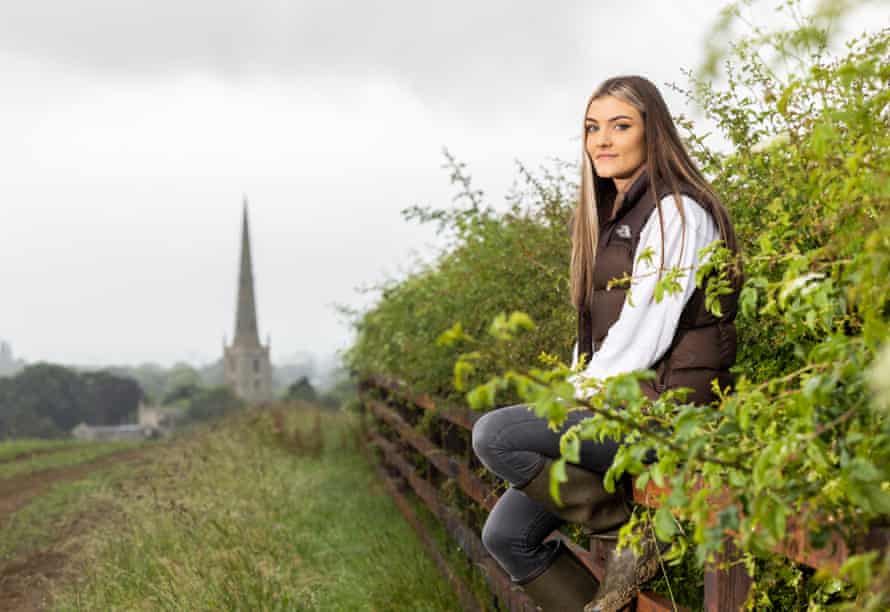
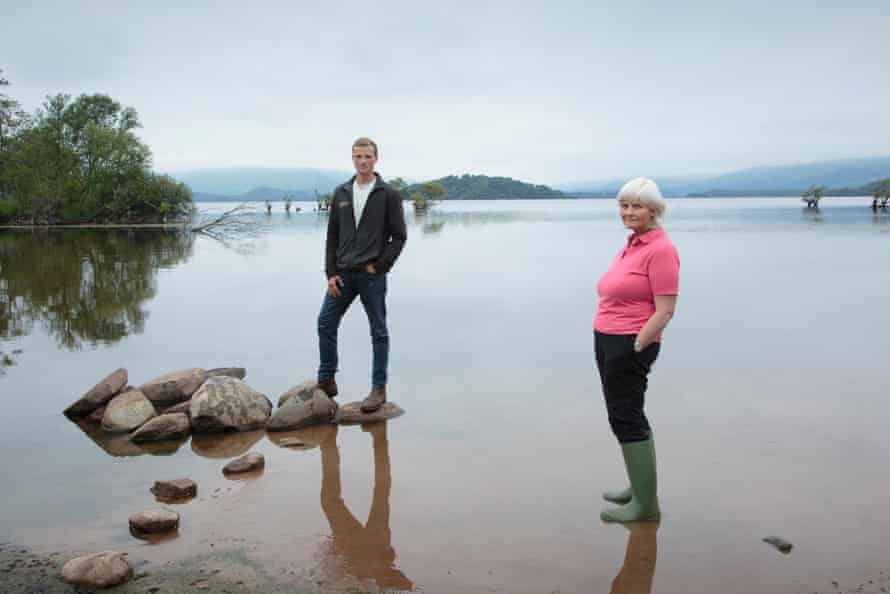
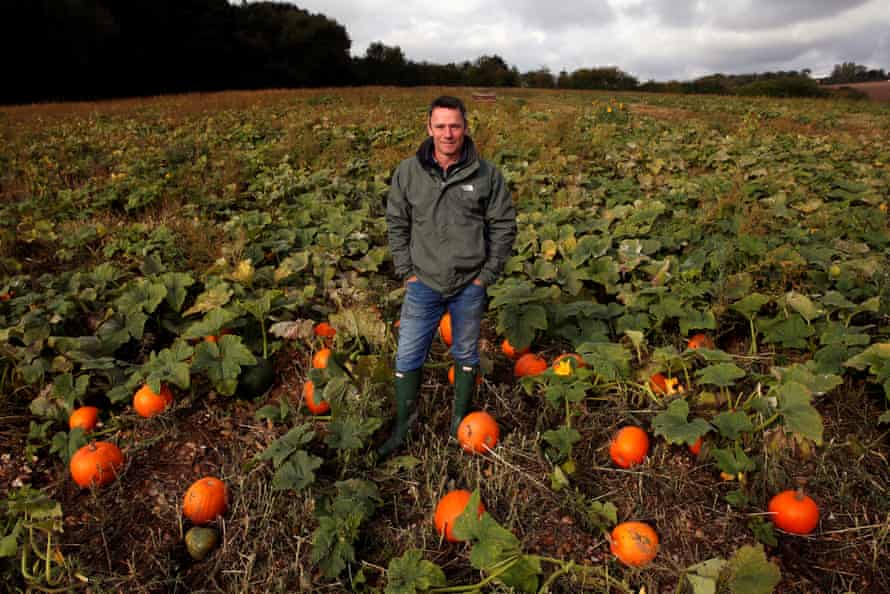

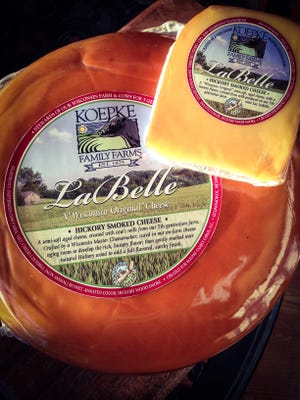
 A grass fire burning just outside Tulare quickly spread to a haystack at the Nunes and Sons Dairy before firefighters could contain the blaze late Saturday.
 The 23rd Holstein UK Annual General Meeting has seen the election of a new president and three board members, with one existing board member re-elected.

.jpg)






