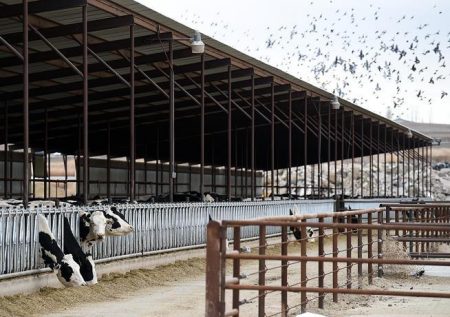
The blast of Arctic air that is expected to hang over Northern Michigan over the coming days has pushed winter preparedness to its limits, but it won’t be enough to affect the local dairy industry a great deal.
While winter temperatures do make some aspects of production difficult, farmers and experts agree that the recent bite of cold is not anticipated to impact dairy production or milk prices.
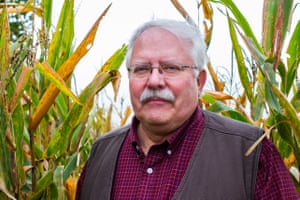
“As far as winter production, I’m not sure that there are huge drops in production during the winter — there might be some trend, but I’m not sure if we even really know,” Katherine Lee, senior educator in dairy agriculture for the Michigan State University Extension in Lake City said.
According to the U.S. Department of Agriculture, January and February can be the least productive months for dairy production nationwide, but on average, it varies between less than a percentage point.
Because of this, Lee does not anticipate any change in milk prices because of the colder weather.
“There are a huge supply of dairy products worldwide, and this little blip in the weather isn’t going to have any impact on the supply of milk that’s available,” Lee said. “At least not for the foreseeable future.”
While production and prices are to remain stable, the cold does have an effect on the operation of dairy farms and their animals.
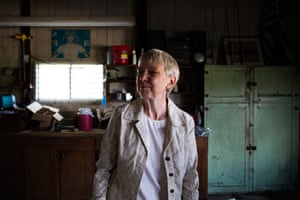
“January and February can be pretty cold,” said Amy Martin, co-owner of Gingrich Meadows. “Even February has been really cold these last couple of years, and that’s when you’re going to take your bigger hit. The longer it’s cold, the more milk production that you lose.”
Martin said the cold weather does shed a few pounds of milk off every cow, leading to a slight drop in production.
The reason: In winter conditions, cows need more feed to maintain body temperature, but if they’re able to get what they need, then there will be no significant interruption in dairy production.
“It’s the same thing when you hear people being reminded to feed their pets more this time of year because there’s a higher demand for energy — it’s the same for cattle,” Lee said. “They’re in the cold, and as long as they’re protected from the wind and they have adequate feed and access to water, they’re okay.”
For Martin and Gingrich Meadows, there have been no extraordinary circumstances that have interrupted food or water supplies, and in fact, Martin and other farmers expect prices to drop over the next few months.
Prices are set in part by the federal government and have fallen for decades, placing pressure on smaller dairy farms to innovate ways to cut costs and generate revenue.
Holstein Canada’s commitment to young dairy leaders across the country remains evident in the Education Award that is given annually. The $1000.00 Education Awards fall under pillar three of “Awards and Recognition” in the Young Leader Program, and are awarded to six recipients from across the country yearly. The Young Leader Committee selected six worthy candidates from this year’s bundle of applications. Applicants were evaluated on their farm and work involvement; youth and community involvement; career choice, scholastic achievements and new this year an essay question based on Holstein Canada’s services. This year’s Education Award winners are:
Rachel Boonstoppel, Manitoba
Spencer Macneill, Prince Edward Island
Alex Dolson, Ontario
Angela Pfaeffli, Ontario
Martha Mackinnon, Quebec
Raphaël Chabot, Quebec
The goal of the Education Award is to select and award well rounded individuals in the Canadian Dairy Industry that have made a commitment to their industry, their career, community and school. On behalf of the selection committee, I would like to congratulate this year’s winners as they were exceptional candidates that have bright futures in Agriculture.
The judges for the 2018 TD Canadian 4-H Dairy Classic were recently selected.
Claire Swale of the United Kingdom will judge the Showmanship division of the Classic with Steve Fraser from Fergus, Ontario, taking on the role of Associate Judge.
Claire Swale returns to the Semex “Ring of Excellence” as the Lead Showmanship Judge for the 39th Anniversary Show of the TD Canadian 4-H Dairy Classic. From Lancashire in England, Claire Swale has been judging Showmanship competitions for over 20 years, officiating in Canada, England, Ireland, Italy, Luxembourg, and Switzerland. In 2018 Swale will be judging showmanship at the New Zealand Dairy Event.
Married to Dave, with two children, Jack (18) and Harvey (17), Claire owns 40 head of registered Holsteins under her own Heavenly prefix. These operate alongside the family run Joylan Farms, which farms over 800 acres, milks 500 cows, and retails all their own milk independently.
Swale is a familiar sight in and around the show ring, whether it be showing or judging or as a valued part of the Cowsmopolitan team providing global show coverage. Last year she travelled to 13 countries, making over 90 flights, doing this.
Involved in the pedigree business since an early age, Swale considers herself extremely fortunate to have a career in an industry she loves, working with great cows and great people. Passionate about the youth of our industry, Swale is excited to be working with youth and is enthusiastically looking forward to judging Showmanship at this year’s TD Canadian 4-H Dairy Classic.
Steve Fraser, along with his wife Jacqueline Florent-Fraser, lives in Fergus, Ont. Along with his father Jack Fraser, they own and operate Fraeland Farms that presently milks approximately 90 Holsteins. Fraeland Farms is a four-time Master Breeder herd over three generations with Steve being awarded his Shield in 2011.
Steve Fraser has had many achievements over the years, including the honour of being Champion Showperson in 1997 and having the Champion Calf in 1996 at the Hays Classic, which is now known as the TD Canadian 4-H Dairy Classic Show at the Royal Agricultural Winter Fair. Additionally, Fraser has had a very successful judging career from officiating at numerous 4-H shows, multiple county shows, championship shows and Breeders’ Cups throughout Ontario. He judged showmanship at the Western Canadian Classic in 2017, and the Senior Showmanship class at World Dairy Expo in Madison, Wis, in 2014. Furthermore, Fraser has also judged internationally at the Brown Swiss Show in Australia and showmanship at the Australian Dairy Youth Camp.
As a former participant himself, Fraser is excited to return to “inside the ring” at this year’s TD Classic, this time as the Associate Showmanship Judge for 2018.
Bloyce Thompson from Prince Edward Island will officiate the Conformation part of this great youth event.
Bloyce Thompson owns and operates Eastside Farm Inc. with his wife Terri and children Taylor, Alyson, and Jenell in Frenchfort, P.E.I. Awarded a Master Breeder shield in 2006, this 80-cow herd has achieved several All-Canadian and All-American nominations over the years. Most notably is Eastside Lewisdale Gold Missy (Ex-95), Canadian “Cow of the Year” in 2012, Grand and Supreme Champion at both the 2011 Royal Winter Fair and 2011 World Dairy Expo and unanimous All-Canadian and All-American 5-year-old in 2011. Eastside Holsteins was proud to be named Premier Breeder at the 2011 Royal Winter Fair.
Thompson is a committee member of the Genetic Evaluation Board for the Canadian Dairy Network, sits on the Holstein Canada Classification Advisory Committee, and is a partner in 21 Century Genetics. Thompson has judged junior shows internationally in countries such as Portugal, Peru, Brazil, Japan and the United States. His judging experience has taken him to every province in Canada where he has judged many major shows and 4-H shows including the Western Canadian Classic, President’s Cup, TD Canadian 4-H Dairy Classic Showmanship in 2008, as well as the 2013 National Red & White Holstein Show at the Royal.
The Classic committee is looking forward to another successful show this year and is pleased to have sponsors TD, Holstein Canada and the Semex Alliance on board again.
The 39th anniversary show of the TD Canadian 4-H Dairy Classic is scheduled to take place on November 5, 6 & 7 during the “96th Royal Agricultural Winter Fair” at Exhibition Place in Toronto, Ontario.
As a self-described gastronome, Shang Qingfang is always willing to try all kinds of delicacies the world has to offer. But when it comes to milk products, she favors domestic brands over imported ones.
“Domestically produced milk is always fresher than imported, which is the most important thing for me in choosing a diary product,” said Shang, a resident of Wuhu City in central China’s Hunan Province.
Like Shang, a growing number of Chinese customers are now buying domestic dairy products without having to worry about their quality, indicating the dairy industry’s recovery from the infamous safety scandal 10 years ago.
In 2008, infant formula produced by Sanlu Group, then a leading dairy company, was found to contain melamine, killing six babies and leaving thousands seriously ill.
Since then, more cases have been discovered, plunging the industry into a years-long crisis and prompting Chinese consumers to turn to overseas milk products.
To revive the battered industry, Chinese authorities passed strict laws, tightened supervision, shut down unqualified dairy operations, encouraged industry consolidation, and increased policy support to improve milk quality.
Thanks to those measures, quality has improved greatly and the industry has expanded.
A report jointly released by the Dairy Association of China and the Ministry of Agriculture said the quality of domestic dairy products continued to improve in 2017, with 99.8 percent of fresh milk and 99.5 percent of dairy products-checked up to standard.
Xiujuan, a young mother from northern China’s Hohhot City, has been feeding her son with domestic formula for nearly three years, and he is growing up healthily.
She had tried to feed her baby with foreign formula, but her son did not like the taste, forcing her to switch back to domestic brands.
“The quality of domestic dairy products can now be guaranteed, and they are fresher and cheaper than imported ones,” Xiujuan said.
Outside the domestic market, Chinese dairy producers are even winning over overseas customers as they take steps to adapt to international quality standards while seeking global partnership.
In a 2017 list published by Dutch banking and finance group Rabobank, Chinese dairy giants Yili Group and Mengniu Diary were ranked among the world’s top 10 dairy companies, and are expected to further explore the overseas market for future growth.
Both companies have enjoyed a stronger global presence with a steady upswing in market share outside China, with the establishment of plants in major diary countries such as Australia and New Zealand.
In the first half of 2017, Mengniu Dairy said its sales overseas had surged more than 40 percent year on year, compared with an 8.1 percent rise in overall sales. The company now holds the second largest dairy market share in Hong Kong and the third largest in Singapore.
The fast-expanding market dominance is only part of Chinese dairy producers’ rising global reputation. Domestic producers like Modern Farming and Feihe Dairy Industry have won gold awards at the prestigious Brussels-based Monde Selection, which judges food quality.
To ensure product quality, Chinese regulators currently set more than 200 industrial standards for dairy products, and they are pushing for further consistency between domestic and international standards, according to a Dairy Association of China report.
At official spot checks, some major indicators, including nutrient content, exceeded the standards of the United States, Europe and Australia, according to the report.
Nominations for Holstein Canada National Director in six electoral districts for 2018 closed on December 8th. There were six incumbent National Directors eligible for re-election in these districts. Holstein Canada reports that all six directors have been returned to the Board by acclamation. They are: British Columbia – Ben Cuthbert, Ladysmith, B.C.; Western Ontario – Gerald Schipper, Aylmer, Ont.; Eastern Ontario – Nancy Beerwort, Martintown, Ont.; Western Quebec – Élyse Gendron, Saint-Polycarpe, Que.; Quebec at Large – Angus MacKinnon, Coaticook, Que.; and Atlantic Canada – Harry Van der Linden, Brierly Brook, N.S.
A Vancouver Island dairy is believed to be the first in Canada to offer their customers the chance to buy milk on tap – just like getting a growler filled at a brewery.
Morningstar Farm in Parksville is now selling their milk by the litre, and customers can bring their own jug or buy a glass bottle and reuse it again and again.
“We have a lot of retired folks who come and enjoy the farm and enjoy the milk dispenser,” Raymond Gourlay, co-owner of Morningstar, told Global News.
“I think to them it’s in some way taking them back to an age where you got milk delivered by the milkman, and it feels familiar in that sense.”
Morningstar Farm in Parksville.
The farm bought the dispensing unit from Switzerland and soft-launched the idea in early August.
Gourlay said it has been popular so far, and believes it is the only one in Canada.
He says the issue of pasteurization might be why more farms aren’t jumping on board.
“In Canada, unlike Europe, we do not sell raw milk, we have to sell pasteurized milk,” he said.
“In B.C. we are one of the small dairy farms that is also a processing facility that can sell milk direct from the farm because it’s pasteurized here and most farms don’t do that.”
A customer fills up milk at Morningstar Farm.
Neetu Garcha / Global News
The cost is $2 per litre, which Gourlay said is cheaper than a litre of milk at a grocery store, but buying a four litre jug at a store would ultimately be cheaper.
“[It’s] all grass feed milk, whole milk, no cream added,” said Gourlay. “The fat levels fluctuate, normally just over four per cent, it’s very fresh, straight out of the cow.”
“We sell milk from the day-of, [we] don’t age it.”
Gourlay is encouraging other farms to jump on board as, while the system is profitable for them, he believes it adds more value to the farm and the community, which is more important.
A litre of milk filled up at Morningstar Farm.
Global News
“It’s a big investment to pasteurize milk, but I would love to see a day where we could offer this to most communities around the province,” he says.
The farm is also excited about promoting buying local and cutting down on packaging and waste.
“It meets a core value of ours, to offer a product with less packaging… and be able to cut down on waste,” added Gourlay.
Reusable milk bottles for sale at Morningstar Farm.
Global News
Harvinder Aujala, the information services manager for the Recycling Council of British Columbia said this is the first time she’s heard of this idea for milk.
“The Recycling Council encourages British Columbians to go up the 3R’s hierarchy, so while recycling is great, reducing and reusing are even better,” said Aujala in an email interview.
“Not only are folks refilling and reusing pre-existing containers, they can also reduce foodwaste by purchasing only the amount they need.”
With zero-waste grocery stores also opening in B.C., Aujala says the idea further shows consumers want these options.
“The recent increased access to zero-waste markets shows that consumers want more environmentally-friendly shopping choices, and it’s great to see new products, vendors and options available,” she said.
For Gourlay, he’s happy customers are enjoying the option and buying local.
“To another generation… it feels familiar to and reminiscent of going to the local brew pub or brewery and just getting your growler filled with beer on tap,” he said.
A recent article from the Wall Street Journal reveals that dairy companies currently have an oversupply of organic milk because consumers are instead opting for dairy milk alternatives.
Reportedly organic milk sales have dropped 2.5 percent and plant based milk sales have increased 2.9 percent in the last few months of 2017. The drop in sales suggests that consumers don’t want “cleaner” dairy milk, but rather that they’re more interested in alternatives that are plant based. Organic milk was intended by the dairy industry as a competitor to healthier, fresher, dairy-free milk like almond and soy milk. Now, dairy leaders are left with an overabundance of organic milk that isn’t selling.
Originally released as a specialty product, organic milk has since seen huge shipments all over the world as plant based milks began taking more and more market shares. Now, retailers are left with too much organic milk and are, instead, opting to use more shelf space for vegan alternatives.
All of this leftover organic milk is being used in other products like cheese and other dairy products — as there’s no indicator that it will be selling fast enough to make a profit.
While 2018 has only just begun, it is piggybacking off 2017 which saw increases across the board in plant based milk acceptance, sales, tastiness, and accessibility. Perhaps sooner rather than later, folks will be more keen to get their milk from nuts than a cow’s udders.
President Tim Sargent and the Jersey Canada Board of Directors are pleased to announce that Russell Gammon of Fergus, Ontario will begin a one-year term as Interim Manager on Monday, January 8, 2018.
“Russell needs little introduction to Jersey owners. He has a long history of passion for and service to the Jersey breed and the wider dairy industry. In our deliberations, we saw him as the perfect fit to keep Jersey growth soaring upward and it will be a somewhat seamless transition within the association,” said Sargent.
Gammon’s resume includes 25 years as previous manager of Jersey Canada and he has served in a leadership capacity with the World Jersey Cattle Bureau. From 2011 to early 2017 Gammon held the position of Manager for Semex’s Global Jersey Program.
Although Russell enjoys all things agriculture, he is most enthusiastic about Jerseys and is excited to once again represent the Jersey breed on a national level. “There is a growing movement in North America, and elsewhere, to add Jerseys to dairy herds. Progressive dairy producers are making well thought out business decisions to invest in the Jersey breed. All measures indicate significant Jersey influence in the global dairy population!” mentions Gammon.
The Board and Jersey Canada staff welcome Russell to the helm and wish General Manager, Kathryn Roxburgh a wonderful maternity leave.
After completing regulatory hurdles, milk dispenser flowing at farm in Parksville, B.C.
Growlers are a popular way to bring home local beer in B.C., but in an unusual move, a small dairy on Vancouver Island is offering milk growlers.
In what the owners say is a first in B.C. — and maybe Canada — the farm has installed a milk dispenser at its store.
The machine, purchased in Switzerland, allows people to fill their own container with milk, or fill a reusable bottle purchased at the farm.
“We are not used to buying milk on tap, so to speak, and we are not used to buying milk from farms,” said Raymond Gourlay, co-owner of Morningstar Farm in Parksville, B.C.
“For a certain generation it’s reminiscent of the milk-man coming by and getting your fresh bottles of milk delivered, and for another generation it feels familiar because it’s like getting a growler filled at a brewery.”
Uncharted territory
Until a few months ago, all of the milk at the small dairy was processed into cheese for Little Qualicum Cheeseworks.
The idea of a milk dispenser, something Gourlay says is more common in Europe, was only possible because there was already processing and pasteurization equipment onsite for the cheese factory.
Even so, there were plenty of regulatory hoops to jump through before the milk could start flowing.
“They just wanted to make sure it was done right because this is kind of uncharted territory,” he said.
“Certainly all of the regulatory bodies we have worked with in British Columbia…they have never seen anything like this before.”
So far, Gourlay says there’s been a lot of local interest in the novelty of the milk dispenser.
He hopes it will offer an alternative for people who like to support local agriculture and don’t want to buy milk in single-use plastic containers.
A dairy farmer has been left devastated after nearly a third of his cows tested positive for TB and will now have to be slaughtered.
Graham Gibbs (PIC: Marcus Mingis/Droitwich Standard)
Graham Gibbs, a third generation farmer at Lower Bentley Farm near Droitwich, heard the news last week after a routine TB test resulted in 105 of his cows testing positive for the disease.
They will be taken away to be destroyed in the next few weeks and Graham now faces up to a two month wait for Defra to conduct another test on the remaining herd.
Graham told the Droitwich Standard: “It is just awful what has happened.
“The disease could have been spread by other wildlife, including badgers and deer, or brought in from another farm but that is highly unlikely as we conduct tests when the cows come into our farm.
“Once the cows have gone we have to do another test to see if any more have been infected.”
Graham will have to restock to keep his business running and said he was now ‘out of pocket’ as a result.
“My grandfather started the farm nearly 70 years ago,” he added.
“Because we are an organic farm the premium on organic cows is higher than on conventional cows and we don’t get that money back.
“We also won’t be compensated for the food for the cows nor the milk lost in production.
“It has been a terrible situation but we want to thank the vets MacArthur Barstow and Gibbs for all of their help.”
The study also showed a 21 per cent drop in TB in herds in Somerset, and found all 19 licensed intensive badger control operations achieved the badger population reductions needed to get on top of the disease.
As the results were published, Farming Minister George Eustice announced a number of new cattle control measures to stamp TB out which will come into force on January 2, 2018.
Six-monthly testing will be introduced for cattle in high risk areas – mainly the South West and parts of the Midlands.
Exposure to dairy farms early in life may dramatically reduce the frequency and severity of respiratory illnesses, allergies and chronic skin rashes among young children according to a collaborative study that includes two researchers from the University of Wisconsin School of Medicine and Public Health.
Drs. Christine Seroogy, associate professor of pediatrics, and James Gern, professor of pediatrics, worked with researchers at the Marshfield Clinic on the study.
“Seeing decreased allergies in farm-exposed children from the Marshfield area is in agreement with similar findings in Western Europe that found farm exposure is linked to allergic disease and wheezing illnesses,” said Seroogy. “But this is the first study to show an association between farm exposure and reduced medically-attended respiratory illnesses.”
The study, published online by the Journal of Allergy and Clinical Immunology, was conducted in the Marshfield Epidemiologic Study Area. It compared 268 children ages five to 17 who lived on a dairy farm from birth to five years to 247 children who live in a rural area but never lived on a farm. The study included the use of questionnaires and review of electronic medical records.
Conditions that were significantly less common in farm-exposed children were allergic rhinitis or hay fever (17 percent compared to 28 percent) and eczema (7 percent versus 19 percent). The study found children born onto dairy farms had much less severe respiratory illnesses during the first two years of life (16 percent in farm infants compared to 31 percent in non-farm infants.)
“These findings suggest that environmental exposures or other elements of the farming lifestyle help kids to be resistant to both allergies and viral respiratory illnesses,” said Gern.
Seroogy and Gern said they are working on an additional study in Marshfield to identify which farm exposures may be beneficial and to determine whether they stimulate development of the immune system during infancy. This prospective birth cohort study, known as the Wisconsin Infant Study Cohort, will help to determine how farm exposure reduces childhood respiratory illnesses.
“Ultimately, the goal of our ongoing study is to determine the beneficial exposures of the farming lifestyle and establish a safe manner to bring this to children at risk for asthma and allergic diseases,” said Seroogy
Funding for the study was provided by the Marshfield Clinic Research Foundation, National Institute for Health and National Institute of Allergy and Infectious Diseases grant U19AI104317 and the Clinical and Translation Science award through the NIH grant UL1TR000427.
Brexit could be a major threat to producer prices in the Netherlands if exports of meat, dairy and horticultural products were subject to tariff and non-tariff barriers.
The Dutch agriculture industry was reliant on exports, with the UK a major market for poultry meat, cheese, fruit, vegetables and flowers.
But while Brexit has received wall-to-wall coverage in Britain, Wageningen University senior researcher Dr Siemen van Berkum said it was not really a concern for the average person in the Netherlands.
“In the businesses related to agriculture, it is one of the priority areas and this is to do with the importance of trade to Dutch agriculture,” he said.
Relief
He added the news the negotiators would move on to the next stage of negotiations had been greeted with relief.
Speaking at the British Guild of Agricultural Journalists Brexit and EU Agriculture event, Dr van Berkum said the poultry and dairy industries would be hardest hit if the UK left without a deal in place.
“The World Trade Organisation (WTO) import tariffs are higher. The impact would be in terms of prices. There would be a major impact on cheese and meat,” he said.
“Then we have to think about standards issues with animal diseases and whether there will be divergence on standards. They are very worried about this.”
Quality
However, given British consumers’ demand for high quality produce, he said the Dutch were looking to protect their exports by maintaining their good reputation.
In the UK dairy industry, there had been talk of import substitution opportunities but Dr van Berkum said this was not a concern.
“The dairy industry in the UK has been concentrating on commodity. There is not really concern the UK dairy industry might become a serious competitor in the cheese market.”
With horticulture being another main exporter to the UK, there was a focus on non-tariff barriers.
“There is a focus on bureaucratic procedures, diseases and inspections,” he said.
“But on the other hand, the industry has always been very efficient to serve the British market. We are quite near which might be seen as an advantage.”
He added the industry was being proactive, lobbying the Dutch Government and making sure it had promoted its interests, and agriculture was higher on his Government’s agenda than it seemed to be in the UK.
Referendum
And Dr van Berkum believed most of the Dutch were still behind remaining part of the EU, although there had been some debate when the British referendum was held.
“Most acknowledge the benefits,” he said.
“It is quite obvious the interest of the Netherlands is to have open borders as much as possible. The Netherlands is a country dependent on exports and imports. We are a trading country.”
Just over a week after a fire destroyed a nearly 200-year-old milking barn at Hardy’s Holsteins, the Hardy family and their employees are dealing with the blaze’s aftermath.
“All of our supplies were burned up. All of our computer records for the robots are gone. All of our equipment… everything (is) gone,” owner Gregg Hardy said. “And you don’t realize how many of these little things you use. I have four legal pad pages (with) every single-spaced line (with) items that are now gone. Just the littlest things that you need.”
At the same time, authorities search for a cause of the Dec. 19 fire.
“The fire is still under investigation,” Jesse Knick, deputy fire chief of Sand Lake Fire Department, said. “We don’t have any reason to suspect it was arson though.”
The renovated historic milking barn contained two state-of-the-art robotic milking machines that automatically milk, clean, feed and monitor the health of each cow as they line up and take turns milking themselves as needed.
“It collects a huge amount of data,” Hardy said. “The cow comes in, it weighs her, it washes her, it identifies who she is, how much feed she is supposed to get, the lasers identify where her teats are.
It measures the milk, measures how much feed she ate, it then takes her temperature, takes the quality of the milk, weighs the milk and weighs the cow on a real-time basis.”
The machine also is capable of alerting staff when something goes wrong, contacting those responsible for its maintenance on their cell phones.
At approximately 11:56 p.m., Parker Hardy — Gregg’s son, who lives in the farm’s original homestead directly across from the dairy barn at Munger Road and Wisner Highway — was awakened by a call from the robotic milking machine indicating a problem. Parker said there had been a similar call earlier that week that was not urgent and, being tired from the busy holiday season, he dozed off. He was awakened a second time less than five minutes later by another call, this time from his mother, Shelly, who told him someone driving past the barn noticed it was on fire.
He ran outside and immediately called 911 at 12:03 a.m.
Parker said he opened the gates of the barns to let farm’s 175 dairy cows out into the pastures — about 130 cows were inside the barn that was on fire. Parker then went into the farm’s business office and began removing computers and servers, loading them into vehicles.
A few of the cows tried to wander back inside the barns and Gregg locked the barn gates to prevent them from reentering. Still, three cows sustained injuries from the fire, requiring two to be put down.
According to Knick, the fire was under control in about 11⁄2 hours, but firefighters from Sand Lake, Madison, Cambridge, Adrian and Raisin townships, Manchester, Clinton and Tecumseh continued putting out hotspots for eight hours. Parts of the barn were torn apart to get at smoldering straw. Family members, neighbors, as well as a current and former employee helped.
“We were pulling pieces of the barn and the hay out with the excavator, pulling it back and it would combust when it got air,” Parker said. “They had to actually throw water onto the excavator window to keep it from melting. That’s how hot it was.”
The hipped roof barn, which had served the family for six generations, was a total loss, but the firefighters successfully prevented the fire from spreading to adjacent buildings.
″(The) barns are all attached to each other so we were able to save a portion of where the offices were, some of the other barns around it, the silos and everything around it. But the actual barn that the fire started in was a loss,” Knick said.
The Hardy’s said they are thankful for the many people who came to help. Some, like the Whelan family from the neighboring Whelan Farms, were there for nearly the entire duration and have volunteered to milk some cows that recently gave birth.
Since the fire, other families, friends and industry members have reached out to offer much-needed help.
“The key thing that people don’t recognize is all those cows had to go get milked somewhere. So we had to call on our resources, people we know in the industry, to find somewhere to take them,” Gregg said. “You just don’t say, ‘O.K. Stand over here and we’ll milk you.’ We had nothing left to milk them with. So we were able to get friends in two different locations, immediately.”
The next day, Parker transported 96 cows to Homestead Dairy in Plymouth, Ind., which has 36 newly installed robotic milking machines. An additional 25 were transported to family friends on a farm in Nashville, Mich. Special needs cows were left on the property in the undamaged barns.
“You’ve got to take care of the animals. They have to be milked. Can’t wait,” Gregg said.
Meanwhile, the Hardys have been assessing the damage and consultanting with their insurance company, taking stock of what was lost and adjusting staff and employees to a new system of operations. By Wednesday, they only just had begun to think about how they were going to rebuild. At retirement age, Gregg said he was letting his son take the lead and make the rebuilding decisions.
“It was a very old setup and a very old system,” Parker said. “The dairy industry has (evolved) in so many different ways now.
“Our concept would never change. If anything, we’ll only get better.”
The Hardys estimate it will be at least five to six months to get back to normal operation levels.
“With grandkids running around here, abandoned manure pits can be a death trap,” said Ogilvie farmer Brian Besser. Besser along with his son, Blaine, own adjoining farms south of Ogilvie. They each had an abandoned manure pit that they wanted to fill in and were considering doing it on their own and paying for it out of their own pockets. That is when they asked for help from Rick Martens, owner of Martens Manurigation pumping business.
Martens suggested that they contact the Natural Resources and Conservation Service and the Soil and Water Conservation District office staff in Mora to see if there was funding available that would cover some of the costs of cleaning and closing up their pits. One phone call, a year of planning, design and working with NRCS and SWCD staff in Kanabec County resulted in their two manure pits being filled to NRCS standards and 75 percent of the costs being paid for with federal funding.
Financial, technical and paperwork assistance is available for farmers and landowners who want to properly fill-in abandoned manure pits according to Shannon Rasinski, NRCS district conservationist for Kanabec County. Some added state funding is only available through the end of June.
This is welcome news to farmers who have quit milking cows or raising hogs in recent years and who have abandoned their liquid manure pits. NRCS funding pays flat rates based on the pit size, and it is available to farmers who follow a proper abandonment, closure and clean-up process with the help of the NRCS and SWCD staff. An additional Minnesota Department of Agriculture low interest loan currently for 10 years at three-percent interest can be applied for through the SWCD. With these two sources of funding, up to 75 percent of the costs may be covered.
The Minnesota Pollution Control Agency requires that within one year of ceasing operation, farmers must remove all manure and land apply the material at agronomic rates. The purpose of proper manure pit abandonment is to protect ground and surface water, safeguard public health from potential gases, such as hydrogen sulfide and to remove a drowning hazard according to Rasinski. Also, if a farmer wants to sell the farm in the future, the pit will have to be refilled anyway or it can be a liability to the new owner. The closure has to be permanent.
“Many pits have lived beyond their design life,” said Rasinski. “We may have the original design on file at the NRCS office. We will inspect the site, do a closure design, calculate quantities and cost estimates. This all needs to be done before any work is started.” Pit closure project applications are then put into a pool.
Each project goes through a National Environmental Protection Act assessment of its impact on impaired waters and threatened and endangered species. Livestock practice projects are given a high priority. The goal is to protect surface waters from runoff and ground waters from leaching. The closure has to comply with all federal, state and local laws, rules and regulations including national pollution discharge elimination system requirements.
Once that is completed, the excess water and solids in the pit must be removed. Then, the contaminated soil on the sides and bottom of the pit have to be removed and spread on cropland. Once the pit is cleaned, both ends of the underground pipe running from the barn to the pit and the pump must be cemented to permanently seal them to prevent any water from getting in. After that is completed and the pit is inspected to meet NRCS standards, it can be filled.
Sometimes the fill can come from soil on site like it did with Brian’s pit when he got DNR permission to use a bank of soil between his farmstead and the river. In other situations, the fill may have to be hauled in as it did for Blaine’s pit. In his case, a local construction company brought in fill at no cost from another construction site that had to have it removed. The final steps are for the sites to be covered, graded and sloped to prevent water accumulation and then seeded.
Two other area farmers who have taken advantage of the NRCS and SWCD manure pit closure programs are Paul Kent Jr., Bill and Lucas Olen who farm east of Mora. Kent had his pit filled in last year as well. He had used it for 30 years for his 80-cow dairy herd and said it was an ideal way to handle manure.
However, he does not miss hauling manure for two and one-half days, without sleep, to get it incorporated into the soil before winter arrived. He also said that another critical timing issue with manure pits is in the spring when there is a narrow window of opportunity to haul manure between the ground thawing and corn planting. He has not milked cows for five years and has pumped six to eight feet of water out of his pit each year for several years. With a 3-year old grandson around who could get into it, he decided to fill it in when he heard that his neighbors Bill and Lucas Olen had filled in their pit.
Olens had sold their cows in 2015 and filled in their pit in 2016 with the help of federal and state cost-sharing. Lucas is an experienced heavy equipment operator so he was able to do the work himself. Olen said that initially they received a 15-year loan to install the pit and they used it for 33 years. He said that the reason pits were approved for manure storage was to be able to contain the manure which is considered a hazardous waste.
Both Kent and Olen worked with NRCS and SWCD to complete the paperwork and followed what they described as fairly stiff criteria which they found was easy enough to follow. They isolated the topsoil, removed the liquids, contaminated side and bottom soils while being monitored the whole time. They were complimented by the staff on how good of a job that they did. Olen said, “It worked out really well,” Kent added, “Overall, it was a very favorable experience and federal and state funding paid for 75 percent of it. If funding is available, use it.”
Blaine Besser summed up his experience with the process when he said, “I thought it was going to take years to finish it if I paid for it out of my own pocket. We stuck with the process and we got it done with about 90 percent of the cost paid for. It actually turned out really nice.” His father Brian added, “It was pretty simple. It was just a matter of meeting with NRCS a few times.”
Bessers now plant row crops over both of their old pit sites. “It’s now a nice landscaped slope that the kids slide on in the winter. It changed an unsightly weed and brush covered site and made it nice looking. It was worthwhile to work with NRCS and SWCD,” he concluded.
Farmers with questions on a manure pit that is no longer used are encouraged to stop by the Kanabec County NRCS and SWCD office at 2008 Mahogany St., Mora. It is located on the east side of Mora between the East Central Livestock Auction and the East Central Veterinarian Clinic. NRCS and SWCD are voluntary based and not regulatory organizations. Farmers have to request help from them. The USDA is an equal opportunity provider and employer.
The Wisconsin Holstein Association is excited to announce Mara Budde, Fox Lake, Wis., as their Communications Associate.
Budde will create marketing and communications strategies, manage digital communications, plan events, create editorial for the Wisconsin Holstein News and help coordinate WHA youth events and programs. Additionally, she will play an important role in coordinating efforts for the 2019 National Holstein Convention.
“Mara’s experience in social media and writing is a perfect fit for the WHA team,” said Kevin Jorgensen, WHA Board President. “Additionally, her enthusiastic personality and knowledge of the dairy industry will be key assets to the membership.”
Formerly the Sales and Marketing Assistant at Sassy Cow Creamery, a farmstead dairy in Columbus, Wis., Budde gained experience on the food processing side of the dairy, coordinated social media efforts, managed the retail store and planned promotional events.
Along with her role at WHA, Budde manages calves and helps milk 60 cows at Wildweed Holsteins & Jerseys. She enjoys spending time with the calves and young stock, watching them grow and develop. When time allows, Budde enjoys showing her Holsteins and Jerseys at all levels of competition.
A Silicon Valley food startup is looking to spill a lot of milk in grocery stores across America—by offering shoppers a replica of the real thing.
Perfect Day is just one of several promising young companies aiming to upend animal farming using science and high-tech engineering to create the same types of foods that farm animals have traditionally produced: milk, eggs, and meat. If these new food-industry players find success in the marketplace, it could help shrink the animal agriculture significant environmental footprint; the United Nations estimates the livestock industry is responsible for over 14% of total global greenhouse-gas emissions.
The supermarket dairy aisle has already been disrupted by an array of plant-based milks. According to recent data from Nielsen, plant-based milks currently account for 9.3% of total milk sales in the US. But Perfect Day hopes to offer something new. Its milk product is made by altering sections of the DNA sequence of food-grade yeast such that the microorganisms, once fed with certain nutrients, produce many of the proteins found in milk, including casein, lactoglobulin, and lactalbumin. Perfect Day describes the process as akin to brewing craft beer. And it gives Perfect Day’s product many of the same properties as milk from a cow, like the ability to work in an emulsion and to give foods a softened texture. That means it can be used in much the same way to make dairy-driven foods like mozzarella cheese, baked goods that require milk, yogurt, and milk shakes.
In theory, it’s a lactose-free, environmentally friendly form of dairy that’s nearly as good as the real thing. (People with casein or other milk protein allergies will have to wait for the hypoallergenic version, which Perfect Day’s founders have said is in the works). There aren’t any reviews of Perfect Day’s milk out yet, but Quartz has spoken with people who have tasted the product, and they reported it to be a convincing replica and were optimistic about its potential.
The dairy aisle is only the first battle in Perfect Day’s war on cow-based products. In a recent interview with Food Navigator, the company said it was fielding interest in its milk product from some of the world’s biggest food manufacturers. Those kind of potential deals could have huge implications for the future of food. It means food companies interested in incorporating nutrient-dense protein without turning to animals or plants will have an option.
“I honestly think that in five years I don’t know why anyone would use plant-based proteins in certain products anymore,” Perfect Day co-founder Ryan Pandya told Food Navigator. “Dairy proteins have the best amino acid profile and the best nutrition, so it’s a goldilocks product really.”
The Belvedere Palace, which dates back to 1484 and houses precious art of the Vatican Museums, is currently being re-painted with milk.
It’s an ancient recipe that has proven more lasting than any modern synthetic paints: “We’re not nostalgic for the past,” said the Vatican’s chief architect, Vitale Zanchettin.
“The point is that we think these solutions age better. They are tried and tested.”
In line with Pope Francis’ emphasis on ecology, the milk itself comes from the Pope’s cows, raised at the papal summer residence of Castel Gandolfo, just outside of Rome. It is mixed with slaked lime and natural pigments, in this case, the original cream color used in the 1500s and hand-patted onto the walls with a centuries-old technique.
Barbara Jatta, the director of the Vatican Museums, says that Pope Francis’ encyclical on the environment is their guidebook for restoration work: “We really tried to apply these non-invasive methods,” Jatta said, “Non-invasive for the environment and for the people.”
Essential oils
The Vatican has been at the forefront of research on the use of essential oils to clean and protect the 570 statues and other marble works of art in its gardens.
The beauty of the Vatican Gardens’ 22 hectares belies the risk its plants, trees and soil pose for the ancient sculptures placed among them. Fungi and bacteria from plants and soil slowly erode the marble works, which are already exposed to potentially damaging natural elements.
To find an environmentally friendly solution to the problem, the Vatican conducted several years of research, which they shared during at international conference in October 2017. Results showed that essences of oregano and thyme were effective in preventing the bio-deterioration of marble without damaging the artwork or the health of those who work with it. The oils are sourced from certified organic crops in Sicily.
People, not machines
Working with environmentally-friendly products is as important for the health of their employees as much as for their art. A permanent staff of 100 at the Vatican Museums continually clean and repair ancient art and buildings for the 6 million tourists who visit every year.
The cost of human labor is expensive, but the Vatican prefers to employ people rather than machines, according to Zanchettin. Restoring artwork and architecture requires detailed technical skill and years of experience that so far cannot be duplicated by a computer: “It’s very manual, hands-on work, aimed at employing people rather than machines,” said Zanchettin.
“It’s better to pay people than machines,” he added.
In a world where the computer can do most anything, at the Vatican, the hands of artisans and the bounty of mother nature still count.
The Bullvine staff wishes all of our subscribers, readers and advertisers a very Merry Christmas and Happy New Year!
The Bullvine office will be closed on the following dates during the holidays: Monday, December 25, and Tuesday, December 26, and then again on Monday, January 1.
Reese Burdette may be recovering from a kidney transplant, but that hasn’t stopped the 10-year-old Mercersburg girl from getting in the Christmas spirit.
Reese Burdette is ready for the holidays as she poses at her at her Mercersburg home. Burdette recently received a new kidney and is back home, getting ready for the holidays.(Photo: Markell DeLoatch, Public Opinion)
Since arriving home from the hospital on Nov. 24, she has been busy getting ready for the holiday by making ornaments, helping her mother wrap presents and take care of the Christmas cards, and even doing some online shopping for gifts for her family.
“She looks great, she feels great, so obviously (she and the kidney are) a good match at this point,” Reese’s mother, Claire, said.
Reese had previously spent two years at Johns Hopkins Children’s Hospital’s Pediatric Intensive Care Unit in Baltimore, recovering from severe burns and other injuries she received in a fire at her grandparents’ house over Memorial Day weekend in 2014. In September, Reese found out she was in the final stages of renal failure and would need a transplant.
Luckily, the family found a donor shortly thereafter – 32-year-old special education teacher Alyssa Hussey. Reese went in for surgery on Nov. 20, and was released a few days later on that following Friday. It was her third consecutive Thanksgiving spent in a hospital.
Since then, Claire said her daughter has been doing really well and feels good. Doctors are continuing to monitor her blood work, and they are trying to get her medication leveled out, which requires trips to Johns Hopkins about three times a week. Reese is also exited about the removal of her dialysis port which was scheduled for Thursday.
However, the young girl is also in a 100-day isolation period, Claire said, due to her suppressed immune system and to keep her body from rejecting the kidney. This means she can’t be in public areas with large crowds. Claire added that hopefully this will end in late February or early March.
In addition to being isolated, Reese has to drink four liters of water a day – or 12 ounces every hour for 12 hours – for the next couple of months.
“She’s doing it, she accepts it, and she knows she has to do it, but it’s still just a challenge,” Claire said.
But it’s still business as usual for the young girl. She is currently attending school with the help of a robot which allows her to see what’s happening in class, and Claire said she even got to ride a horse in carriage and see Santa in Greencastle, because the event was outside and approved by her doctors. She added Reese also plans to do some baking with her grandmother once school is out.
However, because she is in isolation, the family has had to make some adjustments with their holiday traditions this year. For example, because she can’t be in public places, Reese had to shop online instead of going to stores.
“We’re trying to do all our traditions as we’ve always done them, we are just improvising a bit this year,” Claire said.
This is the second Christmas the family will spend at home since the fire, Claire said. To celebrate the holiday, the family will be with Reese’s father’s family on Christmas Eve, and then with her mother’s family on Christmas Day – as long as everyone is healthy.
And that’s the way Reese likes it.
“She is a child of tradition. She likes to do things as she always did,” Claire said.
Because the kidney transplant has opened up the chance for Reese to eat food she couldn’t before, Claire said this year she’ll be enjoying lots of hashbrown casserole, cheeseball and freshly squeezed orange juice on Christmas morning.
“She just loves everything about Christmas – being with everybody, giving, baking – she just loves all of that just like any other kid,” Claire said.
And as a mother, Claire said she is just happy to be home and celebrating the holiday with their family – like they always have.
“We have made it work in the past and celebrated in different ways, but this year, we truly know how to celebrate it together, and like Reese knows, the true meaning of giving, it doesn’t always have to be a present that you wrap up,” she said. “You can give in other ways.”
There’s a strange scene in The Last Jedi as Rey is following Luke Skywalker around his hermitage on the planet Ahch-To. Luke has apparently gotten into the habit of milking the planet’s local creatures — the remarkably relaxed thala-sirens that spend their time reclining against the rocks. He walks up to one of the creatures and squeezes green milk from its prominent udders. Then he drinks it, soaking his beard with the stuff.
It’s a creepy moment that might be an homage to the blue Bantha milk of Luke’s childhood on Tatooine. One thing’s certain: in the Star Wars universe, milk comes in unusual colors. But what about on Earth? Without using food coloring, would we ever see such weird shades? No — but also yes, says David Barbano, a professor of food science at Cornell University. “Inside the white milk that you drink, it’s actually green, and you don’t know it,” he says.
Wait, what? To take a step back: milk is white because of the tiny particles of proteins and droplets of fat are suspended in it. These tiny particles reflect all the wavelengths of light back to your eyes, which your brain interprets as white, Barbano says. This milky color can vary a little from one type of dairy cow to another: Jersey cows, for example, can make yellower milk than Holsteins — probably because of a genetic difference that lets Jerseys pass more of the yellow pigments from the grass they eat into their milk. Most other pigments break down during digestion.
But skim milk doesn’t look as white. In fact, sometimes it can look downright blueish or greenish. That’s because when you take out some of those fat droplets to make skim milk, the light can penetrate further into the liquid through the glass and hit protein particles that absorb certain wavelengths of light. The light that’s reflected back out is more blue-green, and less snow white.
Left, green casein-free skim milk, also known as permeate. Right, regular skim milk.Image by David Barbano
That color change gets even more obvious if you take out all the proteins and fat through a process called ultrafiltration, Barbano says. The fat and protein are set aside for cheesemaking, and the resulting transparent liquid, called permeate, is green. That’s because the ultrafiltration process leaves behind a molecule present in milk called riboflavin, or vitamin B2.
The riboflavin reflects greenish wavelengths of light, giving the clear liquid a grassy green hue. Typically, “you don’t see it because it’s masked by the fact that the particles of fat and the particles of protein are reflecting the light back,” Barbano says. “But when you take cow’s milk apart, the base color without the protein and the fat is actually green.”
So is Luke drinking an ultra-skim, riboflavin-flavored smoothie from the thala-siren? Probably not, because the liquid that soaks Luke’s beard is milky rather than clear. “Then it’s something else,” Barbano says — but he’d have to reserve judgement until a scientist can examine the stuff. Nothing here on Earth makes milk quite that color.
How society regards the use of genetic modification and genome editing can have a significant influence on how these technologies are regulated by authorities and on the pace of technological advancement. In a review published in the Journal of Dairy Science, authors from the Swedish University of Agricultural Sciences discuss potential applications of genetic modification and genome editing of cattle for food production, considering both the breeding program and its ethical aspects. The authors concluded that an active role by all those involved is necessary to support scientific developments.
“It is important that clear and honest information about different methods and their potential use and consequences be provided by researchers. Discussion of ethical dimensions with stakeholders and awareness of possible controversies may decrease the risk of miscommunication,” lead author Susanne Eriksson, PhD, said. “To leave the ethical discussions and decisions about genetic modification or genome editing to those with less insight in genetics and animal breeding would be an unfortunate scenario.”
In their study, three geneticists and one ethicist focused on two potential applications within cattle; namely, genome editing to create dairy cows without horns (“polled” dairy cows) and genetic modification to improve udder health. Both approaches could be seen as beneficial for animal welfare, but in the former case, a genetic variant already present within the species is introduced, whereas in the latter case, a gene not found in cattle is inserted into the bovine genome.
“It is no longer a question of whether gene editing and genetic modification of farm animals can be done, but, rather, should it be done and who decides what is acceptable. There is the need for international cooperation because dairy genetics are distributed throughout the world in the form of frozen semen used for artificial insemination,” commented Matt Lucy, editor-in-chief of the Journal of Dairy Science.
Potential drawbacks include unexpected abnormalities in embryos or calves that arise from the use of advanced reproduction techniques in the gene editing and genetic modification procedures. Ethical questions also exist regarding the “naturalness” of either method, maintenance of the bovine genome, and respect for the cow’s life and well-being. Addressing these issues will help shape public perceptions and advance the science of genetic modification and genome editing.
“As pointed out by Professor Henner Simianer (University of Göttingen, Germany), to become quickly adopted and implemented, novel technologies must be suitable for daily use, benefit the breeding program, and be cost efficient, but they also have to be accepted by society,” Professor Eriksson said. “However, it is an open question when or if general societal acceptance of food items produced by genetic modification will be achieved.”
Harrison & Hetherington have announced an outstanding line-up of British and International judges for their flagship dairy showcase, Borderway UK Dairy Expo 2018, which will take place in Carlisle on Saturday 10 March.
This high acclaimed event is now a firm fixture in the dairy industry calendar and a significant showcase for British dairy genetics. Over 7000 visitors attended last year, illustrating the importance and support it now enjoys across the industry.
Taking place at the Borderway Exhibition Centre, organisers Harrison & Hetherington have secured a world class line up of judges in 2018, all who are recognised in the dairy industry for their immense experience and knowledge. The four headline judges are Selwyn Donald from New Zealand, Dean Malcolm from Australia, Alan Timbrell from England and Ann Laird from Scotland. With 380 head of cattle set to take to the stage in over 70 classes, the judges will have the difficult task of placing the absolute best of UK dairy genetics.
Commenting on the judge appointments for 2018, David Pritchard, Event Organiser and Operations Director at Harrison & Hetherington said:
“Borderway UK Dairy Expo attracts the UK’s finest selection of livestock and exhibitors and we are thrilled to attract such high calibre judges. I want to express my thanks to them for their huge support and look forward to welcoming them to Cumbria and our spectacle of British dairy genetics.
The task of judging the Holstein, Ayrshire & Brown Swiss classes, will be the responsibility of Selwyn Donald. Selwyn and his partner Lorraine, own the 400 head ‘Arran’ herd of Ayrshires in New Zealand. Selwyn has an incredible list of judging duties to his name and is New Zealand’s most travelled judge of any breed.
He has exhibited also at many shows throughout New Zealand and won Supreme of the Breed at the 2016 NZ Dairy Event in both the Ayrshire and Combined Breeds Section. Selwyn is the only exhibitor to have won the Intermediate Championship in the Holstein, Ayrshire, Jersey and Combined Breeds Sections. Selwyn is very involved with his family’s Semen Company who are responsible for marketing genetics from Cogent, Alta Genetics, Semenzoo, Intermizoo, Jet Stream, OHG and Genetics Australia.
Australia’s Dean Malcolm judging the Dairy Shorthorn, Jersey & Red & White Show is the co-owner/operator of Bluechip Genetics and industry publication CrazyCow. Well known throughout the world for his BlueChip Prefix, Dean, with wife Diane, dispersed the herd in October 2016 for an Australasian record gross and average for a one-day dispersal.
Alan Timbrell, a partner in Millford Ayrshire’s and Fordmill Holstein’s will be judging the National British Friesian show. He currently works for Alta Genetics as their National Key Account Manager in the UK and is the Ayrshire Cattle Society’s Breed Heritage Chairman and West Midland Holstein Club President.
Commenting on being invited to judge at this year’s event, Alan said “It is a great honour to be asked to judge The National Friesian Show at the Carlisle Expo 2018 which I am very much looking forward to.”
The Showmanship classes will be judged by Ann Laird, who is currently the Solutions Coordinator for Semex UK and is one of the UK’s rising stars in the judging ring. Ann has played an integral role in the development of the Blythbridge Holstein herd both on the farm and in the show ring.
Ann is proud to add UK Dairy Expo to her list of judging assignments and is looking forward to working with the very best young handlers in the UK in March.
In addition to the dairy breed classes, the Borderway UK Dairy Expo will also highlight the many leading and innovation organisations that steer the dairy industry, including the latest technologies and developments from nutrition, genetics, animal health, machinery and breed society stands.
Proof to the continued success of Borderway UK Dairy Expo is the support from the sponsors; Holstein UK, Clydesdale Bank, Carrs Billington, Farmers Guardian and Norbrook.
The Animal Recovery Mission released new video Wednesday, which it said shows animal abuse taking place at the Davie Dairy Farm in Okeechobee.
The video also shows numerous dead cows at the farm.
This is the fourth ARM investigation of apparent animal abuse taking place at dairy farms in Florida.
ARM investigators said in a news release that investigators captured surveillance footage during a two-month undercover operation of dairy cows being forced to live in unsanitary conditions and being “repeatedly beaten and tormented on a daily basis.”
ARM investigators said the cows were whipped with fiberglass poles that are meant to be used as a guiding tool and were electrically prodded in the udders and reproductive areas during the cow herding process.
***WARNING: Video contains graphic images that some may find disturbing.
Calves and cows were also kicked and dragged in order to expedite production, ARM claimed.
According to the news release, employees were seen throwing newborn and juvenile calves into the air while putting them in double-decker units, causing the newborns to flip and land on their backs and heads.
ARM investigators said the cows are tightly packed into transport trailers and employee were captured on video shoving calves into any available space and hitting them in the face as they attempted to close the doors.
The overcrowding in the trailers leads to the calves being stomped on and crushed by one another, investigators said.
ARM investigators claimed that Davie Dairy Farm owner Theodore Berman was always present during the loading process.
Investigators also witnessed many calves dying from the heat conditions in their “cramped, primitive structure” that had “little to no protection from the elements,” the news release stated.
Investigators said they used thermal index devices to detect temperatures of 115 degrees and above on numerous occasions.
According to the news release, milk from Davie Dairy Farm is collected by distribution trucks from Southeast Milk, which is a co-op-owned company made up of more than 320 dairy farms.
The dairy products are processed and then distributed to supermarkets, such as Publix and Winn Dixie.
ARM is calling for criminal charges to be brought against the workers who were captured on camera abusing cows.
Southeast Milk released a statement, saying that all four farms currently being investigated have been placed on probationary status in the FARM program and have begun implementing corrective actions.
“It is our understanding that the video footage obtained by ARM on Davie Dairy, as with the other farms, was taken during the late summer or before,” the statement read in part. “Though we did not learn of these allegations until recently, we have acted swiftly and decisively since that time, working with our member farms to take all corrective actions suggested by third-party auditors and have fully cooperated with national and local law enforcement.
“Specifically, the farms all worked to terminate and retrain employees, as appropriate, and have made changes to calf housing, reviewed protocols for euthanasia and the handling of sick or injured animals, and examined emergency preparedness measures. It is our hope that all footage has now been provided to the appropriate authorities so that, in the best interest of animals, steps can be taken to now address any and all issues discovered this summer.”
Southeast Milk stated that its member owners and operators have since completed “mandatory, remedial animal care trainings.”
“This series of trainings, held in Georgia, Louisiana, and Florida, represent the completion of the first of three commitments made by SMI immediately after learning of animal care and handling issues on several of its member farms in Okeechobee,” the statement read.
Southeast Milk also pledges to “implement the newest version of the National Dairy FARM Program — the dairy industry’s animal care program that requires stricter adherence to training protocols and animal care best management practices,” and to “work with membership to implement or strengthen video monitoring on their farms.”
The Trump administration is rolling back Obama-era rules for how animals should be treated if their meat is going to be sold as “certified organic.”
The U.S. Department of Agriculture (USDA) announced its plan to withdraw the final rules, which were originally set to take effect on March 20 after having been delayed three times.
USDA said the rules exceed the agency’s statutory authority under the Organic Foods Production Act of 1990 to issue animal welfare regulations. The agency called the rules, which govern an animal’s access to outdoor space, transportation and slaughter, among other things, “broadly prescriptive.”
Under the rules, producers and handlers participating in the National Organic Program stipulate that poultry must be housed in spaces that are big enough for the birds to move freely, stretch their wings, stand normally and engage in natural behaviors.
Livestock, meanwhile, must be provided access to an outdoor space year-round and be kept in indoor pens that are sufficiently large, solidly built and comfortable so that the animals are kept clean, dry and free of lesions.
USDA said it’s concerned the rules will stunt innovation and growth of the organic industry, which reached $47 billion in sales in 2016, according to figures from the Organic Trade Association.
The Center for Food Safety slammed the USDA for walking back needed clarity on organic animal care.
“In particular, the rules require all animals to have real access to the outdoors, which must include contact with soil and vegetation, and outline minimum spacing requirements for poultry,” Cameron Harsh, the group’s senior manager for organic and animal policy, said in a statement.
“This is, in fact, what consumers already expect from the organic poultry and eggs they buy in stores. But the largest poultry producers have so far been able to consider small, cement, fenced-in areas as outdoor access and have not been required to abide by specific spacing limitations.”
The public has 30 days to comment on USDA’s proposal to withdraw the rule.
Parker Hardy shares the following update: On December 19th at the stroke of midnight Hardy’s Holsteins lost its historic monument that would be over 200 years old. This included our original hip roof barn, new robotic facility and milk house. The image of my first glance of the barn as I ran out of my house to save the cattle will forever haunt me. All cattle are safe and so is my family and employees. I am currently in Indiana with the cattle. Homestead Dairy has welcomed me with open arms at their new robot facility.
This barn has been apart of my families daily routine for over 50 years now which makes it hard this morning to keep high spirits. Only certain people in this world can understand the pain of loosing something that 6 generations have put their blood, sweat, and tears into building and withstanding.
Right now it is all up in the air what we will be doing from this point forward. It is something we need some time to think about.
Hardy’s Holsteins did not die in that fire yesterday. It’s spirit has a dent in it but still will remain and prevail as strong as ever.
A 45-year-old dairy worker in Washington has been charged with first-degree livestock theft and trafficking in stolen property after authorities said he sold cows from the dairy farm he worked at and kept the money for himself.
Prosecutors say Victoriano Ortiz Arroyo received $30,000 over a three-year period for selling more than 30 cows belonging to J&K Dairy. The cows belonged to J&K Dairy of Sunnyside, Wash., where Arroyo was employed. Part of his job according to court records was to deliver cull cows to a local auction market.
The dairy learned of the sales from the Toppenish Livestock Yard in November, according to Yakima County sheriff’s deputies. The dairy became aware of the scheme in Nov. 18 when they were alerted by the Toppenish Livestock Yard. Sale records indicate Arroyo started taking sales proceeds from the cows in 2014.
“National Milk has worked closely with House and Senate members on the tax reform conference package to achieve a positive outcome for dairy farmers and their cooperatives, and we’re pleased that conferees have completed work on a package that should provide important relief. The final compromise to address the loss of the Section 199 deduction will help protect farmer-owned businesses from a major tax increase at a time when America’s farm sector is struggling with low commodity prices and reduced incomes.
“America’s dairy farmers, who overwhelmingly rely on cooperatives to market their milk, appreciate the determined efforts by Sens. John Hoeven (R-ND) and John Thune (R-SD), as well as multiple House members, including Agriculture Committee Chairman Mike Conaway (R-TX), to seek a fair and reasonable solution to this challenge. Their efforts will help prevent a higher tax bill for cooperatives and avert the loss of economic activity in rural communities that these businesses help generate. We’re also grateful for the numerous senators on both sides of the aisle who elevated this issue during the debate.
“At issue is the loss of the benefit that both farmers and cooperative businesses enjoy from the Section 199 deduction, also known as the Domestic Production Activities Deduction (DPAD). This important provision of the tax code applies to proceeds from agricultural products marketed through cooperatives, making the Section 199 an important means of reducing taxation for farmers and cooperatives alike. Cooperatives pass the vast majority of the benefit – nearly $2 billion nationwide – directly to their farmer owners, then reinvest the remainder in infrastructure improvements for the marketing and processing of food products.
“The final tax package released on Friday repeals the DPAD, but the legislation allows cooperative members to claim a new 20-percent deduction on payments from a farmer cooperative. Cooperatives would also be able to claim the 20-percent deduction on gross income less payments to patrons, limited to the greater of 50 percent of wages or 25 percent of wages plus 2.5 percent of the cooperative’s investment in property. This favorable treatment for gross income will help minimize any potential increase in the tax burden on farmer-owned cooperatives.
“NMPF believes that this provision, plus components of the bill that increase exemption levels from the federal estate tax, enhance depreciation and expensing opportunities for producers, and preserve farmers’ ability to deduct interest expenses, should help farmers and cooperatives alike. The fix offered by Sens. Hoeven and Thune recognizes that farmer cooperatives play an indispensable role in our nation’s economy and need to be treated fairly in the final tax legislation.”
“National Milk has worked closely with House and Senate members on the tax reform conference package to achieve a positive outcome for dairy farmers and their cooperatives, and we’re pleased that conferees have completed work on a package that should provide important relief. The final compromise to address the loss of the Section 199 deduction will help protect farmer-owned businesses from a major tax increase at a time when America’s farm sector is struggling with low commodity prices and reduced incomes.
“America’s dairy farmers, who overwhelmingly rely on cooperatives to market their milk, appreciate the determined efforts by Sens. John Hoeven (R-ND) and John Thune (R-SD), as well as multiple House members, including Agriculture Committee Chairman Mike Conaway (R-TX), to seek a fair and reasonable solution to this challenge. Their efforts will help prevent a higher tax bill for cooperatives and avert the loss of economic activity in rural communities that these businesses help generate. We’re also grateful for the numerous senators on both sides of the aisle who elevated this issue during the debate.
“At issue is the loss of the benefit that both farmers and cooperative businesses enjoy from the Section 199 deduction, also known as the Domestic Production Activities Deduction (DPAD). This important provision of the tax code applies to proceeds from agricultural products marketed through cooperatives, making the Section 199 an important means of reducing taxation for farmers and cooperatives alike. Cooperatives pass the vast majority of the benefit – nearly $2 billion nationwide – directly to their farmer owners, then reinvest the remainder in infrastructure improvements for the marketing and processing of food products.
“The final tax package released on Friday repeals the DPAD, but the legislation allows cooperative members to claim a new 20-percent deduction on payments from a farmer cooperative. Cooperatives would also be able to claim the 20-percent deduction on gross income less payments to patrons, limited to the greater of 50 percent of wages or 25 percent of wages plus 2.5 percent of the cooperative’s investment in property. This favorable treatment for gross income will help minimize any potential increase in the tax burden on farmer-owned cooperatives.
“NMPF believes that this provision, plus components of the bill that increase exemption levels from the federal estate tax, enhance depreciation and expensing opportunities for producers, and preserve farmers’ ability to deduct interest expenses, should help farmers and cooperatives alike. The fix offered by Sens. Hoeven and Thune recognizes that farmer cooperatives play an indispensable role in our nation’s economy and need to be treated fairly in the final tax legislation.”
The National Milk Producers Federation (NMPF), based in Arlington, VA, develops and carries out policies that advance the well-being of dairy producers and the cooperatives they own. The members of NMPF’s cooperatives produce the majority of the U.S. milk supply, making NMPF the voice of dairy producers on Capitol Hill and with government agencies. For more on NMPF’s activities,.
Arla FoodÕs milk powder is stacked in a supermarket in Copenhagen, Denmark December 15, 2017. REUTERS/Julie Astrid Thomsen
Following a string of food safety scandals, Chinese tourists visiting Copenhagen have this year stocked up on Danish-made organic infant milk formula, prompting some supermarkets to limit the number of cans each customer can buy.
More conventional exports are strong too. Arla Foods, one of Europe’s biggest dairy companies, says Chinese demand for premium products and high food safety standards in Denmark have helped it almost double its sales to China this year.
Food safety has been an important issue in China since a 2008 scandal killed six infants who had been fed milk powder that had been adulterated with the toxic melamine, normally used to make plastics.
Milk powder and long-lasting UHT milk account for most of Arla’s exports to China but its organic infant formula is gaining popularity among Chinese consumers, said Arla Foods’ Chief Executive Peder Tuborgh.
“We found a niche in the market for organic infant formula that didn’t exist even two years ago but it’s starting to unfold and that’s part of what drives the revenue growth,” Tuborgh said in an interview.
Strong Chinese appetite for Western luxury goods such as handbags and watches has been well documented for years.
More recently, retailers across Europe and in countries including Australia and New Zealand have also seen Chinese travelers seek out infant milk powder in response to food safety concerns.
French food company Danone said sales of baby milk formula in China itself rose strongly in the third quarter.
Arla and Danone are facing fierce competition in the China baby food market from Nestle and Reckitt Benckiser.
“China is probably the most competitive dairy market in the world,” Tuborgh said.
Exports to China are set to reach 100 million euros ($118 million) this year, up from 55.9 million in 2016 and 51.7 million the year before, he said. He expects growth rates of 25-30 percent in the coming years.
As a result of higher demand, Chinese visitors to Denmark have raided supermarket shelves for locally-made organic infant milk formula, leaving some retailers scrambling to supply domestic consumers.
In October, Denmark’s biggest supermarket chain Coop was forced to limit the amount of milk formula to 7 kilos (12 cans) per customer, after seeing some Chinese shoppers literally empty their shelves buying more than 40 kilos.
Arla’s organic infant milk powder can fetch three to four times the price in China compared to the price in Denmark.
Dana Wendt has created a new line of dairy-based snack bars, with the help of UW–Madison’s Center for Dairy Research.
Protein bars are nothing new, but a dairy-based protein snack bar geared toward young women to promote a healthy self-image and healthy eating is hitting the marketplace. Dana Wendt, a mom and University of Wisconsin alum, stumbled onto the idea of creating a dairy based protein bar targeted at young women. When she realized the protein bar she was consuming was sending her daughter a message about weight management she reached out to the Wisconsin Center for Dairy Research to help her develop a bar that would provide girls all the nutrition they need in a snack and a message of empowerment. The result: Jouzge Bars.
“That was really the inception,” Jouzge Bars founder Dana Wendt said. “We also found most protein products were targeting females and they weren’t healthy, they always came with a diet message. And we did not want that for our daughter.”
So a few years ago, Dana contacted UW-Madison’s Center for Dairy Research about creating a dairy-based protein snack bar for young women.
“I was excited for a couple of reasons,” Burrington said. “One, because Dana was targeting young women. And then, our group, all of us are women as well, so we were really excited about developing a product by women for young women.”
And the bars are becoming quite popular with the intended audience!
“My friends love them! I’ve never had a friend that hasn’t liked them,” Oregon High School junior Hadley Wendt said. “The guys like them a lot more than I thought they were going to too considering their targeted towards teenage girls.”
The bar’s name, Jouzge, was the phrase Wendt’s father used as a self-affirmation each day before he headed to work at his B2B dairy company.
“My Dad had to make a lot of sales calls as a part of his job, which required a lot of confidence,” said Wendt. “Each day, after he was finished getting ready he would flip his hair back, look himself in the mirror and say, ‘You’ve got so much Jouzge.’”
Made with easy to absorb dairy proteins, the bars pair a positive message with a clean ingredient label and a great flavor profile!
“The purpose of Jouzge is to build strong and confident girls from the inside out,” Dana Wendt said. “Because it comes with that part of making sure girls do have a great snack for when they are on the go.”
Jouzge Bars come in chocolate mint, chocolate peanut butter, and chocolate chip cookie dough flavors and were developed with the help of Susan Larson and KJ Burrington at the Center for Dairy Research, and taste-tested on the UW-Madison Campus.
World Dairy Expo’s annual Friends of Expo Party was held on Monday, December 11, recognizing the efforts and contributions of WDE’s nearly 500 volunteers. The evening was highlighted with the presentation of the 2017 Friend of Expo Awards to longtime Expo supporters, Diane Morgenthaler, Dr. David Jeans, Rick Farris and Suzanne Lois, for their dedication to the continued success of World Dairy Expo.
Working at the Greater Madison Convention and Visitors Bureau, Diane Morgenthaler spends September and October preparing for World Dairy Expo and the people it brings to Madison. Creating promotional items, including highway billboards and signs at the Dane County Regional Airport, Morgenthaler’s work promoting Expo can be seen around Madison. She also provides materials to WDE exhibitors and international visitors helping them discover everything Madison has to offer. Through her insider information, Expo attendees can explore the city and the Alliant Energy Center with ease.
Dr. David Jeans has been the World Dairy Expo Ethics Coordinator for seven years. During the week of Expo, Dr. Jeans can be found overseeing student workers and veterinary staff taking milk samples from champions, working with the Ultrasound Coordinator and crew, walking the grounds monitoring cattle and exhibitors and assisting staff as ethics information and reports are generated. Through Dr. Jean’s oversight, Expo is able to maintain high ethical standards for its world-class Dairy Cattle Show.
The first face Expo exhibitors and attendees are likely to see is Rick Farris. Farris has been a key member of the team responsible for the smooth ingress and egress of more than 2,000 head of cattle and their exhibitors and 850 Trade Show companies for more than a decade. During show hours, the former Dane County Detective can be found working at the main entrance gate on Rimrock Road and overseeing the unloading and parking of school busses filled with fourth grade students and FFA members.
When Suzanne Lois is not working in the Genex Dairy Group’s Trade Show booth, she is busy volunteering in the Dairy Cattle Show. Lois’ Expo week begins on the Friday before WDE, when she assists with animal health check-in, followed by three days of locating and checking-in Milking Shorthorn cattle around the grounds for the show. She then moves to the Showring to assist during the International Milking Shorthorn Show before taking over the microphone on Thursday night to make barn calls for the Youth Showmanship Contest.
Serving as the meeting place of the global dairy industry, World Dairy Expo brings together the latest in dairy innovation and the best cattle in North America. Crowds of nearly 70,000 people, from 100 countries, will return to Madison, Wisconsin for the 52nd annual event, October 2-6, 2018, when the world’s largest dairy-focused trade show, dairy and forage seminars, a world-class dairy cattle show and more will be on display.
When cheating and blatant violations occur, enforcement agencies cannot plead ignorance, writer says.
Malaysia is one of the “most governed” countries, and yet it is also one of the most ineffective ones.
We have multiple agencies with jurisdiction over the same issue, yet whenever a fiasco happens, the first thing they do is deny responsibility or push it to another agency.
The latest episode is the health ministry evading responsibility and blaming the domestic trade, cooperatives and consumerism ministry for the fake baby milk formula sold in the market.
Before this, we had a fire at an old folks home. The first excuse issued by the local council was that the home had been operating without a permit. My question is, how did the home get to operate when it had no permit to do so?
We could say the same thing on water contamination in our catchment areas. The local councils will blame the Department of Environment and the Department of Irrigation and Drainage, while they in turn will blame others. This is the same baloney that gets repeated ad infinitum.
Just ask any businessman what they ought to do when they want to import a food item into the country. Ask them about the approval processes and the agencies they have to deal with. My estimate is there are at least three agencies and three permits or licences required.
We want to control, regulate and issue permits and licences, but we do nothing on monitoring and enforcement. So what exactly are we doing?
Let’s not attribute blame or divert responsibility. When fake baby milk formula is sneaked into the market, all related agencies are responsible, period.
We have so many regulating and enforcement agencies, but their effectiveness is nowhere to be seen. It is time to get tough with enforcement agencies. They just can’t sit there issuing licences and permits but doing nothing to monitor whatever they are entrusted to do. If violations happen right under their noses, they should be held responsible.
Issuing permits and licences must include catching those operating without permits and licences. It must also include catching those who do not meet the conditions of the permits and licences. Otherwise, to me, permits and licences serve no purpose other than creating another layer of bureaucratic hindrance.
I think the conning and cheating is getting blatant. Unscrupulous businessmen are now resorting to selling fake baby food and medicine. It is time to get tough and smack them with heavy fines and imprisonment.
But more than that, it is also time to get tough with enforcement agencies. When there is cheating and blatant violations, enforcement agencies can’t claim ignorance. Either they are very ineffective or very corrupt.
A Florida farm owner, who said he was unaware of animal abuse on his farm, is now under fire after a group claims that video shows he knew about it.
A press conference was held on Dec. 13 by Animal Recovery Mission, a Miami-based animal rights group, showing additional footage from Larson Dairy Farm in Okeechobee Co. The group says the video shows dairy owner Jacob Larson was allegedly present when animal abuse was occurring.
The group says the video shows Larson was present and participating on at least one occasion. Larson, ARM claims, witnessed employees using excessive force to move cows into and out of their milking stalls. ARM says video released Wednesday, and provided to the Okeechobee Sheriff’s Office in November shows Larson restraining a cow while a worker is hitting the animal in the head.
“He saw and knew of the abuse,” said Animal Recovery Mission founder and investigator Richard ‘Kudo’ Couto. “Real violent stuff. They are rebarring the animals. Snapping and fracturing tails. Punching and kicking. And none of this was hidden.”
“Rebarring” refers to the use of rebar in the dairy parlor to move cattle.
Larson had previously denied knowing the abuse was happening.
Following the release of the video back in November, Larson had said that when he became aware of the video, he fired one employee and suspended two others.
“If cows aren’t cool, clean and comfortable, they’re not producing quality milk. So we gotta take excellent care,” said owner Jacob Larson back on Nov. 9th. “We have numerous heard health protocols with our veterinarian staff to help us with the training of these technicians.”
He also said he owns 2,000 cows and cares about their well-being.
While Larson has denied knowing of the abuse captured by ARM, the group’s founder, Richard Couto, says Larson worked on the farm every day, had an office in the milking barn, and would have had to have seen the abuse that occurred on a “constant” basis every day.
Following the video release, Larson Dairy Farms was placed on probation by National Milk Producers Federation (NMPF) and Southeast Milk, Inc. for violation of FARM policy. Four former employees were wanted for arrest stemming from the abuse and only one is currently in custody. Investigators believe the other three have more than likely left the country to avoid prosecution.
Southeast Milk says that comprehensive and independent third-party audits have been conducted for Larson Dairy Farms. The cooperative began mandatory animal welfare training sessions for members on Dec. 11 prior to the latest videos release.
Burnham Dairy Farm was the second farm in Okeechobee Co. to be targeted by Animal Recovery Mission and is under a similar probation.
Now, a third dairy in Okeechobee Co. has been accused of animal abuse following an undercover video investigation by Animal Recovery Mission. On Dec. 14, the animal rights group released a video alleging abuse at McArthur Farms. In the video employees are seen hitting and stabbing cows with PVC pipe. While flame clipping udders there is footage of the flame being directed at cows’ faces. Handling of downer cows and calves is also highlighted with use of excessive force noted with both groups. Other practices like ear tagging, artificial insemination and tubbing are mischaracterized by the group as being “violent” and “painful.” This is the second undercover video investigation at McArthur Farms, following videos shot by the Humane Society of the U.S. in 1999.
Two men robbed six rural dairies in Merced County early Thursday, assaulting several employees, but making off with very little in the way of money and property, the Sheriff’s Office reported. Merced County Sheriff’s Office
Two men robbed six rural dairies in Merced County early Thursday, assaulting several employees, but making off with very little in the way of money and property, the Sheriff’s Office reported.
All six robberies were reported between 2 and 3 a.m. Thursday, deputies said in a news release.
“The suspects entered the milking barns at the dairies and demanded that workers hand over their personal property,” deputies said. “There were threats by the suspects that they were armed. The suspects also physically assaulted several of the dairy workers.”
Two of the robberies occurred in the 3000 block of West Sandy Mush Road and one in the 900 block of Sandy Mush Road. One robbery occurred in the 3000 block of BVD Avenue. Another robbery occurred in the 9000 block of Atwater Road. And the last reported robbery occurred in the 100 block of Quinly Avenue, deputies said.
In total, the thieves made off with about $100 in cash and property.
Investigators said the robberies were similar to several other cases reported in August on the north side of Merced County but said it’s unclear whether the robberies are connected.
Deputies said dairy owners and managers should advise employees to take precautions and to make sure security cameras and equipment are functioning properly.
“It is also important to advise your employees to call the Sheriff’s Office if they notice any suspicious vehicles or activity on the property,” deputies said. “Additionally, make sure all exterior lighting is in good working condition to detract would-be thieves from making you and your employee the next victim.”
No arrests have been made in connection with the robberies. Detectives on Thursday released five images taken from security camera they said showed the two thieves during at least one of the robberies.
Deputies are asking for the public’s help identifying and catching the two men responsible.
Anyone with information is asked to contact the Sheriff’s Office at 209-385-7445 or 209-385-7472.
Three McArthur Dairy workers have been arrested after an animal rights group turned over videos recorded at the dairy, Okeechobee Sheriff Noel Stephen said Thursday.
McArthur Dairy, one of Florida’s oldest and largest milk producers, is the third Okeechobee County dairy since November to be accused of abusing cows and calves.
Earlier Thursday, Miami Beach-based Animal Recovery Mission released video shot by its two investigators between August and October after McArthur Dairy hired them.
The arrests were made Wednesday. There is a warrant for the arrest of a fourth worker, the sheriff said.
The McArthur Dairy workers arrested on charges of animal cruelty all live in Okeechobee and were seen on the video committing abuse, the sheriff said. Mario Hernandez, 31, an assistant supervisor, was arrested on a third-degree felony charge of animal cruelty. Authorities said he struck a cow in the face with a sharpened PVC pipe. Fernando Lopez, 45, a caretaker, and Naul Dorantes-Garcia, 36, both face first-degree misdemeanor charges of cruelty to animals. They are accused of hitting cows in the udders with a blunt PVC pipe.
Stephen said he met with Animal Recovery Mission investigators on Dec. 5 after they agreed to give the department time to investigate before releasing the McArthur video. In addition to the McArthur, Larson and Burnham dairies, the subject of ARM surveillance videos, a fourth dairy, Davie Dairy, is under investigation, Stephen said.
The Sheriff’s Office has hundreds of hours of video to view in the ongoing investigation into alleged abuse at the four dairies, he said. “The way these videos were recorded are very problematic and make it an issue for us to investigate,” he said.
It’s difficult to go back in time and identify the cows because McArthur has 1,100 cows, but Stephen said his office will look at “every minute” of the videos.
Last month, ARM made public videos its undercover workers shot at Larson Dairy and Burnham Dairy, two other large dairies. Helias Cruz, 50, was arrested in connection with the alleged abuse at Larson Dairy. He is accused of kicking a cow. Arrest warrants were issued for three more men who worked at Larson Dairy, but Stephen said the names they used turned out to be false.
Dean Foods, which owns the McArthur brand, said in a statement that it does not own or control any dairy farms. But the milk from McArthur Dairy is part of its supply.
“While we proudly own the McArthur Dairy brand and dairy processing plant located in Miami, the ‘McArthur’ name is totally coincidental. Dean Foods has no ownership interest and is in no way involved in the management of McArthur Farms,” spokesman Jamaison Schuler said.
“However, we are still very engaged in the animal welfare issues highlighted in ARM’s video because McArthur Farms is part of the Southeast Milk Cooperative and is consequently in our milk supply. Dean Foods is appalled at the behaviors shown in the video released by ARM.”
A representative from McArthur Dairy did not return a call for comment.
Footage obtained by ARM’s undercover investigators shows dairy cows hit and chased with PVC piping and homemade spearlike tools consisting of a kitchen knife attached to the end of a PVC pipe. These spears were thrust into the cows’ sides, and animals can be seen falling to the ground.
Workers can also be seen using blowtorches to sear the hairs off of the cows’ udders as a shortcut to sanitizing the teats before milking. Blowtorches were also aimed into the faces of cows and against their bodies to maneuver them.
The McArthur brand milk is sold at Publix Super Markets, Target and Walmart, ARM said.
Publix spokeswoman Nicole Krauss said in a statement Thursday: “We were recently made aware of an additional undercover video, which was taken at McArthur Farms. We are upset by the images and disturbed by the cruelty shown toward the animals. As soon as we were made aware of the behaviors in the video, we immediately suspended receiving raw milk product from this McArthur farm.”
Walmart spokeswoman Molly Blakeman said in a statement Thursday: “We do not tolerate the mistreatment of animals and we’re working with our suppliers to quickly and thoroughly investigate the actions shown in the video and to take the appropriate steps to help ensure this unacceptable behavior cannot continue. This video is hard to watch. We take animal rights seriously and have strict policies in place to hold our suppliers accountable.”
Southeast Milk officials said that by the end of this week, all member farms will have completed mandatory animal welfare training under the National Dairy Farmers Assuring Responsible Management (FARM) Program in cooperation with the National Milk Producers Federation.
The EU and Japan announced on Friday (Dec 8) they have concluded negotiations for a giant free trade deal while “fighting the temptation of protectionism,” in an apparent message to US President Donald Trump.
The trade deal, which the European Union called its biggest ever, must still be signed and ratified by both sides who first agreed to its broad outlines in July.
Once completed it will forge an economic zone of 600 million people with 30 per cent of global GDP.
Japanese Prime Minister Shinzo Abe hailed the imminent birth of what he called a “gigantic economic zone” when he confirmed the conclusion of the negotiations for the Economic Partnership Agreement.
“Japan and the EU will join hands and build an economic zone based on free and fair rules,” Abe told reporters in Tokyo.
Abe and European Commission chief Jean-Claude Juncker earlier said the agreement, which had been four years in the making, has “strategic importance” beyond its economic value.
“It sends a clear signal to the world that the EU and Japan are committed to keeping the world economy working on the basis of free, open and fair markets with clear and transparent rules fully respecting and enhancing our values, fighting the temptation of protectionism,” the pair said in a statement released in Brussels.
With the deal, the EU is seeking access to one of the world’s richest markets, while Japan hopes to jump-start an economy that has struggled to find solid growth for more than a decade.
Japan is also hoping to seize an opportunity after the failure of the 12-nation Trans-Pacific Partnership (TPP) trade deal, torpedoed in January by Trump.
Under the deal, the EU will open its market to the world-leading Japanese auto industry, with Tokyo in return scrapping barriers to EU farming products, especially dairy.
Hailing the opening of markets, EU Trade Commissioner Cecilia Malmstroem told a press conference “this is actually the biggest trade deal we have ever negotiated from the European Union”.
‘CATCH UP LATER’
The lobby BusinessEurope hailed the agreement as “very good news” for both companies and citizens on both sides and predicted it will lead to “global standards” in new business areas.
“The agreement should remove long standing tariff and non-tariff barriers to trade,” BusinessEurope’s director general Markus Beyrer said in a statement.
“It should generate new business opportunities and closer economic ties between two like-minded economies and is of high strategic importance.”
Malmstroem said negotiations for trade deals with Mexico and South America’s Mercosur states were also at “advanced” stages.
The deals follow in the footsteps of last year’s major EU-Canada trade deal, that was completed even as EU-US trade talks stumbled.
The finalisation of the EU-Japan trade terms now paves the way for the signature, ratification and full implementation of the deal, which EU officials hope could be as soon as January 2019.
But anti-trade activists who say such deals favour multinationals at the expense of democracy and the environment may influence events when the deal comes up for ratification in the bloc’s more than 30 regional and national parliaments.
Last year, the EU’s CETA trade deal with Canada nearly sank on such concerns when the small Belgian region of Wallonia threatened to veto it, before eventually relenting.
Left unsolved for now is the issue of controversial investment courts, which have stoked opposition to trade deals in EU nations, including Germany and France.
Malmstroem told a press conference the EU was holding out for its own courts to settle commercial disputes, while Japan supported an older system.
“We can catch up with this at a later stage,” she said.
Dairy UK has welcomed the progress being made between the UK government and the European Union on Brexit negotiations, however, the organization also wants to see much more clarity on the future relationship with the EU and how to stabilize the dairy industry.
Dairy UK said it looked forward to the start of trade discussions which will be crucial in ensuring that the UK dairy industry can thrive in a post-Brexit era. The comments follow last week’s announcement of a Brexit breakthrough, as reported in FoodIngredientsFirst.
After months of negotiations and what looked like a continuing impasse, finally, the UK government and EU reached a last-minute deal on key points, including the fact there will be no “hard border” in Ireland. For food and beverage industries, particularly the dairy industry, the Northern Ireland border is one of the key points that could impact trade and so companies have been closely monitoring Brexit talks for months, hoping that a “hard border” will be avoided.
The joint agreement on the rights of EU and UK citizens residing in the UK and in other member states and a framework for ensuring there will be no hard border between Northern Ireland and the Republic of Ireland were “vitally important steps in the right direction,” said Dairy UK.
“We are very pleased that progress has been made on these important issues, so that the all-important talks on trade can begin,” said Dr. Judith Bryans, Chief Executive of Dairy UK.
“We have continued to stress how important ensuring there remains no border between Northern Ireland and the Republic of Ireland is to the dairy industry supply chain, which requires the transportation of raw milk and other products across the border without tariff or administrative barriers.”
“We also welcome the commitment to protect the East-West border, as it is crucial there remains regulatory alignment between Northern Ireland and Great Britain so trade can continue freely within the UK. This is important for a number of reasons, including avoiding an undue burden of regulation for businesses within the UK, and because dairy and meat from NI make an important contribution to food on shelf in GB.”
Bryans adds how the dairy industry in the UK relies on continuous access to labour and the progress on the rights of EU citizens is also welcome, but points out that there is a “great deal more work to be done in this area” to ensure the dairy industry can move into the post-Brexit era with confidence.”
“The UK dairy industry is strategically important for the nation. What we need now is greater detail and clarity on our future relationship with the EU in the transition period and beyond, so that the dairy industry has both certainty and stability in which to do business,” she adds.
“We are ready and willing to continue providing information on Brexit and trade to Government, to ensure we achieve the optimum outcome for the dairy industry.”
Goodby Silverstein & Partners will be replaced by Gallegos United in February
Got milk? Maybe. Maybe not.
The California Milk Processor Board (CMPB) announced that, by February 2018, it will retire its longtime agency of record Goodby Silverstein & Partners, the creator of one of the most famous campaigns in modern advertising: “Got Milk?”
But that doesn’t necessarily mean the iconic tagline will go away.
Beginning in February, the CMPB will consolidate all of its advertising under one umbrella–creative and strategy agency Gallegos United, which has been handling its Hispanic marketing efforts as an incumbent agency for 12 years.
John Gallegos, the CEO of the agency’s creative arm, Gallegos Collective, told Adweek that he has “every intention” of keeping the “Got Milk?” slogan “alive” in some way or another, but did not explain in detail how.
“We’ve been very much a part of the ‘Got Milk?’ campaign over the past 12 years,” Gallegos said. “But at the core of what we have always offered is creativity attuned to growth.”
According to a person familiar with the situation, the CMPB’s decision to give all its business to Gallegos was tied to declining milk sales and was not the result of any formal review.
While “Got Milk?” may live on, Feb. 1 will still likely be a somber day for Omnicom shop Goodby, which was first named the CMPB’s AOR 25 years ago, the same year the commodity board–part of the California Department of Food and Agriculture–was founded. One year later in 1994, “Got Milk?” was born.
“We are happy to have been with ‘Got Milk?’ since day one,” Jeff Goodby, the agency’s co-founder and co-chairman, said in a statement. “It is certainly some of the best work this agency’s ever done and I could not be prouder of the people who have worked on this campaign for 25 years—many of whom have gone on to be the leaders of our industry … The challenges facing milk are different now and we wish them all luck and success.”
A full list of the creatives behind the “Got milk?” campaign can be found below; some recognizable names include Kate Catalinac, who went on to become creative director at Goodby in 2013 and now holds that title at BBDO San Francisco; Paul Hirsch, who was an associate creative director at Goodby and is now executive creative director at Havas Chicago; and Mike Laundry, creative director and associate partner at Goodby.
Stephen James, executive director at the CMPB, noted that “it’s never easy” ending a partnership, “especially one that spans 25 years.” He said he’s “proud” of the work Goodby has produced. Still, Gallegos’ work has garnered some top awards including an Effie and Cannes Lions. The agency will now be responsible for targeting all consumer segments for the CMPB.
“A complex market like California, where you have to take into account everything from demographics and technology to the media landscape and consumer lifestyle, poses a unified approach to reaching all audiences, and the best agency to provide that was Gallegos United,” James added.
A Kantar Media report shows that the CMPB spent $4.7 million on advertising in 2016 and approximately $466,600 from January to June of this year.
Wilkridge Farm near Fournier is one of the first dairy operations in Eastern Ontario to install GEA robotic milkers and on a Saturday recently, the farm opened its barn doors to more than 900 people.
Husband and wife team, Ken and Peggy Wilkes are the owners and operators of the dairy operation that includes between 72 and 80 milking Holsteins and 850 acres of owned and rented cropland.
“We needed to increase barn space for the cows and decided that if we were going to build a new barn, we might as well go all the way with the robots,” says Ken Wilkes of the decision the couple made in May.
“It’s been challenging, but when we made the decision, we went all the way.”
The Wilkes are fifth-generation farmers on the property they bought from Ken’s father, Orville, in 1992. The farm was started in 1856. The couple wanted to make sure there was a well-run farm to pass on to the next generation even if it might not stay in the Wilkes family.
Now, both at age 54, the couple’s three children are actively pursuing careers off the farm; one is an agronomist/researcher for canola with Bayer Canada in Saskatoon, one is a social worker in Edmonton and their son is studying civil engineering at Carleton University.
The new $2.3-million barn measures 75 ft by 289 ft and contains two GEA Monobox robotic milkers, a new milkhouse and an office; a new cement manure lagoon was built outdoors.
“We went with the GEA system,” states Matthews, “because the service supplied by Lawrence’s Dairy Supply was fantastic.”
The previous barn was a tie stall facility built in 1979 and about half the size at 38 ft by 140 ft. It had become too physically demanding using a DeLaval tracking system and was at full capacity. Both Ken and Peggy felt it was time for a change and they were sure they wanted to leave a well-run farm for future farmers.
As with many dairy barn changes, it was challenging at first getting cows adjusted to their new domain.
The cows were averaging 41 kilos of milk in the old barn, but production slowed down to 33 kilos in the new free-stall barn. That number is steadily rising, as the cows get accustomed to their new home.
“It was physically, mentally and emotionally draining when we first made the change and probably the hardest thing I’ve done in my life. But it’s working well now. It was a good decision,” said Ken.
The benefits of the new barn and milking system are many, he explained. The milking pit allows workers to check cows for any physical concerns, such as sore or cut teats.
The new pasture mat with 1.5 inches of foam and wood shavings is, in his mind, the best bedding. The reaction of the crowd on Saturday was testament to that as many commented on the cleanliness of the facility and the cows.
There are five fans and Ventec automated curtains with weather sensors which close and open depending on windy or rainy weather conditions.
There are six video cameras in the barn that allow the Wilkes to monitor the cattle even while when they’re away.
“It’s been a great decision to expand and go with the robots because we don’t have to move the cows around so much and we have the capacity to increase. ” states Wilkes. “But the best thing is that it’s physically less demanding and it keeps us on top of the latest technology in the dairy business.”
Cows poke their heads through the bars on their pen to eat Thursday, Dec. 7, 2017, ot a dairy that supplies milk to the Longmont Dairy Farm at 2257 S. County Road 7 in Loveland. The dairy operation is under investigation by the Colorado Department of Public Health and Environment for improperly discharging animal wastes to a drainage ditch. State regulators said Longmont Dairy is not part of the investigation.
18 months after leaks were found, CDPHE issued a notice of violation
A dairy farm near Loveland is being investigated by public health officials who say the facility allowed runoff from manure piles to leach into the Big Thompson River without a permit.
A November 2015 inspection by the Colorado Department of Public Health and Environment revealed two wastewater ponds overflowing into a drainage ditch that flowed into the Big Thompson River. The inspector observed that the leakages from the farm on South County Road 7 “were likely ongoing for a significant period of time.”
A violation and cease-and-desist/cleanup order was issued in March 2017, citing discharge without permit, failure to notify the state of the runoff, failure to properly operate and maintain the ponds and failure to adequately protect groundwater.
CDPHE spokesman Mark Salley said the long gap between the violation and the notification as necessary “to conduct a thorough investigation of the facts prior to developing an accurate and comprehensive case.”
Possible penalties are currently being determined by CDPHE, with settlement negotiations to follow. The cited violations carry with them hefty fines: Up to $10,000 for each the day violations occurred.
The farm is a contract supplier to Longmont Dairy Farm. State health officials said Longmont Dairy not under investigation.
The suicide rate for farmers is more than double that of veterans. Former farmer Debbie Weingarten gives an insider’s perspective on farm life – and how to help
It is dark in the workshop, but what light there is streams in patches through the windows. Cobwebs coat the wrenches, the cans of spray paint and the rungs of an old wooden chair where Matt Peters used to sit. A stereo plays country music, left on by the renter who now uses the shop.
“It smells so good in here,” I say. “Like …”
“Men, working,” finishes Ginnie Peters.
We inhale. “Yes.”
Ginnie pauses at the desk where she found her husband Matt’s letter on the night he died.
“My dearest love,” it began, and continued for pages. “I have torment in my head.”
On the morning of his last day, 12 May 2011, Matt stood in the kitchen of their farmhouse.
“I can’t think,” he told Ginnie. “I feel paralyzed.”
It was planting season, and stress was high. Matt worried about the weather and worked around the clock to get his crop in the ground on time. He hadn’t slept in three nights and was struggling to make decisions.
“I remember thinking ‘I wish I could pick you up and put you in the car like you do with a child,’” Ginnie says. “And then I remember thinking … and take you where? Who can help me with this? I felt so alone.”
Ginnie felt an “oppressive sense of dread” that intensified as the day wore on. At dinnertime, his truck was gone and Matt wasn’t answering his phone. It was dark when she found the letter. “I just knew,” Ginnie says. She called 911 immediately, but by the time the authorities located his truck, Matt had taken his life.
Ginnie Peters returns to the farm workshop in Perry, Iowa, where she found her husband Matt’s letter on the night he died. Photograph: Audra Mulkern
Ginnie describes her husband as strong and determined, funny and loving. They raised two children together. He would burst through the door singing the Mighty Mouse song – “Here I come to save the day!” – and make everyone laugh. He embraced new ideas and was progressive in his farming practices, one of the first in his county to practice no-till, a farming method that does not disturb the soil. “In everything he did, he wanted to be a giver and not a taker,” she says.
After his death, Ginnie began combing through Matt’s things. “Every scrap of paper, everything I could find that would make sense of what had happened.” His phone records showed a 20-minute phone call to an unfamiliar number on the afternoon he died.
When she dialed the number, Dr Mike Rosmann answered.
“My name is Virginia Peters,” she said. “My husband died of suicide on May 12th.”
There was a pause on the line.
“I have been so worried,” said Rosmann. “Mrs Peters, I am so glad you called me.”
Rosmann, an Iowa farmer, is a psychologist and one of the nation’s leading farmer behavioral health experts. He often answers phone calls from those in crisis. And for 40 years, he has worked to understand why farmers take their lives at such alarming rates – currently, higher rates than any other occupation in the United States.
Once upon a time, I was a vegetable farmer in Arizona. And I, too, called Rosmann. I was depressed, unhappily married, a new mom, overwhelmed by the kind of large debt typical for a farm operation.
We were growing food, but couldn’t afford to buy it. We worked 80 hours a week, but we couldn’t afford to see a dentist, let alone a therapist. I remember panic when a late freeze threatened our crop, the constant fights about money, the way light swept across the walls on the days I could not force myself to get out of bed.
“Farming has always been a stressful occupation because many of the factors that affect agricultural production are largely beyond the control of the producers,” wrote Rosmann in the journal Behavioral Healthcare. “The emotional wellbeing of family farmers and ranchers is intimately intertwined with these changes.”
Last year, a study by the Centers for Disease Control and Prevention (CDC) found that people working in agriculture – including farmers, farm laborers, ranchers, fishers, and lumber harvesters – take their lives at a rate higher than any other occupation. The data suggested that the suicide rate for agricultural workers in 17 states was nearly five times higher compared with that in the general population.
After the study was released,Newsweek reported that the suicide death rate for farmers was more than double that of military veterans. This, however, could be an underestimate, as the data collected skipped several major agricultural states, including Iowa. Rosmann and other experts add that the farmer suicide rate might be higher, because an unknown number of farmers disguise their suicides as farm accidents.
The US farmer suicide crisis echoes a much larger farmer suicide crisis happening globally: an Australian farmer dies by suicide every four days; in the UK, one farmer a week takes his or her own life; in France, one farmer dies by suicide every two days; in India, more than 270,000 farmers have died by suicide since 1995.
In 2016, nearly half of Iowa’s 23 million acres of farmland was planted in field corn. Photograph: Audra Mulkern
In 2014, I left my marriage and my farm, and I began to write. I aimed to explore our country’s fervent celebration of the agrarian, and yet how, despite the fact that we so desperately need farmers for our survival, we often forget about their wellbeing.
Four years after contacting Rosmann as a farmer, I am traveling across Iowa with a photographer in an attempt to understand the suicide crisis on America’s farms. It’s been raining all morning – big gray swaths – and we are standing in the entryway of the Rosmanns’ house.
“Should we take off our shoes?” we ask. Mike’s wife, Marilyn, waves us off. “It’s a farmhouse,” she says. On this overcast day, the farmhouse is warm and immaculately decorated. Marilyn is baking cranberry bars in the brightly lit kitchen.
Mike appears a midwestern Santa Claus – glasses perched on a kind, round face; a head of white hair and a bushy white moustache. In 1979, Mike and Marilyn left their teaching positions at the University of Virginia in Charlottesville and bought 190 acres in Harlan, Iowa – near Mike’s boyhood farm. When he told his colleagues that he was trading academia for farm life, they were incredulous.
“I told them farmers are an endangered species, and we need them for our sustenance. I need to go take care of farmers, because nobody else does,” says Rosmann. Once back in Iowa, the Rosmanns farmed corn, soybeans, oats, hay, purebred cattle, chickens and turkeys. Mike opened a psychology practice, Marilyn worked as a nurse, and they raised two children.
When the rain breaks, Mike pulls on muck boots over his pants, and we go outside. He has the slightest limp; in 1990, during the oat harvest, he lost four of his toes “in a moment of carelessness” with the grain combine, an event he describes as life-changing. We are walking through the wet grass toward the cornfield behind his house, when he cranes his head. “Hear the calves bellering?” he asks. “They’ve just been weaned.” We stop and listen; the calves sound out in distressed notes, their off-key voices like prepubescent boys crying out across the field.
In the 1980s, America’s continuing family farm crisis began. A wrecking ball for rural America, it was the worst agricultural economic crisis since the Great Depression. Market prices crashed. Loans were called in. Interest rates doubled overnight. Farmers were forced to liquidate their operations and evicted from their land. There were fights at grain elevators, shootings in local banks. The suicide rate soared.
“What we went through in the 1980s farm crisis was hell,” says Donn Teske, a farmer and president of the Kansas Farmers Union. “I mean, it was ungodly hell.”
Mike Rosmann, an Iowa farmer and psychologist, is one of the nation’s leading experts on farmer behavioral health and the US farmer suicide crisis. Photograph: Audra Mulkern
In the spring of 1985, farmers descended on Washington DC by the thousands, including David Senter, president of the American Agriculture Movement (AAM) and a historian forFarmAid. For weeks, the protesting farmers occupied a tent on the Mall, surrounded the White House, marched along Pennsylvania Avenue. Farmers marched hundreds of black crosses – each with the name of a foreclosure or suicide victim – to the USDA building and drove them into the ground. “It looked like a cemetery,” recalls Senter.
Rosmann worked on providing free counseling, referrals for services, and community events to break down stigmas of mental health issues among farmers. “People just did not deal with revealing their tender feelings. They felt like failures,” says Rosmann.
During the height of the farm crisis, telephone hotlines were started in most agricultural states.
“And what was the impact?”
“We stopped the suicides here,” he says of his community in Iowa. “And every state that had a telephone hotline reduced the number of farming related suicides.”
In 1999, Rosmann joined an effort called Sowing Seeds of Hope (SSOH), which began in Wisconsin, and connected uninsured and underinsured farmers in seven midwestern states to affordable behavioral health services. In 2001, Rosmann became the executive director. For 14 years, the organization fielded approximately a half-million telephone calls from farmers, trained over 10,000 rural behavioral health professionals, and provided subsidized behavioral health resources to over 100,000 farm families.
Rosmann’s program proved so successful that it became the model for a nationwide program called the Farm and Ranch Stress Assistance Network (FRSAN). Rosmann and his colleagues were hopeful that farmers would get the federal support they so desperately needed – but though the program was approved as part of the 2008 US Farm Bill, it was not funded.
While Senator Tom Harkin and other sympathetic legislators tried to earmark money for the FRSAN, they were outvoted. Rosmann says that several members of the House and Senate – most of them Republicans – “were disingenuous”. In an email, Rosmann wrote, “They promised support to my face and to others who approached them to support the FRSAN, but when it came time to vote … they did not support appropriating money … Often they claimed it was an unnecessary expenditure which would increase the national debt, while also saying healthy farmers are the most important asset to agricultural production.”
The program, which would have created regional and national helplines and provided counseling for farmers, was estimated to cost the government $18m annually. Rosmann argues that US farmers lost by suicide totals much more than this – in dollars, farmland, national security in the form of food, and the emotional and financial toll on families and entire communities. In 2014, the federal funding that supported Rosmann’s Sowing Seeds of Hope came to an end, and the program was shuttered.
John Blaske looks out over his farm fields in Onaga, Kansas. Photograph: Audra Mulkern
The September sky is chalk gray, and for a moment it rains. John Blaske’s cows are lined up at the fence; cicadas trill from the trees. It’s been a year since he flipped through Missouri Farmer Today and froze, startled by an article written by Rosmann.
“Suicide death rate of farmers higher than other groups, CDC reports,” the headline read.
“I read it 12 or 15 times,” Blaske says, sitting next to his wife Joyce at the kitchen table. “It hit home something drastically.”
In the house, every square inch of wall or shelf space is filled with memorabilia and photos of their six children and 13 grandchildren. Music croons softly from the kitchen radio.
Blaske is tall and stoic, with hands toughened by work and a somber voice that rarely changes in inflection. We’ve been speaking by phone since the winter, when Rosmann connected us. “How’s the weather out there in Arizona?” he would ask at the outset of each phone call. I’ve followed Blaske through multiple health scares and hospital stays, as he has realized that the depression and suicidal thoughts he’s endured alone for years are common among farmers.
The first time we spoke, Blaske told me, “In the last 25 to 30 years, there’s not a day that goes by that I don’t think about suicide.”
The CDC report suggested possible causes for the high suicide rate among US farmers, including “social isolation, potential for financial losses, barriers to and unwillingness to seek mental health services (which might be limited in rural areas), and access to lethal means”.
For a farmer, loss of land often cuts deeper than a death, something Blaske understands firsthand. On Thanksgiving Day in 1982, a spark shot out from Blaske’s woodstove to a box of newspaper. The fire climbed curtains, melted doors, burned most of the house. The Blaskes became homeless.
Soon after the fire, the farm crisis intensified. The bank raised their interest rate from seven to 18%. Blaske raced between banks and private lenders, attempting to renegotiate loan terms. Agreements would be made and then fall through. “They did not care whether we had to live in a grader ditch,” remembers Blaske.
Desperate, the family filed for bankruptcy and lost 265 acres. For the first time, Blaske began to think of suicide.
Joyce and John Blaske stand at the entrance to their barn at their farm in Onaga, Kansas. Photograph: Audra Mulkern
Much of the acreage lost to the Blaskes sits across the road from the 35 acres they retain today. “I can’t leave our property without seeing what we lost,” Blaske frets. “You can’t imagine how that cuts into me every day. It just eats me alive.”
Rosmann has developed what he calls the agrarian imperative theory – though he is quick to say it sits on the shoulders of other psychologists. “People engaged in farming,” he explains, “have a strong urge to supply essentials for human life, such as food and materials for clothing, shelter and fuel, and to hang on to their land and other resources needed to produce these goods at all costs.”
When farmers can’t fulfill this instinctual purpose, they feel despair. Thus, within the theory lies an important paradox: the drive that makes a farmer successful is the same that exacerbates failure, sometimes to the point of suicide. In anarticle, Rosmann wrote that the agrarian imperative theory “is a plausible explanation of the motivations of farmers to be agricultural producers and to sometimes end their lives”.
Since 2013, net farm income for US farmers has declined 50%. Median farm income for 2017 is projected to be negative $1,325. And without parity in place (essentially a minimum price floor for farm products), most commodity prices remain below the cost of production.
In an email, Rosmann wrote, “The rate of self-imposed [farmer] death rises and falls in accordance with their economic well-being … Suicide is currently rising because of our current farm recession.”
Inside the sunny lobby of the newly remodeled Onaga community hospital, where Joyce Blaske happens to work in the business department, Dr Nancy Zidek has just finished her rounds. As a family medicine doctor, she sees behavioral health issues frequently among her farmer patients, which she attributes to the stressors inherent in farming.
“If your farm is struggling, you’re certainly going to be depressed and going to be worried about how to put food on the table, how to get your kids to college,” she says.
Having just finished her rounds, Dr Nancy Zidek stands at the entrance of the newly opened community hospital in Onaga, Kansas. Photograph: Audra Mulkern
In August 2017, Tom Giessel, farmer and president of the Pawnee County Kansas Farmers Union produced a short video called “Ten Things a Bushel of Wheat Won’t Buy”. At $3.27 per bushel (60lb), Giessel says, “The grain I produce and harvest is my ‘currency’ and it is less than one-fifth of what it should be priced.”
He shows snapshots of consumer goods that cost more than a bushel of wheat: six English muffins, four rolls of toilet paper, a single loaf of bread – even though one bushel of wheat is enough to make 70 one-pound breadloaves.
Dr Zidek says the wellbeing of farmers is inextricably linked to the health of rural communities. “The grain prices are low. The gas prices are high. Farmers feel the strain of ‘I’ve got to get this stuff in the field. But if I can’t sell it, I can’t pay for next year’s crop. I can’t pay my loans at the bank off.’ And that impacts the rest of us in a small community, because if the farmers can’t come into town to purchase from the grocery store, the hardware store, the pharmacy – then those people also struggle.”
Indeed, it is Saturday afternoon, and downtown Onaga is practically deserted. There’s a liquor store, a school, a few churches, a pizza place, a youth center and boarded-up storefronts. “You need to have a family farm structure to have rural communities – for school systems, churches, hospitals,” says Donn Teske of the Kansas Farmers Union. “I’m watching with serious dismay the industrialization of the agriculture sector and the depopulation of rural Kansas … In rural America,” he adds, “maybe the war is lost.”
After finding the article in Missouri Farmer Today,John Blaske decided to contact Rosmann. But the article listed a website, and the Blaskes did not own a computer. So he drove to the library and asked a librarian to send an email to Rosmann on his behalf. A few days later, as Blaske was driving his tractor down the road, Rosmann called him back.
“He wanted to hear what I had to say,” Blaske says. “Someone needs to care about what’s going on out here.”
Since the 1980s farm crisis, Rosmann says experts have learned much more about how to support farmers. Confidential crisis communication systems – by telephone or online – are effective, but staff need to be versed in the reality and language of agriculture.
“If you go to a therapist who may know about therapy but doesn’t understand farming, the therapist might say, ‘Take a vacation – that’s the best thing you can do.’ And the farmer will say, ‘But my cows aren’t on a five-day-a-week schedule.’”
Quiet streets on a Saturday afternoon in Onaga, Kansas, population 700. Photograph: Audra Mulkern
Affordable therapy is critical and inexpensive to fund – Rosmann says many issues can be resolved in fewer than five sessions, which he compares to an Employee Assistance Program. Medical providers need to be educated about physical and behavioral health vulnerabilities in agricultural populations, an effort Rosmann is working on with colleagues.
John Blaske says painting helps. When he’s feeling up to it, he paints heavy saw blades with detailed farmscapes. Counseling and medication have also helped, but he craves conversation with farmers who know what he’s experiencing. “I would really give about anything to go and talk to people,” he says. “If any one person thinks they are the only one in this boat, they are badly mistaken. It’s like Noah’s Ark. It’s running over.”
Inside the farmhouse, Blaske places two journals in my hands. They’re filled with memories of walking through town barefoot as a child, how his mother would pick sandburs out of his feet at night; about the years he worked full-time at the grain elevator, only to come home to farmwork in the dark and counting cows by flashlight.
The image of Blaske on the farm, illuminating the darkness, is a powerful one. “Sometimes the batteries were low and the light was not so bright,” he wrote, “But when you found the cow that was missing, you also found a newborn calf, which made the dark of night much brighter.”
In the US, the National Suicide Prevention Lifeline is 1-800-273-8255.
To provide the best experiences, we use technologies like cookies to store and/or access device information. Consenting to these technologies will allow us to process data such as browsing behavior or unique IDs on this site. Not consenting or withdrawing consent, may adversely affect certain features and functions.
Functional
Always active
The technical storage or access is strictly necessary for the legitimate purpose of enabling the use of a specific service explicitly requested by the subscriber or user, or for the sole purpose of carrying out the transmission of a communication over an electronic communications network.
Preferences
The technical storage or access is necessary for the legitimate purpose of storing preferences that are not requested by the subscriber or user.
Statistics
The technical storage or access that is used exclusively for statistical purposes.The technical storage or access that is used exclusively for anonymous statistical purposes. Without a subpoena, voluntary compliance on the part of your Internet Service Provider, or additional records from a third party, information stored or retrieved for this purpose alone cannot usually be used to identify you.
Marketing
The technical storage or access is required to create user profiles to send advertising, or to track the user on a website or across several websites for similar marketing purposes.
To provide the best experiences, we and our partners use technologies like cookies to store and/or access device information. Consenting to these technologies will allow us and our partners to process personal data such as browsing behavior or unique IDs on this site and show (non-) personalized ads. Not consenting or withdrawing consent, may adversely affect certain features and functions.
Click below to consent to the above or make granular choices. Your choices will be applied to this site only. You can change your settings at any time, including withdrawing your consent, by using the toggles on the Cookie Policy, or by clicking on the manage consent button at the bottom of the screen.
Functional
Always active
The technical storage or access is strictly necessary for the legitimate purpose of enabling the use of a specific service explicitly requested by the subscriber or user, or for the sole purpose of carrying out the transmission of a communication over an electronic communications network.
Preferences
The technical storage or access is necessary for the legitimate purpose of storing preferences that are not requested by the subscriber or user.
Statistics
The technical storage or access that is used exclusively for statistical purposes.The technical storage or access that is used exclusively for anonymous statistical purposes. Without a subpoena, voluntary compliance on the part of your Internet Service Provider, or additional records from a third party, information stored or retrieved for this purpose alone cannot usually be used to identify you.
Marketing
The technical storage or access is required to create user profiles to send advertising, or to track the user on a website or across several websites for similar marketing purposes.



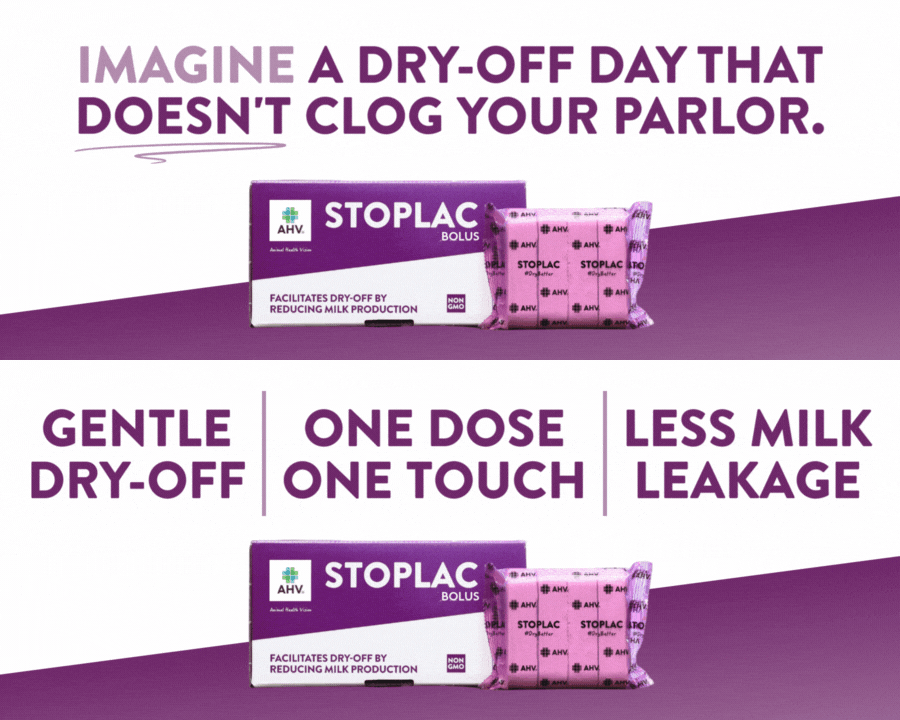




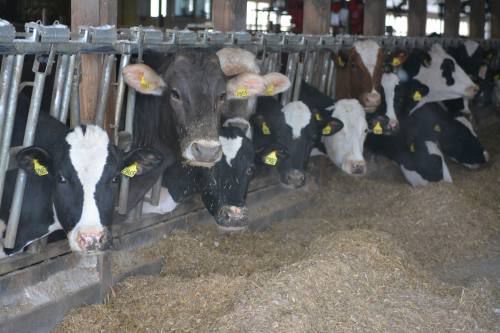 The blast of Arctic air that is expected to hang over Northern Michigan over the coming days has pushed winter preparedness to its limits, but it won’t be enough to affect the local dairy industry a great deal.


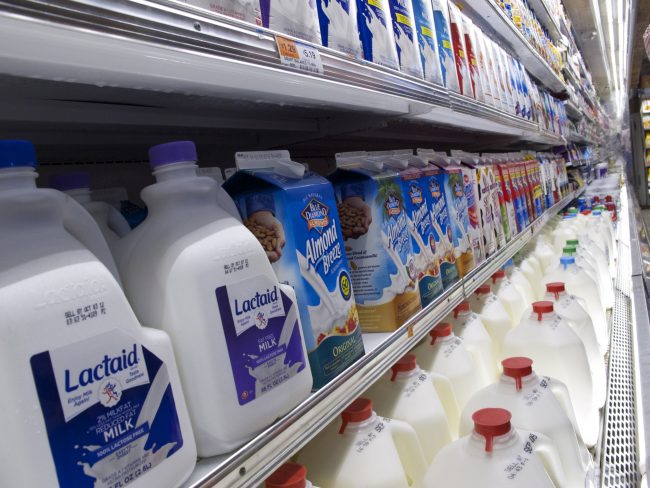
 President Tim Sargent and the Jersey Canada Board of Directors are pleased to announce that Russell Gammon of Fergus, Ontario will begin a one-year term as Interim Manager on Monday, January 8, 2018.
 After completing regulatory hurdles, milk dispenser flowing at farm in Parksville, B.C.


 Just over a week after a fire destroyed a nearly 200-year-old milking barn at Hardy’s Holsteins, the Hardy family and their employees are dealing with the blaze’s aftermath.
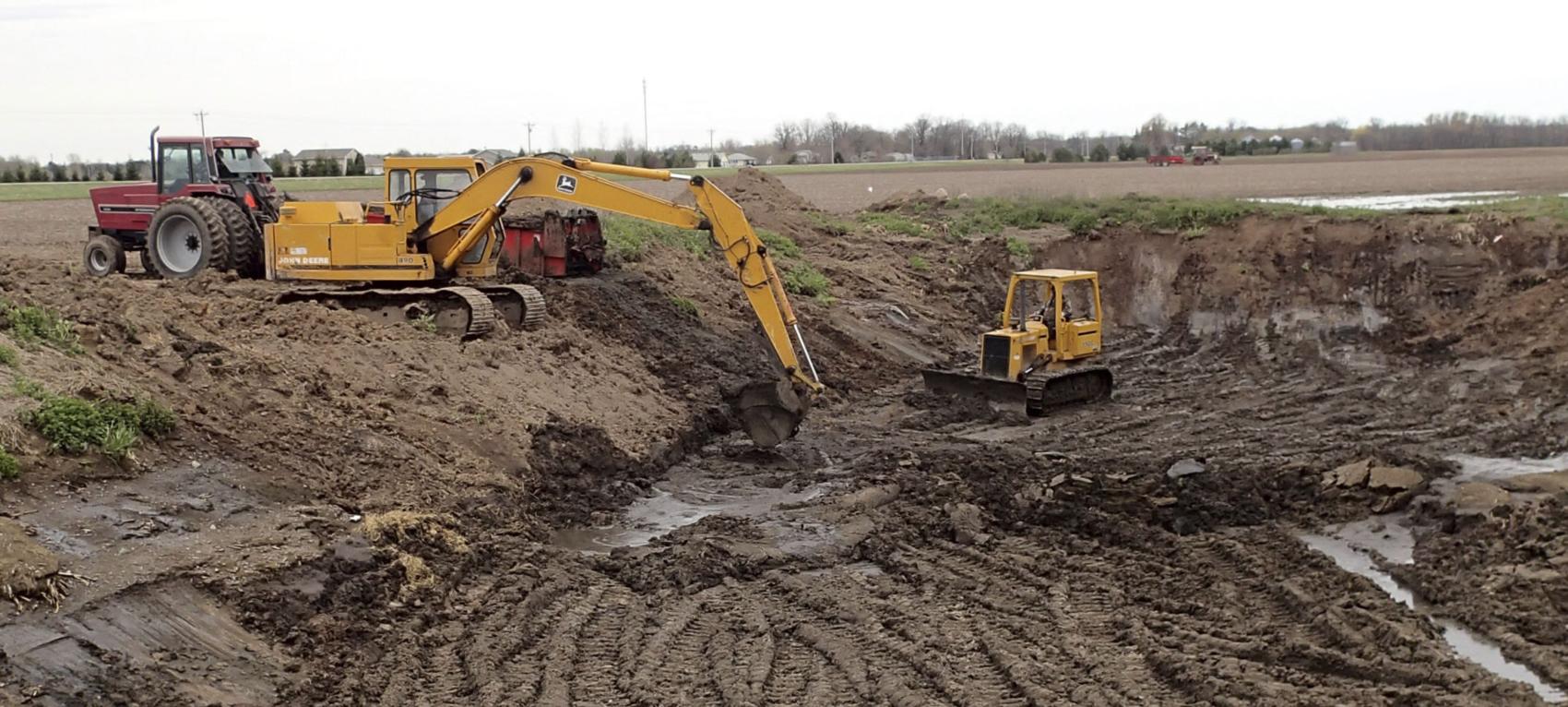 “With grandkids running around here, abandoned manure pits can be a death trap,” said Ogilvie farmer Brian Besser. Besser along with his son, Blaine, own adjoining farms south of Ogilvie. They each had an abandoned manure pit that they wanted to fill in and were considering doing it on their own and paying for it out of their own pockets. That is when they asked for help from Rick Martens, owner of Martens Manurigation pumping business.
 A Silicon Valley food startup is looking to spill a lot of milk in grocery stores across America—by offering shoppers a replica of the real thing.

 The Bullvine staff wishes all of our subscribers, readers and advertisers a very Merry Christmas and Happy New Year!
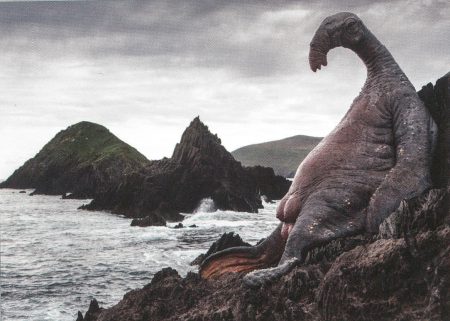 There’s a strange scene in
 /cdn.vox-cdn.com/uploads/chorus_asset/file/9896663/Permeate_from_skim_milk_2.001.jpeg)
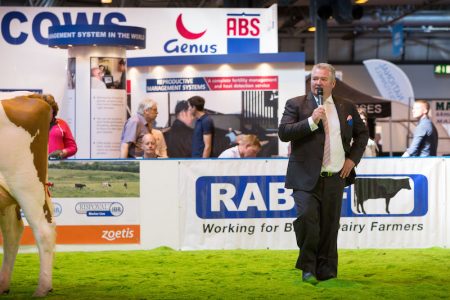
 The Trump administration is rolling back Obama-era rules for how animals should be treated if their meat is going to be sold as “certified organic.”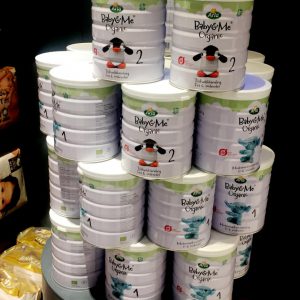
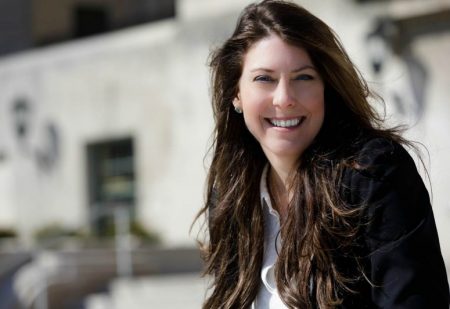
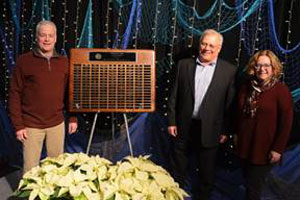 World Dairy Expo’s annual Friends of Expo Party was held on Monday, December 11, recognizing the efforts and contributions of WDE’s nearly 500 volunteers. The evening was highlighted with the presentation of the 2017 Friend of Expo Awards to longtime Expo supporters, Diane Morgenthaler, Dr. David Jeans, Rick Farris and Suzanne Lois, for their dedication to the continued success of World Dairy Expo.
 When cheating and blatant violations occur, enforcement agencies cannot plead ignorance, writer says.
 The EU and Japan announced on Friday (Dec 8) they have concluded negotiations for a giant free trade deal while “fighting the temptation of protectionism,” in an apparent message to US President Donald Trump.
 Dairy UK has welcomed the progress being made between the UK government and the European Union on Brexit negotiations, however, the organization also wants to see much more clarity on the future relationship with the EU and how to stabilize the dairy industry.
 Goodby Silverstein & Partners will be replaced by Gallegos United in February
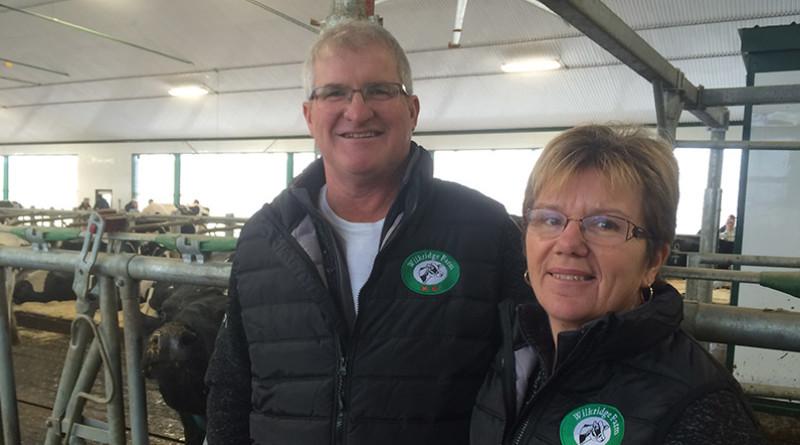 Wilkridge Farm near Fournier is one of the first dairy operations in Eastern Ontario to install GEA robotic milkers and on a Saturday recently, the farm opened its barn doors to more than 900 people.