Concerned about the H5N1 virus in your milk? Rest easy as the FDA confirms U.S. milk supply is safe in the latest test results. Learn more here.
The Food and Drug Administration (FDA) has once again confirmed the safety of the U.S. milk supply. This assurance comes as the U.S. dairy industry continues to grapple with the HPAI H5N1 outbreak in cows.
Just days after the FDA and the United States Department of Agriculture (USDA) announced the presence of viral material of the highly pathogenic avian influenza in retail milk samples, further testing has shown that pasteurization is effectively killing the virus. The genetic material found in the milk is being cultured in live eggs at a lab in St. Jude’s Children’s Hospital to ensure any HPAI H5N1 virus would not regrow.
“The testing that the FDA has continued to release has only cemented that further,” says Matt Herrick, Senior Vice President of Public Affairs and Communications at the International Dairy Foods Association (IDFA). “The results they received at the end of the week on Friday, determined that the virus was in fact dead. So it would not regrow and would not infect, and pasteurization, at the standard times and temperatures under the Federal Pasteurized Milk Ordinance, is effective.”
The latest round of testing involved 297 milk samples from 38 states, and this supplemental testing confirmed the safety of all commercial milk supplies in the U.S., according to the FDA. The FDA also tested retail powdered infant formula and reports that all results were negative.
Dr. Richard Webby of St. Jude’s Children’s Hospital, who runs the lab that conducted the testing, is adamant that there is no risk to human health. He confirms that while the RNA from the virus remains in the milk post pasteurization, this alone doesn’t make the milk infectious. It needs to be coated in virus proteins and introduced into a cell for infection to happen – something the pasteurization process nullifies.
Judging by his lab’s inability to regrow the virus, Dr. Webby is confident that the RNA found in milk is from dead viruses and, therefore, unable to cause infection.
“In my opinion, based on the small data set we have, yes, the milk is safe,” he asserts. “I am still consuming it at home.”
However, there is still much to learn about HPAI H5N1, especially concerning its presence in cattle. This type of influenza in cows is a new phenomenon and the industry continues to learn more with each new piece of research. In late March, the USDA confirmed that the mystery illness affecting dairy herds in Texas, New Mexico, and Kansas was, in fact, influenza A, the same strain of HPAI present in U.S. for two years. The extent of the outbreak is still unclear.
The pandemic is ongoing and the FDA continues to monitor and test to ensure the welfare of both the cows and the general public. Meanwhile, let’s not forget that over 99% of all milk and dairy products are pasteurized, a process that’s reliably safeguarded our commercial milk supply generation after generation
Summary: The Food and Drug Administration (FDA) has confirmed the safety of the U.S. milk supply, following the HPAI H5N1 outbreak in cows. The FDA and the USDA announced the presence of viral material in retail milk samples, but further testing has shown that pasteurization effectively kills the virus. The genetic material found in the milk is being cultured in live eggs at a lab in St. Jude’s Children’s Hospital to ensure no HPAI H5N1 virus would regrow. The FDA also tested retail powdered infant formula and reported all results were negative. Dr. Richard Webby of St. Jude’s Children’s Hospital confirmed that while the RNA from the virus remains in the milk post pasteurization, it doesn’t make the milk infectious. The RNA found in milk is from dead viruses and, therefore, unable to cause infection. However, there is still much to learn about HPAI H5N1, especially concerning its presence in cattle. The FDA continues to monitor and test to ensure the welfare of both cows and the general public, while over 99% of all milk and dairy products are pasteurized.
Discover how farmer protests, changing weather, and regulatory adjustments are shaping EU milk collections. Will these factors stabilize the dairy industry? Find out here.
It appears that stabilization might be on the horizon for the European Union’s dairy industry. The EU, a prominent global exporter of dairy products, has seen protests by farmers begin to wane as milk supply seemingly approaches equilibrium in several regions of the continent.
An Overview of Milk Collections
As we look at the EU-27 milk collections for February, they witnessed a negligible drop of 0.1%, marking a humble yet significant change. This represented the continuation of a trend, with the sixth month in a row showing year-on-year shortfalls. These statistics were courtesy of the preliminary data provided by Eurostat and CLAL.it.
But could there be light at the end of the tunnel? Sarina Sharp, a lauded analyst from the esteemed Daily Dairy Report, believes so. According to her observations, a shift in trend could be forming. The discrepancy between the milk collections of this year and the previous one is beginning to shrink. Despite the downward trend of the last half a year, this news offers a glimmer of hope for stability in the EU’s dairy industry.
Country-Specific Performance and Influences
As a watchful spectator, you might be wondering how performance varied across board in the European Union. Yet again, Sarina Sharp brings detailed insights to the forefront. Let’s start with Germany. Despite the country’s top rank in milk production, it encountered a minor set back in February, with a 0.3% dip. Nevertheless, weekly data then began illustrating a hopeful rebound, signifying that Germany may be remounting its horse. In fact, by the time March and April rolled around, milk output had trudged its way back up and crossed the finish line, surpassing the figures from a year ago.
Not too far off, France was graced with a friendly February, which allowed the country to enjoy a mild year-over-year production growth of 0.5%. On the other hand, places further north in the EU household weren’t quite so lucky.
Case in point: the Netherlands, the European Union’s third-largest dairy-hub. A harshly wet February catalyzed a 2.3% output drop, leaving the country in muddy circumstances. And speaking of drastic drops, let’s not ignore Ireland. The country’s production plunged a shocking 16.3% compared to prior-year volumes, a figure that’s hard to swallow for a nation already grappling with a year-long deficit spree.
In the periphery, the United Kingdom, although no longer a part of the European Union, nevertheless stands as a marker in the European dairy landscape. Suffering a 4% production drop from last year’s February output, it too battled with the adverse weather conditions.
The Future of Milk Production in the EU
As you’ve been closely following, the European Union‘s milk production landscape has seen some tumultuous times recently. With the fluctuating weather and post-Brexit impact, all eyes are on the future of this significant dairy supply chain. Sharp has been carefully observing this current situation and raised some interesting points.
Notably, if the United Kingdom were still part of the EU, its dairy industry would be a strong third contender in the bloc’s milk collections. Its absence from the EU, however, has caused a slight dip—about 0.5%—in the combined milk production recorded from February last year.
Unfortunately, the consistent rains this spring are not helping. This weather situation, especially prevalent in the North Sea nations, foreshadows possible production volumes remaining well below those of the previous year. These climatic conditions are worsening an already complex challenge, but it’s not all doom and gloom for the EU’s dairy market.
On the brighter side, Sharp also shares some promising developments. Poland, for example, has been showing signs of rapidly increasing milk output. And let’s not lose sight of Southern Europe, where recovery—even if gradual—is starting to show. So, while the exact future of the EU’s milk production may be uncertain, signs of growth and recovery provide reason for optimism.
Are EU’s Dairy Farmers Adapting to the Changing Climate?
You might be wondering if EU’s dairy industry is making any notable progress to adapt to the fluctuating climate and the challenges it brings. Well, preliminary data and recent trends suggest they could well be. The industry has visibly altered its course, with dairy processors maneuvering their resources strategically.
Interestingly, a marked shift has been observed in the allocation of milk towards cheese production, as opposed to driers. This evolved approach is seen as a promising sign of industry adaptation. A pertinent case in point is the European cheese production statistics from the first couple of months of 2023. Did you know that, adjusted for leap day, European cheese output surged by a commendable 3.9%?
On the flip side, skim milk powder and butter saw a significant production drop—more than 6%—during the same timeframe, as reported by USDA data. This evolving dynamic within the EU’s dairy industry certainly signals change. But, only time will tell how beneficial and sustainable this adaptation proves to be in the long run.
Regulatory Changes and Their Impact on the Dairy Industry
There’s no denying it, changes are coming to the European Union’s dairy industry. As country-specific performance continues to fluctomate, one key issue seems to be gaining more traction amongst farmers — the substantial discontent over disappointing milk prices and stringent Green Deal regulations. They argue that these factors are accelerating their path to financial distress and potential bankruptcy.
But every cloud has a silver lining. On March 15, the European Commission (EC) proposed an amendment to the EU Common Agricultural Policy (CAP) which could potentially turn the tables. This transformation drew attention, as it indicated a reconsideration of some regulations and an active effort to refine their implementation. What did this entail? Essentially, a reevaluation to ensure each EU member’s National Strategic Plan could be effectively implemented while simultaneously chopping down the red tape.
Beyond this, the proposal also suggests a transition of certain provisions from being obligatory to optional. This has been welcomed with open arms by the European Parliament who, in late April, voted a resounding 425 to 130 in favor of this adjustment. The proposal now waits to be formally embraced by the EU Council.
Now, you might ask, what could these changes signify for the dairy industry? According to Sarina Sharp, notable dairy industry analyst, the industry could find respite in these modifications in the long term. How so? Well, should some of the Green Deal’s conditions become optional, this could help curtail the continuous decline in EU’s milk production. Additionally, favorable climatic conditions, along with potential improvements in milk prices, could enhance the dairy output in the short-term.
Overhauling established practices can be a daunting task, but with resilience and adaptability, this change could become the catalyst that steers the EU dairy industry towards a more sustainable path. Ultimately, the impact of these changes will become evident over time, and until then, all eyes remain on the dairy industry within the European Union.
The Bottom Line
Conclusively, it’s important to note that the fluctuating milk collections in the European Union present a dynamic picture of an industry grappling with a mix of challenges, from weather changes to regulatory shifts. Despite the challenges, there are signs of resilience and adaptation, especially in the face of Green Deal regulations and market uncertainties. The EU, being a significant player in the global dairy market, continues to have far-reaching impacts, and its strategies and responses could offer valuable insights for other dairy-producing regions worldwide. All in all, the future involves a delicate balance of maintaining profitability, meeting demand, and pursuing sustainability in the dairy industry.
Summary: The European Union’s dairy industry is facing a decline in protests from farmers as milk supply seems to be approaching equilibrium in several regions of the continent. In February, EU-27 milk collections saw a slight drop of 0.1%, indicating a shift in trend. Analyst Sarina Sharp suggests that the discrepancy between milk collections this year and the previous one is shrinking, offering hope for stability in the EU’s dairy industry. Country-specific performance varied across the EU, with Germany experiencing a minor setback in February but showing a hopeful rebound. France experienced a mild year-over-year production growth of 0.5%. However, the Netherlands, Ireland, and the United Kingdom experienced 2.3% output drops and 16.3% production drops respectively. The future of milk production in the EU has been tumultuous due to fluctuating weather and post-Brexit impact. If the UK were still part of the EU, its dairy industry would be a strong third contender in the bloc’s milk collections. Poland has been showing signs of rapidly increasing milk output, and Southern Europe is starting to show recovery.
Explore the future of dairy farming, from optimizing cattle nutrition to embracing sustainable practices and tech innovations. Ready to milk the future?
From humble beginnings, dairy farming has navigated a twisty journey, reflecting and adapting to the shifting sands of consumer wants, environmental awareness, and technological strides. You’re poised at the frontier of an exciting era where old ways are continually challenged, giving rise to an industry that’s vibrant and brimming with opportunities and complexities. Dairy farming consultants are the lighthouses in this sea of change, guiding farms to stay not just afloat, but ahead in the race, harmonizing sustainability with productivity, and driving efficiencies at every turn. Through the lenses of this article, we dive deeper into the future trends, sustainable practices, and technological innovations throwing new light on the realm of dairy farm consulting.
Unveiling Future Trends in Dairy Farm Consulting
As we look to the future, it becomes clear that the terrain of dairy farm consulting is due for some seismic shifts. This catalytic change is being ignited by the advent of digital transformation and data analytics, a move towards enhanced animal welfare, robust sustainability targets, and strategies rooted in labor management and efficiency.
Digital Transformation and Data Analytics
As you navigate the path that lies ahead, illuminating your journey is the increased use of data analytics and precision farming tools. These sophisticated solutions are enabling farms to keep a close eye on livestock health, productivity, and milk quality, all in real-time. The role of a consultant becomes crucial in this dynamic environment, where their insights can assist farms in harnessing data from a diverse array of sources like milking equipment, feeding systems, and wearable devices. This data collection can potentially refine productivity and elevate herd health.
Animal Welfare and Consumer Expectations
Dovetailing with this digital transformation is an uptick in consumer awareness regarding animal welfare. Today’s consumers demand better living conditions and empathetic treatment of dairy cattle. As such, consultants are obligated to shepherd farms in executing and documenting welfare-friendly practices such as pasture-based systems and reduced use of antibiotics. These steps play an important role in meeting consumer expectations and ensuring the industry’s longevity.
Sustainability and Climate Action
In the face of changing climate and imposing environmental regulations, dairy farms are being nudged to embrace greener practices. Consequently, you may find consultants focusing on aiding farms to implement strategies aimed at reducing methane emissions, advocating for the adoption of renewable energy, and guiding sustainable manure management systems. Each initiative helps in diminishing the industry’s carbon footprint and greenhouse gas emissions.
Labor Management and Efficiency
Bearing the brunt of labor shortages and escalating costs, dairy farming is increasingly looking toward automation as a solution. Consultants, therefore, will need to advise on implementing labor-saving technologies such as automated milking systems and robotic feeders. Moreover, they are expected to navigate farms through the transition, ensuring minimal disruption. Such technologies are not just about labor saving, but also about improving overall efficiency and productivity.
By harnessing these prevailing trends, the landscape of dairy farming consulting will continue to evolve, paving the way for a more efficient, sustainable, and humane dairy farming industry.
Sustainable Practices in Dairy Farming
At the core of the future of dairy farming and its consulting stands the pursuit of improved sustainability practices. This encompasses a wide range of aspects, from nutrient and manure management to water use efficiency and biodiversity enhancement. Let’s delve into these key areas to better understand their significance.
Nutrient Management and Soil Health
Under your watchful eyes and with the aid of expert dairy consultants, you can ensure balanced fertilizer application and prevent excess runoff of critical nutrients like nitrogen and phosphorus. Comprehensive nutrient management plans integrating practices like crop rotation, cover cropping, and soil testing can fortify your soil health while maximizing crop yield.
Manure Management
Managing livestock waste is not only critical for minimizing environmental impact, but also offers potential benefits if treated as a resource. Innovations like anaerobic digesters and composting facilities can transform your waste products into valuable biogas or organic fertilizers. Such practices streamline your farm operations while contributing to the circular economy.
Water Use Efficiency
As a dairy farmer, you’re well aware of how water-intensive your operations can be. Striving for water use efficiency is thus paramount. Consultants can guide you in implementing practices like rainwater harvesting, wastewater recycling, and efficient irrigation systems, making every drop count for your easy-to-quench thirsty cows and vibrant crops alike.
Biodiversity and Ecosystem Restoration
Improving the biodiversity on your farm isn’t only good for the planet; it’s key to fortifying your agricultural productivity as well. Dairy consultants can promote the restoration of natural habitats on your farm property. Practices like buffer strips, wetlands, and tree planting not only support ecosystem health but also augment the aesthetic appeal and potential value of your property.
Technological Innovations Shaping Dairy Farming
As the world evolves, technology continues to transform the ways of dairy farming, driving efficiency and sustainability. From Precision Livestock Farming (PLF) to genomics and blockchain, let’s take a closer look at some of these innovative solutions and see how they’re shaping the dairy farming landscape.
Precision Livestock Farming (PLF)
Placing a spotlight on individual animal health, feeding behavior, and productivity are the PLF technologies. Automated milking systems and wearable health monitors are among the noteworthy game-changers here. Dairy consultants, through their expertise, act as navigators guiding the integration of these systems into your farm operations for smarter, data-driven decision-making.
Genomic Selection and Breeding
For dairy farmers, advancements in genomic selection have been a blessing in disguise. The technology enables the prediction of desirable traits with greater accuracy, giving a significant boost to breeding programs. Consultants advocate for leveraging genomics to breed cows with attributes such as superior disease resistance, milk production, and fertility, thereby improving overall farm health.
Robotic Systems
Robots, in the dairy world, have moved past being science fiction and have become an integral part of modern dairy operations. Whether it’s milking the cows, feeding them, or maintaining a spick and span barn, robots are increasingly taking over, reducing dependency on manual labor. Consultants, with their experience and knowledge, can aid in evaluating the feasibility of robotic systems and facilitate their seamless implementation to uplift farm efficiency.
Smart Feeding Systems
Automated feeders and precision nutrition software have the potential to metamorphose feeding practices. They optimize feed intake based on each cow’s specific requirements, ensuring that no one goes underfed or overfed. The consultants can offer invaluable advice on diet formulation and feeder setup, improving feed efficiency, and curbing waste.
Blockchain for Traceability
As consumers become more conscious about their food’s origin and quality, blockchain technology comes to the rescue by significantly enhancing transparency and traceability across the dairy supply chain. Dairy consultants, recognizing the upcoming consumer trends, champion blockchain adoption to help you meet these growing demands successfully.
The Future Is Now: Anticipating Changes in Dairy Farming and Consulting
Just as in almost every other industry today, dairy farming is greatly reaping the benefits of technological advancements. With the introduction of data-driven solutions, the daily responsibilites of a dairy farmer are becoming increasingly sustainable and efficient. From managing feed allocation to earl disease detection and milk composition, data-analytics are effectively transforming all farm operations.
An impressive 83.3% of farmers now share their data with a nutritionist, 83% with Dairy Herd Information Association (DHIA), 60% with a genetic or genomic company, and 53% with a milking processing company. This evolution of shared knowledge paves the way for a more informed, holistic approach to farm management and dairy production.
One prime example of this digital revolution is the Dairy Brain project, which has been effective at supporting advanced data analytics using integration and real-time predictive tools. This visionary concept is all set to emerge as a real-time analytical engine for historical analysis and forecasting. These results are pushing the boundaries of decision support tools which, in turn, are aiming to enhance the continuous decision making with real-time integrated data.
Each aspect of a cow’s health and productivity, from nutritional grouping and early risk of clinical mastitis to continuous nutritional grouping strategies, is enhanced by these real-time data insights. This coordination makes the role of technology in dairy industries invaluable and has the capacity to increase farmers’ profitability whilst also improving the welfare of the animals.
As we head into a future marked by unpredictability and change, the efficient use of technology and data analytics in dairy farming operations is likely to be a game changer. Not only is data-driven decision making streamlining dairy operations, it is also providing farmers with the knowledge they need to implement sustainable practices and adapt to the looming challenges posed by climate change.
By combining traditional farming practices with digital innovation, our dairy farming operation and consulting processes are undoubtedly ready for a revolution. Harnessing the power of technology is the way forward, and dairy industry professionals from around the world are gearing up to face the inevitable transformation.
The Bottom Line
Contemplating the rapid evolution of the dairy industry, it’s evident that dairy farm consultants play a pivotal role in steering this crucial transformation. These professionals provide the guidance required for farms to adapt to fluctuating consumer demands, address environmental issues, and integrate the latest technologies. Their expertise in leveraging digital tools, promoting precision farming techniques, and advocating for the well-being of livestock serves as a pathway for dairy farms to anticipate and overcome future hurdles. Their insights enhance productivity, strengthen sustainability, and ensure a thriving future for the dairy industry.
Summary: Dairy farming has evolved significantly due to changing consumer demands, environmental awareness, and technological advancements. Dairy farming consultants play a crucial role in driving efficiencies and sustainability in the industry. The future of dairy farming consulting is marked by digital transformation, data analytics, enhanced animal welfare, robust sustainability targets, and strategies rooted in labor management and efficiency. Data analytics and precision farming tools enable farms to monitor livestock health, productivity, and milk quality in real-time. Animal welfare and consumer expectations are on the rise, with consumers demanding better living conditions and empathetic treatment of dairy cattle. Sustainability and climate action are also on the rise, with dairy farms being encouraged to adopt greener practices. Consultants may focus on reducing methane emissions, advocating for renewable energy adoption, and guiding sustainable manure management systems. Automation is increasingly considered as a solution, with consultants advising on implementing labor-saving technologies such as automated milking systems and robotic feeders. Sustainable practices in dairy farming include nutrient and manure management, water use efficiency, and biodiversity enhancement.
Discover how dairy brands can navigate declining impulse buying trends by aligning with consumer values and innovating in advertising. Will your brand adapt or fall behind?
Recent data from Nielsen IQ and Circana indicates a decline in Consumer Packaged Goods (CPG), which could be seen as a negative trend for the sector. However, MMR Research, a trusted authority in the field, suggests that these figures might be concealing significant macro shifts in shopping behavior. Andrew Wardlaw, a prominent figure at MMR, speculates that global economic pressures and a surge in intentional living are fundamentally altering how consumers approach their purchases.
Andrew Wardlaw’s insights are instrumental in understanding the evolving consumer behavior. He suggests that consumers, in contrast to the impulsive buying patterns of the past, are now more likely to make deliberate and thoughtful purchases that align with their lifestyle and values. This shift is leading to a decline in traditional impulse purchases. As Wardlaw puts it, “A convergence of macro dynamics is not particularly conducive to impulsive shopping, which means that brands will need to innovate to reignite demand.”
The dairy industry is a clear example of a sector grappling with the impact of changing consumer behavior, particularly the decline in impulse purchasing. Factors such as evolving lifestyles, the dominance of e-commerce, and the lingering effects of the pandemic have all contributed to this shift.
“To maintain growth and consumer loyalty, brands can no longer rely on old methods. What’s necessary is an innovative approach—one that blends impulse with intention, crafting a shopping experience centered around the consumer’s needs and values.”
Adapting to this new landscape isn’t easy, but brands can turn the tides and make a comeback with the right strategies.
Understanding the Decline in Impulse Buying Trends
You may be aware that current data from both Nielsen IQ and Circana suggests a significant dip in the sales volumes of various consumer packaged goods. However, MMR Research suggests that these numbers merely hint at broader macro shifts in shopping behavior rather than spell doom for the CPG sector.
Andrew Wardlaw of MMR Research hints at a combined effect of global economic pressures and the emergence of intentional living as potential reasons for the slump in impulse purchases. According to his hypothesis, these broad trends create an unfavorable environment for impulsive buying behaviors, thus forcing different CPG categories, including dairy, to work harder and think strategically to rekindle consumer interest and spending.
In moments like these, you, whether you’re a small dairy business owner or the head of a large consumer goods company, need to use your understanding of the markets and consumers to devise effective strategies to navigate these changes. These could range from shifting focus to products less dependent on impulse buying to exploring novel advertising methods – the key lies in aligning with the evolved buying behaviors of today’s consumers.
Unveiling the Rise of the Intentional Consumer
With societal shifts leading to an increase in purposeful buying, we see a significant rise in the ‘intentional consumer.’ This change is something that brands must acknowledge and adapt to. Intentional consumers are thoughtful about their purchases, often considering factors such as product quality, sustainability, and a brand’s ethos before deciding. They’re also more likely to align themselves with brands that resonate with their values- wellness, environment, or self-expression.
Andrew Wardlaw from MMR Research explains that the pressures of the global economy, combined with intentional living, are currently reducing impulse buying. This situation presents a compelling reason for brands to strategize differently to reignite consumer spending. It’s important for brands to recognize this change in consumer behavior and implement measures to attract these intentional shoppers.
Younger audiences, in particular, have shown significant tendencies towards intentional buying. They prioritize brands that reflect their personal values and beliefs. It’s crucial for brands to tap into this change, making it a focal point of their marketing and communication strategies. Understanding, aligning with, and promoting values that resonate with these customers can help brands create a solid connection, ultimately driving the much-needed demand.
In this new era, brands need to evolve alongside their customers. With customer preferences shifting from impulsive to intentional buying, brands should revisit their strategies to better meet the needs of intentional shoppers.
Effect of Inflation and Global Economic Pressures on Dairy Market
As inflation and global economic pressures persist, dairy sectors such as desserts and ice cream brands that are less linked to regular household restocking are likely receiving the brunt of the shift towards less impulsive consumer buying. Andrew Wardlaw, a representative from MMR Research, conjectures that a general decline in impulse purchases is prompting these categories to enhance their efforts to spark demand.
One contributing factor is the rise of the ‘intentional consumer,’ those individuals who are more deliberate and thoughtful in their purchasing decisions, often due to economic pressures or lifestyle shifts. Brands need to be aware of these shifts and adopt strong strategies to appeal to these consumers effectively.
For example, products need to align with shopper values more than ever before, particularly when it comes to younger audiences. This aligns with the rise of intentional living, as these customers often choose brands that resonate with their beliefs and principles on important topics such as wellness, sustainability, and self-expression.
Many brands have reached out with new initiatives in response to these pressures. For example, Unilever’s Magnum ice cream range now promotes ‘mood shifts’ with its products, while Danone’s Two Good Yogurt brand focuses on charity initiatives alongside its functional benefits. These tactics provide examples of the pivots needed for dairy brands to survive and thrive in this challenging market landscape, suggesting the need for further innovation and customer-focused strategies to reignite demand and foster growth.
Adding Value to Dairy: Aligning Brands with Evolving Shopper Values
Brands will need to connect more profoundly with the shifting values of shoppers to solidify their market position. Notably, wellness, environment, and self-expression have become significant points of focus. This aligns seamlessly with the values of the younger generation, who habitually seek for brands that mirror their principles. In particular, these intentional consumers are making more calculated decisions based on their convictions rather than instinctive buying choices.
Research insights indicate that younger shoppers show a strong inclination to purchase dairy products such as cheese, ice cream, milk, and yogurt on purpose, especially when they perceive these brands as aligning with their core values. This shift provides an excellent opportunity for the dairy industry to affect change by redefining its strategies and focusing on value-added offerings.
This underscores the need for the dairy industry to recognize the current value shifts and ensure that these are well-reflected in their brand narratives. As the role and identity of dairy manufacturers change with new technologies, there is a pressing need to anticipate and meet consumers’ expectations.
There is also a lot to learn from a study by JDS Communications, which revealed that education about dairy nutritionled to a significant increase in dairy food purchasing and consumption in the United States. This suggests that a focus on consumer education, particularly surrounding the nutritional benefits of dairy products, may promote an increase in intentional dairy purchases.
Creating a strong connection with consumers requires brands to resonate with their values and aspirations, leading to more than just an impulse purchase but building a long-term brand relationship.
Case Study: How Magnum Ice Cream and Two Good Yogurt are Winning in the Intentional Market
Dairy, desserts, and ice cream categories appear to bear the brunt when shoppers steer clear of impulse buying. Wardlaw suggests that brands in these areas need to realign their strategies to echo the evolving consumer values. These could be anything from wellness and environment to aspects of self-expression. The new-age customer is no longer satisfied with just the product; they are more interested in what the brand stands for.
The story behind the success of brands like Magnum Ice Cream and Two Good Yogurt from Danone is the perfect illustration. These brands have managed to turn the tide by infusing intentionality in their previously impulse-driven offerings. They have consciously woven advocacy for causes that matter to their consumers into their business ethos – a move that strongly resonates with the rising league of intentional shoppers.
These brands have effectively transitioned from merely satisfying cravings to addressing issues of importance to their consumers, thereby creating a deeper, more meaningful relationship with them. It’s a monumental paradigm shift – a switch from impulsive purchases based solely on immediate gratification to intentional purchases dictated by a combination of need, value alignment, and brand loyalty.
Navigating the Market: Use of Nutrition and Health Benefits in Dairy
When it comes to creating appealing dairy products in line with today’s consumer trend of intentional shopping, there might be a silver lining in prioritizing nutritional and health benefits. This would be particularly relevant in response to the health-conscious wave sweeping over the buying populace. With challenges posed by the advent of weight-loss aids like Ozempic and mounting pressures from regulators on food products loaded with fat, sugar, and salt, consumer tastes are changing rapidly. Therefore, traditional ‘crave-able’ foods might cease to be as desirable as they once were.
Andrew Wardlaw implies here that the industry could benefit from enhancing its offerings’ nutritional density. This would act as a crucial counteractive strategy to meet consumers’ shifting preferences and overcome the threat posed by ‘crave-able’ foods by Ozempic.
As Wardlaw puts it, “We might just witness a surge in ‘smaller but better’ innovation, where the emphasis would fall on improving the nutritional density. Our research indicates that nutritional density and diversity can stir strong consumer motivation.” But, he notes, “These elements are mostly underrepresented in the industry. Here lies an untapped opportunity ripe for the taking.”
Diverse Advertising Strategies and What They Entail
Given this shift in consumer behavior towards intentional shopping, brands must adapt their advertising strategies to stay relevant. In this ‘low-attention economy’, where traditional forms of advertising are witnessing a decline in their effectiveness, it’s time to shift gears. New disruptive advertising formats could hold the key. Yes, we are talking about immersive audio-visual experiences or even innovations in texture and flavor that can captivate consumers.
What’s vital here, according to Wardlaw, is the enhancement of mental availability among shoppers. Traditional advertising might not necessarily cut it. The need of the hour is to revamp product experiences in such a way that they make a lasting impression. So, think more along the lines of memorable brand interactions, encounters that keep shoppers engaged and coming back for more. Wardlaw asserts, “Maximising mental availability with shoppers requires a deep dive into renovating product experiences to make them more memorable.”
The Ice Cream Market Continues to Thrive Despite Behavioral Shifts
Even with the evolution of consumer behavior, the ice cream market shows no signs of slowing down. In the United States alone, growth projections indicate an annual surge of 5.10% from 2024 through 2028, as revealed by Statista. But it’s not just about America. Across the pond, there’s also a rather promising scenario. The British have been steadily increasing their consumption of ice cream, yogurt, and desserts, highlighting the enduring appeal of these treats.
Besides, a 2022 Kantar survey pointed out a telling statistic: more than four million UK residents indulge in ice cream at least once a week. And a strong 3.3 million of them do so two to three times every week, underlining the ingrained habit of enjoying these delights.
Incidentally, the European Union isn’t far behind, with a 5% boost in ice cream production in 2022. Unsurprisingly, the top three contributors by volume were Germany, France, and Italy. This paints a vibrant picture of a market moving forward, seizing the burgeoning opportunities amidst the changing consumer landscape.
The Bottom Line
In conclusion, the dairy industry needs to adapt to the evolving shopping behavior marked by an increase in intentional buying. This may involve ensuring that products align with consumers’ values on health, the environment and other key areas. Additionally, brands must learn to communicate effectively with consumers, particularly the younger generation, and adapt new, disruptive formats of advertising to elicit action and remembrance. Lastly, dairy brands must offer more than just an impulse buy, but a product that positively changes consumers’ lives, whether through health benefits or socio-economic contributions. The future of dairy lies in adding intention to the impulse.
Summary: The dairy industry is facing a significant shift in consumer behavior, particularly in the realm of impulse buying. This shift is driven by the growing focus on wellness, environment, and self-expression, which aligns with the values of the younger generation. As inflation and global economic pressures persist, dairy sectors like desserts and ice cream brands are likely to face the brunt of this shift. Brands must adapt to the rise of the ‘intentional consumer’, who are thoughtful about their purchases and consider factors like product quality, sustainability, and a brand’s ethos. The new-age customer is more interested in what the brand stands for than just the product. To address this, dairy products should present nutritional and health benefits, and the industry could benefit from enhancing its nutritional density. In the ‘low-attention economy’, diverse advertising strategies and disruptive formats are essential for brands to stay relevant. The ice cream market continues to thrive, with growth projections showing an annual surge of 5.10% from 2024 through 2028 in the United States alone.
Explore the dairy industry’s conundrum: is it a case of oversupply or under-demand? Dive into the complexities and potential solutions in this insightful analysis.
Welcome to the intricate world of dairy farming, where the stability and profitability of the industry hinge on a delicate balance between supply and demand. Unfortunately, in recent times, dairy producers have found themselves wrestling with the twin challenges of oversupply and dwindling demand. But, the question remains: “Is too much milk flooding the market or are consumers simply demanding less dairy?” In this enlightening journey, we plan to dive deep into the complex dynamics of the dairy market to uncover the root of the issue. So sit tight and get ready to gain new insights into whether the dairy industry’s woes are born out of surplus production or reduced consumer demand. Join us, as we explore the dairy dilemma.
The Challenge of Oversupply
As we delve into the challenge of oversupply in the dairy industry, it’s good to start from the basics. Oversupply occurs when dairy production exceeds market demand. This surplus leads to an increase in inventory and, in turn, a downward pressure on prices. Several factors play into this issue of oversupply:
Global production growth: Owing to advancements in technology, genetics, and improved management practices, we’ve witnessed an increased efficiency in milk production. This efficiency has resulted in not only higher yields per cow, but also an expansion of production capacity worldwide. Despite the obvious benefits, this surge in supply has outpaced demand growth in many regions. The result? A surplus of milk and dairy products.
Trade dynamics: The changing global dairy trade plays a critical role in shaping supply-demand dynamics. Fluctuations in international markets can influence domestic prices and production levels. Moreover, matters such as trade disputes, tariffs and geopolitical tensions can disrupt traditional trade flows, which in turn can lead to market imbalances and oversupply situations.
Seasonal variability: Another critical factor to consider is the seasonal fluctuations of dairy production. Peak milk production typically occurs during the spring and early summer months. Dairy processors may respond to this by ramping up processing capacity or diversifying their products. However, despite these methods, oversupply challenges can still arise during peak production periods.
To sum up, it’s vital that we understand these key factors driving oversupply. In our quest to address this dilemma, acknowledging the problem is always the first step.
The Dilemma of Under Demand
But let’s delve further into the dilemma- the issue of under demand. On the flip side of the coin to oversupply, under demand arises when consumers’ purchasing behavior and preferences don’t match the available offerings in the dairy industry, resulting in sales plateauing or even dwindling. A culmination of various factors have a hand in driving under demand:
Shifting Consumer Preferences: Nowadays we’re seeing an evolution in what consumers want from their dairy products. Traditional consumption patterns are being upturned, pushed aside for plant-based alternatives, lactose-free options, and boutique dairy products. A range of influences such as health concerns, environmental sensitivity and ethical beliefs are all steering consumers to trim down their dairy consumption or cut it out entirely.
Retail and Foodservice Trends: As the retail and foodservice industries morph and adapt, responding to innovative online marketplaces, meal delivery services, and niche retailers, the dairy market landscape is also being reshaped. Consumers are putting value on convenience, personalizing their experiences, and premium offerings, meaning retailers and foodservice providers are scrambling to diversify their product line ups to include dairy innovations and non-dairy alternatives.
Health and Wellness Trends: The rise of wellness trends such as natural ingredients, clean eating, and functional foods are shaping consumer opinions of dairy products. Those concerned about allergies, lactose intolerance, hormones, and antibiotics in dairy products are on the hunt for alternative protein and nutrient sources.
So this leaves us grappling with a delicate balancing act -is the root of the industry’s issue over supply or under demand? Or maybe it’s a curious combination of both. One thing’s clear: a deeper understanding of these factors and issues is pivotal for the future of the dairy industry.
Navigating the Balance
With the need for equilibrium between dairy supply and demand becoming crucial to the industry’s longevity, collaborative efforts between dairy producers, processors, and stakeholders are indispensable. A confluence of strategic approaches may well hold the key to countering the oversupply and under demand worries that plague the industry. But where can we channel our efforts? Here’s where.
Market Diversification: Imagine broadening the scope of both domestic and international markets through advances in product innovation, market development, and promotion of exports. These measures could rather effectively utilize surplus production while simultaneously spurring demand for dairy.
Consumer Education: Let’s think of making transparency a standard when it comes to dairy farmingpractices, product features, and their nutritional value. By eliminating any misconceptions around these aspects, consumer trust can be amplified, thereby boosting demand growth and enabling market expansion.
Sustainable Production Practices: Dairy operations can gain much from adopting sustainable farming practices. By focusing on resource efficiency, promoting animal welfare, and demonstrating environmental stewardship, operations can gain resilience. Moreover, meeting consumer preferencesfor ethical and environmentally conscience products can have a significant positive impact on demand.
Collaborative Partnerships: Enriching collaborations across the dairy supply chain, spanning from the farm right through to the dinner fork, could help the industry communicate, create shared value, and work together more effectively. This could lay the foundation for a more adaptable and resilient dairy industry ecosystem. Finding a winning combination could represent a significant stride forward in the navigation of dairy industry challenges.
Addressing the Crisis: A Look at the Dairy Industry
You’ve probably heard of the basic principles of Economics 101. The entire system hinges on the concepts of supply—how much of something you have—and demand—how much of something people want. How does this relate to dairy, you might wonder?
To address this, Phil Plourd, president of Ever.ag Insights, shed some light at the 2023 Milk Business Conference in Las Vegas. Surprisingly, we don’t have an oversupply issue in the dairy market. Instead, he highlighted that we are grappling with a brimming under demand, which is stalling market progress. “Supply is unlikely to improve any further soon,” he comments, “but for any dramatic market upturn, demand must surge.”
Lucas Fuess, a Senior Dairy Analyst with Rabo AgriFinance, agrees with this stance and expands on it. “If you measure the overall health of the consumer in the U.S., and our foreign markets, which account for a hefty proportion of our exports, you’ll see worrying signs of a sagging demand globally. Almost 20% of our product is meeting this unfortunate trend,” he observed at the Milk Business Conference. His observations suggest that whether it’s the U.S., the European Union, or New Zealand, none are grappling with an onerous oversupply.
Dan Basse, President of AgResources Company, projects that 2024 will be a year dominated by protein and anticipates a price pullback. “I’m bullish about protein. I see a place at the table for milk protein, but the powder market needs to pick up its pace. That’s an area to be monitored closely over the first quarter.”
Fuess brings to our attention that consumers aren’t stockpiling like they used to, mainly due to record-high prices at retail. He notes, “Pantry stocking is less common these days. Consumers are no longer buying three pounds of butter just because it’s on sale, they might be buying only one or two.”
Fuess goes on to convey his concern about the cheese segment, typically expected to encounter high prices in its quarter. “However, gaining traction on cheese prices seems to be a struggle, which does worry me,” he acknowledges.
Plourd chimes in on the consumer’s plight, burdened with student loan repayments, cut benefits, and soaring interest rates on loans—all eating into their dispensable income. “Even big pizza companies haven’t had a great third quarter. Consumers seem to have hit a wall and are cutting back on their spending,” he concludes.
Getting Ahead of the Curve: Future Trends Impacting Dairy Supply and Demand
In ascertaining the future trends that may impact the dairy supply and demand, there’s an intricate tapestry to unfurl. Global dairy markets are in a state of flux, thanks to a convergence of factors ranging from weather patterns, rising expenses to geopolitical issues.
You will find dairy industry, especially small and medium farmers, grappling with pressing questions. Should they increase their milk supply to cater to the global export markets, a solution favoured by corporate interests? It’s also worth noting that such moves tend to make these farmers increasingly vulnerable to market swings and price drops.
High-profit years in the dairy industry have historically been tied to the growth in milk supply and changes in product exports. Therefore, the temptation to raise production levels can be enticing. But bear in mind that increasing milk supply in times of saturated markets has, in some cases, led to some processors discarding the excess.
Yet, there are other forces at play that can dampen milk production. The Department of Agriculture has projected around a 1% annual increase in milk production in recent years. However, numerous factors curbed this in 2023, from cooperative base programs and heightened feed prices to soaring cattle prices. Also, we can’t ignore that geopolitical factors and global trade disruptions can affect dairy prices. Examples include increased production from the European Union and the cessation of EU milk quotas in 2015.
The dairy market sentiment has remained relatively stable since early 2024, but the underlying commodities’ prices softened, reflecting weaker fundamentals. With the balance of supply and demand expected to be delicate in 2024, the dairy industry is poised on the precipice of significant change.
As we move forward, one thing remains certain: Navigating the dairy supply and demand landscape will demand careful observation, adaptation, and a willingness to challenge conventional wisdom. Because the only sure thing about the global dairy market is its perpetual state of change.
The Bottom Line
Understanding the challenges facing the dairy industry requires looking at a complex web encompassing oversupply, under demand, and shifting consumer dynamics. These factors confluence, pushing dairy stakeholders to unite their efforts in navigating the terrain of marketplace uncertainties and capitalizing on growth avenues. It’s an endeavor that could potentially safeguard the dairy industry’s long-term viability and prosperity. The heart of the problem could indeed be oversupply or perhaps under-demand. Regardless of the root cause, the real game-changers will be collaboration, innovation, and strategic adaptation. By leveraging these tools, stakeholders can craft quality solutions and carve a sustainable future for dairy farming.
Summary: The dairy industry is grappling with a dilemma of oversupply and underdemand, influenced by factors like global production growth, trade dynamics, seasonal variability, and changing consumer preferences. Oversupply occurs when dairy production exceeds market demand, leading to increased inventory and price pressure. Technological advancements, genetics, and improved management practices have increased milk production efficiency, while trade dynamics, including trade disputes, tariffs, and geopolitical tensions, can disrupt traditional trade flows. Underdemand occurs when consumers’ purchasing behavior doesn’t match available dairy offerings, leading to sales plateauing or dwindling. Factors contributing to underdemand include shifting consumer preferences, retail and foodservice trends, and health and wellness trends. Understanding these factors is crucial for the dairy industry’s success and competitive edge. The balance of supply and demand is expected to be delicate in 2024, requiring careful observation, adaptation, and a willingness to challenge conventional wisdom.
Discover how the USDA’s decision to uphold dairy options in school meals contributes to a balanced diet for our children’s growing minds. Will this impact your child’s lunch?
Last week, the USDA released its final rule updating meal standards for the National School Lunch Program (NSLP) and the School Breakfast Program (SBP). This updated rule carries with it three essential wins for dairy and child nutrition, inviting applause from stakeholders within the industry. A prominent feature of the updated rule lies in the preservation of flavored milk for students from all grades across schools nationwide, following the guidelines under the Healthy School Milk Commitment.
Setting Boundaries on Added Sugars in School Milk
This avowed commitment seeks an assurance that an 8-ounce half-pint serving of nonfat or low-fat flavored milk does not contain over 10 grams of added sugar. This commitment saw its establishment in early 2023 in an alliance with around 37 school milk processors. According to the International Dairy Foods Association (IDFA), post-commitment, the average added sugar level in schools’ flavored milk is now at 7.5 grams for each serving.
“Thanks to America’s milk processors’ leadership, flavored milk in schools today complies fully with the latest federal dietary guidelines. The options deliver the very same 13 important nutrients as regular milk does, eliminating food waste and stimulating greater meal participation,” Michael Dykes, DVM, President and CEO of the IDFA, has said. CEO and President of the National Milk Producers Federation (NMPF), Gregg Doud, echoed these views, adding, “This final rule aids in ensuring that kids will stick with a nutritious milk preference. Many children favour low-fat flavored milk over fat-free, and flavored milk offers the exact nutrients like regular milk with a minute amount of added sugar,” he said.
Implementing Lactose-Free Milk Options in School Menus
Additionally, the rule highlights that lactose-free milk stands as a conceivable option in all reimbursable meals, marking a considerable stride in promoting health and nutrition equity among schoolchildren. A recent pilot program initiated by checkoff highlighted how this option could enhance consumption and reach students who avoid drinking milk due to lactose intolerance, perceived or actual.
The first solo-serve lactose-free chocolate milk package was offered to six elementary schools and four high schools in the fourth quarter of 2023, as a result of collaboration between the National Dairy Council (NDC), the American Dairy Association Mideast, and Cincinnati Public Schools (CPS). This collaborative program’s success led to its expansion to cover all 15 CPS high schools until June the same year. Schools that implemented the pilot program witnessed a 16% rise in milk consumption and 7% more meal participation in comparison to the rest of the Cincinnati district.
Tracy Enslen, Vice President of Business Development for the American Dairy Association Mideast, expressed hope that the program’s success inspires similar programs across the country in both schools and processors.
Maintaining Sodium Standards in School Meals: The USDA Rule
The USDA rule also ensures the preservation of the current school meal sodium targets through the 2026-27 school year, transitioning into a more achievable and permanent target afterwards. This helps keep cheese as a healthy component of school meals. This rule introduces maximums for added sugars in flavored yogurt and milk beginning with the 2025-26 school year, and starting the next school year, a weekly menu will contain an average of less than 10% of calories per meal from added sugars.
Exploring Unseized Chances for Whole and 2% Milk Incorporation
Despite these strides, both the IDFA and NMPF continue to advocate for additional enhancements in school meal offerings, including bringing back whole and 2% milk varieties. Michael Dykes commented, “USDA also missed an opportunity to restore 2 percent and whole milk to school breakfast and lunch. Numerous studies show that dairy fat is unique, unlike typical saturated fats, in delivering positive and neutral health outcomes to people across all demographics,” he stated. Both groups showed support for the Whole Milk for Healthy Kids Act (H.R. 1147/S. 1957), which awaits Senate approval after passing the House of Representatives a majority in December, and aims at restoring whole and 2% milk varieties to school lunch menus.
Benefits of dairy in school meals
Here’s something you need to note: dairy, and more specifically milk, is not just a refreshing beverage or creamy addition to a phenomenal piece of pie. It’s a powerhouse source of essential nutrients – from calcium and protein, both crucial for developing strong, healthy bones and muscles in growing children, to vitamins A and D, which promote good vision and help build a child’s immune system. Thanks to the USDA’s commitment to maintaining dairy options in school meals, our children continue to enjoy these numerous health benefits.
Milk, especially in its low-fat flavored variant, is proven to increase student consumption rates. Thanks to the involvement of International Dairy Foods Association (IDFA) advocacy, the USDA now allows schools more menu planning freedom, including the re-introduction of low-fat, flavored milk. Post 2017, this has meant that more children are not just meeting the Dietary Guidelines for Americans (DGA) recommendations for milk consumption, but in many cases exceeding them. This is fantastic news for the health outcomes of our children, ensuring stronger bodies and sharper minds.
Building upon the variety of flavors, offering milk in larger containers has been found to encourage healthier beverage choices among teenagers. The National School Lunch Program (NSLP) and the School Breakfast Program (SBP)dictate that schools make a variety of fluid milk options available, including potable water. As such, teenagers are not limited to just soft drinks or juices but have healthy milk options available as well.
Furthermore, amid modern dietary sensitivities and diverse nutritional needs, the USDA, the food authorities, and schools are being mindful of the calorie counts and levels of saturated fats in these flavored, low-fat milks. It’s not just about variety, but about health-centred choices. It’s not just a mere drink, but a necessary nutrient boost.
So, the next time your child reaches for that milk carton in the school cafeteria, be it from a bulk milk dispenser or in a single serving container, remember this: they’re picking up a glass full of health benefits. And don’t stress about whether they’re getting enough – food service staff are tasked with ensuring every student receives a hearty 8-ounces serving. In the fight for our children’s health, milk is holding strong within the walls of our schools. And you, dear parent, you’re part of that victory. So, here’s a toast – with a glass of milk, of course – to a healthier future and better school meals!
Summary: The USDA has released a final rule updating meal standards for the National School Lunch Program (NSLP) and the School Breakfast Program (SBP). The rule ensures the preservation of flavored milk for students across all grades, following guidelines under the Healthy School Milk Commitment. The average added sugar level in schools’ flavored milk is now at 7.5 grams for each serving. The rule also highlights lactose-free milk as a possible option in all reimbursable meals, promoting health and nutrition equity among schoolchildren. A pilot program was initiated by checkoff, which led to a 16% rise in milk consumption and 7% more meal participation in schools that implemented the pilot program. The rule also ensures the preservation of current school meal sodium targets through the 2026-27 school year, transitioning into a more achievable and permanent target afterwards. It introduces maximums for added sugars in flavored yogurt and milk beginning with the 2025-26 school year, and a weekly menu will contain an average of less than 10% of calories per meal from added sugars.
Discover how seasonality impacts the dairy production system. Uncover the secrets behind milk production cycles and learn to optimize your dairy farm year-round.
Welcome to our insightful exploration on a critical part of the dairy world you might not have given much thought – seasonality. Indeed, seasonality isn’t just a festive term, it’s a pivotal aspect of dairy production that interacts directly with all corners of the industry. From the ebb and flow of milk supply to vital facets of animal health management, right through to the pulsating rhythm of market dynamics, each beat falls in rhythm with the cycle of seasons.
Seasonality of milk production and composition
When considering the impact of seasonality on dairy production, it’s important to remember that this isn’t just about milk production—it’s about the entire lifespan of a dairy cow. For instance, heat stress during the warmer months can impact not only milk yield but also the reproductive abilities of a dairy cow. Studies have consistently demonstrated that lactating cows have lower conception rates during summer and fall compared to winter and spring. These insights are critical when building a dairy operation that aims to be productive year-round.
Several studies have noted variations in the number of days open (the period between calving and conception) among Holstein cows across different seasons. Such seasonal variations also reflect on the calf size, and dictate the health protocols for both the cow and the calf. Therefore, understanding how these seasonal changes can affect fertility parameters is paramount to the maintenance of a successful dairy operation.
Moreover, integrating an understanding of regional asynchronicity—in other words, the differences in dairy production and processing across different regions—plays an essential role. Managing dairy cows in a subtropical climate like Taiwan, for instance, will be different from a temperate region due to the specific challenges and opportunities these climates present to both the cows and the dairy farmers.
The fall season is generally seen as favorable for dairy production owing to its more moderate weather conditions. This season minimizes heat stress, thus promoting milk production and breeding. Besides, the potentially higher milk prices during fall and winter can provide financial benefits to the producers.
Ultimately, determining if seasonal dairying is an appropriate choice depends on a wide array of considerations. These include factors like the climate, farm management goals, and external circumstances such as fluctuating milk prices. Tools as basic as a calculator, pencil, and paper can aid dairy farmers in making informed decisions about when and how intensively to focus on dairy production in each season.
Just remember, cows that breed earlier in the season tend to stay in the herd longer, signifying a higher lifetime productivity. With strategic planning and careful consideration of seasonal influences, a successful dairy operation can adapt and thrive in any season.
Seasonality of the reproduction
Understanding the seasonality of the reproduction process in dairy farm animals is a vital step in increasing the effectiveness of your dairy production system. Similar to milk production, reproduction too has pronounced seasonality. Photoperiod, or the amount of light in a day, plays a significant role in this biological process. It serves as the proximal and distal factor of the circannual cycle of reproduction, as outlined by Ortavant et al. (1985).
Research has shown that a short breeding season can be beneficial for a dairy production system. By condensing the breeding period, the farm can expect an increase in the herd’s fertility level. Moreover, this can serve to eliminate additional labor and resources otherwise expended during a more extended calving season. The bottom line here is to ensure that your breeding season’s timing is strategic and thoughtfully structured.
But here comes the challenging bit: the heat stress. Dairy cows reproduction faces a serious hurdle during the summer months, especially in subtropical climates, as it directly affects their fertility parameters. According to research, the fertility of repeat-breeder cows significantly decreases during summer heat stress. The primary reason behind this is related to the competence of cow oocytes which are reported to be more sensitive to heat stress. The hot season may lead to the occurrence of low fertility, making it imperative to manage heat stress for optimized dairy production.
Therefore, taking cognizance of these seasonal variations in reproduction and strategizing the dairy production system accordingly can make your dairy enterprise more efficient. It is about marrying knowledge with action, understanding the patterns, planning breeding times and managing the elements. Doing so would aid in getting the most out of your dairy system, ensuring that it works for you, the farm, and the animals throughout the year.
Seasonality of herd health
Understanding the seasonality of herd health is crucial for managing a successful dairy operation. Your herd’s health can significantly affect the overall productivity and profitability. The well-being of your cows can greatly impact several important factors like fertility, milk production, and longevity in the herd.
As a dairy farmer, it’s vital to pay attention to the length of calving season. Why? It influences the marketing time, calf size, and the health protocols for cows and calves. A precisely defined 60-day breeding and calving season can result in heavier and more uniform groups of calves. This ultimately leads to a higher yield at marketing time, beneficial for your dairy enterprise.
When we talk about fertility, cows that breed early in the season tend to stay in the herd longer. A short breeding season can actually boost the fertility level of your herd and that isn’t something to overlook. You can imagine the increase in productivity when the fertility of your cows is at an optimum level eliminating extra work during calving season. A study on Holstein dairy cows in the subtropical climate of Taiwan noted the effect of seasonal changes on fertility parameters. The results were illuminating—there were a similar number of recovered and viable oocytes in cows during winter, which however decreased significantly during summer.
Another issue that needs your close monitoring is the effect of heat stress on herd health. In a review that studied heat stress and seasonal effects, it was discovered that it was a contributing factor to the lowered conception rate of multiparous cows during summer and fall. This is an alert to understand the techniques of mitigating the effects of heat stress.
No discussion on herd health is complete without mentioning the effect of age at first calving on longevity and fertility traits. Age of first calving indirectly connects to the longevity of the cow in the herd. Research shows that this has been found to have an effect on fertility traits in Holstein cattle.
Lastly, it’s important to never compromise on the thorough monitoring of the bull’s health and ability to mate throughout the breeding season. Their health is just as essential as that of the cows when it comes to maintaining a robust and productive dairy operation.
The Impact of Seasonal Changes on Dairy Production
Seasonality in dairy production is primarily influenced by changes in weather patterns, forage availability, and breeding cycles. These factors collectively affect milk yield, composition, and the overall health of the dairy herd.
Milk Yield and Quality Fluctuations: Dairy cows generally produce more milk in cooler weather conditions and less during hot months due to heat stress. Additionally, the composition of milk, including fat and protein content, can vary with seasonal changes in diet and pasture quality.
Forage Availability: In temperate regions, grass growth peaks during spring and declines in the autumn, directly affecting the quality and quantity of natural feed available. Seasonal variations in forage impact feed planning and nutritional strategies.
Breeding and Reproductive Efficiency: Seasonal changes influence breeding cycles, particularly in systems that rely on natural breeding. Optimal calving periods are often planned to coincide with the availability of peak pasture availability to ensure that nutritional needs are met for both cows and calves.
Challenges and opportunities in seasonal grazing
When it comes to the practice of seasonal grazing, the potential benefits are many but they don’t come without their fair share of challenges. One of the most significant challenges that producers face is the unpredictable nature of forage production, particularly in the more temperate regions. Winter in these parts can bring about the problem of feed scarcity, however, in Southern parts of the U.S., for example, producers have found an alleviation in growing winter annuals. This form of cultivation can help provide a consistent feed source during the difficult months of fall calving.
Selecting a calving window is no light decision and must involve consideration of many aspects of the farming operations. The calving season is inextricably linked to the production cycle and therefore, all areas of dairy management – from milking to grazing to sales – are impacted. However, seasonal calving brings with it the benefits of managing baby calves in groups, a reduction in labor, the ability to focus on other management areas, and simultaneously, developing heifers. It’s about balance and careful planning.
Navigating the seasonal shift requires organization and a clear understanding of your herd’s needs, your resources, and your goals. A calculator, pencil, paper, and your objectives can provide invaluable insights into whether seasonal dairying is a viable option for you and if so, when you should plan your season.
The process of seasonal grazing places a particular focus on herd nutrition. Providing sufficient water and high-quality forage in the form of hay, balage or grass near the loafing shade areas is critical for maintaining dry matter intake and milk production. It’s crucial to ensure your cows are not just well-fed, but well-nourished in order to optimize their milk production and overall health.
When it comes down to it, managing the length of the calving season can greatly impact the marketing time, calf size, and the overall health protocols for both the cow and calf. It’s clear that seasonal dairy farming provides a unique set of challenges – but for those who are well-prepared, it can also provide a wealth of opportunities.
Strategies to Manage Seasonal Impacts in Dairy Production
Feed Management: Developing a year-round feed management strategy is crucial. This includes preserving high-quality forages during peak seasons (like hay and silage making) and supplementing diets with concentrates when forage quality is low.
Heat Stress Mitigation: Implementing cooling systems, providing shade, and altering feeding times can help reduce the impact of heat stress during hot months. Maintaining cow comfort is essential for sustaining milk production and reproductive efficiency.
Herd Health Management: Seasonal changes can increase the risk of certain diseases. Proactive herd health management, including vaccination programs and regular veterinary checks, can mitigate these risks.
Calving and Breeding Schedules: Aligning breeding schedules to match the seasonal availability of feed resources ensures that the nutritional needs of pregnant and lactating cows are met. This can enhance reproductive efficiency and calf health.
Economic and Market Considerations
Seasonality also influences the economic aspects of dairy farming:
Milk Price Fluctuations: Seasonal variations in milk supply can lead to price fluctuations. Producers must understand these patterns to optimize their production in relation to market demands.
Labor Management: Seasonal peaks in activity, such as during calving or harvest periods, require careful planning of labor resources to manage increased workloads effectively.
The Bottom Line
To navigate the ever-changing dynamics of the dairy production system, your grasp of the seasonality factor is vital for the thriving of your venture. It’s about putting in place savvy feeding strategies, ensuring the best possible environment for your cows, and setting a breeding timeline that meshes with the rhythm of the seasons. These tweaks can significantly refine the ecological and economic sustainability of your operation. And with our climate persistently changing, the capacity to adjust to seasons and effectively manage these cyclical changes is rapidly emerging as a decisive marker for future success in the dairy industry.
Discover why China’s wealthiest mogul is set to sell his Tasmanian dairies following a botched deal with Fonterra. What led to this decision? Find out here.
Chinese billionaire Xianfeng Lu has put the Woolnorth Farming Aggregation in Tasmania, one of the country’s largest dairy operations, up for sale. This surprised move comes after a significant milk supply contract with dairy giant Fonterra soured earlier this year. Back in 2016, the businessman paid a whopping $280 million to acquire the Van Diemen’s Land Company and its dairy farms situated at Circular Head on the northwestern apex of the island.
At the time of purchase from New Zealand’s Tasman Agriculture, VDL proudly stood as the largest single supplier of milk in Australia, boasting nearly 18,000 cows and producing roughly 7.66 million kilograms of milk solids. Sadly, in February this year, Fonterra had to cancel a 25-million-litre milk contract with Van Dairy. The reason given for this cancellation was “unresolvable commercial factors.” Post this, Van Dairy had no other choice but to send 700 cows for slaughter.
With disappointment, Mr. Lu announced that he was placing Van Dairy’s remaining land holdings on the market “in anticipation of the expiration of our long-term milk supply agreement.”
The listing of Woolnorth includes a vast area of 9500 hectares of farmland, constituting 4207 hectares of dairy region. Most of the downsizing occurred last year when Van Dairy sold 11 dairy farms, accounting for around 2200 hectares, and 5000 cows for $62.5 million to Melbourne-based fund manager Prime Value. It’s essential to note that Woolnorth’s historical roots trace back almost 200 years.
The task of selling the remainder of Woolnorth is presently undertaking by Tony Maguire and Brad Davies from Nutrien Harcourts. According to the 2023 Australian Farmland Values Report by the Rural Bank, it reveals that the median price of a hectare of farmland in Northwest Tasmania was just under $26,000 in 2022.
On another note, Prime Dairy’s recent 700-hectare acquisition last month was agreed upon at $21,400 per hectare, but this price included livestock. Lastly, the Woolnorth offering boasts extensive water entitlement (over 10,300 megalitres) and extensive infrastructure, including:
A homestead block with seven homes and a director’s lodge
Eight rotary dairies
A substantial workers’ accommodation block
Numerous outbuildings and sheds
Summary: Chinese billionaire Xianfeng Lu has put the Woolnorth Farming Aggregation in Tasmania, one of the country’s largest dairy operations, up for sale after a botched deal with Fonterra. In 2016, Lu paid $280 million to acquire Van Diemen’s Land Company and its dairy farms in Circular Head, Australia. VDL was the largest single supplier of milk in Australia, with nearly 18,000 cows and 7.66 million kilograms of milk solids. In February, Fonterra had to cancel a 25-million-litre milk contract with Van Dairy due to “unresolvable commercial factors.” Lu announced that he was placing Van Dairy’s remaining land holdings on the market in anticipation of the expiration of their long-term milk supply agreement. Woolnorth includes 9500 hectares of farmland, constituting 4207 hectares of dairy region. The task of selling the remainder of Woolnorth is currently undertaken by Tony Maguire and Brad Davies from Nutrien Harcourts. The median price of a hectare of farmland in Northwest Tasmania was just under $26,000 in 2022. Prime Dairy’s recent 700-hectare acquisition was agreed upon at $21,400 per hectare, but this price included livestock. The Woolnorth offering boasts extensive water entitlement and extensive infrastructure, including a homestead block with seven homes and a director’s lodge, eight rotary dairies, a workers’ accommodation block, and numerous outbuildings and sheds.
Discover why 2,400 German dairy farmers hung up their milking gloves in 2023. Uncover the factors that led to this mass exodus in our in-depth analysis.
Germany closed out 2023 with 50,581 agricultural holdings with dairy cattle, a drop of 2,400 (or 4.4%) from the tally in December 2022. Over the course of one year, the number of dairy cows shrank by 2.5% to a total of 3.7 million animals, as reported by the Information Centre for Agriculture, BZL. The Centre emphasized that this is a continuation of a decade-long decline in the German dairy herd, despite an increase in the annual milk yield per cow, from 8,504 kg in 2022 to 8,780 kg last year.
Like their peers across the globe, German dairy farmers continually battle a steady dip in the consumption of their products. In 2023, milk consumption in Germany slipped to a new minimum of 46 kg per head, another 1% decline from the record low of 2022, as per BZL. Further impacting the sector was the fact that Germans purchased and consumed 23.8 kg of cheese per head as opposed to 24.6 kg the year before, while butter and milk fat usage fell by 1.4% to 5.56 kg per person.
“The growing popularity of plant-based alternatives in conjunction with the gradual decrease in prices for milk and dairy plant-based alternatives in local stores have heavily influenced the consumption pattern,” BZL remarked.
Perhaps you’ve wondered about the dining habits of our eastern neighbours? Well, according to the Bundesinformationszentrum Landwirtschaft (BZL), they’ve been indulging in averages of 46 kg of drinking milk, 23.8 kg of cheese and a dazzling 5.56 kg of butter per person! Of course, everything changes and sadly, or perhaps healthily, these consumption numbers have taken a slight dip, with drinking milk and cheese intake both dropping by 0.8 kg.
What’s causing this surprising turn of events? The BZL believes these declining numbers can be attributed to soaring supermarket dairy prices, which have undoubtedly made some think twice before picking up a bottle of milk or a block of cheese. Furthermore, the ever-expanding range of dairy substitutes now on offer is proving irresistible to many, helping to move the statistical needle away from traditional dairy consumption.
In the face of this rapidly evolving dairy landscape, it’s clear that the traditional milk and cheese-producing sectors in Germany face some serious challenges as they strive to adapt and remain competitive.
In 2023, the German dairy industry produced approximately 4.2 million tonnes of consumer milk, marking a near 1% drop year-over-year. Yet, the country’s self-sufficiency rate for consumer milk stayed more or less stable at 107%. With cheese production moving up from 2.64 million tonnes in 2022 to 2.66 million tonnes last year, combined with a decreased domestic consumption, the German cheese industry managed to export a record volume of 1.41 million tonnes, a stellar 6.6% more than in 2022 and the highest level since 1992, BZL highlighted.
The production of butter and associated products touched 480,500 tonnes, which is a modest 1.8% increase but nevertheless significant lower than the record 506,400 tonnes produced in 2020. Germany bought 10% less butter from other countries, settling at 156,000 tonnes. Now, the country’s butter imports are about 20% lower than in 2021. Remarkably, the trade statistics for butter in 2023 came close to achieving a balance for the first time.
Speaking during the Milk Forum 2024 in Berlin, Vice-President of the Farmers Union Deutscher Bauernverband, Karsten Schal warned, “This year, the number of dairy farms in Germany will, for the first time, fall under 50,000. At the end of last year, the number of dairy cows hit the lowest point since the reunification of Germany. We are very apprehensive about the upcoming transition plans. Technically, the dairy industry is surrounded by uncertainty, just as we are dealing with challenges in terms of animal welfare, climate protection, evolving customer consumption patterns and grappling with overwhelming bureaucracy.”
Identifying the Key Reasons Behind the German Dairy Exodus
Undoubtedly, you’re wondering why such a powerhouse in the dairy industry is witnessing a mass exit of dairy farmers. Key factors like the COVID-19 pandemic and the evolving consumer preference have significantly influenced the German dairy landscape in recent years, upsetting the status quo and causing a challenging environment for the dairy farmers.
Take a moment to understand what the pandemic has done to the dairy industry. The introduction of COVID-19 restrictions led to a dramatic decrease in demand from the catering and hospitality sector. Coupled with disrupted supply chains due to labor shortages and the irregular availability of raw materials, these forces created a chaotic business environment that has proved insurmountable for many dairy farmers.
Now, let’s explore the changing consumer behavior. Over the years, health consciousness and a shift in dietary preferences have resulted in a growing demand for fresh over processed cheese. This change has encouraged a rise in production innovation. However, not all dairy farmers have been able to adapt quickly to these rapidly shifting demands.
Moreover, German dairy farming operations are largely sectioned off by regions: with Eastern, Western, Southern, and Northern regions all having distinctive dairy practices. With this segmentation comes significant variability in regional demands and resources, making uniform industry adaptation more challenging.
In a healthy market scenario, such challenges precipitate consolidation and encourage competition. Inevitably, more adaptable and innovative market players strive for survival while others retreat. Unfortunately, for now, it appears that a notable number of those taking a step back are German dairy farmers.
Remember though, the German dairy industry is not all about its impressive dairy cattle herd and powerful cow families. It’s about the people – the approximately 2,400 who in 2023 chose to back away from dairy farming. While the shortfalls of this year are undoubtedly daunting for the remaining dairy farmers, it’s also a reminder of the need to adapt, react and innovate to safeguard the industry’s future growth.
The Government’s Role in the German Dairy Industry Crisis
While analyzing the mass exodus of farmers from the German dairy industry, it becomes paramount to understand the role of the government in this critical situation. It is in the intersection of policy and practice where we often find the roots of such complexities.
Understanding that Germany, with its dairy cattle herds and second largest cattle population in the EU, holds an undeniable position of influence in the dairy market, one might assume the country would have a sturdy support structure for its dairy farmers. However, this is unfortunately far from the reality. Over the past year, there has been an evident lack of decisive action and support from the government during this crisis.
The impact of COVID-19 on the German dairy market cannot be overstated. Dairy farmers were hit hard by restrictions, labour shortages, and raw material availability issues. However, it was the government’s response, or lack thereof, to these challenges that has heightened the exodus.
Despite being home to key players like Arla Foods, Bayernland eG, and Danone SA, the government’s inaction to provide necessary relief measures has resulted in a staggering number of farmers choosing to quit the dairy industry.
From aligning policy to understanding the intricacies of regional distribution from Eastern, Western, Southern, and Northern territories or recognizing the importance of various distribution channels, from convenience stores to online retail, a proactive approach from the government was sorely needed. Yet, farmers were met with silence and inaction.
The government’s role in this crisis, whether through action or inaction, has thus had a profound impact in shaping the landscape of the German dairy industry. In such tumultuous times, it’s crucial to recognize these complex dynamics for better solutions and, hopefully, a more robust dairy industry in the future.
The Global Dairy Market Influence on Germany’s Dairy Exodus
Now, when it comes to the international dairy market, it’s not hard to see how it has had a significant impact on Germany’s dairy industry. As you may know, Germany prides itself on housing the largest dairy cattle herd and being regarded as the second highest in terms of cattle population in the European Union. Historically, this has accorded Germany a key role in the global market scene, allowing the nation to flex its dairy muscle, so to speak.
Nonetheless, recent years have seen a vast and marked change in the global dairy marketplace. Changes in dietary preferences towards health-conscious options and innovations in dairy processing have shifted the rules of the game, a shift admittedly not anticipated by many German dairy farmers. This was only expedited by the rise of plant-based dairy alternatives and increased technological advancements, which added strain on traditional dairy farming and processing methods.
The hit on the industry was further amplified by substantial disruptions caused by occurrences like COVID-19. Many sectors faced challenges, with dairy being no exception. Issues such as labour shortages, restrictions, and raw material availability could not have been forecasted but sure did leave an immense impact.
A mention-worthy trend that seemingly took hold of the Germans was the preference for fresh cheese over processed cheese. Germany, despite being an international dairy powerhouse, witnessed a decrease in demand for its traditional products. Coupled with the soaring rise of e-commerce and online retail, the mounting pressure undeniably played a part in causing many German dairy farmers to reconsider their operating strategies or quit the industry altogether.
In conclusion, the trends and movements within the global dairy market have posed considerable challenges for German dairy farmers. While this paints a disturbing picture for the current state of the dairy industry in Germany, it can also be interpreted as an opportunity for recalibration and innovation, if you look at it optimistically.
The Bottom Line
In conclusion, the dairy exodus in Germany during 2023 is certainly indicative of a complex matrix of issues affecting the industry. The interplay between government policies, global influences, domestic challenges, and shifting consumer behavior all play a role, ultimately driving dairy farmers towards other occupations. As we continue to observe these trends, it’s essential to remember the broader context of market dynamics and strategize accordingly. The decline of dairy in Germany serves as an important case study with potential ramifications for the global dairy industry, particularly for producers and exporters in the U.S.A. who look to navigate the evolving dairy landscape successfully.
Summary: Germany experienced a 4.4% decrease in dairy cattle numbers in 2023, with 50,581 agricultural holdings with dairy cattle compared to 3.7 million in December 2022. Despite an increase in annual milk yield per cow, milk consumption dropped to a minimum of 46 kg per head. Eastern neighbors consumed averages of 46 kg of drinking milk, 23.8 kg of cheese, and 5.56 kg of butter per person. The German dairy industry produced 4.2 million tonnes of consumer milk in 2023, a 1% drop year-over-year, but the self-sufficiency rate remained stable at 107%. Cheese production increased from 2.64 million tonnes in 2022 to 2.66 million tonnes last year, with a record volume of 1.41 million tonnes exported. Butter production reached 480,500 tonnes, a 1.8% increase but still lower than 2020.
If you’ve ever wondered how global politics can influence something as niche as the dairy industry in Russia, you’re in the right place. This article is about to take you on a deep dive into the complex interplay between international sanctions and the Russian dairy sector. So grab a seat and let’s unpack this together.
Background on Sanctions
Imagine the year 2014, a time when Russia found itself under an imposing series of sanctions from some of the world’s powers. These sanctions, like a proverbial pebble in a pond, caused ripple effects across various sectors, one of which was the dairy industry. The impacts weren’t obvious at first, but over time, their chilling effects crystallized.
Driven by a multitude of geopolitical conflicts, several countries deemed it necessary to impose sanctions on Russia. Throwing a wide net, these economic reprisals targeted sectors as diverse as finance, technology, and trade. The effects inevitably led to indirect repercussions on agricultural exports, notably the dairy industry. And if you’re wondering, why the dairy exports, it’s simply because they’re a crucial component of trade balance, making it a sector significantly impacted by these sanctions.
The Russian dairy industry, a bulwark of the nation’s economy, often gets caught in the crossfire of these sweeping sanction measures. It’s a testament to the complexity and expansiveness of these sanctions that a sector as seemingly innocuous as dairy farming would feel their effects.
Beyond geopolitics, these sanctions have also inadvertently introduced additional layers of complications to the process of shipping goods to foreign customers. This is especially significant given that the dairy industry is an integral part of the Russian agricultural framework. The logistical hiccups stemming from these sanctions have had a profound impact.
Think of sanctions as powerful stumbling blocks in the path of trade flow, and Russia’s dairy industry is no stranger to these hurdles. Whether through the dwindling export numbers or the convoluted logistics, the far-reaching consequences of these sanctions on the dairy trade are evident. Compound these issues with additional, industry-specific factors such as the recent announcement of a 6-month ban on the export of poultry and eggs in Russia due to a tense internal market situation and exorbitant logistics costs, and the impact becomes even starker.
The repercussions extend beyond Russia and its trading partners. Countries roundabout Russia– those sharing economic ties, alliances, or policies – also feel the reverberations of these sanctions, adding yet another level of complexity to an already intricate global commerce web.
So reader, as you delve further into the tangled world of global trade sanctions and their impact on the dairy industry, remember that this is not just a Russia-centric problem. The sanctions, with their far-reaching effects, serve as a glaring showcase of the intricate linkages that bind nations economically, and ultimately, politically
Impact on the Dairy Industry
Sanctions have significantly reshaped the Russian dairy export landscape. Key points include:
Access to Markets: Sanctions have restricted access to traditional markets in Europe and North America, compelling Russian dairy producers to seek new markets in Asia, the Middle East, and Africa.
Investment and Technology: Restrictions on technology transfer and foreign investment have hindered the adoption of advanced dairy processing and packaging technologies in Russia. This limits the industry’s ability to enhance product quality and extend shelf life, which are crucial for entering and competing in new markets.
Production Costs and Pricing: The sanctions have led to increased production costs due to higher prices for imported feed and machinery. This makes Russian dairy products less competitive internationally, affecting profitability and export volumes.
Domestic Market Focus: As a response to export challenges, many Russian dairy businesses have refocused their strategies towards strengthening the domestic market. This includes improving product quality, diversifying product ranges, and enhancing marketing efforts within Russia.
Strategic Shifts
To adapt to these challenges, Russian dairy companies are employing several strategies:
Enhancing Local Production: There is a push to use more locally sourced inputs to reduce dependency on imported materials.
Exploring Alternative Markets: Companies are actively looking for new export destinations that are not affected by Western sanctions.
Government Support: The Russian government has implemented various support measures, including subsidies and promotional campaigns, to boost the dairy sector.
How has Russia’s dairy dominance been affected by sanctions?
Imagine standing tall atop the dairy industry charts and then suddenly stumbling due to external circumstances. This is precisely the scenario that Russia found itself in as a result of the sanctions imposed since 2014.
In the thick of the sanctions, Russian dairy exports have encountered an uphill climb. High logistics costs, compared to European competitors, have even further strained the dairy sector. This isn’t just about getting the product from Point A to Point B, but also about coping with the increased costs of packaging and storage facilities, which can notably eat into profit margins.
Adding to the burden, Russia’s government recently announced a 6-month ban on the export of poultry and eggs due to expensive logistics and an internal market situation. This ban does not only threaten the poultry industry’s reputation and economics but also has a ripple effect on the dairy industry. It’s clear now that the economic landscape packed with sanctions and bans has fast become a harsh climate for all forms of Russian agribusiness.
According to the National Dairy Producers Union of Russia (Soyuzmoloko), despite the rough terrain, they forecast an annual increase in dairy exports by 15% in 2024. Regardless of the sanctions’ impact, this portrays a will to not only get back on the horse but to lead the charge. The asymmetrical economic effects of the sanctions on the EU and Russia indeed make this ambitious statement an uphill battle.
Overall, while Russia’s dairy dominance has indeed been challenged due to external sanction policies, the real story lies in the resilience and strategic shifts of the sector itself. Still, only time will unfold the future. Will the sanctions-led winter of discontent lead to a glorious summer for the Russian dairy industry or not? You, dear reader, would do well to stick around and find out.
Unraveling the Aftermath of Sanctions on the Russian Economy
You may be asking, “How can these sanctions affect the economy as a whole in Russia, if they’re just targeting the dairy industry?” Well, it’s not that simple. Sanctions always have a domino effect, with consequences reaching far beyond their original target.
Following the implementation of new sanctions, Russia started to see some significant changes in its economic landscape. As with the dairy industry, other sectors were hit as well. The basic principle of interrupting goods’ delivery to foreign customers is that it often has a far-reaching impact, not just on the business itself, but on various other industries that rely on that particular business.
For instance, the dairy industry isn’t an island, but a key piece in the broader agricultural sector. Its troubles, therefore, echo throughout related industries. The problem worsens when you consider Russia’s crucial reliance on exports. With one of the core components of national income being hampered, the entire economy invariably takes a hit.
But in every crisis, there are often opportunities. The trade dependencies between the EU and Russia have changed, yes – but this pivot has forced Russia to look inwards, to strive for self-dependence. A shift in strategy that has led Russia to explore its own untapped resources. And while this journey has been full of challenges, it hasn’t been without its victories.
We’ve seen substitutes being found for some imports that were deemed indispensable. The challenges, although difficult, have forced creative and strategic problem-solving. It’s an intricate and multi-faceted scenario, but certainly not devoid of interesting developments.
Similarly, within this tumultuous climate, Russian analyst Ivan Romodanov views the pivot towards Russia as a new round of trade war against the US. If true, this certainly adds a new layer of complexity to the sanctions saga, providing proof, if any were needed, of the intertwined nature of the world economy.
As a reader, your understanding of these ripple effects stemming from sanctions against Russia is paramount. They serve as a poignant reminder that the economy is a web of connections, and what happens to one strand can reverberate throughout. Stay tuned for the next part of this narrative to unravel further.
The Bottom Line
As we navigate the tricky waters of international trade disputes, it’s essential to understand that Russian dairy exports are more than just a piece of the puzzle. They’re part of a complex network of economic interdependencies that stretch far beyond the country’s borders, clearly evident from how the sanctions have complicated the process of delivering goods to foreign customers.
The knock-on effects of the sanctions and the challenges to find substitutes for Russian imports are far-reaching. It’s not just firms and consumers in over sixty countries worldwide that feel the ripple effects, but more disproportionally the post-Soviet countries which make up over half of the supply destinations.
But every action sparks a reaction. The strategic shifts by the Russian dairy industry, whether fueled by the domestic market situation, currency rates or government support, have been instrumental in paving a new way forward. Even under the specter of sanctions, last year saw supplies arranged to numerous countries across the globe, showing ingenuity and resilience worthy of note.
With the asymmetrical economic effects of the sanctions on the EU and Russia, one thing’s for certain, the global economic impact of new sanctions on Russia is a multifaceted and evolving story. It’s a tale of intertwining economies, strategic adaptations, and the sheer persistence of the human spirit. Going forward, much depends on how these elements continue to unfold and interact in the complex narrative of international trade relations.
Imagine a bustling Australian dairy farm, home to thousands of cows. This is the reality for Prime Dairy, an Australian investment group that is on track to amass a herd of 10,000 cows by 2027. This impressive objective is set to become a reality with the recent acquisition of another 700-hectare dairy farm in Tasmania. As of now, the dairy-savvy professionals at Prime Dairy manage a 8,600-strong herd across Australia and look upon the future of dairy farming in the country with great confidence.
Prime Dairy, the dairy arm of Melbourne-based fund manager Prime Value Asset Management, is not just about the cows. The investment group also puts its financial prowess to work managing equities, income securities, direct property, and other alternative investments. Their ambition is to generate minimum returns of 12% for their investors.
“If we can make corporate dairy farming work in Tasmania, we can make it work anywhere,” says Kirsti Keightley, General Manager of Dairy Investments at Prime Dairy.
Keightley joined Prime Dairy in 2018 as the group was exploring the possibility of starting an agri fund. Her passion for demonstrating the viability of corporate dairy farming in Tasmania and her strategy that revolves around purchasing farms in high rainfall areas—with either irrigation or a secure water source—has proven instrumental. Her responsibilities include managing a bustling team of 80 staff on the investment group’s dairy farms and communicating with potential investors, a majority of whom are Australian.
To date, Prime Dairy has invested a staggering AU$250 million in 11 dairy farms and 4 supporting farms. By the next season, these investments are set to yield milk from 9,000 cows. The ultimate goal? A sizeable herd of 10,000 cows spanning across 5,800 hectares by 2027. The farm has ambitious production targets too, with an aim to produce 43.13 million litres of milk by 2024, and 45.28 million litres by 2025.
While some Australian dairy farmers bow out of the industry due to climate challenges, labor shortages, or poor prices, Prime Dairy asserts the future of its farms are secure. A whopping 90% of their farms are located in Tasmania—a region believed to be least affected by climate change due to its mild climate, generous rainfall, and readily available irrigation water.
Reflecting on the condition of the dairy industry, Keightley asserts that the introduction of a code of conduct for processors and a guaranteed minimum milk price has slowed the departure of farmers. Dairying in Tasmania is growing steadily, with an annual growth rate between 2% and 3%, even while the rest of the country witnesses a decline of approximately 5%-6%.
The recent acquisition of their 13th dairy farm from VDL was the 11th purchase made during 2021. Since then, Prime Dairy has committed significant capital expenditure, delivering strong dairy production. The Prime Value Dairy trusts aim to maintain a minimum return of 12% over the medium to long term. This includes quarterly distributions of 5-7%, derived from a blend of regular income generated from milk sales and land value appreciation.
The government of Ireland was counseled to implement a dairy exit scheme with the aim to slash their carbon footprint, in a bid to keep the environment greener. This formed part of the strategies mentioned in the government’s 2024 budget. The dairy exit scheme, otherwise dubbed as a cow cull scheme, necessitated a reduction in dairy herd by approximately 65,000 cows annually for a consecutive three-year period, in order to hit the set emissions targets. A compensation package amounting to €600m was given out to farmers.
The Minister of Agriculture, Charlie McConalogue however, stated that things have taken a turn and the scheme was now “off the table”. The government with the intention to upkeep the nitrates derogation, aim to perpetuate the surge in productivity and exports that has been achieved by the dairy sector over the past decade. He added that substantial changes are expected at the farm level, including a 30% reduction in regards to fertilizer use and grants for farmers to adapt to new slurry spreading machines.
“The scheme, designed to reduce greenhouse emissions, was greeted with a mix of relief and apprehension among the farming community. However, the abrupt shift in its status has left many farmers in a state of uncertainty,” narrates a renowned rural politician.
Denis Drennan, the President of the Irish Creamery Milk Suppliers Association (ICMSA), castigated the proposed dairy exit scheme. His point of contention was that it induced certain expectations among the farming community, and further highlighted the government’s take on Irish dairy and livestock farmers.
In recent times, Irish milk production recorded a significantly steep decline, with its production diving as much as 29% YoY in Q4 2023 and has persistently been spiralling downwards in the months of January and February 2024. Persistent rains have added a new challenge to the industry alongside increased environmental regulations, notably restrictions on stocking rates which have deeply agitated producers.
So the big question now remains, will there be no exit for the Irish dairy industry amidst these rulers and regulations? We delve deeper into the matter in this feature article.
Uncovering the Doubts Surrounding the Irish Dairy Exit Scheme
It’s no secret that dairy farming is deeply ingrained in Ireland’s cultural and economic fabric. With about 17,500 family-operated dairy farms dotting its scenic countryside, the stakes are high not just for the rural livelihoods they support, but a substantial portion of the national economy as well. Indeed, a staggering €6.3 billion gets funneled back into the Irish economy annually in the form of dairy export revenues. Clearly, the significance of this sector cannot be underplayed.
But while it’s a critical income source, dairy farming also poses some challenging environmental dilemmas. The dangers of methane emissions and nutrient runoff are realities that farmers and the wider society must grapple with. This is where sustainability initiatives step in. Irish dairy farmers, supported by a proactive agricultural scientific community, are embracing the climate challenge with innovative practices and cutting-edge research.
Funded by the likes of the European Milk Forum (EMF), projects are underway that aim to transform Ireland into a beacon of sustainable milk production. We are witnessing the creation of a future-proofed dairy sector that balances profitability, environmental efficiency, and societal wellbeing. After all, Irish dairy farmers are determined to create a robust, sustainable future for their industry, the environment, and the communities they serve.
However, despite this forward-thinking mindset and tangible progress towards sustainability goals, the question of an exit scheme for the Irish dairy remains. The prospect of a scheme that enables dairy farmers to bow out of the industry with dignity, and without jeopardizing their livelihoods, has sparked both hope and skepticism. Is this ‘exit scheme’ a realistic solution? Does it even exist on the policy agenda? These are questions that require robust scrutiny and detailed inquiry.
On one hand, the idea sounds promising; providing a transition pathway for those whose futures might not be in dairy farming. On the other hand, some pundits have labeled the concept ‘unbelievably cynical’, doubting its feasibility amidst economic and environmental pressures. The lack of clear information and official stance contributes to the skepticism.
As these debates continue, the resolve of the Irish dairy farming community remains unshaken. While they’re braced for the challenges that lie ahead, it’s clear there’s a need for regulatory bodies and the wider government to step up, dispel the doubts, and provide clarity regarding the purported exit scheme. It’s high time the Irish dairy industry got the direction it needs to ensure its longevity and success.
Exploring the ‘Unbelievably Cynical’ Approach to Irish Dairy Exit Scheme
The ‘unbelievably cynical’ approach, as some have called it, to the Irish Dairy exit scheme can be better understood when we delve into the finer details. A lack of defined exit strategy may appear troublesome, but there’s a reason behind this concern. Actually, the county’s dairy farming community is wrapped in the throes of innovation and transformation, taking serious steps towards sustainability and environmental responsibility.
Irish dairy farmers are not only taking a stand against environmental challenges but they reach further, setting new standards of environmental efficiency and sustainability. The sector, which comprises about 17,500 family dairy farms, has been fervently working on tech-enriched farming practices, substitute feed options, and smart waste management systems. A far cry from initiating an exit scheme, the Irish dairy sector is thriving, all set to shape a sustainable future for themselves, the environment, and society at large.
You might be wondering, ‘What’s the economic standpoint?’ The numbers bear testimony to the thriving sector. With the dairy industry chipping in about 6.3 billion euros annually to the Irish economy, it’s clear that Ireland has established a solid ground in sustainable milk production. So, simply speaking, an exit scheme seems out of the question.
In fact, Europe is eyeing Ireland’s decisive action in promoting a sustainable dairy industry. The European Milk Forum (EMF) has shown a vested interest in sponsoring initiatives in Ireland, thus further emphasizing the country’s progressive approach to dairy farming.
The Irish dairy industry’s focus, rather than on an exit scheme, seems to be on ‘continuity’. But it’s not just continuity in the traditional sense; it’s about continuously bettering their practices, improving their yield, and pushing the boundaries of sustainability, all while showcasing a farming model that can be replicated worldwide. Certainly, that’s far from cynical; it’s a ray of hope in a world battling environmental degradation.
Should Irish Dairy Farmers Fear a No-Exit Future?
Indeed, it’s safe to say that the potential forecast of a no-exit future for the Irish dairy industry is unsettling for many, particularly for the 17,500 family dairy farms that diligently produce high quality, nutritious milk in Ireland. However, the possible lack of an exit scheme is far from being the sole concern. There is also a need to address the sector’s environmental footprint, a task that calls for the marriage of timeless farming traditions and modern, sustainable practices.
But, do you know what’s truly inspiring? Irish dairy farmers and agricultural scientists are proving to be up to the challenge. There is a relentless push in the sector towards integrating sustainable farming methodologies that will pave the way for a greener approach to dairy farming. Why, you may ask?
The answer lies in the pursuit of a balance that would ensure ample milk production, while simultaneously preserving and regenerating the environment. These steps are instrumental, especially as the global community turns more and more attention to the environment and sustainability.
Undoubtedly, the dairy sector is a cornerstone of the Irish economy. With €6.3 billion in annual export revenues, it is undeniably a significant contributor to the country’s coffers. Thus, it is critical that the industry continues its strategic efforts and innovative practices to maintain this economic standing whilst also meeting climatic concerns, fortifying the sector’s resilience and sustainability.
Forward-thinking initiatives backed by powerhouses like the European Milk Forum (EMF) are catalyzing significant advancements in both research and practical applications of sustainability measures within the Irish dairy industry. These projects, aimed at making dairy farming more climate-smart, provide encouraging benchmarks for other industries to emulate.
So, despite the ominous title of this sector, the future of Irish dairy farming isn’t as bleak as it may seem. With the continued efforts of our hard-working Irish dairy farmers, who are often at the cutting edge of environmental efficiency, and the support of institutions like the EMF, there is real hope that they will not only survive but flourish, rewriting the narrative of dairy farming for generations to come.
The Bottom Line
In wrapping up, it’s clear that the implications of a no-exit scheme for Irish Dairy are multi-faceted. Balancing efficiency, consumer awareness, and environmental issues is undoubtedly a daunting task. But, with exports to over 130 countries worldwide and countless dedicated farmers committed to the long-term health of the industry, the environment, and society as a whole, there’s a lot at stake. Given the right policies, and enough attention on water quality and soil health, the future of the Irish dairy farming might well be brighter than some fear. However, navigating these complexities will require careful planning, informed decision-making, and concerted effort from all stakeholders.
Unravel the complex world of US Federal Milk Marketing Orders and their impact on dairy pricing. Are they a boon or bane for the industry? Dive in to find out.
Why has the subject of United States Federal Milk Marketing Orders (FMMOs) garnered increased attention in recent times? Why do they matter, and how do these orders impact milk prices across America? It’s a complex topic that requires meticulous dissection to fully comprehend the nuanced dynamics at play.
Implemented initially during the Great Depression, the Federal Milk Marketing Orders were intended to stabilize and standardize prices across the milk industry, and to safeguard the livelihoods of dairy farmers. However, their impact on current milk pricing, both directly and indirectly, has raised questions regarding their continued relevance and efficacy in today’s market.
Consumers, dairy producers, and policymakers alike require a comprehensive understanding of the functioning and repercussions of these orders. To this end, we delve into the intricacies of US Federal Milk Marketing Orders and analyze their sway over milk prices in the domestic market. We seek to challenge the status quo, ask difficult questions, and ultimately foster an enlightened conversation on this crucial matter.
Do these orders still serve the industry as intended, or have they become a relic of a bygone era?
How do FMMOs affect dairy farmers, consumers, and the dairy industry at large?
What change, innovation, or regulation could potentially optimize the current situation?
This article aims not only to inform but also instigate dialogue and inspire action. We present this critical evaluation with an eye towards assessing the present in order to shape a progressive dairy industry for the future.
Overview of Federal Milk Marketing Orders (FMMOs)
For many, the term ‘Federal Milk Marketing Orders’ (FMMOs) might seem esoteric. But delve a little deeper, and one unearths a complex regulatory apparatus devised to maintain optimal conditions for the nation’s milk market. Instituted by the Agricultural Marketing Agreement Act of 1937, FMMOs are legally sanctioned, industry-driven initiatives used as tools to stabilize the chaotic milk market during the Great Depression(1). Gradually, they have evolved to govern milk pricing, classification, pooling, and buyer payment stipulations across diverse geographical areas throughout the United States.
As of today, there are 11 FMMOs in operation, each corresponding to a separate geographical area. These orders are administrated by local dairy farmer boards under the supervision of the USDA’s Agricultural Marketing Service. They are as follows:
Upper Midwest at Minneapolis: Known for high dairy production, including cheese.
Central at Kansas City: A crucial hub for milk distribution in the heartland.
Mideast at Cleveland: Encompasses dairy farms in Michigan, Indiana, Ohio, Pennsylvania, and West Virginia.
Pacific Northwest at Seattle: Includes the states of Oregon, Washington, Northern Idaho, and parts of California.
Southwest at Dallas: Covers Texas, New Mexico, and Oklahoma, with a mix of small and large dairy farms.
Southeast at Atlanta: Services the states of South Carolina, Georgia, and Alabama, with a predominance of fluid milk and cream products.
Appalachian at Knoxville: Operates in the states of Kentucky, Tennessee, and parts of Indiana and Ohio.
Florida at Tampa: Recognized as unique due to its geographical isolation and high Class I utilization.
Northeast at Boston: Encompasses New England and parts of New York, servicing diversified dairy operations.
Arizona at Phoenix: Home to both large-scale industrial dairy farms and small, artisanal producers.
California at Sacramento: The newest FMMO, introduced in 2018, an essential part of America’s most productive agricultural state.
It’s irrefutable that FMMOs play a paramount role stabilizing in dairy markets, ensuring fair competition, and guarding the interests of dairy farmers.
The role of FMMOs is manifold. Principally, they serve to:
Stabilize the dairy market by setting minimum milk prices, based on a complex formula reflecting market trends and operational costs.
Ensure that dairy farmers are compensated equitably, regardless of fluctuating marketplace conditions.
Promote market transparency and cultivate competitiveness to benefit both farmers and consumers.
Is it not imperative for us, then, as active participants in this industry, to comprehend the impact of FMMOs on milk prices wholly? Beyond mere understanding, we must critically analyze their ongoing relevance and effectiveness in a dramatically transformed, globally integrated dairy market.
Class Pricing System
As one delves deeper into the labyrinthine realms of Federal Milk Marketing Orders (FMMOs), an intriguing aspect comes to the forefront – their sophisticated system of class pricing. Not a mere design of whimsy, this mechanism is a well-tested tool to categorize milk on the basis of its end usage. Let’s us, for a moment, don our analytical hats and muse over this: Is this pricing system a shield protecting dairy farmers from market volatility, or a shackle hindering the industry’s progression and adaptation to a free-market economy?
We find that under the FMMOs, there are four distinct classifications (Class I, II, III and IV) for milk.
Class I represents fluid milk, the product that is delivered directly for consumption. This category enjoys the highest price in the FMMO system. This is attributed to the argument that the demand for fluid milk is inelastic, borne from economic perspectives and the historical context of the dairy industry. The shift to a Class I skim milk price formula in May 2019 exemplifies how pricing schemes incentivize specific classifications.
Class II encompasses soft dairy products, which are deemed as less premium compared to Class I. While the end products are consumable, they don’t fetch as high a price as Class I fluid milk. Cheese spreads, ice cream, and yogurt are some typical items that fall under this category.
Hard cheeses, the end products that define Class III, are subject to market fluctuations to a greater extent. While being a crucial component of the dairy chain, they do not garner the high prices that fluid milk does. Therefore, their pricing is often complex, taking in various factors such as commodity prices and components.
Class IV represents butter and dry products. This category is often overlooked due to its more processed nature but is integral to the broader spectrum of the dairy industry. Despite not being as highly priced as Class I fluid milk, these products still play a vital role within the market dynamics. Notably, the pricing systems for these products often rely on component pricing rather than the end product pricing formula that is dominant in the FMMO system.
Class
Product Type
Example Products
Typical Price Range
I (Fluid Milk)
Direcly Consumable
Fluid Milk
High
II (Soft Products)
Intermediate Consumption
Cheese Spreads, Ice Cream, Yogurt
Medium
III (Hard Cheeses)
Intermediate Consumption
Hard Cheeses
Variable
IV (Butter and Dry Products)
Processed Consumption
Butter, Powdered Milk
Low to Medium
Vegan skeptics may question the complexity of this division, but insiders know just how indispensably handy these classifications can be. Milk destined for fluid products falls under Class I, while Class II sees use in soft products like yogurt. Class III and IV represent harder dairy products and butter/powder respectively.
The pricing system is founded on the principle of ‘use value’. As the name suggests, it determines the value of milk based on how it is used – whether it’s sold directly for consumption, or processed into cheese, yogurt or other dairy products. A critical question here is, does this system inadvertently create more hurdles for farmers and processors or does it ensure more equitable pricing?
Now, bringing our focus towards the impact this system has on milk prices, we observe a dynamic interplay of several factors. Class I milk typically commands the highest price, reflecting the value placed on milk as a fluid, consumable product. This pricing hierarchy is set to reflect the ‘use-value’ of milk in the different classes. However, this also introduces a level of price volatility farmers must contend with. For instance, smaller farmers, who primarily supply Class III or IV milk, might find their profit margins squeezed when Class I prices rise significantly. A further examination of these implications raises poignant questions about the fairness and efficacy of the FMMOs class pricing system.
Minimum Prices and Price Discovery
A paramount aspect that the Federal Milk Marketing Orders (FMMOs) play in the dairy industry is defining the prices our dairy farmers can sell their milk for. Defining these so-called “minimum prices” is far from trivial. The FMMOs do not merely list a set amount that milk must cost but employ profound considerations, nuanced schemes, and hard-hitting market realities to put a minimum price tag on a gallon of milk.
“What impact do these minimum prices—the backbone of the FMMO system—have, and how exactly do they get determined? Can we say with confidence that they offer fair compensation to the hardworking dairy farmer while keeping the milk reasonably priced at your grocery store?”
Addressing a Complex Pricing Procedure: The FMMOs use a complex, but far from arbitrary, system to set minimum prices that include elements such as milk’s end-use category and the average manufacturing and marketing costs.
A Facet of Monopsony: The minimum prices provide relief from potential monopsony behavior in the industry, where a small number of powerful buyers can drive down the prices paid to our farmers.
Harnessing Market Insights: These prices are not set in stone, they’re amenable to regular reviews, reflecting realities from the wider commodity and input markets, seasonality, and the general economic climate. This is central to “price discovery.”
Therefore, our understanding of minimum prices and price discovery undeniably starts with two intertwined questions: how does the FMMO system devise these costs and what impact does it have on the broader dairy spectrum? As we explore these aspects, it will become abundantly clear that these are not just matters of economics or market theory, but of ethics, sustainability, and innovation.
How does the FMMO system devise costs
Deciphering the mechanism used by the Federal Milk Marketing Orders (FMMOs) to establish costs can be a convoluted assignment. The FMMO system devises costs predicated upon a sophisticated matrix encompassing commodity, component, and class – commonly known as the three Cs. The order of these factors is integral to the pricing equation, with each aspect serving varied attributes in the milk’s value.
When it comes to commodities, costs are fundamentally derived from wholesale commodity prices. These serve as advanced pricing factors for farm-level milk prices for farmers pooling on a FMMO. Essentially, the market prices of milk products such as cheese, butter, nonfat dry milk (NFDM), and dry whey are aspects that principally drive this part of pricing.
Component pricing necessitates a different methodology. The constituents of milk, including butterfat, proteins, and other solids endure a diverse pricing mechanism. The pricing pools for these can be bifurcated into two – skim-fat pricing and multiple component pricing, depending on the substance and the FMMO. For instance, skim-fat pricing pools are utilized in Appalachian, Arizona, Florida, and Southeast FMMOs based on butterfat and skim pricing.
Lastly, class comes into play, categorizing the milk depending on its intended use. Class I fluid milk, utilized primarily for drinking, ordinarily receives the highest price under the FMMO system. Contrastingly, milk destined for cheese, butter, or other dairy product production falls under different classes and is typically priced lower.
An essential element of the pricing procedures under the FMMOs is set by ‘make allowances.’ These are processing credits which reflect average processing costs correlated with producing dairy commodities. Herein lies some nuanced peculiarities that substantiate the analytical approach of the FMMO system. Each component plays a distinguished role, reflecting the complex methodology that measures the cost of producing that single gallon of milk we might casually consume. Each step is a testament to its complexity, sophistication, and ultimately, vitality for the dairy industry.
Pooling Arrangements
In an intricate industry such as dairy, pooling arrangements are one of the crux instruments that underlie the Federal Milk Marketing Orders (FMMOs). The primary concept of pooling, at its core, involves farmers collectively aggregating and selling their milk, in an attempt to mitigate the unpredictable demands of the market. Isn’t it a fair question to deliberate on whether this is indeed an ideal approach? Let’s dissect this intricacy further.
The driving force behind pooling arrangements is the regulation that necessitates handlers, entities that receive milk from producers, to pay an amalgamated blend price for all the milk received. On closer inspection, one might wonder, who bears the burden in understanding the impact of FMMOs on milk prices? As we move forward as an industry and a community, it is critical for us to debate, question, and most importantly, innovate. For FMMOs and their components, such as pooling arrangements, to remain effective tools in the contemporary dairy industry, we must continually evaluate their effects on the dairy landscape and how they may be adapted to better serve all involved.
Unraveling the Complexity: The Fundamentals of US Federal Milk Marketing Order
The convoluted nature of pricing regulations in Federal Milk Marketing Orders (FMMOs) can prove daunting to the uninitiated. Laced with complex end-product pricing formulas, the price of milk in the United States stands as one of the more intricate agricultural policy issues to navigate. But why is this so?
Put simply, the FMMOs set provisions for dairy processors, often referred to as handlers, to procure fresh milk from dairy producers (farmers) within their designated marketing areas. These marketing areas represent distinct geographic zones where these handlers engage in fierce competition for fluid milk sales.
Notably, the underlying architecture of these orders accounts for no less than four critical components: butterfat, nonfat solids, protein, and other solids. Enumerating such a spectrum of components might raise the rhetorical question, why such complexity? The answer lies within the concept of multiple component pricing – a principle centered on the valuation of milk according to the end products derived from it.
The intricacy further lies in the calculation of the legally mandated minimum price for milk. This is not simply a flat rate, but a market-weighted average, dependent on the multiple utilizations of milk within the varied classes of the order – plus an added equity payment from a revenue-sharing pool. Essentially, farm-level milk prices for farmers joining a FMMO are determined through the application of advanced pricing factors, those being extrapolated from wholesale commodity prices.
In the spirit of governance and transparency, a hearing process exists within this framework, enabling the dairy industry to submit proposed changes and provide supporting evidence for modifications to Federal order provisions. A checks-and-balances process, if you will, intended to uphold ethical considerations and the integrity of the industry. So, while the price of milk may seem enigmatic, it’s rooted in a system designed to maintain balance and fairness across dairy industry stakeholders.
Dispelling Myths: The Real Dynamics Behind Milk Pricing
The labyrinthine intricacy of US milk pricing has unfortunately given rise to numerous misconceptions and unfounded myths. As we delve further into the crux of these disputes, it becomes crucial to distinguish between fact and fiction. What are the conventional beliefs about milk pricing? And how do we demystify the myths that plague understanding of milk economics?
Truth vs Myth 1: Is Milk Pricing Straightforward?
Contrary to popular belief, the price of milk is not a simple algorithm of supply versus demand. It represents a dense tangle of policy and regulatory mechanisms. The notion that milk price is merely anchored on its end-use belies the whole truth. Beyond the multiple classes of milk in the Federal Milk Marketing Orders (FMMO), each category is priced uniquely, with its own set of end-product pricing formulas. So, instead of pondering over the question, ‘Is milk pricing simple?’, we must truly ask, ‘What factors complicate the milk pricing system?’.
Truth vs Myth 2: Is Every Pricing Scheme the same?
Another common misconception revolves around pooling schemes. It is worth noting that not every pricing scheme is identical. There are two predominant types: multiple-component pricing and skim-fat pricing. The former is a mechanism designed to correlate milk prices with the end products, anchoring milk’s value on its individual components, ala fat, protein, and other solids. Conversely, skim-fat pricing is a system where prices are set relative to the milk’s fat content. To unravel such complexities, let’s ask, ‘How do different pull factors influence the prices under the two schemes?’.
Truth vs Myth 3: Is Fluid Milk Consumption Inelastic?
Fluid milk consumption has long been deemed inelastic – immune to alterations in price or income changes – earning it the highest pricing class, Class I. However, the gradual drop in fluid milk consumption in recent years questions this long-standing economic logic. So, is it time to reevaluate elasticity in demand for fluid milk? We must consider, ‘What changes in the market could affect this perceived inelasticity?’.
By challenging established assumptions and questioning industry practices, we prompt a robust critique of the current milk pricing system. Our goal must be to stimulate meaningful discussions that will ultimately lead to a more transparent, fair and rational system that serves both the dairy producers and consumers’ interests.
Does FMMO Work?
So, the question lingers in the air, does the Federal Milk Marketing Order (FMMO) work effectively? Is it successfully serving its initial purpose in the current dairy landscape? The efficacy of FMMO is indeed a topic of contentious debate within the dairy market.
Determining FMMO’s success or failure is intrinsically linked to its established objectives. Structured under the Agricultural Marketing Agreement Act, FMMO’s fundamental purpose was to ensure stable market conditions, streamline milk prices, reduce market volatility, and secure fair milk prices for dairy farmers. Consider these elements crucially important in answering the question at hand.
Farm-level milk prices, particularly for farmers pooling on a FMMO, are significantly influenced by advanced pricing factors derived from wholesale commodity prices. There seems to be, at least in terms of legislation, a structure in place aimed at maintaining fair and stable pricing within the industry. Moreover, the introduction of California to the list of FMMOs in 2018 – currently making a total of 11 – certainly suggests its continued relevance and efficacy in the administrative management of the milk market.
Yet, the convoluted nature of this system raises concerns. Principles such as the three Cs – commodity, component, and class – add to the complexity of understanding this process. However, these are purely administrative intricacies and do not necessarily imply dysfunction. Rather, we should be asking: are these complexities just a necessary means to achieve the ends of a fair dairy market?
Subsequently, while Class I fluid milk typically receives the highest price under the FMMO system, could distorting market signals discourage the production of other types of milk? Unquestionably, there are complexities, potential shortcomings, and areas for improvement within the FMMO. However, drawing hasty conclusions about the system’s effectiveness may not be beneficial.
Thus, the answer, as in many cases within this industry, is multifaceted. The FMMO works in some respects; it provides a structure, a sense of stability, and attempts to level the playing field for dairy farmers. Yet, like any system, it is not immune to flaws. The question shouldn’t necessarily be whether FMMO works, but instead, how can we make sure it works better?
Does Size Matter? The Effect of Milk Marketing Orders on Small vs Large Scale Producer
The impact of FMMOs, one might say, is multi-pronged and differentially felt within the dairy industry. Importantly, the effect tends to diverge significantly when one compares small-scale dairy producers with their large-scale counterparts – a facet of the issue that must not be overlooked. Why is this so, one may ask?
On a first glance, FMMOs seem comprehensively designed, attempting to establish an equitable field by assuring minimum prices for producers, irrespective of their scale. But is it all as simple as it outwardly appears? Indeed, one would be mistaken to view the landscape as entirely monolithic. The intricacies of pricing regulations inherently imply a nuanced application, contingent upon a range of factors including producers’ scale.
Consider this: Larger producers, often better equipped with the capital and resources for higher yield and quality, play a significant role in determining the components of the pricing pool, a scheme that primarily derives milk prices from end products. In such a system, larger producers, by virtue of having higher milkfat content in their produce, invariably witness a higher minimum regulated milk price in the skim-fat pricing pool. The economics then, to put it bluntly, disproportionately favor the larger scale producers.
Small-scale producers, conversely, navigate through a rougher terrain. Although they too belong to the same pricing pool, their limited means, often resulting in lower milkfat content, lands them at a disadvantage within the skim-fat pricing pool. The minimum regulated milk prices they receive typically weigh lesser on the scale, handicapping them in a race where they are partnered, upon the same track, with larger, better-equipped rivals. Is this a fair play in a system that had been devised with a foundation of equity?
Furthermore, the broader trends in the industry—the gradual decline in fluid milk consumption and an increasingly complex market—are additional challenges that small-scale producers grapple with. They need to constantly adapt and innovate to sustain themselves in the market, even as they begin, by nature of their scale, at a lower vantage point.
In essence, the US Federal Milk Marketing Orders, while aspiring towards a balanced ecosystem, do underline a stark and persisting dichotomy in the dairy industry. This disparity, as we have strived to unravel, orbits around scale, among other factors, further adding a layer of complexity to the already complex milk pricing in the U.S. Would it then, be incumbent upon the regulatory bodies, to revisit, reassess, and recalibrate the system with a magnifying glass towards scale?
What change, innovation, or regulation is needed?
As we delve deeper into the chronicles of the US Federal Milk Marketing Orders (FMMOs), it becomes glaringly evident that navigating this labyrinthine system is akin to walking through a maze in the gloaming. Hence, the inevitable query arises—what changes, innovations, or regulations could optimize this ostensibly convoluted paradigm?
Bearing witness to the decline in fluid milk consumption in recent years, a comprehensive review of demand elasticity is in dire need. Could it be that our conventional understanding of fluid milk consumption is intrinsically flawed? The spotlight must be cast on the nexus between consumption patterns and elasticities, prompting an overhaul of existing pricing schemas.
What’s more, the democratic process of establishing and amending Federal order provisions through producer referendums adds another layer of complexity to the uninitiated. Despite its apparent rigidity, there is a glimmer of flexibility within this system. Innovations that streamline this process, making these voting systems more transparent and accessible to the actors involved, would unequivocally improve market responsiveness.
Let’s not forget the intricacy of milk pricing regulations, tightly intertwined with end-product pricing formulas. Would a shift towards a more streamlined structure result in more efficient, predictable outcomes?
Furthermore, the hearing process in program operations, wherein the dairy industry submits proposals and evidence for Federal order provisions, could benefit from incorporating advanced analytics. Taking into account large manufacturers’ data on sales transactions for commodities like cheddar cheese, dry whey, nonfat dry milk and butter, will enhance decision-making and add a layer of transparency.
There’s an urgent need to revamp the existing, intricate system of pricing schemes, producer voting, and hearing procedures. The amalgamation of thoughtful innovation, rigorous regulation, and necessary changes could potentially bring the system out from the penumbra of complexity into the dawn of a simplified, optimized order. The cows, the producers, and indeed the industry at large, clearly deserve better.
The Bullvine Bottom Line
To draw this lengthy discourse to its valuable end, it becomes quite evident that the US Federal Milk Marketing Orders (FMMOs) play an indispensable role in determining the price of milk, a cornerstone of American agriculture. Deconstructing the complexity of milk pricing has led us on a multifaceted journey, involving classes, components, and commodities, better known as the three Cs of FMMO.
Questioning the status quo, we have unraveled that not all milk is priced equally; Class I milk, typically commanding the highest price under the FMMO system, gives testament to that. Could it be owing to the archaic economic argument deeming fluid milk demand inelastic? The answer remains elusive.
Before we close this discourse, we must provoke one final thought; so much in the agricultural sector is shrouded in complexity and requires debate, scrutiny, and ultimately, evolution. Isn’t it time we contribute to that process, initiating productive dialogue and pushing the boundaries of conventional practice?
Summary: The US Federal Milk Marketing Orders (FMMOs) are a regulatory system designed to stabilize and standardize milk prices in the dairy industry. Implemented during the Great Depression, these orders govern milk pricing, classification, pooling, and buyer payment stipulations across various geographical areas. They have a sophisticated class pricing system for milk, categorized into four classes: Class I, II, III, and IV. The FMMOs set minimum prices based on factors such as milk’s end-use category, average manufacturing and marketing costs, and market insights. The system calculates milk prices based on commodity, component, and class, with Class I fluid milk receiving the highest price. The FMMOs also include pooling arrangements and a hearing process to maintain transparency and ethical considerations. The impact of FMMOs on small vs. large scale dairy producers is complex and varies significantly. To optimize the system, changes, innovations, or regulations could include a comprehensive review of demand elasticity, a streamlined producer referendum process, and the incorporation of advanced analytics into the hearing process.
Across the United States, dairy farmers are putting into action a series of measures to prevent the spread of bird flu. This includes restricting visitor access, tree removal to deter wild birds from making landfall, and introducing disinfectant protocols for vehicles entering their premises. Tragically, South Dakota has emerged as the eighth state in the country to discover the presence of Highly Pathogenic Avian Influenza (HPAI) within its dairy herd. This follows similar findings by the U.S. Department of Agriculture in North Carolina, Texas, Kansas, Ohio, Michigan, Idaho, and New Mexico.
It appears that the initial cases were introduced into herds in Texas and Kansas via wild birds. Yet, the USDA has suggested that transmission among cattle could also be a possibility. In an alarming twist, it was reported that infected herds in Michigan and Ohio had received cattle directly from Texas. The first confirmed instance of this disease within a dairy herd was recorded on March 25, followed closely by the second human case in two years on April 1.
“The U.S. Centers for Disease Control and Prevention has stressed that the risk to humans remains low, but states have been asked to generate plans to test and treat potentially affected farm workers.”
Yet, there is a bright spot on the horizon. While lethal to poultry, cows have shown a remarkable ability to recover from bird flu. Primary effects are seen in lactating cows, reducing milk production and prompting farmers to isolate sick animals while keeping their milk out of the food chain. Despite these challenges, U.S. milk production blossomed to almost $60 billion in 2022. There remains, still, a fear among dairy farmers of a drop-in demand for milk and cheese. This concern arose particularly after the USDA discovered bird flu presence in unpasteurized milk samples, though agricultural officials affirm that pasteurized milk remains safe.
No quarantine orders for affected dairy herds have so far been issued by the USDA, but last week suggested minimizing cattle movement. Furthermore, they recommended testing milk samples from lactating cows prior to any necessary relocation. They’ve implored producers to monitor livestock health, sequester any newly added cows, and ensure both wildlife and domestic pets, such as cats, are kept away from farm buildings to reduce the virus’s spread.
A number of state and industry officials have acknowledged the challenges posed on farmers due to uncertainties over how the virus is spreading and the exposure of open-air barns to wild birds. Idaho, North Carolina, along with more than a dozen other states that have yet to confirm cases in cattle, have imposed additional requirements on shipments to safeguard their herds. One such measure was introduced in Nebraska, where permits are now required to bring breeding dairy cows into the state, allowing for better tracking of animal movement.
Yogurt manufacturer, Danone, is currently advising suppliers to isolate any cattle that may have been exposed to the virus.
Moreover, any cases should be promptly reported to local officials.
In recent years, Russia has witnessed a significant increase in milk consumption, indicative of evolving dietary preferences, economic fluctuations, and the impact of government policies. This rising demand for dairy products is noteworthy for a range of stakeholders, from farmers and producers to policymakers and consumers.
Milk consumption in Russia has hit its tallest mark since the mid-1990s, largely spurred by a rise in population income. In 2023, per capita dairy consumption reached 249 kg, a 3% rise from the previous year’s level of 241 kg. Since 2018, dairy consumption has trended upwards in Russia. Each dairy product reported an uptick in 2023 compared to the previous year. A notable boost came from Magnit, a Russian food retailer, reporting a 6.5% growth in dairy product sales for the last year, with a double-digit increase during the second half of the year. Furthermore, the notable growth trajectory of purchasing power in the Russian population in 2023 markedly improved affordability.
The Russian agricultural ministry provided an insight into the industry’s production costs, reporting only a 1.67% rise in 2023, which is lower than the country’s inflation rate. Analysts noted that as dairy exports to Europe faced sanctions, Russian dairy companies encountered barriers exporting their goods. This resulted in a surge in supply, exerting pressure on prices.
“Salaries in Russia rose by nearly 7% last year, marking one of the highest 1-year growth rates in the past decade. In contrast, the Russian labor market witnessed a shortage of 5 million workers in 2023. This was attributed to an ageing population and substantial emigration, leaving the Russian economy nearly devoid of available labor resources.”
One of the foremost factors behind the milk consumption surge in Russia is the growing awareness of dairy products’ nutritional benefits. Rising incomes and improved access to information have steered consumers towards healthier dietary choices, including more dairy in their meals. Milk, cheese, yogurt, and other dairy products are cherished not only for their flavor but also for their high protein content, calcium, and essential nutrients, becoming an integral part of the Russian diet.
Government initiatives towards domestic dairy production promotion have been instrumental in boosting consumption. Over the past few years, Russia has put in place measures backing its dairy industry, including farmers’ subsidies, infrastructural investment, and actions to enhance the quality and safety of homegrown dairy products. These policies have reinforced confidence in domestically produced dairy items, leading to augmented consumption and less reliance on imports.
The Covid-19 pandemic has also impacted milk consumption patterns across Russia. With people spending extended periods at home due to lockdowns and restrictions, home cooking and baking spiked, increasing the demand for dairy ingredients such as milk, butter, and cheese. Moreover, concerns about food safety and hygiene have pushed many consumers to prefer trusted local dairy products over imported ones, thereby enhancing domestic consumption further.
Another contribution to the milk consumption rise comes from the expansion of retail channels and distribution networks, notably in rural regions. The broader accessibility to dairy products via supermarkets, convenience stores, and online platforms has made it simpler for Russian consumers to purchase and integrate dairy into their routine meals.
The ramifications of this trend go beyond the dairy industry. Higher milk consumption benefits not only farmers and dairy producers but also fuels economic growth and food security efforts. By reducing imports dependency and strengthening domestic production, Russia is better equipped to cater to its population’s nutritional needs—simultaneously creating job opportunities and driving rural development.
However, challenges persist. These include addressing inefficiencies in dairy production, ensuring sustainable farming practices, and maintaining quality standards. Also, fluctuations in global commodity prices, trade dynamics, and geopolitical uncertainties might influence Russia’s milk consumption trajectory.
In conclusion, the surge in Russian milk consumption represents a mix of changing consumer preferences, governmental support policies, and socio-economic elements. While it provides avenues for growth and development, it also highlights the importance of adopting sustainable practices and strategic planning to ensure the dairy industry’s long-term sustainability and the population’s overall welfare.a
The dairy scene in Maine is steeped with as much history and charm as its coastal towns, famous lighthouses, and the taste of their iconic lobster dishes. Yet, just like many other farming sectors across our nation, Maine’s dairy farming community has seen better days.
“At one point not too far in the past, these hearty Maine communities thrived on the success of their local family-run dairy farms. Nowadays, however, we’re sadly witnessing our cherished farmers battling against dwindling numbers.”
Numbers are dropping, farms are closing, and mom-and-pop operations are finding themselves at the mercy of a fluctuating market— all leaving us with one essential question to ponder: Can Maine reverse its dairy farm decline?In this article, we’ll explore the heart of this issue and discuss potential solutions that could revive our beloved cow pastures, safeguard their traditions, and put Maine’s dairy industry back on the prosperous path it once enjoyed.
What’s the Problem in Maine?
While it’s true that Maine doesn’t currently sit among the top eight milk-producing states in the US, we can’t overlook the fact that, given its size, Maine’s dairy industry has historically showcased its strength. States like California, Wisconsin, Texas, Idaho, New York, Michigan, Pennsylvania, Iowa, and Ohio see steady production. In stark contrast, however, Maine continues to experience a drop-off.
This decline is far from negligible. Since 1999, we’ve witnessed a drastic fall in Maine’s dairy farms, dropping from an estimated 700 to a mere 145. This trend stands as a stark contrast when compared to other regions like South Dakota, where the dairy farming sector is reportedly thriving. In South Dakota, the dairy cow population has swelled by a remarkable 70.5% since 2019, as reported by the US Department of Agriculture. This juxtaposition underscores Maine’s urgent need for dairy farm revitalization.
Due to a combination of economic, environmental, and social pressures, dairy farming in Maine is in crisis. Short legislative sessions compounded by strict term limits, often restrict the state’s capability to implement effective policies to support and revitalize the enterprise.
Far removed from the hustling heartland of America’s dairy farming industry, Maine finds itself tangled in a web of unique challenges in its struggle to balance sustainability concerns with economic needs. What’s more, there’s a critical discrepancy between available scientific knowledge and actionable management or policy related to the dairy industry. In effect, existing policies may be insufficient or mismatched to the scale of sustainability issues the industry is facing.
Adding another layer of complexity to this crisis is the wavering climate of Maine, known to have become harsher in recent times. As the state grapples with the realities of climate change, dairy farms have to face new sets of challenges and uncertainties, impacting their survival and productivity.
What can Maine do?
However, there is growing optimism that, with the right strategies and support, Maine has the potential to overturn its dairy farm decline and bring back vitality to this crucial sector of its economy. But how can this be achieved? What’s the action plan?
Support for Small-Scale Dairy Farms
One possible route to reversing Maine’s decline in dairy farms is by strengthening support for small-scale dairy operations. Why, you ask? Small-scale farms are more agile and can adapt to changing environmental and economic conditions more quickly than large-scale operations. They are essential players in both maintaining the rich dairy culture of Maine and enhancing the sustainable growth of its dairy industry. However, they often face significant challenges that require dedicated policies and supportive measures. But what specifically needs to be done? This may involve broadening the access to resources, creating better channels for knowledge transfer, and establishing tighter cooperation between farmers and scientists. Let’s acknowledge the fact that there’s a disparity between scientific knowledge and its real-world application in farming practices. Bridging this gap can lead to innovative, data-driven solutions that pave the way for a more sustainable dairy business. Also, there lies an opportunity in future legislation like the upcoming Farm Bill. Legislators, such as member of the House Agriculture Committee, Pingree, can work towards creating more supporting measures for Maine’s dairy farmers within the legislation. This could be a significant step forward, enabling tailored support for small-scale farms that will assist them in meeting their unique challenges. By focusing on small-scale dairy farms, Maine can foster resilience in its dairy sector, helping to reverse the decline and cultivate a sustainable dairy industry for the future.
Promotion of Local and Sustainable Sourcing How can we bolster the health of Maine’s dairy industry? One key area that requires our attention is the promotion of local and sustainable sourcing. You see, local sourcing isn’t just a buzzword; it’s a commitment to support the local economy, ensure fresher and higher quality dairy products, and reduce the carbon footprint caused by long-distance transportation. Dairies sourcing local feed for their cows, for instance, generate multiple benefits for the entire community. In fact, when you think about it, it even adds a new dimension of authenticity to Maine’s dairy products. What about sustainable sourcing? It’s an approach aiming at minimizing the environmental impact of dairy farming, and guess what? It’s not as daunting as you might think. Implementing sustainable practices such as organic farming, pasture-based systems, or incorporating agroforestry could enable farmers to positively modify their operations. These practices not only help in sustaining the health of the land but also uphold the welfare of the cattle. However, a shift towards local and sustainable sourcing doesn’t happen overnight. It requires dedication, proper guidance, regulatory support, and broad acceptance from the community. But the pay-off can be substantial, contributing to a more robust and resilient dairy industry. Promoting local and sustainable sourcing, therefore, may serve as a cornerstone in reversing Maine’s dairy farm decline.
Diversification of Dairy Products Delving further, it’s essential to discuss diversification in dairy products as a potential solution. Did you know that diversifying the product range could serve as a lifeline for Maine’s struggling dairies? Let’s talk about organic dairy, which constitutes a crucial part of the Northeast farming economy. Targeting a growth in this market segment could definitely equip these farms with an extended lease on life. A hunger for innovation leads to the development of unique products, like dairy-based renewables that serve as a game changer in the sustainable energy sector. You probably aren’t aware that the University of Arkansas Applied Sustainability Center conducted a life cycle assessment in 2013. This research shows the potential for sustainable farm operations using dairy as a resource. So, what’s the catch? Sourcing local organic milk with wider partnerships involving schools, colleges, and retail locations could indeed reverse the declining trend. Picture a system where water is conserved, wastewater treatment is improved, and dairy farms double up as energy producers! Yet, it doesn’t end there. Data-driven processes are crucial. Representative Pingree’s introduction of the Organic Dairy Data Collection Act to enhance USDA data collection for producing organic milk will certainly prove beneficial. It’s a clear indication that data collection and analysis could be a prominent part of the solution. The Maine Organic Farmers and Gardeners Association, in conjunction with the Northeast Organic Family Farm Partnership, are primed to stimulate the organic dairy sector. By expanding the farm-to-institutional market, increasing retail outlets, and stepping up consumer marketing efforts, we are sure to see a boost in regional dairy product demand. Let’s remember that the key to reversing Maine’s dairy farming decline could be a mix of creative solutions involving, among others, product diversification, sustainable innovations, and increased data collection.
Investment in Technology and Efficiency It may surprise you to learn that, amid the doom and gloom, a ray of hope is actually emerging. That glimmer of optimism? It’s the rapidly maturing technologies and efficiencies that are revolutionizing the dairy industry. We’re not just talking about your average tech. We mean the kinds that can drastically transform the fate of Maine’s declining dairy farms. Curious about these game-changers? Let’s delve a little deeper.
Robotic Milkers: This innovation is already a common sight in European farms and rapidly making its way into the US. These state-of-the-art machines enable farms to operate 24/7 without the need for as much human intervention.
Precision Agriculture: The use of drones and GPS technology helps monitor the health of the land, efficiently using resources and optimizing crop yield for feed.
Renewable Energy Sources: Farms can save significantly in their energy costs by using renewable methods like solar panels, wind turbines, or even harnessing methane from manure!
Diversification of Revenue Streams
Additional to the measures discussed above, another important strategy that you’d like to know about in reversing the Dairy Farm decline in Maine is diversifying revenue streams. It’s a must to think beyond the traditional dairy products for a sustainable dairy industry. Have you ever thought about agritourism? Maine’s picturesque farmland can be a significant tourist attraction, and opening farms for tours, events, and educational programs can generate added income. Furthermore, direct-to-consumer distribution of raw milk and artisan cheese can increase profitability whilst maintaining a herd size manageable for small farmers.
Value-added Products: Have you noted the resurgence of interest in fermented dairy products like yogurt, kefir, and even cultured butter? How about specialty products like handcrafted artisanal cheeses or indeed gourmet ice creams? Creating these higher value products can offer higher profit margins and opens new markets to Maine dairy farmers.
Agritourism: Farms can invite visitors for farm-stays, organize educational workshops and events, exploiting the growing interest in sustainable farming and local foods for additional revenues.
Energy Production: As previously mentioned, dairy farms present an opportunity for renewable energy production. Anaerobic digestion of manure can produce biogas, a renewable source of energy that can be sold back to the grid, creating an additional revenue stream.
Access to Financial Resources and Business Support
Look, let’s face it. Dairy farmers in Maine, like their counterparts all around the world, experience a unique set of challenges when operating their businesses. The cost of feed and equipment, rising land prices, and unpredictable weather patterns – the list can go on and on. So, for Maine to reverse its dairy farm decline, it’s crucial that adequate financial resources and business support systems are readily available to these folks. Moreover, they need access to funding sources that understand the fundamental requirements of dairy operations. Imagine a lending institution that gets the fact that cows don’t stop producing milk just because it’s a holiday. In moments such as these, being treated as less of a number and more of a valuable contributor to the state’s nutritional pyramid would make a world of difference. Government grants, supportive loan schemes, and insurance options targeted specifically for dairy farmers should be a vital part of the state’s game plan. Yet, it’s not just about money. Our farmers need a robust business support environment. They need mentoring programs with experienced folks who can guide them through the highs and lows of the industry. They need to be kept up to speed with latest research and best practices in maintaining a sustainable dairy farm. The FARM Environmental Stewardship Program, which efficiently estimates farms’ carbon footprints and energy usage, could provide invaluable information for our dairy farmers. Remember, farmers are the epitome of environmental care, and they need all the tools in the toolbox to make sure they continue to be just that. In essence, for Maine’s farmers to triumph over the decline, access to both financial resources and business support is critical. Remember, solutions focusing only on one sustainability factor are unlikely to be effective. Long-term success requires a well-rounded strategy, and that means providing financial backing and practical business guidance for our hardworking, dairy-producing mavens.
The Bottom Line
Ultimately, turning the tide on Maine’s dwindling dairy industry warrants a comprehensive strategy, encompassing economic, technological, and social dimensions. This revitalization is achievable by advocating for progressive methods, championing the cause of the smaller-scale producers, endorsing sustainable practices, and encouraging cooperative efforts. If these measures are implemented, it’s viable for Maine to breathe life back into its dairy sector, securing its critical role in the state’s economy and enrichening the rural communities’ fabric. A fresh, vibrant dairy industry in Maine made to see growth, sustainability, and prosperity is not a far-fetched aspiration but a tangible reality that we can achieve.
In an era where consumer demand for dairy products is steadily rising, streamlining the milk supply chain has become imperative. Dairy producers and distributors alike must focus on this, or risk being left behind. Why is this crucial? Because an efficient management of the milk supply chain does two critical things: it ensures timely delivery of fresh products to consumers, and it maximizes profitability for all stakeholders involved.
In light of this, we believed there is a necessity to explore strategies that can accelerate this efficiency. Fear not, as this article is your roadmap into the world of an optimized milk supply chain. You will find an informative discussion on key strategies that will not only streamline your operations but also increase your profit margins.
If you’re part of the dairy industry, it’s time to optimize your milk supply chain. Your path towards efficiency and profitability starts now!
Integration of Technology
Imagine transforming your milk supply chain using cutting-edge technologies such as IoT sensors, RFID, and AI-powered analytics. With these advancements, your operations can undergo a significant revolution. They offer the ability to monitor milk production, transportation, and storage conditions in real-time, granting you the power to intervene proactively when anything strays from the optimal conditions.
Moreover, these technologies don’t just monitor current conditions. They can also predict future demand using predictive analytics. Harnessing the power of AI, you can foresee fluctuations in demand and adjust your production processes accordingly. End result? A streamlined milk supply chain with fewer surprises and more efficiency.
Collaborative Partnerships
Imagine a scenario where dairy farmers, processors, distributors, and retailers work in synchronization. The milk supply chain becomes streamlined, enhanced by the power of collaboration. By establishing strong connections and fostering open communication, these key players create an interconnected network where data and knowledge are shared freely.
But how does it translate into accelerating efficiency? It’s simple – this increased level of visibility across the supply chain not only encourages effective coordination but also helps in significantly reducing lead times, and as a consequence, lowering operational costs. Imagine being able to predict and adjust to market demands in real-time, or preventing bottlenecks before they even occur! That’s the level of agility a well-coordinated supply chain network can offer.
Moreover, a collective approach doesn’t stop at improving the speed and cost efficiency in the supply chain. It also extends to shared initiatives such as combining transportation and warehousing facilities. The result? An optimized use of resources that not only improves profitability but also minimizes the environmental footprint – a critical aspect given the growing emphasis on sustainable business practices.
In essence, through collaborative partnerships, the dairy industry is positioned to elevate its supply chain efficiency, ensuring that fresh, high-quality milk continues to reach consumers swiftly, effectively, and sustainably. So, as a key participant in the supply chain, the question to ask yourself is – how are you fostering and harnessing such partnerships?
Process Optimization
If you’re looking to substantially increase efficiency in the milk supply chain, continuous improvement in operational processes is absolutely key. Let’s cast our eyes to the principles of lean manufacturing, a proven methodology derived from the Toyota Production System. These principles can be effectively utilized to slash waste, pare down variability, and heighten throughput.
You must be wondering how? To start, consider automation. Repetitive tasks, such as milk packaging and palletization, are perfect candidates. Automating these time-consuming tasks can prime the pump for increased productivity and reduced labor costs. It’s a step that’s a clear win-win for both suppliers and consumers.
“The automation of repetitive tasks not only increases productivity and reduces labor costs but also enhances consistency and accuracy, eradicating potential human errors.”
Moreover, quality management systems act as your safety net in this streamlined process. Implementing these systems ensures compliance with regulatory standards, while simultaneously enhancing the quality and safety of your milk products.
In light of this, we must remember that even the smallest of improvements can create a ripple effect throughout the supply chain – bolstering efficiency, quality, and ultimately, customer satisfaction.
Cold Chain Management
If you’re vested in the preservation of the freshness and nutritional value of milk products, maintaining the integrity of the cold chain is paramount for you. Invaluable strides such as investments in refrigeration technology and cold storage infrastructure are indispensable to thwart spoilage and prolong shelf life. But it doesn’t just end there; effective temperature monitoring and control mechanisms play a critical role to keep the specters of microbial growth and product degradation at bay during both transit and storage phases.
Across these efforts, the common denominator is not only about increasing efficiency, but also about aligning with environmental objectives. This is achieved by favoring sustainable refrigerants and instituting energy-efficient cooling systems. The bonus? This approach also helps you keep a lid on operating costs – a clear case of hitting two birds with one stone.
As we move further along in the article, we will explore how advancing technologies such as IoT, RFID, and AI-powered Analytics are being harnessed to propel efficiencies in the milk supply chain to unprecedented levels. We will also shed light on the importance of forging collaborative partnerships to create a productive, proactive, and streamlined supply chain that surpasses traditional barriers.
Supply Chain Visibility
Imagine having the ability to see every step of your milk’s journey – from the grassy fields where it starts out as a cow’s feast all the way to your cool refrigerator door. Enhanced visibility into the milk supply chain does not only make for an interesting story but more importantly, it enables stakeholders to make informed decisions and respond promptly to market dynamics.
With the utilization of advanced tracking and tracing systems, we now have the opportunity for real-time monitoring of product movement. Picture a day when your fresh milk goes from ‘farm to fork’ under your watchful eye. The transparency regarding product origin, production practices, and sustainability credentials that comes with this visibility fosters consumer trust and loyalty. No more doubts about where your food is coming from or how it’s made. Cool, right?
“Transparency is the key to consumer trust. When consumers know the full story behind their food, they’re more likely to make positive choices for their health and the environment.”
And that’s not all. The milk supply chain is also getting a technological upgrade. By leveraging blockchain technology, we can provide immutable records of transactions. This ensures data integrity and further enhances traceability. So next time you fancy a creamy glass of milk, remember the tech-savvy trail it has blazed to reach you!
Sustainable Practices
When it comes to environmental concerns, the stakes are high, now more than ever. Hence, the decision to adopt sustainable practices throughout the milk supply chain becomes not just a choice, but an essential step toward long-term viability. These practices contribute substantially to conserving our environment while securing the dairy industry’s future.
Eco-friendly farming practices, for instance, play a significant role in this context. One approach is pasture grazing, which not only enhances the well-being of the dairy livestock but also promotes biodiversity. Similarly, the use of organic feed helps reduce the reliance on artificial fertilizers and pesticides, thus decreasing the overall carbon footprint of dairy farming.
“Farming practices like pasture grazing and organic feed production are not only eco-friendly but also contribute to a healthier, more robust dairy industry.”
Moreover, the responsibility does not solely rest on the shoulders of dairy farmers. Efficient utilization and optimization of transportation routes also promise a considerable reduction in greenhouse gas emissions. This ultimately shows how thoughtful logistics planning can make a significant difference.
Meanwhile, the use of renewable energy sources, such as solar or wind power, in dairy operations is a step toward a more sustainable future. Shifting towards these cleaner, more abundant sources of energy not only minimizes greenhouse gas emissions but also plays a crucial role in building climate resilience. By choosing renewable energy sources, the dairy industry as a whole can effectively contribute to global efforts to combat climate change.
The Bottom Line
To sum it all up, generating momentum in the dairy supply chain is a task that needs the combined effort and intelligence of everyone involved. This advancement is attainable, fundamentally through the smart use of modern technology, synergistic cooperation, and the investment in green measures. These tactics enable businesses in the dairy industry to keep up with the shifting tastes of the consumer, increase their own profit margin, and construct an ecosystem in the supply chain that is both harder to disrupt and kinder to the environment.
Andrew Rushton, pictured with son Brodie 4, Benlock Jerseys Rochester, Victoria has used genomics, sexed semen, and the Balanced Performance Index (BPI) to increase the genetic merit of his family’s dairy herd.
Some Australian dairy farmers have made genetic gains of more than 200 per cent in recent years thanks to industry tools such as the genomic testing, the Balanced Performance Index, Good Bulls and sexed semen.
These huge genetic improvements, measured by increases in each herd’s average Balanced Performance Index (BPI) since 2020, were uncovered as part of DataGene’s review of herd performance.
DataGene Stakeholder Relations Specialist Peter Thurn said this analysis demonstrated that tweaks to breeding – using modern herd improvement tools – can deliver tangible benefits to a dairy farm business faster than ever before.
“Herd average BPI is generally something that moves very slowly, but in the case of some herds, their progress has been quite rapid,” he said.
“This fast improvement is due to the use of industry tools, especially genomics, and then using this genomic DNA information to choose the highest BPI animals to breed their herds’ next generation.”
Genomic testing analyses an animal’s DNA from a sample such as ear tissue or a tail hair, to predict future performance. Heifers can be tested as young calves, so farmers can make early decisions about their future in their herd.
“The result of this can be improvements in fertility, production, survival, mastitis resistance and in some cases, this means less replacements are required from year-to-year and it could open new income streams such as dairy-beef.”
Bamawm, Victoria Jersey breeder Bill Cochrane attributes the 168 BPI gain or 310 per cent rise in his herd’s average BPI to “losing the bottom of the herd” and genomic testing.
“We trusted genomics when it first came in and we were quite happy to use a bull just on his genomic figures,” he said.
“Genomics also played a role in eliminating the bottom end of our herd. For the past three or four years we’ve used beef on the bottom – according to genomics – and sexed semen to breed our heifers. Years ago, we’d just chuck a bull in with our heifers, but they are our better animals and using sexed semen ensures we breed our replacements from them.”
Bill and Kaye Cochrane operate Craigielea Jerseys with their son Andrew and will milk 550 cows this year.
In DataGene’s April release of Australian Breeding Values (ABVs), the Cochranes have the equal top Jersey cow, Craigielea Vicky 6151 VG 87 at 502 BPI.
Bill said DataGene’s BPI system was a good guide for breeding because it enabled dairy farmers to chase production as well as type traits that improved the functionality of cows.
The BPI accounts for the traits that affect a cow’s lifetime contribution to the farm business: production, health/fertility, longevity, workability, feed efficiency and type.
NSW Riverina dairy farmers Bernard and Jenny James attribute their improvement of 359 per cent or 211 BPI units to a “tough” approach to managing fertility as well as sexed semen and using a group of three to four Good Bulls to improve herd traits.
Bulls that carry DataGene’s Good Bulls logo meet the minimum criteria for Balanced Performance Index and reliability and are available for purchase.
Bernard said genetic gains were valuable to his business and he was looking forward to future improvements.
“I’m excited to think about what’s going to happen in the coming years after this big jump in the last few years; it is really only just starting,” he said.
“We have a beautiful line of cows that are well-natured, and we don’t have the cull heifers that we used to. Milk production is slowly climbing, and we expect that to keep climbing.”
Using genomic data to make decisions about which heifers to retain – when they are young calves – and those to breed with sexed semen has helped Andrew Rushton and his family improve their BPI by 310 per cent to 172 BPI.
Andrew, his wife Jess, dad Bryan and mum Lee operate Benlock Jerseys at Rochester, milking 280 cows.
“The BPI takes into account so many other things that aren’t visual such as survival, daughter fertility and all the things you can’t see,” he said.
“We’ve improved our BPI by using genomics to understand our best BPI heifers before we start milking them and then we used that data to breed our best heifers with sexed semen to improve our genetic gain.”
Visit www.datavat.com.au to look up the DataGene’s latest release of Australian Breeding Breeding Values and indices such as the BPI.
Trade policy could be the single most important factor when it comes to who US dairy farmers pick for president in November. A variety of topics driven by federal government policy can impact dairy prices, including trade policy, sustainability requirements, nutrition guidelines, or food support program (SNAP, WIC) funding levels. Rabobank said it expected subdued export sales in US cheese and butter, but Fuess clarified that weaker US export sales across nearly all dairy product categories in 2023 were following a record export year as measured on both a volume and value basis in 2022.
Rabobank expects US cheese prices will be competitive versus other key dairy exporting regions, including the EU and New Zealand, driven by expanded US cheese processing capacity and subdued domestic demand. In butter, the opposite story, with US and global prices firmly elevated. The likelihood of a more long-term return to profitability is difficult to proclaim, but market volatility should continue to be a persistent force in dairy markets.
The outlook analysis for the dairy industry in China suggests that farmer margins will improve in most regions as the year progresses. However, in China, the expectation is for raw milk prices to likely stay low, with AustAsia Group Ltd expected to record a consolidated net loss of approximately RMB 450 million to RMB 500 million, compared with the net profit of approximately RMB 158 million ($23.4 million) for the year ended 31 December 2022. China Modern Dairy is expected to record a net profit for the year ended December 31, 2023, in the range between RMB160 million to RMB200 million (2022: approximately RMB580 million), representing a decrease of approximately 66% to 72% YOY. The estimated range of the cash EBITDA is between RMB 2,400 million and RMB 2,500 million (2022: RMB 2,740 million), representing a YoY decrease of approximately 9% to 12%.
China’s National Food Safety standard on liquid milk is unlikely to influence this year’s trade, specifically whole milk powder imports. The new standard on 2024 WMP imports should not be a key influencing factor. Top two players like Yili and Mengniu, who hold 87% of the UHT value share, have already used domestically sourced raw milk to produce UHT white milk. Once the new standard is implemented, this should only have an impact on smaller players (less than 20% UTH share) that used to import WMP and use reconstituted milk in UHT.
China’s leading dairy farming companies, AustAsia Group, China Modern Dairy, and China Youran Dairy Group, have posted net profit loss warnings due to weaker-than-expected demand and lower sales prices for raw milk and the decrease in the market price of beef cattle and heifers in China. The gross profit margin is lower than in 2022, largely because of lower milk price and comparatively higher feed costs.
Lastly, is there scope for improvement in the dairy products Consumer Price Index (CPI)? The recent year-over-year declines in the dairy product CPI are driven by a combination of high prior year comparable data points coupled with lower milk prices in 2023 versus 2022 that trickled through to the consumer in the form of lower priced dairy products.
In the dynamic landscape of dairy farming, staying ahead of business pressures and understanding emerging trends is crucial for sustainable growth and success. From market fluctuations to technological advancements, dairy farmers face a myriad of challenges and opportunities that require strategic actions. By recognizing these pressures, staying informed about industry trends, and implementing effective strategies, dairy farmers can pave the way for big breakthroughs in their businesses.
Understanding Business Pressures
Market Volatility: Fluctuations in milk prices and market demand pose significant challenges for dairy farmers. Understanding the factors driving these fluctuations, such as global supply and demand dynamics, geopolitical events, and consumer preferences, is essential for making informed decisions.
Regulatory Compliance: Compliance with regulations related to milk production, environmental standards, and animal welfare adds complexity to dairy farming operations. Keeping abreast of regulatory changes and implementing sustainable practices are critical to mitigate risks and maintain long-term viability.
Input Costs: Rising input costs, including feed, labor, and energy, impact the profitability of dairy operations. Farmers need to adopt cost-effective practices, explore alternative inputs, and leverage technology to optimize resource utilization and minimize expenses.
Consumer Preferences: Shifting consumer preferences towards sustainability, animal welfare, and health-consciousness are influencing dairy product demand. Adapting production practices and diversifying product offerings to align with consumer preferences can enhance market competitiveness.
Emerging Trends in Dairy Farming
Technology Integration: The integration of technology, such as automated milking systems, precision farming tools, and data analytics, is revolutionizing dairy operations. Investing in technology enables farmers to improve efficiency, enhance animal welfare, and make data-driven decisions for better outcomes.
Value-Added Products: Diversifying product offerings beyond traditional milk and cheese opens up new revenue streams for dairy farmers. Producing value-added products like organic dairy, artisanal cheese, and functional dairy products cater to niche markets and command premium prices.
Sustainable Practices: Consumers are increasingly demanding ethically sourced and sustainable dairy products. Implementing sustainable practices, such as conservation agriculture, renewable energy adoption, and waste reduction measures, not only meets consumer expectations but also reduces environmental footprint and enhances brand reputation.
Vertical Integration: Vertical integration, through partnerships with processors or direct-to-consumer sales channels, offers dairy farmers greater control over the value chain and market access. Collaborating with stakeholders along the supply chain and exploring direct marketing opportunities can improve profitability and market resilience.
Strategies for Big Breakthroughs
Strategic Planning: Develop a comprehensive business plan that aligns with long-term goals, market trends, and operational capabilities. Regularly review and adapt the plan to address evolving business pressures and seize emerging opportunities.
Investment in Innovation: Embrace innovation and invest in technology, research, and infrastructure upgrades to enhance productivity, quality, and sustainability. Stay informed about industry advancements and collaborate with industry partners to leverage innovation effectively.
Market Diversification: Explore diverse market channels, including local markets, online platforms, and export opportunities, to reduce dependency on volatile markets and capture niche segments. Tailor marketing strategies to resonate with target consumers and differentiate products based on unique value propositions.
Continuous Learning: Stay informed about industry developments, best practices, and market trends through networking, training programs, and industry publications. Engage with industry associations, academic institutions, and government agencies to access resources and support for continuous learning and skill development.
In conclusion, dairy farmers must proactively address business pressures, capitalize on emerging trends, and implement strategic actions to achieve breakthroughs in their operations. By staying resilient, innovative, and adaptable, dairy farmers can navigate challenges and unlock new opportunities for growth and success in the dynamic dairy industry.
The Oregon Supreme Court has heard oral arguments about whether a lawsuit against the Tillamook County Creamery Association should be allowed to proceed. The lawsuit, filed in 2019 by an animal welfare group, alleges Tillamook of misleading marketing and misrepresenting its livestock practices. Tillamook, founded in 1909 as a farmer-owned cooperative, is known for its varieties of cheese, ice cream, and yogurt. It is accused of “greenwashing” — the act of making false or misleading statements to persuade consumers that a company is environmentally friendly.
Tillamook has denied the allegations and said it is open about its environmental stewardship practices. The five-year-old lawsuit, filed as a class action by the Animal Legal Defense Fund on behalf of four Oregon residents, alleges Tillamook’s advertising campaigns allowed the creamery to sell its products at a premium. It claims the creamery’s marketing led consumers to believe its milk is sourced from small, family-owned, pasture-based dairies in Tillamook County, when in reality it sources two-thirds of its milk from one of the country’s largest factory farms with over 28,000 dairy cows.
The dairy farm in question, Columbia River Dairy, is located just outside Boardman, Oregon — where Tillamook also runs a secondary cheesemaking facility. Columbia River is owned by Threemile Canyon Farms, which is one of a handful of farms and agricultural processors recently sued in a separate class action by Eastern Oregon residents for contributing to a decadeslong nitrates pollution crisis in the Lower Umatilla Basin. Threemile also operates a beef operation and farms a variety of crops on 93,000 acres of land.
The plaintiffs are seeking an injunction against Tillamook ordering the company to either change its marketing campaigns or change its livestock treatment practices. Tillamook did not comment on the claims. The Oregon Dairy Farmers Association reached out separately to the Oregon Dairy Farmers Association, which didn’t respond for comment by the time this story was published. In a court document, Tillamook said it hasn’t tried to hide its relationship with Columbia River Dairy or Threemile Canyon Farms.
The Oregon Supreme Court hearing, held on March 4, was not about whether or not Tillamook’s marketing was deceptive. The case was originally filed in the Multnomah County Circuit Court. A judge in that court dismissed it as a class action in 2020, and the Oregon Court of Appeals affirmed that judge’s decision in 2022. Multnomah County Circuit Judge Kelly Skye wrote the case does not qualify as a class action because each plaintiff would have to prove they relied on Tillamook’s advertising when deciding to purchase its products. Now, the plaintiffs are looking to reverse those decisions.
Joyce Tischler, a professor of animal law at the Lewis and Clark College law school, said she believes the lower court misinterpreted an Oregon consumer protection law in its decision making and that it’s in consumers’ best interest for the lawsuit to be allowed to move forward. She said similar lawsuits against food giants, such as food manufacturers and fast food chains, are on the rise nationwide as consumers seek to support companies that align with their values, whether it’s environmentally conscious farming practices or humane animal conditions.
Apple, renowned for its innovation in consumer electronics, recently announced a breakthrough formula with potential applications beyond its traditional tech realm. This unveiling has sparked intrigue across industries, including dairy technology, as experts speculate on the transformative effects this formula could have on dairy production and processing.
Understanding Apple’s Formula
While specific details of Apple’s formula remain proprietary, initial reports suggest it harnesses advanced bioengineering techniques to enhance efficiency, sustainability, and nutritional profiles in agricultural settings. Leveraging cutting-edge research in genetics, microbiology, and biochemistry, Apple aims to revolutionize traditional agricultural practices and address pressing challenges facing the food industry.
Implications for Dairy Technology
Nutritional Enhancement: Apple’s formula holds promise for enhancing the nutritional content of dairy products. By optimizing feed formulations and manipulating microbial communities in the rumen, dairy farmers could produce milk with elevated levels of essential nutrients, such as omega-3 fatty acids, vitamins, and antioxidants, thus offering consumers healthier dairy options.
Sustainability Initiatives: Sustainability is a pressing concern in dairy production, with environmental impacts and resource constraints driving demand for eco-friendly solutions. Apple’s formula could enable dairy farms to reduce their carbon footprint by optimizing feed conversion efficiency, minimizing waste generation, and enhancing nutrient utilization, thus promoting more sustainable practices within the industry.
Health and Welfare: Animal health and welfare are paramount in dairy farming, and technological advancements can play a crucial role in ensuring the well-being of livestock. Apple’s formula may incorporate innovations in precision nutrition, health monitoring systems, and genetic selection to optimize animal welfare outcomes, improve disease resistance, and enhance overall herd health.
Data-Driven Decision Making: In line with Apple’s data-centric approach, the integration of advanced analytics and sensor technologies could revolutionize dairy management practices. By collecting and analyzing vast amounts of data on animal behavior, productivity metrics, and environmental conditions, dairy farmers can make informed decisions in real-time, leading to improved efficiency, productivity, and profitability.
Supply Chain Transparency: Transparency and traceability are increasingly important for consumers who seek information about the origins and production methods of dairy products. Apple’s formula may facilitate supply chain transparency by enabling comprehensive data tracking and authentication, ensuring product integrity and fostering consumer trust in dairy brands.
Challenges and Considerations
While the potential benefits of Apple’s formula are substantial, its adoption in dairy technology may face several challenges:
Regulatory Hurdles: Novel agricultural technologies often encounter regulatory barriers related to safety, labeling, and public acceptance. Apple’s formula may need to undergo rigorous evaluation and approval processes before widespread adoption in dairy production.
Cost and Accessibility: The affordability and accessibility of Apple’s formula could pose challenges for small-scale dairy operations. Ensuring equitable access to innovative technologies will be essential for promoting inclusivity and diversity within the dairy industry.
Ethical Concerns: Ethical considerations surrounding genetic engineering, data privacy, and animal welfare may arise as dairy technology advances. Stakeholders must engage in transparent dialogue and ethical deliberation to address potential concerns and ensure responsible innovation in dairy production.
Apple’s foray into agricultural technology represents a paradigm shift in the intersection of tech and food systems, with far-reaching implications for dairy technology and beyond. By leveraging bioengineering, data analytics, and sustainability principles, Apple’s formula has the potential to revolutionize dairy production, enhance nutritional quality, and promote environmental stewardship in the years to come. As stakeholders collaborate to harness the benefits of this transformative technology, the dairy industry stands poised to embrace a new era of innovation and progress.
As the dairy industry in North America navigates through a complex web of challenges and opportunities, stakeholders eagerly seek insights into what the year 2024 might hold. Economists, armed with data and analytical tools, offer valuable perspectives on the factors shaping the outlook for North American dairy in the coming year.
Current Economic Landscape
Before delving into projections for 2024, it’s essential to understand the context of the current economic landscape in North American dairy.
In the US, feed and other input costs increased in 2023 but milk prices decreased from 2022. In fact, US dairy producers’ profit margins in 2023 were at their lowest levels since the 2009 crisis.
This year could see strong exports of US dairy goods like cheese, dry whey, skim milk powder, non-fat dry milk, and butter. Furthermore, according to Nicholson, milk prices will rise this year as they continue their usual cycle of lows and highs. It’s still possible that pricing formulae may improve, but this is not definite.
In recent years, the industry has faced various challenges, including fluctuating milk prices, trade uncertainties, labor shortages, and evolving consumer preferences. However, technological advancements, increased efficiency, and innovation have also driven growth and resilience within the sector.
Projections and Insights
Market Dynamics: Economists anticipate a mixed bag of market dynamics in 2024. While factors such as global demand, weather patterns, and geopolitical developments will influence milk prices, increased domestic consumption and export opportunities may provide a boost to North American dairy producers. However, ongoing trade disputes and market volatility remain areas of concern.
Technology Adoption: The adoption of technology continues to be a game-changer for dairy operations. Economists predict that advancements in automation, precision farming, and data analytics will enhance efficiency, productivity, and cost-effectiveness in dairy farming. Producers who embrace technology-driven solutions are likely to gain a competitive edge in 2024 and beyond.
Sustainability Imperatives: Sustainability concerns are increasingly shaping consumer preferences and regulatory frameworks. Economists emphasize that dairy producers must prioritize sustainability initiatives, such as environmental stewardship, resource efficiency, and animal welfare, to maintain market access and consumer trust. Investments in sustainable practices are expected to yield long-term benefits in 2024 and contribute to industry resilience.
Policy Landscape: Policy decisions at the national and international levels will have significant implications for North American dairy in 2024. Economists highlight the importance of monitoring legislative developments, trade agreements, and government support programs that affect dairy production, pricing, and market access. Policy stability and coherence are essential for fostering a favorable operating environment for dairy stakeholders.
Consumer Trends: Understanding shifting consumer trends is paramount for dairy industry stakeholders. Economists point to the growing demand for premium products, plant-based alternatives, and ethical sourcing practices. Producers who innovate and diversify their product offerings to align with evolving consumer preferences are likely to thrive in 2024’s competitive marketplace.
Strategic Considerations
In light of these insights, economists advise North American dairy stakeholders to focus on several strategic imperatives for success in 2024:
Risk Management: Implement robust risk management strategies to mitigate the impact of market volatility, input cost fluctuations, and unforeseen disruptions.
Innovation and Adaptation: Embrace innovation, adopt new technologies, and adapt business models to stay ahead of the curve and capitalize on emerging opportunities.
Collaboration and Advocacy: Foster collaboration across the dairy value chain and advocate for policies that support industry competitiveness, sustainability, and resilience.
Consumer Engagement: Strengthen consumer engagement efforts, build trust through transparent communication, and meet evolving consumer demands with innovative products and marketing strategies.
While uncertainties abound, economists express cautious optimism about the prospects for North American dairy in 2024. By staying attuned to market trends, leveraging technology, prioritizing sustainability, and adopting a proactive approach to challenges, dairy stakeholders can position themselves for success in the year ahead and beyond. As the industry continues to evolve, collaboration, innovation, and strategic foresight will be key drivers of growth and prosperity for North American dairy.
Prices paid in 2024 for dairy products should be similar to 2023, while net returns may be better, according to University of Missouri Extension economist Scott Brown.
Brown told attendees at the 2024 Missouri Dairy Expo that average weather and feed costs will be key factors for this year’s outlook.
“The outlook hinges on demand,” said Brown. “Domestically, consumers may have less to spend on dairy, interest rates are higher, there’s less COVID financial help, and the economy is slower.”
On the supply side, milk production has been down for the past seven months relative to a year ago.
“Dairy is getting in a better place,” said Brown. “And the positive piece is, while not going a lot higher, things will be getting stronger.”
Dairy cow inventory has been lower since early 2023, Brown said. States that have experienced decline differ from the typical ones and include California, Colorado, and Texas, which had been growing.
Cheese prices have lower than many in the industry expected as demand has slowed. Lately, some recovery in cheese prices has provided some help to milk prices.
Global demand is also not growing as expected. Whole milk and skim milk powder sales to China are down as that country experiences a weaker economy amid a stronger U.S. dollar.
While Chinese imports have fallen flat, Mexico remains an important market for U.S. dairy farmers. Mexico is the largest importer of powdered milk products on a value basis.
Australia’s milk supply is expected to grow in 2024 as it recovers from drought. U.S. growth is expected to be one-half percent higher.
With the debate on the next farm bill unfolding, Brown foresees the most significant impact could result from the federal milk order hearing. Brown anticipates the Dairy Margin Coverage (DMC) program in the next farm bill will be similar to the one adopted in the 2018 farm bill but could allow producers to update their production history or increase the amount of production history eligible for a DMC payment.
He expects USDA to provide a proposed rule from the milk marketing order hearing sometime this year. He says there is the potential for large changes in how minimum milk prices are set through federal orders. Brown said some issues, like the Class I mover price, could be looked at in the next farm bill if not addressed through USDA’s federal order hearing process.
Missouri continues to lose dairy cow inventory, which Brown said will likely occur this year along with smaller herd sizes. He adds that the DMC has been helpful to Missouri dairy producers.
MU Extension is the link between the University of Missouri’s proven research, knowledge and resources and Missouri’s 6.2 million citizens. With state and local partners, we deliver real-world solutions to address our state’s grand challenges around agriculture, economic opportunity, educational access and health and well-being. Faculty and staff in 114 counties and the city of St. Louis work to empower people, strengthen communities and develop leaders. True to our land-grant mission, we serve Missouri and deliver Mizzou as we improve lives and opportunities.
Dairy Farmers of America and Select Milk’s attempt to dismiss a proposed class action in New Mexico, accusing them of colluding to control prices in the region’s multibillion-dollar milk sector, was unsuccessful. U.S. District Judge Margaret Strickland found that dairy farmers in New Mexico, Texas, and portions of Arizona, Oklahoma, and Kansas may pursue antitrust lawsuits against the cooperatives for the time being. The plaintiffs, who included farms and individual farmers, claimed an ongoing conspiracy since 2015 in which Dairy Farmers of America and other defendants illegally coordinated pricing choices. The farmers sued in 2022, alleging that they were unjustly underpaid for producing raw fluid Grade A milk in violation of US antitrust rules. Dairy Farmers of America said it was dissatisfied with the court’s ruling and will “vigorously defend” against the accusations. Texas and New Mexico are among the country’s major milk-producing states, with yearly dairy output in the southwestern United States worth more than $3.5 billion.
Total milk production in the United States from 1999 to 2024 (in million pounds)*
* Excludes milk sucked by calves.
** Forecast
Data for 1999-2021 were taken from previous USDA reports.
The United States produced around 226.6 billion pounds of milk for human consumption in 2023. In 2000, this sum was roughly 167.4 billion pounds. The global production of cow milk has significantly increased in recent years.
Milk production in the United States has been relatively steady over the last three years, with the Midwest and Northeast contributing 1.4% and 0.9% of milk, respectively. However, output declined by 1.3% in the West and Southeast. The Southeast area has always declined, although this drop comes after years of expansion. The Northeast’s production has been constant, dropping 0.3% from five years ago. Over the previous five years, the Midwest has led in production, increasing output by 7.5%, with South Dakota leading the way. Kansas and Michigan also saw double-digit increases. The national herd size has not altered much, with 9.386 million cows in 2023, down just 0.2% from 2022. Cow numbers rose slightly in the Midwest and Northeast, but they fell 0.6% in the West and 2.3% in the Southeast. The average milk output per cow was 24,117 pounds, up 30 pounds from the previous year, and milk per cow has increased by 1,203 pounds during the last five years.
US milk market
Milk production has increased in recent years, while retail sales have decreased. The retail price of milk has fluctuated over the last several years, peaking in 2022 at 4.21 US dollars per gallon.
Leading US milk brands
Private label milk sells more than any other dairy brand in the United States. Hood had the most dollar sales of any name brand of whole milk in 2022, totaling more than 190 million USD. In the flavored milk category, TruMoo was the largest brand, selling about 91 million units in 2018. However, private label flavored milk sold many more units than the main name brand.
North Dakota’s dairy sector has declined, with just 29 Grade A Dairy farms left in the state. The sector is becoming more difficult to maintain, since there is no location to send milk, making it tough for farmers to prosper.
The milk market is particularly volatile, with lows being lower for longer than highs. Companies can capitalize on highs more effectively than small businesses, and they can remain afloat better during a crisis. Pay Dak Dairy’s owners, Sam and Jonas Heyl, produce 20,000 pounds of milk each day, or 7.3 million pounds annually. Their milk is delivered to Pollock, South Dakota, every three days. As a third-generation farmer, Sam has seen the sector evolve, noting that everyone who dairy farmed had a few cows to support their families.
With a smaller business of 300 milking cows and ten hired personnel, the farm requires 365 days of labor to care for the animals. Their enthusiasm and affection for animals make their work worthwhile every day.
Dairy output in the United States is dropping, with California, Wisconsin, Texas, Idaho, and New York among the leading milk producers. However, South Dakota’s dairy cow herd has grown significantly, reaching 208,000 in January 2024, a 70.5% rise from 2019. Drought, floods, loss of attractiveness, and labor shortages in the Great Lakes area have all contributed to this increase.
South Dakota’s benefits include a lack of problems for dairy producers in other states, such as overtime work laws, severe manure and effluent control, and rising water scarcity. It also boasts a plentiful supply of feed, a suitable environment for forage development, and a low population density. State government have created a significant highway corridor (I-29) for milk and dairy product transportation and are actively recruiting more dairy farms.
Since 2012, the South Dakota Dairy Drive, launched by dairy processors and farmers, has played a key role in increasing on-farm output and processing capacity. Attending national expos, engaging in regional forums, and cooperating with South Dakota State University are some of the activities.
Bel Brands and Agropur have commenced processing expansion, with Agropur finishing it in 2019. Valley Queen Cheese, a 95-year-old processor, has also increased its operations, with plans to add around 25,000 cows to South Dakota’s dairy herd in 2025 and 2026.
A research published by the American Dairy Science Association and Elsevier found that when consumers are taught about dairy nutrition, they purchase and eat more dairy products such as cheese, ice cream, milk, and yogurt. The study was divided into three phases: a screening survey, nominal focus groups, and a follow-up survey with voluntary adult participants.
The research included 4,542 participants who filled out a 15-question screening survey. After the screening survey was completed, 195 individuals were assigned to nominal focus groups based on their interest, absence of food allergies, and reported dairy intake of fewer than three servings per day. Four infographics were created to assist participants learn about food labels and dairy concepts, including nutrition data panels, lactose maldigestion, nine key nutrients, and prebiotics and probiotics.
During the nominal focus groups phase, facilitators gave participants a pre-survey, then guided them through the graphical lesson before giving an ice cream acceptance test. Participants were given one of four combinations of scripted instructional messages and infographics. Following the ice cream test, participants were given a post-survey, followed by another one month later.
The study’s findings revealed that attending notional focus groups had a substantial and beneficial influence on dairy product purchase and consumption between the pre-survey and the one-month follow-up survey. The average weekly purchase of dairy products has climbed by 26% to 4.4 servings. The average intake of each dairy product also increased: 23% for cheese, 20% for ice cream, 26% for yogurt, and a stunning 53% for milk. Overall, participants consumed eight servings of dairy per week, a 35% increase.
However, the study team emphasized the significance of future research to better understand the long-term effects of education on dairy consumption and whether modifications to educational materials or delivery might increase their effectiveness. Overall, this research shows that well prepared educational messages on the advantages and nutritional properties of dairy foods may favorably affect consumer behavior, resulting in higher dairy product purchases and consumption.
Dairy imports into China declined 12% last year owing to higher local supply and lower consumer demand. Powder imports fell due to a 38% decline in WMP volume year on year. In contrast, SMP imports showed modest milk increase, with quantities increasing by 3% in 2023 compared to 2022. Meanwhile, USDA estimates reveal that Chinese milk output surpassed 41 million tons last year, rising 4.6% from 2022 and 28% from 2019 levels.
The shift in the Chinese economy and its impact on demand, particularly for dairy in the foodservice industry, has further impacted demand as consumers tighten their purse strings. New Zealand continues to be the leading supplier of dairy products to China, accounting for 42% of the market in 2023, with milk and cream accounting for another 30%. Other major importers are the United States, Germany, and Australia. The UK has a 1% market share in Chinese dairy imports, accounting for 72% milk and cream in 2023, or 16,000 tons.
Import levels from all significant locations into China fell, with New Zealand’s imports falling by approximately 183,000 tonnes in 2023. However, China’s domestic production of high-value goods, such as cheese and butter, is now constrained by processing capacity, leaving room for usage in bakeries and foodservice industries. Chinese cheese consumption has surged in recent years, with a compound growth rate of 16% between 2012 and 2022.
The USDA National Agricultural Statistics Service’s Census of Agriculture statistics for 2022 indicated a substantial change in the dairy industry’s trajectory, with herd consolidation playing a big role. According to Lucas Fuess, Senior Dairy Analyst at Rabobank, there were 24,082 dairy enterprises with off-farm milk sales in 2022, a decrease from 39,303 in 2017. Despite the fact that the number of cows remained practically equal at 9.4 million, milk output climbed by 5%. According to Rabobank, less than 25% of the US milk supply was generated on farms with less than 500 heads, although these operations accounted for more than 80% of dairy operations (20,631).
While dairy businesses with less than 500 cows account for 80% of the nation’s dairy farms, the vast majority of cows in the herd live on farms with 1,000 or more animals. The Census of Agriculture breaks out the proportion of U.S. dairy herds that live on farms with more than 1,000 cows, which increased from 17% in 1997 to 65% in 2022.
In the future, more cows are projected to migrate to bigger farms, which can supply milk at a cheaper cost than smaller enterprises. Smaller farms will continue to exist in significant numbers, particularly those that practice diversified agriculture and maintain low debt levels.
The United States, New Zealand, and the United Kingdom are dissatisfied with the Canadian dairy market’s protectionist policies. A dispute panel found ‘non-conformities’ in a verdict against the Canadian government over dairy product access, after four allegations filed by New Zealand last year about market access under the Comprehensive and Progressive Agreement for Trans-Pacific Partnership. New Zealand accused the Canadian government of failing to grant enough tariff rate quotas, which directly affect how much access dairy product manufacturers in other signatory nations have to the Canadian market.
The Canadian government has suggested basing these limitations on current market share, while it is unclear what quotas were previously based on. The International Cheese Council of Canada says that this idea is misguided, since it has made small and medium-sized businesses worse off under the US-Mexico-Canada Agreement.
US dairy groups and government officials have expressed unhappiness with a verdict on Canada’s dairy trade quotas, which do not comply with the USMCA. The US administration says it will continue to fight under the current USMCA, but another nation has withdrawn out of trade talks with Canada. British negotiators have suspended two years of trade talks with Canada, mostly because Canada’s dairy sector refused to compromise on market access for British cheesemakers.
Researchers from four academic institutions in China and Pakistan examined published literature to assess the therapeutic benefits of cheese, yogurt, and kefir. They discovered that yogurt may help treat osteoporosis, a degenerative bone condition, by avoiding diarrhea and lowering lactose intolerance. Yogurt consumption is more consistently associated with a lower prevalence of type 2 diabetes than other dairy products, and probiotic yogurt has been shown to benefit persons with liver issues.
Several studies have shown that kefir has anti-cancer properties, with ingestion associated to slower tumor growth in rats and reduced colorectal cancer cell formation. The fermented beverage, which contains vitamins, minerals, and beneficial bacteria, has also been shown to have antibacterial capabilities owing to its high probiotic content, organic acids, and bioactive components. Kefir promotes digestion, improves gut lining, and lowers allergy and asthma risks.
Ripe cheese is naturally lactose-free because some of the lactose is eliminated with the whey during maturity, and the remainder is fermented into lactic acid, acetic acid, diacetyl, acetaldehyde, ethanol, and CO2. Regular intake of whole and sour milk has been related to a lower risk of cardiovascular disease, which seems to be due to calcium and bioactive peptides that lower systolic blood pressure.
Probiotic-rich cheese has been investigated for its possible therapeutic benefits on rheumatoid arthritis. A 2022 clinical research including 40 rheumatoid arthritis patients found that eating probiotic cheese lowered inflammation and improved gut flora, hence reducing the severity of arthritis symptoms.
Fermented foods account for around 33% of diets in Asia and 60% in underdeveloped nations. Consuming fermented milk improves health in a variety of pathological conditions. The expanding volume of supporting data from published research is very promising and should act as a motivator for the food sector to develop innovative functional dairy products.
The USDA’s agricultural price indexes fell 1.4% in January 2024, owing to falls in maize, soybeans, milk, and lemons. The dairy index was also down, with an all-milk price of $20.10 per hundredweight. The index of prices paid fell 0.1%, with cuts in interest, fuel, nitrogen, and concentrates offset by increases in taxes, feeder cattle, share rent, and other expenses. Year on year, the received index declined 10%, while the paid index fell 1.8%. The February pricing will be revealed in March.
According to a survey by farm consultants The Anderson Centre, the top quartile of dairy farmers in England earn an average of £120,000 more than the lowest 50%. The paper, which was initially released in 2018, discusses the elimination of farm subsidies and the introduction of “public money for public goods” as the UK’s new agriculture policy would be centered on rectifying market failure rather than providing public benefits. The research also examined the cattle, lamb, cereal, and oilseed sectors.
The research looked at data from the Farm Business Survey, comparing pairings of farms in the top 25% and worst 50% of performance. The key elements were agricultural costs, agricultural production, contracting, farm area, stocking rate, enterprise mix, milk price, and agri-environment initiatives.
The survey highlighted six key characteristics of high-performing farmers: a merciless emphasis on expenses, stocking rate, focusing on what you’re excellent at, understanding what the market demands, knowing what you want to accomplish, and attention to detail. Top performers spend less of their budget on overheads like equipment and more on variable expenditures like fertilizer. They also work to improve land productivity and the quality of grass and forage produced.
Furthermore, top-producing farms control expenses while maintaining expenditures for cow health and productivity. They understand what the market demands, such as keeping milk clean and ensuring optimal seasonality for processors. They also know what they want to do, such as communicating with business partners and family members and creating yearly budgets to demonstrate where the year is headed. They also recognize and frequently analyze their farm’s Key Performance Indicators (KPIs).
In the realm of mental health, anxiety stands as a prevalent and often debilitating condition affecting millions worldwide. While conventional treatments such as therapy and medication offer significant relief, emerging research suggests a potential ally in an unexpected source: dairy products.
Recent studies have delved into the intricate relationship between dairy consumption and its effects on anxiety levels. While the exact mechanisms are still under investigation, several compelling findings point towards dairy’s potential benefits in alleviating symptoms of anxiety disorders.
One of the primary components of dairy products is calcium, a mineral renowned for its role in bone health. However, calcium’s influence extends beyond skeletal strength, as it plays a crucial role in neurotransmitter function. Neurotransmitters such as serotonin and dopamine are vital for regulating mood and emotional well-being. Studies have shown that adequate calcium levels may contribute to the production and release of these neurotransmitters, thereby promoting feelings of calmness and relaxation.
Moreover, dairy products are rich in proteins, particularly casein and whey, which contain amino acids essential for neurotransmitter synthesis. Tryptophan, an amino acid abundant in dairy, serves as a precursor to serotonin, often referred to as the “feel-good” neurotransmitter. Increased serotonin levels are associated with improved mood and decreased anxiety.
Furthermore, dairy products boast a diverse array of vitamins and minerals, including vitamin D and magnesium, both of which have been linked to mental health benefits. Vitamin D deficiency, prevalent in regions with limited sunlight exposure, has been correlated with higher incidences of anxiety and depression. Similarly, magnesium deficiency has been associated with an increased risk of anxiety disorders.
Despite these promising findings, it’s essential to approach dairy consumption with moderation and mindfulness, as excessive intake can lead to adverse health effects such as weight gain and cardiovascular issues. Additionally, individuals with lactose intolerance or dairy allergies should seek alternative sources of nutrients to avoid discomfort and adverse reactions.
In conclusion, while more research is needed to fully elucidate the relationship between dairy consumption and anxiety relief, the existing evidence suggests that incorporating moderate amounts of dairy into a balanced diet may offer supplementary support for individuals struggling with anxiety disorders. Coupled with other evidence-based treatments, such as therapy and medication, dairy products could serve as a valuable addition to the arsenal against anxiety, providing a tasty and accessible avenue towards improved mental well-being.
The USDA has stated that dairy farmers may sign up for 2024 Dairy Margin Coverage (DMC) between February 28 and April 29, with payments commencing as early as March 4, 2024, for any payments triggered in January 2024. The Farm Service Agency (FSA) has amended the DMC regulations to allow eligible dairy operations to make a one-time adjustment to established production history by combining previously established supplemental production history with DMC production history for dairy operations that participated in Supplemental Dairy Margin Coverage during a previous coverage year. DMC is also approved till 2024. Congress enacted an extension of the Farm Bill in 2018 that required certain regulatory adjustments to the program. FSA Administrator Zach Ducheneaux urges farmers to participate in this critical safety net program, which paid out over $1.2 billion in Dairy Margin Coverage payments to producers last year. DMC is a voluntary risk management program that protects dairy farmers when the gap between the all-milk price and the average feed price falls below a monetary amount determined by the producer. NMPF is ready to support producers in any manner possible via this program, and we look forward to working to ensure farmers obtain a new farm bill that offers stability for the next many years, not just 2024.
For more information on DMC, visit the DMC webpage.
Milk output in the United States has increased by 96% since 1975, hitting a record high of 226.6 billion pounds in 2023. This milk is used to make cheese, ice cream, butter, yogurt, dry milk, whey products, and condensed milk. However, American dairy consumption is decreasing, with 47% less milk drank than in 1975.
Eating patterns are influencing the dairy sector, with the typical American consuming around 1 1/4 cups of milk per day in 2022. The consumption of cottage cheese and sherbet has declined the highest, by 58% and 56% respectively. However, yogurt, cheese, and dry whole milk have grown faster than milk, with dry whole milk up 161%, cheese up 179%, and yogurt up 608%.
Milk remains the most popular dairy product, with cheese coming in second, followed by frozen dairy products, which average roughly 22.2 pounds per person. The USDA advises ingesting 2-3 cups of dairy products each day, yet 90% of the US population does not follow this standard. A 2021 USDA research discovered two major trends: the number of solo milk drinkers decreased from 31% in 2009-10 to 22% in 2017-18, and the percentage of milk-with-cereal users decreased from 23% in 2003-04 to 19% in 2017-18.
Plant-based milk sales have surged, although they account for just a tiny portion of the total drop in cow milk consumption. More study on product pricing, family income, and customer tastes and preferences is required to reach a more definite conclusion.
Americans’ dairy preferences are shifting; although milk remains the most popular dairy product, consumption is declining, and gains in cheese and yogurt do not compensate for the loss in milk.
Dairy producers in New York are facing narrower profit margins and growing worry as labor expenses rise. Milk prices are determined by a formula developed by the United States Department of Agriculture under Federal Milk Marketing Orders, which offer instructions for milk processors when purchasing the commodity. Farmers get compensated depending on the fat and protein levels in their milk. A Cornell University analysis analyzed labor expenditures for 112 farms from 2016 to 2022, revealing a rise from around $730,000 per farm in 2016 to $1.1 million in 2022. Greg Porter owner, of Porterdale Farms in Watertown, feels the true cost is more due to non-soft costs such as grass maintenance, snow shoveling, and transportation.
Milk prices vary, with producers seeing a roughly 20% decline in the last year. It’s tough to tell when they’ll return. Some dairy cooperatives regulate milk output for farmers by removing money if they exceed a specific threshold. Labor is the farm’s second-largest expenditure and one of the few that never goes down. Labor efficiency has also grown, with workers now handling around 54 cows per person, up from 47 cows per person in 2016. In 2022, labor accounted for 13.7% of total agricultural expenditures, down from 15.1% in 2021.
Despite the low milk prices, Porter thinks that the construction of additional facilities would improve matters and raise demand for milk. He feels that farms are essential to the economy and that the state has attracted major firms such as Fairlife.
Ukraine’s dairy production is in decline due to a raw milk shortage, with dairy processors relying on one another to keep operations running. The long-term milk industry development strategy relied heavily on household farms, but their share of output has declined from 90% to 60% in the last two years. Ukrainian dairy companies are urging the government to create a dairy bailout package, but the country’s strained budget is unlikely to allocate funds to support dairy farmers until 2025.
The hostilities have had a significant impact on the milk supply, with many Ukrainians abandoning their cows in Russian-controlled territories, resulting in unaccounted-for or confiscated cattle sold for meat. The culling of animals injured during the war contributes to a decrease in livestock. Feeding conditions have deteriorated as fields and pastures become contaminated with mines and shells, rendering them unfit for use. The unresolved issue of updating dairy farm infrastructure exacerbates the challenges.
In 2023, Ukrainian milk production was 7.4 million tonnes, a 5% decrease from the previous year. In the industrial sector, output increased by 6% to 2.8 million tonnes, matching pre-war levels. The dairy industry may suffer even more as a result of Ukraine’s integration with the European Union, which requires dairy companies to stop sourcing milk from backyard farms.
To provide the best experiences, we use technologies like cookies to store and/or access device information. Consenting to these technologies will allow us to process data such as browsing behavior or unique IDs on this site. Not consenting or withdrawing consent, may adversely affect certain features and functions.
Functional
Always active
The technical storage or access is strictly necessary for the legitimate purpose of enabling the use of a specific service explicitly requested by the subscriber or user, or for the sole purpose of carrying out the transmission of a communication over an electronic communications network.
Preferences
The technical storage or access is necessary for the legitimate purpose of storing preferences that are not requested by the subscriber or user.
Statistics
The technical storage or access that is used exclusively for statistical purposes.The technical storage or access that is used exclusively for anonymous statistical purposes. Without a subpoena, voluntary compliance on the part of your Internet Service Provider, or additional records from a third party, information stored or retrieved for this purpose alone cannot usually be used to identify you.
Marketing
The technical storage or access is required to create user profiles to send advertising, or to track the user on a website or across several websites for similar marketing purposes.
To provide the best experiences, we and our partners use technologies like cookies to store and/or access device information. Consenting to these technologies will allow us and our partners to process personal data such as browsing behavior or unique IDs on this site and show (non-) personalized ads. Not consenting or withdrawing consent, may adversely affect certain features and functions.
Click below to consent to the above or make granular choices. Your choices will be applied to this site only. You can change your settings at any time, including withdrawing your consent, by using the toggles on the Cookie Policy, or by clicking on the manage consent button at the bottom of the screen.
Functional
Always active
The technical storage or access is strictly necessary for the legitimate purpose of enabling the use of a specific service explicitly requested by the subscriber or user, or for the sole purpose of carrying out the transmission of a communication over an electronic communications network.
Preferences
The technical storage or access is necessary for the legitimate purpose of storing preferences that are not requested by the subscriber or user.
Statistics
The technical storage or access that is used exclusively for statistical purposes.The technical storage or access that is used exclusively for anonymous statistical purposes. Without a subpoena, voluntary compliance on the part of your Internet Service Provider, or additional records from a third party, information stored or retrieved for this purpose alone cannot usually be used to identify you.
Marketing
The technical storage or access is required to create user profiles to send advertising, or to track the user on a website or across several websites for similar marketing purposes.









 Concerned about the H5N1 virus in your milk? Rest easy as the FDA confirms U.S. milk supply is safe in the latest test results. Learn more here.
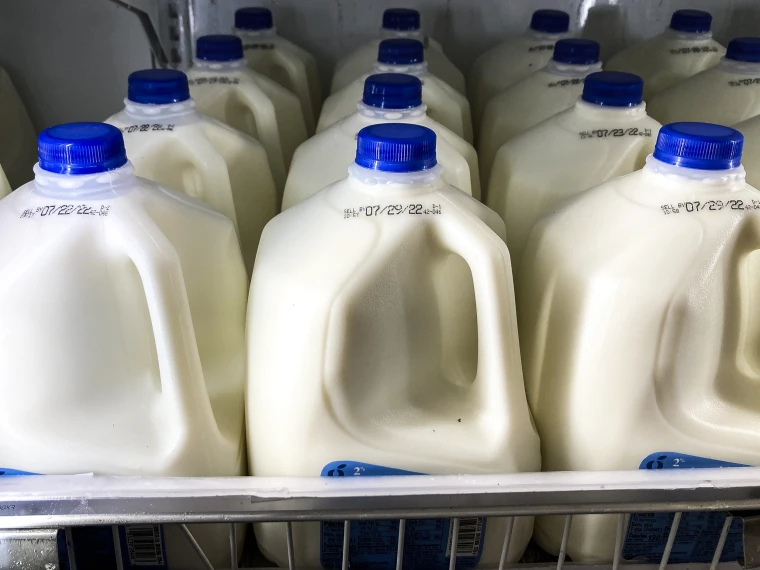 Concerned about the H5N1 virus in your milk? Rest easy as the FDA confirms U.S. milk supply is safe in the latest test results. Learn more here.
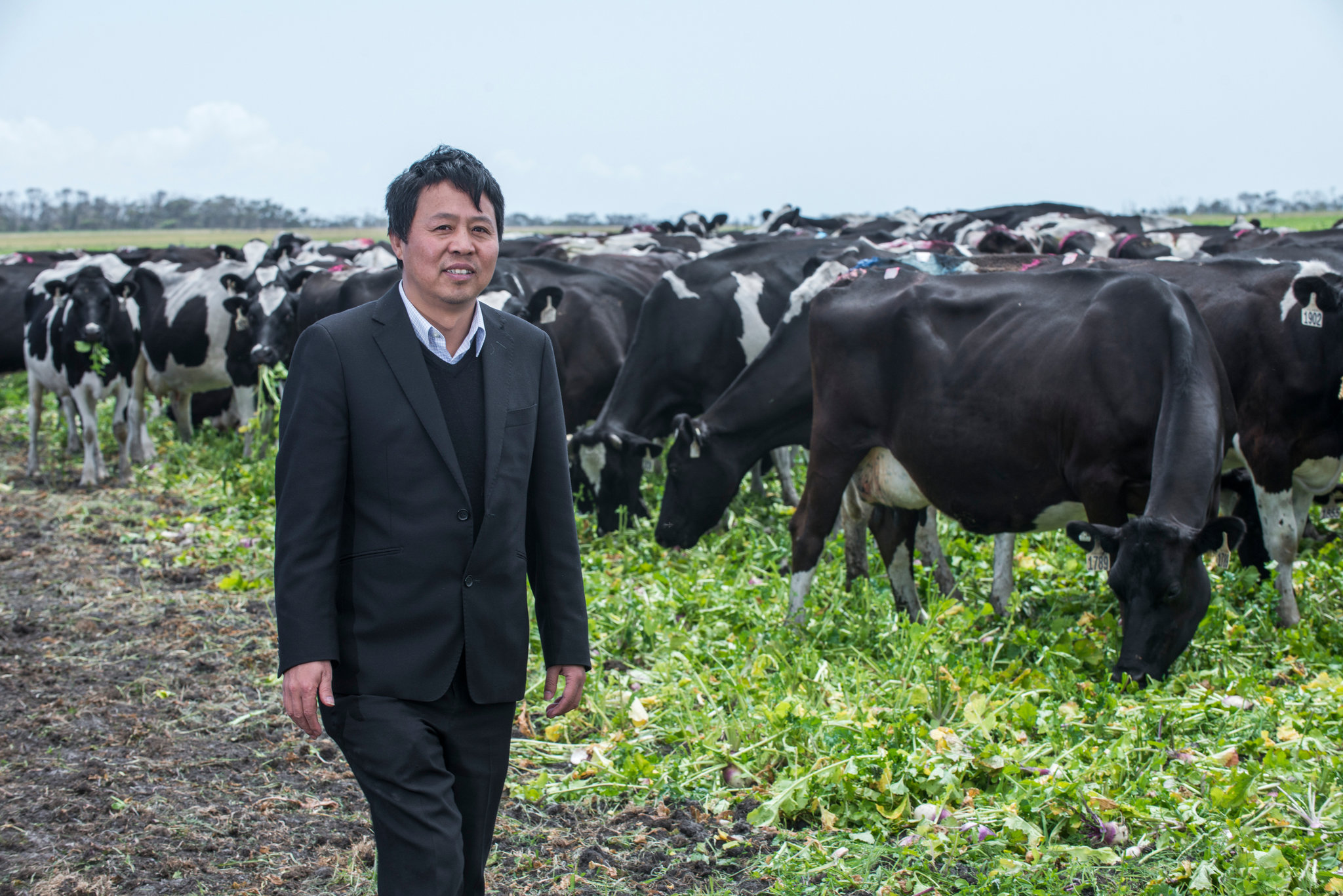 Discover why China’s wealthiest mogul is set to sell his Tasmanian dairies following a botched deal with Fonterra. What led to this decision? Find out here.
 Discover why 2,400 German dairy farmers hung up their milking gloves in 2023. Uncover the factors that led to this mass exodus in our in-depth analysis.
 If you’ve ever wondered how global politics can influence something as niche as the dairy industry in Russia, you’re in the right place. This article is about to take you on a deep dive into the complex interplay between international sanctions and the Russian
  Imagine a bustling Australian
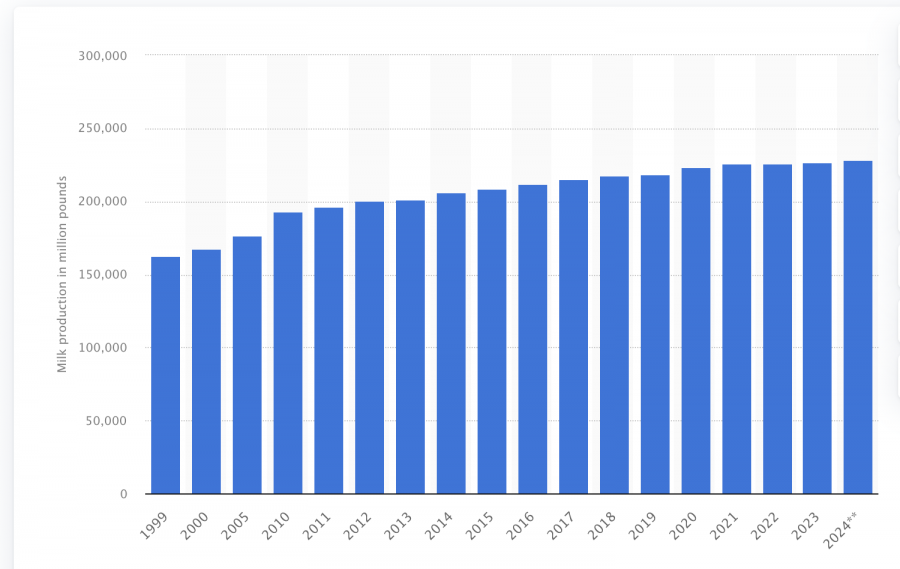
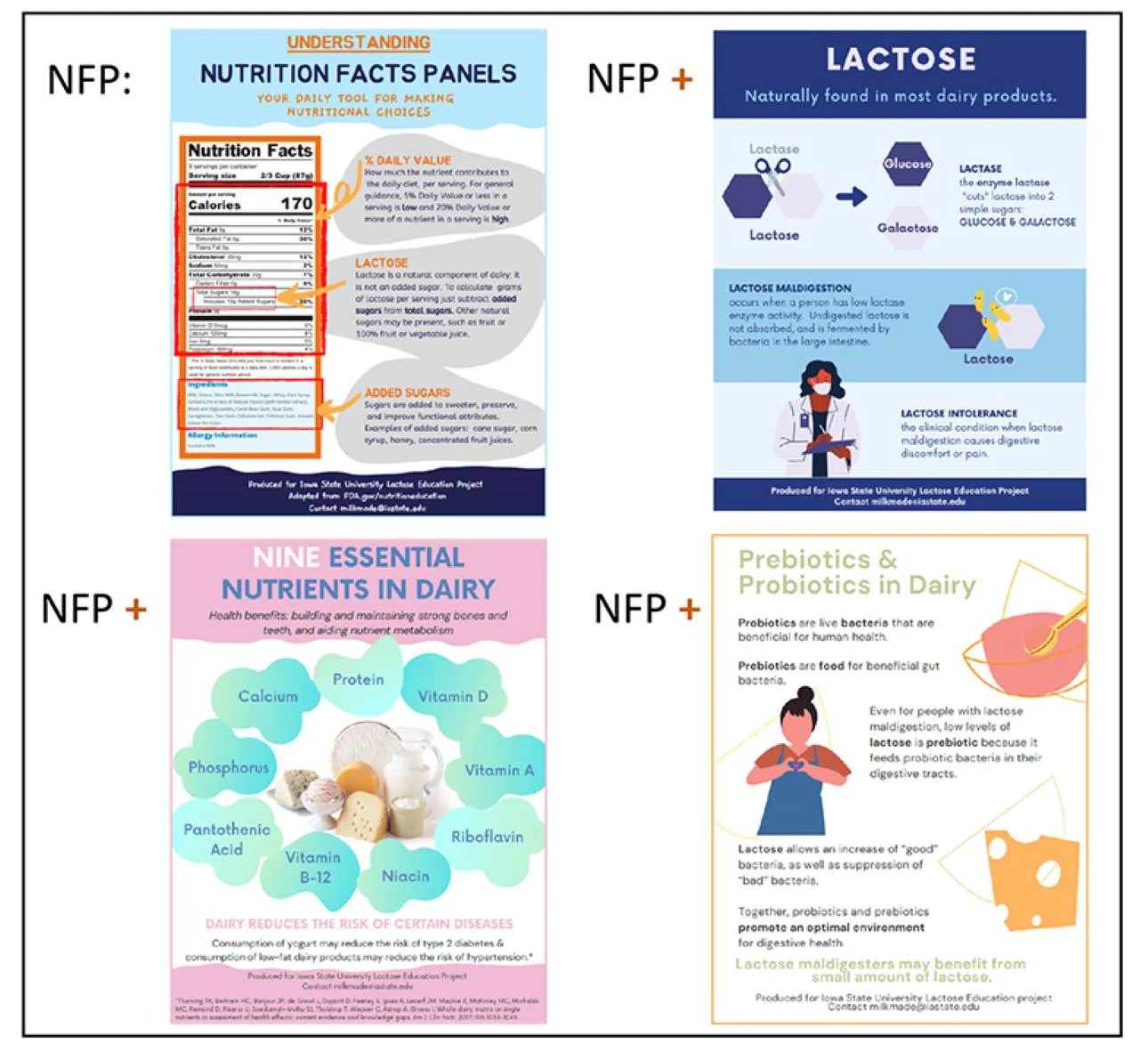 A research published by the American Dairy Science Association and Elsevier found that when consumers are taught about dairy nutrition, they purchase and eat more dairy products such as cheese, ice cream, milk, and yogurt. The study was divided into three phases: a screening survey, nominal focus groups, and a follow-up survey with voluntary adult participants.



