
How one man’s $750 gamble on a white cow created a Holstein dynasty that reshaped global dairy genetics and continues to influence breeding decisions today.

The spotlights at Toronto’s Royal Winter Fair cut through the crisp November air of 1956, illuminating a magnificent white Holstein as she glided across the tanbark with the grace of a dancer. The crowd fell silent as the judge’s hand finally extended toward her, declaring her champion of the aged cow class and awarding the Best Udder trophy. A quiet revolution in Holstein breeding was born.
In the stands, Frederick Roy Ormiston watched with the measured satisfaction of a man who had glimpsed greatness where others saw merely a good cow. Just months earlier, this five-year-old beauty had been standing in Ben Brown’s modest Bowmanville barn, valued at a mere $750-a sum Ormiston had secured her for only after promising an additional $50 should her butterfat test exceed 3.6%. Now, as “The White Cow” claimed her crown, few could have imagined that this singular animal would become the cornerstone of a breeding empire that would reshape Holstein genetics for generations.

The Making of a Master Breeder
Born into Holstein heritage as the son of pioneering breeder Fred Ormiston, young Roy’s destiny seemed intertwined with black and white cattle. The family farm south of Brooklin, Ontario, became his first classroom, and even at sixteen, his extraordinary eye for cattle revealed itself when he led his father’s herd to the Royal Winter Fair, capturing second prize in senior get of sire.
Ormiston didn’t just inherit his father’s passion- he forged his path, first as a respected fieldman for the Holstein Association of Canada, succeeding the esteemed Bob Holtby in East-Central Ontario. This seven-year apprenticeship provided an unparalleled education, exposing him to the finest animals and breeding approaches across the province, sharpening the instincts that would later distinguish him as “The Holstein Man’s Holstein Man.”
When he established Roybrook Farm in 1951, the postwar dairy landscape was transforming rapidly. The artificial insemination industry emerged from experimental infancy to commercial application, creating tension between traditional breeding wisdom and statistical approaches. Ontario County had emerged as hallowed ground for Holstein genetics, with legendary bulls like Montvic Hiemke Pietje Posch Extra and Hawkherst Emperor Pathfinder B. leaving their mark on the breed.
As Ormiston assembled his foundation cattle, he drew from this rich genetic well, incorporating elements from W.J. Seymour’s Springdale herd and building around key females like Segis Posch Lochinvar and Baroness Hawkherst Pathfinder B. Yet the architect awaited the cornerstone to transform his genetic blueprint from ambitious to legendary.
The White Cow Dynasty: Lightning Captured

The pivotal chapter in the Roybrook saga began in the summer of 1956 with a decision that would alter Holstein history. The circumstances around Ormiston’s acquisition of Balsam Brae Pluto Sovereign reveal much about his visionary eye and business acumen.
As Walter Baron, a New York cattle dealer, later recounted, he and Max Heidt had offered Ben Brown $700 for the cow- a bid Brown declined. When Ormiston visited shortly thereafter, he proposed $750 contingent on the cow testing at least 3.6% butterfat. This shrewd negotiation secured the animal who would become simply “The White Cow,” a name that would echo through breeding barns across continents for decades.
Her royal lineage proved worthy of her future impact. Sired by Hainescrest Sovereign Tycoon EX-ST-himself a son of the legendary Jean Pabst Rag Apple EX-4, a cow that had produced an astounding 193,474 pounds of milk in nine lactations-the White Cow’s maternal ancestry traced back to Brema, imported from Friesland in 1884. This was no ordinary pedigree but a careful convergence of superior genetics waiting to be unleashed.
Under Ormiston’s stewardship, the White Cow flourished spectacularly. Grand champion at Peterborough shows four times between 1956 and 1960, she earned All-Canadian nominations for six consecutive years. Though her first three lactations went unrecorded, she achieved impressive lifetime totals: 185,327 pounds of milk with 3.9% test and 7,254 pounds of fat.
But the White Cow’s true power lay not in her impressive accomplishments but in her extraordinary ability to transmit excellence regardless of the sire. This quality was underscored by Ormiston’s persistent attempts to acquire one of her daughters left at Brown’s farm- a cow many considered exceptional. Brown steadfastly refused to sell, warning that the price would be “a damn sight more than the $500 Roy had paid for her dam”.
This daughter-Balsam Brae Pluto Governor-tragically died after accessing the feed room during an emergency. Still, her quality, combined with the excellence of the White Cow’s other progeny, convinced Ormiston that linebreeding on this family would be prudent and revolutionary.
“Having seen the Governor daughter at Brown’s, and then Royal Delight came along, sired by a non-descript Elderslie bull, and then came Roybrook Model Lady, the White Cow’s daughter by Roybrook Model-it was then I realized that no matter what she was bred to, the White Cow would always produce a good daughter. That’s when I knew I could line breed on her,” Ormiston explained.
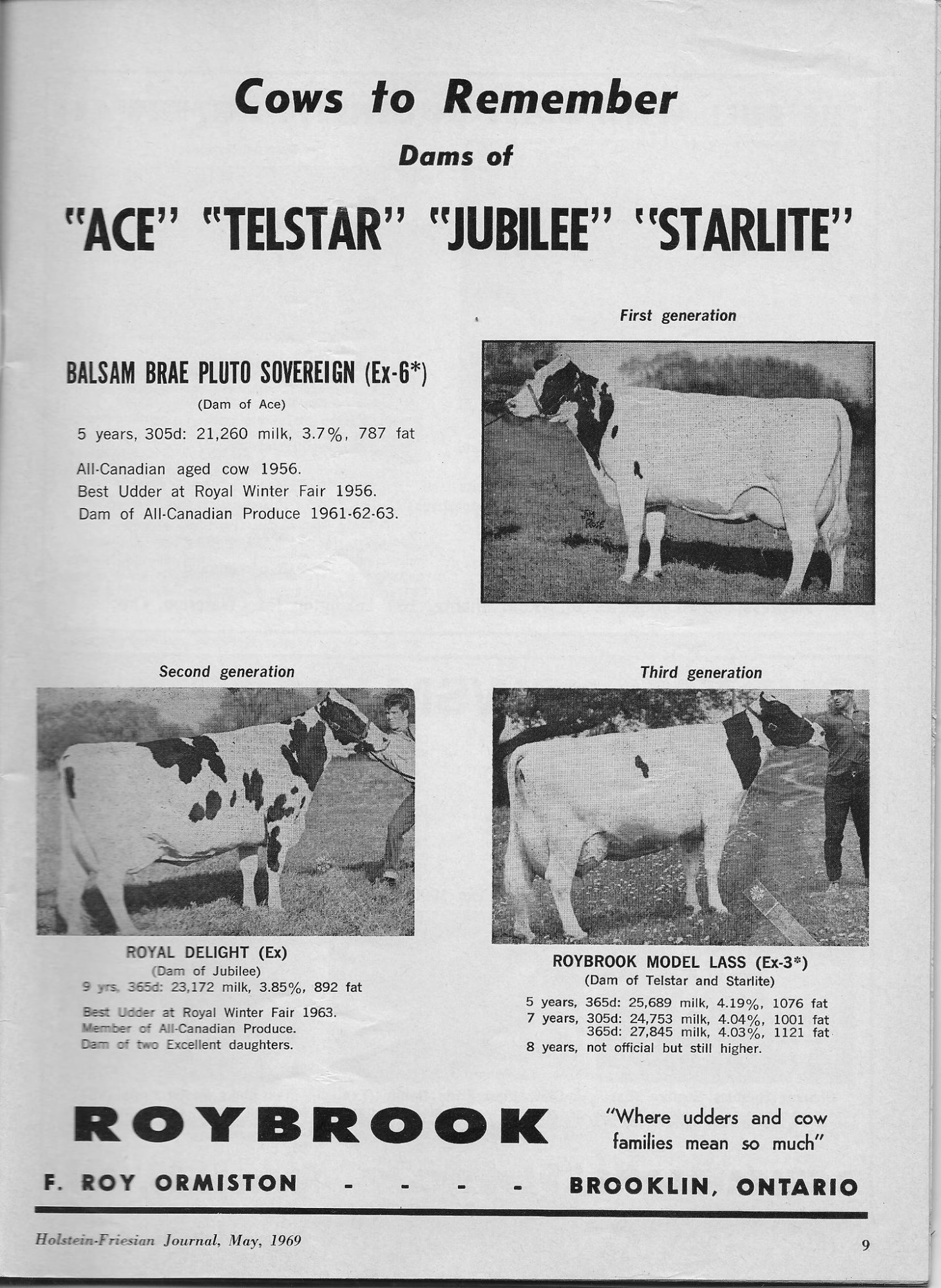
Her progeny became the architects of the Roybrook empire. Royal Delight EX-7, carried to Roybrook in dam, made history alongside her mother as the only dam-daughter pair to win best udder classes at the Royal Winter Fair. In ten lactations, she produced 179,519 pounds of 3.97% milk.
Another daughter, Roybrook Model Lady EX-3, won her class three times at the Royal Winter Fair and reached the Honour List with records exceeding 25,000 pounds of milk. Her twelve lactations yielded 243,799 pounds of milk with a 4.09% test and 9,969 pounds of fat, which would impress even today’s high-production era.
These remarkable females and the White Cow’s son, Roybrook Ace EX-ST, became the genetic architects of a dynasty unlike any other. Ormiston’s linebreeding concentrated on these closely related animals, often breeding maternal half-siblings together. This genetic concentration reached its zenith when Royal Delight was bred to Roybrook Model, producing Roybrook Model Lass EX-15, a cow destined to become the mother of bulls that would reshape global Holstein genetics.
The Global Roybrook Revolution: Telstar, Starlite, and Tempo
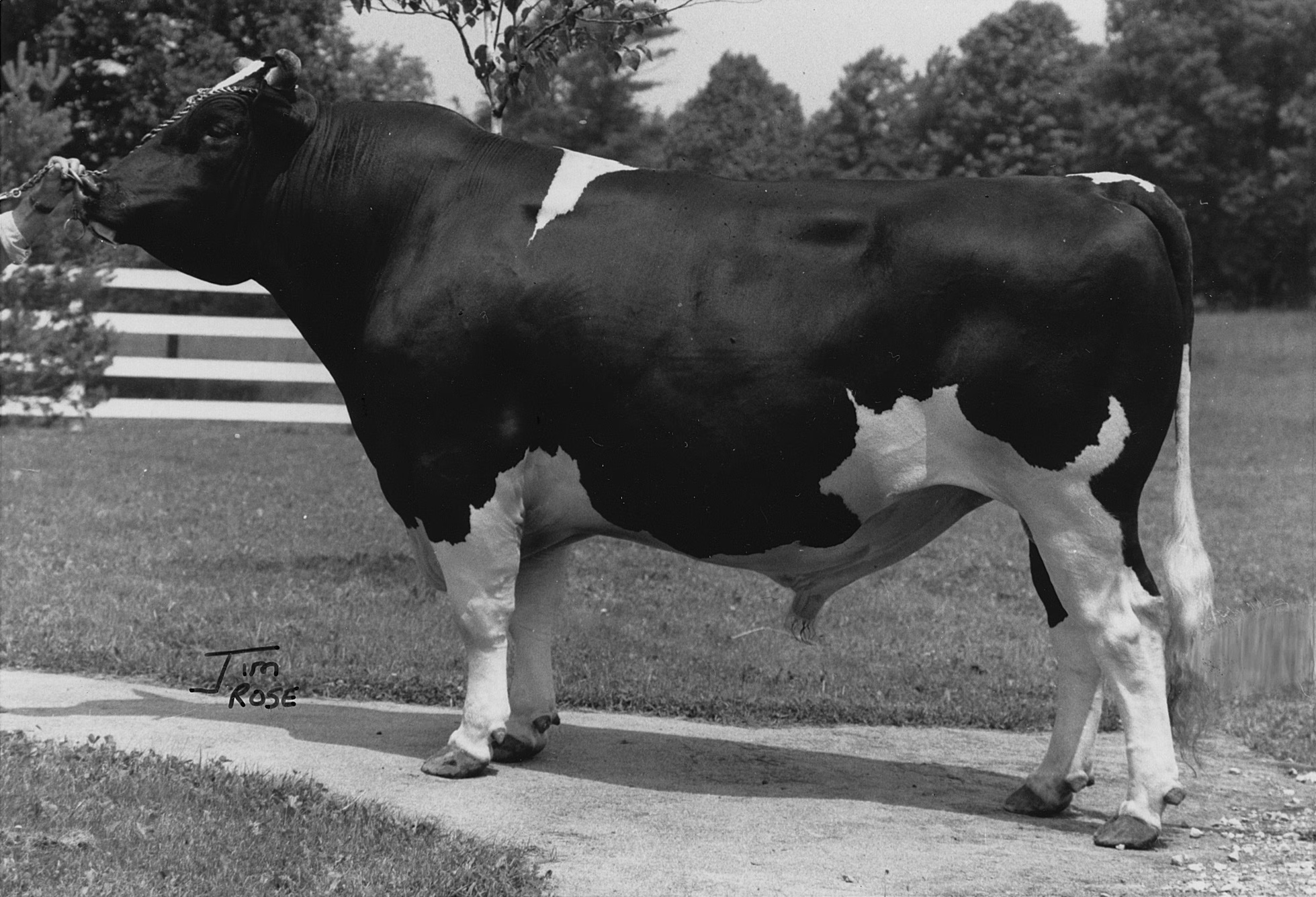
In 1964, the Roybrook influence exploded onto the international stage when a six-month-old bull calf named Roybrook Telstar commanded $25,000 at the National Sale. This wasn’t just any calf-he represented three generations of Ormiston’s careful linebreeding, being the son of Roybrook Ace and Roybrook Model Lass.
Named after the revolutionary communications satellite launched in 1962, Telstar became aptly symbolic of Roybrook’s global reach. One of the youngest bulls to reach a Class Extra rating, his 739 classified daughters were 83% Good Plus or better, earning him a +31 rating for type while simultaneously proving +6 for milk production.
Before receiving his full proof, Telstar was sold to Japan’s Federation of Agricultural Societies at a record price for a Canadian Holstein. His influence in Japan was so profound that in 1978, Ormiston traveled there to unveil a life-size bronze statue erected in the bull’s honor, a testament to how far the genetics from a modest Ontario farm had traveled.

Following Telstar came Roybrook Starlite EX-Extra, a son of Seiling Rockman EX-Extra and Roybrook Model Lass. Proven at United Breeders Inc., Starlite became one of Canada’s most formidable production sires, leading the national list of Honor List producers three times. His daughter Grasshill Starlite Madge VG made history as the first junior two-year-old in Canada to produce 1,000 pounds of fat.
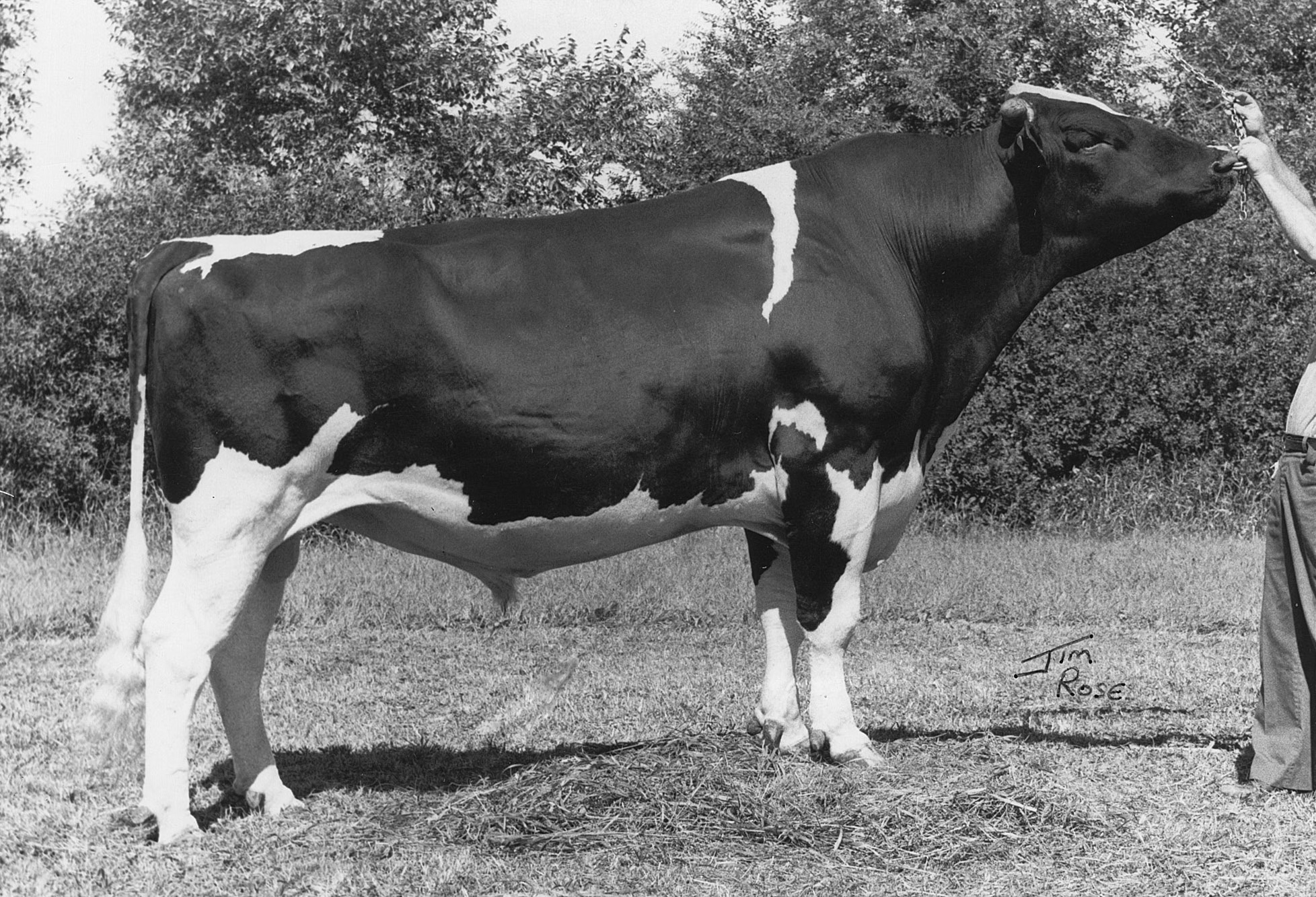
The triumvirate was completed by Roybrook Tempo EX-Extra, a son of Starlite out of Briarwood Melissa, a Telstar daughter Ormiston had purchased at the 1968 Sale of Stars for $7,000. This linebreeding masterpiece-essentially breeding the son of Model Lass (Starlite) to the granddaughter of Model Lass (Melissa)-produced a bull that earned an Extra rating in 1979 and was used extensively worldwide.
“The Telstar-Starlite cross showed the strength of the Roybrook line breeding program,” industry observers noted. The results were undeniable: cows like Roybrook Vale EX, with two Honor List records and six lactations exceeding 1,000 pounds of fat, and Roybrook Harriet EX, with five records surpassing 1,000 pounds of fat.
As Roybrook’s reputation soared, the unassuming Ontario farm became a global mecca. International visitors regularly made pilgrimages, especially during the Royal Winter Fair, to witness the source of genetics transforming herds across continents. By the late 1980s, Holstein World readers voted Ormiston “North America’s most admired breeder,” British Holstein expert Richard Beard described him as “a twentieth-century Merlin” for his seemingly magical breeding consistency.

The Ormiston Method: Breeding Philosophy for the Ages
Behind Roybrook’s spectacular success lay a breeding philosophy that was elegant in simplicity and profound in its insight. Roy Ormiston’s approach, refined through decades of careful observation and disciplined selection, offers striking parallels to challenges facing Holstein breeders in today’s genomic era.
“I like to compare a dairy cow to a building,” Ormiston once observed. “If you don’t have a very good foundation, then it isn’t going to stand up too long, especially in a storm, and that is heavy production.” This fundamental insight-that genetic selection must balance productive capacity with structural integrity remains as relevant in the age of genomics as it was during the era of visual appraisal.
Ormiston built his program on several enduring principles:
First came his unwavering focus on cow families. “I always believed in cow families,” Ormiston emphasized. “But when the best cows in the herd traced back to this one cow, you kept those. It got to the point where maybe two or three other cows weren’t of that bloodline, and then I had to decide. It wasn’t hard to make. The next best brood cow had a few progenies but didn’t breed as well as the White Cow. So, they eliminated themselves through culling”.
This ruthless concentration on superior maternal lines has a modern parallel in genomic breeding programs identifying elite cow families and exploiting them intensively. The difference is that Ormiston accomplished this through direct observation rather than genotyping.
He carefully distinguished his approach from close inbreeding: “It was line-breeding-not inbreeding. We never inbred”. He aimed to intensify the White Cow’s desirable traits without sacrificing vigor. Modern genomic tools now allow breeders to manage inbreeding at the molecular level, but Ormiston achieved similar objectives through careful pedigree analysis and deep knowledge of his cow families.
While critical of the industry’s overreliance on statistics, Ormiston maintained a remarkably balanced selection approach. He simultaneously improved udder conformation, component percentages, and productive efficiency- a holistic perspective that today’s genomic indices attempt to capture through complex economic weightings.
In an era when the average productive life of Holstein cows has declined despite genetic progress, Ormiston’s emphasis on breeding cows that remained trouble-free and productive for many lactations seems prescient. The Roybrook herd boasted cows routinely completing 8-12 lactations with exceptional production. Lady’s twelve lactations produce 243,799 pounds of milk, and Royal Delight’s ten lactations, yielding 179,519 pounds, demonstrate this focus on longevity.

Modern Relevance: Ormiston’s Vision in the Genomic Age
As Ormiston’s active breeding career concluded with the 1990 dispersal sale, the Holstein industry stood on the threshold of a technological revolution. The genomic era, which would begin in earnest two decades later, would bring capabilities that even a visionary like Ormiston could not have fully anticipated.
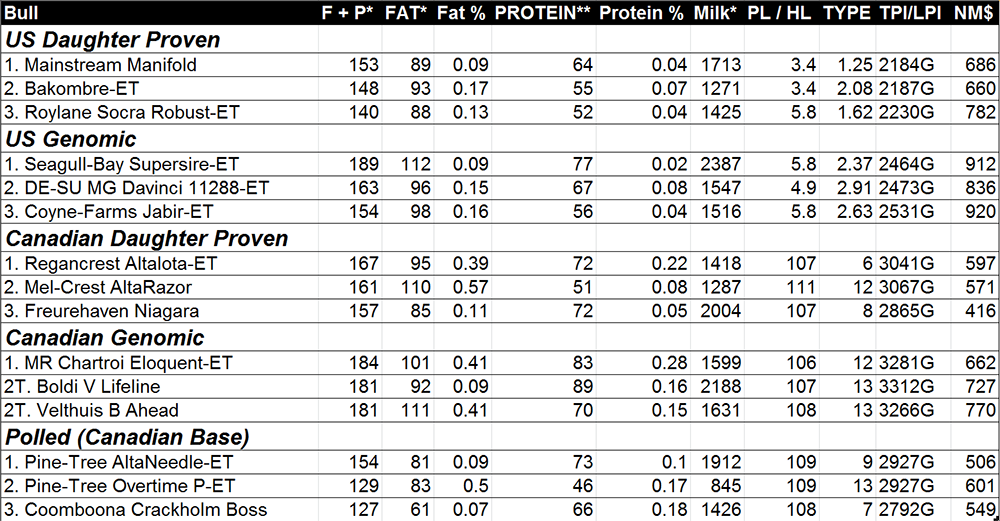
Yet, many of his breeding principles have found validation in the genomic age. The modern emphasis on balanced breeding values like Net Merit $ or the Balanced Performance Index (BPI) echoes Ormiston’s insistence on improving type, production, and longevity. The industry’s growing focus on feed efficiency and health traits reflects his emphasis on trouble-free cows that efficiently convert roughage to milk.
Perhaps most significantly, Ormiston’s skepticism about overreliance on statistical evaluation offers a valuable counterbalance to potential pitfalls of genomic selection. In the last days of the twentieth century, he “deplored the artificial insemination industry’s increasing reliance on statistics at the expense of common sense, describing some of the material that the geneticists were placing before the Holstein public as an insult to the human race.”
This perspective finds renewed relevance as some breeders express concern about the potential overemphasis on genomic indices at the expense of careful observation. The most successful modern breeding programs often combine genomic data with traditional functional type evaluation, precisely the balance Ormiston advocated.
The international chapter of Roybrook’s direct breeding program concluded with the herd’s dispersal on October 1, 1990. Dubbed the “Roybrook Retirement Party,” the event drew over 3,000 attendees worldwide. The 74 lots averaged an impressive $14,094.59, with 64% selling to international buyers. The sale topper was a Walkway Chief Mark, son of Roybrook Vale, purchased for $140,000 by K.K. Tokachi A.I. Centre in Japan.
Though the dispersal ended Ormiston’s active breeding, it accelerated the global dissemination of his genetics. Today, many Holstein cows trace their pedigrees back to Roybrook bloodlines, particularly through the widespread use of the Telstar-Starlite-Tempo sire trio and their descendants.

The Legacy Continues: Beyond Pedigrees and Production Records
Frederick Roy Ormiston passed away in December 2015 at the remarkable age of 100, having witnessed the transformation of Holstein breeding from the art he practiced to the data-driven science it has essentially become. His many honors included Master Breeder shields in 1963 and 1988, the U.S. Dairy Shrine’s Distinguished Cattle Breeder Award in 1989, and induction into the Canadian Agricultural Hall of Fame in 1999.
Yet Ormiston’s legacy extends far beyond these accolades. His influence continues through thousands of animals worldwide that trace back to Roybrook bloodlines. He championed balanced selection, emphasis on cow families, and breeding for lifetime performance, which are foundational to successful dairy breeding in any technological era.
His legacy is also evident in his community of Brooklin, Ontario, where roads bear the names of his famous herd and where he generously donated 25 acres of land for a new hospital-physical reminders of his breeding achievements and character.
“I don’t think at first I had any definite plan,” Ormiston once reflected. “I was interested in Holsteins, and when you are interested in something, you want to breed the best.” Rather than chasing trends, this focus on fundamental excellence helped create animals that excelled not just in the showring or on production tests but in the broader measure of a lifetime contribution to the breed.
As genomic technology continues evolving, Ormiston’s career reminds us that behind every SNP chip and genomic evaluation lies the fundamental goal he pursued throughout his life: breeding trouble-free cows that efficiently convert feed to quality milk, generation after generation.
Roy Ormiston’s enduring contribution was the elegant balance he achieved between progressive innovation and timeless principles of genetic ballet choreographed by a master breeder whose work continues to influence Holstein cattle worldwide. In an industry constantly pursuing the next breakthrough, Ormiston reminds us that sometimes the most revolutionary approach is maintaining an unwavering focus on fundamental excellence across generations.
Key Takeaways
- Ormiston’s greatest insight was recognizing the White Cow’s extraordinary ability to transmit excellence regardless of sire, leading to his successful linebreeding strategy
- His balanced selection approach-improving udder conformation, component percentages, and productive efficiency simultaneously-created cows that thrived for 8-12 lactations with exceptional production
- Ormiston’s skepticism of purely statistical evaluation offers valuable perspective in today’s genomic era, reminding breeders that behind every index lies the fundamental goal of breeding trouble-free, productive cows
- The global influence of Roybrook genetics demonstrates how a focused breeding program from a modest farm can transform an entire breed through clear vision and disciplined selection
- His philosophy-“I like to compare a dairy cow to a building. If you don’t have a very good foundation, then it isn’t going to stand up too long”-remains foundational to successful dairy breeding in any technological era
Executive Summary
Frederick Roy Ormiston revolutionized Holstein breeding through his visionary approach centered around a single remarkable cow-“The White Cow”-acquired for $750 in 1956. Through strategic linebreeding on this exceptional animal’s family, he created a dynasty that produced influential sires like Telstar, Starlite, and Tempo, whose genetics spread to six continents. Ormiston’s breeding philosophy balanced type with production while emphasizing longevity, rejecting the industry’s growing reliance on statistics in favor of deep cow family knowledge and careful observation. His principles of breeding trouble-free, efficient cows with sound structure and high components proved remarkably prescient, earning him recognition as “North America’s most admired breeder.” Though his active program ended with the 1990 dispersal sale, Ormiston’s genetic legacy and balanced approach remain profoundly relevant in today’s genomic era.
Learn more:
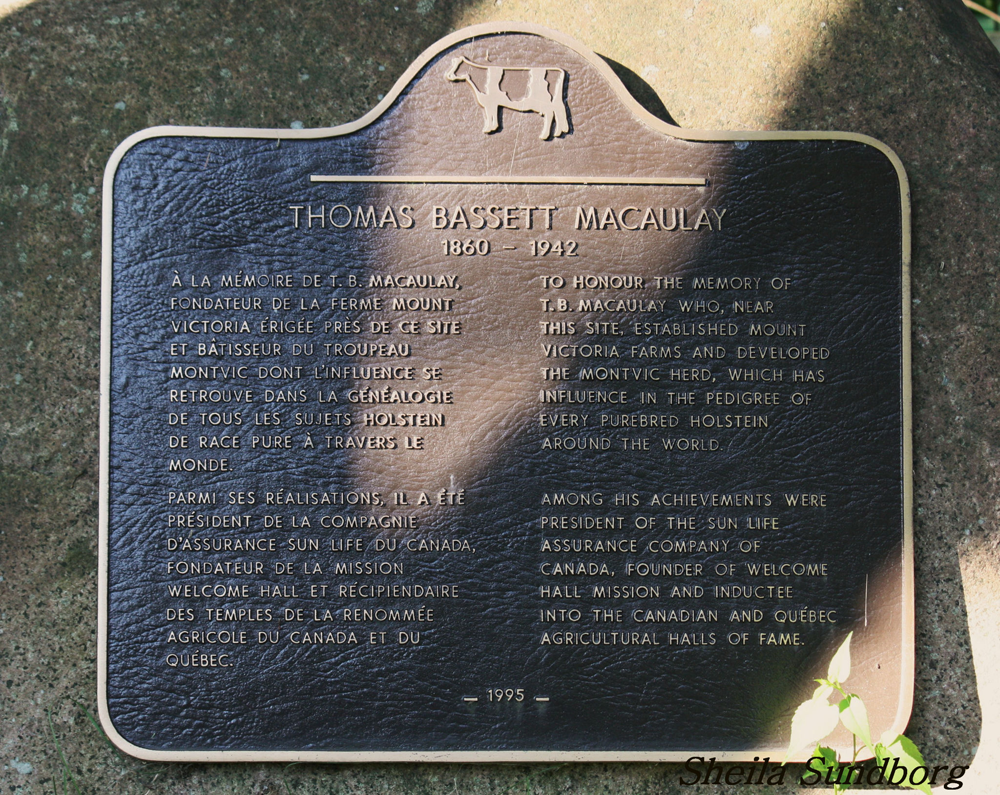
- The Vision of Mount Victoria: T.B. Macaulay’s Holstein Legacy – Discover another visionary breeder who, like Ormiston, revolutionized Holstein genetics through scientific innovation and a relentless pursuit of excellence in Quebec, Canada.
- How Hanover Hill Holsteins Revolutionized the Dairy Breeding Industry – Explore the remarkable story of Peter Heffering and Ken Trevena’s breeding program that, similar to Roybrook, created a dynasty of influential Holstein genetics that transformed the industry.
- Genomics Meets Artificial Intelligence: Transforming Dairy Cattle Breeding Strategies – Learn how modern breeding technologies are building upon the foundational principles established by visionaries like Ormiston, advancing his balanced approach to selection in the genomic era.
 Join the Revolution!
 Join the Revolution!
Join over 30,000 successful dairy professionals who rely on Bullvine Daily for their competitive edge. Delivered directly to your inbox each week, our exclusive industry insights help you make smarter decisions while saving precious hours every week. Never miss critical updates on milk production trends, breakthrough technologies, and profit-boosting strategies that top producers are already implementing. Subscribe now to transform your dairy operation’s efficiency and profitability—your future success is just one click away.