







Danone drops $110M on Ohio despite flat yogurt sales—here’s the real story behind this bet.
EXECUTIVE SUMMARY: Look, proximity just became more valuable than herd size—and Danone’s $110 million Ohio bet proves it. While yogurt consumption stays flat overall, premium segments like Oikos are exploding with 40% growth, driven by health-conscious consumers paying top dollar for protein. MVP Dairy’s 4,500 cows supply 350,000 pounds daily because they’re 18 miles from the plant, not because they’re the biggest operation around. Globally, from German co-ops to Australian farms using digital integration, the smart money’s on strategic partnerships over raw volume. Certifications like Non-GMO and tech that connects you directly to processors aren’t nice-to-haves anymore—they’re your ticket to the premium game. Time to stop chasing yesterday’s playbook and start thinking like the supplier they can’t live without.
KEY TAKEAWAYS
- Geography pays the bills: Being within 50 miles of your processor can mean the difference between premium contracts and commodity pricing—MVP Dairy’s daily 350,000-lb supply proves location beats everything else.
- Certifications unlock the vault: Non-GMO verification isn’t just paperwork anymore—it’s your entry pass to contracts that actually pay while everyone else fights over commodity rates.
- Smart tech = smart money: Automated milk sampling reduces rejected loads and gets you quality bonuses, but only invest in systems that tie directly to your buyer’s requirements.
- Sustainability is the new premium: Danone’s regenerative ag program covers 144,000 acres because it works—participants report better soil health AND extra money per hundredweight.
- Reliable beats big every single time: A consistent 4,500-cow operation close to the plant destroys distant mega-dairies with fancy robots—processors want partners they can count on, not just cheap milk.
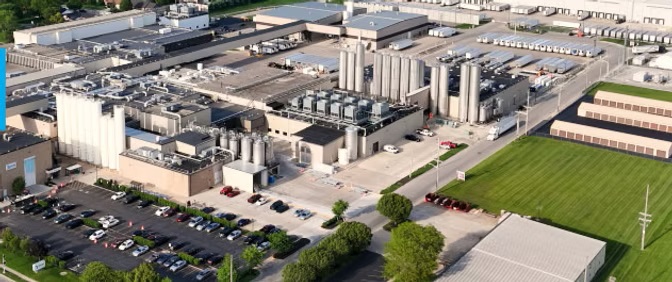
If you’ve been keeping one eye on dairy news, you probably heard about the big splash happening in a small town called Minster, Ohio. Danone dropped more than $110 million on expanding their yogurt plant there lately. And it’s not just about new buildings — this signals a big shift in how dairy’s going to work going forward.
Now, you might think that yogurt sales have been struggling, but it’s more complicated than that. While some traditional yogurt styles are facing headwinds, the overall market remains stable, with premium segments, such as Greek and high-protein varieties, driving growth. These premium categories are booming enough to keep the whole market on solid ground.
Danone’s planning on a serious jump — they expect to buy 60% more milk from their Ohio plant in the next few years. That’s quite a call for area producers.
The Oikos Explosion Everyone’s Talking About
Let’s talk about a real buzzmaker in this space: Oikos. Their sales soared by over 40% in early 2024, riding the wave of customers, many on weight-loss meds like Ozempic or Wegovy, seeking protein-rich, low-sugar options. It’s not just dessert anymore — it’s becoming essential fuel in daily diets for folks willing to pay premium prices.
What strikes me about this trend is how it’s completely flipped the script. We used to think more volume meant more opportunity. Now it’s about the right consumers paying top dollar for functional nutrition.
MVP Dairy: The Real Story Behind the Numbers
Nearby, MVP Dairy doesn’t just talk the talk — they run about 4,500 cows and deliver around 350,000 pounds of milk daily straight to that plant. These guys have positioned themselves perfectly.
The secret sauce? They nailed the Non-GMO Project certification — a big deal for today’s premium market. Producers in similar programs report that initial paperwork requirements, while challenging, become routine once premium contract benefits materialize.
People around here know the truth: being 20 minutes from the plant beats saving money on land farther away most days. Frequent, reliable deliveries are what buyers are paying for these days.
Chobani’s $1.2B Wake-Up Call

Don’t overlook the big picture either — Chobani recently announced a .2 billion plant investment in upstate New York. Let’s get real about Greek yogurt’s market position — latest data shows it holds about 46-48% of the US market, commanding serious premium pricing. Here’s how these investments stack up — both companies are chasing the same premium-paying consumers who view dairy as functional nutrition, not just food.
Why Geography Wins Every Time
MVP’s got the upper hand, being just 18 miles from the plant. Danone wants fresh milk, delivered multiple times daily. Drive more than an hour or two, and you’re already behind the curve.
This pattern’s playing out worldwide. German co-ops cluster producers close to plants, and 68% of Australian dairies use smart devices to stay synced with their processors. The world’s most profitable operations cluster around major processing facilities.

Here in Ohio, the dairy industry supports 1,400 farms, pumping out over $30 billion in economic value and supporting 130,000+ jobs. That’s the kind of critical mass processors can’t ignore.
Regional producers consistently mention that while cheaper land might be available farther out, the trucking costs and delivery timing challenges make staying close the smarter financial move.
Tech That Actually Matters on the Farm
Now, about tech that truly makes a difference. Automated milk sampling systems enable earlier detection of milk quality issues like subclinical mastitis, which helps reduce rejected loads and can qualify farms for premium payments, though specific economic benefits vary based on farm size and management practices.
These systems directly tie milk quality data to processors, building trust and transparency that drive premium partnerships. In Australia, these technologies have been standard for years, backed by government programs that emphasize practical gains over flashy gadgets.
Sustainability Programs That Actually Pay
Switching gears to sustainability — Danone’s regenerative agriculture effort covers over 144,000 acres and supports 75% of their milk supply. Producers in regenerative agriculture programs report variable economic benefits, including input cost reductions and premium payments, with results depending on farm size and implementation practices.
Regional producers note that weekly soil testing, while initially seen as extra work, has led to healthier pastures that are paying for themselves through improved productivity and premium qualification.
This isn’t just an Ohio story — similar successes are sprouting throughout Europe and other US regions, wherever farmers have committed to long-term soil health strategies.
What’s Killing Most Producers’ Profits
Here’s what gets me fired up: all that advice about scaling up and buying the fanciest gadgets isn’t the whole story anymore. MVP isn’t the biggest operation around, but they’re winning because they’re reliable, certified, and strategically located.
Meanwhile, larger operations with expensive automation but long hauls to processors are getting passed over. Equipment dealers want you to buy their gear, but the market rewards those who show up consistently with the right milk, at the right place, with the right documentation.
Your Move: Four Things to Do This Week
Here’s what you should focus on right now:
- Map out every processor you can realistically serve within 50 miles and be honest about who’s close enough to matter. Distance kills deals faster than anything else in today’s market.
- Invest only in tech that connects you directly to your buyers’ quality requirements. Systems that integrate with processor databases beat robotic milkers that only improve internal efficiency.
- Get certified in Non-GMO, organic, or whatever your regional processors value. These certifications open doors to premium milk pools where the real money is.
- Explore sustainability programs if they’re available locally. They’re increasingly becoming non-negotiable for major processor partnerships.
Remember: processors want partners they can count on, not just suppliers offering cheap milk.
The Bottom Line
This industry is changing fast. When Danone calls looking for 60% more milk, they don’t automatically ring the biggest operation — they call the most reliable producers they can’t afford to lose.
Geography, reliability, certification, and data integration are separating winners from everyone else fighting over commodity pricing. The farms that recognize this shift early will capture premium markets, while others will be squeezed on their margins.
So ask yourself: where will you be when that call comes?
This isn’t just a theoretical discussion. It’s happening now, right in our backyards. The dairy game’s evolving rapidly, and producers willing to adapt to this new reality have a bright future ahead.
Complete references and supporting documentation are available upon request by contacting the editorial team at editor@thebullvine.com.
Learn More:
- Boost Your Dairy Farm’s Efficiency: Easy Protocol Tweaks for Big Results – This article provides practical, step-by-step guidance on refining on-farm protocols. It offers tactical advice for improving daily operations and consistency—key traits that processors like Danone value highly in their partners—directly complementing the main article’s emphasis on reliability.
- Global Dairy Market in 2025: Production Shifts, Demand Fluctuations, and Trade Dynamics – For a high-level view, this piece analyzes the global market forces and economic trends shaping the industry. It provides the strategic context behind major investments from companies like Danone and Chobani, helping producers understand the bigger picture.
- The Robot Revolution: Transforming Organic Dairy Farms with Smart Tech in 2025 – Exploring the future of dairy, this article examines how automation and data integration are becoming essential. It offers a forward-looking perspective on the technologies that enable the direct processor connections and quality assurances discussed in the main piece.
 Join the Revolution!
 Join the Revolution!
Join over 30,000 successful dairy professionals who rely on Bullvine Weekly for their competitive edge. Delivered directly to your inbox each week, our exclusive industry insights help you make smarter decisions while saving precious hours every week. Never miss critical updates on milk production trends, breakthrough technologies, and profit-boosting strategies that top producers are already implementing. Subscribe now to transform your dairy operation’s efficiency and profitability—your future success is just one click away.





