






Why are U.S. dairy farmers holding onto their cows amid a 20-year low in replacements? How is the beef-on-dairy trend reshaping the industry?
Summary: U.S. dairy farmers are shifting gears, sending fewer cows to slaughter to keep herd sizes stable. This move is driven by the profitable beef-on-dairy market, with high cash flows from selling beef-on-dairy calves. The drop in dairy replacements and rising heifer costs since September 2023 has led producers, especially in the West, to keep more cows, causing slaughter numbers to hit a 20-year low. The high value of week-old beef-on-dairy calves ($800 to $1,000 each) offers a profitable opportunity for dairy farmers, who are also investing in gender-sorted dairy semen to plan for future replacements. This trend shows no signs of reversal, presenting both challenges and opportunities.
- Record drop in cow culling, reducing slaughter by 397,200 head over 10 months.
- Shift driven by profitable beef-on-dairy market, boosting cash flow for dairy farmers.
- Beef semen sales surged 276% from 2017 to 2023, with most sales to dairy farmers.
- Dramatic decline in dairy replacements, pushing heifer costs to $3,000+ per head.
- Week-old beef-on-dairy calves now fetching $800 to $1,000 each, a lucrative opportunity.
- Growing trend of using gender-sorted dairy semen to ensure future heifer replacements.
- Current trends show no signs of near-term reversal, creating both challenges and benefits.

Imagine being a dairy farmer in 2024, facing a harsh reality in which every choice might make or break your existence. Farmers have been forced to reconsider their strategy due to the 2024 dairy crisis, mainly caused by a drop in dairy replacements and rising heifer costs. Are you interested in knowing why this is occurring and what it implies for the future of your farm? Since September 2023, dairy farmers in the United States have sent fewer cows to slaughter for 46 weeks, indicating a desperate attempt to protect their herd.
| Year | Cows Sent to Slaughter | Beef Semen Sales (in Millions) | Dairy Replacements Available | Average Heifer Replacement Value |
|---|---|---|---|---|
| 2017 | 665,000 | 2.5 | 1,000,000 | $1,200 |
| 2023 | 606,000 | 9.4 | 800,000 | $2,800 |
| 2024 | 397,000 | 9.4 | 709,100 | $3,000+ |
Why U.S. Dairy Farmers Are Clinging to Their Cows: Unraveling the Staggering Industry Shift
Since September 2023, dairy producers in the United States have kept more of their cows, especially in western areas. This strategic move was made due to a lack of dairy alternatives and high beef-on-dairy market pricing. Farmers want to protect their herd numbers and profit from the lucrative beef-on-dairy business by limiting the number of cows sent to slaughter.
The dairy business has seen the impact of a considerable decline in cull cows during the last ten months. Between January 1, 2024, and July 6, 2024, dairy producers in the United States slaughtered 259,400 fewer cows. Extending this pattern to September 2023, we observe a stunning reduction of 397,200. Culling numbers have fallen to a 20-year low in parts of the United States, including the West.
This rapid fall represents a strategic move as farmers stick to their herds, aided by a beef-on-dairy solid market. Record-high beef prices encourage producers to keep cows for extended periods to crossbreed calves, contributing to the historic low culling rate.
Beef-On-Dairy: The Game-Changer for Dairy Farmers’ Cash Flow
The beef-on-dairy market is at the center of this movement, drastically altering the economic incentives for dairy producers. Traditionally, dairy producers prioritized milk production and keeping a consistent herd of high-yielding dairy cows. However, the growth in cattle semen sales to dairy producers has wholly transformed the scene. Farmers produce more lucrative calves for the meat market by inseminating dairy cows with beef semen.
This rise in cattle semen sales has improved cash flow for various reasons. First and foremost, dairy beef calves are much more expensive than purebred dairy calves. According to the National Association of Animal Breeders, beef semen sales will increase by 276% by 2023, with dairy producers receiving 84% of the proceeds. This move has resulted in week-old dairy-beef calves commanding between $800 and $1,000 each. The most excellent purebred dairy bull calves sell for less than half that amount.
The record prices for dairy-beef calves are partly due to the beef sector’s low feeder supplies, which have been at their lowest since 1972. This scarcity raises demand and, as a result, the price of beef-on-dairy calves, making it a very successful investment for dairy farmers. Dairy producers that include beef genetics in their herds do more than preserve their dairy cows for milk output. Still, they use high market prices for beef calves to boost their cash flow.
Beef Semen Sales Surge: A 276% Leap That’s Revolutionizing Dairy Farming
Some surprising facts support the enormous rise in beef-on-dairy initiatives. According to the National Association of Animal Breeders, beef semen sales to dairy producers in the United States have increased by an astounding 276% between 2017 and 2023. Specifically, sold units significantly increased from 2.5 million in 2017 to 9.4 million by 2023 [National Association of Animal Breeders].
Dale Woerner of Texas Tech University believes there are between 3 and 3.25 million beef-on-dairy animals in the United States. “The growth in this area has been exponential, creating a significant shift in both the dairy and beef industries,” says Woerner [Texas Tech University].
The Heifer Crisis: Soaring Prices and Scarce Supply Challenge Dairy Farmers
| Year | Dairy Heifer Inventory (in 1,000s) |
|---|---|
| 2004 | 4,200 |
| 2008 | 4,350 |
| 2012 | 4,500 |
| 2016 | 4,650 |
| 2020 | 4,300 |
| 2024 | 3,500 |
The effects of dairy cow replacements have been nothing short of remarkable. With the inventory of dairy heifer replacements at a 20-year low, scarcity pushes up costs. At auction markets nationwide, prices for dairy heifer replacements have risen beyond $3,000, indicating a significant supply-demand mismatch. This fast jump in replacement prices presents a considerable problem for dairy producers, who must now negotiate a more competitive market to renew their herds.
High Prices for Beef-On-Dairy Calves: A Golden Opportunity for Dairy Farmers
The current trend of high pricing for beef-on-dairy calves is a profitable opportunity for dairy producers. Week-old calves sell for between $800 and $1,000 a head, twice the price of the finest purebred dairy bull calves. This increase in value is caused by a combination of inadequate feeder supply and continued high demand from the beef industry. Because beef-on-dairy calves fetch such high prices, and it takes almost three years from a heifer’s pregnancy to her first calf, there are no indications of a near-term reversal. As demand for excellent beef rises and availability remains limited, dairy producers will prioritize this lucrative crossbreeding technique.
The Smart Bet on Heifers: Dairy Farmers Embrace Gender-Sorted Semen for Expansion
Meanwhile, dairy producers looking to expand their operations are increasingly resorting to gender-sorted dairy semen. This strategy ensures that more female calves, or heifers, are produced to replace old cows and sustain milk output. In 2023, 54% of all dairy bull semen sold in the United States was gender-sorted, representing a 5% rise over the previous year. This trend emphasizes the need for dependable replacements in an industry facing a dairy cow crisis.
The Bottom Line
The dairy farming environment in the United States is rapidly changing. Farmers resort to the beef-on-dairy concept to save their income flow when faced with a steep fall in dairy alternatives. While this trend gives a much-needed financial boost, it has resulted in a heifer shortage issue, raising replacement prices and forcing the sector to adjust. The increase in beef semen sales and the strategic shift to gender-sorted semen demonstrate dairy producers’ inventive methods for overcoming these obstacles. With milk supply staying static and replacement costs skyrocketing, the economic viability of dairy farming is jeopardized. The demand for smaller but bigger dairy farms and growing input prices are altering the business. The choices made today will likely affect the future of dairy farming in the United States, requiring farmers and industry stakeholders to reassess their strategy and plan for the difficulties.
Download “The Ultimate Dairy Breeders Guide to Beef on Dairy Integration” Now!
Are you eager to discover the benefits of integrating beef genetics into your dairy herd? “The Ultimate Dairy Breeders Guide to Beef on Dairy Integration” is your key to enhancing productivity and profitability. This guide is explicitly designed for progressive dairy breeders, from choosing the best beef breeds for dairy integration to advanced genetic selection tips. Get practical management practices to elevate your breeding program. Understand the use of proven beef sires, from selection to offspring performance. Gain actionable insights through expert advice and real-world case studies. Learn about marketing, financial planning, and market assessment to maximize profitability. Dive into the world of beef-on-dairy integration. Leverage the latest genetic tools and technologies to enhance your livestock quality. By the end of this guide, you’ll make informed decisions, boost farm efficiency, and effectively diversify your business. Embark on this journey with us and unlock the full potential of your dairy herd with beef-on-dairy integration. Get Started!
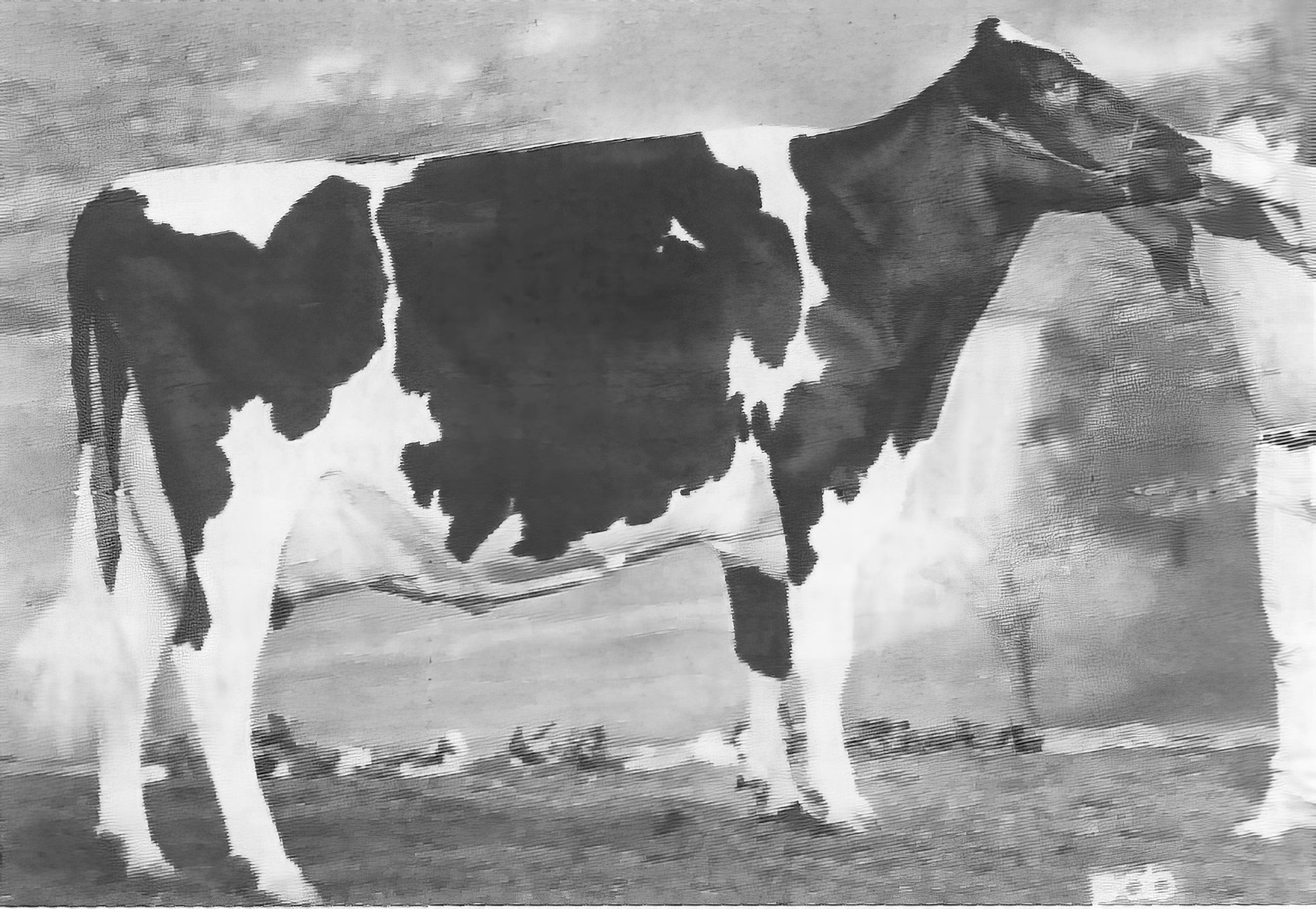
 David Brown, like all of us, had his flaws. Endowed with remarkable skills as a breeder, showman, and promoter, he was often hailed as the finest cattleman of his era. Growing up on Browndale Farms in Paris, Ontario, he had towering expectations to meet. His father, R.F. Brown, was a luminary in the dairy world, winning the esteemed Curtis Clark Achievement Award in 1988 and the Klussendorf Trophy at the 1993 World Dairy Expo. As one of Canada’s most successful breeders, R.F. clinched Premier Breeder and Exhibitor honors at the World Dairy Expo and the Royal Winter Fair. His accolades included five Grand Champions at the Royal Winter Fair: Green Elms Echo Christina (1972 and dam of Browndale Commissioner), Vanlea Nugget Joyce (1974), Marfield Marquis Molly (1978), and Du-Ma-Ti Valiant Boots Jewel (1988). David certainly had big shoes to fill. And fill them he did. His list of accomplishments was extensive: He led Ontario’s top herd in production in 1991, bred two All-Canadian Breeder’s Herd groups, and produced the All-American Best Three Females in 1998. He was twice crowned Premier Breeder at the International Holstein Show and accumulated 92 awards in All-Canadian and All-American contests from 1986 through 2004. Yet, despite two auction sales in 1991 and 1996 aimed at reducing his debts, financial relief was elusive. Over time, his wife left him, his children moved away, and his prized cattle were sold off. Eventually, David relocated to Colombia, where he passed away. Views on Brown are mixed—some saw him as a charming inspiration, while others regarded him as a rule-bending showman or an irresponsible debtor. Nonetheless, his rapid ascent and remarkable achievements in his lifetime are indisputable. Many wealthy individuals have invested vast sums of money into the cattle industry, chasing the same recognition, only to leave empty-handed. What distinguished David Brown was his nearly mystical talent for preparing animals for the show ring and transforming them into champions.
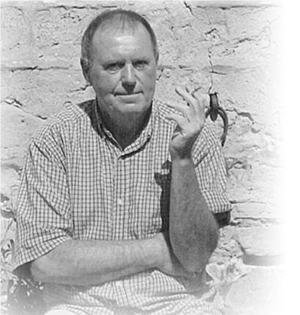 Edward Young Morwick, a distinguished author, cattle breeder, and lawyer, was born in 1945 on the Holstein dairy farm owned by his father, Hugh G. Morwick. His early memories of his mother carrying him through the cow aisles profoundly shaped his trajectory. Although Edward pursued a career in law, excelling immediately by finishing second out of 306 in his first year, he harbored a deep-seated passion for journalism. This led to his later work chronicling Holstein’s cow history. His seminal work, “The Chosen Breed and The Holstein History,” stands as a cornerstone for those delving into the evolution of the North American Holstein breed. In it, he compellingly argues that the most influential bulls were those of the early historical period. (Read more:



