From the barn’s unforgettable sounds to championship triumphs, discover the passion and pedigree driving Tirsvad Genetics.
You ever notice how some farm sounds just get stuck in your head? For Søren Madsen, dehorning calves—that raw, unforgettable racket—was one of those sounds. And if you’re old enough to remember doing it without any tranquilizers, you probably flinch a little even now. At Tirsvad Genetics, that gut memory became the seed for a whole way of breeding: tough, practical, never losing sight of animal welfare, and, these days, not half bad for the balance sheet either.
Out on a Limb—Before the Market Cared
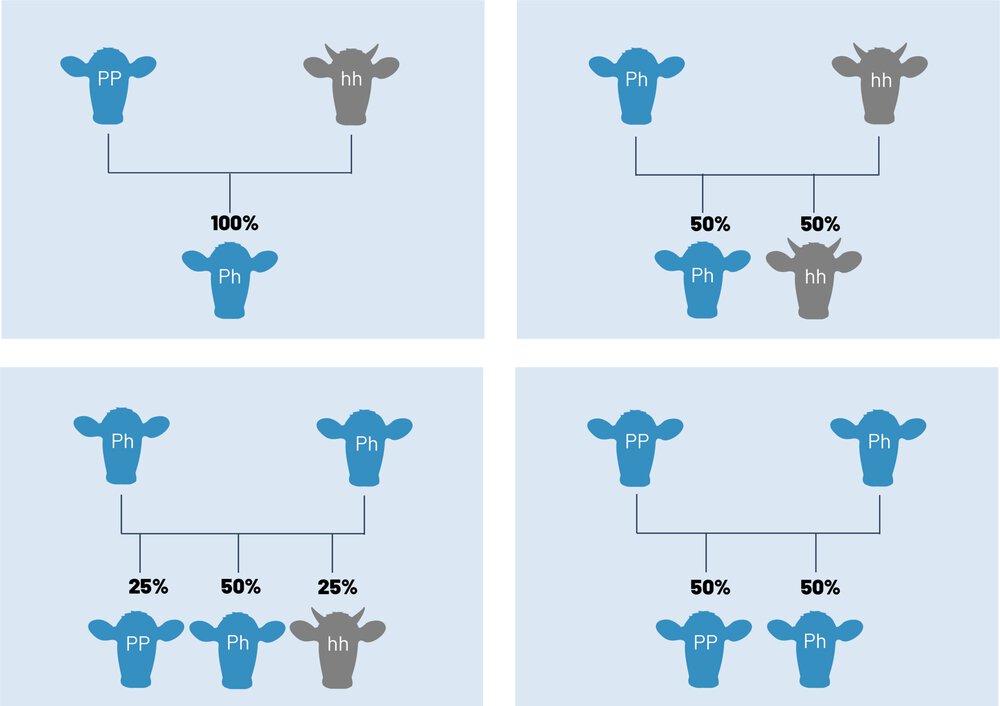
The thing about polled genetics? It’s trendy now, but back in the early 2000s, bringing in the polled gene felt a bit like fixing the barn roof “just in case.” Søren and Elisabeth made the call—every flush, every round, always try for polled if they could. For years, that meant slower progress, genetically speaking. Balancing Pp donors with horned outcrosses, sweating bullets about inbreeding before it was cool (or required). Folks asked if they were wasting time. But as of today, Tirsvad’s polled two-year-olds average over 44kg/day —and their component percentages are side by side with the best horned rivals in the barn. Producers all over Scandinavia have taken notice. Sometimes stubbornness is just another word for getting ahead of the next curve.
Claire EX-92: Foundation of a Dynasty

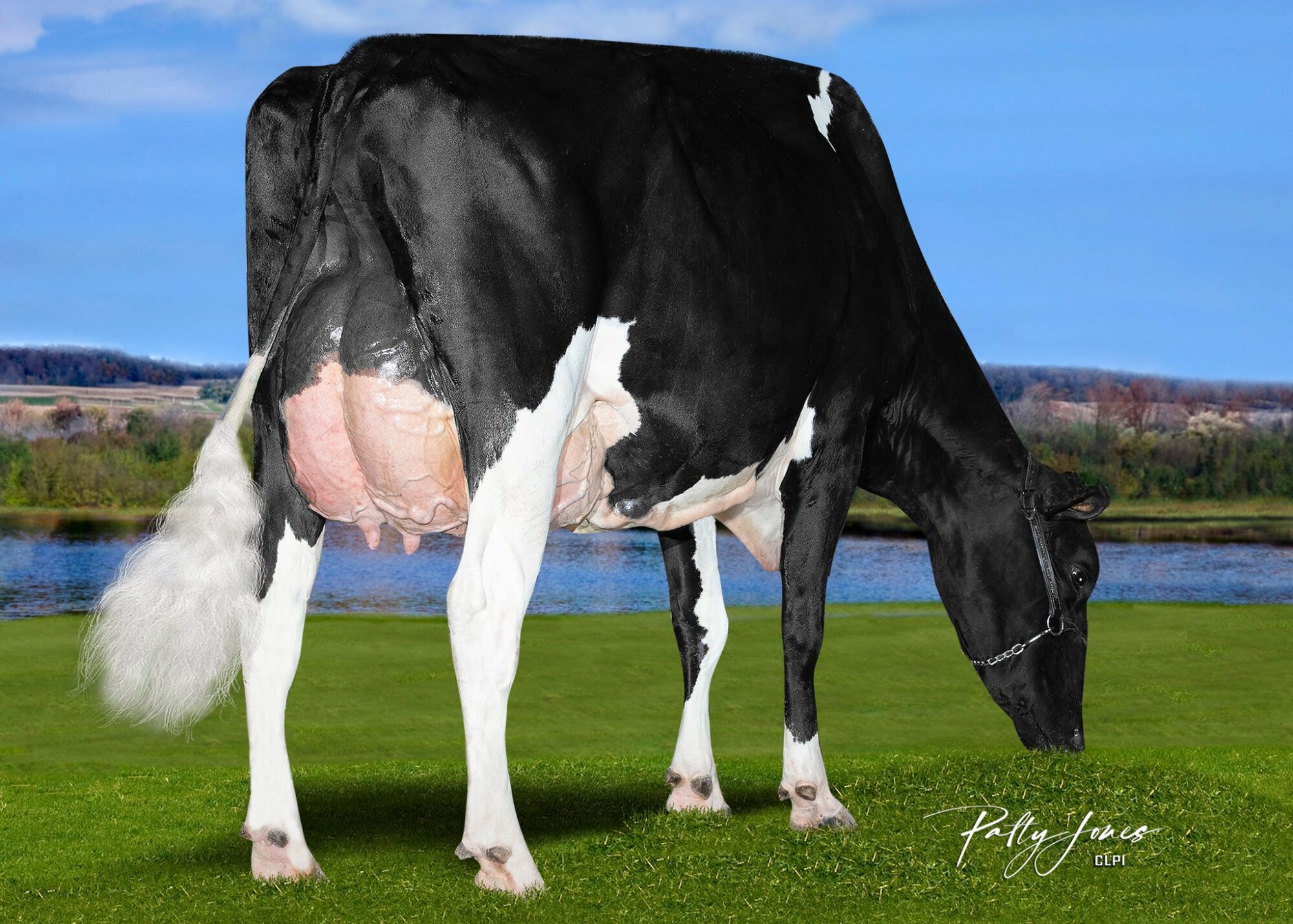
Every herd has a foundation cow, right? For Tirsvad, one of the foundation cows is Tirsvad Luke Classic, imported as a US embryo from the Vir-Clar de Classy family. One of her most important daughters, Tirsvad Patron Claire EX-92, was close to never being born. Luke Classic was twice pregnant with twins that were aborted because of those awkward one bull and one heifer ultrasound-scanned calves. But as Søren likes to recall, the third time? “I pulled Claire out myself—knew the minute I saw her, she was going to change our luck.” Not only did she, but over 40 embryos later, her influence reaches into Cogent sires like Supershot. Take a look at today’s best Danish, German, and Dutch lines—odds are, you’re spotting some of that black-legged, “never-quit” Claire signature. What strikes me about this? Not just her numbers or EX-92 (that helps!), but that you see her attitude echoing in tenth-generation daughters.
Partnership That Actually Works

Here’s what’s worth talking about over coffee—real partnerships are rare. Elisabeth is Norwegian, Hannover-trained vet, put in time with horses, then cattle, then marriage, and now runs Trans Embryo alongside Søren. You know the rhythm: Tuesday to Thursday at Viking Genetics, splitting time between MOET (multiple ovulation embryo transfer) and IVP (lab-side in vitro production—it’s cropping up everywhere now, isn’t it?). Then at Tirsvad’s own station or client barns, running flushes the rest of the week. If you ask Elisabeth, it works because every night ends the same: a late barn walk, hands on hides, “what if we bred her to…?” And in the morning, they’re back at it, arguing matings with their hands wrapped around coffee mugs. It’s breed, debate, repeat.
The Value of Slowing Down
Fast flushes, short generation intervals—sure, that’s what all the buzzy consultants are hammering away at. Flush heifers at 10-12 months, rush for that next NTM (Nordic Total Merit—think TPI, but with a very Scandinavian twist). But here’s the thing: Tirsvad keeps swimming upstream. They want more siblings per flush, more shots at the right mix, less risk—because one star gene means very little if her mates fall off a cliff type-wise.
Let’s look at the Mona-Lisa P Peak Mechanico flush: ten embryos at just a year old, all transferred out—eight calves came, four heifers, four bulls; but in the end, only Mads P stood tall enough for the bull barn. These numbers—consistently eight embryos and five calves per flush—aren’t magic. It’s feeding high-milk, lots of concentrate before puberty, swapping for hay/silage after, and pulling out OPU (ovum pick-up) when MOET doesn’t cut it. More siblings, fewer wasted chances, less chasing a mirage of progress. Industry folks have seen the pendulum swing—it always does.
Mojito-P: Family Names, Not Just Index Rockets

Now, about Mojito-P. There are plenty of genomic “alphabet soups” out there, but Mojito-P is actually starting to build a legacy. Sired by Simon-P and anchored by Pen-Col Superhero Mistral on the dam side, she checks boxes for both “number-chasers” and the cowside crowd. What’s particularly noteworthy: her daughters are now the backbone of Tirsvad’s newest flushes, and her sons—VH Fawkes-P, VH Fauna, VH Mulan-P, VH Fatuma-P—are already moving into the “sons of sons” AI role for Viking Genetics.

Why’s this matter? These are mid-frame, foot-sound, milking system-flexible animals. You don’t want a tank in the robot box; you want Mojito-P type. When roughage prices bounce, or parlors switch to robots, it’s cows like these that keep you in the game. It’s one thing to talk “functional type.” It’s another to see it lead both the Excel sheet and your heifer group.

Tight Contracts, Tighter Herds
Let’s cut to what everyone gossiped about at the last Herning show: contracts locking you out of your own genetics. Søren will tell you, “It’s like peeing in a headwind.” Like, who wants to sign away all female rights for a shot at elite semen? Not him. Not most of Denmark, as the legalese around major AI deals just keeps tightening. Word is, more breeders are drawing the line—even if it means coughing up more for uncontracted doses.
The tension isn’t just Danish—EU-wide, folks are grumbling. Less freedom for innovative crosses? Fewer fresh ideas? The whole market edge Denmark built for 30 years—fast, co-op-based, open—gets dull quick if contracts wall off half the alleys.
Nioniche: A Ringside Triumph
Sometimes dairy is just…banal. And then you get the moments. Picture Søren, muddy boots, jacket borrowed (or was that the year he lost his?), watching Nioniche take the National Champion ring. “Honestly, I just leaned on the rail a minute—my hands were actually shaking. You think about every 3am calving, and then one day she glides past everyone else.”
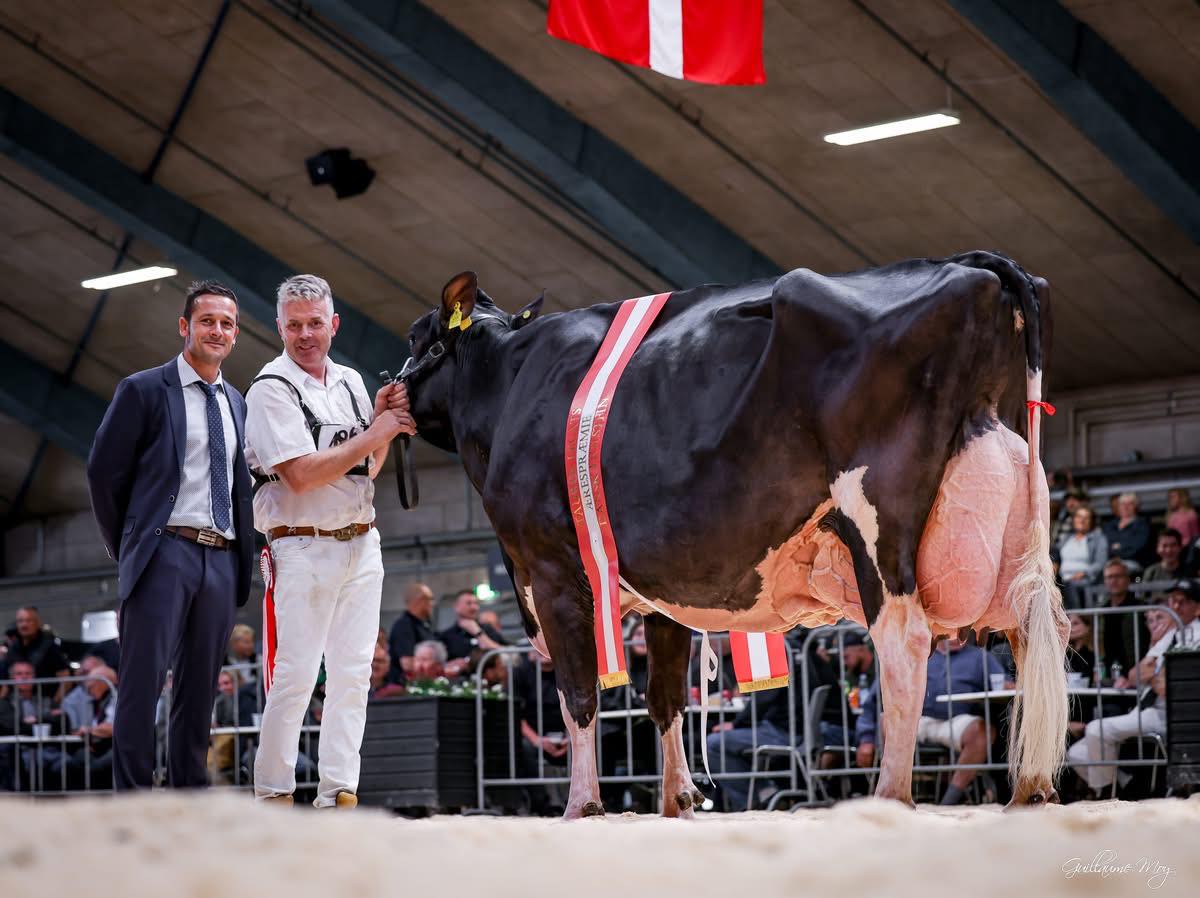
Now picture the other best feeling: a flush in progress, eggs in the dish, phones simultaneously buzzing. “Mads P is the world’s highest NTM polled bull, +47.” They held steady; the OPU came first, shock and pride came later, alone in the quiet of the barn. It’s this—the heart-thumping near-misses and little triumphs—that actually linger longer than the certificates on the office wall.
Learning Abroad, Bringing It Home
Now, about travel. It’d be easy to say, “we’re Danish, we don’t need to look elsewhere”—but that’s just not the case at Tirsvad. The real magic happens at breed discussions in Wisconsin barns, at North American auctions, in warm kitchens at Sandy-Valley, or out on barn tours at Larcrest. Those conversations about investing in the Gold-N-Oaks S Marbella family? They don’t happen unless you’re chatting with someone who just saw the same kind of “fire in the belly” on a different continent. Mojito-P’s American dam, all that drive for “high TPI”—sometimes you see the future clearer after a jetlagged barn walk.
What’s fascinating is how open Tirsvad is to bringing back not just genetics, but mindsets. Listening to stories about Cosmopolitan wandering loose in the barn? That’s the stuff you can’t learn from proofs alone.
Advice Worth Sharing
So what should the next crop of breeders really take away? Don’t work in silos. Get partners—challenge each other on every mating choice and sale. Invest in the cows that do weird, exceptional things in their first lactation. And don’t babysit your best ones forever; let them go, let the ring decide. Søren swears by luck, but it’s the luck that’s met by years of small, unglamorous preparation—barn walks, not seminars.
When you hit a wall, remember: every top herd out there is a story half-made of missteps and do-overs. Most of the real wins start after a tough night. That’s just how it goes.
The Bottom Line: Old Sounds, New Lessons
So—the next time you run into Søren or Elisabeth at a tally table or a show, don’t ask about just stats. Ask what they argued about this month, or which heifer nearly made them lose their cool. Odds are, you’ll walk away with a story—a blend of hard facts and the kind of barn anecdotes you hear only on the night check. That’s the DNA of this business, and, funny enough, it’s usually what puts the best breeders a step ahead of the rest.
If your boots are muddy and your eyes are tired, you’re already halfway to where the story starts.
KEY TAKEAWAYS:
- Tirsvad Genetics’ early and consistent focus on polled genetics has yielded performance on par with horned cattle, demonstrating that patient, welfare-focused breeding decisions can achieve both ethical and economic success.
- Matriarchs like Claire EX-92 demonstrate the lasting power of deep, well-managed genetic lines through generations, with her influence still visible in elite animals decades later, proving that foundational cow families remain more valuable than individual standouts.
- Strong collaboration between breeders and technologists, embodied by Søren and Elisabeth, fuses practical breeding expertise with cutting-edge reproductive technologies like MOET and IVP to maximize genetic progress while maintaining herd health.
- A breeding philosophy that values larger embryo harvests over rapid generation turnover supports genetic diversity and herd resilience, offering an alternative to the industry’s rush toward shorter generation intervals that may compromise long-term sustainability.
- Growing concerns over restrictive AI contracts highlight the critical need for breeders to safeguard control over female genetics to maintain program autonomy and avoid being locked out of their own genetic development for multiple generations.
EXECUTIVE SUMMARY:
Tirsvad Genetics, a pioneering Danish dairy operation that has successfully advanced polled genetics to achieve performance parity with horned animals, demonstrating that patient, welfare-focused breeding decisions can deliver both ethical and economic success. The story highlights the enduring impact of foundational cows like Claire EX-92, whose genetics continue to influence generations of elite animals and international breeding programs decades after her birth. At the heart of Tirsvad’s success is the dynamic partnership between Søren and Elisabeth, who seamlessly blend hands-on breeding expertise with cutting-edge reproductive technologies such as embryo transfer and IVF. Their distinctive breeding philosophy prioritizes larger embryo harvests with multiple siblings over aggressive generation turnover, fostering genetic diversity and long-term herd resilience in an industry increasingly focused on speed. The article addresses growing industry challenges, particularly restrictive AI contracts that threaten individual breeder autonomy by locking up female genetics for multiple generations. Through personal anecdotes, technical insights, and industry analysis, the piece offers readers a comprehensive look at how combining tradition with innovation creates a sustainable path forward in modern dairy breeding. Overall, Tirsvad Genetics stands as a model for maintaining breeder independence while achieving world-class genetic progress through strategic patience and technological adoption.
Learn More:
- IVF: Is It Worth The Hype? – This article provides a tactical deep-dive into the In-Vitro Production (IVP) technology mentioned in the Tirsvad profile. It breaks down the costs versus benefits, helping you decide if this advanced reproductive strategy is right for accelerating your herd’s genetic progress.
- The Polled Factor: The Tipping Point is Here – For a strategic market perspective, this piece validates Tirsvad’s early bet on polled genetics. It analyzes the consumer trends, processor demands, and economic tailwinds that are making polled a non-negotiable trait for future-focused, profitable dairy operations worldwide.
- Breeding for Feed Efficiency – The Trait of the Future – Looking at the next innovative frontier, this article explores breeding for feed efficiency. It reveals practical methods for selecting animals that lower input costs and boost sustainability, echoing Tirsvad’s philosophy of adopting forward-thinking traits long before they become mainstream.
 Join the Revolution!
 Join the Revolution!
Join over 30,000 successful dairy professionals who rely on Bullvine Weekly for their competitive edge. Delivered directly to your inbox each week, our exclusive industry insights help you make smarter decisions while saving precious hours every week. Never miss critical updates on milk production trends, breakthrough technologies, and profit-boosting strategies that top producers are already implementing. Subscribe now to transform your dairy operation’s efficiency and profitability—your future success is just one click away.