








E. coli mastitis isn’t what we thought-new research reveals these bacteria aren’t specialized pathogens but opportunistic survivors. A paradigm shift for dairy farmers.
Why is everything you thought you knew about mastitis-causing, e., Coli, being turned upside down? The billion-dollar battle against E. Coli mastitis may have been misguided for decades. New research published in the Journal of Dairy Science (Mastitis Escherichia coli strains—Mastitis-associated or mammo-pathogenic?) reveals these bacteria aren’t the specialized mammary pathogens we thought – but something potentially more challenging to fight. This paradigm shift could revolutionize how you prevent and treat one of dairy farming’s most costly diseases.
For decades, dairy producers have waged war against Escherichia coli mastitis, costing the industry billions in lost milk production, treatment expenses, and premature culling. But what if we’ve been fundamentally misunderstanding our enemy all along?
Recent groundbreaking research is challenging the conventional wisdom about the bacteria responsible for some of your herd’s most severe mastitis cases. The scientific community is embroiled in a debate that could reshape mastitis prevention and treatment strategies on dairy farms worldwide: Are these bacteria specialized “mammary pathogens” with a specific arsenal of weapons designed to attack the udder? Or are they simply opportunistic bacteria that happen to thrive in the mammary environment when given the chance?
The emerging answer is revolutionizing how we understand these infections – and it might be time for dairy farmers to rethink their approach to this costly disease completely.
THE GREAT MASTITIS DEBATE: WHAT’S INVADING YOUR COWS’ UDDERS?
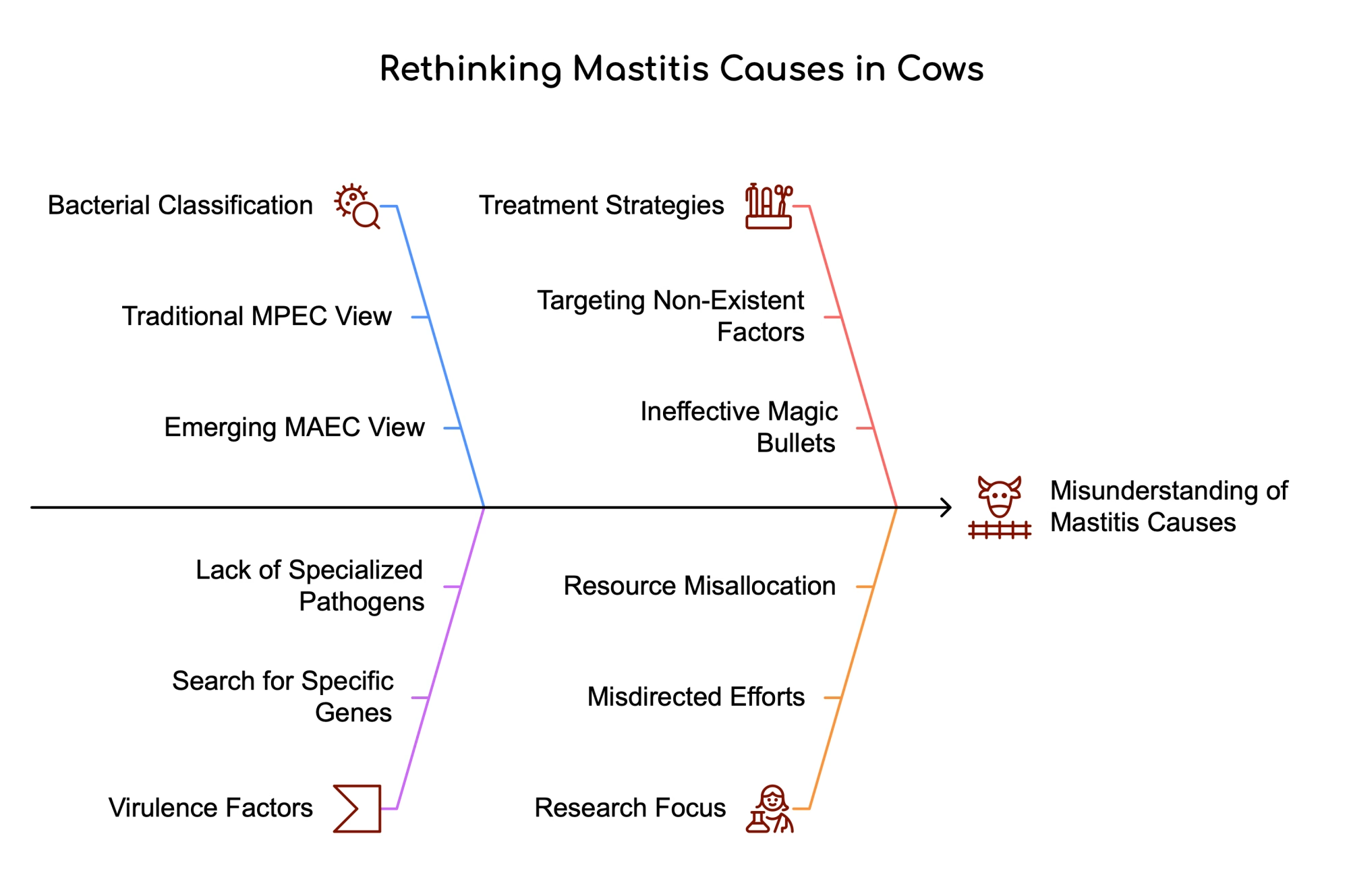
When your veterinarian diagnoses E. coli mastitis in your herd, you’re likely picturing a specialized bacterial invader armed with specific weapons to attack the udder. This view has shaped treatments and prevention strategies for generations. Researchers have traditionally searched for specific “virulence factors” – bacterial tools that allow these microbes to cause disease – that could be targeted by vaccines or treatments.
For years, scientists referred to these bacteria as MPEC (Mammary Pathogenic E. coli), suggesting they were a distinct “pathotype” with specific genes that enabled them to cause mastitis. This classification puts them in the same conceptual category as other specialized E. coli pathotypes that cause diseases in humans and animals, like those responsible for intestinal infections, urinary tract infections, or septicemia.
But here’s the bombshell: The more scientists examine these bacteria, the more they find that mastitis E. coli doesn’t fit this model.
What’s emerging instead is an understanding that these bacteria are better classified as MAEC (Mastitis-Associated E. coli), representing an “ecotype” – bacteria that are simply well-adapted to survive in the mammary gland environment – rather than a specialized pathogen with a specific set of disease-causing genes.
“This distinction isn’t just academic wordplay,” explains Dr. Richard Olson, a dairy researcher who has spent years studying mastitis pathogens. “It fundamentally changes how we think about preventing and treating these infections. If we’ve been searching for a ‘magic bullet’ targeting specific virulence factors that don’t exist, we’ve been wasting our time and resources.”
WHY THIS MATTERS TO YOUR BOTTOM LINE
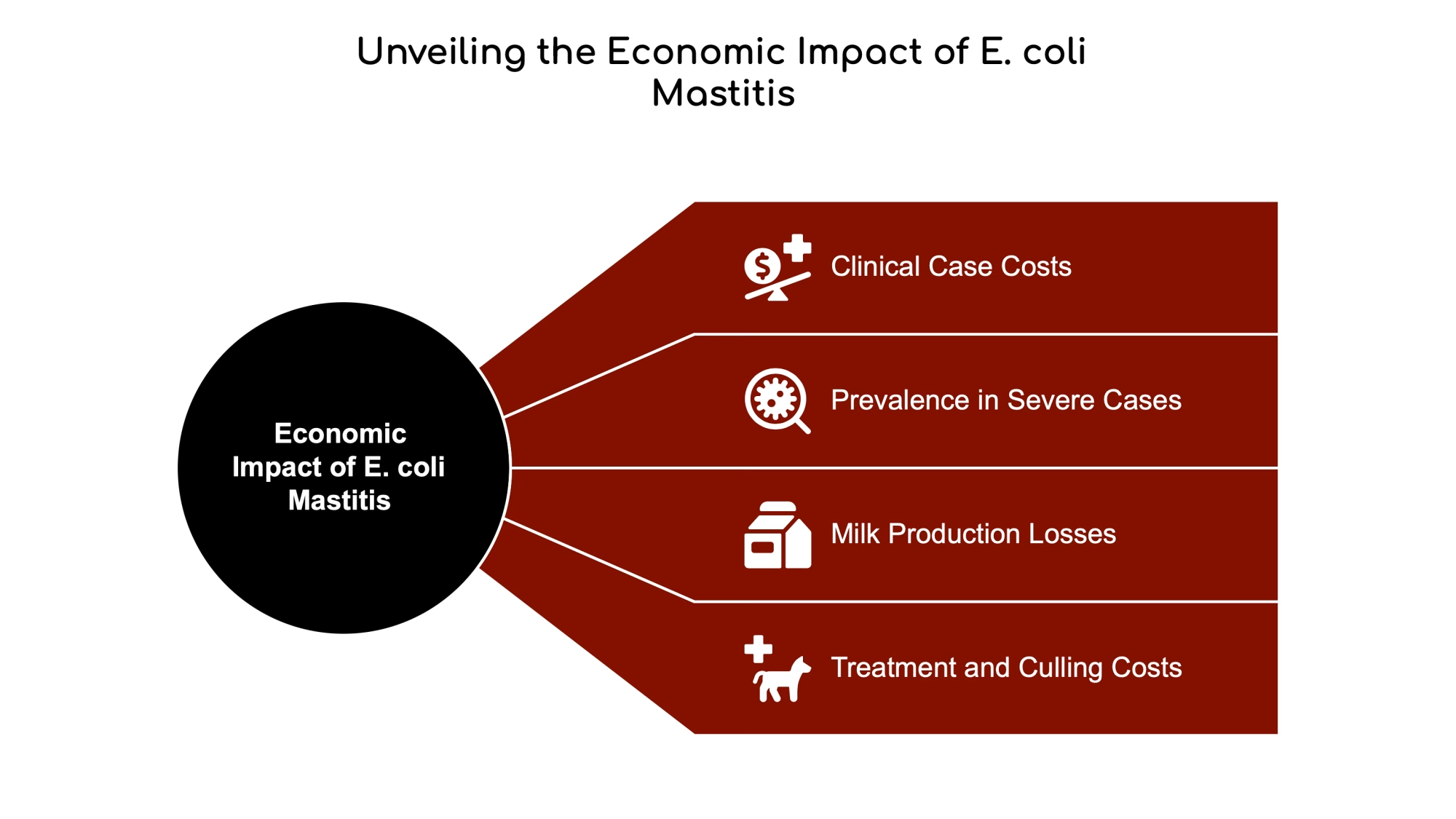
Why should you care about this scientific debate? Because the economic impact of E. coli mastitis on your operation is substantial:
- Clinical E. coli mastitis cases cost approximately $444 per incident
- These bacteria are responsible for up to 80% of severe clinical mastitis cases in well-managed herds
- Milk production losses can persist long after the infection resolves
- Treatment costs, discarded milk, and culling of chronically affected cows further drain profits
Understanding the true nature of your enemy is the first step in fighting it effectively. If decades of research and vaccine development have been based on a fundamental misunderstanding of these bacteria, we must pivot quickly to more effective approaches.
WHAT SCIENCE HAS DISCOVERED: THE BACTERIAL IDENTITY CRISIS
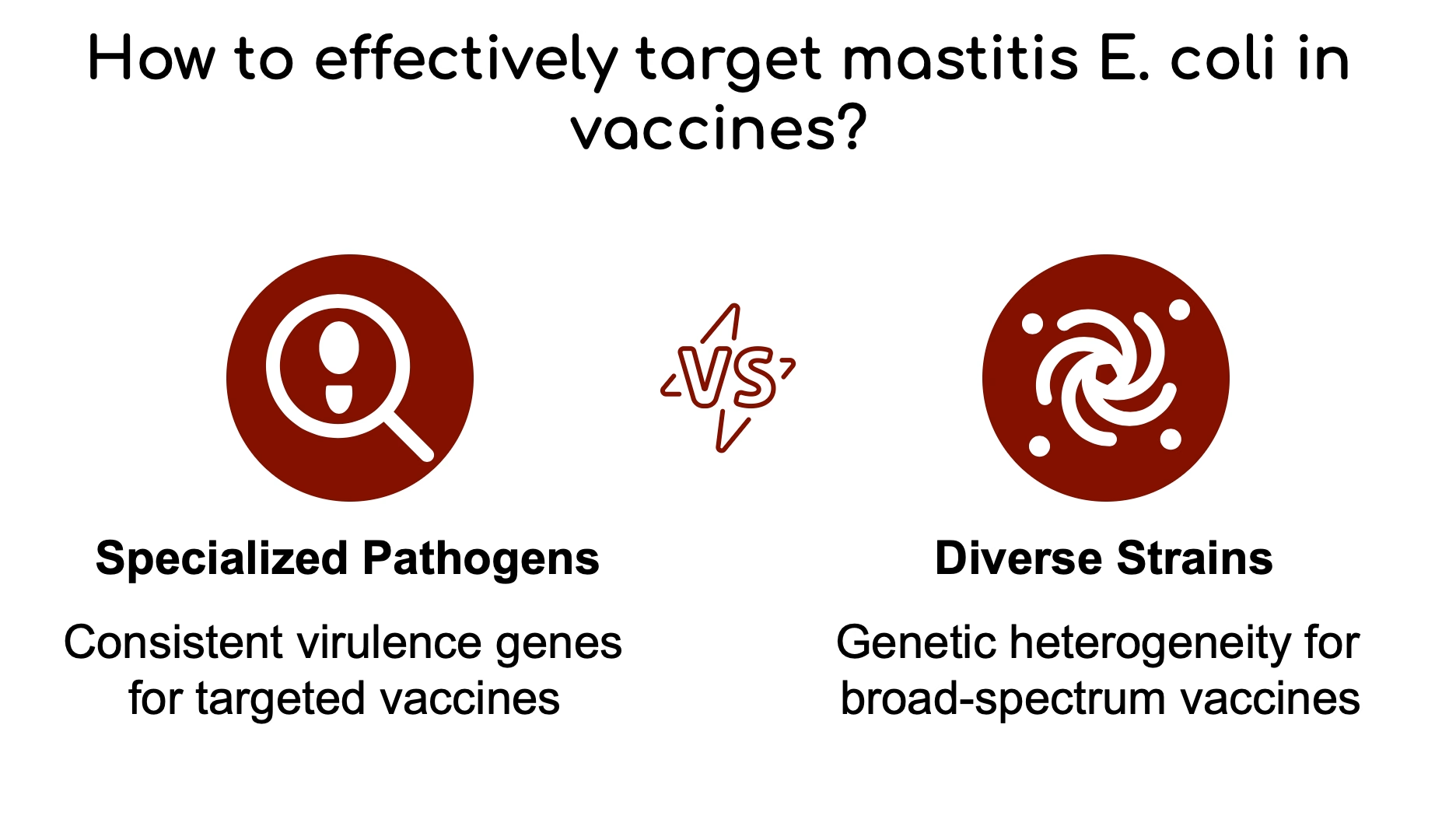
The most striking revelation from recent genomic research is the genetic diversity of mastitis E. coli strains. Unlike other specialized bacterial pathogens that share common disease-causing genes, mastitis E. coli shows remarkable heterogeneity.
Here’s what the latest science reveals:
- They’re not specialized pathogens: Mastitis E. coli lacks a consistent set of virulence genes that would define them as a distinct pathotype. When scientists examine hundreds of strains, they can’t find a universal “smoking gun” – specific genes that all mastitis E. coli share and are absent in non-mastitis strains.
- They’re remarkably like harmless E. coli: Most mastitis E. coli belong to the same genetic groups (phylogroups A and B1) as the harmless E. coli found in cow manure and the farm environment. They’re essentially recruited from the everyday bacteria in your cows’ environment.
- They’re genetically diverse: Mastitis isolates are genetically heterogeneous, unlike other E. coli pathotypes that show genetic clustering. Strains causing similar clinical presentations can have vastly different genetic makeups.
“This diversity helps explain why mastitis vaccines targeting specific bacterial components often show inconsistent results on different farms,” notes Dr. Sarah James, a bovine immunology specialist. “Without a common target shared across all mastitis E. coli, vaccines developed against specific strains might not protect against the diverse strains on your particular farm.”
OPPORTUNISTS, NOT SPECIALISTS: THE ECOTYPE ADVANTAGE

Rather than possessing specialized weapons for attacking the mammary gland, mastitis E. coli appears to be ecological opportunists – bacteria that happen to have traits that allow them to thrive in the unique mammary environment when they gain access.
What makes them successful isn’t specialized virulence factors but somewhat enhanced fitness capabilities:
Iron Acquisition: The Key Advantage
The most consistent feature identified in mastitis E. coli is the ferric citrate uptake system (the fec operon). This system allows bacteria to efficiently capture iron from citrate, which is abundant in milk.
“Iron is like bacterial gold,” explains veterinary microbiologist Dr. Michael Chen. “It’s essential for bacterial growth but tightly controlled by the host’s immune system. Milk has high citrate levels, and bacteria with the fec system can use this to get the iron they need to multiply rapidly.”
Studies have demonstrated that E. coli lacking this system are significantly less able to cause mastitis, while those possessing it can thrive in the mammary environment. This doesn’t make them specialized pathogens – it simply gives them a fitness advantage in this ecological niche.
Metabolic Adaptations: Thriving in Milk
Successful mastitis E. coli also shows enhanced capabilities to utilize milk components:
- Efficient lactose fermentation allows rapid growth in the lactose-rich milk environment
- Some strains show an enhanced ability to metabolize D-serine and uric acid as alternative nitrogen sources
- They can grow well under the low oxygen conditions found in the mammary gland
These adaptations allow certain E. coli strains to multiply rapidly once they enter the mammary gland, reaching high numbers before the cow’s immune system can effectively respond.
Defensive Capabilities: Surviving the Immune Response
Once the infection is established and the cow’s immune system begins to respond, bacteria face a more hostile environment. Successful mastitis E. coli typically possess:
- LPS O-antigens that protect against the bactericidal activity of serum complement
- Some degree of resistance to phagocytosis by neutrophils
- Ability to adapt to changing environmental conditions as inflammation progresses
“These aren’t specialized virulence factors,” clarifies Dr. Chen. “They’re basic survival mechanisms found in many E. coli strains. The bacteria aren’t attacking the udder – they’re simply trying to survive, and their rapid multiplication triggers the cow’s inflammatory response, which causes the actual damage we see in mastitis.”
PRACTICAL IMPLICATIONS: WHAT THIS MEANS FOR YOUR HERD

This paradigm shift has profound implications for how you manage E. coli mastitis on your farm:
Prevention Strategies Need Rethinking
If mastitis E. coli are primarily opportunistic environmental strains that happen to possess fitness advantages in the mammary environment, prevention should focus on the following:
1. Environmental Management is Even More Critical
- Maintaining clean, dry bedding with reduced bacterial loads becomes even more crucial
- Focus on reducing overall environmental E. coli exposure since many environmental strains potentially have the fitness traits to cause mastitis
- Pay particular attention to environmental cleanliness during periods of increased susceptibility (transition period, peak lactation)
2. Teat End Health is a Priority
- Intact teat ends with functional sphincters are your first line of defense
- Post-milking teat disinfection remains crucial despite these bacteria being “environmental.”
- Consider strategies to reduce teat-end hyperkeratosis in your herd
3. Cow Resilience Matters More Than We Thought
- Host factors that increase resistance to initial colonization become more important
- Consider nutritional strategies targeting cow immunity during high-risk periods
- Select for improved mastitis resistance in your breeding program
Treatment Approaches May Need Adjusting
Understanding that E. coli mastitis results from opportunistic infection rather than a specialized pathogen has implications for treatment:
1. The Antibiotic Dilemma
- E. coli mastitis often shows high spontaneous cure rates, raising questions about routine antibiotic use
- Antibiotic resistance profiles vary widely across farms and regions
- Consider working with your veterinarian to develop culture-guided treatment protocols specific to your farm
2. Focus on Supporting the Cow
- Since tissue damage results primarily from the cow’s inflammatory response, anti-inflammatory treatments may be beneficial in appropriate cases
- Supportive care (fluids, pain management) remains crucial for severe cases
- Discuss with your veterinarian when intervention beyond supportive care is warranted
3. Consider Time as a Treatment Factor
- Short-term storage of mastitis milk samples leads to a natural reduction in viable bacteria
- Acidification of milk (pH 4.0-4.4) has been shown to inactivate pathogens in recent studies
- Discuss with your veterinarian how these approaches might complement other treatments
THE IRON CONNECTION: A NEW FRONTIER IN MASTITIS CONTROL?
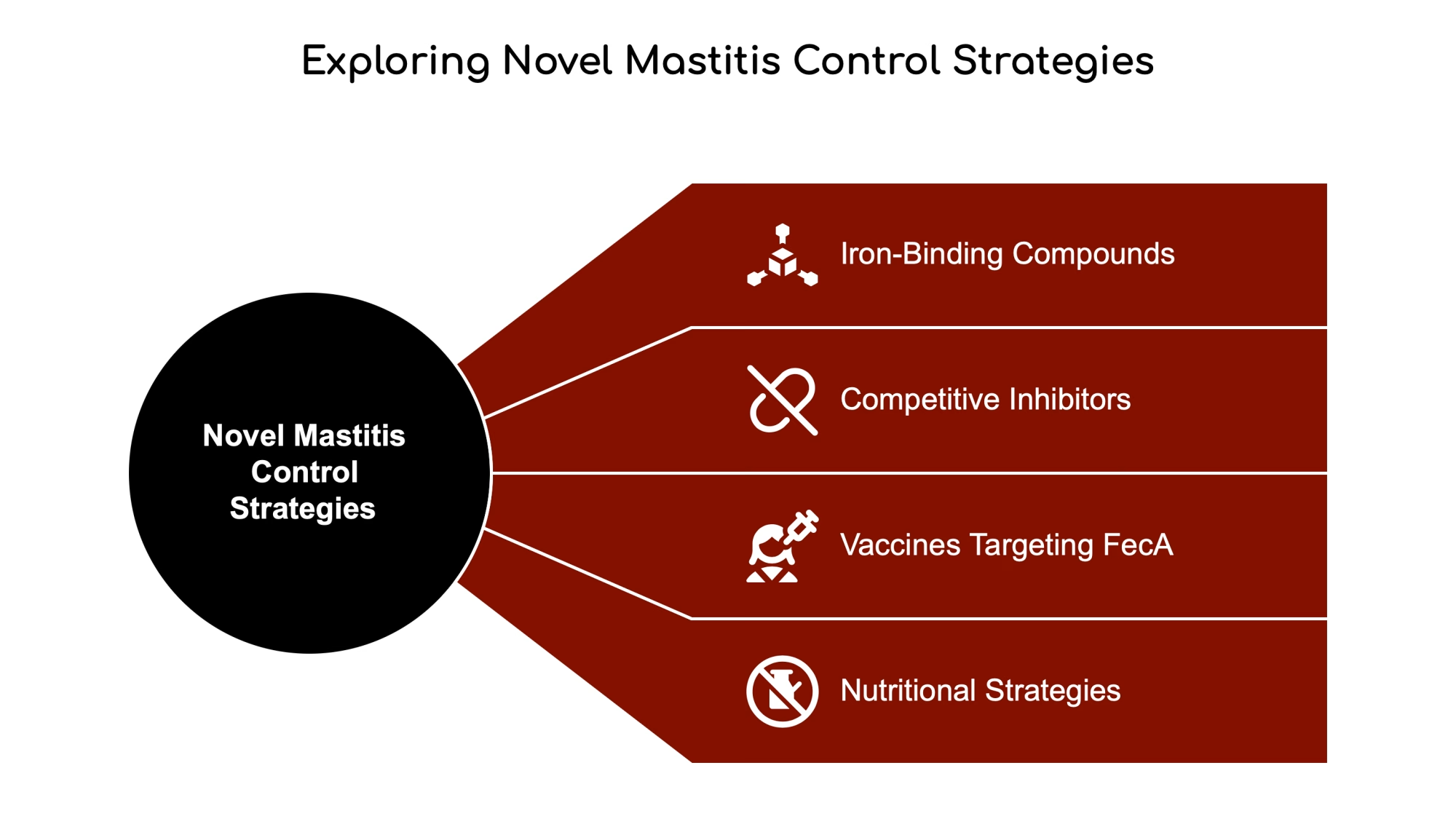
The discovery that iron acquisition via the fec system is a key adaptation for mastitis E. coli opens intriguing possibilities for novel control strategies.
“Iron is the Achilles’ heel of these bacteria,” suggests Dr. Elena Martinez, who researches alternative mastitis treatments. “If we can develop strategies to restrict iron availability specifically to bacteria without disrupting the cow’s normal iron metabolism, we might have a new approach to prevention.”
Several innovative approaches are being explored:
- Iron-binding compounds that could be administered during high-risk periods to sequester iron and limit bacterial growth
- Competitive inhibitors of the fec system that could block bacterial iron uptake
- Vaccines targeting the FecA receptor protein potentially limit the bacteria’s ability to acquire iron
- Nutritional strategies to modulate iron and citrate levels in milk without compromising production
“These approaches are still experimental,” cautions Dr. Martinez. “But understanding the biological mechanisms these bacteria use to thrive gives us new targets to explore.”
VACCINATION: WHY RESULTS HAVE BEEN MIXED
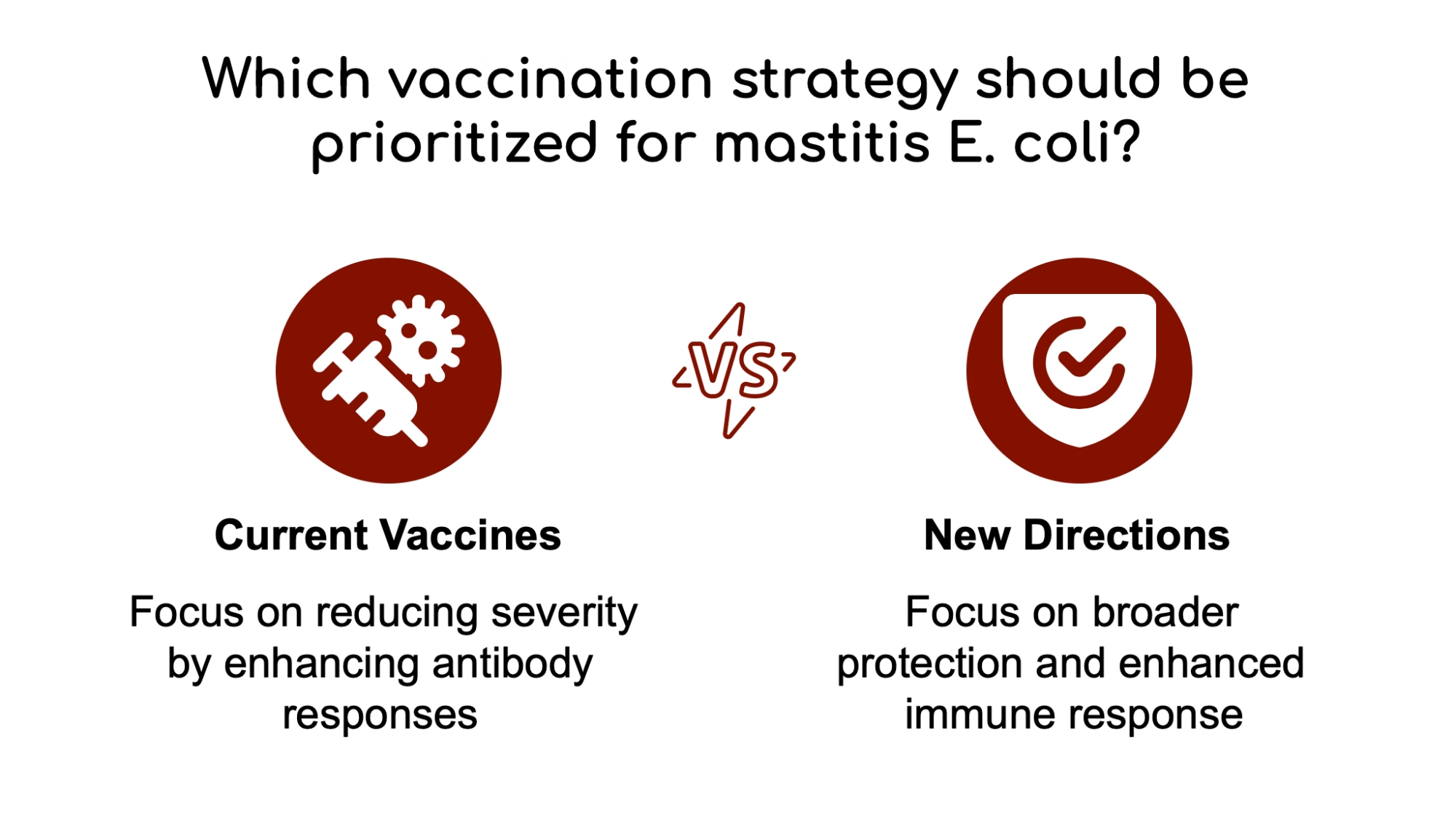
The ecotype understanding of mastitis E. coli helps explain the variable results seen with mastitis vaccines. Current commercial vaccines against E. coli mastitis typically use the J5 mutant strain, which lacks the O-antigen and exposes the core LPS structure.
“These vaccines don’t prevent infection,” explains Dr. James. “But they may reduce severity by enhancing antibody responses to the conserved core LPS, potentially leading to faster neutralization of endotoxin or improved clearance.”
Recent research suggests promising new directions:
- Targeting the fec system components might provide broader protection across diverse MAEC strains
- Enhancing Type 3 immunity (characterized by Th17 cells and IL-17 production) could improve early neutrophil recruitment and function
- Local immunization strategies eliciting mammary-specific immune responses show promise in experimental models
“The field is moving toward vaccines that enhance the speed and efficiency of the initial immune response,” notes Dr. James, “rather than solely generating antibodies against variable surface antigens.”
ANTIMICROBIAL RESISTANCE: A CONCERNING VARIABLE

Mastitis E. coli shows significant variation in antimicrobial resistance patterns across farms and regions. This appears to be primarily a reactive process in response to antibiotic usage on farms rather than an intrinsic virulence trait.
“The resistance profiles we see reflect local antimicrobial use patterns,” explains Dr. Chen. “It’s one more reason why culture and sensitivity testing remains valuable, especially for farms dealing with recurring problems.”
Key points for farmers to consider:
- Resistance to critical antibiotics like third-generation cephalosporins remains relatively low (<3%) in most regions
- Multi-drug-resistant strains are increasingly common but vary widely by region
- Extended-spectrum β-lactamase (ESBL) producing strains are emerging at varying rates globally
- The milk environment itself can alter antibiotic efficacy – what works in the lab may not work as well in the udder
“Work closely with your veterinarian to develop protocols based on your farm’s specific situation,” advises Dr. Chen. “Generic approaches are increasingly outdated as resistance patterns evolve.”
THE FUTURE: REDEFINING MASTITIS MANAGEMENT

As our understanding of mastitis E. coli evolves from viewing them as specialized pathogens to seeing them as opportunistic environmental bacteria with specific fitness advantages, mastitis management strategies must evolve.
Key areas for future innovation include:
Predictive Microbiology
Researchers are developing tools to identify which environmental E. coli strains have the highest potential to cause mastitis by screening for fitness traits like the fec system. This could allow more targeted prevention strategies.
“Imagine being able to test your bedding and identify specific high-risk strains before they cause problems,” says Dr. Olson. “We could then implement targeted interventions for those specific threats.”
Microbiome Management
Understanding that mastitis E. coli is part of the typical farm environment opens possibilities for microbiome management approaches:
- Introducing beneficial bacteria that outcompete potential mastitis pathogens
- Creating less favorable conditions for the growth of bacteria with mastitis-associated fitness traits
- Exploring the use of bacteriophages (viruses that infect bacteria) to target high-risk strains
Host-Focused Interventions
Since the damage in mastitis is largely caused by the cow‘s inflammatory response to bacterial multiplication, researchers are exploring ways to modulate this response:
- Targeted immunomodulators that enhance bacterial clearance while limiting excessive inflammation
- Genetic selection for optimal immune response patterns
- Nutritional strategies to support balanced immune function
WHAT REMAINS UNKNOWN: RESEARCH FRONTIERS
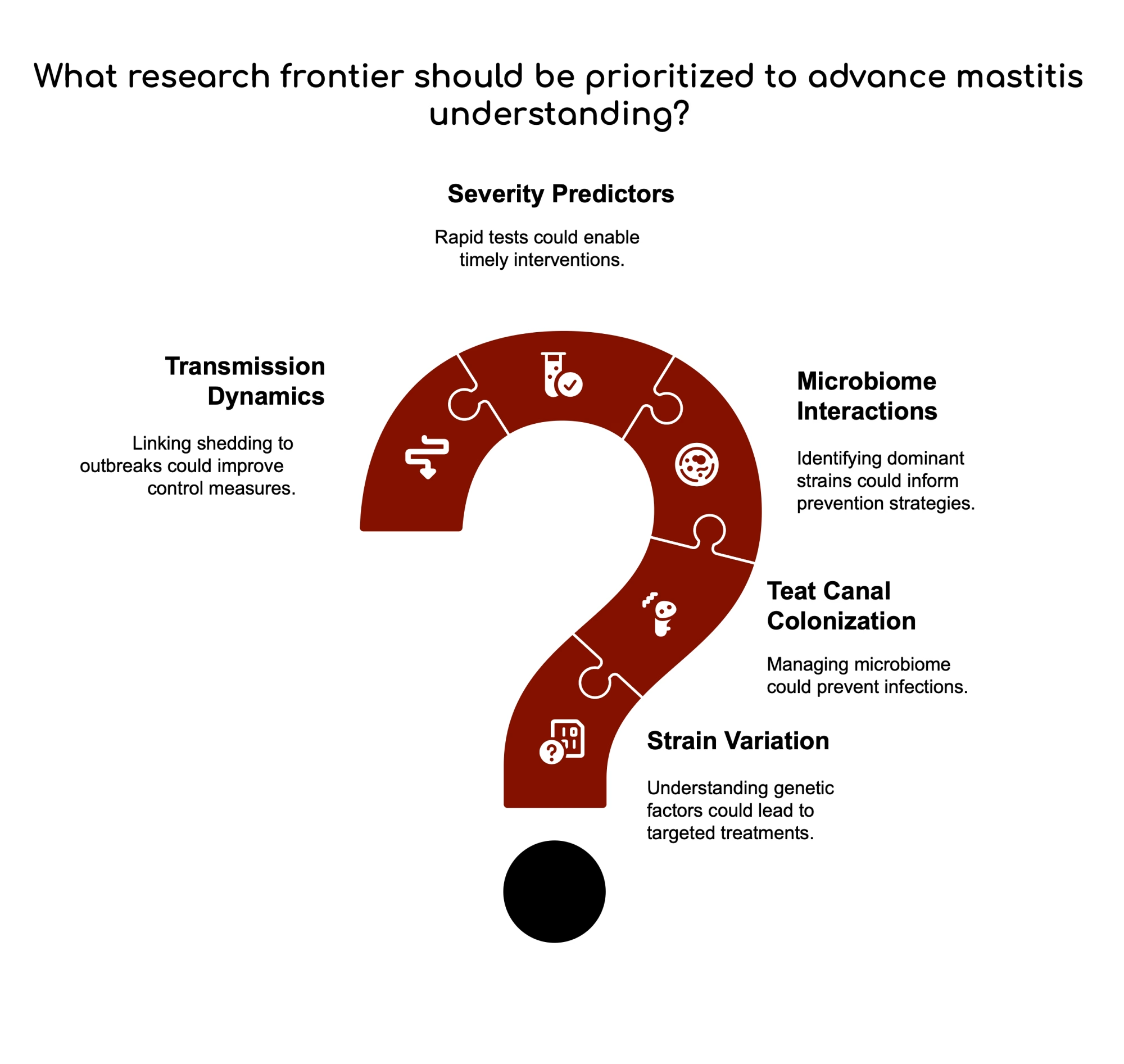
Despite significant advances, essential questions remain unanswered:
- Strain Variation: Why do some infections resolve quickly while others become severe or persistent? Are there still undiscovered genetic factors that determine virulence?
- Teat Canal Colonization: How long can E. coli persist in the teat canal before causing infection? Could teat canal microbiome management prevent colonization?
- Microbiome Interactions: How do other bacteria in the farm environment influence which E. coli strains dominate and cause disease?
- Severity Predictors: Can we develop rapid tests to predict which infections might become severe, allowing for more targeted treatment approaches?
- Transmission Dynamics: Is there a link between increased shedding of specific E. coli strains in feces and mastitis outbreaks?
“These questions represent the next frontier in mastitis research,” says Dr. Martinez. “Each answer will bring us closer to more effective control strategies.”
PRACTICAL TAKEAWAYS: WHAT YOU SHOULD DO NOW

While research continues, there are concrete steps you can take today to apply this new understanding of mastitis E. coli:
1. Double down on environmental management
- Clean, dry bedding remains your best defense
- Pay special attention to areas where cows spend the most time
- Consider bedding treatments that might reduce bacterial loads or make the environment less favorable for bacterial growth
2. Review your treatment protocols with your veterinarian
- Determine if your current antibiotic usage aligns with this updated understanding
- Consider implementing on-farm culturing to guide treatment decisions
- Evaluate when anti-inflammatory treatment might be beneficial alongside or instead of antibiotics
3. Assess cow resilience factors
- Review transition cow management to optimize immune function
- Consider nutritional strategies that support mammary gland defense mechanisms
- Evaluate genetic selection tools that might improve mastitis resistance
4. Prepare for future innovations
- Stay informed about emerging technologies targeting the fec system or other fitness factors
- Consider participating in research trials evaluating new prevention or treatment approaches
- Discuss with industry advisors how this evolving understanding might impact future management recommendations
EXPERT VOICES: PERSPECTIVES ON THE PARADIGM SHIFT
Dr. Richard Olson, Dairy Research Scientist: “The realization that mastitis E. coli are opportunists rather than specialized pathogens explains why farms with excellent management still experience cases. These aren’t specialized invaders – they’re the same bacteria found everywhere on the farm that happens to possess the right combination of traits to thrive in the mammary environment when they gain access.”
Dr. Sarah James, Bovine Immunologist: “We need to shift our vaccination strategies away from targeting specific bacterial components toward enhancing the cow’s ability to recruit neutrophils and limit bacterial growth early in infection rapidly. The diversity of these bacteria means a one-size-fits-all vaccine targeting specific virulence factors is unlikely to provide consistent protection.”
Dr. Michael Chen, Veterinary Microbiologist: “The good news is that despite their diversity, mastitis E. coli does share some common fitness requirements – particularly iron acquisition via the fec system. This gives us potential new targets for intervention that might work across the diverse strains found on farms.”
Dr. Elena Martinez, Alternative Treatment Researcher: “Understanding that these are environmental bacteria with specific fitness advantages opens the door to ecological approaches to control – creating conditions that specifically disadvantage bacteria with these fitness traits without having to eradicate all E. coli from the environment, which would be impossible anyway.”
THE BOTTOM LINE: ADAPTING TO A NEW REALITY
The shift from viewing mastitis E. coli as specialized pathogens to seeing them as opportunistic environmental bacteria with specific fitness advantages represents a fundamental change in understanding this costly disease. This new paradigm – MAEC as an ecotype rather than MPEC as a pathotype – has profound implications for prevention, treatment, and control.
“The bacteria haven’t changed,” concludes Dr. Olson. “What’s changed is our understanding of them. And with that new understanding comes the opportunity to develop more effective strategies to protect our cows and livelihoods.”
For dairy farmers, this means adapting current practices while remaining open to innovative approaches based on this evolving science. By embracing this new understanding, you can position your operation at the forefront of effective mastitis management – reducing costs, improving animal welfare, and enhancing the sustainability of your dairy business.
The war against E. coli mastitis continues, but now we’re fighting with a more accurate map of the battlefield and a clearer picture of our enemy. Knowing your enemy isn’t a specialized invader, but an opportunistic survivor changes how you defend your herd.
Key Takeaways:
- MAEC are ecological opportunists, not specialized pathogens, adapted to mammary gland conditions.
- Survival hinges on fitness traits (e.g., iron scavenging, lactose metabolism), not universal virulence genes.
- Prevention should focus on environmental hygiene, teat care, and immune support-not just antibiotics/vaccines.
- Economic losses ($444/case) demand rethinking mastitis management strategies.
- Antibiotic resistance varies regionally, underscoring the need for farm-specific treatment protocols.
Executive Summary:
The research from The Journal of Dairy Science challenges the traditional classification of mastitis-causing E. coli as a distinct “mammary pathogenic” pathotype (MPEC), arguing instead for an “ecotype” model (MAEC). Genomic studies show MAEC strains lack conserved virulence genes but thrive due to niche-specific fitness traits like iron acquisition via the fec system and metabolic adaptations to milk. Their genetic diversity mirrors environmental/commensal E. coli, suggesting opportunistic colonization rather than specialized virulence. This reclassification shifts focus from targeting hypothetical virulence factors to managing cow resilience, teat health, and bedding hygiene. The findings urge farmers to prioritize environmental control over pathogen-specific interventions.
Learn more:
- Proven Strategies to Boost Milk Production and Maintain Udder Health
Explores nutrition, milking protocols, and environmental management to enhance udder health-key factors in preventing opportunistic MAEC infections. - How Basil and Bergamot Essential Oils Combat Antibiotic Resistance in Dairy Cattle
Discusses natural alternatives to antibiotics for mastitis treatment, addressing the growing concern of antimicrobial resistance highlighted in MAEC research. - Optimizing Cow Hygiene: Best Practices to Reduce Mastitis and Increase Milk Production
Details practical hygiene protocols to minimize environmental pathogen exposure, directly supporting the ecotype model’s emphasis on environmental adaptation.
 Join the Revolution!
 Join the Revolution!
Join over 30,000 successful dairy professionals who rely on Bullvine Weekly for their competitive edge. Delivered directly to your inbox each week, our exclusive industry insights help you make smarter decisions while saving precious hours every week. Never miss critical updates on milk production trends, breakthrough technologies, and profit-boosting strategies that top producers are already implementing. Subscribe now to transform your dairy operation’s efficiency and profitability—your future success is just one click away.




