12.5% of Canadian Holsteins now carry polled genetics—up from just 1.5% in 2015. Game changer.
Stantons Remover PP, the homozygous polled sire making headlines by claiming the #1 spot on Canada’s August 2025 Proven Holstein LPI rankings. His daughters’ performance is definitive proof: elite genetics no longer require horns.
Stop what you’re doing and take a look at this. Stantons Remover PP just re-claimed the #1 spot on Canada’s August 2025 Proven Holstein LPI rankings at 3897. That’s not just another genetic shuffle—Remover PP is the first homozygous polled bull that has topped a major national index based on actual daughter performance.
If you’ve been sitting on the fence about polled genetics, waiting for “proof” they could run with the elite horned sires, well—here’s your proof.
But before you speed-dial your AI rep, let’s talk reality about what transitioning to polled actually looks like when the boots hit the barn floor.
The Excuse That Just Died
For thirty years, we had solid reasoning for reaching for that iron: polled meant giving up production. The numbers backed us up. Elite genetics came with horns attached—deal with it later.
That math just changed permanently.
Source: Lactanet
The polled gene frequency among Canadian Holsteins has increased from 1.5% in 2015 to 12.5% by 2025. That’s not incremental—that’s genomic testing revealing elite genetics hiding in hornless bloodlines. Nine polled bulls now rank in the top 100 LPI, meaning real options, not welfare feel-good picks.
“I’ll level with you—I thought this polled thing was marketing fluff,” is a sentiment echoed by producers we’ve spoken with across Ontario. “But seeing those August rankings with a PP bull guaranteeing every calf hornless while delivering top-tier genetics… that conversation just got serious.”
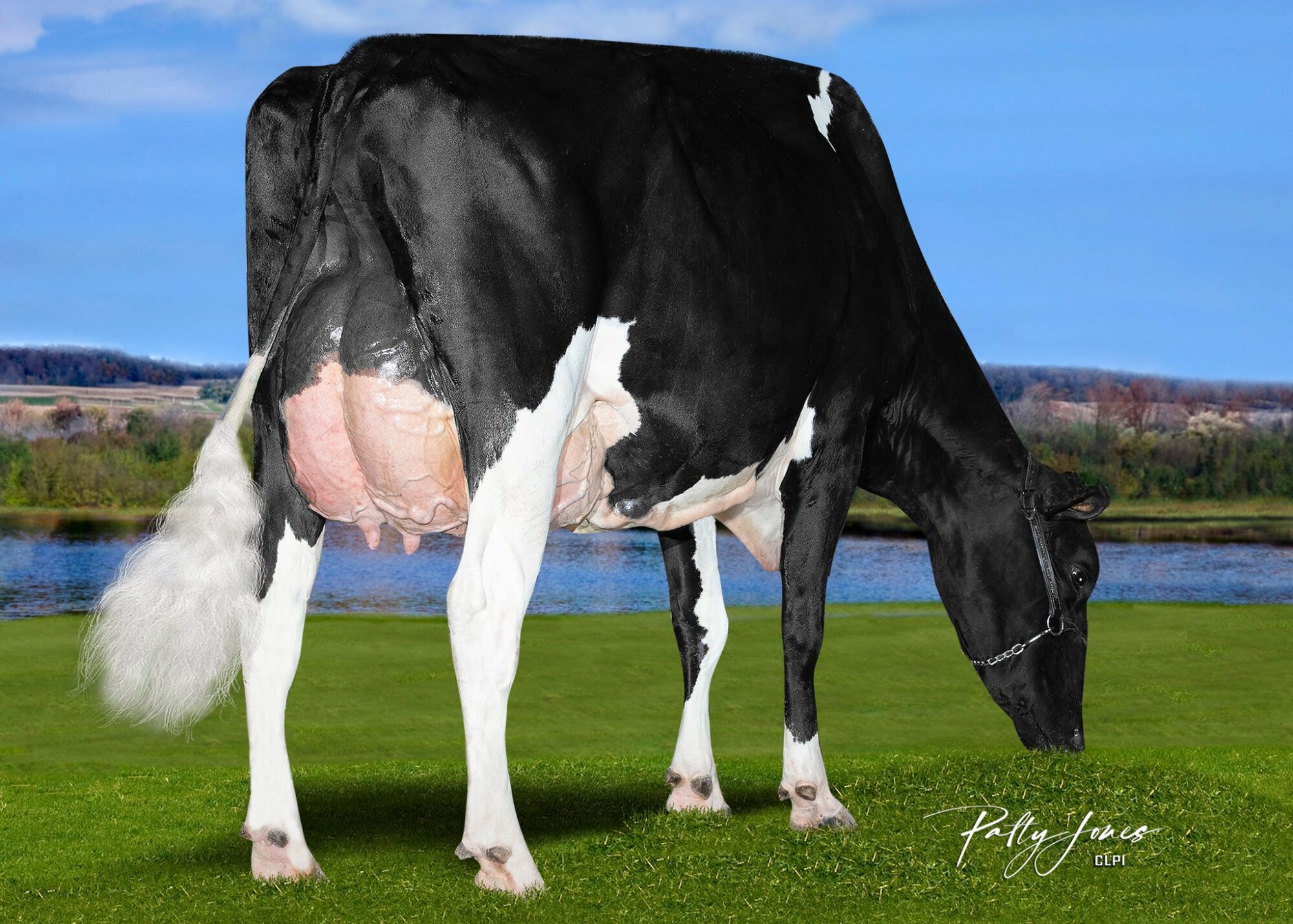
The proof is in the daughters. Stantons Remover Jello P VG-88, a powerful second-lactation daughter of the #1 LPI sire, Remover PP, demonstrates the high-type, elite performance that has shattered the polled genetics compromise.
The Real Economics of Dehorning vs. Polled Genetics
Here’s where reality bites. Those cost projections floating around? They’re not wrong, but they don’t tell the whole story.
What dehorning actually costs you:
Cost Factor
Per Head Cost
Impact
Procedure and labor
$12-18
Varies by region
Mandatory pain management
$3-6+
Mandated by new regulations
Growth setbacks from stress
$4-6
Hits first lactation performance
Health complications
$2-4
Infection risk, extra vet calls
Handling inefficiencies
$1-3
Time, bruising, worker safety
Bottom line: $22-35 per head when you add it all up
For a 500-cow operation, that’s $6,000 to $ 8,000 annually just to keep using the iron. University extension analyses suggest cumulative costs could exceed $100,000 over 15-20 years. Results vary significantly by operation and region—your mileage will differ.
The Transition Reality Nobody Mentions
Here’s what the genetics companies won’t tell you upfront:
Year 1 hits hard. You’ll pay premiums for polled semen (15-25% more) while still dehorning calves from previous breeding decisions. Budget $50-60 per heifer for genomic testing to know what you’re working with.
Cash flow becomes tight before it improves. Plan for 18-24 months before seeing real savings. You’re paying polled premiums while still managing horned calves born from last year’s breeding program.
Staff training isn’t optional. The biggest risk isn’t genetic lag anymore—it’s accidentally dehorning a polled calf. That mistake wipes out your genetic and financial investment in one swing.
What The New Regulations Actually Mean
Both Canadian NFACC codes and the U.S. FARM Program 5.0 now mandate documented pain management for dehorning. That means:
Detailed protocols for every procedure
Staff training documentation
Veterinary oversight records
Regular audit compliance
“Our processor gave us 12 months to get compliant with new pain management documentation,” reports one southwestern Ontario producer whose co-op requires annual welfare audits. “The operation down the road got six months. Check your contract—enforcement varies.”
Polled genetics eliminates this paperwork entirely. One genomic test provides permanent verification.
Jeanlu A2p2 Glory VG-89 3yr MAX – a phenomenal polled cow showcasing the kind of type and production now available with elite polled genetics. Glory is the dam of Valiant Goliath PP, a rare homozygous polled bull combining exceptional conformation, milk production, and robot-friendly traits.
Market Pressure: The Unspoken Driver
Major food companies have established animal welfare policies that encourage suppliers to adopt polled genetics and enhanced welfare practices. While specific sourcing mandates vary, the trend is clear: polled status provides market security that pain management protocols can’t match.
Think of it as insurance. Companies prefer biological proof over management protocols because it’s audit-proof.
Your Polled Breeding Strategy: PP vs. Pp Sires
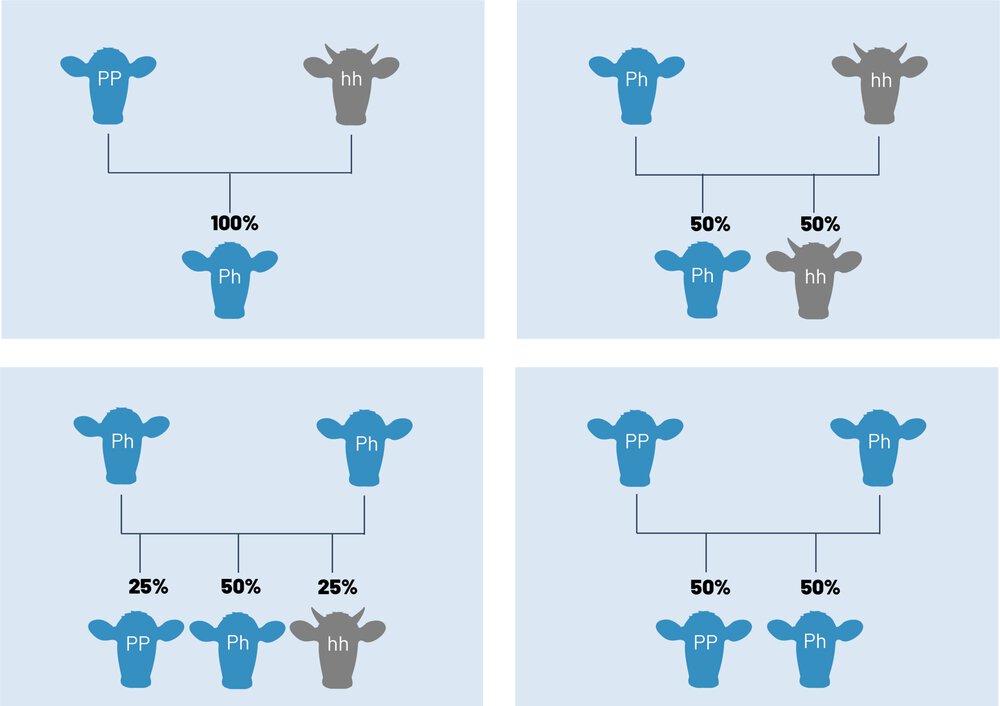
Source: Viking Genetics
Genetics 101 refresher:
PP bulls: 100% polled calves, premium pricing
Pp bulls: 50% polled calves, moderate premiums
Breeding two Pp carriers: 25% chance of horned calves (expensive mistake)
A quick note on scurs: Don’t mistake these small, loose, horn-like growths for a genetic failure. Scurs only appear on heterozygous (Pp) animals and are a key indicator that the polled gene is present. Homozygous (PP) animals will never have scurs.
Your Realistic Three-Year Timeline
Year 1: Assessment and Setup
Test all replacement heifers for polled status ($50-60 per animal)
Start using PP sires on your top genetic females
Train staff on polled calf identification
Expect cash flow to be negative
Year 2: Transition Phase
First polled calves hit the ground
Reduced dehorning costs begin
Continue genetic transition
Break-even to slight positive
Year 3: Payoff Territory
Significant percentage polled in the calf crop
Major cost savings established
Market premiums available for breeding stock
Positive ROI demonstrated
“Plan for a five-year payback, not those 20-year projections they show you,” advises a dairy financial consultant who’s worked through dozens of polled transitions. “This business changes too fast for longer timelines.”
Herd Size Strategies That Work
Small operations (100-300 cows): Gradual approach using heterozygous sires over 6-8 years. Manage cash flow impact carefully.
Medium operations (300-800 cows): Balanced mix of heterozygous and homozygous sires, targeting 90% polled in 5-6 years.
Large operations (800+ cows): Accelerated program emphasizing homozygous sires, 90% polled in 4-5 years through strategic genetic management.
Learning From Global Leaders
European dairy markets are showing an accelerating adoption of polled genetics following stricter animal welfare regulations¹¹. The message is consistent: early adopters capture advantages while followers adapt under pressure.
The Bottom Line Reality
Stantons Remover PP hitting #1 in Canada for a 2nd time proves polled genetics can deliver elite performance without compromise. The dehorning iron’s days are numbered. The genetics are finally here, and the economics make sense over a reasonable timeframe. Early adopters will capture market advantages and genetic premiums, while others will be forced to adapt under regulatory and consumer pressure. The question is no longer if you should go polled—it’s whether you’ll lead this transition or be dragged into it.
KEY TAKEAWAYS:
Stop hemorrhaging money: That $35 per calf you’re spending on dehorning adds up to serious cash—start genomic testing your replacement heifers today to map your transition strategy.
Regulatory compliance made easy: New NFACC and FARM Program mandates require documented pain control, but polled genetics eliminates the whole headache—one genomic test beats years of paperwork.
Cash in on market premiums: Major food companies are actively seeking polled suppliers—position yourself now before this becomes a table-stakes requirement in 2026.
Plan your breeding smartly: Use homozygous (PP) sires for 100% polled calves if you want speed, or mix with heterozygous (Pp) sires to manage cash flow—just don’t breed two Pp carriers together.
Train your team or pay the price: The biggest risk isn’t genetics anymore, it’s accidentally dehorning a polled calf—that’s throwing money and genetics down the drain.
EXECUTIVE SUMMARY:
Listen, I’ve been watching this poll-based genetics thing for years, and frankly, the game has just changed completely. Stantons Remover PP hit 3897 LPI with this August—he is the first homozygous polled bull to top Canada’s Holstein rankings. We’re talking guaranteed hornless calves with elite production, no compromise. The economics? You’re bleeding $22-35 per calf on dehorning when you factor in everything—pain meds, growth setbacks, health issues, the works. Meanwhile, companies like Nestlé and General Mills are pushing hard for polled genetics in their supply chains. Germany’s already at 72% polled matings projected for 2025. Bottom line: if you’re not planning your transition now, you’ll be playing catch-up in a hurry.
Complete references and supporting documentation are available upon request by contacting the editorial team at editor@thebullvine.com.
Learn More:
The Dairy Sire Selection Checklist That Will Change The Way You Breed Cows – This provides a tactical framework for balancing polled genetics with other crucial traits. It offers practical strategies for ensuring your sire selection decisions are both progressive and profitable, impacting your next calf crop directly.
DAIRY TEETH: Is Your Farm Ready for the Bite of the New Food Companies? – Go deeper into the market pressures driving the polled transition. This piece reveals the strategic thinking behind corporate sustainability mandates, helping you anticipate future supply chain requirements and position your dairy as a preferred long-term supplier.
Stop Chasing Your Tail: The 7 Genetic Traits That Will Actually Make You Money – Look beyond polled status to the future of genomics. This article highlights innovative, often-overlooked genetic traits that drive profitability, demonstrating how to leverage genomic data for next-generation herd efficiency and a stronger bottom line.
Join the Revolution!
Join over 30,000 successful dairy professionals who rely on Bullvine Weekly for their competitive edge. Delivered directly to your inbox each week, our exclusive industry insights help you make smarter decisions while saving precious hours every week. Never miss critical updates on milk production trends, breakthrough technologies, and profit-boosting strategies that top producers are already implementing. Subscribe now to transform your dairy operation’s efficiency and profitability—your future success is just one click away.
Stop believing gradual polled adoption saves money. New analysis proves 100% polled herds outperform partial adoption by $23/head annually.
Here’s a question that should keep every dairy operator awake at night: Why are you still paying to mutilate/horned calves when you could eliminate the practice entirely in just one generation?
I know what you’re thinking. “Andrew, we’ve got some polled animals. We’re making progress.” But let me share some data that’ll shock you—partial polled adoption is actually costing you more money than staying fully horned or going completely polled.
While you’ve been dabbling with polled genetics as a “nice-to-have” trait, the economics have shifted dramatically. In 2025’s volatile milk market—where producers face continued uncertainty and feed costs remain elevated—every dollar of operational efficiency matters more than ever. The conventional wisdom of gradual polled adoption isn’t just inefficient—it’s financially destructive.
The stakes couldn’t be higher. Every day you maintain a mixed herd, you’re bleeding money through continued dehorning costs, missing premium market opportunities, and leaving substantial resale value on the table. Meanwhile, operations that commit fully to polled genetics capture returns that most producers don’t even realize exist.
Why Are You Still Dehorning Calves and Your Profit Margins?
Let’s start with the brutal reality of what dehorning actually costs your operation. Most producers dramatically underestimate these expenses because they focus only on the obvious costs—the actual dehorning procedure and immediate supplies.
The real numbers will make you wince. Direct dehorning costs range from $6 to $25 per head, with most operations averaging $12-$13 per calf. Pennsylvania producer Reid Hoover reports dehorning costs of $10.00 per head on young calves and up to $20.00 per head on older calves. When you factor in supplies, medical care, death loss, and labor, the combined expenses reach approximately $17.36 per head.
Here’s where it gets worse. Those figures don’t include the hidden costs that eat away at your bottom line every single day. Dehorned calves face a 1-8% likelihood of requiring additional treatment due to complications, compared to just 1-3% for naturally polled animals. The North American beef industry alone loses $35 million annually to bruising caused by horned cattle—equivalent to $1.90 per head in completely preventable losses.
But wait—there’s more financial damage you’re probably not tracking. Dehorning causes delayed growth as calves recover from the trauma. You’re essentially paying to slow down your animals’ development, which impacts their lifetime productivity and, ultimately, their contribution to your herd’s average milk yield and component percentages.
Why This Matters for Your Operation
Think of dehorning like running your milking system with a persistent vacuum leak—it’s a constant drain on efficiency that compounds over time. A 500-cow operation calving year-round loses over $8,600 annually just from direct dehorning costs, not counting the productivity losses from stressed calves or the labor inefficiencies from handling horned animals during peak seasons.
The Half-Polled Trap: Worst of Both Worlds
Now, here’s the kicker that most producers miss entirely. You create the worst possible economic scenario if you’re running a “partially polled” herd. You’re paying premium prices for polled genetics while still bearing approximately 50% of traditional dehorning costs. It’s like upgrading to an automated milking system (AMS) but still maintaining a parallel parlor—you’re paying for premium technology without eliminating the old inefficiencies.
Think about it. Every heterozygous polled animal (Pp) bred to a horned bull produces roughly 50% horned offspring. You’re still dehorning half your calves, still dealing with complications, still managing the labor and stress—but now you’re also paying genetic premiums for the privilege.
This creates what I call the “transition trap”—similar to how some producers get stuck in perpetual “evaluation mode” with precision agriculture technologies, always testing but never fully committing to the efficiency gains.
What Does Complete Polled Transformation Actually Look Like?
The solution isn’t gradual adoption—it’s immediate, complete transformation. And unlike complex health traits that require multiple generations to establish, polledness offers something almost unprecedented in dairy genetics: single-generation conversion.
Here’s how the economics transform when you commit fully to homozygous polled (PP) sires:
Immediate Cost Elimination: $17.36 per head in direct savings for every single calf, starting immediately. For a 500-cow operation calving year-round, that’s over $8,600 in annual savings just from eliminated dehorning costs.
Production Advantages: Contrary to outdated assumptions about polled genetics compromising performance, Arizona herd data shows polled cows actually producing slightly more milk—66.5 kg versus 65.9 kg daily compared to their horned counterparts. When milk prices are volatile, every pound matters for your bottom line.
Superior Genetic Merit: Top homozygous polled sires now average $1,108 in Net Merit, with bulls like Luster-P, Banjo-P, and Monument-P consistently ranking on the Top 100 TPI proven sire list. The difference in Herd Health Profit Dollars between horned and polled NxGEN sires is less than $100—negligible when weighed against the operational benefits.
The key distinction that most producers miss is the difference between “polled” and “homozygous polled.” Only homozygous polled (PP) animals guarantee 100% hornless offspring regardless of mate selection. This genetic certainty enables the complete elimination of dehorning procedures while opening strategic breeding opportunities.
Why This Matters for Your Operation
In today’s dairy environment, where component premiums are critical, the reduced stress and improved handling of polled cattle contribute to better milk quality parameters. Operations report easier animal movement during transition periods and more efficient space utilization in freestall barns when horns aren’t a factor.
Why Elite Genetics No Longer Require Genetic Sacrifice
The historical argument against polled adoption—that you had to sacrifice genetic merit for hornless animals—has completely collapsed. Elite polled sires like Cherry-Lily Luster-P has sold over 901,300 doses globally, making him the world’s first polled “millionaire sire.” His success isn’t despite his polled status—it’s because he combines hornless genetics with exceptional performance.
The genetic revolution accelerated dramatically with genomic evaluations introduced in 2009. Suddenly, breeders could identify superior polled animals earlier and more accurately, compressing generation intervals and accelerating genetic progress. Today’s genomic testing capabilities allow operations to confirm polled status in heifer calves, enabling more precise breeding decisions.
Strategic Genetic Diversity Through Polled Breeding
Here’s where polled genetics offer a unique advantage that most producers overlook entirely. Homozygous polled females enable strategic outcrossing with elite horned bulls while maintaining the hornless phenotype. You can introduce the absolute best genetics available—regardless of horn status—while guaranteeing polled offspring.
This approach addresses historical concerns about limited genetic diversity within polled populations while accelerating genetic progress. It’s sophisticated breeding strategy that maximizes both polledness and overall genetic advancement—similar to how progressive operations use activity monitoring data to optimize breeding timing for their best cows.
Why This Matters for Your Operation
Three commonly available distantly related PP bulls show no common sires for three generations, proving genetic diversity solutions exist. This means avoiding inbreeding risks while maintaining elite genetic progress—crucial for operations focused on lifetime productivity and longevity rather than just first-lactation performance.
The Premium Market Revolution You’re Missing
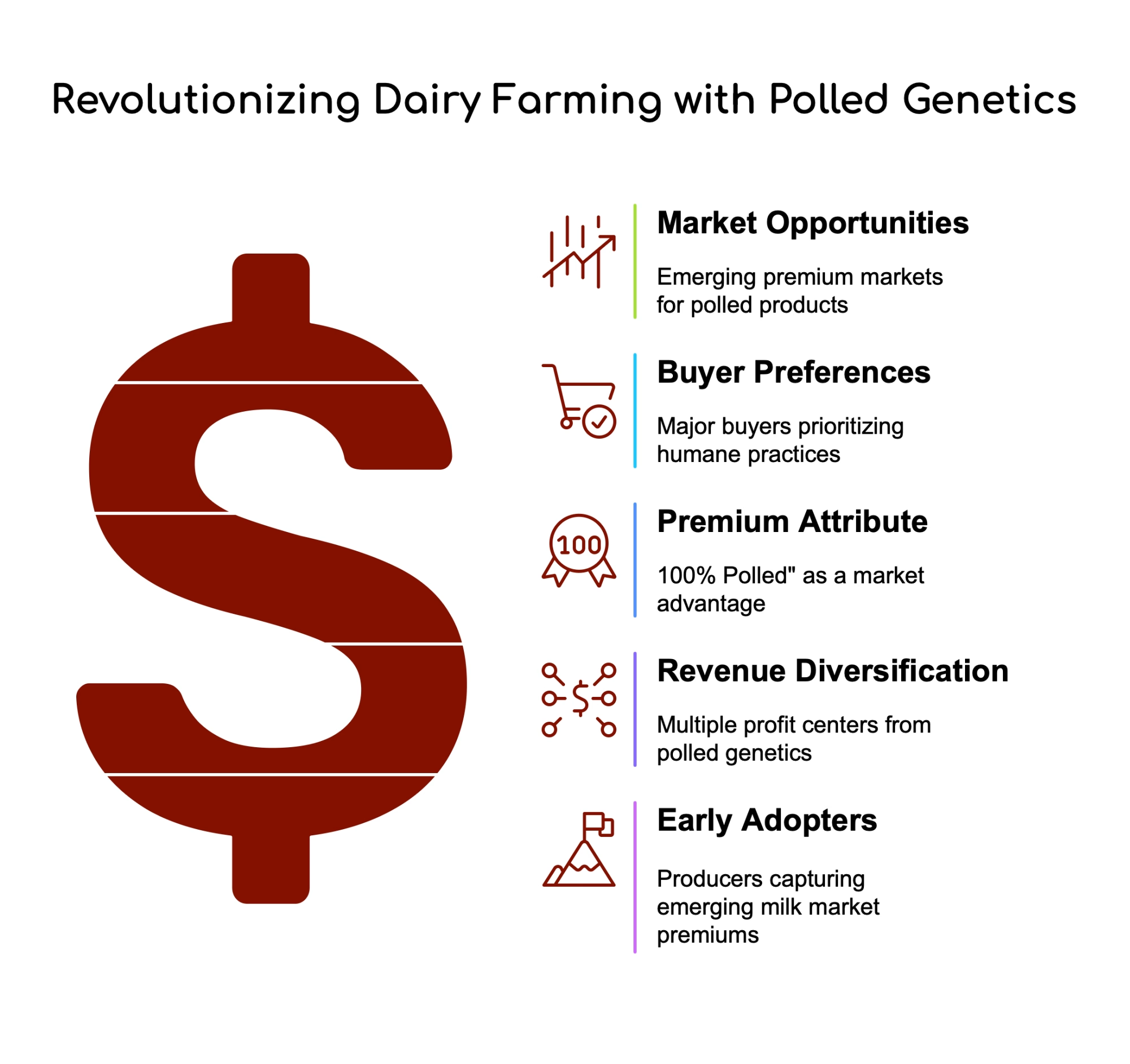
The economic advantages extend beyond cost savings into premium market opportunities that most producers haven’t considered.
Major dairy buyers, including Nestle, General Mills, and Dunkin Brands, actively prioritize suppliers who demonstrate humane treatment practices, creating a clear market pull for polled genetics. These aren’t hypothetical future premiums—they’re current market realities that forward-thinking producers already capture.
The “100% Polled” designation functions as a premium attribute in livestock markets, similar to other genetic certifications. This labeling advantage applies across all surplus cattle sales—bred heifers, fresh cows, feeder calves, and service bulls—creating additional revenue streams for polled-focused operations.
Early adopters are positioning themselves to capture emerging milk market premiums for products from naturally polled herds. While these markets are still developing, the trajectory is clear: consumer demand for humane treatment practices drives premium pricing for naturally hornless cattle products.
Why This Matters for Your Operation
In an industry where margins are compressed, every revenue diversification opportunity matters. Operations that can command premiums for both livestock sales and milk marketing create multiple profit centers from a single genetic decision.
Real-World Success Stories Leading the Revolution
Burket-Falls Farm: Six Decades of Polled Excellence
Burket-Falls Farm in Pennsylvania demonstrates the long-term viability of complete polled focus. With over 60 years of dedicated polled breeding, they maintain more than 90% of polled animals, with approximately 35% being homozygous polled. Their breeding philosophy focuses on cows that classify EX, produce 200,000 lb/90,000 kg of component-rich milk, and are polled.
The global influence of their genetics is staggering—over two-thirds of polled Holsteins worldwide trace their genetics back to Burket-Falls bloodlines. Their success demonstrates that polled breeding doesn’t require sacrificing longevity or production for hornless animals.
John Burket emphasizes: “We want to breed a cow that classifies EX, produces 200,000 lb/90,000 kg of component-rich milk, and is polled. This philosophy has remained the same for a long time: we have never pursued the ‘trend of the month'”.
Drewholme Holsteins: Integrating Excellence
Andrew Martin’s Drewholme Holsteins illustrates the successful integration of polled genetics into established, high-performing cow families. Their strategic introduction of the polled gene through OCD Eraser Zipit-P has produced popular AI sires while maintaining elite production levels.
Martin’s conviction that “polled is the way of the future” guides a breeding program focused on balanced, easy-to-handle cows with strong udders. The Drewholme Supershot Leisure EX-92 (94 udder) produced more than 90,000 kg/198,000 lb and is the great-grandam of popular Drewholme sires like Leyhigh-PP, Logic-PP, and Leyton-P.
Calbrett Kingboy Miranda EX-93: The polled powerhouse that shattered the “genetic sacrifice” myth. This Global Holstein Cow of the Year 2021 became the first polled cow to claim the industry’s most prestigious title, proving hornless genetics could compete—and win—at the highest levels. Her daughters and granddaughters continue dominating show rings and breeding programs worldwide, with offspring like Coomboona Zipit Mirand-PP extending her revolutionary influence across continents.
North Polled Genetics: Strategic Investment
The partnership established in 2021 strategically acquired five polled cows, four of which were daughters of the exceptional Calbrett Kingboy Miranda EX-93. Miranda was the Global Cow winner 2021, the Polled Impact Cow 2022, and runner-up Red Impact Cow 2022—clearly demonstrating that polled animals can compete at the highest levels of breed excellence.
Why This Matters for Your Operation
These success stories share common elements: long-term commitment to polled breeding, focus on functional traits alongside polledness, and strategic use of the best available genetics regardless of initial investment. The operations that succeed treat polledness as an integral part of their breeding program, not an afterthought.
The Global Market Reality Check
European breeders are projected to use nearly 67% of polled bulls by 2025, indicating massive international momentum toward polled adoption. This global trend creates export opportunities for North American polled genetics and livestock while demonstrating the universal economic advantages of hornless cattle.
In regions where labor costs are rising, and animal welfare regulations are tightening, polled genetics provide competitive advantages that transcend individual farm economics. The international breeding community has embraced polled genetics not as a welfare concession but as a competitive advantage.
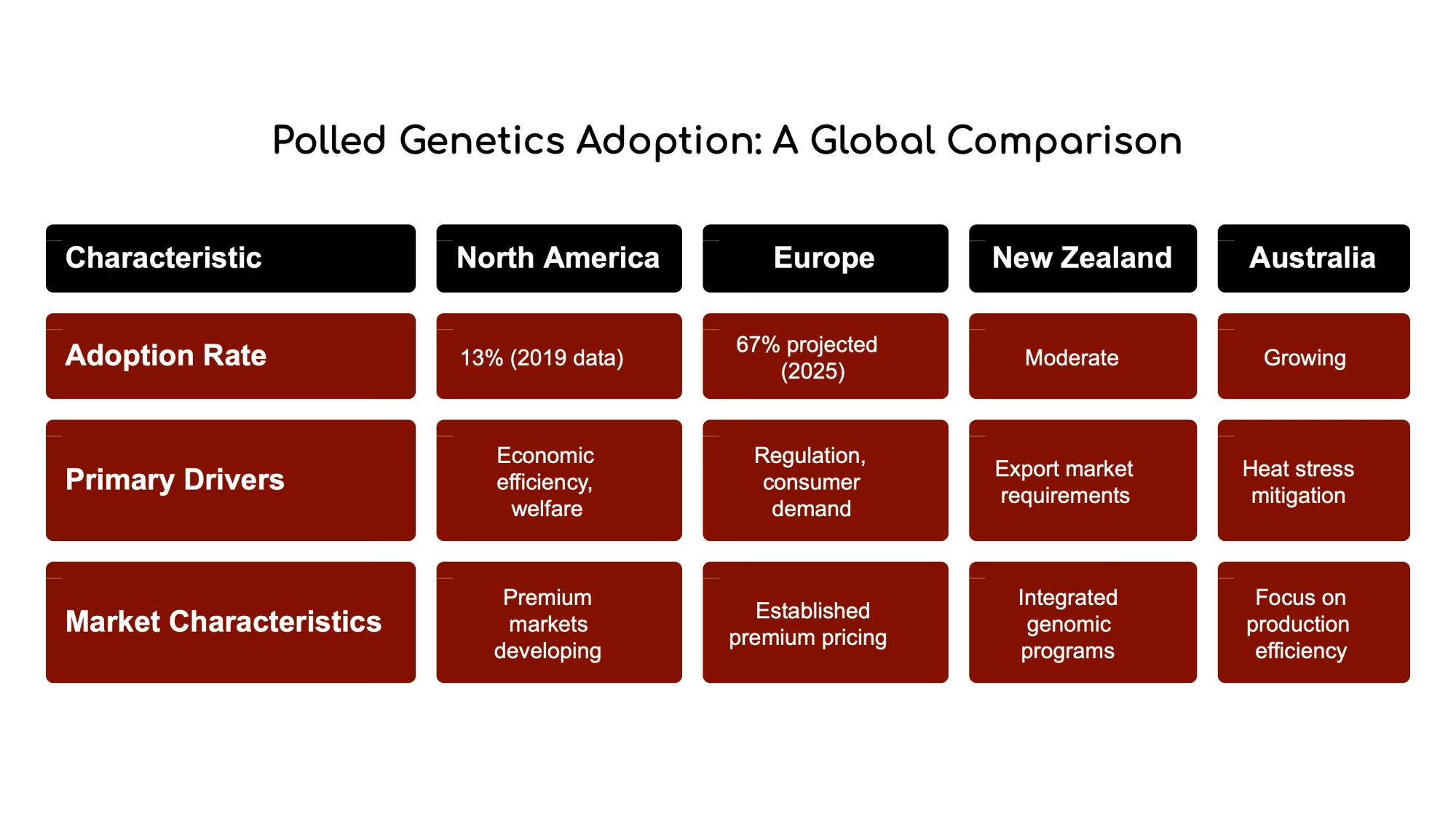
Comparative Implementation Analysis
Region
Polled Adoption Rate
Primary Drivers
Market Characteristics
North America
13% (2019 data)
Economic efficiency, welfare
Premium markets developing
Europe
67% projected (2025)
Regulation, consumer demand
Established premium pricing
New Zealand
Moderate adoption
Export market requirements
Integrated genomic programs
Australia
Growing adoption
Heat stress mitigation
Focus on production efficiency
Why This Matters for Your Operation
Global adoption patterns indicate that polled genetics will become the industry standard, not a niche market. Operations that adopt early capture first-mover advantages in premium markets and genetic development.
The Technology Acceleration Factor
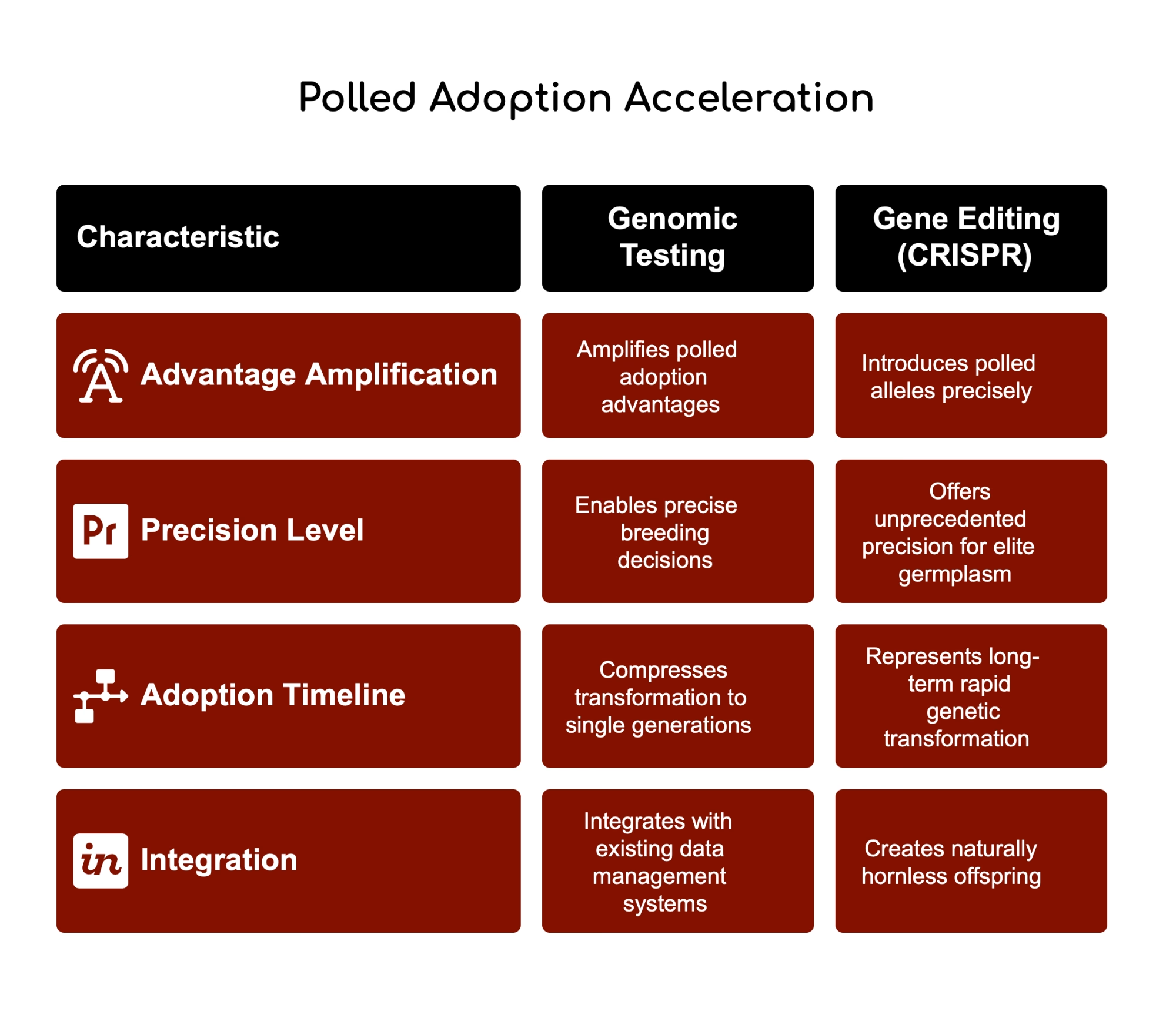
Advanced genetic technologies are amplifying the advantages of complete polled adoption. Modern genomic testing provides early confirmation of polled status, enabling more precise breeding decisions. This is particularly valuable for operations using activity monitoring systems and precision breeding protocols.
Gene editing technologies like CRISPR-Cas9 offer the potential to introduce polled alleles into elite germplasm with unprecedented precision. While consumer acceptance and regulatory frameworks remain evolving, these technologies represent powerful long-term solutions for rapid genetic transformation.
Research demonstrates that gene editing can introduce the Polled Celtic variant into Holstein genetics, creating naturally hornless offspring from previously horned bloodlines. The combination of genomic selection and strategic breeding has compressed the timeline for complete herd transformation from decades to single generations.
Why This Matters for Your Operation
For operations already utilizing precision agriculture technologies, genomic testing for polled status integrates seamlessly with existing data management systems. The early identification capabilities enable strategic breeding decisions that maximize both genetic progress and operational efficiency.
Overcoming Implementation Barriers
VOGUE A2P2-PP: Elite genetics without compromise. This popular homozygous polled sire combines high TPI rankings with nearly faultless conformation, proving that polled breeding no longer requires genetic sacrifice while addressing sire availability concerns.
Managing Genetic Diversity Concerns
The primary concern about polled adoption—potential inbreeding risks—is being systematically addressed. The availability of multiple polled sires from different AI companies significantly reduces inbreeding potential compared to using narrow genetic pools.
Modern breeding programs like those at Drewholme Holsteins demonstrate successful integration of polled genetics into elite families without compromising performance. Their “L” family has produced popular AI sires, including Leyhigh-PP and Logic-PP, while maintaining strong production and conformation traits.
Economic Transition Management
The transition to 100% polled herds requires strategic planning but offers immediate returns. Unlike complex health traits requiring multi-generational investment, the dominant nature of polled genetics enables rapid phenotypic change with immediate cost savings.
Why This Matters for Your Operation
Implementation timelines are straightforward: commit to PP sires for all breedings starting with your next service period. Within 9-10 months, you’ll see your first 100% polled calves. Within 21 months, your entire calf crop will be hornless. The payback period is immediate—the first calf born saves you dehorning costs and labor.
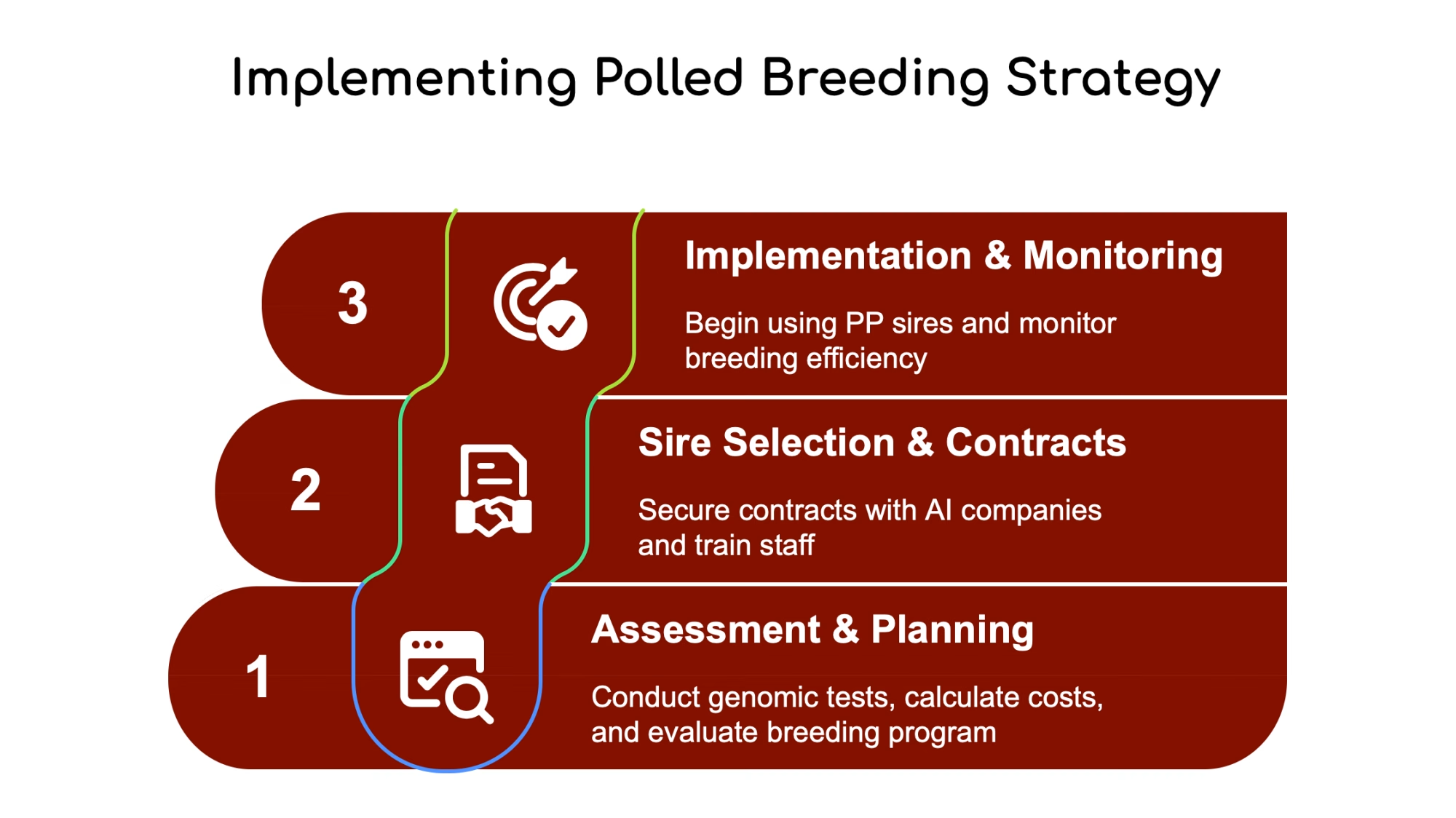
Advanced Implementation Strategy: The 90-Day Action Plan
Days 1-30: Assessment and Planning
Genomic test all breeding-age females to identify carriers and confirm polled status
Calculate current dehorning costs, including labor, supplies, and treatment ($17.36 baseline per head)
Evaluate the current breeding program and identify integration opportunities
Research available PP sires and develop a genetic diversity strategy using distantly related bulls
Days 31-60: Sire Selection and Contracts
Secure contracts with multiple AI companies for distantly related PP sires like RODDIE-PP, ALLGONE-PP, and REMOVER-PP
Develop breeding protocols prioritizing PP sires for specific cow groups
Calculate projected ROI based on current herd composition and breeding schedule
Train staff on polled identification and breeding protocols
Days 61-90: Implementation and Monitoring
Begin using PP sires on all planned breedings
Establish monitoring protocols for conception rates and breeding efficiency
Document baseline metrics for comparison (DMI, milk yield, component levels)
Plan a genomic testing schedule for the resulting offspring
Why This Matters for Your Operation
A structured implementation approach ensures you capture the full benefits of polled adoption while minimizing transition risks. The 90-day timeline aligns with typical breeding cycles and allows for adjustment based on initial results.
The Bottom Line
Remember that question I asked at the beginning? Why are you still paying to mutilate calves when you could eliminate the practice entirely? The answer should now be crystal clear: you shouldn’t be.
The economic case for immediate transformation to 100% polled herds isn’t just compelling—it’s overwhelming. Complete polled adoption delivers $17.36 per head in direct cost savings, eliminates treatment complications, enhances resale values, and positions operations for premium market opportunities. Most importantly, it accomplishes all this while maintaining or improving genetic merit and production performance.
The producers who recognize this opportunity and act decisively will establish competitive advantages that compound annually. Those who continue gradual adoption or delay implementation will find themselves increasingly disadvantaged in a market that increasingly rewards complete polled commitment.
The genetic tools, proven bloodlines, and market support systems now exist to make complete polled transformation not just viable but profitable. Elite polled sires now average $1,108 in Net Merit with TPI scores competitive with horned genetics. With Cherry-Lily Luster-P selling over 901,300 doses globally and leading sires like Stantons Remover-PP topping progeny-proven lists, the genetic quality question has been definitively answered.
Your next step is simple: Calculate your current annual dehorning costs using the $17.36 per head baseline, multiply by the number of years remaining in your operation, and ask yourself if you can afford NOT to make this change. Contact your AI representative this week and develop a plan for 100% homozygous polled sire usage starting with your next breeding cycle.
In 2025’s challenging market environment—where every operational efficiency matters more than ever—the choice between hemorrhaging money on dehorning or capturing polled premiums isn’t a choice. The revolution is happening with or without you. The only question is whether you’ll lead it or watch from the sidelines while your competitors capture the advantages you could have claimed.
KEY TAKEAWAYS
Eliminate $17.36 per head in direct dehorning costs immediately while reducing calf treatment likelihood from 8% to 2%, with 500-cow operations saving over $8,600 annually through complete polled adoption versus continued losses in half-polled herds
Capture emerging milk market premiums and enhanced livestock resale values through “100% Polled” certification, as major corporate buyers prioritize humane treatment practices and European markets pay premiums for naturally hornless cattle genetics
Transform your entire herd to 100% polled status in just one generation using homozygous polled (PP) sires—unlike complex health traits requiring multi-generational investment—with genomic testing providing 99% accuracy for early calf identification
Access elite genetics without genetic sacrifice as top polled sires now average $1,108 Net Merit with less than $100 difference in Herd Health Profit Dollars compared to horned NxGEN sires, while polled cows actually produce slightly more milk (66.5 kg vs 65.9 kg daily)
Implement strategic outcrossing with homozygous polled females and elite horned bulls to introduce genetic diversity while guaranteeing hornless offspring, addressing historical inbreeding concerns while accelerating genetic progress in polled populations
EXECUTIVE SUMMARY
Half-polled herds are the dairy industry’s most expensive mistake—bleeding money while owners think they’re being progressive. Comprehensive economic analysis reveals that partial polled adoption delivers the worst possible ROI, forcing producers to pay premium genetics prices while still shouldering 50% of dehorning costs at $17.36 per head. Elite polled sires now average $1,108 in Net Merit with TPI scores competitive with horned genetics, completely dismantling the historical “genetic sacrifice” myth that has held back widespread adoption. Unlike complex health traits requiring multi-generational investment, the dominant nature of polled genetics enables complete herd transformation in just one generation using homozygous polled sires. Major dairy buyers including Nestle, General Mills, and Dunkin Brands are actively prioritizing suppliers with polled genetics, creating premium market opportunities that early adopters are already capturing. With European adoption rates approaching 67% by 2025 and genomic testing confirming polled status with 99% accuracy, the question isn’t whether polled genetics will become mainstream—it’s how quickly smart producers will stop hemorrhaging money on the “gradual adoption” trap. Calculate your current annual dehorning costs and ask yourself: can you afford NOT to eliminate this practice entirely in your next breeding cycle?
Learn More:
Dairy Cattle Breeding Strategies – Reveals practical methods for managing genetic diversity while implementing polled breeding programs, including actionable checklists for monitoring inbreeding and optimizing mating decisions that protect your genetic investment.
Join over 30,000 successful dairy professionals who rely on Bullvine Weekly for their competitive edge. Delivered directly to your inbox each week, our exclusive industry insights help you make smarter decisions while saving precious hours every week. Never miss critical updates on milk production trends, breakthrough technologies, and profit-boosting strategies that top producers are already implementing. Subscribe now to transform your dairy operation’s efficiency and profitability—your future success is just one click away.
To provide the best experiences, we use technologies like cookies to store and/or access device information. Consenting to these technologies will allow us to process data such as browsing behavior or unique IDs on this site. Not consenting or withdrawing consent, may adversely affect certain features and functions.
Functional
Always active
The technical storage or access is strictly necessary for the legitimate purpose of enabling the use of a specific service explicitly requested by the subscriber or user, or for the sole purpose of carrying out the transmission of a communication over an electronic communications network.
Preferences
The technical storage or access is necessary for the legitimate purpose of storing preferences that are not requested by the subscriber or user.
Statistics
The technical storage or access that is used exclusively for statistical purposes.The technical storage or access that is used exclusively for anonymous statistical purposes. Without a subpoena, voluntary compliance on the part of your Internet Service Provider, or additional records from a third party, information stored or retrieved for this purpose alone cannot usually be used to identify you.
Marketing
The technical storage or access is required to create user profiles to send advertising, or to track the user on a website or across several websites for similar marketing purposes.
To provide the best experiences, we and our partners use technologies like cookies to store and/or access device information. Consenting to these technologies will allow us and our partners to process personal data such as browsing behavior or unique IDs on this site and show (non-) personalized ads. Not consenting or withdrawing consent, may adversely affect certain features and functions.
Click below to consent to the above or make granular choices. Your choices will be applied to this site only. You can change your settings at any time, including withdrawing your consent, by using the toggles on the Cookie Policy, or by clicking on the manage consent button at the bottom of the screen.
Functional
Always active
The technical storage or access is strictly necessary for the legitimate purpose of enabling the use of a specific service explicitly requested by the subscriber or user, or for the sole purpose of carrying out the transmission of a communication over an electronic communications network.
Preferences
The technical storage or access is necessary for the legitimate purpose of storing preferences that are not requested by the subscriber or user.
Statistics
The technical storage or access that is used exclusively for statistical purposes.The technical storage or access that is used exclusively for anonymous statistical purposes. Without a subpoena, voluntary compliance on the part of your Internet Service Provider, or additional records from a third party, information stored or retrieved for this purpose alone cannot usually be used to identify you.
Marketing
The technical storage or access is required to create user profiles to send advertising, or to track the user on a website or across several websites for similar marketing purposes.










 Join the Revolution!
 Join the Revolution!