Archive for dairy marketing strategy

Fortnite, Instacart, and $600K in Sales: How Dairy MAX is Winning the Next Generation of Milk Drinkers

Who says kids today don’t care about real milk? Dairy MAX is flipping that script—one gamer at a time.

You know that moment when you’re driving through Texas ranch country, watching teenagers glued to their phones in the passenger seats, and you start wondering how the hell we’re supposed to connect dairy farming with kids who think milk comes from the store? Well, Dairy MAX figured it out — and their answer might surprise you.

Picture this: instead of fighting the digital tide, they dove headfirst into it. We’re talking Fortnite maps, esports partnerships, and virtual diners where Gen Z builds dairy empires between homework and TikTok scrolls. Sounds crazy? Maybe. But when you’re moving 400,000 pounds of real milk through fake farms, crazy starts looking pretty smart.

The Century-Long Game Plan

Here’s the thing about Dairy MAX — they’ve been building on a foundation that began in 1915, when the National Dairy Council (NDC) was established during a public health crisis. Smart farmers rallied together to defend what dairy stood for, establishing a legacy of collaboration that would span generations. Dairy MAX emerged in the 1980s as part of the United Dairy Industry Association (UDIA), carrying forward the same spirit of innovation and farmer unity that had been established by the UDIA.

Today, spanning from Texas clear up to Montana and serving more than 700 farm families, it’s about building bridges across an even wider gap than those early pioneers faced.

The values haven’t changed — hard work, stewardship, family legacy, community commitment. What’s shifted is the distance between producer and consumer. Jennie McDowell, Dairy MAX’s CEO, puts it straight: “Only 2% of Americans feed the rest of us, and most people are miles removed from understanding what farmers do every day.”

Jennie McDowell, CEO of Dairy MAX, leads with bold innovation—and a deep respect for the families behind every milk check.

That disconnect weighs heavily on producers juggling tech upgrades, volatile feed costs, and market swings while trying to keep fresh milk flowing. But here’s where Dairy MAX stepped up — they made consumer connection their business so farmers could focus on what they do best.

The Pandemic Pivot That Changed Everything

When COVID hit in 2020, traditional marketing ground to a halt overnight. School visits? Canceled. Campus outreach? Done. Two weeks after hiring people specifically for educational programs, Dairy MAX watched their entire strategy evaporate.

But necessity breeds innovation. Within weeks, they’d built partnerships with trucking companies they’d never worked with before, rerouting surplus milk straight to food banks. An Amarillo rancher told me, “What looked like mountains turned out to be molehills once folks started asking the right questions and picking up phones.”

Meanwhile, consumer behavior fast-tracked five years into the future. That grandmother who once avoided online shopping? She’s now crushing Instacart orders like she invented the app. The digital acceleration wasn’t just temporary — it reset how Americans buy groceries, engage with brands, and learn about nutrition.

The Gaming Gamble That Paid Off

So, when Dairy MAX’s team sat around asking, “How high is high?” about reaching Gen Z, somebody suggested Fortnite. The initial reaction required some explanation, but here’s the thing about dairy farmers — they know that innovation is the only way to succeed, and they’re willing to take those risks when the case is solid.
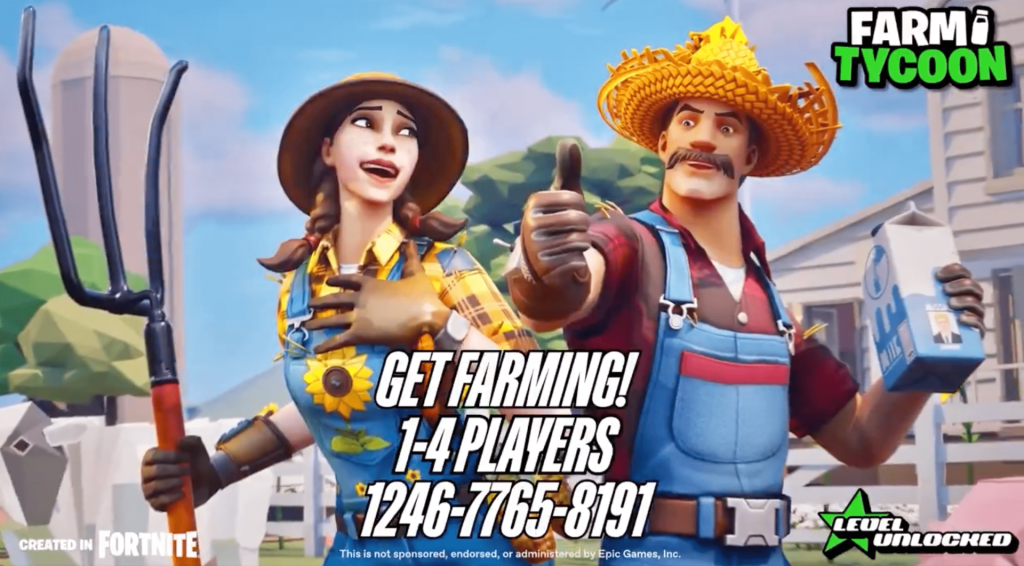
Ready to get farming? Dairy MAX’s Farm Tycoon map in Fortnite lets players experience life (and milk sales) on the digital dairy—no boots required.

And here’s the genius part — instead of dismissing the idea, the board leaned into it. Their Farm Tycoon map, launched in 2024, allowed players to build virtual dairy empires while learning real-world farming economics. Kids weren’t just clicking randomly; they were managing herd health, tracking milk prices, and understanding feed conversion ratios.

A Colorado parent shared this with me: “My daughter went from questioning everything about dairy to schooling me with nutrition facts she learned from the game. She’s more engaged with farming through that screen than she ever was when I tried explaining it at dinner.”
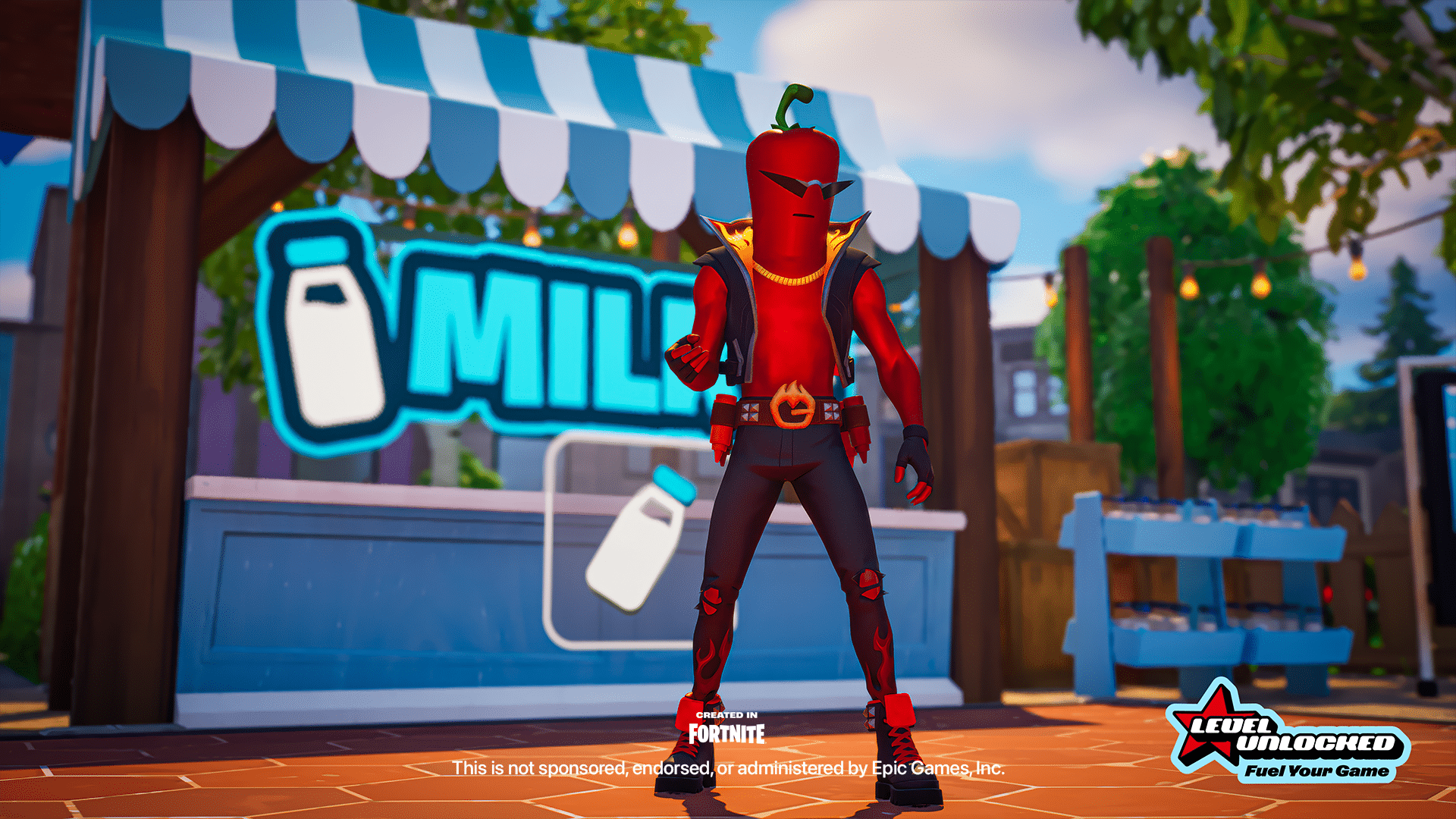
Yes, that’s real milk front and center in Fortnite’s Diner Tycoon. Dairy MAX’s Level Unlocked campaign puts dairy—not just energy drinks—into the hands of millions of next-gen consumers, right where they play.

The numbers don’t lie — over 41 million players engaged with these maps, translating to eight years of cumulative playtime. That’s eight years of voluntary dairy education. In 2025, they rolled out Diner Tycoon, extending the farm-to-fork narrative as gamers manage virtual restaurants that specialize in heavy cheese, milk, and cream-based dishes.

The Level Unlocked campaign that tied everything together? It generated over $600,000 in direct dairy sales through integrated Instacart promotions and influencer streams. Industry observers are calling it exactly the kind of innovative outreach needed to secure future consumers.

Cowboys, Community, and Real Impact

Dallas Cowboys wide receiver James Washington helps power Dairy MAX’s mission—Fuel Up to Play 60 brings big-league nutrition (and dairy) front and center for the next generation.

Don’t think Dairy MAX forgot about traditional engagement. Their Dallas Cowboys partnership puts dairy nutrition front and center, where it matters — AT&T Stadium during game day.

Students put their best culinary skills—and a big helping of dairy—to the test at the Taste of the Cowboys cook-off, where real kitchen teamwork meets real world nutrition.

The annual Taste of the Cowboys contest brings kids from across the region into that legendary kitchen, competing with dairy-heavy recipes. Winners don’t just receive trophies; they return to cook during actual games, featured in the end zone while 80,000 fans watch.

Players like Travis Frederick — that Wisconsin-born center — swear by dairy’s role in athletic recovery. The powerful testimonial he shares about drinking a gallon of milk daily to heal a broken bone ahead of schedule? That’s the kind of authentic testimonial that resonates with both farm families and consumers.

“It’s safe to say I grew up knowing the importance of starting my day with a healthy breakfast.” Dallas Cowboys center Travis Frederick is proof that building strong habits—like making dairy a staple—helps fuel your best both on and off the field.

Winning Over the Boardroom

The beauty of working with forward-thinking dairy farmers is their progressive mindset when presented with a solid business case. Dairy MAX’s approach to introducing esports was straightforward: “Invite your kids to the meeting,” Jennie jokes. “They understand immediately that gaming spaces are the new family rooms.”

It’s about recognizing generational shifts without abandoning core values. Today’s virtual arenas become tomorrow’s kitchen table conversations. The platforms change, but the mission remains the same.

For most dairy families, every big decision starts at the kitchen table—these are our original “board meetings.” It’s where bold ideas (and breakfast) get a seat.

The Sustainability Story That Actually Works

Here’s where Dairy MAX really nailed consumer psychology — their research shows people connect dairy sustainability most strongly to cow comfort and care, not just carbon emissions. That insight shifted their entire messaging strategy.

Instead of getting defensive about environmental headlines, they help farmers tell stories about generational stewardship. If you’re building a business to pass down to your kids, you’re not going to poison the water or abuse the land. It’s that simple, and that powerful.

The real story of sustainability is written on the farm. Dairy MAX connects consumers with the families whose generational commitment to cow comfort and land stewardship is the foundation of the dairy industry.

The Story That Sticks

During the pandemic relief efforts, a grandmother wrote to thank Dairy MAX for getting milk to her local food bank. Her special-needs grandson could finally make his own bowl of cereal — a simple act that gave him independence and dignity.

“I keep that note on my desk,” Jennie tells me. “We think we’re marketing milk products, but sometimes we’re giving someone the tools for self-reliance. Those moments remind you why the work matters.”

Every school day, 20 million free lunches—and milk cartons—help fuel kids’ growth. Just one serving provides 13 essential vitamins and minerals for strong minds and bones.

Looking Ahead: The Big Picture

Dairy MAX’s 2025 vision centers on strengthening collaboration — working more closely with Dairy Management Inc. (DMI) and the other UDIA state and regional organizations to create a unified voice. “Individually, we can’t match Gatorade’s marketing budget,” Jennie admits. “But together, we become a force that can move markets.”

Export opportunities are expanding, with US cheese exports increasing by 34% year-over-year and global demand diversifying beyond traditional markets. These international sales have become crucial lifelines for farm profitability as domestic consumption patterns shift.

For young people considering dairy careers, Jennie’s advice is forward-looking: “Dive into engineering, robotics, food science. The future dairy workforce needs tech sophistication as much as traditional farming knowledge.”
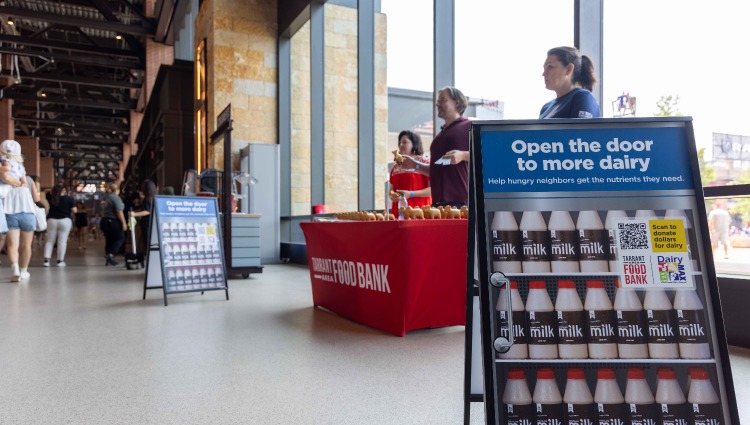
Dairy MAX raises dollars—and gallons—for hungry Texans at the ballpark. At Texas Rangers games, fans “open the door to more dairy” by supporting local food banks right on site.

The Connection Economy

Driving through ranch country these days, I think about connection — not just WiFi signals, but the human bonds that make any industry sustainable. Dairy MAX figured out that reaching tomorrow’s consumers means meeting them where they are, speaking their language, and proving that century-old values can thrive on cutting-edge platforms.

They’re not abandoning tradition for technology; they’re using technology to preserve and extend tradition. That teenager building virtual dairy empires might just become the consumer advocate the dairy industry needs, or even the next generation of dairy professionals.

From dusty plains to digital playgrounds, the story continues. And it’s being written by organizations smart enough to evolve without losing their soul.

See how Dairy MAX is blending tradition and technology at DairyMax.org.

KEY TAKEAWAYS

  • Hooked 41 million gamers, drove $600k in real milk sales—if you’re still relying on handshakes at the feed mill, you’re missing out.
  • Partnering with big brands (Cowboys, Instacart) moves dairy into new markets—try collaborating with local sports clubs or online platforms for instant visibility.
  • Consumers care more about cow comfort than greenhouse gas stats—use your animal care protocols in every piece of outreach; it’s what actually builds trust right now.
  • Cheese exports up 34% this year—lean into international demand by exploring co-ops or groups making those connections.
  • Dairy MAX didn’t act alone—they teamed up with DMI and other UDIA regions. Big results need strong partners. If you want to survive 2025’s price squeeze, find the folks willing to go bold with you.

EXECUTIVE SUMMARY

Let me break this down—Dairy MAX is proving you don’t need billboards to sell more milk; you need creative guts. They raked in $600,000 in sales by placing dairy products smack in the middle of Fortnite and Instacart, reaching kids where they actually spend their time. It wasn’t just a gimmick: 41 million gamers played, and over 400,000 pounds of real milk moved—while we’re hustling for every nickel. US cheese exports are already up 34% this year, showing there’s a market out there if you know how to reach it. The Dairy MAX board didn’t flinch at new ideas, they leaned in—proof that forward-thinking pays. If you’re still pouring money into radio ads in 2025, maybe it’s time for a farm-to-fortnite rethink. In a world where most folks can’t name three breeds of cow, this is ROI you can actually taste. You’d be crazy not to try something new.

Learn More:

Join the Revolution!

Join over 30,000 successful dairy professionals who rely on Bullvine Weekly for their competitive edge. Delivered directly to your inbox each week, our exclusive industry insights help you make smarter decisions while saving precious hours every week. Never miss critical updates on milk production trends, breakthrough technologies, and profit-boosting strategies that top producers are already implementing. Subscribe now to transform your dairy operation’s efficiency and profitability—your future success is just one click away.

NewsSubscribe
First
Last
Consent

The Clarkson Effect: What It Really Means for Your Dairy’s Marketing

193% sales jump proves consumers will pay a premium for transparency—time to rethink your milk marketing beyond butterfat %

You know what’s been fascinating to watch over the past few years? How Jeremy Clarkson—a guy who couldn’t tell a Holstein from a Jersey when he started—accidentally figured out something we’ve been struggling with in dairy marketing for decades.

Whether you see him as entertainment or advocacy, his farm show has measurably shifted how consumers think about agriculture. And honestly? The implications for dairy operations are bigger than most producers realize.

The numbers tell a story that’s hard to ignore. Clarkson’s Farm pulled in 7.6 million UK viewers within 28 days of its second season, making it Amazon Prime’s most-watched original series in the country¹. Season 4 has been averaging 4.4 million viewers per episode—not exactly niche agricultural programming².

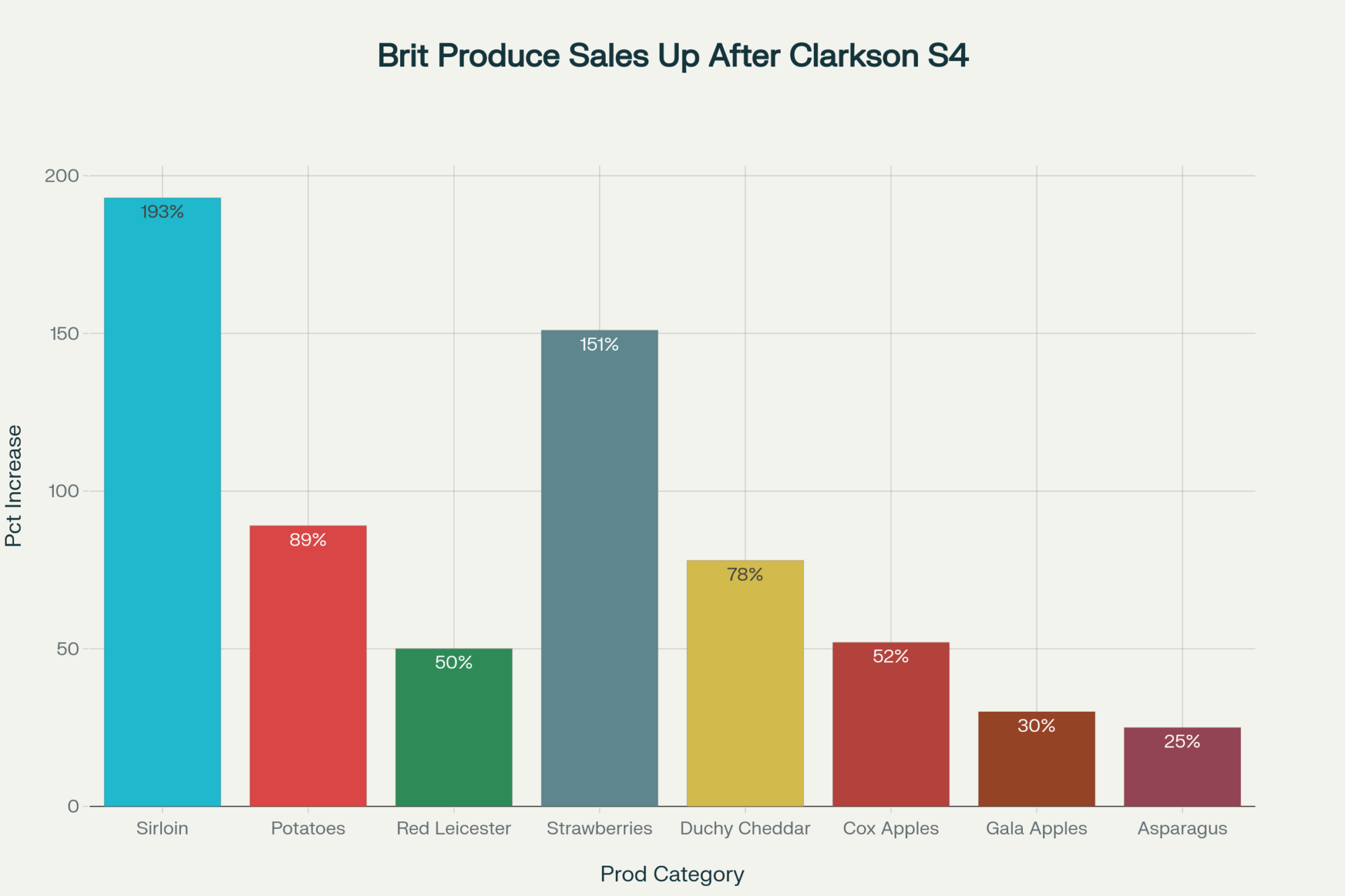
But here’s what caught my attention at the last few industry meetings… it’s not just about viewership. Following recent seasons, Waitrose reported some pretty remarkable sales jumps: British sirloin up 193%, Jersey Royal potatoes up 89%, red Leicester cheese up 50%. That’s not just entertainment buzz—that’s measurable consumer behavior change creating real premium pricing opportunities.

Year-on-year percentage increase in UK sales for major British produce post Clarkson’s Farm Season 4 release

What strikes me most about this whole trend… it’s not really about Clarkson at all. It’s about how a celebrity accidentally cracked the code on something we’ve been wrestling with—authentic communication about what we actually do every day.

The Thing About Transparent Failure—It Actually Works

Here’s where it gets interesting for dairy producers. Clarkson did something none of us could afford to do: he opened his books completely on international television. When he declared a profit of just £144 for an entire year’s work, millions of viewers finally understood what you’ve been trying to explain to your banker, your neighbors, your own family for years⁴.

The guy’s got a £43 million safety net, right? So when his ventures fail, it’s disappointing television. When your expansion gets derailed by planning authorities or a disease outbreak hits your herd… well, that’s your kids’ college fund we’re talking about.

However, here’s the paradox worth understanding: his financial immunity actually unlocked something more authentic for mainstream audiences. Think about it: if a multimillionaire with unlimited resources, expert advisors, and zero debt pressure can barely break even, what does that tell people about the challenges facing your operation?

Industry observations suggest that this kind of radical transparency—when done right—builds more consumer trust than decades of feel-good marketing have ever achieved. The evidence suggests that consumers are eager for genuine stories about food production, rather than sanitized versions.

How Weather Became Front-Page News Again

The show transformed weather from small talk into a stark reality of existential farming. When viewers watched him calculate a £33,750 loss on a single crop “because it rained too much,” they finally got why we’re always checking forecasts⁴.

Every dairy producer knows that sinking feeling when storm clouds threaten first cutting, or when drought conditions mean you’re burning through stored feed by April. Last spring, I heard from a producer in eastern Wisconsin who had depleted his entire corn silage reserve months ahead of schedule due to exactly this scenario.

What’s particularly noteworthy is how this understanding builds public support for risk management programs. Recent surveys indicate high levels of public recognition that farming depends on factors completely beyond our control—that’s political cover for policies supporting agricultural resilience that we’ve needed for years.

From TV Entertainment to Your Milk Check

Here’s where this gets practical for dairy operations. Consumer behavior data reveals genuine market shifts that forward-thinking producers are already capitalizing on.

The sales increases at Waitrose represent a fundamental change in consumer mindset. Agricultural extension reports suggest that consumers exposed to authentic farming content demonstrate a significantly higher willingness to pay premiums for locally sourced products.

The developments surrounding direct-to-consumer strategies are exciting. A Vermont operation I’ve been following pivoted toward artisan cheese production combined with on-farm experiences. Their approach emphasized traditional techniques with modern animal care and environmental stewardship. Results after 18 months? Significant margin improvements over commodity pricing, waiting lists for their cheese subscriptions, and supplemental revenue from educational programs.

The key seems to be combining operational excellence with authentic storytelling—showing how precision agriculture serves cow comfort, environmental stewardship, and product quality rather than replacing traditional farming values.

Regional Differences You’re Probably Seeing

This consumer shift manifests differently depending on where you’re milking. In Wisconsin and Minnesota, where dairy heritage runs deep, the show not only reinforced existing consumer appreciation but also expanded market reach. Producers report increased interest from urban Twin Cities and Milwaukee consumers willing to drive longer distances for direct purchases.

Here’s the thing, though—the approach that works varies by region. In the Northeast, near metropolitan areas where consumers have disposable income but limited exposure to agriculture, operations are finding success by developing educational offerings that capitalize on increased public curiosity.

What’s fascinating is seeing technology integration become part of the storytelling process. Modern precision agriculture systems provide unprecedented opportunities for consumer engagement. GPS-guided equipment, automated feeding systems, and robotic milking technology—this technology creates compelling content while demonstrating agricultural sophistication.

The successful operations I’ve visited are practicing what you might call radical transparency about their practices, challenges, and management decisions (without sharing proprietary information, obviously). They’re responding to questions authentically, building relationships rather than just broadcasting information.

Policy Changes That Actually Matter

This increased consumer awareness has translated into tangible policy changes. Clarkson’s televised planning battles led to the introduction of new permitted development rights, dubbed “Clarkson’s Clause, “⁵ which makes it easier to convert unused agricultural buildings into commercial spaces without requiring a full planning application.

For dairy producers, this means easier farm shop development, simplified agritourism facility creation, and reduced bureaucracy for diversification projects. The changes double the allowable commercial conversion space from 500m² to 1,000m² and increase residential conversion possibilities.

Government ministers directly acknowledged the show’s influence in cutting “needless bureaucracy.” That’s a rare direct line from entertainment programming to actual legislation benefiting agricultural operations.

Getting Started Without Breaking the Bank

Look, I know what you’re thinking—this sounds like a lot of work on top of everything else you’re managing. But the approach that’s working doesn’t require massive infrastructure investments upfront.

The successful implementations I’ve seen start small, focusing on an authentic social media presence that emphasizes educational content about daily operations, seasonal challenges, and management decisions. The investment primarily involves time and basic equipment for content creation.

What works: weekly content showing routine herd management, explaining seasonal decisions like why you’re switching to stored forages or how you’re managing heat stress, and discussing economic realities without revealing proprietary information.

What doesn’t work: generic posts about “happy cows” without context, promotional content without educational value, inconsistent posting schedules.

Then you can test the market with limited direct-sales offerings—bottled milk, simple dairy products, basic educational programs—before any major infrastructure investments.

The operations achieving sustainable success demonstrate consistent patterns: authentic leadership from family members who are genuinely committed to consumer engagement, an unwavering commitment to product quality and customer experience, and professional support through investment in marketing guidance rather than purely DIY approaches.

Investment Reality Check

Investment CategoryInitial Cost RangePotential ROITimeline
Social Media Setup$500-2,000Increased brand awareness3-6 months
Processing Equipment$15,000-50,00015-40% margin improvement12-18 months
Retail/Farm Shop Space$10,000-25,000Direct sales premium6-12 months
Marketing (Annual)3-5% of gross revenueCustomer loyalty, waiting listsOngoing
Total Initial Investment$25,000-75,00060% margin improvement18 months

Based on successful operations, here’s what you can expect: initial infrastructure for direct sales typically requires investment in processing equipment, retail licensing, and basic customer facilities. Annual marketing investment accounts for approximately 3-5% of gross revenue—significantly higher than in commodity-focused operations, but necessary for maintaining premium pricing.

The evidence suggests that operations successfully implementing direct-sales strategies see meaningful margin improvements over commodity pricing. Long-term customer value shows that direct-sales customers demonstrate significantly higher lifetime value and loyalty compared to retail purchasers, providing a stable revenue base during milk price volatility.

What Fellow Producers Are Really Saying

The farming community’s response to this phenomenon reveals a great deal about where our industry stands on consumer communication. Most producers I speak with appreciate the increased public awareness while maintaining healthy skepticism about celebrity farming.

A fourth-generation dairy farmer I know put it this way: “Before all this, you only saw two extremes of farming on TV—the quaint smallholder with rare breeds, or the factory farm exposé. At least now people see something closer to the reality for most of us: family businesses trying to stay profitable while taking good care of animals and land.”

Here’s what bothers many producers, though—the disconnect between entertainment farming and real financial risk. When celebrity ventures fail, it’s a disappointing setback. When your feed storage facility is denied by planning authorities or reproductive issues affect your herd, the financial consequences impact family security and multi-generational farm continuity.

Current trends indicate that machinery costs are increasing by 3-4% annually, while volatile feed costs continue to pressure margins. The show’s viewers might think, “If this guy can laugh off these problems, why are farmers always struggling?”

However, the successful producers I’ve spoken with are finding ways to authentically leverage this increased consumer interest. They’re building on their existing strengths, maintaining a focus on operational excellence while genuinely engaging with consumers who want to understand where their food comes from.

Where This Leaves Us

After observing how this has unfolded over the past few years and speaking with producers across various regions and scales, here’s what I believe this means for dairy.

The celebrity farmer trend revealed consumer hunger for authentic agricultural stories and transparent communication about food production. Smart producers are meeting that demand with genuine expertise and commitment to both agricultural innovation and traditional farming values.

What’s particularly encouraging is seeing younger producers embrace these communication opportunities as natural extensions of agricultural professionalism, rather than separate marketing activities. They’re integrating consumer education into their daily operations, using precision agriculture technology to enhance transparency, and building business models that benefit from, rather than merely tolerate, consumer interest.

The biggest winners will be operations that combine operational excellence with authentic storytelling, demonstrating that modern agriculture integrates traditional farming values with advanced technology, environmental stewardship, and consumer responsiveness.

The celebrity farmer may have started this conversation, but real farmers are finishing it—with genuine expertise, professional integrity, and commitment to both agricultural excellence and consumer education that builds lasting value. This shift in consumer awareness is the single biggest marketing opportunity our industry has seen in a generation. The trend is clear. What’s the first small step your operation will take to tell your story?

Key Takeaways

  • Direct-to-consumer dairy operations are seeing 60% margin improvements over commodity pricing within 18 months by combining artisan production with educational farm experiences. Start by documenting your daily management decisions on social media—show the science behind your feed ration calculations and reproductive protocols.
  • Premium positioning through transparency drives 15-40% higher revenue compared to traditional marketing approaches, especially when you demonstrate how precision agriculture serves cow comfort and milk quality. Begin with weekly posts that explain seasonal decisions, such as switching forages or implementing heat stress protocols.
  • Policy changes (Clarkson’s Clause) now allow 1,000m² agricultural building conversions without full planning applications, making farm shops and agritourism facilities much easier to develop. Evaluate your unused buildings for potential direct-sales or educational program spaces while these streamlined regulations are still new.
  • Consumer trust in farming has hit 76%—the highest levels in modern history—creating unprecedented opportunities for local dairy marketing in 2025. Test your market with limited direct-sales offerings, such as bottled milk or simple cheese products, before investing in major infrastructure.
  • Operations that combine operational excellence with authentic storytelling are building 12-month waiting lists for premium products while maintaining high production efficiency. Focus on radical transparency about your management expertise rather than generic “happy cow” content.

Executive Summary

Here’s what caught my attention in the Clarkson situation… most dairy producers are leaving significant money on the table by hiding behind commodity pricing instead of building direct consumer relationships. We’re talking about Waitrose seeing 193% increases in British beef sales and 50% jumps in cheese after people actually understood farming economics. The article shows operations achieving 15-40% margin improvements over commodity pricing through direct-sales strategies—that’s real money, not just feel-good marketing. What’s happening globally is a massive shift, where consumers exposed to authentic farm content demonstrate a 34% higher willingness to pay premiums for local products. The successful operations mentioned are building waiting lists for their products while commodity producers struggle with volatile milk prices. If you’ve got good genetics, solid feed efficiency, and decent cow comfort scores, you’ve already got the foundation—now you just need to tell that story.

Complete references and supporting documentation are available upon request by contacting the editorial team at editor@thebullvine.com.

Learn More:

  • The Top 5 Keys to Telling Your Dairy Story on Social Media – This article moves beyond theory into action. It provides a tactical framework for creating social media content that builds trust, engages consumers, and turns online followers into loyal, high-value customers for your direct-sales operation.
  • Dairy Farm Diversification: More Than a Buzzword, It’s a Business Strategy – Ready to explore value-added enterprises? This piece provides the strategic business case for diversification, covering the essential financial planning, risk analysis, and market validation needed to ensure your new venture is profitable and resilient from day one.
  • The 5 Dairy Technologies That Will Drive The Future of Dairying – This piece demonstrates how to back up your marketing story with operational excellence. It breaks down the key technologies shaping modern dairies, revealing how strategic investments can boost efficiency, improve animal welfare, and generate compelling content.

Join the Revolution!

Join over 30,000 successful dairy professionals who rely on Bullvine Weekly for their competitive edge. Delivered directly to your inbox each week, our exclusive industry insights help you make smarter decisions while saving precious hours every week. Never miss critical updates on milk production trends, breakthrough technologies, and profit-boosting strategies that top producers are already implementing. Subscribe now to transform your dairy operation’s efficiency and profitability—your future success is just one click away.

NewsSubscribe
First
Last
Consent
Send this to a friend