A new study comparing Montbéliarde and Holstein cows reveals surprising insights that could reshape your herd management strategy. From milk production to feed efficiency and overall profitability, find out which breed might give your farm the edge it needs in today’s competitive market.
Researchers monitored 22 Montbéliarde and 18 Holstein cows from a month before calving until about five months after. They observed how the cows handled calving time and feed shortages, trying to determine which breed could keep the milk flowing when times were tough.
Montbéliardes maintained better body condition compared to Holsteins.
Health Stuff
Early in lactation, Holsteins burn through body fat faster, which could lead to more health problems.
Montbéliardes seemed to handle the stress better.
Feed Challenge
Both breeds adapted when feed was cut short, dropping milk production but bouncing back when full feed returned.
Holsteins started strong but ran out of steam faster during repeated feed cuts.
Financial Implications
This is where it gets interesting for your wallet: Let’s talk about Feed Costs:
Montbéliarde × Holstein crossbreds make about 1.6 lbs of milk per pound of feed, while Holsteins make 1.5 lbs.
This means crossbreds produce milk for about $0.17/lb and Holsteins for $0.18/lb.
Milk Quality:
Crossbreds typically produce milk with higher fat and protein content, resulting in improved cheese yield and increased milk revenue.
Vet Bills:
Purebred Holsteins can rack up $23 to $75 in health costs in their first lactation.
Crossbreds tend to stay healthier and stick around longer, saving on replacement costs.
Bottom Line:
Over a lactation, Montbéliarde × Holstein crossbreds might put an extra $75 in your pocket compared to pure Holsteins.
Where This Research Comes From
These findings aren’t just from one farm. Studies have been done:
Across the U.S. in big commercial dairies
In France, looking at different feeding systems
Even in the mountains of Ecuador
They’ve examined how these cows perform in various setups, from farms with 30 cows to operations with hundreds in different climates and with various feeding and milking routines.
Implications for Your Farm
Breed Choice: Holsteins are still milk-making machines, but Montbéliardes might save you headaches with better health.
Feed Smarts: Both breeds can handle feed fluctuations, which is good news if you want to reduce feed costs.
Cow Health: Montbéliarde cows might have an edge in staying healthy, especially right after calving.
Consistent Performers: Your top cows will likely stay at the top, regardless of breed.
Older Cows: Third, lactation and up, cows give more milk but might be slower to breed back.
Potential Impact on the Dairy Industry
The widespread adoption of crossbreeding by farmers could lead to…
We might see healthier cows overall, with lower vet bills across the industry.
Milk might have more components, which could be great for cheese makers.
Dairy farms might reduce their environmental impact with more efficient cows.
We could see more variety in dairy genetics, which is good for the industry’s long-term health.
How to Start Crossbreeding (If You’re Interested)
Start small – maybe breed 10-20% of your herd to Montbéliarde bulls.
Pick bulls that fix what your herd needs help with (like fertility or components).
Use top-notch bulls – don’t skimp on genetics.
Keep good records to see how the crossbreds compare to your purebreds.
Be ready to tweak your feeding and management for the crossbreds.
Make a plan for the long haul – decide how you’ll keep the crossbreeding going.
Talk to other crossbreeding farmers to learn from their experience.
The Bottom Line
This study gives us a lot to chew on. While Holsteins have been the go-to for high production, these Montbéliarde crossbreds show they have what it takes to compete and might even put more money in your pocket.
Given the challenges in milk production efficiency and cow health, this study provides valuable insights for strategically selecting and caring for our herds in the long run.
Consider evaluating your herd and financial data to determine the feasibility of implementing crossbreeding strategies based on the study results. Could some crossbreeding boost your bottom line? Chat with your vet or nutritionist about how these findings might work on your farm. Your future herd – and your wallet – might thank you for it.
Key Takeaways:
Montbéliarde crossbreds provide better feed efficiency and can lead to cost savings on feed.
Holsteins excel in total milk production but are more prone to health issues early in lactation.
Crossbreeds offer higher fat and protein content in milk, benefiting cheese production and increasing milk value.
Cow longevity and reduced vet bills could make crossbreeds a financially wise choice.
Global studies support the potential benefits of integrating Montbéliarde genetics into dairy operations.
Summary:
The study on Montbéliarde and Holstein cows gives useful info for dairy farmers. Holsteins are great at producing milk, but Montbéliardes stay healthier and keep their weight better during tough times. Crossbreeding these types can lead to milk with better fat and protein, lower vet bills, and more profit. This study, done in different areas, shows Montbéliarde × Holstein crossbreds might improve how herds are managed, cut costs, and be kinder to the environment. If farmers want to try crossbreeding, they should start slow, use good genetics, and be ready to adjust their management. The findings highlight how choosing the right breed is important as the dairy industry changes.
Bullvine Daily is your essential e-zine for staying ahead in the dairy industry. With over 30,000 subscribers, we bring you the week’s top news, helping you manage tasks efficiently. Stay informed about milk production, tech adoption, and more, so you can concentrate on your dairy operations.
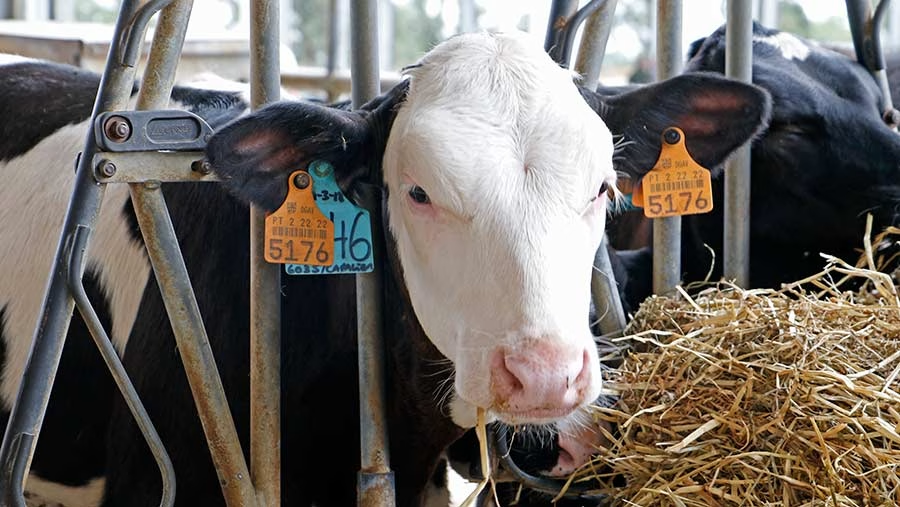
Do DairyTrace tags cut into your beef-on-dairy calf earnings? Uncover the effects on market pricing and your financial outcomes.
Summary:
The intersection of dairy and beef markets has spawned new challenges for Canadian farmers, particularly concerning traceability systems and ear tag policies. Recent DairyTrace tagging changes have incited worries that beef-on-dairy calves tagged with white DairyTrace tags are at a market disadvantage compared to those with yellow Canadian Cattle Identification Agency (CCIA) tags, typically used for beef cattle. Despite these concerns, intended studies to assess these impacts on auction prices faced cancellation due to a lack of participant interest, reflecting a split in farmer perspectives. While producers like Derek Westeringh claim white-tagged calves earn 10 to 15 percent less, others, such as Alberta Milk researcher Kira Hames, highlight strong market demand that sustains satisfactory pricing for crossbred animals. Intertwined with economic pressures, the tagging system debate requires attention to traceability alignment and a reexamination of dairy-beef strategies, aiming for balanced regulation and market sustainability.
Key Takeaways:
The study aimed to assess the economic impact of white DairyTrace tags on beef-on-dairy calves but was discontinued due to low participation from dairy producers.
The traceability systems for dairy (DairyTrace) and beef (CCIA) have communication gaps, making crossbreed identification challenging.
There is a market perception that white-tagged calves may be undervalued compared to yellow-tagged beef calves, potentially affecting sale prices.
Producers are divided on whether there is a significant price difference; some are satisfied with current market prices, while others report a bias against white-tagged calves.
Dairy producers have expressed interest in reversing DairyTrace’s 2023 policy changes to allow yellow tags for beef-on-dairy calves.
Beef-on-dairy crossbreeds are increasingly financially significant to Canadian dairy farmers as a supplementary revenue source amid static dairy prices.
Enhanced collaboration and integration between beef and dairy traceability systems are beneficial for market clarity and economic efficiency.
Picture taking a top calf to auction only to have its value drop because of its ear tag color. This isn’t just a made-up situation; it’s a real worry for dairy farmers selling beef-on-dairy calves. With the rule that all calves on dairy farms must wear white ear tags from DairyTrace, the question is: Are these tags unfairly lowering the prices of beef-on-dairy calves?
This problem is essential for industry people and farmers because a mix of beef and dairy cattle can make good money when dairy prices aren’t going up. However, if these calves are priced too low at auction, they can diminish those benefits and lead to big talks about the tag system.
“The changes made in September 2023, which now say all dairy calves need a white DairyTrace tag, have caused worry. Farmers are wondering if these white tags make their calves look worth less, like pure dairy breeds, even though beef crosses grow and sell better,” says Kira Hames, a researcher at Alberta Milk.
Upon closer examination, we determine whether these tagging regulations are insignificant details or if they significantly impact the value of calves in the current market.
Hybrid Value: Harnessing Beef-Dairy Synergy
The dairy industry is changing, and beef-on-dairy crossbreeding is becoming more popular. This change is due to economic and genetic reasons that make these crossbreeds appealing. Beef-on-dairy crossbreeding involves using beef cattle genetics in dairy farms, a strategy quickly becoming popular because of its many benefits.
One main benefit of beef-on-dairy crossbreeding is better feed efficiency. Typically, beef genetics require fewer resources, enabling these animals to achieve market weight with reduced input compared to pure dairy cattle. This efficiency reduces costs and fits with sustainability goals, which is essential as the agricultural sector faces more environmental pressure.
Also, beef-on-dairy cross calves produce more meat, which makes dairy farmers more money. These crossbreeds usually have carcasses that better meet market needs than traditional dairy breeds, bringing better sales prices. The demand for these crossbred animals is apparent in market trends as buyers look for meat efficiency and quality from these hybrids.
This trend holds substantial significance for the dairy industry, indicating a notable shift towards integrated farming practices. With pressure on traditional dairy income, beef-on-dairy crossbreeding offers a practical extra income. It acts as a financial safety net, helping farmers deal with changing market conditions and challenges from trade agreements and regulations.
The trend also indicates a significant shift towards integrated farming, where outcomes are enhanced through strategic genetic utilization. Farmers who use the advantages of beef and dairy genetics diversify their farms and protect their businesses against the risks of relying only on dairy income.
Tagging Dilemmas: Navigating the Maze of Livestock Traceability
Canada’s livestock tracking uses the DairyTrace and Canadian Cattle Identification Agency (CCIA) ear tag systems. DairyTrace is for the dairy industry and uses white ear tags. These tags are required for dairy farms to help track an animal’s origin from birth. On the other hand, the CCIA uses yellow radio-frequency identification (RFID) ear tags for beef cattle, which helps track these cattle specifically for the beef industry.
The primary distinction between these systems lies in the tags’ colors and respective purposes. Under DairyTrace, white tags are for Canadian dairy farms, while yellow tags are for beef cattle. These tags help with feedlot management and slaughter.
Both systems try to improve livestock tracking to ensure food safety. However, there are problems with how these systems communicate, especially when it comes to beef-on-dairy calves. These animals, which can be very efficient, might not get their actual value because the tag color can confuse buyers about their breeding.
White tags might unintentionally imply they have less preferred Holstein genetics for crossbred calves, affecting buyers’ opinions and the price they might pay. The information doesn’t quickly move between DairyTrace and CCIA, worsening these issues and leading to challenges in getting the best prices and managing risks at auctions.
Color Counts: The Market Perception Puzzle in Beef-on-Dairy Calves
Within the intricate realm of livestock sales, individuals’ perceptions play a pivotal role in influencing prices, particularly concerning beef-on-dairy calves. The difference in ear tag colors—white versus yellow—has stirred up debates about whether there are market biases, mixing findings from studies with farmers’ personal experiences.
The market’s perception of white-tagged beef-on-dairy calves is problematic due to the negative connotations attached to the DairyTrace tags. Many in the industry believe these white tags mistakenly tie these calves to their dairy roots, possibly hiding the better traits they get from beef sires.
A study in Eastern Canada examines these details, showing a clear difference in auction prices between calves with white and yellow tags. Although the study mentions price differences, it doesn’t explore other factors that might explain why beef-on-dairy calves perform differently. This leaves questions about whether the price gaps are due to the tag color or other market factors [Study Citation Needed].
Stories from farmers like Derek Westeringh highlight these worries about market bias. Westering and others talk about real monetary impacts, saying that white-tagged calves often sell for 10 to 15 percent less at auctions than yellow-tagged ones. This indicates a mismatch between what the market thinks and the actual value of beef-on-dairy calves. Westeringh has spoken up about changing tag rules to show the true worth of these mixed-breed animals [Westeringh, 2024].
The auction market stresses these issues, which genuinely reflect market trends, but some producers avoid them altogether. By selling directly to buyers or keeping calves for further growth, they can get better prices and avoid the potential downside of having a white tag.
As the debate about tagging continues, all stakeholders must determine whether the lower prices for white-tagged calves are temporary or a more profound problem. Establishing a fair market perception for these calves, regardless of their tag color, is essential to ensure their actual value is recognized.
Producers’ Perspectives: Divergent Views on DairyTrace’s Impact
In Western Canada, the end of a study examining how white tags affect the price of beef-on-dairy calves shows the mixed opinions of dairy producers. Many producers think the white tags are a non-issue. Kira Hames, an Alberta Milk researcher and project leader, says that stopping the study suggests most producers don’t think it’s worth their time. She explains, “This likely indicates to us as the industry that it’s not enough of an issue for most of our producers to participate and put in the extra time.” This shows that some producers feel the current market is good and tags don’t hurt their profits.
However, not everyone agrees. Derek Westeringh, a dairy farmer from Warman, Saskatchewan, believes white DairyTrace tags hurt the market value of beef-on-dairy calves. He says these calves could earn 10 to 15 percent less than those with beef tags. He thinks DairyTrace needs to address this problem because beef-on-dairy is a key income source for many Canadian farmers. Westeringh says, “We’ve addressed this with our boards, and we’re hoping to get this issue or this mandate reversed by the ProAction committee.”
But Hames also hears from other producers who are satisfied with their prices, saying, “They’re pleased with the price they’re getting from their buyers. The market’s been good for beef-on-dairy right now. Buyers want their animals.” This feedback shows different opinions on how tagging affects market prices.
Some producers choose to sell their calves directly, avoiding auctions. This way, they don’t worry about market biases and feel confident in their animals’ quality and prices.
Recent rule changes, like the 2023 requirement for DairyTrace tags for all dairy farm calves, add complexity to how dairy and beef systems communicate about traceability. This might make producers reluctant to join studies if they think they won’t change the rules to their benefit.
This conversation about DairyTrace tagging highlights the tension between complying with regulations and optimizing financial gains. Industry players want traceability systems to work together to achieve the best market outcomes without harming current supply chain efforts.
Bridging the Divide: Economic Imperatives and Traceability Alignment in Beef-on-Dairy Crossbreeding
The money concerns about the current ear tag rules are a big deal for dairy farmers who depend on beef-on-dairy calves to boost their income. Farmers seem worried about using the mandatory white DairyTrace tags for these calves. They fear these tags make their crossbred calves seem less valuable at auctions because people think white tags mean they’re not as good. According to some farmers, this belief, even though not based on facts, can have real money impacts, possibly cutting earnings by 10 to 15 percent.
Given the slow increase in dairy prices, strategic beef breeding with dairy cows is crucial for farmers to generate income. By using strong beef genetics, farmers get better results and access a more profitable market due to the high demand for beef. This crossbreeding helps protect farmers from changing dairy prices, allowing them to maintain financial stability despite trade pressures like those from the Comprehensive Economic and Trade Agreement (CETA) and laws like Bill C-282.
The financial significance of beef-on-dairy crossbreeding underscores the necessity to align ear tags and traceability regulations with market requirements. Creating a better system that shows the actual value of these calves can support sustainable farming and help dairy farms stay strong. Bringing these mixed cattle into regular beef markets boosts individual farm profits and strengthens the dairy industry. Fixing the ear tag issue is more than a small task; it’s about ensuring dairy farming competes globally.
Many dairy farmers and industry groups request changes to the DairyTrace policies from 2023. Farmers like Derek Westeringh feel that the current system makes it hard to get fair prices for their crossbred calves because of the white ear tags. They believe that changing these rules back could help farmers earn more money.
Reassessing the DairyTrace Tags: Beyond Monetary Gains
The benefits of changing the DairyTrace rules go beyond making more money. It could also solve problems caused by having two different tag systems for beef and dairy. If the rules were the same, beef-on-dairy calves could be valued correctly instead of treated like regular dairy calves, which usually sell for less.
Some industry groups want the two systems to work together better. Combining traceability systems could make things more straightforward and transparent. This change would make managing livestock easier and make the food supply chain more transparent and dependable, helping farmers and consumers.
Talks are ongoing with the ProAction committee, which is essential in deciding policy changes. People involved hope that by working together, they can make the industry more united and profitable. Cooperation between beef and dairy systems could improve the market and animal well-being, leading to more sustainable farming.
The Bottom Line
The article explores the potential impact of ear tags on the pricing of beef-on-dairy calves. It discusses how DairyTrace uses white tags that don’t match the usual yellow tags for beef. This scenario could result in buyers paying less for these calves, potentially harming dairy farmers who crossbreed cattle. We need one system that works well for the dairy and beef industries. Farmers have different views on whether these rules help or hurt them, so there’s still much discussion.
As the cattle industry moves forward, we must consider what’s most important when we tag livestock. How can measures be implemented to ensure these tags support fair pricing for everyone and enable efficient animal tracking? Collaboration within the industry is essential to address these challenges in beef-dairy markets. The objective is to establish a fair and efficient market for all stakeholders.
Are you eager to discover the benefits of integrating beef genetics into your dairy herd? “The Ultimate Dairy Breeders Guide to Beef on Dairy Integration” is your key to enhancing productivity and profitability. This guide is explicitly designed for progressive dairy breeders, from choosing the best beef breeds for dairy integration to advanced genetic selection tips. Get practical management practices to elevate your breeding program. Understand the use of proven beef sires, from selection to offspring performance. Gain actionable insights through expert advice and real-world case studies. Learn about marketing, financial planning, and market assessment to maximize profitability. Dive into the world of beef-on-dairy integration. Leverage the latest genetic tools and technologies to enhance your livestock quality. By the end of this guide, you’ll make informed decisions, boost farm efficiency, and effectively diversify your business. Embark on this journey with us and unlock the full potential of your dairy herd with beef-on-dairy integration. Get Started!
To provide the best experiences, we use technologies like cookies to store and/or access device information. Consenting to these technologies will allow us to process data such as browsing behavior or unique IDs on this site. Not consenting or withdrawing consent, may adversely affect certain features and functions.
Functional
Always active
The technical storage or access is strictly necessary for the legitimate purpose of enabling the use of a specific service explicitly requested by the subscriber or user, or for the sole purpose of carrying out the transmission of a communication over an electronic communications network.
Preferences
The technical storage or access is necessary for the legitimate purpose of storing preferences that are not requested by the subscriber or user.
Statistics
The technical storage or access that is used exclusively for statistical purposes.The technical storage or access that is used exclusively for anonymous statistical purposes. Without a subpoena, voluntary compliance on the part of your Internet Service Provider, or additional records from a third party, information stored or retrieved for this purpose alone cannot usually be used to identify you.
Marketing
The technical storage or access is required to create user profiles to send advertising, or to track the user on a website or across several websites for similar marketing purposes.
To provide the best experiences, we and our partners use technologies like cookies to store and/or access device information. Consenting to these technologies will allow us and our partners to process personal data such as browsing behavior or unique IDs on this site and show (non-) personalized ads. Not consenting or withdrawing consent, may adversely affect certain features and functions.
Click below to consent to the above or make granular choices. Your choices will be applied to this site only. You can change your settings at any time, including withdrawing your consent, by using the toggles on the Cookie Policy, or by clicking on the manage consent button at the bottom of the screen.
Functional
Always active
The technical storage or access is strictly necessary for the legitimate purpose of enabling the use of a specific service explicitly requested by the subscriber or user, or for the sole purpose of carrying out the transmission of a communication over an electronic communications network.
Preferences
The technical storage or access is necessary for the legitimate purpose of storing preferences that are not requested by the subscriber or user.
Statistics
The technical storage or access that is used exclusively for statistical purposes.The technical storage or access that is used exclusively for anonymous statistical purposes. Without a subpoena, voluntary compliance on the part of your Internet Service Provider, or additional records from a third party, information stored or retrieved for this purpose alone cannot usually be used to identify you.
Marketing
The technical storage or access is required to create user profiles to send advertising, or to track the user on a website or across several websites for similar marketing purposes.








 Join the Revolution!
 Join the Revolution!