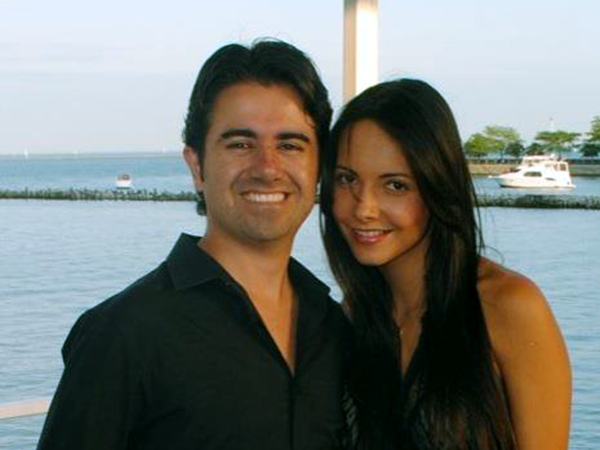
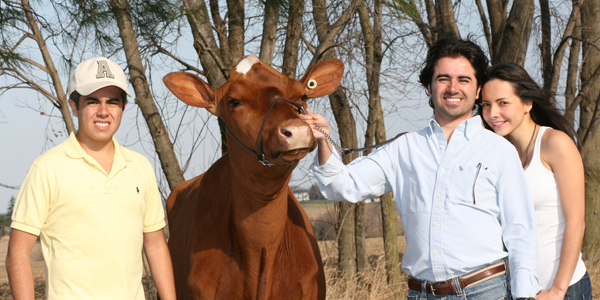
In 2006, Francisco Rodriguez didn’t own a single registered cow. A decade later, he’d bred a World Dairy Expo Supreme—and realized his real mission wasn’t trophies, it was how he’d lived that decade.
Your next great cow isn’t going to show you everything as a fresh two‑year‑old. If you listen to Francisco—the fifth‑generation Colombian behind Shakira, Marsella, and a growing tropical genetics footprint—world‑class cows and world‑class herds still come together on a ten‑year clock, not on a single proof run.
Here’s the thing. We’ve just come through a year when GLP‑1 drugs chipped away at appetite and snacking, retailers in many countries started pushing “high‑protein, lower‑calorie” options, and milk buyers everywhere began talking a lot less about butterfat and a lot more about protein yield on the milk cheque. In many regions, cheese and powder prices spent parts of 2025 in uncomfortable territory, margin pressure stayed very real, and more than a few processors—from Europe to the Americas—sent letters that felt way too much like “we need less milk, and we’ll be more selective about who we keep.” A lot of solid family herds, whether they milk 80 cows or 800, spent the fall asking the same basic question: “Will my milk still have a secure home three years from now?”
In the middle of all that noise, Francisco is quietly saying, “Slow down. Think in tens, not twos.” And with what he’s actually done, that’s not a comment you just brush off at coffee time.
From Colombian Hills to Madison
The story doesn’t start at Madison. It starts up in the Colombian hills.
While most kids were wearing out video games or hockey cards, young Francisco was wearing out bull catalogues—Starbuck, Aerostar, all the big Holstein cow families memorized long before he ever owned a purebred. Vet school led to an internship at a progressive U.S. dairy, but when he went home, he didn’t look for a safe job. He started a tiny herd with his parents and a consulting business on the side, because in his head, he was going to be a breeder and an entrepreneur, not just an employee.
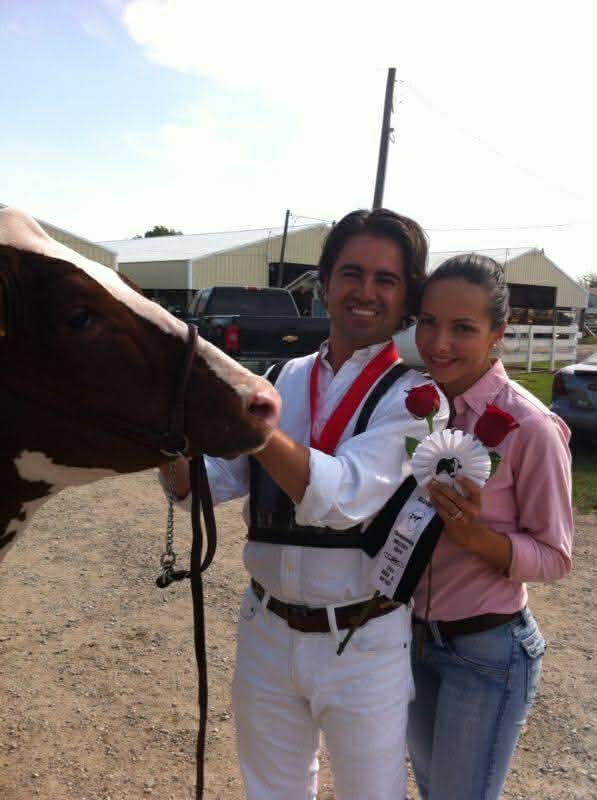
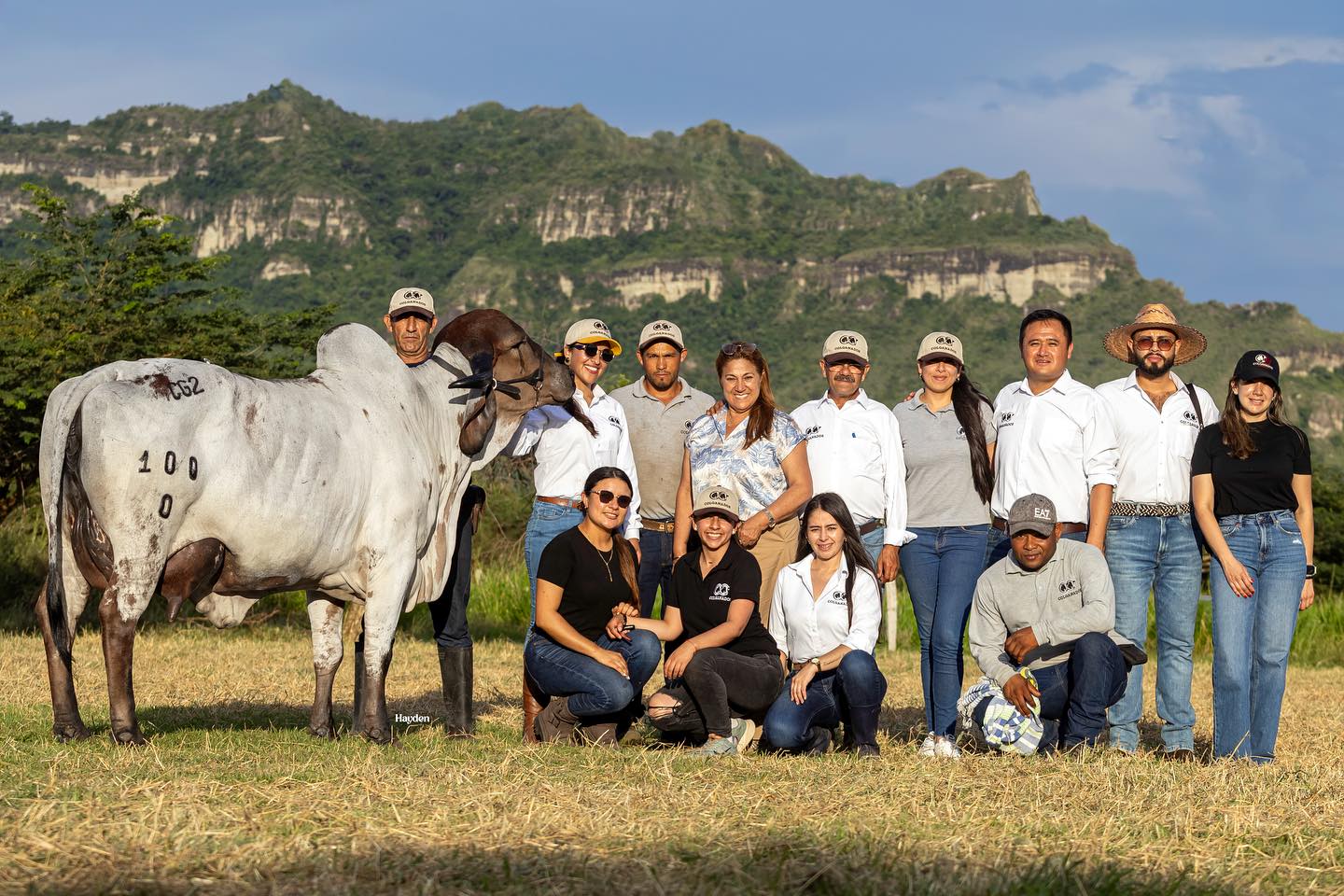
In 2007, two things happened at once: Francisco joined DeLaval Colombia, and the family launched Colganados with just 10 cows. One simple line they lived by—start small, think big, keep the vision wide. Over the next decade, that little hillside pilot turned into one of Latin America’s better‑known Holstein breeding programs. By Francisco’s own tally, Colganados has bred around half of Colombia’s national champions in the last ten years, the herd has run near the top of the country for production, and they hold the highest classification score in their category. The herd grew from those original 10 milkers to roughly 400. Not bad for a kid who used to read catalogues instead of comic books.
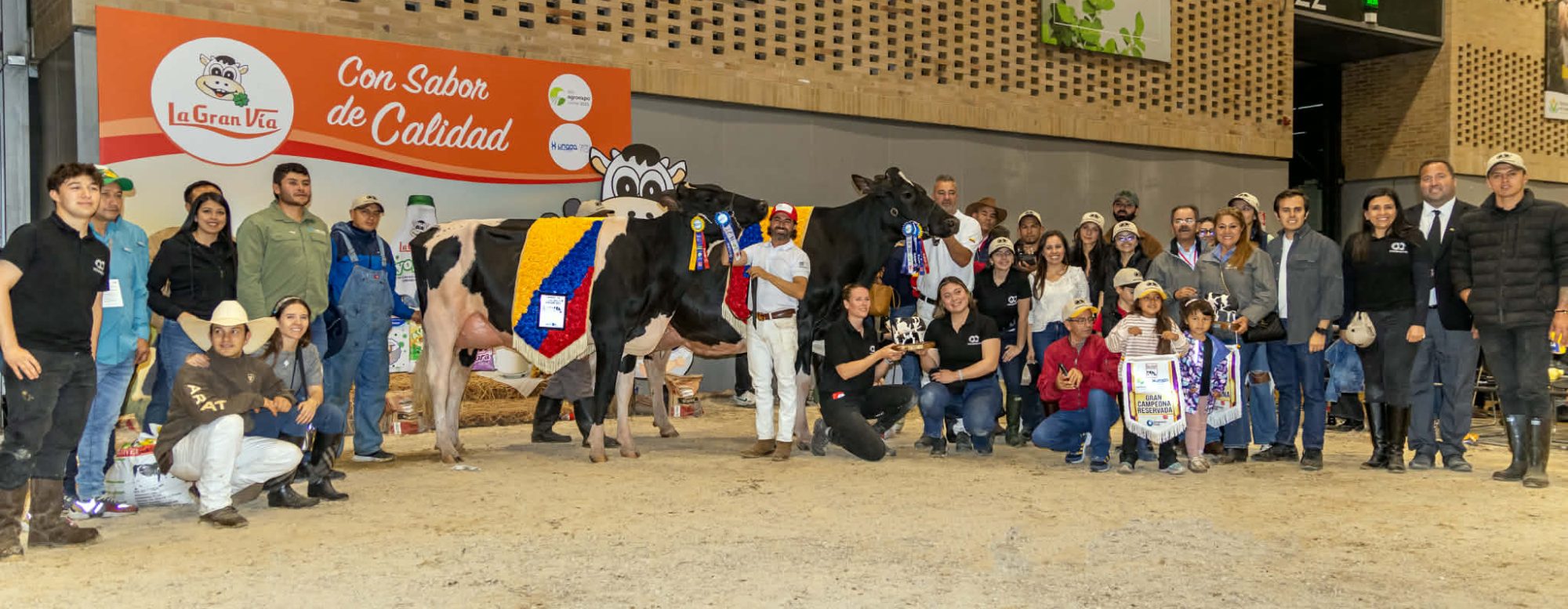
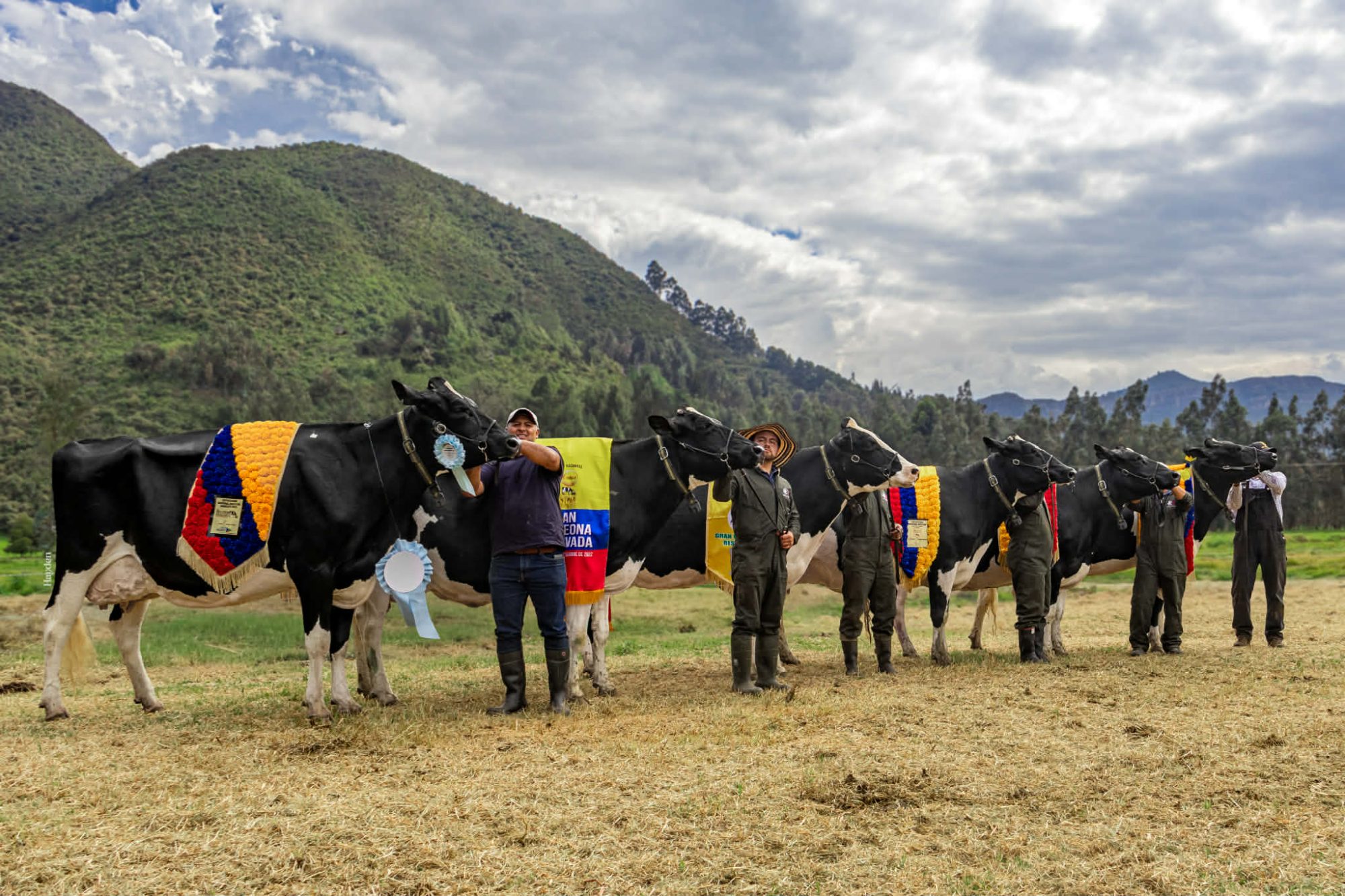
Then DeLaval calls again. It’s 2010, and they want him in Madison, Wisconsin, helping drive robotic milking with some of the biggest dairies in the world. He describes it as feeling like a local pilot being handed the keys to a Formula 1 car. He jumps anyway. By 2011, he’s landed in the U.S.—World Dairy Expo on the doorstep, mega‑herds and robots all around, and the very cow families he used to study in print now walking past his boots. All while Colganados keeps growing back home.
That same year, 2011, he bought clone genetics from the Apple family—Apple A1—from a breeder named John Erbsen. They didn’t partner on that deal; Francisco simply saw something special and moved on it.
That’s about when The Bullvine first wrote about him, in 2012, under the headline “Passion with a Purpose.” That same year, Francisco crystallized the vision: breed a world champion. Not just dream about it—actually map out what it would take. Back then, he’ll tell you, he mostly heard the “passion” part of that phrase. “Everything I do, I love, which is passion, but everything I do has a very strong why, which is purpose,” he says now. The core hasn’t really changed. What’s changed is where that purpose points—less toward proving he can win, more toward helping others do it, too.
Ask him for a racing analogy today, and he doesn’t say “pilot” anymore. “Now I want to be the leader of those pilots,” he laughs. The guy helping the next hungry 26‑year‑old land in a foreign country, stay grounded, and build something that lasts longer than one championship season.
How the Decade Rule Really Works
Looking at this Decade Rule he keeps talking about, it didn’t come out of a strategy workshop. It came in the shower at a Colombian show.
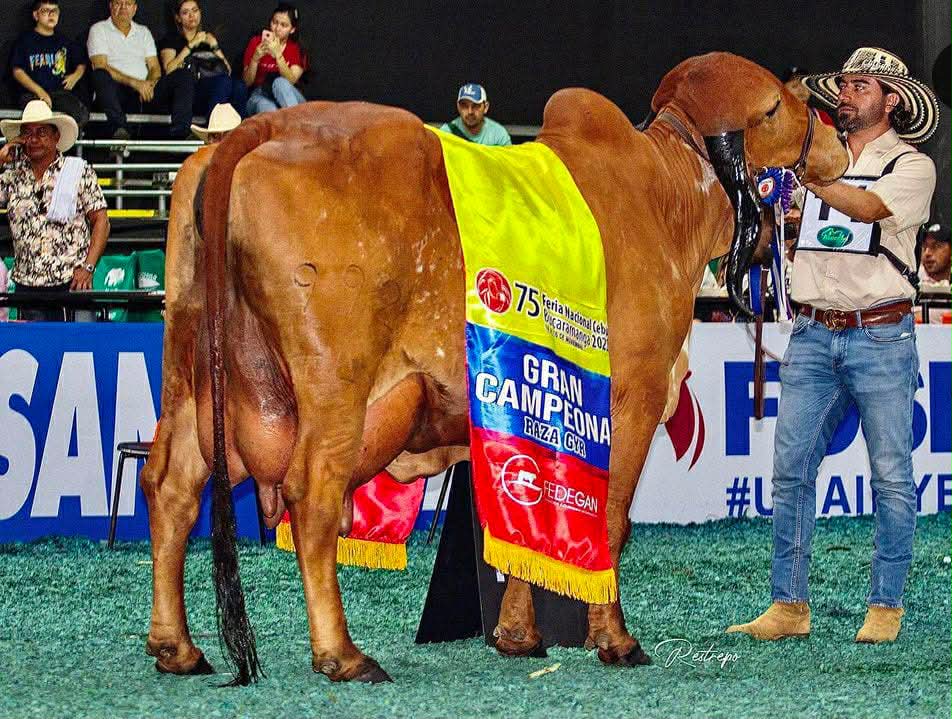
In 2025, when Marsella—that jet‑black Diamondback daughter out of the Jacobs Goldwyn Brittany family that he and his partner, U.S. breeder John Erbsen, had carefully put together—took Colombian National Champion and then Latin American Champion, Francisco did something a lot of us promised ourselves we’d do after COVID and never quite managed. He stopped and thought.

He walked the calendar backwards. From Marsella, standing at the top of Latin America, all the way back to the conversation with John about what to do with the Shakira cheque. Here’s the thing about that timeline: they sold Shakira in 2017, and Marsella won in 2025—eight years on paper. But the reality, as Francisco points out, is that the wondering started before Shakira even sold. By the time she was a calf, he was already asking, “What cow family is next?” That’s the only way you keep your product pipeline delivering consistently. Year after year, he’s developing new projects, not waiting for one to finish before starting the next.
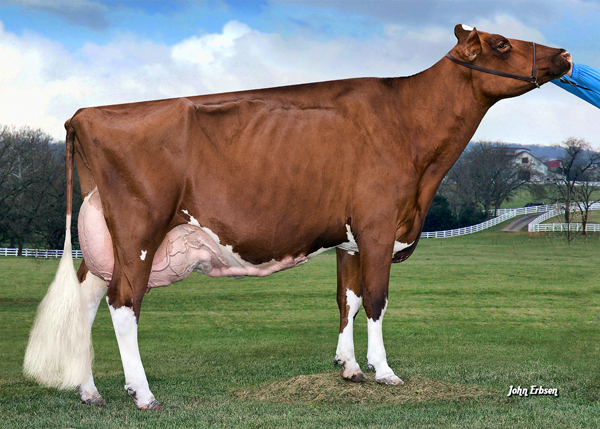
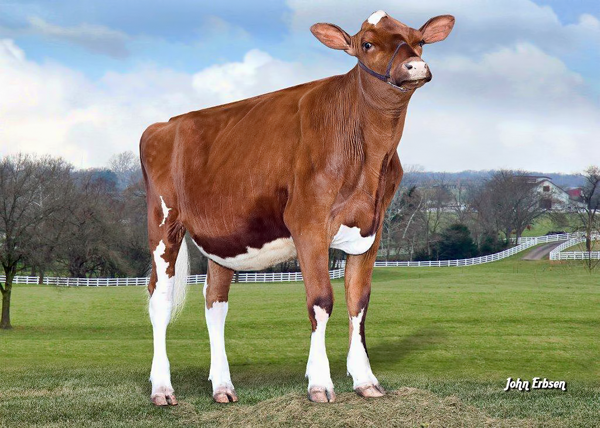
Then he went back and checked Shakira’s timeline. In 2011, he bought the Apple A1 clone from John. In 2012, they aligned the vision of what it would mean to breed a world champion. By 2013, they’d become partners through Snapple. In 2014, they made the mating—O’Kalibra into that Apple blood, chasing a pretty specific picture in their heads. Shakira was born in 2015. There was never any illusion that he’d own the facility or show program to keep a real superstar cow at the very top. The strategy right from the start was: build the right calf, then find the right exhibitor and environment. They sold her in 2017. Fast‑forward to 2021, and Erbacres Snapple Shakira EX-97 is Grand Champion at World Dairy Expo. By 2023, she’s Supreme. From vision to Supreme banner—roughly a decade.
And Colganados itself? From that first milking cow in 2007 to their first Colombian National and Supreme Champion in 2017, they hit that same ten‑year arc. At some point, even the most genomics‑driven among us have to admit that’s more than luck.
So he finally gave language to what he’d been living: a ten‑year cycle in two five‑year chapters. Not as a fancy framework to sell in a course. Just as a way to explain to young breeders why nothing big really happens “by next show season,” even in a fast‑moving, genomic‑heavy industry.
The First Five Years: Wonder, Invention, Discernment
The first five years are the slow part. That’s where most of us either lose patience or get distracted.
He calls that half Wonder, Invention, and Discernment.
Wonder is where you hit pause long enough to ask, “Where’s the real opportunity for my herd, in my market, with my particular gifts?” For some readers, that’s still going to be show type and banners. For others, especially after a year where GLP‑1 use kept climbing and retailers kept leaning into high‑protein messaging, the “wonder” question sounds more like: “What if I targeted 4.1–4.3% protein and built my breeding and feeding program around solid, efficient components for a local cheese plant that suddenly cares a lot more about protein yield than raw volume?”
And for more farms every hot July, Wonder is becoming, “How do I get cows that don’t fall apart every time Ontario or Wisconsin feels like a Florida dry lot?” If you talk to producers in Ontario, Michigan, and Wisconsin, many will tell you the worst 2025 heat events cost them four to six pounds of milk per cow per day and made fresh cow management a real adventure—more retained placentas, more sluggish intakes, more cows standing instead of lying when the barn turned into a sauna. It’s no longer a southern issue.
Invention is about stopping daydreaming and actually building the recipe. Which cow families line up with that goal? Which bulls? What type of matings? What kind of business model sits underneath it? That’s where he looked at Apple and Brittany and said, “What if we put these two families together and repeat what worked with O’Kalibra x Apple—only this time on a Jacobs cow?” That’s Marsella’s origin story: Apple power built into a Brittany engine.
Discernment is the bit most of us like least, because it kills pet ideas. That’s where he forces himself to ask, “What roadblocks are going to sink this? Does this plan make sense with my land base, my cash flow, my show program, my health?” He knew he was never going to own the show barn Shakira needed to stay at the top, so working with Jacobs and putting her in an environment that matched her potential wasn’t an afterthought. It was baked into the vision before she ever walked into a trimming chute in Madison.
The Second Five Years: What Everyone Sees
The second five years are what everybody else sees on social media and in the ring.
He calls that Galvanizing, Enablement, and Putting All Things Together.
Once the calf is on the ground and he’s convinced the plan is on the right track, he starts to galvanize—get people’s eyes on her without turning it into empty hype. That might mean a flush or two, some show exposure, or just quietly letting the right breeders know she exists. It’s not “influencer marketing”; it’s the old‑school version of letting the industry see a genuinely interesting young cow.
Enablement is where the cow becomes an athlete. That’s fresh cow management, comfort, nutrition, trimming, breeding, and, in the show world, fitting and travel. In Shakira’s case, Enablement meant placing her in the Jacobs program, where the environment, the barn culture, and the show miles had all been proven on other big cows. If you’ve ever watched a good cow fall short because the environment wasn’t there—wrong feed, wrong stalls, wrong show crew—you know why he treats that step like a non‑negotiable.
Putting All Things Together is what it sounds like—the part where effort, environment, cow comfort, and, as he’ll tell you without blinking, God’s blessing all line up on the same day. Looking back across his career, most of the cows that “fit” his Decade Rule hit their true peak around 5 years old. If you think back to the cows that stick in your own memory, you’ll probably see the same pattern.
He’s pretty blunt that there’s nothing mystical about this. It’s just his answer to a dairy world that fell in love with instant genomic gratification and short‑term ROI while still quietly dreaming of producing a once‑in‑a‑lifetime cow. “If it was just numbers,” he says, “anybody with a calculator could make champions.” When you talk to top herds in Wisconsin or Quebec that have been consistent for decades, you hear a lot of nodding in that direction, even from the ones running plenty of genomic bulls.
And that’s the key point: he’s not anti‑genomics at all. He uses them the way a lot of serious herds do now. He starts with cow families and breeders he trusts—families he’s seen transmit over multiple generations—and then uses both genomic and daughter‑proven numbers as a tiebreaker between bulls. Milk, fertility, health traits, functional type, all of it. But the first filter is still the dam, the sire stack, the breeder’s track record, and his own eye.
That last piece goes back to a car ride and an Angus show.
Champions, Clean Shirts, and What Really Matters
Years before he owned a Holstein, Francisco was in the Angus business and needed a hoof trimmer before a national show. Someone told him that Canadian Holstein legend David Brown happened to be living nearby. Francisco called. David’s answer was classic: “A cow is a cow.” He climbed in the truck.
Somewhere between farms, Francisco asked, “You’ve made so many champions—what’s the secret?” Brown told him, “Champions are made out of your eye, not out of the numbers. You really want to create champions? Look at the mother, look at the sire, look at the breeding pattern. That’s how you do it.”
Later, working with John Erbsen, Francisco picked up another line: “Better late and right than early and wrong.” He’s repeated that to a lot of younger breeders.
Put those two ideas together, and you get a guy who line‑breeds to Apple without losing sleep—two hits through Altitude in Shakira, two shots of Apple in Marsella, even more Apple in Delia—and just smiles when people say he’s crazy. His attitude is, “If a cow line‑breeds well, go for it without fear.” And it’s hard to argue with that when you look at how those cows have performed on the tanbark.
What really sticks with people, though, isn’t the theory. It’s how he lives it in the ring.
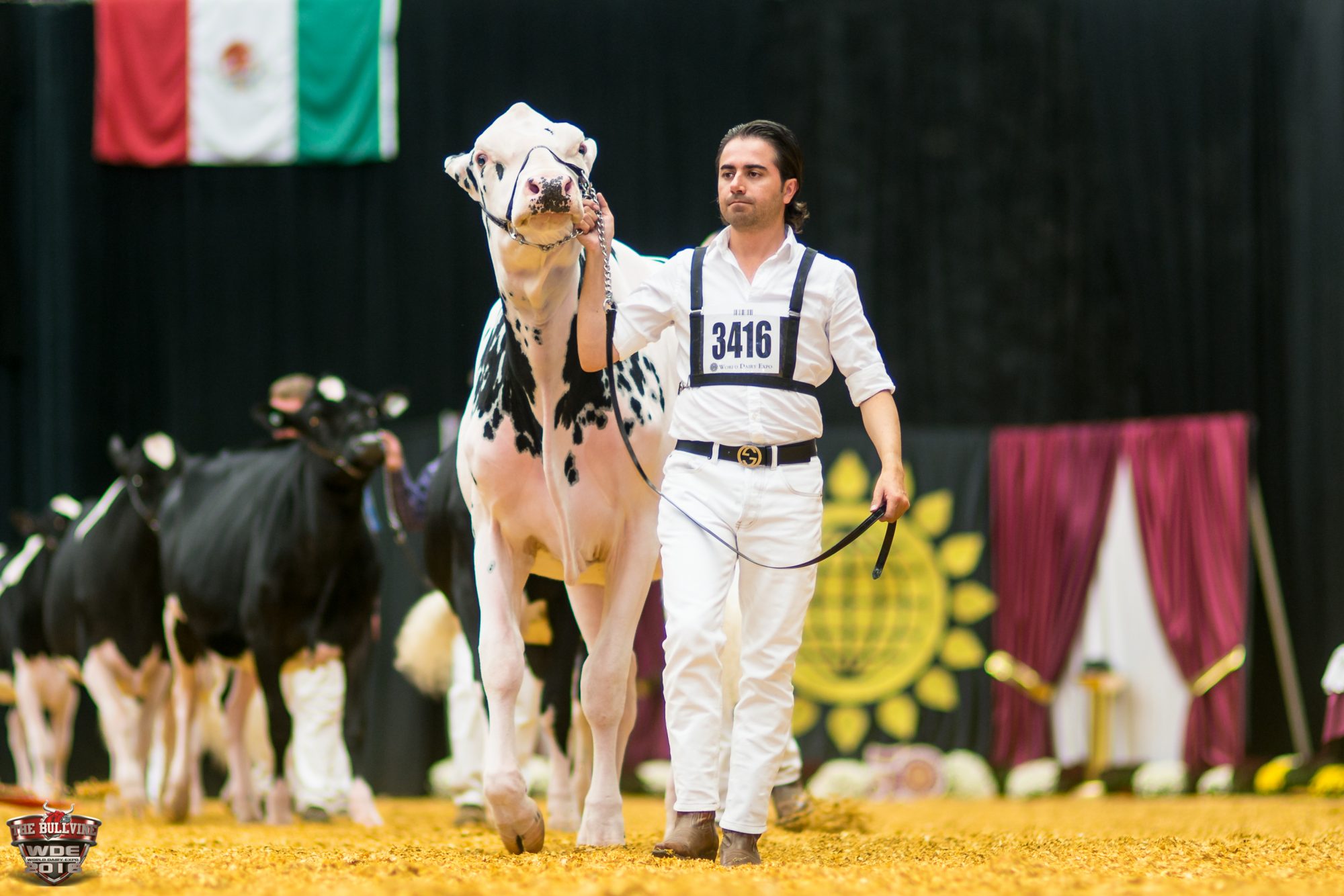
One of his favourite photos—and one a lot of us have seen floating around—shows him walking Shakira out of the ring as a yearling at World Dairy Expo. She didn’t win. She wasn’t the “hot” heifer that day; she carried a bit more condition and substance than the class favoured at the time. But you wouldn’t know it from his face. White shirt spotless, jeans clean, heifer scrubbed whiter than the wash pen, and he’s grinning like she just won Supreme.
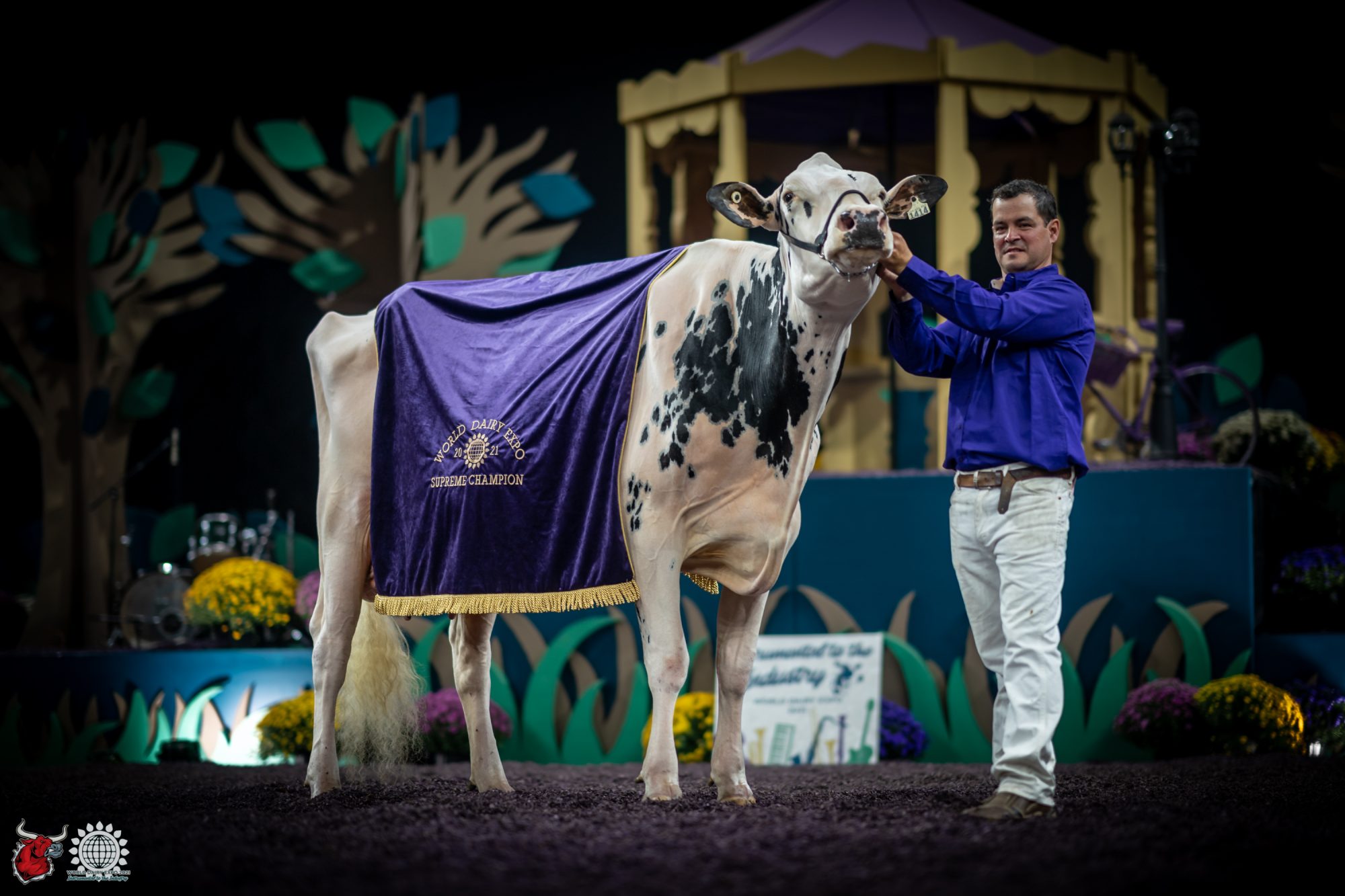
“Every time I walked in the ring with her, I was Supreme Champion,” he says. “Maybe she wasn’t yet. But I was a champion.” For him, that moment was about the kid from the mountains who, in 2006, didn’t own a single registered cow and used to fall asleep studying North American sales catalogues. Just walking into that ring with a homebred heifer was the dream he’d carried for twenty years.
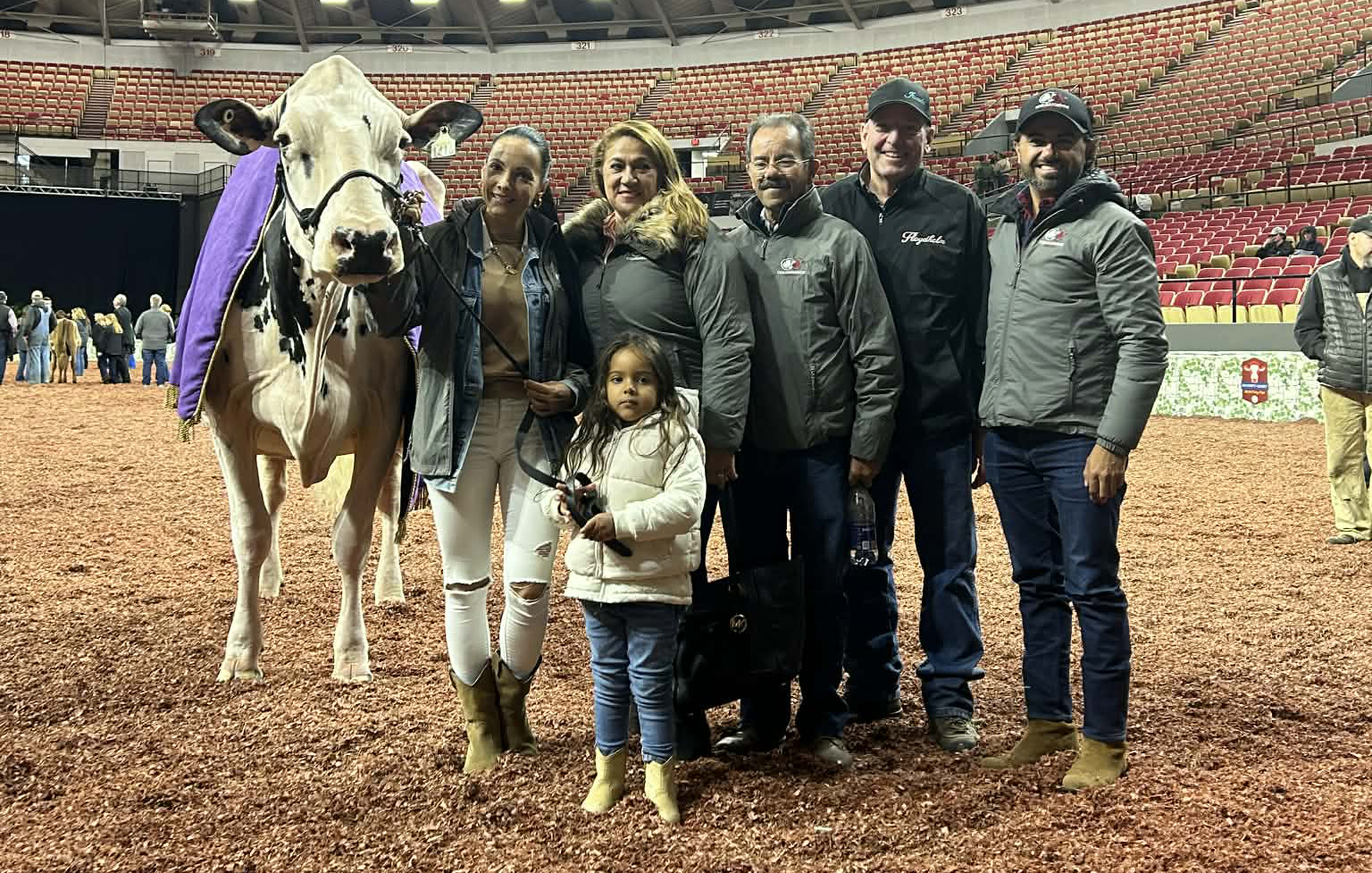
When she finally did win, it didn’t flip some switch in him. When Jacobs had her dialed under the willows and cars were honking, people were literally chanting “Shakira” from the road, as if she were a pop star, he says he mostly felt gratitude. Gratitude for God, for his partners, for his family. “God loves me,” he wrote later. “To be that big in such a short time with such an amazing cow—it’s almost a miracle.”
So then the practical question becomes: what do you do with a cheque like that?
Reinvesting the Shakira Cheque
This is where his breeder brain kicks back in.
He’ll be the first to tell you he likes experiences. He’s proud that his daughter has already traveled to more than ten countries by age six. But when Shakira sold in 2017, his first real instinct was, “We need to reinvest part of this back into the next chapter.” In his words, “Reinvest in your business.”
He and John did what serious cow people do: they went looking for the next family. They jumped on a plane to Quebec with their friend and agent, Norm Nabholz, and walked into Jacobs Holsteins with Brittany on the brain. At that point, Brittany wasn’t yet the industry icon she is now, but Francisco had watched enough to feel she’d become theJacobs cow in time. Beauty, the Sid daughter of Brittany, had just won at Madison, and he liked what Sid was doing on that cow.
They bought Bermuda, the Sid heifer out of Brittany, brought her to the States, and pushed her to VG‑87 as a two‑year‑old. Then they flushed her to Avalanche to bring Apple blood into the family—basically rerunning the O’Kalibra x Apple playbook with a different cow as the engine.
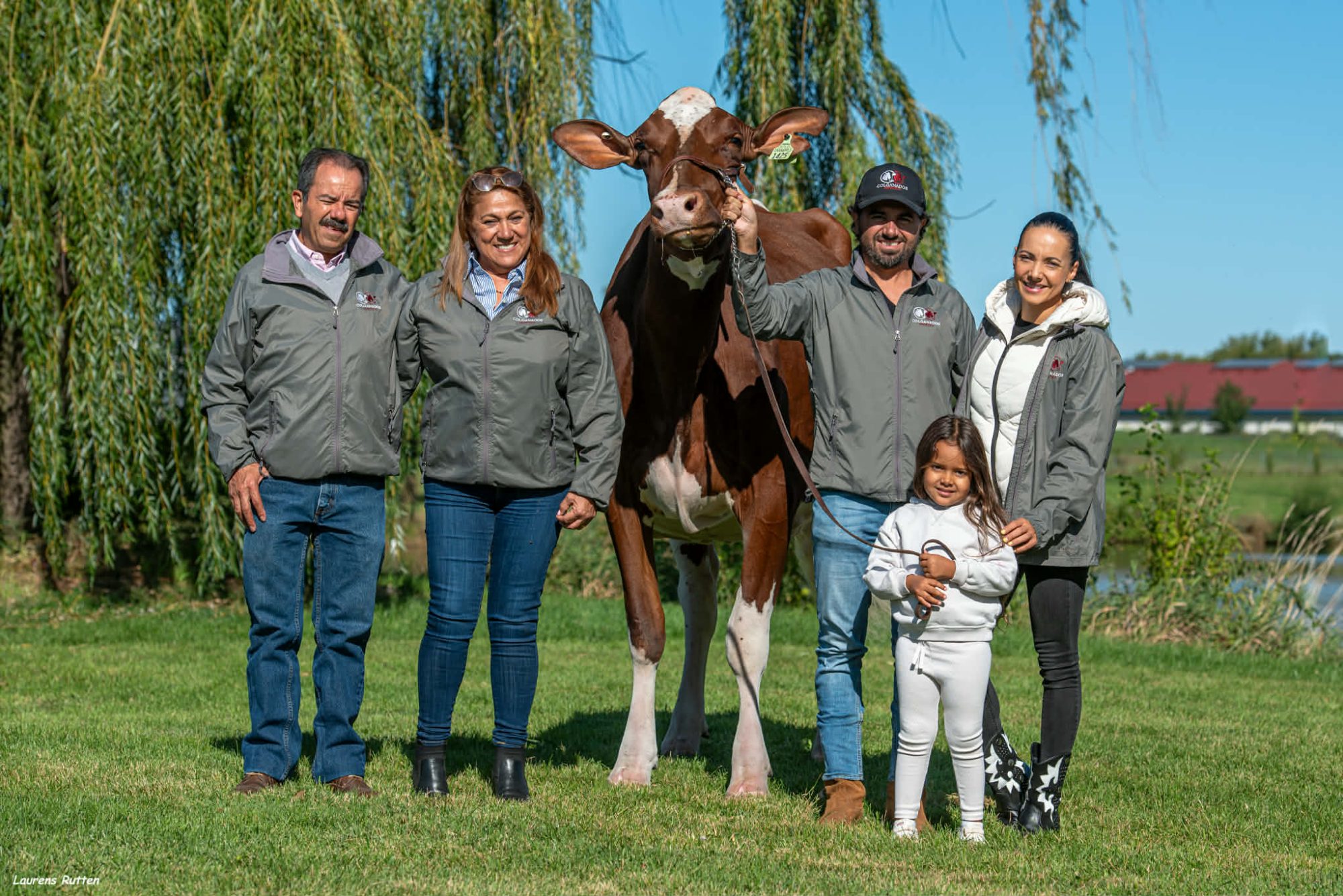
Some embryos stayed in the U.S. Four went down to Colombia. One of those became Colganados Avalanche Beauty—EX‑93, a tremendous uddered cow who, in Francisco’s eyes, still needed more raw power. For that, he reached for Diamondback: more strength, plus another shot of Apple. That mating created Marsella, the cow he now describes as “the best of Apple with the best of Brittany,” and the one that pulled the Decade Rule into focus when she won Colombia and Latin America in 2025.
What’s interesting here is that if you ask him to unpack that strategy, he barely talks in terms of individual proof numbers. He talks about families. How Apple line‑breeds. What Brittany throws. How certain crosses just keep landing on the right kind of cow. Then he fills in the rest of the picture by doing what a lot of top breeders quietly do over Christmas: sending late‑night texts to people like Mike Duckett or Jordan Siemers and asking, “How does this family really breed? Which side of the pedigree do you trust more?”
That’s pretty much how many serious herds are using genomics in 2026. They lean on the numbers to sort among bulls and to keep an eye on inbreeding, fertility, and health. But they’re still starting with cow families, breeder reputation, and what their own eyes and records tell them.
From Doer Mode to 25–25–25–25
Now, all of that is great ring‑side talk. Where Francisco’s story really bumps up against 2025‑style farm stress is at home.
He’s pretty honest that, for a long stretch, he lived in “doer mode.” Non‑stop traveling for DeLaval. Building robotic projects. Growing Colganados. Launching side businesses. Dreaming up tropical projects in hotel rooms. Meanwhile, his wife, Sofia, was on a completely different wavelength: focused on health, mindset, homeschooling their daughter, and keeping her inner and outer lives aligned.
Like a lot of dairy marriages that went through COVID, that gap eventually hit a breaking point. “Francisco, I’m done. I need to go back home,” she told him. When he tried the classic husband question—”Is that an option or a decision?”—she made it clear: it was a decision.
That hits pretty close to home for a lot of producers who spent 2025 staring at margin squeezes, labour headaches, interest rates, and buyer uncertainty. It’s one thing to grind when milk’s solidly over $20, and everyone’s calling it a golden age. It’s another when every cost line is creeping up, your fresh cow pen is a constant triage zone, and your processor is hinting about future volume cuts.
Out of that whole crucible, he thought about something Michael Jordan once said: “You can’t be successful in just one area. Success means being successful in all areas.” That line stuck. From it, Francisco built a simple operating system for his life: 25% You, 25% God, 25% Relationships, 25% Create.
“You” is self‑knowledge, health, mindset—the 3:30 a.m. routine of prayer, meditation, and study that he says became non‑negotiable in 2025 when everything else felt shaky. “God” is his faith and his effort to live like the servant‑leader he sees in Jesus. “Relationships” is being the husband, father, son, and partner he actually wants to be remembered as. Only then comes “Create”—the businesses, cows, and projects.
“In the past, business was 80%,” he admits. “Now it’s 25%.”
At the center of that shift is Sofia, the person he calls “the most aligned human I know, for sure after Jesus.” She was the one dragging the family toward reflection, health, and alignment years before he was ready. Once he finally joined her there, through some tough moments—he says their family and business life suddenly felt “magically” aligned again.
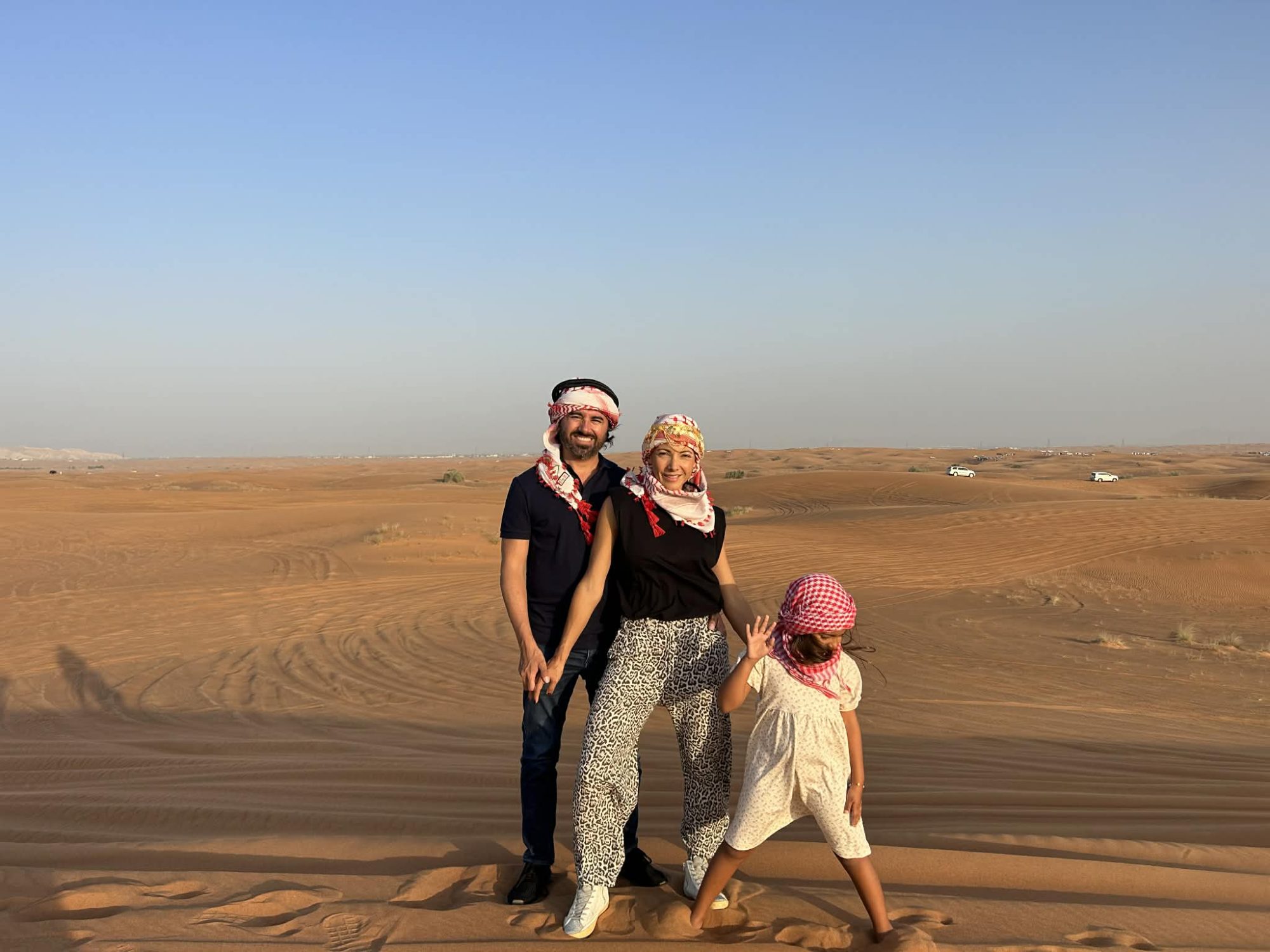
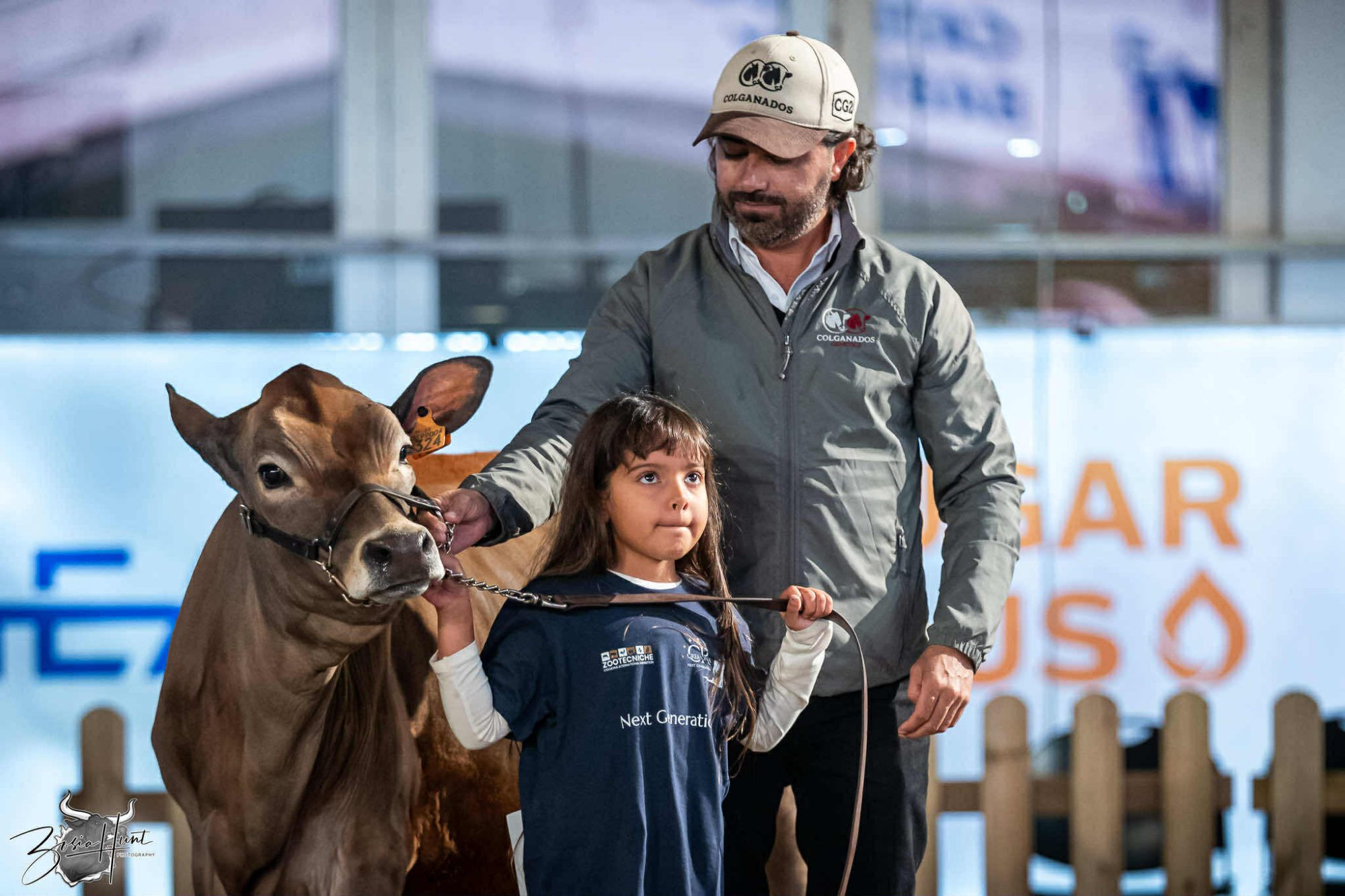
The way he talks about raising their daughter, Sigal, really shows how much his definition of success has changed. She’s homeschooled and “unschooled,” as he phrases it—not drilled on tests, but hauled along on real‑world experiences in over ten countries. At a show in Cremona, he handed her a calf and said, “You’re leading.” Just before they walked in, she whispered, “Daddy, why are my legs shaking?” He laughed and said, “That’s something all of us feel sometimes.” When they came back out, she asked the question he’d coached her to ask: “Did I do it with excellence?” His answer: “You did it with excellence.”
For a guy who has a Supreme banner on his résumé, you notice how often he circles back to that six‑year‑old in white pants. For him, that’s the heart of the whole winning vs. fulfillment conversation. “Winning is momentary,” he says. “Fulfillment is feeling at peace with yourself, win or lose. That’s what lets you get back up and show again next year.”
Embryos Are Transformation, Semen Is Evolution
What’s happening across the tropics might feel a long way from a tie‑stall in Ontario or a freestall in Wisconsin, but it’s worth paying attention to.
Francisco’s current vision with Proterra sits squarely in that world. If you look at places like Nigeria, most sources put the national dairy herd north of 20 million cattle, but with average milk yields in the ballpark of a liter or two per cow per day. Puerto Rico has historically imported the vast majority of its beef—older USDA and academic work pegged meat imports extremely high—and local industry folks have talked about needing hundreds of thousands of mother cows if they ever want to get serious about self‑sufficiency.
You don’t move those kinds of numbers with one more round of AI on whatever cows happen to be in the pasture. Francisco’s one‑liner for that reality is, “Embryos are transformation, semen is evolution.”
Here’s what he means—and it’s important to understand where this applies. For purebred programs, you can use embryos to transform a herd in a single generational leap. Say you’re running conventional, average Holstein genetics and you want to shift to high‑quality, heat‑tolerant, A2A2 genetics. Embryo transfer gets you there fast. Once that new genetic base is established, semen takes over—slowly, steadily evolving the herd generation after generation.
The tropical F1 crosses are a different story. With Girolando (Gyr x Holstein) or Brangus, you’re always producing F1 animals with F1 embryos—that’s the product. You go from a local zebu cow giving a liter or two to a well‑bred Girolando that can realistically reach double‑digit production under decent management. Yes, the per‑pregnancy cost is higher than a straw of semen. But when you’re doubling or tripling output in one generation, the math starts to look very different.
Proterra’s running versions of these models in Puerto Rico, parts of Latin America, parts of Africa, and, interestingly enough, on some U.S. dairies using beef‑on‑dairy and heat‑tolerant Holstein crosses as part of their long‑term risk management.
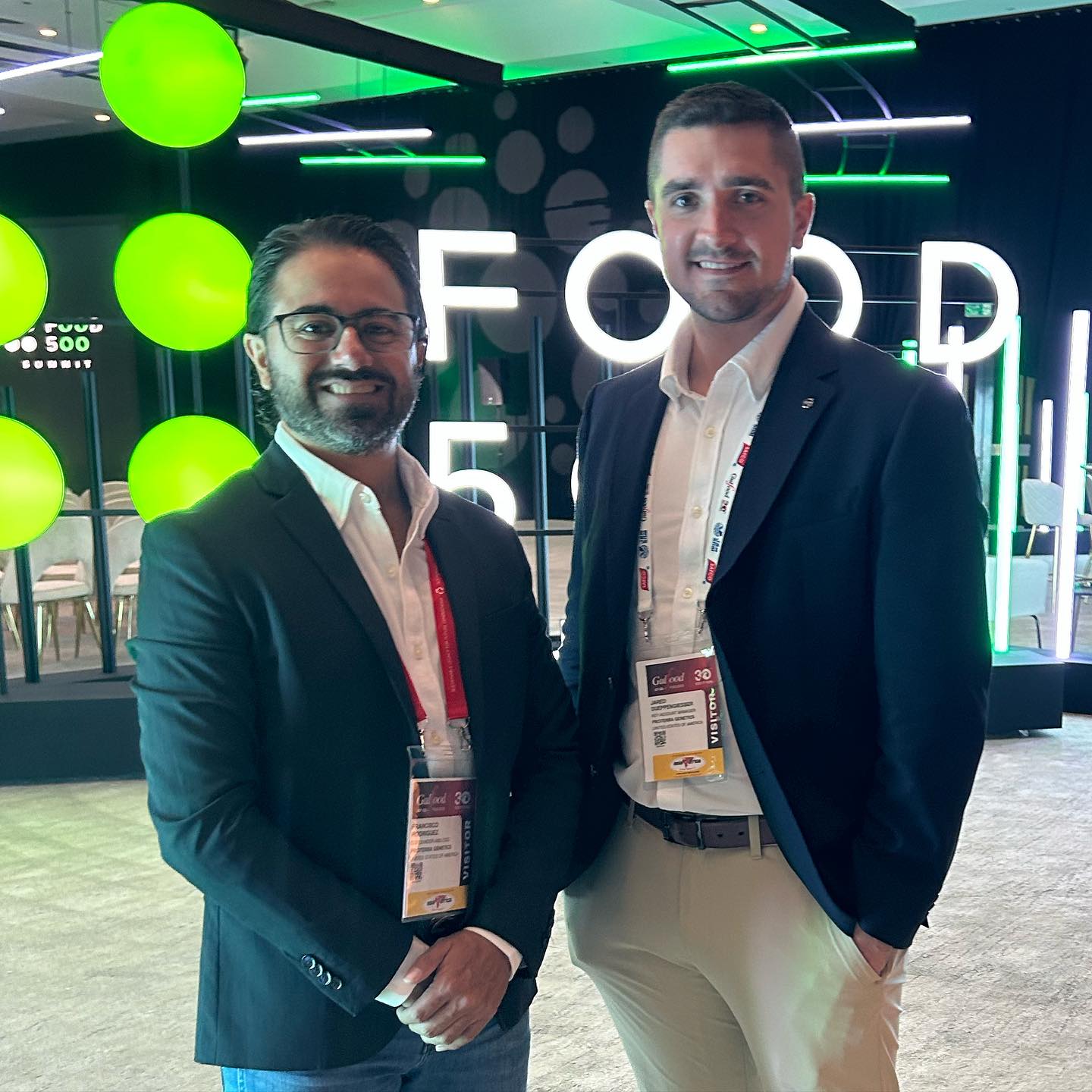
They’re not doing it alone, either. Names Bullvine readers know—ST Genetics, Colombian‑born innovator Juan Moreno and his long history with sexed semen, and U.S. dairy leader Mike McCloskey—are all tied into different pieces of the puzzle. Francisco likes to say he sees McCloskey as the “Steve Jobs of the dairy industry” and himself as the student, which tells you a bit about how he tries to approach those partnerships.

So why should a 90‑cow tie‑stall in Bruce County or a 900‑cow freestall in Wisconsin care what happens with Girolando embryos in Puerto Rico?
Because the same forces—heat, protein focus, efficiency pressure—are working their way north, just in different clothing. Producers across Ontario and the upper Midwest will tell you that the worst 2025 heat events cost them real milk and created headaches in dry cow pens, fresh cow transitions, and lame cow numbers. Research crews keep publishing papers that confirm what we see in the barn: heat‑stressed cows give less milk, eat less, lie less, and get bred back harder.
On top of that, with GLP‑1 use still projected to grow and retailers experimenting with “high protein, lower sugar” messaging, there’s an obvious scenario where processors lean harder into protein value over straight volume. A cow that keeps eating, lying down, and milking on those nasty July afternoons—while still putting out very solid protein and decent butterfat—isn’t just a nice‑to‑have. She’s part of your ability to keep shipping profitable milk into the late 2020s.
Francisco’s basic read is simple: if we all know this decade is going to be defined by protein efficiency, heat tolerance, and cost control, then keeping your breeding plan and barn design stuck in 2012 is a risky way to roll the dice. He’s not saying everyone should suddenly switch to Girolando. But he is saying, “Start folding traits like heat tolerance, fertility, and functional strength into your plan now. And be honest about cow comfort—air, shade, space, footing—because that’s where your genetics actually get to pay you.”
What This Means for Your Next Ten Years
So, sitting around a table at World Dairy Expo, what would all this mean for your semen tank and your next ten years?
First, he’d probably ask you where you are in your own decade. Are you in year two of a new direction—still in that Wonder and Invention phase—or in year eight, where, if the plan is sound, you ought to be starting to see the first big fruits of it? If you’re only three years into chasing a new show‑type profile or a different component target, beating yourself up because you don’t have a Marsella yet is pretty pointless. In his world, the really big outcomes almost never show up before year ten.
Second, he’d nudge you to flip how you use genomics. Start with the cow families and breeders you actually trust. Use your own eyes, your own DHI reports, your own fresh cow notes. Then, once you’ve narrowed it down to two or three bull options, let the numbers break the tie. That approach—blending art and science—is exactly what a lot of respected herds in Wisconsin, Quebec, and western Canada say they’re doing quietly in 2026, even while neighbors chase whatever’s at the top of the list every proof run.
Third, he’d tell you to treat the environment like it’s another trait you’re breeding and investing for. Ask, “What kind of summers am I likely to see between now and 2036?” not “What were summers like back in 2010?” If you’re already seeing cows back off feed, stand more than they lie, or struggle to rebreed on the worst weeks, start planning now for a mix of heat‑tolerant genetics and barn changes—fans, sprinklers, more airspeed, less overcrowding, better flooring. Those changes compound over a decade, just as smart breeding does.
And finally, he’d probably circle back to that 25‑25‑25‑25 framework. Not because it’s catchy, but because he’s watched enough talented people crash and burn. The herds that will still be around—and still want to be around—in 2036 won’t just be the ones with the biggest robots or the highest ECM. They’ll be the ones where the owners still talk to each other, the kids still want to be in the barn at 5:30, and the passion for cattle hasn’t been suffocated by a never‑ending list of fires to put out. For some families, that might mean making time for a kid’s 4‑H show even when the bunker needs covering. For others, it might mean carving out actual days off or accepting that “enough cows” is a valid goal.
As he tells teenagers who message him from Colombia, Europe, or small North American towns with big dreams and very little capital: “If someone tells you to be realistic, you’re talking to the wrong person. Surround yourself with dreamers, visionaries, doers, leaders.”
Winning is nice. Milk cheques matter. But in a decade where everything from GLP‑1 drugs to brutal heat waves is trying to knock you off balance, the question Francisco throws back at all of us in 2026 is pretty simple:
Are you breeding—and living—for the next ribbon, or for the next ten years?
KEY TAKEAWAYS
- The Decade Rule works: Shakira took roughly ten years from vision (2012) to Supreme (2023). Marsella, Colganados—same pattern. World-class results don’t happen “by next show season.”
- Use genomics as a tiebreaker, not a starting point: Start with cow families and breeders you trust. Narrow it to two or three bulls. Then let the numbers break the tie.
- Heat tolerance and protein efficiency are the traits of this decade: GLP-1 drugs are shifting demand toward protein. Heat stress is costing farms 4–6 lbs/cow/day. The cows that stay profitable are the ones that keep eating and milking when July turns brutal.
- 25-25-25-25: Inspired by Michael Jordan’s line that “you can’t be successful in just one area,” Francisco now divides his life equally into You, God, Relationships, and Create. Business dropped from 80% to 25%. Burnout isn’t a badge of honor.
- A kid from the Colombian hills bred a Supreme Champion: Francisco started with 10 cows and bull catalogues. Vision, partnerships, and patience got him to Madison’s colored shavings. Capital helps, but it’s not the only path.
EXECUTIVE SUMMARY
In 2006, Francisco Rodriguez didn’t own a single registered cow. By 2023, he’d co-bred Apple-CR Shakira Red to World Dairy Expo Supreme Champion—and realized the journey mattered more than the banner. His “Decade Rule” framework, drawn from tracking Shakira (2012 vision → 2023 Supreme), Marsella, and Colganados through roughly ten-year arcs, challenges an industry chasing quick genomic wins: start with cow families you trust, use numbers as a tiebreaker, and accept that world-class results don’t arrive “by next show season.” That message lands differently in 2026, with GLP-1 drugs shifting demand toward protein, heat stress costing farms 4–6 lbs/cow/day, and processors tightening contracts from Europe to the Americas. Beyond breeding, his 25-25-25-25 life framework—You, God, Relationships, Create—emerged when his wife told him she was done and he had to rebuild from the inside out. For breeders wondering whether to chase the next ribbon or build something that lasts a decade, Francisco’s path from the Colombian hills to Madison’s colored shavings is both proof and provocation.
Continue the Story
- The Farnear Formula: How Strategic Thinking Built a Sixty-Year Dairy Dynasty – The Farnear family walks a similar path of conviction, proving that genetic excellence is a sixty-year foundation. Their story echoes Francisco’s belief that long-term strategic thinking always outlasts the noise of a single proof run.
- Apple-Red Makes History: The First Red Holstein with Over 100 EX Daughters – To truly understand the “Apple” engine behind Shakira and Marsella, you have to see the matriarch who shaped the breed. This milestone piece honors the genetic legacy that made Francisco’s ten-year vision a reality.
- Erbacres Snapple Shakira – The New International Superstar – This chapter carries forward the moment Francisco’s dream met reality. It captures the same spirit of partnership and persistence that transformed a kid with a bull catalogue into the breeder of an global icon.
 The Sunday Read Dairy Professionals Don’t Skip.
 The Sunday Read Dairy Professionals Don’t Skip.
Every week, thousands of producers, breeders, and industry insiders open Bullvine Weekly for genetics insights, market shifts, and profit strategies they won’t find anywhere else. One email. Five minutes. Smarter decisions all week.