Benchmarking and knowledge transfer will be two essential tools to help farmers manage their businesses in volatile markets.
Giving evidence to the House of Lords EU Energy and Environment Sub-committee hearing on “Responding to price volatility and creating a more resilient agricultural sector”, Sir Peter Kendall, chairman of the Agricultural and Horticultural Development Board, said that there has been a failure to provide farmers with the instruments to help farmers cope with volatility.
He said that the AHDB’s Volatility Forum which is to be launched on 27 January will bring together the academic world, commercial world and farmers to focus on volatility management and build knowledge exchange networks.
However, he said that to ensure that farmers are resilient in such a volatile market it is necessary to concentrate not only on the bad time but also to look at the time when the markets are high.
“We need to make sure it is a long-term piece of work,” he said.
The forum will look at measures such as forward planning, forward pricing and derivatives as well as how government policy can help.
In his evidence Sir Peter called for a greater understanding of the commodity cycle and a greater understanding of risk to be shared with in the farming sector.
He said that farmers did not like the concept of benchmarking and he called for a new way of being able to explain to farmers how they should compare their businesses, both at home and around the world.
He suggested that mandatory price reporting could help farmers understand the markets.
He said that a lot of farmers spend their time just managing the day to day issues of low price and paying the bills but it is important to get them to try to manage the future.
Lord Curry in questioning the witnesses on benchmarking on the farm said that it was an essential tool.
“If you want to encourage resilience, then understanding how you relate to your peers is essential,” he said.
Eirwen Williams, Director, Menter a Busnes, an independent economic development company building support programmes for the farming sector in Wales, said that by forming discussion groups farmers are able to share ideas and benchmark their achievements.
“Getting farmers to engage and benchmark isn’t an easy thing to do, but they see the benefit when they do,” she told the committee.
She stressed the need for programmes for farmers to be able to measure their businesses to manage volatility and she said in this innovation played an important role.
Ms Williams added: “People are not very confident at the moment and you have to develop the individuals so that they can develop their businesses.”
She said that new research and development is need for farmers but the research needs to be translated into something that is relevant for them, rather than “sitting on shelves gathering dust”.
She called for more communication on research and issues of animal health and welfare.
“Farmers have to have to tools to arm themselves against risk,” she said.
Ms Williams added: “we need to be more innovative and come up with new ways to transfer knowledge.”
David Garner, the chief executive of the Royal Agricultural Society of England, said that volatility is here to stay and that farmers need help to get them through the trough.
He said there were two ways for them to look at their businesses – either by building niche production or through the commodity market.
He said that niche production needs to be encouraged as farmers are more protected than in the commodity market, although there is a limit to the size of a niche market.
Those farmers in the commodity markets have to look at the cost of production.
However, he said that benchmarking and knowledge transfer in England are completely dysfunctional.
The sector should be aiming to develop world class businesses that do not haemorrhage money in the low points of a volatile market.
He said that diversification and other income streams would help.
Mr Gardner also called of better coordinated used of research to bring it into best practice for the farming community.
“Other industrialised countries have moved forward further than we have,” he said.
“We are behind the curve.”
Sir Peter added: “We have to link the academic research and what is relevant on the farm.”
The Lords Committee heard that while the young farming community had all the enthusiasm and the knowledge and ability with new technology to work in a volatile market a lack of finance often held them back.
There are three simple steps dairy farmers should use when feeding their calves colostrum, according to Catherine Carthy.
Speaking at a recent calf care event in Co. Wexford, UCD’s Herd Health Veterinary Surgeon said that colostrum is the first milk that the cow produces and it is formed before the cow calves.
It is important that calves receive an adequate amount of good quality colostrum, she said, as they are born with no immune system.
There is a big difference between normal milk and colostrum and colostrum will give calves antibodies which boost their immune system.
1. Use colostrum from the first milking
The colostrum fed to calves should be from the first milking, as the quality begins to drop once the cow calves, she said.
This is important, as colostrum has its highest concentration of antibodies present at calving time, Carthy said.
The UCD vet also said it is quite easy for farmers to test the quality of the colostrum and devices such as the Colosrometer and the Brix Refractometer can be used.
Colostrum should never be taken from sick cows or cows suffering from mastitis, as the antibody concentration may be low, she said.
2. Feed Colostrum within two hours of birth
Colostrum should be given to calves within the first two hours of birth, as this is when maximum absorption occurs, she said.
There are large holes in the calf’s gut and this allows antibodies to pass through. Calves can absorb antibodies for four hours after birth, but the first two hours are ideal.
To have an adequate supply of colostrum at hand, she said, farmers can refrigerate colostrum for up to 24 hours and it can also be stored in a freezer for longer periods of time.
3. Calves should get three litres of colostrum
Farmers should also aim to fed their calves three litres of colostrum, she said, as this is an adequate volume for most dairy calves.
“Feeding three litres is the best chance of making sure you get enough of the necessary antibodies into your calves,” she said.
Matching nutrient requirements with nutrient supply is essential for maximizing feed efficiency in dairy farming systems. To accomplish this, feeding a consistent and homogeneous ration is critical. In Summer 2015, the variation of the composition of total mixed rations (TMR) was monitored on 7 dairy farms in Franklin County, Virginia.
The assessment consisted of a qualitative description of the mixing and feeding systems, and measuring the nutritional composition of the TMR immediately after delivery. For this, 5 samples were collected and stored independently until analysis. All samples were analyzed using wet chemistry procedures for dry matter (DM), ash, crude protein (CP), and neutral detergent fiber (NDF) concentrations. In addition to chemical composition, the physical characteristics of the TMR were evaluated using the Penn State separator box.
Mixing and feeding systems varied. Mixing systems included reel (5 farms), chain belt (1 farm), and vertical (1 farm) mixers. All mixers had mounted scales, but only 2 of the 7 farms calibrated them periodically (once and twice per year). Mixer overload did not occur in any of the 7 farms. In 6 of the 7 farms, mixing occurred while loading feed ingredients. Mixing time per batch ranged from as little as 6 minutes to as much as 37 minutes. Mixed feed was delivered to feed bunks through conveyors in 5 of the 7 farms, whereas in the other 2 farms feed was delivered to feed bunks directly from the mixer.
In general terms, little variation in DM, ash, CP, and NDF was observed throughout the feed bunks. Adequate mixing and feeding management in most, if not all farms, can explain this little variation.
However, for most of the farms, a small proportion (average = 4.8%) of large particles was retained in the upper screen of the Penn State separator box. Having too large proportions of small particles could explain the homogeneous composition of the TMR throughout the feed bunk.
In conclusion, little variation on TMR composition was observed on 7 dairy farms in Franklin County. Even though this indicates adequate feeding and mixing management, managers might need to work on increasing particle size of their forages, while maintaining a homogeneous composition of the TMR.
Not everyone needs a 1,000-cow operation; there are farmers with very profitable 100-cow operations.
Since the 1990s, Wisconsin’s dairy industry has experienced some of the most significant changes in its history. Perhaps one of the most pivotal outgrowths is that the industry is driven heavily by business principles.
Today’s dairy farmer is making decisions based on financial considerations and long-term viability of the farm versus lifestyle choices. Neither is good nor bad; it’s a matter of figuring out where a producer is headed and why. To that end, here is a checklist of items to consider when deciding if expansion is right for you.
What are the risks to growing versus staying the same? Anytime you change your operation, you assume a certain amount of risk, such as more debt. People who are risk-averse might want to continue as they are, but keep in mind the industry is rapidly changing and growing. What risk are you willing to take?
Do you have opportunities for better before bigger? Have you taken advantage of all the opportunities to become better before you work on growing bigger?
Farmers who struggle to reach sufficient production per cow, for example, shouldn’t think about growing bigger until they’ve addressed their production problems. Maximizing milk per cow on your existing operation may yield much greater financial benefits in the short run versus adding more cows. If you’re below industry averages and have the opportunity to improve your operation, that’s where you should focus first.
What’s the motivation behind the expansion? Operators have all kinds of reasons for expanding, and while many can co-exist, it’s important for a lot of it to be driven off financial metrics.
However, if a farmer with an 80-cow stall barn is considering growth because he or she wants to add people for the day-to-day work, that’s a lifestyle decision. There are also next-generation issues such as bringing family members into the operation. It all comes down to finding out your own “why” before developing a plan to reach that goal.
What’s your management capacity for change/management talent? Some people’s management talent for dealing with more people and more systems can be limited; they may be more task-oriented versus people-oriented.
A larger organization takes more of the latter, so you need to ask the hard question of whether you have the talent for taking on a bigger and much different job and a more strategic role in the organization.
Do you have the infrastructure to accommodate growth? Do you have access to more land, either owned or rented? Do you have enough land for feed and room to spread the manure, as well as raise your own heifers?
Land availability might be the single most important governor on growth. If not, you may face insurmountable challenges. Manure systems, feed storage and parlor capacity can also have bottleneck potential when expanding.
Do you have a succession plan? Are you grooming someone for the next generation of farm operations? If you’re just growing and don’t have a successor, or aren’t facing the inevitability of selling, you may not be taking in the full scope of your operation’s future.
Are you prepared for the banker? Your banker is going to look at a whole host of factors in considering your request for expansion, from working capital to long-term cash-flow assumptions, transition and construction-phase issues, contingencies and having a well-documented plan. Any one of these items alone might not be a disqualifier, but the blend of all these analyses will help the banker determine what is approvable and bankable.
Remember, not everyone needs a 1,000-cow operation; there are farmers who have very profitable 100-cow operations.
What all-sized operators need to be mindful of is finding ways to stay sustainable and viable, which may or may not include future expansion.
Semex conference attendees heard recovery in EU dairy prices was likely to take time
Businesses who challenge themselves through periods of moderate prices will be well prepared when recovery arrives in the dairy industry, one expert claimed.
Opening this year’s Semex dairy conference in Glasgow, Michael Dennison, national sales manager for Semex, urged farmers to think differently about how they ran their business and avoid doing things in the same ways they had before.
“The worst seven words in the English dictionary are ’we have always done it this way’,” Mr Dennison said.
“In my opinion many businesses have challenged themselves when prices have been pretty moderate. When the market improves they will be very strong.”
The conference heard price recovery in the UK dairy sector may take time, but Mr Dennison urged the farm industry to remain optimistic, and said ’stayability’ was currently a key word in dairying.
During his afternoon address to the conference, David Hughes, professor of food marketing at Imperial College, London, built on some of these themes and discussed a growing fragmentation in the UK dairy market which offered opportunities for added value goods.
“The market is fragmenting and we need a much better understanding of what drives the industry here,” he said. “People want their milk with adjectives.”
Mr Hughes discussed the growing opportunities for milk produced with specific welfare considerations and products high in specific content. He suggested most trends in food favoured the capabilities of the dairy market and also noted the power of brands in adding value to dairy.
The issue of the importance of branding to add value to products and increase returns to the farm gate was a running theme throughout the conference’s first day
During her address, NFU deputy president Minette Batters said promotion and marketing was vital to the dairy sector. She also posed questions about the need for generation dairy promotion through AHDB.
She said: “British dairy farmers are perceived as an iconic part of rural Britain. At present we are leaving all of our promotion on dairy products to the processors, you have to ask yourselves if that is the right approach.”
The issue of generic promotion through the levy body was raised several times during the conference’s first day with differing views.
The New Year is an opportunity to think about your business. But that is a broad prospect, and therefore, somewhat daunting.Michigan State University Extension has a way to better define that; think about just three things. Let’s start with the first, think about one thing from the past year.
Think about one thing;
for which you are particularly thankful
that you accomplished
that you did not succeed at
you believe you can improve
By focusing on these things it helps to define strengths and weaknesses in the past year. Defining strengths and weaknesses helps to direct the improvements that should be made and the areas that you can build on.
Next turn your attention to the year ahead and think about the next thing;
you want to accomplish
you want to avoid
you will get more help with
you will do better
Thinking ahead about the future helps you to lay out some short-term goals to keep the operation moving forward. It also prompts you to seek help and to determine how to do something better. Thinking about the next thing doesn’t allow for status quo, it is about making positive change in the operation.
Lastly, the third thing to think about is the most important thing. What are the most important long-term goals for your business? Think about where the business needs to head. Think about the changes that have to take place in your business. These changes could be in facilities, size and scope of the business, personnel, or management.
As you think about the most important things, then:
Define and write it down in a concise statement.
Defend your goal. Why is it important? What are the benefits? What are the costs?
Spend time planning to implement it.
Set dates to implement it. Make time to research it, talk about it, and to start it.
All too often we fail in one of two ways; either we fail to foresee what changes are most important or we fail because although we know what is most important, we never get around to it. Either way, we waste time, effort and money on less productive things that do not accomplish what really needs to be done.
These three points can help one partner within a business explain it to other partners, including a spouse, parent or sibling. Completing these steps creates a timeframe to move it along. Something that is truly of great importance should be accomplished in a reasonable timeframe.
Business operations, whether they are farms or downtown businesses, have to reflect, improve and change. That happens when owners spend time reflecting and planning for the business. Set time aside to start on this process and improve your operation.
Keeping them dry, out of drafts and well fed leads to a healthier calf
Each year, I literarily see hundreds of preweaned dairy calves overwintered in outdoor calf hutches. Most perform well, but there are also more “poor doers” than I care to see. I find that each poor calf tells a similar story.
Some of the mediocre calves are shivering, others are skinny, a few calves are coughing (with nasal discharge), while others are scouring. These are familiar signs of cold stress, which lead to a high degree of morbidity (sickness) and mortality in calves. I recommend dairy producers take a brisk walk along a row or group of their hutches looking for ways to prevent or reduce any signs of cold stress in calves with a good winter action plan.
From a practical standpoint, cold stress in dairy calves arises when either dietary energy intake is inadequate or body heat loss is significant or both occurs. When this happens preweaned dairy calves tend to divert precious feed energy meant for good growth and strong immunity to just keeping warm.
Shivering only gets worse
Under moderate cold conditions, we might see dairy calves (as I first mentioned), simply shivering. When it gets just a few degrees colder, there is an almost invisible breakdown of limited fat reserves in a short period. As temperatures and wind chills become more extreme, calves seem to “give up” and become despondent as their natural thin layer of body fat disappears. These preweaned calves are often found dead as “starve-outs.”
Environmental research studying cold stress (and explains starve-outs) in dairy calves has demonstrated for every drop of the thermometer by 1 F below 50 F (10 C), a calf requires one per cent more energy (excluding other environmental factors such as wind chill and wet weather). Back on the dairy farm, it means that dairy calves overwintered in outside hutches on a brisk winter day of -15 F (-25 C) require at least 65 per cent more dietary energy compared to their counterparts raised in a heated calf barn.
Simple steps
To cover this extra dietary energy, there are many simple things producers can do to implement a good winter action plan, so winter nutritional status of preweaned dairy calves is achieved:
Adjust hutch placement. A row of hutches should be positioned so it’s not in the direct path of cold northwest winds, such as near a row of trees, fence or other suitable windbreaks. Individual hutches should also be positioned so cold drafts and snow are prevented from circulating around or even inside each hutch, and a few hours in direct sunlight does not hurt, either.
Elevate dietary energy intake. Feed whole milk or high-fat (20 to 25 per cent) all-milk milk replacer. Increase the amount of milk or milk replacer fed by two per cent for every 1 C degree, the temperature drops below 10 C (re: one per cent for every 1 F degree below 50 F). This advice means that if five litres of whole milk or milk replacer are routinely fed to each calf and the temperature drops from 10 C to 0 C (re: five litres x two per cent x 10 degrees drop = +1.0 litre), then a total of six litres of milk or milk replacer should be put in front of each calf. I would implement a third feeding, if this amount is too much for baby calves to consume.
Maintain a good calf starter program. Calf starter should also be introduced to outside dairy calves just as those calves fed at any other time of the year. Two-week old calves won’t eat a significant amount of calf starter, but they will nibble on it. When they become five to six weeks old, one calf should consume to a kilo of calf starter per day and then can be weaned.
In the winter, a dairy friend cleans out the old calf starter every morning and replenishes hutches from calf starter stored in the breezeway of his barn. He feels that feeding frozen calf starter is like feeding ice pellets to his calves.
Keep calves clean. It might be hard to clean dirty hutches in winter. However, replacing wet, soiled bedding with a good layer of fluffy straw effectively insulates calves from the cold. It also acts as a moisture barrier to keep them dry. One winter guideline for bedding suggests enough clean straw should be provided, so one cannot see the animals’ feet when they stand up. I would also wash the buckets in which milk replacer and calf starter are fed in the barn.
Provide more TLC. From the start, people who use blankets on their calves in the hutches seem to have better winter-adjusted calves. I have also seen people that check on the condition of their calves in hutches more frequently, seem to catch the ones that are struggling (re: gaunt, have runny noses or loose manure) and treat them faster for a more effective recovery.
It has been my experience that these five practical recommendations lead to better-quality dairy calves raised in hutches over the winter. To me, it’s a tale of two dairy farms that I presently visit on occasion.
The first dairy farm lays a row of dairy hutches, just outside of the milking barn in the path of a direct arctic airflow with little bedding provided in the hutches. These calves are fed twice a day, a medium-fat milk replacer and calf starter buckets are filled every third day.
The second dairy farm has a good winter action plan: a row of calf hutches are placed away from any buildings near a long portable windbreak. Their calves are always nicely bedded with lots of clean straw. They are fed a high-fat milk replacer, three times a day and a high-quality calf starter, which is freshly provided every day.
Compared to the first dairy farm, the second dairy barn is well-known for producing healthy and frisky calves all year round.
UW-Extension Milk Quality veterinarian Pam Ruegg developed a new video series to guide individuals Using On Farm Culturing to Improve Mastitis Treatment.
In spite of considerable improvements in milk quality, mastitis continues to be the most frequent and costly disease of dairy cows. The use of on-farm culturing to direct treatment of clinical mastitis gives farmers the opportunity to make better treatment decisions and reduce costs associated with milk discard and treatment of microbiologically negative cases.
In the sixth episode of the video series, How to Set Up Culture Plates, Dr. Ruegg discusses inoculating the plates to grow and identify the type of bacteria that is responsible for the mastitis. To see the video, click here.
For more information regarding milk quality, visit UW-Milk Quality or contact UW-Extension Milk Quality Specialist Pam Ruegg. Additional videos regarding milk quality can be found at the UW Milk Quality Channel on YouTube.
Your milk statements from the plant carry more meaning than how big the check will be at the end of the month. You already know that fat and protein test averages tell volumes about effective fi ber, ration digestibility, protein and carbohydrate balance, as well as many other factors, such as fat levels in the diet. The variability of these component values can be as telling, if not more so, than the monthly or weekly averages. Variations in milk fat, protein percentage and milk urea nitrogen can also point out effects of crowding, heat stress, large meal sizes and slug feeding, and inconsistencies in feeding times or accuracy of total mixed ration formulation.
Use your herd as a benchmark It is not necessary to set a benchmark based on other herds. You can use the past performance of your own herd to set a standard going forward. Once you establish comfort with how consistent the herd is, watch for a known stress event such as a hot week to see how the herd responds. You may fi nd similar periods of high variability when you are at the end of a feed pile that had some problems with preservation, or during the transition from last year’s forages to this year’s. You must account for sources of variability that are not really affecting your cows. For instance, if you have milk picked up on a schedule that makes one load primarily morning milk and another load afternoon and evening milk, you should expect some variation, as cows vary in milk components depending on the time of day the milk is produced. Generally, morning production is lower in fat and, to a lesser extent, protein as compared to the daily average. Many producers are accustomed to looking at the bulk tank average milk production to gauge the success of changes implemented on the farm; however, fewer look for changes in consistency. There is profi t to be made from improved consistency in greater production and better health. Improved consistency can translate into less mastitis, improved fertility, better foot health, and eventually, more milk production and reduced culling. If you monitor dry matter intakes of your TMR mix, you understand the importance of consistency, but perhaps you have been missing another element that can be monitored to help obtain a consistent and positive environment for your herd.
TMR intake, pounds of milk sold, milk components and variability of manure are all valuable herd metrics that can be combined to gain confi dence in the health and performance of your herd. These measures are available to nearly all herds. Are you making full use of this information?
Systems that provide more data to make herd management information such as daily individual cow milk weights available, or devices that measure rumination, physical movement, activity level or body temperature are being successfully marketed and successfully used by dairy producers. But these systems usually are not inexpensive. Will you use the data if you have it? If you are not using data that is already available, you may not be a good candidate to utilize additional data collection, unless the system helps you take action to utilize the data. There are many tools available to monitor the consistency and desirability of cow environment for even the least-sophisticated management system. Variability is as important as simple averages in indicating how the herd is doing.
GROWING: Tyalgum milk producer Ron Stoddart “Mount Warning Holsteins” has come up with a dairy design that has halved his milking time and given his cows more grazing time.
HALVING milking time, ensuring it can be a one-man job and, ultimately, growing the operation have been the goals behind the development of a remarkably innovative dairy in Northern NSW.
Ron and Lorraine Stoddart milk 140 Holsteins under a pasture-based system at the picturesque 140 hectare property, “Warning View Holsteins”, Tyalgum, west of Murwillumbah.
They send around 680,000 litres to Lismore-based dairy co-operative Norco annually.
The couple have just replaced their old 27-aside, 45 degree swing over dairy with a 72-aside right angle combined dairy and feed pad in a 15m wide by 50m long shed.
It features one set of cups for three cows, which swing over to milk the other side.
PICTURESQUE: The Stoddart’s dairy farm “Mount Warning Holsteins”, situated in a volcanic caldera near Tyalgum, west of Murwillumbah.
INNOVATIVE: Milk producer Rod Stoddart in his new 72-aside combined dairy and feed pad in a 50m long shed.
READY TO CUT: Dairy farmer Ron Stoddart in his maize crop.
GREEN: NSW dairy farmer Ron Stoddart with his grazing Holsteins.
PICTURESQUE: The Stoddart’s dairy farm “Mount Warning Holsteins”, situated in a volcanic caldera near Tyalgum, west of Murwillumbah.
INNOVATIVE: Milk producer Rod Stoddart in his new 72-aside combined dairy and feed pad in a 50m long shed.
Norco milk supply field officer Bill Fulkerson said the innovative structure was probably the only one of its kind in Australia.
Cows consume their three kilograms of grain while they are being milked and Mr Stoddart says he loves how they ‘come roaring into the dairy.’
The facility serves as a pad to feed both silage or hay as well as concentrates, when needed.
It also has a four metre concrete strip on each side of the milking platform where other stock can come and have access to the feeding trough and where the tractor can distribute the product conveniently.
Mr Stoddart said it now takes 50 minutes to milk 130 cows, where before it took him close to three hours.
It has also combined two jobs into one and meant milking can be done by just one person.
“I used to come out at 3.30am and run the silage out, then return again at 5am to milk,” Mr Stoddart said.
“It’s a massive labour saving and that means greater efficiency.”
It also means that cows can rest a lot more and have more grazing time.
“I don’t have any scientific stats but I’d like to think that adds up to more production,” Mr Stoddart said.
Cows are in the bale eating for 40 minutes.
Tombstone head stalls keep them in position.
“We used to have the problem that once a cow had finished eating, she’d push into her neighbour’s helping so that’s why we put in the tombstones,” Mr Stoddart said.
He is now looking to replace the bought-in barley with homegrown maize, which will allow for an increase in the numbers milked.
Ten hectares of solid set irrigation has just been installed, with that amount scheduled again for next year.
“Ultimately, we should be able to irrigate 80ha so I think we can lift numbers to 250,’ Mr Stoddart said.
He started planting maize ‘in a serious way’ this summer and the good season looks like providing for impressive yields.
The investment comes on the back of faith that dairying in NSW has an optimistic future.
“People will always want milk,” Mr Stoddart said.
“The challenge for the farmer is to be able to produce it efficiently and to still have some sort of a lifestyle.”
Imagine a medieval city surrounded by thick, high walls to protect it from marauding bands of bad guys. Often the walls would have space on top for defenders of the city to be positioned with defensive weapons including arrows, spears, rocks and hot oil (if those childhood stories were correct!).
Every such city had gateways for people and goods to be transported in or out on a regular basis. Such gateways were often the weakest points. And unless the gateways were heavily defended, the enemy could exploit the weakness and gain entry to the city in spite of the thick, high walls.
But this isn’t story time, this is an illustration of what we face with every cow at every milking. The teat end is the gateway into the udder, standing against bacteria that are seemingly everywhere. Michigan State University Extension notes that the environmental pathogens that can cause mastitis are commonly found in stall beds, in manure and urine splashed up against legs, even on the hands of milkers in the parlor. Milkers need to understand the important role they have as gatekeepers in reducing the number of bacteria standing at the gateway.
Dairy farms have made a lot of progress in prepping teats for milking. Based on a Michigan State University survey of farms in Michigan, Pennsylvania and Florida, most milkers, 86 percent of farms, are using a pre-dip sanitizer to clean the teats.
Recently, I have watched milkers prepare cows for milking at several farms. While there is variation between farms and even between workers at the same farm, most do a good job of cleaning and sanitizing the barrel of the teat. Yet, very few do a thorough job of cleaning the teat end. That is like strengthening the walls of the city, and neglecting the gate.
The milkers must specifically wipe across the teat ends to clean them. Assuming that dip alone will clean the teat ends is like assuming that swishing your mouth with water will clean your teeth – no brushing needed! But in reality, physical friction is necessary to completely clean the surface. This should occur twice in the routine; once with the thumb after the teat dip has been applied, and the second time when drying the teats.
When teat ends are properly cleaned, an alcohol pad wiped across the teat end will stay white. If the pad is dirty, then the teat end was not sufficiently cleaned and bacteria likely are being harbored at the teat end.
Involve your employees in this check of teat end cleanliness. After a group of cows are prepped for milking, use an alcohol pad for each teat of each cow (or the four corners of a larger alcohol pad) and check the results. The goal should be to find more than 80 percent of teat ends clean.
Show the wipes to your employees. Encourage them to check themselves and have unannounced swab tests. Employees will take it seriously when they see that you take it seriously.
Teat end cleanliness will be easier when udders are cleaner. Udder hygiene is related to frequency of alley scraping, density of cows in the barn, gentleness of cow movement, degree to which the beds are clean and dry and the degree of teat end roughness. Teat end cleanliness is not just a product of the milkers in the parlor, it also relates to the work done in the barns.
Recognize and adjust to the times when environmental pathogen pressure is increased. Hot and humid weather will cause populations to explode. Improve or increase the frequency of practices that keep cows clean during these times to reduce exposure to pathogens. Remind milkers about teat end cleaning and
monitor new infection rate to relate environmental conditions to mastitis.
Failure to clean teat ends means that the gateway to the udder is poorly defended and that the cow will be vulnerable to infection. What we need in the parlor are good gatekeepers who strengthen the defenses where the cow is most vulnerable.
Poor feeding management of cows can lead to shorter, lower yielding lactations and increase calving interval. This report by John Moran from Asia Dairy Network explains the changing feed requirements of cows over the lactation cycle and how to match this with cow genetics.
The lactation cycle
Cows must calve to produce milk and the lactation cycle is the period between one calving and the next.
The cycle is split into four phases, the early, mid and late lactation (each of about 120 days, or d) and the dry period (which should last as long as 65 d). In an ideal world, cows calve every 12 months.
A number of changes occur in cows as they progress through different stages of lactation.
As well as variations in milk production, there are changes in feed intake and body condition, and stage of pregnancy. Figure 1 presents the interrelationships between feed intake, milk yield and live weight for a Friesian cow with a 14 month inter-calving interval, hence a 360 d lactation.
Following calving, a cow may start producing 10 kg/d of milk, rise to a peak of 20 kg/d by about 7 weeks into lactation then gradually fall to 5 kg/d by the end of lactation.
Although her maintenance requirements will not vary, she will need more dietary energy and protein as milk production increases then less when production declines. However to regain body condition in late lactation, she will require additional energy.
Cows usually use their own body condition for about 12 weeks after calving, to provide energy in addition to that consumed. The energy released is used to produce milk, allowing them to achieve higher peak production than would be possible from their diet alone.
To do this, cows must have sufficient body condition available to lose, and therefore they must have put it on late in the previous lactation or during the dry period.
From calving to peak lactation
Milk yield at the peak of lactation sets up the potential milk production for the year; one extra kg per day at the peak can produce an extra 200 kg/cow over the entire lactation.
There are a number of obstacles to feeding the herd well in early lactation to maximise the peak. The foremost of these is voluntary food intake.
At calving, appetite is only about 50 to 70 per cent of the maximum at peak intake. This is because during the dry period, the growing calf takes up space, reducing rumen volume and the density and size of rumen papillae is reduced.
After calving, it takes time for the rumen to “stretch” and the papillae to regrow. It is not until weeks 10-12 that appetite reaches its full potential.
Peak lactation to peak intake
Following peak lactation, cows’ appetites gradually increase until they can consume all the nutrients required for production, provided the diet is of high quality. From Figure 1, cows tend to maintain weight during this stage of their lactation.
Mid and late lactation
Although energy required for milk production is less demanding during this period because milk production is declining, energy is still important because of pregnancy and the need to build up body condition as an energy reserve for the next lactation. It is generally more efficient to improve the condition of the herd in late lactation rather than in the dry period.
Dry period
Maintaining (or increasing) body condition during the dry period is the key to ensuring cows have adequate body reserves for early lactation.
If cows calve with adequate body reserves, they can cycle within two or three months after calving. If cows calve in poor condition, milk production suffers in early lactation because body reserves are not available to contribute energy.
In fact, dietary energy can be channelled towards weight gain rather being made available from the desired weight loss. For this reason, high feeding levels in early lactation cannot make up for poor body condition at calving.
Persistency of milk production throughout lactation
The two major factors determining total lactation yield are peak lactation and the rate of decline from this peak. In temperate dairy systems, total milk yield for 300 day lactation can be estimated by multiplying peak yield by 200.
Hence a cow peaking at 20 litres per day (L/d) should produce 4000 L/lactation, while a peak of 30 L/d equates to a 6000 L full lactation milk yield. This is based on a rate of decline of 7 to 8 per cent per month from peak yield, that is every month the cow produces, on average, 7 to 8 per cent of peak yield less than in the previous month.
This level of persistency is the target for well managed, pasture-based herds in temperate regions.
Actual values can vary from 3 to 4 per cent per month in fully fed, lot fed cows to 12 per cent or more per month in very poorly fed cows, for example during a severe dry season following a good wet season in the tropics.
The rate of decline from peak, or persistency, depends on:
• peak milk yield
• nutrient intake following peak yield
• body condition at calving
• other factors such as disease status and climatic stress
Generally speaking, the higher the milk yield at peak, the lower its persistency in percentage terms.
Underfeeding of cows immediately post-calving reduces peak yield but also has adverse effects on persistency and fertility. Dairy cows have been bred to utilise body reserves for additional milk production, but high rates of live weight loss will delay the onset of oestrus.
Underfeeding of high genetic merit cows in early lactation is one of the biggest nutritionally induced problems facing many small holder farmers in the humid tropics, because they often do not have the necessary improvements in feeding systems to utilise high genetic potential.
If imported high genetic quality cows are not well fed, milk production is compromised, but of more importance, they will not cycle until many months post-calving.
Theoretical models of lactation persistency
Table 1 and Figure 2 present data for milk yield over 300 day lactations in cows with various peak milk yields and lactation persistencies.
Such data provides the basis of herd management guidelines for dairy systems with 12 month calving intervals. Depending on herd fertility, hence target lactation lengths, similar guidelines could be developed for 15 or 18 month calving intervals.
Table 1 and Figure 2 only present data for cows with peak yields of 15, 20 and 25 L milk/day.
Small holder dairy farms in the humid tropics with good feeding and herd management should be able to achieve 15 L/day peak yield, and for those with high genetic merit cows, 20 or 25L/day is realistic.
Lactation persistencies of less than 8 per cent per month may be achievable in tropical dairy feedlots but more realistic persistencies are the 8 to 12 per cent per month presented in the Table 1 and Figure 2.
Virtually every small holder farmer records daily milk yield of his or her cows, so they know peak yield and can easily determine the monthly rate of decline, providing a simple monitoring tool to assess their level of feeding management.
Unless feeding management can be improved, it may be better in the long run to import cows of lower genetic merit.
For example, importers may request “5000 L cows” (that is cows that peak at 25 L/day under good feeding management, with a persistency of 8 per cent/mth).
If, through poor feeding, their persistency is reduced to 12 per cent per month, 300 d lactation yields are only 3900 L and they do not cycle for many months after calving, “4000 L cows” may be a better investment. From Table 1, such cows would produce similar milk yields if they could be fed to 8 per cent per month milk persistency and they are more likely to cycle earlier.
Impacts of short lactation length
Poor feeding management of potentially high yielding cows can create many problems.
Lactation anoestrus can occur as the cows are forced to utilise more of their body reserves in early lactation. This can lead to low peak milk yields and shortened lactation lengths.
Cows will dry off prematurely if they receive insufficient feed nutrients to maintain viable processes of milk production in their mammary tissue.
The impact of decreasing lactation lengths on 300 day lactation milk yields and average daily milk yields are presented in Table 2. These data are based on the same persistency data used in Table 1. The penalties for these shortened lactation lengths are presented in Table 3.
Compared to 10 month lactations, inherently poor yielding cows with low peak milk yields can lose 20 to 160 L milk through only 9 months milking or 90 to 360 L milk if only milking for 8 months.
Following higher peak milk yields, this will increase to penalties of 30 to 270 L milk for 9 month to 120 to 600 L for 8 month lactation lengths. This can have a big effect on the herd’s rolling herd average which can be reduced by 0.3 to 2.0 L/cow/day for the extreme values presented in Table 2 and 3.
These tables are based on 300 day lactation lengths, that is under an ideal situation where cows calve down every 12 months.
Inter-calving intervals are more likely to be 13, 14 or 15 months, hence lactation lengths should be even longer than 300 days.
Ideally cows should be managed to have a two month dry period to allow the mammary tissue to recuperate before the next lactation. However, lactation lengths of just 8 months followed by dry periods of another 8 months are all too common in many tropical small holder dairy farms. This then equates to only 50 per cent of the adult cows milking at any one time.
Alterations in terrain, as well as the variation in genetics, hoof, size, age and condition of a cow can impact on the state of its hoof, says a Montana-based extension agent.
The mildest form of a horizontal foot crack is known as a hardship groove, explains Dr Rachel Endecott, Montana State University. This, she adds, is thought to be associated with disease, stress, or nutritional abnormality.
Genetics play a role in hoof quality, Dr Endecott.
A Canadian study of 6 different beef cattle herds found that the prevalence of hardship grooves varied from 29-100 per cent. In these herds, the grooves were associated with a change from winter feed to lush spring grass or in response to weather conditions resulting in a flush of grass.
The researchers termed this “pasture shock” and suggested that a laminitis-like mechanism may have been activated. Their recommendations to minimize pasture shock included avoiding turnout into very lush grass as the first pasture in the spring, to leave some residue on a pasture in fall and graze it first at spring turnout, and to avoid legume pasture as the first to be grazed in the spring.
How Big Can a Crack Be?
Hardship groove depth may vary from a very shallow depression (1 mm deep) to penetration of the entire wall. The latter case is termed a fissure. When a fissure reaches the midpoint of the hoof wall, it acts as a hinge and the wall may bend. As a fissure approaches the lower third of the toe, it tends to partially break away and is then referred to as a thimble, which is an extremely painful condition.
Vertical foot cracks are often referred to as sand cracks. Studies conducted in northwestern Alberta grazing districts showed a prevalence of sand cracks from 20-25 per cent. A higher incidence of cracks were found on the outside toe compared to the inside toe (81 per cent vs 19 per cent, respectively).
The outside toe bears a significantly larger are of ground contact than the inside toe. In one study, of cows with hoof cracks, 62 per cent had one crack, while 91 per cent had one or two hoof cracks.
Are Age, Weight, Fatness Factors?
A subsequent Alberta study found that grazing cows that had cracked hooves were older, heavier (weight), and fatter (condition score) than cows without cracked hooves. However, the number and severity of cracks was independent of cow age, weight, or condition. Some of the study results are summarized in tables on the next page.
The prevalence of sand cracks increased as cows aged from 1-2 years to 3-5 years. A numerical increase in sand cracks was observed in cows 6 years of age or older, but was statistically similar to the middle age group (Table 1). The researchers grouped cows into two weight categories: less than 1150 pounds and greater than 1150 pounds.
Cows in the lighter group had an 8.4 per cent prevalence of sand cracks while 32.3 per cent of the cows in the heavier group had sand cracks. When the interaction of cow weight an age was examined, it appears that cows with a heaver weight at a younger age had a higher probability of having sand cracks (Table 2).
Causing Hoof Cracks
So what causes sand cracks? These Canadian studies suggest that shear force of weight influences prevalence. However, we don’t yet have a thorough understanding of the environmental, nutritional, and genetic factors that interact to result in sand cracks.
Some researchers speculate that variation in the size and shape of the claw (toe) plays a role in the strength of the claw, and that animals with less claw volume at a similar weight and age may not be able to withstand as much stress on the claw.
Trace minerals and vitamins play an important role in hoof health. Proper supplementation with copper and zinc if needed can help ensure hoof integrity. If there are antagonists to copper and zinc present in the environment (sulfates, molybdenum, iron), they may have a negative impact on the availability of these minerals. Vitamins A, E, and the B vitamin biotin are all important for hoof health. Vitamins A and E play a role in tissue growth and repair and immune function. Biotin is associated with formation of the hoof horn and is important to claw hardness.
Finally, we know that genetics can play a role in hoof quality. Different sire lines and cow families are known to have a higher prevalence of cracked feet than others.
A recent study from the University of Veterinary Medicine in Vienna found that stroking helps calves develop a better relationship with humans and increases weight gain.
In conventional dairy farming, calves are separated from their mothers on the day of their birth. They are then usually kept in single pens for a period of time before being housed in groups. The animals can only develop a good relationship with humans if their caretakers have regular and gentle interactions with them.
First author Stephanie Lürzel and her colleagues from the Institute of Animal Husbandry and Animal Welfare at the Vetmeduni Vienna studied 104 Holstein calves at a commercial dairy farm in eastern Germany. Around half of the animals were stroked three minutes a day for a period of 14 days after their birth, whereas the other half was not.
Ms Lürzel and master’s student Charlotte Münsch stroked the calves on the lower part of the neck.
“In earlier studies our team found out that cows especially enjoy being stroked at this spot. The animals’ heart rates even fall during stroking,” said Ms Lürzel.
Stroked calves gain weight more quickly
About 90 days after their birth, stroked calves weighed more than the control group. The gentle contact with humans therefore appears to have a direct influence on the animals’ weight gain.
“A study from the year 2013 shows that cows that gained weight more quickly before weaning produce more milk.
“The daily weight gain of the stroked calves in our study was about 3 per cent higher than that of the control group. This would translate into around 50 kg more milk per cow per year,” Ms Lürzel explained.
Stroking improves the human-animal relationship
The researchers examined the quality of the human-animal relationship using the so-called avoidance distance test, which measures the distance at which a calf avoids a person approaching it from the front.
Animals with less fear of humans show a lower avoidance distance. In animals that are afraid of people, the avoidance distance is higher.
The experiments showed that stroked calves do not avoid people as quickly as animals from the control group. The avoidance distance was lower among the stroked animals.
“This test clearly shows that regular stroking has positive effects on the human-animal relationship,” Ms Lürzel pointed out.
“In practice, I recommend animal caretakers to maintain regular gentle interactions with their animals. Even if there is not as much time as three minutes a day per calf, regular interactions still have positive effects for the animals.”
Disbudding has negative effect on human-animal relationship
The results were different after calves were disbudded without anaesthesia about 32 days after their birth, as was the usual practice on the study farm.
Disbudding is a common procedure at dairy farms: the horn buds are cauterised with a heated iron to destroy them before the horns can grow.
After disbudding, the avoidance distances were higher in both groups than before the procedure. Furthermore, animals that had been stroked no longer differed from control calves.
“Disbudding, a procedure that without anaesthesia involves enormous pain for the animal, apparently disturbs the good relationship with humans that had been established previously through stroking. Several weeks after disbudding, however, the effect of stroking on the human-animal relationship was visible again,” Ms Lürzel explained.
Gentle interactions with farm animals recommended
On the basis of this and previous study results, ethologist Ms Lürzel recommends gentle interactions with calves.
“Farm animals that experience regular interactions with people, either with a veterinarian during a routine check-up or with the farmer during the milking process, benefit from a good relationship with humans.”
Lürzel dismisses as untenable the opinion of some farmers that cattle should have fear of people in order to increase ease of handling. In the end, regular gentle interactions with the animals also have a positive effect on a farm’s commercial success.
Dairymen use various tools to help improve the reproduction rate in their herds.
“From the 1950s to 2001, there was a steady decline in the genetics of reproduction,” said Dr. Scott Poock, DVM and associate extension professor at University of Missouri. “However, since that time, we’ve seen a swing upward in the fertility of dairy cows.”
One of the reasons fertility has declined in dairy cows is due to estrus expression, said Poock during a webinar hosted by Hoard’s Dairyman.
“The decline in estrus expression is not just in confinement dairies, but even on grazing cows we’re seeing less expression. And it doesn’t matter whether it’s Holstein or Jersey cows,” he said.
During the 1970s and 1980s, dairymen started using targeted breeding with prostaglandin to group cows coming into heat.
“In the ’90s, Ovsynch came about then Presynch, Resynch and the CIDR,” Poock said.
All the recommended protocols are available on the website for the Dairy Cattle Reproduction Council, www.dcrcouncil.org.
“There are four types of the Ovsynch recommended on the protocol list, and Ovsynch 56 is probably the most popular,” Poock said.
“We found we should start Ovsynch in days five to 10 of the estrus cycle because it is best to breed the cows when they have the second wave dominate follicle,” he explained. “If the cow doesn’t ovulate to the first GnRH, the pregnancies per A.I. will decrease and the embryo quality decreases.”
Presynchronization
To get more cows in days five to 10 of the estrus cycle, dairymen use presynchronization.
“This will increase the chance of the cow being in day five to 10 of the estrus cycle at the start of the Ovsynch,” Poock said. “That will increase the pregnancies per A.I. because more cows will ovulate to the first GnRH, and it also increases the progesterone levels at the start which will lead to an increase in pregnancies, as well.”
Three presynchronization protocols are listed on the council website — Presynch, DoubleOvsynch and G6G.
“I’ve found from practice, dairymen usually start with Presynch/Ovsynch, and then we look at other ways to get more cows pregnant,” Poock noted.
Using a CIDR is relatively new.
“Dairymen started adding CIDRs to the synchronization over the last 10 to 15 years,” Poock said. “Where we know cows don’t have a CL at the start of A.I., it is definitely a benefit.”
Since there are quite a few pasture-based dairies in Missouri, Poock said, dairymen will commonly use a CIDR in the breeding program for their cows.
“Because we’re almost like a beef operation where we’re seasonally calving, there are probably cows that don’t have a CL when we start so it gets them cycling,” he said.
Once cows are bred for the first time, Poock said, dairymen need to think about resynchronization.
“Reproduction efficiency increases as non-pregnant cows are re-enrolled as soon as possible,” he said. “To be re-enrolled, we need to have earlier pregnancy diagnosis, that’s the key to resynchronization.”
Pregnancy Checks
Poock recommends checking for pregnancy at three times — an early check, at 50 to 90 days of gestation and at dry off.
“At the early check, I love to find pregnant cows,” he said. “But where I help the producer is when I find the open cows and do something about her sooner.”
Historically, palpation has been used to check for pregnancy and more recently, veterinarians are using ultrasound, as well as blood or milk tests.
“With the blood or milk tests, we are looking for pregnancy-associated lack of protein,” Poock reported. “These tests are relatively accurate, especially when calling an open cow.”
There are several estrus detection aids available.
“Pedometers first came about in the 1950s,” Poock said.
“Activity monitors are the newest technology,” he said. “They are not foolproof — there will be some false positive and negatives.”
Improved Accuracy
However, Poock said, when he looks at the research, the accuracy is improving.
“From 2012 to 2015, the accuracy went from 70 percent to almost 90 percent,” he added. “They are becoming much better to use, and I think we’ll see them gaining use.”
Combining an activity monitor with a synch protocol, Poock said, has proven to be effective.
“Activity monitors help with the heat detection rate,” he added. “We’ll catch more cows in heat, and, therefore, the pregnancy rates should increase.”
Poock provided information about a dairy herd that added an activity system.
“The conception rates went from 34 percent to 42 percent,” he added. “Before the system, the heat detection rate was at 59 percent, the preg rate at 20 percent.”
One year after using the system, the heat detection rate increased to 61 percent and the preg rate increased by 5 percent.
“That was a good jump on a pretty good herd,” Poock said.
Prior to the activity monitors, the average days between the first and second service was 33 days.
“On average, the first breeding was at 70 days and the second breeding at 103 days,” Poock reported. “After the activity monitors, that dropped to 25 days, so they are catching more cows earlier.”
The health of the cow also can have an impact on reproduction rates.
“If a cow has mastitis or high somatic cell counts, these cows are less likely to get pregnant,” Poock said. “Not only is the milk quality important for selling it, also by reducing mastitis or high somatic cell counts, we’ll improve reproduction.”
An agitation boat is shown during a demonstration during the Manure Field Day held at the UGA Tifton Campus Dairy.
Remote-controlled boats could be a valuable tool for helping dairymen recycle waste on their farms, according to University of Georgia animal and dairy scientists.
Every day, dairy farmers must clean and maintain cattle barns, which includes washing out the manure that accumulates daily. This manure is sent to a lagoon located on-site, where it is stored before it is spread on fields as fertilizer.
Over time, the solids in the waste settle to the bottom of the lagoon. This waste cannot be used as nutrient-rich fertilizer if the lagoon isn’t stirred up or agitated periodically. The remote-controlled boats, however, contain high-volume pumps that can stir up that water before it’s transferred to a field.
“The agitation boats can suspend the solid manure at the bottom of your lagoon up into the liquid, so you can get the nutrients that are stored in the bottom of your lagoon up into suspension and delivered out onto your soils,” said Melony Wilson, a UGA animal waste management specialist based in Athens, Georgia. “Those are nutrient resources that these producers use to grow their crops. They grow crops, produce silage and feed it back to the cows. It’s the ultimate recycling process.”
Wilson said a lagoon that’s properly maintained is designed to accumulate solids for five to 10 years and then needs to be agitated. Farmers need to agitate the solids out of the lagoon bottom in order to achieve better success with their lagoon and to increase storage capacity.
“When the solids build up, you lose your storage capacity. Once you’re losing your storage capacity, you have to go in and get those solids stirred up and get them out of your lagoon, so you’ll have maximum storage capacity to hold all the nutrients that are still coming into the lagoon from your barns,” Wilson said.
UGA animal and dairy scientist John Bernard said that agitation boats are more effective at stirring up the solids at the bottom of lagoons than standard static pumps, which are widely used.
“These boats will get out to all areas of the lagoon. They have high-capacity pumps to agitate the solids and get them in suspension. Then, we can pump them out and have a more uniform product when it’s being applied out on land,” Bernard said.
The two UGA scientists stress the importance of knowing how manure flows in fields based on the farmer’s tillage practice. Tillage makes a substantial difference in how the nutrients move and how they settle into the ground.
“Our goal with nutrient management is to get those nutrients into the soil profile to grow the crops. It doesn’t do any good to put it out here and let a rainstorm cause the nutrients to run off into the nearest ditch. That causes water quality problems,” Wilson said.
Wilson and Bernard are part of the Animal Waste Awareness in Research and Extension (AWARE) team of scientists. The AWARE team consists of experts in a variety of areas related to animal waste management, environmental regulations, agricultural economics, crop and soil science, water quality and agricultural pollution prevention.
For more information on how to safely manage animal waste on farms, visit aware.uga.edu.
Price volatility is something that farmers are going to have to live with as it is going to be a feature of farming given the impacts of climate change and swings in production across the globe, writes Chris Harris.
However, according to Dr Paul Wilson, professor of agricultural economics at the University of Nottingham, giving evidence to the UK House of Lords’ EU Energy and Environment Sub-Committee, price volatility is not always a bad thing as during the upswing it is good for farmers, but it becomes a problem during a down swing.
Giving evidence to the Inquiry on ‘Responding to Price Volatility: Creating a More Resilient Agricultural Sector’, he said that farmers in the UK are going to experience volatility because they are operating in a global market.
“It is how they manage it,” he said.
Dr Wilson said that there is variable production on the farm because of the climate, and variable prices partly because of global prices, but also because of the elastic nature of food production meeting the needs of the consumer to eat.
He said that regional differences in how farms were affected by volatility were largely a matter of the type of farm, although there have also been differences in the way the Single Farm Payment from the Common Agricultural Policy was being introduced in Scotland and Wales compared to England.
Dr Wilson said that a large proportion of farm income still comes from the Common Agricultural Policy though the single payment, which he said was a cushion when it comes to price volatility and also provides an incentive for banks to provide support to farmers.
Ross Murray, president of the Country Land and Business Association said: “The principle hedge against volatility is the Pillar One payment.
“It is increasingly important.”
Mr Murray said that agriculture will have to adapt to meeting the demands of volatile prices and banks will have a major role to play in this area.
“There will be a high degree of consolidation,” he said. “But it is not the size of the farm, it is the profitability and the ability to manage itself.”
Mr Murray added that UK farmers could take a lesson from some parts of Northern Europe where farmers are working in cooperatives, but he said the sector faced a cultural problem in encouraging farmers to cluster together.
Phil Becknell, head of food and farming at the National Farmers’ Union said that large swings in price were having the greatest effect on farmers in the UK.
He said that dairy prices had fallen by a third and cereal prices had also fallen by a third in 18 months.
He said that such swings made planning more difficult and while the good times had seen short-term investment in plant and machinery, there had not been investment in buildings and infrastructure and this is having implications for how farms will be able to produce in the future.
One of the major ways that farmers are now managing volatility is by diversifying their activities into areas such as energy and tourism.
Mr Murray told the inquiry that the main asset that many farmers have is the land and there is room to carry on alternative businesses alongside farming.
He said: “It allows them to stay on the farm and carry on farming.”
He added: “We can’t rely, in a volatile world, on straight income from farming or very generous support from the public.”
Mr Murray said that despite some reluctance from some authorities to back alternative business operations on the farm, farmers “have to keep pressing that we do alternative things on the farm and carry on farming”.
However, in later evidence, George Dunn the Chief Executive of the Tenant Farmers Association said that some tenant farmers found it more difficult to diversify than owner farmers because of difficulty in getting consent from the landlord to branch out into other business areas other than farming.
He also added that tenant farmers have difficulty in a volatile world because they do not have the capital asset of the land as backing to source bank loans and they also feel volatility more because of the way rents are fixed.
Lynsey Martin, the AGRI steering group chairman of the National Federation of Young Farmers’ Clubs also told the committee that young farmers needed better access to finance as they do not have the land to borrow against
She also called for more support for collaborative ideas and share farming in a bid to meet the challenges of volatile markets.
Prof Wilson said that the growth in diversity in recent times had been in alternative energy, but now the incentives to get into that have started to be removed.
He said that approximately 18 per cent of farmers in England had some renewable energy projects running on their farms and half the farms in England have some form of diversification.
“It is not specifically taking the opportunities of volatility that have arisen, it is that they are looking to diversify their business incomes,” Prof Wilson said.
He said that alternative income from areas such as renewable energy offer stability in a volatile market.
Mr Becknell told the inquiry that there was a need for an integrated approach in the supply chain to mitigate the effects of volatility including offering long-term contracts, which will help farmers look at long-term income flows.
Prof Wilson said that with vertically integrated supply chains for UK farmers to benefit there also needs to be some brand recognition.
“By their very nature they remove volatility,” he said.
While Prof Wilson said that diversification helps to counteract volatility, Mr Murray called for some form of insurance as had been adopted in other countries to be used to help mitigate the effects of volatile markets.
An earlier hearing of the inquiry heard that the volatile markets faced by UK farmers were a global issue.
Prof Steve McCorriston from the University if Exeter told the inquiry: “One of the features of commodity markets is that you might have the variability over time and then you have the occasional spikes, which we have witnessed over the last few years.
“It is related to volatility, but a different dimension as part of the distribution of prices.
“When these prices spike, it is a particular characteristic of price movements in agricultural markets.
Prof Wyn Morgan from the University of Sheffield added: “There is variability in inputs and farmers have very little control over that – their inputs are fertiliser, seeds and so forth, often driven by oil prices. There is a correlation between oil prices and both output and input prices.”
Prof Morgan said that exchange rates, the rising price of oil, a whole series of external factors, and the supply and demand shocks all influence market volatility.
Prof Tim Lloyd from Bournemouth University said: “One negative consequence of volatility is that it tends to lead to underinvestment. One of the longer-term effects of that is that you are less able to cope with future increases in demand.
“There is a vicious circle: volatility leads to underinvestment and underinvestment leads to less supply and, as a result, you are more prone to volatility in the future as demand is rising.”
He added: “We almost come to the table thinking that volatility is bad and it is not necessarily, as it can send signals to agents within the market to do different things.
“Excessive volatility that leads to catastrophic losses is clearly something to be avoided, but volatility in itself may not be such a bad thing.”
Another hearing of the inquiry is to be held in January and the Lords’ Committee is expected to publish its report later next year.
In the past two weeks a couple of e-newsletter articles came across my desk Their headlines caught my attention: “Man arrested after undercover video reveals alleged abuse at Perdue chicken supplier” and “New Mexico dairy employee sentenced in animal cruelty case”. In both cases, the investigations were resulted from undercover videos and the operations and industries are paying a heavy price as a result.
Two things immediately come to mind as a result of reading these articles that we in the livestock industry need to be cognizant of and proactive in implementing. First is that we need to train our employees and family members on appropriate animal handling techniques along with having zero tolerance of any animal abuse within the operation. Second, we need to know who we hire.
Livestock Handling Resources
There are numerous resources available to train employees and family members on basic livestock handling for the species you raise. Many states have Extension specialists who work in the area of animal handling or teach animal handling courses, which you could call upon to help design a training program for your employees. You may also look to the commodity organization for the livestock species you raise. For example, in dairy production a majority of producers follow the Farmers Assuring Responsible Management (F.A.R.M.) program, which incorporates the Beef Quality Assurance (BQA) guidelines of animal handling into its program. On the beef side of production, beef producers follow the BQA guidelines. For swine producers it is the Pork Quality Assurance (PQA) program and for sheep producers it is the Sheep Safety and Quality Assurance (SSQA) program. Livestock haulers are also receiving certification in Transport Quality Assurance (TQA). All livestock commodity organizations have set forth guidelines for proper livestock handling and it is important to become familiar with industry accepted practices. You as the owner, need to make it a priority and follow the guidelines within your operation.
Training Employees & Family
Once you have the resources and taken the time to lay out protocols regarding livestock handling at your operation, you need to train everyone in the operation on what your protocols are. Make sure all employees who are handling livestock receive the training, even employees who have been employed for a long time. Document their attendance at the training (date, name, trainer, topics covered, and signature/initials). Before they handle livestock, take the time to train newly-hired employees from day one, regarding your protocols and the consequences of not following them. Do not be afraid to remove someone from a livestock handling situation before it escalates. When a person is not in the proper frame of mind to work with livestock, address the concern with the individual and provide positive suggestions on which technique to try differently. If need be, temporarily find another task for the person. We all have bad days and need to recognize that, however, livestock or other workers should not be the recipient of those frustrations, physically or verbally. Establish a zero tolerance policy on animal abuse and have all workers read and sign it. Lastly, lead by example! Make sure you are not providing a bad one. Actions will always speak louder than words and if you show a bad example then workers will begin to adjust their actions to match what they observe.
Hiring Considerations
In hiring people for your operation, do your homework ahead of time. Hiring the first “warm body” off the street is not recommended. Be known as a place to work with a positive environment instead of the first place people leave. Develop a pool of applicants so you are not stressed looking for employees. Consider using internships as a way to recruit future employees. In this day and age, we absolutely need to take the time to do some background checks. This means following up with previous employers and references listed on the job application and asking for any felony convictions. You may also require that the person will pass a drug test as a condition for hiring. Often employers implement a probationary period when hiring individuals as a way to make sure an employee is the right fit for an organization and that the person is competent in the job requirements.
The Bottom Line
These tips will help you make sure you have hired and trained an employee who is not going to end up in the headlines. It is news like this that can possibly cause you to lose your operation or market access for the products you produce. Lastly, with regards to livestock handling and care you are the owner and need to establish acceptable and non-acceptable standard operating protocols at your operation while being the enforcer of “See It, Stop It”.
Dairy modernization is defined here as the investment in facilities and technology to provide animal comfort and express the genetic potential of the herd to produce milk at a profit. Many farms are evolving from the tie/stanchion barn systems to a freestall or bedded pen barn and milking center. The range of project investments is large. One farm may need to remodel a building for calves while another farm needs a new barn and parlor. In the planning process, developing a budget with an estimate of the specific investments is usually not known fully until the plans are developed.
In the factsheet Building Cost Estimates-Dairy Modernization, UW-Extension Dairy Facilities Specialist David W. Kammel shares cost estimates initial budgeting and decision purposes in a modernization project. It can help in the decision making process to know the approximate or “ballpark” costs for financial long range planning.
The information in the fact sheet is not a comprehensive list of facility and equipment costs. Costs have been gathered from discussions with dairy producers giving their estimated costs associated with their project. Other costs were collected by reviewing prices from suppliers. These costs may not reflect some of the out of pocket costs to complete a project nor the entire cost of the project. Some costs represent material costs only and do not include installation labor. Some costs such as plumbing and electrical installation are more difficult to quantify on a per square foot or per head basis.
Costs are for 2015 and do not account for future inflation. Costs do not reflect the supply and demand cycle of the construction industry and the construction season.
Accurate costs can only be determined by obtaining competitive bids for equipment and buildings from suppliers and builders and should include materials, installation labor, and project management costs.
Producers are finding health advantages to placing newborn calves in a warm environment where they can be quickly dried and cared for during their first few hours.
The past few winters have brought extreme temperatures to Michigan, forcing many dairy producers to invest in alternative methods of keeping newborn calves warm. Newborn dairy calves are born with only 2-4 percent body fat, which will not sustain them long if a wet calf is exposed to sub-freezing temperatures. To protect against frost during extreme cold temperatures, newborn calves must be dried off as soon as possible. The ears most commonly experience frostbite; however, the nose and feet are easily affected as well.
Producers are finding health advantages to placing newborn calves in a warm environment where they can be quickly dried and cared for during their first few hours. Commercial warming boxes are available where a single calf can be housed and many variations of homemade boxes or rooms can get the job done on larger farms.
If you are considering building your own warming room, Michigan State University Extension offers a few tips to think through. Many of these tips apply to warming boxes as well.
Ventilation
Don’t underestimate the ventilation needs for an enclosed space housing wet calves that are urinating and defecating! Without proper ventilation, calves will not dry properly, and air quality will become poor enough that people and animals should not be inside.
Ease of cleaning
It is essential that newborn calf housing can be cleaned and sanitized frequently. Carefully consider how flooring and walls can be cleaned if there is a steady flow of calves. If there is not a drain in the floor, then cleaning with water can become a challenge. Two rooms may be necessary so that one location can be totally cleaned out and dried while the other is in use. Without proper management and sanitation, warming rooms and boxes will quickly become a contaminated environment and present a significant disease risk to calves.
A warming room with individual stalls, easy to clean rubber mats and a radiant heater on a timer.
Length of time calves will stay in the room
Farms vary widely on how long newborn calves are left in a warming room. The minimum length of time to leave a calf in the room or box is until the calf is completely dry (a few hours), and at maximum a few days. Depending on the set up, either situation can work well. If calves are group housed in the warming room, then they should be moved out shortly after they are dry to avoid cross-contamination.
Size
The space necessary for your room will depend on the maximum number of calves that will be housed in the room and how long calves stay in the warming room. There needs to be enough space for all calves to comfortably lie down.
An individual warming box with rubber mats and a thermostat.
Heat Source
Heat lamps can be used to warm calves, but carry a fire risk and do not move air around. Space heaters can be considered if the space is small. Radiant heaters with a fan work well and dry calves quickly. Ideally, set the radiant heater on a timer or thermostat to avoid over-heating calves.
Bedding
There are many options for bedding in warming rooms or boxes. Absorbent bedding such as shavings work well in group housing if there are no floor drains. Consider how the bedding will be cleaned out if there is not a large enough door for equipment, such as a skid loader, to enter. Rubber mats that can be easily cleaned work well on flooring with a drain.
A group housing warming room with straw bedding.
Animal Handling
For worker convenience, consider what tasks will be done in the warming room. Shelving or hooks to store equipment for ear tagging or feeding colostrum may come in handy.
Warming rooms and boxes can save calves during extreme temperatures, however be sure to keep them clean to avoid spreading disease to the most vulnerable animals on the farm.
Did you know that overcrowded cows experience rumen acidosis? Recently conducted research at the Institute has shown for the first time that overcrowding the free stalls and feed bunk reduces rumen pH — and this compromised rumen function dramatically influences how the cow responds to her diet. For the dairy cow — being a ruminant — a healthy rumen pH is vital to her well- being and productive efficiency.
Mac Campbell, who is working on his Ph.D. here at Miner Institute, conducted a study that evaluated the interaction between stocking density and diet physically effective NDF (peNDF) for their effect on the behavior, rumen pH, and performance. Overcrowding is a common practice on many U.S. dairy farms: USDA survey data indicate that nearly 60% of free-stall farms overcrowd the feed bunk while over 40% overcrowd the stalls. In the northeastern U.S., research published in 2012 found that feed bunks were overcrowded on 78% of dairy farms assessed.
With this overcrowding challenge in mind, we wondered what effect it might have when we fed cows diets that spanned the usual range in peNDF found on commercial dairy farms. We fed two diets: one based on the usual corn silage/ haycrop silage blend and another with 3.5% chopped wheat straw partially replacing the haycrop silage to boost the dietary peNDF. The “no straw” diet contained about 19% peNDF and 8.5% undigested NDF measured at 240 hours (uNDF240). From a fi ber adequacy standpoint, this diet was on the lower end of what is typically fed. In contrast, the “added straw” diet contained about 22.5% peNDF and 9.7% uNDF240 which are on the upper end of typical dietary fiber content.
We know that in the real world both of these diets are fed under a range of stocking densities, so we fed them to cows at either 100 or 142% stocking density to encompass the range ordinarily encountered on commercial farms. Then we tracked how long rumen pH dipped below 5.8, which is a common benchmark for subacute rumen acidosis (SARA). What happened to rumen pH? At 100% stocking density, addition of chopped straw to the diet reduced the time that rumen pH was below 5.8 by about 17% — important, but not a huge effect. However, at 142% stocking density, the diet with greater peNDF/uNDF enhanced rumen pH by nearly 33%. In fact, rumen pH was below 5.8 – i.e. the cows were experiencing SARA – for over 4 hours per day at 142% stocking density versus only 2.2 hours per day at 100% stocking. Previous research indicates that when pH is less than 5.8 for more than 3.5 hours per day, you will expect to see a significant impact of SARA on rumen fiber digestibility. This study provides the first evidence that diets can be formulated to help alleviate the negative impact of overcrowding.
These changes in rumen pH were associated with reduced lying time in the stalls, less recumbent rumination, and lower milk and milk fat output. In addition, Mac has also been looking at the effect of these treatments on immune function as reflected by serum amyloid A (SAA). His initial data indicate that overcrowding tends to elevate SAA in response to the stress of competing for feed and stalls.
This research drives home the point that the cow’s management environment has a tremendous impact on how she responds to a diet. Increasingly, our ration formulation approaches must take into account the feeding environment. Otherwise, we risk rumen health even when feeding well-balanced diets that provide plenty of fiber.
It’s easy to get lost in the whirlwind of new technologies as new inventions seem to dot the news weekly, if not daily, but one technology that every producer is sure to have heard of is robotic milking. While robotic milking systems have been around in Europe since 1992, the first robotic milking system wasn’t installed in the U.S. until 2000; their numbers have slowly increased to over 25,000 worldwide. Robotic milking systems are a huge financial commitment, not to mention the numerous brands of robotic milking systems out there, which can make the decision of whether or not robotic milking is right for your farm extremely difficult.
When considering installing a robotic milking system on your farm, you should first assess your current situation and your future goals. If you have a small family farm and are looking to expand to include the next generation but don’t want to hire outside labor, robotic milking may be the way to go, but if you’re looking to pay off current debt and maximize profits before retiring, staying with your current milking system may be a better option.
One of the biggest benefits of implementing a robotic milking system on your farm is schedule flexibility, as producers will have more time for upper level management and activities off the farm. Farms with robotic milking systems will also require less outside labor, especially important in areas where labor is difficult to find, and in some cases no additional labor outside of the farm family will be needed. Requiring less outside labor can decrease the amount of stress on the manager because although they can break down, robots will never show up late or call in sick to work. Additionally the robot can send alerts to the producer’s cell phone to update them on any issues with the system so that they can be addressed in a timely manner.
The robot also has automatic sensors that can generate reports for udder health, milk production, reproductive status, feed intake, and body weight changes, allowing producers to closely monitor cows compared to a conventional parlor where this information may not be as easily obtained. Another benefit of robotic milking systems is increased milk production (up to 12%) because cows can choose to be milked more frequently, and cows that are milked more frequently typically produce more milk.
The robotic milking system can also milk each quarter individually and detach individually to prevent overmilking and improve udder health and teat condition. Along with this, the robotic milking system can separate milk after a cow has freshened or if she has been treated with antibiotics, removing the need to separate cows from the lactating herd. Another benefit to robotic milking is the ability to customize feeding by offering specified amounts to different cows depending on milk production, days in milk, and stage of lactation. Robotic milking systems may also improve the perceived welfare of the cows on the farm as cows choose when and how often they are milked.
Robotic milking systems have a very high start-up cost, which can include the construction of a new barn depending on your current facilities. Currently the cost of a robotic milking system is nearly double that of a conventional parlor, with a robot capable of milking 50 to 60 cows costing about $210,000 and a double 8 parlor milking 120 cows costing about $250,000. To add to the expense, robotic milking systems typically don’t last as long as a conventional parlor. The useful life of a robot is 7 to 12 years compared to 15 to 20 years for a parlor. Robotic milking systems may also have difficulty milking problem cows such as cows with teats that point out to the sides or udders that hang too low. In addition, lame and sick cows can create difficulties because they will likely not get up to get milked and they will need to be fetched, adding to the producer’s workload. Housing cows with mastitis in the same location as healthy cows may also be a concern, as this could lead to possible contamination through bedding. Another concern with robotic milking systems is the regular maintenance of the robots and depending on your location technicians may not be readily available.
Ultimately the decision to implement a robotic milking system is up to you. You need to ask yourself if a robotic milking system fits into your future goals for your farm and if you are willing to change your current management style to incorporate this new system. If your answer is yes to both of these questions, you may want to consider talking to other farms who have a robotic milking system along with a representative from a robotic milking system company to help get you started.
The UK’s independent Review on Antimicrobial Resistance (AMR), chaired by Jim O’Neill, has released a report on the global use of antibiotics in agriculture.
The report describes how the global use of antibiotics is dominated by use in food production, estimating that 70 per cent of medically important antimicrobials are used in animals around the world.
It says that 100 out of 139 scientific papers analysed as part of the Review found evidence of a link between antibiotic use in animals and dangerous antibiotic resistance in humans.
The report suggested global target-setting measures to reduce use of antimicrobials in agriculture, and increased monitoring to see whether these targets would be met, as well as improved drug manufacturing processes to prevent release of active pharmaceutical ingredients into the environment.
But UK organisations involved in agriculture said that the country’s legislation on antimicrobials is strong, and that antimicrobial use in animals is necessary for animal welfare.
In response to Jim O’Neill’s calls for a phased reduction of global antibiotic use in livestock, President of the British Veterinary Association (BVA), Sean Wensley, said: “The use of antibiotics in agriculture is just one piece of the jigsaw when tackling AMR and we need to see increased collaboration between health sectors to ensure positive steps are taken to preserve these essential drugs for future generations, particularly as its accepted that the main driver for AMR globally is the use of antibiotics in human health.
“BVA is opposed to the introduction of arbitrary, non-evidence based target setting; such targets, to reduce antibiotic use, risk restricting vets’ ability to treat disease outbreaks in livestock, which could have serious public health and animal welfare implications.
“The current EU legislation on vets’ prescribing of antibiotics for all animals, including those intended for production, is robust and we would like to see equivalent legislation rolled out globally.”
The National Farmers’ Union (NFU) chief adviser for animal health and welfare, Cat McLaughlin, said: “The NFU is disappointed with the lack of context and consultation in the independent Review of Antimicrobial Resistance, chaired by Jim O’Neill.
“As part of RUMA, an independent non-profit group involving organisations that represent all stages of the food chain from farm to fork, the NFU believes that responsible use of antibiotics in British farming is crucial for the industry to maintain high levels of animal health and welfare. Traceability, transparency and accountability at all stages in the chain are at the centre of these high standards.”
“Arbitrary restrictions on the use of antibiotics and various other pharmaceutical products such as fungicides could have a detrimental impact on animal and plant health. Antibiotics should be used in a responsible manner – as little as possible but as much as needed. Antibiotics are not used as growth promoters in the UK – this is in fact illegal.”
Nearly half the dairy farmers in the UK believe that taking measures to tackle climate change will add costs to their business, writes Chris Harris.
Just 10 per cent believe that reducing greenhouse gas emissions will boost the milk production efficiency of their units and increase profitability.
However, a recent independent survey of dairy farmers conducted for the on-farm environmental and carbon assessment company Alltech E-CO2 showed that three quarters felt it was important to take action to reduce GHG emissions.
Ben Braou, from Alltech E-CO2, said dairy producers need to take the opportunity for greater profitability that comes with reducing their carbon footprint.
“Dairy farmers understand it is a global issue, but don’t understand the benefits,” Mr Braou said.
“Unfortunately, the significant ‘profit opportunity’ point – as a result of becoming more environmentally efficient – is often lost on many UK dairy farmers.
“We recently commissioned an independent survey of 100 milk producers randomly selected from across the country and nearly half of those interviewed (45 per cent) thought that reducing their GHG emissions would add cost to their business. What’s more, just over a quarter didn’t attach any importance at all to the issue.”
The survey showed that 22 per cent of the farmers questioned felt under pressure to measure and mange greenhouse gas emissions with the greatest pressure coming from the milk buyer.
Dairy farming was seen as the highest contributor to emissions, followed by pig and poultry farming, but few farmers understand what contributes to greenhouse gas emissions on the farm.
The survey showed that around two thirds of farmers realise that GHG emissions come from methane from the rumen but they fail to understand the significance of the emissions and there is a misunderstanding that fuel used on the farm is the main contributor.
Few farmers also see feed as a high contributor to emissions.
Mr Braou said that there is an underestimation among some dairy farmers of their livestock enterprise’s contribution to the total carbon footprint of a litre of milk once it is on the retail shelf.
“Interestingly, the survey findings show that more than one in five producers perceive the largest GHG contribution to come from processor activity, which is not the case. The largest contribution (80 per cent) actually comes from the farm, so there is a lot that dairy farmers can do,” he said.
“For example, more than 40 per cent of on-farm GHG emissions come from the cows themselves. But we also know that by improving the health of the rumen and the cow, more milk will be produced while at the same time lowering methane emissions. Furthermore, healthy cows live longer, lowering culling and replacement rates.
“Emissions spread across a short milking life are very inefficient, whereas if they can be spread over increased lactations you help to offset those produced during the unproductive rearing period. All these factors boost your on-farm efficiency and profitability, whilst at the same time reducing your environmental impact,” Mr Braou said.
“Clearly though, as dairy farmers continue to struggle in a depressed milk price environment, there is even greater pressure to become more efficient.
“The good news for milk producers is that a reduced carbon footprint is inextricably linked to increased farm efficiency and profitability, so having a focus on cutting GHG emissions – and understanding the areas where improvements can be made – makes perfect sense,” said Mr Braou.
Dairy farms that are engaged in carbon footprint assessments over the last six years have increased their efficiency by almost 10 per cent according to Alltech E- CO2.
The environmental and carbon assessment company said that these farms will be more profitable as a result.
Analysis of 3,786 dairy farm assessment records collated by Alltech E-CO2 over the period from 2009 to 2014 shows average carbon footprint on these farms has fallen from 1,341g/litre (carbon dioxide equivalent) to 1,212g/litre, an improvement of 9.6 per cent.
Alltech E-CO2 joint business manager Andrew Wynne said that this shows the value of having a clear focus on farm efficiency.
“The assessment process carried out to establish the carbon footprint – which is certified by the Carbon Trust – provides a comprehensive analysis of all aspects of the farm business and includes a section that highlights areas for improvement,” he said.
“More than anything, this allows farmers to prioritise their efforts and concentrate on aspects of the management that will make most difference to overall efficiency.
“We know that a farm with a lower carbon footprint is a more efficient farm. If it is more efficient, it is more profitable.
“By focusing on the overriding objective of a reduced carbon footprint, dairy farmers are concentrating their efforts and becoming more profitable.”
Certification manager with the Carbon Trust, John Kazer, said that it was important for the farming industry to establish accurate carbon emission figures.
“It is vital that UK dairying develops robust indicators to allow it to properly evaluate progress against the Greenhouse Gas (GHG) Action Plan.
“Engaging fully with an accredited dairy farm carbon assessment process that can generate robust data offers the industry the best route forward,” he said.
Mr Wynne also used the Alltech E-CO2 data to point out that a dairy farming system has no direct impact on a farm’s ability to be more or less efficient, revealing examples of both extended grazing units and high yielding 365-day housed units within the very best performers.
“Efficiency is not about the system but about the management of the system,” Mr Wynne said.
“Every dairy farm situation is different, with varying resources, so efficiency is about adapting to your circumstances and then managing the business as well as possible within the constraints that exist.”
Data from Alltech E-CO2 showed a number of key performance indicators where an improving trend was consistent with an overall fall in carbon footprint.
However, Mr Wynne stated that it was more important for individual farms to carry out their own assessments to identify specific areas for improvement, rather than adopt a standard approach.
“In a lot of cases, improving areas such as feed rate per litre, calving interval and age at first calving will result in a lower carbon footprint and increased efficiency and profitability,” he said.
“But it is important to look at the whole farm situation and to view each area in this context, not in isolation. This is where the individual farm assessment has such value, as it takes account of all of the specific challenges and nuances that exist on every farm.”
As the eighth largest dairy-producing state, Michigan is home to more than 400,000 dairy cows spread across farms with herds numbering from thousands to fewer than 100. Feeding such a large number of animals is challenging and expensive. Michigan dairy farmers spend over $730 million each year – about $5 per day per cow – to keep their herds well-nourished and producing enough milk to meet consumer demand.
Michigan State University (MSU) AgBioResearch scientists are working to bring that cost down by combining genomics and nutrition science in an effort to breed cows that require less food to produce the same volume of milk.
Following the Human Genome Project, which also had numerous discoveries for animal science, livestock breeders have taken advantage of the wealth of dairy cow genetic information to select bulls capable of passing along the most desirable traits to their progeny. These include such characteristics as size, milk production and disease resistance. Genetically selecting bulls for feed efficiency, however, has been more difficult. Because cows on commercial dairy farms are fed in groups, acquiring data on how much an individual animal consumes is nearly impossible.
Genomics now allows researchers to study the DNA of university dairy herds, look for genetic markers for feed efficiency and deliver that information to the industry.
Thanks to a five-year multi-institutional grant from the U.S. Department of Agriculture (USDA) National Institute of Food and Agriculture, scientists from MSU and other universities are closing in on the genetic markers for feed efficiency.
Collecting feed intake data from 7,000 cows from university herds in Michigan, Wisconsin, Iowa, Florida, Maryland, Virginia, New York, Alberta, Scotland and the Netherlands, the team identified which animals ate less than expected on the basis of their production and took genetic samples for analysis. Most samples were analyzed by industry partner GeneSeek (a subsidiary of the Lansing-based Neogen Corporation), and the data were submitted to the USDA Animal Improvement Laboratory in Beltsville, Maryland, where much of the genomic data on the U.S. dairy herd is kept. The lab staff processes the samples and sends back the list of individual elements—called single-nucleotide polymorphisms (SNPs)—that make up each animal’s genome. Statistical modeling can be used to determine which SNPs are related to feed efficiency.
Five thousand cows have been genotyped so far; the remaining 2,000 are still being analyzed. Feed intake data is also being collected on 1,000 additional cows. Once the process is complete, a final equation for feed efficiency will be ready to report to the industry.
Extension and educational tools to communicate these findings to breeders, producers and dairy nutritionists are also being prepared, including state-of-the-art Web-based tools to analyze feed efficiency and grouping practices on commercial farms.
Results of this effort will reduce feed costs without sacrificing production. An Australian team did a similar project and showed that it is reasonable to believe that feed costs could be reduced by 50 cents per cow per day, or about 10 percent of the current daily average cost.
This research will give breeders one more tool for selecting bulls to maximize yields. The results will most likely be ready for industrywide implementation within two years.
Weather this time of year can change in a hurry. “So how many of you as dairy producers have heeded the warning and taken the time to prepare for the upcoming winter?”
Around The Barn
Let’s start with some basic areas such as in and around the barn. First, take the time to pick up any items from the yard that may become buried under a snow bank or entangled in the snow blower. Next, put up an appropriate snow fence or snow breaks in yards for protection and minimizing drifts in areas where they are not wanted. Consider bringing in any necessary fill or mounding areas that become muddy or troublesome spots in the spring. Take a look at your barn maintenance list noting areas that sometimes get pushed off on the “oh…I’ll do it tomorrow list”. Examples of such are the following:
Check curtains on barns to make sure they are operating properly and repair any holes or tears.
Check and maintain ventilation fans including tightening belts and keeping blades and louvers clean.
Look upward, inspect and repair building roofs and rafters, making sure there is no loose tin or cracked rafters present.
Maintain and repair any doors in freestall barns that may not open or close properly.
Check and clean barn heaters to make sure they are operating properly.
Outside the facilities, do preventative trimming of trees around barns, driveways and fences.
Equipment
It never fails that in winter, Murphy’s Law prevails and equipment will break down or have problems on one of those extremely cold days, making repair work miserable. So what are some things to consider regarding winter equipment maintenance and preparation?
First, test and service your generator(s) and make sure there is adequate fuel on hand to run them.
Second, winterize and service farm equipment such as tractors, semi’s, skid loaders, pay loaders, feed mixing wagons, manure pumps, etc. Producers will want to take time to check anti-freeze levels, batteries and fuel filters as these items routinely cause issues in cold weather.
Third, examine snow blowers or other snow removal equipment and make sure it is in proper working order.
Fourth, obtain and store enough fuel (No. 1 Diesel or 50:50 blend) to run equipment for an extended period of time. (A two-week supply is suggested.)
Feed & Water
As we move to the basics of sustaining life we think of food, water and shelter. Our livestock have the same needs so let’s examine the feed and water checklist first:
Clean and check heating elements in all water drinking fountains.
Repair any water fountains or water lines that may be leaking. Ice buildup is a hazard to livestock and humans.
Have adequate feed supplies moved in for easy access to the farm. It is recommended to have a two-week supply of purchased feedstuffs.
Shelter & Animal Health
As we examine the shelter and health side, what is necessary to keep the animals healthy and protected on the dairy?
Move calf hutches to areas that are easily accessible in the winter and provide wind protection for young livestock.
Have a two-week supply of veterinary supplies commonly used on the dairy such as intra-mammary mastitis treatments, antibiotics, electrolytes, calcium solutions, antiseptics, bandages, unused needles, and syringes.
Start utilizing calf coats on newborn calves till they are weaned.
Provide adequate bedding for all livestock making sure it is deep enough for them to nest in to help maintain body heat.
Examine body condition and hair coat of various groups of livestock, adjust rations appropriately for cold weather.
Evaluate housing for livestock in open lots, making sure there is adequate wind protection and the ability to get bedding pack built up for them prior to poor weather.
Other Considerations
Lastly some other miscellaneous items to consider include the following:
Develop a plan with milk haulers and milk buyers for options if milk is unable to be picked up for an extended period of time.
Partner with neighbors and develop a plan if it is necessary to do your own snow removal on public access roads.
Obviously, there may be things that you will need to add to this list as each farm is unique, but it will serve as a starting point. It is my hope that this check list will help you prepare your dairy for the winter season ahead and be beneficial as you put YOUR winter preparedness plan into action, while simultaneously making those cold winter mornings less stressful.
It is true… As an industry we ask Canadian dairy producers to collect A LOT of data on the animals in your herd. Our primary purpose for such data collection is to offer valuable reports and services to assist with herd management and increase your profitability.
These services also include genetic and genomic evaluations for achieving your herd improvement goals, mainly through sire selection and mating decisions. There are also various regulatory programs that oblige producers to record various events on the farm and report them to the responsible organization. The Canadian Quality Milk Program and the proAction Initiative, led by Dairy Farmers of Canada, are excellent examples as well as the National Agriculture and Food Traceability System (NAFTS).
Whole Herd Recording
dairy producers have been recording and reporting information on their animals for over 130 years! In the beginning, breeders started recording the birth date and pedigree information of their animals in the national breed association herdbook. In the early 1900’s, the federal government introduced the first national milk recording program, called Record of Performance (ROP), which allowed producers to record how much milk and fat their cows produced. Later, breed associations introduced the type classification program to identify animals with superior body conformation. The need and desire to collect more and more data from dairy herds across the country continued to grow, which very significant benefits to the individual producers and the industry in general. Today, more data than ever before is being recorded by producers and then transferred to a national database at Canadian Dairy Network (CDN). The vast majority of this data comes through a data flow pipeline that goes through the two milk recording agencies, CanWest DHI and Valacta. In addition to the traditional “milk recording” data (i.e.: milk yields as well as fat and protein components), CDN receives data associated with calving ease and calf survival, milking speed and temperament, reproduction, somatic cell and clinical mastitis, other cow diseases, as well as the disposal date and reason when each cow leaves the herd. In the past, the emphasis has been to have full recording of events on all milking cows in the herd but, nowadays, it is imperative to have the mindset of “whole herd recording”, including heifers from birth to first calving.
Current Status of Heifer Recording
For a multitude of reasons, approximately 70% of all dairy producers enrolled on milk recording have decided to include heifers on the herd inventory within the DHI database, which gets transferred to CDN. This proportion reaches 85% for herds with at least 50 cows. A major reason that heifers are included in the inventory for many herds is the fact that DHI facilitated the herdbook registration process through its electronic registration services. Many herd owners with an on-farm herd management software system also enter the heifers as soon as they are ear tagged and identified in order to record each event, including treatments given to each animal. Once in the herd management system, herd owners are therefore also interested in maintaining an accurate herd inventory. To do so, they also record when any heifer leaves the herd, for any reason. This may include heifers sold to other producers, or even exported, but would definitely include heifers that died as well as the associated reason. There is a growing need for producers to record and report to DHI all dates and reasons why heifers are leaving your herd, similar to what has long been done for cows. Figure 1 clearly shows the increasing number of records reported by producers to DHI regarding heifers that left their herd before reaching 12 months of age, which reached nearly 9,500 in 2014. Of these records, roughly one-third related to heifers that were sold to other producers or for export. The remaining two-thirds were associated with heifers that left the herd for an involuntary reason such as illness, injury, death, etc., which can be very useful information for the industry. Although this is a good start to recording heifer disposal data, unfortunately 60% of the heifers that left the herd involuntarily during 2014 were reported with a reason as “unknown”. Producers are encouraged to record specific reasons why each heifer leaves the herd in order to monitor trends in heifer mortality. For example, the recent discovery of HCD, the haplotype associated with cholesterol deficiency in Holsteins, may have been revealed earlier in Canada if more data was available on heifer mortality including accurate reasons.
Among the thousands of herds enrolled on DHI that include heifers in the herd inventory, only a portion are also reporting the dates and reasons when any heifer leaves the herd. Based on an analysis at CDN, approximately 30% of all herds on DHI are reporting data associated with heifers that leave the herd. Figure 2 provides a regional comparison of this percentage, which shows that 50% of the herds on DHI in Western Canada are reporting these heifer events while this proportion is 23%, 30% and 28% for herds in Atlantic Canada, Quebec and Ontario, respectively. The higher rate of data collection in Western Canada is associated with larger herd size and the common usage of DairyComp as the on-farm management software.
Looking Forward
There can be no doubt that Canadian dairy producers will be collecting more and more data on the heifers in your herds. For example, the implementation of our national dairy cattle traceability system, which is targeted for full implementation by 2017, will require all calves to be tagged soon after birth. When tracking animal movements, it will also be mandatory to report when a heifer leaves the farm, including those associated with involuntary disposals such as calf mortality. In addition to the traceability module of Dairy Farmers of Canada’s proAction initiative, the biosecurity module also affects recording events on heifers. As a minimum, producers will be required to record disease events in calves, including diarrhea, pneumonia, fever and death. In terms of other benefits of recording events associated with heifers, including the date and reason why any heifer leaves your herd, it would be possible for CDN to establish a genetic evaluation system for early calf mortality. Bottom line message… there is a growing demand for producers to collect health events on heifers as well as reasons why they leave the herd. Some of this demand will be imposed by regulation so it seems wise to start now.
Heifer mastitis is a disease that threatens production and udder health in the first and subsequent lactations. An integrated strategy to prevent and control heifer mastitis should include goal setting, assessment of the current farm systems, application of appropriate farm-specific interventions, and monitoring of outcomes.
A heifer mastitis problem is considered to exist in a dairy herd if greater than 15% of heifers have clinical mastitis around calving and/or if greater than 15% of all heifers have a first test-day somatic cell count (SCC) [measured between 10 and 35 days in milk] greater than 150,000 cells/ml. Herds exceeding these thresholds should be investigated and prevention and control measures optimized. A herd-level surveillance program using culture of milk samples should be put in place.
Target prevalence and incidence rates vary across farm systems, but farm-specific goals should be applied on every farm. Heifer mastitis is a multifactorial disease meaning that all aspects related to this disease should be optimized. Control strategies are aimed at reducing the incidence of heifer mastitis. The specific set of control and treatment practices should be customized to each farm. If necessary, eliminating existing infections could be achieved using prepartum antibiotic treatment on a tactical basis.
10-Point Program to Prevent and Control Heifer Mastitis
Farm-specific interventions that should be in place on any farm are:
Improve general udder health management at the farm level to decrease the pressure of infection with udder pathogens from older cows to heifers.
Control for cross-suckling in calves and young stock.
Implement an effective and efficient fly control system.
Keep young and primigravid heifers in a clean and hygienic environment and separate from multiparous animals – provide as much attention to this group of animals related to hygiene and cleanliness as spent on lactating animals.
Avoid any nutritional deficiency – monitor vitamin E and selenium levels when any doubt exists, especially in relation to clinical mastitis. Zinc, copper and vitamin A play a role as well and could be checked if there is doubt.
Minimize the risk of negative energy balance before and after calving through appropriate transition feeding systems.
Reduce the incidence of udder edema through optimized peripartum management.
Minimize stress around calving (e.g. by not moving heifers to the calving pen when already in labor) and minimize incidence of dystocia and peripartum disease.
Consider use of internal teat sealants prepartum where there is a high risk of environmental mastitis in the peripartum period.
Use prepartum antibiotic treatment in heifers under certain conditions only:
a) under the supervision of the herd veterinarian, within the context of a valid veterinary/client/patient relationship; b) after quantification of the problem and identification of major pathogens (not coagulase-negative staphylococci) as the cause through culturing;
c) choice of the antibiotics should be based on antimicrobial susceptibility testing;
d) test for residues before every milk delivery;
e) upgrading of management at the same time – discontinue treatment as soon as new management strategies become effective.
Inoculants are a tool to improve silage quality, but they are not a replacement for good management practices.
Now that the silage is in the bunk, silo or bag, the process of fermentation is under way.
Many have begun using inoculants during harvest to improve their silage quality. So now that you added an inoculant, what could go wrong?
Last year, treating some alfalfa and corn silages with an inoculant did not appear to benefit the producer with improved silage fermentation. But was it the inoculant? The forage? The applicator?
The answer is, “It depends.”
So, while you are too late to make changes for this year’s forage, you never are too late to document your silage success for future harvests. Let’s start with a review.
What is an Inoculant?
Silage inoculants contain anaerobic (that means they survive without oxygen) bacteria that produce lactic acid. Bacteria in commercial products usually contain one or more of these species: Lactobacillus plantarum or other Lactobacillus species, various Pediococcus species and Enterococcus faecium. These bacteria have been selected to grow rapidly and efficiently, resulting in an increased fermentation rate. In addition, the products of fermentation include higher levels of lactic acid and lower levels of acetic acid.
The primary economic benefits of using an inoculant include improved dry-matter recovery and animal performance. Applying inoculants can reduce dry-matter losses 2 to 3 percent in a well-managed bunk. The shift in fermentation products (higher lactic acid and lower acetic acid) should increase animal feed efficiency because animals can utilize lactic acid more efficiently than acetic acid.
Do Inoculants Always Work?
Well, you know the answer to that: It depends. Not all conditions are conducive for inoculation. According to research conducted at the U.S. Department of Agriculture’s Dairy Forage Research Center in Wisconsin, the success of an inoculant is most impacted by the size of the natural population of lactic acid bacteria on the crop. The greater the natural population, the less the bacteria (non-native lactic bacteria) added by inoculation will be able to dominate the crop and provide a benefit during fermentation.
The populations of natural lactic acid bacteria increase with long wilting times (greater than two or three days), rainfall during wilting and higher wilting temperatures. Inoculants will work best when applied to forage harvested at the recommended moisture contents for the various storage structures (45 to 70 percent moisture). Natural populations of lactic acid bacteria do not grow well under dry conditions, suggesting that inoculants may be more successful when used with drier crops.
Which Inoculants Should You Use?
Many inoculants are on the market, and comparing them is difficult. However, you have some key factors to consider when purchasing an inoculant that may help improve success.
First, look for a product that guarantees to supply at least 90 billion live lactic acid bacteria per ton of crop. Certain strains of lactic acid bacteria are selected for particular crops (corn or grass, for example); therefore, make sure you purchase an inoculant labeled for the crop that you are going to ensile.
Liquid and dry inoculants are commercially available. Either type can do the job; however, liquid formulations have some advantages vs. dry. Liquid applications generally are more uniform, begin to work faster and are easier to store (they come in smaller packets that can go in the refrigerator) than dry products.
However, if using a liquid inoculant, avoid chlorinated water (less than 1 part per million) because it can kill the bacteria. If you have chlorinated water, purchase inoculants that contain compounds that will neutralize the chlorine.
Not all inoculants are created equally, so don’t be afraid to ask the dealer for product research, preferably done by an independent researcher.
Once you purchase an inoculant, proper storage (cool and dry conditions) will help maintain bacterial viability. Improper storage of your inoculant can result in the death of the bacteria, and dead bacteria are useless. For these reasons, some producers experience poor or no benefit from applying an inoculant.
Tips for Applying Inoculants
Bacteria added to silage will not move; they grow where they are placed; therefore, uniform coverage is essential for maximum effectiveness. A liquid sprayed on the crop at the chopper provides the best opportunity for the product to distribute and mix uniformly in the harvested crop. You have many other ways to apply inoculant, but this does not include throwing dry inoculant onto a wagonload of forage and hoping for even distribution.
Using the recommended rate is important. Application of less, or more, of the inoculant will not be helpful and is a waste of money. If unused liquid remains 24 hours after it was mixed, it should be discarded because the bacterial population will have begun to decline.
Do not apply inoculants to silage that already has completed fermentation. Inoculants, when used properly, can improve silage quality and animal performance.
Remember, inoculants are one tool that will improve silage quality; however, they are not a replacement for good management practices. Proper chop size and adequate packing are still important to assure an oxygen-free environment. Wilting the forage before storage also is extremely important to not only reduce seepage, but increase forage sugar content (an important food source for the bacterial inoculant).
A quick review of your ensiling management practices and documenting them now before you forget may help explain why you did not see the results you were expecting when using an inoculant.
For more information, several good references are available. They include “The Silage Zone” by DuPont Pioneer, “Silage Management Handbook” from Lallemand Animal Nutrition and “Silage Inoculants” by Charles Hansen.
During a farm visit last Friday we talked over a persistent problem with scours during the first two weeks of life for their calves.
The farm milks all their cows into a bucket milker for the first four milkings. Currently that milk is diluted with line milk and fed to the calves over four weeks of age.
Recall that compared to first milking (usually we call this colostrum) the second and third milkings post calving have about 70 and 40 percent respectively antibody concentration.
This dairy was feeding this “liquid gold” to the older calves.
My recommendation, especially given the scours issues among the youngest calves, was to change their feeding practices for this “transition” milk. Save it separately – feed it fresh to the youngest calves for as many days as the supply will permit. My best guess is that when this change is made there will be a big drop in scours cases among the young calves.
By the way, they are now checking colostrum for antibody concentration with a Brix refractometer. Any low quality colostrum will be pooled with the transition milk – that will give a nice boost to the antibody content as well.
As I write this column in late November, the Class III futures have just closed at $15.33/cwt. for November, $14.68/cwt. for December, and $14.71/cwt. for January 2016. For the next 12 months, the Class III milk futures are averaging $15.59/cwt., which (if these are accurate predictors) should provide Ohio dairy producers with a mailbox price averaging around $16.50/cwt. over the next 12 months.
The Class IV futures prices are above the Class III for the next couple of months, then they drop into the $14.00-$14.50/cwt. range. Needless to say, these prices are not good, even with $3.50/bushel corn. To compound the problem, I think that the futures markets might in fact be a bit optimistic. There is a lot of milk produced around the world, especially in Oceania and Europe, which explains why non fat dry milk is currently selling in the low 80¢/lb.; it has to be priced this low to find export markets. In short, milk prices in the foreseeable future will be a challenge to dairy producers.
The Good Side: Nutrient Prices
Feed prices have dropped significantly in the last year, and all indications are they will remain low (“low” taken here in the context of the post-ethanol era). This brings significant opportunities not only to lock in very good prices on major commodities (e.g., corn, soybean meal, etc.) but also to evaluate how byproduct ingredients could fit your feeding program.
As usual in this column, I used the software SESAME™ we developed at Ohio State to price the important nutrients in dairy rations, to estimate break-even prices of all major commodities traded in Ohio, and to identify feedstuffs currently significantly underpriced as of Nov. 23, 2015. Price estimates of net energy lactation (NEL, $/Mcal), metabolizable protein (MP, $/lb. – MP is the sum of the digestible microbial protein and digestible rumen-undegradable protein of a feed), non-effective NDF (ne-NDF, $/lb), and effective NDF (e-NDF, $/lb) are reported in Table 1. Compared to its historical 6-year average of about 10¢/Mcal, NEL is currently a relative bargain at 4.9¢/Mcal. This is important because a cow producing 70 lbs./day of milk requires in the neighborhood of 33 Mcal/day of NEL. So, supplying the dietary energy required to produce milk is currently relatively inexpensive. For MP, its current price ($0.556/lb.) is nearly two times greater than its 6-year average ($0.28/lb). In short, protein prices are still relatively expensive, but not as much as this time last year. The cost of ne-NDF is currently discounted by the markets (i.e., feeds with a significant content of non-effective NDF are priced at a discount), but the discount of -1.7¢/lb. is less than its 6-year average (-9¢/lb). Meanwhile, unit costs of e-NDF are also at over four times their 6-year average, being priced at 14.9¢/lb compared to the 6-year average (3.3¢/lb). Fortunately, a dairy cow requires only 10 to 11 lbs. of effective NDF, so the daily cost of providing this nutrient is only about $1.56/cow/day (i.e., 10.5 lb. X $0.149 per lb.).
Using these nutrient costs, we can estimate how much it should cost on an average to feed for a certain amount of milk production. Using a target cow milking 70 lbs./day at 3.7% fat and 3.1% protein and eating 50.4 lbs./day of dry matter, the average feed costs should currently be in the neighborhood of $5.95/cow/day, or $8.49/cwt. These costs do not include the costs of feeding the dry cows nor the replacement herd. At a production level of 85 lbs./day, the average feed costs increases to $6.81/cow/day, while the feed costs for milk drop to $8.01/cwt.
Table 1. Prices of dairy nutrients for Ohio dairy farms, Nov. 23, 2015.
Economic Value of Feeds
Results of the Sesame analysis for central Ohio on Nov. 23, 2015 are presented in Table 2. Detailed results for all 27 feed commodities are reported. The lower and upper limits mark the 75% confidence range for the predicted (break-even) prices. Feeds in the “Appraisal Set” were those for which we didn’t have a price. One must remember that Sesame compares all commodities at one point in time, mid November in this case. Thus, the results do not imply that the bargain feeds are cheap on a historical basis.
Table 2. Actual, breakeven (predicted) and 75% confidence limits of 27 feed commodities used on Ohio dairy farms, Nov. 23, 2015.
For convenience, Table 3 summarizes the economic classification of feeds according to their outcome in the Sesame analysis.
Table 3. Partitioning of feedstuffs, Ohio, Nov. 23, 2015.
Bargains
At Breakeven
Overpriced
Corn, ground, shelled
Corn silage
Distillers dried grains
Feather meal
Gluten feed
Meat meal
Soybean meal – expeller
Wheat middlings
Alfalfa hay – 40% NDF
Bakery byproducts
Brewers grains, wet
Whole cottonseed
41% Cottonseed meal
Gluten meal Hominy
48% soybean meal
Roasted soybeans
Wheat bran
Beet pulp
Blood meal
Canola meal
Citrus pulp
Molasses
Soybean hulls
44% soybean meal
Tallow
As usual, I must remind the readers that these results do not mean you can formulate a balanced diet using only feeds in the “bargains” column. Feeds in the “bargains” column offer savings opportunity and their usage should be maximized within the limits of a properly balanced diet. In addition, prices within a commodity type can vary considerably because of quality differences as well as non-nutritional value added by some suppliers in the form of nutritional services, blending, terms of credit, etc. Also, there are reasons that a feed might be a very good fit in your feeding program while not appearing in the “bargains” column. For example, your nutritionist might be using some molasses in your rations for reasons other than its NEL and MP contents.
Appendix
A few people have asked that I publish the results using the 5-nutrient group (i.e., replace metabolizable protein by rumen degradable protein and digestible rumen undegradable protein). A table containing these results is provided herewith.
Table 4. Prices of dairy nutrients using the 5-nutrient solution for Ohio dairy farms, Nov. 23, 2015.
Lameness in first lactation heifers leads to an increased lifetime susceptibility, so prevention is essential.
Roger Blowey, a specialist in cattle health and production, speaking in a presentation during the London Vet Show, said that there are not a high number of incidents of foot lesions in first lactation heifers.
However, what happens to these animals will have a significant longer term effect on their potential lameness over the rest of their lives.
Dr Blowey said that traditionally investigations into lameness in cattle have looked at the risks on the farm, such as standing times, the comfort of the cubicle and diet, to assess the importance of the development of foot lesions.
But he said that first lactation animals are particularly susceptible because they have a poorly developed digital cushion, and if they are in poor body condition, or if they lose weight after calving, their lameness risk increases.
He said that changes at calving bring on increased laxity of the pedal bone, which increases the risk of hoof lesions.
This in turn will mean that if the pedal bone develops changes, the animal is at greater risk of developing lameness for the rest of its life.
Dr Blowey also added that a heifer that develops digital dermatitis before calving is more than four times more likely to become lame with digital dermatitis in the following lactation.
He said that there are a number of measures that can be taken both pre- and post-calving to reduce lameness in first lactation heifers and reduce lameness in the herd overall.
He told the seminar that foot bathing before calving will help to reduce the development of digital dermatitis.
Maintaining adequate body condition, avoiding weight loss and maximising comfort and lying times after calving with reduce the risk, while identifying impaired mobility early on and taking prompt action to treat the condition will also help to reduce potential long-term problems.
As an employer, you want your employees to follow the procedures that you have set, you want them to do what you say, and you want it done now and consistently done. However, we will not achieve those characteristics by command.
While employees are not children, and we should not manage them as though they were children, it may be that some principals of human relationships apply not only to children, but also to employees.
Several times I have heard of a parenting maxim that warns “rules without relationship produces rebellion”. The saying relates a truth that when we try to rule our children by commands, without taking the time to develop our values in them, it may only work a short time before it blows up in our face.
I know from when our children were at home, that as a Dad, it was simple and easy to make pronouncements. It didn’t take time, or frankly much thought. But without taking the time to explain, to teach, to help them understand, it also didn’t last.
Applying that same concept to managing employees, I would say “dictates without development produces disengagement”.
As an employer, you want your employees to follow the procedures that you have set, you want them to do what you say, and you want it done now and consistently done. But, is simply issuing those dictates enough to achieve employees who use their minds to make decisions that advance your business? I would suggest that the answer is no, at least in the long-term.
We need employees to be engaged in the operation, employees who work to get the desired results, not just to do the job. We want employees who take initiative and express ownership in the herd. Our desire is for employees who are trustworthy and who have a positive impact on the team as well as on the business.
However, we will not achieve those characteristics by command. In fact, Michigan State University Extension believes that through commands alone we will produce the opposite result.
The only way we can hope to achieve them is by developing employees. Here are five areas that employers and managers should be progressively working on developing with all employees: skills and knowledge, teamwork, responsibility, authority, and initiative.
Skills and knowledge is the base area of development for every employee. All employees come to the business with some level of some skills and a certain amount of knowledge or you probably would not have hired them. No matter what level of knowledge or skills, plan to build on that in order to make them even more effective and interested. Development of skills and knowledge can be through formal training or informal instruction, but it should be regular and progressive. You also need to teach them the “why” for practices and help them to understand how cows respond.
Teamwork is a basic level of development as well. People need to learn to work together, coordinating with the others, helping and enabling mutual success. That doesn’t necessarily come naturally. Employees will need to be reminded, told specific ways they can help and recognized when they practice good teamwork. Teamwork must be emphasized and demonstrated by owners and mangers.
Employees who progress in those first two areas of development should be helped to develop in their responsibility. Consider making employees what I call “mini-managers”, that is, give them responsibility over limited things and hold them accountable for these things. Outline not only what they are to do, but the goals for that area and the standards by which you will judge them. As they respond to responsibility in small things, they will be ready for larger areas of responsibility.
As employees develop in responsibility they can be helped to develop in authority. Managing responsibility develops employees’ ability to manage aspects of the business and other employees. Provide those opportunities and use it as a development time, rather than pass/fail. For even when someone has progressed does not mean that they won’t make mistakes and fail in some ways. Use those as teaching opportunities.
With authority there needs to be initiative. Employees who understand what you are trying to achieve and have shown good responsibility should be trusted to make decisions. Review the decisions with them and discuss how they may or may not have differed from what you would have decided, but allow them to make the call.
Developing employees will help foster their engagement in the business. If we understand that simply providing rules to children, without building a relationship will ultimately produce rebellion, it should become obvious to us that dictates to employees without developing them will only result, sooner or later, in disengagement.
What type of employer or manager are you; one who dictates, or one who develops?
A number of factors must be considered when moving dairy heifers or beef cattle inside for the winter after being outside for part or all of the summer season. The type of housing needed will depend on the enterprise and purpose of the animal. Most farms have facilities or systems in place. Cattle may even stay out or need minimal shelter, except when calving in cold weather. Trees may not be enough. A three-sided shelter open to the south may suffice.
The ideal housing provides protection from harsh weather, is sufficiently ventilated, but not drafty, is bedded and dry, and allows animals to choose their comfort level, if possible. Ideal housing is also designed to prevent respiratory disease. Animals should not be coughing. Lung damage in calves and heifers, even when treated and seemingly cured, will negatively affect performance later. Most cattle are comfortable around 50 degrees F. Cattle in good condition with a good winter hair coat will be comfortable at lower temperatures. This will help to avoid cold stress, but could also cause heat stress in a closed or poorly ventilated environment.
ADEQUATE HOUSING: A loafing barn open on one side should allow for 50 to100 square feet of space per animal depending on their size.
A loafing barn open on one side should allow for 50 to100 square feet of space per animal depending on their size. The bedding pack could be sloped toward the opening to allow animals to lie in one direction and facilitate the flow of floor moisture outward. Such buildings are typically 30-40 feet deep. Allow sufficient headspace for air flow and bedded-pack accumulation. Avoid over-stocking. Be sure to group animals by weight or size to avoid competition for feed or space. Provide adequate water. Avoid slippery or muddy surfaces around waterers.
Keep in mind that the same building may also serve as shade in the summer. Therefore, a vented side(s) and roof peak opening are also important. Natural ventilation will depend on orientation, elevation, prevailing winds and distance from surrounding buildings or trees. Natural ventilation is inconsistent and will often need to be supplemented with mechanical ventilation, certainly in an enclosed structure. Maintain fans and other ventilation systems. Check belts and remove dirt and debris.
Nutrition needs to be adjusted to provide additional energy. According to the National Research Council, the critical lower temperature for cows is between 0 and 20 degrees F. The critical temperature, however, depends on the animal’s general health, age, body condition or fat layer, acclimatization, pregnancy, wind chill, wetness, length of exposure and other factors. Be vigilant in extreme weather because animals may actually eat less since they hesitate to go outside to eat.
Advertising, mouse over for audio
North Dakota State researchers found that cows will need one additional pound of TDN for each five degrees below their critical temperature, or 1% additional TDN for each degree below their critical temperature. Animals that consume 2.5% of their body weight as hay for maintenance in mild conditions could need 3.5% of their body weight for severe cold. This would translate into an additional five pounds of hay or three pounds of grain per day for a 1,000-pound animal.
Researchers at Kansas State University developed a wind chill index for cattle. For example, a 10 mile per hour wind at 20 F has the same effect as a temperature of 9 F with no wind. If the temperature or wind chill equivalent drops to zero, the energy requirement of a cow increases between 20% and 30% or about 1% for each degree of coldness below her critical temperature.
Wiegand is the Extension agriculture agent for Burnett, Washburn and Sawyer counties.
Farmers are shifting their view of calf vaccination away from immediate disease prevention towards reaching a calf’s maximum lifetime potential, according to a survey conducted independently this year for Zoetis.
The survey involved over 250 farmers, nearly half of which expressed a confidence level of 80 per cent or above that vaccinated calves would have a better lifetime performance than unvaccinated ones.
The responding farmers were a mixture of dairy farmers, calf-rearer finishers and suckler herd owners attending the Beef Expo, Livestock Event and South West Dairy Show.
Speaking in a conference call announcing the survey results, Zoetis vet Carolyn Hogan said that the findings showed an interesting change in mindset.
She said the results represent a drive towards including vaccination as part of a more positive overall calf management strategy including good nutrition, weaning management, suitable housing and so on.
Impact of pneumonia on calves can last long after recovery
Ms Hogan described the huge cost of respiratory illnesses to the dairy and beef sectors, with 67 per cent of pneumonia cases occurring in calves less than 3 months old. Pneumonia is the biggest killer of calves between one and six months.
She emphasised the importance of calf health in the early days for later productivity.
She said that a lot of disease occurs at a young age, and farmers often think that calves have got a long time to get over the effects of illness and it won’t affect the animal’s meat or milk production in the long run.
However, studies have shown that this is not the case, and the first few months of a calf’s life is critical.
“When we get disease in young dairy heifer calves, it impacts their lifetime production – it will delay their age at first calving, can impact first and second lactation yield, and can reduce longevity in the herd,” Ms Hogan said.
When lung lesions hit beef calves, Ms Hogan said severe cases at six months of age could cause calves to finish 124kg lighter in a 22-month finishing system.
“So it isn’t just about a coughing calf at that moment in time – we know now that these diseases impact long-term productivity.”
Ms Hogan concluded from these studies that vaccinating calves as early as possible is key, to prevent calves developing respiratory disease in their period of greatest risk.
Infection may not be visible
The vet added that sub-clinical infection is another important reason for farmers to implement a vaccination plan even when they haven’t seen any signs of respiratory illness.
Calves can be infected with pneumonia pathogens without showing any outward symptoms, meaning their infection would not be noticed by farmers, but it could still be impacting on their productivity. Underlying lung damage can limit growth rates.
Ms Hogan explained that this was because cattle are traditionally animals targeted by predators – meaning it would not be advantageous to show signs of illness.
Focus on profitability factors that can be controlled
Practising vet David Parkins, who looks after various beef, sheep and dairy units around Hexham in Northumberland, said that he had seen the full range of pneumonia problems during his fifteen years there. He said that vaccinating calves early on helps to save his farmers money, by ensuring the calves can achieve better feed conversion efficiency and grow to their full potential.
Early vaccination also helps reduce business expenditure on antibiotics, which as well as a cost saving is increasingly important to prevent growing levels of resistance to these important drugs.
Mr Parkins said that although antibiotics can save young calves, they often do not grow very well afterwards.
He said the cost of his preferred intranasal vaccine depends on the vet providing it, but it is likely to cost between £6.50 and £7.50 per dose.
Ms Hogan highlighted that concentrating on the profitability aspects that farmers can control is a good strategy.
“Market conditions are such that margins are getting squeezed – there’s a lot of elements that farmers can’t influence, but certainly how they manage the animals on their farm, and maximising the productivity of the animals on their unit, is very much under their control,” she said.
Commenting on the survey results, Mr Parkins said he too had seen a change in mindset of farmers towards prevention rather than cure, and added he was “glad to see it finally sinking in”.
But he emphasised that vaccination was just one part of a management plan involving complex, inter-related factors such as sufficient colostrum provision, good ventilation in housed calves, and clean bedding.
Positive pressure tube systems are used to distribute clean, fresh outside air in calf barns. Many tube systems are sized to provide the minimum ventilating rate for the calves. The recommended minimum ventilating rates are expected to manage humidity levels and condensation in cold weather and maintain acceptable air quality, and manage airborne bacteria and virus concentrations. These minimum ventilating rates are based primarily on animal size and age, and number of animals.
Sometimes owners and managers want to use two speed or variable speed fans in positive pressure tube systems so that they can adjust the airflow rate from the minimum rate to a higher rate as animal numbers increase, calves grow, or outside temperature increases. It is simple to install either a two speed fan or variable speed fan and the appropriate controller. However, fan performance changes as fan speed changes and this can impact tube system performance.
Figure 1. Fan performance curves for an inline centrifugal fan at two speeds, 1,900 revolutions per minute (RPM), and 3,800 RPM.
Figure 1 shows airflow rate and static pressure relations as the fan speed, in revolutions per minute (RPM), is changed from 3800 RPM to 1900 RPM. Both airflow rates and static pressures decrease as RPMs decrease. The fan shown would be able to provide the mild weather ventilating rate for 40 calves, 1,200 cubic feet per minute (CFM), and the minimum cold weather ventilating rate, 600 CFM at the two fan speed settings.
Positive pressure tube system performance depends on the fan airflow rate and static pressure relation, tube diameter, hole diameter, number of holes and their location. So how will a tube system perform when the fan speed changes? It depends.
Figure 2. Throw is distance from tube outlet to where the air jet drops to 60 feet per minute (fpm). Air velocities at the hole are commonly between 1,200 and 2,000 fpm.
Performance characteristics that can be used to indicate whether a tube system is working well include air jet throw, airflow uniformity along the tube length, operating static pressure and tube air velocities. Air jet throw is the distance from the tube outlet to where the air jet drops to a speed of 60 feet per minute (fpm). Air at 60 fpm is not considered to be drafty even in cold weather (Figure 2). Air flow uniformity describes how the amount of airflow out of tube holes near the fan compare to the airflow out of holes at the closed end. Ideally airflow should be uniform but in most cases airflow out of holes near the fan is lower than out of holes at the closed tube end.
University of Wisconsin faculty developed a spreadsheet called the Positive Pressure Tube Calculator (PPTC) to help design tube systems. Table 1 gives PPTC results for a tube designed to supply the mild weather ventilating rate, 30 CFM per calf to a room with 40 calves using the high speed fan in Figure 1. Flow uniformity, assessed based on static regain, indicates that the tube system produces a uniformity ratio of 0.84, the operating static pressure is around 0.16 inches of water, and the air jet throw ranges from 13 to 15.5 feet. When the low fan speed is used, the fan supplies the minimum cold weather ventilating rate of 15 CFM per calf. The uniformity ratio is around 0.85, the operating static pressure drops to slightly below 0.05 inches of water, and the air jet throw ranges from 7.2 to 8.5 feet. The lower air jet throw will reduce the potential for drafts but it may not provide the fresh airflow desired at calf level. The low static pressure also raises concerns about how well the tube system might perform at the low fan speed.
Tube systems that have fans operating at lower fan speeds will have lower airflow rates, tube air velocities, operating static pressures and air jet throw distances than the systems have at full fan speed. The lower air jet velocities at the lower fan speed will reduce the chances of air drafts at the lower ventilating rate and fan speed. Insufficient air jet throw could be a problem at the slower fan speed. Airflow uniformity along the tube length is similar as long as the operating static pressure is not too low that the fan becomes unstable near the fan end. Increasing fan speed will increase air jet speed and operating static pressure.
When planning to use two speed or variable speed fans, it is recommended to size the tube for the highest speed. Do not size a tube system for the low fan speed with plans to operate it at a higher fan speed. The increase in fan power requirements, static pressures and air jet throw make this an undesirable option.
Variable speed fans can be used with positive pressure tube systems when the fan speed change is not excessive. Each case needs to be analyzed to determine an acceptable fan speed change because of the relation between the fan used and the tube design selected.
We like to look back through our comfortable rose-colored glasses and speculate that our dairying forefathers never rocked the boat or had it rocked by challenges and change. We conveniently forget they lived – and farmed—through the inventions of cars, tractors, milking machines and telephones. And, perhaps, a World War or two might have had an impact on how they went about their business. Definitely! Therefore, we can agree that at least the core values of dairying today are the same in many ways. We mustn’t forget that they too had the passionate desire always to improve. They embraced new technology because, in their day, as in ours, technology is an important driver of dairy progress.
Having acknowledged that technology and smart decision making does not mean that you can wait until the annual New Year’s Eve introspection to evaluate how far you’ve come. This could mean your analysis is “too little too late!” Certainly some evaluation is better than none. But it would be sad to discover that your information isn’t accurate. Even worse would be if the past year spawned some good ideas, but they weren’t in a well-thought-out order, and you wasted valuable time and money running in the wrong direction.
Are You Moving with the Times?
Perhaps your reluctance to acknowledge problems stems from the fact that you’re happy with your evaluation. You see that you’ve had success on your operation and, overall, your operation is as good as or maybe better than when you began it or took it over. Now the danger becomes that you could become complacent. Planning for progress never has an end point. Markets, cows, genetics and every other logistical line impacting your operation can change with or without your input. Your job is to make sure those inevitable changes are positive and profitable.
Technology is here! It’s time to lose the wait!
Smart farming means a lot more today than simply having smart phones and other digital gadgets. Indeed, your success turns on technology to the extent that you are able to harness automation and information to enhance productivity. Profitable dairy farming means effective use of all resources and technology is key to unlocking that effectiveness.
Technology puts your time to the best use
Here are four main ways that you will want to analyze, harness and put technology into effect if you are to make efficient use of all your dairy resources. First off, technology provides ways for farmers to make the best use of their most limited commodity – time. The first benefits will accrue in time saved. The second benefits come with cost savings, which are always welcome. Closely related to cost savings is the impact that technology makes by increasing revenue. Finally, the ultimate goal and reward of technology is higher milk production. These four are so closely inter-related that they all affect farm profitability, which is one of the fundamental pillars of a sustainable dairy operation.
How many ways are you using technology to save time?
As a quick check, tick all the boxes that are putting your time to the best use:
Activity monitoring
Heat detection
DC305
Meters
ID system – RFID system
Sort gates
EZ feed
Smartphone
Social Media
Other
This is by no means a full list. When you look at your checkmarks are you happy with where you’re at?
“I know it’s available, but I’m still not using it.”
They never make movies about people who give in to fear. Remember the motivating phrase in Field of Dreams, “Build it and they will come.” Fear often stops us from realizing a dream. In the face of rapid change and the unknown and the unfamiliar, there are those who are against mechanized farming and technology in general. They long for the good ol’ days. They probably don’t have time to arrive at the conclusion that it was mechanization and technology that has allowed more people to accomplish more, including leaving the farm to pursue other (probably mechanized) jobs.
Investment or Expense?
After years of financial belt-tightening, it is almost a knee-jerk reaction to ask, “How much is it going to cost me?” And perhaps at the same time as you’re getting a handle on that you need to ask the second question, “How much is it going to cost me if I don’t do this?” Profitability depends on these two answers. After answering the first two questions but before signing any purchase or work contract, you should have the answers to a lot more questions. In the case of technology, “What is the full cost of this product? What hardware, software, and devices are required? How much is maintenance? Is there a cost for data storage?”
What if….?
Everything breaks. Everything needs fixing at some point. You absolutely must know who to call. The product may be amazing but service is key. How many times have you heard someone talking about the computer age and saying, “It’s great when it’s working, but it’s hell when it isn’t working.” Service can be more important than the technology itself. After you have given up an old method of carrying out a dairy task, it can be devastating if the new technology crashes. You need an immediate response to your call for help. Waiting days or weeks is not an option. Having the right name and number and confidence in the person or company has to be a major part of the purchase agreement.
Know What the Error Rate Is
First and foremost, what the error rate is. Are there false positives in testing? Are there conditions under which the new technology is especially challenged? What percent of the devices fail per year? Any reputable company should be willing and able to tell you how durable their products are. Nothing is perfect, but you are seeking to have the results that are obtained make a noticeable improvement on current levels of accuracy… human or mechanical.
Getting to the next level.
Today there isn’t much that changes faster than technology. You have committed time, strategic planning and finances to the purchase you’ve made. It’s important to know that you won’t be left falling behind. The first to be sure of is, “What is the warranty on the product?” With that registered and filed the next consideration is, “What is the upgrade policy?” If you just purchased a 2.0 version of the product and a 3.0 version is released next month, how much will it cost to upgrade? Dead ends don’t just stop you. They kill your profits too!
Consumer Feedback
Will the company provide a list of existing users you can talk with? Sales pitches need real time backup. Is the documented research working in actual applications? Each answer adds to your knowledge base. When you are far enough along to have questions, nothing beats being able to talk with someone who has had experience with the product, consultant or technology that you are considering. Once you have made the connection, ensure that you have your questions ready. Six months after you are committed financially is a little late to consider, “Gee I wished I had asked about that.” A key point to consider is, “What does this purchase provide that is above and beyond what you have now?” When talking with those who are using the technology be sure to ask, “How long will it take for you or your staff to become proficient in its operation?”
The Bullvine Bottom Line
At the end of the day, you may decide to keep things the way they are. Regardless of what you do, the dairy industry is getting wired up, plugged and turned on. Are you keeping up with technology? Or is technology passing you by?
Here we are in the transition heifer housing. Heifers at this dairy move from hutches into small outdoor group pens (10 calves) where they continue their ration of free-choice pelleted grower concentrate (18% protein) and water.
Then they come into this transition heifer barn – starting at one end and in several months moving to pens in the other end. On this in-coming end the ration continues with free-choice pelleted growth concentrate and water AND free-choice hay.
Yes, the heifers go from no hay to free-choice hay in one day.
By my visual inspection I cannot see any significant growth until the heifers have been in this barn for nearly a month. Today there is a small amount of coughing among heifers in the youngest pens.
What is going on in this situation?
These youngest heifers appear to be enjoying the hay today – all I can think of is the lack of the appropriate fiber-digesting microbes in their rumens necessary for breaking down all this fiber. Hay goes in the front, turns brown, goes out the back without any significant nutrition received.
Net result of hay intake the first week or two? Fills up the very small rumen displacing the grower pellet. Available energy and protein drops drastically – growth flat lines – some calves show symptoms of bovine respiratory disease.
Recommended introduction of hay at this dairy
1. For at least a few days after moving into this barn continue same ration used in outdoor pens.
2. For the first week or ten days for feeding hay, limit hay to what the heifers will clean up in an hour. By the way, this dairy has enough bunk space for all the heifers to eat at one time – good.
3. After ten to fourteen days (time enough for the fiber-digesting microbial population to reach a new balance in the rumen) then move to free-choice hay.
Here are the data (RLU’s – see below for explanation):
August September October
Nursing Bottle 191 3136 1
Nursing Nipple 1010 256 0
The farm uses an upper threshold for calf feeding equipment of 100.
I am using the Hygiena SystemSure Plus unit to do adenosine triphosphate (ATP) monitoring. The ATP test is a process of rapidly measuring actively growing microorganisms through the detection of adenosine triphosphate. An ATP monitoring system can detect the amount of microbial contamination that remains after cleaning a surface (for example, calf feeding equipment).
Thresholds used in the food processing industry are less than10 RLU for direct food contact surfaces and less than 50 RLU for environmental surfaces. I have been using a reading of 100 RLU as realistic on-farm upper threshold for calf feeding equipment
After the elevated readings in August and September the calf manager decided to add a “pre-use” rinse to their feeding routine. Starting at the beginning of October before starting the feeding this bottle is filled with warm water and health splash of household bleach – he shakes it and dumps out the rinse water. Then it goes into the feeding cart just in case it is needed.
The bottle is only used when a young calf fails to drink her milk. The bottle was not used the morning I swabbed the bottle and nipple.
What was the problem back in August and September? Several days may pass with the bottle not being used – yes, you are correct – this was an issue with bacteria regrowth following cleaning.
Now it is rinsed before each feeding just in case it will be needed.
Farming practices such as larger herd size, maize growth, fewer hedgerows and the use of silage have been linked to higher risk of bovine TB, new research from the University of Exeter has concluded.
The study, funded by BBSRC, analysed data from 503 farms which have suffered a TB breakdown alongside 808 control farms in areas of high TB risk. Dr Fiona Mathews, Associate Professor in Mammalian Biology, who led the study, said: “TB is absolutely devastating for farming, and it’s essential that workable solutions are found. In the worst hit areas, farms are frequently affected over and over again with crippling consequences. If lower intensity production means better animal health, it offers a sustainable long-term strategy in high risk areas.”
The last few decades have seen radical changes in farming practices. Half of British dairy farmers have gone out of business since 2002. Those that remain have larger herds and greater productivity: average herd size increased from 75 animals in 1996 to 133 in 2014 (a rise of 77 per cent), and the annual yield increased from 5775 litres per cow in 1995 to 7535 litres per cow in 2013 (a rise of 27 per cent).
The team found that farms with herds of 150 cattle or more were 50 per cent more likely to suffer a bovine TB outbreak than those with herds of 50 or fewer.
Patterns of crop production and feeding were also important, with the risks increasing with practices linked with higher productivity systems. For every 10 hectares of maize – a favourite food of the badgers that play a role in transmitting the disease – bTB risk increased by 20 per cent. The feeding of silage was linked with a doubling of the risk in both dairy and beef systems.
Landscape features such as deciduous woodland, marshes and hedgerows were also important. For example, on farms with 50km of field boundaries, each extra 1km of hedgerow was linked with a 37 per cent reduction in risk. This is likely to be because there is less contamination of pasture by badger faeces and urine in hedgerow-rich areas. Marshland was associated with increased risk, possibly as a secondary effect of infection with liver fluke – a disease linked with wet environments and which interferes with the diagnosis of bTB in cattle.
Dr Mathews said: “To beat TB, we need to ensure our approach is robust and evidence-based. This is the first large-scale study to link a range of landscape-scale habitat features and farming practices with bTB. All of the effects we have found are additive, so changing several linked aspects of the farming system could potentially make a big difference. “Farmers are already aware that biosecurity in the farmyard can help reduce the risk of bTB in cattle. We have now shown that wider environmental management is also important. By finding out more about these links, we hope that we can help eradicate this terrible disease.”
To provide the best experiences, we use technologies like cookies to store and/or access device information. Consenting to these technologies will allow us to process data such as browsing behavior or unique IDs on this site. Not consenting or withdrawing consent, may adversely affect certain features and functions.
Functional
Always active
The technical storage or access is strictly necessary for the legitimate purpose of enabling the use of a specific service explicitly requested by the subscriber or user, or for the sole purpose of carrying out the transmission of a communication over an electronic communications network.
Preferences
The technical storage or access is necessary for the legitimate purpose of storing preferences that are not requested by the subscriber or user.
Statistics
The technical storage or access that is used exclusively for statistical purposes.The technical storage or access that is used exclusively for anonymous statistical purposes. Without a subpoena, voluntary compliance on the part of your Internet Service Provider, or additional records from a third party, information stored or retrieved for this purpose alone cannot usually be used to identify you.
Marketing
The technical storage or access is required to create user profiles to send advertising, or to track the user on a website or across several websites for similar marketing purposes.
To provide the best experiences, we and our partners use technologies like cookies to store and/or access device information. Consenting to these technologies will allow us and our partners to process personal data such as browsing behavior or unique IDs on this site and show (non-) personalized ads. Not consenting or withdrawing consent, may adversely affect certain features and functions.
Click below to consent to the above or make granular choices. Your choices will be applied to this site only. You can change your settings at any time, including withdrawing your consent, by using the toggles on the Cookie Policy, or by clicking on the manage consent button at the bottom of the screen.
Functional
Always active
The technical storage or access is strictly necessary for the legitimate purpose of enabling the use of a specific service explicitly requested by the subscriber or user, or for the sole purpose of carrying out the transmission of a communication over an electronic communications network.
Preferences
The technical storage or access is necessary for the legitimate purpose of storing preferences that are not requested by the subscriber or user.
Statistics
The technical storage or access that is used exclusively for statistical purposes.The technical storage or access that is used exclusively for anonymous statistical purposes. Without a subpoena, voluntary compliance on the part of your Internet Service Provider, or additional records from a third party, information stored or retrieved for this purpose alone cannot usually be used to identify you.
Marketing
The technical storage or access is required to create user profiles to send advertising, or to track the user on a website or across several websites for similar marketing purposes.









 Benchmarking and knowledge transfer will be two essential tools to help farmers manage their businesses in volatile markets.

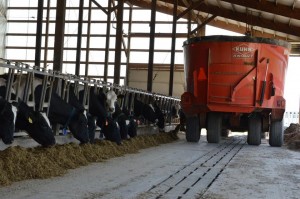 Matching nutrient requirements with nutrient supply is essential for maximizing feed efficiency in dairy farming systems. To accomplish this, feeding a consistent and homogeneous ration is critical. In Summer 2015, the variation of the composition of total mixed rations (TMR) was monitored on 7 dairy farms in Franklin County, Virginia.

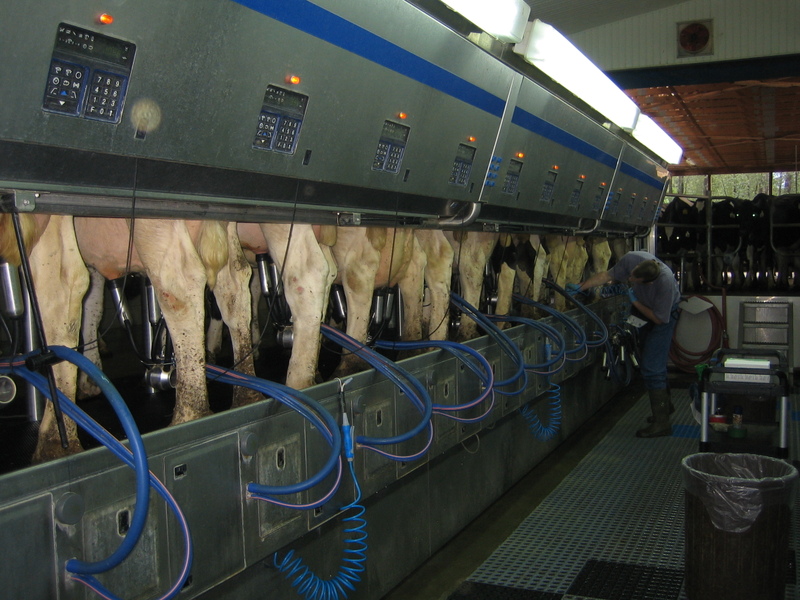 The New Year is an opportunity to think about your business. But that is a broad prospect, and therefore, somewhat daunting.
 Keeping them dry, out of drafts and well fed leads to a healthier calf


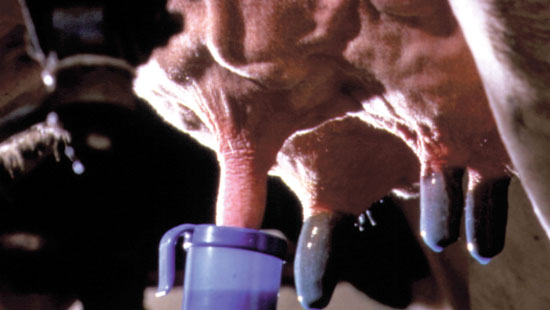 Imagine a medieval city surrounded by thick, high walls to protect it from marauding bands of bad guys. Often the walls would have space on top for defenders of the city to be positioned with defensive weapons including arrows, spears, rocks and hot oil (if those childhood stories were correct!).


 A recent study from the University of Veterinary Medicine in Vienna found that stroking helps calves develop a better relationship with humans and increases weight gain.
 Dairymen use various tools to help improve the reproduction rate in their herds.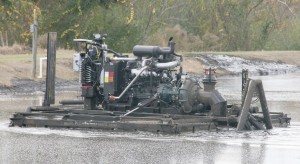
 Price volatility is something that farmers are going to have to live with as it is going to be a feature of farming given the impacts of climate change and swings in production across the globe, writes Chris Harris.
 In the past two weeks a couple of e-newsletter articles came across my desk Their headlines caught my attention: “Man arrested after undercover video reveals alleged abuse at Perdue chicken supplier” and “New Mexico dairy employee sentenced in animal cruelty case”. In both cases, the investigations were resulted from undercover videos and the operations and industries are paying a heavy price as a result.
![68a6b9ac1b6c590daef63b614b8_prev[1]](https://www.thebullvine.com/wp-content/uploads/2015/12/68a6b9ac1b6c590daef63b614b8_prev1-300x200.jpg) Dairy modernization is defined here as the investment in facilities and technology to provide animal comfort and express the genetic potential of the herd to produce milk at a profit. Many farms are evolving from the tie/stanchion barn systems to a freestall or bedded pen barn and milking center. The range of project investments is large. One farm may need to remodel a building for calves while another farm needs a new barn and parlor. In the planning process, developing a budget with an estimate of the specific investments is usually not known fully until the plans are developed.
Dairy modernization is defined here as the investment in facilities and technology to provide animal comfort and express the genetic potential of the herd to produce milk at a profit. Many farms are evolving from the tie/stanchion barn systems to a freestall or bedded pen barn and milking center. The range of project investments is large. One farm may need to remodel a building for calves while another farm needs a new barn and parlor. In the planning process, developing a budget with an estimate of the specific investments is usually not known fully until the plans are developed.


![dairy3[1]](https://www.thebullvine.com/wp-content/uploads/2015/12/dairy31-300x225.jpg) Did you know that overcrowded cows experience rumen acidosis? Recently conducted research at the Institute has shown for the first time that overcrowding the free stalls and feed bunk reduces rumen pH — and this compromised rumen function dramatically influences how the cow responds to her diet. For the dairy cow — being a ruminant — a healthy rumen pH is vital to her well- being and productive efficiency.
Did you know that overcrowded cows experience rumen acidosis? Recently conducted research at the Institute has shown for the first time that overcrowding the free stalls and feed bunk reduces rumen pH — and this compromised rumen function dramatically influences how the cow responds to her diet. For the dairy cow — being a ruminant — a healthy rumen pH is vital to her well- being and productive efficiency. It’s easy to get lost in the whirlwind of new technologies as new inventions seem to dot the news weekly, if not daily, but one technology that every producer is sure to have heard of is robotic milking. While robotic milking systems have been around in Europe since 1992, the first robotic milking system wasn’t installed in the U.S. until 2000; their numbers have slowly increased to over 25,000 worldwide. Robotic milking systems are a huge financial commitment, not to mention the numerous brands of robotic milking systems out there, which can make the decision of whether or not robotic milking is right for your farm extremely difficult.
 The UK’s independent Review on Antimicrobial Resistance (AMR), chaired by Jim O’Neill, has released a report on the global use of antibiotics in agriculture.
 Nearly half the dairy farmers in the UK believe that taking measures to tackle climate change will add costs to their business, writes Chris Harris.
![cows_feeding[1]](https://www.thebullvine.com/wp-content/uploads/2015/12/cows_feeding1-300x179.jpg) As the eighth largest dairy-producing state, Michigan is home to more than 400,000 dairy cows spread across farms with herds numbering from thousands to fewer than 100. Feeding such a large number of animals is challenging and expensive. Michigan dairy farmers spend over $730 million each year – about $5 per day per cow – to keep their herds well-nourished and producing enough milk to meet consumer demand.
As the eighth largest dairy-producing state, Michigan is home to more than 400,000 dairy cows spread across farms with herds numbering from thousands to fewer than 100. Feeding such a large number of animals is challenging and expensive. Michigan dairy farmers spend over $730 million each year – about $5 per day per cow – to keep their herds well-nourished and producing enough milk to meet consumer demand. Weather this time of year can change in a hurry. “So how many of you as dairy producers have heeded the warning and taken the time to prepare for the upcoming winter?”
![Screen-Shot-2015-12-02-at-6.39.11-PM[1]](https://www.thebullvine.com/wp-content/uploads/2015/12/Screen-Shot-2015-12-02-at-6.39.11-PM1.jpg)
![Screen-Shot-2015-12-02-at-6.43.51-PM-1[1]](https://www.thebullvine.com/wp-content/uploads/2015/12/Screen-Shot-2015-12-02-at-6.43.51-PM-11.jpg)
![image8[1]](https://www.thebullvine.com/wp-content/uploads/2015/11/image81-300x270.jpeg) Heifer mastitis is a disease that threatens production and udder health in the first and subsequent lactations. An integrated strategy to prevent and control heifer mastitis should include goal setting, assessment of the current farm systems, application of appropriate farm-specific interventions, and monitoring of outcomes.
Heifer mastitis is a disease that threatens production and udder health in the first and subsequent lactations. An integrated strategy to prevent and control heifer mastitis should include goal setting, assessment of the current farm systems, application of appropriate farm-specific interventions, and monitoring of outcomes.![Barley-silage-mix[1]](https://www.thebullvine.com/wp-content/uploads/2015/11/Barley-silage-mix1-300x169.png) Inoculants are a tool to improve silage quality, but they are not a replacement for good management practices.
Inoculants are a tool to improve silage quality, but they are not a replacement for good management practices.![111010_631[1]](https://www.thebullvine.com/wp-content/uploads/2015/11/111010_6311-300x200.gif) During a farm visit last Friday we talked over a persistent problem with scours during the first two weeks of life for their calves.
During a farm visit last Friday we talked over a persistent problem with scours during the first two weeks of life for their calves.
![Table%201%20St-Pierre%20Vol%2017%20iss%205[1]](https://www.thebullvine.com/wp-content/uploads/2015/11/Table-1-St-Pierre-Vol-17-iss-51.jpg)
![Table%202%20St-Pierre%20vol%2017%20iss%205[1]](https://www.thebullvine.com/wp-content/uploads/2015/11/Table-2-St-Pierre-vol-17-iss-51.jpg)
![Table%204%20St-Pierre%20vol%2017%20iss%205[1]](https://www.thebullvine.com/wp-content/uploads/2015/11/Table-4-St-Pierre-vol-17-iss-51.jpg)
 Lameness in first lactation heifers leads to an increased lifetime susceptibility, so prevention is essential.
 Farmers are shifting their view of calf vaccination away from immediate disease prevention towards reaching a calf’s maximum lifetime potential, according to a survey conducted independently this year for Zoetis.
 Figure 2. Throw is distance from tube outlet to where the air jet drops to 60 feet per minute (fpm). Air velocities at the hole are commonly between 1,200 and 2,000 fpm.

 Here we are in the transition heifer housing. Heifers at this dairy move from hutches into small outdoor group pens (10 calves) where they continue their ration of free-choice pelleted grower concentrate (18% protein) and water.



