There’s been a great deal of industry buzz around new genetic programs and technology that promise to create healthier cows for your herd. That means it’s the perfect time to revisit the impact that selection for Productive Life within your genetic plan can have on the overall health and longevity of your cows.
The Productive Life (PL) number that appears for any given sire on your proof sheet is defined as the number of months longer (or shorter) that his daughters will be productive in your herd as compared to herdmates. If a bull is 7.0 for PL, his daughters within a given herd are predicted to live seven months longer than the average cow in that herd. If a bull is -2.0 for PL, his daughters are predicted to live about two months less than the average cow in that given herd.
PL is often associated with old cows. However, if you think about which cows live longest in your herd, it would be those that have no troubles calving, fewer incidences of mastitis, no respiratory issues, fewer hoof problems, and so on.
Four-event cows
In reality, genetic selection for PL doesn’t just mean more old cows; it predicts which cows are toughest, healthiest and easiest to manage. We call those the four-event cows. If you look at a cow card on your herd management software program, a four-event cow has only four events listed throughout her lactation: 1-fresh; 2-bred; 3-confirmed pregnant; and 4-dry.
If those four events are the only major things a cow experiences throughout her lactation, chances are she’s trouble-free, making you money, and will stick around for several lactations.
Any time an event takes place, such as milk fever, a displaced abomasum, retained placenta, mastitis, pneumonia, or any other disruption to the normal progression of a cow’s lactation, milk is lost. In addition to lost milk production, vet and treatment costs add to the dollars lost.
The proof is in the numbers
Selection for Productive Life propels you toward the goal of a herd full of four-event cows. Since the actual measure of PL is not calculated until after a cow leaves the herd, we can use other ways to see if higher PL bulls actually create healthier and more trouble-free cows.
Table 1 breaks down the events within a real 2,400-cow Holstein herd on all first lactation animals with known sire ID’s. Based only on the animal’s parent average or Productive Life, this shows the extreme difference in health events between cows with a high PL pedigree versus those with a low PL pedigree.
Table 1 compares the health events of 1st lactation cows with high PL pedigrees versus those with low PL pedigrees
These are real numbers, recorded on this farm’s herd management software program. Keep in mind, management is consistent throughout the herd, and no preferential treatment is provided for any given cows.
As the table clearly illustrates, far fewer of the high PL cows had issues after calving and throughout their lactation. Fewer cows from high PL group were coded as ‘do not breeds’ (DNB) and therefore, fewer of the high PL cows died or were sold. This means more cows from within that high PL group claimed the title of trouble-free, four-event cows.
On your dairy, how much does a displaced abomasum decrease a cow’s profitability over her lactation? How much of your milk check is sacrificed with every case of mastitis? How many dollars are lost for every lame cow or case of pneumonia? If you put a dollar value to the lost production and treatment cost associated with each extra health event experienced by the group of low PL cows it adds up significantly.
Want healthier cows? Let PL get you there
While environment, cow comfort and overall management practices all play an integral role in the health of any given herd, genetic selection can also aid your quest for a herd of healthy, trouble-free cows. To do that, keep these points in mind.
Genetic selection for PL will help you create longer living cows.
Despite new genetic programs promising added immunity or greater health during a cow’s transition period, PL remains the standard for breeding tougher, healthier cows with fewer issues throughout their lactations.
Include selection for PL as part of your customized genetic plan in order to build your herd of the profitable, four-event cows.
Join Dr. Trevor DeVries from the University of Guelph as he discusses the importance of making sure cows can get to feed they need when they want it. During this informative presentation Dr. DeVries covers how to ensure feed is delivered consistently and is consumed as delivered and in a healthy manner. Dr. DeVries shares how to keep fresh feed in front of cows, by feeding multiple times per day and what the optimum push up feed frequently is as well as how to give cows the optimum amount of space to eat.
About The Presenter
Dr. Trevor DeVries is a Canada Research Chair in Dairy Cattle Behavior and Welfare and an Associate Professor in the Department of Animal Biosciences at the University of Guelph. Trevor received his B.Sc. in Agriculture from The University of British Columbia (UBC) in 2001. Immediately following he began graduate studies at UBC, focusing his research on dairy cow feeding behavior. After receiving his Ph.D. in 2006, he worked for one year as a post-doctoral researcher at Agriculture and Agri-Food Canada, focusing his research on ruminant nutrition. In 2007 he was appointed as faculty with the University of Guelph. In his current position Trevor is involved in research and teaching in the areas of dairy cattle nutrition, management, behavior, and welfare.
When margins are tight the conversation usually focuses on the lactating cows and how to improve performance. This makes sense as they are the major driver of income. However, there are other groups of animals that generate expenses and unless they are sold do not contribute to the income stream. Dry cows and heifers take up on average 20 percent of the farm’s total feed costs (home raised and purchased). This number is generated from the cash flow plans conducted by the Extension Dairy Team.
Production Perspective
Each month in “Dairy $ense” income over feed cost per cow is listed in addition to the feed cost per non-lactating animal. For 2015 using the ration formula fed at Penn State for dry cows and heifers, the feed cost averaged $3.48/cow and $1.66 per heifer (does not include pre-weaned calves). These feed costs are based on the Penn State Feed Price List.
Ninety farms participating in Extension’s cash flow workshops were evaluated on their dry cow and heifer feed costs. In the cash flow Excel spreadsheet, both market and producer cost prices are compared for the various animal groups. The average dry cow feed cost per day for market and cost was $3.37 and $2.44 respectively. However, there was a wide range in feed costs: $0.79 to $5.78/cow/day. The low and high numbers were similar for the market and cost categories.
The feed costs for heifers were $1.99 and $1.58/animal/day, market and cost respectively. This group also had a wide range in feed costs: $1.00 to $4.38/heifer. It appears there are opportunities to achieve better cost control for the non-lactating animals on some farms.
A common theme for dry cows and heifers is inadequate forage inventory. Many cash flow plans purchase a substantial amount of grass hay or straw to meet their fiber needs. It is not unusual to observe excellent feed cost control on the lactating cows but the opposite for the dry cows and heifers. Every farm has its set of challenges and should be evaluated to determine opportunities.
For example, the cash flow plans from two 400-cow dairies were evaluated. In 2015, their purchased concentrate cost including both heifers and dry cows was very similar at $63,000. However, one farm had to purchase grass hay for these animals at $76,700, so this farm’s purchased feed cost was almost $140,000 for the non-lactating animals. This has significant implications to a cash flow plan. Many of these issues require a thorough look at the cropping plan for the operation to find ways to produce more of the forage needed for heifers and dry cows.
No matter how many cash flow plans are analyzed, feed costs keep rising to the top of the list as a critically important topic impacting the farm’s potential cash surplus. Lactating cows make up the majority of feed cost, however, dry cows and heifers can influence the farm’s break-even cost of production. Working with Penn State’s Dairy Business Management Team, producers can get their feed costs divided out between the lactating and non-lactating animals. This provides one more opportunity to manage both production and finance for a critically important area of the farm.
Action plan for evaluating feed costs for the dry cows and heifers.
Goals: Determine the annual feed costs for dry cows and heifers.
Steps
Step 1: Organize invoices to capture all the purchased feed costs for dry cows and heifers. This would include calf starter, grower, heifer supplements, minerals and dry cow grains. Average their prices for the year.
Step 2: Summarize the rations from baby calves through springing heifers and dry cows. Determine the most representative ration for the various animal groups for the year.
Step 3: Using the Penn State Excel cash flow spreadsheet, enter in the respective rations and their costs to determine the feed costs per animal group.
Step 4: If feed costs for this group exceed 20% of the total feed costs, evaluate the potential causes.
Economic perspective
Monitoring must include an economic component to determine if a management strategy is working or not. For the lactating cows income over feed costs is a good way to check that feed costs are in line for the level of milk production. Starting with July’s milk price, income over feed costs was calculated using average intake and production for the last six years from the Penn State dairy herd. The ration contained 63% forage consisting of corn silage, haylage and hay. The concentrate portion included corn grain, candy meal, sugar, canola meal, roasted soybeans, Optigen (Alltech product) and a mineral vitamin mix. All market prices were used.
Also included are the feed costs for dry cows, springing heifers, pregnant heifers and growing heifers. The rations reflect what has been fed to these animal groups at the Penn State dairy herd. All market prices were used.
Income over feed cost using standardized rations and production data from the Penn State dairy herd.
Dairy farmers in the Northeast typically import all their feed from the Midwest, where the prices are cheaper. But as we’re increasingly learning, price isn’t the only variable in the equation.
There’s been a trend in the past few decades of rediscovering closed, or fairly closed, cycles of farming. What that means is using one crop to feed another. An example, one used by a new study from Penn State University: Instead of merely raising dairy cows and importing all the feed for them, you can raise the cows, use their manure to fertilize crops, and feed those crops to the cows. It’s a clean, simple, and very ancient technique, as New York chef Dan Barber famously described in a popular TED Talk.
The Northeast, especially Pennsylvania, New York, Vermont, and Connecticut, are huge dairy producers, but not so big on the crops that are used to feed the cows, like corn and soy. It’s not that those crops can’t grow in the Northeast, but rather that Midwestern states produce it much more cheaply and transportation is cheap.
But that’s not a great use of energy; for one thing, it involves a lot of trucking and shipping, which is pretty lousy energy-wise, but the separation also makes it unnecessarily difficult. The cow manure stays in the Northeast, for the most part, so Midwestern farmers usually use synthetic nitrogen-based fertilizers, which are incredibly energy-intensive to produce.
This new study set up three different scenarios in which Pennsylvania dairy farmers crow their own crops, both feed crops like corn and soy and forage crops like alfalfa and rye. One of those scenarios even went a step further, having the dairy farms grow canola, which is processed on-site into fuel for the tractors to harvest the crops.
The farms that produced their own feed used a whopping 15 percent less fossil fuel.
The easiest of all the scenarios had the Pennsylvania farmers simply grow foraging crops, which is cheap to plant and grows happily in the Keystone State, and import all its feed grain. Even this very minor change has a positive impact on energy use, but when compared to the other setups, we can really see how big an effect growing your own feed can have. To produce the same amount of milk, the farms that produced their own feed used a whopping 15 percent less fossil fuel than the easy farm.
There’s no mention of price in this study, which leads us to believe that this isn’t necessarily cost-effective out of the gate. Tilling and starting feed acres from scratch isn’t cheap. But this is exactly the kind of research that can provoke government grants: If, say, the USDA covered that initial cost, this could be worth it for many farmers.
Speaking at the recent AHDB Dairy Discover, Innovate and Grow conference, Dr Mark Rutter from Harper Adams University said that the dairy sector is a key player in the move towards precision livestock farming.
While precision farming is usually discussed in terms of the arable sector, there are many opportunities to improve the use of technology on dairy farms.
Some data can already be collected automatically on dairy farms, such as when the cows are coming into oestrus, measures of rumination using activity monitors, and measures of foot health using mobility scoring pads. Automated milking and automated feeding systems also exist currently.
Mr Rutter said the big area of opportunity was getting all these different devices to talk to each other, thus improving the efficiency of the farm. More uses can also be extracted from the data that is already collected, through improved analysis and integration of data.
The farmer can then use the data and technology to improve decision-making.
Mr Rutter went on to give some examples of how he thinks dairy might look in the future.
Smart housing
Although out-wintering cows can work, the climate of the UK makes this difficult.
Studies have shown that cows with free access to pasture produced 6.7kg per day (25 per cent) more milk.
On the other hand, another study at Harper Adams where cows were able to choose between pasture or indoors showed that the use of the indoor area increased as autumn (fall) progressed and weather deteriorated.
These patterns suggest that facilitating cow choice between indoor and outdoor conditions may be beneficial to comfort and health.
Mr Rutter suggested that a reactive building could give cows the best of both worlds and allow cows more of a choice about their environment.
The technology already exists to allow side curtains on barns to open and close to increase or decrease ventilation depending on the weather.
Mr Rutter suggested that curtain controls and temperature sensors could be combined with cow movement sensors to see whether cows liked a change in ventilation.
For example, if one curtain opened and all the cows moved out of that area into areas with closed curtains, an automated system could conclude that the cows did not like the new breeze and close the curtain again.
Although these technologies already exist, they are made by different companies which makes integration more difficult. Mr Rutter also said another difficulty with this kind of innovation might be that the public would not like it, especially if it resulted in the cows spending less time outdoors.
Precision grazing
Mr Rutter identified grassland management as another area with scope for improvement through the use of technology.
The key to this would be to measure the forage available, and then match this with the requirements of the cows. Controlling access to grass improves use of pasture.
Grass should be managed to an optimum sward height, because if the grass is grazed too low, the feed intake of the cows will be reduced.
The technology already exists to measure pastures so that cows can be removed when they have eaten enough of the grass. There are even opportunities to use satellites to look at grass cover in combination with ground-based measures.
In addition, timed release gates and robotic fences can be used to control cow access, and these technologies in combination could ensure cows are moved on when they have reduced sward height to optimum.
However, Mr Rutter said the cows themselves could be used to measure when they have finished eating sections of pasture.
The sounds cows make can be recorded and the signals analysed to see how often the cows are biting and chewing. When the sward height gets too low, the cow starts to do many bites and few chews, as each mouthful is only small.
Such ‘bioacoustic’ monitoring could be combined with activity monitors to improve accuracy, and could define when the gates are opened to the next section of pasture.
Benefits for both farmers and the public
Mr Rutter concluded with the idea that using precision farming could have great scope for efficiency improvements without further intensifying production, which would be palatable for consumers.
Technology could also bring consumers more information about the food they buy, for example by finding out production information by scanning a code.
All in all, Mr Rutter said increased adoption of precision technologies could be a boon for dairy farmers’ image, as it could also lead to improved cow welfare and reduced pollution.
Producers can take steps to reduce the risk of abortions in cows.
Abortions are a major concern for cattle producers, especially at calving time.
An “abortion” is the discharge of the fetus prior to the end of the normal gestation period.
Abortions have many causes, including physiological problems (such as hormonal imbalances), metabolic problems, toxicoses and/or infectious diseases caused by protozoa, fungi, bacteria or viruses, according to Neil Dyer, director of the North Dakota State University Veterinary Diagnostic Laboratory.
“The best chance of identifying what caused an abortion is prompt submission of fetal and placental tissues and maternal blood or serum to a diagnostic laboratory,” NDSU Extension Service veterinarian and livestock stewardship specialist Gerald Stokka says. “Contact your veterinarian for assistance with diagnostic efforts, sample submission and identifying management strategies to reduce the risk of future abortions.”
Many abortions occur within the first 45 days of conception (called early embryonic death), and the embryos or fetuses are so small that they may not be visible.
Other abortions occur near normal calving time, so determining whether the cow has aborted or a premature birth has occurred is difficult. A stillbirth is when a full-term calf is born dead, with no evidence of the cause.
Abortions and stillbirths can be the result of a direct effect, such as viral, bacteria or protozoal organisms gaining entrance to the fetus. The fetus also may have abnormal development (congenital defects) resulting in abnormalities noted at delivery, such as a lack of the anus opening or inside-out calf, or inherited genetic defects such as “curly calf” or “fawn calf” syndrome.
Indirectly, abortions and stillbirths can be a result of an interruption of the connection between the fetus and the dam, or the dam being ill. The fetus is nourished and oxygenated via the organ called the placenta. Any disruption can impact the fetus negatively or result in its death.
Inflammation of this organ is called “placentitis.” Bacterial, fungal and protozoal infections can cause placentitis. Mycotic abortions are one of the more common results of fungal infections.
Stillbirths can be frustrating because producers often see no indication of the cause or evidence of excessive labor, Stokka says. Stillbirths can result from an umbilical cord rupture, premature separation of the placenta or the placenta blocking the nostrils after the delivery of an otherwise healthy calf.
Regardless of the cause, abortions may be sporadic or they may occur as “storms.” The normal abortion or stillbirth rate is 1 to 2 percent of cows in a herd. Losses greater than this are abnormal, and producers should seek veterinary assistance to identify the cause, NDSU Extension beef cattle specialist Carl Dahlen advises.
Stokka recommends following these steps to prevent fetal losses:
Vaccinate/immunize – Vaccination is a management tool to reduce the risk of infectious causes of calf losses. The most common infectious causes for which vaccines are available are IBR (infectious bovine rhinotracheitis), BVDV (bovine viral diarrhea virus,) leptospirosis and campylobacter (vibriosis). These vaccines are safe and effective when given according to label directions. However, vaccines never can reduce the risk of infectious causes 100 percent.
Provide clean late-gestation and calving grounds – Late-gestation feeding and calving in the same area where cows have been fed through the winter will result in a buildup of bacterial contamination that can cause infectious fetal losses.
Reduce the risk of weather stress – Calving in mid-April and later reduces the risk of very cold temperatures and large amounts of snow. If your calving date is earlier than this, provide protection from the weather, such as clean, well-bedded barns or well-constructed, bedded windbreaks.
Provide clean feed to gestating cows – Clean feed is free from obvious molds, and fecal and urinary waste from wildlife populations such as deer, coyotes and rodents, and even domestic pets such as dogs and cats. This material can contain potential infectious causes of fetal losses, such as neospora, leptospirosis and toxoplasmosis.
Handle pregnant animals properly – Proper handling means providing the least amount of stress when moving the cows to different locations, whether by trailing them on foot, horseback, ATV or pickup. The rule must be: Never be in a hurry. If you need to transport cows by trailer or semi, move them before late gestation, or at least two to three months before their calving date.
Transitioning from conventional to robotic milking is a critical process that can be successfully executed as long as you plan your work and work your plan. It requires consistent work and methodic execution.
Avoiding negative impacts on people and cows by preventing undesirable events is crucial. Applying these principles enables the possibility of enjoying the features and benefits of this
fantastic technology.
Not every dairy begins the transition process from the same starting point. Today, approximately 60 percent of automatic milking system installations are constructed new and 40 percent are retrofitted, where cows remain in the same environment before and after startup. Both scenarios are different and require diverse transition management strategies.
New facilities can have a greater impact on the herd during the transition period due to major environmental changes. A strategy to ease the transition into new facilities can be as simple as
housing the animals in the new barn while continuing to milk in the conventional parlour. From every angle, gradually transitioning the cows is key to the smoothest adaptation.
Due to lower stress levels surrounding familiar environments, retrofitted installations have a lower impact on milk production and cow behaviour after startup.
The transition period covers three phases: six months before startup, startup and six months after startup.
In this article, we will focus on the first phase: six months prior to startup. This is the most important phase from all perspectives. It is the time where all plans and strategies must be de fined. Unfortunately, this step is often underestimated. Ignoring crucial details and decision-making associated with startup planning will result in undue stress and a potential delayed transition.
Six months before startup
EDUCATE THE WORKFORCE
No doubt – moving into robotics requires additional skills concerning technology and herd management. Recognizing weaknesses and strengths within the management team is key in order to prepare ourselves for the new challenge.
GET COMFORTABLE WITH COMPUTERS
If you have already been working with herd management software, then you are probably ready. However, if instead you have had little or no contact with computers, now is the time to get back to school and take some classes. It does not mean that you need to become a computer expert; it means it is time to learn the basics. Experience will come with practice and time.
IMMERSION IN THE WORLD OF ROBOTIC MILKING
Touring and visiting dairies is a common practice for farmers interested in robotics. In order to learn how to run successful robotic milking operations and benchmark your success, one of the key objectives must be to build a network of peers. In addition to traditional learning opportunities, including reading materials or attending meetings, there are more innovative education channels such as webinars, virtual libraries and, of course, the social media community. Make sure to do your homework by using multiple learning strategies and inviting the entire farm team members including external advisers.
Two months before startup: Set the herd
This is the time to put all the focus and effort on the herd.
HOW TO SELECT THE RIGHT ANIMALS
There are three main criteria to consider when selecting cows for a robotic milking system: udder conformation, udder health, and feet and legs. In robotic milking every second counts, and being able to attach rapidly and accurately is necessary for both cow health and system performance. Select cows with centrally placed teats and avoid rear-crossed teats. Finding a balance between teat placement and udder cleft will have a positive impact on cow longevity.
If there is a possibility to select animals from a larger group, consider the following five-step selection process in order to have an ideal group of “robotic” cows:
Identify the animals with highest milk flow rates.
Out of that group, test and select the individuals that have low somatic cell counts and are negative to contagious mastitis pathogens.
Evaluate udder conformation, especially rear teat placement.
Make sure cows have good, healthy feet and legs.
If possible, group cows based on lactation number. Dedicated young and mature groups are ideal.
EVALUATE YOUR CONTAGIOUS MASTITIS SCREENING PROGRAM
Once the final group of cows is de fined, the main objective is to ensure every animal entering and being milked by the robot is free of contagious pathogens. Unfortunately, due to group management and dynamics, segregation of infected cows is not a viable option in robotic milking systems compared to conventional milking systems. It is strongly recommended to run monthly bulk tank cultures and monitor cows individually.
Culture all cows above 200,000 SCC for more than one week, every other day. If a cow has at least one sample positive to pathogens such as staph. aureus, she is considered positive and a decision has to be made. Your veterinarian’s involvement is critical to develop a milk quality plan.
CONSIDER HOOF TRIMMING NOW
All cows should visit the hoof trimmer between one and two months prior to startup in addition to receiving consistent footbath treatment. Do not wait until the last moment to trim feet, as the combination of new concrete, stress factors and trimming procedures can lead to undesirable hoof issues.
REVIEW THE DESIGN OF YOUR SOPS WITH KEY PLAYERS
Planning by scenarios and consistency are two special bene fits of robotic milking. The best way to capitalize on both is through aligning the team, including the herd veterinarian and nutritionist. The objective is to develop, discuss and apply the set of herd SOPs moving forward.
20 days before startup: Get everyone ready
REMOVE UDDER HAIR
Udder hair removal is a must with robotic milking systems. Cows should be enrolled in a two-month or three-month schedule, varying by season. In order to efficiently perform udder hair removal, it is strongly recommended to make this a weekly or biweekly routine. Working with smaller groups of cows avoids major disruptions.
ACCURATELY TRANSFER YOUR DATA
Take time to transfer data or build the new database well in advance of starting up. Remember, the quality of entered data is equal to the quality of obtained information. Try to maximize software usage from the beginning.
DEVELOP YOUR FEEDING PLAN DURING THE TRAINING PERIOD
Although not every installation is able to have a feed-only period, it is highly recommended and ideal to feed cows through the robot (not milking) at least two weeks prior to the first milking. Feeding before is probably the best practice with the highest impact on early performance after startup. Keep in mind, it is important to ensure feed consistency by avoiding provider and formulation changes during this period of time. The amount to feed varies depending on cow traf fic and day of transition, ranging between .9 to 3.6 kilograms per cow per day.
After one week, it is possible to combine feeding only with spraying teats and robotic arm movements. Combining the two will motivate cows to visit the robot and acclimate them to the new sounds and environment.
Although feed-only has the biggest impact on early performance, it is not the only method to train cows. There are other techniques that depend primarily on cow traf fic design. Ask your provider for advice on this topic.
BEGIN YOUR STARTUP ON DEFAULT SETTINGS
The entire system must be in “safe mode” in preparation for startup, from milking procedure to feeding, and general management settings. If settings are placed with maximum levels of protection for your herd, the focus can turn to proper herd management basics including clean bedding, frequent feeding and push-up, and training/fetching of overdue and new cows.
Two days before startup: Almost there
Now is the time to make sure all components of the robotic milking equipment and systems are working properly and that the cows and people are aligned. The entire project must be organized for final inspection and evaluation. These are the top five points to consider:
System evaluation
Regulatory inspection
Database surveillance
Proper animal identi fication
Coordinated startup teams and schedule
By turning the above transition plan from conventional to robotic milking into a reality, and always remembering the focus on team communication for optimal success, you should be ready to go for this exciting journey. Through planning your work and working your plan, you can anticipate good news and great results.
Once the robots are fired up and the real journey has begun, it is time to focus on the right areas by planning for a bright future. Keep in mind that with a good plan in place, the sky can be the limit.
Two days post-startup: Focus on the basics and keep it simple
The beginning is the most difficult part of any change. By now both you and the cows are in the steadiest part of the learning curve. You have acquired a very capable piece of technology and, as expected, you may feel very attracted by it. However, it is crucial to prioritize your efforts in order to have the smoothest transition by focusing on the fundamentals. It is important to ensure the entire system is configured at a baseline where each area can function without major adjustments or in what is called a “safe mode.” Beginning in safe mode enables you to focus on daily routines and, most importantly, herd adaptation. In other words, you organized a big party, you invited the girls, and now you must be the best hostess:
1. Milking intervals and milk frequency:
The goal by the end of the first week is greater than 2.5 milkings per cow per day with a minimum of two milkings per cow per day for all animals. In order to ensure milking intervals under 12 hours and an appropriate balance between milk frequency and robot usage, it is important to set adequate milking permissions based on stage of lactation:
• One to 100 days in milk (DIM): four hours or 14 pounds expected yield
• 100 DIM until 40 days before dryoff: six hours or 16 pounds expected yield
• Less than 40 days before dry-off: eight hours or 18 pounds expected yield
Remember, with guided cow traffic it is essential to ensure proper smart selection gate configurations and holding area management by setting cow counters and maximum capacity based on area per cow and robots per holding pen. Ideally, cows should have 45 square feet per cow in the holding area and no more than seven cows allowed per robot. The goal is to harvest 30 pounds per milking, and although these milking permissions parameters seem to be much lower than listed, remember that cows will not have access to the robot at every single attempt, as it might be in use or a group of cows are already queuing, etc. Therefore, adding flexibility in the beginning is important.
2. Fetching:
Due to the learning process, and based on your milking queue reports, it is important to guide overdue cows (more than 12 hours since last milking) to the robot. A gradual process must be implemented based on how fast the herd is adapting to new cow flow. Start fetching overdue cows every four hours, then as cows learn and number of overdue animals start decreasing, the fetching intervals can be extended to every six hours, then eight hours, up to the point where fetching occurs every 12 hours or just twice a day.
3. Milking procedure:
Make sure the entire tool kit is being used in order to protect udder health at all times:
• Use compatible/sprayable teat dips.
• Maximize teat coverage through appropriate nozzle size, spray pattern, proper indexing of cows and arm speed.
• Pre-milking and post-milking spraying of teats with an effective disinfectant is highly recommended.
• Use of an approved disinfectant diluted accordingly for teat cleaning is necessary.
• Set the system for heavy teat cleaning level regardless of bedding system or surface cleanliness. This way your cows will be at maximum level of protection.
4. Feeding:
The main objective is to motivate cows in order to maximize visit frequency to the robot at all stages of lactation so consistent cow flow patterns are developed and fetch rates are minimized. Cows must always have feed available at the feed bunk, meaning feed cows at least twice per day ensuring frequent push-ups, at least every four hours. Concerning feed at the robot, an adequate baseline for feeding parameters is necessary:
• Feed available per cow per day: Depending on the kind of cow traffic scenario, levels of grain must vary. In order to keep it simple so you can focus on the fundamentals, a basic but safe feeding strategy must be in place. Set a fixed amount of feed available per day and per visit for all cows so the entire herd is equally motivated. This is a recommended strategy for the first 20 days post-startup only.
• Free-flow or feed-first pre-selection: 16 pounds per cow per day available for all cows, 4 pounds per visit.
• Milk-first pre-selection: 8 pounds per cow per day available for all cows, 2 pounds per visit
As expected, feed consumption will vary according to milk frequency; therefore, partial mixed rations
(PMR) should be balanced during this period according to the average feed consumed per day reported by the system.
5. Bedding management:
As this is a stressful period for the cows and the udder is adapting to the new system, clean stalls and a dry, comfortable bedding surface must be provided at all times. Clean alleys are necessary as well.
6. Data management:
At this point, you should be able to manage action and key performance reports with a very simple approach, focusing on daily tasks and making sure the herd is moving in the right direction. Screening of essential reports three times a day is enough. Avoid fine tuning and frequent adjustments during this period.
20 days post-startup: Time to evaluate and adjust
Once the most stressful period has occurred and both cows and people are adjusting to their new lifestyle, it is time to evaluate and start adjusting the system:
1. Feeding:
Based on cow traffic, feeding strategies, feeding quantities, days in milk, milk frequency and milk production, implementing a customized feeding plan for the operation is highly recommended, considering the three feeding phases of feeding in robotics:
• Adaptation: zero DIM until 15 to 21 DIM
• Target: 15 to 21 DIM until 70 to 100 DIM
• Optimization: greater than 70 to 100 DIM
Once the feeding plan is designed and reviewed by the management team, including advisers, then the next step is to configure the system. Make sure you have appropriate understanding of the different settings and parameters; otherwise, consult you equipment provider. Last but not least, ensure that individual feed consumption at the robot is higher than 80 to 90 percent on 72 hours average; if some animals are less, then troubleshooting is necessary.
2. Fetching:
Now that the majority of the cows are visiting the robot on their own, it is time to evaluate fetch rates and fetching times, and therefore, adjust routines if necessary. The key aspect at this time is to start prioritizing fetching based on stage of lactation. Milking intervals in fresh cows shouldn’t be higher than eight hours, while mid-lactation and late-lactation cows can continue with 12 hours.
3. Evaluate milking performance:
Identify animals presenting difficulties while attaching or milking, as there are several factors that can interfere with appropriate performance, especially the ones related to udder conformation, teat shape, animal temperament or even udder cleanliness. It is recommended to evaluate the performance index per cow. Ideally, you would like to have the entire herd above 100, which means an attachment time of less than 15 seconds per teat or one minute total. Focus on the animals that are below that threshold, prioritizing the ones in the lowest part of the range.
4. Milk quality and udder health:
Daily screening of udder health indicators is crucial; ensure proper report design and management routines. Regardless of the technology, udder health must be a priority, especially as your physical contact with the herd is probably less than before. Animals with abnormal indicators must receive a physical exam so actions such as culturing can be made on time.
5. Data management:
Now is the time to get more involved in system configuration and details, especially in two key areas: milking procedure and feeding management. Assessing and measuring become a very important part of your daily routines.
Two months post-startup: Fine-tuning for maximum performance
Now that the herd has settled, people have learned, and the entire system is hungry for improved performance, it is time to start exploring new opportunities:
Feeding: Fine-tune dispensing rates at group level and dispensing speed at cow level. This will ensure that cows receive what they deserve while enjoying their milking; this has a positive impact on letdown and therefore milking speed.
Stall times and robot performance.
It is recommended to stop dispensing feed when only two quarters are being milked, as this will ensure that by the time the milk flow ends, the cow has no feed left in the feed bowl; therefore, leaving the station for the next cow is the only option.
Evaluate yield per milking individually and adjust milking permissions at group level or cow level if necessary; this will optimize robot usage.
Evaluate udder health and teat cleaning parameters so teat cleaning level can be adjusted. Getting clean cows to the robot pays; less cleaning times equals more available milking times.
Breeding: Ensure proper configuration of activity systems and breeding reports; now is the time to leverage other sides of the technology in order to improve crucial areas such as reproduction.
Six months post-startup: Setting your goals en route to success
It is time for strategic planning based on scenarios and time tables. Setting short-term, mid-term and long-term goals and actions will drive your herd to the stage you have always desired; keep up with the great work and good luck!
Ever wonder how precision dairy tools could help you take your dairy to the next level? Then you are going to want to watch Dr. Jeffrey Bewley’s presentation from the 2016 VMS Pro conference in Las Vegas. During this robotics conference Dr. Bewley presented the scientific research around many of the latest technologies and if they actually work or if they are not worth the headaches. Dr. Bewley also shared with attendees a great method to help evaluate new technology and if it’s worth the investment for your operation.
About The Presenter
Dr. Jeffrey Bewley is from Rineyville, Kentucky, where he grew up working on his grandfather’s (Hilary Skees) dairy farm. He received a B.S. in Animal Sciences from the University of Kentucky in 1998. In 2000, he completed his M.S. in Dairy Science at the University of Wisconsin- Madison under the direction of Dr. Roger Palmer. His PhD work under Dr. Mike Schutz at Purdue University focused on the application and economics of Precision Dairy Farming technologies. Jeffrey’s current teaching program at the University of Kentucky focuses on precision dairy technology implementation, mastitis prevention, cow comfort, lameness prevention, and decision economics.
About The Conference – #VMSPRO2016
Learn about the latest robotic milking, feeding concepts and innovations – from calf to cow. DeLaval lined up some of the best scientists, specialists and DeLaval VMS producers from North America, Europe, Oceania and Latin America to share and build knowledge around our DeLaval integrated robotic solutions.
Managing suckler cows according to their condition score can have a huge impact on herd output and profitability, according to Dr Basil Lowman, Beef Specialist with SAC Consulting, a division of SRUC (Scotland’s Rural College).
In two short videos launched today by Quality Meat Scotland (QMS), Dr Lowman demonstrates how and why to condition score and also emphasises the importance of using this key management tool at this time of year, for both spring and autumn calving herds.
The fact that cows which are too thin or too fat are more likely to have calving problems and be less fertile is well known, but there is huge potential for many more farmers to be effectively managing their herds according to cow condition score.
“The national herd goes from lean to fat on an annual basis depending on grass growth and forage quality, and condition scoring simply reflects this. It is the variation within herds which is most important for farmers to deal with,” observed Dr Lowman.
He points out that the vast majority of herds have cows with condition scores ranging from two to four. This difference is equivalent, in terms of energy available to the cow, to three big bales of silage.
“Many farmers do not appreciate what a dense source of energy body fat is. Achieving the correct score at calving and mating will reduce feed costs as well as maximising output and potential.”
The most crucial aspect of condition scoring, according to Dr Lowman, is that farmers take action once they have condition scored their cows. He said: “In the simplest form, farmers should take food from the fat to feed the thin in order to even out condition scores and improve productivity.”
Dr Lowman continued: “Correct management at the critical stages of mating and calving offers huge benefits to output and profitability.”
He also points out that there are simple techniques, such as dividing sheds using electric fence tape, which can allow farmers to group cows according to condition.
He points out that long calving periods can make cow management tricky and, instead of following a whole-herd feeding policy, his advice is to divide the herd into those due to calve in the first month and later calvers.
He reckons this split would normally be roughly two-thirds/one-third, and ideally the larger portion of the herd should be grouped according to condition score and fed accordingly.
He also points out that it is always worthwhile dealing with even a small number of overly thin or fat cows as, without attention, they are likely to be barren.
The time of calving is important in setting condition scoring targets, as this can have an impact on fertility and how receptive the cow is to mating.
Dr Lowman explains that cows calving in early spring should ideally have a score of 2.5 at calving because they are generally bulled as soon as they go out to grass so need to be in reasonable condition at turn out.
However, those calving in late spring can afford to be leaner at a score of 2 as they will have the benefit of being bulled after a month or more on spring grass when it is at its best, and fertility peaks with the cows on a rising plane of nutrition.
Autumn calvers generally find it more difficult to put on weight over the winter, and Dr Lowman recommends a calving condition score closer to 3 to allow for some weight loss before bulling.
However, he warns: “The leaner a cow is, down to a score of 2, the more easily she will calve, so only target a score of 3 in the autumn if the cows and bull both have easy-calving characteristics, otherwise aim for 2.5 and provide a high-energy feed post-calving to compensate.”
The target score at mating should be 2.5, regardless of the time of year, but Dr Lowman emphasises that a cow can put on half a score at grass and lose quarter of a score on winter forage within a month.
In the new videos, Dr Lowman also advises farmers to handle 10 to 20 per cent of the cows in the herd, as visual assessment can be misleading due to gut shape and hair. Once they have a feel for the scores then the rest of the herd can be analysed visually.
Umbilical hernias are the most common birth defect in calves. They occur when the umbilical ring fails to close after birth, allowing abdominal contents to protrude through the opening. Umbilical hernias vary in severity from those that will spontaneously heal to those that will need surgical repair. But how do you determine whether it is severe and requires surgery or not? Some of the factors that should be considered when assessing the umbilical hernia include the size of the hernia, whether infection is present, and if the hernia can be reduced (i.e. the abdominal contents can be pushed easily back into place).
The size of an umbilical hernia can differ greatly, based on the size of the opening of the umbilical ring and the amount of abdominal contents that have protruded through this opening. If the hernia is less than one to three cm in diameter, and/or if the contents of the hernia are easily reducible, it is likely that the hernia is not severe and will heal spontaneously. A hernia that is less than four to five cm (or less than three fingers wide) can likely be resolved by wrapping an elastic bandage over the belly to keep the contents in once they have been put back in place. However, the larger the hernia sac, the more likely it is that the umbilical ring opening is large, and increasing the odds of surgical repair becoming necessary. As a rule of thumb, if the hernia sac/opening is more than six cm, can’t be replaced easily into the abdomen, persists for several weeks, and/or is infected, it is considered severe and you should contact your herd veterinarian to have it assessed.
When assessing the size of the hernia, it is also important to check for infection. Some signs of an infected hernia include fever, loss of appetite and poor growth rates. In some cases, signs of infection can also include frequent urination and urination through the umbilicus. If any of these symptoms are present it is important to further investigate the situation by calling your herd veterinarian to determine next steps.
It is also possible for an umbilical hernia to develop into a strangulated hernia. This happens when the intestines, which are part of the abdominal contents contained in the hernia sac, become twisted outside the body. Symptoms of a strangulated hernia include a warm, swollen, firm and painful hernia sac accompanied by signs of colic (grinding teeth, grunting, arching back, shifting weight, restlessness, depression, etc.). This type of umbilical hernia requires surgical repair by your herd veterinarian.
It is important to recognize and differentiate the signs and symptoms between a routine umbilical hernia that will heal on its own and a severe or strangulated umbilical hernia requiring surgical repair. If any signs and symptoms pointing towards a severe or strangulated hernia exist, consultation with your herd veterinarian is strongly encouraged to maintain the health and well-being of your calves. When inspecting your calves for umbilical hernias, it is better to be safe than sorry!
Long range summer forecasts call for average to above-average temperatures for nearly all of the United States. While it may be unknown how high thermometer mercury will rise in the coming months, dairy farmers do know that much warmer weather is just around the corner and their cows will have to deal with the effects of heat stress.
“Hot weather reduces feed intake and rumination, dragging down animal performance. This condition is often made worse because cows are prone to potassium deficiencies during heat stress,” explains Dr. Elliot Block, Research Fellow, Arm & Hammer Animal Nutrition.
But you don’t have to let heat stress gain the upper hand. There are nutritional steps you can take to optimize milk production in your herd this summer before temperatures climb.
1. Focus on Potassium
First, pay attention to ration potassium levels. Potassium is a key dietary consideration and including supplemental dietary potassium provided by DCAD Plus™ in lactating cow rations is a recommended part of a proactive heat abatement plan.
That’s because:
Potassium is the #1 mineral in milk, even higher than calcium. Yet, potassium is the main component of sweat, and cows lose it quickly through increased perspiration and urination during heat stress.
Due to reduced feed intake, heat-stressed cows ruminate less and therefore generate less saliva—and salivary bicarbonate content is also reduced. These reductions, along with the decreased amount of saliva entering the rumen make the heat-stressed cow much more susceptible to subclinical and acute rumen acidosis.
Fresh cows require higher levels of dietary potassium. Research3 shows that cows are often potassium deficient for the first 10 weeks of lactation even when potassium is fed at National Research Council recommended levels.
Feeding supplemental potassium is critical to replace what’s lost. As temperatures climb, DCAD Plus can safely and palatably mitigate the effects of heat stress and improve fresh cow performance.
University research shows increasing dietary potassium levels can also boost fat-corrected milk production by more than 8 pounds per day.
2. Obtain Buffer Benefits
Buffers seem to have become the forgotten tool of basic dairy nutrition. Not only is adequate inclusion of buffers like sodium bicarbonate and SQ-180™ in the ration important to maintain milk component production, they are key factors in combating the effects of heat stress.
Buffers help stabilize rumen acids, increasing feed intake and improving rumen performance for enhanced productivity. Cows need this assistance throughout the year, but especially during periods of heat stress.
Today’s diets include more fermentable carbohydrates—which require more buffering, not less. Rations also minimize fiber (physically effective NDF) and rely more on microbial protein and fermentation than in the past. In addition, variation in feed ingredient quality plays a significant role in ration performance.
The key is to feed buffers at recommended levels. “There’s been a downward trend in ration buffer inclusion rates, to the detriment of cow performance,” says Block. “To increase animal success, include buffers at proper levels.” The recommended inclusion rate for sodium bicarbonate is 0.75% to 1.0% of TMR dry matter.5
3. Tap Yeast Culture Advantages
Lastly, be sure that rations include proper levels of yeast culture. Research6 in California found that feeding yeast culture improved daily milk yield by 2.6 pounds per cow during heat-stressed conditions.
A-MAX™ yeast culture has demonstrated significant advantages in helping animals with challenging conditions like heat stress. CELMANAX™ delivers a full dose of yeast culture, plus the additional benefits of Refined Functional Carbohydrates™ (RFC™) that help modulate the immune system, bind mycotoxins and improve nutrient digestibility. Consult your nutritional advisor for specific feeding recommendations, as levels may vary based on herd stressors.
Protect your herd and potential profits by preventing potassium and buffer deficiencies in your lactating herd, recommends Block. Also be sure to include proper yeast culture levels. “Don’t wait until hot weather hits to evaluate your ration and formulate it for higher levels of these key feed ingredients,” he says.
Manage high production and fresh cow diets to include 1.7% to 2% potassium and ensure that rations are formulated to include adequate buffering and recommended levels of yeast cultures to help maximize production and improve cow starts during heat stress this summer.
The Journal of Dairy Science (JDS) has compiled a set of 10 articles that look at the science of tail docking, a practice that will be banned under National FARM program beginning January 1, 2017. The articles cover pain, hygiene and biological responses to tail docking, and were published between 2000 and 2010.
“The practice of tail docking is being hotly debated in the dairy industry, in part because of new guidelines for milk producers,” says Matt Lucy, JDS editor-in-chief. “To enable the dairy community to better understand the science addressing the practice of tail docking, we have assembled a collection of research articles on the subject and made these freely available to better inform discussion in the dairy community.”
“If it ain’t broke don’t fix it!”
Everyone on the dairy farm knows how to start feeding calves. At least they think they do. The problem may not be in the way they feed colostrum, but in the way they measure success. Calves are born. Calves are fed colostrum. Calves do well. Until they don’t. The sneaky hidden challenges or problems can be overlooked by seeing what appears to be a healthy calf.
“How much does it cost?” Here again it’s the method of measurement that could be the problem. Many times if you write a check for the input that alone makes it seems to costly. However, anyone who feels that feeding the mother’s naturally produced colostrum is “free” is only fooling themselves. Milk costs money. You should always know the real cost to produce milk on your farm including each step from raising your herd to filling the bulk tank. Secondly, not all costs are out of today’s pocket. If a calf grows into a poorly performing milk cow, do we ever look back and determine if those first few days of her life had any cause and effect on that situation.
“It’s too much work!” In the dairy business we often grow into the work practices that we use. When you perform the same skill repeatedly, you modify your methods, tools and results as time goes on. Or maybe you don’t. This is true for feeding of colostrum. Many times the best way can gradually give way to the fastest or easiest way.
“My part of the calf program is successful just the way it is!” Sometimes the person or team who manage calf care and feeding do not overlap with the team that works in the milkhouse. There may not be dialogue on what is working and what is not so successful. One should be especially aware that a calf that does not make it into the milk line is a major failure of the program.
“I want the best colostrum. Does that mean fresh, frozen or replacement?” Dairy farmers love to talk dairy and here at The Bullvine we are thoroughly enjoying the input and insights we get through the magazine and through discussions on The Milk House. Recently colostrum came up for discussion with this question: “What’s everyone’s opinion on feeding colostrum vs. colostrum replacer? We’re paying $30/bag of colostrum replacer we feed fresh colostrum if the calf is born in the morning. We never freeze colostrum but are starting to think about it since it’s just going down the drain anyway. Opinion on freezing it? Tried it years ago and had terrible luck with it.” What followed was a fantastic discussion that spilled over into emails, phone calls and even my extended family had interesting viewpoints.
“Mother’s Milk” A Milk House member started the discussion by reporting, “According to Mike Van Ambrugh of Cornell, you should always feed the colostrum from the dam to the calf. That cow has a unique set of antibodies in the milk that will help the calf succeed.” A response quickly came in noting the downside of this factual viewpoint which was being experienced on their farm. “Sometimes you can’t feed the mother’s milk. We can’t feed our heifers mom’s colostrum due to Leucosis positive cows. Until we know exactly who is positive and who is negative, all heifers get colostrum replacer. Bulls get whatever mom gives unless we’re keeping the bull then he gets the replacer too!” Some skeptics may quickly say that they don’t have a leucosis problem. That too was addressed by one respondent. “We just recently found out that Leucosis was an issue, when a cow presented with visible symptoms of it.” Many others chimed in with a list of other reasons that make it impossible to give mother’s milk. “If the cow dies, it is a downer cow –or for various reasons, you cannot get her milked in time.” Two key questions were also raised, “What if her colostrum is not good enough? Or she doesn’t produce enough?”
“Who knows the best way to manage colostrum feedings?” Dairy folk are no different than any other business managers. When looking for advice, we can look until we find the answer that supports what we are already doing thus avoiding any need for the dreaded change situation. Of course, it is always wise to consider where the advice is coming from. Don’t fall into assuming that if you read it or heard it, that it must be right.
“Develop your own colostrum protocol.”
It is always a good idea to have well thought out best practices for managing colostrum feeding. One dairy person wrote. “I save colostrum from ladies who are 5+ year old and have two negative Johnes tests…especially for first calf heifers.” Another manager explained, “It depends for us. If it’s nowhere near milking and we don’t have any colostrum frozen, we use a mix. If we milk the cow right away or if she will let us strip her, we will.” There are many variations and one that we heard was this one. “We always freeze colostrum from older cows in jugs. If she’s a second calver or older, we will milk or strip her for the calf. All heifer calves from heifers get frozen colostrum.”
“I’m not changing!” As you can imagine, opinions about colostrum vary widely in exactly the same way that our readership represents a broad spectrum of dairy folks. One stated emphatically, “I would rather have colostrum from my own cows instead of replacer any day.” The reasoning was clearly stated. “It doesn’t make sense to me to buy someone else’s crap even though it’s ‘superior’ when we vaccinate our cattle etc. so the colostrum should be a ‘good’ fit for our calf’s needs.” The clincher came down to money. “Colostrum is ridiculously priced if you ask me…margins on it are just amazing I imagine.” These are good points provided one major question is accurately determined. “Whether your colostrum is home grown or purchased, make sure it has been tested” This is not an area to base on your assumptions!
“Colostrum MUST be tested!”
Personally, many of us felt that the best advice shared was that all colostrum must be tested. “Test with a brix meter.” “We only freeze colostrum that’s over 25 on the Brix scale.” One reader expressed another question, “Where does one find a Brix? I have seen several people mention them. I have only heard of Brix being measured for grapes.” The answer was concise.” It’s one and the same…just Google. We purchase through local vets.”
“Great discussion. I might be changing our SOPs.”
Choices always turn on what actually works on the dairy operation. “We vaccinate our cows with the rotavac corona vaccine. We bring cows in ASAP after calving, clean the teats with wipes, then collect the colostrum. We test it with a Brix refractometer—above 24% we will put into an Udder Perfect bag and add potassium.” Sounds good and may influence other dairy managers. “All of our cows get their mums colostrum and they do great. But, seeing the posts about people checking the quality of colostrum has made me want to try testing just to see what the results would be.”
“What containers do you use for colostrum?” There were many suggestions for how to collect colostrum, with many contributors suggesting gallon zip lock bags or gallon freezer bags. “I double bag in 2 gallon freezer bags.” One suggestion was to “Only fill with 1 newborn feeding (depends on your breed and size). I lay them in the large wash vat sink to warm them.” Perfect Udder Bags received a lot of support. “All the colostrum for our heifers is in Perfect Udder Bags. We switched about 2 years ago and will never go back to anything else. We pasteurize, store, freeze and reheat them with little to no trouble. We have an occasional bag break but very few. We will keep bags froze up to 6 months but it never lasts that long around here.”
“Colostrum mistaken identity.” It isn’t surprising that sometimes people can be confused when they discover colostrum in half gallon jugs, coffee cans or other suitable containers. The best story came from the dairy which used pails. “We typically freeze our colostrum in 2 gallon pails. I did that and Boy, was my hubby in for a shock when he grabbed the ice cream. We learned to keep the ice cream in a separate freezer now. I used to have to really watch.”
“Thawing must be done with precision.” After carefully making all the right decisions, it is especially important not to ruin it all by improper preparation of the colostrum. “You are supposed to thaw frozen colostrum slowly in warm, not hot, water – not above 60 degrees. And not below 50 degrees centigrade. ““Don’t microwave it.” When mixing colostrum speed must be sacrificed for correctness. ALWAYS follow directions exactly. This is not the time to think more about your time than about the needs of the calf.
“Colostrum is a revenue stream”
Sometimes you just can’t help looking at the dollar difference. “What we do is basically sell all our surplus colostrum to a company and we buy the powder replacement.” Another says, “We sell to a company that makes replacer and to a neighbor who occasionally needs some for a new fawn.”
The Bullvine Bottom Line
We have only started to consider the many factors that must be assessed when setting up an effect colostrum protocol for your dairy. One breeder summed up. Always take into consideration that there are factors in colostrum that you can’t immediately see i.e. growth hormones, the health and vitality of the new calf, scour rates. Many factors affect milk production in their lifetime and they are now being linked back to colostrum.” Best regards to you in getting your herd off to a great start!
An examination of 2015 cash flow and breakeven production costs for 107 Pennsylvania farms shows that breakeven ranged from less than $16/cwt to over $22/cwt. Not surprisingly, feed costs are a big contributor to differences between farms.
During 2015 the Dairy Business Management team worked with 107 farms to study their breakeven cost of production and look at ways to improve this number. We’ve worked on this effort for over five years, and from year to year the most predictable aspect seems to be the wide range of breakeven cost between farms. We’ve summarized the data to attempt to explain what causes these differences. Table 1 outlines the 2015 data, showing cash flow on a per cow basis for herds with different breakeven costs and the average across all farms.
Examining the inflow side of the cash flow equation, there is very slight variation among farms with different breakeven costs in milk inflow per cow per year. At $4,688 average inflow, this number varies no more than $100 across the breakeven groups. The exception to this observation is the 12% of farms with a breakeven cost over $22/cwt. These farms are experiencing serious milk production issues that prevent them from achieving the milk sales needed. Dividing by a smaller number of pounds sold produces a high breakeven cost. Production and financial management are forever interlocked where dairy cash flows are concerned. Without serious remediation of the production issues on this group of farms, financial difficulties will continue.
Indeed, any farm that is experiencing a high breakeven cost due to low production needs a partnership of skilled financial planning and high quality production consulting to remedy the issues. Too often farms in financial difficulty focus only on the cost side of the equation. While cost control is critically important, it is no more important than having a productive dairy that achieves milk production goals.
The second most predictable variation in breakeven cost each year is feed cost per cow. Each year our summary consistently shows approximately $600/cow/year variation in the cost of all purchased and home-raised feeds for all animals on the farm. The most competitive group averages around $1,900/cow/year while the highest cost group is usually around $2,500/cow/year. Much of this variation is influenced by how well the cropping program complements the cow numbers on the farm. The most competitive group grows all forages required for milking cows, dry cows, and heifers. They also feed home-raised corn grain and sometimes grow and feed their own soybeans as well. When examining crop costs on these dairy operations there is a cost advantage to raising grains and forages over purchasing them. This may change as corn and soybean prices continue to erode, but only farms with serious yield challenges due to production issues or extremely high crop input costs can purchase feeds for less than homegrown grains and forages. Because of the cost advantage for homegrown feeds, the farms who implement aggressive double-cropping programs have been able to capture large cost savings by converting purchased corn and grass hay to raised ingredients. The double-crop forages produced can replace grass hay for dry cows and heifers and open up acreage to grow corn grain that might have previously been used exclusively for perennial crops. A financially challenged farm that won’t consider serious adjustments to their feed and cropping program will have a difficult time making significant financial progress. There are many different cropping programs that can work, and the farm must select the combination of crops best suited for their soils and climate. The key is to increase diversity in the cropping program and use both winter and summer annuals to increase total tonnage grown for the year.
There can be a small amount of variation in dairy expenses, owner draw, and loan payments across farms. Each of these items varies about $100 across each of the breakeven groups. With dairy expenses the variation is often due to differences in the farm’s use of custom heifer raising and custom manure hauling.
Owner draw and loan payments vary with the family income requirements and the degree of investment on the farm, respectively. While the range is wide on loan payments per cow per year between farms, it doesn’t explain the large differences in breakeven cost. Sometimes people focus on too much debt as the reason for financial challenges. Based on the work conducted by the Extension Dairy Team, the underlying cause is often a costly feed and crop program along with low milk sales.
Overhead costs factor into the differences observed with breakeven costs, with about $500/cow/year contributing to the variation. These include items like fuel, repairs, hired labor, insurance, real estate taxes, utilities, and building and machinery leases. Among these items, nearly all of this variation between farms can be accounted for by hired labor cost. Hired labor tends to increase in a linear fashion as cow numbers increase. An old farm management standard suggests one labor equivalent can manage 55 cows. While labor efficiency varies greatly across farm sizes, increasing herd size will raise hired labor costs. Overhead costs are frequently unique to an individual farm operation. The quality of the dairy facility, the amount of rented or owned land, real estate taxes, and even utility costs can be very unique to an individual farm. When considering a farm purchase, rental, or farm expansion, research these items carefully since these costs are frequently difficult if not impossible to change without considerable added investment to the farm. The other name for these costs—“the fixed costs” speaks to the difficulty of lowering these items for an established business. Your goal is to dilute these costs as much as possible by increasing milk sales without requiring additional overhead costs. That’s the goal of both increased cow numbers and higher milk sales—dilute the overheads to reduce the breakeven cost.
To appreciate the relative importance of the differences in breakeven costs, consider the following: $100 (income variation) + $600 (feed costs) + $100 (dairy expenses) + $500 (overhead costs) + $100 (owner draw) + $100 (loan payments) = $1,500 per cow per year. While not a perfect assessment of differences, this summary accounts for $1,500 of the $1,800 per cow per year observed in the data.
To reduce a farm’s breakeven cost of production, begin with a thorough assessment of the feed and crop program. Use the combined expertise of your crop consultant, dairy nutritionist, and financial advisor to address this issue. At the same time consider any production bottlenecks that may be holding back either milk production or components. These may include forage quality or forage inventory issues that must be addressed before you can sell more milk at a more economical cost.
Follow up that effort with ways to make the most efficient use of your farm labor resources. Look for ways to alter farm work routines or procedures to make the best use of labor hours. Working on these two big picture issues will go a long way toward a more competitive farm breakeven. Is there a better risk management strategy against low milk prices than a low breakeven cost?
Almost all dairy farmers would like to improve the reproductive efficiency of their dairy herd, but they must manage many aspects to achieve this goal, including the nutritional program.
The feeding program during the dry period, for the fresh cows, and throughout the breeding period is very important for optimizing reproductive efficiency in a herd. Although the voluntary waiting period (VWP) for first insemination following calving is typically 60 days, feeding the herd must be on target before and during this time period.
Energy Balance: Greatest Nutritional Impact on Reproduction
Energy balance has the greatest effect on reproduction. Intake of cows can begin to drop within one week before calving, and feeding practices today focus on trying to minimize the drop in dry matter (DM) intake before calving to minimize the extent and magnitude of a negative energy balance. Negative energy balance after calving caused by low DM intake and increasing milk yield can be affected by the transition diets fed. Stable DM intake before and high DM intake after calving usually minimize metabolic problems after calving, which in turn minimize the impact on energy balance. The goal is for cows to have a body condition score (BCS) of no greater than 3.5 during the dry period and to lose less than 1 BCS during early lactation. Earlier Cornell University data revealed that the first ovulation after calving typically occurs about 10 to 14 days after energy balance is at its most negative point. However, the occurrence of this first ovulation sets in place the timing of the subsequent ovulations, where the third ovulation will likely occur near the VWP.
In addition, it is important to keep in mind that the follicle that will ovulate near the VWP began development about 14 days before calving (the follicle takes about 10 weeks to develop). Thus, the follicles ovulating near the time of breeding were developing during the time of negative energy balance before calving and shortly after calving. The extent and magnitude of the negative energy balance may affect the fertility of the ovum released. So the two keys to achieving good reproductive efficiency are 1) managing the feeding program of transition cows to maintain DM intake before calving and obtain high DM intake after calving and 2) minimizing metabolic problems. To learn more about how pre-calving feeding and management programs impact herd health and future milk production, click here.
Fat Supplements
Recent focus has been on feeding specific fat supplements during the transition period for improving reproductive efficiency. Although fat is a very dense source of energy, the focus has been on specific fatty acids and their effects on the function of the reproductive organs, not feeding the fat as an energy source. The focus has been on feeding sources of linoleic acid (C18:2) to close-up and fresh cows with the idea that the linoleic acid is important for prostaglandin synthesis that will aid in uterine involution. Several commercial sources of fat are available that are high in linoleic acid, but typical feed sources such as soybeans and cottonseed also can be good sources. During the breeding period, the focus is on providing adequate eicosapentaenoic acid (EPA) and/or docosahexaenoic acid (DHA), which are thought to help maintain a viable corpus luteum to aid in maintaining a pregnancy. Again, a few commercial sources are available, and fish meal and other marine feed sources contain appreciable concentrations of these fatty acids.
Protein Nutrition
The focus on protein relative to reproduction has been on not feeding it in excess, especially not feeding excessive amounts of rumen degradable protein (RDP). Milk and blood urea nitrogen (MUN and BUN, respectively) are monitored in reference to this aspect. Caution should be exercised if MUN for the herd or high cow group exceeds 18 mg/dL and/or BUN exceeds 20 mg/dL. The actual targets for MUN are 10 to 14 mg/dL with the aim at reducing feed costs and nitrogen excretion by animals. To reduce nitrogen excretion, some scientists are even lowering the recommended MUN concentration to 8 mg/dL with strategic formulation of diets for amino acids. The high circulating concentrations of ammonia and urea may be toxic to sperm, ova, or embryos or may reduce the binding of luteinizing hormone to ovarian receptors, which leads to a decrease in serum progesterone. In general, the focus has been the potential for embryo mortality with high BUN, which is reflected in higher MUN. Although this is a potential effect to keep in mind, other influences (e.g., heat stress, disease, etc.) may more likely be causing the embryo mortality. This association of protein on reproduction has been speculated by some to occur because the highly RDP sources fed to dairy cattle are often legumes (e.g., soybean meal), and these legumes are sources of estrogen that could be affecting the reproductive cycles. However, this relationship has not been substantiated by research.
Mineral and Vitamins
An adequate supply of many minerals and vitamins is needed before calving and throughout the breeding period for good reproduction efficiency. Blood calcium is not only important for milk synthesis but also for function of smooth muscle. Thus, hypocalcemia can increase the risk for metritis and displaced abomasum. Adequate (but not excessive) dietary concentrations of calcium, phosphorus, potassium, magnesium, and even sodium, chloride, and sulfur as they relate to dietary cation-anion difference (DCAD) are important for minimizing the risk for hypocalcemia and hypomagnesia.
In addition to its relationship with calcium, phosphorus has been a focus for many years relative to reproduction. A severe deficiency of phosphorus (usually reduced milk yields will occur before any negative effects on reproduction are observed with low phosphorus diets; that is, less than 0.25% of diet) will reduce reproductive efficiency; however, overfeeding phosphorus does not boost reproductive performance. As an industry, we went through several years of overfeeding phosphorus (e.g., 0.5 to 0.6% of diet); however, with the increased excretion of P and the associated risks to the environment and increased ration costs, phosphorus concentrations in diets were reduced. Dietary concentrations of 0.38 to 0.42% are adequate for cows in the breeding herd.
Adequate dietary concentrations of selenium, copper, and zinc are important for reproduction, especially in reducing the incidence of retained placenta and metritis. Dietary concentrations should be 0.3 ppm of supplemental selenium, 20 ppm of copper, and 70 ppm of zinc. Adequate concentrations of vitamins A, D, and E can be important for optimal reproductive efficiency. Adequate concentrations of vitamins E and selenium are important to immune function. The generally recommended dietary concentrations for close-up dry cows is 60,000, 15,000, and 1000 IU/day and for breeding cows 100,000, 25,000, and 500 IU/day for vitamins A, D, and E, respectively. Supplemental B-carotene, independent of its role as a vitamin A precursor, has improved fertility in some studies, but it is expensive.
Summary
In evaluating the potential that the feeding problem may be affecting the pregnancy rate in a dairy herd, the first and primary focus should be on energy status of the cows pre- and post-calving. The next step is to assess the calcium status; dietary concentrations of selenium, copper, and zinc; and dietary concentrations of vitamins A, D, and E. Although likely adequate, review the dietary phosphorus concentration. If embryo mortality is an issue in the herd and the herd has high MUN, the amount of RDP likely needs to be reduced. After reviewing the dietary components, discuss with your nutritionist the possibility of fine-tuning the feeding program for optimizing reproductive performance and for adding certain fat sources to provide specific fatty acids during the pre-breeding or post-breeding periods.
Researchers are stumped as to what is causing the estimated 4500-5000 dairy cows that are breaking their shoulders every year.
Veterinarians and other experts are mystified to explain why an increasing number of dairy cows are ending up with broken shoulders.
Dairy heifers seem to be most prone to the humerus bone injuries during their first lactation, although they occasionally fall to them in the second lactation. Experts believe the broken shoulders are not an issue with beef cattle.
Broken shoulders appeared mostly during peak lactation in September-October, although they also occurred before calving and through to December, Massey University veterinary professor Dave West told farmers at Limestone Downs Station’s annual field day.
West said a soon-to-be-released study from the university showed this was a serious problem in the dairy industry.
“They are spontaneous, there’s no history of trauma. You go out into the paddock and you find them. Farmers have reported cows walking past and you hear a bang and there’s another one with a broken shoulder.”
The issue was first reported in Manawatu in 2008 when a Foxton farm had five cows with broken shoulders. At Limestone Downs, there were 16 cases between August and November last year. All the cows were purchased apart from one which was reared on the farm.
Some of the heifers were second calvers and had been on the farm for more than a year before the problem occurred, West said.
Based on a random phone survey of 500 farmers, researchers determined that about 10 per cent of all dairy farms had this issue.
“It’s usually about 2 per cent of first calvers and 2 per cent of second calvers.
“If you add up the number of heifers in New Zealand, you’re talking 4500-5000 heifers every year in New Zealand are breaking bones,” he said.
The estimated loss at this level was about $9.24 million.
Broken shoulder reports were found across the country including “quite a few” in Waikato.
West said the problem was likely being under reported by farmers.
“It’s not a nice condition, farmers don’t want to admit that they have a problem, sometimes they are put down in the back paddock and they might wait until they have half a dozen and then they might contact the vet.”
This is despite farmers knowing there was little a vet could do.
Testing from pathologists revealed the bones were osteoporotic, meaning they were weaker and not formed properly. A microscopic examination of the affected bone showed it had been present for some time, and the bones were not formed properly during its growth.
Low copper levels were associated with some of the affected cattle, including those at Limestone Downs.
West said he found it difficult to accept it was the only cause as copper deficiencies in cattle had occurred for a long time.
Research showed the damage was during bone development of cattle while they were still young.
“My personal view is that the way we rear calves is the only thing that I can think of that’s changed informally throughout the country so dramatically.”
He believed that lactation drain was obviously a trigger factor.
Whether it was a calcium or protein deficiency among the cattle was unclear.
Modern calf rearing minimised the amount of milk fed to dairy calves whereas beef calves still fed off their mother for a much longer period. He believed this was why it was not so much of an issue in the beef industry.
Genetics may also be a factor as the injuries had been associated with higher producing cows and some cows may be more susceptible than others.
“I personally don’t give them credit for creating such a change in our cattle that they are producing so much milk that their bones give way, but it’s certainly part of it.”
Another contributing factor could be the hangover effect of the drought where post-drought autumn and winter pasture growth was often deficient in minerals.
He urged the industry to undertake larger scale and more in-depth research to determine the cause of the injuries.
The quality of colostrum – the nutrient-rich milk newborn dairy calves first drink from their mothers – can be predicted by the mother’s previous lactation performance and weather, according to new research from the NH Agricultural Experiment Station at the University of New Hampshire.
UNH researchers found that previous lactation performance data can predict colostrum quality; the more lactations the cow has had in the past, the higher the quality of colostrum in the future.
This method allows dairy producers to predict colostrum quality before the calf is born and the ability to estimate Immunoglobulin G content, which is the primary measure of colostrum quality, of the colostrum without having to collect it.
Colostrum is a concentrated source of nutrients, which includes fats, proteins, including immunoglobulins such as Immunoglobulin G (IgG), carbohydrates, vitamins, and minerals. It is key in supporting the health of the young dairy animal.
Previous research has found that inadequate feeding of quality colostrum to newborn calves can result in reduced growth rates, increased risk of disease and death, increased risk of being culled, and decreased milk production in the first and second lactations.
The research was conducted by UNH doctoral graduate Rosemarie Cabral; UNH doctoral students Colleen Chapman and Kayla Aragona; former UNH undergraduate student Elizabeth Clark; Michael Lunak, extension assistant professor and dairy specialist; and Peter Erickson, professor of biological sciences and extension dairy specialist. The research is presented in the current issue of the Journal of Dairy Science.
“The long-term effects of colostrum determine the success of the cow, and therefore special care should be taken to ensure colostrum of the highest quality is provided to the newborn calf,” Mr Erickson said.
Currently, dairy farmers can test colostrum using two tools: a colostrometer or refractometer. While these methods are effective in estimating IgG concentration, many dairy producers do not have access to these tools or do not take the time to test their colostrum prior to feeding.
According to the USDA, only 5.7 per cent of US dairy producers evaluated colostrum quality using a colostrometer.
Researchers also found that the poorest quality colostrum was produced during the winter. The researchers theorise that in warmer temperatures, the blood vessels of the cow dilate, causing them to be more permeable to IgG. This increased permeability of the blood vessels may lead to improved colostrum.
“It is apparent from these studies that environmental temperature or day length has an impact on colostrum quality,” the researchers said.
There are approximately 130 dairy farms in New Hampshire with an average of 115 milking animals per farm. The New Hampshire dairy industry impacts state and local economies with more than $141 million in total output, more than 3,700 jobs and more than $19 million in labour income, according to Granite State Dairy Promotion.
A casualty animal recently submitted to one of SRUC’s Veterinary Investigation Centres confirms earlier fears that some silages being fed to livestock this winter are low in protein.
The dead cow, examined by Vets from the SAC Consulting Division of SRUC, was diagnosed with a condition called rumen impaction.
The first stomach or rumen of a cow is effectively a large bag hosting millions of microbes that help ruminant animals begin to digest the plant material they eat.
Rumen impaction occurs when what the animals eat contains insufficient protein to supply these microbes which affects their activity. This reduces the rate of fermentation or digestion and leads to blockages which slow the progress of food into the next part of the digestive system.
It also means there is less space in the rumen for any new food the animal eats.
Veterinary Investigation Officer Heather Stevenson commented: “In November SRUC warned that our analytical labs had identified that there were more lower protein silages around than usual this winter.
“We highlighted the potential risks of feeding low protein grass silages to spring calving suckler cows.
“Animals not receiving enough protein from their feed often look healthy and full which means their condition is sometimes not discovered until too late. The case investigated was one of 2 cows to die in a group.”
SRUC is recommending that any farmer who has not recently analysed their silage get it done as soon as possible. While bulk and energy levels are often good low protein content is difficult to spot.
“Sometimes there are signs in the dung which is far firmer and drier than normal for the time of year,” commented Ms Stevenson.
“Blood samples can be used to confirm low protein status and the farmer’s vet would notice other signs. But it is important farmers keep alert.”
Aware that problems can arise in other ruminants, like sheep fed on similar silages, SRUC recommends that farmers seek nutritional advice on the best way to provide protein supplements. It is important to asses the animals body condition score so that animals can be grouped and fed accordingly as many conventional protein supplements are also high energy.
Specialist advisers from SRUC’s SAC Consulting Division can offer more specific advice on the best way to provide suckler cow rations as they get closer to calving and beyond. Concerned farmers can also contact their local SAC Consulting office for guidance. Likewise expert advice is also available for local veterinary practices.
Our hands are the first touch point with the many physical connections dairymen make every day. From shaking hands with a farm visitor to milking cows, we may not realize how important our hands are until they became so dry, cracked and rough that what should be an easy task becomes painful. How well do your hands withstand winter’s harsh conditions and the 24-7 skin challenges of dairy farming? If you’re answer is “Nothing seems to work” then here is information and several steps you can use to repair, protect and soothe your hands.
Overworked hands are vulnerable hands
The first step in helping your hands to stay healthy is understanding what it is that is causing the problem. It all starts when the outer layer of skin is compromised. Ideally, skin is meant to hold onto moisture and rejuvenate itself naturally. But constant exposure to bad weather, dirt, chemicals and the sun can gradually damage this layer. Let’s take a look closer at four factors that cause damage.
People who consistently have to wash their hands or immerse their hands in water experience a loss of moisture, as the water steals the skin’s natural moisturizing oils away
People who work with chemicals on a daily basis, or who regularly use chemical-based household cleaners, often have severely chapped hands. These chemicals rob the skin of its moisture, and damage the outer layer, leaving skin vulnerable to all kinds of problems.
Old-fashioned soap bars are drying to the skin. Many of today’s commercial clensers and hand soaps also disrupt skin’s natural integrity, which slows the natural process of skin repair and creates dryness and cracking.
Dry air. Air such as that which occurs in dry climates and during the cold, winter months, saps moisture out of the skin.
Other factors, such as medical skin conditions (like psoriasis and eczema), allergens, and certain medications, can also contribute to dry, cracking skin.
Dairy farming is hands on!
Constant use of our hands — especially in winter conditions – can lead to damage. Once hands become dry and cracked, everything we do with them can make the damage much worse. It sometimes seems like the skin will never feel smooth again. (I remember my father-in-law’s hands and the measures he would take to speed up the healing process. My heart went out to him each winter as he found creative ways to heal the fissures that opened up in his hands).
Products Suggested On The Milk House
Before we start into the whys and wherefores of hand care, let’s consider what other people have tried. First we must recognize that not everything works for everyone in the same way. A recent discussion on The Milk House also included suggestions of name brand salves, creams, and lotions (Read more: INTRODUCING THE MILK HOUSE – DAIRY BREEDER NETWORKING ON FACEBOOK).The Bullvine is not making specific promotions or endorsements but merely giving the widest possible picture of what the options might be.
Personal Experiences Provide Hands-On Insight
Many readers of The Bullvine and The Milk House have personal experience with the discomfort of sore hands. I went to them and other friends in the medical profession and hair salons. For those who work 24/7 with their hands, taking time off until they heal is not an option.
Several dairy folks, a nurse, and workers in my local hair salon shared what they have learned from trial and error. One suggestion that came from more than one of those whose hands reached the cracked and bleeding stage was using an emery board and finger nail file to sand down the cracks. “I use a fingernail file to move all the dry, dead or thick skin. Getting the old skin off is the key. Afterward, the lotion and salve soak in better.” Those who have tried this agree that the quick heal is worth the brief pain. One intriguing suggestion was to paint the cracks with 2 or 3 layers of clear nail polish. “It’s inexpensive and very effective at protecting those areas. I can work and just sand and reapply as needed until they heal.” I have personal experience watching husband Murray use Crazy Glue or Super Glue. Some report that this method stings for a few secs when first applied, but Murray reports “It was stinging before the treatment, so it isn’t any more painful, and it protects the opening from germs, and usually heals within 2 to 3 days.” Of course, everyone needs motivation, and Murray maintains that one of his motivators was “my wife”!
“H2OhMy!”
Water plays several roles in both good and bad hands. Start with drinking water. It’s easy to get dehydrated and not realize it. Then there is the water you immerse your hands in during your work day. On the one hand, it seems that water should be enough for the moisture in your hands. In fact, the opposite is true. Constant exposure to water can be very drying, so the first three words to memorize after your hands have been in water are:
“Moisturize, Moisturize, Moisturize”
After each and every wash, moisturize your hands. Some even go so far as to carry moisturizer all the time. It’s up to you to take charge of healing parched scaly hands.
“Some Like It Hot! But Cool is Kinder!”
The next step may take changing your headset regarding water temperature. Use lukewarm water. Water that’s either hot or cold can make the problem worse. So the next time you’re tempted to turn the heat up, make sure lukewarm is the highest you go, if you want your hands to be happy.
“Skip the Bar”
By its very nature dairying makes us conscious of avoiding germs. Being told to avoid soap if you can, seems to go against the grain. Dermatologists say soap can actually make your skin feel dry, by stripping oils from the skin. If you must use soap, avoid formulas with synthetic fragrances, preservatives, and sulfates, as these are all drying. Foaming and antibacterial soaps also strip your skin of its natural fats and oils. One option is to choose moisturizing cleansers instead and be sure you rinse thoroughly.
“Go Undercover! ”
The extreme condition of your working hands means that you must take every opportunity to protect your hands. A good rule of thumb (pun intended) is to be aware whenever you might be working with something that you wouldn’t apply to your face; you should wear gloves. Yes, this is occasionally inconvenient but think about what you ask your hands to do over and over again. When hands are healthy, you use them like they are gloved to touch harsh chemicals. Normally that isn’t a problem because healthy hand skin is a pretty good barrier, but the chapped skin is broken. “Harsh chemicals get through chapped skin, irritating it like putting lemon juice on a cut.” The best approach is to wear gloves. Many feel that wearing milking gloves under work gloves is the right approach. “Lotions for healing cow’s teats and udders worn under nitrile gloves while you milk rally help. You are using your hands so much when you milk, that it messages your hands at the same time.” A good tip is to avoid vinyl gloves. They can make skin even more dry. Instead, use cotton or leather.
“Prevention is 9/10ths of the Cure.”
You may already do many of the things mentioned so far, but sometimes we forget. The best treatment is always prevention. So whether you’re in the barn, the fields or just washing up in the milkhouse, protect your hands from damage.
“Sleep On It”
This next step doesn’t cut into your work day. At night, once you chose a proper pair of gloves, slather on your favorite hand cream or you could just use Vaseline and put them on.
The gloves will ensure that the slave stays put. Even a single overnight session will go a long way towards healing your hands. Keep experimenting until you find a heavy-duty moisturizer that is free of fragrance and all of the additives that contribute to drying your hard-working hands. Some of those I spoke to said that they add two further steps to their glove program. “I start my soaking my hands first to open up the cells so that they will take up the cream.” Then they add one final protection. “After I apply Vaseline I wrap my hands in saran wrap and then the gloves. This works great on feet too!” The whole purpose to get the healing below the damaged dried out upper layers of skin.
“Old School. Raise Your Hand!”
There are always those who have a slightly different perspective on problems and their solutions, especially when it seems somewhat self-centered. One Milk House reader explained his reasoning, “When I was younger, cracked chapped hands were a symbol to wear proudly. It showed that you worked hard, and you were a real man. I’m still a little too old school to use anything too sissified, but I have been known to get bag balm on my hands when doctoring a cow.” From the other end of the spectrum, a reader who wears gloves and salves replied, “I don’t like cracked hands when feeding calves. The acid and detergent water get in there and that crap burns! If I’m sissy for that, so be it!”
The Bullvine Bottom Line
You use your hands constantly. When your skin finally cracks and chaps, it affects everything you do. Be proactive when it comes to caring for the health of your skin. Lock that moisture in long before your hands start drying out, and you will be as comfortable at work as you are going out for a nice dinner.
Business experts agree that a messy office has a direct impact on your reputation as a dairy manager and also affects how people will work with you. Some will assume that your office chaos will spill over onto any business dealings they might have with you. At the very least, they worry that their files could be lost in your mess. With the approaching tax deadline, there are even more reasons to make sure your office is organized and well-maintained.
Are we suggesting that we need office inspectors?
With all the stresses of dairy farming, do we really need one more? Many feel that people read too much into a messy office. Of course the same could be said of a super neat one. How do you know whether they’re truly neat or whether they just bagged everything up and threw it in a closet before you dropped in?
The state of your office isn’t the only measure of your dairy business strengths
There are many talents that must be developed when you are committed to making your dairy operation the best that it can be. Nevertheless, having your office materials well-organized does help with that all-important first impression. As time goes on, it also helps in building an ongoing working relationship. People coming into your well-organized office are more likely to recognize that doing business with you is efficient and effective.
Here are 4 benefits of a clean office.
Mess equals stress.
When you feel stress, it’s easier to blame a supplier or staff or both for the problem or problems at hand. A decluttered office makes you feel calm and relaxed. You are more likely to find solutions that are needed, when you aren’t overwhelmed by papers that are missing.
Being organized saves time. The less stuff there is, the less you have to clean, put away and maintain. Constantly sorting and moving stuff is a vicious cycle. The 24/7 nature of dairy life doesn’t need added workload in the office. When you have less stuff to deal with, you have more time for your priorities. Don’t underestimate it.
Focus filing means a better bottom line Spending hours searching, sifting and screaming is both counterproductive and costly. Once you are able to step into a decluttered office, you will be able to get things done without being distracted or overwhelmed by mess.
No more “tax”ing headaches
Do your nerves gradually tense up as tax deadlines approach? Wouldn’t it be great to know where the stuff you need is every single time? When you organize the important things and clear away the rest, you will never panic again. Ready and on time. Awesome.
What does your office say about your dairy?
You are well aware that cows and milk production are the top priorities of your work day. But just as your cows and equipment make an impression on others, your workspace gives suppliers and consultants a distinct impression about you. “Everything in your office sends a message, whether you want it to or not.” So what might people be thinking when they step into your office.
“This manager has his finger on everything that goes on here”
Whether you have been in the dairy business 20 months or 20 years, there are challenges to be met every day. You have to deal with veterinarians, your dairy staff, your family, the banker and countless suppliers and consultants who want a piece of you and your wallet. Organize your office so that you can meet your goals while having a productive dialogue with each of these stakeholders.
“I was successful and with it in the past!”
Awards. Trophies. Certificates. These can mark a successful career. Or they can become faded … and dusty … with dates more that a decade old! The same is true of your family gallery. If you have a grad picture of your daughter her figure skating photo when she was five is overkill. And your desk should never parade your hairstyles of the past decade. Make it a point to update photos. Don’t simply add frames. The past is past!
“Meet my support crew! ‘Candy’, ‘Caffeine’ and “Cigarettes’!”
Not everyone sees themselves as an amateur detective but sometimes the evidence is just too obvious to miss. A full candy dish, pop and beer cans says that perhaps your backup team is the first thing you reach for. A desk cluttered with empty coffee cups and energy drinks may be sending a message about your time management … or lack of it.
“I can’t even manage the small details. Don’t give me something big to think about.”
When every corner is stacked with boxes and all the flat surfaces are buried under teetering piles of paper, half-eaten pizzas and crumpled invoices, scraps of paper and unknown equipment parts, it is hard to believe that this is an organization focused on leading edge milk production, dairy genetics or achieving ever higher benchmarks.
“I don’t have time for new information”
Sometimes an office doesn’t have to be cluttered or messy to send a message. In fact, an office with sticky notes everywhere and corkboards an inch deep in paper and pins is not short of organization, it could merely be short of effective organization. If a light breeze would disturb the priority order of your routine, it’s time to pull down the sticky notes and start compiling your lists and information in a way more befitting the 21t century. Now put a note up about that upcoming computer seminar training series!
So how do you transform your workspace to tell your story?
Ask yourself these questions.
What is your dairy business all about?
What makes your family and staff proud?
What story and image do you want to convey that sets you apart from your competition? What will inspire you and the people who share your space?
Here are 6 ways to begin your dairy office transformation.
Start with one small step at a time. It is a common but fatal mistake to pull everything out all at once and try to tackle the whole mess at once. Much better and more successful is simply tackling one area at a time. The desktop. One file drawer. One shelf.
Never make more mess than you can clean up in fifteen minutes. To keep yourself committed to the final outcome, stop after a set time period. Do every day until every area in your office has a place for everything and everything in its place.
Schedule a declutter day. For some, steps one and two may be too slow. This means you might want to schedule a declutter day. Ideally you should find a period of uninterrupted time that you know can be made available for tackling a big office issues: tax files; legal documents or shredding of documents. Although this is a bigger undertaking, it is important not to take on more than you can handle in the time you have available.
Go paperless. Get rid of unnecessary paper and magazines. Scan the articles you know you will need. Throw away the rest. Uploading documents makes them accessible from anywhere.
Set up a system of flow through that works for you. Dairy folks have years of hands on experience making sure that their dairy cattle are in the right place at the right time. Flow through is a concept that is applied from the milkhouse to the show ring. Paper, projects and information that come to the farm should flow through the system in the same organized way. Assign a folder to the priority tasks you handle with paper and watch your bottom line improve
Get rid of your junk drawer. Many desks have a shallow drawer front and centre. For many this becomes a catch space where you throw thing to get the out of sight. You can go to Pinterest and find hundreds of ways to organize the countless tiny items. Organization took a huge leap forward for me when I emptied that mini-office-supply store drawer and only keep two things inside:
my daily calendar and
my current project binder there.
First thing every day those two items come out. I fire up my computer and get to work. At the end of the day, the calendar and binder go back in the drawer. On some occasion, my Mac laptop joins them and my desktop is completely clear. It’s amazing how much this clear space helps in keeping everything organized and accessible.
The Bullvine Bottom Line
At the end of your dairy work day, you are the only one who has control over the message sent out by your office layout, logistics and décor. Ideally, your cow sense and dairy results are already speaking loud and clear. Now make sure your office organization supports that message!
Outwintering dairy animals can reduce total feed costs by 20 to 30 per cent on dairy farms. However, the success of the system requires farmers to pay close attention to animal performance writes Dr Stephen Whelan, Research and Development manager for nutrition at AHDB Dairy.
Successful dairy operations usually aim to calve their replacement heifers down at 0.9 of their mature weight by 24 months of age.
To do this, the animal needs to grow by an average of 0.70 kg/ day, every day for two years.
But what is performance like in out wintered animals?
Recently, an AHDB Dairy funded study reported that animal performance was only 0.25 kg/ day over a 12 week period, highlighting severe underperformance on the nine farms studied. Because this was a research study it was not possible to make adjustments during the 12 weeks.
However, on commercial dairy units farmers should weigh their replacement heifers on a monthly basis and adjust the management as required.
To help in the management of outwintering systems it is useful to know what the requirements of the heifer are and what the feed is capable of providing.
For example a 500 kg heifer growing at 0.7 kg/ day requires approx. 70 MJ of ME per day. The energy contents of the fodder beet, grass and kale used in the study mentioned above were 9.3, 9.8 and 10.0 MJ ME.
This means that our example heifer would need to consume 7 to 8 kg DM of these feed stocks to meet her requirements. This can be a difficult task for the pregnant dairy heifer.
To help bridge the gap between energy available and that supplied, grass silage or concentrates should be used as a supplement.
Another AHDB Dairy funded outwintering study, conducted at Harper Adams University, chose to supplement their animals with grass silage at a rate of 0.35 of DMI. The remainder of the diet consisted of either grass or fodder beet with a housed control group receiving a TMR.
Weight gain in this study averaged 1.1 kg/ day, comfortably meeting the requirement of these high genetic merit heifers, with feed costs that were 20 to 30 per cent below the cost of the TMR fed animals.
More importantly, these results demonstrate that, with careful management, outwintering replacement heifers can meet their growth targets.
Table 1. Factors to consider for a successful outwintering operation
Factor for success
Action required
Site selection
Aim for a free draining, gently sloping site
High yielding crop with high utilisation
Seek agronomic advice on which crops perform best in your area
Paul Larson’s Jersey produce 65 to 70 percent heifer calves thanks to gender selected semen.
Having enough heifers coming into the milking string is a top concern for a farmer trying to put milk in the tank.
Cows leave the herd for a multitude of reasons — poor milk production, failure to become pregnant, injury, sickness, even death — and farmers need young stock in the pipeline to replace them.
And, for the first time since cattle were domesticated, having a heifer calf no longer need be a matter of chance.
For the past several years, we have used a new technology that significantly improves our chances of having female, or heifer, calves born from certain breedings.
Sexed, or gender-selected, semen technology has been available commercially for about 15 years. Without gender selected semen, a herd runs — you guessed it — about 50 percent heifer calves and 50 percent bull calves. But with gender-selected semen, we have about a 90 percent chance the calf born will be a heifer.
In our herd of Jerseys, we calve 65 to 70 percent heifer calves. When we breed a heifer at about a year of age, we often use gender selected semen. We use gender-selected semen on only our top milk-producing cows. The combination increases our heifer calf births by about 20 percentage points over the use of conventional frozen semen only.
Maybe you remember learning about chromosomes in biology class. XX are female, XY male. The dam’s egg carries an X chromosome. The sire’s sperm cells are X or Y, and the single sperm that fertilizes the egg determines the sex of the embryo, hence the calf.
Sexing technology separates sperm cells based on the total DNA content of the sperm. The X chromosome has more DNA than the Y chromosome. For bull semen, X chromosome sperm have 3.8 percent more DNA than Y sperm. (In human sperm, the X sperm have just under 3 percent more DNA than the Y sperm. Is that why women are more complex than men?)
A machine called a flow cytometer can measure the amount of DNA in sperm. Sperm cells are marked with a fluorescent stain that adheres to the DNA. “Female” sperm (X chromosome) fluoresce more than “male” sperm.
Sperm go through the flow cytometer under pressure in a stream of very small droplets, single file. An electrical charge is placed on each droplet after the fluorescence has been read, and sperm are separated into groups by electrical charge. Sexing semen is done before it undergoes the process of freezing and storage in liquid nitrogen.
It’s a slow process requiring expensive technology. To make sexed semen affordable, fewer sperm cells are packaged in a straw (a dose for a single breeding) than for “regular” bull semen. A straw of gender-select semen contains about 2 million sperm cells. Non-gender-select semen contains about 10 million to 20 million sperm cells per straw.
While the physical process of running sperm cells through a flow cytometer damages some, no birth defects nor other reproductive failures have been linked to using sexed semen in cattle.
Unsexed semen that costs a farmer $15 to $40 per straw costs twice that if run through the sexing process. Sexed semen has about 75 percent of the fertility of unsexed frozen semen. So using gender-select semen is a sizable investment, and it will be almost three years before the resulting female produces milk. However, she will also produce her own calf at that time, one presumably a step ahead genetically as well.
There are advantages to sexed semen. Farmers can enhance the rate of genetic improvement and milk production. Farmers can grow female replacement numbers without purchasing extra animals — and the inherent diseases that can come with such purchases. Each farmer has to decide whether the technology is cost effective.
A number of companies were involved in developing semen sexing technology, and they gravitated to cattle and hogs — where there was the most potential economic return.
When University at Buffalo chemists began studying waste disposal at a dairy farm in New York State, they thought that the farm’s advanced system for processing manure would help remove oestrogens and antibiotics from the excrement.
Instead, the scientists found that the chemicals largely persisted in the treated materials, which are typically reused as fertiliser and animal bedding on the farm.
The waste management process – an advanced anaerobic digestion system – also converted a less harmful form of oestrogen in the manure into a form that may pose a greater ecological threat.
The study underscores how far waste treatment techniques have fallen behind the times.
Hormones and antibiotics, if not removed from waste, can migrate into the environment and threaten wildlife.
Oestrogens, for example, can enter rivers and lakes, causing male fish to develop female traits – a phenomenon that can harm reproduction. Rogue antibiotics pose a different kind of challenge, encouraging the spread of antibiotic resistance, in which disease-causing bacteria stop responding to drugs.
Even waste treatment systems that are considered to be state-of-the-art often fail to account for chemicals routinely found in modern society, says University at Buffalo researcher Diana Aga, who led the new study.
She is a professor of chemistry in the UB College of Arts and Sciences and a member of UB RENEW (Research and Education in energy, Environment and Water), an institute that addresses complex environmental issues.
“The chemicals we are studying are not exotic,” Ms Aga says. “Antibiotics are used to treat sick animals, and the cows on a dairy farm are females, so they produce a lot of oestrogens.
“One of the messages of our work is that even anaerobic digestion, an advanced treatment, doesn’t totally remove these chemicals which may pose a danger to the environment. We need to start looking closely at additional treatment techniques to identify better practices.”
Chemicals on the farm
The farm where Aga and her colleagues conducted their research is a commercial dairy farm with about 2,000 cows.
The facility uses two techniques to treat manure: pasteurisation, which uses heat to remove pathogens, and anaerobic digestion, which employs microorganisms to break down and convert biodegradable matter into products that include biogas, liquid fertiliser and solid matter that is repurposed as bedding for the animals.
Ms Aga’s team measured levels of veterinary antibiotics and oestrogens in the waste at various points during the treatment process.
The results for antibiotics were mixed: The scientists found that the concentration of tetracyclines, the most-used antibiotics in animal agriculture, was lower in the liquid fertiliser than in the original raw manure.
But the reduction was largely due to the tetracyclines migrating into the solid matter, which had higher levels of the drugs at the end of the treatment than the raw manure had at the start.
Macrolides and sulfonamides, two other types of antibiotics the scientists analysed, were found only at low levels in raw manure and were not detected in the treated manure.
When it came to oestrogens, Ms Aga said, “We had hypothesised that the digestion process would remove the hormones, but it didn’t.”
Instead, the total concentration of oestrogens remained relatively steady.
In addition, the treatment process appeared to convert a less harmful form of oestrogen into one with greater potential for disrupting the function of animals’ endocrine systems, which produce hormones that regulate growth, reproduction and other biological functions.
Prior to anaerobic digestion, most of the oestrogens in the manure (65 per cent) were in a form with lower endocrine-disrupting potential. After the process, 72 per cent of the oestrogens were in a form with higher endocrine-disrupting potential.
Identifying best practices
Ms Aga notes that each farm has a unique system for processing waste, so it’s possible that a different anaerobic digestion technique or a completely different treatment method could yield better results.
The next step in the research will be to explore various treatment techniques to identify best practices.
“When it comes to manure treatment, there are a lot of variables to explore – how much time the manure is treated for during anaerobic digestion, whether the manure is mixed with food waste or not, or whether the digested product is further composted or treated by other means.
“For farms using long-term storage, it may also matter if the lagoons are covered up or not,” Ms Aga said. “We need to do more research to find out.”
The research, funded by the New York State Pollution Prevention Institute, was published in two recent papers. The first, on antibiotics, appeared on 22 January, 2016 in the Journal of Environmental Quality. The second, on oestrogens, was published on 2 February, 2016 in the journal Science of the Total Environment.
Dairy farmers with the St. Albans Co-Op will be benefiting from a new technology that they say is crucial to helping them increase the value of their milk.
Rebecca Howrigan helps run her family’s farm, Manning Dairy, in Swanton. The farm is one of hundreds of members of the St. Albans Co-Op who will now be benefiting from a new milk testing system.
“This is just another tool that we will have to help make better decisions with our cows’ diets and to improve the amount of fat and protein that we can get from the milk,” said Howrigan.
Researches spent four years trying to develop a new way to test milk that would help farmers better manage their cows’ health and increase the value of their milk. On Saturday, they announced that the co-op would be the first in the nation to use it.
“A new tool in terms of a piece of information from milk that tells how well the cows are digesting their feed and converting it to fat and protein which is what the farmers get paid for,” said David Barbano, a Cornell University Science Professor.
Their research found that de novo fatty acids, which produce milk fats, have a direct correlation to the amount of protein and butterfat in the milk. Howrigan says farms are paid more for milk with high fat and protein content, and this new technology will now be giving them reports on the de novo fatty acids in their milk.
“So if we can get them to make more fat and more protein in the same amount of milk that they’re giving us every day, then that will help to be able to produce things that use a lot of the fat and protein like cheese, and yogurt, and butter,” said Howrigan.
Researchers say that farms can increase the amount of de novo fatty acids by changing the cows’ food, giving them more room in the barn, and providing more space for them to lay down.
“The dairy industry is such an important part of our economy, certainly throughout the state of Vermont and the Northeast, so we need to continue to all that we can to benefit this industry, to ensure there’s viability to the industry, and also for that next generation,” said Leon Berthiaume, St. Albans Co-op CEO.
Howrigan says as farms struggle with low milk prices, this type of technology will be crucial in helping them to increase the value and earnings of their product.
Creating extra heifers provides you many intriguing options – the option to expand, the option to sell extra heifers, and the option to sell your low producing cows.
While these options all have the potential to propel herd improvement or provide added profit, there are some caveats to consider before you decide to create extra heifers for your dairy.
Do you have room for the extra heifers?
If your facilities become severely overcrowded because of the extra heifers you create, you may not yield optimal heifer performance.
Will female calves be worth more than male calves in 9 months?
If females are not worth more than males, then you should consider whether creating more of a less valuable gender even makes sense. The fact is, earlier in 2015, Holstein bull calves were worth more than female calves in most parts of the country! That situation is different for Jerseys, and it changed quickly for both Holstein and Jersey producers.
If the goal is to sell extra calves, considering a terminal beef cross on the low end of your herd or on hard breeders will yield a more valuable calf, regardless of the calf’s gender.
What will you do with the extra females?
If you are going to expand, these aren’t truly “extra” heifers, but future members of your milking herd. If you are creating extra females with the intent of selling them, be sure to evaluate the price risk between the time you create them and the time you sell them.
Decisions to make
High pregnancy rates, optimal calf care programs, earlier ages at first calving and more sexed semen use have created a surplus of female calves and heifers for many dairy producers.
Suppose you are one of those producers who has extra females right now – more replacements than you would generally “need” to maintain your herd size. Should you sell them before they calve?
If you decide selling extra heifers is the best choice, one option is to sell the animals with the least genetic potential – which you would identify through parent averages or genomic testing. A second option is to sell those heifers that grew slower, got sick more often, or took more services to become pregnant.
Even though both options to select which heifers to sell are positively correlated with future performance, they are only predictions. In other words, on average as a group, the heifers that grow the slowest will indeed be less productive cows than the heifers that grow well. Likewise the group of heifers with the least favorable genetics will certainly produce less than the group with the best genetics.
However, these factors are not perfect predictors. Therefore, if you choose to make a culling decision based on one of these predictions, mistakes will be made. You’ll end up culling heifers that would have performed better than others that you decided to keep.
A real example
Take for example the scatterplot above, with each red dot representing one first lactation animal. This compares the parent average for PTAMilk to actual 305ME performance for each animal. You can see a general trend that animals bred to produce more milk will produce more milk. Genomic testing does make the genetic prediction (represented by the blue line in the image above) more accurate. But despite this accuracy, genetics are still not a perfect predictor of actual performance for an individual animal.
Therefore, a potential missed opportunity comes if you would have decided to cull any of these individual first lactation animals before they ever freshened, based only on their genetics. If milk production is your main selection goal, and you sold the lowest heifers for predicted milk production, you would have decided to sell the heifers that appear on the left of the chart above. You can see that most of those animals have below average milk production (appearing below the line), and some individuals produced well above average for the herd.
Yet you wouldn’t have known with certainty how these animals would perform before they got a chance to prove themselves. Genetic predictions work extremely well across large groups of animals, but are not a perfect predictor of an individual animal’s performance.
There are so many environmental challenges a cow may experience. She may have a difficult calving, get a sore foot, or get mastitis. Any of these factors will have an effect on her overall performance and is likely completely separate from her genetic potential.
No perfect predictors
If we translate this in terms of baseball and have to predict which player is going to go 4 for 4 in tonight’s game, we would probably pick the one with the highest batting average, or perhaps the highest batting average against that particular pitcher. While having that information increases our odds of being correct, our prediction is certainly not perfect.
However, tomorrow morning, we will know exactly which player went 4 for 4 – and it might be the guy that had been hitting just .200!
The same is true in cows. Even though we can get close to knowing which animals will perform best based on their genetics, no predictors are perfect indicators of future performance. Like the graph above shows, sometimes a cow out-produces her predictions, and sometimes she performs less than expected.
Culling heifers with the poorest growth rates or least desirable genetics is always an option to consider if you do not have the space to raise those heifers. But it’s important to recognize that when you cull a heifer, you essentially cash in all your options. You ultimately lose your ability to cull a less efficient cow at the time when that heifer would have entered the milking string.
While we can make predictions of future performance before an animal ever freshens, our predictions are rarely perfect indicators of future performance. Keeping extra heifers gives you the option of culling the cows that actually perform the worst, instead of the heifers you predicted would end up as the worst performing cows.
By now most people have heard of the exotic-sounding Zika virus. The emergence of this exotic-sounding disease has been garnering attention, even prompting some health officials to advise people to change travel plans.
Overview and symptoms
Zika virus, a tropical mosquito-borne disease, has recently emerged in many South American and Central American countries after having first been characterized in Africa and Asia. Travelers to those parts of the world have brought the disease back with them, including several returning to the United States. The vast majority of people exposed to the virus never know they have the disease. Some develop vague symptoms such as fever, rashes, and body aches. The more troublesome aspect of the disease is its recent association with birth defects in babies. Some of these children have been born with microcephaly, where the baby’s head is smaller than normal, along with brain defects.
The possibility of these dramatic outcomes has led officials to advise pregnant women not to travel to certain parts of South America, Central America or the Caribbean, areas of active infection. Luckily for us in the Northern Plains, the mosquito species adept at spreading the virus is not found here. Even in the case of infected travelers returning here, spread beyond them is not likely.
Livestock considerations
Zika virus has no known connection with animals; so far the transmission routes appear to be exclusively human-to-human with the necessary help from the right mosquito species. Yet, its association with birth defects brings to mind some viruses that can affect our livestock.
It was Cache Valley Virus infection that had the attention of sheep producers several years ago. Infected ewes were giving birth to lambs with severe birth defects – problems in the brain as well as fused leg joints and other developmental problems. Cache Valley and Zika virus infections have more than a few similarities. Both are transmitted by insects. They cause mild or no illness in the infected mothers, and both can cause birth defects.
Viruses typically have a hard time navigating a pregnant female to infect the developing baby. The virus has to evade the mother’s immune system in high enough numbers to make it through her bloodstream, across the placenta, and infect the fetus. If the fetus’s immune system isn’t developed enough to clear the virus, the virus can then infect and damage target cells in the fetus.
Some viruses are exquisitely specific about the types of cells they like to infect – for example, the developing brain cells of a human fetus (or a lamb fetus, for that matter). Hence, we get birth defects affecting a very specific part of the brain, or the joints, for example. Bovine Viral Diarrhea Virus is another example of a birth-defect causing animal virus, causing a brain defect called cerebellar hypoplasia. This is where just one part of the brain– the part responsible for muscle coordination – doesn’t form.
It’s important to realize that not every birth defect – in people or animals – results from a viral infection. Genetic mishaps in development are more common causes. Instances of animal birth defects should be investigated by a veterinarian with a good relationship with their diagnostic lab, so that infectious causes can be differentiated from the random causes.
The importance of early detection
Zika virus’s emergence also brings up an important aspect of disease detection. Zika virus is not new, having first been investigated by scientists in the 1940’s. Tests were developed and largely sat on the shelf while the virus disappeared into obscurity. Now, when people movement and insect survival have changed enough to create the right conditions for the disease to explode, that prior knowledge and tests were already there for scientists to call upon.
Like those Zika virus-discovering scientists, we’re still discovering novel new animal diseases that – right now – seem relatively obscure. Some recent examples are the characterization of a new form of influenza, Influenza D, at SDSU, and Kansas State’s recent discovery of a new virus that causes tremors in baby pigs. Neither one of those issues seems to have a significant effect on animal production – yet. If they ever do, though, we will already have access to diagnostic tests that can rapidly detect the disease, so big problems can be quickly stopped before they get out of hand. Continual discovery and monitoring of novel germs is important so we have the tools at the ready should they change enough to cause real problems in animals, people – or both.
The impacts hot weather can have on milking herds are well-known and dairy farmers throughout mainland Australia employ shade and evaporative cooling, with supporting herd management strategies, to prevent heat stress and keep their milking cows both fully productive and comfortable.
The effects of heat stress on dry cows – those in the last two months of pregnancy – have been less well understood, but recent research has brought to light new findings, according to Dr Steve Little, Capacity+ Ag Consulting, for Dairy Australia.
“The research clearly shows that if cows suffer heat stress through the dry period it affects the development of their udder and placenta and suppresses their immune system,” Steve said.
“Heat stress on dry cows has a dramatic effect on the development of mammary tissue in the udder and that leads to decreased milk production in the following lactation. Researchers have shown that this decrease can be up to 5 litres per day for up to 30 weeks,” he said.
In addition to lost production, heat stress on dry cows also affects placental development leading to smaller, lighter calves being born, and a greater risk of health problems around calving such as mastitis and retained membranes.
When a dry cow experiences heat stress, it increases the body temperature of her foetal calf. This alters the calf’s metabolism and gene expression.
These changes are long-lasting, affecting the calf’s health and performance well beyond birth into adulthood.
Calves heat stressed in utero are more susceptible to infection pre-weaning, are less fertile as maiden heifers and go on to have decreased milk production in their first lactation.
“The effects of heat-stress on dry cows are serious and there are negative long-term impacts on the overall productivity of the herd and consequently on business profits,” Steve said.
To minimise the threat of heat stress and its effects on dry cows and their unborn calves, Steve recommends that farmers who dry cows off over the hot months of the year ensure their early dry cows and transition cows have access to adequate shade and cool drinking water at all times.
“As per the milking herd, the aim should be to protect dry cows from direct sunlight, particularly during the hottest part of the day. Four square metres of shade per head at midday is recommended.
“If existing natural shade from trees in paddocks used for dry cows is inadequate, then alternative paddocks should be sought. Portable or permanent shade structures are also options. Longer term, the aim should be to establish more tree belts along dry cow paddocks and springer paddocks,” Steve said.
Further information on shade structures and on-farm cooling techniques can be found at www.coolcows.com.au
With the dairy industry facing increasing pressure to reduce antibiotic use, one alternative could be on-farm milk culturing. Louise Hartley reports.
After dry cow therapy, the treatment of clinical mastitis during lactation is the second biggest use of antibiotics on dairy farms.
In a bid to fine tune their mastitis treatment and reduce intra-mammary (IMM) antibiotics use, an increasing number of North American farmers are using on-farm milk culturing, according to the University of Minnesota’s Dr Erin Royster.
Speaking at the iFeed Forum, organised by Dugdale Nutrition, Lancashire, Dr Royster said on-farm milk culturing involved farmers collecting milk samples from cows with clinical mastitis and culturing them on media plates.
After a short period of incubation, farmers look at the bacterial growth on the plate to make a more informed decision about how to treat the cow.
“Not all cases of mastitis should be treated the same and not all cows deserve IMM antibiotics for a case of mastitis,” said Dr Royster.
She cited the picture of milk samples (pictured, below right). Although the milk samples looked very different, they were all from cases of mastitis caused by e.coli.
Samples
Dr Royster said: “You cannot diagnose the pathogen causing mastitis based on what the milk looks like, the only way to do this is by a diagnostic test.
“Cows which have severe mastitis, meaning they are systemically ill, need systemic antibiotic treatment, but not all cows with mild and moderate cases deserve antibiotics – this is where milk-culturing comes into play.
“I would advise culturing samples from cows with clinical cases of mastitis and repeatedly high somatic cell counts to find out what is happening. At the very least doing bulk tank cultures monthly or quarterly will help detect any contagious mastitis in your herd.”
Culture plates
With several types of culture plates on the market, Dr Royster gave details of the plates made at the University of Minnesota which are part of the MN Easy Culture System.
“A cleanly collected milk sample is put on to a culture plate and incubated at 37degC (body temperature) on the plate for 18-24 hours.”
With the MN Easy Culture System Bi-plate (below left) or Tri-plate (below right), a farmer could diagnose infections as gram-positive, Gram-negative, “no-growth”, Staph aureus, or contaminated. The Tri-plate can also be used to distinguish Staph species from Strep species.
Bi-Plate
Tri-Plate
“Plates range from about £1.26 to £2.10 each and have a shelf life of 10 weeks. One limiting factor is herd size – if you only get a couple of mastitis cases per month you may not be able to use the plates fast enough. Working with other farmers or vet practices is therefore an option.
Using the culture plates to help with mastitis treatment
The Bi-plate in the MN Easy Culture System selects for gram negative and gram positive bacteria. Results can either show a gram negative or gram positive infection, or ‘no growth’, where there is no bacterial growth on the media plate.
“No growths usually make up 20-40 per cent of clinical mastitis cases,” said Dr Royster.
“In rare cases this could be because the cow was shedding bacteria at such low rates it was not found, or the mastitis was caused by mycoplasma which does not grow in the typical culture conditions.
“However, most of the no growth results are caused because the cow’s immune system cleared the infection by the time the sample was collected, or that there was no real infection.
“Significantly, if there is no bacteria, the cow does not need antibiotics because it is immune system has been effective. If ‘no growth’ results make up 20-40 per cent of clinical mastitis culture results, it could mean a significant reduction in antibiotic use.”
Gram negative results can account for up to 40 per cent of culture cases.
Response
Dr Royster said: “Gram negative bacteria typically elicit a rapid, robust host immune response. The cow is often able to cure the infection on its own without antibiotic treatment.
“At this point, culture results can be combined with cow history to help decide if it deserves antibiotics. If she is mid-lactation, healthy and suffering from her first case of mastitis (gram-negative), you probably do not need to put antibiotics in to that cow as she will cure it on her own.
“Antibiotics will be needed if the cow has a chronic infection, repeated case of mastitis, several months of high SCC, or if she is immune compromised, such as a fresh cow which might be suffering transition stress.
“Significantly, if you combine the no growth and gram negative culture results, it could mean up to 50-80 per cent of mild or moderate mastitis cases which do not need IMM antibiotics treatment. If you are uncomfortable not treating gram negative cases, you could consult your vet about using antibiotics which are more effective against gram negative infections,” added Dr Royster.
Gram positives can range from 15-70 per cent of cases, depending on the dairy, and these cows almost definitely need treating.
“These cases do not initiate a strong immune response, have a low rate of spontaneous cure and usually need extra help and IMM antibiotics.”
Farmers should be careful to dispose of their waste plastic in accordance with the law or risk huge fines, following the conviction of a business in Oxfordshire.
Since 2006 farmers have been required to dispose of their waste plastic through a licensed business, yet many are still illegally burying or burning waste on-farm, or unwittingly using unlicensed carriers, says Mark Webb, director of recycling firm Farm XS.
“By flouting the rules, farmers lay themselves open to fines of up to £50,000, plus legal costs,” he warns.
“In addition, they may have to cover the costs of any environmental clean-up, which could be astronomical.”
Mr Webb’s warning comes after a business in Oxfordshire was fined £20,000 plus costs for illegally storing, treating and burning waste at Chowle Farm, Faringdon. The firm was prosecuted for operating a skip hire business illegally from the site, and allowing the disposal of large quantities of tyres.
“All farmers have a duty of care to ensure the person they give their waste to is licensed and deals with it properly,” says Mr Webb.
“Make sure you see a copy of the license and receive a waste transfer note – this will be checked by farm assurance schemes.”
Farmers dealing with their own waste require a farm waste exemption, and if they are transporting it will also need a lower tier waste carriers license, adds Mr Webb.
“The Environment Agency is clamping down on unregistered waste carriers, and stopped 71 vehicles in Operation Salamandar in the South East of England in just one day last month. Of those, 26 face possible prosecution for duty of care offences.”
Although farmers’ margins are under intense pressure right now, the cost of waste disposal does not have to be prohibitive. Farm XS charges a membership fee of less than £1/acre for an average size farm for plastic recycling, with no weight fees on top, says Mr Webb.
“Taken in context of a possible £50,000 fine – on top of the environmental damage caused by illegal activities – it’s madness for farmers to risk falling foul of the law.”
Some plant genetic traits are offensive traits, including rate of regrowth for alfalfa and grass and corn hybrid ear fl ex; they increase crop yield. Other traits including disease resistance are defensive traits, they protect yield. Alfalfa varieties with multiple disease resistance don’t cost much if any more than those with resistance to only a couple of diseases. (All modern varieties have at least some disease resistance.)
This is not the case with the genetically modified traits available on today’s corn hybrids. In most cases, adding genetic traits adds to the price of the seed corn. And remember that most of these traits are defensive, including Bt for corn borer and rootworm, and the more recently introduced trait for nematode protection. Even the drought resistance trait is mostly defensive since it’s intended to protect the plant from drought stress. The reason I say “mostly” is that there’s some indication that even without drought stress some of these hybrids yield a bit better, though time will tell if this is a consistent advantage.
Why mention this? If you’re convinced that you don’t need a trait, don’t spend the extra money on it, because if the threat isn’t present you shouldn’t expect any yield increase. Not only will you grow corn for a bit less per bushel or ton, but you’ll help delay the advent of insect pests that are resistant to that trait.
What are the key reasons that lead dairy managers to make the decision to expand? Are they purely financial? Or is it related to the long-term viability of the dairy? Maybe they know something about new markets? No. It’s more complicated than that.
Dairy owners and managers spend 90% of their time finding and fixing problems. They want healthier cows, more money, better feed, staff that is happier, more capable and hard working, and on and on.
Who wouldn’t want to solve all these problems? Yet these are not the real problem. The real problem is that there are so many problems that dairies get stuck like deer in the headlights. They’re not prepared to fight. They aren’t ready for flight. So they freeze or, at the very least, resist change.
“One reason people resist change is because they focus on what they have to give up, instead of on what they have to gain.”
Change is necessary for any business that wants to grow and prosper. Having said that, growth doesn’t always mean bigger.
Unrestrained growth in any business can have serious consequences. Growth comes at a cost. More capital, more physical resources and more people. These go on the ledger as expenses well before there is a return on the investment. Thus, dairy managers face a double-edged sword. On the one hand, we want to ensure that the business grows, but, at the same time, we need to control that growth so that it does not cause its eventual downfall.
“Plan to grow by all means, but not by any means. Define what growth means to your dairy then plan to grow within that definition.”
Have You Done Your Growth Homework?
Before you go big, you have to do your due diligence. Here are twelve steps to take action on before you leap into expansion.
Visit farms who have gone through an expansion.
Plan. Plan. Consider your future needs. Do research.
Use top notch consultants.
Make sure you have considered, cash flow, loan availability and financial resources.
Don’t rush into deadlines. Take time.
Accept advice from farmers and consultants.
Know your family. Know your goals.
Don’t overlook the importance of manure handling and storage required by an expanded facility.
Focus on labor efficiency and profitability.
Hire reputable builders and contractors.
Be open- minded, flexible and ready to change.
Be prepared to expand your management style to accommodate the new facility.
To Determine if Expansion is the Answer, First Ask the Right Questions.
It is exciting to think of all the potential improvements that could be put into place along with an expansion. Unfortunately, improvements should be considered before adding land, cows or facilities. Give complete answers to the following questions derived from ones suggested by Kansas State University Agricultural Experiment Station and Cooperative Extension Service. Go beyond a simple “Yes” whenever you can.
Do you currently have the skills to manage employees?
How can you improve the efficiency and profitability of the present operation?
Can production per cow be increased? Can reproduction efficiency be improved?
Could the current herd be milked three times per day? Is your staff used effectively?
Would it be possible to send the heifers to a contract raiser and expand the cow herd?
What are my financial goals? Can revenue be Increased? Can expenses be reduced?
Where do I want to be in five years? In 10 years?
What are the expectations of other family members?
Do I have adequate acreage to expand the herd and manage the waste?
Do I want to deal with regulatory agencies?
Potential Problems that Come with Expansion
You may be well aware of the ways that expansion will solve some of your current problems, but you need to understand what new problems the expansion itself could bring with it. Here are some factors to put into your strategic problem-solving scenarios when expanding.
Detailed manure handling.
Siting to minimize odor conflicts
Detailed effort to hire qualified and experienced contractors. Have a project manager.
Prepare for loan or cost overruns. Expansion is dynamic. Costs rarely get smaller.
There could be disease introduction with the larger herd numbers.
Analyze all aspects of facility design and understand the potential for problems (curtains, sidewall ventilation, size, )
Make yourself aware of legal by-laws, zoning restrictions and environmental impact regulations.
The People Factor is Crucial
A dairy doesn’t exist in a vacuum. Many people, both on and off the farm, will be affected by changes. Make sure these areas receive consideration.
Consultants Surround yourself with a team of experts and listen to them. Getting sound advice is the best investment you can make. Having said that, do not blindly accept everything a consultant tells you. After it is all done, it is your farm, not their’s, so the decisions need to make sense to you.
Employees After expansion, you will be a people manager, not a cow manager. Listen closely to the people who are closest to the day to day operation. They usually have valuable observations. Create safe and happy working conditions. The most valuable interaction you can have is in setting up SOP systems (Standard Operating Procedures). Other employee policies may need to be instituted. Take management classes to learn how to manage people.
Neighbors and Community It is important to recognize the importance of neighbours, suppliers and members of the community, as they drive by and are affected by your dairy. Your expanded operation will have an impact on the local economic community and local businesses. Be ready to have expanded outreach to those who may have concerns. Encourage neighbours to learn about your farm practices and be prepared to show how you give back to the community through the products you produce, the green spaces you maintain or the support you have for local youth, charities or projects.
Your Banker Financing is key to a well-developed dairy expansion plan. “Your banker will consider, not just the big picture, but also, the small details from working capital to long-term cash-flow assumptions, transition and construction-phase issues, contingencies and having a well-document plan. Any one of these items alone could slow down or disqualify your expansion. Bankers will analyze everything in order to determine what is approvable and bankable.”
The Bullvine Bottom Line
Expanding a dairy farm does not necessarily mean that making everything bigger will make everything better. More land more cows more buildings all come with the potential for more problems. The reality check should be on making it “better” before actions are taken that make it “bigger”. At the end of the dairy day, it means getting better at what we do and, in the process, making the dairy industry and our personal part of it a better place to produce milk products that are healthy and safe.
The use of a fresh pen continues to grow in popularity, especially for dairies that are expanding herd size and/or building new facilities. A fresh pen allows a dairy to house fresh cows separately from other cows in the lactating herd to facilitate monitoring of health problems, minimize social stress, and provide a diet specifically formulated for fresh cows.
The optimal duration for cows to remain in a fresh pen is unknown but likely is unique for each dairy and possibly each cow given differences in rate of increase in dry matter intake and milk production. An informal survey of dairies suggested that cows remain in a fresh pen anywhere from 10 to 42 days in milk (DIM) with 14 to 21 DIM the most common.
Fresh cows that transition successfully are typically ready for a move to a high group pen with a more fermentable carbohydrate diet between 10 and 14 DIM. Extended stays in a fresh pen can limit dry matter intake because of gut fill and increase the risk of health problems, such as primary ketosis. An example of this occurred at Miner Institute where the primary forage in the fresh diet, corn silage, had a lower fiber digestibility than expected based on initial laboratory analysis. Cows increased intake rapidly until 10 to 14 DIM when intake plateaued with milk continuing to increase. The cows were eating as much fiber as a percentage of their body weight as possible.
Blood beta-hydroxybutyrate (BHBA) started to rise at a time when it would normally decrease resulting in some cows having subclinical ketosis or showing clinical signs of ketosis. At 22 DIM, cows were switched to a more digestible high group diet that allowed greater intake and the primary ketosis problem resolved.
A fresh pen and its management can greatly influence fresh cow behavior. A fresh pen typically houses a smaller group of cows together than the other lactating groups which reduces the social activity and possibly leads to less social stress and more resting. This concept was demonstrated in a European study where the addition of fresh cows to small groups of cows compared to large groups of cows housed at 1 stall per cow resulted in fewer agonistic and nonagonistic interactions within the 3 hours after mixing. Introducing fresh heifers as pairs rather than individuals to a group containing older cows promoted lying behavior after mixing in the UK.
In a Danish study, cows housed as a separate group for one month after calving with ≥1 stall per cow resulted in improved production and health in primiparous but not multiparous cows. Interestingly, a fresh cow diet was not used in the separate group. An additional benefi t of separate grouping may be observed if an appropriate fresh cow diet is used.
The feed bunk of a fresh pen should be understocked and provide at least 76 cm of space or ≥1 headlock per cow. Limited feed bunk space increased the number of displacements and feeding rates of cows before and after calving in a University of British Columbia study. Fresh cows that were overcrowded at the feed bunk altered their feeding behavior (e.g. increased feeding rate) and increased the risk for health problems associated with slug-feeding in a collaborative study between Miner Institute and the University of British Columbia.
Based on fi eld observations and limited research, fresh cows should be housed in small, separate groups to minimize social stress, maximize comfort of the physical resting space, minimize slug feeding and other undesirable feeding behaviors, and provide a diet that promotes intake and prevents health problems.
While there is much to be said for housing calves in outdoor hutches, it is important to manage and feed them in individual pens even though this may mean more time and labour than if allowed to feed at a communal milk machine, veterinary surgeon, Neil Roberts, told visitors to a Dugdale Nutrition iFeed organised farms open day.
Speaking at Copp Farm, Great Eccleston, Lancashire, Mr Roberts of Dalehead Veterinary Group, Settle said that in one case a farmer had housed calves in individual hutches but instead of feeding them separately had allowed them access to a communal milk machine. The result was an outbreak of scours and pneumonia which individual feeding in the hutches would have avoided.
Well managed housing in hutches means that the calves are unlikely to be exposed to pneumonia, however this also meant they were potentially vulnerable to the condition when mixed with other calves.
Hutches need to be well bedded and on free draining surfaces. Ventilation is important so hutches with vented openings in the back were recommended.
“The aim with all dairy calves is to achieve 0.8kg/day live-weight gain from birth through to weaning which roughly means doubling their body weight over this period. There is strong evidence that the greater the weight gains pre-weaning, the more robust the immune system is to fight off infection in later life.
“On average, for every additional 100 grams of average daily weight gain during the first two months of life, about 225kg of additional milk yield could be expected in the first lactation.
“Furthermore improving weight gains before weaning resulted in better survivability of heifers into the second lactation. These health benefits from good weight gains before weaning cannot be achieved by increasing weight gains after weaning,” he said.
Mr Roberts said that in a dry draught free environment the lower critical temperature for a young calf (the temperature below which it needed to burn additional energy to keep warm) is 9ºC, whereas in damp draughty conditions this temperature rises to 17ºC. For each ºC below the lower critical temperature, the calf uses an additional 2 per cent of energy just for maintenance and to keep warm.
If hutches are badly situated resulting in exposure to winds and damp bedding, the growth rates of the calves will be significantly reduced. For young calves in both hutches and buildings in winter months, he strongly recommended the use of calf jackets to keep them warm, he said.
Looking at calf buildings at Great Eccleston Hall, he stressed the need for clean, dry conditions and, most importantly, ventilation and air movement providing draught free fresh air at calf level.
Pneumonia is a constant threat to calves even in the best calf house environments. The virus is spread from calf to calf in droplets of moisture but could only survive for about a minute outside the animal in dry conditions but up to 10 minutes in humid conditions, said Mr Roberts.
Housing adult dairy cattle was also taken up by Dugdale Nutrition dairy consultant, Adam Collantine who said: “The average dairy cow produces 1.25kw of heat per day, so 100 head will produce a significant amount of heat. Dairy cows perform best at about 50 to 60 Centigrade. It is important that the ventilation should remove moisture, dust, gasses, micro-organisms and to minimise the spread of respiratory diseases.
“It is also vital that this should work evenly over all the cattle housing 24 hours a day throughout the year, with an air speed of 1m per second able to naturally ventilate a well designed shed.
Maintaining this can be tricky and on most sites it is suggested that gable ends remain closed, but everything depends on the individual situation. Where efficient natural ventilation is not available, mechanical intervention such as fans may be needed.
“Lighting is also important. Milkers need 16-18 hours’ light at about 160-200 lux and the remaining dark period at about 30 lux – similar to bright moonlight. Dry cows need the reverse. One farmer uses a timer so that the main lights come on about 30 minutes before milking, which seems to work well giving the cows a chance to wake up before going into the parlour.
“It makes sense to make maximum use of natural light and to keep lights and roof lights clean, also lighting needs to be even throughout the building.”
The open days were organised as part of Dugdale Nutrition’s Intelligent Feeding Forum programme.
Just as with humans, social relationships in the bovine world have a substantial effect on an individual cow’s success. In the U.S. dairy industry there is substantial diversity in group size, pen layout, stocking density, and grouping strategy – all of which will influence how cows interact.
As research accumulates, we continue to learn more about the complex social network that is characteristic of groups of dairy cows. Within social groups, cows often form social bonds – or friendships – and definitely have preferred cows to eat with at the feed bunk. These relationships can be surprisingly durable, and it’s common to observe subgroups of cows preferring certain stalls or places to feed within the context of a much larger pen of cows. Increasingly we’re learning about the specific and important role of social grooming or licking behavior.
Research conducted in the 1990s at Purdue University by Jack Albright showed that grooming is a behavioral need of dairy cows. In fact, when cows have been locked into headlocks for extended periods of time, the first behavior they perform upon release is grooming. Grooming, or licking behavior, can be an effective indicator of the stability of the social structure in a pen of cows. Grooming helps to maintain the social structure, and the strength of social bonds is reflected in the degree of grooming between individual cows.
Social grooming has a calming effect on cows and plays an integral role in decreasing social tension and enhancing group stability. Jack Albright referred to cows that seem to spend considerable time engaged in grooming and licking behavior as “public servants” that groom for the good of the group. When investigating licking behavior, Japanese researchers found that nearly 80% of social grooming focused on the head and neck – areas unreachable by the animal herself. In the case of unsolicited grooming, the licking activity was oriented primarily to the back and rump areas of the cow.
The parallels with human society are too obvious to ignore. In an early review of cow behavior published in the Journal of Dairy Science in 1981, Arave and Albright reported that milk yield and milking order were positively correlated with being groomed by other cows. In fact, they even proposed that culling good social groomers – one might say the boot lickers of bovine society – could result in reduced milk yield and greater mortality within the group.
They pointed out that not all cows are accomplished at rendering the service of social grooming, and the cows that excel at it ought to be maintained within the herd. So, it appears that bovine boot lickers play an important role in the social structure of our cow pens. Their grooming behavior helps stabilize social order, lessens the chance of aggression, and generally lets other cows within the pen get on with their daily activities.
In 2014 the price of butterfat averaged $2.38/lb and protein averaged $3.79/lb in marketing orders based on components. At these component prices, amino acid balancing routinely resulted in a 2:1 to 3:1 return on investment due to increased milk volume and milk protein and fat content and yield.
Supplemental methionine and lysine are often targeted in diets for dairy cows since they are commonly the first limiting amino acids for dairy cows fed typical Northeastern or Midwestern diets predominately containing corn and soy. Amino acids are required nutrients in the same way that minerals and vitamins are required nutrients. All amino acids are used for protein synthesis and each have a multitude of other biological functions. Increased milk protein content is the quickest and most visible benefit to dairy producers when deficient amino acids are supplemented. The increase in milk protein content often ranges from 0.05 to 0.2 %-units and a 0.15 %-unit increase is common.
More recently the price butterfat and protein has inverted. As of December 2015, the price of butterfat averaged $3.18/lb and protein averaged $1.32/ lb in the Northeast milk marketing order. This price inversion has caused many producers and their nutritionists to question the value of amino acid balancing for dairy cows. Certainly, as milk prices continue to remain low with no short term end in sight, dairy producers must evaluate all dietary supplements or additives. All supplements or additives must provide consistent and scientifically proven results that are worth their cost so that the farm remains profitable in the long term.
For decades the research focus on amino acid supplementation and balancing was its role in promoting increased milk yield and protein and fat content and yield. Recently there’s been a shift in measuring the benefits beyond milk production. In addition to production measurements, researchers are also focusing on the role of functional amino acids and the benefits of amino acid balancing on other biology such as the immune system, oxidative stress, and liver function. Researchers at the University of Illinois found that transition cows supplemented with methionine consumed more dry matter and produced more milk and milk components.
In addition to greater milk yield, those cows also had reduced inflammation, lower oxidative stress, and improved liver function all according to gene expression and blood metabolite measurements. Based on these results it appears that the immune system of cows was dysfunctional when fed methionine-deficient diets, causing depressed appetites. Whereas, immune function improved in transition cows supplemented with methionine resulting in greater appetite, increased dry matter intake, and a concomitant increase in milk yield. Cows supplemented with methionine also had fewer incidences of ketosis. All of these factors indicate that cows are healthier when fed diets that supply the required amount of key essential amino acids.
It can be difficult to quantify the cost of immune dysfunction, increased oxidative stress, or reduced liver function. However, greater progress has been made to accurately quantify the cost of metabolic diseases, particularly around transition. In example, the average cost per case of ketosis is $289 for all cows according to researchers in the College of Veterinary Medicine at Cornell University. Proper amino acid balancing has been shown to reduce the incidences of ketosis and should therefore result in greater return on investment.
The primary value of amino acid balancing is healthier cows. Furthermore, at a modest increase of 1.0 lb of milk and 0.1 %-units of milk protein or fat content, the return on investment of amino acid balancing simply from the increased value of milk will be approximately 1:1. Amino acid balancing is paying for itself and works as an added bonus beyond healthier cows. The 1:1 return on investment also does not account for any realized savings from replacing more expensive protein feeds with less expensive forages or fermentable carbohydrates since diets are now properly balanced for amino acids.
Proper amino acid balancing continues to be a viable dietary feeding strategy, even during low milk prices. Amino acid balancing consistently results in improved milk yield and component content and yield. Additionally, now there is data that supports the role of amino acid balancing in improved immune and liver function and reduced oxidative stress. So what is the value of amino acid balancing during low milk prices? We’re just beginning to quantify the true long-term value, but it certainly appears to be healthier cows.
This article was originally published in the Miner Institute February 2016 Farm Report. Shane was a post-doctoral researcher at Miner Institute from June 2014 to June2015 when he accepted a job at Adisseo USA Inc. as their Eastern North America Technical Manager. Adisseo provides two rumen-protected sources of methionine,Smartamine® M and MetaSmart®.
Agricultural Research Service dairy scientists in Wisconsin are helping dairy farmers weigh the merits of a relatively new option for feeding their cattle: Using canola meal as a protein supplement.
Protein supplements are costly, and dairy producers must decide which protein source to use—soybean meal or canola meal—and how much of it. Dairy producers want to use as little as possible; increasing the amount can increase milk production, but the benefit is usually negligible. Using more protein supplements than necessary also increases urinary nitrogen, often leading to additional nitrogen runoff that pollutes waterways, says Glen Broderick, a former ARS dairy scientist with the U.S. Dairy Forage Research Center in Madison, Wisconsin.
Canola production increased rapidly in the 1990s as a cold-tolerant crop and was initially raised for its seed oil. Canola meal is a relatively new protein source for dairy cattle, Broderick says. “Canola meal didn’t begin to catch on as a protein source for cattle until years after the crop was first introduced, when extensive breeding led to improved varieties.”
Broderick (now retired) and his colleagues divided 50 lactating dairy cows into 5 groups and varied their diets (high and low amounts of soybean meal, high and low amounts of canola meal, and a mix of low canola and low soybean meal). Each group received a different diet every 3 weeks, and researchers measured the amount of milk, milk proteins, and urine nitrogen produced by the cows while on each diet. The diets were balanced to provide adequate levels of protein and included standard corn and alfalfa silages; corn grain; and the usual supplementary vitamins, minerals, and neutral detergent fiber. The study was partially funded by the Canola Council of Canada.
After 15 weeks, researchers found that the canola meal supplement resulted in more milk and more milk protein per day than soybean meal. The effects were about the same in both the high- and low-protein diets. Specifically, cows fed canola meal produced an average 88.8 pounds of milk per day, compared with 86.6 pounds produced by cows on soybean meal, a 2.5 percent difference per cow. Cows on canola meal also showed a similar increase in production of milk proteins. Most dairy producers have hundreds of cows, so every additional pound increase in yield per cow translates into a more financially viable dairy operation. Using canola meal also had an environmental benefit—the canola meal diets produced less urine nitrogen, which could lead to less nitrogen runoff.
Canola meal now costs about the same as soybean meal per unit of protein, but the findings could save costs in the long run by giving dairy producers another option in the face of ever-changing prices, Broderick says.
Fermentable carbohydrates are the main energy source in diets of high-producing dairy cows and play a major role in microbial growth and protein synthesis in the rumen. Neutral detergent fiber (NDF), soluble fiber, starch, and sugars are the main carbohydrate sources.
Although these varied carbohydrate sources can be used for energy, they differ in fermentation end-products produced by rumen microorganisms, which in turn alter metabolism and performance by dairy cows.
Starch is rapidly fermented into propionate in the rumen, the propionate is absorbed into the blood, and then it is later transformed into glucose in the liver. Alternatively, starch may be digested in the small intestine directly to glucose. Although starch is not considered a required nutrient for dairy cattle, it directly affects glucose supply; hence, it affects lactation performance of dairy cows.
Corn is the predominant starch source in the United States, but corn prices have drastically increased in recent years following the greater demand of corn for ethanol production. Consequently, this has renewed the interest of dairy nutritionists in formulating lower-starch diets that could reduce corn inclusion without impairing lactation performance.
Replacement of corn grain with non-forage fiber sources (NFFS), highly digestible forages (i.e., corn silage), or sugars are common feeding strategies used to reduce starch in diets of high-producing dairy cows. Typical NFFS alternatives include soybean hulls, beet pulp, citrus pulp, wheat middlings, whole cottonseed, and cottonseed hulls. Potential sugar sources are molasses, whey, deproteinized whey, and sucrose. Viability of these feeding strategies in corn silage based diets during different stages of lactation will be discussed throughout this article.
Fresh Cows and Early Lactation
Early lactation diets should support metabolic adaptations that dairy cows go through during calving. During the initial weeks of lactation, energy intake is unable to meet the energy demand of high-producing dairy cows. Therefore, an increase in dietary energy to minimize the duration of negative energy balance is desired. However, when cows are fed controlled-energy close-up diets, a drastic increase in starch level in a fresh cow diet may have negative effects on rumen health and metabolism.
A trial conducted at Miner Institute evaluated the transition of cows from a controlled-energy close-up diet (15.5% starch) to two fresh cow diets fed for 21 days in milk (DIM) that varied in starch content (21% vs. 27%) by replacing ground corn with a mixture of soybean hulls and wheat middlings. Measured ruminal pH, ruminal lipopolysaccharide, and serum acute phase proteins demonstrated that the risk of sub-acute ruminal acidosis and inflammation increased with greater dietary starch content.
Another trial from Miner Institute showed that lactation performance was better when cows transitioned from a 40-day dry controlled energy diet (13.5% starch) to early lactation diets containing either 21% starch (fed for 91 DIM) or 23% starch (fed for 21 DIM) followed by 26% starch (fed for 22 to 91 DIM) compared with 26% starch (fed for 91 DIM). The low starch and step-up starch approaches were effective dietary strategies. In contrast, a trial from Cornell University revealed faster rise of intake and milk production when cows were fed a diet containing 26% compared with 21% starch up to 21 DIM. All cows were fed 26% from 22 to 63 DIM. Interestingly, cows were fed a 17.4% starch diet pre-partum. Perhaps the difference in starch levels between pre- and post-partum diets may be more important than specific dietary starch levels fed to fresh cows. In addition, it is important to formulate lower starch diets during the early lactation period with digestible carbohydrates so they do not limit intake because of gut fill.
Peak and Mid-Lactation
Cows reaching peak of lactation also have a high-energy demand, but unless limited by gut fill, those cows should be able to meet their energy requirements by adjusting their feed consumption. For example, in an Ohio State University trial, the substitution of corn grain by conventional corn silage (32% vs. 26% of dietary starch, respectively) reduced intake and milk, suggesting that the higher corn silage diet increased gut fill and impaired performance of mid-lactation cows. In contrast, a trial from Miner Institute replaced corn grain with brown midrib corn silage (26% vs. 21% of dietary starch, respectively) and found no negative effects on intake or milk production. The use of digestible forage NDF is important when decreasing dietary starch through increased forage in the diet.
Replacement of starch with sugars or NFFS should not limit intake because of gut fill. Overall, trials that replaced starch with sugars suggested no changes or small increases in lactation performance. Lactation responses to the replacement of corn grain with NFFS (5-10%-units decrease in dietary starch), however, have varied effects. Combining the results of short- and long-term trials from Miner Institute and University of Wisconsin, respectively, revealed mixed effects on milk production, intake and feed efficiency when dietary starch levels were lowered to approximately 21%. Overall, reducing dietary starch through the inclusion of NFFS may be feasible. However, due to potential negative effects on feed efficiency due to increased intake, monitoring income over feed costs is recommended rather than price per unit of diet dry matter to fully assess economic benefits.
Late-Lactation
Cows in the final stage of lactation partition energy towards both milk production and body reserves. Thus, formulation of late-lactation cow diets must focus on maintenance of milk production while not allowing cows to gain excessive body condition which could affect the next transition period. Replacement of starch with NFFS or forage NDF during this period is more likely to maintain performance compared with the peak or mid-lactation period. Due to the scarceness of trials during late-lactation, however, caution is recommended when drastically decreasing dietary starch. Although a decrease in starch level during this period is desired, an excessive decrease may result in decreased milk production and forced dry-off, depending on the farm’s specific management practices. A reduction of dietary starch from 27 or 28% to 20 or 22% will likely have little effect on milk yield by cows in late lactation.
Barn fires can cause a devastating loss of livestock and assets for owners in addition to emotional and economic hardships for families, businesses and communities.
There are best practices to follow to reduce the risk of barn fires:
Have a qualified professional complete assessments of all farm buildings
Have all electrical equipment inspected yearly by a licensed electrical contractor, including wiring, mechanical and heating systems
When heat lamps are required, protect the immediate area with non-combustible sheathing, keep the area around the heat lamp clear of clutter or bedding materials that could catch fire and only use heat lamps with the CSA or ULC label
Establish good housekeeping practices – eliminate clutter inside and outside the buildings to the risk of fire spreading
Be sure to check exposed electrical equipment for corroded parts and repair all damaged fixtures or equipment as soon as possible
Avoid storing dangerous fuels and chemicals such as gasoline, cleaning fluids or solvents inside barns
Ensure that all applicable regulations are followed when constructing or renovating farm buildings
Make sure all equipment and motors are in good working condition, and free from dust and debris
Always keep a fire extinguisher on hand
Make sure a reliable source of water is available and easily accessible by fire departments.
Ontario encourages owners of farm buildings to follow these best management practices when working with livestock in farm buildings. Planning ahead to reduce risks and prevent accidents will help protect employees, family members and animals.
Quick Facts
The Ontario Fire Marshal estimates that barn fires represent an average annual cost of more than $25M in Ontario (2012-2014).
Benchmarking and knowledge transfer will be two essential tools to help farmers manage their businesses in volatile markets.
Giving evidence to the House of Lords EU Energy and Environment Sub-committee hearing on “Responding to price volatility and creating a more resilient agricultural sector”, Sir Peter Kendall, chairman of the Agricultural and Horticultural Development Board, said that there has been a failure to provide farmers with the instruments to help farmers cope with volatility.
He said that the AHDB’s Volatility Forum which is to be launched on 27 January will bring together the academic world, commercial world and farmers to focus on volatility management and build knowledge exchange networks.
However, he said that to ensure that farmers are resilient in such a volatile market it is necessary to concentrate not only on the bad time but also to look at the time when the markets are high.
“We need to make sure it is a long-term piece of work,” he said.
The forum will look at measures such as forward planning, forward pricing and derivatives as well as how government policy can help.
In his evidence Sir Peter called for a greater understanding of the commodity cycle and a greater understanding of risk to be shared with in the farming sector.
He said that farmers did not like the concept of benchmarking and he called for a new way of being able to explain to farmers how they should compare their businesses, both at home and around the world.
He suggested that mandatory price reporting could help farmers understand the markets.
He said that a lot of farmers spend their time just managing the day to day issues of low price and paying the bills but it is important to get them to try to manage the future.
Lord Curry in questioning the witnesses on benchmarking on the farm said that it was an essential tool.
“If you want to encourage resilience, then understanding how you relate to your peers is essential,” he said.
Eirwen Williams, Director, Menter a Busnes, an independent economic development company building support programmes for the farming sector in Wales, said that by forming discussion groups farmers are able to share ideas and benchmark their achievements.
“Getting farmers to engage and benchmark isn’t an easy thing to do, but they see the benefit when they do,” she told the committee.
She stressed the need for programmes for farmers to be able to measure their businesses to manage volatility and she said in this innovation played an important role.
Ms Williams added: “People are not very confident at the moment and you have to develop the individuals so that they can develop their businesses.”
She said that new research and development is need for farmers but the research needs to be translated into something that is relevant for them, rather than “sitting on shelves gathering dust”.
She called for more communication on research and issues of animal health and welfare.
“Farmers have to have to tools to arm themselves against risk,” she said.
Ms Williams added: “we need to be more innovative and come up with new ways to transfer knowledge.”
David Garner, the chief executive of the Royal Agricultural Society of England, said that volatility is here to stay and that farmers need help to get them through the trough.
He said there were two ways for them to look at their businesses – either by building niche production or through the commodity market.
He said that niche production needs to be encouraged as farmers are more protected than in the commodity market, although there is a limit to the size of a niche market.
Those farmers in the commodity markets have to look at the cost of production.
However, he said that benchmarking and knowledge transfer in England are completely dysfunctional.
The sector should be aiming to develop world class businesses that do not haemorrhage money in the low points of a volatile market.
He said that diversification and other income streams would help.
Mr Gardner also called of better coordinated used of research to bring it into best practice for the farming community.
“Other industrialised countries have moved forward further than we have,” he said.
“We are behind the curve.”
Sir Peter added: “We have to link the academic research and what is relevant on the farm.”
The Lords Committee heard that while the young farming community had all the enthusiasm and the knowledge and ability with new technology to work in a volatile market a lack of finance often held them back.
There are three simple steps dairy farmers should use when feeding their calves colostrum, according to Catherine Carthy.
Speaking at a recent calf care event in Co. Wexford, UCD’s Herd Health Veterinary Surgeon said that colostrum is the first milk that the cow produces and it is formed before the cow calves.
It is important that calves receive an adequate amount of good quality colostrum, she said, as they are born with no immune system.
There is a big difference between normal milk and colostrum and colostrum will give calves antibodies which boost their immune system.
1. Use colostrum from the first milking
The colostrum fed to calves should be from the first milking, as the quality begins to drop once the cow calves, she said.
This is important, as colostrum has its highest concentration of antibodies present at calving time, Carthy said.
The UCD vet also said it is quite easy for farmers to test the quality of the colostrum and devices such as the Colosrometer and the Brix Refractometer can be used.
Colostrum should never be taken from sick cows or cows suffering from mastitis, as the antibody concentration may be low, she said.
2. Feed Colostrum within two hours of birth
Colostrum should be given to calves within the first two hours of birth, as this is when maximum absorption occurs, she said.
There are large holes in the calf’s gut and this allows antibodies to pass through. Calves can absorb antibodies for four hours after birth, but the first two hours are ideal.
To have an adequate supply of colostrum at hand, she said, farmers can refrigerate colostrum for up to 24 hours and it can also be stored in a freezer for longer periods of time.
3. Calves should get three litres of colostrum
Farmers should also aim to fed their calves three litres of colostrum, she said, as this is an adequate volume for most dairy calves.
“Feeding three litres is the best chance of making sure you get enough of the necessary antibodies into your calves,” she said.
To provide the best experiences, we use technologies like cookies to store and/or access device information. Consenting to these technologies will allow us to process data such as browsing behavior or unique IDs on this site. Not consenting or withdrawing consent, may adversely affect certain features and functions.
Functional
Always active
The technical storage or access is strictly necessary for the legitimate purpose of enabling the use of a specific service explicitly requested by the subscriber or user, or for the sole purpose of carrying out the transmission of a communication over an electronic communications network.
Preferences
The technical storage or access is necessary for the legitimate purpose of storing preferences that are not requested by the subscriber or user.
Statistics
The technical storage or access that is used exclusively for statistical purposes.The technical storage or access that is used exclusively for anonymous statistical purposes. Without a subpoena, voluntary compliance on the part of your Internet Service Provider, or additional records from a third party, information stored or retrieved for this purpose alone cannot usually be used to identify you.
Marketing
The technical storage or access is required to create user profiles to send advertising, or to track the user on a website or across several websites for similar marketing purposes.
To provide the best experiences, we and our partners use technologies like cookies to store and/or access device information. Consenting to these technologies will allow us and our partners to process personal data such as browsing behavior or unique IDs on this site and show (non-) personalized ads. Not consenting or withdrawing consent, may adversely affect certain features and functions.
Click below to consent to the above or make granular choices. Your choices will be applied to this site only. You can change your settings at any time, including withdrawing your consent, by using the toggles on the Cookie Policy, or by clicking on the manage consent button at the bottom of the screen.
Functional
Always active
The technical storage or access is strictly necessary for the legitimate purpose of enabling the use of a specific service explicitly requested by the subscriber or user, or for the sole purpose of carrying out the transmission of a communication over an electronic communications network.
Preferences
The technical storage or access is necessary for the legitimate purpose of storing preferences that are not requested by the subscriber or user.
Statistics
The technical storage or access that is used exclusively for statistical purposes.The technical storage or access that is used exclusively for anonymous statistical purposes. Without a subpoena, voluntary compliance on the part of your Internet Service Provider, or additional records from a third party, information stored or retrieved for this purpose alone cannot usually be used to identify you.
Marketing
The technical storage or access is required to create user profiles to send advertising, or to track the user on a website or across several websites for similar marketing purposes.










 Dr. Trevor DeVries is a Canada Research Chair in Dairy Cattle Behavior and Welfare and an Associate Professor in the Department of Animal Biosciences at the University of Guelph. Trevor received his B.Sc. in Agriculture from The University of British Columbia (UBC) in 2001. Immediately following he began graduate studies at UBC, focusing his research on dairy cow feeding behavior. After receiving his Ph.D. in 2006, he worked for one year as a post-doctoral researcher at Agriculture and Agri-Food Canada, focusing his research on ruminant nutrition. In 2007 he was appointed as faculty with the University of Guelph. In his current position Trevor is involved in research and teaching in the areas of dairy cattle nutrition, management, behavior, and welfare.

 Dairy farmers in the Northeast typically import all their feed from the Midwest, where the prices are cheaper. But as we’re increasingly learning, price isn’t the only variable in the equation.

 Producers can take steps to reduce the risk of abortions in cows.
![editorial3[1]](https://www.thebullvine.com/wp-content/uploads/2016/03/editorial31-300x155.jpg) Transitioning from conventional to robotic milking is a critical process that can be successfully executed as long as you plan your work and work your plan. It requires consistent work and methodic execution.
Transitioning from conventional to robotic milking is a critical process that can be successfully executed as long as you plan your work and work your plan. It requires consistent work and methodic execution.

 Managing suckler cows according to their condition score can have a huge impact on herd output and profitability, according to Dr Basil Lowman, Beef Specialist with SAC Consulting, a division of SRUC (Scotland’s Rural College).
![Arm_and_hammer_animal_nutrition_logo[1]](https://www.thebullvine.com/wp-content/uploads/2016/03/Arm_and_hammer_animal_nutrition_logo1.jpg) Long range summer forecasts call for average to above-average temperatures for nearly all of the United States. While it may be unknown how high thermometer mercury will rise in the coming months, dairy farmers do know that much warmer weather is just around the corner and their cows will have to deal with the effects of heat stress.
Long range summer forecasts call for average to above-average temperatures for nearly all of the United States. While it may be unknown how high thermometer mercury will rise in the coming months, dairy farmers do know that much warmer weather is just around the corner and their cows will have to deal with the effects of heat stress.
![grass[1]](https://www.thebullvine.com/wp-content/uploads/2016/02/grass1-248x300.jpg) An examination of 2015 cash flow and breakeven production costs for 107 Pennsylvania farms shows that breakeven ranged from less than $16/cwt to over $22/cwt. Not surprisingly, feed costs are a big contributor to differences between farms.
An examination of 2015 cash flow and breakeven production costs for 107 Pennsylvania farms shows that breakeven ranged from less than $16/cwt to over $22/cwt. Not surprisingly, feed costs are a big contributor to differences between farms. Almost all dairy farmers would like to improve the reproductive efficiency of their dairy herd, but they must manage many aspects to achieve this goal, including the nutritional program.
  Researchers are stumped as to what is causing the estimated 4500-5000 dairy cows that are breaking their shoulders every year.
 The quality of colostrum – the nutrient-rich milk newborn dairy calves first drink from their mothers – can be predicted by the mother’s previous lactation performance and weather, according to new research from the NH Agricultural Experiment Station at the University of New Hampshire.
 A casualty animal recently submitted to one of SRUC’s Veterinary Investigation Centres confirms earlier fears that some silages being fed to livestock this winter are low in protein.
 Outwintering dairy animals can reduce total feed costs by 20 to 30 per cent on dairy farms. However, the success of the system requires farmers to pay close attention to animal performance writes Dr Stephen Whelan, Research and Development manager for nutrition at AHDB Dairy.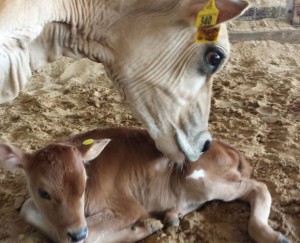
 When University at Buffalo chemists began studying waste disposal at a dairy farm in New York State, they thought that the farm’s advanced system for processing manure would help remove oestrogens and antibiotics from the excrement.


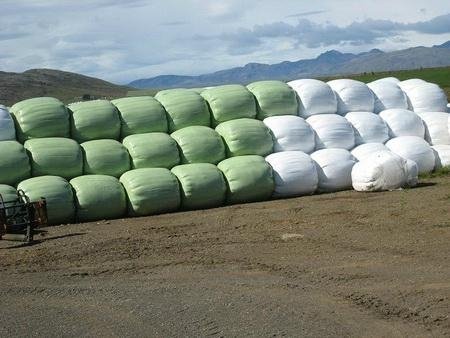 Farmers should be careful to dispose of their waste plastic in accordance with the law or risk huge fines, following the conviction of a business in Oxfordshire.
 Fermentable carbohydrates are the main energy source in diets of high-producing dairy cows and play a major role in microbial growth and protein synthesis in the rumen. Neutral detergent fiber (NDF), soluble fiber, starch, and sugars are the main carbohydrate sources.
 Benchmarking and knowledge transfer will be two essential tools to help farmers manage their businesses in volatile markets.





