The youngest animals on a dairy are often the most vulnerable. Improving mortality rates in this susceptible population can be the key to decreasing costs and improving productivity.
On U.S. dairies, the average mortality rates for pre-weaned calves is about 7.8 percent,1 which means nearly all operations can make improvements in this area, says Angel Aguilar, Ph.D., Dipl. ACAN, Technical Services Manager, Lallemand Animal Nutrition.
“Supporting calf health can pay dividends in reduced treatment costs, lowered death loss and improved gain,” he says. “To meet these goals, operations must ensure calves get a good start before they are challenged with stress. That takes attention to management practices and nutrition.”
To improve calf health, Aguilar suggests producers tackle the main causes of calf illness, which are scours, digestive and respiratory disorders associated with stress.1 He recommends reducing or eliminating the main causes of stress, such as:
・ Abrupt feed changes
・ Poor ventilation
・ Overcrowding
・ Exposure to sudden weather changes
・ Excessive heat or cold
Aguilar recommends producers also carefully transport, vaccinate and handle pre-weaned calves to reduce the stress associated with these events.
In addition, a healthy and balanced digestive system can support a calf’s overall immune system. One way to do this is to include an active dry yeast (ADY) probiotic to the milk replacer, raw or waste milk fed to neonatal calves. ADY probiotics containing Saccharomyces cerevisiae boulardii CNCM I-1079 have been shown to help reduce the negative impact of stress in cattle.
“Saccharomyces cerevisiae boulardii CNCM I-1079 is a proven probiotic that positively activates the immune system of cattle during times of stress,” Aguilar says. “It actually works in the animal’s lower gut to influence the calf’s natural immunity through an internal active process.”
Aguilar cautions that not every probiotic can deliver these effects, particular in newborn calves. Producers should look for specific strains that are proven to deliver results.
“At birth, the digestive system of a calf is just beginning to develop,” Aguilar says. “It’s one of the many ways calves are vulnerable. Probiotics can help alleviate stress that so often damages the productivity potential of the calf — and the herd as a whole. Healthy calves provide a strong foundation for the health of a herd and profitability of an operation.”
Lallemand Animal Nutrition is committed to optimizing animal performance and well-being with specific natural microbial product and service solutions. Using sound science, proven results and knowledge, Lallemand Animal Nutrition develops, manufactures and markets high value yeast and bacteria products ─ including probiotics, silage inoculants and yeast derivatives. Lallemand offers a higher level of expertise, leadership and industry commitment with long-term and profitable solutions to move our partners Forward. Lallemand Animal Nutrition is Specific for your success. For more information, please visit www.lallemandanimalnutrition.com.
“NO ONE PLANS TO WASTE RESOURCES.” A lot of planning and hard work goes into growing, purchasing, and formulating the best feed rations. But then what do we do with it? Are we throwing away all that hard work, before it has any opportunity to affect the health and production of our dairy herd?”
“It’s not what a few cows get fairly often, but what the whole herd gets consistently that shapes the success of a milking herd.”
#1 “You forget that the HOW can be as important as the WHAT.”
Simply placing feed in front of the cows and leaving the rest up to them, is a recipe for failure.
This is one of the most important places to use our knowledge of cows’ feeding behavior. We have lots of evidence to build on, using the particular conditions of our own herd. Have you ever analyzed the difference in the feed from the first cattle to it until the last?
#2 “You’re okay with Survival of the Fittest!”
It could be that the first to the buffet have the pick of everything. The last ones have something quite different. The subordinate cows do not get the same feed. First cows mow down on what’s right in front of them. Like people, cows will eat the stuff they like first. A knee-jerk solution might be to raise the energy of all rations. But, once again, you could just be giving more to the boss cows.
#3 “You Don’t MAKE ROOM for ALL your Cows to Reach the Feed!”
Use observation to confirm that the second ones to the feed you are providing have a different selection to choose from. You will probably be able to confirm that they are getting the sloppy leftovers. If animals are preventing other animals from getting to the best feed, you have to make some changes. Or not. The goal is to provide enough bunk space to allow all animals to eat simultaneously. You might also decide to add a physical solution such as headlocks or a partition. These steps will limit the number of cows that can eat at one time, but they will also make it harder for one cow to push another one away from feed.
#4 You provide WAITING room, not EATING room!”
It may appear to be normal behavior for cows to be waiting to get to the feed bunk. The only problem with this assessment of normal is that it is causing abnormal problems in other areas of the daily dairy cow routine. While waiting, the cows lose resting time and, in turn, this will decrease milk production.
#5 “You WON’T sort the Cows! “
There are many reasons given for not sorting cows. You can run through them in your head. In reality, when cows are fed a TMR they have a natural tendency to sort through the feed. They then toss it forward to where it is no longer in reach. This is the reason that shy cows have to reach and lick even to get “seconds.” This is particularly problematic when feed is delivered via a feed alley.
#6. “You Let THE COWS SORT the Feed!”
When you are told about the benefits of grouping you prefer to follow a more familiar, but probably less effective, path. There are benefits to creating a first lactation group. Older cows will not be able to push smaller ones away from the feed bunk. With specific grouping, the ration can be modified for the specific needs of these younger animals.
#7 “To save work, you accept the DOWNSIDE of Less Frequent PUSH UPS.”
When it comes to getting cows to make milk from the feed you put in front of them – it makes sense that the feed must actually get in front of them. Frequent push ups stimulate cows to eat. Adding more feed to push ups will attract cows that haven’t had enough feed intake for the day to get up and eat. When feeding dairy cows, it’s good to let push come to shove!
#8 “Your Cows are Lying Down, and Your Infections are Rising”
Okay, we are now behind the #8 ball. Suffice it to say cows that are laying down are not merely contented especially if it occurs right after they’ve been milked. Here is what research has proven. “Results suggest that management practices that discourage cows from lying down immediately after milking, such as providing fresh food frequently through the day (near the time of milking) may help decrease the risk of intramammary infection. For robotic milked cows, which milk frequently throughout the day, ensuring continual access to feed in the bunk via frequent fresh feed delivery as well as feed push-up is important to promote standing time after milking and reduce the risk of intramammary infection (DeVries et al., 2011b).”
#9 “You Mistakenly believe that cows CAN make up for LOST TIME!”
It is important to understand that cows do not make up for lost time. The idea that they will self-manage by coming back to the feed bunk is….bunk. What actually happens is that cows will eat 25 percent faster and eat larger meals. “This will lead to ruminal acidosis, which happens when the pH of the rumen drops drastically for an extended period of time. Acidosis in dairy cows can result in lower milk yields, lower milk fat yield, and sole ulcers.”
#10 “Your cows need MORE WATER, and Your PROFITS are DRYING UP TOO! “
Another forgotten nutrient is water. Water is perhaps the most necessary nutrient (NRC, 2001), yet its quality and availability is often overlooked. Interestingly, in a recent field study of free-stall herds in Eastern Ontario, Sova et al. (2013) found that that milk yield tended to increase by 0.77 kg/d for every 2 cm/cow increase in water trough space available in the study herds.
#11 “Increased Frequency is too much for you to consider!”
No doubt you are aware that problems listed here for making better use of your feed dollars are repetitive. We are aware of that, and we are striving to make the point — over and over again — that dairy cows need to be able to eat frequent, small meals when they want to. Feed less feed more often. (Read more: CALF FEEDING FREQUENCY: The more often, the merrier?)
#12 “Small Changes (see #’s 1-11) Make a BIG Difference! Do you care?”
We all would like someone to “Show me the money!” and “Show me the research” question too. Because nothing will help if you aren’t willing to take action. Here’s some useful facts to start you planning your action strategy. The results are measurable.
Bach et al. (2008) found in a cross-sectional study of 47 herds, fed the exact same ration, that 56% of the variation in observed milk production was explained by non-dietary factors (i.e. presence or absence of feed refusals, free stall stocking density, and whether feed was pushed up in the feed bunk).
Sova et al. (2013), found in a cross-sectional study of parlour-milked, free-stall herds that every 10 cm/cow increase in feed bunk space was associated with 0.06 percentage point increase in group average milk fat and a 13% decrease in group-average somatic cell count.
Research suggests that feed push-up does not have the same stimulatory impact on feeding activity as does fresh feed delivery (DeVries et al.,2003); nonetheless, push up does play a vital role in ensuring that feed is accessible when cows want to eat.
IT’S TIME FOR A POSITIVE TURNAROUND
Managing a profitable dairy isn’t about what you DON’T do. It’s time to turn those negatives into positives.
How you feed dairy cows is just as important as WHAT you feed them.
Provide equal opportunity feed access for ALL dairy cows.
Start by making room for ALL cows to reach the feed.
Provide at least the recommended bunks space of 24 inches.
Sort cows. Create a first lactation group.
Find an effective way to prevent feed sorting
Push feed up frequently.
Prevent excessive lying down time right after milking. Cut down on infections.
Recognize that managing cow behavior also manages your profits.
Provide clean, easily accessible water.
Feeding frequency can positively affect milk production.
Have an action plan so that the small things can actually make a BIG difference.
THE BULLVINE BOTTOM LINE
There are many steps from field to feed bunk. Each small decision along the way can affect the outcome in the milking line. Profitable dairies don’t squander dairy feed dollars. The future of the herd depends on achieving the best results from all your feed all the time.
“It’s not what a few cows get fairly often, but what the whole herd gets consistently that shapes the success of a milking herd.”
When the feed bunk is overstocked it can have negative impacts on profits.
Overstocking at feed bunks can impact the time budget and behavior of a dairy cow. This occurs if a cow spends longer than 2.5-3.5 hours a day away from the barn. This time budget includes 5 hours for eating, 12-14 hours for lying and resting and 2-3 hours for walking. Disruption of this time budget can occur if a cow has to wait at the feed bunk to eat. The cow will lose time in one of the other areas of her time budget impacting productivity.
The recommended amount of bunk space per cow is 24 inches. Less than 24 inches of bunk space per cow is considered to be overstocking of the feed bunk. When a feed bunk is overstocked, cows will have to wait to eat. While waiting, she is losing time to rest which in turn will decrease milk production. Overstocking at the feed bunk will also make it more likely that a cow will be displaced by another cow due to increased competition.
It is important to understand that cows do not make up for lost feed time. They do not come back to the feed bunk when there are less cows. Cows will instead eat 25 percent faster and eat larger meals. This will lead to ruminal acidosis, which happens when the pH of the rumen drops drastically for an extended period of time. Acidosis in dairy cows can result in lower milk yields, lower milk fat yield, and sole ulcers.
The design of a dairy free stall barn has an impact on bunk space. In a 4-row free stall barn, bunk space per stall is 24 inches. However, in a 6-row free stall barn, there are 18 inches of bunk space per stall. This means that if a 6-row free stall barn has more than one cow per stall the negative impacts of feed bunk overstocking will be seen sooner than in a 4 row free stall barn.
Inadequate feed bunk space in the transition cow pen will negatively impact a dairy herd. Michigan State University Extension recommends that each transition cow has 30 inches of bunk space and the stalls are only 80 percent stocked. Close-up dry and fresh cows are already predisposed to decreased dry matter intake and a sensitivity to acidosis. In order to have a smooth transition period, it is important to plan ahead and make sure your transition animals have the space they need.
If the feed bunk is overstocked there are ways to decrease some of the negative impacts. Some of these are:
Develop a long term strategic culling plan to keep the ideal number of animals in each pen.
Add cows to the “Do not breed” list earlier.
This will allow cows to complete the lactation without spending money on breeding for an inferior cow.
Look at your replacement heifer inventory.
Many farms have more heifers than they need. They can be sold young or as fresh 2-year-olds.
The decision as to which heifers to sell can be done by looking at health events and genetic potential.
Feed more times per day and/or add more feed push-ups to the daily routine.
This will attract a cow who has not had enough feed intake for the day to get up and eat.
Add head locks to the feed bunk.
Headlocks will limit the number of cows that can eat at one time, but they make it harder for one cow to push another one away from feed.
Create a first lactation group
Older cows will not be able to push the smaller ones away from the feed bunk.
The ration can be tailored to help continued growth for those younger cows.
Several changes in the way dairy farms can use antibiotics came into effect January 1st, 2017. At this point, most people are aware of the Veterinary Feed Directive (VFD) and the effect it has on some of the practices we used in raising replacement heifers. The same legislation that brought in the VFD also changed access to certain over-the-counter (OTC) drugs. One of the drugs affected by this change were the tetracyclines that hoof trimmers commonly used to treat digital dermatitis (hairy heel warts). On top of this, it is expected that at some point in 2017, the National Conference on Interstate Milk Shipments (NCIMS) is going to start a pilot tetracycline testing program. This pilot program will test 1/15 of all grade A raw milk for tetracycline residues on a quarterly basis.
What does this all mean for your farm? Primarily you will notice that your hoof trimmer will no longer be able to show up on your farm with tetracycline powder that they purchased themselves and farms will have to supply it. Unfortunately, there are no antibiotics with a licensed label claim for the treatment of digital dermatitis. This means that the use of tetracycline to treat these cows is considered extra-label drug use.
For farms to be able to continue to use tetracycline powder, the farm will need to get their veterinarian to write a prescription. To write a prescription, your veterinarian will require the farm to have a veterinary client patient relationship (VCPR). The VCPR means that:
The veterinarian is familiar with the client (farm owner)
The veterinarian is familiar with the herd being treated
The client must agree that the people who use antibiotics on their farm (including hoof trimmers) follow the veterinarian’s specific directions.
A prescription needs to include:
A dose
An application method
Appropriate milk and slaughter withdrawals information
To ensure your farm continues to use antibiotics responsibly and is not affected by the change in both access to tetracycline powder and the pilot testing program, it is important that your veterinarian and hoof trimmer communicate and develop a treatment protocol that they are both comfortable with. Your veterinarian will want to be certain that the specific instructions they provide on their prescriptions are followed to ensure the milk withdrawal period is appropriate.
Research conducted at the University of Minnesota has shown that treatment with tetracycline powder does create residues in the milk and teats do become contaminated with the treatment. This raises some questions for veterinarians writing prescriptions and they will want to ensure a system exists to ensure proper dosages are used to prevent violative residues.
A violative residue is a residue that is above the maximum residue limit (MRL) of 300 ppb for tetracycline. From this University of Minnesota research, we know that applying 2 grams or less of tetracycline powder per lesion for a maximum of two lesions per cow will not cause violative residues in individual cows and is enough to successfully treat the lesion (Figure 1). A complicating factor is that although the MRL is 300 ppb, some of the tests used to screen milk can detect tetracycline residues at a much lower level. What you and your veterinarian will need to consider is how your milk processor is going to implement the NICMS pilot program and how they will use the results of tests that find tetracycline residues below the MRL. In most cases, if an appropriate dose of tetracycline is used on individual animals, the risk of contaminating the food supply with violative residues is minimal. However, in some cases, your veterinarian might be uncomfortable with the risk of potentially contaminating the milk supply and include a milk withdrawal period.
The bottom line in all of this is for you to be sure your hoof trimmer and veterinarian have developed a protocol that ensures cows with digital dermatitis receive appropriate treatment and also address the new rules around the use of and testing for tetracycline.
On average, a Danish dairy cow calve once a year. However, there are many indications that fewer calvings and extended milking periods have more advantages.
By extending the lactation by up to six month both the environmental and climate impact of the livestock production may be reduced, whereas productivity and animal welfare potentially improve.
Moreover, research now shows that the milk quality is not affected negatively – contrary to previous fears:
There are a very limited number of studies examine the impact of extended lactation on milk quality; but previous studies have caused some concern. However, it is worth noticing that these studies date far back – and therefore they do not take modern livestock production into consideration, explains Assistant Professor Nina Aagaard Poulsen from the Department of Food Science at Aarhus University.
Higher protein and fat contents
Within the context of the research project REPROLAC she and a number of colleagues have joined forces with representatives from the industry in order to clarify all aspects of the production method – including the effect on milk quality.
A PhD student from the Department of Food Science has been affiliated with the project, the efforts of which e.g. includes a comparison of milk samples from different stages of lactation – focusing specifically on taste and the properties making milk suitable for cheese production.
As expected, milk yield decreases over time. However, the contents of protein and fat increased. Our investigations thus show that the cheese-making properties of milk improve during lactation, Nina Aagaard Poulsen says.
No negative effect on taste
Apart from measurable factors, the researchers have used a professional taste panel to investigate whether the extended lactation strategy affects the taste of the milk.
Previous investigations have indicated that milk from cows in extended lactation may have an undesirable and salty taste.
In addition, problems with increased proteolysis or protein breakdown may occur, especially if increased cell count problems arise during lactation.
As mentioned before, milk from cows in extended lactation contains more fat and protein and this is reflected in the taste panel evaluation. As an example, panel participants state that the milk is more creamy and fat. Most importantly, however, they do not indicate any negative impact on the milk taste, Nina Aagaard Poulsen says. In other words, there is no reason to fear that milk quality is reduced by extended lactation – neither with regard to the composition, the cheese-making property nor the taste of the milk.
At the Cargill Animal Nutrition Meeting recently, speakers Dr. Chris Canale and Dr. Gordie Jones showed us the feeding and cow care practices that lose milk production in their presentation, “Thrive: Finding lost milk and profit at any price”. In the case of corn silage, starch availability is a big predictor of how well it feeds. 20-30 percent of the starch value depends on the amount of processing and grinding prior to feeding or ensiling. Kernel processing scores (KPS) can be a helpful guideline. A KPS under 65% leads to a loss of about 4 pounds of milk/cow/day. Genetic differences in hybrids are a major factor as well – PDMP data illustrates clear differences in starch availability by hybrid early on in the fermentation cycle, so starting out with more floury starch hybrids can prove to be a great advantage.
There’s more to NDF than we often think, and this goes for all forages. Fast and slow pools and UNDF240 were discussed by both speakers to get at the heart of fiber digestibility. Low UNDF240 is critical to predicting fiber digestion in cows, and even though no feedstuffs remain in the cow for that length of time, the analysis is used to predict KP and KD rates in high producing cows, and to understand the total kinetics of NDF digestion.
Small grain forages are a good double-cropping option as well as an excellent way to add a high yield of highly digestible fiber to your rotation. Not only do winter small grains give you a chance to bring extra tonnage from the same land area, they have very high NDFd values and low UNDF 240. Also, if the DM is low in small grains there is a lower probability of butyric acid formation compared to alfalfa silages. Dr. Canale’s data showed that the very worst grass or small grain is more digestible than the best alfalfa, and that another 4-5 lbs of milk is potentially achievable by replacing poor forage with highly digestible cereal silage.
In addition, 1 pound of rumen digestible starch can yield 2.7 lbs of milk.
Recumbent cows and time budgets are critical. Every hour of rest for a cow equals about 3.7 lbs of milk.
Dr. Jones shared his four rules for cow performance:
Cow comfort
Forage is King
Better forage is BETTER
Pregnancy rate – keep cows in the herd!
As he reminded us, “cows do not cause problems; cow problems are caused by people.” He also urged us to find bottlenecks in our production system by looking at industry and internal benchmarks. Fix the bottleneck or flow rate problem, then look for the next bottleneck. Repeat, repeat, repeat!
Dr. Jones also explained his Three Circles of Excellence:
Time budget-
Time to milk, time in transit, time to eat and drink and rest. No more than four hours out of the day should be spent away from feed, water, and beds.
When is she fed? Feed 50 percent or more of DMI so it is present at the exit of the parlor. If you are tie stall herd, feed before you milk.
Cows and managers shouldn’t see the concrete or tiles under the feed until after noontime. Every spot of concrete or feed liner visible is $1 in lost milk value.
No more than one hour in headlocks.
Feed 105-110 percent of actual DMI; push feed up every two hours.
What does the cow experience in a year-long time budget?
Group changes can knock off 6 lbs/cow/day
Social groups are needed to restore, boss cows, water placement and number of waterers (never less than two for any size group)
Pen population size is critical for social groups – 2-100 cows you have a single group; 100-300 cows and you have 2 groups
Over 300 cows in a pen and you have no social groups.
Dr. Jones recommends only 1 ration be fed.
Two more time points are critical: when is she bred and confirmed, and how long is the cow dry? She required 55-60 days dry.
Two year cycle of growth for heifers. Maternity pen clean and dry, calves in hutches.
Always wean calves in even numbers (they are herd “prey” and everyone needs a buddy).
Always wean into groups of 20 or less
Breeding at 13 months, vaccinate, feed
Though cow management is a key to productivity, recovering milk production starts in the field, with more and better forage. I connected with this message because King’s AgriSeeds emphasizes building a profitable operation on a foundation of high energy forages grown on the farm. In our product selection process, we look for the genetics that lead to the most digestible products.
Even in the best of times, small farms struggle to remain profitable. Dairy producers have come through years of pressure from all sides of the industry – economic, political and environmental – to name only a few. Many, regardless of size, are having serious concerns about the future of their dairy farm.
Before we look at this question, we have to set some parameters. Let’s begin with a look at what defines a small farm. Are we talking the romanticized version of dairy farming which non-dairy perception mostly pegs at 30 milking cows or less? Or are we closer to today’s reality? In the USA small now means herds with fewer than 100 milking cows. In Canada, the cross Canada numbers might peg small at 50 milkers.
The second major question is, “Do we want small farms to merely survive? Or do we want them to thrive? The global and North American dairy community has been through almost a decade of economic crisis. If you’re small and still here, you have figured out how to survive? But is survival a benefit to our families, our communities or the dairy industry?
Popular advice would say that smaller farms should cut back during adverse periods. Others would say, focus on highly specific market segments. Both options assume that small dairy producers are willing to be proactive and aggressive even as the economic returns continue to shrink. At this point, either option seems somewhat ludicrous.
In the worst of times, when waning consumer demand combined with falling milk prices is hitting their bottom line right beside rising labor and feed costs, small farms face an even steeper climb. Admittedly, some small businesses, usually outside of agriculture, adapt to adversity by turning to new products, services or processes. Small dairy farms in survival mode are in no position to take these initiatives. Like deer in the headlights they are almost frozen in place not thinking of aggressive strategies.
Reports to the National Milk Producers Federation recently stated that, “Its far more lucrative to operate large-scale dairy farms with 500 cows or more.”
At the same time that small dairy farms struggle, their larger dairy counterparts who produce larger volumes can take advantage of their greater income to consider automation of their milking operations. This means they have more strategic options despite economic downturns.
Some analysts still say that small farms have the advantage. While large farms are hampered by their size, small farms can change their plan or tactics much faster. While the larger operations are studying options, small farms can make a quick turnaround. This looks good in theory, but in actual fact all dairy farms are dealing with live animals, financial constraints, and the immediacy of providing the cash flow necessary for the maintenance of the operation and the day-to-day needs of the people and livestock depending upon it.
Larger farms, and particularly growing ones, are more competitive, invest more, offer better wages and benefits and are more likely to contribute to export markets. Put simply, growing farms, not small ones, drive economic growth. Governments should want more growth but policies are sending exactly the opposite signal: “Stay small. Don’t grow.”
Small may be beautiful but not when it gets to the point of recklessness. We cheer when headlines announce that government plans to give small farms and small business in general a break. Surely, they deserve special help – in order to survive in a world that is more and more dominated by everything big: big business, big box stores, big, big, big. Ironically there may be farms that are consciously choosing to remain small to remain eligible for government assistance.
Small may be beautiful, but not if it becomes a roadblock. It’s unfortunate when popular politics doesn’t actually represent what is good for the economy. Handouts and tax breaks may even cause harm by creating a perverse discouragement for growth. It takes growing companies to drive economic growth. For small farms that means that political and financial policies are sending exactly the opposite message: “Stay small. Don’t grow.”
It’s time for governments and lenders to encourage strategies that encourage growth.
For example, in 2013 the Canadian Federal Finance department pointed out that small businesses, which would include smaller farms, “play an important role in the economy,” and tax breaks help them “retain more of their earnings for investment, expansion and job creation.” However, there is no evidence to support these objectives and one is left to conclude that the voting block represented by 600,00 voters is more of a political incentive than an economic one.
Will Political Agendas Backfire? Further along this line of considering how political agendas diverge from farm reality, are the issues of international trade and protectionism. On the one hand watching government leadership proclaim support for agriculture by making protectionist moves against trade agreements and foreign goods being blocked from competition, seems to support both small and large dairy operations. In reality, in the US, when such barriers come into play, it merely allows other international competitors to scoop up markets that, before US withdrawal, saw themselves as too small to compete in. While North America goes into “I don’t wanna play in your yard” mode, the rest of the world greedily anticipates cherry picking in their former markets.
The Bullvine Bottom Line
For small dairy farms, these continuing periods of financial turmoil and the competition from more and more large dairy farms, means that they face a unique set of challenges. Selecting a strategy for the future will directly impact whether small dairies thrive, survive or give up.
Bovine respiratory disease (BRD) is an economic challenge to dairy producers. It continues to be the major cause of death in weaned calves and can lead to poor performance later in a cow’s life.
Dr. Mark van der List, Professional Services Veterinarian with Boehringer Ingelheim Vetmedica, Inc. (BIVI), suggests implementing the following management practices on your operation to help reduce the impact of BRD in your herd:
Reduce cow stress
BRD often presents itself in times of stress: weaning, feed variations, high humidity, calving and season changes. During these periods, it’s important to reduce stress factors and keep a close watch on your herd. Stress can also lead to immunosuppression — especially around calving. A focus on cow comfort and other management practices, including avoiding overcrowding, using low-stress handling techniques, and good calving management can help reduce stress and improve transition cow health.
Ensure proper housing
One of the biggest risk factors for BRD is poor ventilation. Make sure cows are in an area where there is fresh air flow, with clean, dry bedding to improve cow comfort.
Monitor herd closely
Recognize the signs of sickness, especially after calving. Fever, increased respiratory rate, discolored nasal discharge and coughing are all symptoms of BRD. Work with your veterinarian to properly treat a cow with pneumonia.
Implement a sound vaccination program
Vaccination against BRD is crucial to prevention. Take the time to vaccinate cows in the dry period to help boost not only the cow’s immunity, but also to boost immunoglobulins in colostrum and start the calf off on the right foot. Dr. van der List recommends working with your local veterinarian to develop a vaccination program to prevent BRD in your herd.
Daily in-line milk analysis with the Afimilk’s AfiLab milk analyzer may be more useful in predicting a cow’s future lactation than monthly DHIA tests, according to a recently published study of 37,486 Holstein cows over a two-year period.
Unprecedented in scope, the study “Genetic and phenotypic analysis of daily Israeli Holstein milk, fat, and protein production as determined by a real-time milk analyzer,” selected for “Editor’s Choice” in the December 2016 issue of the Journal of Dairy Science, appears to validate the hypothesis that AfiLab daily analysis of milk components provide a more representative measure of a cow’s total lactation when compared with monthly DHIA tests.
Joel Weller and Ephraim Ezra from the Agricultural Research Organization, Volcani Center, compared daily records of milk production, protein and fat concentration collected by the AfiLab with monthly test day records of the same statistics derived from the central laboratory of the Israel Cattle Breeders Association. They concluded that real-time daily recording may be preferable to monthly DHIA testing based on several findings:
Lactation means were similar for the two methods for all traits except fat production, with minor differences of up to 0.1 percent.
First-parity heritabilities were higher for lactations computed from daily records for all traits except protein percentage, but differences were not significant.
At only 30 days in milk (DIM), high genetic correlations ranging from 0.73 to 0.79 were observed between predicted and actual lactations using in-line milk sampling.
Daily first-parity partial lactations for milk, fat and protein production with <150 DIM predicted future lactation more accurately than corresponding monthly partial lactations.
According to Weller & Ezra: “The AfiLab phenotypic correlations are higher than the ICBA correlations for all 3 traits at all 9 truncation points, even though DIM at truncation was lower for the AfiLab records.”
Afimilk’s In-line Milk Lab measures milk yield, components and conductivity every milking to help manage cow selection, and alert when cows are at risk for diseases such as mastitis and ketosis, and nutritional changes affecting the entire herd.
Afimilk, a global leader in farm management tools, provides dairy farmers in over 50 countries with technology and expertise to profitably produce milk for over 40 years. Read more: http://www.Afimilk.com. Visit us at World Ag Expo stand DS69,70,83,84.
When Adam Faust purchased his parents farm four years ago, he was determined to carry on his grandfather’s legacy, and had already had his sights set on updating the old bank barn for creature comforts during his 15-year partnership with his father. The last update was in 1974.
The work began in October 2015. Two months later, he was milking cows in the renovated tie-stall barn on Christmas Day 2015.
“I spent a lot of time researching. I looked at all types of ventilation systems and all types of facilities and milking systems. I looked at Nigel Cook’s designs at the University of Wisconsin. but when it came right down to it, Tom Kestell (Ever-Green-View) encouraged me by telling me the walls here are strong, and that what’s between them can be replaced, and so that’s what I did,” Adam reflects. “He told me there is not a better system for making milk than a properly designed and managed tie-stall barn.”
While he farms 500 acres, runs a custom harvesting business and sells Latham seed, it is the cows on the Northeast Wisconsin farm that are his biggest focus. Whether it’s the cows or the crops, Adam enjoys developing genetics in all that he does. He has a few Excellent cows, including an Adonis daughter with four out of five dams all Excellent that he purchased as a calf, and calved into his herd last summer.
Adam was one of five finalists for the 2017 Wisconsin Outstanding Young Farmer award. He is president of the Calumet County Forage Council, has served several years on the county dairy promotion board, is a member of the Holstein Association and Farmers Union, as well as participating actively in various community civic organizations and volunteering as a member of AgrAbility.
But those aren’t the things I found so inspiring during my summer visit to the rejuvenated Faustone Holstein Farm, Chilton, Wisconsin.
Born with spina bifida, Adam has overcome mobility challenges from the various degrees of paralysis. He has worked hard and persevered to pursue his passion for dairy farming. His recent remodel of the bank barn added a few touches for his own assistance, but his focus has admittedly always been the cows.
AgrAbility partnered with Easter Seals and the Wisconsin Division of Vocational Rehabilitation to help Adam realize his dream of independent farming, including custom steps for the tractor and feed bins instead of carrying feed bags for the youngstock and the detacher rails for moving milkers from stall to stall.
“I have always known this is what I wanted to do,” the young dairyman said. He has been mentored by some of the best in the community, like Tom Kestell, getting him involved in showing at the age of 12. From these mentors, he learned how to pick a calf that will make a good cow. Some of his best can be traced to the Ever-Green-View cow family that produced Kestell’s single-lactation milk yield world record holder for 2013 and 2016.
Adam has been thinking about modifying the dairy’s bank barn ever since he completed the two-year University of Wisconsin short courses in agronomy and dairy at the Madison campus in 1999. He did his own research on dairy systems in Europe and Canada, and he was inspired by Kestell’s comments, especially since Ever-Green-View is home to the cow that set the world record for single-lactation milk production in two of the past five years.
Top on his cow comfort list was to increase the stall size. He added 10 inches to the width and length and increased the neck rail space for lunging from 48 inches to 54.
He deep beds the tie-stalls using “Alternative Animal Bedding” produced from a byproduct of recycled de-inked paper from a mill outside of Green Bay. Each load is mixed with deep-bedding lime to reduce moisture and increase pH. Adam grooms the stalls each day to keep the deep-bedded material flat and adds fresh as needed. The cows are free to nestle in just like a sand bed.
“I like big powerful cows, so I wanted the stalls to fit the kind of cows I like, and I wanted them to be comfortable,” said Adam as he showed me around and pointed out a few of his top producers and Excellent cows. He has built up the pedigrees for type, relying on quality forages, a high forage TMR and improved cow comfort for increased production among his 70 cows. Production continues to climb into the upper 70s with good components and low somatic cell counts as the comfort has improved.
Milk from the Faustone Holsteins is shipped nearby through membership in a small local marketing cooperative and is used for both cheese as well as soft serve made famous by the farmer-appreciating Midwestern restaurant chain: Culver’s.
While he uses genomics to a point, Adam is building his herd’s genetics by investing in cow families and is quick to point out that the world record milk production cow from Ever-Green-View was not a high genomic testing cow on paper. Adam is proud to have daughters from her in his herd because, as he points out, “that family has produced tremendous milk cows.”
“I will use high genomic bulls — if the pedigree behind them in decent,” he explains. “I want the bulls to have something real behind them. I look for deep cow families and components. I want a balanced cow that I can feed for yield. They need to be big enough to consume enough forage to make the milk.”
To that end, he feeds a 65% forage TMR that consists of hay, corn silage, corn and soybeans — all grown on the farm.
Adam has made numerous other cow comfort modifications to the bank barn.
The detacher rails are helpful to him, allowing him to pull the milkers to each tie-stall on the rail system instead of carrying them. And he has equipped each tie-stall with a deep Canadian-style drinking cup.
He has opened up the window sections of the concrete block walls for larger glass-block windows to let in more light and added long-day LED lighting. This concept can be a bit difficult for the previous generation when walking through the barn feeling as though lights need to stay off. But Adam is happy with the atmosphere for the cows.
To increase air flow through the barn, he put into the wall at the far end of the stable two 72-inch ceiling-to-floor fans for air-intake year-round and small directional fans over stalls for summer. The two large intake fans produce air exchange every 14 seconds and air movement at 12 to 15 miles per hour.
The barn is now wireless equipped, and Adam uses the Del Pro system, allowing the DHIA testing to be done electronically.
In addition to the tie-stall renovation and the deep bedded stalls, Adam has adopted the 7-day fresh cow routine for his fresh cows and two-year-olds. “I picked up a sample on the first day of the 2016 Oshkosh show. Two days later, after using it on a high-pedigree 2-year-old, I had my hired man go back to buy a whole gallon.”
That fresh heifer had not been milking out completely and was giving well below her production potential. “I sprayed her udder after each milking, and by the 3rd time, she was milking out to a dishrag. Her 7-day average rose quickly from 15 to 94 lbs after the Udder Comfort straightened her out,” he explained. “I am sold on this product. It gets edema out fast for a complete milkout. Now we spray it on all fresh udders after each milking for 7 days to improve comfort and reduce stress. I see them get going and their SCCs coming down faster with far fewer high-count cows. ”
All of these changes will help Adam further build the herd’s performance at Faustone, and he has no regrets about renovating instead of building new. He wanted to continue with the tie-stall style of management and wanted to keep the herd small.
Dairying is something he loves, and now he loves the way the barn suits both him, and his cattle.
Today, prevalence of anestrous cows is estimated at 20% to more than 40% in U.S. dairy herds.1 The complications can be detrimental to your reproductive success. These cows have lower probability of breeding, lower conception rates and longer intervals to conception than cycling herdmates.2
What are anestrous cows costing you?
Anestrus, or missed estrous periods, can significantly reduce reproduction efficiency. Missed estrous periods increase the animal’s number of days in milk, which in turn costs producers lost income. The cost per extra day open beyond the voluntary waiting period can be more than $3.00 per cow per day,3 which can add up quickly if cows are not managed properly.
It’s important to rule out poor heat detection before assuming cows are not cycling. The following methods can be used to identify anestrous cows:
Observation: No signs of estrus since calving
Ultrasound: No corpus luteum detected on either ovary in two exams at seven- to 14-day intervals, such as on Day 35 and Day 42 post-calving
Blood or milk samples: Low concentrations of progesterone discovered in two samples collected at seven- to 14-day intervals, such as on Day 35 and Day 42 post-calving
Can anestrous cows be treated?
Work with your veterinarian to properly identify anestrous cows or other reproductive issues. Once diagnosed, Eazi-Breed™ CIDR® Cattle Insert can be used for the induction of estrous cycles in anestrous dairy cows, which is the only on-label treatment option available. Continue to work with your veterinarian to implement protocols that follow the product label and will help get your cows cycling again.
How do I prevent anestrus?
Nutrition plays a large role in the prevention of anestrus. Following calving, make sure you’re getting cows to a positive energy balance as soon as possible to improve body condition score and their overall health. Cows with a body condition score (BCS) ≤ 2.50 have a significantly lower probability of becoming pregnant by 150 days postpartum than cows with higher BCS.4
Work closely with your veterinarian to make reproductive health a Dairy Wellness priority. Discuss estrous detection with your employees to help minimize anestrus incidence on your dairy. Visit DairyReproSolutions.com for more information.
IMPORTANT SAFETY INFORMATION FOR EAZI-BREED CIDR: Avoid contact with skin by wearing protective gloves when handling Eazi-Breed CIDR inserts. Do not use in heifers of insufficient size or age for breeding or in cattle with abnormal, immature, or infected genital tracts. Do not use inserts more than once.
The success of fresh cows can determine the success of your dairy. But why do some transition programs yield success while others do not? And how do you know? With guidance from the Transition Cow Management Report (TCMR), your veterinarian can help you use data to evaluate the performance of your transition cow program. The TCMR uses four objective measures to rate your transition program performance:
Transition Cow Index®-Daily (TCI-D®)
First test fat% to protein% ratio (FPR)
Linear score at first test date
Percentage of fresh cows sold/died less than 60 days in milk (DIM)
With this data, you can:
Identify new profit opportunities by getting cows to optimum performance
Consistently monitor herd health from month to month
Evaluate how on-farm decisions translate into lactation and health outcomes
Protect Dairy Wellness by improving the health of your herd and your dairy business
Talk with your veterinarian about harnessing the power of the Transition Cow Management Report.
Transition Cow Index and TCI are registered trademarks of Wisconsin Alumni Research Foundation.
When choosing a milk replacer, calf raisers often look at two key ingredients: fat and protein. But did you know there are four major ingredients in milk replacer?
“Milk replacers are made with four major components: protein, fat, lactose and ash. All four work in collaboration with one another,” says Skip Olson, Technical Services Veterinarian for Milk Products, LLC, Chilton, Wis.
Protein and fat are traditionally used to describe a specific milk replacer’s formulation, with the first number representing protein and the second, fat. For example, a 24:20 milk replacer would contain 24 percent protein and 20 percent fat.
Ash (mineral) percentage is determined by the ash content of the various ingredients.
“Ash is a naturally occurring substance in milk- and plant-based feed products,” says Olson. “It is made up of minerals, including sodium, potassium, chloride, calcium and trace minerals. Many of these essential elements contribute to the cellular function of calves that allow for both growth and strong immunity.”
The fourth ingredient, lactose, is variable. Its percentage changes because it completes the formulation based on the protein, fat and ash content. In a 20:20 milk replacer with 10 percent ash, lactose would make up the remaining 50 percent. If the protein level was changed to 24 percent, lactose would drop to 46 percent.
“Whole, raw milk contains about 5.5 to 6.5 percent ash,” says Olson. “Milk replacers usually contain more ash because they often are manufactured using primarily milk-based ingredients that concentrate natural minerals.”
An example is reduced-lactose whey, or “delac,” which is a coproduct of cheese production.
Milk replacers also often contain additional additives – trace minerals, vitamins and medications – which increase ash content. The result is a 7 to 12 percent range in commercial milk replacers, with most containing about 9 percent ash. Olson says a higher number is not necessarily detrimental to the calf for a number of reasons:
Protein, fat and lactose are variable influencers. Protein is required by the calf for lean tissue and structural growth. Fat and lactose combine to provide energy to fill in the skeletal frame. Ash levels only become “too high” and limit growth when they don’t allow for enough lactose to provide a total energy package that maximizes growth based on the amount of protein in the ration. Even in those cases, the setback in weight gain is minor. For example, when a 25:20 milk replacer containing 9 percent ash is fed at 1.5 pounds of dry matter per day, National Research Council (NRC) predicted gain at 60 degrees Fahrenheit is reduced by only 0.03 pound per day compared to a formulation containing 7 percent ash. Over a 5-week period, that amounts to just a 1-pound difference in total gain.
Feeding rate matters. Using the same formulation of 25:20 milk replacer but increasing the feeding rate to 2 pounds of dry matter per day means the 9 percent ash level won’t have any influence on predicted gain. That’s because feeding at this higher rate provides more than enough available energy (fat + lactose) to accommodate the protein in the ration.
Cost of adjustment usually is not recouped in gain. The primary challenge in manufacturing milk replacers is providing high-quality nutrition at the least cost. “Delac” often is a key ingredient to accomplish both. It is higher in ash than other common ingredients. But, given the examples above, it can be used to develop milk replacer formulations that still result in acceptable ash levels. For example, choosing a 12 percent ash product versus a 9 percent product saves $1.50 to $2.00 per bag, while sacrificing only 2 pounds of total predicted gain for the first 5 weeks of feeding.
Moisture also is a factor. Probably a more important variable than ash is moisture level in milk replacer. Moisture can vary from 2.5 to 7 percent. As an example, a bag of milk replacer with 7 percent moisture has 4 percent less dry matter (and 4 percent more water) than a bag with 3 percent moisture. That represents a 50-pound bag of milk replacer with 2 pounds less dry matter and nutritional value. Essentially, you’re paying for added water. High moisture content has a much more detrimental effect on calf growth and cost efficiency than high ash content. A 20:20 milk replacer with 7 percent moisture, fed at the same volume as a 20:20 formulation with 3 percent moisture, will result in 0.07-pound lower average daily gain, or a total of 2.45 pounds of gain in the first 5 weeks of feeding.
Olson says the last example is especially telling, because the two bags of milk replacer likely would sell at a very similar price.
“Unlike ash, where a small sacrifice in gain would be offset by a more affordable product, moisture levels at the high end of the acceptable range usually do not come at a lower price. But they have similar, or more profound, impact on gain,” he states.
“Ash is not added to milk replacer as a ‘filler,’” says Olson. “It is a natural and varying component based on the ingredients selected for the formulation.”
The reasons dairy producers invest in genomic testing are as unique as the print patterns in a herd of Holsteins.
Hear four dairy producers from across the United States discuss different reasons behind their decisions to introduce genomic testing on their operations in a webinar, “Genomic Testing in Action: How Dairies Use Data to Improve Herd Productivity and Profitability”, held Nov. 30, 2016. The four panelists also share the progress made with CLARIFIDE® and CLARIFIDE Plus, new offerings that provide direct indication of the genetic risk for six of the most common and costly animal health diseases: mastitis, lameness, metritis, retained placenta, displaced abomasum and ketosis.
Participating panelists were:
Brian Houin — Homestead Dairy in Plymouth, Indiana
Paul Van Warmerdam — PH Ranch in Winton, California
Brian Fiscalini — Fiscalini Farms in Modesto, California
Simon Vander Woude — Vander Woude Farms in Merced, California
Their reasons for investing are unique, but all producers share one thing in common — positive results. This includes the ability to make earlier culling decisions to right-size their heifer inventory or improvements to production, reproduction or herd health progress. Some shared that they have a new stream of income for the farm as a result. For Fiscalini Farms, examples of progress made with the help of genomic testing include earlier culling of lower-ranking heifers and a higher, more productive proportion of third-lactation or higher cows, which are contributing to $300,000 in feed savings and improved production, respectively.
Watch the webinar to learn more about how you can unlock your herd’s genetic potential and increase your dairy’s profitability, just like these producers.
Successful strategies follow integrated, multifaceted approach that takes local livestock production system into account and involves all relevant stakeholders.
Reducing the use of antimicrobials in food-producing animals, replacing them where possible and rethinking the livestock production system is essential for the future of animal and public health, according to experts from the European Food Safety Authority (EFSA) and the European Medicines Agency (EMA).
Antimicrobial resistance (AMR) is one of the world’s most pressing public health issues, and the use of antimicrobials in animals contributes to this problem, so limiting their use to the minimum necessary to treat infectious diseases in animals is crucial, EFSA and EMA said.
The ESFA and EMA experts have reviewed the measures taken in the European Union to reduce antimicrobial use in animals and stress that there is no one-size-fits-all solution; successful strategies follow an integrated, multifaceted approach that takes into account the local livestock production system and involves all relevant stakeholders — from governments to farmers.
“It is clear that strategies that are already available can be implemented immediately and will have a positive impact on levels of antimicrobial resistance. At the same time, there is a need for innovative solutions. We need to find alternative ways to prevent and treat bacterial infections in animals,” EFSA executive director Dr. Bernhard Url said.
“There are only a few new antibiotics in the development pipeline; hence, those already available need to be used responsibly, both in humans and animals,” professor Guido Rasi, EMA executive director, added. “Collecting data on AMR and antibiotic consumption is key to putting into place effective measures to control AMR and retain the effectiveness of antimicrobials for the benefit of public and animal health.”
Measures
Control strategies that have been important drivers of change include setting national targets to reduce antimicrobial use, EFSA and EMA said. The use of antimicrobials in animals should be reduced to the minimum necessary to treat infectious diseases. Other than in exceptional cases, their use to prevent such diseases should be phased out in favor of alternative measures, the European agencies added.
Critically important antimicrobials for human medicine should be used in animals only as a last resort.
Alternatives to antimicrobials that have been shown to improve animal health and, thereby, reduce the need to use antimicrobials include vaccines, probiotics, prebiotics, bacteriophages and organic acids, EFSA and EMA said.
However, reducing the use of antimicrobials and finding alternatives is not enough. There is a need to rethink the livestock system by implementing farming practices that prevent the introduction and spread of the disease into farms and by considering alternative farming systems that are viable with reduced use of antimicrobials. Education and awareness of AMR should be addressed to all levels of society but with veterinarians and farmers in particular.
The experts concluded that it is reasonable to assume that reducing antimicrobial use in food-producing animals will result in a general decrease in antimicrobial resistance in the bacteria the animals they carry and the food products derived from them. However, the experts could not quantify the impact single reduction measures or antimicrobial alternatives would have on levels of antimicrobial resistance in food-producing animals and their food products due to a lack of data, EFSA and EMA reported.
Next steps
In February, EFSA and the European Centre for Disease Prevention & Control (ECDC) will publish their annual report on the levels of antimicrobial resistance in food, animals and humans across the EU.
EFSA, EMA and ECDC are also working on a report that assesses the link between consumption of antimicrobials and development of resistance in bacteria found in animals and humans. This report is due to be published at the end of July.
By the end of 2017, the three agencies will propose a list of indicators enabling risk managers to monitor the reduction of AMR and the use of antimicrobials in people, food-producing animals and food.
Heifers represent the future potential of a dairy operation. Raising heifers is costly and labor intensive. Recommended age at first calving is between 22-24 months of age.
Improving efficiency in raising heifers can have a significant impact on the overall profitability of a dairy operation. In order for heifers to reach optimal body size and weight at breeding and calving, certain growth goals must be met.
Heifers should be at 55 percent of their mature body weight at breeding, and at 85 percent of their mature body weight at calving. At freshening, the target body condition score should also be 3.5 on a 5-point scale. Neglecting heifer nutrition and feeding management can lead to heifers that are much smaller during these critical periods.
On the other hand, excessive energy intake can lead to heifers with extra condition, both of which can compromise future production potential and lead to calving problems and a greater incidence of metabolic diseases after calving. Because of genetic differences, some farms may have smaller or larger body-type animals.
Smaller framed animals will reach mature body weight with an average daily gain that is less than a larger framed animal. Therefore, it is important to balance rations for the correct targeted average daily gain based on mature body size for your herd.
When to measure heifer growth
In order to best evaluate the success of a heifer feeding program, routine weight checks and measurements should be taken. Ideally these should be taken every three months to ensure that growth and body weight goals are on track. Body condition score should also be assessed at this time using a five-point scale with 1 = thin and 5 = obese. This measurement is subjective, so the same trained individual should assess the animals to increase accuracy.
Young calves should have a body condition score of 2.0 to 2.5 since they are naturally thin, and this should increase to 3.0 by breeding age, and 3.5 by calving age.
Obtaining these measurements will give an indication of heifer growth at critical time points in development such as preweaning, post-weaning/pre-puberty, breeding age, and calving age and allow the producer to compare heifer weights (Figure 1) and withers height (Figure 2) to optimal ranges during these stages of development.
Figure 1. Holstein heifer weight by age ranges1
Figure 2. Holstein heifer withers height by age ranges1
How to measure heifer growth
By monitoring the height and weight of heifers and comparing these measures to breed averages, the success of the heifer-raising program can be easily evaluated. A scale or weight tape can be used to evaluate weight.
Most weight tapes are accurate within 5 to 7 percent of the animal’s actual body weight. The animal should be standing in a natural position with her head upright. The weight tape should then be placed behind the front legs and shoulder blades around the heart girth and pulled snug (Figure 3).
Withers height measurement can be obtained using a measuring stick by measuring the animal at the highest point of the withers. When measuring withers height, the animal should be standing on a level surface with its head upright. Hip height can also be measured as shown in Figure 4 and assessed by shifting the withers height curve up by two inches. Body condition score should be assessed by a trained individual.
Figure 3. Proper weight tape placement around the heart girth1
Conclusion
Because raising heifers is costly and labor intensive, any efficiency gained during that time is of benefit to the producer. Delaying calving over the goal of 24 months costs the producer approximately $50 per heifer per month or more. Monitoring heifer growth and condition throughout the rearing period allows producers to evaluate their heifer program to ensure that individual farm goals are met and heifers that are more profitable and able to reach their production potential are produced.
Safety message: Keep safety in mind when moving and handling heifers. Strive to create a low stress environment to ensure safety for livestock and handlers.
An ag lender says a tough farm economy forces farmers to be more meticulous with their on-farm management decisions. But, Bill Watson, president of the agribusiness division for UMB Bank says it’s also important for farmers to continue those diligent management practices when the economy isn’t bad. “In 2014 we had tremendous prices – we saw people do silly things,” he says. “What they should have been doing then was taking some of that surplus cash and reducing leverage and even making some investments into improving efficiencies.”
Dr. Eunsung Kan sees his concept of a closed-loop dairy farm, which reuses wastewater, emits zero waste and powers itself on manure, as the future of sustainable animal farming.
Kan, a Texas A&M AgriLife Research chemical and environmental engineer in Stephenville, said his concept could change the way dairies, swine and poultry farms deal with manure, wastewater and greenhouse gasses while utilizing the waste to generate electricity.
Animal waste is a blessing and curse for dairies.
Manure is sold to local farmers who need to infuse nutrients into the soil for crops and forage. However, tons of manure can also be logistically taxing as facilities keep up with the treatment and distribution of large quantities of environmentally problematic materials monitored by state and federal environmental regulators.
Farm operations have been implicated in higher-than-normal levels of nitrogen and phosphorous, antibiotics, heavy metals and hormones in surface and groundwater downstream from facilities. Manure is also a known contributor to greenhouse gas emissions, such as methane and carbon dioxide.
The U.S. Department of Agriculture Natural Resources Conservation Service estimates manure from a dairy milking 200 cows can produce as much nitrogen as is in the sewage from a community of 5,000-10,000 people.
Kan’s research would utilize existing technology – biochar, a carbon material similar to charcoal, created from animal manure and agricultural waste, such as corn stubble or rice straw – that would be used to filter solid waste and effluent. The biochar could be used as a slow-release fertilizer or converted, via pyrolysis, which is the decomposition of organic material by heat, into energy to power the farm.
The closed-loop dairy concept focuses on three main goals – wastewater treatment using dairy manure-derived biochar, producing bioenergy using dairy manure and capturing greenhouse gasses via adsorption onto dairy manure-derived biochar, Kan said.
Biochar has proven to provide a beneficial surface chemistry that can filter a wide range of contaminants, including nitrogen and phosphorous, he said. When the surface of biochar is modified with several methods in a lab, it has shown an ability to capture antibiotics, pesticides, hormones, heavy metals and other possible contaminants.
“The mission is the treatment and reuse of dairy wastewater and the conversion of dairy waste into energy to power the facility,” he said. “It focuses on providing a model for sustainable farming.”
Last year, Kan received a $1 million grant from the Texas A&M University Chancellor’s Research Initiative Fund to research the viability of the closed-loop dairy system. Before joining AgriLife Research, he also received about $400,000 in research grants from the Environmental Protection Agency, U.S. Department of Agriculture and U.S. Geologic Survey to research the concept’s potential to treat animal waste, control greenhouse gas emissions and convert manure to energy.
CONCEPTUAL SYSTEM
The closed-loop dairy is a relatively simple concept, Kan said.
Cows produce manure, which when mixed with remnants of local crops, can become a seemingly endless supply of filtering material, fertilizer and energy.
Columns filled with biochar would act as a water purification system that filters nitrogen, phosphorous and other contaminants from liquid as it passes through, Kan said.
“The effluent from the column would then be very low in nitrogen and phosphorous,” he said. “If we filter to low levels of nitrogen and phosphorus it wouldn’t cause any environmental problem.”
The biochar used to filter nitrogen and phosphorous could then be used as slow-release fertilizer that provides needed nutrients to plants and would not wash away as runoff from heavy rains. In addition, biochar immobilized with photocatalysts would decompose toxic contaminants to harmless products when irradiated by exposure to ultraviolet light.
For instance, Kan’s study has shown that a biochar immobilized with photocatalysts completely degraded antibiotic and hormone compounds while effectively controlling pathogens. The potential for biochar’s use to filter wastewater goes beyond agriculture and could be applied at any wastewater treatment plant, or even to filter contaminants in injection water used in the petroleum industry for fracking.
For energy, dairy manure would be fed into a pyrolysis reactor on site that would use relatively low heat, 500-1,000 degrees Fahrenheit, to create compressed hydrogen and carbon monoxide syngas that can be used to create electric power, Kan said. Excess electricity could be sold to local utility companies. The byproduct from pyrolysis of dairy manure is biochar.
“The principle is very simple,” Kan said. “The dairy would just need a different size reactor to meet its scale of manure output and energy needs.”
Dr. Sergio Capareda, an AgriLife Research agricultural engineer in College Station, proved the pyrolytic conversion of dairy manure to syngas and biochar from his USDA-funded project, Kan said. Kan plans to advance this concept by biologically converting syngas to butanol and bio-jet fuel as alternative transportation fuels, and developing biochar-based processes for wastewater treatment and greenhouse gas control.
Several other researchers and engineers within the Texas A&M system are collaborating with Kan, and interest in the concept is growing among public institutions and private companies.
CONCEPT TO REALITY
Kan will produce a lab-scale version of the closed-loop dairy to determine the necessary scale for application and experimentation at the neighboring Southwest Regional Dairy Center in Stephenville, a privately owned working dairy operated by Tarleton State University used for educational purposes. He hopes to have a system, including the pyrolysis reactor, operating at the dairy within three to four years.
“Having the dairy farm here provides a good opportunity for field data,” he said. “The field demonstrations will help us work out any problems that might arise at the various scales that might be applied by commercial animal farms.”
The dairy produces milk that is processed for consumption and into products such as cheese and yogurt and sold in local grocery stores.
Clay Dameron, the dairy’s waste manager, said between 300-400 cows are milked daily. Those cows produce manure and effluent that is treated via a conventional lagoon system. Around 90-130 tons of solids are moved to nearby croplands and pastures every three weeks where it’s used as fertilizer. Treated liquids from the lagoon are dispersed via sprinklers in nearby fields.
Kan said he believes the closed-loop system will prove to be a logistically and financially viable model for dairy producers to implement in the future. He expects his pilot project at the regional dairy to produce data that will draw more interest and investment from public institutions and private companies.
“It is very exciting,” he said. “I look forward to working with my collaborators and colleagues to make this concept a reality that could change the way dairies operate by providing a self-sustaining, environmentally friendly model.”
During the past few years, higher levels of milk or milk replacer have been recommended to achieve greater pre-weaning growth of calves and to increase milk production of first-lactation cows. Excellent first-lactation production is a key component of dairy farm sustainability. Some studies have indicated that improvements in calf growth are associated with higher first-lactation production, but others have disagreed. Recently, Penn State researchers (Gelsinger et al., 2016) indicated that although pre-weaning average daily gain is positively related to first-lactation milk production, there are more important factors in determining first-lactation performance than pre-weaning calf growth.
We evaluated the relationships between early life growth and first-lactation production of Holstein dairy cows from commercial dairy farms in Minnesota. These calves were enrolled in calf research trials at the University of Minnesota Southern Research and Outreach Center (SROC) in Waseca, MN. Calves were contract raised for three commercial dairy farms which represent over 2,000 dairy cows. Heifer calves were picked up twice a week at 2 to 5 days of age and taken to the SROC. For our study, data were collected from 2004 to 2012 for 2,880 Holstein animals. The calves were enrolled in 37 different calf research trials at the SROC from 3 to 195 days of age. At the end of the trials, calves were group housed and returned to their respective farms or moved to heifer growers at about 6 months of age. Milk replacer fed to calves included varying levels of protein and amounts fed, but in the majority of studies, calves were fed a milk replacer containing 20% fat and 20% protein at 1.25 pounds per calf daily. Most calves (93%) were weaned at 6 weeks of age. Average daily gain at 8 weeks for the 2,880 calves was 1.4 pounds per day.
The results show that calf growth had a significant positive effect on 305-day first lactation milk, fat, and protein production. For every 1 pound of average daily gain at 8 weeks of age, milk production increased by 1,276 pounds in first lactation. To put this in perspective, if a farm increased their calf average daily gain from 1.5 to 2.0 pounds per day, first lactation milk production in 305 days would increase by only 648 pounds. The variation in milk production and average daily gain was high, and this suggests additional factors impact first lactation performance (i.e. environment, feed quality, housing, and animal health). Figure 1 shows the relationship between 8-week average daily gain and 305-milk production in first lactation. There was great variation for calf growth and milk production. In Figure 1, we observe that calves that achieve a 2-pound average daily gain may have 15,000 or 30,000 pounds of milk in first lactation.
Figure 1. Relationship between 8-week average calf daily grain and 305-day milk production in first lactation.
Intake of calf starter had an impact on first-lactation production while milk intake, which varied less, had no effect. Each additional pound of calf starter DM intake at 8 weeks of age resulted in 18.1 pounds more milk in first lactation. Therefore, calf starter intake may be a better indicator of future milk production than just average daily gain alone. Furthermore, we found that calves born during the fall and winter had greater starter intake and average daily gain at 8 weeks. However, calves born during the summer produced more milk in 305 days during their first lactation than those born during the fall and winter. From this study, it may be difficult to be confident in the prediction equations generated for calf growth versus first lactation performance because of the high variation in calf growth and production. Therefore, excellent colostrum and disease management, hygiene, milk replacer quality and consumption, calf starter quality and consumption, water quality and access, and post-weaning nutrition are all necessary to achieve optimal heifer growth and future milk production.
Earlier this year, the milk to feed price ratio (MFPR) fell to its lowest level for a number of years at just 0.88.
However, since the end of the summer, the ratio has been steadily recovering. By November, the ratio had increased to 1.02 (up 0.14 compared with June), the first time it has exceeded 1 since 15 December.
Despite the rise, the ratio in November still remained below the 5-year average, which is currently sitting at 1.07.
With a number of processors announcing further price increases for the New Year, the ratio is expected to show further recovery.
Feed prices are continuing to rise, having lifted around 8 per cent between June and December.
UK grain prices have been supported by a tighter feed wheat balance as well as the weakness of Sterling.
However, this is currently being outstripped by rising milk prices.
At current feed prices (£250/tonne in January), in order for the ratio to move above the 5-year average, the GB farmgate milk price (excluding bonuses and aligned contracts) will need to reach 27ppl.
Unable to find enough workers to carry out the painstaking tasks of milk production, dairy producers in South Dakota hope to tap into a different labor force: unemployed residents of Puerto Rico.
It could be a tonic both for dairy operators and Puerto Rico, where the jobless rate stands at 12 percent but workers are far freer to travel to the U.S. for jobs than immigrants due to the island’s status as a U.S. territory.
South Dakota dairy farms produced 209 million pounds of milk in 2016, according to the National Agricultural Statistics Service. That’s far less than the more commonly known milk-producing states of California and Wisconsin, but the state’s pilot project to find another labor source is gaining attention.
“If this is successful, this would be a significant success for the U.S. dairy industry, certainly South Dakota’s industry,” said Jaime Castaneda, senior vice president of the National Milk Producers Federation. “So, we are watching it. We are looking at what happens.”
Certain agricultural industries are allowed to hire foreign-born workers seasonally under a visa category, but dairy farms do not qualify because they operate year-round. A study commissioned by the National Milk Producers Federation released in June 2015 concluded immigrant labor accounts for 51 percent of all dairy labor in the U.S.
The proposal from a team of agriculture experts to recruit a labor force from the Caribbean island to work on South Dakota’s dairies would eliminate the need for a visa because Puerto Ricans are U.S. citizens. Experts from the South Dakota State University Extension hope to bring about 20 workers by September.
They hosted recruiting sessions in November and December in three Puerto Rican communities that are home to dairies and addressed topics such as the farm routine, weather and cost of living. Of the 28 people who attended the sessions, half had an agricultural background. Others were electricians, nurses and construction workers. More sessions are planned for May.
The team is focused on developing a program that would help the workers adjust to life in the Great Plains. Karla Hernandez, an SDSU Extension forage field specialist, said producers in South Dakota, Minnesota and Wisconsin who have hired Puerto Ricans have seen them last only short periods on the job after realizing the demands, pay and the stark differences between the two places.
“Say you have a person from Mexico who gets here, that person will stick around because he has a need to provide for himself and for his family back in Mexico. Now if you get a Puerto Rican and he doesn’t like the job, he can go home very easily because he doesn’t need to wait for any visa or passport,” Hernandez said.
It’s no secret that immigrant labor is crucial at many agricultural enterprises in the U.S. The American Farm Bureau Federation estimates that about 80 percent of the agricultural labor force is foreign born and over half is unauthorized to work in the U.S.
Castaneda said his organization is not speculating about what the incoming Trump administration might do in terms of immigration. But he said the group will continue to pressure Congress and the administration to approve changes that would allow immigrant dairy workers to stay in the U.S. for at least three years with the option of reapplying after a stay in their home countries.
For those who doubt the need of foreign-born workers on dairy farms, Walt Bones, part owner of the Turner County Dairy and former South Dakota secretary of agriculture, has a succinct answer: U.S.-born workers don’t want to work that hard.
“They’re not hungry enough to improve themselves that they don’t want to work that hard. I think it’s that simple,” said Bones, whose dairy farm has 1,600 cows that are milked three times a day. “It’s not easy work. It’s repetitive, but at the same time, it’s not bad work.”
Gerson Cardona, a Guatemala native, began working on a dairy farm in South Dakota 15 years ago at the age of 15 by milking and washing cows. These days, he cares for days-old calves.
“If one enjoys the job, one can persevere,” Cardona said in Spanish during a break. “If one enjoys working with the animals, then that’s what motivates one to learn more and stay in one place. This (job) is a good source to be able to do something with one’s life.”
Digital dermatitis (DD) is by far the most common hoof lesion found in confinement-housed dairy cattle. DD lesions, resulting from bacterial infection of the skin of the heel and/or interdigital space, develop quickly through the several M-stages illustrated below. After initial infection (M1) of healthy skin (M0), the bacteria rapidly produce the active, strawberry-like and very painful M2 lesion which causes the animal to exhibit lameness. M2 lesions may heal or they may progress to less-painful, scabbed-over M3 or chronic wart-like M4 lesions where the bacteria encyst deep in the skin. Bacteria re-emerging into the surface layers of M4 lesions may reactivate (M4.1), resulting in new, painful M2s.
Digital Dermatitis Infection Dynamics
Prevention of DD focuses on biosecurity, maintaining good barn hygiene and routine foot bathing. Treatment of DD infections is typically only done by hoof trimmers at their infrequent visits—usually by applying antibiotic and bandaging for a few days. But, because new infections can rapidly advance, early detection and treatment is necessary to minimize new outbreaks of active lesions.
Over the past few years, researchers at the University of Calgary’s Faculty of Veterinary Medicine have been working to develop a practical way to routinely identify and treat painful DD lesions in the milking parlour. The first step was to develop a way to accurately detect lesions The solution involved a 50¢ cosmetic mirror glued to a $2 kitchen spatula, sliding this device under the heel of the cow as she stood in the parlour. A headlamp was found to be an effective aid to improving visibility (see photos below).
see: Validation of the M-stage scoring system for digital dermatitis on dairy cows in the milking parlor. J Dairy Sci in press (complete article here)
The next challenge was to determine whether treating lesions in the parlour could be practical and effective. Ten central Alberta herds were visited weekly for 8 weeks. On the first visit, the hind feet of all cows were examined for the presence of DD lesions. Cows with M2 lesions were randomly assigned to treatment with one of four solutions applied with a simple $3 spray bottle (see photo below). Treatments were applied at each subsequent weekly visit after first rinsing the feet with high pressure water.
Results of the study are illustrated in the graph below. Notice that even the saline treatment resulted in progressive decline in the percentage of M2 lesions over 7 weeks, likely due to thoroughly rinsing the feet before treatment. By the end of the trial, the number of lesions in the saline group had decreased to 32% of the number at the start. HoofSol®, HealMax® and tetracycline treatment reduced lesions even further, to 9%, 10% and 13% of their original numbers.
HoofSol® produced a 57% decline in M2 lesions after a single treatment, equal to that of tetracycline, and offering the additional advantage of avoiding any risk of milk antibiotic residues.
The bottom line is this: occasional (1x per week in this study) thorough rinsing of hooves can be an effective way to reduce M2 DD lesions. Additional weekly treatment with an effective antibacterial product can further reduce the prevalence of these painful, lameness-causing lesions.
Dezi, a Lawrence County Holstein, churns out 201 pounds of milk per day, almost three times as much as the average Holstein.
Missouri Holstein Dezi is a moo-ver and a milker.
The Lawrence County cow outperforms most of her regional counterparts, producing just short of three times as much milk per day, says University of Missouri Extension dairy specialist Reagan Bluel.
Dezi, owned by farmer Karl Wilke, churns out 201 pounds of milk per day. That’s the equivalent of about 24 gallons—15 gallons more than the average Holstein.
The 200-pound-plus achievement through peak production is not uncommon in dairy states, but it is rare in Missouri’s Ozark region. “She’s a superstar,” says Bluel.
Dezi’s efforts earned her nomination as the Missouri Holstein Association Cow of the Year. The winner will be named at the Heart of America Expo, Jan. 19-21 in Springfield. More than 500 producers from 15 states plan to attend.
Wilke is “graze-ing the bar” for other dairy producers by growing and feeding quality forage. “They do a phenomenal job of putting up great forage,” Bluel says.
Wilke feeds Dezi and the rest of the herd corn silage and high-moisture cereal rye bales – 60 percent moisture – and pastures the herd on cereal rye. There is no alfalfa in the Wilke herd diet. Wilke says he quit growing alfalfa after the 2012 drought and bought it for a few years when fertilizer prices increased. He saw some production loss but profits increased.
Wilke also uses the services the Dairy Herd Improvement Association testing and record-keeping. Bluel also points out that Wilke studies and then amends management based on the results of DHIA tests and records.
Dezi was born and AI-bred on the Wilke farm. As a first-lactation heifer, she showed promise, Bluel says. The 5-year-old is being flushed to maintain multiple offspring.
A bred heifer is scheduled to freshen this fall to carry on the cow family name. Wilke is eager to see if she will shine among her peers in the 165-head herd. He hopes her genetics will carry on to her progeny. Third-party testing confirms her milk for protein and butterfat quality.
Dezi feeds on partial mixed ration and is turned out to graze on rye. Part of her superb performance may be attributed to rains in the fall of 2015 that created optimum lush pastures.
Advantages of feeding a partial mixed ration (PMR) include more uniformity in nutrients reaching the cow and therefore less disruption of rumen function, Bluel says. Supplementation allows for an improved control of dry matter intake and reduced rumen digestive problems. “When supplementing pasture with PMR, the rumen is prepped for dietary changes to continue to support lactation even when the pasture gets short,” she says.
Research at Penn State University shows that grazing cows supplemented with a PMR had higher milk fat and protein, better body condition and produced 8 pounds more milk per day than those not fed a PMR.
Wilke and his parents moved their dairy operation to Missouri from Wisconsin in 1979. Missouri’s milder climate appealed to them. Wilke family members have been dairy farmers since coming to the United States from Germany in the 1860s.
Wilke family members are strong supporters of MU Extension education. Karl serves as president of the Lawrence County Extension Council. His family donated some of the foundation heifers in the University of Missouri grazing herd.
Wilke believes in passing along his dairy knowledge to MU Extension 4-H members and others. He provides scholarships for 4-H camp and offers to host dairy judging clinics at his farm. Wilke helps 4-H dairy judging teams prepare for competitions. “He is someone who always asks how he can help others and our activities,” says 4-H youth development specialist Karla Deaver.
Wilke, Bluel and others interested in the southwestern Missouri bovine phenomenon plan to follow Dezi and her offspring.
“You pour your heart and soul into your passion for milk production,” Bluel says. “Day in and day out, there is never a dull moment. Every once in a while, there is the unexpected in the herd. The outlier cow that makes you proud. Those are the moments—those are the cows—that keep you passionate about your love of making milk.”
Every dairy needs to build a great team. Building a great dairy team has two parts: making sure you put the right people on it and quickly getting the wrong people out!
There are Always More Than Two Sides to Every Firing Story!
Even when you’re talking to your BFF and he’s telling you about a friend who was “let go (from an ag company) for no reason” or, even when you’re listening to a relative who heard from a friend of a friend that “they have unreal job expectations at that dairy operation and then they fire anybody who falls short”. Even then, there’s always another side to the story.
From The Employee Side: From the employee side, reasons for leaving a job might have to do with low morale, excessive work or low pay. These are problems which can be solved by open communication between both sides. However, if an employee is unable to do the job or chooses to do it incorrectly, then it may be time for termination of employment. It sometimes appears that an employee is, “Asking to be fired!”
From the Management Side: From management’s viewpoint, under-performing employees are toxic to your dairy team. Not only do they undermine productivity but, by not doing the job they are supposed to do, it means that others have to work twice as hard to pick up the slack. On top of all this, when the others see that underperforming is acceptable, they lose their motivation. Allowing poor performers to avoid responsibility, only serves to alienate and annoy your best people. Eventually, they will choose to leave, and all you will be left with are the people you shouldn’t have kept in the first place.
10 Telltale Signs That You’ve Reached the Firing Line
Sometimes you may have an employee who is finding that the dairy farm system is no longer a good fit. Times do come when a person’s season of contribution is over. This can even happen to owners (See Fire Yourself! 8 Signs that your time has come) and it happens with employees. We make things unpleasant if we do not recognize this time and make a healthy, respectful farewell. It is important to recognize that there are definitely times when firing is the correct and only option. Here are ten signs that it’s firing time.
Criminal Acts: It goes without saying that a criminal offence (such as stealing or mistreating humans or animal cruelty) is cause for immediate dismissal.
Job Apathy: Apathy takes many forms including neglect, indifference, and unresponsiveness. It prevents people from doing their own jobs and is quite contagious.
Disappearing Acts: When staff duck out beyond regularly scheduled breaks, it’s a sure sign they feel they’re above and beyond the job. That affects the morale of everyone.
Arguments: When someone frequently argues with you, other management, fellow employees, or clients, it’s definitely a sign that it’s time for that employee to go.
Declining Productivity: If the employee spends more time with their attention in places other than their work, it’s time to bring that employee in for a chat.
Secrets: Deal with huddled employees who scatter when you appear or deal with much more severe problems later.
Pot Stirring: This one of the most damaging behaviors you’ll find on the dairy. Locate the source, or you’ll never calm things down.
Unreasonable Demands: When an employee becomes dissatisfied with either the job or the work environment, they’ll start asking for things that aren’t realistic. They are practically begging for you to let them go. If you find this to be the case, oblige them!
Redundancy: Economics might lead you to the hard decision to reduce staff a bit and rely on a contracted hire, if and when the situation requires it. Technology may also be replacing certain jobs.
Internal affairs: Try to avoid this altogether by creating a strong policy concerning relationships in the workplace. If someone breaks that policy – they have to go.
Don’t Be Too Slow!
In speaking with employees, it is important to always be honest and open. It is your job to make sure the employee knows why you are not satisfied with their performance. You do not fire someone for no reason. Write down the reasons and give the person an opportunity to improve or correct the situation. You might choose to place the employee on paid suspension for a specific amount of time. This gives them time to look at the situation from a different perspective and perhaps reconsider how they can be part of the team. However, if the employee is not prepared to commit to improvement, terminate employment.
And yet…Don’t Rush to Judgment
Rushing to judgment with farm worker doesn’t help anyone. It’s up to management to recognize that employees probably needed time to adjust to living and working in a new country or at jobs they hadn’t done before. Furthermore, they may be dealing with the challenges of speaking and learning a new language, which can make it harder to understand what is expected. The dairy operation may be unlike anything they ever knew before. What experience, if any, did they have with working with animals? Milking cows? Feeding calves? When you add in making hay and silage, building and mending fences, sowing grass and crops, fixing mechanical equipment, safely and skilfully handling powerful machines, helping cows give birth and much, much more, you may have a little more empathy for the employee that finds it overwhelming. It requires a lot of hard work, skills, intelligence, and common sense.
Delivering the News to Other Staff
Whenever someone leaves the dairy farm, they remain a part of the system to the extent that their contribution in the past is still having an effect. One of the unfortunate things we do is to lose sight of what people have contributed. Although it’s much more enjoyable to celebrate a good work record, this can also happen when someone leaves in a negative way. Sweeping effects under the rug or otherwise overlooking the impact of a negative dismissal will cause ongoing problems. Misunderstandings or lack of information are to be avoided, while still maintaining a dignified respect for private information. Respect all parties.
You Can Only Move Forward with A Good “End” in Sight
Hiring is only half of building a great team. You also need to have an effective system for getting the wrong people out. You can’t have one without the other. Not knowing how to end the working relationship, has a severe impact on setting goals for all employees
All staff members need to know what is expected and how and when they will be monitored for achievement and what failure to achieve means.
Employees should know whom they answer to and that communication lines are always open. A culture of feedback can prevent problems from getting to a place where there are no options but parting of the way. There should be a trail of paperwork to prove it.
Having said that, when the time has come to an end the working relationship, be firm in your decision making. Never deliver the news of the firing, as if you don’t stand behind it.
The Bullvine Bottom Line
It is financially important to have hard working, reliable employees working in a low-stress environment. When the bad outweighs the good and when the employee is causing problems not solving them, continuing to employ that person sends the wrong message to the rest of the team. When it’s time to go, it’s time to go.
Most dairy producers will welcome the end of 2016. The variability in weather, forage quality and quantity, and the low milk prices will not be missed. However, what will 2017 offer and what can be done to manage the ups and downs? The one constant is precision feeding as the lifeline for keeping margins in check throughout the year.
Production Perspective
In 2016 the Penn State dairy herd averaged a gross milk price of $16.84/cwt with an average Class III milk price of $14.87/cwt and a basis of $1.97. The projection for 2017 is a $17.50/cwt Class III milk price. Corn price is ranging between $3 and $4/bushel and soybeans $10/bushel. It appears milk price will improve and feed prices will remain about the same compared to 2016. The one unknown is weather and how that will impact forage quality and quantity. These scenarios are not new and should not be a surprise to anyone working in the dairy industry. Precision feeding is the one constant that can maintain milk production, control feed costs, and manage forage inventories. All three items are important to maintain a respectable margin so expenses can be paid.
Over the past five years more Pennsylvania dairy producers have embraced precision feeding. This is being confirmed by comparing TMR analysis results with the formulated ration. A close match of nutrient specifications shows the farm is paying attention to feed management. There are some commonalities of farms doing an excellent job with precision feeding. The first is the lactating cow ration contains high amounts of corn silage with other alternative forage sources such as small grain silage. By balancing for metabolizable protein, the protein percent of the milk cow ration has been greatly reduced to 16 to 17% on a dry matter basis compared to levels observed in the early 2000s of 18 to 19%. This has improved the carbohydrate and protein balance for the cow and in many instances production has improved or been maintained. Progressive producers are routinely monitoring the dry matters of their feeds and adjusting the rations accordingly. They are also managing how crops are harvested and stored to better match the animal group being fed.
Shrink or feed loss can have huge implications especially when yields have been compromised due to weather conditions. Managing feed out from storage and during feeding can make a difference by several weeks on the amount of forage retained in inventory. Management is the key for keeping dairies in business and precision feeding encompasses many aspects related to cropping and feeding management.
Precision feeding is not only for lactating cows but also for dry cows and heifers. These groups can affect forage inventory, feed costs, and animal performance. They are the future income generators of the operation and precision feeding for these groups can make or break the budget.
Precision feeding is not only for TMR fed herds. Component feeding can be managed for precision feeding however it may require more attention to details. Grain mixes and protein supplements can be analyzed to compare to the paper formulation. Checking weights of grain scoops and hay/silage bales can help hone in on dry matter intakes. There are feeders available that minimize waste when hay/silage bales are offered free choice. Monitoring animal growth can confirm animals are receiving the correct amounts of feed or that feed space is adequate. If precision feeding is made a priority it can work on any dairy operation regardless of the feeding system or herd size.
Action plan for implementing precision feeding on the dairy operation
Goals
Monitor feed inventory, income over feed costs and ration agreement with the formulated diets on all animal groups on a quarterly basis.
Steps
Step 1: Monitor feed inventory by determining the amount of forages and/or grains currently stored in all structures. Record the usage of feeds as they are being mixed or utilized. Determine the estimated length of time forage/grain will be available.
Step 2: Check dry matters on all high moisture ingredients weekly or when necessary. Analyze any forage or grain when changes occur. Adjust all rations accordingly.
Step 3: Monitor income over feed cost monthly.
Step 4: Each quarter, or when necessary, sample the TMR and/or complete grain mix to compare to the formulated diet or mix.
Step 5: Meet with the farm’s advisory team and include discussion on the farm’s inventory and income over feed costs.
Economic perspective
Monitoring must include an economic component to determine if a management strategy is working or not. For the lactating cows income over feed costs is a good way to check that feed costs are in line for the level of milk production. Starting with July’s milk price, income over feed costs was calculated using average intake and production for the last six years from the Penn State dairy herd. The ration contained 63% forage consisting of corn silage, haylage and hay. The concentrate portion included corn grain, candy meal, sugar, canola meal, roasted soybeans, Optigen (Alltech product) and a mineral vitamin mix. All market prices were used.
Also included are the feed costs for dry cows, springing heifers, pregnant heifers and growing heifers. The rations reflect what has been fed to these animal groups at the Penn State dairy herd. All market prices were used.
Income over feed cost using standardized rations and production data from the Penn State dairy herd.
Note: December’s Penn State milk price: $19.18/cwt; feed cost/cow: $5.87; average milk production: 84 lbs.
A computer programmer says there is a lot of potential for using big data in the dairy industry.
Ben Keating from software developer Milker tells Brownfield the dairy industry already collects a lot of data. He says, “We’re definitely collecting it, and we’re holding onto it, and I think right now, we’re at the moment in time where we are starting to discuss as an industry what we can do and how we can get that data merged together to do more interesting things.”
Keating says existing technology in milking systems, cow activity monitors, and other on-farm systems will quickly evolve to where artificial intelligence capable of deep learning will evaluate many streams of data and predict problems before they happen.
Keating sees the industry moving towards standardized platforms. “Ultimately, it benefits the producers and all businesses involved because holding on and retaining that data and not sharing it really doesn’t do any good to any of the products or companies involved.”
Keating believes the technology he is working on will be as easy to use as a smartphone app, while allowing machines to monitor every aspect of the herd and the business.
Cattle farmers struggling with record corn prices are feeding their cows candy instead.
That’s right, candy. Cows are being fed chocolate bars, gummy worms, ice cream sprinkles, marshmallows, bits of hard candy and even powdered hot chocolate mix, according to cattle farmers, bovine nutritionists and commodities dealers.
“It has been a practice going on for decades and is a very good way to for producers to reduce feed cost, and to provide less expensive food for consumers,” said Ki Fanning, a livestock nutritionist with Great Plains Livestock Consulting, Inc. in Eagle, Neb.
Feeding candy to cows has become a more popular practice in tandem with the rising price of corn, which has doubled since 2009, fueled by government-subsidized demand for ethanol and this year’s drought.Thrifty and resourceful farmers are tapping into the obscure market for cast-off food ingredients. Cut-rate byproducts of dubious value for human consumption seem to make fine fodder for cows. While corn goes for about $315 a ton, ice-cream sprinkles can be had for as little as $160 a ton.
“As the price of corn has climbed, farmers either sold off their pigs and cattle, or they found alternative feeds,” said Mike Yoder, a dairy farmer in Middlebury, Ind. He feeds his 400 cows bits of candy, hot chocolate mix, crumbled cookies, breakfast cereal, trail mix, dried cranberries, orange peelings and ice cream sprinkles, which are blended into more traditional forms of feed, like hay.
The farmer said that he goes over the feed menu every couple of weeks with a livestock nutritionist who advised him to cap the candy at 3% of a cow’s diet. He said that the sugar in ice cream sprinkles seems to increase milk production by three pounds per cow per day.
Sugar also helps to fatten up beef cattle, according to livestock nutritionist Chuck Hurst, owner of Nutritech, Inc., in Carmen, Idaho, without any ill effects to the cow, or to the person consuming its meat or milk. He said that it’s the sugar in the candy that’s important, and that it provides “the same kind of energy as corn.”
He added that farmers feed their cows a wide assortment of byproducts beyond candy to save money.
“One guy in Montana bought a whole carload of soda crackers as feed,” he said. “He had to hire a guy to open all the boxes of soda crackers.”
Yoder and other farmers buy their feed from brokers like Midwest Ingredients, Inc., of Princeville, Ill., which offers a wide assortment of byproducts, including cherry juice, fish meal, peanut butter, fruit fillings, tapioca and left-over grain from distilleries.
“The buyers of corn, or feed in general, are paying a lot of money so they’re definitely out there shopping around looking for cheaper stuff,” said Eric Johnson of Eagan, Minn., who owns MidWest Feed Ingredient Trading. “People are price conscious and they’re resourceful. Stuff comes up and they hunt it down and try to save a little bit of money.”
But there is a catch — as the demand for candy-feed goes up, so does the price. Yoder said that he has become “more aggressive in bidding for [candy-feed] because of the high price of corn.” But he added that the candy “started getting expensive because other people want it too.”
Yoder said he’s seen the price of sprinkles rise from $160 per ton — which was about half the price of corn — to about $240. But he still buys the candy.
“Any time I can make a change to save two cents or three cents a cow, that makes a difference,” said Yoder. “Farming is a game of inches sometimes, or half-inches. Every little penny you can find to save, you do.”
The term “sweat equity” is used frequently in discussions of the contributions of an off-farm heir to the value of the family owned business. Sweat equity arises in part when an on-farm heir is paid less than their true opportunity cost to work for the business. The term also arises in situations where the business has grown substantially in value due to the managerial ability and efforts of the on-farm heir. This article describes why sweat equity is commonly used on farms that include multiple generations, and discusses how to measure sweat equity.
Why Does Sweat Equity Occur?
As noted above, sweat equity may arise when an on-farm heir is paid less than their true opportunity cost to work for the business and/or the business has grown substantially due to the abilities and efforts of the on-farm heir. Let us look at these two items one at a time. Suppose a returning family member has the opportunity to work for a local retailer that with benefits would pay them $75,000 per year. The farm is currently not able to match this offer. Instead of a $75,000 salary with benefits, the farm is willing to pay the returning family member a salary and benefit package of $50,000 per year. Benefits are widely defined here and may include; but are not necessarily limited to; insurance, housing, and vehicle use. In this instance, sweat equity can be computed by examining the difference between the agribusiness and farm opportunities.
Sweat equity also occurs when the business has grown substantially, at least partially as a result of, the abilities and efforts of the returning family member. To motivate our discussion, let’s assume that the farm purchased and rented additional land when the family member returned to the farm. Owned land is a major asset of U.S. farms accounting for approximately 84 percent of total assets. The returns to land include operating income and appreciation. To capture appreciation the land would have to be sold. Obviously, this often not feasible or prudent. Sweat equity can be used to capture land value appreciation that occurs when land is purchased to accommodate the returning family member. If the older generations helped purchase the land, not all of the land value appreciation would accrue to the returning family member.
The above discussion assumed that the farm was profitable and could afford to add one or more returning family members. What if the farm is in general not profitable and the farm’s equity decreases instead of increasing with the addition of the family member. In this case, sweat equity may be zero. This is why it is sometimes argued that if a farm cannot afford to fully compensate an individual returning to the farm (i.e., pay the family member his or her full opportunity cost), the farm should not encourage the family member to return to the farm.
How Can We Measure Sweat Equity?
Let’s use an example to illustrate a few key points. The example outlined below was modified using an illustration made by David Goeller from the Department of Agricultural Economics at the University of Nebraska-Lincoln.
In this example, Mom and Dad want to keep the farm in the family. The youngest of three children, Michael, came back to the farm in 1990. Unfortunately, if the farm business was divided into three equal pieces, it would not be of an adequate size to create a viable farm business for Dad, Mom, and Michael. When Michael came back to the family farm in 1990, the fair market value of the business (i.e., owner’s equity) was $420,000. At that time, Mom and Dad agreed that the contribution of each child up to 1990 was equal. Dividing the $420,000 by three results in a contribution of each child of $140,000. Today’s fair market value of the business is $1,680,000. If we divide by three, $560,000 would be left to each child. However, the contributions of the three children have not been equal since 1990. There were very few promises made to Michael when he returned to the farm. However, decisions were made because he came back (e.g., land was rented and purchased). Mom, Dad, and Michael know that his contribution to the family farm has resulted in Michael developing a sizable investment in “sweat equity” in the farm business.
There are two potential dilemmas present in the example outlined above: treating each child fairly and farm equity has increased dramatically. With regard to the first dilemma, Mom and Dad do not want the non-farm heirs to feel that they have been mistreated or slighted. A couple of questions come to mind. If you were divide the farm business into three equal pieces, would each slice by large enough to create a viable business? What about the contribution of the on-fam heir to the growth or success of the business? With regard to the second dilemma, Michael has likely not earned enough since 1990 to pay for the increased value of the land and other assets. For Michael to be successful, both the income the business generates and the market value of the farm assets has to be considered.
Let’s examine one possible resolution of the two dilemmas noted above. After careful consideration, Mom and Dad decided that they would equally divide the 1990 value of the farm business between the three children. They also decided that Michael was responsible for 50 percent of the farm growth since 1990 (value of business grew from $420,000 to $1,680,000 or $1,260,000). Table 1 outlines the resulting equity distribution in the estate plan. At this point, Mom and Dad want to establish procedures for how the equity would be split. The amounts presented will likely be changed to reflect future changes to the farm’s equity position. A couple caveats should be noted. First, it is often difficult to determine how much “sweat equity” contributed to the increase in the value of the business. Second, the level of Michael’s annual compensation is an important consideration when valuing “sweat equity”. If Michael was paid something close to his opportunity cost when he returned to the farm, the computations in table 1 would likely be different.
At a recent event hosted on Bryn Jones’ farm near Oswestry local farmers heard how AHDB Dairy’s Mastitis Control Plan had helped him to significantly reduce the rate of new clinical mastitis cases and reduce antibiotic use across his 800-cow herd, delivering annual savings of around £57,000. This downward trend is encouraging as the livestock industry works towards achieving a long term reduction in the use of antibiotics.
The joint event organised by AHDB Dairy and Farming Connect farmers looked at a number topics such as ways to reduce new infections, lowering antibiotic use, avoiding inappropriate use, selective dry cow therapy principles, a practical demonstration of the infusion technique, reducing infection pressure and optimising cow immunity.
Speaking at the event Dr James Breen, Royal College of Veterinary Surgeons Specialist in Cattle Health and Production, said: “Antibiotic use in mastitis control often accounts for the largest proportion of prescriptions in dairy herds, for example recent work from the Netherlands showed nearly 70% of antibiotics were for udder health reasons, and 24% of these for clinical mastitis alone.”
Dr Breen shared the Mastitis Control Plan, which provides a structured approach to mastitis control and provides a diagnosis based on udder health records, enabling farmers to identify and prioritise appropriate interventions. He then introduced Bryn Jones who talked about his experience at Nantgoch.
Bryn Jones commented: “Three years ago we were experiencing a very high rate of clinical mastitis with lots of recurrent cows, costing us money we could ill afford. A member of our local foot group was already using James Breen to help tackle mastitis and Neil Blackburn from Kite encouraged us to do the same.”
From on-farm records, the incidence rate of clinical mastitis averaged close to 70 cases per 100 cows each year, meaning the total cost of mastitis on the farm was around £120,000 every year. Halving this mastitis rate would therefore be expected to recover around £60,000 a year…
Following that initial conversation, Bryn and the team at Nantgoch received several part-funded visits from Dr Breen which helped begin the implementation of the Mastitis Control Plan for the farm. The mastitis and cell count data for Nantgoch clearly highlighted that the majority of new infections were acquired during the dry period, and the Plan identified key actions that would reduce this new infection rate, such as changes to transition cow cubicle accommodation and improved management of the calving cow yard.
Between 2014-15 and 2015-16 there were 256 less cases of mastitis overall. The annual mastitis rate now stood at around 30 cases per 100 cows and farm-specific figures showed that the total cost for mastitis was now around £63,000 – a saving of £57,000 – the vast majority of which came through better control of clinical mastitis.
“We were using less and less mastitis tubes, so I knew cases were coming down. Even so, I was staggered when I saw that we’d cut our costs in half. It shows that if you put the Mastitis Control Plan in place and follow it through, you’ll see the benefit.” Bryn continued.
Calves impacted by pneumonia during the first 90 days of life are more likely to experience increased age at first calving, higher incidence of dystocia and greater mortality before first calving.1
“Bovine respiratory disease (BRD) is far too common on dairies,” said Greg Edwards, managing veterinarian, Dairy Technical Services, Zoetis. “Detecting respiratory disease symptoms early in a calf’s life can help prevent chronic infections and lead to better future lifetime productivity.”
Are producers looking for the right signs to know if a calf has contracted BRD? Both the University of Wisconsin-Madison and University of California, Davis, offer scoring systems to help determine whether calves are showing clinical signs of respiratory disease, which could include:
• Eye discharge
• Nasal discharge
• Ear droop
• Head tilt
• Cough
• Increased breathing rate
• Elevated temperature
• Slow, reduced or zero milk intake during feeding
• Slow to rise at feeding time
• Slow to lie down after eating
Producers can use either the UW-Madison scoring system or UC Davis scoring system to record their calves’ symptoms on a daily basis to help determine which animals are sick. Early detection and treatment with an antibiotic approved for use in calves, such as DRAXXIN® (tulathromycin) Injectable Solution, may reduce the risk of treatment failure to help get its health back on track.
Take the opportunity to head off the disease before it affects long-term wellness by identifying animals at high risk, such as those experiencing:
• Commingling
• Weaning
• Seasonal temperature change
• Introduction to new animals
• Transportation
Research shows control of BRD during high-risk times can improve dairy heifer growth and performance.2
Vaccinate to help prevent pneumonia. The cost to raise a heifer from birth to freshening can exceed $2,000 per head.3 Does it pay to put a calf’s future at risk before she even has a chance to return her profit as a lactating cow? Producers should work with their veterinarian to set up a vaccination program for young calves. Ask him or her about introducing an intranasal vaccine, such as INFORCE™3 respiratory vaccine, that helps protect against three major viral pathogens that cause pneumonia in dairy calves — bovine respiratory syncytial virus (BRSV), infectious bovine rhinotracheitis (IBR) virus and parainfluenza 3 (PI3) virus. Vaccines are an important part of helping the immune system fight off BRD.
Cold weather is not just hard on the people taking care of animals, it can be tough on the animals themselves, said Russ Daly, Professor, SDSU Extension Veterinarian, State Public Health Veterinarian.
“It’s not just our imagination that cold temperatures often bring with them an increase in sick calves; there are physiologic reasons why cold weather increases the risk of respiratory disease such as pneumonia in dairy calves,” Daly said.
He explained that cold weather enhances the growth of certain respiratory germs inside a calf’s nose and upper respiratory tract. “The more bacteria present in the upper respiratory tract, the more likely they’ll reach the lower lung and cause pneumonia,” he said.
Daly added that cold weather also thickens up mucus and impairs the work of the ciliary escalator – the fine hair-like cell structures that sweep bacteria and foreign material from the lower airways up to the throat to be coughed up.
“All these factors increase the risk of pneumonia in calves,” he said.
Proper ventilation providing fresh air to calf barns is important to preventing respiratory diseases – a goal that can conflict with efforts to protect calves from cold temperatures.
To ensure calves are equipped to deal with cold temperatures, along with fresh air, provide deep dry bedding and adequate nutrition.
Because of the increased risk of respiratory disease following cold weather, caretakers need to focus even more of their energy on the calves’ health.
“Early detection and treatment is important to the calf’s immediate health as well as to her long-term production,” Daly said.
He pointed to evidence which suggests dairy cows who were treated more than once for respiratory disease as calves produce 10 percent less milk in their first lactation, and 15 percent in their second lactation.
“These effects on milk production have not been demonstrated in calves only treated once, underlining the importance of effective and timely treatment,” he said.
Heifers that suffered pneumonia as calves are older on average at first calving compared to heifers that did not get sick.
When prevention efforts fail, Daly said early detection and effective treatment of respiratory disease can improve the odds of a calf surviving respiratory disease as well as their productivity as a cow.
“Work with your veterinarian to improve these aspects of your operation, and pay close attention to calves when cold winter temperatures set in,” he said.
Many drugs – available by prescription through veterinarians -have demonstrated effectiveness against respiratory pathogens. Antibiotics labeled for use against Mannheimia, Histophilus and Pasteurella are the most effective in treating calf respiratory disease.
“As there is not a single drug that has proven effective in every situation, antibiotic choice should be guided by veterinary consultation and, if available, bacterial culture and antibiotic sensitivity results from previous calves,” Daly said.
Using nasal swabs to identify pathogens and guide treatment should be approached with caution, but may provide important information in some cases.
Lung cultures from calves that died of pneumonia may be more useful, but Daly said their representativeness for future calf groups should be considered carefully.
“Pneumonia and other infections caused by Mycoplasma bovis are particularly difficult to treat. Antibiotics labeled for Mycoplasma should be utilized and treatment length may need to be prolonged,” he said.
Identifying Mycoplasma through lab testing is a valuable piece of information that can help with treatment and prognosis.
Supportive care through anti-inflammatory medications, injectable vitamin supplements and oral electrolytes can also prove valuable in helping an ill calf deal with pneumonia.
During outbreaks veterinarians may recommend an intranasal vaccine to enhance the immune response.
Providing extra bedding and calf coats to sick calves will help them maintain their body temperature.
Milk should not be withheld from sick calves, as energy and protein are necessary for them to respond to the infection. “Breaking the required daily feeding into smaller amounts given more frequently may help calves with lung problems “catch their breath” more easily during feeding,” Daly said.
Over 1,600 farmers across the Midwest have signed up for free Revolution Plastics dumpsters on their farms. Plastic is picked up once a month or by appointment, and is recycled into garbage liners that are used nationwide.
With corn silage harvest concluded in the Midwest, farmers have packed their silage bags in preparation for another productive year. Once the silage is in front of the cows, however, disposing of the plastic wrapping is a problem farmers have been dealing with for years.
Revolution Plastics, based out of Madison, Wis., now offers farmers the free solution they have been looking for. With 1,600 producers currently enrolled in the program, farmers across Wisconsin, Minnesota, Iowa and Illinois are receiving free dumpsters to dispose of recyclable plastic.
Ed Nowobielski, who milks 230 cows near Thorp, Wis., saw the opportunity to dispose of his farm’s plastic in an environmentally friendly way and thought he would look into it further.
“I heard about it on the radio when a UW-Extension agent was talking about plastic recycling,” Nowobielski said. “My nutritionist, Maria Meyer, had heard about it through the Dairy Girl Network and emailed a representative while we were out pulling a silage sample from one of the bags.”
Just 15 minutes after sending the email, Nowobielski received a phone call from Revolution Plastics. After answering a few questions about his farm, Nowobielski was enrolled and set to pick up his free dumpster in late September.
Price Murphy, Revolution Plastics Director of Operations, has been a part of the program since its inception in 2014. He said the program was created due to the need in the area and a request from UW-Extension.
“Delta Plastics has been recycling agricultural plastics in the Arkansas and Mississippi Delta area for 10 years,” Murphy said. “Wisconsin farmers could not find an outlet to recycle their plastics. UW-Extension did some research on Delta Plastics in 2014 and asked if we could do something here.”
From there, the Midwest-based Revolution Plastics was born. Prior to the program, paying for costly trash dumpsters or burning plastic were the limited options farmers had to dispose of farm plastics. Going through 30, 9-foot by 250-foot bags a year was generating a high amount of waste and creating a large problem for Nowobielski.
“Our dumpster would get overfilled, so we would burn the excess,” Nowobielski said. “We needed this in this area; this is the solution to a growing problem.”
To sign up for the program, farmers simply need to visit RevolutionPlastics.com or call a representative toll free at (844) 490-7873. While signing up, farmers are asked a series of questions to determine the scope of their operation and the amount of recyclable plastic they generate each year.
Originally, the program was limited to farms producing 4,000 to 5,000 pounds of plastic per year. After the program was launched however, Murphy said it was evident limitations were not necessary.
“Not every farm could realistically figure out how much plastic they were using,” Murphy said. “If farms can fill the dumpsters a few times a year to make up for our expenses, it’s worth it. If there are 20 to 30 farms in an area that we are servicing, it doesn’t hurt us at all.”
The biggest responsibility farmers have is picking up and hauling the dumpster to their farm. Semi-loads of dumpsters are sent to pickup locations after several farmers in an area sign up, at which time Murphy said he contacts farmers to retrieve the dumpsters.
“When we are going to be in their area, a customer service representative will contact the farmer to pick up the dumpster,” Murphy said. “From then on, we handle the disposal and pickup of the plastic.”
Once filled with plastic, the dumpsters are picked up in one of two ways: farmers can get on a scheduled pickup or simply call the number on the dumpster to schedule a pick up. Once scheduled, dumpsters are picked up within a three-day window of time.
Plastic is then baled up and sent to a factory in Arkansas where it is washed and turned into post-consumer resin. The resin is then made into garbage liners that are used by hotels, restaurants, schools and businesses nationwide.
Nowobielski said it is a service farmers need.
“We’ve got to do something,” Nowobielski said. “So many people try to burn plastic, which is illegal. This is the answer to our problems.”
While the dumpsters accept plastic materials such as silage bags, bunker covers and baleage wrap, it is not a receptacle for all plastics. Plastic jugs, barrels, buckets and net wrap are several items that are prohibited in the dumpsters. A complete list of excluded items are available on the Revolution Plastics website and are labeled on the dumpsters themselves.
Murphy said the program benefits everyone involved.
“This is a way to save money and time; it is a win for everyone,” Murphy said. “It is better for the environment and the farm, turning waste into something good rather than filling up a landfill.”
Nowobielski agreed, encouraging farmers to sign up sooner rather than later.
“This is a free service that I cannot say enough good things about,” Nowobielski said. “It’s as easy as it can be to get one; we all should be doing this.”
Are you using an activity tracker like a Fitbit to move more in the new year? Whether you’re an intense athlete, a busy mom, a farmer, or even a cow, you’ve got to get those steps in to meet your daily goals!
Wait a minute…a cow? You bet! We caught up with two farm families who joined the “Fitbit craze” and so have their cows!
Becky Akins calls Five Mile Farm in Lisbon, NY home. Becky and her husband Mark work alongside their grown children Ryan and Allison. In addition to the farm’s 500 milking cows, they raise 100 beef cattle a year, produce 150 gallons of maple syrup, and sell 1500 dozen sweet corn.
That means they are moving a lot! Becky gave us the scoop!
MBTM: When did your family start using Fitbits?
BA:Our family purchased Fitbits in July 2015 as part of a health awareness initiative with AgriMark/Cabot Cheese. We all continue to track our steps and set personal goals.
MBTM: What’s the average amount of steps taken for a day’s work on the farm?
BA:Ryan and Mark average 14,000 steps daily. Some days they have 5000 steps in before breakfast!
MBTM: So the cows have “Fitbits” too? What’s that all about?
BA: CowManager tags track the amount of time the cows spend eating, ruminating, sleeping, walking, high activity, and the cow’s temperature. This information is sent to a computer and viewed by our family, the herdsmen, veterinarians, and nutritionists.
MBTM: What are the most important things to monitor?
BA: Everything is important. How healthy our cows are is a priority to everyone on the farm. By monitoring daily habits of the cows, we can diagnose problems several days before they visually appear.
MBTM: How many cows have them?
BA: 300 cows have CowManager tags. About a week before a cow is due to have a calf, they receive their tracker.
MBTM: When did you get them for the cows?
BA: In July 2015 we got CowManager tags for our cows. This was the same time we got Fitbits for our family.
The Akins Family uses “earring style” activity trackers for their cows, but just like for people, there are several different activity trackers and styles to choose from!
Ryan Akins and cows showing off their Fitbits! (Orange tag on cow’s ear)
The Manning Farm in Swanton, Vermont uses trackers that fit on their cow’s ankles! We also caught up with the Manning family to learn about how they track their cow’s activity.
Manning Farms is home to Robert and Sandy Manning their son David, his children Rebecca, Nick, and Oliver, also grandchildren Ryland and Regan. It has been a family operation ever since it began with Robert’s grandfather, Gerald Griswold about a century ago. They have plenty to do with 700 cows (360 of which are milked) and 1,200 acres.
Rebecca Manning Howrigan gave us the scoop!
MBTM: What type of activity trackers do your cows use?
MBTM: What is the most important thing to monitor?
RH:It’s all important! We will monitor laying time by cow groups, as well as individual cows. It is very helpful used together with step count on individual cows. As you would expect with people, if a cow isn’t feeling well, she will not be walking as much and will be laying down more. My computer has an algorithm that will alert me when cows reach an “attention” thresh hold.
Another important data point to look at is, how many times did an individual cow get up and down? I want a cow to eat a good meal and lay down for a lengthy period. If she is constantly up and down, it is a hint that she isn’t feeling well.
MBTM: What’s the average daily step count for your cows?
RH: The average steps for our cows is around 3,000.
See an example of some data from the Manning’s cows:
Cow #
Age
Steps
1650
6.5
4210
1687
6
3348
211
3
5240
3
4
3039
RH: I got a Fitbit for Christmas!!! On my first day, I had already walked 6,600 steps before 9:00 a.m.! By the end of the day, I had over 20,000 steps!
Technology is pretty amazing! Will you use it to get moooving in 2017?
I was recently reading an article which reported the cost for days open in a dairy animal to be between $3 and $5. Many factors come into play with determining if an animal becomes pregnant or not, and several of them are beyond our control as dairy producers. However, one of the variables we can control is our A.I. technique. I asked Eric Maynard, GENEX Dairy Education Instructor, to give me the top ten A.I. technique and semen handling mistakes people make.
1) Incorrect orPoor Semen Placement. Several years ago, researchers at the Pennsylvania State University developed radiography techniques to clearly evaluate insemination accuracy. These techniques overcome some of the limitations of the earlier dye techniques used to evaluate placement. The study was reported in which 20 professional technicians and 20 owner inseminators were evaluated using the radiography technique. Each person inseminated a total of 20 reproductive tracts. Radiographs were taken to access inseminating gun placement. The data showed that only 39 percent of the gun tip placements were in the uterine body. A total of 25 percent of the gun tip placements were in the cervix. Twenty-three percent were in the right uterine horn, and 13 percent were in the left uterine horn. Sixty percent of the semen was distributed either in the cervix or disproportionately in one uterine horn. Only 40 percent of the semen was located in the uterine body or equally distributed in both uterine horns.
2) Lack of reproductive knowledge. Failure to understand the anatomical and functional relationships among the various tissues and organs of the reproductive system may lead to consistent insemination errors.
3) Animals are not in heat. Ensure that the cow to be bred is truly in heat. Research studies indicate between 7 and 20 percent of the cattle inseminated are not in heat.
4) Careless handling of A.I. gun. Once the insemination device is assembled, it must be protected from contamination and
cold shock temperatures.
5) Improper straw handling. Shake the straw after removing it from the tank to eliminate any drops of nitrogen at the end of the cotton plug. This will prevent the plug bursting off when it is put in the water bath. If you have a large group of animals to inseminate, use semen more promptly by having one person thawing and loading while another breeds the animals.
6) Contamination. The vulva region must be thoroughly wiped clean with a paper towel. This is important in helping prevent the interior of the reproductive tract from becoming contaminated and possibly infected. A folded paper towel can be inserted into the lower portion of the vulva. The insemination rod can then be placed between the folds of the towel and inserted into the vagina without contacting the lips of the vulva.
7) Poor A.I. gun angle. To avoid the possibility of entering the urethral opening on the floor of the vagina, the insemination rod should be inserted into the vulva upward at a 30 ̊ to 40 ̊
angle.
8) Incorrect hand placement. During the process of semen deposition, take care that the fingers of the palpating hand are not inadvertently blocking a uterine horn or misdirecting the flow of semen in some manner.
9) Incomplete semen deposition. Be careful not to pull the insemination rod back through the cervix while the semen is
being expelled.
10) Animal movement during insemination. If the cow has moved during semen deposition or you think the rod has moved, stop the semen deposition and correctly
reposition the rod tip before continuing semen deposition.
Overstocking at feed bunks can impact the time budget and behavior of a dairy cow. This occurs if a cow spends longer than 2.5-3.5 hours a day away from the barn. This time budget includes 5 hours for eating, 12-14 hours for lying and resting and 2-3 hours for walking. Disruption of this time budget can occur if a cow has to wait at the feed bunk to eat. The cow will lose time in one of the other areas of her time budget impacting productivity.
The recommended amount of bunk space per cow is 24 inches. Less than 24 inches of bunk space per cow is considered to be overstocking of the feed bunk. When a feed bunk is overstocked, cows will have to wait to eat. While waiting, she is losing time to rest which in turn will decrease milk production. Overstocking at the feed bunk will also make it more likely that a cow will be displaced by another cow due to increased competition.
It is important to understand that cows do not make up for lost feed time. They do not come back to the feed bunk when there are less cows. Cows will instead eat 25 percent faster and eat larger meals. This will lead to ruminal acidosis, which happens when the pH of the rumen drops drastically for an extended period of time. Acidosis in dairy cows can result in lower milk yields, lower milk fat yield, and sole ulcers.
The design of a dairy free stall barn has an impact on bunk space. In a 4-row free stall barn, bunk space per stall is 24 inches. However, in a 6-row free stall barn, there are 18 inches of bunk space per stall. This means that if a 6-row free stall barn has more than one cow per stall the negative impacts of feed bunk overstocking will be seen sooner than in a 4 row free stall barn.
Inadequate feed bunk space in the transition cow pen will negatively impact a dairy herd. Michigan State University Extensionrecommends that each transition cow has 30 inches of bunk space and the stalls are only 80 percent stocked. Close-up dry and fresh cows are already predisposed to decreased dry matter intake and a sensitivity to acidosis. In order to have a smooth transition period, it is important to plan ahead and make sure your transition animals have the space they need.
If the feed bunk is overstocked there are ways to decrease some of the negative impacts. Some of these are:
Develop a long term strategic culling plan to keep the ideal number of animals in each pen.
Add cows to the “Do not breed” list earlier.
This will allow cows to complete the lactation without spending money on breeding for an inferior cow.
Look at your replacement heifer inventory.
Many farms have more heifers than they need. They can be sold young or as fresh 2-year-olds.
The decision as to which heifers to sell can be done by looking at health events and genetic potential.
Feed more times per day and/or add more feed push-ups to the daily routine.
This will attract a cow who has not had enough feed intake for the day to get up and eat.
Add head locks to the feed bunk.
Headlocks will limit the number of cows that can eat at one time, but they make it harder for one cow to push another one away from feed.
Create a first lactation group
Older cows will not be able to push the smaller ones away from the feed bunk.
The ration can be tailored to help continued growth for those younger cows.
DAIRYING in the subtropics at Dobies Bight, NSW, Wayne and Paul Clarke know too well the importance of keeping cows comfortable in hot and humid weather. When they installed an automatic milking system (AMS) they entered relatively unchartered territory in terms of keeping cows cool.
A year down the track, they report simple strategies, including shade at the dairy, have been effective while maintaining voluntary cow movement to and from the dairy.
Initial research conducted by FutureDairy PhD student Ashleigh Wildridge suggests that providing shade at an AMS dairy can improve overall cow performance without compromising animal welfare. “The aim of providing shade at the dairy is to improve cow comfort, but we wanted to make sure it didn’t create an unintended risk of lameness from cows standing on concrete for too long,” Ms Wildridge said.
During the summer of 2015/16, Ms Wildridge split the University of Sydney’s AMS herd into two groups, one with access to shade at the dairy holding yard and the other without.
“On average, the cows with access to shade spent 2-3 minutes longer at the holding yard before entering the milking units,” she said. “This did not appear to be long enough to increase the risk of lameness but it was long enough to improve measured indicators of cow comfort and performance.”
Cows with access to shade had reduced respiratory rates, averaging 68 breaths per minute (bpm) compared with 73bpm for the no shade group.
Seeing the results
Shade was also associated with increased intake of concentrate feed and higher milk yield.
Feedback from Australian AMS farmers in hot areas suggests that providing shade at the dairy and around the farm can be managed to improve cow comfort and maintain voluntary cow movement, however the grazing behaviour of AMS cows in hot weather appears to be different to conventional milking systems.
When the Clarke brothers installed four DeLaval VMS units in 2015 they included seven metre by 16m area of shade cloth over the holding yard. The concrete floor was covered with rubber for hoof comfort and small fans were installed at the robots to keep flies away.
They also maintained shade areas around the farm. “Although we’ve only had the AMS for one summer, we’ve been pleased so far with our ability to manage hot weather,” Wayne said. “We had planned to put sprinklers at the holding yard but so far we haven’t needed them.”
In hot weather, the Clarkes’ cows have access to their usual pasture allocation as well as an area with shade from trees. “We rotate between a couple of areas of tree shade so that they don’t get too boggy,” Wayne said.
“This is quite similar to what we did before we installed the robots, although we slightly adjusted the timing of access to the shaded areas to maintain voluntary cow movement.”
Surprisingly, the cows move a lot more freely between the shade and grazing area now.
“Before we had robots, the herd would graze for a while then head for the shade and spend most of the day in the shade, but with the AMS, the cows would graze for a while then move to the shade, and back to graze again,” Wayne said. “They no longer move as a herd, but individually or in small groups.”
Overall the Clarkes observed the cows chose to spend more time grazing in the sun than before the robots were installed.
“They didn’t show any signs of heat stress suggesting that the combination of shade at the dairy and under trees allowed them to reduce their heat load,” Wayne said. “Other AMS farmers have told us they see similar cow behaviour in hot weather.”
FutureDairy project leader, Associate Professor Kendra Kerrisk made similar observations with the NSW Department of Primary Industries research herd.
“We didn’t do any formal research on cow behaviour in hot weather but we did notice much more dynamic movement of cows between shade and grazing areas than we would have expected in a conventional milking system,” she said.
Hitting home in Shepparton
Peter and Kathryn Costello, who had an AMS near Shepparton, Victoria, for four years said hot weather did affect voluntary cow movement on their farm, which had shade and sprinklers at the dairy but little shade in the paddocks.
“We had a shaded feedpad which was 50m from the dairy,” Mr Costello said. “In hot weather the cows were reluctant to leave the feedpad, which played havoc on voluntary cow movement. Instead of having a regular trickle of cows visiting the dairy, we’d end up with them all at the feedpad and when we moved them on, we’d have a queue at the dairy.”
To encourage cows to spend time in the paddocks, the Costellos had a portable shade structure built that would accommodate 40-50 cows.
“It was quick and easy to move from paddock to paddock and it allowed the cows to cool down then resume grazing,” he said. “Having shade in the paddock improved voluntary cow movement in hot weather. In hindsight it is critical to have the design right, to maintain voluntary cow flow during hot weather.”
Design makes life easier
Assoc Prof Kerrisk agreed that heat management strategies should be considered when planning an AMS.
“Although there’s limited research data on managing heat in AMS herds, it should be considered right from the design stage,” she said. “Look at shade options across the whole farm, including at the dairy.
“Think carefully about the potential impact on voluntary cow movement. For example, it’s probably not a good idea to have a shaded area at the dairy that will accommodate the whole herd as cows may be inclined to stay there all day.
“Intermittent sprinklers at the holding yard are very effective in reducing heat load and may have the added benefit of encouraging cows to move from the shaded area into the milking units.”
She suggested positioning the shade over the holding yard so that it was not immediately adjacent to the milking area.
This may prevent cows congregating close to the milking units and blocking access to their herdmates.
While the obvious place to put shade is in the pre-milking holding yard, Assoc Prof Kerrisk said it could be worth also having shade immediately post milking, so that cows did not have to walk from the milking unit into direct sunlight, which might reduce their exit speed.
It seems producers are turning more towards robotics to help fill the gap in the agricultural workforce.
Forster Technik’s calf rail feeding systems are now employed by 12 dairy farms in Ontario.
North American General Manager Jan Ziemerink says not only do the machines help farmers save time, they also provide incredibly precise feedback while they feed either powder or whole milk.
“The machine keeps track of anything the calf drinks. It monitors how much they drink, the drinking speed and all that,” he says.
“All that is sent to a computer or laptop. It’s also saved up in the cloud. The data is always available at all times so we know exactly what each calf drinks and how fast they drink at any time.”
Producers worried about the spread of disease as the feeder moves down the line, Ziemerink adds his units have that covered.
Hot water cycles heat and clean the lines before and after each feeding.
A disinfectant solution is also sprayed on the nipple as the machine moves between calves.
Ziemerink also points out each machine has a text alert feature, which messages the farmer if it detects any problems.
DeLaval International, a large Swedish producer of dairy and other farming equipment, is installing 24 robotic voluntary—meaning the cows approach the stations on their own—milking machines at TDI Farms LLC of Westphalia that will be able to milk 1,500 cows. The new system will be operational sometime next year (no firm date has been set yet), according to Muhieddine Labban, solution manager of automatic milking systems at DeLaval.
The farm is owned by the Trierweiler family. They decided to transition to a robotic milking system after seeing improved longevity and lower cull rates of cows in dairy farms using these systems.
“For the last few years, my family has been discussing the farm’s next steps. Ultimately, the conversations kept coming back to robotics as we felt it was the best fit,” said Bryant Trierweiler, one of the owners, in a press statement.
Here’s how the Voluntary Milking System machine works: the cows are free to come to the machine to be milked as they please, drawn by the feed that is dispensed during milking. Because the animals are creatures of habit, they learn this routine within a few days, says Labban in an email. The system cleans, pre-milks, dries and stimulates each teat individually using water, compressed air and a vacuum. After this preparation stage, the cows are milked via a robotic attachment that scans their underside to detect where the teats are located and checks the milk flow before releasing the suction cup at the end of the milking session.
A room full of Voluntary Milking Systems. Image courtesy of DeLaval.
According to DeLaval, the VMS is better for cows than traditional milking systems since it has an open structure that allows the cow to see her surroundings and to stand in a comfortable position without human management, which can be stressful for the animals. The VMS also monitors udder health and can detect potentially life-threatening mammary gland infections.
Now to the question that always comes up when we talk robots: what about the farm workers who previously did the milking? The Trierweilers say they plan to develop their employees’ skills in other directions in the company. “We have a great core of employees and prefer to develop their talents as opposed to adding more labor,” said Bryant Treirweiler.
“Robotic milking technology allows for a better trained and more flexible workforce,” —Muhieddine Labban
Labban says the “human element remains a critical factor” and that without a “motivated, competent and committed workforce, it’s impossible to build a successful dairy business.” Robotic milking technology allows for a better trained and more flexible workforce, he says.
“Workers can now make better use of their time by handling chores and tasks that are critical to a well-managed dairy operation. The VMS increases efficiency, providing the dairy producer with the opportunity to hire fewer, but higher-caliber trained and qualified people,” he tells Modern Farmer in an email.
Labban wouldn’t give specifics on the cost of the VMS system, only saying that the price is “dependent on several factors.”
DeLaval is also involved in the creation in one of the largest robotic milking facilities in the world, which is being constructed in Los Angeles, Chile. El Fundo Risquillo farm will have a total of 64 machines milking 4,500 cows, according to DeLaval. It’s slated to be on line early next year.
The 2016 Alltech Canada Harvest Analysis tested 45 TMR samples from across Canada, from June 1 to November 30, at the company’s ISO-accredited Alltech 37+® mycotoxin analytical services laboratory in Nicholasville, Kentucky. The report showed that only 2 percent of the samples contained no mycotoxins. Two percent of the samples contained eight to nine mycotoxins, 20 percent contained six to seven mycotoxins, 29 percent contained four to five mycotoxins, 29 percent contained two to three mycotoxins and 18 percent contained one mycotoxin. Type B trichothecene mycotoxins (including DON) were present in 80 percent of the samples, and fusaric acid was present in more than half.
Deoxynivalenol (DON) is a type B trichothecene mycotoxin and was the most prevalent mycotoxin found in new-crop corn silage as well as spring wheat, barley and triticale samples. High levels of fusaric acid were also present in the samples collected. The combination of DON and fusaric acid can result in a high risk equivalent factor (REQ) that can be toxic to animals. Producers should observe their herd and monitor their animals for poor feed intake as well as reduced milk or meat production.
“Mycotoxin issues aren’t limited to growing regions with contaminated crops,” said Dr. Max Hawkins, nutritionist for the Alltech Mycotoxin Management team. “Mycotoxins move around quickly and spread contamination, so ensure that you sample your TMR and silage regularly and monitor your animals.”
The Alltech 37+ mycotoxin analysis program can detect the presence of more than 37 different mycotoxins in feed, raw materials and forage. It also provides a risk assessment of the threat mycotoxins present to animals as well as tailored recommendations for your operation, all within two weeks of sample submission. For more information on the Alltech Mycotoxin Management program, visit knowmycotoxins.com or contact your local Alltech representative.
Alltech Canada is headquartered in Guelph, Ontario, with regional offices in Calgary, Alberta, and Saint-Hyacinthe, Quebec. Alltech employs 40 people in Canada and more than 5,000 people globally.
About Alltech:
Founded in 1980 by Irish entrepreneur and scientist Dr. Pearse Lyons, Alltech improves the health and performance of people, animals and plants through nutrition and scientific innovation, particularly yeast-based technology, nutrigenomics and algae. With more than 100 manufacturing sites globally, Alltech is the leading producer and processor of yeast and organic trace minerals, and its flagship algae production facility in Kentucky is one of only two of its kind in the world.
The company’s guiding ACE principle seeks to develop solutions that are safe for the Animal, Consumer and the Environment and is actively supported by more than 5,000 team members worldwide.
Alltech is the only privately-held company among the top five animal health companies in the world. This is a source of competitive advantage, which allows Alltech to adapt quickly to emerging customer needs and to stay focused on advanced innovation and long-term objectives. Headquartered just outside of Lexington, Kentucky, USA, Alltech has a strong presence in all regions of the world. For further information, visit www.alltech.com/news.
A full potential diet and good calf management help calves fight off disease.
If you raise dairy calves, it’s almost a sure bet that you have Cryptosporidium present in your operation. This pathogen creeps into your farm causing significant losses ranging from delayed growth to high levels of mortality.
Indeed, Cryptosporidium is the pathogen most commonly diagnosed in association with clinical calf scours in North America.[1] But like a superhero fights crime, a full potential diet can help prepare your calves to battle against Crypto.
“Crypto can be devastating to a calf’s long-term growth and overall health,” says Tom Earleywine, Ph.D., director of nutritional services with Land O’Lakes Animal Milk Products. “Feeding a full potential diet of at least 2.5 pounds of milk solids in 8-10 quarts of liquid per calf daily in conjunction with good calf management can help calves be better equipped to fight off disease challenges.”
In a study[2] conducted by Daryl Nydam, DVM, Ph.D., veterinary epidemiologist with Cornell University, calves fed a full potential diet were shown to gain weight, stay hydrated and resolve scours quicker than calves fed a low plane of nutrition. In fact, calves fed a lower amount of nutrition ended the study weighing less than their birth weight.
Nydam was impressed by the performance of the calves fed a full potential diet. “Despite experiencing scours for several days due to the challenge dose given, the more generously fed calves gained weight and eventually thrived,” he observed. “Providing more nutrients before and during periods of scours is the best thing you can do to help them recover.”
To provide the best experiences, we use technologies like cookies to store and/or access device information. Consenting to these technologies will allow us to process data such as browsing behavior or unique IDs on this site. Not consenting or withdrawing consent, may adversely affect certain features and functions.
Functional
Always active
The technical storage or access is strictly necessary for the legitimate purpose of enabling the use of a specific service explicitly requested by the subscriber or user, or for the sole purpose of carrying out the transmission of a communication over an electronic communications network.
Preferences
The technical storage or access is necessary for the legitimate purpose of storing preferences that are not requested by the subscriber or user.
Statistics
The technical storage or access that is used exclusively for statistical purposes.The technical storage or access that is used exclusively for anonymous statistical purposes. Without a subpoena, voluntary compliance on the part of your Internet Service Provider, or additional records from a third party, information stored or retrieved for this purpose alone cannot usually be used to identify you.
Marketing
The technical storage or access is required to create user profiles to send advertising, or to track the user on a website or across several websites for similar marketing purposes.
To provide the best experiences, we and our partners use technologies like cookies to store and/or access device information. Consenting to these technologies will allow us and our partners to process personal data such as browsing behavior or unique IDs on this site and show (non-) personalized ads. Not consenting or withdrawing consent, may adversely affect certain features and functions.
Click below to consent to the above or make granular choices. Your choices will be applied to this site only. You can change your settings at any time, including withdrawing your consent, by using the toggles on the Cookie Policy, or by clicking on the manage consent button at the bottom of the screen.
Functional
Always active
The technical storage or access is strictly necessary for the legitimate purpose of enabling the use of a specific service explicitly requested by the subscriber or user, or for the sole purpose of carrying out the transmission of a communication over an electronic communications network.
Preferences
The technical storage or access is necessary for the legitimate purpose of storing preferences that are not requested by the subscriber or user.
Statistics
The technical storage or access that is used exclusively for statistical purposes.The technical storage or access that is used exclusively for anonymous statistical purposes. Without a subpoena, voluntary compliance on the part of your Internet Service Provider, or additional records from a third party, information stored or retrieved for this purpose alone cannot usually be used to identify you.
Marketing
The technical storage or access is required to create user profiles to send advertising, or to track the user on a website or across several websites for similar marketing purposes.








 The youngest animals on a dairy are often the most vulnerable. Improving mortality rates in this susceptible population can be the key to decreasing costs and improving productivity.
 When the feed bunk is overstocked it can have negative impacts on profits.
 A violative residue is a residue that is above the maximum residue limit (MRL) of 300 ppb for tetracycline. From this University of Minnesota research, we know that applying 2 grams or less of tetracycline powder per lesion for a maximum of two lesions per cow will not cause violative residues in individual cows and is enough to successfully treat the lesion (Figure 1). A complicating factor is that although the MRL is 300 ppb, some of the tests used to screen milk can detect tetracycline residues at a much lower level. What you and your veterinarian will need to consider is how your milk processor is going to implement the NICMS pilot program and how they will use the results of tests that find tetracycline residues below the MRL. In most cases, if an appropriate dose of tetracycline is used on individual animals, the risk of contaminating the food supply with violative residues is minimal. However, in some cases, your veterinarian might be uncomfortable with the risk of potentially contaminating the milk supply and include a milk withdrawal period.
 Bovine respiratory disease (BRD) is an economic challenge to dairy producers. It continues to be the major cause of death in weaned calves and can lead to poor performance later in a cow’s life.
 While he farms 500 acres, runs a custom harvesting business and sells Latham seed, it is the cows on the Northeast Wisconsin farm that are his biggest focus. Whether it’s the cows or the crops, Adam enjoys developing genetics in all that he does. He has a few Excellent cows, including an Adonis daughter with four out of five dams all Excellent that he purchased as a calf, and calved into his herd last summer.
 He deep beds the tie-stalls using “Alternative Animal Bedding” produced from a byproduct of recycled de-inked paper from a mill outside of Green Bay. Each load is mixed with deep-bedding lime to reduce moisture and increase pH. Adam grooms the stalls each day to keep the deep-bedded material flat and adds fresh as needed. The cows are free to nestle in just like a sand bed.
 Milk from the Faustone Holsteins is shipped nearby through membership in a small local marketing cooperative and is used for both cheese as well as soft serve made famous by the farmer-appreciating Midwestern restaurant chain: Culver’s.
 To that end, he feeds a 65% forage TMR that consists of hay, corn silage, corn and soybeans — all grown on the farm.
 The detacher rails are helpful to him, allowing him to pull the milkers to each tie-stall on the rail system instead of carrying them. And he has equipped each tie-stall with a deep Canadian-style drinking cup.

 Today, prevalence of anestrous cows is estimated at 20% to more than 40% in U.S. dairy herds.1 The complications can be detrimental to your reproductive success. These cows have lower probability of breeding, lower conception rates and longer intervals to conception than cycling herdmates.2
 The success of fresh cows can determine the success of your dairy. But why do some transition programs yield success while others do not? And how do you know? With guidance from the
 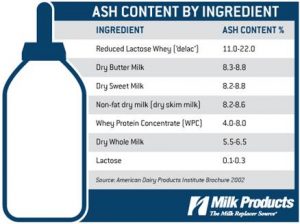 “Milk replacers are made with four major components: protein, fat, lactose and ash. All four work in collaboration with one another,” says Skip Olson, Technical Services Veterinarian for Milk Products, LLC, Chilton, Wis.
 The reasons dairy producers invest in genomic testing are as unique as the print patterns in a herd of Holsteins.
 Successful strategies follow integrated, multifaceted approach that takes local livestock production system into account and involves all relevant stakeholders.


 Dr. Eunsung Kan sees his concept of a closed-loop dairy farm, which reuses wastewater, emits zero waste and powers itself on manure, as the future of sustainable animal farming.


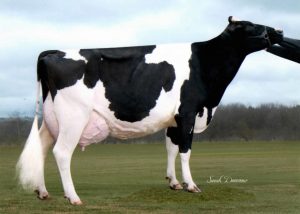
 In 2016 the Penn State dairy herd averaged a gross milk price of $16.84/cwt with an average Class III milk price of $14.87/cwt and a basis of $1.97. The projection for 2017 is a $17.50/cwt Class III milk price. Corn price is ranging between $3 and $4/bushel and soybeans $10/bushel. It appears milk price will improve and feed prices will remain about the same compared to 2016. The one unknown is weather and how that will impact forage quality and quantity. These scenarios are not new and should not be a surprise to anyone working in the dairy industry. Precision feeding is the one constant that can maintain milk production, control feed costs, and manage forage inventories. All three items are important to maintain a respectable margin so expenses can be paid.

 A computer programmer says there is a lot of potential for using big data in the dairy industry.
 At a recent event hosted on Bryn Jones’ farm near Oswestry local farmers heard how AHDB Dairy’s Mastitis Control Plan had helped him to significantly reduce the rate of new clinical mastitis cases and reduce antibiotic use across his 800-cow herd, delivering annual savings of around £57,000. This downward trend is encouraging as the livestock industry works towards achieving a long term reduction in the use of antibiotics.
 Are you using an activity tracker like a Fitbit to move more in the new year? Whether you’re an intense athlete, a busy mom, a farmer, or even a cow, you’ve got to get those steps in to meet your daily goals!

 The Manning Farm in Swanton, Vermont uses trackers that fit on their cow’s ankles! We also caught up with the Manning family to learn about how they track their cow’s activity.
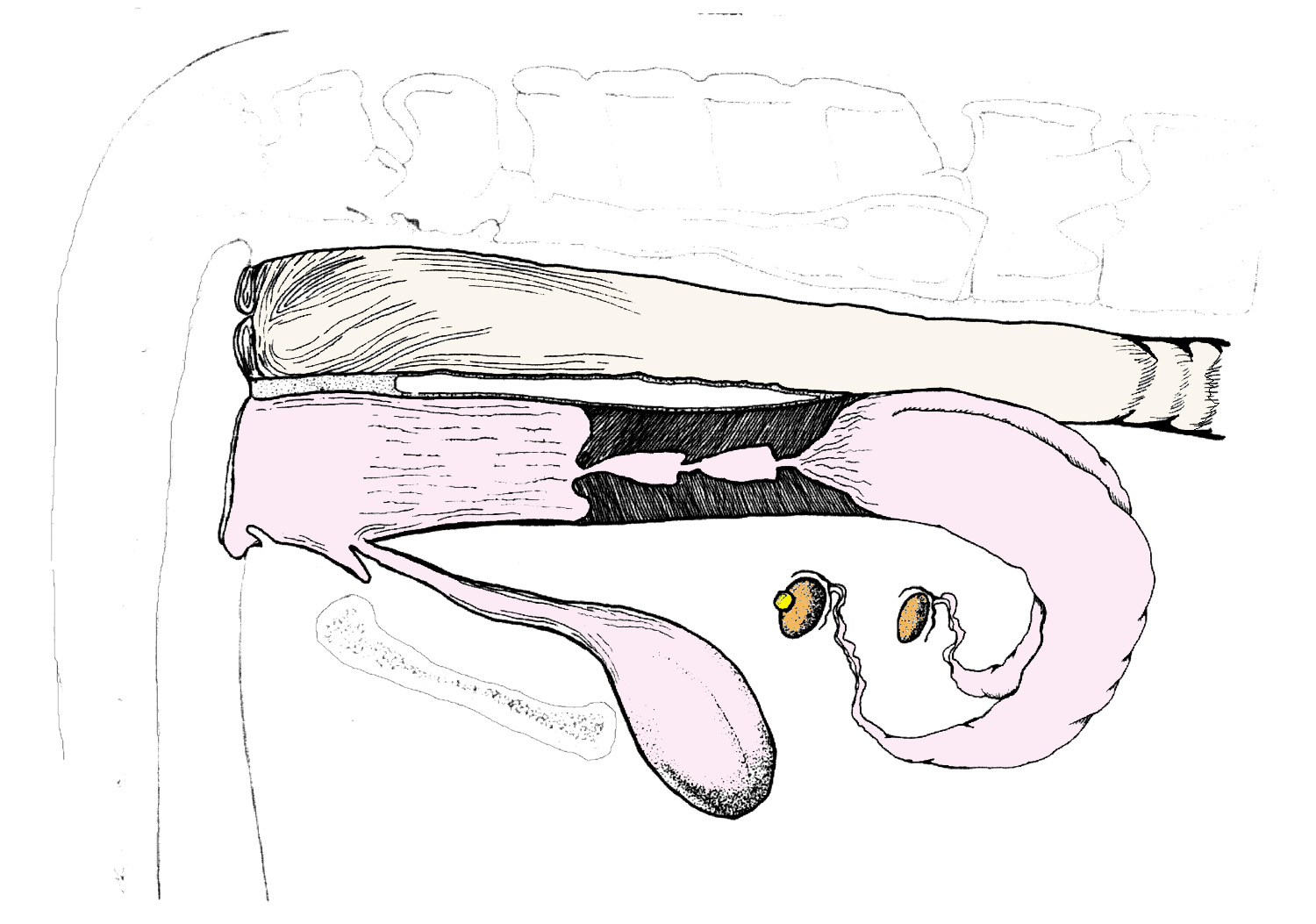
 DAIRYING in the subtropics at Dobies Bight, NSW, Wayne and Paul Clarke know too well the importance of keeping cows comfortable in hot and humid weather. When they installed an automatic milking system (AMS) they entered relatively unchartered territory in terms of keeping cows cool.
 It seems producers are turning more towards robotics to help fill the gap in the agricultural workforce.
 The 2016 Alltech Canada Harvest Analysis tested 45 TMR samples from across Canada, from June 1 to November 30, at the company’s ISO-accredited Alltech 37+® mycotoxin analytical services laboratory in Nicholasville, Kentucky. The report showed that only 2 percent of the samples contained no mycotoxins. Two percent of the samples contained eight to nine mycotoxins, 20 percent contained six to seven mycotoxins, 29 percent contained four to five mycotoxins, 29 percent contained two to three mycotoxins and 18 percent contained one mycotoxin. Type B trichothecene mycotoxins (including DON) were present in 80 percent of the samples, and fusaric acid was present in more than half.
 A full potential diet and good calf management help calves fight off disease.



