Unlock the secrets of dry matter in forages for dairy cattle nutrition. Dive into our comprehensive guide and optimize your herd’s health and productivity today.
As a farmer, producer, or any stakeholder in the dairy industry, you’re probably well aware of the importance of effective nutrition programs for boosting your herd’s milk production and overall health. But do you know just how significant a role dry matter in forages plays within those nutrition regimens? In essence, understanding dry matter (DM) and its optimization is pivotal to achieving a superior level of farm efficiency and productivity.
“Recognizing the role and management of dry matter in forages is not just about knowing the science behind it. It’s about leveraging that knowledge to make smarter, informed decisions that can enhance the health of your herd, increase milk yield, and streamline your farm operations.”
This article is designed to be your comprehensive guide, shedding light on the crucial role dry matter holds in the world of dairy cattle nutrition. We’ll delve deep into the often underappreciated yet fundamental significance of dry matter, explore how it can influence your cattle’s dietary choices, and provide essential strategies for managing it effectively within your dairy nutrition framework.
Understanding Dry Matter in Forages
When it comes to the nitty-gritty of dairy cow nutrition and forage composition, dry matter emerges as an important factor. Essentially, dry matter signifies that component of forage that lingers after eliminating all the moisture. It’s a comprehensive cocktail of proteins, fats, vitamins, minerals, and carbohydrates – all the nutritional goodies cattle need to thrive and be productive. Keep in mind, the moisture content in different types of forage can swing dramatically, influenced by altering environment variables. This is why keeping an eye on dry matter becomes critical. By doing so, you ensure more precision in nutritional management, providing your dairy herd with consistent and high-quality feed irrespective of fluctuating natural conditions.
Why Dry Matter Matters
When dealing with different types of fodder and forage for dairy cattle, such as silage or feedstuff, an important factor you need to consider is the dry matter (DM) content. Dry matter content is crucial as it directly influences the quality and longevity of your cattle feed. Moreover, it can affect the overall taste of the feed, which in turn can impact the feed intake of your cattle, and subsequently, their health and productivity.
Grass silage, which tends to be a common feed choice, typically has an optimal dry matter content between 35% and 45%. Similarly, maize silage’s optimal levels fall between 34% and 38%. This delicate equilibrium is essential in preserving the maximum nutrient content. Not hitting the right balance could result in detrimental effects. For instance, a lower dry matter content in the silage can excessively release press juice and preservatives, leading to a decrease in the nutrient density of your feed. On the other hand, a high dry matter content can cause scalding or a charred effect, reducing the palatability of the feed for the cattle. This can further lead to a decrease in feed consumption, potentially impacting the health and milk production of your livestock.
Determining dry matter isn’t a complex task. It generally involves drying a sample of the feed in a vacuum drying oven. Set the temperature to a range of 70-80C or as high as 103C until the material is completely dried. Understandably, this is a vital part of feed valuation. The ultimate goal is to remove 100% of the moisture content, allowing for accurate nutrient level comparison.
As you can see, the dry matter basis should not be an overlooked aspect of dairy farming. It’s not just about having a heap of fodder for your cattle. It’s about ensuring that the feed you provide is of high quality and nutrient-rich, which in turn ensures the health and productivity of your cattle.
Consistency in Nutrition: Variations in water content can lead to significant differences in the volume of feed and its nutrient density. By formulating diets on a dry matter basis, nutritionists ensure that cows receive a consistent and balanced intake of nutrients, regardless of changes in forage moisture.
Feed Efficiency: Understanding and managing the dry matter intake (DMI) helps in optimizing feed efficiency. Higher DMI can lead to better milk yield if the diet is well balanced and the forage quality is high.
Economic Management: Efficient use of forages based on dry matter content helps in reducing wastage and lowering feed costs, which are significant components of the overall expenses in dairy operations.
Key Components of Dry Matter in Forages
Fiber Content: The fiber in dry matter, measured as Neutral Detergent Fiber (NDF) and Acid Detergent Fiber (ADF), impacts digestibility and can affect how much of the forage cows can consume.
Protein Levels: The crude protein content in the dry matter of forages is crucial for milk production and reproductive performance.
Energy Values: The energy derived from the carbohydrates in dry matter fuels daily activity and lactation.
Measuring and Analyzing Dry Matter
Accurate measurement of dry matter is fundamental for effective dairy management. Techniques include:
Oven Drying Method: The most accurate method, where a sample of forage is dried in an oven at a specific temperature until it reaches a constant weight.
Koster Tester: A field-based method that uses heat to dry a forage sample, useful for quick assessments.
Strategies for Optimizing Dry Matter Intake
Forage Quality: High-quality forages with optimal harvesting time, proper storage, and minimal spoilage can significantly improve dry matter intake and digestibility.
Balanced Rations: Adjusting the proportion of forages and concentrates based on dry matter content ensures that nutritional requirements are met without overfeeding or underfeeding.
Regular Monitoring: Frequent testing of forage dry matter, especially when new batches are used or when there are environmental changes, helps maintain diet consistency.
Challenges in Managing Dry Matter
Variability in Forage Quality: Weather conditions, storage techniques, and timing of harvest can all affect the dry matter content and quality of forages.
Diet Formulation Complexity: Balancing a diet to meet all nutritional needs based on fluctuating dry matter percentages requires expertise and careful planning.
Conclusion
To cap it off, the crux of effective dairy cattle nutrition hinges heavily on the mastery of managing dry matter in forages. By zeroing in on precise measurement, regular surveillance, and the judicious deployment of dry matter, dairy farmers can bolster the efficacy of their feed strategies, which translates to a healthier herd and a boost to their bottom line. It is important to note that as the science of dairy advances, our techniques for working with, and enhancing the quality of dry matter will also refine, unlocking the door to fresh prospects in the ever-evolving domain of dairy nutrition management.
Summary: Dry matter in forages is crucial for dairy cattle nutrition, as it influences the quality and longevity of feed. It is a blend of proteins, fats, vitamins, minerals, and carbohydrates that cattle need for health and productivity. Dry matter content varies due to environmental variables, making understanding it essential for farm efficiency and productivity. Grass silage typically has an optimal dry matter content between 35% and 45%, while maize silage’s optimal levels fall between 34% and 38%. Determining dry matter involves drying a sample of feed in a vacuum drying oven at 70-80C or 103C until completely dried. Consistency in nutrition is vital, as variations in water content can lead to significant differences in feed volume and nutrient density. Nutritionists formulate diets based on dry matter to ensure cows receive a consistent and balanced intake of nutrients. Efficient use of forages based on dry matter content helps reduce wastage and lower feed costs. Strategies for optimizing dry matter intake include forage quality, balanced rations, and regular monitoring. Challenges include variability in forage quality, diet formulation complexity, and weather conditions.
Explore the debate between calf colostrum and replacer. Which provides more benefits for calf health and growth? Dive into the research with us.
In the dairy industry, the health and vitality of newborn calves are paramount, as they determine the future productivity of the herd. One of the critical decisions that dairy farmers face is whether to feed newborn calves natural colostrum or use a commercially available colostrum replacer. This article explores the benefits and drawbacks of each option, examining the ongoing debate within the dairy community to determine which is more beneficial for calf health and long-term productivity. In this article, we dive into both the benefits and drawbacks of each option. Our goal is clear: to provide you with the necessary information to make an informed decision, aligning not just with the current demands of your herd, but also considering their long-term productivity.
What’s the real value of natural colostrum?
Natural colostrum is invaluable for dairy calves, providing a multitude of benefits that are critical for their early development, health, and long-term productivity. Here’s an overview of the key values that natural colostrum delivers:
Immune System Support: Natural colostrum is rich in immunoglobulins (antibodies), especially IgG, IgA, and IgM. These antibodies are crucial for the passive transfer of immunity from the mother to the newborn calf, which is born with an immature immune system. This early immunity helps protect the calf from various infectious diseases during its first weeks of life.
Nutritional Content: Colostrum is much more nutrient-dense than regular milk. It contains higher levels of proteins, fats, vitamins, and minerals that are essential for the calf’s growth. This includes energy-rich components that help the newborn maintain body temperature and energy levels in the critical early hours and days post-birth.
Growth Factors: Colostrum contains growth factors such as insulin-like growth factor (IGF) and epidermal growth factor (EGF), which stimulate the development and maturation of the gut. This is vital for helping the calf to digest food more efficiently and absorb more nutrients, supporting better growth rates.
Enhanced Disease Resistance: Beyond the immediate passive immunity, the components of colostrum can enhance the calf’s own immune system over time, leading to improved disease resistance throughout its life.
Reduction in Mortality and Morbidity: Studies have shown that adequate colostrum intake is linked to lower mortality rates in calves. Calves that receive sufficient colostrum are more likely to grow into healthy adults, with fewer instances of diseases like diarrhea and respiratory infections.
Long-Term Productivity: Calves that are fed adequate amounts of high-quality natural colostrum tend to have better overall health and higher productivity later in life. This includes improved growth rates and, for female calves, better future milk production when they become lactating cows.
Given these extensive benefits, it’s clear that natural colostrum is crucial for maximizing the health, welfare, and economic returns of dairy calves. Ensuring that calves receive an adequate amount of high-quality colostrum immediately after birth is one of the most effective strategies to set the foundation for their future success.
How effective are commercially available colostrum replacers?
Commercially available colostrum replacers can be quite effective for dairy calves, especially when high-quality natural colostrum is not available or when there is a risk of transmitting diseases from the cow to the calf. These products are designed to mimic the nutritional and immunological properties of natural colostrum and provide several key benefits:
Effectiveness of Colostrum Replacers
Immunoglobulin Content: High-quality colostrum replacers are formulated to contain a specific amount of immunoglobulins, particularly IgG, which is crucial for establishing passive immunity in newborn calves. The effectiveness largely depends on the concentration and absorbability of these immunoglobulins.
Nutrient Density: Replacers are also rich in nutrients, including proteins, fats, vitamins, and minerals, ensuring that calves receive the essential nutrients they need right after birth.
Disease Control: One of the significant advantages of using colostrum replacers is their ability to prevent the transmission of infectious diseases such as Johne’s disease, Mycoplasma, BVD, and Leptospirosis, which can be passed through natural colostrum.
Consistency and Reliability: Colostrum replacers offer consistency in nutrient and antibody levels, providing a reliable alternative when the quality or quantity of natural colostrum is insufficient.
Limitations and Considerations
While colostrum replacers can be highly effective, they also come with some limitations:
Cost: High-quality colostrum replacers can be more expensive than natural colostrum, making them a significant cost factor for some farms.
Variability in Quality: Not all colostrum replacers are created equal. The effectiveness of different products can vary based on the source and concentration of immunoglobulins and other nutrients.
Absorption Rates: The rate at which immunoglobulins are absorbed from replacers can be lower than that from natural colostrum. This makes it critical to administer replacers properly and within a specific time frame after birth.
Best Practices for Use
For optimal effectiveness, it’s important that colostrum replacers are administered correctly:
Timing: Calves should receive colostrum replacers within the first 2 hours of life to maximize the absorption of immunoglobulins.
Dosage: Follow the manufacturer’s recommended dosage to ensure that calves receive enough immunoglobulins to establish passive immunity.
Handling: Proper mixing and handling are crucial to maintain the integrity of the replacer.
Colostrum replacers can be a valuable tool in calf rearing, especially under conditions where the quality or availability of natural colostrum is compromised, or there is a need to avoid disease transmission. When selected and used correctly, high-quality colostrum replacers can effectively substitute for natural colostrum, providing the essential immunity and nutrients that newborn calves need to start a healthy life.
The milk replacer’s composition stays constant if it’s prepared consistently using the correct amount of water and powder.
There is no risk of vertical transmission of diseases, which is possible with raw milk.
This may sound odd because whole milk is produced by the cow, but milk replacer is easier to use because with whole milk you are always dependent on milking times,
The lower fat content makes it easier for calves’ roughage uptake
The added health formula in calf milk replacer contributes to optimum intestinal and airway health, which in turn leads to higher growth rates proven in trials on CAIR and the IMAGRO health concept.
Choosing Wisely: Factors in Selecting Calf Colostrum or Replacer
When deciding between natural colostrum and a colostrum replacer, there are several key factors to consider.
First, the origin and intensity of disease presence in the herd plays a role. For instance, research demonstrates that calves fed colostrum replacer at birth are less likely to be infected with Mycobacterium avium subsp paratuberculosis compared to those fed colostrum, in herds with Johne’s disease. Hence, if this disease is a concern in your herd, choosing a good-quality colostrum replacer might be a safer option.
Secondly, the availability and perceived quality of maternal colostrum are important factors. If maternal colostrum is unavailable, or its quality and quantity cannot be guaranteed, a product like OptiPrime Colostrum Replacer, which contains globulin proteins derived from bovine colostrum, might be a worthy choice. Remember, feedings of poor or moderate quality maternal colostrum may not provide calves with the adequate level of antibodies for optimal health. Colostrum replacers can help bridge this gap as their contents are more regulated and they contain more immunoglobulin than supplements.
Also, the practicality of use and the need for obtaining passive immunity swiftly might affect your decision. Colostrum replacers can be measured accurately and are easy to mix, enabling a quicker access to antibodies for the calf, especially vital in the crucial first few hours after birth.
Lastly, several studies have investigated the impact of different additives like trypsin inhibitors and egg proteins in colostrum supplements on dairy calves. These additives may enhance the functional value of the colostrum and be beneficial for certain health conditions or management goals.
All in all, there is no blanket solution for every situation. To find the most suitable option, a thorough understanding of the calf’s specific needs, the herd health status and the practicality within your farming operations is essential.
Meeting Nutritional Needs: How Calf Colostrum and Replacer Stack Up
Let’s dive deeper into how calf colostrum and colostrum replacers meet the nutritional needs of newborn calves. Colostrum, nature’s first milk, is packed with essential nutrients, antibodies, and growth factors that not only fortify calf immunity but also support their early growth and development. Its unique biological makeup makes colostrum an absolutely indispensable start for every newborn calf.
However, when the quality or quantity of colostrum is not adequate, using a good quality commercially available colostrum replacer becomes crucial. They are designed to mimic the nutrient composition and immune-boosting properties of natural colostrum.
According to research studies, colostrum replacers can potentially offer similar or even better nutritional values in certain cases compared to natural colostrum. A suitable example would be a study that observed 497 calves over a period of 54 months and concluded that there were no noticeable differences in various parameters between calves fed either maternal colostrum or a serum-based colostrum replacer at birth.
Another key finding in research is that calves fed colostrum replacers at birth were found to be less likely to get infected with Mycobacterium avium subsp paratuberculosis – a causal agent of Johne’s disease, as compared to those fed with natural colostrum. This suggests that colostrum replacers might offer certain health protective advantages.
Additionally, one should acknowledge that replacers contain more immunoglobulin than supplement products – often supplying more antibodies than poor or moderate quality colostrum. In an experiment comparing colostrum and serum-based colostrum replacer, no differences were observed in analytical measures such as IgG levels, efficiency of IgG absorption, the incidence of scours, or growth rates.
Furthermore, certain replacers come enriched with different beneficial additives like trypsin inhibitors and egg proteins, thereby offering enhanced nutritional value and improved digestion in calves.
In conclusion, while natural colostrum remains the gold standard, colostrum replacers when wisely chosen, based on quality, nutrient content, and specific needs of the calf, can do an excellent job in delivering nutritional needs and boosting immunity of neonatal calves.
Can one truly replace the other without any significant implications?
You might be asking, can calf colostrum and its commercial substitute be swapped without causing any major impacts? The research we analyzed offers an illuminating response to that question. A myriad of scientific investigations, including 26 research trials involving approximately 90 assorted treatments, has delved into the implications of substituting natural colostrum with commercial replacers or supplements.
For example, one prominent study followed 497 calves from birth to 54 months old. When these calves were fed with either maternal colostrum or serum-based colostrum replacer at birth, no discernable differences were observed across several parameters. These statistics extend to rates of IgG absorption, efficiency, the incident of scours, and overall growth, shining a positive light on colostrum replacers.
Another important experiment compared calves fed colostrum and those given a serum-based colostrum replacer. Again, no major differences were observed in IgG levels or the rate of growth amongst the calves, further substantiating the effectiveness of colostrum replacers.
Amongst calves born in herds with Johne’s disease, those fed colostrum replacers at birth showed decreased susceptibility to infections, specifically from Mycobacterium avium subsp paratuberculosis, when compared to calves fed traditional colostrum. A stark contrast that indicates the disease-fighting potential in colostrum replacers.
The Bottom Line
At the end of the day, you, the calf rearing professional, have at your disposal a viable solution in colostrum replacers. They become an indispensable aid when natural colostrum is of subpar quality or simply not enough in quantity, or in scenarios that necessitate dodging disease transmission. The trick lies in making the right selection and mastering the correct usage. Once this is achieved, top-notch colostrum replacers can step in for natural colostrum successfully, delivering the vital immunity boost and nutrients newborn calves require to embark on a healthy life journey.
Summary: The dairy industry is crucial for the health and productivity of newborn calves, which determine the herd’s future. The choice between natural colostrum or commercially available colostrum replacers is essential for calf health and long-term productivity. Natural colostrum offers immune system support, nutritional content, growth factors, disease resistance, reduced mortality, and better overall health. Colostrum is more nutrient-dense than regular milk, containing higher levels of proteins, fats, vitamins, and minerals essential for calf growth. Adequate colostrum intake is linked to lower mortality rates in calves, making them more likely to grow into healthy adults with fewer diseases. Long-term productivity is also improved by providing high-quality natural colostrum, including improved growth rates and better future milk production for female calves. Over 95% of calves fed natural colostrum survive to weaning, with a 40% lower incidence of diarrhea in the first two weeks of life.
Early research conducted by FutureDairy suggests it may be possible to adjust cows’ diet in automatic milking systems (AMS) to encourage more cows to be milked between midnight and 6am.
FutureDairy project leader Associate Professor Kendra Kerrisk said this could appeal to dairyfarmers with AMS using voluntary cow movement with robots operating at close to capacity.
“Voluntary cow movement involves cows walking on their own accord to and from the dairy,” she said. “In grazing-based AMS, there is usually a lull in milkings between midnight and 6am, a time when cows are naturally less active.
“This doesn’t tend to be an issue unless the herd size is close to the capacity of the robots. In that situation, each robot will be able to milk more cows in a given 24-hour period if more cows can be encouraged to visit the dairy during the overnight lull period. Robot utilisation is greatest when there is an even distribution of milkings throughout the day and night.”
In grazing-based AMS, the trigger for cows to move around the farm tends to be seeking a fresh or new feed source.
AMS farmers can encourage cow movement by adjusting the timing and proportion of each allocation.
“The cows are always fully fed, but the daily allocation is split into three ù or sometimes more ù meals,” she said.
FutureDairy researcher, Alex John, investigated the impact of two possible ways to adjust the feeding routine to encourage overnight milking:
Offering a ‘preferred’ feed between midnight and 6am.
Varying the amount of feed offered in the early evening.
His first trials compared cow preference for either high-protein or high-carbohydrate feed. “Cows showed a very strong preference for the high-carbohydrate feed,” Mr John said. “We found that by offering a high-carbohydrate feed between midnight and 6am, we were able to increase the proportion of total daily feed intake during that six-hour period by an additional 50 per cent.”
He also looked at the effect of offering more feed at night. “In dairy cattle, grazing tends to peak at dawn and dusk so we wanted to see what would happen if we offered feed timed at the opposite of their normal feeding behaviour,” Mr John said.
“Offering more feed between midnight and 6am resulted in nearly two-and-a-half times the feed intake during this time. There was a small decrease in daily dry matter intake, however, this would likely be offset by an increase in overall farm efficiency,” he said.
While both approaches worked, there was no additional benefit by combining the two (such as offering a larger allocation of high-carb diet from midnight).
Mr John concluded that varying the amount of feed offered at night offered the most potential to increase robot utilisation. “This is a relatively simple practice that can easily be adapted into current pasture-based AMS practices,” he said. “It is an approach that is already used on several Australian AMS farms.”
Currently, the timing and size of portions varies across farms but Mr John’s results showed the greatest increase in feeding activity between midnight and 6am was achieved by reducing the amount of feed offered in the evening (between dusk and midnight) and increasing the amount of feed offered between midnight and 6am.
“However, we need to recognise there is a limit to the amount of activity that can be encouraged in the natural rest period between midnight and 6am,” Mr John said.
“Based on results to date we’d suggest no more than 35 per cent of the total daily ration be allocated between midnight and 6am.”
Mr John is conducting further trials at the research AMS farm at the University of Melbourne’s Dookie campus to validate his findings in a working automatic milking system.
A Canadian analysis of 49 such studies indicated canola meal in feed, at up to 20 percent of dietary dry matter, can increase milk production.
“Cows fed CM (canola meal) as a protein source produce, on average, 1.4 kilograms per day more milk compared with cows fed other protein sources, and .7 kg per day more milk compared with cows fed soybean meal,” he said in his analysis.
The Canola Council of Canada set up a research cluster to examine the feed value of canola meal relative to other vegetable proteins, said Mutsvangwa.
Independent scientists conducted six studies over four or five years, and all showed higher milk yield in cows given canola meal in their diets compared to corn dried distillers grain, wheat DDGs and soybean meal.
“That significant response in terms of milk yield with canola meal indicated that for those … high-producing dairy cows, probably they have a higher requirement for metabolizable protein, and canola meal might be supplying that metabolizable protein.”
Mutsvangwa said cows have greater feed intake when canola meal is included and eat an average one to 1.2 kilograms more per day compared to feeds with soymeal or wheat DDGs.
Canola meal is a good source of essential amino acids, he added, and has a higher energy value than previously thought.
About 90 percent of the canola meal produced in Canada is ex-ported to the United States.
The meal is the second most widely used protein feed ingredient, behind soybean meal.
The canola council funded some of Mutsvangwa’s research, but he told seminar participants that his findings are not a sales pitch for canola meal.
A full potential diet and good calf management help calves fight off disease.
If you raise dairy calves, it’s almost a sure bet that you have Cryptosporidium present in your operation. This pathogen creeps into your farm causing significant losses ranging from delayed growth to high levels of mortality.
Indeed, Cryptosporidium is the pathogen most commonly diagnosed in association with clinical calf scours in North America.[1] But like a superhero fights crime, a full potential diet can help prepare your calves to battle against Crypto.
“Crypto can be devastating to a calf’s long-term growth and overall health,” says Tom Earleywine, Ph.D., director of nutritional services with Land O’Lakes Animal Milk Products. “Feeding a full potential diet of at least 2.5 pounds of milk solids in 8-10 quarts of liquid per calf daily in conjunction with good calf management can help calves be better equipped to fight off disease challenges.”
In a study[2] conducted by Daryl Nydam, DVM, Ph.D., veterinary epidemiologist with Cornell University, calves fed a full potential diet were shown to gain weight, stay hydrated and resolve scours quicker than calves fed a low plane of nutrition. In fact, calves fed a lower amount of nutrition ended the study weighing less than their birth weight.
Nydam was impressed by the performance of the calves fed a full potential diet. “Despite experiencing scours for several days due to the challenge dose given, the more generously fed calves gained weight and eventually thrived,” he observed. “Providing more nutrients before and during periods of scours is the best thing you can do to help them recover.”
Planting oats in early to mid-August and either allowing cattle to graze them through late November or harvesting the crop in early November for later use, makes economic and environmental sense, according to the US Department of Agriculture’s Agricultural Research Service (ARS).
The strategy allows production of an additional forage crop before winter. The oats also “scavenge” excess nitrogen from the soil, and the plant residues enrich the soil.
Dairy producers, however, need guidance on when to allow their cattle to start grazing the fall oats and which oat cultivars to use. If they allow cattle to graze forage too early, the heifers quickly eat up whatever is available and get less forage than if the oats were given more time to grow. Putting the heifers out to graze later in the fall means running the risk of inclement weather and losing oats under snow cover.
Agricultural Research Service (ARS) dairy scientist Wayne Coblentz and his colleagues at the US Dairy Forage Research Center planted two types of oat cultivars (an early- and a late-maturing variety) in August and put dairy heifers out to graze for six hours a day at two different starting dates: in late September and mid-October.
They weighed the cattle at the beginning and end of the grazing periods and evaluated the oats for their nutritional value and the amount of forage mass produced. All of the animal care and handling procedures were approved by a University of Wisconsin oversight committee.
After two years of grazing, the results showed that it’s better to put the cattle out early in the fall rather than later, and it often is better to use late-maturing cultivars. The heifers put out to graze early gained twice as much weight per day as the heifers put out later.
The late-maturing oat variety also produced higher quality forage, with greater energy density in the plant stems and leaves, and greater concentrations of water-soluble carbohydrates that support cattle growth. The results should prove useful to Wisconsin’s $43.4-billion dairy industry.
Inoculants are a tool to improve silage quality, but they are not a replacement for good management practices.
Now that the silage is in the bunk, silo or bag, the process of fermentation is under way.
Many have begun using inoculants during harvest to improve their silage quality. So now that you added an inoculant, what could go wrong?
Last year, treating some alfalfa and corn silages with an inoculant did not appear to benefit the producer with improved silage fermentation. But was it the inoculant? The forage? The applicator?
The answer is, “It depends.”
So, while you are too late to make changes for this year’s forage, you never are too late to document your silage success for future harvests. Let’s start with a review.
What is an Inoculant?
Silage inoculants contain anaerobic (that means they survive without oxygen) bacteria that produce lactic acid. Bacteria in commercial products usually contain one or more of these species: Lactobacillus plantarum or other Lactobacillus species, various Pediococcus species and Enterococcus faecium. These bacteria have been selected to grow rapidly and efficiently, resulting in an increased fermentation rate. In addition, the products of fermentation include higher levels of lactic acid and lower levels of acetic acid.
The primary economic benefits of using an inoculant include improved dry-matter recovery and animal performance. Applying inoculants can reduce dry-matter losses 2 to 3 percent in a well-managed bunk. The shift in fermentation products (higher lactic acid and lower acetic acid) should increase animal feed efficiency because animals can utilize lactic acid more efficiently than acetic acid.
Do Inoculants Always Work?
Well, you know the answer to that: It depends. Not all conditions are conducive for inoculation. According to research conducted at the U.S. Department of Agriculture’s Dairy Forage Research Center in Wisconsin, the success of an inoculant is most impacted by the size of the natural population of lactic acid bacteria on the crop. The greater the natural population, the less the bacteria (non-native lactic bacteria) added by inoculation will be able to dominate the crop and provide a benefit during fermentation.
The populations of natural lactic acid bacteria increase with long wilting times (greater than two or three days), rainfall during wilting and higher wilting temperatures. Inoculants will work best when applied to forage harvested at the recommended moisture contents for the various storage structures (45 to 70 percent moisture). Natural populations of lactic acid bacteria do not grow well under dry conditions, suggesting that inoculants may be more successful when used with drier crops.
Which Inoculants Should You Use?
Many inoculants are on the market, and comparing them is difficult. However, you have some key factors to consider when purchasing an inoculant that may help improve success.
First, look for a product that guarantees to supply at least 90 billion live lactic acid bacteria per ton of crop. Certain strains of lactic acid bacteria are selected for particular crops (corn or grass, for example); therefore, make sure you purchase an inoculant labeled for the crop that you are going to ensile.
Liquid and dry inoculants are commercially available. Either type can do the job; however, liquid formulations have some advantages vs. dry. Liquid applications generally are more uniform, begin to work faster and are easier to store (they come in smaller packets that can go in the refrigerator) than dry products.
However, if using a liquid inoculant, avoid chlorinated water (less than 1 part per million) because it can kill the bacteria. If you have chlorinated water, purchase inoculants that contain compounds that will neutralize the chlorine.
Not all inoculants are created equally, so don’t be afraid to ask the dealer for product research, preferably done by an independent researcher.
Once you purchase an inoculant, proper storage (cool and dry conditions) will help maintain bacterial viability. Improper storage of your inoculant can result in the death of the bacteria, and dead bacteria are useless. For these reasons, some producers experience poor or no benefit from applying an inoculant.
Tips for Applying Inoculants
Bacteria added to silage will not move; they grow where they are placed; therefore, uniform coverage is essential for maximum effectiveness. A liquid sprayed on the crop at the chopper provides the best opportunity for the product to distribute and mix uniformly in the harvested crop. You have many other ways to apply inoculant, but this does not include throwing dry inoculant onto a wagonload of forage and hoping for even distribution.
Using the recommended rate is important. Application of less, or more, of the inoculant will not be helpful and is a waste of money. If unused liquid remains 24 hours after it was mixed, it should be discarded because the bacterial population will have begun to decline.
Do not apply inoculants to silage that already has completed fermentation. Inoculants, when used properly, can improve silage quality and animal performance.
Remember, inoculants are one tool that will improve silage quality; however, they are not a replacement for good management practices. Proper chop size and adequate packing are still important to assure an oxygen-free environment. Wilting the forage before storage also is extremely important to not only reduce seepage, but increase forage sugar content (an important food source for the bacterial inoculant).
A quick review of your ensiling management practices and documenting them now before you forget may help explain why you did not see the results you were expecting when using an inoculant.
For more information, several good references are available. They include “The Silage Zone” by DuPont Pioneer, “Silage Management Handbook” from Lallemand Animal Nutrition and “Silage Inoculants” by Charles Hansen.
Recently completed research compared growth rates among calves fed one of four rations in addition to their milk:
Silage-based TMR
Concentrate
Concentrate with chopped hay mixed in
Concentrate with chopped hay fed separately
Calves were offered up to 12.7 quarts per day of acidified milk daily free-access (12L)for the first 38 days and then they began weaning until no milk was fed at 50 days. For a resource on free-access feeding of acidified milk click HERE.
Preweaning – all calves gained about the same – about 2.4 pounds per day (1.1kg).
During Weaning:
The TMR calves dropped to about 0.4lbs/day.
The other three treatments dropped back to about 1.5lbs/day from 2.4lbs/day.
There was a big disadvantage for TMR calves.
After Weaning
The TMR calves improved coming up to 1.1 pounds a day from 0.4lbs/day.
The other three treatments averaged around 2.6 pounds a day up from 1.5lbs/day.
There was a big disadvantage for TMR calves. [By the way, no significant differences appeared in this study among the other three treatments – all offered free-choice along with free-choice water.]
Note – all four treatments had about the same “as-fed” level of intakes. The disadvantage for the TMR calves was that their ration was only 54 percent dry matter while all the other calves had rations that were 89-90 percent dry matter.
So, why does TMR work so poorly for calves? They have limited rumen volume capacity. Consuming high dry matter feeds provides them with more energy and protein than feeds with high moisture levels like silage-based TMR.
Reference: M. A. Overest and Others, “Effect of feed type and presentation on feeding behavior, intake,and growth of dairy calves fed a high level of milk.” Journal of Dairy Science 98 Suppl 2, page 240, Abstract 154.
Feed cost is one of the largest expenses on dairy farms. In addition to being a major cost, over feeding, under feeding or feeding an improperly balanced diet can impair cow health, decrease milk production, and result in negative environmental impacts. Regular dry matter (DM) testing of feeds and rebalancing the ration to compensate for DM changes ensures that dairy producers are feeding the ration formulated by their nutritionist. Where trade names appear, no discrimination is intended, and no endorsement by Penn State Extension or by the author is implied.
Frequency and Methods of Dry Matter Determination
The frequency at which dairy farms test forages for DM varies from farm to farm. Penn State recommends weekly testing of silage DM. While some test this frequently, many dairy farmers or their nutritionists will test once or twice a month. Less frequent testing results in a greater chance of missing a change in silage DM and an improperly formulated ration.
The most common methods of on-farm DM analysis are using a Koster tester or microwave oven. Either of these methods will work, but they can take 20 to 30 minutes and must be monitored to make sure the samples are not over heated.
Near Infrared (NIR) Analysis
Near-infrared technology has been used in commercial laboratories to analyze feed and other agricultural products for years. NIR measures the light (in the near-infrared spectrum) reflected off of a sample of interest when analyzed in a spectrophotometer. NIR is faster and lower cost than using traditional wet chemistry methods to determine the nutritional composition and DM of feeds.
Only recently has NIR technology been applied to an on-farm setting. On-farm systems work similarly to NIR used in a lab setting; a feed sample is put in front of a scanner, the scanner analyzes the feed sample, and the result is returned to the farmer or nutritionist who then can make management decisions regarding the feed.
On-farm NIR greatly decreases the amount of time it takes for a farmer to receive information about the composition of feed being fed to his dairy cows. Traditional wet chemistry methods of feed analysis often take a week or more from the time the sample is collected to the time the results are returned to the farmer or nutritionist. With laboratory NIR the turnaround time from when a sample is collected to the time the results are back can be decreased to a few days. With on-farm NIR results are returned instantly to the farmer, allowing management decisions to be made on the spot.
Application of On-farm NIR Analysis
Figure 1. Dinamica General NIR analyzer mounted in skid loader bucket.
One on-farm NIR system available is the Dinamica General precisionFEEDING system. This system utilizes an NIR analyzer mounted in the bucket of the tractor (Figure1). Each time feed is scooped into the bucket the analyzer scans the feed and the amount of feed needed to be added to the mixer is adjusted based on the DM content of the feed. Samples are also analyzed for crude protein, NDF, ADF, ash, fat, and starch (Figure 2).
Figure 2. Daily variation in corn silage nutrient composition, as measured by the Dinamica General NIR analyzer.
Figure 3. Daily variation in corn silage DM, as measured by the Dinamica General NIR analyzer.
Dry matter content of corn silage can vary widely from day to day, as demonstrated in Figure 3. While the average of these readings would be around 32 or 33% DM, the range went from as low as 25% DM to as high as 41% DM over the six months shown here. Much of the variation in DM content, especially the very low readings, is likely related to precipitation events. By adjusting the ration on the spot, cows receive a more consistent ration from day to day and feed waste can potentially be reduced.
As an example, if a ration calls for 50 pounds of corn silage on an as-fed basis and DM is assumed to be 33%, 16.5 pounds of corn silage DM will be fed. For each one-point deviation of the actual %DM from the assumed %DM the dairy farmer will over or under feed 0.5 pounds of corn silage per cow per day. If the actual DM of the corn silage is 28% the cows will only receive 14 pounds of corn silage on a dry matter basis.
An Italian study compared dairy farms using on-farm NIR systems (dg precisionFEEDING System) with farms not using the system (study summary). In this study, feed costs were $0.09 per cow per day less and milk production was 5.6 pounds more per cow per day (65.9 vs. 71.5 pounds/cow per day) on farms using the NIR system than on farms not using the system. For a 200-cow dairy this would result in approximately $73,584 of increased revenue from milk sales (assuming $18/cwt milk) and a $6,570 savings in feed cost per year. Increased production was attributed to a more consistent ration being delivered to the herd. Lower feed cost was attributed to being able to feed more precisely to the needs of the herd and thus decreasing feed waste. The study also reported an improvement in the general health of the herd, based on changes in blood parameters and a reduction in mastitis.
To Learn More about Precision Feeding Management
Penn State Extension will be holding a workshop on the application of on-farm NIR systems and other precision feeding technologies in Lancaster County on October 14, 2015. This Precision Dairy Technology Forum: Precision Feeding workshop will be free to participants.
Whole tomato seeds have been fed to eight Holstein cows in a trial looking at reducing food waste from California’s fruit and vegetable sector.
Replacing whole cotton seeds did not affect dry matter intake, lipid intake, milk yield or milk protein concentration, the University of California, Davis, study found.
However, tomato seeds lowered digestion of total fatty acids, crude protein and resulting milk fat concentration and fat milk yield.
Split equally, the cows were primiparous and multiparous, with the seeds being fed as 4, 2.4, 1.1 and 0 per cent of the dry matter ration.
Other by-product options are frequently used in US livestock rations and tomato seeds could provide a sustainable option, according to Melissa Woolpert writing for the William H Miner Institute in reaction to the study.
She noted the role of cows in converting indigestible products into nutrient rich milk.
Adapting to a variety of different type and blends of feed, cows are very much like flex fuel engines, she explained.
Citrus pulp, sugar beet pulp, cotton seed, almond hulls, baked goods, coffee and cocoa bean hulls are commonly used in feeding cattle.
The Journal of Dairy Science paper looked specifically at seeds, but previously, university trials have looked at tomato pomace as a whole in two major US growing regions – Ohio and California.
Broiler trials feeding tomato pomace – peels, seeds, cores and green tomatoes – have shown promising potential as a source of vitamin E to birds with no significant hit on body weight or feed net gain.
Pomace is wet and therefore difficult to store, but the University of Ohio study found pomace high in neutral detergent fibre with a “moderate amount” of crude protein and a net energy estimate “similar to that of corn silage.”
The California study said as much as 30 per cent of tomatoes used in salsa, paste, soup and puree industries is wasted.
This message was framed on a global level two years ago by the World Food and Agriculture Organisation when it underlined the environmental impacts of sending fruit and vegetable by-products to landfill.
The paper Utilization of fruit and vegetable wastes as livestock feed and as substrates for generation of other value-added products explored efficient use of feed resources, something “key to sustainable livestock development.”
A pregnancy is a pregnancy, right? Or is it? Where do you place your dairy pregnancy focus? On cows that are already pregnant? On early lactation animals? Is your biggest concern that of matching energy requirements to maximize milk production? Is your nutrition program defeating your reproduction rate? We need to go back to the beginning of the dairy profitability story and consider what happens between the breeding and a successful pregnancy.
The Incredible Conundrum
When we talk about breeding dairy cattle, the standard benchmark is two breedings to achieve one pregnancy. For me, baseball is the only place where achieving 50% makes you an All Star. The dairy industry needs to step up to the plate. Let’s take every opportunity to change the breeding rate to a 1to1 ratio. If that were possible, it could save both time and money while increasing the number of pregnancies in dairy herds.
What factors – that are in your control – could raise your herd pregnancy success rate? We all nod in agreement that catching heats and preventing exposure to pathogens are ways to increase our success rate. Are we nodding in agreement and taking action? Or are we nodding off? And what about nutrition?
The Proposition: Nutrition has a significant role in maintaining pregnancy immediately following conception.
Causes of Early Embryonic Loss
Researchers in Minnesota, South Dakota, and Wyoming saw rises in early embryonic loss if either of the next two situations occurred:
A significant decline in energy intake.
Moving from stored feed to pasture.
Nutrition Indicators that Signal Problems Getting Cows Pregnant
Limitations. Every dairy farm has to deal with them. Here are four that affect pregnancy rates.
There are cows not showing heats and anestrus in early lactation
Energy deficiency is the first limiting nutrient in your herd if your cows are not cycling.
You or your adviser have identified a deficiency of minerals and vitamins in your ration
You or your adviser have identified an excess of protein in your ration
It’s time to do something about eliminating these limiting factors.
The Sperm in the Uterus. Take Care of It!
In cattle, the fetus does not immediately become attached to the uterus endometrium. This means that it spends several days in the lumen of the uterus. During this time, uterine secretions nourish and provide the enzymes, hormones and other metabolic factors that the fetus needs for development. These nutrients are comprised of glucose, fructose, some triglycerides and amino acids. Glucose is the primary source of energy for the developing fetus, and similar to pre-breeding, energy is probably the first limiting nutrient for fetus growth and development.
Supplement with Methionine to Prevent Pregnancy Loss
One way to improve both milk production and reproduction is to supplement rations with methionine for a lysine to methionine ratio (% of MP) of 2.8 to 1.
Researchers fed a methionine-supplemented diet to early lactation cows with 2,500 grams of metabolizable protein (MP)—6.9% of MP as lysine and 2.3% of MP as methionine. The methionine-supplemented cows had slightly less pregnancy loss following breeding than cows fed the same diet with no supplemental methionine (1.9% of MP).
How to Optimize Pregnancy Maintenance
Certain amino acids give rise to glucose as well as glycerol levels. Optimizing the amounts of and the digestion of starch is the best way to increase the glucose supply to the dairy cow.
Methionine, lysine, and histidine are considered the first three limiting amino acids in milk production and milk component levels. They also increase in uterine secretion as the embryo elongates and prepares for implantation in the uterus endometrium.
Wisconsin researchers report an increase of 14.4% for lysine, 12.4% for methionine and 11.5% for histidine in the pregnant uterus near the time of implantation compared to a non-pregnant uterus. Methionine is of particular interest in the early fetus stage because of its role in lipid metabolism and gene expression.
Current studies using DHA in lactating cows are aimed at enhancing the quality of the uterine epithelium, modifying and attenuating the release of prostaglandin F-2a and thus ensuring a higher pregnancy rate resulting from better maternal recognition of pregnancy and subsequent maintenance of pregnancy (Read more: 8 Things You MUST Know About The BLV Virus)
Get Ready to Formulate a Preconception Diet
We are well-prepared to monitor the nutrition of the pregnant animal, and to meet the needs of the milking cow, but too often we are overlooking the importance of the preconception diet!
Long before that heifer/cow is safely in calf, what she eats matters. In fact, the right preconception diet can not only fuel fertility, but can also ensure that you get a healthier calf on board.
Not sure how to turn your dairy diet into one that’s beneficial for preconception and pregnancy? Follow these five easy steps:
Commit to change. The first step to overhauling your preconception nutrition is to know exactly what you’re committing to and why. The why? Well, that’s pretty clear. You want to make the healthiest calf possible, as quickly as possible. Your goal is to improve your current pregnancy success rate.
Identify WHO needs to Change? So you’re willing to make changes. It is important to know what change will produce the targeted result. Depending on what you have learned from an analysis of your records, you may also need to reconsider “who” is best suited to take responsibility. A veterinarian, nutritionist or feed consultant – or all three may have valuable input in overcoming pregnancy maintenance challenges.
Identify WHAT needs to Change? Even the most conscientious dairy manager may find themselves second guessing when it comes to formulating a preconception diet. Trying to scale down weight? (Extra pounds can decrease fertility.) Trying to gain weight (too thin may be having an adverse impact). Then you’ll probably have to work on quantity and quality.
Get Ready to Pop a Prenatal Vitamin. No human preconception diet is complete without a prenatal supplement that’s packed with folic acid and other essential baby-making nutrients. What parallel are you using in enhancing the conditions in the uterus. Think of it as health insurance for your future calf.
More feed. More often. This isn’t the time for a hit or miss access to the feed bunk. You may want to consider trading up to the six meal solution that human pre-natal consultants advise when a woman is trying to conceive. Dairy cows should consume frequent, small meals spread out over the day. To achieve this, we need to ensure they have good access to their ration throughout the day. This can be accomplished through the frequent delivery of feed, frequent feed push-up, and by providing sufficient space at the feed bunk. Extensive sorting of feed should be avoided.
It’s a balancing act. Any one of these five variables could be affecting your success. And this isn’t the entire list by any means.
The Bullvine Bottom Line – “Better Endings Start Even Before the Beginning!”
Successful dairy operations depend on conception. It makes sense to look at nutrition that impacts that status. Despite many advances in dairy cattle breeding, there are still challenges associated with starting a successful pregnancy. Take action now! The preconception diet can have a surprisingly significant impact. Success has to mean better than 50%.
What is the management and nutrition necessary to average 100 lbs of milk per cow per day?
In 1989, a dairy producer asked where his herd production should be in 2010 in order to have a sustainable dairy operation that could be passed on to his children. I told him that his goal should be a RHA of 25,000 pounds with a 3.6% fat test and a 3.1 protein test. I truly under estimated how our dairy industry would change. Consider this recent challenge from a dairy producer to me “I want 100 pounds of milk per cow/day with a 3.6% fat test and a 3.2% protein test.” He wants a herd average of 36,500 pounds per cow and cows that produce 3.6 and 3.2 pounds of fat and protein each day. You can’t reach those production goals by feeding your daddy’s cow. To obtain a herd average of 100 pounds per cow/day, peak milk for mature cows needs to be 130 pounds or greater. Peak milk for 1st lactation cows needs to be 104 pounds. Cows don’t violate the laws of thermodynamics. If you want them to produce 130 pounds of milk, then they must consume enough energy and protein for 130 pounds of milk. This will require a dry matter intake of 65 to 68 pounds per day. For the entire herd to average 100 pounds of milk per day, the dry matter intake must be 55 – 58 pounds. These dry matter intakes don’t happen unless you have good cow comfort, plenty of feed bunk space, put up highly digestible forages and have plenty of access to good water.
Two nutrients can limit dry matter intake. They are undigested fiber and too much starch. Undigested fiber contributes to rumen fill. Too much rumen fill will limit intake. We now have a way to estimate the undigested fiber content of forages. It is called uNDF as a percent of diet DM. You can request this test on a forage analysis. The higher the uNDF value, the greater the rumen fill of a forage. If you want cows to consume 65 pounds of dry matter you are going to have to allocate forages based on their uNDF content. Highly digestible forages will have a low uNDF content. The goal is to have cows consume 5 to 5.5 pounds of uNDF daily. Consuming higher amounts of uNDF may limit feed intake. High starch diets will limit dry matter intake by depressing fiber digestion and producing too much propionic acid. There is a negative relationship between fiber digestion and starch content of the diet. Dry matter intake is maximized, when feeding moderate starch levels (22 – 26%) with high sugar levels (6 – 8%). Feeding trials at the USDA dairy forage research station in Madison, WI, reported optimal fiber digestion when the diet contained 7.2% total sugar. Starch plus sugar content should be 29 – 33% to optimize feed intake.
Feeding molasses based liquid supplements, customized to your operation, that can include vitamins, minerals, protein, etc.has been shown to stimulate dry matter intake in diets containing 50% or more forage. In an 11 trail summary the average increase in dry matter intake was 2.42 pounds compared to diets without liquid supplements. Molasses improves the palatability of the diet but it also helps to reduce sorting. The reduction in sorting of the diet will lead to a healthier rumen environment for digestion. The increase in dry matter intake will lead to higher peak milk production and greater persistency in the first 160 DIM. You need high dry matter intakes to get high milk production. Combining the concept of uNDF and moderate starch diets with the feeding of molasses-based liquid supplements, will make higher DM intake possible.
It is difficult to have a diet that is rich in all the components needed for healthy living. Many, including myself, turn to supplements to make up for what’s lacking in our diets. Modern food producers are looking for new ways to add nutrients to food products. This value-added is taking interesting turns in the milk production industry.
Adding supplements to food is not a new idea.
For almost 100 years, Vitamin D has been added to commercial cow’s milk in response to the rise in malnourished children and adults with insufficient amounts of this essential nutrient in their diets. Today another nutritional shortcoming of the Western diet has been identified. Despite having plentiful amounts of fat, the Western diet is lacking in a specific group of fatty acids called omega-3s, touted for their benefits to heart and brain health. Food manufacturers have started fortifying commonly consumed foods, including breads, cereals, and eggs, with these essential fatty acids.
The Benefits of DHA
One crucial fatty acid, is the omega-3 derivative, docosahexaenoic acid (DHA).
The benefits of consuming DHA omega-3 are
Children:
Enhanced cognitive function and learning ability in children
Benefits for children with attention deficit and hyperactivity disorder (ADHD).
Adults:
Lowering the risk of developing cardiovascular and Alzheimer’s diseases
Lessening severity of depression.
The diet of mothers affects the content of DHA in breast milk. Adequate supplies of DHA are required for infant development.
Making up for the Shortfall
Supplementing the diets of food producing livestock with DHA-rich microalgae sources has successfully produced DHA-enriched meat and milk from livestock such as pigs and poultry. Now focus has turned to ruminants and the production of DHA-enriched food.
Cow’s milk is picking up Omega-3s in more ways than one
Milk produced by today’s dairy cattle has less omega-3 fatty acids than in the past when all livestock was pasture based. For this reason, researchers are looking to add the Omega 3s to dairy cattle diets with the intent of raising the proportion of healthy fats in the milk produced.
Studies Are Reporting Significant Results
Studies in 2008 (Boeckaert et al.) and 2012 (Stamy et al.) have examined the effects of feeding algal meal, high in DHA, on feed intake, enteric methane production, and milk parameters. It has been demonstrated that feeding algal meal may inhibit voluntary dry matter intake and reduce milk fat concentrations (Moate et al., 2013).
Results from a Trial Study in Italy
In a recent trial in Italy, researchers examined the effects of feeding algal meal (Algae STM) on milk production and milk composition of lactating dairy cows. Maurice Boland (Alltech) reports as follows:
“The study was carried out with 36 Italian Friesian dairy cows in their average-late stage of lactation. Cows were allocated into two homogenous groups of 18 animals each, where the treated group received the supplementation (6 g/kg DMI) of the test product for 84 consecutive days mixed into one component of the TMR (corn meal), while the control group had received the same amount of corn meal without a test product.
The results of the study showed that the treatment with algal meal did not change the body condition scores and live weight tended to be a little higher for those cows. . Specifically “Milk protein content and production, lactose content and production, urea and somatic cell count were unaffected. The algal meal (Algae STM) significantly affected the milk fatty acid profile, increasing milk DHA (% of FA) from 0 to 0.37%. The researchers concluded that algal meal fed in a TMR to dairy cows enriched milk with beneficial DHA and increased conjugated linoleic acid. Milk yield increased; while milk fat and fat production declined without significant change in four percent fat corrected milk.”
DHA inclusion in the diet could also increase reproductive efficiency in the herd.
Another happily anticipated side effect is that, in addition to the benefits for animal and human health, DHA could help bovine reproduction. Maurice P. Boland is the research director for Alltech. He reports that current studies using DHA in lactating cows are aimed at enhancing the quality of the uterine epithelium that could modify and attenuate the release of prostaglandin F-2a. This could ensure a higher pregnancy rate because of the better maternal recognition of pregnancy and the subsequent maintenance of pregnancy. The implications are huge for the dairy industry. Better reproduction starts the process off better, and laboratory studies are confirming that there could also be benefits in the post-pregnancy health of dairy cattle that receive DHA.
DHA Improves Immune Function of Dairy Cattle
After dairy cows deliver their calves, several immune functions — such as white blood cell proliferation and production of disease-fighting antibodies — are depressed. Recognizing this, the development of new feeding strategies in which the fatty acid composition of the diet is manipulated in order to prevent immune suppression after calving should contribute to decreased infection and disease in dairy cows. Preliminary results in the laboratory indicate that ALA (alpha-linolenic acid) and EPA (eicosapentaenoic acid) can reduce immune stress as shown by decreased TNF-α (tumor necrosis factor-a) production in cultured blood cells from cows.
If these results can be repeated in the field, then strategic supplementation of early-lactation dairy cows with selected omega-3 PUFA may lead to improved health and reproductive efficiency. Such improvements could represent an annual savings of over $2 billion dollars through improved reproductive efficiency and reduced veterinary costs for treatment of postpartum metabolic disorders. These savings would undoubtedly improve the sustainability and profitability of U.S. dairy operations.
The Bullvine Bottom Line
One hundred years ago adding Vitamin D to milk had a profound impact on human nutrition. Modern dairy research is taking strides in further increasing the nutritional value of milk. As that process builds, much is being learned about making a positive contribution to the health, reproduction and performance of dairy cattle. It’s a winning formula that starts at the farm feed bunk and continues to enhance nutrition beyond the kitchen table.
Adding fats to forage-based diets can be effective. But excessive amounts of unsaturated fats and oils can interfere with rumen fermentation.
In the last year, there has been a few supply-management incentives for dairy producers to increase milk and milk fat yield in their milk cows. Because nutrients such as energy largely drive dairy performance, many people are increasing dietary energy density by adding different types of edible fats to early lactation diets. Despite being a successful way to meet incentive days/cover-offs; dairy producers should be aware of the dire consequences of feeding too much fat to dairy cows, while insuring that maximum feeding limits are always followed.
Adding safe amounts of edible fat to total mixed rations (TMRs) of early-lactation cows has been common advice given by dairy nutritionists and veterinarians for years. It is effective in eliciting positive milk and milk fat persistency and often slows down rapid weight loss in dairy cattle during the first 100 days of milk production.
That’s because dietary fats contain more than 2-1/4 times the calories of those found in carbohydrates (barley or corn starch). Common fat sources include oilseeds such as full fat soybeans and whole sunflower seeds (20 to 40 per cent fat) and 100 per cent fat sources, namely pork tallow and canola oil. A third group of dietary fats are commercial manufactured “bypass” fats.
The overall rule for adding these fat supplements to an early-lactation dairy ration is take in account all the natural sources of fat already present and add in these latter fats; making sure not to exceed five to six per cent total fat of the entire dairy diet. One can follow this rule by breaking the dairy diet down into three sections:
50 lbs. of forages mixed with defatted proteins (soybean or canola meal) and grains contains three per cent natural fat — 1.5 lb.
Supplement vegetable oil or tallow (100 per cent) — 0.75 lb.
Supplement inert rumen-protected fat (99 per cent) — 0.75 lb.
Total = 3.0 lb. or 6.0 per cent total fat
The chemical structures of unadulterated fats found in forages, grains, and pork tallow and canola oil are very similar. Long chains of fatty acids are linked to a triglyceride molecule or exist as free fatty acid chains. The fatty acid chains are of two types, either saturated or unsaturated.
Saturated fatty acids are “saturated” with hydrogen atoms, while unsaturated chains have one or two hydrogen atom pairs missing. Saturated fatty acid chains pass through the cow’s rumen largely untouched, and are digested in the lower gut. Pork tallow contains about 50 per cent saturated and 50 per cent unsaturated fatty acids while canola oil is almost completely made up of unsaturated fatty acids.
There is a limit
Generally unsaturated fatty acids such as found in canola oil are relatively toxic to rumen microbes, particularly forage-fibre digesting species, but that doesn’t mean that canola oil and other unsaturated vegetable oils should not be fed to dairy cows. Fortunately, most rumen microbes have the ability to detoxify and reduce the toxic effects of unsaturated fats through a process known as “bio-hydrogenation” (re: hydrogen is added to the unsaturated fats and turns them into rumen-protected saturated fats). However, excessive amounts of unsaturated fats and oil added to a dairy diet (re: over one pound or 450 g/head/d) often overwhelm this process and as a result interfere with rumen fermentation.
To compliment added saturated and unsaturated from natural feedstuffs in early lactation diets, commercial “rumen bypass” fats are designed to be chemically inert in the rumen, to be digested and absorbed as energy source in the cow’s lower gut. One group of bypass fats achieves protection by locking the fatty acids chains to a calcium molecule to form a ruminal insoluble calcium salt. This bond is broken during digestion in the small intestine. Another group of bypass fats hydrolyzes normally unsaturated fatty acids (such as palm oils) into rumen inert saturated fatty acids.
Regardless, the kind of fat supplement finally chosen and added to the dairy diet, it is important to avoid overfeeding fat in one capacity or another to lactation dairy cows. It is also important that these dairy diets still be balanced with available carbohydrates such as sugar, starch and effective forage fibre (20 to 22 per cent eNDF) in the diet as well as protein, minerals and vitamins in order to support health and normal activities of the resident microbes in the rumen.
Problems to avoid
Here are problems that might be experienced when feeding excessive fat to lactating cows:
Inconsistent and/or low dry matter intake — Some research indicates overfeeding fat to dairy cows may quickly satisfy their natural appetite for feed (much like us eating a greasy hamburger and fries). Some speculation may also involve reduction in the rate of feed digestion and passage (bypass fats) in the lower gut. Other explanations might involve digestive upsets in the rumen (unsaturated fat toxicity).
Milk fat depression (MFD) — As mentioned, unsaturated fats are toxic to many fibre-digesting rumen bacteria; cause reduction in acetate/butyrate production that contributes to milk fat production. It is also believed too much tallow or vegetable oil can coat forage fibre particles in the rumen and allow incomplete fermentation. On a different note: University of Illinois demonstrated that two to four per cent tallow caused acidotic conditions in the rumen of dairy cows fed corn silage and MFD, but both conditions were alleviated when corn silage was replaced with an alfalfa-based diet.
vHigh milk urea nitrogen (MUN) — It is conceivable that supplying too much bypass fat to the lower gut, while literarily starving the rumen microbes of available starch energy could cause incomplete protein digestion and large amounts of urea to be released in the rumen. High MUN levels are linked to lower conception rates in dairy cattle.
Such quantifiable adversity might not occur if dairy diets are well balanced with just the right amount of fats coming from different edible sources. Adding any fats should also complement the rest of the dairy diet, particularly for early lactation cows, which helps them get a good start with milk and milk fat production. Such success should contribute to the profitability of the dairy barn.
Forage quality is one of the most influential factors in livestock production.
Providing good quality, well managed forage can decrease reliance on stored feeds, decrease the need for added supplementation, and increase animal performance. Whether for hay or grazing, the only way to determine the quality of your forage is by implementing a forage test!
Forage testing is one of the most underutilized tools available to producers in the Southeast. There are many justifications given for not testing our forage, but the fact remains that you cannot touch, smell, taste, or see forage quality. Unless you test, it’s just a guess!
In recent years forage testing has been even more important. Extreme weather events such as abundant rainfall and prolonged cold periods have forced producers to delay harvest, resulting in producing and feeding lower quality hay. Without the utilization of forage testing there is no way of knowing what the nutritive value of a “lot” of hay is pre-feeding, thus no way of determining whether or not the forage meets the nutritional needs of your livestock.
For more information on Forage Testing, interpreting forage analyses, sampling methods, test procedures, or assistance in sampling your forage contact: your County Extension Coordinator, Regional Extension Agent, or soil/forage testing lab.
For information on how to properly collect a forage sample check out: ANR – 2224 Collecting Forage Samples for Laboratory Analysis
Rumination is an innate behavioral need of dairy cattle and they exhibit stereotypies (or repetitive behaviors) when it is inhibited. Rumination facilitates digestion, particle size reduction, and subsequent passage from the rumen to promote dry matter intake. Rumination also increases saliva secretion and improves rumen function by buffering.
When ruminating, whether lying or standing, cows are quiet and relaxed with heads down and eyelids lowered. Cows prefer to ruminate while lying down with rumination occurring in about 80% of resting bouts. Consequently, poor management that impairs lying time may also reduce rumination. Total sleep time in cattle is short, and rumination provides the physiological rest and rejuvenation provided by sleep. Rumination is positively related to feeding time and feed intake: following periods of high feed intake, cows spend more time ruminating, usually after about a 4-hour lag. Restricting intake reduces rumination: a 2.2 pound decrease in dry matter intake is associated with a 44 minute per day reduction in rumination according to early Dutch research.
Cows voluntarily control rumination and stop chewing when disturbed. Under acute and chronic stress environments, rumination may be depressed. The figure summarizes several key components of the management environment that will reduce the cow’s expected rumination response to dietary fiber amount, fiber digestibility and fragility, and particle size. Although research needs to be conducted, if rumination is chronically depressed by 10 to 20 percent due to a poor management environment, then we can logically predict compromised rumen function and greater risk for associated problems such as sub-acute acidosis and poor digestive efficiency, lameness, and lower milk component output.
Cows ruminate for approximately 450-550 minutes per day and a decrease in rumination time is often a good signal that something is negatively affecting rumen function and cow well-being. Rumination is highly sensitive to cow well-being. Rumination often responds to a stressor 12 to 24 hours sooner than traditionally observed measures such as elevated temperature or other clinical signs, depressed feed intake, or reduced milk yield. Recently, on-farm systems have become available to monitor rumination as well as other behaviors such as overall activity (for estrus detection). Consequently, monitoring rumination to enhance the comfort and well-being of dairy cattle is likely to become increasingly important. Monitoring and acting on rumination data should help dairy farmers:
• Find and breed cows in estrus.
• Detect health problems earlier such as metabolic disorders, mastitis, and lameness.
• Identify nutritional and management issues before they become problems.
• Modify traditional fresh-cow checks with less disturbance of cows and time in headlocks, less labor, more focus on high-risk cows.
• Change treatment and culling decisions: cow can be monitored after treatment to decide whether it is working.
Rumination economics: this behavior is highly sensitive to changes in dietary physically effective NDF and fiber digestibility, cow health and well-being. Its use as a routine on-farm monitoring tool is expected to grow since it will allow earlier identification of problems and more timely intervention.
For years, getting lactating dairy cows to eat as much dry matter intake (DMI) as possible has been a common goal among dairy specialists aimed at getting cows to produce more milk.
Some of these specialists took note of the more extensive university and extension dairy trials, which report that maximum feed intake is still very important, but it means a lot more than just dumping a total mixed ration (TMR) containing essential nutrients in front of milk cows.
Many dairy producers are striving to feed nutritious diets that high-producing cows like to eat, optimize consistent everyday feed intake, produce exceptional rumen health and also require a shovel-full of common sense right at the cows’ feed bunk.
Know the basics
One of the first things that producer might do before making any substantial changes to existing lactation diets to optimize DMI/increase milk production, is to be particularly aware of the natural laws of general feed consumption by dairy cows.
This means that early high-milk-producing cows should be on target to consume 3.5 to 4.0 per cent of their bodyweight in dry matter feed by nine to 10 weeks after calving. This target sets the tone for the rest of the lactation cycle — for every extra kilo of DMI that a cow eats at peak milk production (i.e. accounting for the natural lag between maximum milk yield and maximum dry matter intake) yields an extra 2.0 to 2.5 kilos of milk per day until she is dried-off at 10 months post-partum. And most large (600 to 700 kg) mature cows will consume about 22 to 27 kg of dry matter feed at peak feed intake. Smaller and growing first-calf heifers should eat about 20 to 25 kilos (DMI, basis).
Regardless of these prime DMI targets, dairy cows will only eat so much “as fed” feed, because moisture content adds simple bulk to the dairy diet. Large and early lactation mature cows consume about 43 to 47 kilos of the feed that is put in front them, while younger and smaller cows often eat no more than 40 to 44 kilos of the same diet.
By keeping DMI and “as fed” values in perspective, farmers should be able to estimate how much total ration to feed to the herd daily. They should also be monitoring how many old and young early-lactating cows are entering the herd as well as counting the remainder of the herd milking in mid- and late lactation.
Similarly, consistent everyday DMI/as fed feed intake should be viewed as another important signal to the dairy producer that the rumen of each high-producing cow is working efficiently. Rumen microbes digest forage fibre and grain starch, turning them into available energy for body maintenance functions, reproduction and high milk performance. They also break down dietary protein into simple compounds, incorporate them into their own bodies, and inadvertently supply the cow with most of the cows’ protein needs. Unbalanced dairy diets, poor feed quality and rapid feed changes upset such sensitive feed fermenters and can quickly derail optimum feed intake.
Maintaining proper rumen function
Dairy producers can manage good rumen function in their cows and therefore achieve optimum and consistent feed intake among their cows by applying the following dairy barn suggestions:
Feed high-quality feed.Forage quality is the foundation of all good feeding programs. High-quality forage supports higher and more consistent DMI due to their lower unusable fibre content and greater in-depth digestion by the microbes that provides essential nutrients for milk production. Avoid feeding mouldy or spoiled forage and grains.
Provide adequate “effective forage fibre.”The dairy diet should contain 28 to 32 per cent NDF with 75 per cent of this NDF coming from the forages. Effective forage fibre promotes natural “cud chewing” in the herd to buffer the pH of the rumen and helps prevent detrimental acidosis. If you have difficulty finding cud chewing cows; not enough effective fibre is being fed.
Formulate a palatable and “rumen-friendly diet.”This point goes beyond merely feeding enough “effective forage fibre.” For example: feed a portion of the grain that has slower rates of starch digestion (re: corn versus barley) as well as avoid feeding excessive amounts of unsaturated fats and/or bypass fats. Make sure to limit feed unpalatable feed ingredients such as blood meal (bypass protein source).
Know DMI and “as-fed” intake.A spot check or even weekly schedule of DMI and as-fed intake of the lactation herd, the moisture content of the diet, and milk fat bulk tests should be recorded. These are indicators of healthy rumens and underlie optimum dry matter intake/milk production. Actual emerging patterns from this data should be periodically reviewed.
Impose “common sense” bunk management.TMR should be delivered at the same time of the day and should be pushed up at least three to four times during the day. Dairy producers should never allow bunks to go empty or force cows to wait to be fed, or until all feed (including feed refusal) to be eaten before more fresh feed is provided.
Check your mixer wagon.Make sure your feed mixer is working properly to deliver a consistent TMR mix at every feeding. Although mixing times can vary for a number of reason, most producers target three to five minutes to make a homogenous feed mix.
Do a daily barn walk.It is important that average body condition of most lactation cows ranges from 3.0 to 3.5 out of five. Beware of possible acidotic cows in your herd (watch out for gaunt cows, cows not chewing their cud, cows not going to the feed bunk, nutritional lameness). Check out the manure. It should be generally of porridge-like “consistency” (indicator of consistent feed intake and digestibility).
These recommendations are practical points in an all-inclusive action plan for optimal DMI and ‘as fed’ intake of a well-balanced and mixed dairy diet consumed by good milk cows. Ideally, if they eat dairy diets with vigour every day, they should consume essential nutrients, remain healthy and fill the bulk tank.
Much has been written about the value of protein supplementation for beef cattle using low quality forages, such as dormant native range or crop residue. However, a common question that is often asked is if we can substitute cheaper feedstuffs that are high in energy but low in protein in place of higher priced protein supplements. Typical energy supplements include most feed grains, particularly corn or barley, but also include byproducts such as sugar beet pulp or soy hulls. We have all seen the dramatic drop in corn prices over the last year, so it is likely that some producers may be wondering if cheaper corn may work as a supplement.
Unfortunately, these high-energy, low-protein feedstuffs do not stimulate the positive responses in fiber digestion by ruminants that a protein supplement does. In fact, with feedstuffs that are high in starch, meaning any kind of grain, we typically see a negative effect on fiber utilization.
In general, the negative effect occurs for two reasons. First, adequate protein is not provided to the rumen microbes to stimulate growth of fiber-digesting microbes. Second, inclusion of starch from grain-based supplements interferes with fiber digestion. Rumen microbes will preferentially digest the starch before they digest fiber, so fiber digestion actually decreases. Also, at higher levels of grain, rapid fermentation of the starch lowers rumen pH, which is harmful to the fiber-digesting bacteria.
Once there has been a negative effect on fiber digestion, the subsequent effect is reduced forage intake. This is because there are two aspects of digestion that are negatively impacted, both the total amount of forage that is digested and also the rate at which it is digested. Once the rate of digestion slows down, then passage of feed out of the rumen is slowed. Forage intake cannot occur at a rate faster than the rate at which forage disappears from the digestive tract, whether by digestion or passage. Thus, if starch-based supplements slow the rates of both digestion and passage, then they will also reduce intake.
In general, relatively small amounts (less than 10% of diet dry matter) of starch-based supplements can be fed with little or no negative effect on forage utilization, but the negative effects escalate in proportion to the level of supplemental grain beyond that.
Typically, cows in moderate or higher body condition should be able to maintain themselves on dormant range with adequate protein supplementation. But what if cows are thinner than desired and gaining condition before calving is a goal? Providing energy so they can gain weight would seem desirable, but grain-based supplements usually won’t give the desired results because of the negative effect on forage utilization. Under these circumstances, some of the byproducts that contain readily digestible fiber provide a viable alternative to add supplemental energy to the diet. Two common feedstuffs that fit this scenario are soyhulls and sugar beet pulp. Both have levels of energy and protein that are nearly the same as feed grain, but contain primarily fiber and little starch. Even without the negative effect of starch, these energy feedstuffs still have limitations so they should not be fed at excessive levels. First, they still do not provide adequate supplemental protein. Second, while they don’t necessarily decrease fiber digestion, high levels of inclusion in the diet still means they take space in the rumen and act more as a substitute than addition to the forage in the diet.
The bottom line is that protein is the first limiting nutrient in utilization of low-quality forages. Supplementing protein not only improves the protein status of the cow, but also her energy status. Energy supplements should only be considered on a limited basis and as an add-on after supplemental protein has been provided.
The only exception to this recommendation is if the goal is to purposefully substitute grain for forage to limit the amount of forage that a cow consumes. This may be the case if pasture is limited and expensive, but grain is cheap and plentiful. This is currently the case for some producers, considering that pasture rents are currently high relative to corn and other high-energy concentrate feeds. Caution should still be implemented when feeding energy concentrates to avoid digestive disorders in ruminant animals, particularly acidosis and founder. The concentrate feedstuff should be introduced to their diet at a low level (10 to 20% of diet DM) and gradually increased to allow the rumen to adapt.
Before making any substantial changes, be particularly aware of the natural laws of general feed consumption
For years, getting lactating dairy cows to eat as much dry matter intake (DMI) as possible has been a common goal among dairy specialists aimed at getting cows to produce more milk.
Some of these specialists took note of the more extensive university and extension dairy trials, which report that maximum feed intake is still very important, but it means a lot more than just dumping a total mixed ration (TMR) containing essential nutrients in front of milk cows.
Many dairy producers are striving to feed nutritious diets that high-producing cows like to eat, optimize consistent everyday feed intake, produce exceptional rumen health and also require a shovel-full of common sense right at the cows’ feed bunk.
Know the basics
One of the first things that producer might do before making any substantial changes to existing lactation diets to optimize DMI/increase milk production, is to be particularly aware of the natural laws of general feed consumption by dairy cows.
This means that early high-milk-producing cows should be on target to consume 3.5 to 4.0 per cent of their bodyweight in dry matter feed by nine to 10 weeks after calving. This target sets the tone for the rest of the lactation cycle — for every extra kilo of DMI that a cow eats at peak milk production (i.e. accounting for the natural lag between maximum milk yield and maximum dry matter intake) yields an extra 2.0 to 2.5 kilos of milk per day until she is dried-off at 10 months post-partum. And most large (600 to 700 kg) mature cows will consume about 22 to 27 kg of dry matter feed at peak feed intake. Smaller and growing first-calf heifers should eat about 20 to 25 kilos (DMI, basis).
Regardless of these prime DMI targets, dairy cows will only eat so much “as fed” feed, because moisture content adds simple bulk to the dairy diet. Large and early lactation mature cows consume about 43 to 47 kilos of the feed that is put in front them, while younger and smaller cows often eat no more than 40 to 44 kilos of the same diet.
By keeping DMI and “as fed” values in perspective, farmers should be able to estimate how much total ration to feed to the herd daily. They should also be monitoring how many old and young early-lactating cows are entering the herd as well as counting the remainder of the herd milking in mid- and late lactation.
Similarly, consistent everyday DMI/as fed feed intake should be viewed as another important signal to the dairy producer that the rumen of each high-producing cow is working efficiently. Rumen microbes digest forage fibre and grain starch, turning them into available energy for body maintenance functions, reproduction and high milk performance. They also break down dietary protein into simple compounds, incorporate them into their own bodies, and inadvertently supply the cow with most of the cows’ protein needs. Unbalanced dairy diets, poor feed quality and rapid feed changes upset such sensitive feed fermenters and can quickly derail optimum feed intake.
Maintaining proper rumen function
Dairy producers can manage good rumen function in their cows and therefore achieve optimum and consistent feed intake among their cows by applying the following dairy barn suggestions:
Feed high-quality feed. Forage quality is the foundation of all good feeding programs. High-quality forage supports higher and more consistent DMI due to their lower unusable fibre content and greater in-depth digestion by the microbes that provides essential nutrients for milk production. Avoid feeding mouldy or spoiled forage and grains.
Provide adequate “effective forage fibre.” The dairy diet should contain 28 to 32 per cent NDF with 75 per cent of this NDF coming from the forages. Effective forage fibre promotes natural “cud chewing” in the herd to buffer the pH of the rumen and helps prevent detrimental acidosis. If you have difficulty finding cud chewing cows; not enough effective fibre is being fed.
Formulate a palatable and “rumen-friendly diet.” This point goes beyond merely feeding enough “effective forage fibre.” For example: feed a portion of the grain that has slower rates of starch digestion (re: corn versus barley) as well as avoid feeding excessive amounts of unsaturated fats and/or bypass fats. Make sure to limit feed unpalatable feed ingredients such as blood meal (bypass protein source).
Know DMI and “as-fed” intake. A spot check or even weekly schedule of DMI and as-fed intake of the lactation herd, the moisture content of the diet, and milk fat bulk tests should be recorded. These are indicators of healthy rumens and underlie optimum dry matter intake/milk production. Actual emerging patterns from this data should be periodically reviewed.
Impose “common sense” bunk management. TMR should be delivered at the same time of the day and should be pushed up at least three to four times during the day. Dairy producers should never allow bunks to go empty or force cows to wait to be fed, or until all feed (including feed refusal) to be eaten before more fresh feed is provided.
Check your mixer wagon. Make sure your feed mixer is working properly to deliver a consistent TMR mix at every feeding. Although mixing times can vary for a number of reason, most producers target three to five minutes to make a homogenous feed mix.
Do a daily barn walk. It is important that average body condition of most lactation cows ranges from 3.0 to 3.5 out of five. Beware of possible acidotic cows in your herd (watch out for gaunt cows, cows not chewing their cud, cows not going to the feed bunk, nutritional lameness). Check out the manure. It should be generally of porridge-like “consistency” (indicator of consistent feed intake and digestibility).
These recommendations are practical points in an all-inclusive action plan for optimal DMI and ‘as fed’ intake of a well-balanced and mixed dairy diet consumed by good milk cows. Ideally, if they eat dairy diets with vigour every day, they should consume essential nutrients, remain healthy and fill the bulk tank.
Peter Vitti is an independent livestock nutritionist and consultant based in Winnipeg. To reach him call 204-254-7497 or by email at vitti@mts.net.
Traditionally the growth of calves and heifers has been tracked using tables and/or graphs where the goal for weight was based on the age of the heifer. This system of benchmarking growth is based on the assumption that the mature bodyweight of all cows is equal. In reality the variation in body weight of full grown cows is significant. For example, mature Holstein cows can range in body weight from 1,300 to 2,000 lbs! So to assume that at 6, 9, 12, or 18 months of age that a heifer that will grow to be 1,300 lbs. should have the same body weight as one of her pen mates that will weigh 2,000 lbs. when she is full grown is illogical.
A better system of evaluating a heifer’s weight relative to her age is to benchmark her current weight against her estimated mature body weight. A reasonable goal is to reach 85% of her mature weight at first calving. To reach this goal a heifer needs to be 55% of mature weight at conception. This system of evaluating heifer body weight is referred to as the Targeted Growth System (TGS). The table below shows benchmark weights based on the TGS.
Desired Body Weights for Heifers using Targeted Growth System
Target as %
Mature Body Weight, lbs.
Age, Months
Mature Weight
900
1200
1500
1800
2100
13
55
495
660
825
990
1155
22
85
765
1020
1275
1530
1785
Note: The target weight at 22 months is the weight of a fresh heifer and not the weight of a pregnant heifer.
The range of mature body weights in the table may seem extreme but the TGS logic can be applied to any dairy breed large or small as well as to heifers with significant variation in genetic potential for mature body size. One of the advantages of using the targeted growth system is that the principal can be applied to any dairy cow regardless of her breed. If a heifer’s mature body weight can be estimated, then accurate predictions of her target body weight at breeding and calving are easy to obtain.
Farms that adopt the TGS can then determine the appropriate age for weight at first calving. Researchers at Penn State evaluated records from over 100,000 Holstein heifers to determine how age at first impacted first lactation milk production. The graph below shows the results.
Data from DHI processing centers show the average age of first calving is 26 months of age with a range of 17 to 45 months! Targets for age at first calving of 17 or 45 months are extreme and probably not realistic goals. The graph shows that Holstein heifers calving between 21 and 23 months of age have the highest level of milk production during their first lactation; providing evidence that a target age of 22 months of age is optimum. To achieve this goal, a heifer needs to conceive on average at 13 months of age. For these reasons, heifers need to reach 55% of mature body weight by 13 months of age.
The TGS is a valuable tool to help dairymen manage the growth of their heifers so that they enter the milking herd at 22 months of age. This system allows each dairy to customize the target weights they want to hit by 13 months of age based on the genetics potential for mature body weight of the cattle in their herd.
The ideal method of determining the weight of heifers is to use a livestock scale to precisely measure body weight. However, in many situations using a scale may not be practical. Heart girth can also be used to estimate body weight. Weight tapes can be purchased for this purpose, or heart girth can be measured with a flexible, non-elastic tape. Weight estimates can then be made using a table that converts heart circumference to an estimate of body weight. Frequent measurement of heifer weights provides information that can be used to alter the nutrition and/or management of heifers. One of the more practical systems of weighing heifers is to weigh and record individual heifer weights when they are restrained for vaccination, breeding, and pregnancy examination.
Are you currently monitoring growth in your heifers? What methods do you find works best for estimating weights?
If you’re not yet monitoring heifer growth then you may be missing an opportunity to maximize the profit potential of your heifers by using the Targeted Growth System. Take time to review the target weights your heifers should be reaching at 13 months of age. Then contact your ANC Consultant to discuss how you can fine tune your heifer program to reach these goals!
This is a picture of forage sorghum regrowth after the first cutting. Image credit: John Bernard/UGA
University of Georgia researchers are researching drought-tolerant, alternative forages for the state’s dairy producers to help safeguard their feed supply and save money.
John Bernard, an animal and dairy scientist on the UGA Tifton Campus, is studying the benefits of forage sorghum as a supplemental feed for dairy cattle. Sorghum is a drought-tolerant alternative to the irrigated corn that many farmers rely on for dairy feed.
“Corn silage is typically the forage of choice for feeding dairy cattle because it is a higher energy type of forage compared to most other forages,” Bernard said. “The catch with corn is, if you don’t have irrigation, you’ve got a greater likelihood of crop failure or not getting the quality … you were expecting.
“Forage sorghum, on the other hand, is much more drought tolerant; it doesn’t take as much water to grow a crop. With the improvements in forage varieties, the feeding value looks very good. It’s still not corn silage, but it’s a much better option today than what it was several years ago.”
Sorghum is not only more resilient, but is also less expensive to plant and grow. The cost to plant corn is approximately $200 to $300 per bag of seed, which covers just over 2 acres. A bag of forage sorghum seed, which can cost less than $100, can be distributed over 8 to 10 acres. The cheaper planting costs are buoyed by forage sorghum’s high nutritional value.
“In no way do I want to advocate forage sorghum to replace corn silage completely. I want to evaluate how we can use the two to get the best response back in terms of our feeding program,” Bernard said.
The two-year research trial just concluded its second year. Due to Georgia’s long growing season, forages can be harvested twice from the same cutting. In the first year, Bernard reported that results from the seven-week trial indicate diets based on forage sorghum “harvested from regrowth can support similar milk yield and composition as diets based on corn silage or first harvest of forage sorghum.”
“Forage sorghum by design will tolerate periods of drought or lower water availability better than corn and still produce good forage in terms of yield and quality,” Bernard said.
Bernard plans to analyze the data generated from this past harvest over the next couple of months.
Risk management comes in several forms. Marketing and milk prices usually comes to the top of the list. Currently the USDA Farm Programs are focusing on reducing the risk of less than favorable economic scenarios on the farm.
In reality, there are many risks that can in one way or another devastate a dairy farm. Many of them relate to the feeds and feeding side of the operations.
Having an abundant supply of high quality forages is the foundation of a successful and profitable dairy operation. The essence of good risk management is figuring out how to grow, harvest, store and feed out lots of good hay crops and corn silage.
To many, when talking about the risk involved in harvesting good hay crops, the weather “risk” usually enters the conversation. On one hand, larger farms have more at risk due to weather, but in reality, they have figured it out by employing harvesting techniques developed during the past few years to make “hay in a day”; thus reducing the risk.
You don’t have to be big to learn how to reduce the haylage making weather risk and in the end make more, high quality forages. For many of our farms in the Northeast, this year has not been a stellar weather year. But many of them have made four cuttings on a 30-35 day schedule in spite of the weather; they just put it in their schedule and did it.
When purchasing feed, price and availability is always a risk. Knowing the feeding values of your own forages and your other home produced feeds and making some longer term feeding strategy decisions will allow you to develop a plan for how much and when you will need to purchase feeds. It is not difficult to find help to price and source feeds for the intermediate or longer term reducing price and availably risk, but you will first need to know how much and when.
Another important risk reduction practice is feed sampling and analysis. Money and time invested in sampling and testing is well spent. Lots of analysis of forages and other feeds that are known to have or are suspected of having significate variations will give you critical information to make feeding decisions. A two percent protein difference on a hay or haylage sample is quickly converted to saved cost or salvaged production.
It is important to have enough samples to know if there are real differences and to reduce the risk of making decisions on insignificant data. Do not make important decisions based on one or two samples. If you are in the habit of sampling once a month, reducing the interval to every two weeks will more than cut your chance of error in half.
The other aspect of a rigorous sampling and analysis program is to reduce the risk of missing the target with ration programing. Every year we are refining our ration programing with new criteria, techniques and programming to narrow the parameters for better performance and reduced impact on the environment. The research has been reviewed and replicated to focus more narrowly on what works.
The outcomes are better performance, less nitrogen and phosphorus wasted to the environment and hopefully more profitability. The downside is we are introducing an element of higher risk. That being, if our input data and operating assumptions are not on target, we stand to lose.
The bottom line is we can reduce risk by planning to implement good practices from the field to the feed bunk, by measuring the nutritional value our feeds with lots of analysis, knowing what we have available as inventory control and putting it all together to be on target to the cows. In the end a lot of little things add up to better managing the risk.
JIM PECK is an independent nutrition consultant based in Newark, N.Y. You can contact him at : jpeck@consulagr.com
Once you send in a hay sample for analysis, you have to know what the numbers mean to make winter supplement decisions.
Just as soil testing can provide vital information on how to fertilize crops, forage testing can provide vital information on how to supplement hay fed to livestock. Feed and fertilizer are simply too valuable these days to simply guess, or just use the same amount use last year. Weather, fertility, growing and harvest conditions, forage variety, and age at harvest, create considerable variation in the quality of hay produced each year. Not to mention the variation from farm to farm, if you are buying the hay you feed. The only way to truly know how to meet the nutritional needs of your herd is to test the quality of the hay that serves as the base of your winter ration.
After you have sent your hay or baleage samples to a lab for analysis, it is important to understand the information provided by lab in their summary report. Just like all of the EPD’s and performance information provided on a bull sold from a bull test, you have to know what all of the numbers mean in a forage test report to know how to use them. The following is a sample report from some typical, mature Coastal Bermudagrass hay cut only twice per year. Some basic definitions make this report much more user friendly.
RFQ
Relative Forage Quality or RFQ is an index, much like EPD’s for cattle, that combines a number of important quality characteristics of forages to provide a single number to use for comparisons. RFQ takes the digestible energy an estimate of animal intake to provide a single number to use for comparisons. Higher is better, so a hay with an RFQ score of 120 would be much better quality than hay that had a . RFQ is most useful for marketing or purchasing hay. While it does serve as a simple guide of quality, it would not be most useful to guide supplement purchasing decisions.
Intake
Dry Matter Intake or DMI is an estimate of how much an animal will consume, based on the digestibility of the fiber in the hay. This is a calculated value that provides an estimate of the amount of hay each animal will consume each day. For the sample above a 1,000 pound cow would be expected to eat 22 pounds each day.
As-Sampled vs Dry-Matter
The moisture content of forages is never constant. In the sample above the hay contained 18.6% water. Since the water provides no nutrients, to compare quality you always want to use the dry matter column. If you were actually mixing a feed, you have to use the as-fed information. Since hay is normally fed free-choice, it is most useful to work with the dry-matter information to select the correct supplement, and be able to compare forage samples with varying moisture content.
Crude Protein
For years livestock producers have use the protein level of hay to try an estimate value. With the creation of RFQ, we now have a better single number to use for comparisons. Crude Protein (CP) is based on the nitrogen content of the feed. This is why fertilization with nitrogen fertilizer does greatly enhance the protein levels of hay. Legumes produce their own nitrogen fertilizer through bactreria on their roots, and generally have even higher protein levels than grasses. Protein is one of the nutrients for livestock growth and performance, but it is simply a matter of providing what the animal needs. Proteins levels in hay below 7% can drastically reduce intake.
Fiber
Fiber is a key measurement of digestibility. The more mature, or older the forage, the higher the fiber content. Neutral Detergent Fiber (NDF) is the total fiber component of a forage used to estimate intake, or daily consumption. As the NDF percentage increases, intake declines. Acid Detergent Fiber (ADF) is the level of indigestible fiber, that can’t be used by the animal. ADF is used to develop an estimate of nutrient availability.
Energy
Energy is the nutrient that keeps an animals systems working, and is vital for all of the body functions. All too often the hay we produce in the South comes up well short of the energy demands of the livestock we feed it to. Animals become thin, weak, and sickly when inadequate energy is provided. Total Digestible Nutrients (TDN) is the value most often used to evaluate the energy available for ruminant animals for seleting supplements. The greater the value the more energy-dense the feed. TDN levels below 50% can reduce animal intake. The other energy measures are more commonly used for more precise feedlot and dairy ration formulations.
A Real World Example
Once you understand the forage test report, you can then start piecing together how to supplement your herd. You do have to know the nutrient requirements of the animals you are feeding. There arepublications that provide this information. For instance, a 1200 pound cow that routinely weans calves that average 550 pounds would have nutrient requirements of 10% CP and 58% TDN during peak lactation. To meet the needs of this highly productive cow a rancher decides to compare three sources of hay for sale at neighboring farms. Nearby three farms are offering premium quality Tifton 85 Bermudagrass hay for $45/bale, good quality fertilized bahia for $40/bale, or $35/bale of unknown management. It is very difficult to know which of these would be the best hay for the money. Once you get a forage test report, however it does become more clear. To meet the requirements mentioned earlier very few single feed supplements can meet the protein and energy shortfalls of the discount priced hay. Dried distillers grain (DDG) are available as by-product feeds from ethanol plants that are high in both protein and energy. In this scenario it would take 2 pounds of DDG/day to supplement the Tifton 85 hay, 3 lbs/day for the bahia, and 6 lbs/day for the poor quality hay. One other thing to consider is that even with double or triple the supplement, the cows might still lose weight when fed such poor quality hay, due to reduced hay intake. Depending on the price of the DDG and the type hay available in your area, the average quality hay may be the best for the money. At least with the information provided from a forage test, you can make a well informed decision.
Forage testing is not complex, but you don’t want to just send in a grab sample from the outside layer of a single bale of hay. To do the job right, you need a forage probe that can be drilled through to the core of the bale to collect a ground-up, cross-section of at least 5-10 bales. Forage tests cost as little as $12 per sample, yet provide valuable nutritional information to use to balance rations for the various classes of livestock on your farm. Work with your local County Agriculture Extension Agent to have your hay or baleage tested, so that you can make informed decisions about feeding your livestock this winter.
More resources that provide additional information on this topic:
Forage producers have a variety of expectations for alfalfa stand life, and most say a stand should produce for four to six years or more. However, growers also recognize that some fields become less productive after just a few years.
Whether you are growing alfalfa as a high-protein forage source for dairy animals or harvesting alfalfa for commercial hay sales, profitability depends on keeping your alfalfa yields high. Rotation choices may differ on every operation, but similar questions must be answered to make an intelligent rotation decision.
Common factors to consider when deciding whether to rotate alfalfa include:
Alfalfa plant and stem count/yield potential
Plant health and vigor
On-farm inventory
Forage-quality needs
Harvest-schedule intensity
Weed-pressure severity
Chronic wheel traffic damage
Degree of soil compaction
Field fertility status
Irrigation or salinity concerns
Rotation of alfalfa into another crop has a number of advantages, no matter when it is done. These benefits include the following:
Availability of nitrogen (N) for subsequent grain crops increases from the N-producing nodules found on alfalfa roots.
Total farm forage production is increased when rotating from alfalfa to corn for silage or high-moisture grain on a more frequent basis.
Rotation helps disrupt the life cycles of pests, such as corn rootworm and weeds, protecting against crop-yield losses while reducing crop-protection-input expenses.
Corn yields are typically 10 to 15 percent higher following alfalfa than corn following corn.
Alfalfa rotation can be used as a tool to help minimize the effects of excess N use on water quality.
When I hear ‘programming’, I think of people sitting behind a computer and doing software programming for many hours a day. But in this editors view, I actually want to briefly discuss the concept of ‘nutritional programming’, which is slightly different, and probably more interesting.
Nutritional programming refers to finding that nutrition and management during pregnancy of an animal (or human) and in the neonatal stages, can affect a range of different bodily functions. In human nutrition, this concept is widely studied with regards to programmed changes in the child’s body and the likelihood of becoming overweight and the occurrence of associated diseases in later life.
But the concept of nutritional programming is gaining more interest with feed companies, animal nutritionists and farmers also. It is about getting the right amount of feed and nutrients to the young animals (before and after birth) to make sure they perform better later on in life. It is not only about having the right genes (as cows do not profit 30-40% of their genetic potential for milk yield). Proper nutrition can have a significant impact and can trigger that animals do use their genetic potential better. Neonate animals should therefore not be neglected and times have passed that calves only get the left over milk or ‘bad milk’ after milking.
At the recently held LifeStart dairy calf symposium, this topic was extensively addressed by the speakers. Swiss veterinarian Martin Kaske for example said: “We should invest more in feeding the young calf, as this has a huge impact on subsequent performance in later life. At the moment, this is not the focus of the farmer (yet).” He also explained that higher feeding intensity in the first weeks of life has both short time as long term effects. The short term effect include better growing and healthier calves. On the longer term, effects are seen in better milk production, better mammary development and younger breeding age. For example: feeding a calf four litres of colostrum in the first six hours leads to a cows that can be inseminated half a month earlier. It also leads to 5% more cows reaching the third lactation.
Indeed, when seeking to maximise animal performance, it’s critical to optimise the neonate phase so as to deliver greater returns. It’s all about increased incomes from such things as reaching slaughter sooner, heavier animals or more milk production. In other words, the neonate phase in an animal’s life can have a significant effect on growth rate, feed conversion and milk production all of which have financial implication. In this case, I talk about calves, but obviously this also applies to other ruminants and pigs and poultry.
Nutreco (developer of the LifeStart programme), and organizer of the symposium, has recently started a long term study to investigate the effects of dairy calf nutrition on their research farm in the Netherlands. The key scientific principle behind LifeStart is nutritional (metabolic) programming. Researchers want to determine the long-term metabolic changes that are programmed by higher nutrient supply during the calf pre-weaning period and to define the impact on milk production through successive lactations. It is clear that neonate nutrition is in the picture again (and not only with Nutreco) and on top of feed companies’ agendas. And it was about time.
In prior articles we have discussed TMR sorting and how it can lead to sub-acute rumen acidosis (SARA). This condition has a huge impact on bottom line profits. However, the impact of TMR sorting goes far beyond SARA. When cows sort their TMR they change the nutrient profile of the feed that is left in the bunk.
The behavior of individual cows in the herd has a huge impact on how this sorted feed will affect them. According to Dr. Trevor DeVries of the University of Guelph, cows are social animals that, “… tend to synchronize their behavior, including a strong desire to access the feed bunk as a group. When space is reduced, this behavior increases competition for access [to feed]…” The most aggressive cows in the herd are more likely to access fresh feed soon after delivery and pick out the grain putting them at a greater risk of SARA. On the other hand the more submissive cows can be left with feed that is much higher in fiber and lower in carbohydrate. These cows are more likely to consume a ‘ration’ that has a lower energy density and they may fail to reach their potential peak milk yield and/or lose body condition. If feed bunk space is limited then the problem is exacerbated.
So the cost associated with TMR sorting goes far beyond the costs associated with SARA. There are several strategies that can be employed to reduce the sorting of a TMR including:
increasing feed bunk space
providing headlocks or barriers
increasing the frequency of TMR delivery
Providing adequate feed bunk space decreases competition for feed and reduces the incidence of sorting. When feed bunk space is limited, the competition between cows for feed increases resulting in decreased access to feed for submissive cows, an increased risk of SARA, and an increase in variation of the nutrient profile consumed by individual cows. In this scenario the aggressive cows discourage subordinate cows from approaching the feed bunk, these more timid cows end up consuming feed that has been picked over by more aggressive cows. The solutions to this issue includes providing more than 24 inches of feed bunk space per cow, using headlocks, or other barriers that protect submissive cows. Canadian researchers have even evaluated putting partitions along the feed bunk that resemble a “mini-free stall divider” to protect cows from competition for feed.
How does your herd measure up?
Have you stopped to think how TMR sorting could be impacting your bottom line? Here are steps you can take to evaluate your situation.
Compare the fat and protein tests of individual cows in your herd.
Do you have cows that have both a very high and very low test? This indicates that sorting could be an issue not only due to SARA (low fat tests) but also submissive cows consuming a low energy density diet.
How much bunk space do you have per cow? If you are under 24 inches then the risk of sorting is significant.
Do you have headlocks and/or partitions? Headlocks make it more difficult for aggressive cows to push submissive cows away from feed.
How many times a day do you deliver TMR? Delivering feed 2 or 3 times a day reduces sorting of feed.
Perhaps the best way to determine how cow behavior is impacting sorting is to watch your cows eat. Have you taken time to watch and see the patterns of behavior in your herd when fresh feed is delivered? Do the most aggressive cows come to the bunk to eat and prevent the timid cows from eating or does everyone come up and find a place to eat? Are only the younger and smaller cows eating while everyone else is resting? Have you taken time to make these cow behavior observations in the last week? If not then take time today to watch your cows eat and see what patterns of behavior you can detect.
To answer the question, “is my hay feeding program meeting the cowherd’s nutritional requirements?”, two key pieces of information are needed. The first piece of information to obtain is the animal nutritional needs. Nutrient requirements are not consistent for all classes of livestock, so some knowledge of their body weight and stage of production is also required. Your Extension Educator can provide information on determining beef nutrient requirements. The next piece of information is the results from a forage analysis. At a minimum, it is important to know the crude protein (CP) and total digestible nutrient (TDN) values for hay supplies. Most forage quality analyses cost $10 to $20 per sample.
During the winter hay feeding period, it will take about 1000 pounds (DM basis) of grass hay to feed an 1100-pound mature cow for 30 days. This is equivalent to 28 pounds (DM basis) of hay per day. The following example can be used to help explain the relationship between forage quality and stage of production. In a 1000-pound bale of medium-quality grass hay with 7.0% CP (DM basis) and 58% TDN (DM basis), there are 70 pounds of CP and 580 pounds of TDN. The nutritional requirements for a mature cow during the middle 1/3 of gestation is 1.4 pounds of CP (DM basis) and 9.7 pounds of TDN (DM basis) each day. From a couple of simple calculations (Table 1, http://go.unl.edu/ndc7), the 30-day CP requirement for this animal is 42 pounds and the TDN requirement is 291 pounds. This hay should be adequate to maintain the 1100-pound mature cow during the middle 1/3 of gestation if her daily DM hay consumption is at least 28 pounds.
The nutrient requirements for the same 1100-pound cow the first 90 days after calving increase to 2.9 pounds of CP (DM basis) and 16.8 pounds of TDN (DM basis) each day. Assuming she consumes 28 pounds (DM basis) of hay per day, both her protein and energy requirements will be deficient. In this instance, both additional protein and energy should be provided to meet the increased nutritional requirements.
It would require about 4 pounds per day (DM basis) of distiller’s grains to meet the 17-pound CP deficiency of an animal during the first 90 days after calving if she were consuming medium-quality grass hay containing 7.0% CP (DM basis) and 58% TDN (DM basis). At a cost of $125 per ton for the supplement, the cost of supplementation would be $0.25 per day. However, this supplementation is not needed during the middle 1/3 of gestation. In this example, over-supplementing a 100-cow herd for 90 days during the middle 1/3 of gestation would result in unnecessary feed costs of $2,250. Greater profit potential is the primary reason livestock producers need to know the quality of the forages they are feeding. The cost to determine if additional protein or energy feeding is needed can be quickly recovered in either feed cost savings or improved animal performance.
Last year’s weather was not particularly kind to growing corn on the eastern Prairies. A late spring planting, cold weather in July, and topped off by a cloudy fall created millions of bushels of corn that was not initially dry enough for storage.
Some of this wet corn was dried down and augered into a bin, much of it was also put up as high-moisture corn, and even a small portion was left out in the field until harvested earlier this year. Regardless of how this corn was eventually handled; mould (and mycotoxins) seem to hit this previous corn crop particularly hard. Without taking the necessary actions and precautions when it does occur, feeding mouldy corn to dairy cattle can be very dangerous.
Mould growth in corn can develop in a grain bin when grain moisture levels are above 14 per cent, the storage temperature is above freezing and the corn is exposed to air (oxygen). High-moisture grain corn also can be at risk for mould growth, if the moisture content of storage is incorrect (recommended at 25 to 28 per cent moisture for oxygen-limiting tower and 30 to 35 per cent moisture for ag-bags and bunks) or pH of the corn mass is not quickly stabilized to an acidic 4.5 by proper respiration (oxygen removal) and fermentation processes.
Three major moulds
Of the many moulds that can grow and proliferate in harvested corn due to improper storage conditions; three major moulds pose the greatest dairy cow threat with associated deadly mycotoxins are: Aspergillus fluavus that produce aflatoxins, Fusarium moulds that produce vomitoxin and zearalenone, and Penicillium fungi that produce related penicillium mycotoxins.
Most Canadian climates do not to favour the growth of Aspergillus fluavus and therefore Aflatoxins are of little threat to our dairy cattle. Fusarium-derived mycotoxins are more of a danger to our livestock than aflatoxins, because they grow in cooler conditions found in Western Canada.
Initially, it was thought fusarium-derived vomitoxin was toxic to dairy cattle, yet various field trials fed up to 66 ppm (parts per million) vomitoxin in dairy diets and most dairy cattle failed to exhibit any visible signs of reproductive or health problems. Most of these trials did show that once vomitoxin reached over three to five ppm in different tested grains; there was a detrimental effect upon respective grain bushel weight and resulted in lower-energy feed for lactating dairy cows.
In contrast, zearalenone, another fusarium mycotoxin has estrogen-like properties, which will cause infertility in dairy cattle. As little as 300 ppb (parts per billion) in the total dairy diet (dmi, basis) from z-contaminated corn has been implicated in disrupting heat cycles, reducing conception rates, causing visible symptoms such as swollen vulvas, and prolapsed vaginas, and spontaneous abortions. Furthermore, zearalenone can cause liver damage and has been shown to suppress the immune system in dairy cattle.
An honourable mention should be given to other fusarium mycotoxins such as T2 and fumonium that can cause reproductive and health problems in cattle but are seldom found in Canadian feedstuffs. Similarly, penicillium mycotoxins have also been linked to reproductive and health problems in dairy cattle.
No smoking gun
Unfortunately, without “the smoking gun” of large known amounts of mouldy corn consumed by ailing dairy cattle and causing direct negative effects, it is very difficult to many dairy producers to know that they might have a mouldy corn problem in the first place, for two major reasons.
First, mouldy corn kernels are often not uniformly distributed in a bin of corn, but are located in isolated pockets or along the bin walls. Even if a significant shot of mouldy corn goes into the total mixed ration (TMR) for dairy cows, most people may simply not notice as it gets hammered or rolled and then mixed along with the “good corn” in the TMR and become invisible anyway!
Secondly, symptoms of mould and mycotoxins poisoning in cattle is likely non-specific and often the result of a negative progression of health, reproductive and performance problems caused by the contamination. Even a post-mortem examination of a dead cow may yield inconclusive results, which could mistakenly be attributed to another cause such as malnutrition or disease.
If one suspects a mouldy corn problem on the farm such as: mouldy corn is seen coming out of bin or cows are off their feed/lack of cud-chewing/loose manure/substantial breeding problems after feeding suspect corn, it is a good idea to send a representative corn sample from the bin for laboratory mould testing.
Mould count tests are inexpensive, but their usefulness as sound information is limited, since most moulds are not poisonous and it says little about the presence of any mycotoxins in grain corn. A more reliable test called a mould-screen test is very useful in identifying and eliminating what mould species and their mycotoxins that might be present.
If test samples of corn come back positive for mould and mycotoxin such as vomitoxin, one option is to feed the contaminated corn to dairy cows, but adjust the nutrient density of the dairy diet, given the bushel weight of the corn. If the corn samples come back with zearalenone, which is detrimental to dairy cattle reproduction; the best solution is not to feed this mouldy corn at all. Although the dangerous dietary threshold is 250 to 300 ppb for dairy cattle; lower concentrations might be equally avoided, because of its potential toxicity to specific groups of cattle, particularly young and pregnant animals.
Mixing mouldy corn (re: zearalenone) with “clean” feed is not a good idea, because this does not eliminate the problem and reduces the quality and safety of the available good feed. In situations of vomitoxin, commercial mould binders might offer a suitable solution, when there are no other viable dairy feeds are available.
Mould and mycotoxins found in last year’s corn and mixed into a dairy diet might be very harmful to the health and performance of all dairy cattle. It is important to identify if any dangerous moulds and mycotoxins are present and keep them out of feed bunk.
Ajinomoto Heartland, Inc. recently introduced a more concentrated form of AjiPro-L. This improved form delivers 25 percent more metabolizable lysine than the first generation product. Ajinomoto Heartland, Inc. leads the industry in rumen-protected lysine research. Its parent company Ajinomoto has some 100 years of experience with amino acids.
The new AjiPro-L raises the industry standard for supplemental rumen-protected lysine. It offers 80 percent rumen bypass and digestibility of more than 60 percent in the small intestine. Two plasma lysine studies, one at the University of New Hampshire and another at the W.H. Miner Institute, revealed that the new AjiPro-L was 30% to 40% more bioavailable than the first generation product.
On the farm, use of the new AjiPro-L to balance amino acids is expected to result in increased milk and milk components production, improved feed efficiency and optimized income over feed costs. This makes it the preferred source of L-lysine for high-producing dairy cows by key leading dairy nutritionists.
The scientific breakthrough behind the new AjiPro-L makes balancing amino acid levels easier and even more cost -effective. The use of AjiPro-L as a metabolizable lysine source in the amino acid balancing program enables cows to better meet their nutrient needs, which is associated with optimal milk production, less crude protein intake, and a decrease in nitrogen excretion. AjiPro-L is manufactured in the United States at the ISO 9001-certified facility in Eddyville, IA, under very strict quality control systems.
This breakthrough builds on the 30 -year role of Ajinomoto as the pacesetter in rumen protected lysine technology and as a company that stresses the use of sound science in product development.
Ajinomoto Heartland, Inc. is one of five companies affiliated with the Ajinomoto Animal Nutrition Group, a global leader in feed-grade amino acid manufacturing. Representing Ajinomoto Animal Nutrition Group in North America, Ajinomoto Heartland, Inc. manufactures and distributes cost-effective feed-grade amino acids and is the frontrunner in amino acid nutritional research and technical expertise.
Land O’Lakes Animal Milk Products introduces protein blend calf milk replacers.
Land O’Lakes Animal Milk Products introduces a new approach to calf milk replacer formulation with protein blend calf milk replacers.
Growing demand for whey protein drives both milk prices and the input costs of calf milk replacer protein – an opportunity for dairy producers and a challenge for the dairy industry.
“Not long ago, whey protein was a waste product of cheese manufacturing,” says Dr. Tom Earleywine, director of nutritional services, Land O’Lakes Animal Milk Products. “Today, whey is one of the dairy industry’s most valuable products being used in sports drinks, energy bars, shakes and supplements. Consumer demand for these products continues to grow.”
Seeing this challenge, as a leader in the market, Land O’Lakes Animal Milk Products made it a research priority to develop calf milk replacer formulations featuring a blend of proteins that can save on dairy producers’ and calf and heifer raisers’ investment cost without sacrificing calf performance. The new protein blend formulation utilizes a similar approach as is used in baby formulas and is based on a blend of highly digestible proteins that complement each other.
Research conducted by Land O’Lakes Animal Milk Productsshowed equal performance with their full potential protein blend calf milk replacers compared to the original formulation.
In addition to providing the same performance, this new protein blend formulation approach decreased the cost of feeding Cow’s Match® ColdFront® and WarmFront® milk replacer’s original formulations substantially.
“These protein blends offer a more economical opportunity to feed calves to their full potential,” says Dr. Earleywine. “A growing body of research shows that calves provided more nutrients from milk or milk replacer early in life, are more likely to be productive as adult cows.”
For more information on the new protein blend calf milk replacers or how to feed your calves a full potential diet, visit www.lolmilkreplacer.com or call 800-618-6455.
Since 1951, whenLand O’Lakes Animal Milk Products Companydeveloped the first calf milk replacer, the company has been committed to creating the best milk replacers from the best technologies and quality ingredients. Land O’Lakes Animal Milk Products Company is a division of Land O’Lakes, Inc. a national farmer-owned food and agricultural organization.
Abruptly switching from old corn silage to fresh can cause a production slump
Dairy cows commonly fail to reach their full production potential during the fall. This is often caused by an abrupt change from old corn silage to freshly cut forage or recently fermented corn silage.
“A slump in production can be costly for a farm and frustrating for producers,” says Renato Schmidt, Ph.D., Technical Services – Forage, Lallemand Animal Nutrition. “We often see otherwise unexplained decreases in milk production or an inability to reach production targets in the fall as producers switch from old silage to new material. This slump can also affect herd health with signs such as a decreased feed intake or loose manure.”
Contributing factors to a fall slump may include:
Lower starch digestibility in fresh silage or forage. When harvested above 35% dry matter (DM), the starch in corn starts to become less digestible. Flint varieties also have lower starch digestibility than floury ones.
High levels of fermentable sugars. Fresh forages can contain high levels of fermentable sugars, which can contribute to Sub-Acute Rumen Acidosis (SARA) in a herd.
Differences in DM and nutrient content. Silages normally present a different composition from one silo to the next, and from one year to the next.
To avoid a fall slump, Dr. Schmidt recommends four strategies:
Ideally allow silage to ensile for at least four months before feeding. As silage spends additional weeks in storage, the starch becomes more digestible.
Change silos gradually over a two-week period.
Test new forages for DM and nutrient content. If necessary, the ration should be adjusted to reflect the changing composition.
Use a proven silage inoculant containing enzymes to help break down plant fiber and thus aid in fiber digestibility. Biotal Plus II, Biotal Buchneri 40788, and Biotal Buchneri 500 inoculants contain a high activity enzyme formulation to increase fiber digestibility.
Thinking ahead to next year, Dr. Schmidt recommends considering an inoculant that will help maintain feed quality. The strain Lactobacillus buchneri 40788 is the only active bacteria reviewed by the FDA in preventing heating and spoilage – two factors that can greatly affect silage quality. Biotal Buchneri 500 combines the fermentation benefits of Biotal Plus II with L. buchneri 40788 to provide optimum forage preservation.
“Planning ahead and making gradual changes in feeding can help keep milk production steady and maintain cattle health,” Dr. Schmidt says. “Ultimately, it helps keep profits steady for the farm.”
Lallemand Animal Nutritionis dedicated to the development, production, and marketing of profitable, natural and differentiated solutions for animal nutrition and health. Our core products are live bacteria for direct fed microbials and silage inoculants, specific yeast for probiotics, and high value yeast derivatives. More news from Lallemand Animal Nutrition can be seen on www.lallemandanimalnutrition.com.
My client asked this question having read a online posting. We talked about their current preweaned management. Colostrum is collected in the calving pen from dams as soon as they are up and steady on their feet. The dairy feeds 4 quarts of quality-tested colostrum in the first hour of life – 100% compliance. All calves are blood tested; a test value below 5.5 is unusual.
Calves are housed individually. At present pasteurized waste milk is fed twice a day. They are fed in pails after the first few days. The milk is fed on a “step-up” schedule with the goal of the calves consuming 8 quarts daily by ten days of age. [Not all calves achieve this level, a few are 2 weeks old before drinking this amount.] They stay at this level until they are cleaning up at least 1/2 pound of calf starter grain a day. Then they are switched to once-a-day feeding [that means going from 8 to 4 quarts of whole milk a day.]. This step-down on milk happens around 35 to 40 days.
Their plan is to feed at roughly 8-hour intervals that would fit their labor supply. They plan to feed 3 quarts each of the 3 feedings. That is, to increase from 8 to 9 quarts a day. After we talked the owner told me she would think more about this.
A month after this initial conversation I called to see what their decision was going to be. She replied, “Oh, we changed to 3X the next week after we talked with you. Calves are doing fine. We are feeding the full three quarts to even the youngest calves. A lot of them are drinking all of it by the end of the first week.The manure is a little more firm now that we are feeding less volume each time. [They fed 4 quarts 2X before and now feed 3 quarts 3X.] We didn’t have health issues before and we don’t now.
She said, “We have only been doing this for three weeks now. Call me back in September or October and I will have more to share with you.” Well, it’s time I made that call. I’ll keep you posted.
A timely reminder of simple practices that can help keep cows milking during the transition to new silage.
Cows perform best when fed diets that are well balanced and consistent from day to day and week to week. Unfortunately, with forage-based diets, and often silage as the major forage, keeping things consistent is not always possible. As you make the switch to new corn silage this fall, keep consistency in mind and try to make the changes as gradual as possible. We know that most corn silage takes at least 3 weeks to be completely fermented and stable. We also know that during the fermentation process and well beyond the first 3-week period, starch, fiber and other nutrients are changing and in many cases are becoming more digestible and more soluble as they are broken down by moisture and acids in the silage.
If you have extra 2013 corn silage, keep using it and allow the new silage to ferment for as long as possible. If you are running short or have only one silo to use, try getting 2 to 4 weeks worth of silage made from earlier fields stored in a bag or perhaps a covered pile. This early crop can start fermenting and help provide at least some transition silage to get you through the time when the bulk of your 2014 silage is fermenting. Keep the other forage components of your rations the same during the corn silage transition period to help minimize changes for your cows.
Variation from one year to the next is often large, and many people collect silage samples for a preliminary analysis right away. Even with this preliminary analysis, be sure to collect more samples when you open your new 2014 silage after it has fermented for 3 weeks.
Lastly keep track of silage dry matter changes. During the transition from fresh-cut silage to fermented silage, the dry matter will change, so keep monitoring it closely. Most of these changes occur in the stalk and leaf portion of the silage, while the grain seldom changes in dry matter. As a result, huge shifts in forage to grain ratios and overall ration nutrient concentrations can occur if the actual forage dry matter differs from the dry matter entered at the time the diet was balanced. Tracking forage dry matter and adjusting the ration accordingly can allow your cows to have a lot more ration consistency during the inevitable forage changes that occur.
Dairy producers feed dairy cows a variety of grains, including dry corn, high moisture corn (HMC) and snaplage. These grains are stored in bins, bags, silos and bunkers for variable lengths of time and are processed by a multitude of systems.
Traditional forage testing procedures have not worked very well on feed grains because many nutrients such as ADF, NDF or lignin are extremely low in feed grains and not well related to the digestibility of grain in lactating dairy cows. The digestibility of feed grain is influenced by other factors, such as grinding, steam-flaking or – in the case of HMC – fermentation itself. In the past five years, we’ve increased our knowledge of factors that influence feed grain utilization by dairy cows.
Dry corn
As a general rule, dry corn is one of the slower-digested grains fed to lactating dairy cows. The principle components which alter dry corn digestibility in lactating dairy cows are particle size and hardness of the endosperm. Typically, 50 percent of the starch in dry corns is digested in the rumen and 40 to 45 percent of the starch is digested in the small intestine. As a result, dry corn will have less influence on rumen pH as compared to feeding well fermented high moisture grains.
The key to feeding dry corn is to quantify and understand processing. Typically, roller mills can process dry corn between 600 and 800 micros and hammer mills can process dry corns between 500 and 600 microns. At these levels of processing, starch digestibility will be 92 to 94 percent, but some starch will go undigested. Procedures to evaluate particle size and adequacy of processing of dry corns are readily available in feed and forage testing labs.
The hardness or vitreousness of dry corn is harder to quantify, but can be crudely evaluated by conducting a prolamin test on the dry corn. Prolamins are proteins solely associated with starch in all feed grains. Prolamin proteins are very resistant to digestion and cross-link encapsulate starch into a water-tight matrix.
Feed grain evaluation systems, such as the UW Feed Grain v2.0, integrate particle size and the influence of these proteins into an estimate of digestion potential. In addition, seven-hour in vitro starch digestibility measurements are available and can serve as an index of starch digestibility potential, but they do not integrate the effects of processing on dry corn digestibility.
High moisture corn
When it comes to evaluating and feeding HMC, the focus shifts from particle size and hardness to the degree and extent of fermentation, which is more of a driving force in the digestibility of high moisture corn.
The hard-to-digest prolamin proteins which are associated with starch in HMC can be significantly degraded in the fermentation process. Degradation of these proteins is dependent on the moisture content at ensiling, the temperature at ensiling, and the duration of fermentation.
For example, a dry HMC ensiled at 24 percent moisture will undergo a very slow, poor fermentation. It is going to take a long time for the prolamin proteins to degrade. If it is also coarsely processed (greater than 2,000 microns), starch digestion will be very slow and the potential for excessive fecal starch will be high.
In contrast, a wet snaplage ensiled at 40 percent moisture may ferment very rapidly and, if finely processed (less than1,000 microns), may result in excessively fast ruminal starch digestion. This may lead to rumen acidosis or decreased milk component production.
The most important thing to remember is there is no such thing as a universal HMC. The digestion of HMC or snaplage is dynamic and dependent on processing and especially dependent on the intensity and length of fermentation. HMC may feed poorly in the fall, well in the spring, and become excessively digestible in the rumen the following summer. The digestibility of high moisture corn or snaplage is always a moving target.
Keeping an eye on HMC
Fortunately, these events now can be monitored. The key is to watch particle size (because it will get finer with advancing ensiling time) and the soluble protein or ammonia content of high moisture corns throughout the ensiling period.
As the tougher prolamin proteins are degraded, they first become soluble proteins followed by total degradation (called deamination) to ammonia-nitrogen. HMC with ammonia-nitrogen (NH3-N) content below 1.0 percent is not fermented and will feed like dry corn. When ammonia-nitrogen contents of HMC are above 5.0 percent of protein, they are well fermented, indicating extensive protein breakdown and increased starch digestion potential.
University of Wisconsin and University of Delaware researchers have similarly defined these relationships and an example of the relationship between NH3-N concentration and seven-hour in vitro starch digestibility of high moisture corns is presented in Figure 1.
Finally, feed and forage testing laboratories now have tools to integrate these effects into high moisture corn evaluation programs.
Figure 1. Relationship between ammonia-N and 7-h ruminal in vitro starch digestibility in high moisture corn. Courtesy of L. Ferraretto and R.D. Shaver, University of Wisconsin-Madison.
Providing the correct amounts of bioavailable trace minerals in diets is necessary for healthy, productive dairy cows. Negative impacts relative to the cow, environment, and profitability can occur when inadequate or excessive amounts of bioavailable trace minerals are fed. The 2001 Dairy NRC established requirements for cobalt (Co), copper (Cu), iodine (I), iron (Fe), manganese (Mn), selenium (Se), and zinc (Zn), and since 2001, substantial research has been conducted regarding chromium (Cr) supplementation of dairy cow diets. The mineral requirement in most, if not all, U.S.-based nutrition models come directly from the NRC.
Estimating Requirements
The requirement for a trace mineral can be defined as the amount that must be absorbed daily that will keep the cow healthy, maintain and optimize milk production, allow for efficient reproductive performance, and at the same time, maintain proper body stores of the mineral. Although this definition is widely accepted, quantifying actual requirements is extremely difficult and substantial errors (both over and under estimating requirements) can exist. Milk yield is often not useful in determining trace mineral requirements because it is often insensitive, at least in the short term, to extreme changes in dietary trace mineral supply. Measuring changes in body stores of trace minerals can be difficult (e.g., changes in liver copper concentrations). Quantifying dietary effects on cow health and reproduction is imprecise and usually requires a very large number of animals.
Another major area of uncertainty regarding trace mineral requirements is the bioavailability coefficients used to calculate absorbed trace minerals. Measuring the bioavailability of trace minerals is extremely difficult. Many of the values that are used were determined a long time ago using isotopes under very limited conditions. Because some of the absorption coefficients are extremely small (e.g., ~5% for several sources of Cu and 0.75% for many Mn sources), small differences in absorption coefficients can have substantial effects on the calculated dietary requirements. For example, if the actual absorption coefficient for Cu under a specific situation was 2.5 percentage units lower than the assumed 5%, the diet would need to contain twice as much Cu to provide adequate absorbed Cu. The difference between an absorption coefficient of 5 and 7.5% may not even be detectable using our current ability to measure absorption. Lastly, several common dietary conditions can greatly influence absorption of trace minerals. For example, high dietary or water sulfur can reduce Cu and Se absorption markedly. Using the standard absorption coefficients in that situation may lead to Cu and Se deficiencies.
Trace Mineral Supplementation
Because of the substantial uncertainties associated with trace mineral requirements and supply, nutritionists need to consider the costs of underfeeding versus overfeeding trace minerals when formulating diets. Underfeeding trace minerals can result in increased health problems, such as retained placenta and mastitis, poorer reproduction, and reduced milk yields. Overfeeding trace minerals can increase feed costs, increase the amount of trace minerals in manure (an environmental issue), cause excessive concentrations of minerals in animal products consumed by humans, interfere with absorption of other minerals, and result in mild to severe toxicity. Because of the potential problems associated with both under and over supplementation of trace minerals, most diets should not deviate greatly from NRC requirements.
NRC requirements are for total absorbed minerals. Both basal ingredients and mineral supplements contribute to total absorbed mineral supply, and the minerals provided by the basal ingredients should not be ignored. The NRC includes estimated absorption coefficients for trace minerals for basal ingredients and supplements. The absorption coefficients for trace minerals provided by basal ingredients are usually less than those for mineral supplements. Therefore concentrations of trace minerals in forages and concentrates usually do not have to be discounted further. Trace minerals from forages that are contaminated with excess amounts of soil may need additional discounting. Soil contamination can increase concentrations of many trace minerals (especially Fe) but the trace minerals from soil are generally poorly absorbed. Haycrop feeds with more than about 9% ash and corn silage with more than about 5% ash are likely contaminated with soil and trace mineral concentrations should be discounted.
Many specialty trace minerals (e.g., organic minerals) have been shown to have greater bioavailability than standard feed grade minerals. Take advantage of the higher availability (assuming the company has data on the specific product) by reducing supplementation rates to maintain adequate intakes of bioavailable mineral.
Because of regulations, diets cannot legally contain more than 0.3 ppm of supplemental Se. The NRC Se requirement basically follows the regulation; therefore, you cannot legally add a safety factor for supplemental Se.
Modest overfeeding of trace minerals is less costly than modest underfeeding, but it can still increase feed costs and mineral concentrations in manure. Formulating diets to provide about 1.2 times NRC requirements for most trace minerals (Se is an exception) is justified to reduce the risk of deficiencies and should have no negative effects on animals.
New data since 2001 brings the NRC requirement for Mn into question. Feeding at the 2001 NRC requirement can result in clinical Mn deficiency. Based on mineral balance studies, the actual requirement is 2.5 to 3.5 times the current NRC requirement. Negative effects on the animal are not an issue at these higher concentrations.
High concentration of Cu in the liver (greater than150 ppm on a wet basis compared to an adequate concentration of about 35-50 ppm) is a risk factor for acute Cu toxicity. Excessive accumulation of Cu in liver can occur over months or years by feeding what many may consider a safe concentration of dietary Cu. Feed proper amounts of trace minerals to the entire herd (replacements and mature cows) and consider the potential effects of overfeeding for a long period of time.
The 2001 NRC requirement for Cu (approximately 10 to 12 ppm) is likely adequate in many situations (12 to 15 ppm with modest safety factor). The NRC requirement is not adequate when high dietary or water sulfur with or without molybdenum is fed. See the article “Excess Sulfur and Potassium can Cause Mineral Nutrition Problems with Dairy Cows” for additional information.
The 2001 NRC requirement (0.11 ppm) for Co may be too low. Some data showed improved vitamin B-12 status when diets contained > 0.25 ppm.
The NRC did not establish a requirement for Cr in 2001. Since that time, several studies have been conducted and many show increased milk yield in early lactation cows when supplemented with approximately 0.5 ppm Cr (currently the only FDA-approved source of Cr in the U.S. is Cr-propionate).
Table 1. Approximate 2001 NRC requirements for lactating cows and suggested safety factors for trace minerals.
Trace Mineral
NRC Requirement1
Safety Factor2
Comment
Chromium
Not established
NA
May increase milk yield in early lactation at ~0.5 ppm.
Cobalt
0.11 ppm
2 to 4 X
NRC recommendations may not maximize vitamin B-12 status.
Copper
10-12 ppm
1.2 to 3 X
1.2 X NRC should be fed to reduce the risk of deficiency because of uncertainty in supply and requirements. The safety factor must be increased as dietary (includes minerals from water) sulfur and Mo concentrations increase about 0.25% and 1ppm, respectively. Cu should not exceed 3 X NRC.
Iodine
3.3 mg/100 lbs BW
1 X
No new data justifying need for a safety factor.
Iron
15 to 18 ppm
1 to 1.2 X
No evidence that NRC level is not adequate; most basal diets contain more than adequate Fe.
Manganese
12 to 18 ppm
2.5 to 3.5 X
Studies have shown that NRC is not adequate; studies suggest 35 to 50 ppm is adequate.
Selenium
0.3 ppm (supplemental)
1 X
FDA regulations prohibit greater supplementation rates.
Zinc
43 to 50 ppm
1.2 X
1.2 X NRC should be fed to reduce the risk of deficiency because of uncertainty in supply and requirements.
1Requirement assumes typical absorption coefficients and typical dry matter intakes.
2 Values expressed relative to NRC (2001) requirement. For example if requirement is 12 ppm and safety factor is 1.25, diet should contain 12 * 1.25 = 15 ppm.
Hay should be analyzed for nutrient content. Photo courtesy of Troy Walz.
The reason we put up hay is to feed livestock. When we feed animals we are not just feeding “feed.” We are supplying nutrients needed for the animal to grow, renew body components, form products such as milk and wool, and furnish energy for all of the processes involved. The major nutrients involved are energy, primarily in the form of carbohydrates, and protein. The animal also needs various vitamins and minerals, as well as water. Necessary vitamins and minerals are easily provided should the main feedstuffs be lacking.
Hay, and grain for that matter, is fed as a primary source of energy and protein. Therefore it makes sense that the value of the hay is relative to the amount of these nutrients that it contains. The more protein and energy that is in the hay, the more valuable the hay is to the feeder. The converse is also true, the lower the nutrient content, the less valuable.
This is true within certain limits, the value differences may be different for different classes of livestock. Under certain circumstances the nutrient content of the hay may be low enough that certain classes of livestock cannot eat enough to get the nutrients required, therefore that feed is actually worthless to that feeder. It may also be possible that under some circumstances a certain level of nutrients is “high enough” and any additional the hay supplies may be of no additional value. But under most circumstances where there is a wide variety of feed uses and feeds available, the statement holds true:
The higher the nutrient content the higher the value and the lower the nutrient content the lower the value.
As you can see it is essential than a nutrient analysis be done. It is impossible to determine relative values between hay without knowing its nutrient content. Nutrient analysis is relatively cheap and easy to obtain. When given a choice of hays, the smart hay buyer always demands an analysis be done. This helps ensure he/she is getting what he/she is paying for. The nutrients we will concern ourselves with for the purpose of this discussion are protein and energy. It is also important to remember that hays differ in their moisture content, this is usually reported as percent Dry Matter (DM). It is important to account for this difference as well. Protein is designated on most analysis as Crude Protein (CP), and the easiest measure of energy to use is Total Digestible Nutrients (TDN), these are both reported as a percent of dry matter.
One concept that helps determine value differences between various lots of hay is to determine the cost per pound of the major nutrients. For example let’s consider two lots of hay.
Lot 1: 89.3% DM, 16% CP, 51.6% TDN, $100/Ton, $.35/lb CP, and $.109/lb TDN
Lot 2: 90.5% DM, 22.8% CP, 71.5% TDN, $145/Ton, $.351/lb CP, and $.112/lb TDN
Comparing hay by the cost per pound of nutrient only tells part of the story. Although the two hays above are priced similarly, which one would be the better choice depends on the circumstances. For a beef producer feeding dry pregnant cows, Lot 1 may be preferred. The cows could get full and not be overfed. But for a dairy producer, Lot 2 would be the logical choice, because it would allow higher levels of milk production than Lot 1.
Cost per pound of nutrient works not only for comparing the value of hay, but it also works when pricing different grains or supplements. Protein supplement is often fed to cows on winter range, and crop aftermath. This concept works great for comparing the value of those as well. For example:
One underlying premise that we haven’t talked about yet is that feed should not only be bought according to nutrient content, but that it should also be fed according to nutrient content. This requires knowing not only the nutrient content of the feed, but also the requirements of the animal. There are published values that will give you a good idea of what your animals need. It is often necessary to mix feeds to most economically match nutrients fed to nutrients required.
Hay should be analyzed for nutrient content. This allows it to be bought, sold, and fed according to its nutrient content. The more facts you know about the hay the better job you can do comparing prices and determining rations.
Studies show feeding calves to a higher plane of nutrition may result in increased growth rates as well as decreased treatment costs and increased overall health. But what happens after the calf is weaned, do the benefits carry through post-weaning? Is it possible for calves raised on a conventional program to catch-up? “It’s a common misnomer for people to believe calves will “catch-up” growth during the weaning period,” says Dr. Bruno do Amaral, dairy nutrition consultant with Purina Animal Nutrition. A recent field trial that do Amaral conducted showcases the continued growth benefits of feeding to a higher plane of nutrition.
The original trial compared two feeding programs through weaning. The conventional feeding program consisted of pasteurized waste milk and an 18 percent calf starter. The higher plane of nutrition program included pasteurized waste milk with a Pasteurized Milk Balancer® supplement along with a 20 percent seasonal calf starter. (A Pasteurized Milk Balancer® is a supplement product developed to be added to pasteurized milk to increase the total solids fed and also to balance fat and protein in the final solution.)
Through-out the trial, calves fed to a higher plane of nutrition, outperformed calves on the conventional program, with an average daily gain of 1.77 pounds per day compared to 1.29 pounds per day.
Ten and half months later, do Amaral went back and taped and weighed each animal. Of the 20 heifers that started the trial for the higher plane of nutrition group, the average bodyweight was 675 pounds. Of the 20 heifers fed the conventional program, 2 died and the remaining 18 heifers had an average bodyweight of 651 pounds. Note during this time period, both groups of heifers were managed and fed exactly the same.
“The advantage continues to go to the higher plane of nutrition fed calves, weighing an average 24 pounds more,” says do Amaral. “A greater percentage of the calves in the higher plane of nutrition group weighed more than 700 pounds.
“When these heifers reach 850 pounds they will be ready for breeding. If a higher percentage of them are close to breeding size at 10.5 months, this translates to overall earlier age at first breeding, earlier age at first calving, less cost in feeding those animals and more opportunity to have animals coming into the milking parlor,” says do Amaral. “This is significant versus the expense of feeding those heifers an extra month or longer to reach breeding weight and size. In addition, calves fed a higher plan of nutrition early in life may produce on average 1,500 more pounds in the first lactation.
“It all goes back to getting calves the best start possible. You never have a second chance to a good start,” says do Amaral.
The typical process of formulating a diet for dairy cows goes as follows: (1) sample the forages on the farm, (2) send the samples to a good lab, (3) when the lab results are available then enter the data into a computer, and (4) formulate the diet using a good dairy cow nutrition model. Because forages usually make up more than half the diet dry matter (DM), using incorrect nutrient composition data for the forages could result in an unbalanced diet, which could reduce yields of milk or components, or increase health problems.
We have been conducting a large project evaluating variation in nutrient composition of feeds. Commonly, silages on a farm are sampled about once monthly and the data from that single sample are used to formulate or re-formulate diets. One objective we had was to determine if that approach is in fact adequate. We sampled corn and haycrop (mostly alfalfa but some farms fed mixed grass and alfalfa) silages on several Ohio dairy farms and on a few farms in Vermont each day for 14 consecutive days. Each day, we took 2 independent samples from each silage. Independent means that we took several handfuls of silage, put them in a bucket, mixed that and then took a few handfuls, and put them in a bag to be sent to the lab. We then repeated that process to get the 2 independent samples. All samples were sent to the OARDC dairy nutrition lab and each sample was assayed in duplicate for DM and neutral detergent fiber (NDF). Haycrop silage was also assayed for crude protein (CP), and corn silage was assayed for starch. By taking duplicate samples from multiple farms, over multiple days and then analyzing everything in duplicate, we could partition the variation into that caused by farm, sampling, analytical, and day.
Sources of Variation
The nutrient composition of feeds can vary for a number of reasons. It is important to know what caused the variation when formulating diets.
Farm variation in nutrient composition of silages reflects different growing conditions on different farms, different hybrids, different harvest times, etc. Because of the numerous factors that differ among farms, this variation is usually very large.
Analytical variation is usually caused by human error (for example very small differences in weighing), instrument calibrations, reaction conditions, etc. It could also be caused by different labs. In this study, all samples were analyzed in a single lab. So the analytical variation that we observed is less than what would be experienced if samples were sent to different labs.
Sampling variation can be a difficult concept to understand. If you have a pile of corn silage that will be fed today and you grab 5 handfuls of silage and put each into a separate bag and send each bag to a lab, you will likely get 5 different values for CP, NDF, starch, and DM concentrations. These differences represent sampling variation (sometimes referred to as sampling error). For corn silage, two samples could have different NDF concentrations because one sample had a little more corn cob in it than the other sample. Although one should always try to take representative samples, multiple samples of different feeds will never be identical.
Day variation can also be called true day-to-day variation. This means that the composition of the feed really did change over time. This change could be caused by differences in harvest time (for example, the sample of alfalfa silage taken on Monday may have been harvested late in the afternoon, but the sample taken on Wednesday was harvested in the morning), field location (e.g., a weedy or dry spot in the field was sampled on a specific day).
Since forages are almost always sampled for each specific farm, farm-to-farm variation is not that important. In this study, farm variation was very large, meaning that silages should be sampled for each farm. However, separating true day-to-day variation from sampling and analytical variation within each farm is important. If a sample of silage is taken this week and it has 40% NDF and another sample is taken next week and it is 45% NDF, if that difference was caused by sampling error (in other words, the silage really did not change) and you reformulate the diet to match the new NDF concentration, the new diet is not going to be properly balanced. On the other hand, if the silage really did change (a true day-to-day change) and the diet is not reformulated, the diet being fed also is not properly balanced.
What We Found
Analytical variation for all nutrients and both types of silages was low, meaning you do not have to pay labs to analyze a given silage sample in
duplicate.
For corn silage NDF and starch and for haycrop NDF and CP, sampling errors were much greater than true day-to-day variation. This means that over a short period (a few weeks), differences between samples in nutrient composition are likely not a real change. The data for the samples should be averaged and the average values should be used in ration formulation.
True day-to-day variation was the major source of variation for DM concentrations of haycrop silage. This means that when DM concentrations change among samples, the change is likely real and diets should be modified. For corn silage DM, true day-to-day variation was about equal to sampling plus analytical variations. This means you should probably measure DM on duplicate samples and if the averages between 2 sets of samples are different, the silage DM really changed and the diet should be modified.
Bottom Line
The nutrient composition of silages is variable. However many times when we think that the silage has changed, it really is simply sampling error. Good sampling techniques should reduce sampling variation, but taking duplicate samples and averaging the results will greatly reduce sampling variation. Be careful when making diet changes based on lab results; make sure the feeds have actually changed.
Finding the right balance between Sorghum silage and corn silage may provide economic advantages.
Numerous factors, including water shortages, high feed prices and starch availability/requirements, are luring some dairy producers into planting alternative crops. “Sorghum silage, for example, is gaining attention as an appealing substitute for corn silage as people search for drought-friendly crop solutions,” says Dr. Margaret Winsryg, technical support specialist with Calibrate® Technologies, based in Idaho.
Sorghum requires considerably less water than corn. This hardy, drought-tolerant plant can thrive even when rainfall and/or irrigation is limited, making it a logical choice for areas facing water supply issues. Sorghum seeds are much less expensive than corn seeds, therefore, the input costs for growing sorghum are lower than corn. Sorghum may also yield nearly the same tonnage per acre as corn.
When it comes to overall forage quality however, there are differences and anyone planting sorghum silage needs to be aware, so the differences can be managed accordingly. Similar in protein but lower in energy, sorghum silage offers significantly less starch. This means it cannot serve as a full replacement to corn silage without additional ingredients or forages being added to the diet. The starch content of sorghum silage runs between 11 and 16 percent, whereas corn silage, known for its high energy and digestibility, provides starch levels between 25 and 35 percent.
“Starch availability is an important factor to consider when deciding between these two plants as it can directly impact feed intake, milk production and component levels,” notes Winsryg. “When substituting with a low-starch option like sorghum, one must calculate the amount of rumen-degradable starch (RDS) that needs to be compensated for in the diet. In some situations, a producer may have to feed more grain to maintain the same amounts of RDS and rumen fill found in corn silage.”
Feeding too much starch can also be problematic. This is a concern when feeding high levels of corn silage, particularly if it’s a hybrid that produces a very high starch yield. An overabundance of starch can cause problems similar to a lack of starch – lowered intakes, milk fat depression and production losses.
Starch digestibility can increase the longer a crop is ensiled. When a silage pile is first opened, the amount of starch digested in the rumen typically aligns with a cow’s dietary needs. But as time passes, starch digestibility can increase. If the silage was first opened in November, feeding the same amount of corn silage in February may provide more starch because the feed’s degradability has increased during storage. As a result, some of the corn silage may need to be exchanged for alternative forages that contain less starch or lower ruminal starch digestion in order for cows to maintain milk components.
Find the right balance – starch testing assists with feeding decisions
Monitoring RDS levels year-round on an every-other-week basis can help dairy producers and nutritionists determine how much starch is available in the ration, allowing ingredients and milk production to be optimized while also potentially reducing ration cost.
“When making any decisions on what crops to feed, make sure you carefully consider starch requirements first so as to not compromise dietary success,” warns Winsryg. “Hybrid selection plays an important role with crops to ensure adequate starch and ruminal digestibility.”
Sometimes it is challenging to be a dairy farmer. When it comes to producing high quality dairy feed, the results can be affected by everything from weather, to timing, to handling and storage. One seemingly small misstep can turn a perfectly good crop into something you can’t or shouldn’t put in front of your cows. Which brings us to silage inoculants and how they may be used to maintain and improve feed.
To Inoculate or Not to Inoculate? That is the Question.
First off let’s remember that feed accounts for 55-60% of the cost of running a dairy operation. Providing high quality feed is crucial for success. Today your strategy must go beyond deciding “if” you should use an inoculant or whether you should only use it only on certain forages. Advisors are clear. “A quality silage inoculant should be used on all ensiled feeds.” A quality silage inoculant will quickly guide the fermentation process towards the production of lactic acid to drop the pH of the forage. A quality silage inoculant will also provide some measure of insurance against sub-optimal harvesting, chopping, filling, packing, and covering conditions. An inoculant will not make bad forage good, but it will maintain the quality of the forage better than uninoculated silage. Forage is the foundation of a dairy cow’s diet. Better quality forage will allow animals to perform better. Better quality silage will prevent loss of silage due to shrinking. Don’t throw 4% of your biggest expense away. It also will help you secure that your storage inventory will last you until the next harvest. Better quality silage means less need to purchase high energy, and high protein feeds. Thus, the short answer is “yes” to inoculants, in order to get improved performance at a lower cost.
Taking the Fear out of Fermentation
“Fear” may seem like an extreme choice of words because after all fermentation is simply the process where bacteria use sugars to form organic acids that lower pH and preserve the forage. Simple yes. But it’s a precarious balancing act that has water, time, oxygen and other variables working to upset the feed cart. Getting the crop harvested and ensiled at its highest nutrient level is step one. It’s at this point that all oxygen must be eliminated so that the bacteria can get to work. Any slip ups here and there will be nutrient and dry matter losses. The fact that the silage is out of sight means it could easily slip off your radar. Meanwhile, there are micro-organisms .. both good and bad … and what you want is to have sufficiently large quantities of the right bacteria dominating the fermentation. That’s where a silage inoculant can be a useful tool.
The Next Important Question. “Which Inoculant to choose?”
First of all you have to establish what you need? When you have decided whether you need a fermentation aid or a spoilage inhibitor, then you must make sure your choice is one that is backed by research. There are significant genetic differences between LAB (lactic acid bacteria) species and strains. It is difficult to compare products because not all products are equally effective. Your provider should be able to support claims of reduced dry matter losses or improved feed efficiency. You must pick based on the type of silage (corn silage vs. haylage). Not all inoculants are created equal. Seek out the answers to your quality control questions.
Okay, But Will It Actually Work?
All is lost if you use an inoculant that doesn’t work. You must make sure that you have the right bacteria that will grow rapidly in the pH range of the forage they are growing in and produce lactic acid. Here is the point where understanding silage inoculants becomes a science lesson. If this isn’t an area you readily understand, it might be best to seek out he assistance of a specialist, nutritionist or feed consultant. At the most basic level, you want the bacteria to be live and vigorous and the count of the bacteria (CFU) to be at least 100,000 CFU/g.
Population of Lactic Acid Bacteria Applied to the Forage
The population of LAB applied should be at least 10% greater than the natural bacteria that are on the forage. Most inoculants are applied at a rate of 100,000 cells per g (CFU/g) of silage, but applying L. buchneri at 400,000 to 600,000 CFU/g may further improve its efficacy provided it is addressing the problem in your silage. Inoculation at rates that are even just 1% less than natural populations can result in these additives having little impact on silage quality (Muck 1989). Consequently, proper application rates are critical to deriving value from inoculants.
Nature of the Forage Being Ensiled
The forage should have sufficient substrates (e.g. water soluble carbohydrates) and optimum moisture for fermentation (Muck 1989). Consequently, stage of growth of forage at the time of ensiling impacts the value of inoculants.
Are Enzymes Value Added?
In an effort to make more plant sugars available to the bacteria, enzymes can be added to a quality inoculant and is particularly helpful if the plant sugar content of the silage is low. Adding enzymes that work is more costly but can increase dry matter recovery and dry matter digestibility. This is a case where you have to trust that “you get what you pay for.”
Doing your homework and getting advice from knowledgeable feed consultants will certainly help with informed decision making in this area.
Good Inoculants Have Good Data or “Buyer Beware.”
Another key is to make sure the inoculant you are going to use has good research documenting its’ efficacy. Multiple university research trails over different years and growing conditions on the forage type you are inoculating is highly desirable. Research should support the efficacy of the product at the application rate it is being sold at and should validate any and all claims made for the product. Be very cautious VOUR using only “testimonials.”
Don’t buy an inoculant only on price. Often, you get what you pay for. Quality bacteria and enzymes cost more money to manufacture than cheap bacterial. You are better off not spending any money on an inoculant than spending a small amount of money on an unproven or low-quality inoculant. Find the inoculants that all have the technology and research you want and then look at the price.
The Economics of Silage Inoculants from Feed Bunk to the Bank
You are ready to accept that silage inoculants are insurance but are they an investment that either saves the silage of increases profit or both. Results of many research studies show that inoculants improve DM intake and milk production by 4 to 5% for grass, corn and alfalfa silages. Assuming that inoculants improved DM recovery by 1.25 to 2.5% and milk production by 0.1 L per cow per day, net returns were estimated at $5.76 and $14.40 per tonne of corn and alfalfa silage, respectively. (Bolsen et al.)
Worth the Money or Not?
Will you get your money back from using inoculants? It is hard to see subtle changes in animal performance. Measuring reduced dry matter losses or silage shrink. If the bottom line shows improved production is it due to the inoculants or should some other management factor get the credit. Fortunately, university research is providing data showing the successes of inoculant products.
The cost of silage additives can range from 25 cents a treated ton to almost $2 per treated ton. Paying 30 cents a ton on a product that does nothing to improve fermentation is a bigger waste of money than spending 30 cents too much on a product that does improve the value of your feed. Evaluate additives to be sure the product can lower pH and preserve the silage.
Where Does that Leave Your Inoculant Knowledge?
To make good quality silage, one must have an appreciation of the plant and microbial and environmental factors that influence silage fermentation, all of which ultimately dictate the nutrient value and quality of silage.
Advancements in inoculant science have produced inoculants that can improve the aerobic stability of silage and in the case of 3rd-generation inoculants, even the digestibility of fibre. Fourth-generation inoculants are presently under development with a focus on delivering silage with probiotic properties that could deliver health benefits to the animal.
All of the preceding factors must be considered as an integrated package. Neglect of any one component can lead to a breakdown in the forage preservation process. Silage inoculants can facilitate the ensiling process, but they are not a replacement for paying attention to the fundamental factors that are the keys to making good quality silage.
Proper Application Is Key
Make sure that you have the ability and knowledge to properly apply silage inoculants according to manufacturer’s recommendations combined with sound ensiling best practices. Remember the application of a silage inoculant will not overcome the effects of poor silage management or poor weather conditions. Three important keys to good silage fermentation are harvesting at the correct moisture and chop length, quick and adequate packing, and sealing immediately after filling. If all of these are well handled, commercial inoculants can be a valuable tool in silage systems.
The Bullvine Bottom Line
The ecology of ensiling is exceedingly complicated, however, since forages represent a large proportion of the feed costs of dairy production, the generation of high-quality silage is especially important in achieving profitability. At the end of the day, properly selected, applied and managed silage inoculants can make three significant contributions: insurance for obtaining quality forage, an intervention to prevent negative organisms in harvested forage and an investment to increase DM intake and milk production.
To provide the best experiences, we use technologies like cookies to store and/or access device information. Consenting to these technologies will allow us to process data such as browsing behavior or unique IDs on this site. Not consenting or withdrawing consent, may adversely affect certain features and functions.
Functional
Always active
The technical storage or access is strictly necessary for the legitimate purpose of enabling the use of a specific service explicitly requested by the subscriber or user, or for the sole purpose of carrying out the transmission of a communication over an electronic communications network.
Preferences
The technical storage or access is necessary for the legitimate purpose of storing preferences that are not requested by the subscriber or user.
Statistics
The technical storage or access that is used exclusively for statistical purposes.The technical storage or access that is used exclusively for anonymous statistical purposes. Without a subpoena, voluntary compliance on the part of your Internet Service Provider, or additional records from a third party, information stored or retrieved for this purpose alone cannot usually be used to identify you.
Marketing
The technical storage or access is required to create user profiles to send advertising, or to track the user on a website or across several websites for similar marketing purposes.
To provide the best experiences, we and our partners use technologies like cookies to store and/or access device information. Consenting to these technologies will allow us and our partners to process personal data such as browsing behavior or unique IDs on this site and show (non-) personalized ads. Not consenting or withdrawing consent, may adversely affect certain features and functions.
Click below to consent to the above or make granular choices. Your choices will be applied to this site only. You can change your settings at any time, including withdrawing your consent, by using the toggles on the Cookie Policy, or by clicking on the manage consent button at the bottom of the screen.
Functional
Always active
The technical storage or access is strictly necessary for the legitimate purpose of enabling the use of a specific service explicitly requested by the subscriber or user, or for the sole purpose of carrying out the transmission of a communication over an electronic communications network.
Preferences
The technical storage or access is necessary for the legitimate purpose of storing preferences that are not requested by the subscriber or user.
Statistics
The technical storage or access that is used exclusively for statistical purposes.The technical storage or access that is used exclusively for anonymous statistical purposes. Without a subpoena, voluntary compliance on the part of your Internet Service Provider, or additional records from a third party, information stored or retrieved for this purpose alone cannot usually be used to identify you.
Marketing
The technical storage or access is required to create user profiles to send advertising, or to track the user on a website or across several websites for similar marketing purposes.










 Early research conducted by FutureDairy suggests it may be possible to adjust cows’ diet in automatic milking systems (AMS) to encourage more cows to be milked between midnight and 6am.
 A Canadian analysis of 49 such studies indicated canola meal in feed, at up to 20 percent of dietary dry matter, can increase milk production.
 A full potential diet and good calf management help calves fight off disease.
 Planting oats in early to mid-August and either allowing cattle to graze them through late November or harvesting the crop in early November for later use, makes economic and environmental sense, according to the US Department of Agriculture’s Agricultural Research Service (ARS).
![Barley-silage-mix[1]](https://www.thebullvine.com/wp-content/uploads/2015/11/Barley-silage-mix1-300x169.png) Inoculants are a tool to improve silage quality, but they are not a replacement for good management practices.
Inoculants are a tool to improve silage quality, but they are not a replacement for good management practices. Recently completed research compared growth rates among calves fed one of four rations in addition to their milk:


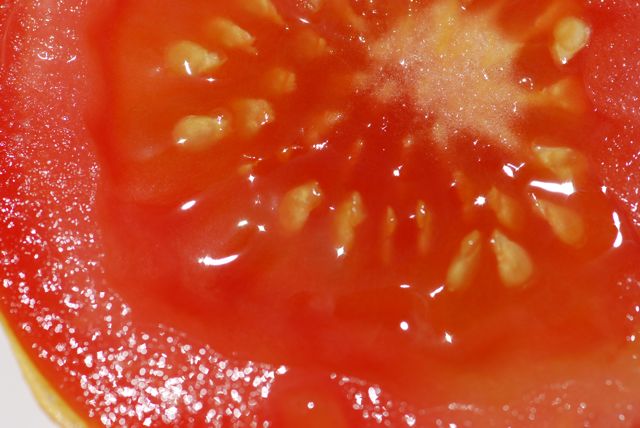 Whole tomato seeds have been fed to eight Holstein cows in a trial looking at reducing food waste from California’s fruit and vegetable sector.
 What is the management and nutrition necessary to average 100 lbs of milk per cow per day?


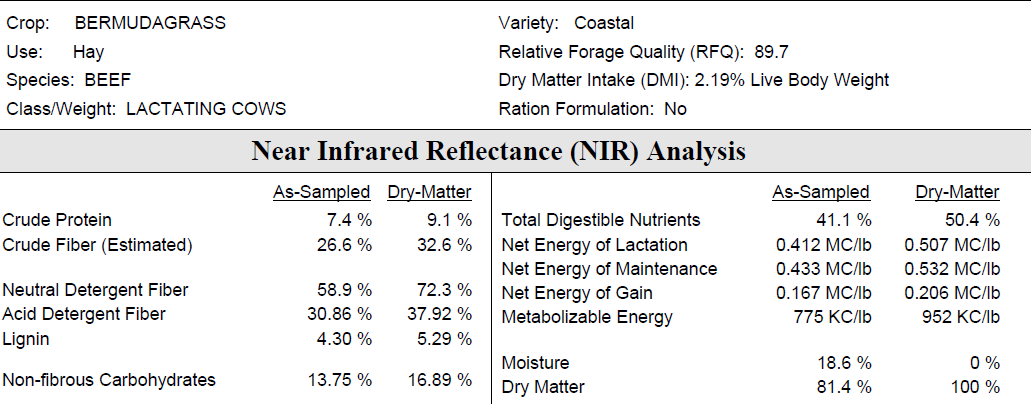
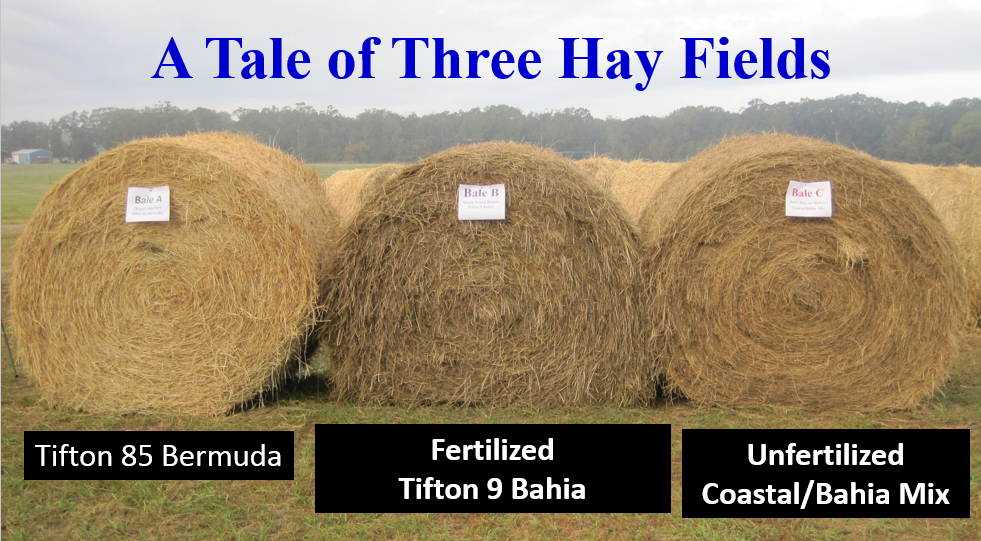
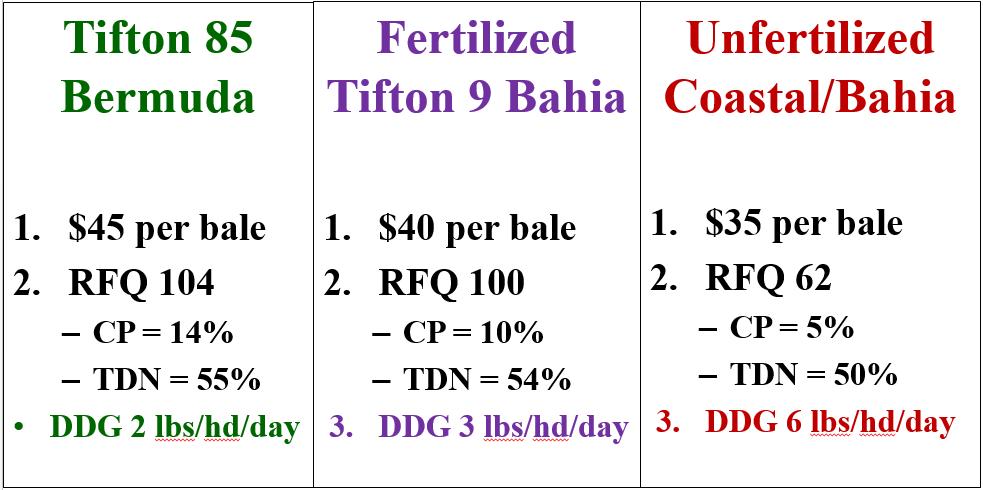
 Forage producers have a variety of expectations for alfalfa stand life, and most say a stand should produce for four to six years or more. However, growers also recognize that some fields become less productive after just a few years.
 Learn more at the
 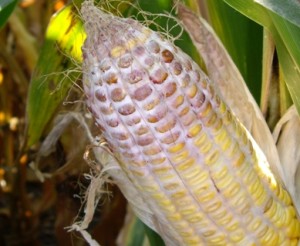 Last year’s weather was not particularly kind to growing corn on the eastern Prairies. A late spring planting, cold weather in July, and topped off by a cloudy fall created millions of bushels of corn that was not initially dry enough for storage.

 Since 1951, when Land O’Lakes Animal Milk Products Company developed the first calf milk replacer, the company has been committed to creating the best milk replacers from the best technologies and quality ingredients. Land O’Lakes Animal Milk Products Company is a division of Land O’Lakes, Inc. a national farmer-owned food and agricultural organization.
 Lallemand Animal Nutrition is dedicated to the development, production, and marketing of profitable, natural and differentiated solutions for animal nutrition and health. Our core products are live bacteria for direct fed microbials and silage inoculants, specific yeast for probiotics, and high value yeast derivatives. More news from Lallemand Animal Nutrition can be seen on www.lallemandanimalnutrition.com.
![calf-newborn-250[1]](https://www.thebullvine.com/wp-content/uploads/2014/09/calf-newborn-2501.jpg) My client asked this question having read a online posting. We talked about their current preweaned management. Colostrum is collected in the calving pen from dams as soon as they are up and steady on their feet. The dairy feeds 4 quarts of quality-tested colostrum in the first hour of life – 100% compliance. All calves are blood tested; a test value below 5.5 is unusual.
My client asked this question having read a online posting. We talked about their current preweaned management. Colostrum is collected in the calving pen from dams as soon as they are up and steady on their feet. The dairy feeds 4 quarts of quality-tested colostrum in the first hour of life – 100% compliance. All calves are blood tested; a test value below 5.5 is unusual.

 Providing the correct amounts of bioavailable trace minerals in diets is necessary for healthy, productive dairy cows. Negative impacts relative to the cow, environment, and profitability can occur when inadequate or excessive amounts of bioavailable trace minerals are fed. The 2001 Dairy NRC established requirements for cobalt (Co), copper (Cu), iodine (I), iron (Fe), manganese (Mn), selenium (Se), and zinc (Zn), and since 2001, substantial research has been conducted regarding chromium (Cr) supplementation of dairy cow diets. The mineral requirement in most, if not all, U.S.-based nutrition models come directly from the NRC.