With so many school children doing their learning online these days, the Dairy Farmers of Wisconsin and Wisconsin Department of Agriculture have come up with a way to help those kids learn about life on the farm. The groups recently launched a virtual farm tour of Scientific Holsteins in Chippewa Falls, hosted by Alice in Dairyland Julia Nunes.
“Kids enjoy seeing where their food comes from and who cares for the animals, so I’m excited to showcase my family’s dairy farm and share our dairy story,” Nunes said. “Dairy plays an essential role in a sustainable food system, and Wisconsin dairy farmers have dedicated their lives to feeding communities across the nation.”
Each year, more than 90,000 fourth graders learn about Wisconsin as part of their social studies curriculum. DFW Marketing Officer Suzanne Fanning says it’s important to help kids understand why Wisconsin is America’s Dairyland and that dairy is good for their bodies, our community and the environment.
“This virtual farm tour is an excellent tool for the fourth-grade curriculum, and we’re thrilled to offer it as another learning opportunity from home,” Fanning says.
The tour is geared toward students in grades 3-5 with an emphasis on fourth grade. The materials are available for download at WisconsinDairy.org/Farm-Tour
The law firm leading a class action against Fonterra Australia has renewed calls for farmers to register before it is too late.
The case, which seeks compensation for farmers affected by Fonterra’s clawback in 2016, was lodged in the Supreme Court of Victoria in June.
Adley Bursryner is representing the plaintiffs in the case, Lynden and Geoffrey Iddles.
Founder David Burstyner said around 350 farmers had registered so far but it was imperative that more people joined.
“In the nearly five years we’ve been working up this case, we’ve heard hundreds and hundreds of farmers who’ve been in support,” he said.
“The support is very, very good on one sense but what we need to make the case go forward, to ensure it continues, is registration.”
He stressed that Fonterra did not have a list of names of the people registered.
He was also concerned there were farmers looking to benefit from the outcome from the case without getting involved.
“What the ones who come to the meetings and engage with us tell us, is that pretty much every farmer they know wants to benefit of this case and wants it to go ahead, but they’re getting on with their day to day and that is the nature of farmers,” he said.
“I also think there’s some concern you can be a free-rider and avoid the cut that the funder takes, and that’s wrong.
“There is no free riding in this system and the judge doesn’t allow a benefit in a class action to go to someone if they don’t register.
“What they do is they jeopardise the whole case going ahead, because if there aren’t enough registrations the case may have to stop.”
He said about 600 registrations would be enough to proceed, but the case was currently short of that.
“We have a case management conference coming up later this month,” he said.
“The judge might then ask us about doing what’s called a ‘class closure’, that’s when you confine who’s in and who’s out.
“If there’s not that critical mass that makes it economically worthwhile for the funder, then they pull the plug.”
The case is funded by Litigation Lending Services and there is no cost to farmers.
Mr Burstyner said costs were a common theme raised at information sessions.
“Farmers also – like in a lot of class actions – want to make sure that there’s enough money in it for them and it’s not a lawyers picnic or funders picnic,” he said.
“We’re working in a dynamic where the courts make sure that a reasonable and fair percentage goes back into the pockets of what are called group members, in this case farmers.”
The next stage of the process would see the parties exchange documents related to the case, he said.
“I’d imagine we’d be getting around 100 000 documents from them,” he said.
“The documents we’re likely to get will be board minutes of that setting of that farmgate price, all the internal papers and emails and minutes of meetings that Fonterra had for the setting the price.”
The class action claims Fonterra allegedly breached contractual obligations by implementing a step down in milk price.
It also alleges Fonterra engaged in “misleading conduct about the likelihood of a step down” and acted “unconscionably” towards suppliers, court documents reveal.
In a statement, Fonterra said it denied the allegations in the class action and was defending the case vigorously.
“Over the past four and a half years, we have completely overhauled the relationship with our farmers, starting with the recently formed Fonterra Australia Suppliers Council which replaced BSC, and the benchmark agreement,” a spokesperson said.
“We are proud of the good relationship we have today with our farmers and industry.”
It noted the ACCC investigated the 2016 milk price reduction and decided not to take any action against Fonterra.
“The class action relates to the milk price step-down in the 2015/16 season following changes in the global market,” the statement read.
“The class action is funded by a litigation funding provider whose business is to fund litigation in order to gain a commercial return.”
Fonterra also said it had not commenced any new debt recovery proceedings against potentially affected suppliers in light of the class action.
Farmers can register at www.fonterraclassaction.com.au.
Dairy farmers from several districts urged the government to put in place quality checks in the procurement of milch cattle, alleging that buffaloes and cows that they had bought in recent years were of poor health.
The farmers alleged that irregularities were taking place in the procurement of milch buffaloes and cows, and appealed for measures to ensure procurement of high-yield cattle in order to save the dairy sector.
In 2007, then Chief Minister Y.S. Rajasekhara Reddy had launched the ‘Pasu Kranthi Scheme’ for the benefit of farmers, which the YSR Congress Party government relaunched as YSR Cheyuta (supply of milch animals) to women beneficiaries in the State.
Under the scheme, milch cattle of Murrah, Gir, Shahiwal, CB Jersey and other varieties will be supplied by agencies from Gujarat, Tamil Nadu, Punjab, Karnataka, Maharashtra and Haryana to the farmers in Andhra Pradesh.
However, some companies were allegedly supplying poor quality buffaloes and cows for the last few years, causing huge losses to the beneficiaries. A few persons, who were facing allegations of scams and irregularities, had also filed tenders for supply of animals and caused huge loss, the farmers alleged.
“Each buffalo should give about eight litres of milk per day as per the guidelines issued by the government, but the animal is not giving even one litre, and the veterinary doctors have also confirmed this. The government has ordered an inquiry into the scam in 2019, which is pending,” said a beneficiary B. Venkata Rao.
“We request the government and Animal Husbandry officials to take measures to keep out middlemen and allot tenders for genuine agencies for better implementation of the scheme,” said P. Ram Babu, a farmer from Jangareddygudem in West Godavari district said.
“Just your average Cowdenbeath woman pushing a lorry up a hill,” traffic watchdog group Fife Jammer Locations wrote with four flexing-bicep emojis as it posted the 18-second clip.
It wasn’t clear exactly what was going on to make the woman look like she was pushing the massive vehicle, but the video soon garnered thousands of comments and a flurry of Wonder Woman memes.
“Obviously does CrossFit!” Jenny Ashcroft wrote, while Kim Donnachie said, “That’s what happens when you drink your [milk] kids.”
Others made dairy puns because of the truck she was pushing, with David Gould quipping, “She’s milking it just to get on Facebook.”
Many others were alarmed, however, at the risk of the truck rolling back, with several saying it could “go sour quickly.”
“She’s not going to make any difference at all with a [truck] that size but 10 out of 10 for effort,” Vicki Dorward wrote, while another noted there is “not a man alive that could push that thing like that,” saying, “She’s lucky she didn’t become a pancake.”
Graham’s, the dairy company whose truck was pushed, shared the video and also joined in the chat — asking for help IDing the now-viral strongwoman.
Fonterra and Royal DSM, a global science-based company active in health, nutrition and sustainable living, are teaming up to work on reducing on-farm greenhouse gas (GHG) emissions in New Zealand.
While the organisations have a long-standing working relationship, the new collaboration is based around DSM’s feed additive product Bovaer®, which effectively and consistently reduces methane emissions from cows by over 30 percent in non-pasture-based farming systems.
The question that needs answering now is: Can it do the same in New Zealand’s pasture-based farming systems?
While New Zealand dairy farms are acknowledged as having the lowest carbon footprint in the world among major milk producers, Fonterra recognises that biological emissions produced by cows are a major contributor to the country’s overall emissions and is working to do whatever it can to find ways to reduce them.
Fonterra Group Director Farm Source Richard Allen says that finding a solution to the methane challenge requires more than just the hard graft farmers are putting in.
“We need to find a breakthrough in reducing emissions from cows and Bovaer® could provide exactly that. This work with DSM is an exciting opportunity for the Co-op.”
Fonterra Chief Science & Technology Officer, Prof. Jeremy Hill, says the Co-op wants to explore and validate how Bovaer® could work here in New Zealand, where cows are predominantly fed grass.
“We also see this as an opportunity to further accelerate our global leadership in low-carbon dairy products to create more value for our New Zealand milk.”
“Fonterra is working closely with DSM New Zealand to ensure that any innovation is well tested and can easily be distributed and used by our farmers.”
Mark van Nieuwland, global programme head for DSM Nutritional Products says they are proud to be in collaboration with Fonterra.
“Both companies have worked together for many years, and it’s a pleasure to extend this to the field of sustainability and climate change,” he says.
“With Fonterra, we have an important partner to potentially commercialise Bovaer® in New Zealand and globally. We look forward to combining our expertise and passion.”
Bovaer® was featured by the World Resources Institute as one of the ten global break-through technologies that could help to feed the world sustainably and if trials prove successful, it could help continue New Zealand’s leadership role in low carbon dairy production.
An innovative leader in the dairy farming community, McCarty Family Farms has announced that it is now a Certified B Corporation®. This certification is awarded to companies that meet the highest standards of social and environmental performance. Building on McCarty Family Farm’s foundational commitment of caring for its cows, people and the land, this achievement underscores their dedication to redefine success in business.
Certified B Corporations® (also referred to as B Corps™) are for-profit companies that use the power of business to build a more inclusive and sustainable economy. B Corps™ are required to consider the impact of their decisions on all stakeholders including customers, workers, communities, and the environment. Dedicated to farming for a better world, these requirements are well-aligned with the guiding principles at McCarty Family Farms.
“As 4th generation dairy farmers, our family has a long-established commitment to environmental stewardship and using our business as a force for good in the world,” says Ken McCarty, Co-Owner of McCarty Family Farms. “Becoming a Certified B Corp™ amplifies our commitment by prioritizing mission-driven collaboration with our partners to drive real, systemic change and create impact at scale. We are truly honored and humbled to be a part of theB Corp™ community.”
To achieve B Corp Certification, companies must meet credible, comprehensive, and independent standards and earn a minimum audit score of 80 out of 200 possible points. McCarty Family Farms achieved a B Impact Assessment score of 103.8, scoring exceptionally well in the environmental aspect by redesigning traditional processes to conserve natural resources on their farms and processing plant. Their extensive water conservation and soil health programs integrate the latest technologies to sustainably produce milk and condensed milk for their customer. To maintain certification, B Corps™ recertify every three years with the aim to continuously improve their score.
McCarty Family Farms joins MVP Dairy, co-owned by the McCarty Family, as one of the few dairy farms in the world to achieve B Corp™ certification. Dairy is also well-represented in the B Corp Community by other notable dairy companies balancing financial success with social and environmental responsibility like Ben and Jerrys, Tillamook, Cabot Cheese and their longtime partner and world’s largest B Corp™, Danone North America.
Marc De Schutter, SVP of Procurement at Danone North America commented, “The B Corp movement’s collective action continues to remain critical.Now, more than ever, we must continue to understand and prioritize the connectedness of our agricultural and food systems, and the impact they have to our daily lives. We proudly welcome McCarty Family Farms to the B Corp community, as we seek to further co-create and enable sustainable food systems for our shared future.”
Since 2006, more than 60,000 companies globally have participated in the B Impact Assessment, but only 3,500 have become certified, which is indicative of the rigorous standards set by B Lab® in order to become a Certified B Corporation®. McCarty Family Farms completed the stringent certification in December and joins thoughtful companies across 160 industries in 74 countries that are meeting the highest standards of verified overall social and environmental performance, transparency, and accountability and aspire to use the power of business to solve social and environmental problems.
“At the heart, the B Corporation movement is about people. And passionate people at that, all determined to use our collective voice so society can enjoy a shared and durable prosperity,” said Ben Anderson, CEO of B Lab US & Canada. “McCarty Family Farmsbuilt their company on the foundation of using business as a force for good and we celebrate their willingness to further demonstrate their purpose in society by obtaining this powerful certification. Their regenerative and sustainable practices are truly outstanding and their partnership with Danone North America illustrates the power of responsible supply chains working together to prove that success in business can be redefined by building a more resilient economy that serves all stakeholders.”
ABOUT MCCARTY FAMILY FARMS
McCarty Family Farms is owned and operated by brothers Mike, Clay, Dave and Ken McCarty of Colby, Kansas. The McCarty family started more than 100 years ago with a small barn without electricity in northeast Pennsylvania. Four generations later, McCarty Family Farms is at home in western Kansas and Nebraska where it strives for the utmost in animal welfare, environmental stewardship, sustainable communities, and the creation of safe, rewarding work environments. Learn more at McCartyFamilyFarms.com
ABOUT B LAB®
B Lab® is a nonprofit that serves a global movement of people using business as a force for goodTM. They are working towards a global culture shift with their initiatives that include B Corp Certification, administration of the B Impact Management programs, and advocacy for governance structures like the benefit corporation. B Lab’s vision is of an inclusive and sustainable economy that creates a shared prosperity for all.
Dairy Farmers of Washington recently launched a new, interactive virtual farm tour that will help consumers learn more about the local dairy farms that produce their favorite dairy products. In addition to the virtual farm tour itself, consumers and educators now have access to nutrition-related lesson plans, a calorie calculator and a farm-related lesson plan to accompany the short videos explaining everything from cow care to crop production to milk processing and more.
“The virtual farm tour is versatile – it was created with teachers and educators in mind, but the average consumer interested in learning more about how milk is produced can also gain a lot from this resource,” said Ivan Chu, senior director of integrated marketing and communications for Dairy Farmers of Washington. “Consumers are more interested than ever in learning about where their food comes from and how it is produced, so it’s important for us at Dairy Farmers of Washington to showcase the care that Washington dairy farmers take to bring nutritious dairy to you.”
The ten video segments were filmed at four dairy farms across Washington and many segments feature multiple dairy farmers to showcase various farm practices.
“No two dairy farms are exactly alike and have all of the same farm practices, but we all share a passion for our cows and our environment,” said dairy farmer Lynne Wheeler of Coldstream Farms in Deming. “I’m excited to be a part of this project since it’s essential to share how we are producing food and help our consumers better understand what we are doing and why. The average consumer is about four generations removed from the farm and we are passionate about helping connect them with local dairy farms through this virtual farm tour.”
The virtual farm tour and nutrition resources have been popular with teachers since they were first released last week, said Brianne Kappel, director of nutrition and wellness for Dairy Farmers of Washington/Washington State Dairy Council.
“Teachers have done an exceptional job adapting to the virtual learning environment and are doing their part to ensure our youth continue to receive a quality education during these challenging times,” Kappel said. “These resources were created with them in mind and our goal is to make teaching nutrition and agriculture easier. Our virtual farm tour aims to connect students with the ‘farm-to-table’ story while highlighting modern technologies that dairy farmers are using to reduce their carbon footprint.”
National Dairy Council (NDC) shares dairy’s role in the newly released 2020-2025 Dietary Guidelines for Americans, which reaffirm the importance of consuming dairy daily as part of healthy dietary patterns for positive health outcomes.
Daily inclusion of low-fat and fat-free dairy foods is recommended in all three DGA healthy dietary patterns: three servings in Healthy U.S. and Healthy Vegetarian, and two to two-and-a-half servings in Healthy Mediterranean. Following these healthy dietary patterns is associated with reduced risk of chronic diseases like cardiovascular disease and type 2 diabetes.
For the first time, recommendations for the birth-to-23-month time period are included and yogurt and cheese were recognized as complementary feeding options for infants starting as early as 6 months. Dairy foods (whole milk, reduced-fat cheese and reduced-fat plain yogurts) were included in recommendations for toddlers 12-23 months.
“Dairy foods such as milk, cheese and yogurt offer essential nutrients that help nourish people throughout life,” said National Dairy Council President Jean Ragalie-Carr, RDN, LDN, FAND. “We are living during a period where affordable nutrition is critically important to our nation. Dairy foods, including lactose-free varieties, are a highly nutritious and accessible option that can help fill important nutrient gaps and support overall well-being. We’re pleased to see dairy consumption recommended for its contributions to healthy dietary patterns based on the scientific evidence.”
Consistent evidence demonstrates that a healthy dietary pattern, which includes low-fat and fat-free dairy foods, is associated with beneficial outcomes for all-cause mortality, cardiovascular disease, overweight and obesity, type 2 diabetes, bone health, and certain types of cancer (breast and colorectal).
Other key aspects of the DGA for dairy include:
The nutrients of concern for Americans continue to be calcium, vitamin D, potassium and fiber; dairy foods are important sources of calcium, vitamin D and potassium in the U.S. diet and can help close these nutrient gaps.
Linking of the nutrient package of dairy foods to bone health in both adolescents and adults, showing dairy’s important nutritional support for accrual of bone mass and promotion of bone health outcomes, including prevention of the onset of osteoporosis.
The saturated fat recommendation remains at no more than 10% of total calories.
The DGA are updated every five years by the U.S. Department of Agriculture (USDA) and the U.S. Department of Health and Human Services (HHS), which base their recommendations on a sound body of peer-reviewed science. The guidelines are an essential resource for health professionals and policymakers as they design and implement food and nutrition programs that nourish Americans, including USDA’s National School Lunch Program and School Breakfast Program. The DGA also help people make healthy choices for themselves and their families.
While these guidelines don’t include recommendations for sustainable food systems, the U.S. dairy community has commitments in place to advance environmental sustainability. Earlier this year, the Innovation Center for U.S. Dairy announced the 2050 Environmental Stewardship Goals which include achieving carbon neutrality or better, optimizing water usage and improving water quality.
“All foods come with an environmental footprint and all sectors of food production can work to do better, including dairy,” said Krysta Harden, executive vice president of Global Environmental Strategy for Dairy Management Inc. “Today, U.S. dairy contributes about 2% of greenhouse gas emissions and collectively, from farm to retail, we are committed to being an environmental solution and leaving a positive footprint for future generations.”
About National Dairy Council For 100 years, National Dairy Council (NDC), the non-profit organization funded by the national dairy checkoff program, is committed to nutrition education and research-based communications. NDC provides science-based nutrition information to, and in collaboration with, a variety of stakeholders committed to fostering a healthier nation, including health professionals, educators, school nutrition directors, academia, industry, consumers and media. Established in 1915, NDC comprises a staff of registered dietitians and nutrition research and communications experts across the country. NDC is dedicated to promoting child health and wellness through programs such as Fuel Up to Play 60.
Dairy milk production grew each year from 2010 to 2019, but for the budding $2 billion plant-based milk industry, there looks to be no ceiling to its growth — thanks in part to the dairy industry itself.
In 1996, Silk soy milk became one of the first alternatives to be sold out of a carton in grocery dairy aisles, a move that would benefit future milk alternatives. More than a decade later in 2009, the Blue Diamond Growers, a group of California-based almond farmers, made a move to get almond milk products into stores nationally, and the following year Silk introduced its own version of almond milk. By the end of 2010, the milk alternative category saw a 13 percent increase in sales year-over-year.
“We knew if we were wanting to compete with them, we would need to be in the refrigerated case,” Al Greenlee, director of marketing at Blue Diamond, said.
Consequently, Blue Diamond partnered with the second-largest dairy company in order to grab the coveted supermarket real estate, and in time more alternative milk producers sought to enter the space, especially without facing the same pushback against their brands being sold in the dairy section.
Refrigerated Cases Welcome Even More Alternative Milk
Sweden-based oat milk maker Oatly’s products were not originally sold out of those refrigerated sections of grocery stores. Once CEO Toni Petersson took the helm in 2012, he worked to change that, and the company saw a jump in sales from $68 million to $110 million between 2017 and 2018.
Oatly’s product placement would become a game-changer for the company.
After nearly doubling sales in 2019 and partnering with a slew of heavy-hitter celebrities, including Oprah, Jay-Z, and Natalie Portman, the oat milk maker reached a valuation of more than $2 billion.
‘Got Milk?’ Pushed a Generation
Options like soy milk go back to China in the 14th century and almond milk references have been found dating back to Baghdad in 1226. But for Americans, dairy has long been considered a household staple.
In 1993, the California Milk Processor Board’s famous ‘Got Milk?’ ad campaign launched, encouraging Americans to consume more dairy products. The campaign claimed dairy milk promoted bone strength and was essential for the children’s growth, but despite the success of ‘Got Milk’, more Americans have continued shifting toward non-animal-based alternatives.
The transition wasn’t all peaches and non-dairy cream. Growing in popularity in the early 2000s, soy milk hit a rough patch in the United States after it was alleged that its contents could boost estrogen levels in men. That concern would come to be seen as largely unfounded years later.
Today, the plant-based milk industry has an estimated value of $22.6 billion, and with its compound annual growth rate at 10.8 percent, it’s expected to hit $40.6 billion in just five years.
Traditional cow milk isn’t leaving the supermarket just yet, but as Americans become more health-conscious and intentional about sustainability in an effort to slow climate change, the dairy industry is likely to continue to lose consumers.
WW presents “Distant Voices,” a daily video interview for the era of social distancing. Our reporters are asking Portlanders what they’re doing during quarantine.
Two years ago, it seemed like the saga of one of Oregon’s most notorious dairy farms had come to an end.
Over its mere 18-month existence, Lost Valley Farms in Boardman, Ore., racked up over 200 environmental citations and almost $200,000 in fines for violations that included manure overflow seeping into soil, livestock standing in inches of its own filth and a trailer stuffed with dead cows.
But according to Jennifer Hauge and Brian Posewitz of Stand Up to Factory Farms, Oregon hasn’t learned from the Lost Valley incident.
“Since then, what’s happened is not a lot,” says Hauge. “There’s been some regulatory reform that’s happened, but not enough to meaningfully close the holes that we think exist.”
Stand Up to Factory Farms is a coalition of animal welfare groups, small farmers and environmentalists—Hauge works for the Animal Legal Defense Fund and Posewitz is an attorney for WaterWatch of Oregon and director of Humane Voters Oregon. The group is advocating for two recentlyintroduced bills that would put a halt on permits for mega-dairies—defined as dairies with over 2,500 cows—until stricter regulations are imposed.
The organization formed because its members fear another mega-dairy disaster—the land formerly occupied by Lost Valley could soon be home to another mega-dairy.
Easterday Farms bought the property in 2019 with the intent of housing more than 2,800 cows, again making the site the second-largest dairy in the state. The company is now in the processes of applying for permits to begin operations.
A fire tore through a barn just outside of Truro, N.S., Wednesday night, shutting down a road in the area. More than 60 milking cows were saved, but two died as a result of the fire.
Firefighters were called to the scene at 5:47 p.m. on Wednesday. (Truro Colchester Code 1)
A fire tore through a feed barn just outside of Truro, N.S., Wednesday evening.
Firefighters were called to Loleaf Farm off Highway 311 in North River at 5:47 p.m. Chris Franklin, chief of the North River Fire Brigade, said the large metal barn was already ablaze when they arrived.
“The barn is an L-shape, the area is off to the left of the L, all that was left of the feed area was partial walls, and the ceiling, the roof was completely gone, so she was wide open, fully involved,” said Franklin.
No one was injured in the fire.
Almost all of the roughly 60 milking cows at the farm were saved, according to farm owner Donald Murray.
“We worked feverishly to get all the animals out,” he said.
One cow died in a stall, and another had to be euthanized by a veterinarian due to injuries related to fire. Murray said three calves were also killed.
It took firefighters six and a half hours to put out the fire. (Truro Colchester Code 1.)
Most of the herd has been moved to another farm, Cobequid Holsteins, in nearby Masstown, said Murray.
Along with the barn, he lost a tractor, mixer and some carts to the fire. Murray said he has no idea how the fire started.
“We had just completed milking, the afternoon milking, approximately 10 minutes later the hay storage itself was totally encased in fire.”
The fire was so intense more than 10 fire departments were called in to help fight it. More than 100 firefighters were needed to put out the blaze.
One of the milking cows was killed in the blaze and another had to be euthanized because of injuries related to the fire. (Paul Palmeter/CBC)
Franklin said it was difficult to subdue the fire because of the barn’s metal walls.
“The steel won’t allow you access to the fire,” he said. “You have to remove the steel to get at the fire and the heat. A piece of equipment was brought in to remove debris and root through the straw, sawdust components of the feed shed area.”
Once an excavator was brought in to tear through the barn’s walls it was easier to douse the fire, said Franklin.
It took fire crews six and a half hours to put out the blaze.
The RCMP closed Highway 311 between Main Street and Stewart’s Bridge for several hours while firefighters did their work.
Donald Murray owns Loleaf Farm. His feed barn burned to the ground Wednesday night (Paul Palmeter/CBC)
Part of the dairy barn was also damaged in the fire.
Despite all the loss, Murray plans to rebuild and keep the farm running. For the foreseeable future, about 50 of his cows will be staying at Cobequid Holsteins.
“It’s a no-brainer to do that, you just got to help the neighbours out and get the cows looked after,” said farmer Brian Yuill, with Cobequid Holsteins. “The neighbours volunteered to get the trucks going and catch the cattle and get them trucked here. And we had the room.”
The site of the barn fire on Thursday morning. (Paul Palmeter/CBC)
That’s good news, according to Lisa Patton, the municipal councillor for the district in Colchester County. Patton said too many farms in the area have shut down over the years.
“They are a staple of our community, this is one of the few dairy farms left in District 8,” she said. “It’s just heartbreaking for everyone to see a family go through this.”
The cause of the fire isn’t known.
Fire investigators began their work this morning.
Murray’s cows have now settled in at Cobequid Holsteins. (Paul Palmeter/CBC)
Dairy processors have an opportunity to showcase the benefits of dairy foods for children’s early life stages and for children overall.
The foundation for healthy eating starts early, as research continues to show nutrition during the first 1,000 days of life has far-reaching impacts on children’s ability to succeed in both school and life. What’s more, what a mom eats and drinks during pregnancy affects both her health and the health of her children over their lifetimes.
For these reasons, urgency is being placed on ensuring optimal nutrition during pregnancy and the first 24 months of life. These time periods are key to supporting optimal growth and development, as well as preventing diet-related chronic diseases such as obesity, hypertension and diabetes.
Dairy producers and processors have an opportunity to showcase the benefits of dairy foods for both these life stages and for children overall, who have nutritional needs that differ from the overall population. While doing so, the dairy industry could emphasize the variety of milk and dairy foods available to meet a range of personal needs, tastes and preferences.
By embracing the rich diversity of cultural cuisines present in our nation, milk and dairy foods remain a part of healthy, culturally diverse eating patterns. Additionally, these solutions help foster nutritional equity for vulnerable populations, including pregnant women, infants and children, who benefit from the essential nutrients dairy foods provide.
Children’s health is at risk
Childhood overweightness and obesity continue to create lifelong health risks for far too many children. We have learned that obesity and malnutrition are actually linked, and that early influences and even intergenerational factors can increase the risk for overweightness and obesity. Such influences have contributed to a growing health crisis.
The American Academy of Pediatrics says failure to provide adequate nutrition during the first 1,000 days of life could lead to lifelong deficits in brain function. In addition, according to a report by UNICEF, two-thirds of children between the ages of 6 months and 2 years do not get adequate nutrition for growth and development, while one-third of about 700 million children under age 5 around the world are undernourished or overweight.
In the United States, childhood obesity rates remain historically high, putting millions of young people at greater risk for serious health conditions, including high blood pressure, type 2 diabetes, heart disease and asthma.According to the Robert Wood Johnson Foundation’s “State of Childhood Obesity” report released in October 2019, the United States spends $14 billion annually on childhood obesity alone. Obesity rates rise with age, and there are significant differences in obesity prevalence, with Black and Hispanic youth having a higher obesity prevalence than non-Hispanic whites.
For many children, access to nutrition education, nutritious foods and supports for optimal nutrition are severely limited, which puts them at a disadvantage and compromises their ability to grow up healthy. With widening socioeconomic gaps and inequities, efforts to fully support the nutritional needs of children have their challenges but also present unique and imperative opportunities.
New recommendations
For the first time, the Dietary Guidelines for Americans, released in late December 2020, include recommendations for pregnant women, infants and toddlers. Previous recommendations focused solely on Americans ages 2 and older. This new focus results from a growing body of evidence showing that lifelong health is shaped by how well individuals are nourished starting in pregnancy and then into these early years.
The guidelines also emphasize the importance of tailoring recommendations using a life-stages approach, recognizing nutritional needs vary based on age. Early food preferences influence later food choices, and diet quality impacts health throughout each subsequent stage of life.
The guidelines also acknowledge the unique package of nutrients dairy contributes to the American diet, including calcium, vitamin D, potassium and more, which work together to provide multiple health benefits. Due to underconsumption, these nutrients were previously identified to be of concern in the 2015–2020 Dietary Guidelines. Young children who do not meet the daily recommended servings of milk, yogurt, cheese and other dairy foods may have inadequate intakes of these important nutrients, negatively impacting health in the short and long term.
Nutrition and access to healthful foods, including milk and dairy foods, play an important role in protecting the health of people across their lifespans, which is why the Dietary Guidelines are more relevant than ever. With overall diet quality being low for many children and families, especially those in marginalized communities, there will be ample opportunities to position milk and dairy foods as high-quality foods that are an essential part of healthy eating patterns.
Beverages choices important
Before age 2, beverages make up a large part of dietary intake. With a variety of beverage options available, some parents and caregivers may be unsure which beverages constitute healthful options for infants and toddlers.
In September 2019, the Academy of Nutrition and Dietetics, the American Academy of Pediatrics, the American Academy of Pediatric Dentistry and the American Heart Association collaborated to produce “Healthy Beverage Consumption in Early Childhood.” This report provides clear beverage guidance for children ages 0–5 to support optimal physical and cognitive growth, as well as to prevent future diet-related chronic diseases.
The report recommends water and milk as the go-to beverages after children’s first year of life and acknowledges dairy milk at different fat levels plays an important role for children as they grow and develop. The recommendations support the consumption of whole milk for children ages 12–24 months and fat-free or low-fat milk for children ages 2 years and older.
The report also categorizes plant-based alternative beverages (except for fortified soy beverages) as “not recommended” for children ages 0–5. Due to the wide variability of nutrient profiles among plant-based alternatives, the panel agreed these beverages are not nutritionally equivalent to dairy milk and thus should not be exclusively consumed in place of milk.
Collaboration needed
Collaboration is vital to prioritizing children’s health and building healthier communities. With this understanding, Dairy Council of California launched the Let’s Eat Healthy movement and invites all members of the dairy community to join the effort.
Let’s Eat Healthy strives to ensure children have reduced incidence of obesity and are supported to grow and be healthy, and dairy is valued as a solution to optimal health. In addition, the movement empowers stakeholders to champion community health through nutrition, including teaching and inspiring healthy eating habits and finding solutions to make nutritious foods such as milk and dairy foods accessible and affordable to all.
The makers of dairy foods can also support children’s health by amplifying and sharing research and recommendations that reaffirm dairy’s important role in children’s growth and development.
We invite fellow members of the dairy community to come together, join the movement and collectively enable change that is far greater and more impactful than what any single organization can do on its own. Learn more at HealthyEating.org/Join.
BRITISH chocolate favourite Cadbury is moving the production of its iconic Dairy Milk chocolate back to the UK from Germany.
It follows a £15million investment at the company’s Bournville site in Birmingham. Mondelez, owner of the brand, will shift the production of 12,000 tonnes of chocolate from the continent to the UK next year.
While the move will create no new jobs, the relocation of production will be viewed as a boost for Brexit Britain and proof companies won’t relocate en masse to the continent now the UK is out of the single market.
In the 2016 Remainers predicted a huge surge in the number of companies relocating as a result of Brexit.
The move of Dairy Milk production to Britain has been welcomed by trade union’s as a “vote of confidence in the UK workforce”.
Joe Clarke of Unite said: “To complete consultations and negotiations to deliver this fantastic investment, even in the midst of the Covid restrictions, is a credit to the trade union representatives, the members and the business.”
Cadbury are relocating its production back to the UK (Image: GETTY)
Prime Minister Boris Johnson said: “Dairy Milk has been a firm favourite for generations, so it’s fantastic to see this Great British brand making more chocolate bars in its historic Birmingham home.”
Business Secretary Kwasi Kwarteng described it as “a sweet piece of news”.
As many as 35,000 tonnes of Cadbury Dairy Milk are already made at the UK factory.
An additional 125 million bars of the chocolate will now be made in Birmingham.
Louise Stigant, UK head of Mondelez, said: “At a time when manufacturing in the UK is facing significant challenges, it has never been more vital to secure the long-term competitiveness and sustainability of our business.
“This investment will continue the modernising of our production processes at Bournville and ensure we are meeting the need for a highly efficient and robust supply infrastructure for our iconic Cadbury Dairy Milk tablets.”
A small number of Dairy Milk bars will continue to be produced in Ireland, Germany, Hungary and Poland.
Cadbury Dairy Milk production is moving to its original home in Bournville (Image: PA)
The Bournville site employs 1,300 people out of a 4,000 strong workforce across the UK.
Birmingham is the birth of the Cadbury brand and was where founder John Cadbury first opened his grocer’s story in 1824.
The Bournville production site was opened half a century later in 1879.
Mrs Stigant said the move back to Bournville was “a creative way of bringing Cadbury Dairy Milk back to the UK, which we are proud of – it will also give another 50 seasonal workers a significant, guaranteed minimum time of work.”
She added: “We are making sure we can continue to be a world-class chocolate manufacturer so we are really trying to improve the facilities at Bournville.”
Since 2014 Mondelez has invested £80million to modernise production at the Birmingham based factory.
While the news of investment in more production is a boost for the UK, it comes as manufacturing in Britain hit its slowest pace in three months in January due to the latest coronavirus lockdown.
The market was close to stalling due to the new restrictions, with a massive drop in the IHS Markit/CIPS manufacturing Purchasing Managers’ Index.
Rob Dobson, director at IHS Markit, said: “Whereas many countries are seeing manufacturers provide much-needed support to economic growth as the service sector is hit by Covid-19, the UK’s manufacturing sector has come close to stalling.”
A farmer in the Saguenay–Lac-St-Jean region is striking a fine balance, running his family dairy farm by day and working as a classical ballet dancer by night.
Farmer and dancer says two seemingly opposing passions lead to a ‘perfect’ balance
Jean-Daniel Bouchard is a professional dancer who decided to return to the family farm. He spends his days doing both. 3:00A farmer in the Saguenay–Lac-St-Jean region of Quebec is striking a fine, if unusual, balance: running his family dairy farm by day and working as a classical ballet dancer by night.
Jean-Daniel Bouchard started dancing before he turned four, and after high school he decided to try to make a career of it.
His dancing took him to Banff, Alta., British Columbia, Toronto and Montreal. In all, Bouchard spent almost nine years more or less constantly on tour.
“The passion just never left me,” he said.
But eventually, his rural Quebec upbringing as a sixth-generation farmer in St-Bruno started to call him home.
Bouchard told Quebec AM that he was looking for more stability, to settle down, and his two older brothers were not especially interested in taking over the farm.
“I thought it would be really sad to lose this family treasure,” he said. “So I thought I could do both — I could come back here, start a company and dance, and do the farming with my dad.”
Jean-Daniel Bouchard decided to return home to Saguenay-Lac-St-Jean to run his family’s dairy farm after almost a decade working and touring as a professional dancer. (Romy Boutin St-Pierre/Radio-Canada )
Bouchard said although his twin passions may seem like something of a contradiction — farming can be gruelling physical labour and involves plenty of financial mathematics, versus an art form that depends on imagination and creativity — they help him find balance.
“I think this is the perfect match for life,” he said. “You have more stable work and then you can let go of the stress with dance.”
Plus, there are physical benefits.
Bouchard said farm work makes him stronger, which helps with his dancing, whereas the repetitive movements and stretching he uses for ballet help him prevent injury in the barn.
With theatres closed due to the COVID-19 pandemic, Bouchard is both taking and teaching virtual dance classes, and he said he can’t wait to be back in the studio or, even better, in front of an audience.
“We can’t wait for the studios to open again so we can get back into a full dance ballet class, and to be able to move from a space in the studio to the other end,” he said. “We can’t wait.
“Virtually it’s just not the same, it’s not even comparable,” he added.
Bouchard said he sometimes misses touring and will dream he’s off dancing somewhere else, but he’s happy with the life he chose as both a farmer and a dancer.
“At a certain point, when you’re just trying to grow and grow [in your career], what’s the point, when the point should be to be happy,” he said.
With files from Quebec AM, video by Romy Boutin St-Pierre
Marsha Rempel wants to save her 150-year-old farm — the only home she’s ever known — and is fighting the City of Welland’s decision to expropriate the lands for industry.
Rempel, 57, is the fifth generation to live on her family’s crop farm, which she says is endearingly known as the place with “the big red barn” that prompts tourists to park and pull out a camera.
“It’s been home my whole life,” she said of the farm in Ontario’s Niagara Region. “It’s like it’s part of your lineage. It’s part of your heritage. It’s roots. They don’t understand the roots aspects of this.”
The city wants to build an industrial park on the land, which sits between two railway lines and Ridge Road and Highway 140. The biggest parcel is a 24-hectare (60-acre) field, along with about 2.8 hectares (seven acres) on the south side of the railway.
“With six industrial parks nearly sold out and little employment land available, the need to acquire more city land is evident,” said a city media release explaining the expropriation on Friday.
Move will create jobs in industrial-zoned land, city says
City council approved a bylaw to expropriate the land in a close vote at a Dec. 1 meeting. Six councillors and Mayor Frank Campion voted in favour, while five were opposed.
The city said it supports the manufacturing sector by strategically locating lands close to the Highway 406 and Highway 140 corridors. If a property owner doesn’t want to sell, the city said, it moves forward with expropriation, allowing it to purchase the land.
Steve Zorbas, the city’s interim chief administrative officer, said there’s a great demand for land that is service ready. Rempel’s property is zoned for industry as part of the Niagara Gateway Economic Zone and has been for years, he said.
“[Our] priorities are to create new jobs for the city of Welland, and it’s the best fit for us right now.”
Zorbas said the city has talked to the owner on three occasions. Rempel said she has refused to sell the land for three years and called the city’s pursuit akin to acting like “schoolyard bullies.”
Money won’t replace what is lost, says owner
Coun. John Chiocchio, who opposed the decision to expropriate, said before the December vote that “integrity sometimes [is] worth more than money” and that he was “dead against taking someone’s land.”
City council took a first step toward voting on expropriation at a meeting in July 2020 by approving the sale, while the December meeting approved housekeeping measures.
Coun. David McLeod said no one wants to remove someone from their land, but the owner would be financially compensated and the contribution to the city would be “far greater.”
“[The city’s] money is not going to replace what was lost,” Rempel said, noting she hadn’t had any discussions about dollar amounts. “You can buy another house. But you cannot buy another home, and there’s a difference.”
Rempel said she remembers her grandfather farming oats, red clover and corn on the land, back when it was known as Watters Farm. The farm now rotates between soybeans and winter wheat.
“I’m just afraid that they’re going to take this farm, they’re going to ruin that field and it’s going to become surplus land,” she said, pointing to land in Pickering, Ont., east of Toronto, that was seized by the federal government in the 1970s for construction of an airport that never happened.
Decision not a done deal, city official says
After a notice of application to expropriate the land has been served, an owner can request a hearing at which the city must demonstrate that the action is “fair, sound and reasonably necessary,” the city news release says. It notes that after the hearing, the inquiry officer prepares a non-binding report that is then voted on by council.
Zorbas said it appears a hearing will take place because no agreement has been reached, and he expects a report to be presented to council for consideration in the fall or in 2022, depending on how the COVID-19 pandemic affects proceedings.
The timeline for an approved expropriation process, the news release said, can range from several months to several years.
At the July meeting, Coun. Graham Speck, who seconded the initial motion, called it a tough decision but one that was being made for the “greater benefit” of Welland residents seeking stable, local jobs. But in December, he opposed the motion to expropriate.
Rempel said industry is saturated in Welland, and she is concerned about vanishing farmland, adding she thinks the move reflects how food and farmers are taken for granted.
“Why isn’t food considered more sacred than industry?” Rempel asked.
A local community development group has started an online petition in support of Rempel, and copies are available in the farm’s mailbox. She said hundreds of people have shown their support.
Rempel said while she can’t eat or sleep over the thought of losing her farm, she’ll oppose expropriation until the end.
“In spite of all of it, I will not give up,” she said. “I will not hand it to them.”
The expropriation will be discussed again at a council meeting on Tuesday.
Americans may be planning to eat more than 1.4 billion chicken wings during Super Bowl Sunday, but they may not be the most popular gameday food this year, according to DoorDash’s Game Day Eats Report.
Leveraging data from 1,000 customers ordering on football Sundays, from Sept. 13, 2020 to Jan. 10, 2021, DoorDash predicts mozzarella sticks will be the most ordered dish Feb. 7 when the Kansas City Chiefs take on the Tampa Bay Buccaneers.
Boneless wings will take second place, followed by chips and salsa, caesar salads and pepperoni pizza.
Desserts may also be a popular choice as DoorDash reported an increase in dessert items during this year’s Wildcard Weekend. Brownies, churros, banana pudding, flan, and chocolate chip cookies were amongst the most-ordered items on DoorDash on game days.
Top desserts on the rise include churros (464% increase), brownies (405% increase), banana pudding (307% increase), flan (252% increase) and chocolate chip cookies (241% increase).
Game Day isn’t complete without food and drinks, according to 93% of Americans, who said both were an important aspect of the Super Bowl experience. In fact, 86% intentionally ordered extra food for the game.
Tailgating looks different these days, and sports fans are transforming their homes into stadiums on big game days. Other stats include:
93% planned to watch the Big Game this year and 91% will special preparations by putting up special decorations, wearing a team jersey or buying special food or drinks — which 78% of Americans plan to do. 45% of sports fans ranked their team winning and great food and drinks as the top factors that enhance their Big Game experience.
48% of all respondents and 56% of serious sports fans planned to order delivery or takeout.
50% said during a big game they were more likely to order from a local restaurant.
See you on Sesame Street
DoorDash is debuting its first Super Bowl commercial, “The Neighborhood,” this year. Starring Grammy and Tony award-winning actor and rapper Daveed Diggs and Sesame Street Muppets (their respective first times in the Super Bowl as well), the ad celebrates local communities, while illustrating DoorDash’s expanded offerings beyond food, according to the release.
Duct tape and rubber bands hold a lot of things together in the early years of building a brand, said Andy Arquette, chief financial officer, fairlife LLC, Chicago, a wholly owned business of The Coca-Cola Co., Atlanta. Speaking at The Chicagoland Food & Beverage Network’s first event of the new year on Jan. 14, he said it took about eight years for fairlife to firmly establish its brand in the marketplace, but the path was not what the company originally planned.
The fairlife brand and company evolved from a high-protein dairy shake originally launched by Dallas-based Select Milk Producers as Athletes HoneyMilk. In 2012, Select Milk Producers reached a national distribution agreement with Coca-Cola, whereby Coca-Cola eventually acquired a 42.5% stake in fairlife. Athletes HoneyMilk soon was re-branded and re-launched as Core Power, fueling the way for more dairy product innovation using an ultrafiltration processing technology developed by Select Milk Producers.
On Jan. 3, 2020, Coca-Cola acquired the remaining equity stake in fairlife. Days after, fairlife introduced refrigerated creamers made with the company’s nonfat ultrafiltered reduced-sugar milk. In March, the brand ventured out of the fluid category and entered the frozen desserts space with a higher-protein, lower-sugar ice cream. Now fairlife is rolling out Good Moo’d, a line of lactose-free milks that contain 25% less sugar than the leading lactose-free milk in the market.
Getting to this place was quite the ride, said Mr. Arquette. The brand focused on delivering what consumers were looking for in milk but not getting. Then the brand needed to get it to consumers. That’s where The Coca-Cola Co. helped.
“When we created the (fairlife) brand, we really made sure we had the consumer first,” he said. “We were small in 2012. It was an unprecedented investment by Coca-Cola given the size of our company.
“When you’re young, you have to be very ingenious with where you spend, with how you get your brand out there. You have to get the product in their hands.”
Coca-Cola handles the distribution of the majority of fairlife products; however, production is managed by the fairlife team. All fairlife products are made with milk that comes from Select Milk Producers, which operates dairies in the Midwest, New Mexico and Texas. The brand’s processing and bottling plants are in Coopersville, Mich.; Dexter, NM; Goodyear, Ariz.; and Peterborough, Ont.
Part of the path to where the brand is today included building a strong reputation within the food sector. It was about combining fairlife’s entrepreneurial spirit and dedication to science, with the resources, reach and expertise of Coca-Cola.
“Small companies are very unique from each other,” Mr. Arquette said. “It depends on the founders and investors. There are a lot of different ways to lead, to manage people. And there are a lot of different solutions to problems.”
The approach cultivates the reputation; it’s about learning from mistakes, said Mr. Arquette.
“Put them on the table, admit them and learn from them,” he said.
This includes reformulating products and modifying marketing. What was key for fairlife is the brand never lost focus of its belief in milk, its natural health benefits and the company’s ability to develop great-tasting products.
“We have the best research and development team, the best science in dairy and in low-acid aseptic processing in the world,” Mr. Arquette said. “We have intellectual property.”
“We are still trying to adapt with getting consumers’ attention when they are not walking the aisles and looking for new stuff.” – Andy Arquette, fairlife
Coca-Cola saw the consumer need for value-added milk products. Its investment and plans for the brand at the beginning of 2020 did not follow what the company envisioned due to the pandemic, but that did not slow business. In fact, it may have helped corporate foster a stronger relationship with the fairlife team, which is the only Coca-Cola business to maintain a headquarters outside of Atlanta.
“We were very small and irrelevant from a numbers perspective in the Coca-Cola world,” Mr. Arquette said. “This evolved over time and we’ve both adapted.”
As fairlife continues its journey to become a global brand, it also recognizes marketing will once again need to evolve. But Mr. Arquette has no doubt there’s increased consumer desire in health and nutrition since the pandemic, and it will continue.
“It’s difficult to launch new products in this environment,” he said. “But consumers love innovation. They love trying new products. We are still trying to adapt with getting consumers’ attention when they are not walking the aisles and looking for new stuff.”
It appears fairlife has embarked on another journey: The path to being a global brand within The Coca-Cola portfolio.
Science Magazine reports that scientists examined the dental calculus from the teeth of eight skeletons unearthed in Sudan and Kenya that were dated to between 2,000 and 6,000 years old. The presence of milk proteins in the hardened plaque indicates that the people had consumed milk products such as milk, cheese, or yogurt at least 6,000 years ago. However, an earlier study of DNA extracted from these remains did not detect the genes that would have allowed the adults to digest milk products. “It looks like the community was drinking milk before they had lactase persistence,” said team member Madeleine Bleasdale of the Max Planck Institute for the Science of Human History. Fermenting the milk may have made it easier for early farmers to digest, she added. When lactase mutations evolved, however, they spread rapidly, since the ability to digest milk products offers a better chance of survival in harsh conditions. Four known lactase persistence mutations are widely found in Africa today. Read the original scholarly article about this research in Nature Communications. To read about the development of dairy production in the Indus Valley, go to “Around the World: India.”
Joshi, vice president of product development, said the new offering has 50% more cheese than a similar rectangular pizza on the chain’s menu.
The project was in the works for more than a year and began from a brainstorm session between DMI and Pizza Hut team members. The group often meets to determine “what is next,” Joshi said, and they recognized growing consumer interest and trends in Detroit-style pizza.
Each pizza is rectangular-shaped and features cheese all the way to the edges to create a crispy, caramelized crust. The pizza is loaded with toppings and finished with a vine-ripened tomato sauce. Joshi said he and the Pizza Hut team experimented and made as many as 600 pizzas before settling on the final product.
“There were a lot of challenges along the way with ingredients to assure that proper baking and quality could be accomplished in Pizza Hut restaurants across the country,” said Joshi.
“We worked through those challenges and I’m really proud and happy with the final result. I think the dairy community will really love this pizza and in seeing more cheese as a key ingredient.”
There are four Detroit-Style recipes: Double Cheesy, which is layered with two kinds of cheese, including aged Parmesan, Double Pepperoni, Meaty Deluxe and Supremo (Italian sausage, red onions and green bell peppers).
One slice of the Double Cheesy contains 310 calories, 14g of fat (22% of the daily recommended value based on a 2,000 calorie diet), 7g of which is saturated (35% of the daily recommended value), 35mg of cholesterol (12% of daily recommended amount), 630mg of sodium (26% of daily recommended amount), and 15g of protein.
The pizzas are being offered on a limited-time-only basis nationwide for contactless delivery, carryout or curbside pickup starting at $10.99.
Joshi worked on a portion of this project from his home because of work-from-home measures instituted by Pizza Hut’s headquarters in Plano, Texas, during the height of COVID-19 last year.
“Working through this in a lockdown environment shows Nitin’s commitment to seeing this project through,” said Bernardo Callejas, senior vice president of global innovation partnerships for DMI.
“There is nothing like having a dairy champion embedded in our partnerships to make sure what we’re developing and working on brings the highest return on investment for our farmer and importer checkoff funders. This was Nitin’s baby for the last year. He lived and breathed Detroit pizza every single day.”
“Nitin’s drive, passion and vision for Detroit-Style pizza showed every day,” said Penny Shaheen, senior director of food innovation at Pizza Hut.
“We’re thrilled to add another innovative and flavorful offering to our menu that responds to the trends we see that meet our consumers’ needs.”
DMI is funded by America’s 34,000 dairy farmers, as well as dairy importers. Created to help increase sales and demand for dairy products, DMI and its related organizations work to increase demand for dairy through research, education and innovation, and to maintain confidence in dairy foods, farms and businesses. DMI manages the National Dairy Council and the American Dairy Association, and founded the U.S. Dairy Export Council, and the Innovation Center for U.S. Dairy.
Some U.S. groups want the new Biden administration to drop an American dairy duel with Canada. Biden’s team faces a choice about whether to pursue a trade action launched late in the Trump era.
A scene from a dairy farm near Kenosha, Wis., where U.S. farmers are hoping to export more dairy products to Canada under the new NAFTA pact. (Alex Panetta/CBC)
This story is part of Watching Washington, a regular dispatch from CBC News correspondents reporting on U.S. politics and developments that affect Canadians.
What’s new
Here’s something you don’t often see in Washington: American groups defending Canadian dairy and urging the U.S. government to leave it alone.
A coalition of 18 labour and farming groups is asking the Biden administration to drop a trade action over dairy launched in the final days of the Trump administration.
They sent a letter to two people nominated to senior positions in the new administration in advance of their Senate confirmation hearings: agriculture secretary nominee Tom Vilsack, who had his hearing Tuesday, and to the nominee for U.S. trade representative, Katherine Tai.
That letter, signed by smaller agriculture groups like the National Family Farm Coalition and the Wisconsin Farmers Union, urges the administration to stop fighting Canada’s supply management system.
We’ve previously reported how some U.S. farmers, battered by wild price fluctuations, dream of seeing their own country adopt a system of price and supply controls as Canada has done.
“The U.S. government has been trying to dismantle Canada’s federal and sub-federal supply management systems for years, not to benefit U.S. farmers or workers, but rather corporate dairy interests,” said the letter dated Feb. 1.
“Continuing to pursue this complaint is clearly out of step with the new administration’s stated commitments to reform the U.S. trade agenda to be pro-worker rather than a business as usual approach that actively favors multinational corporations.”
What’s next
There’s no indication these groups will get their way as most of the American industry remains adamantly opposed to Canada’s supply-management system and wants to export more dairy to Canada.
The main U.S. lobby groups allege Canada isn’t opening its market as widely as promised under the new NAFTA pact.
Just ask Vilsack.
U.S. President Joe Biden’s pick for agriculture secretary previously led one of these larger U.S. dairy-lobby groups — in fact, he even complained about how Canada was implementing the new North American trade deal.
If the U.S. complaint launched late last year proceeds, dairy could be the subject of the first Canada-U.S. dispute case under the new NAFTA.
The issue didn’t come up at Vilsack’s Senate confirmation hearing Tuesday. It’s likelier dairy will get mentioned when Tai testifies before the Senate Finance Committee.
One Canadian issue did, however, emerge at Vilsack’s hearing — and it’s another old irritant involving cows that has been dormant of late.
Vilsack was asked by a Nebraska Republican if the U.S. could once again label its beef as American-grown, so that consumers will know if they’re buying U.S. products.
Vilsack replied that he’d like to find a way but isn’t sure it’s possible.
He noted that the last time the U.S. tried applying these labels, it was forced to back down. Canada called the labels discriminatory under world trade rules, launched a case, won and the U.S. dropped the labelling requirement.
Deemed an essential workforce during the pandemic, California’s mostly Latino farmworkers are also underrepresented in the state’s vaccination program, health officials and activists say, prompting the delivery of shots in the fields.
Reuters reports that in one such campaign, public health officials vaccinated about 250 workers on Monday 1 February, including about 150 from Hadley’s Date Gardens, in the first of what they hope will be a weekly visit to agricultural lands.
“We’re essential for the country, to be able to feed the other families,” Maria Razo, 45, a date sorter, said from the vaccination site in Mecca, California, about 140 miles (225 km) east of Los Angeles.
“Now that we have it, we’re going to work a little safer,” Razo said after getting her first of two shots of the vaccine developed by Pfizer Inc and German partner BioNTech SE.
Though falling behind health workers and first responders in vaccination priority, farmworkers are critical to California’s agricultural industry, which accounts for a large chunk of the US food supply.
Many lack the internet connectivity and transportation most Americans take for granted and use to get their shots.
Early data shows Blacks and Latinos have been underrepresented in COVID-19 inoculations given to healthcare workers and nursing home residents, the US Centres for Disease Control and Prevention said.
Moreover, California has lagged most other states in vaccinations administered per capita, CDC data show.
“We knew that this was going to be a community that was going to be disproportionately affected by COVID-19. So we designed this community-based strategy to bring resources to them,” said Conrado Bargaza, chief executive of Desert Healthcare, a public entity that provides healthcare services.
Riverside County health officials have worked with the Todec Legal Center, which provides legal advice and education for Latino immigrants in the inland area of Southern California, to take vaccines to the workforce.
“COVID has shed a light to all these inequalities that we have,” said Todec Executive Director Luz Gallegos, who has been combing the fields making sure farm workers get tested and vaccinated.
“We’re talking about the most vulnerable workers.”
Beginning today, Jersey breeders can catch up registrations on overage individuals through the American Jersey Cattle Association’s (AJCA) REAP program for half the traditional cost.
Recognizing the difficult times dairy producers are facing, the AJCA board of directors voted unanimously to offer a REAP Registration Catch Up Incentive from February 1, 2021 to August 31, 2021.
“The dairy industry has experienced considerable volatility in the past couple of years and many herds have made the decision to let registrations go to help balance their bottom line,” said Erick Metzger, manager of Herd Services at the AJCA. “This REAP Registration Catch Up Incentive will allow current herds and those choosing to join or rejoin REAP to catch up their registrations at a 50% savings.”
Currently the REAP program (Registration, Equity, Appraisal and Performance) is a tiered structure that includes free registration to calves under six-months of age. With the Catch Up Incentive, the cost structure will be:
Anything under 24 months of age, $0 (both electronic and keyed by staff)
Over 24 months and carry a Generation Count of 1, 2 or 3 and submitted electronically, $2.50
Over 24 months and Generation Count 4 or higher, submitted electronically, $5
Over 24 months and hand-keyed by staff, $5
This four-tier pricing structure will be in effect from February 1, 2021 until August 31, 2021, for current REAP herds, new herds signing up on REAP, or herds that are choosing to rejoin REAP during the seven-month period. New and returning REAP herds will need to commit to a 12-month enrollment for the costs to take effect.
REAP is the complete service package including registration, Equity milk marketing support, functional type appraisal, and performance testing—for less than you would pay by enrolling in each separately. The program has value-added components built into its bundle including free use of JerseyMate, reduced rates on genomic tests, and discounted transfer rates. For more information on the program visit the USJersey website.
The American Jersey Cattle Association, organized in 1868, compiles and maintains animal identification and performance data on Jersey cattle and provides services that support genetic improvement and greater profitability through increasing the value of and demand for Registered Jersey™ cattle and genetics, and Jersey milk and milk products. For more information on USJersey program and services, call 614/861-3636 or visit the website.
Applications are being accepted for college scholarships that are awarded by America’s dairy farmers and importers through the National Dairy Promotion and Research Board (NDB).
Eleven scholarships worth $2,500 each will be awarded, as well as a $3,500 James H. Loper Jr. Memorial Scholarship to one outstanding recipient. NDB funds, in part, Dairy Management Inc. (DMI), which manages the national dairy checkoff program.
Undergraduate students in their sophomore through senior year for the 2021-2022 academic school year and majoring in one of the following fields are eligible: communications/public relations, journalism, marketing, business, economics, nutrition, food science and agriculture education.
Scholarships are awarded based on academic achievement, an interest in a career in a dairy-related discipline, and demonstrated leadership, initiative and integrity. Candidates must complete an application form, submit an official transcript of all college courses, and write a short statement describing their career aspirations, dairy-related activities and work experiences.
Completed applications must be received no later than May 7 at 11:59 p.m. CST. Questions about the program can be submitted to ndbscholarships@dairy.org
New Zealand unveiled a blueprint Sunday to phase out petrol-powered cars while its dairy industry, a key pillar of the economy, must slash cow numbers under the ambitious plan to be carbon neutral by 2050.
The changes are among a raft of recommendations presented to the government by the Climate Change Commission on steps New Zealand must take to drastically reduce greenhouse gas emissions and address climate change.
Commission chairman Rod Carr acknowledged the advice was ambitious but said it was realistic and made a clear case for «immediate and decisive» action.
«As a country, we need transformational and lasting change to meet our targets,» he said.
«There are a few actions that are critical to meeting our targets: electric vehicles, accelerated renewable energy generation, climate-friendly farming practices and more permanent forests, predominantly natives.»
Prime Minister Jacinda Ardern said the document, which will now go out for public consultation, showed the impact of the reforms would not be an economic burden.
«The cost of action on the economy is not as great as many have previously thought. In fact, action on climate change is an economic opportunity for New Zealand,» she said.
«Action on climate change is critical to our ongoing economic success. New Zealand exporters rely on our clean, green brand and there will be new opportunities for Kiwi businesses as we adapt to a zero-carbon economy.»
The commission found New Zealand’s current climate commitments were not compatible with global efforts to limit warming to 1.5 degrees Celsius above pre-industrial levels, but said change was achievable at little cost.
A switch from fossil fuels would see hundreds lose their jobs in the coal, oil and gas industries but the commission expected many workers to be re-employed «in the circular economy, development of biofuels and hydrogen, and in deploying and supporting new technologies».
The commission wants to end imports of petrol-powered cars by 2032 and projects that more than half of all light vehicle travel would be in electric vehicles by 2035.
To reduce methane gas levels, the report said farmers needed to improve animal performance while reducing stock numbers by around 15 percent from 2018 levels by 2030.
«If farmers can continue to achieve productivity improvements in line with historic trends, these outcomes could be achieved while maintaining total production at a similar level to today,» the report said.
Following the public consultation, the government is due to make a final decision by the end of 2021 on whether to adopt the measures.
The ongoing lift in dairy prices could spur Fonterra to lift its forecast payout to dairy farmers, which will also give the economy a further lift.
NZ’s dairy exports to China fell in December, but economists said it could have come down to the timing of container shipments
New Zealand dairy exports to China fell in December for the first time in six years, but economists are putting it down to possible timing issues rather than a drop in demand.
Stats NZ this week said New Zealand’s biggest export, dairy products, fell $377 million (19 per cent) in December 2020, compared with the same month in 2019.
Dairy export values and volumes both fell in December, compared with the same month a year before, running against the usual end-of-year trend, which normally sees a peak in the last month of the year.
Stats NZ said it was the first time since time since 2008 that dairy exports fell between November and December, and the first time in six years that exports to China had fallen in a December month.
Leading the total falls in December were milk powder, down $227m, butter, down $62m and milk fats, down $51m on the same month in 2019.
The drop in dairy exports overall was mainly due to a fall in sales to China, it said.
Total dairy exports to China fell $194m (21 per cent) to $740m in December, led mostly by falls in milk powder.
New Zealand-China dairy exports were high running in to the year’s end, according to Fonterra’s numbers.
The co-op, in its latest global update, said China dairy import volumes increased by 10 per cent or 28,565 tonnes in November compared to the same period last year.
Westpac agri economist Nathan Penny was not reading too much into the December data,
November was strong, so it’s natural that it came back a bit,» Penny said.
«When you look at the seasonal pattern and the 12-month total, there is nothing that really jumps out at you. I think it’s just a timing issue,» he said.
«They are big numbers and if one container ship gets processed a day or two earlier rather than later, then a big chunk of product can fall into one month and not the other,» he said.
Penny noted Global Dairy Trade auction prices had started 2021 on a strong note, and he expected prices to tick up again at next week’s auction.
ASB chief economist Nick Tuffley said demand from China remained strong, but there were some likely timing issues around export shipments.
«The underlying story still seems to be fairly encouraging,» he said.
Just as temperatures plunge in the Midwestern winter months, so can energy levels. While some blame the cold weather for their winter blues, there may be more at play. Factors that contribute to low energy levels may include post-holiday let down, stress, lack of sleep, limited physical activity and underlying health conditions. Of course, the shorter and darker days of winter can also leave you feeling lethargic.
Putting more pep in your step may be a matter of making better food choices as nutrition plays a role in energy levels. “A simple change to boost your mood is to consider the food you eat,” says registered dietitian and nutrition educator Erin McGraw with St. Louis District Dairy Council. “Including foods with protein in your meals throughout the day can enhance mood and prevent sugar and carb cravings. You feel better about yourself when you eat better.”
McGraw suggests eating small meals and snacks every three to four hours to keep a steady amount of energy available for busy bodies and schedules. Foods that are packed with protein take longer to digest and can be a strong defense against hunger. “With eight grams of protein plus eight other important vitamins and minerals, dairy’s powerful nutrition package can help prevent energy crashes,” says McGraw.
When planning daily meals, choose a variety of foods in each food group to ensure you are getting what your body needs for optimal health. “During the winter months, we may not be eating the same foods as we did during the summer. As a result, we may be lacking certain nutrients, making us feel sluggish,” states McGraw. Vitamins and minerals, such as Vitamin C, D, and zinc, can help meet the challenges of staying healthy and energized this winter. Vitamin C, found naturally in fruits and vegetables, may help boost the immune system to fight winter colds. Foods fortified with Vitamin D, like milk and yogurt, may help balance mood and boost low Vitamin D levels that can happen with a decrease in the sun’s rays. And zinc, found naturally in fish, dairy, and eggs may also help ward off infections.
Being “beverage aware” when selecting drinks is another important step to improving energy levels. During winter, it is easy to become dehydrated and feel tired during the afternoon from not drinking enough of the right types of beverages. When energy levels are low, resist the temptation to reach for energy drinks, as they can be a source of empty calories. Instead, choose beverages that boost hydration and provide a nutritional punch. “Grab a glass of milk to nourish the body, bones, and muscles. It’s naturally nutrient-rich and can help keep you hydrated,” suggest McGraw.
For additional information on dairy foods, visit www.stldairycouncil.org, call St. Louis District Dairy Council at (314)-835-9668, or e-mail (emcgraw@stldairycouncil.org). For easy and tasty recipes, check us out on Facebook and Instagram at STLDairyCouncil.
Breakfast Quesadillas Need a boost to get you going in the morning? This breakfast quesadilla is packed full of protein to keep you full until your next meal!
Ingredients
2Tbs butter + ½ cup as needed for tortillas
2 green onions, sliced
½ medium jalapeno pepper, diced
4 large eggs
¼ cup milk
¼ tsp ground cumin
¼ tsp salt
1/8 tsp ground black pepper
4 8-inch tortillas
1 cup shredded pepper Jack cheese
½ cup salsa
¼ cup sour cream
Directions
In a large pan, sauté green onions and jalapeno in 2Tbs butter.
In a large bowl, whisk eggs, milk, and cumin.
Pour egg mixture into sauté pan and cook until eggs are cooked through.
Remove from heat and stir in salt and pepper.
Melt butter on griddle over medium heat. Place half the tortillas on griddle and top with ½ the cheese, the egg mixture, meaning cheese, and tortillas. Cook until tortillas are golden, flipping to cook on the other side, until the cheese is melted.
Cut each quesadilla into quarters and serve topped with salsa and sour cream.
Herbed Lemon Ricotta Dip
This delicious dip offers a classic combination of high quality dairy protein with fiber found in vegetables to help provide a quality snack to pick you up between meals!
New analysis from World Wildlife Fund (WWF) finds that larger US dairy farms could reduce their net greenhouse gas (GHG) emissions to zero within the next five years. The investment to reach net zero will also yield financial benefits, with a possible annual return of $1.9 million or more per farm. The potential impact of larger dairies reaching net zero emissions is significant for the entire US industry, with smaller farms also benefiting from advancements in technology and lower implementation costs. If even 10% of dairy production in the US were to achieve net zero, GHG emissions could be reduced by more than a hundred million tons.
“We need to make it easy for Americans to prioritize the planet when putting food on the table—to make all choices more sustainable so the burden isn’t on the consumer,” said Jason Clay, executive director of WWF’s Markets Institute. “But we also need to make it feasible for farmers. Through this analysis we’re showing how, with the right incentives and policies, dairy can get there, and get there quickly. And if it’s possible for dairy, other food sectors—and particularly other animal proteins—won’t be far behind.”
The business case explores emissions reduction and revenue potential in four primary areas: feed production and efficiency, reducing enteric methane emissions, improving manure management and nutrient recovery, and the generation and sale of renewable energy and byproducts. Mitigation techniques discussed include implementing climate-smart agricultural practices for feed optimization, converting manure into fertilizers and energy, and incentivizing the processing of food waste in biodigesters, among other recommendations.
According to the report, all proposed practices are currently technically possible, but making them economically viable for farmers in a five-year timeframe will require financial incentives and supportive policies; without incentives, it could take decades. This is especially true for smaller-scale farms. The report identifies several actions policymakers can take at the federal and state level to kickstart the journey toward net zero emissions.
Corporate investment could also accelerate progress, while helping companies achieve environmental commitments to reduce embedded GHG emissions in products they make or sell. The report points out how this strategy could be particularly advantageous for companies struggling to meet Scope 3 emissions targets as part of the Science Based Targets Initiative. The report also calls out the need for harmonization across different carbon payment systems and growth of net zero emissions products to stimulate uptake and incentivize farmers.
Stakeholders in the US dairy industry including farmers, cooperatives, processing companies and industry organizations are currently identifying farms for a pilot program to test and refine the principles described in the business case. The first of several pilots is scheduled to commence this year.
Our history with milk presents a chicken-or-egg conundrum: Humans couldn’t digest the beverage before they evolved mutations that helped them do so, yet they had to already be consuming milk to change their DNA. “There’s always been the question of which came first,” says University of Pennsylvania geneticist Sarah Tishkoff. “The cultural practice or the mutation.”
Now, scientists have found some of the oldest evidence yet for dairy drinking: People in modern Kenya and Sudan were ingesting milk products beginning at least 6000 years ago. That’s before humans evolved the “milk gene,” suggesting we were drinking the liquid before we had the genetic tools to properly digest it.
All humans can digest milk in infancy. But the ability to do so as an adult developed fairly recently, likely in the past 6000 years. A handful of mutations allows adults to produce the enzyme lactase, which can break down the milk sugar lactose. Genes that enable what’s called lactase persistence are widespread in modern Africa, which has four known lactase persistence mutations. (European populations rely on just one.)
Required fields are indicated by an asterisk(*)
When these lactase mutations evolved, they spread rapidly—evidence that people who carried them had a big advantage. “It’s one of the strongest signals of natural selection ever observed,” says Tishkoff, who was not involved with the study.
To peer into our milk-drinking past, researchers turned to Africa, where societies have herded domesticated cows, sheep, and goats for at least 8000 years. The scientists examined eight skeletons excavated in Sudan and Kenya, which were between 2000 and 6000 years old. They scraped hardened dental calculus from their teeth and looked for known milk-specific proteins trapped inside.
The research also shows dairying in Africa goes back just as far as it does in Europe—perhaps longer. That undercuts a myth, propagated by white supremacists, that lactase persistence and milk drinking are somehow associated with white Europeans.
What’s more, ancient Africans don’t appear to have evolved any milk digesting genes, according to a study of some of their skeletal DNA published in 2020. “It looks like the community was drinking milk before they had lactase persistence,” says Madeleine Bleasdale, a co-author of the new work and a specialist in ancient proteins at the Max Planck Institute for the Science of Human History.
The proteins could have come from milk, cheese, or fermented milk products like yogurt, which are common in Africa today. Fermentation is a strategy some cultures use to break down milk sugars before consuming them, which may make it easier for people without the adaptation to consume milk products without drinking raw milk.
The mutations may have eventually arisen because they helped people get more nutrients from their milk, giving them a leg up over their comrades, says Fiona Marshall, an archaeologist at Washington University in St. Louis who was not involved in the study. “Among those people, any individuals with lactase persistence would live longer and have more children.”
The selection pressure for lactase persistence might also have been environmental. Milking is a sustainable way to manage herds under tough conditions, allowing herders to get nutrition from their animals without killing them. During droughts, for example, lactase persistent herders could make better use of cattle and goats as four-legged water filters and storage containers. “If you have cows, you have a source of liquid and proteins and nutrition,” Tishkoff says. “As long as you can keep your cattle alive, of course.”
The question of fairness was at the center of a hearing Thursday on a Washington Senate bill that would limit the ability of courts to award retroactive pay to workers.
Senate Bill 5172, sponsored by Sen. Curtis King of Yakima, seeks to prohibit a court from ordering retroactive pay in overtime wage claims if it creates a “substantially inequitable result.” The bill went before the Senate’s Labor, Commerce & Tribal Affairs Committee Thursday.
The bill comes several months after the Washington Supreme Court ruled an exemption on overtime pay for dairy workers that dates back more than six decades was unconstitutional.
However, the November ruling did not address several questions, including whether those workers should receive upwards of three years of retroactive overtime pay as outlined in state law.
Attorneys have sought to answer that question through several class-action lawsuits against dairies across the state.
Those in the dairy industry and the agricultural sector say placing retroactive liability on dairy growers creates “a substantially inequitable result,” as they were following the law as interpreted.
“They did everything they were supposed to do and did it fairly, correctly and honestly,” King said during the public hearing with the state Senate’s Labor, Commerce & Tribal Affairs Committee. “Now, because there has been a (new) interpretation, you have to go back. That’s not fair; that’s not equitable.”
The hearing generated nearly even support, with testimony for and against the bill’s passage.
Those in the agriculture industry maintain that they are not looking to use the bill to overturn the Washington Supreme Court ruling but rather address the retroactive overtime pay issue.
Agricultural employers argue that allowing such litigation to proceed would virtually wipe out small farms.
Scott Dilley, communications director and labor policy expert for the Washington State Dairy Federation, a trade organization, estimates that dairy growers in Washington state could pay between $90 million to $120 million if legal battles for back pay are successful.
Individual farmers who spoke say they could end up paying hundreds of thousands in back wages, and perhaps millions.
“It’s not fair that we follow the law, and now we’re supposed to go back and pay almost a million in overtime,” said Jason Sheehan, a Sunnyside dairy owner.
Several other dairy farmers who were served with lawsuits said they did not have the means to pay three years’ worth of overtime wages.
Fransisca VanderMeulen, a Grandview dairy farmer, said her farm was served three lawsuits that could potentially cost upward of $10 million and put the business in jeopardy.
“If our family farm cannot survive, I know other farms will be wiped out,” she said.
Farmworker advocates, employment attorneys and others who oppose the bill saw the issue of fairness differently. They argue that farmworkers were owed the money in the first place and didn’t receive it due to the flawed law.
“The exemption from overtime was unconstitutional because it granted a special privilege to the industry.” said Andrea Schmitt, staff attorney for Columbia Legal Services, which represented the dairy workers in the original 2016 lawsuit. In 2017, Yakima County Superior Court issued a $600,000 settlement in response to the workers’ claims but referred the overtime question to the Washington Supreme Court.
Elizabeth Strater, strategic campaigns director for United Farm Workers, used Dilley’s figure to argue against the bill.
“They’re saying $120 million has been withheld from dairy workers,” she said. “(Workers are) already going without a lot of things.”
The bill also generated interest from those outside the agriculture industry. While the bill stemmed from a Washington Supreme Court ruling concerning dairy workers, it did not limit the provision to dairy or even agricultural workers, meaning that it could extend to other sectors where workers are exempt from overtime.
Bob Battles, general counsel and government affairs director for the Association of Washington Business, a statewide business group, said that the concern regarding retroactive pay applies across several industries, not just agriculture.
Employers of other industries could find themselves in a similar position, he said.
“This wasn’t a violation of overtime,” he said. “Farmers were required to pay what they were asked.”
Toby Marshall, a Seattle attorney speaking on behalf of the Washington Employment Lawyers Association, said the bill would provide a path for employers to avoid paying back wages in any case.
He urged legislators to allow the courts to address the issue.
“A violation of the law is still a violation even if the wrongdoer makes a reasonable argument in its defense,” he said.
After his inauguration on 20 January, President Joe Biden began implementing his agenda, issuing more than three dozen executive orders, proclamations and memoranda on a wide range of issues.
Many of these actions have implications for agriculture. Here’s a brief summary of what they mean:
Climate Change
On his first day in office, President Biden announced that the United States will re-join the Paris Climate Agreement. The voluntary agreement sets benchmarks for each participant around reducing greenhouse gas emissions, increasing renewable energy, and increasing energy efficiency with the ultimate goal of keeping “a global temperature rise this century well below 2 degrees Celsius above pre-industrial levels.”
A week later, Biden issued two executive orders and a memorandum outlining actions his administration will take to cut greenhouse gas emissions, conserve natural resources, invest in renewable energy, advance environmental justice, and protect climate research. Among other things, the plan prioritises increasing carbon sequestration in the agriculture sector and directs the Secretary of Agriculture to solicit input from farmers and other stakeholders “on how to use federal programs to encourage adoption of climate-smart agricultural practices that produce verifiable carbon reductions and sequestrations and create new sources of income and jobs for rural Americans.”
Immigration
One of Biden’s first acts as president was announcing a comprehensive plan for immigration reform. In addition to addressing the causes of migration and modernizing border control, the proposal would strengthen protections for immigrant workers and create a path to citizenship for undocumented residents, fast-tracking “Dreamers,” temporary protect status (TPS) holders, and farm workers.
Food Security
To respond to the financial pressures Americans are facing as a result of the pandemic, President Biden issued an order offering relief, including nutrition assistance. The plan would extend a 15 percent boost in Supplemental Nutrition Assistance Program (SNAP) benefits, increase food assistance for families missing meals due to school closures, invest $3 billion to help women and children access food, and allow states to increase SNAP emergency allotments for the lowest income Americans. On top of that, it instructs the USDA to reassess its metrics for determining SNAP benefit levels.
The Synlait Milk Ltd(ASX: SM1) share price is up 5.3% in morning trading, following an upgrade on the company’s base milk price forecasts.
Why did Synlait Milk upgrade its milk price forecast?
In an update released to the ASX this morning, Synlait Milk increased its forecast base milk price for the 2020–2021 season by 12.5%. The new forecast is $7.20 /kg milk solids (kgMS), up from $6.40 /kgMS.
The company decided to increase its base milk price forecast after a large rise in dairy commodity prices over the past few months. Synlait believes the rest of this milk season will see commodity prices remain near their current levels.
Commenting on the revised price forecast, Synlait Milk’s supply manager David Williams said:
Despite the wider global uncertainty, dairy commodity prices have remained robust and a higher forecast base milk price will be welcomed by our Synlait farmer suppliers. We are grateful for their continued support.
The company said it will continue monitoring price movements for its farmer suppliers, noting that its forecasts are based on the best information currently available. Its next price update is expected in May.
Synlait Milk company and share price snapshot
Synlait Milk is a New Zealand-based company, listed on both the New Zealand and Australian share exchanges. The company works with more than 200 milk suppliers to provide global access to quality dairy products. Synlait’s cheese manufacturing facility, Talbot Forest Cheese, is based in Temuka.
Synlait shares first began trading on the ASX in November 2016. The company has a market cap of $949 million.
2020 was a difficult year for Synlait shareholders. The share price crashed more than 48% through to 19 March during the wider COVID-19 market panic. Though shares rebounded strongly from there, gaining 66% by 17 April, it’s been mostly downhill from there.
Synlait’s largest customer is A2 Milk Company Ltd (ASX: A2M). And a2 Milk has taken an unexpectedly hard hit from reduced daigou trading. (That’s where individuals or syndicates purchase products – baby formula in this case – in Australia and resell those in China.) As a result, in December Synlait forecast that its 2021 financial year net profit after tax (NPAT) will be roughly half of the 2020 figures.
Over the past 12 months, the Synlait Milk share price is down 46%. Year-to-date so far in 2021, its shares are down 7%.
Where to invest $1,000 right now
When investing expert Scott Phillips has a stock tip, it can pay to listen. After all, the flagship Motley Fool Share Advisor newsletter he has run for more than eight years has provided thousands of paying members with stock picks that have doubled, tripled or even more.*
Scott just revealed what he believes are the five best ASX stocks for investors to buy right now. These stocks are trading at dirt-cheap prices and Scott thinks they are great buys right now.
When Mitch Breunig received the Dairy Business Association’s Advocate of the Year, he said he was humbled.
And then he turned the attention elsewhere.
“I work with people who have received it in the past and I can’t help but to be inspired by them. They are tremendous people for the dairy industry and have given a lot back,” the Sauk City, Wis., dairy farmer said.
The award came as a surprise to Breunig when it was sprung on him a few days before DBA’s virtual conference, where the public announcement was made today.
“He is a man of great integrity and operates his personal and professional life in a way that makes his family and friends proud,” Matt Gabler of Vita Plus and Cornette Farm Supply, the sponsor of the award, said in introducing Breunig.
“While he is a great dairy manager, his leadership reaches beyond the farm gates,” Gabler said. “He is willing to give his time to engage with the public, members of the media, researchers and colleagues in the dairy community. When it comes to the dairy industry, Breunig always does the right thing.”
Breunig’s family farm, Mystic Valley Dairy, has undertaken several expansions over the years, coming up from a 50-cow herd milked in a stanchion barn beginning in 1961 to a herd of 400 cows and 1,000 acres of cropland today. Throughout these changes, Breunig successfully kept sight of his most important goals for the farm: to create a sustainable business by breeding long-lasting cows that produce large volumes of milk and have exceptional quality.
“The next generation coming in and trying to run their businesses needs us to lead the way for them so they can get where they’re going,” Breunig said.
Tim Trotter, DBA’s executive director, applauded Breunig for his willingness to share his leadership with the entire dairy community.
“Mitch’s vision, passion and commitment to dairy is evident in everything he does,” Trotter said.
Breunig was instrumental in developing Wisconsin’s Dairy Innovation Hub, an agricultural research engine through three of the University of Wisconsin System colleges. He said the trend of fewer dairy-focused faculty members needed to be reversed.
“It’s really important we changed the way that was going,” he said. “We might not notice the research today, but in 20 years we will see the results.”
“This is a cool collaboration between all the dairy and ag groups around the state,” he said. “We all worked together on a project that was good for everyone.”
Breunig, who regularly appears in news stories, said farmers should take this opportunity more often. “If the media has a question, be the one they call first.”
Personal connections are crucial as well, he said.
“It takes more than one conversation to change an opinion about the dairy industry. And it takes that conversation with one person at a time to help them understand our industry and how it’s changed over the years.”
Farewell to the 19-year-old S. From the Allenbach herd produced 183,965 kg/405,569 lb in her lifetime. She was owned by Allenbach Hans-Ruedi of Switzerland.
Ingrid’s star really rose in 2006. That was her year anyway. In March at the Expo Bulle she first defeated the reigning Swiss Expo winner Wi-Star Kite Nova, Fredi Stampfli, Balsthal SO, and finally won the Schöneutertitel. Then in May she became Miss BEA at the Bernese Elite Show. And in June at the European Championships in Oldenburg (D), she won her category and then won the European Championship of Red Holstein cows with the Swiss group. According to Ruedi Allenbach, Ingrid liked the limelight: “The cow noticed when it was headed towards the ring. And enjoyed it. “
Many other titles and top rankings at regional and national exhibitions followed. Ingrid was a constant in the show rings for years. And anyway in the local Bipperamt. Accordingly, she had very high marks both on the scene with 55 55 98 and at the LBE with EX 95.
The last highlight in Ingrid’s life was in 2019, when she was classified EX 95 for the 10th time at the age of 18. Allenbach Goldwyn Jenny EX 93, her best daughter in the show ring, imitated her mother a lot. Among other things, Jenny was Schöneuter champion at the Junior Bulle Expo 2016 with the Holstein cows and at the RH Night 2015.
But Ingrid’s descendants were also able to distinguish themselves in other stables. Incidentally, also with high breeding values. The oldest daughter still alive is Allenbach Ralstorm Inessa-ET in Thomas Leuenberger’s stable, Burgistein BE. It is classified EX 93 and already has a lifetime production of 75,300 kg. Several strong young offspring are also in Christian Aegerter’s stable in Gurzelen BE.
Most of the offspring are of course on the Allenbach farm itself. After Ingrid gave birth mainly to bulls without sexed cans in the past, her grandchildren and great-granddaughters are now gaining weight. This winter in particular there were many calves from the Ingrid family. For example from Crown, Altatop, Brenaco, Alligator, Genie. ” So Ingrid’s legacy continues!
The USDA has temporarily suspended debt collections, foreclosures and other activities on farm loans due to the ongoing coronavirus crisis.
Due to the national public health emergency caused by COVID-19, the US Department of Agriculture announced the temporary suspension of past-due debt collections and foreclosures for distressed borrowers under the Farm Storage Facility Loan and the Direct Farm Loan programs administered by the Farm Service Agency (FSA).
USDA will temporarily suspend non-judicial foreclosures, debt offsets or wage garnishments, and referring foreclosures to the Department of Justice; and USDA will work with the US Attorney’s Office to stop judicial foreclosures and evictions on accounts that were previously referred to the Department of Justice.
Additionally, USDA has extended deadlines for producers to respond to loan servicing actions, including loan deferral consideration for financially distressed and delinquent borrowers. In addition, for the Guaranteed Loan program, flexibilities have been made available to lenders to assist in servicing their customers.
This announcement by USDA expands previous actions undertaken by the Department to lessen financial hardship. According to USDA data, more than 12,000 borrowers—approximately 10 percent of all borrowers—are eligible for the relief announced today. Overall, FSA lends to more than 129,000 farmers, ranchers and producers.
Statement from Deputy Chief of Staff, Robert Bonnie
“USDA and the Biden Administration are committed to bringing relief and support to farmers, ranchers and producers of all backgrounds and financial status, including by ensuring producers have access to temporary debt relief,” said Robert Bonnie, Deputy Chief of Staff, Office of the Secretary.
“Not only is USDA suspending the pipeline of adverse actions that can lead to foreclosure and debt collection, we are also working with the Departments of Justice and Treasury to suspend any actions already referred to the applicable Agency. Additionally, we are evaluating ways to improve and address farm related debt with the intent to keep farmers on their farms earning living expenses, providing for emergency needs, and maintaining cash flow.”
The temporary suspension is in place until further notice and is expected to continue while the national COVID-19 disaster declaration is in place.
National Farmers Union says debt relief will ensure farmers can stay in business
The announcement comes as a relief to National Farmers Union (NFU), which has been pushing legislators and administration officials to provide family farmers and ranchers with the support they need to withstand the added challenges caused by the pandemic. In a statement, NFU President Rob Larew lauded the action, saying that it will be particularly beneficial to beginning and socially disadvantaged farmers:
“With so many factors beyond their control, farmers know to be prepared for a bad year here and there. But it hasn’t just been just one bad year because of the pandemic – it’s been five bad years because of trade wars, climate change, and stubbornly low prices. Even the most established farmers may not have the reserves to cope with this kind of enduring financial strain – and beginning and historically underserved farmers almost certainly do not.
“As a country, we really can’t afford to lose these farmers. The agriculture industry has already experienced rapid consolidation over the last several decades, to the detriment of rural communities and national food security. The pandemic could have accelerated this trend – but fortunately, the USDA’s ongoing support will likely prevent the worst-case outcome. By suspending debt collections and foreclosures, the agency will help struggling farmers stay on their land and continue growing food for their fellow Americans.”
Byron – Dean E. Sharp, age 61, of Byron, passed away on Saturday, January 23, 2021 at his home. On behalf of all of us here at The Bullvine our condolences go out to his family and friends at this time.
From the Erie County Fair exhibitors Facebook page:
“It’s with heavy hearts that we announce the unexpected passing of one of our long-time exhibitors, Mr. Dean Sharp. Dean could always be found sitting on his director chair watching cattle in one of the barns during Holstein week of the Erie County Fair. Dean usually greeted you with some sort of smart remark, funny comment, or just a smile to brighten your day. Anyone who knew Dean knew his love for Holstein cattle was second only to his love of his family. He was the biggest cheerleader for the younger generation that were pursuing their dreams to breed better cattle, offering an ear or to talk pedigrees. Rest easy friend, please watch over all of us as we continue on. We ask that you please keep the Sharp family in your thoughts and prayers as they go through this difficult time.”
Dean was born in Batavia on October 24, 1959, a son of the late Edward C. Sharp and Eva Grace Starkweather Sharp.
A 1977 graduate of Byron-Bergen Central School, he was a member and deacon at North Bergen Presbyterian Church. Dean was very decorated, well-established and well-respected in the dairy industry winning numerous awards with Semex USA. In 1995, he was named the Outstanding Young Breeder Award, a prestigious honor in the dairy industry. He was a member of the NIOGA Holstein Association, Future Farmers of America, New York Holstein Association and served on the Western Regional Holstein Board. Dean’s life revolved around his family, grandchildren and his cows.
Dean is the husband of Carrie L. Casper Sharp. The two were married on June 10, 1983. He is also survived by his children; Jessica Sharp of Akron, Alicia (Dan) Brumsted of Bergen and Edward Sharp of Byron; grandchildren; Lila Sharp-Robinson and John Brumsted; his brother; Clifford L. (late Karen) Sharp of Byron; his sister; Diane (Stephen) Starowitz of Byron; his mother-in-law; Peggy Casper of Batavia along with several nieces and nephews.
He is predeceased by his sister, Arlene Sharp.
There are no prior visiting hours. Due to the ongoing pandemic, a private memorial service will be held at the convenience of the family. However, those wishing may view the funeral service at 11 a.m. Saturday via live stream by visiting the following link: https://www.hdezwebcast.com/show/dean-e-sharp-memorial-service. A public celebration of Dean’s life will be held during the summer. He will be laid to rest in North Byron Cemetery. Flowers are gratefully declined. Please consider memorials in Dean’s name to Carrie Sharp so his family may establish a youth dairy scholarship in his memory.
To send flowers or a memorial gift to the family of Mr. Dean E. Sharp please visit our Sympathy Store.
Beef lovers are in luck with the recent opening of Falls Town Beef, a family-owned business that offers both large and small orders to households around the area.
The business, which was jumpstarted by the same owners of Seagull Bay Dairy, focuses on selling locally grown beef in smaller quantities, allowing people with small freezers to be selective in the amount they purchase.
“A lot of people in the past, if they wanted to buy local beef, they’d need a big freezer to do so and it’s quite a bit of money up front,” said Greg Andersen, owner of both Seagull Bay Dairy and Falls Town Beef. “And that’s the challenge. Some people love to buy a whole cow and we’ve done that too, but we’ll also sell smaller quantities. If that’s what the consumer wants, we can mix and match whatever quantity they ask for.”
Andersen, who has close to 700 beef cattle and hopes to increase that number to 1,000, opened the business with the intent of providing readily available, high-quality beef to locals, something that’s been a challenge for ranchers over the years.
He explained they have their beef processed and prepared in a USDA certified facility in Aberdeen, which opens the opportunity for them to legally sell whatever quantities the consumer asks for.
“That’s why in the past it’s been difficult for people to buy local beef sometimes,” Andersen said. “Because they either would have to buy a whole cow or go find a place that has all the certifications to do that local beef.”
Although it’s still in its early stages, Falls Town Beef is equipped with a freezer than can store up to 5,000 pounds of finished product and currently harvests two steers every week to meet local demand. And while they still do sell to larger scale channels, they are eager to provide beef to local households.
The business is also centered around using local-based services such as farmers and butchers.
“The basics of it is we want to sell high-quality, great tasting beef that’s locally grown,” he said. “We’re feeding (the cattle) locally-grown Idaho corn, Idaho hay, we feed (them) whey that comes from the cheese plants from Idaho Milk (Products). It truly is a local business. Even the animals are harvest and prepared in Aberdeen. … It’s just kind of a cool ecosystem among the people growing the feed, raising the cattle, doing the services, and then you sell it locally.
“And that’s something we weren’t able to do just producing milk on a dairy because that’s more large scale whereas this Falls Town Beef is more of a small adventure.”
Andersen has also included several of his children in the endeavor, teaching them the ropes of running a new business, which includes allowing his oldest daughter Lydia to take the helm as the social media manager.
“I’ve always done the farming stuff and I like the hands-on approach where you can see the progress when you’re feeding and caring for the cows,” said Lydia. “But I do want to get more into the business side of things to test it out.”
“It’s a good opportunity for her to get her hands on the small business aspects and what better way to do that than when we’re first starting out?” Andersen said. “Now that we’re starting Falls Town Beef, she has the opportunity to learn at the beginning of a new adventure.”
In addition to selling the product, they also started to share beef recipes on their social media pages for people to explore the different ways of cooking meat.
“Because when you sell beef, part of it is having a good quality animal, then harvesting and preparing it the right way for storing in the freezer, and then the third part of that is cooking it correctly,” he said. “And we’ve been practicing cooking and preparing the beef and there’s a lot of cool resources online. That’s what we’re trying to do is share with people places to go to learn how to best cook beef.”
For those interested in learning more about Falls Town Beef and the services they provide, visit their Facebook page at Falls Town Beef, shoot them an email at greg@fallstownbeef.farm, or call 208-339-0904 for more information.
“Our Seagull Bay Dairy has been here for 40 years, while our Falls Town Beef has been here for 40 days,” he said. “So we’re just so early into it, but we’re having fun and people have loved the beef so far.
To provide the best experiences, we use technologies like cookies to store and/or access device information. Consenting to these technologies will allow us to process data such as browsing behavior or unique IDs on this site. Not consenting or withdrawing consent, may adversely affect certain features and functions.
Functional
Always active
The technical storage or access is strictly necessary for the legitimate purpose of enabling the use of a specific service explicitly requested by the subscriber or user, or for the sole purpose of carrying out the transmission of a communication over an electronic communications network.
Preferences
The technical storage or access is necessary for the legitimate purpose of storing preferences that are not requested by the subscriber or user.
Statistics
The technical storage or access that is used exclusively for statistical purposes.The technical storage or access that is used exclusively for anonymous statistical purposes. Without a subpoena, voluntary compliance on the part of your Internet Service Provider, or additional records from a third party, information stored or retrieved for this purpose alone cannot usually be used to identify you.
Marketing
The technical storage or access is required to create user profiles to send advertising, or to track the user on a website or across several websites for similar marketing purposes.
To provide the best experiences, we and our partners use technologies like cookies to store and/or access device information. Consenting to these technologies will allow us and our partners to process personal data such as browsing behavior or unique IDs on this site and show (non-) personalized ads. Not consenting or withdrawing consent, may adversely affect certain features and functions.
Click below to consent to the above or make granular choices. Your choices will be applied to this site only. You can change your settings at any time, including withdrawing your consent, by using the toggles on the Cookie Policy, or by clicking on the manage consent button at the bottom of the screen.
Functional
Always active
The technical storage or access is strictly necessary for the legitimate purpose of enabling the use of a specific service explicitly requested by the subscriber or user, or for the sole purpose of carrying out the transmission of a communication over an electronic communications network.
Preferences
The technical storage or access is necessary for the legitimate purpose of storing preferences that are not requested by the subscriber or user.
Statistics
The technical storage or access that is used exclusively for statistical purposes.The technical storage or access that is used exclusively for anonymous statistical purposes. Without a subpoena, voluntary compliance on the part of your Internet Service Provider, or additional records from a third party, information stored or retrieved for this purpose alone cannot usually be used to identify you.
Marketing
The technical storage or access is required to create user profiles to send advertising, or to track the user on a website or across several websites for similar marketing purposes.








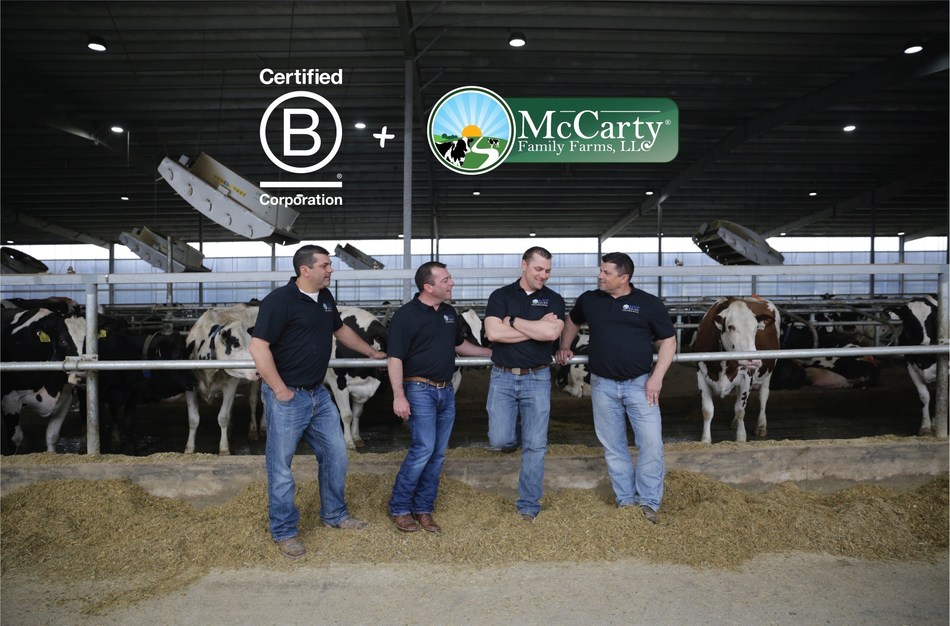 An innovative leader in the dairy farming community, McCarty Family Farms has announced that it is now a Certified B Corporation®. This certification is awarded to companies that meet the highest standards of social and environmental performance. Building on McCarty Family Farm’s foundational commitment of caring for its cows, people and the land, this achievement underscores their dedication to redefine success in business.
 View original content to download multimedia:
 Dairy
Dairy 


 Marsha Rempel wants to save her 150-year-old farm — the only home she’s ever known — and is fighting the City of Welland’s decision to expropriate the lands for industry.
 Americans may be planning to eat more than
 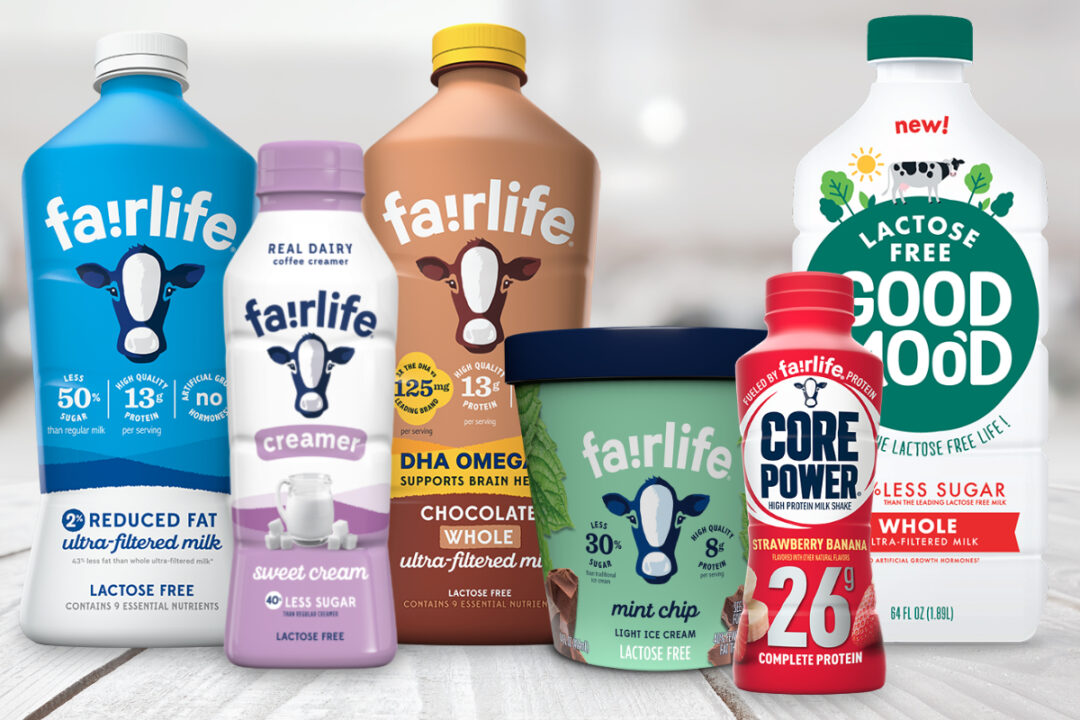 Duct tape and rubber bands hold a lot of things together in the early years of building a brand, said Andy Arquette, chief financial officer, fairlife LLC, Chicago, a wholly owned business of The Coca-Cola Co., Atlanta. Speaking at The Chicagoland Food & Beverage Network’s first event of the new year on Jan. 14, he said it took about eight years for fairlife to firmly establish its brand in the marketplace, but the path was not what the company originally planned.
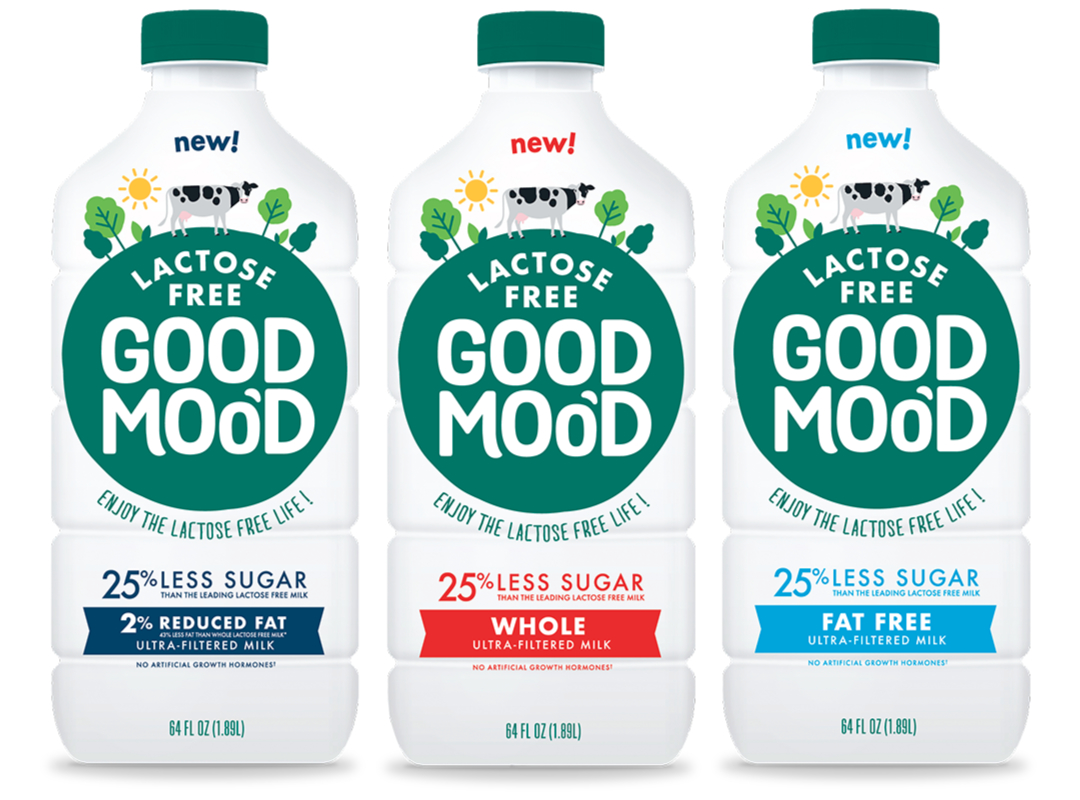 Coca-Cola handles the distribution of the majority of fairlife products; however, production is managed by the fairlife team. All fairlife products are made with milk that comes from Select Milk Producers, which operates dairies in the Midwest, New Mexico and Texas. The brand’s processing and bottling plants are in Coopersville, Mich.; Dexter, NM; Goodyear, Ariz.; and Peterborough, Ont.
 Congratulations to the 2020 Ayrshire Canada Master Breeders!


 Our history with milk presents a chicken-or-egg conundrum: Humans couldn’t digest the beverage before they evolved mutations that helped them do so, yet they had to already be consuming milk to change their DNA. “There’s always been the question of which came first,” says University of Pennsylvania geneticist Sarah Tishkoff. “The cultural practice or the mutation.”
 The question of fairness was at the center of a hearing Thursday on a Washington Senate bill that would limit the ability of courts to award retroactive pay to workers.