Archive for News – Page 44

Wisconsin Holstein Announces Summer Intern

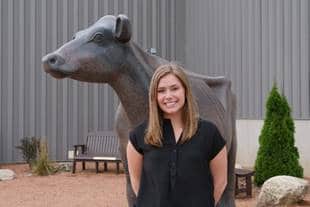
The Wisconsin Holstein Association (WHA) is pleased to announce Hailey Hendrickson of Cambria as the 2021 summer intern. Hailey will work out of the office in Baraboo, Wisconsin.

Over the course of the summer, Hendrickson will serve in public relations and communication roles, planning and coordinating the 2021 WHA All-Breeds Futurity, held at Wisconsin State Fair in West Allis, and working to execute a successful summer show season! In addition to these main tasks, she will work with the WHA staff to create content for the website, e-newsletter, and attend shows and various events throughout the state.

Hendrickson grew up on her family’s 175-cow Registered Holstein, Red and White, and Jersey operation, Coed Mawr Dairy. The farm branches back to the families deep Welsh roots, “Coed Mawr” meaning “big woods” is pronounced “ko-id, maw-er.” In addition to raising and showing dairy cattle, she also grew up showing rabbits and pigs, along with being heavily involved with 4-H and FFA.

Hendrickson will be a junior this fall at South Dakota State University (SDSU), majoring in Dairy Production with a minor in Animal Health. She is actively involved in SDSU Dairy Club where she is currently club secretary and co-chair of cheese boxes, the club’s largest fundraiser.

Her connections across the Midwest in all livestock species, passion for agriculture as a whole, as well as her experience in photography will help ensure a successful summer at WHA. She is excited to travel the state and meet and make connections with Registered Holstein breeders.

The Wisconsin Holstein Association staff is excited to welcome Hailey Hendrickson and her talents to the team!

Why a balanced, omnivorous diet could help us save planet Earth

The sustainability of different meats is complex with trade-offs… Different metrics will alter the ranking in relation to sustainability. Some extrapolations can be dangerous or not give us the full picture.”

Eating our way towards a healthy planet: the view from Professor Michael Lee, Deputy Vice-Chancellor and Professor in Sustainable Livestock Systems.

Humans, as a race, have been pretty awful to our planet. Like any Biological system, Earth can heal itself, but if we push it too far, it will lose its ability to bounce back.

We know that two major factors causing damage to the planet are the rising human population and our increasing demand for economic growth. As countries and consumers get richer they consume more. But there is an opportunity, now, to make a change. We need to think about sustainability in everything we do, and a healthy, balanced diet is a key component of that.

Lots of blame in the media has been put on rising demand for resources – particularly for meat. Scientists have looked at the impact livestock consumption is having on the planet and the IPCC often use a single measure of CO2 production per kg of food produced. But this was never intended to be used to just compare kilogrammes of product as these are not like for like comparisons. After all, 1kg of carrots is completely different to 1kg of beef in the nutrients it provides!

That is the danger of simplistic metrics and global averages. They don’t account for variations such as nutrient value; soil health impact, method of production or variations in consumption.

The total amount of meat consumed by the UK population has not massively increased over the last few decades, but patterns of consumption have changed dramatically. For example, we have replaced red meat (the Sunday roast), which has been dropping in consumption since the 1950s, with chicken and processed meat.

Issues in human health and diet are down to over-consumption and too much processing, and that is true with animal-based products as well as plant-based products.

Human nutritionists will tell you that animal-based products, be they eggs milk or meat, have a vital role to play as part of a healthy, balanced diet due to the different composition and density of nutrients compared to plant-based foods when consumed together. But, the level we consume is the issue, as is the types of produce we buy.

The sustainability of different meats is complex with trade-offs. For example, chicken results in less carbon pollution than beef per kg of product, but is less nutrient-dense. When compared at a nutrient content level, beef produces less carbon than chicken. However, that does not mean beef is more sustainable than, say, chicken or vice-versa. Different metrics will alter the ranking in relation to sustainability. Some extrapolations can be dangerous or not give us the full picture. We, therefore, need to include all metrics of sustainability when we are considering changes.

When we make our purchase decision of plant or animal-based protein we must also consider the impact upon:

  • Society – food quality and safety, welfare, farmers skills, rural social and economic conditions
  • Economy – food supply, farmer income, sustainable food products
  • Environment – soil/water/air; energy; biodiversity; climate change

Once you consider the wider aspects of sustainability it is clear that this cannot be solved by simply removing meat from our diets, and for many aspects, this would be detrimental to wider sustainability.

So where to start with something as complex as sustainability in relation to food production and diet? The starting point, I believe and which the data clearly shows, is that sustainability is driven by the most valuable resource on-farm, which is soil.

Soil needs organic matter, and one of the best methods for its delivery is returning livestock manure into the soil to support growing arable crops. This can either be directly through rotation with sheep or indirectly through the movement of slurry/manure from livestock farms to arable soils. This will not only improve crops yields but also reduce fossil fuel use as we will need less inorganic fertiliser for arable systems.

Another argument used for the removal of livestock is competition with human edible food. If we are going to feed more people without expanding agricultural land into rich biodiverse global resources (e.g. Amazon Rainforest) we need to ensure the best lands are used to grow crops to feed humans directly and not indirectly via animals. However, livestock can be additive to sustainable food production and not detractive, if raised on land not suitable for growing crops or as a user of waste-streams (by-products of the food industry) as part of a circular economy (similar to their role in soil health). If you use a metric of food produced per unit of arable land, you will actually show that lamb is the most sustainable protein.

The average male adult should consume about 60 g protein per day. He could derive all of that from plants, or all from livestock, or a sensible combination of the two. A fully vegan diet would use land less efficiently than an omnivorous diet that includes livestock – because livestock can utilise by-products and land not suitable for growing crops. Also, the combination of plant and livestock protein in the diet will increase utilisation of not only that protein but also the minerals and vitamins acquired from the more balanced diet. It makes scientific sense that we are omnivores, from a planetary and human health perspective. However, we need to consume protein (plant-based or animal-based) in moderation, as on average we currently consume more than is good for us or the planet, and we certainly need to eat more fresh fruit and vegetables as on average we do not consume enough of these vital food groups.

Finally, don’t forget that livestock are more than just food. They are a key historical component of life in the British Isles and provide us with a range of other materials that should be used to reduce waste and wean us away from other materials, such as plastics and biodiversity-damaging imported plant-based products such as palm oil. We need to rediscover natural fibres – whether plant or livestock derived.

Livestock play a vital role in sustainability, but great care must be taken when developing and using metrics, and in determining their role in policy or popular debate, so as to ensure that they are based on evidence and proper scientific appraisal.

Source: thedairysite.com

Early Renfrow Daughter Donated For 2021 Cow Pie Bingo Fundraiser

SSI – GF 10637 Renfrow 2442-ET, a member of the Jersey ART program at Select Sires Inc., Plain City, Ohio, will be the 10th Cow Pie Bingo calf to benefit Jersey Youth Academy.

Select Sires, a long-time host of Jersey Youth Academy, has donated “Renfrow 2442” to be raffled at this year’s AJCA-NAJ Annual Meetings, June 23-26, in Bettendorf, Iowa.

“2442” is a daughter of S-S-I Victory Dashiell Renfrow-ET, GJPI +122, and out of Roc-Bot Dance Off 10637. The calf has been genomically tested and her preliminary results are impressive with a combined CFP of over 100. Her official results will be available in early June.

The dam, “Dance Off 10637” was purchased in the Franchise Kind 3 Sale in March 2019. She will be appraised in June. She has milk weights up to 83 lbs. daily on her first lactation. She is sired by Progenesis Dancer-ET, GJPI +87, and carries a GJPI of +126.

The next dam is an Excellent-91% daughter of Missiska Mackenzie-ET, GJPI +71. She has a top record of 20,560 lbs. milk, 1,062 lbs. fat and 837 lbs. protein at 2-10.

“2442’s” great-grandam is Very Good-84% with a 3-4 record of 19,070 lbs. milk, 909 lbs. fat and 662 lbs. protein. She is followed by a daughter of Gabys Showtime Baltimore-ET, GJPI -40, with three records exceeding 20,000 lbs. milk, 1,000 lbs. fat and 700 lbs. protein.

The ART program at Select Sires was created in 2009 to develop Holsteins that were genetically unique compared to those found in the general population. Since that time, Select Sires has expanded the ART (Aggressive Reproductive Technologies) to the Jersey breed as well. Deep Jersey pedigrees are a focus of the Jersey ART program, much like the pedigree of the donation heifer, “2442.”

Cow Pie Bingo begins when registration opens on Wednesday, June 23 for the AJCA-NAJ Annual Meetings at the Isle Casino Hotel in Bettendorf. The heifer will determine the winner before the start of the National Heifer Sale on Friday, June 25.

Jersey Youth Academy is a 501(c)(3) educational foundation managed by the American Jersey Cattle Association to attract, educate and retain talented young people for careers in the Jersey dairy business. Cow Pie Bingo to date has raised more than $60,000 for the Academy endowment.

The seventh Jersey Youth Academy will be held July 11-16, 2021. Thirty-one Jersey youth from 15 states will be in attendance. See the Academy home page athttp://bit.do/JYA, emailAcademy@usjersey.com, or write 6486 E. Main Street, Reynoldsburg, OH 43068.

For over 150 years, the American Jersey Cattle Association has maintained identification and performance records for dairy herd owners and delivered services that support genetic improvement and greater profitability through increasing the value of and demand for Registered Jersey™ cattle and genetics, and Jersey milk and milk products. For more information, contact the American Jersey Cattle Association by writing 6486 E. Main Street, Reynoldsburg, Ohio 43068-2362, visit USJersey.com, or connect at Facebook.com/USJersey.

Holstein Association USA Recognizes 2020 Herds of Excellence

Holstein Association USA is honored to present nine outstanding herds with the 2020 Herds of Excellence award. Started in 2008, this sought-after distinction is given to Registered Holstein® breeders who have developed herds excelling in both milk production and conformation at the most elite levels.  

The award is divided into three herd size divisions, based on the number of cows included in the herds’ milk production averages. The divisions are: 10 to 99 cows; 100 to 499 cows; and 500+ cows. To be recognized as a Herd of Excellence, a herd must have classified within the last year, and have an age-adjusted average classification score (AACS) of 83 points or higher; have at least 70 percent of the herd homebred; and be enrolled in the Association’s TriStarSM production records program. Additionally, qualifying herds must meet the following production criteria:

  • 10 to 99 cows – 25 percent above breed average ME for milk, fat and protein
  • 100 to 499 cows – 20 percent above breed average ME for milk, fat and protein
  • 500+ cows – 15 percent above breed average ME for milk, fat and protein

This year’s honorees are:

Small Herd Size Division (10-99 Cows)

B-Long Holsteins — Bruce, Brenda & Bret Long, New London, Wis.
100% homebred; AACS — 87.3 points
ME Production Averages — 34,936M 1,364F 1,093P

Ever-Green-View Holsteins, LLC — The Kestell Family, Waldo, Wis.
95.7% homebred; AACS — 89.1 points
ME Production Averages — 41,171M  1,673F 1,264P

Hill-Ton Holsteins — The Hamilton Family, Cuba City, Wis.
95% homebred; AACS —86.8 points
ME Production Averages — 37,164M 1,386F 1,135P

Show-Mar Holsteins — The Brantner Family, Evans City, Pa.
100% homebred; AACS — 89.4 points
ME Production Averages — 36,453M 1,404F 1,100P

Medium Herd Size Division (100-499 Cows)

Hilrose Holsteins — Joseph A. Brantmeier, Sherwood, Wis.
100% homebred; AACS — 89.1 points
ME Production Averages — 34,384M 1,376F 1,039P

Koepke Farms Inc. — The Koepke Family, Oconomowoc, Wis.
100% homebred; AACS — 85.3 points
ME Production Averages — 34,501M 1,386F 1,016P

Koester Dairy Inc. — The Koester Family, Dakota, Ill.
98.3% homebred; AACS — 85.1 points
ME Production Averages —33,685M 1,351F 1,061P

Large Herd Size Division (500+ Cows)

Dinomi Holsteins — The Migliazzo Family, Atwater, Calif.
97.2% homebred; AACS — 83.0 points
ME Production Averages — 33,302M 1,267F 1,071P

Siemers Holstein Farms Inc. — The Siemers Family, Newton, Wis.
98.7% homebred; AACS — 85.0 points
ME Production Averages — 36,882M 1,472F 1,120P

Profiles of these impressive herds can be found in the Spring 2021 issue of The Pulse. Select pages are now available online at www.holsteinusa.com under the Latest News tab.

Dairy farmers to honor grandson of Indy 500 winner who drank orange juice, angered fans

The grandson of an Indianapolis 500 winner who angered fans nearly 30 years ago by drinking orange juice in Victory Lane will be honored Tuesday by dairy farmers.

INDIANAPOLIS, IN – MAY 30: Brazil’s Emerson Fittipaldi (C) celebrates his victory with wife Teresa(R) in the winner’s circle 30 May 1993 after winning the the 1993 Indianapolis 500. (TODD PANAGOPOULOS/AFP via Getty Images)

The American Dairy Association Indiana will honor Pietro Fittipaldi on Tuesday with the 47th annual Fastest Rookie of the Year award. The 24-year-old Dale Coyne racing driver had a four-lap average speed of 230.846 mph during Saturday’s qualifying for the Indianapolis 500.

Pietro’s grandfather, Emerson Fittipaldi, started controversy in 1993 when he drank orange juice in Victory Lane instead of the traditional bottle of milk, finally taking “a swig of the traditional milk after being advised of his faux pas,” according to Indianapolis Motor Speedway.

Emerson explained that he drank orange juice because he kept orange groves in his native Brazil, but fans weren’t hearing it. According to News 8’s reporting at the time, hundreds of people called the dairy association in Indianapolis to complain. Emerson issued an apology and forfeited the $5,000 he would have received to be donated to the track’s benevolent fund.

Three-time Indy 500 winner Louis Meyer unintentionally began the tradition of drinking milk in Victory Lane when he was photographed drinking buttermilk after winning the 1936 race. A dairy executive saw a photo of Meyer with the milk in a newspaper and vowed to make sure it was repeated. From 1947-55, milk wasn’t offered. The tradition was brought back in 1956 and has continued since then, according to IMS.

Now, Indy 500 drivers are asked their milk preference each year by the dairy association. Pietro chose whole milk, as did a majority of drivers in the 2021 field.

Pietro’s name will be added to the Fastest Rookie trophy and he’ll receive a plaque along with a $10,000 cash award. Tuesday’s ceremony will be virtual due to the coronavirus pandemic, and the dairy association will also honor recently retired IMS historian Donald Davidson with an engraved bottle of milk.

Source: wishtv.com

Congressional Pressure to Full Enforcement of U.S.-Mexico- Canada Dairy Provisions

Representative Stefanik is pushing for full enforcement of dairy provisions in an agreement between the United States, Mexico and Canada.

On May 24, Congresswoman Elise Stefanik sent a letter to the United States Trade Representative Katherine Tai, encouraging her to fully enforce dairy provisions in the U.S.-Mexico-Canada Agreement.

According to Stefanik, Canada’s allocation of dairy tariff-rate quotas “undermines the ability of U.S. dairy farmers to access a large portion of the Canadian dairy market.”

Stefanik commented on how this specifically impacts farmers in the North Country.

“North country dairy farmers deserve the market access they were promised as part of the USMCA signing. The USTR must ensure that our Canadian counterparts are abiding by their part of the agreement, and I will continue to work with the administration to ensure these commitments are fully upheld,” stated Congresswoman Stefanik.

In her letter to USTR Tai, Stefanik claimed that New York farmers “have faced numerous challenges over the past year,” and “farmers need expanded market access in order to sell their product.”

Stefanik previously led U.S. House of Representatives efforts to ensure that Canada was abiding by the USMCA.

Her full letter to the the United States Trade Representative Katherine Tai can be read below:

Dear Ambassador Tai:
I appreciate your recent comments and recognition that enforcement of our trade agreements is of the utmost importance so that we ensure that Americans are able to enjoy their full benefits. This is particularly essential for new agreements such as the U.S.-Mexico-Canada Agreement so that compliance shortfalls are addressed at the outset.

To that end, I encourage you to move forward with using USMCA’s enforcement tools to secure Canada’s compliance with its dairy market access commitments. Canada’s failure to meet USMCA’s dairy tariff rate quota requirements continues to have negative impacts on dairy farmers and processors across the country that are counting on the full market access that this agreement provides. The fact that USMCA does not ultimately establish entirely open access to the Canadian dairy market makes it more critical that the U.S. dairy industry is able to fully maximize the access the agreement does provide.

New York dairy producers, especially those located along the northern border that I represent, have faced numerous challenges over the past year, specifically with the supply chain disruptions and the need to alter their businesses in order to operate safely as essential components of our food supply. Our farmers need expanded market access in order to sell their product, and they were promised this market access as part of USMCA. In order to help our farmers recover from the economic effects of the COVID-19 pandemic, we must deliver on the trade promises that were made to them.

I strongly supported the U.S. Trade Representative Office’s decision late last year to initiate formal consultations with Canada regarding the fact that it has not implemented its dairy tariff rate quota obligations in a manner consistent with USMCA. Since then, however, Canada has repeatedly made clear that it has no intention to change those policies. This is precisely why we have strong dispute settlement procedures in our trade agreements – to take action when countries intentionally refuse to adhere to their commitments to the United States.

Thank you for addressing this issue with your Canadian counterpart during bilateral USMCA discussions. I urge you to move forward swiftly to enforce our USMCA dairy market access rights with Canada and signal to them how seriously the U.S. takes the terms of its trade agreements.

Sincerely,

Congresswoman Elise Stefanik

The U.S.-Mexico Canada Agreement went into effect on July 1, 2020.

Source: news10.com

Brexit and Aussie Rules – impact on Ireland dairy?

If we look across the water, it looks like there is a deal nearly done for one of Britain’s new global trading partners after Brexit.

However, we are still not clear on whose trade rules will come out on top in this first round of trade talks.

For UK beef farmers, it could potentially see a tenfold increase in Australian beef exports to the UK.

If it’s cheap meat you want for supermarkets, that probably fits the bill.

Dairy not as vulnerable

The dairy side is probably not as vulnerable given the decline in Australian milk volumes over recent years that we have covered in recent articles.

However, the demands by Australia and New Zealand for unrestricted market access to the UK could be the dangerous writing on the wall we referred to prior to Brexit.

The delays in transport and slightly higher costs could pale into insignificance if unrestricted access became the norm.

Imports and exports

For the UK, dairy imports from Australia have been pretty much non-existent for the last two years on both butter and cheddar. Exports are also very small.

Still, all that may change, as Australia produces almost 400,000t of cheese and exports nearly half of it.

Japan is Australia’s most important overseas market and accounts for 50% of cheese exports. This is likely to continue and grow.

It could see a lot more New Zealand dairy product on the UK market

However, dairy is likely to be indirectly affected because any tariff-free, quota-free settlement will set the tone for negotiations with New Zealand.

Ireland does the most of its dairy trade with the UK.

So while the Aussie rules might not impact significantly just yet, if they set the tone for Kiwi rules, it could see a lot more New Zealand dairy product on the UK market and that might be a lot more damaging to Irish trade with the UK.

Source: farmersjournal.ie

Montana prison dairy herd reduced after losing Darigold deal

The last load of raw milk left the ranch outside Montana State Prison on Dec. 27, drying up a decades-long run for the prison’s work program that was clipped by a shift in a single company’s global commerce policy.

Last year Darigold, the product brand for a dairy cooperative headquartered in Seattle, canceled its 30-year contract with the prison, forcing the state’s prison work program, Montana Correctional Enterprises, to scale down its dairy operation from 350 head to about 70, enough to produce milk to self-sustain the Department of Correction’s facilities around the state.

Darigold ended its contract after one of its major customers said last year it would begin to phase out all products made with legal prison labor, according to the corrections department.

In an email with the Montana State News Bureau, Darigold did not identify the customer, and spokesperson Erin Byrne said the company would not identify a customer by name. However, corrections’ officials named Costco as the customer during legislative hearings.

Costco’s shifts in labor policies last year touched producers around the world, leading the company to even part ways with a Thai coconut milk producer accused of “forced monkey labor.”

The end of the prison program’s contract translates to a $1.5 million loss to the work program and a reduced work program for adult male inmates housed at the facility outside of Deer Lodge. A spokesperson for the Department of Corrections said the entire effect of the loss of revenue won’t be fully known for about a year as MCE adjusts to the lower capacity.

“At this point, we do not know the entire effect of the loss of revenue as we are still adjusting our inventory levels for feed and supplement for the animals,” DOC spokesperson Carolynn Bright told the Montana State News Bureau. “MCE Agriculture is 100% self-supporting and does not receive a general fund appropriation. Instead, the loss is to MCE proprietary funds.”

Lawmakers in April approved a $1 million for a new venture to fill the gap. House Bill 637, sponsored by Joliet Republican Seth Berglee, did many things, among them establish a new program to raise pheasants at the prison. The allocation was a source of contention among lawmakers during the legislative process: some lawmakers would have rather seen that million spent on wildlife habitat, while Berglee and others argue the money is well spent on bolstering the state pheasant population on public lands, drawing more young hunters into bird hunting.

Montana Correctional Enterprises, a division of the state corrections department, is headquartered outside of Deer Lodge near the Montana State Prison. The work program, including dog trainings, products manufacturing and other services, provides training for approximately 700 inmates, according to MCE’s website.

The agriculture operations raise beef cattle and crops, all utilized in-house, MCE Director Gayle Butler told a legislative committee in January. The dairy operation includes a processing plant that churns out non-fat milk, cottage cheese and yogurt. The majority of MCE’s raw milk was sold to Darigold.

“We would pick up milk every other day and deliver it to one of their bottle plants across Montana or Idaho,” Butler told the legislative budget subcommittee on Jan. 21.

Inmates working the agriculture jobs stay in dorms outside the prison walls. Ross Wagner, agriculture director at MCE, likened the quarters to a pre-release center. Inmates apply for the open MCE jobs and have to be designated as minimum custody, clear disciplinary records and a high school diploma, or have completed their GED. If inmates are selected for the job, they sign a four-month commitment to the work and stay in the dorms. Thirty-three inmates and five staff run the dairy operation, Wagner said.

“The guys that come out there, most of them would rather be working as much as possible instead of sitting in their (cell),” Wagner said.

The majority of the prison program’s milk production went to Darigold, and in turn much of it ended up in Costco coolers. In 2018, Costco enacted a global policy on prison labor that allowed prison-made products so long as the inmates were paid a prevailing wage, with its first report in 2019. The next year, Darigold notified the prison it would not be able to meet the policy.

“There was no way DOC could accomplish this and remain economically viable as we are a training program,” Butler told the committee. “We could operate our dairy with only staff but that does not provide the training and work programs needed for our offenders.”

The Department of Corrections tried to appeal to Costco. In a letter to the company the department tallied up the inmates’ wages, cost of room and board and health coverage, which included dental and vision, mental health services and savings for the inmates’ re-entry after their sentence.

“All came to $22.16 per hour given all these factors,” Butler said. “Unfortunately, that was not adequate.”

Butler said state officials, too, contacted Costco in hopes they could sway the company, but the effort failed. The Department of Corrections also set out in search of a new partner to purchase the milk.

“After an exhaustive search, we were unable to find an alternate buyer and the dairy needed to reduce its milk production,” Department of Corrections Director Brian Gootkin said in an email in March. The work program sold off the cows, and began exploring new products that could be made at its processing plant. The dairy still produces other dairy products like yogurt and ice cream for the inmates.

Darigold is a marketing and processing subsidiary of the Northwest Dairy Association, a cooperative of 350 dairy producers in Washington, Oregon, Idaho and Montana.

We went above and beyond contract requirements and explored ways to continue, as well as gave MCE ample notice of this decision,” Darigold spokesperson Byrne told the Montana State News Bureau in an email. “Unfortunately, the primary reason for this decision was due (to) the fact that MCE could not meet the official policy requirements of a major Darigold customer recipient of their milk.

“Our purpose is to create value for our customers and our Northwest Dairy Association farmer member-owners, including existing member-owners in Montana,” Byrne continued. “In this case, certain business conditions existed that made the contract with MCE no longer viable.”

The Montana corrections department and Darigold both referenced declining market conditions when asked to comment for this story. In 2020, the U.S. Department of Agriculture reported the number of dairy herds fell by more than half between 2002 and 2019, with an accelerating rate of decline in 2018 and 2019. COVID-19 also caused great uncertainty in the industry.

“Milk prices fluctuate, it’s an ag commodity,” Wagner said. “When the price of milk drops, we feel it just like anyone else does.”

Ultimately, however, the department’s bid to Costco to reverse its policies may have been too late. In a 2020 statement to investors, Costco said it was going to phase away from prison labor altogether due to “the reduced transparency of prison systems in general,” which made it hard to reliably monitor the wages paid out to inmates. In its entire supply chain, Costco had identified 11 facilities that used prison work programs to make products sold on Costco’s shelves.

A spokesperson for the Department of Corrections declined to comment when asked if reduced transparency was part of the discussion when Darigold notified the prison it would end its contract with MCE. Darigold likewise declined to comment on Costco’s specific policy requirements MCE’s dairy program failed to meet. A spokesperson for Costco also declined to comment when asked if any transparency issues with the Montana State Prison prompted the company’s decision.

To backfill the reduced dairy operation, MCE will now develop the blueprints for raising pheasants as a new training opportunity for inmates. Just like the inmates, Wagner will be learning a new trade.

“It’s going to be a task, I guarantee you,” he said.

Source: apnews.com

a2 Milk Company comes roaring back

The New Zealand market closed marginally higher as a2 Milk Company came roaring back from the depths of despair with a 6% bounce.

NZ shares edge higher as A2 Milk bounces

The S&P/NZX 50 Index rose 22.44 points, or 0.2%, to 12,459.61. Within the index, 24 stocks fell, 36 rose.

Milk marketing firm A2 led the index higher as investors rushed to buy the stock after it appeared to find buyers at $5.50 per share yesterday. The stock leapt 6.5% to $6.03 during trading today.

“A2 really picked up steam as the Aussie market opened up,” said Peter McIntyre, an investment advisor at Craigs Investment Partners.  

“It has probably found a floor there, and it’s up to management execution and a waiting game for China export to open back up,” he said.

McIntyre said the company’s plump balance sheet, with approximately $1 billion sitting on its balance sheet, should prevent the stock from falling too far – current market capitalisation is around $4b.

Sharesies’ Leighton Roberts said A2 Milk was one of the stocks users bought in high volumes after the budget announcement yesterday.

Retail traders had reacted to the budget’s broad support for the economy and made larger-than-usual purchase orders for stocks leveraged to local discretionary spending or economic activity in general, he said.

Meridian Energy, Sky TV and Z Energy all attracted a spike in larger buy orders following the announcement, he said.

The Warehouse saw its shares climb to $3.65 yesterday but were put into a trading halt today to allow supermarket cooperative Foodstuffs to sell its 9% stake.

The block sale was priced at a minimum of $3.35, which is an 11% discount to yesterday’s closing price.

Foodstuffs will lose some $50m on the trade, having bought at $5 in 2006, however, the purchase was made in order to block the Warehouse from establishing itself in the grocery sector – it has been successful by that measure.     

Ryman Healthcare reported annual net profit up 60% on property revaluations but underlying profit down 7.3% because of covid-19 challenges. The retirement village operator weighed down the index, as it fell 3.4% to $13.90.

The result came with a surprise resignation from long-serving chief executive Gordon McLeod, although he will remain with the company until a replacement is found.

McIntyre said his departure likely accentuated the stock’s decline today.

Sanford shares dropped 1.1% to $4.40 after a rough half-year report had underlying earnings down almost a third to $25.8 million on $36.7m last year.

Oceania Healthcare reported a small rise in underlying net profit for the 10 months ended March as its valuers reversed last year’s property write-downs boosting net profit to $85.5m.

The underlying result was up 1.8% to $41.8m and shares declined 0.7% to $1.34.

My Food Bag’s first-year earnings result failed to stem the stock’s share price slide despite delivering earnings ahead of forecast.

The meal-kit company today reported underlying earnings were 1.8% up on the initial public offer (IPO) forecasts at $29 million, on revenue of $190.7m.

Investors rewarded this strong result by pushing the share price to a fresh record low, down 4.7% at $1.42. 

McIntyre said investors already had an expectation the company would exceed the prospectus with this result and it would’ve needed a “bigger beat” to drive the price higher.

The kiwi dollar was trading 71.87 US cents at 3pm in Wellington, up from 71.75 cents yesterday.

The trade-weighted index was at 74.70 at 3pm, from 74.70 yesterday. The kiwi traded at 92.61 Australian cents from 92.71 cents, 78.23 yen from 78.29 yen, 58.76 euro cents from 58.90 cents, 50.69 British pence from 50.83 pence, and 4.6235 Chinese yuan from 4.6187 yuan.

Source: goodreturns.co.nz

Dairy beef trial to reveal eating quality potential

Meat & Livestock Australia (MLA) is investigating the potential of creating a viable dairy beef supply chain to add substantial value to dairy steers commonly sold into lower value markets.

A research project is underway led by Charles Sturt University, in conjunction with Meat Standards Australia (MSA), Teys Australia, Dairy Australia, Northern Co-operative Meat Company and Manildra Meat Company, to study the impacts of genetics, nutrition and management on the performance and eating quality of beef from dairy breeds.

Researchers are also investigating the viability of establishing a veal pathway for dairy beef to achieve eligibility for MSA grading. Currently, carcases classified under the AUS-MEAT veal cipher are not eligible for MSA, however milk fed vealers that are turned off at higher slaughter weights are eligible.

MSA Program Manager, Dr David Packer, said the project aligned with MSA’s long-term objective to make all cattle eligible for MSA grading.

“The project is designed to understand the eating quality potential of dairy cattle and management to optimise eating quality outcomes for these breeds. The project aims to add substantial value to a currently under-valued resource,” Dr Packer said.

“The project started in 2018 and involves cohorts of Jersey, Holstein-Jersey cross, and Holstein cattle, all following a range of pathways, alongside cohorts of beef breeds including British and Euro-cross cattle.

“The first cohort of cattle has completed both low growth and high growth pathways. The pathways use low-cost and high-cost feeding regimes comprising a range of timeframes and combinations of pasture feeding, feed supplements and grain feeding in feedlots, to reach a target of 300kg carcase weight.

“Overall results to date show a similar carcase and eating quality trait performance from Holstein cattle to beef breeds, but lower carcase quality and higher MSA non-compliance for Jersey cattle.

“While the Holsteins were quite slow at gaining weight in the early stages of the trial, in a feedlot they had a better feed conversion ratio than the beef breed cattle in the trial.

“The Holsteins had comparable ossification and marble scores, though they had lighter muscling and a smaller eye muscle area compared to beef breeds.”

The project will also explore a Spanish feeding treatment pathway, with cattle intensively fed on a custom ration to reach a target of a 300kg carcase weight. Under Spanish feeding conditions a liveweight of 460kg is obtained at 10 months of age, however, in this project the feeding period will be extended to increase carcase weight in line with market requirements.

The project is expected to finish in 2022, with an analysis conducted on the economics of the feed cost versus the sale price of the product, with support from Dairy Australia.

Source: thedairysite.com

ADSA® Elects New Vice President and Board Members

The American Dairy Science Association® (ADSA), the international organization of educators, scientists, and industry representatives who are committed to advancing the dairy industry, recently elected new leaders for the organization’s 2021–2022 term.

Dr. Normand St-Pierre, Perdue AgriBusiness, was elected to the office of vice president for a one-year term. Dr. David W. Everett, Strategy Lead, Foundational Science, AgResearch, was elected Dairy Foods Division director, and Dr. Laura Hernandez, University of Wisconsin– Madison, was elected Production Division director. Both will serve three-year terms.

ADSA congratulates St-Pierre, Everett, and Hernandez, and thanks all of the candidates for their willingness to serve the association. ADSA also thanks the members who made their voices heard by voting in the election.

Normand St-Pierre, ADSA Vice President

Normand St-Pierre grew up in Quebec, Canada, and earned his BS (1978) and MS (1979) degrees from Laval University in dairy nutrition. After a two-year stint in the feed industry, he moved to The Ohio State University, where he received his PhD (1985) for his work on stochastic models in dairy nutrition and management. Following a one-year post doc in New Zealand, he started a 10-year career in the feed industry, working for both large and small corporations. In 1997, he returned to Ohio State and moved through the ranks of assistant, associate, and full professor of dairy management until his retirement in 2016. At that point, he became head the research and development department within Perdue AgriBusiness-Animal Nutrition. He has authored or coauthored 112 peer-reviewed articles (most of them published in JDS®), published nearly 400 abstracts, written more than 600 popular press articles, and made 780 presentations.

He became a member of ADSA in 1980, and the organization has been his professional home. He has participated and volunteered in many of its activities. These include being a member of and chairing the ADSA/ASAS/CSAS Management and Production Committee; ADSA/ASAS/PSA Production, Management, and Environment Committee; ADSA/ASAS International Committee; ADSA Finance Committee; ADSA Audit Committee; as well as a few ADSA awards committees. Between 2014 and 2017, he served as a director for the Production Division on the ADSA Board of Directors. He has served as section editor for the journal (2010–2015) and reviewed countless manuscripts for JDS. He served as FASS treasurer (2004–2006), and then as its interim CEO for four months in 2005.

David Everett, ADSA Director — Dairy Foods Division

David Everett is originally from Australia and completed his PhD in food science at the University of Wisconsin, Madison. He has 34 years of experience in research and teaching at universities in Australia, New Zealand, Canada, and the United States, as well as at the CSIRO Division of Food Processing (Dairy Research Laboratories), an Australian federal government research center. He is currently the strategy lead for foundational science at AgResearch, New Zealand, an agricultural and food research organization. Prior to this, he was the director of the Dairy Innovation Institute and held the Leprino Foods Endowed Professorship in Dairy Food Science (2015–2018), both positions at California State University, San Luis Obispo. Everett is a principal investigator and fellow of the Riddet Institute National Centre of Research Excellence in New Zealand, and a fellow of the New Zealand Institute of Food Science and Technology, where he served as president and chairman of the board for two terms (2013–2015). He currently serves as an Editorial Board member of the International Dairy Journal and the Journal of Texture Studies, and is a section editor of the Elsevier Encyclopedia of Dairy Science. Everett is the immediate past chair of the Dairy Foods division of ADSA (2019–2020) and has been a member of ADSA for 27 years. He is currently an elected member of the Science and Program Coordination Committee of the International Dairy Federation. He has published over 150 research papers, conference abstracts, and book chapters.

Laura Hernandez, ADSA Director — Production Division

Laura Hernandez grew up in El Paso, Texas. She spent three years at Iowa State University, received her BS and MS degrees in animal science from New Mexico State University in Las Cruces, and did her PhD at the University of Arizona in nutritional biochemistry. She completed a postdoctoral fellowship in molecular physiology at the University of Cincinnati Medical School, and then joined the faculty at the University of Wisconsin-Madison in 2011. Hernandez’s main research focus is the regulation of mammary gland function and maternal homeostasis during lactation. She has authored 69 peer-reviewed publications, given 66 invited presentations in the United States and other countries, and has two patents for her research. She has trained four PhD students and three MS students. She was the winner of the 2017 American Dairy Science Association® Foundation Scholar Award in Production and has been a section editor for the Journal of Dairy Science in the physiology section since 2019. She also was on the Lactation Biology Section Committee from 2013–2016 for the ADSA Annual Meeting.

Expo Welcomes Erf as 2021 Communications Intern

Kelsey Erf, Oakdale, Minnesota, joins World Dairy Expo® as the 2021 Communications Intern.

World Dairy Expo® is pleased to welcome Kelsey Erf as the 2021 Communications Intern. Erf joins Expo’s staff for the summer as plans for World Dairy Expo 2021, September 28 through October 2 in Madison, Wisconsin, continue to move forward. Erf’s media-focused responsibilities range from writing press releases to creating and executing social media plans to designing show related materials.

This fall, Erf will be a Junior at South Dakota State University studying Dairy Science with a minor in Communications. At South Dakota State University, Erf is involved in all things dairy, including holding leadership positions in the SDSU Dairy Club, serving as a South Dakota Dairy Ambassador, and working at the SDSU Dairy Research and Training Facility.

Erf grew up as the fifth generation on her family’s farm in Oakdale, Minnesota where Registered Brown Swiss heifers are raised for a dairy in southern Minnesota. She has been active in the National Brown Swiss Association and the Minnesota Junior Holstein Association, as well as the dairy project areas within 4-H and FFA. Most recently, Erf was named one of the ten finalists for Princess Kay of the Milky Way, the goodwill ambassador for the dairy industry in Minnesota, and will compete for the 68th title later this summer.

“Having a position to combine my past experiences, skills and enthusiasm for the dairy industry and apply them to my interest in communications is an opportunity of a lifetime,” says Erf. “I’m looking forward to being a part of the team that is working hard to put on the must-attend event for everyone in the global dairy industry.”

Serving as the meeting place of the global dairy industry, World Dairy Expo brings together the latest in dairy innovation and the best cattle in North America. Crowds of 60,000 people, from nearly 100 countries, will return to Madison, Wis. for the 54th event, September 28 – October 2, 2021, when the world’s largest dairy-focused trade show, dairy and forage seminars, a world-class dairy cattle show and more will be on display. Download the World Dairy Expo mobile event app, visit worlddairyexpo.com or follow WDE on FacebookTwitterLinkedInSpotifyInstagram or YouTube for more information. 

Top Dairy Industry News Stories from May 15th to 21st 2021

Feature Article:

Top News Stories:

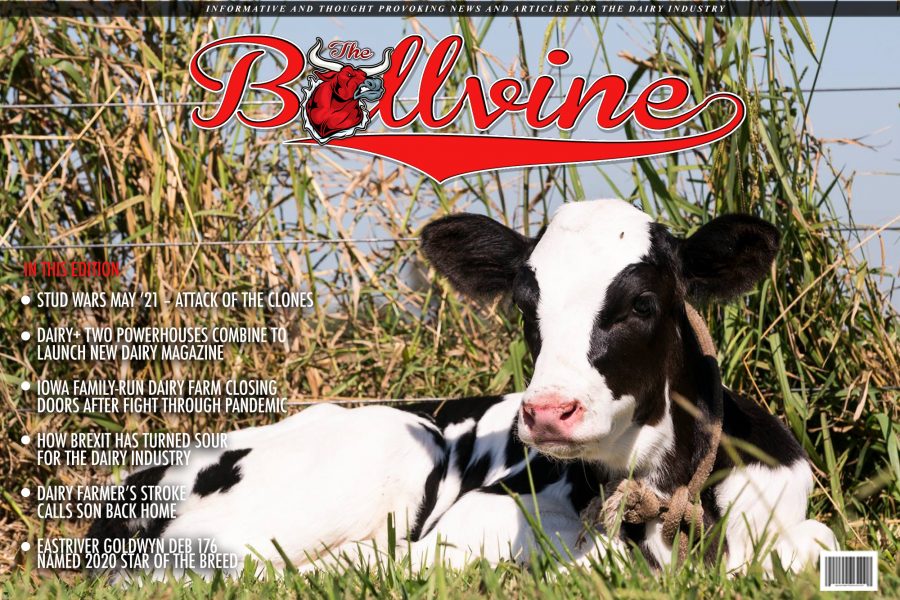
Dairy farmer’s stroke calls son back home

UP TO THE CHALLENGE: Young dairy farmer Adam Mareth returned to the family farm in 2017 to take over day-to-day operations. He found he enjoys interacting with the cows and being his own boss. A lease agreement helps a next-generation farmer take over the family dairy farm.

Dreary gray overcast skies start to gently sprinkle rain as Adam Mareth emerges from the milk house. Cow manure decorates his shirt, and mud lingers on his muck boots.

The young dairy farmer was up early checking on employees milking cows and working with an electric contractor to fix cooling fans. With a quick swipe of his hand across his jeans, he offers a firm handshake and begins to share his dairy farm story.

For some young people, returning to the farm is a passion. For others, it is a distant dream, and then there are those it is thrust upon out of necessity. The latter is Mareth.

Growing up on the dairy farm, he followed his dad around tending to the dairy cows and crops on their farm outside of Monett, Mo. After high school, the young man attended college to become a diesel mechanic and spent time in town turning wrenches. “Then my dad had a stroke in 2017,” he says. “I’ve been here ever since.”

Mareth’s grandfather started the family dairy legacy in northern Illinois in 1954. “Grandpa got tired of the cold and moved south,” he says. They’ve been farming in southwest Missouri since the early 1970s.

His father, Tom, took over the Barry County operation in 1990 through a lease agreement. “That’s when things started to take off. Dad increased the herd size, and he changed management practices and started increasing milk production per cow,” Mareth explains. “He tried to streamline everything and built it up to milking the 200-cow mark.”

By 2000, the family built a freestall barn. “He didn’t know if any of us were going to try to take over and grow the farm, so he just stopped adding on. Then he had his stroke,” Mareth says.

Responsibility, ready or not

At that time, Mareth was only 22 years old. He returned to the farm. It was right in the middle of corn planting season. “I knew how to plant,” he explains. “My dad was pretty much in the hospital while we were doing all that, but I didn’t have a clue how to run a sprayer.”

So, he called the neighbors, talked to his dad and simply figured it out. “It was then I realized all the stuff you learn in high school that you didn’t think you’d ever need to remember, all the math that went along with it, is now a really big deal,” he says. He made it through. “I’ve kind of taken the farm by the horns and just been going with it.”

Today, he is the third generation to run Mareth Dairy, which includes management of six employees. One has been around since Mareth was born. Two other employees responsible for milking cows are twice his age. The remaining employees are younger than Mareth.

Mindy Warda cow in the milking parlor at Mareth Dairy

MILKING DAYS: The milking parlor at Mareth Dairy includes a double-six herringbone parlor, allowing employees easy access to cows. Next-generation dairy farmer Adam Mareth hopes to build a new parlor as he expands the milking herd.

Open communication keeps the operation running smoothly. Cows are milked three times a day and maintain the farm’s 25,000 rolling herd average. “We try to stay pretty steady, but this time of year with the weather flopping around — last week it was 80 degrees, and now it’s 40 — the cows don’t like that,” Mareth says. “Weather messes with milk production.” Milk is sold through Dairy Farmers of America.

Mareth is responsible for all breeding. He uses artificial insemination, another on-farm learned skill. When a dairy farm down the road was training some of its employees on AI, Mareth tagged along. Since then, he’s bred up to 1,500 cows. The farm purchases sexed semen to yield heifers, which they raise and introduce back into the herd. Mareth’s fiancée, Stephanie Kaiser, is integral to this aspect of the farm, caring for the young dairy calves.

When it comes to developing feed rations, Mareth turns to a nutritionist. He also reaches out to University of Missouri Extension dairy specialist Reagan Bluel to ask questions and discuss ideas. “She is very well-rounded on knowledge, but especially understands dairy,” he notes. “She’s very good at repo and helped me a lot to develop my systems here.”

It is a lot of responsibility for the young dairy farmer. “This is a 24-hour-a-day job,” he notes. “Some mornings I get rolled out of bed at 2 a.m.; some days I get to sleep in until 8:30. Sometimes I work till midnight. It just depends on what needs to be done.”

The workload does not deter Mareth from dairying. And a similar agreement that his father had with his grandfather is helping to secure his place in the industry.

Road to ownership

There are three other brothers in Mareth’s family. They have not expressed interest in the dairy farm. “But the option to buy in has been there,” he says.

Currently, the dairy farm includes cows, land, equipment and buildings, which will transition to Mareth through a lease agreement. It is similar to the lease-to-buy options seen in residential home transactions. But each aspect of the farm is on its own lease with its own time frame.

“In three years, I will be able to own the cows,” he explains. “And then after that, we’ll step up to machinery. The last thing I will own is the ground.”

He finds this type of lease “advantageous for both parties.” Mareth can gain control of more assets each year, while his father continues to earn an income from the operation.

Mindy Wardcows in barn at Mareth Dairy

DAIRY BARN: Mareth Dairy added a freestall barn about 20 years ago. Adam Mareth says cow comfort is key to milk production. The barn’s sand bedding is turned daily.

The succession plan provides the young dairy farmer the opportunity to plan for the future. Ultimately, Mareth would like to increase the size of the herd to about 600 milking cows and upgrade his double-six herringbone parlor in the next 10 years.

The circumstances of his father’s stroke that brought Mareth back to the farm were not ideal. However, the young farmer is taking every advantage of creating an efficient, sustainable dairy farm in southwest Missouri.

“I found, I like being my own boss,” he says. “I’m working for something to call my own. Yes, there are a lot of responsibilities, a lot of hard work, but I found the path to not having to work for somebody else, and I like that.”

Source: farmprogress.com

Pennsylvania Holstein Breeders Ready To Host Tours For National Convention Guests

The Pennsylvania Holstein Association is hosting the 2021 National Holstein Convention themed “Leading the Holstein Vision,” in-person for adults and juniors at the Marriott Lancaster at Penn Square in Lancaster, Pa., on June 20-24, 2021.

Distinguished Young Breeders Tour, Monday, June 21

Heart and Soul Holsteins and Jerseys – Owned by Doug and Jennifer Boop, along with sons Douglas and Matthew and Doug’s parents Gerald and Kathy Boop. They milk 42 cows in a tie stall barn with a bedded pack barn for the show cows. Their BAA is 113.9%, landing them at ninth in the nation, and they were recognized as the Pennsylvania Distinguished Young Breeder Award winners in 2014. The Boops also operate two 40,000-hen layer houses and a Trans Ova Satellite Center.

DryHouse Farm LLC – Owned by Michael and Maria Yoder with children Natalie, Paul, Grant, and Cade. They milk 220 Holsteins and farm 260 acres. The Yoders began farming in 2009 under the prefix Dryhouse-M, a spin on the original Dry-House herd which they purchased from Lester and Ray Yoder. Since, they have bred 35 Excellent and 217 Very Good cows, as well as owning 30 additional Excellent and 140 Very Good cows. The Yoders have also sent five bulls to A.I. service, and were recognized as the Pennsylvania Distinguished Young Breeder Award winners in 2016.

Millwork Holsteins – Owned by Joel and Sara Mills with children Bryanna, Isaac and Tabitha, the first-generation farm family milks 116 cows in a freestall/parlor set up. They have bred 32 Excellent cows since starting their herd in 2003, and breed for high components and milk production as well as high type. The Mills attribute Registered Holsteins to have added value to their herd, allowing them to run a profitable dairy business. They were recognized as both the national and Pennsylvania Distinguished Young Breeder Award winners in 2015.

Pennsylvania Breeders Tour, Wednesday, June 23

Breakfast at Brook Corner Holsteins – Owned by Reid and Diane Hoover and Brad, Amy and Brock Hoover, they milk 375 cows that are 100% registered in a facility built in 2012. There are 29 Excellent and 172 Very Good cows in the herd, and the Hoovers breed with a focus on production and health traits. They also have a group of show cows, including descendants of World Dairy Expo Champion Rosiers Blexy Goldwyn, who once called Brook-Corner home.

Mercer Vu Farm – Owned by the Hissong family, brothers Rod and Rick and their families, Mercer Vu milk 3,200 cows in a freestall/parlor facility. While mainly a commercial herd, the Hissong’s have utilized AI since the 1970’s, focusing on sound cows with combined fat and protein, good feet and legs, good udders and a solid mix of health traits. All replacement heifers are produced with sexed semen out of virgin heifers and first lactation animals, while all others are bred with beef.

Oakleigh Farm – Owned by Glenn and Karen Brake, who along with Glenn’s father Ed and children Katy, Matt and Jake, milk 120 registered cows. The Brakes had a barn fire in December 2019 and moved from 1950’s technology to 2020 technology with a new facility with robotic milkers, robotic feed and manure removal systems, and a compost bedded pack. The Oakleigh herd has a BAA of 106.2, with 13 Excellent and 37 Very Good cows. Their breeding emphasis is on A2A2 and polled bulls as service sires, with a goal to optimize production and efficiency in their new facility.

Amish to “English” Tour, Wednesday, June 23

Star Rock Farm – Owned by the Barley family, brothers Rob, Tom and Abe are the third generation at Star Rock, where they milk 1,630 Registered cows in a double-20 parallel parlor. There are 117 Excellent cows, two of which are EX94, and 1,608 Very Good cows which are housed in a sand-bedded freestall barn with a flush system. The Barleys believe they have been able to sell hundreds of cattle over the years because they are registered, high-type animals. Star Rock is offering a load (minimum 35 head) of fresh two-year-olds in the National Convention Sale that will be available for viewing while on the tour.

Chestrspring Holsteins – Owned by Ben and Fannie Kauffman along with children Steven, John, Lillian, Sammy, David, Mervin, Benji and Carolyn, they started their herd when they purchased a group of springing heifers from Canada in 2009. In the 52-cow tie stall herd, they already have 10 Excellent cows and 35 Very Good cows with many promising, unscored two-year-olds. The Kauffman’s first homebred Excellent cow now scored EX93 and still in the herd, traces back to one of the original bred heifers they purchased. They bred the Youth Grand Champion of the Pennsylvania Holstein Association Spring Show, Chestrspring Dreams Amy-ET, and her Solomon Senior 3-Year-old daughter and two VG86 full sisters are in the barn.

Cows to Cones Tour, Wednesday, June 23

Merrymead Farm Association – Owned by Rothenberger family, the fifth-generation farm processes, packages, and sells the milk from their Registered Holstein herd on-farm, along with heavy cream, buttermilk, half and half and ice cream. They also operate a year-round farm market where they sell locally-produced meats, produce, honey, baked goods, and other seasonal items.

September Farm Cheese – Owned by Dave and Roberta Rotelle, they started making cheese in 2007 every weekday, processing and packaging cheese in their state-of-the art cheese-making facility in store.  They make specialty cheeses, cheese curds, and yogurt, and sell cheese gift baskets, as well as offer a full lunch menu in their store.

Klein Farms Dairy and Creamery – Owned by Layne and Beth Klein, the operation started with a milking herd which led them to making their own cheese and yogurt and opening the farm store in 2004. Son Jacob and his wife Amanda manage the cows, with a special interest in breeding and Holstein genetics. They opened a new dairy store in 2016 and their Happy Holstein Ice Cream shop where their 20 flavors of homemade ice cream are sold.

The complete convention schedule is located here. Events will feature the annual meeting, farm tours, general tours, and a golf outing. The national convention cattle sale caps off the event on Thursday, June 24, at the West Lampeter Fairgrounds.

Junior contests will include Distinguished Junior Member, dairy bowl, speech and Dairy Jeopardy. Off-site activities are planned for the junior members, as well.

Hotel reservations can be made at the Marriott Lancaster at Penn Square by calling 1-866-503-3786 (mention Holstein Convention for group rate) or online. Book rooms by June 1 for best rate.

Please note that all Center for Disease Control (CDC) health guidelines will be followed, including wearing masks at all events. For more detailed information about the convention, contact the Pennsylvania Holstein Association at 814.234.0364.

Dairy+ Two Powerhouses combine to launch new dairy magazine

Dairy breeding has never faced such an uncertain future, and when that happens there are two things you can do – complain or take action.

Two of the strongest names in the global dairy media have decided to take action.

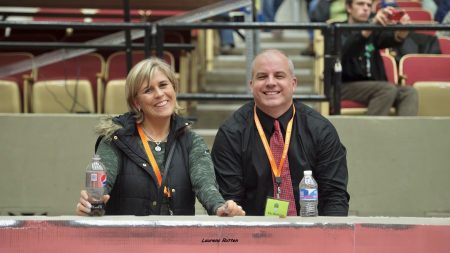
The former editor of “CrazyCow In Print”, Dianna Malcolm (Australia), and the controversial founder of “The Bullvine”, Andrew Hunt (Canada), will together launch a global all-breeds print publication late in 2021.

Dairy+ will bring you the hard-hitting stories behind the stories – a hallmark trait of both these personalities. Together, their collective connections and achievements spanning both hemispheres, gives unparalleled knowledge and reach to deliver what breeders have been asking for. If you’re just wanting to quickly read about a few events and peruse some bland advertorial, then this is not for you. Dairy+ will deliver on what Malcolm and Hunt have done throughout their respective careers: chase fresh copy, on real stories, from across all the major dairy markets.

Andrew Hunt said: “We see a huge gap in this space, and the current commentators aren’t good enough.”

“Dianna and I have talked about doing this before, but the timing has never been right. Now, the timing is right, and the need has never been greater.”

Dianna, who is now living in New Zealand, agrees.

“After some time away from publishing, I’ve found my passion and motivation to show leadership with regard to the global commentary is still very much alive for me. It fires my soul, and we will leave no stone unturned in bringing to light the stories that need to be told. ”

More details will be following, or feel free to contact Dairy+.

More Than 14,500 Live Viewers Learned First-Hand About Modern Dairy Farming Practices During Virtual Farm Tours

Three local dairy farmers hosted more than 14,500 live viewers for the American Dairy Association North East Spring 2021 Virtual Farm Tours, May 11-13, as they explained the modern dairy farm practices they use to produce safe, high quality milk.

Stacey Copenhaver’s tour of Talview Dairy, Lebanon, Pa., for elementary students drew 11,700 live viewers; Adam Bates of Stauffer Farms, North Lawrence, N.Y., hosted 1,945 middle school students; and Emilie Mulligan of Mulligan Farm, Avon, N.Y., led 860 high school students.

“We’re so appreciative of our dairy farmers for opening their barn doors to host the farm tours and for sharing their vast knowledge about the technology involved in producing milk, as well as their passion for the industry,” said ADA North East CEO Rick Naczi. “The number of live viewers clearly demonstrates consumer interest in learning about where their food comes from, and we anticipate many more will watch the recorded tours.”

“I think the farm tours are so impactful because it gives the children a chance to see where their food comes from and to have a better understanding of how it gets from the farm to the grocery store shelves,” said Copenhaver, a former elementary school teacher.

Both Mulligan and Bates believe the tours are critical to telling positive dairy stories and encourage other farmers to host tours if they are comfortable.

“It’s really great to have people interested in what’s happening on the farm,” said Mulligan. “I also enjoy talking with other media outlets to help tell our story.”

Bates added, “Hosting the tour was a worthwhile experience from both my side and for the kids.”

First grade teacher Gina Pronesti, from Reid Elementary, Middletown, Pa., agreed, saying, “This was a fantastic opportunity for our students that we teach both in the classroom and at home on Zoom. Both types of learners enjoyed this program.”

The students asked thoughtful questions, ranging from the amount of milk each cow produces; how long do cows live and how much do they weigh; how many employees are on the farm; how many calves are born in a day; what happens to the bull calves; can cows have a calf on their own; how much does it cost to feed the cows; what is the most recent technology used on the farm; and do the cows have names, among others.

All three dairy farmers participated in several media interviews leading up to each tour and will also participate in post-event media interviews. Copenhaver was featured on four television stations in the central Pennsylvania area, as well as in several print newspapers. Mulligan was interviewed on multiple western New York television and radio stations, as well, as in local newspapers. Bates was featured in print and television in New York’s North Country. A few local media outlets even watched the tours in a classroom with students to get their reactions during the live tours.

All tour recordings are available here on American Dairy. For more information, call 315.472.9143.

About American Dairy Association North East

American Dairy Association North East (ADA North East) is the dairy farmer-funded organization funded by participating dairy farmer’s checkoff investment to build demand and sales for milk and dairy foods throughout the local region. Representing nearly 10,000 dairy farm families in Delaware, Maryland, New Jersey, New York, Pennsylvania and northern Virginia, ADA North East develops and implements local programs to drive milk and dairy sales at retail outlets and in schools. The organization also conducts consumer education about dairy through events, traditional and social media, and in collaboration with health professionals through National Dairy Council®. ADA North East works closely with Dairy Management Inc.™, the national dairy checkoff organization, to support nutrition research, national partnerships and developing export markets for dairy to bring a fully integrated promotion program to the region. 

Joint declaration

Today marks one year to the day since the Farm to Fork strategy was presented in Brussels by the European Commission. However, we cannot celebrate its anniversary, as the strategy still raises too many questions in the European farming and agri-food community. A year of intense debate has only increased the number of our concerns.

We, the signatories of this declaration, do not have a single doubt that the Farm to Fork strategy with its targets will have a considerable impact on the whole agricultural value chain, from farmers to our food systems and to consumers throughout the Union. But most probably not on the ones initially hoped for or expected.

Let’s be perfectly clear, we are not opposed in essence to the approach proposed within the Farm to Fork strategy or the Green Deal. We are all conscious that our food system must integrate further measures to improve its sustainability as fast as possible while maintaining the highest quality standards and food affordability.

Nevertheless, not only will this strategy have an impact on the environmental quality of our agriculture, but it will also impact on our production capacity, our competitiveness, our imports and ultimately on consumer prices. As it has been demonstrated over the past year, there are also considerable paradoxes in the composition of those generalised objectives, and by the time these are widely understood, it will be too late. We must not shy away from the debate on these paradoxes. We must collectively discuss them because, even if there appears to be a collective disregard at EU-level these days, the stakes are too high.

A comprehensive impact assessment would have been the appropriate way to engage in a concrete discussion on the substance of the Farm to Fork strategy. Such a study was promised by Vice-President Frans Timmermans. However, although this was promised on many occasions in line with the principles of “good governance” of the Commission, we now know that such as assessment will not be carried out. Yet the Commission’s principles on the subject are clear, “An impact assessment is required for Commission initiatives that are likely to have significant economic, environmental or social impacts.[1] (…) Impact assessments collect evidence to assess if future legislative or non-legislative EU action is justified and how such action can best be designed to achieve desired policy objectives[2].” In the face of the challenges posed to our food security, this neglect on the part of the Commission is both incomprehensible and unacceptable.

Individual studies on the different objectives of the strategy are not sufficient. It is only by cumulating and cross-checking the different targets proposed in the strategy that one can realise the real challenges posed by the strategy. In the area of trade policy, the same Commission has had the courage to propose a comprehensive study of the complex cumulative impacts involved in the more than 60 trade agreements signed by the EU. So why shouldn’t this be possible for the Farm to Fork strategy? Why has the US government already conducted a study on our own flagship policy[3]?

We are asking for the application of three common sense principles: to have a policy based on concrete data and scientific evidence that is in line with the better regulation principles, not on ideology and political stances; to start talking about concrete tools and technologies capable of creating enthusiasm in our farming community for this political project and finally to have the same level of ambition in the EU internal market vis-à-vis those international trade partners that don’t share the same ambitions.

AnimalHealthEurope – European Animal Medicines Industry
Agriculture and Progress – European Platform for Sustainable Agricultural Production
AVEC – European Association of Poultry Processors and Poultry Trade
Ceettar – European Organisation of Agricultural, Rural and Forestry Contractors
CEFS – European Association of Sugar Manufacturers
CEJA – European Council of Young Farmers
CEMA – European Agricultural Machinery Industry
CEPM – European Confederation of Maize Production
CEVI – European Confederation of Independent Winegrowers
CIBE – International Confederation of European Beet Growers
Clitravi – Liaison Centre for the Meat Processing Industry in the European Union
COCERAL – European association of trade in cereals, oilseeds, pulses, olive oil, oils and fats, animal feed and agrosupply
Copa-Cogeca – European Farmers and Agri-Cooperatives
Cotance – European Confederation of National Associations of Tanners and Dressers
EDA – European Dairy Association
EFFAB – European Forum of Farm Animal Breeders
ELO – European Landowners’ Organization
ePURE – European Renewable Ethanol Industry
Euromontana – European Association of Mountain Areas
European Livestock Voice – European Platform of the Livestock Food Chain (with the support of its local partners CARNI SOSTENIBILI (IT) and SOMOS GANADERIA (ES)).
Euroseeds – European seed sector Association
FARM EUROPE – European Think Tank on Rural Economies
FEAP – Federation of European Aquaculture Producers
FEFAC – European Feed Manufacturers’ Federation
FEFANA – European Association of Specialty Feed Ingredients and their Mixtures
Fertilizers Europe – European Fertilizer Industry Association
Euro Foie Gras – European Federation of foie gras
IBC – International Butchers’ Confederation
UECBV – European Livestock and Meat Trades Union

[1] https://ec.europa.eu/info/sites/default/files/better-regulation-guidelines-impact-assessment.pdf

[2] https://ec.europa.eu/info/sites/default/files/better-regulation-guidelines-better-regulation-commission.pdf

[3] https://www.ers.usda.gov/webdocs/publications/99741/eb-30.pdf?v=4992.2

Support Wisconsin Dairy Farmers During National Dairy Month

Celebrate National Dairy Month by buying local dairy products to support the farmers who take pride in caring for their animals while preserving family farmland for future generations.

During this challenging year, Wisconsin dairy farmers were deemed essential workers, committed to their communities by working every day to provide nutritious dairy products to help feed Americans, and this June is the time to honor them during National Dairy Month.

Dairy Farmers of Wisconsin invites consumers to observe National Dairy Month by buying local dairy products to support the farmers who make Wisconsin America’s Dairyland and take pride in caring for their animals while preserving family farmland for future generations.

“National Dairy Month is the time to shine an even brighter light on all that’s special about Wisconsin’s $45.6 billion dairy industry and its hardworking dairy farmers,” said Suzanne Fanning, Senior Vice President of Dairy Farmers of Wisconsin and Chief Marketing Officer for Wisconsin Cheese. “Purchasing nutrient-packed dairy products with the Proudly Wisconsin Cheese® or Proudly Wisconsin Dairy® badge is an easy and impactful way to support Wisconsin dairy farmers.”

National Dairy Month activities will take place in-person and online. Here are the top five ways to celebrate Wisconsin’s local heroes:

  1. Attend socially distant events. From homemade meals on the farm to drive-thru farm tours complete with carryout packages featuring local dairy products, there’s a slice of the celebration for everyone.
  2. Participate in a virtual farm tour. For family entertainment, tune into a virtual tour of Scientific Holsteins family farm (Chippewa Falls) and see how dairy farmers care for their animals while preserving their family farmland for future generations.
  3. Watch the ′ I’m A Wisconsin Dairy Farmer ′ Documentary series. With 95% of Wisconsin dairy farms owned and operated by families, it’s important to spotlight the people leading the dairy industry forward. Through short, engaging videos, viewers will meet some of the families behind Wisconsin dairy and see first-hand how farming is a labor of love, land, cows, family and feeding the world.
  4. Dish out the dairy. Make uniquely Wisconsin recipes with local dairy products that deliver both great taste and immune-boosting nutrients – like calcium, Vitamin A, vitamin D and protein – to help people of all ages achieve greater health and wellness.
  5. Crank up the tunes. Turn on the National Dairy Month 2021 playlist on Spotify and bust out some cheesy dance moves while traveling to a dairy farm or enjoying award-winning Wisconsin Cheese.

For more information on National Dairy Month, visit HERE.

About Dairy Farmers of Wisconsin
Funded by Wisconsin dairy farmers, Dairy Farmers of Wisconsin is a non-profit organization that focuses on marketing and promoting Wisconsin’s world-class dairy products. For more information, visit our website.

Source: Dairy Farmers of Wisconsin

Understanding summer pneumonia and pink eye

Costly conditions can be avoided through sound management and prevention methods

During springtime, it’s important for cattle producers to gear up for warm weather risks calves are up against, like summer pneumonia and pinkeye.

“These costly conditions can be well avoided through sound management and prevention methods,” said Arnold Nagely, DVM, co-founder of Valley Vet Supply. Dr. Nagely practiced food animal veterinary medicine for many years before co-founding Valley Vet Supply, alongside fellow veterinarian, Ray Shultz, DVM.

Summer Pneumonia  

Also referred to as pasture pneumonia, summer pneumonia is best described as a respiratory disease affecting younger calves on pasture, usually late in the summer. The infectious agents associated with summer calf pneumonia mirror those causing typical post-weaning bovine respiratory disease (BRD), such as Mannheimia haemolyticaHistophilus somniPasteurella multocidaInfectious Bovine Rhinotracheitis Virus (IBR), and Bovine Respiratory Syncytial Virus (BRSV).

The risk for summer pneumonia-causing viruses and bacteria can increase as temperatures change or during times of greater stress, such as processing or transporting calves. Vaccination programs, combined with sound herd management, are key for prevention. “I’ve always thought of summer pneumonia being related to the antibody levels from the colostrum dropping below protective levels, usually when the calf is 3 months or so old,” said Dr. Shultz. By ingesting quality colostrum, calves absorb maternal antibodies that initiate a strong immune system early in life; however, this immunity deteriorates as the calf gets older, making vaccinations vital. Vaccines sensitize and train the calf’s immune system to recognize and fight these viruses and bacteria when encountered.

“Summer pneumonia often coincides with the farmer stockman being very busy with hay and other crops, so they are unable to watch calves as closely. This can make summer pneumonia seem like a sudden disaster because the first thing they may see is a severely sick, or even a dead calf,” continued Dr. Shultz.

Signs:

  • Droopy ears
  • Sluggish demeanor
  • Extended neck
  • Rapid breathing
  • Nasal discharge

To help prevent summer pneumonia risk, “Vaccinate calves prior to sending to pasture with a modified live virus vaccine combined with Pasteurella pneumonia,” encourages Dr. Shultz.

“Timely vaccine utilization is crucial to help prevent summer pneumonia,” Dr. Nagely said. “In addition to vaccinations, incorporate MultiMin 90 – an injectable, aqueous supplemental source of zinc, copper, selenium and manganese – in the cows and calves to help optimize immunity. Trace minerals are important for immunity and immune response to vaccines.”

Pinkeye 

As spring turns to summer, conditions also become ideal for the development and transmission of Moraxella bovis, the primary infectious agent of Infectious Bovine Keratoconjunctivitis (IBK), more commonly known as pinkeye. Pinkeye is a highly contagious ocular disease primarily affecting calves and can lead to vision loss. Pinkeye in calves and younger cattle is more common because they have not yet developed immunity to Moraxella bovis.

In addition to the pinkeye-causing bacterium Moraxella bovis, other sources of eye irritation can result from tall grasses rubbing the eyes as cattle walk and graze, as well as dust particles and other debris impacting the eye. Pinkeye is spread when an animal comes into contact with infected secretions of another. “While Moraxella bacteria are responsible for the pinkeye infection, face flies are known to transmit the bacteria from animal to animal,” Dr. Nagely said. “As the weather warms in the spring and temperatures go up, so do the fly populations. Pinkeye can quickly escalate to be the biggest challenge for cow/calf herds during late spring and summer.”

Face flies feed on eye and nose secretions, carrying infectious agents with them. Flies can harbor Moraxella bovis for up to three days, transmitting it rapidly from infected to non-infected animals. This condition can plummet profit by as much as $12 per hundredweight, compared to healthy calves sold without pinkeye, according to published data.

Signs:

  • Mild eye irritation with tears
  • Ulceration of the cornea
  • Severe inflammation
  • Vision loss
  • Elevated body temperature
  • Decreased time spent grazing
  • Suppressed appetite, from pain
  • Loss of weight and body condition
  • Increased time in the shade

“With the timely use of newer vaccines and utilizing other control steps, many producers have been able to change a dreaded annual pinkeye debacle into an experience of a rare pinkeye incidence. The savings in time, cost of treatment combined with production loss, can be immense,” said Dr. Nagely.

Because Moraxella bovis transmission often involves face flies, an intensive fly control program is essential, among other best management practices. Several steps can be taken to greatly reduce the likelihood of pinkeye infection, including:

  • Timely pinkeye cattle vaccines; your veterinarian or Valley Vet Supply’s veterinarians can help discuss sensible options
  • Clipping tall grass heads in pastures to avoid scratching the cattle’s eyes
  • Minimizing the level of dust in hay and feed bunks to avoid eye irritation
  • Ensuring cattle have ample shade
  • Implementing fly control methods, such as:
    • Fly tags, an economical aid in the control of face flies for up to five months
    • Cattle rubs charged with insecticide or dust bags, allowing cattle to frequently self-treat
    • Pour-on insecticides, if more frequent application is feasible, as well as practicing insecticide rotation
    • ATV insecticide mist sprayers, CO2 Vetgun Vetcaps and pump-up sprayers, for speed and convenience
    • Insect growth regulator (IGR) feedthrough larvicide mixed into mineral to prohibit immature flies from developing into adults

“When comparing fly control methods, consider what is the most practical to implement in your operation,” encourages Dr. Shultz. “If your herd interaction is infrequent due to time, distance or pasture size, your approach may differ from a producer whose cattle are nearby and easily accessible.”

Help safeguard your herd’s health by taking steps to protect against common health conditions like summer pneumonia and pinkeye. Speak with your veterinarian to learn more, or phone Valley Vet Supply and request to speak with a veterinarian on staff. Learn more at ValleyVet.com.

About Valley Vet Supply

Valley Vet Supply was founded in 1985 by veterinarians to provide customers with the very best animal health solutions. Building on over half a century of experience in veterinary medicine, Valley Vet Supply serves equine, pet and livestock owners with thousands of products and medications hand-selected by Valley Vet Supply founding veterinarians and their professional staff. With an in-house pharmacy that is licensed in all 50 states, and verified through the National Association of Boards of Pharmacy (NABP), Valley Vet Supply is the dedicated source for all things horse, livestock and pet. For more information, please visit ValleyVet.com.

Eastriver Goldwyn Deb 176 Named 2020 Star of the Breed

The highest honor presented to a Registered Holstein®, the Star of the Breed, recognizes a cow who excels at the show and on the farm. Holstein Association USA is thrilled to recognize Eastriver Goldwyn Deb 176 as the 2020 Star of the Breed.

Eastriver Goldwyn Deb 176 is owned in a partnership by Andy Stuewe and Corey Feltmann in Norwood Young America, Minnesota and was bred at Eastriver Farms in Prince Edward Island, Canada. Deb’s owners describe her as “a cow you would take a hundred of.”

“She can hold her own in the showring, and I would put her up against anyone in the milking parlor,” Corey said. “She produces really easy it seems and is low maintenance,” Andy added. The friends bought Deb at the Best of Triple-T and Heath Sale in 2017.

Deb is scored EX-94 2E and has over 175,000 pounds of lifetime milk. She qualified for the award with her 296-day lactation, calving in at five years and nine months of age and producing 39,060 pounds of milk, 1,353 pounds of fat, and 1,241 pounds of protein. In 2020 she was named the second place 150,000-pound Lifetime Milk Production cow at the Midwest Fall National Holstein Show.

In addition to her showring success, Deb is a trouble-free cow in the barn. Eastriver Goldwyn Deb 176 is a Homestead Astronomical Deb EX-95 3E daughter and has several full sisters. Corey and Andy say they have been impressed with Deb’s offspring so far, and plan to continue to IVF her. Two of her three oldest daughters are scored VG-86 as two-year-olds.

Eastriver Goldwyn Deb 176 will be recognized during the Annual Meeting on June 24, 2021 at the National Holstein Convention in Lancaster, Pennsylvania. To view more details or register for the convention visit HERE.

Read more about this elite cow’s story in the Spring 2021 issue of The Pulse. Select pages are now available online at Holstein USA under the Latest News tab.

About the Award

To be eligible for the Star of the Breed award, a cow must place in the top five in her class at a National Show, be in a herd enrolled in the TriStar SM program and have an official classification score.

Once the eligible cows are determined, the following calculation is used to determine the award recipient: Combined Mature Equivalent (ME) Fat and Protein + Age Adjusted Classification Score X (Breed Average ME CFP/Breed Average Age Adjusted Score.)

For more information about the Star of the Breed Award, visit here.

Holstein Association USA, Inc., provides programs, products and services to dairy producers to enhance genetics and improve profitability — including animal identification and ear tags, genomic testing, mating programs, dairy records processing, classification, communication, consulting services, and Holstein semen.

The Association, headquartered in Brattleboro, VT., represents approximately 25,000 members throughout the United States. To learn more about Registered Holsteins® and the other exciting programs offered by the Holstein Association, visit HolsteinUSA, and follow us on InstagramFacebook, and Twitter.

Quebec dairy group looks to obtain official designation to protect poutine’s identity

A group representing Quebec’s dairy industry says it’s eyeing a special government designation for the term poutine in order to better promote it internationally.

MONTREAL — A group representing Quebec’s dairy industry says it’s eyeing a special government designation for the term poutine in order to better promote it internationally.

Luc Boivin, a cheese producer and member of the Conseil des Industriels laitiers du Québec, says the traditional dish of fries, cheese curds and gravy has become a source of national pride.

“Almost everyone has a story to tell about a poutine, whether it’s after a hockey game, or coming out of a bar at 3 a.m. and going to get a poutine at La Banquise in Montreal or Chez Ashton in Quebec City,” he said in an interview Tuesday.

The owner of Fromagerie Boivin, based in Quebec’s Saguenay-Lac-St-Jean region, believes poutine is set to become the next big food trend, like hamburgers, tacos and sushi before it.

In order to capitalize on the dish’s growing popularity, Boivin says a working group is forming that will seek to create a national branding strategy to help producers collectively market their products. The group is also looking at obtaining “reserved designation” status, which is an official recognition by the Quebec government of the authenticity of distinctive regional food products. 

He said the project is in its early stages, and it’s not yet clear whether the group will seek out simple recognition for the dish, or a more protective mechanism that would restrict outsiders from using the term.

While the details are still being worked out, the eventual goal of the campaign is to protect and promote the identity of poutine as a Quebec and Canadian product. “Like pizza is Italian and sushi is Japanese, we have to protect that identity,” Boivin said.

He said the success of poutine is one of the rare bright spots in recent years for Quebec cheese producers, who are still dealing with increased competition stemming from the United States-Mexico-Canada trade agreement.

He believes there’s a huge opportunity in exporting the cheese curds, which are the signature ingredient in poutine and are made primarily in Quebec. Curds are shipped frozen, making them relatively easy to export, he said.

He said the regulatory process is likely to be complex, since dairy is a highly controlled industry. But he’s allowing himself to dream of the day when sports stars such as NHL player Sidney Crosby or football player Laurent Duvernay-Tardif could be called upon to promote a homegrown product. 

Sylvain Charlebois, a professor of food distribution and food policy at Dalhousie University and the author of the book “Poutine Nation,” said poutine originated in Warwick, Que. in the late 1950s when a customer came into a restaurant and asked owner Fernand Lachance to add cheese curds to his fries. The dish was further refined in 1964 when Jean-Paul Roy, a professional sauce-maker in Drummondville, added gravy to the dish, Charlebois said.

It was later picked up by local restaurants, and has since become popular worldwide. “What poutine has accomplished in 50 years, it took pizza 110 years,” Charlebois said in a phone interview.

He agrees that something should be done to “officialize” poutine, which he describes as the first dish that is “truly Canadian.” However, he prefers an approach that seeks to recognize the origins of poutine rather than trademark it.

He said a protective approach would create more bureaucracy and regulation and overlooks the fact that one of the dish’s main appeals is its flexibility and ability to be customized to all tastes. He suggests Canada instead follow the lead of France, which has submitted a proposal to UNESCO to have the baguette recognized as an intangible cultural heritage symbol.

A similar designation for poutine would help to celebrate its heritage, its ingredients, such as cheese curds, and its unique story, he said.

“It’s a rural story, and very rarely will you see a dish created in a little village that becomes world famous,” he said. 

Source: The Canadian Press 

UK Dairy Day Announces 2021 Dates

UK Dairy Day is a dedicated annual one-day event for the dairy industry held at the International Centre in Telford, Shropshire at a key time of the year when plans and decisions are being made for the winter.

We look forward to welcoming exhibitors, cattle and visitors to the 2021 UK Dairy Day on Wednesday 15th September at the International Centre, Telford.

We thank everyone for their positive support over the last 12 months and we hope the challenges presented by COVID-19 will enable the event industry to re-start in 2021.


Source: UK Dairy Day

Real California Milk EXCELerator and New Incubator Boot Camp Launch Search

3rd Annual California Milk Advisory Board and VentureFuel Contest Evolves Identity to Reflect Focus on Product Excellence and Moving the Industry “Ever Upward” as Startups Spike and Consumers Increase Focus on Personal Health & Wellness

The California Milk Advisory Board (CMAB) today announced the return of its annual dairy innovation competition with a new name and increased focus on advancing excellence in functional dairy product development. The Real California Milk Excelerator, the 3rd edition of the CMAB dairy product innovation competition with innovation consultancy VentureFuel, will award up to $650,000 in prizes for new dairy products that support performance and recovery benefits.

The 2021 Real California Milk Excelerator taps into the thriving functional foods market – a market that has grown significantly over the past year and is projected to reach over $275 billion globally by 20251. With consumers prioritizing personal health and wellness in response to the pandemic, the competition will seek out early-stage startups that utilize two of California’s great resources – an abundant supply of sustainably sourced California milk and the state’s entrepreneurial spirit.

One of the biggest dairy competitions in the world, the competition seeks early-stage, potential for high-growth applicants with a cow’s milk-based product or working prototype that plays a critical role in personal performance (focus, energy, exercise, strength) and/or recovery (rejuvenation, relaxation, gut health, sleep).

Up to twelve applicants will be selected to join the RCM Excelerator program with each receiving a $10,000 stipend and support to refine and scale their individual business as well as benefit from group resources including the development of sales and marketing tools. They will also be entered into the CMAB/VentureFuel Mentor Program which includes elite counsel from

successful founders, investors, leading corporate executives, and experts across design, marketing, sales, manufacturing, distribution, farming and processing industries. The first place Excelerator winner will receive up to $150,000 worth of additional marketing support from CMAB to accelerate their product growth in the marketplace. Second place will receive $100,000 of marketing supports from CMAB. To further advance opportunities for finalists, a private, Buyer/Investor Day event will be hosted for finalists to pitch actual clients to drive business development and secure financing. The value of the competition awards is $650,000.

For the first time, CMAB and VentureFuel also will be awarding up to three companies entry into the new Real California Milk Incubator Boot Camp, an option for companies that have great ideas but are too early for the competition. Led by executives at CMAB, VentureFuel and the California Dairy Innovation Center, Boot Camp participants also will gain entry into the VentureFuel Mentor program as well as review of products, tweaking of pitch, introductions to food labs, nutritionists, etc. (a value of $50,000).

“Consumers are redefining what health and wellness means and looking for foods that provide not only flavor but functionality to help them achieve optimal health. Whether to maximize daily performance or replenishment after physical activity, dairy is the ultimate functional food supplying quality protein plus several vital nutrients that translate to the products consumers are looking for today,” said John Talbot, CEO of the CMAB. “With the Excelerator and Incubator platforms, we will be able to support companies as they innovate with dairy to bring more of these products featuring milk from California dairy farmers to market.”

VentureFuel, Inc., the leading corporate innovation consultancy, is again partnering with CMAB to run the program and to identify the best emerging opportunities from their global network of investors, founders and academics. “Excelsior is a Latin motto meaning ‘Ever upward!’ and after the tremendous success of our first two programs with CMAB, where we have provided mentorship and accelerated 24 dairy focused startups, we wanted to cement a name that showed our commitment to moving the industry ever upward, ever quickly. This is how we landed at the Excelerator,” said Fred Schonenberg, Founder of VentureFuel, Inc. “By adding the Incubator Bootcamp and Buyer/Investor Day, CMAB continues their commitment to creating a product innovation ecosystem to further increase the demand for California Dairy while supporting and accelerating the influx of new startups and entrepreneurs creating better-for- you products.”

Competition rules and application documents are available at RealCaMilkExclerator.com and the deadline for application is June 25, 2021.

The Excelerator competitions, which in the past have focused on fluid milk and snacking product startups, are part of the CMAB’s innovation ecosystem, which includes the development in 2020 of the California Dairy Innovation Center, a collaborative platform created to further product-oriented innovation and enhance productivity for the California dairy industry through research, training and education.

California, known for innovation, has a reputation for quality dairy products. As the number one producer of milk in the nation, California also leads the nation in sustainable dairy farming practices. More than 1200 family dairy farms produce the California milk found in fluid milk, cheese, butter, yogurt, ice cream and other dairy products identified by the Real California Milk seal.

About Real California Milk/California Milk Advisory Board

The California Milk Advisory Board (CMAB), an instrumentality of the California Department of Food and Agriculture, is funded by the state’s dairy farm families who lead the nation in sustainable dairy farming practices. With a vision to nourish the world with the wholesome goodness of Real California Milk, the CMAB’s programs focus on increasing demand for California’s sustainable dairy products in the state, across the U.S. and around the world through advertising, public relations, research, and retail and foodservice promotional programs. For more information and to connect with the CMAB, visit RealCaliforniaMilk.com, Facebook, YouTube, Twitter, Instagram and Pinterest.

About VentureFuel, Inc.

Founded in 2014, VentureFuel is an independent innovation consultancy that builds innovation programs for industry leaders by unlocking the power of external innovation through startup collaboration. Its programs focus on changing behaviors and beliefs in order to unlock new sources of growth. We provide senior leaders with the tools to drive transformative change within their organizations by opening up their teams to new ways of working, products, services and routes to market. Learn more at: www.venturefuel.net, Linked-In, Twitter and Instagram. You can hear The VentureFuel Podcast on Apple, Spotify or Simplecast.

U.S. farm profit projections remain mixed through 2030

U.S. farm profit projections remain mixed through 2030

USDA, Economic Research Service (ERS) provides estimates, forecasts, and projections for net cash farm income and net farm income—two major profitability indicators of the financial health of the U.S. agricultural sector. Net farm income is a broader measure of farm sector profitability that incorporates noncash items, including changes in inventories, economic depreciation, and gross imputed rental income. Net cash farm income, on the other hand, includes only gross cash income minus all cash expenses. Net cash farm income and net farm income estimates will not be available for 2020 until September 2021, but forecasts are available. In 2020, ERS forecasts net farm income to be at $123 billion, which was $31 billion more than the 20-year average and $38 billion (or 44 percent) higher than in 2019. ERS forecasts for net cash farm income in 2020 is close to $139 billion. This amount was $43 billion more than the 20-year average from 2000-2019 and $27 billion (or 25 percent) more than in 2019. ERS forecasts that both indicators increased significantly in 2020 as direct government payments to farm operations reached their highest level ever because of COVID-19 related aid, such as the Coronavirus Food Assistance Programs (CFAP) and the Paycheck Protection Program (PPP). In 2021, ERS projects direct government payments to fall, pushing down both profitability indicators. Further projections estimate these profitability indicators to rise in 2022, then level off through 2030 because of a projected increase in production expenses. In 2030, both measures of farm income are projected to be lower than their 2020 forecasts. Net farm income is projected to remain slightly higher than the recent 20-year average, but net farm cash income is projected to be lower for 2021-30. This chart is based on data found in the ERS data products Farm Income and Wealth Statistics and Agricultural Baseline Database, updated February 2021.

Download higher resolution chart (2089 pixels by 2372, 300 dpi)

Fire Destroys Feed barn at MSU Dairy Cattle Center

A fire broke out in a feed barn at the Michigan State University Dairy Cattle Teaching and Research Center at 4075 N. College Road on South Campus. At approximately 7:45 p.m. Saturday, a student employee called 911 and East Lansing Fire Department responded.

Anne Tunison, an animal science major in her fourth year, was in the barn feeding calves when she smelled smoke and noted flames coming out from under the feed barn, situated between 12 silos. The feed barn was fully engulfed. After calling 911, Tunison began moving livestock out of the area.

No people or livestock were injured. No current research was hampered. Milking continued according to schedule. The feed barn was destroyed in the fire.

According to MSU Police, College Road and a portion of Bennett and Hagadorn roads were closed. Several fire agencies responded to the call, including tankers to assist in water delivery as hydrants in the area are limited. Incident command was set up on the south side of the silos, and a media staging area established at the intersections of Pavilion and Forest roads. MSU Police Capt. Chris Rozman responded and handled media inquiries and interviews.

“I am very grateful that no people or livestock were injured,” said Ron Hendrick, dean of the College of Agriculture and Natural Resources. “Thanks to our quick-thinking and calm students and staff, the losses are not greater.”

Three of the 12 silos contained feed at the time of the fire, two of the three were nearly empty. Firefighters used a ladder and bucket to breach an access point on two of the silos, monitored heat and temperature and wet the contents of the silo from the access point. The East Lansing Fire Department consulted with silo experts in Pennsylvania.

East Lansing Fire Department has responded twice since the initial 911 call and continues to be on alert to monitor and put small fires out as they smolder. Farm staff are working with MSU Police and Public Safety to cordon off the area while the silos are assessed for structural damage.

Source: MSU

Merck Animal Health Bestows $270,000 in Veterinary Scholarships

Merck Animal Health has partnered with the American Veterinary Medical Foundation (AVMF) since 2013 to provide scholarship support to hundreds of veterinary students. This year, Merck announces 54 veterinary students from around the world received scholarships through the Merck Animal Health Veterinary Student Scholarship Program. The selected second- and third-year students pursuing careers in companion animal or large animal medicine will each receive a $5,000 scholarship to support their educational endeavors.

“Veterinarians play a critical role in both caring for our companion animals and ensuring a safe and sustainable food supply,” said Scott Bormann, Senior Vice President, North America, Merck Animal Health. “We are proud of our partnership with the AVMF to award these scholarships each year to deserving students around the world. We look forward to the impact they will make throughout their careers, both in the animal health industry and beyond it.”

The AVMF, the charitable arm of the American Veterinary Medical Association (AVMA), has supported veterinary students for more than five decades.

“The American Veterinary Medical Foundation is so pleased to have partnered again with Merck Animal Health to recognize exceptional veterinary students through much-needed educational scholarships,” said Dr. John Howe, Chair, AVMF Board of Directors. “Thanks to Merck Animal Health’s generous commitment, scholarship recipients have additional resources to help them pursue their educational and professional goals and opportunities. We congratulate the outstanding 54 scholarship recipients and thank Merck Animal Health for its continued support of students and the veterinary profession.”

Award recipients from U.S., Canadian and Caribbean veterinary schools accredited through the AVMA, along with select international schools, were selected based on academic excellence, financial need, leadership and area of interest within the profession. The scholarship recipients are:

  • Mohammad Shelim Ahmed, Bangladesh Agricultural University
  • Tahmina Akter, Chattogram Veterinary and Animal Sciences University
  • Alexander Amalfitano, Ross University
  • Alexandra Attenasio, Cornell University
  • Chloe Baker, The Ohio State University
  • Tonmoy Chakroborty, Chattogram Veterinary and Animal Sciences University
  • Kayla Chase, University of Minnesota
  • Jacob Crotts, University of Georgia
  • Siria Cruz, Oregon State University
  • Paola Cruz Ramos, North Carolina State University
  • Morgan Falk, University of Wisconsin
  • Emerald Ford, Mississippi State University
  • Emma Foxcroft, University of Calgary
  • Prathima Garudadri, University of California – Davis
  • Michelle Greenfield, Cornell University
  • Gregor Greer, Virginia-Maryland
  • Zubaida Gulshanara, Bangladesh Agricultural University
  • Cecelia Harmon, Virginia-Maryland
  • Mehedi Hasan, Bangladesh Agricultural University
  • Stephanie Heniff, University of Illinois
  • Kazi Towhidul Islam, Chattogram Veterinary and Animal Sciences University
  • Shiful Islam, Chattogram Veterinary and Animal Sciences University
  • Osman Khan, Chattogram Veterinary and Animal Sciences University
  • Aimee Labrie, Michigan State University
  • Jarif Mahmud, Chattogram Veterinary and Animal Sciences University
  • Shimu Moni, Chattogram Veterinary and Animal Sciences University
  • Jude Morton, University of Saskatchewan
  • Iulia Osipova, Kansas State University
  • Alexis Payette, University of Wisconsin
  • Arasta Pervin, Bangladesh Agricultural University
  • Allyson Quigley, Washington State University
  • Ana Ramirez, Western University – California
  • Lela Remington, Midwestern University
  • Siobhan Rickert, University of California – Davis
  • Ganga Sagar Sah, Bangladesh Agricultural University
  • Rachel Sanchez, University of Georgia
  • Jay Schaub, University of Florida
  • Libby Schneider, Oklahoma State University
  • Emily Schuurmans, Michigan State University
  • Danielle Scott, Colorado State University
  • Reshmi Sensharma, University of Pennsylvania
  • Younus Shajid, Chattogram Veterinary and Animal Sciences University
  • Shalini Shashidhara, Michigan State University
  • John Smith, University of Georgia
  • Kelsey Springer, University of Minnesota
  • Jose Suarez Rodriguez, Louisiana State University
  • Ryan Swanson, Kansas State University
  • Claire Takeshita, University of California – Davis
  • Spencer Traynham, St. George’s University
  • Alexis Urrea, University of Wisconsin
  • Jillian Western, Mississippi State University
  • Katelyn Williams, University of Georgia
  • Jocosa Yasenchack, The Ohio State University
  • Sharuk Zaman, Bangladesh Agricultural University
  • Mohammad Shelim Ahmed, Bangladesh Agricultural University
  • Tahmina Akter, Chattogram Veterinary and Animal Sciences University
  • Alexander Amalfitano, Ross University
  • Alexandra Attenasio, Cornell University
  • Chloe Baker, The Ohio State University
  • Tonmoy Chakroborty, Chattogram Veterinary and Animal Sciences University
  • Kayla Chase, University of Minnesota
  • Jacob Crotts, University of Georgia
  • Siria Cruz, Oregon State University
  • Paola Cruz Ramos, North Carolina State University
  • Morgan Falk, University of Wisconsin
  • Emerald Ford, Mississippi State University
  • Emma Foxcroft, University of Calgary
  • Prathima Garudadri, University of California – Davis
  • Michelle Greenfield, Cornell University
  • Gregor Greer, Virginia-Maryland
  • Zubaida Gulshanara, Bangladesh Agricultural University
  • Cecelia Harmon, Virginia-Maryland
  • Mehedi Hasan, Bangladesh Agricultural University
  • Stephanie Heniff, University of Illinois
  • Kazi Towhidul Islam, Chattogram Veterinary and Animal Sciences University
  • Shiful Islam, Chattogram Veterinary and Animal Sciences University
  • Osman Khan, Chattogram Veterinary and Animal Sciences University
  • Aimee Labrie, Michigan State University
  • Jarif Mahmud, Chattogram Veterinary and Animal Sciences University
  • Shimu Moni, Chattogram Veterinary and Animal Sciences University
  • Jude Morton, University of Saskatchewan
  • Iulia Osipova, Kansas State University
  • Alexis Payette, University of Wisconsin
  • Arasta Pervin, Bangladesh Agricultural University
  • Allyson Quigley, Washington State University
  • Ana Ramirez, Western University – California
  • Lela Remington, Midwestern University
  • Siobhan Rickert, University of California – Davis
  • Ganga Sagar Sah, Bangladesh Agricultural University
  • Rachel Sanchez, University of Georgia
  • Jay Schaub, University of Florida
  • Libby Schneider, Oklahoma State University
  • Emily Schuurmans, Michigan State University
  • Danielle Scott, Colorado State University
  • Reshmi Sensharma, University of Pennsylvania
  • Younus Shajid, Chattogram Veterinary and Animal Sciences University
  • Shalini Shashidhara, Michigan State University
  • John Smith, University of Georgia
  • Kelsey Springer, University of Minnesota
  • Jose Suarez Rodriguez, Louisiana State University
  • Ryan Swanson, Kansas State University
  • Claire Takeshita, University of California – Davis
  • Spencer Traynham, St. George’s University
  • Alexis Urrea, University of Wisconsin
  • Jillian Western, Mississippi State University
  • Katelyn Williams, University of Georgia
  • Jocosa Yasenchack, The Ohio State University
  • Sharuk Zaman, Bangladesh Agricultural University

Real California Milk EXCELerator and New Incubator Boot Camp Launch Search for Performance and Recovery Innovation in Dairy

3rd Annual California Milk Advisory Board and VentureFuel Contest Evolves Identity to Reflect Focus on Product Excellence and Moving the Industry “Ever Upward” as Startups Spike and Consumers Increase Focus on Personal Health & Wellness

The California Milk Advisory Board (CMAB) today announced the return of its annual dairy innovation competition with a new name and increased focus on advancing excellence in functional dairy product development. The Real California Milk Excelerator, the 3rd edition of the CMAB dairy product innovation competition with innovation consultancy VentureFuel, will award up to $650,000 in prizes for new dairy products that support performance and recovery benefits.

Real California Milk EXCELerator and New Incubator Boot Camp Launch Search for Performance and Recovery Innovation in Dairy

The 2021 Real California Milk Excelerator taps into the thriving functional foods market – a market that has grown significantly over the past year and is projected to reach over $275 billion globally by 20251. With consumers prioritizing personal health and wellness in response to the pandemic, the competition will seek out early-stage startups that utilize two of California’sgreat resources – an abundant supply of sustainably sourced California milk and the state’s entrepreneurial spirit.

One of the biggest dairy competitions in the world, the competition seeks early-stage, potential for high-growth applicants with a cow’s milk-based product or working prototype that plays a critical role in personal performance (focus, energy, exercise, strength) and/or recovery (rejuvenation, relaxation, gut health, sleep).  

Up to twelve applicants will be selected to join the RCM Excelerator program with each receiving a $10,000 stipend and support to refine and scale their individual business as well as benefit from group resources including the development of sales and marketing tools. They will also be entered into the CMAB/VentureFuel Mentor Program which includes elite counsel from successful founders, investors, leading corporate executives, and experts across design, marketing, sales, manufacturing, distribution, farming and processing industries. The first place Excelerator winner will receive up to $150,000 worth of additional marketing support from CMAB to accelerate their product growth in the marketplace. Second place will receive $100,000 of marketing supports from CMAB. To further advance opportunities for finalists, a private, Buyer/Investor Day event will be hosted for finalists to pitch actual clients to drive business development and secure financing. The value of the competition awards is $650,000.

For the first time, CMAB and VentureFuel also will be awarding up to three companies entry into the new Real California Milk Incubator Boot Camp, an option for companies that have great ideas but are too early for the competition. Led by executives at CMAB, VentureFuel and the California Dairy Innovation Center, Boot Camp participants also will gain entry into the VentureFuel Mentor program as well as review of products, tweaking of pitch, introductions to food labs, nutritionists, etc. (a value of $50,000).

“Consumers are redefining what health and wellness means and looking for foods that provide not only flavor but functionality to help them achieve optimal health. Whether to maximize daily performance or replenishment after physical activity, dairy is the ultimate functional food supplying quality protein plus several vital nutrients that translate to the products consumers are looking for today,” said John Talbot, CEO of the CMAB. “With the Excelerator and Incubator platforms, we will be able to support companies as they innovate with dairy to bring more of these products featuring milk from California dairy farmers to market.”

VentureFuel, Inc., the leading corporate innovation consultancy, is again partnering with CMAB to run the program and to identify the best emerging opportunities from their global network of investors, founders and academics. “Excelsior is a Latin motto meaning ‘Ever upward!’ and after the tremendous success of our first two programs with CMAB, where we have provided mentorship and accelerated 24 dairy focused startups, we wanted to cement a name that showed our commitment to moving the industry ever upward, ever quickly. This is how we landed at the Excelerator,” said Fred Schonenberg, Founder of VentureFuel, Inc. “By adding the Incubator Bootcamp and Buyer/Investor Day, CMAB continues their commitment to creating a product innovation ecosystem to further increase the demand for California Dairy while supporting and accelerating the influx of new startups and entrepreneurs creating better-for- you products.”

Competition rules and application documents are available at RealCaMilkExclerator.com and the deadline for application is June 25, 2021.

The Excelerator competitions, which in the past have focused on fluid milk and snacking product startups, are part of the CMAB’s innovation ecosystem, which includes the development in 2020 of the California Dairy Innovation Center, a collaborative platform created to further product-oriented innovation and enhance productivity for the California dairy industry through research, training and education.

California, known for innovation, has a reputation for quality dairy products. As the number one producer of milk in the nation, California also leads the nation in sustainable dairy farming practices. More than 1200 family dairy farms produce the California milk found in fluid milk, cheese, butter, yogurt, ice cream and other dairy products identified by the Real California Milk seal.

About Real California Milk/California Milk Advisory Board
The California Milk Advisory Board (CMAB), an instrumentality of the California Department of Food and Agriculture, is funded by the state’s dairy farm families who lead the nation in sustainable dairy farming practices. With a vision to nourish the world with the wholesome goodness of Real California Milk, the CMAB’s programs focus on increasing demand for California’s sustainable dairy products in the state, across the U.S. and around the world through advertising, public relations, research, and retail and foodservice promotional programs. For more information and to connect with the CMAB, visit RealCaliforniaMilk.com, Facebook, YouTube, Twitter, Instagram and Pinterest.

About VentureFuel, Inc.
Founded in 2014, VentureFuel is an independent innovation consultancy that builds innovation programs for industry leaders by unlocking the power of external innovation through startup collaboration. Its programs focus on changing behaviors and beliefs in order to unlock new sources of growth. We provide senior leaders with the tools to drive transformative change within their organizations by opening up their teams to new ways of working, products, services and routes to market. Learn more at: www.venturefuel.net, Linked-In, Twitter and Instagram. You can hear The VentureFuel Podcast on Apple, Spotify or Simplecast.

Shawano’s Tuma recipient of state NFHS Section 4 Spirit of Sport Award

Abigail Tuma of Shawano Community High School has been selected as the 2021 Wisconsin and Section 4 recipient of the Spirit of Sport Award presented by the WIAA and the Dairy Farmers of Wisconsin, as well as the National Federation of State High School Associations.

The Spirit of Sport Award was created by the NFHS and adopted by the WIAA in Wisconsin and sponsored by the Dairy Farmers of Wisconsin. The award recognizes individuals who exemplify the ideals of the spirit of sport that represent the core mission of education-based athletics.

Tuma, a senior on the Hawks’ volleyball team in 2020, played defensive specialist and setter for a team that compiled a 4-6 record with a schedule limited because of COVID-19 restrictions. They also participated in the Tournament Series in Division 1.

She was diagnosed with Medulloblastoma, a type of brain cancer, in the fall of her sophomore year. She underwent a six-hour surgery and experienced a number of side effects, including severe nausea over the course of the following 18 months. Following surgery, she was hospitalized for several weeks before she began six straight weeks of radiation and almost a year of chemotherapy.

With constant treatments and daily visits to the hospital, Tuma lost all of her hair and struggled to maintain weight, and she was placed on a feeding tube until the spring of 2020.

Throughout her experience, she maintained a positive attitude and didn’t complain about her fight against cancer. She attended all practices and games – if her treatment schedule allowed – and maintained her academics to be named to the honor roll. She was also honored as the recipient of the Shawano Pride Award.

Tuma completed her cancer treatments last fall, and her MRI revealed she is cancer free. Having completed her varsity eligibility, she is currently playing co-ed club volleyball. She is also a member of the student council and the Future Business Leaders of America, and she volunteers to supervise children during recess at Hillcrest Primary School in Shawano.

The 2021 national recipient of the award presented by the NFHS is Hayden Holton, a former student-athlete at Elmore County High School in Eclectic, Ala. He graduated from Elmore County in 2020 as an accomplished student-athlete, earning academic and athletic honors for his four-year career in four sports.

In September 2016, during the first semester of Holton’s freshman year, his parents were killed in a double shooting in his home. In addition to becoming an orphan, his older brother was charged with the murders, which were later dismissed.

Holton returned to the football field as a junior and earned all-county and all-region honors as a tight end. In addition, his football and basketball teammates voted him team captain and was named most improved player on the baseball team and participated in soccer.

The National High School Spirit of Sport Award was started in 2008. Including this year, 12 individuals and three teams have been chosen as national award recipients.

Nominations for the award are generated through NFHS member state associations and reviewed by the NFHS National High School Spirit of Sport Award Selection Committee composed of state association staff members. While the national winner will be recognized June 29 at the NFHS Summer Meeting in Orlando, Fla., the section winners are recognized within their respective states and will receive awards before the end of the current school year.

As the Wisconsin recipient, Tuma will receive an award sponsored by the Dairy Farmers of Wisconsin. She will be presented with the award and recognized at the 2021 WIAA Annual Meeting on May 26. If the Annual Meeting is not conducted because of COVID-19 restrictions, Tuma will be recognized with a virtual presentation that will be posted on the WIAA website.

Finalists for Wisconsin’s nomination for the Spirit of Sport Award included Tuma, Jasmine Bertschy of Valders High School, Michael Krouser of Milwaukee Juneau High School (MacDowell Montessori) and Ben White of Middleton High School.

Jasmine Bertschy – Valders H.S.

Bertschy is a four-year participant in cross country and a two-year member of the track & field team who has survived a life-threatening medical condition that has left her legally blind.

In the fall of her sophomore year, she made two trips to the hospital with stomach pain, and on Nov. 5, 2018, she collapsed at home and went into cardiac arrest en route to the hospital. She was intubated to supply life-sustaining oxygen. Doctors discovered a perforation in her stomach, which led to serious complications, including an infection and septic shock. Bertschy spent 12 weeks in the hospital.

The brain damage from the lack of oxygen and infection caused a significant loss of vision. She endured 13 surgeries, multiple blood transfusions and a feeding tube during her recovery.

She returned to practice and competition in the fall of 2019 with assistance of a tether to a WIAA-approved guide runner, who ran alongside her in practices and meets.

Michael Krouser – Milwaukee Juneau H.S. (MacDowell Montessori)

Krouser is a member of the cross country and basketball teams who has endured an anguishing and tragic incident, continuing to participate in interscholastic athletics and engage with the school community.

Krouser’s sister died in December, 2017, after suffering a brain injury and infection following an alleged beating by her mother, who was charged with child neglect resulting in death. He lived with his sister and one other sibling in a home with no heat or running water and scattered with filth, according to news reports.

He has spent the last three years moving to several group home placements. During his senior year, Krouser has lived on his own and continues to engage and participate in school athletics and activities, including serving on the school council.

Ben White – Middleton H.S.

White is the assistant athletic director and activities coordinator at Middleton High School after a 19-year stint as the boys volleyball coach. He was diagnosed with Diffuse Large B-Cell Lymphoma in September, 2019.

White endured a year-long treatment for cancer, which is now in remission. According to Middleton Athletic Director Jamie Sims, not only has White conquered cancer, he has done it in a way that inspires all who comes in contact with him through his “resiliency and dedication to excellence for all students and staff.”

One month prior to his diagnosis, White’s friend and former Middleton Athletic Director Bob Joers was diagnosed with pancreatic cancer. The two battled the disease together and was an important part of each’s support system. Sadly, Joers lost his battle with cancer in May, 2020.

White led the Cardinals’ boys volleyball team to over 400 victories, 13 Big Eight Conference titles and 11 WIAA State Tournament appearances. He was named conference coach of the year six times, state coach of the year twice and NFHS regional coach of the year once.

The Dairy Farmers of Wisconsin is a proud sponsor of the WIAA Spirit of Sport Award. The organization exists to be a tireless advocate, marketer, and promoter for Wisconsin dairy farmers and to drive demand for Wisconsin’s dairy products. The organization represents Wisconsin farm families and works to increase the sale and consumption of Wisconsin milk and dairy products, as well as build trust in dairy farmers and the industry. Organizational initiatives include generating national publicity, managing digital advertising, and driving sales, distribution and trial through retail and foodservice promotions. Dairy Farmers of Wisconsin also supports in-school education about the benefits of dairy and funding for the Center for Dairy Research at the University of Wisconsin-Madison. For more information, visit wisconsindairy.org and follow on Facebook.

The WIAA, as defined by its Constitution, is a voluntary, unincorporated, and nonprofit organization. The membership oversees interscholastic athletic programs for 515 senior high schools and 48 junior high/middle level schools in its membership.

WSU researchers look to quantify dairy cow health and wellbeing

Washington State University researchers are using a human medical technique to measure the impact of common diseases affecting dairy cow production and animal wellbeing.

A research team led by Craig McConnel, a veterinary medicine extension associate professor, will apply the concept of a disability-adjusted life year (DALY) summary measure of health to veterinary medicine. The DALY was developed in the 1990s for use in human medical epidemiology to measure overall disease burden, expressed as the number of years lost due to ill-health, disability, or early death. It is a metric used by the World Health Organization to assess the global burden of disease.

The use of the DALY has allowed epidemiologists to gauge how various diseases and injuries affect human quality of life quality, and the concept will now provide dairy producers and their veterinarians a novel approach to understanding the effectiveness and consequences of their health management decisions.

“It is a conceptually challenging way of thinking about disease, but it allows us to understand the cumulative impact of disease on animal wellbeing and productivity over the course of a life,” McConnel said. “We currently don’t have effective measures of the lifetime burden of disease for livestock.”

The project is funded by a $1 million Inter-Disciplinary Engagement in Animal Systems, 5-year grant from the United States Department of Agriculture.

McConnel, his colleagues at WSU’s College of Veterinary Medicine, and researchers from WSU’s College of Agriculture, Human, and Natural Resource Sciences plan to use the funding to measure the lifetime burden of different diseases on dairy cows by documenting standard measures of productivity such as milk production and reproductive efficiency alongside physiological impacts described through molecular diagnostics. McConnel said that wellbeing, disease, productivity, and longevity are directly related.

“They are all intertwined,” McConnel said. “We are just trying to be more nuanced about understanding the duration, severity, and lifetime consequences of disease – all the pieces that lead to productivity and success within the herd.”

Closeup of Craig McConnel
Craig McConnel

Once collected, McConnel and his team will use the data to determine the combined burden of some of the most common diseases affecting calves and cows, including diarrhea, respiratory disease, mastitis, lameness, and other illnesses.

“If you are singularly focused on individual episodes of disease, you can lose sight of the larger context and interrelatedness of dairy cow disease,” McConnel said. “We believe that an innovation such as a summary measure of health can help integrate the impacts of disease on productivity, longevity, well-being, and economic opportunity costs.”

The team will evaluate blood-based gene expression, proteins and metabolites, and fecal microbial communities to help assess the wellness of an animal beyond typical clinical signs of disease.

“Some of the molecular work we are doing is cutting edge,” McConnel said. “We think it will help describe to us on that day what a cow is experiencing health-wise, and how that impacts productivity and success within the herd later in life. The goal is to achieve the best life possible in terms of health and wellbeing for the animal.”

The research will be conducted on two private dairies in Washington state.

In addition to understanding how different diseases affect wellbeing and productivity, the grant

includes extension and education opportunities that are connected to the research process.

“Throughout the project we will provide veterinary students opportunities to hone their clinical skills while providing producers and their veterinarians additional insight into health management,” McConnel said. “In the end, we anticipate engaging veterinarians in continuing education, highlighting diagnostics of the future and the effect of health problems on lifetime wellbeing.”

Source:Washington State University

Idaho lawmakers pass bill to kill most of state’s wolf population

Idaho lawmakers have approved a bill authorizing the state to kill up to 90% of its wolf population, a measure championed by farmers and cattle ranchers that will become law if signed by the governor in the coming days.

Governor Brad Little has not indicated whether or not he supports the legislation and a spokeswoman said the office did not comment on bills awaiting his signature. The first-term Republican has six days to sign or veto the measure, which becomes law if he takes no action in that time.

The Idaho House of Representatives this week voted 58-11 to approve the fast-tracked legislation, which passed the state senate last week with backing from the agricultural sector, who say the wolves are killing or scaring off sheep, cattle and other farm animals.

“They’re destroying ranchers; they’re destroying wildlife,” Idaho State Senator Mark Harris told his colleagues in support of the bill last week, according to the New York Times.

Idaho Fish and Wildlife in 2002 established a Wolf Conservation and Management plan that calls for the state to maintain a population of at least 150 wolves. Harris said that number had grown to ten times that number, or more than 1,500, at last count.

Wildlife conservation groups have called on Little to veto the legislation.

“The bill will waste millions of dollars of public funds on killing wolves, and threatens to ultimately return the species to the endangered species list and federal management,” the Western Watersheds Project said in a statement on behalf of three conservation groups.

Gray wolves were delisted from the Endangered Species Act last year by the US Department of the Interior, which said the population had sufficiently recovered to no longer warrant protection.

If Little signs the legislation, the state would be permitted to hire contractors to kill the wolves and hunters would have no limits on the number they could target.

Read more about this story here.

Source: Reuters

Top Dairy Industry News Stories from May 8th to 14th 2021

Top News Stories:

‘The Best Defense is a Good Offense’ For Addressing Online Misinformation About the Dairy Industry

Sharing positive messages and photos is the most effective way to combat negative commentary about the dairy industry in traditional media and on social media.

“Dairy farmers have a great story to tell, and while reading inaccurate and negative information about the dairy industry is frustrating, the ‘best defense is a good offense,” said American Dairy Association Director of Consumer Confidence Beth Meyer. “If we are sharing positive messaging with interesting photos and clear examples of what’s happening on farms, we can beat the nay-sayers at their own game.”

Meyer cautioned, “Don’t re-share negative information. Remember, posts with more engagement from readers – positive or negative – get seen by more people, so if you share a negative post, you’re actually exposing it to more readers to it than may have seen it originally.”

She recommends sharing a positive response about the good practices you do on your farm, rather than sharing the negative post with your response.

“People have short attention spans and quickly forget information, so don’t make them work too hard to find the good news about the dairy industry,” Meyer said. “Let’s share what we want them to know, while addressing what consumers care about.”

Meyer offered a few tips to sharing positive messages:

  • Use fun, interesting photos – people love cute calves and kids.
  • Explain regular farming practices in terms people can relate to – like foot monitors are like fitness trackers to analyze a cow’s physical activity and behavior.
  • Describe what farmers are doing to preserve water and land resources – consumers really care about these issues.
  • Always remind readers that the end goal is to produce a safe, high-quality product for them to enjoy, while taking the best care of the cows that produce it.

“Check out our new social media resource, American DairyENGAGED, to find quick, accurate and science-based information and visuals about modern dairy farming,” added Meyer. “We do all the work for you – you can send what we’ve already prepared, or you can personalize the information to share with your followers.”

American DairyENGAGED provides ready-to-share timely and relevant content, facts, stories and infographics, along with providing workshops and helpful tips. Monthly virtual live events include trainings, Twitter parties, and how-to’s aimed to motivate farmers to expand their engagement with consumers online.

While geared to dairy farmers, dairy industry professionals are also invited to join the community to help positively tell the dairy story. To join, click on this Facebook link.

For more information about the best way to share positive dairy messaging, contact Beth Meyer at bmeyer@milk4u.org, or call 315.472.9143.

 ###

About American Dairy Association North East

American Dairy Association North East (ADA North East) is the dairy farmer-funded organization funded by participating dairy farmer’s checkoff investment to build demand and sales for milk and dairy foods throughout the local region. Representing nearly 10,000 dairy farm families in Delaware, Maryland, New Jersey, New York, Pennsylvania and northern Virginia, ADA North East develops and implements local programs to drive milk and dairy sales at retail outlets and in schools. The organization also conducts consumer education about dairy through events, traditional and social media, and in collaboration with health professionals through National Dairy Council®. ADA North East works closely with Dairy Management Inc.™, the national dairy checkoff organization, to support nutrition research, national partnerships and developing export markets for dairy to bring a fully integrated promotion program to the region. For more information, visit www.AmericanDairy.com.

Saputo Dairy USA Expands Manufacturing In Las Cruces

New Mexico Economic Development (EDD) Cabinet Secretary Alicia J. Keyes has announced that Saputo Dairy USA, one of the largest cheese and dairy foods producers in the United States, has been awarded state economic assistance to expand its Las Cruces manufacturing operation and add 150 employees, 

As part of the expansion, Saputo Dairy USA is planning to invest up to $30 million in its existing facility at the Las Cruces Innovation and Industrial Park.

To support the company’s growth, the State of New Mexico has committed $2.5 million from the LEDA job-creators fund, including a $1 million bonus for developing the project in an Opportunity Zone, and the City of Las Cruces pledged $300,000. The Las Cruces City Council also will consider an Industrial Revenue Bond. The expansion is expected to have a total positive economic impact to the state of $1.6 billion over the next decade.

“The expansion of Saputo Dairy USA in Las Cruces with 150 new jobs demonstrates again that Southern New Mexico has a skilled workforce and is a great place, not only to live, but for businesses to grow and expand,” Gov. Michelle Lujan Grisham said.

“Southern New Mexico is expanding its manufacturing footprint quickly. The expansion of Saputo Dairy USA’s facility will create the jobs we need to diversify our economy and get people back to work as we recover from this pandemic,” Secretary Keyes said.

“It is with great pleasure that we welcome Saputo Dairy USA’s expansion in Las Cruces,” Las Cruces Mayor Ken Miyagishima said. “The city’s efforts to proactively seek this project is another example of our commitment to growing business and creating new job opportunities for our residents.” 

The company also has qualified for a state Job Training Incentive Program (JTIP) Grant and the City of Las Cruces Wage Plus Program, an incentive program for hiring and paying employees above the median wage.

The Mesilla Valley Economic Development Alliance (MVEDA) worked closely with Saputo Dairy USA, along with the state’s and city’s economic development teams, to create an incentive package aligned with the company’s needs to expand its capabilities in Las Cruces.

“MVEDA is excited that Saputo Dairy USA has chosen the Las Cruces Innovation and Industrial Park for this project. Our collaborative, proactive response with our economic development partners at the state and city highlighted a joint effort to secure this project and further establish the industrial park as the location of choice for growth in the Southwestern United States,” MVEDA President & CEO Davin Lopez said.

About Saputo Dairy USA:

Saputo Dairy USA is part of Saputo Inc., one of the world’s top 10 dairy processors, founded in Montreal in 1954. Saputo Inc. has operations in Canada, the United States, Australia, Argentina and the United Kingdom, with products sold in more than 50 countries.

Saputo Inc. shares are publicly traded on the Toronto Stock Exchange under the symbol SAP.

Digital connection unites farmers

Dairy farming can be rather isolating at times, particularly in Southland, so farmer Tangaroa Walker turned online to build a like-minded community.

His online training and educational platform, Farm4Life, is now connecting farmers all over Aotearoa and the world with a sense of humour and eagerness to lift the level of knowledge in the industry.

First entering the industry as a bright-eyed 14-year-old, he now runs a 500-cow farm. While he personally had a lot of support from the Southland community, Walker realised there was an opportunity to build connections wider than just his immediate friends and help others into the world of dairy.

Turning to digital channels, including Facebook, his videos now have attracted millions of views and his humble, engaging and charismatic personality has attracted a wide audience.

However, being on a farm in Southland, one of his biggest struggles was trying to get good internet connectivity.i

“I was driving down the road to upload my video content every night and it was bloody frustrating,” says Walker. While good connectivity was needed to run his on-farm business, including managing health and safety, it was essential to be able to maintain Farm4Life online.

Using the power of social media, Walker put out a request for telcos to get his connectivity fixed. Farmside came to the rescue and set up a Rural Wireless Broadband connection with an external aerial.

“They got my internet set up within a couple of days. Living rurally means mobile coverage can be a challenge at times, so I was stoked that Farmside was able to help out. It’s been gamechanging for me in running Farm4Life and means I can focus on building the community and sharing advice with other farmers – instead of wasting time finding a signal.”

Farmside is a rural wireless broadband provider, and part of the Vodafone network, based in Timaru with a fully New Zealand call centre with specialists ready to help with connectivity challenges.

Jason Sharp, general manager for Farmside, says the company is committed to helping farmers to do what they do best by taking care of the connectivity side of things.

“Farmers are busy people. Tangaroa might be a dairy farmer and a content creator, primarily, but really he is also a part-time builder, plumber, electrician, engineer, truck driver, vet, accountant, employer, employee and primary ITO trainee. This all takes time and we wanted to take care of his internet connectivity, so he casn focus on helping other Kiwi farmers to be the best they can.

“We work with the Rural Connectivity Group and other providers such as satellite to offer rural Kiwis the ability to be connected. Vodafone is also investing hundreds of millions of dollars into building and upgrading cell sites around Aotearoa to respond to the increased use of technology during Covid-19 and beyond.”

Check out Walker’s videos on www.farm4life.co.nz.

Source: ruralnewsgroup.co.nz

Cow Cocktails and Vaccines Join the Battle to Reach Net Zero

Cows in New Zealand are getting a cocktail typically associated with hipsters in New York or London.

Branded Kowbucha, a nod to the popular fermented drink kombucha, it’s being tested by one of the world’s biggest dairy producers, Fonterra Cooperative Group Ltd., to see if it can reduce the amount of methane burped out by the country’s 4.9 million cows.

The supplement is the latest effort by the nation’s farmers to solve an increasingly pressing problem of livestock emissions as it pledges to become carbon neutral. Unlike most developed economies, New Zealand is heavily dependent on agriculture, especially cows and sheep, so while others focus on cutting carbon dioxide, it has a much bigger problem with gases produced in animals’ stomachs.

Fonterra has cultures that Kiwi farmers have collected since the 1920s for making cheeses and yoghurts and is now testing which ones can reduce the amount of methane cows burp when they digest grass and feed.

“The fermentations produced by those cultures can have quite dramatic effects on digestion, not just in humans but in animals,” says Jeremy Hill, the co-operative’s chief scientist. Kowbucha is one of the possible candidates for the dairy co-operative, which is also looking at other options including seaweed.

The technology is still at an early stage of research and, like other potential solutions to the bovine problem, faces questions over how to deploy it in the pastures where cows spend most of their days, and whether farmers would be able to afford it. But it’s critical for New Zealand if the country is to reach net zero.

Explore dynamic updates of the earth’s key data points

-4.​78%

Today’s arctic ice area vs. historic average


Renewable power investment worldwide in Q2 2020

21%

Carbon-free net power in the U.K., most recent data

Soccer pitches of forest lost this hour, most recent data

+0.​79° C

Dec. 2020 increase in global temperature vs. 1900s average


Delhi, IndiaMost polluted air today, in sensor range


Million metric tons of greenhouse emissions, most recent annual data

Parts per million CO2 in the atmosphere

Methane, made of carbon and hydrogen, is up to 56 times more potent than CO2 to global warming when measured over 20 years. The United Nations backed Intergovernmental Panel on Climate Change estimates a global methane reduction of 40% to 45% by 2030 is needed to limit global warming to 1.5°C, as cheaply as possible. Moreover, because methane stays in the atmosphere for only a decade, reducing its output can deliver a relatively quick win compared with CO2, which lingers for centuries.

“If you don’t deal with agriculture, you’re never going to get to these low warming targets,” said Drew Shindell, the lead author on an upcoming United Nations research paper on methane.

The Global Methane Assessment, due to be published next week, shows that curbing human-caused methane emissions by as much as 45% by 2030 will avoid nearly 0.3° C of global warming by the 2040s, preventing more than quarter of a million premature deaths.

But the science behind reducing cows’ digestive gases is a lot harder than curbing other methane emissions, such as from flaring in oil and gas fields or leaks from landfills. Cows and other ruminants use microbes in their stomachs to break down tough fibers that humans can’t digest. Curbing the methane they produce as a result requires tweaking the animals’ biology and physiology.

That’s one reason why New Zealand’s farmers aren’t on track to deliver their share in avoiding catastrophic climate change, according to the nation’s independent Climate Change Commission.

Milking It

New Zealand isn’t on track to meet its targets to cut methane emissions

Source: Climate Change Commission

Some of the world’s biggest polluters have pledged to zero out their greenhouse gas emissions in the coming decades, including China, South Korea and the European Union. New Zealand is one of the few countries to have a net-zero goal enshrined in law, helping to boost Prime Minister Jacinda Ardern’s profile among climate activists internationally.

New Zealand Parliament Votes On Zero Carbon Bill

New Zealand Prime Minister Jacinda Ardern speaks during the reading of the Zero Carbon Act in Parliament in Nov. 2019.Photographer: Hagen Hopkins/Getty Images

But there’s a loophole in New Zealand’s Zero Carbon Act. The methane that makes up more than 40% of the country’s greenhouse gas emissions is exempt. Instead the government set a weaker target to cut methane by between 25% and 47% by 2050 compared with 2017 levels. And the farming industry is exempt from the emissions trading system – the government’s main tool for cutting greenhouse gases.

“It’s a trick. The government carved out biogenic methane,” says Russel Norman, Greenpeace New Zealand executive director and former co-leader of the Green Party.

A true commitment to net-zero would include methane in the overall target, according to Anna Chapman, an analyst at the research group Climate Analytics.

But following through on ambitious climate targets has proven difficult for Prime Minister Jacinda Ardern’s government in the face of the nation’s powerful agricultural lobby. When she was elected as New Zealand’s youngest female prime minister in 2017, she formed a government with support from the Green Party on campaign promises to make farmers pay for their pollution by bringing the dairy industry into the nation’s decade-old emissions trading system.

Farm Footprint

Share of GHG emissions from agriculture in selected developed countries

Source: Climate Watch

Rounded data for 2017; excludes land use change and forestry

It hasn’t happened. With an election looming last year, and the nation even more reliant on agriculture as the pandemic crushed its tourism industry, Ardern struck a deal with the agriculture industry that would further delay its entry into the ETS. Instead, the government has allowed the sector to develop its own ways to measure and price farm emissions. It will check on progress in 2022 and, if insufficient, could bring agriculture into the ETS before 2025. The New Zealand government did not respond to a request for comment. 

That threat is putting pressure on suppliers like Fonterra to find a solution. As well as Kowbucha, Fonterra is working with red seaweed on suppressing the microbes. It has a partnership with Dutch nutrition company Royal DSM NV to speed up the deployment of Bovaer, a synthetic feed supplement that’s been shown to reduce methane emissions by about 30%. The company, which has an annual NZ$100 million ($72 million) research budget, has also worked on developing ‘climate-smart’ cows whose stomachs emit less methane, as well as vaccines.

But producing climate-friendly cows takes years, and developing vaccines is “very, very difficult,” says Hill. Seaweed, which has garnered a lot of interest in recent years, is difficult to feed to pasture-raised livestock, who don’t like the taste, and has possible safety issues over substances such as bromoform, a toxic chemical found in small quantities in ocean plants. Even DSM’s promising feed supplement, which has undergone several tests and peer reviews, faces a regulatory wait and questions over affordability.

Yet dairy companies are under growing pressure from consumers to reduce their carbon footprint of livestock, according to Dan Blaustein-Rejto, director of food and agriculture at environmental research organization Breakthrough Institute, who says reducing methane emissions from livestock is critical to decarbonizing agriculture. Making more climate-friendly products may allow them to offer produce at a premium and could help fend off competition from a growing number of alternatives, such as oat milk, vegan burgers and other plant-based alternatives.

If successful, New Zealand’s efforts could become a test case for the global livestock industry, especially nations such as Ireland and Brazil that rely on ruminants for a chunk of export revenue. But the CCC says the technologies being developed can’t be counted on to meet the interim target.

“The silver bullet for dairy production technology has been just over the horizon for the last 12 years” says Harry Clark, commissioner at the CCC. “It’s still yet to arrive.”

Source: bloomberg.com

Fonterra’s billionaire Indian partner in feud with Amazon

Fonterra plans to grow India market despite setbacks due to Covid and waiting for a legal stoush between Amazon and its Indian retail partner to resolve. Anuja Nadkarni reports. 

Dairy cooperative Fonterra re-entered the Indian market in 2019, to diversify its international business and sell to the world’s largest and fastest growing dairy consumers.

Fonterra had made New Zealand the biggest exporter of dairy – but when it took on India, it took on the challenge of feeding a country that was the largest producer of dairy. 

Its first attempt at the Indian market in 2001 with Britannia International fell through in 2009, and the cooperative attributed this to Fonterra’s value-add approach being ahead of its time.

Fonterra’s second go at the nation of 1.36 billion was to target its rapidly growing urban population. In mid 2019, Fonterra launched its joint venture with one of India’s biggest retail conglomerates Future Group, owned then by billionaire Kishore Biyani, at a flashy event in Mumbai.


At the time Biyani said Future Group’s consumers were young, well-travelled Indians, who had access to more disposable income and were willing to experiment.

The plan was to leverage Future Group’s extensive e-commerce and retail distribution chain and established brand to sell Fonterra’s dairy as mid-range products in specialty Indian supermarkets. 

Both had also teamed up to form a joint venture called Future Fonterra Dairy that was selling a range of cheeses, yoghurts, ghee, milk shakes and curd made with Indian milk and Fonterra’s know-how, reputation and expertise to create value-added products.

But Fonterra was also selling Anchor products through Future Group’s high-end grocery stores and supplying dairy products to high-end hotels and restaurants in India.

When the joint venture was set up Fonterra’s executives told the media they hoped the market would grow to generate revenue of more than $1b in a decade. Fonterra Asia Pacific chief executive Judith Swales said demand for dairy from Indian consumers was set to increase by 82 billion litres by 2026 – seven times the forecast growth for China. 

“The country’s young population is looking to level up its dairy consumption with new products that meet their expectations of higher quality and better nutrition,” Swales said.

But then early last year Fonterra’s partner Future Group sold almost half of its unlisted firms to Amazon, owned by the world’s richest man Jeff Bezos, with the plan of selling the listed company Future Retail after a few years.

When India went into lockdown and Future Group’s sales took a hit, the company’s founder Biyani looked to cut a deal with Amazon’s rival, conglomerate Reliance Industries Limited, owned by India’s richest man Mukesh Ambani.

Future Group’s listed company Future Retail posted losses over four consecutive quarters last year.

As a result, Amazon took Future Group to court and both companies were awaiting to be heard by the Supreme Court of India after the former appealed a decision by the Delhi High Court that allowed the latter to proceed with an asset sale deal with Reliance Industries.

A Fonterra spokeswoman said Amazon’s legal challenge to the transaction was being heard by India’s highest court next month.

So where did this leave Fonterra’s expansion plans in India?

The joint venture’s chief operating officer Manish Singh said it was not aware Amazon was eyeing up Future Group when it founded the Future Fonterra Dairy in 2018.

While he would not comment on Amazon’s appeal he said it would work with its venture partner to discuss its future.

“Last year, Reliance Industries Limited agreed to acquire some of Future Group’s operations, including its retail business, Future Retail, subject to regulatory approvals,” he said.

“Once the acquisition is complete, we will talk with Reliance and our joint venture partner, Future Consumer, about how we can create new opportunities for the JV, with a focus on growing a long-term distribution partnership for the JV with Reliance.”

At present, Future Fonterra Dairy was dealing with the challenges of operating amid the Covid-19 crisis in India, Singh said.

“Many stores are closed due to restrictions, however, similar to other countries around the world, India is using different home distribution systems to continue supplying food to consumers.”

Latest figures from the World Health Organization show India has had more than 15.9 million confirmed cases of Covid-19 since January last year and more than 184,000 deaths.

On Thursday the country had more than 314,800 new cases.

Singh said despite the challenges posed by the pandemic, the company was focusing on growing its business there.

Source: newsroom.co.nz

Long Time Holstein Canada Classifier Donald Aylsworth Passes

Donald Arthur Aylsworth – Passed away suddenly at home, on Monday, May 10, 2021. He was just days away from his 83rd birthday.
Beloved husband of Sharon (nee Williamson) for 56 years. Loving father of Allison Aylsworth (Tom Hinch) of Napanee and Shannon Holmes (Mark) of Green Bay Wisconsin.

Devoted grandfather of Alexa Scott (Connor Hisco) and Anderson Scott, along with Samantha, Sydney and Grace Holmes.
He will be lovingly remembered by his sister, Marion Burley of Napanee. He is predeceased by his father Herbert Aylsworth and his mother Grace Aylsworth (nee Rendell), and his siblings Ralph, Christie Manning, Herchimer, Doris Clare, Ross, Allan and Shirley Estey.
Don was raised on a dairy farm on the Deseronto Road, where his respect of the Holstein breed developed. He was a 4H member, later a member of Junior Farmers. His first job after high school was with Eastern Breeders. He was interviewed for his dream job with Holstein Canada as a classifier, where he remained until retirement.

Sheldon Shane shares:

Death ends a life, Not a Relationship
I received the news yesterday that a close friend of mine has passed away, I have two people who I have always looked up to ever since I was young, these two people sparked my passion for cows and could talk for hours and hours about cows with me.
Don Aylsworth was a mentor, a friend and a Role Model, he was so good to me growing up, since Ive herd the news that Don passed I have taken the time to hear stories of Don, and reflect on my many memories with him.
Our relationship with Don Started before i could even walk, here are a few Memories of Don and how he impacted “Donnaville Holsteins” my family and myself.
April 13th 2000- Don came for a routine classification, my mom took him around the barn, at this time we only scored 1st calvers and the odd cow my parents liked. Don scored the last 2 year old and mom said, that was all of them. Don asked about a cow they had walked by “what about her” he said, she went 85 that day, which was pretty good for the herd then! Donnaville Prelude Whisper was the Cow. Whisper had a Rudolph daughter who impacted our herd that Don later helped us breed from, Donnaville Rudolph Silence VG 85 was a herd favourite I remember her as the oldest cow in the barn. Silence has had over 20 descendants in our herd that have not been the best cows but solid durable and milky. Don made every mating on this family and she became our foundation cow for many years.
Don became our mating program specialist and Semen Sales rep, Dad had enough confidence in Don to deal %100 only with him. Don built our herd from 2003-2015 until he retired from cogent and only sold a few bulls from browndale, which we still purchased a few through the passed years.
Ever since I was young I have had a passion for cows and genetics, Don was someone I could talk his ear off all day without getting sick of listening to me. for many years Don would call up twice a year and plan a day to do a mating program with me along side, he never did it without me! We looked at every single cow in the barn, he would ask me what I liked and didn’t like about her, and what kind of bull we needed to use to improve her, he taught me how to pick a cow apart from a very young age.
My favourite memory of all was on Christmas Eve (2008 i believe) Don pulled into the barn, he called the house and mom handed me the phone. Don told me he had something for me and to come out to the barn, when I got to the barn Don handed me what seamed like a massive box at the time, I opened it, and I was amazed I thought it was a huge toy cow! A massive upgrade from my carpet farm plastic cows, Don bought me a True type Model for Christmas! I played with that cow for hours and admired how perfect it was! This kind gesture became more and more sentimental as years went on, the first time I saw them online and found out it certainly wasent a cheap gift, it then sat on a sheld where I couldn’t scratch or break her. I still have this model on a shelf in my room and will cherish it forever and remember Don every time I see it.
Don Always picked my 4-H calves, we looked through all of the Calves we had and at the end of the day we picked one together, some years my parents would buy me a calf, when we got her home from the EOWQ Spring Calf Sale at Fawcett’s I would call don and tell him what we bought! He would always come out the first of the week, we would look at her and he would ask me what I liked about her, what her faults were, and the parts of her pedigree that we liked.
When don started in our herd, the herd would have been 15% 83 pts and better, because of Dons Mating Decisions and buying in some cows to impact our herd we are now 85% GP 83 and better because of the Foundation Don helped put into our herd, and the advice he always gave us.
I was lucky enough to see Don 2 Weeks ago for our last walk through the herd together, I wish I had know it would be the last time I would have seen Don, and the last time I’d ever buy a Bull from him, I asked Don how he was health wise, and he had said he had felt the best he had in years, I am thankful to know that Don passed peacefully and happy.
Thank you for being one of my Biggest Mentors and Role models Don, I will miss our cow talk and all of the impacts you had on my life
You were a Great Friend
 
Mel O’Shea shares:
We always enjoyed classification day, but Don’s last trip to Frontenac was especially exciting for Sunny Plains!
Dad’s favourite cow Sunny Plains Pudding (Skychief) was eligible to go Excellent. Having missed getting the EX on the mid round, Pudding was VG85 (which Don had given her as a 2yr old) I will always remember Dad saying “she’s been waiting for you Don” when it was Pudding’s turn to be evaluated. My first 4H calf, Sunny Plains Becky (Jed) also went EX that day. This was Don’s retirement tour and I think these two ended up being his last EX cows. It was a great day for all three of us as one of Tracey’s favourites and former 4H projects Sunny Plains Pecan (Progress) went VG87 as a 2 yr that day!
After his retirement we always enjoyed visits from Don. There was always lots to learn and laughs to be had. He and Dad would often chat ringside at our 4H shows.
In 2006, having had a successful conformation year in 4H Dad asked Don to help find me a project for the upcoming year. While touring for consignments for the annual Eastern Ontario 4H sale, we bumped into Don at the Pen Farm, and Don told Dad he had a couple leads and would stop in the next day to discuss the options. Little did Don know that instead of talking about my 4H project the next day, he would instead find himself driving our family behind the ambulance taking Dad to the hospital where he later passed away. I remember being in the family room at the hospital and Don was there hugging Tracey and I – it was an awful day for all of us.
Not long after, Don called me and asked me if I was still looking for a calf. I said I still wanted to show and he said “well I’m gonna get you the best damn calf I can find”. The spring of 2006 Don had gone to PEI for the Opportunity East Sale – soon after the sale I got a couple “Congratulations” texts while at school. This was back in the T9 days so I didn’t respond because I had no idea why I was getting these messages. Then Don called and he said “Congratulations you and I are part owners in the sale topper from today’s sale”. I still didn’t believe it until I saw my name in print in the Holstein Journal the next month 😱Ian Fraser Gleneil Dundee Bo Lucky (never a more appropriately named project, as both of us were pretty darn lucky that year) I had a dynamite year!! She went on to be my first All-Ontario 4H nominated project.
Don’s determination to help me graduate 4H continued with our partnership’s next (and last) purchase, Hendercroft Holsteins Hendercroft Chapter Sunyside who would be my 2007 4H project.
In my final 4H year, Don was instrumental in helping me choose a calf as he and I had a hot debate (full of laughs of course) when I had the luxury of choosing between 2 heifers at Sunrest for my final year. (Sandy Thomson)
Don was not only a partner in my animal purchases but he did his best to be at every show, coaching and talking me through our feeding and management plan as Dad would have done. I am so thankful that these animals brought us together and I got to learn from one of the best!
It took a village so I could show after Dad was gone – but I definitely couldn’t have done it without Don. Our recent visits were limited to Frontenac show – and I will miss them greatly, but Dad will be excited to talk cows with him again!

If desired, donations to the 4H Association in Don’s memory would be appreciated by his family.

Due to the present Covid danger, there will be no visitation. If desired, condolences and donations may be made at www.wartmanfuneralhomes.com.

To plant a memorial tree in honor of Donald Arthur Aylsworth, please visit our Heartfelt Sympathies Store.

Our most sincere sympathies to the family and friends of Donald Arthur Aylsworth Monday May 10th 2021

Master Breeder Eric Iverson of Innislake Dairy Passes

On behalf of everyone here at the Bullvine our thoughts and sincere condolences to the family and friends of Eric. A major contributor in the dairy industry, he will be greatly missed by many.
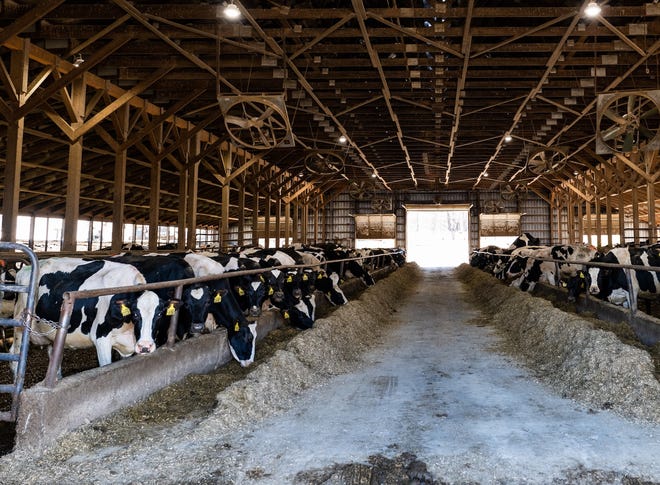


Below has been provided by Westgen.

It is with a profound sadness that we announce the passing of our President, Eric Iversen, after a brief but, brave fight against an aggressive cancer. Eric’s tenure as a board member has helped steer WestGen through a period of enormous growth and change. With his boundless energetic and optimistic outlook on life, friendly demeanor and quick wit, he embodied much of what we aspire to be at WestGen.

Eric L Iversen and his brother John own the 500-acre Master Breeder Innislake Dairy Farm in Olds, AB. After years as a director and going through the Holstein Canada chair while Eric stayed home, John returned the favour making way for his brother Eric to join the WestGen board in 2015. After serving as Vice President in 2016 he was acclaimed as President in 2017 and served in that capacity until recently, relinquishing that role only as his health began to rapidly decline just over a month ago.

Eric was a people person and a leader. He was at his best helping to find consensus among diverging thought as he steered a group of farmers to make big decisions. He was decisive and comfortable with decision-making and confident in representing the WestGen board’s thinking at the national level. Through his tenure WestGen moved from its long-held home in Milner to Abbotsford. New initiatives
like Proventus, partnership in Bow Valley Genetics and the launch of the Advanced Reproductive Centre all moved forward with Eric as President. Most recently, Eric also served as a WestGen representative on the Semex board. Through his years in the chair, WestGen flourished and matching Eric’s bold stride and confident air – best demonstrated by the silver-belly cowboy hat he wore nearly everywhere – the company began to reflect that confidence too.

We extend our heart-felt condolences to the Iversen family, including to Eric’s son Lars who is a WestGen Genetic Advisor in Alberta. Our loss pales by comparison to theirs. We will honour and celebrate Eric’s contributions on behalf of his fellow producers by staying the course and staying true to the vision he had for WestGen.

He will be deeply missed.

Vermont spent nearly $300 million in last decade to support dairy farming

Vermont spent more than $285 million on programs and policies to support dairy farmers between 2010 and 2019, according to a report released Monday by the state auditor.

Doug Hoffer said he investigated the expenditures on dairy farming “to serve as a resource for State policymakers, program managers, and the public as they consider the future of dairy in Vermont and what role public funds should play.”

The number of dairy farms in Vermont decreased from 4,017 farms in 1969 to 636 farms in 2020. Yet dairy farming still took up 52% of the state’s farmland in 2017, and accounted for 65% of Vermont’s agriculture sales, making it an important part of Vermont’s identity.

Dairy cows feed at the Goodrich Family Farm in Salisbury on May 2, 2019. Their manure is collected and, mixed with food waste, processed into renewable natural gas for Vermont Gas Systems.

“For decades, however, Vermont dairy farms have struggled to remain profitable, and many have closed or consolidated,” Hoffer wrote. 

Hoffer also notes that dairy farming is linked to harmful environmental impacts, and that phosphorus runoff from farms contributes to poor water quality, in Lake Champlain for example.

Hoffer breaks down the state’s expenditure of $35 million on dairy in fiscal year 2019, the most recent year of its analysis:

  • Dairy farms received an estimated $13.4 million benefit from tax credits in FY19, exemptions and exclusions.
  • Dairy farmers received $13 million in state tax savings and grants to keep their land in agricultural use in FY19.
  • The state spent $983,000 in FY19 to provide business grants and technical assistance to dairy farms.
  • Hoffer estimates $274,000 of foregone revenue from reduced fees for dairy farm truck registrations and anaerobic digester registrations in FY19.
  • In FY19, the state spent $7.4 million to provide grants and technical assistance to address detrimental environmental impacts of some dairy practices.

Source: burlingtonfreepress.com

Send this to a friend