






Agroleite is now the Southern Hemisphere’s must-see dairy show—Castrolanda’s success story keeps raising the bar for global milk production!
Here’s what strikes me about our industry: we’re always talking about genetic progress and international cooperation, but there’s a Brazilian story that truly shows what happens when visionaries think beyond borders.
Picture this: September 1952, 50 Dutch families sailing across the Atlantic with 61 cows, bound for Brazil with nothing but expertise and absolute faith in their breeding program.
The names Jan de Jager, Geert Leffers, and Feike Dijkstra might not ring a bell for dairy producers in Wisconsin or Ontario, but every producer should understand the story behind what they built from that bold move.
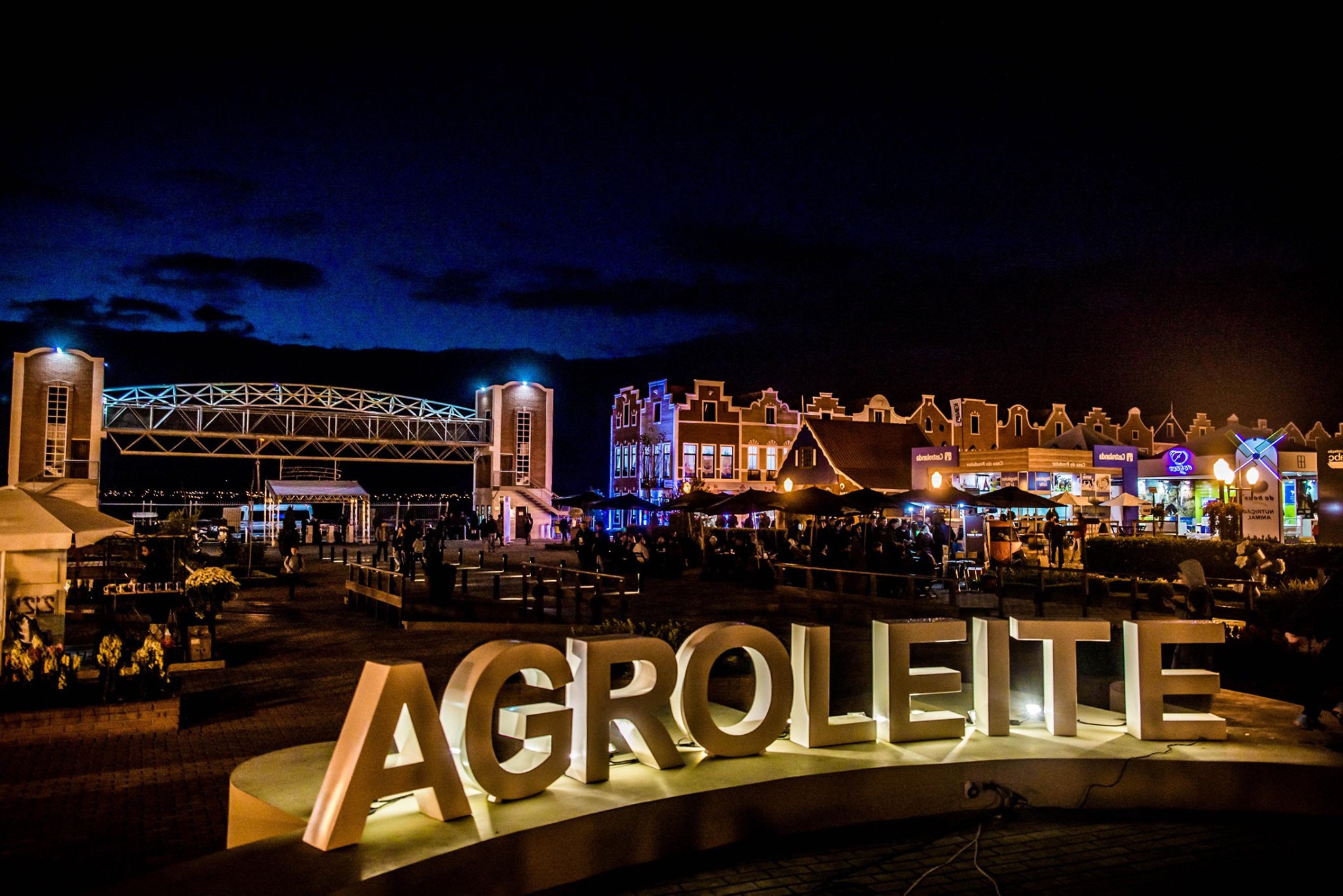
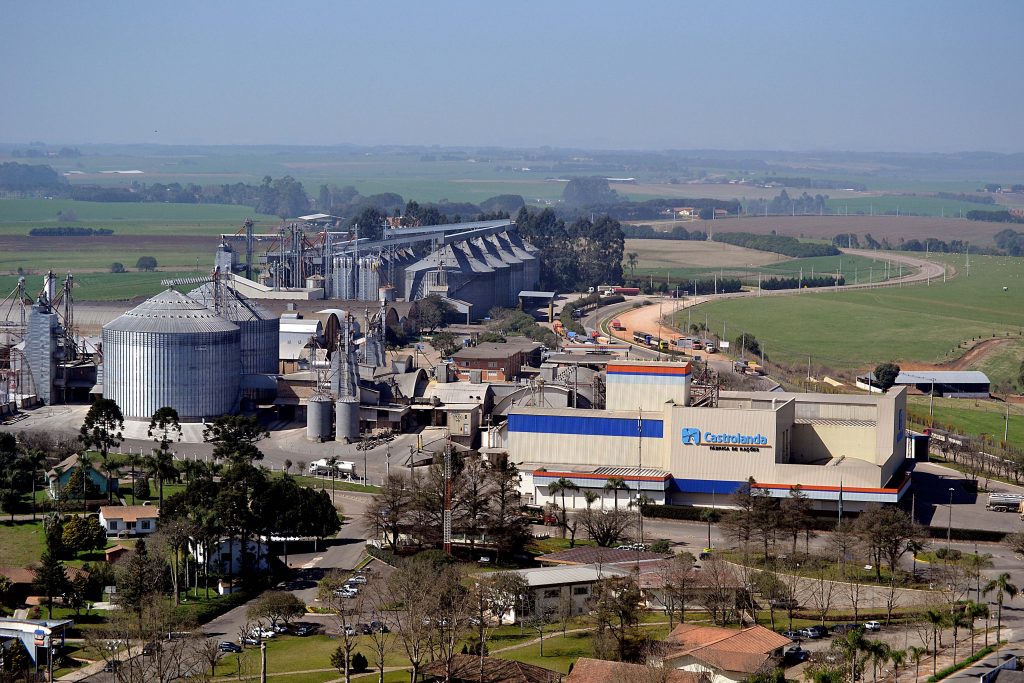
We’re talking about Castrolanda Cooperative—now one of Brazil’s largest dairy cooperatives with significant processing capacity—and Agroleite, which has become Latin America’s premier dairy showcase. And here’s where it gets interesting:
The Bullvine’s coverage has helped put this Brazilian success story on the global map.
More on that in a bit, but first—why should you care about some Dutch immigrants from 70+ years ago?
Because they solved problems you’re dealing with right now.
When Survival Meets Vision, and Heat Stress Gets Real
The thing about those early days—and I’ve talked with descendants of these families—is that it wasn’t just about moving cattle.
When the MS Alioth finally docked, these Dutch families faced conditions that make our current heat stress discussions look academic.
The 5,000 hectares along the Iapó River they’d purchased from the Castro municipality looked nothing like the polders back home.
According to cooperative officials, the founders understood something fundamental: great dairy operations are built on community knowledge, not just individual expertise.
The Reformed Evangelical Church wasn’t just providing spiritual support—they were the organizational backbone of this entire migration. Faith, education, and cooperative principles… these became survival tools in a landscape were going it alone meant failure.
Here’s what’s fascinating from a genetics standpoint (and this is where it connects to your operation): those 61 cows represented carefully selected Dutch Friesian bloodlines that had to adapt not just to different grass and climate, but to entirely different heat stress patterns.
Sound familiar? With summers getting hotter across North America, the adaptation strategies these families developed are suddenly very relevant.
They learned early that genetic excellence means nothing if your cattle can’t handle the environment they’re living in.
Building Something Bigger Than Individual Success
By November 1951—just before that historic voyage—the Sociedade Cooperativa Castrolanda was officially formed.
But this wasn’t your typical cooperative structure where everyone’s looking out for themselves first.
These individuals were thinking generationally from the outset.
The growth timeline reads like a masterclass in sustainable agricultural development:
1951: Core cooperative established, milk operations begin
1954: Built the Prins Willem-Alexander Dutch School (education was that important to them)
1967: Expanded into swine production
1970: Added grain operations for feed integration
1984: Founded ABC (Agricultural Business Center)—this is when they really shifted into high gear
What strikes me about this progression is how methodically they built each layer.
No rush to scale, just steady, sustainable growth.
That 1984 ABC Foundation milestone? That’s when you see them transition from an immigrant survival story to serious agribusiness players.
Industry observers note that the school came third, right after housing and the first dairy facilities. That tells you everything about their priorities.
Think about that for a second.
In year three of operation, while they were still figuring out Brazilian feed rations and dealing with cattle that had never experienced tropical storms, they built a school.
Because they knew this was about more than just making it through the next year.
Key Takeaways for Your Breeding Program
From the Castrolanda Cooperative Model:
- Heat adaptation starts with selection: Don’t just breed for production—breed for cattle that can handle your specific climate stress
- Community knowledge beats individual expertise: Share what works, learn from neighbors, build regional genetic strategies
- Think generationally: Make breeding decisions based on where your operation needs to be in 10-15 years, not next lactation
- Integration matters: Feed production, genetics, and management need to work as a system
- Education investment pays: The most successful operations invest heavily in knowledge transfer to the next generation
Heritage Meets Modern Dairy Reality
You want to see something that perfectly captures this whole story? There’s a 26-meter Dutch windmill—“De Immigrant”—rising from Brazilian dairy country like something out of a fever dream.
Built in 2001 for their 50th anniversary, modeled after the “Woldzigt” mill from Drenthe province, where most families originated.
Standing next to it on a humid Brazilian morning, you can smell the silage from nearby bunkers mixing with the scent of tropical flowers… it’s not just a tourist attraction.
The windmill houses their library, museum, and meeting spaces.
When you’re up on the observation platform looking out over modern dairy facilities that stretch to the horizon, you get this sense of how they’ve managed to preserve identity while embracing innovation.
The Reformed Evangelical Church still offers services in both Portuguese and Dutch.
Think about that—third-generation Brazilian dairy families keeping their ancestral language alive.
That’s the kind of cultural commitment that often appears in breeding programs as well.
Here’s what’s particularly noteworthy: they didn’t abandon their heritage to succeed in Brazil. They used it as a foundation for innovation.
How Agroleite Became a Continental Game-Changer
As Castrolanda’s reputation grew, their leaders recognized something we’re seeing more of today: sharing excellence elevates entire regions.
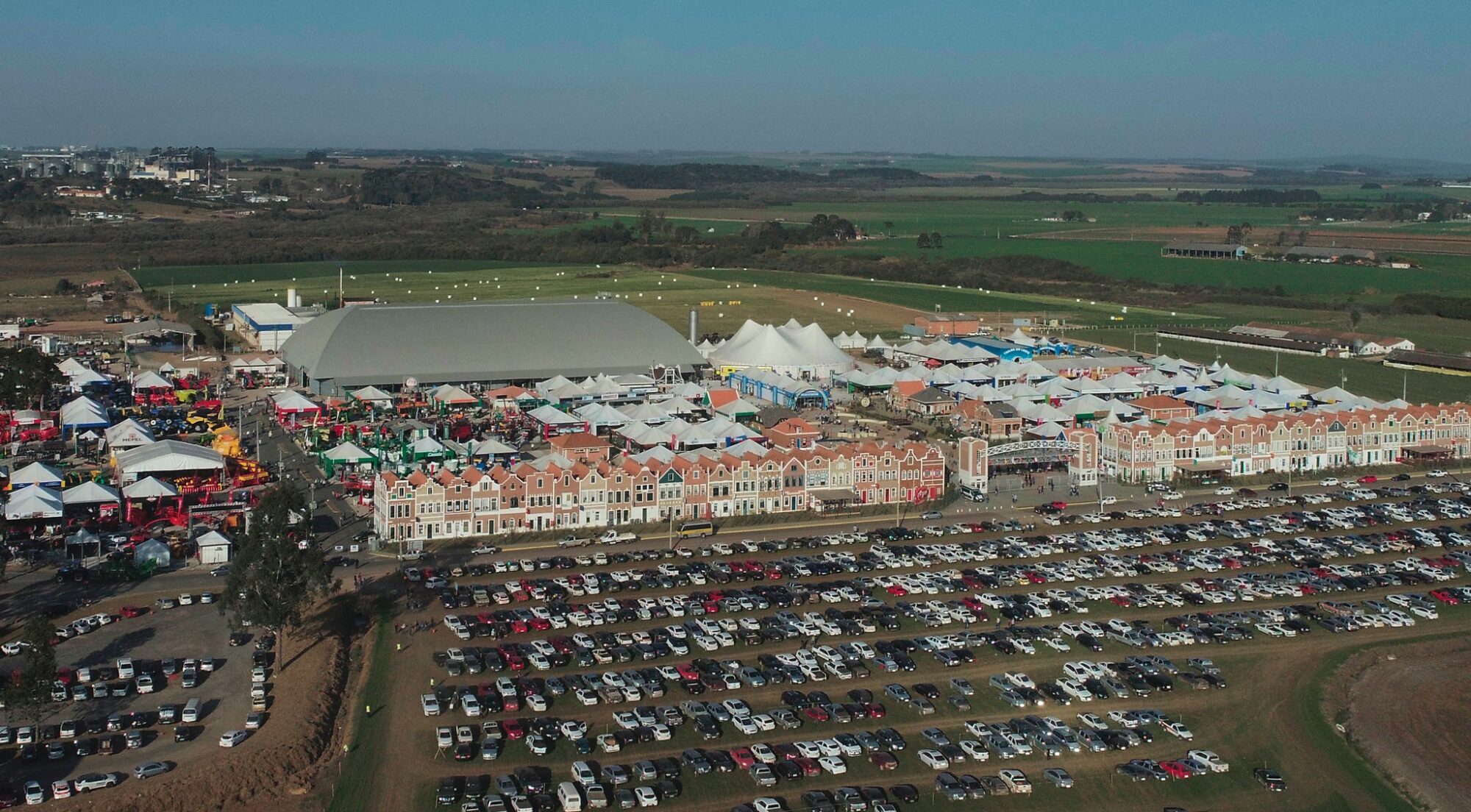
Agroleite began as a local agricultural gathering but has evolved into what industry professionals now refer to as “Latin America’s showcase of milk technology.”
The timing is brilliant—held every August during Brazil’s winter when cattle are in peak condition and you’re not dealing with the heat stress that crushes milk production during its summer months.
The current structure includes Dairy Tournament production competitions, Fodder Park feed technology demonstrations, Machine Dynamics equipment exhibitions, and Milk Trail educational programs.
It’s comprehensive in a way that honestly puts some North American shows to shame.
What’s particularly noteworthy is their focus on both Holstein breeds (black and white, red and white) and Jersey cattle.
This isn’t about promoting one breed over another—it’s about showcasing genetic diversity and understanding different market demands.
With feed costs where they are, that Jersey efficiency is looking pretty attractive, isn’t it?
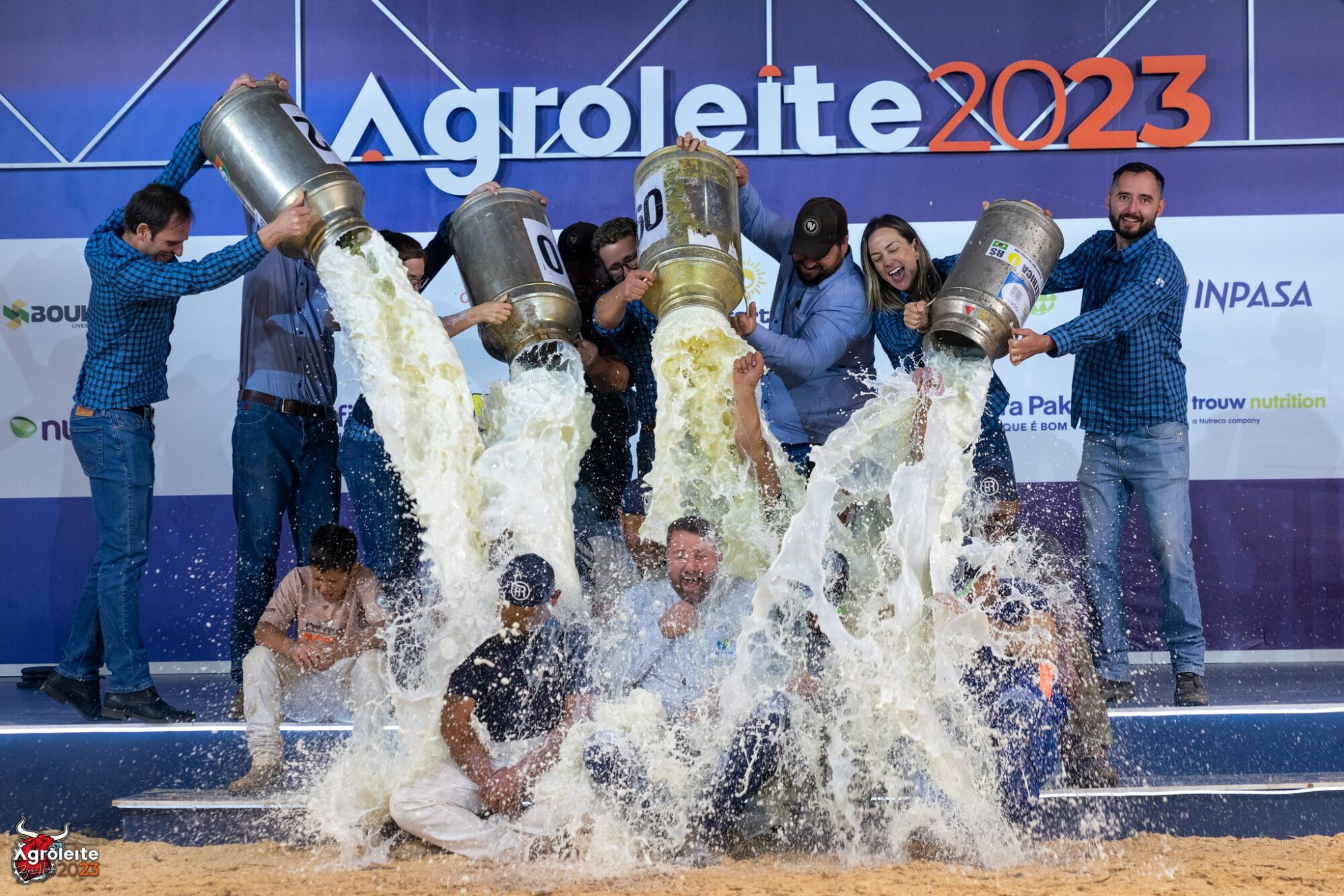
The 2024 numbers tell the real story: R$ 520 million in business deals and an estimated 150,000 visitors over four days.
That has a significant economic impact on any agricultural region. But here’s the thing… it’s not just about the money.
The Bullvine Connection: How Coverage Creates Global Recognition
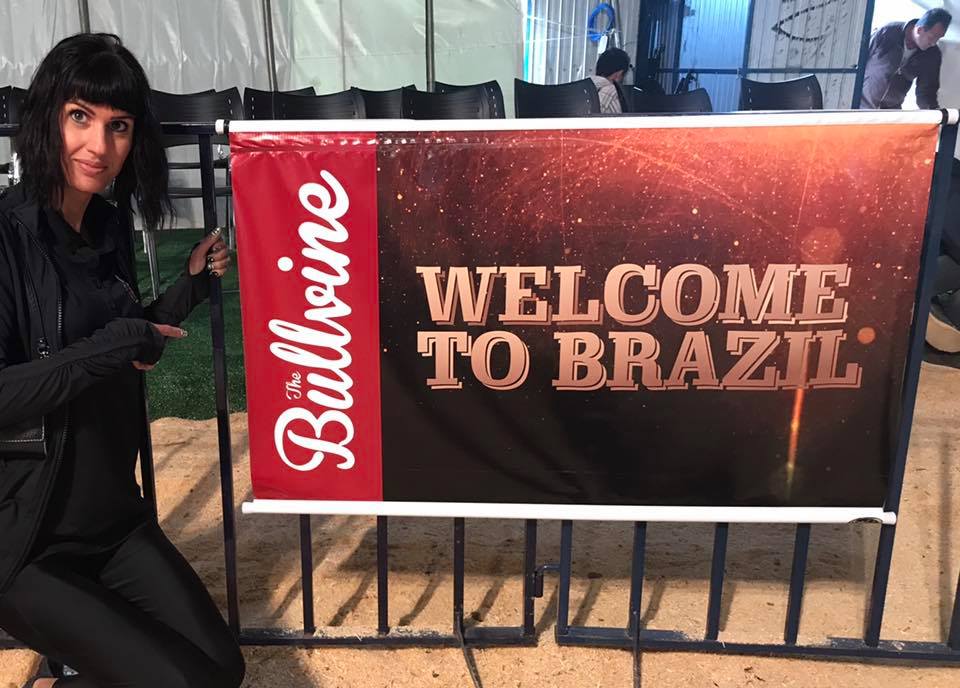
Here’s where our role gets interesting, and why I’m genuinely excited about what’s happening.
The Bullvine’s partnership with Agroleite hasn’t just informed the world about what’s happening in Castro—it’s helped transform this once-local event into the greatest dairy show in the Southern Hemisphere.
That’s not just promotional fluff either. With our detailed coverage reaching breeders, AI companies, and genetics buyers across six continents, Agroleite has now surpassed International Dairy Week—and not just in the size of the entry list, but in the quality and depth of competition in the ring.
If you’ve watched the Holstein, Jersey, and Red & White lineups from this past year, you’re seeing elite genetics that would stand out at Madison or the Royal.
It’s become the benchmark people talk about when they want to see how southern hemisphere breeding programs match up—frankly, the measuring stick for “next-level” cows below the equator.
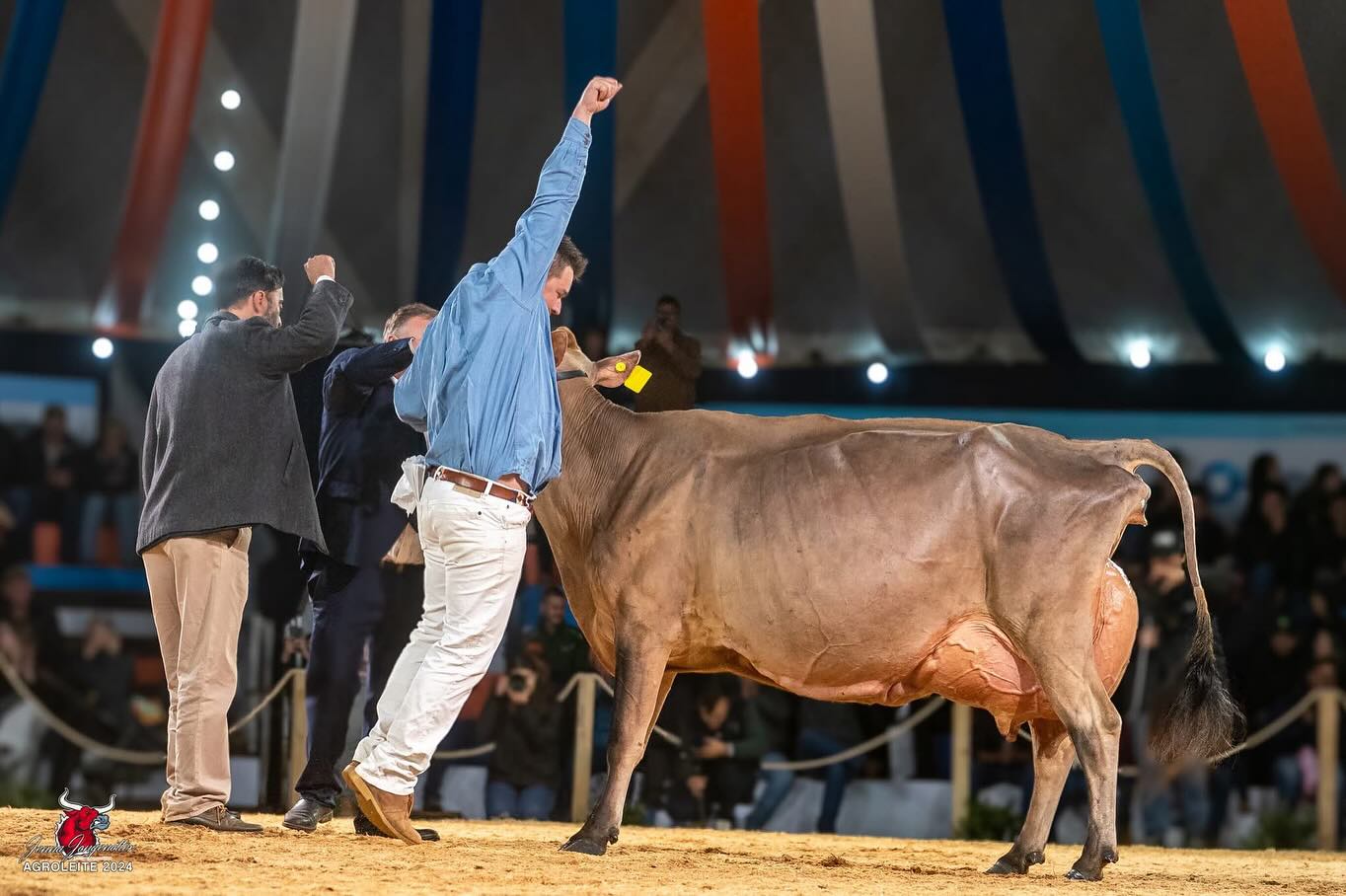
When we provide detailed show reports with comprehensive results, those stories reach dairy professionals worldwide—and the ripple effect is substantial.
I’ve watched as our coverage leads to export inquiries, AI contracts, and the kind of breeder recognition that simply never happened on this scale before.
International judges are lining up to get a shot at this show. And it’s not luck—it’s about that combination: world-class Brazilian hospitality, rapidly improving herds, and the kind of storytelling and global connections only The Bullvine brings to the table.
Now, when you want to see where the Southern Hemisphere’s best is found? The conversation starts—and usually ends—with Agroleite, Castro, and the pages of The Bullvine.
The caliber of judges validates everything. In 2024, Pierre Boulet, QC from Canada, officiated the Holstein competitions—a guy who’s bred and owned over 175 All-Canadian and All-American nominated animals.
For Agroleite 2025, they have Ryan Krohlow handling Jerseys and Jamie Black handling Holsteins.
These aren’t just any judges—these are people whose evaluations carry weight in genetics markets from Auckland to Amsterdam.
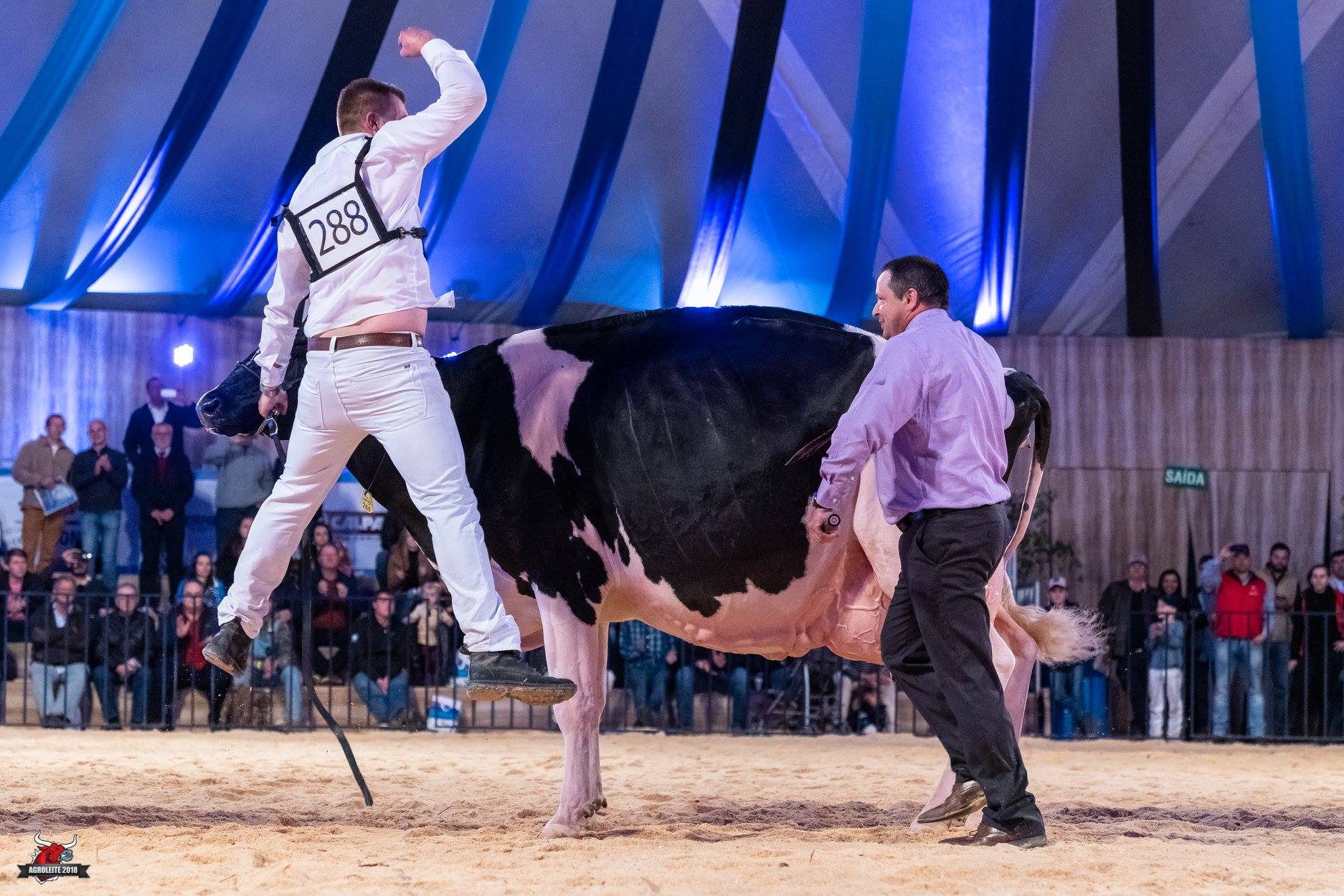
The 2024 Holstein results we covered extensively show the depth of Brazilian genetics:
Grand Champion: ARM ROBINA LAMBDA 887, owned by Armando Rabbers
Intermediate Champion: C.R.A. ALLIGATOR MAAIKE 2197 TE, owned by Robert Salomons
That’s the power of global dairy journalism done right.
The Breeders Who Make It Happen
Armando Rabbers is the kind of breeder who makes Agroleite special.
In 2024, he swept Best Breeder, Exhibitor, and Adult Affix of the Holstein Black & White breed.
That’s not luck—that’s years of systematic genetic decisions paying off in the show ring and the milk tank.
Robert Salomons represents another generation of excellence, consistently placing champions and proving Brazilian Holstein genetics can compete anywhere.
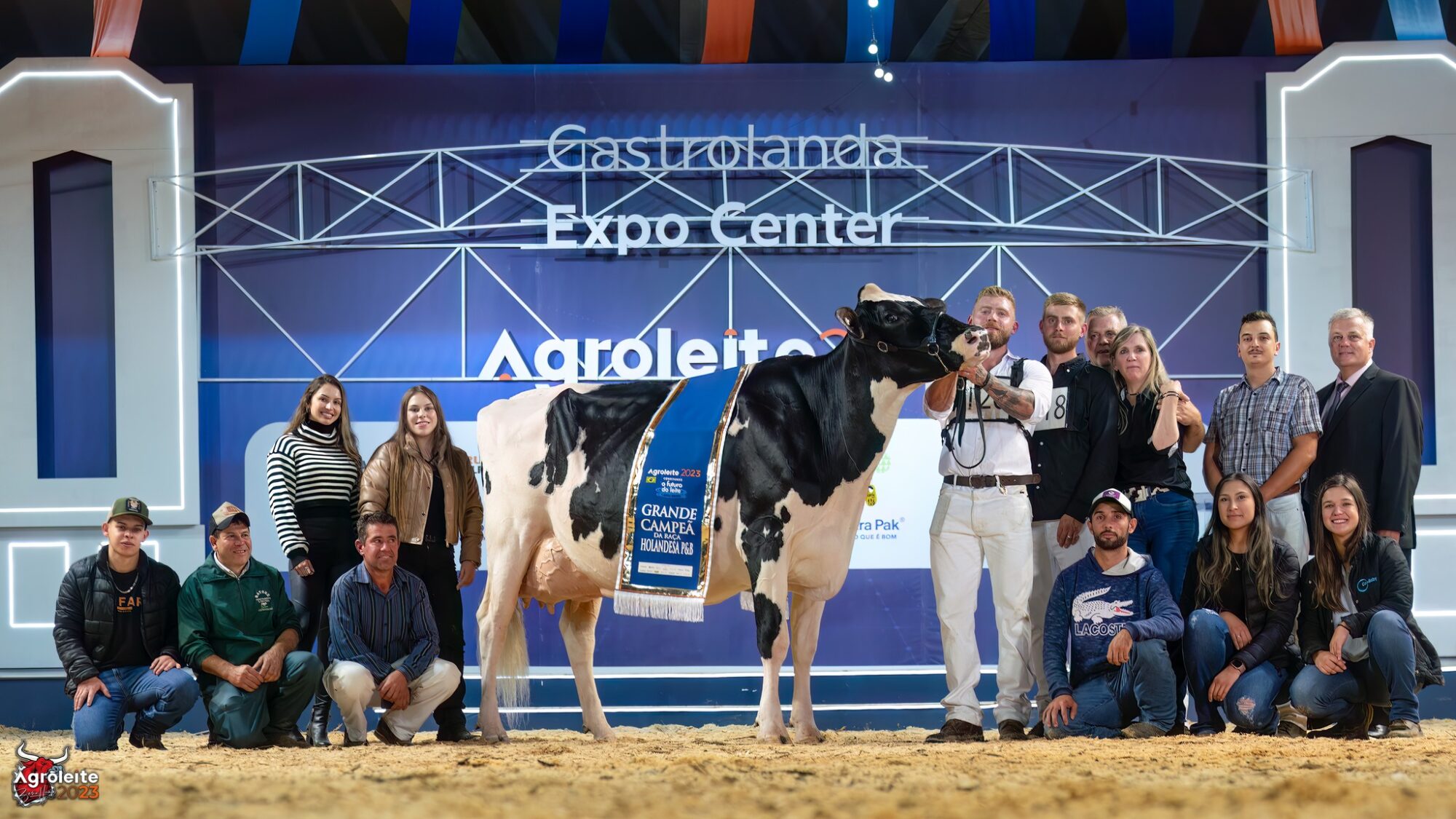
Then you’ve got the de Boer family presence—Hendrik and Reinaldo de Boer—who’ve become regulars in the winner’s circle.
Among the most storied breeding operations in the Castrolanda region stands Analândia, home to the de Boer family dynasty that has become synonymous with Holstein excellence across multiple generations. The Analândia prefix has graced champion after champion in Agroleite’s show rings, representing decades of careful genetic selection and unwavering commitment to breeding excellence.
The de Boer family’s success stems from their deep understanding of Holstein type and production, combined with an almost intuitive ability to match bloodlines that consistently produce show-quality offspring. Their cattle have not only dominated local competitions but have gained recognition throughout South America, with Analândia genetics appearing in herds from Argentina to Colombia. The family’s breeding philosophy mirrors that of the original Dutch settlers—patient, methodical, and focused on long-term genetic improvement rather than short-term gains. Each year at Agroleite, the appearance of cattle bearing the Analândia name generates anticipation among competitors and spectators alike, as the de Boer family’s reputation for producing champions has become as reliable as the changing of seasons.
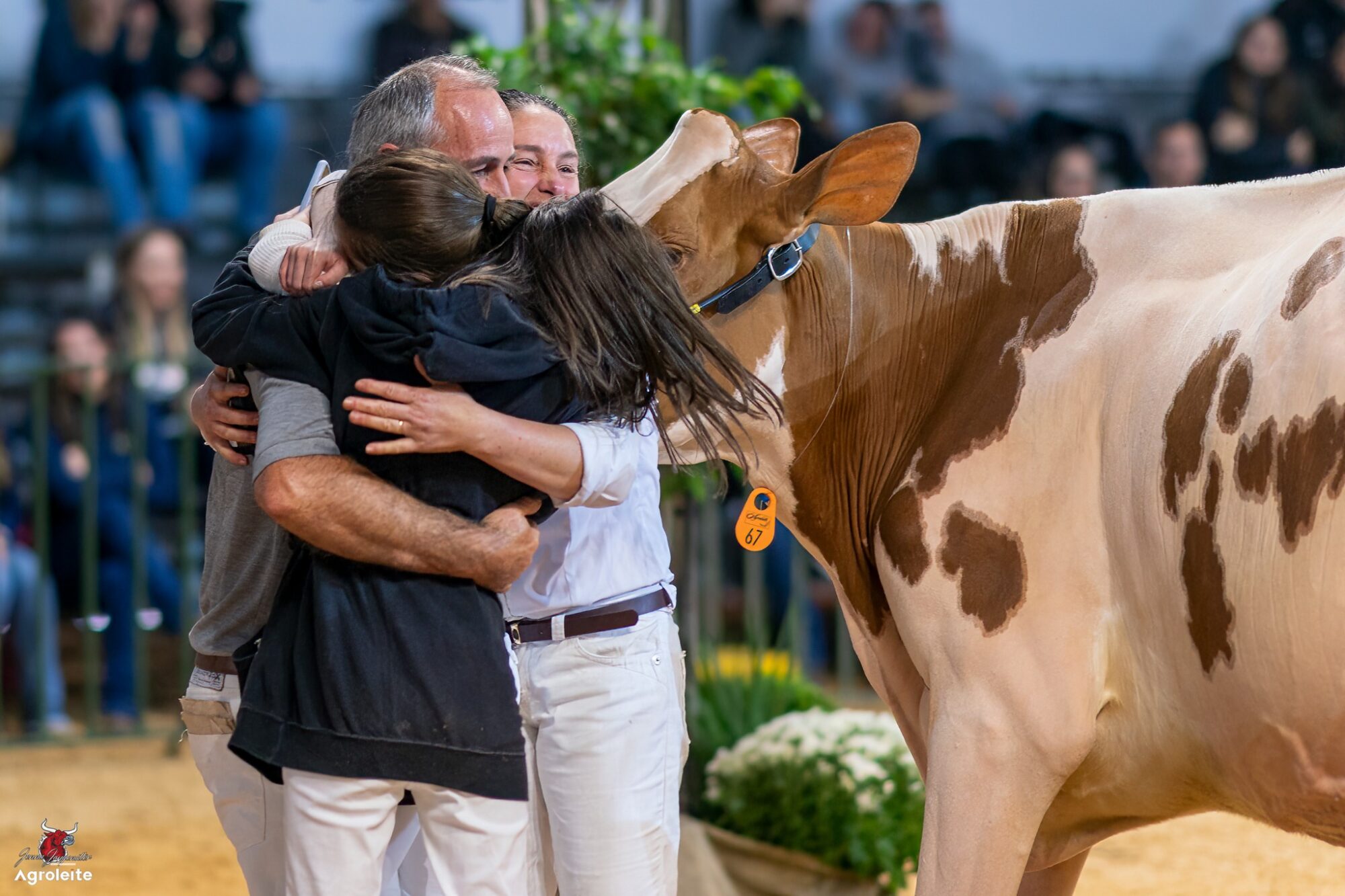
If you’re wondering how to build that kind of multi-generational reputation, here’s what the de Boer approach teaches us: consistency beats brilliance every time.
In the Red and White division, Korstiaan Bronkhorst’s BRONKHORST GABRIELA 461 JORDY RED claimed Grand Champion honors in 2024.
Raphael Cornelis Hoogerheide, with RCH Malhada 2279 Altitude-Red, continues to push forward red and white genetics.
These aren’t just show ring victories—they’re validations of breeding decisions made years earlier, confirmations of genetic theories tested across generations of cattle.
Modern Reality: Technology Meets Tradition
Walking through modern Castrolanda facilities, you might think technology has erased the past, but those original values are still evident if you know where to look.
They’re now part of the Unium cooperative network, operating as a major dairy and feed processing operation with facilities spanning multiple locations in southern Brazil.
The production numbers would likely surpass those of the original 50 families.
However, what’s remarkable is that church services are still held in both Portuguese and Dutch.
The cooperative commitment to education—from the original Prins Willem-Alexander School to current agricultural extension programs—reflects the values that those three founding leaders would absolutely recognize.
Industry reports suggest that they have 100% mechanical milking and cooling systems across their member farms now, but the decision-making process still follows those same cooperative principles.
Individual success means nothing if the community doesn’t prosper.
That’s the kind of thinking that creates staying power in this industry, especially when margins get tight and everybody’s looking for somebody else to blame.
With heat stress becoming a bigger issue across North America, the Brazilian adaptations these families developed—from facility design to genetic selection to management practices—are suddenly very relevant.
They’ve been dealing with 90-degree days and high humidity for decades. We’re just catching up.
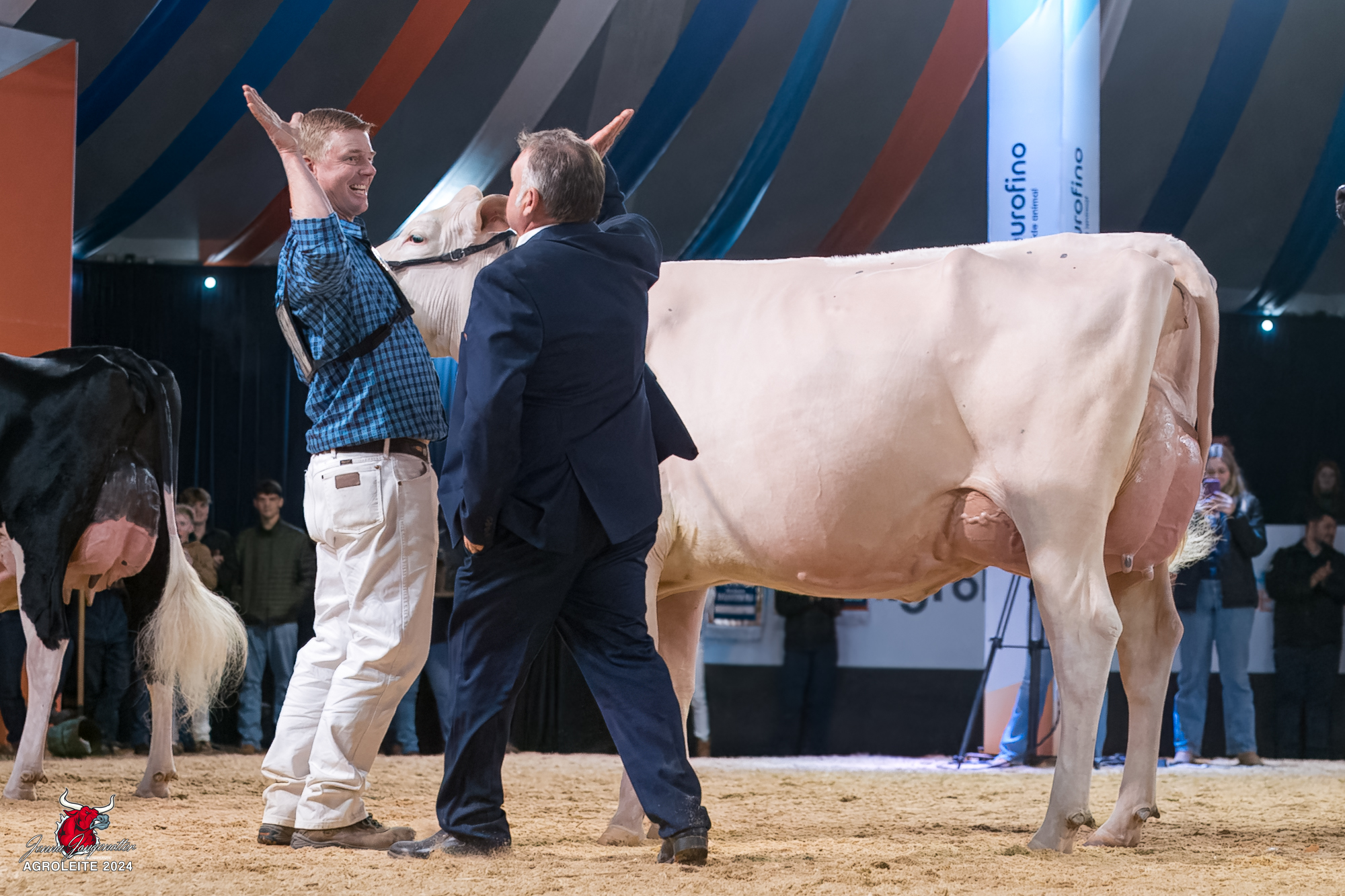
Intermediate Champion
Agroleite 2024 Holstein Show
ROBERT SALOMONS
Where This Story Leads (And What It Means for Your Operation)
Agroleite 2025 is scheduled for August 5-8, marking the event’s 25th anniversary.
The selection of Ryan Krohlow and Jamie Black as judges demonstrates a continued commitment to international expertise while bringing fresh perspectives to Brazilian genetic evaluation.
But here’s what’s happening that extends beyond just another successful dairy region.
Castro earned the designation as Brazil’s “National Milk Capital” directly because of the agricultural excellence that started with those Dutch settlers and gets amplified annually through Agroleite.
The city’s dairy basin is now recognized as one of Brazil’s most productive in terms of both volume and quality.
The broader economic impact reaches throughout the Campos Gerais region.
Hotels, restaurants, transportation services, equipment dealers—countless businesses depend on that August influx of dairy professionals, genetic suppliers, and agricultural tourists.
What’s interesting is how this connects to what’s happening in the North American dairy industry.
With consolidation pressure, environmental regulations, and labor challenges, the cooperative principles that built Castrolanda are looking pretty smart.
Sharing resources, pooling knowledge, thinking regionally instead of just individually… these aren’t old-fashioned ideas. They’re survival strategies.
The Continuing Evolution
Contemporary challenges—such as climate change, market volatility, shifting consumer preferences, and environmental regulations—require the same innovative and cooperative spirit that characterized the original settlement.
But here’s the thing: these challenges also represent opportunities for operations that think beyond next quarter’s results.
Environmental sustainability initiatives now reflect modern agricultural consciousness while drawing on Dutch resource management traditions.
Youth development programs ensure the transfer of knowledge from foundational principles to contemporary dairy farming realities.
These aren’t just technical training sessions—they’re cultural transmission mechanisms that preserve a cooperative spirit and a commitment to excellence.
That 26-meter windmill still turns in Brazilian wind, its blades catching dreams that began on a ship deck in 1952.
When international judges like Ryan Krohlow and Jamie Black evaluate champion Holstein and Jersey cows bred in Brazilian pastures according to Dutch principles, they’re touching tangible results of one of agriculture’s greatest migration stories.
What This Means for Your Bottom Line
Standing back and looking at this whole story… what began with the MS Alioth continues to unfold each August in Castro, with each milking taking place in Castrolanda facilities, and each decision made according to cooperative principles that prioritize long-term sustainability over short-term profit.
The R$ 520 million in business deals generated by Agroleite 2024 represents compound interest on investment made by three visionary leaders who understood that true wealth gets measured not just in individual success, but in community prosperity and industry advancement.
Next time you’re making breeding decisions, remember what the Castrolanda story teaches us: genetic excellence without community support is just expensive cattle.
Environmental adaptation without long-term thinking is just crisis management.
Individual success without shared knowledge is just lucky timing.
As we prepare for Agroleite 2025, this story validates something fundamental about our industry: excellence truly knows no borders, community commitment overcomes any obstacle, and the courage to dream big enough really can change the world.
For those of us covering global dairy genetics and cooperative success stories, Castrolanda and Agroleite demonstrate that the most potent force in agriculture isn’t technology, capital, or even genetics—it’s the unwavering belief that tomorrow can be better than today. Working together, we can make it so.
That’s a lesson worth remembering, whether you’re breeding Holstein in Brazil, Jersey in New Zealand, or managing any dairy operation anywhere in the world.
Especially when the bills are due and the milk check is late, and you’re wondering if this whole thing is worth it.
It is. These folks proved it.
Be sure to watch The Bullvine for full coverage of this years show!
Executive Summary:
Here’s how 50 Dutch families with 61 cows transformed Brazilian dairy forever—and what it means for your operation. Back in 1952, visionary leaders Jan de Jager, Geert Leffers, and Feike Dijkstra sailed the MS Alioth to Brazil with nothing but expertise and absolute faith in cooperative principles. Fast forward to today: Castrolanda Cooperative processes over 239 million liters annually and has sparked Agroleite into the Southern Hemisphere’s premier dairy show, generating R$ 520 million in business deals. The secret sauce? They focused on heat-adapted genetics, community knowledge sharing, and thinking generationally—not just chasing next quarter’s milk check. Through The Bullvine’s comprehensive coverage, Agroleite now surpasses International Dairy Week in both quality and global reach, proving that when you combine Dutch precision with Brazilian innovation and strategic media partnerships, you create something that elevates an entire industry. The lesson for progressive dairy farmers is crystal clear: genetic excellence paired with cooperative thinking and long-term planning isn’t just feel-good farming—it’s the blueprint for thriving in today’s challenging dairy markets.
Complete references and supporting documentation are available upon request by contacting the editorial team at editor@thebullvine.com.
Learn More:
- Beat Heat Stress: Boost Dairy Cow Fertility & Profits with New THI Thresholds – Learn practical strategies for breeding for heat tolerance using new THI thresholds. This piece provides a tactical guide on how to apply the historical lessons of the Castrolanda pioneers to your herd’s health and profitability today.
- Global Dairy Market Dynamics: Navigating Volatility and Strategic Opportunities in 2025 – This article provides a crucial market-focused perspective. It reveals how to leverage strategic planning and data-driven decisions to navigate market volatility, offering the long-term vision necessary for success in today’s dairy industry.
- The Next Frontier: What’s Really Coming for Dairy Cattle Breeding (2025-2030) – Explore the future of genetic excellence beyond traditional methods. This piece demonstrates how emerging technologies, such as gene editing and AI, will create new opportunities for profitability and herd health, building on the foundation of the Castrolanda story.
 Join the Revolution!
 Join the Revolution!
Join over 30,000 successful dairy professionals who rely on Bullvine Weekly for their competitive edge. Delivered directly to your inbox each week, our exclusive industry insights help you make smarter decisions while saving precious hours every week. Never miss critical updates on milk production trends, breakthrough technologies, and profit-boosting strategies that top producers are already implementing. Subscribe now to transform your dairy operation’s efficiency and profitability—your future success is just one click away.




