







The confined-space program that could’ve saved six men costs about two cows. This Colorado dairy never had it.
At approximately 6:30 p.m. on August 20, 2025, a pipe in the manure management system disconnected inside an enclosed pump room at Prospect Valley Dairy — operating as Prospect Ranch LLC — near Keenesburg, Colorado. Manure water and hydrogen sulfide gas filled the space. A Fiske Inc. employee and a Prospect Ranch employee entered to stop the flow and were overcome by the gas. Then four more workers went in after them.
By the time first responders arrived, six men were dead.
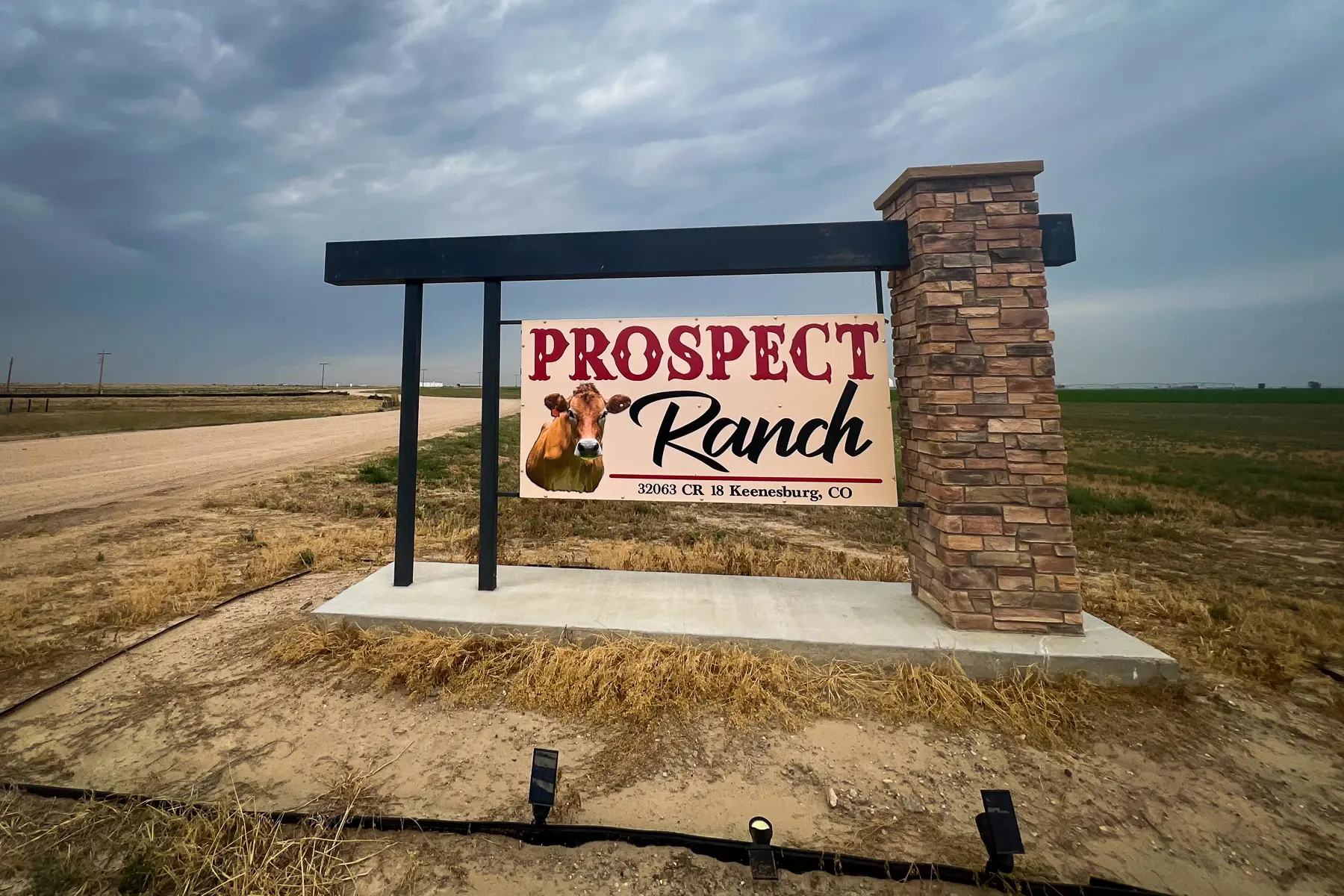
The entrance to Prospect Ranch at 32063 CR 18, Keenesburg, Colorado. On the evening of August 20, 2025, six men went to work behind this sign. None of them came home. (Photo: Jesse Kuncz/CPR News)
| Name | Age | Hometown | Role | Family Connection |
|---|---|---|---|---|
| Alejandro Espinoza Cruz | 50 | Nunn, CO | Dairy service technician, High Plains Robotics | Father of Oscar and Carlos |
| Oscar Espinoza Leos | 17 | Nunn, CO | Intern, High Plains Robotics; senior at Highland High School | Son of Alejandro |
| Carlos Espinoza Prado | 29 | Evans, CO | Service technician, High Plains Robotics | Son of Alejandro |
| Jorge Sanchez Pena | 36 | Greeley, CO | (Role not specified) | Married into Espinoza family |
| Ricardo Gomez Galvan | 40 | Keenesburg, CO | (Role not specified) | — |
| Noe Montañez Casañas | 32 | Keenesburg, CO | Veterinarian (Hidalgo, Mexico; working in U.S. under visa) | Remains repatriated to Mexico |
Alejandro Espinoza Cruz, 50, of Nunn — a dairy service technician for High Plains Robotics, a dairy equipment contractor and division of Fiske Inc. His son, Oscar Espinoza Leos, 17, of Nunn, was a senior at Highland High School in Ault and worked as an intern for his father’s company. His other son, Carlos Espinoza Prado, 29, of Evans, was also a High Plains Robotics service technician. Jorge Sanchez Pena, 36, of Greeley, was married into the Espinoza family. Ricardo Gomez Galvan, 40, of Keenesburg. Noe Montañez Casañas, 32, of Keenesburg — a veterinarian from the state of Hidalgo in central Mexico, working in the U.S. under a visa. His remains were later repatriated to Mexico, according to the Mexican consulate in Denver.
Four of the six came from the same extended family. All six were Hispanic males.
“They were extremely hardworking and humble,” said Tomi Rodriguez, an outreach worker for Project Protect Food System Workers, in an interview with CPR News. “They were a very united family.”
A father and his teenage son. A pump room on a Wednesday evening in August. If you’ve read our coverage of a 31-year-old dairy farmer who died in a manure pit, you know this pattern doesn’t stop on its own.
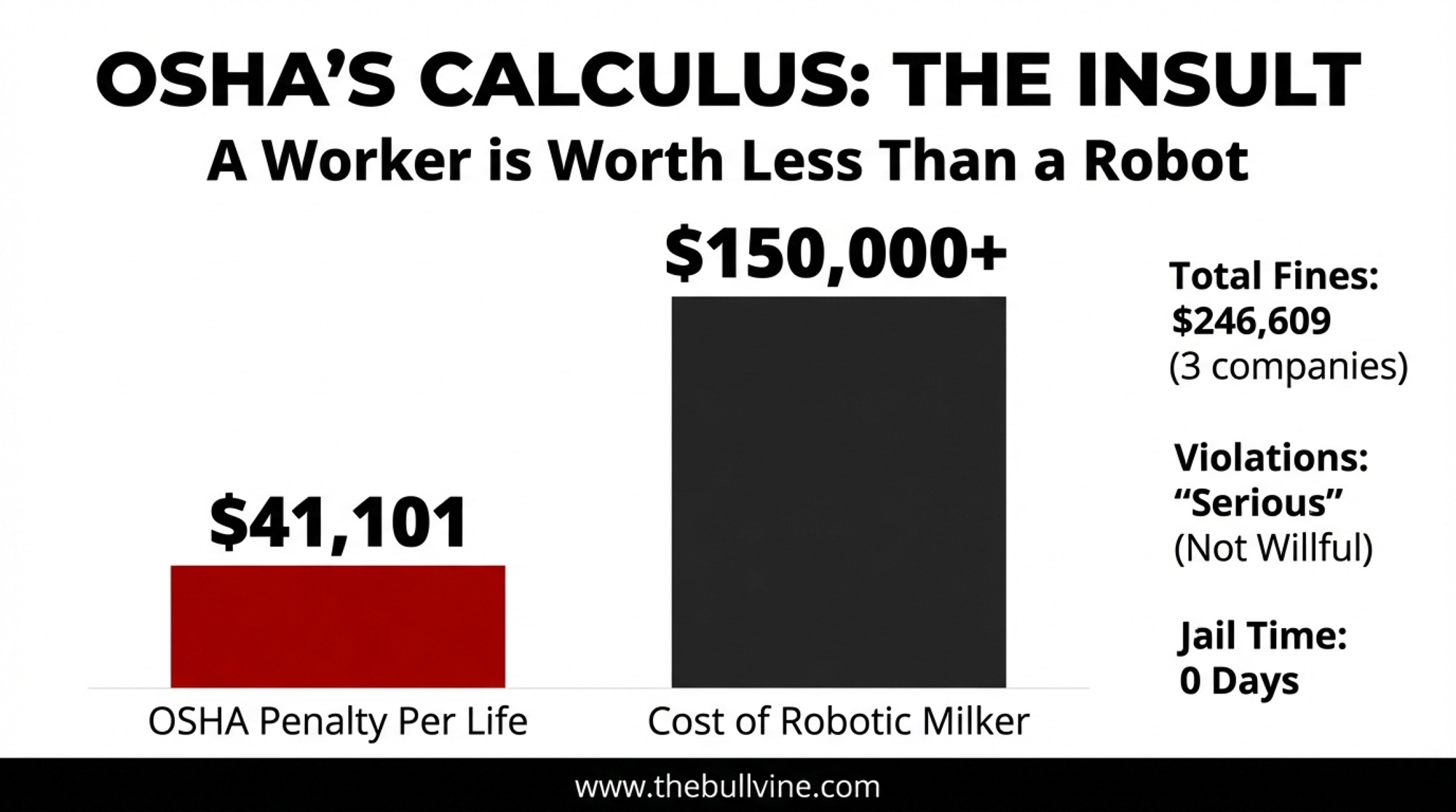
Six months later, OSHA’s response landed. On February 24, 2026, the agency announced proposed fines totaling $246,609 against three companies. Divide that across six deaths and the proposed penalties work out to $41,101.50 per worker killed. That’s not what the government says a life is worth — but it’s what the enforcement system produced. And it’s less than the cost of a single robotic milking unit.
| Item | Cost |
| Replacement dairy cow (USDA NASS, Q4 2025) | $3,110 |
| Bred heifer | $3,500–$4,200 |
| Bulk tank replacement | $15,000–$25,000 |
| Single robotic milking unit | $150,000–$200,000 |
| Full confined-space safety program (Year 1) | $3,805–$6,520 |
| OSHA proposed penalty per worker killed | $41,101.50 |
| Average civil settlement, confined-space fatality | $10–$17 million |
What OSHA Found — and What It Couldn’t Charge
OSHA cited all three companies with serious violations. Here’s how the proposed penalties break down:
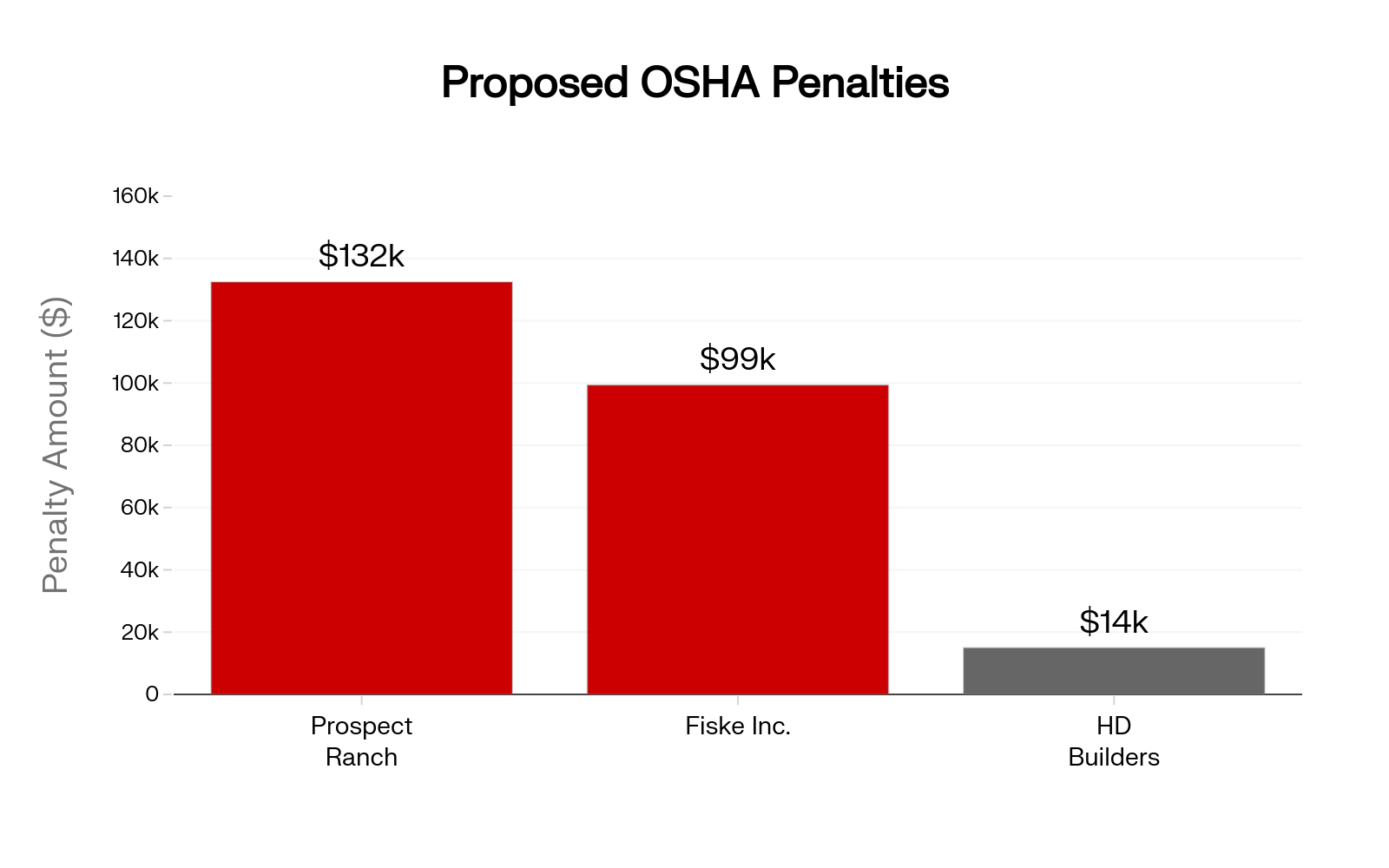
Prospect Ranch LLC — the dairy operator, headquartered in Bakersfield, California, and a Dairy Farmers of America member farm — faces $132,406. OSHA cited serious violations for failure to protect workers from atmospheric hazards, failure to maintain a written hazard communication program, and failure to train workers on methods to detect hazardous gases. Prospect Ranch did not respond to the AP’s request for comment.
Fiske Inc. / High Plains Robotics — a dairy equipment contractor that employed four of the six workers who died — faces $99,306. OSHA cited serious violations for failing to protect employees from hazardous atmospheres and for failing to provide training on hydrogen sulfide detection. In a public statement, Fiske and owner Kevin Fiske said the company disagrees with the findings and is reviewing its options, while affirming its commitment to preventing future tragedies. In earlier reporting by Denver7, sources familiar with the operation said the contractor had been following proper protocols and that the manure storage had been mostly empty due to maintenance work. OSHA’s investigation reached different conclusions.
HD Builders LLC — a contractor whose employees were present but unharmed — faces $14,897 for failure to maintain a written hazard communication program and failure to train workers on hydrogen sulfide detection. HD Builders declined comment, according to the AP.
Every citation is classified as “serious.” Not one classified as “willful.” The investigation took six months.
That classification matters. Willful violations can result in a penalty of $165,514 per violation under the January 2025 penalty schedule. More importantly, willful citations are the only category that can trigger criminal referral — though even then, the maximum is a misdemeanor carrying up to six months in jail. But proving willfulness requires evidence that the employer already knew about a hazard or standard and chose to ignore it. Prior citations. Internal memos. Documented refusals.
The Enforcement Gap: Why Agriculture’s Missing Standard Limits OSHA’s Options
Here’s the structural problem: it isn’t unique to these three companies. It runs through the whole agricultural sector.
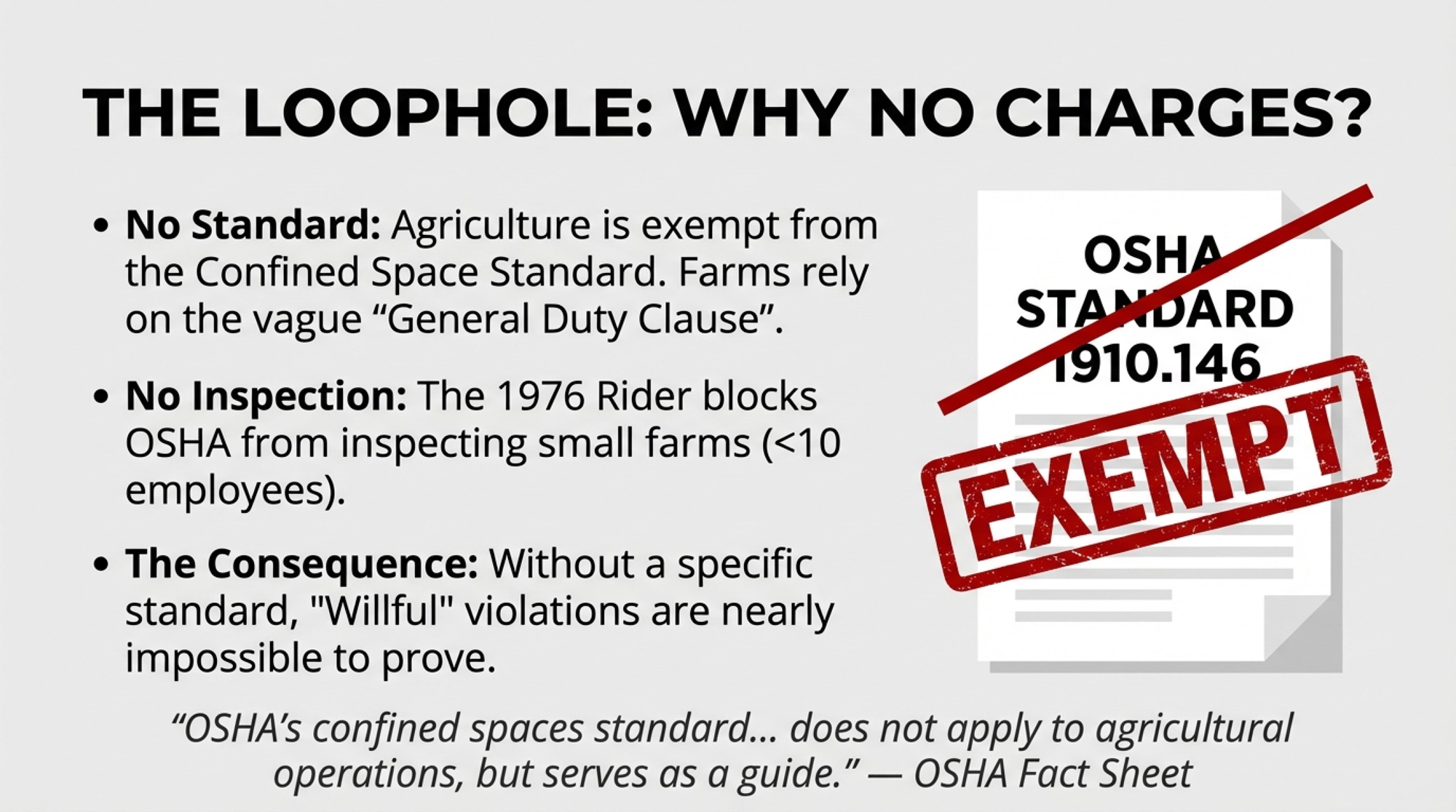
Agriculture doesn’t have a specific OSHA confined-space standard. General industry has 29 CFR 1910.146. Construction has 29 CFR 1926 Subpart AA. Farms get the General Duty Clause — Section 5(a)(1) of the OSH Act — which requires employers to keep workplaces “free of recognized hazards” but doesn’t mandate atmospheric testing, written entry permits, or rescue plans for manure pits.
OSHA’s own confined-space fact sheet for agriculture says it plainly: “OSHA’s confined spaces standard at 29 C.F.R. 1910.146 does not apply to agricultural operations, but serves as a guide”.
A guide. Not a requirement. The distinction between “standard” and “guide” matters more to lawyers than it does to the six families in Weld County. But without a specific standard to violate, the willful threshold becomes nearly impossible to clear on any agricultural operation — regardless of the circumstances.
A congressional appropriations rider in place since 1976 compounds the gap: OSHA can’t spend funds to inspect farms with 10 or fewer employees that don’t maintain temporary labor camps. Purdue University’s 2024 agricultural confined-space data shows that most known incidents happened on operations exempt from OSHA standards, in which facility exemption status was known, occurred primarily on operations exempt from OSHA standards.
For comparison: when OSHA cited Burnett Dairy Cooperative in Wisconsin after a 2014 grain bin death, investigators found two willful and eight serious violations totaling $193,200. Grain handling is subject to a specific federal standard. Manure pits don’t. The same structural vulnerability that squeezes mid-size dairy operations shows up here in its most lethal form.
All three companies have 15 business days to comply, request an informal conference with OSHA, or contest the findings before the independent Occupational Safety and Health Review Commission. OSHA’s own release notes state that “penalties and citations may be adjusted throughout the course of the case.”
“Do Not Go in After Them.”
OSHA determined that a Fiske employee and a Prospect Ranch employee entered first to address the disconnected pipe. The gas overcame them. Then three more Fiske employees and one more Prospect Ranch employee entered — almost certainly trying to save their co-workers. Their family.
Denver7 reported that an on-site supervisor was telling workers not to enter the pump room. They went in anyway.
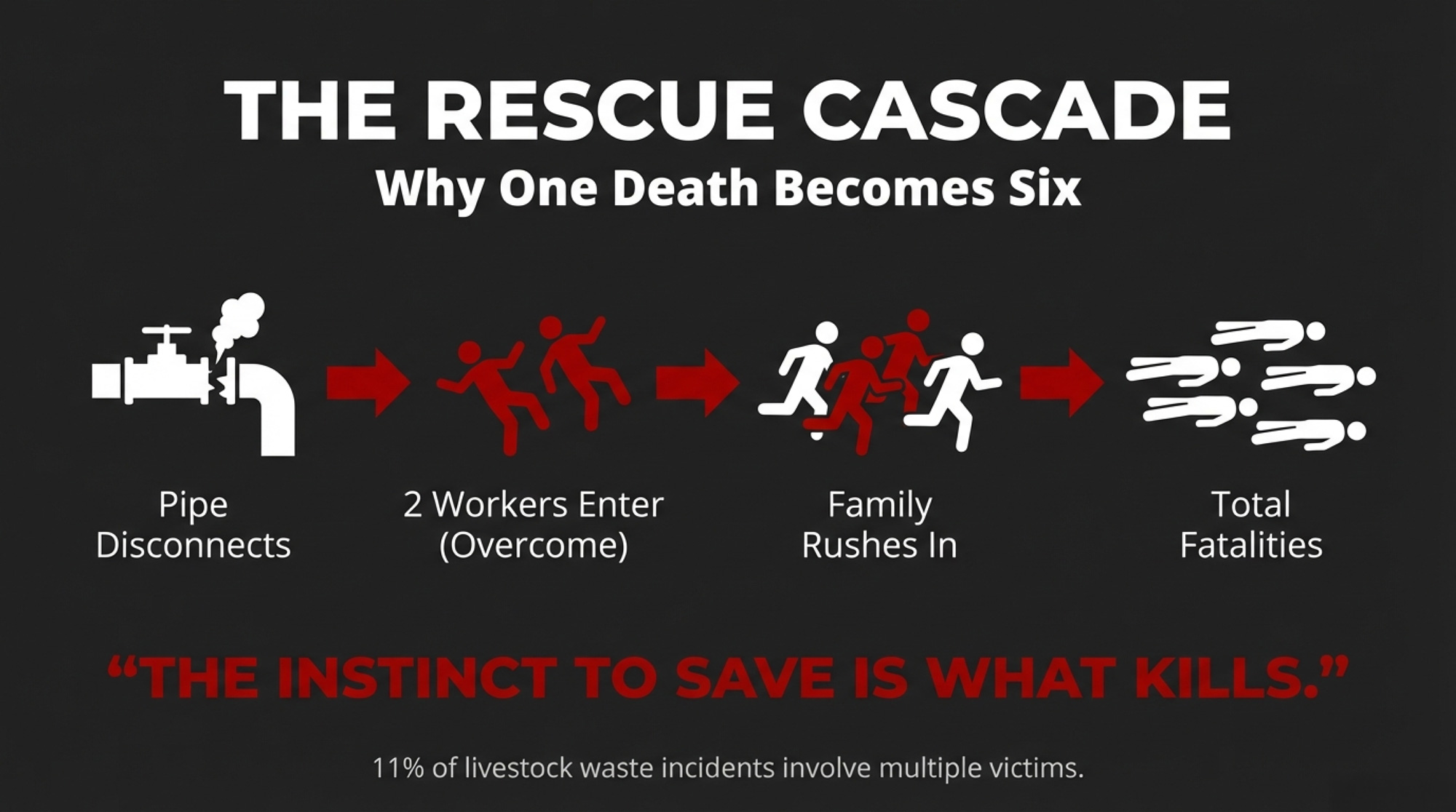
This is the rescue cascade. It’s the pattern that keeps turning accidents into mass funerals.
Purdue’s Agricultural Confined Space Incident Database — 2,429 cases documented between 1962 and 2024 — has tracked this pattern for decades. Of 409 livestock waste incidents between 1975 and 2021, about 11% involved multiple victims. The victim’s average age was 37 years. Every time someone collapses, someone else rushes in, and the gas takes both of them.
It happened in Northern Ireland in 2012. Dairy farmer Noel Spence slipped into a slurry tank on his farm in County Tyrone. His sons Graham and Nevin went in after him. All three died. Their sister Emma tried too — she survived only because the rescuers pulled her out in time.
And it happened at Prospect Valley Dairy on an August evening when four members of the same family followed the first two workers in.
What stops the cascade is one piece of blunt, specific training: If someone collapses in a confined space, you do not go in after them. You call 911. You ventilate from outside if you can. You do not enter without a gas monitor, a rescue plan, and a team trained to execute it.
The supervisor at Prospect Valley Dairy apparently knew this. But the workers who rushed in hadn’t been trained to override the instinct that says save them. That’s the gap training is supposed to close — not information, but muscle-memory refusal to enter a space that will kill you too.
The Weld County Coroner’s Office confirmed through autopsy and toxicology that each victim died of “sudden death due to acute hydrogen sulfide exposure.” Thiosulfate levels in the victims’ blood ranged from 4.0 to 7.3 mcg/mL — highly elevated and consistent with lethal H₂S inhalation.
What the Industry Said After Six Workers Died
DFA — the nation’s largest dairy cooperative and the co-op Prospect Ranch belongs to — issued a single public statement in August 2025: “This incident deeply saddens us, and our thoughts and most sincere condolences go out to the friends and families of the deceased. At this early stage, we have no further details,” according to the Colorado Sun. As of late February 2026, no follow-up statement or confined-space safety initiative from DFA has appeared in public reporting.
NMPF’s October 2025 newsletter covered screwworm prevention, Taiwan trade missions, PFAS contamination, government shutdown monitoring, and eleven other items. None referenced Prospect Valley, dairy worker safety, or confined-space hazards. In December 2025, NMPF published detailed preparedness materials on foot-and-mouth disease, including biosecurity protocols, vaccination strategies, and supply chain contingencies. Biosecurity and worker safety involve different organizational mandates and regulatory structures. But the FMD response demonstrated the industry’s capacity for rapid, organized action on threats it prioritizes — and raised an obvious question about why confined-space reform hasn’t received similar urgency.
NMPF’s FARM Program does maintain a voluntary Safety Self-Assessment that includes a confined-space section — covering hazard assessment, engineering controls, training, and inspections. It existed before the deaths in Prospect Valley. What doesn’t exist, six months later, is a new industry-wide initiative in response to them.
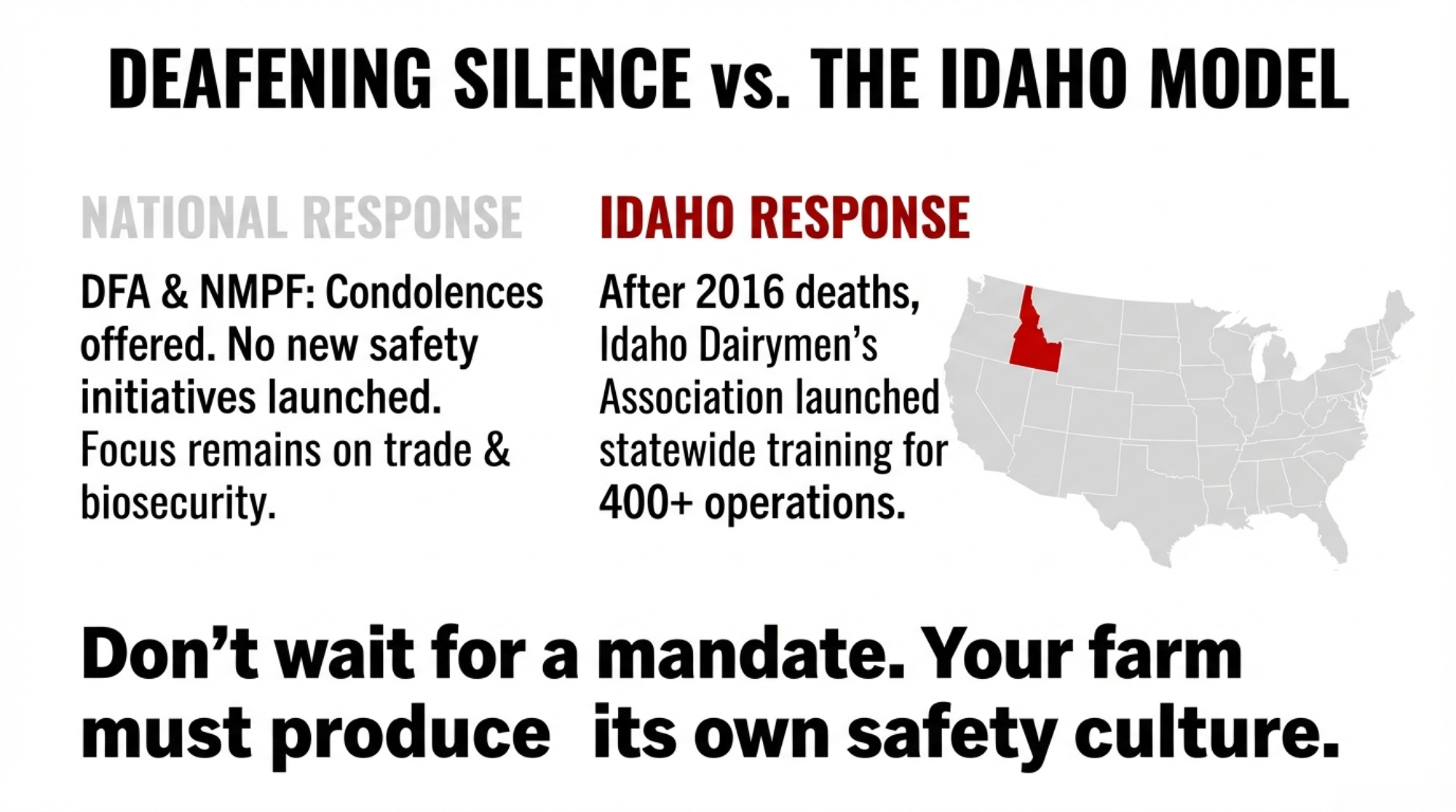
The Idaho dairy industry is the exception. After manure pit deaths in 2016–2017 — including one worker who’d been on the job only two weeks — the Idaho Dairymen’s Association launched statewide safety training aimed at its predominantly Spanish-speaking workforce. “We won’t shy away from the fact that those fatalities provided a wake-up call . . . that we need to be more robust in safety training,” Rick Naerebout, then IDA’s director of operations and now its CEO, told the Washington Post.
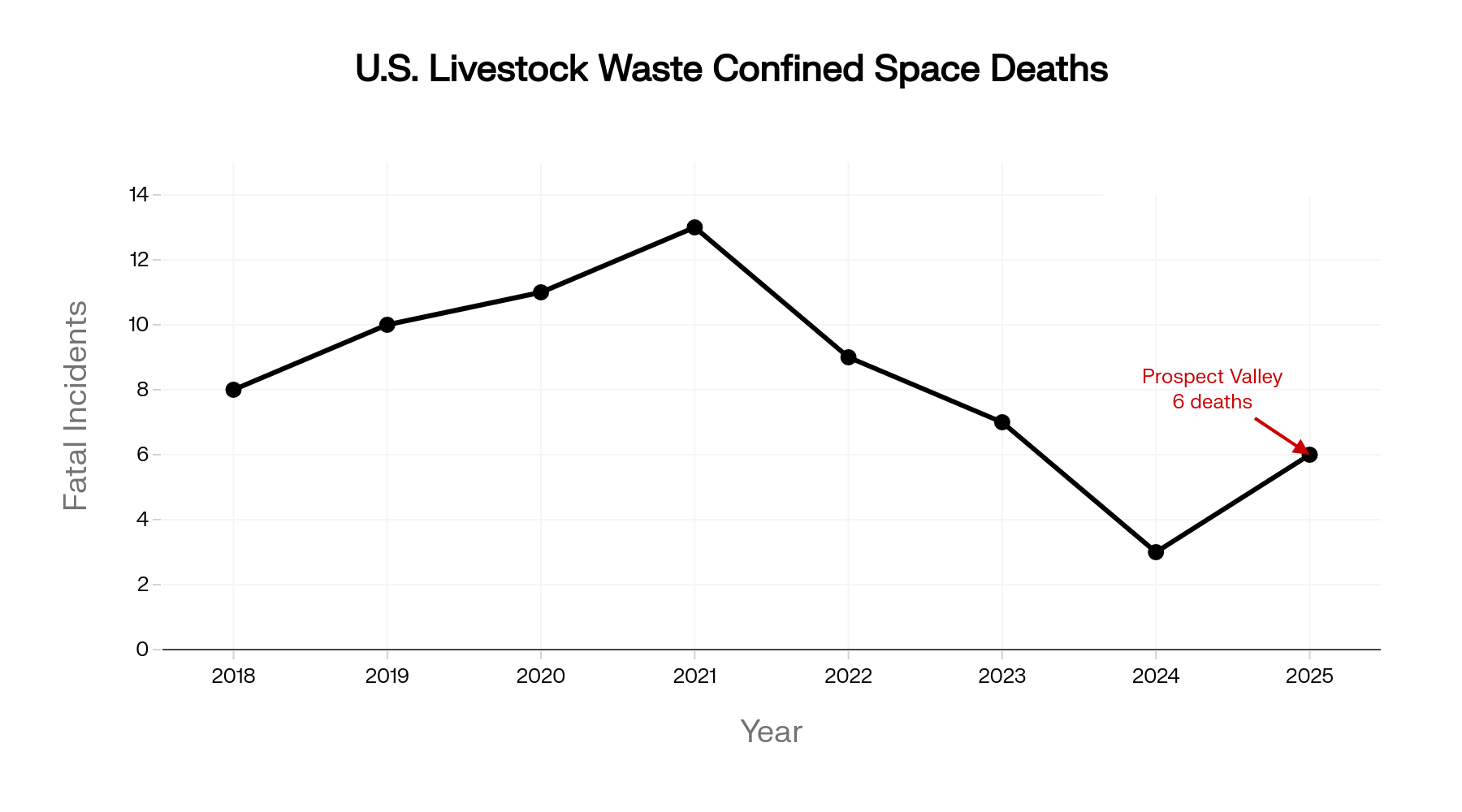
IDA Consulting Services now provides on-farm training and safety programs to roughly 400 dairy operations across Idaho. National numbers are suggestive — Purdue’s 2024 summary found only three livestock waste incidents across the entire U.S. that year, down from 11 in 2020 and 13 in 2021. Researchers caution that up to 30% of incidents go unreported, and they can’t confirm whether training programs drive the decline. But Colorado, six months after losing six workers in a single evening, hasn’t produced an equivalent response.
Does Your Operation Have a Confined Space That Could Kill Someone This Week?
Most dairies do.
Hydrogen sulfide is heavier than air — specific gravity 1.19. It pools in every pit, pump room, and below-grade channel on your operation. At low concentrations, you smell rotten eggs. At 100 ppm, the gas deadens your sense of smell — and 100 ppm is the NIOSH “Immediately Dangerous to Life or Health” threshold. Between 500 and 700 ppm, you lose consciousness within minutes. Above 1,000 ppm, a single breath can paralyze your diaphragm.
For context, hydrogen sulfide in biogas from anaerobic digestion of manure typically ranges from 2,000 to 4,000 ppm. That’s not a gradual risk. That’s a light switch.
Since the early 1960s, nearly 150 people have died in the U.S. from manure-related gas incidents. Almost half occurred on dairy farms. The most common activity at the time of death: repairing manure-handling equipment or attempting to rescue another worker.
What It Costs to Prevent This — and What It Costs to Skip It
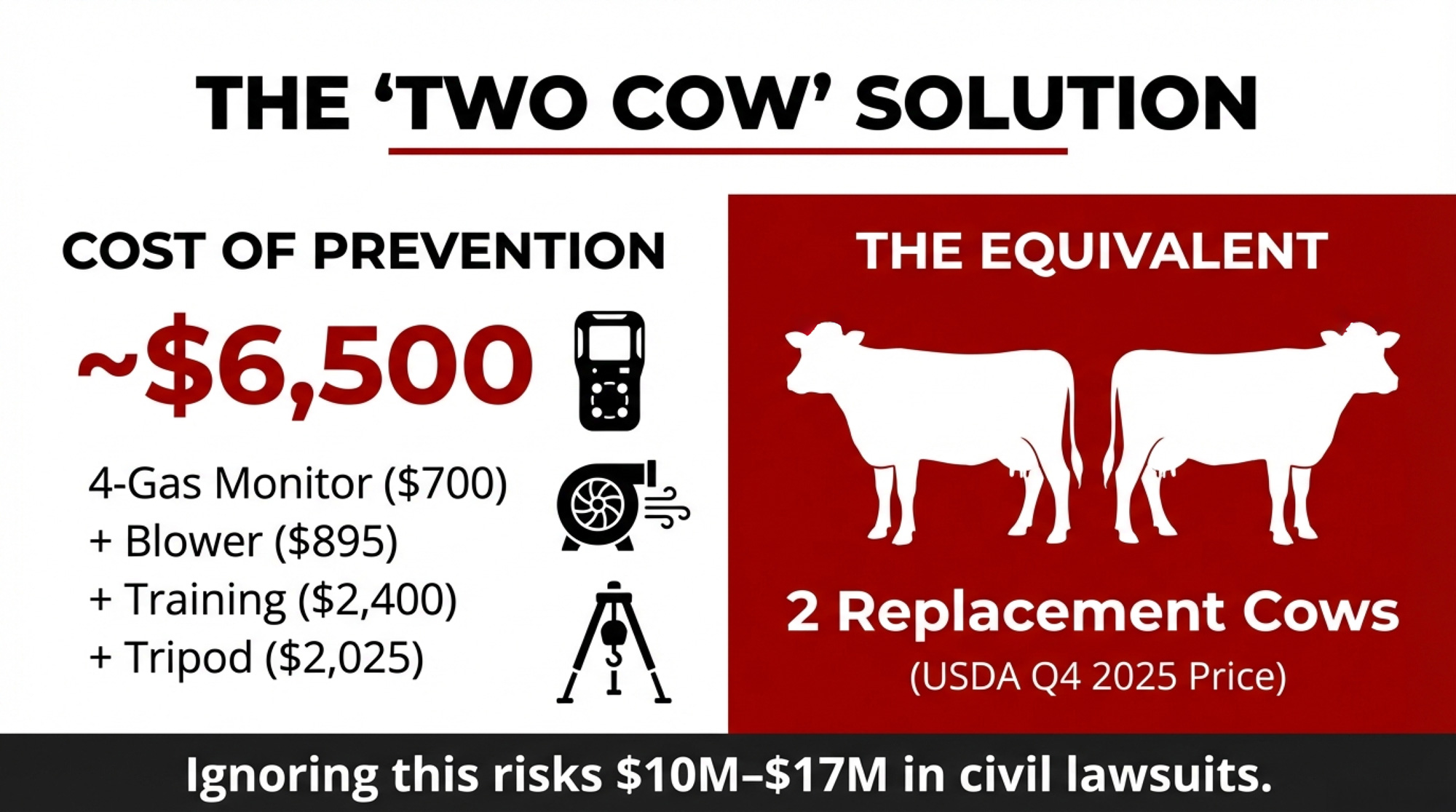
Now run those numbers against what’s at stake. A full confined-space entry program for a mid-size dairy — gas monitor, ventilation blower, annual training for an eight-person crew, rescue tripod and winch, signage, and written procedures runs roughly $3,800 to $6,500 in year one.
| Item | Cost | Source |
| 4-gas monitor (Honeywell BW Flex4) | $700–$900 | SPI.com, Safe-Fast.com |
| Portable ventilation blower | $250–$895 | Major Safety, RamFan UB20 line |
| Confined-space training, 8 workers | $1,200–$2,400/yr | HAZWOPER-OSHA ($25–$50/person online; ~$200/person instructor-led) |
| Rescue tripod + winch (FrenchCreek) | $1,455–$2,025 | Major Safety |
| Signage and written procedures | $200–$300 | — |
| Full program, Year 1 | $3,805–$6,520 |
Now run those numbers against what’s at stake:
| Replacement dairy cow (USDA NASS, Q4 2025) | $3,110/head |
| Bulk tank replacement | $15,000–$25,000 |
| Single robotic milking unit | $150,000–$200,000 |
| Proposed OSHA penalty per worker killed | $41,101.50 |
| Average civil settlement, confined-space fatality | $10–$17 million |
Your full confined-space program costs about what you’d pay for two replacement cows at today’s record prices.
William Field, the Purdue professor who maintains the agricultural confined-space database, told the AP that OSHA fines in these cases are often reduced upon appeal, or partially waived in exchange for safety investments. OSHA’s own release notes that penalties may be adjusted throughout the case. But Purdue’s database — 2,429 cases over six decades — shows wrongful death settlements in agricultural confined-space fatalities typically range from $10 million to $17 million.
The enforcement system produces penalties that can be absorbed as a line item. The civil system produces the number that changes behavior — but only after someone is already in the ground.
If you’ve been following how 38.8% turnover is bleeding dairies dry you already know how broken dairy workforce economics are. This is the most extreme version.
The People Who Were Lost
When a father, two sons, and a son-in-law die in the same pump room on the same evening, the ripple isn’t abstract.
The community around Keenesburg organized fundraising — a dance, haircuts, a car wash — to support the families. A GoFundMe page for funeral expenses raised over $63,000 toward its $70,000 goal, with individual donations ranging from $5 to $5,000. Local churches held a memorial service at the Weld County fairgrounds in early September. The Weld Re-9 School District made counseling available to students and staff at Highland High School — Oscar’s school.
On the GoFundMe page, a former classmate named Jaxson Robson left a $20 donation and a comment: “I knew Oscar in middle school; we shared a room at the YMCA. He was such a nice kid, I can’t wait to see him again in heaven.”
Nationally, more than half of the dairy industry’s roughly 150,000 workers are immigrants, according to industry estimates. In Idaho, approximately 90% of the state’s 8,100 dairy farmworkers were born outside the United States. Many come from tight-knit communities rooted in specific regions of Mexico and Central America, just like the Espinoza and Montañez families, who also came from tight‑knit communities in Mexico.
The industry’s failure to protect workers from physical hazards like is mirrored by its failure to protect the men at the top from the psychological hazards of the job. We’ve reported on dairy farmers facing a 3.5× higher suicide risk than the general population — drawing on CDC occupational mortality data and research in the Journal of Rural Health. Male farmers, ranchers, and agricultural managers die by suicide at a rate of 43.2 per 100,000, versus 27.4 for all other occupations.
Every one of these stories — the suicides, the manure pit deaths, the mental health crises — comes back to the same thing. Preventable loss on operations that didn’t have the systems to catch it. At Prospect Valley Dairy, the prevention system costs about two cows. The question nobody asked those six workers is the same question nobody asks the ones we lose to despair: Was anyone looking out for you?
Randy Roecker’s milk hauler mental health training program proved that the audience for that question exists, whether the rest of the industry answers it before the next funeral.
What to Do About It — Starting This Week
Within 30 days (under $1,500):
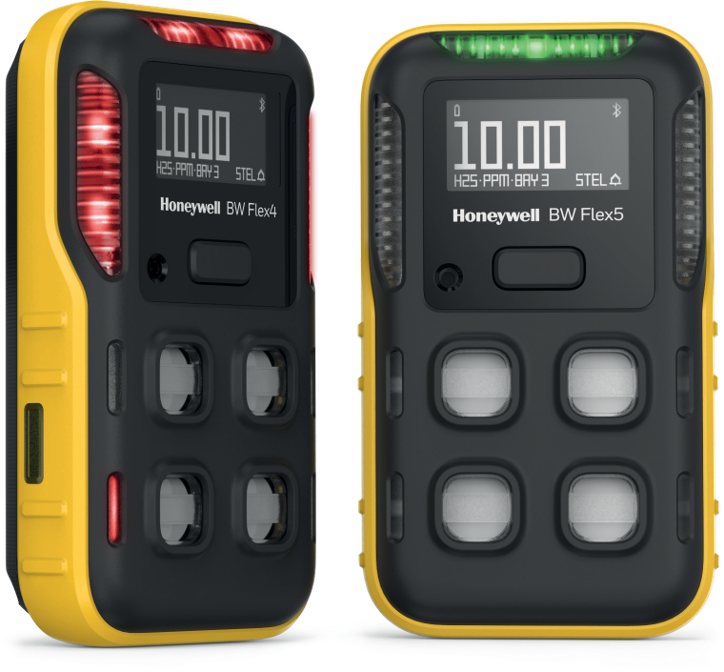
The Honeywell BW Flex4 (left) and Flex5. A 4-gas monitor like this runs $700–$900 — less than a bred heifer. It alarms before hydrogen sulfide reaches lethal concentrations. Nobody at Prospect Valley Dairy was carrying one on August 20, 2025.
- Buy a 4-gas monitor. The Honeywell BW Flex4 runs $700–$900. Clip it on before anyone enters a pit, pump room, or below-grade vault. If it alarms, back out. No exceptions. No heroics.
- Walk the operation. Tag every confined space — every manure pit, pump room, under-floor channel, silo base, and mechanical chase — with “DANGER: NO ENTRY WITHOUT ATMOSPHERIC TESTING.”
- Have one blunt conversation with your crew in their language. Three sentences: One breath can kill you. If someone goes down in a pit, nobody goes in after them. You call 911.
Within 90 days ($1,200–$2,400):
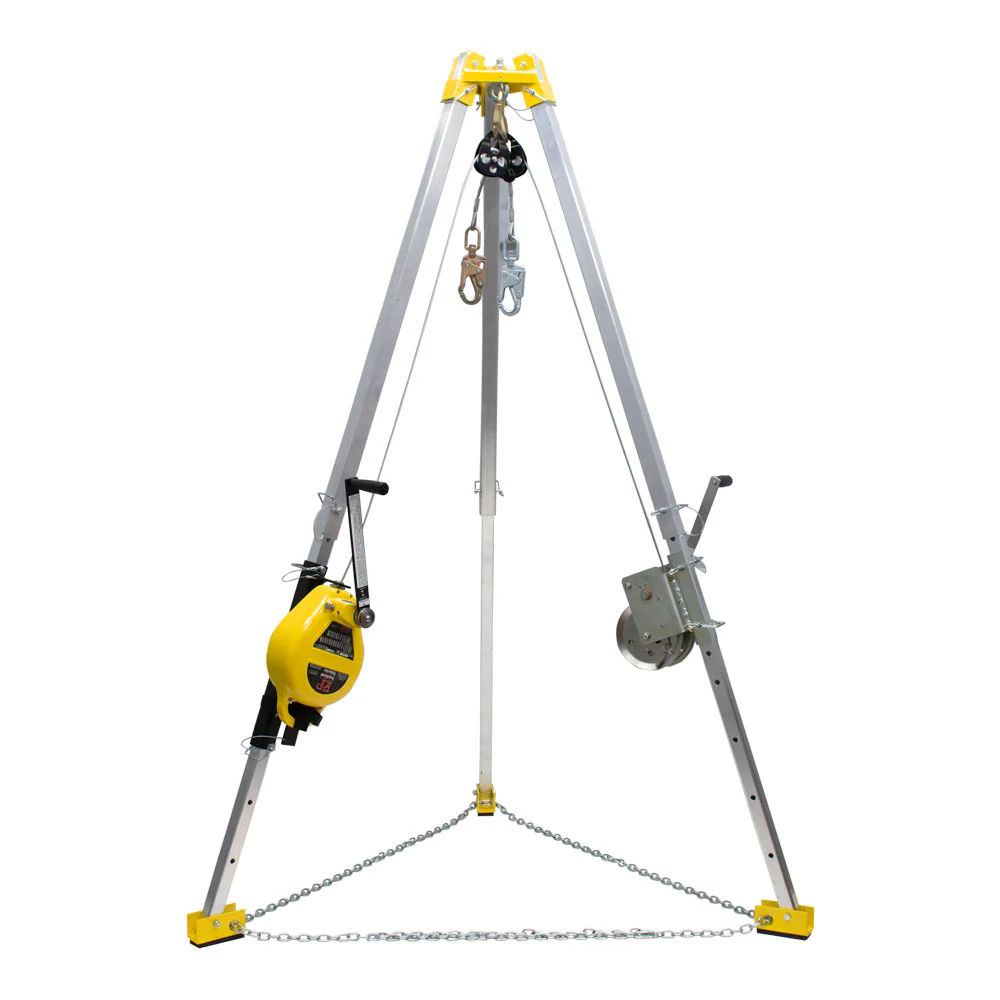
A FrenchCreek confined-space rescue tripod with self-retracting lifeline and winch — $1,455 to $2,025. This is what stops the rescue cascade. You pull a worker out from above instead of following them into the gas. At Prospect Valley, four people followed.
- Complete confined-space entry training for all employees. HAZWOPER-OSHA offers online courses at $25–$50/person and virtual instructor-led sessions at roughly $200/person. State extension or safety council programs may run at a lower cost.
- Write a buddy system and rescue plan. Post it at every tagged confined space. Pick up a ventilation blower — Major Safety’s RamFan UB20 line, $250–$895 — and a rescue tripod with winch — FrenchCreek systems, $1,455–$2,025.
365-day cycle:
- Annual refresher training.
- Equipment calibration.
- Written confined-space entry permit program.
Key Takeaways
- If you have a manure pit, pump room, or any below-grade enclosed space and no gas monitor, your operation is carrying a version of the same risk that killed six people at Prospect Valley Dairy. A Honeywell BW Flex4 costs less than a bred heifer.
- If nobody on your crew has been specifically trained not to enter a confined space to rescue someone, you’re one disconnected pipe from a rescue cascade. Have that conversation this week — in every language your workers speak.
- Don’t count on OSHA’s proposed penalties to deter anything. The Prospect Valley case produced $41,101.50 per life lost — and both OSHA’s release and Purdue’s research indicate that number often shrinks through the review process. The real financial consequence arrives in civil court at $10 to $17 million, after someone is already gone.
- If you have 10 or fewer employees, the 1976 appropriations rider likely means OSHA can’t inspect your operation. The gas doesn’t check your headcount.
The Bottom Line
Alejandro Espinoza Cruz was 50, from Nunn. Oscar Espinoza Leos was 17, interning with his father’s company, a high school senior with a friend who remembered him from the YMCA. Carlos Espinoza Prado was 29. Jorge Sanchez Pena was 36. Ricardo Gomez Galvan was 40. Noe Montañez Casañas was 32, a veterinarian from Hidalgo, Mexico.
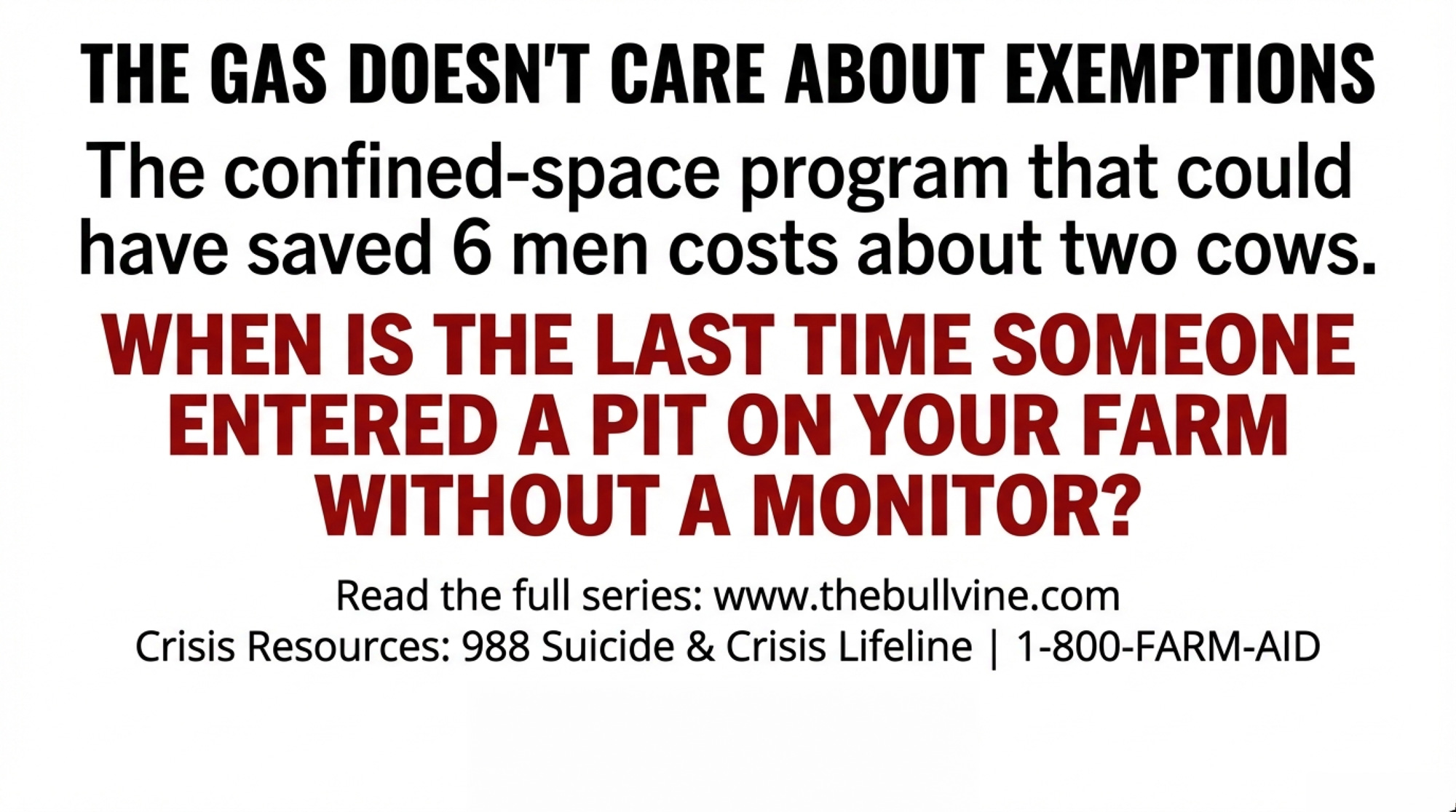
The confined-space program that could have sent all six home that night costs about two cows.
When’s the last time someone on your operation entered a pit without a monitor?
If you or someone on your operation is struggling: 988 Suicide & Crisis Lifeline (call or text 988), Farm Aid hotline (1-800-FARM-AID), Do More Ag Foundation (domore.ag).
Executive Summary:
Six Colorado dairy workers — including a father, his two sons, and a son‑in‑law — died when hydrogen sulfide gas filled a pump room at Prospect Valley Dairy in August 2025. OSHA has proposed $246,609 in fines against the dairy and two contractors, effectively valuing each death at about $41,101 — less than a bulk tank, far less than a robot, and nowhere near typical civil payouts for confined‑space fatalities. Investigators issued only “serious” violations, not “willful” ones, so no one is facing criminal charges or jail time despite six preventable deaths. The case exposes how agriculture’s OSHA exemptions and the lack of a specific confined‑space standard leave dairy workers protected mainly by a vague General Duty Clause rather than clear rules. While DFA and NMPF have offered condolences and point to existing voluntary FARM safety checklists, neither has launched a new confined‑space safety push even as the sector mobilizes quickly on issues like disease outbreaks. The article runs the barn math: a basic confined‑space program on a mid‑size dairy costs roughly the price of two cows, but skipping it invites $10–$17 million lawsuits and the kind of funerals Weld County just lived through. It closes with a blunt 30/90/365‑day checklist for producers who don’t want their own pump room to become the next scene like this.
Complete references and supporting documentation are available upon request by contacting the editorial team at editor@thebullvine.com.
Learn More
- Same Cows, $15,000 Apart: Class III Milk Price, DRP, and Your Spring 2026 Risk Plan – Gain a battle-tested risk management playbook that sorts your operation into specific “lanes” to protect cash flow. This breakdown arms you with precise triggers for milk price floors, ensuring your Spring 2026 margins don’t evaporate.
- The Triple Cushion Trap: Why 2025’s Strong Margins Won’t Save You in 2026 – Expose the three temporary market “cushions” currently masking structural dairy weaknesses. This analysis reveals the looming heifer shortage and margin compression threats, empowering you to reposition your herd strategy before the 2026 window slams shut.
- 81% Never Got Help. Randy Roecker Is Training Milk Haulers to Save Dairy Farmers’ Lives. – Discover a radical, community-led safety net that turns your milk haulers and veterinarians into first responders. This unconventional model breaks the silence around farm distress, delivering a proven framework to save lives where clinical systems fail.
 The Sunday Read Dairy Professionals Don’t Skip.
 The Sunday Read Dairy Professionals Don’t Skip.
Every week, thousands of producers, breeders, and industry insiders open Bullvine Weekly for genetics insights, market shifts, and profit strategies they won’t find anywhere else. One email. Five minutes. Smarter decisions all week.




