







Ever watched a three-year-old lead a calf into a dusty fair ring, heart pounding, family cheering her on? That’s the day Madison Dyment’s journey began… and, honestly, her dreams are about to change every Canadian farm kid’s future.
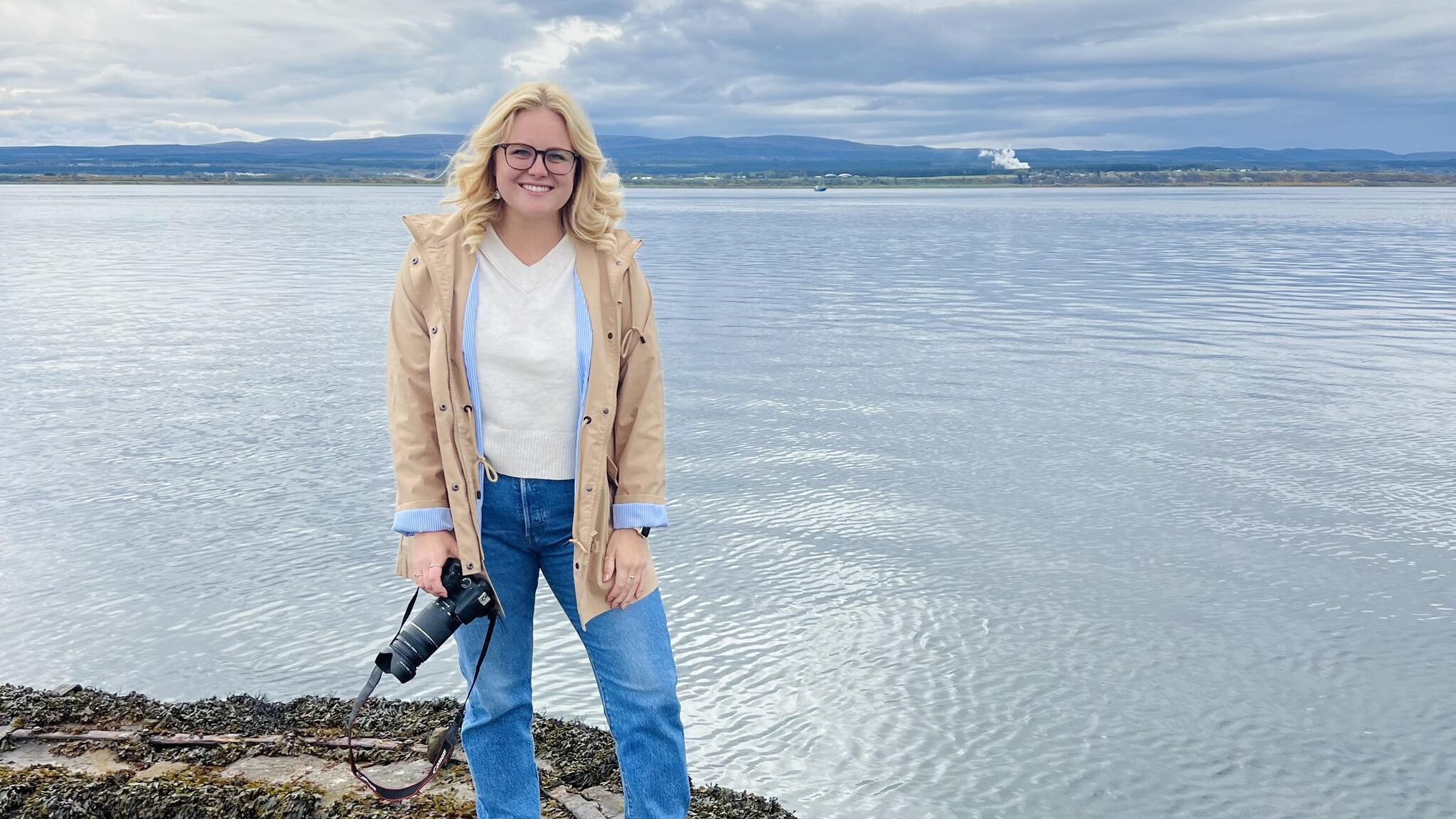
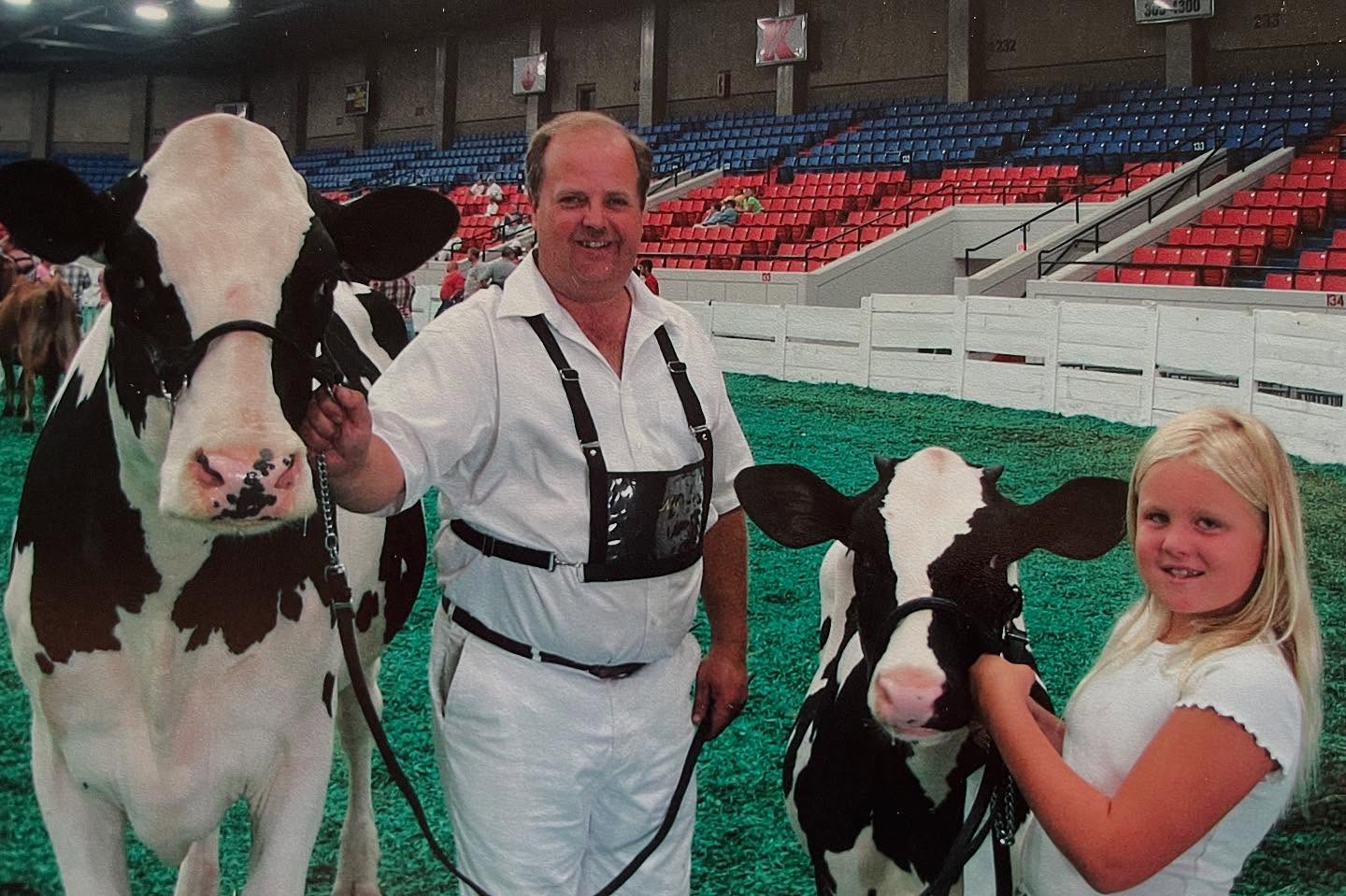
The three-year-old girl clutching the lead rope at Centreville Fair in eastern Ontario had no idea she was taking her first steps toward contributing to how Canada communicates about agriculture. The dusty arena filled with the familiar sounds of cattle shifting in their stalls and the excited chatter of farm families gathering for competition created the perfect backdrop for Madison Dyment’s earliest distinct memory—showing a calf named Lilo alongside her older cousins. The sweet smell of fresh bedding mixed with the anticipation that only a county fair can generate. Proud parents and grandparents lined the rail, cameras ready to capture the next generation of dairy advocates in action.
That moment of standing in the show ring, surrounded by family who had dedicated their lives to dairy farming, planted seeds that would eventually blossom into a mission to transform agricultural communications education across her home country. Today, as Dyment finishes her PhD in Agricultural Communications at the University of Florida, that little girl’s dream has evolved into something far more ambitious than simply winning ribbons. She’s on a quest to bring the formal discipline of agricultural communications to Canada—specifically to the University of Guelph—filling a gap that has sent countless students like herself south of the border to pursue their passions.
Roots Run Deep
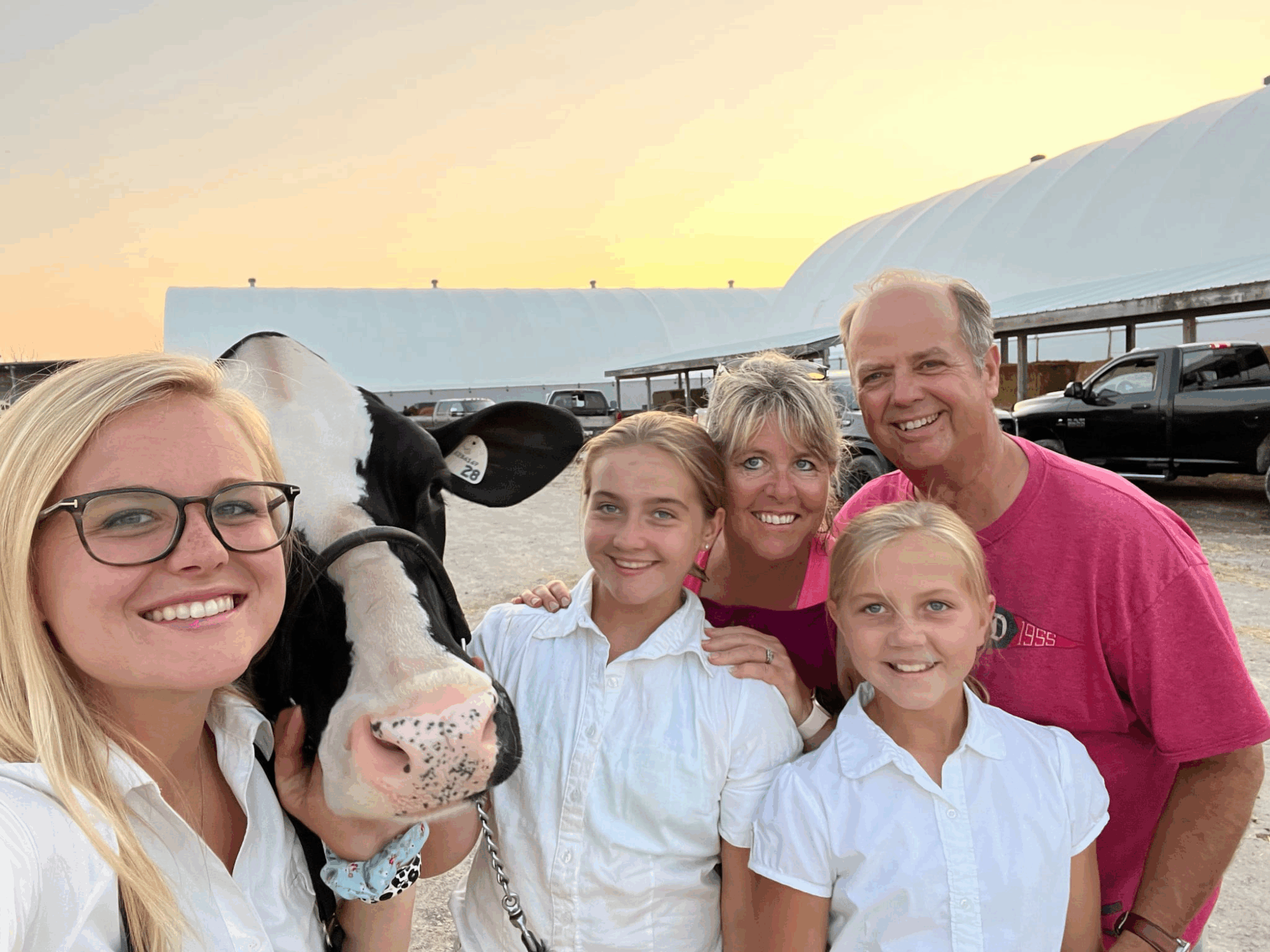
To understand Madison Dyment’s vision for Canadian agriculture, you have to understand where she came from. Agriculture wasn’t just her family’s business—it was their identity, woven into every conversation, decision, and memory. Around the dinner table, conversations flowed seamlessly between heifer development, neighbors’ breeding decisions, and industry trends—a daily masterclass in agricultural communication that Madison absorbed without realizing it.
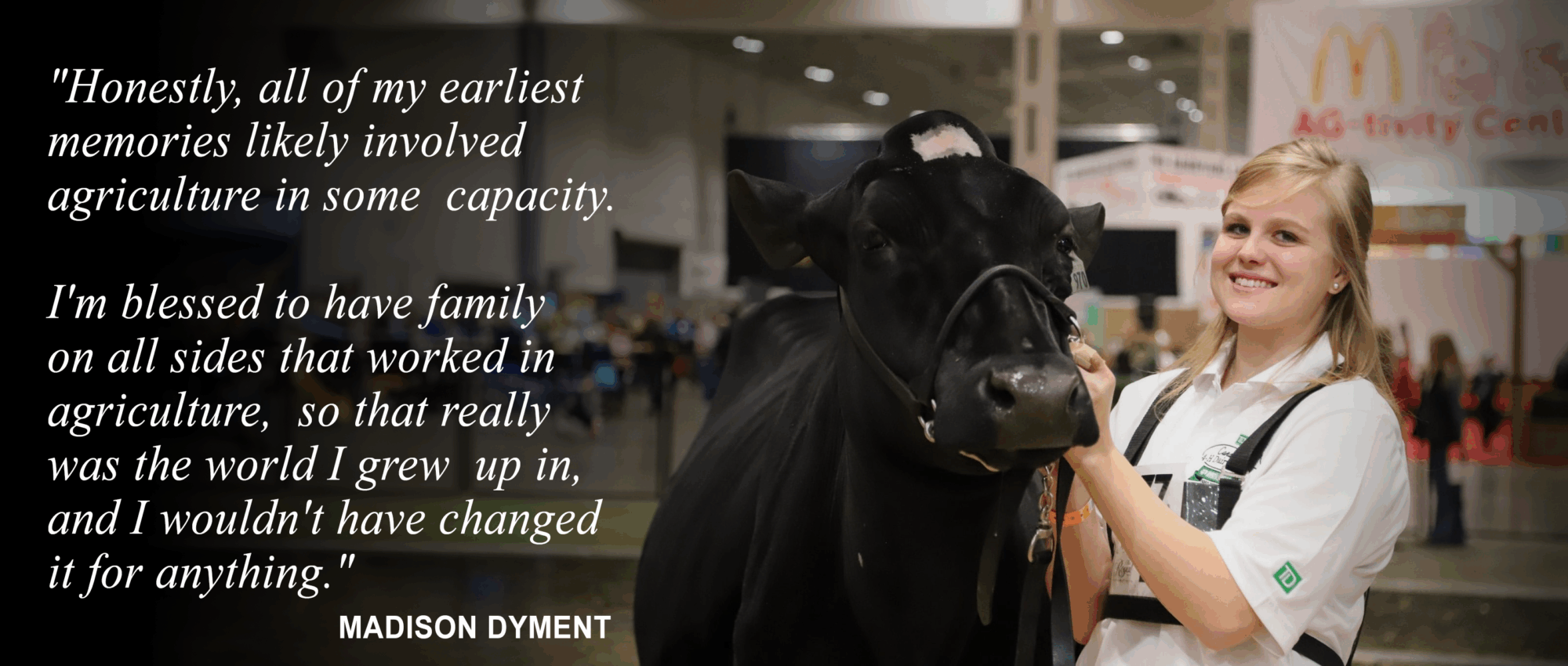
The phrase “family on all sides” isn’t just casual language—it’s the foundation of her story. Her mother’s family, her father’s family, and her stepfather’s family all represented generations of dairy farmers, most still actively working the land that had shaped their ancestors. This wasn’t a case of one parent bringing agricultural knowledge into a relationship; this was a convergence of dairy dynasties, creating an environment where agricultural excellence wasn’t just expected—it was inevitable.
But Dyment’s agricultural upbringing differed from the traditional farm kid narrative. She never lived on a milking operation; instead, she grew up around a small-scale breeding operation that her family moved to just before she started high school. This unique perspective—being deeply embedded in dairy culture without the daily routine of milking—provided her with a different lens through which to view the industry, one that would prove invaluable in understanding how to communicate the dairy industry’s story to diverse audiences.
“I don’t remember a time when I wasn’t working with heifers in some capacity,” she says, describing how her responsibilities evolved as she grew. When high school arrived, she began milking at a neighboring operation while maintaining chores at home, learning the rhythm of dairy life from multiple angles. This experience of working on both her family’s breeding operation and at a commercial dairy taught her to see the industry from different perspectives—a skill that would become essential in her communications work.
Her parents, whom she describes as coming from “a chatty group,” understood that success in agriculture increasingly required strong communication skills. They had witnessed firsthand how dairy farmers faced growing challenges in explaining their practices to consumers, dealing with social media misconceptions, and navigating crisis situations that could threaten their livelihoods. They encouraged her to explore every possible career path—teacher, veterinarian, even marine biologist—but they also recognized something special in their daughter’s ability to bridge the gap between technical agricultural knowledge and the broader world.
The Moment Everything Changed
The pivotal conversation occurred when a young Madison found herself torn between her diverse interests, unaware that the dairy industry desperately needed professionals who could address the increasingly complex communication challenges. Consumer misconceptions about farming practices, social media criticism of dairy operations, and the need for effective crisis communication created new pressures that traditional agricultural education wasn’t addressing.
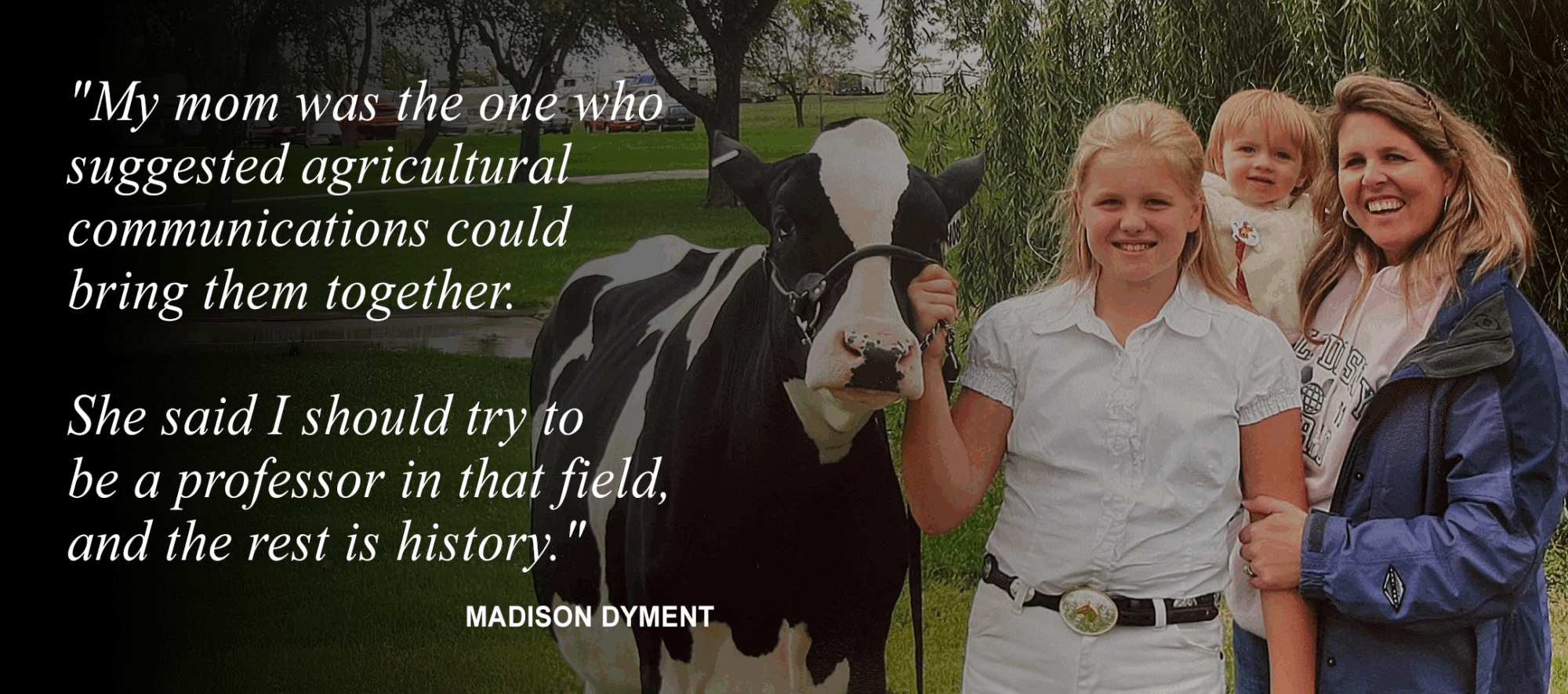
But here’s where the story takes a uniquely Canadian twist. Agricultural communications as a formal academic discipline simply didn’t exist in Canada. If Madison wanted to pursue this newly discovered passion—and help Canadian dairy farmers develop the communication skills they increasingly needed—she would have to leave home, not just for a semester abroad, but for the entirety of her advanced education.
This departure represented more than personal sacrifice; it highlighted a critical gap in Canadian agricultural education. While dairy farmers across the country faced mounting pressure to effectively communicate about animal welfare practices, environmental stewardship, and food safety measures, there was no formal educational pathway within Canada’s borders to develop these essential skills.
Learning from the Father of Ag Comm
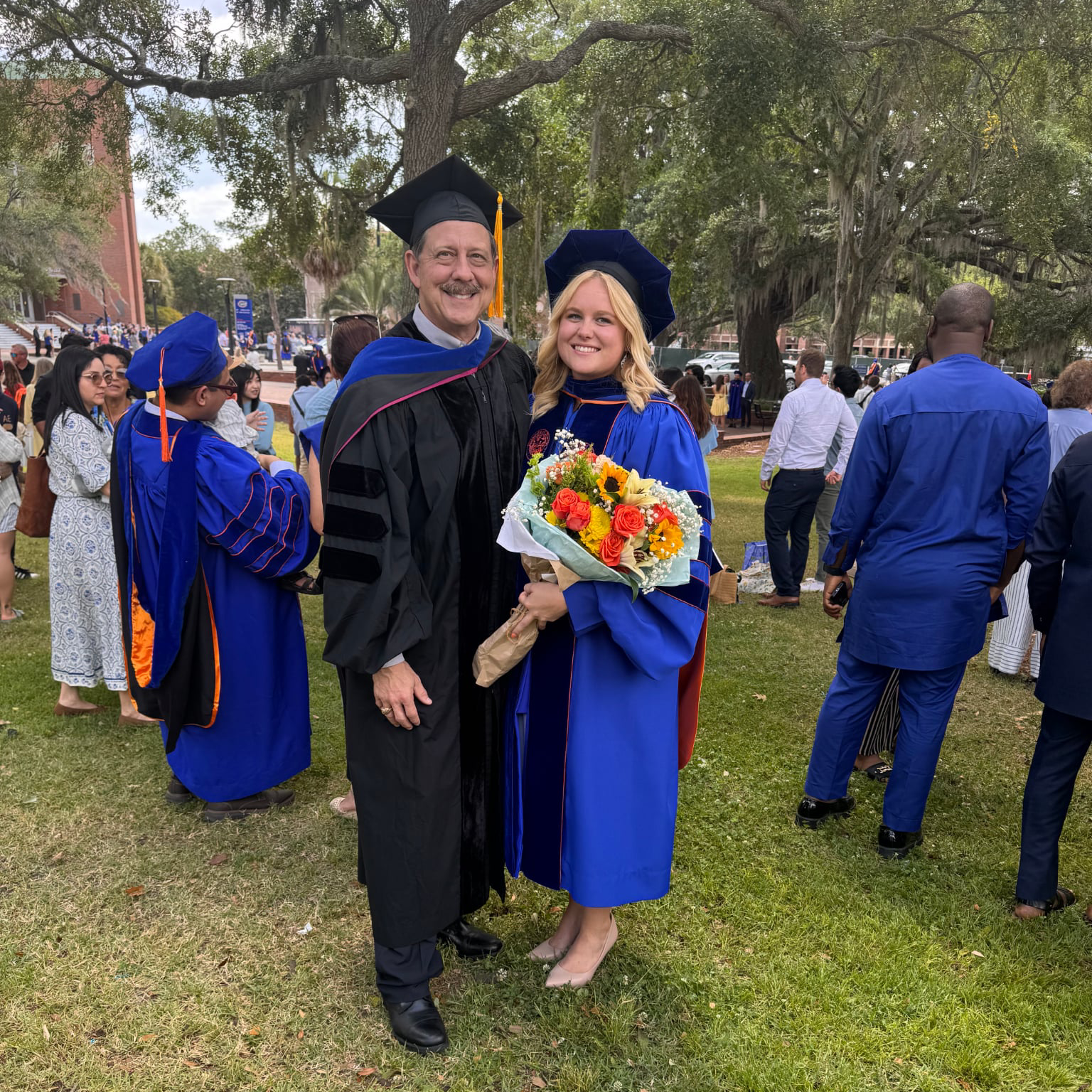
The University of Kentucky became Dyment’s first stop on a journey that would eventually lead her to the University of Florida, where she would study under Dr. Ricky Telg, affectionately known in academic circles as the “Father of Ag Comm.” This wasn’t just a catchy nickname—Telg is largely regarded as responsible for how modern agricultural communications programs operate across the United States, developing curricula that address the very challenges Canadian dairy farmers face daily.
“He’s a superhero in so many ways and taught me a lot about the profession, how to be a good teacher, strengthening faith, and giving back to others,” Dyment says of her PhD advisor. Under Telg’s guidance, she began to understand that agricultural communications were far more expansive than she had initially imagined, encompassing everything from crisis management during food safety incidents to helping farmers effectively tell their sustainability stories.
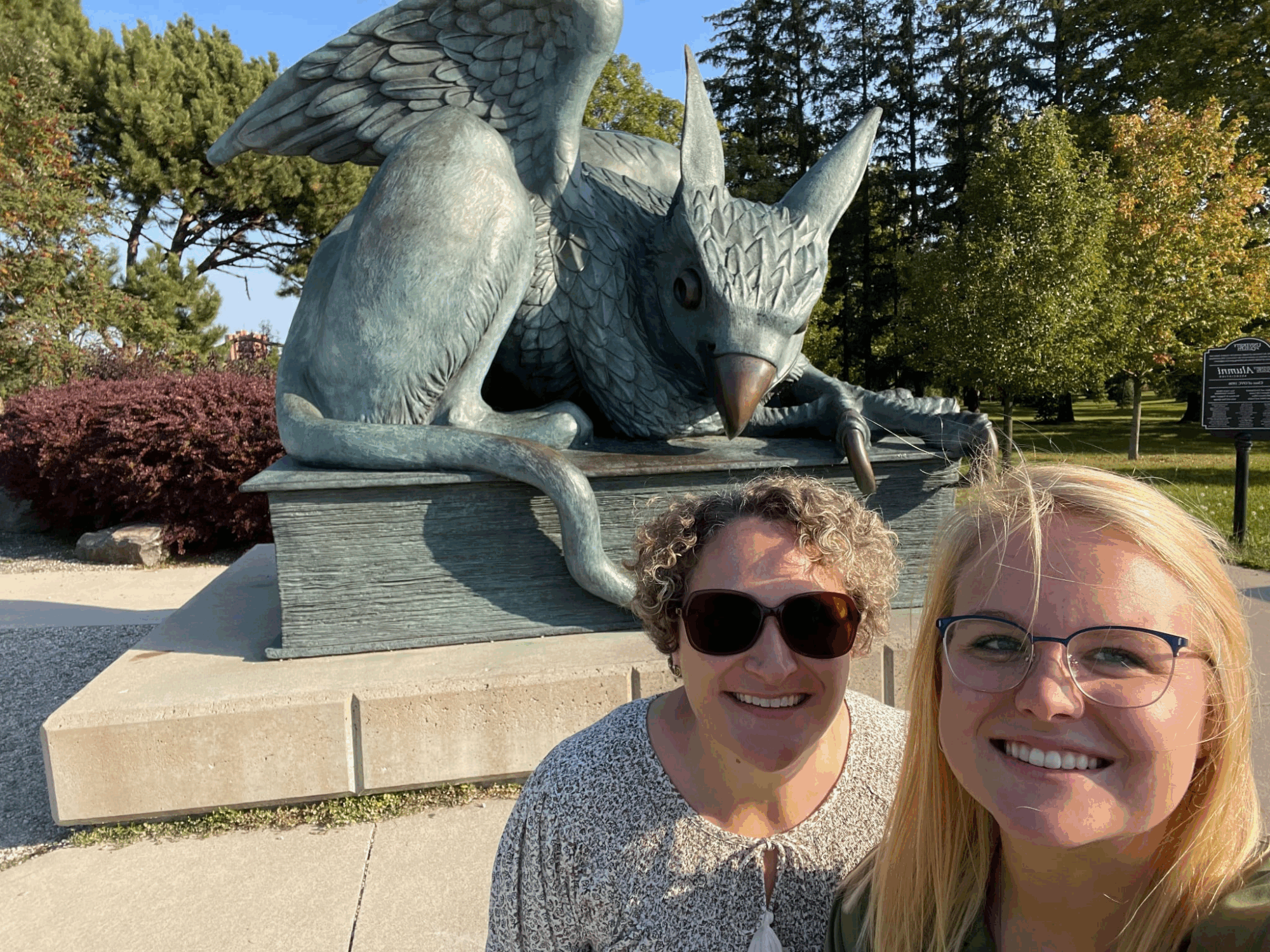
Working alongside Dr. Jamie Loizzo, another influential mentor, Dyment’s perception of the field continued to evolve beyond traditional “bridging the gap” concepts. Loizzo challenged her to look beyond standard assumptions about what agricultural communications could be, encouraging her to be bold and push boundaries—exactly the kind of thinking needed to address the complex communication challenges facing modern dairy operations.
“Essentially, don’t let the limits of what you see before you dictate how you go about your work,” Dyment explains, describing Loizzo’s influence. “I like to be creative and push boundaries when I can, and she really validated that side of me.”
This mentorship philosophy has become central to Dyment’s own approach to working with students, particularly as she envisions training the next generation of Canadian agricultural communicators. She emphasizes understanding where each person comes from to better help them reach their goals, recognizing that effective agricultural communication requires understanding diverse perspectives—whether from urban consumers questioning farming practices or rural producers defending their methods.
Expanding Horizons: Beyond Traditional Boundaries
The agricultural communications field that Dyment discovered at the University of Florida bore little resemblance to her initial understanding, revealing opportunities that could transform how the Canadian dairy industry approaches its biggest challenges. Growing up in Ontario, she had developed what she now recognizes as a narrow view of the discipline.
“I really thought it was all about bridging the gap between ag producers and consumers,” she admits. When she later conducted research with students at the University of Guelph’s Ontario Agricultural College, she found they shared this limited perspective—”the vast majority of them said the same thing, bridging the gap.”
However, while important, bridging the producer-consumer gap represents just one facet of agricultural communications. Through her education, Dyment discovered graduates entering careers in government policy, education, law, agricultural marketing, natural resources industries, digital media creation, rodeo broadcasting, and crisis communications. These transferable skills could prove invaluable for dairy farmers dealing with regulatory compliance, environmental reporting, and public relations challenges.
Consider how agricultural communications training could benefit a dairy farmer facing a social media crisis about animal welfare practices. Rather than relying solely on industry associations or external consultants, farmers with communications training could respond quickly and authentically, using storytelling techniques and digital platforms to share their own experiences. Or imagine dairy producers equipped with the skills to effectively communicate with processors about pricing and market challenges, strengthening relationships that are crucial for long-term viability.
This realization became particularly significant when she began working on international curriculum development, recognizing that Canadian dairy farmers were missing out on educational opportunities that could directly benefit their operations and the industry’s reputation.
Research with Purpose: Serving the Dairy Community

Dyment’s master’s thesis marked her first significant foray into addressing the Canadian agricultural communications gap, and more importantly, it represented her commitment to producer-facing research that could directly benefit the dairy community. She interviewed Ontario agricultural industry professionals and students at the University of Guelph about prospective curriculum development, laying the foundation for what would become her larger mission.
Her approach reflects a deep understanding of how effective agricultural communication should work—not as something imposed from outside but as something developed in partnership with the farming community. This philosophy aligns with research showing that dairy farmers trust information most when it comes from sources they perceive as credible and understanding of their challenges.
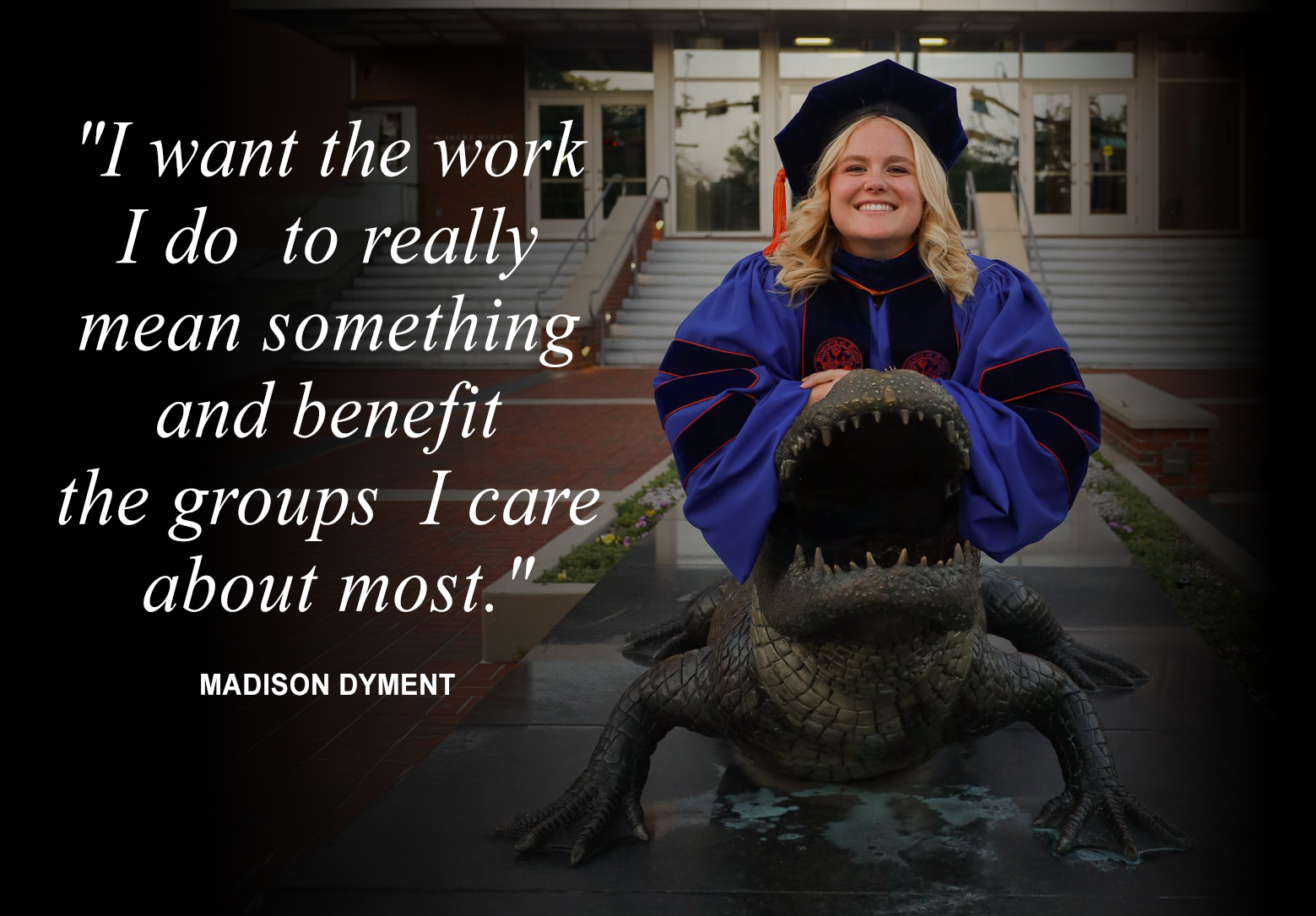
“I want to adequately represent producer experiences and amplify their voices when I can,” she explains, describing her research philosophy. “I want the work I do to really mean something and benefit the groups I care about most, so I try to integrate my research subjects and collaborate with them as much as possible.”
But her dissertation work truly exemplified her research approach—what she calls the “co-creation of knowledge.” Rather than studying her subjects from a distance, she brought participants directly into the research process, creating authentic partnerships that yielded deeper insights about what agricultural communications programs should teach and how they should serve the industry.
“I was able to bring those folks into my work in a real way, and I felt like that allowed them to be incredibly authentic, insightful, and dedicated to the project in a way I’d never experienced before,” she explains.
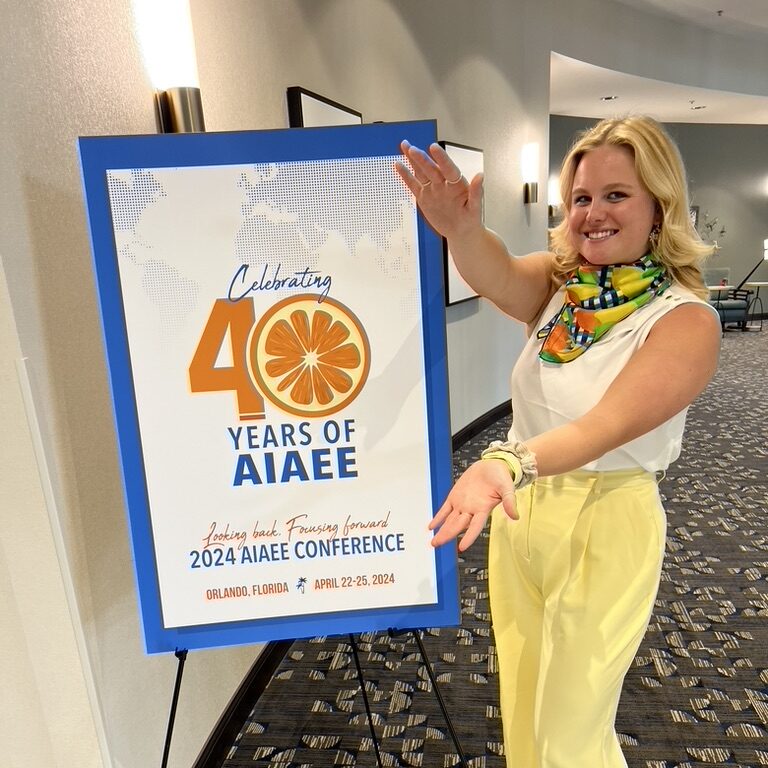
One of her favorite projects to date exemplifies this collaborative philosophy while showcasing Canadian agricultural innovation: working with the Streaming Science Project, founded by mentor Loizzo, her University of Florida students interviewed scientists, administrators, graduate students, and alumni from the University of Guelph’s Ontario Agricultural College to create a podcast series about science in sustainable agriculture. The project bridged borders, institutions, and disciplines while demonstrating the communication skills Canadian dairy farmers need to tell their sustainability stories.
Looking Forward: Technology, Innovation, and Opportunity
As Dyment begins her professional academic career, she’s acutely aware that agricultural communications is evolving at breakneck speed, presenting both challenges and opportunities for Canadian dairy farmers. Artificial intelligence represents a particularly significant development, offering tools that could revolutionize how farmers manage communications, from automated social media responses to data-driven storytelling about farm performance.
“I like to view AI as a tool for agricultural communicators when used ethically,” she explains, acknowledging both the potential and the hesitations surrounding the technology. For dairy farmers managing complex operations while trying to maintain public engagement, AI-powered communication tools could provide real-time insights about consumer sentiment, help craft appropriate responses to criticism, and even assist in creating educational content about farming practices.
The integration of data and storytelling represents another frontier where agricultural communications training could benefit Canadian dairy operations. Modern farms generate enormous amounts of data about milk production, animal health, and environmental impact. Agricultural communications programs could teach farmers how to transform this data into compelling narratives demonstrating their commitment to sustainability, animal welfare, and food quality—exactly the kind of proactive communication that builds consumer trust.
“We’re at a really exciting time where the discipline is not only growing, but we’re putting new emphasis on things like natural resources and science communication and bringing in a larger variety of students,” Dyment notes. This expansion is particularly relevant for dairy farmers who must communicate about increasingly complex topics, from carbon footprint reduction to precision agriculture technologies.
The Canadian Dream: Coming Home to Serve

Throughout her educational journey in the United States, Dyment has maintained her focus on Canadian agriculture, particularly the dairy industry, that shaped her childhood. Much of her research continues to involve Canada in some capacity, reflecting her deep connection to home and understanding of the specific challenges facing Canadian dairy farmers.
“I went to the U.S. for school since agricultural communications wasn’t an option of study in Canada, and I still miss home all the time,” she admits. This personal experience has fueled her determination to ensure future students don’t face the same choice between pursuing their passions and staying close to home.
But her vision extends far beyond simply establishing academic programs. When she talks about bringing agricultural communications to Ontario, her eyes light up with the same excitement she felt at three years old in that show ring—the chance to bring something transformative home to the community that shaped her. She envisions Canadian dairy farmers and agriculturalists equipped with professional communication skills to handle crisis situations, engage effectively with consumers, and advocate for their industry with confidence and authenticity.
Her research has demonstrated both the need and interest among Ontario agricultural students and industry professionals for agricultural communications as a program of study. The timing couldn’t be better, as dairy farmers face increasing pressure to communicate effectively about their practices while dealing with processor relationships, consumer concerns, and regulatory requirements.
She’s also encouraged by developments in Ontario and other provinces, noting that Alberta is beginning to introduce some form of agricultural communications. Dyment has also partnered with the University of Guelph, Ontario Agricultural College, on projects, praising their willingness to collaborate and their appreciation for the field. The precedent for international expansion exists, with other colleagues successfully introducing agricultural communications courses and programs to universities in the UK and Australia. Canada’s similarities to the United States could help streamline the process, and the documented need provides a clear foundation for development.
A Vision Realized: Transforming Canadian Agriculture
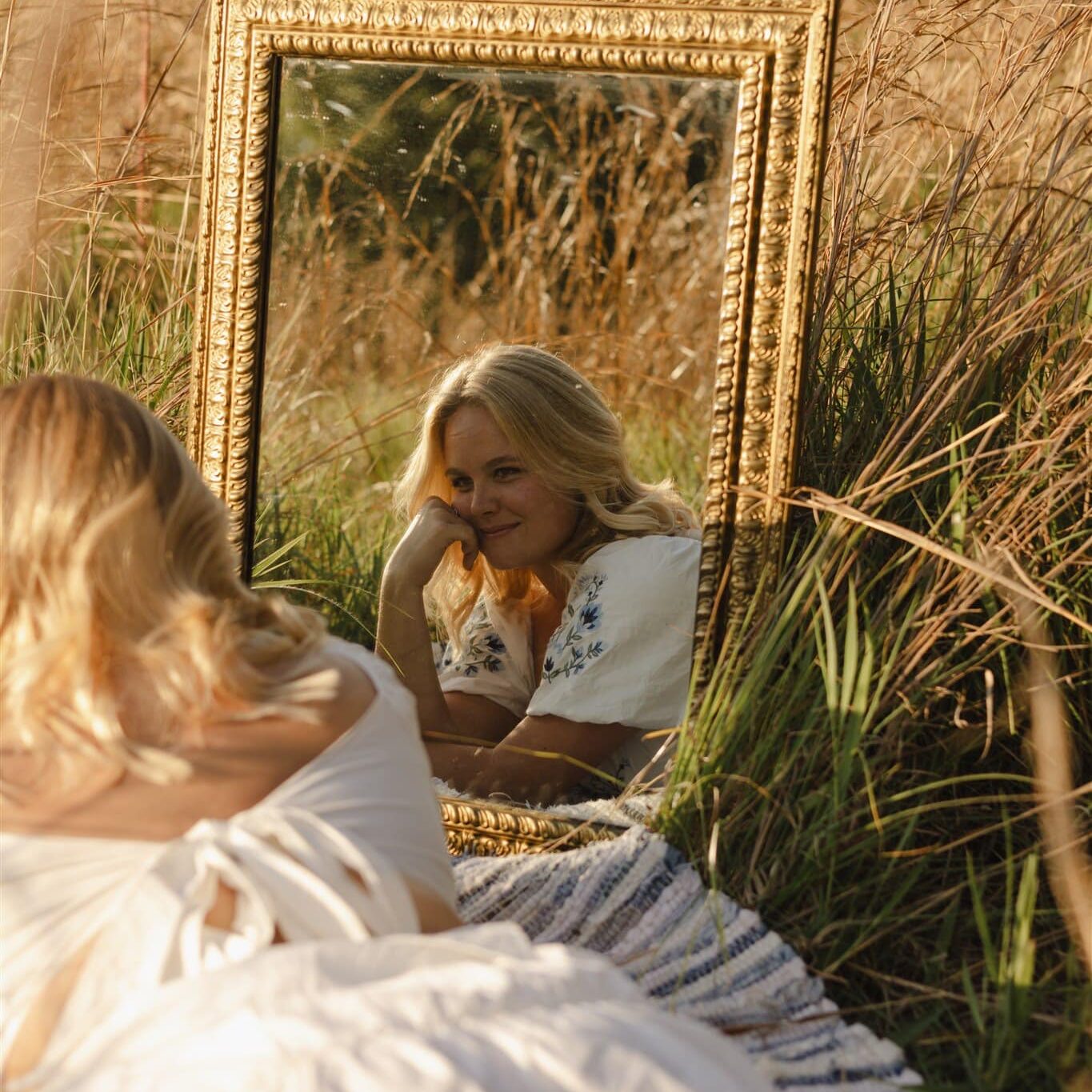
If Madison Dyment could create her ideal project with unlimited resources, the answer comes without hesitation: establish a formal agricultural communications presence at the University of Guelph. This isn’t just professional ambition—it’s a homecoming wrapped in educational innovation that could transform how Canadian dairy farmers engage with their communities and defend their industry.
“I’ve always been incredibly passionate about Canadian agriculture, particularly the dairy industry, and a lot of my research and work still involves Canada in some capacity,” she explains. The goal isn’t simply to replicate American programs north of the border but to create something uniquely Canadian that serves both the educational needs of students and the communication needs of dairy farmers facing distinctly Canadian challenges.
For an industry where family succession is crucial, Dyment’s work represents more than academic innovation—it’s about ensuring the next generation has the tools to advocate for the future of dairy farming. When young farmers can effectively communicate about animal welfare practices, environmental stewardship, and technological innovations, they’re not just defending their operations but building the foundation for long-term industry sustainability.
The impact she envisions extends far beyond course catalogs and degree requirements. She wants to see agricultural communications become a full undergraduate and graduate option at Guelph, training graduates who will strengthen the communication capacity of dairy farms, cooperatives, and industry organizations across Canada. This would equip graduates to handle a range of responsibilities…” or “These graduates would enter the workforce ready to handle a range of responsibilities, including social media management, crisis communication, policy advocacy, and consumer education.
“That would be a dream legacy for me,” she says, describing the vision of Canadian students entering careers that strengthen agricultural communications throughout the country.
Full Circle: From Show Ring to Classroom
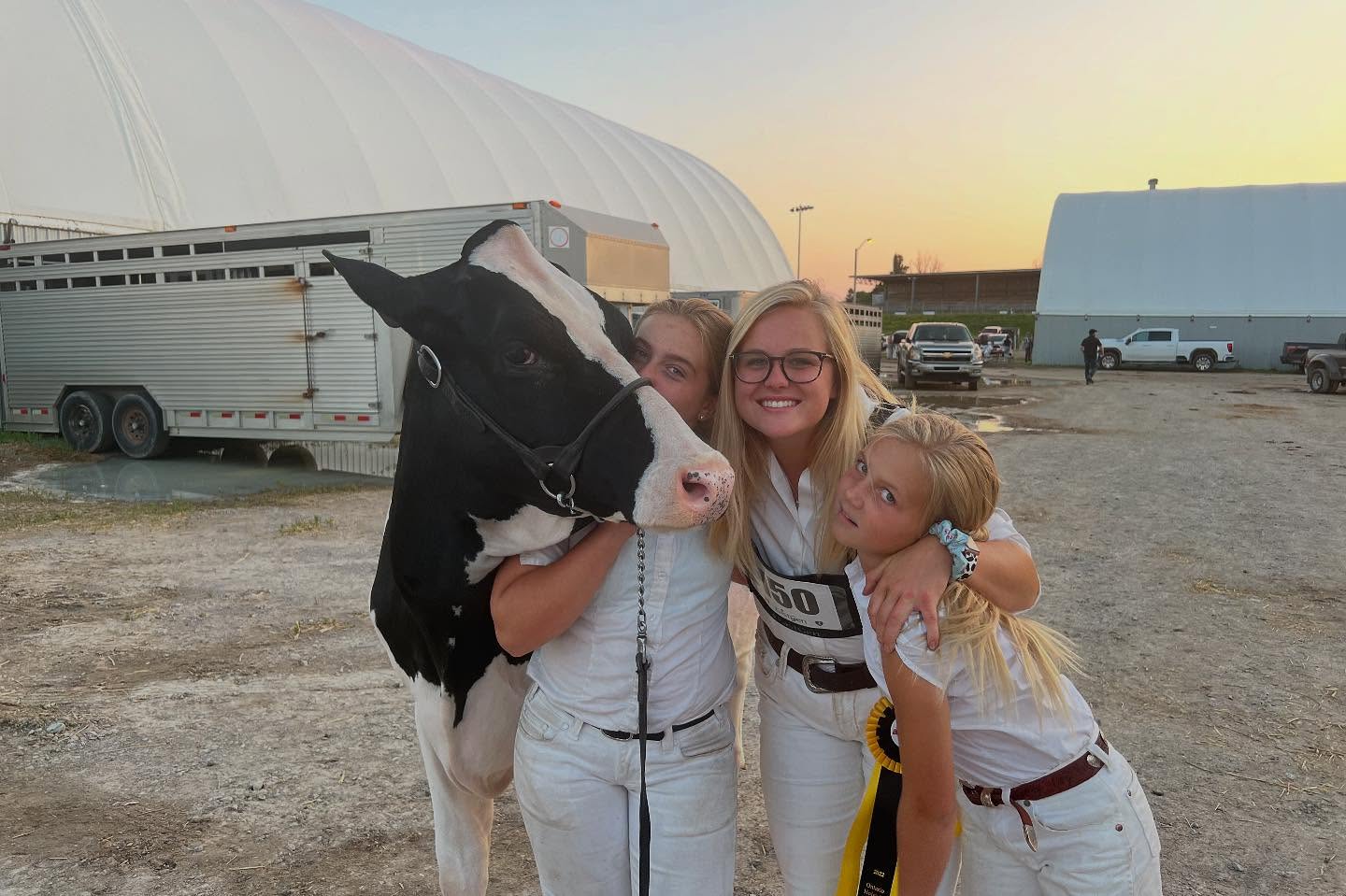
The journey from that three-year-old showing Lilo at Centreville Fair to a PhD candidate preparing to revolutionize agricultural communications in Canada represents more than personal achievement—it’s a testament to the power of family, mentorship, and unwavering commitment to serving the agricultural community that shaped her.
Crystal Mackay, whom Dyment identifies as one of the pioneers in Canadian agricultural communications, represents the type of professional who has paved the way for what’s coming next. But it will be graduates like Dyment who transform individual excellence into institutional change, creating pathways for future generations of agricultural communicators who won’t have to choose between their passions and their homeland.
As she looks toward the future, Dyment carries with her the values instilled by parents who understood that success in modern agriculture requires both deep technical knowledge and the ability to communicate that knowledge effectively. Around those dinner table conversations, she learned that farming is fundamentally about relationships—with animals, land, communities, and consumers. Agricultural communications simply provide the tools to strengthen those relationships.
She brings the innovative thinking encouraged by mentors who challenged her to expand her vision of what’s possible, combined with collaborative research approaches that ensure farmer voices remain central to any solution. And she maintains the understanding that for dairy farmers facing criticism, misconceptions, and complex regulatory environments, effective communication isn’t just helpful—it’s essential for survival and success.
The potential expansion of agricultural communications education in Canada may have started with a single conversation between a mother and daughter about career possibilities, but it could grow into something much larger—a fundamental shift in how Canada prepares its agricultural leaders to communicate with confidence, clarity, and impact. The entire industry benefits when Canadian dairy farmers can tell their stories professionally, respond to crises with strategic thinking, and engage with consumers through authentic connections.
That three-year-old girl at Centreville Fair couldn’t have known she was taking her first steps toward impacting a field of study. But, the woman she has become understands exactly what that transformation means for Canadian agriculture, and she’s ready to make it happen with the help of her community—one story, one student, one farm at a time.
Key Takeaways:
- Roots matter. Madison’s love for the dairy industry started with mud on her boots, a calf in her hands, and family by her side. Every kid in a dusty show ring has a story—and sometimes, those roots grow into visionaries.
- Real mentors change lives. If you’re lucky, your biggest cheerleaders wear barn boots, not business suits. Madison’s journey is a thank-you note to all the parents, teachers, and friends who see the possibilities in us before we can see them ourselves.
- Your story has weight. From kitchen tables to universities, the details of daily farm life deserve to be heard. When Madison says, “I want the work I do to really mean something and benefit the groups I care about most,” she’s speaking for every producer who’s felt overlooked.
- Coming home is powerful. Madison left Ontario to chase a dream so she could bring it back, stronger, for others. Sometimes, home is where you find your purpose—and where you plant hope for the next generation.
- Legacy is built little by little. This isn’t just Madison’s story. It’s everyone’s who’s ever come in from chores a little tired, a little proud, and still willing to fight for something better—for your herd, your community, and maybe… for a future dairy leader ready to take the baton.
Summary:
Madison Dyment’s story isn’t just about a career—it’s about roots, legacy, and a deep love for the dairy world she was born into. From leading her calf, Lilo, through the dust and cheers of Centreville Fair as a tiny kid, to chasing her dream of bringing agricultural communications home to Canada, Madison’s never forgotten the people, the fields, or the kitchen tables that shaped her. Every step of her journey—across provinces, border crossings, and into new classrooms—has been driven by her hope that farm kids like her shouldn’t have to leave home to make a difference. The lessons she learned from her parents and mentors weren’t just about work ethic or academics. They were about listening, connecting, and giving back. Madison’s vision isn’t just academic, either. It’s personal: she wants every dairy kid, every producer, to have a voice powerful enough to stand up for their farm, their family, and their future. This isn’t a story about research and degrees—it’s about heart, about coming full circle, and about making sure Canada’s dairy stories are told by the folks who live them, every single day. Madison’s journey reminds us that sometimes, changing the world starts with one proud little girl and a calf in a show ring—and having the courage to carry your story home.
 Join the Revolution!
 Join the Revolution!
Join over 30,000 successful dairy professionals who rely on Bullvine Weekly for their competitive edge. Delivered directly to your inbox each week, our exclusive industry insights help you make smarter decisions while saving precious hours every week. Never miss critical updates on milk production trends, breakthrough technologies, and profit-boosting strategies that top producers are already implementing. Subscribe now to transform your dairy operation’s efficiency and profitability—your future success is just one click away.




