When cancer struck young farmer Isaac Davies, family, friends, neighbors and even Isaac’s rugby coach instantly offered to help.
I’ll never forget the moment I first heard about Isaac Davies—a young man whose dreams stretched as wide as the Welsh valleys his family called home.
It was November 1, 2024, when everything changed. Isaac, just 17 and brimming with plans for his future in Holstein breeding, was told he had a brain tumor. Being a fit, strong and healthy young man this came as a shock to family, friends and the wider rural community.
And yet… what grew from that moment of devastation was something I’m still struggling to put into words.
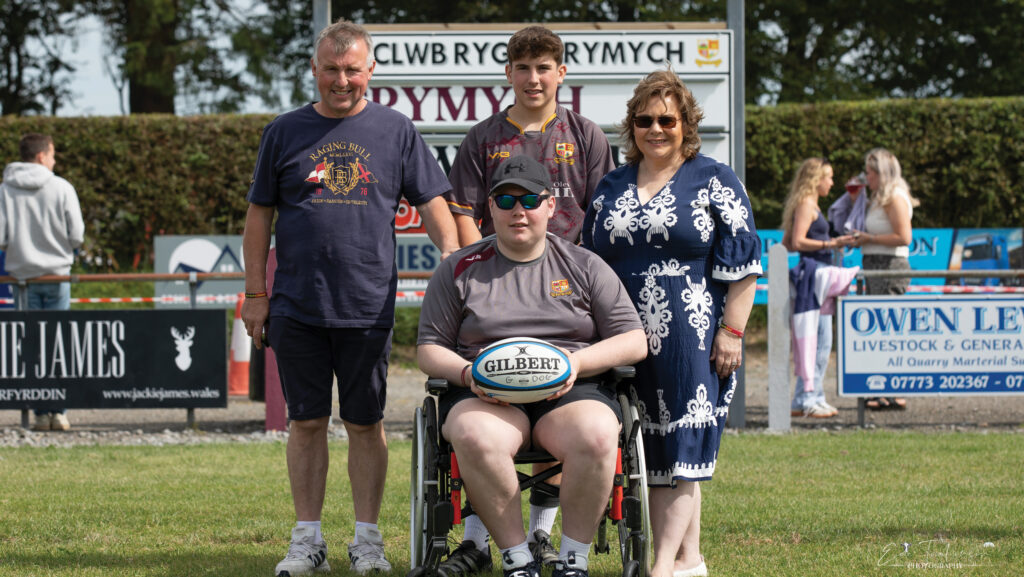
Isaac wasn’t just any teenager. He was the kind of young man who made you believe in the future of farming—a passionate Holstein breeder doing his second year on farm from Hartpury College, a rugby captain whose teammates at Crymych RFC looked up to his quiet strength. His hands already knew the rhythm of his family’s Castellhyfryd operation, supplying milk to Pembrokeshire Creamery and Blas y Tir.
Then came November 13. Surgery at Heath Hospital in Cardiff. The beginning of a journey that would test everything this family thought they knew about endurance.
When Darkness Falls, Light Finds a Way
While Isaac facedsurgery, months of proton beam therapy in London, and chemotherapy that would push his body to its limits, something extraordinary was happening back home. The farm—that steady heartbeat of the Davies family’s life—never missed a beat.
Staff, family, friends and neighbours all offered to help support the family in their time of need.
The moment that changed everything for me was understanding what Simon Davies was actually doing during those long hospital stays. Picture this: sterile corridors in London, the constant hum of medical equipment, worried families huddled in waiting areas. And cutting through all of that—Simon’s calm voice directing activities of the farm two hundred miles away.
“Move the heifer from the top pen to the middle pen,” he’d say into his phone, then turn back to Isaac’s bedside. “Give silage to the cow in the calving pen.” The nurses found it amusing at first that this farmer couldn’t stop farming, even in a children’s cancer ward.
But I understood something they didn’t. Simon wasn’t being stubborn or a workaholic. Farming doesn’t stop for anything. Milking cows is a 7 day a week job. Something people not involved in farming fail to see.
The Weight of Unexpected Courage
Into this storm of uncertainty stepped Elliott, the younger brother whose life was about to change in ways no 15-year-old should have to navigate.
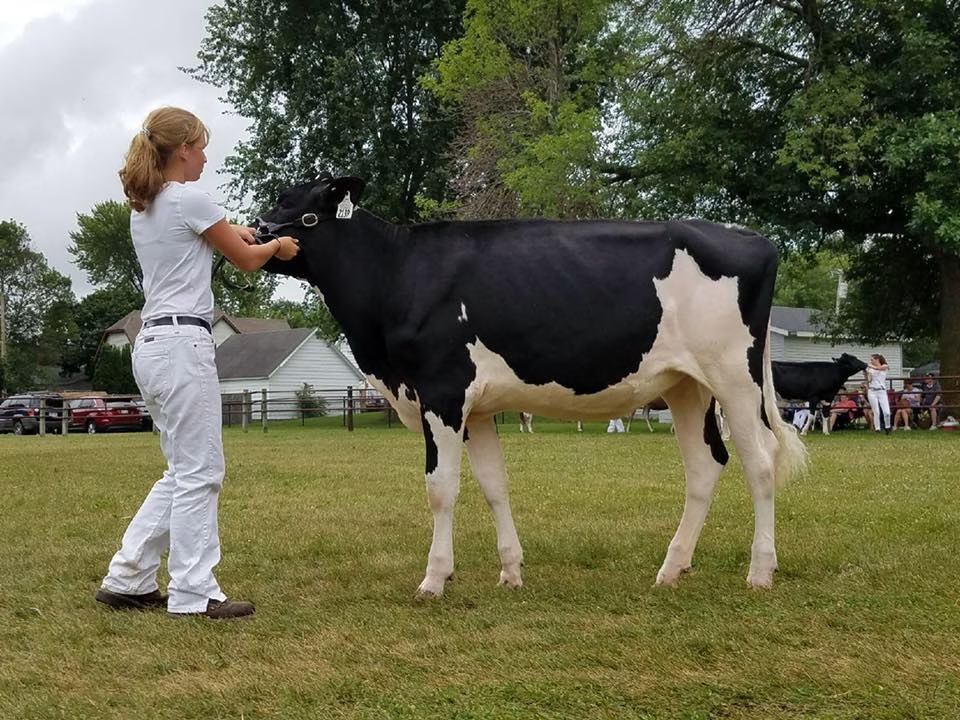
Elliott, balanced preparation for GCSEs with farming duties and was always prepared to help to keep things going. Also a keen showman Elliott has worked hard to prepare the team of Castellhyfryd Holsteins for the showring. In a bid to maintain some element of normality the Davies’s continued to show at the Royal Welsh Show, Pembrokeshire County Show and the local community show at Clunderwen. Elliott has been rewarded for his hard work and dedication winning Champion Handler at the Royal Welsh, Pembrokeshire and Clunderwen shows. He has also qualified for the All Britain Calf Show in September.
Love Made Visible
Then came the community response that restored my faith in what’s possible when people refuse to let their neighbors carry burdens alone.
The “In It With Isaac” fundraiser wasn’t just an event—it was a love letter written by an entire community. Farmer and ex-international referee Nigel Owens officiated the rugby match, bringing together players who’d grown up with Isaac. The promise auction overflowed with donations that told stories: sexed semen from prized bulls, cow brushes, calf cakeand all sorts of agricultural treasures given without hesitation.
The bicycle ride across the rugged Preseli mountains saw cyclists pedaling not just for distance, but for hope—each mile a declaration that Isaac wouldn’t face this alone.
Together, they raised over £80,000 for cancer charities that had supported Isaac’s treatment.
But walking through that crowd, what captured my heart wasn’t the impressive total. It was the absence of grand speeches or ceremony. Instead, I witnessed something rarer: love in its working clothes.
. Family and friends who drove the Davies’s to and from hospital in Cardiff and London and a community, desperate to help organised numerous fund-raising events. Two members of Clunderwen Young Farmers’ Clubcycled 100 miles from Cardiff to Tenby, raising £5,500. The local chapel where Isaac and Elliott had attended Sunday School hosted a coffee morning that generated £4,600. There’s also been a bingo night, carol singing and rugby matches and Holstein South Wales and the Young Breeders are planning a dinner for March 2026—proof that this community’s commitment runs deeper than crisis response.
The Long Road Home
Isaac’s recovery continues, measured not in dramatic breakthroughs but in small, precious victories that farming families understand better than most.
The surgery left him unable to speak or see initially. Balance issues meant relearning to walk. But with the same work ethic that comes from a lifetime around agriculture, Isaac has thrown himself into rehabilitation with quiet determination.
“We’ve had two clear MRI scans so Isaac is recovering well. Isaac is physically strong and very determined. He’s been very positive from the beginning and is working very hard on his physio and rehabilitation.” —Sian Davies
There’s no timeline for healing like this.. Just the daily choice to keep moving forward, one step at a time.
What strikes me about Isaac’s approach to recovery is how it mirrors everything I’ve learned about successful farming: you can’t control the weather, but you can control your response to it. You prepare for challenges you hope never come. You celebrate small victories because they’re all part of something larger.
What This Really Means
This story doesn’t offer a tidy resolution or manufactured inspiration. It offers something more vital: proof that agricultural communities have developed social infrastructure that transforms individual crisis into collective strength.
The Davies family discovered what many farming families already know but rarely talk about: when crisis strikes, rural communities don’t just offer sympathy—they provide operational support that keeps families afloat while they navigate the unnavigable.
Their experience reveals profound truths about resilience that extend far beyond agriculture:
Love multiplies when it becomes action. The Davies family received more than emotional support—they received practical infrastructure that maintained their livelihood during months of medical uncertainty.
Strength often looks ordinary. Elliott’s championship wasn’t heroic—it was the result of showing up every day despite the worries about Isaac , the kind of quiet courage that builds character one choice at a time.
Hope requires community. Individual determination matters, but sustainable hope grows from relationships built over years of shared commitment to each other’s welfare.
Legacy is preserved through daily choices. The community’s ongoing support ensures that whatever Isaac’s recovery brings, the Davies family’s agricultural identity will endure.
For Anyone Carrying Heavy Burdens
To those reading while wrestling with your own impossible circumstances, I offer what I learned from watching the Davies family navigate their darkest season:
The courage to continue isn’t always a choice—sometimes it’s the only option that lets you live with yourself. But what the Davies family taught me is that you don’t have to carry those burdens alone, not if you’re part of a community that understands the weight of shared responsibility.
Farming has always required faith in processes you can’t control. You plant seeds without knowing the weather. You breed cattle without guaranteeing outcomes. You build relationships without knowing when you’ll need them most.
But when crisis comes—and it always comes—those investments in community pay dividends that no insurance policy can match.
The Truest Harvest
Farming is more than soil and seasons, more than milk prices and genetic programs. It’s the covenant between people who understand that individual success depends on collective resilience. It’s the unspoken promise that when one family faces the unthinkable, others will step forward without being asked.
In West Wales, watching neighbors become family and community become lifeline, I witnessed something that gives me hope for all of us: love that refuses to let anyone face the darkness alone.
The Davies family’s story continues—with the steady persistence that defines both recovery and farming. Isaac works daily on rehabilitation. Elliott continues developing as both a student and an agriculturalist. Simon and Sian maintain their Holstein operation while supporting their sons’ different but equally important journeys.
And their community stands ready, as agricultural and rural communities always have, to provide whatever support tomorrow might require.
That’s not just inspiration—that’s infrastructure. The kind of social foundation that makes life sustainable when individual strength isn’t enough.
In the Davies family’s continuing journey, I see the harvest of hope that grows when love becomes action, when neighbors become family, and when community becomes something stronger than the sum of its parts.
Join the Revolution!
Join over 30,000 successful dairy professionals who rely on Bullvine Weekly for their competitive edge. Delivered directly to your inbox each week, our exclusive industry insights help you make smarter decisions while saving precious hours every week. Never miss critical updates on milk production trends, breakthrough technologies, and profit-boosting strategies that top producers are already implementing. Subscribe now to transform your dairy operation’s efficiency and profitability—your future success is just one click away.
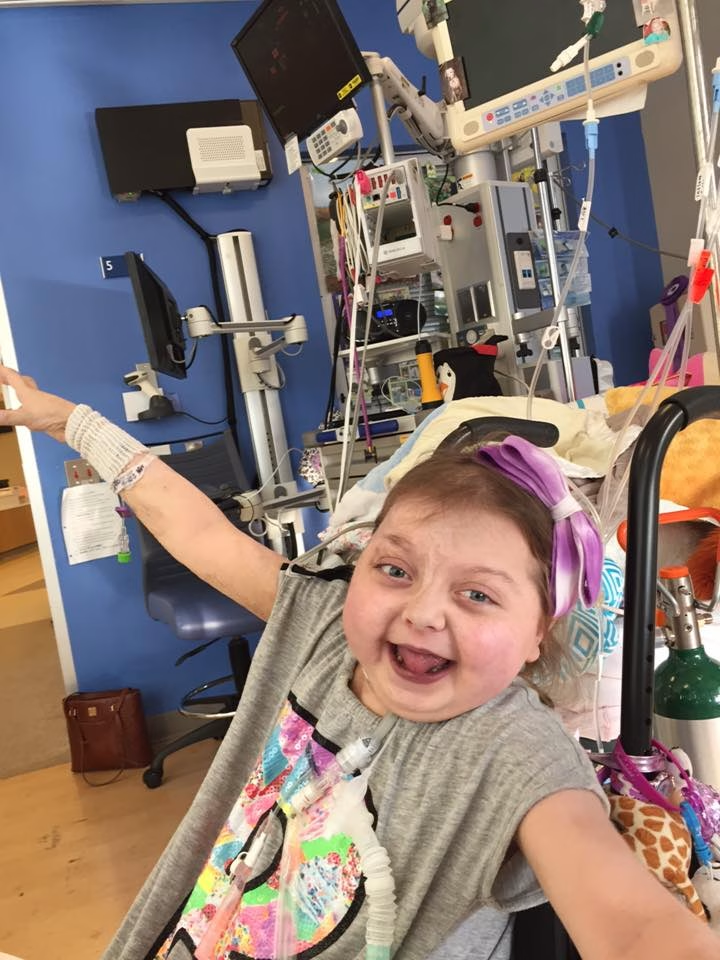
Young dairy farm girls Lexi, Reese & Sydni defy death through transplants, fire recovery & paralysis—proving resilience rooted in rural communities and dairy cattle bonds.
When discussing strength in the dairy industry, the focus often centers on weathering market volatility or recovering from natural disasters. Yet sometimes, the most profound displays of strength emerge not in the milking parlor but in hospital rooms where young members of the dairy community fight battles that make even the toughest farm challenges seem trivial by comparison.
Growing up on a dairy farm—with predawn alarms, the steady rhythm of milking routines, and the tangible connection to land and animals—instills a unique resilience. But what happens when life delivers blows that are so devastating they threaten not just livelihoods but also lives themselves?
The stories of three remarkable young women from America’s dairy country—Lexi Anderson, Reese Burdette, and Sydni Mell—reveal individual courage, the extraordinary character forged growing up on a dairy farm, and the powerful bonds of rural communities that rally around their own when crisis strikes.
When a Heart Fails: Lexi Anderson’s Journey
Lexi Anderson stood out in the show ring in Cumberland, Wisconsin. Even before her diagnosis, there was something special about this young Jersey enthusiast. The granddaughter of Roger and Darice Riebe of Meadow-Ridge Jersey Farm, Lexi seemed born to the rhythm of dairy life, handling her animals with quiet confidence beyond her years.
No one could have predicted how dramatically her world would change.
What began as minor episodes of dizziness during basketball games in late 2023—initially dismissed as possible dehydration—proved far more serious. At just 11 years old, Lexi received a diagnosis that would shake her family to its core: restrictive cardiomyopathy (RCM), an exceptionally rare and aggressive form of heart failure affecting perhaps only 1 in 5 million children annually.
“During a game last November, she experienced a concerning episode,” her mother Tamala recounted, her voice still carrying the weight of that memory. After preliminary examinations revealed concerning findings, the family met with specialists at Marshfield Medical Center on December 15, 2023.
The prognosis was stark—some children diagnosed with RCM face a life expectancy of only a year and a half without intervention. The condition involves hardening the heart muscle, progressively inhibiting its ability to pump blood effectively. The irony was almost too cruel to bear for a young girl whose heart had been so passionate about her Jersey cattle.
Yet even as her physical heart failed, Lexi’s spirit and determination remained undiminished.
A Community’s Heart Responds
News of Lexi’s diagnosis rippled through the dairy community with the speed and force of a summer storm. Friends quickly established the “Love for Lexi” campaign, creating a website with a Caring Bridge connection to share updates and channel support for the anticipated medical expenses.
But at the Barron County Fair in July 2024, the true magnitude of community support became visible in a way that brings tears to the eyes when recalled.
When Lexi’s market lambs narrowly missed qualifying for the fair’s auction sale, fellow young exhibitor Holly Hargrave, just 13 years old, made a decision that exemplifies the very best of rural America. Holly donated her prize lamb—expected to be the grand champion—to be sold for Lexi’s benefit.
Something extraordinary happened when the auctioneer announced the proceeds would go to Lexi’s heart transplant fund. The lamb was purchased, donated back, and resold. Then it happened again. And again. And again. The same lamb changed hands four times in succession, raising more funds for Lexi each time.
When the final gavel fell, Holly’s single lamb had raised an incredible $27,000—far exceeding the typical $700-$1,000 price for such an animal. Holly and her sister Hattie didn’t stop there, splitting the proceeds from their other two lambs to contribute even more to Lexi’s fund.
This wasn’t just fundraising; it was a powerful demonstration of peer-to-peer empathy and the collective investment of a community rallying around one of its own.
The Gift of a New Beat
As Lexi’s condition deteriorated, the family lived in anxious anticipation, bags packed, waiting for the life-saving call. Finally, on Monday, January 20, 2025, it came: a donor heart was available.
The transplant surgery occurred at Children’s Hospital of Milwaukee the next day. By 10:15 p.m. that night, Lexi’s new heart was beating strongly. A pacemaker initially placed as a precaution proved unnecessary and was quickly disconnected.
What followed was nothing short of miraculous. The day after surgery, her breathing tube was removed. By the second day, she sat up with assistance and brushed her teeth. On day three, she took her first steps. Her mother, Tamala, expressed confidence that after a recovery period of about three months, Lexi would “be able to do everything she wants to do.”
While the transplant offered Lexi a second chance at life, it also introduced a “new normal.” She now faces a demanding regimen of anti-rejection medications to prevent her body from attacking the donor organ. Her immune system remains suppressed, requiring extreme caution to avoid infections. Regular monitoring, including initially frequent heart biopsies, will become a permanent part of her life.
Forged in Fire: Reese Burdette’s Remarkable Recovery
If Lexi’s story demonstrates the power of community support and medical intervention, Reese Burdette’s journey reveals the extraordinary resilience that can emerge when a young person faces unimaginable trauma.
Reese’s life began deeply rooted in the world of high-caliber dairy farming. Her family operates Windy Knoll View Farm in Mercersburg, Pennsylvania, an operation well-regarded within the Holstein breeding community for its excellent genetics and show ring success, having bred over 150 Excellent-rated cows and earned prestigious awards like the World Dairy Expo Premier Breeder title.
Like many farm kids, Reese embraced the showing tradition early, stepping into the ring by herself at local and state competitions by age five. Her future in the dairy world seemed bright and confident.
Then came Memorial Day weekend in 2014.
The Night Everything Changed
While staying at her grandparents’ home, a fire, believed to have started from an electrical cord, erupted in seven-year-old Reese’s bedroom. Awakened by the flames, Reese called out to her grandmother, Patricia Stiles.
What followed was an act of heroism that would save Reese’s life but leave both grandmother and granddaughter fighting for survival. Patricia raced through the fire to rescue Reese, suffering extensive burns and lung damage in the process. Reese sustained burns over 35 percent of her body and severe damage to her heart and lungs from smoke inhalation.
The severity of their conditions necessitated immediate, specialized care, leading to a logistical and emotional nightmare for the family: Reese was airlifted to Johns Hopkins Hospital in Baltimore, while Patricia was taken to MedStar Washington Hospital Center in Washington, D.C.
This separation, placing mother and daughter in different hospitals in different cities during the most critical initial phase, added an immense layer of strain for Reese’s parents, Justin and Claire, as they navigated the immediate aftermath.
662 Days: A Marathon of Survival
The fire marked only the beginning of Reese’s harrowing ordeal. She would spend the next 662 days—nearly two full years—fighting for her life in the Pediatric Intensive Care Unit at Johns Hopkins.
Her journey was fraught with terrifying setbacks that went far beyond the initial burn injuries. She endured a medically induced coma lasting almost four months. She suffered five or six cardiac arrests, faced collapsed lungs, battled internal bleeding, and required daily blood transfusions (totaling over 500).
Her lungs needed profound support, leading doctors to utilize extracorporeal membrane oxygenation (ECMO)—a complex form of life support that oxygenates blood outside the body—for an extended period. She also spent a record amount of time with ventricular assistance machines supporting her heart.
These interventions, while life-saving, carried risks. Complications with blood flow, likely related to the ECMO support, forced her parents and doctors into the agonizing decision to amputate her leg. She also experienced total hearing loss in one ear and partial loss in the other.
Throughout this cascade of medical crises, Reese displayed what her family described as “fierce determination” and incredible strength. Her parents maintained a constant vigil, ensuring a family member was always by her side, drawing strength from their faith and relationships with hospital staff.
Doctors worried about potential brain damage from the cardiac arrests, but Reese defied expectations, leading her medical team to call her a “miracle child.” A successful open-heart surgery in December (likely 2015) marked a significant turning point in her long recovery.
The Power of Pantene: How a Holstein Heifer Helped Heal
Amidst the hospital’s clinical environment, a powerful symbol of Reese’s pre-fire life emerged as a key motivator: her special Holstein heifer, Pantene.
Recognizing this deep connection, an extraordinary event was arranged. Pantene was carefully transported from the farm in Pennsylvania to the grounds of Johns Hopkins Hospital in Baltimore for a visit. This occurred at a pivotal moment when Reese worked hard in therapy, just learning to stand again after months of immobility.
Seeing her beloved cow provided a tangible, deeply personal incentive that clinical exercises alone might not have achieved. Claire Burdette noted, “When we started talking about the possibility that Reese could see her cow again, that was all she needed.”
The visit was more than just a morale booster for Reese; it also offered the dedicated hospital staff a glimpse into the agricultural lifestyle Reese was fighting so hard to return to, contextualizing their young patient’s fierce determination.
Even from her hospital bed, Reese stayed connected, watching Pantene compete in a show via FaceTime and eagerly anticipating seeing the cow—who had since had a calf—upon her return home. Pantene became a living symbol of hope, recovery, and the therapeutic power of the human-animal bond deeply ingrained in Reese’s farm upbringing.
Homecoming and New Hurdles
After 662 unimaginably long days, the moment Reese and her family had prayed for arrived. In March 2016, just shy of her 9th birthday, Reese Burdette came home.
Her small town of Mercersburg welcomed her with open arms, lining the streets decorated with purple ribbons and balloons as a fire department escort brought her through town, past her elementary school, and finally back to Windy Knoll View Farm. Seeing Pantene again was one of the first things she did.
While joyous, the transition home presented its challenges after two years of constant medical supervision. And Reese’s journey was far from over.
The immense physical trauma and intensive treatments, including hundreds of blood transfusions, had taken a toll on her body. In September 2017, about a year and a half after returning home, bloodwork revealed her kidneys were failing.
Finding a compatible donor proved extremely difficult due to antibodies developed from the numerous transfusions. After a challenging search, a match was found in Alyssa Hussey, a 32-year-old special education teacher from Virginia, who felt compelled to help after learning Reese’s story. Reese received a life-saving kidney transplant in January 2018.
Her recovery continued with further milestones: the eventual removal of her tracheostomy tube significantly improved her quality of life. In 2022, she underwent leg revision surgery to enhance the fit and function of her prosthetic leg (affectionately named “Lego”), improving her mobility and reducing pain.
Back in the Ring: Reese Today
Today, Reese Burdette is not just surviving; she is thriving, refusing to be defined by the fire that nearly claimed her life. Her determination to return to the show ring became a reality. Initially competing with the support of a wheelchair, she progressed to walking confidently through the sawdust on her prosthetic leg.
Her skill and hard work have yielded impressive results; in 2022, she placed fifth out of nearly 140 skilled young competitors in showmanship at the prestigious All-American Dairy Show in Harrisburg—a venue holding many of her favorite childhood memories.
Now 17 years old, she is actively involved in both the Conococheague FFA chapter and 4-H, embracing the opportunities these organizations offer. Shaped by her immense support, Reese strongly desires to give back, attend community events, and embody the FFA motto “Living to Serve” by sharing her story to inspire others facing challenges.
Finding Solid Ground: Sydni Mell’s Journey After Paralysis
While Lexi and Reese battled medical conditions that struck from within or without, Sydni Mell’s story reminds us of the inherent risks of agricultural life and the remarkable resilience that can emerge when facing its consequences.
Sydni grew up on her family’s 200-cow dairy farm in Waunakee, Wisconsin, experiencing the quintessential farm kid life: daily chores before and after school, feeding calves, and absorbing the inherent lessons of hard work, responsibility, and resilience.
This upbringing wasn’t just a backdrop; it actively shaped her character. Her connection to the farm remained strong even after she left for college; pursuing a degree in dairy science at the University of Wisconsin-Madison, she would return home during breaks to lend a hand with chores, demonstrating a deep and abiding commitment to her family’s way of life.
A Split Second Changes Everything
During her Easter break in April 2022, while home from college, a farm accident violently altered Sydni’s life trajectory. Working alongside her brother, Sam, to uncover plastic sheeting on a silage bunker—a routine task on many dairy farms—she slipped on a concrete sidewall and fell into the empty bunker below.
The fall resulted in a catastrophic injury: a complete spinal cord injury, leaving her paralyzed from the waist down. The fact that her brother was present and witnessed the immediate aftermath added a layer of shared trauma for the family.
Unlike the insidious onset of illness or an external event like a fire, Sydni’s injury stemmed directly from the inherent physical risks associated with agricultural work, even tasks performed countless times before. It’s a stark reminder of the dangers that lurk in the daily routines of farm life—dangers sometimes forgotten precisely because of their familiarity.
Redefining Goals, Retaining Hope
Faced with a life-altering diagnosis, Sydni initially focused on the goal of walking again, advocating strongly for a transfer to the renowned Shirley Ryan AbilityLab in Chicago for intensive rehabilitation.
However, upon fully understanding the permanence and severity of her spinal cord injury, she demonstrated remarkable maturity and resilience. While holding onto hope for future medical advancements, she pivoted her immediate focus towards adapting to life in a wheelchair and reclaiming her independence.
Crucially, she refused to let the accident derail her academic aspirations. She was determined to return to her dairy science studies at UW-Madison and rejoin her supportive network of friends in the Association of Women in Agriculture (AWA).
Navigating a large university campus presented new obstacles, but equipped with a high-powered wheelchair provided through workers’ compensation, she successfully resumed her education. This ability to realistically adjust immediate goals (from walking to wheelchair mastery and academic continuation) without abandoning her core identity or long-term aspirations showcased profound inner strength and adaptability.
Finding Purpose Through Advocacy
Rather than solely focusing inward on her recovery, Sydni channeled her experience into positive action for others within the agricultural community. She actively fundraised for AgrAbility of Wisconsin, an organization she credits giving her “so much hope,” ultimately raising over $3,000 to support their work helping farmers and farm families living with injuries or disabilities.
Her personal experience also gave her a powerful platform to speak about farm safety. She reflected on how familiarity with farm tasks can lead to decreased awareness of potential dangers, acknowledging that performing a task repeatedly had made her less mindful of the inherent risks involved in working on the bunker.
Her accident served as a stark reminder of the inherent dangers of farming. Significantly, her brother Sam also shared that the incident fundamentally changed his perspective, making him far more conscious of potential risks on the farm.
By transforming her tragedy into advocacy and awareness, Sydni found a powerful purpose, working to prevent similar accidents and support others facing challenges in the agricultural world.
A Future Still Focused on the Farm
Despite the profound physical changes brought by her injury—challenges that might understandably steer someone away from the physically demanding nature of agriculture—Sydni Mell’s commitment to a future in dairy farming remains resolute.
Upon graduating with her dairy science degree, she plans to return to the family farm in Waunakee. She doesn’t just plan to be present; she intends to actively assist in operations, bringing her university knowledge to bear by implementing modern practices like robotic milking.
Her goals also include maintaining the farm’s elite Holstein herd and continuing her participation in cattle shows. This forward-thinking approach demonstrates a sophisticated adaptation, leveraging her knowledge and passion while accommodating her physical reality.
She finds solace and a sense of normality in working with animals, noting perceptively that the calves responded to her the same way they always had, regardless of her being in a wheelchair. While acknowledging the daily struggles with tasks requiring physical strength, like lifting heavy milk replacer bags, her positive attitude and focus on the future remain undimmed.
The Common Threads: What These Stories Teach Us
Reflecting on the journeys of Lexi, Reese, and Sydni, several powerful themes emerge that resonate far beyond their circumstances.
The Unique Resilience of Farm Kids
All three young women were born into the demanding yet rewarding world of dairy farming. This shared heritage likely instilled foundational qualities crucial for facing adversity: a strong work ethic, a sense of responsibility from a young age, and perhaps a practical, resilient outlook often forged through the daily realities of agricultural life.
Their identities were deeply connected to their family farms and the rhythms of raising and caring for dairy cattle. This grounding may have provided a crucial anchor during the turbulent waters of their respective crises.
The farm environment teaches early lessons about life and death, perseverance through difficulty, and the necessity of moving forward despite challenges. These lessons, absorbed through daily living rather than explicit instruction, may have equipped these young women with an emotional toolkit that served them well when facing life-threatening circumstances.
The Extraordinary Power of Agricultural Communities
A striking parallel across all three narratives is the extraordinary outpouring of support from their communities. This support often felt uniquely tailored to their agricultural context.
For Lexi, it manifested in the symbolic and financially significant lamb auction, driven by peers within the showing community. For Reese, it included intensely practical help with farm chores from neighbors who understood the unrelenting demands of a dairy operation, alongside broader industry fundraising and global encouragement. For Sydni, community support included offers of farm help and crucial acceptance from her peers in collegiate agriculture.
This pattern suggests that agricultural communities possess distinct values and mechanisms for mutual aid rooted in shared understanding and practical necessity. When crisis strikes a farm family, the response isn’t just emotional support or financial assistance (though both are crucial); it’s also the tangible help of keeping the operation running—feeding animals, milking cows, planting crops—because these tasks cannot wait for crisis to pass.
Different Paths to Finding Meaning
While all three demonstrated immense resilience, their primary drivers differed subtly, reflecting their personalities and circumstances.
Lexi’s resilience seemed tied to maintaining her identity and a sense of normality through her passion for showing, even while critically ill. Reese’s journey was powerfully fueled by specific, tangible goals—returning home, reuniting with her beloved cow Pantene, and returning to the show ring. Sydni’s resilience manifested in her mature adaptation to a new physical reality, unwavering commitment to her education and farm future, and finding purpose through advocacy for others.
Each found strength in different ways—through passion, specific goals, faith, or purpose—but all refused to be defined by their adversity. This diversity of coping mechanisms reminds us that there is no single “right way” to face life’s greatest challenges.
The Healing Power of Animals
A particularly poignant thread running through these stories is the animals’ unique role in the healing process. Reese’s connection to Pantene was therapeutic and motivational, providing a tangible goal during grueling rehabilitation. For Lexi, continuing to show provided continuity and purpose during treatment. Sydni’s desire to return to the farm and work with animals fuels her plans, offering both purpose and solace.
The farm, representing their past and future, served as an anchor and source of enduring identity. This highlights something many in the agricultural community intuitively understand: the profound therapeutic potential of human-animal bonds, particularly in times of crisis.
The Bottom Line: Lessons for Our Industry
As members of the dairy community, these stories should give us pause for reflection. They remind us of several crucial truths:
Farm safety must remain paramount. Sydni’s story, in particular, serves as a powerful reminder that even routine tasks carry risks. Her advocacy work highlights the need for ongoing safety awareness and education, even—perhaps especially—for tasks performed hundreds of times before.
Our community’s strength is extraordinary. The response to these crises demonstrates the unique power of agricultural communities to rally around their members in times of need. This is something to celebrate and preserve as rural demographics and farm structures change.
The human-animal bond has healing power. The role that dairy animals played in the recovery journeys of these young women suggests potential for more formal recognition of animal-assisted therapy in agricultural contexts.
Resilience can be cultivated. While these young women demonstrated exceptional strength, their stories suggest that the agricultural lifestyle may help develop resilience that serves well in crisis. This value is worth explicitly recognizing and nurturing in the next generation of dairy farmers.
Organ donation saves dairy lives, too. Both Lexi’s heart transplant and Reese’s kidney transplant highlight the life-saving importance of organ donation. This issue transcends any industry or community but has directly touched our own.
As of April 2025, Lexi Anderson is still in the early stages of recovery from her January heart transplant. Reese Burdette, now 16, continues to thrive and inspire others with her story. Sydni Mell is likely completing her dairy science degree and preparing to return to her family’s operation with new perspectives and innovations.
Their journeys continue, as does the collective responsibility to learn from their experiences and support others facing similar battles. In an industry often defined by production metrics, genetic advances, and market fluctuations, these stories remind us that the greatest assets are the people—particularly the young—who will carry dairy traditions forward.
Their hearts—whether physically challenged like Lexi’s, tested by trauma like Reese’s, or emotionally resilient like Sydni’s—beat with strength and determination that should inspire us all. They are, truly, the hearts of the heartland.
Join over 30,000 successful dairy professionals who rely on Bullvine Daily for their competitive edge. Delivered directly to your inbox each week, our exclusive industry insights help you make smarter decisions while saving precious hours every week. Never miss critical updates on milk production trends, breakthrough technologies, and profit-boosting strategies that top producers are already implementing. Subscribe now to transform your dairy operation’s efficiency and profitability—your future success is just one click away.
Learn how the dairy farming community stepped up to save cows after a fire at Comp Dairy Farm. How did they transport hundreds of cattle?
The terrible fire at Comp Dairy Farm on Sunday night shocked the community, but it was not defeated. As the fires raged across the farm, the immediate effect was staggering—hundreds of cows in danger, a crucial milking parlor destroyed, and a family-owned company facing enormous hardships.
The urgency could not have been higher. With 1,100 head of cattle to consider, farmers and volunteers from surrounding states sprang into action. Within hours, offers of assistance came in from Ohio, Pennsylvania, Indiana, and Michigan, demonstrating the genuine strength of the community when confronted with tragedy.
“We got the cows out as best we could, and in five minutes, it was pretty much going,” Jerry Comp recalled, remembering the quick and catastrophic situation.
The swift answer was nothing short of remarkable. Volunteers stepped up to drive the cattle, and large trucks arrived to bring them to safety. Dairy farms opened their doors to ensure that cows were milked and cared for, demonstrating the agricultural community’s tenacity and togetherness.
A Legacy of Resilience and Community: The Comp Dairy Farm Story
Comp Dairy Farm is a dairy industry staple, thanks to three generations of unwavering commitment and hard labor. Jerry Comp’s grandpa founded this family-run firm, which now includes 1,100 dairy animals. The farm serves as a cooperative for the Dean’s brand, highlighting its importance in the area dairy supply chain. Every day, Comp Dairy Farm produces around 10,000 pounds of milk, which contributes significantly to the local economy and the availability of high-quality dairy products. The farm’s role in the local economy and dairy supply chain makes the impact of the fire even more significant.
When Disaster Strikes: The Comp Dairy Farm Fire
The fire broke out late Sunday evening, which Jerry Comp characterized as an unexpected and quick incident. “I saw the fire.” I’m never really here; I’m always out on the field. “I went to put air in the tire, never smelled it, and when I returned, flames were coming out of the one room where we pump water,” Comp recalled, recalling the moment he knew something was severely wrong. The fire quickly spread, engulfing the milking parlor within minutes.
Within minutes, the fire had enveloped the milking parlor. “I just decided to call the fire department, and we got the cows out as best we could, and in five minutes, it was pretty much going,” Comp said, emphasizing the situation’s haste and turmoil.
The fire destroyed the farm’s milking parlor, where the 1,100 cows’ milk was processed. Witnesses, including neighbor Jerry Krulic, ran to aid. “I took some into Pennsylvania, down to Youngstown, down to the Wooster area,” Krulic added, underscoring the community’s strong support.
The majority of the livestock were rescued, but some were not. “They need to be milked three times every day. If not, they would not live,” Comp said, underlining the vital care needs of dairy cows and the logistical difficulty caused by the fire on the farm.
Mandy Orahood of the Ashtabula County Farm Bureau described the outpouring of regional support, saying, “We’ve got volunteers showing up to drive, we’ve got big trucks coming, and we have farms, dairy farms, that have offered to take these cows.” Her statements highlight the collaborative effort to ensure that the surviving cows got the care they needed despite the tragic loss of several.
A Community United: When Farmers Join Hands
The outpouring of support for Comp Dairy Farm has been awe-inspiring. Farmers from Ohio, Pennsylvania, Indiana, and Michigan have rushed to provide a hand, demonstrating the unity and togetherness that runs deep throughout the dairy farming community. This unity makes the community strong and resilient in the face of challenges.
Jerry Krulic, a local farmer, described his efforts, saying, “I took some into Pennsylvania, down to Youngstown, down to the Wooster area.”
Calls offering assistance flooded in from states away. “We have volunteers showing up to drive, large trucks arriving, and farms and dairy farms offering to take these cows,” said Mandy Orahood of the Ashtabula County Farm Bureau.
The logistical efforts demonstrate the community’s unwavering commitment. Tony Romano, a motorist from Canton, Pennsylvania, explained his motivation: “We all come together to aid whomever we can. We will pack cows, convey them from here to another facility, and keep them secure.” This commitment is a testament to the community’s dedication to its members and their well-being.
Matt Kinnison, a family friend assisting with the transportation operations, said it ideally: “This right here is what happens when a community of farmers joins hands.”
Orahood’s emotive comment echoes the sentiment: “People are turning up; they’ve been phoning and messaging since the fire erupted. We have farms; they are heading to Pennsylvania and Holmes County.”
In times of difficulty, the dairy farming community has shown remarkable resilience and a deep sense of solidarity, ensuring that Comp Dairy Farm receives the assistance it needs to recover and rebuild. This resilience is not just a response to a crisis but a testament to the strength of the community and its ability to overcome adversity.
Logistics of the Rescue: A Herculean Task
When a fire at Comp Dairy Farm forced the urgent evacuation of hundreds of cows, the dairy farming community’s reaction was incredible. But how were these cows carried so efficiently?
Coordination was the foundation of this endeavor. Local farmers collaborated with groups such as the Ashtabula County Farm Bureau to ensure every detail was addressed. “We have volunteers showing up to drive, large trucks arriving, and farms and dairy farms offering to take these cows,” said Mandy Orahood of the Ashtabula County Farm Bureau. This collaborative effort made the massive endeavor doable.
Transportation logistics started with the organization of vehicles and drivers. Residents, such as Jerry Krulic, stepped up right away. “I took some into Pennsylvania, down to Youngstown, down to the Wooster area,” Krulic added, emphasizing the collaborative effort. Volunteers like Tony Romano, who drove a huge cargo truck from Canton, Pennsylvania, were also essential. “We all get together and try to help anyone we can,” Romano said.
Each cow needed to be carefully loaded and moved to surrounding farms that could provide the required care. This needed precise preparation and ongoing communication. “This right here is what happens when a community of farmers comes together,” said Matt Kinnison, who helped arrange the logistics on site.
The sophisticated procedure included coordinating milking times, guaranteeing the cows’ health and safety during transportation, and arranging temporary housing. Farmers from Ohio, Pennsylvania, Indiana, and Michigan immediately opened their doors.
Ultimately, this Herculean undertaking was accomplished due to superb collaboration and continuous support from the dairy farming community. It demonstrates what can be accomplished when people work together for a shared goal.
The Emotional Toll: Heartache and Hope Amid the Flames
The emotional impact of the fire at Comp Dairy Farm cannot be emphasized. Jerry Comp, whose grandpa founded the farm, characterized the atmosphere as a combination of astonishment and resolve. “I am going to cry.” People are turning up; they’ve been phoning and messaging since the fire began,” said Mandy Orahood of the Ashtabula County Farm Bureau. The anguish of seeing their livelihood jeopardized was evident, but the outpouring of support helped to lift the load.
Matt Kinnison, a personal friend of the Comp family, reinforced the sentiment: “This right here is what happens when a community of farmers comes together.” Volunteers from surrounding states flocked in to provide aid, demonstrating the spirit of unity. Jerry Krulic, a neighbor who assisted with livestock transportation, put it up perfectly: “We all get together to try to help out anybody we can.” The community’s united effort minimized the immediate harm while providing emotional comfort, strengthening the dairy farming community’s tenacious character.
Rising from the Ashes: Comp Dairy Farm’s Path to Recovery
The present state of the Comp Dairy Farm is a mix of obstacles and positive prospects. Most surviving cows are kept on adjacent dairy farms, where they are well cared for and milked. This quick move has been critical for their health and continuing milk production.
The state fire marshal’s office is leading the inquiry into the cause of the incident, which is still underway. Initial results indicate that the fire may have started outside the milking parlor, but further information is still needed. The community anxiously awaits the formal report, believing it would bring clarity and possibly avert similar disasters.
Despite recent challenges, the Comp family is already preparing to rebuild. “We are going to try to get it going, hopefully put a roof back over it,” Jerry Comp. told me. The community’s constant support reflects this dedication. Local farmers, volunteers, and organizations like the Ashtabula County Farm Bureau continue providing resources, labor, and spiritual support.
The rebuilding process will undoubtedly be lengthy and complex. However, the community’s united attitude indicates a better future for the Comp Dairy Farm. This collective resiliency exemplifies the strength and camaraderie that distinguish the dairy farming community.
The Bottom Line
The Comp Dairy Farm fire exemplified the dairy farming community’s tremendous togetherness and quick response. Local neighbors like Jerry Krulic and volunteers from surrounding states responded quickly to protect the safety and well-being of hundreds of livestock. This outpouring of solidarity highlights dairy farmers’ strong sense of duty and family, demonstrating their endurance and unshakable devotion to one another.
Witnessing such solidarity and generosity in action should inspire us all to consider the power of communal support, particularly during times of adversity. In an industry rife with unavoidable problems, this communal spirit transforms hardship into survival and recovery. So, the next time you encounter a challenge, remember that you are never alone when a community is ready to support you.
Key Takeaways:
Comp Dairy Farm experienced a significant fire, which threatened its operations and livestock.
The fire damaged the milking parlor, where cows were being milked, but most cattle were rescued.
The farm community across Ohio and neighboring states rallied to transport and care for the displaced cows.
Volunteers, including local farmers and truck drivers, were crucial in coordinating rescue efforts.
Ashtabula County Farm Bureau and other dairy farms offered immediate support, showcasing the industry’s solidarity.
The cause of the fire is under investigation, but recovery plans are already in motion to rebuild the damaged facilities.
The incident highlights the dairy farming community’s strength, resilience, and unity.
Summary:
The local farming community sprang into action when a devastating fire broke out at the Comp Dairy Farm. Despite the tragic loss of some cattle, farmers from Ohio and Pennsylvania united to ensure the remaining cows were promptly transported to other dairy farms for milking and care. This massive communal effort highlights the unwavering support and resilience within the dairy farming community. As Jerry Comp reflects on the ordeal, he expresses heartfelt gratitude to everyone who offered assistance. From nearby neighbors to out-of-state volunteers, the response has been overwhelming, demonstrating the incredible solidarity that defines this close-knit industry. Witnesses, including neighbor Jerry Krulic, ran to aid, taking some into Pennsylvania, Youngstown, and the Wooster area. The state fire marshal’s office is leading an inquiry into the cause of the incident, while the Comp family is preparing to rebuild, with local farmers, volunteers, and organizations like the Ashtabula County Farm Bureau providing resources, labor, and spiritual support.
Bullvine Daily is your essential e-zine for staying ahead in the dairy industry. With over 30,000 subscribers, we bring you the week’s top news, helping you manage tasks efficiently. Stay informed about milk production, tech adoption, and more, so you can concentrate on your dairy operations.
To provide the best experiences, we use technologies like cookies to store and/or access device information. Consenting to these technologies will allow us to process data such as browsing behavior or unique IDs on this site. Not consenting or withdrawing consent, may adversely affect certain features and functions.
Functional
Always active
The technical storage or access is strictly necessary for the legitimate purpose of enabling the use of a specific service explicitly requested by the subscriber or user, or for the sole purpose of carrying out the transmission of a communication over an electronic communications network.
Preferences
The technical storage or access is necessary for the legitimate purpose of storing preferences that are not requested by the subscriber or user.
Statistics
The technical storage or access that is used exclusively for statistical purposes.The technical storage or access that is used exclusively for anonymous statistical purposes. Without a subpoena, voluntary compliance on the part of your Internet Service Provider, or additional records from a third party, information stored or retrieved for this purpose alone cannot usually be used to identify you.
Marketing
The technical storage or access is required to create user profiles to send advertising, or to track the user on a website or across several websites for similar marketing purposes.
To provide the best experiences, we and our partners use technologies like cookies to store and/or access device information. Consenting to these technologies will allow us and our partners to process personal data such as browsing behavior or unique IDs on this site and show (non-) personalized ads. Not consenting or withdrawing consent, may adversely affect certain features and functions.
Click below to consent to the above or make granular choices. Your choices will be applied to this site only. You can change your settings at any time, including withdrawing your consent, by using the toggles on the Cookie Policy, or by clicking on the manage consent button at the bottom of the screen.
Functional
Always active
The technical storage or access is strictly necessary for the legitimate purpose of enabling the use of a specific service explicitly requested by the subscriber or user, or for the sole purpose of carrying out the transmission of a communication over an electronic communications network.
Preferences
The technical storage or access is necessary for the legitimate purpose of storing preferences that are not requested by the subscriber or user.
Statistics
The technical storage or access that is used exclusively for statistical purposes.The technical storage or access that is used exclusively for anonymous statistical purposes. Without a subpoena, voluntary compliance on the part of your Internet Service Provider, or additional records from a third party, information stored or retrieved for this purpose alone cannot usually be used to identify you.
Marketing
The technical storage or access is required to create user profiles to send advertising, or to track the user on a website or across several websites for similar marketing purposes.








 Join the Revolution!
 Join the Revolution!