







Drought and rain are wreaking havoc on 2025 corn planting. Discover how to protect your feed costs with innovative strategies and actionable solutions.
EXECUTIVE SUMMARY: The 2025 corn planting season is shaping up to be one of the most challenging in years, with the Western Corn Belt facing severe drought and the Eastern Corn Belt battling excessive rain. These extremes threaten nearly half of US corn production, driving up feed costs for dairy producers. Futures prices hover near $4.50/bu, with potential spikes ahead if conditions worsen. Producers should secure feed contracts early, explore cost-effective alternatives like distillers’ grains, and leverage government programs like LGM-Dairy to navigate this volatility. Regional strategies are critical—Midwest producers must prepare for price swings, while those in drought-prone areas need to act fast before supplies tighten further. With proactive planning, dairy operations can maintain profitability despite these challenges.
KEY TAKEAWAYS
- Weather extremes: Drought in the West and rain in the East threaten 44% of US corn production, driving up feed costs.
- Act early: Lock in 60-70% of feed needs before May 1 to avoid price spikes as futures hover near $4.50/bu.
- Explore alternatives: Distillers’ grains, beet pulp, and other byproducts can cut costs without sacrificing milk production.
- Regional focus: Midwest producers face volatility; Western producers risk higher transportation costs and tighter supplies.
- Leverage programs: Use tools like LGM-Dairy to protect margins; enrollment is open until May 7, 2025.

Let’s talk about the elephant in the room for 2025: feed costs. If you’re a dairy producer, you’ve probably already felt the rumblings of what’s shaping up to be a chaotic year for corn planting—and, by extension, your feed bill. The Corn Belt is split in two this spring, with the Western region battling its worst drought in five years while the Eastern Corn Belt is drowning in rain. This one-two punch puts nearly half of last year’s corn production at risk. That’s right—44% of US corn could be affected.
So, let’s dig into what’s happening, what it means for your operation, and, most importantly, what you can do about it.
The Great Corn Collapse: Why 2025 Could Be Worse Than You Think

Record Planting Intentions vs. Reality
On paper, this year looked promising at first. The USDA’s March 31st Prospective Plantings report estimated 95.3 million acres of corn would be planted—a 5% increase from last year. That should mean more supply and lower prices, right? Not so fast.
The reality is that Mother Nature has other plans. Over half of the corn-growing areas in the Western Corn Belt are in drought—the worst we’ve seen in five years. Brad Rippey from the USDA says these regions are dealing with “long-term precipitation deficits” that won’t be fixed with just a few spring showers. Meanwhile, Doug Kluck from NOAA warns that these drought conditions could stick around well into June.
And if you think the East is faring better, think again. Excessive rain is delaying planting and washing away residual herbicides, forcing farmers to spend more on post-emergence applications to keep weeds under control.
Why This Matters for Your Feed Costs
Here’s the kicker: these weather extremes create massive uncertainty in the corn market. Futures prices are already hovering around $4.50 per bushel, and some experts think they could climb higher—significantly if Western yields drop or Eastern planting delays persist.
Dr. Mark Johnson from Cargill said bluntly: “When basis levels shift this dramatically, it’s like driving blindfolded.” His advice? Lock in at least 60% of your feed needs before May 1 to avoid getting caught off guard.
Silage Secrets: How to Grow More (Even If You’re Facing Drought)

Timing Is Everything
If you’re growing your silage, now’s the time to get strategic. Planting early—between April 25 and May 10—can boost forage yields by up to 15%. Plus, early planting improves nutrient digestibility, which means better milk production down the line.
But timing isn’t the only factor. Testing silage quality for starch and Neutral Detergent Fiber (NDF) levels can significantly affect how much milk your cows produce. High-quality silage can add 1.5-2 kg of milk per cow daily compared to poor-quality silage.
Choosing the Right Hybrids
Hybrid selection is another game-changer. If you’re farming in a drought-prone area, consider drought-tolerant hybrids—even if they cost more upfront. These varieties are designed to handle stress better and can save yields when water is scarce.
And don’t forget about harvest timing! Aim to chop when the milk line is halfway down the grain kernel—it’s a sweet spot that balances moisture levels and fiber digestibility.
Alternative Feeds That Won’t Break the Bank
Let’s face it—corn prices might not go down anytime soon. However, some alternatives can help you manage costs without sacrificing production.
Byproducts That Pack a Punch
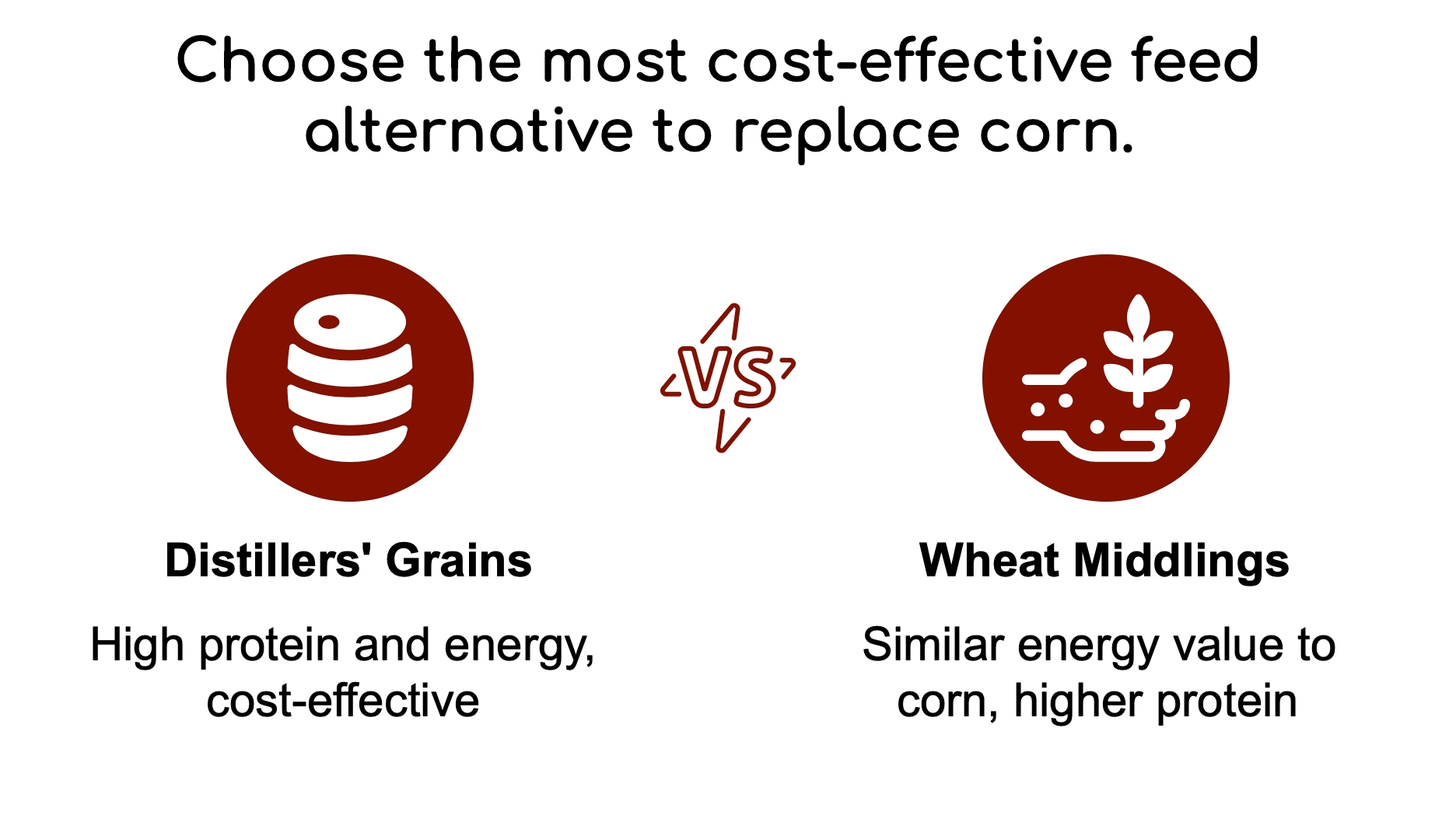
Distillers’ grains are a solid option. They’re comparable to corn grain in cost but pack more protein (27%) and energy (105% TDN). Wet corn gluten feed is another winner—it can replace corn grain and soybean meal while supporting high milk production.
Other options include:
- Wheat Middlings: 92% of corn’s energy value but with higher protein.
- Soybean Hulls: High in digestible fiber; great for balancing rations.
- Beet Pulp: Another fiber-rich option that works as a direct corn replacement.
And here’s something innovative: Québec producers are experimenting with kelp-based rations that cut corn use by 40%. It might not work for everyone, but it’s worth watching as feed costs climb.
Why Your Location Determines Your Strategy

Midwest: Prepare for Volatility
If you’re in the Midwest, brace yourself for price swings. The region’s eastern part deals with planting delays due to rain, while the western side faces severe droughts that could slash yields by up to 25%. Futures markets have already priced in some of this uncertainty, but prices could spike further if conditions worsen.
West and Southwest: The Drought Premium
The situation could be even tougher for producers outside the Corn Belt—like those in Texas or California. You will face higher base prices for corn, and transportation costs will likely rise as supplies tighten.
Hedging Hacks: Protecting Your Margins Like a Pro

Lock It in Early
Experts recommend locking in 60-70% of your anticipated feed needs through forward contracts while prices remain manageable (around $4.50/bu). Waiting too long could expose you to sudden price spikes later this summer.
If you’re managing smaller quantities, consider using Micro Grain Futures contracts—they’re a great way to hedge without committing to large volumes.
Use Government Programs Wisely
Programs like Livestock Gross Margin-Dairy (LGM-Dairy) can help protect your margins by covering the gap between milk revenue and feed costs when things get tight.
What You Need to Know About Corn Acreage This Year
| State | 2024 Corn Acres | 2025 Projected | Change |
| Illinois | 10.8M | 11.1M | +2.8% |
| Iowa | 12.9M | 13.5M | +4.7% |
| Nebraska | 10.1M | 10.6M | +5% |
| Texas | 2.2M | 2.5M | +13% |
| US Total | 90.6M | 95.3M | +5% |
Despite being one of the hardest-hit states by drought conditions, Texas leads acreage growth—a risky bet that could backfire if rains don’t come soon.
The Bullvine Bottom Line: Your Action Plan for Surviving 2025
The weather may be unpredictable this year, but your approach doesn’t have to be! Here are five steps you can take right now:
- Monitor Closely: Stay on top of planting progress reports and weather forecasts for states like Iowa and Nebraska.
- Lock In Contracts: Secure at least 60% of your feed needs before May 1 while reasonable prices remain.
- Diversify Your Feed Sources: Explore alternatives like distillers’ grains or beet pulp to reduce reliance on high-cost corn.
- Use Risk Management Tools: Programs like LGM-Dairy can protect your margins during volatile times.
- Adapt Regionally: Act fast before local supplies tighten if you’re in drought-prone areas like Texas or Kansas.
This year won’t be easy—but with thoughtful planning and proactive strategies, you can stay ahead of rising feed costs and protect your bottom line while others scramble to adjust!
Learn more:
- Good News for Dairy in 2025: Higher Milk Prices, Lower Feed Costs Ahead
Explore USDA’s optimistic 2025 dairy forecast, including rising milk receipts and reduced feed costs, and learn how innovative farmers are adapting to regional challenges. - Cornocalypse 2025: How America’s Record Corn Planting Will Make or Break Your Dairy Operation
Dive into the impact of record corn planting, trade wars, and feed cost volatility on dairy operations, with actionable strategies for contracts and silage quality. - Corn Silage Planting Rates: The Million-Dollar Decision Every Dairy Farmer Must Get Right
Learn how hybrid-specific silage planting rates can swing milk production by 5–10%, with tips on row spacing, soil productivity, and precision adjustments.
 Join the Revolution!
 Join the Revolution!
Join over 30,000 successful dairy professionals who rely on Bullvine Daily for their competitive edge. Delivered directly to your inbox each week, our exclusive industry insights help you make smarter decisions while saving precious hours every week. Never miss critical updates on milk production trends, breakthrough technologies, and profit-boosting strategies that top producers are already implementing. Subscribe now to transform your dairy operation’s efficiency and profitability—your future success is just one click away.




