As technology improves, larger dairies are beginning to transition to robotic milking. An upcoming installation in Ancali, Chile will contain 64 Voluntary Milking Systems (VMS)™. These facilities are beginning to see the benefit of the parlour going to the cow, instead of cow going to the parlour.
One such benefit is the potential for a higher milk yield per cow. Well managed large dairies that have gone from 3X in a conventional milking system to almost 3X (2.8X) in a VMS (minimal difference in milk frequency), have reported that cows produce 8-10% more milk, while receiving the same quality of feed and level of management. Part of this could be attributed to improved overall cow comfort and new facilities, but another factor is likely that time away from feed and rest is minimized.
Aside from a boost in production, there are other benefits to consider including those to the cow, the workforce, the environment and even younger generations. In this article, we’ll focus on the cow.
Benefits for the cow
Heifers can have their own Standard Operating Procedure (SOP) for start-up and there are several options to help with a quiet, calm and positive experience. Activities that can cause her to react negatively can be minimized. Depending on herd size, pre-calving exposure with a daily amount of pellet acceptable by the local nutritionist allows her to associate the robot with palatable feedstuff. The arm can be programmed to attach and spray so she acclimates to its movement and is not fearful.
Farms with at least 5 robots are developing pre-fresh areas where gates are installed to assist with the heifer’s learning of how to move through them. The addition of automatic feeders is even implemented to simulate the experience in the robot.
If exposure to the robot pre-calving is not efficient, the next option is to have a protocol to walk the heifer through the robot and milk her manually at least once or twice to ensure she is introduced in a calm, quiet way.
You can calve all cows out on the robot or transition them from a conventional milking system. Once the fresh animals are out of the pen, and are negative to ketosis, fresh checks have determined a clean uterus, and have no evidence of lameness (Zinpro score of 1 or 2), they can go to their respective groups – VMS for 2 year olds or VMS for 2nd lactation plus. Partial mixed rations (PMR) can be adjusted accordingly if the nutritionist wishes to adjust the parameters according to lactation number.
Additionally, a robotic system enables you to select parameters to allow milking based on time and yield, allowing more access to early lactation and higher producing animals. Greater peaks have been established in large automated milking systems that aim for at least 2.8 milkings for cows producing at least 35 lbs/milking. Milking times ideally under 7 minutes should be a goal for animals meeting this requirement.
It is important to also aim for at least 21 ½ hours of total milking time if trying to reach maximum capacity (including cleaning cycles) per robot with less than 1 ½ hour of idle time, or non-milking periods.
A greater control of feed provides another benefit to the cows. Customized pellets can be included to target a specific physiological state (for example a fresh cow or late lactation cow). One containing a higher starch level, assuming ample forage NDF intake, can provide greater energy intake, potentially in a rapidly degraded form depending on the source, to high-producing cows early in lactation and beyond. Later in lactation, to control body condition at dry off, an alternative pellet can be given. This pellet should provide more soluble fiber to shift rumen fermentation, altering energy partitioning based on microbial production of short-chain fatty acids and reducing adipose accumulation. The flexibility of multiple feedstuffs is a major advantage of automated systems to target feed animals according to their production and stage of lactation.
Recommendations of feeding parameters based on target intakes and cow traffic may be monitored with current technology:
• The DeLaval body condition scoring BCS objectively and consistently scores cattle and is used to monitor nutritional management strategies.
• Herd Navigator displays how cattle are cycling and may be used to relate to nutritional status based on levels of progesterone
Chazy, NY. With funding from the farmer-driven Northern New York Agricultural Development Program, a project is underway to evaluate ways that dairy farmers can manage calf nutrition to reduce the impact of heat stress on the young animals. According to Ohio State University and the University of Illinois, the economic impact of heat stress can result in annual losses of $253,000 with dairy animals up to 1 year of age in New York State.
During heat stress calves must use more energy to regulate their body temperature. This requires more dietary nutrients.
Project leader Kayla Hultquist with W.H. Miner Agricultural Research Institute, Chazy, NY, notes, ‘We observed in a previous Northern New York Agricultural Development Program-funded study that calves decreased their intake of milk replacer and starter grain during times of heat stress. This new project investigates strategies that will encourage calves to increase their caloric intake during hot weather.’
The research team is working with three groups of calves housed in outdoor hutches at the Miner Institute dairy farm in Clinton County. Researchers are evaluating the use of milk replacer supplemented with fat as a way to increase caloric intake without the calves having to consume a larger quantity of milk replacer.
Data collection will include tracing daily milk replacer, starter grain and water intake; weekly weight gain; and hip height and width. Average daily weight gain, feed efficiency, and the economic implications will be calculated. The research team will align observations and measurements of calf behavior and health with temperature and relative humidity to examine any correlating indicators of how well the calves handle heat stress.
Project data will be available by year-end on the Northern New York Agricultural Development Program website at www.nnyagdev.org, at the December 2016 Dairy Day at Miner Institute, and at dairy association meetings.
The farmer-driven Northern New York Agricultural Development Program provides grants for on-farm research and technical assistance projects in Clinton, Essex, Franklin, Jefferson, Lewis and St. Lawrence counties. Funding for the Northern New York Agricultural Development Program is supported by the New York State Senate and administered through the New York State Department of Agriculture and Markets.
Managing a dairy farm’s finances and ensuring it is profitable is no easy task.
The Iowa State University Extension and Outreach dairy team has developed a series of budgets to help dairy producers understand their current financial situation and determine the profitability of their operation.
The budgets can be found online through the ISU Extension and Outreach dairy team website.
Dairy businesses are often made up of many components that can either complement or compete with each other. The enterprise analysis allows producers to take stock of the entirety of their operation and determine its profitability.
“These are the most comprehensive budgets that we’ve seen specifically made for the dairy industry,” said Larry Tranel, dairy specialist with ISU Extension and Outreach. “We have included budgets for grazing, organic and conventional operations. As we look at the cost of production versus milk prices, it is imperative that producers understand their cost of production, especially those who are just getting into the industry or making changes.”
Three different types of budgets have been prepared, providing farmers who operate a conventional, organic or pasture based system an opportunity to set up a personalized budget plan that works for their operation’s herd size and production level.
“While the budgets are fantastic tools to begin the process of examining a farm’s profitability, visiting with an ISU Extension and Outreach dairy specialist is still a good idea,” Tranel said. “Contact your dairy specialist for further information and assistance.”
The budgets available online will be updated semi-annually, allowing for a current look at costs and projected income throughout the dairy industry. While the budgets are currently only available in PDF format, an editable Microsoft Excel spreadsheet version is coming soon.
Recently The Bullvine initiated some give and take with readers after our article, “From Cow Bossy to Dairy Super Boss” where we discussed the role of managers on well-run dairy operations. We considered whom to hire, what to pay, how to train and other important issues that arise between dairy bosses and their employees. The ten points that were discussed all have a legitimate impact on dairy success but today we are going to rewind the process a little bit to consider the first day and how it is one of the most important moments in dairy staff relations. If you are building an effective dairy team, it is crucial to get off to a good start.
Great Dairies Are Full of Great Beginnings
We can all appreciate the importance of great beginnings when it applies to genetics, planting seasons and milk records. When we get it right, the effects are visible and measurable all the way to the bank. Dairy staff is one area where we may experience the effects of poor beginnings without realizing exactly what caused the problem. Unfortunately, there is a big difference between a relationship that gets off to a good start and one that gets off to a bad one.
Day One on the Dairy
Assuming all the due diligence has been done, and you have hired a new dairy employee, it is important to get off to the best start possible. Regardless of whether there has been a previous relationship, it makes good sense for both sides to be as well-prepared as possible. Never assume that the myriad of details is “obvious” or “standard.” It is a sign of respect, to give your new staff member every opportunity to succeed.
Write it Down
While your plans, including starting days and dates, may be very familiar to you, it is always a good idea to write the details down for new employees. With equipment, buildings and animals to get familiar with, it could be a simple detail such as when to arrive, where to park and what to wear, that gets overlooked or misunderstood by the new person. Confirm all points discussed either by email or in writing. You won’t regret starting off by making sure everything is clearly understood. On the other hand, misunderstandings can result in all your careful recruiting, interviewing and negotiating being wiped out by frustrations which could lead to a rocky or terminated start.
A Place for Everything and Everything in Its Place
Once again, you may think that everything on your operation is self-evident and easily understood, but an orientation tour not only gives new hires the chance to ask questions, it can also be an unpressured way to start building a good working relationship. Now is the time to point out special safety considerations, medication storage or details regarding equipment operation. If your operation is complicated in any of these areas, you can set your new staffer’s mind at ease by explaining plans for training as needed. Whether you have two employees or two hundred, don’t leave new employee orientation to chance.
A New Employee Checklist
Everyone has been a newbie at least once in their life, and so we can identify with the feelings of someone who is thrust into a new environment. New dairy staff must be helped to settle in comfortably, otherwise they may fail to perform well. Here are some basic considerations.
The Paper Work
A written description of the job and its responsibilities.
Contact information. A chart that shows how the new position relates to staff organization.
All of the necessary administration and benefits forms.
A handbook, if there is one, for any of the job responsibilities.
The People Parts
Provide an opportunity to meet coworkers, specifically those he or she will work closely with.
You could provide a “buddy” or mentor for the new hire so that they have someone they can go to for more information or help.
Set up opportunities for ongoing orientation and training. Who will provide it? When? And Where?
Knowing The LITTLE Details Makes a BIG Difference
Where does staff park?
What should I wear?
To whom should I report?
What is the work schedule? Where is it posted?
Where are restrooms, telephones, and computers?
What should be said when answering the phone?
What food, snacks or beverages are provided? Should I bring my lunch?
Is the farm tobacco or smoke-free?
What is the policy regarding use of cell phones or personal computers?
What record keeping is required regarding animal treatment?
What record keeping is required regarding work hours?
What job supervision and review are scheduled?
What opportunity does the employee have to give feedback?
If you take care of these details, the likelihood of a smooth start for the new employee will be increased. Even though you probably won’t micromanage each day’s activities, it is important to make sure that the employee knows that you are available to answer concerns.
The Bullvine Bottom Line
We know that employee turnover is expensive and that it is important to retain valuable employees. Is your first-day strategy achieving the desired results? Is it decreasing turnover? The goal is that everyone joining your dairy staff overcomes their fears, fits into the workforce and becomes a productive employee. This is the foundation that successful dairies are built upon.
It is probably a familiar situation: the cow that always produces a lot of milk is under the weather at the start of the lactation period. Her milk production is down, she has a poor appetite and looks lethargic. All the alarm bells ring. Are these symptoms a sign of ketosis?
Prevention is better than cure is a saying that certainly applies to ketosis. Providing an optimal feed ration can prevent a great deal of trouble, but even so some cows are more susceptible than others. As the condition is hereditary, you may have certain cow families that are more prone to ketosis. In addition to the season of calving, management and parity, genetics also play a role in whether or not a cow suffers from this disorder. It has a heritability of approximately 20%. This means that the risk of ketosis occurring can be considerably reduced through breeding.
Breeding value ketosis per bull for heifers, second calf and third calf
How does it work?
Since December 2014, CRV has presented the breeding value for ketosis for each bull. A score higher than 100 means that descendants of this bull have a lower risk of contracting ketosis. On average, 11% of cows contract ketosis, and this percentage rises to even 24% among older animals. By using bulls with a higher breeding value for ketosis, you can ensure your herd is less susceptible and the number of problem cows will fall.
Huge differences
Do daughters of bulls with a breeding value of 108 never suffer from ketosis? Unfortunately, the answer is no, however the percentage is considerably lower than daughters of bulls with a breeding value of 92 or even lower for this factor.
Percentage of descendants with ketosis in lactation 3.
The figure above shows that just 11% of the descendants of bulls with a breeding value of 108 or higher contract ketosis in the third lactation, compared with 37% of the descendants of bulls with a breeding value of 92 or lower. In a herd of 100 older cows that is a difference of 26 animals.
Conclusion
Breeding is a simple tool to reduce the incidence of ketosis in your dairy herd. Ketosis is part of the Better Life Health index. If you opt for Better Life Health, then reduced ketosis is automatically taken into account.
Ketosis is one of the commonest metabolic disorders of dairy cattle in the first 60 days after calving. The cow develops a negative energy balance as she cannot intake enough energy from her feed to cope with her increasing milk production. As a result, she starts to burn her own fat reserves. It is quite normal to burn some of the bodily fat reserves, they will be replenished again during lactation. Where it goes wrong is when large body fat reserves are mobilised. This process creates ketones in the form of acetone and betahydroxybutyric acid (BHBA), which have a negative effect on the appetite.
Genetic selection has played an important role in halting the downward trend in Australian dairy herd reproductive performance.
A recent analysis by Dr John Morton confirmed that the Daughter Fertility Australian Breeding Value (ABV) has given dairy farmers an effective tool to breed for improved herd reproductive performance.
His analysis, found that the daughters of sires with higher ABVs for daughter fertility have markedly better reproductive performance than daughters of sires with lower Daughter Fertility ABVs (see graph).
He concluded that continual selection of sires with a high Balanced Performance Index (BPI) would result in small but ongoing improvements in herd reproductive performance. “This is significant because genetic improvement is both permanent and cumulative. Some farmers may choose to use the Health Weighted Index (HWI) which puts more emphasis on daughter fertility than the BPI,” John said.
“However, to maximise genetic gain for herd fertility, select high BPI/HWI sires from the Good Bulls Guide that have high ABVs for daughter fertility.”
Michelle Axford from the Australian Dairy Herd Improvement Scheme (ADHIS) said farmers could expect continued improvements in herd fertility, as more cows with better genes for fertility enter the milking herd.
“Farmers have more choice than in the past, with the number of high BPI bulls with a Daughter Fertility ABV of at least 105 increasing from 16 in 2011 to 478 in 2016 (see bar chart) in the Good Bulls guide/App,” she said.
As well as this, the reliability of the Daughter Fertility ABV has improved. In 2003 only 10 of the top 50 Holstein bulls and eight of the top 20 Jersey Bulls had a Daughter Fertility ABV. Today, with improvements to the genetic evaluation model and increased reliability, every Holstein and Jersey Bull listed in the Good Bulls Guide has a Daughter Fertility ABV. Similar improvements have been achieved in other dairy breeds. This improvement provides dairy farmers with even more power to breed for better reproduction.
“Of course, genetics complements other management strategies used by dairy farmers to improve herd fertility, including nutrition, heat detection, AI practices and bull management,” she said.
ADHIS is an initiative of Australian Dairy Farmers’ Ltd, that receives the majority of its funding from Dairy Australia through the Dairy Services Levy.
For more information, contact Michelle Axford at ADHIS ph (03) 8621-4240 or email maxford@adhis.com.au.
Figure 1: 6-week in-calf rates for Jersey (upper line – green) and Holstein (lower line) cows by cow’s sire’s Daughter Fertility ABV.
You recently treated your dairy cow with antibiotics for a case of mastitis. Assuming you worked with your veterinarian to determine the pathogen and appropriate treatment, and considering you followed the antibiotic’s label directions for dose and proper route of administration and milk withhold time, her milk should be ready for the bulk tank again. But how can you be sure?
I work with many producers who think the best way to prevent violative drug residues in milk after mastitis treatment is to test the milk from the individual cow to ensure a completely unadulterated product. Unfortunately, it is not that simple. Research has shown that testing individual cows instead of testing the bulk tank, can create false positives and cost dairies money, in terms of added days in milk withhold.1 In this case, it’s important to note that cows individually tested have been treated according to approved label directions for lactating cows. Testing individual cows is always necessary for cows being treated in an extra-label fashion.
The problem with individual cow testing The problem with testing individual cows (treated according to approved label directions) is that none of the 16 Food and Drug Administration (FDA) accepted assays to screen milk for beta-lactam drugs were evaluated for use on individual cows. While none of the tests for beta-lactam drugs appear to produce a negative result on an antibiotic-spiked milk sample, many produce false positives and false violative results when milk samples are tested from individual cows.1 A false positive or false violative result causes the producer to throw away perfectly salable milk.
If the products are used extra-label, or combinations of two or more products are used, you could be at risk for a residue violation. The milk from those individual cows should be tested if appropriate tests for those specific drugs are available. Nevertheless, the label discard times for approved products used according to label are much more accurate than the currently available FDA tests.
The FDA imposes tremendous scrutiny on the manufacturers of animal health pharmaceuticals. Approved antibiotics, when used according to label, have the backing of both the manufacturer and the FDA. There is more science behind the label directions and withdrawal times of approved dairy antibiotics than there is in the current validation of antibiotic assays.
Consider testing the bulk tank Producers should consider testing every bulk tank of milk before it is shipped with the same or equivalent assay used by the milk processor. Compared with the several thousand dollars a producer would lose paying for a tanker, the $500 to $800 a year that it would cost most dairies to test every bulk tank is a minimal and worthwhile investment.2
Always consult with your veterinarian about implementing a mastitis prevention plan and mastitis treatment plan based on common pathogens on your dairy operation to provide the best chance for a complete bacteriological cure. For a mastitis treatment that can provide broad-spectrum coverage and help achieve a bacteriological cure against leading mastitis-causing pathogens, talk to your veterinarian about SPECTRAMAST® LC (ceftiofur hydrochloride) Sterile Suspension. In addition to having a low residue profile, SPECTRAMAST LC has a shorter milk withdrawal time of 72 hours compared with competitor products, like ToDAY®.
IMPORTANT DIAGNOSTIC INFORMATION:SPECTRAMAST LC is intended for use in lactating dairy cattle only with the specified, labeled pathogens. To assure responsible antimicrobial drug use, it is expected that subclinical mastitis will be diagnosed using a positive culture, or other pathogen-specific test, in addition to any other, appropriate veterinary medical evaluation prior to treatment.
IMPORTANT SAFETY INFORMATION: People with known hypersensitivity to penicillins or cephalosporins should avoid exposure to SPECTRAMAST LC. Product requires a 72-hour milk discard period and a 2-day pre-slaughter withdrawal period following the last treatment. Use of this product in a manner other than indicated on the label, or failure to adhere to proper milk discard period, will result in violative residues. See full Prescribing Information.
When reviewing a herd’s performance records, dairy herd managers and their consultants may wonder how the herd compares to other dairy herds in the state and elsewhere. A comparison to herds that are managed similarly can be referenced when developing performance goals. This article provides information about Michigan dairy herds based on two management characteristics: production and herd size.
The DairyMetrics program available from Dairy Records Management Services (DRMS) was used to summarize performance data for Michigan dairy herds in the Dairy Herd Information (DHI) system. For Table 1, herds were divided into three groups based on rolling herd average for milk (< 22,000 lb, 22,000 – 25,999 lb, and > 26,000 lb). The herds are grouped in Table 2 by herd size (< 100 cows, 100 – 249 cows, and > 250 cows). The items in each table are from the DHI-202 Herd Summary report and include key indicators of overall herd management. Data presented in each table are the averages for each key indicator.
Table 1. Averages of Michigan DHI Herds by Rolling Herd Average Milk Levels
Key Indicator
All Herds
RHA Milk
< 22,000 lb.
RHA Milk
22,000 to 25,999 lb.
RHA Milk
> 26,000 lb.
Pregnancy Rate (yr)
17
13
17
21
Days to First Service
91
105
88
80
Projected Days Open
153
178
148
132
% First Services Successful
43
51
41
38
% Heats Observed (yr)
45
31
45
57
Age at First Calving
26
27
25
24
% Bred to AI Sires
79
66
80
92
Percentile Rank of Proven AI Sires
54
42
57
64
% Cows Dry 40-70 Days
68
55
69
81
% Cows Left Herd
38
39
36
37
Average SCC Score
2.2
2.5
2.1
1.9
Average SCC (1,000)
187
235
176
144
Peak Milk – First Lact.
81
68
82
92
Peak Milk – Second Lact.
102
84
104
119
Peak Milk – Third+ Lact.
110
90
112
128
Rolling Herd Avg. Milk lb.
23,493
18,948
23,991
27,958
Number of Herds
532
176
199
157
Average Herd Size
317
123
332
51
** SCC=Somatic Cell Count
**DairyMetrics summaries based on DRMS data available on June 27, 2012.
Table 2. Averages of Michigan DHI Herds by Herd Size Levels
Key Indicator
All Herds
Herd Size
< 100 Cows
Herd Size
100-249 Cows
Herd Size
> 250 Cows
Pregnancy Rate (yr)
17
14
16
20
Days to First Service
91
106
92
77
Projected Days Open
153
179
151
131
% First Services Successful
43
47
45
37
% Heats Observed (yr)
45
34
42
56
Age at First Calving
26
27
26
24
% Bred to AI Sires
79
77
75
86
Percentile Rank of Proven AI Sires
54
47
54
60
% Cows Dry 40-70 Days
68
60
67
76
% Cows Left Herd
38
39
37
36
Average SCC Score
2.2
2.5
2.1
2.0
Average SCC (1,000)
187
229
180
156
Peak Milk – First Lact.
81
72
82
87
Peak Milk – Second Lact.
102
90
103
113
Peak Milk – Third+ Lact.
110
97
110
121
Rolling Herd Avg. Milk lb.
23,493
20,650
23,794
25,810
Number of Herds
532
158
207
167
Average Herd Size
317
62
163
750
** SCC=Somatic Cell Count
**DairyMetrics summaries based on DRMS data available on June 27, 2012.
Trends – Production Groups
Several general trends were observed across the production groupings.
The highest production group has the lowest average days open and the highest pregnancy rate. In addition, this group has the lowest days to first service and the highest percentage of heats observed. However, the highest average for percentage of successful first services was in the lower production group.
The highest production group has the lowest average somatic cell count (144,000 SCC).
Higher producing herds use a higher percentage of AI sires with a higher percentile ranking for Net Merit.
Larger herd size average is associated with the highest production group.
These trends should not be considered a cause-and-effect relationship between milk production and the other key indicators. More likely management factors that positively influence milk production also have a positive impact on other aspects of herd performance.
Trends – Herd Size Groups
Some trends also existed across the groupings based on herd size.
The larger herds tended to have more desirable reproductive performance. The average days open was lowest in the largest herd category. The largest herd category also had the highest average pregnancy rate, highest percentage heats observed, and lowest days to first service. However the highest percentage of successful first services was in the lowest herd size category.
Average somatic cell count was lowest in the largest herd size category.
The larger herds tended to have higher rolling herd averages for milk yield, a trend that has existed for a number of years. It should be noted that there was a significant range in production in each herd size category. In fact, the highest producing herd in each size category had a rolling herd average for milk above 30,000 lbs.
The items in both tables are indicators of herd performance only. Other business management criteria would be considered when evaluating the financial status of the herd.
Using DairyMetrics
DairyMetrics is a benchmarking tool for dairy farm performance evaluation. Herd managers and their herd consultants can compare their own herds to a group of DHI herds that meet the criteria that they select (cohort herds). The cohorts can be selected based on parameters within five categories (general, production, udder health, reproduction and genetic information). Herds from other states that are processed by DRMS also can be included in comparisons.
The reports available through DairyMetrics contain information about the specific herd in addition to the averages, standard deviations, minimums and maximums for the cohort herds. They also give the percentile ranking for each herd performance parameter in comparison to the cohort group.
More information about the DairyMetrics program is available from DRMS or your DHI service affiliate.
To keep your herd healthy and your dairy profitable, it’s important to have a vaccination program that works. But a vaccine program is only as effective as your dairy’s storage and handling protocols. Are you working with your veterinarian and following these steps?
Proper vaccine storage
Vaccines should be refrigerated at a temperature between 35°F and 45°F, unless stated differently on the product label. Failing to store vaccines at temperatures according to the product label could result in vaccine ineffectiveness and may increase the rate of local reactions to vaccinations. Vaccines that have been exposed to temperatures outside of the recommended range (too warm or too cold) should not be used and should be properly disposed of.
Storage tips:
Keep a working minimum-maximum thermometer in your refrigerator to monitor internal temperature fluctuations.
Record the refrigerator temperature twice a day to monitor temperature variations that might indicate a malfunctioning refrigerator.
Store vaccines in the middle of the refrigerator. Do not store in the door (may be exposed to warmer temperatures frequently) or against the back of the refrigerator (may be exposed to very cold temperatures for long periods of time).
Stock and rotate vaccine supply from the back so the shortest expiration date is in the front.
Maintain a clean fridge at all times. Do not use disinfectants for cleaning; use hot water only.
Evenly space products.
Keep in mind that storing colostrum, food, test kits, etc. can affect the consistency of the refrigerator’s temperature. It’s recommended to have a fridge designated for vaccines only. It is also highly discouraged to use a refrigerator in the barn because it was not functioning properly in the house.
Proper vaccine handling
Labels explain what the products are supposed to do, how to use them and which animals are approved for their use. Make sure you’re handling vaccines properly so your animals are successfully immunized.
Handling tips:
Place paper or packaging material between ice packs and vaccines when transporting in a cooler.
Only insert a new needle into a bottle.
Clean syringes with hot water only. Using soap or disinfectant is highly discouraged because they can inactivate modified-live virus vaccines.
Allow syringes to air-dry before reassembly.
Do not combine vaccines, and use only approved combinations from your veterinarian.
Finish open bottles before opening a new one.
Use the appropriate needle size for intramuscular (1.5 inch x 18 gauge) and subcutaneous (5/8 to 1 inch x 18 gauge) administration.
Always keep your veterinarian part of your team to ensure you’re storing, handling and using all products appropriately to keep your herd healthy and improve your dairy’s bottom line.
Management of the down cow is a crucial role on the farm. As employers and managers, we need to set our employees up for success when responding to a down cow. Employees need to have clear expectations of their job as well as written protocols and standard operating procedures.
A farm’s animal well-being plan must include how to care for these animals and, in the rare situations when the animal is compromised, individuals on the farm must know how to respond appropriately, with the animal’s best interest in mind. Plans should include how to handle the down animal and implement the treatment plan. Plans should be written down and accessible to all individuals. Primary caretakers should be trained in proper animal handling.
Our featured barn is a prototype of one of DeLaval’s most popular North American robotic barn designs. Why you ask? Above all, cows in this barn have the potential to be highly productive and that all starts with cow comfort. Additionally, the farmer can potentially thrive with relatively low labor inputs. Also when the operation is ready to expand, this design has already taken into account future growth.
Click on the image below for a larger view:
In summary, this is an eight VMS, free flow traffic, three feed drive, cross ventilated barn with automatic sorting to a bedded Separation Pen. The design is easily adapted to milk first guided traffic and the drawings reflect this; one side is portrayed as free flow and the other as guided flow.
Highlights:
Flexible and expandable
o Can easily be converted between free and guided cow traffic
o Additional robots can be added in the future by adding more bays to the building
Bunk space
o Approximately 30” of bunk space per cow, allowing all in the group to eat comfortably
VMS Room
o 28” deep pit for easy udder viewing and, in the case of fresh cows, manual attaching of cups
o Clean access to room with no dirty lanes to cross
o Doors to access Commitment Pen
o Tiled floor and PVC sheeted walls for bright appearance and easy cleaning
Post-milk sorting
o Bedded pack Separation Pen behind VMS Room provides utmost comfort for segregated cows
o Headlocks located only in Separation Pen with neck rail in main group, significantly reduced airborne and impact noise when compared to barn with headlocks all around
Pre-milk sorting
o Angled entry for smooth cow flow into the Commitment Pen, particularly when fetching overdue cows
Middle Crossover
o Often overlooked, the additional crossover located in the middle of the outside row gives cows a second option for accessing the feed bunk from the freestalls
o Research has shown that feed is rapidly and completely consumed within 30’ of a crossover, therefore we’ve ensured all 162’ of feed wall is within 30’ of a crossover (note: we consider the Commitment Pen in this design a crossover)
Utility Room adjacent to the VMS Room
o A dedicated place to keep equipment such as water heaters and milk divert units as well as chemicals
o Room located near center of barn for ease of access by people and equipment
Manure handling
o All manure is scraped to a cross trench away from the robots, keeping the milking area as clean as possible with minimum labor input
Walkway between head-to-head stalls
o Allows Herd Manager to walk the barn with better and more complete view of cows
Concrete curbs, not walls, at freestall row ends and crossovers
o Curbs keep manure, sand, straw, etcetera in the appropriate place while not hindering airflow like a 4-5’ wall
The facility we’ve highlighted here is the culmination of years of experience of what works well. Our integrated solutions and more than 130 years of innovative barn designs can help you increase productivity.
Each dairy is unique and has different needs, therefore results are not typical and will vary. Results depend on a variety of factors including good farm and herd management practices.
8 VMS DrawingEven retrofitted barns have the potential to be successful robotic operations. At DeLaval we do all we can when designing a VMS barn to ensure the cows and the operators have the best chance to thrive while keeping the bottom line in mind. In the next addition we will delve into a facility designed for large herds.
Water is the most important nutrient for calves and plays an important role as solvent of nutrients, rumen development, thermoregulation and other functions in the body.
Background
In addition other researchers found that calves started feed consumption earlier and consumed more when unlimited access to clean drinking water is available. Generally, water comprises 70 to 75% of the weight of the calf, and they require greater amount of water per pound of body weight compared to mature animals. Water from milk or mixed with milk replacer provides fluid to calves during the pre-weaning period, although this water directly passes to the abomasum through the esophageal groove. Thus clean, soft, and fresh water should be provided separately throughout their early life. Newborn calves are more sensitive to greater concentration of total dissolved solids (TDS) in water compared to older calves. Calves are also highly vulnerable to greater concentrations of iron, sulfate, manganese and magnesium and microbial contamination. These factors may cause digestive disorders like diarrhea. Loss of water through feces may causes dehydration and electrolyte imbalance. It was therefore hypothesized that improving water quality by a reverse osmosis system will improve growth performance and wellbeing of calves.
Experiment
A research project was conducted at the SDSU Dairy Research and Training Facility with twenty-four Holstein calves to determine the effects of drinking reverse osmosis water (ROW) versus municipal city water (MCW) on growth and health performance of calves. Briefly, calves were housed in individual hutches during the 10-week study. Treatments were ROW (Culligan Water filtration system, Brookings, SD) versus MCW (Brookings Municipal Utility, Brookings, SD) which contained 13 and 387 ppm TDS, respectively. Iron concentration of ROW and MCW were 0.04 and 0.17 ppm, respectively. Sulfate concentration was 195 ppm in MCW compared to 1.35 ppm in the ROW. Milk replacer (28% CP; 18% Fat) was fed twice daily during the first five weeks and then once daily during week six. At each feeding 1 lbs of dry milk replacer was mixed with 3 quarts of the respective water type according to treatment. Calves were fed water and starter pellets free choice throughout the study. All intakes were recorded daily. Health parameters were observed daily after the morning feeding by one individual (rectal temperature, cough, ocular and nasal discharge, alertness, and fecal consistency). Daily total respiratory scores were calculated from the sum of scores for rectal temperature, cough, ocular, and nasal discharge (Method developed by the School of Veterinary Medicine, University of Wisconsin). Body weights (BW) and frame growth were measured two days every two weeks, and jugular blood samples were collected after three hours after morning feeding. Total tract digestibility was analyzed by compositing fecal samples three consecutive days during week 10.
Findings
Total DMI and gain to feed ratio increased more over time for ROW than MCW (Table 1). Surprisingly, water intake was slightly less in ROW than MCW, but this may indicate more efficient water use by calves (Figure 1). Body weight and average daily gain were similar between treatments (Table 1). Feces tended to be firmer in calves on ROW, especially in the post-weaning period. Respiratory score had a tendency to decrease more over time when calves drank ROW (Figure 2). Respiratory score in calves fed ROW decreased during the transition period (week 6), which may indicate reduced weaning stress. Starter intakes also were less in the pre-weaning period, but more in the post weaning period for calves fed ROW compared to MCW. Despite lack of large differences in growth performance, it was found that even small improvements in water quality can result in improvements in calf health and wellbeing.
Table 1. Intakes, growth performance and health scores of calves.. Intakes, growth performance and health scores of calves.
Item
Treatment1
P-values
ROW
MCW
SEM2
Treatment
week
Treatment
× week
DMI, lbs/d
3.328
3.315
0.18
0.72
<0.01
<0.01
Water intake3, lbs/d
8.00
8.49
0.76
<0.01
<0.01
0.27
BW, lbs
155
155
3.95
0.99
<0.01
0.84
ADG, lbs/d
1.54
1.52
0.08
0.69
<0.01
0.12
Gain:Feed
0.54
0.52
0.02
0.22
<0.01
<0.01
Fecal score4
0.60
0.69
0.03
0.09
<0.01
<0.01
Respiratory score5
1.95
2.03
0.05
0.32
<0.01
0.02
1 ROW = Reverse osmosis water; MCW= Municipal water. 2 Standard error mean 3 Does not include intake with milk replacer 4 0 = Firm, 3 = Watery 5 Sum of scores for rectal temperature, cough, ocular, and nasal discharge
Figure 1. (Above) Drinking water, total water and milk replacer water intakes for Holstein calves fed reverse osmosis water (ROW) and municipal city water (MCW).
Figure 2. (Above) Respiratory score for Holstein calves fed reverse osmosis water (ROW) or municipal city water (MCW) (Note: lower numbers indicate calves were healthier).
The dairy industry as with any commodity deals with the peaks and valleys of the markets. Other commodities are in a similar situation as the dairy operation and to stay in business they have to know their cost of production. They are constantly monitoring their business’s performance so changes can be made quickly to compensate for a downturn. It can be depressing when the current income over feed cost is less than the breakeven number. Instead of focusing on how to cut costs, many times to the determent on animal performance, focus on making adjustments that improve upon what is already being done. Many times it is honing in on a small detail that can make a significant impact on milk income.
Production Perspective
The Extension Dairy Business Management Team has been working intensively with a group of dairy producers over the past three years. There are some basic management practices that keep coming to the surface on herds that maintain a competitive margin. These operations have positioned themselves to weather the market “storms” and even during tough years like 2016, they can bounce back fairly quickly when the market rebounds. Below are some management areas to investigate for possible improvements.
When the dairy team has been evaluating a producer’s corn silage, one question keeps coming up: is it really being processed? In our project, all our producers except one stated that their corn silage was processed. However, visual appraisals showed otherwise. It was evident on some farms that whole kernels were present. Regardless if corn silage is harvested by the producer or a custom harvester, don’t assume that it is really being processed. The research and field results show a milk production response when kernels are properly processed. Equipment adjustments can be made to correct the problem.
This probably sounds like a broken record, but monitoring dry matters daily or weekly on high moisture feeds does pay off. On our project, herds incorporating this management practice are showing improved milk production and income over feed costs compared to their counter parts not implementing this practice. The investment in a microwave oven, scale, or another alternative is usually very small. However, the payback can be substantial in improved animal performance because cows are more likely receiving a consistent ration.
Another aspect of feed management is monitoring dry matter intake. This simple practice is almost as elusive as knowing a farm’s cost of production. There really is no excuse for not monitoring dry matter intake in herds feeding a total mixed ration (TMR). This is a barometer to determine the status on fresh cows, first lactation animals, high producing and late lactation cows. Herds implementing this practice are showing a financial and production benefit versus the producers not monitoring intakes.
Many farms have a feed mixer along with a software package that can track this information. However, even on farms without this added technology, it is worth the time to record batch weights and occasionally weigh refusals. If the farm is doing dry matters on the individual forages, including the TMR should not overwhelm the system. Entering the information into a spreadsheet and evaluating it will provide a wealth of information about what is happening in the herd.
Management is ultimately the key to surviving these tough times. It is attention to details that help dairy operations maximize performance and efficiency of the herd. The biggest hurdles are making practices a priority and ensure they get done routinely.
Action plan for improving milk income.
Goals
With a team of advisors evaluate areas on the farm that can be improved so a plan can be developed, implemented and monitored.
Steps
Step 1: Review current data on herd performance, income over feed cost and management practices. Examine areas that can be improved.
Step 2: Discuss findings with the farm employees and get feedback on their ideas and suggestions.
Step 3: With the appropriate advisors, examine the current situation and evaluate the potential impact changes will have on production and financials.
Step 4: Implement and monitor all changes. Provide feedback to the employees and listen to any suggestions or comments they may have on improvements.
Economic perspective
Monitoring must include an economic component to determine if a management strategy is working or not. For the lactating cows income over feed costs is a good way to check that feed costs are in line for the level of milk production. Starting with July’s milk price, income over feed costs was calculated using average intake and production for the last six years from the Penn State dairy herd. The ration contained 63% forage consisting of corn silage, haylage and hay. The concentrate portion included corn grain, candy meal, sugar, canola meal, roasted soybeans, Optigen (Alltech product) and a mineral vitamin mix. All market prices were used.
Also included are the feed costs for dry cows, springing heifers, pregnant heifers and growing heifers. The rations reflect what has been fed to these animal groups at the Penn State dairy herd. All market prices were used.
Income over feed cost using standardized rations and production data from the Penn State dairy herd.
High-quality, consistent milk replacer is not just a nice-to-have option it is a must-have priority! Some variables such as expression of genetics won’t be seen until further into the future but feeding high-quality milk replacer each and every day is the first step in guaranteeing a healthy start for each and every calf.
Consistency is the challenge. Every step in the process can be undone if consistency is not achieved. Consistency of mixing the powdered product. Consistency of the volume of water. Consistent temperature. Variation in any of these, can have a detrimental effect on the calf’s digestives system and, therefore, on its health and vigor.
How Hard Can It Be To Follow The Manufacturer’s Instructions?
Because of the simple needs of the newborn calf, we tend to think that meeting those needs with bottled milk replacer is simple too. Not so. Each manufacturer produces a variety of formulations, and each formulation has specific instructions for mixing temperature, amount of powder and volume of water. It is up to the calf-caregiver to follow the unique mixing requirements that are necessary to achieve the best quality reconstituted product. Close is not good enough. Creative variations are not okay. Each step of the milk replacer preparation and delivery must be 100% accurate.
Let’s Start With Mixing Temperature
Milk replacer cannot be hot one time and cold the next. In order to produce the desired healthy results, the replacer must be prepared at the correct temperature. Recommendations can vary from as low as 110° and as high as 150°. Too cold and the mix may be incomplete or have an uneven dispersion of particles. Too hot and there will be uneven mixing of the fat. Also, at high temperatures, denaturing of whey protein could affect the digestibility of the product.
How Much Water? How Much Powder? Get it RIGHT.
We need to remember that milk replacer is not a treat that improves in flavor or increases in value if it is mixed to a thicker or thinner consistency. There is that word consistency again. Here it refers to setting up and feeding perfectly mixed nutrients at every feeding. Beyond whether you and your calf feeding team get it right, there may be errors in the instructions themselves.
Here is an example “For example, let’s say your feeding program is set up for the dry matter in milk replacer at 12.5 percent. That delivers about one-half a pound of powder in two quarts of milk replacer. [125 g/liter delivers 500 grams in two liters]. Some instructions correctly tell you to mix the powder with some water and after blending add enough more water to arrive at the desired volume. This works well – you end up with about 12.5 percent solids. The incorrect directions tell you to add the powder to the final volume of water. For example, add 8 ounces of powder to 2 quarts of water. Instead of ending up with two quarts of 12.5 percent solids you get more than two quarts of an 11.6 percent mix [116g powder per liter rather than 125g. “Poor mixing at the simplest level results in clogged nipples but it also contributes to clostridial bloat.
How Many are Fed Each Time?
When preparing milk replacer, the number of calves that will consume the mix has an effect too. If it is only being fed to one calf, the difference in concentration doesn’t matter as much because the calf will drink the entire batch. However, as soon as the mixture is fed by volume to two our more, any inconsistencies will be magnified. If more than one person is mixing the replacer — and doing it incorrectly — the calves will suffer from the inconsistent feeding.
Get A Recipe! Get It Right!
Write it down. Working from a written recipe is straightforward and easy. Depending on your situation, prepare the basic recipe and note variations based on the number of calves the mix will be fed to. For so many calves, use so much powder and add water to “x” level. Well-organized prep areas use a dry erase board for recording information. Mark down after each feeding the number of calves fed and the mixing amounts for the next feeding. Note the number of calves that need special attention because they didn’t drink well or were lethargic. Any symptoms should be noted. For further information, check this article on other issues to watch for (Read more: Good Looking Managers Raise Healthier Calves)
Stop estimating! Start Calibrating! Use precision tools if you are committed to achieving precision results. There are four specific measuring methods that you need to incorporate into your mixing routine: scales, calibrated containers, a calibrated measuring stick and a thermometer.
There is no better way to measure milk replacer powder than with a scale. Get a gram scale. It will be the best money (approx. $38) that you will ever spend. Using a scale is more accurate than estimating powder by volume which happens when using a cup or spoon.
Hang pail on the scale.
Scoop in powder.
Stop when the needle hits the right place.
Dump contents of pail into water.
Customize your calibration: Each operation has specific containers that are used for calf feeding. Taking the time to mark accurate calibrations on each tank or pail, will significantly improve the accuracy of milk replacer delivery. It might be worthwhile to calibrate bottles, for accurate records of any replacer that isn’t consumed. Take the time to fill each one with water in graduated known quantities. Clearly, mark the container at each step.
Make a calibrated measuring stick for mixing. Over time and with the daily repetition that is part of feeding milk replacer to calves, a large repository of suggestions, hints, tips and ideas is available from those who have refined their methods to what is most effective. Taking the time to research ideas and adapt them to your setup is another way to give your calves the best start. Here are some steps for calibrating a measuring stick.
Select a piece of white 5-inch PVC approximately 1 foot longer than the pail is tall
Glue a cap on each end of the
In preparation for marking, use a file to roughen the PVC surface slightly
Use an ear-tag pen to make a permanent black line.
Put the stick into the pail.
Add water in graduated known steps, marking the pipe at each step (i.e. 2-gallon steps).
Do this for each size of pail: 20-gallon; 5-gallon etc.
Using the calibrated stick, you can further adjust your milking quantities as needed without resorting to guessing.
Always wash the stick after each use.
A Temperature Guess Could Result In A Mess A guess could result in a mess. Using experience or guesstimating temperatures is another way to mix up your calf milk replacer. The Ideal situation would be having a temperature gauge on your mixer faucet. Alternatively, if you use a garden hose or a milker hose for transferring water, try inserting a rapid-read thermometer into the hose. Starting with the right temperature is the beginning. Don’t resort to using your hands to determine temperature. Your perception is notoriously inaccurate, especially in cold weather. Guessing is almost guaranteed not to get you to the warmth that is recommended by your manufacturer.
The Bullvine Bottom Line
Calibrate don’t estimate. We have talked about many things that will make feeding calf replacer more effective. It may not make your work go any easier or faster. But that isn’t the goal with calf raising. The goal is to provide consistent, accurate feedings that will allow the calf to develop to its highest potential.
The maternity pen is a calf’s first contact with her environment, and what the calf is exposed to can make or break her future in your dairy herd. That’s why maternity pen management needs to be a high priority on your dairy. Here are some opportunities for you to help get your calves off to a healthy start.
Calving area hygiene Before the calf arrives, make sure the calving area is clean by following these steps:
Freshly bed calving pen before each calving, and clean out dirty bedding after each calving.
Provide a deep bed (minimum of 6 inches) of straw, shavings or sand.
Sanitize pen floors, walls and gates.
Calving observation It’s important for the health of both the cow and calf that each cow has a safe calving. Reference your dairy’s calving procedures, including monitoring progress and assisting. Consider these tasks:
Monitor close-up cows for calving signs every two to four hours.
Provide cows one to four hours of labor; examine if no progress.
Allow first-calf heifers two to four hours of labor; examine if no progress.
Watch for early calving signs:
Swollen udder and teats
Cow looking uneasy or pacing around pen
Enlargement or softening of the vulva
Raised tailhead
Visible water bag
If possible, avoid disturbing cows and replacement heifers during pre-calving and post-calving to help ease the natural calving process.
Post-calving navel dipping Dipping a newborn calf’s navel helps protect the calf against disease during the first days of life. Follow these tips for administration and timing of navel dipping:
Dip the calf’s navel immediately after birth.
Use a strong tincture of iodine (at least 7%). If availability is limited, consult your veterinarian.
Redip the calf’s navel when the calf is moved to an individual hutch or pen.
Redip the calf’s navel again 12 to 18 hours after moving to its individual hutch or pen.
Trim the end of the navel with a clean scissors.
Vaccinating with an intranasal vaccine Vaccinating calves with INFORCE™ 3 respiratory vaccine at birth can help calves build strong immunity against respiratory disease-causing pathogens.
Administer 2 mL intranasally using a cannula or a syringe with the needle removed, placing 1 mL in each nostril.
Work with your veterinarian to establish vaccination programs that may include revaccination for transition calves.
Feeding colostrum Providing newborn calves with the necessary level of protective antibodies is essential to achieve successful immunoglobulin transfer as well as absorption of other important nutrients and compounds.
Ensure colostrum is harvested clean to keep bacteria levels as low as possible.
Feed first feeding of colostrum within two hours of birth.
First feeding of colostrum should amount to 10% of a calf’s body weight (e.g., Holstein newborns require about 4 quarts per feeding and Jersey newborns require about 3 quarts).
Feed second feeding (two quarts of colostrum) before 12 hours of life.
Remember that cleanliness is key around calves. Be sure to wear clean clothes and boots, wash your hands or wear gloves, and wash and sanitize calf equipment between calves.
Review the maternity pen assessment portion of the Zoetis Calf & Heifer Assessment with your Zoetis representative or veterinarian to develop and incorporate proper calf management protocols in your calf care program.
When breeding heifers, the common question “how big is big enough?” could soon be a thing of the past.
Breeding size for heifers is typically based on a one-size-fits-all stature and weight, rather than by age. This is because it is assumed that all heifers should be the same size at the same age. However, the reality is that heifers are genetically predisposed to be different sizes. Waiting for heifers to reach a height benchmark can be a costly practice for dairies, leading to delayed first breeding and delayed entry into the milking herd and delayed milk production.
Genomic testing can more accurately reveal a heifer’s growth potential early in life, allowing producers to accelerate genetic progress with confidence and enhance profitability, all while capitalizing on higher production and profit potential.
Recent herd evaluations from Zoetis show substantial differences in heifer weight and height due to differences in genomic standardized transmitting abilities (STA) for strength and stature.
Zoetis evaluations report:
At approximately 12 to 13 months of age, calculated weight varied by approximately 90 pounds due to genetic size differences in genomic STA for strength between -2 and +1.5.1
At approximately 12 to 13 months of age, height varied as much as 2 to 2.5 inches in heifers that varied in differences in genomic STA for stature.2 Another way to look at it, is that heifer height ranged from 0.5 to 0.87 inches taller per change of +1 in STA for stature.1,2
These evaluations demonstrate how genetics play a large part in heifer growth. Genomic information can give you an estimate of whether a heifer is expected to be bigger or smaller than others at that age. Again, why wait for just size to determine breeding age? Consider breeding heifers based on age to avoid losing income because they look smaller, when, genetically, heifers will vary in size and some heifers are supposed to be smaller than others. Of course, animals that are noticeably smaller due to previous health challenges are a different story, which is where good health records can help.
Many farms with genomic testing have yet to utilize data to its fullest potential, and continue to resort to outdated, less accurate methods of gauging breeding age. With the help of genomics, producers can eliminate the guesswork from these decisions. Tune in to the webinar Moving Beyond Phenotype: Genomics vs. Size-based Traits to learn more.
Sharemilking career paths are changing in New Zealand, according to the DairyNZ and Federated Farmers-resourced Dairy Progression Pathways report, undertaken by AgFirst.
Federated Farmers Sharemilker Farm Owners’ Section Chairperson Tony Wilding says the report shows opportunities for progression still exist but the career pathways have been changing and will continue to do so.
“While the number of traditional herd owning sharemilking (HOSM) agreements is slowly declining, the scale of them has increased and other options to invest in cows and land in equity ownership are continuing to emerge,” says Tony.
Richard McIntyre, Federated Farmers Sharemilkers’ Section Chairperson agrees. “Sharemilkers need to be better equipped to survive the climate of volatility through contracts that are flexible allowing them to manage risk.
“As sharemilking contracts evolve, it is important that the risk remains relative to reward.
“The report also highlights the need for improved due diligence prior to entering contracts. A number of failed sharemilking relationships can be traced back to a lack of due diligence at the start.”
The Pathways to Progression report shows that sharemilkers continue to make up 35 per cent of the industry, but HOSM has declined to 17 per cent from 25 per cent in 1995. This may be due to milk price variation and the challenges it presents for sharemilkers and farm owners.
The number of farmers planning to purchase a dairy farm after sharemilking has also dropped to 47 per cent from 70 per cent 20 years ago.
NovaVive Inc., a Canadian immunobiology company, today announced that its cattle immunotherapy – Amplimune™ – has received organic certification by two U.S. agencies. Northeast Organic Farming Association New York (NOFA-NY) and Quality Certification Services (QCS) have both approved Amplimune for use in organic cattle production. The Company is pursuing further organic certifications for this product.
Organic certification is a process that enables food and other agricultural products to be represented as organic. In 2002, the U.S. Department of Agriculture (USDA) National Organic Program (NOP) implemented federal standards for organic products.
Organic standards address such factors as soil quality, pest and weed control, use of input materials, and humane treatment of livestock. Meeting these NOP standards is the core of the organic certification process and is required for a producer to use the word “organic” or the USDA Organic seal on food, feed, or fiber products.
“In order to be certified organic, cattle must receive no antibiotics from birth,” said Dr. Frank Mongini, a Californian veterinarian who serves clients with more than 10,000 organic dairy and beef cattle. “The organic dairy industry desperately needs a non- antibiotic, therapeutic product that is science-based and has met all the standards for USDA approval.”
“My clients have been looking for safe and effective alternative therapies for commonly occurring diseases like scours,” he added. “There are very few options available, and I see Amplimune as an important therapy in organic cattle production.”
About Northeast Organic Farming Association New York (NOFA-NY)
NOFA-NY is a non-profit organization of farmers, gardeners, and consumers working together to create a sustainable regional food system that’s ecologically sound and economically viable. Through demonstration and education, NOFA-NY promotes land stewardship, organic food production, and local marketing. The organization brings consumer and farmer together to make high quality food available to all people. Founded in 1983, NOFA-NY was the first organic certifier in New York State.
About Quality Certification Services (QCS)
QCS is the certification program of Florida Certified Organic Growers and Consumers Inc., a non-profit organization that began certifying organic growers in 1989 and received its USDA accreditation in 2001. The program offers a wide array of certification options for farming, livestock, packing, handling, processing, and wild harvest operations. QCS is an industry leader with more than 25 years of experience in certification. The organization has clients in 39 states and 12 countries, meeting the needs of operations regardless of type, location, or size on the ever-expanding worldwide market. QCS offers a variety of accredited organic, food safety and ethical certifications.
About Amplimune™
Amplimune is a USDA-approved immunotherapeutic treatment for the reduction of clinical signs and mortality associated with E. coli K99 diarrhea in neonatal calves. Amplimune is a formulation of mycobacterium cell wall fraction (MCWF) that enhances innate immunity to kill bacteria without the use of antibiotics.
About NovaVive Inc.
NovaVive is a private company founded in July, 2014. The Company acquired an advanced veterinary immunotherapeutic platform based on mycobacterium cell wall fraction (MCWF) with four regulator-approved products. Some of these formulations have demonstrated the capability of reducing the reliance on antibiotics in the treatment of certain diseases of horses and cattle. Other formulations have been developed as an anticancer therapy in dogs and horses. The MCWF technology was formerly part of Bioniche Animal Health.
NovaVive also acquired the global license to mycobacterial cell wall-nucleic acid complex (MCNA) for treating animal cancers. MCNA is an advanced formulation of mycobacterium cell walls and nucleic acids formulated for human applications. MCNA has been advanced through Phase III in the treatment of human bladder cancer by Bioniche Life Sciences (now Telesta Therapeutics).
Not many college students spend their free time milking Holsteins. Lindsey Richmond is one of the lucky few.
CUDS president and WSU senior Lindsey Richmond takes care of new calves at the Knott Dairy Center.
Richmond, a senior in the Department of Animal Sciences at Washington State University, works several days a week at WSU’s Knott Dairy Farm as part of a select learning group: The Cooperative University Dairy Students or CUDS.
CUDS members raise, milk and manage about 35 dairy cows, in a full-time operation that demands four daily shifts. In the summer, with fewer students in Pullman, Richmond takes on extra shifts, milking the herd and keeping cows and calves healthy. Milk from the student herd goes to the WSU Creamery for cheese and ice cream.
Richmond, a first-generation college student from Mukilteo, came late to farming.
“I fell into it—I didn’t grow up around agriculture at all,” she said.
Out of high school, Richmond knew she wanted to work with large animals. Zoology seemed a possible fit, but she ended up pursuing animal science at WSU. After taking
introductory dairy classes, Richmond was drawn into the practical science of cows and milk. Two years ago, she decided to join CUDS.
“Because I didn’t grow up around agriculture, the learning curve was steep,” Richmond said. “But I was always out here at the farm, learning new things and getting involved. Now, I want to be part of the dairy industry.”
Richmond is part of the WSU Dairy Challenge Team, traveling across the country for practical knowledge competitions. Elected president of CUDS by her peers, Richmond is also president of the WSU Pre-Veterinary Club.
She admits that it can be a challenge to balance studies and activities. But CUDS’ hands-on experience is well worth it to her.
“It’s fresh air, work, and animals who enjoy your company,” Richmond said. “We have a small herd, and you get to know the cows’ and calves’ personalities really well.” Cows with names like Duchess and Ruby love to get scratches and are curious what their handlers are up to.
CUDS members make management decisions by parliamentary procedure and majority vote, acting as a team.
Each of CUDS’ 13 members are assigned a chair position for areas such as finance, nutrition and milk quality. These roles let members gain deeper knowledge of dairy management.
Chairs must educate their fellow members and work on projects to improve herd performance and management plans. At an annual review every November, CUDS members present their work to a panel of industry professionals, who share feedback to help inform the next year’s goals.
“You make connections in the industry, and learn a lot of management skills,” Richmond said. “Everybody comes from a different background and has their own ideas. You have to be open-minded, be able to lead and to step back. Learning to balance that will be helpful for my future career.”
After graduation, Richmond plans to study reproductive physiology in graduate school, then earn her doctorate of veterinary medicine. She is also conducting research for an honors thesis under Animal Sciences Assistant Professor Dr. Martin Maquivar.
CUDS has given Richmond a greater appreciation for dairy industry.
“I see the work that goes into milk,” she said. “We need hardworking people in dairy.
“It’s taught me where my food comes from,” Richmond added.
Experience gained from managing through recent industry downturns should benefit New Zealand dairy farmers if they choose to set up their businesses to be “one step ahead of the price curve”, according to a new industry report.
In its recently-released report, Oceania Dairy – Let’s Debt Serious, agricultural banking specialist Rabobank says the New Zealand dairy sector is particularly exposed to market volatility and dairy farmers need to strengthen their business structures by rebuilding equity in the next price upcycle and further developing flexible production systems that can easily reduce costs when milk prices fall.
Report co-author, dairy analyst Emma Higgins says the current severe price downturn marks the third trough in the past decade and the sector must plan for inevitable future volatility.
“Tough decisions will need to be made in the next upward cycle. Farmers will need to make a careful and considered decision whether to put some debt to bed or chase a profit margin through increased investment and spending,” she says.
“Ultimately, New Zealand dairy farmers need to be the most cost-competitive among their global peers in order to be one step ahead of the price curve – in both good times and bad. The experience they have accumulated in recent downturns should help them do just that.”
Impact of price volatility most significant for New Zealand
The report says New Zealand’s dairy industry has a greater need to build resilience compared with other milk-producing countries, due to its significant exposure to global markets and the resulting price volatility.
“With a minimal ability to sell milk into more stable and often higher returning local markets compared with other exporting nations, the New Zealand industry is largely at the mercy of global market influences and therefore subject to greater exposure to volatility,” Ms Higgins says.
“Because the majority of dairy product produced in New Zealand is exported, both positive and negative shocks affecting the global dairy industry are felt more keenly here.”
Ms Higgins says the mix of dairy products exported – with whole milk and skimmed milk powder making up 59 per cent of NZ dairy exports – also increased the potential price volatility for New Zealand.
“Bulk milk powder will always be the more volatile commodity of the dairy complex, due to its ability to be stored and its basic processing nature,” she says.
The report also notes that while there is ongoing push from New Zealand processors to grow and invest in value-add business, there are limits to how much milk can be shifted to higher value streams.
“The simple reality is that, when faced with a wall of milk in the height of the season flush, the options for processing the sheer volume of milk are limited to producing large volumes of powder-based commodities destined for export to the world market,” Ms Higgins says.
“There is nothing wrong with being a low cost commodity player, as long as the whole industry is prepared for continued volatility and dairy farmers have resilient business structures.”
New Zealand dairy debt
With New Zealand dairy debt having steadily increased from NZD 11 billion in 2003 to a current record high of NZD 39 billion, the report says the industry now accounts for 68 per cent of total New Zealand agricultural debt.
“The upward debt trend reflects the expansion of the industry, when improving dairy returns fuelled an improved appetite for land acquisition,” Ms Higgins says. “The expansion can also be partially attributed to New Zealand policy changes introduced in 2010 to provide sufficient liquidity buffers which stimulated credit flows, along with a sustained appetite for lending from some banks.”
According to the report, the “average New Zealand dairy farmer” entered the current prolonged downturn highly geared and the average debt per kg/MS remains near record levels at NZD 20/kgMS. As a comparison, the report says the equivalent Australian (Victoria) dairy farm debt is 65 per cent lower, at around NZD 7/kgMS.
“Debt is a useful tool for generating an effective return on equity along with an opportunity for increasing business growth. Conversely, too much debt can be damaging to the farm business, with little resilience to withstand adverse events,” Ms Higgins says.
While until recently returns had been improving on average since 2007/08 – including a record milk cheque in the 2013/14 season – the reports says the “average New Zealand farmer” had opted not to take the opportunity to repay debt in good seasons.
“For some vulnerable farmers there may be a need to strengthen the balance sheet through alternative sources of equity for future downturns,” she says.
While there is not much upside for prices in the 2016/17 season, Ms Higgins says that Rabobank’s just-released Dairy Quarterly forecasts prices to rise modestly in the first-half of 2017.
“We are finally starting to see the taps of global supply turn off, as farmers around the world adjust production in the face of continued lower prices,” she says. “We all know that current low prices are not sustainable, and this supply response together with stable demand growth in the US and Europe are expected to see exportable surpluses dramatically reduce.”
Cost competitiveness essential
The report says increased use and rising prices for key inputs, such as feed, combined with increased levels of debt servicing, pushed up the average production cost between 2011 and 2013.
“While milk prices rose around 22 per cent in the period from the financial crisis to the record milk cheque in the 2013/14 season, major expenses, such as supplementary feed and grazing costs, increased by 43 per cent over the same period,” Ms Higgins says.
“New Zealand dairy farmers can take some comfort in the fact they have been able to quickly refocus budgets and pare back costs in response to the price slide,” she says. “By going back to basics and focusing on pasture growth along with maximising home grown feed, expenses for feed have come back from the 2013/14 peaks by around 20 per cent, assisting all five New Zealand dairy production systems.”
Ms Higgins says with New Zealand dairy farmers facing the likelihood of a third consecutive season with a low farm gate milk price, it was imperative that a focus on cost management is maintained.
“The challenge will be to keep cost control in mind when the cycle turns and milk prices improve.”
Rabobank New Zealand is a part of the international Rabobank Group, the world’s leading specialist in food and agribusiness banking. Rabobank has more than 115 years’ experience providing customised banking and finance solutions to businesses involved in all aspects of food and agribusiness. Rabobank is structured as a cooperative and operates in 40 countries, servicing the needs of about 8.6 million clients worldwide through a network of close to 1000 offices and branches. Rabobank New Zealand is one of the country’s leading rural lenders and a significant provider of business and corporate banking and financial services to the New Zealand food and agribusiness sector. The bank has 33 branches throughout New Zealand.
The summer season is just around the corner, and the knowledge and understanding of the effects of heat stress on cow production and how to mitigate these effects are important for dairy operations. The combined effects of high heat and high humidity make a very uncomfortable environment for both farmers and lactating dairy cows. The decrease in milk production as a result of heat stress is readily seen, but there are less immediate negative effects of heat stress such as reduced fertility. Previous iGrow articles have addressed heat stress, but it is about time to refresh the basic concepts concerning heat stress, its implications, and provide an update on new genetic research which may lead to a more permanent solution to the problem.
Heat Stress: Symptoms & effects
Individual cows that are heat stressed are easy to identify by the symptoms of panting and drooling, which are the mechanisms they use to rid themselves of excess heat in an attempt to maintain their normal body temperature. In addition, heat-stressed dairy cows reduce feed intake and are unable to mobilize body fat reserves to compensate for their lower energy intake. At the same time, there is a 25 to 30% increase in maintenance requirements for the extra activities associated with combating heat stress such as muscle movements for panting, greater sweating, and production of heat shock proteins to maintain the cell functions. The combination of these factors puts tremendous stress on the high-producing dairy cow.
Cows under heat stress may experience:
Drop in milk yield and fat and protein content.
Metabolic alkalosis and ruminal acidosis.
Reduced fertility.
Impaired milk coagulation properties, reduced cheese yield, and alteration of organoleptic characteristics of milk products.
Managing Heat Stress
Fresh quality water availability is required at all times but is especially important during the summer to aid the cow in dissipation of body heat by sweating and breathing. Water intake increases in parallel to the ambient temperature. Sprinklers over cows in loafing and feeding areas as well as voluntary “cow showers” are additional methods of reducing heat stress. However, large dairy operations need to be able to ask for a prompt decision at a population level. It is imperative to recognize the ability of animals to adapt during long-term exposure to high temperature environments.
Temperature-Humidity Index (THI)
Heat load exposure of cows, estimated by the Temperature-Humidity Index (THI) that combines temperature and relative humidity, is widely used as an indicator of the animal-perceived outdoor conditions and as guide for taking appropriate measures. In a practical context, values of THI:
74° F is the threshold where heat stress may be present among cows,
Greater than 74° F would be uncomfortable for 50% of cows,
At approximately 80° F most cows would be severely affected by heat stress.
However, the THI has its limitations since it does not take into account individual animal characteristics (e.g. low vs. high producing cows, metabolic heat production, skin water loss), as well as ambient airflow, housing type, heat duration and degree of night cooling.
Increases in dairy cow productivity by genetic selection will make them even more susceptible to heat stress in the future. Modern high yielding dairy cows lose the ability to regulate their body temperature at an ambient temperature of 77 to 84° F.
Genetic Selection: A future heat stress solution?
Besides the known heat stress alleviating strategies such as watering (more available drinking water), feeding (buffer and probiotic additives, fat supplementation) and cooling (shades, fans, sprinklers, etc.), the selection of animals more resistant to heat stress may be an additional tool in the dairy producer’s toolbox Even with environmental modification to relieve the negative effects of heat stress, it is clear that some cows are better at regulating their body temperature than others, which suggests a genetic component to heat tolerance.
In 2013, researchers in Florida estimated that 13 to 17% of the variation in rectal temperature in cows during heat stress is due to genetic differences. This heritability (h2 = 0.13 to 0.17) is lower than the heritability of milk yield (h2~0.30), but it is high enough to allow selection for lower rectal temperature under heat stress.
Methods of estimating genetic merit for heat-tolerance have been developed in Australia with clear results in sire selection. For example in the most extreme sires, when the THI went from 60 to 90° F, daughters of the least heat-tolerant sires had a decrease in milk yield from about 40 to 28 lb/day (0.4 lb/THI unit). In contrast, daughters from the most heat-tolerant sire did not decrease milk production at all as the THI increased.
Another interesting approach would be the introduction of genes from other breeds into our productive dairy herds that may increase their heat-tolerance. A dominant “slick” gene first described in Senepol breed of beef cattle in the Virgin Islands, that causes very short hair growth was introduced into Holsteins cows in Florida, and the resulting offspring were better able to regulate their body temperature during heat stress than cows with normal hair.
In this same manner, studies on the immunological responses of a heat-tolerant (Romosinuano breed) and a heat sensitive-breed (Angus) demonstrated differences in metabolic response (i.e., immuno-resistance, hormone levels, etc.) between breeds under changes in ambient temperature, which may help understand differences in productivity among cattle breeds in response to heat stress. A less dense hair coat in the Romosinuano breed compared to the Angus, may play an important role in its ability to tolerate higher temperatures. The genetic variation for rectal temperature and hair coat density observed in these studies suggests the future possibility of producing cows with greater heat tolerance from sires selected on genetic merit for this trait.
Advantages & Disadvantages
The advantage of selection for heat-tolerance is that the reduction in milk yield and fertility during the summer could be minimized. However, the possible disadvantages of this selection, such as producing cows less resistant to cold stress or negative relationships between heat tolerance and other economically important traits, must be investigated before heat tolerance is incorporated into selection criteria of dairy cattle.
Monitoring Heat Stress
It is really important to monitor weather changes and the animal’s body language (e.g. increased respiration rate, sweating, panting and reduction in eating) as show in Figure 1. When extended high temperatures are expected during the summer time, take proper actions to mitigate heat stress. Tracking temperature and humidity records and calculating the temperature-humidity index are part of proper cattle care management.
Figure 1. Detection of thermal stress and actions that should be taken under extensive production systems. Both climate and animal data should be monitored for the detection of thermal stress situations. Once thermal stress situation is detected, mangers should take measures to alleviate the impact of thermal stress on animals. Salama et al., 2016. Chapter 2: Thermal stress in ruminants: Responses and strategies for alleviation. Pages 11-36 In Animal Welfare in Extensive Production Systems. J. J. Villalba, ed. 5M publishing, Sheffield, United Kingdom. (ISBN: 9781910455548, In Press).
Take-Home Message
Controlling heat stress is a challenge for a dairy farm. It is important to recognize symptoms of heat stress so that environmental interventions can be put in place to reduce the negative consequences of heat stress.
Individual inherent variation between animals in their response to heat stress opens the window for selection of thermo-tolerant animals.
The genetic tolerance to heat stress in Holsteins, through identifying specific genes or gene markers that are related to thermo-tolerance, could be the key to overcoming these real economic losses related to heat stress.
Farmers are among the most vulnerable when it comes to mental health, according to a new study from the University of Guelph.
Stress, anxiety, depression, emotional exhaustion and burnout are all higher among farmers than among other groups, early findings of the survey show.
As well, Canadian farmers are more stressed than those living and working elsewhere.
Prof Andria Jones-Bitton, a professor in the Department of Population Medicine, analysed more than 1,100 responses from across Canada to an online stress and resilience survey, conducted on agricultural producers from September 2015 to this past January.
“Some of the producer comments leave little doubt about the impact their job and culture is having on them,” Prof Jones-Bitton said.
“One said, ‘We are not invincible, but we feel we must be’.”
The survey found 45 per cent of survey respondents had high stress. Another 58 per cent were classified with varying levels of anxiety, and 35 per cent with depression.
Overall, that’s two to four times higher than farmers studied in the United Kingdom and Norway, Prof Jones-Bitton said.
Resilience, popularly believed to be a strength among producers, is also lower among two-thirds of the respondents than it is among a comparative US population.
In agriculture, a stigma is associated with mental health treatment, Jones-Bitton said.
So it follows that the survey showed 40 per cent of respondents said they’d feel uneasy getting professional help “because of what people might think.”
At the same time, more than three-quarters of those surveyed said professional mental services can be helpful in times of struggle.
Prof Jones-Bitton is building a team to deliver mental health training for farmers.
“We need to do something,” she says. “Farmers want help, and we’re going to find ways for them to receive it.”
Once your dairy takes on employees, it is inevitable that at some point you will have to discipline or terminate one of them. Disciplining and terminating, like hiring, requires the employer to keep records. Dairy operators must keep in mind that anti-discrimination laws, public policy, and employment contracts may limit an employer’s ability to terminate dairy workers.
Evaluations
One of the most important duties you will have as an employer is to evaluate employee performance. Letting an employee know how he or she is performing can encourage the employee to perform at a high level, and letting the employee know he or she has fallen short can help reinforce expectations. You should attempt to do evaluations in a positive manner, and keep a written record of the evaluations to help document job performance.
Useful tools in handling evaluations will be developing job descriptions for employees and developing an employee handbook with expectations for positions. This provides you and the employee with a reference point to strengths and weaknesses in performing job duties and clearly lays out expectations.
Disciplining
If the evaluation does not improve performance or if the situation necessitates, an employer may need to discipline poorly performing employees before terminating anyone. Letting the employee know early on how his or her performance is inappropriate or inadequate, both verbally and in writing, gives the employee an opportunity to correct unacceptable behavior. If the employee’s performance does not improve, then the employer can consider suspending the employee without pay or even termination.
For example, a dairy has an employee, Steve, who is habitually late to work every morning. Pete, the dairy owner, should document that Steve is late and explain to Steve that he cannot arrive late to work anymore. If Steve arrives to work late the next day, then Pete could send Steve home for the day without pay. If Steve arrives late again, then Pete could terminate Steve.
When disciplining an employee, keep written records in the employee’s file. Good records on all matters related to your employees will help prove that terminating an employee was warranted.
Discrimination Issues
When terminating an employee, it is important to remember that anti-discrimination laws still apply. State anti-discrimination laws can vary as to classifications (examples: race, sex, religion, etc.) which are protected traits. “Discrimination” is an action that confers “privileges on a certain class or that denies privileges to a certain class because of race, age, sex, nationality, religion, or disability” (Black’s Law Dictionary, 2004). The federal Civil Rights Act of 1964 and typically state employment laws will protect against discrimination based on race, color, national origin, age, sex, disability, pregnancy, citizenship, familial status, veteran, genetic information and religion during hiring, employment, and termination.
For the most part, you cannot terminate an employee based on race, age, sex, disability, and religion. This is why documentation and being consistent in disciplinary actions are important and help to verify you are terminating an employee for reasons other than discrimination. For example, Pete could not terminate Steve based on his race, but Pete could terminate Steve for violating the terms of employment.
Contract vs. At-Will Employment
When terminating an employee, the next issue to consider is at-will employment versus contract employment. At-will employment is employment usually “undertaken without a contract and that may be terminated at any time, by either the employer or the employee, without cause” (Black’s Law Dictionary, 2004). At-will employment is the default rule in all 50 states except Montana. At-will employment is just what it means: at the will of the employee or the employer.
One exception to the rule of at-will employment is termination for a discriminatory purpose. As discussed earlier, you may not terminate at-will employees for a discriminatory purpose. You may terminate an at-will employee for any reason but his or her race, color, national origin, age, sex, disability, pregnancy, citizenship, familial status, veteran, genetic information and religion.
Another exception to the at-will rule would be when termination violates public policy (such as performing an action supported by public policy or refusing to do something which violates public policy). For example, an employee, Marcia, videotapes Steve, another employee, abusing dairy cattle during milking, and turns that video over to local law enforcement. The dairy operator promptly fires both Marcia and Steve. Terminating Marcia may violate public policy since many states have animal welfare statutes.
Another exception is termination which violates the terms of the employment contract. If you use an employment contract when hiring an employee, this contract can potentially limit when you can discharge employees. Employment contracts can be useful in retaining valued dairy employees, such as a farm manager, but you need to keep in mind that your ability to terminate those employees will be limited. If the employment contract states, for example, that an employee can only be fired for violations of the contract, then that employee cannot be terminated for any reason other than violations of the employment contract.
Terminating the Employee
We have probably all heard Donald Trump utter the words, “You’re fired!” on The Apprentice at some point. Trump may have made termination seem easier than it actually is for some employers. As you are seeing, properly terminating an employee is not always as simple as saying “you’re fired.”
After you have documented the problems with an employee, and given the employee an opportunity to correct the problems, then you can consider termination. You should terminate the employee in a way that will not cause embarrassment or distractions. Be clear with the employee as to why he or she is being terminated.
Once terminated, the employee will be entitled to unpaid wages and retaining unpaid wages is illegal in a majority of states. Although you may want to retain those wages, doing so is never advisable. If the employee having damaged equipment, buildings, etc. is a reason for his or her termination, then consult an attorney on how best to collect damages.
The other issue to consider is vacation and other accrued leave. Many states have laws requiring you to pay the terminated employee for unused leave unless the company has a policy or a contract term which does not require paying for unused leave. While many hourly employees on your dairies may not earn leave, this can be an issue if the terminated employee is a manager.
You also need to take steps to get property returned to you. If the terminated employee has company equipment such as a phone or truck, it is important to regain possession of these items at the time of termination. Remove the employee from any bank accounts he or she may have signing authority on. Have the employee return any keys. Change any passwords for bank accounts and/or social media accounts to which the employee may have had access. Doing this will restrict the terminated employee’s ability to retaliate. Do you want to see your social media accounts showing statements against you or your family? Do you want to be locked out of bank accounts? Taking steps to protect your dairy when terminating employees can save you trouble down the road.
Special Note on Housing
Many of you may allow an employee to live in a house/trailer/living quarters located on the farm. Often little attention is paid to the employee’s status while using the housing and this can lead to an issue when terminating the employee. With employee housing on the farm, consider talking to an attorney and an accountant on the proper way to set up the arrangement to save yourself problems if you have to terminate the employee. Getting the proper agreements early on can help save you heartache down the road.
If the housing is considered a part of employment, this may lead to problems, such as the cost of the housing being calculated as a part of the employee’s wages and increasing overtime pay. When terminating the employee, contact an attorney to make sure the proper process is followed in evicting the former employee from the dairy’s housing. This process may not always be as quick and painless as you hope it would be.
The other option is to treat the employee as a tenant who pays rent for a set period. Treating the employee as a tenant could cause issues when terminating the employee, you would need to follow state law to evict the employee, which could take anywhere from 30 to 90 days.
Bottom Line
Terminating an employee is not a simple process and may not be something you ever grow comfortable doing. You need to keep records showing how you evaluated employee performance and how you disciplined poorly performing employees. Doing this will help limit claims that the termination was for a discriminatory reason. If it becomes necessary to terminate an employee, remember to pay them for any unpaid wages and unpaid leave (depending on company policy and your state), get keys and equipment returned to you, and change all applicable employee passwords.
There was a funny show which was known for the catch-phrase, “Smile! You’re on candid camera!” People were put in difficult or strange situations, and we were vicariously shocked, amazed or amused to see how they handled it. It was weird to discover they were being watched. Today we are watched all the time….and…it’s not so funny. Far from inspiring laughter, being watched by a hidden camera strikes fear into most of us.
The days of the candid camera show have lost the innocence of peeking into someone’s life without intent to cause anything more than momentary embarrassment and then the full revelation of the fun. Today – surveillance regardless of who is doing it is much more serious in intent and consequences. Next time you’re working with animals in the field or the milking parlor, look around and ask yourself, “Am I being watched? Or maybe just paranoid?”
Caught in the ACT or Above Reproach?
Setting out to go undercover on a dairy operation may have one of two outcomes: shame or fame. Shame if your operation is captured showing inhumane treatment of dairy cattle. Credibility for whoever claims responsibility for exposing the bad behavior. There is only one thing you can do if you are the subject of an expose. You must stand up to full disclosure and extend an invitation to media and the general public to tour your facilities. Nothing short of a full public relations campaign will minimize the damage.
There is a fine line between watching to see that everything is being done properly and watching to expose or threaten. Somewhere in between is the sincere intention to use what is seen to make the dairy operation function better. With the instant ability to take and transmit pictures, anyone in the barn can find themselves on that spectrum. As a dairy manager, it is up to you to clearly communicate the policies you have regarding cell phones. You can prohibit them entirely, or you can communicate how they are to be used and assign trusted employees to help enforce the rules.
Sneak attacks can be financially costly and emotionally damaging due to the attack on the operation’s reputation.
It goes without saying that if you’re not doing anything wrong, then you won’t have to worry about exposure. However, if that were entirely true, then there would be no reason to fear exploitation by an undercover animal rights activist. Establish the guidelines. Make sure they are posted. Provide ongoing training. Make sure you are aware of how well your planned steps are being followed. It doesn’t eliminate the possibility of something going wrong, but, if it does, you are more likely to have been the victim of photos or video taken out of context. The tone you want to set on your dairy operation is one that ensures that staff comes to you first, whenever or wherever there are concerns about animal health and treatment.
Hiring Squad or Firing Squad?
Dairy operations vary in size. Certainly, when very large operations who are hiring hundreds of people and turning them over relatively quickly, it is much harder to be sure that an anti-agriculture activist hasn’t infiltrated your dairy. Even smaller producers, could unknowingly hire an animal rights activist. Everything turns on what you are confident of and how well you know who is on your farm. Modern dairy managing must do everything to make sure they know each new hire. It takes a lot less time to do the work before problems happen. That starts with searching references. Do it 100% of the time. Then make sure you provide effect employee training. Do it 100% of the time. If there are infractions. Fire the person responsible. Accept responsibility for proper hiring. Take responsibility for necessary firing. Do the first one well and it will be less necessary to resort to the latter.
On Your Own or Backed by a Team?
What if the worst case scenario does happen and you are in the negative spotlight of public scrutiny? This is when you turn to your crisis team. It is not an admission of guilty practices to have such a team in place that includes a variety of professionals. Call on your human resources person and have speedy access to your attorney and veterinarian as well. Set up protocol that includes a spokesperson with media training and someone prepared to handle social media and press inquiries. It makes sense to have a crisis response team in place to handle a variety of situations which could include not only undercover videos but also food safety issues and manure spills and other events that could impact animal and public safety.
Accusation or Preparation?
It takes a certain amount of time to develop a communications policy but, once it is in place, you won’t face the daunting task of responding under pressure to a crisis. It is all too easy to speak too hastily or emotionally when under the probing eye of the media. Make sure you have a plan in place for who will be handling media questions and who will be responding on social media. Brainstorm each type of issue and establish what is best for your operation and determine who will provide one official statement, rather than bits and pieces from several employees speaking, posting or updating.
Caretakers and Muckrakers
Both sides are looking for proof. Make sure your records are detailed and up-to-date. When muckrakers are dragging your name through the mud, you have to have evidence on your side of good animal care. Here is a short list of written records you can keep:
Employee training
Animal welfare audits by licensed evaluators
Animal care licenses, certificates, and awards
Voluntary participation in livestock animal welfare programs
All of these demonstrate your commitment to good animal care practices.
Prospects vs. Suspects
In preparing for the worst case scenario, you should consider the possibility of legal action. Here again, you need to have resources that can determine if there are legal claims to be raised against an undercover videographer or the organization which he or she is affiliated with.
Claims may include fraud, perjury, trespass, broken contracts, and conspiracy. Understanding what is viable is something to be discussed with an attorney before deciding whether or not to pursue such legal claims.
Don’t Close Down Instead Open UP
The public can’t be blamed if they are taken in by negative videos. If that is all they are seeing, then that is all they have to make their decisions on. More and more operations, large and small, are taking the opportunity of inviting the general public and reports to the operation to have a look for themselves. Doing this regularly is a proactive step in establishing credibility that can withstand activist attack.
The Bullvine Bottom Line
Although it is frustrating to feel that you must be on the defensive against activist attack, it is reassuring to know that by taking the steps we have discussed, you are taking positive action for the protection of your animals, your business, and public safety.
We all know what it’s like to be Bossy. You give your “bossy” orders, usually using a very loud voice and then hope that the job will get done. Super Bosses, on the other hand, run their dairy operations without resorting to being the loudest in the room … and amazingly… everything runs smoothly, and when there are problems, they are handled efficiently. As with any other worthwhile achievement, it takes time. Long before you can build a super-dairy you have to channel your inner super boss and get rid of your cow bossy side.
In the offices of The Bullvine, we have combined experiences of working with eighteen different bosses and all three of us have been “the” boss ourselves. The challenge we share with dairy teams everywhere is knowing the difference between being bossy and being a super boss. Let’s compare and contrast the differences between the two, when applied to running a dairy operation.
COW BOSSY Hires a CLONE.
A SUPER BOSS Hires the MISSING piece. It goes without saying that a Super Boss must have employees. In choosing employees, Super Bosses do two things especially well. First off they look to hire people who are good at the things they themselves are weak at. You don’t need a team that has only one major matching strength. An exceptional team covers all the abilities the job requires and each one is exceptional in bridging knowledge or experience gaps that you or others don’t
COW BOSSY Saves money with LOW salaries and CUTTING corners
A SUPER BOSS is Not stingy in PAYING for value and SPENDING to make money. Super Bosses recognize the importance of paying top dollar for top talent. Matching the right compensation with the right employee is a Super Boss skill. When your staff knows that you recognize their abilities and appreciate them, you are laying the foundation for an efficient People who feel valued are committed to doing their best on the job. Super Bosses are not stingy when it comes to recognizing consistent and valued contributions. Your team is the first line that suppliers, consultants and clients meet. You want a team that works well and gives a good impression even when you’re not there.
COW BOSSY Sees no REASON to learn more.
A SUPER BOSS Never STOPS Learning As leaders in an industry that is constantly changing and evolving, dairy super bosses know that they can never stop learning and finding better ways to run their operations. A super boss is not afraid to try something new, even if their current methods are working. Super bosses are comfortable with continually striving to improve. A successful dairy is never finished evolving. Super Dairy Bosses have an outstanding ability to know what’s important and how to use new learning and training to keep everyone responding effectively to present and future challenges
COW BOSSY Shrouds Success in MYSTERY
A SUPER BOSS sets the EXAMPLE for HIGH achievement The goal of a Super Boss is to build confidence. Bossy bosses more often find their security when their employees are never exactly sure where the benchmark is set on any given day beyond the fact that the staff is probably falling below expectations. Bossy leaders live by the mantra, “It’s my way or the highway!” On the other hand, Super Bosses instill staff with the tools, instructions and intense feedback that keeps them striving to do better, not only for themselves but the dairy. The dairy team doesn’t fear retribution for failure because they are led by the example of the Super Boss. Super Boss teams often achieve results that were thought to be impossible.
COW BOSSY Likes the STATUS QUO AND WON’T ROCK THE BOAT
A SUPER BOSS is committed to CONTINUOUS IMPROVEMENT Even though we want to succeed, there is always the temptation to settle for “good enough”. It’s easier to wear a boss hat if you don’t have to guide your team through tough changes. Bossy leaders like the title of Boss and protect themselves from situations that acknowledge that problems exist. They actually fight against anything that could make them look bad. When problems arise, they respond defensively and try to prove that everything is okay. Rather than work through the difficulty, they put up DETOUR signs. Super Bosses are all about the movement of the dairy operation from good to better to best. They know that you can’t fix what you don’t acknowledge to be broken, so they use problems as signposts to building a better dairy. Success comes from knowing the operation so well that there is always room for improvement. Even if the journey hits a few rough patches, they are willing to keep going.
COW BOSSY is always PLAYING CATCH-UP
A SUPER BOSS FACES the future
Crisis management, while it may be good for an adrenaline rush, is not the way to manage a successful dairy. Letting nature take its course decreases the need for planning but drastically increases the likelihood of problems. A Super Boss plans for future. Some bosses wear their ability to manage a crisis as a badge of honor never realizing that if they had planned ahead, they may have avoided the crisis altogether. If you’re always running to catch-up, you never get far enough ahead of the situation to feel a sense of calmness as you face the future. Why would anyone allow rising young heifer mortality rates to continue before making changes to nutrition program? Why wait until your dairy is in the red to implement financially responsible changes? As the world leaps ahead in technology are you moving with it? Are you training yourself and your employees to be mainstream or struggling to keep your head above water? Do you and the staff or employees share a vision for the future? Is there a clear path? It takes training, commitment, planning and daily adjustments to build a super dairy.
COW BOSSY KEEPS SUCCESS UNDER WRAPS
SUPER BOSSES Grant access to their dairy experts, mentors and peers/advisors It is one of the curiosities of life that cow bossies who manage by intimidation are themselves frightened by the successes of their employees. Rather than seeing the benefits for the dairy, they may feel threatened and start staking out their territory in an effort to keep employees in their place. Employees who interact with consultants or dairy peers tend to make cow bossy bosses feel threatened or territorial. On the other hand, Super Bosses make the introductions and encourage employees to expand their knowledge and skills through interacting with those who are proficient or even experts in their fields. Super Bosses see the industry as a vast resource for improvement. They take every opportunity to personally introduce their team to individuals who can make a positive impact on their knowledge and dairy skills. They are not afraid of being surpassed or cut out. They know that there is always more room at the top. That is the way Super-Bosses build Super-Dairies.
COW BOSSY COMPETES WITH EVERY STAFF PERSON
SUPER BOSSES GROW NEW SUPERBOSSES
The difference between being bossy and being a Super Boss has a lot to do with where you put your energy. Bossy spends most of their energy giving orders and trying to keep their employees in the box they have assigned to them. Super bosses, in contrast, spend their time and energy finding the right people. They look for creativity and confidence in finding new ways to handle problems and excel at their work. They feel it is natural that talented people will continue to rise to the top. Career changes are not seen as threatening but as a confirmation that skills and training are achieving the right results. Employees who rise to a new position are not cut off or deemed threatening. The same interest that got them their promotion is seen as a resource to be maintained and perhaps drawn from in the future. The bossy boss is threatened by peers rising to their level. Super bosses find it to be a natural and rewarding outcome of selecting and nurturing talented leaders.
COW Bossy is Hands OFF.
SUPER BOSS IS Hands-on The Bossy dairy manager is distant from the daily grind of 24/7 problem solving. They manage from crisis to crisis. A dairy super boss doesn’t fear what’s going to go wrong because they are working and communicating with staff to a level that keeps all parties engaged. While Bossy bosses point out the shortcomings when something misses the mark, Super Bosses don’t need to be brought up to speed. They have the people and processes in place that they not only know how things are going but can work alongside the team as needed.
THE BULLVINE BOTTOM LINE
It is hard to be a boss. Many people don’t want to have one. Having said that, all of us want to follow a good leader, and we know that dairy operations succeed or fail based on the quality of the people in charge. Super Bosses stop thinking about what their people could do for them and started thinking about what they could do to help their people succeed. Inspire. Teach. Remove obstacles. Be human. If you cultivate these characteristics, you’ll become the Super Dairy Boss that your people will remember for the rest of their careers.
Cows have a strong urge to be resting at night, a research study into feeding behaviour has found.
The study was the subject of a PhD thesis by Sydney University student Alex John which sought to understand how cows feed when subjected to different feed times both in daylight or at night,
The results will help provide answers to how they can be robotically milked.
In his study, dry cows were placed in feeding pens in three groups.
Some were allowed to feed at will over a 24-hour period, another fed at night while the third during daylight hours.
“We saw a really interesting difference,” Mr John said.
“If we split the 12 hours into two lots of six hours, the day cows were splitting their intakes (feeding) pretty much evenly.
“The night cows were consuming around 75 per cent of their daily intake in that first six-hour period and only 25 per cent in the last six hours.
“What that shows is that cows have a real strong urge to be resting at that period and not be active at all feeding.”
“That will have a massive impact on the flow through the dairy.”
To spread the cows feeding and therefore going through the automated system there needs to be a “manipulation” of the cows.
“Do we give more feed during the night time to encourage the cows to be feeding then more actively?”
He said there might be the need to in fact give them less feed at a certain time, therefore encouraging them to go looking for feed at a different time.
The conclusion is not surprising whether it be cows, or other animals including humans.
“Do we offer them something that is more enticing to the cows at night time? Would this encourage them to move around more the system.”
Once the results are known and it is learnt what works, Mr John said this would be applied to milking cows on a dairy farm.
The cows which were subject to the program were aged between two and six.
There were nine cows in each group, all penned individually.
“The cows adapted really quickly to a change in feeding strategy,” Mr John said.
“For a commercial farm this shows cows were able to adapt quite quickly.”
Today’s technology provides the opportunity to collect a lot of data related to crops, cows and financials. The problem is a human element is still needed to monitor and evaluate the information. Determining the key metrics important to the producer or manager is essential for detecting and correcting problems earlier versus later.
Production Perspective
Producers who consistently grow high quality crops and maintain an adequate inventory of feeds pay attention to soil and plant health. Seed selection based on criteria that match the area’s growing conditions is important. Similar to feeding cows, plants need the proper nutrients and environment to remain healthy. Routine soil testing and frequent observation of fields to detect potential insect or weed problems are good management practices to implement. Keeping record of weather events and planting and harvesting dates can be useful in assessing how crops are performing and if any changes should be made in the future.
Once forages have been stored, frequent nutrient analyses is recommended to determine if problems exist in the ensiling process or with quality. Key metrics could include checking the volatile fatty acid profile, fiber and starch digestibility (if appropriate), fiber and starch levels (if appropriate) or other criteria that is considered important.
It can be daunting when reports are printed with the large volume of information related to the dairy herd and then trying to make sense of it all. No one can be an expert in all areas of animal husbandry so selecting data that are sensitive to key performance metrics is helpful. Some examples are monitoring average milk production using bulk tank weights and cow numbers; checking the milk coop’s website routinely for milk fat, milk protein, milk urea nitrogen, and milk quality. Pregnancy rate, days in milk and average age at first calving are barometers related to reproduction.
Tracking feed intake for the herd or by pen and connecting that information with animal performance can help determine some possible issues. Monitoring treatments and health events is useful especially if a spike occurs in a particular group of animals or during a particular season.
Since time is a producer’s greatest enemy, finding the metrics that are the most meaningful and that are a priority will more likely get evaluated and used. Having historical information about the herd also helps to illustrate what is normal and abnormal; that can be the most beneficial aspect of data collection for detecting and correcting problems.
Financials can be the easiest to monitor, however some initial work is needed upfront to get that elusive breakeven cost of production number. Income over feed cost per cow is a very simple metric to monitor monthly. Comparing this number to the breakeven number will offer insights on how changes in management practices are causing positive or negative responses. With the other production related data analyzed it should make finding bottlenecks easier.
Dairy farming is a constantly moving target. It is unrealistic to expect that what is being practiced today or this year will have the same result tomorrow or next year. There are many external and internal factors that affect crops, cows and the cash flow. The successful producers are the ones that are monitoring the herd dynamics routinely and are making decisions based on facts and re-evaluating if anything needs adjusted. Production and finances are intertwined and only by constant monitoring with data that is most relevant to the user will an operation succeed, even during the down turns of the milk market.
Action plan for monitoring key metrics associated with crop and cow production and finances.
Goals
Determine key metrics for crop production, cow performance and financial assessment that will be monitored on a regular basis.
Steps
Step 1: Evaluate the cropping program and determine the specific information that will be useful in producing high quality forage and provide adequate quantity to feed the entire herd.
Step 2: Evaluate the dairy herd and determine the specific information that will be useful in maintaining goals set for cow numbers and average milk production needed to generate adequate milk income.
Step 3: Determine the herd’s breakeven cost of production and monitor income over feed cost on a monthly basis.
Step 4: Meet with farm employees every two weeks to review results related to the cropping program, cow management, and how income over feed cost is being affected.
Economic perspective
Monitoring must include an economic component to determine if a management strategy is working or not. For the lactating cows income over feed costs is a good way to check that feed costs are in line for the level of milk production. Starting with July’s milk price, income over feed costs was calculated using average intake and production for the last six years from the Penn State dairy herd. The ration contained 63% forage consisting of corn silage, haylage and hay. The concentrate portion included corn grain, candy meal, sugar, canola meal, roasted soybeans, Optigen (Alltech product) and a mineral vitamin mix. All market prices were used.
Also included are the feed costs for dry cows, springing heifers, pregnant heifers and growing heifers. The rations reflect what has been fed to these animal groups at the Penn State dairy herd. All market prices were used.
Income over feed cost using standardized rations and production data from the Penn State dairy herd.
Future milk prices are looking (somewhat) better, but it seems like since 2008 no one has felt completely secure in the stability of the dairy industry. Being more cautious can be a good thing, but letting the milk prices and low milk margins get you down is not healthy for you, your family, or your farm in the long run. There is plenty of advice on how to manage your margins and your herd. Now, it is time to talk about how to manage your stress.
Stress shouldn’t be taken lightly or ignored. Stress can increase illness rates and farm accidents, which can then lead to additional stress and depression. Farm women are at particularly high risk for depression due to juggling the multiple roles of farm and family responsibilities and isolation (Lessenger, 2006). Farmers have one of the highest suicide rates in the U.S. (1.32 times more likely than the average U.S. citizen), which has been attributed to high economic stress, lack of resources in rural areas, access to firearms, working with family, and other factors like changing weather and markets. There is a lot about farming that cannot be controlled, but you can control the way you react to stressors.
Farmers are no strangers to hard work, hard times, and a bad economy.
If “Dairy Farmer” had a job listing, it may sound a little like this: Work 70 to 100 hours a week, little or no vacation or sick days; work is mandatory on all holidays and in all weather. You will be on call 24 hours a day, 365 days a year. Compensation will change month to month and drastically from year to year with little or no notification and will range anywhere from “you owe us money” to “you’ll be alright for now.” Factors affecting your pay will include but are not limited to: weather, markets, disease, accidents, machinery breakdown, government regulations, and/or family relations. Performance reviews will be completed by strangers you will never meet who have strong opinions on how you do your job that will be made public via social media. PLUS day-to-day activities include dangerous and potentially life-threatening work. And depending on your situation, some of your family will live and work with you across different generations, possibly including your in-laws. And if you are lucky enough to be working on the same farm your great, great, great, grandfather farmed, you have the added bonus of pressure to keep the farm going for the next generation who may or may not want to farm.
Farming is not for the faint of heart, and farmers are seen as some of the strongest and most resilient and committed individuals. However, everyone has a breaking point and eventually stress can catch up to even the hardest working farmer. Working on a farm can be isolating, and reaching out for help can feel too vulnerable for most. If you or someone you know is feeling the stress of farming, you can do something about it today and work towards a less stressed life for the future.
What can you do to survive today?
Bills are piling up, pregnancy rates are going down, an engine needs rebuilt, the weather won’t cooperate, and the milk check hardly seems worth it. You can have moments and days of feeling completely overwhelmed with what’s going wrong. Take a moment to count your blessings, be grateful for the positives in your life and on your farm, and be thankful for all of them. We often focus and dwell on the bad, and it can be easy to forget and take for granted all that we do have in our lives. This “it could be worse” attitude will get you through the day or week, but being grateful is not enough to make it through extended hard times.
What can you do to thrive through the hard times tomorrow and beyond?
Set priorities
What big picture items bring you joy from your work? There is a reason why you farm and why it is important to you and your family. Maybe it’s because you work at home with flexible hours and have every meal with your family. Children and other family members get to work alongside you. You work hard for an incredible feeling of self-worth and accomplishment in seeing your farm grow and produce. Know what is important to you so you can say no to the things that aren’t a priority and, more importantly, say yes to those that are. If you know what you are willing to say no to ahead of time, it’s easier to respond no in the moment rather than having to think about it or come up with an excuse.
Plan for the bad times
Develop a long term plan or least a 3- to 5-year plan, including a contingency plan. Set a date and time on your calendar and devote 1 to 2 hours to sitting down and talking with business partners, spouses, and family members to come up with long term goals AND how you are going to achieve them. Work with your lender or financial advisor to assess your current situation and come up with a plan for next year and the next 3 to 5 years. There WILL be years of low profitability in between high ones. Plan on a bad year AND how you will thrive through it.
Don’t forget a contingency or exit plan. Everyone has their limits, and you should know exactly where the line in the sand lies. Having a plan like this may seem depressing or self-depleting, but it is easier to have the conversation with your family before you are forced to walk away from the farm. Having an exit plan can also help save money. If you exit at the right time, you can still salvage some equity versus piling up debt and being left with very little to live on or feeling like you are trapped by debt and can never quit.
Utilize all your resources
Family, friends, employees, consultants, and advisors all have something to offer you and your farm. They know what they can offer better than you, so let them know what you need help with. If you have bills stacking up, talk to the vendors and your lender. Set up a plan to minimize falling further behind and, more importantly, a plan to get ahead.
Communicate with family
Among intergenerational farming families, the younger generation experiences more stress than the older generation. Feelings of powerlessness, financial strain, management disagreements, and in-laws can contribute to the generational divide (Fetsch, 2014). Have a sit-down meeting with all family members and discuss roles and responsibilities. Talk about the future and possible transitions. In this initial stage no final decisions have to be made, but allowing the younger generation to have a voice and feel heard can make them feel like a bigger contributor to the operation. Likewise, respect the older generation and the amount of time and resources they have invested in the farm. Good, open communication between family members can be the most important ingredient to success for the farm and family.
Life beyond the farm
Be a part of a community
Being isolated on a farm or feeling isolated emotionally can exacerbate depression and the feeling of being overwhelmed. Go to church, volunteer, accept an invitation, or attend a community event. A sense of belonging is a basic human need according to Maslow’s hierarchy of needs, proceeded by physiological (food, clothing, shelter) and safety (including health and financial). If that isn’t enough connection, talk to a friend about what is troubling you. Join a peer or discussion group where you are encouraged to talk about issues.
Take a break
There doesn’t seem to be enough time in the day to get everything done, but your farm and family will suffer if you don’t recharge. Whether it is fishing, taking a nap, or just a break from the cows, set aside time to take a mental and physical break from the farm.
Take care of yourself physically
Famers tend to cope with injuries by pressing on and the “wait and see” approach. Working with an injury will make you more prone to other accidents and can be an additional source of stress. Treat injuries as soon as they happen, and if you don’t feel right but are not sure what the problem is, no doctor will ever make you feel like you wasted their time.
No matter what, reach out for help
If you don’t feel comfortable discussing these things with members of your community, seek out a counselor, doctor, pastor, or another professional that will keep conversations private. Asking for help can feel weak, but it can be the most courageous thing you can do to help yourself. To talk to someone anytime, 24 hours a day, call the National Suicide Prevention Lifeline 1-800-273-8255 or visit www.suicidepreventionlifeline.org to chat with someone online.
The dairy industry is an exciting and risky business. There will always be unpredictable changes, but the farmers who react to them positively will be the ones who thrive, not just survive.
“The longer I live, the more I realize the impact of attitude on life. Attitude, to me, is more important than facts. It is more important than the past, than education, than money, than circumstances, than failures, than successes, than what other people think or say or do. It is more important than appearance, giftedness or skill. It will make or break a company…a church….a home. The remarkable thing is we have a choice every day regarding the attitude we will embrace for that day. We cannot change our past…we cannot change the fact that people will act in a certain way. We cannot change the inevitable. The only thing we can do is play on the one string we have, and that is our attitude…I am convinced that life is 10% what happens to me and 90% how I react to it. And so it is with you…we are in charge of our attitudes.” ―Charles R. Swindoll
Today’s technology provides the opportunity to collect a lot of data related to crops, cows and financials. The problem is a human element is still needed to monitor and evaluate the information. Determining the key metrics important to the producer or manager is essential for detecting and correcting problems earlier versus later.
Production Perspective
Producers who consistently grow high quality crops and maintain an adequate inventory of feeds pay attention to soil and plant health. Seed selection based on criteria that match the area’s growing conditions is important. Similar to feeding cows, plants need the proper nutrients and environment to remain healthy. Routine soil testing and frequent observation of fields to detect potential insect or weed problems are good management practices to implement. Keeping record of weather events and planting and harvesting dates can be useful in assessing how crops are performing and if any changes should be made in the future.
Once forages have been stored, frequent nutrient analyses is recommended to determine if problems exist in the ensiling process or with quality. Key metrics could include checking the volatile fatty acid profile, fiber and starch digestibility (if appropriate), fiber and starch levels (if appropriate) or other criteria that is considered important.
It can be daunting when reports are printed with the large volume of information related to the dairy herd and then trying to make sense of it all. No one can be an expert in all areas of animal husbandry so selecting data that are sensitive to key performance metrics is helpful. Some examples are monitoring average milk production using bulk tank weights and cow numbers; checking the milk coop’s website routinely for milk fat, milk protein, milk urea nitrogen, and milk quality. Pregnancy rate, days in milk and average age at first calving are barometers related to reproduction.
Tracking feed intake for the herd or by pen and connecting that information with animal performance can help determine some possible issues. Monitoring treatments and health events is useful especially if a spike occurs in a particular group of animals or during a particular season.
Since time is a producer’s greatest enemy, finding the metrics that are the most meaningful and that are a priority will more likely get evaluated and used. Having historical information about the herd also helps to illustrate what is normal and abnormal; that can be the most beneficial aspect of data collection for detecting and correcting problems.
Financials can be the easiest to monitor, however some initial work is needed upfront to get that elusive breakeven cost of production number. Income over feed cost per cow is a very simple metric to monitor monthly. Comparing this number to the breakeven number will offer insights on how changes in management practices are causing positive or negative responses. With the other production related data analyzed it should make finding bottlenecks easier.
Dairy farming is a constantly moving target. It is unrealistic to expect that what is being practiced today or this year will have the same result tomorrow or next year. There are many external and internal factors that affect crops, cows and the cash flow. The successful producers are the ones that are monitoring the herd dynamics routinely and are making decisions based on facts and re-evaluating if anything needs adjusted. Production and finances are intertwined and only by constant monitoring with data that is most relevant to the user will an operation succeed, even during the down turns of the milk market.
Action plan for monitoring key metrics associated with crop and cow production and finances.
Goals
Determine key metrics for crop production, cow performance and financial assessment that will be monitored on a regular basis.
Steps
Step 1: Evaluate the cropping program and determine the specific information that will be useful in producing high quality forage and provide adequate quantity to feed the entire herd.
Step 2: Evaluate the dairy herd and determine the specific information that will be useful in maintaining goals set for cow numbers and average milk production needed to generate adequate milk income.
Step 3: Determine the herd’s breakeven cost of production and monitor income over feed cost on a monthly basis.
Step 4: Meet with farm employees every two weeks to review results related to the cropping program, cow management, and how income over feed cost is being affected.
Economic perspective
Monitoring must include an economic component to determine if a management strategy is working or not. For the lactating cows income over feed costs is a good way to check that feed costs are in line for the level of milk production. Starting with July’s milk price, income over feed costs was calculated using average intake and production for the last six years from the Penn State dairy herd. The ration contained 63% forage consisting of corn silage, haylage and hay. The concentrate portion included corn grain, candy meal, sugar, canola meal, roasted soybeans, Optigen (Alltech product) and a mineral vitamin mix. All market prices were used.
Also included are the feed costs for dry cows, springing heifers, pregnant heifers and growing heifers. The rations reflect what has been fed to these animal groups at the Penn State dairy herd. All market prices were used.
Income over feed cost using standardized rations and production data from the Penn State dairy herd.
Modern homes and workplaces are mostly air-conditioned and so working humans are quite literally not getting so hot and bothered over the stresses brought on by the highest seasonal temperatures. Having said that, on dairy operations, there are still many opportunities to join the animals we care for in panting and sweating and sometimes getting seriously ill due to rising temperatures. Today we are going to look at some Keep It Simple ways that we can deal with heat stress on the modern dairy operation. Are you still using the same heat stress strategies that were used by the generation ahead of you? If so, you may not only be closer to losing your cool but, also, closer to losing your cattle too! Keeping it Simple DOES NOT mean Keeping it the Same!
When it comes to heat stress every degree adds up. The following ideas could provide you with 12 degrees of separation from ineffective methods of dairy heat stress management!
HEAT STRESS: Ignoring Heat Stress COULD BE FATAL First off you must accept that there isn’t a choice when it comes to dealing with heat stress. You must keep your cows cool. Nothing gets done without them. Every year heat stress accounts for losses to the tune of US$1.7 billion. One very serious and costly consequence is lowered reproduction. (Read more: BEAT THE HEAT – DAIRY CATTLE BREEDING AND MILK PRODUCTION CHALLENGES CAUSED BY HEAT STRESS and 10 WAYS COOL CALVES BEAT THE HEAT) When temperatures rise, so should your skill in managing the impact on your dairy herd. Some management priorities are optional but ignoring heat stress could be fatal.
HEAT STRESS: Heat Goes BOTH WAYS It is easy to recognize as you walk past panting cows that, not only are they picking up heat from the overheated environment, but they are also generating a substantial amount of heat themselves. It’s a vicious cycle. Although heat happens everywhere, you may think that, if you’re not in a hot spot, heat stress won’t affect your operation. Granted some, like California, have severe stress especially during exceptionally high temp days but, to some extent, cattle have adapted to what is the norm in these locations. Stress occurs in cattle when they have sudden changes in temperature. Recently we had three days of normal (aka comfortable) weather that was followed by a 10-degree spike. Dairy cows are forced to adapt to these sudden changes, regardless of location, and that makes them candidates for heat stress. Up and down are BOTH stressors. Remember when you got sun stroke at the family reunion? How long did it take you to get back to your normal self?
HEAT STRESS: The LOW DOWN on HIGH TEMPS and SHADY PRACTICES It’s always tempting to use what works on us to solve problems faced by our cattle. That could lead you to suppose that shaded structures and wooded groves are two of the best measures you need to put in place to combat summer cattle heat stress. Your reasoning concludes that summer milk gets made in the shade – so provide lots of shade. Basically, money grows on (shady) trees. Unfortunately, panting, increased water intake and decreased feed intake are the all too familiar visible signs of heat stress that even dairy cattle in shady conditions experience. As well as the obvious visible signs there are invisible signs of heat stress that are also being expressed through rumen acidosis, decreased reproductive performance and increased susceptibility to metabolic diseases.
HEAT STRESS: Go Beyond COUNTER PRODUCTIVE COUNTER MEASURES Responsible managers can’t stop with cooling interventions such as shade, fans and sprinklers. How are they working for you? Do you still have substantial decreases in performance? Have you decreased feed intake to lower the heat generated by rumination? No doubt, it is frustrating. You may think you’re winning that battle but you are losing the production war at the same time. Decreased feed intake means lost milk. Increased feed intake means poor performance due to heat stress. It’s a hot mess no matter how you look at it.
HEAT STRESS: COLD WATER CHILL is Just a DROP in the BUCKET that doesn’t LAST Effectively changing the hot mass of a dairy cow’s rumen to a cooler state is easier said than done. Using human experience, we want to transfer our success with drinking chilled beverages to our overheated cattle. Studies have been undertaken to determine if chilled water could be a solution for heat-stressed animals. Unfortunately, the results conclude that chilled water is only about 32% effective in lowering body temperature. Furthermore, the cooling effect only last two hours or less. This is not enough to keep cows’ body temperatures from rising above the critical temperature of thermoneutrality. The thermo-neutral zone of dairy cows ranges from just above zero to 22ºC. Above this critical temperature (combined with humidity) cows begin to alter their basal metabolism and metabolic rate. Nevertheless, chilled water may remain as a part of your larger plan or may be used as an incentive for cows to enter the milking parlor.
HEAT STRESS: A Cold Fact that Brings Hope to Heat Stress. As mentioned earlier (3), reducing the thermoregulation response by decreasing digestion also decreases milk production. That’s the bad news. If we are going to get a serious handle on managing heat stress, we have to get ourselves out of this vicious cycle. The good news is that recent findings from heat stress studies on dairy cow performance have shown that reduction in feed intake plays a much smaller role than previously thought. Smaller role. Bigger hope.
HEAT STRESS: TRIALS and TRIBULATIONS The physiology underlying heat stress and abatement methods has been studied for decades. Scientists at Iowa State have run trials that concluded that, “reduction in feed intake accounts for only 35-50% of the decrease in milk production”. The other 45 to 50% is due to other causes. More research is needed to focus on these remaining issues which could optimise animal feeding and heat management during heat stress. It would be great if simply targeting the correct research was that easy. However, if abatement strategies are somewhat successful, they will be skewing the results which will then underestimate the problems. Is heat stress under control or under-controlled? Each dairy operation needs to answer that question with their own assessment of causes, effects and results.
HEAT STRESS: Don’t OVERLOOK the ROLE of INSULIN You never know where you will discover a new approach to bovine health management. Some suggestions we recognize and accept because of parallels in human health. One such recent finding is the role of insulin in relation to dairy cattle susceptibility and rates of survival when exposed to heat stress. Consult with your nutritionist for strategies to improve insulin activity in lactating cows. This could improve their ability to cope with heat stress.
HEAT STRESS: It takes GUTS to BEAT Heat STRESS It has taken eight steps to get us to the guts of the matter, as was hinted at in the title of this article. Thank you for persisting this far. It bodes well for your persistence in seeking heat stress solutions. Here we come to a discussion of another thermoregulation response, namely the shift of blood flow from internal organs to the skin surface. You will be familiar with the term ‘leaky gut’ which describes the decrease in the health of the gut. When your dairy cows are also suffering from rumen acidosis, they experience a double setback at the gut level.
When gut health is sub-optimal, it impairs the absorption of nutrients that are critical in the rumen for fermentation of feed.
Continued research by Iowa State University also suggests that leaky gut in dairy cows could be a significant factor in other metabolic diseases, including ketosis.
HEAT STRESS: CHILL OUT by choosing FRESH OPPORTUNITIES Dairy managers need to be prepared to take advantage of even the newest feeding technologies. Phytonutrients fall into this category. They represent a promising natural solution for alleviating heat stress. As reported by Dr. Emma Wall and Jennifer Maurin, Pancosma, Switzerland in “Heat Stress a Refreshing New Take” a specific combination of phytomolecules consisting of capsicum oleoresin, cinnamaldehyde and eugenol (CCE*), does just that.
Capsicum oleoresin has two significant benefits. It increases feeding frequency and does so without increasing total feed intake. This results in a more consistently filled rumen. It also stabilises heat production and reduces the occurrence of rumen lesions.
The combination of cinnamaldehyde and eugenol acts upon the lower gut. They decrease inflammation and reduce the local generation of heat. This aids in maintaining optimal gut structure and nutrient absorption, while improving the breakdown of ingested feed and enhancing the volatile acids profile and optimal protein metabolism.
The combination of the two phytonutrients (CCE), has positive effects on both the rumen and lower gut. They prevent any additional heat from being generated and yet optimise digestion and nutrient absorption.
HEAT STRESS: TUNE in the WEATHER CHANNEL or DIAL up ANIMAL Heat ADVISORIES? Seeking ways to manage heat stress in dairy cattle is the same as any other proactive actions in managing a dairy. Each advance improves outcomes and, at the same time, has the potential to inspire other improvements. Raising awareness through heat wave warnings issued by media channels has proven to result in heat-related mortality (LINK 28). This raises the possibility that adding animal heat advisories would have further positive impacts. More data from more stations could provide even bigger advantages. As data is added and improved, refining it to report exact in-barn heat stress, as opposed to only ambient or outdoor values, is the next level that needs to targeted.
HEAT STRESS: Weather Predictions are NOT PROMISING There is an old saying that the only things that are certain are “Death and Taxes”. Well, dairy farmers need to recognize that climate change is adding a third factor, “Death, Taxes and Heat Stress!” Regardless of what your viewpoint is on climate change, there is no doubt that we will continue to see a rise in the frequency and severity of extreme weather events such as heat waves. This has the potential for a corresponding rise in the mortality rate of cattle and, therefore, by extension, a rise in economic losses associated with heat stress. We can’t outwait this problem in the hope that it will go away without action on our part.
The Bullvine Bottom Line
Losing your cool means losing your cattle. If you’re serious about making heat stress management a priority, seek out and put into place feeding rations that improve gut health. The goal here is to improve the performance of your dairy herd through solutions that decrease heat stress induced metabolic disease. Keep an open mind and you could be several degrees closer to effective heat stress management and that’s cool!
June is National Dairy Month and the University of Florida Institute of Food and Agricultural Sciences Dairy Unit is studying ways to get more milk and cheese to your table. But it’s no easy task to keep cows cool enough to produce in the scorching Florida sun.
That’s where researchers with the UF/IFAS Dairy Unit, in Hague, Florida come in. “It is difficult for a dairy cow in a hot environment to meet her full potential for either milk yield or fertility,” said Geoff Dahl, chair of the UF/IFAS animal sciences department. “The physiological adjustments the cow makes to prevent body temperature from rising during heat stress reduce productivity.”
This is especially true for cows in their dry period—cows in late pregnancy or who are not lactating. “These are times when we don’t milk the cows, because for six to eight weeks they don’t produce milk,” Dahl explained.
These cows are usually put out to pasture, and that’s where the trouble comes in, Dahl said. The cows suffer from heat stress and their milk production suffers. Also, the calves developing in utero produce less milk in their lifetimes.
For example, heat-stressed cows lose their appetite, Dahl said. Eating less means the cow is able to lower her internal heat production and regulation of body temperature becomes easier, he said. But, the disadvantage to the producer is that this decreases milk yield.
But dry cows are regenerating mammary tissue to prepare for the next lactation, and that is compromised by heat stress, Dahl said.
“The increase in body temperature that occurs during heat stress can itself limit productivity,” Dahl said. “This is certainly true for fertility because the early embryo in the first one to three days of life is not able to develop when body temperature rises to 104°F (40°C).”
The solution, said Dahl, has been to bring cows into a barn where they can stay cool, especially during summer months. “Even in other states that have relatively mild summers, the heat can still have a significant effect on the cows’ ability to produce milk,” he said.
According to Dahl, recent studies show that dry cows cooled during summer months produce almost a gallon and a half more milk than cows that are not cooled. “The science is there that a cooled cow makes for a more productive cow,” he said.
Dairy calves are dehorned for the safety of the animals and the people who will handle them in the future. Guidelines from the American Association of Bovine Practitioners (AABP) cover key considerations for the welfare of calves during the dehorning or disbudding process. These guidelines include age at which the procedure is done, proper restraint, use of appropriate methods, and pain control during and after the procedure.
Dehorning and disbudding are best done when the calf is young. When using a hot-iron dehorner, the horn should be removed before the horn base becomes larger than 1-inch in diameter. This is at approximately six weeks of age. During the procedure, restrain the calf using a halter or other head restraint. Providing employee training on safe, low-stress handling techniques is very important.
Applying caustic paste to the calf’s horn buds is another method for dehorning and is most effectively done at 1-3 days of age. Calves must be kept from rubbing paste on other animals. Protecting calves from rain or other moisture for at least 24 hours will prevent the paste from running and causing injury to the calf. A fact sheet from the University of Wisconsin suggests covering the horn buds with duct tape or vet wrap after the paste is applied.
Local anesthesia is highly recommended during hot iron dehorning. A corneal nerve block using lidocaine controls the pain and discomfort of burning. Lidocaine has a 4-day meat withholding time.
To reduce inflammation and post-procedure pain associated with both procedures, non-steroidal anti-inflammatory drugs (NSAID) are helpful. Meloxicam is a low-cost, oral tablet that can provide pain relief for up to 48 hours with a single dose after either procedure. Using meloxicam in this manner is an extra label drug use. Consequently, it must be prescribed by your herd veterinarian as part of a valid veterinarian-client-patient relationship (VCPR). The meat withholding time for meloxicam is 21 days after a single dose.
It is important to consult your veterinarian regarding the proper use and dosage of a local anesthetic or other pain relief for dehorning.
Using appropriate dehorning or disbudding procedures and minimizing the associated pain are essential for a well-managed calf program. Developing protocols for calf care and pain management can ensure that everyone caring for calves follows the same procedures on your farm. Several changes being implemented in the National Dairy FARM program in January 2017 address best practices for dehorning and protocols for pain management.
Dairy calf dehorning is just one topic covered in the Calf Care Schools conducted by Michigan State University Extension dairy educators. Three Calf Care Schools will be offered in the Upper Peninsula on June 21-23, 2016. You can access more details or register for a Calf Care School at the MSU Extension events page.
According to Dr Xavier Manteca, University of Autonoma de Barcelona, who will be speaking at the Australian Veterinary Association’s (AVA) Annual Conference, dairy cattle welfare can be assessed using a range of methods.
“It’s important to routinely check for important welfare problems under the principle of good health. Some conditions go unnoticed and under-reported by producers which can lead to poor welfare outcomes,” Dr Manteca said.
Dr Manteca will discuss the Welfare Quality® protocol used in Europe to assess the welfare of dairy cows, which was developed after consultation with more than 40 scientific institutions and 15 countries.
“Unlike other protocols, which mainly use environment-based parameters, the Welfare Quality® protocols include mainly animal-based measures and include four key principles of good welfare – good feeding, good housing, good health and appropriate behaviour,” he said.
Dr Mantecca said there are a number of key health and welfare issues that can be assessed on dairy farms:
Adequate access to water. There should be at least one water bowl for 10 cows or 6-10 cm of water trough per cow.
Comfort at resting. Cows should be able to lie down for a prolonged period of time every day (approximately 11-13 hours per day).
Cow cleanliness. This is assessed by examining the udder, lower hind legs and hind quarters.
Painful conditions such as lameness and mastitis. Both of these conditions can lead to severe economic losses. Producers should look out for signs such as head bobbing, arching of the spine and changes in stride length.
Appropriate behaviour. The quality of stockmanship has an important effect on animal welfare and performance and determines whether cattle are fearful of people. Fear can affect milk production and has a negative impact on welfare. The quality of the human-animal relationship can be measured through the “flight-distance” test. This measures the distance between the hand of the person and the cow muzzle when the cow first withdraws.
The AVA annual conference is being held 22-27 May at the Adelaide Convention Centre.
Heat stress among cows presents a major problem for dairy farmers during warmer months, but Cargill’s feed additive may help change that.
When a dairy cow is hit with heat stress, its milk production drops within 48 hours and its fertility is adversely affected as well. Cows experience heat stress once the temperature humidity index is over 68°F.
Cargill developed a feed additive that contains an osmolyte compound to help rehydrate the cow’s cells. The Cooling Pack product moderates the cow’s body temperature to help it keep producing milk and maintain reproductive performance.
Persistent problem
Heat stress on dairy cows is not new, but the problem is increasing, Cargill’s Global Ruminant R&D Director Guillermo Schroeder told DairyReporter.
“The cows today are different than the cows 10 to 20 years ago,” Schroeder said. “Every year, the cow is more productive than the year before, which is making them susceptible to heat stress.”
When a cow is under heat stress, it loses a lot of water, causing dehydration. The osmolyte compound found in the Cooling Pack feeding additive helps dissipate the cow’s body heat to maintain a lower body temperature.
Cooling Pack is distributed worldwide and customized to each dairy farmer depending on the specific needs of his or her herd.
Guillermo recommends using the product two to three weeks before the farmer anticipates the onset of heat stress for their dairy cows.
Prioritizing dairy cow hydration
Schroeder also acknowledges that while the feed additive plays a major role in relieving heat stress, other factors are essential to improving the cows overall health during warmer months.
Cows can drink twice as much water during the summertime, Schroeder said. This makes hydration a top priority for the dairy farmer.
“We also pay a lot of attention to water quality, and do the cows have enough space to access the water,” Schroeder said.
Trial & success
An on-farm trial in Indiana found that cows fed Cooling Pack from July 2 through August 29, 2013 maintained milk production at a higher level compared to the control group, during the hottest months of the summer.
According to study conducted by Cargill, milk production for dairy cows fed the Cooling Pack did not decline as much as for cows not fed the feed additive. Milk production recovery was faster for cows fed the Cooling Pack, particularly after the most extreme episode of heat in mid-July, where temperatures reached above 80°F.
Embryo production was also found to be better in cows fed the Cooling Pack feed additive with osmolyte. A study done in Brazil found that cows produced 13% more embryos, which resulted in more pregnancies when Cooling Pack was fed.
Impact on milk price
Schroeder believes that dairy farmers should compensate for the low price of milk by producing as much milk as possible. In order to ensure high milk production, they need to prioritize the health of theirs cows.
“I think that for farmers, when the price is low, they should produce more milk,” Schroeder said. “But if the production is bad, they are going to suffer for months after.”
Canadian dairy producers have made great strides in the area of reproductive performance. Statistics such as pregnancy rate, average days in milk and calving interval are rhymed off much more easily by the herd manager of today than the one of the past. For various reasons, improved herd management and reproductive performance translates to more cows pregnant earlier in lactation. At the other end of the lactation, these cows may also be dried off earlier and therefore not surpass the standard lactation length of 305 days in milk. Canadian Dairy Network (CDN) took a closer look at this reality to assess its impact on lactation records and genetic evaluations.
BCA = Breed Class Average
Lactation records in Canada include the kilograms of milk, fat and protein produced as well as BCA values and BCA deviations from herd average. BCA refers to Breed Class Average, which is an index for expressing lactation yields used by milk recording in Canada since the 1950’s. They allow for a fair comparison of 305-day production levels within a breed independent of the month during the year and the age of the cow at each calving. For example, BCAs allow us to directly compare the production of a cow that calved at 26 months of age in July to another that calved as a 4-year old (48 months) in December. Although unique only to Canada, the BCA system is useful since it allows for an easy comparison of production performance across all cows instead of trying to look at actual kilograms of production when such levels vary by the age at calving and the month/season of calving during the year. BCA is similar to the use of Mature Equivalent values but BCAs have the added benefit of being comparable across the traits of milk, fat and protein.
Performance for Production Versus Reproduction
Lactation yields in kilograms reflect the cumulative levels of milk, fat and protein produced over the length of lactation as indicated by the number of days in milk (DIM). For the calculation of BCA values, the lactation yields to 305 DIM are used for a standard comparison. Cows that are dried off prior to reaching 305 DIM end up with a lower 305-d lactation record used to calculate the associated BCAs for milk, fat and protein. Clearly, cows that are pregnant earlier in lactation have a decreased likelihood of reaching a lactation length of 305 days. The use of 305-d lactation records is the international standard for expressing lactation records. This standard was derived based on a targeted calving interval of 12 months (365 days) and a targeted dry period of 60 days. Given these targets and a standard gestation length of 280 days, any cow becoming pregnant prior to reaching 85 DIM would normally be dried off before a lactation length of 305 days.
Current Statistics
To investigate the potential scope of this question of balancing reproductive and production performances, CDN conducted an analysis based on Holstein lactation and insemination records in recent years. Only lactations that ended by a normal drying off were considered. General statistics are presented in Table 1. One-quarter of all lactations end with a normal drying off before reaching 305 days in milk, which is consistent with the fact that 26% of successful pregnancies occur before reaching 85 days in milk and today there is even 5% occurring prior to 50 days in milk. With good herd management in terms of reproduction, some herds will achieve a higher proportion of cows successfully pregnant before 85 days in lactation, which will also depend on the voluntary waiting period adopted for the herd. Pregnancy prior to 85 days in milk does not necessarily translate into a lactation length of 305 days if one is willing to reduce the length of the following dry period from the traditional standard of 60 days. This seems to be the current trend since 57% of all dry periods are shorter than 60 days and one-third are 50 days or less (Table 1). Another measure of reproductive performance often quoted is calving interval. Currently, 30% of calvings have an interval that is 12 months or less while 51% have an interval up to 13 months.
Impact on Lactation BCAs
In any event, it is true that some cows do get pregnant early in lactation and therefore will be dried off prior to reaching 305 DIM. The CDN analysis also quantified the impact of such shorter lactations on the calculation of resulting BCA values. To do so, the average lactation curve for Holstein cows was used to quantify the average amount of milk that would be excluded from a 305-d lactation when the cow was dried off earlier. Roughly speaking, for the average cow dried off during the weeks prior to reaching 305 DIM, the expected impact is approximately 1 BCA point for every two days dried early. Specifically for a cow dried off at 280 DIM, the BCAs for milk, fat and protein would be reduced by 13 to 14 points, on average. Depending on the number of lactations affected during the year, this could also reduce the average BCA values for the herd and BCA deviations will be negatively affected to a lesser degree compared to the BCA values per se.
What About the Impact on Genetic Evaluations?
CDN uses a very sophisticated model for calculating genetic evaluations for production traits. This system uses the 24-hour yields of milk, fat and protein on each test day rather than lactation yields, BCAs or BCA deviations. In addition, the effect of pregnancy on each test day is taken into account depending on the number of days pregnant at that time. These two factors, taken together, ensure that cows that get pregnant earlier in lactation and therefore have a shorter lactation length are not penalized in any way in terms of the resulting genetic evaluations.
Summary
As herd management levels improve and increased attention is given to measures of reproductive performance, more cows will become successfully pregnant earlier in lactation. While some flexibility exists in terms of the dry period prior to the next calving, some cows pregnant earlier in lactation will need to be dried off prior to reaching the standard of 305 days in milk used to express lactation records and to calculate BCA values. On average, this will reduce published BCAs by approximately 1 point for every two days dried off prior to 305 DIM. Of importance, however, is the fact that genetic evaluations published by CDN are not affected.
Authors:
Brian Van Doormaal, General Manager, CDN
Lynsay Beavers, Industry Liaison Coordinator, CDN
Everybody notices big dips in animal performance. But slowly sinking milk fat production is much more insidious.
Lower milk fat levels gradually become accepted since the losses are not as dramatic from one month to the next—and dairies may struggle with strategies to overcome reductions. For farms that are paid on components, slipping milk fat production can become a significant lost income opportunity.
Don’t accept suppressed milkfat levels as normal in your herd. Monitor trends to catch challenges early and focus on ways to optimize milk fat production.
Search for Solutions
Part of the challenge is that there are many influencers on milk fat production including:
Rumen buffering
Ration fat source
Excessive ration sorting
Larger less-frequent meals
Overcrowding
Forage-to-concentrate ratio
Stage of production
Parity
Seasonality
Genetics
Diseases like mastitis and more
However, reduced rumen pH due to highly fermentable diets is the biggest contributor to lower milk fat production. That’s because today’s diets include more fermentable carbohydrates, along with minimized fiber (physically effective NDF) levels. In short, rations rely more on microbial protein and fermentation than in the past.
Variable feed ingredient quality also plays a role in ration performance, and can lead to rumen upsets due to fluctuating pH levels.
“The optimal rumen pH should be between 6.0 and 6.2, but there is daily fluctuation below this level even in healthy cows” explains Gabriella Varga, Animal Science professor at Penn State University. The length of time pH is low and the number of bouts below 5.5 are what impact clinical and subclinical cases of rumen acidosis, as well as impact milk fat production.
In addition, feeding high grain, low roughage rations encourages milk production but depresses milk fat percentages, especially when roughage is restricted to 30% or less of the dry matter fed.1
Generally, when rations include ground, rolled, heated, steam-flaked or pelletized grain it increases starch digestibility and propionic acid production in the rumen. Furthermore, the variable amounts of fatty acids from feeds like DDGS, gluten and hominy, cottonseed and other oilseeds, combined with increasing dietary starch and other fermentable feeds, can contribute to lower milk fat production, too.
Optimize Milk Fat Production
Take the following steps to overcome low milk fat production and boost herd productivity:
1. Increase inclusion rate of rumen buffers.
The recommended inclusion rate for sodium bicarbonate is 0.75% to 1.0% of TMR dry matter.2 When fed at that rate, a cow eating 60 pounds of dry matter per day should receive at least 0.5 pounds of buffer per day—not the 0.25 pounds too many cows currently receive.
Rumen buffers help stabilize rumen acids, increasing feed intake while reducing off-feed bouts and improving rumen performance for enhanced productivity. Rumen upset from inadequate buffering is a leading cause of acidosis—which is a top contributor to lower milk fat production.
2. Better manage DCAD levels for high production and fresh cow diets. A plethora of data indicate that dairies should take advantage of increased DCAD levels. A 2014 University of Maryland meta-analysis3 showed a linear response (P<0.001) to increasing DCAD levels for a number of important production parameters. For each 10-point increase in DCAD [(sodium potassium) – (chloride sulfur)] increased:
• Milk fat percentage by 0.10%
• Milk fat grams per day by 0.35
• Rumen pH by 0.033 units
• Neutral detergent fiber (NDF) digestibility by 1.5%
• Fat-corrected milk/DMI by 0.013
In addition, multiple trials4 from Clemson University have shown a positive influence on rumen biohydrogenation when a stabilized potassium carbonate source was evaluated. Research confirms potassium can help reduce the incidence and severity of lower milk fat production by allowing for more of the desirable rumen biohydrogenation pathway to occur.
3. Use wet chemistry analysis to obtain accurate ration nutrient levels. Don’t rely on book values. The nutrient values—like protein, fiber and starch levels—of various feedstuffs are not consistent from load to load.
For instance, data presented at the 2013 American Dairy Science Annual Meeting showed significant differences in rumen dry matter digestibility and protein bypass, and substantial variation within feeds for soybean meal, canola meal, corn distillers grain, corn gluten, soy hulls and expeller meal.5
Also, consider alleviating overcrowding when possible to prevent cows from slug feeding, include milk fat traits in breeding decisions, reduce mastitis incidence and step up feed mixing and delivery management.
While lower milk prices are out of your direct control, you can have an impact on the product you deliver to market. Use this advice to help increase your opportunities to get the most from what milk markets offer.
By Dr. Elliot Block, Research Fellow, Arm & Hammer Animal Nutrition and Dr. Joel Pankowski, Manager, Technical Services, Arm & Hammer Animal Nutrition
A central Wisconsin dairy farmer says producing high quality forage is helping offset escalating input costs.
Brad Kramer has a 200 cow operation near Pittsville where he also raises corn, soybeans and alfalfa.
He tells Brownfield margins are getting tighter as milk prices go down and soybean meal prices go up.
“The price of milk (has been) crashing, now down in the $12 range. And soybean meal, which as a grower of soybeans it’s great that the soybean rally is coming, but as a buyer of soybean meal it’s definitely putting a strain on the dairy farm.”
Kramer recently finished his first cutting of alfalfa and says the excellent crop is helping the bottom line.
“My nutritionist said that all the samples are looking like 190-200 Relative Feed Value, which is exactly what we were looking for on our dairy. We were not going for tonnage, we were going for quality, and we attained that goal.”
Kramer says farmers in his area are also benefiting from a huge supply of alfalfa seed from last year’s bumper crop.
Join seven of the top DeLaval VMS producers from North America, Europe, Oceania and Latin America as they share and build knowledge around the DeLaval integrated robotic solution and best practices for robotic milking.
Here we go. Another challenging year in the dairy business, and an opportunity for you to challenge the “status quo” and ensure you are running on all cylinders in the key areas affecting your dairy’s profitability. Taken from the archives of 2009, here is Greg Bethard’s “Top 10 Keys to Making Money in the Dairy Business.” While he assures us that 2016 is not 2009, the advice is as pertinent today as it was back then.
Keep a full barn
Healthy fresh cows
Offer a career change to unprofitable cows
Realize quality and component premiums
Maximize income over feed cost
Procure high quality forages
Generate pregnancies (heifer and cow)
Minimize replacement costs
Cut costs intelligently
Control labor costs
Keep a Full Barn
Keeping a full barn means averaging 100% of capacity over a year’s time. Anything less is a lost opportunity, other than the rare circumstance where a marginal cow is not making money. The definition of “full” or “100% capacity” does not necessarily mean one cow per stall or one cow per headlock. It could mean less or more depending on the facility, environment, and management. Every dairy needs to figure out what “full” is for their facility and management, then strive to stay there all year round.
Healthy Fresh Cows
Trickledown economics relating to fresh cows are simple: poor fresh cow health leads to excessive fresh cow culling, poor reproduction, high replacement costs, high cost/cwt, and eventually a dairy in financial trouble. The number one heard health priority should be healthy fresh cows. Healthy fresh cows trump high milking fresh cows.
Offer a Career Change to Unprofitable Cows
Cows that are not covering variable costs need to be traded in for a new cow, or her spot should be left vacant. A breakeven level of production can be calculated to determine if variable costs are covered as follows: (variable costs)/(milk price per pound). Variable costs are those that disappear if one cow is culled. These include feed, bST, chemical/teat dip, interest, and antibiotic risk. If these costs are not covered by the income the cow generates every day, then the cow is not covering her variable costs. For example, suppose variable costs totaled $5.50 per day and milk is $12/cwt; breakeven level of production is $5.50/$0.12 = 45 lbs. In this case any cow below 45 lbs should be culled. This calculation is independent of the cow being replaced.
Practical uses of this calculation involve adding some common sense to the equation. Pregnant cows (for sure those>100 days carried calf) on most dairies would not be considered for culling. Cows would need to have two test days below breakeven levels to be considered (some cows may have had a “bad“ test day), and the manager or herdsman should visually evaluate before culling to be sure the milk weights are real.
Pregnant cows may be eligible for early dry if it would be less costly to feed her in the dry pen compared to keeping her in the milking string. In this case, breakeven production would be: (variable costs – dry cow feed costs)/(milk price per pound). For example, suppose variable costs are $5.50/day, dry cow feed costs are $2.50, and milk is $12; dry-off level of production is ($5.50 – $2.50)/$0.12 = 25 lbs. In this case any pregnant cow below 25 lbs should be early dried. This logic works to a point – it doesn’t make a lot of sense to early dry a cow with a poor mature equivalent (ME) that is less than 100 days carried calf.
How then is it justifiable to cull poor pregnant cows, or open cows that are poor producers but above breakeven levels? Models have been generated (Eicker et al, Kinsel, 1998, de Vries, 2004) to predict the Net Present Value of a cow relative to a heifer that could take her place. Inputs include value of sold cows, cost of replacement, feed costs, milk price, and risk of pregnancy. A Net Present Value model essentially moves all costs and revenues that are predicted to occur in the future back to present day dollars, making comparison simpler. These models, if followed implicitly, would indicate that any cow with a negative Present Value should be culled. These models are valuable and useful, but can be limited if future economic conditions differ markedly
from the present. They are dependent on the cow being replaced.
Realize Quality and Component Premiums
Milk premiums in most markets are offered for high quality milk (low bacteria and somatic cell counts), butterfat, and protein. Milk quality is generally the most lucrative, followed by protein then fat. Total premiums can exceed $1.00/cwt on Holstein herds and more on Jersey and crossbred herds. When milk was $20, a $1.00 premium was nice like icing on the cake. Today with $10 milk it is monumental and potentially lifesaving for the dairy.
Maximize Income Over Feed Cost (IOFC)
Income over feed cost is calculated as (milk revenue per cow per day) minus (feed costs per cow per day). If cows are milking 70 lbs, milk is $12/cwt, and feed costs are $5.50/day, then IOFC = (70 × 0.12) – ($5.50) = $2.90. Any change that increases the $2.90 is likely good provided it does not impact cow health.
The IOFC is driven by several factors. Obvious are feed price and milk price. Others include feed conversions, milk per cow, and the value of milk (i.e. components and premiums). Day to day feeding and management decisions should be evaluated using income over feed costs. Feed cost per cwt is a useful tool to gauge the entire feeding program (milking and dry) over a longer period of time, and is impacted by feed buying, shrinkage, waste, and the factors influencing IOFC. Feed cost per cwt is not useful for short term feeding and management decisions; IOFC is more appropriate.
Procure High Quality Forages
The ultimate trickledown economics on a dairy begin and end with forage quality. Cows eating lots of high quality forage under good management will likely be healthy, productive, and fertile. It is quite difficult to have healthy cows with poor forages.
Generate Pregnancies (Heifer and Cow)
There are many calculations available to determine how valuable a pregnancy is to a dairy. Somewhere around $400 is typical, and in the dairy industry we are well aware of the benefits of getting cows pregnant. Often the importance of heifer pregnancies is forgotten, but they generally make up about 35% of the pregnancies generated on a dairy. They are the easiest to get (particularly in summer), and are equally valuable to cow pregnancies in generating cow flow. The number one reason for culling on most dairies is reproduction (often called low milk). Dairies that need to purchase springing heifers to maintain herd size are really buying pregnancies. It is much cheaper to generate them on the dairy.
Pregnancy hard count estimates how many pregnancies a dairy needs to maintain cow flow. Several methods are utilized to compute a hard count. The method described here is simple and relates to cow flow. Assume for this example that a herd has 1000 milking cows (not including dry). This dairy should calve 100 animals per month or 10% of milking cows. Pregnancy Hard Count would be computed as follows:
Heifer Calvings
35% should be heifer calvings, or 35 per month
Inflate by 1-2% for abortions or about 36 pregnancies needed per month
36 per month equates to about 25 pregnancies needed per 21 day cycle
Cow Calvings
65% should be cow calvings, or 65 per month
Inflate by 15% (or whatever the abortion rate for the dairy is) for abortions or about 75 pregnancies needed per month
75 per month equates to about 52 pregnancies needed per 21 day cycle
The most important question to answer reproductively on a dairy is “are there enough pregnancies being generated?” Pregnancy Hard Count is more useful than pregnancy rate or conception rate in answering this question.
Minimize Replacement Costs
Replacement costs are typically the second largest cost of producing milk, behind feed costs. Conceptually, replacement cost is the cost of maintaining herd size and structure. Although genuine dairy accountants have various methods to determine replacement costs, all methods are similar to the following: (value of cows sold – cost of replacement) / cwt milk sold. The value of cows sold is impacted by the kind of cows that are sold (fat, late lactation culls that sell well or beat-up fresh cows that are thin and sell poorly), and the number that are actually sold (deads are generally not sold). The cost of replacement is impacted by what you pay for a new heifer, or the money invested in the home-raised replacement (not including value at birth). In a situation where all heifers are purchased, the value of heifer calves sold is included in the value of cows sold. Quantity of milk shipped plays greatly impacts the calculation.
Our industry focuses on cull rate as a measure of herd turnover. Replacement cost/cwt, as described above, trumps any other measure of herd turnover. It doesn’t matter what your cull rate is if your replacement costs/cwt are low. It doesn’t matter how much you pay for heifers if your replacement costs/cwt are low. The measuring stick is replacement cost/cwt, and a reasonable goal in most areas of the country is <$1.50/cwt. Some quick cowboy math illustrates these points. The following three examples are for a herd of 1000 cows with 850 producing saleable milk.
Scenario A. ~70 lbs milk, 40% cull rate, 10% death loss, $500 average cull cow
price, and $1200 cost of rearing heifers.
Reducing heifer rearing costs is an important factor in lowering replacement costs. Many factors contribute, but paramount is getting heifers pregnant. We often mislead ourselves by using a biased number to evaluation heifer reproduction: conception rate. While a useful number in some ways, the most important number is how many pregnancies are generated over a recent period of time such as a week, 21 day cycle, or month.
Cut Costs Intelligently.
Cutting costs is necessary and good dairyman can do this intelligently. Cost cutting is OK provided the following areas are not impacted: Forage Quality, Cow Health, Fresh Cows, and Pregnancies. Dairies that cut in these areas are signaling that they do not intend to be in the dairy business long term.
Control Labor Costs
There are many measures of labor efficiency. They include cows/employee, and pounds of milk sold/employee. While some of these measures have some utility, the ultimate measure is labor cost per cwt. It really doesn’t matter how many employees you have if labor costs per cwt are “good”. Several issues can skew this number, including contract labor (outside breeding services, outside maintenance services, etc) and if replacements are raised on or off the farm. Ideally only labor involved in taking care of the milking herd should be included. Labor involved with replacements or farming should be considered separate.
SUMMARY
Having a low cost/cwt trumps all other rules for making money. Those that make cheap milk will remain in business the longest if they choose.
*Dr. Greg Bethard presented “Surviving Low Milk Prices” at the Florida Dairy Production Conference in Gainsville, FL on April 28th, 2009. He is currently serving as CFO of Pagel’s Ponderosa Dairy and Dairy Dreams in Northeast Wisconsin.
We at Virtus Nutrition believe that Fatty Acids Matter. Big Fat Ideas from The Fatty Acid Forum is an email series created to highlight key concepts in fatty acid nutrition for dairy cattle in a simple and impactful way: One Big Fat Idea at a Time. Be sure to forward to a friend, client or colleague to share the knowledge and improve the returns from fatty acids in your dairy cow diets!
Research at the University of Illinois has shown that adding methionine to the diets of Holstein cows during the prepartum and postpartum periods may impact the preimplantation embryo in a way that enhances its capacity for survival.
“Methionine is the first limiting amino acid for dairy cattle,” says University of Illinois animal scientist Phil Cardoso. “We know that the lack of methionine limits cows in producing protein in the milk. Now we’re beginning to understand that it affects more than just the milk protein. We want to learn more about the biological effect it has on the cow, and in this case, on the embryo.”
Because cows cannot produce methionine, it needs to come from the diet. “But anything I feed to a cow is first going to come in contact with, and be digested by, the bacteria in the rumen,” Cardoso explains. “If I give crystal methionine to a ruminant animal, it gets used up by the bacteria. So we supplement the diet with rumen-protected methionine (RPM), and 85 percent of that is absorbed in the duodenum and goes into the blood stream. Fifteen percent still gets used by the bacteria, but now the cow has methionine.”
In the study, researchers began supplementing the diets of one group of cows 21 days before they gave birth and continued the supplement through 72 days after birth. The control group did not receive methionine. “Sixty days after the cows gave birth, we artificially inseminated them,” says Cardoso. “In the first group, the oocytes that came into contact with the semen came from an environment with higher blood methionine concentration than the second [control] group. Approximately seven days later, we harvested the preimplantation embryos of both groups.”
The team at Illinois then sent half of the embryos to their colleagues at the University of Florida. Their analysis showed that the preimplantation embryos from cows that were fed methionine had more lipid droplets inside the embryo. Lipids are molecules that contain hydrocarbons and make up the building blocks of the structure and function of living cells. Examples of lipids include fats, oils, waxes, certain vitamins, hormones, and most of the non-protein membrane of cells.
“It gets interesting when we attach our findings to other research,” Cardoso says. “A study done at the University of Wisconsin showed that cows, treated or untreated, became pregnant at the same rate, but in the cows treated with methionine, embryonic death was much lower. In untreated cows, embryonic death was around 19 percent, but in treated cows, it dropped to around 6 percent. We think the methionine is allowing the embryo to have more lipids which can be used as energy to help them survive more stress.” Cardoso says the research also showed that the embryos of the treated cows were larger, which could also be a result of lipids used as energy.
The team at Illinois now hopes to study the remaining embryos to try to determine why the treated embryos have more lipid droplets. “What are the processes that may be changing in that embryo that allows it to have more fat? Gene expression analysis will allow us to go more in depth on why this is happening.”
To provide the best experiences, we use technologies like cookies to store and/or access device information. Consenting to these technologies will allow us to process data such as browsing behavior or unique IDs on this site. Not consenting or withdrawing consent, may adversely affect certain features and functions.
Functional
Always active
The technical storage or access is strictly necessary for the legitimate purpose of enabling the use of a specific service explicitly requested by the subscriber or user, or for the sole purpose of carrying out the transmission of a communication over an electronic communications network.
Preferences
The technical storage or access is necessary for the legitimate purpose of storing preferences that are not requested by the subscriber or user.
Statistics
The technical storage or access that is used exclusively for statistical purposes.The technical storage or access that is used exclusively for anonymous statistical purposes. Without a subpoena, voluntary compliance on the part of your Internet Service Provider, or additional records from a third party, information stored or retrieved for this purpose alone cannot usually be used to identify you.
Marketing
The technical storage or access is required to create user profiles to send advertising, or to track the user on a website or across several websites for similar marketing purposes.
To provide the best experiences, we and our partners use technologies like cookies to store and/or access device information. Consenting to these technologies will allow us and our partners to process personal data such as browsing behavior or unique IDs on this site and show (non-) personalized ads. Not consenting or withdrawing consent, may adversely affect certain features and functions.
Click below to consent to the above or make granular choices. Your choices will be applied to this site only. You can change your settings at any time, including withdrawing your consent, by using the toggles on the Cookie Policy, or by clicking on the manage consent button at the bottom of the screen.
Functional
Always active
The technical storage or access is strictly necessary for the legitimate purpose of enabling the use of a specific service explicitly requested by the subscriber or user, or for the sole purpose of carrying out the transmission of a communication over an electronic communications network.
Preferences
The technical storage or access is necessary for the legitimate purpose of storing preferences that are not requested by the subscriber or user.
Statistics
The technical storage or access that is used exclusively for statistical purposes.The technical storage or access that is used exclusively for anonymous statistical purposes. Without a subpoena, voluntary compliance on the part of your Internet Service Provider, or additional records from a third party, information stored or retrieved for this purpose alone cannot usually be used to identify you.
Marketing
The technical storage or access is required to create user profiles to send advertising, or to track the user on a website or across several websites for similar marketing purposes.








 As technology improves, larger dairies are beginning to transition to robotic milking. An upcoming installation in Ancali, Chile will contain 64 Voluntary Milking Systems (VMS)™. These facilities are beginning to see the benefit of the parlour going to the cow, instead of cow going to the parlour.
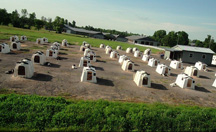 Chazy, NY. With funding from the farmer-driven Northern New York Agricultural Development Program, a project is underway to evaluate ways that dairy farmers can manage calf nutrition to reduce the impact of heat stress on the young animals. According to Ohio State University and the University of Illinois, the economic impact of heat stress can result in annual losses of $253,000 with dairy animals up to 1 year of age in New York State.
 Managing a dairy farm’s finances and ensuring it is profitable is no easy task.


 You recently treated your dairy cow with antibiotics for a case of mastitis. Assuming you worked with your veterinarian to determine the pathogen and appropriate treatment, and considering you followed the antibiotic’s label directions for dose and proper route of administration and milk withhold time, her milk should be ready for the bulk tank again. But how can you be sure?


 The maternity pen is a calf’s first contact with her environment, and what the calf is exposed to can make or break her future in your dairy herd. That’s why maternity pen management needs to be a high priority on your dairy. Here are some opportunities for you to help get your calves off to a healthy start.
 When breeding heifers, the common question “how big is big enough?” could soon be a thing of the past.
 Sharemilking career paths are changing in New Zealand, according to the DairyNZ and Federated Farmers-resourced Dairy Progression Pathways report, undertaken by AgFirst.
 The summer season is just around the corner, and the knowledge and understanding of the effects of heat stress on cow production and how to mitigate these effects are important for dairy operations. The combined effects of high heat and high humidity make a very uncomfortable environment for both farmers and lactating dairy cows. The decrease in milk production as a result of heat stress is readily seen, but there are less immediate negative effects of heat stress such as reduced fertility. Previous iGrow articles have addressed heat stress, but it is about time to refresh the basic concepts concerning heat stress, its implications, and provide an update on new genetic research which may lead to a more permanent solution to the problem.
 Farmers are among the most vulnerable when it comes to mental health, according to a new study from the University of Guelph.
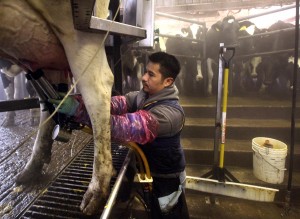 Once your dairy takes on employees, it is inevitable that at some point you will have to discipline or terminate one of them. Disciplining and terminating, like hiring, requires the employer to keep records. Dairy operators must keep in mind that anti-discrimination laws, public policy, and employment contracts may limit an employer’s ability to terminate dairy workers.
 Cows have a strong urge to be resting at night, a research study into feeding behaviour has found.

 Future milk prices are looking (somewhat) better, but it seems like since 2008 no one has felt completely secure in the stability of the dairy industry. Being more cautious can be a good thing, but letting the milk prices and low milk margins get you down is not healthy for you, your family, or your farm in the long run. There is plenty of advice on how to manage your margins and your herd. Now, it is time to talk about how to manage your stress.
 June is National Dairy Month and the University of Florida Institute of Food and Agricultural Sciences Dairy Unit is studying ways to get more milk and cheese to your table. But it’s no easy task to keep cows cool enough to produce in the scorching Florida sun.
 Dairy calves are dehorned for the safety of the animals and the people who will handle them in the future.
  According to Dr Xavier Manteca, University of Autonoma de Barcelona, who will be speaking at the Australian Veterinary Association’s (AVA) Annual Conference, dairy cattle welfare can be assessed using a range of methods.
 Heat stress among cows presents a major problem for dairy farmers during warmer months, but Cargill’s feed additive may help change that.
 Canadian dairy producers have made great strides in the area of reproductive performance. Statistics such as pregnancy rate, average days in milk and calving interval are rhymed off much more easily by the herd manager of today than the one of the past. For various reasons, improved herd management and reproductive performance translates to more cows pregnant earlier in lactation. At the other end of the lactation, these cows may also be dried off earlier and therefore not surpass the standard lactation length of 305 days in milk. Canadian Dairy Network (CDN) took a closer look at this reality to assess its impact on lactation records and genetic evaluations.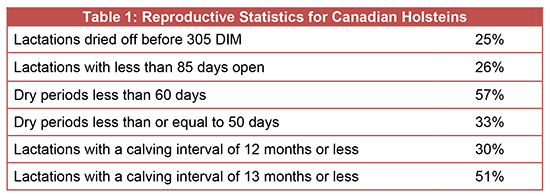
 A central Wisconsin dairy farmer says producing high quality forage is helping offset escalating input costs.
![Virtus[1]](https://www.thebullvine.com/wp-content/uploads/2016/05/Virtus1.gif) We at Virtus Nutrition believe that Fatty Acids Matter. Big Fat Ideas from The Fatty Acid Forum is an email series created to highlight key concepts in fatty acid nutrition for dairy cattle in a simple and impactful way: One Big Fat Idea at a Time. Be sure to forward to a friend, client or colleague to share the knowledge and improve the returns from fatty acids in your dairy cow diets!
We at Virtus Nutrition believe that Fatty Acids Matter. Big Fat Ideas from The Fatty Acid Forum is an email series created to highlight key concepts in fatty acid nutrition for dairy cattle in a simple and impactful way: One Big Fat Idea at a Time. Be sure to forward to a friend, client or colleague to share the knowledge and improve the returns from fatty acids in your dairy cow diets! Research at the University of Illinois has shown that adding methionine to the diets of Holstein cows during the prepartum and postpartum periods may impact the preimplantation embryo in a way that enhances its capacity for survival.



