The current state of the dairy economy has dairy farm managers looking for ways to improve cow productivity and reduce expenses. One management area that may offer some of these returns is the feed bunk. It is important to work with the herd nutritionist to provide a ration that will allow the dairy cow to produce a high level of milk, but beyond the nutrient composition of the ration, the manager must understand and work with cow feeding behavior to promote maximum dry matter intake (DMI). The following comments are based upon an eXtension article entitled “The Feeding Behavior of Dairy Cows: Considerations to Improve Cow Welfare and Productivity.”
Dairy cows managed in an indoor production system typically spend 4 to 6 hours per day eating, ideally divided into 9 to 14 separate meals or feeding sessions. The delivery of fresh feed is a major stimulus to cow feeding and research demonstrates that the 60 minutes following fresh fed delivery produces a peak feeding pattern. Research has also shown that there is benefit to coordinating the delivery of fresh feed with a return from the milking parlor. Cows that had access to feed after milking stood longer (48 versus 21 minutes) than cows that did not have access to feed after returning from milking. The additional standing time is beneficial from the standpoint of providing adequate time for the teat sphincter muscle to fully close, thus reducing the risk of intramammary infection from exposure to environmental bacteria when cows lie down too soon after milking. Based on this research, adding an additional fresh fed delivery could help to improve DMI intake or, more likely, result in a more even feeding time distribution. Increased feed delivery can reduce diurnal fluctuations in rumen pH and possibly reduce the risk of subacute ruminal acidosis in some situations.
If an additional fresh fed delivery is out of the question, more frequent feed push-up is another management practice that can offer a number of benefits, including higher DMI, greater fat-corrected milk yields, less feed refusal, and an increase in standing time after milking. Typically, sorting occurs by the first cows to eat the freshly delivered feed, which create holes in the feed pile. Cows that eat later do not have the same ration consistency as those first cows. Pushing feed up remixes the feed pile, which provides a better ration to those cows that follow the first eaters. When feed is pushed up, it can also stimulate another feeding session for the cows, creating another meal opportunity. The goal is to get cows to eat more frequent, smaller meals throughout the day. This creates a better pH balance within the rumen as compared to a situation where cows slug feed with fewer, larger meals. Slug feeding can disrupt rumen pH balance and lead to milk fat depression. After the initial feeding period, the feed bunk piles are often scattered, providing a large surface area for oxygen to degrade the forage portion of the ration, in particular ensiled forages. Pushing feed up puts feed back into piles with less surface area, which can help to prevent or reduce heating and reduce feed waste by refusal. If feed is not delivered after milking, then pushing up feed after milking can stimulate cows to eat and increase standing time after milking, allowing more time for the teat canal to close.
A final factor to look at to help improve the DMI and distribution of feeding times and meals for cows is stocking density. The eXtension article says, “recent research suggests that overcrowding at the feed bunk may have deleterious effects on feeding behavior.” In 2000, Batchelder (Proceedings from Dairy Housing and Equipment Systems: Managing and Planning for Profitability, Camp Hill, Pennsylvania) reported that using 30% overcrowding (1.3 cows/headlock) reduced daily DMI and resulted in substantially fewer cows eating during both the hour following milking and following delivery of fresh feed. Other research has shown that in overcrowding situations, cows will stand and wait for a feeding spot. Increased standing times are associated with a higher risk of developing hoof and leg injuries. In addition, some researchers have noted increased aggression in feeding areas when cows are overcrowded and this behavior can lead to higher incidences of hoof lesion development and lameness.
Dairy managers have opportunities to increase productivity and reduce costs by improving feed bunk management to take advantage of cow feeding behaviors. The entire eXtension article is available online at http://tiny.cc/cowfeedingbehavior.
Vacy dairy farmer David Williams is expecting a power bill into the hundreds of thousands of dollars.
In the New South Wales Hunter Valley, third-generation dairy farmer David Williams’ Vacy property is a green oasis in a hazy brown landscape.
But looks can be deceiving.
His paddocks are green with a covering of pasture after more than 100 days of consecutive irrigation — a necessity amid one of the driest seasons he can remember.
But while the water has been desperately pumped in a bid to grow feed for his livestock, Mr Williams is bracing for an extraordinarily high-power bill.
“Last year was an average season and we paid $110,000 for the year for electricity,” he said.
“This year, if this dry weather keeps up, we might [be] pushing towards $200,000.”
High bills have some considering their futures
Running a dairy farm has always been an expensive undertaking. There is the cost of the cattle, feed, irrigation, as well as the price of running the dairy, cleaning, and keeping milk cool.
But as power prices continue to ratchet up, Mr Williams said some farmers, including himself, could be forced to consider their futures if no relief came.
“It’s going to come to a point where something’s going to have to happen. You just can’t keep running things down forever,” he said.
“If things don’t turn, a lot of people are going to get out of the industry.
“There’s quite a possibility [I’ll leave the industry] if things don’t improve. You’ve got to make money, you’ve got to make a living.”
Dairy industry body looks to boost use of renewables
With high power prices a central concern for many farmers, sections of the dairy industry were looking to boost the use of renewable energy.
The NSW dairy advocacy group, Dairy Connect, has announced they would link with renewable energy companies to develop ways to provide relief for farmers feeling the high power price pinch.
Part of their aim included researching and developing renewable energy technology that could help.
“We believe industry, in conjunction with government, needs to find ways to be able to make energy more affordable,” Dairy Connect CEO Shaughn Morgan said.
“We want to ensure the dairy industry continues to have the green, clean image that it deserves, and we want to be able to find companies that ensure renewable energy can be provided to farms throughout NSW and Australia, at a cost that’s affordable.
“That’s so important for the economic wellbeing of this country, and to ensure the economic wellbeing of dairy farms.”
Mr Morgan said he was confident dairy farmers would take up effective renewable energy options if they were developed.
“They’re looking at making savings; they want to make sure their overheads are at a level that’s sustainable,” he said.
“They don’t want to see their farm stagnate. We don’t want to see the dairy industry continue not to grow in a manner that it should.
“We want to make fresh milk available in this state at higher levels than they’re being produced at the current time. That can only be done in partnership with other organisations and companies and industries that can provide savings to the farming enterprise, to ensure they survive into the long term.
“We want future generations of dairy farmers to be out there and to continue to see a reason to stay in the industry.
“If we can’t make this work, if we can’t see this grow, there will be great concerns into the long term about not just the dairy industry, but agriculture generally.
“If we go to micro-grids, if we go with solar, if we go to battery technology, we need to get away from those energy sources that don’t add to the economic wellbeing of both the farming enterprise, the economic wellbeing of the economy, or the economic wellbeing of the provider of the service.
“These are vitally important ways for us to move forward.”
Renewables a ‘catch 22’
Farmer David Williams said he was not certain a shift to renewables would bring the price relief that was hoped.
“I think [renewables are] a good thing, but the trouble is, it’s going to be expensive,” he said.
“I can’t see renewables actually being cheaper.
“We have thought about putting in solar for our dairy; the trouble is, the payback time is a fair while, and the other problem is we haven’t got the money to spend on it. It’s a catch 22.
“I’m not sure [Dairy Connect’s plan is] going to have any impact.
“It probably doesn’t hurt, as it puts it back on the government that there is a problem … this is not just going to be the dairy industry — it’s going to be every manufacturing industry.
“The supermarkets and the processors — they’re just going to pass their costs back on to us, because we’re always the last in the chain.
“It makes you really mad, and the government just does absolutely nothing to help.
“It’s pretty sad when diesel is actually cheaper than electricity.
“It’s just the fact that we’ve already got the electricity infrastructure in, but we’d be better off running a diesel pump.”
UCD spin-out Equilume might be best known for its equine focus, but now the company is using its photonic technology with cows, too.
Having already seen what it can do for the horse-racing industry, University College Dublin (UCD) spin-out Equilume believes its technology could be of use for Ireland’s lucrative dairy farming industry.
Known for its Light Mask device, which uses photonic technology to maximise a horse’s reproductive efficiency and competitive performance, a variation has been found to have considerable benefits for dairy cows.
In dairy production, light therapy plays a very important part in lactation for cows.
In intensive zero-grazing indoor systems, lights are typically left on for 16 to 18 hours a day to regulate the hormone melatonin, which leads to the increased stimulation of lactation.
Bringing the cow mask to market
With a customised blue light for cows, Equilume’s new Bovine Light Mask has shown an increase in milk yields by 9pc in initial trials.
By identifying the precise amount of light delivered to a single eye required to regulate bovine melatonin, the mask enables cows to remain outdoors in the grass and still benefit from light’s ability to stimulate higher milk yields.
This innovation, Equilume said, will allow dairy farmers to improve productivity sustainably, without increasing greenhouse gas emissions that are normally associated with herd expansion.
Dr Barbara Murphy, founder and CSO of Equilume, said: “The results of our trial are very promising in terms of increasing dairy milk yields.
“Our next step is to utilise the prize won at the [Enterprise Ireland Innovation Arena awards] and to work with design partners to expedite a final design of our new Bovine Light Mask offering to bring to the market.”
The company was a winner of two awards at the Enterprise Ireland event held during the recent 2017 National Ploughing Championships.
“The results of our trial are very promising in terms of increasing dairy milk yields,” researcher Barbara Murphy said.
A new artificial light device developed in Ireland promises to increase cows’ milk yields by 9 percent. In the latest tests, the technology, a mask, increased milk production among lactating bovines.
The device was developed by Equilume, a company spun-out of the research labs at the University College Dublin in Ireland. For a few years, the company has been making light therapy masks for horses, but are now working on expanding the scope of their technology.
The Equilume Bovine Light Mask shines artificial light into the wearer’s eyes. The light encourages melatonin production, a hormone that promotes breeding and jumpstarts the lactation cycle.
On most modern dairy farms, milking cows are kept under artificial light for as many as 18 hours a day during the fall and winter. The new mask negates the need to keep cows cooped up for so long.
Mask-wearing cows can stay outside in the grass without sacrificing yield. In fact, the mask improves yield, which means farms could reduce herd numbers and not suffer a drop-off in milk production.
“We have nearly finished our initial lactation study, conducted in collaboration with Teagasc,” UCD researcher Barbara Murphy said in a news release. “The data from the first 12 weeks reveals that multiparous cows show a nine percent increase in milk production when wearing the Bovine Light Mask.”
Equilume won the Agri-Technology Established Company Innovation Award at the Enterprise Ireland Innovation Arena Awards, held last week at the National Ploughing Championships in Scraggane.
“The results of our trial are very promising in terms of increasing dairy milk yields,” Murphy said. “Our next step is to utilize the prize won at the Innovation Awards and to work with design partners to expedite a final design of our new Bovine Light Mask offering to bring to the market.”
Research group is investigating alternatives for addressing problems such as acidosis, a serious disease that affects feedlot cattle
Improving the productivity of Brazilian livestock means not only finding ways to make the cattle produce more meat or more milk, but also addressing issues such as diseases. One of them is ruminal acidosis.
In cases of this disease, the affected animal experiences an intense production of lactic acid and a decrease in the pH of the rumen, the first compartment of the stock of ruminants – also known as a paunch. Acidosis plays a major role in livestock breeding since it mainly strikes animals kept in intensive farming systems. The mortality rate is high, even in treated cases.
In a study conducted in 2014 by Danilo Domingues Millen and Cassiele Aparecida de Oliveira at São Paulo State University (Unesp) in Dracena (São Paulo, Brazil), acidosis was identified by 37.5% of feedlot cattle nutritionists as the second most important health problem, after respiratory problems (identified by 40.4% of nutritionists) but well before of cysticercosis (identified by 9.4% of the nutritionists).
At FAPESP Week Nebraska-Texas, which is bringing together researchers from the United States and Brazil through September 22 in the cities of Lincoln (Nebraska) and Lubbock (Texas), Millen presented the outcome of surveys completed by nutritionists and the findings of research studies he is currently conducting on the feeding of ruminants. The data collected help provide a clearer understanding of the developments in nutritional recommendations and management practices in the production of feedlot cattle in Brazil.
“We conducted three studies: in 2009, 2011 and 2015, based on surveys containing nearly 80 technical questions directed at nutritionists who work with feedlot cattle all over Brazil. We followed a model developed in the United States by Professor Michael Galyean, who is now the Provost of Texas Tech University. When conducting a survey of this type, in order to be sure of the results, the survey needs to include 80% or 90% of the niche wished to be covered. In Brazil, the first study involved 31 nutritionists and the other two studies involved 33. They are responsible for approximately of 90% of all feedlot cattle in Brazil,” he told Agência FAPESP.
Millen said that the papers published on the basis of the results of these three studies – which received funding from FAPESP – besides being frequently cited, have helped several other research groups generate new hypotheses and have also led producers to evaluate their practices. “Producers and nutritionists can see, for example, what other professionals are putting in the diets and improve their breeding,” he said.
Among the publications are “Survey of the nutritional recommendations and management practices adopted by feedlot cattle nutritionists in Brazil” (Animal Feed Science and Technology, 2014) and “A snapshot of management practices and nutritional recommendations used by feedlot nutritionists in Brazil” (Journal of Animal Science, 2009).
Additives that influence fermentation
The studies with nutritionists indicated that the quantity of feed concentrate has increased since 2009. This means the use of higher amounts of carbohydrates that can cause problems such as acidosis.
“All ruminants, whether they be cows, goats or other, have a fermentation chamber, which is the rumen, where gases and acids are produced. Most of the energy ruminants use to produce milk or gain weight comes from the acids produced in the rumen. Therefore, acid needs to be formed so it can be absorbed through the wall of the rumen, go to the liver and be used by the animal as energy,” Millen said.
The problem, he explained, is when there is excess fermentation. When the acid production rate is much higher than the absorption rate (the rate of withdrawal from the rumen) a disorder known as tympanism occurs as a result of acidosis, and the animal becomes bloated by the abnormal accumulation of gases in the stomach. The rumen increases in size and the animal experiences difficulty breathing and can die,” he said.
“The issue is that in order to increase productivity, the feed needs to have better quality products, but these products are also carbohydrates that ferment very quickly so that the animal gains more weight and produces more milk faster, and this cannot be done through grazing,” he said.
One alternative to alleviate this problem is to use feed additives, which cause the animal to produce fewer acids that can cause problems.
“Our group has researched additives, which are micro-ingredients administered to the animals in doses of 1-2 grams per day. They play a beneficial role in fermentation in the rumen. Included among the acids produced in the rumen are weak acids and strong acids. Weak acids are more beneficial in helping the animals gain weight and produce milk. In other words, they have less capacity make pH decrease. Among strong acids are what is known as lactic acid, which the animal has less ability to absorb,” Millen said.
“We use additives, such as ionophores [molecules soluble in lipids], that kill some of the bacteria that lead to the production of lactic acid. By using these additives, we can control the production of lactic acid and the animal is much less likely to have acidosis and tympanism,” he said. Today, most feedlot cattle producers in Brazil use ionophores in the feed.
The researchers in Millen’s group found evidence that Nelore cattle may be more sensitive to acidosis that other breeds, such as those produced in the United States and Europe. Future studies will be carried out to investigate the issue.
Another focus of the group is the study of cattle adaptation methods. For example, the researchers attempted to ascertain the ideal transition time with regard to grazing animal nutrition in containment areas.
“Fourteen days is the minimum window we have observed for removing the animal from pasture and ensuring that it eats close to 80% or 85% concentrate. It is the interval for transitioning the animal – changing its diet gradually in an effort to prevent digestive problems like acidosis,” Millen said.
Millen is also one of the editors of the book Rumenology(2016), about the nutrition and raising of ruminants. The book also highlights the wide variety of aspects that involve the rumen, such as its anatomy, physiology, microbiology, fermentation and metabolism.
Many dairy farmers wonder if their cows can perform better than average.
Well, cows increase milk due to improved nutrition, genetic selection, better herd health and general management.
Good nutrition being a requisite of optimal milk production, farmers should aim at balancing diets that encourage economical, optimal and good composition of milk while maintaining good animal health.
This can only be achieved if we recognise that there is no logical guide to feeding cows, rather understanding their needs to offer the best as guided by the following 10 principles.
1. Analyse feeds for their nutritional composition
Normally, best feeding is delivered when lactating cows are grouped separately into high and low yielders. This makes it easy to know the nutritional requirements of different groups and strategise your feeding. Cows are generally supplemented with concentrates based on production and what roughages offer. If the roughages offered do not meet the threshold nutritive requirement for desired milk production and other maintenance functions, it is evident that the nutrients in short supply have to come from a concentrate mixture.
2. Use quality feeds and avoid mouldy roughages
A cow is a factory that utilises quality grass (or other roughage) to give milk. Poor quality, mouldy feeds reduce palatability hence dry matter intake. This in turn leads to a reduced nutrient intake, low weight gain and low milk production.
3. Weigh the amount of feed to include in the total ration
Feed intake for lactating cows is averagely 3 per cent of their body weights on dry matter basis. One should know how much parts of each feed (roughage or concentrate) to offer when giving different feed resources to supply different nutrients. This mainly applies in the case of Total Mixed Rations (TMR) or when feeding more than one feed resource. Furthermore, measuring what is actually fed and how much is produced usually helps target optimal feed efficiency. Feed wastage by animals is attributed to not having the idea of what quantity animals need, leading to economic losses.
4. Keep rations constant, especially during the first half of the lactation
After calving, milk production steadily rises up to a peak level. Feeding diets and strategy should aim at steadily increasing milk production and sustaining peak production for as long as possible. Cows that are poorly fed during early phase do not attain peak yield, drop milk production and take longer to return to heat.
5. Observe roughage-concentrate ratio
Allow feeding higher roughage and lower concentrate diets to avoid digestive disorders. This results in lower purchased feed cost per unit of milk produced. While many go for more concentrates for more milk way of feeding, excessive concentrates added rapidly to non-accustomed cows can lead to digestive disturbances resulting to rumen acidosis, loss of appetite, reduced milk production and low milk fat content.
6. Supplement concentrate mixtures with right amount of minerals and vitamins
Minerals make up small portions of diets but have a major functional contribution to dairy animals. Generally they are needed for growth and development of bones, muscle function or formation, water balance and milk production, among others. Vitamins, on the other hand, are needed in minute quantities but are essential for various metabolic processes in the body, ability to fight stress, diseases and to maintain good health. Clearly, they are very important in the diets, therefore finding the right balance for them helps boost overall production.
7. Provide diets that are palatable and appealing to cows
The palatability of a feed can stimulate or inhibit intake. Feed intake provides a framework for a productive and profitable herd. High voluntary feed intake in cows is a good indicator of feed acceptability. Certain feeds like animal by-products and dry, dusty feed are not palatable and reduce intake if included in the diet. Others such as molasses are very palatable and are used to make rations more acceptable and make dry diets softer.
8. Use feeds that do not affect the milk flavour and are beneficial to the animal
High quality, pleasant tasting milk cannot come from unhealthy cows. Keeping cows healthy, therefore, is the first step towards producing tasty milk. Healthy cows with low somatic cell count do not produce milk with a foul aftertaste, off-flavours or unpleasant odours. Some feeds with flavour substances accumulate in cow body tissues, particularly in the fat and later transfer to the blood, hence to the milk. In dairy, avoid feeds that impart undesirable flavour on milk or withhold feeding them for a reasonable amount of time before milking.
9. Purchase right feeds at low costs all the time
The basis of a profitable dairy farming lies in its economic operations. Feeding accounts for a larger percentage of production and a farm may not be able to produce everything a cow feeds on every day. Hence, periodically assess the economic value of feeds being purchased while preserving the value of your herd’s nutritional needs.
10. Optimise diets for profitable dairy business
Always ensure economic competitiveness of your feeding programme. The best way of spending less on feeds is to grow your own fodder. Sometimes if milk production is not optimised with your own feeds, it makes sense to compare the economics of home feed production with outright purchasing of complete concentrates or fodder
The basic principle in dairy farming is ‘no food, no milk’. With good nutrition, dairy cows not only demonstrate their full genetic potential for milk production, but meet the nutritional requirements for maintenance, growth and reproduction.
Mothers did not let their babies grow up to be cowboys
There are now fewer Canadians cows than at any point since the early 1990s and, according to analysts, it’s partially millennials’ fault.
On Jan. 1, Statistics Canada counted 11,850,000 total cows in Canada — already a 26-year low.
Now, U.S. authorities monitoring the Canadian cattle market suspect that by 2018 it will drop even lower, to 11,725,000.
“Canadian cattle farm numbers have continued to contract as ranchers retire out of the industry without a successor,” reads a new report by the United States’ Foreign Agricultural Service.
If the 2018 projection holds true, the year will rank as the ninth-lowest year for Canadian cattle numbers since 1970.
It also means that Canada’s ratio of cows to citizens remains in steep decline. In 1945, there were seven cows for every 10 Canadians. At the beginning of 2017, that ratio had dropped to only three cows per 10 Canadians.
Part of the recent decline in cattle numbers has been due to drought in the Canadian Prairies reducing the output of grazing land. Faced with keeping their herds alive with trucked-in feed, many farmers opted to send cows off to slaughter or sell them to the United States.
Cattle producers have also cited production being hamstrung by labour shortages. “Many readers, I’m sure, know first-hand how hard it is to find someone to work on a ranch or in a feedlot,” reads a 2015 article in Canadian Cattlemen.
In its report, the Foreign Agricultural Service placed special emphasis on what it called “producer attrition.” With old ranchers retiring and young ones not stepping up to replace them, there are simply fewer places in Canada raising cattle. Since 2005, the number of cattle farms has gone down by more than third.
The paper noted that Canada’s remaining cattle farms were swelling in size, indicating consolidation. However, “the loss of farms continues to outpace the rate of growth in cattle per farm, dragging down the size of the total cattle herd,” it wrote.
There’s also the simple fact that Canadians aren’t eating as much beef as they used to.
In 1980, the year that Terry Fox began his Marathon of Hope, the average Canadian ate 38.8 kilograms of beef per year; the equivalent of 420 McDonald’s hamburgers’s worth.
In 2017, per capita beef consumption has dropped to 25 kilograms, a reduction of 35 per cent.
Compare that to chicken, which has gone from 16.88 kilograms per year in 1980 to an all-time high of 32.51 kilograms in 2016 — twice as much.
Indeed, most of the reductions have been seen in the beef sector, which constitutes by far the largest share of Canadian cows. In 2017, there are 9.9 million beef cows to 1.9 million dairy cows.
Dairy cows, like all aspects of the Canadian dairy industry, are not subject to normal market pressures as a result of supply management policies. With dairy cow herds strictly regulated by marketing boards, they stay relatively consistent year after year.
Meanwhile, the situation is almost the exact opposite in the pork sector. At the beginning of 2017, there were 14.13 million hogs in Canada, an increase of 290,000 over the previous year.
“Canadian pork exports are projected to continue to reach record high levels in 2018 driven by consumption patterns in Asian markets,” wrote the Foreign Agricultural Service.
The United States Department of Agriculture has implemented the Animal Disease Traceability program. Each state requires that all cattle leaving the state must have an official tag. If you are selling any animals to the livestock market you should tag the animal prior to leaving your dairy.
Which cattle require official ear tags?
Dairy breed cattle (including cows, bulls, steers, and calves)
Beef breed cattle older than 18 months
Cattle of any age used for rodeos, shows, and exhibitions
You may obtain official tags from your veterinarian or your state Department of Agriculture regional office. An official tag must have the US shield symbol.
US shield symbol required on official animal identification tags.
Pennsylvania Department of Agriculture Region 5 veterinarian Dr. Elizabeth Santini, stated that it would be in the best interest of dairies to tag all calves–including bull calves–leaving the farm with either a metal tag or an RFID tag. Be sure that the tag has the US shield. You do not want to be responsible for any animal that did not originate from your dairy.
It is not a legal requirement in all states for producers to identify their cattle if they are not transporting them across state lines. However, it is in your best interest to place an official metal (or RFID) tag and record that tag number including the back tag number placed by the hauler or market at the time of sale. You lose all control of your animals once they leave the farm. You should do all you can to positively identify your livestock, so they won’t be involved in an erroneous disease or drug residue trace back.
If you have any questions regarding the animal traceability program, contact your regional PDA office or Greg Strait at the Fulton County Extension office (717-485-4111).
Dairy farmers have been told that efficient technology will save them up to 15% on their energy bills.
The Sustainable Energy Authority of Ireland (SEAI) is collaborating with Teagasc to help dairy farmers reduce their energy use and save on electricity costs.
A pilot scheme is funding high-efficiency pumps which can dramatically reduce electricity consumption on dairy farms. The fund is €250,000 with 80 dairy farms likely to benefit this year.
The SEAI is working with Teagasc to ensure that the growth and development of dairy farming is as sustainable as possible.
SEAI chief executive Jim Gannon said: “Everyone in agri-food has a responsibility to use less energy, and use cleaner energy where they can. Our farming community have been stewards of the land for generations in Ireland and have a key role to play in helping to tackle climate change.”
Teagasc director Gerry Boyle said that, with the present uncertainties in world affairs, there is a need to improve energy security by reducing our dependence on fossil fuels.
“In the longer term, we need to tackle global warming by reducing the level of greenhouse gases in the atmosphere,” said Prof Boyle. “At an individual farm level an investment in energy efficiency or renewable technologies will reduce the high cost of energy inputs.
“It will also give a green image to our production that is of increasing importance in the marketplace.”
The projects funded are providing valuable data and insights to support evidence based policy. The scheme will also help identify the right approach which can be introduced to the broader dairy community.
Technologies covered include variable speed drive vacuum pumps, milk pumps and smart meters.
Grant aid is available for up to 50% of total technology and installation costs.
To qualify for the grant, participants must first apply to and get approval from SEAI. All installation works must be completed and grant request forms received by October 20.
Participants must fit a smart meter or measure electricity consumption for at least one week before and after installation.
Calves and heifers are an important part of the farm since they are the future of the operation in more than one way. Calves are the first place kids learn how to be responsible and care for animals.
While replacement heifers are a very important part of the future of your operation, they can also be a very expensive part.
Knowing your cost of production and need for replacements can help determine how many heifers you need on the operation and which of three areas your heifer raising falls into a money pit, breakeven, or a profitable genetic endeavor.
The average farm has a 33 percent cull cow rate, meaning a 200-cow dairy needs to freshen 66 heifers each year. This would leave 50 heifers for the average dairy to either sell or expand the milking herd.
Staying profitable
If you are good at raising high-quality heifers, you can sell them profitably to other farms. The problem is heifers are only selling for an average of $1,700 dollars, and this does not always cover the cost to raise the heifer.
A survey from Wisconsin found that the average cost to raise a heifer was $2,105. There was a large variation between farms with the majority falling between $1,400 and $2,800.
Figuring out where your farm falls on the heifer-raising scale could greatly affect your bottom line.
If you are selling heifers for $1,700 and the cost to raise them is $2,100 without even including the newborn calf value, your 200-cow dairy would be losing $20,000 on your extra heifers. The numbers will look even worse if you are culling cows just to make room for your extra heifers.
Mature cows produce nearly 20 percent more milk/lactation than fresh heifers, have already recouped their rearing costs, and some may have higher genetic value than the heifer that would replace her.
Looking at costs
With that in mind, the first step is to look at what your farm’s costs are to raise a heifer from newborn until weaning. The average cost to raise a calf is $375 with a cost ranging from $215 to $908.
Part of the difference in this range is the number of days calves are fed milk, ranging from 46 to 84 days.
Another difference in calf raising costs is the type of milk fed. Many of the low-cost producers were feeding pasteurized waste milk, at a cost of $5 a hundredweight, while the highest cost producers fed milk replacer.
The other major difference was the cost of labor and management, including unpaid labor. The average was 10 hours spent raising each calf or feeding 14 calves per hour per feeding.
The least profitable farms spent 19 hours raising each calf. While decreasing labor cost is important, you need to make sure that reductions in labor do not increase other costs, such as veterinary expenses or death losses.
The next period is from weaning to calving. The average cost to raise a heifer during this time is $1,583 with most farms falling between $914 and $2,254. There are many places where costs vary while raising heifers.
The biggest variables are the cost of feed, labor and housing. Bedding costs are also highly variable by housing type comparing free stalls, bedded pack, and pastures.
The largest variation was in feed cost, which varied by feeds used and by-products available. Many rations use a double crop forage, which is an excellent option, but you need to calculate the actual cost of that feed ingredient not just call it a free feed.
Operating cost
While you might not have a land charge, all other costs exist fertilizer, seed, herbicide, planting, and harvest. Labor and management showed the next largest variance at 12.8 hours average per year per heifer with some operations as high as 62 hours and others as low as 2.2 hours.
If your cost of heifer production is more than what you can sell heifers for, other options need to be considered. Alternatives include raising only the heifers you need as replacements, selling all young stock and buying replacements, utilizing a custom heifer grower, or streamlining your own heifer enterprise.
Genomics of the calf along with production and health history of the parents can be good tools to determine which heifers are the best to keep and improve your herd. Replacement costs constitute the second largest cost on most dairy farms-manage yours to enhance the future of your dairy.
We love identifying winners. Dairy winning includes identifiable achievements such as winning showmanship at a regional 4H show, Grand at WDE, Junior All-American in milking form, top gTPI Heifer for the month or having a young bull that enters AI with over-the- top health and fertility indexes. These are all about standing in the winning limelight of our dairy world. However, winning in the show ring or on financial, health or genetic records, always comes back to the human team as the foundation. A-Team scrutiny raises key questions. How was is it selected? Where was the talent found? How were the all-star bits and pieces managed into becoming an all-star dairy team?
Drafting and Managing an All-Star Dairy Team
I love this time of year in North America. Sports lovers are inundated with the two extremes of playoffs and new seasons occurring simultaneously. Baseball. Football. Soccer. Basketball. On the field and in the headlines, every sport has one goal. Winning. Whether the season is ending or just beginning, winning depends on picking the best and then managing a Team of All-Stars.
Just like sports managers do, successful dairy managers must form teams that can win. The team must work to carry out their most important initiatives. It isn’t unheard of to build dairy teams from whoever is available. However, the most successful dairies consistently select their very best talent, to tackle the dairy’s highest priority issues: monitoring health, ration balancing, feed mixing and heat detection. The list can seem endless but basing team choices only on availability can result in enormous missed opportunities. Using well-selected teams can make a measurable difference in achieving goals. It can be even more significant if this is an under-achieving area of the operation.
Know Your Best Talent. Put them in the Most Effective Position.
Perhaps everyone on your dairy team knows all the basic skills of the operation. But that is very seldom the case, unless the size of your team is less than three individuals. What separates an all-star from the also-rans, is knowing who has a special talent for specific assignments. Who has the patience to manage difficult calvings without resorting to pulling too soon? Who has the eye to recognize changes in eating behavior, resting or mobility patterns and cares enough to learn how to respond effectively? Who walks the animals and pays attention to the manure? Who has the interest in tracking data that may impact the discovery of weaknesses in your breeding program? Who can use a cell phone to capture and transmit herd events? You may know that some of your team have better skills but you may not fully recognize just how much better they are because day-to-day logistics are done pretty much the same way all the time.
When it comes to daily routine the aim is for everyone to perform at a high level. This is achieved if each team member is committed to performing the tasks with consistency and care. That works for the repeatable, routine tasks. However, for creative or highly unstructured work, like bunk management or delivering first calf heifers or using observation to discover issues, the best team members can be many times more effective than the average. It isn’t about carrying out the routine. It is about responding to the exceptional issues, including animals under stress. The best do more and do it better.
How Many “Bests” are on Your High Priority Teams?
Dairy team managers make a great start when they accurately identify the strengths of each dairy team member. Teaming great talent together multiplies the force and exponentially multiplies productivity and effectiveness. After all, two heads are almost always better than one. But with star talent, this relationship becomes more extreme. Imagine putting your best heifer handler together with your best nutrition manager and then bring them under the direction of your best logistics person. A three-member team, comprised entirely of A-players, can produce much more output than an average team. They set new protocols. Achieve new benchmarks. And look for “better” all the time!
How Many Jobs? How Many Teams?
A milking-pit crew can be compared to NASCAR pit crews. There are many jobs and many ways to get the best flow-through, while not sacrificing the priority goals – speed (in racing) or production (in milking).
One of my vicarious enjoyments is watching pit crews in NASCAR races. Their performance can be objectively measured. Research tells me that a standard pit in a NASCAR race involves more than 70 separate tasks, such as refueling and changing all four tires. The best complete a standard pit in just 12.12 seconds. It’s remarkable to watch! Now ask yourself what would happen if one of those all-star, year round trained members was to be replaced with an average tire changer. You would still have strength on the team but with each average replacement, the productivity of the entire team declines.
Saving half an hour in milking time will reduce the cost for milkers or allow workers to use the saved half hour to conduct herd walks to find animals off-feed or not going to the manager to eat. A players provide invaluable flexibility to adapt to change and resolve potential issues.
You have a great team. Do you have a great manager?
Working under great leaders or managers further magnifies the production of extraordinary teams. Not all dairy team leaders are alike – in the same way that not all coaches are alike. Great coaches get better performance out of their teams than mediocre ones do. They are effective because they are better at encouraging each member of the team to play up to his or her full potential.
Economic studies have found that leaders that rank in the top 10% of their industry can affect the productivity of an average team. If they only do that by about 10%, on a nine-member team that would be equal to adding another team member. It seems to be born out that they can raise the output of an all-star team as well, even though that all-star team was already significantly higher to begin with.
Great sports managers and great team leaders are able to improve the performance of whatever team they are working with —regardless of whether it’s average or all-star.
On a dairy farm, having nine highly effective workers, instead of ten to eleven average workers, provides a top manager with the ability to remunerate the nine at a higher rate and still have savings. Proper remuneration is not only a motivator but it also is part of the A-team philosophy of recognizing the value of always targeting improvement and achieving dairy goals.
Five Actions to Bring out The All-Star Qualities of Your Dairy Team
Identify star talent
Identifying and managing extraordinary teams offers the potential for exceptional dairy productivity and performance. Unfortunately, too many dairies fail to realize this hidden potential. You may have done a good job of setting up protocols and following them. Is there a method of feedback for finding people who care about making a good method better and better achievement the best?
Assemble all-star teams
Putting together scarce star talent can’t be done if it is reduced to an afterthought that happens by lucky accident. Real winners know that finding the A dairy team goes beyond identifying exceptional abilities. It means putting them together to raise the bar on the results being targeted. If the measure of success is accepted as daily average achievement, you will only find average performers. Seek out those who have a willingness to go beyond what is expected.
Target three priorities as all-star initiatives
If you are more interested in statistics — bank numbers, production numbers or herd size numbers, your dairy will likely become a statistic and not necessarily an exceptional one. There is a very real danger at both ends of the number game. You either target too many priorities or you are using too narrow a focus. Instead, start with three areas where you will assemble your all-star talent. Three examples might be feeding, breeding and milking. Don’t expect everyone on the team to star at all three. Find the best. Give them the training, tools, and empowerment. Let them show what they can do. Quite often the recognition of individual talents inspires whole teams to raise their level of effectiveness. Another area that might gain from A-team input is the need to analyze and improve calf management.
You can’t rest on last year’s record.
Don’t underestimate the competition. Don’t underestimate the impact of changing conditions. Nothing surprises leaders and managers more than being surprised by failure. Exceptional achievement doesn’t mean doing everything the same as you did it, when you won last time. It means being effective today. Winning isn’t a static formula. It’s an attitude. It’s not the system that is to be relied upon. It’s the winning attitude. Every day. Every way.
Manage team member egos
Perhaps the biggest limiting factor from that works against having an all-star dairy team is the fear that, by seeking out and using all-stars, it will mean that personal egos will get in the way of team effectiveness. The 24/7 nature of dairy managing would seem to be best served when the drama of competition and recognition are reduced to the lowest common denominator. But, unless all members are inspired by personal contribution to the team goals, the effectiveness of the team will also slide toward that “lowest common denominator”.
The Bullvine Bottom Line
Too often dairy managers follow outmoded practices for assembling their feeding, breeding and milking teams. They are then easily outperformed by All-Star managers, who aren’t afraid to identify, assemble and manage all star dairy teams. Go ahead. Put together an A-team and then make sure that they are given A-team remuneration! What will happen? Without a doubt, your dairy team will have a winning season!!
As Hurricane Irma makes its way toward Florida, dairy farmers across the state are preparing to make sure their animals and farms are safe and ready for what’s to come.
Almost all are making sure their generators are up and running so that the milking parlors and essential functions of the operation can continue to operate if power is lost. No matter what the conditions, the cows need to be milked every single day without interruption.
Generator being tested and prepped for Hurricane Irma at Butler Oaks Dairy in Lorida, Florida
“Generators are necessary to milk cows in case of electricity outages. Like many farmers, we test our generator under a load every month, to keep it fresh. We will run all night with the generator under a load, to provide one final test before we fuel it up for Hurricane Irma.” Says Florida dairy farmer Ben Butler.
Butler runs Butler Oaks Dairy Farm in Lorida, Florida with his family and says his farm started hurricane prep early this week. The Butlers are on alert and prepared for Hurricane Irma, after falling victim to the devastation of a similar storm in 2005 which claimed four of their barns and took years to repair.
As the storm gets closer the Butler’s will begin to move the cows from their free-stall barns into the pastures where they are further away from potential flying debris. The Butler’s also plan to house their calves in an enclosed horse barn where they will be safe from the wind and rain.
Tractors at Nickerson Barn III in Wauchula, Florida will be covered and protected.
One county away in Wauchula, everyone at the Nickerson Bar III farm is busy tying down and storing loose objects and parking tractors and large equipment under any cover possible.
The Rucks family, which operates a dairy in nearby Okeechobee, are also preparing for Irma by initiating plans for their animals, employees and their families if the storm hits. Their 1,200-acre property houses a 90+ acre lake with ample room for rising water runoff if the storm dumps large amounts of rain.
The calm before the storm at Milking R Inc. while bringing cows into the parlor to be milked
“Our biggest concern is keeping our employees, their families and our cows as safe as possible. Our farm operates almost 24 hours a day to make sure every cow is milked, fed and tended to. We anticipate and are preparing for hours, if not days, of being very limited on how we operate and care for everyone here at Milking R,” says Kris Rucks who operates Milking R Dairy Inc. with her husband Sutton and their two children.
In the last few days, the Rucks’ have been putting up a new wall to protect the milk tanks and all of the electrical wiring during the storm.
Sutton Rucks of Milking R Inc. working with farm employees to build a wall to protect the milking parlor
Kris stressed that like most dairy farmers in Florida, Milking R will be preparing for the storm up until the very last minute possible, making sure their cows and calf cuties are all safe during the storm.
Farmers preparing for calving should also be thinking about effective ways to keep workers safe and well, says WorkSafe’s agriculture sector lead Al McCone.
“Calving is a challenging time in terms of health and safety and there’s a lot to think about from setting up calving sheds and putting together calving kits, to managing hygiene and planning staff rosters.
“On the safety side, slips, trips, falls and kick injuries are high safety risk factors during calving. Cattle should only be handled by suitably experienced people who know the hazards and how to avoid them.
“Planning by identifying the risks and working out how to manage them will ensure the farm keeps operating efficiently. Have a team meeting before calving starts and develop a plan together to handle the risks and to ensure people also eat well, keep hydrated and have sufficient breaks,” Mr McCone says.
He said fatigue is a risk in busy periods.
“Workers need to ensure they get good rest and maintain a worklife balance. While fatigue can cause or worsen physical and mental health problems, it can also affect work performance and lead to accidents.”
To reduce on-farm fatigue, review work rosters and hours, and encourage workers to get adequate rest and exercise, and maintain a healthy diet to sustain them when busy, Mr McCone says.
“Hygiene must be a major focus too. A bucket of water, soap and towel in the shed doesn’t cut it. Workers need a clean place to wash hands and faces.
“That should include running water, liquid soap and a hygienic way to dry their hands, such as paper towels.”
Diseases that can be transmitted from animals to humans include campylobacter, cryptosporidiosis, E. coli, leptospirosis, listeriosis, milker’s nodules, ringworm, salmonella and streptococcus.
Farm workers can become ill through small cuts or abrasions, by getting animal blood, urine or faeces splashed in eyes, nose or mouth, or through cross contamination via hands.
“Workers should all have appropriate personal protective equipment (PPE). Hands should be covered so suitable disposable gloves should be provided. Waterless alcohol-based hand rubs can sanitise visibly clean hands,” Mr McCone said.
Workers should take off their stock-handling PPE on leaving the cattle shed, and wash before eating drinking or smoking.
“Everyone being involved in the planning process is essential. Make sure everyone knows their role, what the risks are and the best ways to mitigate them.
By working with your team to establish and communicate a safety and wellness plan, you’ll limit the risk of staff sickness or injury at such a key time.”
Whether you raise 5, 50 or 500 calves, quality colostrum is vital to give calves a strong start. Calves are born with an immature immune system and have little to no immunity against diseases. That’s why they need to receive quality colostrum soon after birth.
Colostrum contains antibodies, known as immunoglobulins (such as IgG), which help protect calves against diseases. Compared to whole milk, colostrum has twice as much dry matter, three times as many minerals and five times as much protein. It is also higher in energy and vitamins. The high nutrient content in colostrum is especially important because newborn calves have low reserves of these nutrients.
“Quality colostrum helps set calves up for long-term health, growth and productivity. The care and detail that go into delivering colostrum to newborn calves in their first hours of life is crucial to future performance,” says Julian (Skip) Olson, DVM, technical services manager for Milk Products.
Here are four areas to keep in mind for colostrum success:
1. Quality is key
“While high-quality colostrum containing a large percentage of IgGs is usually thick and creamy, don’t rely on appearance alone to predict quality,” says Olson. “A Brix refractometer or a hydrometer based colostrum tester can help you quickly estimate colostrum quality.”
The Dairy Calf and Heifer Association Gold Standards recommend the following IgG levels:
Brix refractometer: 22 or greater for large breeds; 18 or greater for smaller breeds like Jerseys. A Brix value of 22 corresponds to about 50 milligrams per milliliter (mg/mL) or 50 grams/liter (g/L).
Colostrum tester (Colostrometer™): about 50 mg/mL if in the “green” zone. The instrument rises as colostrum cools and sinks in the colostrum as it becomes warmer.
For greatest accuracy, measure colostrum cooled to 72 degrees Fahrenheit. At lower temperatures, colostrum testers can overestimate levels; at higher temperatures, they can underestimate levels.
2. Quantity matters too
Within the first two hours of life, a calf should receive colostrum equal to 10 percent of its bodyweight. For example, a 90-pound calf should receive 4 quarts of colostrum, which weighs about 9 pounds.
“Ideally, after the first colostrum feeding, feed quality transition milk harvested up to 72 hours after calving – about six feedings,” says Olson. “While colostrum contains the highest concentration of beneficial factors, transition milk will continue to be higher in solids, fat, protein, vitamins and immunoglobulins than standard milk. After feeding transition milk, you can begin feeding milk replacer or whole milk.”
3. Timing is everything
Within 24 hours after birth, a calf’s gut begins to close making it difficult to absorb antibodies in colostrum. Studies have shown at six hours after birth calves absorb 66 percent of IgGs from colostrum. But, 36 hours after birth calves were only able to absorb 7 percent of IgGs.[2]
“This information shows how important it is to feed newborn calves colostrum as quickly as possible,” says Olson. “The first two hours is the ideal time window for calves to absorb antibodies. If this is not possible, aim for four hours.”
4. When there isn’t enough
When maternal colostrum isn’t high enough quality, or you don’t have enough of it, there are other options. In these situations, you can use frozen colostrum or colostrum replacer.
“It’s an emergency situation when you do not have the proper amount of colostrum for a newborn calf. Colostrum replacers can help if you don’t have access to quality frozen colostrum,” says Olson. “Colostrum replacers are a viable alternative to build the immune system of a calf. Keeping colostrum replacer on hand will help you stay prepared for the arrival of newborn calves.”
“Your role in helping protect calves from disease by properly feeding colostrum is important,” says Olson. “Pay close attention to the details to help calves build immunity and get off to a healthy start.”
Milk Products, based in Chilton, Wis., manufacturers high-quality animal milk replacers and young animal health products. Using its innovative manufacturing technology, Milk Products produces over 700 unique animal nutrition products for numerous independent feed manufacturers, wholesale distributors, and large retail chains. Our customers choose whether these products are sold under their private label brand, or under the Sav-A-Caf® brand which is manufactured and marketed by Milk Products.
[1] Heinrichs A, Jones C. 2003. Feeding the Newborn Dairy Calf. The Pennsylvania State University.
Two robotic milking units have helped to free time for Daniel Rieder and his son, Nick Rieder. At Riedland Farms in Monroe the Rieders milk about 125 cows. The farm was one of six operations participating in the Green County Dairy Modernization Tours held Aug. 24, sponsored by the University of Wisconsin-Extension and the Green County Milk Quality Council.
The tours are held every two years and feature various sizes of farms that have modernized dairy facilities to increase productivity and animal comfort as well as to reduce labor requirements.
The Rieders installed two Lely Astronaut A4 robotic-milking units about four years ago. Prior to installing the robots, the Rieders were milking three times daily. At the beginning, helping cows make the transition to a catch pen and the robotic milking units took about four months, according to Nick Rieder. But the cows have adjusted.
Since then, acquainting fresh heifers to the system requires about a week of time, Rieder said. He or his father will walk heifers through the catch pen and to one of the robots, standing with the animal while it’s being milked.
“They like being scratched while they’re being milked,” Rieder said.
Cows also are lured to the robots by flavorful corn-gluten pellets and roasted soybeans, which drop – in measured amounts – to a feeder as the cow is being milked.
Dairy production has become more flexible for the Rieders because the cows can be milked at any time of day. That frees time for field work and other farm tasks. Robots also could help offer solutions as available labor becomes more of an issue, Reider said.
The system records data that the Rieders use to improve their herd’s reproductive capacity.
“The system records everything from rumination time and activity time to body temperature and milk production,” Rieder said. “Heat detection is spot-on.”
The farm’s milk production per cow has increased by about 5 pounds per cow since the robots were installed, to about 84 pounds per cow. The herd is comprised of about a 50-50 mix of Holstein and Brown Swiss genetics.
Before purchasing the Lely system, the Rieders visited other dairy farms with robotic-milking units. Another factor in their buying decision was that a Lely technician is located in Monroe; the technician helps with software updates. System glitches are infrequent, Rieder said.
“And 99 percent of the time we can fix suction problems,” he said.
In addition to the robotic milking units, the Rieders purchased a Lely automatic feed pusher four years ago. The machine pushes fresh feed to where cows can reach it at any hour of the day.
“It runs every hour on the hour and has been a real money maker,” Rieder said.
There is no substitute for good animal health. Without it all other goals (production, genetics or showring) have only a limited chance of success. How so you say? Well, as I see it, the health of animals in herds in today’s world can have a significant bearing on the costs associated with medication, the labor and worry required to treat sick animals, the food safety of both milk and meat leaving the farm and very importantly the trust consumers can put in the dairy farm generated food they buy.
Immunity+™, a Semex exclusive program, was researched, designed and implemented to assist breeders with genetically improving the health of their animals.
Informing Breeders
With improving the genetic merit of the health of animals high on the want list of breeders, I was very interested when I became aware that Eastgen, one of the owning partners of Semex, was hosting an update day for Immunity+™. Eastgen did a first-class job of hosting the event at its Guelph Canada base, with speakers covering the technical, the results from field data and four breeder testimonials. Time for bull viewing, wholesome food and breeder-to-breeder chat time were added components to the event.
I must admit that going to the day I wondered what the field results for Immunity+™ would show.
The Technical Story – Immunity Can be Found in the Genes
Dr. Steven Larmer, from Semex, led the day off with a presentation that covered both the technical and an analysis of the field data collected to the present time.
The Research on Immunity: Dr. Larmer covered the twenty-two years of research by Dr. Bonnie Mallard and her University of Guelph team on the genetic regulation of the immune system of livestock. Dr. Mallard’s program has produced almost 100 research papers from animals in both research and commercial herds. It was interesting to learn that Immunity+™ had recently had been awarded the very elite Canadian Governor General Innovation Award.
Testing the Bulls: The proprietary University of Guelph testing service, that Immunity+™ is based on, challenges animals for both bacterial and viral infections and measures the animal’s ability to fight off the infections. It is an expensive hands-on test and only animals that are superior in their ability to fight off both types of infections are designated HH (High-High) for Immunity+™. About 10% of bulls tested receive the HH designation. Dr. Larmer also reported that the level required for an animal to be categorized as high resistance will be a sliding scale. Over time animals will be required to be more and more resistant to be classified high resistance.
Type of Diseases Covered: There are two categories of classification for the infection associated with Immunity+™: 1) from organisms from outside the cell (bacterial); and 2) from organisms from inside the cell (viral or mycobacterial). Bacterial infections (predominately controlled by AMIR) include mastitis, listeriosis, brucellosis, E. coli, scours, bacterial pneumonia, metritis and digital dermatitis. Viral and mycobacterial infections (predominately controlled by CMIR) include viral pneumonia, BVD, IBR, leucosis, foot & mouth TB, retained placenta and Johne’s.
Genetic Improvement Possible: The research has shown that there is a slightly negative correlation between the animal ratings for the two tests and thus the reason why Immunity+™ requires that bulls be high disease resisters for both bacterial and viral infections. The heritability has been found to be 30% which puts it in the same league as milk production and thus can be improved by a selection program that directly selects A.I. bulls rather than through indirect selection on the end result such as SCS, PL/HL, DCE/DCA and DPR/DF of a bull’s daughters.
The 4 Generation Effect: Dr. Larmer predicted that after four generation of using Immunity+™ sires the genetic ability for disease resistance of a herd could be improved from 5-10% in generation one to 20-40% in generation four.
Farm Study Results Show Improved Defense Against Diseases
A synopsis of the on-farm results provided, by Dr. Larmer, to breeder and industry attendees include:
High Immune Cows Deliver Threefold: A study involving 64 North American herds has shown that high immune response cows: 1) have half the incidence of six named diseases as low immune response cows; 2) have higher quality colostrum with more antibodies as determined by the Brix Scale method; and 3) respond better to commercial vaccines. By the way, it was interesting to learn that, in general, 15%-30% of animals given a vaccine may not respond depending on the nature of the vaccine and thus will have no immunity.
Immunity+™ Sired Daughters Deliver Health: A Semex study in 35 commercial dairies, containing 75,000 heifers and 30,000 cows, was reported by Dr. Larmer to show disease reduction rates of: 10% for mastitis; 17% for persistent mastitis; 12% for lameness; 9% for miscellaneous illness; 20% for mortality; 2% for heifer pneumonia; 5% for heifer diarrhea; and 16% for heifer mortality. There is more data for heifers than cows as the cows sired by Immunity+™ sires have only recently entered the milk production phase of their lives.
Economic Return from Using Immunity+™ Sires: Economic analysis from the 35 herds shows total lifetime savings of $103 per Immunity+™ sired cows and that is without including the benefits of increased colostrum quality, stronger vaccine response, reduced vet costs, on-farm labor savings and any premiums possible from the sale of disease free milk or meat.
Breeders Speak Highly of Immunity+™: The four breeder testimonials at the Eastgen hosted day all reported positive results from their Immunity+™ sired daughters. Most of their reports were for calves and heifers for the reason stated above that their first Immunity+™ sired females are just now in their first lactations.
The Story Continues
Other interesting facts and comments that breeders should be aware of include:
Research is underway to find the genome association (genomics) relative to AMIR and CMIR.
Brian O’Connor, Eastgen General Manager and MC for the event, reported that there is no extra cost, as Semex sires are not priced higher when designated Immunity+™.
Currently almost 40% of the Semex dairy semen sales are from Immunity+™ sires.
A study is not yet possible that compares the production performance in the milking herd of Immunity+™ and non-Immunity+™ sired cows. However, there are many high TPI/ LPI and NM$/Pro$ Semex sires that are Immunity+™ and therefore are available for breeders to use.
The Bullvine Bottom Line
The end to this update story has yet to be written. More data must be captured and analyzed, especially for milking females. However, if future field results hold up to what is currently known, sires that carry the Immunity+™ designation will be able to deliver high genetic resistance for a multitude of diseases.
Healthy animals, less drug use, lower vet costs, on-farm labor savings, safe food, satisfied consumers, prosperous industry, … dairy cattle breeders want and need them all. Understanding and using immunity genetic information can be a contributor to improved animal health and longevity.
These early days of September see many students starting back to classes. Parents, teachers and the students themselves are focused on making sure that the education they are receiving is the one that will best prepare them for a life career that is rewarding.
Every industry requires a specialized set of skills — and the dairy industry is no exception.
Recently on The Milk House, Thomas Lilley had questions about Ag education as it applied to his current goals and life plan.
The first question was put this way. “Hey guys, I am just wondering, at what stage does a university graduate become “over educated” to be employable as a farm hand?”
Thomas Lilley, then narrowed down to, “I’m wondering as I’m currently finishing my third year studying at University and I could graduate with a degree in Agriculture, or could return for a fourth year and graduate with a degree in Agricultural Sciences with or without honors, both with a focus on Animal Science and Genetics.”
The third part dealt with seeking further guidance, as the questioner zeroed in on mentorship advice, “I was just wondering your opinions as employers and in terms of possibly obtaining financial backing to purchase my own farm someday.”
When Does Enough Education Become Too Much?
Calling someone overeducated is often meant as an insult or used without justification by people of less education, simply as a means of tearing down someone’s accomplishments when you don’t like them. The education in question may actually be perfectly suited to the task at hand. However, since we don’t walk around wearing our degrees, the evidence of our education should be in the work completed not in the statement that we have it.
Advice from Those Who are Willing to Share.
The discussion on the Milk House was good. One member encouraged Lilley to “Finish your education. You never know where you might be in the future. If something happens down the road that you aren’t working on farm or owning your own farm, you will need a degree most likely to work in industry. You don’t want to lose out on a good job because you didn’t finish your degree. ” Another member, Emily Hill, summed up a great answer by saying” If you won’t be bored, finish now. Even if you go on for another eight years, you will not be “annoying” to an employer or co-workers if you are humble, respectful, hard-working and patient. In farm work, everyone is busting their ass. The annoyance comes when you act like you’re somehow better. That’s NOT just in farm work. That’s just good life advice. ”
Making the Best Educational Choices
Getting an education that will prepare you for a career in agriculture starts with the two-pronged decision of where you will study and what your education will focus on. It isn’t unusual for young students to be confused about the vast number of choices they’re facing. It is, therefore, wise to seek input and mentoring. Keeping an open mind and not settling for “easy” or “fast” are part of the first steps to consider.
Students are faced with a full spectrum of career studies. They vary enormously and include everything from genetics, engineering, science, finance and general labor. In addition to the hard skills learned in formal studies, employers today recognize that it is important to grow the soft skills that will make it possible for you to stand out in a competitive agricultural work environment. Competition is the modern reality. Indeed, competition continues beyond classroom test results, is highlighted throughout job interviews and then is a driving force of achieving goals and priorities in the workplace.
Is Agriculture Facing Degrees of Ineffectiveness?
The more people that have the extra degrees, the more companies will expect them as standard. This becomes the new normal. The bachelor’s degree is already a standard prerequisite. Some employers insist on a Master’s Degree, or Ph.D. Education has become a commodity, and further education has moved from furthering knowledge to a check-off for being employable. It is important not to lose the effectiveness of education. A wall of framed certificates is useless if it doesn’t contribute to Ag business outcomes.
AgBackground and Work Experience Are Cumulative Assets
Although it’s rare, it’s not impossible, for someone outside of agriculture to be interested in seeking an agricultural career. In the case of the young person seeking advice on the Milk House, there already was a connection to dairying. “I have been raised on a dairy farm, and have worked on other dairy farms for the past five years.” This can certainly be an asset but, having said that, it’s never too late to start to build or continue building a resume of experience that supports success in the ag industry.
Four Skills to Develop in Tandem with Education
Education doesn’t happen in a vacuum. Everything you are exposed to can add to your education and prepare you for success in the dairy industry. Four that are often identified by employers, consultants, and financial planners are:
Adaptability
Interpersonal communication skills
Time management and organization
Tech Savvy
Adaptability
Being able to adapt to changing situations is important to most careers in agriculture. Whether you are on the farm or consulting or supplying the industry, the very nature of agriculture means that there are constant seasonal and economic changes to respond to. It is exciting, when studying, to be exposed to the leading edge of science and technology relating to the industry. Then it is absolutely vital to be able to adapt what you learned in the classroom to develop a solution and come up with a plan for situations faced on the farm or in an ag job. Being able to do so, could mean the difference between the success or failure of the farm operation.
Ag business also benefits when adaptability is a polished skill. Ag professionals need to learn to adapt quickly to meet changing consumer demands, not just as a group but from farm to farm. New challenges are always presenting themselves. Not only must ag professionals respond to arising challenges, but they will also be expected to have skill in predicting what new challenges lie ahead.
Interpersonal Communication skills
For agriculture professionals, interpersonal skills are incredibly important. They are required to interact with farmers, other industry professionals and with labs and production sites producing materials for use on the farm. This requires an understanding of the communication styles of a wide range of individuals. It also depends on clearly communicating the assessments and possible solutions that will work best to resolve problems and move the business forward. Effective professionals must be able to listen to the needs of their suppliers and consumers. The goal is to ensure all needs and targets are met while developing good business relationships that contribute to longevity. Finally, strong interpersonal skills are necessary for those involved in public relations, sales, advertising or any area of expertise that relies heavily upon effective, strategic communication.
Time management and organization skills
Quite often the development of strong time management and organization skills is a byproduct of extended educational studies. These skills are a tremendous asset when breaking into the agriculture industry. It goes without saying, that agriculture professionals working in logistics must have effective organizational abilities. Many agricultural professionals not only work with a variety of products but they also interact with a variety of farmers and numerous clients. Time management and organization are also important to laborers, farms and machine operators. With the constant variables of weather, seasonal price fluctuations and workforce supply and demand, it can be a challenge to maintain schedules and consumer and client demands.
Tech-savvy
Technology is a leading change producer in all areas of agriculture. Knowledge of where it is going is incredibly important to anyone desiring to work effectively in the industry. It is absolutely necessary to maintain competence in computer skills, including using a company or farm specific software and interpreting data. Technology is always evolving and will require a selective focus on things ranging from genetics to nutrition to health advances. Technology is there to assist in improving methods and techniques of breeding, data collection, finances and feed harvest, storage, and transport.
Agriculture professionals need to embrace technological development. Professionals, particularly farming owners and operators, should always be aware of what new technologies may offer and determine whether adopting new techniques, instruments and advancements are beneficial to their dairy venture.
The Bullvine Bottom Line
When it comes to getting an agricultural education, it is not about learning a set of skills and then being “prepared” for life. It’s about learning to continuously learn over the course of your whole career. Progressive employers, farm owners, and farm managers look for lifelong learners. They never say, “Stop! That’s too much!”
New herd reproduction data released by LIC shows good news for the industry and some areas of opportunity for the impending mating period.
The data, from the 2016-17 season, is from almost 4000 herds with a Detailed Fertility Focus report in MINDA, representing about 30per cent of the country’s herds.
The statistics illustrate herd achievement compared to industry targets, which are the benchmarks set by the industry to help farmers measure their animal’s reproductive performance and identify areas for improvement.
Malcolm Ellis, LIC general manager NZ Markets, said the highlight of the national statistics was a marked improvement in calving pattern, with more farmers achieving the target of having 60per cent of the herd calved within three weeks.
Last season, 67per cent of herds hit that target, up from 52per cent in 2014. This is now the third consecutive year that calving patterns have improved.
“This is a great achievement, which can deliver big benefits to a farm’s bottom line. It should also provide a solid base to make further improvements across the board this coming mating season,” Ellis said.
“A tighter front-end calving pattern allows more cows to recover from calving and start cycling before mating starts, giving them a higher chance of conceiving early in the mating period. This means more cows are in-calf earlier and then more days in milk before Christmas.”
Ellis said the calving pattern also helps drive the most important measure, the six week in-calf rate, with the target to get 78per cent of the herd in-calf in the first six weeks of mating.
The latest stats show a modest drop in the six week in-calf rate, with the national average now at 66 per cent, down 0.9per cent on the previous year.
The chief contributor to the drop in six-week in-calf rate was a decline in submission rate – the percentage of cows that received at least one AB insemination or natural mating during the first three weeks of mating. The national average herd submission rate declined by 2.1per cent and the heifer (first calvers) were slightly harder hit with a 2.3per cent decline compared to last year.
This is understandable given the season, Ellis said.
“This is a great achievement, which can deliver big benefits to a farm’s bottom line.”
“The low dairy payout and a challenging spring in many areas of the country would have played a part in some of these key performance indicators dropping slightly but farmers can flip this into an opportunity this coming mating period.”
Ellis cautioned farmers about solely shortening mating length to tighten calving pattern, as that can lead to more empties.
“In the lead-up to this year’s mating season the most important thing farmers can do is make sure their cows have a good body condition score and they are nailing their heat detection.”
Ellis emphasised a concentrated calving pattern next season starts with a good mating management programme this season. “Many will identify the ‘start of the season’ as June 1, others the start of calving as ‘when it all gets under way’ but I have no doubt that the fortunes and success of next season start with mating. Planning, attention to detail and heat detection are key.”
The dairy industry has changed profoundly over the last 50 years, but how growers make hay to feed those cows has been slower to adapt.
Back in 1965, the average U.S. dairy cow produced around 8,000 pounds of milk per year. Today that average is closer to 22,000 pounds per cow each year. University of Wisconsin agronomy professor Dan Undersander worked with a producer who had a cow average 40,000 lbs of milk. And he expects to see cows reach even higher levels of production thanks to today’s genetics.
That is, if producers can realign their two major limiting factors: barn configuration and feed.
While Undersander doesn’t devote much time to worrying about barn configuration, he has spent many hours researching forage quality and how producers can change harvesting techniques to capture more value.
And while Idaho growers often think about cutting hay before bloom to maximize quality, Undersander would like them to think about leaves and dirt.
“Leaf percentage is more important than the maturity of the alfalfa (plant),” he said during a forage conference held earlier this year. “Leaves are what you should be harvesting.”
Standing alfalfa consists of 45 percent leaves and 55 percent stems. His studies have shown that ratio falls to one-third leaves and two-thirds stems after harvest. That’s critical because leaf percentage accounts for 70 percent of the relative feed value, an indicator of quality.
One of the biggest mistakes the forage industry made 40 years ago, in Undersander’s opinion, was adopting hay conditioners. Conditioners put hay in a windrow rather than a wide swath.
“Conditioners are for drying stems. A wide swath is for drying leaves,” he said. “The two are totally different things.”
Cutting and putting hay in a wide swatch allows the stomates on the leaf surface to remain open and for air to continue to respire from the leaf, allowing the hay to dry faster. In a windrow, the stomates close and the leaf retains moisture. Hay that dries holds onto more starch and sugars, which increases the feed quality. Losing 4 percentage points of starch can cost a grower $6 to $7 per ton when the hay is sold.
“You have the best drying conditions in the world and you take the longest to dry hay because you start in a windrow,” Undersander said. “If you take five to seven days to get the hay off after cutting, it hurts you.”
He suggests picking up a windrow and looking under it before baling. If there’s a layer of leaves, consider raking when the hay is wetter to hold onto more leaves. Every time hay is moved, more leaves are lost. “The wetter it is when you move it and the less you move it, the better off you’ll be,” he added.
Holding onto leaves will also help reduce another drag on quality — ash content. Ash is defined as the total mineral content of forage. Internal ash is naturally occurring minerals found in plants such as potassium or calcium. External ash is essentially dirt. Grass averages around 6 percent internal ash; legumes around 8 percent.
Every 1 percent increase in ash above 6 to 8 percent reduces total digestible nutrients around 1 percent. At 12 percent ash, the average for the Midwest, growers have lost 10 points in relative feed value.
Undersander sees some samples with ash as high as 25 to 27 percent every year. At the level, producer is feeding 1 pound of dirt for every 2 pounds of hay to his cattle, he added.
Keeping ash content to 10 percent is a good goal. Undersander recommends setting the mower height at 3 inches. Going lower will increase tonnage but reduce quality. A rule of thumb is that for every inch the cutter is lowered, you gain a half ton per acre of yield but lose 5 points of relative feed value.
Wheel rakes are one of the most common pieces of hay equipment and the one most likely to put dirt in hay. It’s also most likely to cause leaf loss.
But wide swaths can also lose quality if they are driven over during the haying process and can slow regrowth over a larger portion of the field.
There is no one right way to put up quality hay, Undersander said. But it is important for growers to think about ways to capture more value in an period of flat prices.
“Leaf percentage is more important than the maturity of the alfalfa (plant). Leaves are what you should be harvesting.” Dan Undersander, University of Wisconsin agronomics professor
The U.S. Department of Agriculture(USDA) reported that the U.S. average all-milk price rose $0.60 from May to $17.30 per hundredweight in June, the first significant monthly increase in milk prices since last December.
Modest reductions in grain and hay prices moved the June monthly Margin Protection Program (MPP) feed cost formula calculation down by $0.12 from May to $7.97 per hundredweight. The bimonthly MPP margin for May–June was $8.97 per hundredweight, up $0.02 from the March–April margin.
The further easing of the milk production buildup of the past year or so has contributed to lower product stocks, and ultimately to stronger milk prices.
To see the full report click here: dmreportaug1713638
After years of complaints about manure spreading and its potential to harm drinking water, state officials are advancing first-ever rules to limit animal waste on vulnerable soils of eastern Wisconsin.
The target of the proposed regulations is farmland that lies over fractured bedrock that, under the right circumstances, can serve as a conduit for pathogen-laden manure to soak into aquifers and taint drinking water.
After prodding from environmental groups and some rural residents, the Department of Natural Resources is targeting 15 counties, including those of metropolitan Milwaukee, for certain manure-spreading standards.
Tailoring runoff regulations by region is a first for Wisconsin. Such practices are currently regulated the same across the state.
The DNR has concluded that groundwater standards in eastern Wisconsin cannot be met with a one-size-fits set of regulations and that special actions must be taken in the region.
On Monday, the Wisconsin Dairy Business Association offered a less than full-throated endorsement.
In a statement, John Holevoet, director of government affairs, said his group is interested in “finding pragmatic solutions to the challenges of manure management. … We hope to remain involved in the process going forward. We want to ensure that any end result brings about environmental protections and is practical for farmers to implement.”
In a statement, attorney Sarah Geers of Midwest Environmental Advocates said, “We hope that DNR’s rule proposal will incrementally move us in the right direction, but more is needed.”
In all, the DNR estimates there are more than 87,000 acres of cropland in eastern Wisconsin region where soil is no deeper than 5 feet before it reaches bedrock that may provide an easy pathway to groundwater.
“What is going on there is not sufficient,” said Mary Anne Lowndes, chief of runoff management with the DNR, speaking of the current state of regulation.
Worries over well contamination have heightened in recent years, especially in northeastern Wisconsin, where high cattle populations and geological conditions have combined to pollute drinking water.
Independent studies in Kewaunee County, where there are about 20,000 residents and 100,000 cattle, have detected manure-contaminated wells during wet-weather events — when manure, rain or melting snow seep quickly into the ground.
The proposed rules spell out certain farming practices — in some cases required, in other cases voluntary — where farmers must steer clear of certain areas to minimize the threats of groundwater pollution.
Manure spreading on farm fields with less than 2 feet of soil would be prohibited. Spreading on frozen or snow-covered ground with less than 5 feet of soil also would be prohibited.
Also, farmers could not spread manure within 250 feet of a drinking water well.
The state’s largest dairy farms, known as concentrated animal feeding operations, or CAFOs, would be required to comply with the limits in the rule.
Also, smaller farms may be required to follow certain farm management practices if communities write ordinances requiring farms to make changes consistent with the rule.
When Robert Howie made the switch from dairy to beef, he had all the wisdom gained from feeding high yielding milking cows to apply to beef production and a good understanding of the performance potential of high energy rations.
Robert Howie, of Acklington Park Farm, Alnwick, Northumberland, made the decision to close down his dairy in 2009. Embarking on beef production instead, he knew he wanted to feed plenty of grain through the beef enterprise he would set up in its place and he knew he could mitigate digestive problems by feeding yeast.
And with 142 hectares (350 acres) of arable and 49ha (120 acres) of pasture, it was also important to maximise the use of home-grown grain and make good use of grazed grass.
Mr Howie appears to have arrived at the perfect formula for the enterprise he has established, buying-in castrated beef cross bull calves, rearing them either inside or on grazed grass as the season allows, and always offering grower or finisher rations which include grass silage, rolled barley and a 24 per cent protein blend containing the live yeast product, Levucell.
“We buy the calves in batches of 50 through one reliable source,” explains Mr Howie.
“They are all dairy crosses supplied by David Tomlinson, of Tomlinson Calves, Cheshire; they arrive on-farm at three to three-and-a-half months and are guaranteed to weigh at least 120kg.
“We pay a small premium for better quality calves which have all been dehorned and vaccinated against pneumonia,” he says.
This means the farm rarely experiences any respiratory health issues or losses and can achieve good growth rates by feeding well from the outset.
Minimise stress
“We try to keep them on a similar ration to the one they were previously fed to help minimise the stress of moving and limit any potential growth checks.
We put them on ad lib coarse mix plus some straw in a ring feeder for a couple of weeks and we make sure they have Levucell in their feed from day one,” he says.
“It’s at this time the yeast really comes into its own as it helps keep the rumen stable during a period of great change.” John Telfer, of ForFarmers, who advises on the farm’s nutrition, says: “Introducing Levucell at this age helps with rumen development and will set the calf up well for good performance later.”
Only feeding the coarse mix for a couple of weeks, Mr Howie then gradually moves the calves on to a total mixed ration.
“After four weeks they’re fully on the TMR,” says Mr Howie, describing the grower ration which comprises grass silage, chopped straw, rolled barley, molasses and the 24 per cent protein blend containing Levucell from ForFarmers.
“They seem to adapt very well to this ration and again, I’m convinced that’s helped by continuing to include Levucell. “It’s hard to quantify but once you start using it it’s very hard to stop because you can see they are doing so well on it,” he says.
Once the youngstock are on the full TMR, the concentrate proportion is gradually increased, initially up to 3kg/head/day of an 18 per cent protein mix and by the time they’ve reached about 12 months, they are eating about 4-4.5kg of concentrates/ head/day.
At about 15 months the cattle move on to the finishing ration, although the precise time again is dependent on size and weight.
“They may weigh about 500- 520kg at this stage, although this will vary according to breed, as about 75-80 per cent are British Blue cross with the remainder crossbred Angus,” says Mr Howie.
Again, there is a gradual transition to the full finishing ration, but importantly, Levucell is maintained as the transition takes place.
“If they have grown a decent frame we are ready to push them with a bit more starch,” he says.
“We do this by gradually adding more barley until eventually, we are feeding 5.5kg extra barley on top of 3kg of the growers’ concentrate mix containing the barley and blend.”
Silage is also fed to appetite – adjusted as needed – and chopped straw continues to be included in the TMR.
“The overall effect of the extra barley is to increase energy and reduce protein in the finisher ration and push the cattle more quickly through the system,” says Mr Howie.
“We also increase the live yeast at this stage as the rumen is more susceptible to acidosis on this higher barley, higher energy diet,” he says.
Minimise
However, he adds: “The cattle show no signs of acidosis and probably have fewer foot problems as a result.
Behaviourally, they also seem quieter; they’re easier to handle and we see less mounting in the pen.”
By the time they are ready for slaughter, the cattle weigh between 630kg and 700kg and are aged 19 months on average, depending on breed.
“We don’t really closely monitor growth rates,” says Mr Howie. “But you can work out that if the cattle come on to the farm at three months and 120kg and leave at an average 660kg aged 19 months, they are growing for the 16 months they are here at around 1.125kg/day.”
With part of the rearing period on grass – albeit with a supplement of the TMR – and with 20- 25 per cent of the 380 head on the farm being the smaller, crossbred Angus, this is impressive performance. Preferring to sell direct to the abattoir, he says: “We feel we get the best return for the type of cattle we are producing by selling deadweight.”
The final analysis comes in the gradings and the buyer, Linden Foods, Burradon, near Newcastle, reports back with 90-95 per cent of the cattle grading R (fat 3 or 4L) and the remaining 5-10 per cent at U- or O+.
There is also the further benefit of selling Angus at a premium under a named sire scheme, through which it is destined for retail as branded Angus beef.
Occasionally, I talk to dairy producers about the financial aspects of operating a barn, aside from dairy nutrition. All producers wish to reduce their lactating feed costs. One producer I know wants to switch to a notorious cheap protein supplement, while another wants to hire a private dairy consultant and tender out all dairy feed purchases. Still another producer wants to buy a dairy micro-premix and build his lactating cow diet from the ground up. In all three cases, each producer did not know a detailed account of their current lactation dairy diet costs.
Knowing the average total daily feed cost is not by itself particularly helpful in reducing feed costs. Rather, it’s more valuable to have a detailed spreadsheet listing each feed ingredient — forages, grains, protein feeds, added fats, mineral/vitamin premixes and feed additives — and to how much each is fed to a lactating cow and what each ingredient costs, summarized to a bottom line.
Know your costs
By calculating daily feed costs for lactating dairy cows in this way, the dairy producer receives immediate payback as such:
The initial spreadsheet is a starting reference from which future diet costs can be derived and compared.
The cost of similar feed ingredients (re: different forages) can be compared.
Market cost changes of feed ingredients can be updated at any moment.
Formula and relevant feed costs can be updated, so respective costs to feed a lactating cow can be estimated.
The value of specific feed ingredients can be justified, added, increased, decreased or deleted.
Movement to another feeding regime can financially examined.
Besides, setting up a feed cost spreadsheet is simple!
Within 20 minutes, I pencilled out the cost of three lactation feeding regimes: 1. Protein supplement, 2. Dairy premix and 3. Dairy micro premix for dairy diets, all based on a lactating dairy herd of 160 DIM, 39 kg milk production, four per cent milkfat and 3.3 per cent protein. Note: the cost of each ingredient was based upon western Canadian regional feed prices.
The first thing I see is the bottom line of each feeding regime — $6.80 to $7.65 per lactating cow, daily. From this point, I can make my first assessments of these three different diets.
Real farm experience
This exercise parallels my own experience. I know a producer (operates a 200-cow dairy) who wanted to get away from his present dairy (macro) premix and move toward a micro premix in order to save on feed costs. Since I am familiar with his facilities (age of mill, number of bins and other storage space), I advised against this move based his own similar spreadsheet savings of about $0.14 per lactating head daily or a monthly feed savings of about $840.
Next, I can make more in-depth observations concerning the use of specific feed ingredients. For instance, the value of using palm fat and/or feed additives such adding direct-fed microbials (DFMs).
In the above case, the cost of adding palm fat constitutes about 15 per cent of this total dairy diet’s cost.
I recommend dairy producers in their own situations to give adding palm fat a second thought depending on where their current butterfat per cent stands. If their milkfat yield is already over 4.0-4.2 per cent without adding palm fat, then adding any palm fat might be an unnecessary increase in feed costs due to the “law of diminishing returns.” Similarly, I budget 50 cents for formulating feed additives into the diet of high producing dairy cows, only on the consignment that they produce tangible results such as adding yeast to the lactation diet to help combat heat stress.
No dairy producer should compromise good milk production/milkfat yield in favour of solely reducing feed costs. I believe that dairy producers should use any feed ingredient that contributes to optimum milk production, but also realize that there are limits to the financial reward of any feed ingredient. Common sense must prevail that neither the most expensive nor the cheapest ration for high-producing dairy cows is likely the most profitable.
Pneumonia continues to lead to financial losses for farmers rearing dairy calves. But a better understanding of risk factors can improve control and help reduce reliance on antibiotics.
Vet John Yarwood from Nantwich Farm Vets, Cheshire, says: “Pneumonia is a disease of the lungs and is caused by interaction between the calf, its immunity, infectious bugs and the environment. “Cattle are particularly affected by pneumonia because they have relatively small lung capacity for their size and any disease damage causes problems.
“Dairy calves are susceptible to pneumonia from a very young age and the disease is extremely common. In fact, you would be hard pressed to find any farm rearing dairy calves which has never had first-hand experience of this financially damaging disease.”
Financial losses include deaths, high veterinary, labour and treatment costs and, significantly, depressed subsequent growth and milking performance in animals which appear to have recovered from the disease.
Dairy cows only reach breakeven point halfway through their second lactation, but if they had pneumonia as a calf they may never pay back. When it comes to managing the pneumonia threat, the best form of defence is attack through good preparation and drawing up sound disease prevention protocols and, on many units, this means the implementation of a vaccination strategy.
Mr Yarwood says: “Disease prevention should be your aim to stop pneumonia gaining a foothold on your unit. This way you will rear more resilient, faster growing dairy calves and minimise antibiotic treatments.
“Reactive treatment is not ideal anyway for optimum disease control, because permanent lung damage may already have occurred by the time y o u notice a sick calf, and this certainly compromises growth performance.
“We know if a dairy heifer calf puts on 1kg/day instead of 0.5kg/ day, it will produce an extra 1000 litres of milk in a lifetime.” He adds that many factors combine to cause pneumonia problems, such as calf housing ventilation, stress, infection pressure and calf immunity, for example.
Mr Yarwood says: “Mixing different age groups can also cause problems, because older calves tend to be carriers of viruses or bacteria and pass these on to younger calves, so the tighter the age group the better. Consequently, thorough disinfection of shared feeding equipment is important.”
Young calves are certainly more susceptible in damp, humid conditions.
He says: “If it is cold and draughty, their immune system will be depressed, so you need to feed more to help them resist potential infections.
“An adequate intake of good quality colostrum is vital too for all calves, and you should also consider vaccination when animals are young to help boost their immune system.”
Mr Yarwood advises dairy calf rearers to work closely with their vet on a rigorous appraisal of all the potential pneumonia risk factors which may be involved on-farm.
He says: “Only once you have done this can you implement the optimum disease prevention plan for the future, which will certainly improve long-term animal health and potentially even reduce reliance on antibiotics to control this disease.”
Change is happening with dairy cows and dry matter intake.
Dry matter delivers the amount of nutrients an animal needs, providing her with organic matter that contains the digestible nutrients necessary for microbial yield to supply her with energy and nutrients.
“It’s a really nice cascade that says dry matter, really, has huge impacts,” Dr. Mike Hutjens, University of Illinois, said during the “Hoard’s Dairyman” August webinar, sponsored by Diamond V.
Higher dry matter intake (DMI) can reduce or raise feed costs, improve or reduce economics, and change feed efficiency for the better or worse. “Certainly, a lot of important things circle around dry matter intake,” Hutjens observed.
DMI continues to be a leading contributor to calf growth, cow health, lactating cow productivity and, thereby, dairy profitability.
But research is exploring nutrigenomics, the notion that nutrients fed to dairy cattle may impact gene response by genes being turned on or off.
Examples include higher nutrient intake for pre-weaned calves to produce more milk in the future and adding rumen-protected methionine to up-regulate fertility and immunity. “Certainly, this whole area of nutrigenomics is really exciting,” Hutjens said.
Milking cows
With lactating cows, the goal is to optimize feed efficiency, which fuels milk production. Remember that it’s the pounds of nutrients consumed that’s key, not the pounds fed or the ration composition, Hutjens reminded farmers.
The math is simple: one pound of DMI produces 2 to 2.5 pounds of milk. In turn, DMI is driven by milk yield and, secondarily, body weight. Hutjens cited studies that shows, as milk production goes up, DMI really climbs, which is not the case as body weight increases.
Fresh cow research reveals first lactation cows start out eating less than mature cows and gear up at a slower speed. “This screams at us that these animals are different,” Hutjens said. “Therefore, if you can split fresh cow pens into young cows and older cows, wow, I think you have some real opportunities in terms of meeting their requirements.”
Even the last few bites count. That “last” pound of dry matter consumed can support two pounds more milk, Hutjens noted.
Cows stop eating for a variety of reasons, ranging from empty feed bunks to fats in the ration, issues with lameness or heat stress, and getting physically full because of the size of her body or stage of her pregnancy.
In addition, cows dealing with metabolic challenges, like subacute rumen acidosis or ketosis, will not eat up to their potential.
Dry cows
With dry cows, focus on managing body condition scores (BCS) and the risk of metabolic diseases. it’s important that dry cows maintain a healthy BCS, Hutjens stressed. They should be fed a consistent ration, generally at 2 percent of their body weight, up to calving.
Dry period nutrition is all about energy. “You want not too much, not too little, but just right,” he explained, offering a goal of 90-110 percent of a cow’s requirements consistently and with all other nutrients adequate.
Non-moldy straw can be added to control energy intake, with wheat straw the most popular because it’s low energy, floats and has residual time in the rumen. To avoid sorting, process to one inch in length.
Heifers
For growing Holstein heifers, focus on growth patterns, the cost of raising them, and maintaining a healthy BCS.
Aim for a daily gain of 1.7 to 1.9 pounds until calving. At that point, the heifer should be between 22 and 24 months of age, stand over 56 inches tall at her withers, and chart between 3 and 3.25 BCS. After calving (decalfinated), she should weigh 1,250 pounds.
Don’t let heifers get too fat, Hutjens stressed. Besides efficiency losses, too much weight translates into economic waste and the potential for metabolic and reproductive issues in the future.
The challenge with pregnant heifers is that they physically aren’t capable of eating as much as mature cows, Hutjens observed, but their nutrient requirements are higher because they’re growing and pregnant.
Calves
The goals for the pre-weaned heifer are to double her birth weight before weaning, to develop her rumen structure to maximize dry feed consumption, and to enhance immunity and health, all in an economical manner..
Hutjens advised focusing on nutrigenomics, the understanding that the plane of nutrition impacts an animal’s genetic ability to perform at its potential. “Poor feed management early on can hinder good genetics throughout life,” he explained.
In summary, since dry matter impacts growth, fertility, metabolic disorders and longevity, Hutjens advises dairy producers to determine the optimal DMI for each group of dairy cattle on the farm.
The saying “the best defense is a good offense” holds true even for livestock producers. Preventing losses in production and reducing treatment costs is a winning strategy, says Angel Aguilar Ph.D., Dipl. ACAN, Technical Service Manager, Lallemand Animal Nutrition.
“We know one of the most important pillars for production and profitability is ensuring each animal has a good nutritional status,” Dr. Aguilar says. “This sets the stage for everything — from vaccinations to breeding programs — to work correctly.”
After getting the fundamentals right, producers can make their rations work even harder by adding proven probiotics and prebiotics for additional gains in health and productivity.
Both probiotics and prebiotics work by modulating the balance and activities of the gastrointestinal microbiota. The microbiota is a complex mixture of naturally occurring microorganisms in the animal’s gut that includes bacteria, protozoa and fungi. In modern livestock production, many challenges to growth and nutrition are caused by disruption of the intestinal environment.
“The intestinal tract is actually responsible for about 60 percent of the total immune system,” Dr. Aguilar says. “The gut sends signals to the rest of the body that promote antibody production. This systemic activity fuels a reaction, which can help fight stress or against disease challenges.”
Probiotics
Probiotics can impact digestion or balance the intestinal microbiota by favoring beneficial microbes. Probiotics can be either bacteria or yeast and must usually be alive when consumed to be effective. The results are entirely strain specific and can vary even between different strains in the same species of yeast, Dr. Aguilar notes.
For example, one strain of yeast — Saccharomycescerevisiaeboulardii CNCM I-1079 — has been shown to stimulate beneficial microflora, enhance lower gut health and positively interact with the immune system of cattle. Whereas another strain, S.cerevisiae CNCM I-1077, has been shown to improve the ruminal pH pattern in cattle.
A bacterial probiotic, Lactobacillusacidophilus BT-1386, has been shown to improve average daily gain (ADG) in cattle and minimize the ability for pathogenic bacteria, like E. coli O157:H7, to develop.
Prebiotics
Probiotics and prebiotics can be used together. Prebiotics are non-viable microbial fractions. These products generally work by promoting the growth and activity of beneficial bacterial in the gut.
For example, the yeast cell wall of S.cerevisiae can be isolated and used in livestock feeds. A specific strain of the yeast and its cell wall contain high levels of mannan oligosaccharides, which helps stimulate an increased immune response.
“High-quality manufacturing processes are critical to ensuring prebiotics and probiotics work as intended,” Dr. Aguilar says. “Strain selection and careful handling help guarantee products are ready to work. Together, prebiotics and probiotics can help put challenges to productivity and profitability on the defensive.”
The transition from hot and humid summer temperatures to the wet chill of fall can be especially stressful for dairy calves. Strategies for dairy farmers to manage this transition and keep calves healthy, comfortable and thriving will be highlighted in a World Class Webinar presented by Professional Dairy Producers® (PDPW).
On Wednesday, Sept. 27, the second session of the World Class Webinar “Abating Weather-Related Stress in Dairy” series will focus on various methods to combat weather-related stress in calves. Dr. Geof Smith, professor of ruminant nutrition at North Carolina State University, will present “Minimizing the Effects of Weather on Calves” session from noon to 1 p.m. CT, online.
Dr. Smith will discuss approaches and options to managing stressful weather changes to keep calves thriving. He will share both practical and creative solutions for housing, labor, nutrition and calf management.
All past PDPW World Class Webinars, including the first session of this two-part series, “Dry Cow Cooling, It’s Not All a Vacation,” presented by Dr. Geoffrey Dahl, are available on the PDPW Webinar Library. To access the library of resources, visit: http://www.pdpw.org/programs_and_events.php#event_link_235 and click on the “Webinar Library” link.
Registration is open for the Sept. 27 session by visiting www.pdpw.org or contacting PDPW at 1-800-947-7379. Participants who have registered can watch the sessions live or will receive a fully recorded version to watch at their leisure.
Professional Dairy Producers (PDPW) is the nation’s largest dairy producer-led organization of its kind, focusing on producer professionalism, stakeholder engagement and unified outreach to share ideas, solutions, resources and experiences that help dairy producers succeed.”
###
—
July 14, 2017
FOR IMMEDIATE RELEASE
Contact: Shelly Mayer
800-947-7379
mail@pdpw.org
Keeping Dry Cows Cool and Comfortable Provides Long-Term Benefits to Both Cows and Calves July 26 Webinar to Share Strategies and Tips for Managing Dry Cows in Summer
DAIRY NEWS – From heat stress in the summer to extreme cold in the winter, Mother Nature can present significant challenges to dairy farmers. Strategies to keep all animals in the dairy herd healthy and comfortable, including dry cows and calves, will be the focus of a two-part webinar series presented by the Professional Dairy Producers® (PDPW) in July and September.
On Wednesday, July 26, the first session of the World Class Webinar “Abating Weather-Related Stress in Dairy” series will focus on the health and economic benefits of keeping dry cows cool. Dr. Geoffrey Dahl, professor and chair of the University of Florida Department of Animal Sciences, will present “Dry Cow Cooling: It’s Not All a Vacation” session from noon to 1 p.m. CT, online.
Dr. Dahl will discuss the aftermath of heat stress and what it can do to mammary growth, metabolism, and immune function and how these effects lead to a more challenging transition and result in a lower yield in the next lactation. He will also review the impact of in utero heat stress on the calf – both in early life and when lactating. Finally, Dr. Dahl will cover the economic impacts of dry cow cooling and why it makes sense financially in almost all situations.
The second session will be presented by Dr. Geof Smith of North Carolina State University on September 27, and will focus on minimizing the effects of weather on calves. All past PDPW World Class Webinars are available on the PDPW Webinar Library. To access the library of resources, visit: http://www.pdpw.org/programs_and_events.php#event_link_235 and click on the “Webinar Library” link.
Registration is open for both or one session by visiting www.pdpw.org or contacting PDPW at 1-800-947-7379. Participants who have registered can watch the sessions live or will receive a fully recorded version to watch at their leisure.
Professional Dairy Producers (PDPW) is the nation’s largest dairy producer-led organization of its kind, focusing on producer professionalism, stakeholder engagement and unified outreach to share ideas, solutions, resources and experiences that help dairy producers succeed.”
The farmdoc daily article of May 25, 2017 explored the substantial economies of size in producing milk and its relevance to U.S. dairy policy. A follow-on question of interest is, “How do economies of size compare for milk and other program commodities, notably field crops?” A recent analysis of economies of size on crop farms (Key) permits one perspective on this question. Economies of size are found to be more pronounced for milk. In particular, per unit cost declines more slowly for larger than smaller crop farms but declines at roughly the same rate across all dairy farm sizes.
Data
Cost of producing milk by herd size is compiled on an ongoing basis by the U.S. Department of Agriculture. No similar data set exist for crops. However, Key recently used data from the 1982 and later Censuses of Agriculture to estimate cost of production for farms located in the U.S. Heartland region (Corn Belt/Midwest – see data note 1) and on for which barley, corn (grain), oats, sorghum (grain), soybeans, and wheat were at least 90% of farm sales and harvested acres. This study compares milk and crop cost of production for 2012, the latest available Census year.
Economies of Size: Dairy
Total cost of producing milk in 2012 declined from $47.73 per hundredweight (cwt.) for herds of less than 50 cows to $18.74/cwt. for herds of 1,000 or more cows (see Figure 1). The rate of decline is highest between the smallest and next smallest herds (-21%). The declines between pairs of increasing dairy farm size are -18%, -9%, -18%, and -18%, respectively. Thus, the rate of decline slows only slightly as size increases. The same pattern was found for 2016 (Zulauf). Components of the cost of producing milk are discussed in data note 2.
Economies of Size: Crops
Cost of producing all barley, corn, oats, sorghum, soybeans, and wheat harvested on a farm in 2012 declined from $2.82 per bushel (bu.) for farms with 100 or fewer acres to $1.60/bu. for farms with 1000 or more acres (see Figure 2). Cost declined relatively more for crops than milk between the smallest and next smallest farm sizes (-32% vs. -21%). However, cost of producing crops declined by only -4% and -2% between adjacent pairs of the 3 largest crop farms, much smaller than the comparable -18% declines for milk farms. For comparison purposes, per bushel cost of producing corn in 2010 was found to vary little by farm size as measured by acres planted to corn (Foreman). Components of the cost of producing crops in Key’s study are discussed in data note 3.
Comparison: Figure 3 contains per unit cost of producing milk and crops for each farm size relative to per unit cost for the largest farms. Note, the two middle size dairy herd categories are averaged so dairy and crop farms both have 5 size categories. The much larger economies of size for milk are clearly illustrated. For example, cost is 22 percentage points higher for the 2nd largest than largest dairy farms. In stark contrast, cost for the 2nd smallest crop farms is only 20 percentage points higher than cost for the largest crop farms.
Summary Observations
Economies of size depend on the size categories in a data set. Different size categories may generate different economies of size. Thus, caution is in order when interpreting this study.
This comparative study finds economies of size to be generally more pronounced for U.S. milk than Midwest program field crops, with the difference increasing as size increases.
This comparative study thus reinforces the conclusions of the May 24, 2017 article that (1) economies of size are important to consider when designing U.S. dairy policy and that (2) its magnitude prompts an important policy issue, “Should U.S. dairy policy vary by farm size?”
Data Notes
The U.S. Department of Agriculture’s farm resource regions are discussed in Heimlich. The Heartland region is centered on Illinois, Iowa, and Indiana; and includes parts of most adjacent states.
Costs of producing milk are feed (homegrown and purchased), hired labor, taxes, insurance, general farm overhead, other operating costs with the largest categories being fuel-lube-electricity, repairs, veterinary-medicine, and bedding-litter; as well as capital recovery cost of machinery and equipment and opportunity costs for both unpaid labor and land.
Cost of producing crops are expenses for fertilizers, chemicals, fuel, utilities, seeds, and hired labor reported on Census of Agriculture survey forms. An implied cost of machinery and equipment plus opportunity cost for both land and unpaid labor are estimated from data reported on Census survey forms.
Clinical signs such as gastrointestinal problems or septic arthritis may be better predictors of mortality in neonatal calves with diarrhea than blood pH levels and other laboratory findings, a new study suggests.
The research also may finally resolve a century-old debate among scientists about the blood pH levels needed to sustain life in humans and other mammals.
By analyzing data in the medical records of more than 1,400 critically ill calves, scientists were able to ascertain which indicators were significant determinants of mortality. All of the calves in the study had diarrhea and other clinical signs, and were under 21 days old when they were admitted to the Clinic for Ruminants at Ludwig Maximilian University of Munich between April 2005 and October 2012.
Peter D. Constable, the dean of the College of Veterinary Medicine at the University of Illinois, co-wrote the paper with colleagues Florian M. Trefz and Annette Lorch, both of the Center of Veterinary Clinical Medicine at Ludwig Maximilian University of Munich; and Ingrid Lorenz, of the Bavarian Animal Health Service.
Published online in the scientific journal PLOS ONE, the study is believed to be the first retrospective data analysis involving a large population of critically ill animals, 22 percent of which had blood pH levels below 7.0, Constable said.
Critically ill calves with diarrhea typically exhibit dehydration, depression, loss of the suckling reflex and impaired ability to stand, according to the study.
Diarrhea also increases calves’ risks for serious metabolic problems, including high levels of acid in the blood, a condition known as acidemia; and high concentrations of lactate in the blood, a strong predictor of mortality because it results from decreased blood flow and oxygen delivery to the tissues, Constable said.
“We found that blood pH in itself is a predictor of mortality, but only when it is less than 6.85, which is profound acidemia,” Constable said. “Even then, it’s not a really strong predictor. It appears that blood pH is a biomarker of the severity of other abnormalities, such as organ dysfunction.”
One of the treatment goals for patients with severe diarrhea is to return their blood pH levels to normal limits using fluid therapy. Calves in the study were treated by administering electrolyte solutions orally or through IVs, along with antibiotics as needed. The mortality rate in the study population was 22 percent.
Historically, veterinarians have relied on laboratory tests to predict treatment outcomes in neonatal calves. However, in analyzing the data associated with the animals in the current study, the researchers found that the top four predictors of mortality were clinical signs rather than laboratory findings.
Using a technique called classification tree analysis, the scientists found that signs of neurologic disease, gastrointestinal problems, orthopedic disorders such as septic arthritis, and cachexia – a condition commonly known as wasting syndrome – were better predictors of mortality than patients’ blood pH levels.
Data on blood pH levels were not sensitive enough or specific enough to reliably predict mortality, the researchers found, except when these levels dropped below 6.85, indicating profound acidemia.
Normal serum pH level is 7.4, Constable said, although there has been much debate among scientists as to what blood pH range is compatible with life. Fifty-four percent of the calves in the study had blood pH levels below 7.2, indicating severe acidemia, with the lowest recorded pH level in the study population being 6.47.
“There’s a lot of experimental data out there that says if blood pH falls below 7.2, patients tend to have many other comorbidities, but it’s difficult to say whether those are caused by acidemia. If you’re an Olympic rower, and you’ve just strenuously exerted yourself to cross the finish line and win the gold medal, your blood pH level could fall as low as 6.8. Yet, you’re performing at a very high level,” said Constable, whose research interests include cardiovascular responses to endurance training.
“So it’s a little uncertain whether blood pH by itself is really problematic and needs to be treated, or whether it’s really an indicator of a whole lot of other serious abnormalities that need to be treated too,” he said. “Our study would indicate that blood pH in itself, unless it’s profoundly acidemic, is just a biomarker of these other abnormalities.”
The study’s findings also can help clinicians identify independent prognostic indicators in children with severe diarrhea, which causes 15 percent of deaths worldwide in the population under age 5.
“There’s an adage among experienced clinicians: Don’t look at the data, look at the patient,” Constable said. “It’s fine to look at laboratory data with these big data-mining exercises, but we can’t lose sight of the fact that it’s actually more valuable to look at the patient and see if we can identify and quantify physical signs and abnormalities, such as neurologic or abdominal disease, rather than saying that their serum sodium concentration is increased or decreased.”
We often check the weather before heading out the door and decide if we need a coat or not. But is the clothing we are wearing protecting us or could it add increased risk as we perform our job? A good share of producers on dairy farms, are now providing their employees with some type of uniform or clothing stipend. As a dairy producer there are some things to consider as you select your personal attire or that of your employees.
Headwear
Let’s start at the top. A lot of work on modern dairy farms is inside and wearing baseball caps or stocking caps does provide some protection from the elements. Given that we are beginning the cold winter months stocking caps will probably be the head protection of choice. Consider bright fluorescent yellow, orange or green stocking caps or hats to help with enhanced visibility of employees for safety considerations.
Eye Protection
Eye protection is also important and safety goggles or glasses should be required by all employees. Employees often deal with many different chemicals or hazardous objects that have the potential to “propel” and could possibly end up in the eye. Additionally there are objects such as feed particles and dirt that could be blown into the eyes. There are many different types available in the market. However, if they are not comfortable and affordable they will not be purchased or worn.
Clothing
Dressing in layers is important on the dairy farm. Employees and producers are often exposed to varied risks within their job. Clothing should be fairly tight fitting, free of tears or strings that can become entangled in PTO’s or caught on equipment. Durability along with breathability is important when selecting fabric. Remind employees, that when they are buying coveralls to take into account being able to put layers of clothes underneath them. Even though we want clothing that fits and is not baggy, it needs to allow the person to sit, stretch, squat, and bend. Many dairies are now also requiring employees to also wear a bright fluorescent colored vest for additional visibility of the employees as there is a lot of moving equipment such as tractors, skid-steers, feed wagons, pay loaders and semi’s. Keep in mind that the vest needs to fit over winter clothing attire and yet still be snug and comfortable at the same time.
Footwear
Foot wear on dairy farms is extremely important. Oftentimes, we talk about wearing leather boots and hard soles to protect our feet in case an animal steps on them or while operating equipment. However, leather may not provide the best protection if the primary job of the employee is dealing with a lot of moisture and chemicals, such as the milking parlor or the freestall barn. Rubber boots with non-skid sole, and some arch support are good choices, as they protect the foot from excess moisture and can be easily cleaned. Steel toed rubber boots, should be considered if available, as they add extra protection if stepped on by an animal. Socks that help wick moisture away from the foot are also important; otherwise employees could end up with athlete’s foot due to the high moisture environments that they work in. One additional thought that many employees would greatly appreciate is providing multiple boot dryers which will dry them out and provide warm footwear when going out in the elements.
Gloves
We often do not think about our hands, but on a dairy, employees working in the milking parlor should wear rubber gloves. The increased amount of moisture and chemical exposure in pre and post dipping of the udder and sanitation of the equipment will damage the skin. If employees are not working with chemicals, gloves that protect hands from the elements are ok. There are many styles, including cotton, leather, rubber, nylon, or a combination. Things to consider are fit, durability, protection from the hot or cold environment, and price.
Other Protective Items
Other protective items that should be provided to employees are dust masks because of the dirt, dust, and molds in the environment in which work is being performed.
Lastly, one thing not often thought about is sunscreen, even in winter months. Even though this is technically not a type of clothing, it is still an important piece on the attire that should be worn with constant exposure to the sun. Sunburn can still occur in the winter as the sun reflects off of snow, especially on non-cloudy days.
It has the potential to save producers thousands of dollars in fencing and labour costs.
The Virtual Herding Project is a collaboration between the CSIRO, the University of Sydney, University of New England, University of Melbourne, the Tasmanian Institute of Agriculture, and Melbourne agri-tech start up company Agersens, which is commercialising the prototype.
Sabrina Lomax, from the University of Sydney’s Dairy Science Group at Camden, is one of several researchers involved in the Commonwealth Government-funded project.
The dairy research component of the project is focusing on how dairy cows respond to the technology, and how it can be incorporated into conventional and automated milking systems.
“I’ve finished up a couple of trials using dry cows and looking at how much variation there is in individual responses,” Dr Lomax said.
“The answer is that there is pretty distinct variation dependent a lot on what I believe is cow personality interactions.
“Milking cows will be a bit further down the track when we start working with the prototypes.”
Dairy farmers keen for technology
Dr Lomax said researchers were trying to classify animal behaviour.
“Then, I’d say in about a year’s time, we’ll start working with our milking herd to help control traffic into our dairy robot, and then we’d also like to compare its application in conventional milking systems,” she said.
The researcher said dairy farmers had expressed a dire need for the technology to be implemented.
“They’re engaging well with the research and they’re really excited about the commercialisation of these devices,” she said.
Dr Lomax said the project was expected to take about four-and-a-half years, and they were about six months in.
“The program as a whole is making good progress. The CSIRO is working in beef and sheep, we’re looking at individual responses,” she said.
The technology researchers are using is based on dog-training collars.
“They’re collar-mounted devices that as an animal approaches a virtual boundary, or an exclusion zone, it receives an audio cue, but if it keeps proceeding forward it gets a mild electrical stimulus, kind of like a muscle stimulus,” Dr Lomax said.
“Eventually the idea is that the animal learns to associate the audio cue with the electrical stimulus and will start responding just to the audio cue alone, which over time will reduce the number of electrical stimuli the animal receives, so it has added animal welfare benefits.”
Like humans, cattle tend to hang out with the same characters and do not like being separated from their mates.
Hang on — did you even know that cows had friends?
Research is underway to uncover if cattle socialisation could be another way for graziers to manage and improve their herds’ welfare.
CQUniversity research fellow Kym Patison has received a $20,000 grant through the CSIRO Health and Biosecurity Award to research the impacts of socialisation on welfare in cattle.
“My project will use proximity loggers as an on-animal welfare sensor,” Dr Patison said.
“But if something is wrong then they’ll change their interaction patterns.”
The fact that cattle are social animals is well documented, but how that aspect of their lives impacts on productivity remains to be seen.
To test this, Dr Patison plans to put the animals under ‘light social stress’ by separating them from their friends and seeing how that impacts on welfare and, by extension, productivity.
“It’s not a nasty stress, it’s quite a subtle stress that the productivity loggers can pick up,” she said.
“Maybe one animal might be sick and she’s taking herself away from the group. Or there could be a predator such as a wild dog, in which case they would all bunch together.
“Or there could be an empty trough and they would change their structures based on what is happening in their environment.”
The CSIRO Health and Biosecurity Award is a part of the Science and Innovation Awards for Young People in Agriculture, Fisheries and Forestry.
Dr Patison plans to submit the results of her research by the end of 2017.
For those whose livelihood depends upon working outdoors or in less than favorable conditions, the coming weeks look to be quite difficult with higher than normal temperatures and humidity predicted. For example, cows still need to be milked and fed, barns are not air conditioned, even though there is emphasis on cow comfort through ventilation and cooling efforts for cows, we sometimes get lax on also protecting ourselves and employees from the effects of the heat. The same goes for those working outdoors, not under roof, maybe stacking hay, de-tasseling corn, construction, youth at livestock or horse shows, horticulture producers picking produce for sale, etc. Personal protection and prevention efforts will be vital as people perform these tasks to prevent heat exhaustion or stroke.
People that are at higher risk for heat stroke or exhaustion include the elderly, infants and children (age 0-4), overweight, people who are ill or on certain medications.
Heat Exhaustion & Heat Stroke: Knowing the difference
According to the CDC (Center for Disease Control and Prevention), “heat stroke is the most serious heat-related illness. It occurs when the body becomes unable to control its temperature: the body’s temperature rises rapidly, the sweating mechanism fails, and the body is unable to cool down.” Heat stroke can cause death or serious complications such as damage to the brain, heart, kidneys, and muscles if emergency treatment is not provided.
The CDC defines heat exhaustion as “a milder form of heat-related illness that can develop after several days of exposure to high temperatures and inadequate or unbalanced replacement of fluids.”
Warning Symptoms: Heat stroke
Recognizing the symptoms of heat stroke, along with getting emergency medical help will be critical in deterring permanent damage or death for people in this situation. Please note the following symptoms for heat stroke according to the CDC and Mayo Clinic:
A high body temperature (above 103°F).
Red, hot and dry skin (no sweating). The one exception is if heat stroke has been brought on by exercising then the skin may feel moist.
Rapid, strong pulse.
Throbbing headache.
Dizziness.
Nausea.
Confusion.
Unconsciousness.
Warning Symptoms: Heat exhaustion
Heat exhaustion will have similar symptoms and should also be taken seriously as it may worsen and lead to heat stroke if not treated. Medical attention should be sought if symptoms worsen or last for more than an hour. Symptoms are as follows:
Heavy sweating.
Paleness.
Muscle cramps.
Tiredness.
Weakness.
Dizziness.
Headache.
Nausea or vomiting.
Fainting.
Personal Protection in the Heat
People are vital to many operations and should be treated as an asset. This means we may have to provide for extra breaks to cool down during extreme heat, provide extra fans, shade, access to water and sports drinks, and sun block for people. We will want to encourage wearing light colored and light weight, loose-fitting clothing (caution should be used if working around PTO’s or equipment) along with some type of light head covering.
So if you or someone you work with is experiencing heat-related illness what can you do? First, if symptoms are suggestive of a heat stroke you should seek medical attention immediately. If you are experiencing symptoms of heat exhaustion or heat cramping the following is suggested:
Seek shade or air-conditioning if possible.
Cool off with damp sheets and a fan. The fan blown onto the cool, wet sheet will help expedite the cooling.
Take a cool shower or bath or take a dip in a lake or pool if available to help bring the body temperature down.
Rehydrate. Not only should you be drinking plenty of water, approximately every 15 minutes, but you may also need to replace salt and minerals which have been excreted during sweating. This can be done by drinking some sports drinks. However, if you have a medical condition that limits salt or fluid intake make sure to consult with your doctor on recommendations for intakes in hot weather.
Do not drink sugary drinks (such as soda, Kool-aid, or some fruit drinks) or alcoholic beverages to rehydrate. These drinks can actually interfere with your body’s ability to control your temperature.
Lastly, it is important to pace yourself, especially if you are not accustomed to working in heat. It may take several weeks for a person’s body to adjust to working in a hot environment. Finally, it is important to work in pairs during the heat, so that emergency care can be administered if necessary and symptoms communicated. Lastly, stay cool and hydrated!
There are compelling reasons for dairy farmers to increase the supply of beef calves from dairy cows, says a farm consultant.
Dairy farmers would welcome the additional beef income and the calves were easier to sell, but First farm consultant Bob Thomson is warning farmers against using just any beef bull.
He said a dairy-beef calf might not be required as a heifer replacement in the dairy herd and was therefore surplus to requirements, but farmers stood to earn a lot more if they used proven beef genetics.
“The dairy-beef calf comes in many forms and possibly the best known is the high-content-friesian bull calf which is highly valued for finishing for the manufacturing beef trade,” he said.
“The white-faced hereford cross friesian calf is equally as well known, commanding a premium in the saleyards and usually finished for local-trade or for the export beef market. I’m concerned, however, that there are hundreds of thousands of dairy-beef calves that are of low value for beef finishing and end up as bobbies, raising the question ‘what can we do to make these surplus calves more valuable?”
Thomson said better beef genetics was the answer and would offer double-barrel benefits. Beef genetics must be safe to use in the dairy herd and must also increase the beef value proposition of any surplus calves.
“At farm level, by far the biggest contributor to resolving the dairy-beef challenge can be found with the selection of beef genetics that are fit for purpose”
Thomson said beef genetics had to get dairy cows in-calf easily, have a gestation no longer than dairy genetics and produce a live calf that had value as a beef finishing animal.
“The conundrum is that there are huge differences in the beef genetics on offer – on one hand we have bulls available from beef bull breeding herds with none or low genetic specification and on the other hand we have purpose-bred beef bulls (and semen) with genetic specifications that make them fit for purpose.”
He said a beef bull was usually better represented in a semen straw than on the hoof.
“Two recent industry initiatives demonstrate the value proposition for better beef genetics – the first funded by Beef + Lamb NZ which was called the Dairy-Beef Integration Project and conducted by AgResearch over five years. The second, Beef + Lamb Genetics’ dairy-beef progeny test, which is currently running on Limestone Downs.
“Both projects confirm unselected beef bulls are risky to use – they have higher levels of calving difficulty, longer gestation length and lower post-birth calf growth rate. They were often not fit for purpose.”
However, the best of the beef bulls from each project demonstrated that if farmers took the time to find beef genetics that were fit for purpose it was worth the effort, he said.
“For every day earlier calving there’s another 1.5 kilogram milk solids in the tank and that’s the thick-end of $10 per cow in the bank – so in round numbers $1000 for every 100 cows”
When it came to gestation length not all breeds were the same and not all bulls within breed were the same, he said.
Thomson said a study of beef bulls, suitable for dairy-beef production, showed that the best available beef artificial insemination bulls had breeding values for gestation length of minus 12 days meaning that when used over average gestation length dairy cows the cows would calve six days earlier.
But some beef breeds had gestation lengths that were longer than the dairy cows. For example, the gestation length of herefords was two days longer than angus and friesian, he said.
“So, when choosing a beef breed check out the gestation length for the breed and then the bull.”
Agriculture data has been a big disappointment for the majority of farmers, particularly in the US. Indeed, digital ag technologies as a whole have faced a number of serious challenges such as a lack of data interpretation; multiple, disconnected data sources; and an inability to connect data to agricultural machinery. Correspondingly, there was a noted decrease in the total investment in the agtech sector in 2016, according to AgFunder, which the Wall Street Journal recently cited in its article “Why Big Data Hasn’t Yet Made a Dent on Farms.”
Despite these challenges and concerns, we are still positive about the potential for data to transform the agriculture industry and below we offer some thoughts on how to address the problem of low adoption rates of digital technologies in agriculture.
Here are 5 ways to make data, and information extracted from data, more valuable for farmers:
1. Define a clear unique selling point (USP), making a conscious choice between providing a platform and data/intelligence
The digital agtech space is diverse with startups addressing several different aspects including farm management systems (FMS), camera/sensor hardware, data intelligence, and drones and robotics. But in general, agtech companies are not well-differentiated, as evidenced by drone manufacturers trying to develop data analytics services, FMS providers trying to add a data intelligence layer, data analytics and precision farming companies trying to push their own version of an FMS, agri machinery producers trying to lock customers into their own solutions, etc. Similar data is available to multiple players, and the majority of agtech startups use off-the-shelf technologies, such as multispectral imaging and high-resolution RGB cameras. Furthermore, large agricultural corporations, such as Monsanto, Bayer and Syngenta, have proprietary data sets. The industry of digital technologies in agriculture is not yet consolidated and there are no clear market leaders.
Especially in this context, we believe that it’s extremely important to define the USP early; make a clear differentiation of your products and services, and make a conscious choice whether to be primarily a platform or a data intelligence provider. The distinction is not definitive, but focus is necessary. Platform creators should center on the seamless integration of multiple data sources, connectivity of the data with the farming equipment of various providers, visualization and usability of the FMS. Data intelligence providers should work to build unique data sets and algorithms that can be used by multiple platform providers. When a data intelligence provider needs to create a platform to deliver and visualize results and to integrate data sources in order to create the intelligence product, these activities should support the main goal of providing intelligence to customers.
At Gamaya, we have positioned ourselves as a crop intelligence provider based on our strengths such as our hyperspectral imaging system, agronomy insights and machine learning. We provide the information about where a problem is, and also offer diagnosis of the issue and collaborate with the farm manager and agronomists to provide a potential treatment plan. Being a data intelligence provider, we are able to plug our data into other FMS or platforms using an API-based interface.
2. Deeply integrate agronomy with digital technologies to interpret the data from a farmer’s perspective
The majority of agtech startups seem to see the agtech industry from the perspective of the tech industry. However, in agtech, “Ag”—agriculture—is the main component, meaning that agtech is driven by the nature of the agricultural industry. The nature of the agricultural industry depends on nature itself: weather, soil type, precipitation rates, disease burden levels and other external, and often uncontrollable, factors influence a farmer’s end result. This necessitates the use of very local and not easily scalable agronomy practices and crop- and region-specific operations. From a business perspective, the agricultural industry has a long sales cycle; fragmentation of some markets; dependence on personal relationships between agronomists and farmers; highly volatile market prices, etc.
The most successful agtech startups are the ones that consider agronomy and agricultural expertise as a key element in building a product that will be demanded by farmers. Integrating agronomy knowledge, commercial agriculture best practices, and farming know-how into the product development process can help to narrow the gap between digital technologies and agriculture. Connecting agronomy expertise with technology can facilitate the process of interpreting the data. Very often data interpretation is left to farmers. In these cases, farmers equipped with high-resolution Red-Green-Blue (RGB) spectrum cameras or Normalized Difference Vegetation Index (NDVI) maps illustrating plant health from drone or satellite imagery, and other derivative products from multispectral imaging, can be left struggling to find the agricultural importance and insights in the technical data. Though very strong in agronomy and agricultural operations, often a grower’s background is not in image and data processing and interpretation. Many providers of these RGB and NDVI products don’t provide the interpretation because their expertise is not in agriculture. Building a bridge between the Ag and the Tech provides the most value: farmers don’t need data—they want solutions to their farming problems.
3. Make a distinction between data, information and knowledge
Data, information and knowledge are three completely separate categories that can be mathematically defined according to information theory. The difference between data and information is that information is created or extracted from data by putting the data into a context; in the case of agriculture, the context is environmental/agricultural. The difference between information and knowledge is the existence of a purpose defined by society. It’s impossible to define knowledge without a purpose. Applied to agriculture, knowledge is actionable information that can be used to make certain treatment actions, such as spraying chemicals, spreading fertilizers, optimizing harvesting time etc. Information that cannot be used by farmers to implement a treatment action—that can’t be utilized in practice—is not considered to be knowledge. As per the second recommendation above, the need to connect agronomy with digital technologies puts data into the context of agriculture and makes the extracted information valuable and actionable for farmers, thus making it knowledge.
Technology is a toolkit that allows one to speed up the process of converting data into information. Artificial intelligence is a great example of such technology. However artificial intelligence can’t convert information into knowledge without human intelligence. Going forward, the biggest innovations will come from the ability to convert information into knowledge.
Hyperspectral imaging is one of the most detailed and expansive sources of remote sensing data. We’ve developed our own patented hyperspectral camera and this has provided us early access to high-quality data to develop crop intelligence by converting information into knowledge. We use AI and machine learning techniques on these hyperspectral and other agricultural data types to create information for the purpose of improving the outcomes of agricultural endeavors.
4. Customize products to the specific needs of a particular market segment, crop, and region
The ag in agtech typically makes products less universal and scalable since agriculture is very diverse, local, and crop- and region-specific. NDVI is one of the few universal products in agriculture, however it provides quite basic information about the general condition of the crop and serves mainly as a tool for farmers to determine where to scout for problems. When it comes to aiding the diagnosis of particular crop issues, then a product cannot be a universal broad brush because the causes of the issue likely involve multiple factors, such as crop type, variety or cultivar, soil type, region, weather, etc.
Because customization is almost inevitable for high-value products, it makes financial sense to customize a product for a particular market segment that is characterized by similar growing practices, region, climate and soil conditions. Such products provide growers in the region with results specific to their situation. Identifying large regions of homogeneous agricultural characteristics allows for the scalability needed for agtech businesses to be viable. Therefore, customizing at the regional level balances the agricultural need for customization with the business need for scalability.
When customizing a product, agtech companies would be wise to train their models for each crop, region, and market segment. We focus on a few mid and high-value crops and high-impact issues — diseases, weeds, nutrient deficiencies — in consolidated regions, studying growers’ problems in detail with them. Doing so usually takes at least one growing season to build the first version of the working model and sometimes requires additional seasons to update it. Agriculture, after all, is ever changing and so should be the models that describe it.
5. Focus initially on the technology-savvy and innovative growers to bring the product to the market
Customization (recommendation 4) is labor and capital-intensive and therefore must be done strategically. Part of this strategy includes identifying which specific growers to customize the product to: growers who can participate in the development and are representative of growers in the region.
Due to the need to develop a product customized to a specific crop and region, initially it is better to address the most innovative and technologically savvy growers. In general, this is about 10% of the growers. These growers can significantly facilitate the product development and data interpretation processes by providing specific agricultural knowledge, making connections between the information and possible treatment actions and by designing field trials.
Where are these innovative, tech savvy growers? There are different types of growers and agricultural players in each region. Generally, we define the three following customer segments of growers of commodity crops:
• Very large industrial growers with strong in-house capabilities: they have their own advanced technology and agronomy know-how and sophisticated agricultural machinery.
• Large growers, typically growers with more than 20’000 hectares, who have their own technology and agronomy capabilities, but also rely on external agronomy and technology support.
• Medium & small growers that have very limited internal agronomy and technological capabilities. They are often part of cooperatives that consolidate their resources.
Large industrial growers have the financial means to support product development, have dedicated agronomy and technology/ innovation departments, and are operated by business-oriented top-managers. They tend to be local champions and early adopters. Furthermore, their typical size indicates that they operate on a large percent of the farmland in the target region, making them, therefore, representative.
Starting with the most innovative and technology advanced growers, whose lands and crops are representative of the local region, creates a market share and provides a reference to market the product to growers in other customer segments. Word of mouth referrals are very powerful in the agricultural industry.
Our go-to-market strategy is designed to address each customer segment differently and we target partners and clients who are local champions and innovators. Their agronomy expertise facilitates interpretation of the data and, paired with their high technical sophistication, shapes our product development efforts. And they can use their high-tech agricultural machinery to implement treatment actions — variable rate spraying, spreading, replanting, yield maps, etc — created by our products.
We believe that there is a tremendous untapped potential in agtech products and services when they are properly applied to serve farmers’ needs and customized to address specific stresses in specific crops in each region.
Agriculture is conducted locally all over the world. With all these localities, types of farmers, and various crops, there is lots of room for intelligence derived from data to provide value. We hope these recommendations can help other agtech companies find the region and growers most likely to participate and benefit.
Ground breaking research shows, the feeding recommendations we’ve used to ensure pregnancy are propping up inefficient cows AND skinnier cows make more resilient calves that gain better on pasture.
In 1924 Fort Keogh Military Reservation was transferred to the U.S. Department of Agriculture for experiments in stock raising and growing of forage crops. Today it develops ecologically and economically sustainable range animal management systems for the benefit of ranchers and consumers. Their view is that agriculture is the business of capturing solar energy and transferring it to humankind for their use (i.e., food and fiber), and grazing of rangelands is one of the most sustainable forms of agriculture known. So their research focuses on developing profitable management tactics that enhance the efficiency of turning solar energy into great meat and fiber products.
For decades, cattle producers have been told that providing enough feed to their cows and their developing heifers is critical for ensuring high pregnancy rates. But researchers at the Agricultural Research Services Fort Keogh Livestock and Range Research Laboratory have found that’s not necessarily so. The results of their long-term study show that heifers fed 27% less over the winter months gain weight more efficiently on pasture, are more resilient when forage is marginal or scarce, have pregnancy rates similar to cows fed a typical diet, and wean calves just as big as their well-fed counterparts. Just as importantly, these skinnier heifers pass on these traits of resilience and efficient weight gain to their offspring.
Don’t Feed Them to Breed Them
“For the last 3 to 4 decades, the mantra has been ‘feed them to breed them,’ which means providing enough feed during the first year to ensure that young heifers reach puberty to start reproducing,” says ARS animal scientist Andrew Roberts. “But our studies indicate this doesn’t seem to be optimal in the long run. Our research shows that by feeding to get all the animals bred, you are also propping up the inefficient animals—those that won’t consistently produce calves when put in nutrient-limited environments later in life.”
Not only does feeding to maximize reproductive rate help inefficient cows stay in the herd, it also creates heavier cows that need more calories to maintain themselves. The Fort Koegh study has shown that when forage quality and or quantity is limited, the cattle that were fed the normal, recommended diet over winter can lose weight on pasture, while their skinnier counterparts actually gain weight.
But does feeding us our cows and heifers get us the improved reproductive rates we hoped for? No. When compared over a ten-year period heifers fed a standard diet had an 89% pregnancy rate compared to the 88% pregnancy rate of heifers fed 27% less.
Figure 2 charts the growth rate for the control and restricted animals in the study over a 10-year period. The two vertical lines mark the 140-day period of restricted feeding and show daily gains for restricted heifers, at 1.1 pounds of gain per day, compared to control heifers at 1.4 pounds per day. As expected, the restricted heifers grew more slowly, but you can see they did better at gaining weight on pasture, so that by 20 months of age they were similar in weight to heifers that had been supplemented. The chart also shows that the cost of developing a pregnant heifer is conservatively estimated at $30 less for the restricted group.
Setting Up For Resilient Offspring
One of the things unusual things about this study by the Livestock and Range Research Laboratory’ is that it has been going since 2001 and it continues today. “There can be tremendous variation from year to year. We don’t care if we find something that would work one year but not nine others,” says Roberts, so a lifetime production study was the only way to go. It means that researchers can monitor how the treatment of the mother impacts its offspring, not just immediately after birth, but throughout its life.
And what have they learned? “When we feed less than the science textbook says we should, we come up with drought resistant offspring,” Roberts concludes.
His statement is based on following just over 1300 cows who were part of the project between 2002 and 2011. As daughters were born to the first heifers in the study, they became part of the project too, and were fed either restricted or adequate diets. By including them, researchers could look at the long-term productivity of four different groups of animals:
• Control heifers on adequate diets from dams on adequate diets
• Control heifers on adequate diets from dams on restricted diets
• Heifers on restricted diets from dams fed adequate diets
• Heifers on restricted diets from dams on restricted diets
What they discovered is that growth beyond 2 years of age was influenced by both how dams had been fed as well as how the cow herself was fed. Animals whose dams had been fed adequate diets were not able to maintain their weight as well as animals whose dams had been fed restricted diets.
“The small differences in winter supplementation influenced the fetuses inside the cows, resulting in differences in the body weight and condition several years after the fetus was born, explains Roberts. “This phenomenon is referred to as fetal programming.”
Longevity in the herd was also impacted by the treatment of the dam. Any cow that did not become pregnant was removed from the herd. Cows on restricted diets whose dams had also been restricted remained in the herd longer than cows fed restricted diets whose dams had been fed adequate diets.
Why Didn’t We Know This Before?
The National Research Council (NRC) feed recommendations are based on data from research done on well cared for University herds. These data were reinforced any time these heavier cows went to pasture and lost weight. It turns out that if you manage cattle with higher levels of input, they don’t do as well when they encounter harsher natural environments, as animals that have practice dealing with shortages and marginal feed.
Andy Roberts came at this problem from a different perspective. His family has a ranch between Tucson, AZ and Las Cruces, NM. In that arid environment their cattle were mostly a 3 in Body Condition Score. Yet they were very productive, and much more productive than NRC feed recommendations would have predicted. This study has given him the opportunity to find out why past research didn’t match his observations of his family’s cattle, and in the process, he and his colleagues have come up with new information that could be very helpful to producers working on large landscapes in the West.
“NRC requirements overestimate the feed necessary for animals raised on large landscapes,” says Roberts.
What Can You Do With This?
Click to download the paper.
If you want to create your own herd of smaller, more resilient cows, and you already feed plenty, Roberts says you could gradually begin to reduce inputs and then get rid of the first 5% that fall out because they can’t maintain themselves on reduced feed. Since you know that some animals won’t make the shift well, be sure to have a plan for how getting rid of these cows will affect your bottom line. Do it in a way that minimizes your risk.
You might also keep this information in mind if you buy replacements. Do you know the history of their mothers and how they may have been fed?
A few weeks ago I was entering data into my computer at a dairy farm. Certainly not a very strenuous job! But at 95°F with 53% humidity and a human heat index of 107.4°F, sweat was dripping off my forehead. The human heat index is an indication of how hot it feels when both temperature and humidity are considered.
Just as I was beginning to feel sorry for myself, the cows were lining up in the holding pen to be milked, some already huffing and puffing. While I drove to the farm in air conditioned comfort, these cows had spent the whole day in the stifling heat and now were jamming into the close quarters of a holding pen to wait their turn to be milked. For them this combination of temperature and humidity represented a Temperature Humidity Index (THI) of 85. At these conditions, cows are not able to maintain normal body temperature (101.5°F) and will have a drop in milk production of 6 to 8 pounds per cow per day. A quick study of the heat stress charts for cows and humans (below) shows that cows are much more sensitive to heat stress than people. By the time we are just beginning to feel heat stress (80°F with 40% humidity), the cows have been suffering for some time. Cows begin to experience heat stress when the THI reaches 68. Heat stress at milking time can be hard on both the cows and the milkers. How can we make it easier on the cows and people at milking time?
What happens when a cow is heat stressed?
Dry matter intake declines. Rumen pH decreases and rumen fermentation is disrupted.
Milk production is depressed.
Water intake may increase up to 5 times.
Key blood electrolytes are lost – sodium by increased urinary secretion, potassium through skin perspiration, and bicarbonate by hyperventilation.
Respiration rate of more than 60 breaths per minute (BPM) indicates heat stress.
Body temperature increases. At a THI of 80 or above, cows can no longer maintain normal body temperature. Each 0.9°F increase in body temperature results in a 12% decrease in conception rate.
Immune system is depressed. Yet during heat waves exposure to mastitis pathogens increases many fold. As a result, cases of clinical and sub-clinical mastitis increase.
The first rule in heat stress prevention is getting an early start! Routinely follow weather trends and begin heat abatement BEFORE a heat wave hits.
Bovine milking time heat stress prevention and first aid:
Reduce stocking rates in holding pens. Cows need more space to dissipate heat; reducing the cow numbers can help alleviate crowding. This will also reduce time spent away from feeding and resting.
Boost air movement in the barn or milking center. A minimum of 5 mph air speed directed onto the cows is needed to accomplish cooling. In tie-stall barns, increasing air flow with tunnel ventilation has proven helpful.
Intermittent sprinkling of cows with water (for 3 to 5 minutes every 10 to 15 minutes) coupled with circulating fans directed onto the cows helps turn the holding pen into an oasis to cool cows.
Fly control also reduces un-necessary stress helping prevent the counterproductive heat stress behavior of bunching as well as the fly defensive stomping that causes splashing of lower rear legs and udders. This will improve udder hygiene. Anything that keeps cows cleaner eases pre-milking cow prep.
Provide water in return alley or exercise lot spiked with electrolytes (“Gatorade” for cows). Early Florida studies (Collier et at., 1982) found that rumen concentrations of sodium and potassium were low in heat stressed cows. Since heat stressed cows markedly decrease feed intakes but do increase water intake, it seems logical that providing water spiked with electrolytes may help offset some of the electrolyte loss caused by heat stress.
Milker heat stress prevention and first aid:
Increased air movement (5 mph or greater) in the parlor is not only good for the cows but essential for the milkers. During times of heat stress, if we expect milkers to up their game of cleaning and drying teat surfaces in order to reduce mastitis, then we need to be sure they are as comfortable as possible.
Provide a “cool one”… chocolate milk or Gatorade of course. People working in heat stress conditions need to maintain their own fluid and electrolyte intakes. When the human heat index is 90+, drinking a cup of fluids every 30 minutes to maintain hydration is advisable. During very strenuous exercise in heat stress conditions, people can lose as much as 1 quart of perspiration per hour.
Heat exhaustion symptoms need immediate attention. Move the person to a cool place, have them lie down with feet elevated, and provide mechanical ventilation and fluids to rehydrate. Heat stroke, where the individual has hot dry skin, body temperatures greater than 104°F, rapid heart rate and dizziness, etc., is a very serious matter and requires immediate medical attention.
A spin-off company from the University of British Columbia is promising to make a crap job a good deal easier and cleaner, with a scalable waste-processing system.
Manure management practices on local dairy farms routinely raise a stink from their residential neighbours when the slurry is sprayed on fields, as well as from American farmers who complain of cross-border water pollution resulting from excess nutrient runoff.
Boost Environmental Systems, a new firm, is testing a system that uses microwave heat and hydrogen peroxide to drastically reduce the volume and the composition of manure and sewage solids. The resulting waste is easily digestible with existing systems and the liquid is a rich source of a commercially valuable fertilizer called struvite.
Demonstration-sized units are installed at the UBC Dairy Education Centre in Agassiz and the James Wastewater Treatment Plant in Abbotsford, according to Chief Technology Officer Asha Srinivasan, a post-doctoral fellow at UBC. A third pilot installation is being planned with Metro Vancouver.
“The beauty of the microwave system is that it is very modular and scalable, so we can vary from a 25-kilowatt unit that will serve a small dairy farm or we can stack up additional systems to serve a sewage plant,” she said. “The system we have at the dairy centre is good for 120 milking cows and that is the median size of a dairy farm in the Fraser Valley.”
Manure treatment is more than just a cosmetic — or olfactory — issue, said Srinivasan, who holds a PhD in environmental engineering.
Excess nutrient runoff from applications of manure to crops can lead to algae blooms that kill fish, plus nitrates and pathogens can enter ground and surface drinking water sources where they pose a threat to human health, according to the B.C. Ministry of Environment. Manure spraying also leads to ammonia and particulate air pollution.
The Ministries of Agriculture and Environment are currently working with industry groups to overhaul provincial rules for manure management. A water quality task group led by B.C. and the State of Washington is examining policy and practices to reduce fecal coliform in transboundary waters. Both could help create a hungry market for the Boost system.
Boost technology also has the potential to save communities tens of millions of dollars in infrastructure costs, by massively reducing the volume of waste that must be processed from sewage.
“The volume of solids that come out of the system is reduced drastically and complex organics are broken down into simpler forms,” she said. That means the volume of material treated with anaerobic digesters is reduced and the time required to process it is reduced by 50 per cent.
“With our system, you don’t need to build huge digesters or increase capacity and that cuts down capital costs,” she said.
The technology used by Boost is licensed from UBC, the result of 14 years of effort by Srinivasan’s co-inventors and business partners engineering professor Victor Lo and Ping Liao. Funding for the research has come from industry partner Opus International Consulting, the Natural Sciences and Engineering Research Council of Canada (NSERC) and Mitacs Canada, a non-profit that funds research innovation companies.
Srinivasan received the Mitacs Global Impact Entrepreneur Award last month.
AgriSeq targeted genotyping by sequencing (“GBS”) solutions include a Bovine ISAG 200 Parentage Panel that delivers more lineage information and flexibility to cattle breeders.
Thermo Fisher Scientific announced the launch of the new Applied Biosystems AgriSeq targeted Genotyping by Sequencing (GBS) solutions, including the Bovine ISAG 200 Parentage Panel, at the International Society for Animal Genetics (ISAG) conference in Dublin, Ireland. These innovative solutions provide more actionable lineage data than previous panels, enabling breeders and producers to make more informed herd management decisions.
Evaluation of 96 diverse bovine gDNA samples from the United States Department of Agriculture (USDA), representing 19 different breeds with the Bovine ISAG 200 Parentage Panel (2013), n = 4.
Thermo Fisher’s Bovine ISAG 200 Parentage Panel is based on 200 bovine single nucleotide polymorphisms (SNP) markers selected by the ISAG for the purpose of verifying bovine parentage. This panel has been successfully validated across 19 common breeds and qualified using the 2015 ISAG/ICAR SNP typing comparison samples, all of which help confirm the panel’s ability to support routine bovine parentage analysis. The panel complements the newly launched Applied Biosystems Axiom Bovine Genotyping Array with 51,000 markers and includes markers associated with important traits.
One Sample Provides More Results
Targeted GBS is the latest innovation in genomics-assisted breeding programs. The AgriSeq GBS technology is flexible to combine parentage and genetic fitness markers into a single, efficient, low-cost test, with capability of simultaneous detection of up to 5,000 markers. Combined with the capability to batch up to 1,536 samples in one next-generation sequencing run, AgriSeq targeted GBS offers enhanced throughput and flexibility to streamline lab operations that involve demanding sample workload and test menus.
“Recent advances in targeted next-generation sequencing technologies are creating new opportunities for service labs to expand the breadth of variants evaluated in a single, low cost test,” said Maarten de Groot, Chief Financial Officer VHL Genetics and current AgriSeq user.
AgriSeq targeted GBS workflow —from library preparation to data analysis in ~3 days
State-of-the-Art Platforms to Suit Molecular Breeding Needs
AgriSeq targeted GBS is one platform in Thermo Fisher’s wide range offering of technologies to facilitate molecular breeding and functional genomic efforts. The broader portfolio includes the Axiom genotyping microarrays, TaqMan genotyping assays and STR-based animal genotyping kits, which together offer a wide range of solutions from high density discovery tools through low density quality assays.
Each technology has been designed for optimal accuracy, robustness and compatibility across agricultural applications. From discovering new genetic variants through de novo genomic sequencing to confirming the identity of a few markers across a large number of samples, our extensive portfolio of instruments and consumables can help provide customers with answers quickly and efficiently.
“The Bovine ISAG 200 panel is just the beginning of our targeted GBS portfolio extension. Additional SNP parentage panels are being established as industry standard by ISAG and breeding organizations, and we’ll continue to expand our menu of off-the-shelf products to enable rapid adoption by our customers,” said Ravi Ramadhar, product manager leader agrigenomics, Thermo Fisher Scientific.
“Advancements like AgriSeq are important not only to the cattle industry, but also to the broader plant and animal community that is responsible for feeding a rapidly growing population by delivering high quality agricultural products in ever-challenging climate conditions.”
Overview of genotyping solutions for molecular breeding workflows
Thermo Fisher hosted an AgriSeq workshop during ISAG, where de Groot from VHL Genetics discussed implementation of the AgriSeq targeted GBS in VHL Genetics’ genetic evaluation programs to improve lab efficiency, throughput and cost per genotype for production and companion animals. In addition, two oral presentations on the AgriSeq technology development and application to bovine and canine genetics were selected for conference participation within the ISAG conference program.
It takes time for a calf stomach to develop to handle certain feeds.
I visit literarily hundreds of dairy farms across Canada each year. On most, pre-weaned dairy calves are raised away from the main lactation barn or older replacement heifer facilities. Whether these baby calves are housed in hutches, group pens or brand-new calf barns, when I find a group of calves that are sick and not growing, a lot of their poor performance can be traced back to poor nutrition causing indigestion.
I see a lot of commonality in these unfortunate situations. They often fall into four main categories of gut aches, namely: nutritional scours, abomasum bloat, rumen acidosis and hay belly. In order to take corrective action, I recommend a return to a simple calf feed and management program.
A large part of this problem stem from feeding pre-weaned calves as if they were mature dairy cows.
A newborn baby dairy calf starts off with a small, undeveloped rumen without an established microbe population (it gets this from its surrounding environment later on). It must rely upon a few selected enzymes released by its own abomasum and small intestine in order to break down simple-type essential nutrients, which are only found in milk such as casein and other milk proteins, lactose sugar, and saturated fats.
By four weeks of age, the calf’s abomasum and small intestine become a little more developed. Now, the calf’s rumen has a variety of new digestive enzymes as well as a limited type of microorganisms, which together can convert simple starches/sugars from grain-based calf starters into volatile fatty acids (VFA) which are absorbed across the rumen wall.
It is these absorbed VFAs, particularly butyric and propionic acids, which stimulate the absorptive tissue lining of the young calf’s rumen to become very active rumen papillae elongate and the rumen walls thicken. The whole rumen grows, and the small calf is on its way to become a true ruminant.
The results of unsound programs
Rather than promote steady ruminal development in six- to eight-week-old dairy calves; many askew and unsound pre-weaned calf-feeding programs do just the opposite and cause the following digestive upsets:
1.Milk and milk replacer scours: It is frequently seen as bright yellow, cream-coloured or nearly white liquid; all signs that a recently consumed milk or milk replacer meal was poorly digested. Not only does poor milk digestion lead to poor absorption of essential nutrients that the calf requires to live and grow, but unabsorbed nutrients left in the calves gut tend to draw retained water from the calf’s tissues, which amplifies scouring and life-threatening dehydration.
For example, I often see milk replacer scours in calves when producers mix milk replacers at a rich 150 grams of powder per litre of solution, rather than 130 grams per litre of solution, which is the natural dry matter content of whole cows milk.
2.Baby calf rumen acidosis: It has been proven that pre-weaned dairy calves can get acidosis eating too much grain-based calf starter, much like a milking cow that eats too much grain. For example, the University of Tennessee (1998) fed a conventional calf starter pellet formulated with corn and other common feed ingredients to a group of milk-fed calves from one week to 12 weeks of age. As a result, these researchers found that SARA (sub-clinical rumen acidosis; depicted when pH in a cows rumen falls below 5.8) was reported in experimental calves at two weeks of age.
Similarly, some producers have told me that when they feed more than 3 lbs. of texturized calf starter or on a free-choice basis found that many calves seem to go off feed after a couple of days of vigorous eating of calf starter — a possible sign of acidosis.
3.Abomasum bloat: This is caused by the rapid proliferation of clostridium perfringens that produces a severe buildup of excess gas in the abomasum of pre-weaned calves. From the outside, there is severe distension on the right side of the calf, while similar ruminal bloat is distension on its left side.
Unfortunately, abomasum bloat seems to occur suddenly, and the calf often perishes before any treatment can be administered. Some research suggests that feeding higher concentrations of milk replacer than 130 grams per litre of mixed solution that supply a high level of lactose sugar to the bacterium, which may lead to a high incidence of abomasum bloat.
4. Hay belly: Many good studies prove that feeding straw or other low-quality forage for its “scratch factor” is a myth. Virginia Tech (2010) showed that two- to four-month-old calves fed a textured grower diet had similar growth to calves that were fed texturized feed plus added wheat straw. The wheat straw group did weigh 21 lbs. heavier at the end of the test, but it was attributed to 21 lbs. of gut fill and water. Similarly, I find that many calves fed in this manner suffer from semi-impaction and/or bloat — literarily walking balloons on sticks for legs.
Recommendations
To avoid each of these four gut ache or indigestion problems, I strongly recommend following a simply nutritious calf-feeding program.
Make sure colostrum is fed to newborn calves and afterwards provide whole milk or a milk replacer at 2.5-4.0 litres per calf per feeding (twice a day) at approximately the same times (a.m./p.m.) each day. Subsequently, start to feed a high-quality grain-based calf starter to calves at two to three weeks of age. Avoid feeding any forage until after weaning. Finally, assure that clean water is provided in addition to all whole milk or milk replacer feedings.
To provide the best experiences, we use technologies like cookies to store and/or access device information. Consenting to these technologies will allow us to process data such as browsing behavior or unique IDs on this site. Not consenting or withdrawing consent, may adversely affect certain features and functions.
Functional
Always active
The technical storage or access is strictly necessary for the legitimate purpose of enabling the use of a specific service explicitly requested by the subscriber or user, or for the sole purpose of carrying out the transmission of a communication over an electronic communications network.
Preferences
The technical storage or access is necessary for the legitimate purpose of storing preferences that are not requested by the subscriber or user.
Statistics
The technical storage or access that is used exclusively for statistical purposes.The technical storage or access that is used exclusively for anonymous statistical purposes. Without a subpoena, voluntary compliance on the part of your Internet Service Provider, or additional records from a third party, information stored or retrieved for this purpose alone cannot usually be used to identify you.
Marketing
The technical storage or access is required to create user profiles to send advertising, or to track the user on a website or across several websites for similar marketing purposes.
To provide the best experiences, we and our partners use technologies like cookies to store and/or access device information. Consenting to these technologies will allow us and our partners to process personal data such as browsing behavior or unique IDs on this site and show (non-) personalized ads. Not consenting or withdrawing consent, may adversely affect certain features and functions.
Click below to consent to the above or make granular choices. Your choices will be applied to this site only. You can change your settings at any time, including withdrawing your consent, by using the toggles on the Cookie Policy, or by clicking on the manage consent button at the bottom of the screen.
Functional
Always active
The technical storage or access is strictly necessary for the legitimate purpose of enabling the use of a specific service explicitly requested by the subscriber or user, or for the sole purpose of carrying out the transmission of a communication over an electronic communications network.
Preferences
The technical storage or access is necessary for the legitimate purpose of storing preferences that are not requested by the subscriber or user.
Statistics
The technical storage or access that is used exclusively for statistical purposes.The technical storage or access that is used exclusively for anonymous statistical purposes. Without a subpoena, voluntary compliance on the part of your Internet Service Provider, or additional records from a third party, information stored or retrieved for this purpose alone cannot usually be used to identify you.
Marketing
The technical storage or access is required to create user profiles to send advertising, or to track the user on a website or across several websites for similar marketing purposes.








 The current state of the dairy economy has dairy farm managers looking for ways to improve cow productivity and reduce expenses. One management area that may offer some of these returns is the feed bunk. It is important to work with the herd nutritionist to provide a ration that will allow the dairy cow to produce a high level of milk, but beyond the nutrient composition of the ration, the manager must understand and work with cow feeding behavior to promote maximum dry matter intake (DMI). The following comments are based upon an eXtension article entitled “The Feeding Behavior of Dairy Cows: Considerations to Improve Cow Welfare and Productivity.”
 UCD spin-out Equilume might be best known for its equine focus, but now the company is using its photonic technology with cows, too.
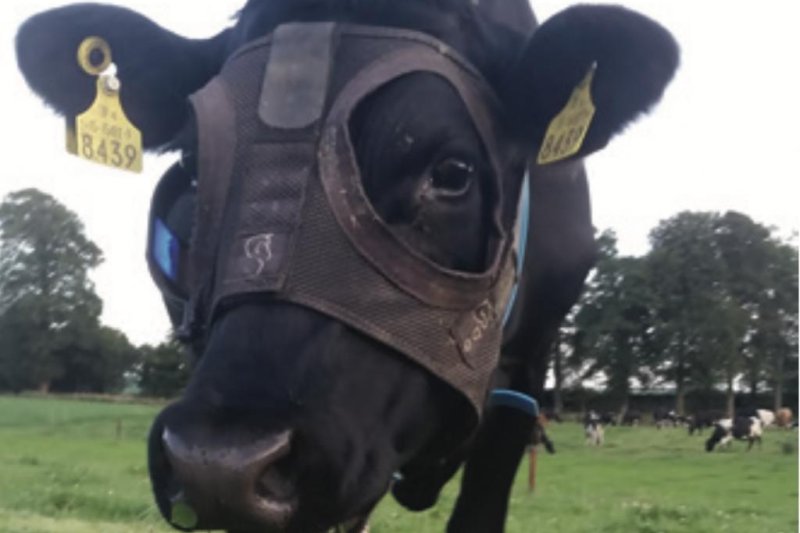 “The results of our trial are very promising in terms of increasing dairy milk yields,” researcher Barbara Murphy said.
 Many dairy farmers wonder if their cows can perform better than average.
 Mothers did not let their babies grow up to be cowboys
 The United States Department of Agriculture has implemented the Animal Disease Traceability program. Each state requires that all cattle leaving the state must have an official tag. If you are selling any animals to the livestock market you should tag the animal prior to leaving your dairy.
 Dairy farmers have been told that efficient technology will save them up to 15% on their energy bills.
 Calves and heifers are an important part of the farm since they are the future of the operation in more than one way. Calves are the first place kids learn how to be responsible and care for animals.
 Generator being tested and prepped for Hurricane Irma at Butler Oaks Dairy in Lorida, Florida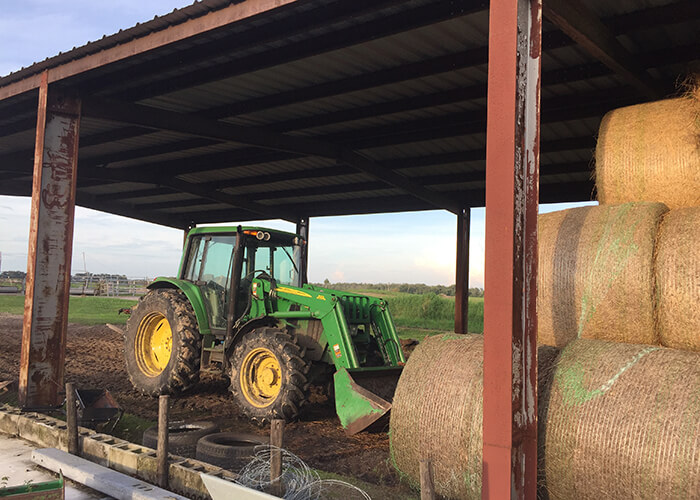
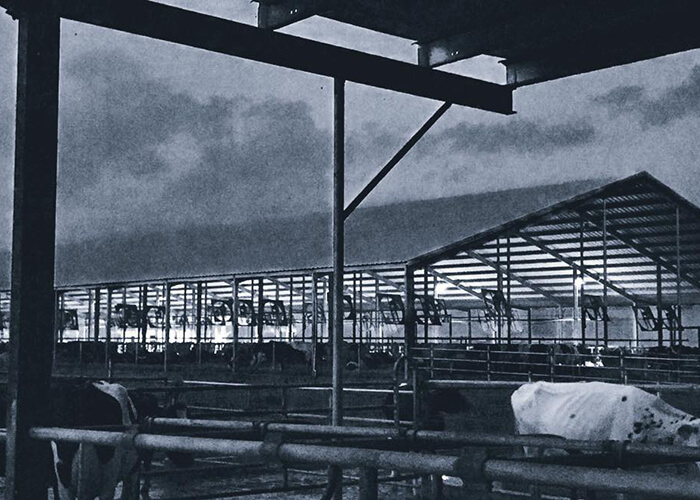

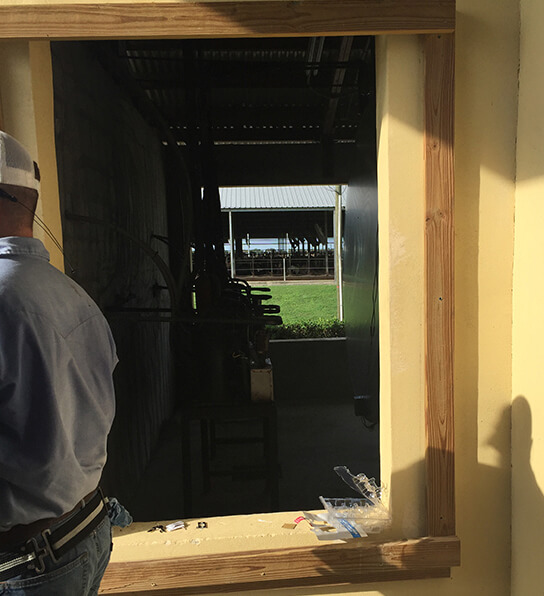
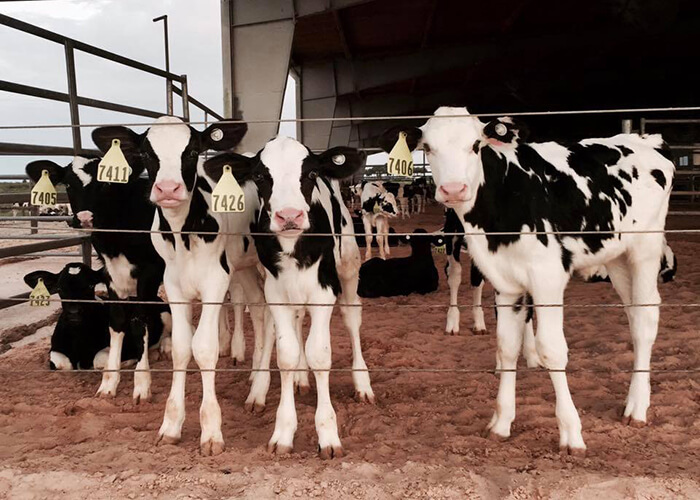
 Farmers preparing for calving should also be thinking about effective ways to keep workers safe and well, says WorkSafe’s agriculture sector lead Al McCone.
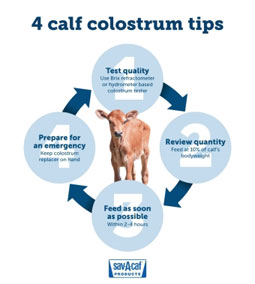 Colostrum contains antibodies, known as immunoglobulins (such as IgG), which help protect calves against diseases. Compared to whole milk, colostrum has twice as much dry matter, three times as many minerals and five times as much protein. It is also higher in energy and vitamins. The high nutrient content in colostrum is especially important because newborn calves have low reserves of these nutrients.
 Two robotic milking units have helped to free time for Daniel Rieder and his son, Nick Rieder. At Riedland Farms in Monroe the Rieders milk about 125 cows. The farm was one of six operations participating in the Green County Dairy Modernization Tours held Aug. 24, sponsored by the University of Wisconsin-Extension and the Green County Milk Quality Council.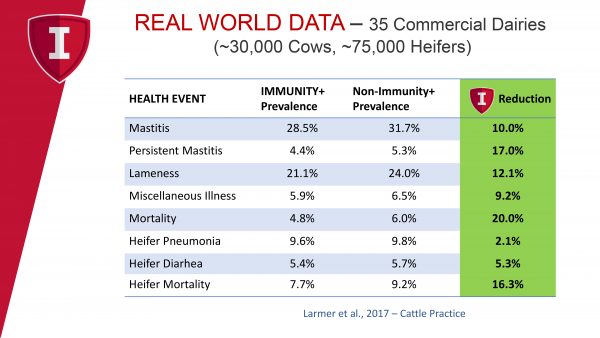
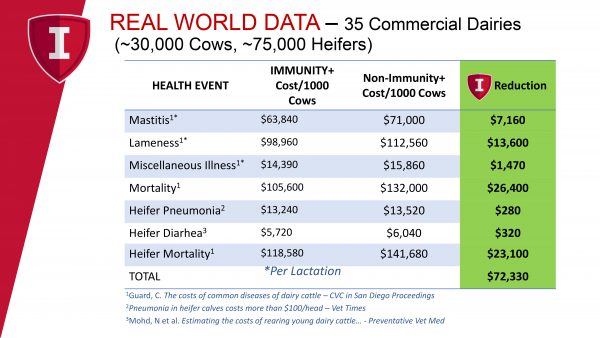

 New herd reproduction data released by LIC shows good news for the industry and some areas of opportunity for the impending mating period.
 The dairy industry has changed profoundly over the last 50 years, but how growers make hay to feed those cows has been slower to adapt.
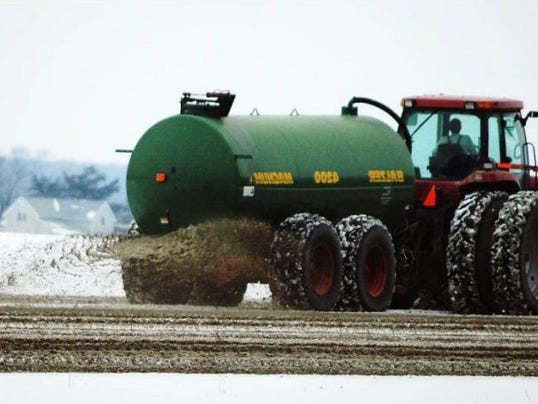 After years of complaints about manure spreading and its potential to harm drinking water, state officials are advancing


 Change is happening with dairy cows and dry matter intake.
 The saying “the best defense is a good offense” holds true even for livestock producers. Preventing losses in production and reducing treatment costs is a winning strategy, says Angel Aguilar Ph.D., Dipl. ACAN, Technical Service Manager, Lallemand Animal Nutrition.
 The transition from hot and humid summer temperatures to the wet chill of fall can be especially stressful for dairy calves. Strategies for dairy farmers to manage this transition and keep calves healthy, comfortable and thriving will be highlighted in a World Class Webinar presented by Professional Dairy Producers® (PDPW).


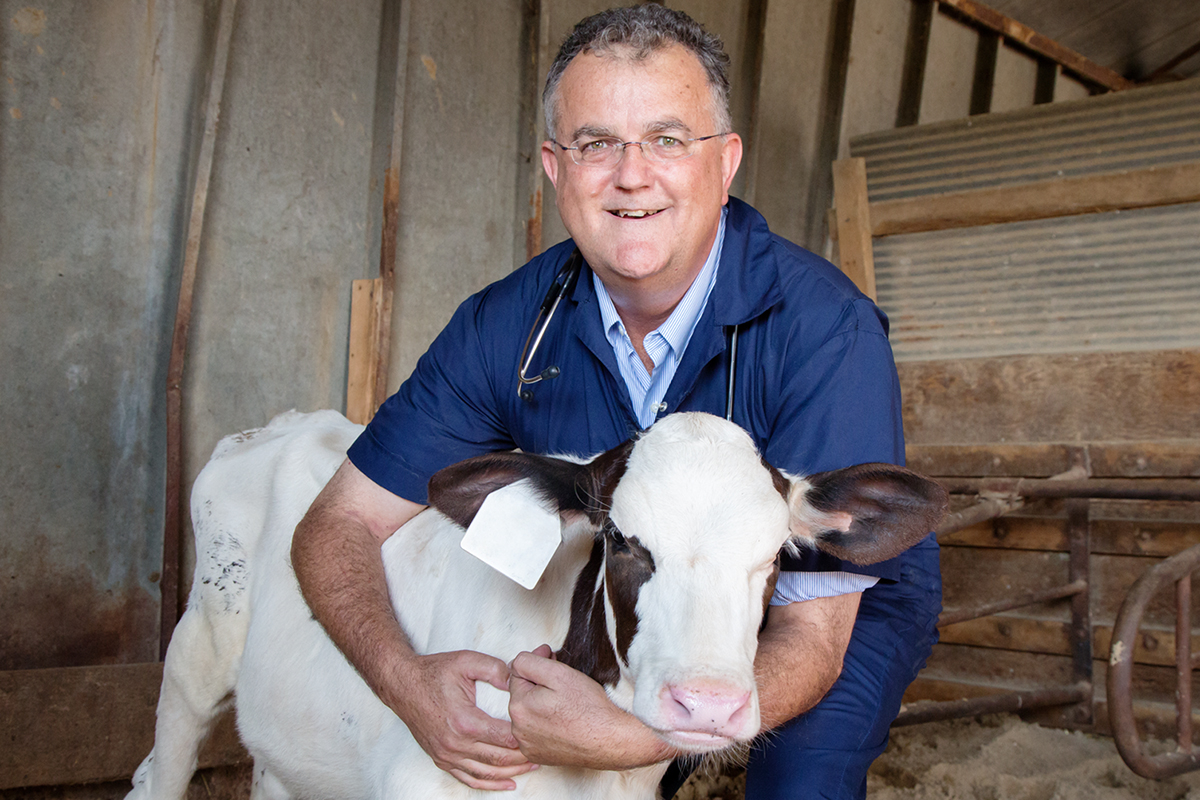 Clinical signs such as gastrointestinal problems or septic arthritis may be better predictors of mortality in neonatal calves with diarrhea than blood pH levels and other laboratory findings, a new study suggests.

 Like humans, cattle tend to hang out with the same characters and do not like being separated from their mates.
 There are compelling reasons for dairy farmers to increase the supply of beef calves from dairy cows, says a farm consultant.
 Agriculture data has been a big disappointment for the majority of farmers, particularly in the US. Indeed, digital ag technologies as a whole have faced a number of serious challenges such as a lack of data interpretation; multiple, disconnected data sources; and an inability to connect data to agricultural machinery. Correspondingly, there was a noted decrease in the total investment in the agtech sector in 2016, according to


 A spin-off company from the University of British Columbia is promising to make a crap job a good deal easier and cleaner, with a scalable waste-processing system.


 It takes time for a calf stomach to develop to handle certain feeds.



