







Archive for Management – Page 56
 A Canadian goat producer designed the scanning system to help detect abnormalities in udders to allow early treatment
Missed udder infections and subsequent missed treatments are costing global dairy farmers a massive $10 billion a year.
It is, however, the smaller family dairy farms that are being hit the hardest with the financial burden as udder infection detection rates in these situations can be low.
A Canadian company hopes to address the issue with a new detection system.
EIO Diagnostics has developed a new system that scans udders in the parlour, either via a mounted scanner in robotic milking systems or a hand-held device and relays the images to a screen where infections can be identified easier.
EIO claim its solution detects these infections sooner and cheaper, than any other approach on the market.
EIO uses a technique known as multispectral imaging, which detects udder abnormalities as they form.
Animals that are affected by harmful pathogens, even at somatic cell count (SCC) levels generally considered sub-clinical, can then be identified by farmers.
Being able to identify a Staphylococcus aureus infection, even when a standard SCC test is showing levels below 200,000 SCC, gives farmers an effective tool for in-creasing herd health and minimizing production losses.
The hand-held device, which is about the size and shape of a small tablet, can assess health of an udder in less than one second.
Used in bigger automated milking parlours, the mounted device identifies and monitors cows as they enter the milking stall or robot. It integrates with DeLaval VMS or Lely Astronaut robotic milkers and can also be integrated with automated feeders, leveraging existing animal identification systems.
The brains behind the detection system is Cory Spencer, who started EIO in the barns of his Happy Goat Cheese Company in British Columbia’s Cowichan Valley.
Spencer, a software developer and goat cheese maker, had experienced a mastitis problem with one of his 100 goats.
Along with neighbour Damir Wallener, a solution was brought to life this spring and summer.
Wallener, the chief executive officer of EIO, said they are receiving a lot of interest.
“From the intense interest we are receiving from actual dairy farmers, the answer has to be no, there are no similar systems on the market.
“There are automated SCC and electroconductivity devices available, but they share the problem of trying to identify udder infections by measuring something indirectly related to the actual infections.
“No other product also works with dry cows or pre-calving animals that don’t regularly pass through the milking parlour,” he said.
The EIO Diagnostics system is being tested in several commercial dairy barns on Vancouver Island, using goats and cows. The company is also preparing for its first large scale deployments, one in New Zealand and one in Wisconsin.
EIO say it prices the system on a service model rather than individual hardware sales and each system will differ on the number of scanners required.
“EIO manages all the hardware, software, updates and maintenance, for a fixed price, with no surprises. For goat dairies, the pricing is $3 per month, per goat. For cows, it is $5 per month, per cow. From the farm’s perspective, by reducing per-animal lab tests, or saving just one bulk tank from being dumped, the service pays for itself very quickly.”
Once the device visualises an udder, it takes a number of measurements from various parts of the spectrum. These are run through a complex mathematical model, generating a pass or fail signal.
“This takes less than a second,” said Wallener. “The measurements are also pushed to EIO’s software cloud, where they are combined with all the other imaging done at all the other barns.
“Over time, improved models are pushed back down to the devices, allowing every farm to learn from what is happening on every other farm.
“The system can send emails, text messages, and it can use messaging apps like Slack or update a cloud-based dashboard. Basically, any internet-dependent communication channel is either supported, or easy for us to add.”
During the next few months, EIO is working with a university dairy science program and hopes to publish results showing how well its detection matches up with actual pathogen tests, said Wallener.
Source: The Western Producer
 A study of the UW dairy herd looked at 141 lactating Holstein cows. (Courtesy of UW-Extension)
MADISON — Zoey Rugel: New research on the estrous cycle in cows. Today, we’re visiting with Paul Fricke, Extension specialist in dairy cattle reproduction, Department of Dairy Science, University of Wisconsin-Madison/Extension, in the College of Agricultural and Life Sciences, and I’m Zoey Rugel. So, Paul, tell us about some current research you have going on.
Paul Fricke: One of the most recent projects that we’ve worked on had to do with looking at when cows return to estrus after you inseminate them. A lot of people in the industry have bought these heat detection systems, and, so, what they’ll often notice is that non-pregnant cows don’t all come into estrus at 18 to 24 days—it’s more like 18 to 32 days. So, we have a lot of cows with these extended inner estrus periods and that kind of peaked our interest as to what was going on during this time period.
Click here to listen to the podcast.
Zoey Rugel: Tell us about the study. How was it conducted?Paul Fricke: Yeah. So, what we did is we worked in our UW herd here, which is right on campus, sitting up at Arlington. We took 141 lactating Holstein cows, we set them up for a timed insemination. Then what my graduate students were doing is that 3 times a week they would ultrasound the ovaries to see what the CL looked like. They would take blood samples to look at progesterone. So, we could really define what was happening with the corpus luteum during this time and what was going to happen as far as when the CL regressed.
Zoey Rugel: What did you end up finding?
Paul Fricke: 57 of those 141 cows were pregnant, and pregnant cows are really kind of boring when you look at them, because progesterone comes up, the embryo signals the maternal system that the cow is pregnant, and they just maintain that CL. What was really interesting was the non-pregnant cows. There were 80 cows that were diagnosed open on day 32 and only about half of those cows, 55 % of them, read the textbook. They would’ve regressed their CL and come back into heat about that 18 to 24 day time period, but there were 23.7% of those animals that had an extended luteal phase, and what was most interesting was that there was about 21.3% of the cows that never regressed their CL during this time period, but did not have a CL when we did the pregnancy check on day 32. So, those cows would never have shown an estrus during that time period.
Zoey Rugel: So, what’s the bottom line?
Paul Fricke: So, the primary reason that this happened—the other aspect of this experiment—is we pulled blood samples from those cows on day 25 and day 32, and we can measure a pregnancy-associated glycoprotein. This is a protein that is secreted by the pregnancy, and over half of the cows that failed to regress their CL had the presence of this pregnancy-associated glycoprotein, indicating that they were pregnant long enough to keep them out of estrus, but then they subsequently lost their pregnancy. So, it’s just another way to look at this really early pregnancy loss that would’ve gone unnoticed if you just do a pregnancy check, but, in fact, a lot of these cows are getting pregnant and having these extended luteal phases and it really changes the dynamics of when these cows are coming into heat.Zoey Rugel: We’ve been visiting today with Paul Fricke, Extension specialist in dairy cattle reproduction, Department of Dairy Science, University of Wisconsin-Madison/Extension, in the College of Agricultural and Life Sciences, and I’m Zoey Rugel.
Feed to maximize milk components
The success of an operation depends on dairymen making correct decisions on an animal-by-animal basis.
“The challenge is to find the cow of interest that needs something special,” said Dave Barbano, professor in the Department of Food Science at Cornell University. “Then you need to make a decision and take the correct action.”
Milk production is the sum of the performance of all individual cows, Barbano said during a Hoard’s Dairyman webinar.
“We need to condense the data down to information that helps farmers make decisions and not be buried in a sea of numbers,” he said.
Over the last couple of months, Barbano said, a cow of interest study was completed that included 170 farms from across the U.S. Both bulk tank and individual cow samples were evaluated at several locations.
“We are getting a much better understanding of how to use milk fatty acid data for whole-herd management and milking group diagnostics,” Barbano said.
“We need high-frequency data, and we need to develop hardware and software to integrate this milk testing approach into the milking system on a continuous basis from every cow,” he stressed.
“The first thing that came to light when we started researching five years ago was a fairly strong correlation of the de novo fatty acids with the bulk tank fat test,” he said. “That seemed to tell us something about how well the cows were digesting forages.”
Management Tools
The researchers use an infrared milk analysis machine.
“It creates statistical models to extract information out of the fingerprint of the milk to measure fatty acids,” Barbano said. “It is a direct measurement of milk, there are no chemicals involved, the milk goes through the machine and we get answers.”
For the study in 2014, the researchers selected 10 low de novo and 10 high de novo herds of both Holstein and Jersey farms. To evaluate the farms, they took feed samples, farm management information, the amount of milk produced per cow and what they were doing to make this happen.
In 2015, the study was repeated with 40 Holstein farms that were either high or low de novo.
“The high de novo Holstein farms had nearly 4 percent fat compared to the low farms at 3.6 percent fat, and for the Jersey farms, the high de novo farms were nine-tenths of a percent higher in fat and half a percent higher in protein, which is huge in terms of cheese yield,” Barbano said. “And the high de novo herds produced more milk per cow.”
As a result, there was a gross income difference of $30,000 for the higher components of a 100-cow herd, he said.
The following year, for only the Holstein herds, the higher de novo herds had two-tenths of a percent higher fat and one-tenth higher protein.
“There was quite a difference in the milk price, so the higher de novo herds had nearly $15,000 difference in gross income,” Barbano said.
“Understanding how to influence components and get them up while not losing milk volume is really something to push better profitability on farms,” he said.
Source: AgriNews
 Holstein Association USA is excited to honor herds with the 2017 Progressive Genetics HerdSM award. This award is given annually to the Registered Holstein® herds excelling in type, milk production and genetic merit in their herds.
The Progressive Genetics Herd (PGH) recognition was first given in 1991. ThePGH award honors herds with high genetic value, based on average TPI® levels, which lead toward continued breed progress.
To qualify for the PGH award, herds must participate in the TriStarSM production records program at the Premier or Deluxe levels, and participate in the Holstein type classification program. Herds must have at least 20 cows of 87% RHA or higher.
All eligible herds are automatically evaluated annually and the PGH recognition is awarded to the 500 herds with the highest average TPI for females in the herd, both young and mature.
The TPI average range for the top 500 herds in 2017 was 1957 to 2450. The highest average TPI herd in this year’s PGH honoree group was David, Patrick & Frank Paul Bauer of Sandy-Valley Holsteins in Wisconsin, with an average TPI of 2450.
Thirty-one herds received the award for the first time this year: Alfalawn Farm, Wis.; Matthew P. Berning, Ill.; Big De Farms LP, Calif.; Andrew & Sarah Birch, Vt.; Mark Carviou, Wis.; Double W Dairy, Colo.; Double-Take Dairy LLC, Wis.; El-Vi Farms LLC, N.Y.; Ferncrest Farm, Pa.; Mrs. J. B. Fiscalini & Son, Calif.; Donald Fisher Farms, Inc., Ohio; GenoSource, Iowa; Kylie Konyn, Calif.; Lochmead Farms, Ore.; Jeremy D. Martin, Pa.; James Mast, Pa.; Bird City McCarty Family Farms LLC, Kan.; Rexford McCarty Family Farms LLC, Kan.; Scott City McCarty Family Farms LLC, Kan.; Jeffrey J Orr, Pa.; Osborne Family Farm LLC, N.Y.; Roaring Creek Farm, Pa.; Brent D. Robinson & Brent Moyer, Mich.; Patrick Slattery, Wis.; United Vision Dairy LLC, Wis.; University of Wisconsin, Wis.; VDS-Farms, LLC, Mich.; Russ Warmka, Wis.; Darrell Gene Wright, N.C.; W-R-L Daniels Farm LLC, Mich.; and Cleason N Zimmerman, Ohio.
Twenty-three herds have received PGH honors all 27 years the award has been given: Floyd & Lloyd Baumann & Fred Lang, Wis.; Bomaz, Inc., Wis.; R. Paul Buhr, Jr., Wis.; De Su Holsteins LLC, Iowa; End Road Farm, Mich.; Brian & Wendy Fust, Wis.; Steven G. Holte, Wis.; Jaloda Farms, Ohio; Randy W. Kortus, Wash.; Roger & David Latuch, Pa.; Lirr Farm, Wis.; Nordic-Haven Holsteins, Iowa; Gaylon, Gary & Steve Obert, Ill.; Mark P. Paul, Wis.; Regancrest Holsteins, LLC, Iowa; Darrell Richard, Ind.; Alfred & Mark Schmitt, Minn.; Scott Seward, Wis.; Stelling Farms, Inc., Minn.; Veazland Farms, Maine; Walhowdon Farm, Inc., N.H.; Wardin Bros., Mich.; and Welcome Stock Farm, LLC, N.Y.
View the complete list of 2017 Progressive Genetics Herd Award honorees at www.holsteinusa.com/awards/herds.html.
Holstein Association USA, Inc., www.holsteinusa.com, provides products and services to dairy producers to enhance genetics and improve profitability–ranging from registry processing to identification programs to consulting services.
The Association, headquartered in Brattleboro, Vt., maintains the records for Registered Holsteins® and represents approximately 30,000 members throughout the United States.
 I visit literarily hundreds of dairy farms across Canada each year. On most, pre-weaned dairy calves are raised away from the main lactation barn or older replacement heifer facilities. Whether these baby calves are housed in hutches, group pens or brand-new calf barns, when I find a group of calves that are sick and not growing, a lot of their poor performance can be traced back to poor nutrition causing indigestion.
I see a lot of commonality in these unfortunate situations. They often fall into four main categories of gut aches, namely: nutritional scours, abomasum bloat, rumen acidosis and hay belly. In order to take corrective action, I recommend a return to a simple calf feed and management program.
A large part of this problem stem from feeding pre-weaned calves as if they were mature dairy cows.
A newborn baby dairy calf starts off with a small, undeveloped rumen without an established microbe population (it gets this from its surrounding environment later on). It must rely upon a few selected enzymes released by its own abomasum and small intestine in order to break down simple-type essential nutrients, which are only found in milk such as casein and other milk proteins, lactose sugar, and saturated fats.
By four weeks of age, the calf’s abomasum and small intestine become a little more developed. Now, the calf’s rumen has a variety of new digestive enzymes as well as a limited type of microorganisms, which together can convert simple starches/sugars from grain-based calf starters into volatile fatty acids (VFA) which are absorbed across the rumen wall.
It is these absorbed VFAs, particularly butyric and propionic acids, which stimulate the absorptive tissue lining of the young calf’s rumen to become very active — rumen papillae elongate and the rumen walls thicken. The whole rumen grows, and the small calf is on its way to become a true ruminant.
The results of unsound programs
Rather than promote steady ruminal development in six- to eight-week-old dairy calves; many askew and unsound pre-weaned calf-feeding programs do just the opposite and cause the following digestive upsets:
1. Milk and milk replacer scours: It is frequently seen as bright yellow, cream-coloured or nearly white liquid; all signs that a recently consumed milk or milk replacer meal was poorly digested. Not only does poor milk digestion lead to poor absorption of essential nutrients that the calf requires to live and grow, but unabsorbed nutrients left in the calves’ gut tend to draw retained water from the calf’s tissues, which amplifies scouring and life-threatening dehydration.
For example, I often see milk replacer scours in calves when producers mix milk replacers at a rich 150 grams of powder per litre of solution, rather than 130 grams per litre of solution, which is the natural dry matter content of whole cow’s milk.
2. Baby calf rumen acidosis: It has been proven that pre-weaned dairy calves can get acidosis eating too much grain-based calf starter, much like a milking cow that eats too much grain. For example, the University of Tennessee (1998) fed a conventional calf starter pellet formulated with corn and other common feed ingredients to a group of milk-fed calves from one week to 12 weeks of age. As a result, these researchers found that SARA (sub-clinical rumen acidosis; depicted when pH in a cow’s rumen falls below 5.8) was reported in experimental calves at two weeks of age.
Similarly, some producers have told me that when they feed more than 3 lbs. of texturized calf starter or on a free-choice basis found that many calves seem to go off feed after a couple of days of vigorous eating of calf starter — a possible sign of acidosis.
3. Abomasum bloat: This is caused by the rapid proliferation of clostridium perfringens that produces a severe buildup of excess gas in the abomasum of pre-weaned calves. From the outside, there is severe distension on the right side of the calf, while similar ruminal bloat is distension on its left side.
Unfortunately, abomasum bloat seems to occur suddenly, and the calf often perishes before any treatment can be administered. Some research suggests that feeding higher concentrations of milk replacer than 130 grams per litre of mixed solution that supply a high level of lactose sugar to the bacterium, which may lead to a high incidence of abomasum bloat.
4. Hay belly: Many good studies prove that feeding straw or other low-quality forage for its “scratch factor” is a myth. Virginia Tech (2010) showed that two- to four-month-old calves fed a textured grower diet had similar growth to calves that were fed texturized feed plus added wheat straw. The wheat straw group did weigh 21 lbs. heavier at the end of the test, but it was attributed to 21 lbs. of gut fill and water. Similarly, I find that many calves fed in this manner suffer from semi-impaction and/or bloat — literarily walking balloons on sticks for legs.
Recommendations
To avoid each of these four gut ache or indigestion problems, I strongly recommend following a simply nutritious calf-feeding program.
Make sure colostrum is fed to newborn calves and afterwards provide whole milk or a milk replacer at 2.5-4.0 litres per calf per feeding (twice a day) at approximately the same times (a.m./p.m.) each day. Subsequently, start to feed a high-quality grain-based calf starter to calves at two to three weeks of age. Avoid feeding any forage until after weaning. Finally, assure that clean water is provided in addition to all whole milk or milk replacer feedings.
Source: Grain News
 Animals are dying from preventable diseases because some vets are using “unscientific” homeopathic treatments, experts have warned.
The Royal College of Veterinary Surgeons (RCVS) said that vets were harming pets and livestock by placing faith in “unproven claims” rather than traditional methods.
More than 3,000 vets have signed a petition expressing concerns about the use of homeopathic treatments.
Chris Tufnell, RCVS senior vice-president, highlighted the popularity of a homeopathic remedy called nosodes where sugar-coated pills made from diseased matter from a sick animal are used instead of vaccinations.
“I have seen dogs die from completely preventable conditions such as parvovirus, which is extremely unpleasant and preventable,” said Mr Tufnell. “It’s entirely unnecessary.” He added that pets had been left in “unacceptable” pain because their owners used homeopathic medicines rather than painkillers.
Homeopathic treatments have been advocated by the Prince of Wales and others although clinical trials have shown that they offer no benefit beyond the placebo effect, where a patient’s belief that a treatment will work may alleviate some symptoms. There is little evidence that the placebo effect works in animals.
This month, the RCVS agreed a policy statement which concluded that there was no “recognised body of evidence” for homeopathy. “Furthermore, it is not based on sound scientific principles,” it said. The statement continued: “To protect animal welfare, we regard such treatments as being complementary rather than an alternative to treatments for which there is a recognised evidence base or which are based in sound scientific principles.
“It is vital to protect the welfare of animals committed to the care of the veterinary profession and the public’s confidence that any treatments not underpinned by sound scientific principles do not delay or replace those that do.”
The statement has been supported by the British Veterinary Association which said that “complementary and alternative treatments not based on sound scientific principles or evidence could have detrimental consequences for animal health and welfare”.
However, the British Association of Homeopathic Veterinary Surgeons said that it was “deeply disturbed” by the RCVS policy and described it as a “biased and ill-judged viewpoint”. A spokesman said that pet owners used complementary and alternative medicines when conventional treatments did not work or when they produced unwanted side-effects.
The Prince of Wales claimed last year that he treated cows and sheep on the farm at his Gloucestershire estate with homeopathic remedies “as part of a programme to reduce the use of antibiotics”.
The RCVS statement follows a petition calling on the organisation to ban veterinary surgeons from prescribing homeopathic treatments, which attracted more than 3,300 signatures.
The petition, set up by Danny Chambers, an equine vet in Devon, warned that allowing the use of such therapies could lead to “unnecessary suffering or death” because of the danger of them being used instead of orthodox treatment. “It would be devastating for a dairy farm that went out of business because homeopathic treatments failed to control an outbreak of mastitis [mammary gland infection],” he wrote.
Source: The Times
Since it’s introduction, The Dairy Margin Protection Program has received a great deal of criticism, but an FSA director says farmers are still signing up for it.
Sandy Chalmers who is with the Wisconsin Farm Service Agency says, “We are seeing people come in to sign up, and they’re signing up across the board on the coverage levels, so even though there was considerable concern expressed over the years about the program, people are still signing up, and maybe not at the levels they had in the past.”
Chalmers explains that producers can get out of the program if they wish. “If they want to opt-out of MPP Dairy, just do nothing. You don’t have to call your county office. You don’t have to stop in. You don’t have to do anything.”
Chalmers says producers can opt out of MPP, LGM Dairy or both if they choose to. Producers that want MPP coverage must sign up by Friday, December 15th.
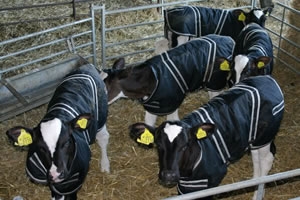 December temperatures have been unusually warm, but we can expect to soon be reminded of the realities of Cache Valley winters. Energy requirements for animals increase as air temperatures decrease, and in Cache Valley, January is often the coldest month of the year. As such, livestock and dairy producers must pay close attention to the needs o f their animals. Adequate housing and proper nutrition are the major considerations for all animals, but this is especially true for baby calves. Knowing how valuable calves are, successful producers will give careful attention to every detail.
Profitable livestock producers focus on the five essential C’s of Colostrum, Cleanliness, Comfort, Calories and Consistency. Books have been written on each of these topics. The five C’s become increasingly important when the weather turns ugly.
In order to receive adequate immunity, baby Holstein calves should consume at least one gallon of colostrum within 4 to 6 hours of birth. Smaller Jersey calves will need much less. Calves that do not receive enough antibodies at birth are at increased risk for sickness or death throughout the entire growing period. The most important step in any calf health program is successful colostrum management.
Cleanliness of feeding utensils and housing is another priority for successful calf raisers. Simply rinsing and storing the utensils is never good enough. After rinsing, all equipment should be washed with the use of water at least 120 degrees Fahrenheit. It is also recommended to include a detergent and a disinfectant in order to do a good job of cleaning nipples, buckets, balling guns and stomach tubes. Many successful calf feeders have an automatic dishwasher at the barn for washing nipples and bottles. Acid sanitizers may be needed from time to time to remove any remaining milk solids on the containers. After washing, always rinse with cold water.
Baby dairy calves should be housed in comfortable individual pens or hutches, and in an environment that is dry, well-drained, properly ventilated and free of drafts. Always keep the calves comfortable with adequate dry bedding. Straw and/or wood shavings make excellent bedding. An adequate bedding nest can reduce the incidence of respiratory diseases. Calves that are well -bedded are able to use energy to maintain their immune systems instead of expending fat reserves to regulate body heat. More liberal bedding of calf hutches can reduce heat loss and is a source of insulation for the calf. The use of calf blankets also reduces body heat loss and helps increase the internal temperature of baby calves during cold snaps. Face calf hutches to the south to get maximum benefit from sunlight.
Extra milk or milk replacer, in addition to a quality calf starter, also helps calves deal with cold weather. One school of thought is to provide extra calories by feeding milk replacer that is higher in fat content. Fat, however, must be digested and providing more fat means that the calf has to expend energy to digest a diet they may not be accustomed to. Research has shown that feeding milk replacer three times per day will help stabilize the pH in the rumen of the calf for better feed efficiency. Providing water to calves also helps maintain hydration and encourages increased consumption of calf starter. In winter months, it is recommended that warm water be offered soon after calves drink their milk and before they lie down. Water not consumed will need to be discarded before it freezes.
Consistency is another priority for improving the health and growth of baby dairy calves. Newborn calves are indeed babies, and babies respond well to a routine schedule of feeding and care. Being creatures of habit, calves always respond best when fed at the same time and with the same routine. Any variation in the feeding schedule will have a negative effect on the well-being of baby calves.
An optimal dry cow feeding program is another critical element to calf survival and development, especially during cold winter months. The body condition and nutritional level of dry cows has direct impact on the survivability of newborn calves. Calves born to well-fed dry cows are stronger, more aggressive and carry additional reserves of body fat. The quality of colostrum produced by well managed dry cows is usually better too.
I have noted that successful dairy producers frequently have excess heifer calves or springer heifers to sell while marginal producers often need to buy replacement heifers. Giving watchful attention to successfully raising baby calves is a focus that always pays big dividends.
Source: Utah State Extension
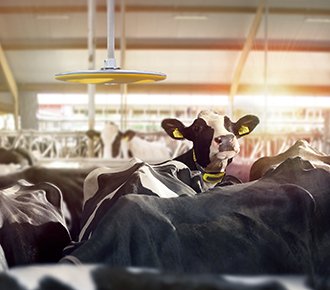 When training dairy employees about proper livestock handling practices, it is important to remind them that if animals are not handled properly, they can cause injuries to employees, explained Tracey Erickson, South Dakota State University extension dairy field specialist.
“Within the dairy industry there is a high percentage of contact time between animals and human beings on a daily basis, and like in other high-risk jobs, employees need to be aware of their surroundings at all times and implement safety practices and procedures,” Erickson said.
So, what type of injuries can happen when working on a dairy? Erickson said typical animal-related dairy injuries are the result of being stepped on, kicked, fallen on, crushed by cows, mauled by dairy bulls or gored by animals that have not been dehorned.
Safety reminders
Flight zone: Because dairy cattle have binocular vision, meaning they are able to see all the way around themselves, except for a small blind spot at the nose and rear of the animal, it is important to know how to approach an animal, Erickson said. Approach the animal from the side, while using verbal cues such as speaking softly, that will minimize spooking an animal.
Understand how to use the “flight zone” in a proper manner to help facilitate moving an animal in a desired direction. The flight zone is often referred to as an animal’s “personal space.”
Noise sensitivity: Cattle are very sensitive to noise and a higher frequency of noises than humans. Yelling causes stress to animals and can make them more difficult to handle, Erickson said. Staying quiet and calm will help minimize these reactions. Additionally, unexpected loud noises such as banging gates, loud exhaust from air cylinders, etc., may startle animals.
One way to help condition cattle is to keep a radio playing in the background at a low level in the barn to help reduce the reaction to strange, sudden noises. This can be a very effective tool when training cattle for show and being in fair situations.
Isolation: Cattle are herd animals, so isolation may cause an animal to be nervous, stressed or agitated. When working with an animal, having another companion animal near will help keep the animal being treated calmer.
Past experiences: Cattle do remember painful or frightening experiences. So, if an area of the barn brings up unpleasant memories for a cow, such as pokes, slipping or rough handling, they may become unwilling to cooperate when they return to that same area.
Warning signs: Good livestock handlers should be able to watch for warning signs of an agitated animal. Cattle will react with a raised head or pinned ears, raised tails, raised hair on the back, exposed teeth, excessive bawling, pawing the ground and snorting.
Proper livestock handling reminders
Appropriate livestock handling behaviors include:
1. Use slow and deliberate behavior.
2. Avoid loud noises or quick movements.
3. Do not prod an animal when it has no place to go.
4. Gently touching animals will have a more favorable response than shoving or bumping them.
5. We need to respect animals and not fear them.
6. Intact male animals, especially dairy bulls, should be considered potentially dangerous at all times, and proper equipment and facilities should be made available to assure the safety of handlers.
7. Breeding animals tend to become highly protective of their young, especially when giving birth.
8. Animals will defend their territory, and this should be kept in mind at all times, given the size, mass, strength and speed of an animal.
9. Cows will typically kick forward and out to the side and also have the tendency to kick toward the side where they have pain from inflammation or injuries. Thus, if a cow has a single quarter with mastitis, approach her from the opposite side of the non-affected udder when examining her, or utilize proper restraint to avoid being hurt.
Source: Feedstuffs
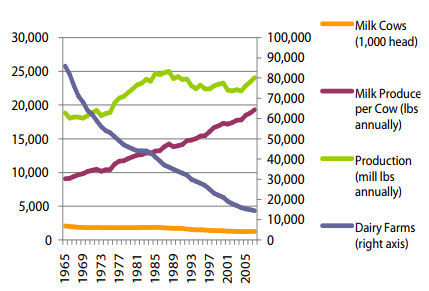 The increasingly important role that immigrant workers play in Wisconsin’s dairy industry is relatively new. On average, dairy farmers started hiring immigrant labor around the year 2000. However, Latino immigrants have worked on the upper midwest’s vegetable farms seasonally since at least the 1930s, and the region’s meatpacking and food processing industries have relied on immigrant workers throughout the 20th century.
Many Wisconsin dairy farms now hire employees versus family labor alone. Wisconsin dairy farmers have increased herd size to pursue a strategy of increased production to make ends meet or increase farm income. Tighter farm budgets may also compel members of farm families to seek off-farm work for a secure income base and/or health insurance. Additionally, farm families (like U.S. families in general) are declining in size, spouses and farm children increasingly seek off-farm careers and the average age of Wisconsin dairy farmers is increasing. These trends further lead to the need for hired employees.
Farmers interviewed in UW surveys reported difficulties finding U.S.-born workers willing to fill dairy farm jobs. Farmers said young people in rural Wisconsin have little desire to work on dairy farms, and that it is hard to find U.S.-born people willing to work long hours, night shifts and weekends.
“So as our last two children entered high school, and I realized that soon I would have no family labor to rely on, we moved our farm to all hired labor. I have not been able to hire an American citizen since 1997. I have tried! The way I see it, if we didn’t have Hispanics to rely on for a workforce, I don’t believe I could continue farming,” said one Wisconsin dairy farmer.
Farmers insist that this demographic shift in the dairy labor force is not an effort to undercut the local wage rate, but instead to find ‘reliable’, hard-working, year-round employees willing to work the demanding hours and do the necessary tasks.
In the words of another Wisconsin dairy farmer, “It’s not about Hispanics. It’s about who wants to do the job. We don’t get a lot of applications from people who want to do the job. There are lots of myths out there… in our area you hear from some people that these people [Hispanics] are taking jobs away. But the fact of the matter is that there is nobody here who will work for those wages. The folks in ag cannot afford to pay those wages.”
There is no doubt that in recent years, residents have fled rural counties in Wisconsin, and many of them are young people. Between 2000 and 2010, Wisconsin’s population grew by six percent, but more than a quarter of Wisconsin’s 72 counties lost population. Most of the losses in Wisconsin were in rural areas where the main industry is agriculture. Jackson County lost seven percent of its population during that time frame.
Immigrant workers and their families bring their skills and ambitions into Wisconsin, breathing new life into the state’s rural communities. Hired workers, regardless of origin, boost the strength of the state’s dairy industry and also enable dairy farmers to take vacations and have some time off during the day to attend their children’s sporting events or other community activities.
Although immigrant employees are a crucial component of the economic viability of dairy farms, the employer-employee relationship is fraught with legal and economic vulnerabilities.
Some immigrant farm workers lack legal authorization to work and live in the U.S., which exposes both employers and employees to increased risk, threatening agricultural investment. Wisconsin’s growing reliance on immigrant labor presents challenges, yet can also serve as a call to develop programs and policies that will both improve conditions for immigrant employees and families, as well as to maintain a dependable farm labor force.
For the benefit of the families who farm and Wisconsin’s dairy industry, a secure dairy farm labor force is necessary. This means we must honor immigrants as human beings: members of the communities in which they live and to which they contribute; possessing dreams and ambitions; and deserving a full array of human rights and freedoms.
Source: La Crosse Tribune
Peritonitis refers to the inflammation or infection around the peritoneum which is the inside lining of the abdomen. Any infection involving the abdomen receives the nondescript description of peritonitis. This could be an infection around the intestines, stomachs, liver or uterus in cows and heifers. What is most important here is there are many causes of peritonitis and if your veterinarian can diagnose it and determine the cause it may in some cases prevent future infections. Some cases aren’t really preventable but at least you can be comforted in the thought there was nothing you could have done.
Common signs of peritonitis are increased temperature, depression and grunting from a painful abdomen. Your veterinarian may take blood for a blood count and fibrinogen levels, which are an indication of inflammatory material collecting in the abdomen. The abdomen is painful on palpation and a veterinary test is the grunt test with a withers pinch.
The disease entity talked about most by producers is hardware disease, which is a form of peritonitis. This is caused by something sharp, mainly metal, penetrating though the reticulum (first stomach) causing leakage of contents and infection. This may even involve infection around the heart.
If more cases are noted treatment can be started earlier and your veterinarian may in certain circumstances advise putting magnets in the cattle. The magnets stay in the reticulum for the life of the animal and any iron metal compound sticks to the magnet to keep it from penetrating the first stomach.
Magnets have come down in price over the years and the good ones are very strong. Intense feeder operations, including dairies, where lots of equipment is used and silage fed has metal getting into the feed and hardware disease can be a recurring problem. If caught early anti-inflammatory drugs and antibiotics, which get into the abdomen, are what your veterinarian may prescribe.
A good many causes of acute diffuse peritonitis result in a fairly sudden death (over one to two days) and that is why autopsies on these cows may give you very usable information.
These deaths can be posted under the BSE testing program in many of the cases as long as they are greater than 30 months of age and meet the other criteria.
A post mortem is absolutely critical to help determine the exact cause of the peritonitis. Sometimes the history may give it away such as a hard calving or head back or a breech birth that was corrected and all these problems may lead to a torn uterus if one is not careful. Then the placenta and uterine contents leak into the abdomen and peritonitis is the result.
In major infections the whole abdomen may be infected and it may actually be very difficult for the attending veterinarian to determine the initiating cause of the infection. Cattle have an amazing ability to wall off the infection minimizing its spread, which is why they can take the most of any species when it comes to abdominal infection.
This is why C-sections can be performed in barns with surprisingly good results as long as some degree of hygiene is performed.
Peritonitis can be caused by such other things as rupturing of abscesses on the liver or the vagina of a heifer from a traumatic breeding by a large aggressive bull.
Grain overload can lead to peritonitis especially around the rumen.
The rectum may rupture at calving or another phenomena called the scissor effect when the cow’s small intestines get trapped between the pelvis and uterus. This happens more with a backward calving. As the calf is expelled the pressure on the intestines creates a cut from the cow’s pelvis. Ingesta spills out internally and the cow usually dies within 24-36 hours. These can happen from a pull or even when a cow calves naturally. Post mortems in these cases identify the cause, and while it generally can’t be prevented the PM rules out other causes of sudden death in cows such as blackleg or grass tetany, which could be prevented.
Two times in my long veterinary career I have had the rectum rip clear through from palpating. This would have caused this same death but in one instance I had the heifer emergency slaughtered and in the other instance I was able to suture the tear back up. This is why in tough calvings or when malpresentations are corrected we check the uterus after to make sure there are no tears. If you discover them have your veterinarian out, as they may be able to suture them up and save the cow.
When treating cows for milk fever and other metabolic disorders certain products are approved for intraperitoneal use but many are not, so be careful. If giving products this way, make sure the needle is new and is given into a clean area. There once was a rumen injector for administering a deworming product directly into the rumen and it was very soon pulled from the market because of the peritonitis it was causing. This could be an infectious process or a chemical peritonitis from the sensitive internal organs having a reaction to the product. Regardless, in either case you have a very sick animal. We must be careful and at first do no harm, so think twice about injecting anything into the abdomen unless advised by your veterinarian.
The newest trend in pregnancy testing is using an ultrasound with an introducer. Your veterinarian must use lots of lubricant on this tool and introduce it carefully if the cows have dry manure. I have heard of two instances where the colon has been perforated by an introducer resulting in a dead cow. Unlike when I did it manually the veterinarian had no idea this had happened. After handling, processing or preg checking it is good to get any sudden deaths posted so any injury or perforations during processing can be recorded and steps hopefully taken to prevent it from happening again in the future.
Peritonitis in young calves can result from perforated abomasal ulcers, blocked intestines, navel infections gone internal, so always keep these conditions in mind when dealing with sick calves. Many methods are used to prevent navel infections and surgery may be done on the other two problems if they are caught early enough.
Work with your veterinarian by posting unexplained deaths as the incidence of many of these causes can be reduced and you may even find a disease you never expected.
A diagnosis of peritonitis on post mortem would be very hard for trained veterinarians to miss but the key is what really caused it in the first place.
Source: Canadian Cattleman
 A dairy farmer who lost 50 cows to botulism within a matter of days has urged others to vaccinate against the toxin.
James Stephenson likened the scenes in his shed to that of a ‘horror film’, with cows quickly being paralysed, as the disease, which attacks the nervous system, took hold.
Mr Stephenson, from Clitheroe, Lancashire, first saw signs of the disease on a routine lunchtime check of the herd, predominantly Holstein-Friesians, and found one cow dead in the passageway.
He said: “Another cow was floppy and weak. I rang the vet who came to do a post-mortem and in that time another two had fallen.
“In just a few minutes, the floppy cow had died. It continued like that and, by Monday, 38 were dead.
“I do not think anything can prepare you for it – it was absolutely horrific.
“Our cows are like pets to us and to see them in such a state is heartbreaking.”
Some cows were injected with an anti-inflammatory and penicillin, but Mr Stephenson said it seemed to accelerate the disease.
He added: “We tried to care for the cows by feeding them charcoal and even burnt toast to try to attempt to absorb the toxin, but with no success.”
Other cows which showed advanced signs were euthanised, with only one cow in the affected high yielding herd, a Montbeliarde cross, remaining unscathed.
Dry cows and the low yielders, which were housed about 15ft away at the other side of the shed were not affected.
Tests on feed have all come back negative, but Mr Stephenson said it was likely silage fed to cows had been contaminated with dead game or poultry birds, which are prolific carriers of the bacterium clostridium botulinum, which causes botulism.
In total, Mr Stephenson, who farms in partnership with his father Jim, lost 47 high yielding milkers and three bulling heifers out of the 80-strong herd. He is now working with his vet to source a vaccine for his remaining cattle.
Mr Stephenson said: “Speaking to a lot of our friends and colleagues, this is extremely rare, but it could happen to anyone and awareness is vital. My advice would be to vaccinate. I will be vaccinating all my cattle from now on.”
Source: Farmers Guardian
 It always seems like winter sneaks up before we are ready for it every year. The fans are still hanging in the barn doors when they need shut, and the calf jackets are stuck in the back of the barn, impossible to reach.
So when do we need to start preparing our calf barn for winter? The thermoneutral zone for calves is 50-68 F, meaning when temperatures in their environment are below the lower critical temperature of 50 F, they need extra energy to stay warm.
This can be a challenge since 50 F at night often has highs of 70 F during the day.
Usually, calves deep bedded with straw manage this variation by nesting with their legs covered at least to the middle of the back leg when lying down. The next step is adding calf jackets to help keep calves warm.
Studies show that calf jackets improve gain by 0.22 pounds per day compared to those without jackets. Adding jackets when it is warm out may cause the calves to sweat under the jacket and get chills at night.
Regulating temperature
If you have a calf born prematurely, putting the jacket on at night and off during the day is extra work but may help calves who cannot regulate temperature very well. Calf jacket material should be breathable with a water-resistant shell.
It is recommended that producers start using jackets once pen temperature averages less than 50 F for newborn calves up to three weeks old. Once calves are over 3 weeks of age, they are comfortable until average pen temperatures are below 40 F.
The lower critical temperature continues to decrease as the calf’s rumen develops, creating heat to keep them warm. One important management step with calf jackets is to keep the jackets dry, which means calves should be dry before putting jackets on.
If the calf is still damp, you will need to change jackets after a few hours. In order to put jackets on dry calves, you should have clean towels to dry the calves.
Drying the calf
One thing that works very well when calving barn temperatures fall below freezing, or even 40 F, is to have towels in a cabinet in the calving pen to help the cow dry the calf quickly.
When calves are first born and they start shivering, they are burning precious energy. For each degree drop in temperature below the lower critical temperature, a calf needs a one percent increase in energy to meet maintenance requirements.
There are many different calf-feeding programs. With all programs to continue growth, more milk solids have to be fed without solids concentration exceeding 16 percent. The most common way to increase energy intake is to feed either more per feeding or add a third feeding.
While eight hours apart is ideal for three feedings, the most important part is to make timing consistent. Feed the same amount at each feeding, even if that means adding a lunch feeding between your normal feeding times.
Another beneficial practice is to provide warm water at 63-82 F to calves within 30 minutes of finishing their milk. Water intake improves starter intake by 31 percent.
However, it lowers their rumen temperature requiring energy to warm the water and even more energy to maintain weight and allow for growth.
Fresh air
Close attention needs to be paid to winter ventilation. Keeping barns or hutches warm is not really the goal. Keeping air fresh to minimize disease while not allowing a draft on the calves is the goal.
There are many ways to do this. With hutches, it usually means having either permanent winter wind breaks or temporary wind breaks, like straw bales. Winter winds seem to change and bring cold nasty weather out of every direction, even the south.
In calf barns, pens are a microenvironment affected by ventilation and pen design. Studies have found that solid sides slow disease spread but are only beneficial if the front, back, and top of the pens are open, otherwise, they create a high disease microenvironment.
When disease and ventilation is challenging your calves, a properly designed positive pressure tube providing ventilation at a rate of 15 cubic feet/calf/minute can improve calf health without creating a chill.
Source: Farm & Dairy
 The ingredients dairy farmers feed their cows impact overall cow health so much that Dr. John Goeser believes that universities should merge veterinary science with nutritional science. Goeser, an adjunct assistant professor in the UW-Madison Dairy Science Department, is also the nutrition director at Rock River Lab, Inc.
He joined several other speakers last week at two sessions on dairy nutrition sponsored by the Professional Dairy Producers of Wisconsin (PDPW.)
In his position at the commercial feed testing laboratory he sees what’s happening on dairy farms and how it’s affecting cows. In 2016 many farmers were experiencing listeria and salmonella in their cows.
He related the story of one Wisconsin dairy farm that switched from their 2015 to their 2016 high moisture shell corn and saw their cows drop precipitously in production, from a normal high of 90-plus pounds per cow per day. It was enough to get the farm’s attention – the cows dropped 100,000 pounds of milk production in a month. When they looked for a reason, they found that the corn was high in wild yeast and mold. The problem was diagnosed by testing the total mixed ration (TMR.)
They tackled the problem by adding commercial yeast products and mold inhibitors to the feed, which added a cost of 10 cents per cow per day and the cows came back to about 86 pounds per cow per day, he said.
Though the industry outlook for milk prices isn’t good into the coming year, Goeser told the farmers and nutritionists in attendance at the Arlington Agricultural Research Farm that feeding the cows carefully and monitoring things like mold, yeast and aflatoxins in their feed can show results on the bottom line. It can mean the difference between finding or losing several pounds of milk production per cow and a positive versus a negative margin.
Feed gets “dirty” he noted, at harvest, and during fermentation and at feed out. He showed data from his lab on the amount of “ash” or dirt that is in feed. In 2010, samples averaged 8-8 ½ percent and today it is 10-11 percent and the trend has been up every year. That’s important because pathogens like yeast, mold, mycotoxins and bacteria live in the soil. The more soil in the feed means there are more of those hitchhikers along to wreak havoc on the feed – and eventually the cow.
Bearing that out, he showed a chart of samples tested for fungal loads at his lab; both yeast and mold in feeds and TMR samples are on an upward trend since 2014. He speculated that reduction in tillage may play a role in this trend.
Goeser said that yeast fed in commercial products are designed to be good for cows but wild yeast generally have a negative effect on rumen metabolism and should be prevented from taking over the feeds. He notes that we have a lot to learn about fermentation but we do know that we need to get the air out and drop the pH to get the feeds acidified as soon as possible. Molds and fungi are born in the field and in silage if there is aerobic instability.
Some bad actors in the feed – aflatoxins, mycotoxins — are produced when plants are stressed. “Once present they will be there,” he said. “Fermentation won’t knock them back.” Research is suggesting that these various toxins affect different organ systems in the cow. Some suppress the immune system or reproduction. Some target the liver and kidney. “Very rarely do we have only one toxin present.”
The levels of these toxins found in feed depend on the growing season. Goeser showed a chart with large numbers of samples, dating from 2011-2016 and last year’s corn was double the (1 ppm) threshold in large numbers of samples. The chart is black with data points above the threshold for 2016.
Toxins down this year
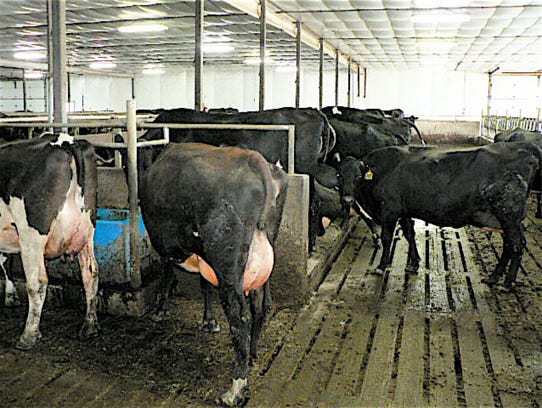 However, Goeser noted that toxins in this year’s corn are down significantly. “It looks like cleaner feed.” Balancing that is the fact that many of the samples the lab has tested are very dry – he called them “dry moisture corn” – and they are not going to ensile or ferment.
“October was dry and warm and 16-percent-moisture corn just isn’t going to ferment,” he said. Corn that gets harvested at 24-25 percent moisture may still ferment but if it’s less than 23 percent, he said it won’t “soften up” and he advised grinding it up as small as possible.
He encouraged farmers to keep an eye on bacterial contamination in their feed as well, which comes mostly from manure. “Don’t put manure on your growing crops. After the alfalfa comes off you may have a day or two to put manure on it but if that alfalfa starts to grow back and then you apply manure, you’re inoculating all those plants.”
Challenges for dairy managers also come when feeding the stored forages and corn. When silage is re-exposed to air, yeast will reproduce by feeding on sugars and carbohydrates and then start to eat lactic acid. When that happens the pH goes up and when it reaches a certain level, bacteria start to grow.
Perfect storm
Dairy cows can ward off certain bacterial challenges if they are not stressed by other factors, he said, like overcrowding or poor cattle handling methods, but if they are also enduring environmental stress they can experience a “perfect storm.”
Goeser further noted that some research is showing that bacteria can “sense” the stress hormones given off by a cow when she’s got problems and this allows them to take advantage of her.
He gets questions all the time about what additives are best to add to dairy rations. Some are useful for binding toxics, boosting the immune system of out-competing pathogens. His advice is to always “test before throwing 10-15 cents per cow per day into a ration. It takes a comprehensive approach.”
The most critical time is harvest and the decision-maker should be on the packing tractor, at the silo or on the bagger, he said, so they can make key decisions about the crop. If it’s too wet there will be ineffective fermentation; if it’s too dry there will be too much air in the feed. “You need to watch the crop coming in and make key decisions,” he advised. Another piece of advice at harvest is to use a research-proven inoculant.
Not your Daddy’s fiber
Dr. David Combs, a professor of dairy science at the UW-Madison, talked with the group about new technologies and innovations in forages that have improved feeding programs for livestock. On the plant side, brown mid-rib (BMR) was a natural mutation in corn that led to improved digestibility of fiber. Alfalfas have been developed with reduced lignin – some by natural breeding and some with genetic modification – and those have led to improved NDF (neutral detergent fiber) digestibility.
Even grasses have been improved for use in high-producing dairy cows, he said, and some of them have higher digestible fiber than alfalfa or corn silage.
The improved fiber digestibility of BMR corn, Combs said, has been shown to increase milk production by 2-3 pounds per cow per day. The reason some of these newer forages can do that is that “every mouthful the cow takes is effectively utilized or she can eat more,” he said.
However, while crops have been improved genetically, that only accounts for about a third of the fiber digestibility in the eventual feed. Two thirds is due to environmental conditions like moisture, growing temperatures and sun intensity. “California dairy producers like the high elevation alfalfa crops because of the growing conditions there,” he noted.
There have also been advances in laboratory testing and analysis of feeds including one that tests for indigestible fiber – uNDF-240 – and one that simulates the cow’s digestive tract to predict total digestibility. That test is called the total tract NDF digestibility or TTNDFD.
Values vary widely
The reason such tests are important Combs said is that fiber digestibility varies widely in forages. “There’s a huge difference and a lot of energy can be left on the table,” he said. Alfalfa hay and silage can vary from 25-70 percent of NDF; corn silage varies from 25-80 percent and grass hay and silage varies from 15-80 percent. “Two units increase in dietary TTNDFD can potentially increase milk yield by a pound.”
Combs noted, and some farmers in attendance confirmed, that garden chippers are being used in the field just before harvest to determine the fiber digestibility of the crop so the farmer can use that information to determine how to use that feed and which group of animals to feed it to.
In corn silage, 25-30 percent of the energy comes from the fiber portion of the feed. In addition, milk fat will increase in cows as fiber digestibility is improved. As margins continue to be tight on the dairy farm, Combs added that corn grain can be pulled out of the ration “if you have more digestible forages.”
Source: Wisconsin State Farmer
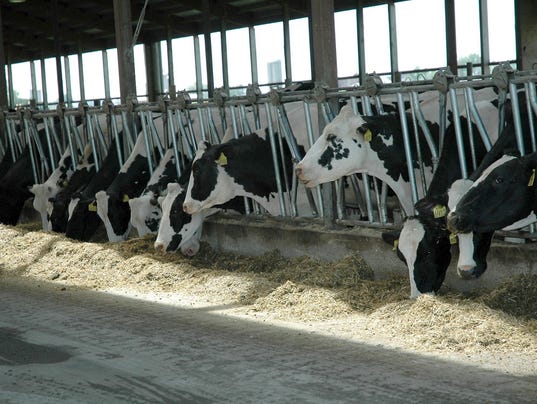 There is a new concept afoot that offers dairy farmers a valuable key to more efficient milk production and herd health.
Milk fatty acid levels, captured by mid-infrared milk analysis tools, were explained by milk quality specialist Dr. Dave Barbano, Cornell University, during the November Hoard’s Dairyman webinar.
Dairy farmers need analytical results that help them manage feed efficiency, animal health and welfare, and environmental impact in order to improve economic performance and sustainability, Barbano said.
“Ultimately, the success of farm management depends on correct decisions down to the animal-by-animal basis,” he pointed out. “The challenge, particularly in large farm management, is to find the cow of interest that needs something special right now, make a decision and take action.”
Milk production is the sum of the performance of all the individual cows, but generating reams of data can be more overwhelming than helpful.
“We really need to condense it down to the information that helps us make decisions, and not be buried in the sea of numbers,” Barbano said.
Analysis and interpretation
The new testing and data, both at the herd and individual cow level, focuses on milk fatty acid composition and the relation to seasonality of fat and protein.
“These new metrics kind of give us a new window into understanding what’s going on in the interaction between cows, health, feeding, management and so on, that I don’t think we see just looking at the fat and protein content,” Barbano said.
When testing first began five years ago at the St. Albens Co-op, the first thing that came to light was a fairly strong correlation of de novo fatty acids with bulk tank fat tests
Field studies of farms with low de novo (LDN) and high de novo (HDN) fatty acids gathered feed samples, management information and, most importantly, production per cow.
The researchers were surprised to find the high de novo herds of Holsteins/Jerseys actually produced more milk per cow. They also had higher fat and higher true protein.
“In the Northeast in 2014 when we did the study, given the fat and protein price, the difference between the HDN and LDN herds at 25 kg milk/100 cows/year would result in a gross income difference of $8,544 for fat and $15,695 for protein,” Barbano shared.
The study was repeated in 2015 on Holstein-only herds. While there was no difference in production, the HDN herds, again, measured higher levels of fat and protein. At the time, prices for protein had dropped, but the differences between the HDN and LDN herds at 30 kg of milk resulted in a gross income difference of $9,125 for fat and $6,935 for protein for 100 cows/year.
“So understanding how to influence these components and get them up without losing milk volume really is something in terms of trying to push better profitability on farms,” Barbano said.
Impacting de novo
The data showed less feed bunk space per cow (
“This showed up very clearly in both years, in both studies,” Barbano noted.
Higher stall stocking density in pens (>1.1 cows per stall) was also related to lower de novo fatty acids and lower fat and protein test.
The form of the ration and fiber is also important, with higher peNDF as a % of DM for the high de novo fatty acid farms (26.8 vs 21.4%).
High levels of de novo fatty acids in the milk indicates that the rumen fermentation is working very well and high levels of acetate, propionate and butyrate are being produced in the rumen, Barbano explained.
Excellent fermentation of forage produces a larger microbial biomass in the rumen and provides more essential amino acids in support of milk protein synthesis.
“De novo fatty acid measurement in milk is an excellent tool to evaluate the effectiveness of rumen fermentation and forage digestion,” he pointed out.
The relationship between variation in milk fatty acid composition and bulk tank milk fat and protein content for Holstein herds has been upheld by data collected from 167 Holstein farms across the nation.
Instruments capable of testing bulk tank milk for de novo are in use at several cooperatives, including St. Albans and AgriMark, who are providing their farmers with daily results.
Looking ahead
Researchers and farmers are getting a much better understanding of how to use milk fatty acid data for whole herd or milking group diagnostics, Barbano said.
The next step is to develop hardware and software to integrate this milk testing approach into the milking system so farmers can get data on a continuous basis from every cow.
Barbano envisions a inline sensor that will shoot off a “fingerprint” of the milk from each cow, and farmers would get back a list of cow numbers or groups and what needs to be done.
Barbano’s presentation, hosted by Steve Larson, Hoard’s Dairyman, and Mike Hutjens, University of Illinois, was sponsored by Quality Liquid Feeds (QLF). It has been archived online by “Hoard’s Dairyman” and is available for free viewing at hoards.com.
Source: Wisconsin State Farmer
 In the statistically driven world of modern agriculture, robotic milking machines are challenging the notion of what is supposed to be a correct cow.
Fifth generation dairy farmers Wayne and Paul Clarke, Dobies Bight improved their operation two years ago with the installation of four robotic milkers run off solar power.
Their daily routine changed overnight. It didn’t take their 350 three-way cross cows long to figure out the new way of doing things and it seems they won’t go back to their old regimented life.
“They’re calmer now when I walk through them,” says Paul. “But if I try to push them into a robot or fetch them from a paddock early, no way.”
The most remarkable discovery – as a result of data collection every time a cow goes to the bails – has been that their worst cow is all of a sudden the best.
“She’s a four-way cross, actually,” Paul explains: Jersey over Illawarra/Friesian and back to Illawarra.
“We were just about ready to sell her and now we realise she’s our most profitable cow producing 9000 litres per lactation.
“Under the robot regime she is just more relaxed, feeding when she wants and how much she wants.
“In the past, when we herd recorded, we came up with a snapshot once a month. Now we know exactly how many litres per day for each cow. It is a lot more accurate. Data collected has identified cows capable of producing more milk from pasture with less reliance on grain. With the cross bred cows outperforming the purebred at the moment. The preference being Friesian over Jersey/Red breeds, with Brown Swiss seemingly too docile.”
David Widdicimbe, marketing agent for the Swedish Delaval robot, said old herd hierarchies were relaxed under a robot regime, with once bullied cows able to hang back and go to the bales when they want.
In the bales the robot washes and blow dries each teat several times before applying individual cups, fitted with a weights and measures ‘approved’ scanning tool that measures flow. The technology also presents the farmer with reports, through Windows-based software, on each teat regarding cell-count and salinity, which is an indicator of early mastitis.
“We can’t compare this technology with the old way,” says Paul. “Before we were in the dairy with the cows and we checked them every time they milked. Now we’re not there so we have to rely on the robot.”
When each separate tests had been milked and measured, cows are free to go; but not just anywhere. Pneumatically powered gates open or shut after identifying each animal by their livestock identification ear tag. Early lactating cows travel around the system generally better, with shorter milking permission times [greater access to the dairy] as the lactation progresses ,milking permission is lengthen allowing late lactation cows longer grazing intervals.
The flexibility afforded by the robot allows cows to milk anytime of day or night.
Source: The Land
Markets continue to move sideways with little prospect for forecast price improvement. None of the factors that are well known give much optimism for price improvement
Penn State University’s November Dairy Outlook showed little optimism for 2018 milk prices. Markets continue to move sideways with little prospect for forecast price improvement, according to Rob Goodling, Extension coordinator for the outlook.
If 2018 price forecasts are realized, the majority of Pennsylvania dairy producers will need to have a cost of production below $17.50 per hundredweight to cash flow. That’ll pose a significant challenge to many dairies.
Milk price projections for 2018, based on Class III and Class IV futures for January through August, range from a $15.35 low to a $16.14 high for Class III; $14.11 to $15.40 for Class IV; and $16.63 to $17.41 for Pennsylvania’s mailbox price.
Components only game in town
Shipping more components remains the best way to improve income. Over the last 17 years, Federal Order 1 butterfat tests have increased an average of 0.14%; protein tests have risen 0.11%. That’s according to a recent Northeast Market Administrator’s bulletin.
But those averages don’t reflect the increases achieved on many well-managed farms. During many dairy advisory team meetings, the conversation focuses on the forage quality and management needed to achieve an average of 6 pounds of components produced daily from each cow in the herd.
Blame the cyber economy?
The majority of Pennsylvania dairy farms are concentrated in the south-central and southeast counties. A recent study commissioned by the Center for Dairy Excellence found that the industry continues to grow and concentrate there. That same area has a tremendous transportation network, which has been a benefit in moving milk to market — note the words “has been”.
Over the past 10 years, this transportation network has attracted a large number of warehouses, or logistics centers, to the area. Proponents of logistics centers forecast that there’s no end to the amount of these structures needed.
These logistic centers are located along this transportation grid for the same reason that the extensive food processing industry in located there — half of the U.S. population can be reached within a 12-hour drive.
Some contend the biggest impact of these logistics centers to dairy is the farmland taken out of production to build these centers. But these logistic centers affect the dairy industry in a much less obvious way.
Anecdotal information indicates that average laborers may earn a wage of $14.50 an hour. As a result, dairy farms within a reasonable commute of any of these centers find they’re faced with a minimum wage floor set by local competition for laborers. If dairies aren’t willing to match the wage rates, it becomes increasingly difficult to recruit and retain employees.
Many Pennsylvania dairies already have a cost structure too high to compete successfully with dairies in other parts of our nation, mainly due to feed costs. Higher labor costs won’t be helpful.
Download the full Penn State Extension Dairy Outlook with price projection tables and graphs.
To explore feed costs and estimated income over feed costs at varying production levels by zip code, check out the DairyCents or DairyCents Pro apps.
Source: Penn State University
DRONE researchers have grounded the technology they use to collect data from the air to help solve production problems in dairies.
University of Melbourne agriculture and food researcher Sigfredo Fuentes says infra-red thermal cameras have been used in a stationary capacity in projects looking at stress in milking herds.
“We can install sensors on the cows to detect heat rate and breathing patterns but they are invasive and never stay in position,” he said.
“So we are trying to do the same thing using the drones but stationary — when the cows come to the robotic milker (at our Dookie campus) we can obtain all the biometrics then.”
Dr Fuentes said it was possible to detect body temperature and heart rates from measurements obtained by filming changes to nostrils and eyes with the technology.
“Changes in the luminosity of the eye section of the cow are really imperceptible to the human eye but we have algorithms to analyse those changes related to the rushing in and out of blood to the face,” he said.
“We are concentrating on pupil dilation in the cow and the white part of the eye to analyse stress.
“We can then try to develop models to predict different parameters.
“In milking, for example, we could predict volume of milk, protein content, fat content and any other interesting target.”
Source: The Weekly Times
An alarming statistic, the Bureau of Labor Statistics (BLS) (2012) reported that “Agriculture, forestry, fishing and hunting was one of only two private industries to experience an increase in the rate of injuries and illnesses in 2011 compared to 2010.” The BLS specifically pointed out that the increase was driven in both crop and animal production (primarily dairy cattle and milk production) industries.
There is a high percentage of contact time between animals and human beings in the dairy industry on a daily basis. How do these injuries occur? Many victims of animal injuries result from being stepped on, kicked, fallen on, crushed by cows or mauled by bulls and gored by animals that have not been dehorned.
When training workers about proper livestock handling practices it is important to remind them that dairy animals have panoramic vision, which means that they are able to see all the way around themselves except for a small blind spot at the nose and rear of the animal.
Knowing how to approach an animal from the side while using verbal cues in a non-threatening manner will minimize spooking the animal. The “flight zone” is often referred to as an animal’s “personal space”. In essence entering the flight zone will cause the animal to move away from you. For example a wild animal will have a large flight zone up to as much as 160 feet in diameter whereas most tame dairy cows will have a very minimal flight zone and can often be difficult to move. Understanding and using the “flight zone” in the proper manner can help facilitate the moving of an animal in a desired direction. Learning the flight zone penetration area will take some practice within each species (See Figure 1.).
Cattle are more sensitive to noise than humans, particularly those at higher frequencies. Yelling and hollering causes stress to animals and can make them more difficult to handle. Staying quiet and calm will help minimize these reactions. Additionally, unexpected loud noises such as banging gates, loud exhaust from air cylinders, starting an engine, etc. may startle animals. One way to help condition cattle is to utilize a radio played at moderate volume in the barn at all times to help reduce the reaction to unfamiliar, sudden noises.
One needs to remember that cattle are herd animals and isolation may cause them to be nervous, stressed or agitated. So when working with an animal, having a companion animal near will help keep the one being treated calmer.
Cattle do remember painful or frightening experiences. If an area of the barn brings-up unpleasant memories for cows such as pokes, slipping or rough handling, they may become unwilling to cooperate and react accordingly.
Good livestock handlers should be able to watch for warning signs of an agitated animal. They will show such signs as raised head or bulls may have lowered heads if they are going to charge,pinned ears, raised tails, raised hair on back, bared teeth, excessive bawling, pawing the ground, and snorting.
Appropriate livestock handling behavior include:
- Slow and deliberate actions.
- No loud noises or quick movements.
- Do not prod an animal when it has no place to go.
- Gently touching animals has a more favorable response than shoving or bumping them.
- We need to respect animals, however not fear them.
- Intact male animals, especially dairy bulls should be considered potentially dangerous at all times and proper equipment and facilities should be made available to assure safety of handlers.
- Animals tend to become highly protective of their young especially during parturition.
- Animals will defend their territory which should be kept in mind at all times, given their size, mass, strength, and speed.
- Cows will typically kick forward and out to the side and will also have the tendency to kick toward the side where they have pain from inflammation or injuries. Young stock may kick straight back also. Thus, if a cow has a single quarter with mastitis you may want to approach her from the opposite side of the affected udder when examining her or utilize proper restraint to avoid being hurt.
Personal hygiene is extremely important as humans can contract diseases from livestock (Zoonosis.) Diseases such as leptospirosis, Staphylococcus aureus, rabies, and ringworm are fairly common whereas anthrax and bovine tuberculosis are rare but still exist. Using personal protective equipment such as splash guards, eye wash stations, gloves, and wash stations along with good hygiene by livestock handlers will minimize contagion. Dead animals should be disposed of in a timely and proper manner to minimize spread or potential exposure to disease.
Lastly, using appropriate livestock handling equipment is a must. Equipment such as man gates in pens, working/squeeze chutes, treatment pens, halters, head-gates, anti-kicking devices, hip lifters or cattle lifters should be available and in proper working order. Facility design is also important including gate placement, pen size, spacing between railings or boards and lighting.
Figure 1. Flight Zone, Temple Grandin

Source: iGrow
Calf management starts before the animal is born.
The pregnant dam should be provided with proper nutrition to ensure that the calf is born strong and healthy.
Immediately after calving, ensure that the calf is breathing by wiping off mucus from its nostrils.
Alternatively, you can rub some straws on the calf’s nostrils to stimulate sneezing or hold the calf’s hind limbs and swing it to remove mucus from the nostrils and provide a clear air way.
The calf’s navel is then tied, cut and disinfected with 2 per cent iodine to prevent infection that may lead to navel ill.
Calf feeding is aimed at providing the required nutrients and encouraging rumen development.
During the first 12 hours after birth, it is extremely important that the calf ingests colostrum, which is rich in nutrients and antibodies.
This is because 24 hours after birth, the animal may not be able to absorb the antibodies.
Colostrum feeding may continue for 4-5 days. During this period, the calf’s rumen is not fully developed and milk ingested goes directly from the esophagus into the abomasums through the esophageal groove.
This groove allows only liquid feeds to pass through but not solids, so at this age, the calf should be fed on the dam’s milk or Intromilk milk replacer.
Intromilk replacer can be fed through buckets or nipple bottles which need to be placed at a higher level where the calf has to stretch their necks to drink.

How to feed a calf. Intromilk replacer can be fed through buckets or nipple bottles which need to be placed at a higher level where the calf has to stretch their necks to drink.
The calf may consume up to 2 litres of milk or more per day and should be fed twice daily.
Calves overfed with milk may develop scours, a major cause of early mortalities.
In the event that there’s scouring, the calf should be treated with Limoxin ws, a water soluble powder.
Milk replacer is a quality feed that is meant to meet the growth and development requirements of a young calf.
A good milk replacer is equivalent to successful calf rearing.
This is because high quality milk replacer ensures that the calf’s growth and performance is higher than that of the cow’s natural milk.
FRESH DRINKING WATER THROUGHOUT
Intromilk is economical and is free from diseases that may be transferred from the dam to the calf.
Intromilk helps in faster rumen development, allowing the calf to start digesting grass earlier hence earlier maturity.
A calf should consume Intromilk equivalent to 10 per cent of its body weight. Some 125g of Intromilk calf milk replacer is added per 1 liter of warm water, mixed and fed immediately.
The calf may be weaned at 12 weeks of age. Weaning is the transition from milk to solid feed. At this age the rumen is usually beginning to develop.
Weaning should be done gradually by feeding calves good quality fodder/hay and concentrates.
The concentrates can be in form of calf pellets, which stimulate rumen function through establishment of microbial population and stimulation of growth of rumen papillae.
It’s important for every animal to consume minerals in their diet. Calves should be fed on mineral blocks adlibitum.
Intromin mineral block is rich in vitamins and essential minerals which provide the calf with all it needs for strong bones.
Calves should be allowed fresh drinking water throughout. Do not give water immediately before the calf drinks milk so that they can ingest sufficient amount of milk.
Calves should be dehorned within the first month of birth as it is less painful and stressful for the animal.
Ear tags may be applied immediately after birth for proper identification and recordkeeping.
Extra mammary teats may be removed when the calf is still young as it is less stressful. These are surgically excised and Limoxin aerosol spray applied to prevent infection.
Bull calves not meant for breeding may be castrated at birth or between 3- 6 months of age as they heal faster and it is less stressful.
Vaccination can be done to prevent diseases like blackleg, Anthrax, FMD, Lumpy Skin and CBPP etc.
Source: Daily Nation
 Dairy cows selectively consume their rations, generally sorting longer particles in favor of finer particles. Feed sorting decreases fiber intake while increasing the consumption of grains and co-products. It also creates instances where cows eat different rations throughout the day.
Are Your Cows Sorting?
In 2010, researchers from University of Minnesota evaluated ration change over time in 50 Minnesota freestall barns. At each farm, samples were collected from rations fed to high-producing cows. One sample was collected immediately after the TMR was delivered, three additional samples were collected every two to three hours after feed delivery, and the last sample was taken from the accumulated weigh-backs.
Researchers evaluated particle size in the TMR samples using a threesieve Penn State Particle Separator. On average, the researchers found a noticeable change in the percentage of material retained in the top screen from the initial TMR to the weigh-backs showing cows were selecting against long particle size. In addition, fiber content—percent of neutral detergent fiber (NDF)— of the TMR increased throughout the day.
Similar results were obtained in a Canadian survey including 22 freestall herds. On average, the refused ration was higher in the percentage of long particles recovered in the top screen (19.8% versus 33.1%) and physically effective NDF (17% versus 24.5% dry matter) than the average offered ration.
Effects of Sorting on Milk Components
Feed sorting causes fluctuations in rumen fermentation patterns, and can result in reduced ruminal pH and episodes of subclinical ruminal acidosis. A recent study showed the association between sorting behavior and milk production. The researchers evaluated feeding behavior in 28 lactating Holstein cows individually housed in a tiestall barn at the University of Guelph.
Cows sorted against long particles and in favor of short and fine particles. On average, intake of the longest particles was 78%. Milk production of the group was 90.6 lb. per day with 3.81% and 3.30% protein. The authors found negative associations between feed sorting and milk composition. For every 10% increase in sorting against long particles:
- Milk fat content decreased by 0.10 percentage units
- Milk protein content dropped 0.04 percentage units
Because the average sorting against long particles in the group was 22%, milk fat was reduced by 0.22 percentage units or 0.2 lb. per cow per day due to sorting. Similarly, milk protein was reduced by 0.09 percentage units or 0.08 lb. per cow per day. Using values from September FMMO Advanced Component prices (fat $3.03 per pound and protein $1.54 per pound), the economic impact of sorting in this research herd was 72¢ per cow per day or $263 per year.
In conclusion, feed sorting is a common behavior of dairy cows that could produce health issues and economic losses in the herd.
Source: Animal Science with Extension
From a paddock in North Canterbury, dairy farmer Glen Herud is breaking the mould.
He doesn’t own land. He doesn’t have a permanent milking shed or effluent system. Calves stay with their mothers for up to 15 weeks. In almost every respect, the Happy Cow Milk Company flies in the face of New Zealand’s biggest primary industry.
“I suppose we’re different in quite a few ways really,” the 39-year-old said, seemingly unaware of the disruption his model could have.

JOSEPH JOHNSON/STUFF
Glen Herud owns Happy Cow Milk Company. They milk cows in a mobile milking unit in the paddock, and calves stay with their mothers until they are naturally weaned.
Herud milks his 60-cow herd once a day from a mobile milking unit parked in leased land. Rather than make his cows walk from the paddock to the shed, he brings the shed to the paddock.
READ MORE:
* Lyttelton Coffee Company milk supplier speaks out on trim milk debate
* Milk from the farm wins new favour
On some dairy farms, Herud said, herds can walk up to 4 kilometres multiple times a day on the way to and from the milking shed.

JOSEPH JOHNSON/STUFF
Herud started the company in 2014, originally called Nature Matters Milk Company. He now supplies about 30 cafes in Christchurch and Rangiora.
He designed and built the mobile shed himself, the only one of its kind in the country.
“We’re the first to do it, so we had to get it through Ministry for Primary Industries and all the food safety authority people as well.”
The cow shed is moved to a different part of the paddock every day, the herd continually feeding from a different section of grass. The incentive of new grass means cows voluntarily file into the mobile milker, patiently waiting as Herud attaches soft rubber cups to their teats.

JOSEPH JOHNSON/STUFF
Herud designed and built the mobile milker himself. It is the only one of its kind in New Zealand.
After 15 minutes, the cows move into fresh pasture and Herud washes down the trailer before inviting the next group in.
By constantly moving the milking operation, Herud also solved the effluent issue most dairy farms face.
“Most cow sheds have a holding yard where most of the effluent is collected, and then that has to get spread out on the paddocks.
“By moving the shed every day, the cows will stand in one spot one day, then the next day stand somewhere else, so they are spreading the effluent naturally around the paddock.”
But how does this make the cows happier than other dairy cows?
“We leave the calves with their mothers [for up to 15 weeks], so we are really putting the emphasis on animal welfare and sustainability.

JOSEPH JOHNSON/STUFF
Herud says he thinks New Zealand needs to define itself as doing the “moral thing” when it comes to dairy, focusing on being “more natural and having higher levels of animal welfare”.
“When the calf is ready to be weaned, we remove them from their mums then.”
The happiness seems to translate into flavour too, with baristas across the city endorsing Happy Cow milk as creamier and better to steam.
Herud went into business in 2014 with seven cows, originally named Nature Matters Milk Company. He now supplies about 30 cafes in Christchurch and Rangiora, as well as stocking shelves at Raeward Fresh stores. He hopes to expand into more supermarkets in the near future.

JOSEPH JOHNSON/STUFF
The mobile milking unit can milk 15 cows at once. Herud moves the trailer to where the cows are, making for happier cows and tastier milk.
Herud’s small-scale farm is unique. Of the almost 12,000 herds across the country, fewer than 200 have less than 100 cows. There are currently about 4.8 million cows in New Zealand, according to the latest statistics from DairyNZ.
Threats to the global dominance of Kiwi dairy should be pushing the industry towards doing “the moral thing”, Herud said.
“I mean to be honest most dairy farms do take care of their animals [but] I think New Zealand really needs to become known for being pasture based, being much more natural and having higher levels of animal welfare.”
Source: Stuff
Sexing Technologies presented its 2nd edition of its popular event “Genetics – Investment or Expense?” as part of the Supreme Dairy Show in Saint-Hyacinthe, Quebec (View 1st edition). In this edition, the visionary behind Sexing Technologies Juan Moreno, that has lead to ST becoming the fast growing genetics company in the world, discussed the evolution and devaluation of genetics in the dairy industry and what the future holds. Following Juan, was Ben and Dave Loewith, of Summitholm Holstein. Summitholm Holsteins have breed more 100,000-kilogram cows than anyone else in the world. During this session, Ben and David discussed some of the business strategies that has lead to them being one of Canada’s top managed herds, year after year.
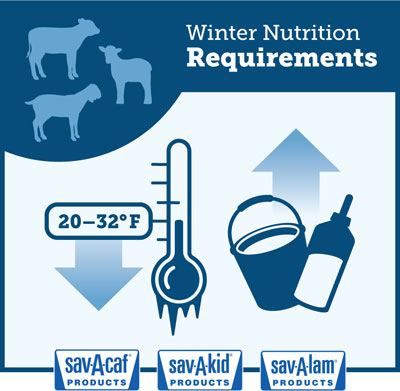 Help ease the transition for your animals
Winter brings frozen water buckets, mounds of snow, slippery ice and cold temperatures. These conditions can make it a challenging season for you and your animals. Before old man winter starts knocking on your door, take advantage of the remaining fall days to prepare your farm for winter’s chill.
“When winter decides to make its debut, you’ll feel more at ease being prepared to take on whatever challenges it throws at you,” says Julian (Skip) Olson, DVM, technical services manager for Milk Products.
Here are five tips to help you prepare for winter:
1. Stock up on bedding
Make sure you have plenty of bedding available to keep your animals warm and cozy through the winter months. At the very least, you’ll want to ensure you have access to an adequate supply.
“It takes more bedding for an animal to maintain its body temperature in cold weather. If your animals get wet from the bedding, they will be cold and uncomfortable,” says Olson. “To keep bedding dry, you might want to consider adding a layer of sawdust or sand underneath to help absorb moisture. While this will help absorb moisture, you will still have to keep bedding dry – it may require frequent cleaning. Mixing wood shavings and straw can also help while keeping animals dry and clean – which is especially important for young animals.”
2. Keep enough feed on hand
As the weather cools down, animals’ nutrition requirements go up.
“It depends on the species you raise, but a range of 20 to 32 degrees Fahrenheit is the lowest critical temperature livestock can tolerate without additional energy demands to support their normal body temperature. For example, calves less than three weeks old can experience cold stress below 50 degrees Fahrenheit,” says Olson.
For young animals on milk, you can supply them with extra energy by feeding a greater quantity of milk replacer or adding more feedings. Energy supplements are also available to add in milk replacer or whole milk to increase caloric needs during periods of cold weather. If you plan to welcome new animals during winter, you’ll also want to keep a supply of colostrum replacer on hand.
For animals beyond weaning, feeding more grain, hay and forages can provide them with the additional calories they need to thrive.
3. Prepare shelter
The pasture grazing days will soon be over. Having shelter ready for your animals when winter hits, will help minimize stress and ease the transition.
“It’s important for animals to be able to have some shelter or windbreak to get out of the elements during winter,” says Olson. “If you have an enclosed shelter for your animals, make sure it is well-ventilated and in good, working order.”
Take time to look buildings and shelter over and make any necessary repairs – leaky roofs, cracked windows, broken doors, etc.
“You’ll appreciate being able to make the repairs now, rather than later in frigid, winter weather. Your goal is to create an environment for your animals to stay clean, dry and comfortable,” adds Olson.
4. Ensure water access
If you have heated waterers, make sure to turn them on and double check that they still work properly. If you don’t have heated waterers, you can use heated water buckets or water heaters to keep water from freezing.
“Take extra safety precaution when using heating elements or heated water buckets. Both require electrical cords, which are important to keep out of animal’s reach and out of the elements if possible,” says Olson. “Remember to check on any electrical cords you’re using throughout the season.”
5. Get yourself ready
Just as winter can be a difficult season for animals, it can also be a more challenging season for you. Take an inventory of your winter clothing supplies to make sure you have enough warm clothes on hand.
“The more comfortable you are working outside in winter weather, the easier it will be for you to give your animals the proper care they need to thrive and stay healthy,” says Olson.
Winter clothing items to consider:
- Warm winter boots
- Boot warmer
- Wool socks
- Hand/feet warmers
- Gloves
- Stocking hat
- Long underwear
- Insulated overalls
- Winter jacket
“For people, there is no such thing as bad winter weather, only bad clothing. For your animals, make sure they have the right environment as described above so they don’t suffer with bad weather. By preparing yourself for winter, you’ll be ready to give your animals the best possible care, no matter what Mother Nature throws your way,” adds Olson.
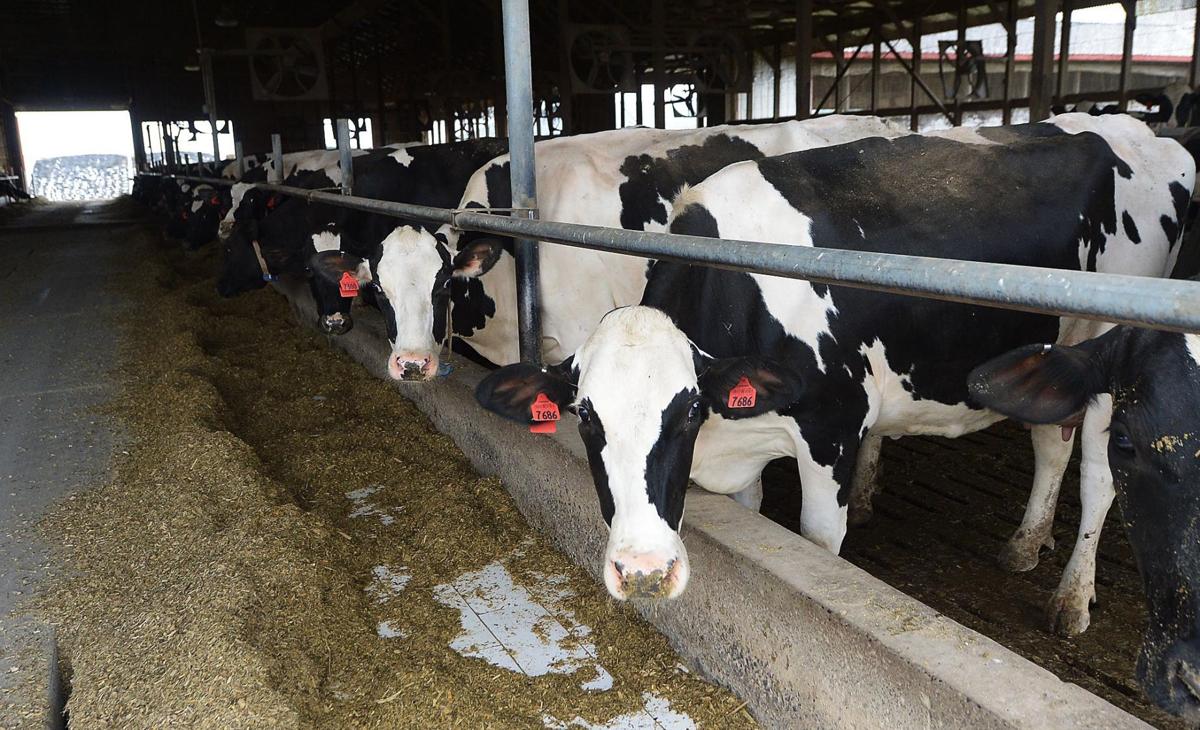 Pennsylvania Agriculture Secretary Russell Redding told local farmers earlier this month that the state has their backs when it comes to diversifying agriculture in order to cope with ongoing market volatility.
Farmers from southern Cumberland and northern York counties gathered at Baker’s Restaurant in Dillsburg Oct. 12 for the breakfast event, hosted by state Rep. Dawn Keefer (R-York/Cumberland), where Redding was the featured speaker.
“We’ve built a system that’s dependent on international markets, because our own population and market here at home is stable,” Redding said. “The growth element is going to be in other parts for the world, and we have to figure out how to take advantage of that.”
With no indication that milk will become more profitable in the short-term, Redding emphasized diversification, with the department taking a keen look at new dairy products as well as poultry and wood products as a way to bolster Pennsylvania’s farm industry.
“I think there is a premium in the market for us … but we don’t market it,” Redding said.
Strategic plan
The department expects to unveil its new strategic plan at the 2018 farm show in January in Harrisburg, Redding said, but one of the core components already being realized is the inclusion of farm-related operations not included in the standard United States Department of Agriculture census.
The equine sector, for instance, is only counted if the horses are being used for farm labor, and not if they’re being raised for recreation or racing use. The official sphere of agriculture also doesn’t yet count deer farms, which have been a boom industry in Pennsylvania.
“Ten years ago we had about 200 deer farms in the state, now there are over 1,200 registered,” Redding said. These operations send most of their deer out of state, typically to hunting preserves, although regulations regarding the spread of chronic wasting disease are tight.
“The amount of testing that is required for these farms to move deer off their premises is what really put them on our radar as a sector that needed assistance,” Redding said.
The department is also seeking co-development opportunities with the forestry industry — the harvesting of trees and creation of wood products accounts for 550,000 jobs and $133 billion in GDP for Pennsylvania each year. This also include the plant nursery industry, which can be a major element on some farms.
This dovetails into the larger issue, Redding said, of Pennsylvania needing to be better equipped to sell value-added and artisanal products, as opposed to base goods like fluid milk.
One of the issues is with port access. The bulk of high-value farm exports, from specialty meats and cheeses to Amish furniture, go through the port of Richmond.
Pennsylvania would, naturally, rather see them go out of Philadelphia, not just to keep the supply chain in-state, but also because Philadelphia offers greater access to Asian markets, Redding said.
“There were some historic challenges with Philadelphia, one being the additional work it takes to get there if you’re coming out of the Midstate or west of the Alleghenies,” Redding said. “It was also an issue with destinations, which is why we’re getting back into this topic because China is now the major interest in Philadelphia.”
Dairy farms
But for farmers who are dependent on producing basic dairy products, Central South America is still a lifeline. Roughly 25 percent of fluid milk capacity goes through Mexico and further south, Redding said — a market that has seen increased competition as Australia and New Zealand also ramp up their exports to Latin America.
How much overseas markets can absorb is the big question. Because of high prices in past years, particularly driven by consumption in Asia, farmers have ramped up production.
“The equilibrium between what’s produced and what’s consumed matters a great deal,” Redding said. “You have to remember that we’ve added, in the last 10 years, another billion pounds of milk production in Pennsylvania alone.”
However, China — which had picked up most of the US excess production — began to curtail its dairy imports, with powdered milk sales to China dropping about 21 percent in 2015, according to the USDA.
The subsequent price dive on base goods, such as milk, butter, and bulk cheese, has led to increasing efforts to buoy prices in the US, including the USDA’s announcement in 2016 that it would be buying 11 million pounds of cheese for government food banks in order to reduce a 30-year high in excess cheese inventory.
The way out of the cycle, Redding said, is for the US, and particularly Pennsylvania, to diversify its milk products, to include more specialties and extracts commonly used in “nutraceutical” supplements.
However, Pennsylvania lacks much of the infrastructure to do this. Most of the higher value-added dairy products are arriving at Richmond and Philadelphia from Michigan or Wisconsin. While dairy processors in Pa. have added infrastructure in the past 10 years, it’s has been almost entirely related to powdered milk and butter, neither of which are profitable for farmers.
“We have sufficient fluid milk capacity in Pennsylvania. What we’re lacking is some of the specialty products,” Redding said. “There are other product areas we need in Pa. to keep those farms profitable and viable.”
One diversification effect has been an increase in poultry — 250 farms have added broiler chicken operations over the last two years under a push by Bell and Evans, Redding noted. But side business in chicken farms can’t, in itself, save the dairy economy.
“Part of this conversation is the expectation that those who have historically been the owners of the dairy processing facilities, we have to have an honest conversation as to if they are the ones who can solve this,” Redding said. “This is now an issue squarely in the hands of the dairy industry, not a particular farm or cooperative.”
Source: Cumberland
The majority of the dairies in the U.S. have a specific age at which they begin to breed their heifers. A much smaller percentage may also include requirements on height and/or weight that the heifers must reach before receiving their first insemination. Those dairies that are using height and/or weight, soon realize that not all heifers are ready to be bred at the same age. Others are afraid to breed heifers that reach the height and/or weight goals if they are younger than a certain age.
Puberty of the dairy heifer depends on size and not on age. Animals will reach puberty at different ages since their genetics and rates of growth vary. Heifers that are on a higher plane of nutrition will reach puberty at an earlier age because of improved feed efficiency and growth rates. Intensive feeding programs have become much more popular in recent years because of the numerous studies that have been published proving that heifers raised on these programs will produce a significantly higher volume of milk than heifers raised on more traditional programs. Heifers on intensive feeding programs also have reduced morbidity and mortality rates, lower culling rates, increased longevity in the milking herd, and higher return on investment.

Dairy records show no reduction in milk production for those heifers that calved earlier when compared to heifers calving at 24 months or greater.
Heifers are commonly fed rations that are lower in protein than what they require. The main reason for this is that protein is more expensive than energy and the dairy is trying to reduce feed costs for the heifers. Rations that are higher in protein and successfully meet the protein requirements of the growing heifer will result in improved feed efficiency and reduced cost per pound of gain. When assessing feed costs, the dairy owner will most often look at the cost per head per day or cost per ton of feed fed to the heifers. However, the most important number is the cost per pound of gain. Poultry, swine and beef cattle producers all recognize the fact that their profit lies in improving feed efficiency and reducing the cost per pound of gain. The same is true for dairy heifers, but this number is seldom calculated. The main reason for not knowing the cost per pound of gain is the lack of obtaining weights on the heifers at various stages of growth.
Most of the heifer-management software programs have the ability to record multiple weights of heifers during their development. The following times are recommended for recording heifer weights: birth, weaning, five to six months, pre-breeding, and pre-calving. Dairies that have done this for some time can show that there is a direct correlation between the heifers that gain the most per day and an increased level of milk production. Recording heifer weights also helps the dairy to know if their nutrition program is yielding the desired results, and if changes made in the program are successful in improving weight gains and reducing cost per pound of gain.
During a five year study that I conducted on a client’s dairy, I received the highest and most efficient gains when the crude protein level was between 16 and 16.5% starting at nine months of age. The potential gain from Metabolizable Energy was formulated at 400 to 450 grams less per day than the potential gain from Metabolizable Protein. This allowed the heifers to grow in stature and muscle deposition without becoming over-conditioned.
It has been recommended that heifers should be approximately 55% of the average adult weight in the herd when inseminated for the first time. As an example, if the average weight of the adult cow in the herd is 1,500 pounds, then the heifer should weigh around 825 lbs. at first insemination. There are some older papers that have been published that suggest that breeding heifers at a younger age will result in lower milk production when they calve. However, these heifers were not the correct size or weight at the time they were inseminated. If the criteria of 55% of average adult weight is used, and a height of 51 inches or 130 centimeters at the withers is used for the first insemination of Holstein heifers, approximately 28% will reach these goals by 10 months of age, another 60% by 11 months of age, and the final 12% by 12 months of age.
Many have expressed concerns that breeding heifers this young will lead to problems with dystocia, reduced milk production, lack of maturity, and increased culling rates. I have clients who have been on this intensive program for close to 20 years and they have experienced just the opposite. Following is a graph from a dairy that shows the 305 ME on first calf heifers by the age at first calving:
As you can see from the graph, there was no reduction in milk production for those heifers that calved earlier when compared to heifers calving at 24 months or greater. We have also noticed that the longevity in the herd is greater because these heifers are producing more milk and as a result, are less likely to be culled. Since these animals are all of sufficient size and weight at breeding, there is no issue with not being able to compete with other animals at the feed bunk after calving.
An intensive heifer feeding program is another way to improve efficiency and profitability on the dairy by reducing costs per pound of gain, decreasing morbidity and mortality rates, and increasing milk production in first-lactation animals, as well as subsequent lactations. It is important that body condition be monitored at all stages to ensure that the rations are formulated correctly to maximize frame growth and muscle deposition without becoming over-conditioned. Most dairies have an excellent genetics program in place and carefully select the bulls they want to use to improve the genetic base in their herd. However, the only way to reap the full benefits of the genetics program is to allow each animal the opportunity and ability to reach their full genetic potential through proper management and nutrition.
A well-designed growing diet can help heifers reach puberty and first breeding at younger ages, with benefits including better health, longevity and return on investment.
Source: Bovine Veternarian
Consumer demand for organic milk recently surpassed the available supply, with sales of organic products reaching $35 billion in 2014 and continuing to rise. As farms transition to organic production to meet demand, feeding strategies will need to be adapted to meet USDA National Organic Program requirements. Currently, agriculture accounts for approximately 9% of total US greenhouse gas (GHG) emissions; the US dairy industry has committed to a 25% reduction of GHG by 2020 relative to 2009. By varying diet formulation and the associated crop production to supply the diet, farmers can affect the quantity of GHG emissions of various feeding systems. Therefore, researchers from the University of Wisconsin–Madison created a study to compare the effects of feeding strategies and the associated crop hectares on GHG emissions of Wisconsin certified organic dairy farms.
“Herd feeding strategies and grazing practices influence on-farm GHG emissions not only through crop production, but also by substantially changing the productivity of the herd,” lead author Di Liang said. “Managing more land as pasture, and obtaining more of the herd feed requirements from pasture, can increase the GHG emissions if pasture and feed management are not optimized to maintain milk production potential.”
The authors identified four feeding strategies that typified those used on farms in Wisconsin, with varying degrees of grazing, land allocated for grazing, and diet supplementation. A 16-year study was used for robust estimates of the yield potential on organically managed crop land in southern Wisconsin as well as nitrous oxide and methane emissions and soil carbon.
Production of organic corn resulted in the greatest nitrous oxide emissions and represented about 8% of total GHG emission; corn also had the highest carbon dioxide emissions per hectare. Emissions decreased as the proportion of soybeans in the diet increased, as soybeans require less nitrogen fertilization than corn grain. More intensive grazing practices led to higher GHG emission per metric tonne. However, allowing cows more time on pasture resulted in lower emissions associated with cropland. Manure management and replacement heifers accounted for 26.3 and 20.1% of GHG emissions.
Based on their findings, the authors determined that a holistic approach to farm production is necessary. Organic dairy farms with well-managed grazing practices and adequate levels of concentrate in diet can both increase farm profitability and reduce GHG emission per kilogram of milk.
“Consumers often equate more dependence on pasture with environmentally friendly farming, but this study demonstrated that low milk production per cow is a major factor associated with high GHG emission. Managing both pasture and supplementation to increase milk production per cow will substantially reduce GHG emissions,” said Journal of Dairy Science Editor-in-Chief Matt Lucy.
Factors such as dairy cow breed and nonproduction variables may also have an effect on GHG emissions on organic dairy farms. Thus, future studies are needed in this area to elucidate the effects of grazing management and feeding systems. With more research, however, crop and milk production, GHG emissions, and farm profitability can be optimized on organic dairy farms.
Source: Elsevier
One the more common questions I receive with regard to analytical testing of forages and other feedstuffs is, “I have the sample, now what do I test for or what analysis package should I select?”
The basic components that nutritionists need to evaluate a feedstuff or develop a ration are dry matter or moisture, crude protein, an estimate of the energy content of the feedstuff — Total Digestible Nutrients (TDN), Net Energy for Maintenance (NEm), Net Energy for gain (NEg), and the macro minerals, Calcium and Phosphorous. These are the most basic numbers that are required but including some additional analyses in the report can give us additional insight into the quality of the feedstuff or improve our ability to predict animal performance, which is the primary reason we analyze feedstuffs.
I recommend that the report include acid detergent fiber (ADF) and neutral detergent fiber (NDF). The amount of NDF in forage reflects the amount of cell wall contents (hemicellulose, cellulose, and lignin) within the sample. The NDF fraction is often associated with the respective bulkiness of forage and is correlated with dry matter intake of the forage or feedstuff. Therefore, the amount of NDF may be used to estimate the expected dry matter intake associated with the forage. The ADF number represents the amount cellulose and lignin within the forage and is correlated with the respective digestibility of the forage. In general, a higher ADF value is associated with forage that has a greater proportion cellulose and lignin and would likely be a more mature. Additionally, the ADF fraction is used to calculate the energy estimates TDN, NEm, and NEg that appear on the report. There are a number of different mathematical equations that the testing laboratory may use to calculate these numbers, based on the type of sample (corn silage, alfalfa, grass hay, etc.). If the ADF is included in the report, the nutritionist can adjust or recalculate the energy estimates if necessary.
If the forage will be fed in combination with a byproduct feed such as wet distiller’s grain, including an analysis for sulfur can be beneficial if the forage will be used in a growing or feedlot ration. Additionally, if the forage is a known nitrate accumulator (forage sorghums, sudangrass) or may have been stressed due to drought, including a nitrate analysis should always be considered, especially if the forage will be fed to pregnant cows.
Most analytical laboratories have a number of different analysis packages which encompass the most common procedures or numbers that a nutritionist or producer needs to know about their feeds. These packages will typically include the basic procedures (DM, CP, TDN) and then add on specific analyses such NDF, or the Macrominerals (Ca,P, Mg, K, Na, Cl, S). Some laboratories may group analysis packages by the type of sample (Forage, vs. mixed ration) or production purposes (dairy vs. beef).
The objective of analytical testing of forages and feedstuffs is to improve our ability to meet the animal’s nutrient requirements and ultimately predict animal performance. The unequivocal best method of evaluating the quality of a feedstuff is feeding the feedstuff to an animal and evaluating performance over a set period of time, under a specific set of conditions. Since that would not be cost effective or timely, analytically evaluating feedstuffs in a laboratory is the next best the thing and although it is not perfect, it is unequivocally better than the “this looks like really good stuff” method of evaluating feedstuffs.
Source: KSFGG
New Zealand dairy operators might be penalized by their milk processors soon for using too much PKE, or palm kernel expeller, as a feed additive. Highground Dairy analysts say Fonterra is talking now with producers to finalize penalties for overuse of PKE to bring up the level of milk components during a year where the weather has not brought them high-quality grazing ground.
New Zealand dairy operators are usually required to have a pasture-based feed for dairy cows. Fonterra put in place a voluntary 3-kilogram PKE limit per cow two years ago. Highground Dairy says New Zealand has already imported more PKE this year than all of last year. The wet weather has also prompted New Zealand to increase imports of U.S. dried distiller grains because of a poor wheat crop.
Source: Brownfield
 In dairy cattle the transition period is characterized by a number of metabolic changes and management practices that can have an impact in the health and productivity of the cows. Therefore, strategies and monitoring programs that can minimize the negative effects of these events in the herd should be implemented.
Generally, the transition period starts three weeks prior to the due date and extends three weeks after calving. Animals are moved to a new pen in preparation for the new lactation where they have to adjust to a new ration, social group, and facilities. After calving, some animals will present some form of metabolic disorder or infection. Transition cows will experience insulin resistance, low feed intake, negative energy balance, lipolysis, weight loss, and reduced immune function during early lactation.
Bacterial contamination in the uterus, in addition to a number of hormonal changes, can result in retained placenta and metritis. All these events will have effects on the future performance of the cows and their productivity.
Monitoring Programs
Sometimes health issues will go unnoticed as animals will not show clinical symptoms. However, subclinical cases will affect productivity and in the long run, they might even have a significant impact in other factors such as reproduction performance and culling rate. For instance, studies indicate that cows diagnosed with subclinical ketosis in the first two weeks of lactation were 20% less likely to get pregnant in the first insemination (Walsh et al., 2007).
Considering all the factors that affect the development of the cows, producers should have a good health monitoring program that aims to prevent health problems at the herd level and identify cows at high risk for diseases at the individual level.
Numerous screening programs have been proposed with different benefits and advantages. However, producers should adjust to resources available in their farms and create an effective program tailored to their conditions and circumstances. Lack of technology or time should not be an excuse to have a poor health monitoring program.
Health records
Accurate records of all the health events are a good starting point. They will offer a retrospective picture and determine if disease incidence rates are exceeding normal standards.
Incidence of clinical diseases such as retained placenta, milk fever, dystocia, metritis, ketosis, and displaced abomasum should be available and be reliable. It is important to be clear and consistent with the records. This will help to give a better diagnostic tool, plan an effective treatment, and evaluate the success of the current management. Furthermore, records should be able to provide incidence of a condition and not be confused by treatment rate. For instance, if there is a case of retained placenta that was not treated, this one should be recorded. On the other hand, if there is a case of metritis and it is treated for 5 days, it should be recorded as only 1 occurrence and not as 5 treatment events.
Although clinical cases are important and need to be addressed, they are only showing a fragment of the real situation on a farm. Subclinical ketosis, for instance, can affect up to 40% of the cows in early lactation (Duffield et al., 1998), and yet be unnoticed in many cases. That’s why other monitoring practices are needed in addition to good records.
Dry matter intake
Adequate consumption of feed during the prepartum and postpartum periods can have a significant effect in the cows. Measuring the intake is an effective tool to prevent health issues. Animals should be encouraged to eat as much as possible during the post-partum period to avoid negative energy balance, but intake should be controlled during the far-off period to avoid over conditioned cows. Research has shown that cows that were overfed during the far-off period had higher concentrations in blood of BHB (β-hydroxybutyrate) and NEFA (non-esterified fatty acids) that are correlated with higher incidence of ketosis (Dann et al., 2006).
Although feed intake data is a great evaluation tool, in many cases it might be difficult to collect due to the nature of the facilities (free stalls vs tie stalls). However, an estimate will offer a good assessment. Competition for feed can be tough, especially in overcrowded free stall pens; therefore, having enough feed for all the cows will help to enable sufficient intake. If refusals are less than 2% that might be an indication that not all the cows in the group had access to enough feed.
Milk yield
After parturition, milk yield should steadily increase. Keeping track of this information can be used to monitor health status. Generally, if cows are experiencing any kind of health issues, milk yield will be affected. When evaluating milk production, it is important to remember that other factors (animal handling, feed, weather, etc.), besides health, can influence its outcome.
Currently, a number of automatic milking systems that can report individual milk production are available. Additionally, other animal monitoring systems have been demonstrated to be an excellent complement of milking systems to identify sick cows early. The goal is to daily monitor the milk production, at least for the first 2 weeks of lactation.
Body condition
Scoring body condition will give an estimate of how much body fat the cows are accumulating. This information is also a reliable source to determine nutrition and metabolic status in the herd. Studies have shown that body condition score is associated with health and reproductive performance of the cows. Over conditioned cows or cows that lose 1 point or more of body condition are more likely to have health problems. However, body condition score will not be able to predict diseases or reproductive performance by itself. Studies suggest that transition cows should have a body condition score of 3 in order to avoid health problems (Roche et al., 2009).
Nowadays, the market offers technology that can measure body fat based on digital images taken from the cows when exiting milking parlor. In conjunction with other strategies, this tool can be another excellent option to prevent and find sick cows.
In addition to the monitoring strategies presented above, other health parameters can be measured to complement the health evaluation of the cows. A daily measurement of the rectal temperature as well as sporadic rectal palpations will help to determine the status of the reproductive organs. Similarly, weekly samples of urine, blood, or milk can be collected to measure BHB concentrations and determine the energy status. The market offers on-farm tests that are relatively inexpensive and easy to use.
The decision of treating a cow must take into account all the previous explained factors. Moreover, the routine check-ups should be done by well trained and experienced personnel under the supervision of a veterinarian.
To conclude, transition cows are vulnerable and their behavior and performance needs to be monitored closely. Early identification and prevention of health issues must be a priority. There are many easy tools and strategies available for producers that can be easily adjusted and implemented in the farm’s management practices.
Source: Penn State Extension
 2017 has been another year of restricted milk income for dairy operations. The extended period of low milk prices since the second half of 2015 has stressed dairy cash flow. This price depression has extended beyond the typical three-year price cycle that milk price has exhibited since the late nineties. Being aware and routinely monitoring an operation’s margin per cwt and income over feed cost (IOFC) per milk cow per day is a common practice that most farms should be doing if they aren’t already.
Looking back over the last 17 years, IOFC has definitely had its ups and downs. Figure 1 depicts the PA all milk income (dotted line) and PA IOFC (solid line). Both numbers reflect the performance of a milk cow producing 75 pounds of milk a day, and have been adjusted for inflation. It is easy to see the influence milk income has on IOFC, noting low price time frames like 2006, 2009, and 2012. It is also important to look at the area between the two lines, which reflects feed cost. Though feed costs have been relatively consistent for the last several years, they have been higher than historical averages, resulting in lower IOFC.

Data sources for price data:
All Milk Price: Pennsylvania and U.S. All Milk Price (USDA, 2017)
Alfalfa Hay: Pennsylvania and U.S. monthly Alfalfa Hay Price (USDA, 2017)
Corn Grain: Pennsylvania and U.S. monthly Corn Grain Price (USDA, 2017)
Soybean Meal: Feed Price List (Ishler, 2017) and average of Decatur, Illinois Rail & Truck Soybean Meal, High Protein prices, National Feedstuffs (Gould, 2017).
Monitoring income over feed cost is not a new concept. A colleague recently shared a “Cost of Producing Milk in the Dauphin County Dairy Herd Improvement Association” report from 1937 (Moffitt and Armes, 1937). The report, summarized by the Pennsylvania State Extension Agents at that time, lists the cost of production summary for 11 herds that averaged 21 cows. That cost of production included: the gross milk price, feed, labor, milk hauling, dairy direct expenses, and overhead expenses. More importantly, it had a section examining not only feed cost, but IOFC (value of product above feed cost), and even a feed cost per pound of butterfat. It is important to note that this feed cost was a total feed cost, and not just a milk cow feed cost.
To supplement the comparison of 1937 to 2016, a “1991 Pennsylvania Dairy Farm Business Analysis Summary” from Penn State Extension was included. That report had summarized financial data for 1,060 Pennsylvania farms that averaged 69 cows (Ford, S.A., 1992). To determine the total feed cost with this data, the purchased feed and direct crop costs for the dairy enterprise were utilized. Results from the 2016 financial summaries of 24 herds participating in the Penn State Extension Dairy Team’s Crops to Cow project rounded out the three time point comparisons (Beck et al., 2017).
Gross milk price per cwt has come down since 1937 when adjusting for inflation, but so has feed cost. Figure 2 represents the inflation adjusted gross milk price (line), feed cost (grey shaded bar), and milk margin (solid black bar) for the three years. 2016 represented the lowest milk margin of all three years.

Let’s not forget that the reports in 1937 were on a per cow basis. So, adjusting these numbers for the reported milk production per cow for the respective years allows for a comparison of milk income (solid line), total feed cost per cow (grey shaded bar), and the estimated IOFC (solid black bar) in Figure 3. This comparison reveals a little different story. Milk income for 1937 and 2016 were relatively similar, and 1991 had nearly $1 less milk income than either year. Feed costs had the opposite trend. 1991 had the lowest feed cost, with 1937 being slightly lower than the feed cost of 2016. The end result is an IOFC relatively similar across those three years, averaging about $5.40 per cow.

Today’s fluctuations in milk price and feed cost can stress a dairy operation’s profitability and cash flow. Monitoring and making management decisions on evaluations of milk margin and IOFC are crucial to the continued success of today’s dairy enterprise. Producers eighty years ago saw the benefit of annual cost of production estimates using much less sophisticated technology and methods than are available today. For more information and tools to help with estimating IOFC or determining cost of production, check out our Penn State Extension Dairy Team’s Business Management resources.
Source: Penn State Extension
The first ‘smart tag’ to use artificial intelligence to monitor and analyze the ‘dairy trinity’ of heat, health and feed consumption will provide dairy farmers with improved productivity, animal welfare and overall herd health, says its developer.
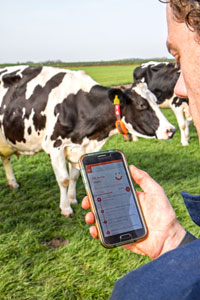
Already chosen by global dairy giant Danone for a trial with its farmer supply base, Ida—the Intelligent Dairy-farming Assistant—combines sensor technology, machine learning and cloud computing to convert raw data into meaningful information to act as a dairy decision-support tool.
“Heat, health and feed are the three essentials for maximum cow performance,” says Yasir Khokhar, CEO of Dutch company Connecterra.
“Ida takes what others have done with trackers and tags and creates a new category: the Intelligent Dairy-farming Assistant. We not only generate insights, but also help farmers identify what they can do to create higher efficiency farms with better animal welfare.
“Unlike existing trackers, which merely relay data to a central collection point, we built Ida as a system based on continuous learning and intelligence.”
Ida uses individual sensors to collect cow data and then – in a step further than other so-called ‘smart’ devices – sends it to the cloud for analysis. From these millions of pieces of data, Ida generates recommendations and solutions to problems – information which can be accessed via a web page, mobile phone or tablet.
“There’s a lot of noise in the agtech sector about collecting data,” points out Mr Khokhar, “but data’s useless unless you can unlock its underlying meaning and help the farmer to take action.
“So Ida goes a step further, by number-crunching all this data and turning it into useful alerts and advice. An Ida-equipped farmer doesn’t have to interpret anything. Instead, he or she receives detailed insights – based around those three essentials of heat, health and feed – into the health and well-being of the whole herd as well as individual cows.”
Ida has already ‘learned’ to detect seven different cow behaviors— eating, ruminating, idle, walking, lying down, standing and drinking—with accuracy currently running at around 90 percent and very low rates of false positives. Monitoring these behaviors allows Ida to raise an insight for a specific cow, whether related to the onset of estrus or an as-yet-unnoticed health problem.
Danone worked with Connecterra to trial Ida in an eight-month European pilot project. “Ida has had a dramatic impact on the daily operation of the health and production of the cows over the course of the pilot,” says a spokesman.
“During this period, in many case Ida alerted farmers to health concerns before any other symptoms presented themselves. Each time these findings were confirmed by vets.
“Ida has been instrumental in generating cost savings, improving reproductive efficiency and boosting overall cow welfare during the pilot study,” Danone concluded.
A farmer from The Netherlands gave an account of her own experience with Ida:
“Ida has alerted me to sick cows in the herd, even before they start showing symptoms. That’s meant I can treat them earlier, which not only reduces the veterinary costs but also allows me to bring them back into production sooner.”
Antoinette U*
Ida’s cloud-based system ensures continuous improvement, says Mr. Khokhar. “As more cows join the system—not just in the same herd, but other herds too – Ida’s accuracy increases further,” he explains.
“When Ida makes a recommendation, it learns from the farmer’s response. This allows recommendations to become even richer and more personalized over time.
“As Ida learns from new data points and new sources of data—we’re talking with partners to bring together even more data—end-users will see additional features become available.”
Ida has two pricing models, each without a hefty capital outlay: a flat-rate subscription basis of $8.75 per cow per month, or an initial outlay of $76 and a monthly cost of $5 per cow per month. The subscription includes ongoing updates, customer support and hardware maintenance. Long-term contracts with a fixed fee structure are available on a case-by-case basis.
Ida’s form factor is the familiar, tried-and-tested neck collar, which is widely used in Europe. Each cow’s tracker sends its data to one or more base stations on the farm, which in turn uploads to the cloud.
Farmers in the United States, Canada, the Netherlands and Spain are already using the system commercially, with feedback so far reporting savings per farm of two to three times the cost of the system.
*customer privacy request to keep full name from disclosure
The checkoff’s mission of growing sales and building trust is key to assuring a prosperous future for the dairy industry, Dairy Management Inc. (DMI) CEO Tom Gallagher said during the 2017 joint annual meeting of the United Dairy Industry Association, National Dairy Promotion and Research Board, and National Milk Producers Federation (NMPF) in Anaheim, Calif.

Speaking to more than 800 dairy farmers and industry representatives, Gallagher described how the checkoff has grown per capita consumption through several key areas, including exports and foodservice partnerships.
He shared how DMI’s “go-to-market” approach proactively works in partnership with the supply chain to expand dairy markets and helps to fill a market need. He said DMI, which oversees the checkoff, allocates funds to stimulate unmet demand through product development, innovation and marketing.
“Our job is to figure out where to use resources in the market chain,” Gallagher said. “Unmet demand is the key. Demand is not the function of what people buy – it’s the function of what we offer them. If we offer innovative products, whether it’s global or domestic, we know we can increase consumption.”
Gallagher said, according to NMPF, U.S. per capita dairy consumption reached 591 pounds in 2016 – up from 566 in 2010 – and credited cheese and butter as the primary drivers for this growth.
Cheese reached its highest consumption level ever in 2016, fueled by at-home use and out-of-the-home ingredient use, especially at foodservice. Per capita cheese consumption in 2016 was 36.3 pounds.
“It’s growing and will continue to grow. In fact, domestic cheese has carried the day in terms of sales the last four or five years,” Gallagher said.
Butter also is enjoying a comeback, thanks to consumers’ acceptance of dairy fats and their desire to consume real foods. Butter reached its highest consumption mark since 1968 at 5.7 pounds per capita in 2016.
Gallagher said the long-term trajectory of per capita dairy consumption remains on a positive path thanks to the checkoff’s work with partners, including McDonald’s, Domino’s, Taco Bell and Pizza Hut. He said since the start of DMI’s partnerships, dairy sales have grown 25 percent.
Gallagher cited recent examples of checkoff successes, including:
· McDonald’s replacing margarine and canola oil with butter that equaled approximately 700 million milk pounds annually.
· The checkoff-led launch of Taco Bell Quesalupa, which has five times more cheese than a regular taco, equating to 60 million milk equivalent pounds.
· Pizza Hut’s Grilled Cheese Stuffed Crust Pizza, produced with checkoff resources and insights, which features more than 1 pound of cheese on every pizza. This has led to more than 25 million milk equivalent pounds.
Beyond dairy consumption growth domestically, Gallagher said exports of U.S. dairy are providing a boost. They have more than quadrupled since 2000 – to nearly $5 billion in 2016 – thanks to growth in the top five markets: Mexico ($1.2 billion), Southeast Asia ($671 million), Canada ($632 million), China ($384 million) and South America ($280 million).
“As we look to the future, exports will play an increasing role in growing dairy sales,” Gallagher said.
A key to that growth is the checkoff’s partnership with Yum! Brands, which has nearly 44,000 restaurants in more than 135 countries. The company’s restaurant brands – KFC, Pizza Hut and Taco Bell – are global leaders of the chicken, pizza and Mexican-style food categories.
DMI facilitated innovation sessions with Pizza Hut in Asia Pacific and created a “Cheese University” taught by a checkoff scientist to educate the culinary teams on ways to use U.S. cheese. Gallagher said the emphasis is already yielding results. Through August, U.S. cheese use at Pizza Hut Asia Pacific is up 35 percent versus year ago.
Beyond sales, Gallagher said the need to continue growing consumer trust is equally as important to the dairy industry’s future.
“What keeps me awake at night is trust and the farmers’ right to farm,” he said.
Key to building trust is educating consumers who want more information about where their food comes from. They want to know about nutrients. They want to know their food is responsibly produced and locally sourced. They want delicious taste and enjoyment.
Gallagher said the Undeniably Dairy campaign, launched earlier this year, will help set the record straight and build trust.
The Undeniably Dairy effort was created through the Innovation Center for U.S. Dairy, a forum that leverages the collective power of the dairy community to address the expectations of consumers through shared best practices and accountability.
The industrywide collaboration is beginning to make a difference, with 170 companies actively engaged, said Barb O’Brien, who serves as president of DMI and the Innovation Center for U.S. Dairy.
“We need to continue to build two-way engagement with consumers,” O’Brien said. “We are operating in an environment where negative marketing and absence claims are taking the day. Many of those claims cross the line.
“With our campaign, we have launched a very positive and proactive way of communicating. It starts with listening and understanding what is on consumers’ minds. We’re working to shift the tone and tell our story in a meaningful way. Undeniably Dairy truly does establish that two-way dialogue.”
A new extension of Undeniably Dairy is a partnership with Discovery Education. Beth Engelmann, chief marketing communications officer for DMI, said the school-based program aims to connect kids to where their food comes from through tools such as a virtual tour of a dairy farm and social media interaction between classrooms and farmers. Discovery Education works with 50 percent of all K-12 schools with the potential to reach 38 million students.
Gallagher concluded his remarks by emphasizing the need to embrace change that he says is inevitable and goes “right to the heart of trust.”
“We don’t need to fear change,” he said. “We need to lead the change, and when we do, we’ll be at the table when consumers, retailers and others have misperceptions. We’ll be at the table talking to them, educating them and influencing their decisions.”
For more information about the dairy checkoff, visit www.dairy.org. For information about Undeniably Dairy, visit www.undeniablydairy.org.
Dairy Management Inc.™ (DMI) is funded by America’s more than 42,000 dairy farmers, as well as dairy importers. Created to help increase sales and demand for dairy products, DMI and its related organizations work to increase demand for dairy through research, education and innovation, and to maintain confidence in dairy foods, farms and businesses. DMI manages National Dairy Council and the American Dairy Association, and founded the U.S. Dairy Export Council, and the Innovation Center for U.S. Dairy.
 Videos highlight management and operating systems used by Iowa farmers
A series of six new videos from Iowa State University Extension and Outreach have been created to help beginning dairy farmers learn about different types of dairy operations and management systems. Each video features a dairy farmer who discusses the different aspects of their operation.
“Given the many different types of dairy operations and management systems, we felt it was important to describe all types and styles of those systems,” said Jennifer Bentley, dairy specialist with ISU Extension and Outreach. “All six of the farms shown in the videos have worked with an ISU Extension and Outreach specialist in some aspect of their dairy operation and we felt they were good models to showcase to others.”
The videos are available on the ISU Extension and Outreach Dairy Team YouTube page.
Producers shown in the videos discuss the type of system chosen, why that system is used, challenges faced and advice they would give to others thinking of utilizing that specific system.
“We wanted producers to understand that while there is more than one way to manage a dairy operation, they all require some basic key concepts that are highlighted in the videos,” Bentley said. “It’s important for others to know what works well and has been successful, but also the challenges of operating these dairy systems.”
Both beginning and established producers can learn from the videos.
“These videos are meant to help those who are interested in dairying, like beginning farmers, choose a management system that fits their needs,” Bentley said. “It can also help current dairy producers who are looking to make a change to their management system, giving them a better understanding of the key success factors and possible challenges they may face.”
Source: Iowa State University
 Are you at risk while pumping out your manure storage system? Without throwing out the “here’s your sign” card, the simple answer to the question posed in the title of this article is, yes! Many producers know and understand the risk associated with confined manure handling systems but accidents and deaths still occur because unwarranted risks are taken as manure is being handled and removed from the confined manure handling systems.
Ask yourself these questions. Does every employee understand the risks associated with confined manure handling systems? Have they received proper training when dealing with confined manure handling systems? Do you have the appropriate hazard signage posted near the confined manure handling system, warning people of the dangers? Do you have the appropriate safety gear available and have you provided instruction to employees on using the equipment? Do you have employees with limited English speaking skills? Do they fully understand the safety risks and signage provided? Do employees and family members have the ability to communicate location directions in an emergency 911 call? These may seem like simple things unfortunately they often go overlooked. We assume that everyone should know the risks and know what to do in an emergency. Taking the time to provide proper safety equipment, while simultaneously educating employees and family members about the correct safety protocols around confined manure handling systems helps prevent deaths and accidents.
Understanding the Risks
So what is the risk with confined manure handling systems? Understanding that there is risk associated with manure pits and manure lagoons is important. They both produce toxic gases as the manure undergoes anaerobic digestive fermentation. The gases produced and the characteristics of each are below:
- Methane – is an odorless gas that is flammable or explosive at concentrations of 5% to 15% by volume of air. The gas is lighter than air and typically found near the top of the pit and high enough concentrations can cause death by suffocation.
- Hydrogen sulfide – is an extremely toxic gas with a “rotten egg” smell at low concentrations and which at high concentrations can paralyze the olfactory senses. It is heavier than air and often settles towards the bottom of the manure pit. At low concentrations it can cause dizziness, headache, nausea, and respiratory tract irritation. At high concentrations it can cause unconsciousness, respiratory failure and death within minutes. It is also explosive at various concentrations.
- Carbon Dioxide (CO2) – is an odorless gas that is heavier than air and often settles near the bottom of the manure pit. At low concentrations it causes labored breathing, drowsiness and headaches. In high concentrations it can displace enough oxygen and cause death via suffocation.
- Ammonia (NH3) – has sharp odor characteristics that irritate the eyes, nose, throat and lungs. Exposure to high concentrations can be fatal.
Besides understanding the various types of gases produced in confined manure handling systems, you should also follow these guidelines when working around confined manure handling systems.
Manure Pits
These are enclosed manure storage structures, which should be equipped with ventilation systems. They are often found in dairies as manure is pumped out to a lagoon or in confined swine operation buildings or certain types of beef finishing operations that utilize a confined building.
- Keep all manure pits ventilated and fans working properly.
- Keep all manure pits covered with appropriately ventilated grating.
- Post hazard signs near all manure pit entry point locations.
- Never enter a manure pit unless absolutely necessary and only when proper safeguards are utilized.
- If entry into the pit is necessary, test the air for toxic gases.
- Never enter a manure pit unless someone is standing by and maintaining constant contact. The person standing watch, should be able to lift an unconscious person wearing a safety harness attached to a lifeline. They should NEVER enter the pit trying to rescue someone and have the ability to communicate necessary information in case of an emergency 911 call.
- Always wear a safety harness that attached to a mechanical device such as a winch, hoist or pulley. This is your lifeline, so the person on the outside must maintain constant contact with the lifeline.
- Always wear a positive-pressure, self-contained breathing apparatus (SCBA).
- Provide a powered, explosion proof air ventilation system for each manure pit that will help bring in a continuous fresh air supply.
- NEVER enter a manure pit to attempt a rescue without a safety harness and proper respiratory protection!
Manure Lagoons
They also produce toxic gases in localized layers, which, especially on hot, humid days with little breeze can cause a health hazard and potential death. Gases are readily released when lagoons are agitated to remove manure to be incorporated as fertilizer into the fields. They often have a thick liquid, floating crust, which can make swimming and buoyancy difficult if you were to slip or fall into the lagoon. Additional safety guidelines for manure lagoons are as follows:
- Open air lagoons should be fenced off around the perimeter with locked access gates to keep unauthorized people or unwanted animals from accidentally entering them.
- Hazard signs posted at entry points warning of toxic gases and drowning dangers.
- Wear a safety harness attached to a lifeline with someone on the other end that can drag you out if it is necessary to enter the lagoon.
- Rescue equipment such as flotation devices and lifelines attached to every manure pump.
- Move slowly around manure lagoons as the ground can be uneven causing a person to trip and fall.
- Never work alone but all other unnecessary bystanders should stay away from access points or pump-out points.
- No horseplay allowed in these areas.
- No smoking or open flames allowed near agitation or pumping areas due to the explosive gases that may be present.
- If equipment breakdown occurs during agitation or pumping shut it down and remove it from the lagoon area before servicing.
- Follow the same 911 emergency call guidelines as manure pits, be able to describe the situation, number of victims, location and directions.
In Summary
Safety is not a choice, it is something that we need to practice on a daily basis in agriculture. Enclosed manure hold facilities are one of many areas in livestock operations that have inherent risks. However, by following these recommended safety guidelines and training all involved we can be safer and live to see another day with loved ones and family.
Source: iGrow
A University of Wisconsin veterinarian says there are things calf managers can do to prevent respiratory disease. Dr. Theresa Ollivett told a recent Professional Dairy Producers conference that in young dairy calves, bacteria is more of a problem than viruses as a cause of pneumonia.
Ollivett says aspiration of milk or breathing in the liquid they’re drinking, sets the calf up for respiratory disease.
Ollivett says one step farmers can take is to do a better job of managing bottle nipples. She says a bottle with too big of an opening allows the calf to take in milk too quickly and possibly allow milk into their windpipe. Ollivett says if there’s more than an occasional drip while holding the bottle upside down, it’s time to replace the nipple.
Ollivett says making those calves drink a bit slower with a properly working nipple also helps their G-I tract and gives them better digestibility. She says feeders should also be careful not to hold the bottles too high to prevent aspiration.
Ollivett says cattle might recover from pneumonia and other respiratory issues, but it usually impacts their future milk production, so preventing problems can save a lot of money later.
Source: Brownfield
In the wake of many new regulations when it comes to antibiotic usage, dairy producers are continually evaluating how they can implement practices to use antibiotics more judiciously, especially when it comes to mastitis.
A standard practice in mastitis control programs is the use of antibiotic dry cow therapy at the end of lactation, and more often than not, infusing all quarters of all cows. Commonly referred to as blanket dry cow therapy, this practice plays an important role in reducing mastitis cases on dairies, however, it may no longer be the gold standard.
As producers steadily improve udder health in U.S. dairy herds, the use of selective dry cow therapy (SDCT) programs are becoming more and more relevant. SDCT is an approach whereby antimicrobial treatment at the end of lactation is based on assessment of the infection status of the cow or quarter. If applied at the cow-level, then only those cows thought to be infected in one or more quarters would receive intramammary antibiotic therapy in all four quarters at dry off.1
“The goal of a selective dry cow therapy program is that a producer can reduce the overall use of antibiotics on their operation, without having a negative impact on milk quality,” said Dr. Curt Vlietstra, professional services veterinarian, Boehringer Ingelheim. “It’s a great tool, but it may not be for everyone.”
Dr. Vlietstra explained that not all farms benefit from SDCT, and there are several factors to take into consideration.
Culture-based Decisions – The standard for deciding whether or not a cow needs an antibiotic should be whether or not there is a mastitis infection present. As part of an SDCT program, cows should be cultured prior to dry off, and only those cows that test positive for Gram-positive mastitis pathogens should be treated. It’s also important to look at cows that have had a history of a mastitis event during the lactation, or cows that have a borderline-high somatic cell count. “I would suggest treating those cows regardless of their culture results,” said Dr. Vlietstra. “Because they have an immune system issue, it would make them more susceptible to contracting new infections early in the dry period.”
Record Keeping – “For an operation to implement selective dry cow therapy, there needs to be outstanding data analysis and record keeping,” Vlietstra explained. “Dairy employees should be meticulous when collecting, organizing and handling data, especially when managing culture-based decision making.”
Facilities – When implementing an SDCT program, it’s critical to minimize stressors. Ensure your dry cows are in a clean environment, they’re not overstocked and have plenty of fresh water and food.
Milk Quality – “Producers should take a minute to ask themselves what their current milk quality situation is,” Vlietstra recommended. “Do you have a low enough somatic cell count, or low enough instance of mastitis that you could justify risks? If the somatic cell count is currently higher than 200,000, there may be some other things to work on before implementing a selective dry cow therapy program.”
Dr. Vlietstra encourages operations who are in line with the above to work with their veterinarian to develop and implement an SDCT program.
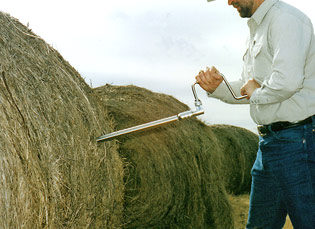 Any farmer that has had forage tested bought hay or entered a hay show, there is a chance they are familiar with the acronym, RFV. RFV stands for Relative Feed Value and is derived from the acid and neutral detergent fiber components of a forage (ADF and NDF).
Since 1987, those items have been put into an equation that gave forages a RFV that represented an objective measure of a forage’s relative feed value.
“Since then it has been used at Ozark Empire Fair hay shows as 60 percent of the forages’ final index. The other 40 percent of the index was based on a subjective evaluation by a person or persons,” said Eldon Cole, livestock specialist with University of Missouri Extension.
The subjective items include aroma, color, purity and condition.
A new system was tried this year at both shows using Relative Forage Quality (RFQ).
“The move was not made without a few years of deliberation and research,” said Cole. “A few other forage contests had made the switch and researchers consistently said RFQ was a better index value to use for overall nutritive value of hay and haylage.”
Organizers decided to use RFQ as the only evaluation criteria at the Ozark Empire Fair in 2017.
“When we looked back at results from over the years, using the index system, with both subjective and objective input, the forage with the highest RFV normally placed the highest in a class,” said Cole.
If RFQ was deemed to be superior to RFV as a predictor of energy, the RFQ use is appropriate for all forages except corn silage because RFQ does not account for differences in starch availability according to Cole.
RFQ does cost a little extra than the basic test with NDF which yields RFV. The RFQ evaluation uses TDN (total digestible nutrients) instead of digestible dry matter.
RFQ could be used in buying and selling hay. Missouri’s weekly hay market report does reference RFV, not RFQ when they give alfalfa prices.
An example from a recent report was: Supreme Alfalfa, RFV 185, $170 to $220 per ton; Premium alfalfa RFV 170-180, $150 to $180 per ton. The latter would translate to around 94 cents per RFV point.
Kansas hay markets also use RFV for alfalfa and an early September report listed Supreme alfalfa at .80 to .90 cents per RFV point. If the test showed an RFV of 185, the per ton value would be 185 x 85 cents = $157.25.
“These calculations may not be perfect, but they can put more objectivity into hay pricing compared to simply quoting a price without a hay test,” said Cole.
Source: University of Missouri Extension
Upselling is defined as “a sales technique whereby a seller induces the customer to purchase more expensive items, upgrades, or other add-ons in an attempt to make a more profitable sale.” If there is any industry that has been exposed to the full range of upselling, it has to be dairy farming.
The Good the Bad and the Upsell!!
Having access to the right products is good. Wasting time searching for the right match is bad. Spending beyond your means can signal an upsell. You don’t want to finish a transaction and discover that you have just purchased something you either didn’t really need or don’t know how to use. Especially annoying is realizing that the salesperson driving out your lane feels great about discovering a vein of gold on your operation or at least some silver to mine. Meanwhile, you may feel used or, at the very least, somewhat tarnished by a transaction that ended in an upsell.
“FACT: If you are in the business of running a dairy operation, you very likely have been upsold at one time or another.”
Everyone connected to milk production wants to dip into your pot of money. Equipment. Semen. Feed. Ration Formulation. Health services. You feel constantly pressured by those whose input or product is necessary for your business. You need them. However, every supplier takes some of your time and a lot of decision making and, at the end of the day, you may not be fully convinced that you are getting the best value for the money. For instance: where was the value in all that time taken to listen?
The litmus test for every purchase should be based on results. Increased income or reduced costs must be assessed from a measured-results perspective. Perhaps two pieces of equipment save operator time or do multiple tasks but what impact do those features have on your primary dairy operation goals? Is it better for the cows or for the ego?
Upselling works best when it provides a win for both parties
Regardless of the product or service that you need, you should always look for ways to get the best value out of a purchase. You should look for ways to go beyond the simple exchange of money paid for a service or product. Find an option that meets specific needs. For example, it is a definite plus if smaller dairy manager can benefit from the hands-on experience of larger operations. If that information can impact change in a positive – and measurable – way, that’s great upselling. If it merely makes you spend beyond your limit…it’s bad upselling!
How Well-Trained Are Your Up Sellers?
If the salespeople coming unto your farm are well-trained by their companies, they know the art of upselling. That’s their job. Should you automatically resist and fight for a lower price?
Not always! Instead, see if these four conditions are present. 1. They want your money. 2. They want your business. 3. They care about your cows. 4. They care about your business.
These are four facts that must be present for you to interact well with sellers. There is no value to you of the person is only looking out for their own numbers exclusively and isn’t interested in what’s best for your dairy operation. Although financial stability is the goal of every dairy operator, dealing with sales pressure goes beyond fighting against upselling. It’s all about better results.
Here are five upsells and what they mean to dairy owners and managers.
- “Would You Like Fries with That?”
One of the most common forms of upselling are the six words, “Would you like fries with that?” We recognize it and often say “Yes!” while in the drive through, but it is also happening in our dairy operations. Representatives of vet services, nutrition and feed suppliers and equipment salespeople offer their version. “Would you like more semen?” “More tonnage?” “More horsepower? This a classic upsell. The most common reaction is “sure,” and bingo, you’ve just added an extra cost to the bill. Money has changed hands but are the results better? - Go ahead. “Take if for a Test Drive.” OR “Try Before You Buy.”
Personally speaking, this is the upsell method that often works to get me to spend. The value of seeing how the product works converts most skeptics to supporters – providing that the product does what it claims. It’s natural when faced with spending a lot of money that there can be a reluctance to get off the fence too quickly. The opportunity to use the product can often result in them selling themselves. The further effect of this is that the person who has taken the test drive or used the product becomes part of the company sales team because of their endorsement of the product. - “For a Limited Time, we have This Offer JUST FOR YOU!”
We all love to be appreciated. To be appreciated with a gift is especially rewarding. LOL. How do you respond when you hear, “This month’s order comes with a windbreaker?” If you’re like me, you quickly feel that jacket cutting the early morning chill.” Some folks are most susceptible to a new cap! Who among us would turn down a pass or trip to World Dairy Expo or the Royal Winter Fair? At first, it sounds like an irresistible freebie. After all, you have to wear the proper clothing. Why not make a fashion statement? If one of your favorite dairy getaways in Dairy Expo or the Royal, why not accept a pass or invitation that comes with a purchase that you’re going to make anyway? Provided you were going to make it anyway. And provided there are no other strings attached such as sponsorships or donations or endorsements? Darn. It is always best to ask those pesky second questions. - “Work with us. We know how to WALK THE TALK.”
Glib buzz words must include action. Some salespeople do all their talking on the phone. Others stand in your doorway or barn alley and expect to close the sale without looking closely at your operation. Look for the salesperson, vet or nutritionist that wants to see their product in the setting it will work in. These people make recommendations based on your specific needs. They don’t read them from an instruction manual or sales pamphlet or product brochure. A bad upsell turns into a good upsell when the person you’re working with is committed to matching what works best for dairy and for the cows.
How refreshing would it be to have someone who is willing to walk the cows? A person who provides a knowledgeable second pair of eyes from a vantage point that is closer than the farm lane or telephone? A great second question to ask anyone selling to your farm is, “Do you see what I see?” Sometimes familiarity blinds us to gradual changes. An objective viewpoint an be very valuable. They may catch BCS as being too low or too high. Or they could spot impending herd lameness. Or see that there is not enough sand in the free stalls.
Don’t look at too narrow a window, whether it’s yours or a salesperson’s. You have to go beyond simply adding to inventory, or tools or equipment. There is a temptation to make a purely monetary exchange and ask the seller to beat the competition on price only. This is a short-term gain. But, in the long term, neither side wins. - “Let’s talk about VALUE ADDED.” “For EVERYBODY.”
Offering and receiving value added is part of upselling. The key here is that both the buyer and the seller must understand exactly what value is being provided. A vague promise of future benefits is not a real value-added proposition. Although the idea of a quick fix is appealing, the very nature of operating a dairy business means that the simple answer could in itself be a problem. Value turns on ability. Sustainability. Profitability. Dependability.
There are many ways to add value.
Great companies know how to provide value. They work the numbers. They provide formulas. They provide logistics. They can demonstrate with examples. They are willing and able to set up training that helps staff in responding to a variety of situations, “If this happens … do this.” Value-added must clearly demonstrate how slightly added cost or changed protocols will provide measurable improvement.
Seek out a vet, supplier or sales rep that has a meaningful story of what the product could do for the operation. Be open to new information. Training and follow up is invaluable. It’s not upselling if you have been shown respect for your goals and the time and effort it takes to achieve them. The right person is not afraid of investing their time and effort into achieving a good outcome. This will build a relationship that goes beneath the surface transaction. That is why these sellers are not afraid to ask for a decision. They know how to interpret trends. Is it a downturn? Or an opportunity? Or is the product or procedure outdated? When you find the person that fits all these requirements…there is nothing to fear in being upsold!”
The Bullvine Bottom Line
“The thing about dealing with salespeople is that the minute someone gets on the phone or walks in the door, you are in danger of being upsold. Squeezing clients for short-term profits from upselling is not just bad for customers. It’s bad for business. When it’s done right, a good upsell leaves both sides—customer and seller—feeling like they’ve won. High five!!

Get original “Bullvine” content sent straight to your email inbox for free.
[related-posts-thumbnails]





Send this to a friend