



Archive for Management – Page 49

Snow melt, rainfall demand caution in spreading manure

With snow melting and rain falling on frozen soil, Wisconsin’s Runoff Risk Advisory Forecast is completely pink today, meaning the risk of manure runoff is severe statewide.

DATCP encourages farmers to keep this in mind as they consider emptying manure storage that may be full. Spreading manure while the risk of runoff is severe could cause manure runoff into streams, threatening water quality.

At the click of a mouse, farmers can check the Runoff Risk Advisory Forecast, available online at manureadvisorysystem.wi.gov, for the latest information on spreading risks. The runoff forecast provides maps showing short-term runoff risk for daily application planning, taking into account soil saturation and temperature, weather forecast, snow and crop cover, and slope. It is updated three times daily by the National Weather Service.

“It’s always a bad idea to spread manure during high-risk runoff times, and we strongly advise against it,” says Richard Castelnuovo, chief of resource management with the Wisconsin Department of Agriculture, Trade and Consumer Protection. Farmers should contact their crop consultants, county land conservation offices, or the Department of Natural Resources (DNR) for help identifying alternatives to high-risk spreading, such as stacking manure away from lakes or rivers, drinking water wells, or areas with sinkholes or exposed bedrock. If farmers must spread manure, crop consultants and county conservationists can help identify fields where the risk is lower. You can find contact information for county conservation offices in the WI Land + Water Directory at http://wisconsinlandwater.org.

Farmers should always have an emergency plan in place in case of manure spills or runoff. The plan should include who to call and what steps to take if runoff or a spill occurs, how to clean it up, and perhaps most important, how to prevent it from happening. Information about preventing and planning for manure spills is available at http://dnr.wi.gov/topic/agbusiness/manurespills.html.


Source: The Shawano Leader

Cow water beds make for sweet dreams and more milk at Foremost Dairy

Water beds for cows improve comfort and milk production at the University of Missouri’s Foremost Dairy Research Center near Columbia.

MU Extension veterinarian Scott Poock and dairy specialist Stacey Hamilton are part of the Foremost team that researches how the beds improve herds. They monitor cows on cameras and record data about resting times and milk production.

Foremost began using the new beds in fall 2018. Cows adapted quickly, Hamilton says, with an estimated 75 percent of the herd using the beds by the second day.

The amount of rest a cow receives affects the quantity of milk she produces. In freestyle barn operations, dairy operators want cows to lie down 12-14 hours per day to prevent lameness and increase milk production. With the water beds, cows stay longer in stalls and lie down sooner, Poock says. Before the water beds, cows lay down an average of 8.5 minutes after entering a stall. They now lie down within five minutes.

The dual-chamber beds offer extra support for the cow’s knees. Once the cow kneels, the pillows offer a cushion for pressure points with gentle support. Strong joints provide better stability and prevent leg and foot injuries, sores and infections that can reduce mobility.

It is “all about cow comfort” and profit for the herd owner, says Hamilton. “Comfortable cows are happier and make more milk.”

Foremost staff put wood chips in the stalls to cover the water beds and catch waste. If Foremost used sand, it would take 50 pounds of sand per day per 160 stalls. The water beds are an easier option, Hamilton says.

The bovine beds cost about a third more than beds previously used at Foremost. Those beds, made of interlocking chopped rubber pieces, deteriorated with time and use.

Many dairy farms still use sand, straw, wood shavings or grass to keep stalls dry and comfortable for cows. Foremost Dairy is among a growing number of dairy farms using the new technology.

Last year, the BBC reported that cows at Queen Elizabeth II’s farm at Windsor Castle enjoy the luxury of water beds. Queen Elizabeth also pampers her cattle with green pastures and automatic brushes that remove dirt and relieve stress. The queen’s dairy uses robotics to milk cows and clean barn floors.

Meanwhile, across the pond, Foremost cows receive the royal treatment too.

Learn more about the Foremost Dairy Research Center at ForemostDairy.missouri.edu.

Source: extension2.missouri.edu

Mycotoxins could be holding your herd back from top productivity

Knowing mycotoxin symptoms and having a plan to correct them leads to a healthy herd.

Healthy cows, smooth transition periods, high milk production and reproductive success. It’s the ideal situation on any dairy farm, but it’s not always reality. “Why not?” is the next logical question, and there might be many reasons – but one reason could be a result of overlooking the effects of mycotoxins.

“When herd performance isn’t where it should be, mycotoxins could be at work,” says Dr. John Doerr, Ph.D., Vice President, Science and Technology, Agrarian Solutions. “It might be one symptom, like cows off feed, or it might be a whole host of symptoms – either way your cows could be telling you that you have a mycotoxin challenge to solve.”

Know the mycotoxin symptoms

Knowing the signs of a mycotoxin issue is the first step towards a diagnosis. Here are symptoms commonly associated with mycotoxins:

Reproductive symptoms:

  • Decreased heat detection rates
  • Silent/weak hearts of calves in utero
  • Mammary development in virgin heifers
  • Cystic ovaries/follicular cysts
  • Off-cycle heats
  • Decreased pregnancy rates

Health symptoms:

  • Elevated somatic cell count
  • Intestinal hemorrhages
  • Increased death loss
  • Inconsistent manure

Transition symptoms:

  • Displaced abomasum
  • Ketosis
  • Off feed

Production symptoms:

  • Reduced milk production
  • Reduced milk fat
  • Erratic feed intakes

Whether your herd has one symptom or many, it’s essential to test your feed and determine if mycotoxins are at fault and, if so, which mycotoxins are present. Feed test results will give you the information you need to choose the appropriate direct-fed microbial (DFM) solution to add to diets.

The right direct-fed microbial (DFM) solution, in the right amount

When a mycotoxin issue is to blame, Doerr says it’s important to use the right DFM solution, in the right amount.

“The right DFM solution will enhance a cow’s immune system when a mycotoxin issue arises,” says Doerr. “Farmers should consider a DFM solution that contains L-form bacteria because it is the most effective against multiple mycotoxin issues. Unlike other feed additives, L-form bacteria influence the overall health of animals and metabolism of the intestinal cells.”

Equally important is using the DFM solution in the right amount.

“The degree of mycotoxin levels in your feed will determine the amount of DFM you need. And mycotoxin levels can fluctuate over time, especially from harvest to harvest,” says Doerr. “Feeds with mycotoxins in the medium-level range will require a standard DFM dose, whereas a high-level range could indicate you need a double dose of the DFM solution.”

Don’t let economy dictate performance

Incorporating a DFM solution to tackle mycotoxin issues is just as important as having a milking procedure to help prevent mastitis. It can save performance and profit in the end.

“In an economy like we’re in and with the wet harvest conditions we had this past fall, sampling for and preventing mycotoxin issues are steps you don’t want to skip,” concludes Doerr.

Since 1996, Agrarian Solutions has been a global leader in providing L-Form bacteria-based technologies for dairy cattle, swine and poultry. Agrarian’s cutting-edge L-Form bacteria technology functions inside of animal cells, populating the cells lining the intestinal tract. There, the L-Form bacteria perform specific functions like balancing intestinal immune function, reducing the burden of pathogenic bacteria or combating feed-borne toxins – challenges animals and their owners face every day. Learn more about Agrarian products and technology at agrariansolutions.com.

The Reality on Cows and Climate Goals

It’s time to address the “cow” in the room. By that, we mean any potentially cow-centric misconceptions or ideas about fighting climate change. California has made great progress as a long-time leader in the effort to reduce greenhouse gas (GHG) emissions, and its dairy farms are doing their part, producing highly nutritious and affordable foods while continually reducing their carbon “hoofprint.” Our dairy farmers know that further improving environmental performance is not just about what’s “technically feasible,” but also what’s economically sustainable. In a tremendous undertaking, California dairy farmers are currently partnering with the state to further shrink dairy’s carbon footprint to unprecedented levels and support the transition to clean energy and transportation. We hope these efforts can serve as a model of what’s possible—to help distinguish the highly-ambitious-but-achievable climate goals from any pie-in-the-sky ones.

In discussing cows and realistic climate strategies, let’s start with reviewing dairy’s contribution. In California—the nation’s leading dairy state—the entire livestock sector (including cattle, swine, poultry, and sheep) produces about 5 percent the total GHG emissions. The California dairy sector’s relatively low carbon footprint, compared to other regions around the world, has been achieved through decades of improved efficiencies—producing more milk with fewer cows. California dairies continue to reduce GHGs by reducing reliance on fossil fuels through solar energy generationconversion of farm equipment to electricity and adoption of energy-efficient measures and equipment. And now, the state’s dairy farmers are actively pursuing the reduction of methane—a short-lived climate pollutant.

In California, approximately half of dairy methane emissions are enteric (coming directly from cows), while the other half come from how manure is handled and stored. Several emerging feed additives show potential to reduce enteric emissions; however, none are yet commercially available. California is the only region in the world with a goal to reduce dairy manure methane emissions by 40 percent by 2030. Three main strategies are being used: 1) capturing methane via digesters and turning it into renewable energy, 2) avoiding methane via alternative manure management technologies and strategies, and 3) supporting ongoing research into new and better ways to reduce manure methane. The state and its farmers are making great progress, but achieving the 40 percent goal will require continued incentive funding and ongoing coordination in all three areas—not to mention the cutting-edge research needed to accurately measure emissions (and verify reductions) at an unprecedented level. Through the use of digesters, California dairies are not only shrinking their carbon footprint, they are also helping the state transition to clean energy.

Of the state’s 48 climate programs, the Dairy Digester Research and Development Program is the most effective investment to date in terms of total GHG reduction. It’s also the third most cost-effective, providing one ton of GHG reduction for every $8 invested by the state. By comparison, heavy-duty transportation sector investments are providing just one ton of GHG reduction for every $600 invested by the state.

The state is investing in projects that will create carbon-negative renewable natural gas (RNG). According to the California Air Resources Control Board (CARB), dairy biomethane is by far the least carbon-intensive transportation fuel currently available in California with a negative carbon intensity score of -255, making it nearly ten times more effective at reducing carbon than even electric vehicles. Aside from GHG reduction, when used in heavy-duty trucks, the renewable fuel will play a significant role in helping improve air quality.

With continued funding, the state is on pace to have as many as 120 dairy digesters operating by 2022. This effort will require significant investments in infrastructure needed to collect biomethane from the dairy digesters and to clean, condition, and inject it into natural gas pipelines. Meanwhile, CARB is working to create stable market incentives for the sale of the RNG. Additionally, with the implementation of Senate Bill 1440 (Hueso, 2018), utilities may soon be procuring biomethane under long-term contracts from dairies and other projects. These developments will be essential in ensuring the long-term economic sustainability of the state’s barn-to-biogas projects.

While there is still much work ahead, California has achieved significant milestones. Dairy farmers have a long history of working with state officials and researchers. A key factor in success so far is that incentive programs offer practical approaches for farmers to improve manure management in ways that work best for their operation. Continued incentives will be critical for family farmers who are dedicated to the environment, but are also struggling with rising labor, energy, and regulatory costs. In the past ten years alone, more than 500 California dairy farm families (28 percent) have either closed their operations or left the state. That’s why voluntarily achieving the 40 percent goal—and avoiding the need for future costly regulation—is critical to sustaining the state’s remaining family farms, which are among the most environmentally friendly in the world.

It’s a challenging task, but California is developing a world-leading model for climate-smart dairy farming. The state is demonstrating how well dairy can fit into a low-carbon future as an affordable and nutritious food for a growing population and as a valuable source of renewable energy. However, accomplishing the 40 percent goal by 2030 will require ongoing incentive funding and continued cooperation. So, when we hear of cow flatulence and pie-in-the-sky climate goals, we hope the joint effort of California and its dairy farmers will serve as a helpful example.

Source: CDRF

4 ways the best dairy farmers are producing 1,000kg of MS a cow

Recent figures show the top 15% of Kite Consulting’s clients are producing between 840-1,000kg of milk solids (MS) a cow a year.

Genetic data and management strategies were assessed from about 100 dairy farms involved with the Asda Pathfinder Group.

Within this group are 17 farmers taking part on the 1.5 Group, which looks at how cows can achieve production of 1.5kg of MS/kg liveweight – a level of production some the very best-performing dairy herds in the world are delivering.

David Levick from Kite Consulting explains what these farmers are doing differently to achieve such good yields and constituents which help increase their return.

He says it’s not just about driving milk constituents but instead improving a range of things from feeding and management, to lighting, ventilation and feed space.

Below are some common factors Kite has identified within this group as well as other high-production herds, as important to improving milk solids output.

1. Make the right sire selection for production

 Don’t select bulls just on milk constituents.

“Given the emphasis put on this by some milk buyers, we’ve seen many farmers focusing totally on fat and protein percentages as their primary breeding goal and compromising on yield.

“In some cases, milk yield per cow has actually dropped, making overall milk solids per cow do the same or, at best, flat line,” says Mr Levick.

Production traits are highly heritable and a slight change in focus will make a huge difference very quickly.

High-producing herds are selecting sires that are both high production and transmit good constituents.

2. Breed from your best animals and not just heifers

Select the best possible genetics to make each cow place as efficient and profitable as possible.

In many cases we wrongly presume heifers have the best genetics and are therefore the best breeding stock, but this is nearly always not the case, says Mr Levick.

Usually, about 60% of heifers can be classed as genetically superior to the rest of the herd.

This means that if you leave the future development of your herd just in the hands of your heifers, about 40% will be well under par, he adds.

Herds using genomics across all youngstock to identify breeding animals achieve higher milk solids.

3. Practise multi-cut to produce high-quality forage

Herds that are producing high levels of milk solids are benefiting hugely from very high-quality forage, in the form of multi-cut silage.

This approach sees grass cut more regularly – possibly up to six times – but can help deliver better-quality silage which in turn improves intakes, drives constituents and can help lower concentrates.

Mr Levick says the target is to feed 60% high-quality silage in the diet.

4. Adopt compact feeding and get it right

Many of the high milk solids herds have fully adopted compact feeding and are reaping the rewards as a result.

Studies have shown that compact feeding, which involves soaking concentrates in water and pre-mixing, can increase yields but 1.6 litres a cow and lift butterfat.

But the key is doing it properly, Mr Levick stresses:

  • High-quality silage is crucial
  • It must be chopped at around 10mm length
  • And, crucially, with a dry matter should not be less than 35%


Source: Farmers Weekly

New Robotic Milking Tour Powered by VMS™ PRO

The educational VMS™ PRO (Professional Robotic Operators) event series – hosted annually by DeLaval throughout the U.S. and Canada – will receive a boost with the addition of a tour program.

For the first time in 2019, attendees of regional VMS PRO events will have the opportunity to tour dairies robotically milking with DeLaval VMS milking system V300 units. Unveiled in 2018, the new milking robot is the result of a complete redesign of the “classic” VMS, featuring a faster, more intuitive attachment system, better teat cleaning and prep, and a new app for managing the robot on the go.

“The VMS PRO seminars are unique opportunities for VMS customers and prospects to learn more about DeLaval’s milking robot, including how to optimize herd productivity and benchmark their performance,” said Muhieddine Labban, Solution Manager, Robotics. “By adding a tour to this already successful program, producers will have the opportunity to see the future of robotic milking in action.

“Through our North American dealer network, we’re offering a fantastic trade-in program for existing VMS ‘classic’ customers. Our goal is to make it easy for them to enjoy the added benefits of VMS V300 milking technology.”

Talk to your DeLaval dealer about our VMS trade-in program and 2019 VMS PRO events in your area.

More Learning Opportunities

DeLaval offers Robotic Operators Training for VMS owners and operators at its Waunakee, WI. training center. These informative events happen throughout the year, so be sure to discuss them with your DeLaval dealer. You can also follow us on Facebook and Twitter for updates on training opportunities.

GPS-enabled collars allow farmers to steer cows around the farm remotely

Growing up on a small dairy farm in Waikato exposed Craig Piggott to the problems farmers face.

Armed with an engineering degree and a year’s experience building satellites for Rocket Lab, Piggott, 24, is now solving them with his own agri-tech invention.

His brainchild is a GPS-enabled collar powered by solar energy, named Halter, which was unveiled to farmers at the Central District Field Days at Manfeild, Feilding, on Thursday.

It self-herds cows and sends data about cows’ behaviour, emotions and health to a farmer’s mobile phone, saving time and money.

The collar makes warning sounds when a cow approaches a boundary, teaching it how far it can move into an area.

Farmers can set up schedules and have cows meet them at the milking shed, receive alerts when cows are on heat, calving or lame, and set up virtual fences to keep cows out of rivers and drains.

Until now the collar has only been used on Halter’s trial farm in Morrinsville, but it will soon be rolled out to other trial farms before hitting the open market.

Piggott never had a “lightbulb moment” or quit his job, but throughout his childhood he noticed farming was full of inefficiencies. 

“Growing up I always thought: ‘Man, there must be a better way to do this’.” 

When he started Halter in 2016, his vision was to reduce the intensive hours required to run a farm and the lack of technology supporting dairy farmers. 

“A farmer trying to watch 1000 cows, it’s impossible. Stick a device on them and you can see exactly what’s going on.

“The device trains the animal [where it can and cannot go], based on audio cues… It’s similar to a dog barking.” 

The collars are paid under a subscription model, where the collar is free and farmers contribute a monthly fee, per cow, based on the features they want enabled. Halter retains ownership of the collars and takes responsibility for their maintenance. 

Patchy internet reception is no barrier, with connectivity only needed at the actual time instructions are sent to the collars. 

The company uses communication technology suited to rural areas, where signals can be sent to collars up to 8 kilometres away.


Source: Stuff

Huge fine over effluent a warning for New Zealand Dairy farmers

DairyNZ and Waikato Dairy Leaders’ Group chairman Jim van der Poel had no sympathy for the Waikato dairy farmer who was last week fined $131,840 for over-irrigating effluent.
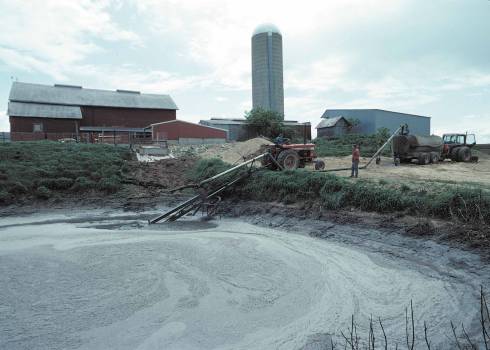
Mr van der Poel said local authorities had his organisation’s full support in encouraging all farmers to meet their effluent obligations.

“We are disappointed, as I’m sure most dairy farmers are, that a few individuals continue to let the sector down through failing to comply with effluent management rules. There is certainly no excuse for repeated offences that could have been prevented,” he said.

“The total fine in this prosecution is significant, and sends a strong message to farmers who need to do better. We support the Waikato Regional Council, and other regional councils, in monitoring and prosecuting farmers for serious infringements of the rules.

“From our point of view, any breach is one too many. Managing effluent is a necessary part of running an efficient dairy system. The sector needs those farmers who aren’t doing the right thing with their effluent management to step up, take responsibility, and make the necessary changes.”

DairyNZ supported farmers with making those changes, and a number of resources were available, including a dairy effluent storage calculator, a farmer’s guide to building a new effluent storage pond and access to accredited effluent system designers.

“The majority of dairy farmers are doing their utmost to make sure they’re doing all they can to protect the environment and the waterways that run on and near their farms every day,” Mr van der Poel added.

“Significant non-compliance for dairy effluent discharges nationally in 2016/17 was 5.2 per cent, the lowest on record, but we realise there’s still a way to go.”

The dairy sector was committed to helping farmers continue to operate more sustainably, and significant changes had been made over the last decade, including fencing off 99.4 per cent of significant waterways.

“The first commitment in the sector strategy Dairy Tomorrow is, ‘We will protect and nurture the environment for future generations,’ and we intend to get all our farmers on track to achieving that goal,” he said.

“Our vision is clear — we want healthy waterways — and we are committed to helping farmers achieve it.”


Source: NZ Herald

Winter weather impacts make manure storage monitoring critical

Liquid manure storage pit at a dairy operation. Photo by USDA Natural Resources Conservation Service.

Given the snowfall and temperatures we have had across Michigan this winter, it is crucial that livestock producers keep a close eye on their manure storage structures and pumping equipment. Farmers need to monitor the condition of manure storage structures as well as all manure transfer pipes pumps and valves to ensure they are performing as expected under unexpected and severe weather conditions. Michigan State University Extension recommends that all farms develop a regular schedule to inspect each component of manure storage and pumping equipment.

Farm size and complexity of the manure storage system, mechanical devices (pumps and valves), relative distance to water, type of storage structure and occurrence of rainfall or snowmelt – should all be considered when determining inspection frequency. Regular checks and maintenance of all pumps, agitators, piping, valves and other mechanical and electrical equipment will ensure everything is in good operating condition and minimize the risk of any spills or leaks. Permitted farms are required to check all manure transfer equipment and manure storage structures weekly. The extreme cold may necessitate checking more often. Small and medium livestock farms should initiate a monitoring process if they haven’t already. Developing a checklist of items to be inspected, including dates and times of inspection, may be a useful tool to ensure a thorough, timely and regular process.

Given the recent rain and snowmelt, farms should confirm there is adequate freeboard in their liquid or slurry storage structures. Resources intended to assist farmers with near full or full manure storage during weather extremes are posted on MSU Extension News:

The heavy snowfall this winter may make it difficult for livestock producers to check the integrity of earthen or concrete storage structures but all that more crucial they be monitored. It has been an unusually long, cold winter and the weather will be taking its toll on the equipment depended upon to move manure from collection points to long term storage structures. Spills may be caused by burst or ruptured piping, or by leaking joints.

Farms should also have an emergency plan in place in the event of an overflow, breach, leak or need for emergency land application. Emergency plans should contain phone numbers for appropriate first responders: fire departments, police, hospitals and other emergency contacts. Emergency plan templates can be found on the Michigan Agriculture Environmental Assurance Program website. It is important to discuss the emergency plan, location of the emergency phone list and the expected responses with the entire farm crew.

Source: canr.msu.edu

Manure injection offers hope, challenge for restoring water quality

In a four-year study, shallow-disk injection of manure was found to result in less phosphorus loss in runoff from farm fields compared to broadcasting or spreading manure. The research findings have implications for Chesapeake Bay water quality. Image: Melissa Miller / Penn State

Widespread adoption by dairy farmers of injecting manure into the soil instead of spreading it on the surface could be crucial to restoring Chesapeake Bay water quality, according to researchers who compared phosphorus runoff from fields treated by both methods. However, they predict it will be difficult to persuade farmers to change practices.

In a four-year study, overland and subsurface flows from 12 hydrologically isolated research plots at Penn State’s Russell E. Larson Agricultural Research Center were measured and sampled for all phosphorus constituents and total solids during and after precipitation events. During that period, from January 2013 to May 2017, the plots were planted with summer crops of corn and winter cover crops of cereal rye. Half the plots received broadcast manure applications, while the others had manure injected into the soil.

The research was conducted at Penn State’s Russell E. Larson Agricultural Research Center on 12 hydrologically isolated research plots. Half the plots received manure injection; half had manure applied by broadcasting it on the surface. IMAGE: Jack Watson Research Group / Penn State

Researchers evaluated loads of total phosphorus, dissolved phosphorus, particulate phosphorus and total solids against flow volumes to learn how phosphorus and sediment losses differed between plots. Shallow-disk injection of manure was found to be more effective than broadcasting manure in promoting dilution of dissolved phosphorus and to a lesser extent, total phosphorus. The broadcast manure plots experienced more runoff of particulate phosphorus than did the injection plots.

Importantly for no-till advocates, no difference was detected between application methods for total solids in the runoff — meaning manure injection, with its slight disturbance of the soil surface, did not cause sedimentation. No-till practitioners, who constitute slightly more than half of the dairy farmers in Pennsylvania, have been slow to adopt manure injection due to concerns about the practice causing sedimentation and muddying streams.

However, the precision and accuracy of the study, recently published in Agriculture, Ecosystems and Environment, was constrained by hydrologic variability, conceded Jack Watson, professor of soil science and soil physics, Penn State. His research group in the College of Agricultural Sciences conducted the study. Watson pointed out that the findings demonstrate that, even at a small scale, the effectiveness of a practice in accomplishing water quality benefits varies.

“This has been the case with previous phosphorus-mitigation field studies, as well,” he said. “Even studies done with carefully constructed research plots like ours, which allow us to collect, measure, test and contrast runoff, are confounded by hydrologic variability.”

But despite the variability, the findings showed that manure injection decreased the overall phosphorus losses, according to lead researcher Melissa Miller, a master’s degree student in soil science when she conducted the study.

“When we looked at the total phosphorus losses from the plots, we were able to see a strong trend,” she said. “It was revealed in both overland and subsurface flows following rain events.”

bar graphs phosphorus collection Thanks to the design of research facilities at Penn State, researchers were able to collect, measure and analyze both overland and subsurface flows from plots. As the bar graphs show, manure injection resulted in reduction of total phosphorus and dissolved phosphorus in runoff. IMAGE: Jack Watson Research Group / Penn State

That variability, however, complicates efforts to convince dairy farmers they should convert to manure injection, noted research team member Heather Gall, assistant professor of agricultural and biological engineering. She suggested that the practice, widely adopted, could help states comply with total maximum daily load stream regulations set by the U.S. Environmental Protection Agency to protect the Chesapeake Bay from nutrient pollution and associated algal blooms and dead zones.

“When we make recommendations to farmers about what they can do to improve runoff quality, we want to be able to tell them how well it will work,” she said. “But how much manure injection will reduce the amount of phosphorus loss on a particular farm can depend on site characteristics, such as what kind of soil it has, what kind of crops are growing and the slope of the landscape. And so, we might not be able to tell a farmer definitively what to expect in terms of load-reduction benefits, making it difficult to make a compelling case that an investment in shallow-disc manure injection equipment will be worthwhile.”

Watson explained that manure injection equipment is expensive and that it takes longer and requires more fuel for farmers to apply manure to their fields using injection than broadcasting or spreading it. For shallow-disc manure injection to be broadly implemented in the Chesapeake Bay drainage, he said, it will require substantial financial support from government or other off-farm sources. But it needs to be done, Watson believes.

“In the Mid-Atlantic and Northeast regions, we have a lot of dairy animals concentrated in a small area. We have all this manure that has to be gotten rid of and all the nutrients that go with it have to be disposed of on a small amount of land. It must be done in a way that will protect the Chesapeake Bay,” he said.

By far, most dairy farmers in the Chesapeake drainage broadcast or spread manure but research findings suggest that if they could afford injection equipment and would embrace the technology, bay water quality would improve. IMAGE: Michael Houtz / Penn State

And even if the phosphorus reductions are uncertain due to site variability, Watson added, there are the additional benefits from manure injection, such as reducing ammonia volatilization and reducing odor emissions, which have significant value as well.

Also involved in the research were Charlie White, assistant professor of soil fertility and nutrient management and Kathryn Brasier, professor of rural sociology, Penn State; Peter Kleinman, Anthony Buda, Lou Saporito and Tamie Veith, Pasture Systems and Watershed Management Unit, U.S. Department of Agriculture, Agricultural Research Service, University Park; and Clinton Williams, Arid-Land Agricultural Research Center, U.S. Department of Agriculture, Agricultural Research Service, Maricopa, Arizona.

The U.S. Department of Agriculture supported this work.

Source: news.psu.edu

Feeding Fat-Reduced Corn-Distillers Grain with Solubles to Dairy Cows

Corn dried distillers grains with solubles (DG) is a common feed ingredient for lactating cows due to its high protein and fiber contents. Because of its lower price compared with soybean meal (SBM), inclusion of DG in a diet can lower feed costs. However, production responses to a DG diet can vary dependent upon its inclusion rate. Typical DG contains high fat (10 to 13% on a dry matter (DM) basis) and polyunsaturated fatty acids. So, if a diet includes high DG (20 – 30% of dietary DM), feed intake and fiber digestibility can be negatively affected and milk fat depression of cows often occurs.

Reduced-fat corn dried distillers grains with solubles (RFDG; 5 to 8% fat on a DM basis) are another type of DG and produced by partial fat removal from DG. Because of low fat content of RFDG, negative effects that were observed with DG (e.g., milk fat depression) are assumed to be alleviated when RFDG are fed compared with DG. However, little information is available about RFDG, such as its safe inclusion rate without affecting production of lactating dairy cows. According to a few previous studies, RFDG was included in dairy rations up to 30% (DM basis) by replacing SBM, corn, and/or some forages and did not have negative effects on production of dairy cows (e.g., feed intake, milk yield, and milk fat yield). However, most experiments were conducted in a short-term Latin square design (2 weeks of diet adaptation followed by 1 week of production observation). Therefore, we conducted an experiment to examine effects of RFDG at about 30% in dietary DM on production of dairy cows. In this experiment, 12 cows per treatment were used and production was monitored for 11 weeks.   

In this experiment, the diet containing SBM and soyhulls was used as Control and RFDG replaced the soybean products for the 30% RFDG diet. Although the 30% RFDG diet did not affect milk yield (Table 1), it significantly decreased milk fat and protein yields. Importantly, the decrease in DM intake and milk fat yield became severe as the experiment progressed (11 weeks). In this experiment, although the inclusion of RFDG in a diet replacing SBM lowered feed cost, the income from milk and component yields also decreased due to milk fat and protein depression (Ohio prices of feeds and milk components when the experiment was conducted in 2017 were used). As a result, the income-over-feed-cost was lower for cows fed the 30% RFDG diet compared with the SBM diet. This experiment indicates that inclusion of RFDG in a ration at 30% (DM basis) can negatively affect production of cows, especially milk fat, and may decrease producers’ profits. The full version of the experiment can be found in the Journal of Dairy Science (2018; 101:5971-5983).

 If RFDG is available as a feed ingredient in your farm, the following are the tips that you may need to keep in mind and check before and during feeding RFDG to your cows. First, producers need to know what type of corn distillers grain with solubles they have (DG or RFDG). Potential risk of negative production effects (e.g., milk fat depression) is lower for RFDG compared to DG because of lower fat concentration when included at the same level in a ration. However, when purchased, corn distillers grain with solubles may not be labeled as DG or RFDG. Then, check the fat level on the tag and if the fat level is below 8%, then it is RFDG. Second, if what you have is RFDG, we suggest it to be included at a maximum of 15 to 20% in a ration (DM basis). A diet with 25% of RFDG may be okay, but this needs scientific confirmation. Third, when you include RFDG in a diet, monitor production of your cows closely (feed intake, milk yield, and milk fat yield) for at least 5 to 6 weeks. In our study, the decreases in DM intake and milk fat yield of cows fed the 30% RFDG diet become more severe as the experiment progressed, indicating that negative production effects may not be realized in the first 2 to 4 weeks. Fourth, if your ration contains monensin, be careful when RFDG is included in the ration. Inclusion of monensin in the 30% RFDG diet further decreased feed intake, milk yield, and milk fat yield compared to the control diet in our study (Table 1).

Table 1. Dry matter intake and production of lactating Holstein cows fed a diet containing about 30% reduced fat distillers grain (RFDG) with or without monensin.

                                                                            Diet
Items    Control 30% RFDG  30% RFDG with monensin
Dry matter intake, lb/day      58.1          55.9                    53.7
Milk yield, lb/day      89.8          90.9                    86.2
3.5% Fat-corrected milk yield, lb/day      94.2          83.8                    75.9
Milk fat, lb/day        3.41            2.71                      2.38
Milk protein, lb/day        2.90            2.81                      2.64

Source: Ohio State University

Phosphorus: It’s about availability, not quantity

AVAIL T5 allows more P to get taken up by the plant, instead of lost to the environment.

Growers across the United States know the importance of phosphorus (P) in their farming operations. After all, P is essential for plants to increase root growth and enjoy a healthier start. For decades, farmers have applied more P onto their soil in hopes of helping those crops get the jumpstart they need. At times, soil samples suggest there is enough P in the soil to meet yield plans – and in close proximity to the plant as well. The problem is that P is often fixed and not available to the plant. AVAIL® T5 Phosphorus Fertilizer Enhancerfrom Verdesian Life Sciences helps unlock that P that is fixed in the soil, making it available for the plant.

Growers across North America are continuing to face pressures due to declining commodity prices and rising input prices,” said Nick Favret, Senior Product Director, Verdesian Life Sciences. “In addition, regulatory pressures all across America are spotlighting the increased need to be cognizant of the amount of P in the soil and water. That is where AVAIL T5 helps the most – by keeping more of the applied phosphorus fertilizer available for crop uptake. That means less lost to the environment where it can find its way into our lakes and streams. Our mission is to help farmers achieve strong positive ROI and continue to serve as stewards of the land as they have for generations.”

AVAIL T5 interacts with positively charged ions (calcium, magnesium, aluminum and iron) in the soil. Those soil ions typically react with the phosphate ions from applied phosphorus, causing the applied phosphorus to become “fixed” in the soil. AVAIL T5 slows fixation by temporarily binding the positively charged calcium, magnesium, aluminum, and iron. The result is more P in solution and the formation of more soluble forms P minerals in soil. Keeping P fertilizer more soluble allows the phosphorus to spread into a larger volume of soil, increasing the opportunity for root interception. This improved P solubility and root interception results in greater P uptake by the crop. This new video illustrates how AVAIL T5 works.

“AVAIL technologies result in 30-45 percent more phosphorus being made available to the crop, according to our field trials,” said Todd Carpenter, Technical Development Manager, Verdesian Life Sciences. “These trials show that the increase in available P that AVAIL T5 provides results in improved early growth, better roots, stronger shoots and improved yields. In fact, results from 30 on-farm replicated strip trials in 2018 showed the use of AVAIL T5 on granular P resulted in a 3.8 percent average yield increase, while AVAIL T5 on liquid starters and pop-ups yielded 2.4 percent more – results which are tied to more of the P fertilizer being applied getting into the crop, which is less lost to the environment. That is important to everyone.”

Recent analyses indicate that two-thirds of the AVAIL T5 benefit is the increase in plant available P, and one-third of the benefit is from the improved early start of the crop with better early root development that allows the plant to better tolerate stresses throughout the season.

About Verdesian

Verdesian Life Sciences enables a sustainable future for farmers through nutrient use efficiency (NUE™). Grown from the ground up in 2012, Verdesian Life Sciences offers farmers and growers biological, nutritional, seed treatment, and inoculant technologies that maximize performance on high-value row crops and specialty crops as well as turf and ornamental plants. As a 4R Nutrient Stewardship Partner, Verdesian is committed to researching and developing environmentally- and financially-sustainable products. Further information about Verdesian is available at www.vlsci.com .

Progressive Youth Panel – Canadian Dairy Xpo 2018

Watch as a panel of young dairy superstars, discuss succession and transition from previous generations, risk evaluation, cash flow and more.

Panel members include:

  • Alanna Coneybeare – Conlee Farms Inc., Listowel, ON Generations: 5th generation Cows Milked: 125 Holsteins
  • Kevin Forbes – Forbesvue Farms, Sarnia, ON Generations: 3rd generation Cows Milked: 200 Holsteins
  • Matt Plett – Plemark Holsteins, Blumenort, MB Generations: 1st generation Cows Milked: 64 Holsteins
  • Nick Brown – Brownsville Farms Ltd., Sussex, NB Generations: 4th generation Cows Milked: 390 Holsteins


Be sure to attend the 2019 Canadian Dairy XPO – April 3rd and 4th

Manure Injection Offers Hope, Challenge for Restoring Water Quality

In a four-year study, shallow-disk injection of manure was found to result in less phosphorus loss in runoff from farm fields compared to broadcasting or spreading manure. The research findings have implications for Chesapeake Bay water quality. ( Melissa Miller, Penn State University )

Widespread adoption by dairy farmers of injecting manure into the soil instead of spreading it on the surface could be crucial to restoring Chesapeake Bay water quality, according to researchers who compared phosphorus runoff from fields treated by both methods. However, they predict it will be difficult to persuade farmers to change practices.

In a four-year study, overland and subsurface flows from 12 hydrologically isolated research plots at Penn State’s Russell E. Larson Agricultural Research Center were measured and sampled for all phosphorus constituents and total solids during and after precipitation events. During that period, from January 2013 to May 2017, the plots were planted with summer crops of corn and winter cover crops of cereal rye. Half the plots received broadcast manure applications, while the others had manure injected into the soil.

Researchers evaluated loads of total phosphorus, dissolved phosphorus, particulate phosphorus and total solids against flow volumes to learn how phosphorus and sediment losses differed between plots. Shallow-disk injection of manure was found to be more effective than broadcasting manure in promoting dilution of dissolved phosphorus and to a lesser extent, total phosphorus. The broadcast manure plots experienced more runoff of particulate phosphorus than did the injection plots.

Importantly for no-till advocates, no difference was detected between application methods for total solids in the runoff — meaning manure injection, with its slight disturbance of the soil surface, did not cause sedimentation. No-till practitioners, who constitute slightly more than half of the dairy farmers in Pennsylvania, have been slow to adopt manure injection due to concerns about the practice causing sedimentation and muddying streams.

However, the precision and accuracy of the study, recently published in Agriculture, Ecosystems and Environment, was constrained by hydrologic variability, conceded Jack Watson, professor of soil science and soil physics, Penn State. His research group in the College of Agricultural Sciences conducted the study. Watson pointed out that the findings demonstrate that, even at a small scale, the effectiveness of a practice in accomplishing water quality benefits varies.

“This has been the case with previous phosphorus-mitigation field studies, as well,” he said. “Even studies done with carefully constructed research plots like ours, which allow us to collect, measure, test and contrast runoff, are confounded by hydrologic variability.”

But despite the variability, the findings showed that manure injection decreased the overall phosphorus losses, according to lead researcher Melissa Miller, a master’s degree student in soil science when she conducted the study.

“When we looked at the total phosphorus losses from the plots, we were able to see a strong trend,” she said. “It was revealed in both overland and subsurface flows following rain events.”

That variability, however, complicates efforts to convince dairy farmers they should convert to manure injection, noted research team member Heather Gall, assistant professor of agricultural and biological engineering. She suggested that the practice, widely adopted, could help states comply with total maximum daily load stream regulations set by the U.S. Environmental Protection Agency to protect the Chesapeake Bay from nutrient pollution and associated algal blooms and dead zones.

“When we make recommendations to farmers about what they can do to improve runoff quality, we want to be able to tell them how well it will work,” she said. “But how much manure injection will reduce the amount of phosphorus loss on a particular farm can depend on site characteristics, such as what kind of soil it has, what kind of crops are growing and the slope of the landscape. And so, we might not be able to tell a farmer definitively what to expect in terms of load-reduction benefits, making it difficult to make a compelling case that an investment in shallow-disc manure injection equipment will be worthwhile.”

Watson explained that manure injection equipment is expensive and that it takes longer and requires more fuel for farmers to apply manure to their fields using injection than broadcasting or spreading it. For shallow-disc manure injection to be broadly implemented in the Chesapeake Bay drainage, he said, it will require substantial financial support from government or other off-farm sources. But it needs to be done, Watson believes.

“In the Mid-Atlantic and Northeast regions, we have a lot of dairy animals concentrated in a small area. We have all this manure that has to be gotten rid of and all the nutrients that go with it have to be disposed of on a small amount of land. It must be done in a way that will protect the Chesapeake Bay,” he said.

And even if the phosphorus reductions are uncertain due to site variability, Watson added, there are the additional benefits from manure injection, such as reducing ammonia volatilization and reducing odor emissions, which have significant value as well.

Source: Penn State Extension

How Did a Poultry Salmonella Germ Change to Cause Illness in Calves and People?

In 2015, a germ called Salmonella heidelberg caused illness in 56 people across 15 different states.  Over a third of these people needed to be hospitalized, and a relatively high proportion of these cases were in children less than 5 years old.  At the same time, S. heidelberg was being implicated in severe illness and death losses in young dairy bull calves.  It quickly became apparent that the majority of human cases originated from contact with infected dairy calves.  Calf cases were tracked as far back as an auction market in Wisconsin.

How could this germ – usually associated with poultry – apparently come out of nowhere to cause such severe illness in calves and people?  An SDSU research team led by the ADRDL’s Dr. Joy Scaria, along with personnel from the Wisconsin Veterinary Diagnostic Lab, was able to dive into the genomics of these and many other strains of S. heidelberg.  Their analysis of over 600 different bacterial isolates found that these outbreak strains actually were likely present in the Midwest well before the 2015 outbreak, and were part of a genetic cluster that developed the ability to infect species other than birds. The acquisition of a gene type that helped the bacteria adhere to the gut of different species likely was the culprit.  The investigators were also able to document an increased level of antibiotic resistance in these more recent S. heidelberg isolates compared to ones found years ago. 

This work is an example of the ability of Dr. Scaria’s lab and the ADRDL to use genomic sequencing techniques to better understand the emergence of new strains of germs such as S. heidelberg.   The group’s work on this issue is now published in the journal Gut Pathogens.

Strategies to Optimise Silage Quality, Cattle Health

Strategies to boost silage quality and optimise herd and calf health will be the focus of the next Borders Monitor farm meeting on Wednesday (6 March) at Whitriggs Farm, near Denholm.

Robert and Lesley Mitchell farm in partnership with their son Stuart. The family have always been passionate about producing the very best silage that they can and currently take 2-3 cuts each year using their own forage wagon, producing an average of 1,500 tonnes of silage annually from roughly 100 hectares.

“We are generally very happy with the silage we produce at Whitriggs, but our focus has always been quality over quantity,” said Robert Mitchell. The family introduced short term leys of red clover and Italian ryegrass into the crop rotation around six years ago, which they say has helped improve the quality of the silage they produce.

At the meeting, ruminant nutritionist Robert Gilchrist from the ANM Farm Profit Progamme will run an interactive session to make farmers think about their own silage production and how they can improve it in advance of silage making this spring/summer.

“Most livestock farmers produce silage, and I’m keen to encourage them to think about how much it actually costs to produce the silage they make. Only then can they start to make accurate cost comparisons between making and feeding their own silage against feeding other crops or purchased feed.”

Also at the meeting, the group will discuss the key benefits of feeding good quality silage, and attendees will be asked to try and identify what they think is the “best” silage from a range of samples provided by management team members.

Mr Gilchrist will also highlight the potential cost savings that can be made by targeting good quality silage to livestock with the highest needs. As the feed requirements of dry suckler cows are lower than growing or finishing cattle, managing suckler cow condition when feeding high quality silage can be a problem. Mr Gilchrist will therefore suggest some strategies to help keep cows in the optimum condition when feeding good silage.

The Mitchells have a herd of 170 suckler cows which includes Beef Shorthorn crosses and Aberdeen Angus crosses. They recently joined the Premium Cattle Health Scheme to help manage their testing and livestock health status.

One of the key issues identified by farmers in the Borders has been Johne’s Disease and George Caldow, Head of SAC Veterinary Services, will discuss the issues around Johne’s, the effect it can have on the performance and profitability of suckler herds and the options available for its control.

The group will then move to the nearby Auld Cross Keys Hotel in Denholm for lunch, followed by a session on colostrum management, led by Bridget Girvan from MSD Animal Health.

“Colostrum management is the single most important management factor in determining calf and lamb health and survival,” said Mrs Girvan.

Colostrum is the milk produced by cows and ewes in the first 24 hours after birth and contains antibodies (either naturally generated or via vaccination) that, when absorbed from the calf or lamb’s gut, help protect them from common disease challenges on farm.

Mrs Girvan added: “With the calving and lambing period fast approaching, managing the nutrition of pregnant sheep and cattle is key to ensuring good colostrum production. Once born, the young calf or lamb will also need to receive a sufficient volume of clean, high-quality colostrum within the first few hours of life to maximise their survival rate.”

Whitriggs is one of nine monitor farms established in Scotland as part of a joint initiative by Quality Meat Scotland (QMS) and AHDB Cereals & Oilseeds with funding from the Scottish Government. The aim of the monitor farm programme is to help improve the productivity, profitability and sustainability of Scottish farm businesses.

The meeting on Wednesday, 6 March, will begin at Whitriggs farm, near Denholm, TD9 8QR at 10am before moving to the Auld Cross Keys Hotel for lunch and the afternoon session. The meeting is expected to finish by 3pm. All are welcome and the event is free.

To reserve a place (and lunch) please contact Stephen Young, one of the project facilitators, on 07502 339613 or email stephen.young@saos.coop.

For more information about the monitor farm programme, please click here.


Source: The Cattle Site

NNYADP: Follow protocols to keep calves healthy

Dairy calf health research funded by the farmer-driven Northern New York Agricultural Development Program and conducted by Cornell University Cooperative Extension dairy specialists demonstrates the value of keeping good calf health records and following proper calf management and, when needed, treatment protocols.

In 2018, Cornell Regional Dairy Specialist Kimberley Morrill, Ph.D., worked with eight dairy farms in Northern New York to analyze dairy calf treatment protocol impact on calf health and costs.

With assistance from Cornell PRO-DAIRY Dairy Herd Health and Management Specialist Robert Lynch, Morrill collected and analyzed more than 6,200 on-farm treatment records for non-lactating dairy heifers from birth to calving on eight Northern New York dairy farms.

The data analysis included age and treatment by illness, treatment frequency, farm compliance with established protocols, and standardized drug cost per animal per event and in total for the eight-month study period from January 1 to August 31, 2018. Written on-farm protocols were followed to treat 91.64 percent of the illnesses over the eight-month period.

“Following best management practices that have been developed with the herd veterinarian and other consultants to prevent and reduce calf health issues from ear infections to respiratory illness early in life positively impacts calf growth, future milk production, and farm costs. This type of research supports opportunities to enhance animal welfare, farm efficiency and consumer confidence in dairy products,” said Morrill.

This research builds on previous projects evaluating the impact of environmental conditions, housing, ventilation and climate stress on calves on Northern New York dairy farms. Learn more on the Northern New York Agricultural Development Program website at www.nnyagdev.org.

An abstract of this research project has been submitted for consideration for presentation at the June 2019 meeting of the American Dairy Science Association (ADSA). ADSA featured Morrill’s NNYADP dairy research focused on reducing calf respiratory illness at its 2018 annual meeting.

Funding for the Funding for the Northern New York Agricultural Development Program is supported by the New York State Senate and administered by the New York State Department of Agriculture and Markets.

–Northern New York Agricultural Development Program

4 ways US dairy has cut antibiotics in lactating cows

Adopting a series of protocols for housing, milking practices and genetic selection has removed the need to treat lactating cows with antibiotics in a high-yielding, housed dairy herd.
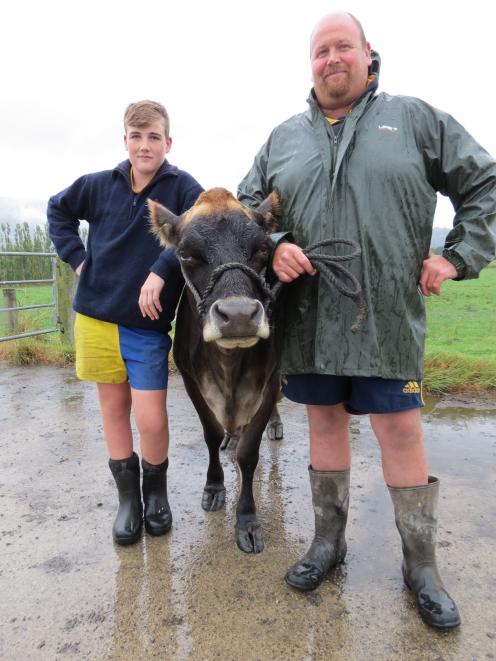
Lloyd and Daphne Holterman have reached a point where antibiotics are only used at drying off, but they are cautious about setting unrealistic ambitions for reducing antibiotics use.

“I think we should aim to reduce our use of antibiotics, not eliminate it altogether,” said Mr Holterman, who runs the 1,070-cow Rosy-Lane Holsteins herd in Wisconsin.

“To reduce antibiotics use, one practice has to complement another – you have to eradicate a disease first and then treat differently.”

His business focuses on disease prevention and good stockmanship skills and he shares his approach to reducing antibiotics use with us.

1. Breed for disease resistance

The Holtermans have bred for productive life instead of cow type since 1992, which Mr Holterman said has indirectly selected animals that are disease resistant.

They use genomics and also select for mastitis resistance, low lameness levels, calving ease and calf pneumonia resistance.

2. Adopt a ‘hands-off’ calving approach

Mr Holterman said his cows are healthier since he adopted a policy of less intervention at calving.

“When a calf is halfway out, we resist the temptation to assist straight away. We let nature take its course and as a result we get fewer tears, reduced metritis and fewer retained placentas and dead calves.”

3. Eliminate diseases

The Holtermans  have eliminated Staph aureus and Strep uberis from the herd.

These gram-positive bacteria cause mastitis that require antibiotics treatment.

“To eliminate those you must have great staff skills to reduce the introduction of bacteria into the system,’’ added Mr Holterman.

“Train, train and train. You have to have good people; people who care. People who don’t like cows, your system or you should find a job they like better.”

The main mastitis bacteria he now deals with in the milking herd are E coli and klebsiella – gram-negative bacteria that have a much higher self-cure rate without antibiotics.

4. Treat sick cows with fluid therapy

Cows are not treated with antibiotics for mastitis during lactation.

Instead, the aim is to detect it early and dehydrate, then rehydrate.

Cows are isolated and are given an intravenous therapy (IV) of hypertonic saline. This is followed immediately by an IV of four litres of electrolytes, and 40 litres of water with yeast is also pumped into the rumen.

This flushes toxins and rehydrates the animal.

As soon as she has recovered, the cow goes back to her social group so she doesn’t have to resocialise.

By taking a holistic approach to herd health, Mr Holterman said milk yield has improved by 800 litres a cow and veterinary and medicine costs have reduced from 1.8 cents/litre (£1.40) to 0.6 cents (£0.40).

But he advised farmers not to stop using antibiotics without consulting their vet.

“Pathogens on your farm will determine if you can go in this direction,’’ he added.


Source: Farmers Weekly

Big Data & Connectivity is Driving Digital Transformation of Animal Health

Animal Health, like many other sectors, is in a state of transition, states Richard Sibbit, Head of Animal Health at Proagrica. “With unprecedented scrutiny from governmental and monitoring bodies, and a widespread hunger for innovation, businesses working in animal health that have a sound data and integration strategy in place could differentiate themselves amongst their competitors.

Traceability in the food chain 

With the global population set to increase at record levels, there is an ever increasing demand on our resources to grow with it.

On our current trend the situation is becoming unsustainable with antibiotic resistance posing a global threat. The World Health Organization (WHO) have warned of commonplace infections becoming untreatable and routine surgeries impossible. Far from being a mere industry concern, antibiotic resistance has entered the mainstream zeitgeist – company stakeholders and consumers are more concerned with robust traceability and antibiotic reduction than ever before.

Speaking on this subject, Richard Sibbit, Head of Animal Health at Proagrica, emphasised the urgent need for connectivity and meaningful integration in the industry to help address some of these significant challenges:For businesses in the animal health sector, connectivity means the ability to record the sale of vaccines and antibiotics to farmers and a thorough record of the exact clinical treatments taking place on farm down to total quantity used and daily dosage levels, said Richard. In the short term, this is the most efficient way to demonstrate compliance. In the long-term, intelligent use of this data can be used to take significant steps towards reducing antibiotics and boosting productivity.

Informed decisions from intelligent data 

In theory, better vaccination should lead to a reduction in antibiotic usage. Despite this, there’s little industry-wide, real time data providing actionable insight. By harnessing connected data solutions, it becomes possible to drill down into every facet of antibiotic stewardship – regional differences, product usage, disease incidents, weather conditions, seasonal variances – a complete overview of the data available, serving as a real-time foundation for monitoring best practice, management and a robust vaccination programme that works towards significantly reducing antibiotic usage.

Measuring business performance 

In terms of revenue, data integration allows complete oversight and accountability, helping businesses to break down statistics by country, by region, or by business. If a business owns multiple vet practises, it’s now possible to benchmark, compare each practise, analyse market share and adjust business strategy accordingly. For example, average full-time vet equivalent turnover in one market or region can be compared to another, making disparities immediately apparent and creating actionable insight.

Real time data integration and data management leads to informed business intelligence, said Richard. Straightforward accumulation doesnt necessarily equate to profit growth. Are all businesses performing as they should? Or is there scope in a certain region or market? Connectivity takes out the guesswork by showing proportional market share and granting a better understanding of prospective areas of growth.

This leads to a smarter corporate growth strategy that is based on observable data trends. Data integration can help visualise market potential, regional performance, sales levels, and other key business metrics via real-time charts, maps and graphs.

From data collectors to data consumers  

For businesses in the animal health sector, enhanced data connectivity delivers the right tools to eliminate vague information and arduous communications between different businesses.

For example, consider the capabilities granted to vets if they were able to source data directly from their farmers’ systems. This would help provide more accurate and timely recommendations, whilst simultaneously eliminating the need to ask a huge number of questions over several hours. This also leads to precise guidance – how best to increase farm production by following exact steps. At every stage, this leads to a business interaction that is more unified, more accurate, and more profitable.

Changes like these are not solely based on technology, added Richard. Big data and analytics are not about hiring hundreds of technology specialists and entirely revamping ones infrastructure on a largescale. Data connectivity and big data is not just an IT project its a mind-set change, it has to be approached as a revolutionary new business approach that captures real time data and turns it into real-world benefits for your business.

The mindset change comes down to how business approach data connectivity and big data solutions. There has to be an end to mindless data collection, creating a static silo of information that offers no real benefit. Proagrica’s mindset is one of data consumption – become a data consumer rather than a data collector – your data should work for you. Integrate your data into your systems, make it as real time as possible, connect the dots between your operations, connect to your customers and supply chain, and your ability to increase productivity and add value increases exponentially.

5 Steps to Effective Data Integration 

Successful data and analytic implementation begins by asking the right questions. By considering the right areas in your business – and how they align with the overall strategy – it’s possible to drive business growth to an unprecedented level.

  1. Asking the right questions – a clearly defined business case will help set out the first stages of your data analytic projects, e.g. revenue growth, business performance, provenance, compliance, or antibiotic stewardship.
  2. Consume data rather than collect it – integrate your data, understand what’s recorded and what’s required. Don’t just create a useless stockpile – work towards creating data sets that are meaningful and that provide insight.  
  3. Produce the required outputs based on specific business requirements.
  4. Integrate outputs into business strategy and implement them in a way that boosts productivity.
  5. Utilise data connectivity and the enhanced functionality provided by your systems to drive business growth.

Every business can benefit from data connectivity in the animal health sector, concluded Richard. Data connectivity has already begun to transform animal health businesses for the better, from managing workloads to eliminating transaction errors to providing valuable insights. The Animal Health sector is, like many others, in a state of transition, but is also uniquely primed for innovative solutions that can transform both individual businesses and the entire industry.

A more profitable future 

As independent global experts in data connectivity within the animal health and agriculture sector, Proagrica has worked with businesses across the supply chain to deliver connected solutions that not only generate increased profitability but eliminate many common pitfalls in business.

Proagrica’s unique combination of industry expertise, technology and intelligent integration is the sophisticated future for animal health businesses – a new approach that streamlines operations and boosts profitability, while creating a sector that is more sustainable and compliant.

Your business can become more informed, efficient and compliant through advanced data connectivity. Visit http://www.proagrica.com to learn more or to request more information.

About Proagrica 

Proagrica, part of RELX Group, is a global provider of independent connectivity and data-driven support solutions for the agriculture industry. We deliver actionable intelligence to drive business growth across the value chain. Our superior products and services connect and empower industry participants to address their key needs around trading, productivity and compliance.

Our solutions are built around the key competences of data connectivity and data analytics delivering seamless supply chain management, supply chain standards compliance, and customer insight and engagement, essential for businesses looking to improve their value offering and expand in the modern marketplace.

Proagrica also encompasses performance-boosting farm management software brand Farmplan, and industry-leading media platforms, Farmers Weekly and Boerderij.

Proagrica.com

About RELX Group  

RELX Group is a global provider of information and analytics for professional and business customers across industries. The Group serves customers in more than 180 countries and has offices in about 40 countries. It employs about 30,000 people of whom almost half are in North America. The shares of RELX PLC, the parent company, are traded on the London, Amsterdam and New York Stock Exchanges using the following ticker symbols: London: REL; Amsterdam: REN; New York: RELX.

http://www.relx.com    

Unlock Your Herds Potential With Farm Data Management – Canadian Dairy Xpo 2018

Constantly looking for ways to optimize every part of the farm business to improve animal productivity, watch as Mike Jerred helps producers become data driven not just “gut” re-actionists, having 24/7 access to seamless,structured, and actionable information that can be used for long term decision making, data driven decisions and risk mitigation.

Be sure to attend the 2019 Canadian Dairy XPO – April 3rd and 4th

Save Time, Increase Cow Comfort, Reduce Risk of Mastitis – NNYADP Dairy Research

How does a reduction of 27 seconds add up to a gain of an important 15 minutes and more comfortable dairy cows?
Research funded by the farmer-driven Northern New York Agricultural Development Program and conducted by Quality Milk Production Services and Cornell Cooperative Extension showed nearly two dozen dairy farms just how.

Paul D. Virkler, D.V.M., a veterinarian with the Quality Milk Production Services Animal Health Diagnostic Center, Canton, N.Y., led the project that influenced a simple, but significant, change in the milking parlor settings on 23 farms milking cows two to three times a day in Clinton, Franklin, Jefferson, Lewis or St. Lawrence County.

The project demonstrated how adjusting the setting on the automatic cluster remover, or ACR, unit that controls when the milking unit detaches from the cow based on a decrease in milk flow reduces milking time with benefits to the farmer, the cows, and the farm business.

“In general terms, reducing the milking time per cow by 27 seconds adds up to a gain of 15.8 minutes per milking shift. That 15 minutes could allow a producer to milk an extra turn of cows at each shift with no additional labor cost and no detrimental effects on milk production,” said Virkler.

From the cow’s perspective, taking the milking unit off more quickly by adjusting the ACR alleviates the potential of overmilking and related impact on teat tissue condition, thus making the cow more comfortable, reducing the risk of mastitis, and enhancing animal well-being.

For the farm business, Virkler noted that “Although milking time is significantly shorter, earlier research, and this trial, has shown there is no negative effect on or loss of milk yield.”

Following the main trial at Hillcrest Holsteins in Henderson, N.Y., the project team extended the research results to 22 additional farms, with a change in the ACR setting recommended to 20 of those farms. All twenty made the change with positive results.

“This research offered the opportunity to demonstrated a simple milking parlor adjustment that can be made to enhance how quickly, completely, and gently milking can be accomplished,” Virkler said. “The farmers we worked with are now aware of this easy way to add to their best management practices.”

The complete report on Assessing Automatic Cluster Remover Settings on Milking Unit-Time, Total Milk Yield, and Teat Condition in NNY Dairy Herds is posted under the Dairy Research tab of the Northern New York Agricultural Development Program website.

Funding for the Northern New York Agricultural Development Program is supported by the New York State Senate and administered by the New York State Department of Agriculture and Markets.

Quality Milk Production Services operates four regional diagnostic laboratories in New York State, including one in Northern New York at Canton, and is a part of the Animal Health Diagnostic Center at Cornell University in Ithaca, N.Y

Fatty milk Jersey cows in demand in New Zealand

”Fat is back” and no longer the ”ogre” it used to be, and that is good news for Jerseys as they have a higher fat content relative to protein than many other breeds.
DairyNZ’s New Zealand Animal Evaluation Unit (NZAEL) released its annual Economic Values (EV) index last week to reflect the increased global demand for high fat dairy products, compared to protein.

Economic Values is an estimate of a trait’s value to a dairy farmer’s production and profitability and contributes to cattle breeding worth (BW).

DairyNZ’s strategy and investment leader Dr Bruce Thorrold said the value of milk fat had steadily risen in recent seasons due to strong consumer demand for milk fat products.

He said the price changes for fat relative to protein had also produced large shifts in BW, both between and within dairy cattle breeds.

NZAEL also released its latest updated Ranking of Active Sires (RAS) list to reflect the new EVs on February 11.

Of the top 30 bulls, 26 are Jerseys.

LIC’s website said although Jerseys made up about 10% of the national herd, 14 Jersey bulls were in the top 30 list in 2017 and last year 16 were in the top 30.

Neither Jersey New Zealand’s (JNA) Industry Affairs committee convener Roger Ellison, nor Jersey stud breeder Kelly Allison, who has the Bonacord Jersey Stud, Outram, said they could recall such a high percentage in the list before.

JNZ’s general manager Pam Goodin said without having to do ”some serious research I can only say it would be a long time, as in at least 10 years, if not longer.”

Mr Ellison said fat had been in the doldrums for years while protein was more valued.

”During the last three to four years there has been a surge in demand for milk fat.

”The big thing is all the fat research in the 1950s and 1960s said fat was bad for you and we shouldn’t be eating butter as it causes heart disease.

”We were told to take the fat out and replace it with sugar.

”Now we have diabetes.

”Fat is not the ogre it used to be, sugar is.”

Mr Allison, in partnership with his father, Peter, farms 200ha effective and runs 600 cows, with a five-year average production of 250,000kg of milk solids.

He said while there had always been a good representation of Jerseys in the RAS, it was probably a first to have so many listed in the top 30.

”It is quite rare,” he said.

”Fat is back.”

They have sold several bulls to LIC, which have done well on the listings, including ”Bonacord and Bernard” , which ranked 19 with a BW of 230 on the current RAS.

Mr Allison said the extra fat content would mean a slightly higher return for those with Jerseys.

”Last year we got 3c ahead of payout so we had higher fat [content].”

He thought it was likely there would be an increased demand for Jersey semen, although there was a consistent demand for their bulls.


Source: Otago Daily Life

High nitrate in hay causes cow deaths

On top of dealing with harsh winter weather in feeding cows, cattle farmers must guard against too much nitrate in poor-quality hay.

“Just from cases we’ve confirmed, I know of 150 cows dying in the last month,” says Tim Evans, head toxicologist at the University of Missouri Veterinary Medical Diagnostic Laboratory.

High nitrate, mostly concentrated in grass stems, causes quick death, Evans says. Nitrate converts to nitrite in a cow’s rumen. Nitrite in the blood blocks oxygen uptake. Without oxygen, cows die quickly.

“Testing low-quality forage for nitrate is urgent,” Evans said. “We’re trying to get word out. Producers need to know potential problems.”

In an MU Extension teleconference with area livestock specialists, Eldon Cole, Mount Vernon, told of two cases in southwestern Missouri. One farmer fed new forage to his herd of 70 cows. Forty were dead the next morning. In another case, 20 cows died.

In both cases, producers used nitrogen or poultry litter to boost forage growth last fall.

MU Extension centers may have kits used for testing nitrate in drought areas last summer, Evans said. Those work best on split stems that are still moist.

Area extension specialists for livestock or agronomy advise producers on testing and forming safe rations.

MU Extension beef nutritionist Eric Bailey says supplements dilute nitrate in cow diets. Adding starchy grain speeds up rumen fermentation more than other feeds. Hay ferments slowly.

“Nitrogen is needed by the rumen bugs, and nitrate provides it,” Bailey adds. “Bugs break nitrate down to provide nitrogen. When fermentation is slow, not much nitrate is digested.”

Unused nitrate, converted to nitrite, spills into the blood. Adding grain to hay diets speeds nitrate usage.

“I’d start with half a pound of grain per 100 pounds of bodyweight. In short order that goes to a pound of grain per hundredweight as rumens adapt to more grain,” Bailey said.

The MU diagnostic lab also tests for nitrates in suspected poisoning cases. Not all deaths are caused by nitrate. Testing fluid from eyes of dead animals for nitrate confirms the diagnosis.

A host of events add to current problems, Evan says. Shortages of hay and grass followed droughts starting in 2017 through the summer of 2018.

“Many farmers feed hay they wouldn’t normally feed,” Evans says. “With hay shortages, they feed what they can get.”

Farmers must use caution with hay from unknown sources.

In general, nitrate accumulates first in lower stems of grass and then moves higher. This year that might be Sudan grass, millet, barnyard grass or other forage not usually baled for hay.

Nitrate distribution isn’t uniform through forages. “In one case, with 14 dead cows, a farmer sent four hay samples,” Evan said. “Two samples had no nitrate, one had moderate nitrate, while the fourth had toxic levels over 1 percent nitrate.”

A visual test for nitrate poisoning in cattle is to look at the blood. Blood low in oxygen will be chocolate brown.

Animals surviving nitrate poisoning may appear unthrifty in recovery. Pregnant cows may abort calves or deliver early weak calves. Testing an expelled fetus can confirm high nitrate exposure.

With shortages of quality hay and frigid weather with higher feed needs, we saw this coming, Evans says.

MU Extension state forage specialist Craig Roberts warned herd owners last fall to go light on adding nitrogen to fall grass growth. Nitrogen or poultry litter makes more hay growth but can increase nitrate or other toxins.


SourceMU Extension

Fescue Forages Lose Toxins While Stored for Winter Feed

Winter feeding of forage to beef herds doesn’t rank high as a favored job for herd owners. But there’s a bright side to feeding fescue, whether in hay or grass. Fescue toxins are down.

“This is the best fescue will be, now until pastures green up again,” says Craig Roberts, University of Missouri Extension forage specialist.

Most fescue forage contains a toxin that restricts blood circulation in cattle. That creates harm in many ways, including low gains, low conception, and frozen feet and ears.

Hay cut for baling starts losing toxins as it cures in the field. After hay is baled and stored for winter, toxins continue to drop.

If toxic tall fescue was stockpiled in pastures and saved for winter grazing, that loses toxins as well. Increasingly, farmers manage fall fescue grass to save it for winter grazing. Fescue, unlike many grasses, remains edible in freezing weather.

By January both hay and grass hold their lowest levels of toxic alkaloids that cause problems.

Grass provides better nutrients than hay. More farmers using rotational grazing use fall stockpiling.

Stockpile takes advantage of fescue toxin cycles. Fescue, a cool-season grass, has two growing seasons. Most productive growth comes in spring. Next, fescue goes into low-growth summer slump. When fall rains return, usually early September in Missouri, grass grows again. Then fescue becomes toxic again.

Toxins are highest in the spring growth because of the reproductive stage. Stems and seed contain high levels of alkaloids.

In fall, the fescue grows only leaves, no seed stems. Leaves store the toxin.

Winter-stockpiled fescue responds well to rotational grazing. In that system, large pastures are divided into smaller paddocks. Cattle move to the next ungrazed grass as the feed runs out in a paddock. In the non-growth season, there is no need to install a back fence. The cattle move forward to fresh grass.

MU grazing schools teach management-intensive grazing (MIG). Rates of gain on MIG paddocks run about one-third more. Less grass is wasted. MU schools start again in the spring.

Toxic tall fescue, Kentucky 31, is the most-used grass in Missouri. Now, new plantings can be made with novel endophyte varieties. Seed companies have replaced toxic endophyte, a fungus, with a new natural nontoxic fungus.

Novel endophyte fescue has advantages throughout the year, in grass or hay. Farmers learned many workarounds and tricks of grazing toxic fescue to reduce harm.

What farmers and MU researchers learned about fescue now provides lessons in grazing schools.

A new set of schools was developed for teaching all across the Fescue Belt, reaching from Missouri to the Carolinas and Georgia. Schools in six states will be held in March.

The Alliance for Grassland Renewal now manages the new schools. They teach how to plant and use the improved novel endophyte fescues.

Five companies sell novel endophyte varieties.

The Missouri school, March 18, is at MU Southwest Research Center, Mount Vernon. At the school farmers will see side-by-side plots of the new varieties. Schools in other states are shown at www.grasslandrenewal.org/education.htm.

The MU Southwest Center is part of the MU College of Agriculture, Food and Natural Resources, Columbia.

Source: agebb.missouri.edu

Tinder for cows is online dating for cattle breeders to find their stock’s perfect match

It is not just humans seeking love on Valentine’s Day; a new matchmaking app is bringing cows together.

United Kingdom farming startup, Hectare Agritech, has created Tudder, a Tinder-style app that helps farmers find breeding matches by viewing pictures of cattle with details of their age, location and owner.

When users swipe right to show interest or left to reject a possible match, they hear a mooing sound.

Hectare Agritech chief executive, Doug Bairner, said matchmaking through online dating is well-suited for breeding stock — much more so than it can be for humans.

“You can make a decision based on science rather than someone’s self-proclaimed sense of humour,” he said.

“There’s so much genetic data sitting in the background behind breeding stock.”

Farmers that swipe right on the image of a cow, or group of cows, are then directed to the company’s livestock-buying website.

From there they can contact the owner and make an offer.

“We’ve had over 40,000 searches in the last 24 hours so that equates to one in every three UK farmers putting a search into our app,” Mr Bairner said.

“The app takes it out of the hands of a subjective guess of whether you’re going to get on with somebody and puts it into the realm of genetic science, which can only be good for rearing the right stock and having a successful farm business.

Tudder down under

Mr Bairner said given the app’s popularity the company will keep an eye on downloads in other countries and may launch it outside the UK.

Victorian dairy farmer Adam Jenkins said he would have a crack at the app and sees potential for its use in Australia.

“I think it’s hilarious and something you can have a bit of fun with.

“The people in the cow world, particularly the dairy industry, they love their cows and love showing cows.

“But also on a serious side, its matching cows across the continent, which would be pretty attractive — sitting down and having a bit of a swipe left or right.”

As for what would make him swipe right?

“I’d have to talk to Brownie and a few of the girls and see what they’re really wanting,” Mr Jenkins said.

“We’d have to look at what their genetics look like and how that fits in with our cross-bred system.”

Mr Jenkins regularly expresses his love for his “girls” with videos on Twitter and Valentine’s Day was cause for a special shout-out.

“As farmers we really care for animals and I just want to show some love and appreciation for the job they do,” he said.


Source: ABC News

Dairy Farming as a Business in the Rural Area

Starting a dairy farming business in RURAL AREA is a profitable business idea. It is common question of   “How to Start a Dairy farming business ’’?
 
Why dairy farming business.
 
There are lot of reason to start a dairy farming business .
⦁   Dairy farming business is an eco-friendly business ideas.
⦁    You can apply for loan in against of dairy farm.
⦁    To start a dairy farm you and your family get solvency.
⦁    It is great opportunities for unemployed people who are searching a job. Dairy farming business is thousand times better than a job.
⦁    You can play an important role in the total milk production.
 
How to start a dairy farming business.
 
Business plan: There is no option to start a business without business plan. In general a successful business plan can help you to get success in any kind of business. Dairy farming is a serious business. Before starting dairy farming business, you should have proper concept about dairy farm. Write a business plan about dairy farm include what is you want to do.
 
Visit other dairy farm: I suggest you that, you should visit minimum 5 dairy farm. It is very important steps to start a dairy farm. Talk with others how they doing this business. Ask them how they do it. You should try analyze every event of a dairy farm.
 
Select a location for your farm: It is another important steps to start a dairy farm. Housing and location should be in rural area. When you choose a location you also keep in mind that how you arrange feed. It is better to choose a big area so that your cow can move one place to another place.
 
Choose a cow breed for your dairy farm: Choosing a cow breed is hardest job to start a dairy farm. There are many kind of cow breeds are available in our Country. Some famous cow breeds Ayrshire, Holstein, jersey, Ayrshire, Guernsey ,etc. I suggest you talk to  a farmer who are already doing dairy farming business.
 
Feeding: Try to produce green food to get more milk. Along regular food provide clean and fresh water.
 
Management: As I mention earlier it is a serious business. To avoid risk you should take care and proper management of your dairy farm. You should make stocks proper medicines and other equipment.
 
Marketing: Marketing of your dairy farm is not a big problem. Contract some shops and also dairy companies that process milk.
 
Possible costing: It is difficult to say that how much you need to start a dairy farm. Costing is depend on how large your farm is. To start a dairy farm with 5 cows approximately you need atleast ksh 150,000 for calves, mature you will need above half a million.
 
Possible earning: Dairy farming business is a profitable business ideas. If you can run your business successfully 50 thousands can be earn in a month with 2/3 cows and with 5 cows around 100 thousand. Again it is depend how large your farm is.
 
Problem to start a dairy farm : The main problem is lack of knowledge. Without proper planning it is hard to start dairy farm. Feeding cost is quit high for this business but if you can provide nature food then it will be easy for you.
 
Every business have advantage and also disadvantage. On an average dairy farming business is a profitable business ideas.
 
Best of luck for your success.
 
 
Source: The eHub

Kerrygold promoting ‘grass-fed dairy’ in new global campaign

Kerrygold has launched a global advertising campaign as part of a “major expansion drive” for food exports.
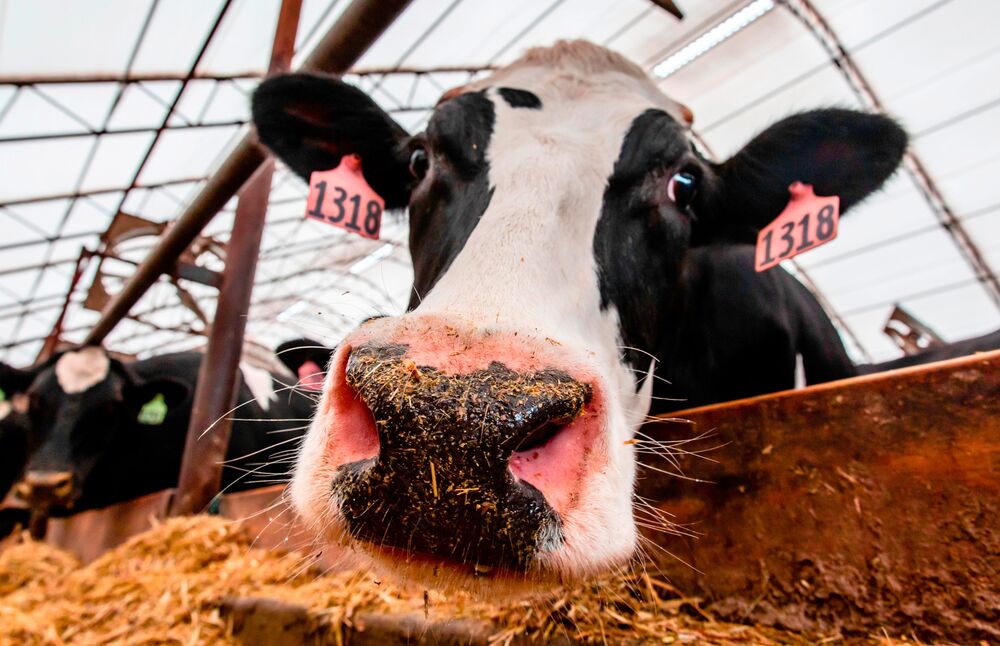
A digital campaign called “a true taste of Kerrygold” has been launched to promote Ireland’s grass-fed family farming system and will be rolled out across the UK, the US, Germany and Ireland.

A household name in the Republic, the butter brand established in 1962 has grown to be the market leader in Germany – where it sells faster than any other food brand – and the number-two butter brand in the US. Both the German and US markets performed well in 2017, the latest year for which figures are available, reporting double-digit volume growth. Some 34 new product launches in the Kerrygold range form part of Ornua’s strategy to build it into a €1 billion global dairy brand “in the coming years”.

“For decades Kerrygold has been synonymous with the benefits of grass-fed dairy and has authentically told the story of Irish dairy farming to the world,” said Róisín Hennerty, managing director of Ornua Foods.

Grass-fed grievance

Kerrygold’s focus on promoting its grass-fed product comes after tensions emerged between parent Ornua, and Glanbia, which owns 25 per cent of Ornua, over the latter’s decision to launch a new dairy brand in the US called Truly Grass Fed, a brand that farmers fear may erode Kerrygold’s position in the US market.

Glanbia has launched Truly Grass Fed in the US initially as a cheese brand, but a butter may yet emerge, the company told The Irish Times in November.

Kerrygold’s campaign features three farming families – one from Waterford, one from Monaghan and one from west Cork. Ms Hennerty said the brand had always been an “intrinsic part of the Irish identity” and was owned by a “community of Irish farming families who have passed down their farming values and methods from generation to generation”.

Ornua is the State’s largest exporter of dairy products, with sales of more than €2 billion per year. Kerrygold expects that its new campaign will reach more than 36 million people.

Source: irishtimes.com

Cows Get Own Tinder-Style App for Breeding

Cows and bulls searching for “moo love” now have a mobile app to help their breeders.

A U.K. farming startup introduced a Tinder-style app, called Tudder, that lets farmers find breeding matches by viewing pictures of cattle with details of their age, location and owner. Users hear a mooing sound as they swipe — right to show they’re interested or left to reject possible matches.

Hectare, which designed the app, says it “seeks to unite sheepish farm animals with their soulmates.” Selling animals using social media can speed up a process that often involves transporting animals long distances for breeding.

“Tudder is a new swipe-led matchmaking app, helping farm animals across the U.K. find breeding partners in the quest for moo love,” according to the Apple app store description.

Farmers that swipe right on an image of a particular cow — or group of cows — are directed to Hectare’s livestock-buying website, with a chance to contact the owner or make an offer. The listing website includes information on the animal’s character and any health issues.

Working Bull
Profile descriptions range from “nice big strong sorts make nice suckler cows” to “quiet well grown young bull ready to work,” and farmers can also restrict their online search by whether the animal is organic, pedigree or on a farm where tuberculosis has been detected.

Marcus Lampard, a farmer in Carmarthenshire in southwest Wales, has one pedigree beef shorthorn breeding bull listed on the app and says it’s a lot easier to sell livestock online.

“Going to market is a nuisance,” he said by telephone. “If I go to an open market with a bull, and then maybe bring it back, it shuts everything down on the farm for at least two weeks.’’

Lampard, 76, said his daughter lists the cows online for him. “At my age we think we’re quite techy, but our grandchildren think we’re hopeless,” he said.

Hectare raised over 3 million pounds ($3.9 million) from investors including government programs, author Richard Koch and tennis player Andy Murray, according to its website.

About a third of U.K. farms use Hectare’s platforms to trade livestock and cereals, Chief Executive Officer Doug Bairner said by email, after the app was described in the Sunday Times.

“Matching breeding livestock online should be even easier than matching people,” Bairner said. “Sheep breeding is similarly data driven so maybe ‘ewe-Harmony’ should be next.”


Source: Bloomberg

Reduce Your Dairy’s Risk for Violative Residues

Responsible use of antibiotics plays a significant role in helping protect animal and human health. Proper training on use and administration of antibiotic products play a key role in ensuring all antibiotics are used responsibly and administered appropriately to avoid violative residues. Dairies have made significant improvements toward decreasing the number of residue violations in milk, specifically a 70% reduction in bulk tank milk residues in the U.S. food supply over the past 10 years.1,2 Despite this, dairy producers are also beef producers and still have work to do. Dairy cows accounted for 67% of residue violations from inspector-generated samples across all species of animals from October 2015 to September 2016.3 Dairy producers, under the guidance of their veterinarians, should continue to focus on steps that mitigate the risk of residues to protect food integrity. 

There are four things you should focus on to minimize your risk of residue violations in meat from cull dairy cows.

  1. Involve your veterinarian in all treatment decisions. Without veterinary involvement, your dairy’s risk for residue violations increases significantly. According to the U.S. Food and Drug Administration, 70% of cases involving violative drug residues had no veterinary involvement in treatment or protocol development.4 Your veterinarian is the expert in choosing the correct products that prevent and treat disease, as well as how to prevent residues by complying with label directions for use. This means he or she should be engaging with you not only in setting treatment protocols but also in determining what animals are treated in the first place. Regular visits and communication with your veterinarian — an established partnership called a veterinarian-client-patient relationship (VCPR) — allows your veterinarian to maintain a relationship with you and your key employees and have a good understanding of your animals and preventive care to provide thorough guidance and recommendations.
  2. Set and follow protocols. Even if your dairy has set protocols, a study found an estimated 43% of employees administering treatments on well-managed dairies were not following protocols when observed.5 Compliance matters for treatment success and protecting the food supply. Talk with your veterinarian to make sure there aren’t any outdated or missing protocols and that they are easy to understand and follow. Regularly train employees who administer medications on accuracy of diagnosis and review proper protocol application. Also, effective protocols should include steps for how to give the medicine, including following label instructions, the proper route of administration and administering products for appropriate duration of therapy. 
  3. Keep accurate treatment records. Inaccurate or incomplete records can be big contributors to human errors at the farm level that can lead to residues, including misidentified animals, animals not receiving the appropriate amount of treatment at the proper time or even animals being moved from the hospital pen or sent to market before the withdrawal period has passed. After treating a cow, record all the information about the cow and treatment administered in your record-keeping system. This will help the veterinarian and herd manager know how well treatments are working and provide important information to help avoid mistakes and, therefore, avoid residues.
  4. Respect the beef market. The beef market is an opportunity to place another quality food product into consumers’ hands, and it should be treated with the same respect we give the milk market. You can’t make healthy beef from unhealthy cows. Animals should be healthy, not simply past the residue withholding period, before being considered viable candidates for the beef market. The first step is to appropriately identify the disease process at hand and evaluate which animals should and shouldn’t be treated. Then, work with your veterinarian and herd manager to establish guidelines for identifying animals that leave the farm intended for human consumption. 

Today, thanks to the hard work of dairy veterinarians and producers, there are fewer residues in dairy cull cows than ever before.3 The amount of milk dumped from positive tankers also continues to decline.1,2 However, a single violation can erode consumer confidence in milk and meat. That’s why it’s critical to work with your veterinarian to establish and train employees on protocols, ensure proper record keeping, and only send high-quality healthy cull cows to market that are suitable for human food. Remember: you are in the beef business, too. 

For more tips on avoiding residues, review these additional resources and ask your Zoetis representative about the Residue Free Guarantee™.

About Zoetis

Zoetis (NYSE: ZTS) is the leading animal health company, dedicated to supporting its customers and their businesses. Building on more than 60 years of experience in animal health, Zoetis discovers, develops, manufactures and markets veterinary vaccines and medicines, complemented by diagnostic products, genetic tests, biodevices and a range of services. Zoetis serves veterinarians, livestock producers and people who raise and care for farm and companion animals with sales of its products in more than 100 countries. In 2017, the company generated annual revenue of $5.3 billion with approximately 9,000 employees. For more information, visit zoetisUS.com.


Dairy Farmers Can Now Benchmark Against the Top Dairies

Dairy farmers can now benchmark themselves against the top five percent of farms following an update to AHDB Dairy’s key performance indicators (KPIs) which were revealed at Dairy-Tech .

The addition of this new category to the existing bands for the top 25% and industry average farms enable farmers to see how they compare with others and identify areas for improvement.

The KPIs have also been refreshed using the latest available data and include changes to the definitions and calculations following discussions with farmers and industry consultants.

Mark Topliff, AHDB lead analyst said: “We listened to feedback from our strategic farm meetings plus consultants from across the industry and updated the KPIs to make sure they are relevant to all and stretch the best.”

Launched in 2017, the KPIs form part of AHDB’s optimal dairy systems programme, which is encouraging farmers to focus on either all year round or blocking calving.

The KPIs are split into six physical measures for each calving system as well as three financial measures which are applicable to both.

As well as other minor changes, the ‘Income retained’ KPI has been replaced with ‘full economic net margin’ and ‘total purchased feed costs’ now exclude forage and youngstock feed.

A full set of definitions along with guidance about how to calculate each measure can be found on AHDB Dairy’s website alongside an online calculator where they enter their own figures to see how they compare.

The KPIs are built into Farmbench, AHDB’s recently launched online benchmarking tool to help farmers compare themselves anonymously with other farms.

“Dairy farmers need to be in good shape to deal with future challenges. Our updated KPIs enable farmers to review their performance, identify areas for improvement and make changes to ensure they’re performing well for years to come” concluded Mark.


Source: The Cattle Site

World produces more cattle feed in 2018

The global total compound feed production reach 1.103 billion metric tonnes (MT) in 2018. Over 237 million MT of this volume was cattle feed.

Trends in dairy cattle feed

If we look at dairy and beef feed production, we see that in 2018 this volume reached 213.3 million MT (Figure 2). In 2017, dairy was one of the few sectors that saw growth across all regions. A year later, in 2018, the global production of dairy feed grew with another 3%, with little regional differences. Dairy feed production remained relatively flat in Latin America and the Middle East. There was steady growth in North America and even more in Africa and Europe. Africa’s growth was primarily due to a significant increase in both Morocco and Nigeria. Also in 2017, Africa showed more than average growth figures (+ 10%) for its dairy feed production. Europe’s shining star this year was Turkey, which saw an increase of 10% in dairy production. Of the total compound feed production of Turkey (25.5 million MT) around 27% is dairy feed. Other contributors in the region include Ireland, Russia and the UK. The growth for dairy feed in the Asia-Pacific region was mainly seen in India and Nepal.

Trends in beef cattle feed

If we look at global production volumes of animal feed for beef cows, we see a flat second year in a row, mainly due to consumer preferences. North America has always led beef feed production and continues to do so. The region therefore saw an increase of 3%, which will ensure it maintains its lead for now. Europe saw a small decline at barely 1%, mainly caused by declines in France and Lithuania. In the past, Europe has been followed by the Asia-Pacific region, but many of the countries in that region saw declines in beef feed production, including Bangladesh, Mongolia, Indonesia, Taiwan, Vietnam and Pakistan. China and Australia both saw growth, but not enough to offset the overall decline in the region. Latin America saw strong growth of about 8%, and Mexico and Argentina primarily contributed to this. As a result, the Latin American region now takes third place in beef feed production. Growth in Africa was seen in Sudan, Seychelles and Morocco. It is worth mentioning that the Middle East also produced a lot of feed for other ruminants such as sheep, goats and (racing) camels. The ‘other ruminant’ feed in the Middle East is 11% of the total compound feed production in this region.

Have a look at all the data from world regions and European countries in our Feed Production tool on sister publication All About Feed.

The big 7 countries

The top 7 countries (the big 7) when it comes to total feed production are (Table 1):

  1. China
  2. the US
  3. Brazil
  4. Russia
  5. India
  6. Mexico
  7. Spain

These countries can be viewed as an indicator of the trends in agriculture. All countries showed an increase, except for Brazil, which showed a small decrease in total feed production in 2018 (68.7 million MT versus 69.9 million MT in 2017). China remains the ultimate winner with 187.9 million MT in 2018. This is 5.4% more than in 2017.

Trends in other animal species

The Alltech Global Feed Survey also looks at the trends in other animal species. 152.6 million MT layer feed and 304.6 million MT broiler feed was produced. Major growth areas for layer feed included Europe, Latin America and Asia-Pacific. Africa showed 9% growth, demonstrating an overall trend that as populations grow and become wealthier, interest in protein, particularly in palatable chicken, does as well. 293.2 million MT pig feed was produced. This is nearly 1% more than 2017. The primary producing region for pig feed is Asia-Pacific, but this was also the only region that saw a decline in pig feed production with Mongolia, Vietnam, China, New Zealand and Japan experienced decreases. 40.1 million MT aquafeed was produced. Overall, aquaculture feeds showed growth of 4% over last year. This was primarily attributed to strong increases in the Asia-Pacific and European regions. Lastly, a growing sector is the pet food market. In 2018, 26.6 million MT pet food was produced. The pet food sector saw growth of approximately 1%, primarily attributed to an increase in the Asia-Pacific region, which was offset by a decrease in the Latin American and African regions. North America and the Middle East both remained relatively flat.


Source: Dairy Global 

How to make money with your dairy in a down economy?

When milk prices are low, investing in a cow monitoring system may not be the first thing on a farmer’s mind. However, studies have shown that reproduction and health monitoring technologies should always be focused on, even in a down economy.
Accurate information about a cow’s performance is essential to success in dairy farming. The better you know how your animals feel, the better equipped you are to take the right action at the right time. Adequate intervention will result in higher pregnancy rates, improved lactation, a better health status, and fewer cow losses. CowManager’s revolutionary ear tag provides this information for each individual cow, and fully supports the needs of the dairyman, resulting in not only saving money but in making money indeed.

The CowManager users tell you how!

Upgrading your herds’ health status saves money
The key to success in all transition and fresh cow programs is keeping cows healthy. The transition period is also the moment when a cow’s peak for lactation will be determined. CowManager will alert you immediately whenever a single cow is not eating or ruminating. The resulting early intervention will save you money on labor and antibiotics and will reduce milk drops. However, some results, such as the benefits of improving the herds’ health status, are hard to measure.

Michael Johnson of Trailside Holsteins LLC (500 cows) in Fountain, MN, finds that the CowManager Health module offers great support in detecting cows in the early stages of a disease. A typical disease that is hard to catch is sub-clinical pneumonia. Because of the early detection, the affected cows can be treated in an earlier stage, resulting in healthier cows that don’t drop in milk production. Moreover, early detection will decrease the cost of treatments.

“With CowManager early detection of mastitis, fresh cow illnesses and sub-clinical infection has been substantial. I am catching the majority of sick cows earlier. In most cases, there is a faster recovery and cows bounce back soon”, according to Michael Johnson. His dead loss also dropped from 8% to 4% since he has been using CowManager.

Drew Johnson, manager of Santiam Dairy (500 cows) in Turner, OR, which is owned by Chris DeVries, also sees huge savings in the medical costs due to early detection by the system
We’ve saved 8,000 dollars on drugs in seven months”, he claims. “Next to that, our death loss also greatly decreased. It saves us time finding and treating cows that are truly sick. You wouldn’t believe how soon the tags pick up illness. Now we can save time and money because we’re only treating cows that need it, and not treating those that don’t.”

John and Meghan Palmer of Prairie Star Diary (100 cows) are running an organic dairy farm in Iowa. During the winter of 2017-18 they had a pneumonia outbreak in their milking herd. This


showed them the benefits of CowManager right away. “At one time during this challenge, we had 17 cows that the CowManager Health module alerts identified as being sick; using the data available within the system was critical to our ability to manage the treatment process. We only ended up with a few cows that we had to give antibiotics to save, which resulted in these cows having to be sold to a conventional dairy. Without the early alerts from CowManager, we would likely have decided to treat more cows than we needed to, so CowManager saved us from having to cull a larger percentage of our herd. Having the CowManager system available during this health event was a huge benefit for us.”

Brody Stapel of Double Dutch Diary LLC (215 cows) in Wisconsin explains that CowManager supports them in improving their herds’ health status. “CowManager finds sick, lame and feverish cows before our employees do.”

Improve your profit with timely insemination
For years, dairy operations have depended on timely and efficient breeding in order to maximize profit. The biggest challenge dairy farms face in this area is ‘heat detection’ or knowing when an individual cow goes into heat.
CowManager provides reliable data on heat intensity and heat stage. By combining these alerts with cow data, the system gives valuable insights into the cycles of your individual cows. The system offers you all the information you need for maximizing heat detection.

“Thanks to CowManager, we don’t need to use the same hormone program anymore, we use very few shots. Our pregnancy rate went up from 24 to 32%. And, it takes us about 10 minutes to select the cows that are in heat”,Michael Johnson mentions.

“Prior to having the CowManager Fertility-module, we were using synchronization at 100% of the herd. Now we are detecting cows in heat and breeding more cows naturally. Our pregnancy used to be 15% and it increased to 22%”,testifies Larry Gartner of Rumpus Ridge farm (500 cows) in Minnesota.

In terms of saving time, we used to spend about two hours every day chalking tails, watching for heats, and checking fresh cows, but we don’t do that anymore. And we’re having better results”, according to Drew Johnson.

Many dairy farmers installed CowManager mainly to improve the reproduction status. Ray Nebel, Vice President of Tech Services at Select Sires Inc, explains that we usually see a 3 to 5% increase in 21-day pregnancy rate after installing CowManager. “But there are always nice outliers to share, like Milco Dairy (2.000 cows) that raised its pregnancy rate with 12% (18 to 30%) and Prairie Star Dairy that saw a rise of 11% (24 to 35%) in just a couple of months.

The figure shows the improvements in pregnancy rates with 7 CowManager users in the United States.

CowManager has a great return on investment
Early intervention with an accurate cow monitoring system helps you to improve the health and fertility status of your herd. Resulting in a better performing and healthier cow, that needs less medication and (no) hormones. Not only can CowManager help you to be more profitable, it also saves time and labor. Those figures are hard to define in numbers. But our customers can tell you how fast their return on investment was.

“The payback time is 1.5 year maximum, but some results are hard to measure,” Michael Johnson explains.

CowManager is a money maker,” says Brody Stapel. “We installed the CowManager system mainly for the reproduction benefits. Before installing CowManager, we were running a pregnancy rate of around 18% and currently it’s around 27%. We found that the Fertility module itself has paid off in one year. In summary, this system actually makes us money instead of just saving it.”

CowManager offers different payment solutions that fit easily within the investment plan of each dairy farm business. This way, each dairy can generate more profit with its investment.


About CowManager

CowManager develops and produces innovative cow-monitoring solutions to improve productivity and profitability on the modern dairy farm. Thousands of producers in over 30 countries rely on CowManager’s easy-to-install, user-friendly ear sensor system. It maximizes profit by monitoring your cows’ fertility, health, nutrition and location, with impressive accuracy. CowManager has revolutionized the world of cow monitoring systems with groundbreaking innovations, and has invented the active ear tag technology, based on generations of knowledge, science and the drive to improve every day. CowManager is available all over the world, distributed and supported by a growing number of dealers.

For more information, visit www.cowmanager.com or follow CowManager on Twitter, Facebook, LinkedIn and YouTube.

7 innovative financial tools for better milk price certainty

Fonterra will introduce a new financial tool to help their farmers gain more certainty about what they will be paid for their milk for the season.

The new Fixed Milk Price can help them with budgeting, planning, and managing on-farm profitability. Fixed Milk Price joins a set of 7 innovative financial tools to assist farmers in sharing up and investing in their farms. These tools include:

  1. share-up over time contract
  2. invest as you earn
  3. dividend reinvestment plan
  4. strike price contract
  5. contract fee for units
  6. farm source’s reward dollars for shares
  7. smart finance.

How it will work

In the development of this new tool, Fonterra incorporated feedback from its farmers on previous pricing tools and ensured that Fixed Milk Price is more transparent, flexible and accessible. How it will work:

  • All Fonterra farmers will have the opportunity to participate on a monthly basis (excluding January and February).
  • The Fixed Milk Price will be referenced to the NZX Milk Futures Market, minus a service fee of no more than 10c/kgMS initially.
  • Over the course of a season, farmers will be able to fix up to 50% of their estimated milk production per farm.
  • Fonterra will make at least 1 million kgMS available at every event and up to a total of 5% of New Zealand milk supply available in a given season.

Farmers were also updated today on the Co-op’s plans to provide them with more meaningful recognition and rewards in season 2019/2020 for producing high quality, safe, sustainable dairy.

Once all input is received, the new approach will be finalised for introduction in June 2019.


Source: Dairy Global

Producers Need Disposal Plan for Dead Livestock

The death of animals is part of any livestock operation.

“With lambing underway and calving just around the corner, now is the time for producers to have a plan for disposing of the mortalities quickly,” says Mary Keena, North Dakota State University Extension livestock environmental management specialist at the Carrington Research Extension Center. “Timely disposal of these mortalities is critical to preventing the spread of disease, as well as protecting water quality.”

Rendering, incineration, burial and composting are approved methods of carcass disposal in North Dakota.

“Carcass abandonment is not considered an acceptable disposal practice,” Keena stresses.

Rendering is the process of converting animal carcasses into pathogen-free, useful byproducts such a feed protein. The process involves using high-temperature, pressurized steam. However, rending no longer is a common disposal method in North Dakota because of the lack of facilities and the cost.

Incineration is the thermal destruction of carcasses using fuel such as propane, diesel or natural gas. It requires considerable energy. The cost of incineration may be a limiting factor for some producers. Also, large carcasses often exceed the incinerator’s capacity. Open-pit burning of carcasses is an acceptable last-resort disposal option.

Burial is a common method of carcass disposal, but selecting the proper burial site and maintaining it are important. Areas with sandy or gravelly soil and a shallow groundwater table must not be used a burial site.

Also, burial is difficult during the winter and isn’t an option during flooding or in areas prone to flooding. The disposal site should be away from residences, drinking water wells or shallow aquifers.

Keena says the best option might be composting, which is a naturally occurring process that breaks the carcass into basic elements via microorganisms and heat generated during composting. Composting is a simple process that requires few materials and minimal maintenance.

Here are Keena’s tips for composting:

  • Build a pile if composting one animal.
  • Build a windrow if composting several animals.
  • Use material such as straw or old hay for the base, manure or spoiled silage for the bulking material, and straw, old hay or sawdust as cover material.

This is the process for composting:

  • Start with 2 feet of base material in a windrow or pile, depending on how many carcasses will be composted.
  • Lay the carcass on top of the base. Have at least 1 foot of base material between the perimeter of the carcass and the edge of the base.
  • Cover the carcass with 8 to 10 inches of bulking material.
  • Cover the entire pile or windrow with 2 feet of cover material. The cover material should be placed on the top and sides, with no part of the carcass showing. The pile needs a good cap to keep predators out and seal in heat.

To maintain the compost site:

  • Leave the pile or windrow undisturbed to keep heat sealed in during the very cold winter months.
  • Aerate the pile every two months using a loader from early spring until late fall.
  • Make sure the pile or windrow always has sufficient cover material.

For more information:

Improving Dairy Cow Feed Efficiency Begins with….

Frequently dairy producers are being encouraged to implement ways and means to improve the efficiency with which their cows and herds convert their feed into milk. For herd feeding and management, some solutions already exist yet for accurate genetic indexing the answers are yet to be found. The Bullvine has written about feed efficiency in the past (read more: Should You Breed for Feed Efficiency?, A Guide to Understanding How to Breed For Feed Efficiency and Fertility  and Feed Efficiency: The Money Saver), however, let’s further consider both the facts and the challenges.

The Growing Power of Small Wins

In the past 25 years, the matter of feed efficiency has gone from giving cows a “least cost” balanced diet and accepting the resulting milk production to monitoring both feed intake and milk production to arrive at maximum net profit per day.  Why? This is in a major part because the cost of production now, 50-60% of which is feed costs, is much higher relative to farm gate milk price than 25 years ago. Yes, the margins on dairy farms, the world over, are much narrower and the cost of feed is therefore under scrutiny. So even a slight gain of $0.25 to $0.50 on Income Over Feed Costs (IOFC) per cow per day can make the difference between a farm staying in business or exiting the industry. With most other items in the cost of producing milk increasing every year, it leaves feed cost as the target for change.

The challenge of cost savings is not the only matter producers face when it comes to feed.  Consumers want access to certifiable information on how the cows were fed to make the milk. Organic. Were human edible feedstuffs used? What ingredients were added? The list is expanding. Where producers once ignored customers questions on feedstuffs, there will need to be accurate records of feeds and feeding methods.

Past Progress Not a Stop Sign

Before we continue, it must be noted that US dairy farmers have put in place many improvements over the past seventy-five years. Comparing 1944 to today, cows produce much more milk per year (443%). As well as modern milk production requires 23% of the feed, 35% of the water and 10% of the land to produce a gallon of milk than was required in 1944. All impressive numbers.

The reality is, that like in many businesses, dairy farming will need to continue to operate on tight margins, all the time with more monitoring and the need to a guaranteed product.

Establishing Milestones to Feed Efficiency Improvement

There are two aspect to monitor feed efficiency – the herd and the cow.

  • Herd Analysis Through Data Collection
    Working with their nutritionist, dairy farmers can now monitor and specifically manage their herds, strings and pens for feed costs by recording feed inputs and milk output. There are programs that also consider the effects of a feeding program on udder health, fertility, animal health and more. For pasture-based herds, it is only the concentrates feed that can be closely monitored. My experience in working with dairy herd improvement clubs, producers can increase their income over feed costs anywhere from $0.50 to $2.00 per cow per day by fine-tuning both the nutrition program and the management program. $150 to $600 more net per cow per year – that’s well worth the extra work and effort.
  • Animal Analysis Through Genetic Ranking
    On the genetic side of the improvement equation, it is not possible to currently sort or rank animals for feed efficiency. It is costly to capture individual cow feed intake. The Bullvine article, “The Genetics of Feed Efficiency in Dairy – Where are we at?”, published in May 2018, covers in detail the current global studies to establish genetic ranks for sires and the approximations for Feed Efficiency sire rankings that A.I. organizations are currently producing.  As well, most national total merit indexes, including NM$, TPI, LPI and ProS, include in their formulae a discounting factor for cow maintenance. This is an attempt to, for equal production performance, reward smaller to moderate-sized cows relative to larger cows. It is noteworthy that LPI considers Dairy Strength, an approximation of size, as a positive in its formula not a negative. Within, especially the Holstein breed, there is a   trend around the world to favouring moderate stature and medium-sized cows.
    Achieving national sire genetic rankings, for all proven sires based on 100+ daughters for Feed Efficiency, are years away due to the cost of data capture and the variation in data capture systems. At the present time, some breeding companies (A.I.) and an increasing number of precision dairy companies are extensively studying the capture of individual cow feed intakes and matching that with production performance and genomic information. They will be producing genomic indexes for feed efficiency. Within a few years, breeders can expect to see company genomic indexes for feed efficiency in the 55-70% reliability range.
    USDA (Beltsville) researchers have studied heifer and milking cow feed efficiency and found that on a genetic basis for equivalent performance $0.21/day can be saved in heifer feeding costs and $0.23/day can be saved in cow feeding costs. The number of animals in the study are limited but it does give hope to having genetic indexes for animals in their ability to convert feed to meat or milk. The USDA numbers are in the same range as feed cost savings published in literature explaining STgen’s EcoFeed® sire ratings. In time dairy managers will be able to choose between sires of equal genetic merit for production where one sires whose daughters cost $0.20 more or less in feed costs per day.

Start by Improving Selection Criteria  

At the herd, string and pen level dairy managers need to work with their nutritional staff or advisors to routinely record feed inputs and milk production. Then calculate the Income Over Feed Costs. Always keep in mind that the Income Over feed Costs number is not the total answer as animal health and fertility are very important for a dairy farm to be successful.

At the sire selection level, dairy managers should consider the feed efficiency values that are published by A.I. As mentioned above, many national total merit indexes already factor in the cost associated with cow maintenance. As yet, the reliabilities for feed efficiency genetic ratings are only in the 45-55% range but they are a good start. Expect within a few years to see genomic sire and heifer indexes for feed efficiency. Our best advice, at this time, is to use the published feed efficiency numbers for animals as a supplementary piece of information. Total merit, production, health and fertility genetic indexes should remain the primary sire selection criteria.

The Bullvine Bottom Line

Feed conversion efficiency is important now. It will be even more important in the future.  Dairymen need to record feed intake and using it for herd feeding and management purposes.  As sire genetic indexes for daughter feed efficiency become available to eliminate the use of sires that do not rank in the top 25% for feed efficiency.


Get original “Bullvine” content sent straight to your email inbox for free.


[related-posts-thumbnails]


Canadian Top Managed Herds of 2018 Announced

CanWest DHI, Guelph, Ont., and Valacta, Sainte-Anne-de-Bellevue, Que., are proud to recognize excellence in dairy herd management by releasing the Canadian top 25 herds based on the 2018 Herd Management Score results. The evaluation was done at a national level amongst a total of 7,000 herds.

The Herd Management Score allocates points for performance in different management areas (including milk production, udder health, reproduction, heifer rearing and longevity) and is an excellent indicator of overall herd performance. It is a great tool for herds to monitor their progress from year to year and also allows herds to benchmark themselves against others, including within their unique production system (free stall, tie stall, robotic, organic).

We congratulate these producers, whose sustained efforts have led to an outstanding performance.

  1. Ferme Estermann inc., Martin Estermann, Sainte-Agnès-de-Dundee, Que.
  2. Ferme Drahoka enr., Francis & Sylvain Drapeau, Kamouraska, Que.
  3. Ferme Seric inc., Éric Grégoire, Napierville, Que.
  4. Ferme Pierlie SENC, Pierre Guévin & Julie Michel, Saint-Adelphe, Que.
  5. Ferme Vert d’Or inc., Serge Morin & Anne Bégin, Sainte-Hélène, Que.
  6. Heidi Farms Inc., Oeggerli Family, Bainsville, Ont.
  7. Ferme B. Lehoux & Fils inc., Germain Lehoux, Saint-Elzéar, Que.
  8. Ferme Labrise inc., Guy Lebrecque & Lynda St-Jacques, Saint-Césaire, Que.
  9. Ferme M. & R. Boutin, Martin & Renaud Boutin, Saint-Georges, Que.
  10. Ferme Collette & Fils inc., Nicole Boulet & Daniel Collette, Saint-Antoine-sur-Richelieu, Que.
  11. Ferme Trois Chemins inc., Enrico Lefebvre, Saint-Bernard-de-Dorchester, Que.
  12. Ferme Beljacar inc., Carmen & Jacques Vincent, Acton-Vale, Que.
  13. Pauferlou inc., Marc-Antoine Rousseau, Pohénégamook, Que.
  14. Haag Farms Inc., Roger & Karen Haag, Brussels, Ont.
  15. Albadon Farms Ltd., Mark & Josh Ireland, Teeswater, Ont.
  16. Lone Willow Farm, James & Alan Cook, Bridgetown, N.S.
  17. Gorweir Holsteins, Chris, Jessie & Brandon Weir, Guelph, Ont.
  18. Sierra Colony Farms, Thomas Kleinsasser, Shaunavon, Sask.
  19. Milky Way Dairy, Frank & Debbie Les, Chilliwack, B.C.
  20. Stewardson Dairy Inc., Stewardson Family, Thedford, Ont.
  21. Alexerin Dairy Inc., Ron & Todd Nixon, Manotick, Ont.
  22. Rollingview Farms, Nelson & Leon Weber, Wallenstein, Ont.
  23. Ferme Carmel, François & René Carmel, Ange-Gardien, Que.
  24. Ferme Franguimel inc., François Pouliot, Saint-Odilon, Que.
  25. Pfister Dairy Farm, Hans Pfister & Family, Mitchell, Ont.

Top Herds by Category

Top Tie-Stall

Ferme Drahoka enr., Francis & Sylvain Drapeau, Kamouraska, Que.

Ferme Seric Inc., Éric Grégoire, Napierville, Que.

Ferme Pierlie senc, Pierre Guévin & Julie Michel, Saint-Adelphe Que.

Top Free-Stall – Parlour

Ferme Estermann Inc., Martin Estermann, Sainte-Agnès-de-Dundee, Que.

Heidi Farms Inc., Oeggerli Family, Bainsville, Ont.

Albadon Farms Ltd., Mark & Josh Ireland,Teeswater, Ont.

Top Robot Herd

Ferme Beljacar inc., Carmen & Jacques Vincent, Acton-Vale, Que.

Haag Farms Inc., Roger & Karen Haag, Brussels, Ont.

Gorweir Holsteins, Chris, Jessie & Brandon Weir, Guelph, Ont.

Top Organic Herd

Ferme Leriger enr., Lucien Bouchard, Hemmingford, Que.

Ferme Fleuralic, Louis Fleurent, Nicolet, Que.

Ferme Denijos Inc., Bryan Denis, Saint-Cyprien/Rivière-du-Loup, Que.


Top Herds by Province

British Columbia

Milky Way Dairy, Frank & Debbie Les, Chilliwack

West River Farm Ltd., Grant & Gene Sache, Rosedale

Kish Farms Ltd., Darren Kish, Abbotsford

Alberta

Richards Farms Ltd., William Richards, Red Deer County

Deerfield Colony, Andy Waldner, Magrath

Milford Colony Farming Co. Ltd., Mike Wipf, Raymond

Saskatchewan

Sierra Colony Farms Ltd., Thomas Kleinsasser, Shaunavon

University of Saskatchewan, Department of Animal & Poultry Science, Jay Olyniuk, Saskatoon

Bench Farming Co. Ltd., Samuel Wurtz, Shaunavon

Manitoba

Readore Farms, Rheal Simon, Notre Dame

Isaac Dairy Ltd., Brent & Victoria Isaac, Kleefeld

Labass Holsteins Ltd., Jan & Tracy Bassa, La Broquerie

Ontario

Heidi Farms Inc., Oeggerli Family, Bainsville

Haag Farms Inc., Roger & Karen Haag, Brussels

Albadon Farms Ltd., Mark & Josh Ireland, Teeswater

Quebec

Ferme Estermann inc., Martin Estermann, Sainte-Agnès-de-Dundee

Ferme Drahoka enr., Francis & Sylvain Drapeau, Kamouraska

Ferme Seric inc., Éric Grégoire, Napierville

New Brunswick

Jolly Farmer Products, Joy Weir, Northampton

Clarke Farms, Matthew Clarke, New Canaan

Salisdairy Farm, Auke Leenstra, Boundary Creek

Nova Scotia

Lone Willow Farm, James & Alan Cook, Bridgetown

Sunny Point Farms Ltd., Phillip Vroegh, East Noel

MacGregor Dairy Farm Ltd., John MacGregor, Churchville

Prince Edward Island

Jewell Dale Farm Inc., Logan Jewel, Meadowbank

Carruthers Farms Ltd., Mike Carruthers, Kensington

Tiny Acres Holsteins, Wade Bryanton, Miscouche

Newfoundland

Sunrise Dairy Ltd., Jeff & Olive Greening, Musgravetown

N & N Farm Ltd., Lee Noel, Cormack

Larch Grove Farms, Ian Richardson, Cormack

Calf Management Tips for Cold Weather

Just like people, calves attempt to maintain a constant body temperature regardless of the outside temperature. Within a certain range of temperatures called the thermoneutral zone or TNZ, calves can maintain body temperature without needing extra energy. The boundaries of the TNZ are called the lower critical temperature and the upper critical temperature. But these boundaries are not constant and are not determined by the outside temperature alone. The effective temperature experienced by the calf depends on part on wind, moisture, hair coat, sunlight, bedding, and rumination.
When the temperature drops below the lower critical temperature, or LCT, calves must use energy to support basic bodily functions and maintain their body temperature. The LCT is affected by the age and size of calves. During their first month, calves are most comfortable at temperatures between 55 and 70°F. Cold stress in these calves can occur when temperatures remain below 50°F. Between one month and weaning, the comfort zone is much wider and includes temperatures from 46 to 80°F. At this age, cold stress is not likely until temperatures drop below 28°F. The biggest reasons for these differences are in the calf’s size and rumen function. Small calves have a larger surface area relative to their weight than larger calves, which allows much more heat to be lost rapidly. Also, as calves reach one month of age they are typically eating noticeable amounts of starter. Fermentation of this grain in the rumen produces heat. This can be extremely important to the calf as it becomes a ruminant.

The calf environment also affects the LCT. A clean, dry hair coat provides greater insulation from cold than a wet, matted coat, and calf blankets can be used to further insulate young calves. When using calf blankets, be sure that calves do not sweat under them during the day. The resulting wet hair can quickly chill calves when nighttime temperatures drop. This would clearly negate the positive effects of the blanket. Blankets are most useful for calves less than 3 weeks of age that are not yet eating grain. Radiant heat from sunlight also can increase body temperature. Radiant heat loss is another consideration. If calves must lie on a concrete, rock, or sand surface, heat will be transferred from their body to the resting area; thick, dry straw or sawdust provides more insulation. In some situations it may be beneficial to change bedding type change with the season, adding straw as temperatures begin to drop. In addition, drafts must be avoided because they encourage heat loss.

Most feeding programs are designed to limit the amount of milk or milk replacer fed to calves in order to encourage grain intake and rumen development. In addition, young dairy calves have very little stored fat they can use for warmth. As a result, cold weather can place extra demands on the calf. We can help the calf cope with cold stress by increasing her feed to provide extra energy. Remember, if calves are fed less energy than they need to meet their increased maintenance needs, they will lose weight. In addition, the stress of using body tissue to maintain energy levels causes the immune system to be depressed and less responsive to challenges. So we may need to feed extra to account for the amount of energy the calf spends keeping herself warm.

The 2001 Nutrient Requirements of Dairy Cattle (NRC) provides equations to estimate how much extra starter or milk replacer would be needed as temperatures drop. The LCT used by NRC are conservative; for calves less than 3 weeks of age the LCT is 59°F, and for calves over 3 weeks the LCT is 50°F. Although energy requirements may start to increase below these temperatures, it is likely that normal feeding practices prevent true cold stress until temperatures fall further.

The NRC equations were used to develop the table below, which shows the additional amount of feed (starter, milk replacer, or milk) that a calf would need to eat to compensate for extra energy used to keep warm during cold weather. The table assumes that all of the additional energy is provided from one feed source, not a combination. While increased energy can come from milk or grain, calves less than 3 weeks of age often do not eat enough starter to provide much extra energy. For these calves, the best way to provide extra energy is by increasing the amount of milk or milk replacer fed. With milk replacer, it is recommended that the volume fed be increased as well as the amount of powder. This enables you to maintain the same dry matter concentration. The additional milk can be offered in an extra feeding or added to the regular feedings. Based on the requirements calculated from NRC, one additional feeding (0.5 pounds of powder) of 20% protein, 20% fat milk replacer will meet the added maintenance energy needs of calves when the temperature drops to 20°F. At -20°F calves would need 2 additional feedings. Additional amounts would be similar for waste or whole milk containing 3.5% protein and 3.9% fat.

Of course, repeated changes in the calf’s diet to accommodate changing weather are not practical for you or desirable for the calf. Consider using calf blankets or additional bedding to get through times of temperature transition with frequent fluctuation. Feeding changes are more effective when cold weather sets in for at least a week and daily highs remain below freezing.

Increased Dry Matter Intake from starter, milk replacer, or milk needed to compensate for increased maintenance energy needs during cold weather.

Temperature °F Calf < 3 weeks old1
– Starter3 lb/d
Calf < 3 weeks old1
– Milk Replacer4 lb/d
Calf < 3 weeks old1
– Milk5 lb/d
Calf > 3 weeks old2
– Starter3 lb/d
Calf >3 weeks old2
– Milk Replacer4 lb/d
Calf > 3 weeks old2
– Milk5 lb/d
32 0.7 0.4 0.4 0.4 0.2 0.2
20 0.9 0.5 0.5 0.6 0.4 0.3
10 1.1 0.7 0.6 0.8 0.5 0.4
0 1.3 0.8 0.7 1.0 0.6 0.5
-10 1.5 0.9 0.8 1.2 0.7 0.6
-20 1.6 1.0 0.9 1.4 0.8 0.7

1Calf < 3 wk: body weight 100 lb; LCT 59°F
2Calf > 3 wk: body weight 110 lb; LCT 50°F
3Starter containing 1.12 Mcal/lb of NEm, 18% protein
4Milk replacer containing 1.86 Mcal/lb NEm (20% protein, 20% fat)
5Milk containing 2.13 Mcal/lb NEm (28% protein, 31% fat on a dry matter basis; 3.5% protein, 3.9% fat as fed

Calves that are eating starter, especially those over 3 weeks of age have a lower LCT and can more easily cover their increased energy needs by voluntarily eating more grain. An additional 0.6 pound of a typical 18% protein calf starter will meet increased maintenance needs 20°F. If calves consume an extra pound, they can meet additional energy needs down to 0°F, and eating 1.4 pounds more will provide enough energy at -20°F. Notice that table values for both milk and grain intake are in addition to normal milk or starter intake.

The sooner calves start eating grain, the more benefit they will get in terms of generating heat. Anything we can do to encourage starter consumption will have a positive effect on calves’ ability to withstand cold temperatures. Offer small amounts of starter during the first week of life and be sure to have water available to all calves because drinking water stimulates starter intake. In cold weather, provide warm water three times per day for a minimum of 30 minutes each time to ensure calves have ample opportunity to drink. One of the most common challenges calves face in the winter is getting enough water—it’s hard to drink ice! Added benefits of relying on starter intake, rather than feeding extra milk, are improved consistency in the calf’s diet, lower feed costs, and better labor efficiency. In addition, reducing the temperature loss from the calf by means of dry adequate bedding that has insulation properties and reducing drafts on the calf will reduce the maintenance heat requirements of the calf.

In conclusion, the first step to maintaining calf health and growth during the winter is checking the calf housing to ensure that it provides a comfortable environment that reduces heat loss as much as possible. Consider calf blankets, particularly for young calves housed outside. The next step is to evaluate the calf feeding program and ensure calves have early access to grain and water.

Source: extension.psu.edu

Counting the Cost of Silage Losses in Your Operation

Silage is often the base forage for the diets of growing cattle and the cow herd.  This past year, due to the drought, thousands of acres of drought-stricken corn and sorghum were harvested as silage.  A hidden cost of silage is associated with the shrink due to fermentation, storage, and feedout.  Total shrink from harvest through feeding can result in the loss of 5 to 40% of the dry matter harvested.  This is generally a hidden cost on most operations due to the lack of accurate records to measure shrink.  However, a few basic principles can help reduce losses.

The first is the correct harvest moisture.  Plant material should be 32-35% dry matter at harvest.  Lower dry matter content often results in fermentation by clostridia bacteria and an increased amount of seepage from the silage mass.  This condition results in increased amounts of butyric acid, increased ammonia, increased pH, and the potential for decreased intake by ruminants.  Silage with more than 38% dry matter generally results in greater losses during fermentation and a greater potential for increased losses from the silage face during feedout. Most of these losses are associated with the poor packing and the increased amount of oxygen that must be eliminated during the fermentation process and the increase in oxygen infiltration into the exposed face of the silo during feedout.  This results in increased secondary fermentation by yeast and mold, resulting in increased losses of energy and other nutrients by the heating of the silage.

Once harvested at the correct moisture, producers should concentrate on quickly packing and covering the silage mass.  We will never eliminate the loss of dry matter and energy due to residual plant respiration and the fermentation process.  The silage will have an initial increase in temperature due to these factors.  However, these can be minimized by reducing the oxygen level to a minimum with effective packing and applying an oxygen barrier and a plastic cover immediately after finishing the packing.  Generally, it is advisable to fill the silo in one day or less to avoid surface losses.

If effectively packed to reach a density of at least 45 pounds/ft(on an as fed basis), most of the oxygen will be eliminated and heating minimized.  There are available engineering equations that combine the silage delivery rate, hours of packing and the weight of the tractors to estimate the finished density of the silage mass.  The goal is to apply per ton, a minimum of 600 pounds of weight per hour.  This will also result in a silage face density that will be more impervious to oxygen infiltration during feeding.  The two main silage acids, acetic and lactic, are volatile, meaning they will quickly disassociate to the atmosphere when exposed to oxygen.  Thus, the pH of the exposed silage mass increases allowing yeast and mold to grow which results in increased secondary fermentation loss.  Total losses of dry matter during the feeding phase can reach 25%.  However, if one feeds at least 6 inches off the silo face each day, this type of loss can be nearly eliminated.

You will need to maintain the silage cover during storage and feeding.  Generally, used tires are laid over the silage cover to prevent damage from wind and to further reduce the amount of oxygen exposure on the surface of the mass.  Repairing damage to the cover from equipment, weather, and/or rodents is necessary to reduce oxygen intrusion into the silage mass.

Planning the size of your silage mass will aid in determining if you will be able to feed at least 6 inches off the face each day.  If you plan to daily feed 20 pounds per animal and you are feeding 200 animals, then you will feed 4,000 pounds each day.  If packed correctly and harvested at the correct dry matter, the face should contain about 45 pounds/ft3 on an as fed basis.  Thus, one would need to feed about 89 ft3 each day.  If the silage mass was 8-ft high and you are feeding daily 6 inches from the face, the maximum width of the silo would be 21.5 ft.  Widths or heights greater than this would result in greater face exposure over time, resulting in increased losses of dry matter and nutrients.

One needs to keep in mind that heating of the silage mass, either during initial fermentation or due to secondary fermentation, results in the loss of the most-digestible energy of the crop.  Once converted to heat energy by the yeast and mold, it is no longer available to the animals.  Research at KSU has shown that feeding spoiled silage can significantly reduce the intake of growing animals, resulting in reduced performance.  This results in a double-edged sword: reducing the intake and reducing the available nutrients in each mouthful for the animals.

What does poor silage management cost?  Just the loss of dry matter alone can range from 10 to 40%.  If silage packed in the silo is worth $50/ton as feed, then the potential loss on an as-fed basis could range from $5 to $20 per ton.  This results in a real cost of silage of $55 to $70 per ton as the feed goes into the ration.  If the silage fed is spoiled and it reduces the animal performance, then an operation suffers additional losses associated with lost animal performance.

When determining if silage is an economical feed in your operation, be sure that you consider the impact of shrink and how you can reduce the shrink.  Harvesting at the correct moisture is simply timing and planning.  Plan to get it done correctly.  The use of silage inoculants can aid in silage fermentation, reducing losses and improving the quality of the finished product.  This can lead to increases in animal performance, which reduces the cost of gain.  Thus, when considering the economic benefits, make sure you consider how each ton of silage may impact animal growth and performance.  Using a silage inoculant, applying an oxygen barrier, and using a plastic silo cover will decrease the cost of your silage by $7 to $10 per ton.  The potential return due to decreased loss and increased production is often from $20 to $40 per ton.  This represents a good return on investment and an opportunity to increase farm profitability.

Source: enewsletters.k-state.edu

10 ways to increase dairy profitability in 2019

Dairy producers across the United States continue to face countless challenges as they experience low milk prices and shrinking margins. It is no secret that net farm income has been on an almost steady decline over the past several years, leading to a large increase in the number of producers exiting the business.

Unfortunately, dairying will likely continue to be a challenging endeavor as milk prices remain volatile. Despite this, herds of all sizes can make profitability a reality with increased efforts focused on management, animal genetics, nutrition programs and increases in overall efficiency.

The following are ten recommended areas of focus for 2019 and beyond:

  1. Enroll in the2019 Dairy Margin Coverage (DMC) program: Congress signed the most recent Farm Bill into effect in late December 2018, and it brings a new and improved Dairy Margin Coverage program to life, replacing the less beneficial Margin Protection Program (MPP). In the new DMC program, dairy producers can lock in $9.50 margin coverage at $0.15 per hundredweight (cwt) for up to five million pounds of milk shipped for the next five years. Based on futures prices for feed, economists estimate feed costs will average $8.55 in 2019. If you add $9.50 margin coverage, the DMC protected U.S. all-milk price would be $18.05. The enrollment period is expected to open in late February and will last for 90 days at your state’s USDA Farm Service Agency location.
  2. Create a “forage first” nutrition program: Make it a priority to produce and utilize as much high-quality forage as possible to feed your herd. With the help of a trusted professional, work on increasing the return per acre for forage and grain crops on your farm in order to maximize both the quality and quantity of feeds grown. Additionally, work with a trusted nutritionist to monitor forage inventories and maximize forage inclusion into the rations, which should decrease the need to purchase feed throughout the year. Forage quality is a key factor in reducing purchased feed costs.
  3. Make sure you are properly grouping cows: The appropriate grouping of cows can improve health, boost production and raise income over feed costs. Added benefits of proper grouping include reduced prevalence of metabolic disorders, lowered feed costs, improved reproduction, increased lifetime milk yields and optimized parlor flow. Consider utilizing grouping strategies based primarily on parity and stage of lactation.
  4. Reduce feed shrink: Minimize feed losses at key control points to include: feed ingredient handling and storage, the mixing and feeding process, feed bunk management, and weather-related disturbances. Develop protocols to help employees reach reasonable shrink goals while properly tracking feedstuff inventory. Storing feed in upright bins can limit shrink losses to between 1-2 percent, compared to the 5-15 percent commonly experienced with open-sided community bays. Proper silage face management can also greatly reduce shrink losses. Giving attention to cleanliness and feed area organization is critical.
  5. Increase feed bunk management: Design a feed management schedule that aligns with the milking schedule. Deliver fresh feed when cows go to the parlor, and organize a bunk push-up within 90 minutes of the cows returning. Schedule additional push-ups throughout the day to ensure cows have access to feed that is within reach, not just in the bunk. Maintain an even distribution of feed across the feedline to ensure all cows have access to feed at their desired eating location. Remember: every additional pound of dry matter intake equals two additional pounds of milk.
  6. Maximize Energy-Corrected Milk (ECM): Profitability is driven by healthy cows in their milking prime. The typical range of ECM between the top and bottom third of herds in the U.S. is around 20 pounds of milk per day, or 76 cents of net farm income/cwt. This is primarily due to the effect of marginal milk, as the last pound of milk is always the most profitable. High-ECM herds also tend to have improved 21-day pregnancy rates, lower feed cost/cwt. of milk, fewer days open, lower death losses and reduced somatic cell count.
  7. Ensure success during the transition period: Formulate close-up dry cow rations to minimize metabolic concerns. Maximize cow comfort by providing adequate space for lying down and eating while minimizing pen moves. Manage the feed bunk by dialing in intakes and utilizing only good-quality forages with adequate amounts of fiber. Close-up cows should have more than 30 inches of bunk space and a minimum of four linear inches of clean, fresh water available from two water sources in each pen. Implement daily cow-level monitoring, which should include an examination of body temperature, changes in activity and changes in feeding behavior.
  8. Continue to improve herd reproduction: Getting cows bred is a key aspect of profitable farm management. Implement systematic breeding programs and/or wearable technologies to improve the efficiency of heat detection, achieve timelier first service, improve the 21-day pregnancy rate, minimize labor demand and, ultimately, improve the overall reproductive performance of the herd.
  9. Utilize organic trace minerals: One of the quickest and easiest ways to maximize your herd’s genetic potential is by supplementing with more bioavailable organic trace minerals across all stages of life. Recent research has shown that doing so leads to increased efficiency benefits, including maximized milk yield, higher reproductive performance, better hoof health and decreased somatic cell count. In addition, supplementing with organic trace minerals instead of inorganic sources reduces excess excretion into manure, making this a far more environmentally friendly option.
  10. Surround yourself with trusted professionals: Successful dairies are built around a trusted team of advisors working with a producer, often individually and, on occasion, as a group. This team may include nutritionists, veterinarians, agronomists, reproductive specialists and farm managers, among others. Each of these individuals must bring something of value to the table in order for your dairy to prosper. A successful team will set goals on a regular basis and communicate a vision, maintain priorities and hold each other accountable in order to reach those goals. The farm manager/producer must be the one to facilitate and own the plan through the help of each team member’s area of focus.

Times are definitely difficult, but you can still create a culture of continual improvement on your farm. The best way to do this is to set goals for changes you want to make to your business in the next year; make sure to write them down so you can monitor your progress over time.

Success often largely depends on consistent teamwork. Herd managers should consult with their team of experts and employees so everyone is working toward the same objective. Contact your local Hubbard Feeds dairy representative for further guidance on any of the recommended changes mentioned above, which could help you not only reach your goals but also add to your bottom line.

Dairy genomic project closer to feed efficiency number

The Canadian portion of the project hopes to gain more funding to complete its work

The Efficient Dairy Genome Project (EDGP) is looking for another year of funding so it can complete its work and create breeding indices for feed efficiency for Canadian dairy farmers.



The project recently held an international symposium in Guelph to check in with the co-ordinated research around the world being done on dairy feed efficiency.

Why it matters: Genomics have revolutionized the international dairy genetics system, and researchers have now turned to more difficult-to-measure, but highly valuable traits like feed efficiency.

Filippo Miglior, chief of research and strategic development at the Canadian Dairy Network, and one of the leaders of the Canadian EDGP said that another year of funding will also allow the researchers to look at other traits studied elsewhere in the world, such as tolerance to heat stress.

The EDGP is a huge project in Canada involving the University of Guelph, the University of Alberta and various other dairy organizations and agencies across the country.

Numerous doctoral students are involved in the research, including seven graduate students at the universities of Guelph and Alberta who gave summaries of their research into the links between feed efficiency and estimated breeding values for farmers.

Their work varies from identifying the genes that are tied to feed efficiency to how to screen animals for selection.

Canada is behind some other places in the world which started earlier than Canada at creating a genetic index for feed efficiency. Jennie Pryce, of Victoria Agriculture and La Trobe University in Australia, said that Australian producers already have access to a Feed Save breeding value, thanks to a significant investment in Australia in feed efficiency measurement facilities.

The challenge with feed efficiency is that it takes a long time to measure and requires dedicated cows and equipment. That makes it incredibly expensive compared to other traits which can be measured with on-farm data collected by milk recording organizations like CanWestDHI and classifiers who evaluated cows on farm, like Holstein Canada.

However, less expensive measuring technology, and the potential to establish baselines upon which genetic markers for feed efficiency can be created, have resulted in the creation of projects around the world.

In Australia, Pryce said generating the needed phenotypic, or real animal test data is expensive — $1000 per cow per year.

The Australians are also looking to create genomic indices for heat stress and methane emissions, based on the research done at the AgriBio Centre. There are now 400 people employed at the centre, most of them genomicists, said Pryce.

In Canada, much of the work is being done at the University of Guelph’s dairy research station near Elora, where cow feed intake is being measured individually.

In Alberta, on JP Brouwer’s farm, many of his cows also have individual feeding station’s installed. Brouwer’s farm is the Canadian on-farm co-operator and that has meant a lot of challenges for him.

He told the meeting that the system is working better after he dealt with the rodent and wiring issues as well as issues with the fibreglass troughs. Tag loss continues to be an issue. They also recently added weight measurement units in front of waterers to keep track of animal weight gain.

He’s now seeing usable information for his farm management, beyond collecting data for the national feed efficiency project. They are culling cows that don’t meet feed efficiency benchmarks.

Researchers are also addressing whether farmers will adopt genomics, now that feed efficiency is a possibility.

Farmers need to see a return on investment, said David Worden, a research associate at the University of Guelph. That will depend on individual farm circumstances. If they make breeding decisions based on genomics and don’t see improvement, then the use of feed efficiency traits won’t see growth, he said.

Ellen Goddard, of the University of Alberta is also working on farmer adoption of feed efficiency in breeding programs. She said that feed efficiency is a significant trait for lessening environmental impact of dairy farming, but that’s not enough for farmers to adopt it. They also have to see improved financial sustainability on their farms, she said.


Source: Farmtario

Send this to a friend

