Funding will increase access to health care, education and public safety
United States Department of Agriculture (USDA) Deputy Secretary Jewel Bronaugh announced this week that the USDA is investing $1 billion to build and improve critical community facilities in 48 states, Puerto Rico and Guam. The aim of the funding is to increase access to health care, education and public safety while spurring community development and building sound infrastructure for people living in rural communities.
“The Biden-Harris Administration has made investing in infrastructure improvements a top priority,” Bronaugh said. “These loans and grants will help rural communities invest in facilities and services that are vital to all communities, such as health care facilities, schools, libraries, and first responder vehicles and equipment. When we invest in essential services in rural America, we build opportunity and prosperity for the people who call rural communities home.”
Bronaugh highlighted 731 projects that the USDA is making in five programs that will fund essential community services to help rural America build back better, stronger and more equitably than ever before.
The projects will finance emergency response vehicles and equipment; build or improve hospitals and clinics and help fund other essential community facilities. Bronaugh underscored the critical role that Senator Richard Shelby of Alabama, Vice Chairman of the US Senate Committee on Appropriations, had in fighting for additional funding for the Community Facilities Direct Loans, which made many of these investments in critical rural infrastructure possible.
In Iowa, for example, the city of Sabula is receiving a $225,000 Community Facilities Disaster Grant to purchase a fire tanker/pumper truck. The city’s current pumper truck is nearly 20 years old, beyond its useful life and has expired equipment. This project will help the city purchase a new truck and new equipment to improve fire protection services for the city’s 576 residents.
More than 100 types of projects are eligible for Community Facilities funding. Projects must be in rural areas with a population of 20,000 or less.
Denis Canniffe on the family dairy farm in Bandon, Co. Cork
A charity livestock sale will take place on Easter Monday at Bandon Mart to raise funds for cancer research in memory of Cork-based dairy farmer, Denis Canniffe, who died aged 37.
The fundraiser will be held at Bandon Mart on Monday, April 18, at 3:00p.m, but will also be open to buyers and spectators online via MartEye. The MC for the event will be “Tommy the Vet”, Tommy Heffernan.
Denis’ wife, Kate Canniffe, and Bandon Mart are seeking stock donations of all ages, male and female before the closing date of Tuesday, April 12.
All livestock sale proceeds will be donated to Breakthrough, an Irish medical research charity who will invest the funds in brain cancer research.
‘Farming was his first love’
Denis Canniffe from Bandon, Co. Cork, was just 37 years young and recently married when he passed away in October 2021.
He was farming part-time on the family dairy farm which is now in its third generation since his grandfather started the farm. Denis studied ag science at University College Dublin (UCD) and spent time in Australia and New Zealand milking cows.
Speaking to Agriland, his wife Kate said he was very passionate about dairy farming but also had great knowledge on tillage farming, with an interest in suckler farming, looking at genetics and animal health.
“Every evening after his full-time job he was back home milking cows, farming was his first love,” Kate added.
Denis and Kate Canniffe on the family dairy farm in Bandon, Co. Cork
Kate remembered that “even the day after brain surgery, I heard him milking the cows and just couldn’t believe it. Denis loved nothing more than milking the cows”.
“One thing he used to say was that, when he was helping on the farm, he would forget he was sick.”
Speaking to Agriland, Kate said she loved nothing more than jumping up in the tractor with him or going for walks through the farm.
“That was definitely where he was at his happiest,” she said.
Cancer research
Denis was diagnosed with Gliobastoma, a rare and aggressive form of brain cancer in June 2020.
Kate recalls seeking access to clinical trials and how shocked the couple was realising how little research funding goes into this form of cancer in Ireland.
“I’m thankful that it happened swiftly in the end and Denis never had to be told that there is no more hope,” his wife Kate said.
“More investment needs to be put into new brain cancer treatments so that no one else has to go through this in the future.”
When he was feeling better, Denis said that he wanted to do something to raise money, he talked about maybe auctioning off one cow. Kate explained that she then wanted to run with something bigger.
Clean Energy Fuels has signed a deal with one of the largest US dairy farmers to provide an additional 5 million gallons of low carbon renewable natural gas as it seeks to expand its RNG fueling network, the company said in a Jan. 26 statement.
Under the agreement, Clean Energy Fuels will build a methane capture digester at Millenkamp Dairy, located in Jerome, Idaho, to produce the renewable natural gas which will then be shipped to California.
“The project is expected to provide an anticipated 5 million gallons of very low carbon-intensity RNG annually, which will flow into Clean Energy’s fuel network. The Millenkamp project will be developed through Clean Energy’s joint venture with bp,” the statement said.
Clean Energy has worked closely with bp since 2017, and also has relationships with Chevron and TotalEnergies for similar projects involving dairy farm methane.
“Bp brought that one to us as part of the joint venture,” said Will Flanagan, vice president of RNG investment, speaking on the Clean Energy’s 2022 RNG day virtual presentation Jan. 26 about the Millenkamp project.
Under its agreements with bp, which also includes RNG output from dairy farms in South Dakota and Iowa, bp transports the RNG to California markets and then gets the federal credits as well as California’s Low Carbon Fuel Standard credits.
Clean Energy then distributes the RNG through an extensive network of over 550 stations, the largest RNG fuel distribution network in the US. It also has offtake agreements to supply fleets with RNG including those owned by Amazon, UPS, the Los Angeles Metro, and New York City Transit as they look to decarbonize their trucking and transportation systems.
“Amazon wants 100% RNG as does UPS for the vehicles we fuel. And there isn’t a better carbon negative intensity fuel than RNG,” said CEO Andrew Littlefair on the virtual presentation.
‘Not just a California story’
Clean Energy expects total 2022 RNG sales to average 194 million GGEs, or gasoline gallon equivalents, with all volumes coming from third party supply contracts.
By 2026, the company expects RNG sales to average 474 million GGEs, with about 104 million GGEs of that coming from its own dairy-produced RNG.
Currently, California is the destination for RNG and other renewables, drawn by the state’s LCFS credits.
Existing RNG demand in California currently is over 125 million gallons, with about 90% supplied by landfill gas and dairy farms.
Under the state’s LCFS, which puts a premium on lower carbon intensity fuels, dairy RNG is worth $13/gal compared with landfill RNG which is worth about $4.20/gal, increasing the appeal of dairy RNG.
However, Clean Fuels expects demand for RNG to grow outside of its current footprint.
“It’s not just a California story,” said CEO Andrew Littlefair.
“Many states are looking to…replicate what California has done with the low carbon fuel standard… Look no further than New York. The state of New York is very close to adopting … something very similar to the low carbon fuel standard,” he added.
Besides state incentives, federal tax credits for RNG include the $1/gal blender tax credits as well as D3 RINs — renewable energy credits granted under the Environmental Protection Agency’s Renewable Fuel Standard.
The price of D3 RINs has risen in line with higher volume mandates for cellulosic biofuel, with Q4 values averaging $3.37/RIN compared with the $1.78/RIN in Q4 2020, according to Platts assessments.
Under the latest RFS mandate, released Dec. 7. 2021, 2022 mandated volumes of cellulosic biofuels are 770 million gallons, up 24% from the 620 million gallons mandated in 2021.
“The EPA … has come up with what we would consider to be very constructive in the renewable fuel standard program. The new RVO [renewable volume obligation] for obligated parties going forward …is constructive for a robust RNG program,” Littlefair said.
Food and Water Watch says clean air violations by Oregon’s largest dairy should disqualify it from participating in California’s low-carbon fuels program.
In this OPB file photo, dairy cows have their milk pumped at Threemile Canyon Farms in Boardman, Oregon.
Courtney Flatt
A complaint filed this week accuses Oregon’s largest dairy of violating state air pollution rules while seeking credit for reducing greenhouse gas emissions in California.
The environmental advocacynonprofit Food and Water Watch argues Threemile Canyon Farms, on the outskirts of Boardman, falsely claimed to be following all environmental regulations when it applied to bank and sell credits in California’s low-carbon fuel standard program.
“We now know that it wasn’t true at the time,” said Tyler Lobdell, a staff attorney with Food and Water Watch. “And so we consider that either an incomplete or an inaccurate report to the agency.”
Food and Water Watch is asking the California Air Resources Board to invalidate Threemile’s credits and cancel the dairy’s account.
The complaint references five violations of the air quality permit that allows Threemile to operate methane digesters that the dairy uses to capture methane from liquefied cow manure. The Oregon Department of Environmental Quality fined Threemile $19,500 for exceeding its maximum allowed particulate matter pollution at the facility five times between June 2019 and September 2020.
The violations stemmed from Threemile overusing a natural gas burner at the digester facility to dry manure so it could be reused as animal bedding. A spokesperson for the dairy, Jennifer Maleitzke, said in an email that Threemile took immediate action to reduce its natural gas usage, paid the fine and has since been in compliance with its air quality permit.
Maleitzke added that Threemile is proud to contribute to California’s greenhouse gas reduction goals through the low-carbon fuel standard.
“The path of innovation isn’t perfect but it is necessary if we are to continue to meet the nutritional needs of our population as well as ensure the long-term sustainability of our planet,” she said.
California’s low-carbon fuel standard is a market-based program designed to encourage the use and production of less carbon-intensive fuels. The transportation sector is California’s largest source of greenhouse gas emissions.
The program sets a cap on the carbon intensity of gasoline, diesel and other transportation fuels that declines over time. To meet the cap, businesses or other entities in the program need to reduce their own transportation-related emissions.
Companies like Threemile can generate credits by producing fuels that are less carbon-intensive than traditional fossil fuels like gasoline or diesel. By capturing methane from cow manure, dairy farms arguably reduce the amount of heat-trapping methane that is emitted into the atmosphere.
Under California’s program, Threemile can sell its credits to heavier polluters to offset their emissions and stay under the state’s limit.
Threemile Canyon Farms applied to generate credits after completion of its methane digester facility in 2019. The biomethane produced in Boardman is piped to California for use as alternative, low-carbon fuel.
Lobdell said Threemile’s application was made under false pretenses.
“A facility that can’t even be forthcoming in their application process, we don’t believe should be given the trust that’s involved in being an approved entity under the [low-carbon fuel standard] going forward,” Lobdell said.
A spokesperson for the California Air Resources Board said in an email that the agency will investigate the claims made in Food and Water Watch’s complaint.
The agency this week responded to a broader petition from Food and Water Watch and other groups that seeks to exclude fuels derived from dairy or swine manure from the low-carbon fuel program. The groups argue the credits incentivize too much additional pollution in and around farms. The agency says it will will take up the issue in 2023.
Wisconsin is America’s Dairyland, yet the crop of new farmers is growing smaller.
Our state’s Department of Agriculture, Trade and Consumer Protection reports 1,499 dairy farms were lost in the last three years. It went down from 8,110 to 6,611 dairy farms. That’s a 19.5 percent drop.
In our Two America’s report, we show you how one school transformed the way they are getting students interested in the Ag industry: By bringing the farm to them!
High schoolers Adrianna Cherubini and Sam Fischer feel right at home feeding a baby calf inside Kewaskum High School.
tmj4
“I want to be able to run cattle but also manage a herd,” said Cherubini.
Through the high school’s ‘Career Pathway Program,’ a paid internship allows 17-year-old Cherubini to get hands-on experience on this 100-cow dairy farm, just minutes from school.
“The Ag department has helped me see what I want to do, and I want to be able to get there and be the first generation of it,” said Cherubini.
David Lettow is the third-generation farm owner.
tmj4
Lettow took a similar path as Adrianna when he went to Kewaskum High School. He believes it helps everyone build a strong work ethic, adding, “it helps us out because we need the help part time, because we’re a smaller farm.”
tmj4
Despite farms closing, milk production is growing in the Badger State. Last year, Wisconsin increased its dairy production by nearly 20 percent, selling 30.7 billion pounds of milk. To put that number into perspective, the average person drinks 18 gallons of milk per year. So, Wisconsin alone could supply 1.7 billion people with enough milk for the year.
Nurturing our next generation is vital in creating more farms in America’s Dairyland.
Oatly is in hot water again over the bold environmental claims in its adverts.
The UK Advertising Standards Authority (ASA) has banned a number of ads from the Swedish oat milk giant, after receiving more than 100 complaints that consumers were being misled.
Though the alt-milk brand has proud green credentials – calculating the climate footprint of every product, for example – the messages in its latest marketing campaign went too far, the watchdog ruled.
Why were Oatly’s claims contested?
One national newspaper ad from Oatly stated that, “climate experts say cutting dairy and meat products from our diets is the single biggest lifestyle change we can make to reduce our environmental impact.”
While there’s a great deal of truth in this, the watchdog said that readers would understand this to be a “definitive, objective claim that was based on scientific consensus” – whereas only one climate expert was referenced, and he had qualified his opinion by adding “probably”.
In two TV ads – featuring children urging their dads to drop cows milk – viewers were told that “Oatly generates 73 per cent less CO2e (carbon dioxide equivalent) vs milk, calculated from grower to grocer.”
Again, the ASA said this was based on not enough evidence, as consumers would think the comparison applies to all Oatly vs dairy drinks. Instead, the company only calculated the emissions of just one product (its barista edition oat drink) versus whole cow’s milk.
“Dairy and meat industries emit more CO2 than all the world’s planes, trains, cars, boats etc, combined,” read another strong claim that appeared in paid-for ads on Twitter and Facebook.
But a failure to take into account emissions covering the full life cycle of transport, beyond emissions when a vehicle is driven, meant the point was “overstated”, said the ASA.
Oatly is now banned from showing the offending ads and has been told by the advertising watchdog to ensure future environmental claims are clearer and can be fully substantiated.
How has Oatly responded and what has the reaction been on social media?
“It’s clear that we could have been more specific in the way we described some of the scientific data,” Oatly spokesman Tim Knight said.
“We’re a science-based company and take pride in being precise, but we could have been clearer. We talk about these things a lot, because we want to make it easy for people to make an informed switch from dairy to oat drink.”
The ASA received 109 complaints in total, including from the campaign group A Greener World, which promotes sustainable livestock farming systems.
The National Farmers’ Union dairy board chairman Michael Oakes told Farmers Weekly he was pleased by the outcome, adding “Competition is healthy, but it needs to be honest and based on facts.”
A number of other farmers have taken to social media to voice their satisfaction, while some environmentalists are dismayed that the brand didn’t take more care over its claims.
“Talk about doing more harm than good with your purpose marketing,” tweeted one user. “Oatly might still be right in their purpose, but just lost a ton of its belief.”
Others said they hoped the ruling meant they could count on the ASA to call out other examples of greenwashing.
Which Oatly claim was allowed?
One of five complaints brought against the brand was not upheld, however.
In the same newspaper ad that Oatly claimed cutting dairy and meat was the single biggest lifestyle change we could make, was another assertion: “If everyone in the world adopted a vegan diet, it would reduce food’s annual greenhouse emissions by 6.6bn metric tons (a 49 per cent reduction).”
This was based on a comprehensive study, using environmental data from thousands of farms, where the authors did indeed calculate that moving from current diets to a vegan one would reduce food’s greenhouse gas emissions by 49 per cent a year.
Because the claim had been substantiated, it was not considered misleading, and so can still appear in Oatly ads.
Rising costs will be crucial to farm business planning over the next six months as high rates of inflation impact the UK agricultural economy, according to the latest AHDB Agri-Market Outlook. AHDB is a UK statutory levy board, funded by farmers.
The aftershocks of EU exit, the economic ramifications of Covid and the ongoing energy crisis, with its knock-on effects on input prices, are all likely to put pressure on bottom lines over the next six months. The impact of these seismic events on the UK economy as a whole is examined in detail in this latest edition of the Outlook, with a particular focus on what the changes could mean for our agricultural industry.
“The pandemic has been unusual in economic shock terms both in its speed of onset and its magnitude, as well as its uneven impact across the economy as a whole,” said Sarah Baker, AHDB Economic Strategist. “The agricultural industry has been particularly hard hit in a number of areas, such as the reduction of the food service market or staff absences exacerbating labour shortages in abattoirs and across food processing caused by Brexit.”
“Both Covid and EU Exit have led to the so-called scarring of the economy – those permanent changes that will slow down its ability to return to ‘normal’,” she added. “These factors can be seen clearly in agriculture, both in supply chain management and in consumer behaviour.”
“Overall, it will be a year of recalibration as individuals and businesses adapt to a new operating environment,” said Baker.
AHDB’s Agri-Market Outlook, produced every six months, is intended to highlight the various elements that will shape farming’s fortunes to help levy payers plan, prepare and budget for the challenges and opportunities ahead.
It features detailed market outlooks for each levy-paying sector – beef & lamb, cereals & oilseeds, dairy and pork – alongside sector-by-sector insight into retail and consumer demand for agricultural products.
Key findings for beef and dairy include:
Beef:
– Beef production forecast +1% in 2022, as more prime cattle become available
– Overall beef consumption forecast down -1%, as easing retail demand offsets rising foodservice activity
– Beef imports forecast to grow slightly (+1%), as foodservice demand increases
– Exports of beef forecast to increase by over 10%, helped by higher domestic production and increased import demand on the continent
Dairy:
– GB milk production is forecast to end the 2021/22 season down on the year, with only modest growth in calendar year 2022, as high input costs impact yields
– Tight global milk supplies are expected to keep international markets supported
– UK imports will likely be up compared to 2021 as foodservice demand returns
– Overall, wholesale and farmgate prices are likely to remain supported through the first part of 2022
“We are currently seeing a period of inflation that is coming off the back of a shift in trade relationships with our largest trading partner, a supply chain that is struggling with the impact of a global pandemic and we entering a period of direct subsidy reductions,” said AHDB Economics and Analysis Director David Eudall.
“So, whilst inflation may be transitory, we’re facing it at possibly the worst time,” he continued. “What it all means is a period of higher costs for farming businesses and while commodity prices are sitting at high levels, we know that the markets are cyclical and this can change quickly.”
The stud has owned and exhibited multiple champions at IDW, as well as being three-time premier breeder and premier exhibitor.
Murribrook has won multiple championships at the Sydney Royal Show, as well as being premier breeder and exhibitor at that event 11 times.
Brian Leslie instituted the Lex Bunn award at IDW in 2002 to recognise someone in the industry who is a major contributor but who does not seek recognition.
The award is voted on by previous recipients.
Mr Leslie said Mr Sowter had devoted his life to better dairy cattle.
“I don’t know if I can think of anybody in the industry who has been more passionate about this business,” he said.
“He first started showing registered cows at a young age, he received his first royal show champion at a very young age some 50 years ago.
“He has travelled the world in search of better animals to bring better genetics to Australia.”
Mr Leslie said Mr Sowter had imported almost as many embryos into Australia as anyone and had imported live cattle when it was hard to do.
The Murribrook herd had been the highest production herd in NSW.
“So his contribution to this industry has been enormous,” Mr Leslie said.
Mr Sowter said the award was an honour.
Previous winners of the award are:
2002 – Jim Conroy.
2003 – Frank Sorraghan.
2004 – Dave Orchard.
2005 – Daryl Brown.
2006 – Keith Kuhne.
2007 – Laurie Chittick.
2008 – Brian Leslie.
2009 – Allan Clyne.
2010 – David Fechner.
2011 – Lyndon Cleggett.
2012 – John Gardiner.
2013 – Graeme Gillan.
2014 – Jim Salway.
2015 – Tony Hogan.
2016 – Neville Wilkie.
2017 – Lynton Broad.
2018 – Lyndsay Wilson.
2019 – David Mayo.
2020 – Andrew Chittick.
Leanne Dobson receives Bette Hall Award
Renowned Tasmanian Holstein breeder Leanne Dobson was recognised with the 2022 Bette Hall Award at IDW.
The award celebrates the strong, passionate and successful women involved in dairy.
Fairvale Holsteins closed its doors in 2018.
“The legacy that Fairvale Holsteins has left on the industry will take some time to be surpassed if ever,” ring announcer Stuart Lockhart said at IDW on Thursday.
Mrs Dobson was the main driver in all the breeding decisions made at Fairvale.
She assessed and correctively mated every cow, despite milking more than 300 head.
Being Tasmanian based prevented Fairvale from showing its own string of cows at IDW.
But it still produced champions, who were prepared and presented for showing by Victorian-based operations.
This included six IDW Holstein champion cows.
It has also exhibited three Australian Grand Champions since it was introduced at IDW in 2008.
Fairvale embryos were the first in Australia to be exported to Canada and its genetics have found their way into show rings across North America.
Fairvale also dominated in on-farm challenges in Tasmania for years and bred the first EX97-5E cow with Fairvale Morty Lady 51.
“Nobody could doubt Leanne’s love of cows and the industry and what is impressive is how humble she is about her breeding achievements,” Mr Lockhart said.
The Kinnard family started farming 80 acres in Kewaunee County in 1948, milking 14 cows. Over the years, the operation has grown dramatically, and so has the amount of manure the farm spreads on the landscape.
Today the Kinnard farm is one of Wisconsin’s largest CAFOS, or concentrated animal feeding operations. Kinnard is home to about 8,000 cows. They produce an estimated 103 million gallons of manure each year that’s spread out on 16,000 acres of land.
The farm could become even larger, nearly doubling the herd, pending permit changes the Department of Natural Resources is considering.
The permit review is part of a complicated case unfolding in a county that has long had drinking water issues.
Jodi Parins is concerned. She lives a few miles from the farm and says fellow Town of Lincoln residents have been grappling with contaminated private wells for years.
“In 2013, our groundwater was already in crisis mode at a 33% contamination rate,” Parins said. She testified at a recent DNR hearing about proposed changes to the Kinnard Farm permit.
Changes would include allowing more cows — up to twice as many. The farm would be required to monitor groundwater beneath some of the fields where it spreads manure, but the farm would not have to spell out its monitoring plan until after the permit approval.
Manure spreading is common, but regions like Kewaunee County are especially susceptible to groundwater contamination. The soils can be very shallow, and the bedrock beneath is fractured.
Pathogens from manure spread on fields with that geology, called karst, can quickly travel into and contaminate well water.
Parins accused the DNR of abdicating responsibility by considering the permit modifications.“The court has given you the go-ahead. Why wouldn’t you use the decision to actually protect our water instead of continuing to protect the polluters,” she said.
Parins referred to a state Supreme Court ruling handed down in July 2021. It came after years of concerns raised by Kewaunee County residents about the Kinnard farm’s impacts on groundwater.
The court said the DNR has the authority to cap the farm’s herd and put conditions on its pollutant discharges, manure and wastewater.
A November 2021 memo from the agency states, “Groundwater monitoring at the Kinnard production site shows persistent exceedances of groundwater quality standards for nitrate and bacteria.”
Tyler Dix is the DNR’s permit coordinator for CAFOS. Dix said the farm would only be allowed to expand “if they can demonstrate compliance with liquid storage capacity and nutrient management requirements.”
Dix added, “To be perfectly clear, we have not received any sort of application to actually add animal units at this time.”
To be clear, Kinnard’s is not the only CAFO in the Town of Lincoln as there are several along with more than a dozen smaller farms.
In 2021, the township completed a 73-page groundwater and surface water protection report. It states, “75% of Lincoln Township lands are inappropriate for the spreading of liquid manure, agriculture wastewater, municipal waste and whey in the manner in which they have been applied in the past.”
Jesse Jerabek said his concern for his community stretches beyond his own contaminated well. Jerabek is Lincoln’s town chairman.
“I think permitting or allowing an expansion … without first requiring a comprehensive monitoring plan and confirming the potential impact to our drinking water is simply negligent on the part of the DNR. I would be negligent if I did not personally go on record against these modifications as currently written,” he said.
People outside Kewaunee County spoke at the hearing, including Edie Ehlert. “I live in southwest Wisconsin. We have the karst geology issues and we have a permit here that you’re looking now for a large hog CAFO here. We are looking at this permit as being frightening,” Ehlert said.
“We have a CAFO proposed on the Polk / Burnett County border,”Polk County supervisor Amy Middleton said. “Polk County is home to 437 lakes and the St. Croix River, which is the nation’s first wild and scenic river.”
Middleton called the proposed Kinnard permit changes precedent setting. “We need to get the water testing correct. We need a robust baseline and ongoing groundwater testing program to be included in this permit. The rest of the state is watching, and I wanted to relay to you that citizens are asking for this water protection at all levels of government and at all corners of Wisconsin,” Middleton said.
WUWM reached out to Kinnard Farm but did not receive a comment or interview for this story. But the farm touts its stewardship of the land on the company’s website. There’s a statement that says although the farm has grown and changed over the years, “the family’s passion for the animals and commitment to caring for the environment has not.”
In a video, Lee Kinnard states, “Our goal, as a family, has been to always leave the land in a condition better than it was in which we found it.”
The deadline for public comment on the Kinnard permit was Tuesday. Now the issue is in the hands of the DNR.
The proposed effective date of the modified permit is Feb. 1, but DNR CAFO permit coordinator Tyler Dix said given the magnitude of comments the DNR has received, the date may be pushed back.
A Missouri man has filed a lawsuit against Swan Bros. Dairy in Claremore after the death of his wife last year.
According to court documents, Roy Reese said he bought two gallons of raw milk from Swan Bros. and took them home.
He and his wife, Waunita, drank about two-thirds of the milk during June 2021.
Documents say Waunita began feeling weak and had trouble walking and getting out of bed without assistance. Roy took her to the emergency room on June 22, 2021, where she was diagnosed with listeria poisoning.
After 10 days in the hospital, Waunita died.
The Missouri Department of Health and Senior Services tested the Reese’s milk from Swan Bros., which detected listeria.
The Wisconsin Outstanding Young Farmer (OYF) program is pleased to announce Kyle and Rachel Zwieg of Ixonia, Wisconsin, were selected as the 2022 Wisconsin Outstanding Young Farmers during the 68th Annual Awards Weekend Jan. 21 – 22.
The Zwiegs are the sixth generation of a dairy and crop farm business that’s been in existence since 1856. Kyle credits his family and the many mentors along the way who helped shaped his ag career, encourage his thirst for knowledge and hone his farming and business skills. “I didn’t do this alone, and I am grateful to my family and many mentors along the way, who continue to help me,” says Kyle Zwieg.
With an eye to the future, the farm has significantly moved forward on new ideas over the past decade. They adopted robotic milking technology in 2020 and are committed to cow comfort and increased dairy efficiencies. Conservation-minded, the Zwieg’s embraced a 100% no-till cropping system in 2010 and strives to try new techniques such as aerial seeding of cover crops into standing corn and soybeans. They are active in their local farmer-led watershed group, in their community, and in telling ag’s story.
Kyle and Rachel have three children, Theodore, Landon and Logan, and were sponsored by Lakeshore Farm Management, Universal Cooperative Association, Compeer Financial, Fink Trucking Service LLC, Deer Run Seeds and Vita Plus.
“Today’s farmer is an entrepreneur in a complex agribusiness,” says Cindy Matton, Wisconsin Outstanding Young Farmer organization. “Farmers must understand all aspects of farming and business, as well as be involved in their community. It’s not only fitting for farmers to be honored for their achievements—it’s essential. Congratulations to all our finalists. You are making a difference.”
Additional winners
Mike and Gina Redetzke were named OYF Runner Up. The Redetzke’s farm near Colby, Wisconsin, custom-raising heifers for area dairy farms, and running a small grass-fed beef herd. Mike and Gina were sponsored by PPA, Marathon County, Vita Plus, Rural Mutual, Short Lane Ag Supply and EPPIC.
· Dylan and Bryanna Handel, Barneveld, Wisconsin, were awarded the “Speak Up for Ag Award,” sponsored by Agri-View. The couple operates a 75-cow Jersey dairy and was sponsored by Premier Co-op, Wrights Feed, Farm First, Compeer Financial and Meister Cheese.
Other finalists
Keith and Stephanie Abts, New Franken, Wisconsin, sponsored by Denmark State Bank, Maribel Grain Co., Luxemburg Milling Co., Valley Veterinary Clinic, Abts Bou-Matic, Forage Storage Solutions and Country Visions Cooperative.
· Matt and Sara Hintz, Amherst, Wisconsin, sponsored by TH Agrichemicals, Golden Harvest, Nexus Marketing/NFO Livestock, Roberts Irrigation, Quality Liquid Feeds and International Bank of Amherst.
· Ryan and Megan Prellwitz, Ripon, Wisconsin, sponsored by Ballweg Implement, Modern Pole Builders, Sun Badger Solar.
Judges for the event included:
· Donald Adams, BMO Harris Bank
· Scott Reuss, University of Wisconsin Extension Crops, Soils and Horticulture Agent for Marinette and Oconto Counties
· Angie Ulness, University of Wisconsin Extension Manitowoc County Ag Educator and past WI and National OYF Winner
In addition to the important networking events and the awards portion of the program, OYF finalists participated in ag forums about improving mental health with Jeff Ditzenberger, founder of T.U.G.S and crisis management preparedness with Shannon Linderoth, Filament. They also toured LaClare Family Farm and LaClare Creamery in Malone.
The 2022 event was held at the Best Western Premier Resort and Hotel, Neenah, Wisconsin. Next year, the Zwiegs will host the Wisconsin OYF Awards Weekend in January 2023, location TBD.
Wisconsin will have two finalists at the 2022 National OYF Awards in Hilton Head Island, SC February 2-6, 2022. WI OYF 2020 Winners, Phil and Laura Finger, Oconto are finalists for the 2021 National OYF Award, and Joe and Ashley Dudkiewicz, Crivitz, WI OYF 2021 Runners Up are finalists for the 2022 National OYF Award. Due to Covid, they are holding both the 2021 and 2022 Awards together this year. Please wish these two fine young farmer families good luck at National OYF.
Sponsors for 2022 the Wisconsin OYF event included:
· Diamond: Agri-View, Compeer Financial, Professional Dairy Producers of Wisconsin, Len and Ann Reckelberg, Sun Badger Solar, USAgNet
· Platinum: Dairy Business Association, Deer Run Seeds, EPPIC, Golden Harvest, Graef Transport Inc., Lloyd & Daphne Holterman, Kuhn North American, Inc., Leedstone, Inc., M.P.B. Builders, Roberts Irrigation, Ron’s Cheese/Pagel’s Ponderosa, Rural Mutual, Short Lane Ag Supply, Zernicke’s Landstad Dairy LLC
· Gold: Ballweg Implement, Dairy Department Inc., Denmark State Bank, Farm First Dairy Cooperative, Finger Family Farm, LLC, Fink Trucking Service LLC, Forage Storage Solutions LLC, Kwik Trip, Cheery’s Creative Crafts – Lora Gaedtke, NFO Livestock/Nexus Marketing, Peshtigo National Bank, Quality Liquid Feeds, TH Agri-Chemicals, Valley Veterinary Clinic, Wisconsin Farmers Union Foundation
· Silver: Abts Equipment, Eau Claire Energy Cooperative, Foremost Farms USA, International Bank of Amherst, Maribel Grain Company, Marieke Gouda, McFarlandale Dairy LLC, Meister Cheese, Pertzborn Farms, Premier Cooperative, Salentine Homestead Dairy LLC, Universal Cooperative Association, Wrights Feed Service Inc.
The Holstein Foundation has selected Mary Knigge of Falls Church, VA as the 2022 Young Dairy Leaders Institute Distinguished Alumni Leader. The Holstein Foundation recognizes one Young Dairy Leaders Institute (YDLI) graduate annually who has made noteworthy contributions and applied skills gained during their YDLI experience for the advancement of the dairy industry.
Knigge completed Class 6 of YDLI early in her career and says the experience helped her to identify her unique strengths and skill set. It also was the foundation for many meaningful connections with others in the dairy industry.
“At YDLI, I was exposed to people working in different facets of the industry from a variety of locations. Hearing different perspectives, from organic to conventional, large and small and even Canadians, was important for a girl from Wisconsin. I learned from and developed strong relationships with other attendees,” Knigge said. “Those relationships continued to grow at various industry meetings where our paths would cross after our class with YDLI was complete.”
Knigge is currently the Vice President of Government Relations for the Dairy Farmers of America, where she advocates on behalf of dairy farmer member owners on Capitol Hill and with U.S. Government Agencies. Prior to that, she spent eight years working for the U.S. House of Representatives Committee of Agriculture and seven years with the National Milk Producers Federation.
Outside of her career in the dairy industry and government relations for Dairy Farmers of America, she currently serves on the Dairy Girl Network Board and is involved in the Association of Women in Agriculture. She has also volunteered with the National Dairy Shrine as a publicity committee member and scholarship judge.
“YDLI helped expose me to the variety of careers in the dairy industry and cemented my passion for working directly for and with dairy farmers. That was something I always thought I was interested in, but after going through YDLI, it became much clearer,” Knigge explained. “In the three different positions I have held since graduating from college, my role has been focused on the betterment of dairy farmers and their communities.”
Knigge will be honored during the upcoming YDLI Class 12, Phase I program being held February 15 – 18 in Fort Worth, Texas.
The Young Dairy Leaders Institute, a program of the Holstein Foundation, is a national recognized three-phase leadership and communication skills development program for young adults (ages 22-45) working in the dairy industry. For more information about YDLI or Holstein Foundation programs, visit www.holsteinfoundation.org or contact Jodi Hoynoski at 800.952.5200 ext. 4261 or by email.
A black Holstein one owner didn’t want to bring to the New Zealand Dairy Event (NZDE) – and a Jersey who could have easily been eating grass at home – were named Junior All Breeds Champion and Reserve respectively at Feilding today.
The Holstein, Larkspur Lauthority Whip, started the day settling into Reserve Champion in the Youth Show under South Taranaki judge Kylee Perrett. She was exhibited by Lara Honeyfield in the Youth Show on behalf of her owners, Ron and Amy Baker, of Fusion Genetics, at Kairanga.
In the Holstein open show Whip first won the Junior Yearling Heifer class, followed by Junior Champion Holstein before going on to snaffle All Breeds Junior Champion after the scores were collated from the five interbreed judges which included Kylee (Youth Show), Ryan Lett (Waikato, Combined Breeds) Bernie Cox (Mid-Canterbury, Holstein), Craig Robertson (Canterbury, Jersey) and Roger Hutchings (Northland, Ayrshire).
Ron Baker candidly admitted that there had been some robust discussions about whether Whip deserved her place in the team.
“We weren’t expecting her to get up, even though I’ve always liked the heifer,” Ron said.
“I haven’t liked her,” Amy chimed in.
“Amy has been a bit on the bench about her,” Ron countered.
“I’m not on the bench – I’m on the other side of the fence,” Amy insisted.
Regardless, Whip already had runs on the board. Last year, she was second in the Junior Calf class in the Holstein show and the L’Authority x Diamondback x Windbrook has some other telling credentials. Her granddam is the top-producing Holstein in the couple’s 160-cow (year-round) herd, with a completed 305-day lactation of 1114kg MS [14,761 litres].
The pair say they enjoy the rivalry of choosing the show team and every year one of them has the final say. Up for grabs is a year’s bragging rights when they get it right.
“I’m feeling pretty good about that right now,” Ron said.
“I suppose he would, because he doesn’t usually win,” Amy laughed.
“It’s still pretty exciting, and Lara Honeyfield did a lovely job on the halter,” said Ron as he claimed the final say.
FERDON ENJOYING BEING BACK IN THE WINNER’S CIRCLE
Down at the Ferdon Genetics’ team there was also banter about the Reserve Champion Jersey – Ferdon Ribbon Eliza – owned by Frenchman Clement Illand.
The 26-year-old Normandy-born native has been in New Zealand for two-and-a-half years. He bought the heifer from Ferdon Genetics, who were a guest consigner in Waipiri Holsteins “A Taste of Waipiri” sale in June 2021. Ferdon Genetics includes Warren and Michelle Ferguson, and their son, Corey. They milk 220 cows on 92ha at Otorohanga, in the heart of New Zealand’s Waikato. They offered to continue to house and manage Eliza for Clement.
Clement is well-travelled with runs on the board after working at Golden Oaks Farm in Chicago, in the United States. During his time in the US, he was also part of MAST International, which brings young internationals to the US on a J-1 visa to train for 3-18 months in greenhouses, farms, research labs, and wineries, where they learn new skills, improve their English, and experience American life. He also had the chance to to study for a semester at the University of Minnesota College of Food, Agricultural and Natural Resource Sciences.
Because Warren had been chosen to judge the Jersey show at International Dairy Week (IDW) in Australia, the family had deliberately limited its entries for the NZDE. The only heifers it included were in the sale.
However, when the New Zealand and Australian border was once again closed by Covid-19, Warren was forced to withdraw from his IDW judging assignment. With an extra set of experienced hands in the mix, Corey started to look at the heifers and suggested perhaps Eliza should join the team.
DROPPED AN ENTRY FOR THE RESERVE JUNIOR CHAMPION
Warren joked they had had to drop one of their own entries to make room for her.
“It was a good drop, I think,” Clement smiled with a cheeky shrug of his shoulders. “It could have been worse, she could have been last, and have done nothing.”
Everyone chuckled, knowing the win was good news for Ferdon’s campaign.
Eliza is sired by Black Ribbon, whose name was inspired by the two Jerseys in his pedigree who remain the only exponents of their breed to win the coveted black Supreme Ribbon at NZDE. Black Ribbon is by a homebred son of Ferdon Comerica Viyella, who was Grand Champion Jersey at the NZDE for five successive years – winning Supreme in 2012, 2015 and 2016. Black Ribbon’s dam is Ferdon Blackstone Rose, who was Supreme Champion at the NZDE in 2018. Eliza’s dam, Ferdon N Lights Eve, comes from a family which has also contributed a number of Royal Champion titles to Ferdon’s trophy cabinets.
As Clement happily settled back into his dinner – sponsored by NZDE – after sharing his thoughts, and when he was asked if there was anything else he’d add, he smiled and said: “Bon Appétit.”
A free-stall barn has helped a Mid Canterbury family re-angle its dairy business and sustain production through some of the worst flooding their region had been exposed to in 200 years.
When the Stewart family first invested in their imposing 140m x 75m barn back in 2013, the subsequently falling milk price turned it into a bold move that raised some eyebrows.
However, with some resilient thinking, this family – anchored by David and Maree Stewart – weathered the challenge by switching up the business and including some bright minds with different thinking to make it work. The barn has now become a central part of the family’s ability to harness premium winter milk contracts, as they move towards 70% autumn-calving pattern on their 550-cow herd.
It also helped them traverse the region’s flood disaster late in May, which has forever buried 14.5ha of their farm under riverbed rubble.
This is the first season that David and Maree’s sons TJ and Mark, together with his wife Stacey, have taken over leasing the operation.
Barwell Farm is sandwiched between the north and south banks of the Ashburton River, making the Greenstreet neighbourhood one of the worst-affected areas. The flood’s calling card also included deep layers of silt, trees and stones on another 20ha of the pastures around the dairy, which will take time to bring back into full production. In all, 50ha was impacted and 15km of fencing was wiped out.
The late, cold spring compounded feed shortages for many, and ravaged other winter-milk production across the region.
Production up 3.3%
Yet, Barwell Farm’s production is up 3.3% YTD, with the operation managing to stay within its pre-flood feed budget. Because they could use the barn, damaged pasture has had time to recover, meaning the pasture that needs more work hasn’t hurt production by being out of a grazing rotation.
The autumn calvers that went through the flood are still on target to produce more than 650kg MS (milk solids) per cow in 280 days. Their winter contract was 600kg MS per day.
Stacey said, “We sat at 700kg MS per day all winter. I think this is the best the cows have looked this winter compared to previous years.”
The numbers support Stacey’s observation. Usually, they would be averaging around 1.8kg MS/cow/day at this time of year, however, at the time of writing, they were averaging 2.3kg MS on 550-cow herd (with 320 autumn calvers).
Brothers Mark (left) and TJ Stewart flank Mark’s wife, Stacey, in the barn that has allowed them to remain on track with their production this season despite the crippling floods which forever buried 14.5ha of their Mid Canterbury farm under riverbed rubble in May 2021.
Not all beer and skittles
Barwell Farm didn’t lose any stock, but they were scrambling, and the milking herd spent 20 hours standing in the dairy yard without feed, water or milking after their owners were evacuated. David and Maree’s home was flood damaged leading to their evacuation, with photos of the family’s 10-year-old fox terrier, Max, making national news as he was loaded to leave.
Before they were evacuated, the Stewarts rescued their dry cows – who were up to their hocks in water by the time the family reached them. They then walked the animals to Glenalla and Snowfed Farms, owned by the Gilbert family, which gave the Stewarts free grazing for 180 head.
Local farmer Duncan Barr, who has a lot of experience in disaster planning and working with government agencies, visited and helped the family rationalise their shock and devise a plan. Angela Cushnie, from Federated Farmers, was also active in the conversations.
The Stewarts, who will have to climb over some $150,000 to $200,000 in flood-damage costs, said community support was critical in the aftermath, and the continuing solidarity remains a high point in the horrifying experience.
An example of the devastation which is too final to ever be pulled back into production.
Sustaining the business
Sustaining the family business and production has landed in the ballpark of MilkMaP’s Senior Farm Business Consultant, Cameron Burton.
Having helped balance cow nutrition with profitability for the last three years, Cameron has now helped them work through post-flood feed budgets, strategies to sustain production, submitting insurance claims, and righting the cows’ ship in general. His work has allowed the Stewarts to sustain cashflow.
The farm swings between a total and partial mixed ration; whether livestock are fully pasture-fed depends on the time of the year and the weather.
Cameron said, “There was naturally a bit of stress around the environmental impacts at the time and there were suggestions from some to go to once-a-day milking. We quickly decided that wasn’t going to be the way forward.
“During the floods we talked about how to bring the cows back onto their milking ration from having only straw available for 24 hours, and we were happy to see a rapid increase in production over the 10 days post-flood with no metabolic issues or acidosis. We did have some somatic cell count issues, which we expected with a high-production herd that had fresh and peak-flow cows who had missed a few milkings. But they’ve got through that now.”
The Stewart family’s Fox Terrier, Max, was introduced to the nation as he was loaded into the evacuation rescue vehicles at the height of the flood. He is pictured with David Stewart. Photo: Adam Burns, Ashburton Guardian.
Barn allows options
TJ said they have been pushed and tested as they work to bring the pastures back into line, but the way the cows had coped had been incredible. With Synlait paying up to $13kg MS (for winter milk) the Lead with Pride producers are relieved that they have kept their production on-track. TJ said the barn had been pulling its weight for several years, but really came into its own this season.
“The carryover and autumn-calving cows are usually in the barn from late April to early May for one feed a day and overnight,” he said. “They are then in the barn 24/7 from late May to mid to late September. By late October, we would usually shut it down until the next autumn calving – unless the season was dry in late summer.
“What the barn does is give us options to sustain production and maintain cow comfort,” he said. “It’s been a great add-on to the farm, and we wouldn’t farm without it now.”
TJ said Cameron’s role has been to help them to feed more efficiently for the business. They are driving the bottom line from per-cow production on the system 5 feeding. For the past two years, it has included a formal lead feed to prepare cows for calving, which has made an impact on fresh cow performance.
“With Cameron’s advice, we bought in the raw materials and we just followed his recipe to make up the lead feed ourselves,” TJ said. “We had the mixer wagon, so we decided to use it. It was a bit more work, but the cows are milking better because of it, without question. I’d kind of done something like it before, but never as robustly as we’ve done in the last two years.”
Stacey said she’s also noticed the response in the cows.
“The cows have slick coats, they calved in really well and transitioned right,” she said. “This spring calving we had the least milk fever we’ve ever had. We calved 320 in the autumn and 270 in August and September. In the autumn, we had eight to 10 downer cows. In the spring, we got to the middle of September before we had any issues.”
The flood’s calling card not only wiped out 14.5ha of the farm, it also left deep layers of silt, trees and stones on another 20ha of the pastures around the dairy, which will take time to bring back into full production. In all, 15km of fencing was wiped out, and yet Barwell Farm’s production is up 3.3% YTD. The operation has also managed to stay within its pre-flood feed budget. Using the barn has given damaged pasture time to recover, without hurting production.
End-game re-imagining
Cameron said refining the business has positioned the family to make the most of its natural advantages.
“I think the big game-changers come down a few things: probably largely around how they have set up their business by including the winter milk and reducing feed costs, and including a better diet formulation to increase per cow production. It has added to the overall economics of the farm.
“We now make the most of the mixer wagon and the ability to feed different diets to each group. They worked really hard this spring when we formulated the Do-It-Yourself DCAD [dietary cation anion difference] lead feed mix.
“There is no doubt that having the barn on-farm has meant that they can continue their winter milk contract and spring calving with very little impact on their production, which ultimately controls their profitability.
“They have invested in some great infrastructure in the last few years – barns and centre pivots – and we have spent a season setting up and making some changes, which will really pay off this season. They are now in a very exciting position.”
The family has also been able to easily complete their flood-insurance claims with Cameron’s support.
“I was able to model the impact of the loss of land and infrastructure, which quantified the additional feed we could expect to buy or claim,” Cameron said. “I also formulated a ration which could replace the maize that was water damaged with the feeds that we had available at the time.
“Because obviously, maize is only harvested in the autumn, and we were well into June when we needed to make the changes because of the floods.”
Making the most of the farm’s advantages combined with its barn has now become a central part of the family’s ability to harness premium winter milk contracts, as they move towards 70% autumn-calving pattern on their 550-cow herd.
‘Can still be our year’
Stacey said the final wash-up has proven to them how much resilience they have, and they remain optimistic about the industry.
“This year when we took over the farm was supposed to be ‘our year’,” Stacey said. “Then the floods came, and we instead started to think, ‘Maybe next year will be our year’.
“But, no. Actually, we are now back to thinking this year can still be our year.”
Bolstering food security and reducing reliance on overseas breeding is the goal
China has published trial rules for the approval of gene-edited plants, paving the way for faster improvements to crops as it seeks to bolster its food security, reported Reuters.
Gene editing – or altering the genes of a plant to change or improve its performance – is viewed by some scientists as less risky than genetically-modifying them, which involves transferring a foreign gene.
The new guidelines, published by the Ministry of Agriculture and Rural Affairs late Monday, come amid a raft of measures aimed at overhauling China’s seed industry, seen as a weak link in efforts to ensure it can feed the world’s biggest population.
Beijing has also recently passed new regulations that set out a clear path for approval for genetically modified (GM)crops.
But while it has deliberated for years whether to allow planting of GM crops to feed its people and livestock, it is ahead of some nations in outlining clear and relatively fast procedures for gene-edited crops.
“Given the strong investment of the Chinese government in genome editing, we expect the release of a relatively open policy in the coming years,” Rabobank wrote in a December report.
China’s research institutes have already published more research on market-oriented gene-edited crops than any other country, it added.
The technology’s precision makes it faster than conventional breeding or genetic modification, and also lowers the cost.
Regulation is also less cumbersome in some countries, such as the United States, although the European Union is still reviewing how to regulate the technology.
“This really opens the door for plant breeding. It’s an infinite opportunity to improve crops more precisely and much more efficiently,” said Han Gengchen, chairman of seed company Origin Agritech.
The draft rules stipulate that once gene-edited plants have completed pilot trials, a production certificate can be applied for, skipping the lengthy field trials required for the approval of a GM plant.
That means it could take only a year or two to get approval for a gene-edited plant, said Han, compared with around six years for GM ones.
It is not clear how many companies or institutes are ready to apply for approval of edited products.
Chinese researchers have used gene-editing to create lettuce seeds rich in vitamin C and herbicide-resistant rice, according to a Global Times report.
China’s leadership said in late 2020 the country needed to use science and technology for an urgent “turnaround” of its seed industry, which has long struggled with overcapacity and little innovation.
China imports a significant share of its vegetable seeds and wants to reduce its reliance on overseas breeding.
Solidarity has been the unexpected upside of the New Zealand Dairy Event’s decision to push on with the show, despite the New Zealand government’s decision to plunge the country into Red (within the traffic light COVID-19 protection framework).
As exhibitors adjusted to their new reality on the eve of the first day of judging at Manfield Park in Feilding, organisers said they were pleased they had decided to run with the show and not close it down.
Chief Cattle Steward Jamie Cunninghame said when the government announcement came through, roughly one third of the exhibitors were either on-ground, or on the way.
“It was important to think of those people,” he said. “Everyone is craving a show. I think it’s great that we’ve managed to get everyone here. Probably one of the great things is that it is going to go ahead – yes, with some restrictions – but nonetheless we have families here and we can show.”
Committee member Selwyn Donald from Arran Ayrshires, said the restrictions including having no more than 100 exhibitors on the grounds, which had challenged team staffing levels. There are 15 aisles of cows and 330-head of cattle to care for within that.
“At any given time there can be no more than six people in an aisle,” Selwyn said.
“People can be outside washing or milking, but that six-person rule within the aisle did make everyone think about it a little bit. However, we’ve seen exhibitors banding together, sharing duties on the aisles, including nightshift, and they are making it work.
“We’re a huge team working hard to get this show off the ground and I’m really proud of the exhibitors. We’re all in it together and everyone understands. There’s been no negative feedback.”
Jamie added, “We’ve had 12 months out from showing and now we’re back into it. There are good vibes in the sheds. They just want to get out there and go for it.”
Tuesday starts with the youth portion of the programme.
Farmers and community members help to rescue stranded cattle from a farm after rainstorms caused flooding and landslides in Abbotsford, B.C., November 16, 2021. Photo by Jesse Winter/Reuters
“We should be building the infrastructure for the next 30 years, starting yesterday,” said Sean Smukler, chair of agriculture and environment at the University of British Columbia.
B.C. is “ahead of the curve” in Canada, he said, pointing to the government-funded Climate & Agriculture Initiative launched in 2013. It has developed eight regional adaptation plans along with climate-related resources for the sector, while supporting research at the farm level.
Still, the province’s adaptation efforts have been incremental when they should be urgent, said Smukler, who’s also the principal investigator at the university’s Sustainable Agricultural Landscapes Lab.
He said funding is needed to match the scale of the challenge.
“We have to get going now or else we’re just going to be in a reactionary mode constantly, and reactionary mode is going to be so costly, much more costly than if we were being proactive and planning out a viable future,” he said.
A wildfire destroyed the village of Lytton, B.C. on June 30, 2021. Photo by 2 Rivers Remix Society /PNG
The second half of 2021 in B.C. offers a snapshot of potential costs.
Severe drought and destructive wildfires last summer prompted the B.C. and federal governments to allocate $20 million to help farmers and ranchers recover, while a summer heat dome scorched berry crops in the same prime agricultural area in the Fraser Valley that was devastated by floodwaters in November.
Dozens of blueberry and raspberry producers were affected, about 4,000 tonnes of stored and unharvested field vegetables were lost and an estimated 628,000 chickens, 420 cattle and 12,000 hogs died, provincial officials said at the time.
B.C. has so far provided $3.7 million in emergency funding to help farmers secure hay and forage for their animals along with $2.7 million to help dairy, poultry and pork producers avoid added expenses of feed delivery.
The province is working with the federal government to develop a “comprehensive financial support package” for farmers affected by flooding, with an announcement expected in the coming weeks, the Agriculture Ministry said in a statement.
Such extreme events are not the only threats to agriculture, said Emily MacNair, director of the Climate & Agriculture Initiative.
The province has yet to confront the challenge of ensuring there’s enough water for food production over the longer or even the nearer term, she said in an interview.
The agricultural sector is one group of water users among many as communities across B.C. grow, she said, and droughts are worsening with climate change.
It’s going to get drier, so it’s logical to consider how to store excess water from spring freshets or heavy precipitation in the fall and winter, MacNair said.
B.C. is home to a high proportion of small, family-owned farms that produce a wide range of products, she noted.
Such diversity offers opportunities, she said, since smaller farms may be more nimble in experimenting with new methods or technologies to support resiliency, but they may also have limited financial capacity, time and other resources required to implement costly solutions.
Building a more climate-resilient agricultural sector also requires addressing broader issues in landscape management that affect agricultural operations, in addition to adaptation efforts at the farm level, MacNair said.
Logging and wildfires, for example, have affected the landscape’s ability to store and regulate water, said Andrew Bennett, an irrigation designer who owns a small farm in Rossland, B.C., and works with the Kootenay & Boundary Farm Advisors.
The forest canopy provides shade, slows the springtime melt, and healthy trees prevent soils from eroding; rain and melting snow run more quickly off burned or logged slopes, leaving little water left come summertime, Bennett explained.
“We need to have mountain slopes that are treed, with deep soils, to hold water so it trickles out all season long.”
Smoke billows from a wildfire near Osoyoos, B.C., on July 19, 2021, in this picture obtained from social media. Photo by TWITTER @DylanGaleas via REUTERS
Soil is key to managing water, said Bennett, who works with his local municipality and wildfire prevention groups to divert wood waste that’s usually burned or taken to the dump into soil to boost its organic content, a process called hugelkultur.
Logs break down much slower than chipped wood, keeping carbon stored for longer and acting as a sponge to increase the soil’s capacity to store water, he said.
Much of Bennett’s work with the Kootenay & Boundary Farm Advisors involves helping farmers improve the quality and capacity of their soils to increase yields and strengthen resilience as the climate changes, he said.
The group also works with farmers to improve their irrigation systems and use water more effectively, but Bennett said they need more support.
Some are holding down other jobs just to pay for the farm itself, he added.
The Board of Directors of Holstein Quebec met on January 19 and decided to modify the schedule of the Holstein Quebec Congress in order to respect the measures put in place by the Quebec government. Consequently, the AGM will be presented as planned on February 17, 2022 virtually via the Zoom platform to all members. As for the other activities of the Congress, they will be postponed to April 6 and 7 and will take place at the Hôtel Chéribourg located in Orford.
New Schedule February 17, 2022
Holstein Quebec Annual General Meeting
Zoom platform
April 6, 2022
6:00pm … opening cocktail
7:00pm … Recognition evening, presented by John Deere Canada
April 7, 2022
9:00am to 4:00pm … Farm tour, presented by Vetoquinol Club
5:00pm to 7:00pm … hosted at Ciaq and announcement of favorite cow
7:00pm … Banquet des Maîtres-éleveurs, presented by Desjardins and Traction Plus
The closet thing to a “turnkey” dairy farm is Breska in Clarina.
The 148 acres of top quality land, ideally laid out, has been brought to the market by GVM in recent days. It includes a 14 unit milking parlour and extensive buildings.
Instead of turning the key in the door, you just press the button on the milking machine and off you go.
Tom Crosse, GVM Group Property Director, said: “It is the best dairy farm to come on the market for years in Limerick. This holding is renowned locally as a top class dairy farm.”
Land in itself doesn’t come up too often but it’s very rare a dairy farm of this significance is put up for sale.
“It is an ideal opportunity to acquire a self contained and very sustainable ‘ready to go’ dairy unit situated just 15 minutes drive south of Limerick city in a very affluent locality made up of sizable agricultural holdings and very good quality ‘one off’ housing,” said Mr Crosse.
The highly respected current owners are retiring from farming and understood to be moving to Kerry. It’s quite possible the new owners could be moving in the opposite direction.
“They will be coming from far and wide for this,” said Mr Crosse.
Also included is a two storey four bedroom farmhouse. For sale by private treaty, Mr Crosse is guiding at €2m for the 148 acre dairy farm in Breska, Clarina.
Consumers spread #buttergate anecdotes online last year
Early last year, butter and its consistency became a hot topic in Canada as consumers began questioning why it seemed to be firmer at room temperature than it once was. Dubbing it #buttergate, some suggested that the cause of its firmness was diet, and in particular, the addition of palm oil products.
There was no evidence to back this claim, however, which is why the Dairy Farmers of Canada put together an Expert Working Group to further evaluate the issue. The group includes dairy researchers and industry experts, as well as members of a consumer organisation.
On Friday, the working group released its report, saying there’s no clear evidence to suggest that butter is firmer at room temperature than it once was. The report also said there is no clear link between palm oil byproducts used in feed rations and butter attributes.
“After a careful review of the existing scientific literature and undertaking new testing and consultations with various industry and academic experts, we cannot conclude that any perceived increase in the hardness of butter be solely attributed to the use of palm-derived feed supplements,” said Daniel Lefebvre, Chair of the Expert Working Group.
“There is a variety of factors that influence the fatty acid profile of milk which is only one of the factors that can affect butter consistency,” he continued. “We have also concluded there are gaps in the body of knowledge that should be addressed, and we offered a series of recommendations to better understand issues related to the properties of butter while also ensuring that industry is better equipped to meet consumer expectations.”
Dairy Farmers of Canada (DFC) supports the working group’s findings and said it plans to conduct further research to address the remaining questions outlined in the report.
“I have asked Dr. Lefebvre to continue to work with the industry experts in an advisory capacity to help support the design of such future research,” said DFC president Pierre Lampron.
The American Guernsey Association has released the winners for their 2021 All-American competition. You can find the results on their website HERE! Congratulations to all the winners and the Guernsey Association for a great contest!
Canadian cattle and dairy producers have had a tough year last year. Drought in the West caused massive crop failure, floods in British Columbia caused significant stress, input costs continue to rise, and the effects of COVID-19 continue to wreak havoc on markets. Yet, it was still a good year for Canadian farmers, said Farm Credit Canada (FCC) principal economist Sébastien Pouliot.
Pouliot expects farm cash receipts to continue to grow in 2022, although at a more moderate pace. While farm cash receipts may continue to grow, he warns that this does not necessarily mean farm profits will increase. Rising input costs could considerably shrink profit margins, he said.
The second half of 2021 saw rising cattle prices, said the FCC analyst. “However, the drought in the Prairies parched pastures, making access to low-cost feeds increasingly difficult,” wrote Pouliot. “As a result, some cattle farmers downsized their operations.”
Despite rising input costs, Pouliot said market signals suggest strong cattle prices in 2022.
“We forecast the number of fed cattle marketed in 2022 to decline, and because of the high feed costs, we expect fed cattle will be marketed at lower weights, causing volume by weight to decline,” wrote Pouliot. “Nevertheless, given higher prices, total cattle receipts should grow.”
Dairy receipts also continue to grow, and while demand for dairy products grew in 2021, the pace of growth was below expectations, said FCC. Dairy receipts are expected to grow by 3.7% in 2022, though. This is, in part, due to Canadian Dairy Commission’s increase of the support price for butter, which comes into effect on 1 February. The increase was in response to rising costs for feed and energy, reported Pouliot who estimates the farm gate milk price will increase to CAD$6.31/hl.
“Accordingly, we forecast the dairy farm price to increase by 8.5%,” he said. “Projections for farm output growth are limited to a 0.4% gain.”
Leaders from Lactanet Canada recently released their 2021 Annual Report and 2022 Business Plan reflecting insight and support for dairy producers in the year ahead. Presentations took place at the virtual Lactanet Ontario Annual General Meeting (AGM), held in conjunction with the Dairy Farmers of Ontario (DFO) AGM. From communication and connection to transformation and evolution, insightful discussions focused on accomplishments and plans that support a prosperous and sustainable Canadian dairy industry.
“Connecting with dairy farmers, partnering with our industry and enhancing our governance will make our industry better and stronger,” mentioned Barbara Paquet, Lactanet Board Chair. “We were so pleased with participation in the first year of our on-line Resolutions process as we received 28 Resolutions and over 1,100 on-line votes. This platform facilitates connection and communication with dairy farmers across the country and I encourage producers to get involved in the next round of Resolution activity in the spring.”
With partnerships being a priority for Lactanet, Paquet highlighted two new industry collaborations in 2021. “Delivering on-farm proAction validation services for Dairy Farmers of Ontario expands a service of which Lactanet has been supporting in Quebec for more than a decade. Lactanet also relocated the Edmonton lab to the Alberta Milk office and it is now the most modern ISO accredited milk lab in North America.”
Lactanet’s Chief Executive Officer, Neil Petreny, recapped the developments of Lactanet’s herd management and genetic tools released in 2021. On the list were the new dynamic client portal called Mysite, Feed Efficiency Genetic Evaluations, eDHI, and several sustainability initiatives. “We will continue to offer a broad range of proven product and service options for all profit models and milking systems,” says Petreny. “As we build on advanced solutions to show dairy farmers what’s possible, four initiatives that will be introduced in the year ahead include the A2 Probability Report, Genomic testing for non-herdbook animals, methane evaluations and rewriting the Rules of Publication to reflect today’s realities with the integration of sensor data.”
From providing genetic/genomic evaluation services and DairyTrace, to raw milk payment and quality lab services for 60% of the country, Lactanet continues to demonstrate that it is more than milk recording. “We are at the table in many capacities,” mentions Petreny, “as the largest supplier in the country for herd management software, as a global leader to improve farm animal production, and to offer support for sustainability and enhance the livelihood of Canadian dairy producers.”
About Lactanet Canada Lactanet is the leading dairy herd improvement organization responsible for milk recording, genetic evaluations, knowledge transfer and dairy cattle traceability. As a farmer-run organization serving 8,000+ Canadian dairy producers, Lactanet provides the dairy industry with products and services to help manage their dairy operation for maximum efficiency and profitability.
Keep your priorities straight, take care of those around you, never take anything too seriously and love like crazy.
Josh Meissner and his family will cherish those lessons from his late father, Jerry, who was honored Wednesday night as a champion for the dairy community.
It was a bittersweet moment as the Meissner family accepted the Dairy Business Association’s Advocate of the Year award on behalf of Jerry, who passed away last month due to an illness. Jerry was made aware of the award before his passing.
“We’ve learned so many things from Dad and he’s shaped our lives in so many ways,” Josh Meissner told an audience that filled a banquet hall at the Monona Terrace during DBA’s Dairy Strong conference.
Jerry, who farmed in Clark County, was a founding member and past president of DBA and helped create a sister organization, Edge Dairy Farmer Cooperative.
“People have always had great respect for Jerry,” Tim Trotter, chief executive officer of DBA, said. “He was a tireless leader and a center of influence in the dairy world.”
Jerry’s parents started the family farm in the late 1940s. In 1965, after a fire, the family built an 80-stall barn and milking parlor, which was one of the first in Wisconsin. Over several decades, they purchased crop acreage and taught their children the value of owning land.
“Working alongside multiple generations became one of the greatest blessings of his life,” said Bob Hagenow of Vita Plus, who presented the award. “However, his work extended far beyond the end of the farm’s driveway. Jerry served the community tirelessly, holding leadership positions in dairy, agriculture and beyond.”
With the support of his parents, Jerry worked his way into the family farm with his brothers. Each generation continues to be willing to let the next generation step up to the plate, make decisions and run the farm when the time comes, something Josh appreciates about his dad.
“I am so very thankful for the work and love that Dad and our family have poured into this business, which will allow generation four to have all the opportunities I did,” he said.
Today, Josh Meissner runs Norm-E-Lane just as his father taught him. Milk production happens based on the farm’s mission statement, which is to produce milk through passionate people, sustainable farming and exceptional animal care. The farm milks 2,500 Holstein cows and raises another 2,000 cows and heifers while also operating 5,000 acres of cropland used for animal feed.
“With Dad gone from our world, things will certainly be different,” Meissner said. “There will be pain, emptiness and some big shoes to fill, within our family and our business. But along with his loss comes memories, appreciation for what he and Mom have built, and a legacy that can only be built upon.”
The Wisconsin Holstein Foundation, Inc. awards over $16,000 in scholarships every year to deserving students enrolled in a four-year, one or two year or short course or tech school ag-related program.
State junior members are encouraged to apply for scholarships, with students majoring in agricultural programs given highest consideration.
Applications are due to the Wisconsin Holstein office in Baraboo by March 1. Recipients will be recognized at respective scholarship banquets, with actual scholarship checks to be awarded to recipients at the following Junior Convention.
For more information on all the various scholarships available by the organization, go to: https://www.wisholsteins.com/scholarships
Their primary residence is in Houston, Texas, where Dennis works in the oil and gas industry. Annie, their daughter, raises grass-fed lamb with her husband on her parents’ 140-acre parcel in Addison County, a swath of open pasture, furrowed by streams and wooded gullies, that slopes down toward Arnold Bay in Lake Champlain.
The Hoppers’ neighbors, the Dutch-born brothers Hans, Rudy and Gerard Vorsteveld, operate a dairy that consists of roughly 2,400 acres and 1,500 Holsteins. Since the brothers took over the farm from their father in 1998, they’ve almost quadrupled the size of their herd and expanded westward toward the lake from their main farmstead on Jersey Street.
In 2013, the Vorstevelds bought Arnold Bay Farm, a former dairy just up the road from the property that the Hoppers purchased one year later. The brothers now use the barn at Arnold Bay to house young cows; on the several hundred acres of surrounding land, they grow corn for feed. In contrast to the elegantly typeset sign at the end of the Hoppers’ driveway advertising Annie’s sheep operation, the Vorstevelds’ Jersey Street farmstead announces itself by way of a large cement block near the feed storage bunkers, which proclaims, in large capital letters, “EAT ME.”
For six days in mid-December and early January, the neighbors sat on opposite sides of an Addison County courtroom to resolve the question of whether the Vorstevelds should be held responsible for alleged damages to the Hopper property. In a spring 2020 lawsuit, the Hoppers claim that the underground drainage pipes in the Vorstevelds’ cornfields were spewing manure-filled runoff onto their land, eroding their streambeds, contaminating their pond with E. coli, besliming their shoreline and filling Arnold Bay with turbid brown water.
The Vorstevelds have argued that their land management practices comply with state regulations. Their expert witness, University of Vermont hydrologist and researcher Joshua Faulkner, testified that the real culprit is more likely climate change, which has increased the frequency and intensity of rainstorms, leading to more runoff and stirring up sediment in the lake.
Nor do the parties see eye to eye on how a ruling from Judge Mary Miles Teachout, expected sometime after this month, might play out beyond the courtroom. In a recent interview with Seven Days, Jim Foley, one of the Vorstevelds’ attorneys, called the case “a Pandora’s box,” the beginning of a possible avalanche of similar lawsuits against dairy farms from disgruntled neighbors. “I’d be nervous if I was a farmer,” said Foley.
“What’s being litigated here is really a civil matter.”
NATURAL RESOURCES SECRETARY JULIE MOORE
Rob Woolmington, the Hoppers’ lawyer, dismissed Foley’s characterization of the stakes as fearmongering. In lieu of monetary damages, the Hoppers have asked the court to compel the Vorstevelds to fix the runoff situation by changing their farming methods; the suit, Woolmington insisted, isn’t about putting the brothers out of business.
“The idea that this somehow threatens dairy farming in Vermont is this false narrative the Vorstevelds’ lawyers are peddling,” he said. “This is a site-specific, farm-specific problem.”
But the proceedings have raised bigger questions about the effectiveness of the state’s regulation of farms, a task currently divided between the Agency of Agriculture, Food and Markets, which oversees on-the-farm activities, and the Agency of Natural Resources, which intercedes when farm discharge enters a state waterway. If the court ruled in favor of the Hoppers, it could be “a wake-up call” for regulators, Woolmington said. If the court found in favor of the Vorstevelds, the environmental community would probably go apeshit.
“If the Vorstevelds win and they turn out to be in compliance with all the right farm rules, and you still have this problem of massive amounts of sediment-laden runoff pouring over the neighbor’s property and polluting Lake Champlain, it means that our existing regulatory structure is not robust enough to protect the environment,” said Elena Mihaly, an attorney with the nonprofit Conservation Law Foundation, which advocates for environmental policy reform.
The Vorstevelds have previously tangled with regulators over their land management practices. In November 2020, ANR fined the farm $21,750 for improperly dredging and filling wetlands near Dead Creek. Last spring, the brothers reached a $30,000 settlement agreement with the Town of Ferrisburgh for clearing more than 2,000 trees in a town right-of-way.
Over the past five years, ANR has received more than two dozen complaints about Vorsteveld Family Farm, ranging from reports of a busted refrigerator graffitied with male genitalia to possible manure leakages from one of the farm’s waste storage pits. Before the Hoppers sued the Vorstevelds, they had filed several complaints with ANR about the brothers’ removal of trees and vegetation along the edge of their cornfields — which they feared would allow more runoff onto their property — and brown water flowing into the lake. None of those complaints resulted in enforcement action.
ANR has stayed out of the litigation, said Secretary Julie Moore, because the Hoppers’ grievances don’t fall under agency jurisdiction.
“There’s sort of a misunderstanding that [ANR] has a role to play in issues around drainage between adjoining property owners, and we believe that we really don’t, unless it involves the outright manipulation of a water of the state,” Moore said. “What’s being litigated here is really a civil matter, and the Hoppers are pursuing the right legal course.”
COURT EXHIBIT A court exhibit showing sediment flowing through the Hoppers’ pond (lower right) into Arnold Bay
During the trial, Vicki Hopper testified about a “wall of ammonia” coming from the manure pits — an odor so noxious, she said, that on certain summer days, she and her husband had to retreat indoors and shut all the windows. Samples from their pond indicated levels of E. coli consistent with those found in “sewage before treatment,” the Hoppers’ complaint states. Their expert witness, Cornell University soil scientist Harold van Es, testified that he found the Vorstevelds’ soil and manure management techniques inadequate and that, without significant adjustments, the effects on the Hopper property would likely persist.
The Vorstevelds, for their part, have maintained that they employ best practices in land management. Faulkner, the Vorstevelds’ expert witness, testified that he wouldn’t be surprised if the health of the Hopper pond has actually improved since the Vorstevelds began farming the nearby fields, “given the adoption of soil health management practices really above and beyond what other farms are doing.” He also hypothesized that the Hoppers’ land management practices — for instance, keeping their grass mown short — have contributed to the sediment-filled runoff flowing into the lake.
“In the middle of a pandemic where our farmers are feeding us, we don’t think we need more stringent regulations or field management.”
AGRICULTURE SECRETARY ANSON TEBBETTS
At various points during the trial, the Vorstevelds’ lawyers seized upon the Hoppers’ wealth to paint their lawsuit as a gambit to run the Vorstevelds out of their pastoral idyll. Over objections from Woolmington, Foley pressed Vicki Hopper for details about her husband’s unsuccessful bids to buy Arnold Bay Farm from the Vorstevelds — first for $2 million, then for $4 million. Foley also suggested that the Hoppers had donated more than $70,000 to the Conservation Law Foundation to encourage the nonprofit to pursue legal action against the Vorstevelds. (Vicki replied that the donations were a thank-you for “the testing of water in culverts” in 2017.)
The Conservation Law Foundation has, in fact, sought harsher sanctions for the farm in matters not directly related to the Hopper case. Last year, its attorneys asked the courts to consider a steeper penalty than the $21,750 fine that ANR issued the Vorstevelds for the Dead Creek wetlands violations. In December, a judge rejected the foundation’s argument that the fine was insufficient to prevent future transgressions.
“Both the Hopper case and the penalty are emblematic of an overall failure in the way that we’re controlling farming practices as they relate to water quality and the way that we’re enforcing the law against farmers,” said Mihaly, the Conservation Law Foundation attorney.
The impacts of the climate crisis, she said, will only heighten the need for more robust regulation. In December, the Conservation Law Foundation, along with two other environmental groups, urged Agriculture Secretary Anson Tebbetts to update the state’s required agricultural practices — a body of rules, last revised in 2018, intended to keep manure and other contaminants out of the state’s waterways.
Tebbetts maintains that the current protocols were developed with the climate crisis in mind.
“In the middle of a pandemic where our farmers are feeding us, we don’t think we need more stringent regulations or field management, because it’s all in there,” he told Seven Days. And those management practices, he noted, have already reduced the runoff of phosphorus, a nutrient found in manure that fuels algae growth and cyanobacteria blooms.
According to ANR’s latest Vermont Clean Water Initiative performance report, Vermont farms managed to keep 38.4 metric tons of phosphorus from entering the watershed in 2021; the target, established in an agreement with the U.S. Environmental Protection Agency, calls for a net reduction of 212 metric tons by 2038. To date, the agricultural sector is responsible for more than 90 percent of the overall phosphorus reduction in the state’s waterways since 2016.
Earlier this month, the Agency of Agriculture announced a U.S. Department of Agriculture grant that will pay farmers $100 for each pound of phosphorus reduction beyond state requirements, up to a maximum payment of $50,000 per farm. The program represents the kind of voluntary initiative Tebbetts favors.
“The best approach we can use is to increase education, increase outreach, technical assistance and financial assistance to support farmers to adapt and be resilient,” he said.
Tebbetts declined to comment on the dispute between the Hoppers and the Vorstevelds, but he acknowledged, delicately, the anxiety this case has created within the farming community. “Farmers are always in the spotlight, with people watching what they’re doing,” he said. “Environmental groups are focused on them at all times.”
In Leicester, James Maroney spends a considerable number of his waking hours thinking about the economic and environmental viability of the dairy industry. When Maroney heard about the Hoppers’ case, he immediately called Woolmington’s Manchester offices. Woolmington didn’t pick up, so Maroney left him a voicemail. “I told him: ‘You’re suing the wrong party!’” Maroney said.
After his own organic milking operation went under in the mid-’90s, Maroney became obsessed with finding a solution to the state’s dairy crisis. “I got chewed up by a system I didn’t understand,” he said. He earned a master’s degree in environmental law and policy from Vermont Law School; in 2009, he wrote The Political Economy of Milk, in which he traced the plight of the modern Vermont dairy farmer to Calvin Coolidge-era economic policy and the Agricultural Marketing Agreement Act of 1937, a law that established the baroque pricing formula that still determines what farmers get paid for their milk.
In the case between the Hoppers and the Vorstevelds, Maroney believes that the state is ultimately at fault. The legislature, he said, has failed to address both the magnitude of the pollution problem and the anachronistic economic model that pressures conventional farmers to milk more cows in a market already oversaturated with milk. These conditions, said Maroney, are untenable. He pointed to a 2021 report by the state auditor, which found that Vermont has spent more than $285 million over the last decade on programs and policies to defibrillate the dairy sector and address its environmental impacts.
“The legislature has tolerated conventional dairy being the leading cause of lake pollution for over 70 years,” said Maroney. “We can have farming, but we don’t have to have 125,000 cows being pumped full of nutrients in a tiny watershed like Lake Champlain.”
At one point during the trial, Woolmington showed Hans Vorsteveld an aerial photograph of a sediment plume in Arnold Bay, which multiple witnesses for the Hoppers said they had observed with increasing regularity since the Vorstevelds installed the drainage system in their fields in 2017.
“Did this come from your property?” Woolmington asked.
“Yes,” Hans said.
“Is this good management?”
“Yes,” said Hans.
“And is it your belief that you are free to continue any management practice that continues to cause this discharge into Arnold Bay?”
After a very long pause, Hans said quietly: “I don’t like it.”
Workers protesting against wage cuts, retrenchments and a host of unfair labour practices have received huge support by consumers and human rights organizations.
The Food and Allied Workers Union (FAWU) and the General Industries Workers Union of SA (GIWUSA) have called for rolling mass action as they campaign for justice for employees adversely affected by the takeover of Clover by Israeli company Milco.
The genesis of workers’ problems result from the controversial buyout of South Africa’s flagship dairy industry by Milco, an Israeli conglomerate linked to colonial settlements in Occupied Palestine.
Exactly what FAWU and GIWUSA feared, has come to pass with shedding of jobs, austerity measures and shutting down local production plants to instead import and distribute products from apartheid Israel.
Notwithstanding agreements and assurances undertaken during hearings by the Competition Commission, workers believe that their rights have been drastically undermined by Milco’s conduct. Retrenchments do not equate to job creation, they argue. And imports of products from illegally occupied settlements do not equate to growing South Africa’s economy.
The case thus made by the trade unions to nationalize Clover is a compelling one which deserves mass support. Just as the usurpation and colonization of Palestine by Israel is being resisted, so too must the colonization of South Africa’s dairy industry be resisted.
Workers opposed to Milco and Israel’s Central Bottling Company (CBC) are in the trenches like their Palestinian counterparts, struggling courageously for justice. Their message to President Cyril Ramaphosa and his Minister of Trade and Industry Ebrahim Patel is clear: restore our rights and acknowledge that granting Israeli linked company access to destabilize a vital industry is a grave error which needs to be reversed urgently.
The Clover debacle cannot be isolated from the ANC’s position of solidarity with Palestine. Indeed its takeover by companies accused of links to Israel’s notorious terrorist army known as the IDF, is in direct conflict with the ruling party’s pro-Palestinian stance.
A statement released by GIWUSA President Mametlwe Sebei clarifies these points as follows:
“Clover was purchased in 2019 by Milco SA, which is owned by the Israeli Central Bottling Company. It is the betrayal of the oppressed masses of Palestine for the ‘pro-Palestine’ ANC government to allow an over hundreds years old, and biggest South African dairy products company which has always employed thousands of workers to be downgraded into a vessel purely focussed on making a profit for its Israeli owners, who are also oppressing Palestinians at the same time.
“GIWUSA and FAWU believe that Milco is closing down several factories so that it can turn Clover into a distribution network mainly for Israeli products, which will cause further job losses and will also be devastating for South African dairy farmers and consumers of dairy products who may be subjected to higher prices. The unions demand that the government nationalize Clover and keep the Clover factories in small towns open and keep the supply of South African dairy going without interruption.”
South African Federation of Trade Unions (SAFTU) General Secretary Zwelinzima Vavi has weighed in by throwing the full might of the union in solidarity behind the striking workers. He has demanded a halt to retrenchments, reinstatement of workers and nationalization of Clover.
As the momentum grows with Palestinian solidarity movements backing workers’ demands, the strike is poised to escalate into a full blown rolling mass action across the country.
What is strange though but perhaps not entirely surprising is the absence of intervention on behalf of the oppressed workers by either the Presidency or the relevant ministry headed by Ebrahim Patel. It is simply mind boggling that the consequences of Milco’s action especially the devastating effects on the dairy industry has not been dealt with as a matter of priority.
Can it thus be argued that the absence of intervention by the state to protect the interests of workers and thereby ensure that the entire dairy industry is safe from extinction, is a dereliction of duty by President Cyril Ramaphosa?
Is the Presidency not aware of daily raids by Israeli military and racist settlers as they continue ferocious attacks on Palestinians? Of course he is!
Is the Presidency not aware of the connection Milco has with Israel’s occupation army? Of course he is!
Is the Presidency not aware of job losses at Clover resulting from Milco takeover? Of course he is!
Clover takeover by companies based in the settler colonial regime has been a disaster and unless calls for it to be nationalized are heeded and actioned, it is clear that legitimate concerns raised by trade unions will add to the woes of thousands upon thousands of families.
Organization enters new chapter with new leadership furthering dairy’s priorities to support childhood health and wellness
Alexis Glick will step down as CEO of the checkoff-founded GENYOUth organization on July 1 to pursue other opportunities.
During Glick’s tenure, GENYOUth has raised $200 million in support of programs that promote the health and wellbeing of youth, including the checkoff-founded Fuel Up to Play 60 program done in partnership with the NFL.
Glick has helped develop partnerships with leading companies, including PepsiCo, SAP and others that led to the creation of the End Student Hunger Fund to increase access to school meals, including milk and dairy, among food insecure youth.
Glick, who has served in this role since GENYOUth was founded 10 years ago, has begun transitioning her day-to-day responsibilities to Ann Marie Krautheim, who has been with GENYOUth since 2012. Krautheim most recently served as GENYOUth president and chief wellness officer as a longtime registered dietitian.
“The past 10 years have been some of the most extraordinary days of my life, and it has been an incredible blessing to wake up every morning and know that what I’m doing is on behalf of the health and wellness of our nation’s youth,” Glick said. “I am honored to have worked alongside a world class board of directors and to represent GENYOUth’s founding partners, American’s dairy farmers and the National Football League.”
DMI CEO and President Barbara O’Brien thanked Glick for her contributions and expressed confidence in the organization’s new leadership under Krautheim.
“Alexis’ passion for the health and well-being of America’s youth and focus on the creation of healthier school communities was contagious and she successfully attracted numerous outside partners and funders to the cause as she worked tirelessly on behalf of America’s dairy farmers and America’s children through the years,” O’Brien said.
“While Alexis will be missed, this transition in leadership is part of a planned succession. It also is an opportunity to support my vision for a next chapter of checkoff to ensure dairy’s place in feeding the world and to maintain dairy farmers’ longstanding commitment to childhood wellness. With Ann Marie Krautheim as GENYOUth’s new CEO, we will work toward greater integration across the checkoff system and ensure that dairy and the work of America’s dairy farmers is always front and center as part of a healthy school community.”
The government is granting exemptions that will allow 200 foreign dairy workers to come into the country, but that is insufficient to fill the shortfall, Tim Mackle, chief executive of DairyNZ, said in a statement Tuesday in Wellington. His group, which advocates on behalf of farmers, is pushing for another 1,500 international workers to be allowed across the border this year.
The dairy industry generates about 30% of the nation’s exports and employs about 50,000 people, many of whom are drawn from overseas. The closed border has helped push the jobless rate to a 14-year low of 3.4% and some bank economists expect it to fall further this year.
“Border closures and an unemployment rate at 3.4% are creating ongoing stress for dairy farmers,” Mackle said. “Without the right number of people on farm, it puts animal welfare at risk, constrains the sector’s ability to make environmental progress, and places a greater burden on increasingly stretched teams, with staff often having to work extraordinary hours.”
DairyNZ is still talking to the government about how foreign workers who get the exemption can actually find a place in the nation’s managed isolation system, including the option of rural self-isolation.
The government has temporarily closed applications for spots in managed isolation due to the threat posed by Covid-19 variant omicron, which has yet to take hold in New Zealand.
“There is no point having the class exception if people can’t actually then get into the country due to border restrictions,” Mackle said. “We are exploring on-farm isolation as an option. Farms are already away from communities, and farmers are used to maintaining good hygiene standards.”
Presenting the 2021 All-Canadians! Established in 1955, the All Canadian contest showcases the top Jerseys on the Canadian show circuit each year. Full results and photos will also be published in the March issue of the Canadian Jersey Breeder magazine.
For full results please visit the Jersey Canada website
Farmer and rancher delegates to the American Farm Bureau Federation’s 103rd Convention today adopted policies to guide the organization’s work in 2022. Key topics ranged from milk pricing and beef market transparency to urban agriculture.
“Delegates from all 50 state Farm Bureaus and Puerto Rico came together today to demonstrate the power of grassroots leadership,” said AFBF President Zippy Duvall. “The policies set forth will guide Farm Bureau in its mission to advocate for farmers and ranchers and build a sustainable future of safe and abundant food, fiber and renewable fuel for our entire nation and world.”
Delegates also re-elected AFBF President Zippy Duvall and Vice President Scott VanderWal for their fourth terms.
Long-standing frustration over imbalances in the meat industry led to calls for greater transparency in livestock markets.
As farmers’ labor struggles continue, delegates approved additional policies that build on existing AFBF policies regarding the need for employee stabilization and reforms to the guestworker program.
Delegates voted to bring more transparency to the federal milk pricing system. Several changes to policy include support for more a more consistent format for milk checks and a review and audit of the producer price differential on milk. Delegates also called for USDA to publish resources that show how each Federal Milk Marketing Order operates and differs by region.
Delegates updated policy on biofuels to include renewable diesel. The addition recognizes the innovation and potential that sustainable biofuels play in providing environmental benefits while creating opportunities for America’s farmers.
As farmers and ranchers continue to increase their reliance on digital technologies, delegates voted to support raising the standard for federal broadband projects to be at least 100 Mbps for both uploads and downloads.
Recognizing the growth of urban agriculture and importance of ensuring the success of all forms of agriculture, delegates voted to create new policy to support its continuation and acknowledge its economic contributions.
Beyond policy changes, delegates also elected members to serve on the AFBF board of directors and national program committees.
Dan Glessing, president of Minnesota Farm Bureau (Midwest Region); Brent Johnson, president of Iowa Farm Bureau (Midwest Region); and Eric Mayberry, president of Tennessee Farm Bureau (Southern Region), were elected to fill one-year terms on the AFBF board of directors. Jeb Smith, president of Florida Farm Bureau (Southern Region), was elected to a two-year term.
Twelve other state Farm Bureau presidents were re-elected to two-year terms to represent their regions on the board.
Midwest Region
Carl Bednarski, Michigan Kevin Krentz, Wisconsin Mark McHargue, Nebraska
Northeast Region
Rick Ebert, Pennsylvania Ryck Suydam, New Jersey
Southern Region
Mark Haney, Kentucky Harry Ott, South Carolina Rich Hillman, Arkansas Jimmy Parnell, Alabama Wayne Pryor, Virginia
Western Region
Ron Gibson, Utah Bryan Searle, Idaho
National Program Committees
Vickie Bryant of Kentucky (Southern Region), Jennifer Cross of Maryland (Northeast Region), Margaret Gladden of Indiana (Midwest Region) and Dotty Jensen of Utah (Western Region) were re-elected to two-year terms on the Women’s Leadership Committee.
Alisha Schwertner of Texas was elected chair of the Young Farmers & Ranchers Committee, taking over the position in February at the end of the Young Farmers & Ranchers Conference for a one-year term. Tanner Clark of Missouri was elected vice chair and Jessica Wade of Idaho was elected secretary. They will each serve one-year terms.
AFBF thanks the more than 50 speakers and more than 4,000 registered attendees who helped make the 2022 Convention such a success. Registered attendees may view selected workshops and sessions on-demand on the convention website for the next 90 days.
Planning for the American Farm Bureau’s 2023 Convention has already begun. Mark your calendar to meet us Jan. 6-11, 2023, in San Juan, Puerto Rico.
Chobani, the Greek yogurt marker, plans to become a publicly traded company in 2022. In preparation for an initial public offering (IPO), the company filed paperwork with the Securities and Exchange Commission (SEC).
Yogurt sales are on the rise around the world. Currently, it generates most of its revenue within the United States, although the company is expanding internationally.
In 2020, the company reported revenue of $1.4 billion growth, 5% more than the prior year. Approximately 90% of net sales were generated in the United States.
Chobani’s Immigrant Success Story
Chobani is a classic immigrant success story. Founded by Hamdi Ulukaya in 2005, the company’s humble roots began in a defunct factory in upstate New York. Although Mr. Ulukaya did not have experience in the yogurt industry, he grew up in a dairy-farming family in a small Turkish village.
After migrating to the United States in 1994, Mr. Ulukaya noticed the lack of Greek-style yogurt. He was not a fan of American-style yogurt. Chobani’s first yogurt sales occurred in 2007.
Chobani spent little on marketing in its early days and opted to build authentic connections with a loyal base of customers. 2009 marked a breakthrough when it scored a deal with Costco. That provided a foundation to expand manufacturing capacity and introduce new product lines.
The company’s rise is partly helped by the widespread popularization of Greek yogurt. Over a decade later, the “yogurt king” reflects on Chobani’s early success. “You have to have a mission that aligns with the consumer’s mind,” Mr. Ulukaya stated. “People will take your brand to the next level if they love it, and they are attached to it, and they find something that they like about it.”
Flavorful Products
First known for its classic Chobani cups with fruit on the bottom, the company also gained popularity in its early days with its Chobani Flip Greek yogurt. The Chobani Flip contains one compartment of yogurt and another compartment of crunchy mix-ins like salted almonds, dark chocolate, and graham crackers.
Before Chobani’s inception, Greek yogurt accounted for less than 1% of all yogurts on U.S. store shelves. Today, Greek-style yogurt accounts for about 50% of yogurt sales in the United States. It ranks first of the various Greek yogurt makers.
“We insisted that it become a main item of the daily aisle where everyone shops. Then we were in the factory and worked weekends, evenings, Christmas, and Thanksgiving—every day,” Mr. Ulukaya noted. “And we focused on our product.”
To keep up with changing consumer preferences, Chobani added more yogurt products with reduced or zero sugar. In addition, Chobani has followed the trend for non-diary, plant-based alternatives. It released Chobani Oat, a product line that uses oat milk. To cater to customers who are lactose intolerant, Chobani created a lactose-free yogurt.
The company has diversified and now sells coffee and coffee creamer. In addition, it has launched a line of probiotics yogurts and beverages.
IPO Plans
Chobani publicly filed a Form S-1 registration statement with the SEC. This is an essential first step toward becoming a public company. It highlighted its corporate purpose: “Chobani is driven by a simple yet powerful mission: making high quality, nutritious food accessible to more people while elevating our communities and making the world a healthier place. In short, to provide good food for all,” the document stated.
Chobani plans to list its shares on the Nasdaq Stock Exchange under the ticker symbol “CHO.” The plan is for Mr. Ulukaya to remain CEO following Chobani’s public debut.
Legal and Regulatory Challenges Ahead
Navigating an IPO and managing the day-to-day legal challenges of a food company requires strong legal advisors. This legal help usually comes from a combination of outside law firms as well as the company’s in-house legal department.
Chobani’s general counsel Kathleen Leo brings a wealth of in-house and corporate law experience to the table. Ms. Leo previously served as the chief legal officer of Gilt Groupe, a shopping website focused on fashion items.
Like the yogurt maker’s CEO, Ms. Leo has an employee-centric approach to leadership. In corporate America, Mr. Ulukaya has a reputation for promoting compassionate leadership.
“What I am most proud of is that Chobani is a people company,” Mr. Ulukaya remarked. “We run the company the way we want to run it, with the motive of nothing but good.”
The company has fought several lawsuits in recent years relating to brand labeling. These lawsuits allege that Chobani uses deceptive labels that confuse customers and make its yogurts appear healthier than they are.
The Popularity of Consumer Goods and Food IPOs in 2021
IPO activity in 2021 was strong, and the momentum is likely to continue in 2022. While IPOs occurred across a wide variety of industries, it was prevalent in consumer goods and food companies. Some prominent examples included Poshmark, Oatly, the Honest Company, Warby Parker, Rent the Runway, and Allbirds.
Agribusiness exports hit record values in December as well, reaching $9.88 billion, a 36.5% increase over the previous year. The month of December performed favourably due to a strong increase in prices of exported products (+22.5%), as well as to expansion in volume (+11.4%).
According to SCRI analysts, the highlights were soybeans (2.71 million tons; +889.5%); soybean meal (1.72 million tons; +82%); pulp (1.64 million tons; +28.8%); and meat (667 thousand tons; +3.3%).
Despite the record in exports, foreign sales of agribusiness products accounted for 43% of Brazilian exports in 2021, a 5.1% crop from 2020.
More than 2,500 Holstein members and fans were riveted to their screen on Saturday evening to watch the live unveiling of the 19 new Canadian Master Breeders. This was the second edition of this virtual event, hosted by Brad Eggink, Manager, Classification and Field Services, and Audrey Morneau, a young dairy producer from Quebec.
Of the breeders who received this exciting news, 10 come from Quebec, four (4) from Ontario, two (2) from Nova Scotia, two (2) from Alberta and one (1) from New Brunswick, and one (1) from New Brunswick. Congratulations to all these breeders on winning the most coveted Holstein Canada award.
Since its beginning in 1929, the Master Breeder Award recognizes the breeding achievements of Holstein Canada members and is seen as the pinnacle of success. Since its inception, more than 1,000 Master Breeder shields have been handed out. Recipients are recognized for building herds with the best ratio of cows that are the complete package – high production and outstanding conformation with great reproduction, health and longevity.
About Holstein Canada
With 9,200 members, Holstein Canada is responsible for maintaining the Holstein Herdbook under the Federal Animal Pedigree Act of Agriculture and Agri-Food Canada (AAFC). The Association provides many services to its members to help them evaluate, select and improve their herds through genetic improvement programs. For more information, visit our Website or follow us on Facebook, Instagram and Twitter.
The RUW’s Highlight Sale 2022, in Germany averaged €7,307/US$8,271 on 45 lots (up from €4,900 last year). The top price of €67,000 was paid for HET Cherise, Nr.1 in Europe at 173 gRZG. Consigned by Hurkmans (NL), she is by Gladius backed by Kenobi-Sound System from Diepenhoek Balisto Chanel (Larcrest Chanel family).
British Columbians have come forward with an incredible show of support for dairy farmers following the catastrophic flooding that affected the Fraser Valley beginning on Nov. 15, 2021. Individuals, several farming companies, and other farmers have donated $850,044 to the BC Dairy Flood Recovery Fund, on top of countless offers of donated labour, food, services, and urgently needed supplies.
During the flooding itself, numerous farmers and neighbours stepped up to help evacuate some 6,000 dairy cattle from impacted farms, then caring for the animals until they could return to their home farms.
“As farmers, it’s not always in our nature to ask for help,” says Holger Schwichtenberg, chair of the BC Dairy Association and an Agassiz dairy farmer. “But our community came through for us. They offered support in whatever ways they could, both in that critical moment and in the weeks since. We are truly grateful for that support. From fellow dairy farmers to milk truck drivers, feed suppliers, to the Ministry of Agriculture and even complete strangers, everyone did what they could to help.”
This month, BC’s dairy farmers are saying ‘thank you’ to everyone who was there for them through a new video spot which began airing on Jan. 3 and will run until the end of the month. The spot features BC dairy farmers speaking over footage of flood recovery efforts, and bears a simple message: “Thank you for being there for us.”
BC Dairy is also partnering with Black Press to recognize community heroes who have made a difference over the past year, shining a spotlight on the incredible community spirit evident in recent months. From Jan. 10 to 31, BC Dairy is accepting nominations for ‘Local Heroes’— people who have gone above and beyond to support their community in 2021.
Nominees will be contacted by BC Dairy to be featured at BCDairy.ca and on social media throughout the month. Featured nominees will be entered to win one of five $500 prizes. For more information and to nominate a hero, visit here.
About the BC Dairy Flood Recovery Fund – Closing Jan. 31
Although BC Dairy Association is not a registered charity, in response to overwhelming interest from the public, a temporary Flood Recovery fund was established on Nov. 17. Since then, donations came in directly from members of the public, and through a GoFundMe account set up by a Maple Ridge resident and dairy farmer.
Major contributions were also made by generous dairy industry partners, including:
• $100,000 from WestGen, a farmer-owned genetics company
• $100,000 from Agrifoods, a provider of quality dairy and food products and services
• $113,000 from Vitalus, an Abbotsford-based speciality milk processor
• $100,000 from Semex, a farm genetics company
• $41,000 from Dairy Farmers of Manitoba
• $25,000 from Lactanet, a provider of products and services to the dairy industry
Several dairy producer regions, representing and funded by local dairy farmers, also made donations, including:
• $100,000 from Mainland Milk Producers
• $12,000 from Kootenay Milk Producers
• $15,000 from the Kamloops Okanagan Dairy Association
• $10,000 from the Western Dairy Council, an association of dairy processors
As of Jan. 31, 2022 BC Dairy will close the Flood Recovery fund and will no longer be accepting contributions. Members of the public who wish to make a financial contribution in support of flood affected communities may consider donating to the Red Cross BC Floods and Extreme Weather Appeal.
About BC Dairy Association
BC Dairy is a not-for-profit association that represents BC’s 470 dairy farmers. The association supports the growth and long-term business success of BC’s dairy farms. BC Dairy represents BC in a strong national dairy system committed to providing Canada with high quality, responsibly farmed, healthy dairy products. BC Dairy takes direction from a Board of elected and appointed dairy producer representatives, and is operated by a staff team.
A world-first study from Edith Cowan University (ECU) has found whole fat milk is just as good for kids as low fat.
The research, published by the American Journal of Clinical Nutrition today, suggests current public health advice recommending children over the age of two consume low fat dairy products may need to be revised.
ECU’s Associate Professor Therese O’Sullivan led the investigation into the consumption of full-fat dairy products in children as part of the Milky Way study.
Over a three-month period, 49 healthy children aged four to six were randomly allocated to receive either whole fat or low-fat dairy products in place of their normal dairy intake.
Dairy products were home delivered every fortnight in plain packaging at no cost to the participants, to ensure purchase price wasn’t a factor.
Neither group knew whether they were consuming whole fat or low-fat dairy, while any left over products were weighed each fortnight to assess the children’s overall intake.
No Health Changes
For the first time, researchers comprehensively measured the children’s obesity, body composition, blood pressure, and blood biomarkers to monitor the effects of their dairy consumption.
Regardless of whether they were consuming whole fat or low-fat dairy, both groups of children took in similar amounts of calories.
Although children consuming low-fat dairy took in less calories and fat from dairy, they naturally turned to other foods and drinks to make up this difference.
Professor O’Sullivan said the findings showed no significant differences between the groups’ obesity or cardiovascular health.
“It had previously been thought young children would benefit from low fat dairy products due to their lower levels of saturated fats and lower density of energy, in turn helping avoid obesity and risk of associated cardiometabolic diseases,” she said.
“Our results suggest healthy children can safely consume whole fat dairy products without increased obesity or adverse cardiometabolic effects.
“With consideration of our results and previous research, future revisions of dietary guidelines should consider recommending children aged two and over can consume either whole fat or reduced fat dairy.”
Dietitian and PhD candidate on the study Analise Nicholl said this would make life easier for parents.
“This evidence-based approach would help simplify parents’ dairy choices and allow children to consume dairy according to their individual preference.”
‘Whole-fat dairy products do not adversely affect adiposity or cardiometabolic risk factors in children in the Milky Way Study: a double-blind randomized controlled pilot study’ was published in the American Journal of Clinical Nutrition.
Back by popular demand, Dairy Farmers of Wisconsin is giving away 500 heart-shaped boxes of Wisconsin Cheese, just in time for Valentine’s Day! This year, there’s an engraved heart-shaped cheese board inside, and the newly designed boxes feature an augmented reality experience. And as if that’s not enough – one lucky recipient will discover a Crystal Wedge in their box, unlocking an all-expense paid trip to Wisconsin, the State of Cheese®.
Nominate the cheese lover in your life and they might be surprised with a heart-shaped box packed with love directly from Wisconsin, the State of Cheese.
Because cheese is better when shared with others, the winner gets to bring along three cheese-loving friends of their choice for a custom designed fromage-filled adventure that could include:
A VIP tasting and dinner with a top Wisconsin chef
An all-access tour to a local creamery and dairy farm
A $500 cheese allowance to stock up on the world’s best cheese
Nominate the cheese lover in your life at WisconsinCheese.com/LoveLanguage and they might be surprised with a heart-shaped box packed with love directly from Wisconsin.
“After last year’s launch brought in over 20,000 entries, we knew we had to bring this back and deliver an even better experience for our biggest fans,” says Suzanne Fanning, CMO of Wisconsin Cheese and SVP at Dairy Farmers of Wisconsin. “Thank you for letting us know that it’s not just those of us in Wisconsin who believe cheese is the universal love language.”
The limited-edition box features a selection of three artisan Wisconsin cheeses – some crafted on farmsteads, others by multi-generation cheesemakers or Master Cheesemakers, and many are award-winning favorites. Cheeses that may be included in boxes (which will vary) are flavored goudas from Marieke® Gouda and flavored Rubbed Fontal cheeses from Cello, assorted Pine River® cheese spreads, Carr Valley® Menage® and Shullsburg Creamery™ Colby.
Visit Wisconsin Cheese for a full list of rules and nomination requirements.
About Dairy Farmers of Wisconsin Funded by Wisconsin dairy farmers, Dairy Farmers of Wisconsin is a non-profit organization that focuses on marketing and promoting Wisconsin’s world-class dairy products. For more information, visit our website at Wisconsin Dairy.
About Wisconsin Cheese The tradition of cheesemaking excellence began 180 years ago, before Wisconsin was recognized as a state. Wisconsin’s 1,200 cheesemakers, many of whom are third- and fourth-generation, continue to pass on old-world traditions while adopting modern innovations in cheesemaking craftsmanship. For more information, visit Wisconsin Cheese or connect on Facebook. For serious cheese fanatics who want to celebrate Wisconsin Cheese all year long, consider joining Cheeselandia, Wisconsin’s online cheese community.
To provide the best experiences, we use technologies like cookies to store and/or access device information. Consenting to these technologies will allow us to process data such as browsing behavior or unique IDs on this site. Not consenting or withdrawing consent, may adversely affect certain features and functions.
Functional
Always active
The technical storage or access is strictly necessary for the legitimate purpose of enabling the use of a specific service explicitly requested by the subscriber or user, or for the sole purpose of carrying out the transmission of a communication over an electronic communications network.
Preferences
The technical storage or access is necessary for the legitimate purpose of storing preferences that are not requested by the subscriber or user.
Statistics
The technical storage or access that is used exclusively for statistical purposes.The technical storage or access that is used exclusively for anonymous statistical purposes. Without a subpoena, voluntary compliance on the part of your Internet Service Provider, or additional records from a third party, information stored or retrieved for this purpose alone cannot usually be used to identify you.
Marketing
The technical storage or access is required to create user profiles to send advertising, or to track the user on a website or across several websites for similar marketing purposes.
To provide the best experiences, we and our partners use technologies like cookies to store and/or access device information. Consenting to these technologies will allow us and our partners to process personal data such as browsing behavior or unique IDs on this site and show (non-) personalized ads. Not consenting or withdrawing consent, may adversely affect certain features and functions.
Click below to consent to the above or make granular choices. Your choices will be applied to this site only. You can change your settings at any time, including withdrawing your consent, by using the toggles on the Cookie Policy, or by clicking on the manage consent button at the bottom of the screen.
Functional
Always active
The technical storage or access is strictly necessary for the legitimate purpose of enabling the use of a specific service explicitly requested by the subscriber or user, or for the sole purpose of carrying out the transmission of a communication over an electronic communications network.
Preferences
The technical storage or access is necessary for the legitimate purpose of storing preferences that are not requested by the subscriber or user.
Statistics
The technical storage or access that is used exclusively for statistical purposes.The technical storage or access that is used exclusively for anonymous statistical purposes. Without a subpoena, voluntary compliance on the part of your Internet Service Provider, or additional records from a third party, information stored or retrieved for this purpose alone cannot usually be used to identify you.
Marketing
The technical storage or access is required to create user profiles to send advertising, or to track the user on a website or across several websites for similar marketing purposes.









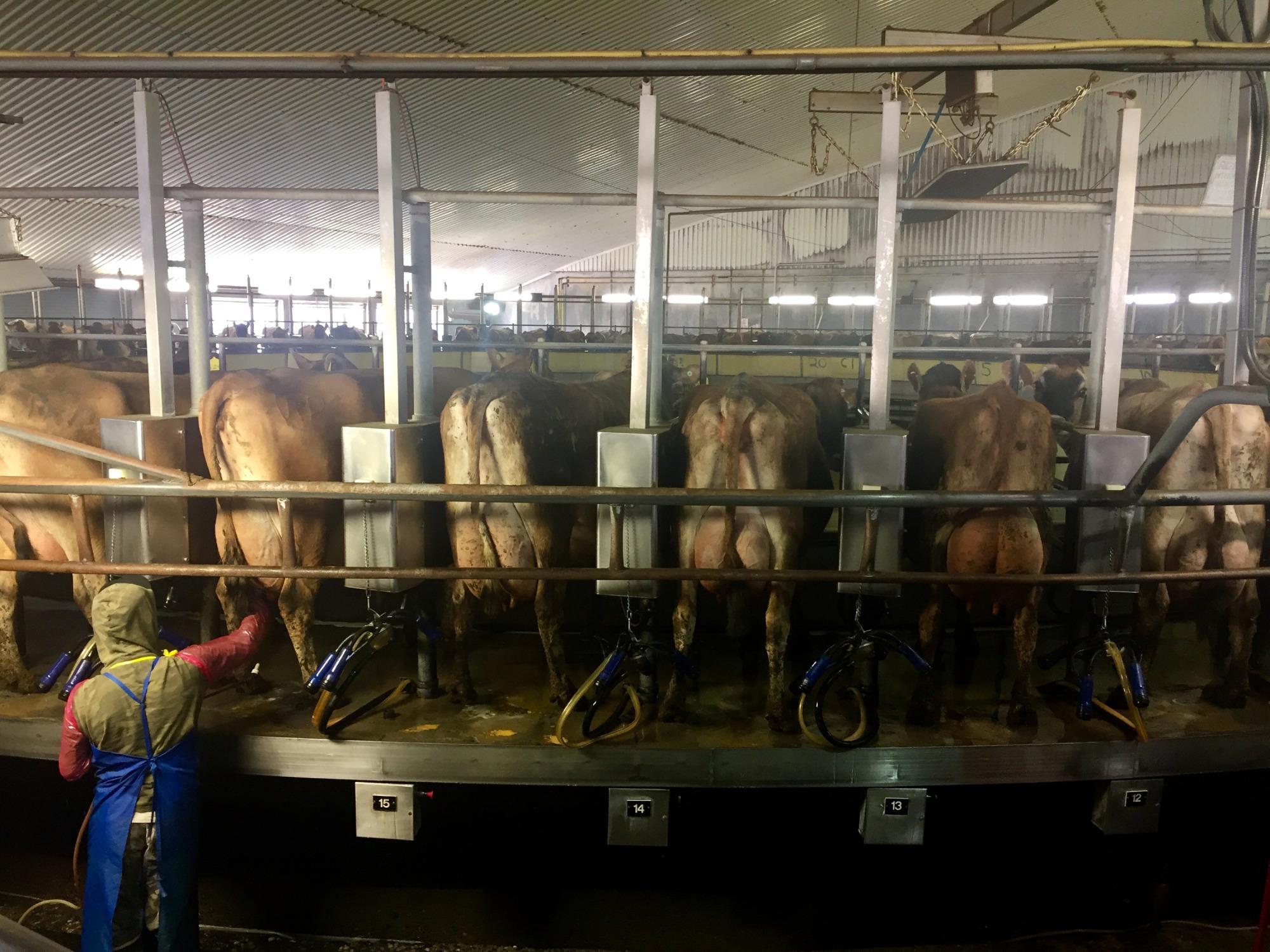
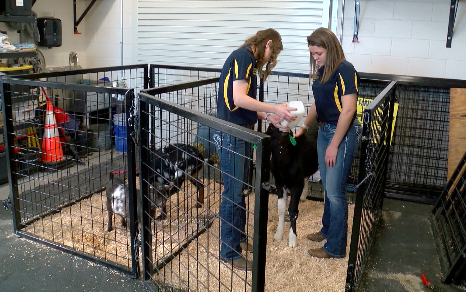
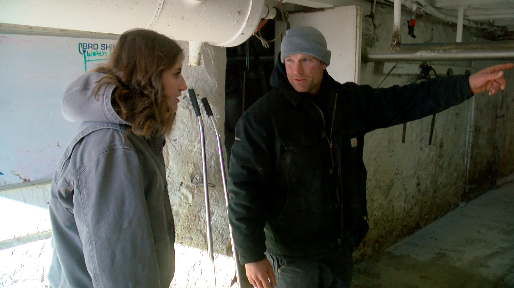
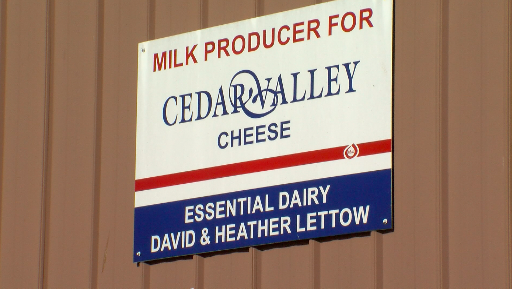
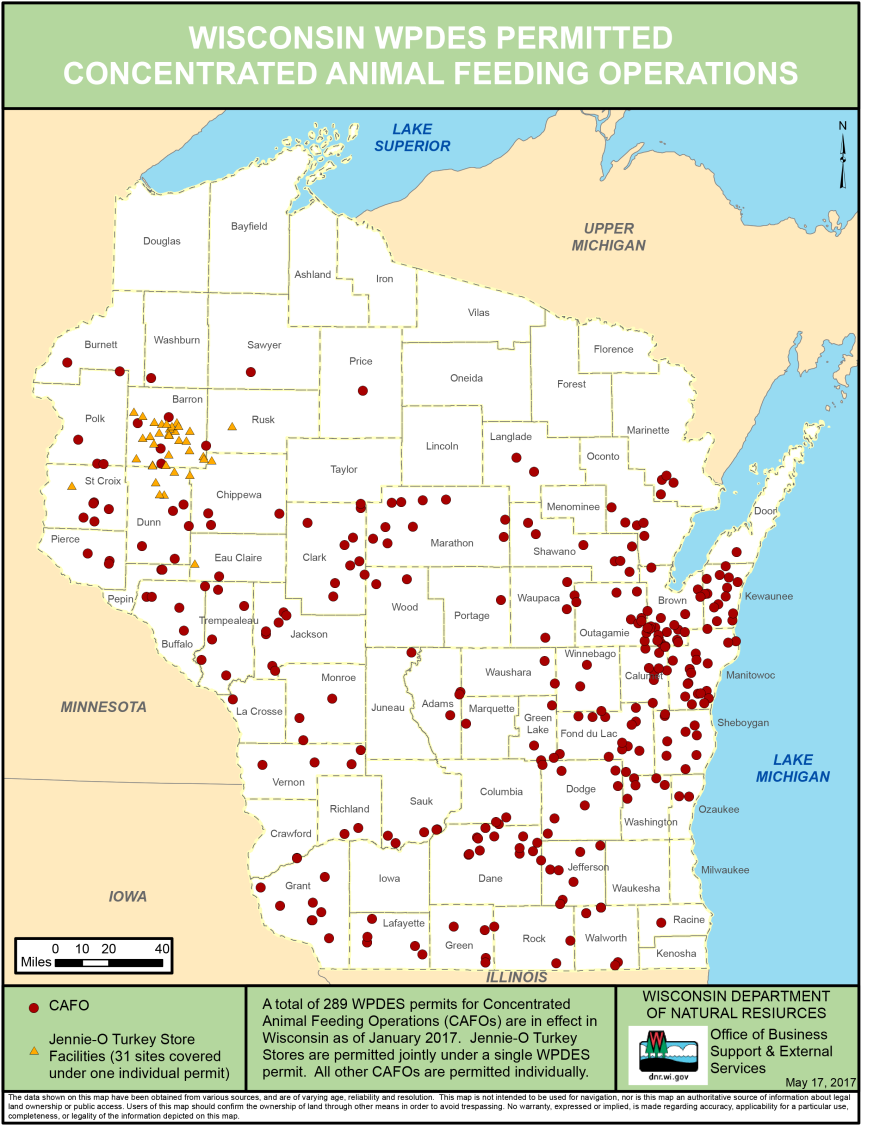
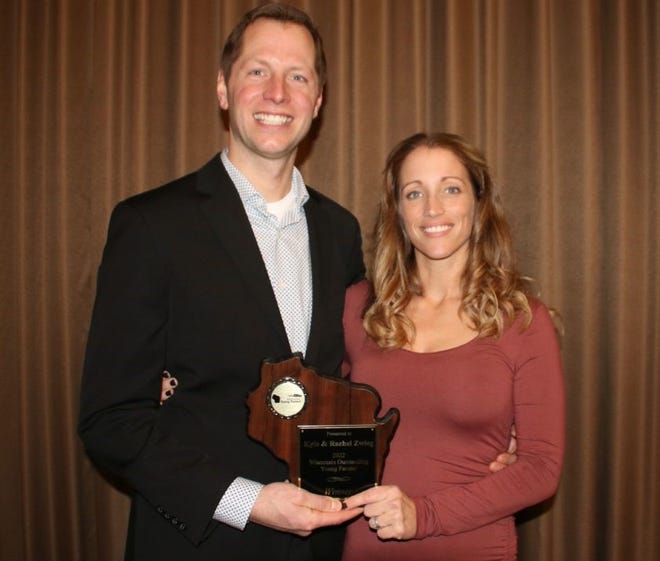 The Wisconsin Outstanding Young Farmer (OYF) program is pleased to announce Kyle and Rachel Zwieg of Ixonia, Wisconsin, were selected as the 2022 Wisconsin Outstanding Young Farmers during the 68th Annual Awards Weekend Jan. 21 – 22.
 The Holstein Foundation has selected Mary Knigge of Falls Church, VA as the 2022 Young Dairy Leaders Institute Distinguished Alumni Leader. The Holstein Foundation recognizes one Young Dairy Leaders Institute (YDLI) graduate annually who has made noteworthy contributions and applied skills gained during their YDLI experience for the advancement of the dairy industry.
 A black Holstein one owner didn’t want to bring to the New Zealand Dairy Event (NZDE) – and a Jersey who could have easily been eating grass at home – were named Junior All Breeds Champion and Reserve respectively at Feilding today.
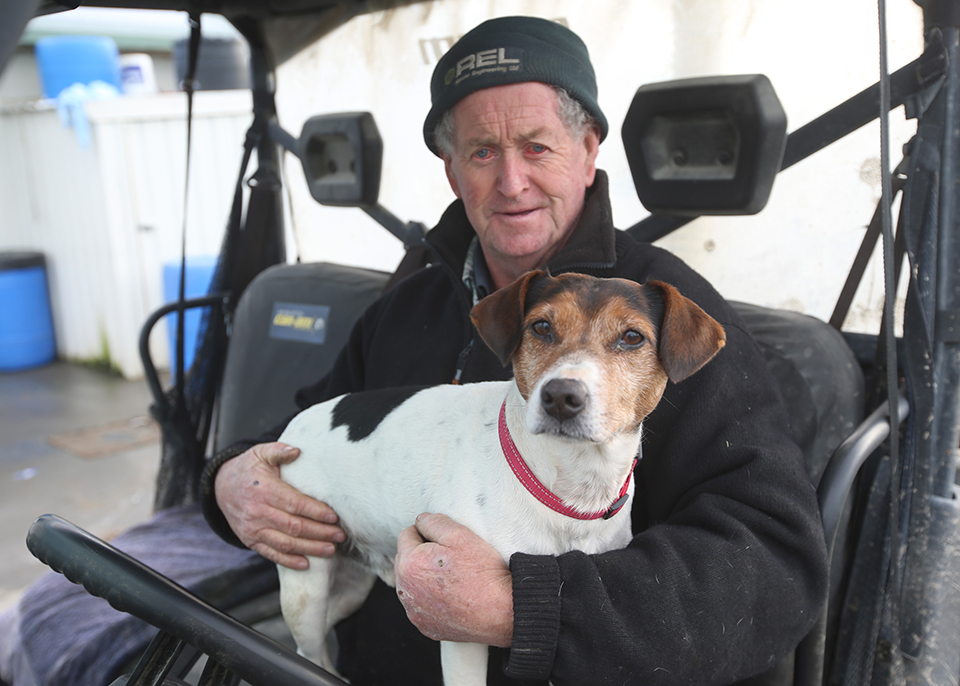 A free-stall barn has helped a Mid Canterbury family re-angle its dairy business and sustain production through some of the worst flooding their region had been exposed to in 200 years.
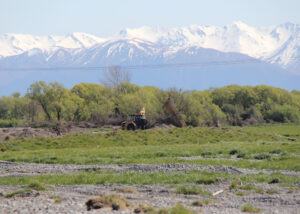
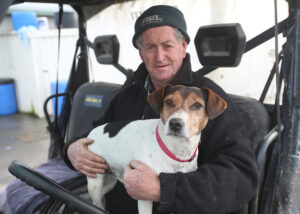
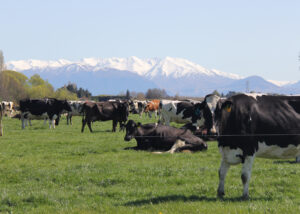
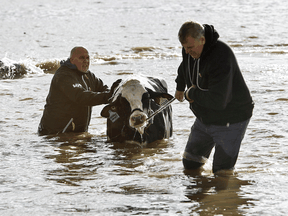
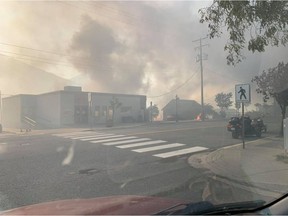
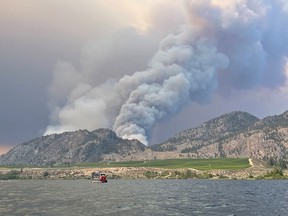
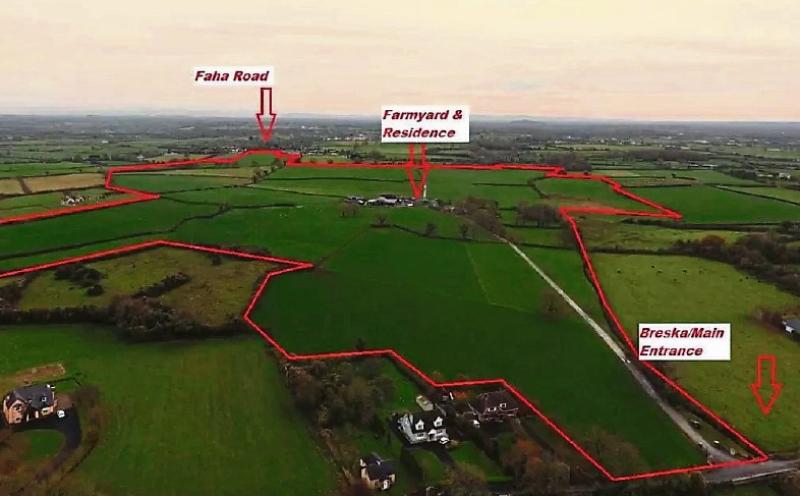
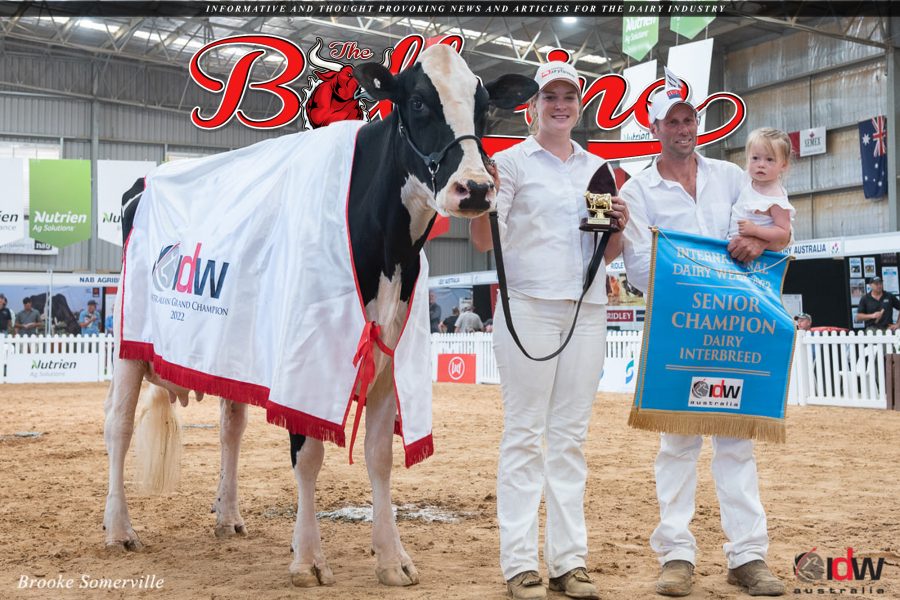

 Keep your priorities straight, take care of those around you, never take anything too seriously and love like crazy.






