Merck Animal Health, known as MSD Animal Health outside the United States and Canada, a division of Merck & Co., Inc., Kenilworth, New Jersey, USA (NYSE:MRK), announced a $250,000 donation to Iowa State University (ISU) to support the new Veterinary Diagnostic Laboratory.
“We’re grateful for Merck Animal Health’s support in assisting to build this state-of-the-art veterinary diagnostic lab which will allow Iowa State University to continue to develop innovative solutions for generations to come in a wide range of diagnostic services,” said Dan Grooms, D.V.M., Ph.D., the Dr. Stephen G. Juelsgaard Dean of Veterinary Medicine. “The diagnostic lab has long played a key role in advancing animal and public health while ensuring the world’s food supply is safe and plentiful.”
Construction on phase one of the facility is underway with a planned opening in 2023. Merck Animal Health’s donation will directly support the new “Science on Display” area which enhances educational opportunities for professional and graduate students, scientists, diagnosticians and practitioners.
Providing funding for the Veterinary Diagnostic Laboratory is one of several initiatives and collaborations between Merck Animal Health and ISU. Recently, Merck Animal Health and ISU announced a four-year strategic alliance that will bring together industry and university talent as part of a unique public-private partnership to address complex needs and expedite the delivery of animal health solutions to the marketplace. Merck Animal Health also has supported veterinary internships and scholarships as well as research and development projects at the university.
“We are excited to continue our long-standing partnership with ISU and be a part of this new state-of-the-art facility,” said Brent Meyer, D.V.M., M.S., beef technical services, Merck Animal Health. “Our investment is part of our commitment to the veterinary profession and in advancing the future of animal health.”
About Merck Animal Health
For over 130 years, Merck Animal Health, known as MSD outside the United States and Canada, has been inventing for life, bringing forward medicines and vaccines for many of the world’s most challenging diseases. Merck Animal Health, a division of Merck & Co., Inc., Kenilworth, New Jersey, USA, is the global animal health business unit of Merck. Through its commitment to The Science of Healthier Animals®, Merck Animal Health offers veterinarians, farmers, pet owners and governments one of the widest ranges of veterinary pharmaceuticals, vaccines and health management solutions and services as well as an extensive suite of connected technology that includes identification, traceability and monitoring products. Merck Animal Health is dedicated to preserving and improving the health, well-being and performance of animals and the people who care for them. It invests extensively in dynamic and comprehensive R&D resources and a modern, global supply chain. For more information, visit www.merck-animal-health.com.
About Iowa State University
Iowa State University, located in Ames, Iowa, and founded in 1858, is a renowned research university with a comprehensive land-grant mission of education, innovation, extension and outreach that benefits Iowans and the world. Innovate at Iowa State reflects the university’s national leadership for providing innovative and entrepreneurial opportunities for students of diverse backgrounds. Iowa State enrolls nearly 31,000 students and employs more than 6,000 faculty and staff.
The Iowa State College of Veterinary Medicine is the nation’s first public veterinary college and is widely renowned as one of the best. The Veterinary Diagnostic Laboratory is a national leader in protecting animal and human health. The Nanovaccine Institute, a consortium of 79 researchers at 23 universities, research institutes, national laboratories and companies coordinated by Iowa State, is dedicated to revolutionizing the prevention and treatment of disease through nanovaccines and nanotherapeutics.
Nineteen Wisconsin dairy companies will receive a DATCP Dairy Processor Grant in 2022. These grants aim to foster innovation, improve profitability, and sustain the long-term viability of Wisconsin’s dairy processing facilities.
“Wisconsin’s dairy industry is not only a vital part of our economy, but it’s core to our Wisconsin heritage and who we are as a state,” said Gov. Evers. “I was proud to increase funding for these grants in our last budget, and I am glad to be awarding these funds today to ensure our dairy processors can continue to grow their businesses and consumers across the globe can continue to enjoy high-quality dairy products from America’s Dairyland.”
As part of the 2021-23 biennial budget, Gov. Evers increased the annual funding for dairy processor grants from $200,000 to $400,000 to provide additional support to Wisconsin’s dairy industry. DATCP received 43 grant requests totaling more than $1.7 million.
“Wisconsin’s dairy processors are a critical element of our state’s thriving dairy industry,” said DATCP Secretary Randy Romanski. “As a national leader in the production of cheese, our processors are constantly seeking new technologies, modernizing, and finding new ways to meet the needs of consumers. These grants help processors accomplish those goals.”
Grant recipients
Alpine Slicing and Cheese, Monroe, $15,000 – Plant relocation and expansion to meet quality demands and the needs of customers and employees.
Brunkow Cheese, Darlington, $18,500 – Facility and process improvements to offer products to larger distributors and wholesalers.
Cedar Valley Cheese, Belgium, $25,000 – Development of a new retail cheese shredding process.
Decatur Swiss Co-op, Brodhead, $24,000 – Facility expansion to accommodate packaging, storage, cooler space, and an area for technological advancement.
Door Artisan Cheese, Egg Harbor, $25,000 – Development of an expanded marketing plan to reach new markets.
Henning Cheese, Kiel, $18,500 – Website development to bring the company’s website up-to-date for customers and corporate buyers to assist in increased sales.
Hill Valley Dairy, East Troy, $20,000 – Expansion planning to prepare dairy plant for a new facility.
Holland’s Family Cheese, Thorp, $22,000 – Expansion engineering and planning, including building and equipment designs, site development, financing, and marketing planning.
Landmark Creamery, Belleville, $22,000 – Cheese plant expansion to inform the public about agriculture, dairy farming, and cheese making.
Lynn Dairy, Granton, $25,000 – Purchase of a cheese belt to increase output and create a less labor-intensive process.
Milk Specialties Global, Fond du Lac, $28,000 – Partner with more small- to medium-sized cheese plants to provide a consistent and reliable return for whey.
Muscoda Protein Products, Muscoda, $28,000 – Pre-treatment study for anaerobic wastewater treatment plant to assist others in the design of future anaerobic digestion of dairy solids.
Renard’s Cheese, Algoma, $24,000 – Development of a new Factory Equipment Engineer Grant to ease the physical demands of artisan cheese making and increase production capabilities.
Specialty Cheese Company, Reeseville, $20,000 – Development of a reverse osmosis system for low protein whey.
Two Guernsey Girls Creamery, Freedom, $5,000 – Development of new products and expansion into block cheese production.
University of Wisconsin-Platteville, Platteville, $10,000 – Expansion of retail opportunities and technical knowledge for student managers and workers employed by Pioneer Sweets.
Westby Co-op Creamery, Westby, $25,000 – Plant modernization and expansion to utilize more milk and create new products.
Wisconsin Pride, Mauston, $25,000 – Facility expansion and installation of a brine system.
Wiskerchen Cheese, Auburndale, $20,000 – Hiring of a bilingual human resources and administrative assistant to streamline communications process with employees and department managers.
Since its inception in 2014, DATCP has received 161 dairy processor grant proposals requesting more than $6.3 million. DATCP has funded 85 of those proposals totaling $1.7 million. For more information on dairy processor grants, visit the DATCP website here.
California’s farms are the largest food producers in the nation, but ongoing drought conditions are wreaking havoc on this $50 billion sector.
Crop revenue losses, combined with groundwater over-pumping and upstream supply-chain impacts, may have slashed the state’s agricultural revenue as much as $1.7 billion in 2021, according to a new brief published by the Public Policy Institute of California.
Drought conditions last year also contributed to the loss of 14,600 related jobs, amounting to about 3 percent of a sector that employs more than 420,000 people, the authors stated.
While the economic effects of the 2021 drought may have only been “modest statewide,” the authors warned that persistent dry conditions in 2022 will likely exacerbate such impacts.
California’s farms have become increasingly productive as they’ve shifted to crops that produce more profit and jobs per unit of water, while also strengthening dairy and beef output, according to the brief. But the state’s reliance on irrigation amid decreasing water availability remains “an enduring concern.”
Despite improvements in irrigation efficiency, both climatic conditions and regulatory constraints have restricted the availability of surface water, and the over-pumping of groundwater has dried up wells, the brief explained.
“Climate change is making California’s variable climate even more volatile, with increasingly dramatic swings between wet and dry conditions—or ‘precipitation whiplash,’” the report said, citing a 2018 Nature article that coined this phrase. “At the same time, California is experiencing a megadrought along with much of the West, with chronic low precipitation and higher temperatures.”
As a result of the drought, surface water deliveries to farms in the state’s central valley and north coast regions dropped by 41 percent in 2021, in comparison to the 2002-2016 average, according to the brief.
Increased groundwater pumping raised farmers’ energy bills by about $184 million, while water shortages led to 395,000 excess acres of “idled land” — or land that is left unplanted — in 2021, the report found. Most of that idled land was in the Sacramento Valley.
In order to subsist with limited supplies, many farmers resorted to watering below the actual needs of their crops — a process known as “deficit irrigation,” which results in lower crop yields, the report explained.
Across impacted regions, the authors estimated that crop revenue losses and increased pumping costs amounted to about $1.1 billion, with about 8,700 jobs lost.
“Crop losses do not occur in a vacuum,” they warned, noting that upstream sectors also suffered as a result.
The brief therefore estimated that the 2021 drought’s true economic impact was as much as $1.7 billion in revenue losses and 14,600 in lost jobs.
Going forward, the brief’s authors suggested several policy changes to help California’s farmers adapt to a changing climate.
To mitigate the impacts of over-pumping, they suggested that groundwater agencies incentivize farmers to avoid such activity by paying for alternative solutions like replacing at-risk wells.
The authors also called for an acceleration of demand management strategies and “land repurposement” — such as a reorganization of perennial and annual crop mixes.
Lastly, they stressed the importance of improving water storage in underground recharge basins and upgrading conveyance infrastructure.
“Getting more water into the ground can help recharge groundwater basins and build up critical reserves,” the authors added.
World Dairy Expo Virtual Farm Tours have brought some of the best dairy operations from near and far to Madison for over 20 years. The four dairies to be featured during WDE 2022 continue that tradition while showcasing environmental stewardship, quality genetics, technology advancements, community involvement and more. During Expo’s Virtual Farm Tours, dairy owners and managers share a visual presentation with time for questions and an open discussion afterward. Tours are presented daily in Mendota Room 1 of the Exhibition Hall at 10:00 a.m.
Below is the 2022 World Dairy Expo Virtual Farm Tour schedule that can be enjoyed in person at WDE or online through ExpoTV at www.worlddairyexpo.com.
Walnutdale Farms has a rich history of farm tours for local and international communities. After a fire destroyed their milking parlor in 2010, Walnutdale Farms built back with a 50-stall rotary parlor. The farm raises all of its own replacement heifers and has programs that focus on environmental preservation.
Wednesday, October 5 Hosted by: Homestead Dairy, LLC., Plymouth, Ind. Sponsored by: Quality Liquid Feeds, Inc.
A fourth-generation farm, the Houin family manages Homestead Dairy, LLC with the future in mind. The family operates three farm sites featuring a double-25 parallel parlor, a double-12 parallel parlor and a barn with 36 Lely robots. In the past decade, Homestead Dairy, LLC has installed a methane digester, a manure dryer system for bedding, and new calf facilities.
Honored with a US Dairy Sustainability Award in the category of Outstanding Dairy Farm in 2016, it’s evident that the Bateman family is committed to sustainable practices for their family and the community. A solar farm, robotic dairy research facility, and a vertical forage-growing system are just a handful of the technologies implemented at Bateman’s Mosida Farms.
Friday, October 7 Hosted by: Skråmered, Våxtorp, Sweden Sponsored by: ProCROSS
Skråmered is regarded as one of the most exemplary dairy businesses in Sweden and was awarded Sweden’s Dairy Business of the Year Award in 2021 along with being a top-three production herd in 2020. Featuring ProCROSS genetics – VikingRed, Montbéliarde and Holstein – a primary objective of the farm is to adapt their genetics and management of cattle around the facilities they have compared to constantly building new facilities.
Serving as the meeting place of the global dairy industry, World Dairy Expo brings together the latest in dairy innovation and the best cattle in North America. The dairy industry will return to Madison, Wisconsin for the 55th event, October 2 – 7, 2022, when the world’s largest dairy-focused trade show, dairy and forage seminars, a world-class dairy cattle show and more will be on display. Download the World Dairy Expo mobile event app, visit worlddairyexpo.com or follow WDE on Facebook, Twitter, Instagram, LinkedIn, or YouTube for more information.
Chobani, a leading dairy foods brand, has ended production of its latest line of dairy milk products after less than three months. The US yogurt brand will return focus to its key product lines, including its growing range of oat-based milks and other plant-based products.
Chobani gained fame across North America for popularizing Greek yogurt, however, in recent years it has expanded into new markets including oat milk, oat-based yogurt, plant-based coffee creamers, and vegan probiotic drinks. The company recently launched a new dairy product line, Chobani Ultra-Filtered Milk, but has now dropped it. The company has not revealed the exact reasons for the discontinuation.
As first reported by Food Dive, one possible reason could have been rising inflation, although with the conventional dairy industry suffering stagnation and plant-based alternatives continuing their explosive growth, it is possible Chobani saw no viable future for the dairy milk range. The company has also announced plans to delay its IPO until later this year or 2023 due to several external factors.
“We have come to the tough conclusion that it does not make sense for Chobani to be in the dairy milk business at this time,” the company stated. “We did look at ways to evolve in order to continue servicing our customers, but at the end of the day, we thought it would be best to focus our resources and prioritize our core products, like yogurt, coffee creamers and oatmilk.”
The Wisconsin Department of Agriculture, Trade and Consumer Protection (DATCP) has certified 12 nominees that are eligible for election to the Dairy Farmers of Wisconsin (DFW) board of directors. Dairy farmers in affected districts will have until May 25, 2022 to vote on the following candidates:
District 3 Nominees: Mark Leder, Gleason and Gary Kohn, Medford
Lincoln, Oneida, Price, and Taylor counties
District 6 Nominee: Douglas Danielson, Cadot
Chippewa and Eau Claire counties
District 9 Nominee: Jeff Betley, Pulaski
Menominee, Shawano, and Waupaca counties
District 12 Nominee: Stephen Pankrantz, Marshfield
Portage, Waushara, and Wood counties
District 15 Nominees: Sandra Madland, Lyndon Station and Annette Trescher, Cashton
Adams, Juneau, and Monroe counties
District 18 Nominee: Rick Roden, West Bend
Kenosha, Milwaukee, Ozaukee, Racine, Sheboygan, Washington, and Waukesha counties
District 21 Nominee: Gail Klinkner, Viroqua
Crawford and Vernon counties
District 24 Nominees: Virgil Haag, Mt. Horeb; Tina Hinchley, Cambridge; and Carrie Chestnut Mess, Johnson Creek
Dane and Jefferson counties
DATCP confirmed that all certified candidates meet the eligibility criteria of being an active dairy producer or representative of an affected producer, selling milk into commercial channels, and residing within their respective districts. DATCP also certified each candidate’s timely nomination form, which included five signatures from active dairy producers within their district. To view the candidate biographies and more information on the election, visit www.wisconsindairy.org/elections.
To facilitate the voting process, DATCP has distributed mail-in ballots to dairy producers who reside within the eight affected districts. Producers who have not received a ballot by May 10, 2022 should request a ballot by contacting DATCP Market Orders Program Coordinator Debbie Gegare at (608) 224-5116 or debbie.gegare@Wisconsin.gov. Completed ballots must be signed and sent to WI DATCP, Marketing Order Program, P.O. Box 8911, Madison, WI 53708 and postmarked on or before May 25.
Election results will be announced at the end of June 2022 and elected producers will serve a three-year term beginning July 1, 2021.
New figures have confirmed that the Dairy State put out more cheese and other dairy products than any other state during the past calendar year. According to the USDA’s National Ag Statistics Service, Wisconsin produced an all-time high of 3.47 billion pounds of cheese varieties in 2021–about 11 percent more than the previous year’s total.
There were 188 dairy plants in production during 2021, which was seven fewer than a year earlier.
The report shows that total production of American, Italian, Muenster, and Hispanic cheeses were up last year in Wisconsin, while the output of Cheddar, Mozzarella, and other types of varieties fell. Dry whey production was also higher.
Meanwhile, total U.S. cheese production was 13.7 billion pounds, up 3.5 percent from 2020 levels. Wisconsin accounted for 25.3 percent of the nation’s production.
The state’s agriculture department is expected to release statistics on last year’s specialty cheese production this week.
A recent decision from the Eastern District of California illustrates the sometimes fine line between the need for plaintiffs to allege a claim for trade secret misappropriation in sufficient detail, while avoiding disclosing the trade secret in so much detail as to destroy it.
In Dairy, LLC v. Milk Moovement, Inc., Dairy, LLC (“Dairy”) sued Milk Moovement, Inc. and Milk Moovement, LLC (collectively, “Defendants”), alleging trade secret misappropriation under both the Defend Trade Secrets Act and the California Uniform Trade Secrets Act and intentional interference with contractual relations. No. 2:21-cv-02233, 2022 WL 1103822, at *1 (E.D. Cal. Apr. 13, 2022). Defendants moved to dismiss all claims pursuant to Federal Rule of Civil Procedure 12(b)(6). Id.
Dairy and Defendants all provide software to companies in the dairy industry. Id. Part of Dairy’s software, called the “producer payroll application,” helps users comply with federal regulations regarding the minimum milk prices paid to dairy producers. Id. The software also generates reports that help users “determine whether to participate in the federal ‘pool’ which sets a minimum price for different classes of milk.” Id.
In 2014, California Dairies Inc. (“CDI”) began using Dairy’s producer payroll application. Id. In September 2021, CDI entered into a software and services agreement with Defendants, and subsequently notified Dairy that it was terminating its software subscriptions. Id. Dairy’s trade secret claims are based on allegations that Defendants and CDI “had a call in which they discussed ‘confidential and trade secret information regarding [Dairy’s] producer payroll application and reporting capabilities’” and, further, that CDI employees shared with Defendants fifteen reports generated by Dairy’s software. Id. Dairy alleged that its user agreement with CDI restricted CDI from sharing this information. Id.
A plaintiff alleging trade secret misappropriation must “describe the subject matter of the trade secret with sufficient particularity to separate it from matters of general knowledge in the trade or of special knowledge of those persons … skilled in the trade.” Id. at *2 (quoting Imax Corp. v. Cinema Techs., Inc., 152 F.3d 1161, 1164-65 (9th Cir. 1998)). Defendants argued that Dairy’s allegations were insufficient to state a claim pursuant to Rule 12(b)(6), in part because Dairy failed to identify its trade secrets with sufficient particularity. Id.
In denying Defendants’ motion to dismiss, the court explained that Dairy repeatedly described its trade secret throughout its First Amended Complaint. Specifically, Dairy alleged that its “software includes and implements a methodology for handling [Federal Milk Marketing Order] pooling that is unique in the industry and is Dairy’s trade secret.” Id. Dairy further identified the trade secret as “[t]he elements of Dairy’s producer payroll application that enable Dairy’s clients to easily and efficiently make decisions about what milk to pool, designate milk for pooling, and generate accurate reports and invoices to comply with [federal regulations].” Id. Rather than “broadly stat[ing] that plaintiff’s software is its trade secret,” the court found that Dairy identified and described a “single, distinct system and the components therein,” specifically, the producer payroll application’s pooling methodology. Id. (citing InteliClear, LLC v. ETC Glob. Holdings, No. 2:18-v-10342, 2019 WL 3000648, at *2 (C.D. Cal. Apr. 5, 2019)).
Further, the court determined that Dairy’s trade secret did not “lack[] boundaries,” even though Dairy alleged that “the trade secret information is ‘including, but not limited to’ the pooling methodology and the pooling methodology is ‘amongst Dairy’s trade secrets.’” Id. Dairy specifically identified the pooling methodology as a trade secret, and appropriately used language that left open the possibility of identifying additional trade secrets later, which was permissible at the pleading stage. Id. (citing InteliClear, LLC v. ETC Glob. Holdings, 978 F.3d 653, 659 (9th Cir. 2020)). Accordingly, the court concluded that Dairy identified its trade secret with sufficient particularly to state a claim for trade secret misappropriation. Id. at *3.
This case shows that plaintiffs can satisfy minimum pleading requirements to sufficiently allege trade secret misappropriation by describing, in relatively general terms, a distinct system and its purpose. Doing so allows plaintiffs to overcome a motion to dismiss and “moo-ve” past the pleading stage without revealing the details of the trade secret.
Dairy producers in eight Wisconsin Milk Marketing Board districts have until May 25 to vote for candidates in the check-off’s mail-in ballot election.
This year, six of the eight incumbents in eligible districts have been re-nominated for their positions on the Dairy Farmers of Wisconsin board, with two of them facing challengers. There will also be at least two newcomers on the board representing districts where the current directors are stepping down.
Jeff Betley of Pulaski is running unopposed in District 9, where current board chairman Jeff Strassburg from Wittenberg is stepping down. And in District 15, Sandra Madland, Lyndon Station and Annette Trescher, Cashton, are squaring off for the seat being vacated by Mary Cook of Wilton.
In District 3, Gary Kohn, Medford, is challenging incumbent Mark Leder from Gleason, while two nominees will face incumbent Virgil Haag, Mt. Horeb, in District 24. They include Tina Hinchley of Cambridge and Carrie Chestnut Mess from Johnson Creek.
The remaining incumbents not facing opposition this year include Douglas Danielson, Cadot (District 6); Steve Pankratz, Marshfield (District 12); Rick Roden, West Bend (District 18); and Gail Klinkner, Viroqua (District 21).
Each year one-third of the board’s 25 seats are selected. As directors, the board members supervise the dairy check-off’s business affairs, formulate and set policies, and serve on one various committees.
Elected producers will serve three-year terms beginning July 1.
With over 800,000 bulbs planted in the ground, 16,000 Crape Myrtles and 18,000 Azaleas, Barber Motorsports Park is exploding with springtime color. It’s a setting so serene and so naturally beautiful, it has earned the reputation as the “August National of Motorsports.”
This weekend’s Honda Indy Grand Prix of Alabama is the NTT IndyCar Series’ annual trip to the Deep South. It has been an instant hit since the first time IndyCar competed here on August 11, 2010.
The annual Indianapolis 500 at the Indianapolis Motor Speedway on Memorial Day Weekend may be IndyCar’s version of “The Masters” but Barber Motorsports Park is certainly its Augusta National.
Sunday’s race at the 2.3-mile, 17-turn road course in Leeds, Alabama, just outside of Birmingham, has become one of the most popular, and most successful, races on the IndyCar schedule. Sunday’s Honda Indy Grand Prix of Alabama was announced as a sellout, one week ago.
With all of the land available to witness a race at the facility, how does a road course sell out?
When George Barber created this magnificent racing facility, he wanted his spectators to have a premium experience. It was more important to him to host 30,000 or 40,000 spectators per day in comfortable surroundings, than it was to jam them into the facility.
It’s quality, not quantity, that has always been important to the 82-year-old former owner of Barber Pure Milk Dai DAI-0.1%ry – a popular Alabama milk producer before it was sold to Dean Foods DF0.0% in 1997.
In an exclusive interview with Barber on April 27, he told me how an Alabama dairy owner created the Augusta National of Motorsports.
“I don’t want to put you in a stand where you are elbow to elbow with somebody for a couple hours,” Barber explained. “That just doesn’t work. I want to sit you on a bank with a shade tree and your beer cooler and then get tired of looking at the race from that point and get on the tram and go to the next corner.
In 1967, 17,000 acres of farmland were designated as the San Bernardino County Dairy Preserve. The South Ontario Logistics Center, recently approved by the Ontario City Council, would pave over former preserve lands, some of which were also set aside for conservation through a state fund.
In 1976, my parents bought a three-bedroom home in Chino at the western edge of San Bernardino County. The idea was to escape growing neighborhood gang violence in the Los Angeles Crenshaw area and halve my father’s 40-mile commute to Anaheim. The new house sat on a sprawling lot of over an acre, surrounded by other homes and horse stables. Remnants of former orange groves and ranching still characterized the area. My parents were going to live the “country life:” grow vegetables, raise chickens and tend fruit trees, especially when my father retired in ten years.
In 1976, the author’s parents bought a ranch-style home and moved to Chino, where they planned to retire in ten years and live a rural life. | Ann Kaneko
Unfortunately, that dream did not play out. My parents fell prey to industrial development and were pressured into selling their property. The home they had purchased was north of Riverside Drive, on unincorporated land, close to the Pomona (60) and Corona (71) freeways: developers targeted this area for industrial business parks. Although some of the last holdouts, my parents eventually caved, accepting the seeming inevitability of development. They abandoned their dream and moved back to Los Angeles to be closer to friends and family — less than two years into my father’s retirement.
What my family experienced over 30 years ago was just the start of a massive transformation of the Inland Empire. Because of its proximity to the ports of Long Beach and L.A., the Inland Empire became a transportation hub during California’s citrus heyday and then during World War II. But the infrastructure built then pales in comparison to what came after. According to data from the Robert Redford Conservancy, the number of warehouses in San Bernardino and County has grown from 24 in 1975 to 3,176 in 2021, paving over 23 square miles of the county. That is equivalent to 82 percent of the City of Chino, or over half of the area of neighboring Ontario.
In 1976, when the author’s family first moved to Chino, their home was surrounded by open space and homes; native black walnut trees still filled the front yard. | Ann Kaneko
As a teenager trying to escape the monotony of suburban life, I remember taking marathon bike rides from the northwest corner of Chino, heading east, through miles of open land, crossing unpaved roads lined with eucalyptus trees and smelling the sharp aroma of cow manure. Now, housing developments and business parks dominate the landscape until you cross Euclid Avenue (83) into the City of Ontario, where a few dairies and farms survive. This area, formerly a dairy preserve, is ground zero for a battle to preserve and reclaim land from warehouse development.
The land in question is 219.39 acres of Ontario agricultural fields, where the South Ontario Logistics Center Specific Planhas been proposed. It is part of what locals call the “donut hole,” approximately 4,000 remaining acres of open dairy and farmland in the middle of encroaching urban development. Most of this land is made up of former dairies that have already been bought out, and it also includes some land under conservation easement, so-called Prop 70 lands, that were supposed to be protected with state bond money as agriculture in perpetuity.
The author’s uncle and father in their backyard in Chino. By 1984, industrial parks had already started going up around the house, where a few years before there had only been homes and open land. | Ann Kaneko
Residents, including environmentalists, urban farmers and local civic groups, are fighting against the South Ontario Logistics Center Specific Plan, demanding that Ontario evaluate more sustainable land-use possibilities, given the air pollution and local health impacts of warehouses, as well as climate change concerns. They want the City to consider an alternate vision, which would halt rezoning, set aside farmlands for small-scale farmers, and initiate the reclamation of former dairy lands contaminated by nitrous oxide and carbon dioxide from years of cow manure.
Farmers like Randy Beckendam, of the Southern California Agricultural Land Foundation, want the City to consider support for local food systems, the importance of which were highlighted during COVID-19 supply chain disruptions.
The history of the San Bernardino County Dairy Preserve
The “donut hole,” the last remaining open land in Ontario and neighboring cities, was legislated as a conservation district in the 1960s. In the 1950s, mostly Dutch but also Portuguese and Basque dairymen settled in Chino and Ontario after being incentivized to sell out their Artesia, Cerritos and Paramount dairies to suburban developers. In 1967, under the 1965 Williamson Act, 17,000 acres were designated as the San Bernardino County Dairy Preserve. The law gave considerable tax breaks to property owners who agreed to restrict their land to agriculture for at least ten years, but the land was not protected in perpetuity.
In the initial years, dairy farmers who were part of the preserve thrived. The region produced most of Southern California’s milk and during its heyday, in the late 1980s, the preserve was home to over 400 dairies and 350,000 cows, the largest concentration in the US.
Cows line up for feed at the J&D Star Dairy in 2009 in Chino before San Bernardino County sold this land to developers in 2014. | Ann Kaneko
Dairy is a highly polluting industry, and as toxic waste from cows accumulated on the land, farmers could see that implementing cleaner practices would start to impact their profit margins. Dairy waste made these lands undesirable for home development, and city planners in San Bernardino and Riverside saw huge revenue sources that could be “milked” through mixed-use development, literally paving over the dairy stench to make way for the logistics industry. As dairy operation costs and property prices rose, developers lured farmers to sell, and San Bernardino County officials decided to break up the preserve, allowing dairy farmers to withdraw from their contracts early and cash out their lands.
In 1986, Jerry Blum, current director of the Ontario Planning Department said, “In its truest sense, this is a brownfield — about four feet thick! … Our point was, let’s build the hell out of this place because it’s the doughnut hole. It’s surrounded by urban uses. It’s not habitat for anything.”
Meanwhile dairies moved to cheaper lands in Tulare and Merced counties, continuing the cycle of dairying on cheap land and then selling to developers for high prices.
By 2009, tract homes already had begun to encroach on dairyland. At the now-closed J & D Star Dairy, the smell of manure hung in the air while cows bumped up against homes. | Ann Kaneko
In 1999, the City of Ontario annexed 8,200 acres of former dairy preserve land. In 2003, the City of Chino annexed 5,300 acres while Chino Hills annexed the remaining few hundred acres. In 2002, Chino Mayor Eunice Ulloa announced a 5,226-acre master plan called “The Preserve at Chino,” developing much of the city’s newly-acquired dairy preserve land into a mixed-use landscape of homes and industry.
Paving over Prop 70 conservation lands
In 1988, as the dairies were starting to sell, then San Bernardino County Supervisory Larry Walker received 20 million dollars of Prop 70 funds, state bond money set aside to rehabilitate and protect natural lands supporting unique or endangered species and to place them under conservation easements in perpetuity.
The Southern California Agricultural Land Foundation was founded to manage 350 acres of former dairy lands in Ontario that were purchased with the Prop 70 funds. However, these agricultural lands were not placed under conservation easements and development rights were never retired, as required by the state. Some of these Prop 70 lands are part of the area that is currently under consideration for the South Ontario Logistics Center Specific Plan; farm conservation advocates describe the potential sale of these lands as a violation of public trust.
If the plan goes through, it wouldn’t be the first time Prop 70 lands in the Inland Empire have been purchased and developed for warehouse use. J & D Star Dairy, one of Chino’s last remaining large scale dairies, sat on land leased from San Bernardino County, which auctioned off these lands in 2014. Developers snatched up the dairylands for over 65 million dollars. The dairy shut down in 2018, and now a massive parking lot and Fedex-Chino warehouse lie at the corner of Merrill and Flight avenues where hundreds of cows used to moo and graze.
A sign demarcates “The Preserve at Chino,” the housing and warehouse development built on Chino’s former dairy preserve lands. Meanwhile, another development across Merrill Avenue, in the City of Ontario, is under construction. | Ann Kaneko
Developers have also been chipping away at the former farmland adjacent to the Chino Airport, buying out dairies, cleaning up contaminated water supplies, pushing for rezoning and building warehouses. Dairy farms that stretched from the airport in all directions have been replaced by warehouses, including Amazon, Nike and Fedex. At the Watson Industrial Park, Chino — part of Chino’s “The Preserve” development — all that remain are bronze cows, grazing on warehouse lawns.
The fight against the South Ontario Logistics Center
At a March 1 Ontario City Council meeting, residents voiced opposition to the South Ontario Logistics Center Specific Plan, urging members of the City Council to vote “no” on a General Plan to amend zoning. A coalition of environmental and resident groups insisted that the City consider the well-being of residents who are already fed up with growing air pollution and traffic congestion from warehouses. They gathered over 1,000 signatures in an opposition letter that outlined their concerns and urged the City to consider the current climate crisis.
Many at the meeting pointed out how the city council has aligned with developers, anticipating higher tax dollars generated by industrial uses. During public comments, Andrea Galvan, who grew up down the street from City Hall, said, “The City is evolving in a way I didn’t expect. I’m here today like many of my neighbors to voice opposition to taking away farmland to allocate for warehouse industrial use….We live somewhere special, and you would give that up for short term tax revenue?”
Lifelong Ontario resident Angela Miramontes argued that while warehouses do create jobs in the short term, the jobs are low paid, and not worth the cost of increased air pollution and ongoing greenhouse gas emissions that warehouses entail. “We and you need to think about more than money,” she told the council.
Ontario residents make their voices heard at the March 1 City Council meeting where the South Ontario Logistics Center plan was approved. | Ann Kaneko
Labor unions including Ironworkers 416 and 433, Plumbers, Steamfitters Union Local 398, and Laborers International Union of North America (LIUNA) showed up to support the project. Ralph Velador of LIUNA said, “We have partnered with the developer because their core beliefs of well-paid benefit construction jobs with health care and pensions mirror ours.”
After public comments, City Council Member Debora Dorst-Porada defended the city’s position, noting that the city was not making anyone sell their land. “They’re selling their land because they want to for whatever reason they want to….It’s difficult these days to operate a dairy and be successful,” she said.
Despite the feisty opposition, the City Council voted unanimously in favor of the logistics plan, siding with developers and labor constituents who would benefit from short term construction jobs.
The South Ontario Logistics Center would pave over 219.39 acres of agricultural fields. It was approved by the city council on March 1st; opponents have launched a referendum campaign. | Kimley Horn Draft Environmental Impact Report for the City of Ontario
The current fight against the South Ontario Logistics Center is not over. The Center for Community Action and Environmental Justice, an Inland Empire environmental justice organization, is suing the City of Ontario over what it claims was a fast tracking of the project’s environmental impact review and failure to give proper time for community input.
The opposition attempted to gather 10,000 signatures for a referendum campaign that would override the city council’s ordinance and allow Ontario residents to vote on the logistics center plan, but they weren’t able to collect these by May 2. They are now strategizing next steps to put pressure on the City.
An alternate vision of a sustainable food system
The coalition opposing the logistics center plan includes the Pitzer College-based Robert Redford Conservancy, the Southern California Agricultural Lands Foundation, the Sierra Club, Inland Valley Advocates for the Environment, the League of United Latin American Citizens and many other non-profit and civic groups. They are urging the City of Ontario to retire the development rights on all Prop 70 lands in the City and place them under permanent conservation easements.
The author’s mother holds up a harvest of Elberta peaches from their yard in 1977. | Ann Kaneko
Instead of warehouses, these groups envision a future master plan for the 4,000 acres of “donut hole” lands that could include reclaiming and restoring dairy lands and creating space for community food gardens. They are encouraging the creation of land trusts for food-producing nonprofits, which would support farmer training, biodiversity and community health.
Models include the flourishing Huerta del Valle community garden in Ontario and Jurupa Valley and Just Plant It, a non-profit in San Bernardino; both provide organic produce in food deserts. The coalition is also exploring net-zero housing models that combine lower and median density housing with agriculture.
An industrial business park now stands at the corner of Riverside Drive and Reservoir Avenue where the author’s home once stood. | Ann Kaneko
My own family’s story, like so many in the area, ended with us selling our land. These residents and advocates are fighting to change the narrative that rampant industrial development is inevitable; they are helping to rewrite the story of this area. By bringing environmentalists, farmers and other residents together, they hope to reclaim lands for more healthy and sustainable uses.
One of Wisconsin’s largest dairy farms is suing the Wisconsin Department of Natural Resources over changes to its wastewater permit that require the operators to limit the size of their herd and begin monitoring groundwater in an area where nitrate contamination has occurred.
Kinnard Farms in Kewaunee County says in its complaint that the business will be harmed if it isn’t allowed to expand its herd and will be burdened by the cost of a groundwater monitoring system.
The Kinnard operation includes 16 industrial farms with about 8,000 cows.
It has struggled with agricultural pollution for years as contaminants began showing up in private wells.
DAIRY farmers affected by Fonterra’s controversial clawback scheme are being urged to join a class action seeking compensation.
In May 2016 the dairy giant retrospectively revised the milk prices it had set for the season with no notice for farmers.
The farmgate milk price step down cost affected dairy farmers across the south-west, who were forced to effectively return money that Fonterra had already paid them.
Law firm Adley Burstyner is leading the class action, but declined to reveal the number of farmers affected in the region, what it cost them, and how much it would cost farmers to participate.
The case, which is currently underway in the Supreme Court of Victoria, alleges that Fonterra engaged in misleading and deceptive conduct, acted unconscionably and breached contracts it had with dairy farmers.
However a Fonterra spokeswoman denied all allegations, and said relationships with the farmers affected have since been repaired.
“The class action is funded by an organisation whose sole purpose is to cover the cost of litigation to gain a commercial return,” she said.
“Since then, we have completely overhauled our relationship with farmers, and we are proud of the partnerships we now have with them, our role in the industry and what we give back to our local communities.
“The ACCC investigated the 2016 milk price reduction and decided not to take any action against us.
“We deny the allegations raised in the class action and are defending the case vigorously. We remain confident of our position.”
Farmers who have been affected, and are seeking compensation, can attend an information session in mid-May and register to participate in the class action.
Mark Billing, fourth generation owner of Craiglands Partnership dairy farm in Larpent near Colac, spoke about the impact of Fonterra’s step down on his business and family.
“We had just begun calving when word came about the price change. It had been a tough summer and we’d made quite a large financial commitment to set ourselves up for the season, all based on Fonterra’s advertised price,” Mr Billing said.
“We had the rug pulled out from under us and worked out pretty quickly that we were in trouble. The next few years were a big struggle for our family personally, and also our staff who had to take on reduced work hours just so we could make it through to where we are today.”
Mr Billing was also chair of the Fonterra supply forum at the time of the May 2016 step down, a position he no longer holds.
“Individually, each of us farmers who were affected would struggle to go up against a giant like Fonterra, but there’s strength in numbers. That is why this class action is so important. I know that for my family the main thing we’re hoping to get out of this process is closure.”
Adley Burstyner will hold information sessions in Warrnambool on May 16, 12pm, and Camperdown May 16, 7pm.
The trade fair takes place 15-18 November in Hanover, Germany
Strong exhibitor interest is being registered for the EuroTier trade fair, to be held in Hanover, Germany from the 15th to the 18th of November 2022. Seven months before the start of the trade fair, 80% of the exhibition space has already been booked. Many of the world’s leading companies that offer technical solutions for modern animal husbandry will be present at the world’s leading trade fair for animal farming and livestock management. The trade fair is a platform to meet practitioners and experts live, accompanied by an international technical program with conferences and partners on key topics in international pig, cattle and poultry production.
EnergyDecentral, which takes place in parallel with EuroTier, focuses on the opportunities offered by decentralised energy generation as part of the current energy debate.
EuroTier, the world’s leading trade fair for animal farming and livestock management, plays a central role in the national and international livestock industry with its overarching concept for the entire value chain for the production of food of animal origin.
“With the guiding theme ‘Transforming Animal Farming’, we have our finger on the pulse. The high level of exhibitor interest shows that, even in challenging times, EuroTier is the leading platform not only for showcasing leading technology and innovation, but also for discussing the influencing factors for successful livestock farming,” said Ines Rathke, EuroTier project manager.
The trade fair portfolio covers key livestock products and services, including: genetics, breeding programs and reproduction technology; feedstuffs and storage; feeding technology and techniques; animal housing systems; climate and environmental technology; milking and cooling technology; manure management; transport and logistics; operating resources; accessories; processing; consulting, marketing and services, including direct farm sales.
“In a world with ever-increasing requirements, EuroTier is the solution platform for livestock farmers,” said Bernd Meerpohl, Big Dutchman AG.
Complementing the exhibitors’ wide offerings, the accompanying technical program of EuroTier, guided by theme “Transforming Animal Farming”, offers professional information, discussion forums and international conferences on current issues in professional animal husbandry. These include the “International Cattle & Pig Event”, the “International Poultry Event” and the “TopTierTreff” event for cattle genetics. In addition, the German Association of Practicing Veterinarians (bpt) will hold its annual congress at EuroTier, bpt Congress, which will be attended by more than 2,500 veterinarians. The associated veterinary trade fair is held parallel to EuroTier 2022.
Bill S 4030, the Cattle Price Discovery and Transparency Act of 2022, and S 3870 the Meat and Poultry Special Investigator Act of 2022.
S 4030 would require beef packers to buy more of their cattle in “open, competitive markets.” Its proponents believe a lack of competition due to heavy concentration in the meatpacking industry is giving packers too much market power, to the detriment of both consumers and farmers and ranchers. The measure (S 4030) now has a total of 19 co-sponsors in the Senate, including nine Republicans and 10 Democrats. The legislation is being spearheaded by Sens. Chuck Grassley (R-Iowa), Deb Fischer (R-Neb.), Jon Tester (D-Mont.) and Ron Wyden (D-Ore.).
“Today’s marketplace is more consolidated than it was in 1921, when this body passed the Packers and Stockyards Act. Rural America is drying up because we can’t get fair prices at the farmgate. Capitalism isn’t working, in this particular instance, because of concentration and consolidation in the industry,” said Sen. Tester.
Meatpackers currently acquire the majority of their cattle by contracting with individual producers. The Cattle Market Transparency Act would require more public disclosure of what packers are paying for their cattle and also require the packers to buy more cattle through competitive cash markets.
Packers argue there is nothing inherently wrong with cattle markets, attributing the price changes to natural supply and demand forces and market disruptions like the pandemic.
The North American Meat Institute in a statement urged members of the Senate Ag Committee to reject the Grassley-Fischer bill’s mandates and federal intrusion in the beef and cattle markets. “Leading agricultural economists have determined Grassley-Fischer bill’s latest draft remains costly to producers, especially producers in Texas, Oklahoma and Kansas where the majority of U.S. fed cattle are raised,” said Meat Institute President and CEO Julie Anna Potts. “Due to a shrinking herd and sustained consumer demand, cattle prices are at seven-year-highs without federal intervention in the market.”
Economists from the Agricultural and Food Policy Center at Texas A&M University found that the latest Grassley-Fischer bill, S 4030, could cost producers even more than an earlier estimate of $112 million over five years ($50 a head on 2.3 million head). The economists found the mandate would have regional disparities: the Texas-Oklahoma-New Mexico region, Kansas, and Nebraska would shoulder most of the costs, while the Iowa-Minnesota region would escape relatively unscathed (see chart).
In her testimony Potts said: “…applying the cash market mandate to only the largest packers reveals the proposed mandate for what it is: a punitive tool. Under the latest version of the bill, if a beef packer gets too large, they will be forced to buy a certain percentage of cattle on the cash market. Gone is the illusion that the cash market is somehow more virtuous than other means of marketing cattle; gone is the argument that the cash market is necessary for transparency and price discovery. Instead, the cash market mandate is just that: a government mandate designed to punish the largest companies and their suppliers. In this sense, the mandate is an antitrust tool that could be used in any industry. If a company gets too large, it will be punished with a government mandate directing how the company can purchase inputs. Such a government mandate should elicit opposition from anyone interested in protecting the free market.”
Sen. John Boozman (R-Ark.), ranking panel member, said under the proposed measure, the number of cattle marketed under alternative marketing agreements (AMAs) will decrease and the number of cattle sold in the cash market will increase. “For example, in Texas, Oklahoma and New Mexico, between 340 thousand and 2.5 million fed cattle will need to move out of formula contracts annually. In Iowa and Minnesota, it’s fewer than two thousand head a year.”
The hearings also heard from Andy Green, USDA’s senior advisor for market competition, Agricultural Marketing Service Administrator Bruce Summers, and a separate panel of ag economists and producers. Green said, “In general, we are intending to be as careful — input-driven, fact-driven — as we possibly can and take into account all the different viewpoints of a complex and complicated industry.”
“Today’s competition challenges in our cattle markets didn’t happen overnight; we’ve been at this a long time. These challenges have been decades in the making & didn’t just come about because the Holcomb fire in 2019 nor the Covid-19 pandemic,” said Sen. Cindy Hyde-Smith (R-Miss.).
The panel of producers — Shelly Ziesch from North Dakota, William Ruffin from Mississippi and Shawn Tiffany from Kansas who is also president-elect of the Kansas Livestock Association — and Dr. Stephen Koontz from Colorado State University had some clear divisions. Ziesch and Ruffin both back the legislation and Ruffin specifically said that he did not see a price downturn as a cow/calf operator when more negotiated sales took place in the region he is in. His often-stated response was that he lacked information on the basic market, leaving him unable to determine what is a fair market value for his cattle. Ziesch echoed that, saying that without more cash-market information, she is unable to determine that fair value.
Tiffany, however, cautioned that he feared that premiums that are currently available to him and others that feed cattle via marketing agreements would disappear if more negotiated cash sales were mandated to take place. He explained that the decisions he makes are made perhaps years in advance of the cattle actually going to market. Koontz also cautioned against the provisions in the bill mandating cash sales by region. He, too, said his research and research he is familiar with conclude that it would lower cattle in general. He also pointed out that some of what is happening in the market is from the market being “out of balance — too many cattle and not enough capacity.” He said that was a marked change from what had been seen for an extended period where there was too much capacity and too few cattle.
Bottom line: There continues to be a lot of differences on this controversial measure, and it is murky whether supporters can find enough votes to get it through the full Senate. Meanwhile, it will be interesting to see if Farm Bureau and/or NCBA releases any statement on the topic, or release updated recommendations on the subjects at hand. The hearing underscored the differences that remain over this issue and why getting agreement on a single piece of legislation will be extremely difficult, also underscored by how long it took to generate the package which finally got to the point of having a hearing before the Senate Ag Committee.
IMPORTANT NOTE: I am not a futures broker and do not manage any trading accounts other than my own personal account. It is my goal to point out to you potential trading opportunities. However, it is up to you to: (1) decide when and if you want to initiate any traders and (2) determine the size of any trades you may initiate. Any trades I discuss are hypothetical in nature.
Here is what the Commodity Futures Trading Commission (CFTC) has said about futures trading (and I agree 100%): 1. Trading commodity futures and options is not for everyone. IT IS A VOLATILE, COMPLEX AND RISKY BUSINESS. Before you invest any money in futures or options contracts, you should consider your financial experience, goals and financial resources, and know how much you can afford to lose above and beyond your initial payment to a broker. You should understand commodity futures and options contracts and your obligations in entering into those contracts. You should understand your exposure to risk and other aspects of trading by thoroughly reviewing the risk disclosure documents your broker is required to give you.
Applications are now open for places on the five-strong Australian team set to compete at the 20th anniversary Young Breeders School in Battice, Belgium, in late August with young dairy men and women representing all dairy breeds encouraged to apply.
An Australian team competed at the Young Breeders School for the first time in 2019, with all team members finishing in the top third of the results, three in the top fifteen. With the event, formerly known as the European Young Breeders School, not taking place due to the COVID pandemic over the last two years, team leader Justin Johnston is looking forward taking an Australian team back to
Belgium.
“For anyone looking to pursue a career in the dairy industry this is an incredible opportunity,” says Mr Johnston. “The Young Breeders School is the international reference point for training and show preparation, with almost 200 competitors from around the world expected to take part.”
Leadership development is at the heart of Australia’s YBS program according to 2019 team member Julia Paulger.
“Standing alongside four friends as part of the first Australian team was an unbelievable experience – one I won’t forget. The memories and friendships we made and the experience we gained will last us a lifetime. Based on my experience I see this initiative playing a really important part in developing and broadening the horizons for Australian dairy youth for many years to come,” says Ms Paulger.
Formerly called the European Young Breeders’ School, the increasingly international nature of the school, including welcoming Australia’s first team in 2019, has seen the COVID-delayed 20th rebranded as the Young Breeders School to reflect the global reach of the event more accurately.
Backed by Melbourne Royal, Holstein Australia, Jersey Australia and a growing number of dairy industry businesses, applications are open to 18 to 25 year olds planning a future career in the industry. As well as competing at the School, the Australian team will take part in an educational tour through Holland and Belgium.
The five-day event, run by the Association Wallonne de l’Elevage, involves hands-on workshops including bedding, showmanship & clipping, as well as classroom-based sessions such as marketing and herd promotion. After three days of workshops and practice, participants put their skills to the test in stock judging, showmanship & calf classes.
Rohan Butler, Holstein Australia Chief Executive Officer, says the Association is proud to support the Australian 2022 Young Breeders School team.
“This initiative has been put together to assist emerging leaders in the dairy industry develop valuable leadership skills. It also presents a unique opportunity to experience that first hand and start building international relationships early in one’s career,” says Rohan.
Kinnard Farms, one of Wisconsin’s largest dairy producers, has filed a lawsuit to challenge requirements that the operation test water quality near fields where manure has been spread. The lawsuit, filed on Earth Day against the Department of Natural Resources (DNR), comes weeks after the DNR announced that Kinnard Farms would be required to monitor groundwater.
The move represents the latest chapter in the ongoing conflict over how to address groundwater contamination in the state. Nitrate contamination from the waste of farm animals is Wisconsin’s most common groundwater contaminant. A report in February by the Environmental Working Group and Midwest Environmental Advocates found that in four Wisconsin counties, manure was applied more than 50% above the rate recommended by University of Wisconsin researchers to minimize pollution. Kinnard Farms, and Kewaunee County where it’s located, was cited in the report.
The Kinnard Farms lawsuit came after the DNR revised the dairy operations’ Wisconsin Pollutant Discharge Elimination System permit to require the water quality tests. The department added the requirement to the permit after a Clean Wisconsin lawsuit and a Wisconsin Supreme Court ruling that the DNR has the authority to require monitoring of nearby wells to ensure that pollution standards are being followed.
“Kinnard is opposing the very basic step of checking to see if manure runoff is impacting the water supply,” said Clean Wisconsin staff attorney Evan Feinauer. “There is no doubt Kewaunee families are facing serious water contamination issues and have been for years.”
Under federal and state standards, nitrate levels shouldn’t exceed 10 parts per million in drinking water. No infants or pregnant women should consume water that exceeds that level, according to the standards. Infants suffer acute risks from nitrate contamination, including so-called “blue baby syndrome,” and other ailments. Some research suggests that nitrate-contaminated water may be linked to higher risks of thyroid disorders, diabetes, and certain cancers. An analysis done by the Environmental Working Group and Clean Wisconsin found that direct medical costs in Wisconsin linked to nitrate-contaminated drinking water ranged from $23 million to $80 million per year.
“This is about using science to understand what’s happening to our water resources and guide us to effective solutions that protect public health,” said Feinauer. “Groundwater monitoring can help us identify potential problems that lead to contamination and also validate whether the important conversation efforts that are already underway are making an impact.”
Feinauer highlighted that the requirements were a hard-fought victory won in the Supreme Court. “After years of litigation and a Supreme Court ruling affirming DNR’s responsibility to use these tools to ensure clean drinking water, it’s concerning to see that the notion of monitoring water quality to protect public health is yet again being challenged,” he said.
New standards for manure spreading were also issued by the Department of Agriculture, Trade, and Consumer Protection in August 2021. Two months earlier, in June, a manure spill at a Lincoln County dairy farm leaked into a creek, resulting in a fish kill.
Kinnard Farms currently houses more than 8,000 animals and has argued against setting a cap on that number. Feinauer underscored the farm’s ambitions to continue to expand.
“At some point, there is just no more land on which such massive amounts of manure can be safely stored or spread,” Feinauer noted. “The Supreme Court understood this when it agreed that DNR has the authority to place limits on the size of these farms to protect water quality.”
The ongoing legal battle over the DNR’s authority could also affect other farming operations. Currently, the DNR is proposing water monitoring requirements in draft permits for Gordonale Farms in Portage County, where the village of Nelsonville has been affected by water quality issues. In 2018, the Department of Health Services tested 60 private wells in Nelsonville, 28 of which exceeded groundwater nitrate standards.
Feinauer’s words echoed the findings of the report by the Environmental Working Group and Midwest Environmental Advocates. “In several areas, there’s not enough agricultural land to safely and economically dispose of the manure that animal feeding operations generate,” the report states. It adds that “an estimated two-thirds of manure nutrients in the counties are produced by unpermitted operations, for which the Wisconsin DNR has little to no information regarding location, size, how much manure they produce, or where it is spread.”
Private wells and groundwater stores aren’t the only issue. More than 1,500 miles of streams, rivers, and 33 lakes in Wisconsin across nine counties are considered “impaired” by the DNR, largely due to agriculture-related pollution and runoff, of which manure is a key source. Large farming operations housing thousands of animals are increasingly responsible, according to environmental advocates. About 3% of Wisconsin’s farms produce around 40% of the state’s milk.
Kinnard Farms defended itself in a statement to Wisconsin Examiner that did not address the company’s lawsuit, nor the reason for its filing.
“The Kinnard Farms family remains committed to regenerative agriculture and sustainability. On-farm practices such as planting cover crops, limited soil tillage (known as no-till), sand and water recycling and more demonstrate our dedication to protecting groundwater in our community. We continue to invest in cutting-edge innovation to protect our environment.”
Feinauer argues that legal action shouldn’t be necessary to ensure that water quality will be protected in rural communities. “We know everyone wants the same end result, safe drinking water and successful farms,” he said. “Clean Wisconsin will continue to fight for clean drinking water for all residents of Wisconsin, and for sensible protections against groundwater contamination.”
The first ever DATA & INNOVATIONS SUMMIT will be a conference that dairy farmers and dairy enthusiasts should seriously consider attending on Thursday June 30th which is being held in junction with the 2022 USA National Holstein Convention in Sioux Falls, South Dakota.
The Minnesota Holstein Association is hosting the educational summit for all dairy producers, advisors and industry, seeing that the dairy industry is placing increased emphasis on on-farm data capture, data systems and technologies to improve performance, efficiencies (labor, feed, herd replacements, etc.) and enterprise profitability.
Summit Presentations and Speakers
Presentations (7:00 a.m. to 1:15 p.m.) will include:
Dairy Data and Technologies: Past, Present and Future – Dr. Jeffrey Bewley (Holstein Association USA)
Do’s and Don’ts of Interpreting Farm Data: Avoiding Common Mistake – Dr. Michael Overton (Zoetis)
Unlocking the Power of Data for the Hardest Working Cow in the Business – Dr. Jason Osterstock (Zoetis)
Panel – Connected Technologies: What Farmers Really Need – Four Panelists from industry service organizations (Moderator: Tim Taylor, Vyla)
How to determine if precision dairy analytics & technologies are right for your farm – Chris Cunningham (Dairy Performance Network)
Producer Panel: Herd Successes by applying herd data from technologies and systems – Four Dairy Farmers, who see data as key to their futures, will share their successes. (Moderator: Walt Cooley, Progressive Dairy)
Fourteen (14) technology video spotlights
A separate Data and Innovation Panel for Juniors (11:30 a.m. to 1:00 p.m.)
Register by June 01. Participation is in person only. Cost is $25 per person, includes a hot lunch.
Additional Data and Innovation Related Events During the Convention
Farm Tours – Wednesday June 29 (ticketed events)
Great Northern Tour – technologies include: Alta Cow Watch, SCR, Cainthus, CLARIFIDE and more
Western Ways Tour – technologies include: ET, robotics (milking & calf feeding), creamery, genomic testing and more
Company Sponsored Data and Technology Seminars– Thursday June 30, 3:30 p.m. (no charge)
Allflex Livestock Intelligence: “Beyond Heat Detection – How Monitoring Technology Helps Maximize Labor Efficiency, Automation and ROI” (Sarah Anderson)
Balchem: “Epigenetics: What Does It Mean for Your Herd Today, Tomorrow and Beyond?” (Glen Aines)
Cainthus: “FEED, LABOR, HERD – How computer vision helps you drive efficiencies on your dairy” (Barb Petersen)
Cattle Eye: YTBD
Cow Manager: “Maximizing the ROI with Better Utilization of Cow Manager Nutrition Module” (Wilfried Reuvekamp)
Hydrogreen: ”Automated Vertical Pastures for Generational Sustainability” (Dan Schmidt)
iYOTAH Solutions: “Putting All The Pieces of Your Dairy Data Puzzle Together” (Kari Spaan)
Neogen: “Sort. Select. Succeed: Using Genomic Data to Drive Progress” (Anthony Ling)
Select Sires: “Tools to Increase Cow Longevity and Herd Profitability” (Jeff Ziegler and Kevin Jorgenson)
Soma Detect: “SomaDetect: A New Technology to Help Dairy Farmers Make Smart Decisions” (Roger Saltman)
VES-Artex: “Smart Barn Technology at Your Fingertips” (Mark Doornink)
Videos: Fourteen data/technology videos will play to spotlight individual products
Infant formula from the Irish dairy industry is being flown across the Atlantic to help American parents cope with a worsening supply chain crisis.
Parents face limits on how much baby formula they can buy in many US drug stores or grocery stores, due to prolonged product shortages.
Supply chain issues, including product recalls due to contamination, have left the US facing an acute shortage of infant formula products, with companies rationing sales.
Abbott, based in the US, has turned to its staff at Cootehill, Co Cavan, and the 1,000 dairy farms supplying ingredients to the plant.
The company said the plant is registered by the United States Food and Drug Administration (FDA), and it has increased the volume of Similac Advance powder formula produced in Cootehill, for daily air-shipping into the US. “This year, we’ll more than triple the Similac Advance powder formula we import from our Cootehill, Ireland manufacturing site,” said a spokesperson.
Abbott has been in Ireland for over 70 years and operates from nine sites here, employing almost 3,000 people.
The company has also boosted infant formula production at its Columbus, Ohio, the headquarters for Abbott’s US nutrition business.
Baby formula shortages have been frustrating American parents for months.
A food safety scare at Abbott’s plant in Sturgis, Michigan has added to the US infant formula shortage. The company voluntarily recalled some of its products from the market in mid-February. The shortage is compounded by Russia’s invasion of Ukraine, the supply chain crisis, and post-pandemic effects.
In April, industry analysts estimated that 31% of formulas were out of stock across the country. Retail groups urged consumers not to stockpile purchases of formula.
Similar shortages in Europe have not been ruled out. Up to 40 ingredients are used to produce infant formula, so the industry is vulnerable to shortages of packaging materials, dairy ingredients, sugars, and speciality ingredients which have been seen globally due to industrial disruption by war, inflation, and the pandemic.
Many of the ingredients are manufactured in Europe and shipped to the US and Asia. With whey and lactose-based ingredients included, the global slowdown in milk production may have an effect.
Global consumption of infant formula is estimated to be growing by 2-3% per year in volume. Ireland is one of the leading countries for the manufacture of infant formula.
The value of specialised infant nutrition exports here was €905 million in 2019; €896m in 2020; and €682m in 2021. Exports have been declining due to softer demand in Asia. However, increased exports to the US may now help to raise exports.
Beyond the barn, there’s you and your family. That’s what a sustainable business is all about. As part of Mental Health Week, we talk to Martine Fraser, a farm outreach worker with Au coeur des familles agricoles (ACFA).
Agriculture Tattooed on the Heart
Martine tells us where her love for the agricultural community comes from: “Being the daughter and spouse of a farmer, it goes without saying that I know the agricultural reality very well. When I’m not wearing my outreach worker’s hat, I have my steel-toe boots on and I’m in the barn. Being a farm outreach worker is a perfect combination of my two passions: the complexity of people and the beauty of the agricultural world.”
“As a farm outreach worker for the ACFA1 organization, I offer support and guidance to producers and their family members. Many challenges can be discussed such as stress, work overload, conflicts, career questioning, etc. My objective is to provide producers with the tools they need to continue their work while taking care of their psychological health,” says Martine.
“I like to say that when you’re a farmer, you have to wear many hats. However, there are many things you can’t do yourself! If I don’t have the skills to operate on a cow, I call the vet. If I don’t have the skills to fix my tractor engine, I send it to the garage! It’s the same thing with our mental health.” – Martine Fraser, row worker, ACFA
The Challenges of Agriculture
The agricultural sector is very demanding and sometimes its workers feel powerless in the face of certain situations in their daily lives: “Agriculture, with its many challenges, sometimes causes producers to experience a significant amount of stress. There are few occupations where the people involved have to juggle with so many unknowns over which they have no control. Producers must learn to deal with the whims of the weather, fluctuations in world markets, food trends, environmental policies, etc. Even oversea conflicts influence us here! The isolation that comes with the job is also an inherent factor of farming and increases the psychological toll.”
“All of this put together can be a lot for one person to handle! That’s why having a psychosocial support service adapted to your situation makes all the difference,” explains Martine. The important thing is to surround yourself with the right people who can understand your reality and with whom you will feel comfortable to talk to.
Tips for reducing stress at work – Question yourself regularly:
How is my energy today?
How is my fatigue level?
What is my stress level?
Does everything have to be done by today?
Could I delegate?
Is this really a priority?
Asking for Help is a Strength
The first step, as Martine explains, is to be aware that we are experiencing difficulties: “Don’t wait for your bath to overflow before talking about it. Sometimes, just talking is good! Afterwards, don’t hesitate to ask for help if you need it. There is nothing to be ashamed of; on the contrary, you have everything to gain”. Wherever you are, there are people who can help you get through the tougher times, and help you put strategies in place to ease your mental load. As Martine says, “Don’t worry, there are only solutions!”
Tips for reducing stress at work – Take the time to take time:
Slow down and be grateful
Find activities that make you feel good outside of work
Martine’s Question
We asked Martine: What is the one question you would like to be asked about mental health to break down the taboos in the agricultural sector?
“Does it really make a difference to see a farm outreach worker or a psychological assistant? The answer is YES.”
“Being listened to, understood, heard, and validated in what you are going through is priceless. It really does allow you to see changes. You also have the power to influence your peers by destigmatizing the demand for mental health help in the agricultural world. The more we talk about it, the more we are able to have a united and healthy agricultural community.”
Need help
From anywhere in Canada, call 1-833-456-4566 or text 45645;
Also urges additional relief and support to dairy farmers and exporters facing supply chain constraints
The U.S. Dairy Export Council (USDEC) and the National Milk Producers Federation (NMPF) has sent a letter to the Biden administration recommending specific steps to provide relief and support to dairy farmers and exporters facing supply chain constraints.
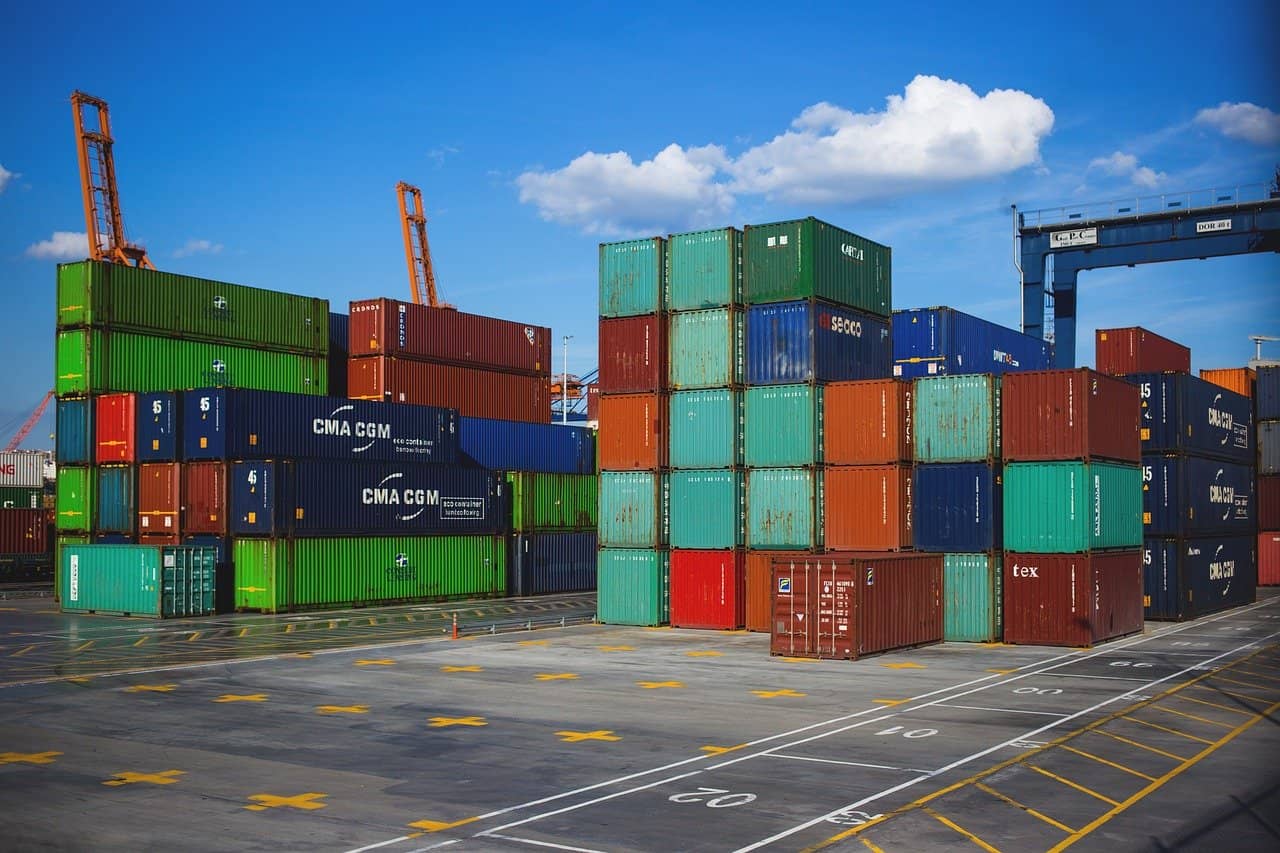
The letter to Agriculture Secretary Tom Vilsack and Transportation Secretary Pete Buttigieg called for interagency collaboration to enhance capacity at ports, incentivize carriers to load export cargo, and improve transparency throughout the supply chain. The lead recommendation called for USDA’s Agriculture Marketing Service (AMS) to restart its Ocean Shipping Container Availability Report (OSCAR).
“Supply chain challenges have cost U.S. dairy exporters over $1.5 billion last year alone. We thank Secretaries Vilsack and Buttigieg for their advocacy for America’s agriculture exporters in the face of significant supply chain constraints. We are incredibly grateful for the administration’s ongoing efforts and creative solutions, particularly for the development of ‘pop-up’ sites for agricultural exporters to source empty containers,” said Krysta Harden, president and CEO of USDEC. “The additional recommendations submitted today would provide agricultural exporters much needed insight into container availability and provide avenues to incentivize carriers to load outbound shipments to key dairy markets around the world.”
“Shipping containers for U.S. dairy exports continue to be in short supply at coastal ports, and even more scarce at inland locations. These essential links in the global supply chain must be available to American dairy exporters throughout the country in order to ship their products to overseas buyers,” said Jim Mulhern, president and CEO of NMPF. “We thank USDA and DOT for their strong focus on this issue. As congestion continues, so too must the spectrum of tools deployed to address these challenges. Today’s letter highlights the additional steps necessary to take to ensure American dairy farmers are not losing long-term international market share due to these persistent supply chain challenges.”
The specified programmatic elements to provide supply chain relief include:
Restarting USDA AMS’ OSCAR, which would detail the availability of ocean shipping containers at locations throughout the United States.
Establishing inland pop-up terminal yards, similar to those in Oakland and Seattle, in Minneapolis, Chicago, Detroit, Salt Lake City and Kansas City. This would enable greater access inland to containers and improve the ability to secure vessel accommodations with short earliest-return-date windows at those locations.
Developing the ‘fast lane’ concept to incentivize the flow of agriculture exports into and from ports. This would include trucking lanes at port terminals that are dedicated to the expeditious delivery of perishable agriculture goods to ports.
Incentivizing ocean carriers to load more export containers, instead of empty containers, through preferred or prioritized berthing access.
Including real-time tracking of containers as part of the Administration’s Freight Logistics Optimization Works initiative.
Piloting projects with carriers for ‘dual turns’ of containers, wherein containers delivering imports to an in-land location may be provided directly to an export-focused shipper, rather than being sent back empty to the port. This could be supported through the USDA’s Commodity Credit Corporation resources.
The National Milk Producers Federation, based in Arlington, VA, develops and carries out policies that advance dairy producers and the cooperatives they own. NMPF’s member cooperatives produce more than two-thirds of U.S. milk, making NMPF dairy’s voice on Capitol Hill and with government agencies. For more, visit www.nmpf.org.
The U.S. Dairy Export Council (USDEC) is a non-profit, independent membership organization that represents the global trade interests of U.S. dairy producers, proprietary processors and cooperatives, ingredient suppliers and export traders. Its mission is to enhance U.S. global competitiveness and assist the U.S. industry to increase its global dairy ingredient sales and exports of U.S. dairy products.
A U.S. appeals court on Monday revived a lawsuit by six Mexican veterinarians who claim an Idaho dairy forced them to milk cows and perform other menial tasks, and threatened them with deportation if they refused.
A unanimous three-judge panel of the 9th U.S. Circuit Court of Appeals said a jury could find that Funk Dairy Inc violated a federal law prohibiting forced labor by exploiting the plaintiffs’ fear of losing their visas if they were fired, and a federal judge should not have tossed out the case.
The court said the key allegation keeping the lawsuit alive was a claim that Funk Dairy’s manager directly threatened one of the plaintiffs with deportation after she complained about her job assignments.
Register now for FREE unlimited access to Reuters.com
Funk Dairy’s lawyers at Sawtooth Law Offices did not immediately respond to a request for comment. Nor did the plaintiffs’ lawyers at Martinez Aguilasocho Law.
Funk Dairy in 2014 recruited the plaintiffs through the TN visa program, which allows citizens of Mexico and Canada to temporarily enter the U.S. to “engage in business activities at a professional level.” The plaintiffs were all licensed veterinarians or animal scientists in Mexico, according to court filings.
The workers in a 2017 lawsuit claimed that they understood their job duties would include ensuring the quality of milk and overseeing the care given to animals. Instead, they said, they were forced to perform the same menial tasks as general laborers employed by Funk.
A federal judge in Boise, Idaho, dismissed the case in 2019, saying the plaintiffs could not show that Funk knowingly compelled the plaintiffs to work against their will as required by the federal law.
But the 9th Circuit on Monday said the plaintiffs’ belief that they would be deported if they refused to engage in physical labor, and the alleged threat by the manager, were enough to send the case to a jury.
The panel included Circuit Judges Daniel Collins and Marsha Berzon and Judge Jennifer Choe-Groves of the U.S. Court of International Trade, who sat by designation.
The case is Martinez-Rodriguez v. Giles, 9th U.S. Circuit Court of Appeals, No. 19-35526.
For the plaintiffs: Edgar Aguilasocho of Martinez Aguilasocho Law
For the defendants: David Claiborne of Sawtooth Law Offices
A lawsuit against an Idaho dairy farm over alleged violations of forced labor laws can continue, an appeals court ruled this week.
The case was filed by six Mexican animal scientists in 2017 who say they were hired to work as veterinarians at Funk Dairy in Murtaugh, Idaho, through a professional-level visa program. But instead, they were made to milk cows and clean up manure.
They claim the farm threatened deportation if they didn’t comply with their assigned tasks and that they received little time off, substandard housing and inadequate medical care.
The veterinarians’ lawyers said this “bait-and-switch” violated forced labor laws, but in 2019, Idaho District Court Judge David Nye dismissed the case, saying the evidence didn’t rise to that level.
This week, a panel of judges on the 9th Circuit Court of Appeals reversed that decision because they said a jury could reasonably conclude that Funk Dairy knowingly used the visa process to entice the veterinarians to move from Mexico to Idaho as “animal scientists” through TN Visas, only to assign them general labor tasks, which differed drastically from their expectations.
“This case is an important interpretation of the federal forced labor statute, and will hopefully encourage other workers to come forward, now knowing that the courts are going to be interpreting the law in their favor,” said Edgar Aguilasocho, a lawyer for the plaintiffs.
Court documents say Curtis Giles, who manages operations at Funk Dairy and is named in the lawsuit, told several of the veterinarians that they’d be deported under certain circumstances, including if they discussed pay and when one of them complained about not doing veterinary-related job duties.
The appeals court said it’s reasonable to infer that the deportation threats pressured the veterinarians into complying with milking the cows and other menial tasks.
A call to Funk Dairy Wednesday was referred to the defendants’ lawyer, David Claiborne of Sawtooth Law Offices. Claiborne did not return a request for comment by a deadline Wednesday.
Aguilasocho said the case is procedurally set to return to the district court for a jury trial.
GoodSport Nutrition, a first-of-its kind natural sports drink with 3x the electrolytes and 33% less sugar than traditional sports drinks, is making its way to Wisconsin retailers in May – and giving back to the local dairy community in the process.
The Chicago-based brand was founded out of a need for (female founder) Michelle McBride to supply her son with lower sugar sports drink options to recover from his Little League games, as she was overwhelmed and frustrated with the lack of healthy options in the category. Per research, she learned that athletes drink chocolate milk to rehydrate after big games, so she knew she had to create a sports drink that was both natural, refreshing and hydrating.
The reason for this, is that milk’s consistency and protein content, which are slow to digest, were barriers for athletes before and during exercise, but GoodSport’s patent-pending formula and process cracked the code to provide naturally powerful hydration in a clear and thirst-quenching beverage that is lactose free and shelf stable. If that’s not enough, GoodSport contains no artificial flavors, colors or dyes and provides superior hydration by harnessing the electrolytes and carbohydrates found in milk.
GoodSport is backed by science – published, peer-reviewed studies demonstrate that GoodSport provides rapid and long-lasting hydration and improves exercise performance and teams in the NFL, MLB, NBA and WNBA provide their athletes with GoodSport because of its superior hydration and great taste.
Michelle can also thank the state of Wisconsin for helping her in the development of the formula, as she worked with the checkoff-funded Center for Dairy Research at the University of Wisconsin-Madison. There, Kimberlee (K.J.) Burrington – dairy ingredient, cultured products and beverages coordinator – showed the GoodSport Nutrition team how ultrafiltration could harness milk’s electrolytes, vitamins and carbohydrates and remove its protein to create a clear, light beverage with a mouthfeel that consumers expect from a sports drink.
GoodSport is not only good for the body, but good for the environment. The company supplies its main ingredient from dairy processors who ultrafilter milk to make various products, like cheese, but leave behind the component of milk needed to make GoodSport (and the part that usually gets tossed in the trash). By buying this unused, normally wasted milk component, Michelle is also helping the local dairy farmers (most of which are in Wisconsin!).
Currently,GoodSport is sold on Amazon, and goodsport.com, and comes in 12 packs of 16.9-ounce bottles in four refreshing flavors: Lemon Lime, Fruit Punch, Wild Berry, and Citrus – all equally delicious, and will soon be available in Wisconsin at Festival Foods, Pick n’ Save and other local retailers.
(NAFB.com) – The U.S. Dairy Export Council and the National Milk Producers Federation sent a letter to the White House regarding specific recommendations to help solve supply chain issues.
The top recommendation calls for USDA’s Agriculture Marketing Service to restart its Ocean Shipping Container Availability Report. “Shipping containers for U.S. dairy exports continue to be in short supply at coastal ports and even more so at inland locations,” says Jim Mulhern, President and CEO of NMPF. “These essential links in the global supply chain must be available to exporters.”
Other recommendations include setting up pop-up terminal yards in inland locations like Minneapolis and Chicago. That would make it easier to secure shipping containers. They also want to see trucking “fast lanes” dedicated to delivering perishable agricultural goods as quickly as possible at port terminals.
Krysta Harden, president and CEO of USDEC, says supply chain issues have cost dairy exporters over $1.5 billion last year alone.
MADISON, WI – Enthusiastic dairy processors, marketers, and suppliers raised an impressive $333,125 at the 2022 Chr. Hansen Championship Cheese Auction, held April 13 at CheeseExpo in Milwaukee, Wisconsin. The funds go to support the Wisconsin Cheese Makers Association’s (WCMA) industry education and scholarship programs, as well as the World and U.S. Championship Cheese Contests and university dairy training centers.
“This year’s record-breaking Auction reflects the generosity and forward thinking of the dairy processing industry,” said WCMA Executive Director John Umhoefer. “We’re grateful to this year’s bidders and honored to provide opportunities for the growth and advancement of the industry’s most valuable asset: its people.”
Since 1997, Auction dollars have supported WCMA’s Mike Dean and Cheese Industry Supplier Student Scholarships, helped fund popular WCMA training workshops, and fueled donations to infrastructure projects at the University of Wisconsin-Madison, University of Wisconsin-River Falls, and South Dakota State University. Altogether, WCMA has invested $1.3 million in the next generation of the dairy processing industry.
This year’s Auction featured a total of 86 gold medal cheeses from the 2022 World Championship Cheese Contest, organized into 41 lots. WCMA sincerely thanks all of the winning bidders for their generous support: Milk Specialties Global; DSM Food Specialties USA, Inc.; DR Tech, Inc.; Great Lakes Cheese; Masters Gallery Foods, Inc.; Nelson-Jameson, Inc.; Decatur Dairy, Inc. & Guggisberg Cheese; Ivarson, Inc.; APT, Inc.; Loos Machine & Automation; Oshkosh Cold Storage; TC Transcontinental; Kelley Supply, Inc.; ProActive Solutions USA, LLC; Dairy Connection, Inc.; Hydrite; Vivolac Cultures Corporation; T.C. Jacoby & Co.; Emmi Roth; Wisconsin Aging & Grading Cheese, Inc.; Custom Fabricating & Repair, Inc.; Chr. Hansen, Inc.; Food Safety Net Services; ALPMA; Wabash; and Novak’s Cheese of Wisconsin, Inc.
As we already know, the Chinese authorities decided to extend the quarantines in Shanghai, a city of 26 million inhabitants and home to the world’s largest port in terms of container traffic, and the effects on world shipping were quickly felt.
The lockdowns in China are having a major impact on congestion outside the country’s ports, with the number of container ships waiting outside Chinese ports today 195% higher than in February according to data pulled from the platform. Windward Maritime Artificial Intelligence .
The three images below show a 48-hour snapshot of container ships waiting outside China’s ports in April, during which Shanghai was closed; March, which saw a lockdown of Shenzhen; and February, without confinement.
Comparison of container ships waiting outside Chinese ports / Image: Windward
The trend is clear: In the April and March snapshots, there were 506 and 470 vessels, respectively, stuck outside Chinese ports. In February, that number was just 260. In essence, the closures in China have almost doubled the congestion outside the country’s ports.
Looking at the global landscape, between April 12 and 13, 2022, 1,826 container ships were waiting outside ports around the world. That’s 20% of all container ships globally! Equally interesting is the fact that the 506 ships that were stuck outside China’s port represent 27.7% of all ships waiting outside ports around the world. By way of comparison, in February they accounted for 14.8%.
After hundreds of millions of taxpayer and private dollars spent on reducing dairy emissions from manure, more attention is turning lately to greenhouse gases coming from the other end of cows.
Enteric emissions — cow burps, the source of close to half of all dairy methane — have become a central focus for California dairies working to help meet the state’s ambitious greenhouse gas reduction goals.
Unlike so-called dairy digesters that require large investments to capture methane from manure and then turn it into marketable fuel, cutting enteric emissions generally involves far less expensive processes: adding a dietary supplement to cow feed or genetically selecting livestock that burp less methane — or both.
Several products exist that have shown positive results in cutting enteric methane emissions. The near-term challenge for the manufacturers of these food additives is clearing regulatory hurdles, then after that, figuring out how to pay for them to achieve widespread adoption on dairies.
State government hopes to move fast in light of 2016’s Senate Bill 32, which requires California to cut greenhouse gas emissions to 40 percent below 1990 levels by 2030. Another bill passed that year, Senate Bill 1383, calls for cutting short-lived climate pollutants like methane, a particularly potent greenhouse gas, by 40 percent from 2013 levels.
Policymakers have prodded dairies to move quickly because, according to the California Air Resources Board, dairy enteric emissions account for a fifth of the state’s methane emissions.
“Those overall (state climate) goals cannot be met without enteric solutions,” said Denise Mullinax, executive director of the California Dairy Research Foundation. “Feed additives will play a central role in achieving these reductions.”
Ideas for moving forward surfaced at the California Dairy Sustainability Summit April 12-14, which brought state and federal regulators together with industry leaders. Speakers were encouraged by recent progress but divided at times over what needs to be done to make a dent in the problem.
Some of the event’s best news on cutting enteric dairy emissions came from CEO Joan Salwen of Hawaii-based Blue Ocean Barns, cultivator of red seaweed, an all-natural feed additive grown in seawater-fed tanks in San Diego and Hawaii.
Salwen reported that earlier this month the company presented the U.S. Food and Drug Administration with study results suggesting dairy cows that ate the supplement put out 52 percent less enteric methane emissions — 92 percent less in one particular cow.
“It was a significant success. It really proved that a carbon-positive dairy economy is within reach,” Salwen said. She added that the seaweed doesn’t lead to weight loss in herds or hurt cows or humans or change the flavor of milk or meat from livestock.
What’s more, there were indications the supplement increases feed efficiency by 10 percent.
“Cows are apparently making better use of their feed and requiring less of it to produce the same amount of milk,” she said. “That represents real money to California’s farmers.”
Other products are being marketed elsewhere around the world, having already been approved for use in different countries. Manufacturers of these additives point to a variety of benefits not limited to reductions of enteric emissions.
Vice President Mark van Nieuwland at Swiss-based DSM Nutritional Products said during the sustainability summit that the company’s feed additive boosts cows’ meat production while cutting enteric methane reductions by 30 percent. The product has been approved by the governments of Brazil, Chile and the European Union, but not in the United States.
There was discussion during the summit about how to increase the California dairy industry’s adoption of feed additives for cutting enteric emissions. Some speakers suggested using financial incentives, while others called for doling out marketable carbon credits to dairies that successfully lower their methane reductions, as already happens with dairy digesters.
Thomas Hafner, founder and CEO of Swiss-based feed supplement-maker Mootral, noted that dairy producers using his garlic- and citrus-based additive have worked with retailers to promote their milk as more environmentally sustainable. They’re able to charge more money for it.
“That almost covers the cost of the product by itself,” Hafner said. He said the product increases milk production by as much as 5 percent while cutting reductions between 20 percent and 38 percent.
Apart from the idea of charging a premium for climate-friendlier milk, Hafner said some governments are working toward mandating the use of feed additives at dairies.
Peter Williams, a partner at Cincinnati-based Feedworks USA Ltd., favored the use of carbon credits over government mandates, at least for speeding adoption of feed additives.
Williams said his company’s product, made from essential oil extracts and herbs, costs just 4 to 5 cents per cow per day and cuts enteric methane emissions by about 10 percent while also improving feed efficiency and reducing ammonia and nitrous oxide releases.
He said incentives, or lack of them, stand as the biggest barrier to greater use of such products, especially in California.
“Dairy farmers are very concerned,” he said, “that they’ll be left carrying the cost of reducing enteric methane emissions on their farms.”
Ukraine has sent around 80,000 tonnes of grains to the Romanian Black Sea port of Constanta so far, with more expected to arrive, reported Reuters citing the port’s manager.
Ukraine’s seaports have been blocked since a Russian invasion two months ago and the country, a major agricultural producer, has been forced to export by train via its western border or via its small Danube river ports into Romania.
European Union member Romania shares borders of the Black Sea – a major shipping artery for grain and oil – with Bulgaria, Turkey, Georgia and Ukraine.
“There are around 80,000 tonnes of grains which have already arrived, they are stored in silos, a part of them were loaded on ship,” Constanta Port manager Florin Goidea told Reuters.
“Another roughly 80,000 tonnes are approved and en route.”
The grains arrived either by rails or on barges through the Danube river, Goidea said, adding the port had the capacity to handle exporting additional grains exports.
The port, which has a storage capacity of around 2 millions tonnes handled exports worth some 24 million tonnes last year.
Earlier this month, Transport Minister Sorin Grindeanu said the government, which has waived port services fees for Ukrainian cargo, plans to re-open a Soviet-era train track at its port of Galati on the Danube river, which would help speed up grain transports. It was unclear when the track, which needs work, would re-open.
Ukraine’s railway network uses a Russian gauge measuring roughly 1.5 metres, or some 10 centimetres more than the tracks used in most of Europe.
On Monday, analyst APK-Inform said Ukrainian border guards last week closed several shipping lanes at the mouth of the Danube river due to drifting mines in the Black Sea.
But speaking in Romanian capital Bucharest last week, Ukraine’s Foreign Minister Dmytro Kuleba said this was a chance to boost Danube infrastructure and trade routes.
“This is the real big chance for Danube river to become even more economically profitable, important and to better connect Black Sea region countries with western European countries in terms of trade,” he said.
Conservative leadership hopeful Scott Aitchison is reviving a heated debate from the 2017 Conservative race by calling for an end to supply management.
At a time when Canadians are struggling with higher grocery prices due to spiking inflation, Aitchison is proposing to dismantle the supply management system to save Canadian households money.
Supply management is a system that allows specific commodity sectors — dairy, poultry and eggs — to limit the supply of their products to what Canadians are expected to consume in order to ensure predictable, stable prices.
Aitchison and others have argued that the limits on competition artificially drive up the price of milk, eggs and other products.
WATCH: Scott Aitchison discusses his Conservative leadership bid on CBC’s Power & Politics
Tory leadership candidate Aitchison pledges to end Canada’s supply management system
Conservative Leadership Candidate Scott Aitchison joins Power & Politics to discuss his bid to be the party’s leader, including his position on supply management and the federal budget 8:45
In a press release issued by his campaign, the MP and former mayor of Huntsville, Ontario said he would wind down the system “in his first term” as prime minister. Aitchison said he would also compensate farmers who hold quota under the current system and offer them help in international markets.
While presumed front-runner Pierre Poilievre has based his own campaign on promises to maximize Canadians’ “freedom” and complaints about “big, bossy governments,” he also has said he would keep the current supply management system in place.
“The reason is that the farmers who own the quota have had to pay millions of dollars for it,” Poilievre told The Western Standard in March.
“And furthermore, if we brought [supply management controls] out, then it would cost more to do that than it would to keep the system that is in place right now.”
The debate over supply management has left its mark on the Conservative Party in recent years.
During the 2017 leadership race, Quebec MP Maxime Bernier also proposed ending the system and made the pledge one of the key planks of his campaign.
Andrew Scheer, right, is congratulated by Maxime Bernier after being elected the new leader of the federal Conservative Party at the federal Conservative leadership convention in Toronto. (Frank Gunn/Canadian Press)
The proposal alarmed many farmers, who feared that dismantling the system would make farming unaffordable.
Andrew Scheer, a fierce defender of supply management, beat Bernier on the 13th ballot of a close race. Dairy farmers in Bernier’s own riding of Beauce turned out in droves to vote against him because of the supply management debate.
After that devastating loss, Bernier said he would stop talking about his views on supply management. Scheer attempted to reconcile publicly with his former rival by making him industry critic.
But the siren song of subsidized milk proved too tempting for Bernier. He released a chapter of a book he’d written that specifically took issue with the supply management system.
The book also took a swipe at Scheer, claiming it was “fake Conservatives” from Quebec’s dairy industry that won Scheer the leadership.
Bernier would go on to start his own political entity, the People’s Party of Canada. In 2019, Bernier lost his seat by more than 6,000 votes to Conservative Richard Lehoux, a former dairy farmer.
In a lab in Boston, a startup has spent the last few months cultivating mammary cells from a cow—and recently succeeded in finding the perfect conditions to get those cells to produce real cow milk without an animal.
“We spend a lot of time trying to understand how the biology works in a cow, and then trying to do that,” says Sohail Gupta, CEO and cofounder of the startup, called Brown Foods, which makes a product that it calls UnReal Milk. The startup, which operates in India and the U.S., just completed a stint at the tech accelerator Y Combinator.
Alternative-dairy sales keep growing: In 2020, according to the most recent data available, sales of oat, soy, almond, and other alt-milk products made up 15% of all milk sales in the U.S., a 27% growth over the previous two years. But Brown Foods, like others in the space, recognized that plant-based milk still can’t replicate traditional dairy. “They’re not yet there in terms of taste and texture,” Gupta says. They also often have less protein and other nutrients. He argues that other new milk alternatives, including those that use precision fermentation to make animal-free dairy proteins, also can’t perfectly match dairy since they still use plant ingredients for fat and other components.
There are multiple reasons to move away from traditional dairy, including the fact that cows raised for milk and meat are responsible for around 30% of the world’s emissions of methane, a potent greenhouse gas. But Gupta thinks that it makes sense to stay as close to the natural process as possible. Mammary cells “have evolved naturally over centuries to produce milk in mammals,” he says. “So these cells have the entire genetic architecture to produce the fats, the carbs, the proteins.”
The company’s biochemical engineers have been studying how the cells behave, what they need nutritionally to survive, and what triggers lactation. “We’re trying to emulate nature and understand what kind of chemical signals are released in a mammal to trigger the cells to lactate and start secreting milk and get into the lactation phase,” he says. Now that they’ve shown that it can work at the small scale in the lab, they’re beginning to prepare for commercial production in larger bioreactors. The company believes that it can eventually reach price parity with conventional milk. In early calculations, it says that it could cut the greenhouse gas emissions from milk by 90%. (Unlike lab-grown meat, which requires an energy-intensive process of growing cells, producing milk just requires keeping cells alive, and has a far smaller footprint.)
The startup plans to make both milk and other dairy products like cheese and butter. The same process could be used to make other types of milk, from goat milk to human breast milk. Wilk, an Israel-based startup, is also using “cellular agriculture” to make both cow’s milk and breastmilk (Biomilq, based in the U.S., is making lab-grown breastmilk). Others may follow with additional dairy products. If the products can succeed—including the hurdle of convincing consumers to drink milk that came from a bioreactor—it’s possible that they could begin to replace traditional dairy farming. “I think it’s time to do better both for animals and the planet,” Gupta says. “And I feel eventually the food system should become, and will become, free from animals.”
In a lab in Boston, a startup has spent the last few months cultivating mammary cells from a cow—and recently succeeded in finding the perfect conditions to get those cells to produce real cow milk without an animal.
“We spend a lot of time trying to understand how the biology works in a cow, and then trying to do that,” says Sohail Gupta, CEO and cofounder of the startup, called Brown Foods, which makes a product that it calls UnReal Milk. The startup, which operates in India and the U.S., just completed a stint at the tech accelerator Y Combinator.
Alternative-dairy sales keep growing: In 2020, according to the most recent data available, sales of oat, soy, almond, and other alt-milk products made up 15% of all milk sales in the U.S., a 27% growth over the previous two years. But Brown Foods, like others in the space, recognized that plant-based milk still can’t replicate traditional dairy. “They’re not yet there in terms of taste and texture,” Gupta says. They also often have less protein and other nutrients. He argues that other new milk alternatives, including those that use precision fermentation to make animal-free dairy proteins, also can’t perfectly match dairy since they still use plant ingredients for fat and other components.
There are multiple reasons to move away from traditional dairy, including the fact that cows raised for milk and meat are responsible for around 30% of the world’s emissions of methane, a potent greenhouse gas. But Gupta thinks that it makes sense to stay as close to the natural process as possible. Mammary cells “have evolved naturally over centuries to produce milk in mammals,” he says. “So these cells have the entire genetic architecture to produce the fats, the carbs, the proteins.”
The company’s biochemical engineers have been studying how the cells behave, what they need nutritionally to survive, and what triggers lactation. “We’re trying to emulate nature and understand what kind of chemical signals are released in a mammal to trigger the cells to lactate and start secreting milk and get into the lactation phase,” he says. Now that they’ve shown that it can work at the small scale in the lab, they’re beginning to prepare for commercial production in larger bioreactors. The company believes that it can eventually reach price parity with conventional milk. In early calculations, it says that it could cut the greenhouse gas emissions from milk by 90%. (Unlike lab-grown meat, which requires an energy-intensive process of growing cells, producing milk just requires keeping cells alive, and has a far smaller footprint.)
The startup plans to make both milk and other dairy products like cheese and butter. The same process could be used to make other types of milk, from goat milk to human breast milk. Wilk, an Israel-based startup, is also using “cellular agriculture” to make both cow’s milk and breastmilk (Biomilq, based in the U.S., is making lab-grown breastmilk). Others may follow with additional dairy products. If the products can succeed—including the hurdle of convincing consumers to drink milk that came from a bioreactor—it’s possible that they could begin to replace traditional dairy farming. “I think it’s time to do better both for animals and the planet,” Gupta says. “And I feel eventually the food system should become, and will become, free from animals.”
World Dairy Expo® welcomed new industry representatives to its Board of Directors, Commercial Exhibitor Committee and Dairy Cattle Exhibitor Committee at the annual March meetings. The three incoming board members include: Kristine Childs, Nasco; Dr. Paul Fricke, University of Wisconsin-Madison College of Agricultural & Life Sciences; and Joseph Opsal, Dane County Holstein Breeders.
Childs leads Nasco’s Farm and Ranch division in Fort Atkinson, Wisconsin. She has been actively involved in her local community, holding board positions at Spring Prairie Lutheran Church, Arlington Mutual Insurance Company, and volunteering at her local 271 American Legion. Childs grew up involved in 4-H and FFA and has shared that love with her two grown sons, one of which raises show pigs for young exhibitors in multiple states.
Dr. Fricke is a faculty member of the Department of Dairy Science at UW-Madison with appointments in extension and research. Dr. Fricke’s research program focuses on dairy cattle reproduction, aiming to improve reproductive efficiency of dairy cattle by applying knowledge gained through scientific research to develop practical management strategies, assessing new reproductive technologies, and disseminating findings to the global audience.
Opsal has been involved with Expo for many years, exhibiting Holstein and Brown Swiss cattle from his family’s herd, Opsal’s Ridge, spectating, and providing media coverage. He works full-time at Opsal’s Ridge in addition to operating Joseph Opsal Photography and covering events as part of Cowsmopolitan, Inc. Opsal’s involvement in FFA, junior breed associations, and family history have prepared him to follow in his father’s and grandfather’s footsteps as a board member of World Dairy Expo.
Joining the Commercial Exhibitor Committee as new members are Terri Smith, Select Sires, Inc., Laura Tresslar, Merck Animal Health, and Karen Lally, VES-Artex. These three industry representatives join the committee chaired by Doug Williams, Kuhn North America, with vice-chair Jane Griswold, Hoard’s Dairyman.
New and re-elected members of the Dairy Cattle Exhibitor Committee include Lucas Clanton, Ill., Brian Dinderman, Ill., Erica Enright, Ontario, Canada, Lynn Harbaugh, Wis., Jennifer Hill, Md., Terri Packard, Md., Joe Rocha, Ore., Chad Ryan, Wis., Dusty Schirm, Ohio, Eric Topp, Ohio, Mark Valentine, Md., and TJ Wingert, Ill. This exhibitor committee is led by chair Tom Morris, Wis., and vice-chair Bryan Voegeli, Wis.
Serving as the meeting place of the global dairy industry, World Dairy Expo brings together the latest in dairy innovation and the best cattle in North America. The dairy industry will return to Madison, Wisconsin for the 55th event, October 2 – 7, 2022, when the world’s largest dairy-focused trade show, dairy and forage seminars, a world-class dairy cattle show and more will be on display. Download the World Dairy Expo mobile event app, visit worlddairyexpo.com or follow WDE on Facebook, Twitter, Instagram, LinkedIn, or YouTube for more information.
The care, well-being and safety of livestock is of the utmost importance for farmers, especially in cases of transportation. Anyone involved in transporting animals, directly or indirectly, has the responsibility to ensure their livestock are ready for the journey.
In an effort to improve animal welfare and reduce risk to livestock during transport, amendments to the Canadian Food Inspection Agency (CFIA)Health of Animals Regulations: Part XII: Transportation of Animalswere enacted which requires new rules to be followed during animal transportation. These changes were implemented to improve the well-being of animals during the entire transportation process and are the result of many years of consultation with key industry stakeholders.
Following a two-year period focused on education, awareness and compliance promotion, enforcement of the transport regulations officially came into effect on February 20, 2022. The Ontario Federation of Agriculture (OFA) wants to remind members of notable changes to the regulations to ensure compliance and the welfare of livestock before, during, and after transportation.
Under the new regulations, anyone transporting animals commercially or for business/financial benefit must keep records related to the movement of those animals. These records include the name and address of the producer, ID number, measurement of floor area available to the animals, date, time and place, a description of the animals, and the last time they were given food or water. A Transfer of Care (TOC) document is now required for situations where the responsibility and care of livestock is transferred from one party to another. For example, a TOC is needed when a producer loads their animals on the trailer of a commercial shipper, or when transporting animals to an auction market or abattoir. This document provides proof that a load of animals has arrived or that the care/responsibility of those animals is passed on from one person to another.
The definitions of unfit and compromised animals have been updated in the regulations, with specific directions to determine if your livestock are safe for transport. The transportation of any animal considered unfitis a direct violation of the regulations, with the exception of receiving care recommended by a veterinarian.
Anyone involved in animal transport must assess the fitness of each animal while ensuring all provisions of the regulations are met. Then, only animals fit for the intended trip need to be selected, prepared, and loaded. To help determine if your animals are fit for their journey, the CFIA has developed a user-friendly brochure and guide for producers and a one-page fact sheet for signs of an unfit or compromised animal.
Significant changes have been made to the time frames during which animals are in transport without feed, water, and rest (FWR). Feed, water and rest intervals now vary by species and age of animal, and cover cattle, sheep, goats, swine, horses, and birds. It is also important to note that compromised animals have additional FWR requirements.
A verbal or written contingency plan is now needed for those transporting animals for business, including commercial carriers. The plan covers unforeseen delays or cases of an animal(s) becoming compromised or unfit during loading, confinement, transport or unloading and establishes steps to be taken to reduce or mitigate animal suffering in the event of these circumstances. A template for contingency plans can be found in Appendix 2 of the CFIA’s interpretive guidance document. Anyone required to have a contingency plan must inform all those involved in transporting of the animals (directly or indirectly) or who take part in the decision-making of the contingency plan.
Those not in compliance with the new regulations as of February 20, 2022, may be subjected to verbal or written notices and monetary or non-monetary penalties. CFIA’s enforcement approach will balance the need to ensure the care and well-being of animals during the entire transportation process, while supporting the different industry sectors in complying with the regulations.
OFA is committed to the continuous improvement in animal care and handling practices and increasing animal welfare. If you are involved in activities related to the loading, transport, or unloading of animals, ensure you are familiar with and follow the federal transport of animal regulations.
For more information, members can view CFIA’s ‘Then and Now’ fact sheet, demonstrating how the regulations have changed since the amendments in 2020.
For more information, contact:
Tyler Brooks Director of Communications and Stakeholder Relations Ontario Federation of Agriculture 519-821-8883 ext. 218 tyler.brooks@ofa.on.ca
Dairy industry is in good hands as over 80 participants test their skills in the 2022 Semex Dairy Youth Challenge at the Sydney Royal Show.
+8
Photos by Hannah Powe
OVER 80 young dairy enthusiasts have taken part in the 2022 Semex Dairy Youth Challenge at the Sydney Royal Show on Good Friday, showing the future of the industry is in good hands.
Judged by Brad Gavenlock of Cherrylock Cattle Co, Tallygaroopna, Vic, who had previously competed in the event in 1998, eight teams took part in the challenge that included clipping, parading and junior judging.
Mr Gavenlock commended all the teams for their teamwork – especially in the clipping – and said while there was a range of skill levels from very experienced individuals to those just starting out, it was outstanding to see so many of the youth out here testing their skills, learning and working together.
“In 1998 I first competed, and my friends and team mates from back then have kids competing here today,” he said.
“A few teams you can see have competed before, and are good up picking up those one percenters.
“I congratulate all teams for getting out here and having a go.”
Coming away with the accolade of the champion team of the 2022 challenge was the team sponsored by Eastview Holsteins, Congupna, Vic, which received the Bruce Moxey Perpetual Trophy.
The team consisted of Georgie Sieban, Abbey Hanks, Jess Eagles, Lucy Cochrane, Lawson Kath, Ruby Polson, Lochie Polson, Isabella Polson, Connor Griffiths, Abbie Robinson and Lincoln Sieban.
Mr Moxey was there to present the trophy, and congratulated all the participants.
“It is nice to be here to witness the challenge,” he said.
“Know you are all the future of the dairy industry… in years to come you will all be producing the milk for the families that are attending the show – you are important to the circle of the dairy industry.”
Mr Moxey said he was proud to have been involved in the establishment of the Dairy Youth Program in the Hunter Valley which was then brought to Sydney in the 1990s.
“I am privileged and proud to be here and watch this,” he said. “This trophy is named in my honour as I helped start the challenge and was previously supplying the cattle for it.”
Encouragement awards were presented to Toby Flemming of Boorcan, Vic, from the Dairy Express sponsored team and Nate Chesworth, Dubbo, of the Cows R Us sponsored team. Both received a set of Aesculap clippers donated by The Cattle Shop.
Toronto’s Royal Agricultural Winter Fair has announced the event is returning this fall 2022 following a two-year hiatus due to the COVID-19 pandemic.
The fair is also celebrating its 100th year anniversary.
“The Royal will showcase the very best in Canadian agriculture, local food and equine excellence — just as it has done since the first Fair opened its doors in 1922,” the fair said in a news release on Wednesday.
The event will run for 10 days from Nov. 4 to 13 at the Exhibition Place.
Organizers said the fair will kick off its 100th anniversary celebration ahead of the opening day with a gala dinner and showcase on Nov. 2.
Other events during the fair this year will include an RCMP musical ride, a royal horse show, agricultural competitions, food competitions, royal tartan, 100th anniversary display and a 100th anniversary timeline.
In a letter to US Department of Agriculture (USDA) secretary Tom Vilsack, a group of 11 agricultural organisations expressed their supper for the development of a “modern regulatory structure related to gene editing in livestock.”
In the letter, US livestock groups said producers face many urgent challenges, such as zoonotic disease, climate change, and a growing global population, which could be addressed by new solutions that protect food supply and sustainably meet demand.
“Gene editing is one technology that holds tremendous promise to help America’s food and agricultural producers address these challenges,” said the letter. “Producers need these tools to continue to sustainably produce an abundant, affordable food supply for America and the world.”
The organisations feel the existing system is not conducive to the timely adoption of these sorts of innovations.
“The FDA’s current regulatory approach – an approach that producers, other stakeholders, and Congress have repeatedly expressed concern with – will only stifle US producers’ access to much-needed innovations,” the letter continued.
Under the current approach, FDA regulators make case-by-case decisions on innovations to determine their regulatory pathway, data requirements, and ultimate market opportunities. “The decades-long approval process for these technologies is based on FDA exercising enforcement discretion under agency guidance rather than through rule making,” the letter stated. “This is an untenable way to regulate.”
The organisations expressed concern that academics, developers and investors are unlikely to make the investments needed to develop these innovations if the criteria needed to develop reasonable market access are not clear and predictable.
“We support USDA’s ongoing efforts to modernise regulations governing these technologies, as proposed under the advanced notice of proposed rule making (ANPR) for the Regulation of Movement of Animals Modified or Developed by Genetic Engineering (APHIS-2020-0079),” said the letter. “We strongly urge USDA to continue this rule making process to ensure US agriculture is sufficiently equipped with the tools needed to address our food production challenges in the future.”
The letter was signed by 11 agricultural groups, including the American Farm Bureau Federation, the National Cattlemen’s Beef Association, the National Milk Producers Federation, the National Pork Producers Council, and the National Turkey Federation.
Eight Junior Holstein Members have been selected for Holstein Association USA’s annual Young Distinguished Junior Member (YDJM) competition. The Young Distinguished Junior Member award is the highest honor given to members of the National Junior Holstein Association, ages 9 to 16, in recognition of their accomplishments working with Holsteins, achievements and leadership in Holstein activities, as well as school and community involvement.
The 2022 Young Distinguished Junior Member Semifinalists are:
Isaac Folts, North Collins, New York
Sophia Geppert, Kingdom City, Missouri
Sophie Griswold, Chadds Ford, Pennsylvania
Elizabeth Gunst, Hartford, Wisconsin
Logan Harbaugh, Marion, Wisconsin
Jenna Larson, Okeechobee, Florida
Madison Mowrer, Petersburg, Pennsylvania
Shelby Swanson, Hutchinson, Minnesota
The eight finalists were chosen by a panel of judges based on their knowledge of the dairy industry and participation in Holstein, dairy, and other activities. Their ability to be a good role model for other youth and positive spokesperson for the dairy industry were also taken into consideration.
The YDJM finalists will be honored during the Junior Awards Banquet at the National Holstein Convention being held June 27 to July 1, 2022, in Sioux Falls, South Dakota.
Staring at a hillside already turning a lighter shade of green while barely out of winter, Bivalve Dairy farmers John and Karen Taylor are trying to steer out of a third year of drought this spring in Marin County with the help of technology.
“This concerns me because we’re seeing drought-like conditions in February,” John Taylor said, pointing across the 705-acre organic farm near Point Reyes where they tend to 400 head of dairy cows. Of those, they milk 125 on the farm off Highway 1. “We’re doing a lot less than we used to,” he added.
Karen Taylor, a sixth-generation dairywoman, recalled how her parents, Sharon and William Bianchini, used to milk 350 cows on the West Marin farm once called the Bianchini Ranch founded in 1973.
But today, many Marin farmers like the Taylors, who have sold off 200 head of cattle, have reduced their herds to scale down the feed. And the Taylors remember how stressful it was to run out of water for a month last summer at the height of drought — not the easiest of times to run a ranch.
The Taylors took over the Marin County farm on Jan. 1, 2006, from her parents. The duo is pulling out all the stops in making their water go far.
With John Taylor tapping into his engineering degree at California Polytechnic University, San Luis Obispo, he’s able to come up with innovative measures and practices. Some have already been implemented. Others are in the wings, or rather, in the box awaiting parts delayed by supply-chain issues.
When all is said and done, the Taylors expect to save about 10,000 gallons of water per day from the changes they’re making on the farm named after a former, nearby train station meant as a water stop for the Northwestern Pacific Railroad steam engine for almost six decades.
Once all the parts arrive by May, John Taylor plans to assemble an automated control system for his new Roomba-like barn floor scraper, which collects manure rather than flushes it away with water. In turn, water from the manure could be extracted and used as compost to fertilizer the pastures.
The Taylors also utilize the cows moving across the pasture to aerate the soil, a “no-till” method endorsed by the Natural Resources Conservation District and University of California Cooperative Extension.
John Taylor is also planning to build a hay dryer to turn the coastal grasses and other plants into feed that goes farther on the farm, thus reducing the need to spend the mega dollars expected to buy hay from outside sources when the pastures become nonedible for the cows. Bales of silage, which is wet hay produced from the pasturelands, are bound, wrapped and stored in a barn. This way, the feed is ready on demand.
They’ve also built a greenhouse to grow lemna, a form of silage that’s essentially a duckweed used as a feed supplement. The Taylors said their cows like the grain, hay and plant mix, and a nutritionist monitors their rations of the “recipe” that’s found to be more digestible for the cows.
The Taylors have also adopted a complex, efficient irrigation and water storage system with $10,000 in grant funding from the Marin Agricultural Land Trust (MALT) and assistance from scientists from the Massachusetts Institute of Technology.
Their system allows them to channel all the water that runs on the property through a series of PVC pipes, a solar pump and ponds, along with relying on a well.
All the effort to help the farm survive multiple years of drought is intended to pass on the homestead to future generations like the Taylors’ children, Eva and William, Jr., who also work on the farm.
“My grandfather always said: ‘You need to try something new,’” Karen Taylor said. “We just don’t want to waste anything.”
Waste not, want not the world over
Innovative farming practices have spanned the Marin landscape and beyond, county Agriculture Commissioner Stefan Parnay told the Business Journal.
“We’re now going into our third year of drought. This has spurred more innovation in the agricultural sector, and the farms now are taking it up a notch,” he said. “This year is going to be telling, especially with the lack of feed. The hills are already turning brown.”
MALT Associate Director Eric Rubenstahl insists the farms that can produce silege will do better because the farmers are not having hay trucked in from far-flung places. Not only has the price of hay gone up, but so has the fuel used to truck it in.
That’s why Rubenstahl is convinced grant funds from its Stewardship Assistance Program (SAP) goes a long way in helping farms turn the corner on best-kept water conservation and climate-friendly practices.
In Sonoma County, dairy farmer Doug Beretta received a $650,000 grant to upgrade his Beretta Dairy operation with improvements intended to reduce water use and methane.
He spent half that amount for a barn scraper similar to the Taylors’. After collecting and drying the manure, Beretta uses it as bedding for the cows to live and sleep in. He said his veterinarian claims the dried manure has turned out to be a healthier alternative than sand for the Holstein and Jersey cows to stand and lay in.
“We used to truck in sand from Rio Vista. Who knows what that costs with fuel now?” he said, while petting the head of Emily, one of his latest bovine arrivals. “And it’s really all about the comfort of the cows.”
A growing baby formula shortage has retailers like Target and Walmart limiting purchases, leaving parents to make multiple trips just to confront empty shelves in the wake of a recent recall by Abbott Laboratories.
In February, Abbott recalled powdered formula manufactured at a Michigan plant after several babies fell ill with bacterial infections and two died, according to the U.S. Food and Drug Administration. The recall compounded existing inventory troubles due to supply chain snarls and ingredient shortages brought on by the pandemic. Now, families in some parts of the country are finding formula tough to come by.
“We know that this recall has further exacerbated an industry-wide infant formula supply shortage. We are doing everything we can to address it,” Abbott told The Washington Post in a statement, including ramping up production of Similac, air-freighting in product from Europe and working with health-care providers to identify alternative formulas.
Walgreens and CVS are both limiting formula purchases to three per transaction online or in stores, the companies said, while Target said it is limiting online formula purchases to four units per item. Costco representatives declined to comment, but a two-pack for one brand being sold on its website was capped at two per order.
“Due to increased demand and various supplier challenges, infant and toddler formulas are seeing constraint across the country,” Scott Goldberg, director of corporate communications at Walgreens Boots Alliance, said in an email. “Similar to other retailers, we put into effect purchase limits of three per transaction on all infant and toddler formula to help improve inventory. We continue to work diligently with our supplier partners to best meet customer demands.”
Walmart and Kroger were also rationing some formula purchases as of Tuesday, the Wall Street Journal reported. Roughly 31 percent of formula products were out of stock across the country the week of April 3, according to data from Datasembly, a retail software company.
What started as a spotty shortage in 2021 has grown into a nationwide problem, according to Neil Saunders, managing director of GlobalData Retail in New York.
“Baby formula is still available in some shops, but supply is very patchy and out of stocks arise very quickly,” Saunders said in an email. “Unfortunately, shortages encourage some people to buy in bulk and hoard, which further contributes to availability issues. This is why some retailers have put in place quantity restrictions.”
Consumers are having to “shop around” for formula, Saunders said, searching multiple locations and routinely encountering empty shelves and out-of-stock messages online.
As this is an “essential product,” Saunders added. “There is a lot of worry among parents.”
Emily Pyeatt, 22, recently went to eight stores in search of formula for her 8-month-old. Ever since the recall forced her to change brands, she’s been burning increasing amounts of time and gas money trying to track down formula.
“This is the scariest thing I’ve ever experienced,” she posted on Facebook afterward. “How are we supposed to feed our children when there’s NO FORMULA ON THE SHELVES!?”
Down to her last three cans, Pyeatt said she has been easing her son onto more solid food to help the formula last longer. Store managers, trying to be helpful, have suggested she breastfeed, or switch to whole milk or other alternatives that aren’t safe for an infant her son’s age. She’d be breastfeeding if she could, she said, but like many women she struggled to produce enough.
“It was a very heartbreaking decision to stop, and I think it’s upsetting for someone to say that,” Pyeatt said. “I pray for the women who have babies who are not old enough for solid food.”
The shortage is heaping financial burden upon families at a time when households are already grappling with the highest inflation surge in four decades. Baby formula, the only viable substitute for breast milk, is expensive, with the average cost of popular brands well exceeding $1,000 in the infant’s first year, according to the U.S. surgeon general.
“As parents are navigating the extraordinary stress of this recall, we are particularly concerned about risky practices that can jeopardize an infant’s growth and development,” Brian Dittmeier, senior director of public policy at the National WIC Association, said in an email.
Before switching formulas, parents should consult with their child’s health-care provider. Diluting formula, making formula at home or substituting cow’s milk for breast milk is “not nutritionally comparable with breast milk or infant formula,” Dittmeier cautioned, and could cause nutrient deficiencies that can have a “pronounced impact on an infant’s growth and development.”
Parents who are struggling to find formula can contact their local WIC agencies and food banks for help locating it in their communities, Dittmeier said. But tools to track availability haven’t been working well in recent weeks, and “the ripple effects of the shortages across manufacturers and state lines” probably will continue to weigh on families in the near future.
“This formula shortage is so scary. I [can’t] find my [son’s] milk anywhere,” Danielle Arzola, 27, posted Tuesday on Twitter.
When Arzola tried to switch formula brands due to the shortage, her 6-month-old got sick. Now she finds herself driving all over town and even buying formula from people in other states to find the brand he does better with.
“I have enough to hold him off for a week or two, but in the meantime I’m still looking,” she told The Post.
The February recall applies to certain formulas under the Similac, Alimentum and EleCare labels, in which the first two digits of the container code are 22 or 37; the code contains K8, SH or Z2; and has an expiration date of April 1 or later. Packages that don’t meet all of those conditions are not affected, according to the company and the FDA.
The affected products have already been pulled from shelves, but if you are worried you might have purchased them before then, search for the lot number on the formula container on the Abbott website.
Reports of illness tied to the bad batches of formula surfaced five months before the recall was initiated, according to a letter sent last week to the FDA by Sens. Robert P. Casey Jr. (D-Pa.) and Sherrod Brown (D-Ohio).
“For nearly half a year, potentially contaminated product remained on store shelves and in baby bottles, subjecting unsuspecting families to unacceptable risk,” the senators wrote, adding that “the prospect of finding a new formula as a result of the recall has posed a logistical, financial and emotional burden for families across the U.S.”
To provide the best experiences, we use technologies like cookies to store and/or access device information. Consenting to these technologies will allow us to process data such as browsing behavior or unique IDs on this site. Not consenting or withdrawing consent, may adversely affect certain features and functions.
Functional
Always active
The technical storage or access is strictly necessary for the legitimate purpose of enabling the use of a specific service explicitly requested by the subscriber or user, or for the sole purpose of carrying out the transmission of a communication over an electronic communications network.
Preferences
The technical storage or access is necessary for the legitimate purpose of storing preferences that are not requested by the subscriber or user.
Statistics
The technical storage or access that is used exclusively for statistical purposes.The technical storage or access that is used exclusively for anonymous statistical purposes. Without a subpoena, voluntary compliance on the part of your Internet Service Provider, or additional records from a third party, information stored or retrieved for this purpose alone cannot usually be used to identify you.
Marketing
The technical storage or access is required to create user profiles to send advertising, or to track the user on a website or across several websites for similar marketing purposes.
To provide the best experiences, we and our partners use technologies like cookies to store and/or access device information. Consenting to these technologies will allow us and our partners to process personal data such as browsing behavior or unique IDs on this site and show (non-) personalized ads. Not consenting or withdrawing consent, may adversely affect certain features and functions.
Click below to consent to the above or make granular choices. Your choices will be applied to this site only. You can change your settings at any time, including withdrawing your consent, by using the toggles on the Cookie Policy, or by clicking on the manage consent button at the bottom of the screen.
Functional
Always active
The technical storage or access is strictly necessary for the legitimate purpose of enabling the use of a specific service explicitly requested by the subscriber or user, or for the sole purpose of carrying out the transmission of a communication over an electronic communications network.
Preferences
The technical storage or access is necessary for the legitimate purpose of storing preferences that are not requested by the subscriber or user.
Statistics
The technical storage or access that is used exclusively for statistical purposes.The technical storage or access that is used exclusively for anonymous statistical purposes. Without a subpoena, voluntary compliance on the part of your Internet Service Provider, or additional records from a third party, information stored or retrieved for this purpose alone cannot usually be used to identify you.
Marketing
The technical storage or access is required to create user profiles to send advertising, or to track the user on a website or across several websites for similar marketing purposes.





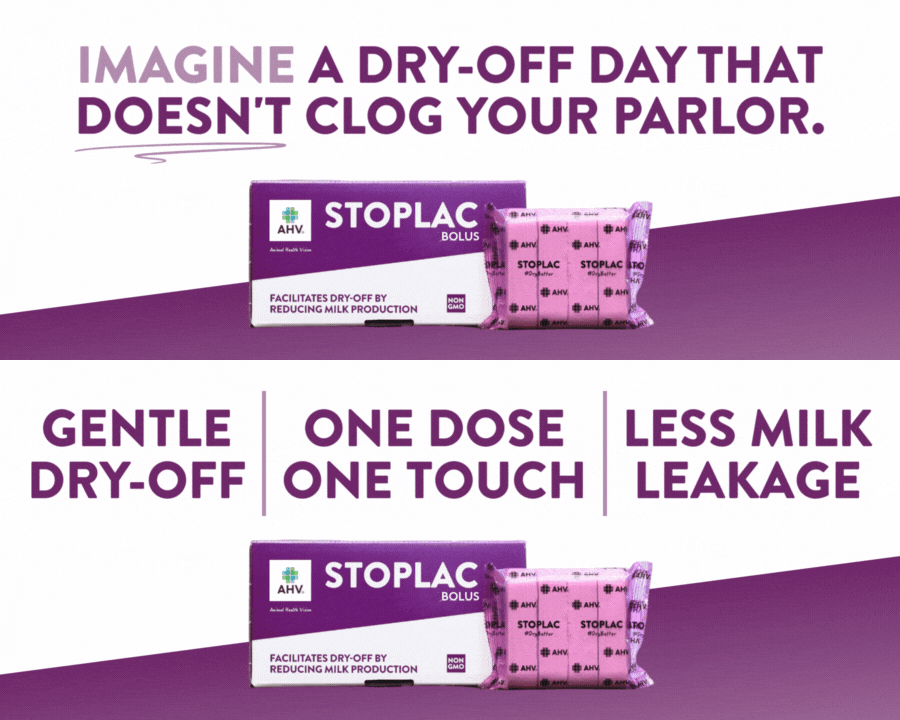

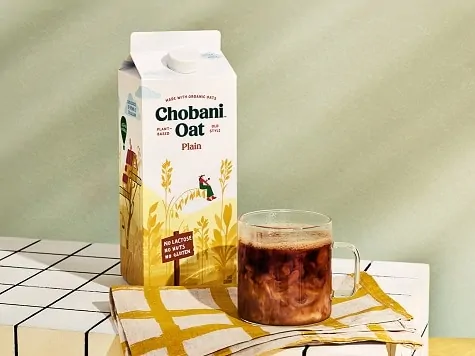


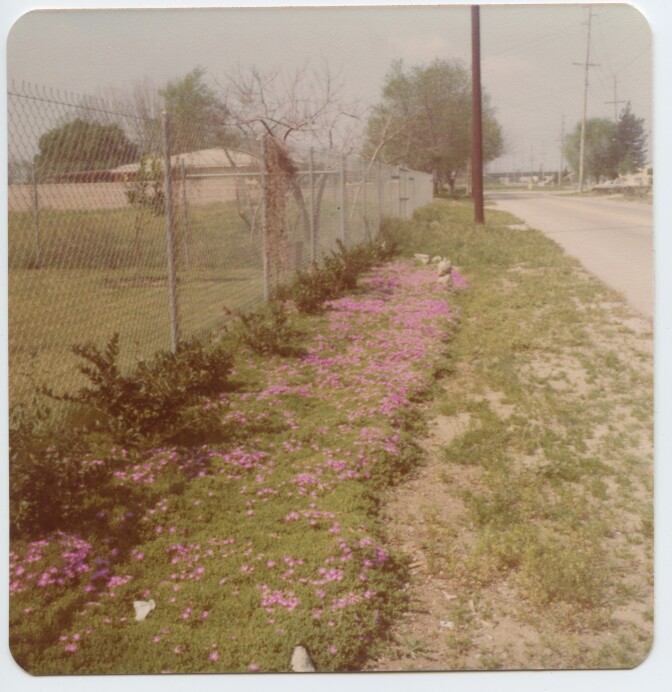

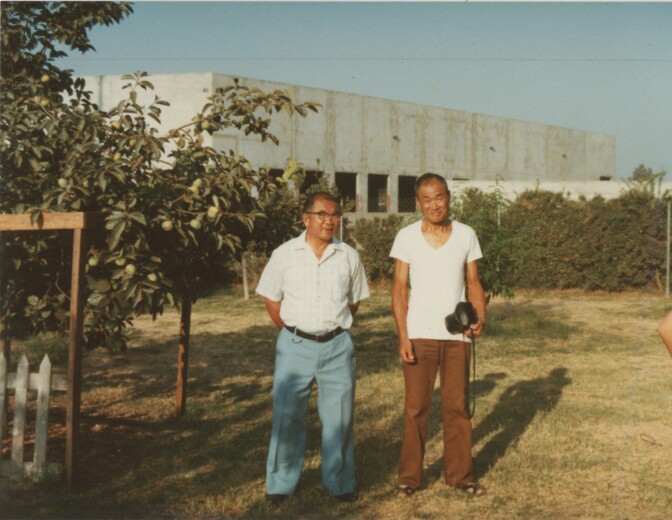
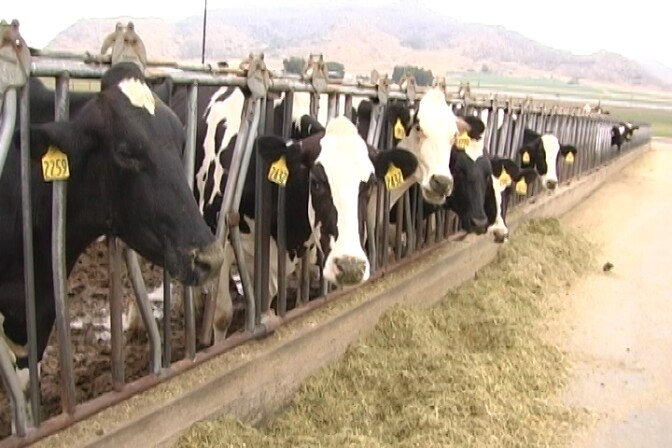

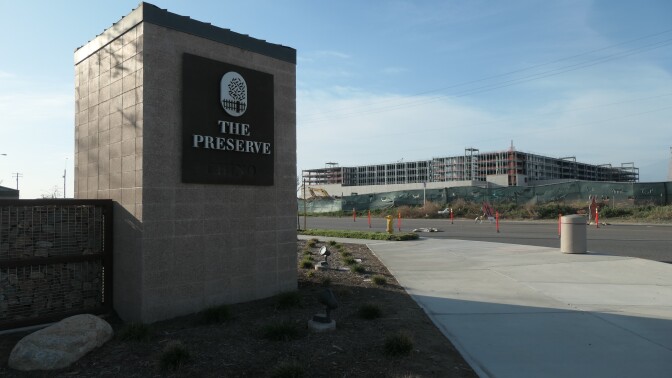
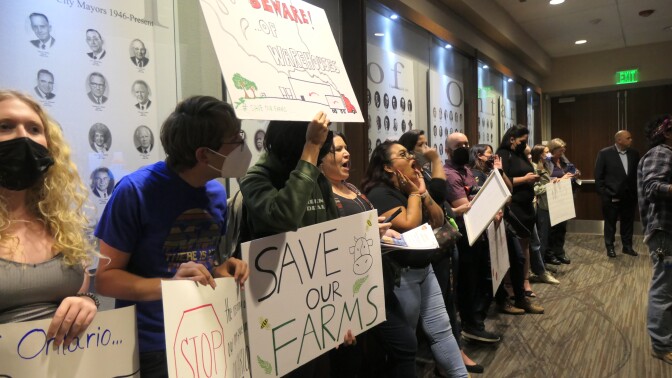


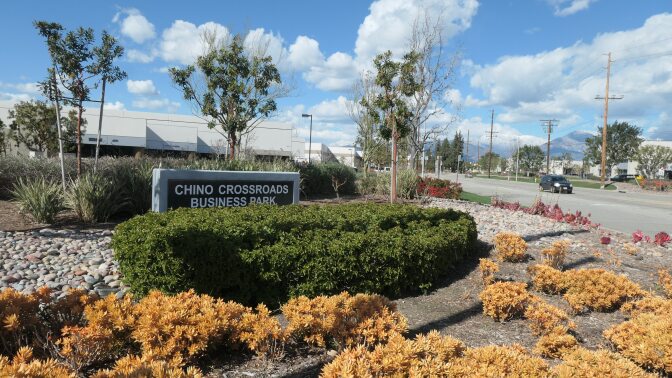
 Applications are now open for places on the five-strong Australian team set to compete at the 20th anniversary Young Breeders School in Battice, Belgium, in late August with young dairy men and women representing all dairy breeds encouraged to apply.
 Formerly called the European Young Breeders’ School, the increasingly international nature of the school, including welcoming Australia’s first team in 2019, has seen the COVID-delayed 20th rebranded as the Young Breeders School to reflect the global reach of the event more accurately.
 The first ever DATA & INNOVATIONS SUMMIT will be a conference that dairy farmers and dairy enthusiasts should seriously consider attending on Thursday June 30th which is being held in junction with the 2022 USA National Holstein Convention in Sioux Falls, South Dakota.