Dairy is New Zealand’s top earner following the impact of COVID on tourism and education. Much now rests on the shoulders of busy farmers, some of whom are still struggling to get key staff back through New Zealand’s borders.
Annual breeding is a key pressure-point in the dairy calendar that requires skill and experience. A local Hamilton company is now attracting global attention for an imaginative solution to a perennial farming headache.
Kiwi dairy farmers need to know exactly when to artificially inseminate cows. FlashMate was created to stick to cow hair during the breeding period to interpret cow behaviour. The red light comes on at just the right moment when the cow is on heat and the unit is easily removed after breeding without bothering cows. “Reading body language when you have as many as 1,200 cows isn’t easy” says Matt Yallop, one of the creators of FlashMate.
It’s a problem worth solving. Industry body DairyNZ put an annual value of NZ$1.5 billion on lifting the percentage of cows that are pregnant in the first six weeks of the annual mating period to 78 percent as the key industry target. Heat detection efficiency is a critical element in achieving this goal.
New Zealand is renowned for its dairy industry and FlashMate has not gone unnoticed by farmers and experts worldwide. FlashMate has reached far flung cows in remote Russia, Brazil, China, Chile and the Baltic shores of Estonia – even the mountains of Japan.
Dairy Industry bodies in Ireland, Japan and the USA are embracing FlashMate for its potential to lift productivity. In all three countries, clinical work has been completed to confirm the accuracy of the product. “We’ve been stunned by the strong interest outside New Zealand” says Yallop who receives offshore enquiries from farmers and experts every other day.
He suggests that with COVID effectively eliminating overseas travel, people are very open to doing international business online. This has freed up energy and resource which we can now focus directly on the local market. “There’s a huge number of positives there; I can be here in New Zealand with the family more and be far more available to support local farmers” Yallop says.
Peer-reviewed publications utilising FlashMate are being accepted into the prestigious Journal of Dairy Science in the USA. “It’s really exciting to see a New Zealand innovation unlocking valuable new insights into animals that have been farmed for millennia.” Once published, the science can be shared back to our industry via DairyNZ.
Yallop adds that many cultures find the concept amusing, “it’s a brilliant ice breaker” he says. “People soon see the science and results behind the idea; realise it’s not a gimmick and are keen to see their own herds fitted out with flashing lights.”
Internationally, language is challenging and while actions and gestures can help convey the message, this can get awkward too with the subject matter. “Google translate has also handed us some hilarious moments” laughs Yallop.
The product has clinically demonstrated a 6.3 percent lift in six-week in-calf rate on New Zealand farms, head-to-head with skilled farmers using tail paint. A number of farms have already attributed more than $100,000 in improvements over several years, freeing up labour and helping sustain their farming way of life, while improving on-farm efficiency.
Because FlashMate has a very low skill requirement and makes life easier on the farm, it can help to save the day for farms affected by staff caught in COVID border closures, which may explain an early surge in local demand for the seasonal product.
Here at home, most people don’t know the full story says Yallop, but word of mouth is steadily growing. FlashMate has already been used on DairyNZ research farms and the product is building a reputation among artificial breeding technicians for alerting heats that even highly-skilled farmers would otherwise miss.
“Farmers are constantly being told to use technology but aren’t always offered a realistic starting point” says Yallop. “Our approach is to keep it very simple, muck in with farms and support the real decisions farmers have to make.” He adds that everyone in New Zealand should look to support farming in every way they can while, particularly as they lead our economic recovery.
On family farms and in rural places across America, dairy farmers share a goal of caring for their cows and families while supplying the world with quality milk and dairy products.
Holstein America, the leading dairy program on national television, airs at 9 p.m. central time, Thursday, Sept. 24 on RFD-TV. Mark the calendar or set the DVR to join Holstein Association USA and thousands of viewers in celebrating America’s dedicated dairy farm families.
The upcoming episode showcases the diversity of farms across the country and opportunities found through U.S. Registered Holsteins, the world’s perfect cow.
“The Holstein cow is a natural converter. She takes energy from the sun, rain, and forages, and produces milk. It’s a wonderful, sustainable and efficient part of life that we have,” says John Meyer, CEO of Holstein Association USA. “Our mission with Holstein America is to share that story with fellow farmers and consumers alike.”
Discover how dairy farmers are sharing their livelihoods with the community and beyond — from artisan cheese and farm tours to Washington, D.C., where Holstein Association USA’s Board of Directors represent members.
The hour-long program, sponsored by Merck Animal Health, is the only dairy-specific program produced for a nationwide audience. The February 2019 episode attracted nearly 300,000 Nielsen viewers; and the five programs that have aired to date have drawn more than 1.3 million YouTube views.
Join Holstein Association USA and dairy farmers across the country for the sixth episode of Holstein America at 9 p.m. central time, Thursday, Sept. 24 on RFD-TV.
RFD-TV is a leading independent cable channel available on DISH Network, DIRECTV®, AT&T U-Verse, Charter Spectrum, Cox, Comcast, Mediacom, Suddenlink and many other rural cable systems. Reference local listings for more information.
The coronavirus pandemic has inevitably had an impact on global trade, with IHS Markit dubbing April-June 2020 “the worst quarter in trade on record”.
On a global level, it notes shipments to and from multiple key trading nations were down significantly on the year. But how did UK dairy trade perform, questions Katherine Jack, AHDB dairy analyst.
Cheeses and powders drive lower dairy imports
UK imports of dairy products (excluding liquid milk and cream) totalled 616.5k tonnes in Jan-Jul 2020, down 8% on 2019 and down 7% on the 3-year average (2017-2019). There has been some uplift in recent months, with June imports up on the year and July in line with a year previous. This is likely tied to the return of some foodservice demand as restrictions started to ease.
The reduced imports so far this year (Jan–Jul) were driven by cheeses and powders, down 3% and 6% on the year respectively. Other product categories such as butter, whey products and fermented dairy products (e.g. yoghurts) were up on 2019.
UK dairy product exports up on 3-year average
Exports of UK dairy products (excluding liquid milk and cream) totalled 330.8k tonnes for Jan-Jul 2020, down 8% on the same period in 2019, but up 6% on the 3-year average (2017-2019).
The year-on-year losses came from predominantly from lower exports of cheeses and fermented dairy products. There was also a small drop in exports of whey products, while butter exports rose and exports of powders and concentrates held steady.
The Commerce Commission has today released its final report on Fonterra’s base milk price calculation for the 2019/20 dairy season.
The base milk price is the average price Fonterra sets for raw milk supplied by farmers, which is currently forecast to be $7.10 – $7.20 per kilogram of milk solids for the 2019/20 dairy season.
The Commission is required to review the calculation at the end of each dairy season under the milk price monitoring regime in the Dairy Industry Restructuring Act (DIRA). The regime is designed to provide Fonterra with incentives to set the base milk price consistent with efficient and contestable market outcomes.
“We are satisfied Fonterra’s calculation is largely consistent with both the efficiency and contestability purposes of the Act,” Commission Deputy Chair Sue Begg said.
“Our review this year focused on Fonterra’s administrative and overhead costs, as well as the range of commodity products manufactured and sold, and revealed no new areas of concern.”
The Commission remains of the view that Fonterra’s current estimate of “asset beta” – the extent to which the assets associated with processing milk are more or less risky than the stock market as a whole – is unlikely to be practically feasible for an efficient processor. Fonterra is scheduled to review its estimate for the asset beta for the 2020/21 season, which will likely be a focus for next year’s report.
The final report and related information can be found here.
“Since the USDA began tracking per capita dairy consumption in the 1970s, the trend has continued upward for five straight decades, increasing 21% since 1975,” said Michael Dykes, D.V.M., president and CEO of the International Dairy Foods Association.
“While Americans have always turned to dairy products as fresh, nutritious staples in their diets, they also value the versatility of dairy in new, delicious, and more accessible products. Thanks to its continued innovation and ingenuity, the dairy industry is poised to continue to grow and deliver nutritious products for Americans.”
In the past decade, domestic per capita consumption of cheese is up 19%; per capita butter consumption is up 24%; per capita yogurt consumption is up 7%. Ice cream per capita consumption also rebounded in 2019, increasing by a half-percent over 2018.
Overall, ERS data show American dairy per capita consumption across products consistently increasing each year, with 2019 up 6% over the past five years, 10% over the past 15 years, and 16% over the past 30 years.
“The product mix in most demand by consumers is changing—we eat more dairy than we drink these days—and dairy on the whole continues to grow,” Dykes said.
Fonterra Australia has agreed to purchase cheese processor Dairy Country for AUD 19.23 million ($14.03 million approx.) from food and beverage company, Retail Food Group.
Fonterra claims to hold a 23% market share in the ‘AUD 2.6 billion Australian retail cheese category’. The company expects the acquisition to help drive efficiencies in its Australian cheese business, which includes brands such as Perfect Italiano, Mainland and Bega.
The deal includes Dairy Country’s processing and packing facilities at Campbellfield and Tullamarine in Victoria, along with related services, intellectual property and the trademark for the Dairy Country brand.
“This acquisition is a logical choice and further supports our strategy to be customer- and consumer- led, while ensuring we keep pace with the fast-growing cheese category in Australia,” said Fonterra Australia managing director, René Dedoncker.
“Dairy Country has two well-equipped secondary processing sites with capability across grating, shredding and block, as well as an experienced workforce.
“For some time we have been looking to bring more of our secondary cheese processing in-house to gain greater end-to-end control over a range of different cheese products and further strengthen our integrated supply chain.
“Having this kind of capability in-house will enable efficiencies and allow us to make the most of opportunities for value creation and product innovation.”
The ‘majority’ of Dairy Country’s permanent employees will reportedly transfer to Fonterra and continue to work at the Campbellfield and Tullamarine facilities.
The transaction is subject to regulatory approvals and standard closing conditions.
Dairy farmers are encouraged to become members of both ADF and DA.
While the Australian dairy industry waits for decisions to be made around the Dairy Plan, the regular show must go on and our two national organisations, ADF and DA must continue to operate under their constitutional guidelines. This means that significant executive board elections for both organisations must be held later this year and all dairy farmers must get actively involved.
I would encourage all dairy farmers to become members of both organisations (membership is not automatic for either), particularly given the important changes being planned that will significantly affect the future of the dairy industry.
As the newest QDO board member, I am the least seasoned by the political intrigues of our industry and I find the actions of some of the more self-interested parties hard to accept. But I do know that if I don’t like what’s going on in the industry, I need to exercise my democratic vote to make change happen.
QDO president Brian Tessmann has applied as a candidate for the Australian Dairy Farmers (ADF) director position that will be contested at the 2020 ADF Annual General Meeting scheduled for Thursday, November 26.
Two director positions are being contested at this election. John Versteden is up for re-election and Bruce Donnison will not recontest at the AGM.
Most importantly for this current election, ADF is the lead organisation for the national Dairy Plan and as such, its board members have significant influence on the future of the Australian dairy industry, so these appointments are especially important.
While Brian is already involved as a member of the ADF National Council and is on several of ADF’s Policy Advisory Groups which report back to the board, these roles do not allow Brian to have an active decision-making role in the strategic direction of ADF or the Dairy Plan.
Only ADF board directors can determine the direction of ADF and they have a pivotal role in key decisions around the Dairy Plan. It is these directors who need to drive the structural changes that grassroots dairy farmers have been demanding.
Having now worked alongside Brian on the QDO State Council for the past year, I have come to know Brian’s professional history and where he stands on national policies. I am confident that he can provide dairy farmers from the northern regions of Australia with a significant and strong voice that will make change happen.
Come November, I will be putting my vote with Brian and encourage any dairy farmer who is a member of their state advocacy body to do likewise.
New membership applications for ADF must be received no later than Friday October 9.
If you would like assistance in completing your application or have any questions regarding the application, contact Kerrie at QDO on 3236 2955.
Fluid milk consumption among children is vital, as adequate consumption of dairy products, especially during childhood, has beneficial health outcomes later in life. These benefits include reduced risk of osteoporosis, hypertension, obesity and cancer in adulthood.
Milk consumption among children has been declining for decades, so understanding and fulfilling the needs of children is crucial to reverse the decline. In an article appearing in theJournal of Dairy Science, scientists from North Carolina State University and Cornell University studied key contributors to increasing milk consumption among children. Factors evaluated in the study included food trends, nutritional and school meal program requirements, children’s perceptions and preferences, and environmental influences. Among these influences, flavor and habit were the primary drivers for long-term milk consumption.
In this episode of Feedstuffs in Focus, Feedstuffs editor Sarah Muirhead talks with senior author MaryAnne Drake, PhD, department of food, bioprocessing and nutrition sciences, North Carolina State University, and Dr. David Barbano, professor of food science at Cornell University about their ongoing research.
“Making milk more appealing to children, having schools include milk in their meal plans, and increasing the types of milk available in schools are all positive options to encourage children consume fluid milk and receive those health benefits,” said Drake. “The findings in this study, however, reveal critical insights that will aid in efforts to increase milk consumption among children.”
This episode is sponsored by Balchem Animal Nutrition and Health – join Balchem for their Real Science Lecture series, a weekly webinar series featuring ruminant nutrition experts discussing vital topics for today’s dairy industry. You can learn more at BalchemANH.com/RealScience.
Born of a noble idea, dairy cooperatives let farmers join forces to get a good price for their milk and stand up to powerful interests. Now the coops are powerful, huge, and squeezing the farmers that ostensibly own them.
Earlier this summer, the Justice Department filed a legal brief to support Northeastern dairy farmers. More than 115 farmers are suing mammoth milk processor Dairy Farmers of America (DFA) for conspiring to hold down milk prices. The farmers argue that DFA violated antitrust laws by colluding with other milk buyers and striking exclusive deals with processors. The sad irony is that many of these farmers are owners of DFA, which isn’t a publicly traded agribusiness giant but rather a cooperative.
And there’s the problem. Cooperatives are meant to be a democratic and producer-owned alternative to corporations. Farmers have long used cooperatives to join forces and bargain with dominant agribusiness. Instead of selling their milk solo to Big Butter, Inc. farmers can form a cooperative that helps market their products to larger buyers or even build a farmer-owned butter factory.
The problem is some cooperatives have started to resemble the giant agricultural businesses they were meant to reign in. Under pressure to get big or get out, co-ops such as DFA have developed perverse incentives to squeeze their own members. Growing business hierarchies make cooperative managers less accountable to farmer-owners.
The dairy showdown has lessons for us all no matter where we work. The struggles of family farmers to build power together against giant agribusinesses parallel the struggles of Uber drivers and third-party vendors on Amazon to organize and bargain collectively. Ensuring healthy cooperative governance is critical for all independent contractors, workers, and small business owners who need rights to cooperate with one another in increasingly monopolized markets. Together, greater antitrust enforcement and healthy cooperative enterprise have massive potential to lessen structural inequalities and build an economy based on more than just short-term profits for investors.
A recent report by the Open Markets Institute, an anti-monopoly think tank where I work, argues that proper antitrust enforcement is critical to both level the playing field for cooperatives and to rein in cooperatives that no longer serve their members. By arguing that DFA’s exclusionary conduct and buyer power over dairy farmers could violate antitrust laws, the DOJ’s recent brief marks a step in the right direction.
But bolder action is needed. To truly rebalance power in agricultural markets and ensure that co-ops serve their members’ interests lawmakers and antitrust enforcers need to break up dominant agribusinesses and institute stronger guidelines ensuring healthy, democratic cooperative governance.
Cooperatives were a cornerstone of early anti-monopoly movements in the late 19th century. At the same time that farmers in the Populist and Progressive eras pushed hard for anti-monopoly laws to break up the power of railroad, granary, and meatpacker cartels, they also promoted cooperatives to build power among farmers. Unions and farmers organizations such as the Knights of Labor and the Farmers Alliance promoted farmer-and worker-owned cooperatives as a democratic alternative to replace exploitative financier-run firms.
Much to their dismay, the very antitrust legislation that reformers helped pass initially hindered this burgeoning co-op movement. Rather than take on big business, early enforcers used the Sherman Antitrust Act of 1890 to break up labor unions and farmer co-ops. In 1895, for example, Chicago-area milk distributors successfully sued a local dairy co-op by arguing that the co-op’s insistence on an exclusive contract was an illegal restraint of trade under state antitrust law.
In response, farmers helped push through the 1922 Capper-Volstead Act to protect economic coordination within agricultural cooperatives. The law largely protects cooperatives from antitrust scrutiny. Unfortunately, farmers and lawmakers did not foresee cooperatives growing to mimic monopolists.
The number of agriculture cooperatives grew through the 1960s until policy changes began to consolidate the agricultural economy around them. Free-market ideology overtook antitrust enforcement in the 1970s and ‘80s, and a flurry of agricultural mergers prompted consolidation among cooperatives as well. As DFA states in its official business history, “as milk processors and grocers grew larger and more national in scope, it was clear that the regional structure of the traditional cooperative couldn’t keep up.” The number of cooperatives dropped from 6,445 in 1979 to only 2,186 in 2014, largely due to mergers and buyouts.
DFA, for instance, merged with regional co-ops to become a dominant raw milk buyer – and sometimes the only buyer – in many local markets. The co-op also moved beyond just negotiating better milk trucking terms or selling milk to major dairy processors, such as Kraft or Chobani, by investing in their own milk trucks and processing plants to ship and bottle their own milk or make their own cheese. As dairy processing became a larger part of their business, DFA managers developed a perverse incentive to pay less for members’ milk in order to maximize processing profits. DFA does not sharethese profits with farmers and instead pads its managers’ and executives’ pockets while dairy farms go out of business at a historic clip.
As the nominal owners of DFA, farmers should be able to have a voice in the direction of their cooperative by electing board members or voting on major business decisions. But DFA members complain that the co-op is not sufficiently transparent in its decision-making and that board members, each elected by different regions, hold too much decision-making power compared to farmer members.
As a result, some DFA members felt they had no other recourse but to sue their own cooperative for conspiracies to fix prices, resulting in two multi-million-dollar settlements. The most recent case, a spinoff from farmers who opted out of one of these settlements, is set for a federal district court jury trial in September. The plaintiff farmers allege that DFA and other cooperatives agreed to not poach each other’s members and shared how much they were paying farmers for their milk, limiting competition and holding down prices. They also allege that DFA entered into exclusive supply agreements with major processors such as Dean Foods and Chobani that guaranteed low milk prices for processors and forced farmers to work with DFA in order to access these major markets.
The DOJ weighed in on the side of farmers and critically argued that the antitrust exemptions of Capper-Volstead do not function as a “shield insulating monopsonies from the antitrust laws.” In order to maintain its Capper-Volstead protections, the DOJ says that DFA must prove that its collusion and exclusionary conduct benefited farmers.
While this brief is a step in the right direction, it may not make up for the fact that this same DOJ recently approved DFA’s acquisition of dominant dairy processor Dean Foods, which sells 12% of all fluid milk in the U.S. Unsurprisingly, DFA also struck exclusive deals to become the only milk supplier for Dean Foods in exchange for locking in low milk prices for Dean, harming farmer members. Rolling Dean’s plants into DFA makes these illegal arrangements perfectly legal as internal business coordination.
Truly reforming cooperatives requires a broader anti-monopoly approach, as the Open Markets Institute’s report argues. First, we need renewed antitrust enforcement to break up big processors and retailers that pressure cooperatives to expand into similar monopolies. Second, we need greater scrutiny of cooperative mergers, to avoid dangerous concentrations of buying power in cooperatives. This includes skepticism of deals that allow dominant co-ops to vertically integrate into processing. And any cooperative that does not demonstrably benefit its members should not receive Capper-Volstead protection from antitrust action.
Most critically, we need to restore the democratic promise of cooperatives so that farmers once again have a say in co-op decision-making. This includes promoting federated cooperative structures where some national scale is necessary; mandating one-member, one-vote systems; regular board elections; and limiting cooperative membership to bonafide farmers directly involved in food production (some cooperatives take on non-patron investor members or board members to raise capital). Management must also share more information with farmer members, and the largest co-ops should be held to the same information reporting standards as publicly held corporations are, including executive compensation disclosure.
Finally, Congress and the USDA need to rebuild federal cooperative research, education, and technical assistance programs. At its peak in the 1960s, the USDA had more than 100 employees supporting the cooperative movement through training and technical assistance that helped farmers form and manage cooperatives. This assistance can help co-ops get off the ground and empower coop members to develop healthy governance structures that prevent a managerial takeover. But as of this writing, the USDA Rural Business-Cooperative Service directory lists only four staff members dedicated to cooperative services, and a 2018 letter from the agriculture secretary proposes transfers that would further shrink federal cooperatives services.
Congress should also appropriate more public financing opportunities, modeled after the National Rural Electric Cooperative Finance Corporation, to provide capital for the creation of new co-ops and to help established co-ops stay afloat in economic crises such as the ongoing pandemic. Limited access to financing pushes cooperatives to take on investor members and resemble true corporations.
In the 19th Century, the Knights of Labor’s vision to replace short-term profit-oriented corporations with farmer- or worker-owned cooperatives was transformative. In the 21st Century, we need bold federal policy that ensures cooperatives live up to their democratic ideals.
U.S. President Donald Trump has been campaigning in Wisconsin on what the new NAFTA deal will do for dairy farmers. Dave Daniels, who runs a farm near Kenosha, says the new trade deal with Canada might help stabilize milk prices but he doesn’t expect to feel a personal boost. (Alex Panetta/CBC)
Talk to Wisconsin dairy farmers about the ground-shifting events in their industry and it’s striking how rarely the new trade deal with Canada comes up.
That might surprise anyone who’s heard about the dairy liberalization in the new North American trade agreement — which gave U.S. producers a bit more access to Canada’s tightly controlled dairy market, and limited the Canadian sector’s ability to export dairy products to the U.S. — described as a major development.
The 2018 deal has been characterized that way on both sides of the border: by Canadians unhappy with the new NAFTA, and in the U.S. by President Donald Trump as he campaigns in Wisconsin, a key presidential election swing state and dairy-producing region.
It could soon heat up again as a political issue. The U.S. has hinted its first lawsuit against Canada under the new pact might involve dairy, as Democratic and Republican politicians have written letters accusing Canada of unfairlyimplementing the deal in a way that discriminates against U.S. farmers.
But right now, down on the farm, based on conversations with American dairy operators of different political stripes, trade with Canada ranks low on the hierarchy of priorities.
America’s huge dairy sector generates tens of billions in revenue each year and regularly deals with abrupt and brutal price swings that dwarf the few hundred million in new revenues expected from Canada.
“It’s a drop in the bucket,” said Sarah Lloyd, a Democrat and dairy farmer who lives two hours west of Milwaukee, describing the new Canadian market access.
A tractor passes a sign expressing support for Wisconsin’s dairy farmers in Watertown, west of Milwaukee, on Aug. 18, 2020. (Alex Panetta/CBC)
A third-generation dairy farmer near Kenosha, who voted for Trump in 2016 and said he probably will again, Dave Daniels, said the new pact might help the overall market a bit.
But, “On my own bottom line it’s probably not going to make a lot of difference,” he said.
Lloyd Holterman said he’s heard detailed opinions about this agreement in one place — in Canada, when he visits for dairy conferences.
“They seemed to know more about it [in Canada] than I knew. [Farmers there] were upset … so I figured we probably got the better end of the deal,” said Holterman, who prefers not to divulge his voting intentions
“I don’t know how big a deal it was, really. … That’s a small [market in Canada].”
Dairy farmers in Wisconsin have considerable political power this year.
Why Trump needs Wisconsin farmers
Wisconsin, a swing state, will be decided not just by whether Trump wins a majority of votes in the rural, milk-producing areas — as he almost certainly will.
The other factor is whether Trump racks up enough of a lead here to offset his likely deficits in urban areas, like Milwaukee and Madison.
And the dairy deal with Canada is central to Trump’s re-election message here.
Trump supporters greeted Vice President Mike Pence as his motorcade headed to a dairy farm in Onalaska, Wis., on July 17 to promote the new North American trade deal. (Mark Hoffman/Milwaukee Journal-Sentinel via AP)
In speeches last month in different parts of the country, Trump promoted the new NAFTA as a turning point — he said, in one, that Canada used to take advantage of the U.S. when it came to dairy, “but not anymore.”
At the Republican convention, his daughter Ivanka described the president constantly asking about dairy when getting briefed on the NAFTA negotiations: “[He would say], ‘Don’t let down those dairy farmers I met in Wisconsin. I don’t want them to like this deal; I want them to love it.”
Even if the Wisconsin farmers have limited expectations for the agreement, they do appear to like the fact a deal has been made. The industry is craving stability after a wild few years, and this pact helps in that regard.
WATCH | In 2017, Trump said Canada was doing ‘very unfair things’ to U.S. dairy farmers
U.S. president’s new ‘Buy American and Hire American’ executive order targets Canada’s dairy industry 1:24
More than half of U.S. dairy farms shut down over the last two decades and 2018 and 2019 were some of the hardest years on record.
The destabilizing forces included a dramatic plunge in prices. Whole milk prices dropped 33 per cent from 2014 to 2016, then remained low for years. Milk consumption has also declined. And there’s never-ending pressure to keep growing, keep innovating — or die.
“Highs, lows, highs, lows,” said Daphne Holterman, Lloyd’s wife, describing the unpredictability of U.S. dairy prices.
American farmers were happy it set limits on Canadians’ ability to sell protein powders on world markets: they argued that Canada was damaging the entire industry by dumping excess product at artificially low prices.
That’s the issue that first caught Trump’s attention in 2017 when dozens of Wisconsin farms lost their contract with a processor who couldn’t compete with what they perceive to be non-market Canadian rates.
“That hit Wisconsin pretty much right in the jaw,” Daniels said.
The U.S. dairy industry is huge. Its trade volume with Canada is, and will continue to be, comparably minor. (CBC News)
The agreement also gave Americans more access to dairy sales in Canada, which tightly controls the supply and prices of dairy products.
The U.S. International Trade Commission, tasked by Congress with analyzing the effect of American trade agreements, estimated that the pact would increase U.S. dairy output by a mere 0.1 per cent.
Lloyd Holterman, who farms near Milwaukee, calls U.S. dairy competition ‘brutal,’ with survival requiring constant innovation. (Alex Panetta/CBC)
It suggested exports to Canada would grow $227 million a year — which is an increase of exports to Canada of one-quarter to one-half of recent estimated annual volumes. That’s a significant change for Canada.
But it’s closer to pocket change for the U.S. American dairy farms generated approximately $40 billion in cash receipts last year.
A price plunge, then a pandemic
Dairy was hit hard by the commodities bust that sent prices plunging in the mid-2010s, touching everything from oil to food crops.
Then just as things seemed to be picking up after last year, the pandemic struck. Purchases froze up at schools, restaurants and workplaces, which account for nearly half of U.S. dairy consumption.
“The cows didn’t get the memo that said, ‘Hey, we’ve got COVID, slow down,'” said Mark Stephenson, a dairy-markets expert at the University of Wisconsin.
A view of Dave Daniels’ farm near Kenosha, Wis., which has stayed profitable by consolidating assets with neighbours and investing together in new technology. (Alex Panetta/CBC)
“We had a lot of milk that needed to be processed, that needed to have a home. And it’s not like corn — you obviously can’t keep it in the bin for a while, until you find a sale. It has to go.”
Farmers have long had to innovate, or get out of the business. Daniels and the Holtermans describe how they’ve merged their farms with partners, pooled their resources to buy better machines, and done everything from breed longer-living cows to installing equipment that cut the cost of feeding and veterinary services.
Lloyd Holterman said business is now picking up again. He got twice as much revenue last month as in May — people cooking at home are now using more butter, milk and cheese, and products originally destined for commercial establishments are being repackaged for home use.
Half the cost of producing milk goes to feeding the cows. The Holtermans, who run this farm west of Milwaukee, reduced long-term expenses by investing in this grain-feeding system. (Alex Panetta/CBC)
“[Tough times are] an opportunity to get better,” he said. “When things are really good, you get sloppy. … So we’ve actually done pretty well through the downturn.”
But he concedes the constant pressure to innovate can be tough.
“Our system of dairy production is brutal. It’s brutal. Nobody feels sorry for anybody that goes broke,” Holterman said. “That’s the way business is here. … The positive side is we have high quality and cheap prices.”
Some American farmers, including Sarah Lloyd, wish their industry were a bit more stable and are pushing for the U.S. to adopt Canadian-style controls on prices and supply volumes.
But the Holtermans and Daniels doubt that idea will fly in the U.S.; they say they prefer the less-regulated American system, arguing it encourages competition and innovation.
The big export market: Mexico
Another way U.S. farmers have survived the lean years is by expanding trade: export volumes have grown, over a generation, from negligible amounts to 18 per cent of total U.S. dairy production.
The largest market by far for U.S. dairy exports is Mexico, with Canada second.
Wisconsin dairy farmers were more worried that the bigger market to the south might slip away, amid tensions between Trump and Mexico, and his threats to rip up NAFTA.
“There was some offensive things said about Mexico as a country,” Lloyd Holterman said. “They, rightly, took offence to that.”
Sarah Lloyd, right, seen here with her husband Nels Nelson in 2017 on their farm two hours west of Milwaukee, calls the new Canada exports ‘a drop in the bucket’ compared to the major issues that need to change in her industry. (Marie Claudet/CBC)
But a representative of the U.S. dairy lobby in Washington said the new trade with Canada should make a difference. She said a tiny change in markets can have a ripple-effect on prices.
Now, said Shawna Morris, vice-president for trade policy at the U.S. National Milk Producers Federation, people will be scrutinizing whether Canada, in fact, lets more dairy in.
She and others were concerned that Canada has, in past trade agreements and in this one, made it too difficult for foreign companies to access new import quotas, leaving them unused.
“It’s about fairness for us,” Morris said.
“The U.S. negotiated really hard for this. It’s not full access to the Canadian market. It’s nowhere even close to it. But we definitely want to make sure we get what we thought we had on paper.”
Election predictions
So does this deal help Trump win Wisconsin again? Trump carried the state by a margin of one per cent last time, and polls show him behind now.
Daniels says it’s going to be tough.
Daphne Holterman, who runs a farm with her husband Lloyd near Milwaukee, says prices keep fluctuating wildly. (Alex Panetta/CBC)
What he hears from people in his area is that those who voted for Trump last time will vote for him again; he suspects, however, that Democratic turnout will spike in cities from its low 2016 level.
“It’s going to be a pretty slim margin if he does [win],” Daniels said.
Lloyd Holterman said he likes what Trump has done on taxes and deregulation. He assumes the state will be a tossup, with the vast majority voting as they did in 2016.
But “I can’t even predict,” he said. “48 hours is an eternity.”
A 99-year-old Vermont dairy is shutting down at the end of September because of the Coronavirus pandemic.
Owners of Thomas Dairy, in Rutland, announced in a Facebook post that it will close at the end of the month because the pandemic hit them hard and the future remains uncertain.
They said they had less business from the traffic colleges, restaurants and tourism would bring in.
Fifth generation co-owner Abby Thomas says including increased competition from organic and nut milks, and the facilities are in need of expensive upgrades also played a role.
The owners tried selling the dairy, but they were unsuccessful.
Canada had extra cheddar in July. About 38 million kilograms of extra cheddar.
That’s not unusual. The sharp, hard cheese — a statistical benchmark for the federal government — has a long history in Canada’s almost $7-billion dairy industry. A history that’s key to understanding modern-day dairy politics.
“You need to go back to the farm level and the pricing of raw milk used to make cheese,” Al Mussell, an economist and research lead for Agri-Food Economic Systems, said.
Canada made roughly 515 million kilograms of cheese in 2019, costing on average $15.14 per kilogram.
About 31 per cent this was cheddar, while the remainder was what Statistics Canada calls “variety cheeses” — a group that includes everything from mozzarella to camembert.
These cheeses are by far preferred by Canadians: Their production and consumption has more than tripled since 1980. Cheddar consumption remained relatively stable during the same period.
Canadians taste for “variety cheese” — every kind of cheese except cheddar or processed cheese — has increased exponentially since the 1980s. Still, cheddar remains a statistical benchmark in large part due to its historical role in shaping Canada’s dairy industry. Graph by Agriculture and Agri-Food Canada/Data by Statistics Canada.
It wasn’t always like this: Cheddar was once Canada’s most coveted dairy product at home and abroad.
“Cheddar cheese was a huge item that was exported to Great Britain during the war,” Mussell explained.
Canada, along with other Commonwealth countries such as Australia and New Zealand, was a key supplier of food to Britain during the Second World War. By 1945, more than 325 million kilograms of cheddar had been sent across the Atlantic to support the war effort.
That demand transformed the Canadian dairy industry, boosting the volume of milk farmers could produce and the amount of cheese and other dairy products made in the country. It was a boom for Canadian farmers, one that many expected would continue after the war, Mussell explained.
It didn’t. Demand for Canadian cheese and dairy tumbled, leaving farmers with too much milk on their hands and unsustainably low prices.
“We languished for decades under these chronically low milk prices,” Mussell said.
The federal government took a few different tacks to help dairy farmers through the 1950s, including import controls and subsidies to keep the industry afloat. These subsidies ended up costing hundreds of millions of dollars, Mussell explained, essentially to offset surpluses.
It wasn’t a sustainable solution, so the federal government developed a policy to cap the number of subsidies a farmer could receive with the goal to reduce the overall supply of dairy.
From there, it was a relatively easy shift in 1965 to capping the volume of milk farmers could produce — giving them milk production quotas, in other words. It was the start of a supply management system that endures today.
Canadian dairy farmers each own a milk quota, which only allows them to produce a set quantity to prevent milk flooding the market, while milk prices are controlled to reflect farmers’ costs of production. Both mechanisms are managed by the Canadian Dairy Commission.
Milk and dairy imports are also strictly controlled, with high tariffs applying to all dairy imports above a set threshold — a major sticking point between the Canadian government and the Trump administration in the recent NAFTA renegotiation.
It’s an approach that’s not without critics.
“A straightforward approach to improve the quality of life for all Canadians is to eliminate the quota system and restore a competitive approach to pricing our basic food inputs,” states a 2017 report by the Fraser Institute, a Vancouver-based right-wing think tank.
The supply management system, it argues, results in Canadians paying unnecessarily high prices for dairy products. Prices that could be lowered in an unregulated dairy industry similar to the one in the U.S.
It’s a model with no guarantee of success: Dairy products are not significantly cheaper in the U.S. For example, in December 2018 the average price of American cheese was $15.60 per kilo — 46 cents more expensive than in Canada. Meanwhile, American dairy farmers deal with significant price fluctuations, exacerbated by COVID-19, that put intense pressure on farms’ financial viability.
For Mussell, those arguments hold minimal appeal — especially when the supply management system is put into context.
“What I see is decades of misery (in the 1950s and 1960s) and a search for a policy approach that could work to deal with this issue and the government stumbled on it,” he said.
Cheddar might not be on many Canadians’ dinner plates — but its legacy lives on.
SNAKEOIL breeders: Neil and Simone Joliffe are the proud breeders of Currajugle SNAKEOIL, one of the most exciting sires to hit the market, and are pictured here with two SNAKEOIL milking daughters.
Australian sales of Sexcel sexed genetics has doubled in the past five months as dairy farmers reduce bobby calves and breed replacements from their most profitable cows.
This comes as one of the country’s most popular Sexcel Holstein bulls, De-Su 12128 Tailor, held firm in the recent Australian Breeding Values (ABV) release.
With one of the highest scores for udders, at 112, Tailor has been the biggest selling ABS Sexcel and conventional sire in Australia during the past four months according to ABS’ Australian business operations manager Bruce Ronalds.
He said Tailor’s popularity was testament to his consistency.
He has added 74 milking daughters to his Australian proof and increased to 317 Balanced Performance Index (BPI).
“Tailor had a strong BPI and was identified as a top Australian sire back in April and now he’s improved again,” Mr Ronalds said.
“Dairy farmers have chosen him with confidence and are making the most of sexed Tailor to breed the next generation.
“With an increase in demand around the world Sexcel’s improved conception rates mean farmers now have confidence using it to join their cows, no longer is sexed genetics just for heifers.”
Mr Ronalds said dairy farmers could create their own certainty in their breeding program as nine of the top 21 Australian-proven Holsteins sires in this ABV release belonged to ABS.
This success is a credit to the vigorous testing to ensure the bulls work consistently on Australian farms, according to Mr Ronalds.
De-Su 13530 Seville, with a BPI$ of 391 ranked number four on the Interbull list, he is yet to receive an Australian proof, as he only has 15 daughters milking in Australia.
“With a short gestation, 10 days less than the breed average, he stands out from the pack,” Mr Ronalds said.
“He’s perfect to tighten-up calving, to use over later calving cows.”
Another new standout proven sire is 29HO17334 Wilder Hamlet.
With a BPI$ of 347, he’s one of the few black, A2 sires that also has exceptional functional type, Mr Ronalds said.
“There aren’t many that have a Dairy Strength of 103, Rump Composite at 101, Overall Type 109 and Mammary at 107,” he said.
New bull on the block
He might be called Snakeoil, but there’s absolutely nothing deceiving about one of the most exciting new Holstein sires to hit the market.
Bred in NSW, Currajugle Snakeoil is the son of one of Australia’s most loved Holstein bulls – Seagull-Bay MVP.
Snakeoil’s production has turned heads.
“It’s phenomenal, he’s 1.12 per cent of milk fat, I’ve never heard of a bull so high,” Mr Ronalds said.
“I don’t think I’ve seen a bull with more than one per cent.
“His protein is 0.64 per cent, that’s almost double other bulls.
“The cow family averages about nine per cent solids, it’s incredible and important for the bottom-line.”
With 25 milking daughters in Australia, the five-year-old will soon receive an Australian proof.
Genomic giants
29HO19378 FB 53 Kenobi Giannis is a Holstein sire that ticks all the boxes.
Black in colour, A2 and scoring 105 for Calving Ease and 111 for Daughter Fertility – he was perfect for anyone looking for an all-round bull, Mr Ronalds said.
Hot off the success of outcross Sexcel Jersey sire 29JE4213 Forest Glen Craze TRIPP – 206 BPI$ – ABS has introduced 29JE4195 ABS Marine to the Australia market this year.
With a 166 BPI$, positive daughter fertility and extreme teat length – 107 – he was what Jersey breeders had been asking for, according to Mr Ronalds.
“He’s a CRAZE son, so an outcross to VALENTINO and TBONE, which are common bloodlines in Australia,” he said.
“Since we bought TRIPP into Australia as an outcross, we’ve hardly been able to keep up with demand.
“Australian farmers want an outcross and Marine is their answer.”
One of the few Jerseys with a positive score for milk components, new bull CSCMOTOWN (Murray Brook MOTOWN) has entered the genomic ABV rankings at number 16.
Western Victorian-bred, he is a half-brother to the popular CSCJAMIEO and is a standout for Type at 107. Known for his teat length, he is also 109 for udders.
Gippsland-bred CSCTOYOTA (Auburn Vale TOYOTA), 243 BPI$, boasts a 108 for Daughter Fertility – the highest in the top 11 genomic Jersey bulls.
Top-class reds
Australian dairy farmers are seeing red – and loving it.
ABS sales of Red-breed semen have doubled, with the first sexed Red bull 252NR11690 ROEN leading the charge.
Ranked at number one on the Health Weighted Index (HWI) and number two with a BPI of 275, ROEN also has breed-leading Daughter Fertility at 111.
Sold under the REDX™ brand – using the same technology as Sexcel® – he is proving his value on-farm.
252NR11819 ONSTAD P, sitting just one Australian Selection Index (ASI) point behind Australia’s top Red bull, is heterozygous polled, 106 for Type and 260 BPI$.
“Normally bulls this good are kept for use back in Norway, but they are making BRUMUNDDAL PP available. Great news for Australian farmers,” Mr Ronalds said.
“He is A2, heterozygous polled and the highest Norwegian bull available at 34 Total Merit.”
The introduction of BRUMUNDDAL PP follows the Australian success of fellow Norwegian high-ranked, heterozygous polled, A2 Red bull 252NR12009 MAURSTAD PP who is also now available in REDX.
You may hear stories about milk increasing mucus and that milk should be avoided when you or your child has a cold or asthma. But science tells a different story.
A recent review of scientific studies found no link between milk or dairy intake and respiratory disorders or mucus production.
Now, you may be wondering how these stories about milk and mucus got started. Milk is an emulsion, a blend of fluid and solids (protein, carbohydrates and fat). When this emulsion combines with saliva in the mouth, the saliva temporarily becomes thicker. This natural process led people to believe that milk was increasing mucus when, in reality, it was a temporary “film in your mouth” that could be rinsed away with a few sips of water. Unfortunately, moms, grandmothers, some health care providers and even the 1950s celebrity pediatrician Dr. Spock spread the myth that milk caused mucus.2 3
What is the harm in believing this myth? Parents and caregivers might think it is best to cut out dairy products to help them or their child get through the illness easier. But omitting dairy leads to missing nutrients such as protein and calcium. Dietary calcium and adequate protein intake are both important in the prevention of bone fractures, normal growth and reduced risk of developing osteoporosis later in life. Three servings of real dairy each day will give children and adults the calcium they need.
So, when you hear milk causes mucus, you can set the record straight!
According to a media advisory from UW’s College of Ag and Life Sciences, cows returned to the University of Wisconsin–Madison’s Dairy Cattle Center on Sept. 1, around five months after they were removed due to the COVID-19 pandemic.
Without students on campus for the end of spring semester or summer term, the teaching-focused center was temporarily shuttered on March 27. At that time, the center’s cows were moved to Emmons Blaine Dairy Cattle Research Center located at the university’s Arlington Agricultural Research Station.
The Dairy Cattle Center is now reopened, part of starting the new school year. The center is following public health guidelines to protect students, researchers and facility staff.
According a press release from March 30th of this year, “the DCC was built in 1956 to replace the original dairy barn built in 1898. It underwent a $3 million renovation in 2013 to update feed storage, milking facilities, ventilation and living conditions for the cattle, as well as a $800,000 renovation of the classroom, laboratory, and locker room spaces in 2017. In a typical academic year, the facility is used heavily by undergraduate, graduate and professional students in UW–Madison’s dairy science, veterinary medicine and Farm and Industry Short Course programs for hands-on training and research. Fifteen courses use the facility during a typical academic year. It is also used for numerous research projects that require close proximity to campus laboratories.”
As part of Hunger Action Month this September and with the increased demand for food assistance due to COVID-19, Dairy Farmers of America (DFA) today announced an expanded commitment designed to make a lasting impact in the fight against hunger.
Through its DFA Cares Farmers Feeding Families Fund, the nationwide dairy cooperative’s 13,000 family farm-owners are donating much-needed refrigeration to rural and community food banks across the country and pledging to keep them stocked with dairy products for the remainder of the year.
“When we launched the Farmers Feeding Families Fund in April, we started working with rural and community food banks, and quickly realized that a lot of these smaller facilities had very limited cold storage, or in some cases, were completely lacking it,” said Jackie Klippenstein, senior vice president of government, industry and community relations. “Access to refrigeration is one of the largest challenges for food banks to keep fresh foods like dairy on hand. Once we saw this was a need, we felt compelled to step up and help provide long-term infrastructure improvements to ensure food banks have refrigeration, so that they can offer dairy products to the hungry families that they serve.”
Through the creation of the Farmers Feeding Families Fund, which the Cooperative created in late April of this year, DFA and its farm family-owners, along with its dedicated essential workers, have been raising money to help provide support and deliver dairy products to community food banks across the country.
Recently, one of DFA’s key partners, Leprino Foods Company of Denver, Colo., also decided to get involved by making a generous contribution of $100,000 to the Farmers Feeding Families Fund. “Leprino Foods Company’s global responsibility efforts have consistently focused on addressing the local needs of our communities, with a particular emphasis on nutrition,” said Mike Durkin, president of Leprino Foods Company. “Through this $100,000 donation, we are proud to join with our long-time partner, Dairy Farmers of America, in expanding efforts to reduce food insecurity and addressing the nutritional needs of our neighbors. We are proud to be part of an industry that cares so much about helping individuals and families in need.”
To date, the Farmers Feeding Families Fund has raised more than $650,000 and distributed more than $225,000 to rural and community food banks, where DFA’s farm family-owners live and work, with more to come. “This fund was born when one of our farmer-owners came to us and, recognizing the increased need at food banks due to COVID-19, wanted to help out,” said Klippenstein. “Now, it’s really taken off with continued support from our farm families, DFA employees and the partnership of companies that we work with like Leprino Foods.”
Since early April, DFA also has been working with industry leaders and milk processors across the country to coordinate drive-by milk giveaways and product donations directly to food banks.
A few highlights include:
• Providing more than 250,000 gallons of milk at 60+ drive-by milk giveaways throughout the Northeast
• Donating $10,000 worth of milk to Rhode Island schools through Guida’s Dairy
• Working with Kroger to donate more than 90,000 gallons of milk to food banks and health care workers in Kentucky, Ohio and Georgia
• Partnering with Daisy brand to donate 120,000 pounds of cottage cheese to food banks in Akron and Cleveland over a six-week period
• Donating 250,000 Kemps Giving Cow shelf-stable milks to food banks in Wisconsin, Minnesota, Illinois and Iowa
• Working with Dairy West to donate 9,775 pounds of cheese curds to Salt Lake City-area food banks
• Providing more than 12,000 gallons of milk to food banks throughout Southern California
“Through these initiatives and others, we’ve donated nearly 15 million servings of dairy, but we know there’s still a huge need, which is why we’re proud to launch this refrigeration program and continue our efforts of getting food from our farms to families who need it,” added Klippenstein.
The company uses ultra-filtration technology developed in Iceland and built in the US, and is the first of its kind to be approved by the FDA.
The system is designed to make high-solids, cultured dairy products such as Icelandic-style skyr and Greek yogurt. The main advantages to ultra-filtration, a technology used in Iceland for many years, according to the company‘s founder, Gunnar Birgisson, is that it ensures a creamier texture, higher protein yield, better mouthfeel and more flexibility for a given milkfat than is possible with most conventional, centrifugal separators. By using this technology, no solids are lost, except for lactose.
The Reykjavik Creamery plant is located on a 400-acre organic dairy farm in central Pennsylvania. Construction of the facility was completed in late 2019 and production began early this year after equipment testing, employee training and product development. The 30,000-square-foot plant is located about 25 minutes from Carlisle, a major inland port for the Northeastern US. The plant is Grade-A licensed, certified organic, kosher and recently passed its first SQF audit.
Birgisson said Reykjavik Creamery will contribute to the increasing demand from consumers for quality, taste, sustainability and health benefits, including low sugar, simple ingredients and clean labels.
Reykjavik Creamery offers volume minimums and filling capability for most commonly used yogurt cup sizes in the US, from 4 to 32 oz, both as blended and fruit on the bottom. Reykjavik Creamery has the capability to receive and process conventional, non-GMO and organic milk.
Finding a suitable mid-size, dairy co-packer that offers flexibility and reasonable volume minimums can be challenging, Birgisson said, adding Reykjavik Creamery aims to serve the market by supporting premium yogurt brands that may have outgrown their current first-phase manufacturers, but which are not yet large enough to work with some of the largest co-packers in the country.
Reykjavik Creamery supports new and existing yogurt brands as well as private-label production for retail chains. Reykjavik also offers complete pilot-project services to US companies of various sizes, and has established relationships with many of the largest dairy industry suppliers.
In January, Reykjavik Creamery was awarded a dairy grant as part of the Pennsylvania Dairy Investment Program. The grant supports further growth opportunities, as well as new jobs and economic benefits to dairy farms and other business sectors in the community.
Dairy Farmers of America (DFA), a national dairy cooperative owned by family farmers, announced today a continued step forward in its commitment to sustainability, as it becomes the first U.S. dairy cooperative to set a science-based target to reduce greenhouse gas (GHG) emissions.
As a cooperative invested in the dairy supply chain from farm to table, DFA is taking a strong position by setting a science-based target and committing to reduce both direct and value chain greenhouse gas (GHG) emissions by 30% by 2030, from a base year of 2018. By having their targets validated by the Science Based Targets initiative (SBTi), DFA is supporting the Paris Agreement’s broader goals to keep global warming below 2 degrees Celsius. Additionally, DFA’s target is aligned with work of the Innovation Center for U.S. Dairy and its goals for the U.S. dairy industry to become carbon neutral or better by 2050.
“Our dairy farm families have always been great stewards of the land and environmentally focused, because it protects the land for future generations,” says David Darr, senior vice president and chief strategy and sustainability officer at DFA. “While the entire dairy industry from farm to manufacturer only contributes about 2% of total U.S. greenhouse gas emissions, we know it’s imperative to keep doing better and making improvements. So, we’re proud to take action and set this science-based target, which will help us further reduce our carbon footprint and do our part in taking care of our planet.”
To reduce climate impact and reach its science-based target, DFA, its businesses and its farm family-owners will work across its supply chain to reduce greenhouse gas (GHG) emissions on farms, in processing plants and on the road. Key strategies to achieve the target include:
Mitigating methane emissions from cows by supporting advances in feed efficiency, herd nutrition and feed additives designed to reduce emissions
Using renewable energy methods, such as solar panels and wind power, on our farms and in our plants
Utilizing anaerobic digesters, which convert manure and food waste to energy, on farms and in plants
Capturing emissions through healthy soil and crops
Creating transportation and hauling efficiencies to reduce emissions
Exploring innovative technologies and solutions to reduce emissions and promote environmental stewardship
In addition to these efforts, DFA is exploring emerging technologies and working with other industry partners, such as Vanguard Renewables, a Massachusetts-based renewable-energy developer, to benefit our farm family-owners’ operations and reduce GHG emissions.
“We began working with Vanguard a few years ago, and our partnership with them continues to grow, as we think there’s a lot of opportunity to create synergies between our farms and plants,” says Darr. “In addition, we’re also looking at some innovative solutions to reduce food waste with startup companies, so there’s a lot of excitement for how we can continue to accelerate our sustainability initiatives.”
“We congratulate Dairy Farmers of America for becoming the first U.S. dairy cooperative to have its emissions reduction targets approved by the Science Based Targets initiative,” said Alberto Carrillo Pineda, Director, Science Based Targets and Renewable Energy at CDP, one of the Science Based Targets initiative partners. “By setting targets that are grounded in climate science, Dairy Farmers of America is positioning themselves as leaders in their sector and setting themselves up for success in the transition to a net-zero economy.”
The science-based target goal announced today is the latest step in DFA’s commitment to sustainably and responsibly produce milk and other dairy products. Earlier this year, the farmer-owned cooperative released its 2020 SOCIAL RESPONSIBILITY REPORT, “A Mark of Purpose,” which details its overall sustainability strategy and commitment to the planet, its people and communities.
“On our farms, in our facilities and on the road, our journey to continuously improving our social responsibility efforts takes a holistic approach,” adds Darr. “We are committed to developing solutions that reduce or eliminate carbon emissions, feed people around the world and help communities thrive.”
The Science Based Targets initiative mobilizes companies to set science-based targets and boost their competitive advantage in the transition to the low-carbon economy. It is a collaboration between CDP, the United Nations Global Compact, World Resources Institute (WRI) and the World Wide Fund for Nature (WWF) and We Mean Business.
This week promises to be one where people smack their heads and try to figure out what others are thinking. As in, doing things like the following: signing their company’s name to a letter where it basically asks the European Union to take out Amendment 171 in the Common Agricultural Policy Reform. This is the one ensuring that the words “milk”, “cheese”, “yoghurt”, “butter” or “whey” are used exclusively for products that contain dairy milk.
I am unclear what Unilever and Nestlé are doing, except to cater to the vegan crowd on that particular letter-writing enterprise. There are plenty of high-powered signatories on this: Roquette, GAIN and the European Medical Union are others that stand out.
Again, I understand catering to an expanding market, but this smacks of throwing the dairy cow out with the bathwater. I have yet to understand why increased vegetable eating has to come at the expense of a global industry that employs one in nine people on the planet. That feeds millions cheaply and nutritiously and in a sustainable manner.
In a way, I do understand why they want the labels. Dairy has long stood for nutrition and health and calling something soy or almond MILK rather than calling it a drink provides so much more shorthand feeling in a consumer.
That being said, what does that drink have to do to provide even half of the cheap nutrition that a glass of dairy milk provides? How much does it need to be processed before it is in a drinkable state? Will the consumer get the same level of nutrition from that non-dairy “milk” or “yoghurt” as from the dairy version? Probably not without a fair amount of supplementation.
As Alexander Anton, the secretary general of the European Dairy Association says, “If I would be with Nestlé, a company that was claimed to be the number 1 in the Global Dairy Top 20 ranking by Rabobank last week, I would feel ashamed to see the Nestlé logo on such a letter.”
But this is where we are in 2020. A company that spends a lot of time and money getting its good dairy products into the hands of people who need it globally, putting its name to this letter. I have no words.
The American Dairy Coalition appreciates the efforts of Congressman Mike Gallagher (R-WI) for spearheading a bipartisan effort in the state of Wisconsin, asking the U.S. Departments of Agriculture and Health and Human Services to remove the current caps on saturated fat and allow schoolchildren and others the opportunity to drink whole milk and other full-fat dairy products while attending school each day. The current proposed 2020-25 Draft Dietary Guidelines for Americans (DGA) are once again not allowing full-fat dairy products into schools. Under Rep. Gallagher’s leadership, a bipartisan group of Wisconsin legislators including Congressmen Glen Grothman (R-WI), Tom Tiffany (R-WI), Ron Kind (D-WI) asked USDA and HHS to address concerns that the 2020 Dietary Guidelines Advisory Committee (DGAC) failed to consider a massive body of recent peer-reviewed research showing that longstanding caps on saturated fats are no longer supported by science.
Laurie Fischer, Founder and CEO of the American Dairy Coalition states, “We must not implement the 2020-2025 Dietary Guidelines for Americans until the Secretary of Agriculture and the Secretary of Health and Human Services certify that the information in this report is based on the most up-to-date scientific research and unbiased review protocols, as recommended by the National Academy of Sciences, Engineering and Medicine (NASEM). This entire process has been flawed for many years. The DGA should include the most current scientific studies on nutrition, including the most recent publications and reviews on weight loss, carbohydrate restriction, and saturated fat intake to determine the dietary needs of all Americans. Utilizing flexibility in the choice of full-fat dairy foods, such as a glass of whole milk for schoolchildren, is a necessary part of a balanced, healthy diet for all Americans. We should not wait another 5 years to address this broken process.”
The American Dairy Coalition and the producers that they represent across the nation appreciate Congressman Gallagher and the fellow signees of his letter for understanding how important this issues is to farmers. They pride themselves in providing quality, delicious nutrition for children across the nation, but the current caps prevent their most nutritious and best-tasting product from reaching children in schools. Denying kids full-fat dairy based on outdated science is irresponsible.
As JJ Pagel, a Wisconsin Dairy Farmer states, “We are grateful for our Congressman, especially my very own Rep. Gallagher, for taking the lead on this important issue. I’m proud to be a dairy farmer in the heart of America’s Dairyland, producing wholesome, safe, affordable milk each and every day. But the ban on whole milk and whole fat dairy foods needs to end. It’s time that we are able to offer our best-tasting, most nutritious product as a choice- especially for our kids in schools. We need to get this right.”
The American Dairy Coalition urges the USDA and HHS to heed the requests on Representative Gallagher and his fellow Congressmen. Our nation’s children deserve the access to choose high-quality, nutritious, and great-tasting whole milk in schools. We cannot wait another 5 years to get this right.
The American Farm Bureau Federation released its final report on priorities for milk-pricing reform, calling for more democracy and a more equitable program for dairy farmers.
Among AFBF’s priorities is amending the Agricultural Marketing Agreement Act to give dairy farmers an opportunity to directly vote on Federal Milk Marketing Order issues.
Currently, only dairy farmers who are independent and not members of cooperatives may cast individual ballots. Cooperatives may allow their members to vote independently, but then lose their ability to bloc vote on behalf of their non-participating members.
AFBF supports allowing modified bloc-voting, which would allow co-op members to vote independently and confidentially, while allowing cooperatives to cast ballots for farmers who choose not to cast an individual ballot.
A Farm Bureau Federal Milk Marketing Order Working Group, consisting of grassroot dairy farmer members, worked for a year to examine the system and develop recommendations to modernize the current FMMO system. Farm Bureau delegates voted to approve the group’s proposals.
“I appreciate all the work our members have done to give individual farmers a stronger voice in the milk pricing and pooling regulations,” said American Farm Bureau Federation President Zippy Duvall.
“Farm Bureau has been outspoken on the disparities in the beef and hog markets, and we are just as concerned about the large imbalances in the pricing and pooling of milk — which ultimately cost dairy farmers hundreds of millions of dollars.
“Wild price swings during the COVID-19 pandemic have highlighted how important fair systems are to the well-being of America’s farmers and ranchers. By giving dairy farmers a seat at the table, we can begin addressing the challenges of the current FMMO system and work toward a more equitable compensation system for the hardworking men and women in the dairy industry.”
Although Federal Milk Marketing Orders have been a pillar of the dairy industry for more than 80 years, outside of the 2018 farm bill, the program has not undergone substantial change in almost two decades.
“COVID-19 has resulted in unprecedented volatility in agricultural markets, especially milk and dairy commodity prices. The price volatility, a record-large spread between prices for the various milk classes, mass de-pooling and record-large milk check deductions take money out of farmers’ pockets at a time when they desperately need it. Moreover, it highlights the urgent need for dairy farmers and the industry to collectively consider ways to modernize the FMMO system and improve prices paid to farmers,” said AFBF Chief Economist John Newton.
Other recommendations in the final report include expanding price discovery and examining alternative ways to price fluid milk and improve risk-sharing between farmers and processors.
NDM/SMP to Southeast Asia and whey to China continue to drive gains.
U.S. dairy export volume on a solids basis is up 16% in the first seven months of 2020, and up 14% by value compared with the 2019 pace.
In the latest four months, the majority of the growth came from increased shipments of nonfat dry milk/skim milk powder (NDM/SMP) to Southeast Asia and whey products to China. Gains in these markets were partially offset by continued weakness in sales to Mexico, where overall export volume trailed last year by 18%.
In July data released Thursday, U.S. suppliers shipped 196,080 tons of milk powders, cheese, whey products, lactose and butterfat, 22% more than last year. The value of all exports was $554.1 million, up 17%.
Since April, roughly half of the overall U.S. export growth has come just from greater sales of NDM/SMP to Southeast Asia.
In July, sales to the region were 30,103 tons, up 150% from last year, when the EU was still aggressively selling down its intervention stockpile. During the month, U.S. shipments to Indonesia, the Philippines and Vietnam more than tripled. So far in 2020, U.S. sales to the region are 12,225 tons a month more than last year.
Led by Southeast Asia, total NDM/SMP exports were 75,294 in July, up 52% from last year. U.S. suppliers also found new customers in Egypt (3,418 tons, vs. zero last July) and China (1,916 tons, vs. 461 tons last July). In contrast, volume to Mexico was down 6% in July.
Meanwhile, total whey sales to China continue to recover from the depressed levels of last year. Shipments to China in July were 17,642 tons, lower than the previous two months but more than double last year, when African Swine Fever decimated China’s hog herd and reduced demand for whey for feed use. In addition, sales to Southeast Asia were an 11-month high in July, registering a 45% gain over a year ago.
On the strength of these two markets, total U.S. whey exports were up 30% in July, topping 45,000 tons for the first time in almost two years. Volumes of high protein WPI continued to move at a record clip, up 48% in July on strong demand from China, the EU and Japan.
Cheese exports volumes pulled back in July from the record volumes of June, as suppliers were more challenged to book deals when U.S. pricing was well above global prices. Export unit value in July was $326/ton higher than in June. Overall shipments in July were 29,266 tons, up 5% from last year. Sales to South Korea more than doubled but volumes to Australia, Saudi Arabia, the UAE and Central America were down by a combined 2,380 tons (-39%). Shipments to Mexico were off 1% from last year.
Lactose exports were the lowest of the year (daily-average basis), with a sharp drop in sales to Mexico. Total volume was 32,538 tons, down 11% from last year. Exports to Mexico were just 2,192 tons, one-third of the record volume shipped last July, but also the lowest total in four-and-a-half years. In contrast, China purchases continued to increase with a 27% gain vs. a year ago.
Exports of milk protein concentrates (MPC) remained significantly higher for the fourth straight year. Volume was 34% in July, bringing the year-to-date growth rate up 32%. MPC volume in 2020 is the highest since 2014.
Among other products, shipments of butterfat more than doubled to a 17-month high, fluid milk sales were up 14%, exports of food preps/blends(+1%) were up slightly, and volume of whole milk powder (-11%) continued to lag.
On a total milk solids basis, U.S. exports were equivalent to 16.9% of U.S. milk solids production in July. In the first seven months of the year, exports were 16.0% of production, up from 14.1% in the first seven months of 2019.
There is still $13.5 million in federal money available to Pennsylvania dairy farmers impacted by the COVID-19 pandemic’s effect on dairy markets.
Agriculture Secretary Russell Redding said farmers that experienced financial losses due to discarded or displaced milk during the COVID-19 emergency disaster can apply. Each farm with a documented loss will get a minimum of $1,500.
So far, only 900 farms have applied for direct relief, leaving more than $13 million on the table. Pennsylvania is home to nearly 7,000 dairy farms.
The deadline to apply for the Dairy Indemnity Program is Sept. 30.
We are experiencing a revolution in digital technology and dairy needs to seize every opportunity we get.
A 2017 report by McKinsey and Company estimated that digital technology could contribute somewhere between $140 and $250 billion to Australia’s Gross Domestic Product (GDP) by 2025 based on currently available technology alone.
For dairy, the Precision to Decision Agriculture Project, which included Dairy Australia, estimated an additional $497 million or 15 per cent to its Gross Value of Production (GVP).
Three years later, we now have a commitment to realise this opportunity.
But digital is not limited to just information technology (IT) infrastructure, nor is it focused narrowly on an online/mobile presence.
It is an integrated set of opportunities leveraging technologies ranging from automation and advanced analytics through to agile methodologies and customer-centric product and experience design.
At or near the digital frontier is a cluster of high-tech, knowledge-intensive service industries: IT, financial, professional and administrative services.
Closing the gap between dairy and these sectors requires government and industry to address a number of issues around poor telecommunications, privacy and security concerns, capital constraints in agricultural businesses, and capability and time limitations.
Broadband and Internet of Things (IoT) network infrastructure is essential to fully realise the potential of a ubiquitously connected landscape, enable access to large data loads, use of digital imagery and real time controls around autonomous vehicles.
Telecommunication providers and the federal government’s Mobile Blackspot Program, National Broadband Network and Regional Connectivity Program are expanding the quality and reach of internet connectivity in regional areas.
Last year, Australian agriculture adopted a National Traceability Framework.
This sets out a common vision, principles and responsibilities for regulated and commercial traceability systems across agriculture supply chains.
The framework requires each industry to develop an action plan over the coming 12-18 months. For dairy, this will require a significant degree of coordination.
Currently through SAFEMEAT, a partnership between the Australian red meat and livestock industry and state and federal governments, dairy is moving to a fully digitalised livestock traceability system.
This will see national consistency in the National Livestock Identification System (NLIS), compliance and enforcement of livestock identification and movement recording and data collection and entry.
Farmers will need to adapt with forms such as National Vendor Declarations and other devices becoming electronic. A number of agencies are reasonably well advanced in this journey.
For example, Dairy Food Safety Victoria is rolling out its Dairy RegTech program to Victorian dairy manufacturers in late 2020.
Demonstrating economic benefit on digital technologies is critical to accelerating adoption. Like most businesses’ farmers need to see a proven return on investment before making a capital outlay.
Agriculture Victoria is undertaking an IoT trial of 125 dairy farms in the Maffra region.
This includes capturing key economic data to compare against other farms across the state who do not have the technology.
This is also an output of ADF’s Blockchain and Real Time Payment System project.
Economic and environmental benefit is now reasonably well established for virtual fencing. This is an animal-friendly fencing system that enables livestock to be confined or moved without using fixed fences.
The CSIRO are world leaders in this area. They are currently collaborating with Melbourne based ag-tech start-up Agersens, universities and livestock RDCs to deliver the Virtual Herding project.
This is showcasing better grazing management practices, environmental protection, for example, riparian areas and reduction in the cost of building and maintaining fences for farmers.
So, the fourth industrial revolution is underway for the dairy industry. There is a clear shift happening from feasibility and concept to farm and supply chain adoption.
The challenge for industry as it seeks a competitive advantage over international rivals is the speed and integration of uptake. Basically, the faster and more coordinated it is, the greater benefit.
Austrian dairies and cheese manufactures were supplied with 3,139,802 tons of raw milk in 2019, which was a decrease of 1.35% compared to 2018, according to Agrarmarkt Austria (AMA), which has published a review for the country’s dairy sector.
Above all in the first half of the year, especially in January (-4.56%) and February (-2.68%), less milk was delivered. This trend changed from August and more milk was taken over again by the end of 2019. This development continued at the beginning of the new year 2020.
At the end of last year, there were 25,608 milk producers and 524,068 dairy cows in Austria. These not only supplied the local dairies, but also delivered raw milk to dairies in Germany and Italy.
In 2018 there were 26,584 milk suppliers; this was 976 suppliers or 3.7% more than in 2019. Looking back on the situation 20 years ago, in 1999, there were still 72,358 milk producers in Austria. Since then, 46,750 dairy farmers have stopped delivering. The trend will continue in 2020, according to the AMA.
In percentage terms, Austria continues to be among the front runners in the organic milk sector. Last year, Austrian dairies were supplied with 584,974 tons of organic milk (389,564 tons of ordinary organic milk and 195,410 tons of organic hay milk). The dairies and cheese factories processed 2.9% or 16,611 tons more organic milk than in the previous year; the share in the total delivery was around 18.6%. The organic drinking milk sector stands out in particular, where production was increased by more than 8% or 9.9 million kg. Especially pasteurised drinking milk with a fat content of 3.5% and more was able to achieve a strong increase in production; the additional production compared to 2018 was an impressive 7.4 million kg.
The main product in the drinking milk sector is still ESL whole milk. In 2019 71.6 million kg was produced. Total organic drinking milk production amounted to 130 million kg, which corresponds to around 16.6% of the total Austrian drinking milk production.
The sweet cream and sour cream category was able to achieve a significant gain in 2019 with an increase of 13%, with the production of pasteurised sour cream with a fat content of over 29% increasing significantly.
Kefir is becoming a customer favourite in the acidified and sweet organic milk mix products category, there was a small increase in production of 1% compared to 2018 and amounted to just over 35 million kg. The kefir production in 2019 increased by more than 1 million kg and was 3.4 million kg annual production, in the organic sector. A total of 14.5 million kg of kefir were produced in 2019. Kefir has seen the greatest increases in production over the past five years.
In the cheese and curd cheese (organic) area production fell by around 3.6% to 30.8 million kg in 2019. Gouda and Bergkäse were among the losers in the organic segment compared to 2018.
Total exports from Austrian dairies in 2019 saw an increase compared to the previous year in all product segments, with the exception of butter preparations (-16.7%) and sweet and sour cream products (-1%).
Although Austria is traditionally an importer of butter, as more butter is needed than is produced domestically, exports in this product group have also increased. A total of 33,519 tons of tea butter was produced and 2,064 tons of this was exported; this meant an increase of 24% or 403 tons over the previous year.
In the drinking milk sector, exports rose by 1% or 3,592 tons. A total of 359,967 tons (this makes up 46% of the total production) were exported, the main share was UHT drinking whole milk.
In the cheese and curd cheese category exports also increased by 1%. Of the 205,160 tons of cheese and curd cheese produced, 90,538 tons (corresponds to 44% of production) were exported. The soft cheese product group was very popular, especially brie, green cheese, double mould cheese, soft cheese with white mould and soft cheese with cultures/red smear. But the semi-hard cheese product group, which includes varieties such as Edamer, Gouda and Tilsiter, couldn’t quite keep up.
Going vegan, buying organic, eating locally produced meat and dairy are all seen as ways consumers can help protect the environment, boost animal welfare and raise farm incomes. Flexitarians – those who only occasionally eat meat and fish – probably do all three in the same week. But, positive as those purchasing decisions can be, there’s a risk of them masking a larger environmental impact: exports.
Ireland exports about 90 per cent of its dairy and beef and half its pig meat. In 2019, dairy exports earned the country €4.9 billion, beef exports were worth €2.24 billion and pig meat exports €514 million.
The figures are impressive. But the economic weight of those exports – mainly to the UK, the Netherlands, France and China – means Irish consumer influence on the environmental and animal welfare implications of their food may be limited.
“People eating better food don’t tend to think about what is being exported,” says Dr Benjamin Ruddell, a food, energy and water expert at Northern Arizona University. He is one of a team of scientists working on the Fewsion Project, which studies the ways food, energy and water interact and move along supply chains.
What Ruddell sees are “two global markets that are bifurcating, creating a disconnect between domestic consumers and their country’s agricultural systems”.
On one track, says Ruddell, are the major agri-centres such as North America and Europe, where demand for more environmentally friendly foods is rising. On another are the lower-income, higher population growth, food importers, such as Africa and the Middle East, which are looking for the cheap dairy, meat and grain produced by those “agri-centres”.
In the Irish context, according to Dr Michael Williams from the Centre for the Environment at Trinity College Dublin, that means “we are exporting cheap meat and dairy and living with the pollution that causes, especially from reactive nitrogen.” Nitrogen pollution, he adds, risks “human toxicity from nitrates in water supply, greenhouse gas emissions, ammonia in the air and eutrophication of lakes and rivers”.
Williams agrees with sentiments in a June 2020 report from the US-based Institute for Agriculture and Trade Policy called Milking the Planet. The report describes large-scale dairying in the US, Europe, New Zealand and India as “an extractive model of production” that is “heating up the planet and hollowing rural communities”.
“Yes. High-volume dairy and livestock farms in Ireland can be compared to extractive industries like mining or oil production,” Williams says. Nor is it easy for Irish farmers to get out, he notes. “Europe is looking at boosting plant protein production, but there’s no real support for that here.”
Race to the bottom
Milking the Planet author Shefali Sharma describes the “mass production, export-dependent model” of dairy as a race to the bottom that damages rural communities and the environment. As dairy and meat processors get bigger and more powerful, Sharma says, they tend to drive prices below cost of production. The financial gap is typically filled, to some extent, by subsidies.
“It’s a perverse system where we pay farms below cost and then use taxpayer money to bail them out,” she says. The result for farmers and communities can include high stress levels and indebtedness, Sharma believes.
Asked its view of global food disconnects, Bord Bia said: “Irish meat and dairy processors supply both domestic and export markets.”
It rejected concerns about intensive farming’s downsides for the environment and animal welfare, adding: “Irish beef and dairy production remains centred around the family farm.”
Pippa Hackett, Minister of State with responsibility for land use and biodiversity, is less sanguine, pointing first to Ireland’s inability to feed itself. Citing figures from 2017 as an example, she says Ireland imported more than 72,000 tonnes of potatoes, 47,000 tonnes of onions, 62,000 tonnes of apples, 23,000 tonnes of cabbage and 15,000 tonnes of lettuce – all food that could be grown in Ireland. Although dairy farming is economically viable, the sector needs to deal with a range of issues including environmental damage and animal welfare concerns, she adds.
For Williams, one way forward would be to follow the EU’s lead and boost support for plant protein farming. Growing peas and beans has a dual benefit, he says. It offers Irish consumers and food producers a local source of high-quality plant protein, and provides “a natural nitrogen boost to soils”, reducing the need for synthetic fertiliser, one of the main sources of nitrate water pollution.
Another useful action would be to cap synthetic nitrogen fertiliser use, says Dr Elaine McGoff, a natural environment and water expert with An Taisce.
“EPA data shows dairy cow numbers have increased by 32 per cent since 2011, with fertiliser imports increasing by 38 per cent in a similar time period. Synthetic nitrogen fertiliser is a keystone of intensive dairy.” Without it, she adds, farmers find it hard to grow enough rye grass to feed expanding numbers.
Broad implications
Capping synthetic fertiliser use could have broad implications. On the production side, McGoff notes, it would help reduce the number of animals fed per hectare. That would help lower slurry volumes and the amount of ammonia gas – a nitrogen-based compound – released during slurry spreading. At the same time, it could encourage more precise nitrogen fertiliser use and reduce the nitrogen leaching into water supplies.
Ahead of any caps, however, McGoff says she would like to see an analysis of the correlation between water quality, nitrate pollution and dairy farms, particularly those granted nitrogen derogations allowing them go beyond standard limits.
“Until recently the Environmental Protection Agency (EPA) has not been able to access the necessary data from the Department of Agriculture to scientifically assess the link between nitrogen pollution and derogation farms,” she says.
Happily, an assessment could be in the works. Asked for comment, an EPA spokeswoman said it “recently received additional data from [the department] that will allow us to specifically assess the impact from derogation farms on water quality”.
In its reply to the same question the department said it signed an agreement with the EPA in November 2019 to provide “a framework for enhanced co-operation” between it and the EPA, enabling “both organisations to evaluate agriculture impact on the environment”.
Two maps provides indication of the links between dairy farming and nitrate pollution, while a recent US study has detailed significant human health risks from excessive levels of nitrates in drinking water.
The EPA’s most recent water quality in Ireland report shows the highest concentration of inland water sites with nitrate levels of 8mg-25mg of nitrate per litre are in the south, east and southeast of the country. A map produced by the Irish Farmers’ Association, shows the greatest concentration of dairy cows in 2019 was in the same regions.
DEPARTMENT REJECTS ‘EXTRACTIVE INDUSTRY’ LABEL
Almost 18,000 farm families in Ireland are involved in production of high-quality consumer products and ingredients sold in 180 countries, according to the Department of Agriculture.
Ireland’s maritime climate favours a grass-based system of production where forage, particularly pasture, “extends approximately 90 per cent of our utilised agricultural area and is the largest component of the Irish cow diet”, it points out.
Typically grass forage accounts for 96 per cent of the diet on a fresh matter basis and 82 per cent of dry matter intake. Within the cows’ forage diet, grazed pasture is the dominant component and on average contributed 74-77 per cent to the average annual cow fresh matter diet.
“Our capacity to grow grass has underpinned the development of our dairy and beef sectors, and allows for the production of a product where demand is largely driven by the quality appeal of the food produced here, with its low environmental footprint, its grass-based system of production and strict traceability and welfare criteria,” it added.
This is not to say agriculture is off the hook when it comes to the environment, but rather that the sector is in a reasonable starting position, the department argues.
“It is important to acknowledge Ireland’s strengths and build on this to ensure collective buy-in by all in the agri-food sector to further reduce the environmental footprint of our food production systems and ensure greater alignment with our Paris Agreement commitments [on climate change]. This will include measures to improve water quality and reduce emissions.”
Cooperatives Working Together (CWT) member cooperatives accepted sixteen offers of export assistance from CWT that helped them capture sales contracts for 438,720 pounds (199 metric tons) of Cheddar cheese, 641,545 pounds (291 metric tons) of cream cheese, and 864,212 pounds (392 metric tons) of whole milk powder. The product is going to customers in Asia, Central and South America, the Middle East, and Oceania. It will be delivered from September 2020 through February 2021. CWT-assisted member cooperative export sales contracts for 2020 total 24.297 million pounds of American-type cheeses, 6.934 million pounds of butter (82% milkfat), 1.981 million pounds of anhydrous milkfat, 5.023 million pounds of cream cheese and 36.019 million pounds of whole milk powder. The product is going to 28 countries in seven regions.
These sales are the equivalent of 736.3 million pounds of milk on a milkfat basis. Assisting CWT members in moving dairy products overseas through the Export Assistance program is critical during the challenging times U.S. dairy farmers and cooperatives are facing. The Export Assistance program helps to strengthen and maintain the value of dairy products that directly impact producers’ milk price. The program is helping member cooperatives grow and maintain world market share for U.S dairy products and is a significant factor in maintaining the total demand for U.S. dairy products and the demand for U.S. farm milk.
Dairy product and related milk volume amounts reflect current contracts for delivery, not completed export volumes. CWT pays export assistance to bidders only when export and delivery of the product is verified by required documentation. All dairy farmers and dairy cooperatives should invest in CWT. Membership information is available on the CWT website.
A bipartisan group of 25 Senators wants the U.S. government to push for enforcement of the USMCA trade agreement. The concern is that Canada isn’t following the dairy provisions of the agreement with their class 7 milk pricing. South Dakota Dairy Producers President Marv Post says that deal must be enforced.
He says all three countries, the U.S., Canada and Mexico must be held accountable for what they agreed to with the USMCA pact.
Post says the USMCA calls for all three nations to provide market access to each other for all commodities including dairy.
The Senators say there are also unanswered questions concerning how Mexico will translate its commitments to safeguard common name cheeses into action. Post agrees and says that falls under the geographical indicator issue.
Chinese dairy company Mengniu recently gave up its proposed acquisition of Lion Dairy and Drinks, after Australian Treasurer Josh Frydenberg said the Chinese company’s investment is “contrary to the national interest.”
This is not the first time that a bidding of a Chinese company was rejected by the treasurer citing a so-called “national interest” concern. This time, a report carried by The Australian paper on Thursday said “the ‘food security’ excuse offered is a joke.”
Earlier this year, Australia tightened its rules of foreign takeovers and thus investment proposals would now be scrutinized by the foreign investment review board, in a measure intended to protect “national interests.”
Although politicians did not actually say the move was targeted at China, an article carried by the Australian Financial Review once bluntly stated that Australian Prime Minister “Scott Morrison and Mr. Frydenberg in recent years have taken an increasingly hardline view on China-backed acquisitions.”
Those political roadblocks have dealt a blow to bilateral economic relations. According to a joint report by advisory services firm KPMG and the University of Sydney, Chinese investment in Australia fell nearly 60 percent to the lowest level in a decade last year, down from 8.2 billion Australian dollars (6 billion U.S. dollars) in 2018 to 3.4 billion (2.5 billion dollars), with only 42 deals completed in 12 months.
“Chinese companies have invested over 107 billion U.S. dollars in Australia since 2008 and this capital has been a really important contributor to economic growth locally but new investment is slowing,” said Doug Ferguson, head of Asia & International Markets at KPMG Australia and the report’s co-author.
Meanwhile, those political obstructions also backfire on Australia’s interests. After the federal government decided to ban Chinese tech giant Huawei from Australia’s 5G project, a report from Britain’s Oxford Economics said that the cost of building Australia’s 5G network is set to blow out by nearly 30 percent because of the decision.
Also, delays in building the 5G network due to the ban would translate into a hit to gross domestic product by up to 8.2 billion Australian dollars (6 billion dollars) in 2035, the report added.
Historically, since the two countries established diplomatic relations nearly five decades ago, China has become Australia’s crucial trading partner and source of foreign investment, and their economic relationship has significantly benefited businesses and people from both countries.
In the process, Australian and Chinese firms also formed a very good relationship. The latest stellar example of this is their cooperation in response to COVID-19.
Malcolm Parmenter, chief executive of Healius, said that without the equipment supplied by the medical serive firm’s Chinese partner BGI, “we wouldn’t have been able to manage the turnaround times that we have had.” Backed by its Chinese supplier, Healius has been able to complete as many as 8,000 tests a day in the Victoria State in recent weeks.
History and reality have shown that companies from both countries stand to gain from cooperation, while a political hurdle to their normal business interactions will only lead to lose-lose outcomes. This is a fact to which politicians in Canberra should wake up to. Enditem
Minister for Agriculture, Drought and Emergency Management David Littleproud has announced the first phase of a Blockchain and Traceability Framework for Australian Dairy Farmers. The project will help develop a real-time dairy payment system and supply chain information sharing capacity, using blockchain technology. Blockchain can help provide a shared view of truth about business transactions.
“All sides know they are all looking at the same records and the history of their business relationship. Open, transparent and trustworthy systems are important for long-term sustainability and global competitiveness,” Littleproud said.
Littleproud noted that building on standards already used in transport and logistics, warehousing, distribution, retailing and e-commerce would help Australian producers and processors participate effectively in global markets. The initial phase will raise industry awareness of blockchain and traceability benefits for dairy farmers with a short video and information paper.
ADF President Terry Richardson said blockchain technology could help improve the profitability and efficiency of the Australian dairy industry. Richardson said the first phase is about education, and acts as a precursor to a field trial that will quantify benefits and set the sector up for a more digitalised future.
“The transparency and security of shared information using blockchain technology will demonstrate provenance and reduce costs to compete more aggressively in local and global markets,” Richardson said.
The project will support ADF’s response to the 2018 ACCC inquiry into the competitiveness of prices, trading practices and the supply chain in the Australian dairy industry. Project participants include GS1 Australia, Data61|CSIRO and the dairy industry.
Blockchain could help the industry better manage information, give life to new standard form contracts and build trust, transparency and efficiency between dairy farmers and processors. A decentralised, peer-to-peer network can give each farmer and processor their own ‘node’ to keep information secure and private. When a farmer sells milk to a processor, their nodes use a ‘shared ledger’, which keeps a record of the contracts, milk that has been ordered and delivered, milk quality testing results and payments.
Key terms for delivery and payment in the standard contract can be shared and run as smart contracts on the ledger. The contract on the shared ledger can then automatically calculate the final price. Only the farmer and the processor can add information to the shared ledger, so each can see the full history of their shared business relationship. Advanced blockchain traceability systems will help protect the country’s safe food image and boost export opportunities for farmers.
Trustworthy, accurate and reliable news stories are more important now than ever. Support our newsrooms by making a contribution.
Cows finding their own way the milking shed is nothing new, but hi-tech collars being trialled on Waikato farms could lead to fenceless farming.
A farm in Morrinsville, 32km northeast of Hamilton, has been testing out solar-powered, GPS-enabled collars for cows, dubbed Halter, for over three years.
Now, a select number of dairy farms in Waikato are the first cohort in the world to try out the kiwi-startup software.
The founder, just 26, has a mechanical engineering degree and a job with Rocket Lab under his belt.
Craig Piggott, who grew up on a dairy farm in Waikato, is on the cusp of rolling out his initiative nationwide.
Farmers can now shift, manage and monitor their herds from the comfort of their home, saving up to three hours of work each day.
Farmers set up schedules and have the cows meet them at the milking shed, receive alerts when cows are on heat, calving or lame, and set up virtual fences to keep cows out of rivers and drains. It uses technology called Cowgorithim.
Piggott said the collar guides the cows around the farm using sounds and vibrations cues. The sounds tell them where they can’t go and the vibrations let them know where they can go – it’s fenceless, remote farming.
“It picks up sickness, heat, any major event and even when the cow is walking, sleeping or standing. It sends the information back to the farmer via the Halter app.
“As an industry, running a farm is pretty tough and there hasn’t been a lot of change in a long time… people can come in and milk cows and do those simpler tasks but those critical ones, like detecting heat, pastoral management and animal welfare can be tough, this software takes a step in the right direction.”
It can take up to two weeks for cows to become accustomed to the technology.
Business development manager Steve Crowhurst said its important farmers have the support they need when they integrate the new product.
“It’s great showing farmers the app… you can basically shift the cows to the shed in the morning by a press of a button… you don’t have to walk behind the cows anymore, you don’t have to put up fences,” Crowhurst said.
“Cows are generally happier because they’re not getting chased down by a motorbike or a dog, they can walk to the cowshed effectively at their own pace, but they are prompted.”
Dairy farms outside the Waikato can expect Halter to roll out to other regions by next year.
Luke O’Neil, who runs a 75-hectare farm in Ngatea has been trialling the software since June and said the ability to move multiple herds at once, from the warmth of the house is “pretty pleasing”.
“A lot of farmers are a bit sceptical because the idea that you can be inside and shift your herd is a little unbelievable,” O’Neil said.
“I spent a massive amount of time standing in the paddock watching, but it was from my own interest and intrigue rather than my need to be there.
“Initially the cow doesn’t’ know what you’ve put around its neck, so the first 10 to 14 days there’s quite a set pattern on how you use the collar to introduce it to the cow.
“It has really changed the way things are done and it’s going to change the way things are done.”
U.S. milk production figures provided by the USDA were recently updated with values spanning through Jul ’20. Highlights from the updated report include:
U.S. milk production increased on a YOY basis for the 12th time in the past 13 months, finishing 1.5% above the previous year and reaching a record high seasonal level.
The Jul ’20 U.S. milk cow herd rebounded 2,000 head from the six month low level experienced throughout the previous month. Milk cow herd figures finished 37,000 head above the previous year but remained 86,000 head below the 23 year high level experienced during Jan ’18.
U.S. milk per cow yields increased 1.1% on a YOY basis throughout Jul ’20, despite Western U.S. yields finishing lower YOY for the second time in the past three months.
Additional Report DetailsAccording to the USDA, Jul ’20 U.S. milk production declined 1.8% on a daily average basis but remained 1.5% higher on a YOY basis, reaching a record high seasonal level. The month-over-month decline in production volumes was smaller than the ten year average June – July seasonal decline in production of 2.9%. The smaller than normal seasonal decline in milk production volumes occurred despite previous month production volumes being revised 0.3% above levels previously stated. U.S. milk production volumes had finished higher on a YOY basis over 61 consecutive months from Jan ’14 – Jan ‘19, reaching the longest period of consecutive growth on record, prior to declining by a total of 0.3% from Jul ’19 – Jul ’19. Milk production volumes rebounded throughout more recent months, however, finishing higher over 12 of the past 13 months through Jul ’20. The 12-month rolling average milk production growth rate reached a two year high throughout Jul ’20. YOY increases in production on a percentage basis were led by South Dakota (+11.5%), followed by Indiana (+6.0%) and Colorado (+5.8%), while production volumes finished most significantly lower YOY on a percentage basis within Florida (-5.7%), New Mexico (-5.3%) and Vermont (-5.3%). Overall, 17 of the 24 states milk production figures are provided for experienced YOY increases in production throughout the month. California milk production volumes increased on a YOY basis for the seventh consecutive month throughout Jul ’20, finishing up 0.5%. California accounted for 18.3% of total U.S. milk production volumes throughout the month, leading all states. Eight of the top ten largest milk producing states experienced YOY increases in production throughout Jul ’20, as milk production within the top ten milk producing states increased by a weighted average of 1.2% throughout the month. The aforementioned states accounted for nearly three quarters of the total U.S. milk production experienced during Jul ’20. Production volumes outside of the top ten largest milk producing states increased 2.3% on a YOY basis throughout the month. Jul ’20 YOY increases in milk production on an absolute basis were led by Texas, followed by Pennsylvania and Idaho, while YOY declines in production on an absolute basis were most significant throughout New Mexico. The Jul ’20 U.S. milk cow herd rebounded 2,000 head from the six month low level experienced throughout the previous month. The U.S. milk cow herd currently stands at 9.352 million head, finishing 37,000 head above the previous year but remaining 86,000 head below the 23 year high level experienced during Jan ’18. U.S. milk per cow yields finished 1.1% above previous year levels, rebounding to a four month high growth rate. The YOY increase in milk per cow yields was the 56th experienced throughout the past 57 months. Yields experienced throughout the Midwestern states of Wisconsin, Minnesota, Iowa and Illinois finished 2.4% higher on a YOY basis however yields experienced throughout the Western states of California, Idaho, Washington and Oregon declined 0.2% YOY, finishing lower for the second time in the past three months. Month-over-month increases in milk cow herds experienced throughout Indiana, Michigan, Washington, Ohio and Utah more than offset MOM declines in the New Mexico, Oregon, Vermont and Florida milk cow herds during Jul ’20. YOY increases in milk cow herds continued to be led by Texas, followed by Idaho and South Dakota, while Wisconsin experienced the largest YOY decline in their milk cow herds throughout the month.
Dairy Farmers of America (DFA), a national dairy cooperative owned by family farmers, announced today a continued step forward in its commitment to sustainability, as it becomes the first U.S. dairy cooperative to set a science-based target to reduce greenhouse gas (GHG) emissions.
As a cooperative invested in the dairy supply chain from farm to table, DFA is taking a strong position by setting a science-based target and committing to reduce both direct and value chain greenhouse gas (GHG) emissions by 30% by 2030, from a base year of 2018. By having their targets validated by the Science Based Targets initiative (SBTi), DFA is supporting the Paris Agreement’s broader goals to keep global warming below 2 degrees Celsius. Additionally, DFA’s target is aligned with work of the Innovation Center for U.S. Dairy and its goals for the U.S. dairy industry to become carbon neutral or better by 2050.
“Our dairy farm families have always been great stewards of the land and environmentally focused, because it protects the land for future generations,” says David Darr, senior vice president and chief strategy and sustainability officer at DFA. “While the entire dairy industry from farm to manufacturer only contributes about 2% of total U.S. greenhouse gas emissions, we know it’s imperative to keep doing better and making improvements. So, we’re proud to take action and set this science-based target, which will help us further reduce our carbon footprint and do our part in taking care of our planet.”
To reduce climate impact and reach its science-based target, DFA, its businesses and its farm family-owners will work across its supply chain to reduce greenhouse gas (GHG) emissions on farms, in processing plants and on the road. Key strategies to achieve the target include:
Mitigating methane emissions from cows by supporting advances in feed efficiency, herd nutrition and feed additives designed to reduce emissions
Using renewable energy methods, such as solar panels and wind power, on our farms and in our plants
Utilizing anaerobic digesters, which convert manure and food waste to energy, on farms and in plants
Capturing emissions through healthy soil and crops
Creating transportation and hauling efficiencies to reduce emissions
Exploring innovative technologies and solutions to reduce emissions and promote environmental stewardship
In addition to these efforts, DFA is exploring emerging technologies and working with other industry partners, such as Vanguard Renewables, a Massachusetts-based renewable-energy developer, to benefit our farm family-owners’ operations and reduce GHG emissions.
“We began working with Vanguard a few years ago, and our partnership with them continues to grow, as we think there’s a lot of opportunity to create synergies between our farms and plants,” says Darr. “In addition, we’re also looking at some innovative solutions to reduce food waste with startup companies, so there’s a lot of excitement for how we can continue to accelerate our sustainability initiatives.”
“We congratulate Dairy Farmers of America for becoming the first U.S. dairy cooperative to have its emissions reduction targets approved by the Science Based Targets initiative,” said Alberto Carrillo Pineda, Director, Science Based Targets and Renewable Energy at CDP, one of the Science Based Targets initiative partners. “By setting targets that are grounded in climate science, Dairy Farmers of America is positioning themselves as leaders in their sector and setting themselves up for success in the transition to a net-zero economy.”
The science-based target goal announced today is the latest step in DFA’s commitment to sustainably and responsibly produce milk and other dairy products. Earlier this year, the farmer-owned cooperative released its 2020 Social Responsibility Report, “A Mark of Purpose,” which details its overall sustainability strategy and commitment to the planet, its people and communities.
“On our farms, in our facilities and on the road, our journey to continuously improving our social responsibility efforts takes a holistic approach,” adds Darr. “We are committed to developing solutions that reduce or eliminate carbon emissions, feed people around the world and help communities thrive.”
The Science Based Targets initiative mobilizes companies to set science-based targets and boost their competitive advantage in the transition to the low-carbon economy. It is a collaboration between CDP, the United Nations Global Compact, World Resources Institute (WRI) and the World Wide Fund for Nature (WWF) and We Mean Business.
About Dairy Farmers of America (DFA) Dairy Farmers of America is a national, farmer-owned dairy cooperative focusing on quality, innovation and the future of family dairies. While supporting and serving more than 13,000 family farm-owners, DFA manufactures a variety of dairy products, including fluid milk, cheese, butter, ice cream, dairy ingredients and more that connect our Cooperative’s family farms to family tables with regional brands such as Country Fresh, Meadow Gold, Friendly’s Ice Cream, Borden® Cheese, Plugra® Butter and Kemps® to name a few. On a global scale, we work with some of the world’s largest food companies to develop ingredients their customers are craving, while staying committed to social responsibility and ethical farming. For more information, please visit dfamilk.com.
A bipartisan group of 25 Senators sent a letter identifying challenges with implementing several dairy-related provisions in the United States-Mexico-Canada Agreement (USMCA). Underscoring USMCA’s importance to the dairy industry, the letter asks the U.S. government to use USMCA’s enforcement measures to ensure full compliance with the trade deal.
The letter, led by Sens. Tina Smith (D-MN) and Mike Crapo (R-ID), was sent to the U.S. Trade Representative’s Office and the U.S. Department of Agriculture. It reads, in part:
“As negotiated, the USMCA will create new export opportunities for America’s dairy industry and creates an equitable playing field for American dairy exports in Mexico and Canada. Given the importance of these provisions to our dairy farmers and to American dairy exports, we ask that you use USMCA’s enforcement measures to hold our trading partners accountable to their trade commitments. It is imperative that Canada and Mexico deliver upon their agreed upon commitments related to dairy products.”
The U.S. Dairy Export Council (USDEC) and the National Milk Producers Federation (NMPF) commend the coalition of Senators for standing up for America’s dairy farmers, processors and exporters and pressing for fair and full implementation of USMCA’s dairy provisions.
“Canada has already begun implementing USMCA in a way that thwarts its market access promises and prevents U.S. dairy from making full use of the benefits that Congress and the Administration fought so hard to secure. There are also unanswered questions concerning how Mexico will translate its commitments to safeguard common name cheeses into action. These are unresolved concerns that affect everyday dairy farmers and workers across our industry. I appreciate Senator Smith and Senator Crapo’s proactive engagement and leadership on this letter underscoring that USMCA provides the tools necessary to take enforcement measures now,” said Tom Vilsack, president and CEO of USDEC.
“Timely and complete enforcement of USMCA’s dairy-related provisions will allow America’s dairy industry to harness the full potential of this modernized trade agreement. This letter sends a strong message to Canada and Mexico: Efforts to maintain unjust trade practices or block market access will not be tolerated. This bipartisan support for fairer dairy trade in North America also demonstrates not only the importance of exports to America’s dairy farmers, but the key role that dairy plays in our national economy. Thank you, Senator Smith and Senator Crapo, for your leadership and support of a critical industry,” said Jim Mulhern, president and CEO of NMPF.
Earlier this month, a bipartisan coalition of 104 Representatives also sent a letter urging the U.S. government to fully enforce USMCA.
Fluid milk consumption among children is vital, as adequate consumption of dairy products, especially during childhood, has beneficial health outcomes later in life. These benefits include reduced risk of osteoporosis, hypertension, obesity, and cancer in adulthood. Milk consumption among children has been declining for decades, so understanding and fulfilling the needs of children is crucial to reverse the decline. In an article appearing in the Journal of Dairy Science, scientists from North Carolina State University and Cornell University studied key contributors to increasing milk consumption among children.
Factors evaluated in the study included food trends, nutritional and school meal program requirements, children’s perceptions and preferences, and environmental influences. Among these influences, flavor and habit were the primary drivers for long-term milk consumption. Intrinsic factors ranged in influence over milk preference in the examination, showing that flavoring, heat treatment, and sweeteners positively correlated with higher milk consumption. Extrinsic factors, such as social influence (i.e., peers, parents or caregivers, and school staff), packaging, and health benefits, all affected children’s attitudes toward milk as well.
“Making milk more appealing to children, having schools include milk in their meal plans, and increasing the types of milk available in schools are all positive options to encourage children consume fluid milk and receive those health benefits,” said senior author MaryAnne Drake, PhD, Department of Food, Bioprocessing, and Nutrition Sciences, North Carolina State University, Raleigh, NC, USA. “The findings in this study, however, reveal critical insights that will aid in efforts to increase milk consumption among children.”
Understanding how to create milk products that are appealing to children without compromising the health benefits and taking note of the various factors that influence a child’s choice are necessary to encourage and increase lifelong milk consumption.
Amul Managing Director R S Sodhi on Monday said that India should not give any concessions to the US under any trade deal as subsidised imported milk and other dairy products would kill livelihoods in India especially when the sector is expected to create 11 million jobs in rural households.
“There should be no concessions on dairy because this policy has made us self-sufficient and the largest producer of milk. The US gives $28 billion of subsidies to its dairy sector per annum. How will India face these subsidised products?,” Sodhi said at an event organised by civil society on the impact of a trade deal between India and the US.
He emphasised that agriculture and dairy are not trade issues for India but livelihood issues.
“Dairy is allowed from any country but we want equal footage. There are no restrictions on import. Around 10,000 tonne of powder is allowed under tariff quota,” he said, explaining that dairy is a $100 billion sector in India and about 100 million rural families depend on it of which 80% are landless marginal farmers.
Explaining that India imposes duties worth 30-60% on dairy imports, Sodhi said that the US imposes 60-70% duty on milk and its products but India has not asked it for any import duty cuts.
“The tariffs here are reasonable and lower than in countries which want us to import their dairy under FTAs,” Sodhi said. India imports dairy worth Rs 200-300 crore annually.
The US has sought duty concessions on various dairy products including milk powder in the bilateral trade deal negotiations, which Washington is keen to conclude before its presidential elections in November. Separately agricultural produce such as apples, pecan nuts, walnuts, almonds and soybean along with poultry are its other items of interest.
Sodhi said that the co-operative is against a free trade agreement (FTA) with any dairy-rich country such as Australia, New Zealand and the US. Concessions to dairy imports was one of the reasons that India exited the mega Regional Comprehensive Economic Partnership (RCEP) trade agreement last year. Australia and New Zealand too were part of the grouping.
“There were misgivings in RCEP and when they were clarified, the policymakers listened to us…Our understanding is that the political leadership is aware of this and nothing bad will happen for Indian farmers. The US will not get what it wants in agriculture and dairy, like in RCEP,” he said.
Export push
Sodhi said India should instead push for dairy exports to the top 10 largest dairy importers including Russia, Europe, Mexico and China, who do not allow imports from India because of non-tariff barriers.
“When these countries do not allow (milk imports), let us work on opening these countries,” he said, adding that at 190 million metric tonne of milk production, India is the largest producer and consumer of milk, and also the fastest growing milk producer.
India’s dairy market is expected to be $300 billion in ten years.
“We have to talk about livelihood, they (the US) can talk about trade. Farmers get atleast 70% share here. The US needs to see our model,” he said.
The average farmer income is Rs 7,000 and animal husbandry is giving increased incomes especially with people having migrated back due to the Covid-19 pandemic.
Twelve months after taking on a new farming challenge at Naroghid, Jim and Felicity Sloane are starting to see the benefits of their hard work and vision.
The couple and their two children Eamon, 10, and Audrey, 5, moved onto the 232 ha farm that splits the difference between Camperdown and Cobden.
It’s a prime dairying area but the farm presented some challenges, leading Jim to head a significant overhaul during the past 12 months.
His focus has been on improving laneways, paddock layout, water supply and building a new vat with the ultimate aim of making it easier to manage and more profitable.
They are milking 440 cows, mostly Friesian but with some crossbreeds, and believe they will be well placed to capitalise on a strong dairy industry when the improvements are finished in the next year or two.
About half the herd came with the farm, the others from the Sloane’s former farm at Cobrico.
A relatively new 50-unit rotary dairy has been a significant boon while they put their mark on the farm.
“Having a good dairy was a saving grace,” Felicity said.
“We were able to put milk straight into the vat while we fund the other improvements.”
“When you take on a new enterprise, you expect to have extra work at the start,” Jim said.
“Every farm has its challenges; this one has thrown out a few more than the average, but we want to do it right so you only have to do it once. We’re happy with the progress.”
The first priority was expanding laneways and rearranging paddocks to improve cow flow and pasture growth.
Water supplies have been improved and they are now relocating the vat.
Demolition of former sheds and dairies that hadn’t been removed when superseded is next on the agenda.
“You need to be running efficiently so you need wide laneways,” Jim said.
“You could barely get a tractor down some of them. We’ve removed several kilometres of unneeded lanes and now they’re about eight metres wide and it’s much easier for the cows.”
The previous laneways had multiple bends; the new design is much more direct.
“I came up with a plan over a few months, and called in consultant Sam Baulch to help with the final design,” Jim said.
“It’s all about ease of management and making it a simpler operation to run.”
About two-thirds of the farm has a new layout and the remaining section will be redesigned next summer.
The new vat will also boost efficiencies. The vat was never moved when the previous owner built new dairies.
“It’s basically down the back of the farm and for ease of management we need it closer to where we milk,” Jim said.
The site is marked ready for construction and the vat will be larger and more efficient; going from 14,000 to 18,000 litre capacity.
Although it’s too early to gauge how the changes are improving production, especially with water supply issues resulting in lost production over summer, Jim and Felicity are happy with the progress and confident about the future.
“We’re doing it all now so we can reap the rewards in the long-term,” he said.
“It’s going to improve.”
Jim is a self-confessed pasture farmer, admitting that watching grass grow is his prime joy from farming.
“Because they were so rundown, it’s going to take three or four years to get them where we want.
“This season I’m using annuals and bi-annuals and once we get the weed and barley grass under control, we’ll look at the better class of perennials.”
Investing in a new farm reflects their confidence in the dairy industry, and the region.
“When we were buying there wasn’t a great selection out there,” Jim said.
“We didn’t want to move too far south or north; this is where we wanted to be.”
It is on good, flat land with a mostly reliable rainfall, with Camperdown 7 km in one direction and Cobden 7 km the other way.
The picturesque Camperdown-Timboon Rail Trail goes through the farm.
Local contractors have been used to do the farm upgrades, and the Fonterra suppliers have developed good relationships with their field services officer and bank manager.
Jim and Felicity know that it’s not a bed of roses, but they don’t share the more negative views of some in the industry.
“I can’t see a problem with it,” Jim said.
“People are always going to drink milk. It will have its ups and downs but it’s going to have a good future.
“The last three seasons we couldn’t have asked for better weather conditions and we can’t complain about the price.
“There’s way too much negativity in the industry.”
Felicity points to the contribution of dairy to the region’s success.
“If you look at the history of dairying in this region, it has been pretty good. These towns have been built around dairying.”
Raw or unpasteurized cows’ milk from U.S. retail stores can hold a huge amount of antimicrobial-resistant genes if left at room temperature, according to a new study from researchers at the University of California, Davis.
The study also found bacteria that harbored antimicrobial-resistant genes can transfer them to other bacteria, potentially spreading resistance if consumed. The study was published in the journal Microbiome.
“We don’t want to scare people, we want to educate them. If you want to keep drinking raw milk, keep it in your refrigerator to minimize the risk of it developing bacteria with antibiotic-resistant genes,” said lead author Jinxin Liu, a postdoctoral researcher in the Department of Food Science and Technology at UC Davis.
Lacking in probiotics
An estimated 3 percent of the U.S. population consumes unpasteurized, or raw, milk, which has not been heated to kill pathogens and extend shelf life. Raw milk is often touted to consumers as having an abundant supply of probiotics, or healthy bacteria, compared with pasteurized milk. UC Davis researchers did not find that to be the case.
“Two things surprised us,” said Liu. “We didn’t find large quantities of beneficial bacteria in the raw milk samples, and if you leave raw milk at room temperature, it creates dramatically more antimicrobial-resistant genes than pasteurized milk.”
Bacteria with antimicrobial-resistant genes, if passed to a pathogen, have the potential to become “superbugs,” so that pharmaceuticals to treat infection or disease no longer work. Each year, almost 3 million people get an antibiotic-resistant infection, and more than 35,000 people die, according to the Centers for Disease Control.
The longer it sits, the worse it gets
UC Davis researchers analyzed more than 2,000 retail milk samples from five states, including raw milk and milk pasteurized in different ways. The study found raw milk had the highest prevalence of antibiotic-resistant microbes when left at room temperature.
“Our study shows that with any temperature abuse in raw milk, whether intentional or not, it can grow these bacteria with antimicrobial resistance genes,” said co-author Michele Jay-Russell, research microbiologist and manager with the UC Davis Western Center for Food Safety. “It’s not just going to spoil. It’s really high risk if not handled correctly.”
Some consumers are intentionally letting raw milk sit outside of the refrigerator at room temperature to ferment, in order to make what’s known as clabber. Co-author and Peter J. Shields Chair of Dairy Food Science David Mills said if consumers eat raw milk clabber, they are likely adding a high number of antimicrobial-resistant genes to their gut.
“You could just be flooding your gastrointestinal tract with these genes,” said Mills. “We don’t live in an antibiotic-free world anymore. These genes are everywhere, and we need to do everything we can to stop that flow into our bodies.”
While more work is needed to fully understand whether antibiotic-resistant genes in raw milk translate into health risks for humans, Mills suggests that consumers instead use a starter culture if they want to ferment raw milk, which carries specific strains of bacteria to inoculate the milk.
A fifth-generation dairy farm in Farmington is among those hoping to preserve its way of life, safe environmental practices and financial viability during trying times through a state conservation project.
Scruton’s Dairy on Farmstead Road, which has between 175 and 180 Holstein cows, is is managed by Jason and Kerri Scruton, along with their son, Jacob.
The Scrutons talked with the Southeast Land Trust of New Hampshire for four years about a conservation easement, which restricts a property’s future development and protects its value in exchange for financial considerations.
Executive Director Brian Hart said the Southeast Land Trust does 15 to 18 projects a year, both easements and ownerships.
Jeremy Lougee, project manager for the Scruton’s Dairy conservation, said preserving the farm is important for the entire local ecosystem.
“There’s a lot of species that need these open fields and need this habitat,” Lougee said.
More than 120 private donors, The 1772 Foundation, The Great Bay Resource Protection Partnership, the state’s moose plate program and the New Hampshire Land and Community Heritage Investment Program helped make the conservation possible.
The Scrutons’ conservation, which was completed in June, comes at a critical time for the state’s farm industry.
The COVID-19 pandemic has presented major challenges, especially the shutdown of schools and restaurants, said Jason Scruton.
Although people were buying larger quantities of milk in supermarkets in March, that didn’t last long.
“We’ve seen a lot less demand for dairy products,” Jason Scruton said.
Kerri Scruton said that because of the way milk is priced, prices have stayed low since 2014. The family was hoping for a good year in 2020, but that is unlikely to happen now.
Dairy farmers also have been hurt during the pandemic because co-ops ordered a reduction in production, New Hampshire Agriculture Commissioner Shawn Jasper said.
In March, 19.2 million pounds of milk was shipped to co-ops. In June, that was down to 17.8 million pounds, Jasper said.
Jasper said the state is lucky none of its 79 private farms have gone out of business because of COVID-19’s economic impact. He said he hopes to get all $4.5 million in CARES Act money for dairy farmers into their hands by Dec. 30.
Jasper said many farm owners make the same decision as the Scrutons to conserve their land to try to preserve their way of life.
“Of course, if it doesn’t help them get to a profitable point, then down the road, they’re still out of business,” Jasper said.
The commonwealth is trying to deliver millions of dollars of relief money to struggling dairy farmers, but time is running out to apply.
John Hess has owned Jobo Holstein Dairy Farm in Gettysburg for decades now, and like other farmers, his business has taken a hit from the pandemic.
“Dairy farmers are struggling,” Hess said. “Restaurants tried to open up and they’re not being very successful. It looks like a lot of them are going out of business. Schools aren’t starting up as normal, so that’s going to affect our sales.”
The Pennsylvania Department of Agriculture set aside $15 million from the CARES Act specifically to give to dairy farmers who need help. On Friday, they announced they still have $13.5 million left to give out.
Farmers can apply to receive $1,500 grants until the deadline on Sept. 30.
Hess plans to apply, although he doesn’t expect the money to change much. “It’s not a lifesaver. It’s a nice gesture, but it will not save too many people I don’t think.”
He and his family-owned farm are facing a very uncertain future.
“What’s devastating is the fact that we do not know what’s going to transpire in the next year, next six months,” Hess said.
For now, all they can do is keep working and hope for the best.
“We’ve had other trying times. They’re part of doing business. You basically do the best you can to get through them,” Hess said. “Hopefully at the other end, we see some better times. Gotta have faith.”
Although Hess says relief money alone won’t save farmers — what will help is community support through buying real dairy products that are American made.
To provide the best experiences, we use technologies like cookies to store and/or access device information. Consenting to these technologies will allow us to process data such as browsing behavior or unique IDs on this site. Not consenting or withdrawing consent, may adversely affect certain features and functions.
Functional
Always active
The technical storage or access is strictly necessary for the legitimate purpose of enabling the use of a specific service explicitly requested by the subscriber or user, or for the sole purpose of carrying out the transmission of a communication over an electronic communications network.
Preferences
The technical storage or access is necessary for the legitimate purpose of storing preferences that are not requested by the subscriber or user.
Statistics
The technical storage or access that is used exclusively for statistical purposes.The technical storage or access that is used exclusively for anonymous statistical purposes. Without a subpoena, voluntary compliance on the part of your Internet Service Provider, or additional records from a third party, information stored or retrieved for this purpose alone cannot usually be used to identify you.
Marketing
The technical storage or access is required to create user profiles to send advertising, or to track the user on a website or across several websites for similar marketing purposes.
To provide the best experiences, we and our partners use technologies like cookies to store and/or access device information. Consenting to these technologies will allow us and our partners to process personal data such as browsing behavior or unique IDs on this site and show (non-) personalized ads. Not consenting or withdrawing consent, may adversely affect certain features and functions.
Click below to consent to the above or make granular choices. Your choices will be applied to this site only. You can change your settings at any time, including withdrawing your consent, by using the toggles on the Cookie Policy, or by clicking on the manage consent button at the bottom of the screen.
Functional
Always active
The technical storage or access is strictly necessary for the legitimate purpose of enabling the use of a specific service explicitly requested by the subscriber or user, or for the sole purpose of carrying out the transmission of a communication over an electronic communications network.
Preferences
The technical storage or access is necessary for the legitimate purpose of storing preferences that are not requested by the subscriber or user.
Statistics
The technical storage or access that is used exclusively for statistical purposes.The technical storage or access that is used exclusively for anonymous statistical purposes. Without a subpoena, voluntary compliance on the part of your Internet Service Provider, or additional records from a third party, information stored or retrieved for this purpose alone cannot usually be used to identify you.
Marketing
The technical storage or access is required to create user profiles to send advertising, or to track the user on a website or across several websites for similar marketing purposes.






 Dairy is New Zealand’s top earner following the impact of COVID on tourism and education. Much now rests on the shoulders of busy farmers, some of whom are still struggling to get key staff back through New Zealand’s borders.
 The reduced imports so far this year (Jan–Jul) were driven by cheeses and powders, down 3% and 6% on the year respectively. Other product categories such as butter, whey products and fermented dairy products (e.g. yoghurts) were up on 2019.




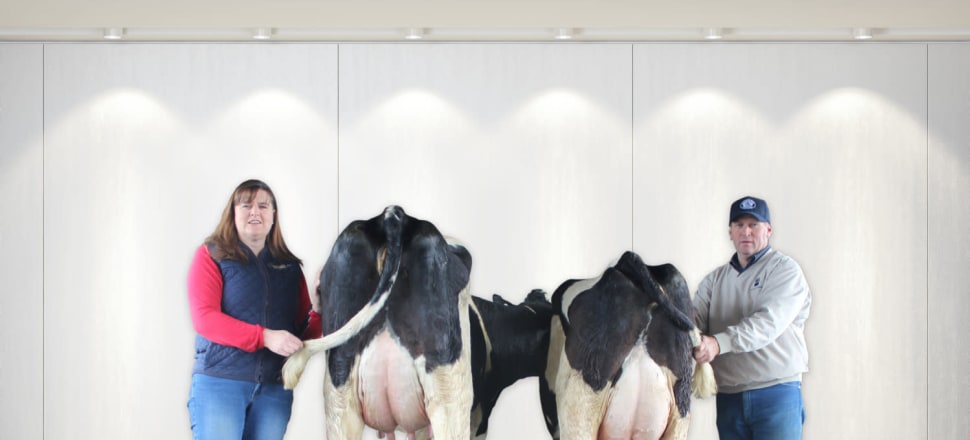
 This week promises to be one where people smack their heads and try to figure out what others are thinking. As in, doing things like the following: signing their company’s name to a letter where it basically asks the European Union to take out Amendment 171 in the Common Agricultural Policy Reform. This is the one ensuring that the words “milk”, “cheese”, “yoghurt”, “butter” or “whey” are used exclusively for products that contain dairy milk.
.jpg?width=554&name=July%20chart1%20(2).jpg)
.jpg?width=554&name=July%20chart2%20(2).jpg)
.jpg?width=554&name=July%20chart3%20(2).jpg)
 We are experiencing a revolution in digital technology and dairy needs to seize every opportunity we get.
 Austrian dairies and cheese manufactures were supplied with 3,139,802 tons of raw milk in 2019, which was a decrease of 1.35% compared to 2018, according to Agrarmarkt Austria (AMA), which has published a review for the country’s dairy sector.
 A bipartisan group of 25 Senators wants the U.S. government to push for enforcement of the USMCA trade agreement. The concern is that Canada isn’t following the dairy provisions of the agreement with their class 7 milk pricing. South Dakota Dairy Producers President Marv Post says that deal must be enforced.
 Minister for Agriculture, Drought and Emergency Management David Littleproud has announced the first phase of a Blockchain and Traceability Framework for
  U.S. milk production volumes had finished higher on a YOY basis over 61 consecutive months from Jan ’14 – Jan ‘19, reaching the longest period of consecutive growth on record, prior to declining by a total of 0.3% from Jul ’19 – Jul ’19. Milk production volumes rebounded throughout more recent months, however, finishing higher over 12 of the past 13 months through Jul ’20. The 12-month rolling average milk production growth rate reached a two year high throughout Jul ’20.
  YOY increases in production on a percentage basis were led by South Dakota (+11.5%), followed by Indiana (+6.0%) and Colorado (+5.8%), while production volumes finished most significantly lower YOY on a percentage basis within Florida (-5.7%), New Mexico (-5.3%) and Vermont (-5.3%). Overall, 17 of the 24 states milk production figures are provided for experienced YOY increases in production throughout the month.
  California milk production volumes increased on a YOY basis for the seventh consecutive month throughout Jul ’20, finishing up 0.5%. California accounted for 18.3% of total U.S. milk production volumes throughout the month, leading all states.
  Eight of the top ten largest milk producing states experienced YOY increases in production throughout Jul ’20, as milk production within the top ten milk producing states increased by a weighted average of 1.2% throughout the month. The aforementioned states accounted for nearly three quarters of the total U.S. milk production experienced during Jul ’20. Production volumes outside of the top ten largest milk producing states increased 2.3% on a YOY basis throughout the month.
  Jul ’20 YOY increases in milk production on an absolute basis were led by Texas, followed by Pennsylvania and Idaho, while YOY declines in production on an absolute basis were most significant throughout New Mexico.
  The Jul ’20 U.S. milk cow herd rebounded 2,000 head from the six month low level experienced throughout the previous month. The U.S. milk cow herd currently stands at 9.352 million head, finishing 37,000 head above the previous year but remaining 86,000 head below the 23 year high level experienced during Jan ’18.
  U.S. milk per cow yields finished 1.1% above previous year levels, rebounding to a four month high growth rate. The YOY increase in milk per cow yields was the 56th experienced throughout the past 57 months. Yields experienced throughout the Midwestern states of Wisconsin, Minnesota, Iowa and Illinois finished 2.4% higher on a YOY basis however yields experienced throughout the Western states of California, Idaho, Washington and Oregon declined 0.2% YOY, finishing lower for the second time in the past three months.
  Month-over-month increases in milk cow herds experienced throughout Indiana, Michigan, Washington, Ohio and Utah more than offset MOM declines in the New Mexico, Oregon, Vermont and Florida milk cow herds during Jul ’20.
  YOY increases in milk cow herds continued to be led by Texas, followed by Idaho and South Dakota, while Wisconsin experienced the largest YOY decline in their milk cow herds throughout the month.
 Raw or unpasteurized cows’ milk from U.S. retail stores can hold a huge amount of antimicrobial-resistant genes if left at room temperature, according to a new study from researchers at the University of California, Davis.
 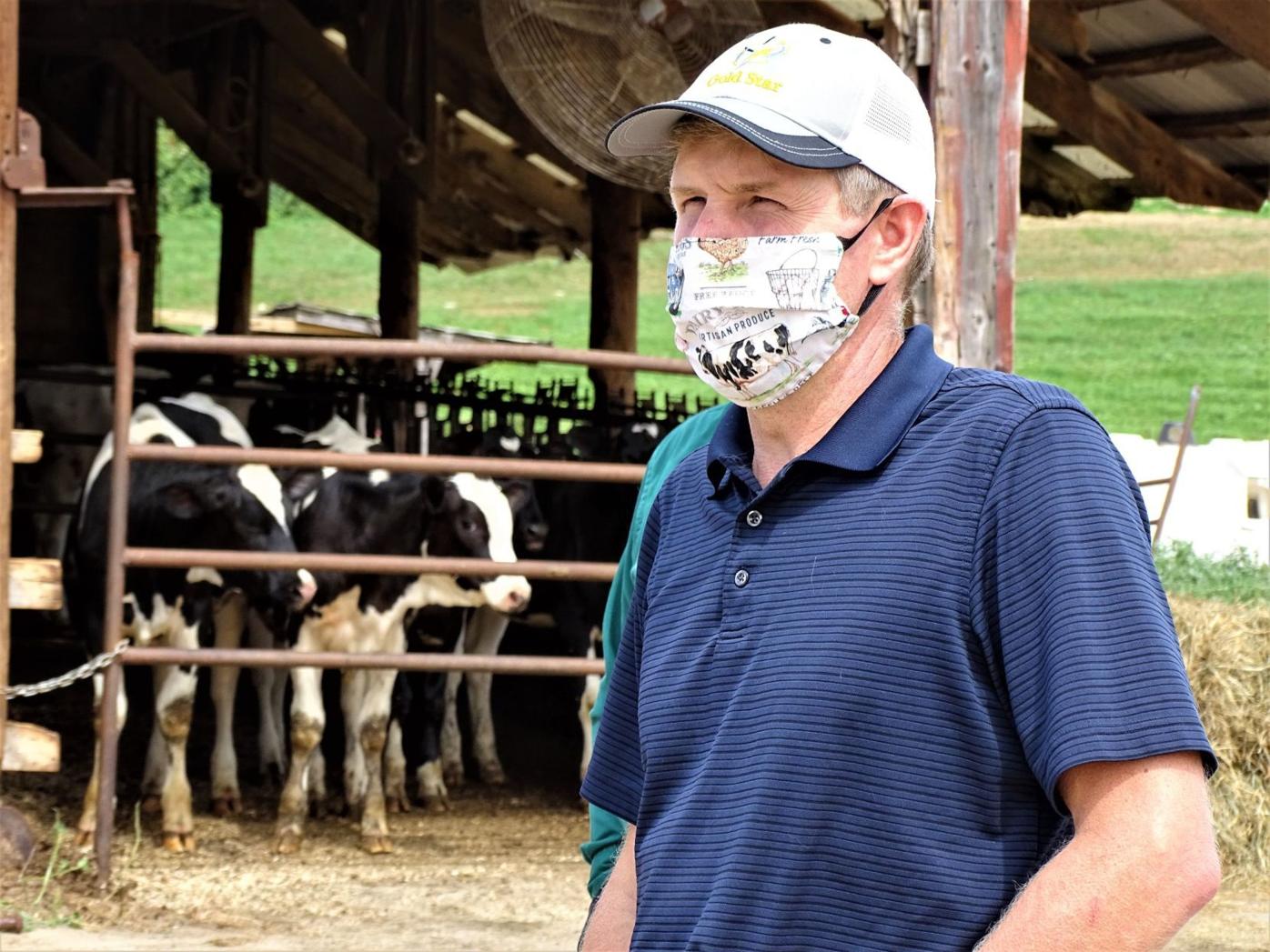 A fifth-generation dairy farm in Farmington is among those hoping to preserve its way of life, safe environmental practices and financial viability during trying times through a state conservation project.



