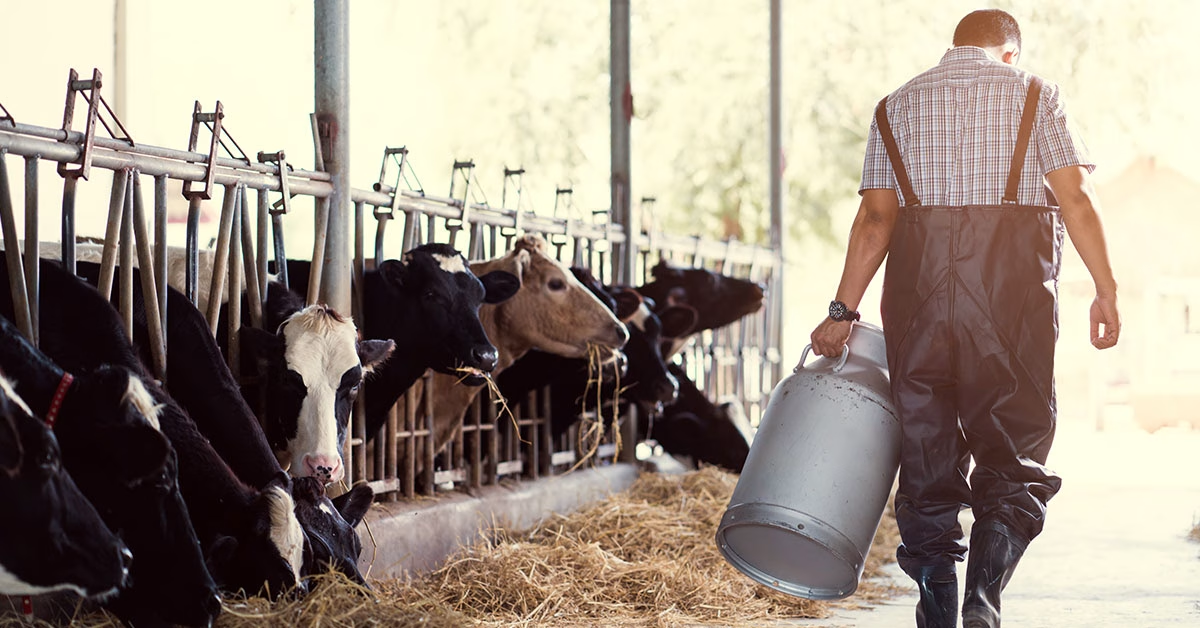

Dairy farmers face a hidden opioid crisis: 74% impacted. Physical pain, mental stress, and limited healthcare fuel addiction
While the industry obsesses over milk prices and component premiums, a devastating crisis quietly destroys farms, families, and futures. The opioid epidemic ravaging rural communities has a particularly destructive impact on dairy farmers—and nobody’s talking about it. This isn’t just another farm challenge—it’s an existential threat to the future of dairy farming itself.
The parlor lights flicker on at 3:45 AM as you go to the barn for morning milking. Your lower back screams in protest—the same pain that’s been your constant companion since that Holstein heifer pinned you against the headlock last winter. The bottle of pills prescribed after that incident sits in your pocket. You know you’re taking more than you should, but the cows need milking, TMR needs mixing, and equipment needs fixing—regardless of how much you hurt.
This scenario plays out across dairy operations throughout North America, where the demanding physical nature of the work, combined with relentless stress and limited healthcare access, has created a dangerous breeding ground for opioid dependency. While the industry readily discusses somatic cell counts, feed efficiency, and genomic evaluations, a deafening silence around this crisis is quietly destroying lives, farms, and rural communities.
Here’s the uncomfortable truth: the dairy industry has created the perfect storm for addiction vulnerability, then turned a blind eye to the consequences.
The Scope of the Crisis: Worse Than We’re Admitting

The statistics paint a grim picture that the dairy industry has been reluctant to confront. Approximately 74% of farmers or farm workers report being directly impacted by the opioid crisis, suggesting widespread exposure within their families or communities. More alarmingly, 26% of farmers and farm workers acknowledge having personally misused, been addicted to, or taken an opioid without a prescription. These figures highlight that opioid misuse is not a peripheral issue but one that has deeply affected the agricultural workforce.
What’s particularly alarming is the accessibility of these dangerous substances in farming communities. About 77% of farmers or farm workers believe it would be easy to obtain opioid painkillers without a prescription in their community—significantly higher than the 46% of general rural adults sharing the same belief. This suggests a troubling pattern of medication diversion and improper storage that’s particularly prevalent in agricultural settings. It’s like having an unlocked medicine cabinet in a free-stall barn—accessible to anyone.
When was the last time your dairy association meeting addressed opioid addiction? When did your farm consultant ask about pain management strategies? The silence is deafening—and deadly.
The geographic distribution reveals concerning patterns as well. Five predominantly rural states—Ohio, Kentucky, West Virginia, New Hampshire, and Pennsylvania—have the highest rates of drug overdose deaths in America. In Canada, the situation is equally dire, with over 50,000 apparent opioid toxicity deaths recorded between January 2016 and September 2024, averaging 21 deaths per day in the first nine months of 2024.
But these broad statistics only tell part of the story. The reality on dairy farms is often hidden behind a culture of stoicism and silence, much like how we once ignored transition cow diseases until the milk tank told the tale.
Why Dairy Farmers Are Uniquely Vulnerable

The Physical Toll Nobody Wants to Acknowledge
Dairy farming isn’t just physically demanding—it’s punishing. The daily routine involves lifting heavy objects (feed bags and mineral totes often exceeding 20kg), performing repetitive motions during milking procedures (whether in a herringbone, parallel, or rotary parlor), and working in awkward postures (bending, kneeling, reaching) often dictated by barn layouts or equipment design. Working near large, unpredictable animals also carries inherent injury risks.
These physical demands contribute to staggering rates of musculoskeletal disorders. Studies consistently show that 50-65% of dairy farmers report lower back pain, 47-61% experience shoulder pain, and many suffer from neck, wrist, hand, and knee problems. One study of large-herd dairy parlor workers found that over three-quarters (76.4%) reported work-related musculoskeletal symptoms in at least one body part.
“When you’re hurting, you still have to milk the cows twice a day,” explains one dairy producer who requested anonymity due to stigma. “Animals don’t wait for you to feel better. The cows need milking every 12 hours, just like clockwork—whether it’s Christmas morning or you’re running a 102-degree fever. The work must get done regardless of how much pain you’re in.”
We’ve spent millions on cow comfort while completely ignoring farmer comfort. We track lameness in our herds but ignore the limping herdsman. Is this the industry we want to be?
This reality creates immense pressure to manage pain effectively. When a dairy farmer sustains an injury, taking adequate time to rest and heal is rarely an option. The cows need milking every 12 hours, feed needs to be mixed and delivered, and equipment breakdowns require immediate attention. Just as you wouldn’t skip a milking because it’s inconvenient, you can’t skip farm work because of pain. This creates a perfect scenario for initial opioid prescriptions to evolve into dependency or misuse.
Table: Physical Toll of Dairy Work & Opioid Risks
| Body Part Affected | % of Dairy Farmers Reporting Pain | Everyday Tasks Linked to Injury | Prevention Strategies |
| Lower Back | 50-65% | Heavy lifting (>20kg), milking | Mechanical assists, proper lifting technique, core strengthening |
| Shoulders | 47-61% | Repetitive milking motions | Adjustable equipment height, task rotation, stretching |
| Knees | 39-45% | Squatting during calf care | Knee pads, raised work surfaces, stool use |
| Hands/Wrists | 26-65% | Machine operation, milking | Ergonomic tools, wrist supports, regular breaks |
The Mental Health Crisis We’re Not Talking About
The psychological burden of dairy farming compounds the physical challenges. Farmers face relentless financial uncertainty from volatile milk prices, high operational costs, and thin profit margins. In addition, weather events, animal disease outbreaks (like recent concerns over HPAI H5N1 in dairy cattle), equipment breakdowns, and complex regulatory requirements are unpredictable.
Studies show farmers experience significantly higher rates of stress, anxiety, depression, and burnout compared to the general population. A 2016 survey suggested as many as one-third of dairy farmers could meet the criteria for depression and 58% for anxiety.
“The cows need milking every day, no matter what else is happening—market crashes, family emergencies, or your health problems,” notes a dairy farmer. “This responsibility never stops, and that constant pressure weighs on you. It’s like having a herd of high-producing Holsteins that never go dry—the demands just keep coming without a break.”
The long hours (often 50-80 hours weekly) and isolation typical in dairy farming further intensify mental health vulnerability. This creates conditions where farmers may turn to opioids initially prescribed for physical pain to cope with emotional distress.
This psychological strain isn’t just a personal burden—it collides with a healthcare system that’s often miles away and ill-equipped to help. For dairy farmers, accessing treatment isn’t as simple as “just seeing a doctor.”

The Healthcare Access Problem Nobody’s Solving
When dairy farmers do develop substance use problems, they face significant obstacles to treatment. Rural areas typically have fewer healthcare providers, including primary care physicians, pain management specialists, and addiction treatment facilities. This creates a dangerous imbalance—relatively easy access to prescription opioids but difficult access to help if dependence develops.
Only one-third of rural adults surveyed felt addiction treatment would be easy to access in their community. This “treatment gap” allows problems to escalate, often until a crisis point is reached—like how limited veterinary access might delay treatment for a sick cow until the condition becomes critical.
Cultural factors further complicate the situation. A strong emphasis on self-reliance, stoicism, and privacy makes many farmers reluctant to admit vulnerability or seek help. As one farmer notes: “In farming communities, everyone knows everyone. The fear that others might find out you’re struggling with addiction keeps a lot of us from getting the help we need. It’s like having a cow with mastitis and not wanting to mark her with leg bands because you don’t want the neighboring farmer to see it when they drive by.”
Table: Rural vs. Urban Opioid Treatment Access
| Metric | Rural Dairy Communities | Urban Areas | Disparity Impact |
| Avg. distance to addiction clinic | 42 miles | 5 miles | Transportation barriers, time away from the farm |
| Wait time for MAT treatment | 28 days | 7 days | Continued use during the wait, withdrawal risks |
| Providers offering OAT per 100,000 | 3.2 | 12.6 | Limited treatment options, overcrowded clinics |
| % with insurance covering treatment | 64% | 83% | Financial barriers to accessing care |
| Telehealth availability | Limited | Widespread | Connectivity issues, tech barriers |
The Ripple Effects: Beyond the Individual Farmer
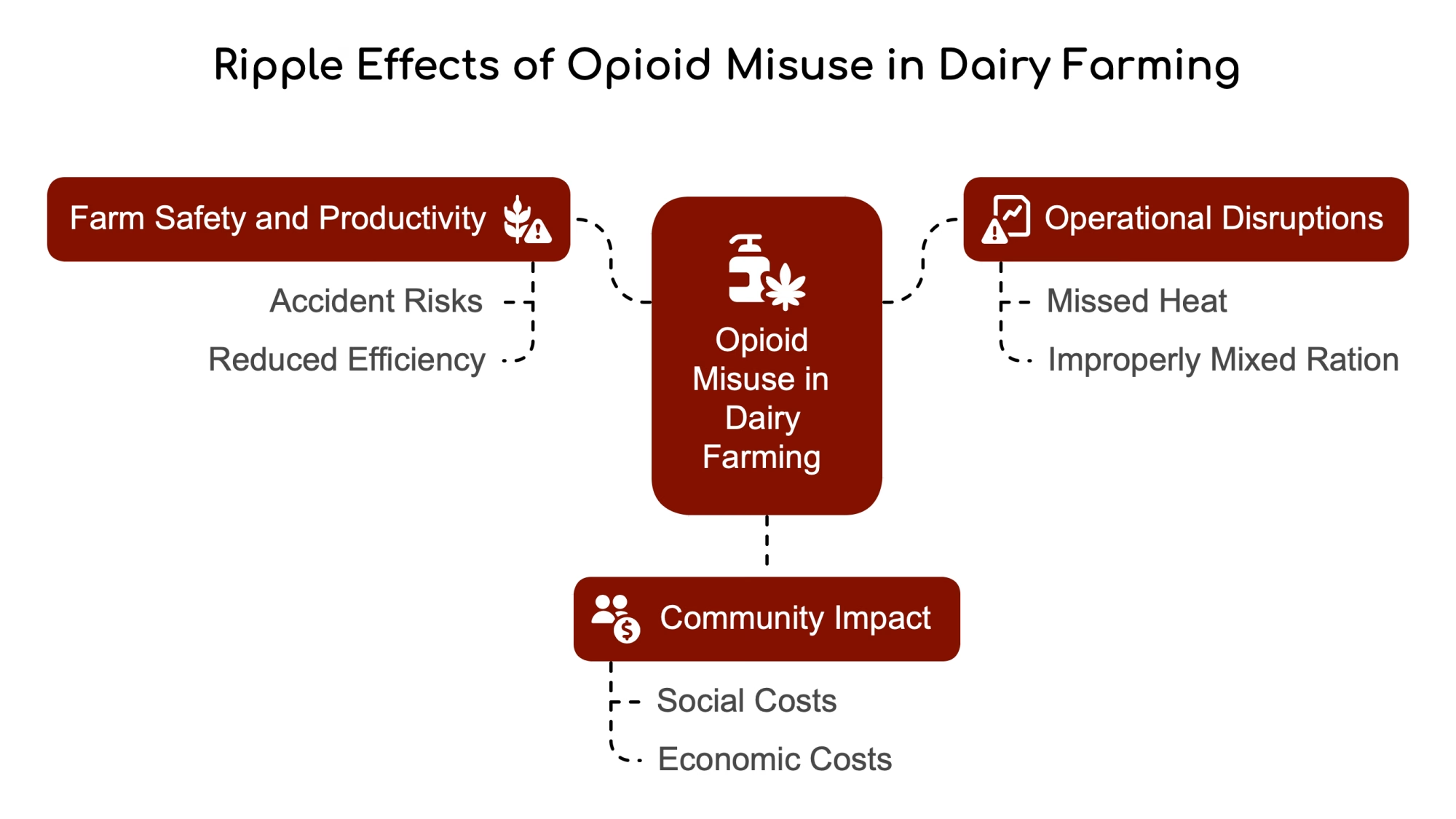
The consequences of opioid misuse extend far beyond the individual, creating a cascade of negative effects that threaten the entire farm operation and surrounding community.
Farm Safety and Productivity: The Hidden Costs
Working with large animals and heavy machinery while impaired dramatically increases accident risks. The precision required in modern dairy management leaves little room for the inconsistency often accompanying substance use. Cows require strict milking schedules, regular feeding, careful health monitoring, and meticulous hygiene protocols.
Research documents that opioid use among agricultural workers leads to missed workdays, increased absenteeism, difficulty concentrating, and inability to complete daily tasks effectively. Workers with substance use disorders miss significantly more workdays annually compared to their peers—nearly five weeks versus the typical three weeks for illness or injury.
We obsess over milk quality penalties of a few cents per hundredweight while ignoring addiction costs that can bankrupt an entire operation. How’s that for misplaced priorities?
These impacts can be particularly detrimental in the context of a dairy operation. Even minor errors in a highly optimized modern dairy system can lead to significant operational disruptions and financial losses. A missed heat, an improperly mixed ration, or a delayed treatment for a sick cow can have cascading consequences. The demanding nature of the work leaves little margin for the inconsistency and reduced capacity associated with substance use.
Economic Devastation: The Financial Drain
The economic consequences can be devastating, especially for small and medium-sized operations operating on thin margins. Direct costs include increased healthcare expenditures for treating addiction, overdoses, and related health complications. Indirect costs mount through lost productivity, reduced efficiency, and high employee turnover rates.
For dairy farms, compromised animal health or milk quality due to operational disruptions can translate directly into significant financial losses. A single milk tank rejected for antibiotic residues due to a treatment protocol error can cost thousands of dollars. The cumulative financial burden of opioid-related issues—treatment costs, lost work time, accident liability, decreased productivity—can threaten the very survival of the farm.
Table: Financial Impact of Opioid Misuse on Dairy Farms
| Cost Category | Annual Cost per Farm | Frequency | Impact |
| Worker turnover/replacement | $18,000 – $32,000 | 63% of farms | Loss of experienced personnel, training costs |
| Milk loss from errors | $8,500 | 41% of farms | Rejected tanks, quality penalties |
| Healthcare costs | $11,000+ | 58% of farms | Treatment, insurance increases |
| Productivity losses | $15,000 – $25,000 | 74% of farms | Absenteeism, reduced efficiency |
| Accident-related costs | $9,000 – $45,000 | 29% of farms | Equipment damage, liability, workers’ comp |
The Community Impact: Destroying Rural America
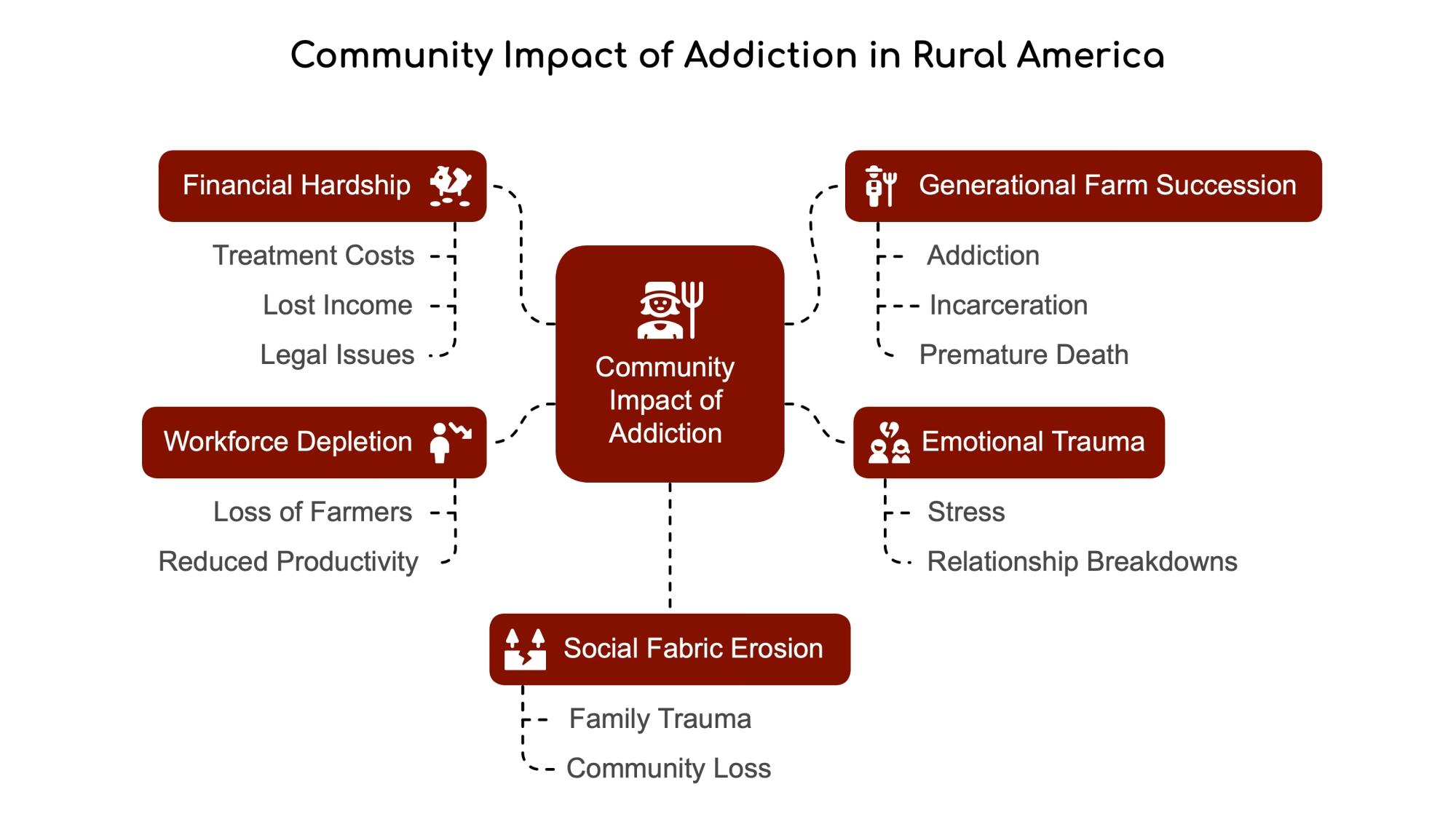
Perhaps most heartbreaking is the impact on farm families and rural communities. Families endure immense emotional trauma, stress, and relationship breakdowns as they cope with a loved one’s addiction. Financial hardship is common, stemming from treatment costs, lost income, and potential legal issues.
The crisis also depletes the rural workforce and erodes the social fabric through family trauma and community loss. It threatens generational farm succession when potential next-generation farmers are lost to addiction, incarceration, or premature death.
As drug overdoses became a leading cause of death for Americans under 50, many farming communities are losing individuals who might have represented the next generation of farmers, threatening the continuity of family farms and the agricultural way of life. It’s like losing your best replacement heifers before they ever enter the milking string—the future productivity of the herd is compromised.
The Industry’s Failure: Why We’re Not Addressing This Crisis
The dairy industry has largely failed to confront the opioid crisis head-on despite its devastating impact. Several factors contribute to this institutional silence:
The Stigma Problem
The stigma surrounding addiction remains powerful in agricultural communities. The industry’s celebration of self-reliance and toughness inadvertently creates barriers to discussing substance use openly. Industry publications and conferences rarely feature content addressing addiction, reinforcing the message that this isn’t a “legitimate” farming topic.
Misplaced Priorities
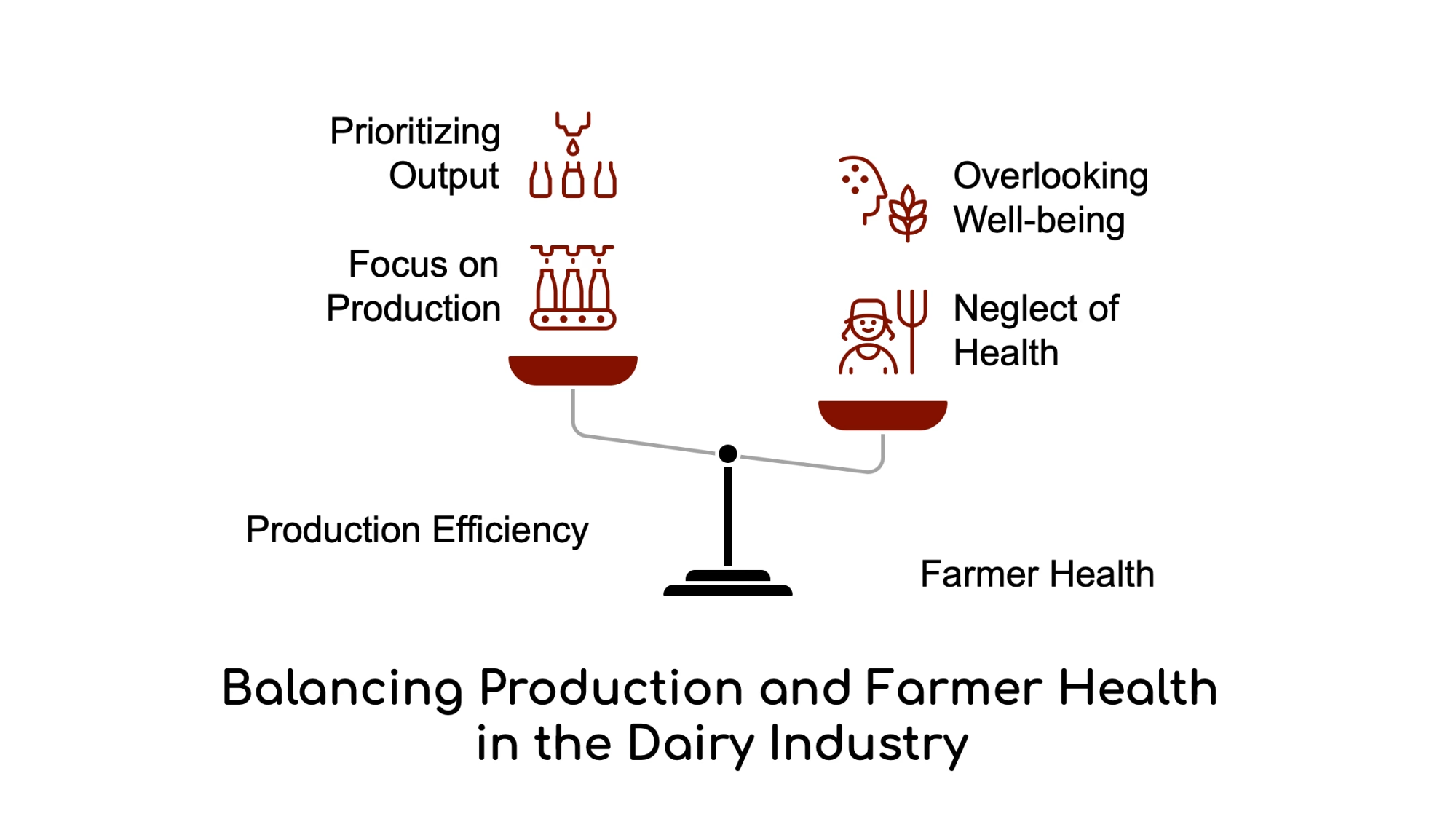
Industry organizations focus extensively on production efficiency, genetic improvement, and market development—all critical topics—but rarely dedicate similar resources to farmer health and well-being. This imbalance sends a clear message about priorities that value production over producers. We track somatic cell counts meticulously but ignore the health of the people managing the herd. When did cows become more important than the people caring for them?
Lack of Integrated Solutions
When health initiatives do exist, they often operate in silos, with mental health programs separate from pain management resources and both disconnected from addiction services. This fragmented approach fails to address the interconnected nature of physical pain, mental health, and substance use—like treating a cow’s mastitis without addressing the underlying lameness that caused her to lie in manure.
Some argue automation will reduce physical strain, but robotic milkers cost $250,000—a non-starter for small herds. For most, the human toll remains urgent. While technology can help, it’s not a universal solution to the immediate crisis facing thousands of dairy farmers today.
Breaking the Cycle: Solutions That Work
Despite these challenges, promising strategies are emerging to address opioid vulnerability among dairy farmers. The most effective approaches recognize the unique context of dairy farming and integrate solutions across multiple domains.
Farm-Specific Prevention That Respects Reality
Prevention programs designed explicitly for agricultural communities have shown promise. These include educating farming communities about mental health care and healthy ways to cope with farm stress, as demonstrated by initiatives like the Preventing Opioid Misuse in the Southeast (PROMISE) Initiative.
Effective prevention must acknowledge the legitimate pain management needs of farmers while promoting safer approaches to addressing both acute and chronic pain. This includes developing educational materials using relevant agricultural imagery and language, addressing the pain issues common in dairy work, and distributing information through trusted agricultural channels such as extension services, veterinarians, and dairy cooperatives.
Pain Management Alternatives That Work
Given the physical demands of dairy farming, providing accessible alternatives for pain management is essential. These include both non-opioid pain relievers and approaches such as physical therapy, ergonomic improvements to farming equipment, and strategies to reduce repetitive stress injuries.
As one dairy farmer who recovered from opioid dependency explains: “Learning proper lifting techniques and investing in equipment that reduced the physical strain made a huge difference. I still have pain sometimes, but now I manage it without opioids. It’s like switching from a tie-stall barn to a free stall with sand bedding—the cows are more comfortable, and so am I.”
Agricultural equipment manufacturers should be encouraged to design tools and machinery that reduce physical strain and injury risk, potentially decreasing the initial need for pain medication. Ergonomic milking systems, automated feeding equipment, and other technological innovations can help reduce the physical demands that often lead to injuries and subsequent pain medication use among dairy farmers.
Why aren’t we applying the same ergonomic principles to milking parlors that we use for office workstations? Why aren’t dairy equipment manufacturers marketing comfort and safety alongside efficiency?
Treatment Access That Recognizes Farm Realities
Efforts to improve treatment access include Rapid Access Addiction Medicine (RAAM) clinics, which offer walk-in assessment and treatment initiation, and mobile services (M-RAAM) that bring care closer to underserved communities. Telehealth options for counseling and medication management can also help bridge geographical barriers to specialty care in rural areas.
Designing treatment programs with flexible scheduling to accommodate farm demands is crucial. Just as veterinarians understand that farm calls need to work around milking schedules, addiction treatment providers need to recognize that farmers can’t simply take weeks off for inpatient care during harvest season. Financial barriers must also be addressed, potentially through sliding-scale fees, ensuring adequate insurance coverage, or utilizing grant funding.
Reducing Stigma Through Peer Support
Peer support programs, connecting farmers in recovery with those currently struggling, can be particularly effective by demonstrating that recovery is possible while maintaining one’s identity and role within the agricultural community.
Sharing personal stories of recovery through trusted agricultural publications, at industry events, or via farmer networks can help normalize seeking treatment and challenge negative stereotypes. Public awareness campaigns should frame addiction as a treatable health condition, not a moral failing—just as we now recognize that mastitis isn’t a moral failing but a manageable health condition.
The Industry’s Responsibility: What Needs to Change Now
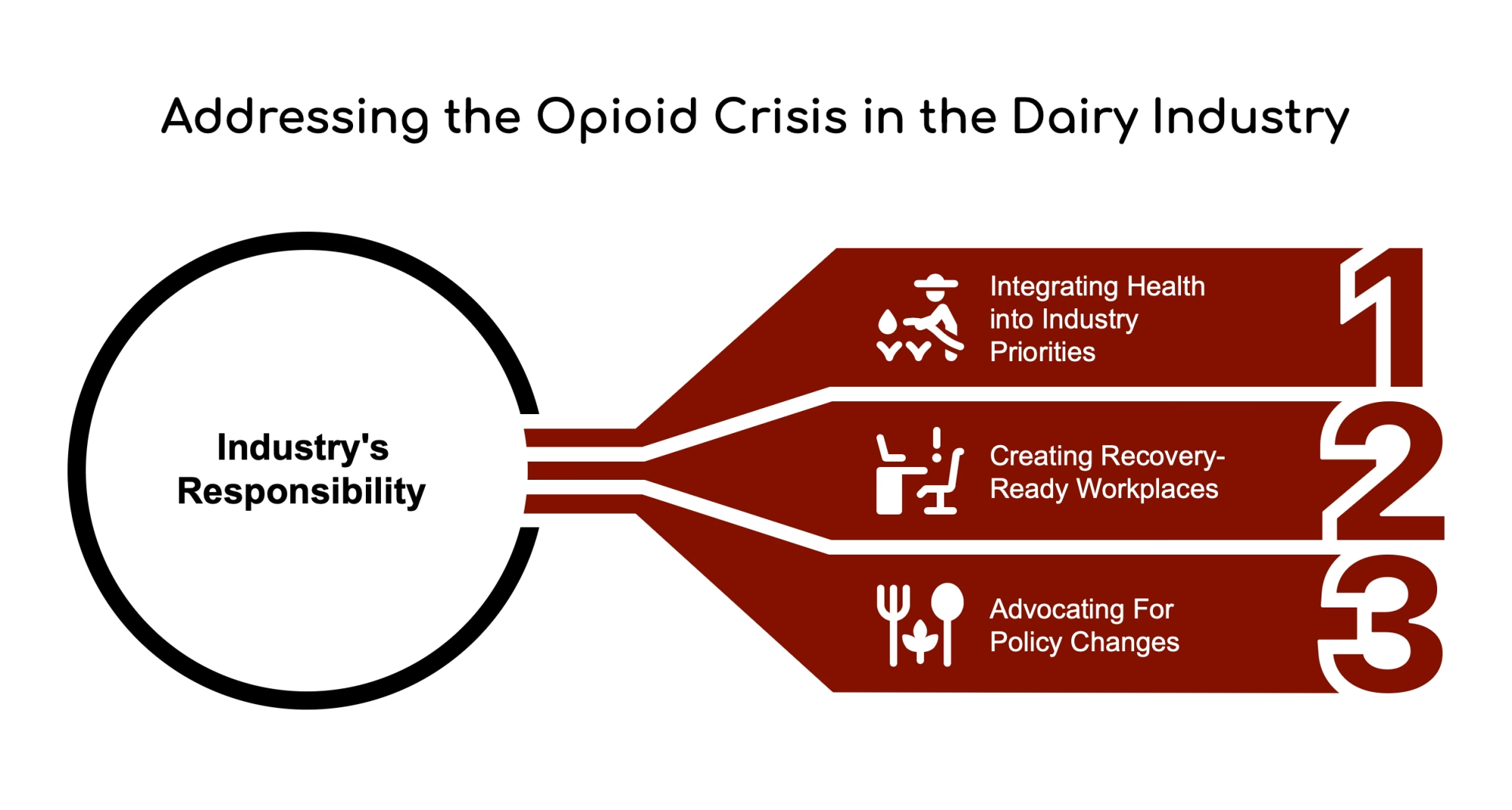
The dairy industry must take a more proactive role in addressing the opioid crisis among its producers. This includes:
Integrating Health into Industry Priorities
Industry organizations should elevate farmer health to the same priority level as production efficiency and market development. This means dedicating resources, conference time, and publication space to health topics, including substance use. Just as we track milk components for premiums, we should value the health components of our workforce.
When was the last time your milk check included a wellness bonus? When did your co-op last offer addiction resources alongside milk quality incentives?
Creating Recovery-Ready Workplaces
Dairy industry organizations and individual farm employers should develop and implement clear substance-use policies that balance workplace safety requirements with compassionate and supportive pathways for employees seeking treatment and recovery.
Adopting principles of a “recovery-ready workplace” can be beneficial, recognizing that supporting employees in recovery can lead to a more stable and productive workforce, potentially reducing turnover and associated costs. Just as we implement transition cow programs to help animals through challenging periods, we need transition programs for humans facing recovery challenges.
Advocating For Policy Changes
The industry should advocate for policies that ensure comprehensive insurance coverage for farmers, including robust benefits for mental health and addiction treatment. Increased and sustained government funding for rural mental health services, addiction treatment infrastructure, and broadband expansion to support telehealth is critical.
Farm Action Plan: Practical Steps You Can Take Today
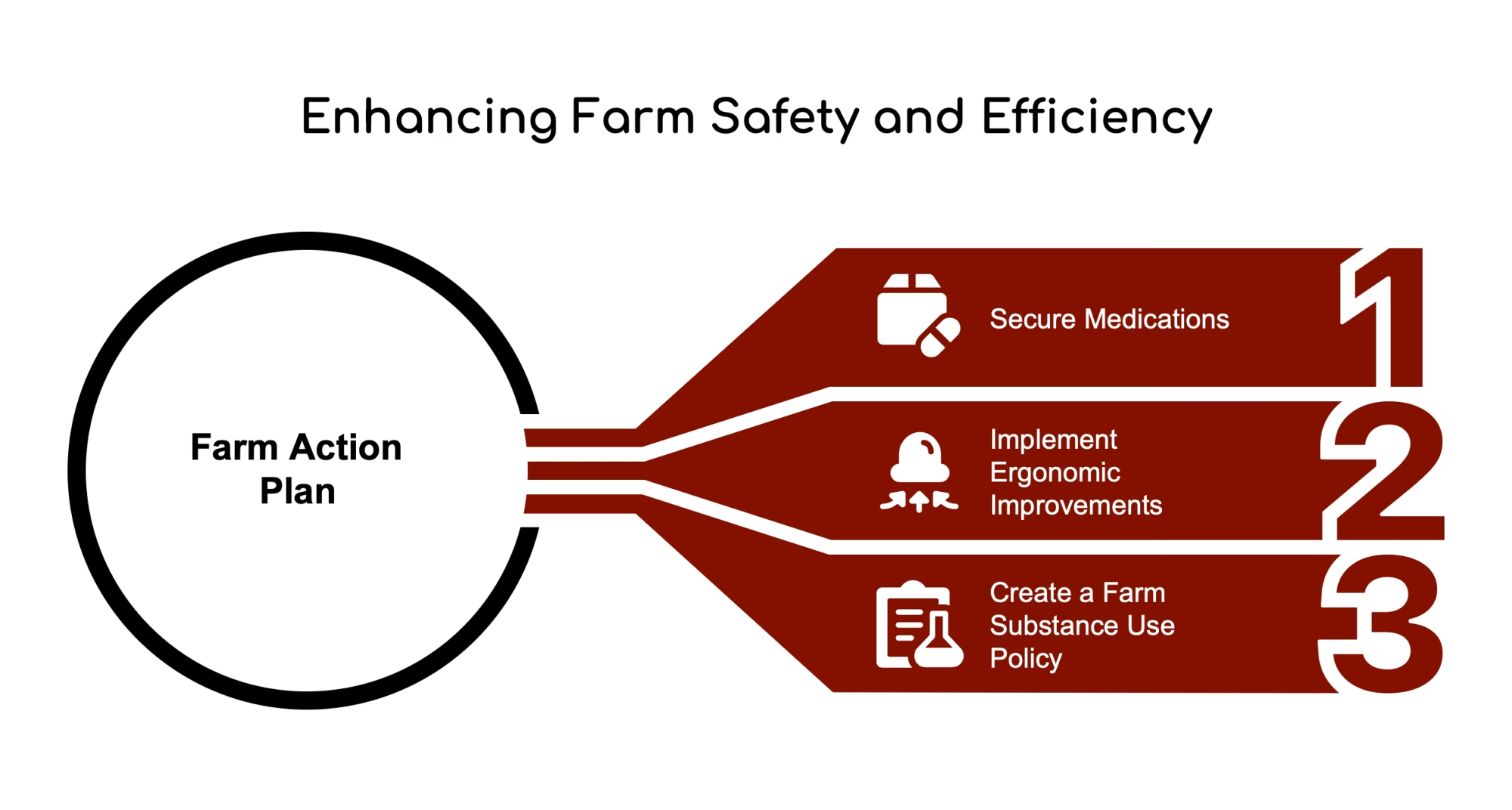
1. Secure Your Medications
- Install a locking cabinet for both human and veterinary medications
- Maintain an inventory log of all prescription medications
- Dispose of unused medicines properly through take-back programs
2. Implement Ergonomic Improvements
- Invest in adjustable-height milking equipment (e.g., BouMatic’s Xcalibur 360EX with adjustable cabinets)
- Use mechanical assists for heavy lifting (feed handling, calf care)
- Rotate workers between physically demanding tasks to reduce repetitive strain
3. Create a Farm Substance Use Policy
- Develop clear guidelines about medication use while operating equipment
- Establish confidential pathways for employees to seek help
- Partner with local healthcare providers for education and screening
The Bottom Line: Our Industry’s Future Depends on This
The resilience of dairy farming communities is remarkable. Despite formidable physical, economic, and social challenges, many dairy farmers continue their operations with determination and adaptability. However, the opioid crisis threatens this resilience at its core.
The industry’s future depends not just on milk prices, feed efficiency, or genetic advances but on the health and well-being of the people who make dairy farming possible. By acknowledging the unique vulnerabilities dairy farmers face while supporting their strengths, we can help ensure that dairy farming remains economically viable and physically and mentally sustainable for those who choose this demanding profession.
It’s time for the dairy industry to break its silence on opioids and confront this crisis with the same determination and innovation it brings to other challenges. Just as we wouldn’t ignore a spreading disease in our herd, we can’t continue to ignore this epidemic in our farming communities.
What will you do today to address this crisis in your operation? Will you check in with that employee who seems to be struggling? Will you secure the medications in your farm office? Will you ask your co-op or association to provide resources? Or will you wait until addiction claims another dairy farm in your community?
The future of our industry depends on your answer.
Remember: Seeking help is a sign of strength, not weakness. Your farm needs you healthy just as much as your herd needs a healthy manager.
Mental Health Resource for Dairy Farmers
The Farm State of Mind initiative (American Farm Bureau Federation) provides a searchable national resource directory, peer support networks, and free Rural Resilience Training focused on stress management techniques. Key components include:
- 988 Suicide & Crisis Lifeline: 24/7 text/chat/call services specifically promoted through agricultural extensions
- Farm Aid Hotline (1-800-FARM-AID): Financial/legal counseling and mental health referrals available weekdays 9 AM–5 PM ET
- Farm and Ranch Stress Assistance Network (FRSAN): USDA-funded program connecting farmers to regional mental health providers
The Canadian Centre for Agricultural Wellbeing launched a groundbreaking 24/7 National Farmer Crisis Line (1-866-FARMS01) staffed by CALP-trained counselors understanding quota systems and herd health pressures. Agriculture Wellness Ontario’s triad approach combines:
- Farmer Wellness Initiative: Free multilingual counseling (1-866-267-6255) with after-hours availability for parlor workers
- Guardian Network: 1,200+ volunteers trained in suicide prevention specific to farming contexts
- In the Know Workshops: Mental health literacy programs using dairy-specific case studies
Key Takeaways:
- 74% of farmers report opioid misuse impacts in their communities; 26% admit personal misuse.
- Chronic pain from lifting/repair tasks and mental stress from financial instability drive self-medication.
- Rural healthcare gaps leave farmers with easy opioid access but scarce addiction treatment options.
- Opioid use risks farm safety (equipment accidents) and economic stability (lost productivity, turnover).
- Tailored solutions needed: ergonomic equipment, telehealth, and farmer-focused mental health support.
Executive Summary:
Dairy farmers are uniquely vulnerable to opioid addiction due to physically demanding work causing chronic injuries, relentless financial/mental stress, and rural healthcare gaps. Over 74% of farmers report opioid impacts in their communities, with 26% personally misusing prescriptions. The crisis threatens farm safety, productivity, and generational continuity, as impaired workers risk accidents and economic losses. Despite stigma and treatment barriers, solutions like ergonomic tools, telemedicine, and farmer-specific mental health programs offer hope. The industry must prioritize farmer well-being alongside productivity to ensure sustainability.
Learn more:
- Unveiling the Surprising Link Between Dairy Consumption and Anxiety Relief
Explore how dairy products may help reduce anxiety, with a deep dive into the science behind calcium, tryptophan, and mood regulation. - Exploring the Role of Semi-Skimmed Milk in Reducing Depression and Anxiety
Discover new research connecting semi-skimmed milk consumption to lower risks of depression and anxiety—what it means for your health and your herd. - Ensuring Child Safety on the Dairy Farm: Best Practices for Age-Appropriate Tasks and Training
Learn how to protect your family and employees with practical safety tips, training strategies, and a look at the unique risks facing kids on dairy farms.
 Join the Revolution!
 Join the Revolution!
Join over 30,000 successful dairy professionals who rely on Bullvine Weekly for their competitive edge. Delivered directly to your inbox each week, our exclusive industry insights help you make smarter decisions while saving precious hours every week. Never miss critical updates on milk production trends, breakthrough technologies, and profit-boosting strategies that top producers are already implementing. Subscribe now to transform your dairy operation’s efficiency and profitability—your future success is just one click away.