







Could your dairy benefit from $130/acre tax credits starting 2025? New programs are changing the carbon conversation.
EXECUTIVE SUMMARY: What farmers are discovering across the Northeast and Midwest is that carbon reduction strategies are delivering real cash flow benefits, not just environmental compliance. Recent data from Vermont’s Ben & Jerry’s Low Carbon Dairy program shows participating farms achieving 16% greenhouse gas reductions without sacrificing production, while generating measurable revenue improvements. Feed additives like 3-NOP are proving their worth at $93-$105 per cow annually, delivering 22-35% methane reductions and up to 5% feed efficiency gains that translate to potential savings of $14,000-$25,000 per 1,000-cow operation. Australian dairy operations demonstrate solar’s impact with 70% electricity bill reductions and two-year payback periods, while California digesters—despite $8.6 million investments for 2,500-cow operations—generate returns through $60 per metric ton carbon credits plus renewable gas sales. Government support is substantial, with USDA programs covering up to 75% of implementation costs and the new 45Z tax credit offering over $130 per acre starting in 2025. The key insight emerging from successful operations is that a phased approach works best—starting with operational improvements and feed additives, then adding solar and eventually digesters—allowing farms to build cash flow while positioning for an evolving market that increasingly rewards measurable carbon reduction.
KEY TAKEAWAYS
- Proven returns from feed efficiency: 3-NOP additives reduce methane emissions 22-35% and improve feed efficiency up to 5%, potentially saving $14,000-$25,000 annually per 1,000 cows, with Ohio State Extension confirming costs at $93-$105 per cow yearly.
- Solar delivers quick payback: Australian dairy operations report 70% electricity bill reductions with systems paying for themselves in two years, making the $140,000-$200,000 investment for 70kW systems increasingly attractive with federal incentives through 2032.
- Government programs provide substantial support: USDA’s EQIP and CSP programs cover up to 75% of implementation costs, while the 2025 launch of the 45Z tax credit offers over $130 per acre for carbon intensity reduction without complex contract requirements.
- Regional strategies matter: European mandatory carbon pricing creates different dynamics than North American voluntary markets, requiring tailored approaches whether you’re in California (with LCFS credits), the Midwest (with ethanol partnerships), or the Northeast (with compliance advantages).
- Phased implementation maximizes success: Start with operational improvements and feed additives for immediate returns, add solar when ready, then consider digesters for long-term revenue—allowing farms to build cash flow progressively while adapting to evolving carbon markets.
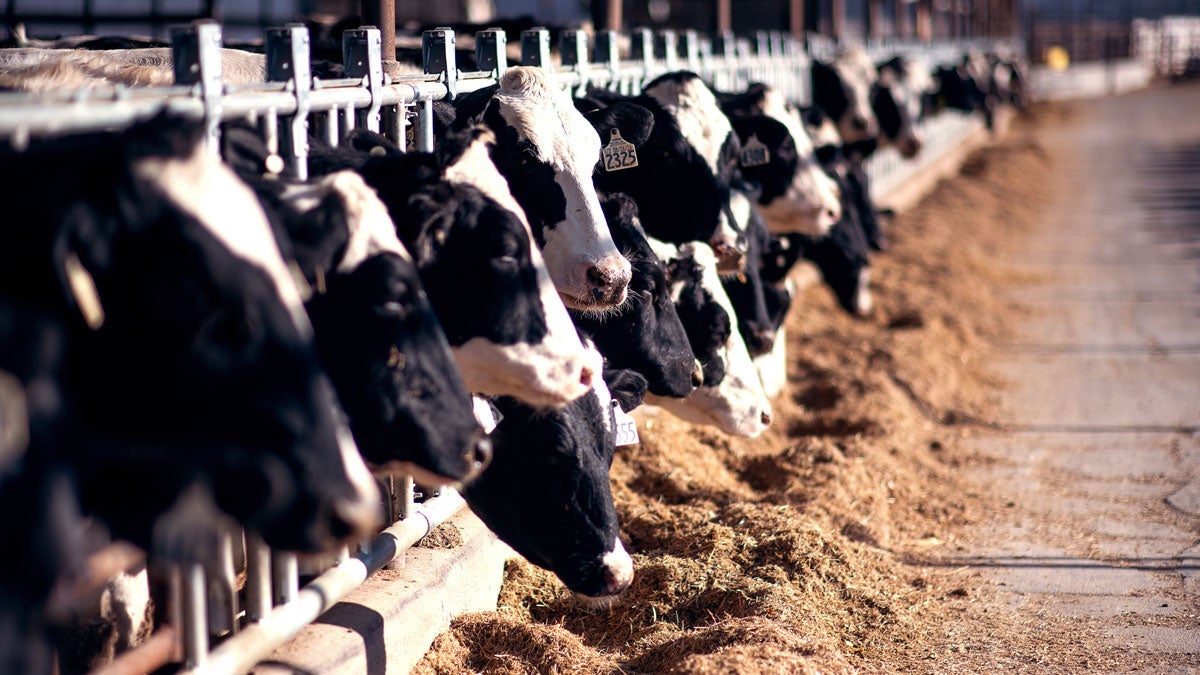
You know, there’s been a ton of chatter about going carbon neutral in dairy—with so many folks thinking you need huge investments, like $50,000 or more—but here’s what I’ve found from chatting with friends across the Northeast and Midwest: it’s a pretty different story. And honestly, it’s encouraging.
I talked with a dairy farmer in Vermont who’s part of the Ben & Jerry’s Low Carbon Dairy program. Across seven farms, they manage to cut greenhouse gases by around 16%, without dropping production.
What’s really interesting is they’re seeing actual cash flow benefits too—that was featured in Dairy Herd Management last year. Funny how what we hear in the milkhouse doesn’t always match the cold, hard numbers coming out of the barns.
What Does It Really Cost?

Let’s get down to numbers. Take feed additives—like 3-NOP, commercially called Bovaer. According to Ohio State Extension’s 2024 research, they’ve got a price tag of about $93 to $105 per cow per year. At first glance, that might seem like a lot. But with methane reductions averaging between 22 and 35%, and feed efficiency improvements up to 5% (though these vary based on your transition period management and your ration), it starts to make sense.
I ran these numbers by some nutritionists in Wisconsin and Ohio. They said potential feed savings could come in between $14,000 and $25,000 annually on a 1,000-cow farm, though your results will definitely depend on your baseline efficiency and management style.
Speaking of Wisconsin operations, I recently heard from a farm that was able to boost butterfat performance and overall feed conversion by tightening rations and cutting refusals—all with additives and some smart fresh cow management. What’s worth noting is how much your existing setup affects these results… a producer running an already efficient program might see more modest gains than someone with room for improvement.
Down under in Australia, dairies have been slashing their electric bills by as much as 70%. Those solar systems, typically around 70kW and costing $140,000 to $200,000 before incentives, can save between $45,000 and $100,000 per year. One dairy in Victoria got their initial investment back in just two years, according to Dairy Global.
For the Big Players
Let’s not forget digesters. EPA AgSTAR data puts the cost of setting one up on a 2,500-cow farm at about $8.6 million. But here’s where it gets interesting—California’s Low Carbon Fuel Standard currently values methane reduction credits closer to $60 per metric ton. That’s a far cry from some of the historic highs we heard about, but when you toss in renewable gas sales and RIN credits, the payback tends to be between seven and ten years.
From what I hear, many farms take a phased approach here. Get started with feed additives for earlier returns, add solar systems when the timing feels right, and think about digesters as a longer-term play.
Don’t Overlook Government Help
One thing worth noting is the scale of support out there. USDA programs like EQIP and Conservation Stewardship Program can cover up to 75% of your implementation costs, which is serious help, per NRCS documentation. And last year, the Regional Conservation Partnership Program set aside $25 million for projects focused on emissions near ethanol plants.
Big news for 2025—the 45Z tax credit is rolling out, expected to pay upwards of $130 an acre to farms lowering their carbon intensity. And it doesn’t come with the same red tape or exclusive contracts that carbon markets often require.
That said, watch out: these programs tend to get oversubscribed. A lot of farms are lining up, sometimes three for every dollar available. Your local NRCS office can walk you through applications—I’d suggest calling them sooner rather than later.
What’s Going on in Carbon Markets?

Carbon credits break down into two tiers. The commodity credits typically trade in the $20 to $60 range per ton, while premium credits fetch $80 to $120 or more.
Ben & Jerry’s participants often secure those premium prices and keep around 75% of their revenue, though exact cuts vary with each contract. But the program’s mostly closed now to newcomers.
If you’re outside that circle, there are secondary markets, often through groups like Truterra—they’ve paid farmers over $21 million for carbon sequestration in recent years—but they’re paying less attractive rates while still providing value.
Small Yet Mighty Steps
Here’s what I find most encouraging—the biggest wins often come from simple changes. Better ration balancing, consistent TMR management, and cutting refusals can boost overall feed conversion and milk components, though the degree varies quite a bit based on your starting point and facility setup.
These improvements don’t cost much, usually a few thousand dollars. But the return? Often solid when you get the management details right.
I recently spoke with a 300-cow operation in Pennsylvania where they focused on reducing feed waste and improving their dry lot management. Their investment was under $5,000, but they’re seeing measurable improvements in both feed efficiency and butterfat levels.
Solar’s still a strong pick. Federal incentives through 2032 make the decision easier, and newer methane capture tech is promising—we’re watching those closely as they develop.
Regional Realities

Europe, including Denmark, is preparing for mandatory carbon pricing, with a target of €40 per ton in 2030, rising to €100 by 2035. That creates certainty but also unavoidable costs.
Here in North America, voluntary markets dominate, but corporate buyers are tightening requirements. Farmers in Pennsylvania and New York, facing stricter environmental requirements, are finding these programs help them get ahead of compliance while improving margins. Wisconsin producers often have better access to ethanol plant partnerships. And California farmers are capitalizing on the Low Carbon Fuel Standard—a unique state-level program with real financial teeth.
Let’s Talk Challenges
Cash flow timing challenges are real. Additives show returns fast—often within months—but solar installations and carbon credit revenue take longer to materialize.
Supply chains are tight, too. I’ve heard producers waiting months for additive supplies or solar installation slots. The documentation requirements for carbon programs can be more intensive than expected.
And paperwork—don’t underestimate it. One Pennsylvania farmer told me, “You’ve got to have your records in order or the whole effort stalls.”
Results vary hugely, too. One Ohio operator shared that adjusting his ration made all the difference in maximizing additive benefits. It’s those fresh cow protocols and transition period tweaks that often tip the scales.
What’s Working
If you want real success stories, California’s digesters are becoming cash engines, supported by both public funds and market credits to create predictable income streams.
Natural Prairie Dairy’s comprehensive approach achieves a 96% reduction in CO2 while generating substantial operational savings, a notable achievement for a large-scale operation with significant capital investment.
Vermont’s Ben & Jerry’s farms have done a remarkable job balancing profitability while cutting emissions across different operation sizes.
What’s Next?
Thinking about jumping in? Here’s what I’d suggest based on what I’m seeing work:
- Keep an eye on the 45Z tax credit rolling out in 2025—could be significant for many operations
- Act early on government cost-share programs—they fill fast, but the support is real
- Consider proven feed additives as a practical first step with documented returns
- Explore solar options while federal incentives and utility rebates are available
- Stay tuned to emerging methane capture technologies as they develop
Timing matters. Early adopters often find they’re best positioned for whatever regulatory changes come next.
The Bottom Line
Carbon neutrality isn’t some far-off ideal anymore. It’s becoming a practical business strategy for operations that approach it thoughtfully.
The farms I know that are making the greatest headway start small, sharpen their management, and then add technology in phases that fit their cash flow and operational style.
The producers generating returns from carbon reduction aren’t necessarily running the largest operations or using the most expensive technology. They’re the ones who balanced learning with action, adapted strategies to their specific circumstances, and didn’t wait for perfect information.
Waiting for perfect data or the perfect check book usually costs more than moving on with what you know today.
The biggest winners are those who learn quickly, monitor their results, and act decisively based on what works for their operation.
And that, just might be the best advice I can share over a cup of coffee.
What’s the one small step you could take this week to get the carbon conversation started on your farm?
For grant help, check your local NRCS office or visit farmers.gov. To explore carbon credits, look to Truterra and other platforms. Remember, every farm’s different—so work with your nutritionist, extension agent, or trusted advisors before making big changes. Individual results will vary based on management, facilities, and local conditions.
Complete references and supporting documentation are available upon request by contacting the editorial team at editor@thebullvine.com.
Learn More:
- The Carbon Credit Programs Every Dairy Should Join Before 2026 – This strategic piece dives into the specific programs and market dynamics shaping the carbon conversation, revealing how different revenue splits and aggregator fees can impact your bottom line and what to look for in a profitable partnership.
- The Carbon Credit Goldmine: How Forward-Thinking Dairy Producers Are Turning Methane Reduction into Cash Flow – Get a tactical roadmap for implementation with this article that outlines a step-by-step process for identifying and executing a methane reduction project, ensuring you have the necessary records and due diligence in place.
- World’s First Carbon-Neutral Dairy Farm: The Exciting Race to Eco-Friendly Farming – This article highlights innovative technologies and real-world case studies from farms around the globe, providing a future-oriented perspective on how pioneers are using bio-digesters, no-till farming, and other cutting-edge practices to achieve significant emission reductions.
 Join the Revolution!
 Join the Revolution!
Join over 30,000 successful dairy professionals who rely on Bullvine Weekly for their competitive edge. Delivered directly to your inbox each week, our exclusive industry insights help you make smarter decisions while saving precious hours every week. Never miss critical updates on milk production trends, breakthrough technologies, and profit-boosting strategies that top producers are already implementing. Subscribe now to transform your dairy operation’s efficiency and profitability—your future success is just one click away.




