





A new study comparing Montbéliarde and Holstein cows reveals surprising insights that could reshape your herd management strategy. From milk production to feed efficiency and overall profitability, find out which breed might give your farm the edge it needs in today’s competitive market.
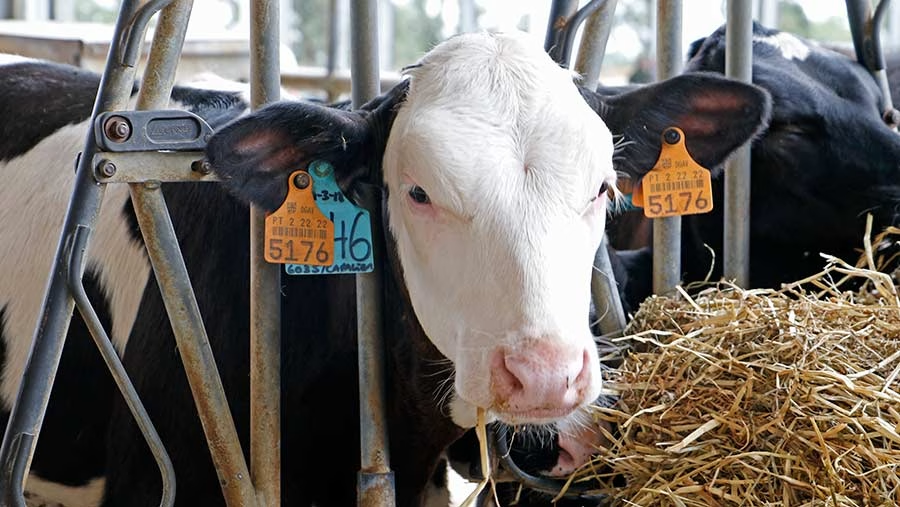
A new study comparing Montbéliarde and Holstein cows could significantly influence herd management decisions. It examines how these breeds cope during challenging times, providing valuable insights that may improve profits. (Journal of Dairy Science: Production and metabolic responses of Montbéliarde and Holstein cows during the periparturient period and a sequential feed-restriction challenge)
Study Breakdown
Researchers monitored 22 Montbéliarde and 18 Holstein cows from a month before calving until about five months after. They observed how the cows handled calving time and feed shortages, trying to determine which breed could keep the milk flowing when times were tough.
What They Found
| Breed | Milk Yield (kg/305 days) | Fat (%) | Protein (%) |
|---|---|---|---|
| Holstein | 11,253 | 4.08 | 3.32 |
| Montbéliarde × Holstein | 10,183 | 4.35 | 3.65 |
- Holsteins pumped out more milk overall.
- Montbéliardes maintained better body condition compared to Holsteins.
Health Stuff
- Early in lactation, Holsteins burn through body fat faster, which could lead to more health problems.
- Montbéliardes seemed to handle the stress better.
Feed Challenge
- Both breeds adapted when feed was cut short, dropping milk production but bouncing back when full feed returned.
- Holsteins started strong but ran out of steam faster during repeated feed cuts.
Financial Implications
This is where it gets interesting for your wallet: Let’s talk about Feed Costs:
- Montbéliarde × Holstein crossbreds make about 1.6 lbs of milk per pound of feed, while Holsteins make 1.5 lbs.
- This means crossbreds produce milk for about $0.17/lb and Holsteins for $0.18/lb.
Milk Quality:
- Crossbreds typically produce milk with higher fat and protein content, resulting in improved cheese yield and increased milk revenue.
Vet Bills:
- Purebred Holsteins can rack up $23 to $75 in health costs in their first lactation.
- Crossbreds tend to stay healthier and stick around longer, saving on replacement costs.
Bottom Line:
- Over a lactation, Montbéliarde × Holstein crossbreds might put an extra $75 in your pocket compared to pure Holsteins.
Where This Research Comes From
These findings aren’t just from one farm. Studies have been done:
- Across the U.S. in big commercial dairies
- In France, looking at different feeding systems
- Even in the mountains of Ecuador
They’ve examined how these cows perform in various setups, from farms with 30 cows to operations with hundreds in different climates and with various feeding and milking routines.
Implications for Your Farm
- Breed Choice: Holsteins are still milk-making machines, but Montbéliardes might save you headaches with better health.
- Feed Smarts: Both breeds can handle feed fluctuations, which is good news if you want to reduce feed costs.
- Cow Health: Montbéliarde cows might have an edge in staying healthy, especially right after calving.
- Consistent Performers: Your top cows will likely stay at the top, regardless of breed.
- Older Cows: Third, lactation and up, cows give more milk but might be slower to breed back.
Potential Impact on the Dairy Industry
The widespread adoption of crossbreeding by farmers could lead to…
- We might see healthier cows overall, with lower vet bills across the industry.
- Milk might have more components, which could be great for cheese makers.
- Dairy farms might reduce their environmental impact with more efficient cows.
- We could see more variety in dairy genetics, which is good for the industry’s long-term health.
How to Start Crossbreeding (If You’re Interested)
- Start small – maybe breed 10-20% of your herd to Montbéliarde bulls.
- Pick bulls that fix what your herd needs help with (like fertility or components).
- Use top-notch bulls – don’t skimp on genetics.
- Keep good records to see how the crossbreds compare to your purebreds.
- Be ready to tweak your feeding and management for the crossbreds.
- Make a plan for the long haul – decide how you’ll keep the crossbreeding going.
- Talk to other crossbreeding farmers to learn from their experience.
The Bottom Line
This study gives us a lot to chew on. While Holsteins have been the go-to for high production, these Montbéliarde crossbreds show they have what it takes to compete and might even put more money in your pocket.
Given the challenges in milk production efficiency and cow health, this study provides valuable insights for strategically selecting and caring for our herds in the long run.
Consider evaluating your herd and financial data to determine the feasibility of implementing crossbreeding strategies based on the study results. Could some crossbreeding boost your bottom line? Chat with your vet or nutritionist about how these findings might work on your farm. Your future herd – and your wallet – might thank you for it.
Key Takeaways:
- Montbéliarde crossbreds provide better feed efficiency and can lead to cost savings on feed.
- Holsteins excel in total milk production but are more prone to health issues early in lactation.
- Crossbreeds offer higher fat and protein content in milk, benefiting cheese production and increasing milk value.
- Cow longevity and reduced vet bills could make crossbreeds a financially wise choice.
- Global studies support the potential benefits of integrating Montbéliarde genetics into dairy operations.
Summary:
The study on Montbéliarde and Holstein cows gives useful info for dairy farmers. Holsteins are great at producing milk, but Montbéliardes stay healthier and keep their weight better during tough times. Crossbreeding these types can lead to milk with better fat and protein, lower vet bills, and more profit. This study, done in different areas, shows Montbéliarde × Holstein crossbreds might improve how herds are managed, cut costs, and be kinder to the environment. If farmers want to try crossbreeding, they should start slow, use good genetics, and be ready to adjust their management. The findings highlight how choosing the right breed is important as the dairy industry changes.
Learn more:
- How Montbéliarde and Viking Red Crossbreds Stack Up Against Holsteins in High-Performance Herds
- New Study Confirms Holstein Dairy Cows Unaffected by Beef Crossbred Calves, Boosting Farm Profits
- Mastering Beef on Dairy Programs: Strategies for Thriving in an Uncertain Future
 Join the Revolution!
 Join the Revolution!
Bullvine Daily is your essential e-zine for staying ahead in the dairy industry. With over 30,000 subscribers, we bring you the week’s top news, helping you manage tasks efficiently. Stay informed about milk production, tech adoption, and more, so you can concentrate on your dairy operations.




