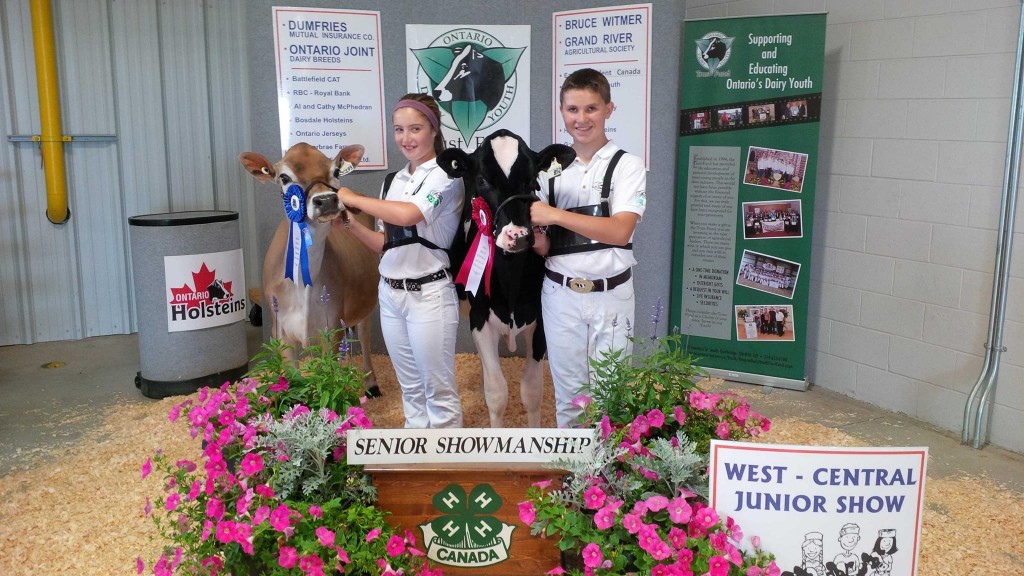

The Ontario Dairy Youth Award selection committee is pleased to announce the winners of the Ontario Dairy Youth Award for 2016. Established in 1980, the competition recognizes young people aged 25-35 who are actively involved in the operation of a dairy farm, who have demonstrated leadership and taken an active role in their communities and within their breed has taken place.
These four lucky winners will receive all-expenses paid trip to World Dairy Expo in Madison, Wisconsin this fall. The Ontario Dairy Youth Award is funded through the Ontario Dairy Youth Trust Fund and Gay Lea Foods.
WESTERN – Derek Van Dieten (519-441-3286) • derekvandieten@hotmail.com
After graduating from university in 2007, Derek returned home to Huron County and within a year along with the help of his parents, transformed a bare-bones 150-acre farm into a fully functioning dairy. He is grateful for all the support received by family, friends and neighbours, and will never forget the day he milked his first cow in his new free-stall sand-bedded barn: September 8, 2008. Today he milks his 90-cow herd in a swing 8 parlour three times daily, with the help of three part-time milkers who handle the evening milkings. He began with just 26 kg of quota and cull cows from nine different herds, but today he fills 130 kg of quota with a BCA of 272-298-267. His herd is over 50 per cent Very Good or better and in 2011, he had his first homebred Excellent cow. Two years ago, Derek added 40 stalls and a straw pack to his barn. A second manure pit and plans for another barn for close-up cows are currently in the works. Derek is a past Director of the Huron County Holstein Club and served as President in 2013. He is currently in his third term as the 2nd Vice-Chair of the Huron County Dairy Producer Committee.
WEST-CENTRAL – Laura Schuurman (905-869-1015) • lw.schuurman@gmail.com Laura is a full-time employee at Summitholm Holsteins. The 400 milking cow operation consists of two free-stall barns for cows and heifers, an 80-calf pack barn for calves two to six months old and 40 hutches. Cows are milked three times a day in a double-12 parallel parlour and have continual access to high-quality, fresh TMR feed. Since becoming involved in the operation seven years ago, Laura has brought the calf mortality rate down from almost 10 per cent to less than one per cent and increased the average daily weight gain in pre-weaned calves from approximately 700 grams to almost 860 grams per day. Laura has helped create an Ovsynch program to increase pregnancy rates from 23 to 26 per cent and decrease average days open to 115 from 130. She’s also installed the HeatTime system in an effort to maintain an average first calving age of 22.4 months. Laura has recently restarted her own prefix within the herd and plans to increase the number and value of her cows. She is currently Vice-Chair of the Brant-Wentworth Holstein Club and serves as a Director for the Hamilton-Wentworth 4-H Board. Laura leads the 4-H calf club in Ancaster and enjoys supplying calves to local 4-H’ers.
EAST-CENTRAL – John Werry (289-830-2879) • loademede@gmail.com John milks 75 cows in Ontario County, in partnership with his wife, Heather, and parents, Dennis and Cindy. Their new compost bedded pack barn, designed by John and built last spring, features a GEA M1One robotic milking system, milk taxi pasteurizer and stress-free calving area. In addition to improving efficiencies, the new facility was designed for cows to “be comfortable, make milk and get in calf.” John spent a decade gaining expertise in both the genetic and nutritional fields of the dairy industry before returning to the home farm. All feed is grown on the farm and some rented acreage provides the opportunity to cash crop soybeans and corn. He uses proven sires on top-ranking cow families to maintain the herd’s focus on type. With 20 VG 2-year-olds last year and a BCA of 220-235-220, John and his family are excited about the herd’s progress to date. Going forward, he’d like to construct a new facility to house dry cows and bred heifers, expand to a third robotic milking stall and purchase nearby land as it becomes available. John also plans to continue to aggressively purchase quota (they’ve expanded from 74 kgs to 95 kgs since he became involved) to eventually fill the 200 kgs a third stall would allow for. John is an Official Judge with Holstein Canada, Past President of the Ontario County Holstein Club, a Director on the Durham Region Milk Producers Committee and a member of the East-Central Junior Show Committee.
EASTERN – Jason Gould (613-432-0478) • gouldhaven@hotmail.com Jason and his family milk 55 cows in a tail-to-tail tie-stall barn in Renfrew County. His mom, Vera, is in charge of the farm books and helps in the barn as needed, while Jason, his dad, Barry, and brother, Scott, focus on the cows and the family’s 24,000 boiler chicken operation. The herd, which achieved Master Breeder status in 2014, consists of 7 EX, 47 VG and 16 GP and over 90 per cent of cows have a Very Good or Excellent dam with stars. Cows at Gouldhaven are fed TMR four times daily, with one ration used for all milking cows. The family crops alfalfa hay, wheat, corn and soybeans in rotation and purchases some straw and dry hay each year. Several changes over the years have helped the herd improve. Raising the roof in their old barn by four feet and installing new lights and fans in 2005 helped boost milk production and reproduction. They increased the size of the the old stalls in 2011 and put on an addition with 12 more stalls, three box stalls, a feed storage area and a wash area. Going forward, Jason and his family plan to purchase more chicken and dairy quota. Their five-year plan is to build a heifer and calf barn and continue to buy big-framed animals from good cow families. Jason is currently 2nd Vice President of the Renfrew County Holstein Club. He is passionate about hockey and after playing six years of Junior hockey himself, became the head coach for his local Junior B hockey club. He has coached and mentored at the minor level and acts as a Scout for a number of organizations in Toronto.
![13248405_10153607544920418_8108046256094181155_o[1]](https://www.thebullvine.com/wp-content/uploads/2016/05/13248405_10153607544920418_8108046256094181155_o1-600x400.jpg)
![13227593_10153607545325418_460278589106854411_o[1]](https://www.thebullvine.com/wp-content/uploads/2016/05/13227593_10153607545325418_460278589106854411_o1-600x400.jpg)
![13247689_10153607547310418_4280265197726130755_o[1]](https://www.thebullvine.com/wp-content/uploads/2016/05/13247689_10153607547310418_4280265197726130755_o1-600x400.jpg)
![13147598_10153475770562051_1496234763684020853_o[1]](https://www.thebullvine.com/wp-content/uploads/2016/05/13147598_10153475770562051_1496234763684020853_o1-600x450.jpg)
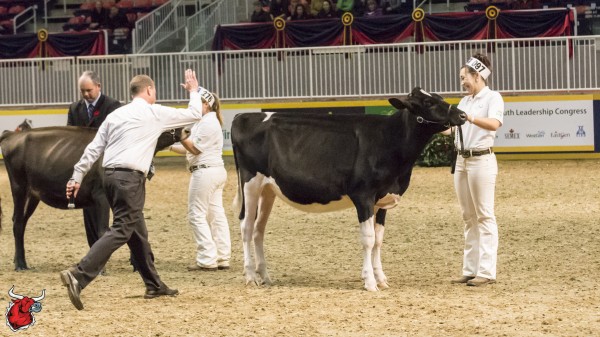
 At any given time, a livestock or horse show can be exciting, stressful, emotional and exhausting for competitors and their parents. With all of the buzzing around and competition, the environment is ripe with opportunity to behave in a very unsportsmanlike manner; parents, this is your opportunity to lead by example!
 Don’t criticize others. The old adage “if you don’t have anything nice to say, don’t say anything at all” can go a long way. We all have opinions; however, it is up to us how to word those opinions so they don’t hurt or disparage anyone else. We may not agree with the judge’s placing that day or perhaps we would have managed the show differently, but we must show respect to those people because after all, they’re all people. The beauty of life is that we don’t all think and operate the same way. Finding the value in another person’s critique of our performance, learning about different ways to manage shows and observing others free from judgement allows us to learn a great deal.
 Holstein Association USA has announced the finalists in the 2016 Young Distinguished Junior Member (YDJM) competition. The YDJM award is the highest honor a Holstein Association Junior member between the ages of 9 and 16 can achieve.
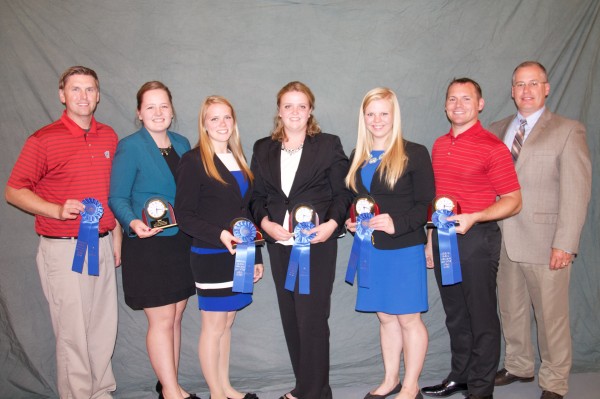
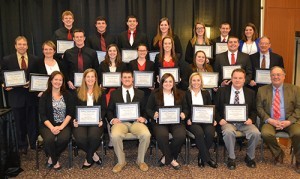 Nearly 250 future leaders of the dairy industry gathered in Syracuse, New York, for the national Dairy Challenge held April 7-9, 2016. The event brought together 39 colleges from 29 states and three Canadian provinces to learn technical dairy skills, network with other students and explore industry careers and innovation.




![11014276_733336526787496_7255476325964833289_o[1]](https://www.thebullvine.com/wp-content/uploads/2015/09/11014276_733336526787496_7255476325964833289_o1-600x400.jpg)
![11951473_813382682116213_3532642582654289359_o[1]](https://www.thebullvine.com/wp-content/uploads/2015/09/11951473_813382682116213_3532642582654289359_o1-600x401.jpg)
![10338424_813334345454380_8154053312813986186_o[1]](https://www.thebullvine.com/wp-content/uploads/2015/09/10338424_813334345454380_8154053312813986186_o1-600x400.jpg)
![11999050_814414238679724_5747946055335574575_n[1]](https://www.thebullvine.com/wp-content/uploads/2015/09/11999050_814414238679724_5747946055335574575_n1-600x370.jpg)


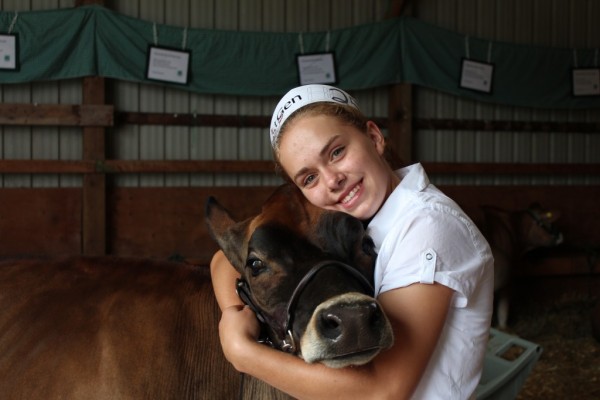
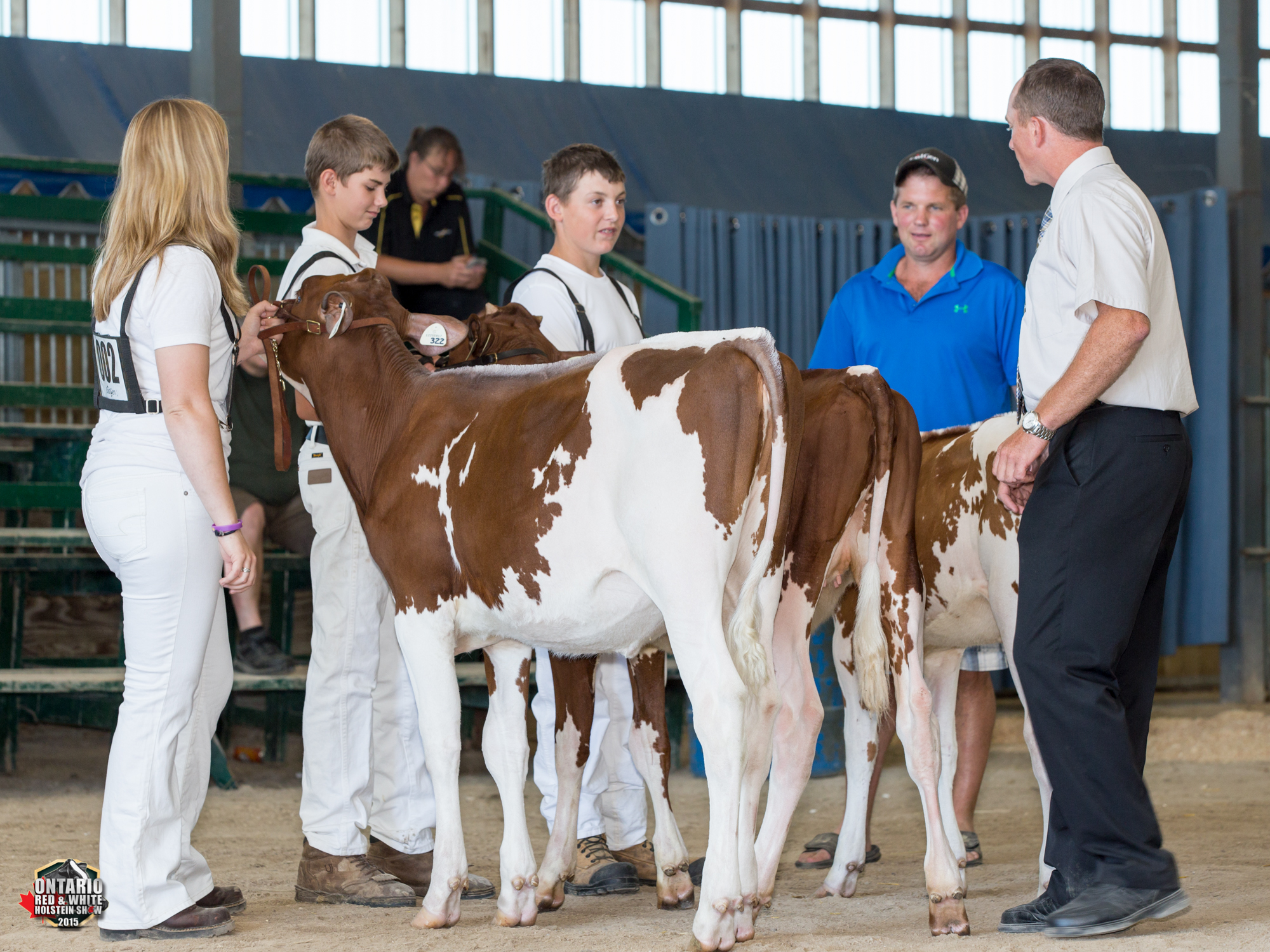 It’s fair season, and that means youth will be competing at county fairs and animal shows around the state with their 4-H projects. Let’s review some sportsmanship guidelines so that all youth and adults have positive experiences at the fair.
![report_agriculture_graduates_wanted_fill_more_ag_jobs_2_635669611433295249[1]](https://www.thebullvine.com/wp-content/uploads/2015/05/report_agriculture_graduates_wanted_fill_more_ag_jobs_2_6356696114332952491.jpg) A new report show tremendous demand for recent college graduates with a degree in agricultural programs, with an estimated 57,900 high-skilled job openings annually in the food, agriculture, renewable natural resources, and environment fields in the United States. According to an employment outlook report released by USDA’s National Institute of Food and Agriculture (NIFA) and Purdue University, there is an average of 35,400 new U.S. graduates with a bachelor’s degree or higher in agriculture related fields, 22,500 short of the jobs available annually.
A new report show tremendous demand for recent college graduates with a degree in agricultural programs, with an estimated 57,900 high-skilled job openings annually in the food, agriculture, renewable natural resources, and environment fields in the United States. According to an employment outlook report released by USDA’s National Institute of Food and Agriculture (NIFA) and Purdue University, there is an average of 35,400 new U.S. graduates with a bachelor’s degree or higher in agriculture related fields, 22,500 short of the jobs available annually.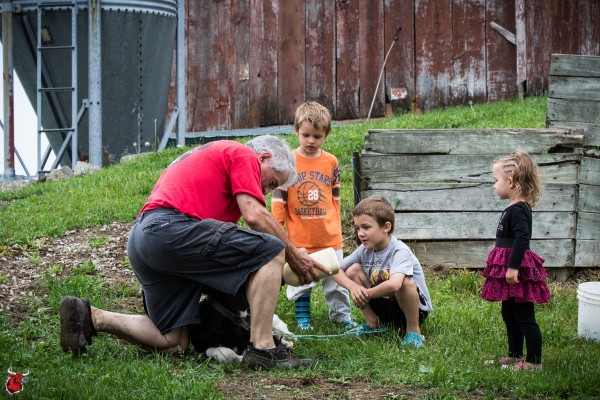
![10625095_10154605197095018_9095586175994467175_n[1]](https://www.thebullvine.com/wp-content/uploads/2015/05/10625095_10154605197095018_9095586175994467175_n1-600x800.jpg)
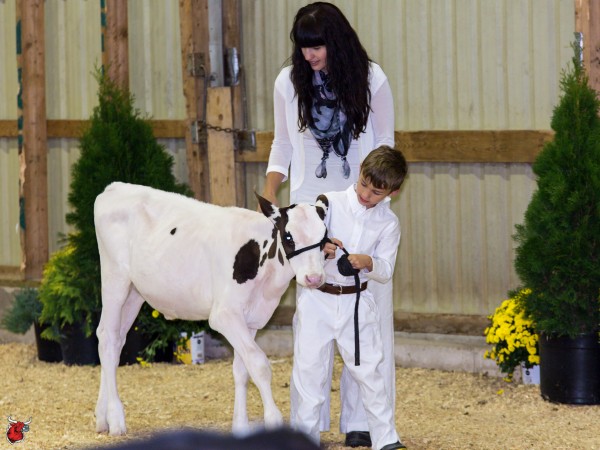
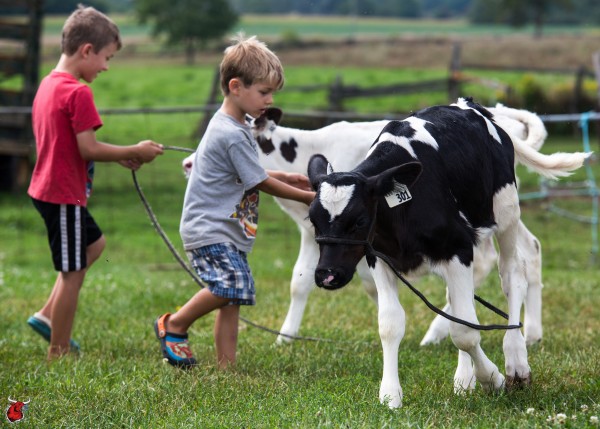
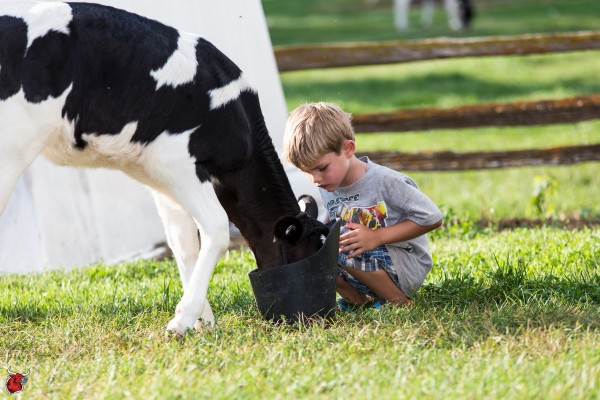
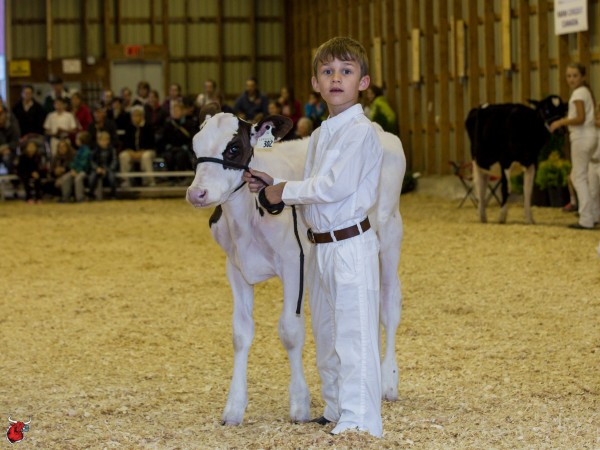
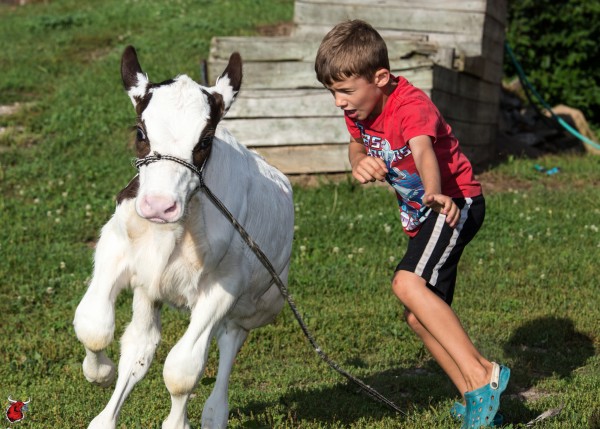
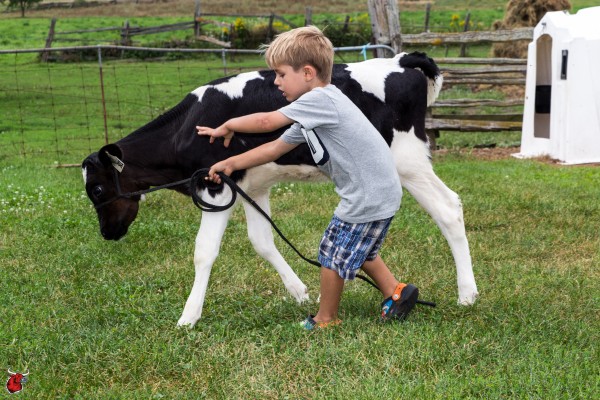
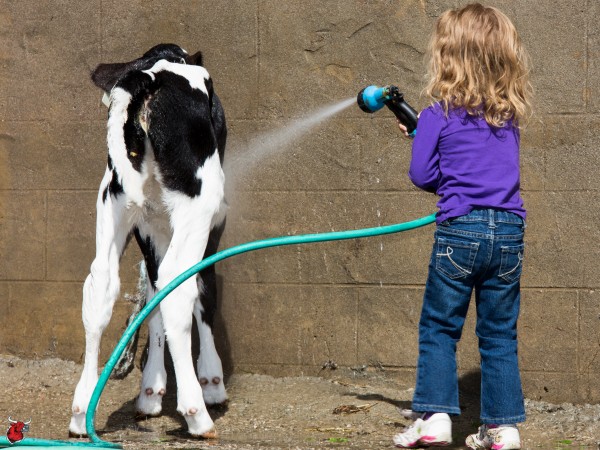
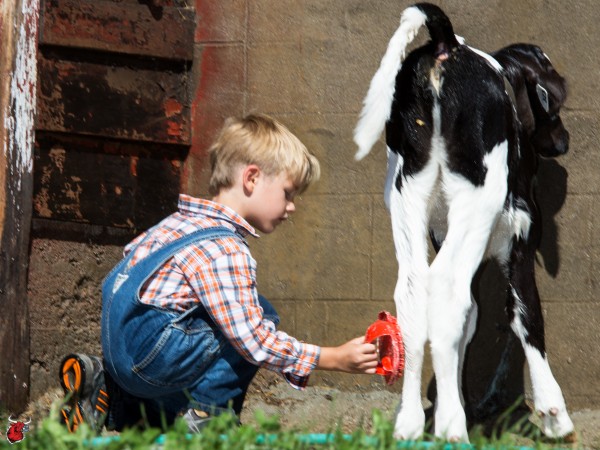
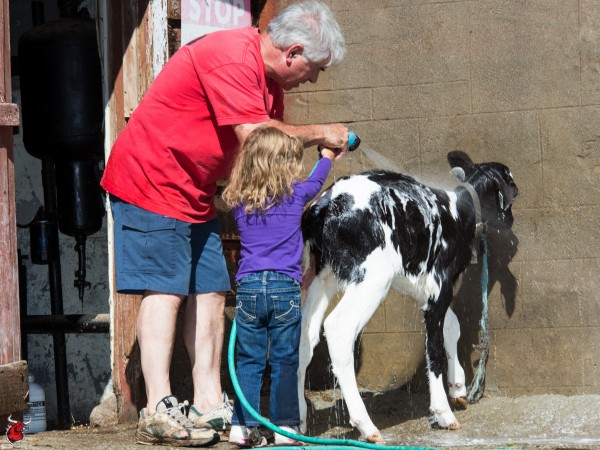
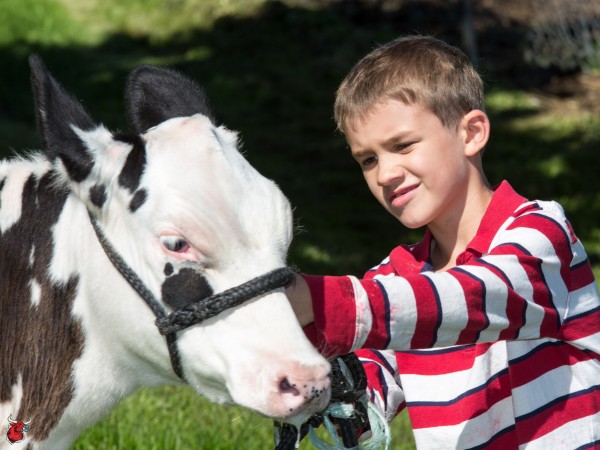
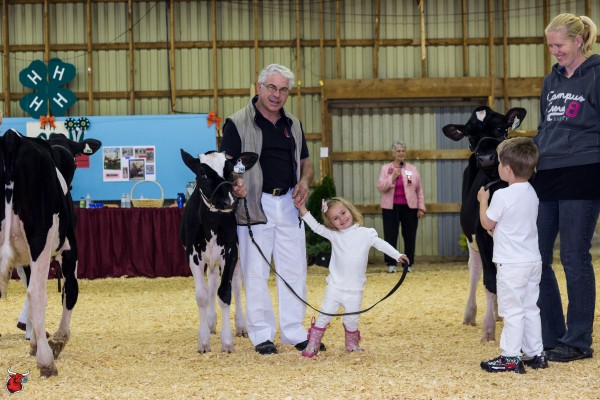
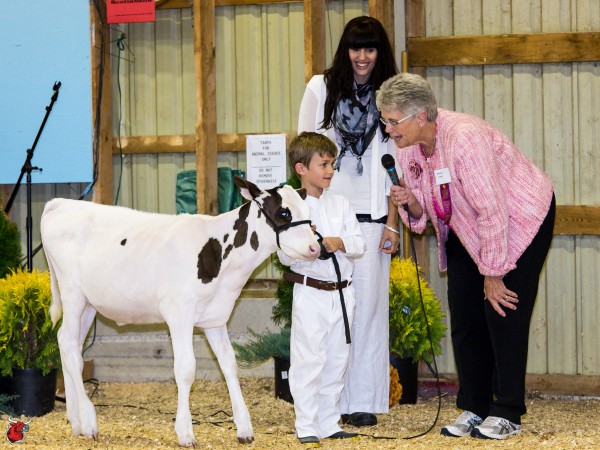
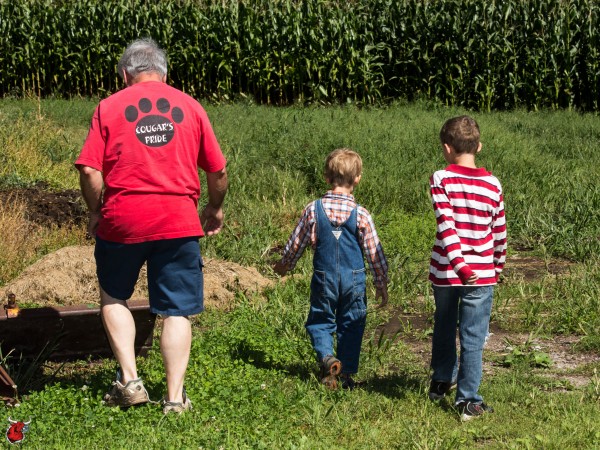
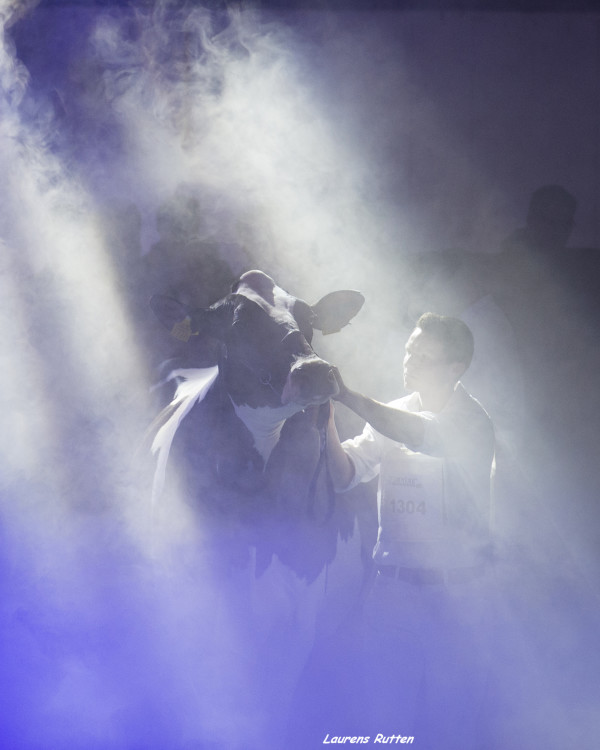
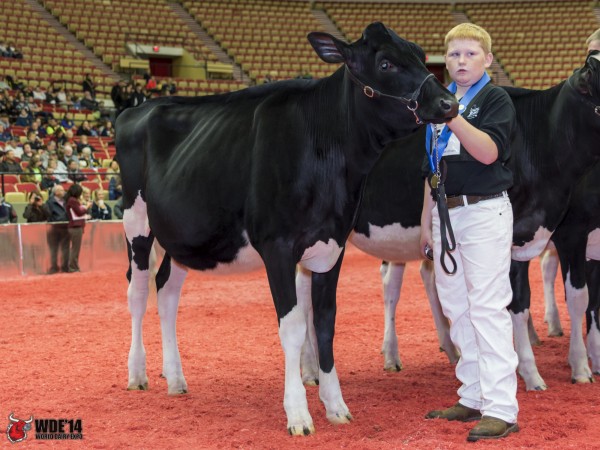 There’s got to be a scientific reason as to why livestock kids are such incredible kids. As a whole, they possess such admirable traits at such a young age — polite, compassionate, confident, hard working, and driven. As livestock-minded people, we might immediately attribute this to genetics, and while that may be true to a degree, child psychology shows that it is the parental involvement and the environment in which livestock families raise their children. Here are six reasons psychologists believe the #stockshowlife benefits child development.




![10694253_770698902990791_7953552625024330699_o[1]](https://www.thebullvine.com/wp-content/uploads/2014/10/10694253_770698902990791_7953552625024330699_o1-600x428.jpg)